MARIAME KABA
Interracial youth organizing in the 30s and 40s
MARIAME KABA
Interracial youth organizing in the 30s and 40s
The Southern Negro Youth Congress (SNYC): Interracial youth organizing in the 30s and 40s by Mariame Kaba (Oct 2024)
This zine is seventh in a series called "Archival Activations". Using my personal collections, I feature specific documents and records and provide historical context. I hope readers who engage the publications in this series will find some contemporary relevance in what is featured. My archival orientation is pulling from the past to make a better future. This publication is an installation of that orientation.
Read other zines from the series here: https://issuu.com/projectnia/
Designed and illustrated by Kruttika Susarla
THE SOUTHERN NEGRO YOUTH CONGRESS (SNYC)
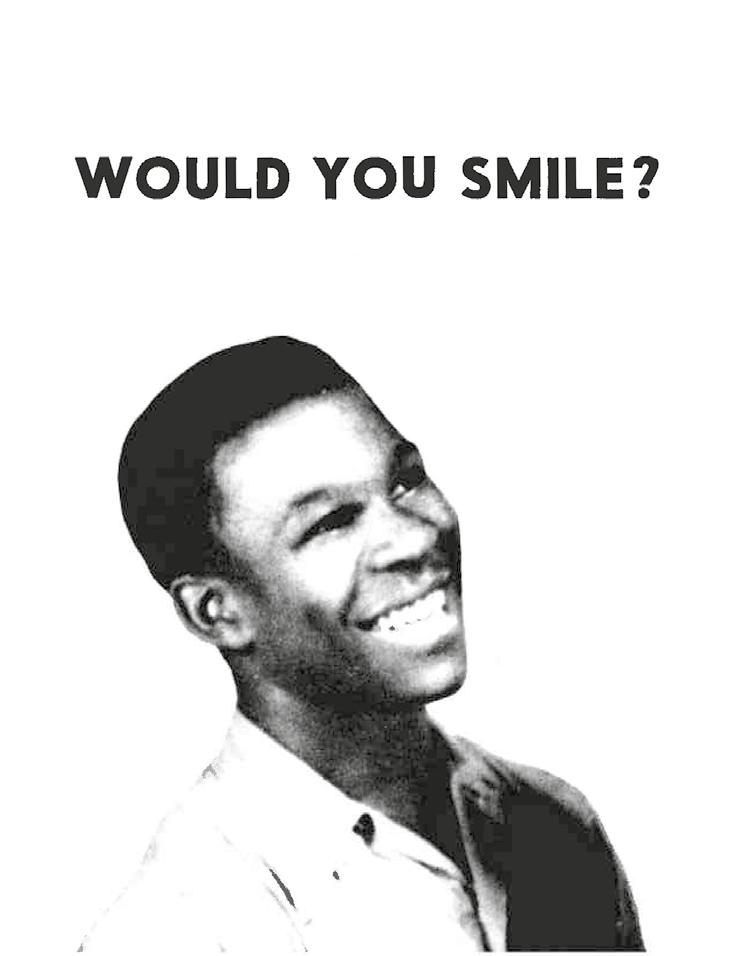
A few years ago, I purchased a copy of a picture booklet titled “Would You Smile?” published by the Southern Negro Youth Congress (SNYC) in July 1946. The SNYC created the booklet with the intention of building solidarity among the white working class.
The Southern Conference Educational Fund, established by the Southern Conference for Human Welfare (SCHW) in January 1946, underwrote the cost of printing the booklet. 50,000 copies of “Would You Smile” were distributed across the country.
In the October 1946 edition of the Southern Patriot, SCHW’s newsletter, readers could order copies of “Would You Smile?” along with other publications. They advertised it as follows: “This 16-page picture booklet describes the health, housing and educational facilities for Negroes in the South, and asks, ‘If you were a Negro would you smile?’ 5 c each, $4 per hundred and $25 per thousand.”
The booklet can be found in a couple of archives but I wanted to share it more broadly. So I am including a copy of “Would You Smile” as part of this zine which provides some historical background about the SNYC.
This publication is the 7th zine in my Archival Activations series.
The Southern Negro Youth Congress (SNYC) was a left-wing, interracial youth coalition dedicated to advancing the causes of civil rights and economic equality in the South between 1937 and 1949. It made important progress in organizing for democracy and workers’ rights in the South, and helped lay the groundwork for the Civil Rights Movement of the 50s and 60s.
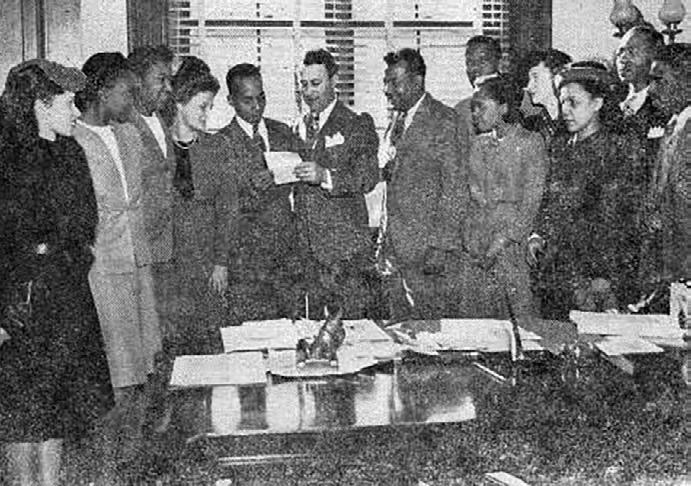
Young people inspired by the National Negro Congress (NNC) held in Chicago, Illinois in 1936 formed SNYC. Younger attendees, including activists Helen Gray, James Jackson, Esther Cooper, and Edward Strong, wanted to implement NNC’s radical agenda, but also wanted to start a youth-led movement that was not indebted to or led by older civil rights leaders.
In 1937, the first SNYC conference took place in Richmond, VA. Among the over 500 delegates, there were representatives from almost every historically Black college. There were also delegates representing YMCA branches and Girl and Boy Scout chapters.
��
Members
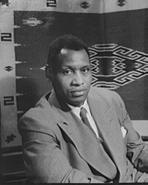
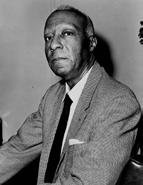
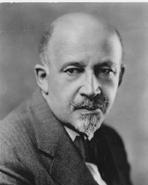
Left to right: Paul Robeson, A. Philip Randolph, W.E.B. Dubois, and Mary McLeod Bethune. Public domain images
The SNYC defined its mission through a four-point program: it called for improvement in the South in the areas of citizenship, education, jobs, and health.
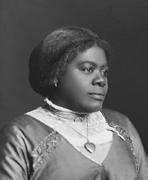
This was a popular platform and garnered substantial interracial support. Labor organizations such as the AFL and CIO endorsed SNYC. Many radical Black leaders advised or encouraged the organization, including Paul Robeson, A. Philip Randolph, W.E.B. Dubois, and Mary McLeod Bethune. SNYC also maintained close ties with the US Communist Party (CPUSA), although the party did not have control over it, and the organization was officially nonpartisan.
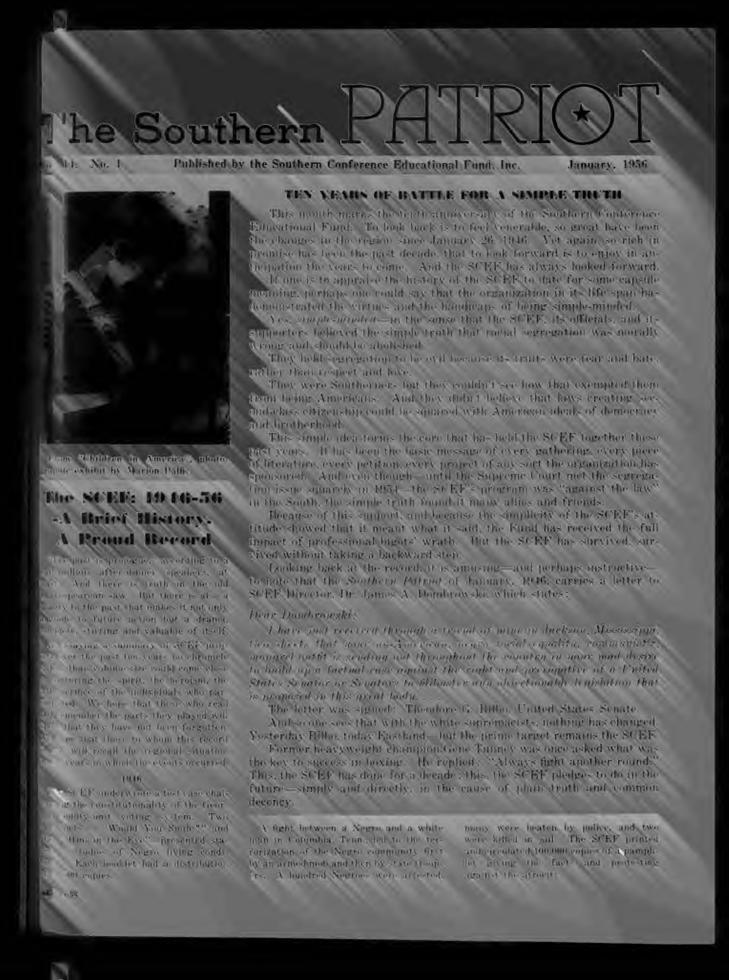
The Southern Patriot, January 1956
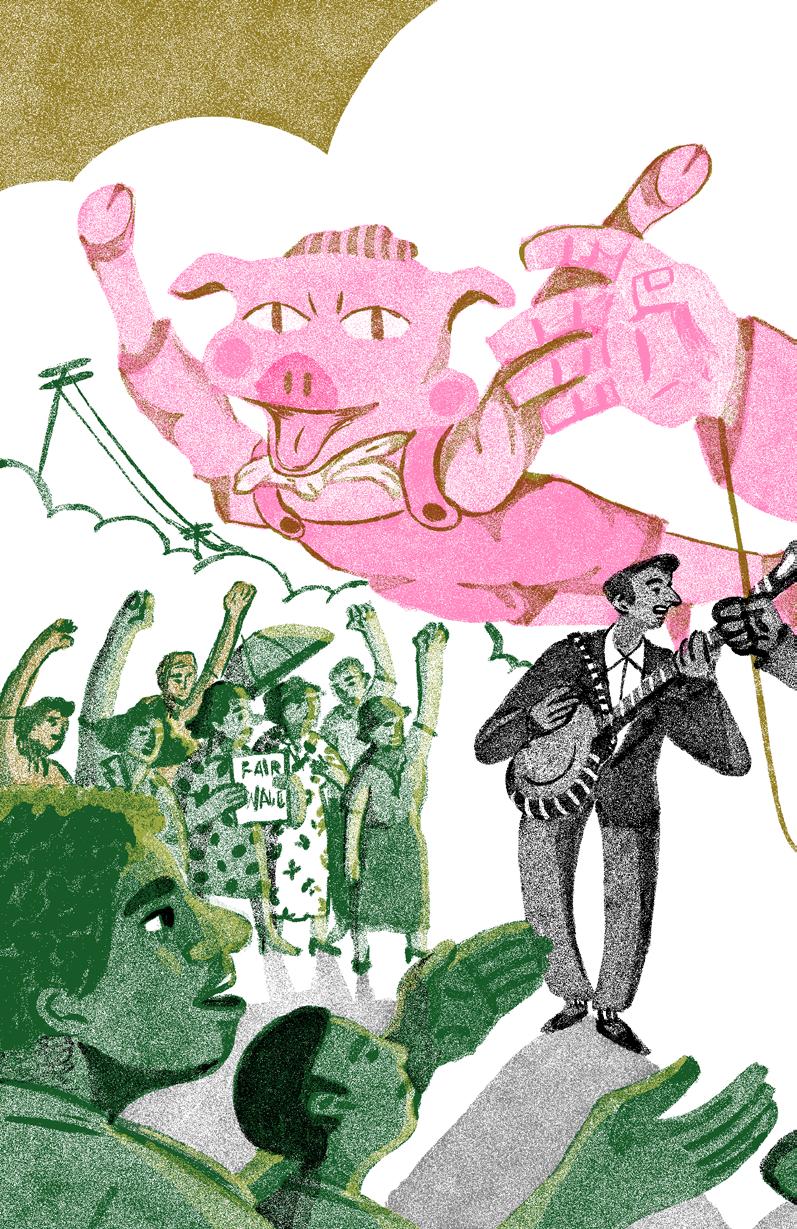
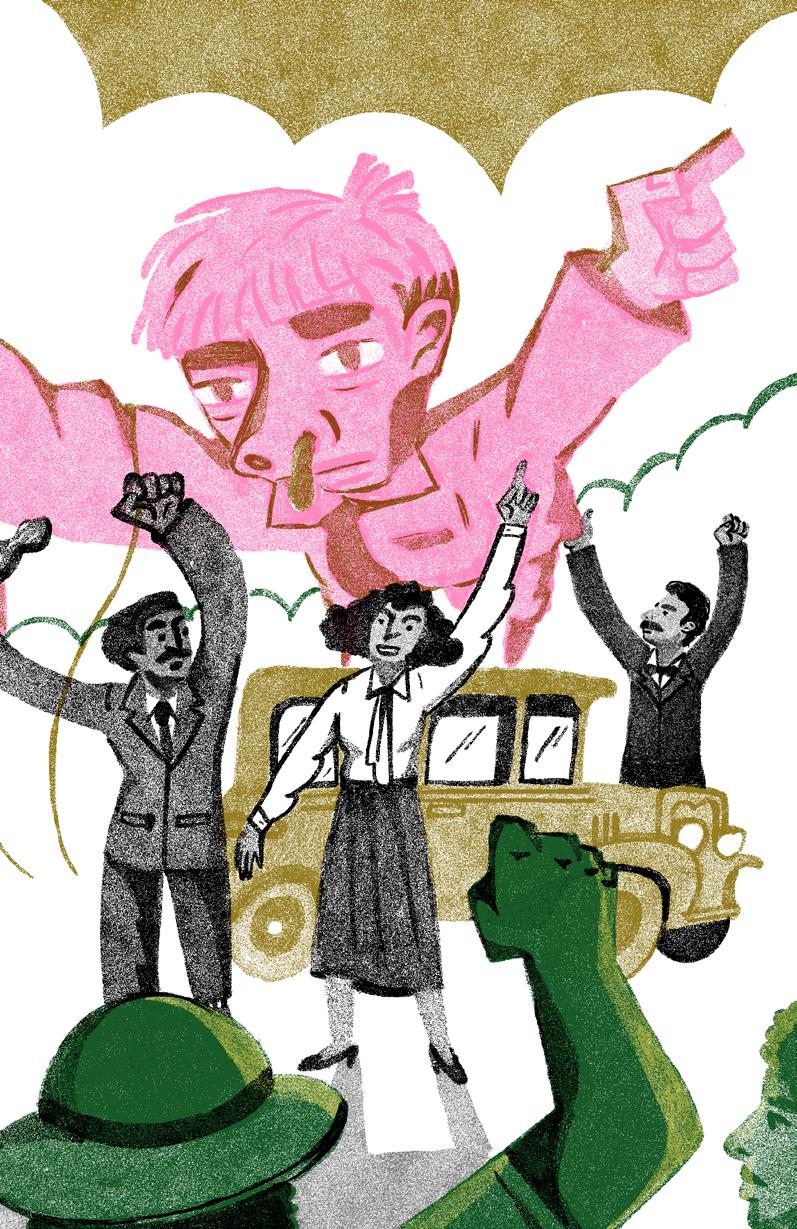
SNYC quickly became involved in its first major campaign—organizing tobacco workers.
In 1937, Black workers struck in protest against Carrington and Michaux Tobacco Stemming Company and I.N. Vaughn and Company, as well as against their own conservative segregated union, the Tobacco Workers’ International Union.
Black workers carried out the initial tobacco processing work; they were barred from other jobs. The unions were organized around tasks, which effectively meant that locals were segregated. White union leaders had little incentive to help Black workers, who labored long, brutal hours for little pay.
SNYC sent in organizer C. Columbus Alston, who helped them form the Tobacco Stemmers and Laborers Industrial Union. The new union quickly won impressive concessions: 10 to 20 percent pay raises, eight-hour days and forty-hour weeks, and time and a half overtime. The victory helped elevate SNYC’s reputation and build towards further labor actions and wins. They formed chapters in 10 states; the organization eventually grew to 11,000 members.
Besides encouraging unionization, SNYC organized anti-lynching campaigns and pushed for federal anti-lynching legislation.
The organization advocated for Black voting rights via editorials and worked to register voters despite racist barriers like the poll tax.
SNYC also served as a resource for Black people facing injustice in the South. For instance, the group took up the cause of Nora Wilson, an eighteen-year-old Black woman in Milbrook, AL, whose sister was accused of stealing six ears of corn. Wilson was arrested when she told a white woman that the charges were false. Wilson’s mother asked for help from the Caravan Puppeteers, a group of traveling artists sponsored by SNYC.
SNYC investigated, raised money for legal services, and publicized the case through mass meetings and leaflets. The authorities disliked the attention, so they freed Wilson after months of imprisonment.
SNYC also focused on education. Chapters taught classes in African-American history—a subject not taught in Southern schools at the time—and pushed to allow Black people access to libraries. The organization created a literary magazine Cavalcade: The March of Southern Negro Youth, and funded theater groups like the Caravan Puppeteers to raise awareness, teach history, and encourage activism.
The SNYC always faced resistance from reactionary forces, including the KKK. After World War II, however, the attacks on it increased. In the era of McCarthyism, the FBI targeted the SNYC for its Communist and antiracist views, claiming it was subversive, wiretapping its members’ phones, harassing its leaders, and planting evidence.
Bull Connor, the notorious racist police chief of Birmingham, worked to shut down SNYC as well. Northern allies, including unions, dropped their ties with the organization. Southern churches would no longer allow SNYC meetings. Police claimed SNYC meetings violated segregation laws, and arrested white people who attended, including Senator Glen Taylor of Idaho.
Faced with this pressure, the SNYC had no choice but to shutter in 1949. Nevertheless, its influence endured. Its example of youth-led organizing provided crucial inspiration for Civil Rights’ era groups like the Student Nonviolent Coordinating Committee (SNCC). Its focus on Southern voting rights also became a key goal of, and inspiration for, the Civil Rights Movement.
C. Alvin Hughes, “We Demand Our Rights: The Southern Negro Youth Congress, 1937-1949,” Phylon, Vol. 48 No.1, 1987, pp. 38-50. https://www.scpronet.com/modjeskaschool/wp-content/uploads/2016/05/We-Demand-OurRights.pdf
Johnetta Richards, “Southern Negro Youth Conference,” Blackpast, January 16, 2008. https://www.blackpast.org/ african-american-history/southern-negro-youth-congress-1937-1949/
Lindsey R. Swindall, The Path To the Greater, Freer, Truer World: Southern Civil Rights and Anticolonialism, 19371955, University Press of Florida, 2014.
Charlie Cobb, “The Story of SNCC,” Inside SNCC, Accessed July 24, 2024. https://snccdigital.org/inside-sncc/ the-story-of-sncc/