IN THIS ISSUE


In Loving Memory Of
JOE SICKING
Photo: Joe Sicking with Governor Lombardo at the Humboldt County Lincoln Day Dinner in Winnemucca, Nevada on March 13, 2026
Photo courtesy Charlie De La Paz.
We are saddened by the passing of former State Conservation Commissioner Joe Sicking, a dedicated Nevadan and respected leader among Nevada’s Conservation Districts. Joe spent more than 30 years serving the Paradise Valley Conservation District, led the Nevada Association of Conservation Districts as President, and later served as Chairman of the State Conservation Commission.
Joe took particular pride in the relationships he helped build during efforts surrounding the potential listing of the greater sage-grouse. He spent countless hours bringing people together to find common ground, often emphasizing that what’s good for the bird is good for the herd.
Beyond his public service, Joe was deeply connected to Nevada’s agricultural roots and was a proud supporter of the state’s sheep industry. In 2023, he was inducted into the Nevada Association of Conservation Districts Hall of Fame with a Lifetime Service Award recognizing his decades of commitment to conservation.
Joe’s legacy lives on through the partnerships he built, the districts he strengthened, and the many people he worked alongside across Nevada. We extend our sincere condolences to his family, friends, and colleagues. He will be greatly missed.
dcnr.nv.gov/blogs/dcnr-remembers-conservation-commissioner-joe-sicking
35 UNR | Irrigation and Planting Decisions for Early Season
36 UNR | Robotics and AI to be employed on the range to raise sheep in harsh environments
37 UNR | Nevada’s only certified organic wholesale nursery boosts production for Nevada farmers
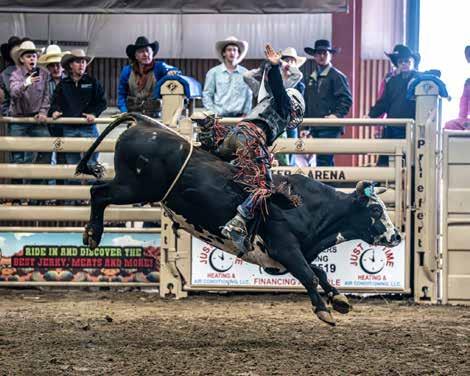
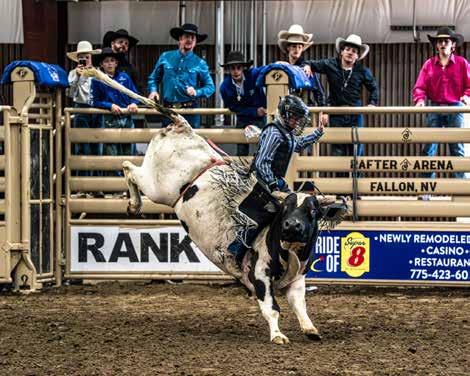
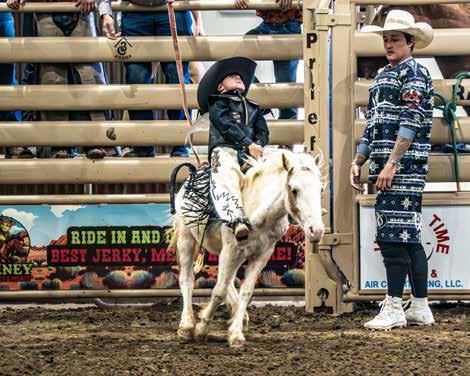
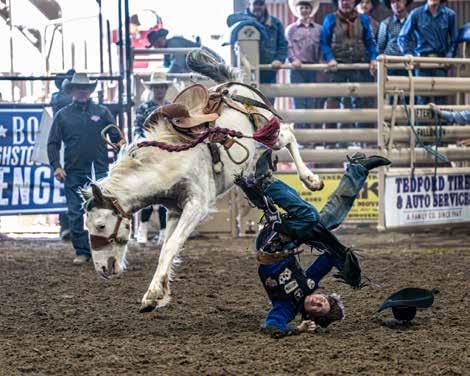
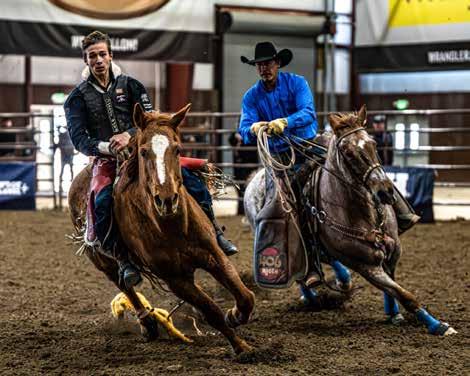
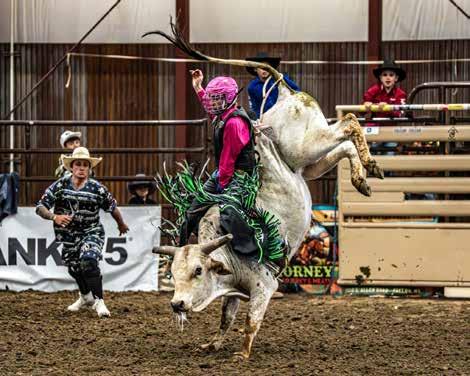
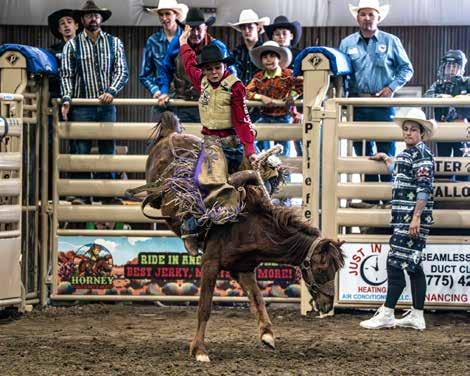
38 Battle Born Broncs Results
The Bones of the Economy

There are entire industries that form the backbone of modern life, yet most people rarely think about them. They are the skeleton of the economy—foundational, essential, and largely invisible to the majority of people in the developed world. We tend to take these basic industries for granted. Their absence would be immediately felt, but their presence is so constant that they fade into the background. A good example came during the early days of COVID-19 pandemic. People rushed to stores and emptied shelves of toilet paper, yet there was no widespread panic about the food supply. There was an unspoken confidence that food would continue to be produced, processed, and delivered. Thankfully, it was. But that moment revealed something important: we notice disruptions to convenience faster than we recognize the systems that sustain us.
History offers similar lessons. The Guggenheim family built a vast fortune in the early 20th century through mining operations across the United States and South America. That wealth later funded major philanthropic efforts and cultural institutions, including the well-known Solomon R. Guggenheim Foundation. Today, their descendants remain influential in global finance, with involvement in asset management controlling hundreds of billions of dollars.
Yet if you walk through a Guggenheim museum on a guided tour, you are unlikely to hear much about where that money originally came from. The story of mining—the hard, foundational work that made everything else possible—is often left out.
The same pattern appears in how we interpret development. In many port cities, working ports are relocated to allow for expansion and modernization. What the public often sees instead are waterfront shops, hotels, and river walks. It can appear as though ports were moved to make way for urban renewal, when in reality, those visible changes are made possible by relocating and upgrading the less visible infrastructure that drives commerce.
By Dave Baker, President
I was reminded of this recently during my granddaughters’ history lesson on the Comstock Lode, the first major U.S. deposit of silver ore, and it had a significant impact on American history. It helped finance the Union during the Civil War, accelerated Western expansion, sped up Nevada’s path to statehood, and helped establish San Francisco’s financial dominance through mining wealth and technological advances.
The lesson, however, focused on how the Comstock advanced the use of the printing press and improved communication in the region and across the nation.
I suppose that makes sense; a writer might naturally focus on his or her predecessors’ contributions, but it also minimizes the foundational role the Comstock Lode itself played. The communication advances mattered, but they were made possible by the mining. That’s really the point. The majority of the population in the developed world doesn’t spend much time thinking about, talking about, or learning about what I would call the bones—the skeleton—of the economy. These industries are seldom part of media or entertainment.
I’m pretty comfortable being a little under the radar. But it does make it more difficult to convince others that your issues are important when your industry is almost never part of their daily conversations.
Thanks for your time.


by Martin Paris | NCA Executive Director | O: 775-738-9214
Spring Momentum: Progress on Public Lands and a Seat at the Table
Happy May everyone! I’m not sure where the time goes, but it sure goes fast. This time of year always brings a mix of long days and a cautious eye on the weather, and it’s no different on the policy front. April was an action packed month with a lot to report on.
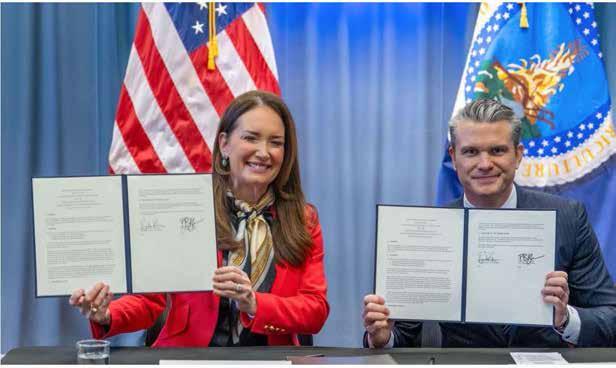
There has been a ton of encouraging news coming out of Washington, D.C. recently. The U.S. Department of Agriculture and the Department of the Interior announced a new agreement between the Forest Service and Bureau of Land Management aimed at improving how grazing is managed across federal lands. While we’ve heard plenty of promises over the years, this one is at least moving in the right direction.
At its core, the agreement is focused on cutting through some of the bureaucratic backlog that continues to slow down day-to-day operations for permittees. That includes streamlining permitting, making it easier to complete range improvements, and improving response times during emergencies. In short, it’s an acknowledgment that the current system isn’t working as efficiently as it should for the people on the ground.
One piece worth highlighting is the emphasis on treating ranchers as true partners in land management. The agreement calls for more direct communication with permittees and even includes opportunities for agency staff to spend time on working ranches. That kind of firsthand experience is something we’ve long said is necessary if we’re going to see meaningful, practical decisions coming out of these agencies.
There are also some tools included that align with what we’ve been pushing for here in Nevada— things like targeted grazing for wildfire mitigation, reopening vacant allotments, and tools to improve management flexibility. Additionally, there is language supporting the maintenance of grazing capacity, including a goal of no net loss of AUMs where possible.
Wildfire coordination is another area addressed, with plans to improve communication between permittees and agencies during fire response. Given the ongoing challenges we face each year, any improvement in that process is welcome.
As always, the details—and more importantly, the implementation—will matter. We’ve seen good ideas before that never quite make it past paper. That said, this is a step in the right direction and reflects a growing recognition of the role ranchers play in managing these rangelands.
On the heels of this announcement, leadership at the Nevada Cattlemen’s Association participated in a roundtable discussion with Governor Joe Lombardo and Secretary of the Interior Secretary Doug Burgum. NCA wasted no time in doubling down on several other key priority areas. Wild horse management was front and center, including the importance of following the law to ensure populations are maintained at Appropriate Management Levels (AML). We also emphasized the value of grazing as a tool to reduce wildfire risk and assist in post-fire rehabilitation efforts.
Another key point of discussion was ensuring that local district offices have the personnel and knowhow to move projects forward—whether that

be targeted grazing, reissuing permits on vacant allotments, or implementing more flexible grazing practices.
NCA made it clear that grazing remains one of the highest and best uses of our public lands—and that covering rangelands with solar panels is not. We also raised concerns about the more than half a million suspended AUMs that have been lost over the past few decades. There’s a lot of talk about “rebuilding the herd,” and reinstating those AUMs would be a good place to start.
Several individuals in the room noted they could not recall a roundtable like this ever taking place. For that, we are thankful.
Thank you to Governor Lombardo, Secretary Burgum, Nevada Department of Agriculture Director J.J. Goicoechea, and everyone involved for taking the time to listen to the needs of Nevada’s ranchers and coming ready to address challenges head-on.
Till next time.
Nevada Water Solutions LLC
Joinusfor the revivalof
Dates
Thursday, June 11Saturday, June 13

FEATURING

Nevada State Fairgrounds 1350 N Wells Ave, Reno, NV 89512

Local


Summer Grilling by the Numbers: Beef Continues to Bring the Heat
By Annette Kassis—Director, Consumer & Brand Marketing
If Meat + Fire = Yum, then Summer + Grilling = BEEF. Hands down, no question. As we dive into summer, grilling takes center stage with Beef still holding its summer position as the protein many families reach for first. According to BeefResearch.org, while higher food prices are shaping decisions at the grocery store, grilling continues to be a go-to for many households, just with a more budget-aware mindset.
According to the National Cattlemen’s Beef Association, a contractor to the Beef Checkoff, 96% of consumers say they plan to grill this summer, with75% of them planning to maintain their frequency of grilling over previous years. This makes sense, when you consider that consumers report the three most important things when grilling—Taste, Ease of Preparation, and If the Meal is Family Friendly—are all hallmarks of preparing food on the grill.
But while consumers love grilling during the summer months, 89% of them have concerns this grilling season, all related to inflation:
• 53% express concern over the cost of meat
• 48% report an overall concern over the cost of groceries in general
• 33% cite the cost of propane, wood pellets and chips, and other fuels as an issue
These concerns over cost are driving behavior changes among consumers including:
• Use of coupons and weekly deals more often (40%)
• Less dining out (39%)
• Buying different or less expensive cuts of meat than normal (37%)
Tighter budgets are leading consumers to adapt as they keep Beef in the weekly rotation for meals. This adaptation is showing up at the meat case, as priceconscious consumers are choosing cuts that offer value and versatility. Not surprisingly, Ground Beef remains a dependable, budget-friendly option that works across countless meals, and 89% of consumers report that Beef Burgers are a key staple for grilling. In fact, Beef Burgers are the top choice for what’s on the grill this summer. Recipes like Slinger Smashburgers, French Onion OpenFaced Burgers, Spicy Cheeseburger Sliders, Mushroom Swiss Burgers with Jalapeño Aioli, Zesty Barbecue Cheeseburgers and more from The Tastiest Burgers recipe collection at BeefItsWhatsForDinner.com give consumers a wide array of flavor profiles to sample all summer long.
What about other Beef cuts? Steaks, while more premium, are purchased intentionally for special occasions when consumers are willing to spend a bit more. Holding a popular spot among steaks, 64% of consumers report they’ll be grilling Ribeye Steaks this summer. Beef Hot Dogs and Beef Sausages or Brats are also strong in popularity on summertime grills, with 74% (Beef Hots Dogs) and 66% (Beef Sausages/Brats) of consumers reporting that those Beef grilling staples will be on the menu this summer.
Beef Ribs also remain popular, with 62% of consumers reporting that they’ll be grilling Beef Ribs through the summer months. Recipes from BeefItsWhatsForDinner. com like Country Style Bourbon BBQ Short Ribs and Glazed Short Ribs with Johnny Cakes give grillers a chance to shake things up with regional flavors and cooking styles.

As any grilling afficionado will tell you, choice of grill and fuel is just as important as the choice of Beef Cut to put to the flame. So, what is America’s preference? When it comes to grilling, 45% prefer a gas or propane grill, making it the top choice for America’s backyards. Charcoal/Kettle grills are also popular, with 39% citing them as their preferred grill. Finally, 23% cite a portable grill as what they will use.
When it comes to grilling occasions by the numbers, it’s not surprising that summer holidays and weekends lead the way, with people reporting they will grill on:
• July 4th (80% of households)
• Memorial Day (75%)
• Weekend Meal (73%)
• Labor Day (70%)
As reported at BeefResearch.org, consumer preferences and grilling habits keep Beef in the spotlight through the summer, and holiday weeks from late May through early September should provide a reliable lift in Beef sales at the meat case. Beef’s broad range of cuts, variety of cooking methods, and versatility when it comes to recipes keeps it well-positioned as the summer grilling go-to. Summer grilling is still a tradition, and Beef continues to dominate.
Beef’s Summer Grilling Outlook 2026, https://www. beefresearch.org/resources/market-research-planning/whitepapers/beefs-summer-grilling-outlook-2026
Grilling Season! Fast Facts infographic, https://beef.widen.net/s/ rsd2bh52lj/beefgrillingfacts-infographic-2023-arms071423-04

Steaks, while more expensive, tend to be purchased intentionally for special occasions when consumers are willing to spend a bit more.Beef Burgers, are the top choice for what’s on the grill this summer. (Source: Grilling Season! Fast Facts infographic from Beef. It’s What’s For Dinner.®)
Photos
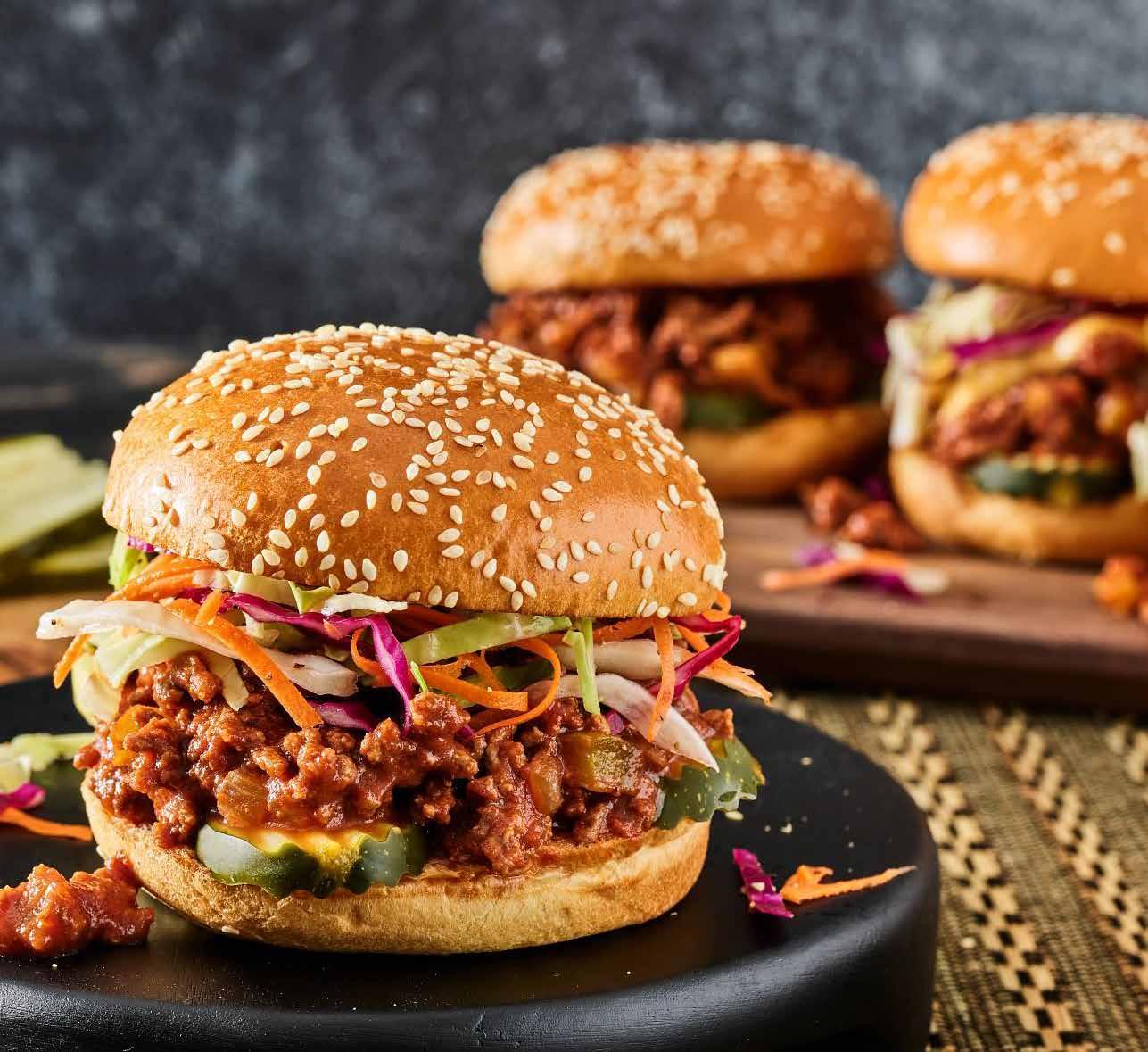
Sloppy Joes Five Ways
30 min | 4 servings | 390 cal | 32 grams protein
If you are looking for tasty new ways to serve Sloppy Joes, we have got you covered with these five great veriations!
Any leanness of ground beef you prefer can be used for Sloppy Joes. We recommend 90/10 ground beef, as it gives a beefy flavor and great texture with less fat. the Sloppy Joe mixture can be prepared ahead and refrigerated in an airtight container for up to 3 days or frozen for up to 3 months.
BUTCHER COUNTER
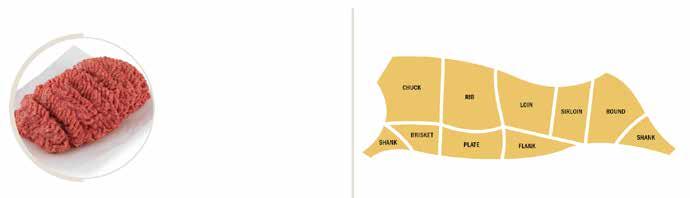
Ground Beef
Versatility and rich flavor make it ideal for burgers, tacos or wraps. Perfect for breakfast, lunch and everything in-between.
Ingredients:
1 pound Ground Beef
1 cup finely chopped yellow onion
1 cup finely chopped bell pepper (any color)
1 can (15 oz) no salt added tomato sauce
2 tablespoons brown sugar
2 tablespoons Worcestershire sauce
4 hamburger buns, split, warmed
Cooking: #1 Base Variation
Heat large nonstick skillet over medium heat until hot. Add Ground Beef, onion and bell pepper; cook 8 to 10 minutes, breaking beef into small crumbles and stirring occasionally. Pour off drippings, as necessary.
Stir in tomato sauce, brown sugar and Worcestershire sauce. Bring to a boil and cook 5 to 7 minutes or until sauce is thickened, stirring occasionally. Season with salt, as desired. Cook’s Tip: Two cans (8 ounces each) tomato sauce may be substituted for 1 can (15 ounces) no salt added tomato sauce.
Divide beef mixture evenly onto rolls. If desired, garnish with toppings such as dill pickle slices, coleslaw, American or Cheddar cheese slices
#2 Southwest Variation | Prepare recipe as directed above, substituting 2 cups salsa for tomato sauce and omitting Worcestershire sauce and brown sugar. Add 1/2 cup drained canned black beans and 1/2 cup frozen corn with ingredients in step 2. Serve in warmed taco shells. Garnish with shredded lettuce, chopped tomato, shredded pepper-Jack cheese, chopped avocado, pickled or fresh jalapeño slices and chopped cilantro, if desired.
#3 Hawaiian Variation | Prepare recipe as directed above, substituting 1/2 cup sweet barbecue sauce for tomato sauce and omitting Worcestershire sauce. Add 1 undrained can (8 ounces) crushed pineapple in juice with ingredients in step 2. Serve in small sweet Hawaiian honey wheat dinners rolls. Garnish with dill or sweet pickle slices or pickled jalapeño slices, if desired.
#4 Moroccan Variation | Prepare recipe as directed above, omitting Worcestershire sauce. Add 1/2 cup raisins, 2 teaspoons pumpkin pie spice and 1 teaspoon ground cumin with ingredients in step 2. Remove from heat and stir in 1 tablespoon nonfat Greek yogurt. Serve in naan or pita pocket breads. Garnish with cucumber slices, nonfat Greek yogurt and chopped pistachios, if desired.
#5 Asian Variation | Prepare recipe as directed above, adding 1 tablespoon ground ginger with ingredients in step 1. Substitute 2 tablespoons hoisin for Worcestershire sauce. Serve in warm crusty rolls. Garnish with cucumber slices, shredded carrot and chopped cilantro or chopped green onion, if desired.
Recipes & photos courtesy of
VIDEO ROYALE
MONDAY, JULY 27
Superior Sunrise - 7:30 a.m.
Video Auction - 8:00 a.m. (PDT)
TUESDAY, JULY 28
Superior Sunrise - 7:30 a.m.
Video Auction - 8:00 a.m. (PDT)
28th Annual Superior Livestock Cowboy Golf Tournament - 5:00 p.m.
WEDNESDAY, JULY 29
Superior Sunrise - 7:30 a.m.
Video Auction - 8:00 a.m. (PDT)
Customer Appreciation Dinner
Featuring live music from Ned Ledoux, Kevin Davis and Waylon Thibodeaux - 6:00 p.m.
THURSDAY, JULY 30
Superior Sunrise - 7:30 a.m.
Video Auction - 8:00 a.m. (PDT)
Social at The Martin House
Live music from Waylon Thibodeaux and Kevin Davis
FRIDAY, JULY 31
Superior Sunrise - 7:30 a.m.
Video
- 8:00
Photos will be showcased at the November 12-14, 2026 NCA Convention in Elko, NV Your image should incorporate one (or more) of the following themes:
LIFE ON THE RANGE | Photos showing real unfiltered ranch work; riding, fixing fences, water improvements, putting out salt (mineral), etc.
STEWARDS (KIDS) OF THE LAND | Photos showing how youth care for the rangeland - water management, grazing rotation and wildlife protection. Before and after shots of land improvements will also be accepted.
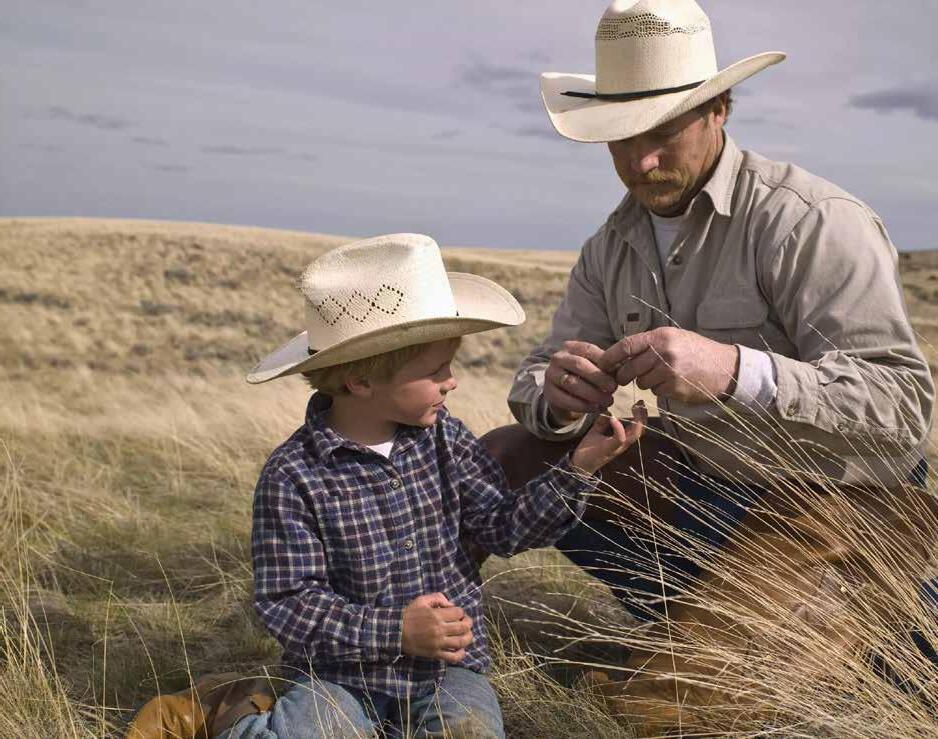
THE NEXT GENERATION | Focus is on youth ranchers showing leadership, responsibility, and tradition being passed down (emphasis on Rangeland).
Submit your single best high resolution photo of the above theme(s) to: progressiverancher@gmail.com by November 1, 2026, 11:55pm Winners will be announced in the Nov/Dec 2026 issue of the Progressive Rancher. For more information, contact Leana Carey at 208.358.2487
Sponsored by NRRC & The Progressive Rancher. All photos become property of NNRC & The Progressive Rancher.
Upcoming Election Choices
The upcoming primary and general elections are going to give the voters in Nevada’s Congressional District Two (CD2) choices they haven’t had in many years. Congressman Mark Amodei is retiring after 15 years of service to Nevada and the nation. As a result of this open seat the election has drawn 26 candidates with people from both the Republican and Democratic parties and one Independent.
The primary election is on June 9th with a crowded field in each party. Typically, primary elections do not draw much interest or voter participation. Thus, this year the winners of the respective primaries will not have very large vote totals because of small voter turnout and the crowded field of candidates.
There are some interesting dynamics about this election. On the Democratic side one of the candidates is a standout. She is a long-time Reno resident and is a former Majority Leader of the Nevada Assembly. She is well known, especially in Washoe County and very familiar with Legislative processes and governmental activities. On the Republican ballot two people caught my interest. One, James Settelmeyer is the recently serving Director of the Department of Conservation and Natural resources. He resigned his post in Governor Lombardo’s Cabinet immediately after filing for the CD 2 seat.
The other is someone I’ve never heard of for obvious reasons. His name is David Flippo. He calls himself “the Trump Republican candidate for Nevada’s 2nd District.”
Apparently, he is a former Lt. Col. Iraq War veteran. I don’t know if he is a resident of CD2 and if so, how long he has been here. If he doesn’t live in CD2 he cannot vote for himself. I am told he is providing funds for his campaign from his own coffers.
What does Flippo know about CD2? Does he have experience in Great Basin Ranching, mining, water law or population growth and urbanization? Has he ever driven from Ely to Carson City on US Highway 50? Has he ever been to Great Basin National Park or Lake Tahoe?
What is an AUM and how does it relate to the livestock industry in Nevada? What is the price of gold today and how and where is that price determined? What was the population of the Truckee Meadows 20 years ago versus today? Where is the Truckee Meadows? I think Mr. Flippo should answer all these questions comprehensively before he can claim to being qualified to campaign to represent one of the most diverse Congressional Districts in the US.
Let’s compare James Settelmeyer to the other Congressional candidates. He is lifelong resident and 4th generation rancher from CD2. He has served as a member of the Douglass County Conservation District for more than two decades. He was a member of the Nevada Assembly from 2006 to 2010 when he was elected to the Nevada State Senate. As a member of the Senate, he was elected by his peers to be the Republican leader of that Legislative house from 2019 until 2022.
In January of 2023 Governor Joe Lombardo appointed James Settelmeyer to be the Director of the Department of Conservation and Natural Resources. These are just some examples of Mr. Settelmeyer’s public and civic service over a lifetime of living and working in CD2.
Suffice it to say, Settelmeyer knows CD2 and its diverse issues like his own ranch. He has lived and worked with those issues in his own business, in his service as a member of the Legislature, and as Director of one of the largest agencies in state government. Also, there are of course, intangibles that make Settelmeyer the most qualified candidate to be the Member of Congress from this District. His family history and its involvement in the society, culture, and fabric of this area has been ingrained in James Settelmeyer’s very being. One doesn’t come from his sort of background and deep association with a place without being instinctively able to help solve its many problems and issues faced by such a diverse populous. I would urge voters in the Second District to do their own research and evaluation of candidates for this important position and then vote. I’ve known James for decades and I’ve worked with him as a public official on many of the issues which exist in CD2. He is an intelligent, conservative and sincerely honest public servant, and he would serve the citizens of CD2 very well by bringing a lifetime of knowledge and experience to the job. He will have my vote, and I’m asking on his behalf for your vote. I’ll see you soon.
PROTECTING YOUR WATER RIGHTS

The Central Nevada Regional Water Authority was established in 2005 to proactively address water issues in the Central Region, the largest of Nevada's 14 hydrographic regions. CNRWA formulates and presents a united position on water-related issues; monitors, assesses and responds to water projects that may adversely impact a member county; implements a groundwater monitoring program and encourages citizen participation in water-related issues. CNRWA’s nine member counties are: Churchill, Elko, Esmeralda, Eureka, Humboldt, Lander, Nye, Pershing, and White Pine.

Focus On Who Gets What From Your Food Dollar
By Doug Busselman | NFB Executive Vice President
There’s quite a bit of clamor about the cost of things these days. You require a strong constitution and big budget to pull in for a fuel fill now and it is likely going to be continuing for the foreseeable future.
Attempting to take political advantage of higher costs, one political party is seeking to pull into their advantage, the nebulous (and undefined) term “affordability,” which they maintain as a problem they can fix with their policy solutions. It seems unlikely that more government can be a solution for too high costs of living, but if enough voters come to that conclusion, we’ll find out.
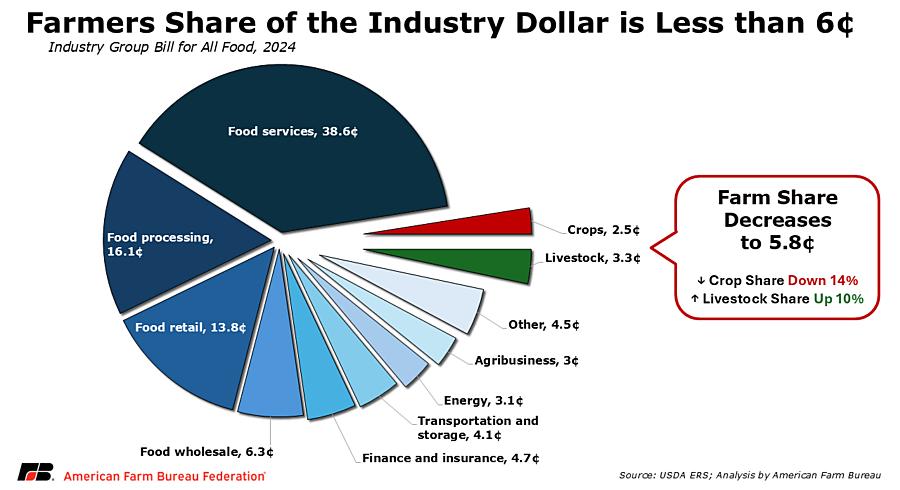
Our focus here is geared to spreading the message of food costs and how much of your food dollar goes to the farmers and ranchers
who are producing the food we eat. The information we are presenting is based on the work of American Farm Bureau Federation (AFBF) economist Faith Parum, Ph.D. Her information pieces came from new data that was offered from the United States Department Of Agriculture’s (USDA) Economic Research Service who broke down how each dollar Americans spend on food. Their calculations tracked food as it went through the supply chain on its way from farm/ranch and through processing, packaging, transportation, wholesaling, retail and food services.
In her “Follow Your Food Dollars Beyond the Farm Gate” article, Parum shares that the way the “Food Dollar Series” tracks how much of the consumer spending goes to different industries
and how the more work that happens off the farm/ranch the more the agricultural producers’ share shrinks.
Based on the latest data available it was noted that crop producers receive about 2.5 cents of every industry food dollar. This is down from the 2023 level of 2.9 cents. Meanwhile, livestock producers received 3.3 cents, up slightly from last year’s 3 cents.
As reported in her article, products that require little processing return the most value to agricultural producers.
In 2024, the time that the latest USDA reports cover, these were the amounts from a food dollar that the farmer/rancher received:
• Fresh eggs 69.1 cents
• Beef 52.2 cents
• Tree nuts and peanuts 51 cents
• Fresh milk 50.8 cents
• Fresh fruits 39.6 cents
• Poultry 30.4 cents
• Fish 29.3 cents
• Fresh vegetables 26.7 cents
• Pork 23.7 cents
Foods sold after more processing or highly packaged foods come through the supply chain with more work taking place off the farm. As the result the farmers’ share of the food dollar shrinks…
• Cereals 11 cents
• Snack foods 9.7 cents
• Bakery products 4.8 cents
In a more expanded piece, Dr. Parum reported that according to USDA’s research and analysis from 2024 that farmers and ranchers received a combined 5.8 cents of every dollar that consumers pay for food.
“USDA’s Economic Research Service Food Dollar Series shows that the share of the consumer food dollar (different than the “industry” food dollar covered above) returning to farmers remains relatively small and continues to decline over time. In 2024, farmers received 11.8 cents of every dollar spent on domestically produced food, down from 12.1 cents in 2023, a 2.5 percent decrease year over year.” Parum wrote, continuing.
“The remaining 88.2 cents of the food dollar went toward the marketing bill, which includes costs associated with food processing, transportation, packaging, wholesaling, retailing and food service. The farmers’ share represents the portion of consumer spending tied directly to the value of raw agricultural commodities, while the marketing bill reflects the growing costs and value added beyond the farm gate.”

Nevada Farm Bureau Grassroots News
U.S. House Passes New Farm Bill
On Thursday, April 30th, the U.S. House of Representatives passed a new Farm Bill on a 224 to 200 vote. Congressman Mark Amodei was the lone Nevada representative to cast a “Yea” vote on the bill, which now heads to the Senate.
Following the passage of the bill, American Farm Bureau Federation President Zippy Duvall commented on the House of Representatives vote to pass the Farm, Food, and National Security Act of 2026 by saying, “Farmers and ranchers applaud the House of Representatives for passing a new, modernized farm bill.”
“We appreciate Chairman G.T. Thompson’s leadership to get this done.” Duvall continued, adding, “After three years of extensions and eight years since a farm bill was passed, we’re grateful the House found a bipartisan path forward. Important updates to research and conservation, as well as increased loan limits and clarity on interstate commerce, will help farmers survive today’s challenges and give them the tools to thrive in the future.
“We urge the Senate to follow the House’s lead and move this important bipartisan legislation forward. Food security is national security, and investing in America’s farmers and ranchers is an investment in America’s families. We all benefit from a reliable and affordable food supply.”
A Good Reason To Consider Your Ballots Thoughtfully When Voting For Governor
The 2025 Legislative Session was a difficult challenge. A particular issue of extreme concern dealt with legislation – SB 172 sought to take away the current exemption that agricultural employers have from paying overtime as well as provisions of every bit as much as damage to agricultural employers’ ability to afford to have employees. The defeat of SB 172 came more as the result of running out the clock as it did in defeating the measure…a late amendment in the process prevented the bill from getting a needed vote as the legislative expired. (Read bill here: https:// www.leg.state.nv.us/App/NELIS/REL/83rd2025/ Bill/12190/Text)
If candidate Aaron Ford is elected Governor and the Democrats take control of the Legislature… things could get difficult as reported in the Nevada Independent, Ford has made it known, that if he is Governor and the Legislature sends him a bill to get rid of Nevada’s Right To Work protection, he will sign it. How this might be carried out isn’t clear, but it does demonstrate that labor issues could be a priority issue in the 2027 Legislative Session.
Major Hearing Took Place May 19 To Consider Changes To Regulations For Extensions Of Time
The Division of Water Resources is proposing to amend portions of NAC 533.390 through 533.The proposed changes deal extensively with the determinations on whether extensions of time will be granted and the degree of evidence provided to show progress in support of actual use for water rights. Under regulation NAC 533.500 the Division is required to review these regulations every three years. The public hearing was held on May 19 at 10 a.m. Participants were able to offer input to the agency.
More and More Attention Focusing On Data Centers
Discussions about Data Centers have become very frequent with more and more of the consideration that goes into whether a proposed Data Center would be a welcome neighbor. This is especially a consideration when placement of a Data Center is on productive agricultural land. American Farm Bureau Federation’s Director of Government Affairs, Autumn Lankford Higgins and Economist Bernt Nelson teamed to pen this Market Intel piece speaking to the need for Balancing Data Center Growth With American Agriculture: www.fb.org/market-intel/balancing-datacenter-growth-with-american-agriculture
An interesting point in the article is the map of the United States and the numbers attributed to where Data Centers are active and under construction… Nevada is thought to have 98 in this tally.
The key takeaways they pointed out:
• Farmland conversion is generally permanent, making site selection and land-use policy critical for long-term agricultural viability.
• Data centers create both economic opportunities and resource pressures, particularly around land, water and energy.
• Data centers represent multi-billion-dollar investments that can bring jobs, tax revenue and infrastructure improvements to rural communities.
• Balanced policy and local engagement are essential to ensure rural communities benefit without undermining agriculture.
Because of concerns over the loss of agricultural land and the negative impacts of Data Centers, voting delegates at the 2025 Annual Meeting adopted this language:
Data Centers: 182 | Because of our strong support for continued productivity of agricultural lands including federally-managed lands for traditional uses, we are concerned over efforts to convert agricultural lands to uses such as data centers.
If data centers are established in rural areas:
• We support data centers paying for their utility use directly and we oppose the data center power grid costs being passed on to individual consumers in any way;
• We support a ban on industrial water-cooling systems that require massive amounts of water to be used to cool;
• We support waterless cooling systems for data centers; and,
• We oppose data center activities that will taint water in any way. This includes dumping waste in ways that will impact the quality of water that is needed for agricultural and drinking uses.
• We oppose tax rebates and incentives to be granted to data center facilities.
Eko County Cottage Food Meeting Went Well
Thank you to the great group of interested participants at the Elko County Cottage Food and Food to Fork information meeting. The 20-some participants not only went home with more details on the background of what has happened but also provided their input on the business experiences they have been having. Since the passage of the legislation in the 2025 Session, Nevada Farm Bureau, Made In Nevada and Extension have been teaming together to inform those who already have home cottage foods operations as well as those considering getting into the business. Between now and July 1, 2027, the Nevada Department of Agriculture will be developing regulations to cover their responsibilities over Cottage Foods and Cosmetics as well as Food to Fork. Information provided back in the listening sessions will be compiled to offer to the Department in their regulation development process.
Legacy Gift Strengthens Nevada Agriculture’s Future
The Nevada Agricultural Foundation (NAF) has received a remarkable gift of more than $500,000, establishing the James R. Morgan Memorial Fund and creating a lasting legacy for agriculture in our state. This generous endowment, made possible through the late James Morgan and facilitated by his son, Steven Morgan, will provide meaningful, longterm support for Nevada students pursuing degrees in agriculture, as well as fund agricultural research and development grants. The NAF’s mission is to promote and strengthen agriculture in Nevada by providing financial assistance to individuals and groups involved in research and education. With this endowment, the Foundation is even better positioned to carry out that mission.
News from the desk of NDA DIRECTOR GOICOECHEA

Join Us For The State Fair!
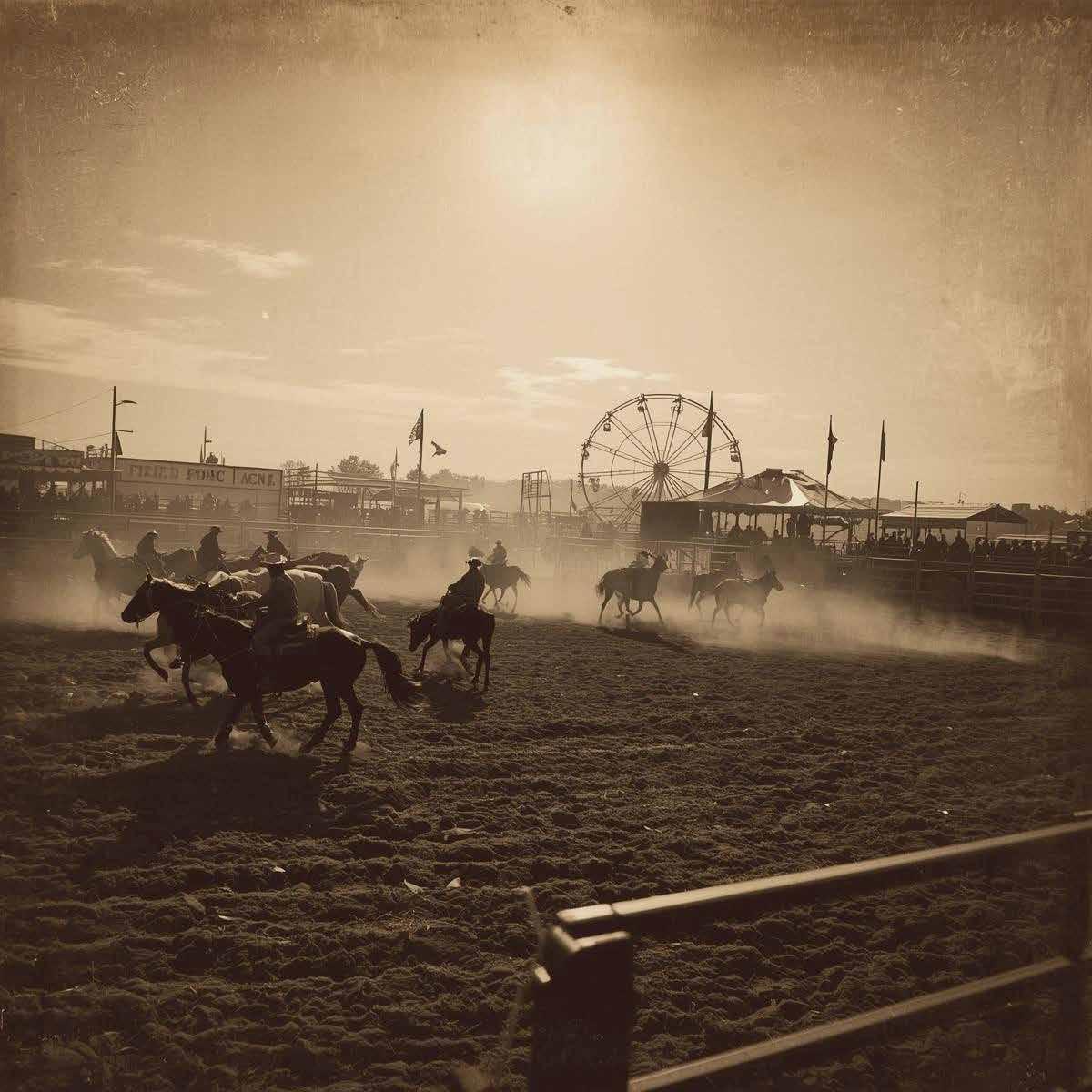
The NDA is reviving the official NV State Fair this June 11-13, 2026, at the Nevada State Fairgrounds in Reno. The 3 days will feature the Nevada Junior Livestock Show, University of Nevada, Reno Extension’s 4-H State Expo, Nevada Governor’s Sale of Champions, the Made in Nevada Farmers’ Market Pavilion, Next Generation Junior Bull Riding, live music, a drone show, local food and small business vendors and more. General admission ranges from $7 to $15, with add-on and all-inclusive options available. A 20% early-bird discount is being offered using code “EarlySFNV” at statefair.nv.gov/tickets.
The revival of the State-sponsored fair reflects the strong support of families, ranchers, businesses and communities across Nevada who believe in investing in youth and preserving the state’s agricultural heritage for generations to come.
I invite those looking to support the official State Fair of Nevada and expand programming for youth exhibitors and community events to explore the range of sponsorship opportunities, offering businesses visibility through event signage, on-site promotional materials, recognition at the event and digital promotion. Sponsorship levels range from Silver and Gold to premier Platinum, as well as a customizable Heritage Package.
Sponsorship doesn’t just mean supporting the return of the official State Fair of Nevada. This contribution connects communities, celebrates and preserves Nevada’s agricultural heritage and supports youth as they learn and grow in these agricultural fields.
I invite you to learn more and join us at statefair.nv.gov. Thank you for your dedication to Nevada agriculture!
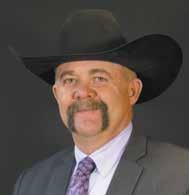
JJ Goicoechea
JJ Goicoechea, Director Nevada Dept of Agriculture
405 South 21st Street Sparks, NV 89431

Nevada’s Ag Plate has a new look!
The NDA and Nevada FFA have released a newly redesigned specialty agriculture license plate (Ag Plate) with the Department of Motor Vehicles (DMV). The specialty Ag Plate features depictions of Nevada’s mountain ranges, field crops and ranching, proudly representing the Silver State’s agricultural heritage. Proceeds from the newly designed specialty license plate go toward Nevada FFA and promoting agriculture. Get yours at dmv.nv.gov/plates.
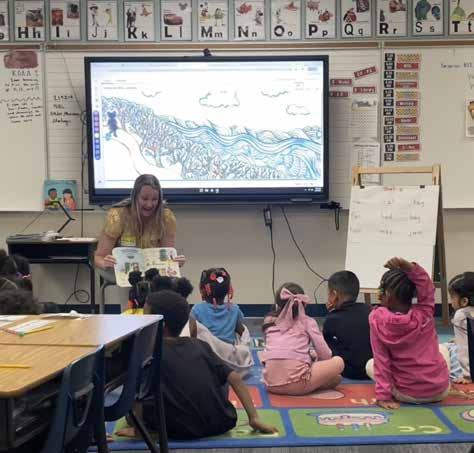
NDA staff share agriculture through Reading Week during Agriculture Literacy Month
NDA staff across the state volunteered in their local classrooms during Agriculture Literacy Month to help students understand how food travels along the food supply chain. Staff read the book, “How Did That Get in My Lunchbox? The Story of Food,” which highlights the journey from farm to table, and helped listeners from kindergarten to third grade learn more about where their food comes from.
NRCS looking for qualified individuals to provide soil samples and reports
The USDA’s Natural Resources Conservation Service is seeking qualified individuals to collect soil samples and report data for farmers, ranchers and forest landowners participating in the Regenerative Pilot Program. Qualified individuals may include trained professionals, degree holders or experienced technicians. This role supports soil health testing and conservation planning efforts across Nevada. If you, or anyone you know are interested, please email Acting State Soil Scientist Chris Savastio with questions at chris.savastio@usda.gov.
Expand conservation efforts; Strengthen production
The USDA Natural Resources and Conservation Service (NRCS) can help producers improve grazing conditions, increase crop resiliency and more through the Conservation Stewardship Program. The NRCS will work directly with producers to develop a plan to help meet objectives. Click here to learn more about the Conservation Stewardship Program and reach out to Christopher.Rose@usda.gov for more information.
Application Deadline: May 1, 2026 at 5:00 p.m.
The NDA’s Division of Plant Health and Compliance is accepting applications from producers to grow native seed and enhance Nevada’s seed supply for restoration efforts. Through the Foundation Seed Program, the NDA provides free, quality native seeds to producers to cultivate and support seed production. In return, participants agree to return a portion of their yield to sustain the program and may keep or sell the remainder of the seed. The goal of this program is to provide source-verified seeds that are in high demand across different markets and to help growers transition or diversify cultivation by providing free seed.
Learn more at: https://agri.nv.gov/seed/
JOB OPPORTUNITIES
The most up-to-date job listings can be found at governmentjobs.com/careers/nv. If you are interested in any of the positions below, we encourage you to apply or share with someone who may be interested.
Agricultural Inspector 2 - Sparks
Weights and Measures Assistant (Seasonal) - Sparks Applications to grow native seed are open
Restoring Soil Health: A Farm Family’s Regenerative Ag Journey
Nevada Farm Bureau
By Kari Barbic, FB Director, Executive Communications
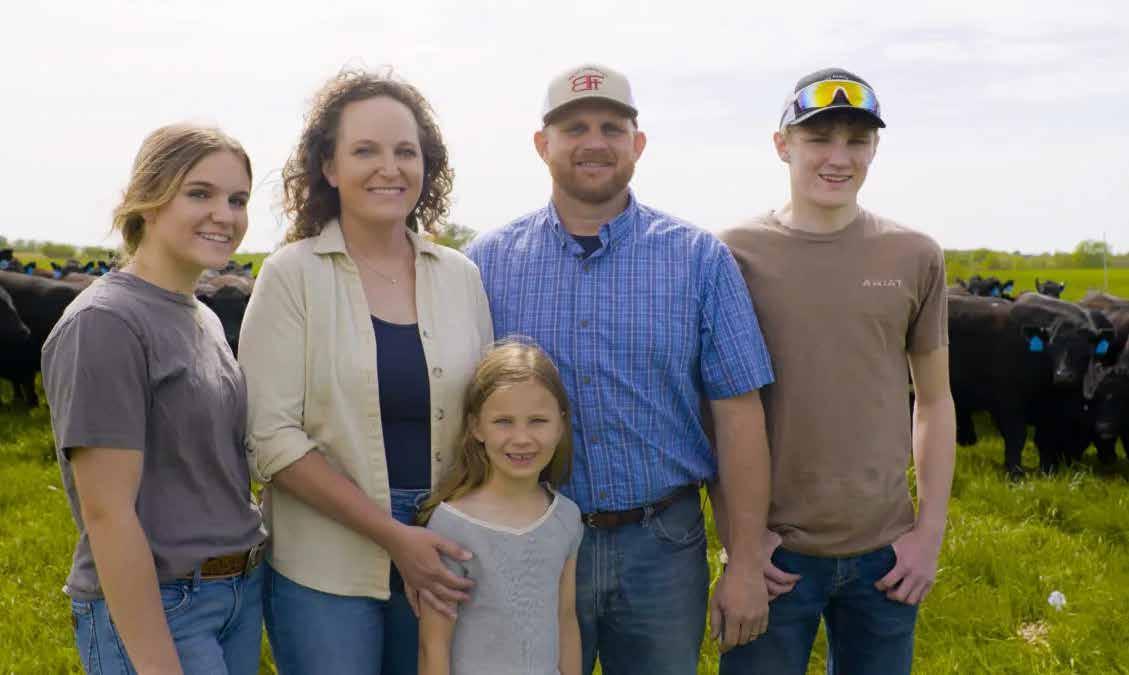
“Earthworms make me happy,” Ryan Britt says as he turns over a handful of dark soil. “You see that?” He points to an earthworm before returning it safely to a field of cover crops. “It didn’t look like this 20 years ago.” Twenty years ago, Ryan and his dad set out to restore the health of the soil on their family farm with regenerative agriculture practices. It’s a journey that continues today.
Starting the Soil Health Journey
Ryan Britt knows that farming is a marathon, not a sprint. His family has been farming in north-central Missouri since 1865. Today, the rolling green hills of Britt Farms stretch out for miles. While the farm has changed and grown over the years, the family’s commitment to caring for the land has remained steady.
“Our farm has worked through the years to focus on regenerative agriculture,” Ryan says, noting there are a variety of buzzwords when it comes to farm practices, such as conservation or sustainability. “For us, it’s about more than sustainability,” he explains. “I can be sustained on bread and water alone, but I sure feel a lot better when I have some steak,” Ryan adds with a chuckle. “To improve and to grow, we need more nourishment. It’s the same with our farmland. We want to improve it for the next generation.”
Ryan knew from the time he was 6 years old that he wanted to be a farmer. Other than his time away at college, Ryan has been on his family’s farm his whole life. He credits his time at the University of Missouri as critical in learning new practices to bring back to the farm.
“I came back from college eager to try some things, and my dad, to his credit, was very open,” Ryan says. They began by experimenting with no-till. They knew it wasn’t going to be an easy undertaking, given the variety of soil types across their farm, which spreads over 5,000 acres in three counties. The soil across the farm ranges from tight to sandy to loose clay, and some of their soil is prone to natural erosion.
Climate and weather can also vary across the farm. A sunny day can shift to rain and thunderstorms a few miles up or down the road. “The weather in Missouri can change multiple times a day even,” Ryan explains pointing to the threatening spring clouds overhead, which have put their planting on hold for the day.
Farmers like Ryan face the uncertainties of weather every day, but they don’t shy away from a challenge. Ryan was eager to apply what he had learned in his studies and from his work with USDA’s Agricultural Research Service in college to help his family farm become more resilient in the face of varying climate and soil types.
The Resilience of Regenerative Agriculture
Ryan and his dad soon found consistent success with the no-till system in the fields where they applied the new practice. A big test of their no-till fields came in 2012 when much of their farm was hit with a major drought. “It was the driest year we had ever seen,” Ryan recalls. Although their yields took a hit and they saw an overall loss, they still produced some corn on their no-till fields that year, even when neighboring farms didn’t see any yields. This proved to be a turning point when it came to conservation tillage at Britt Farms, and today, they are 100% notill, in addition to a variety of other regenerative practices that work hand-in-hand to promote soil health on the farm.
But it’s not one practice alone that promotes healthy soil. Not long after the Britts had begun transitioning to no-till, Ryan learned about another regenerative practice: cover cropping. After joining his local Conservation District, Ryan had the opportunity to watch a soil health demonstration conducted by Ray Archuleta, a soil scientist and agronomist with USDA’s Natural Resources Conservation
Service. Ryan and his dad decided to give it a try. They assessed their fields and adjusted their crop rotation to join a pilot project for planting cover crops. Although there was a learning curve with the new practice, it didn’t take long for them to see the benefits.
“I think what makes no-till really work well is the cover crops,” Ryan says, explaining how these practices work together to mitigate weather impacts on the farm. In drought years, the no-till fields that had been rotated with cover crops proved more resilient, producing roughly 80% of a crop in the challenging conditions. Only a few years after the 2012 drought, Britt Farms had transitioned to 100% cover crops on their fields.
The Role of Cattle in Regenerative Agriculture
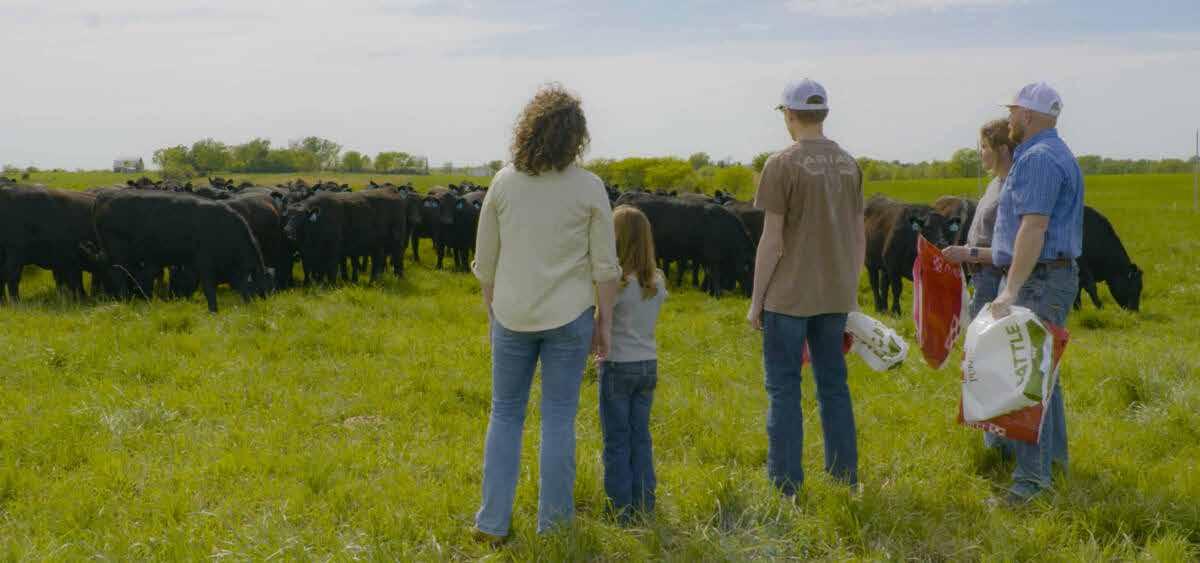
In addition to growing corn, soybeans, wheat and hay, Ryan Britt also raises cattle. Ryan believes that the 1,300 cattle they raise — and graze — have played a key role in his farm’s regenerative practices. “Rotational grazing, that’s how we can do no-till and cover crops,” he says. “We’ve seen larger gains in our soil health journey by integrating livestock, letting them graze the land, and bring the nutrients back to the land.”
Anecdotally, Ryan has seen the highest yields from the fields where his cattle have grazed. Scientific research backs up his observations. As cattle eat grass pulling it up by the roots, root growth is stimulated, thus creating a healthier root system below the ground. Researchers have found that healthy, rotationally grazed pastures are better at sequestering carbon than land left untouched. In addition to feeding on grass, cattle are then spreading nutrients naturally to further promote soil health. “On our farm’s regenerative journey, livestock are really making the biggest gains,” Ryan says.
Critical Tools for Regenerative Agriculture
When it comes to regenerative agriculture, Ryan Britt believes it’s important for farmers to have every tool available to protect crop and soil health. Walking by an alfalfa field, he stops and points to where the leaves are turning brown. “You see that? We’ve got bugs chewing up our alfalfa.” Ryan explains that since it’s too wet to harvest that week, he needs to spray the fields with an insecticide or risk losing the whole crop.
“Every acre on every farm is different,” Ryan says. “We need to have those tools, whether it’s a pesticide, insecticide or herbicide, available to make sure that we’re not going backwards.” Without pesticides, Ryan would have to return to tilling his soil, turning it over with every crop, likely losing topsoil and the beloved earthworms.
As committed as Ryan Britt is to soil health, his family’s health is his top priority. That’s why he relies on scientific studies and research, such as from land-grant universities, to ensure the safety of the products and practices he is using on his farm. Ryan and his wife built their home on the farm, and he can see his mom and dad’s house, where he grew up, from his front porch. Their family’s lake house sits on the edge of their farm, overlooking the Thomas Hill Reservoir.
Clean Water and Healthy Soil on and off the Farm
For the Britts, the farm is their livelihood and life. The health and safety of his family, the air they breathe, the water they drink, and the food they eat, is at the forefront of Ryan’s mind with every decision he makes on the farm. “The nutrients and pesticides we use on our farm are very important to us. It’s important for me because my family is consuming the same food we are growing and raising here.”
Keeping the water on and around the farm clean is a top priority for Britt Farms. Fencing around the farm ensures the cattle stay out of nearby streams when they are grazing. When the cattle enter the feedlot on the farm, animal health and water quality continue to be top priorities. The feedlot is designed to prevent any runoff, while keeping the animals safe and comfortable.
When it comes to keeping nutrients in the fields and out of nearby waterways, Ryan has added features to provide extra layers of protection, such as terracing, which involves grading the land to slow runoff on sloping fields, and field buffers, which are achieved by planting vegetation along waterways.
Always Looking to Do Better by the Land
Not every acre on Britt Farms is in production. Ryan has set aside some acres in the Conservation Reserve Program to grow wild grasses and wildflowers, providing a pollinator habitat on the farm. The farm also has a wetland set aside as a wildlife habitat. Ryan says these practices are all part of their approach to “give the land the opportunity to maintain itself and improve.” He says ultimately, this is all about “setting that land up so that the next generation can also be successful.”
To Ryan Britt, this effort is never done. Regenerative agriculture, to him, is about always finding ways to improve and do better. He takes caring for every acre of his land seriously.
“There can be a misconception that regenerative agriculture doesn’t fit a big operation, but I don’t think that’s fair,” Ryan observes. “The average family farm is a little bigger than it used to be, but we have the tools and technology to meet the growing needs of our country and world.”
With each crop and each season, Ryan Britt is always looking for ways to do better for the land, for his family and for families across the country. “I think it’s a farmer’s natural instinct to want to do better,” Ryan says. “We always are looking for how we can improve the land, leaving it better than we found it for the next generation.”

Knowledge is Power! The NRCS Great Basin Plant Materials Center’s Research Results Can Assist Producers in Land Management Decisions
Located in Fallon, Nevada, the Great Basin Plant Materials Center (GBPMC) is situated on a 160-acre farm established in 1906 with the Bureau of Reclamation and currently owned by the University of Nevada Reno since 1951. The GBPMC’s 82-acre portion is one of 25 Plant Materials Centers (PMC) operated by the U.S. Department of Agriculture’s Natural Resources Conservation Service (NRCS). Each center is strategically located in an ecologically distinct area, creating a network of PMCs positioned to address local, regional, and national natural resource concerns. The objective is to evaluate plants and vegetative technologies to support NRCS conservation programs and practices. The GBPMC is specifically tasked with resource concerns in the Great Basin, with a focus on rangeland restoration, soil health, and water conservation.
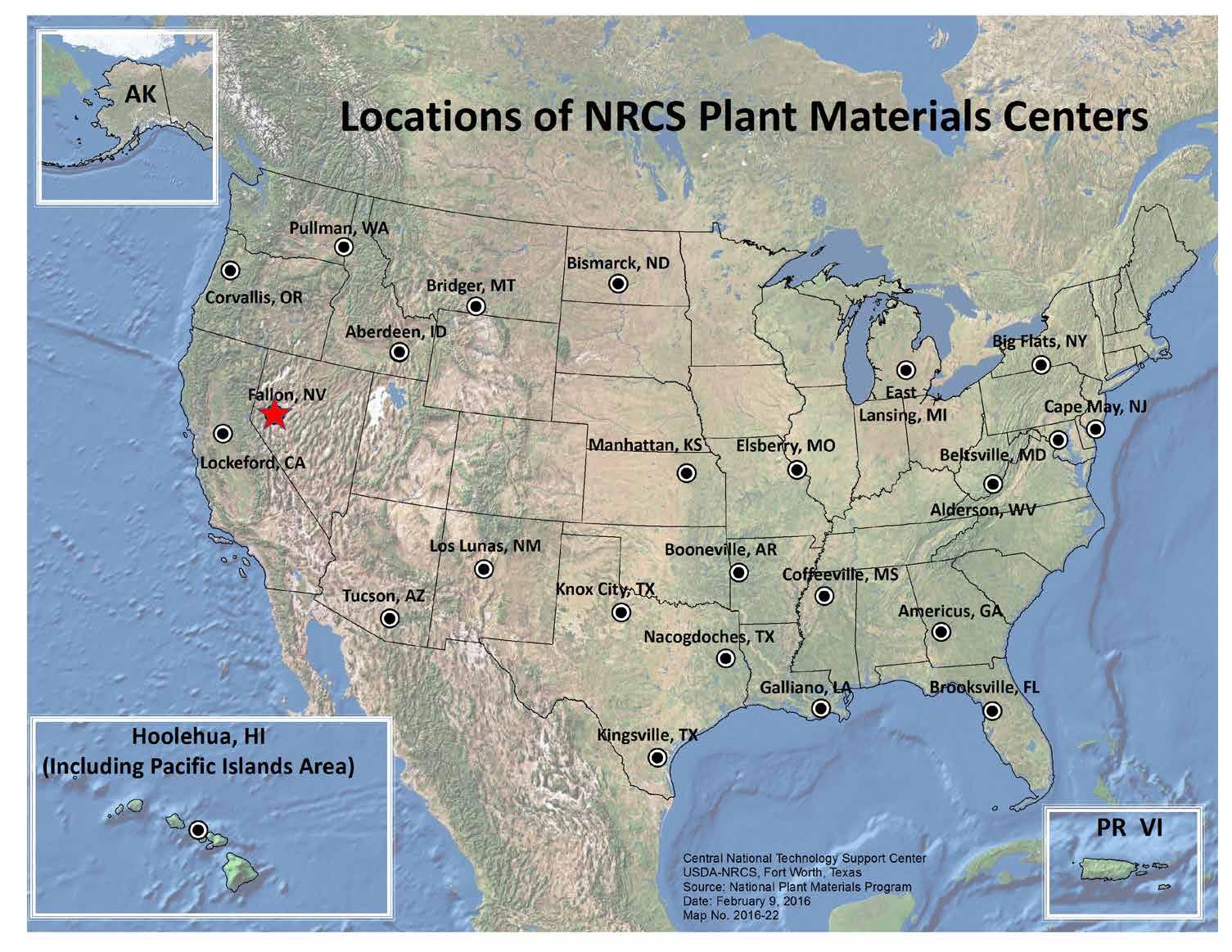
The GBPMC opened in 2006 and is the newest PMC in the nation. It’s located in a cold desert in the rain shadow of the Sierra Nevada mountains, where it receives a mean of 4.9 inches of annual precipitation, mostly in the winter. The staff manage 79 flood irrigated acres and three non-irrigated acres, and conduct off-center field trials as needed.
“The challenge we always have in our trials in Fallon is water availability and battling weeds,” said GBPMC Manager Christopher Bernau. “But this is the reality for area farmers and ranchers, too. We hope the results of our studies can help arm them with more information, directing them to the best plant materials that will succeed in our climate.”
Active projects at the GBPMC include evaluating the local adaptation of several PMC-developed native bunchgrasses, a seeding rate-seeding date trial on cereal rye, an adaptation trial on 16 field collections of Indian ricegrass, a pollinator hedgerow demonstration, and a demonstration planting of 80 commercially available rangeland grasses. The GBPMC also just released a new study report on summer cover crops, as well as its 2025 annual report, highlighted below. The annual report is available to read on the NRCS Nevada website at: https:// www.nrcs.usda.gov/plantmaterials/nvpmcra15010.pdf.
Study: Performance of Summer Cover Crops Under
Limited Irrigation in Northern Nevada: Cowpea, Sunn Hemp, and Millets (view the study report at: https://www.nrcs.usda.gov/ plantmaterials/nvpmcsr15044.pdf)
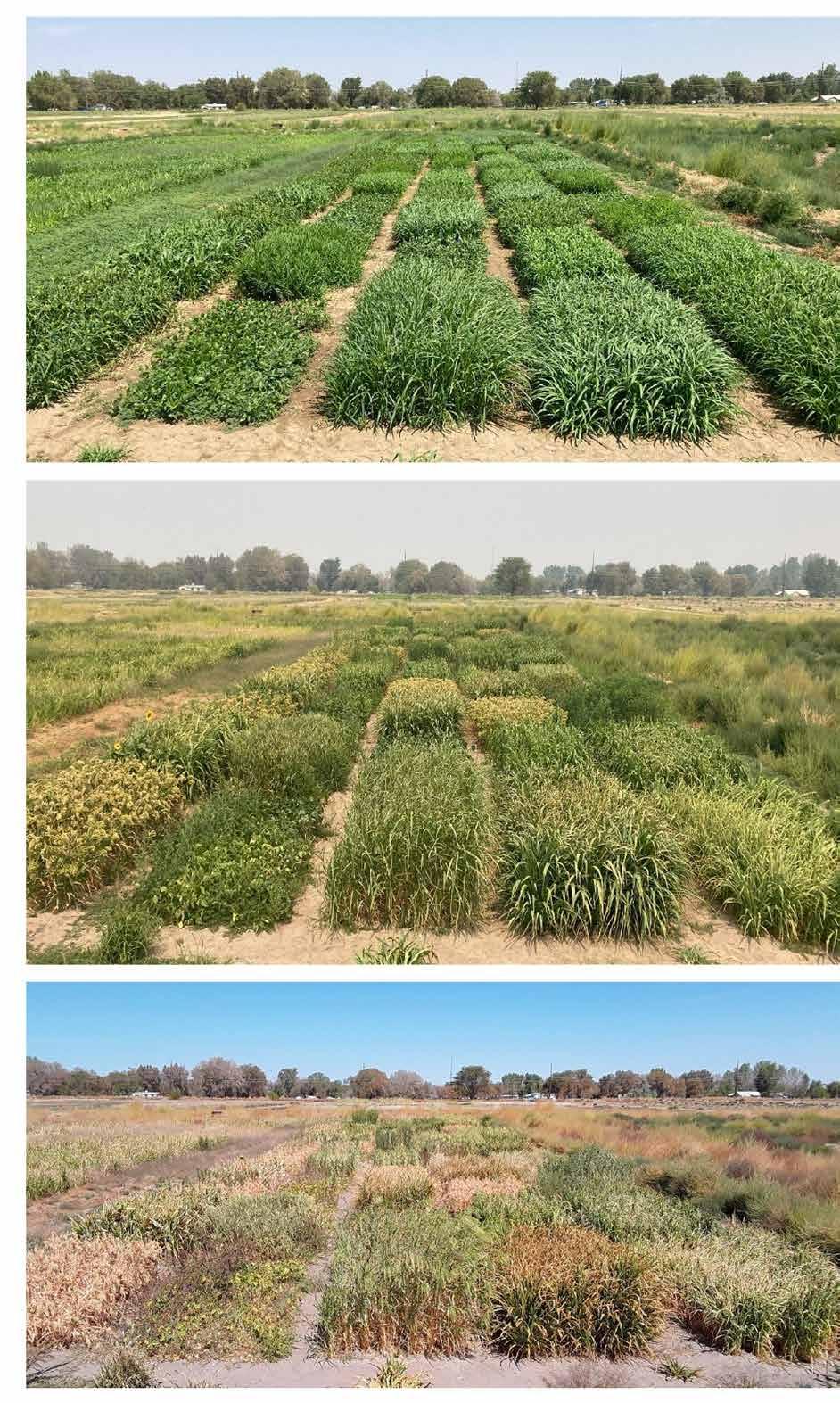
Summer cover crops can be an integral part of soil health. In Northern Nevada, summer cover crop establishment relies on irrigation water that is increasingly limited by drought. As such, it is important to evaluate the adaptation of commercially available warm season cover crops that can establish and provide soil health benefits with reduced water inputs. This three-year study evaluated the performance of cowpea (Vigna unguiculata), sunn hemp (Crotalaria juncea), and several species of millet in a water limited scenario. Crops were planted in late June and irrigated twice after planting each year. Among the characteristics evaluated were field emergence, canopy cover, aboveground biomass production, and forage quality. Cowpea varieties performed similarly all three years and produced an overall average of 1,553 pounds per acre (lbs/ac) of dry matter. Sunn hemp failed to establish adequate stands two out of three years and may not be the best option for Northern Nevada. Millets were highly variable by species and variety. Overall, this study identified several warm season cover crop varieties that may be useful in Northern Nevada.
Left: A profile view of the summer cover crop trial at 30, 60, and 90 days after planting. ... continued next page
Cereal Rye Seeding Rate and Date Trial
The cereal rye seeding rate/date trial is a nationally coordinated evaluation of regionally adapted cover crop varieties. The objective of this study is to test the effect of seeding dates and rates on attributes such as canopy cover, plant height, and biomass production. At the GBPMC, ‘Hazlet’ cereal rye was chosen due to above average performance in a 2016-2017 national cover crop adaptation study and because it was readily available at local vendors.
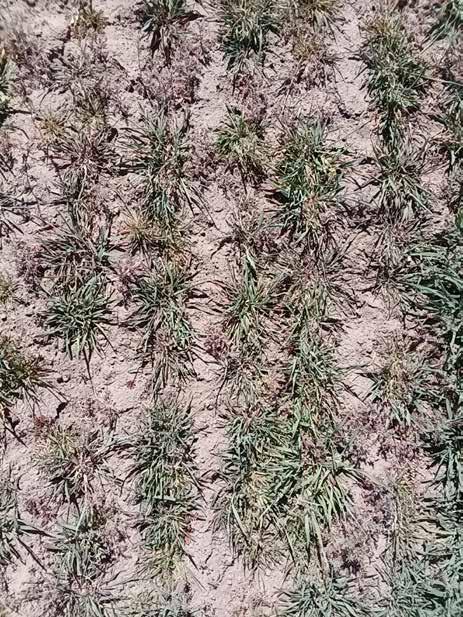
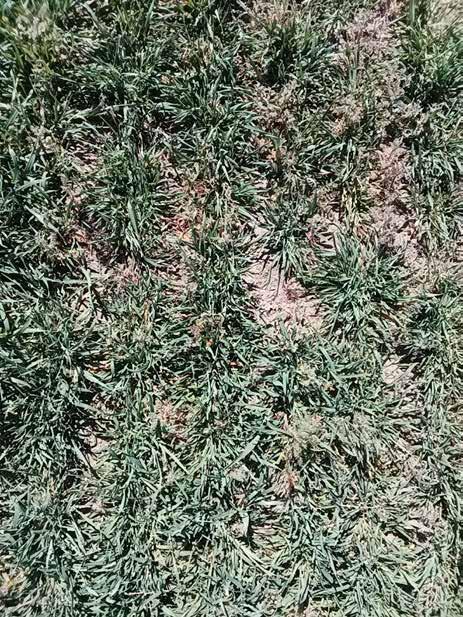
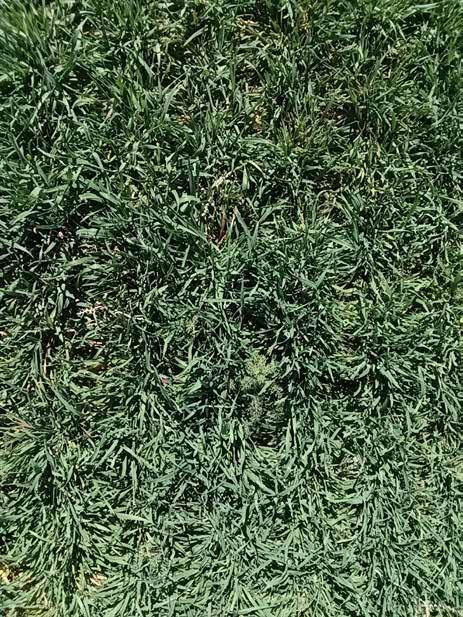
Fiscal year 2025 was year two of a three-year study. The temperature for both years was similar and did not differ much from historic averages. Precipitation was below the 4.4 inch annual average for both years, with year two receiving 2.1 inches during the study (October to June). The low precipitation stunted the growth of the cereal rye, especially with January and February receiving 0.04 inches and 0.09 inches respectively. Despite the reduced precipitation, all plots survived the duration of the study. The early seeding date and heavier seeding rates produced the most cover by the end of December, similar to year one. The year two seeding rate impacted cover at the end of the study, with 90 pure live seed (PLS) lbs/ac and 120 PLS lbs/ac both at 100 percent cover. This differed from year one where both seeding rate and seeding date produced similar cover. Biomass for both years were highly variable but trended towards more production at higher seeding rates.
Read the preliminary results report at: www.nrcs. usda.gov/plantmaterials/nvpmcsr14987.pdf
Cereal rye planted on the same seeding date, September 30, 2025, with 15, 60, and 120 pounds per acre seeding rate. The photos were taken March 12, 2025.
PMC Rangeland Germplasm
Observational Planting
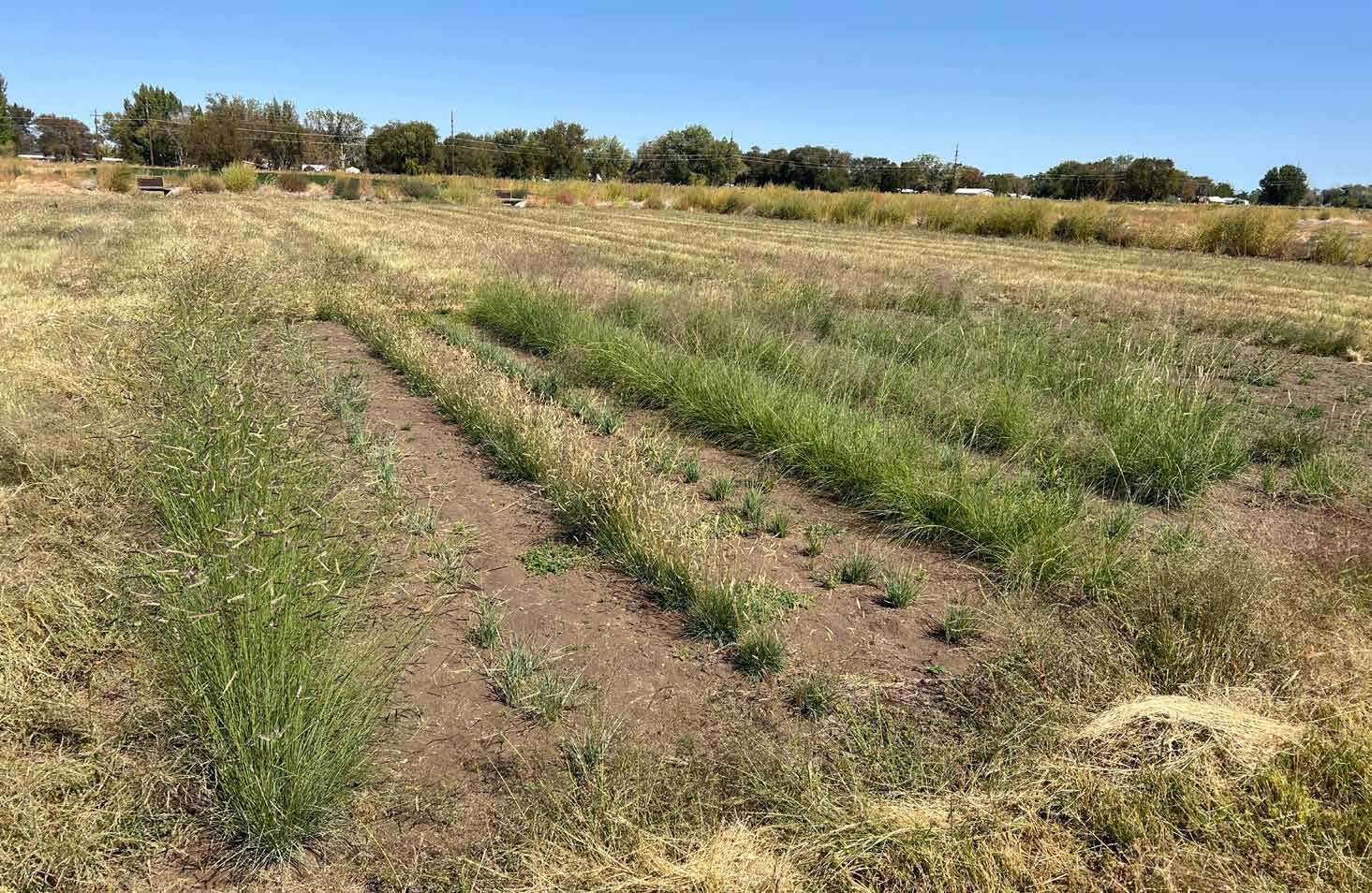
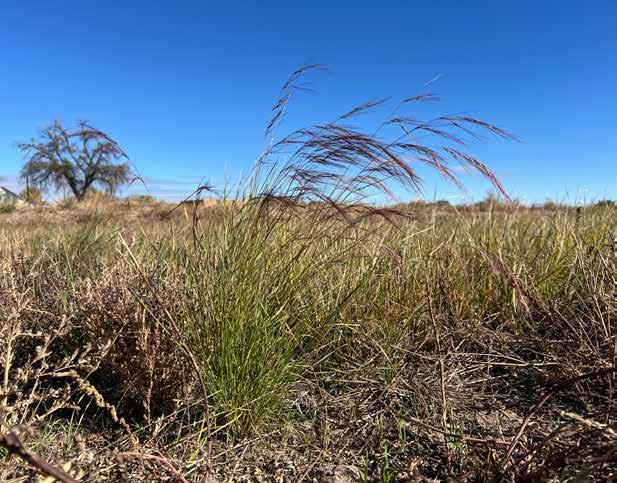
In fiscal year 2025, GBPMC initiated a fouryear observational study in collaboration with the Montana, North Dakota, and Washington PMCs. The objective is to evaluate the performance of PMC-released plant material throughout the upper northwest to update the potential area of adaptation. Each PMC established varieties in the greenhouse and planted them in non-replicated rows over the summer. The GBPMC grew varieties of blue grama (Bouteloua gracilis), western wheatgrass (Pascopyrum smithii), alkali sacaton (Sporabolus airoides), Indian ricegrass (Achnatherum hymenoides), and James galleta (Pleuraphis jamesii). Plant height, survival, and vigor will be collected over the next three years, and results will be used to update tech guides, release notices, and give planting recommendations.
Plant Materials Demonstration Garden
In fiscal year 2025, a demonstration garden of plant materials available for rangeland conservation in the Great Basin was installed. Ninety-six different varieties were planted: 48 native cool season bunchgrasses, 16 non-native cool season bunchgrasses, 16 native warm season bunchgrasses, and 16 shrubs/forbs. All cool season grasses germinated, but drought conditions may have negatively impacted establishment of some species. All Squirreltail and Sandberg bluegrass
varieties failed to survive the winter and will need to be replanted. All shrub/forb plots had difficulty establishing and will be removed to focus the demonstration on grasses. Warm season grasses were planted in June and are being observed for winter survival and will be reseeded where necessary. For more information about what’s happening at the PMC, or to look at conservation plants, publications and other material, visit: www.nrcs. usda.gov/plant-materials/nvpmc.
Contact the GBPMC at: Christopher Bernau at 775-423-7957 ext. 4 or email Christopher.Bernau@ usda.gov.
Great Basin Plant Materials Center
Serving areas in the States of Nevada, Oregon, California, and Utah
Established: 2006 | Size: 82.17 acres
PMC Operation: NRCS
Land Ownership: University of Nevada, Reno
www.nrcs.usda.gov/plant-materials/nvpmc
Year one of the observational study. Greenhouse plugs had been planted and gone to seed.
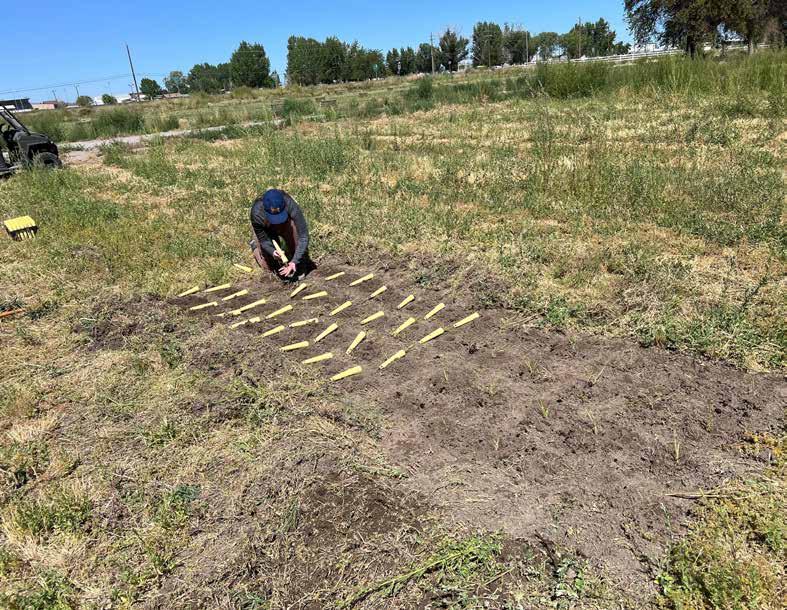
NRCS Intern Hannah Mitchell planting greenhouse grown galleta for the demonstration garden.
Big Galleta germplasm being evaluated by the Arizona PMC
A Deregulatory Agenda for American Agriculture & Consumers
My Fellow Patriots:
American agriculture is the soil in which American freedom took root— freedom to work the land, to trade, to innovate, and to thrive. The earliest Americans understood what is still true today: Those who can feed and clothe themselves with the fruit of the land provide security and abundance to their family, their town, and their nation.
This cycle of prosperity and our ability to ensure a reliable, affordable food supply for our citizens depends on a strong, productive agricultural sector. For generations, America helped and protected the freedom of farmers, ranchers, processors, and rural businesses to grow and innovate, but in the past century bureaucratic bloat has increasingly constrained the entire industry’s ability to compete and thrive, and costly regulations affecting all aspects of the supply chain have steadily increased grocery bills for Americans across the country.
From fertilizer prices to barn repairs, input costs show up at the grocery store. When we make it more affordable for farmers and processors to operate, we make food more plentiful and more affordable for American families.
America’s hardworking farmers and ranchers saw less control than ever in recent years. This is primarily due to the steady, destructive march of overregulation by the Biden Administration, which imposed a historic $1.7 trillion in costs on the American people.
Overregulation is taxation by other means, and the thick rulebooks created by Washington bureaucrats often result in thinner harvests and higher costs, which take a toll on both farmers and consumers. More broadly, it inhibits entrepreneurship, erodes consumer choice, and infringes on American liberties.
Building upon President Trump’s seismic deregulatory victories from his first term, the U.S. Department of Agriculture (USDA) is again pursuing a sweeping deregulatory agenda. In collaboration with other agencies, this agenda cuts red tape, frees up America’s farmland for unprecedented innovation, and reduces costs at the checkout line.
Through reforms including environmental permitting, processing line speeds, housing regulations, and more, USDA is taking a department-wide approach to identifying and streamlining outdated regulations that choke the engine of American agriculture. Farmers and ranchers, freed to produce more, will thrive. And American households will benefit from greater affordability of staple goods as farmers pass on their reduced costs to consumers and are able to increase supply.
For example, changing a single line-speed rule at chicken processing plants is expected to reduce the average retail price for chicken products by 16%. Rescinding a 25-year-old Forest Service rule will free up nearly 59 million acres for timber production and allow responsible harvesting on 28 million acres currently at high or very high risk of wildfire, decreasing the cost of housing by increasing supply of this critical input. Changes at the Rural Housing Service will boost housing availability and affordability across the heartland.
This important work extends beyond USDA. Working with my colleagues at the U.S. Environmental Protection Agency, the Department of Labor, the Department of the Interior, and other agencies, the entire Trump
Administration is committed to ensuring that Americans—on the farm and anywhere determination and innovation abound—can build a prosperous future for themselves and their children, and afford to put food on the table.
We have made incredible progress. Over the past year, the Trump Administration has cut 129 regulations for every new one, amounting to $211.8 billion in net cost savings. This has been a huge win for American agriculture and the entire nation, and we are committed to carrying it even further.
The ability of our farmers and ranchers to put in an honest day’s work—without having to navigate endless red tape—is fundamental to their livelihood and to the American dream. The men and women who feed, fuel, and clothe America and the world deserve a regulatory system based in sound science and common sense. And Americans deserve abundant, affordable groceries. Our deregulatory agenda is already breaking down barriers to success, and today’s expanded effort will ensure that prosperity reaches every farmer, rancher, and consumer at a level never before seen.
At USDA, we know our nation was built by those who work the land, not those who regulate it. Our job now is to continue unshackling the world’s mightiest agricultural engine for the benefit of all American families and consumers.
Secretary of Agriculture
CUTTING RED TAPE AND MAKING GOVERNMENT MORE EFFICIENT
Consolidating Regulations Reducing NEPA Compliance Burdens (Sec.)
The National Environmental Policy Act (NEPA) requires departments and agencies to consider the environmental effects of major federal actions. To make its requirements less onerous, USDA is rescinding seven agency-specific regulations and issuing one set of department-wide NEPA regulations, which will result in a 66% reduction in NEPA regulations. This will allow USDA officials to concentrate environmental reviews on projects where such reviews are truly necessary and justified, ensure projects are capable of going forward more quickly, and allow for more efficient delivery of USDA services for America’s ranchers, farmers, loggers, and rural communities. USDA began this process by publishing an interim final rule on July 3, 2025, and finalized rulemaking is imminent.
Rescinding the 2001 Roadless Rule (Forest Service):
USDA published a notice of intent for this rulemaking in 2025 and further rulemaking is imminent to rescind the 2001 Road less Rule that prevents road construction, reconstruction, and timber harvest on nearly 45 million acres of the National Forest System. Rescinding this rule will reduce regulatory burdens on timber harvesting, allow for greater fire prevention, and enable responsible timber production on this acreage, increasing timber supply and reducing housing costs.
Updating the Dairy Import Licensing Program (Foreign Agricultural Service):
USDA is streamlining regulations that provide for the issuance of annual licenses to import certain dairy articles under tariff-rate quotas (TROs), making them more user-friendly. Currently, importers of dairy products subject to TROs are generally required to obtain a license from the Foreign Agriculture Service for the low-tier tariff rate; however, no license is required to import products at the high-tier rate. This will allow for more imports and decrease the cost of these products for Americans.
Aligning Horse Protection Act Regulations with Statutory Authority (Animal and Plant Health Inspection Service):
In response to court rulings invalidating regulations issued by the Biden Administration, USDA is updating its regulations to comply with constitutional due process protections and statutory mandates. USDA will strengthen its engagement across the horse industry to ensure healthy horses and fair competition at horse shows, many of which support local rural economies.
Streamlining Biotechnology Regulations (Animal and Plant Health Inspection Service):
USDA is updating its biotechnology regulations to create exemptions for plants and microbes already subject to EPA’s regulations, avoiding duplicative regulatory regimes and decreasing compliance costs. USDA is also considering a broader, more sweeping reform on its regulatory authority related to biotechnology. In either case, such deregulation will enable farmers to obtain cutting edge technology quicker and more affordably, with those savings being passed through to consumers.
UNLEASHING AMERICAN ENERGY & CRITICAL MINIERALS
Updating and Clarifying Locatable Minerals Regulations (Forest Service):
USDA has proposed a rule to revise regulations to unleash critical mineral production on federal lands. As the demand for minerals produced from federal lands is expected to increase over the next few years, USDA is addressing many regulatory challenges that could hinder the ability to increase production.
Modernizing Oil and Gas Management Regulations (Forest Service):
USDA updated regulations governing oil and gas management across the National Forest System in a final rule published on January 28, 2026. The Forest Service, in partnership with the Bureau of Land Management, plays a role in the leasing and development of oil and natural gas located in the National Forest System. This action will present an opportunity to modernize and streamline analytical and procedural requirements.
DEREGULATION FOR GREATER AFFORDABILITY
Increasing Line Speeds for Poultry and Swine (Food Safety and Inspection Service):
Upon finalization of the recently proposed rules, USDA will allow poultry and pork processing establishments to operate at more efficient speeds based on the establishments’ ability to maintain process control and meet food safety standards. These rules are expected to generate significant cost savings for the pork and poultry industries, up to a 16% reduction in the average retail price for chicken products, and 5% reduction in the average retail price for pork products.
Updating Single Family Housing Guaranteed Delegated Underwriting Authority (Rural Housing Service):
USDA is pursuing a deregulatory action that will ease the regulatory burden on banks who use the single-family housing guaranteed lending program. This will increase the availability of housing in rural America as more banks bring competition to the program and is an important step to bring down the cost of housing in rural America.
Improving Single Family Housing (Rural Housing Service):
USDA is updating its regulations to allow for financing of homes with a single, income producing accessory dwelling unit. This change will address the nation’s shortage of rural affordable housing and increasing opportunities for ownership.
PUTTING FARMERS FIRST
Simplify USDA and Department of the Interior Grazing Regulations (Forest Service):
USDA is simplifying the administrative process for grazing on federal lands, which will promote consistency with federal livestock permitting policies across all agencies. USDA, with Department of the Interior (DOI), initiated aggressive changes to grazing on October 22, 2025, with the announcement of the USDA-DOI Grazing Action Plan. These actions will also increase access to grazing lands for new ranchers and increase the supply of relevant food products for consumers.
Implementing the Farmer Bridge Assistance Program (Farm Service Agency):
USDA published a final rule implementing $11 billion in one-time bridge payments to American farmers under the Farmer Bridge Assistance Program. Sign-ups run until April 17, 2026. This program is designed to deliver financial relief quickly and simply so that farmers are better able to respond to market disruptions and increased production costs that are still impacted by the lack of foreign market access and heavy regulation of the prior Administration.
Updating Agriculture Risk Coverage, Price Loss Coverage, and Dairy Margin Coverage (Farm Service Agency):
USDA published a final rule revising the provisions of the Agriculture Risk Coverage, Price Loss Coverage, and Dairy Margin Coverage (DMC) programs to align with the Working Families Tax Cuts Act. Notably, this update increases crop reference prices, allocates new base acres for program participation, and enhances DMC coverage. The sign up for DMC is now open and will run through February 26, 2026.
... continued next page
REGULATORY CLARITY FOR FARM AND NATIONAL SECURITY
Revising AFIDA Reporting Requirements (Office of the Secretary):
USDA has already begun updating its regulations regarding the Agricultural Foreign Investment Disclosure Act (AFIDA) to establish a streamlined process for electronic submissions and to strengthen oversight and enforcement measures of foreign investment and ownership of American agricultural land.
Protecting U.S. Prime Farmland from Foreign Adversaries (Rural Development):
USDA is no longer funding taxpayer dollars for solar panels on productive farmland or allowing solar panels manufactured by foreign adversaries to be used in USDA funded projects. Subsidized solar farms have made it more difficult for farmers to access prime farmland by making it more expensive and less available.
DEREGULATION ACROSS THE TRUMP ADMINISTRATION
Amending the “Waters of the United States” (WOTUS) Definition (Environmental Protection Agency and U.S. Army Corps of Engineers):
Under President Trump’s leadership, EPA published a proposed a rule that would clarify the definition of WOTUS and fully implement the U.S. Supreme Court’s decision in Sackett v. Environmental Protection Agency. This rule focuses federal jurisdiction on relatively permanent, standing, or continuously flowing waterbodies, establishing clearer boundaries for agriculture and industry, and ensuring that the Clean Water Act does not unduly interfere with crucial agricultural activities beyond the intended scope of the statute.
Reforming the H-2A Adverse
Effect Wage Rate
(Department of Labor):
The Department of Labor published an interim final rule updating the methodology used to calculate the adverse effect wage rate (AEWR) used for the U.S. Temporary Agricultural Workers (H-2A) program. The updated methodology includes a new data source, a differentiation between an entry level and an experience level wage rate, and a housing adjustment to account for the fact farmers provide housing to H-2A workers at no cost to the worker. Altogether, these changes are expected to provide over $2 billion in annual savings for farmers using the H-2A program.
Reversing the Endangerment Finding (Environmental Protection Agency):
On February 12, 2026, EPA announced a final rule saving American taxpayers over $1.3 trillion, eliminating both the Obama-era 2009 Greenhouse Gas (GHG) Endangerment Finding and all subsequent federal GHG emission standards for all vehicles and engines of model years 2012 to 2027 and beyond. This action will result in affordable vehicles available for Americans, including farmers and ranchers, and decreases the cost of living on all products by lowering the cost of trucks.
Issuing Guidance for Manufacturers on Diesel Exhaust Fluid (Environmental Protection Agency):
Since 2010, nearly all on-road diesel trucks and many types of non-road equipment have used diesel exhaust fluid (DEF) as part of an effort to reduce emissions of nitrogen oxides to ensure compliance with Tier 4 Emissions Standards. Manufacturer design choices, faulty sensors, and system malfunctions triggering reduced power have caused needless frustrations, operational delays, and real economic hardship for farmers, truckers, and equipment operators. EPA is working to address these concerns and has already issued revised guidance for light-duty vehicles, heavy-duty diesel engines, and non-road compressionignition engines using selective catalyst reduction technologies. On February 3, 2026, EPA announced a follow-up related rulemaking. By addressing these costly issues, the Administration is improving equipment performance and reducing input costs across food production, improving affordability for producers and consumers.
Providing Permanent Death Tax Relief (Department of the Treasury):
President Trump’s Working Families Tax Cuts Act prevented the death tax from reverting to pre-2017 Tax Cuts and Jobs Act exemption levels and mitigated the looming drop from a $14 million exemption level to a $7 million exemption level in 2026, which would have impacted more than 2 million family-owned farms. It also permanently raised the exemption level to $15 million from $14 million and indexed it for inflation. These provisions will help preserve family farms and save small farms from suffering punitive tax burdens that threaten generational continuity.
Payments Announced Under the 2026 Pima Cotton and Wool Trust Funds
The U.S. Department of Agriculture announces payments under the 2026 Pima Agriculture Cotton Trust Fund and the 2026 Agriculture Wool Apparel Manufacturers Trust Fund. The U.S. textile industry has historically enjoyed strong support and assistance from the U.S. Government; however, various trade agreements and other unfair practices during the last 20 years have resulted in a decline not just in textiles, but across domestic manufacturing in general.
Currently, U.S. fabric and clothing manufacturers must comply with a tariff inversion — a tariff policy that reduces the cost of moving production overseas and exporting finished goods back into the United States compared with importing fabric and manufacturing domestically. The annual Pima Cotton and Wool trust payments provide financial support to U.S. companies equal to the benefits manufacturers would receive if duty reductions remained in effect, allowing them to grow payrolls, increase production, and regain market share.
“U.S. textile companies produce world-renowned quality products and employ a highly skilled workforce,” said Deputy Secretary of Agriculture Stephen A. Vaden. “These payments strengthen our domestic manufacturers and ensure a fair playing field for American textiles, helping rebuild this important industry. More American companies should take advantage of this program and manufacture more of the clothing we all wear here in the U.S.A.”
Section 12314 of the 2014 Farm Bill established the Pima Cotton Trust, which USDA administers. The Pima Cotton Trust is currently funded through 2031 with $16 million in Commodity Credit Corporation funds each year.
The purpose of the Pima Cotton Trust is to reduce the economic injury to domestic cotton manufacturers resulting from tariffs on cotton fabric that are higher than tariffs on certain apparel articles made of cotton fabric.
The law mandates payments under the Pima Cotton Trust as follows:
• 25 percent to one or more nationally recognized associations established for the promotion of Pima cotton for use in textile and apparel goods.
• 25 percent to yarn spinners of Pima cotton that produce ring-spun cotton yarns in the United States.
• 50 percent to manufacturers that cut and sew cotton shirts in the United States and that certify that they used imported cotton fabric in the preceding year.
Section 12315 of the 2014 Farm Bill established the Wool Trust, which USDA also administers. The Wool Trust is currently funded through 2031 with up to $30 million in CCC funds per year.
The purpose of the Wool Trust is to reduce the injury to domestic manufacturers resulting from tariffs on certain wool fabric that are higher than tariffs on certain apparel articles made of wool fabric.
The Wool Trust provides four types of payments:
• Payments to manufacturers of certain worsted wool fabrics.
• Monetization of the wool tariff-rate quota.
• Duty compensation payments for wool yarn, wool fiber and wool top.
• Refunds of duties paid on imports of certain wool products.
March 15 of each year is the application deadline for the Pima Cotton Trust, and March 1 of each year is the application deadline for the Wool Trust. The law mandates trust payments by April 15. More information about these programs is available at www.fas.usda.gov/programs.
Nevada Water Supply Outlook April 1, 2026 |
There was no miracle March comeback for the snowpack this year. Instead, record heat in March caused many snow measurement sites to melt out one to two months earlier than normal, setting records for the earliest or second earliest melt-out on record. April 1 basin snowpack percentages are 1-33% of median across Nevada’s basins. Does this mean 2026 will go down as Nevada’s worst winter? Precipitation-wise, no. Despite a dry March, precipitation from October through March is well above normal at SNOTEL sites in the Spring Mountains, near normal in the Tahoe, Truckee, Carson and Walker basins and 77-92% across other Nevada basins. Other water years had less precipitation through April 1 than this year.
When it comes to snow, the answer is yes, it is the lowest snowpack for the Humboldt, Owyhee, Snake, CloverFranklin basins, the Northern Great Basin and the Upper Colorado Basin in multiple ways. Snow water in those basins peaked earlier than normal and has been melting faster than ever observed, which left April 1 basin snow water at a record low. For the Eastern Sierra, including the Lake Tahoe, Truckee, Carson and Walker basins, peak snow water amounts also occurred early, but were not the lowest on record; 2015 had less snow. The same is true in Eastern Nevada. That said, record-breaking melt in March, resulted in April 1 snow water amounts near 2015 records in the Lake Tahoe, Truckee and Carson basins and below 2015 in Eastern Nevada.
The extreme March melt produced record March streamflow volumes in basins that had sufficient snow to sustain melt all month. So much melt, so early in the spring, shifted snowmelt streamflow a month early. This situation is creating water supply concerns for this summer because this year’s streamflow hydrograph is out of sync with peak demand. Streamflow forecast volumes for the April-July period have decreased significantly and are now 16-68% of median for most points. In northern Nevada, forecasts predict April-July volumes could set a new period of record minimums. If April-July streamflow is the ultimate judge of winter’s success, 2026 might end up in last place in some areas depending on what happens in the
next couple of months. Stream levels are likely to recede much earlier than normal, posing challenges for irrigators without the benefit of reservoir storage, such as in the Carson Valley or other areas where irrigators depend on natural streamflow coming straight off the mountains. For basins with adequate reservoir storage, inflow volumes may not keep up with releases for very long, resulting in storage volumes falling more quickly than years with a normal April 1 snowpack.
The good news for irrigators in the Truckee and Carson basins is that Lake Tahoe is nearly full. This stored water ensures an adequate supply to meet demands along the Truckee River through this summer. Water diversion from the Truckee River also supplements inflows to Lahontan Reservoir in the Carson Basin. Consequently, the Truckee-Carson Irrigation District set a 100% allotment for its irrigators this season. Irrigators in the Walker Basin are not as fortunate. The Walker River Irrigation District set its allotments at 69% for the west out of Topaz Reservoir and 67% for the east out of Bridgeport Reservoir. The allotment for Lovelock irrigators has not been set at this time. Storage in Rye Patch Reservoir is just 9% of capacity and April-July streamflow forecasts for the Humboldt River near Imlay are 17% of median. Lovelock irrigators are facing a lean season. In the Colorado Basin, inflow to Lake Powell is forecast at less than one-third of normal, raising concerns about the further decline in storage for Lake Powell and Lake Mead.
Read the full report here: www.nrcs. usda.gov/nevada/snow-survey
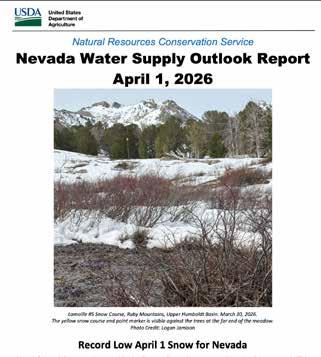
Utilization of Forage Kochia by Mule Deer and Pronghorn Antelope
By Charlie D. Clements and Matt Jeffress
Forage kochia, (Bassia prostrata) formerly (Kochia prostrata), native to the semi-arid regions of Eurasia has been referred to as “Russian alfalfa” as well as “alfalfa of the desert”. Forage kochia was first introduced to the United States in 1966 by researchers looking for plant materials that could biologically suppress the exotic and noxious weed, Halogeton (Halogeton glomeratus). Crested wheatgrass (Agropyron cristatum) was widely planted on big sagebrush sites throughout the Great Basin and successfully suppressed Halogeton, but crested wheatgrass was not successful on droughty saline soils, therefore scientists proposed forage kochia as a candidate species on these soils. Forage kochia belongs to the Chenopod family, which contains other valuable arid rangeland species like winterfat (Krascheninnikovia lanata) and fourwing saltbush (Atriplex canescens). Forage kochia is a perennial semi-shrub that has the inherent potential to germinate and establish on a variety of soils including, clay, sandy and loamy as well as in climates that range from 5-27” of annual precipitation. Forage kochia
sustains heavy grazing, as it evolved in heavily grazed arid environments, and also has the ability to resprout following wildfires. For centuries, forage kochia has been an important fall and winter forage for cattle, sheep, horses, camels and wildlife in Kazakhstan, Uzbekistan and the surrounding region. Early on researchers recognized the nutritional quality of forage kochia, 8-14% crude protein, therefore suggesting this species be used to improve winter forage for wildlife, especially mule deer (Odocoileus hemionus). In 1984, the cultivar ‘Immigrant’ forage kochia (Bassia prostrata ssp. virescens) was released to aide in rangeland rehabilitation efforts. ‘Immigrant’ forage kochia averages 1-3’ in stature, competes with the exotic and invasive annual grass cheatgrass (Bromus tectorum), stays green throughout the fire season and provides a nutritional forage on arid rangelands (Figure 1). Following its’ release, ‘Immigrant’ forage kochia was used for livestock and wildlife forage, soil stabilization, rangeland rehabilitation/reclamation and suppression of wildfires. ‘Immigrant’ forage kochia has been
FIGURE 1. ‘Immigrant’ forage kochia is a smaller stature shrub that provides excellent nutritional value throughout the year and is well adapted to arid environments throughout the Intermountain West.
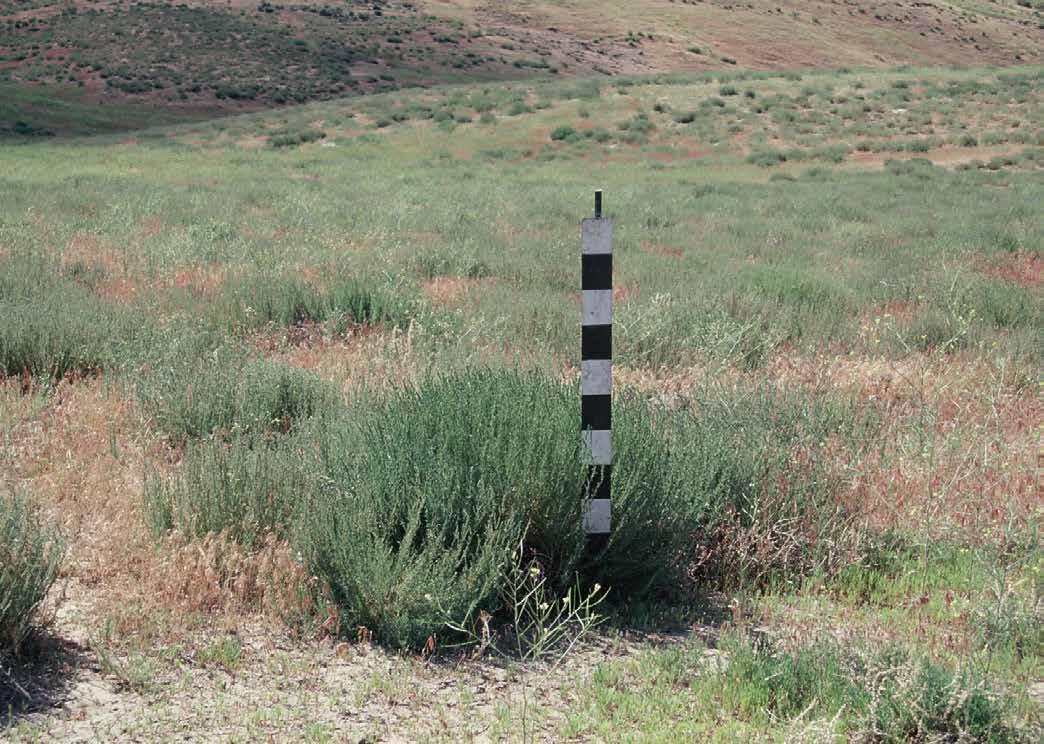
reported to increase rangeland forage production by up to six-fold and cattle grazing on ‘Immigrant’ during the fall and winter months maintained or improved their body condition without any additional protein or nutrient supplementation.
Although ‘Immigrant’ forage kochia can be successfully established on harsh, arid and severely degraded habitats, its’ short stature often makes forage unavailable during winter snow depths. The development of ‘Snowstorm’ forage kochia (Bassia prostrata ssp. grisea) was initiated to breed a productive, protein-rich forage kochia cultivar with a large stature that would enhance forage kochia as a winter forage in the temperate deserts of the western United States (Figure 2). Dr. Blair Waldron, Research Geneticist, USDA, Agricultural Research Service, Forage and Range Research Unit visited Uzbekistan in 2002 where he obtained 22 collections of forage kochia seed and brought those collections back to his research facility where he initiated a germplasm exchange in which ‘Snowstorm’ forage kochia is derived from. Following nearly 10 years of testing, ‘Snowstorm’ forage kochia was released in 2012 by USDA-Agricultural Research Service and the Utah Agricultural Experiment Station as a rehabilitation species to improve forage production for livestock and wildlife in semiarid environments. ‘Snowstorm’ forage kochia is similar to ‘Immigrant’ in establishment and adaptation in semiarid environments of the Great Basin, but ‘Snowstorm’ is more pubescent than ‘Immigrant’ and is grayish in color, whereas ‘Immigrant’ is green and turns reddish during seed maturity. ‘Snowstorm’ is more than 60% taller in stature as well as providing nearly 70% more forage than ‘Immigrant’. ‘Snowstorm’ also is reported to have 22% higher crude protein, 10-18%, and 4% higher digestibility. ‘Snowstorm’ seed is about 40% larger than ‘Immigrant’ seed, even though it is reported to not result in higher seedling establishment and vigor.
It is readily apparent that many habitats within the Great Basin have been converted from formerly big sagebrush (Artemisia tridentata) bunchgrass communities to habitats dominated by exotic annual weeds such as cheatgras. As wildfire frequencies have increased, the ability to restore native perennial species back into these habitats has been extremely challenging and unsuccessful, in which many resource
managers have given up on these degraded rangelands. For decades, the political climate of using introduced species in restoration/rehabilitation efforts has ignited controversy. As these native plant communities have been replaced by invasive exotic weeds, the increased wildfire frequency associated with increased cheatgrass and associated fuels have continued to shrink native plant communities which native ungulates like mule deer and pronghorn antelope (Antilocapra americana) rely on.
Populations of mule deer continue to decline across much of their historic range. Potential sources of mule deer declines include loss or fragmentation of habitats, altered forage quality, predation, disease, severe winters, droughts, increased hunting mortality, and increased highway/road mortality. Pronghorn antelope are also experiencing population trends that fluctuate due to habitat fragmentation, human development, droughts, and severe winters to name a few.
Habitat quality is believed to have declined across much of the western United States because of successional changes in vegetation caused by increased wildfire frequencies, invasion of exotic and invasive weeds, particularly cheatgrass, human development and improper grazing management. Nutrition garnered during winter and summer influences most aspects of ungulate biology and the quality and quantity of forage during the summer were the best predictors of herd productivity in species such as mule deer and pronghorn antelope. Maternal conditions resulting from increased available nutrition affect multiple characteristics associated with reproductive success and off-spring health. It is important to emphasize the critical role that quality of habitat plays in the dynamics of mule deer and pronghorn antelope, with cascading effects on physical condition, reproduction and offspring recruitment back into the population. Female ungulates in poor condition are more likely to have low rates of reproduction and give birth to small young, which in turn experience high mortality, therefore reducing recruitment rates need to sustain or grow the current population. Intensive habitat management requires accurate estimates of diets for foraging animals. Most practical methods for
FIGURE 2. ‘Snowstorm’ forage kochia is a taller stature shrub that provides excellent nutritional value, especially during deeper snow accumulation events.
estimating herbivore diet composition are tedious, time consuming and expensive. Methods such as rumen content analyses, observation of free ranging animals, and examination of feeding sites are reported to be error-prone because they contain inherent biases. Researchers have reported that “fecal analysis” is the preferred method of choice for evaluating wild herbivore diets in many situations.
Relative use of different habitats by ungulates has been estimated by patterns of pellet-group deposition since the 1940s. Wildlife management agencies commonly use pellet-group counts to compare use of different habitats or to measure ungulate responses to habitat manipulation treatments. Mule deer in northeastern Nevada have experienced severe winter die-offs due to frequent and increased size of wildfires that have converted from former big sagebrush/bunchgrass communities to cheatgrass dominance resulting in significant declines in nutritional forage mule deer herds depend on to survive. In an effort to restore or rehabilitate these degraded habitats, numerous restoration/rehabilitation projects have taken place which include the seeding of perennial grasses, shrubs and forbs, as well as forage kochia to improve grazing resources as well as improve forage and cover for wildlife species. Wildlife biologists collected fecal samples in northeastern Nevada in 2021 and 2022 of mule deer and pronghorn antelope on numerous habitats that were intact as well as habitats that had previously experienced wildfire disturbances, and in some cases had been successfully seeded following wildfire events. Fecal samples were sent to the lab to identify the diet content of mule deer and pronghorn antelope in this region of Nevada. Although forage kochia plants made up less than 1% of the total assessed habitat that fecal collections occurred on, fecal analysis identified forage kochia in 33% of the mule deer diet and 30% of the pronghorn diet during the winter months (Figure 4). Mule deer are browsers; therefore, they benefit when nutritional browse species such as big sagebrush, antelope bitterbrush (Purshia tridentata), mountain mahogany (Cercocarpus ledifolius) and other shrub species are present and plentiful on their habitats (Figure 5). Of course, wildfires and especially re-occurring wildfires result in mortality of these nutritious
.... continued next page
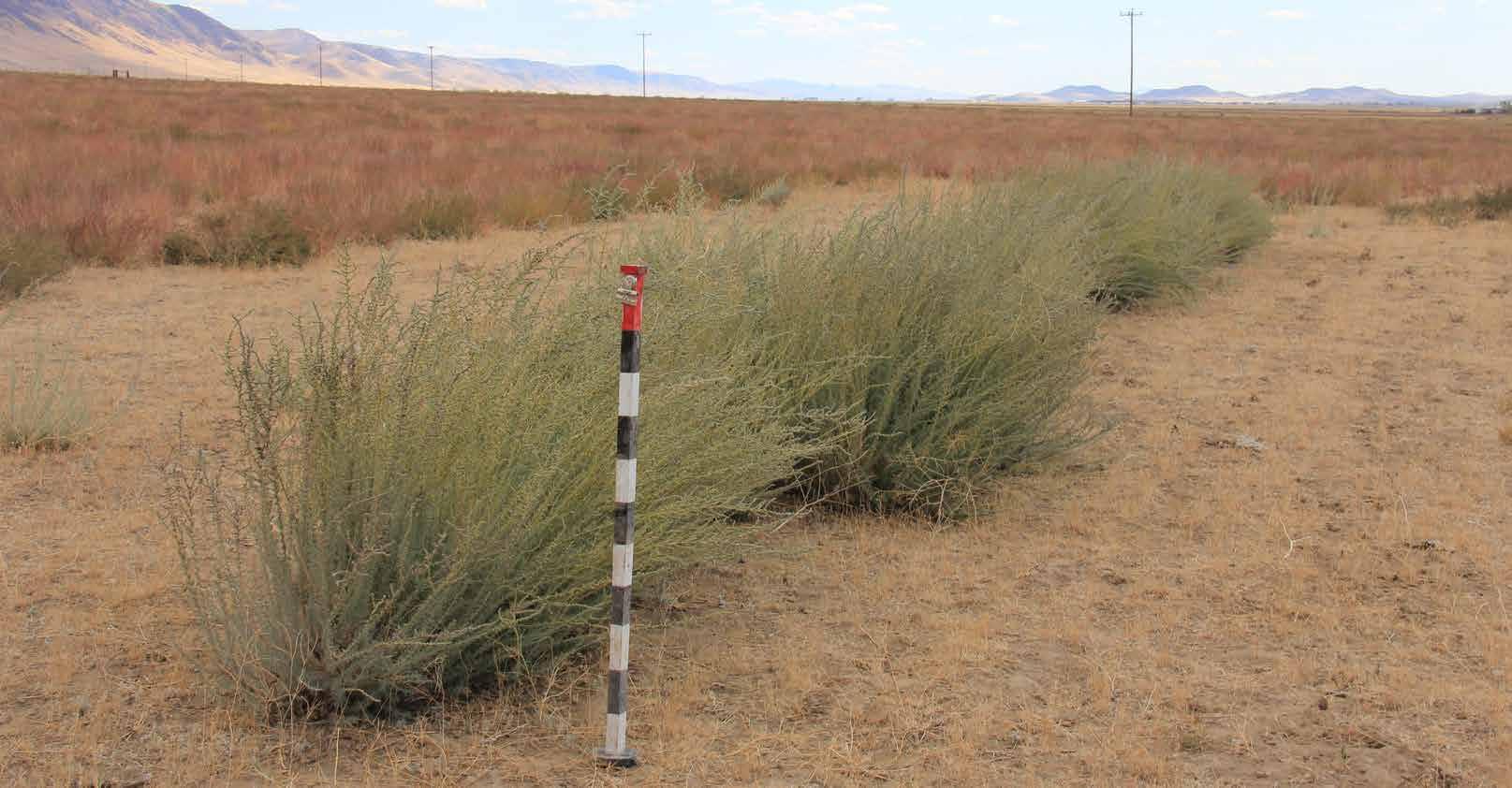
shrubs. Because these shrubs can be difficult to restore back into the community, species like forage kochia have the inherent potential to germinate, establish and persist in these arid habitats and provide critical nutritional benefits to species such as mule deer and pronghorn antelope. Past research has indicated that nutritional resources during winter can influence survival and population dynamics of mule deer and pronghorn antelope.
Forage kochia has long been reported to provide critical nutritional value to livestock and wildlife, especially on arid degraded rangelands where nutritional browse species are severely lacking. The use of forage kochia in habitats of the arid west may provide species such as mule deer and pronghorn antelope the nutritional value needed to not only survive winter but improve overall animal health resulting in less winter mortality and improved reproductive success to not only sustain the population but improve recruitment rates and population trends.
Suggested Reading:
Bishop, C.J., White, G.C., Freddy, D.J., Watkins, B.E. and Stephenson, T.R., 2009. Effect of enhanced nutrition on mule deer population rate of change. Wildlife Monographs, 172(1), pp.1-28.
Clements, C. D., K. Grey, and J. A. Young. 1997. Forage Kochia: To Seed or Not To Seed. Rangelands 19(4): 29-31.
Clements, C. D., and J. A. Young. 1997. A Viewpoint: Rangeland health and mule deer habitat. Journal of Range Management 60:129-138.
Gill, R.B., Carpenter, L.H., Bartmann, R.M., Baker, D.L. and Schoonveld, G.G., 1983. Fecal analysis to estimate mule deer diets. The Journal of Wildlife Management, pp.902-915.
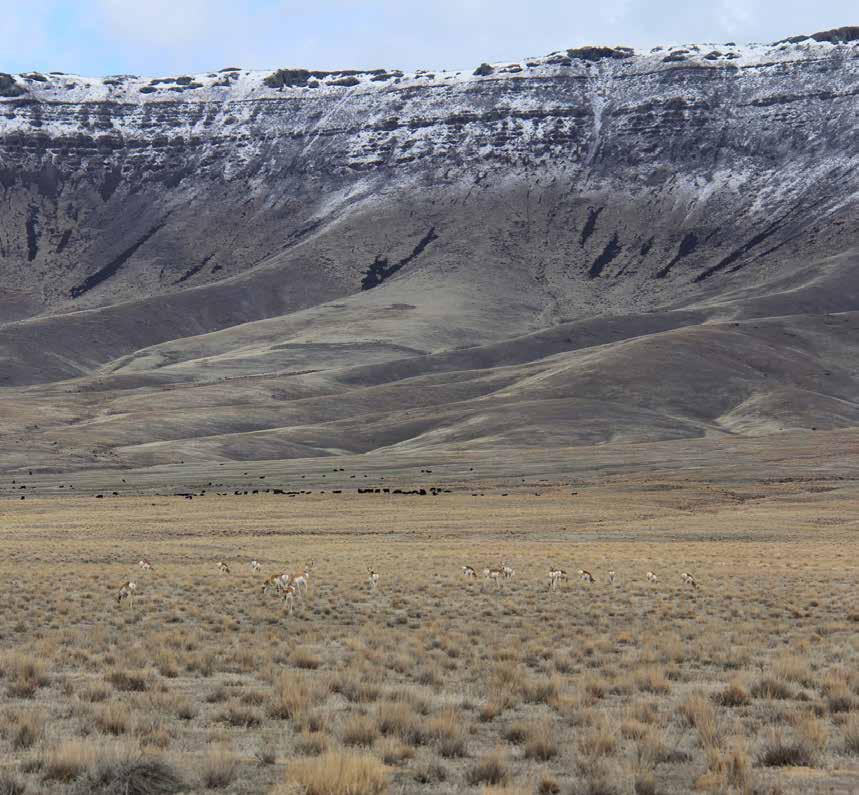
FIGURE 4. Pronghorn antelope utilizing ‘Immigrant’ forager kochia seeding that was conducted more than 20 years prior. The ability of forage kochia to persist has resulted in a long-term nutritional benefit to wildlife and livestock in these arid environments.
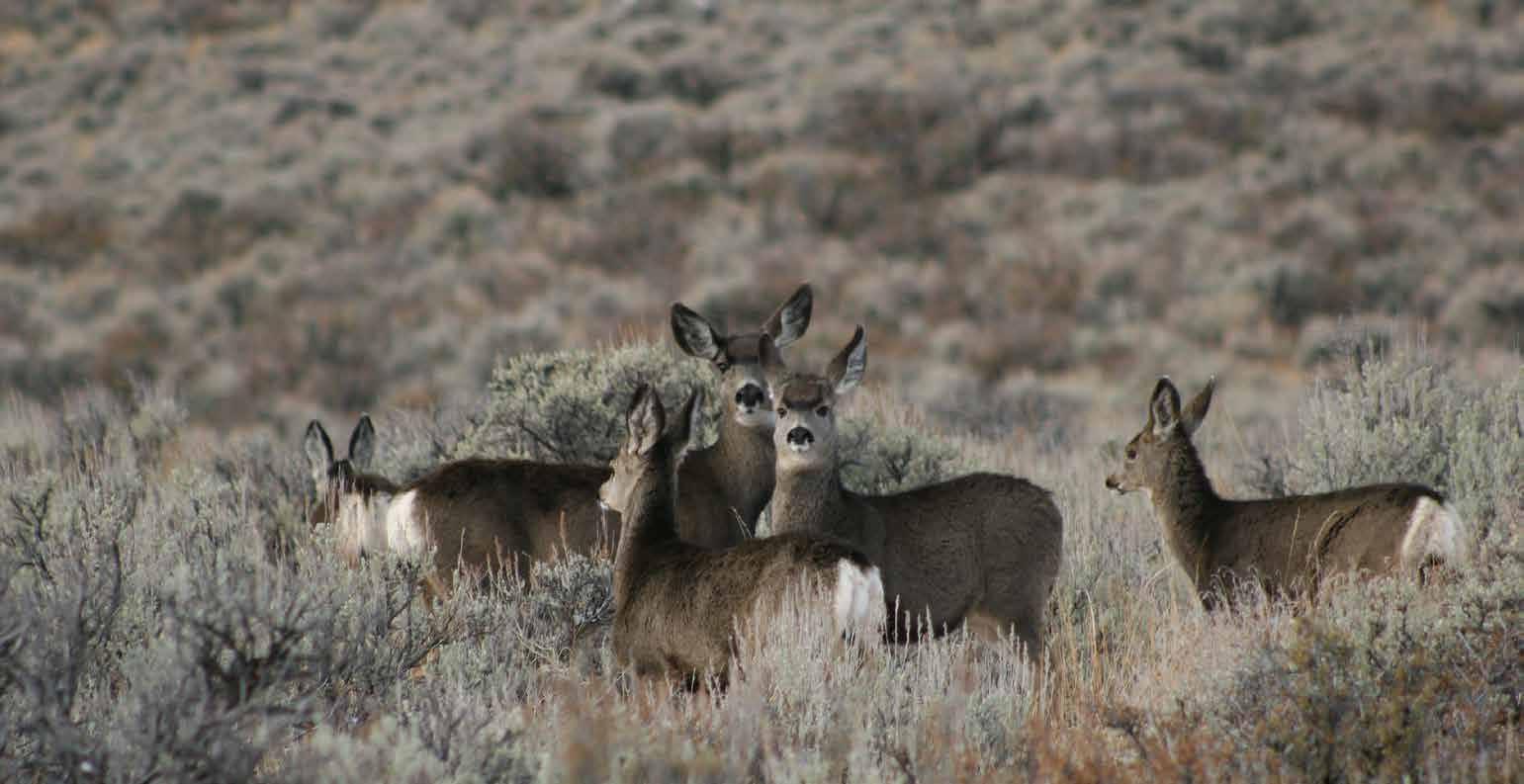
FIGURE 5. The loss of critical browse communities has resulted in mule deer population declines throughout their range. Providing nutritional forage on summer, transitional and winter ranges will be necessary to increase mule deer and pronghorn population trends.

Cattlewomen’s Corner of the Corral
Reminder: SAVE THE DATE for our 6.7.26 Beef & Wine Pairing Event
By Charmi Mitchell, NCA President
Reminder! You’re invited to join us on June 7th, 2026 at 3:00 pm at Park Home Ranch Venue in Gardnerville, Nevada for our 3rd Annual Beef & Wine Pairing Event! Please contact a NVCW board member to purchase your tickets. For more information, please contact us at cwnv.inc@gmail.com or at nevadacattlewomen.com

If you’re looking to sell a farm or ranch, give us call!
Clover Valley Farm South of Wells
A 240 acre farm with 160 acres of water righted lands Currently with one 125 acre pivot and two wells. The Home is a large manufactured home with 3 bedroom and Two full baths plus office, living room and family room. Two large metal storage buildings Price: $1,200,000.
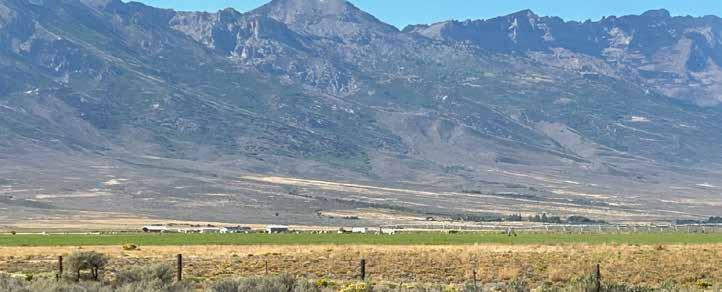

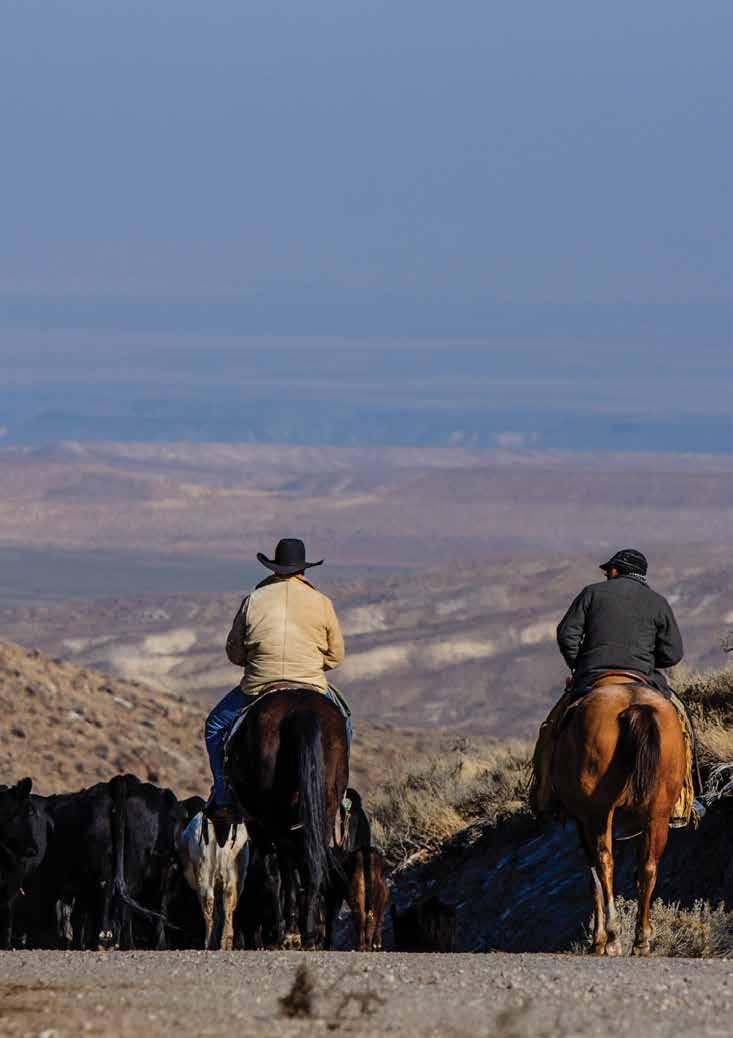


President’s Desk
As we continue building momentum this year, I am encouraged by the tangible progress PLC is making and the new doors that are opening for public lands council. Our collective work produces results that matter
on the ground, and for the families who depend on healthy, working rangelands. PLC is strengthening its influence at the federal level, with deeper engagement and expanding collaboration across both USDA and the Department of the Interior, opening opportunities to ensure livestock producers have a seat at the table when decisions are being made about land management and grazing policy.
In addition, PLC’s strong leadership on ESA reform continues to bear fruit. The Senate he ESA hearing held just a couple weeks ago that marked an important step in advancing meaningful reforms that protect our hardworking ranchers. These successes reflect sustained advocacy, trusted relationships, and consistent producer input, and they underscore that continued progress depends on engagement at every level, from national policy to local action.
Just yesterday, our public lands ranching members from across the West joined Agriculture Secretary Rollins and Interior Secretary Burgum as they signed an MOU enshrining coordination between the agencies. More information on the MOU is below, but it’s things like this that highlight the incredible power that your voices have when we combine them, direct them, and echo them in Washington, DC.
That’s why I hope you’ll join us at Legislative Conference that is right around the corner from now. It’s a critical opportunity to connect directly with policymakers, share your story, and help shape the future of public lands grazing. Registration details are listed below, I look forward to seeing you there and continuing this work together.

Policy Update
March brought a high level of activity on Capitol Hill, even as Congress continued to navigate a partial government shutdown affecting only the Department of Homeland Security.
While DHS funding does not directly impact public lands ranching operations, the significant amount of floor time dedicated to funding negotiations has limited broader legislative bandwidth, requiring a more targeted approach to advancing our priorities.
Despite these constraints, key items moved forward. The House Agriculture Committee advanced the Farm, Food, and National Security Act of 2026, which included the Ranching Without Red Tape Act, with bipartisan support. This provision will help ensure the timely completion of range improvements and establish a virtual fencing pilot program at USDA, reflecting a push toward practical, producer-focused solutions.
Oversight efforts reinforced similar themes. A House Natural Resources subcommittee hearing on the Migratory Bird Treaty Act highlighted the need for clear, workable standards that account for the realities of working lands and avoid penalizing routine agricultural activity, echoing long-standing PLC priorities.
Momentum continued with growing attention on the Endangered Species Act. A Senate subcommittee hearing on ESA reform reflected increasing bipartisan recognition that the statute is overdue for modernization. Discussions centered on issues PLC has consistently raised, including abuse of the petition process, inefficiencies in recovery planning, and the lack of durability for delisting decisions. The need for reform was further underscored by recent court action rescinding prior regulatory improvements to the ESA, reinforcing the importance of congressional action through the ESA Amendments Act of 2025.
Indemnity Program, following recent policy improvements secured in the One Big Beautiful Bill. As activity continues to build, sustained engagement will be critical to turning this momentum into lasting, practical outcomes for our industry and the lands we steward.
Garrett Edmonds | gedmonds@beef.org PLC Director

From the Desk of the Executive Director
February, March, and April always bring countless friends and partners to the nation’s capital to meet with members of Congress and the administration in a concentrated effort to underscore necessary policy change.
These efforts were often centered around the historic appropriations cycle, but because the appropriations cycle has operated under a series of continuing resolutions or omni-/mini-buses for 29.5 years.
The appropriations process still warrants constituent engagement every spring, but we also take the opportunity to use our spring fly-ins to push other core policy that - hopefully - will be enacted throughout the year.
As we prepare for PLC’s spring legislative conference, the public lands grazing community has plenty on our agenda: preparing Congress to have a meaningful conversation about how to engage in intentional, fair land disposal; passing the Fix Our Forests Act; enacting the Endangered Species Act Amendments and associated species-specific delisting bills; and more.
Tim Canterbury | PLC President
These challenges are particularly evident in the management of species such as the gray wolf, where single-species approaches continue to affect producers across the West and Upper Midwest. In response, PLC helped launch the Ranchers and Sportsmen Wolf Coalition to advance a coordinated Senate strategy to pass the Pet and Livestock Protection Act and secure durable delisting. In the meantime, PLC continues working to ensure producers have on-the-ground support, including advocating for FY27 funding for Wildlife Services and advancing implementation of the Livestock
Over the next month, PLC will be working with our national partners to activate a series of legislative campaigns to get key priorities over the finish line. We may only be in April, but 2026 is already a short year because of the midterm election cycle, and PLC is focused on ensuring Congress uses every possible minute of floor time to enact legislative wins. From the SPEED Act to the Grasslands Grazing Act, we’re looking forward to a productive spring.
Onwards,
Kaitlynn Glover | kglover@beef.org
PLC Executive Director
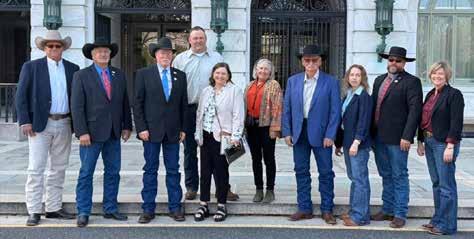
PLC Leads in Grazing Roundtable with Secretaries Burgum, Rollins as USDA & DOI sign MOU to support American Ranchers
Secretary of Agriculture Brooke L. Rollins and Secretary of the Interior Doug Burgum signed a Memorandum of Understanding (MOU) to activate coordination on the Grazing Action Plan for the benefit of public lands ranchers and rangelands across the country. www.usda.gov/sites/default/files/ documents/mou-advancing-grazing-usfs-blm.pdf
The MOU delivers on a host of PLC priorities that PLC has shared with the administration from Day 1:
• creation of a grazing permittee wildfire liaison position in incident command teams
• deliver better tools to inventory and restock vacant allotments
• increase the use of targeted grazing to reduce wildfire risk
• incorporate grazing in Shared Stewardship Agreements and Good Neighbor Agreements
• restoring our long-held suggestion of rancherfacilitated immersion partnerships for rangeland management staff
• expanding and optimizing implementation of outcome based grazing for both agencies
The MOU is a clear commitment from both Secretaries, and from the administration at large, that grazing program reform is a priority.
In the roundtable that followed the MOU signing ceremony, these permittees shared opportunities for immediate improvements: investment in grazing to graze high-fuel environments this year, how to address key staffing shortages, the need for monitoring for impacts from other multiple uses that affect range health and more.
The permittees who hold more than 22,000 grazing permits West-wide are well-represented by PLC in all these issues, and that was clearly evident on March 31 at the Whitten Building. Thank you to Secretary Burgum, Secretary Rollins, and their policy teams at BLM and USFS!
To read more about DOI, USDA MOU signing, read our press release: https://publiclandscouncil.org/ news-media/press-releases/news
Bipartisan Resolutions Celebrate Ranchers & Rangelands for the International Year of Rangelands and Pastoralists
The House and Senate will soon move to vote on a pair of bipartisan resolutions supporting the 2026 International Year of Rangelands and Pastoralists (IYRP) sponsored by Senators Cynthia Lummis (RWY), Ben Ray Luján (D-NM) and Rep. Maloy (RUT).
“The International Year of Rangelands and Pastoralists is about celebrating everyone that dedicates their lives to keeping range and pasturelands healthy. U.S. cattle and sheep producers carry out voluntary conservation work every day to preserve our natural landscapes through targeted grazing,” said PLC Secretary and Colorado rancher Robbie LeValley. “The work we do as ranchers is made possible by a strong network of individuals that are as passionate about maintaining our treasured natural resources as we are. PLC thanks House and Senate leaders for introducing these resolutions and commemorating this important work in the congressional record.”
Read Senate resolution here:
https://www.congress.gov/bill/119th-congress/houseresolution/1144/text
Read House resolution here.
https://www.congress.gov/bill/119th-congress/houseresolution/1144/text
Tuned in to the Land: Grazing on Public Lands
The California Rangeland Trust’s Podcast, Tuned in to the Land, episode 5.2 Grazing on Public Lands featured Rangeland Trust CEO and host Michael Delbar, sits down with Kaitlynn Glover, Executive Director of the Public Lands Council, for an in-depth conversation on grazing across public lands.
They examine PLC’s work for ranchers and the land, the challenges and opportunities tied to federal grazing permits, and the ways ranchers steward the land while sustaining rural communities. Kaitlynn also tackles common misconceptions about grazing and highlights why producer voices are critical to the future of public lands management.
To tune in to this episode, visit: www.youtube.com/ watch?v=drysQnn10zk
Grant Opportunities are OPEN; Seeking RFP Subjects!
PLC periodically opens Requests for Proposals on issues related to public lands grazing. Announcements of active RFPs will be made on THIS page and in PLC press releases: https://publiclandscouncil.org/ get-involved/grants-funding
At this time, there are no active RFPs. We are currently accepting applications for FY26 funding and accepting proposals for future RFPs. If you have any questions or want more information on an issue, please contact us so we can get more information together at the next scheduled board meeting.
There is an active Notice of Funding AvailabilityPLC is accepting applications for project funding at any time! Applications received will be evaluated by the Board of Directors at the next regularly scheduled quarterly Directors’ meeting.
SAVE THE DATE!
Join us in Copper Mountain on SEPTEMBER 2026 for the Annual PLC Meeting
A QUICK NOTE ABOUT GRAZING...
Grazing plays an important role in supporting healthy, functioning rangelands. Grazing contributes to long-term land health in several key ways. Some of the benefits of well-managed grazing include:
• Reducing wildfire risk by decreasing excess dry vegetation and lowering fuel loads that can lead to more intense fires
• Helping control invasive grass species by removing dead plant material and disrupting seed cycles through digestion
• Supporting soil health by encouraging plant growth and increasing carbon storage in soils and vegetation
Across working landscapes, grazing remains a practical tool that supports the people and places that depend on them!
THE ROUNDUP
An analysis of western ranching politics.
IN THE NEWS
BLM releases the proposed grazing decision for the ‘Flanigan Grazing Allotment Permit Renewal Environmental Assessment’
BLM issues Decision for Flanigan Grazing Allotment, BLM - The BLM Sierra Front Field Office, has issued the Proposed Grazing Decision for the Flanigan Grazing Allotment Grazing Permit Renewal Environmental Assessment. The Allotment lies approximately 50 miles north of Reno, Nevada in Washoe County, and runs along the Virginia Mountains. The purpose of the EA is to consider the Flanigan Allotment permit renewal to graze livestock in a manner that provides for livestock grazing on public lands consistent with meeting management objectives. The Allotment encompasses approximately 55,071 acres (57 percent) of BLM-managed public lands and 41,414 acres (43 percent) of private land, totaling 96,592 acres. The EA, Finding of No Significant Impact, and Proposed Decision are available on the project webpage for review. For assistance with computer or internet access, contact Melanie Hornsby at mhornsby@ blm.gov for assistance. If you have any questions or concerns, please contact project lead, Sabrina McCue, Sierra Front Field Office Range Management Specialist at 775-885-6000 or blm_nv_ccdowebmail@blm.gov.
CO Governor sounds alarm on extreme wildfire risk
Polis, state officials warn of extreme fire risk in Colorado in the coming months, Colorado Public Radio - Colorado Gov. Jared Polis and state officials warned of “significantly increased risk” of fires in the coming months during a briefing on the state’s wildfire outlook Thursday. “There is significant drought conditions, which has caused a much higher fire risk for June and July in the Front Range and western Colorado, in particular,” Polis said, adding that wildfire risk is also being exacerbated by climate change, an increasing population and more people living in fire-prone areas. Officials said dry conditions will extend across the entire state, driven in large part by record-low snowpack, and predicted 95% of Colorado will experience various levels of drought during early summer. In a typical year, Colorado sees between 6,000 and 7,000 wildfires. Mike Morgan, director of the state Division of Fire Prevention and Control, said the
number will likely be higher this year as dry conditions persist. He added that the large, destructive fires that make headlines are only a small share of the thousands of wildfires crews respond to. “I think a lot of our folks across the country, or across the state, think that all the only fires, wildfires we really have are the Elk Fire, the Marshall Fire, or the Lee Fire. You know, that’s not the case,” Morgan said. Fire activity has already picked up early in 2026. Crews have responded to multiple wildfire incidents and dropped hundreds of thousands of gallons of fire retardant so far this year. “We’re going to be facing a challenging fire season this year, and we know that’s coming,” Stan Hilkey, executive director of the Department of Public Safety, said. “We’ve already had a challenging fire season, and actually using the term fire season doesn’t make sense anymore. It’s a fire year.” Wildfire risk and drought also extend beyond Colorado’s borders. With neighboring states like Utah, New Mexico, and Arizona facing similar conditions, officials said shared firefighting resources will be in higher demand regionally. “We know that during a challenging fire season across the western United States, we’re going to be competing for resources,” Hilkey said. Polis said that’s part of why Colorado has spent years building up its own firefighting capacity, including aircraft, helicopters, and ground crews, to respond more quickly when wildfires start. “The state’s come a long way over the last eight years, we can all feel safer because of where we are today,” Polis said. “But at the same time, risk has also increased, particularly this year, in a drought year, we’re obviously worried about major fire events quickly eclipsing the only resources we have, and if so, we would tap into the national resources.” Officials emphasized that early detection and aggressive initial response are critical to keeping small fires from becoming larger, more destructive events. They also urged the public to be especially careful not to spark fires. “Typically, what we see is about, you know, 90% of fires are caused by some human action or inaction,” Morgan said. “A maintenance issue on a vehicle driving through grass with a hot catalytic converter, etc.” He also pointed to mitigation efforts, like clearing vegetation around homes, as one of the most effective ways to reduce risk and potential damage.
Grazing success depends on the balance of forage quality and quantity; Beef recognized as a yearround staple during ‘Beef Month’.
Find grazing success where forage quality and quantity intersect, Beef Magazine - What is your primary goal for pasture management this season? Do you want to optimize forage quality or quantity? Those are the first questions grazing specialist and No fence internal sales representative Dr. Alayna Gerhardt-Crile asks producers who want help improving their grazing strategies. “Managing pastures to benefit cattle requires balancing forage availability and forage quality to make the most of the point where they intersect,” said Gerhardt-Crile. “In all forages, there is a trade-off. As plants mature and quantity increases, quality starts to decrease. A good grazing plan helps you identify which you’re trying to maximize – quality or quantity – and helps you map out how to get there.” Forage management is a yearlong effort. The priority during April and May is to set pastures up for a successful growing season. First, give grass a headstart,
said Greg Brann, a grazing consultant from Adolphus, Ky. “We’re setting ourselves up for the whole year, so it’s important not to graze too soon or let forage get too short,” said Brann. “I wait to start grazing until the grass is at least 6 inches tall. Six inches is the perfect height for the animal if we have consistent growing conditions.” The tops of grasses are the most tender and nutritious part of the plant because grass grows at the tip. When grass is growing quickly, as it tends to do in April and May, Brann uses a “top-third” grazing strategy. He lets cattle graze the top third of the available forage and then moves them to the next paddock. Increasing stocking rates might be necessary early in the season when forage is in its fastest growth phase and quality is high, said Gerhardt-Crile. “In a pasture that has high-quality forage, if cattle take six months to graze it, that is quality wasted,” GerhardtCrile said. “In that case, it’s better to graze more cattle for less time in one space.” Brann uses virtual fencing to keep cattle moving at the right pace across pastures with fresh and fast-growing early season forage. Virtual fencing uses GPS collars to train cattle using sound cues to stay within boundaries producers create with an app on their phone or a platform on their computer. Virtual fencing is gaining interest and adoption by livestock producers across the U.S. because it eliminates the time and labor needed to move physical fencing. “Strip grazing is the easiest way to graze cattle at higher densities to manage forage height,” said Brann. “Give cattle a narrow strip, let them eat it down, then move them before they overgraze. It’s one of the most common and effective ways to manage pasture, and virtual fencing has changed the game for the better.”
Beef is Worth Celebrating in Beef Month and Always, American Ag Network - Today, North Dakota Stockmen’s Association President Randy Schmitt, a Rugby, N.D., cow-calf producer, issued the following statement about Beef Month: “As May arrives and we celebrate Beef Month, it’s a fitting time to reflect on the role beef plays on our plates, in our communities and across North Dakota’s landscape. “Beef is more than a centerpiece at the dinner table it’s a powerhouse of nutrition. It provides high-quality protein and other essential nutrients that support energy, muscle development and overall health. For families like mine who raise cattle, it is a natural choice we’re proud to stand behind. “The cattle industry is a cornerstone of North Dakota’s economy. It generates approximately $1.5 billion in annual cash receipts, making it one of our state’s economic pillars. When you consider the ripple effect through local businesses, feed suppliers, veterinarians, equipment dealers and more, that impact multiplies several times over, supporting jobs and strengthening rural communities across the state. “Equally important is the role cattle producers play in caring for the environment. Ranching families like ours are deeply committed to stewardship, preserving open spaces, protecting natural resources and maintaining healthy grasslands for future generations. These working landscapes not only support livestock but also provide habitat for wildlife and contribute to the environmental health of our state. “As a cow-calf producer near Rugby, I’m grateful to ranch alongside my family and be part of an industry that feeds people, fuels our economy and sustains our land. This Beef Month, I encourage everyone to celebrate the many contributions of beef and the people behind it.”
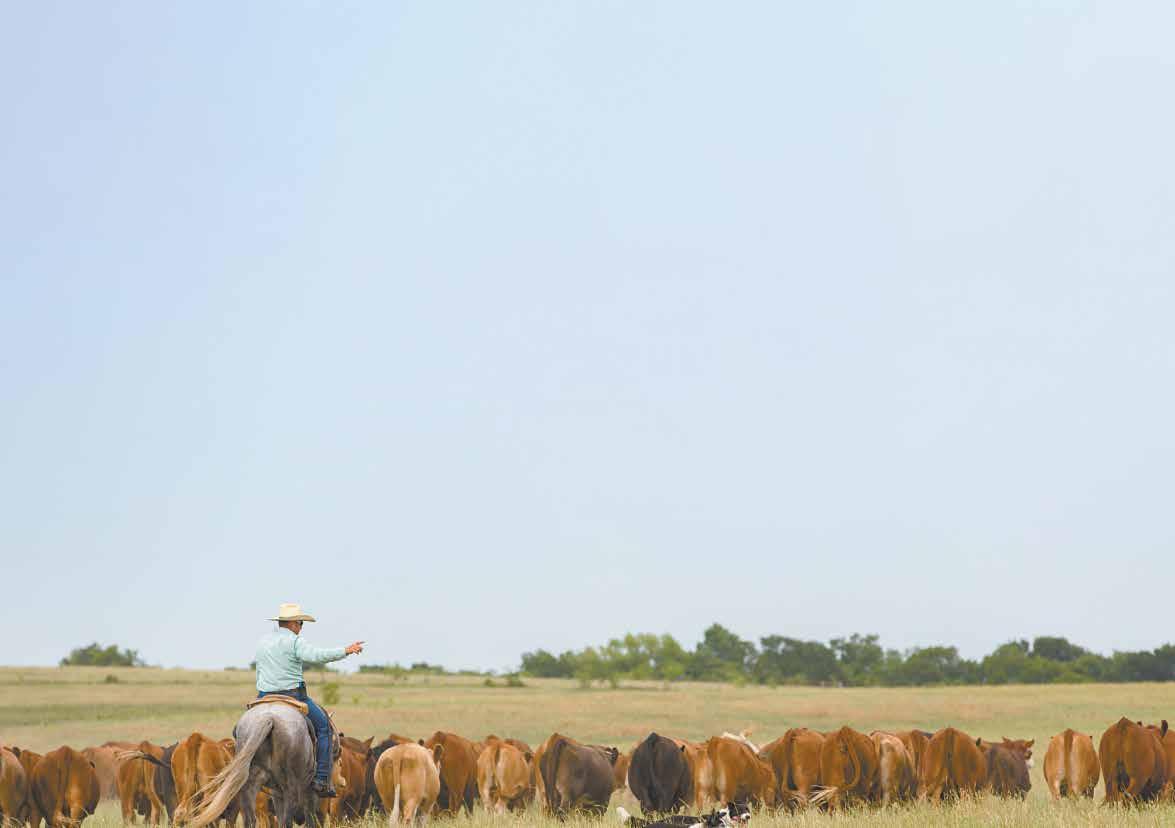
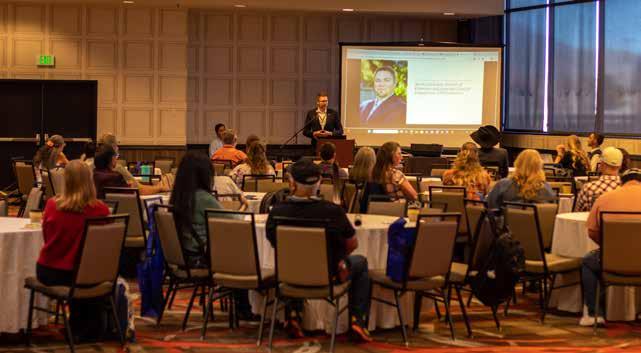
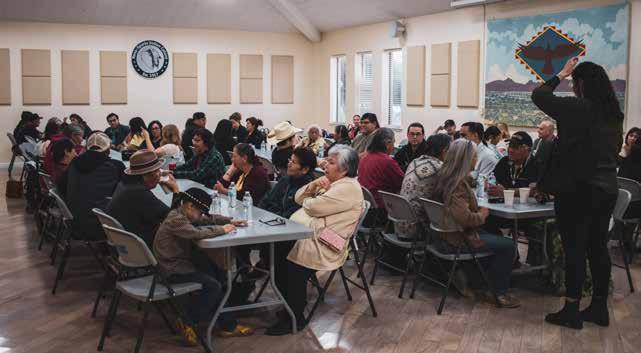
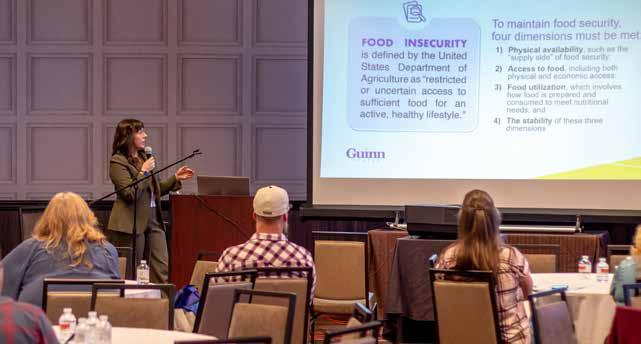
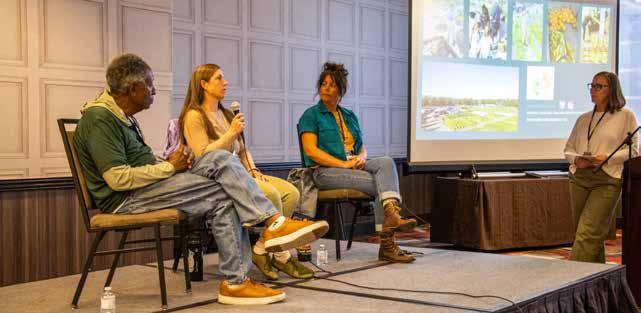
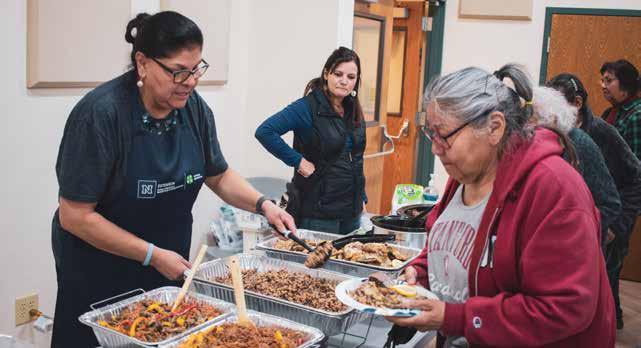
ROOTS 2 RESULTS Conference Strengthens Agricultural and Tribal Partnerships
By Kaley Chapin | Lead Ag Program Coordinator | UNR Extention | kaleys@unr.edu
More than 200 participants gathered in Sparks, Nevada, March 24–27 for the Roots 2 Results: Cultivating Farm & Food Systems – Northern Nevada Conference in partnership with the Nevada Tribal Food and Agriculture Summit, hosted by the University of Nevada, Reno Extension.
The multi-day event brought together agricultural producers, Tribal leaders, agency partners, educators, and food system stakeholders to advance collaboration, education, and innovation across Nevada agriculture.
The conference kicked off with roundtable sessions for Tribal Leaders and Urban Agriculture Technical Assistance, offering one-on-one support for navigating agricultural programs, obtaining producer certifications, and connecting with key partners. These sessions created an accessible entry point for both new and experienced producers seeking resources and guidance.
A dedicated Water Day highlighted one of Nevada agriculture’s most critical challenges, featuring expert-led discussions on drought, water resource planning, alfalfa and sorghum reduced-water research trials, climate impacts, and community resilience. Participants engaged in both technical presentations and facilitated discussions focused on long-term sustainability and adaptive strategies for agricultural operations across the state.
The main conference, held on Thursday and Friday, featured a wide range of educational sessions across key tracks including production, profitability, conservation, and food security. Topics ranged from local meat systems and agritourism to enterprise budgeting, marketing, and integrating regenerative agriculture practices. Speakers included industry professionals, Extension specialists, producers, and agency leaders, providing practical and real-world insights for attendees.
A strong emphasis was placed on tribal agriculture and community collaboration, with sessions highlighting tribal programs, food sovereignty efforts, and partnerships across agencies and communities. The integration of the Nevada Tribal Food and Agriculture Summit created a unique platform for shared learning and cross-sector engagement.
Additional highlights included:
• A keynote presentation on agricultural opportunities and enterprise development
• Networking lunch sessions designed to connect participants by agricultural sector
• A industry tradeshow and partner engagement opportunities, paired with a Tribal marketplace for entrepreneurs
• Producer roundtable discussions, allowing attendees to reflect, share challenges, and identify next steps
Attendee feedback emphasized the value of networking, access to resources, and the practical tools gained to support their agricultural operations and communities.
The Roots 2 Results - Northern Nevada Conference continued to build on the success of the Southern Nevada event held in February; expanding regional collaboration, strengthening Tribal partnerships, and delivering impactful, hands-on education tailored to Nevada’s diverse agricultural landscape.
This program was made possible through funding support from the USDA Beginning Farmer and Rancher Development Program (BFRDP) and Animal Plant Health Inspection Service (APHIS); Hudbay Mining; and the collaborative efforts of Extension, Desert Research Institute, Nevada Agricultural Experiment Station, agency partners, and community stakeholders.
GREENWAY’S GRAZING CORN
Graze Yearlings1500 on a 130 Acre Pivot for 30 Days

28 Ton Silage Pasco, WA
3.5 lbs. of Gain Per Day (69% TDN) 5-7 wt. Cattle*
* Jesse Norcutt, Currant, NV
Greenway Seeds Grazing Corn (GX80) is the No. 1 grazing corn in the nation because it is 5-6 days earlier than the competition. This allows the rancher to plant 5-6 days later and still reach peak sugar content (pre tassel) before the frost shuts you down!
OVERSEED ALFALFA with Grazing Corn
Plant with a grain drill following second cutting on an older field alfalfa. Ready to graze in early September.
“We planted GX80 following second cut alfalfa. If we had to do that over we would follow third cut. We grazed 400 head for two weeks on 20 acres” Cory Veterre - Greenriver, Utah
HERE’S WHAT RANCHERS ARE SAYING
Casey Calvin - Monte Vista, CO
We grazed lambs on GX80. They ate it all the way to the ground. Unbelievable! (See website for photos)
Crawford Cattle - Winnemucca, NV
Planted mid July, it was way over our heads. We were surprised as to how long we were able to graze. We also baled some of it. We’re buying again.
Cory Miller - Grass Valley Farm, Missoula, MT
We planted our GX80 under wheel lines and watered heavily. This was key as the corn grew 7ft tall!
Tom Kerns for Mike Becker Ranch - Baker, OR
We were able to carry 14 A.U.M.’s per acre with our late season grazing of GX80.
Jesse Norcutt - Currant, NV
We cut and baled the GX80 at pre-tussel. It was fed to 5-7 wt. cattle, and they gained 31/2 lbs/day
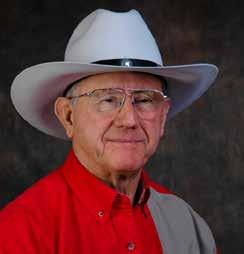
Warm Weather Is Here, but It’s Not Summer Yet: Irrigation and Planting Decisions for Early Season
Nevada’s winter 2025–26 was record-warm. The Nevada State Climate Office reports that persistent above-normal temperatures through December, January, and February pushed the statewide average winter temperature 5.5 °F above normal, making it the warmest winter on record. Precipitation was uneven, with an active storm period in late December, which was followed by a month-long dry spell in January and early February, and the season ended with low snowpack in many locations. As of March 2026, 66 % of Nevada remained in “abnormally dry” or drought conditions, and the spring outlook favors above-normal temperatures with only slightly below-normal precipitation. In other words, early-season heat does not mean that summer has arrived. Soil temperatures are still low, the frost risk remains, and the state remains drought-vulnerable. This guide aims to help you avoid costly mistakes and protect crops, soils, and irrigation systems as spring unfolds.
Plant according to soil temperature, not air temperatures
Warm-season crops germinate poorly in cold soil. Colorado State University notes that soil temperature at four inches deep, measured at 8 a.m., is one of the best guides for spring planting time, and that warm-season crops should be planted only when soil temperatures are above 50 °F. Planting by soil temperature ensures that seeds germinate quickly and reduces disease and pest pressure.
Beware of false springs; a week of 80 °F afternoons does not eliminate frost risk. The spring outlook calls for above-normal temperatures but also hints at a possible pattern change and increased precipitation by the end of March. Look at the long-term forecast and try to be realistic about the season. Always keep an eye on forecasts and plan your planting activities accordingly.
Do not irrigate because of warmer ambient air temperature
Warm days in March can be deceptive as the hot air heats the soil surface quickly, but the underlying root zone warms slowly and still holds winter moisture. Overwatering when soil temperatures are cold wastes water and can damage crops by encouraging shallow rooting and disease. Instead of reacting to a hot afternoon, base your first irrigations on soil moisture, crop stage, and soil infiltration, not on air temperature alone. Instead, check rooting depth and crop demand, because Oregon State University (OSU) explains that an irrigation program must match the crop’s changing demands with the water supplied.
Make use of soil moisture tests before watering. You can do this by digging a small hole 3–4 inches deep; if a handful of soil can be squeezed into a ball that holds together, there is still adequate moisture, and irrigation can wait. Soil probes and tensiometers provide more precise measurements, as noted by OSU, that the simplest method to assess water availability is a soil probe that shows moisture distribution throughout the profile.
Adjust for soil type and infiltration because sandy soils absorb water quickly but store little; clay soils hold more water but have slow infiltration and are prone to runoff. OSU’s irrigation guide explains that sandy soils have high infiltration but limited storage, whereas clay soils have lower infiltration but higher waterholding capacity. On clayey or compacted soils, it’s recommended to cycle-andsoak irrigation, applying water in short cycles with soak periods in between, to minimize runoff and ensure water infiltrates. Where irrigation water is regulated and/or limited due to drought means rationing water to crops over a longer and potentially hotter growing season. Consider season-long water requirements to decrease the risk of late-season water shortages.
Also, rather than basing your decisions on daily highs, monitor evapotranspiration (ET), which combines crop water use and surface evaporation and is driven by weather and canopy development. Normally, early spring ET is much lower, so irrigation intervals can be longer even when afternoon temperatures are high.
By Andrew Waaswa, Extension Agriculture Educator
Inspect the system before the first full run
A warm spell is the perfect time to perform maintenance on irrigation infrastructure. Before turning the water on, inspect all lines and emitters for leaks, clogged nozzles, and proper pressure, and flush drip lines to remove accumulated debris and salts. Check nozzle wear, arc, and tilt on sprinklers to ensure uniform distribution, and repair or replace worn parts. Use this checklist:
1. Walk the system – Look for cracked pipes, broken risers, and missing gaskets. Repair any leaks to prevent water loss and uneven application.
2. Flush and clean – Open ends of drip lines or laterals to flush out sediment and salt deposits. Remove and clean filters, emitters, and sprinkler nozzles.
3. Check pressure and coverage – Use a pressure gauge to confirm system pressure matches design specifications. On sprinklers, verify the arc, tilt, and nozzle size so that each circle or strip overlaps properly.
4. Calibrate application rate – Catch-can tests or soil probes help verify how much water is being applied per hour. Adjust timing to avoid runoff on heavy soils and ensure deep watering on sandy soils.
5. Plan repairs now – If system components are worn or outdated, schedule repairs or upgrades before demand increases. Drip systems may need emitter replacement or line flushing, while sprinklers may require new nozzles or pressure regulators.
Scout weeds and early pests
Warm weather stimulates both crop growth and weed germination. Early weed removal prevents competition and reduces weed seed production. Prevention is the least expensive method of invasive weed control, and early detection and immediate eradication reduce long-term costs. For pastures, it is recommended to walk the fields early to identify and manage weeds. Pest pressure also increases with warm temperatures, so watch for aphids, thrips, and spider mites on tender new growth and control them if necessary.
References
Bubl, C. (2010, March; reviewed 2024). Irrigation management basics. Oregon State University Extension Service.
Kratsch, H. (2010). Irrigating (watering) your vegetable garden (FS-10-16). University of Nevada, Reno Extension.
Larson, P., Vance, L., & North, D. (2025, January). April monthly gardening guide for Pima County. University of Arizona Cooperative Extension.
Perry, B., Albright, T., & Dmitruk, G. (2026). Nevada winter quarterly climate report and spring outlook: December 2025–February 2026. Nevada State Climate Office, University of Nevada, Reno. Smith, E. (2023, April). Spring pasture to-do’s. Oregon State University Extension Service.
Whiting, D., & Jones, K. M. (2017). Irrigation management (GardenNotes No. 260). Colorado State University Extension.
Whiting, D., O’Meara, C., & Wilson, C. (2018; reviewed 2024). Vegetable planting guide. Colorado State University Extension.
Wilson, R. E., Johnson, W. S., Swanson, S., & Donaldson, S. (1999). Nevada’s war on weeds, step 5: Avoid exploding weed populations with prevention and early detection (FS-99-79). University of Nevada, Reno Extension.
Robotics and AI to be employed on the range to raise sheep in harsh environments
UNR researchers aim to improve flock performance & rangeland health through robotics, AI & genetics
The Basque sheepherders who emigrated to Nevada in the 1800s would be amazed to see what’s going to be happening in the hills of Nevada today: a “RoboHydra” robot wandering with the sheep, providing them with water and tracking their movement and health.
Researchers at the University of Nevada, Reno are developing an autonomous mobile robotic watering system, paired with a facial-recognition artificial intelligence model, that will digitally identify each sheep and automatically capture and store detailed health and performance data that can help producers identify early signs of illness and make more informed breeding and management decisions.
The project is one of two University projects recently awarded $1,150,000 each over the next four years to promote sheep production and health and enhance grazing management. The second project complements the first, creating a broader, national set of data for the sheep industry, including traits such as health indicators, feed intake and wool quality, and pairing it with genetic, microbial and economic data. Both projects are funded by the Agriculture and Food Research Initiative, a program of the U.S. Department of Agriculture’s National Institute of Food and Agriculture. The projects build on the University’s long-standing sheep research programs, including its development of the Rafter 7 Merino line more than 30 years ago, which is internationally recognized for its fine wool and meat quality.
RoboHydra: Delivering water, protecting pastures
The first project is a first-of-its-kind project in the sheep industry and includes a multidisciplinary team of researchers from the University’s College of Engineering and College of Agriculture, Biotechnology & Natural Resources. The team is led by Parikshit Maini, assistant professor of robotics in the Department of Computer Science & Engineering; and comprises Andrew Hess, assistant professor of animal genetics and breeding in the Department of Agriculture, Veterinary & Rangeland Sciences; Ankita Shukla, assistant professor of artificial intelligence in the Department of Computer Science & Engineering; and Tracy Shane, livestock specialist with the University’s Extension unit. The project team also includes collaborators at Texas A&M University.
In the first phase of the project, Maini and his students in the Systems and Algorithms For Robot Autonomy Lab will develop the RoboHydra robotic watering system designed to guide sheep to underused pastures, promoting uniform grazing and improved rangeland soil health. The team will build RoboHydra in stages, beginning with a small prototype that can carry about 110 pounds to test movement and basic functions. Once proven, the team will scale up to a rugged, full-size platform weighing up to 4,000 pounds and able to haul up to 1,100 pounds of water, enough to support a flock of about 50 sheep.
Instead of relying on a fixed trough, RoboHydra will carry a closed water tank and use a push-activated bowl so sheep can drink on demand. A flow meter will track how much water each animal consumes. An onboard computer will use this information to evaluate grazing and water-use patterns and determine when and where the robot should move next.
“We’re putting autonomous robots and sheep together in real pastures, not controlled labs, and developing advanced algorithms to let them interact safely,” Maini said. “That gives us a powerful way to provide water, protect the land, and learn how individual animals are coping with heat and limited water.”
RoboHydra will be tested at the University’s Main Station Field Lab using 300 of the Rafter 7 Merino yearling rams. Hess oversees breeding selection of the sheep at the University’s Great Basin Research & Extension Center in Eureka, Nevada,
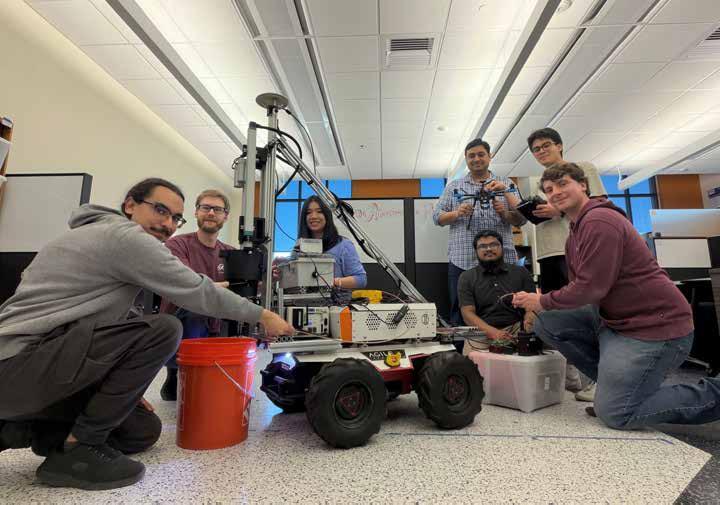
Parikshit Maini, standing at left, poses with students in the Systems and Algorithms for Robot Autonomy Lab, several of whom will help develop RoboHydra, a robotic watering system that guides sheep across grazing pastures while using facial-recognition artificial intelligence to track their health and movement. Seated, from left: Emanuel GutierrezCornejo, Nathaniel Rose, Hannah Chuang, Arif Ahmed and Dominic Palmieri. Standing, from left: Maini and Jairo Cadena-Mendez. Photo by Parikshit Maini.
and conducts research as part of the University’s Experiment Station, which houses both the Center and the Main Station Field Lab.
RoboHydra: Collecting data
Equipped with sensors, RoboHydra will also capture data on individual animals as they approach to drink water, including facial and overhead images, thermal images showing temperature differences across the body, water intake, body condition, movement patterns and activity levels. Shukla will lead the development of the project’s AI models.
“We’ll clean this stream of information and analyze it using AI and machine learning models,” Shukla said.
Shukla said the system will be trained to recognize individual sheep based on facial features and link those identities to physical condition, movement and behavior patterns, an approach that could eventually reduce the need for ear tagging and extensive notetaking.
By drawing from multiple data collections rather than a single observation, the system aims to produce a more comprehensive and objective picture of each animal’s health. The data will be shared with Hess, who will also provide input on what data to collect. Hess’ research focuses on innovation in genetics and breeding of livestock. He will pair the data collected with genetic information to better understand how performance is shaped by both DNA and management. The insights could help improve wool and meat quality while supporting overall flock health.
Connecting research to the real world
Bringing research data from the lab to the classroom and to producers is Shane. She will help translate findings into course materials for a new class to be offered at the University on precision livestock management using artificial intelligence, robotics and genomics.
Off campus, Shane will lead outreach to producers, providing them with information on the research. She works regularly with producers across the state, organizing workshops, demonstrations and educational materials for industry meetings, such as those for the Nevada Farm Bureau, Nevada Cattlemen’s Association and Nevada Wool Growers Association.
The team will share research findings and introduce robotics to K-12 students through outreach in several Washoe County schools, summer camps, Extension’s 4-H Youth Development Program and other after-school robotics programs.
Through short videos and hands-on activities, students will explore how robotics and artificial intelligence can support animal care and welfare.
Drawing on her own experience in 4-H, and now as a parent with children in the program, Shane said the effort will help young people see how technology and agriculture intersect and how they can play a role in the future of agriculture.
Taking the data to a national level
The second, complementary project, led by Hess, will expand data collection and sharing to the national level. It will generate a broader dataset, including health indicators, feed intake, wool quality, carcass traits, movement, body weight and growth rate, and pair it with genetic, microbial and economic data from multiple sheep operations and research flocks nationwide, including Nevada’s semiarid regions and collaborating institutions in North Carolina and Wyoming.
The goal is to develop comprehensive breeding indexes to guide feeding, health management and breeding decisions. The team will also create decision-support tools to help producers manage daily operations, such as predicting disease risk, estimating days to market weight and tracking feed efficiency over time.
To support these tools, the project will draw on detailed data, including repeated weight and growth measurements, feed intake records, and rumen and nasal microbial samples, combined with genetics and economic information.
A key focus is identifying animals that remain healthy and productive under environmental stressors such as rapid temperature swings and harsh, semi-arid grazing conditions, enabling producers to breed flocks that are better adapted to a changing climate.
“Sheep producers are being asked to do more with fewer resources and under increasingly unpredictable conditions,” Hess said. “By combining genetics, health records and real-time data from flocks across the country, we can turn complex science into practical tools that help ranchers select the right animals, make smarter feeding decisions and keep their operations profitable and sustainable over the long term.”
Data collected through the project will be contributed to the National Sheep Improvement Program, a nonprofit that provides genetic evaluation services to sheep producers.
“We’ve seen significant investment in genetics and management tools for other livestock industries such as cattle and swine, but sheep producers haven’t always had access to the same level of resources,” Hess said. “It’s exciting to see that starting to change and to be part of efforts that bring more attention and practical tools to an industry that plays an important role, especially in many rural communities.”
Hess’ team will also train graduate students and early career researchers in datadriven livestock production, helping to build a workforce capable of applying advanced analytics alongside hands-on knowledge of ranch systems. The team includes incoming doctoral and master’s students, as well as co-principal investigators from Purdue University and the U.S. Department of Agriculture’s Agricultural Research Service Meat Animal Research Center. Also central to the effort are researchers from North Carolina State University; the University of Wyoming; and AbacusBio, an international livestock technology company.
Looking ahead
Looking ahead, the University of Nevada, Reno researchers see the two projects as an important first step in addressing persistent challenges in sheep production, with more work needed to strengthen the sector. A successful pilot could pave the way for a future in which robotics and artificial intelligence work alongside sheepherders to support flock management with data delivered directly to producers through reports or dashboards.
“The future of the U.S. sheep industry is in data-driven management,” Hess said. “Our goal as a research College is to provide high-quality data and practical outreach so all producers, large and small, can better manage their operations for productivity and profitability, helping sheep become a stronger sector in agriculture.
Nevada’s only certified organic wholesale nursery boosts production for Nevada farmers
Desert Farming Initiative’s greenhouse nursery expands certified organic production, offers seasonal plant sales
Nevada’s agricultural producers continue to have expanded access to certified organic seedlings as the Desert Farming Initiative (DFI) organic nursery scales production for farms. The nursery, housed within the College of Agriculture, Biotechnology & Natural Resources Experiment Station, remains the only certified organic wholesale greenhouse nursery in Nevada. It serves eight farms this season, including DFI’s own farm as well as Holley Family Farms, Urban Roots, High Desert Harvest, Farmily, Andelin Family Farm, Ripcord Farm and Pumped Up Porches.
The nursery produces certified organic seedlings for a wide range of specialty crops including lettuce, spinach, peppers, cucumbers, melons, tomatoes and more. This year’s production includes more than 1,500 grafted tomato seedlings, reflecting continued investment in high-performance plant propagation systems for Nevada’s diverse growing environments.
Research conducted at DFI by Felipe Barrios Masias, Ph.D. demonstrated that grafted tomato plants can produce more than 50% higher yields compared to ungrafted plants under comparable conditions. This applied research has directly informed nursery production decisions and strengthened the role of grafting as a productivity strategy for regional growers managing heat, soil and water constraints.
To connect producers and home growers with these plants, DFI will once again partner with Great Basin Community Food Co-Op for its annual seedling sales. A pre-sale window will run April 16 through May 8, followed by an in-person seedling sale on May 16 from 8 a.m. to 12 p.m. at the Co-Op. Pre-sale ordering will be available through the Co-Op’s website.
Pre-sale offerings include curated tomato bundles featuring one grafted plant paired with one ungrafted plant for comparison and production flexibility. Varieties include Sungold, San Marzano, Harvest Moon and Celebrity. A watermelon bundle will also be offered, featuring two seedless Kalahari plants and one pollinizer plant, a necessary companion to the seedless watermelon.
The nursery operations are made possible through a combination of donations, grant funding and support from the Experiment Station, allowing DFI to maintain certified organic standards while expanding service to growers in Nevada. Funding also supports year-around student employment and internship opportunities and farmer training programs.
Orders for 2027 production can be coordinated by contacting Nursery Manager Garrett at gmenghini@unr.edu. Producers are encouraged to place orders by December 2026. Additional information about the nursery and certified organic greenhouse operations is available through the Desert Farming Initiative website.
CONTACT: Tatum Gogna, Agriculture Communications Specialist College of Agriculture, Biotechnology & Natural Resources University of Nevada, Reno / MS 405 775-682-9782 Tgogna@unr.edu

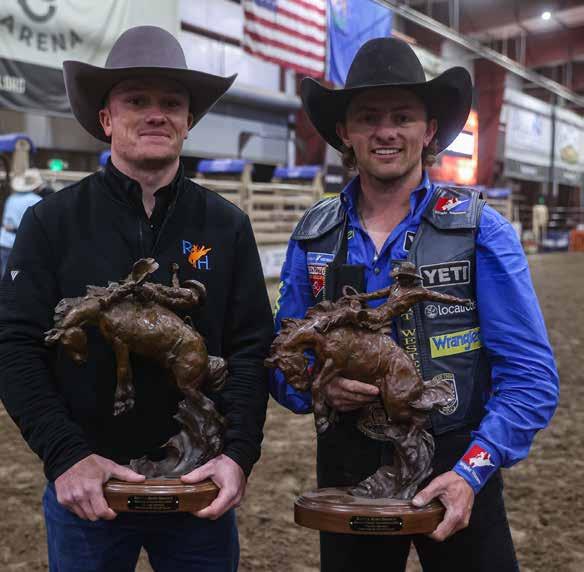
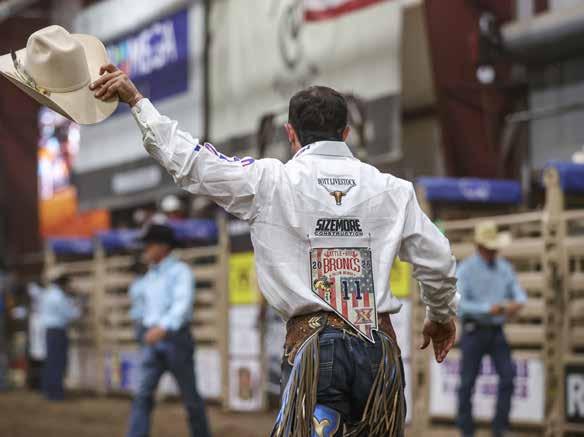
Battle Born Broncs Delivers Elite Competition & Elevated Western Experience in Fallon, NV
By Darcie Spero | Battle Born Events, LLC | BattleBornBroncs.com
The 5th Annual Battle Born Broncs Xtreme Broncs event returned to the Rafter 3C Arena on Saturday, April 18, delivering a night of elite PRCA competition alongside a refined Western lifestyle experience that continues to set the event apart.
Legendary horses, legendary cowboys, and future rodeo legends took center stage, as the event also celebrated all things American during the 250th year of America’s birth.
Drawing top-ranked athletes from across the country, the event featured 60 of the world’s best bareback and saddle bronc riders competing for a $50,000+ purse in front of a packed Fallon crowd.
When the competition reached its peak Saturday night, two standout performances rose above an elite field: Saddle Bronc Riding Champion, Rusty Wright, set a new arena record with 90.5 points aboard Corey & Lange Rodeo’s Cypress Toddy, delivering a ride that electrified the crowd and raised the bar inside the Rafter 3C Arena.
Bareback Riding Champion, Myles Carlson, a last-minute walk-up replacement, scored 87 points on Burch Rodeo’s Lyin’ Hostage, capitalizing on a strong matchup to secure the win.
“Battle Born Broncs was built to showcase the very best of Western sport and Western lifestyle in one place,” said founder Darcie Spero. “From world-class athletes and horses to the next generation coming up through our youth events, this weekend represents everything we believe in: heritage, grit, and creating an elevated experience people can’t find anywhere else.”
Beyond the arena, Battle Born Broncs offered a curated Western experience that blended sport, style, and community. From exclusive merchandise to artisan craftsmanship, the Western Market added a distinctive layer to the weekend, drawing both rodeo fans and lifestyle enthusiasts alike.
The event also continued its commitment to the future of rodeo, hosting the Battle Born Jr. Roughstock Challenge and PRCA Youth Camp April 16–17, giving young athletes the opportunity to compete and learn in an arena they hope to someday return to as Battle Born Broncs contestants. World Champion Bull Rider and Hall of Fame member, Cody Custer returned as an instructor for the camp, joined by Rusty Wright, Mitch Pollock, Leon Fountain, Wyatt Denny, Colten Fritzlan, and Hank Whitaker.
Now in its fifth year, Battle Born Broncs has rapidly established itself as one of the premier PRCA Xtreme Broncs events in the country, known not only for elite competition and top-tier stock, but for delivering a full-scale Western experience that extends beyond the arena.
With record-setting rides, standout animal athletes, strong attendance, and continued growth across all facets of the event, Battle Born Broncs remains a defining celebration of Western heritage, sport, and culture in Northern Nevada.
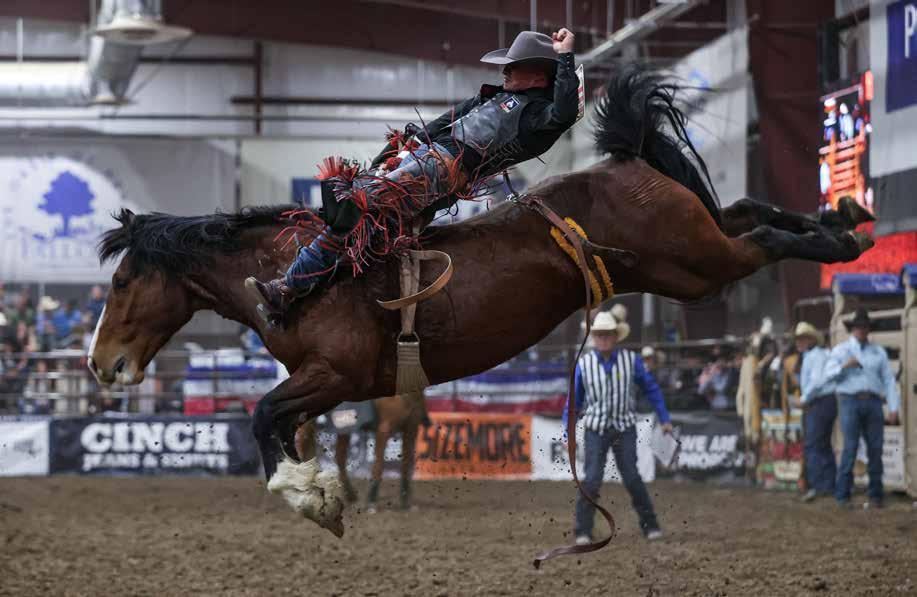
2026 RESULTS
BAREBACK RIDING: 1. Myles Carlson, 87 points on Burch Rodeo’s Lyin Hostage, $8,009; 2. Tanner Aus, 86.5, $6,140; 3. Clayton Biglow, 86, $4,538; 4. Bradlee Miller, 84.5, $2,937; 5. (tie) Bronc Marriott and Donny Proffit, 83.5, $1,602 each; 7. (tie) Sage Allen, Sam Petersen and Mason Stuller, 83, $623 each.
SADDLE BRONC RIDING: 1. Rusty Wright, 90.5 points on Corey & Lange Rodeo’s Cypress Toddy, $8,037; 2. (tie) Ben Andersen, Dawson Hay, Sage Newman and Stetson Dell Wright, 88.5, $3,885 each; 6. Leon Fountain, 87.5, $1,340; 7. (tie) Tanner Butner and Spencer Wright, 86.5, $938 each.
TOTAL PAYOFF: $53,486. Stock Contractors: Burch Rodeo, Sankey Pro Rodeo & Phenom Genetics and Corey & Lange Rodeo. Rodeo Secretary: Eva Chadwick. Officials: Brad McGilchrist, Bobby Davis and Monty Van Komen. Timer: Eva Chadwick. Announcers: Scott Grover and Steve Kenyon. Specialty Act: Clinton Selvester. Flankmen: Matt Burch, Gene King and Wade Sankey. Chute Boss: Ike Sankey. Pickup Men: Jerad McFarlane, Jared Gill and Jeremy Clark. Music Director: Katherine Selvester. Photographer: Hailey Rae.