SOLUTIONS FOR ALL YOUR PROPERTY NEEDS
HD Supply Offers Maintenance, Repair & Operations products and services. Everything you need. All in one place.
NATIONWIDE DELIVERY
Flexible delivery options, from next-day to scheduled drop-offs at your site.
BUDGET MANAGEMENT
Trade credit, job quotes & bulk pricing options available.
STREAMLINED PURCHASING
Save time and money with customizable e-Procurement solutions built for your business needs.
EXPERT CUSTOMER SERVICE
Whether it’s routine maintenance and repairs, property upgrades, or suite turn renovations, our dedicated team is committed to delivering a seamless experience every step of the way.
EXTENSIVE PRODUCT OFFERING
Thousands of products in stock every day, plus access to thousands more we can source on your behalf. Essential categories available, including:
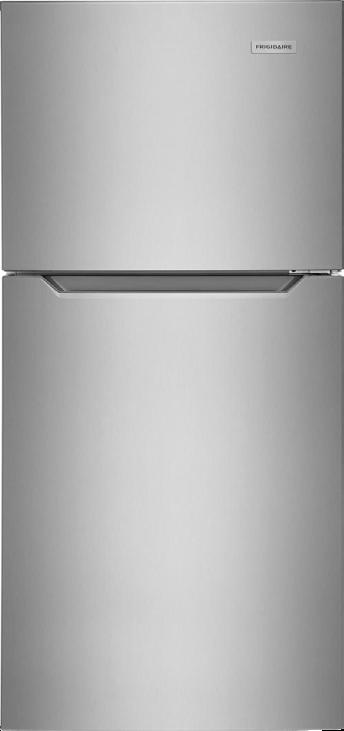
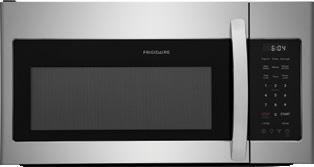
• Appliances
• Plumbing
• Tools
• Flooring
• Paint & Sundries
• Cleaning & Janitorial
• Grounds Maintenance
• Fire Safety
• Hardware
• Electrical
• Cabinetry
• HVAC
• Lighting
• Personal Protective Equipment
• And MORE!
Plus, Exclusive Brands that deliver quality, style & value.
Executive Director’s message
Nominations opened May 1 for Ottawa’s municipal election, with housing, transit, affordability, safety, traffic, taxes, and major City projects already defining the race. Four candidates are in the field: incumbent Mayor Mark Sutcliffe; Kitchissippi Councillor Jeff Leiper, Chair of Planning and Housing; homebuilder Alex Lawson, a former Kanata-Carleton Conservative Association board member; and Neil Saravanamuttoo, Executive Director of CitySHAPES. Abacus Data polling suggests cost of living, housing affordability, and unreliable transit are top voter concerns, with nearly half of voters undecided. Lawson’s conservative leanings could complicate Sutcliffe’s path to re-election by drawing right-leaning voters away from him, while Leiper’s progressive profile gives left-leaning voters a clear alternative. That combination could make votesplitting or strategic voting an important factor in the election.
- Jeremy Newman, EOLO Executive Director
Rental housing issues in the City election
Background
First, a few words about EOLO’s usual actions. Our top priority is to represent rental housing providers in dealings with the City of Ottawa. That starts with keeping track of what the City is considering or planning to do in policy areas that affect residential landlords. We keep in close touch with numerous members of City staff and several councillors (out of the 24), as well as the Mayor’s office.
When issues arise, we consult with EOLO members (usually informally), and communicate with City staff, politicians, our allies, and members of the media. If issues proceed, we will engage EOLO members and allies, and consult more formally with City staff, and at appropriate times with the Mayor’s office and City councillors. We will also make public presentations at City consultations and committees, although commenting on the staff reports is usually too late to have the most effective influence on City decisions.
All those steps are efforts to achieve the best City decisions and the best public impression of rental providers. EOLO seeks win-win-win solutions for landlords, tenants, and members of the public, and we have a reputation for doing that consistently.
Here are two recent examples. In the two years before the pandemic, EOLO’s work replaced proposed landlord licensing (with annual fees)
with the Rental Housing Property Management By-law (with no fees), a much better outcome for everyone, unlike the outcomes in other Ontario cities.
Our work with many allies, over the last 30 years, has resulted in Ottawa’s multi-residential property tax ratio being reduced from 2.38 to 1.2, with a plan to reduce it to 1.0, far lower than the ratios in most other cities in Ontario, both large and small. To achieve that, we worked with tenant leaders in Ottawa, including Fran Going and Jerome Goytom, with advocates for tenants, including former Councillors Alex Cullen and Jacques Legendre, and many politicians across the political spectrum, including former Mayor Bob Chiarelli and current Mayor Mark Sutcliffe.
While we seek to maintain respectful and open communications with all members of City council, some are naturally more aligned with the views that EOLO and our members support. The rest of this section addresses some of those views and issues.
Property taxes
On the multi-residential property tax issue, history repeated itself over the last two years. As before, when the left wing of council understood the implications of the inequitable multi-residential property tax ratio, those members voted with the centre and right-wing councillors to move toward tax fairness for tenants (in moderate steps to minimize the annual impact on homeowners). Two years ago, Councillor Menard moved a motion to have City staff review the issue and consider a plan to move to a 1.0 ratio over time.
Jeremy Newman
EOLO had long worked with City Finance staff about the issue and so they were well familiar with it. Staff recommended a four-year plan, and Councillor Menard encouraged support for it among councillors on the left. EOLO advocated for the plan with Mayor Sutcliffe and councillors in the centre and on the right, and the plan was carried without dissent.
The plan began in 2025 but ran into a hiccup; while it reduced taxes on multi-tenant buildings, other City moves increased the solid waste charges on all buildings, largely offsetting the tax decreases and interfering with the rent reductions. EOLO explained what had happened to the media (to educate tenants) and to the councillors.
EOLO advocated for the tax decrease plan to continue in 2026, and succeeded in having it continue. On December 31, 2026, there will be an offset for a small increase in the solid waste charges, but the impact should be much less than the impact was in 2025. As was the case for the 2025 tax decrease, any landlord (of a building of seven or more units) who wants to reduce the rent reduction below the amount found in the City’s notice of rent reduction must apply to the Landlord and Tenant Board for approval to do that.
To date, the position of all the current councillors supports both tenants and landlords.
Important dates for the 2026 City Election
May 1, 2026 is the first date on which a candidate could file nomination papers for the office of Mayor, Councillor, or School Board Trustee. After filing the nomination papers, candidates can accept contributions and spend money on their campaign. The same date, fundraising, and spending rule applies to an individual, corporation, or trade union to file a notice of registration as a third-party advertiser. Candidates have until 2 pm on August 21 to file, to file for a different office, or to withdraw. Candidates for Mayor or City Councillor have until that date and time to register to participate in the Contribution Rebate Program.
September 11 is the first day for placing election signs on private or public property. (They must be removed by October 29.)
Advance polling is to be available on October 1, 2, 3, 4, and 16. Election Day is to be Monday, October 26, generally from 10 am to 8 pm.
Vacant unit tax
The position is quite different on the vacant unit tax (VUT), where the councillors divided ideologically, and EOLO members are not happy with the current state of affairs.
Due to provincial law, the VUT can only apply to the residential property class (with six units or fewer on a tax roll number), not the multi-residential property class. However, the VUT still affects numerous EOLO members because it applies to rental buildings held in condominium title and to small properties bought for redevelopment. In fact, the VUT would often affect redevelopments because properties are sometimes held vacant so that the developer can be sure to be able to proceed when ready, rather than risking being held up at the Landlord and Tenant Board by a tenant who will not vacate.
The VUT was enacted in 2022 (with a tax rate of 1 per cent of assessed value). Effective in 2025, it was made more onerous, with a tax rate that increases by 1 per cent for each year the property is vacant (up to 5 per cent of assessed value, which is about six times as much as a normal property tax bill).
Numerous EOLO members would very much like to see the VUT repealed entirely, and close to one-third of the current councillors agree.
Based on their voting records, the following councillors oppose the renewal of the VUT:
• David Hill, Barrhaven West
• Laura Dudas, Orleans West - Innes
• Matthew Luloff, Orleans East - Cumberland
• Wilson Lo, Barrhaven East
• Steve Desroches, Riverside South - Findlay Creek
• David Brown, Rideau - Jock
• Allan Hubley, Kanata South
Based on what they have said in Council debates, the following councillors may well decide, or be persuaded, to oppose the renewal of the VUT:
• Riley Brockington, River
• Clarke Kelly, West Carleton - March
• Catherine Kitts, Orleans South - Navan
• Tim Tierney, Beacon Hill - Cyrville
• Cathy Curry, Kanata North
The following two councillors seem to support the VUT, but may not be re-elected:
• Jessica Bradley, Gloucester - Southgate
• Sean Devine, Knoxdale - Merivale
EOLO hopes to persuade Mayor Sutcliffe and Councillors Skalski (Osgoode) and Carr (Alta Vista) that the VUT is a bad idea and should be repealed. Thirteen votes are needed for repeal, so each vote counts.
The bubble zone by-law
Ottawa readers may have followed the debate and vote on the bubble zone prohibiting demonstrations within 50 metres of schools, hospitals, long-term care centres, and community health facilities.
The by-law was proposed and promoted by Councillor Hill. As usual, the by-law policy staff did excellent detailed work about the various issues involved. We can be sure they also did significant internal consultations with the Mayor’s office and interested councillors, both in favour and opposed.
During the debate, Councillor Bradley moved an amendment that failed by a vote of 14 to 10.
Councillor Devine moved an amendment that failed by a vote of 18 to 6. The final vote on the staff report as a whole saw it adopted by a vote of 20 to 4. The only councillors voting against adoption were Councillors Menard (Capital), Devine, Bradley, and Troster (Somerset).
Important rules for rental owners and managers
Candidates and their representatives are allowed access to apartments, condominiums, non-profit housing cooperatives, and gated communities for the purpose of canvassing and distributing election material.
The Ontario Municipal Elections Act outlines the following rules around campaigning in these locations:
• Candidates and their representatives are permitted access between the hours of 9 am to 9 pm.
• No landlord of residential premises can prevent a tenant from displaying campaign signs on their rented premises.
• No condominium corporation can prevent an owner or tenant from displaying campaign signs on their unit.
• The landlord or condo corporation can place reasonable limits on the size or type of sign that may be displayed, and can prohibit signs in common areas.
EOLO did not take action on the bubble zone issue since it does not relate to rental housing, but the voting is an indication of how the councillors line up on issues that reflect an ideological divide. The strength of the win also gives some confidence in Councillor Hill’s ability to read the will of Council. Ottawa’s rental providers are fortunate that he largely aligns with us on landlord-tenant regulation, the anti-renoviction by-law issue, and the VUT.
Watch for more communications on what EOLO is doing to enhance the position of rental housing providers in the upcoming City election.
BECOME AN EOLO MEMBER NOW!
EOLO invites Ottawa area landlords to join the organization. Have your interests and concerns heard, and benefit from EOLO’s support. As an EOLO member, you will be able to:
• Receive prompt emails of relevant City rule changes
• Attend two networking receptions a year
• Attend two free education events a year
• Receive all 6 annual issues of RHB Magazine with current developments, City and provincial funding programs, and landlord-tenant laws.
To apply for membership, go to www.eolo.ca, download the membership application form and send it to us at the contact info on that website.
We’ll keep your systems top of mind, so you don’t have to!
With over 65 years of industry experience, our team is dedicated to ensuring optimal performance, resident comfort, and budget control.
Work with Enercare for reliable home services tailored to your property’s unique needs, with dedicated support from your Client Success Manager. We offer energyefficient upgrades for multi-residential properties, servicing low, mid, and high-rise dwellings to enhance comfort and sustainability. Our expert team ensures seamless installations that meet manufacturer standards, regulations and safety codes, along with comprehensive maintenance and repair services for all systems, including:
Why choose the Enercare Advantage® Program?
Enercare Advantage® offers a hassle-free, convenient solution for residents, eliminating concerns when it comes to upfront payments, costly repair service calls, and equipment replacement.* Below are additional benefits the Enercare Advantage® program provides to you and your residents:
Design
& Install
Industry leading products.
NEW energy efficient equipment to offset your carbon footprint.
Quality installations done right the first time.
Service & Maintenance
HVAC maintenance to keep your equipment operating efficiently.*
Service performed by fully licensed and insured technicians.
Added Benefit
Potential utility rebates on eligible equipment.
Invest in other improvement projects.
Potential welcome incentive on eligible equipment.
Tenant direct billing.
EXECUTIVE DIRECTOR’S MESSAGE
As we move into the second quarter of 2026, the ARLA office is busy sending our Membership Renewal Packages, putting together the Spring Rental Gazette in print to be taken to our Upcoming Landlord Resource Trade Show, and getting ready for our Landlord Resource Trade Show & ARLA Achievement Awards. Alongside that, we continue to hold webinars and seminars with educational and informational sessions.
We look forward to connecting with both old and new members in 2026. We also held our first of many Bowling Networking events and played five-pin, ate pizza, and just had a lot of fun.
We continue working on the waste issues within the City of Edmonton and had done a survey of the issues with waste removal with our membership. Those results were analyzed and sent to the City Mayor and Council, Waste Administration, and City Manager. We were able to present our issues to the City on March 9, 2026 at the Utility Committee meeting, and it was a very positive outcome, with the Council asking administration to look at the recommendations brought forward by these groups and come back with some recommendations to repair these issues. This was great news for us! This report should be brought forward in June 2026. We will be watching.
We continue to work on our 2026 Market Research document that we will share with the membership once we have completed it. This will highlight past and present issues and what is happening in the industry. We will also share our findings with all levels of government as well as making it open to the public.
The ARLA office is also working on our new website, which we are very excited about and hope to be launching before summer 2026.
We remain focused on delivering value in 2026 for our membership.
- Donna Monkhouse, Executive Director
Donna Monkhouse
What’s happening in Edmonton?
Waste removal in Edmonton was on the Council agenda and once again we were there to present with a favourable outcome. We will continue to monitor and see what happens next.
We advocated the City with respect to property tax assessments for the multifamily industry and did receive a response; however, it was not positive.
We attended the annual Pest Advisory committee meeting to ensure our industry is represented with respect to rules and guidelines for pest eradication, including chemicals and process for tenants.
What’s happening in Calgary?
City Council recently approved Calgary’s 2026 Budget, which included a 8.1 per cent property tax increase on residential properties. However, there is a significant difference between the municipal and provincial portions of the tax increase. The municipal portion of the residential property tax increase is 1.8 per cent, while the provincial portion increased by 21 per cent. The municipal government is lobbying the Province for more funding from higher oil revenues to help offset the difference between provincial property tax hikes and the municipal tax increase.
City Council also made key investments in public safety, transit, infrastructure, and housing to help support the City’s growth. It plans to spend $106 million on expanding affordable housing, which includes a 260-unit project in Southview, downtown office-toresidential conversions, and infrastructure to support the Glacier A North Growth Application.
CMHC updates
CMHC reports a “filtering effect” where some renters move from older units into newer ones, freeing up older units and putting downward pressure on turnover rents. As renters move upward, older buildings may need to adjust pricing, offer modest incentives, or reinvest in cosmetic upgrades to remain competitive. Overall, older buildings remain an important source of affordability, but they face growing competitive pressure from new amenity rich developments.
Edmonton
Housing starts hit another record high due mostly to government incentives, rezoning, and relative affordability. Edmonton experienced significant growth in the rental housing and homeownership markets, including condominium starts. There is an increasing shift toward more housing density; high completions and an increase in resale listings have increased overall market inventory.
Calgary
Calgary experienced another home construction record high in 2025, surpassing both Toronto and Vancouver in housing starts. Rental housing construction led growth, due mostly to favourable financing and zoning reforms. However, there are growing issues with labour and building capacity pressures, which is leading to longer construction timelines and increased risk for future supply.
Investing in Alberta's rental properties: Join ARLA for unmatched benefits
If you invest in rental properties in Alberta, consider joining ARLA for numerous compelling reasons. Your membership supports advocacy for the Alberta multifamily housing industry, education, and much more.
Alberta is one of three provinces in Canada without rent controls, and ARLA is dedicated to maintaining this status. We consistently advocate to ensure our voices on issues and solutions
are heard. The absence of rent controls provides choices for tenants and keeps rents affordable.
ARLA recently met with RHB Magazine and sat down to discuss the current market conditions in Alberta. Across Alberta, rent growth is clearly moderating, especially compared to the sharp increases seen in 2022–2024. Rents are not dropping broadly, but the pace of increases has eased marking a shift from overheated growth to early-stage stabilization. All of this is due to the record levels of new rental supply outpacing the demand, creating vacancies and more competition. Landlords continue to offer incentives to assist with renting due to the competition.
What landlords should expect next year
• Continued upward pressure on vacancies as thousands of new purpose built units deliver
• More competition for tenants, particularly in buildings without modern amenities
• Moderate rent increases at most, with incentives likely to remain common through 2026, especially for new units
ARLA is a non-profit, membership-based association that educates and advocates for housing providers in Alberta. Established in 1994, we have a strong and growing membership.
We provide all forms required to satisfy the Residential Tenancies Act (RTA) in Alberta. Our monthly seminars, webinars, and luncheons cover a range of relevant topics. We also have a network of reliable service providers for our landlord community.
Our networking events, such as the member appreciation BBQ and lawn bowling, offer many opportunities for connection. Members benefit from discounts on forms and services, including insurance, credit checks, and RTDRS representatives. We also offer an RTA workshop webinar three times a year and an online RTA course called SuiteSmarts.
We provide monthly updates on government issues, industry news, and market trends. We stay actively involved with government activities to ensure our voice is heard.
ARLA welcomes members from single-unit landlords to large-scale landlords and REITs, as well as not-for-profit groups. If your company is a member, all employees can participate in ARLA events and activities.
Discover the many benefits of ARLA membership by visiting our website at www.albertalandlord. org or contact us to learn how you can benefit from becoming a member.
For more information about becoming a member of the Alberta Residential Landlord Association (ARLA) please feel free to email donna@ albertalandlord.org or you can call our office directly and speak to us at 780 413 9773. Visit our website at www.albertalandlord.org to learn more about us!
ARLA proudly sponsored and participated as a route sponsor in the CNOY walk on February 28, 2026, to support individuals and families facing adversity in our community
Our heartfelt thanks go out to everyone who donated and joined us on this meaningful journey!
#WalkForBissell
Day 2026
Nathan is experienced in advocacy, fundraising, and membership growth. His background includes working with the London Police Association, the Ontario Minister of Housing and Municipal Affairs, and various city councillors. In these roles, he has developed a clear understanding of government relations and strategic growth initiatives.
Nathan is also skilled in digital marketing and networking. His expertise aligns with LPMA’s goals to expand our membership, enhance educational opportunities, and collaborate with similar associations. These efforts aim to strengthen the collective voice of the industry and drive impactful advocacy.
Nathan is eager to connect with LPMA members and will be attending our annual general meeting on May 12. Members are encouraged to join in welcoming Nathan to his new role.
Best regards,
- Tracy Norman, President, LPMA
ONTARIO FIRE CODE UPDATES EMPHASIZE KEY TENANT PROTECTION MEASURES
James Hind admits to feeling frustrated when landlords don’t know what they need in their buildings to protect tenants from fire. During inspections, many say they’ll wait for inspectors to tell them what’s wrong instead of actively seeking out the information.
Hind, acting assistant chief, fire prevention for the London Fire Department, likens that stance to getting into a vehicle and hoping for the best.
“And then when you get pulled over, saying, ‘Oh, what did I need in order to drive my vehicle, officer? A driver’s licence? I did not need to be drunk?’ You should know this stuff. It’s in a book and there are tons of resources out there for landlords to understand what their responsibilities are,” he said.
Hind particularly encourages landlords who are expanding their portfolios to be aware of the existing fire safety measures in their buildings, as well as their maintenance schedule. They should also be aware that they can have their buildings audited to determine what they need by calling the fire department or a fire protection contractor.
Hind said the latest updates to the Ontario Fire Code, which took effect on January 1, are of particular relevance to landlords. All doors, regardless of whether there is an exit sign above, must be fully operational and no doors can be blocked or wedged open.
Residents tend to prop open doors to try to improve air circulation in older buildings that lack an adequate HVAC system or while they’re carrying heavy packages up the stairs to their units, Hind
Tracy Norman
Nathan Caranci
said. However, a door provides tenants with a safe means of egress since it prevents smoke and fire from infiltrating a stairwell and blocking the way out.
“If a building can function the way it needs to in a fire, the chances of the individuals exiting and getting out safely are dramatically increased,” Hind said. “But it’s those selfish little acts of propping open doors or removing a smoke alarm that put other people at risk.”
To get around the problem, building owners can erect signs and install cameras near stairwell doors, indicating that the door must remain closed by order of the fire department.
Unit doors with self-closing devices, which prevent the spread of fire, can be problematic for elderly or disabled tenants who use walkers or wheelchairs, Hind said. Many are apt to tamper with the devices to make it easier to enter or exit. As a result, landlords may be required to install an automatic door opener that keeps them in compliance with the Fire Code.
London lawyer Kristin Ley said only when tenants make requests under the Ontario Human Rights Code do landlords generally install automatic door openers due to the expense.
“It could be something that a landlord might consider including in their budget or phase in certain doors over time. . . . That would address door closers that have been disabled but those, too, need to be inspected regularly.”
Another change to the Fire Code centres on the need for a carbon monoxide (CO) alarm to be installed outside each bedroom and on every level without a bedroom in buildings with a forced-air gasfired heating appliance. Common hallways in apartment buildings also need CO alarms if they are heated by a forced-air gas-fired system.
Smoke alarms must continue to be installed on every level and outside bedrooms.
Known as a silent killer, carbon monoxide is an invisible, odourless toxic gas that can cause poisoning and death, according to www. ontario.ca. About 300 deaths a year are recorded in Canada. Malfunctioning fuel-burning appliances are a common source of CO.
Hind discourages landlords from buying devices, such as fire and CO alarms and fire extinguishers, online to save money. The products don’t meet the Underwriters Laboratories of Canada (ULC) standard for use or sale in Canada, which means that landlords have to replace them if the fire department finds them during an inspection. He recommends buying devices from Canadian-owned hardware stores to ensure their compliance.
Hind recalls a landlord who purchased CO alarms online last year that didn’t sound until the carbon monoxide level was almost 300 parts per million (ppm). By contrast, an equivalent ULC-listed device alerts at under 57 ppm.
“It’s a huge difference,” Hind said. “With anything over 57 ppm, you’re going to suffer some effects. By the time this one they got online would activate, the chances of you succumbing to the carbon monoxide are very high.”
Landlords should replace smoke and CO alarms regularly whether they are battery operated or hardwired into a building’s electrical system, Hind said. Expired alarms, often discovered during routine inspections, are a chargeable offence and a Fire Code infraction. He recommends that landlords track the maintenance schedule and expiry date using a computer program or notebook. Lack of maintenance in keeping smoke and CO alarms functional is one of the top reasons in Ontario for landlords being cited for Fire Code infractions, he notes.
If landlords habitually find smoke alarms without batteries in a unit, they need to record the date and time when they discovered the problem. They should also consider relocating the alarm, Hind said. The kitchen is the most common area for a fire to start, but it’s also one of the worst places to install a smoke alarm because it can be triggered by cooking. If tenants habitually remove the battery, Hind suggests that landlords buy an alarm with a tamper-proof internal 10-year lithium-ion battery.
The fire department can charge the tenant with disabling the smoke alarm and write an order to stop the behaviour if there is evidence. However, the landlord is responsible for ensuring on an ongoing basis that the smoke alarm is working, Hind said.
If landlords realize that some tenants remove the batteries from their smoke alarms, “the expectation is that they (landlords) increase the inspections to prevent it from happening,” Ley said.
She also advises landlords to check smoke alarms in common areas and when they’re in a unit carrying out repairs or maintenance and then documenting their actions. (Checking alarms in other units requires 24 hours’ notice.)
If a problem is identified, landlords can pinpoint the last time they were there.
“The shorter that time is between the last inspection and whatever event identifies a problem with a smoke alarm, then the landlord is able to show due diligence, that they’re closing that gap of time,” Ley said. “And that’s really the idea. Are you taking reasonable steps to prevent an issue?”
The LPMA lease requires tenants to notify the landlord of any maintenance issues as well as problems with fire and life safety equipment so the landlord can address them. It also stipulates that tenants not engage in activities that increase the
risk of fire, Ley said. Landlords should encourage tenants to submit work orders if smoke alarms and doors aren’t working properly.
“I think communication with the residents is important,” Ley observes.
Hind said that fire inspectors investigating an infraction interview the property manager and tenant, and request records, which can help clear a landlord of involvement. If the records indicate that the landlord changed the fire alarm batteries in the last year, that evidence indicates tampering by the tenant if there is no battery in the smoke alarm when the unit is inspected.
And if a tenant doesn’t inform the landlord that the smoke alarm or CO alarm has stopped functioning, or needs replacement or repair, the tenant can be charged, according to the Fire Code.
Documenting evidence gleaned from checking smoke and CO alarms in units, fire extinguishers, door closers, fire-rated doors, and tenants’ belongings stored in a hallway ultimately aids landlords, Hind said.
“The more you check stuff, the more evidence you have to show that you are being diligent and the easier it will be if something happens in your building if you have these records.”
The onus is stronger than ever on members of the fire service because of the requirements to have proper documented evidence of Fire Code violations, Hind said.
“The more information that we can have, the more successful we’re going to be in court and the more successful we’ll be on your behalf at the Landlord and Tenant Board.”
London Property Management Association (LPMA) is a non-profit organization, located in London, Ontario, Canada, that provides information and education to landlords.
LPMA represents the interests of both large and small property owners. The association has more than 400 landlord members representing approximately 35,000 rental units. Membership is open to landlords and property management professionals who own or manage one or more residential rental units. Ph: 519-672-6999 Web: www.LPMA.ca
Sign up online or call Ayden Pearson.
EXECUTIVE DIRECTOR’S MESSAGE
Advocacy is not optional
Advocacy has become one of the most important, and often most misunderstood, functions within our industry. Across Canada, rental housing providers are operating in an environment defined by increasing regulation, rising costs, and growing public policy pressure. At the same time, expectations on our sector continue to evolve, often without a full understanding of the operational realities behind them.
Kevin Russell, Executive Director,
What has become clear is this: advocacy is no longer optional. It is essential to ensuring that the voices of rental housing providers are heard, understood, and reflected in policy decisions. This article explores why advocacy must be viewed as a shared responsibility, the importance of engaging both elected officials and the professionals who shape policy behind the scenes, and how expanding our advocacy efforts beyond the industry is critical to long-term success.
Kevin Russell, Executive Director
Advocacy is not optional: Why rental housing needs a broader, stronger voice
In today’s rental housing environment, advocacy is no longer a “nice to have”; it is a core business function. Across Canada, rental housing providers are operating in an increasingly complex landscape shaped by rent regulations, rising operating costs, taxation pressures, and rapidly evolving public policy. Yet despite the scale and importance of the industry, many operators remain underrepresented in the very conversations that define their future. If there is one lesson that has emerged clearly over the past several years, it is this: those who are not at the table are often on the menu.
The advocacy gap
Within the rental housing sector, a small but committed group of owners, managers, and organizations consistently step forward to support advocacy efforts through time, expertise, and financial contributions. These individuals and companies understand that effective advocacy requires sustained investment, and understand the return on investment of a well-managed advocacy campaign.
However, there is a growing imbalance. Too often, the same contributors are asked to carry the weight, while others who benefit equally from advocacy wins remain on the sidelines. This creates a form of “advocacy fatigue,” where core supporters begin to feel the strain of repeated asks and, over time, question the fairness of the model.
The reality is straightforward: policy outcomes do not distinguish between contributors and noncontributors. When a government introduces rent control, increases property taxes, or implements new compliance requirements, the impact is felt across the entire sector.
Advocacy, therefore, must be viewed as a shared responsibility, not a voluntary add-on for a select few.
Beyond politicians: Engaging the professionals who provide continuity
When people think about advocacy, they often think about elected officials, and for good reason. Politicians make the final decisions on legislation, taxation, and regulation.
But there is another group that plays an equally critical role: the public service professionals who design, implement, and administer policy.
Unlike elected officials, who may change with each election cycle, these professionals provide continuity. They carry institutional knowledge, shape policy options, and influence how regulations are interpreted and applied over time.
Building respectful, informed relationships with these professionals is essential.
This doesn’t mean lobbying in the traditional sense. It means engaging early, sharing data, providing operational insight, and helping ensure that policy decisions are grounded in real-world experience. When housing providers are seen as credible, solutions-oriented partners, the quality of policy improves.
And in a sector as complex as rental housing, better policy benefits everyone.
Expanding the advocacy base
One of the most effective ways to strengthen advocacy is to broaden participation, both within the industry and beyond it.
The experience of Rental Housing Providers Nova Scotia (RHPNS) offers a clear example.
In response to proposed increases in property taxes and water rates, RHPNS launched the “Stop the Rate Hike” campaign. While the issue was directly tied to rental housing operations, the messaging was intentionally expanded to connect with a broader audience: residents, voters, and the general public.
The result was significant.
More than 7,000 supporters engaged with the campaign, individuals who may not have previously identified with rental housing advocacy, but who understood the direct impact of rising costs on affordability, rents, and their communities.
This shift is important.
When advocacy is framed solely as an industry issue, it can be easier for decision-makers to dismiss or deprioritize. But when it becomes a voter issue—when constituents understand how policies affect their daily lives—it changes the dynamic.
It creates political accountability.
Making advocacy relevant to voters
For advocacy to resonate beyond the industry, it must connect to issues that matter to people.
Property taxes and utility costs are a perfect example. While these may appear to be operational concerns for housing providers, they ultimately flow through to tenants in the form of higher rents or reduced investment in building quality and maintenance.
By clearly communicating this connection, advocacy efforts can move from abstract policy discussions to tangible, real-world impacts. This approach also helps counter a persistent narrative: that rental housing providers and tenants have opposing interests. In reality, both groups are affected by many of the same pressures, particularly when it comes to affordability and supply.
Effective advocacy highlights these shared interests.
Building a sustainable advocacy
model
To address advocacy fatigue and ensure long-term effectiveness, the industry must move toward a more sustainable model of engagement.
This includes:
• Broadening financial participation so that the cost of advocacy is shared more equitably across the sector
• Encouraging member involvement at all levels, from grassroots outreach to strategic leadership
• Recognizing and communicating the value of advocacy wins, so contributors see the return on their investment
• Creating accessible entry points for those who may be new to advocacy, reducing barriers to participation
Importantly, this is not about imposing obligations; it is about building a culture where advocacy is understood as part of doing business in the rental housing sector.
From reactive to proactive
Historically, much of the industry’s advocacy has been reactive: responding to proposed regulations, tax increases, or legislative changes. While this will always be necessary, there is a growing need to shift toward a more proactive approach.
This means identifying emerging issues early, engaging with policymakers before positions harden, and helping shape the conversation rather than simply responding to it. It is important to get ahead of natural opponents of rental housing. As Wayne Gretzky famously said, “I skate to where the puck is going to be, not where it has been.”
When the industry speaks with a unified, informed voice, it has far greater influence, earns respect, and becomes the recognized voice of its members.
A call to action
The challenges facing the rental housing sector are not unique to any one province or municipality. Across Canada, providers are navigating similar pressures and facing similar questions about how best to respond.
Advocacy is the common thread.
It is the mechanism through which the industry can ensure its voice is heard, its perspective is understood, and its contributions are recognized. But for advocacy to be effective, it must be inclusive, well-supported, and forward-looking. It requires engagement not only with elected officials, but also with the professionals who provide continuity in government. It requires a broader base of contributors to sustain the effort. And it requires a willingness to connect industry issues to the concerns of voters and communities.
The success of campaigns like “Stop the Rate Hike” demonstrates what is possible when these elements come together.
More importantly, it demonstrates that there is an appetite for engagement, both within the industry and beyond it.
The opportunity now is to build on that momentum.
Because in today’s environment, advocacy is not optional. It is essential.
Upcoming event
May 19, 2026: RHPNS Awards Gala Dinner and Trade Show
Join us for a night of celebration at the Westin Nova Scotian in Halifax. The RHPNS Innovation and Excellence Awards recognize Nova Scotia’s best rental housing providers and their staff, as well as recent graduates of the 2025 Residential Property Management Course.
The Trade Show and Networking reception includes 30 vendors displaying innovative products, programs, and services designed to save money and increase efficiency and productivity. Keynote speakers for the dinner and awards gala include John White, the Minister of Housing, Halifax Mayor Andy Filmore, and RHPNS President and Board Chair, Jeremy Jackson.
To register for the event, please visit https://rhpns. ca/events/registrations
RHPNS is committed to being the Positive Voice of Landlords providing members Advocacy, Education and Membership Services Programs. RHPNS lobbies all levels of government and industry stakeholders to ensure a balanced and competitive rental market. RHPNS believes there is strength in numbers, when RHPNS speaks on industry issues stakeholders listen.
168 Hobsons Lake Drive, Suite 301, Halifax, Nova Scotia, B3S 0G4
Executive Director: Kevin Russell, Email: kevin@rhpns.ca T: 902-425-3572
PRESIDENT’S MESSAGE
The HDAA has had a strong and active start to 2026, with excellent engagement from our membership and the broader rental housing community. We held our first two dinner meetings of the year in January and March, both drawing a full house of housing providers, industry professionals, and suppliers to the industry. These meetings continue to serve as an important opportunity for members to stay informed on the rapidly changing regulatory environment in Hamilton, exchange ideas with fellow housing providers, and hear directly from industry experts on the issues impacting rental housing today.
We are now looking ahead to one of our most anticipated events of the year, the HDAA Annual Golf Tournament, taking place on June 10 at Century Pines Golf Club. We are incredibly appreciative of the tremendous support from our supplier community, with all 18 holes once again sponsored by valued industry partners. This year’s tournament will feature exciting additions and enhancements, and we look forward to another outstanding day of networking, industry collaboration, and camaraderie among Hamilton’s rental housing community. Members are encouraged to keep an eye on our emails and website for additional event details and announcements as we get closer to the tournament day.
Beyond our events, advocacy continues to remain a major focus for the HDAA in 2026. With the volume of new rental housing regulations being introduced and explored in Hamilton, it is more important than ever that housing providers remain engaged and involved in the municipal process. We firmly believe that meaningful change begins with leadership at City Hall and with ensuring that elected officials understand the real-world impacts municipal policies have on housing providers, investment, affordability, and rental supply. The HDAA will continue working to ensure that the voice of the rental housing industry is heard clearly and consistently throughout policy discussions and future election conversations.
We have already seen the rollout of the new Safe Apartments Program, which introduced significant registration requirements, operational plans, compliance obligations, and administrative challenges for many housing providers across the city. At the same time, we continue to closely monitor the City’s proposed Maximum/Adequate Temperature By-law, which could carry substantial financial and operational implications for rental housing providers, particularly those operating older buildings. A staff report on the proposal is expected to come forward to the Planning Committee in June, and we anticipate this will become another major discussion point for the industry moving forward.
- Daniel Chin, President, HDAA
A market showing signs of stabilization, but new challenges for housing providers
For the first time in several years, Hamilton’s rental market is showing meaningful signs of softening, creating a very different environment for housing providers than the one experienced during the post-pandemic rental surge. According to CMHC’s Fall 2025 Rental Market Report, the vacancy rate in the Hamilton CMA rose to 3.6 per cent in 2025, the highest level since the pandemic and a notable increase from roughly 2 per cent the previous year. Hamilton is not alone in this trend, as vacancy rates have increased nationally as well, reflecting a broader market correction.
For many landlords, particularly those who have operated in Hamilton for years, this shift has been noticeable. Units that previously rented within days are now sitting vacant for weeks, and pricing strategies that worked in 2022 and 2023 are no longer producing results. Housing providers who became accustomed to extremely competitive rental conditions are now facing a more pricesensitive market with increased competition between available units. Many landlords are being forced to adjust asking rents, offer incentives, or absorb longer vacancy periods to secure qualified tenants.

Several factors are contributing to this shift. Hamilton has seen a significant increase in condominium rental supply, particularly in the downtown core, alongside a slowdown in international student demand. In addition, approximately 4,200 purpose-built rental units are currently under construction in Hamilton, with roughly 1,400 expected to come online in 2026. While additional supply is needed in the long term, the short-term effect is increased competition for tenants, particularly in certain segments of the market. Vacancy pressures are not uniform across the city. Newer downtown condominium rentals and some older walk-up apartment buildings are experiencing much higher vacancy rates, while premium rental markets such as Ancaster, Dundas, and Waterdown continue to remain relatively tight.
At the same time, operating rental housing has become more challenging and expensive for housing providers. Many landlords are now facing the difficult combination of moderating rents alongside rapidly rising operating costs. Insurance premiums, property taxes, utilities, financing costs, maintenance expenses, and capital repair obligations have all increased substantially over the past several years. On top of these economic pressures, housing providers in Hamilton are also navigating growing layers of municipal regulation, licensing requirements, inspections, and compliance obligations.
This changing environment is especially difficult for smaller and independent landlords who may not have the financial flexibility to absorb prolonged vacancies or increasing operational costs. Many housing providers are now being forced to think more strategically about pricing, tenant retention, incentives, and overall building operations. The reality is that the market conditions of the past several years created expectations that rents would continue rising indefinitely, but today’s market is demanding a more balanced and competitive approach.
Importantly, while the market is correcting, Hamilton’s long-term rental fundamentals remain strong. Continued migration from the GTA, growth in the healthcare and education sectors, and ongoing population growth continue to support long-term demand for rental housing. However, the current environment highlights how quickly market conditions can shift, and why policy decisions that add further financial or regulatory pressure onto housing providers must be approached carefully. At a time when many landlords are already adjusting to rising vacancies and softer rental conditions, additional costs and uncertainty risk discouraging reinvestment and reducing future rental supply.
Hamilton continues to become a testing ground for rental regulation
While housing providers are adjusting to softer rental conditions and rising vacancies, Hamilton continues to position itself as one of the most aggressively regulated rental markets in Ontario. Over the past several years, the City has either introduced or explored a growing number of rental housing by-laws and regulatory programs that are fundamentally changing the operating environment for landlords and property managers.
Among the most significant initiatives are the Rental Housing Licensing Program, the new Safe Apartments Program, the Renovation Licence and Relocation By-law, the Vacant Unit Tax, and the proposed Maximum/Adequate Temperature By-law. While each policy has been introduced independently and with its own stated rationale, housing providers are increasingly concerned about the cumulative effect these measures are having on the rental industry.
The Rental Housing Licensing Program, which has now been made permanent in portions of Hamilton with discussions already underway regarding city-wide expansion, imposes additional licensing fees, inspections, reporting obligations, and compliance requirements on smaller housing providers. The Safe Apartments Program, which officially launched this year, adds another layer of annual registration, operational plans, maintenance protocols, evaluations, audits, and administrative oversight for larger apartment buildings. The Renovation Licence and Relocation By-law introduces significant new requirements and costs
surrounding renovations and tenant relocations, while the Vacant Unit Tax adds additional financial and administrative obligations on property owners across the city.
Most recently, the City has also been exploring a potential Maximum/Adequate Temperature By-law that could require landlords to maintain rental units below 26°C during summer months. While the intent is framed around public health and climate concerns, many housing providers are concerned about the potentially enormous retrofit costs associated with aging buildings that were never designed for modern central cooling systems. Electrical capacity upgrades, HVAC retrofits, and ongoing operating costs could represent substantial financial burdens, particularly for older purpose-built rental stock. Individually, each by-law may appear manageable. Collectively, however, Hamilton is creating an increasingly difficult environment in which to own, maintain, and invest in rental housing. Rising taxes, insurance premiums, utilities, financing costs, maintenance expenses, and capital repair obligations are already placing enormous pressure on housing providers. Adding multiple new layers of municipal regulation, fees, inspections, and compliance obligations only compounds those pressures further.
The long-term concern is not simply about the increased administrative burden; it is about the unintended consequences these policies may create for the broader rental market. As operating costs rise and regulatory complexity increases, there is growing risk of reduced reinvestment into aging housing stock, additional Above Guideline Increase applications, landlords exiting the market, slower development of new rental housing, and ultimately upward pressure on rents for tenants across the city. Smaller and independent housing providers are particularly vulnerable, as many lack the financial and administrative resources available to larger institutional operators. Hamilton’s approach is also being closely watched by municipalities across Ontario and beyond. In

several instances, Hamilton has become one of the first municipalities in Canada to pursue certain forms of rental regulation. Other municipalities look to Hamilton when exploring similar policy ideas, meaning decisions made locally today could become models adopted elsewhere tomorrow. This is concerning for housing providers given that some of these initiatives, including the proposed Maximum/Adequate Temperature Bylaw, could become precedent-setting policies nationally if implemented.
For these reasons, advocacy and industry participation have never been more important. Housing providers bring practical, real-world experience that is essential to developing balanced and effective housing policy. Without that perspective, there is significant risk that wellintentioned regulations will ultimately reduce housing supply, discourage investment, and worsen affordability challenges for tenants. It is critical that housing providers remain engaged, organized, and vocal. We encourage members, and all housing providers to participate in consultations, speak directly with councillors, support industry associations, and continue advocating for policies that recognize both tenant needs and the economic realities of operating rental housing. What happens in Hamilton will not necessarily stay in Hamilton, and ensuring balanced policy today may help prevent harmful precedents from spreading across other municipalities tomorrow.
Upcoming event
June 10, 2026 – Golf Tournament
The HDAA is excited to be hosting our Annual Golf Tournament on June 10 at the Century Pines Golf Club. As in previous years, you can look forward to a great day of golfing, great company, and great prizes. We will be bringing back our 50/50 draw as well as our greatly anticipated wine cellar prize. This year’s tournament will also feature some exciting additions. Keep an eye out for our emails and on our website for more details.
Hamilton & District Apartment Association
Since 1960, the Hamilton & District Apartment Association has grown significantly. Our members manage over 30,000 units throughout Hamilton, Burlington, Brantford, Guelph, Mississauga, Oakville, St. Catharines and into the Niagara Peninsula. The association is a highly respected organization, sought out regularly by government, industry, media and the public.
Interested? Call us or join online! Ph: 905-616-2058 Web: www.hamiltonapartmentassociation.ca
CEO’S MESSAGE
2026 has been a year to be proud of. RHSK crossed 1,000 members, welcomed new staff, and showed up in rooms that matter. From Regina's legislative reception to national conversations on housing policy. We've taken a clear stand against rent control, championed Saskatchewan's affordability advantage, and started building the governance foundation this organization needs for the long term. Landlord Summer School is coming this June, Conference 2026 is taking shape, and the best is still ahead. Thank you for being part of it.
- Landon Field, CEO
Rental
Housing Saskatchewan: Advancing the industry through advocacy, education, and connection
Rental Housing Saskatchewan (RHSK) continues to serve as the leading voice for rental housing providers across the province. Our mission is to deliver knowledge, promote best practices, and advocate for a strong and resilient rental housing industry. We represent a dynamic and growing community of professionals who are committed to providing safe, high-quality rental homes for the people of Saskatchewan.
Through strategic partnerships, educational programming, and a steadfast commitment to advocacy, RHSK has become a trusted resource for housing providers seeking to navigate the complexities of the rental market. Our work ensures that landlords, property managers, and investors are equipped with the tools and support they need to succeed in a rapidly evolving housing landscape.
Saskatchewan introduces Henry’s
Law, strengthening carbon monoxide detection standards in the province
On May 5, the Government of Saskatchewan announced changes to the carbon monoxide (CO) alarm requirements in residential buildings. The changes will strengthen the current regulations, requiring CO alarms in all residential suites regardless of location in the building.
“The tragic death of Henry Losco highlighted the
need to strengthen the existing regulations to ensure the safety of all Saskatchewan residents,” said Eric Schmalz, Government Relations Minister. “We wanted to act quickly, using existing regulatory authorities to strengthen regulations to protect against carbon monoxide exposure in residential buildings. To honour Henry and at the wishes of the family, the regulatory changes will be referred to as Henry’s Law.”
Saskatchewan previously updated the regulations in 2022 to be among the most stringent in Canada following a carbon monoxide incident in a Saskatoon apartment complex in 2020. These amendments required every residential building with sleeping quarters to have both a CO and a smoke alarm or a combined device, ensuring consistent protection for families and residents. Henry’s parents, Marina Hills and Sergio Losco and Rental Housing Saskatchewan (RHSK) have voiced their support for these changes.
“On behalf of the Rental Housing Saskatchewan, I want to extend our deepest condolences to the Losco family,” said Landon Field, CEO, RHSK. “The loss of a child is something no family should ever face, and we hold them in our thoughts. The safety of residents is something every housing provider takes seriously. RHSK will be there to help our members understand what these changes mean, how to comply effectively and ensure residents feel safe at home. At the end of the day, our members are in the business of providing good homes and that is a responsibility we do not take lightly.”
The Regina Fire and Protection Services (RFPS) released initial findings into the carbon monoxide death at a residential housing building in late April with the final report still to come.
Landon Field, CEO