International Women’s Day (IWD) was held on Sunday, March 8 this year. And for the sixth year in a row, RHB Inc. dedicated a full month of events to celebrate IWD. This includes RHBTV hosting a number of panel discussions with women who are leaders in the rental housing industry.
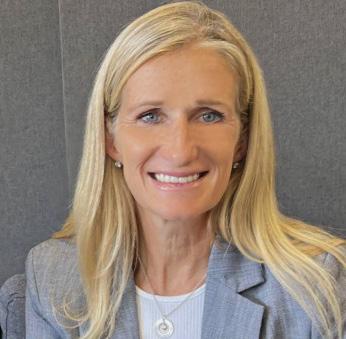
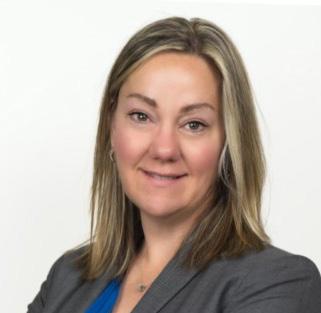
The “Risky Moves” panel, moderated by Vanessa Topple, Anchor and Producer of RHBTV, involved a discussion of the women’s personal stories and their different paths to growth. The panelists included:
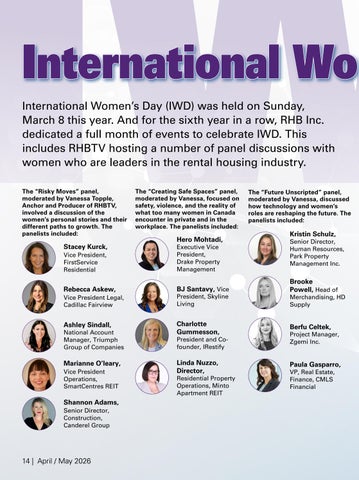
Rebecca Askew, Vice President Legal, Cadillac Fairview
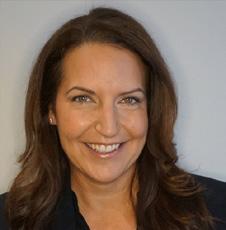
Ashley Sindall, National Account Manager, Triumph Group of Companies
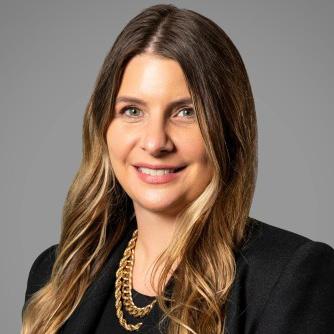
Marianne O’leary, Vice President Operations, SmartCentres REIT
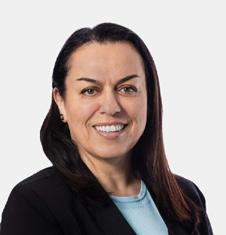
Shannon Adams, Senior Director, Construction, Canderel Group
The “Creating Safe Spaces” panel, moderated by Vanessa, focused on safety, violence, and the reality of what too many women in Canada encounter in private and in the workplace. The panelists included:
Charlotte Gummesson, President and Cofounder, IRestify
Linda Nuzzo, Director, Residential Property Operations, Minto Apartment REIT
The “Future Unscripted” panel, moderated by Vanessa, discussed how technology and women’s roles are reshaping the future. The panelists included:
Kristin Schulz, Senior Director, Human Resources, Park Property Management Inc.
Brooke Powell, Head of Merchandising, HD Supply
Berfu Celtek, Project Manager, Zgemi Inc.
Paula Gasparro, VP, Real Estate, Finance, CMLS Financial
Women’s Day 2026
By David Gargaro
The “Give to Gain” panel, moderated by Jessica Green, Vice President of Communications for Greenwin, discussed what the women built, what it required, and what changed for them. The panelists included:
Sarah Segal, CEO and Co-founder, Simply DBS
Naama Blonder, Architect and Urban Designer, Co-founder, Smart Density
Fay Yachetti, Director, Optimization and Sustainability, Skyline Group of Companies
Michelle Collins, Senior Director, Professional Services, RONA
The “Breaking In” panel, moderated by Jillian Katzenback, Anchor and Director of Photography for RHBTV, involved a panel of Gen Z women discussing their experiences with breaking into the rental housing industry. The panelists included:
Jagjot Kaur Sohal, Resident Relations Manager, Signet Group
Parnian Davoodi, Associate, Investments, CAPREIT
Jessica Reeves, Human Resources, Skyline Group of Companies
Vanessa Topple Anchor and Producer, BoldTV/ RHBTV
Jessica Green Director of Communications, Greenwin
Photography, RHBTV/BoldTV
Risky Moves: Unconventional and personal paths to success
The panelists discussed the personal journeys they took on the way to reaching where they are today. Although they followed different paths, they agreed you should always say “Yes” to opportunities when they arise. When these moments happen, you can choose to either jump or be pushed by other people. Get the experience even if you don’t have confidence in your capabilities. Take the opportunity, sink or swim, so you can say you tried.
In addition to doing the work when opportunities arise, it’s essential to build relationships along the way. Hard work alone is not enough, as it won’t guarantee you get ahead. Make connections, both internally and externally, and let them know you have other ambitions. All things being equal, people with relationships and connections are more likely to get ahead. Strong relationships are more important than resumes.
As opposed to “faking it until you make it,” being honest about your experience (or lack thereof) can be a great strategy to building your career. Show you’re willing to learn and you’re not afraid of trying new things. You will have to take risks and make mistakes, but it is necessary for creating your own opportunities. This is how you learn and grow.
The willingness to take risks was a common theme for the women on the panel. Fear could have held them back, but they used that fear to motivate them into moving forward. They all had to face failure at some point; in fact, one of them made a $1 million error! However, how you deal with failure is more important than failing itself. They used failure to learn and grow, and it enabled them to try new things. You must fail before you succeed. Life goes on, as most mistakes in business are not fatal. Work on fixing your own mistakes; it teaches you responsibility, accountability, character, and strength. Mentorship was also part of their journeys. It can come in many forms and can happen through different parts of your life. Some panelists mentioned their parents’ influence; family members, friends, co-workers, and colleagues also served as mentors in their lives. Others pointed to finding inspiration in the stories of people who have overcome challenges. Mentorship can include showing you what not to do in different situations. The panelists also discussed sponsorship, which is different than mentorship but still valuable. However, in the end, you don’t need mentorship; you can motivate yourself.
The panelists concluded by providing advice to people starting their careers:
Stacey: Do not worry as much and do not let fear define the moment.
Rebecca: Work hard to develop your credibility and build relationships along the way.
Ashley: Stop trying to be perfect, as everyone fails at some point; it’s how you deal with failure that matters.
Marianne: Ask for what you want and keep asking until you get it.
Shannon: You can do anything you want; when you lead with honesty and compassion, people will see it.
Creating Safe Spaces: Ensuring women’s safety and security
The discussion began with asking the panelists why many assaults go unreported. The consensus was that fear was the most common reason: fear of losing one’s job, of reprisals, of being stigmatized, and of being seen differently by one’s peers. Shame was another common factor in not wanting to report an assault.
The panelists discussed working with staff to recognize signs of abuse among their residents. Education was the primary tool, which involves training staff on different scenarios, as well as providing staff and residents with resources to help address concerns. Ensuring the individual’s privacy was a key element to help people be more comfortable coming forward. Conducting wellness checks and recognizing the signs of elder abuse were deemed to be important parts of addressing issues. The panelists noted financial abuse is increasingly more common, which can affect residents’ payment of rent, and that resources exist to help staff and residents.
Vanessa brought up the role of leadership and having an open door policy with respect to addressing safety and security. The panelists concurred having this policy was more than a description, but part of establishing and implementing an action plan to create an open environment for staff and residents. Leaders are responsible for normalizing the conversation and ensuring policies get implemented. This tied into establishing and maintaining a resident code of conduct, which includes calling out detrimental behaviours and enforcing rules that protect all parties.
This led to a discussion of the Employee Assistance Program (EAP), which provides employees with crisis counselling support and other services that can aid with getting help. Knowing about EAP resources should be part of educating employees on finding assistance for different personal and workplace situations. The panelists also discussed WomanACT, a charitable
SINGLE Key Full Page Ad
Q&A with the moderators
Q&A RHB: What was different about this year’s panels compared to previous years?
Vanessa: We covered newer ground like AI and its impact on the industry, alongside some tough yet important conversations around assault and gender-based violence. We also brought a mix of perspectives, combining Gen Z voices with someone like Kris Boyce, who has seen the industry evolve over decades.
Jillian: I loved what we did differently with the Gen-Z panel. It felt a lot more intentional in how we structured the conversations. We went more one-on-one, which gave each person the space to open up and go deeper.
Jessica: This year felt really grounded in honesty and candour. The conversation moved beyond ideas into how decisions get made, and what it takes to get them adopted. There was less abstraction and more operational honesty.
RHB: What were the key takeaways from this year’s panels?
Vanessa: Women are an incredible force in this industry, and in how they show up for each other, motivating, encouraging, and supporting one another every step of the way.
Jillian: There isn’t one right way into this industry, and that’s a good thing. A lot of the panelists talked about figuring things out as they go, and how important it is to stay open to opportunities.
Jessica: Influence has to be built before it’s recognized. Across roles, from founders to operators, the common thread was investing credibility early and letting results do the work. Also, leadership today is being shaped as much by life realities as by business strategy.
RHB: What was your goal as moderator, and how did it work out?
Vanessa: My goal with these panels every year is to bring real, authentic conversations to the forefront. This year, we tackled some sensitive topics and the level of honesty and openness from the panelists was refreshing. It’s what makes these discussions memorable.
Jillian: I wanted people to feel comfortable enough to say what they think, especially because the audience for this kind of panel is often people who are in the same stage. I like to
think it worked out well, the conversations felt natural, and we got a lot of thoughtful answers.
Jessica: My goal was to move the conversation away from surface-level insights and into real decision-making: what was built, what it cost, and what changed. It worked because the panelists were willing to go there and speak honestly.
RHB: What most impressed you this year about the panelists?
Vanessa: What stands out is how the connections don’t end when the panel does. You can see the panelists continue to bond afterward; we’re bringing a community of women closer together.
Jillian: What stood out most was their honesty. They didn’t try to over-polish their experiences or simplify the challenges. That level of openness takes confidence, and it makes their insights more impactful.
Jessica: The range of perspectives, but a shared clarity in how they think. No one relied on corporate language. They spoke directly about trade-offs, constraints, and how they navigate them.
RHB: What topics would you like to address with future panels?
Vanessa: Next year, I would love to explore expectations through the lens of the “Barbie” monologue, for anyone who has seen the movie, and what it says about how women are seen, what’s expected of them, and the gap between performance and reality in life and leadership.
Jillian: I’d be interested in exploring the idea of long-term career sustainability, not just how to get into the industry but how to stay in it and continue growing. Things like evolving your skills set, handling setbacks, and redefining success over time.
Jessica: I’d like to go deeper on institutional design: how policies, compensation structures, and operational systems either accelerate or stall progress. And more candid conversations around scale: what works in theory versus what actually holds up.
Visit https://www.rhbtv.ca/iwd to watch the videos of the IWD panels and learn more from the incredible women in the real estate industry.
Full Page Ad
organization that advocates for ending genderbased violence through research, education and advocacy. They provide strategies, training, and coaching geared toward addressing gender-based workplace violence.
The panelists discussed building safety and what can be done to help reduce the risk of physical harm in the workplace. Other than addressing design elements, particularly in new builds, recommendations included strengthening WiFi capabilities throughout the building, installing emergency call buttons, improving interior and exterior lighting, installing surveillance cameras with long-term storage, and hiring security personnel. Taking additional measures, such as posting signs and ensuring people know which units are occupied in newer builds, would also help make buildings more secure.
The panelists provided advice for young women entering the industry to help keep them safe in the workplace, as they all had experience with being in unsafe situations. One tip was to maintain situational awareness and to trust your gut when things don’t feel right. They also said you should understand you don’t know what you don’t know; align yourself with more experienced personnel to better educate yourself. Mentorship is valuable for more than learning how to perform your role; it can help you to stay safe.
Give to Gain: Building credibility to establish influence
Jessica asked the panelists how their organizations implemented sustainability. There was consensus in the importance of connecting sustainability to strategies and processes across the organization. They all sought to fill gaps overlooked in their industry.
This led to a discussion on converting proximity to power into real authority and influence. One key factor was having confidence in voicing your opinions and bringing ideas forward. This would build momentum and lead to making more contributions. This will also help to set precedent for the next generation of women coming into the industry. It is important to note the difference between recommending change and securing institutional buy-in. This requires understanding when to “throw away the rulebook” and when to listen to others’ input. Patience is essential, as you cannot always make quick decisions.
Communication and advocacy are keys to building credibility and establishing influence. This requires knowing how to speak in front of others, backing up what you’re saying with facts and data, and presenting information concisely and effectively. Doing research and collecting data will help to demonstrate understanding of the situation and
convince others through fact-based decisionmaking. Another key point was to be visible to ensure others above and around you see and acknowledge you and your contributions. To be visible, you must stand up in the workplace and step out at conferences and public events, which can mean going outside your comfort zone.
Jessica asked the panelists how they built leadership systems around their specific realities as women, as mothers, and as part of a different generation.
Kellie’s philosophy as a leader was the same as being a parent, in that she did not say “No” unless she had to. This helped to empower her team to do what they needed to do.
Michelle spoke about “invisible labour” (i.e., the work done above and beyond your actual role). She noted women often took on tasks outside their duties or obligations. This is happening less, thanks to women standing up for themselves and refusing to take on more than men in similar roles. Sarah sought flexibility by forging her own path outside of a large organization. This enabled her, and those who work with her, to engage in more dynamic and flexible work.
Naama discussed redesigning maternity and work systems. She believed women should be as involved as they wanted in the business as mothers. Everyone should have the flexibility to maintain your role and still be a mother to the degree you wanted.
The panelists concluded with a discussion on structural change and women making meaningful progress. They mentioned the importance of pay transparency laws, which would support meaningful salary negotiations, being able to advance without sacrificing parenthood and worklife balance, the importance of flexibility and different measures of success, and the willingness to acknowledge institutional design as something that can be shaped.
Future Unscripted: The impact of technology and women’s roles
The panel began with a discussion of how they lean into their unique strengths in the face of AI impacting all areas of business. Empathy is essential to ensuring all stakeholders have a voice in making decisions. AI lacks situational awareness, particularly within the HR function, and human involvement is essential to maintain authenticity and ensure team fit.
The discussion moved into how women lead today, which is more common than it used to be. They have learned to be good observers, which contributes to being leaders. It’s important to
lead by example, with honesty and integrity. AI does not have these capabilities; it can provide data and an answer to a question, but it’s not always reliable. The panelists concurred AI can be incredibly useful in accomplishing specific tasks, but you had to verify the results.
Vanessa asked the panelists about their definition of success in 2026, given how times and their roles have changed over the last 50 years. They spoke about dealing with the challenge of ensuring equality for women in a male-dominated position.
This led into a discussion on self-care and the importance of balance in the workplace. It was noted companies are leaning into this approach and offering healthier ways for employees to work, enabling them to work remotely and providing amenities to maintain healthy lifestyles. They also discussed the values that shaped their careers, which included giving back through mentorship, being ethical in your decision-making, and recognizing female trailblazers.
This led to a discussion on cybersecurity and the ethical dilemmas associated with overreliance on AI. They stated the importance of implementing boundaries and ensuring AI is used properly. AI tools are commonly used on both sides of the HR equation, and it can be overused. Some people rely on AI to think for them, which is a detriment to development. While AI can help with finding efficiencies, it can take away from safety or have longer-term consequences.
Gender-related biases came up during the discussion. All the women have had to deal with biases in different forms, which affected their career development and growth. They emphasized the need to be assertive and confident, and were appreciative of the women before them who helped to form the foundation.
The discussion concluded with advice for younger generations of women entering the industry:
Kristin: Be a good listener, as there are many strong voices in the room.
Brooke: Be fearlessly authentic and true to who you are.
Berfu: Lean into your empathy and intuition.
Paula: Be honest and maintain your integrity.
Breaking In: Growing your career
The panelists shared their early personal, professional, and structural career barriers. Jagjot described the difficulty of entering the workforce as an immigrant, facing language barriers and bias. She credited her manager’s support and personal determination in helping to improve her communication skills. Jessica highlighted the complexity of the real estate
industry, noting it extends far beyond transactions to include regulations, finance, human impact, and operations. Parnian was surprised by the importance of having strong communication and interpersonal skills, since she initially focused on technical competencies. Kaitlin’s primary difficulty involved transitioning from a different discipline into (and then across) different fields within the multifamily industry, emphasizing the need to prove herself and step outside her comfort zones. Kris reflected on her early career struggles, reinforcing that lack of experience, navigating workplace personalities, and adjusting to professional responsibility are universal challenges across generations. She underscored the importance of authenticity, resilience, and learning how to manage relationships in a workplace setting. Long hours, commuting, and the realities of responsibility also shaped her early experiences. A major theme was the importance of mentorship and curiosity. Panelists repeatedly stressed the value of asking questions, seeking guidance, and embracing discomfort as part of the learning process. Kris stated mentors can come in many forms, including supervisors, co-workers, vendors, and others who interact with you in your career.
The panelists offered practical advice for those starting out. Key takeaways included being comfortable with discomfort, staying curious, actively building relationships, and taking initiative in learning about different aspects of the industry. They reinforced the idea that mistakes are an essential part of growth.
The conversation shifted to the unique strengths Gen Z brings to the workforce. Panelists pointed to their fluency with technology, adaptability, and ability to navigate rapid change, particularly as many began their careers during COVID-19. They emphasized their openness to questioning traditional processes, willingness to speak up, and strong focus on building relationships. Additionally, as renters and future homeowners, they brought a contemporary perspective on housing needs.
Kris acknowledged these strengths, noting Gen Z’s energy, adaptability, and technological fluency are reshaping the industry. She suggested younger professionals are not only learners but also mentors to more experienced colleagues, particularly when it comes to new tools and ways of working.
Finally, the discussion touched on confidence and self-belief. Kris encouraged young professionals to recognize their value, remain authentic, and support one another. Reflecting on her own journey, she highlighted the importance of perseverance, learning from criticism, and always having a “plan B.”