Realty Check


Over the last 12 months Multifamily sustained its position as one of the most coveted sectors in Canadian commercial real estate.
A more tenant-friendly rental market emerged in 2025. Last year marked a period of adjustment for Canada’s multifamily sector. As Ottawa tightened immigration policies, rental demand growth moderated. Outside the pandemic years, Canada saw its temporary- resident population decline for the first time since 2015, while the intake of permanent residents also slowed. Amid this deceleration in demand growth, rental supply continued to expand at a rapid clip. Although completions did not set another record, they remained elevated by historical standards, surpassing 80,000 units nationwide last year. At the same time, secondary rental supply kept rising, as more financially stressed condo owners listed their units — often at discounted rates — to offset higher mortgage costs. These shifting demand-supply dynamics created a more balanced environment, pushing vacancy rates higher and slowing rent growth across Canada.
Further rebalancing expected in 2026. In the new year, the rental market is expected to continue softening amid persistent cyclical demand headwinds and another year of elevated completions. Population gains are projected to remain muted as the government intensifies efforts to reduce temporary residents to less than 5.0 per cent of the total population. While this will remain the main demand headwind, a sluggish for-sale housing recovery — held back by weak sentiment and affordability pressures — signals a slow shift to homeownership, offering some support to rental demand. On the supply side, completions are forecast to reach a record high, reflecting rising construction starts during the post-pandemic years. As starts accelerated last year, this supply pressure may persist beyond 2026.
Consequently, the vacancy rate is expected to continue its upward trajectory, approaching 4.0 per cent by year-end. Rising vacancies will offer relief for renters, particularly in high-rent markets, as apartment owners keep effective rents competitive amid longer lease-up periods.
• Metro-level variations drive shifts in 2026 outlook. While fundamentals are expected to soften nationwide, select regions are likely to outperform. Alberta will continue to benefit from strong domestic in-migration, helping to curb the rise in vacancy. In Toronto and Ottawa, more disciplined construction pipelines — in part due to project delays — will also help temper vacancy rate increases. In contrast, completions in Vancouver are projected to reach an all-time high following a significant jump in construction starts over the past few years. This will result in a steeper rise in vacancy and further downward pressure on effective rent growth.
• Multifamily positioned to draw growing buyer interest. Alongside the recent wave of new purpose-built rental projects, investment in multifamily assets has climbed steadily over the past three years, given their stability and defensive characteristic. By late 2025, apartment buildings accounted for roughly 30 per cent of all transactions, making multifamily the second most active property type among investors. While the sector is currently adjusting to cyclical headwinds, sentiment remains positive. Canada’s structural housing shortage, persistent affordability pressures, a supportive policy environment and the growing emphasis on build-to-rent all point to a favourable long-term investment backdrop.
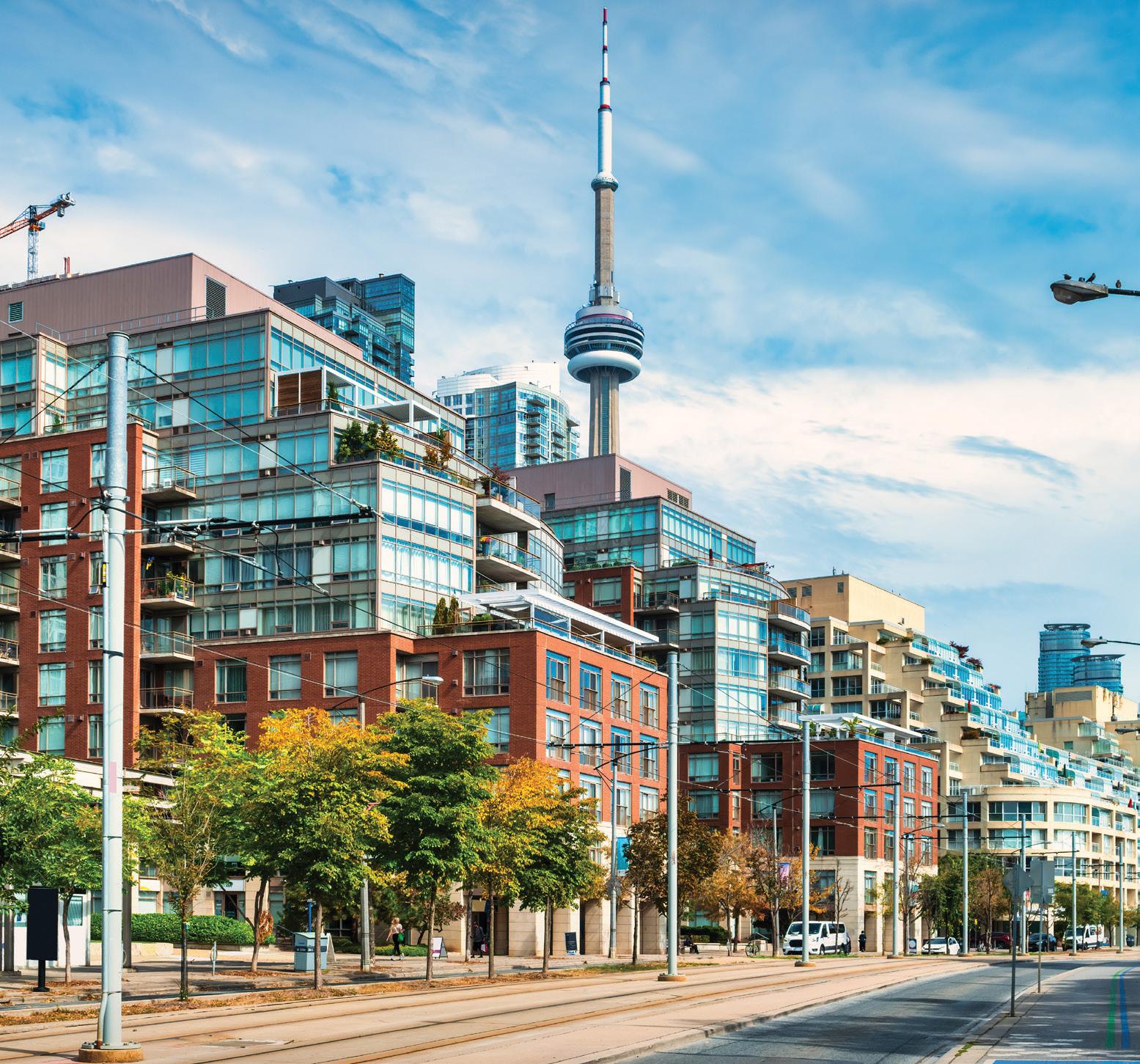
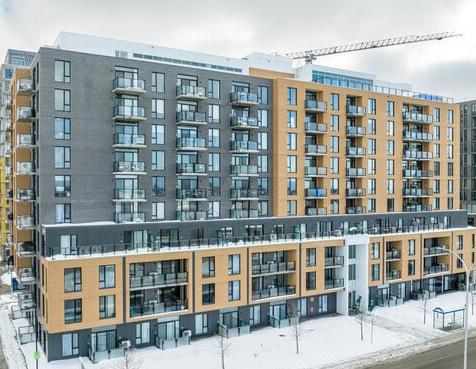
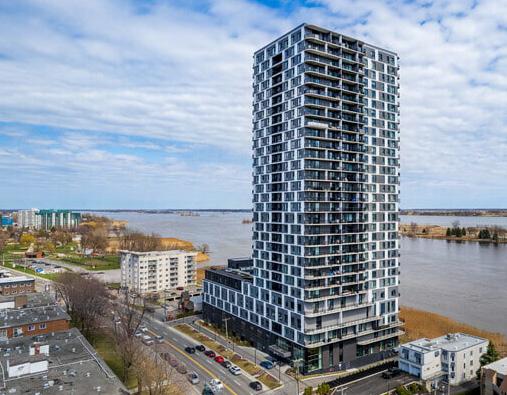
Rent growth to ease amid rising vacancy. Montreal’s apartment fundamentals held up well last year despite fewer residents moving in. Although vacancy rose for a second consecutive year, rent growth accelerated, driven by a significant increase in in-place rents. Even after those multiple rent hikes, the metro remains one of the most affordability-anchored rental markets in the country, supporting resilient demand from newcomers. Looking ahead, population growth is expected to cool further as Quebec’s new immigration restrictions take effect. In line with national trends, this will keep rental demand growth subdued while completions continue to rise steadily. As a result, vacancy is projected to drift higher again this year, slowing rent increases. Beyond short term fluctuations, Montreal’s deep renter culture — rooted in a long-standing preference for apartment living and a high share of renter households across all age groups — will continue to underpin market stability. With this tradition, the metro’s multifamily sector will remain a primary source of housing and a durable investment option over the long run.
• Healthy fundamentals supported sales last year. Dollar volume rose despite macro headwinds, even outpacing the pull-forward of transactions in the second quarter of 2024.
• Amid investor optimism, the average sale price hit a record in the third quarter of last year. Lower financing costs may sustain investment activity and support continued price growth in 2026.
334
per Suite: $479,021 99 - 101 Pl Charles-Le Moyne
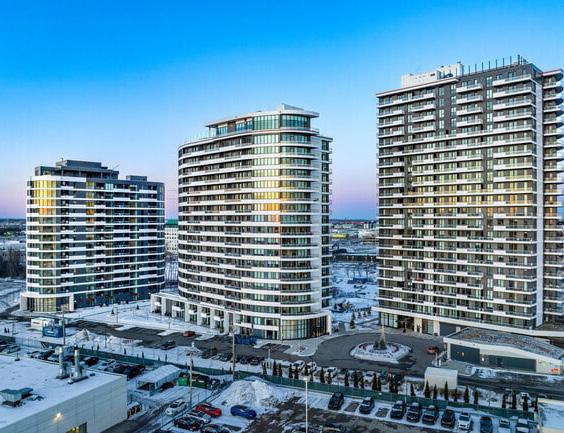
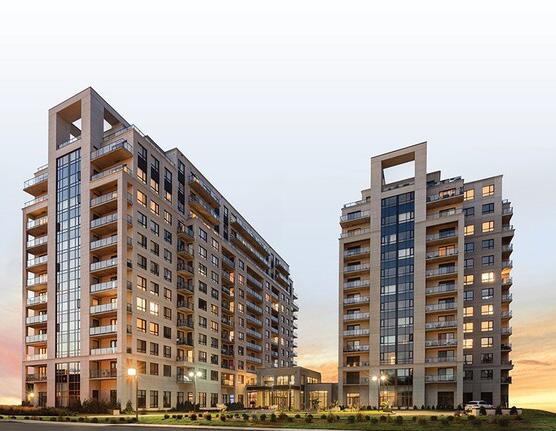
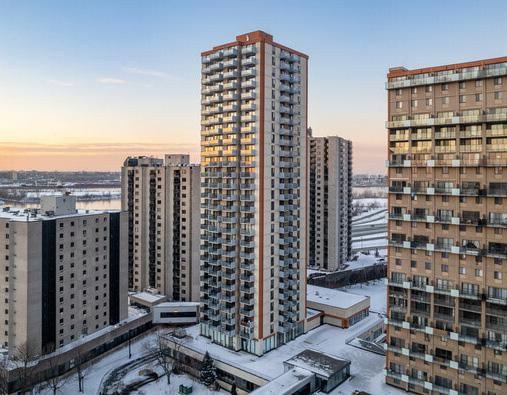
Operations to soften but remain healthy. The interplay of several opposing forces shapes Ottawa’s multifamily outlook for 2026. As part of Budget 2025, the federal government will shed nearly 30,000 jobs over the next two years, most of which will be concentrated in the capital region. Even so, ongoing expansion in the tech sector should help partially offset the drag from public-sector downsizing, supporting job growth in hubs like Kanata, where both established firms and new entrants continue to scale. Population growth is also expected to slow as fewer temporary residents arrive. Still, continued inflows from other provinces and higher-cost cities within Ontario will help backstop rental demand despite overall growth moderating. Taken together, these trends point to softer apartment demand through 2026, though the pullback is expected to be manageable given the city’s still-positive population inflows and ongoing tech-sector support. On the supply side, completions are set to tick slightly higher following last year’s pullback, supported by a mild increase in construction starts from their 2023 lows. As a result, vacancy is expected to rise only modestly, with limited new supply providing a stabilizing backstop.
• Multifamily represented the largest share of total commercial property sales last year, reflecting investors’ confidence in the metro’s long-term demographic profile and economic stability.
• While private buyers remained the dominant investor group last year, public equity and REIT capital have gained traction more recently, likely encouraged by the sector’s solid fundamentals.
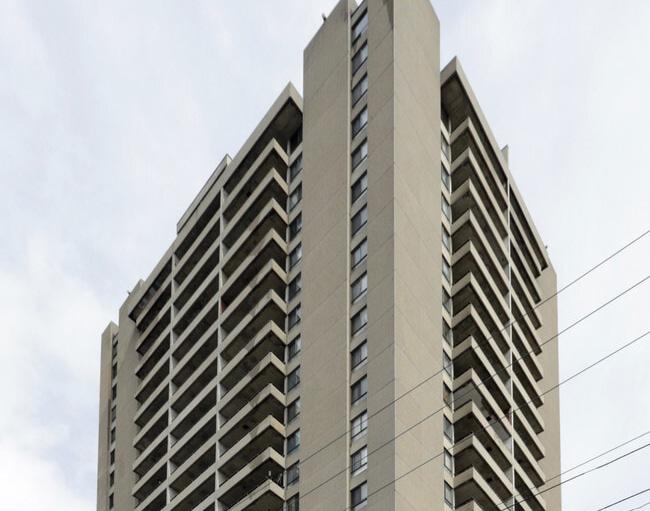
Location: Ottawa
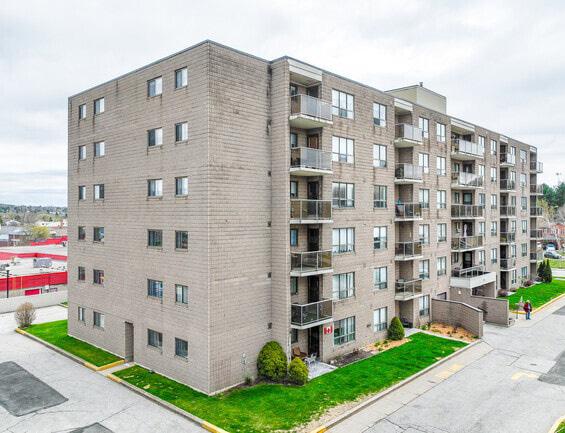
Suites: 227
per Suite: $233,480
Location: Ottawa
Suites: 241
$69,000,000
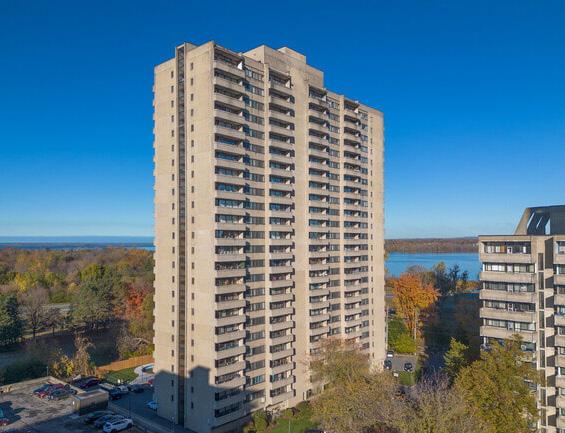
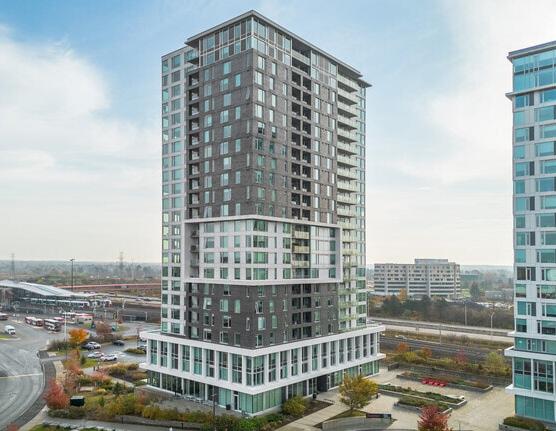
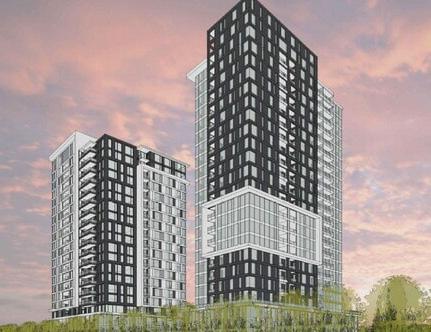
Rental market in readjustment phase. Alongside a sharp deceleration in population growth last year, Toronto’s rental market saw a surge in secondary rental supply. As condo prices fell, an increasing number of financially stressed condo owners rented out their units at discounted rates to cover mortgage costs. This influx of options prompted many purpose-built operators to offer incentives to attract and retain tenants. In 2026, muted resident gains and ongoing competition from the condo market are expected to continue posing headwinds for the multifamily sector. Even so, with lower interest rates and a potential improvement in trade, Toronto’s economy could regain momentum in the second half of 2026. This should help firm rental demand, keeping the apartment vacancy rate low at approximately 3.4 per cent. Over the longer horizon,
Toronto’s rental supply is poised to increase meaningfully as various municipal, provincial and federal initiatives take effect. These measures range from building affordable homes on public land to improving infrastructure to address construction bottlenecks. This concerted effort will help address the metro’s structural housing shortage and, over time, could help restore housing affordability.
• By the third quarter of last year, the average sale price had declined 19 per cent from its 2022 peak. However, prices appear to have bottomed out in 2024 as financing costs declined.
• Near-term multifamily fundamentals may ease, but Toronto’s scale and long-term demand support a resilient rental market, making it an appealing destination for investors.
Toronto
Suites: 210
$312,100,000
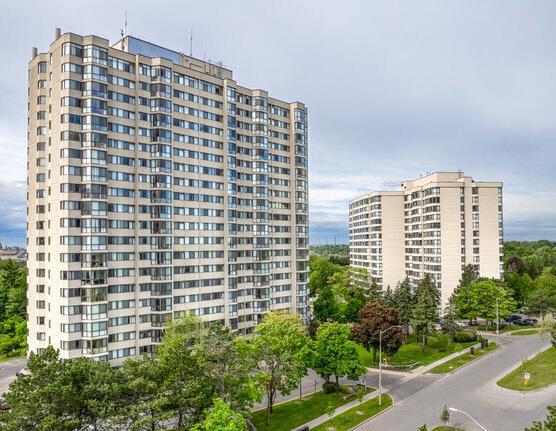
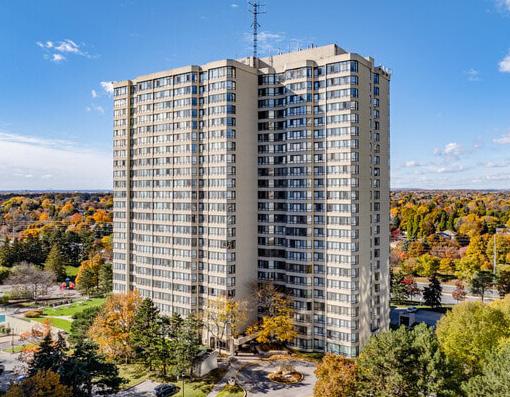
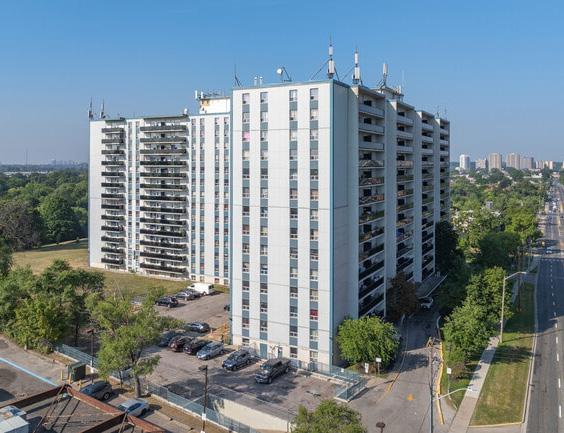
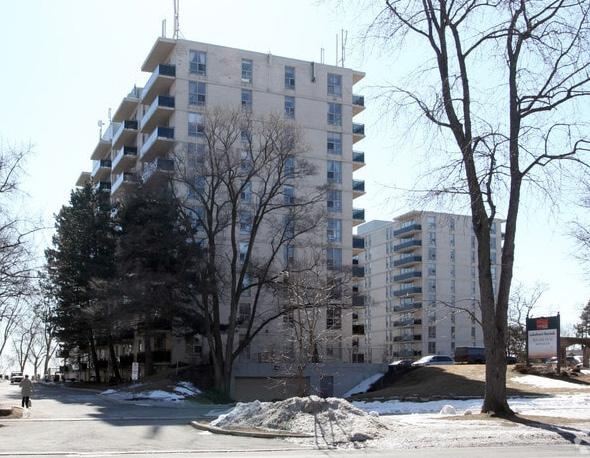
Early signs of stabilization expected in new year. Southwestern Ontario’s multifamily sector entered 2026 after a challenging year. Slowing population gains and rising unemployment amid tighter immigration and trade disruptions weighed on rental demand. Meanwhile, completions reached an all-time high, pushing the vacancy rate to its highest level since 2012. Conditions are expected to improve modestly this year. The exceptional momentum in rental need driven by the post-pandemic population surge is unlikely to return. However, an industrial recovery — supported by lower interest rates, ongoing producer adaptation and a potential improvement in trade relations — should provide a backstop for leasing activity. Although the vacancy rate is still projected to rise as population growth cools further, stronger labour conditions and fewer deliveries will likely moderate the pace of increase. Beyond the near term, long-run fundamentals remain constructive. Affordability- driven resident inflows, a steadily diversifying economy and deeper integration with the greater Toronto area through expanding transit links will sustain long-term rental demand, reinforcing Southwestern Ontario’s appeal for apartment investors.
• Investment activity improved last year despite demographic headwinds and trade risks. This reflects the impact of lower interest rates and confidence in the metro’s long-term outlook.
• Transit expansions, including the LRT to Cambridge and GO’s Hamilton and Kitchener expansion, will boost connectivity to the GTA and underpin the metro’s long-term investment appeal.
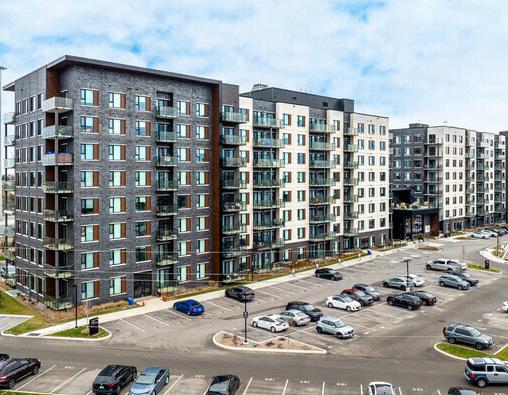
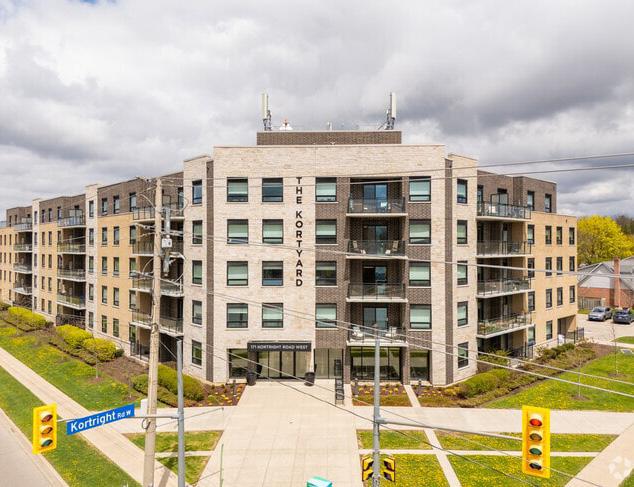
Location: Brantford
Suites: 208
per Suite: $384,615
per Suite: $517,606
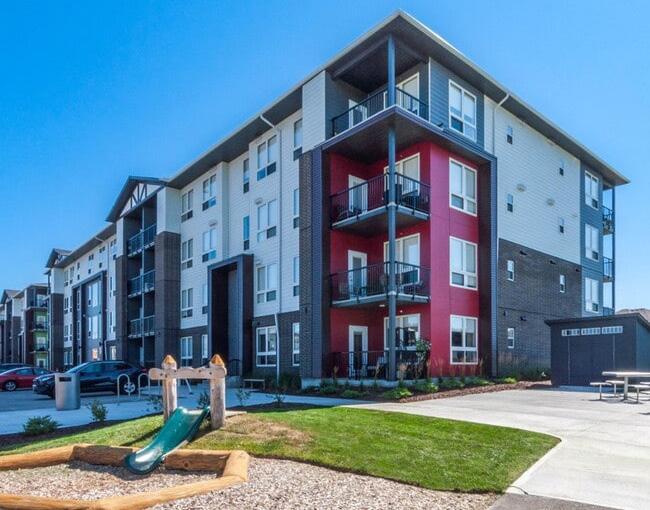
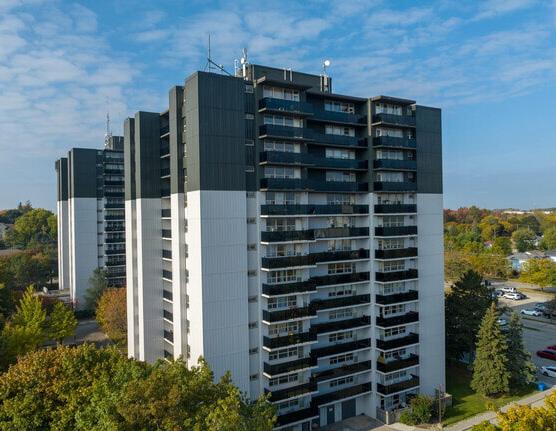
$76,500,000
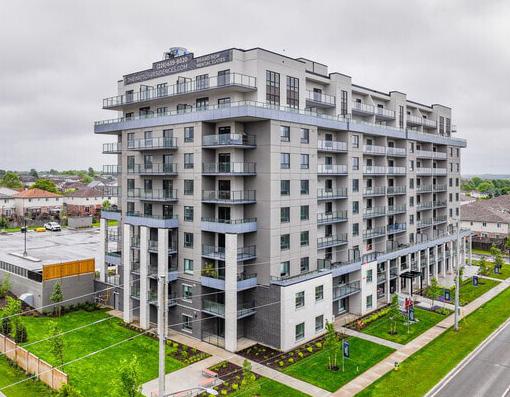
$40,100,000
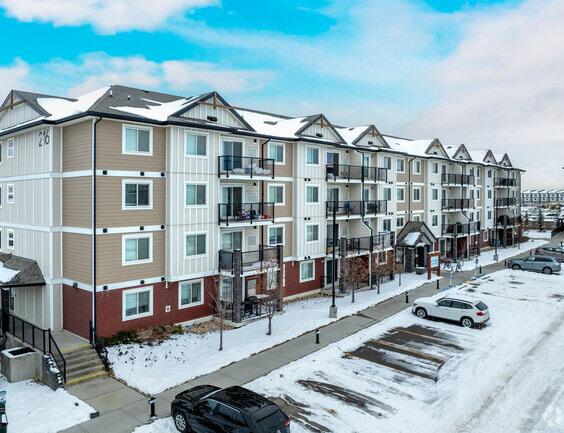
Vacancy to drift higher amid widening supply-demand gap. As completions remained elevated against a backdrop of slowing population growth, Calgary’s apartment vacancy rate rose for a second consecutive year in 2025. This supply-demand imbalance is expected to widen in 2026. Projects launched during the post-pandemic period of record in-migration will continue to reach completion. Apartment construction starts also showed few signs of easing by the end of last year, suggesting that supply pressures could extend well beyond 2026. At the same time, the downtown office-to-residential conversion program will add yet another source of new supply. On the demand side, population growth — while still one of the strongest in Canada amid affordability advantages — is set to decelerate further as Ottawa places tighter constraints on international migration. Premium buildings with modern amenities are expected to face longer lease-up timelines due to more competition from new supply, while older and more affordable stock should see comparatively firmer demand. Together, these forces will sustain a renter-friendly environment, characterized by another year of rising vacancy and continued downward pressure on rent growth.
• Despite softening fundamentals, sales held up in 2025. Calgary’s above-average domestic migration continues to support population growth, bolstering buyer confidence in long-term prospects.
• In addition, the absence of rent control gives landlords greater flexibility amid Canada’s structural housing shortage. This also bodes well for long-term multifamily investment activity.
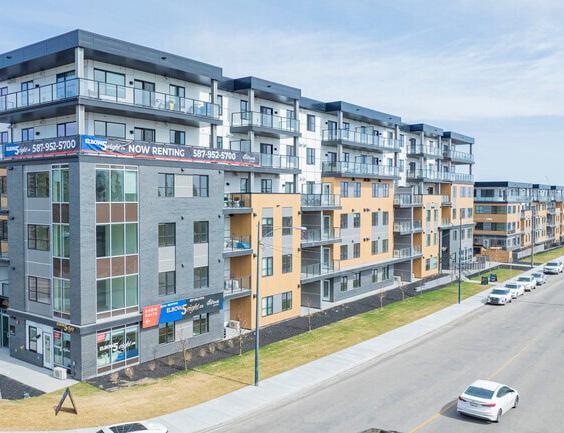
Suites: 224
per Suite: $332,589
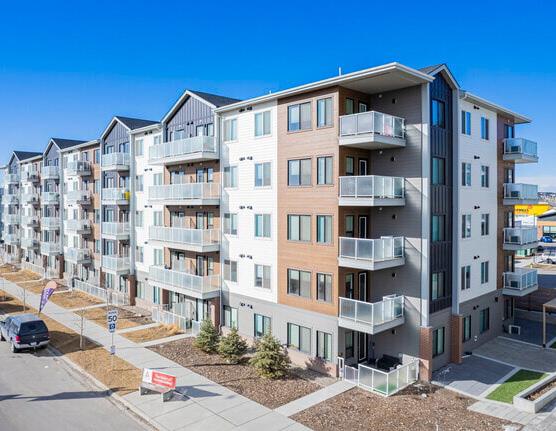
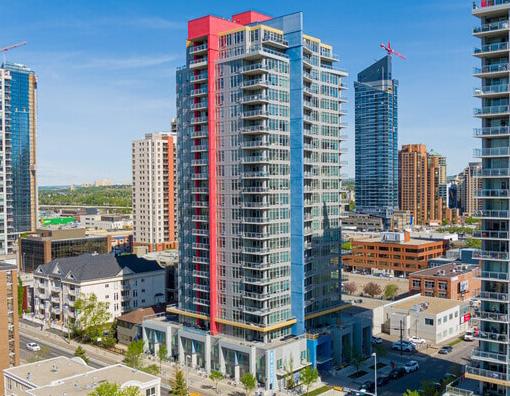
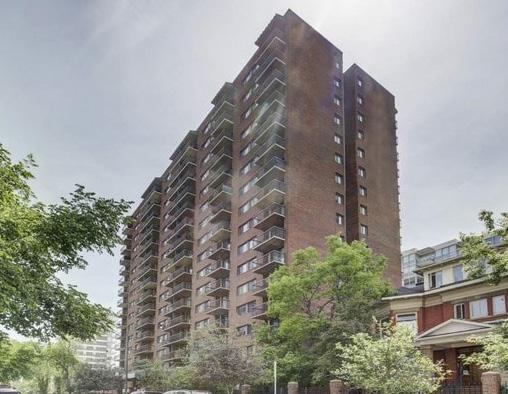
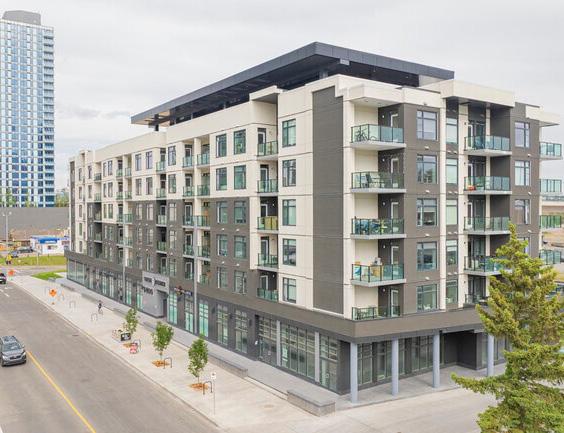
Young and Growing Population Drives Momentum in Short and Long Run
Manageable rise in vacancy expected for 2026. As people from other parts of Canada relocated to Edmonton for its lower cost of living in the post-pandemic years, domestic in-migration accounted for roughly one-third of the metro’s resident gains. This demographic advantage has supported population growth, despite the recent pullback in immigration. As a result, apartment demand softened more gradually than in most other metros in 2025. Coupled with a modest decline in completions, vacancy rose only 70 basis points last year. Looking ahead to 2026, population growth is expected to remain positive, in contrast to a decline projected nationally, which will continue to underpin rental demand. On the supply side, completions will rebound above 7,000 units following last year’s dip, likely resulting in another mild rise in vacancy. Over
the long term, Edmonton’s demographic advantage stands out. Beyond its more balanced population growth, it is one of Canada’s youngest metros, with a median age four years below the national figure. This youthful population — combined with a diversifying economy and steady public-sector employment — positions Edmonton’s multifamily sector for durable, long-run strength.
• Investment data through September indicates total dollar volume likely hit a record in 2026. Solid fundamentals and ongoing population growth continued to support investor sentiment.
• Lower borrowing costs may continue to spur strong sales activity in 2025, which, in turn, will support construction and help
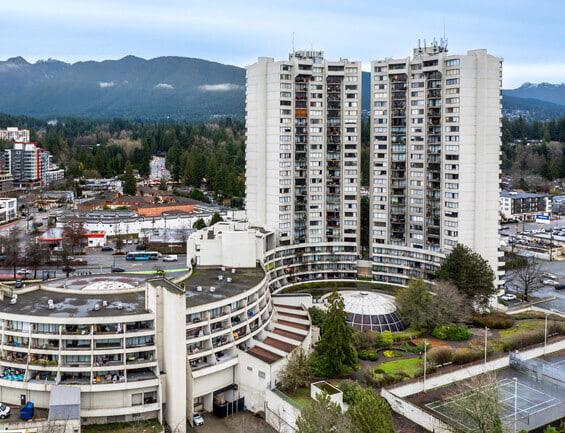
Vacancy rate trending up amid demographic shift. Vancouver’s multifamily market is entering 2026 with clear signs of rebalancing. Population growth slowed last year under tighter immigration policies, just as apartment completions hit a record high. This pullback in demand growth, combined with a surge in new units, pushed the vacancy rate to 3.7 per cent in 2025 — providing much-needed relief for renters who had faced a near-full market for years. Looking ahead, construction starts data suggests that deliveries will ease gradually beyond 2026. With population growth expected to remain subdued as Ottawa doubles down on immigration reductions, vacancy rates are likely to continue rising through 2027. This should help return rent growth closer to the long-term average and improve affordability in Canada’s costliest rental market. Despite softening fundamentals, Vancouver remains one of the most soughtafter apartment markets in Canada, supported by high-quality job opportunities and exceptional lifestyle appeal. Long-term demographic drivers and structurally limited land supply will continue to make Vancouver a desirable investment destination for both domestic and global capital.
• Sale prices peaked in 2022 and have since stabilized amid softening fundamentals. Cap rates have trended upward, with older properties often exceeding 4.0 per cent last year.
• While rising vacancy rates and rent declines have created a more cautious investment environment, lower financing costs should support transaction volumes through 2026.
Burnaby
Suites: 563
per Suite: $340,904 Vancouver
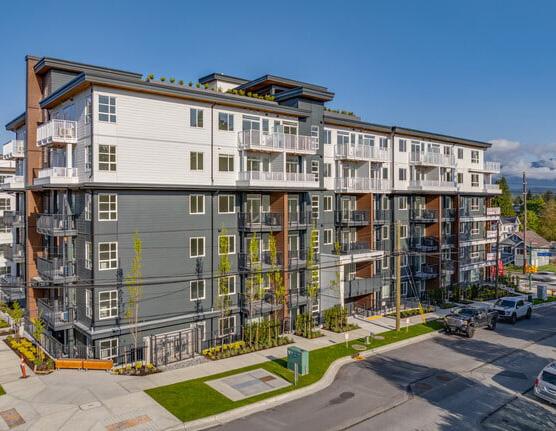
Vancouver
92
$652,174
per Suite: $617,021 388 Kaslo St
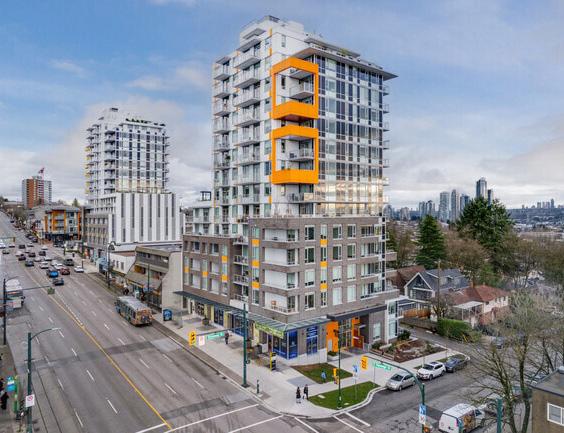
per Suite: $550,459 444 Kootenay
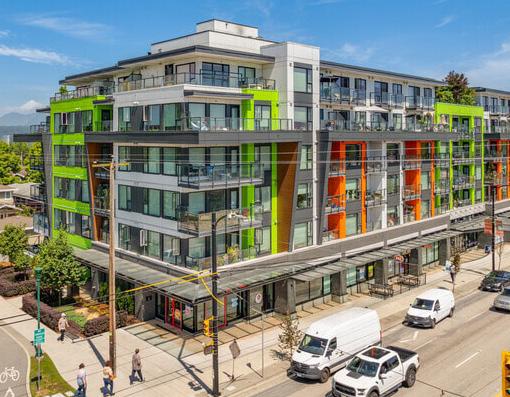
Vancouver $58,000,000 Suites: 94
Suites: 471
per Suite: $115,074