






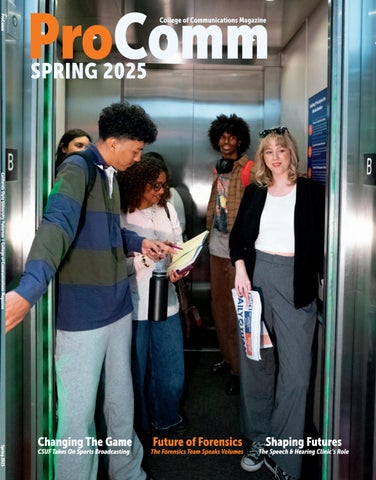
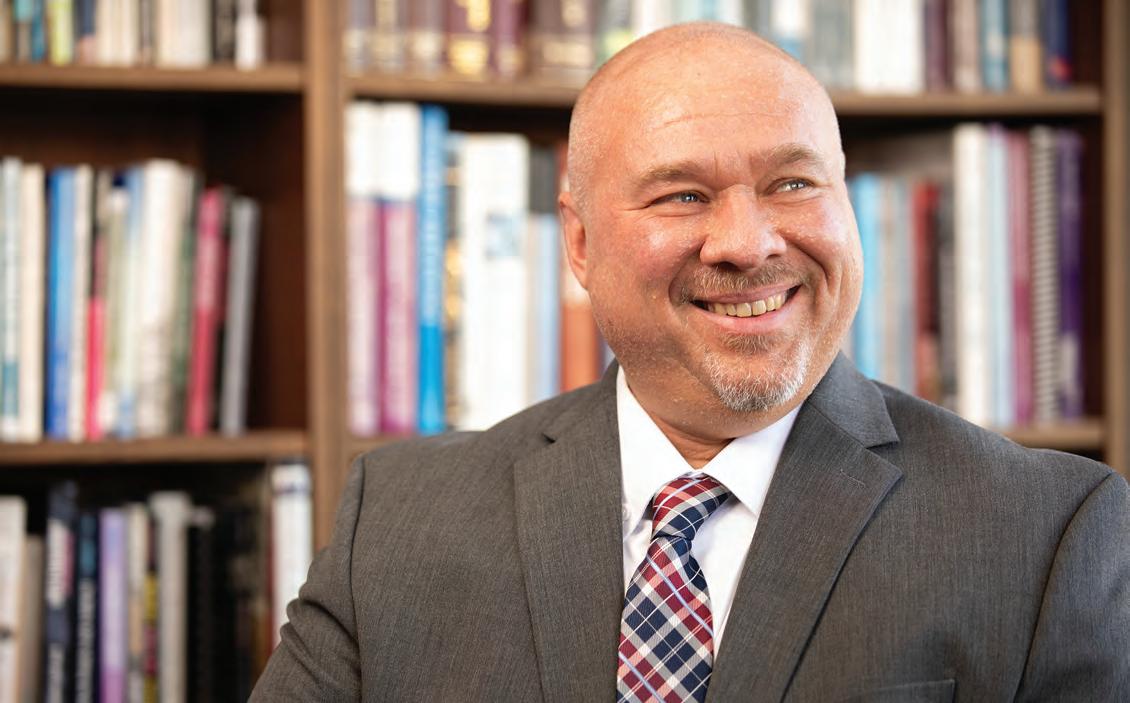
When I was growing up in a small-town, working-class family, I dreamed of exploring how the world works by becoming a journalist. As a first-generation college student, I chased that dream with a notepad in one hand and a deep belief in the power of truth and storytelling in the other.
That journey took me from the newsroom to the classroom, from investigating public institutions as a watchdog reporter to serving as a Teach For America corps member in New York City to studying and teaching the First Amendment at a time when free speech and freedom of the press are essential to the future of American democracy.
Now, as interim dean of Cal State Fullerton’s College of Communications, I’m honored to help prepare the next
generation of communicators—journalists, strategists, speech therapists, media makers, scholars and more — who will shape the conversations that define our society.
In these pages, you’ll read stories that reflect the heartbeat of our College: a commitment to student success through sustained innovation grounded in democratic values.
From the launch of new sports media initiatives, including a Sports Media Certificate and a partnership with Titan Athletics where students produce live content for Titan Sports Network and ESPN+, to the transformative work of our Speech and Hearing Clinic, to the proud legacy of our nationally respected Forensics team and the excellent student films showcased in the Newport Beach
Film Festival each year, we are committed to hands-on, high-impact learning that connects students with real-world experience.
These programs, among more than two dozen signature programs that exist throughout the College, reflect more than academic excellence and a commitment to preparing our students for the fast-changing jobs of the future they embody our mission:
• To empower students.
• To transform communications professions.
• To advance democracy.
Through strategic partnerships, cutting-edge curriculum, and a deep commitment to equity and ethics, we’re building a future where communications is not just a career path, but a calling.
That’s the vision behind our new Communicatons Innovation Fund—a catalyst for the next chapter of growth, creativity and impact across the College.
Whether you’re a student looking ahead, an alum looking back, a faculty member pushing forward or a partner walking alongside us—thank you for being part of this commu-
I’m
honored to help prepare the next generation of communicators—journalists, strategists, speech therapists, media makers, scholars and more — who will shape the conversations that define our society.
Jason M. Shepard Dean, College of
Communications
nity. Together, we’re shaping a more informed, inclusive and connected world.
Welcome to the future of communications being charted in the College of Communications at Cal State Fullerton. Welcome to Pro Comm.
Approximately 2,800 students were enrolled during the Spring 2025 semester.
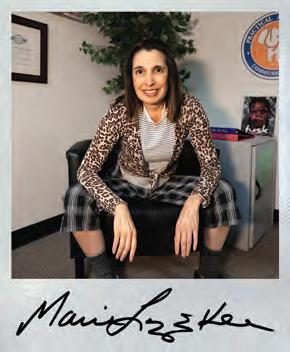



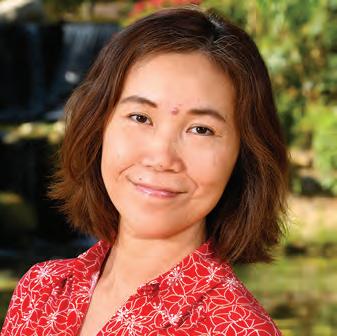
Associate Professor Mun Chee Yong is recognized for her creative work on the short film “4 Sundays in September.” Completed during her sabbatical with a $30,000 budget, the film is a collaboration with Singapore’s migrant community. It tells the story of Mari, an Indonesian domestic helper navigating a personal crisis. Six CSUF alumni contributed to this project, which received a nomination for Best Live Action Short Film at the prestigious 61st Golden Horse Awards—an event often referred to as “The Oscars of Asia.” The film premiered at the Golden Horse Film Festival in Taipei in November 2024.
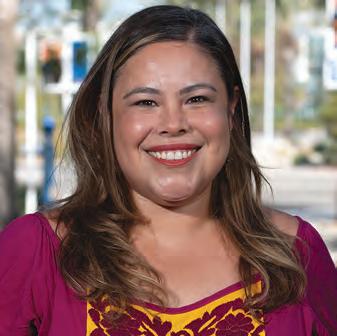
Associate Professor Claudia Evans-Zepeda has advanced her research agenda with four book chapters, one journal article and nine competitively selected conference presentations from January 2022 to August 2024. Her work examines Latina/o/x communication, with a recent shift toward media representations of Latina/o/x culture. This new focus represents a significant and commendable expansion of her scholarly pursuits, building on her prior theoretical work in the field.
Dr. Lisa Erwin-Davidson
Assistant Professor Lisa Erwin-Davidson has developed programmatic research in implementation science since joining CSUF in 2019. Between January 2022 and August 2024, she delivered seven peer-reviewed conference presentations, four of which were co-authored with undergraduate students. Her work on literacy development for individuals with complex communication needs is groundbreaking. She also co-authored a book chapter, An Interdisciplinary Instructional Framework: A Collaborative Approach to Preservice Training for Early Childhood Special Educators and Speech-Language Pathology Candidates.
Dr. Roselyn Du
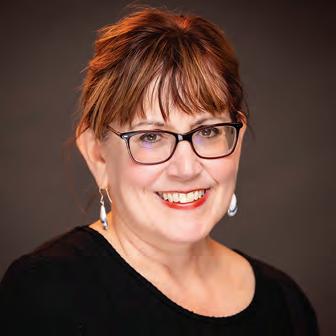
Professor Roselyn Du is a leading scholar on the impact of AI and algorithm technologies on media consumption and news literacy. Since January 2022, she has published a solo-authored book, a refereed SSCI journal article, and several invited works. Her research is shared widely at top-tier conferences, where she is a sought-after panelist. Dr. Du serves as associate editor for Media Asia and is on the editorial board of Journalism and Mass Communication Quarterly. She also leads multiple competitive grant projects and is pursuing federal research funding.
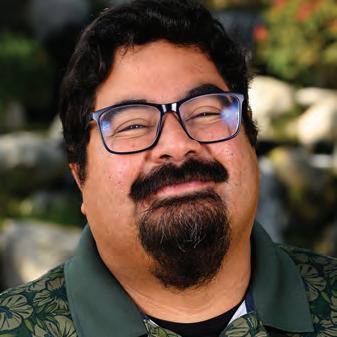
Associate Professor Ricardo Valencia’s research addresses international strategic communications, critical cultural media studies, and collective identity. Between January 2022 and August 2024, he published five peer-reviewed journal articles in esteemed publications such as the Journal of Communication Inquiry. Dr. Valencia also contributes opinion pieces to prominent outlets like The Washington Post and Foreign Policy. As faculty director of the Latino Communications Institute, he mentors Latinx and first-generation students, fostering their academic and professional growth.
Dr. Gayle Jansen Brisbane
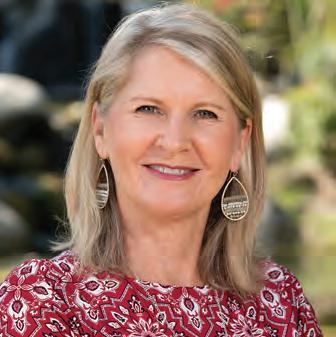
Associate Professor Gayle Jansen Brisbane focuses on the intersections of media, gender, politics and religion. In 2022, her solo-authored article on religious identity and politics appeared in the Journal of Communication Inquiry. Her 2023 article in the Howard Journal of Communications explored why white evangelical women supported Donald Trump. Additionally, she contributed a book chapter to U.S. Democracy in Danger and produced seven ESPN+ broadcasts with CSUF Athletics, three of which were finalists in a national competition. Dr. Brisbane also led a study-abroad program for 26 student journalists covering the 2024 Summer Olympics in Paris.
Breaking into the film industry takes more than just talent, it takes opportunity. Through Cal State Fullerton’s Cinema and Television Arts (CTVA) program, students are not only learning about film, they are bringing their visions to life and showcasing them on the big screen.
Aspiring filmmakers in the CTVA program begin their journey at CSUF by learning the fundamentals of storytelling. Through each class, students hone their skills and explore different strategies to convey a clear and compelling message.
Martina Baldwin, a professor in the CTVA program, emphasized the importance of learning to think critically before entering the film industry. “I think the stronger critical thinker you are, the better your media is because it’s more self-aware,” said Professor Baldwin. “Your understanding of how your messaging and art impacts the world is something that’s not taken for granted if you’re a strong critical thinker.” Professor Baldwin teaches a course on television genres, which explores how to analyze the formal and stylistic elements of TV. She shares how her course prepares students for the film industry. “The understanding of media on a deeper level is what helps [students] in the industry,” said Professor Baldwin. “Knowing how the message is made helps students to understand the industry they wanna be part of, in a way that helps them make art that’s going to be different than the art we’ve seen.”
With a solid foundation in media, students have the opportunity to apply what they’ve learned by working in groups to create their own short films. Through the CTVA program’s upper-division courses, students are guided through the process of producing a short film. Saif Alsaegh, a professor in the CTVA program, said production courses help prepare students for real-world industry experience. “Students in upper-level production courses have to complete industry-standard production tasks starting with pre-production by creating plans for filming and sound recording, finding locations for their project, all the way to editing the film and sending it out,” said Professor Alsaegh. It’s a process that teaches more than just technical skills—it builds teamwork, problem-solving, and a deep respect for the craft.
Throughout the filmmaking process, Professor Alsaegh supports students by helping them push the boundaries of cinematic expression. “I focus on developing their scripts and filming and editing plans, guide them through the issues they face during production and share opportunities to screen their work at national and international film festivals,” he stated.
Mun Chee Yong, a professor in the CTVA program, details the unique opportunities that students can experience in the program. “In the capstone production class, students take on specific key creative positions, such as editing, cinematography, production sound mixing and post-production sound design, etc and then they come together to make two short films,” said Professor Yong. “They get to experience it firsthand and they discover what they like to do, and what they are good at. It also allows them to build their portfolios for the path they wish to pursue.”
Professor Yong also noted that students have the opportunity to showcase their films on the big screen, which can open doors for future opportunities. “When a short film is finished and gets out there in festivals, it provides opportunities for all key creatives to introduce themselves to the real world, to meet people that could help them make their next moves,” she said.
Several standout short films by CSUF CTVA students have gained recognition on the festival circuit, showcasing the program’s commitment to developing creative and industry-ready professionals. “Take Care,” written and directed by Hayley Garcia, was selected for the Mometu College Shorts Film Festival, Silicon Beach Film Festival and Amor Film Festival, where CTVA alum Crystal Bernardo won Best Actress. “Off the Menu” by Marino Reyes was selected for the Los Angeles Film & Script Film Festival. Daniel Lomboy’s “When a Honey Bee Stings” made an impressive run, screening at the Paris International Short Festival, Marina Del Rey Film Festival, San Francisco Indie Short Festival and Hollywood Golden Age Festival.
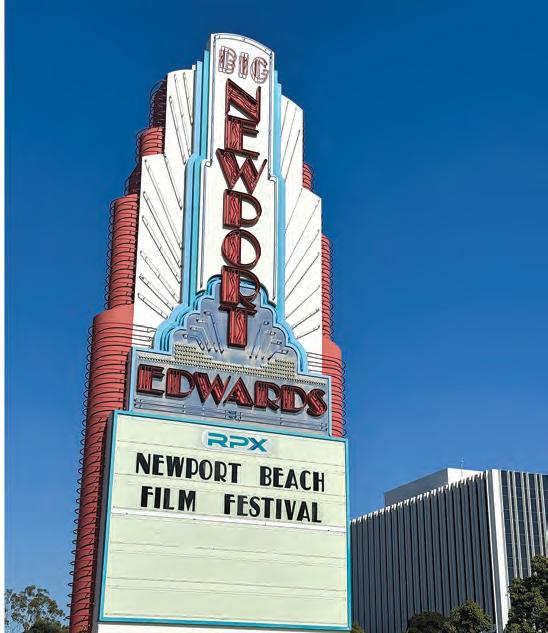
Students in the program are also encouraged to submit their films for the annual showcase at the Newport Beach Film Festival (NBFF). “We run an annual collegiate showcase at NBFF that highlights a selection of our students’ short films,” said Professor Yong. “Students whose projects are selected for the NBFF collegiate showcase love the opportunity to see their hard work projected on the big screen in commercial cinemas, and they also appreciate taking part in the networking opportunities at NBFF as participating filmmakers.”
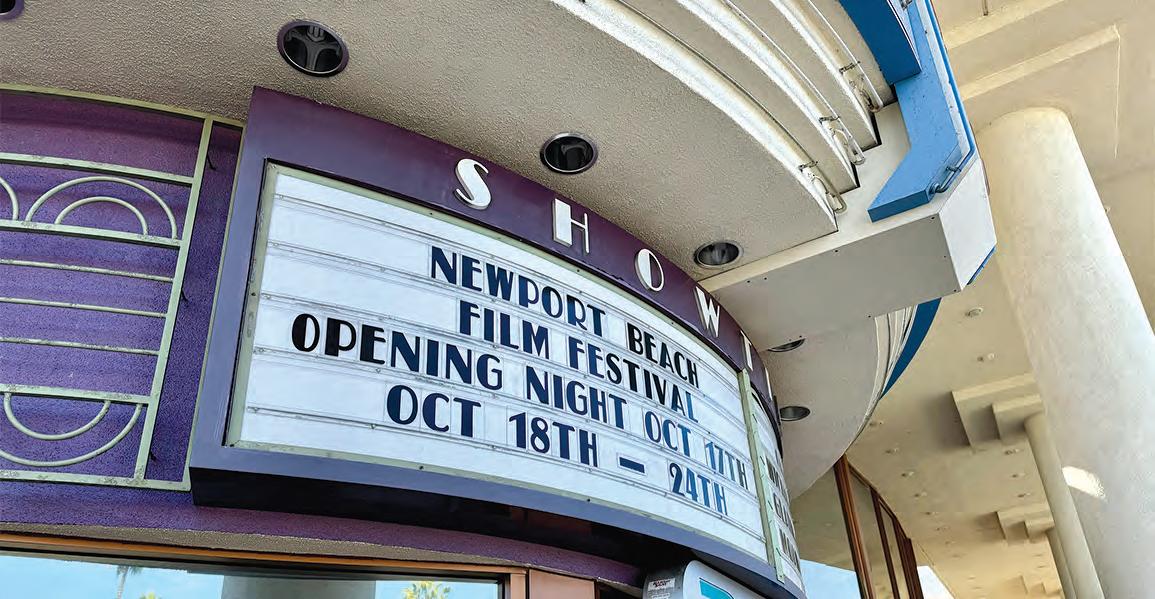
CTVA students have continued to make their mark by reaching significant milestones and earning recognition for their work. “Matty Groves,” directed by David Harding, won Best Short Film at the New Jersey Film Awards and was also an official selection at the International New York Film Festival. Another standout moment came from Amanda D’Ambrosio, a recent CTVA graduate, who had her film “Natural Selection” selected as a semifinalist at the Student Los Angeles Film Awards. These achievements reflect the high level of talent fostered within the CTVA program.
For those considering the CTVA program, Professor Alsaegh clarifies that the experience is far more than academic. “Our program is big on creating learning opportunities that prepare young filmmakers for the industry and professional film world,” he said. “Our small production classes give our students the space to express themselves creatively and intellectually.”
Professor Yong provides insight on why students should seize the opportunity to join the program. “I would join this program for access to production gear, funding, resources and the opportunity to meet [other] collaborators”, she said. She also explains how students should join the program for “the opportunity to find good mentors that can show [them] a different way to look at [their] creative process and introduce [them] to possibilities [they’re] unaware of.”
Whether they’re developing their next film or sharing it with the world, CSUF’s emerging filmmakers are gaining the skills and experience needed to thrive in the industry—bringing their creative visions to life, one frame at a time.
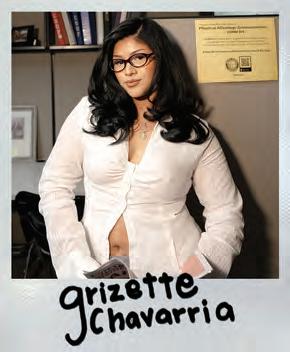
By Grizette Chavarria
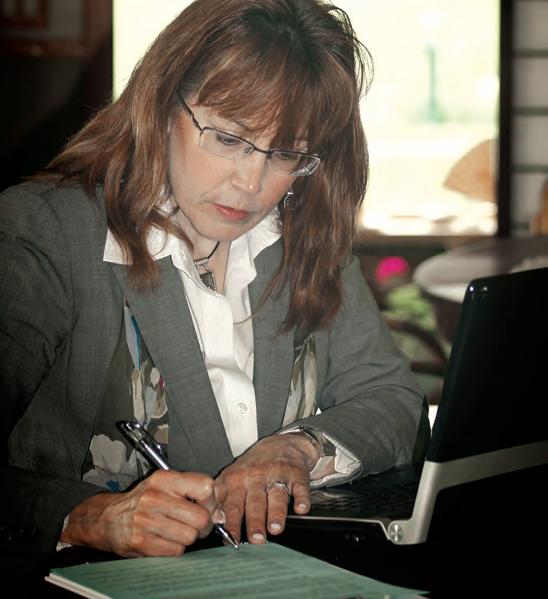
In a world where communication is key to connection, Dr. Lisa Erwin-Davidson is changing the lives of individuals with complex communication needs (CCN).
As a clinical practitioner and researcher specializing in Augmentative and Alternative Communication (AAC), Dr. Erwin-Davidson has spent years working with individuals who cannot speak in conventional ways, including children with autism, individuals with cerebral palsy, and people who temporarily or permanently are rendered unable to speak for various neurological reasons.
The path toward independent research began while working on her dissertation in Vermont. She had the privilege of spending three months immersed in inclusive preschool classrooms observing children with and without communication disabilities and discovering how all the children learned to understand and flexibly express everyday basic concept words, such as “on,” “in,” “same/different.”
Erwin-Davidson sought to understand how children with communication disabilities were learning basic concept words alongside their typically speaking peers. The results of this work sparked an ongoing passion for ensuring accessible communication systems were available in classrooms to all types of beginning communicators and that these systems contain many basic concept words neces-
sary for children’s daily learning across pre-academic and academic subjects.
AAC is a field that blends technology with empathy, offering individuals alternative ways to communicate beyond traditional speech. These traditional methods range from high-tech tools like tablets to low-tech options such as picture boards and whiteboards. These tools help bridge the gap for those unable to speak, allowing them to express themselves and actively participate in their communities and education. For children beginning to communicate or adults relearning how to speak, AAC is a lifeline to building relationships and expressing autonomy.
A powerful example of AAC’s impact is with one of her earlier clients, Jesse. Jesse had severe cerebral palsy and cortical vision impairment, affecting his ability to touch or see buttons on his voice-output communication device. Working with Jesse’s hearing strength, Dr. Erwin-Davidson set up an auditory scanning system with a pinky string switch that he would pull to access a choice of words, letters, or messages when he heard them spoken on his communication device. Jesse learned to select and combine words in his own way to create poetry. Learning to spell, understand the nuanced meanings of words, and then combine them in ways that expressed his own voice was ultimately the proof to doubting educators of his academic potential. This adaptive technology enabled him to fully engage with the curriculum for his age, earning straight A’s and thriving in his community. This success story remains a source of inspiration for Dr. Erwin-Davidson’s ongoing research and work with her students at CSUF.
clinic allows students to experience firsthand the transformative power of communication.
One of Dr. Erwin-Davidson’s first projects at CSUF was engaging in collaborative and community-engaged work with a local school district to improve the reading and writing scores of students enrolled in separate special education classrooms at the upper elementary and high school classroom grade levels. By engaging with administrators, teachers, and speech-language pathologists, a community of practice was formed to address the specific needs of students with complex communication needs (CCN). Through an ongoing process of mutual engagement and increased educator training, children with CCN had increased opportunities to learn literacy skills.
People who cannot use their mouth to speak, can use their bodies, facial expressions, sounds, and alternative technologies...
After Dr. Erwin-Davidson gained her Ph.D., an opportunity to develop an AAC program at California State University, Fullerton (CSUF) was presented to her. She brings her wealth of experience and her passion for AAC to the College of Communications, where she has been able to merge clinical practice with invaluable research. Here, students gain hands-on experience, work directly with clients and their families in the free teaching clinic, and serve as significant contributors to grants focused on training the next generation of educators and clinicians how to incorporate AAC into preschool programs, allowing children early access and learning of language and literacy concepts regardless of disability type. This
In turn, educators increased their knowledge and skills about using AAC to improve daily communication and partake in daily literacy instruction using material differentiated for their learning needs. Over 5 years, over 50 CSUF students contributed to parts of this community-engaged research process, gaining leadership experience and making a tangible impact on the communication rights of individuals with disabilities. For her students, the opportunity to be “part of something bigger” allows them to learn valuable leadership and research skills while being a part of something that leads to real social change.
Dr. Erwin-Davidson says her philosophy is “...finding what people are capable of and building on that. All people are capable of learning at some level and of becoming better at something that initially may have felt impossible. People
who cannot use their mouth to speak, can use their bodies, facial expressions, sounds, and alternative technologies that allow their unique voice to be heard so they can more fully participate in life and contribute to civil discourse.”
Dr. Erwin-Davidson’s future vision for AAC research is one of expansion and inclusion. While many families and professionals are still unaware of the transformative potential of AAC tools, she is committed to ensuring that these technologies are widely known and understood. She is driven to expand the use of AAC and demonstrate how these tools can enhance—not hinder— the development of natural speech. Research for over 30 years confidently reports that AAC promotes speech and language development or language re-learning required for daily communication. Communicating in whatever way the body and brain allow promotes the autonomy of thought and agency over one’s life.
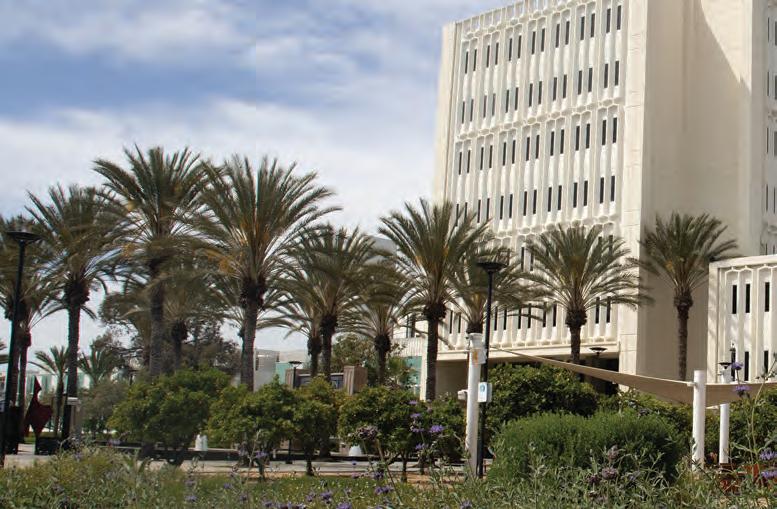
For Dr. Erwin-Davidson, this work is not just research. It’s a movement to expand the possibilities for communication, literacy, and learning for people who were once told they couldn’t speak, read, or write. Every breakthrough, every student, and every success story is a step closer to a more inclusive society where all voices are heard.

Each donation will make a difference in the lives of our students.
Your contribution starts right here!
https://communications.fullerton.edu/make_a_gift_now/
By Jadah Alcala & Marco Morales
of Communications
Thinking about future career goals can be scary, but when you take a step back and explore the resources this campus offers, Cal State Fullerton’s Career Center makes student success easy. Dropping in during drive-thru hours is the easiest way to receive quick advice.
Fourth-year communications student, Ivan Villegas saw success through this advice: “My resume was cooked, and it needed help. My adviser, Andee, gave me constructive advice on my resume and as a result, I was able to land and internship shortly after.”
Besides the career center contacting professionals and professors with experience in the industry can be helpful. Communications professor Ken Hagihara, who founded Integrity Public Relations Inc. has helped many students with their resumes and shared valuable advice on how to better your resume.
He mentions the 7-second statistic, recruiters only spend about 7 seconds looking through your resume. By highlighting the relevant qualifications and tailoring your resume for specific job listings, you are increasing your chances of making a lasting impression.
When discussing the topic of internships, Hagihara mentions how students should keep in mind to apply for internships that mesh with their future career goals. “It is important to enjoy what you are doing… an internship is really to help you explore career decisions to see if it is something you want to do.”
Internships are just the first couple steps in your career ladder and they are there to help you go up.
Taking the initiative to seek advice can make all the difference in reaching your goals, regardless of where you are in your career.
Career Center hours and location are available at fullerton.edu/career.
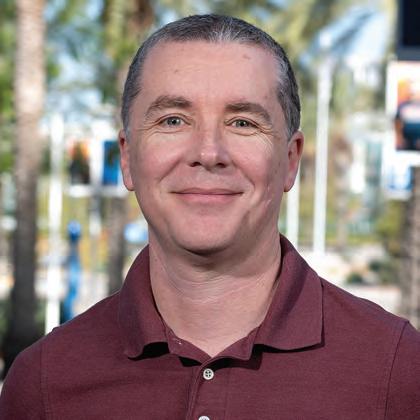
Stefan Henley is a new assistant professor in the Department of Communication Sciences and Disorders at Cal State Fullerton. He is a medical speech-language pathologist and earned his master’s degree from Loma Linda University in 2011. His clinical background is in treating neurogenic communication disorders and supervising student clinicians in the adult rehabilitation setting. He has experience teaching at the undergraduate level since 2017, instructing students in organic speech disorders, voice disorders, and adult language pathology. He returned to his native New Zealand in 2021 to complete a Ph.D. in health sciences. His areas of research interest are the cognitive and psycho-social impact of brain injury on young people, sports-related concussions, and the use of MRI to measure neurological change in contact sport athletes.
Nils Longueira Borrego is a new assistant professor in the Department of Cinema and Television Arts at Cal State Fullerton. His teaching includes courses in Latin American cinema, Mexican cinema, Western cinema, documentary cinema, and writing about the moving image. Professor Longueira Borego’s research interests include Latin American cinema and the intersections between film and political identities in the region, cinematic representations of labor and working-class culture, documentary cinema, Cuban cinema, and the cinemas of the Global South.
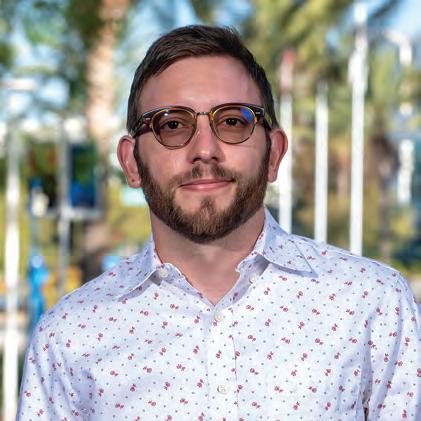
Nils Longueira Borrego
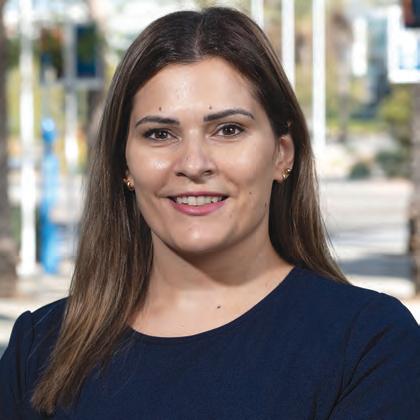
Reeman Marzouqah is a new assistant professor in the Department of Communication Sciences and Disorders at Cal State Fullerton. She completed her Ph.D. in speech-language pathology at the University of Toronto in 2023, focusing on evaluating exercise therapy for patients with a history of stroke and obstructive sleep apnea (OSA). She continued her research as a postdoctoral fellow at Sunnybrook Research Institute, where she investigated novel metrics for detecting clinical outcomes in patients with post-stroke OSA.
Prior to her doctoral studies, Reeman earned her master’s degree in speech-language pathology from the University of Jordan in 2015. She gained extensive clinical SLP experience working with individuals with neurogenic disorders in schools, private clinics, and university clinics in Jordan and Canada. Her clinical work and research have consistently highlighted her interest in exploring the interconnections between sleep disorders, neurological health, and their impact on communication and swallowing disorders—a topic she plans to investigate further in her future research.
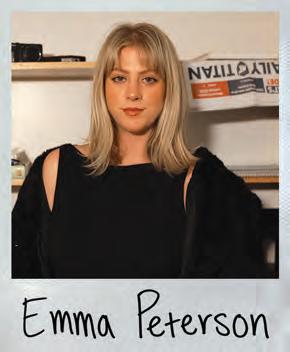
By Emma Peterson
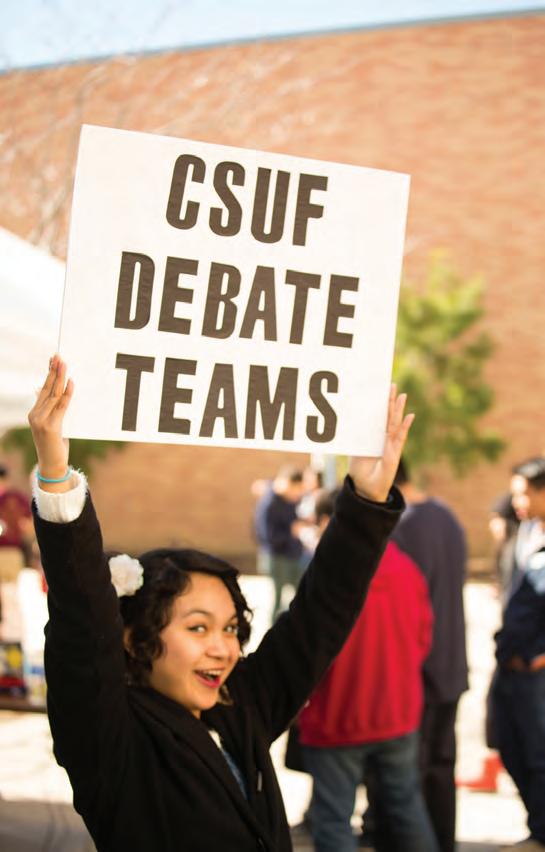
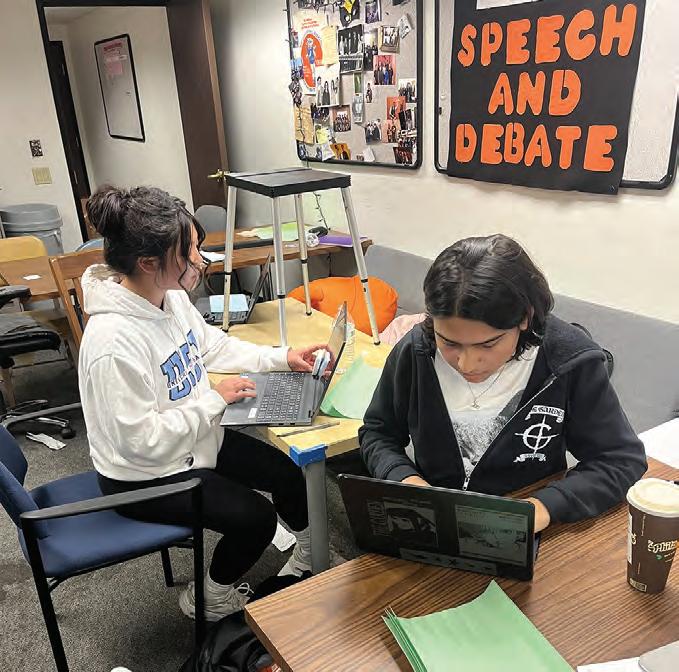
Public speaking still tops the charts in the list of people’s worst fears, but why? The Speech and Debate team not only aids students in overcoming this fear but also teaches the skills to perform a good speech or debate with your uncle over Thanksgiving dinner.Speech and Debate has helped students exceed their expectations from resumes to elevator pitches for decades.
Established in 1960, California State University Fullerton’s speech and debate team has trained professional speakers for over 60 years and has proved its standing on the National and State levels.
Do?” by Lauren Tom, in which she tells her story of experiencing Asian hate. Not only is standing in front of a crowd enough to make someone’s skin crawl, but many speeches urge you to put your art and interpretation out there.
“Students are looking for community and belonging.”
- Erika
Natalie Hertogh is a second-semester member of the speech team focusing on her dramatic interpretation and planning her program oral interpretation for next semester. Dramatic interpretation is pulled from text that was written to be performed, such as a screenplay or short story. Hertogh felt inspired by “What Would You
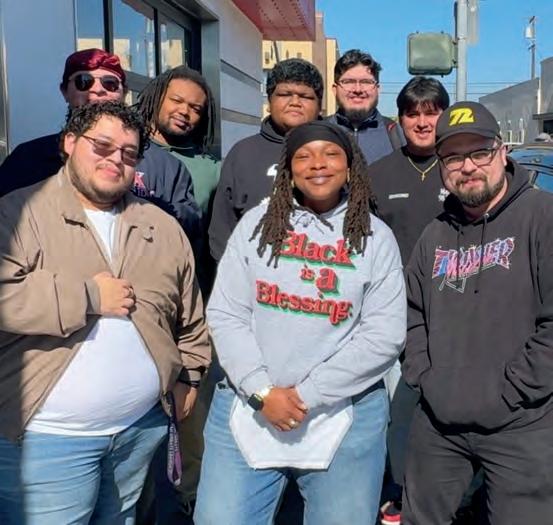
The fear does not stop Hertogh, “It’s really nice to be able to share what I made with other people.” Just like many of the past and current members of the team, Hertogh was happily surprised to find a sense of belonging and community within the team.
“Belonging” is a feeling that can be difficult to find, especially in a commuter school where the main objective is juggling the best time to get on the 57 home. Yet, a sense of belonging does not need to be a foreign concept it is all around we just need to be open to finding it.
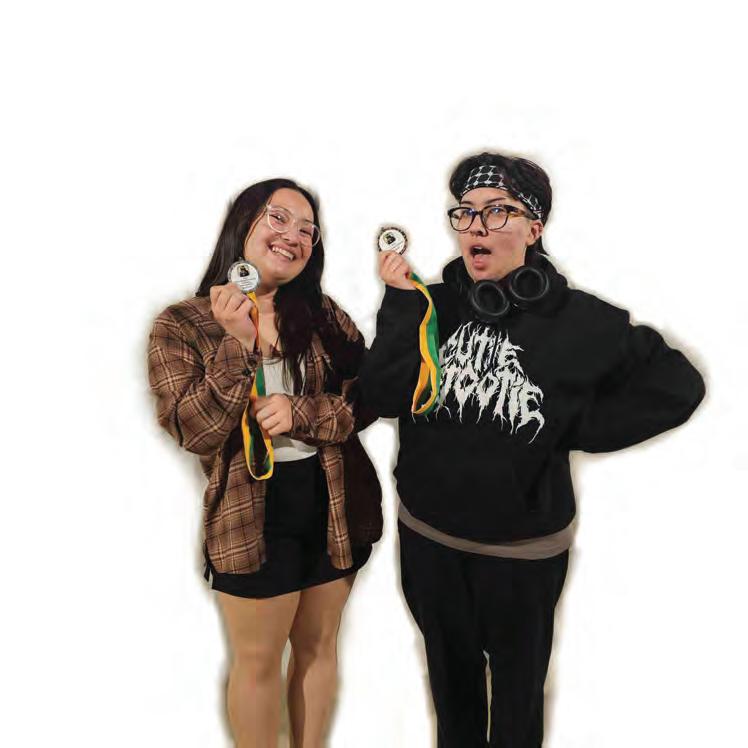
Israel Dominguez explains a similar surprise as Hertogh, “I didn’t expect to gain such a fostering community; the team itself feels like more than just a team but like a family.”
Dominguez is a first-year History major with a minor in philosophy and has been an outstanding member of the policy debate team. Policy is a fundamental part of our government and can range from dismantling corruption within our government to when and where we should place a public park. Policies are proposed and, after much
analysis, are then implicated and studied for effectiveness. Policy debate runs similarly throughout the year with one studied topic; students compile mounds of evidence, studies, and legal briefings to formulate their argument. Like in the real world, policy debates are ever-changing and growing; the teams get to learn from past debates to build a better case for next time. The topic this year is “The United States Federal Government should introduce market-based instruments to begin de-carbonization energy within the United States.”
“Once you learn how to talk you don’t really forget!”- Natalie Hertogh
Domingues stated that his biggest inspiration comes from the Director of Debate LaToya Green. “LaToya keeps me motivated and grounded, offering me support when I need it inside of debate but also just as a person and as a student,” Domingues added.
Erika Thomas has been the co-director of the Fullerton Forensics team since 2010, and she has also split her time as an associate professor in the human communications department. Thomas explained that the research done in policy debate is comparable to what Ph.D. students do for their dissertation and feels pride in upholding one of the
oldest debate forms. “The amount you learn, because it is so grounded in evidence and research and reading, is hard to almost quantify,” Thomas explained.
Through her years of speech and debate experience from high school and college in the Midwest to today, she admires watching her students flourish. “For those of us who have that competitive streak once we start doing it, and we like it, you just want to keep doing it and getting better and better at it,” Thomas stated.
often the forgotten child of speech and debate but arguably sets up the basics for any good speaker.
Speech for competition, also known as Individual Events (IEs), offers the opportunity to either write your own speech or pull from existing literature to perform.
Dramatic Interpretation, Prose, Poetry and Program Oral Interpretation pulls from written and performed literature, from movies to books of poems. Platform speaking combines
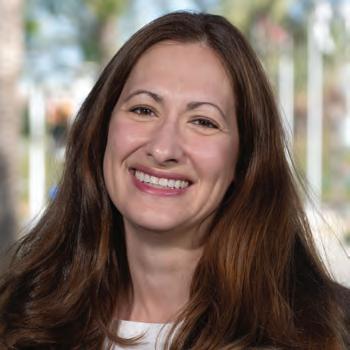
Erika Thomas Co-Director of Forensics Department of Human Communication Studies
“So many of our students find a place.”- Erika
The Cal State Fullerton forensics team offers a variety of competition-based sections stemming from either Speech or Debate. Speech is
the skills of performance and your own creative writing, generally to convince or inform the audience of a chosen topic. Platform speaking
includes humorous pieces through After Dinner Speaking all the way through making it up on the spot in Impromptu speaking. Finally, debate, which is generally the only part of “speech and debate” that people hear, strays a bit from your typical Toastmasters of your grandparents’ generation.
The speech and debate team holds a special place in the hearts of many alumni, bringing them back to give to the next generation of students. On Cal State Fullerton’s annual day of giving, the speech and debate team received $10,000 from donors and alumni who felt compelled to keep the spirit going. Thomas finds that her fuel comes from pride in her students and the long history of traditions she is carrying on. “Our team operates more like a family, bonding through travel and the challenges that the material brings to us.”

“Public speaking is something I think that everyone should be able to do, not only to gain confidence but just to know how to express your feelings professionally.”
- Natalie Hertogh













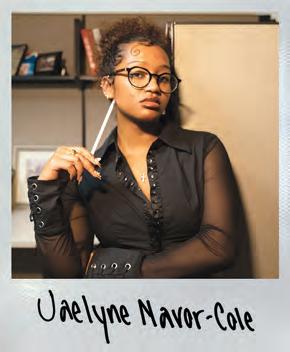
By Jaelyne











From fashion lookbooks and fitness tips to study vlogs and daily routines, content are taking over social media. Platforms like TikTok, Instagram, YouTube empowered to turn their passions into platforms, creating content that resonates their navigating the demands of college life. What was once seen a hobby become a side hustle, a creative outlet, and, for some, even first step a career in marketing, public relations, or entertainment.
This rise of student creators reflects more than just social about self-expression, entrepreneurship, and seizing opportunities digital age

This rise of student creators reflects more than social media trends; it’s about and in the



From fashion lookbooks and fitness to and routines, student content creators are over social media. Platforms like TikTok, and YouTube have students to turn their into content that resonates with their peers while navthe demands of life. What was once seen as just a has now become a side hustle, a creative outlet, and, for some, even the first step toward a career in public relations, or entertainment.




For many students, content creation o ers the perfect balance creativity and flexibility. It’s a way to document personal style, and experiences while building an online presence. Fashion share outfit-of-the-day posts, fitness enthusiasts film workout routines, and students passionate about academics post study tips and aesthetic desk setups.
For many students, content creation o ers the balance of creand It’s a way to document hobbies, and while an online presence. Fashion lovers share posts, fitness enthusiasts film workout


been content since before “I love social media, I used to make YouTube and videos before she says. When she started she on TikTok. “I did not have a in mind, I wanted to track my time in college in a fun Her content, largely focused on fashion and lifestyle,
Grace Tran, a junior majoring in communications with a concentration in advertising and a minor in CTVA, has been creating content since before college. “I love social media, I used to make YouTube and Musical.ly videos before college,” she says. When she started college, she began consistently posting on TikTok. “I did not have a specific goal in mind, I just wanted to time in college in a fun way.” Her content, largely focused on fashion and became a creative outlet for self-expression.

Content creation has allowed Tran to collaborate with brands Bose,



Content creation has allowed Tran to collaborate with brands including Bose, Lululemon, Cashapp and more! “I am usually picky with the brands I take deals from. It feels cool to be reached out to, and it is often fun coming up with ideas for these brand,.” Tran said.
Similarly, Brian Ninh, a senior business major with a concentration in marketing, turned to content creation over two and a half years ago. He explains that social media provided him with “the easiest place to build a network as well as a reputation for yourself.” Initially, he approached content creation as a way to grow personally and professionally, but over time, it evolved into a profitable venture. “I saw it as an opportunity for me to grow in my career as well as in entrepreneurship and just as a person,” Ninh said.
Ninh’s growing audience has also opened doors to more professional opportunities. “Building the brand and getting a bigger following has helped me get more doors opened,” Ninh said. He’s been able to work with brands like Boba Tea Protein and Stan Store, and his content has attracted sponsorships and partnerships with companies he once admired. “It’s been a cool experience, and I’m currently sponsored by Legion Athletics, which is one of my favorite brands,” he added.


While the perks of content creation are undeniable, balancing school and social media can be challenging. Many student creators rely on time management strategies, such as batch-creating content on weekends or using scheduling tools to stay consistent without sacrificing schoolwork.
Balancing content creation with school and other responsibilities is no easy task. Brian manages his workload by batch-recording content and outsourcing editing when needed. “I try to balance schoolwork by cramming it in when I can, but if not, I hustle my way through it,” he says. He prioritizes his self-development and business over his social life but makes time for close friends. Grace also emphasizes time management, relying heavily on planners. “I attempt to balance my life through my planners (I LOVE planners) and general time management,” she shares. She has developed manage school, work, and content creation e ectively.
and time she shares. She has a strong sense of how long tasks will take, helping her
Staying authentic is equally important. The pressure to constantly post mental health by setting boundaries with their platforms. Content creation
Beyond likes and followers, the skills gained from content translate directly into career opportunities. Managing a personal requires a social media strategy, content production, and engagement—essential elements in public relations, marketing, media.





authentic is The pressure to post can lead to burnout, which is why many creators prioritize mental health boundaries with their Content creation should be an outlet for creativity, not a source of stress.


likes and followers, the skills from content creation often translate into career a brand a social media strategy, content and community elements in relations, and digital

For Ninh, content creation has been vital in his career development, confidence, particularly in public speaking. He emphasized like a person to build rapport and enhance leadership skills. content work deepened his understanding of human psychology, aiding both in content creation and professional interactions. “Understanding how humans function has helped me build better relationships,” Ninh explained.



For Ninh, content creation has been vital in his career boosting his confidence, in He treating the audience like a person to build rapport and enhance skills. Additionally, his content work deepened his of human both in content creation and interactions. how humans function has me build








Content creation has also played a key role in developing for Tran’s professional aspirations in advertising and marketing. “Doing content creation has honed my communication, media, and analytical skills, amongst other things. I have my resume, and I like to think it makes me stand out in a Her experience allows her to think from both a creator’s marketer’s perspective, giving her a unique advantage in field she hopes to enter.
Content creation has also played a key role in developing skills for Tran’s professional in and content creation has honed my communication, social media, and skills, amongst other I have it on my resume, and I like to think it makes me stand out in a way.” Her experience allows her to think from both a creator’s and a marketer’s perspective, her a unique in the



The rise of the student content creator represents more than just a trend - it’s a testament to how young people are harnessing technology to express themselves, build communities, and gain professional experience. As social media continues to evolve, student creators will undoubtedly remain at the forefront, shaping the digital landscape while balancing their studies and creative pursuits. For students like Brian Ninh, content creation is not just about sharing experiences - it’s about creating a personal brand, honing entrepreneurial skills, and setting the stage for future success.
By Audrey Lopez and Carolina Fernandez
Have you ever wondered what goes on behind the scenes of your favorite films? California State University, Fullerton (CSUF) offers students a chance to pull back the curtain and explore the artistic process behind filmmaking and entertainment.
The Department of Cinema and Television Arts (CTVA) offers “Inside The Movies,” a course that gives students an exclusive look at the filmmaking process. The CVTA 102 course explores the “artistic, technical, and economic aspects of making and distributing feature films.”
Each week, industry professionals from Hollywood visit the class to share their experiences and insights with students. Kicking off the spring 2025 speaker series, “Inside Out 2” screenwriter Meg LaFauve provided an inside look into her role in the Oscar-nominated film.
Beyond the classroom, the CTVA department connects CSUF students to the entertainment industry through exclusive resources and experiences. The department maintains a dedicated website where CTVA students publish podcasts and articles about film.
The site also features an event calendar, allowing students of all majors to attend advanced screenings and movie premieresfrom major studios such as Amazon, Disney and Universal. 2024 was a thrilling year for film,
screening of “Wicked” to the premiere of “Gladiator II,” students attended exclusive events and had the opportunity to see their favorite stars.
From an advanced screening of “Wicked” to the premiere of “Gladiator II,” students attended exclusive events.
and CSUF students had the chance to be part of the excitement. CTVA curated a highly anticipated lineup of screenings and premieres across various genres. From an advanced
One of the year’s most anticipated movies, “Gladiator II,” held a screening at the TCL Chinese Theater on Nov. 18, 2024, with CSUF students in attendance. Many were surprised by the opportunity to interact with the cast on the red carpet and see the film before its public release.
Jocelyn Oliva, a third-year, shared the biggest takeaways from this exclusive event. “I think the highlights were getting to see how these events are structured from beginning to end and how marketing comes into place with events like this,” said Oliva.
To students pursuing a career in cinema, journalism and marketing, Oliva states, “[It’s] important for students to have exposure to [these] events, [and] to see one of the many careers that are available in those fields.”
Another event CTVA promoted was the season two premiere of Netflix’s “Squid Game” on Dec. 12, 2024. Participants compete awesome story to
share, and I think all students should utilize every opportunity we are given because the film industry is so diverse and creative.”
Attending such events can help students network with other industry professionals. Anne Nguyen, a CSUF 2024 graduate, talks about how her experience at the “Bad Boys For Life” premiere on May 30, 2024. “The highlights of attending the premieres are getting to meet incredible people from the big screen,” said Nguyen. “[It] provides a valuable opportunity to gain insight into big productions and to be a part of a special event.”
CTVA plays a vital role in exposing students to the many career paths within the entertainment industry. The course and the events they offer provide students with the chance to network with professionals and gain a better understanding of the positions available.
For aspiring filmmakers and communications professionals, CTVA is an invaluable resource for entering the entertainment industry.

By Emily A. Gonzalez
The magic of cinema has captivated audiences with its ability to evoke powerful emotions and transport viewers to different worlds. For many journalists, this love for cinema becomes a wellspring of inspiration, fueling the passion for storytelling.
Raul Villeges, a third-year communications student and Daily Titan reporter, said writing about films enriches your ability to tell stories in a captivating way.
“Reviews have been the main thing I’ve been focusing on, it’s a way to express the type of films that you watch on the big screen,” Villegas said. “It’s something that catches your mind when you go and watch a film and you sit down and you’re experiencing it in a theater.”
From writing film reviews for the Daily Titan and creating content on YouTube, Villegas landed an internship with the Downtown LA Film Festival.
“I was able to get an internship with them by helping up their social media team, so I was able to make those kinds of connections,” Villegas said. “It’s been a great feeling honestly, so it’s been really nice finding people to talk movies and sharing our own opinions.”
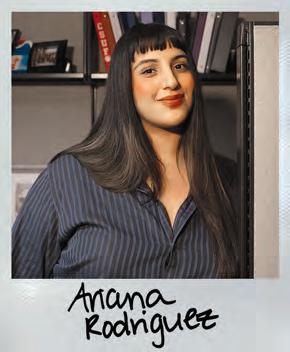
By Ariana Rodriguez
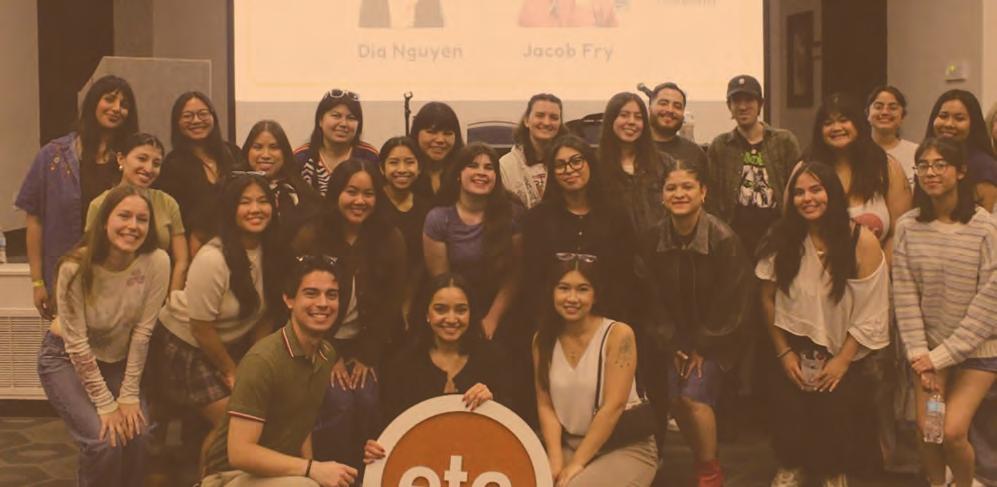
The Entertainment and Tourism Club, also known as ETC, is a hidden gem in the College of Communications. This student-run organization, unique to CSUF, gives its members opportunities to network and learn about the different areas of the entertainment and tourism industry.
ETC is open to all Cal State Fullerton students but is especially beneficial for those majoring in communications with a concentration in entertainment and tourism. The club provides invaluable insight into careers in film and television, the music industry, live entertainment, video games, entertainment journalism, and more. Members gain industry knowledge through panel discussions featuring professionals—many of whom are CSUF alumni— who share advice on breaking into their respective fields.
ETC offers a variety of perks for its members, including opportunities to network one-on-one with industry professionals and gain valuable experience through exclusive events. Members also have access to tours including concert venues, stadiums and entertainment companies. ETC is a club built for students, by students. Its executive board is dedicated to organizing meaningful and memorable events, and their hard work continues to make a lasting impact on the club’s members.
Lina Naranjo, the current president of ETC, shares how ETC helped her grow as a future professional. “[It] taught me how to advertise myself to professionals, and how to communicate with them and it’s helped build my self-confidence too,” said Naranjo. “Developing these public speaking skills, as someone who wants to be an entertainment reporter, is a way the club has given me the chance to better myself since these are the kinds of skills that I’ll utilize in the future for my career.”
ETC has also provided students with opportunities to develop new skills and apply them in real-world settings. Marlene Zuniga, marketing director, shared why she believes students should take full advantage of what the organization has to offer. “I’m really into social media and content creation, ETC has helped me gain the skills needed for that, such as editing and copywriting,” said Zuniga. “Students should join the club because you get to build yourself up personally and professionally through the different opportunities ETC provides like working award shows, going on tours, and building your network.”
Through the club, members not only gain hands-on experience but also have the opportunity to build their professional portflios. Caitlyn Eng, media director, said
ETC gives her the creative freedom to produce video content for the organization’s social media platforms.“[ETC] is beneficial in so many ways socially and professionally,” said Eng. “When I first joined as a member, I met so many amazing people that I am still friends with today. They all welcomed me with open arms.”
ETC is heavily encouraged by their faculty adviser, Waleed Rashidi. Through a Zoom interview, I was able to speak with Dr. Rashidi about his role with ETC and his experiences with the club throughout the 14 years that he has held the role of faculty advisor. Since Fall 2011, Dr. Rashidi has served as the faculty advisor for ETC. His guidance and expertise have played a key role in shaping the club’s growth and supporting student development over the past 14 years.
“It’s a change of pace from grading papers and exams... it’s more of me taking a seat in the back and watching my students do what they wish to do with the club,” said Dr. Rashidi. “We see ourselves as a preprofessional program, getting our students ready for the various industries that fall into entertainment and tourism. They’re putting on events, strategizing, doing a lot of production and that’s cool for me to see–taking what they learned in the classroom and applying it to the club.”
Dr. Rashidi highlighted an ETC event that he believes has a lasting impact on members. “My favorite memory of mine is pretty much a yearly occurrence and this is our annual Industry Mixer that we do in April of every year, where we invite a bunch of professionals and a lot of our alumni, to come talk to our students and share their experiences,” said Professor Rashidi.

“It’s great getting to see the alumni two, three, five, ten years after they’ve graduated the companies they work with, and what they’ve been able to build for themselves. I love seeing the students graduate, go get cool careers, and then come back and join us at the end of the year to mentor and mix with our current students.”
ETC is an organization committed tosupporting Cal State Fullerton’s communications students by offering valuable resources to help them get a head start in their careers. There’s something for everyone at ETC. It’s a place to grow, gain experience, and connect with like-minded individuals—alongside the remarkable students and faculty who make ETC the club classic that it is.
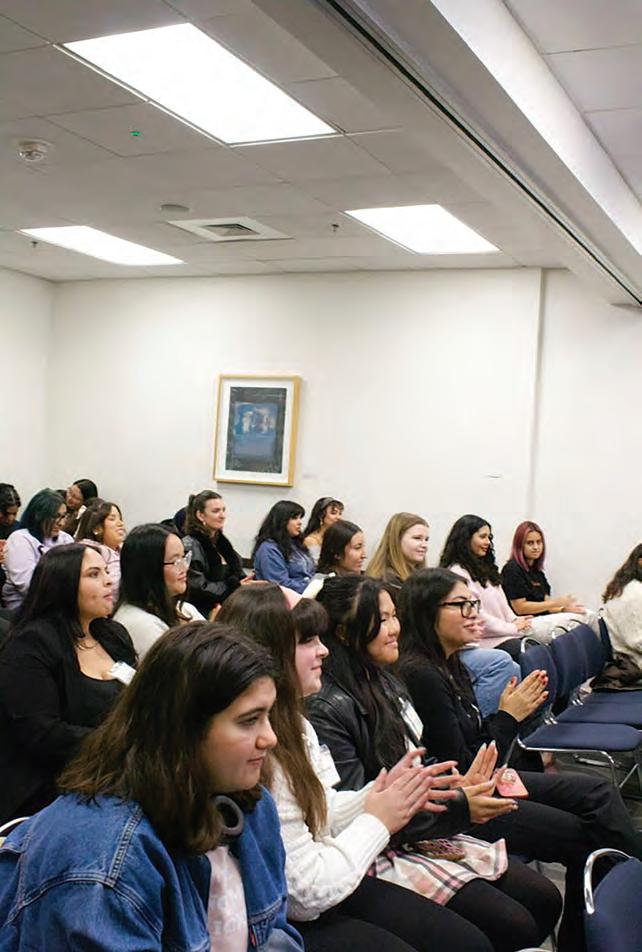
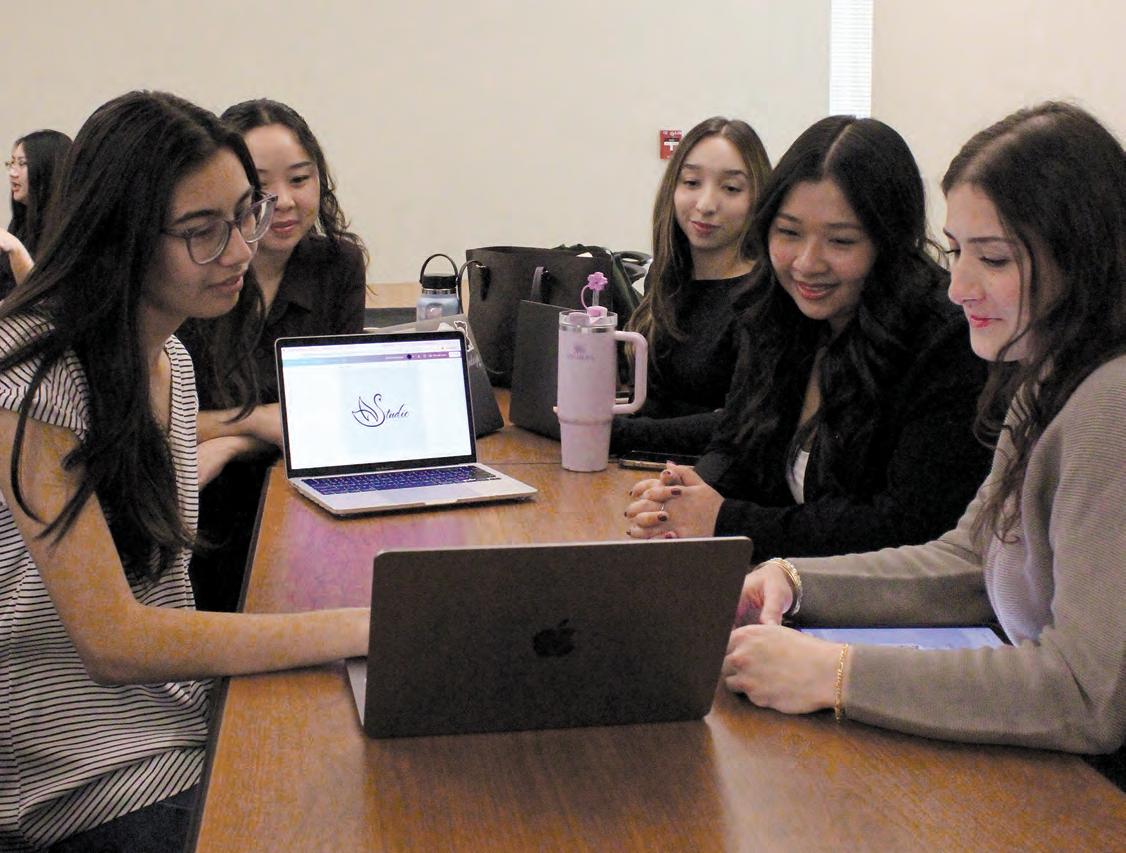
Titan Public Relations (TPR) is Cal State Fullerton’s first student-run public relations agency, founded by Aria Fadakar after attending the 2009 PRSSA National Conference. This initiative was born out of a desire to offer students handson, real-world PR experience. Teaming up with 10 other passionate students, Fadakar created an agency designed to bridge the gap between classroom learning and practical application.
Working with three clients in its first semester, TPR has grown into a vital resource for both students and local organizations, continuing to provide invaluable services while fostering the next generation of PR professionals.
Isabel Martinez, a fourth-year, joined TPR in February 2024. She began by working directly with clients and quickly took the initiative to become Executive Director. In her current role, Martinez secures clients for the agency and mentors students in supporting these clients.
According to Martinez, TPR offers students “the opportunity to work with real clients who want PR help and do work like how they would in a real internship or job.”
TPR connects students with clients from various industries, including food and beverage, entertainment, nonprofit, music and film. Students are responsible for help-
ing clients increase engagement and viewership while ensuring their strategies align with the brand’s image and vision.
Beyond supporting clients, TPR provides students with hands-on public relations experience to prepare them for future careers. “Many entry-level jobs an internships require specific levels of experience, so TPR demonstrates that the members aren’t just learning theories and practices – they have tangible proof that they have completed real work in the past,” said Martinez. By working with real clients and managing campaigns, students gain valuable skills that set them apart in the competitive job market.
By Rigo Nava
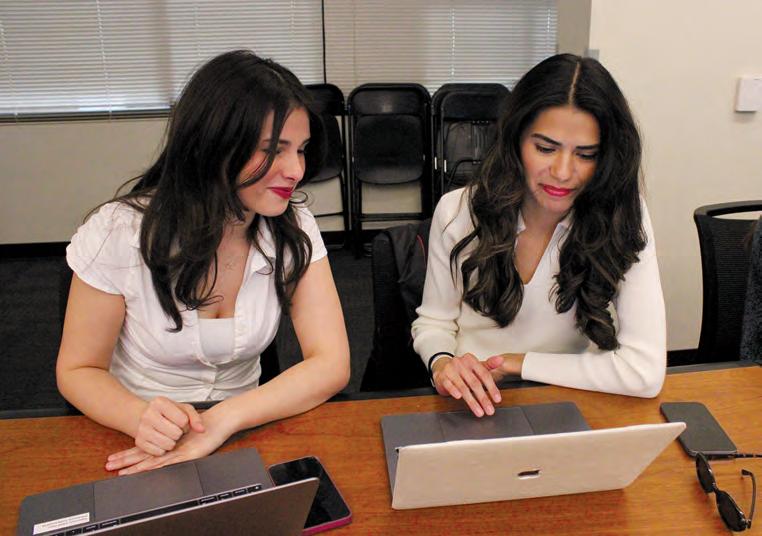
Dulce Garcilazo, a third-year communications major with a concentration in public relations, credits TPR for giving her the experience she needs to advance in the field.
“My client was Matt Prince where I worked on his passion project called #ForYouPath, where we had to promote his resources for students wanting to pursue a media-related career industry such as PR,” said Garcilazo. “TPR provided me insight into how PR and marketing work. I was able to get hands-on experience, especially doing social media, graphic design and how to promote a client’s brand.”
Garcilazo served as an Account Executive for #ForYouPath and draws heavily on her TPR experience when applying for future opportunities. She believes the program gave her a clear insight into how agencies and PR firms operate when working with and promoting a client.
TPR offers more than just hands-on experience and resume-building opportunities—it helps students gain confidence. Many students hesitate to join campus organi-
zations, fearing they won’t meet expectations. However, Martinez emphasizes that TPR is an inclusive space designed to foster both personal and professional growth. “TPR is a great way to grow self-confidence, not only professionally but personally,” said Martinez. “The work put into TPR is authentic and allows our members to see that they have what it takes to be a strategic communicator. I feel like there’s nothing more powerful than knowing you’re good and capable of the work you do.”
Whether students are looking to break into the industry or simply gain a deeper understanding of public relations, TPR provides the experience and support needed to take that first step. “TPR is a learning experience for everyone, including the directors, and it’s so exciting to see where our members started and see how they grow,” said Martinez.
By working with real clients and tackling real-world challenges, members leave the program more confident, skilled and prepared for their future careers in the ever-evolving world of PR.
By Jocelyn Quirarte
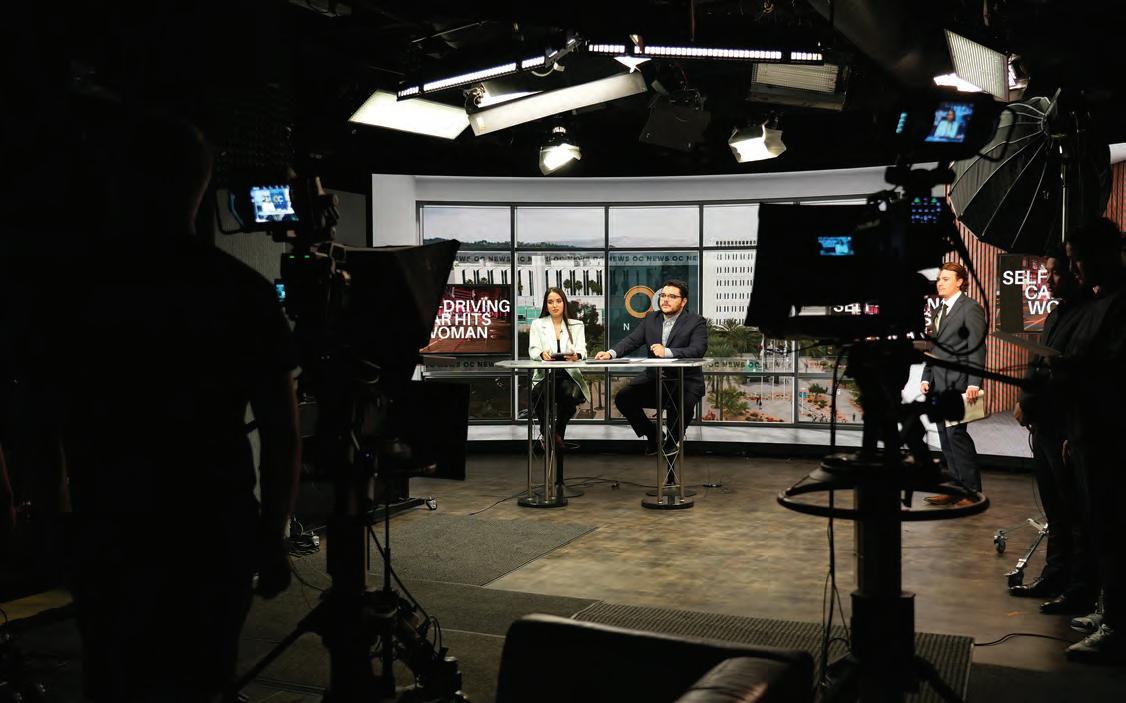
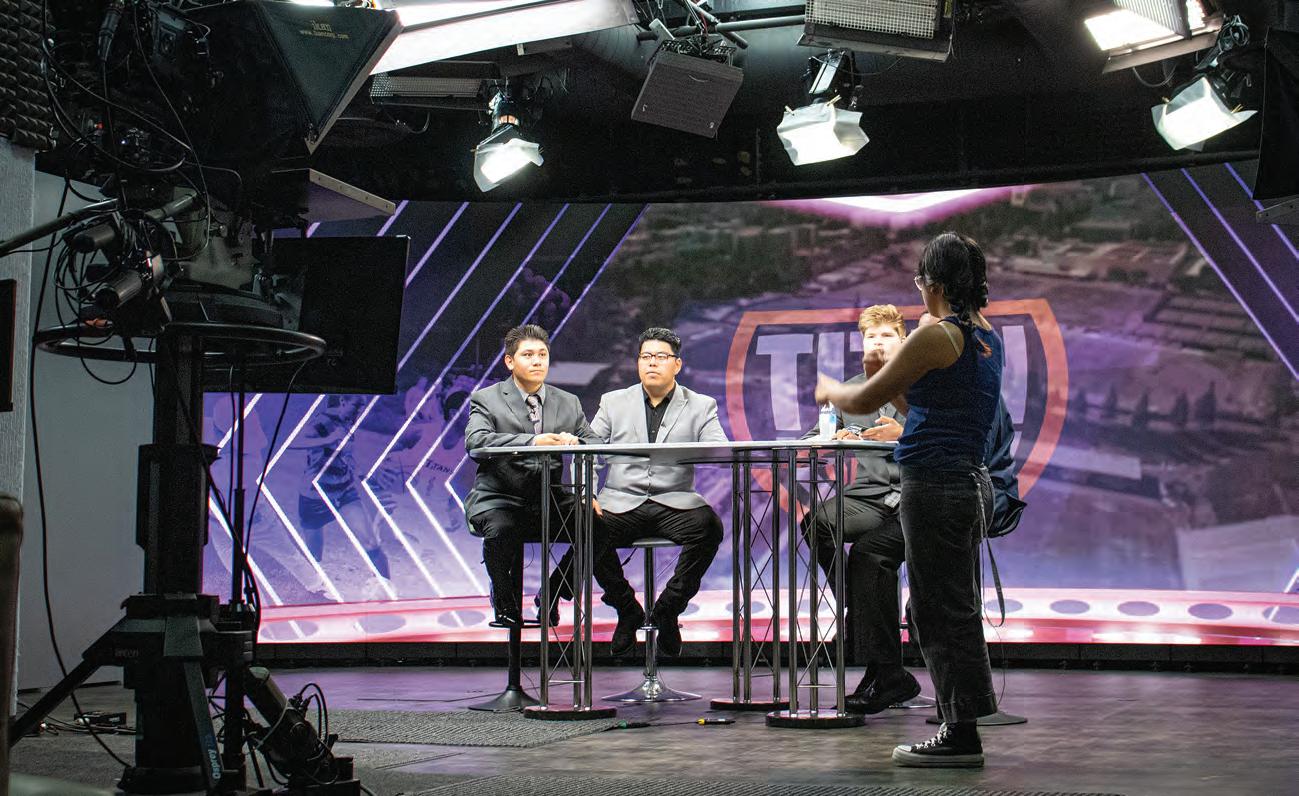
For students at Cal State Fullerton pursuing a career in journalism or broadcast media, COMM 472 is more than just a class—it is a fast-paced, hands-on experience that brings the newsroom to life. It bridges the gap between a classroom and real-world application, allowing students to develop their reporting, production and on-air skills in an environment that mirrors professional newsrooms. As part of the university’s broadcast journalism program, students enrolled get an immersive look at what it takes to produce, report and deliver news in a professional setting for OC News.
OC News is the student-run newscast at CSUF, produced and aired by the students in the COMM 472 class. This offers students real-world newsroom experience to aspiring journalists, producers and media
professionals. “The main objective of OC News (COMM 472) is to give students a real-life experience of working in a broadcast newsroom. It is important that students who want to work in television news understand tight deadlines and practice working under time constraints,” says COMM 472 Professor, Gayle Brisbane. Under the guidance of experienced faculty, students learn the ins and outs of live reporting, writing news scripts, anchoring and operating broadcast equipment. The course simulates a professional newsroom environment, preparing students for careers in television, digital media and beyond.
Walking into the Titan TV studio, each of the students — depending on their role for the week — immediately gets to work. Students hustle between the classroom
and the set, preparing scripts, making same-day packages and finalizing graphics before going live. Each class session mirrors the demands of a real newsroom—tight deadlines, breaking news updates and the pressure of delivering a polished newscast.
Students rotate through different newsroom roles, including: Anchors and Segment Anchors – Delivering news stories with professionalism and on-camera confidence.Reporters – Covering campus events, local news and national stories. Producers – Managing the show’s rundown and ensuring smooth transitions.
Camera Operators & Editors – Handling visuals, live feeds and post-production. The team produces a newscast on Titan TV each week, allowing students to showcase their work to the university community and potential employers.
What sets COMM 472 apart from traditional lecture-based courses is its emphasis on experiential learning. Students do not only learn about journalism but also get to practice it.
From pitching story ideas to conducting interviews and editing video packages, the course offers significant insight into news production. Professor Gayle Brisbane emphasized the collaborative nature of the class, stating,
“There is a comradery that is developed between students in the class because a majority of the class time is spent working on group projects, a broadcast newscast. Students learn from each other as well as the instructor.”
OC News provides more than just technical skills; it builds confidence, resilience, and adaptability. “This class just started, but in the first three weeks, I already learned how to film and edit a package in just one day,” says COMM 472 student, Raylene Delao.

OC News is an invaluable course for CSUF students looking to break into broadcast journalism. It offers a rigorous, real-world experience that prepares students for the fast-paced world of news production. For those passionate about storytelling and media, OC News is the perfect stepping stone toward a successful career in journalism.
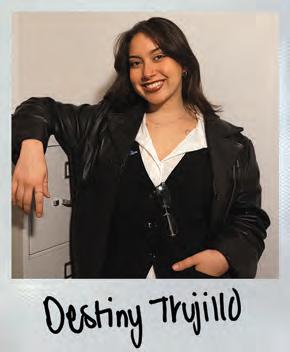
By Emma Peterson and Destiny Trujillo
Throughout Cal State Fullerton’s campus, something can be heard playing all around.
It sounds familiar but it’s not the band students practicing outside the Performing Arts Center, and it’s not that guy with his guitar, but it seems to be the 24/7 stream of Titan Radio.
Titan Radio is the beating heart here at Cal State Fullerton. Students at CSUF have the opportunity to play their favorites, whether it’s a power jam of their Top 10 repeats or live streaming their local garage band’s song for the first time.
Titan Radio has been operating at California State University, Fullerton since 2000, bringing a rich history of music from Fullerton to the public.
Though, in recent years following the pandemic, colleges have hung up the cords on many student-run radio stations, with many believing that radio life is dying. Less are folks tuning in for Monday morning Ryan’s Roses and more often are they throwing on a Spotify curated playlist equipped with local, global and pop-cultural news bits mixed in with their favorite jams.
Fullerton’s Media Radio Specialist, Julio Reyes argues, “The concept of radio is evolving, but the essence of audio-based media—whether it’s podcasts, music mixing, or DJing—will always have a place. The old idea of the ‘wacky radio personality’ is fading, but after a long day at work or while stuck in traffic, it’s comforting to hear a favorite song or something funny and relatable on a familiar station. Personally, I love creating my own playlists and being my own DJ, but I understand that some people just want to turn on the radio, tune out, and not worry about what track comes next. For them, the beauty lies in the simplicity and familiarity of letting someone else control the music.”
Moreover, with DJ’ing being such a critical role within radio show hosting, Titan Radio offers a special kind of community cultural wellness for folks to share and exchange musical similarities and interests. The kind of space current General Manager Emily Lopez shares is, “where I share my passions and hobbies,” making room for meaningful connections. Titan Radio is more than a college campus club, it is a space and place that harvests lifelong experiences and skills. It is a place that teaches you, “to take any opportunity that seems even the slightest bit interesting,” says Lopez. Titan Radio’s unique format allows the music to live through 24/7 online broadcasting.
Along with the radio aspect, Titan Radio also encourages music throughout campus, hosting concerts featuring local bands through the year. Often held in the Titan Student Union’s Pub, these live performances frequently include raffle opportunities to win tickets to upcoming concerts, including nearby shows like Viva Pomona Fest hosted at The Glass House Pomona.
Titan Radio hosts over 80 DJs each semester, offering live slots as well as opportunities for online modalities to work off-campus through pre-recorded sets. DJ’s are
assigned time slots on a specific day throughout their week to jam out based on their availability upon applying. Those sets can be found online through the Titanradio. org website or heard throughout campus.
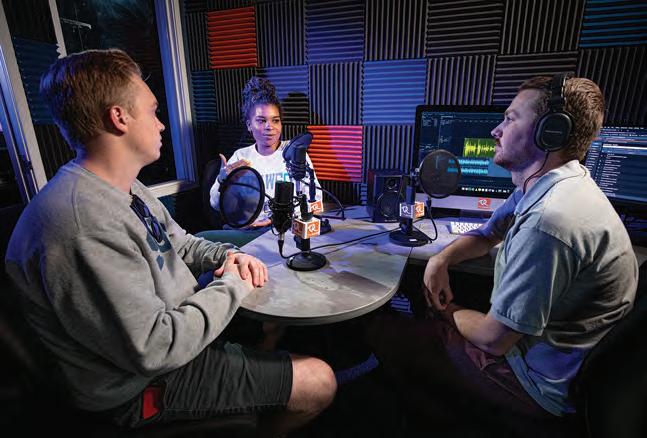
Some DJ’s may opt to play their weekly favorite music, have designated themes each week or just chat podcast style allowing each student creative freedom with their 60-minute slot.
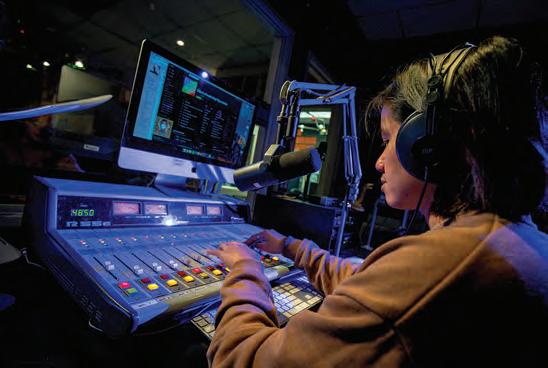
Studio life offers a variety of professional equipment, including mics that hold up to three guests in the recording booth, mixers, a turntable and many more platforms and software to work your musical magic. Located in the basement of Pollak Library, the Titan Radio room gives DJs the opportunity to get hands-on training with professional recording equipment and software.
Those who get a prerecorded time slot have the opportunity to work from the on-campus recording studio or remotely upload their set online. Working with editing equipment from Creative Cloud, students become familiar with Adobe Audition, cutting in the music and/or recorded audio.
Titan Radio is a club that brings together students from diverse backgrounds all with a shared love for music. With the help of staff and student leaders alike, California State University is keeping radio alive, one set at a time.
Moreover, with DJ’ing being such a critical role within radio show hosting, Titan Radio offers a special kind of community cultural wellness for folks to share and exchange musical similarities and interests. The kind of space current General Manager Emily Lopez shares is, “where I share my passions and hobbies,” making room for meaningful connections.
Titan Radio is more than a college campus club, it is a space and place that harvests lifelong experiences and skills. It is a place that teaches you, “to take any opportunity that seems even the slightest bit interesting,” says Lopez. Titan Radio’s unique format allows the music to live through 24/7 online broadcasting.
Along with the radio aspect, Titan Radio also encourages music throughout campus, hosting concerts featuring local bands through the year. Often held in the Titan Student Union’s Pub, these live performances frequently
include raffle opportunities to win tickets to upcoming concerts, including nearby shows like Viva Pomona Fest hosted at The Glass House Pomona.
Titan Radio hosts over 80 DJs each semester, offering live slots as well as opportunities for online modalities to work off-campus through pre-recorded sets. DJ’s are assigned time slots on a specific day throughout their week to jam out based on their availability upon applying. Those sets can be found online through the Titanradio. org website or heard throughout campus.
Some DJ’s may opt to play their weekly favorite music, have designated themes each week or just chat podcast style allowing each student creative freedom with their 60-minute slot.
Studio life offers a variety of professional equipment, including mics that hold up to three guests in the recording booth, mixers, a turntable and many more platforms and software to work your musical magic. Located in the basement of Pollak Library, the Titan Radio room gives DJs the opportunity to get hands-on training with professional recording equipment and software.
Those who get a prerecorded time slot have the opportunity to work from the on-campusrecording studio or remotely upload their set online. Working with editing equipment from Creative Cloud, students become familiar with Adobe Audition, cutting in the music and/or recorded audio.
Titan Radio is a club that brings together students from diverse backgrounds all with a shared love for music. With the help of staff and student leaders alike, California State University is keeping radio alive, one set at a time.

By Sophia Morales
The Speech and Hearing Clinic at California State University, Fullerton is truly a hidden gem. As part of the Department of Communication Sciences and Disorders (COMD), the clinic not only serves students directly through its clinical training program, but it also serves Orange County, LA County, Riverside County and San Bernardino County Since 1961, the Speech and Hearing Clinic has been a long-standing pillar of the University. Students gain hands-on experi\ence working directly with supervisors who are skilled and licensed speech pathologists and audiologists, while members of the community use the clinic as a resource for children and adults who need therapy. One of the many wonderful aspects of this clinic is that the services are provided for free. Thanks to generous donations and grants, the Speech and Hearing Clinic continues to be a vital resource for the community.
Creating an environment where community members have access to essential resources is a key aspect of the impactful work being done at the clinic. This effort is advancing alongside the clinic’s two primary goals. Their first goal is to “train future speech-language and hearing professionals. They are provided with the knowledge, skills and clinical experience to become certified and licensed speech-language pathologists and audiologists.” The second is to “provide high-quality clinical services to individuals with communication disorders and needs within our surrounding community.”
At the Speech and Hearing Clinic, graduate students have the opportunity to work side by side with licensed professionals, providing therapy as clinicians, while gaining hands-on experience. This training not only enhances their practical skills but also prepares them for their future careers. Each year, 30 graduate students are admitted into the program. The diversity among the students, staff and clients is part of what makes the clinic so special. Dr. HyeKyeung Seung, Chair of the Department of Communication Sciences and Disorders, highlights the diversity among the faculty, with many members being fluent in two or even three languages. Among the graduate students, many of them are bilingual, making the clinic’s services more accessible to clients whose primary language is not English. The impact of this level is what drives the success of the student clinicians working in the clinic.
Dr. Seung proudly spotlights the program’s remarkable success rate. “Students have a 100% employment rate upon completion of their master’s degree” she shares, noting that many students receive job offers before they even graduate. Graduates typically find roles in public schools, hospitals and private practice clinics. This achievement is a reflection of the dedication and passion the graduate students pour into every session. Through rigorous preparation and commitment to improving the lives of the patients, these graduate students have set the standard.






When asked what she wished more people knew about the Speech and Hearing Clinic, Clinic Director Sherri Wolff emphasized, “Our clinicians do an amazing job. They are very dedicated to working with the clients and having an impact on their communication.” This acknowledgment from Wolff is made evident in more ways than one. While the clinicians are working to get practical experience before graduation, they also make a real impact on people’s lives. Not only do the clinicians have a lasting, positive effect on their clients, but they also change the lives of their clients’ families by providing the work that they do.
In this line of work, there are no small wins or individual victories. Each step forward, each achievement – no matter how big or small – represents a major triumph. Clinicians, supervisors, families and everyone who has taken the time to advocate for the client, build a strong relationship and celebrate each success plays a pivotal role.
The Michael R. Farinacci Family Scholarship serves as a powerful testament to the clinic’s significant impact on the community. This scholarship was established by Doris and Michael Farinacci after Michael received treatment at the Speech and Hearing Clinic. Dr. Seung shared that the quality of services he received while being treated at the clinic inspired the creation of the scholarship to help future students continue the exceptional work they do.
Part of the Speech and Hearing clinic’s success comes from the variety of treatments available. Through multiple specialized clinics within the Speech and Hearing Clinic, children and adults are treated for various speech-language disorders. These include the Adult Clinic, the Child Clinic, the Augmentative and Alternative Communication (AAC) Clinic, the Audiology Practicum Hearing Screening Clinic and the Gender Affirming Voice Clinic.
One of the many noteworthy services offered by the clinic is the Gender Affirming Voice Clinic. In the fall of 2019, this clinic was launched as “a transgender voice and communications clinic for gender identity and gender expression and clients who are transitioning.” Services like these have the potential to truly transform lives. More than that, the availability of these resources highlights CSUF’s genuine care for its students and the broader community.
While the Speech and hearing clinic has witout a doubt achieved success in readying its students for their careers and supporting the clients in their success, they could not do so without grant support and donations.
Recently, with grant support from the Chancellor’s office, the clinic was able to upgrade its recording system. Going from VHS to a digital recording system has allowed the quality of the therapy sessions to improve. Now supervisors can watch sessions from their office and provide live feedback to the clinicians in real-time. In turn, clinicians can watch the recordings back with their supervisors to take notes on what went well, and where to improve.
Dr. Seung said it best when she said the Speech and Hearing Clinic was a hidden gem. Through excellence in clinical training and deep care for the community it serves, the clinic has demonstrated its commitment to empowering voices and impacting lives.
With continued support from grants and donations, the clinic will remain a vital resource in the community while shaping the futures of the clients who rely on the services and the students who are working toward their professional goals. The Speech and Hearing Clinic has become a cornerstone of CSUF. The clinic’s impact is profound, proving that every voice matters.
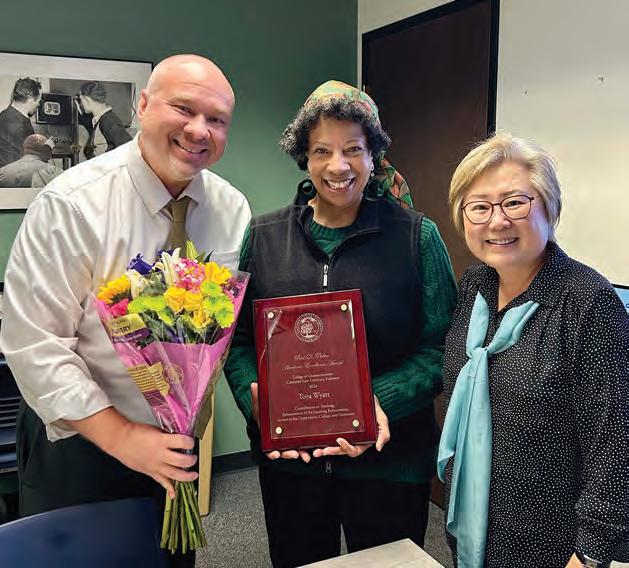
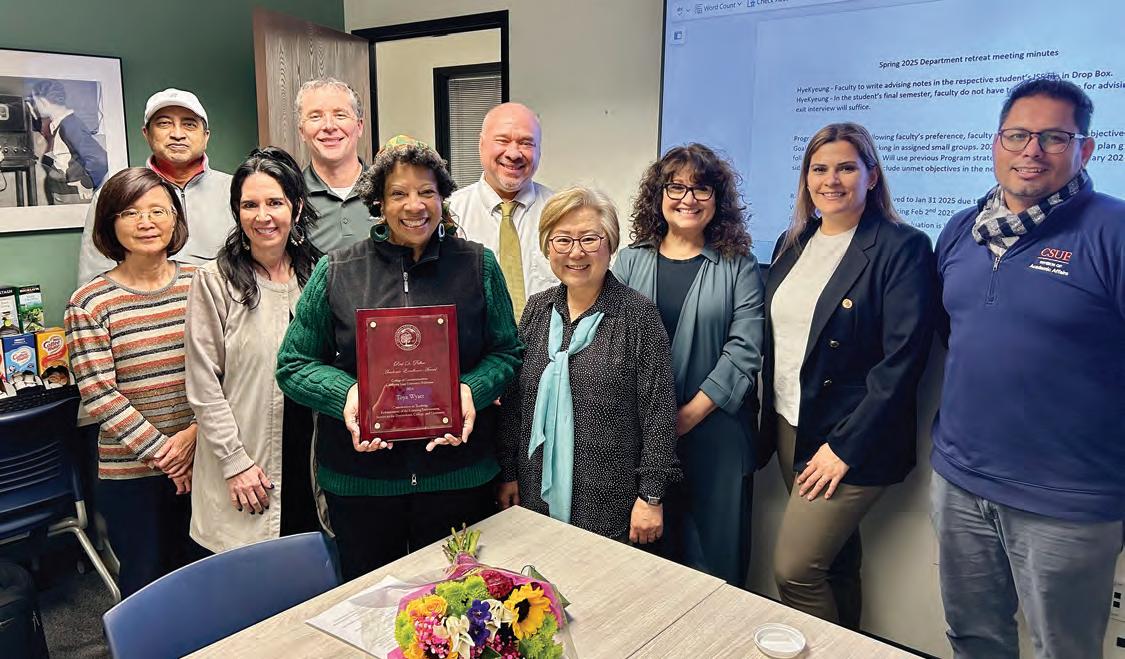
Dr. Toya Wyatt, full professor in the Department of Communication Sciences and Disorders (COMD), has been named the recipient of the 2024 Rick D. Pullen Academic Excellence Award. This prestigious honor, named after longtime Dean Rick Pullen, recognizes a faculty member who has made significant contributions to teaching and enhancing the learning environment.
Dr. Wyatt, who has taught for over 30 years, is known for her dedication to student success. She consistently taught multiple undergraduate courses and two graduate seminars, pushing students to achieve their highest academic and clinical potential. Throughout her career, Dr. Wyatt has been a conscientious educator who fosters an environment that encourages learning, growth and excellence.
During her time as undergraduate adviser, the program’s enrollment grew from 100 to 500 students, a testament to her leadership and commitment. As adviser, Dr. Wyatt oversaw the department’s undergraduate advisement, assigned students to faculty advisors and played a pivotal role in the establishment of the Peer Mentoring Center in the early 2000s, which she developed in collaboration with COMD students.
Dr. Wyatt’s commitment to diversity and inclusion has been central to her work in the department. Since her appointment in 1990, she, alongside colleague Dr. Terry Saenz, has been a passionate advocate for the recruitment and support of students from
diverse and underrepresented backgrounds. Her co-authored 1998 research article, “Increasing the Recruitment and Retention of Historically Underrepresented Minority Students in Higher Education: A Case Study,” published in The American Journal of Speech-Language Pathology, continues to be cited as a model for strategies aimed at recruiting diverse student bodies in higher education.
Dr. Wyatt’s contributions have been widely acknowledged throughout her career. In recognition of her exceptional service, she received the Faculty Recognition: Service Award in Spring 2012 and was selected as the COMD program’s Faculty Marshall and commencement speaker in May 2011. She has also been honored with the university’s Outstanding Teacher/Scholar Award on three separate occasions.
For more than two decades, Dr. Wyatt served as COMD’s undergraduate advisor, a role she held until 2016.
From 2011 to 2016, Dr. Wyatt served as the director of the Speech and Hearing Clinic, where she helped upgrade clinic equipment, improve efficiency and ensure confidentiality and privacy protections. Under her leadership, the
department’s Multicultural Speech and Hearing Clinic was established, providing services in languages other than English for 23 years.
Dr. Wyatt’s service extends beyond the classroom and clinic. She has served on numerous university committees, including the Library Committee, Curriculum Committee, Outstanding Professor Committee and the Committee to Support Untenured Faculty and Diversity. She also cochaired the Black Faculty and Staff Association’s Faculty Elevation Sub-Committee and played a key role in mentoring students who helped establish the CSUF chapter of the National Association of Black Journalists.
At the departmental level, Dr. Wyatt has contributed to various committees, including the graduate committee, where she reviewed hundreds of applications. She also chaired the ad-hoc committee that revised COMD’s personnel standards to align with new university standards in Fall 2024.
Beyond her work at the university, Dr. Wyatt has made notable contributions to the field of communication sciences and disorders. She served as an associate editor for Language, Speech and Hearing Services in the Schools and as an editorial consultant for other professional journals. She has also been an active member of several American Speech-Language-Hearing Association (ASHA)
and California Speech-Language-Hearing Association (CSHA) convention paper review committees.
Dr. Wyatt has given numerous presentations at professional meetings and has conducted workshops for clinicians in school districts and other settings. She also serves as a test bias consultant for various clinical assessments and is currently a member of the advisory board for the Diagnostic Evaluation of Language Variation (DELV), an assessment designed to minimize the inappropriate referral of Black children for speech-language services. Her published work often focuses on the delivery of services to clients from diverse backgrounds, with a special emphasis on non-biased assessments for children who speak African American English.
Dr. Wyatt was nominated for the 2024 Rick D. Pullen Academic Excellence Award by Dr. HyeKyeung Seung, chair of the Department of Communication Sciences and Disorders. This recognition highlights not only Dr. Wyatt’s extensive academic contributions but also her ongoing commitment to the advancement of her students and the broader academic community.
As a dedicated educator, advocate and leader, Dr. Wyatt’s legacy continues to inspire and shape the future of Communication Sciences and Disorders at California State University, Fullerton.
By Audrey Lopez
The Rick D. Pullen Academic Excellence Award is a $1,000 honor recognizing faculty who go above and beyond in teaching, service, and shaping the learning environment. Established by Dean Emeritus Rick D. Pullen, this prestigious award celebrates those who make a lasting impact on students and the university. Nominees are chosen based on their exceptional commitment to teaching, service to the department or university, and contributions to research or creative activities. The award is presented in a special recognition ceremony, shining a spotlight on the faculty member’s dedication to academic excellence and community.
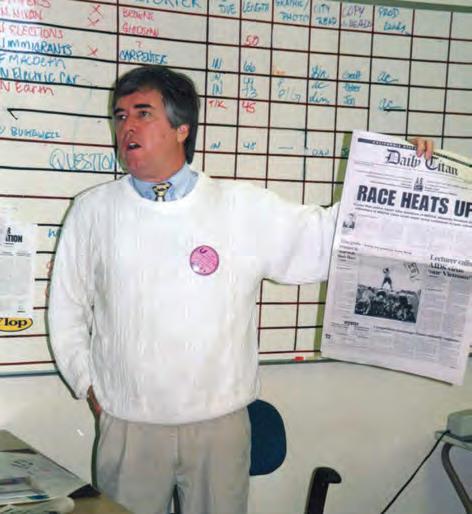
2011: Dr. Philippe Perebinossoff, CTVA
2012: Dr. Edith Li, COMD
2013: Dr. Carolyn Coal, COMM
2014: Dr. Jule Selbo, CTVA
2015: Dr. Jeanine Congalton, HCOM
2016: Dr. Andi Stein, COMM
2017: Dr. Kenneth Tom, COMD
2018: Bonnie Stewart, COMM
2019: Beth Georges, COMM; Kurt Kitselman, COMD
2020: No award given, due to COVID
2021: Minjung Kim, COMD
2022: Shelley Murray, CTVA
2023: Amber Chitty Wilson, COMM
2024: Toya Wyatt, COMD
By Sophia Morales & Mia Jimenez

The broadcast journalism students at Cal State Fullerton involved in the Sports Media Certificate program are constantly hard at work, whether it be setting up cameras, queuing commercials and graphics for the Titan Gym jumbotron or preparing a livestream for a national audience.
Established in 2021, the Titan Sports Network offers hands-on experience in sports broadcast media and is a collaboration between CSUF Athletics and the College of Communications. CSUF is the first Big West school to establish an original broadcast for ESPN+, with students demonstrating their on-camera skills and sports reporting abilities.
The effort is led by Timothy Jackson, assistant athletic director of broadcasting, facilities and events, and Gayle Brisbane, a former broadcast news and sports veteran, current media research scholar and associate professor in the Department of Communications. Together, they oversee the streaming of more than 150 athletic events annually on ESPN+.
The Sports Media Certificate Program and the Titan Sports Network offer undeniable benefits for CSUF students. With a variety of roles available — including camera operator, graphics operator, broadcast engineer, control room switcher and on-camera play-by-play announcer or analyst — students graduate with a well-rounded skill
set in all aspects of live sports streaming.
For many students, the Titan Sports Network is more than just a learning experience — it’s a stepping stone into the sports media industry. In addition to live game coverage, students gain experience in original content production.
Professor Brisbane worked with the Titan Sports Network student team to develop the Preseason Show, a 30-minute program that airs three times a year on ESPN+ to preview each athletic season. Students receive hands-on training as anchors, reporters, camera operators and graphics coordinators, working alongside on-air guests to produce the show.
Kayla Cole, a senior communications major at CSUF, is serving as an intern this year with the Titan Sports Network. She first learned about the opportunity during COMM Week last spring and took the initiative to get involved.
“It has been really fulfilling learning the ins and outs of what goes into sports broadcasting,” said Cole. “Interning for a program that partners with ESPN+ is
special because you get to learn the art of producing a live game. There are many functions and elements that go into creating a story, and at Titan Sports Network, we want the viewers to enjoy that story and close with a good game.”
Cole offered some advice to future Titans interested in the program. “I would just like to say that Titan Sports Network welcomes students from nearly every department, and I like that they open their arms for them to explore their options in sports broadcasting,” Cole said.
Opportunities that allow students to gain handson experience while partnering with companies like ESPN+ are unmatched. CSUF is leading the way in college sports broadcasting with programs that prepare students for future success.
Last summer, several Cal State Fullerton students had the unique opportunity to attend the 2024 Paris Olympics, gaining firsthand exposure and a oncein-a-lifetime chance to work on the world’s biggest stage in sports media.

“Several of the students who participated also have worked at and benefited from the Titan Sports Network,” said Professor Brisbane. “The combination of experience they have received doing both endeavors gives them a huge boost in their career trajectory.”
This invaluable opportunity was made possible through the Sports Media Certificate program offered at CSUF. One of the challenges of the Paris Olympics study abroad program was making it more affordable for students from diverse backgrounds. To help offset costs, Professor Brisbane, coordinator of the Sports Media Certificate program, applied for and received a large grant.
“I also fundraised on Titans Give Day to help cover the cost,” she said.
Despite the financial obstacles, Brisbane highlighted the
success of the program and shared that she is currently planning a similar trip for the 2026 Winter Olympics in Milan and Cortina next February.
The Sports Media Certificate program and the Titan Sports Network at CSUF have provided students with unparalleled opportunities to gain hands-on experience and develop a diverse skill set for careers in sports broadcasting. The program’s collaboration with ESPN+ and opportunities to work on high-profile events such as the Paris Olympics further enhance the real-world experience students receive.
As the program continues to grow, so do the opportunities available to students. The future is bright for sports broadcasting at Cal State Fullerton — and this is only the beginning.
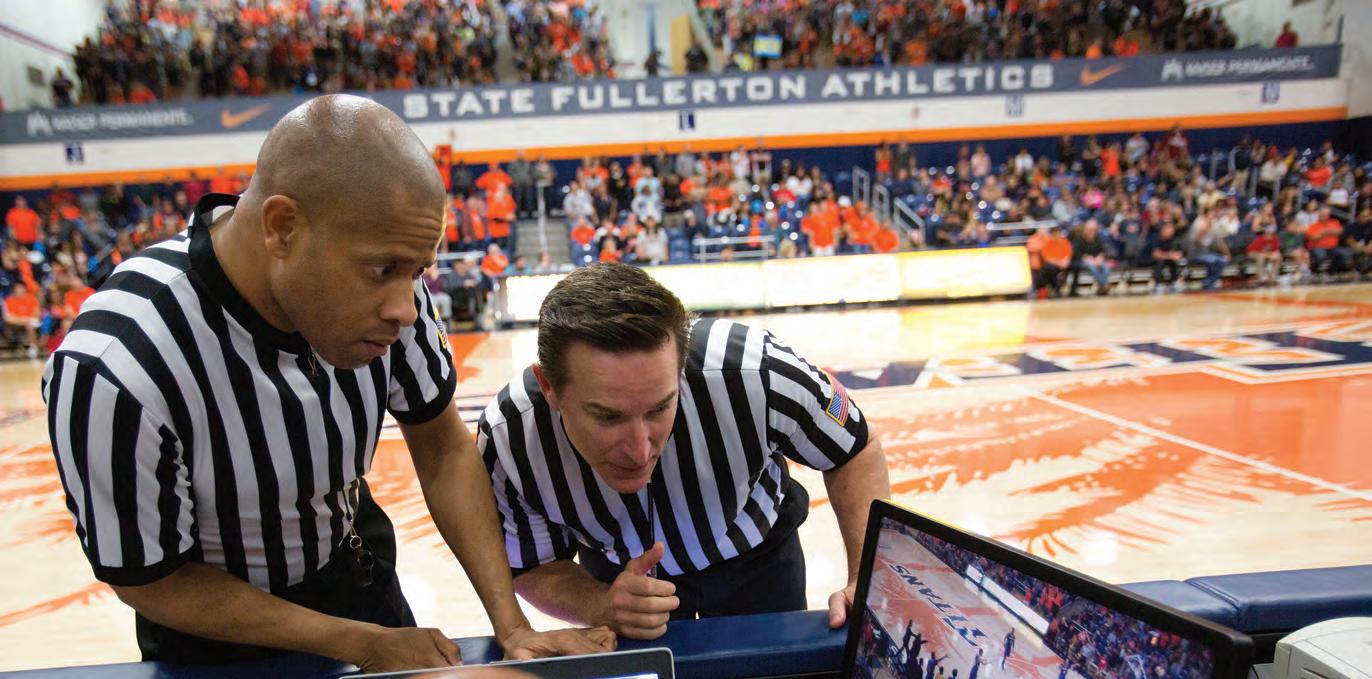
By Sophia Morales & Emma Peterson
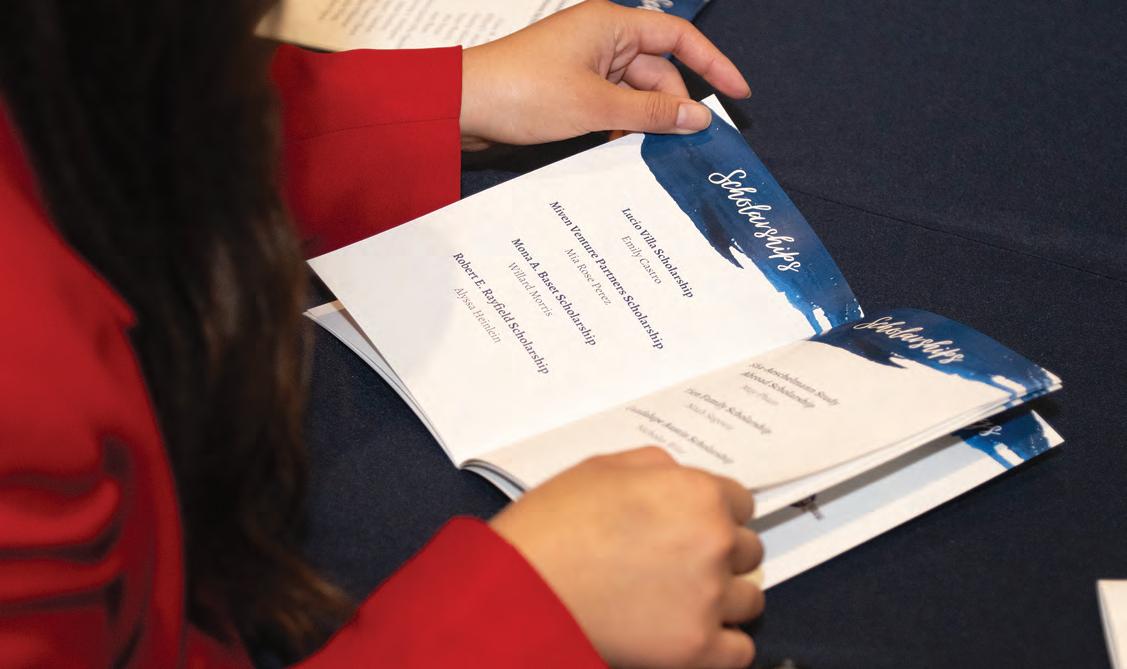
Being a college student comes with a number of overwhelming obstacles and obligations. Most students can agree that paying for tuition, housing, books and just about anything else that comes up during the semester can be daunting. While working a part-time job or receiving financial aid can alleviate some financial stress, scholarships are another resource that supports students on their path to success.
At Cal State Fullerton, there are an amazing amount of scholarships readily available to help students achieve their academic goals. Just last year, $11 million in scholarships were awarded to 4,928 students by the university. More specifically, the College of Communications at CSUF offers 47 scholarships that are specifically for students within the four different communications departments.
The Cinema and Television Arts, Communications, Human Communication Studies and Communication Sciences and Disorders departments each have their own curated lists of scholarships. With more than half of these scholarships established by alumni, former faculty and in memory of past students and faculty members, it serves as a true testament to the experience the College of Communications at CSUF provides its students and faculty. In return, the students and faculty provide their professionalism, research and knowledge to the community they serve.
Courtney Lutkus, Director of Development, highlights just how impactful these scholarships are and the inspiration behind why some were established. “We have a lot of alumni that just want to give back, some of them received a scholarship themselves so they know the value of it and want to be able to pay it forward themselves,” she noted.
Just last year, the new scholarship office held a ribbon-cutting ceremony to celebrate its opening. Having this resource gives students access to swift and in-person help when applying for these scholarships. The application process itself has recently become more accessible by changing its format from 80 questions to 12 starting this 2025 application cycle.
Lutkus stresses the importance of giving yourself the chance and applying for scholarships. “I think the most important thing that students really need to know is understanding how important it is for them to apply, just to make sure they apply for the scholarships and apply by the deadline because if they don’t try, they don’t have the opportunity,” she stated.
Scholarships offer more than just financial support; they open doors to opportunities and create lasting memories. Students who receive these scholarships have the unique chance to meet their donors, creating a meaningful connection that highlights the importance of community.
Jason Shepard, interim dean of the College of Communications, said, “ I think it’s important for donors and people that want to give back to see the impact that their gifts can have, especially when it comes to scholarships,” he added. “Many times donors can see themselves in our current students”.
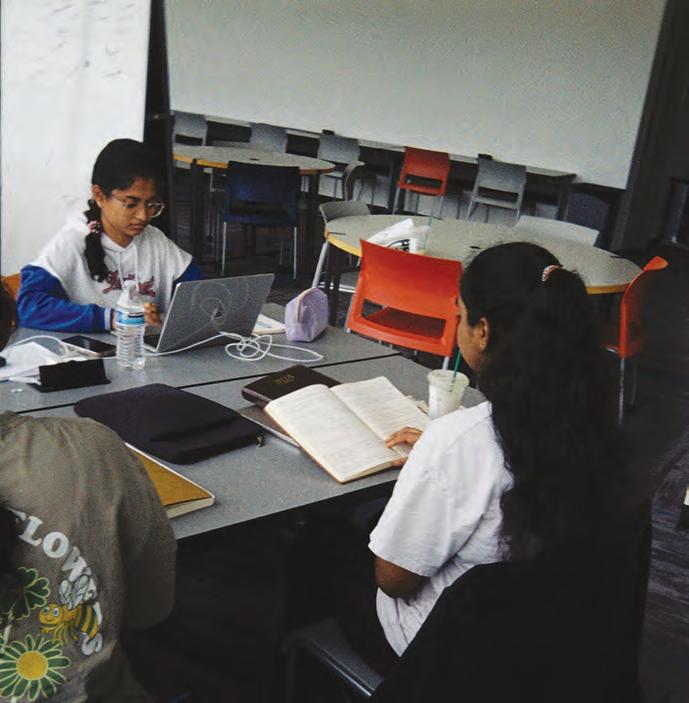
Emily Wilson, a senior at Cal State Fullerton, was honored with the JP Morgan Chase Student Journalism Award. During the ceremony, the donors presented her with the scholarship and congratulatory flowers. Wilson shared that she has stayed in touch with several members of JP Morgan Chase whom she met that day. This connection led to an exclusive opportunity to meet at an event in Paris, France, while she was studying abroad.
Wilson shared a piece of advice that she believes many students could benefit from: “Never be the first person to tell yourself no.” This advice is especially relevant when it comes to applying for scholarships. Cal State Fullerton is grateful to have donors who want to give back and invest in the education and futures of the students.
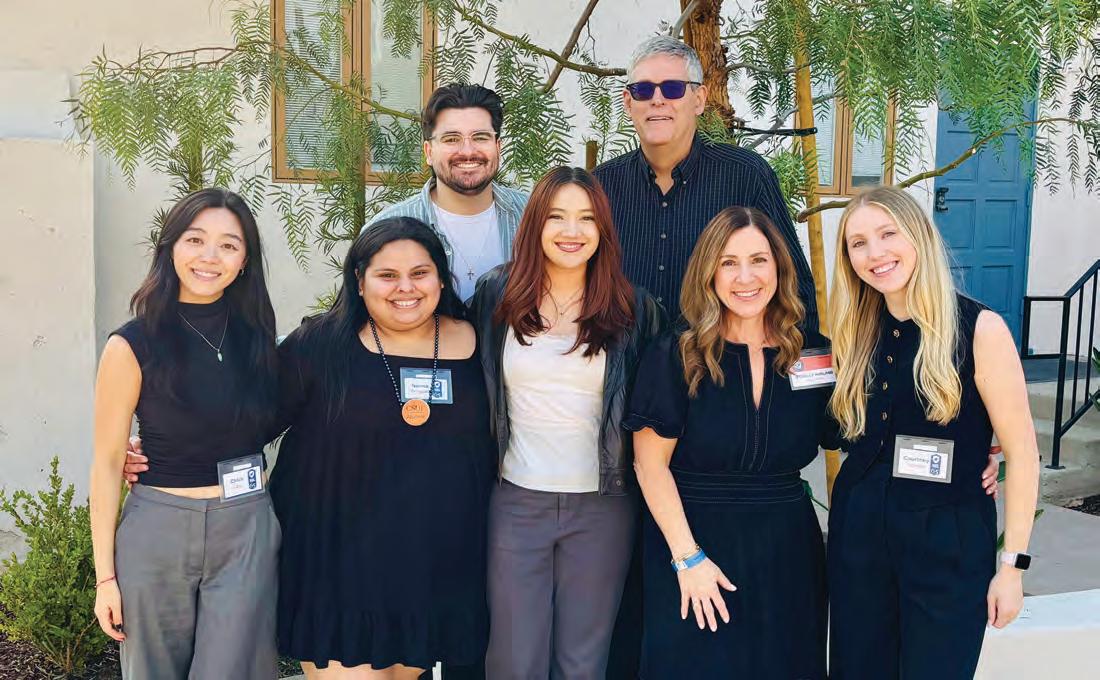
More than 100 alumni, students, faculty and supporters gathered in April to celebrate the 65th anniversary of the Daily Titan, Cal State Fullerton’s award-winning student newspaper.
Held on campus at the Golleher Alumni House, the event honored the publication’s legacy of training student journalists and serving as an essential voice for the university community. Guests traveled from across the country to reconnect with former editors, reporters and advisers who have shaped the Daily Titan’s storied history since its founding in 1960.
“This is more than a birthday party,” said Jason Shepard, dean of the College of Communications. “It’s a celebration of truth-seeking, accountability and the vital role student journalism plays in democracy.”
The program featured a walk down memory lane, with photo displays, archived front pages and tributes to former staff members, including the late Jay Berman and the late Wayne Overbeck, who advised the paper for several decades. The evening also recognized current and former advisers Walt Baranger, Tom Clanin, Jeff Brody, Michelle Kurland and Frank Russell for their leadership and mentorship.
From covering campus protests in the 1960s to earning national awards in 2024, the Daily Titan continues to uphold its mission: informing the public and empowering the next generation of journalists.

“It’s a celebration of truth-seeking, accountability and the vital role student journalism plays in democracy.”
-Dr. Jason Shepard
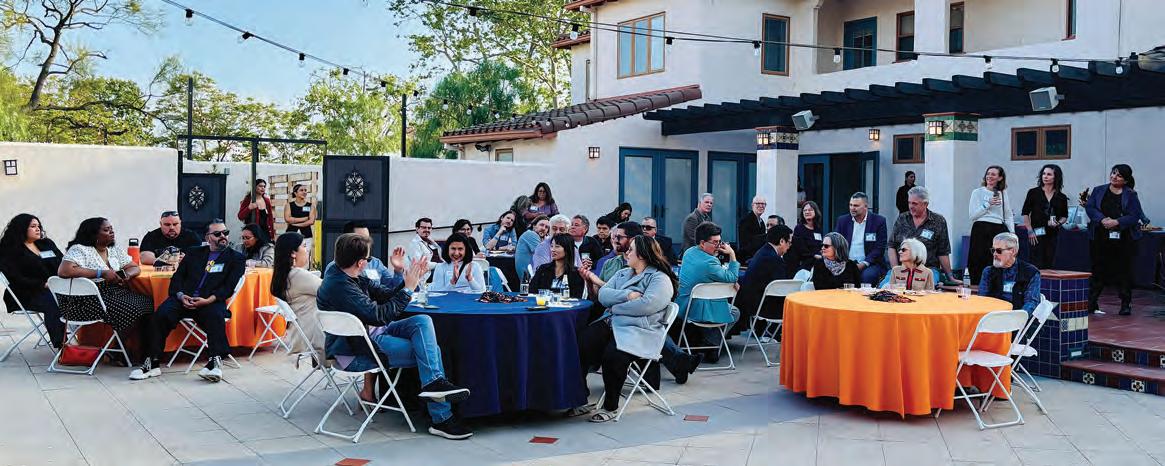
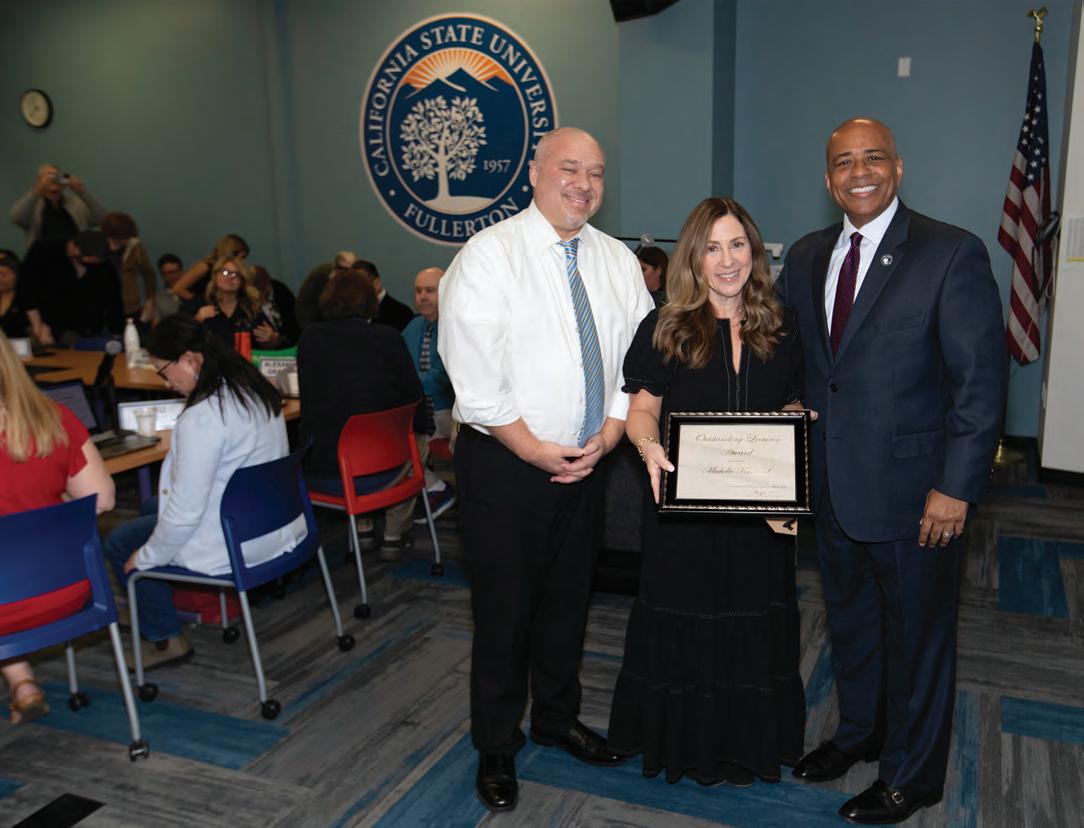
In recognition of her unwavering dedication to students, excellence in teaching and transformative contributions to the Cal State Fullerton community, Michelle Kurland has been named the recipient of the university’s 2025 Outstanding Lecturer Award.
For nearly two decades, Kurland has been a pillar of the Department of Communications, mentoring hundreds of students, shaping curriculum and supporting one of the largest student-run newsrooms in the nation. A former advertising and public relations professional with clients like Krispy Kreme and Oral-B, Kurland brought real-world experience into the classroom when she joined CSUF in 2005. Today, she is widely known not only for her dynamic teaching style but also for her ability to build student confidence and connect them with the tools and experiences that launch careers.
“Michelle Kurland epitomizes the qualities of an outstanding lecturer,” said Jason M. Shepard, dean of the College of Communications. “She is a dedicated, inspiring teacher; a diligent contributor to the university and her field; and a committed mentor to students and colleagues alike. She brings a unique blend of contagious optimism, boundless energy and meticulous attention to detail to her work, creating a sense of belonging, collegiality and encouragement in every team she joins.”
Kurland’s impact reaches far beyond the classroom. For the past decade, she has served as faculty adviser for the Daily Titan’s advertising and marketing teams, guiding students through the business operations of the student newspaper. Amid a broader national decline in local journalism revenues, Kurland led the Titan’s revenue team to financial sustainability.
“She brought the Daily Titan from the pecuniary abyss to financial health,” said Walter Baranger ’86, a retired New York Times editor and former CSUF lecturer who worked alongside Kurland from 2019 to 2023. “That’s no small feat even C-suite executives struggle to do what she accomplished.”
Kurland’s students have earned more than 300 awards during her tenure, including more than 100 in just the past three years. She regularly takes students to the College Media and Business Advertising Managers (CMBAM) conference and ensures they are trained on current tools and strategies used in digital media and advertising.
In the classroom, Kurland consistently receives some of the highest student evaluations in the department. Students praise her for pushing them to grow while fostering a supportive, inclusive environment.
“Professor Kurland is my favorite professor at CSUF,” one student wrote. “She is warm, loving and
genuinely wants us to succeed.” Another shared, “Comm 454 was life-changing. The hands-on experience and sales strategy we learned helped us develop professionally.”
Beyond instruction, Kurland has played a critical role in curriculum development. As a member of the department’s Curriculum and Assessment Committee, she helped design a digital skills portfolio for all students and led faculty training sessions to promote consistent instruction across courses.
Her leadership also extends into university processes that support student success. She has secured critical Instructional Related Activities (IRA) funding to support the Daily Titan, and her colleagues often turn to her for advice on navigating university systems.
Kurland is now shifting her fo-
cus from advising the Daily Titan to helping oversee Comm Week, the College of Communications’ signature annual event.
Her contributions — in the classroom, newsroom and campus community have made her one of the most respected and beloved faculty members at CSUF. As Dean Shepard summed up, “Michelle stands in the top 1% of 1% of faculty with whom I’ve worked, consistently exceeding every benchmark in student support, instructional quality and professional achievement.”
The Outstanding Lecturer Award, presented at the April 24 Academic Senate meeting, recognizes Kurland’s extraordinary service, teaching excellence and lifelong commitment to student success — a legacy that continues to shape the next generation of communicators.
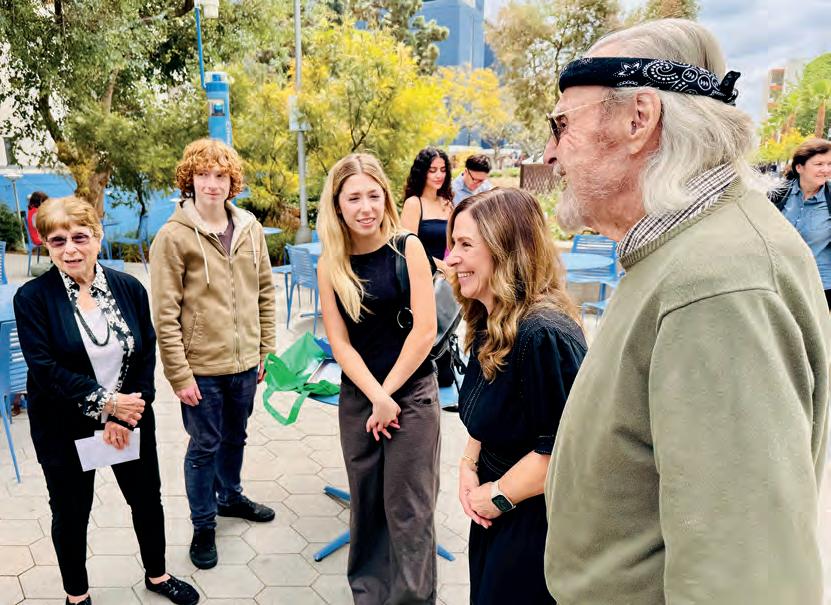
By Audrey Lopez
A round of applause goes to our faculty members who have recently earned tenure and/or promotion, marking important milestones in their academic journeys. These achievements highlight their exceptional dedication to teaching, research and service to the university community. Earning tenure is a significant recognition of a faculty member’s commitment to their field and students, while promotions to full professor reflect a continued pursuit of excellence and leadership. These accomplishments not only contribute to personal growth but also enhance the overall academic environment, inspiring future generations of scholars and educators. Congratulations to all on these well-deserved honors!
Tenzin Dorjee Professor of Human Communication Studies
Promoted to Full Professor
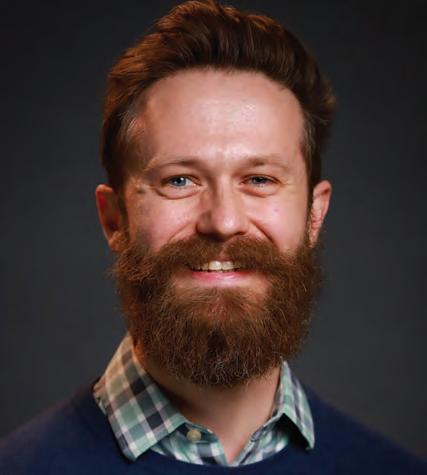
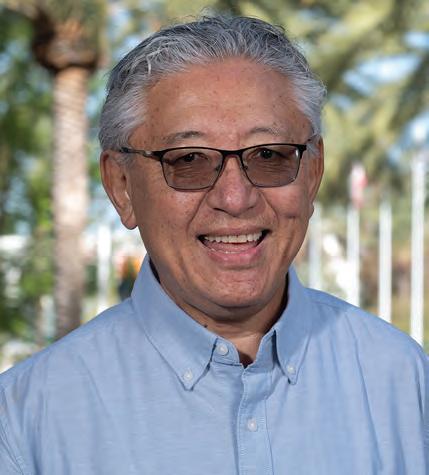
Zac Johnson Professor of Human Communication Studies
Promoted to Full Professor
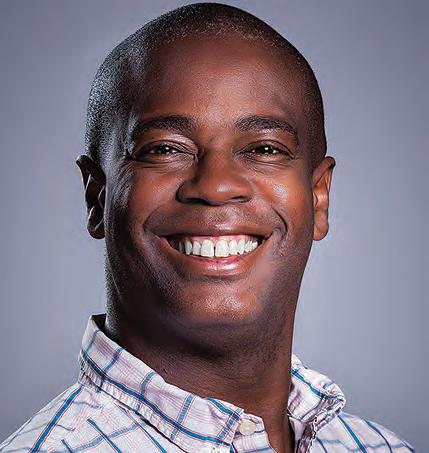
Anthony Sparks
Professor of Cinema and Teleision Arts
Promoted to Full Professor
Gayle Jansen Brisbane
Associate Professor of Communications (Tenure & Associate)
Newly Tenured & Associate Professor
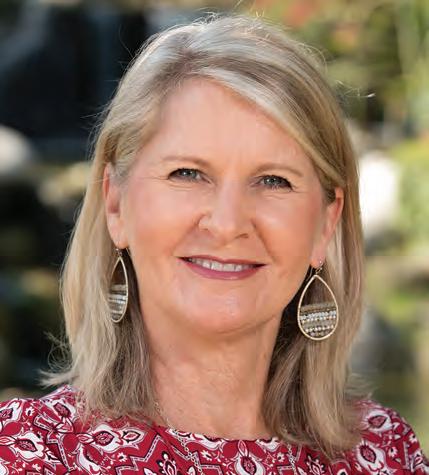
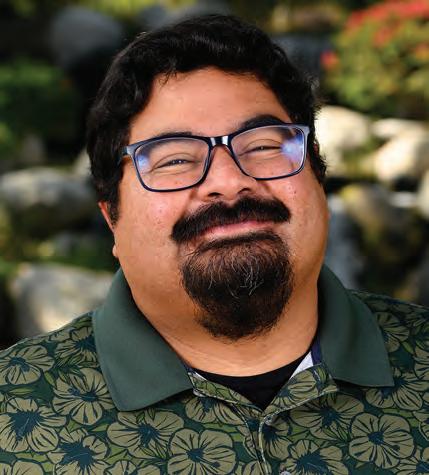
Ricardo Valencia
Associate Professor of Communications
Newly Tenured & Associate Professor