
Securing Logistics Data in Digitally Connected World
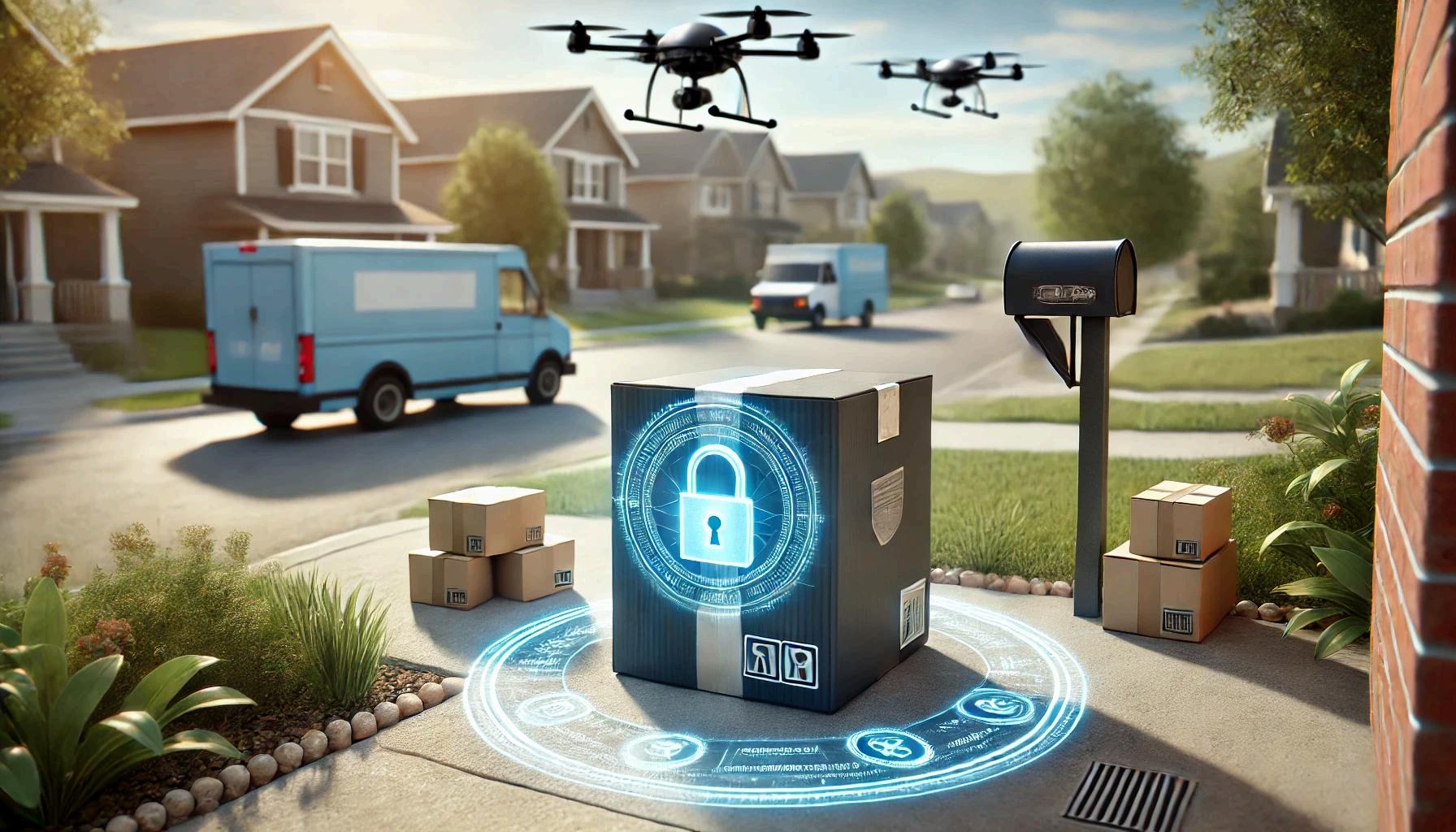
The rapid expansion of global e-commerce has made reliable tracking solutions essential Consumers and businesses alike expect to monitor their packages’ progress without delays or ambiguities. At https://trackingpackage.com/, users can effortlessly input a shipping number and immediately access a detailed overview of their parcel’s trajectory. Whether it’s navigating international customs checkpoints, shifting between transportation modes, or pausing in regional distribution centers, every stage of the journey is captured and presented with clarity. By gathering information from multiple carriers across the globe, the platform enables customers to anticipate arrival times, detect potential hold-ups, and coordinate with recipients or storage facilities long before the box ever reaches their doorstep This transparency not only enhances customer satisfaction but also sets the stage for a broader conversation about an often-overlooked element of modern logistics: cybersecurity.
Understanding Why Tracking Data Attracts Cybercriminals
While the convenience of digital tracking services is undeniable, the information these systems provide also holds significant value for malicious actors Data on shipment routes, warehouse locations, and product categories can paint a highly desirable target map for hackers. Criminals may seek to intercept this data for various ends ranging from pinpointing valuable shipments to orchestrating sophisticated attacks on supply chains Additionally, insights into delivery times and routes may aid thieves in physically intercepting packages. In other cases, cybercriminals use compromised tracking information as leverage in ransom schemes, threatening to disrupt entire fleets of shipments unless a payout is made This high-stakes environment underscores the need for robust data protection measures As logistics networks digitize, the urgency to secure every node, from warehouse servers to handheld delivery scanners, grows exponentially.