Controlling Rat’s tail fescue (Vulpia myuros) has historically been a conundrum faced mainly by European growers. However, anecdotal evidence suggests that this tricky to control, invasive weed is rapidly becoming problematic across the UK, with increasing reports of significant burdens in the North East. ProCam agronomist, David Hannington, and his customer, Nic Drever-Smith, share their experiences from the Vale of York.
(Continued on page 2)
Rat's tail fescue... The next big grass weed challenge?
Continued from page 1
“Rat’s tail fescue is one of those weeds that can seemingly appear from nowhere,” David Hannington explains. “Conventionally found at roadsides, waste ground and grass margins or strips of set-aside and fallow ground, it is now finding its way into arable rotations.
“With each plant capable of producing 1,000 to 2,000 seeds and a lengthy germination window, populations can increase rapidly, especially in early-sown autumn crops where min-till or direct drilling is used. In these situations, it can rapidly form dense carpets and compete with the crop.
“One train of thought is that ploughing can improve control as rat’s tail fescue is shallow-rooted with a low dormancy rate and therefore intolerant of deeper tillage. This is not always a viable cultural control method however, as it can exacerbate other grass weed issues such as blackgrass.”
Herbicide challenges
“Residual herbicides form the basis of the chemical control strategy,” David continues. “In cereals, a pre-emergence application of a flufenacet based product gives the best early-season control, while in oilseed rape propyzamide works
well against smaller, shallow rooted plants.”
Post-emergence options to control the weed are very limited, largely because rat’s tail fescue is like annual meadow grass in that it is naturally tolerant to ACCase inhibiting herbicides such as clodinafop, propaquizafop, cycloxydim and pinoxaden.
Clethodim is the one exception, as this has activity against the common resistance gene so can be utilised in oilseed rape.
“In cereal crops, ALS inhibitors such as mesosulfuron and iodosulfuron offer good efficacy, but as with clethodim, good contact is critical,” David adds. “The grass has tiny leaves which are a bit rolled, so when plants are small the surface of interception of the herbicide is not huge.
“The same is true for glyphosate, with reduced rates only temporarily slowing plants before they start to re-tiller. A robust dose is therefore required when used before drilling or in fallow situations. Efficacy is also improved when glyphosate is used alongside an additional wetting agent to further improve uptake.”
A farmer’s tale
David’s customer, Nic Drever-Smith, operates a min-till system on 115 hectares near York, where rat’s tail fescue was first seen four years ago in a crop of winter linseed.
“The linseed was growing in a field which had previously had a small corner put to stewardship grass,” Nic explains. “That corner of grass was brought back into cropping about eight years ago,
A programme of pre- and post-emergence treatments is needed to control rat’s tail fescue according to ProCam’s David Hannington.
but I’m fairly confident that’s where the rat’s tail fescue originated from.”
Despite being burned off with glyphosate, disced and then drilled, one entire headland of the linseed, plus half of another headland became totally swamped by rat’s tail fescue plants, resulting in 1.5ha of the 11ha crop being lost due to the lack of suitable linseedapproved herbicides.
“In hindsight we should have bitten the bullet and destroyed the affected headland, but we elected to keep the entire crop in situ and tried to take the rat’s tail fescue out more selectively. Unfortunately, that allowed a significant seed bank to develop, with plants now popping up across the farm.
“It isn’t an easy weed to spot in crops which makes it hard to hand rogue, so we’ve become reliant on flufenacet based herbicides to provide effective control.
“Where we use glyphosate to clean up new seedbeds, we now use forward and backward facing Defy 3D spray nozzles to ensure total coverage. It’s an expensive strategy, but needs must.”
In terms of cultural control, Nic hasn’t yet had to resort to the plough – an implement he hasn’t used for more than 20 years –although he admits the thought has crossed his mind: “In theory deep cultivation should reduce germination rates but I’m not entirely convinced as I’ve seen a lot of rat’s tail fescue on a nearby farm where the plough is still used.
“Instead, the biggest single improvement we’ve seen has come from removing linseed from the rotation and replacing it with winter beans which enables us to introduce additional herbicide modes of action such as propyzamide.
“I’ve also taken the conscious decision to invest more heavily in our cover crops to ensure they produce a thicker canopy with more biomass which will keep the rat’s tail fescue in the dark and therefore reduce establishment. I’m also hoping to purchase a utility sprayer to make it easier to spray hard-to-reach field corners in an attempt to maintain a sterile boundary between the crop and headland in areas where rat’s tail fescue is more prolific.”
TRIALS HIGHLIGHT IMPORTANCE OF PRE- AND POST-EM TREATMENTS
Improving the understanding of the weed and control options is critical in preventing the spread of this grass. To aid decision making, ProCam is currently testing a range of herbicide strategies at Askham Bryan in North Yorkshire.
“The aim of the trial is to evaluate existing and upcoming residual chemistries on problematic grassweeds including rat’s tail fescue,” explains ProCam Trials Officer, Rebecca Tunnicliffe.
“We know that flufenacet delivers good control of the weed, and data gathered this year supports this, with a preemergence treatment of 240g flufenacet + 60g diflufenican delivering just under 80% control. Controlling the remaining 20% is critical however, and that is where
our work focuses.”
At Askham Bryan, the fescue continued to germinate over winter - with the weed population in untreated plots increasing between November and March. A subsequent application of 120g flufenacet + 50g picolinafen as an early post-emergence treatment at the start of November improved control to 100%.
“These initial findings clearly demonstrate the importance of using a robust chemistry stack at both the pre- and post-emergence timings,” Rebecca explains. “Rat’s tail fescue has a long germination window, and the trial highlights the value of post-emergence residual top-ups in terms of lengthening the persistency of the flufenacet and prolonging the control of this tricky weed.”
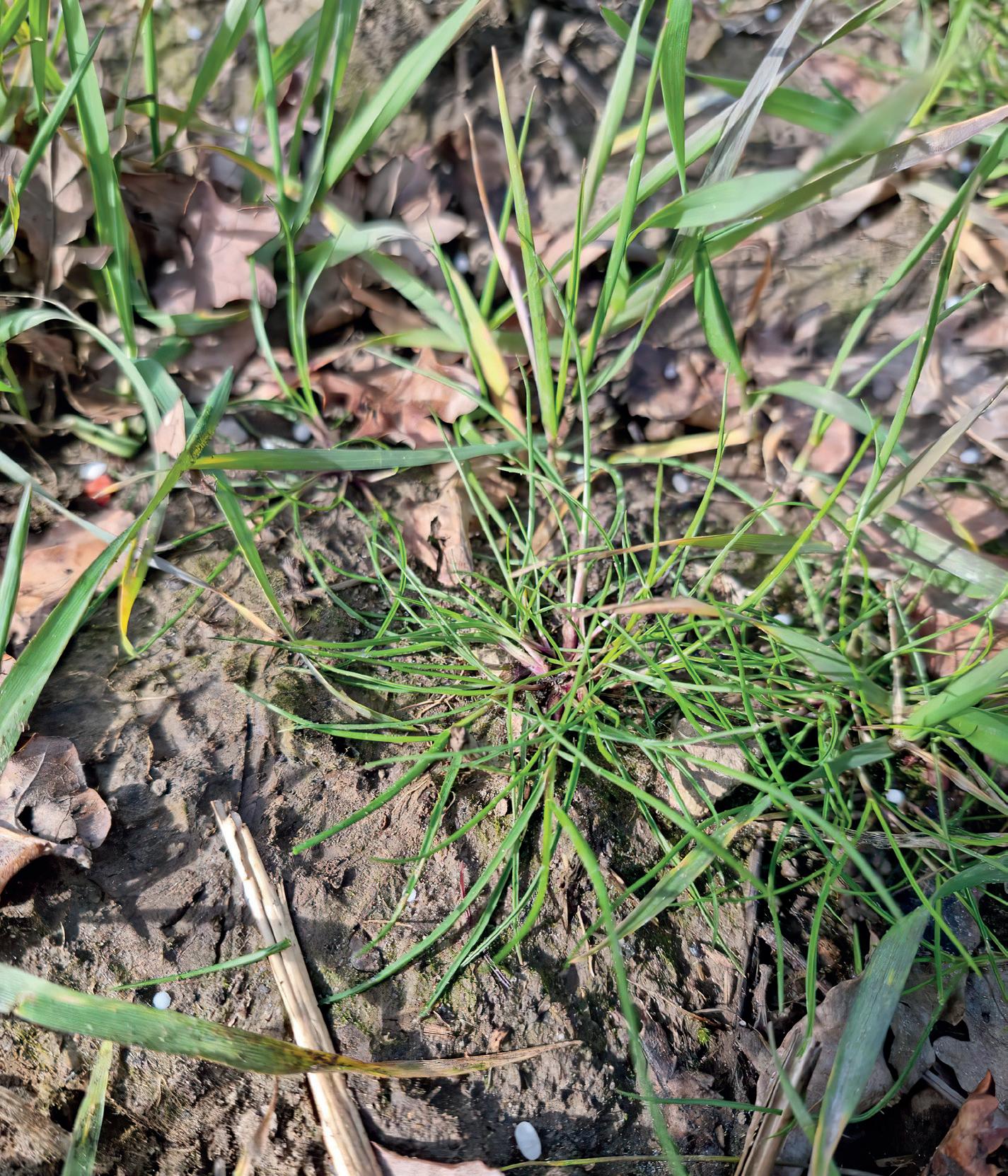
Rat’s tail fescue is an invasive grassweed with fine, round, spiky and waxy leaves.
Hybrid barley – offering rotations a helping hand
Want to include winter barley in the rotation but concerned about grass weeds? Hybrid varieties such as SY Canyon could be the ideal solution. ProCam’s Paul Gruber explains why.
By crossing the best attributes of two distinct parent lines, hybrid barley produces vigorous plants with stronger roots that are better equipped to scavenge moisture and nutrients. The addition of a competitive growth habit adds up to a crop which is not only better able to cope with stresses, including
drought and disease, but which also has the potential to improve weed control in the rotation.
Modern hybrid barley varieties, unlike their predecessors which tended to produce small grains which could pass through the combine and contribute to an excess of volunteers in the following crop, now boast much improved specific weights and lower screenings. But it is their ability to out-muscle a number of key grass weeds which could be their most valuable asset: the spring vigour and competitive growth habit displayed by hybrid barley enables crops to dominate problematic grass weeds including black-grass, ryegrass, brome and volunteer wheat.
As a case in point, one of my growers who ran short of hybrid barley seed last year had to use a two-row conventional variety to drill the remainder of a field. He has subsequently seen a stark difference in terms of how the two varieties have coped with weed pressure: while the conventional crop suffered a significant black-grass and
volunteer wheat burden, the hybrid has been able to out-compete these weeds and, as such, has remained largely weed-free.
Likewise, with brome becoming increasingly problematic on farm as growers turn away from the plough, the inclusion of hybrid barley in the rotation provides an extra opportunity to reduce brome seed returns. Its competitive nature will also be of benefit in light of the increasing resistance of wild oats to the current arsenal of herbicides.
Later drilling
Hybrid barley enables drilling to be delayed by up to a month longer compared to conventional varieties. From my own experience in Oxfordshire, it’s possible to drill hybrids at the end of October without incurring a yield penalty. While it might not be feasible to go to such extremes further north or in the wetter west, any delay gives growers extra time to use stale seedbeds to reduce weeds and gives welcome peace of mind that a wet start to the drilling season won’t necessarily spell disaster.
Whatever the drilling date might be, it is essential to adhere to the recommended seed rate for hybrid varieties (typically 200 seeds/m2 compared to 350 seeds/m2 for conventional varieties) and nitrogen timings, with an early spring application of nitrogen required to enable hybrid crops to express their spring vigour and get ahead of grass weeds.
Hybrid barley can also be harvested earlier, with most varieties typically ready a day or two ahead of their conventional counterparts. That might not sound like much of an advantage in the grand scheme of things, but any crop which senesces sooner will leave marginally more moisture in the ground to the benefit of the following crop: a factor which could prove especially useful for growers who have concerns about successfully establishing a following winter OSR crop.
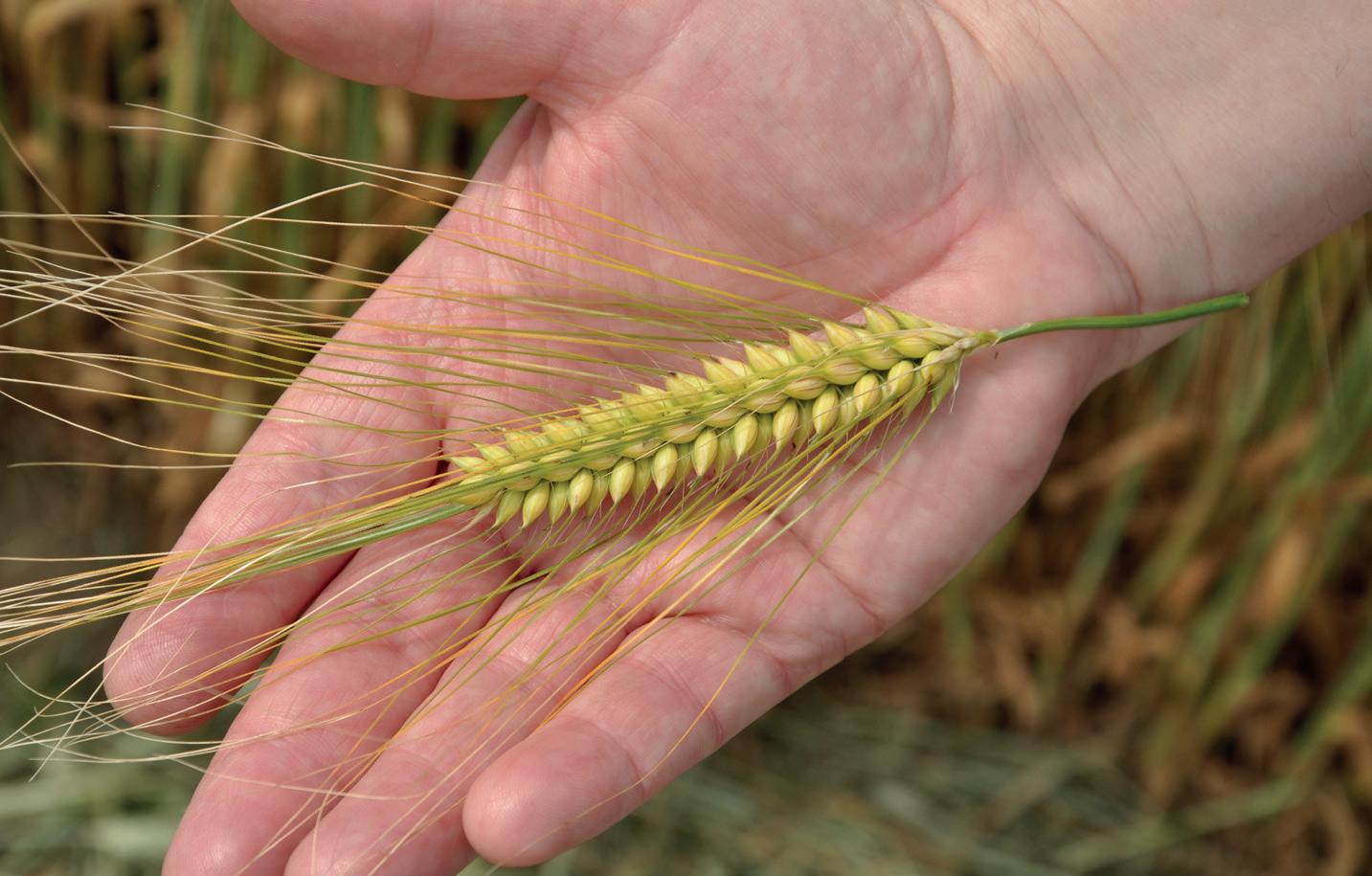
SY Canyon ticks all the boxes in terms of yield, grain quality and hybrid vigour.
Hybrid barley can play an important role in grass weed management, according to Paul Gruber.
Recommended choice
In terms of specific hybrids to consider, recent favourite Libra no longer appears on the AHDB Recommended List, having been superseded by a new six-row feed hybrid in the form of SY Canyon. This ‘new for 2022’ option ticks every box in terms of what a hybrid barley should deliver thanks to an unrivalled combination of high yield (UK treated yield 106%) and an exceptional specific grain weight of 71.2 kg/hl. It also boasts good overall agronomic attributes with a higher score for resistance to lodging compared to other hybrid varieties and a good disease profile. Whether these attributes will enable growers to reduce inputs (in a good season and where growing conditions are favourable) remains to be seen, but SY Canyon is certainly a good option for most to consider.
Interest in cover crops has surged and may well grow further. But are we approaching them in the right way?
There is no doubt cover crops can provide significant benefits, says Francis Dunne of Field Options.
And, with government policy geared to improving soil health, and growers keen to reduce bagged fertiliser use with high prices, he says interest in them could further increase. But there can be a lot of confusion surrounding them and, like any crop, they need approaching properly to get the best from them, he maintains.
“A common mistake is farms not making enough room in rotations for cover crops to be effective –shoehorning them in, for example by planting too late, seeing little benefit, and concluding that cover crops don’t work.
With a wide range of cover crop options, it is important to identify your priorities of what you want them to deliver.
“In reality, we should be thinking much more strategically and holistically,” explains Francis, “designing rotations where cover crops are an integral part so they can deliver their best results. They are just like any other crop; it’s just that we don’t run a combine harvester through them. Create time in the rotation for optimum cover crop potential to be achieved.”
For best results, design rotations where cover crops are an integral part, rather than shoehorning them in, says Francis Dunne.
Maximum value
Key to unlocking maximum value from cover crops, believes Francis, is to start by clearly identifying your objectives – what you want them to deliver.
Is it to hold on to nutrients to prevent them leaching from the soil? Is to build soil fertility and organic matter? To suppress weeds? To improve soil structure? Or something else? (See panel for fuller list.)
Cover crops can deliver multiple benefits, he says. Once you know
your objectives, the next step is to think about the practical aspects of how they will be managed on-farm.
“This involves asking further questions. What are your target dates for sowing and destruction or incorporation? Do you need winter hardiness? Do you want to incorporate the biomass ahead of a spring crop? We have growers who achieve 5 t/ha of dry matter to incorporate as mulch before potatoes. Others simply want biomass that ‘melts’ into the ground.
“From a rotational perspective, do you have brassicas in the rotation? If yes, then look at a brassica-free cover crop to avoid problems such as clubroot.
“From a soil health perspective, are you trying to boost fertility or just maintain it? If livestock are available, do you want a crop with potential to be grazed or ensiled? You can produce biomass by incorporating a cover crop, but if it’s grazed by sheep and turned into manure it provides a more powerful source of organic nutrients. Think of them as woolly fertiliser factories.
“In situations where grass weeds are making fields difficult to farm, growing cover crops to suppress weeds is now also a big thing.”
Crop species
By answering these questions, Francis says it allows you to narrow your cover crop options down. Broadly, he says cover crop species fall into three categories: legumes known for nitrogen fixing but which can also deliver other benefits: brassicas which can provide various benefits such as opening up soil fissures with their roots, weed suppression and even anti-nematode properties;
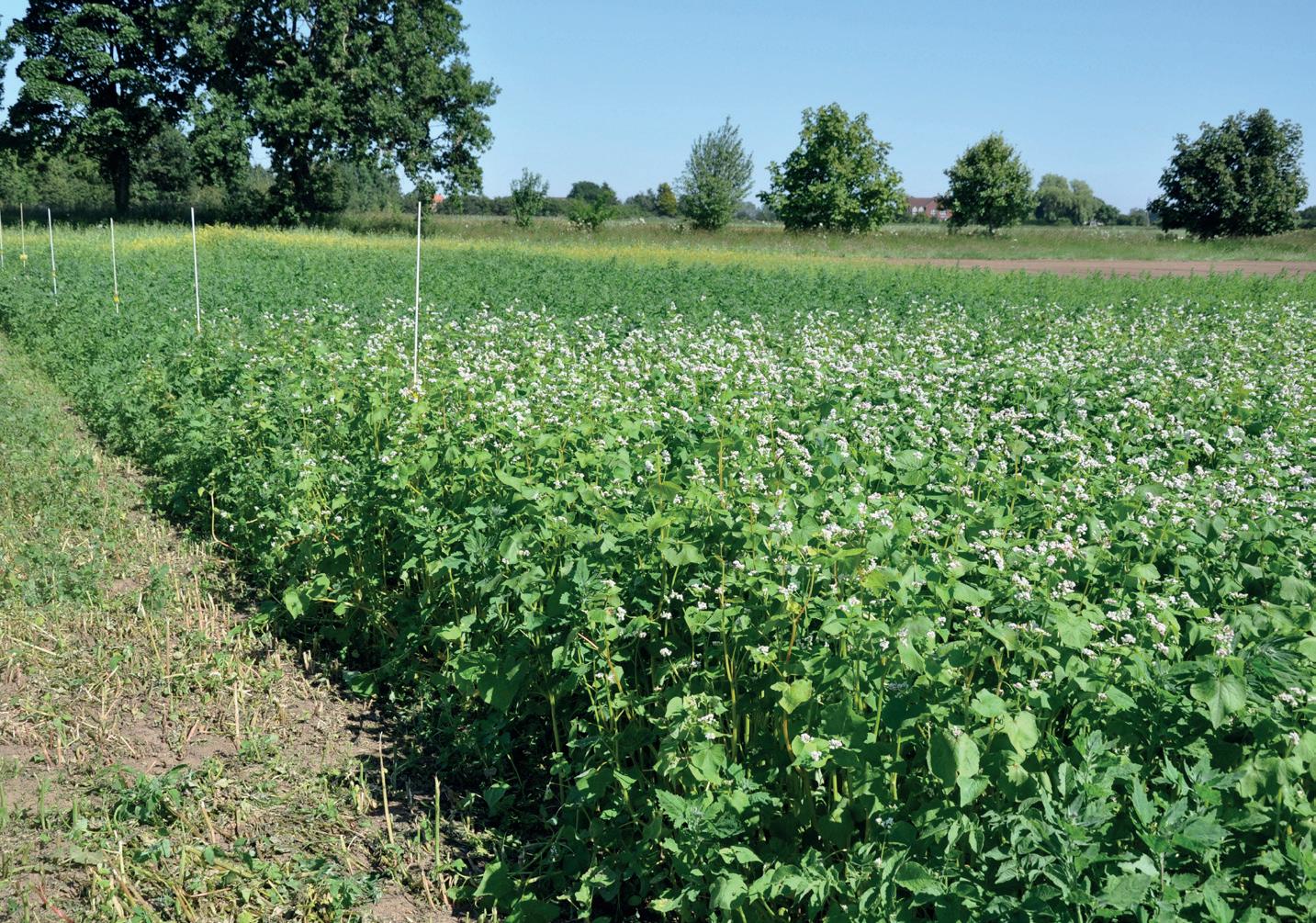
and others such as Phacelia, buckwheat and linseed.
However, cover crop mixtures offer broader benefits than single species, he says, and can be more adaptable to different growing conditions while having a similar target sowing date.
“Various mixtures are available for different purposes (see www.field-options.co.uk) and we can also create special mixtures.
“Ultimately, don’t be daunted. Have the right mindset for making cover crops an integral part of the rotation. Know what you want to achieve from them. Identify the specific management requirements of your situation. And don’t be afraid to consult your agronomist. We are happy to help.”
Cover crop benefits
• Hold soluble nutrients in the soil to reduce leaching
• Improve soil organic matter content
• Maintain soil biology between crops
• Weed suppression
• Improve soil structure
• Reduce risk of soil erosion
• Leguminous crops help to build soil fertility
• Potential integration into stewardship
• Some can be grazed or ensiled
• Some can be used for biological pest management
• Nectar source for wildlife
Source: Field Options
Making sense of soil analysis
As farmers get to grips with continued high fertiliser costs and an industry focus on improving soil health, a new soil analysis and nutrient planning service is now available from ProCam.
Branded as Soilsense and available via ProCam agronomists, the new service is designed to help farmers take practical steps to improving soils, explains ProCam commercial business manager, James Collingwood, whether physically (soil structure), chemically (soil nutrient status), or biologically (soil ‘life’).
Its launch is particularly timely in helping growers respond to current industry challenges but also opportunities, he points out.
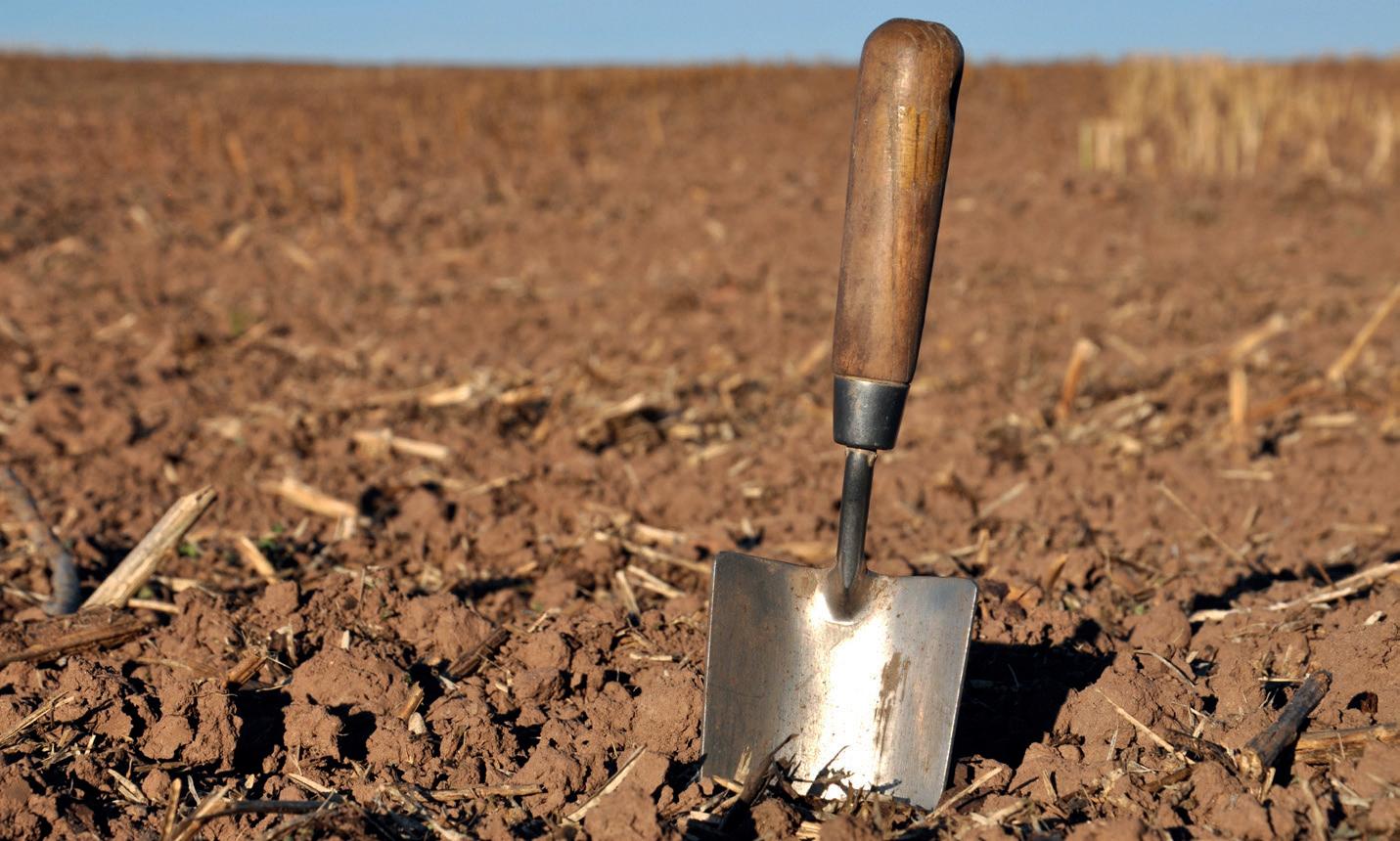
“Most farmers carry out some level of soil testing,” says James. “But with fertiliser costs bringing into sharper focus the need to use nutrients more efficiently, and the benefits of soil health high on the environmental agenda, there is a lot more that can be done.
“Soilsense offers several packages. The Basic Package tests for P, K, Mg, pH, lime requirements and texture. Standard Packages provide a deeper understanding of the current status of plantavailable or soil stock nutrients. Premium Packages help to develop greater knowledge of possible soil improvements. And finally, Ultra Packages provide a more holistic analysis aimed at really maximising
the soil’s potential.
“Importantly, however, Soilsense is not just soil analysis,” stresses James. “By drawing on their knowledge of the farm and on wider ProCam and Field Options expertise, ProCam agronomists are able to interpret the analysis and provide a practical nutrient planning service and bespoke soil improvement plan.”
Soil correction
As examples, James says plans might include correcting soil sulphur levels to help crops utilise N more efficiently, or correcting soil pH to improve phosphate (P) availability. If liming is required, some soils can require several years of applications to reach the correct pH, he says, so agronomists can help to devise rotations to make this workable, for example by avoiding P-hungry crops until pH levels are correct.
Similarly, building soil organic matter has environmental appeal, but it can also help financially, he says, since organic matter retains moisture, so good organic matter content can help to make crops more resilient to increasingly common summer droughts.
“Through our trials and experience, we can offer guidance in areas such as cover crop choice for improving organic matter, and
on cover crop management to get the most from them during the short time they are in the ground.
“With the changing agricultural landscape and volatile markets, we are confident in the depth of science behind Soilsense, and in its ability to adapt to future policy and market changes.
“ProCam is excited to launch this new service to bring real understanding and value to growers’ biggest asset – their soils.”
For more information on Soilsense, contact your local ProCam agronomist.
Basic Package
Minimum crop assurance requirement
Basic
• pH, P, K, Mg, Lime requirement
• Texture
Standard Packages
Understand the soil’s current status
Standard 1
• Plant available nutrients
• Comprehensive micronutrients
Standard 2
• Soil stock nutrients
• Fertiliser recommendations for each nutrient
Premium Packages
Develop greater knowledge of what’s possible
Premium 1
• Plant available nutrients
• Provides crop based advice
Premium 2
• Soil stock nutrients
• Physical & biological aspects including CEC
• Provides soil repair advice
Ultra Packages
Maximise the soil’s potential
Ultra
• An holistic soil analysis encompassing the total package of nutrients with physical and biological aspects
• Soil repair and crop fertilisation advice
Soil Life
• Full analysis of soil life as an addition to the ULTRA package
The new Soilsense soil analysis and nutrient planning service is now available via ProCam agronomists
Drilling date decisions
Autumn decisions with drilling date can have long-lasting implications. So it is worth being prepared.
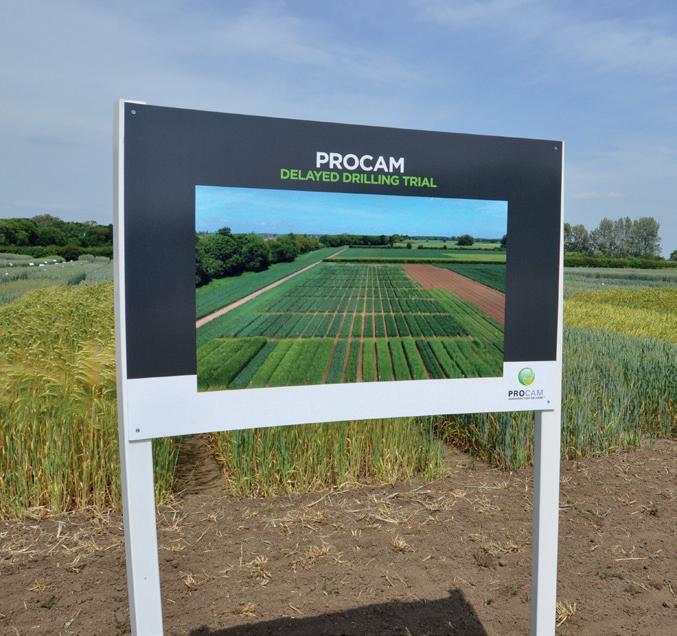
This was a key message from ProCam’s trials hub open day at the Stockbridge Technology Centre, Cawood in Yorkshire this summer.
Pressure on crop margins due to fertiliser prices means there is less room for error with yield, said ProCam head of crop production, Mike Thornton, so greater attention to detail with drilling date is key.
“Drilling date obviously affects yield, but what we’ve seen over the last 2-3 years of trials is that it’s not September drilling that has produced the best yields, but October drillings. When you think about it, this makes sense.
“Compared with September, there’s likely to be more soil moisture for germination in October and seedbeds should
be more weathered down to aid establishment. Also, aphid numbers are likely to have declined and more grass weed seeds should have germinated by October, allowing more to be controlled before planting in stale seedbeds. In addition, residual herbicides work better in cooler, moist soils and persist for longer. Which all adds up to reduced weed competition in the growing crop.”
Although yields in the trial declined as drilling moved into November and December, the extent of this decline varied between wheat varieties. Varieties also varied in how later drilling affected how long it took for them to reach milestone spray timings, such as T2, in spring.
Find out more
For more information about any of the products or services mentioned in this edition of In Field Focus, please visit the ProCam website at www.procam.co.uk or contact our Customer Services Team on 01954 712150
In addition to a UK-wide team of on-the-ground agronomists who can help you get the most from your cropping enterprise, ProCam also offers the following products and services, backed-up by a UK trials and research programme:
• Crop protection advice and solutions
• Biological products and pest prediction
• Rotation planning, seed selection and variety analysis
• Crop financing
• Nutrient management advice and solutions
• Soil health, variety selection and crop establishment advice
• Precision farming services including field mapping, farm data collection, soil and crop analysis and business benchmarking
A multi-year trial examining how different winter wheat and barley varieties respond to earlier and later drilling is aiding ProCam’s agronomic advice.
“You know your own land,” added Mike, “and you know if drilling is often delayed. So work with your agronomist to take account of this in how varieties are managed.”
CUSTOMER SERVICES 01954 712150
ProCam UK Limited
2020 Cambourne Business Park, Cambourne, Cambridge, CB23 6DW Tel: 01954 712150
www.procam.co.uk
@ProCamUK
The ProCam orb and ‘Agronomy that Delivers’ are trademarks of ProCam Europe Ltd.