CONTENT:
• Mentors
Bardha Meta Muhamet Spahiu
• Essays
Omer Aliu - Environment
Endrina Luzha - Identity of the city
Melika Lohaj - Water management
Elsa Buzhala - Re-planning urban spaces along the river
Andi Latifaj - Landscape
Liridona Fetaj - Quality of life
• Project Description
Current situation
Photographs from other locations of the river
Workshop
Idea concept
THE MENTORS

Bardha META
Bardha Meta is an architect and researcher with a master’s degree in Sustainable Architecture and Landscape Design from Politecnico di Milano. She worked as a lecture assistant and currently works as an architect in Pristina.
Muhamet SPAHIU
Muhamet Spahiu is an architect and is currently doing his doctorate at the Technical Faculty of Karlsruhe - Germany and his field of research is urbanism, namely the planning of Pristina in the period 2000-2025.
Muhamet SPAHIU
PRISHTINA PA LUMË
The capital of Kosovo was developed in different periods influenced by economic, political developments, etc. In the last 25 years, a rapid development began in the field of construction, led by private investors. Also increased migration from the village to the city, caused the city to have no capacity for proper urban planning. Unfortunately, this has also happened to the two rivers of Pristina, which earlier brought a better quality of life. Their transformation happened in two stages: 1) in the 70s, concrete rings were used to create the bed of underground rivers; this method of coverage was partial in some parts of the city; 2) in recent years, seeing that these rivers are becoming non-functional for the city, the decision was made that they should be covered, in parts rivers have crossed, to be turned into new roads. The municipality of Pristina, as the only institution that deals with city planning, has not made any project to restore the situation previous of the rivers. Nowadays we can meet few people talking about the rivers.
Prishtina without a river is a term that is often used, but Prishtina often becomes a river during the rains. Due to numerous constructions and poor road infrastructure. The roads have flooded, causing great material damage to the citizens. This even threatens the lives of citizens by becoming disabled, an abnormal development of life.
The informal infrastructure and the illegal construction of many new constructions after the war has caused the underground water capacity to get worse, not being able to accept at the same time the high level of rain and sewage. Despite these problems, again the topic of rivers has not been raised by urban planners and the Municipality of Pristina.
This Workshop aims to raise the awareness of our society, how rivers are necessary to develop life in the city, not forgetting the many problems that are current today and each of them must be handled in a professional manner. Proper knowledge in the field of planning should be distributed to young planners, so that these young planners can be a spark that would bring the city an improvement of the current state.

Omer ALIU
ENVIRONMENT
Pristina is facing a degradation of its urban environment, caused by pollution, lack of green spaces, and insufficient water management. A key factor contributed on this situation is the uncovering of the Vellusha and Prishtevka rivers. These rivers, once an important part of the city’s natural landscape, have now been covered with concrete to expand urban infrastructure. As a result, the quality of the environment has degraded. The absence of open rivers significantly reduces clean air levels and increases pollution, negatively affecting the health of the residents.
The uncovering of the rivers also diminishes the potential for a green and natural environment. If these rivers were restored and integrated into the city through rehabilitation projects, Pristina’s environment could be greatly improved, offering cleaner air, richer biodiversity, and recreational spaces for its residents
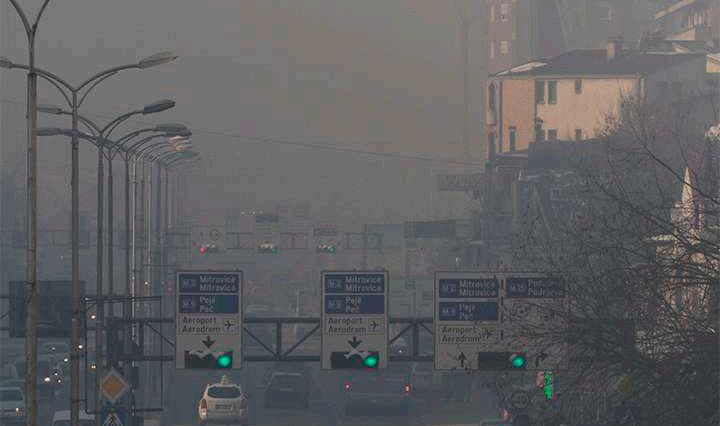
Online)
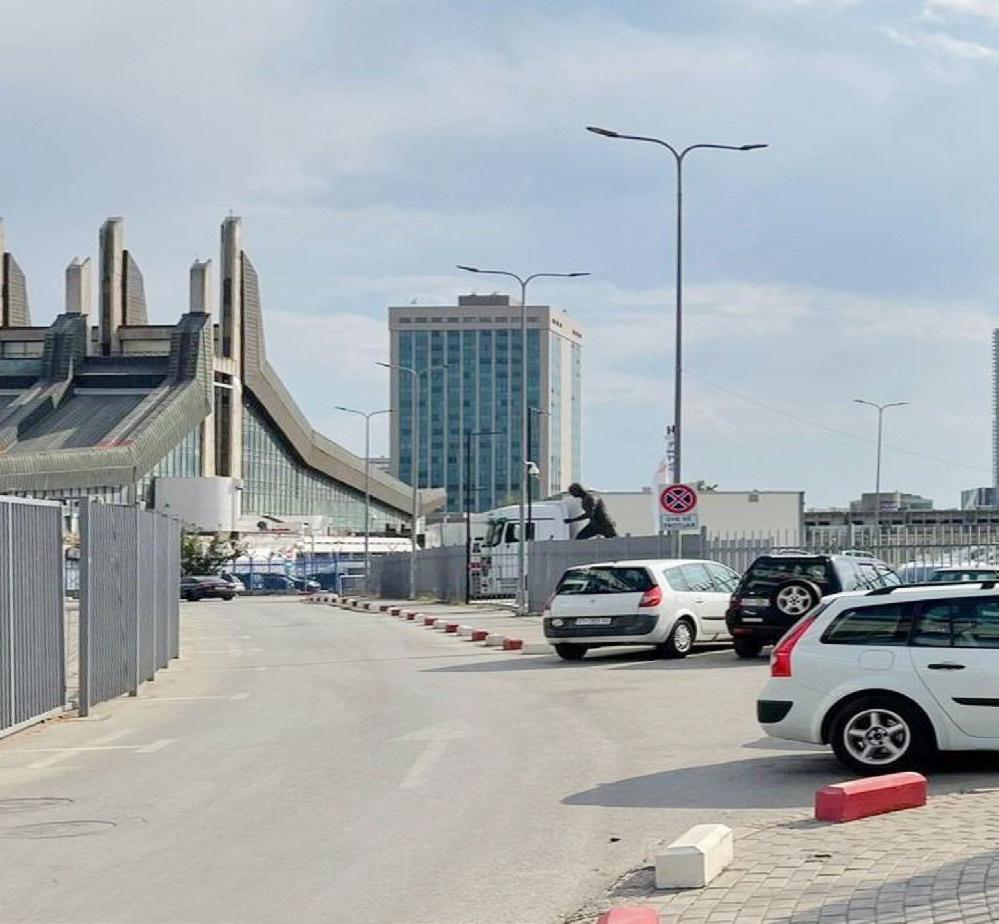
However, if these rivers were rehabilitated and reintegrated into the city’s infrastructure through environmental projects, they could play an essential role in revitalizing the quality of life in Pristina. Re-planning of rivers could significantly improve biodiversity, air quality and provide recreational spaces, promoting a healthier urban environment. The protection of the environment, as well as the air, in the new century should be a state priority of every society, as it directly affects the quality of urban life in our settlements - our cities. This current result unfortunately shows the low consciousness of the citizens that they have for the preservation of the environment where they themselves live.
Fig. 1. Air pollution, invisible killer in Pristina (Ekonomia
Fig. 2. The space where two rivers meet
Endrina LUZHA
IDENTITY
Prishtivka River and Vellusha represent an important part of the historical and natural identity of the city, even though today they are almost invisible. In the past, these two rivers were important watercourses that affected the daily lives of citizens, serving as natural water sources and creating a greener and more vibrant environmental landscape. The Prishtevka River, which once passed through the city, was a reference point for the development of Pristina, while the Vellusha ran through its center, creating a close connection between nature and urbanism. However, with rapid urban development and building modern infrastructure, these rivers have been channelized and covered, losing their original function and visibility. Today, even though they are invisible, these rivers remain part of the natural heritage of the city and a reminder of the importance that nature once had in shaping the identity of Pristina’s urban landscape.
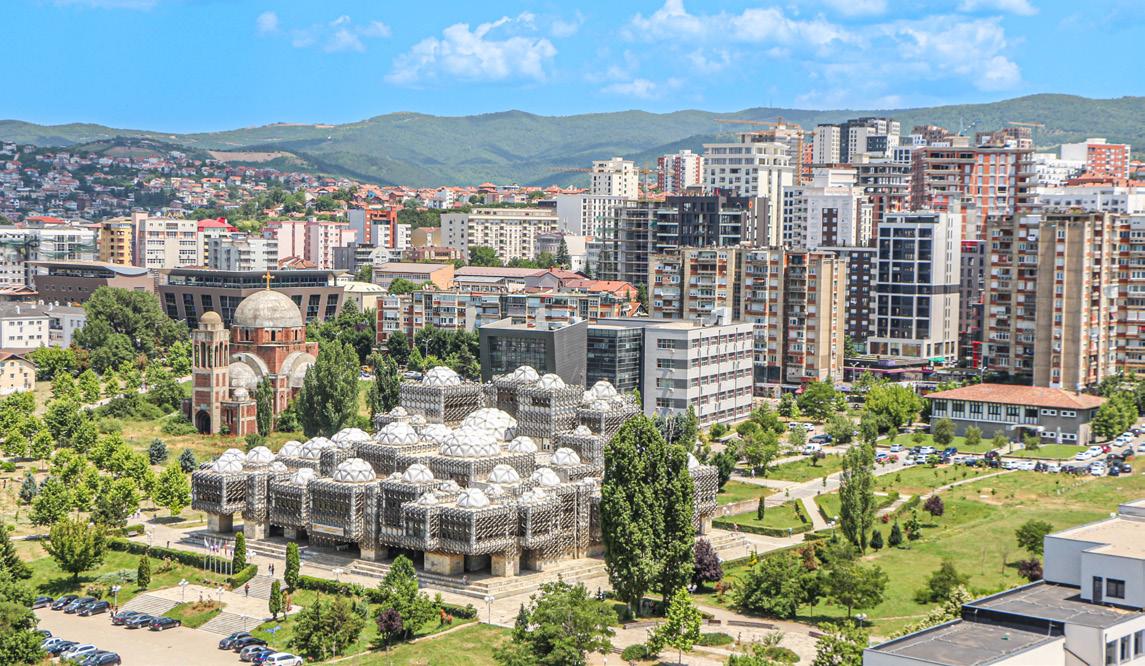
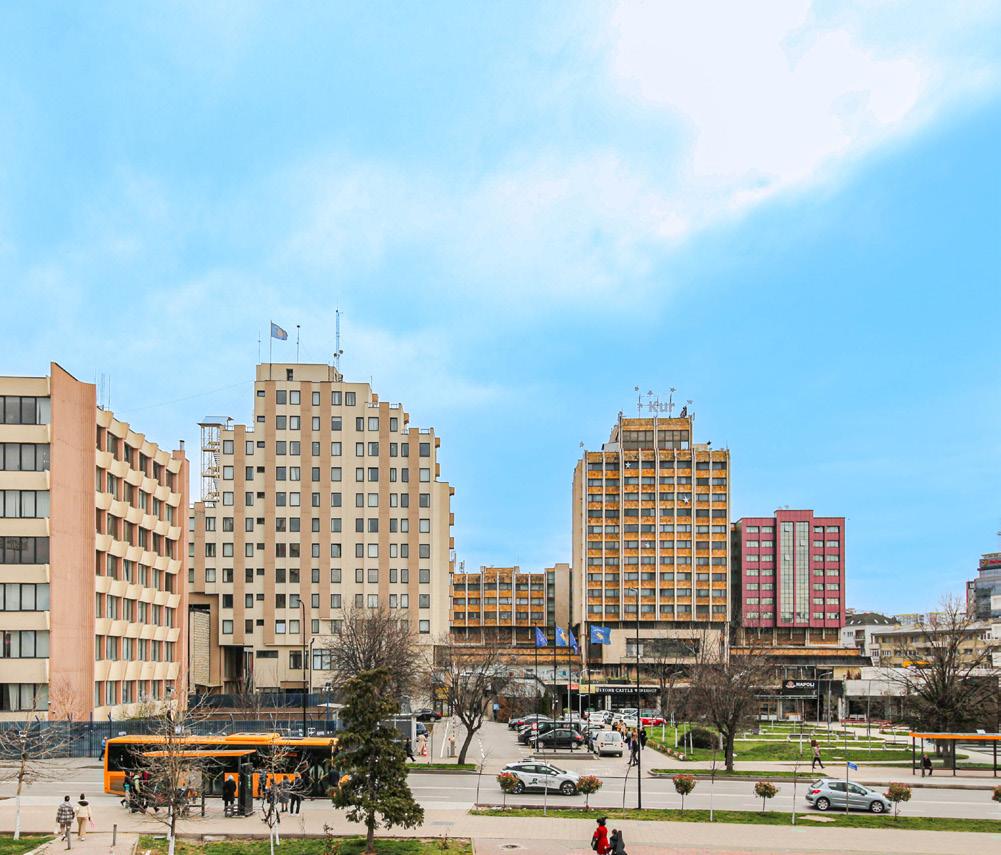
In search of the identity of Pristina, they research the parts that can create the future identity, because the current state of the city does not have enough of the features from the past periods, except for the optimistic spirit of its citizens. For the generations that lived in earlier periods, they remember the period of Pristina’s rivers as being alive and playing an important role in their lives. The destruction of the “Soul of the place” nostalgia for the citizens also deeply affects the topic of the city’s identity (architectural and urban), which Pristina has lost. The objects that gave Pristina its architectural identity in the socialist period are: National Library, Grand Hotel, Post Office Building, Technical Faculty, Radio Kosovo Building, Theater, Palace of Youth and Sports, etc.
Fig. 1. National Library
Fig. 2. Hotel Grand

Malika LOHAJ
WATER MANAGEMENT
The management of water resources in the Republic of Kosovo is based on the integrated concept as an integral part of the national economic and social development in terms of providing water for all users.
The concept of integrated management means a rational use of water resources, equitable distribution, planning and management at a higher professional level, management of conflicts between interest groups, ensuring the participation of stakeholders in the planning process. and decision-making, institutional strengthening, financial and other mechanisms that enable the promotion of integrated management of water resources. Also, the integrated management of water resources represents a set of activities, actions, decisions and measures which are necessary for the preservation of the water regime, protection from floods, drought and reduction of requirements in emergency situations. The planning and management of Kosovo’s water resources is dealt with by the Regional Authority of River Basins (RARB), which operates within the Ministry of Economy and Environment.
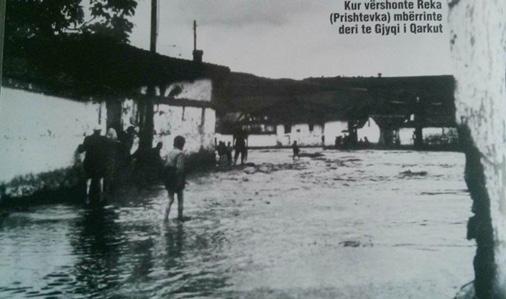
1. Pristina with river.
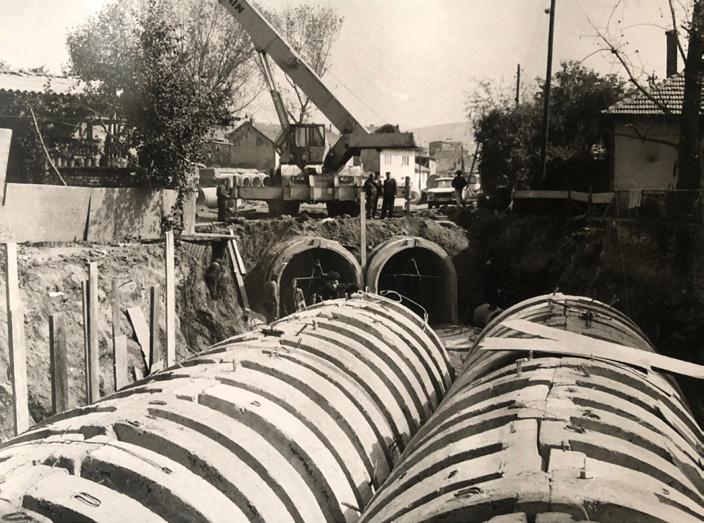
2. “Covering/Burying the Rivers”
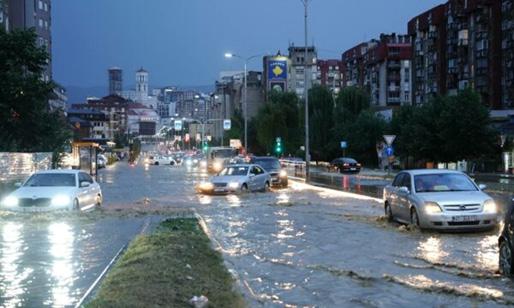
Fig. 3. Flooding of the city of Pristina during the Source Unknown Source Unknown rains. Source Unknown
Within ARPL, there are three divisions:
- Water Resources Planning Division (WRPD);
- Water Resources Management Division (WRMD);
- Division for Water Payments and Projects (DWPP) etc.
The planning or management plans of the river basins are still in the drafting and approval stage, while there has not been any proper progress in the development of water resources and their monitoring and the publication of data to the public.
In order to protect Kosovo’s waters, the principles of sustainable management must be respected, which is also the objective of the Kosovo Water Strategy. Water protection is a challenge for all institutions that are responsible for their management. The current state of wastewater treatment in the Republic of Kosovo is in the phase of continuous investments, starting from the feasibility study for the seven large urban centers, continuing with smaller settlements, up to business centers, etc.
Fig.
Fig.

Elsa BUZHALA
RE - PLANNING URBAN SPACES ALONG THE RIVER
In the heart of Pristina, where two rivers once whispered their union, now a new vision stirs, giving life to their waters and rekindling the spirit of the city.
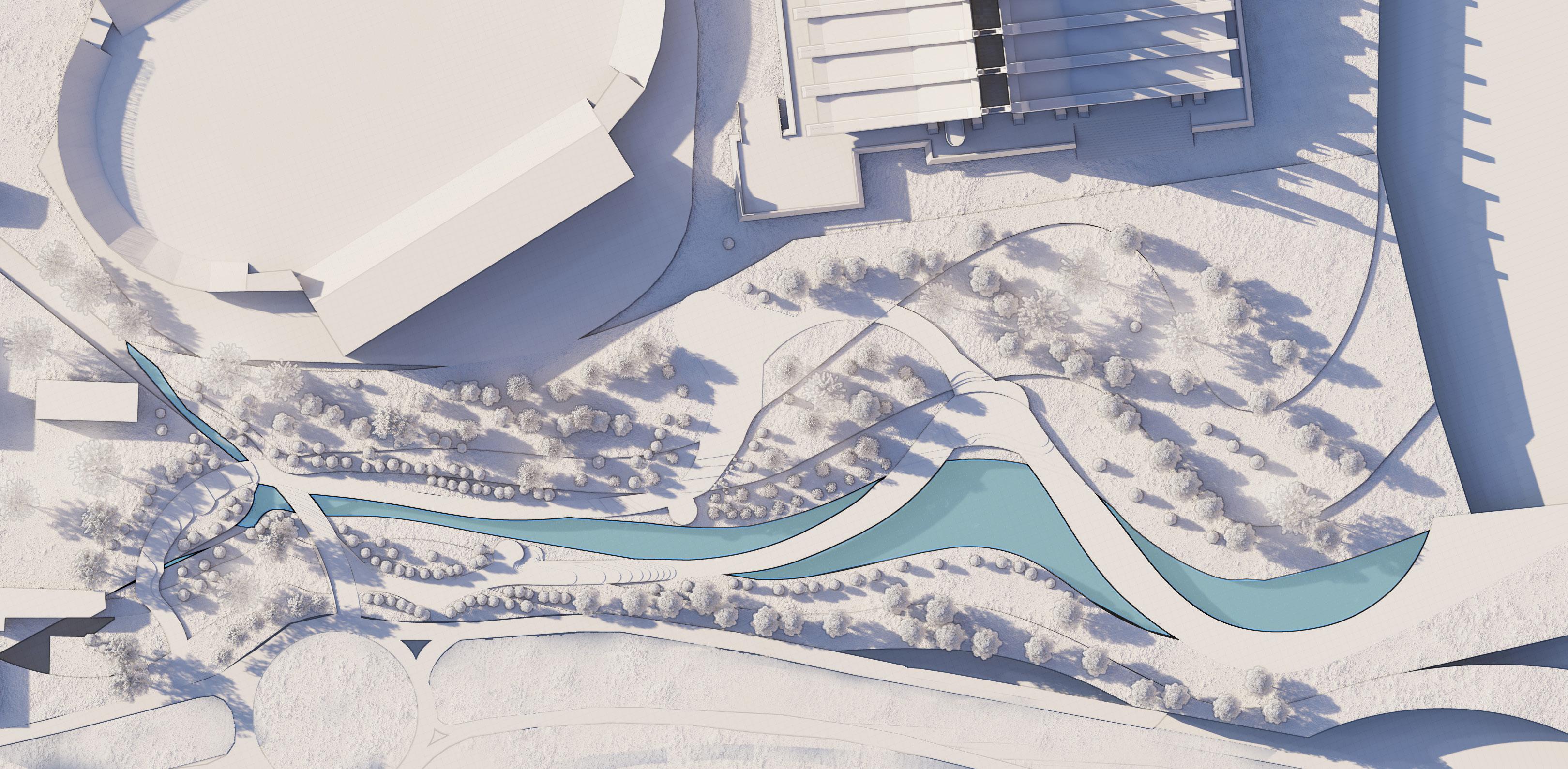
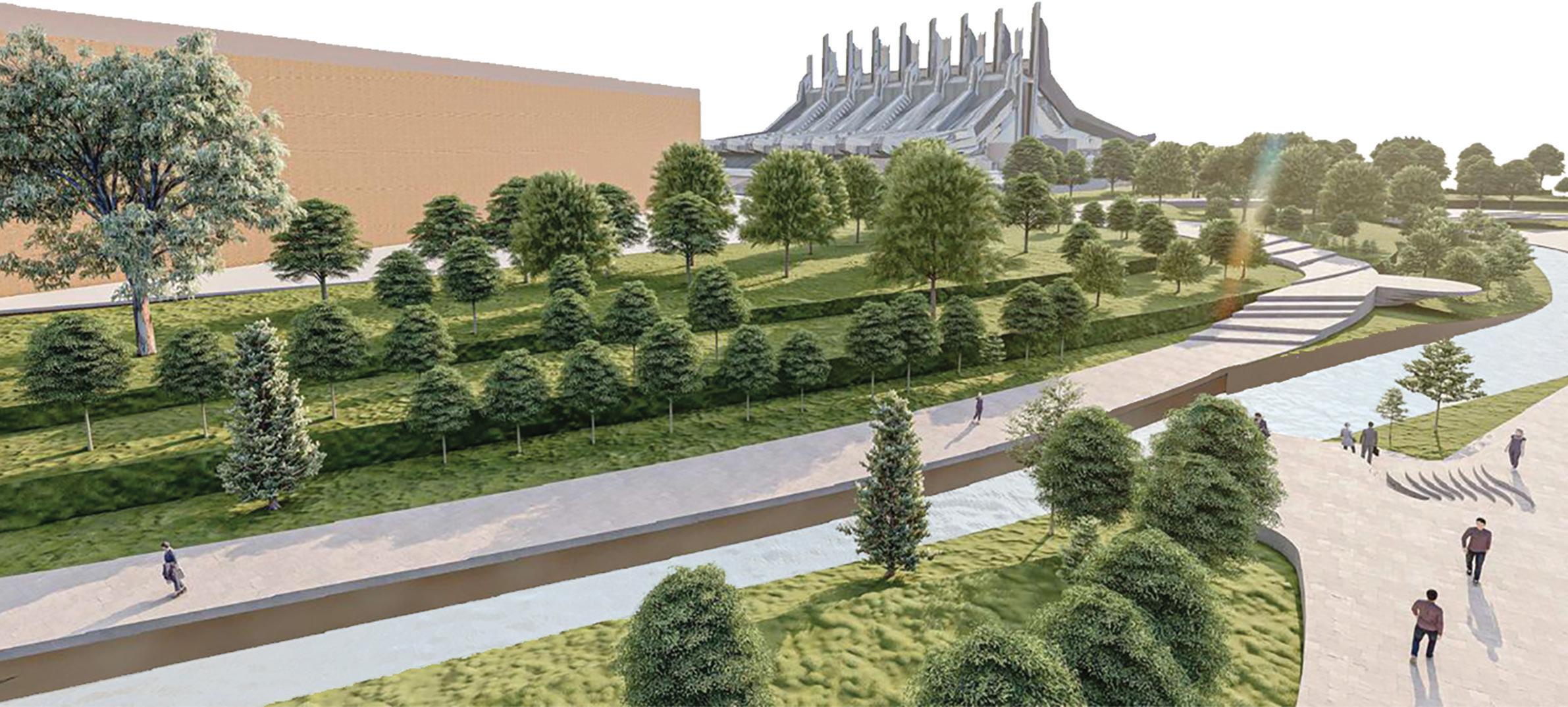
In an effort to give the city a renewed vitality, the “Fadil Vokrri” stadium, the “Boro & Ramizi” Youth and Sports Palace, the train station and the Arbëria neighborhood stand as the main anchors in this urban renaissance. Through the delicate weaving of the river path, we seek to harmonize the challenges of isolated Arbëria neighborhood with the vibrant pulse of the city. This transformation will unfold through the creation of green spaces, bridges and paths, creating a connection that invites citizens to embrace the restored function of the area surrounding the Palace of Youth and Sports and the “Fadil Vokrri” Stadium.
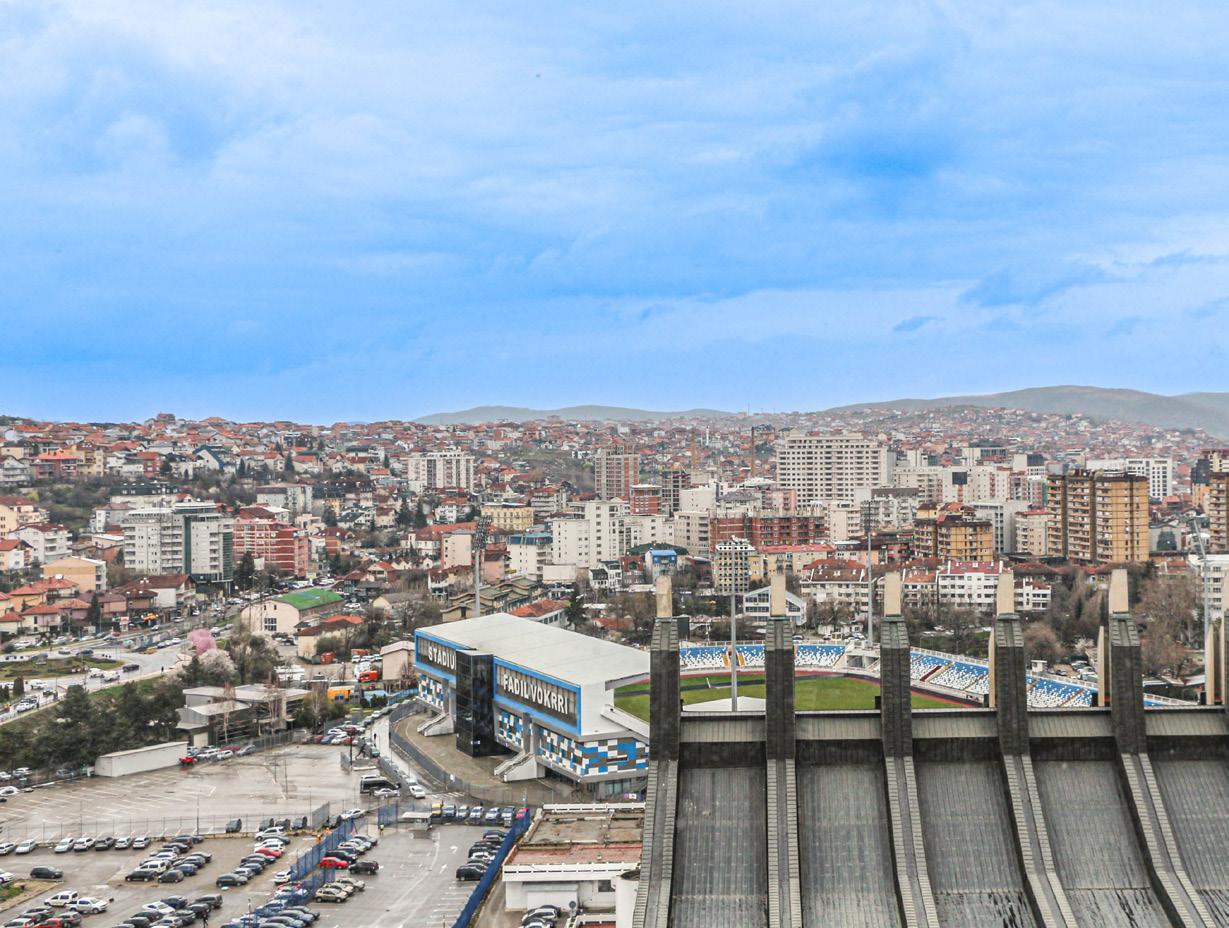
This new connection will connect the vital spaces of Pristina, giving life to its urban structure. A proper step was for key institutions to deal with city planning, to take steps in re-planning the state of the river Vellusha and Prishtevka. They should think that the re-planning of the rivers would not only bring back the lost identity of the city but that it would positively affect the economy with the influx of tourists and many other benefits.
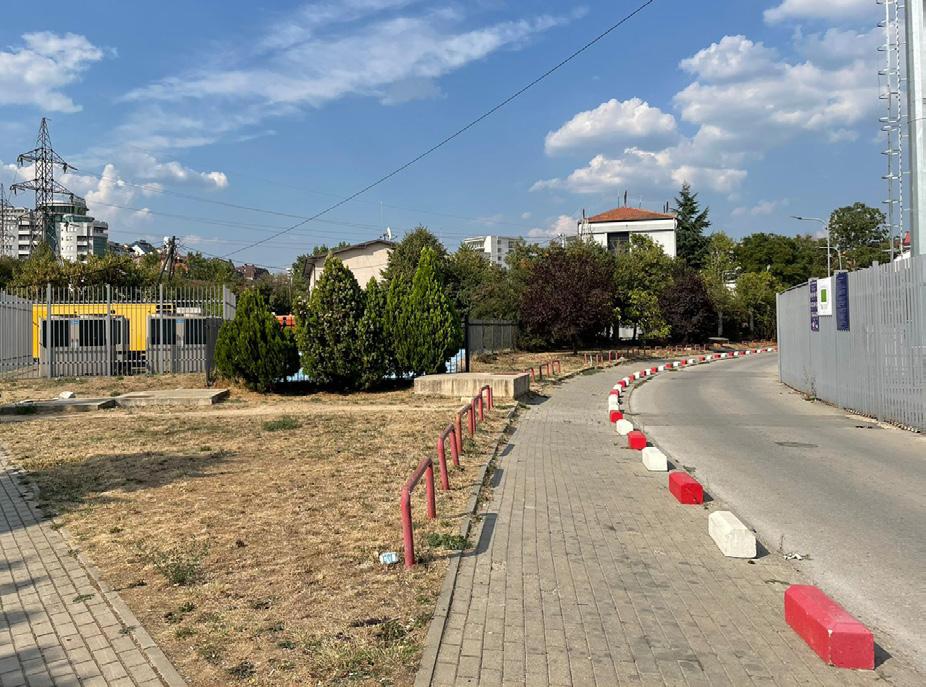
Fig. 1 and 2. The location researched during the workshop

Andi LATIFAJ
LANDSCAPE
In the heart of Pristina, near the “Fadil Vokrri” stadium, two historical rivers, Vellusha and Prishtvka, join, creating a landscape of cultural and ecological importance. These rivers, which once had a major role in supplying the city with water, are now part of the efforts to restore water spaces to the public life of the city. Vellusha, a small flowing river, and Prishtevka was bigger and deeper, they join in an area where the modernization of the city is connected with the memories of the past and nature.
Although urbanization has covered parts of the rivers, this meeting place of the waters remains symbolic of the living nature of Pristina, representing the need for the integration of the environment into the daily life of the city.
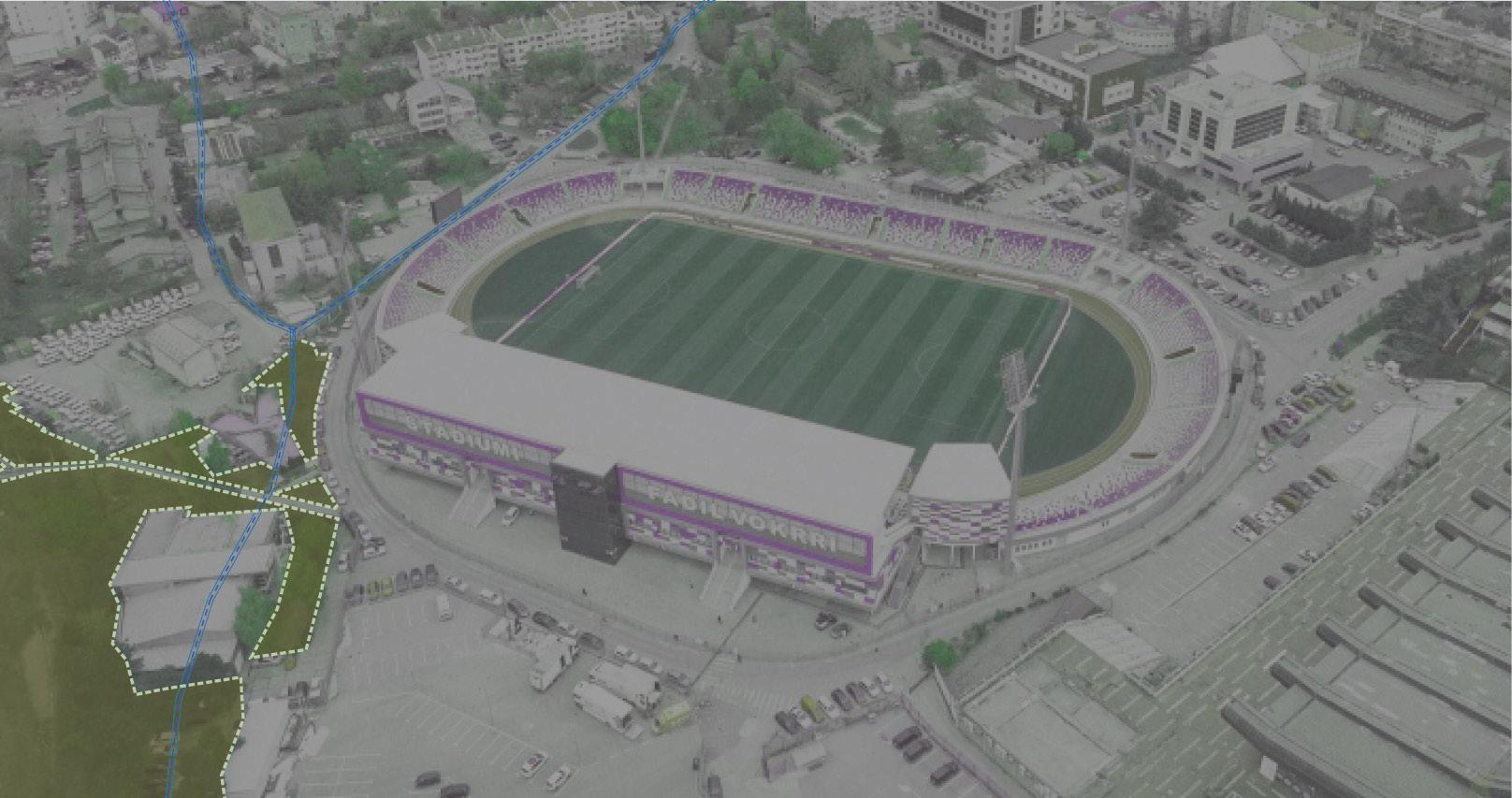
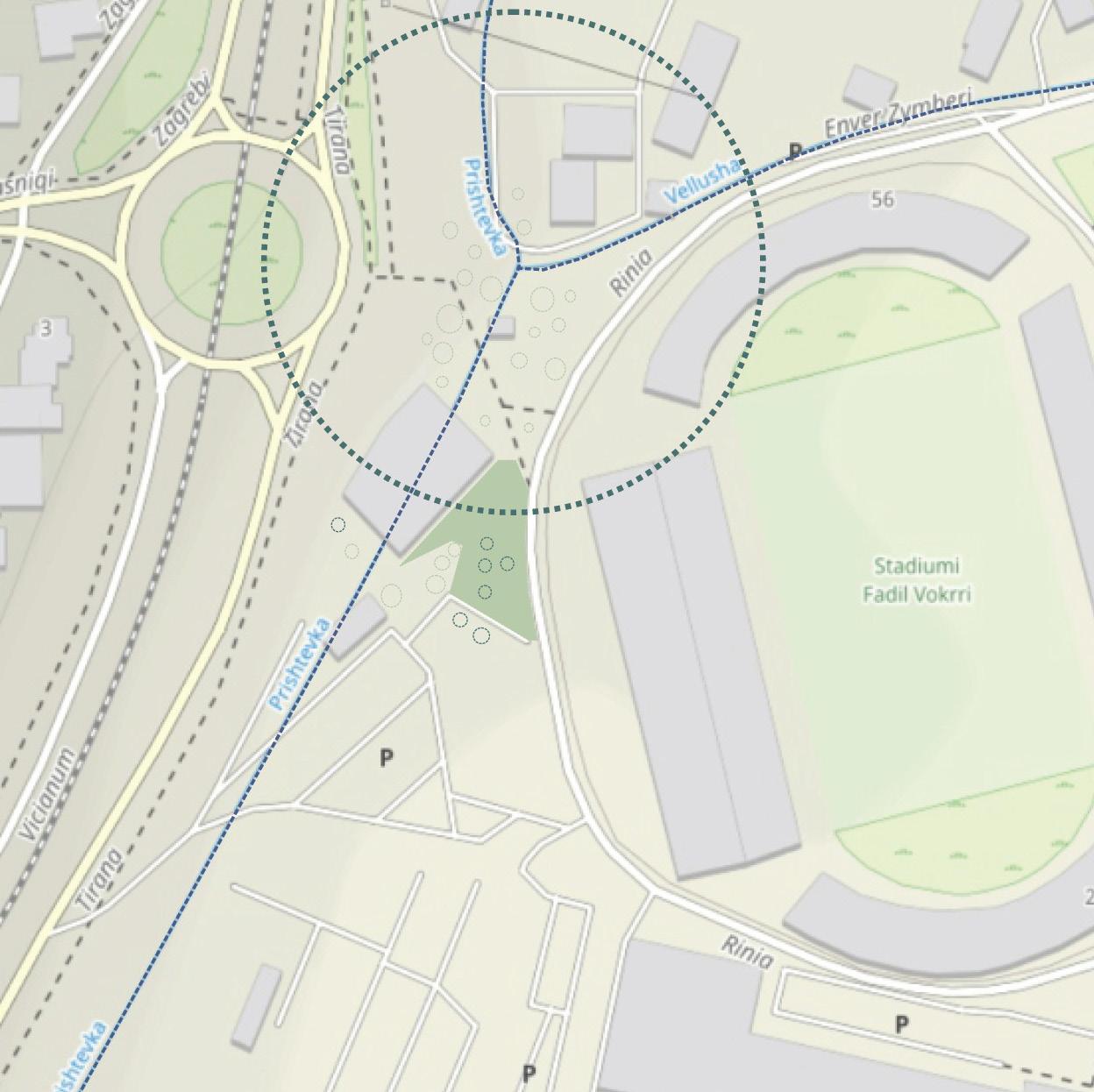
The landscape in this location offers opportunities for sustainable urban development and the restoration of public spaces. The landscape of the city of Pristina in the last 25 years was damaged, as agricultural lands were turned into constructions, green spaces were built with roads. This happened because the laws that were in force were not valid.
The extension of urban areas to agricultural lands is a big problem in the Municipality of Pristina and in other cities of Kosovo, since until now the planning of the development of the city even on agricultural lands has not been banned. It is emphasized by many people to be a crime against the territory of Pristina.
Fig. 1. The urban landscape of Pristina
Fig. 2. Landscape in a wider context

QUALITY OF LIFE
In the middle of the concrete skyscrapers and bustling streets, it’s easy to forget the importance of nature in our daily lives. As cities continue to grow and become increasingly crowded, the need for green spaces and natural environments becomes more urgent than ever. The quality of life in an overcrowded city is greatly affected by the presence or absence of nature, and it is essential to recognize the impact that nature has on our physical and mental well-being.
One of the most significant ways in which nature affects the quality of life in an overcrowded city is air quality. Cities are notorious for poor air quality, which can lead to respiratory problems and other health problems. However, studies have shown that the presence of green spaces and trees in urban areas can significantly improve air quality by absorbing pollutants and producing oxygen.
Liridona FETAJ
However, studies have shown that the presence of green spaces and trees in urban areas can significantly improve air quality by absorbing pollutants and producing oxygen. Additionally, the mental health benefits of nature cannot be overrated. Being surrounded by natural surroundings has been shown to reduce stress levels, improve mood and even relieve symptoms of depression and anxiety. In an overpopulated city where stress and anxiety are rampant, the presence of nature can be a lifesaver.
In addition to the physical and mental health benefits, nature also plays a crucial role in shaping our sense of community and social bonds. Urban parks and green spaces provide a platform for people to come together, engage in physical activity, and build relationships with their neighbors.
In conclusion, the quality of life in an overpopulated city is deeply intertwined with the presence of nature. From improving air quality and mental health, to fostering community and social connections, nature plays a vital role in shaping our daily lives.
WORKSHOP PROJECT

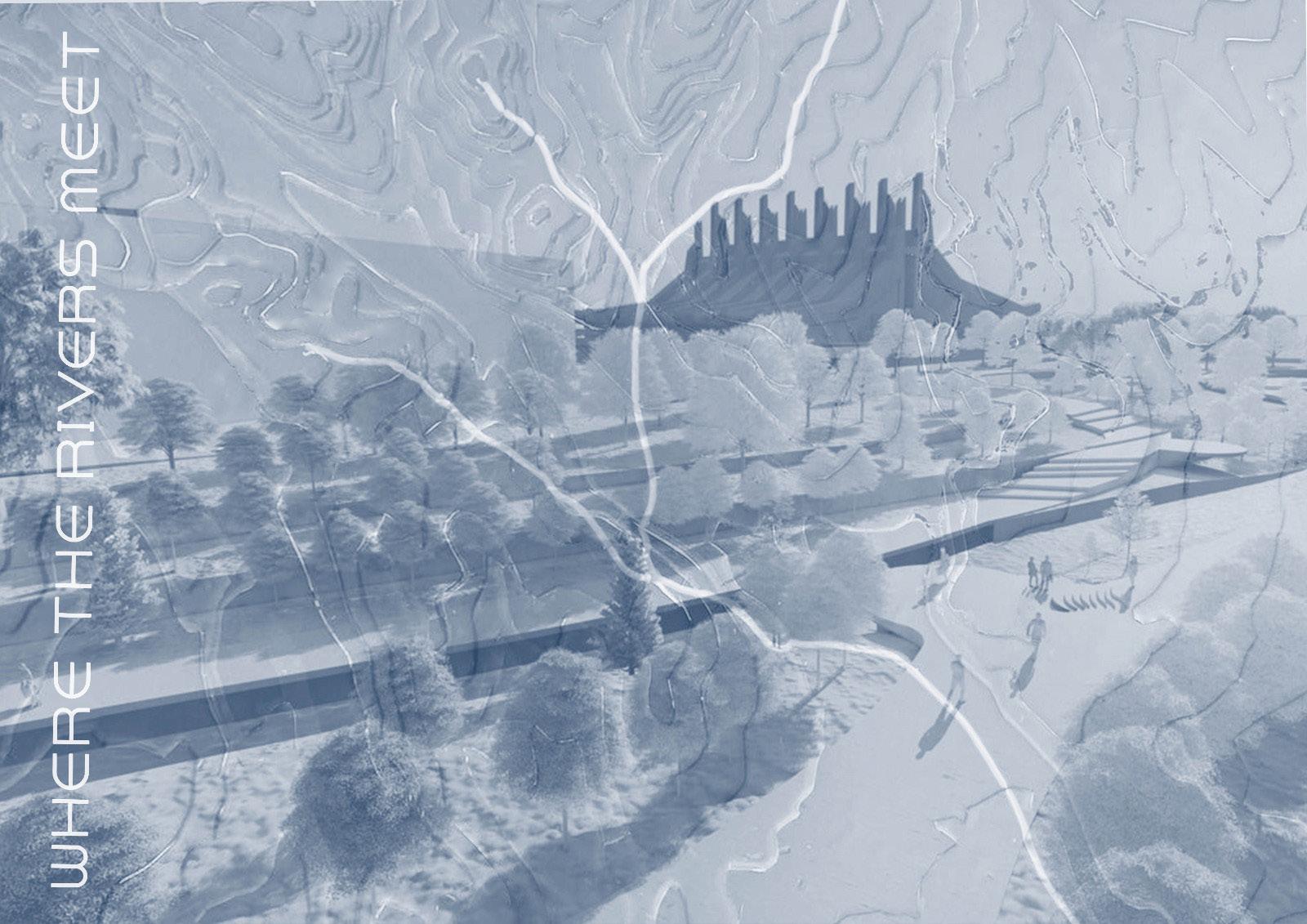
The research location covers an area of 7.1 Ha and is located in the Lakrisht neighborhood. Surrounded by residential spaces, mainly individual houses, and in the main part near the location, the City Stadium and the Palace of Youth and Sports are positioned. The potential of this location lies in the restoration of the two sources of the rivers Prishtevka and Vellusha in function and on the surface, the connection of the Arbëri neighborhood with the rest of the city, the framing of greenery as a recreational and resting space. The most critical part remains the connection of the Youth Palace and the exits of the stadium, where two of these exits lead directly to the research location. The parking lots located above the surface of the earth will be framed as underground parking lots, while the space of the above-ground parking lot will be transformed into greenery with functional and ecological purposes. The main exits of the location that include the connection to the train station, which plays an important role for mobility, and the road that separates the neighborhood of Arbëria and Lakrishta will be like other projects that must be addressed in the future together with the rest of the urban planning that includes this location.
CURRENT SITUATION
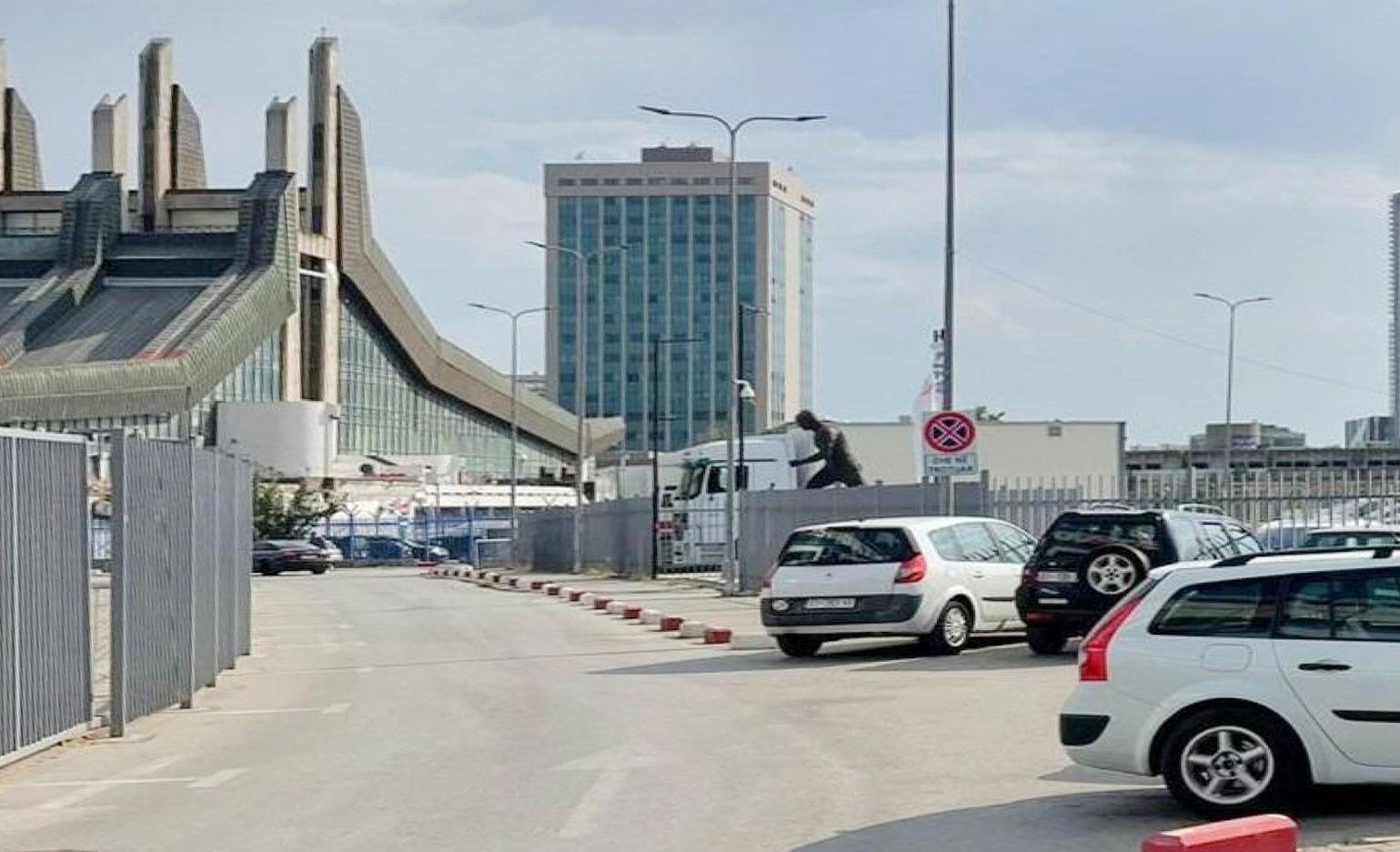
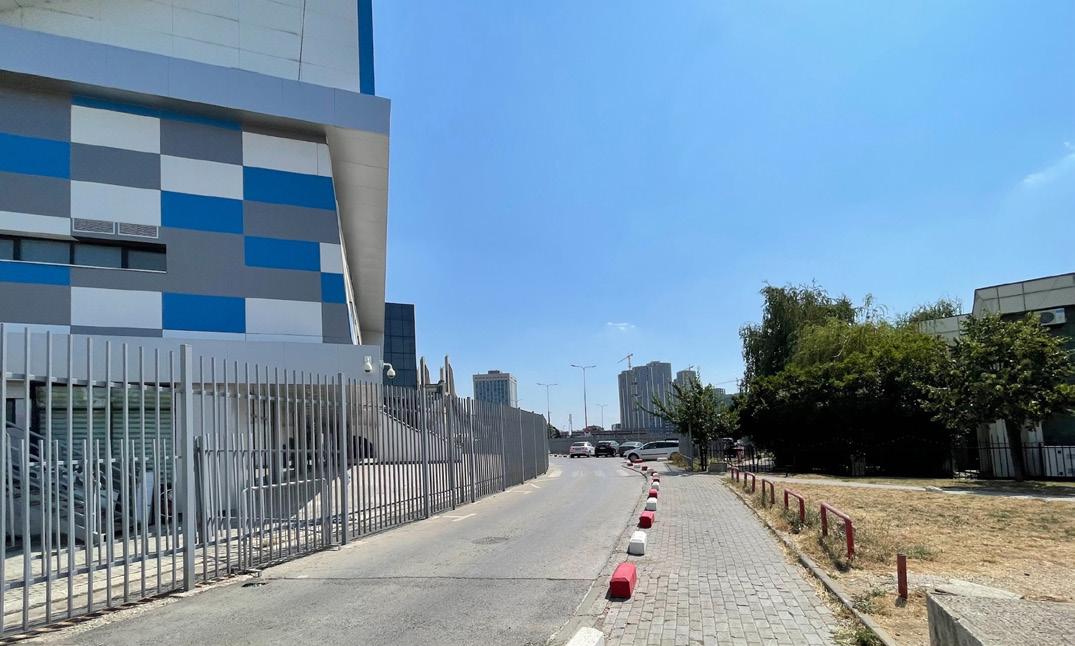
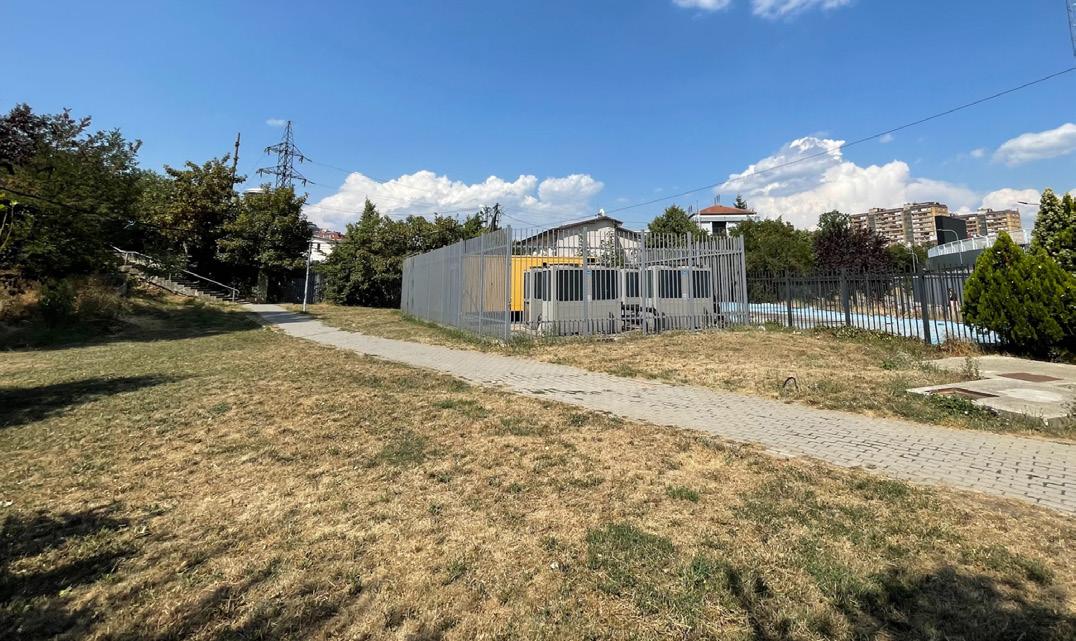
In these photographs you can see the meeting point of two rivers, Prishtevka and Vellusha, this area has been neglected from key institutions. However the potential this has area, the spaces can be used for parking lots (concreted) and the remaining parts are green. This site is just a living proof of how it is handled the issue of city planning in the territory of Pristina.
PHOTOGRAPHS FROM OTHER LOCATIONS WHERE THE RIVER VELLUSHA HAS PASSED
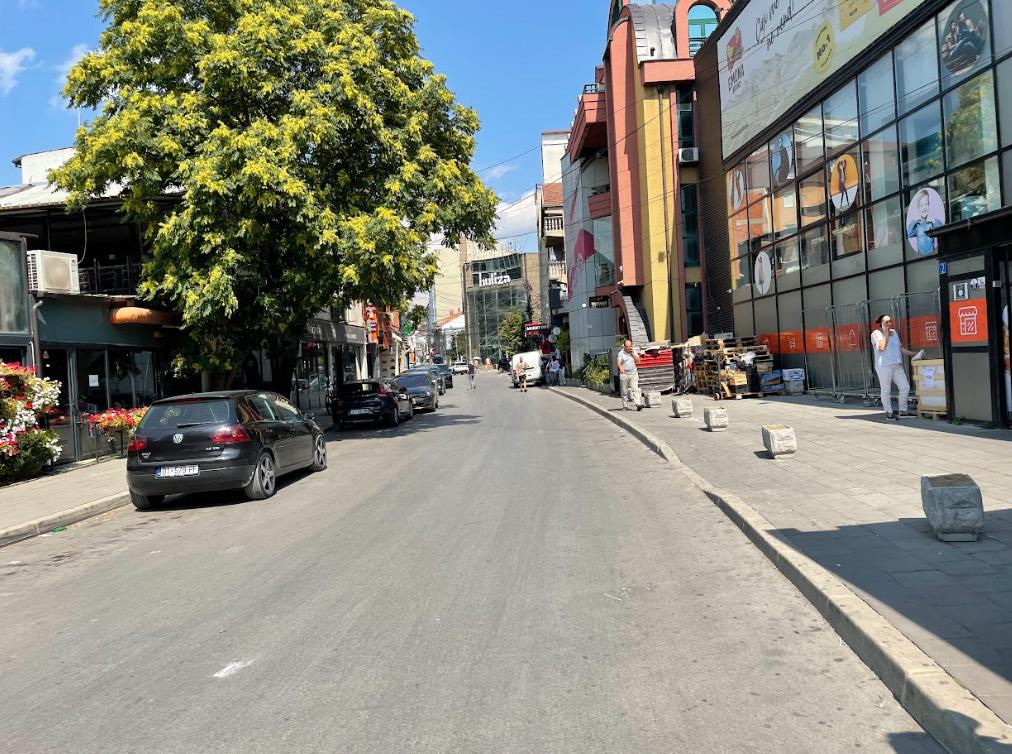
Street. Bajram Kelmendi
The coordinates: 42°39’48.4”N / 21°09’54.7”E
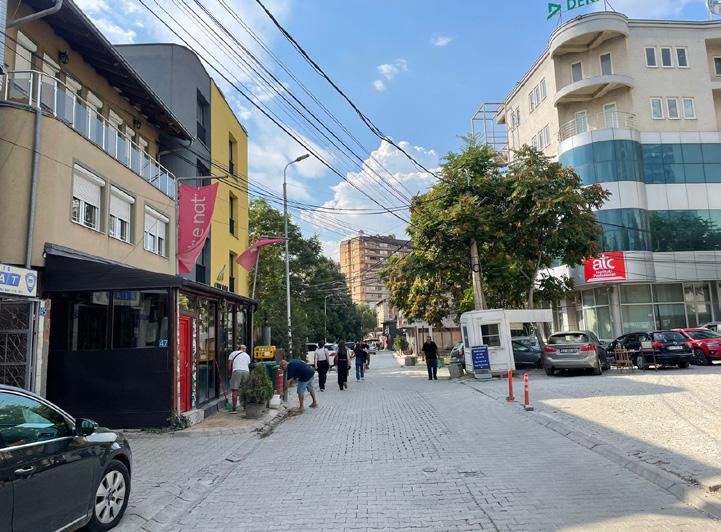
Street. Fazli Grajqveci
The
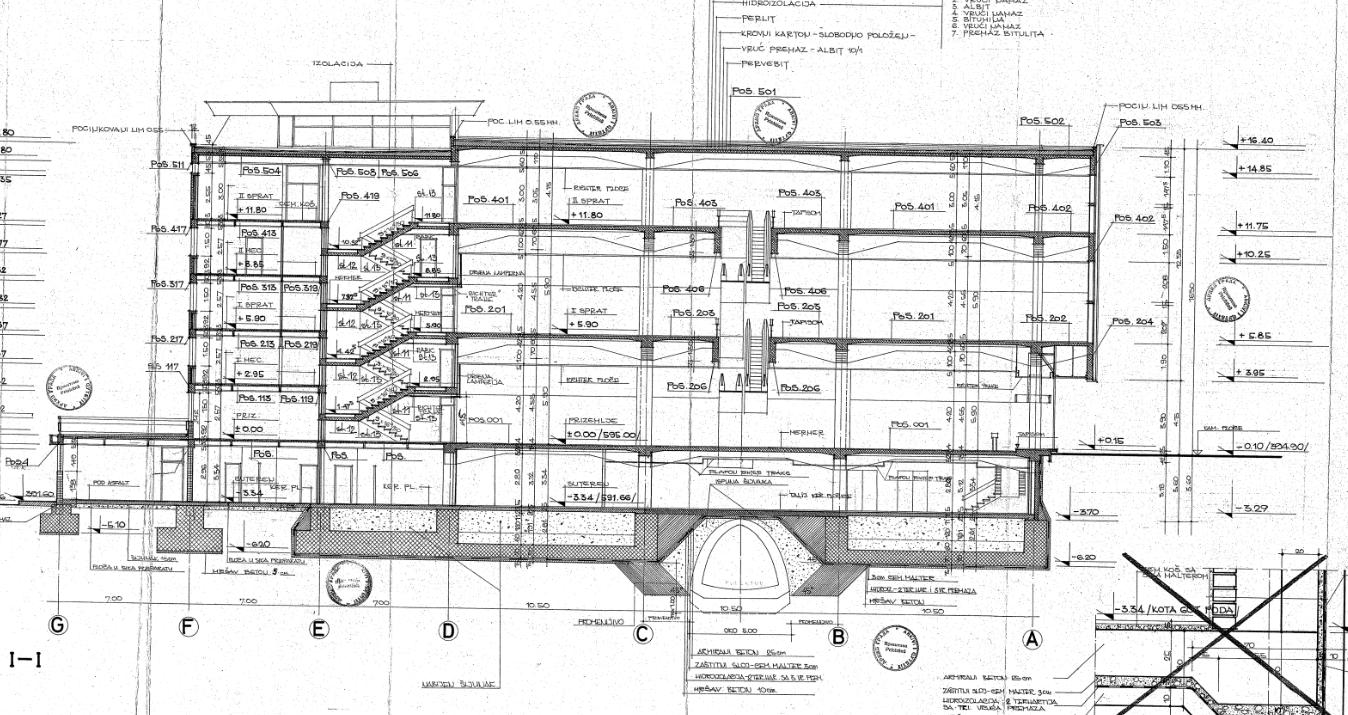
Project: Former Shops Center - Gërmia
Section
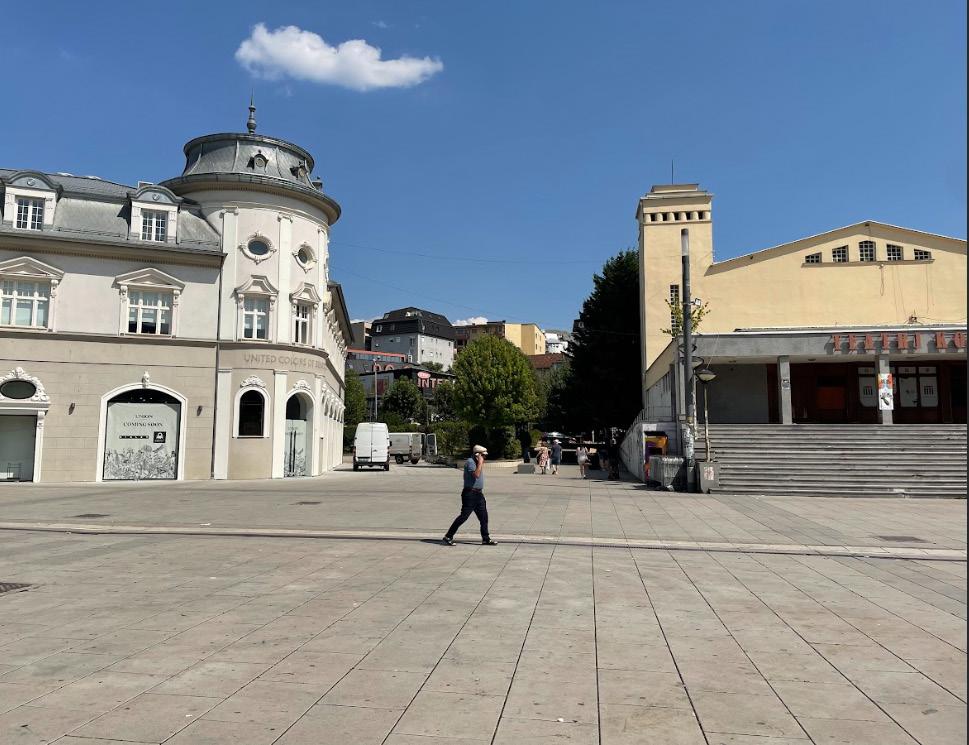
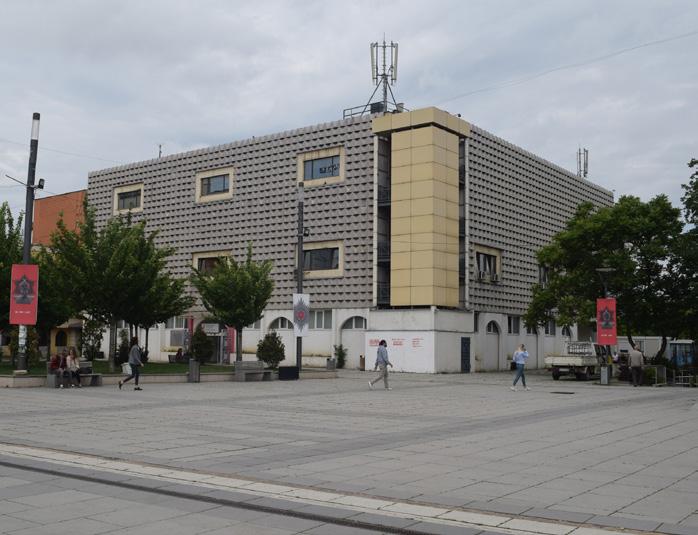
Former Shops Center - Gërmia
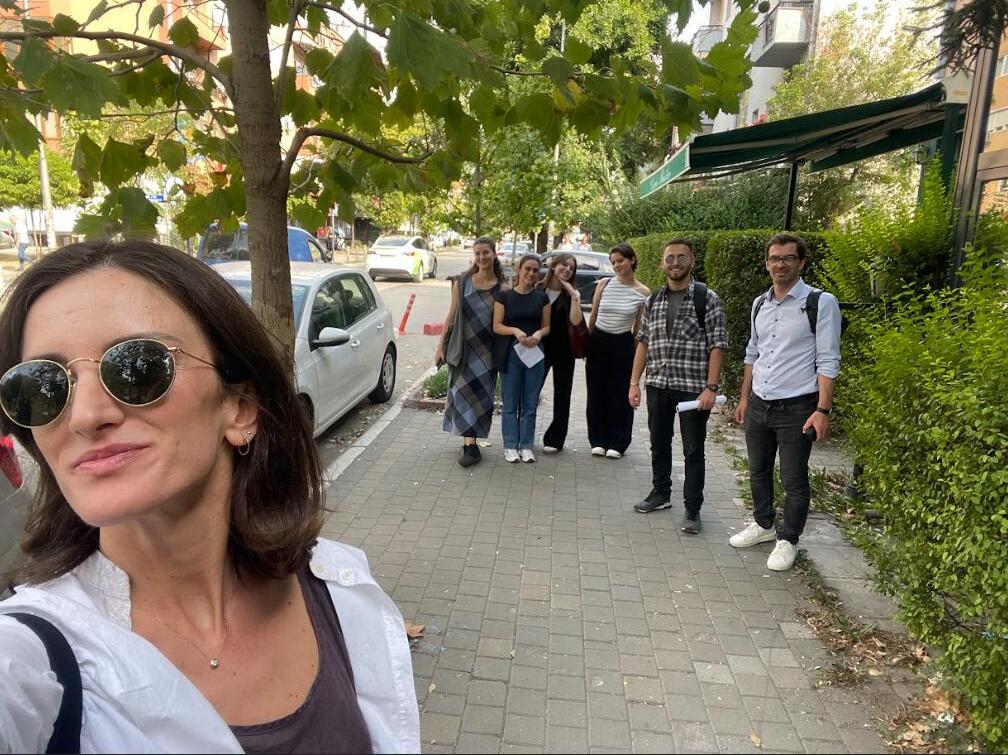
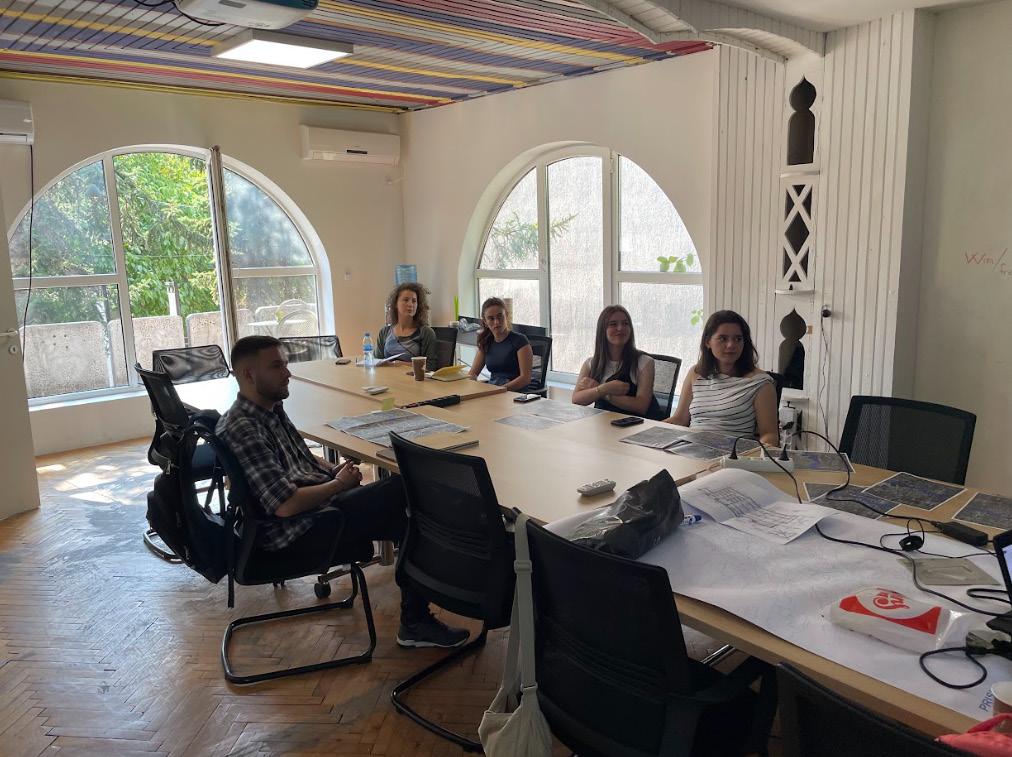
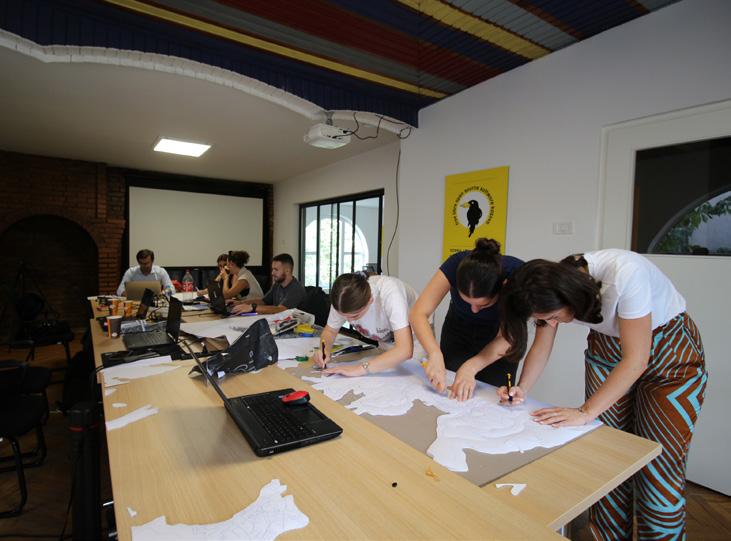
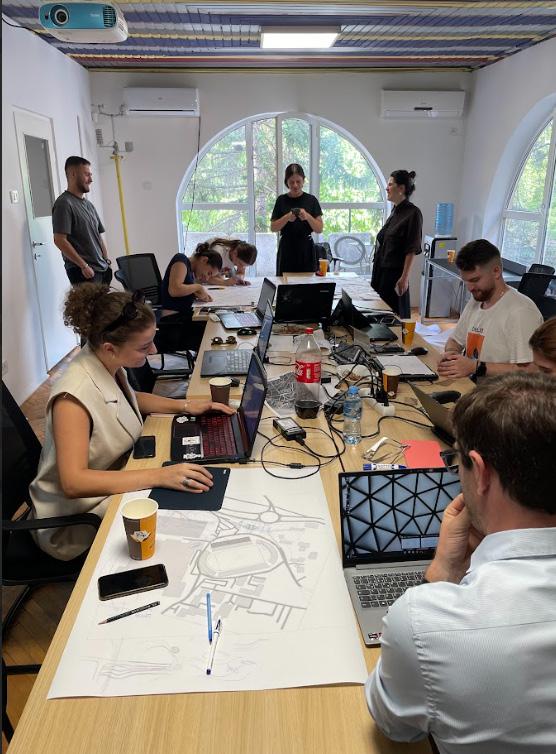
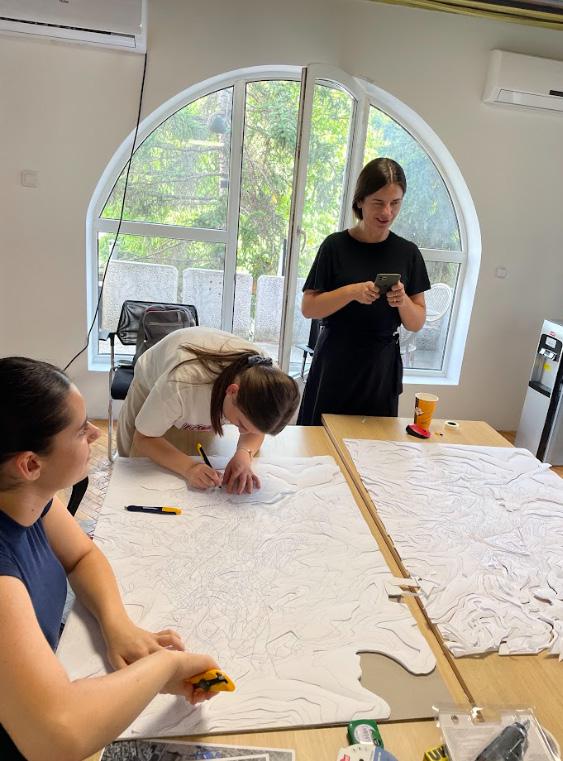
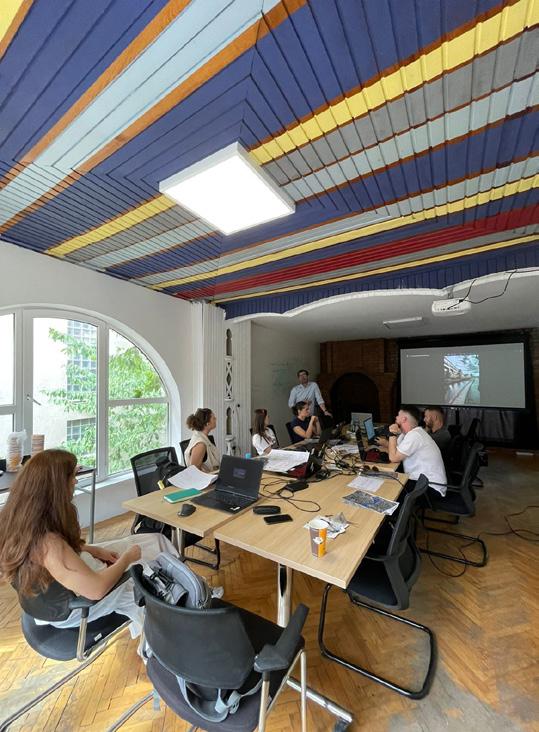
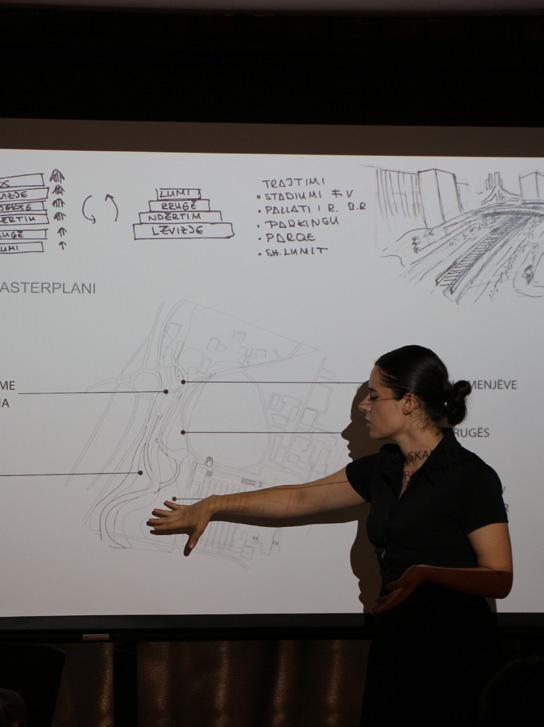
WORKSHOP
1. Presentation of the research problem and issue;
2. Going to the location studies and facing the current situation.
(photo shoots, discussions about locations);
3. Discussions about the chosen location and the conceptual project;
4. Presentation.
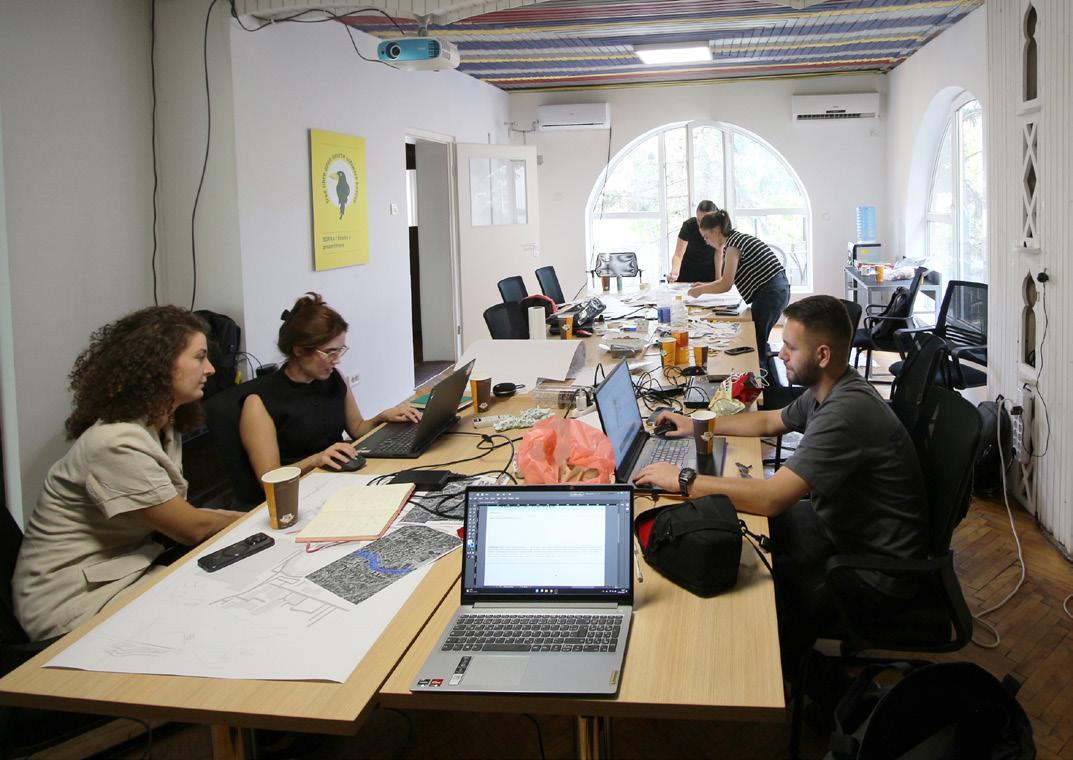
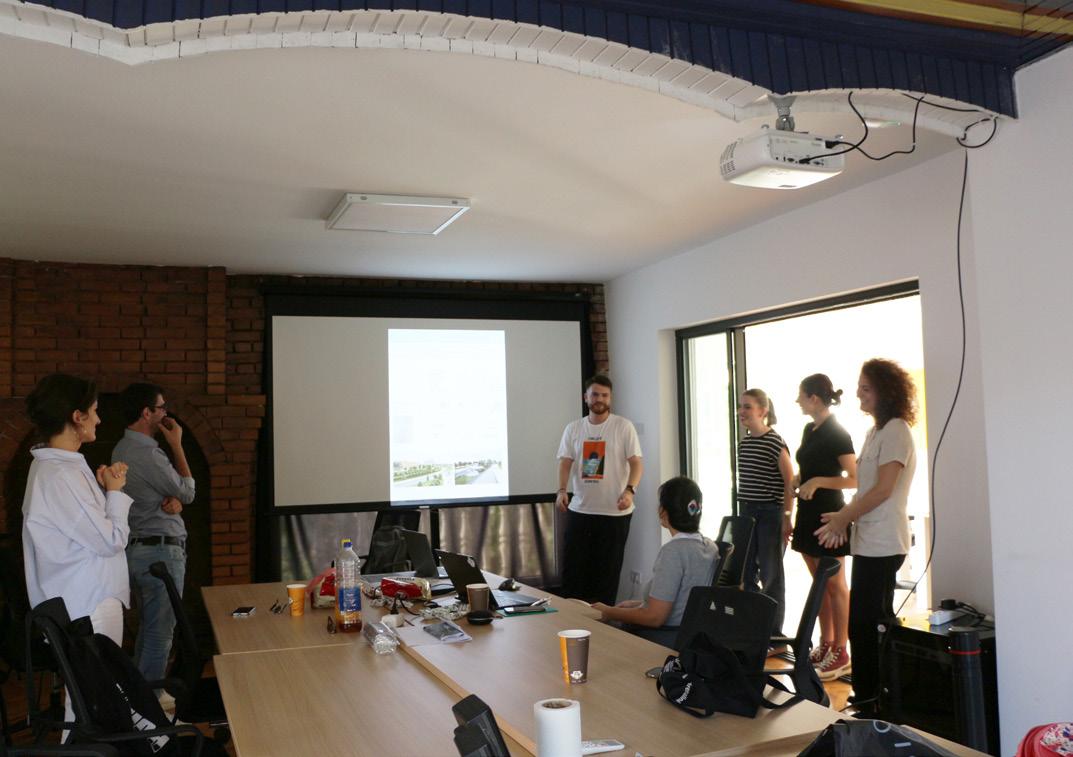
WORKSHOP
CONCEPT IDEA
1. STADIUM “Fadil Vokrri”
2. PALACE OF YOUTH AND SPORTS “Boro dhe Ramizi
3. FORMER HOTEL "Unioni"
1. STADIUM “Fadil Vokrri”
4. FORMER SHOPS CENTER "Gërmia"
2. PALACE OF YOUTH AND SPORTS “Boro dhe Ramizi
5. UNIVERSITY CAMPUS
3. FORMER HOTEL "Unioni"
6. SQUARE ”Nëna Tereza”
4. FORMER SHOPS CENTER "Gërmia"
7. TRAIN STATION
5. UNIVERSITY CAMPUS
6. SQUARE ”Nëna Tereza”
7. TRAIN STATION
8. ARBËRIA NEIGHBORHOOD RAILWAYS
8. ARBËRIA NEIGHBORHOOD
RAILWAYS
RIVER VELLUSHA
RIVER VELLUSHA RIVER PRISHTEVKA
RIVER PRISHTEVKA
UNION OF TWO RIVERS
CONCEPT IDEA
RECOVER OF THE RIVER GREENING AREA
PARKING TREATMENT
UNDERGROUND PARKING FOR THE STADIUM AND YOUTH AND SPORTS PALACE
RECREATION FOR NEIGHBORHOODS
CONCEPT IDEA
RIVERS
PEDESTRIAN AND CYCLING PATHS
UNDERGROUND PARKING
PARC
CONCEPT IDEA
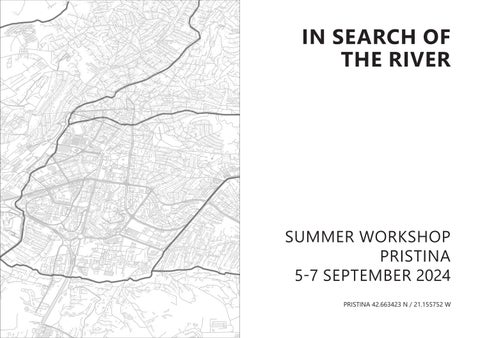
IN SEARCH OF THE RIVER
5-7 SEPTEMBER 2024