The Importance of Paper Selection in Fine Art Printing
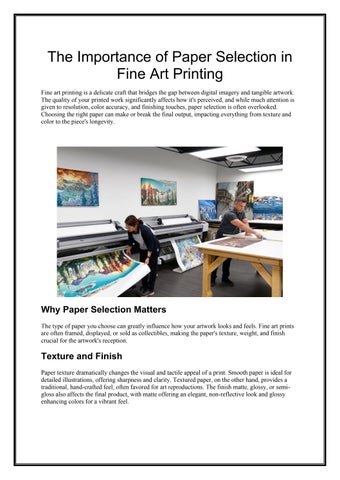
Fine art printing is a delicate craft that bridges the gap between digital imagery and tangible artwork. The quality of your printed work significantly affects how it's perceived, and while much attention is given to resolution, color accuracy, and finishing touches, paper selection is often overlooked. Choosing the right paper can make or break the final output, impacting everything from texture and color to the piece's longevity.
Why Paper Selection Matters
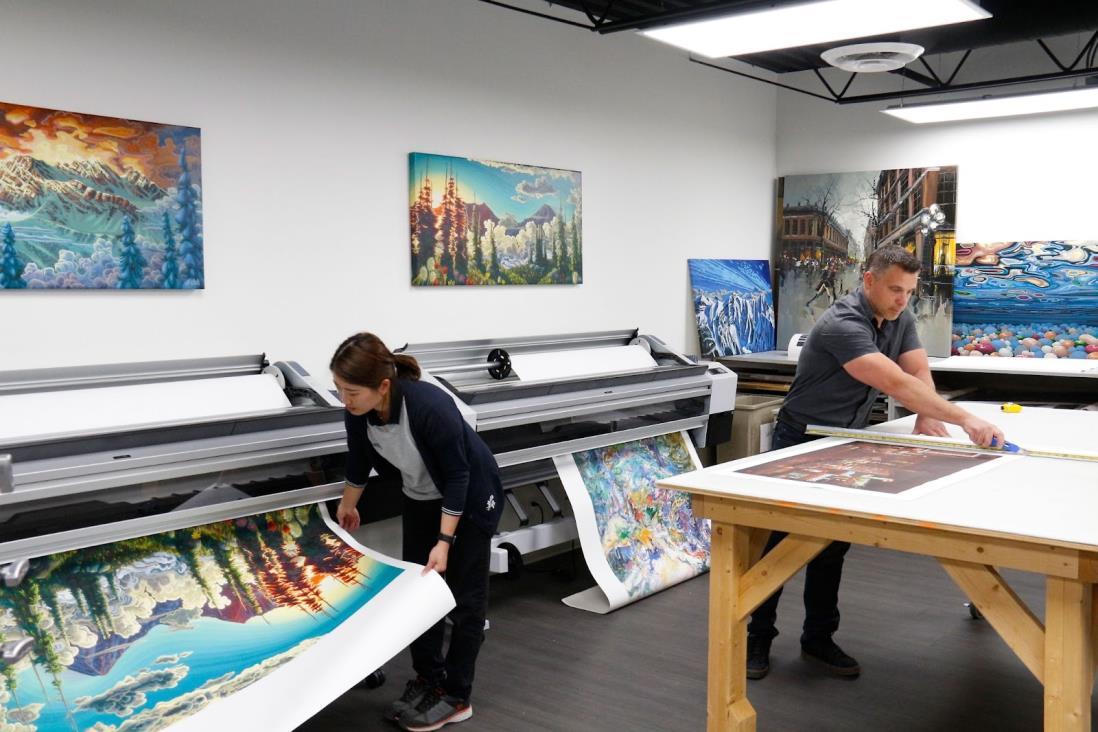
The type of paper you choose can greatly influence how your artwork looks and feels. Fine art prints are often framed, displayed, or sold as collectibles, making the paper's texture, weight, and finish crucial for the artwork's reception
Texture and Finish
Paper texture dramatically changes the visual and tactile appeal of a print. Smooth paper is ideal for detailed illustrations, offering sharpness and clarity. Textured paper, on the other hand, provides a traditional, hand-crafted feel, often favored for art reproductions. The finish matte, glossy, or semigloss also affects the final product, with matte offering an elegant, non-reflective look and glossy enhancing colors for a vibrant feel.
Color Reproduction
Paper plays a crucial role in color accuracy. Some papers absorb ink, causing colors to appear muted, while others prevent ink absorption, ensuring brighter, more vivid colors. White point and brightness affect color contrast, with bright white paper ideal for strong contrasts and warm-toned paper giving a vintage feel. High-quality papers with coatings preserve color accuracy and sharpness
Longevity and Archival Quality
Fine art prints are often considered long-term investments, so the paper's durability and archival quality are vital. Acid-free, archival-grade papers resist fading and discoloration, ensuring the artwork remains vibrant. Cotton rag paper, made from natural cotton fibers, is a popular choice for its durability and luxurious texture.
Weight and Thickness
Paper weight, measured in GSM (grams per square meter), impacts the paper's sturdiness and feel. Heavier paper, over 300 GSM, provides a premium feel and is suitable for framed prints. Lighter paper, though more economical, may be used for less formal prints or those requiring a delicate finish.
Application to Specific Art Forms
Different art forms demand specific paper characteristics. Photography benefits from smooth, highgloss papers for sharpness and color vibrancy, while watercolor reproductions are best on textured, cold-pressed papers that mimic traditional watercolor paper. Graphic art and illustrations often require smooth paper to highlight clean lines and intense colors
Conclusion
In fine art printing, paper selection is a creative choice that enhances the artwork. The right paper elevates the viewer's experience, making colors more vibrant, texture more engaging, and the overall presentation more polished. Understanding the impact of different paper types ensures your artwork is presented in the best possible light