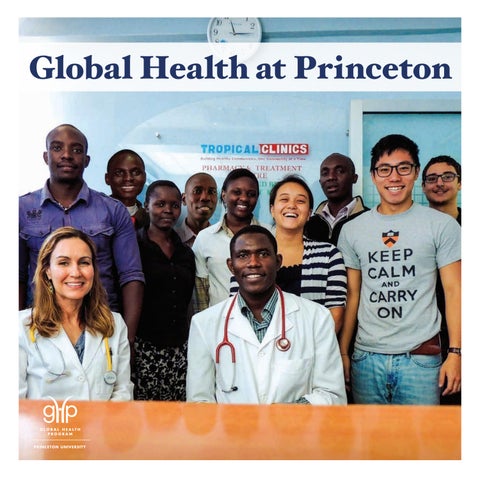
Global Health at Princeton
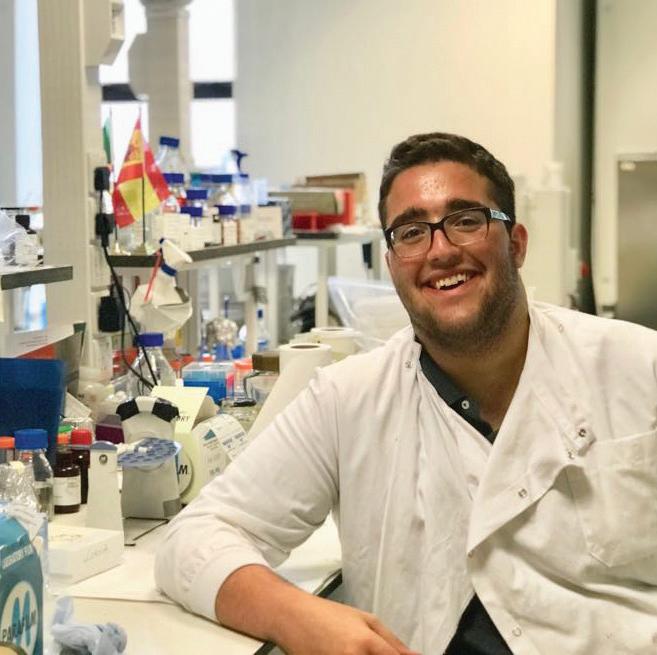
“The Global Health Program is unique in its interdisciplinary approach to resolving complex health problems.
With classes that explore a broad array of topics from the Affordable Care Act to the West African Ebola outbreak, the program taught me about the ways in which social, economic, and geopolitical factors impact health and wellbeing beyond what a physician can do alone. It has inspired me to look beyond medicine itself, to dedicate my career to transforming access to health from a privilege, to a right.”
Richard Lu ’16
Rhodes Scholar; Resident Physician, New YorkPresbyterian Hospital
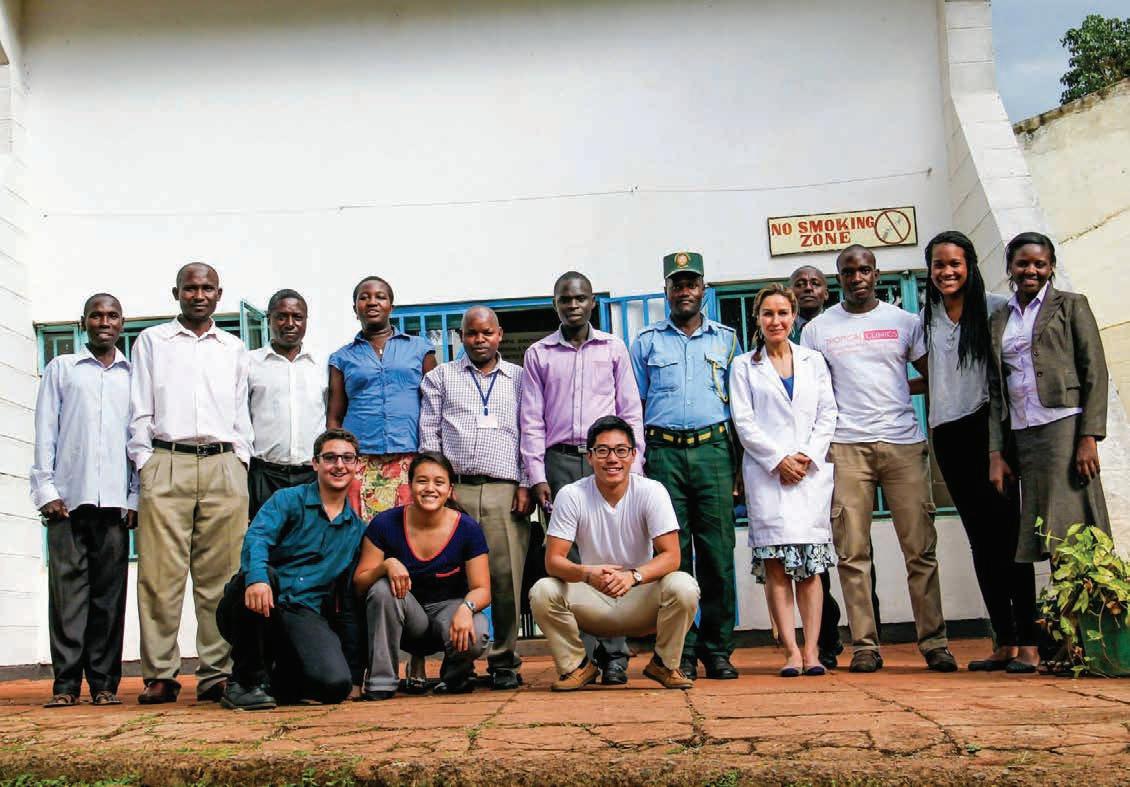
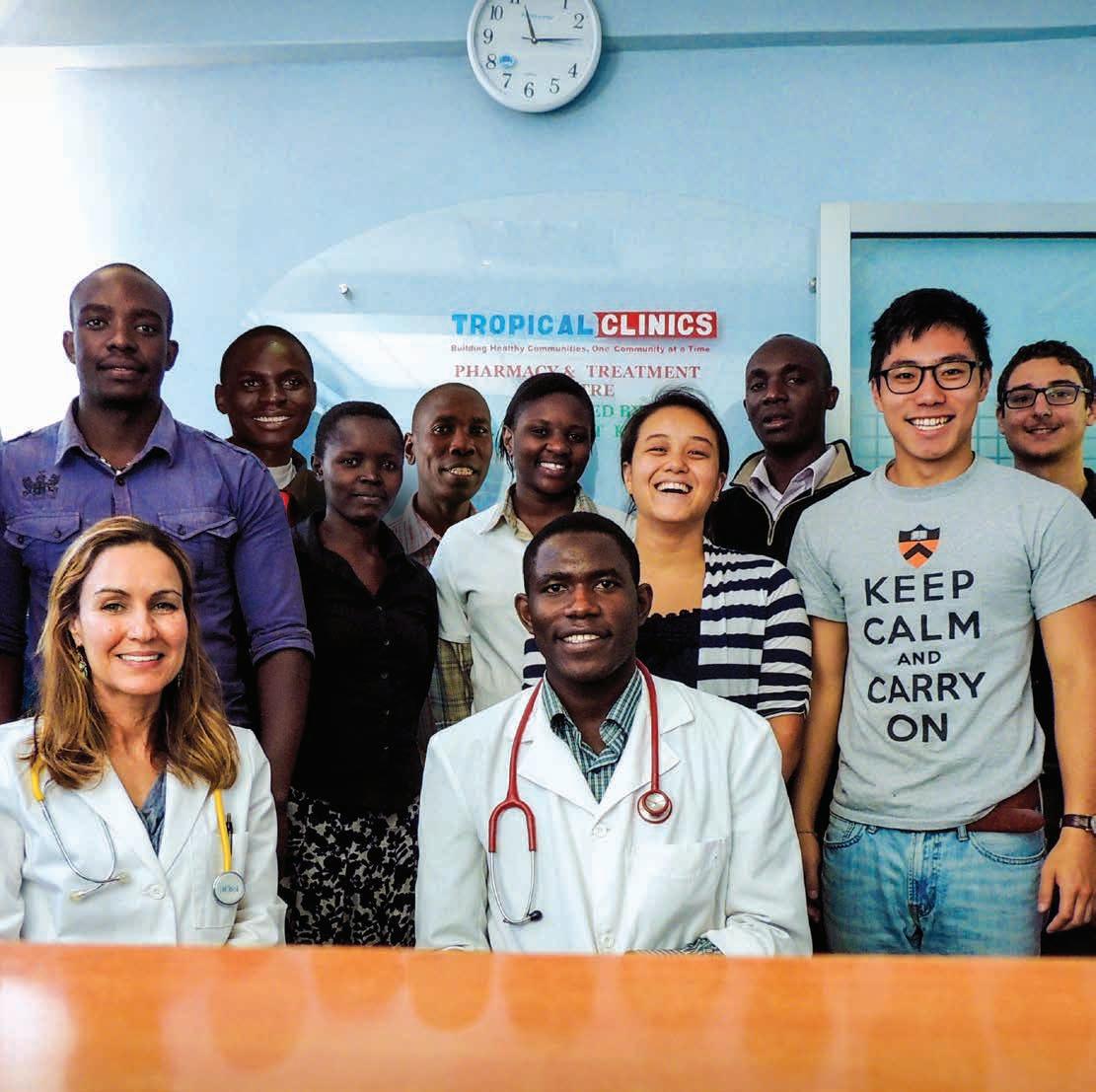
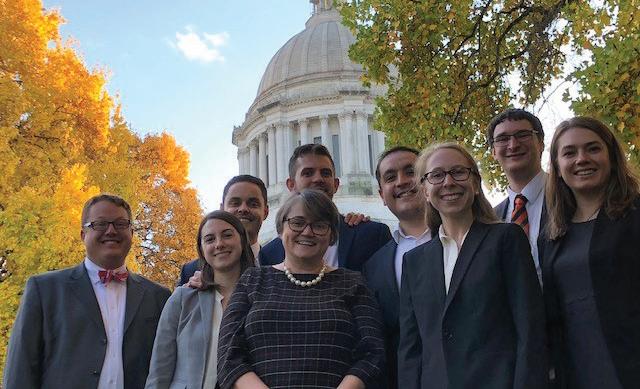
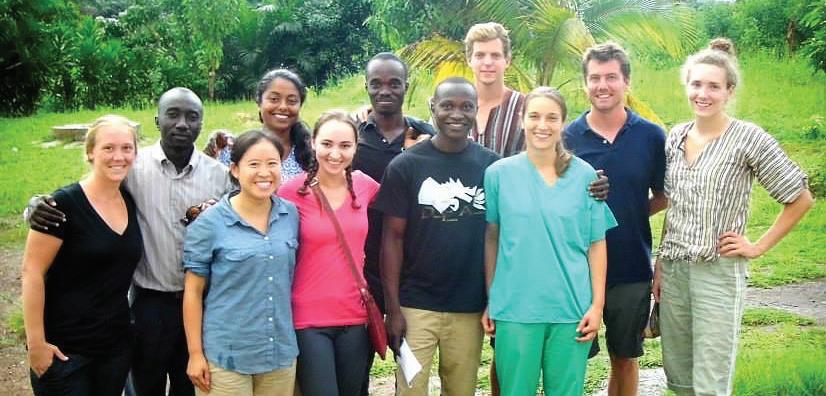
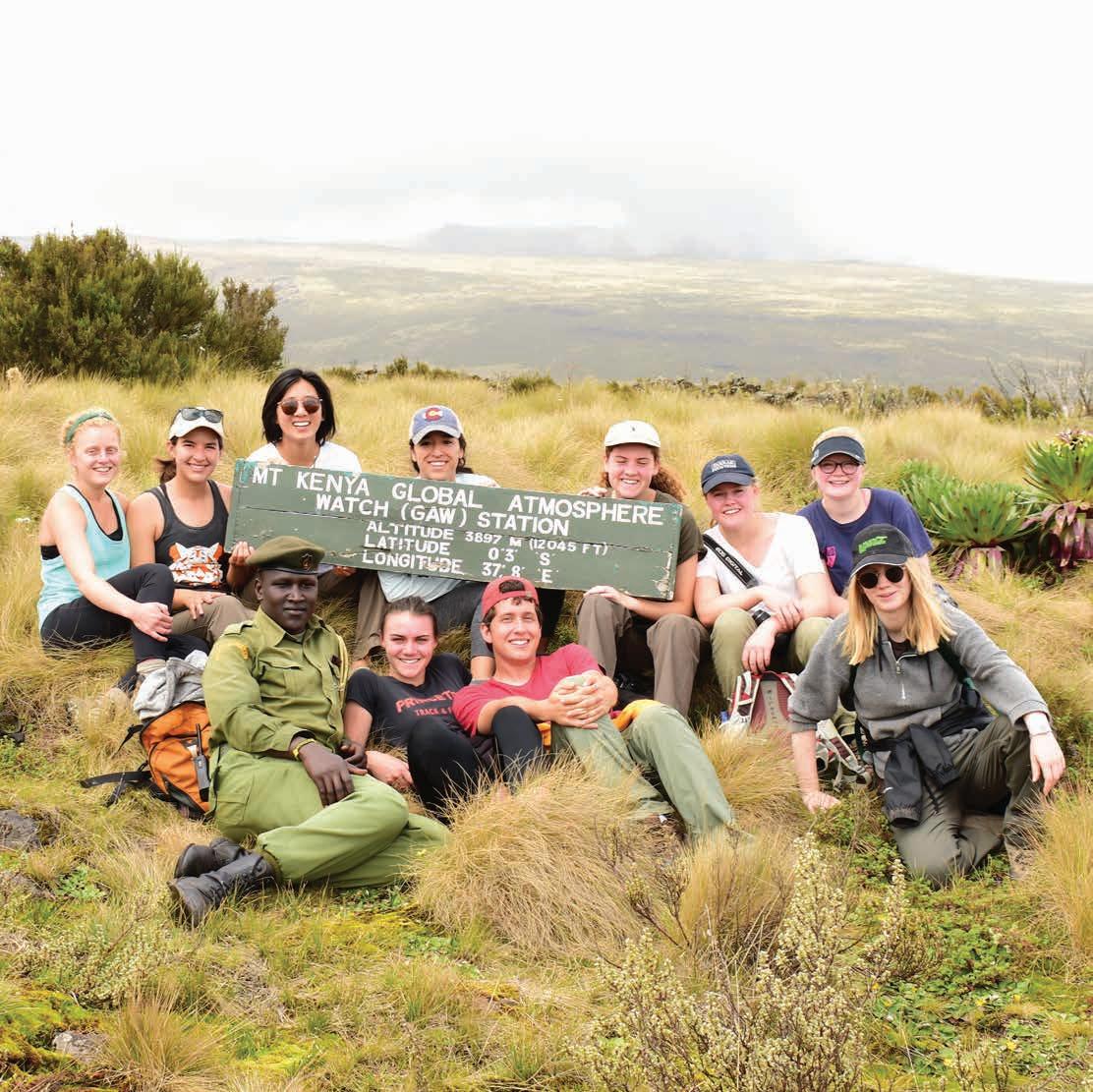
In 2014, Richard Lu (front row, third from left) spent the summer at TropicalClinics in Kakamega, Kenya. He was tasked with designing and implementing an efficient digital EMR to streamline the clinic’s patient record system. He also wrote a research grant for a hypertension medication study in collaboration with the local hospital, and conducted community outreach to promote preventative screenings for rural patients. In 2015, Richard spent a portion of the
summer working for The Biovac Institute, a public-private partnership in Pinelands, South Africa, which is working to become Africa’s first vaccine manufacturer. While there, he researched the unique challenges that vaccine developers face in Africa, and how technology transfer arrangements between developed countries and low-resource countries can improve production viability. Richard was a Rhodes Scholar and went on to study medicine at Harvard Medical School.
Kenya
Welcome to GHP
Princeton students are part of a new global health generation — a generation that witnesses firsthand the severe health inequalities in the world and wants to do something about it. The Global Health Program (GHP) equips students with the cutting-edge tools, real-life experiences and critical perspectives to make meaningful change in a time plagued by both emerging and enduring health-related challenges.
Drawing upon Princeton’s unparalleled strengths in the social and natural sciences, public policy, engineering, and the humanities, we take our students to the front lines of global health. Our students thrive as they work with affected communities, health practitioners and researchers — whether in the field or in the lab — both in the United States and abroad.
Housed in the Center for Health and Wellbeing and supported by the School of Public and International Affairs and the Office of the Provost,
the Global Health Program brings together students, faculty and postdoctoral fellows committed to academic rigor, a diversity of perspectives, and innovative approaches to the world’s most complex health-related problems. Through this interdisciplinary collaboration, we aim to produce a better understanding of the complex interplay of biology, social life, medical research and the political economy of health systems.
Our enduring mission is to produce nothing less than a critical and people-centered global health science prepared to take on the challenge of enacting humane, effective and sustainable policies and interventions, now and in the future.
Co-Directors of the Global Health Program
Heather Howard & Alexander Ploss
Heather Howard, Professor of the Practice, School of Public and International Affairs
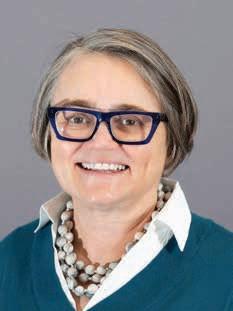

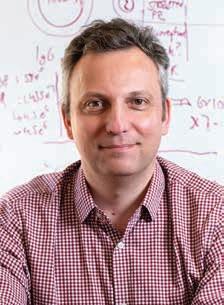
Professor of Molecular Biology
Alexander Ploss, Harry C. Weiss Professor in the Life Sciences,
Why Global Health?
We live in an increasingly interconnected world that is full of promise yet also radically unequal, insecure and unhealthy. The spread of infectious diseases like Covid-19 across borders, struggles over access to treatments, and the rise in chronic diseases pose highly complex and often unpredictable challenges. Accelerating environmental change, wounds of war, the tolls of poverty and discrimination within precarious health systems create conditions of dire vulnerability.
How should we investigate and understand these phenomena? How can we design and carry out interventions that promote the health and wellbeing of both individuals and communities, now and in the long term?
The field of global health draws upon the expertise of anthropologists, biologists, chemists, economists, epidemiologists, engineers, historians, political scientists and many others. Together with activists, social entepreneurs, policy experts and officials, we are challenged to articulate sustainable solutions to these complex problems.
“GHP emphasizes the critical thinking and interdisciplinary approach that is crucial to developing holistic solutions to complex health problems. The program instilled in me a global perspective that nourishes compassion, humility and thoughtfulness. I am forever grateful to the energetic and passionate professors and postdoctoral fellows who have built this family to have big hearts, sharp minds and strong spines. This community of friends has inspired me to continuously act ‘in the nation’s service and in the service of all nations.’ ”
Kanwal Matharu ’13
Former Center for Health and Wellbeing Advisory Council Member
“During my studies, I learned to think critically about a variety of fields through an array of perspectives and to imagine what my concerns would be if I were a scientist, a physician, a community health worker, a policymaker, an advocate or a journalist. This approach taught me not only to be more open to the differing opinions of stakeholders, but to anticipate disagreements and alternatives in my work.”
MA, Science & Health Journalism, Columbia Journalism School; Graduate Student, Johns Hopkins School of Public Health
Mizzi Gomes ‘16
Sierra Leone
“The Global Health Program at the School of Public and International Affairs is one of our most vital programs. It produces and promotes faculty and student research that addresses the world’s most pressing health issues through an interdisciplinary lens.”
Amaney Jamal
Dean, School of Public and International Affairs; Edwards S. Sanford Professor of Politics
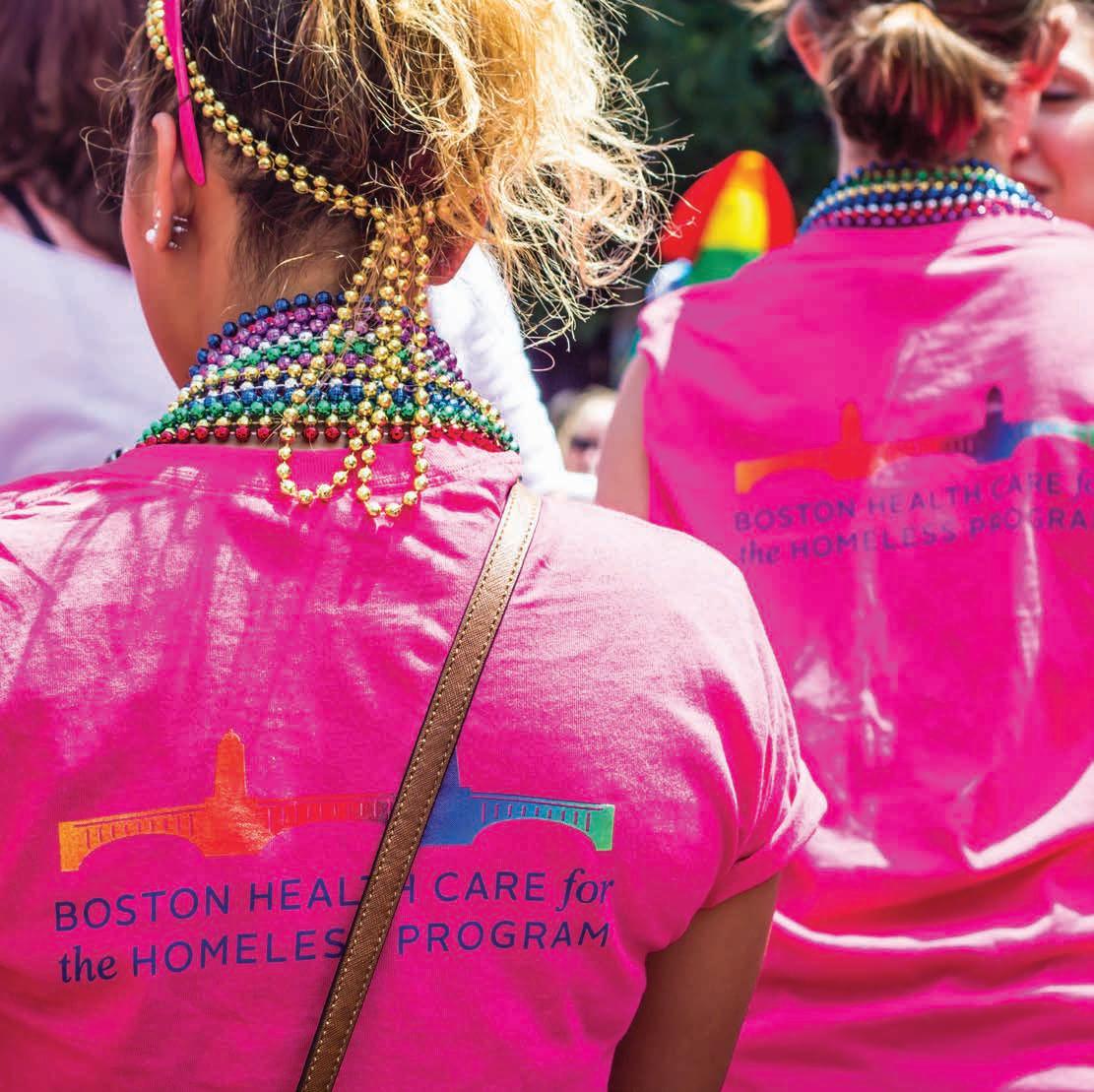
“The Global Health Program connects students to faculty, researchers, and practitioners from a broad set of disciplines, cultivating a rich environment for learning and research about diverse aspects of health policy."
Pascaline Dupas
Faculty Director, Center for Health and Wellbeing; Joseph Douglas Green 1895 Professor of Economics and Public Affairs
What We Do
The Global Health Program serves the broader Princeton community and offers students the opportunity to earn a minor in Global Health and Health Policy. GHP is a hub for students interested in global health — whether they are seeking to participate in a summer internship in the United States or abroad, take health-related courses, find support for health-related thesis research, get involved with Princeton’s campus activities and events, or pursue plans for a career in global health.
The program brings together undergraduate students and researchers, policymakers and faculty. Students gain familiarity with the determinants of disease across societies; the
role of medical technologies and interventions in health improvements; and the sociocultural, political and economic factors that shape health outcomes. Students in the program take a critical approach to health challenges on the ground, as well as the dominant projects, values and interventions within global health.
Through coursework, training in qualitative and quantitative methods, experiential learning and symposia, and closely mentored thesis research, GHP students confront the most pressing healthrelated issues of our time and produce new understandings of them. They go on to become changemakers in their fields and leaders in the movement toward a healthier, more just world.
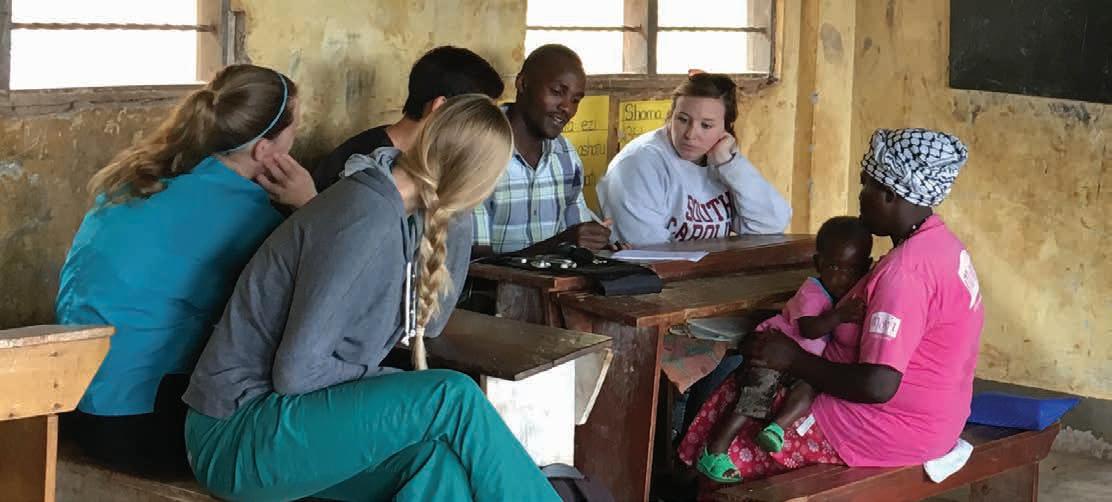
“As a pre-med student, the Global Health Program felt like the perfect place to be, not only because of its amazing selection of courses and resources, but also because of the tight-knit community it fosters among faculty and students who come from a variety of disciplines.
Going into the medical field, I aspire to help patients through practicing medicine on an individual level as well as through influencing care on a larger, societal level. The Global Health Program was invaluable in helping me better understand how to translate that thought into action.”
Julia Song ’18
General Surgery Resident, Brigham and Women's Hospital
Sierra Leone
“The Global Health Program provided me the opportunity to discover and pursue my passions, both academically and professionally. The program opened my eyes to the plethora of career paths available in the field.
The courses I took through the program were taught by my favorite professors at Princeton, and through their lectures and seminars
I felt I was able to cultivate and combine my interests of health, public and international affairs, and human rights. For my summer internship before senior year, I worked at the Office of Global Affairs at the U.S. Department of Health, and ever since graduating I have continued to learn about public health, from a fellowship working on communications and advocacy for tuberculosis vaccines, to my current position working on health access and equity through primary care in the National Capital region.”
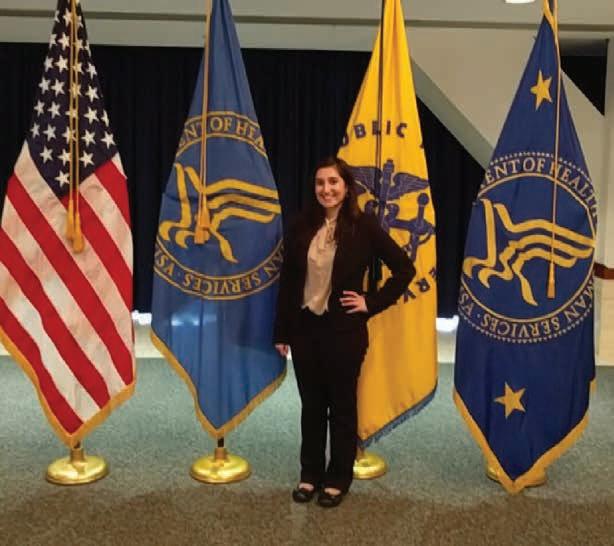
Salwa Ahmad ’17
Human Rights Lawyer
Majors of GHP Students
Since the Global Health Program began in 2008, the number of enrolled students has nearly quadrupled.
As of 2026, the Global Health Program has graduated over 800 students from more than 20 departments spanning the social and natural sciences, public policy, engineering, and the humanities.
The Global Health Program is one of the largest and most successful academic minors at Princeton.
History
Economics
Music
English
Religion
Art & Archaeology
Near Eastern Studies
Architecture
Chemistry
African American Studies
Spanish & Portuguese
East Asian Studies
Operations Research & Financial Engineering
Anthropology
Philosophy
Neuroscience
Electrical and Computer Engineering
Civil & Environmental Engineering
Comparative Literature
Sociology
School of Public and International Affairs
Ecology & Evolutionary
Molecular Biology
Biology
Psychology
Slavic Languages & Literatures
Politics
Chemical & Biological Engineering
Computer Science
French & Italian
How We Lear n
“I have always pondered the question of whether there is something innate about being human that entails the protection of our health, even when we cannot contribute to society in traditional ways. This question is one I explored first through certain Global Health Program certificate courses, then in the field, and finally in my senior thesis. It is this interest that took me to Hyderabad, India, as a Global Health Scholar, to study how terminally ill cancer patients navigate limited access to end-of-life care.”
Nabil Shaikh ’17 *21
Former Fellow, Princeton’s Scholars in the Nation’s Service
“The classes I took for the GHP certificate we re some of my favorite courses at Princeton and have served me very well in my subsequent professional, academic and extracurricular pursuits.”
Aditi Vasan ’10
Assistant Professor of Pediatrics, University of Pennsylvania
“In its core courses and rich variety of electives, the GHP curriculum emphasizes a unique form of interdisciplinary training that really challenges and engages the students. It is extremely rewarding as an instructor to work with such a diverse group and to see them hone their analytic skills as well as their capacity for dialogue between disciplines.”
Yi-Ching Ong
Associate Vice Provost, Stanford University, and former GHP Associate Research Scholar
The Global Health Core Sequence
In their junior year, GHP students take a twosemester sequence that provides them with an interdisciplinary foundation in global health.
GHP 350
Critical Perspectives in Global Health Policy (Fall)
Global health brings together a vast and diverse array of actors working to address urgent health issues worldwide with unprecedented financial and technological resources and informed by various agendas. In this course, students gain tools to critically analyze the key theories and interdisciplinary frameworks underpinning the expanding field of global health policy. By examining the complex interactions and tradeoffs in policy interventions to improve health, the course places current interventions in historical perspective and assesses the social, economic, and political constraints affecting health policy. Through lectures, discussion, and case studies, students are encouraged to critically assess important health challenges and thoughtfully incorporate evidence into developing policy solutions.
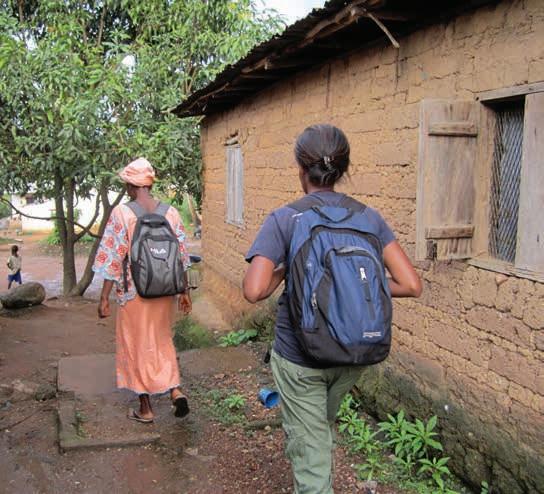
"GHP 350 exposes students to the main issues, debates and interactions that take place in the global health arena, offering them critical tools to think beyond the concepts and metrics of textbooks. We explore cases from around the world and from the U.S., focusing on how public health efforts try to account for and fix inequities – while sometimes reproducing them. Students come closer to the world of policymaking, without losing sight of how social, environmental, political, economic and other determinants affect people’s health on the ground."
Arbel Griner GHP Associate Research Scholar
Epidemiology: Unpacking Health
with Classic Tools, Ecology and Evolution (Spring)
This course focuses on the distribution and determinants of disease. Students learn approaches for measuring health status, disease occurrence and the association between risk factors and health outcomes. Through the critical examination of disease outbreaks, geographic clusters of cancer cases or long-term studies of noncommunicable diseases, the course assesses causal inference, study design and sampling, bias and confounding, the generalizability of research, and health policy and research ethics. Students gain skills to understand and critically evaluate health-related research and data, and bring these skills to bear on their own independent studies.
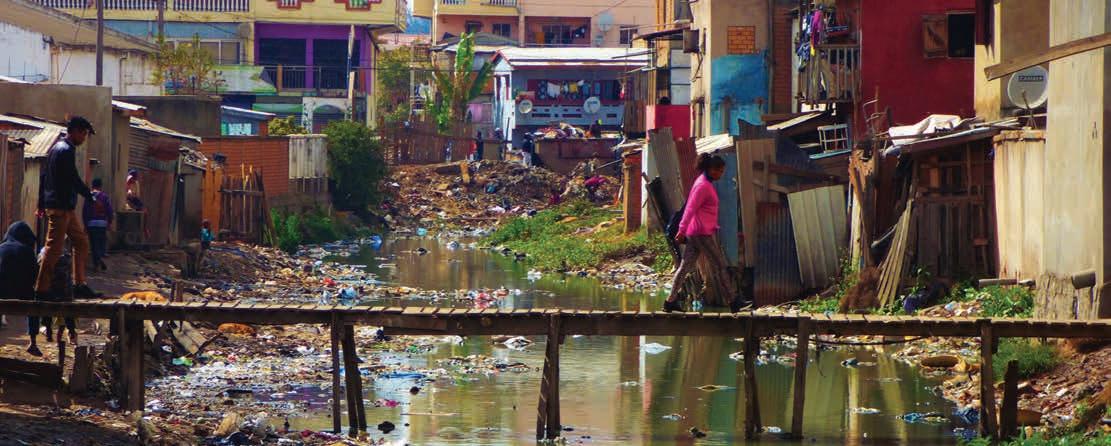
“The epidemiology course builds on the critical perspectives course to prepare students for their independent research. GHP students work in diverse locales — I’ve had students who worked in Bangladesh and Madagascar, for example. They go into the field with the tools to hone their questions, and the knowledge to frame descriptive variables on population health in useful ways. This enables them to develop analysis to provide new windows into the drivers of burdens of health, or answer questions about health systems functioning.”
Jessica Metcalf Professor of Ecology & Evolutionary Biology and Public Affairs
Global Health Electives
Princeton faculty and visiting experts from a range of fields — from engineering and history of science to anthropology and molecular biology and ecology and evolutionary biology — teach a diverse set of elective courses that complement the core sequence. These courses expose students to the most recent research in global health in areas such as emerging infectious disease, drug development, health disparities and comparative health systems and reform.
Electives offered have included:
Grassroots Power: Health and Social Change through Collective Action
Reproductive Technologies and the Politics of Life
Planetary Health
Modern Genetics and Public Policy
Medical Humanities
Biotechnology
Race, Drugs, and Drug Policy in America
Antibiotics: From Cradle to Grave
Economics of Health and Health Care
Viruses: Strategy and Tactics
Disease Ecology, Economics, and Policy
Medical Spanish
Making Post-Pandemic Worlds: Epidemic History and the Future
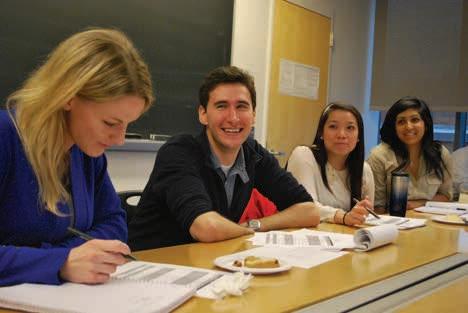
“The GHP electives were amongst my favorite courses taken at Princeton, in part due to the excellent and varied teaching faculty, and in part due to the fusion of several different yet highly related fields of study. Courses like Diseases in Children or Infections allowed me to apply basic and natural sciences in a broader, social context and gave equal value to both the micro and macro aspects of disease and global health. Above all, they provided me with a welcoming space to exercise my passion for both the medical sciences and public policy.”

Emergency Medicine Resident, Los Angeles General Medical Center
Dahlia Kaki ’18
Course Spotlight
Diseases in Children: Causes, Costs, and Choices
This course is designed to expose students to the link between health and disease and their underlying biological mechanisms. Taught by a physician-scientist who still practices pediatrics, there is an emphasis on the complex relationship between genetic and acquired causes of disease, medical practice, social environment, and cultural values. Several genetically-based disorders such as cystic fibrosis, trisomy 21, sickle cell disease, cancer, and autism are explored at the molecular, physiologic, and clinical level. Visits from children with these conditions provide students with the opportunity to learn how children and their families are affected, and how interactions with the health care system are both beneficial and singularly frustrating.
“Students find meeting with children and their parents an opportunity to build a cohesive link between what they have learned of biology and policy at Princeton and the real-world consequences of disease. Every student plays a role in class discussions, and I take great joy in how much the students contribute to my own life-long learning about biology, medicine, and children.”
Daniel A. Notterman, MD
Professor of the Practice in Molecular Biology; Vice Dean for Biomedical & Clinical Research
Race, , Drugs, , and Drug Policy in America
From “Chinese opium” to Oxycontin, and from cocaine and “crack” to BiDil, drug controversies reflect enduring debates about the role of medicine, the law, the policing of ethnic identity and racial difference. This course explores the history of controversial substances (prescription medicines, over-the-counter products, black market substances, psychoactive drugs), and how — from cigarettes to alcohol and opium — they become vehicles for heated debates over immigration, identity, cultural and biological difference, criminal character, the line between legality and illegality, and the boundaries of the normal and the pathological.
“Students are drawn to the course from multiple fields of study — the sciences, the humanities and the social sciences — to grapple simultaneously with current, still unfolding drug controversies, to enrich their understanding of the historical transformation of drug politics and policies, and to discuss the race and identity issues that often inform those policies.”
Keith Wailoo
Henry Putnam University Professor of History and Public Affairs
Experiential Learning
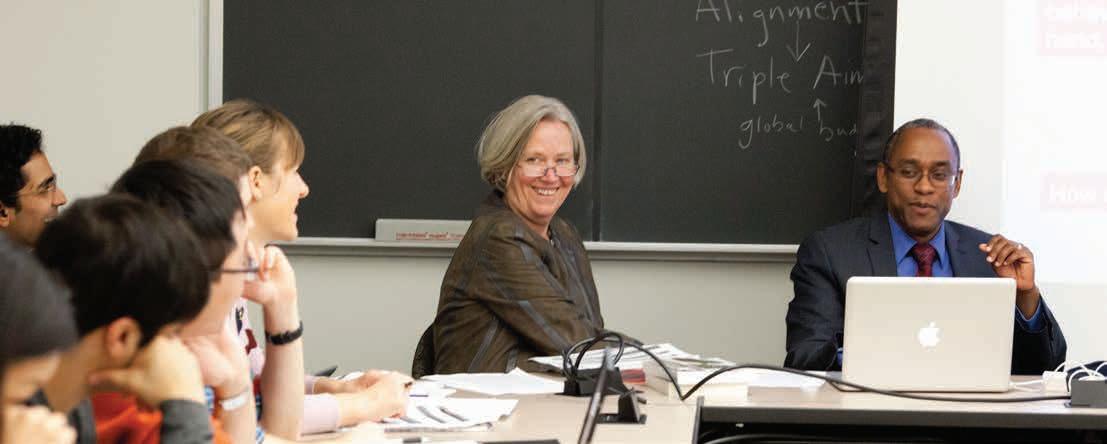
One of the Global Health Program’s defining and most popular features is its focus on experiential learning. In the summer between their junior and senior years, students carry out internships and field research in the United States and abroad.
Our students gain real-world experience working with global health experts — in laboratories and with affected communities — and bring this to bear on their academic work.
GHP offers intensive guidance and mentoring at all stages, both at Princeton and in the field. The program’s postdoctoral research associates offer interdisciplinary methods training and workshops to help students succeed in their research endeavors, and have helped some students combine internships with ethnographic studies.
Topics of past internship and field research projects include:
Infant nutrition in rural West Africa
New treatments for dengue virus in Southeast Asia
Health care for the homeless in Boston
Managing type 2 diabetes in urban China
Effects of sewage systems on typhoid mortality in Nepal
Promoting healthy eating for middle school students in Trenton
Mental and physical health of migrant workers in Singapore
Barriers to accessing emergency care in Philadelphia
Environmental causes of childhood obesity in Memphis, Tennessee
Maternal/child health outreach in urban South Africa
Care for HIV patients in Guatemala
Birth practices during the Covid-19 pandemic in the United States
United States
“Experiential learning is a hallmark of the Global Health Program. There’s no substitute for leaving the classroom to engage with local communities, researchers, nonprofits and patients in the U.S. and overseas, both in high- and low-resource environments. These experiences bring the academic study of global health to life, giving names and faces to complex issues. Experiential learning challenges assumptions and motivates GHP students to consider innovative solutions to health problems, solutions that are grounded both in theory and in realities on the ground.”
Gilbert Collins, MPA ’99 Director of Global Health Programs, School of Public and International Affairs
Sierra Leone
Where Our Students Go
“The GHP program exceeded all of my expectations and was the single most meaningful part of my Princeton experience. The courses, coupled with the fieldwork I had the opportunity to conduct in France and Vietnam, pushed me to think critically about the biological, historical, and sociological reasons why certain populations are particularly vulnerable to medical illness.”
Daniel Sikavi ’16
Global health students engage in internships and research in countries all around the world, gaining critical exposure to health policy and practice.
Argentina
Australia
Bangladesh
Benin
Bolivia
Brazil
Brunei
Cambodia
Canada
Chile
China
Colombia
Costa
French
Sierra
Singapore
South
South
Uganda
United
United
Vietnam
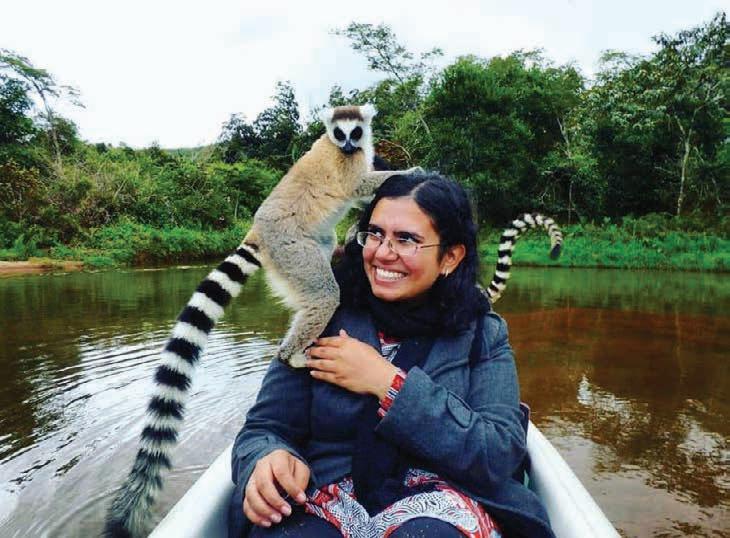
Ecology & Evolutionary Biology major Maria Malik ’19 conducted her summer research in Madagascar, surveying health centers and learning about the impact of cyclones on public health infrastructure and infectious diseases incidence. She also managed to spend some time with lemurs at AndasibeMantadia National Park.
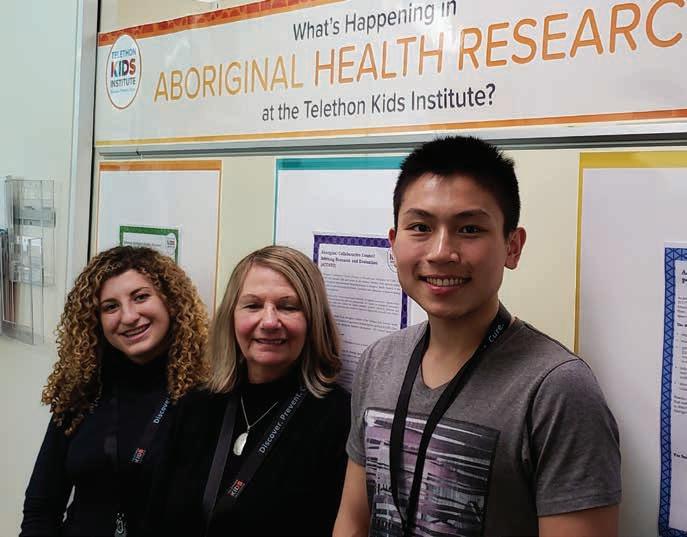
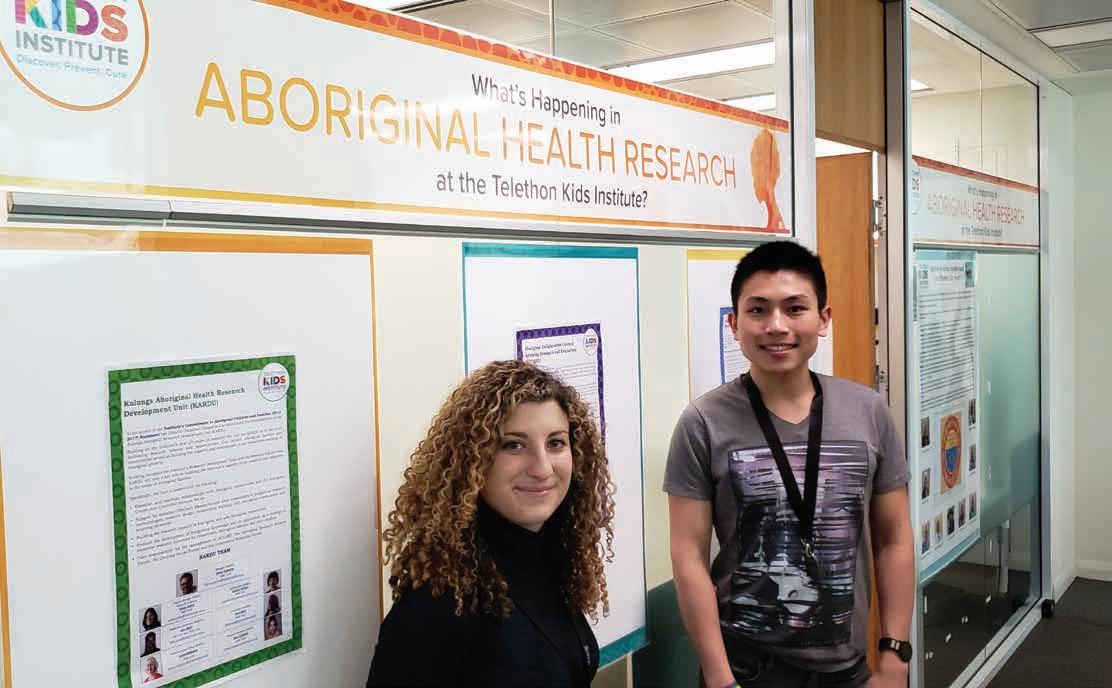
School of Public and International Affairs major Andy Zheng ’20 interned at The Kids Research Institute Australia. Through his research, he was able to understand the complexities of global health. Rather than focusing on one discipline, he integrated interests from history, sociology, ethics, and other fields to inform policy decisions at the local level. His independent research gave him an on-theground perspective of how different determinants influence health, allowing him to not just conceptualize global health, but witness it firsthand.
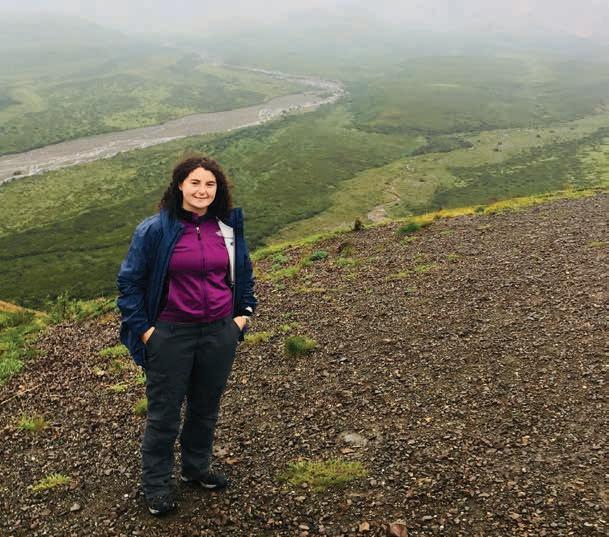
History major Mikaela Gerwin ‘19 spent her summer conducting research for the Alaska Native Women’s Resource Center, a non-profit organization that increases awareness about domestic violence, sexual assault, dating violence, stalking and sex trafficking. Her research focused on questions surrounding the legacies of colonialism, racism and American presence in Alaska, and how they impact physical and mental health in Alaskan Native communities. She also identified how these legacies play a role in perpetuating poverty and substance abuse. Mikaela’s summer research experience prompted her to focus on the history of domestic violence in Alaskan Native communities for her senior thesis.
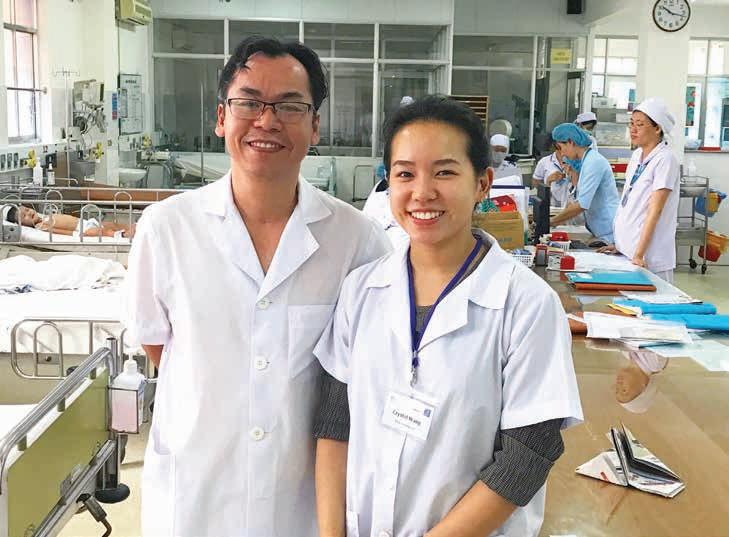
Economics major Crystal Wang ’18 conducted research at the Oxford University Clinical Research Unit in Vietnam, based out of the hospital for Tropical Diseases in Ho Chi Minh City. Her research focused on dengue hemorrhagic fever and dengue septic shock (DSS) in pediatric patients. She also assisted in data analytics for a study that compared fluid resuscitation regimens for children with DSS.
Key Facts
GHP awards funding each year to an average of 85 undergraduates for research projects and service internships around the world, including the United States.
Students pursuing degrees in the basic and applied sciences may carry out their GHP summer research in a lab in Princeton or elsewhere.
Nearly 75 percent of GHP students engage in field research in sites around the world and across the United States.
GHP students have been the recipients of numerous prestigious honors and awards, including the Rhodes Scholarship, the Marshall Scholarship, the Gates Cambridge Scholarship, the Schwarzman Scholarship, the John C. Bogle Fellowship for Civic Service, the ReachOut 56-81-06 Fellowship, the Henry Richardson Labouisse ’26 Prize, the Scholars in the Nation's Service (SINSI) Fellowship, the Davis Projects for Peace Award, the Martin Dale Fellowship, and the Fulbright U.S. Student Program Fellowship.
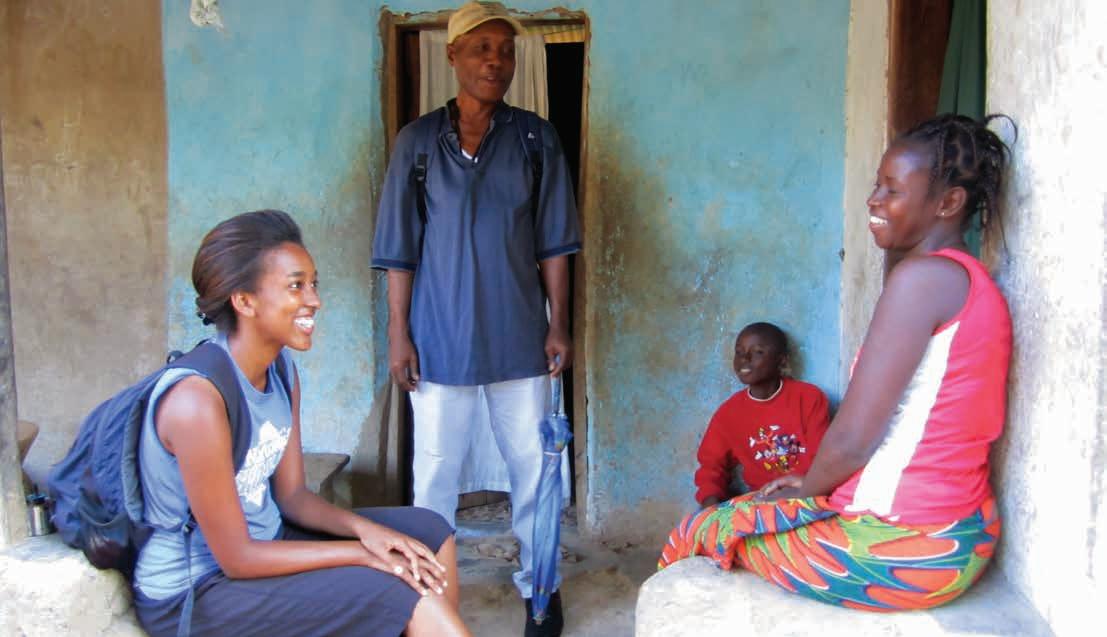
Sierra Leone
In tr od uc t ion
The Philippines has been one of the hardest hit Southeast Asian countries by the COVID- 19 pandemic and has an under-resourced and inequitable healthcare system
A disproportionate number of low-income and poverty stricken people will contract the coronavirus and have worse mortality outcomes (see social patterning of health)
COVID- 19 testing capabilities can be used a proxy measurement of socioeconomic and healthcare inequality
Object iv e
The objective of this study is to reveal the degree of healthcare utilization and access inequality in the Philippines by using COVID- 19 testing, case and resource numbers. The goal, then, is to elucidate ways in which the federal response to the COVID- 19 pandemic in the country may be more effective and how healthcare inequality may be reduced in all aspects in the future.
Met hod s
Collect, graph, and analyze government-issued national testing data from Indonesia, Malaysia, Vietnam, and the Philippines
Collect, graph, and analyze testing, mask, and ventilator data from the Philippines DOH Using 2018 Current Health xpenditure by province, create a Lorenz curve and calculate a Gini coefficient
Results
The Luzon nhanced Community uarantine did not appear effective enough to control and stop the transmission of the coronavirus in the Philippines this may have been because the country has not tested enough and does not have enough contact tracers to adequately locate and isolate COVID- 19 cases.
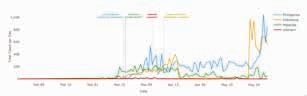
Despite growth in the number of ventilators purchased and the number of ventilators made available over time as people recovered, the differences in availability demonstrates where both government and private funds are being directed.
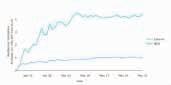
Healthcare workers in the NCR, a region that already has the greatest density of healthcare workers, are far better equipped than those in the exterior. This may account for the high mortality rate of healthcare workers in the Philippines.
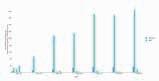
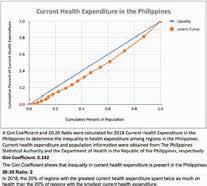
Inequality in health expenditure in the Philippines as related by region. rom this Lorenz curve, a Gini coefficient of 0 1 2 was found.
Dis c uss ion
As of May 31 the Philippines was not performing tests at a high enough rate for its population size or compared to other Southeast Asian countries
COVID- 19 resources reveal a glut in the country s healthcare system and inequality in healthcare access and utilization on a provincial level
The Gini coefficient of 0 1 2 for healthcare expenditure may be explained by high out-of-pocket healthcare costs, thus making broader socioeconomic inequality a driver behind healthcare inequality
Q u e stions
Where are testing and swabbing sites located in the country? How accessible are these? How can the country leverage community health workers in barangays to reach those who cannot get to testing centers? What barriers exist that prevent people from accessing testing (ie. are asymptomatic people being tested)?
Conclusion
By adopting a justice-driven approach to combatting the COVID- 19 pandemic, the Philippine government will have the unique opportunity to remedy existing issues of healthcare access and utilization inequality.
Acknow ledgmen ts
would like to thank my colleague, Kendall Wilson, for her help and support in the research and analysis of this paper. would also like to thank Dr. Lincoln Lau for his unwavering support and insights.
“I believe that everyone has the right to health, and that the government is supposed to provide and protect that right…Health care inequality is just as jarring in the United States and other parts of the world. We need to understand this global problem so we can do something about it.”
Abigail Drummond ’22
Law Clerk, Alston & Bird
The Senior Thesis
Every student pursuing the Minor in Global Health and Health Policy writes a health-related senior thesis in their home department. Some exceptional students have won the Beth N. Rom-Rymer, Class of 1973, Senior Thesis Prize in Global Health and Health Policy for their outstanding thesis work, including:
Maya Butani ‘26 (Molecular Biology): “Ribosomal Modifications in Aging and Infection: A DualPurpose Research Model and Translational Pathway Analysis for Global Health”
Elliot Lee ‘26 (Operations Research & Financial Engineering): “Designing Robust Antimicrobial Supply Chains with Epidemiological Demand Uncertainty in Botswana: A Network Optimization Model”
Ashinedu Obi ’26 (Anthropology): “The Shrine in the Dungeon: On Knowledge, Power, and the Right to Healing in the Asante Region”
Josephine Klein ’25 (History): “The Making of Modern Homelessness: Mental Illness, Public Health Failures, and the Prioritization of Optics in a City Overwhelmed (New York City 1978-1989)”
Catalina Posada ’25 (Economics): “The Economic Toll of Respiratory Infectious Diseases in Infants: Disruptions to Female Labor Supply and Mounting Healthcare Costs”
Felicia Sanders ’25 (Molecular Biology): “Dissecting the Impact of a Maternal Helminth Infection on Offspring Antiviral Defense”
Libby Blazes ’24 (Ecology & Evolutionary Biology): “Measles in Madagascar: Assessing the State of Immunity and Disease Surveillance in the Post-COVID-19 World”
Rachel Chen ’24 (Molecular Biology): “Ketosis Enhances Murine Natural Killer Cells’ Anti-Breast Cancer Phenotype In Vitro”
Kennedy Walls ’24 (Anthropology): “Plea for Life: An Ethnography of Migrant Health and Militant Humanitarianism Under the Dublin III Regulation”
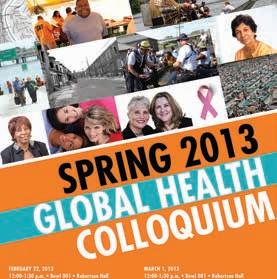
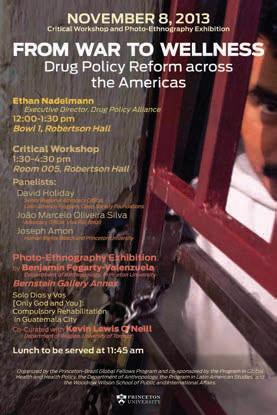
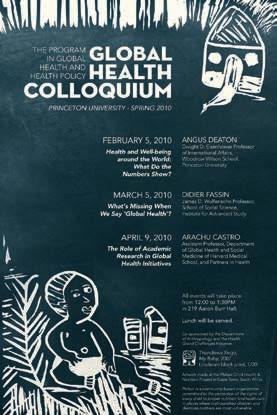
Global Health Colloquium
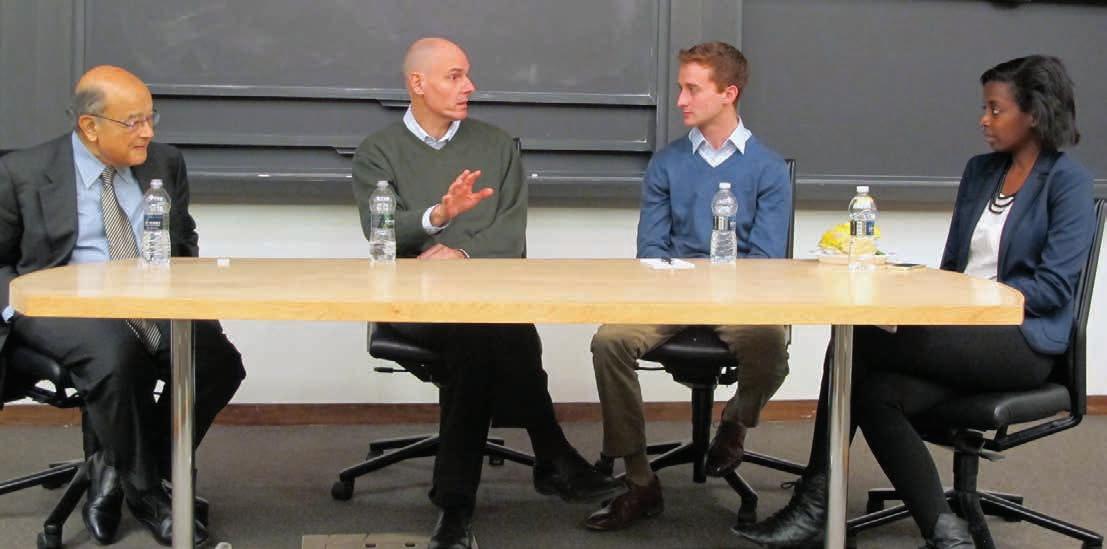
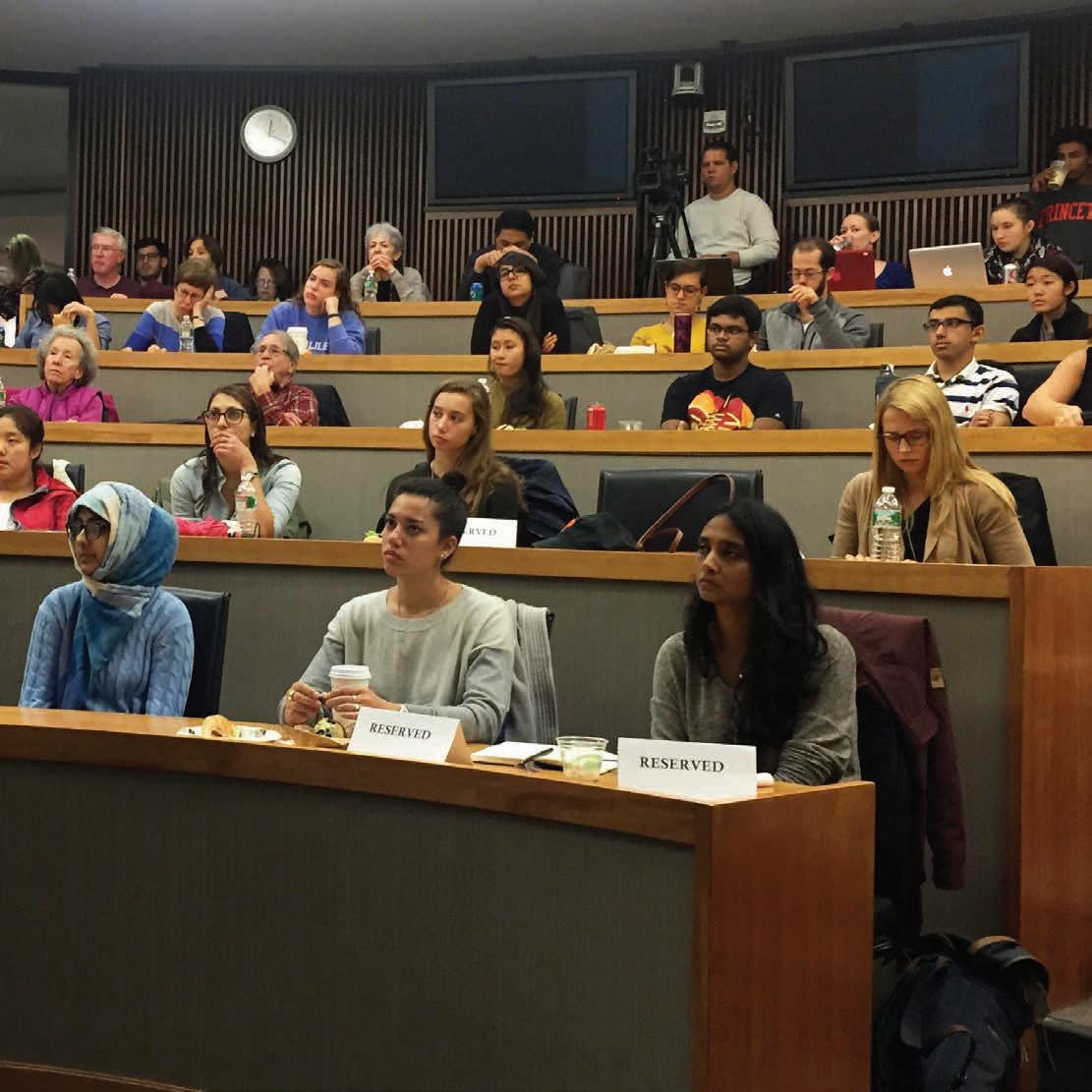
The Global Health Program brings global thought leaders, innovative researchers and policymakers to campus to share their expertise and enter into dialogue with students, faculty and the broader Princeton community on timely health topics. These monthly colloquia foster a unique sense of intellectual community within the program.
“Through the Global Health Colloquium series, I spoke with and learned from truly inspiring visiting scholars and changemakers. The lecturers’ thought-provoking presentations often perfectly lined up with my GHP coursework, which gave me the opportunity to deepen my understanding of, and discover the human narratives behind, complex concepts. The Global Health Colloquium series was a wonderful way to learn from people in the field, speak directly to authors of books read in class, and engage further with people in the global health community.”
Resident Physician, Columbia Univ. Irving Medical Center
Jacqueline Dragon ’19

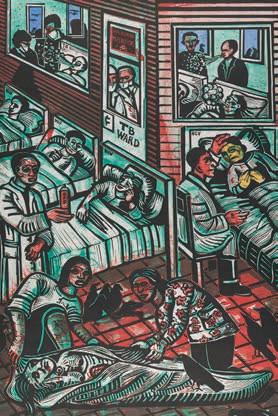

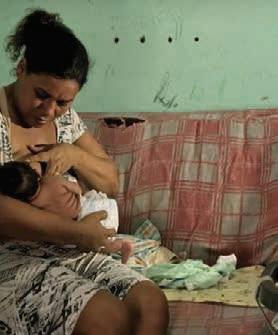

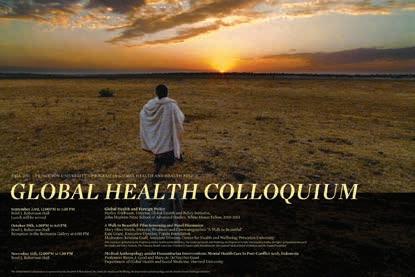
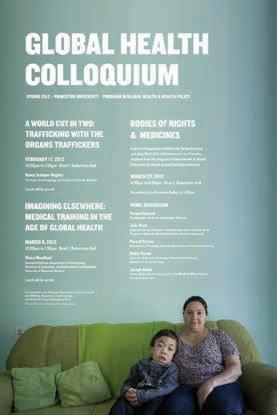
“The Global Health and Health Policy Minor puts global health under an interdisciplinary lens. Even a quick look at our colloquium topics and speakers vividly illustrates our disciplinary breadth. Bringing together students and faculty across departments, the program blends coursework and hands-on experience to bring concepts to life and foster commitment to global health. Enrollment in the program has grown exponentially over the years and it continues to be one of the most popular undergraduate programs on campus.”

Andrea Graham
Professor of Ecology & Evolutionary Biology
International Connections
GHP has expanded its reach beyond Princeton’s campus, establishing partnerships with organizations located in the United States and around the globe. Through these partnerships, GHP students learn to serve those in need and gain hands-on experience with some of the world’s leading global health practitioners. To ensure that these programs are mutually beneficial, we also bring global health practitioners and scholars from our partner organizations to campus, where they conduct research and teach special courses. These are a few of GHP’s ongoing partnerships.
Sierra Leone
China
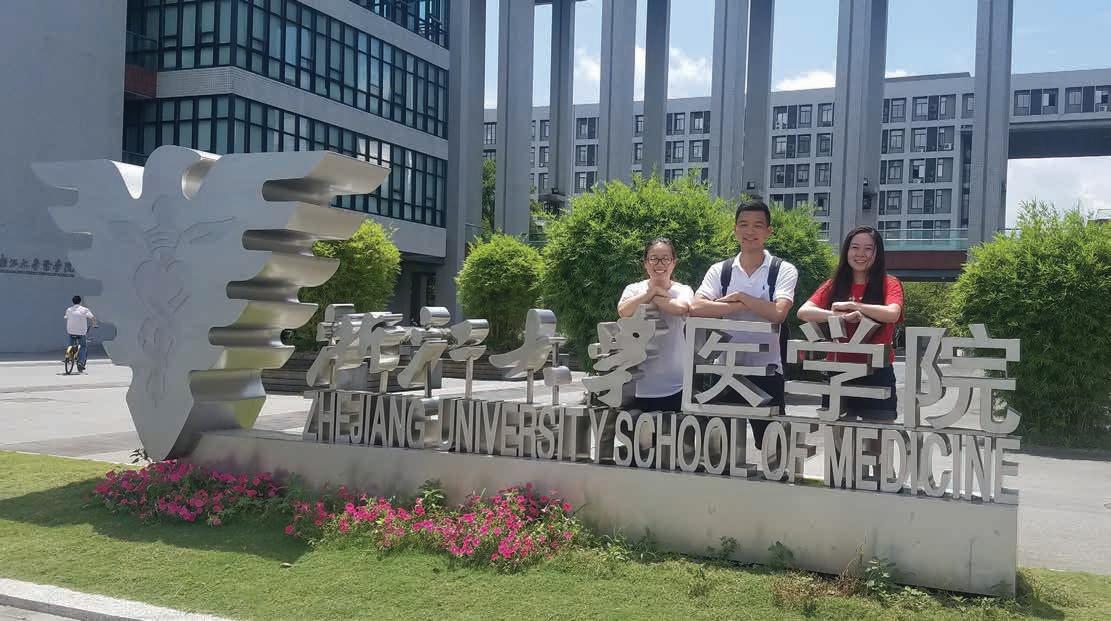
The Global Health Program began its partnership with Zhejiang University in 2016. GHP students conduct summer research in mental health, health economics and policy, family medicine and community health services. Many students also focus their internships on pressing public health issues including the prevention and treatment of obesity, metabolic syndrome and cardiovascular disease and stomach cancer, the second leading cause of cancer-related death in China.
Student research topics in China have included:
Immunotherapy treatment for gastric cancer patients
Cost burden of multi-drug resistance in Chinese hospitals
Sleep quality’s relationship with obesity, sarcopenia and sarcopenia obesity
Relationship between nicotine dependence and fat distribution
The role of ERK3 in the metastasis and growth of gastric cancer cells in vitro
Kenya
Several GHP-supported students have conducted summer research at Mpala Research Center. The Mpala Research Center is a thriving international research facility, encompassing 48,000 acres of land in northern Kenya. The area is home to diverse animal and plant species, including African elephants and Grevy’s zebras. Its mission centers on science, education, and conservation.
Student research topics at Mpala have included:
Understanding and predicting the effects of watering holes on disease prevalence and transmission
Mpala Rift Valley Fever
Evaluating the biodiversity of the local Anopheles mosquito population at through larval sampling
Laikipia rabies vaccination campaign
The trajectory of non-communicable diseases in rural and urban Kenya

Vietnam
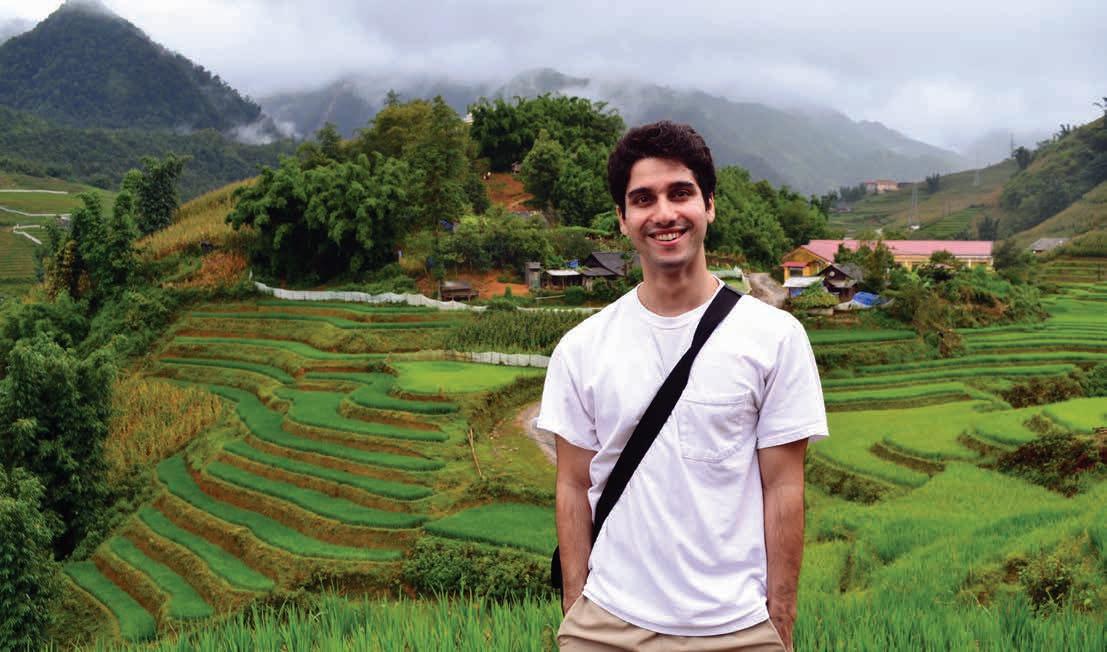
In 2010, the Global Health Program began its partnership with the Oxford University Clinical Research Unit (OUCRU), a large-scale clinical and public health research unit based in Vietnam. Princeton’s collaboration with OUCRU includes undergraduate internships and theses; joint research projects among graduate students, postdoctoral fellows and faculty; expert conferences; special lectures on global health and infectious disease; and exchanges of faculty and researchers.
Student research topics in Vietnam have included:
Pediatric tuberculosis
Typhoid mapping
Antibiotic use and antibiotic knowledge of aquaculture farmers
Biological control of mosquito dengue vectors
Australia
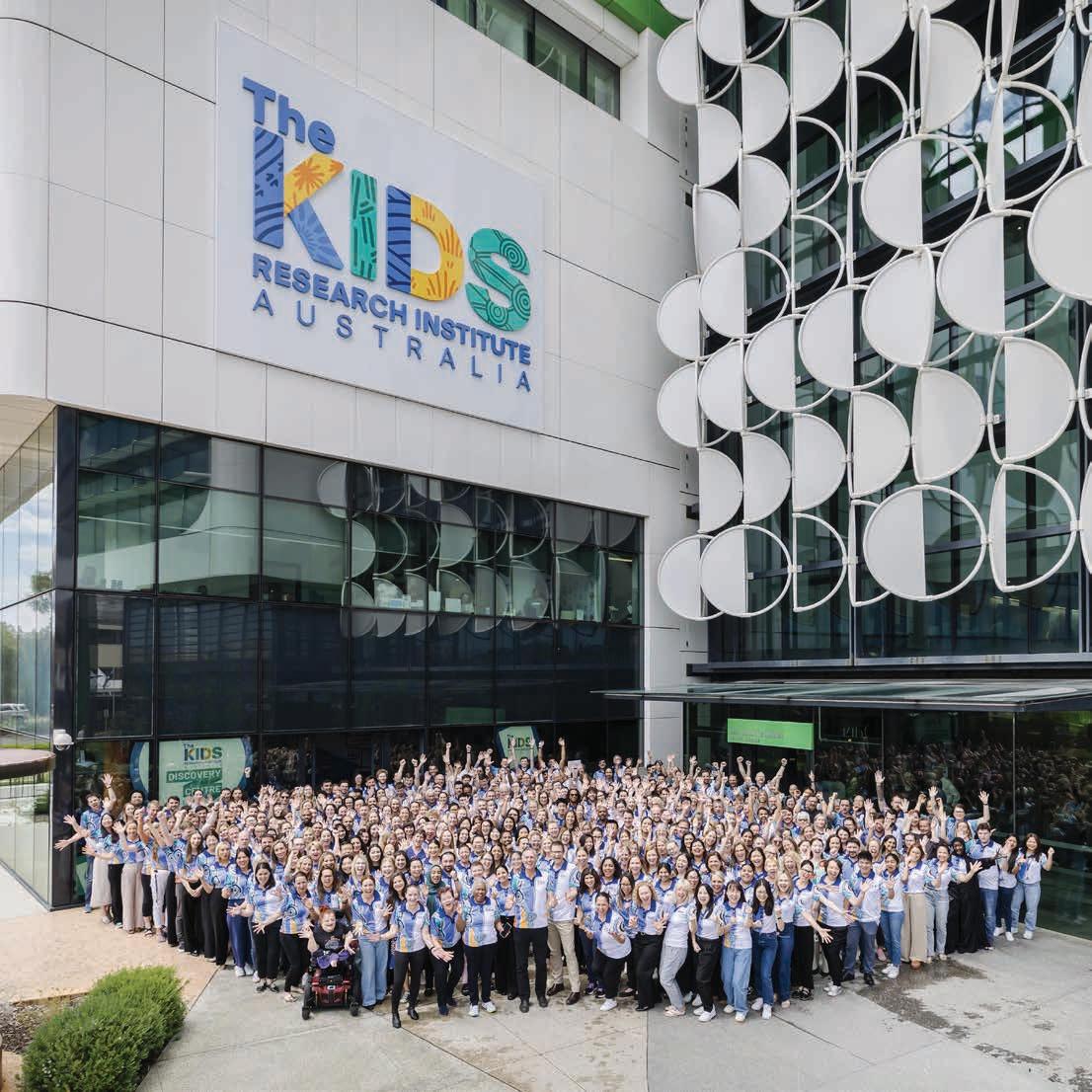
The Global Health Program has been working with The Kids Research Institute Australia in the city of Perth since 2016. GHP interns assist with pragmatic intervention/clinical trials aimed at preventing and treating infectious diseases in children, and contribute to a range of research activities including study design and development, participant recruitment, data collection, management and interpretation of underlying immunological and microbiological mechanisms.
Student research topics in Australia have included:
Understanding and eliminating barriers to vaccine uptake
Clinical trials of empiric treatment strategies of gastroenteritis in Aboriginal children in remote settings
Therapeutic trials for bronchiolitis in infants
Understanding and improving rotavirus vaccine efficacy in Aboriginal children
United States
The Global Health Program has relationships with a wide range of partners in the United States. Students have engaged in health policy analysis and advocacy with nonprofits, strategic planning and evaluation with government agencies, clinical work with research hospitals, and much more throughout the country.
Student research topics in the U.S. have included:
Evaluation of Peace Corps health interventions in Washington, D.C.
Pediatric obesity research in Tennessee
Oncology and health equity at the Rutgers Cancer Institute of New Jersey
Covid-19 response activities in New York

After Princeton
GHP graduates are thoughtful and prepared leaders in the fields of medicine, economics, engineering, politics, applied science, academia and industry.
90% of graduating seniors pursue further education or work in health-related fields following graduation.
40% of alumni are in M.D. or M.D./Ph.D. programs.
10% are in Ph.D., M.P.H. and M.P.P. programs.
Other alumni are working in public health and health policy programs in the United States and around the world, through fellowships for domestic and international service and research, or by founding, running and working for community-based organizations.
In a recent survey, more than 90% of graduating seniors reported that their summer research or internship experiences influenced their plans for future work and higher education.
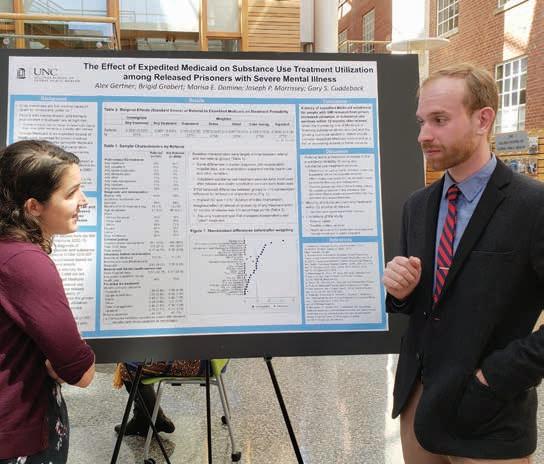
“The Global Health Program provided me with a broad knowledge of issues and methods that allowed me to hit the ground running once I began working for an international human rights organization. I realize now as a graduate student that GHP instilled in us an analytical maturity in critically assessing health policy that might have taken years to otherwise develop. In every stage of work and training I have relied on my education in GHP as a tool to overcome challenges, a platform to broaden my skills and a resource to contribute to projects and endeavors.”
Alex Gertner ’10 Psychiatry Resident at UNC Hospitals

GHP Alumni
“Of all my academic experiences at Princeton, the GHP program has by far influenced my life the most, even as an alumna. The program exposed me to opportunities in health care beyond practicing medicine, taught me to think critically about complex health care issues in both domestic and global settings, and gave me a supportive community of friends and mentors.
After graduating from Princeton, my experience in the GHP program led me to complete a graduate degree in health policy, work in federal consulting, and pursue health care innovation at a fertility benefits company working at the intersection of women’s health, insurance, and analytics.”
Melody Qiu ’16 Head of Business Operations, Grow Therapy

Ameer Elbuluk ’13 (left) credits the Global Health Program with solidifying his interest in pursuing a career in medicine. While at Princeton, and with the assistance of GHP leadership, he established the Princeton chapter of the Foundation for International Medical Relief of Children (FIMRC). He traveled to Costa Rica
with the organization and helped the chapter establish a robust identity on campus. Ameer’s unwavering passion for global health led him to a career in medicine. He currently works with Kaiser Permanente as an orthopedic surgeon
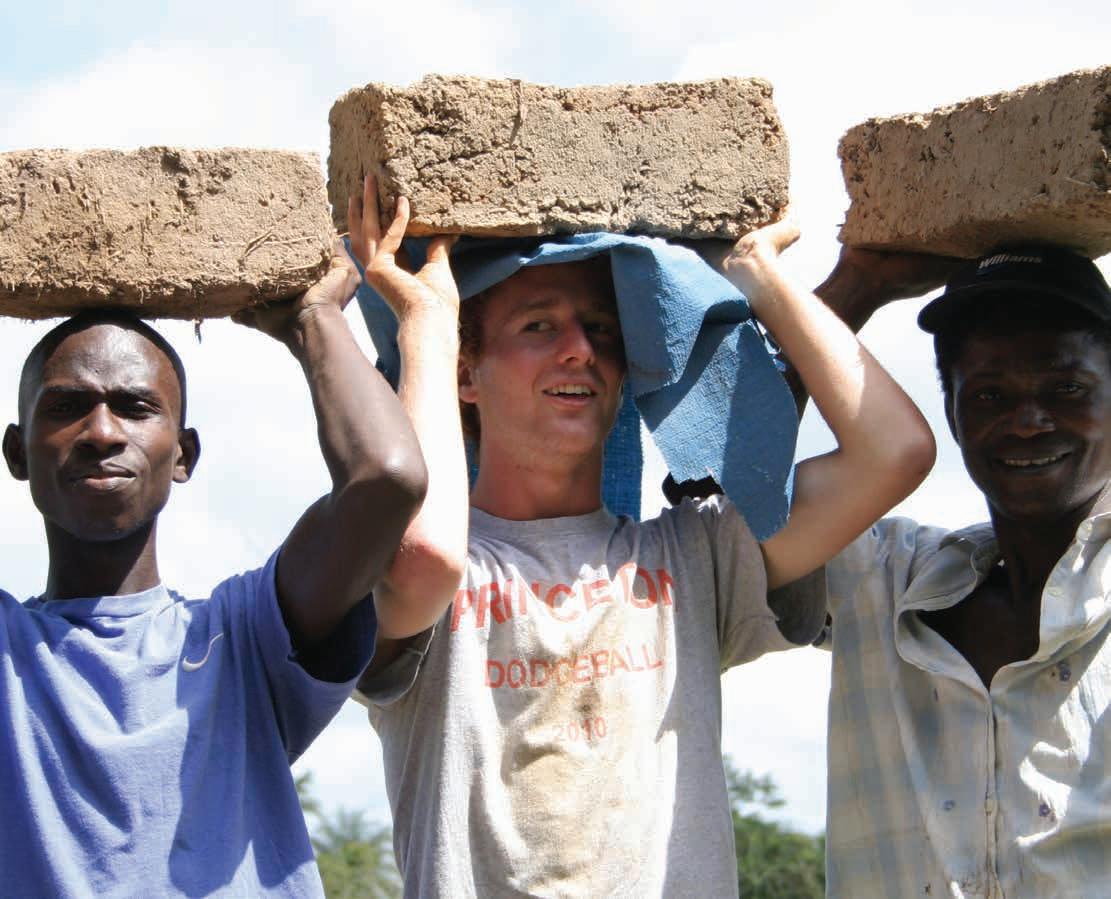
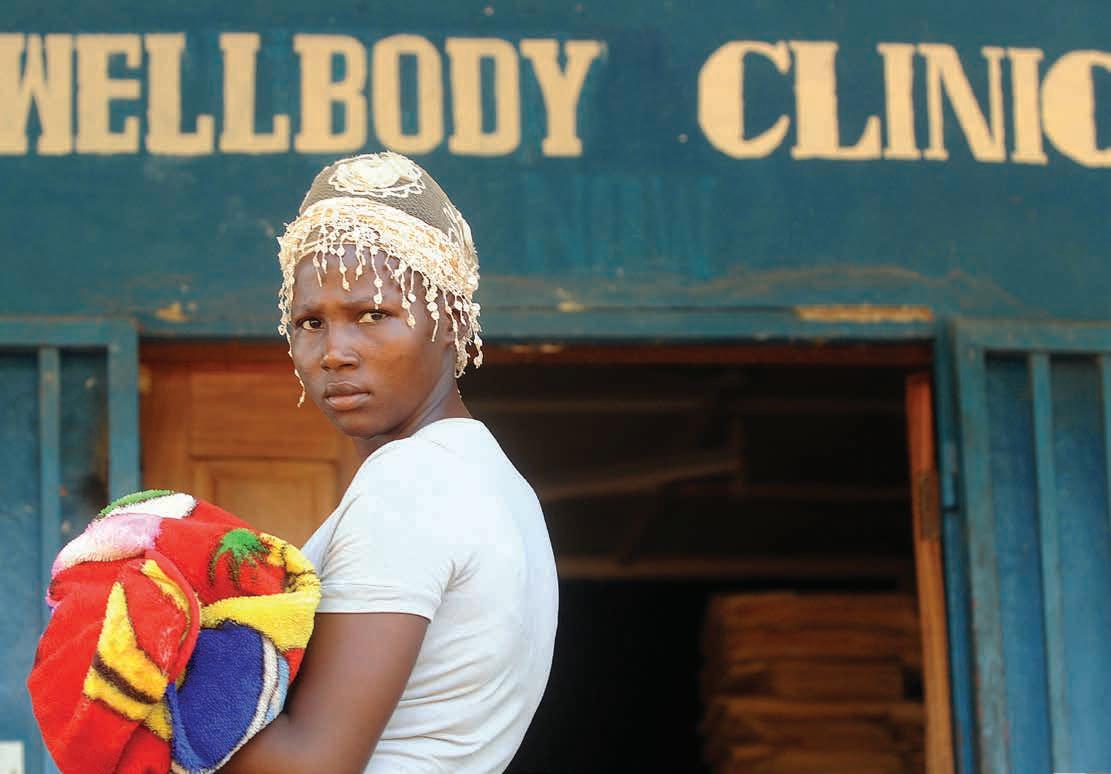
From 2012-15, Raphael Frankfurter (center) was executive director of Wellbody Alliance, a health care provider in Sierra Leone. His connection to Wellbody began with an internship through the Global Health Program after his freshman year and continued throughout his time at Princeton. Frankfurter helped to lead the campaign
against the spread of Ebola in Sierra Leone, in partnership with local and national governments and international organizations such as Partners in Health. After graduating from Princeton, he went on to further study in medicine and anthropology.
Sierra Leone
“I came away from Princeton and the Global Health Program with a commitment to coupling ser vice with deep, critical exploration, research and reflection.
This commitment has kept me grounded in my health care work in Sierra Leone and sensitive to a complicated historical and sociocultural context, particularly during the Ebola crisis. The experiences I had as part of Princeton’s Global Health Program have helped me to consider how we can engage with the complexities of the communities we serve while seeking to rectify broad global inequities.”
Raphael Frankfurter ’13 InternalMedicineResident,BrighamandWomen'sHospital

“Working with the Global Health Program was a life- and careertransforming experience for me.
My own understanding of the concrete, urgent stakes of global health inequalities expanded enormously as I guided students in their first visceral, disorienting encounters with the harsh realities of health and care in poor communities in Sierra Leone. I think that the greatest testament to the success of the program’s critical, interdisciplinary approach to global health is surely its students and its graduates, who in their studies and field projects have engaged insightfully, constructively and sensitively with struggles for health equity the world over.”
Peter Locke Professor of Instruction in Global Health Studies and Anthropology at Northwestern University and former GHP Postdoctoral Research Associate
Faculty and Researchers
GHP includes faculty and researchers from a wide range of disciplines in the natural and social sciences, public policy, engineering and the humanities.
GHP is supported by a multidisciplinary executive committee and has nearly 40 faculty affiliates within 17 departments and programs. The program also recruits postdoctoral scholars from a wide range of disciplines to support students through teaching, advising and mentorship.
In addition to teaching the core and elective courses, mentoring students as they develop research programs, and supervising senior theses, faculty and postdoctoral scholars are global thought leaders, engaged in innovative research on topics ranging from vaccination to the history of psychiatry to universal health coverage and the place of health in sustainable development initiatives.
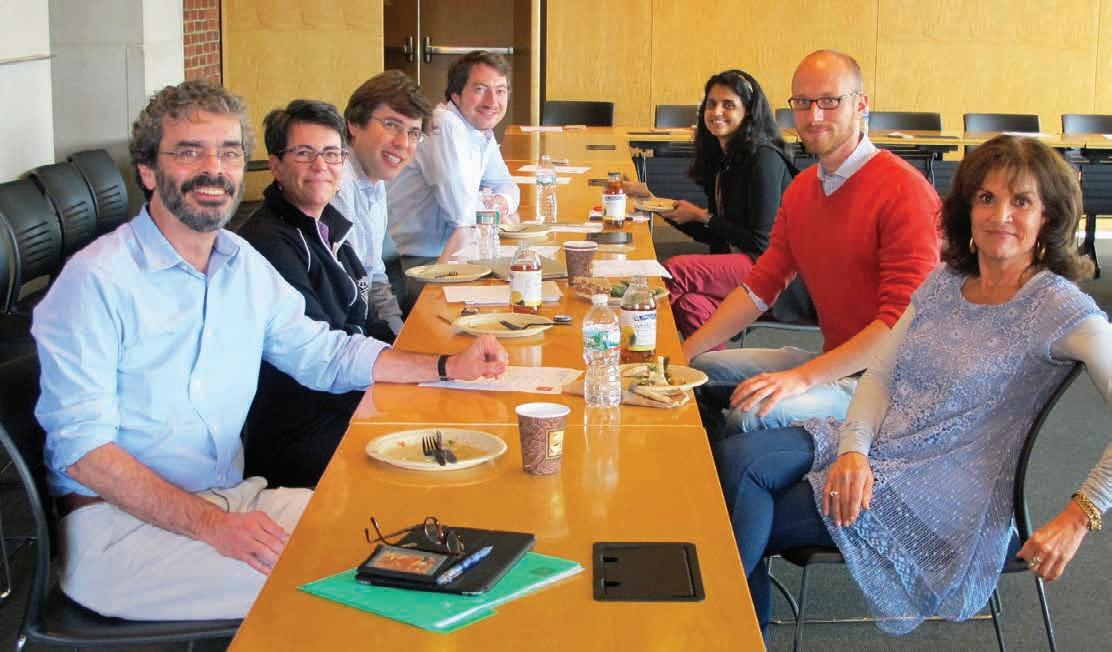
“I was looking to work in an interdisciplinary space, and Princeton has incredible resources, from the History of Science program, to the Department of Anthropology, to the High Meadows Environmental Institute. The Global Health Program allows me to engage with these different fields and gain new perspectives as I further my research and teach, equipping students with the information and skills they need to ensure their work has impact.”
Heidi Morefield
Former GHP Postdoctoral Research Associate
“The diversity of the GHP Program Faculty is astounding, from anthropologists to U.S. health policy experts. Their verve for teaching solidified my own interests in health care and indelibly shaped my path beyond graduation.”
Zach Levine ’17
Customer and Market Insights Manager, GeneDx
“GHP courses are some of the best at Princeton because of the incredible faculty and fellows. The lessons I learned from their teaching and mentorship continue to inspire me to approach policy challenges with an ‘historically deep and geographically broad’ mindset.”
Kishan Bhatt ’17 *21
Former Fellow, Princeton’s Scholars in the Nation’s Service
“GHP’s faculty are the department’s greatest asset. The professors are always willing to help, no matter how busy their schedules are. They do everything in their power to ensure that GHP students have the most enriching experience possible.”
Ellie DeGarmo ’17
Senior Associate, Center for Health Policy and the Law, O'Neill Institute
Co-Directors
Heather Howard
Professor of the Practice, School of Public and International Affairs (SPIA)
Alexander Ploss
Harry C. Weiss Professor in the Life Sciences, Professor of Molecular Biology
Executive Committee
Amy Borovoy East Asian Studies
Angela Creager History
Pascaline Dupas Economics and SPIA
Andrea Graham Ecology & Evolutionary Biology
Bryan Grenfell
Ecology & Evolutionary Biology and SPIA
Yibin Kang Molecular Biology
Jessica Metcalf Ecology & Evolutionary Biology and SPIA
AJ te Velthuis Molecular Biology
GHP Postdoctoral Researchers and Associate Research Scholars
Hanna Ehrlich (Associate Research Scholar) Ph.D. Epidemiology of Microbial Diseases
Arbel Griner (Associate Research Scholar) Ph.D. Collective Health
Benjamin Scher (Postdoctoral Research Associate) Ph.D. Social Intervention and Policy Evaluation
Administration
Gilbert Collins Director of Global Health Programs, Executive Director of the Center for Health and Wellbeing
Justine Conoline Program Administrator
Heather Mayer Internship and Outreach Coordinator
Affiliated Faculty
Elizabeth Armstrong Sociology and SPIA
Bonnie Bassler Molecular Biology
Ruha Benjamin African American Studies
He Bian History and East Asian Studies
João Biehl Anthropology
Mark Brynildsen Chemical and Biological Engineering
Elizabeth Davis Anthropology
Andrew Dobson Ecology & Evolutionary Biology
Thomas Fujiwara Economics and SPIA
Zemer Gitai Molecular Biology
John Groves Chemistry
Katja Guenther History
Elizabeth Harman Philosophy and University Center for Human Values
Brooke Holmes Classics
Niraj Jha Electrical and Computer Engineering
Ilyana Kuziemko Economics
Simon Levin
Ecology & Evolutionary Biology
A. James Link
Chemical and Biological Engineering
Sanyu Mojola Sociology and SPIA
Celeste Nelson
Chemical and Biological Engineering
Daniel Notterman Molecular Biology
Joshua Rabinowitz Chemistry, Genomics, and Molecular Biology
Carolyn Rouse Anthropology
Matthew Salganik Sociology
Mohammad Seyedsayamdost Chemistry
Eldar Shafir Psychology and SPIA
Erik Sorensen Chemistry
Keith Wailoo History and SPIA
Connect. Explore. Engage.
The Global Health Program offers opportunities on campus and around the world to students, faculty members and postdoctoral research associates. We invite you to connect with us in person or online. Explore our website. Find where you might fit. Engage with a program working to create a critical and people-centered global health science and practice.
Contact Us
Global Health Program
185B Julis Romo Rabinowitz Building Princeton University Princeton, NJ 08544-1013
Phone 609-258-8271
Email ghpprog@princeton.edu
Follow Us
globalhealth.princeton.edu
Text by João Biehl, Gilbert Collins, Kristina Graff, Yi-Ching Ong, Bharat Venkat
EditedbyMichael Hotchkiss & Elizabeth Griffin;DesignbyKyleMcKernan&Theresa Paesani
Photo credits: Danielle Alio, Salwa Ahmad, Ellen Anshelevich , RyanAzarrafiy , Carly Bonnet, EvalineCheng, Gilbert Collins, Jacqueline Dragon, Andrew Dobson, Torben Eskerod, FotobuddyPhotography , Raphael Frankfurter , Alex Gertner , Mikaela Gerwin, Mizzi Gomes, Lisa Gong, Elizabeth Griffin , NitashaGupta, Kulani Jalata, DylanKim, Rachel Kim, TomKingori, Amy Krauss, Gwen Lee, Richard Lu, Alexandra MacLeod, Maria Malik, Naoum FaresMarayati, Amy Moran-Thomas, Yolisa Nalule, Bobbie PelhamWebb, Natalia Roszkowska, Olaf Sakkers, WellbodyAlliance/Michael Seamans, Benjamin Valenzuela, Allison Vise, Anastasia Vrachnos, CrystalWang, KerithWang, Alex Wheatley, Alyse Wheelock, AndyZheng, Office of Communications , School of Public and International Affairs, Center for Health andWellbeing, Global HealthProgram
Copyright © 2026 by The Trustees of Princeton University In the Nation’s Service and the Service of Humanity.
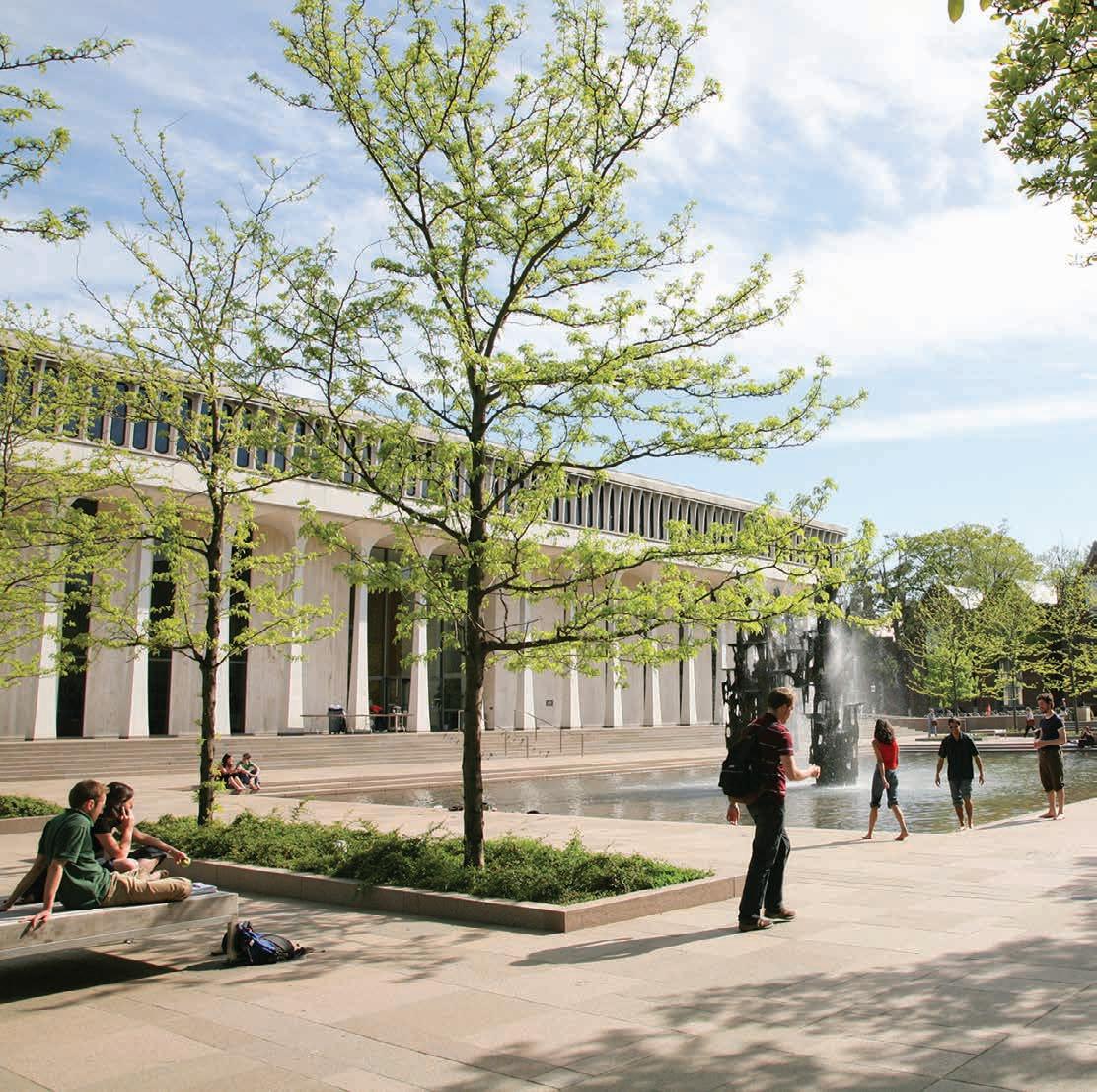
“Princeton’s pathbreaking Global Health Program brilliantly exemplifies this University’s commitments to rigorous learning, public service and an international outlook. Through internships and field research in the U.S. and across the globe, the program enables students to understand the world’s urgent health problems and develop the skills and knowledge needed to address them.”
Christopher L. Eisgruber President of Princeton University