
AUTHORS:
Belan Antensaye
Valerie Chua
Beatrice Lee
Surujdai Mukhram
Dylan Nezaj
Rebecca Rutland Soulen
James Sykes
Ashley Yu Wang
Tunç Ekin Yavuz
FACULTY ADVISOR:
Eduardo Bhatia
John L Weinberg/Goldman Sachs & Co. Visiting Professor and Visiting Lecturer in Public and International Affairs
Suggested Citation:
Princeton University, (2026). Conservation in Kenya: Strategies for Balancing Wildlife, Land, and Livelihoods in Laikipia County. School of Public and International Affairs.
We would like to extend our gratitude to the many people who supported this policy workshop. A special thank you to the team at the Mpala Research Centre for inviting us to participate in shaping its strategy, for your hospitality and kindness, and for providing invaluable support throughout the process. The team includes Fardosa Hassan, Aly Kassam-Remtulla, Brian Kloeppel, Leshan Lepiyiet, Sheila Njoroge, Cosmas Nzomo, Nelly Palmeris, Grace Penn, Nina Wambiji, and countless others whose dedication and commitment to Mpala’s mission inspired us and helped make this workshop productive and meaningful.
In addition, we would like to thank all the communities, conservancies, researchers, government officials, and other experts who shared their time and insights. The findings and interpretations expressed in this report do not necessarily reflect their views. The full list of the consulted organizations and individuals appears below in alphabetical order.
• Boston Consulting Group
• Community & Wildlife Conservation
• Dr. Daniel Rubenstein
• Fiona Bare, Princeton PhD Candidate
• Ilmotiok Conservancy
• Il Ngwesi Conservancy
• Kenya Wildlife Service
• Kenya Wildlife Conservancies Association
• Laikipia Conservancies Association
• Laikipia County Government
• Ambassador Meg Whitman
• Dr. Mordecai Ogada
• The Nature Conservancy (Kenya)
• Nature United
• Northern Rangelands Trust
• One Acre Fund
• Dr. Paula Kahumbu
• United Nations
Finally, we would like to express our heartfelt thanks to Professor Eduardo Bhatia for his guidance and unwavering support throughout the workshop.
This report is authored by nine graduate students from Princeton University’s School of Public and International Affairs as part of a policy workshop capstone project. Our analysis draws on desk research, stakeholer interviews, and a one-week field engagement in Laikipia County and Nairobi. During this time, we met with local community representatives, Mpala staff and researchers, leaders of neighboring conservancies, civil society organizations, county and national government agencies, and private sector stakeholders.
Our analytical perspective is shaped by the nature of these engagements and by the structural position we occupy as external participants affiliated with a Western academic institution. Additionally, the longstanding historical and financial relationships between Mpala and Princeton may have influenced stakeholders’ willingness to share information and may have shaped the narratives, concerns, or priorities emphasized in our conversations. The colonial legacy of conservation in Kenya further shapes the context in which our work was conducted.
While we represent a range of nationalities, professional experiences, and cultural backgrounds, our team does not have direct ties to Laikipia County. Our training in public policy and the social sciences shapes our modes of problem definition, causal reasoning, and evidence evaluation, which may not fully align with local knowledge systems.
We are grateful for the many individuals who shared their time and guidance, and we aim to honor their expertise in this report. Still, we acknowledge that not all voices are represented in this report, and thus, the perspectives reflected here represent a piece of, rather than the complete, story.
We hope that our research helps centralize and clarify information for the many different actors in the Kenyan conservation space, and it will prove useful to current and future conservation leaders as they work towards an equitable and sustainable future.
Conservancies have become a cornerstone of Kenya’s conservation model, safeguarding much of the country’s wildlife while supporting climate resilience and rural livelihoods. In Laikipia, where conservation, pastoralism, and private landownership intersect, conservancies play an especially critical role in shaping both ecological and socioeconomic outcomes. Yet despite their importance, many conservancies face growing challenges related to how benefits are shared with surrounding communities and how long-term financial sustainability can be secured. Drawing on field engagement, stakeholder perspectives, and existing research, the report finds that unclear benefit sharing mechanisms and uneven community engagement have contributed to mistrust, while heavy reliance on tourism and donor funding has left many conservancies financially vulnerable.
The report recommends convening a coordination platform in Laikipia to strengthen collaboration, and improving transparency around benefit sharing commitments at the conservancy level. It also proposes improving financial sustainability by increasing visitorship through diversified tourism offerings, exploring well-governed carbon credit and nature-based finance opportunities, and strengthening pastoralism and rangeland management as core economic and resilience strategies. Together, these recommendations aim to support a more stable, inclusive, and locally grounded conservation model for Laikipia.
INTRODUCTION
This report will analyze the key challenges currently hindering effective benefit sharing with communities and the financial sustainability of conservancies. Building on this analysis, we propose a set of actionable recommendations designed to enhance long-term sustainability. The report will focus its proposals specifically on conservancies within Laikipia. Throughout the report and when relevant, we will provide recommendations for Mpala Research Centre, acknowledging its distinct role within the conservation landscape.
Kenya’s unique geographic position supports diverse ecosystems, including mountains, forests, rangelands, arid lands, croplands, urban areas, and both marine and inland waters.1
Prominent in this landscape is Laikipia County, which covers 9,462 square kilometers of mostly rangelands and arid land and hosts rich biodiversity, including endangered species such as the African wild dog, Grevy’s zebras, and reticulated giraffes.2
Over the past three decades, conservancies have emerged as a central conservation model in Kenya. They protect biodiversity while promoting coexistence between people and wildlife. Today, there are over 195 conservancies spanning more than 9 million hectares, accounting for 65% of the country’s wildlife that range outside state-managed territories.3
Conservancies also contribute meaningfully to climate resilience.
By working with local communities to promote the shared stewardship of land and natural resources, conservancies have helped reduce land degradation and stabilize ecosystems. These landscapes function as natural buffers against extreme weather events and preserve wildlife corridors that allow animals to migrate, access resources, and maintain genetic diversity.4
Beyond its ecological value, conservation generates economic and cultural benefits. Conservancies create jobs and support livelihoods through ecotourism, sustainable agriculture, and ecological restoration, enabling communities to share directly in conservation-related benefits. 5 Kenya’s natural heritage also carries deep cultural significance, serving as a source of national identity, pride, and continuity.6 This natural wealth embodies the nation’s identity and represents a deep, continuous historical, and
This context directly motivates the central objectives of our report. Specifically, we aim to address two interrelated imperatives:
Ensure that the benefits of conservation are shared by the community
Determine how to make conservancies financially sustainable in the long run 1 2
spiritual connection with the land.7 The defense of these resources represents an unwavering cultural obligation to ensure this unique legacy endures for future generations.
Despite these benefits, the long-term viability of conservation in Kenya is increasingly uncertain. As a lower middle-income country striving for economic growth, Kenya faces the difficult task of balancing conservation needs with urgent economic and social priorities. Kenya’s burgeoning population creates intensifying competition for vital resources shared by both people and wildlife. This tension applies significant strain on Kenya’s conservation agenda, as limited financial resources are diverted to other urgent socioeconomic priorities. Consequently, securing consistent funding for conservancies – which are not inherently high-profit ventures –will become a more persistent and difficult challenge.
Member Conservancies in Laikipia Conservancies Association (2025) 8
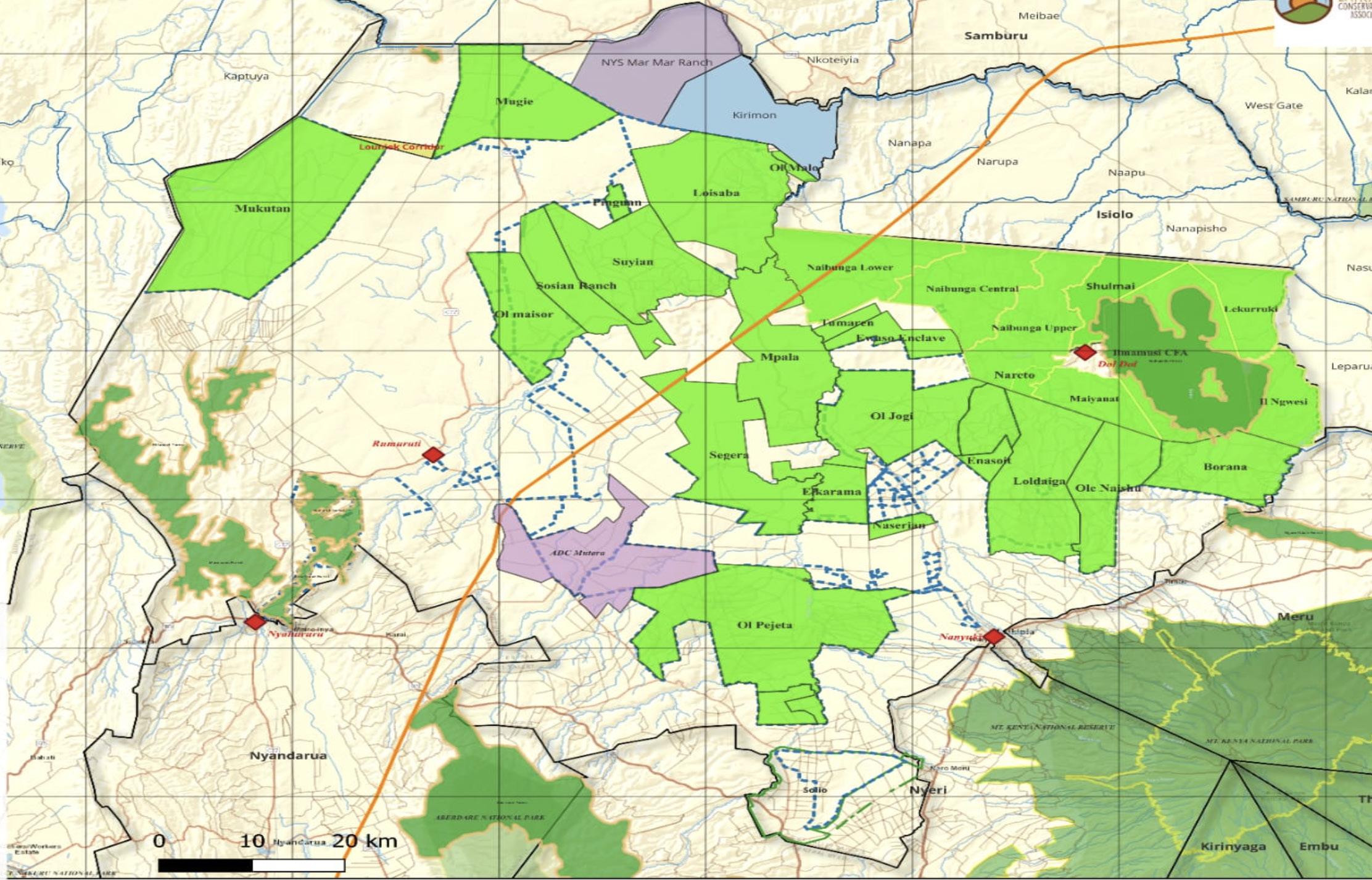
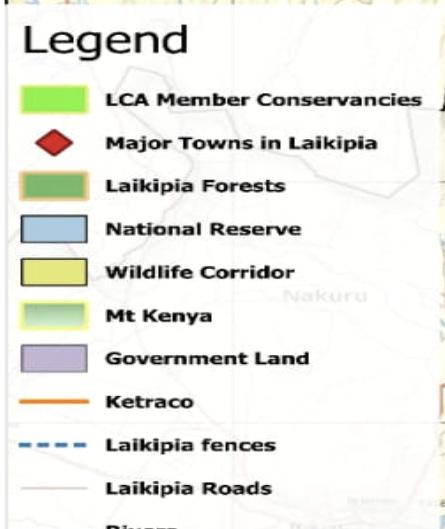
The primary audience for this report is Laikipia conservancies. Laikipia is a key actor in Kenya’s conservation landscape and a microcosm of the country’s wider challenges, balancing rapid population growth and wildlife conservation. Roughly half of the county is under conservation, and Table 1 summarizes Kenya’s main conservancy types and their presence in Laikipia, which has a high concentration of private conservancies with the authority to implement this report’s recommendations.
Mpala Research Centre (“Mpala”) is both a key audience for this report and a case example of how conservancies can generate value from land while supporting conservation outcomes. Mpala is a 48,000 -acre private, not-for-profit field laboratory and conservancy near Nanyuki in northern Laikipia, founded in 1990 as a hub for research on conservation, biodiversity, genomics, and related sciences. It also runs a working cattle ranch with neighboring pastoral communities and relies on diversified revenues, including bed nights, foreign institutional support, research fees, livestock sales, grazing permits, and rental income from the British Army Training Unit in Kenya. Mpala is jointly administered by Princeton University, the Smithsonian Institution, the National Museums of Kenya, and the Kenya Wildlife Service, and its governance model and scale give it a distinctive role in Laikipia’s conservation landscape.
Before 1895
Wildlife management in Kenya was communal, with indigenous stewardship systems governing land and wildlife. During this time, land and wildlife held deep physical, spiritual, and intellectual significance to communities.16
1899-1907
Colonial authorities established game reserves and formal forest and game departments to regulate hunting for European benefit. During this period, nearly 1,000 rhinos were killed to clear land for colonial settlement.17
1895
Britain established a protectorate and replaced communal management with exclusionary “fortress conservation” to support European sport hunting. Indigenous communities were systematically displaced and denied access to land and wildlife.18
1945-1948
Britain created protected areas that outlawed subsistence practices and seized native lands, sparking indigenous resistance and the liberation struggle.21
1963-1989
Kenya gained national independence. Kenya largely retained colonial conservation models centered on state-controlled national parks and tourism revenue.19 This approach excluded communities and contributed to poaching and rising human-wildlife conflict.20
2010
Introduction of new Constitution of Kenya, which devolved administrative powers to county governments. Wildlife protection remained a national function, while counties were tasked with supporting community participation and local implementation.23
1990-2009
Conservation policy shifted toward decentralization and community-based approaches. These models aimed to increase local participation and promote more equitable sharing of conservation benefits.22
2013
The updated Wildlife Conservation and Management Act formally recognized conservancies as a land-use model.24 The Kenya Wildlife Conservancies Association (KWCA) was established to represent conservancies in national policy and planning.25
In Kenya today, conservation is primarily governed by the Ministry of Tourism and Wildlife, which sets national conservation policy, and the Kenya Wildlife Service (KWS), a state corporation responsible for conserving and managing wildlife, national parks, and enforcing wildlife-related laws.10 County governments also play a central role in devolved wildlife functions, including managing county-level wildlife areas and reserves, developing local conservation measures, and working with KWS and communities on benefit-sharing and human-wildlife conflict mitigation.11
Conservancies are distinguished primarily by their land ownership and land-use arrangements, which shape how conservation is governed, financed, and managed across contexts. These differences have given rise to multiple conservancy models with distinct governance structures, management approaches, and funding mechanisms. Table 1 provides a brief overview of the different types of conservancy models in Kenya’s current conservation landscape.
Wildlife conservation is a key national priority in Kenya and a core component of the country’s long-term development strategy. Kenya Vision 2030 identifies wildlife and tourism as a pivotal sector, driving the country’s aspiration to become one of the “top 10 long-haul tourist destinations offering a high end, diverse and distinctive visitor experience.”12 To realize this vision, Kenya has established specific targets for 2027, including reducing human-wildlife conflict by 45% and increasing the secured migratory corridors and dispersal areas to five (up from one in 2021).13 Crucially, these conservation and tourism plans are directly aligned with Kenya’s Bottom-Up Economic Transformation Agenda.14 By expanding the sector, the government aims to achieve its core economic objectives of increasing employment opportunities and expanding the tax revenue base.15 Thus, conservation is not just an ecological concern but a strategic pillar for economic growth and transformation.
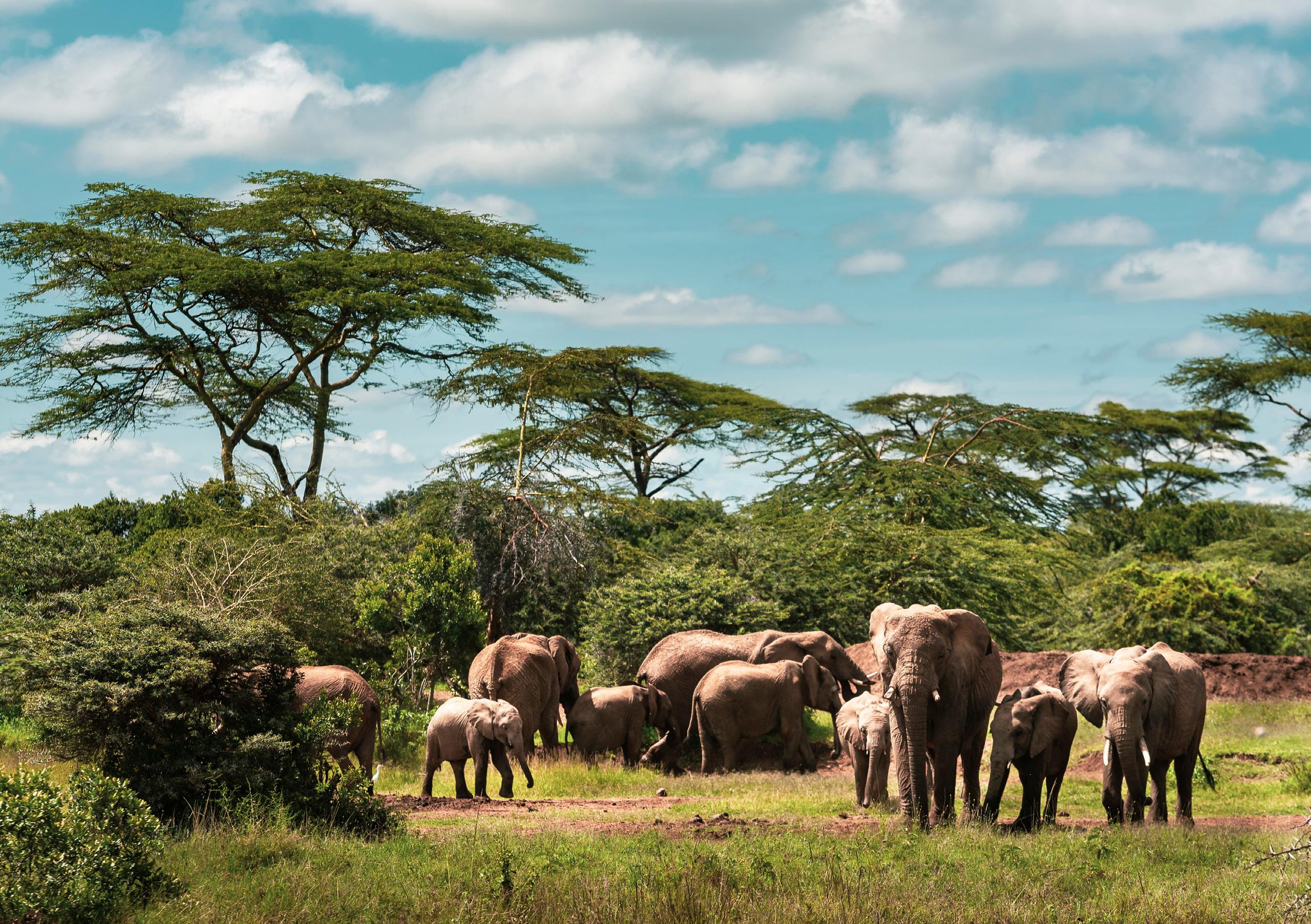
Kenya has made strong legal and policy commitments to conservation, but local realities increasingly test the durability of these commitments. Laikipia County illustrates how national demographic, economic, environmental, and governance trends play out on the ground for communities and conservancies.
Kenya’s population has grown from 8.6 million in 1963 to about 53.3 million today, with about three-quarters of the population under the age of 35 years old.26 This rapid growth and youth bulge create intense pressure on land, resources, and employment across the country.27
Laikipia County reflects these national trends. The county’s population grew from approximately 399,000 in 2009 to about
519,000 in 2019.28 Like the rest of Kenya, Laikipia’s population skews younger, with roughly one third of the population being under age 15.29 It is rapidly urbanizing as younger generations move toward formal education and wage work rather than exclusively pastoral livelihoods. 30 This shift creates pressure to expand settlements, infrastructure, and alternative economic activities into rangelands that have historically supported both livestock and wildlife.
Kenya’s economy struggles to absorb the nearly 1 million young job seekers entering the labor market annually.31 In 2024, only 782,000 jobs were created, 90% in the informal sector, contributing to an overall unemployment rate of 12.7% and a youth unemployment rate estimated at 67%.32 To address this challenge, Kenya Vision 2030 identifies wildlife tourism as a strategic growth sector, 33 with international tourism earnings reaching KSh 452 billion in 2024, and about 80% of the revenue tied to wildlife-based tourism.34
Laikipia experiences these pressures acutely. The county’s youth unemployment rate of 7.5% is below the national average, 35 but this figure masks significant underemployment and reliance on low-productivity informal work.36 Limited formal employment and under-resourced county budgets mean that many households in Laikipia continue to rely on mixed livelihoods: livestock, small farms, and informal work, while aspiring to benefit from higher-value sectors such as tourism and conservation-linked enterprises.
37
Across Kenya’s arid and semi-arid lands (ASALs), competition over water, pasture, and land has intensified as populations grow and climate variability increases. Laikipia County, an ASAL county of just over half a million people, 38 exemplifies this pattern, with nearly every house depending directly on shared rivers, boreholes, and grazing lands.39 As more people rely on the same resources, access becomes more contested, and mistrust may grow between neighbors, private landowners, and conservancies.
Water Scarcity
Many Kenyan dryland counties face growing strain on water systems due to low and erratic rainfall, seasonal water sources, and limited infrastructure. In Laikipia, county planning documents note that some areas experience particularly low rainfall, seasonal rivers, and limited water infrastructure, leaving houses highly vulnerable during droughts.40 A study around Mpala found that 96% of houses reported insufficient water during the dry season and that many perceived droughts as more frequent and severe than in the past. While many people said water was shared fairly, others, especially downstream farmers, felt that larger farms or upstream land users were receiving more than their fair share.41
Private conservancies, which cover approximately 40% of Laikipia’s land, have developed systems of wells, boreholes, river access, and dams that ensure consistent water availability on their own properties during drought.42 In times of drought they sometimes support neighboring communities through borehole or water catchment investments; however, weak local institutions and “atomization of risk” mean that many residents do not experience such assistance as a predictable right, but instead worry about the future reliability and fairness of water access.43 The challenge is made worse by how county governments are funded. Counties are responsible for water, but they rely heavily
on national government funding, and local taxes are not enough to cover all needs.44 When governments cannot repair or expand water systems, conservancies are sometimes expected to fill gaps, which can create pressure and unrealistic expectations.
Kenya’s rangelands face widespread degradation from drought, invasive plants, and heavy grazing. In Laikipia, livestock production is a major economic activity, and many houses depend on the county’s extensive grassland rangelands to sustain their animals and generate income. However, county reports say that land degradation, invasive plants, and unmanaged grazing are harming rangelands.45 Further research notes that increasing drought and climate variability are intensifying pressure on land and renewable resources, including water and grazing areas, in northern Kenya’s ASAL counties.46
Bush encroachment, where woody plants spread into grasslands, makes grazing even harder by reducing the amount of edible grass.47 When grass becomes scarce, pastoralists and ranch herders are in competition to feed their cattle. Study participants reported several types of conflicts over grasslands, including local farmers, outside pastoralists, and private ranch owners.48 During drought, it is common for outside herders to move into Laikipia to search for grass, and some local people view this as threatening.49 Evidence from Il Ngwesi Group Ranch in Laikipia shows that community grazing plans, including reserved areas, significantly influence which herds can access key pastures and when, and that improved pasture has attracted outside livestock and triggered conflict during droughts. The same case illustrates that when grazing rules and dry-season use are negotiated through community institutions and dialogue with external partners, rangeland condition improves and tensions over grazing are easier to manage. 50 Fundamentally, conflict reflects converging environmental stress, demographic change, and land fragmentation that compress the space available for people and livestock. These pressures make grazing decisions politically and socially significant, shaping how communities view conservation.
Across Kenya’s rangelands, climate change is lengthening and intensifying droughts, increasing pressure on land, water, and pastures. Research shows that drought heightens conflict in pastoral and farming communities, especially where livelihoods depend heavily on livestock and rain-fed crops. 51 Kenya has experienced three severe droughts in the last decade (2010–2011, 2016–2017, and 2020–2022), with the most recent drought described as the most prolonged and severe in decades, leaving nearly 4.4 million people in need of humanitarian assistance and causing over 2.6 million livestock deaths across ASAL counties. 52 Laikipia reflects this national pattern. As droughts become longer and less predictable, houses face simultaneous losses from crop failure, livestock deaths, and wildlife damage, damaging the
perceptions of conservation land as a viable option. In Laikipia, the most common forms of conflict involve livestock predation by large carnivores, especially leopards, lions, and hyenas, and crop damage by elephants and other herbivores, which cause substantial economic losses for small-scale farmers and herders. 53 At least 52 lions were poisoned on Laikipia’s communal lands since 2003, often in retaliation for livestock killings. 54
Human-wildlife conflict can also lead to human injuries and fatalities. Evidence from Kajiado and Laikipia, two key Kenyan rangeland counties, shows that human–wildlife conflict is recurrent and economically significant: KWS records for 2010–2018 document almost 1,000 reported incidents, including threats
to human life, crop damage and livestock predation, with more than half of all cases occurring in the dry-season months when wildlife move further in search of water and pasture and contact with people, fields, and herds. 55 As a result, climate pressures not only intensify house losses but also heighten the perception that conservation areas are a source of conflict rather than support, potentially straining relationships between communities and conservation actors.
2010-2018
Predation
Crop Destruction
Human Threat
Property
Human
Human
Kenya has articulated ambitious conservation and economic development goals, yet governance fragmentation and limited state capacity continue to constrain effective implementation. Kenya’s 2010 constitutional reforms devolved many powers from the national government to the county governments, transferring new authority to county governments. 56 The devolution process gave county governments new fiscal authorities (including discretion over 15% of national revenue and the ability to levy county taxes), 57 primary land use, zoning, and development planning authority, 58 and wildlife conservation and management responsibilities on lands outside public conservation areas and sanctuaries.59 While devolution was intended to strengthen local autonomy and accountability, it has produced a complex governance environment for conservancies.60 County governments such as Laikipia face expanded responsibilities without commensurate
authority, funding, or technical capacity. Most notably, “KWS, county governments, and other agencies have overlapping jurisdictions and insufficient understanding of their own legislative frameworks, policies, and procedures,” resulting in compartmentalized institutional silos between KWS and county governments.61 Conservation governance is therefore often fragmented, with unclear lines of responsibility between national and county actors.
These governance gaps have tangible consequences. Kenya lacks a consistent system to audit conservancies to verify land tenure claims, operational boundaries, or adherence to conservation objectives.62 Furthermore, there is no consistent county policy or regulatory framework guiding benefit sharing, social investment, or joint infrastructure projects.63 Land use planning is subject to similar confusion. The 2010 constitutional reforms also established the National Land Commission (NLC) to be Kenya’s independent national land use planning agency, coordinating with county government via County Land Management Boards. However, subsequent legislation has weakened NLC’s authority
relative to the incumbent Ministry of Lands.64 Studies of other counties even claim that devolution has enabled rampant revenue leakages, patronage, systemic bribery, and poor oversight of county government functions.65 To be sure, KWS has taken steps to mitigate decentralized corruption in wildlife areas and community conservancies, such as setting up an integrity office to investigate corruption and a phone line to report corruption.66 These challenges are exacerbated by the fact that county governments lack funding and personnel to support their devolved functions more broadly and provide many basic services.67 Leaders in some counties have demanded much higher allocations above the constitutionally-mandated 15% (e.g. 35-45%) to meet the responsibilities of decentralization.68 Laikipia County is also considering raising property taxes on conservancies from KSh 20 to KSh 60 per acre.69 This fiscal situation also often necessitates the outsourcing of key public infrastructure to private entities.70 In central Laikipia, community members trek long distances for basic services like schooling and healthcare, while road, water, and electricity infrastructure remain underdeveloped.71
In this context, conservancies must clearly define their role within Kenya’s conservation system, including their conservation objectives and community responsibilities. In the absence of a coherent, government-led framework for benefit sharing, private conservancies have considerable scope to act as partners that align community incentives with conservation outcomes. The Kenya Rhino Range Expansion initiative offers one example of how conservation is perceived to deliver tangible benefits to communities. Communities may perceive the added security Rhinos bring as an ancillary benefit, deterring those who would encroach on community land.72 Communities may perceive this added security as an ancillary benefit, a deterrent to those who would encroach on community land.
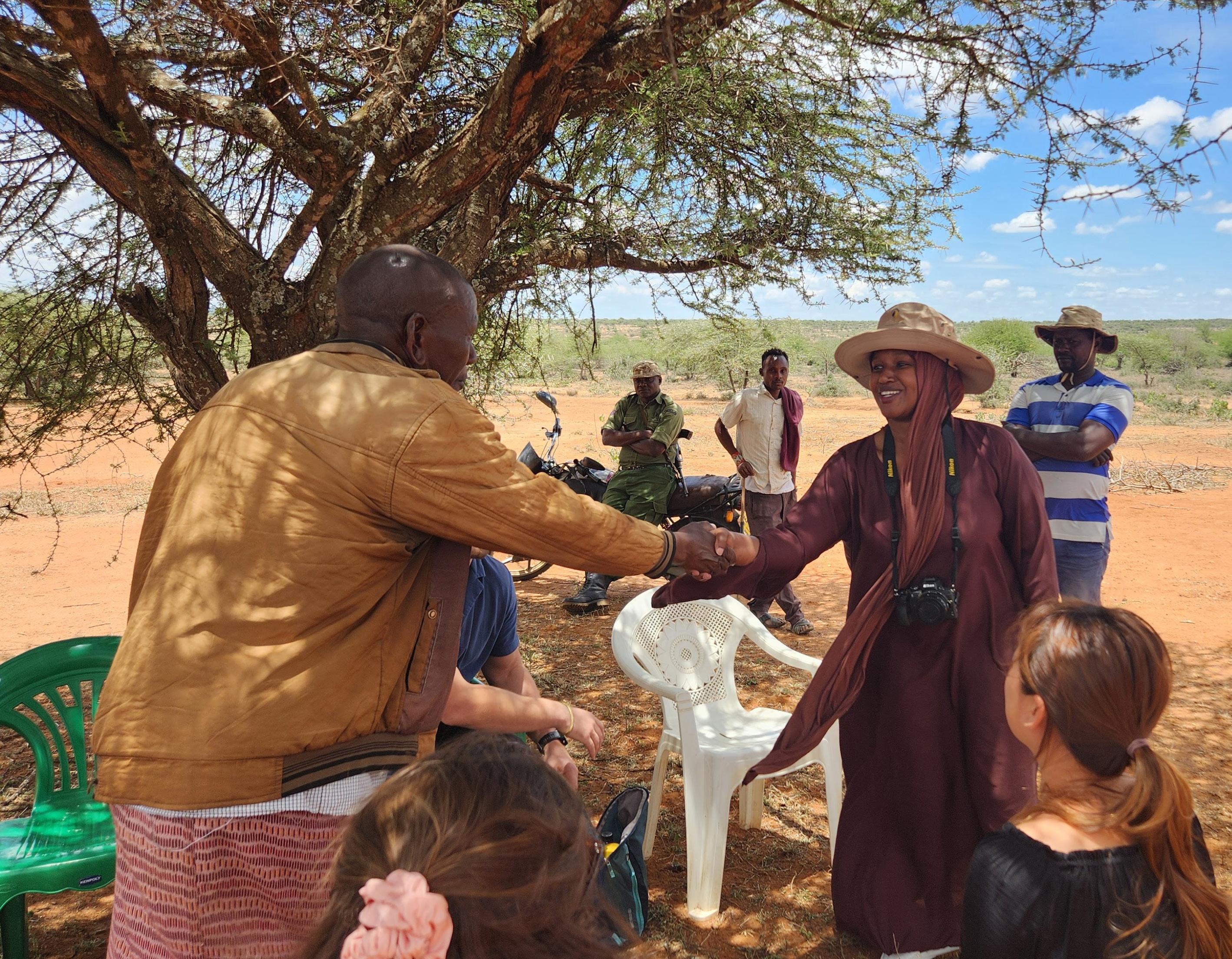
Overview of Challenges ci
Despite its ecological wealth, the benefits of conservation are felt unevenly across Kenya and even within conservancies, especially community conservancies.
While wildlife is often stylized as the patrimony of all, relatively few Kenyans receive direct, also known as monetary benefits, from conservation whether that be through a conservancy job, payments to households, or being part of a community that uses conservancy funds for communal projects, such as improved access to water or education.73 Although conservancies comprise
15% of Kenya’s landmass, they employ only 4,800 people and provide direct benefits to just 707,460 households according to KWCA.74 Furthermore, while tourism was approximately 10% of GDP in 2024 and supported 1.7 million jobs in 2025,75 KWCA estimated in 2020 that conservancies’ contribution to tourism was just 1.3%, which highlights the limited economic contribution of
conservancies.76 This means the vast majority of Kenyans receive no direct benefits from conservation.
The division and distribution of monetary and non-monetary benefits in a way that has equitable outcomes and is procedurally fair.77 Conservation produces direct and indirect benefits, both of which are extremely valuable. Monetary or direct benefits (salaries from conservancy jobs, payments to households, or community funds) are often easier to quantify than in-direct benefits, which range from the protection of endangered species to the use and honoring of traditional land practices. This section focuses primarily on direct benefits because, as discussed throughout the report, they are the key to making conservation a viable livelihood and use of land.
77
Disparities in benefit sharing occur across the country. These disparities range from people living in urban areas who do not have their constitutional right to “a clean and healthy environment”78 to communities living on the borders of conservancies who are visibly underserved by conservation. In keeping with the focus on direct benefits, this section focuses on communities living near conservancies, in part because they are identifiable whereas many others who should benefit from conservation, but do not, are hard to identify, and because communities are a central part of the social landscape in Laikipia County.
A strong ethical claim for receiving the benefits of conservation comes from indigenous groups who seek remuneration for or the return of land that was previously theirs. Private conservancies in Laikipia County are on the ancestral lands of the Laikipiak Maasai and other tribes.79 Additionally, groups such as WildlifeDirect advocate for Kenya’s nature to be recognized as a ‘national heritage and a source of pride for all Kenyans,’ insisting that communities must be equal partners in conservation.80
When individuals feel no benefit from conservation, they are less likely to support conservation at large or specific conservancies, yet conservation needs political support to be viable. Because wildlife is owned by the state, individuals are unable to benefit from wildlife by hunting or selling.81 Yet even while most individuals are unable to benefit, they may see others who are able to benefit. Private conservancies may be seen as
extensions of the “fortress conservation” model used during the colonial period.82
Finally, as discussed comprehensively in the financial sustainability section, the opportunity cost of using land for conservation is high. That means inhabitants of the surrounding land have a vested interest in seeing direct returns from conservation or instead choosing to turn the land over to another use.
issues prevent people from accessing the benefits of conservation
Governance issues such as corruption, security concerns, and failure to implement existing laws prevent people from accessing the benefits of conservation. Although legal frameworks exist to codify benefit sharing, they are not enforced. For example, the Wildlife Conservation and Management Act of 2013 (WCMA) requires that 5% of benefits from national parks flow to local communities, yet “this has not been operationalized” according to Mbeche and Gargule, two benefit sharing analysts.83 Furthermore, the Climate Change (Carbon Market) Regulation of 2024 stipulates that at least 40% of profit from carbon credit projects is to be provided to communities if the project is done on public or community land, but no requirements are made if the project is on private land,84 and it is unclear how the policy will be implemented or enforced. Since 2018,85 parliament has deliberated on versions of a holistic Benefit Sharing bill, which would require county governments to establish committees that work in consultation with local communities to disperse benefits.86 However, the bill has not passed.87
Corruption and security are two other governance issues that impede benefit sharing. Corruption can occur within the government or through elite capture of community conservancies, who divert community benefits to influential local families.88 Security risks also hinder equal access to conservation, exacerbating unequal benefit sharing. Northern Kenya suffers from lack of security and receives far fewer tourists than the south, severely limiting financial opportunities for conservancies in the north.89 Governance issues underscore how Kenyans or foreigners with sufficient capital can more easily convert Kenya’s natural flora and fauna into a revenue-generating operation because they can make up for the failures of the state or buy access to power.
Recommendation 1: LCA should convene a coordination platform in Laikipia to collaboratively address gaps in service provision
A critical part of this work should focus on achieving a more equitable distribution of the benefits of conservation between private conservancies and local communities, and within community conservancies.
Currently, community conservancies and some private conservancies, such as Mpala, engage in tangible forms of benefit sharing. Some of this benefit sharing is meant to fill the void left by inadequate government services. This includes funding community infrastructure, such as the construction of schools and dispensaries, drilling boreholes for water, and improving local access roads. Other forms of benefit sharing are intended to share the fruits of conservation, but not necessarily fill government gaps. This includes livelihood support, such as through the provision of education bursaries and scholarships, employment in conservancy operations, and support for community-based enterprises like beading and craft-making.
Establish a Coordination Platform
Members: Platform should include representatives from:
1. Government: Key decision-makers from relevant county departments (e.g., Environment, Lands, Agriculture, Tourism) and local representatives of relevant national agencies (e.g., Ministry of Tourism and Wildlife, Kenya Wildlife Service);
2. Community: Designated leaders from community conservancy boards and recognized elders or land-use committees in Laikipia; and
3. Conservancies: Designated managers from the private and community conservancies that are members of the Laikipia Conservancies Association, including Mpala.
Structure: The coordination platform should be formally co-chaired by a government official and a community representative with LCA as the secretariat to ensure shared ownership, and its members should meet regularly.
While these conservancy-led efforts provide critical support, it is not sustainable for conservancies to choose unilaterally how to distribute benefits and when to substitute for the government in providing essential public services. The only viable path to a sustainable model is to strengthen the partnership with the government, establishing clear roles, predictable resource allocation, and mechanisms that distinguish between conservancy support for community livelihoods and conservancy responsibility for filling service gaps.
Given its unique and central role in the landscape, the LCA should act as the convener and lead the strategic coordination with the county and national government on behalf of its members through setting up a formal coordination platform. The intent of the platform is to institutionalize a collaborative governance mechanism for the equitable, efficient, and sustainable management of national resources and benefits in Laikipia County. Mpala can support this initiative by advocating for the establishment of this coordination unit, serving as an active member of the platform, and convening stakeholders when necessary.
Objectives: The specific objectives of the platform are to:
1. Promote equitable benefit sharing from conservation activities;
2. Help communities advocate their socioeconomic and security needs and priorities to the government;
3. Coordinate resource pooling and harmonize planning among all partners for the efficient delivery of essential public services (health, water, education, infrastructure) to local communities;
4. Ensure community-endorsed input on land use, resource access, and conservation is formally integrated into the development of county and national policies; and
5. Serve as a central coordination hub for joint planning and response to human-wildlife conflict, pastoralist movements, and wider resource-based security issues.
The coordination platform should focus on formalizing systems for benefit sharing between conservancies and local communities in Laikipia County in the absence of legal requirements to do so.
The initiative should:
1. Establish clear benefit sharing guidelines for LCA’s members to follow, setting minimum standards for transparency, consultation, and distributional fairness;
2. Encourage standardized annual reporting, with each member conservancy compiling and publishing an annual benefit sharing report tracking how benefits are distributed; and
3. Publish an annual county-wide report focused on the aggregate community impact of LCA members’ benefit sharing efforts.
To guide the benefit sharing process, LCA should encourage more member conservancies to complete a Social Assessment for Protected Areas (SAPA). SAPA focuses on the positive and negative social impacts of protected areas or conservancies through community meetings, household surveys, and stakeholder workshops.90 LCA has led SAPAs for at least three of their conservancies, positioning them to facilitate this process at scale across Laikipia.91
It is important to note that SAPA is both costly and timeconsuming; total costs can range from USD $5,000 to $20,000, and the process can take a minimum of 12 weeks.92 Given the limited funding currently available in the conservation landscape, LCA may consider whether multiple conservancies in close geographic proximity can collaborate on a single SAPA.
Finally, SAPA cannot determine who is legally entitled to benefits; it can only determine who is affected by a conservancy’s actions and how they are affected. Free Prior and Informed Consent (FPIC) can be used to determine who has a legal right to benefit sharing.
Conservancies and communities should establish Free Prior and Informed Consent (FPIC) to determine who has the right to receive benefits.
FPIC is a rights-based standard requiring communities with legal or customary claims to land or natural resources to be consulted, informed, and to give consent before decisions affecting said resources are made.
93 Unlike SAPA, FPIC is specifically focused on those with rights to land or natural resources, rather than on those with a stake in their management. The Community Land Act of 2016 extends rights to groups with a customary tie to land or resources, as well as those with formal ownership.94
Functionally, FPIC is a “social license to operate.”
95 However, in some cases, it is also a legal mandate; the UN Declaration on the Rights of Indigenous Peoples recognizes FPIC as a fundamental right of indigenous communities and requires that they be informed and engaged in environmental decision-making.
96 Although Kenya does not formally identify specific Indigenous
Peoples, the 2010 Kenyan constitution recognizes “marginalized communities,” which encompasses hunter-gatherer and pastoralist groups.97
After FPIC is established, stakeholders must work together to form Mutually Agreed Terms (MATs) - a contractual agreement specifying the benefits to be shared and the conditions of benefit delivery. Benefits afforded in the MATs may be monetary or non-monetary. According to WWF, monetary benefits are most effective in situations of low-resource dependency, clear resource ownership, cash markets, and guaranteed long-term funding.
98 On the other hand, non-monetary benefits are most effective when there is sustained demand for products and services, a strong link between livelihoods and conservation, and the capacity for multiple methods of sustainable land use. The selected benefit mix should reflect community needs and priorities as identified through SAPA and FPIC, as well as the capacity of the conservancies involved.
MATs should be negotiated in consultation with the community and reflected in a written agreement signed by both the conservancy and the community, ideally ratified or witnessed by the Coordination Platform to ensure public accountability. It is important to note that the benefits should complement, not replace, government service delivery responsibilities.
Problem 2: Within community conservancies, benefit sharing is often unequal
Just as conservancies struggle to distribute benefits outside of conservancies, the community conservancy model struggles to distribute benefits within the community. Community conservancies are a central and unique part of the challenge of benefit sharing because they comprise 50% of all conservancies.99
However, as KWCA points out, the large size of communities (often greater than 1,000 members) makes it challenging for conservation to equitably sustain members of the community.100 For example, in the Il Ngwesi community conservancy, only 5% of the community population is employed in conservation-related jobs.101 Most of the community receives only indirect benefits from conservation, which are managed by community committees. In contrast, in other models like group conservancies, individuals pool their private land to form a conservancy and receive lease payments directly. This shows how the collective nature of community conservancies can make equitable sharing challenging. Despite these difficulties, many community conservancies reserve funds for community
Recommendation 2: LCA should encourage community conservancies to be more transparent in their benefit sharing plans
Under the WCMA, community conservancies must submit a benefit sharing plan upon their registration.108 However, these plans are not typically made publicly available, making it difficult to know whether community conservancies are following through on their internal benefit sharing plans. By publicly sharing their benefit sharing plan, community conservancies can increase transparency, reduce the risk of elite capture, and provide a roadmap for other conservancies to reference.
LCA should take a stance on national efforts to standardize benefit sharing, including the National Resources Benefit Sharing Bill (NRBS) of 2022. While the NRBS is not currently being considered by the Kenyan government, it is possible that the
development projects related to education, health, sanitation, or other community needs. As of 2024, conservancies spent between 5-30% of their annual funds on community development, with higher rates in community conservancies.102
Another challenge is the susceptibility of community operations to elite capture. In some communities, because of established, patriarchal social norms, benefits are more likely to accrue to male, community elders.103 Often this stems from established patterns of land control: women own just 1% of Kenya’s land.104 Women are also grossly underrepresented in conservation committees and management roles and they are seldom rangers in part due to gender biases, even though rangers are a large portion of jobs provided by conservation.105 Despite efforts to construct safeguards to ensure resource distribution, a lack of implementation and enforcement has hindered those efforts.106 Some conservancies, like the group conservancy Nashulai Maasai Conservancy in Narok County have well-received benefit sharing structures. The key, a KWCA analyst says, is governance, and the feeling that all people benefit and have opportunities for input.107
bill will be introduced in the future. LCA must determine whether a national benefit sharing scheme, such as the one proposed in the NRBS, would be beneficial to its member conservancies. Peer organizations such as KWCA have supported past versions of the bill, but advocated that wildlife be excluded from the bill’s application and that the share of benefits to communities be increased.109 Regardless of its decision to support or oppose a national benefit sharing scheme, LCA should be prepared in the event that legislation like the NRBS becomes law.
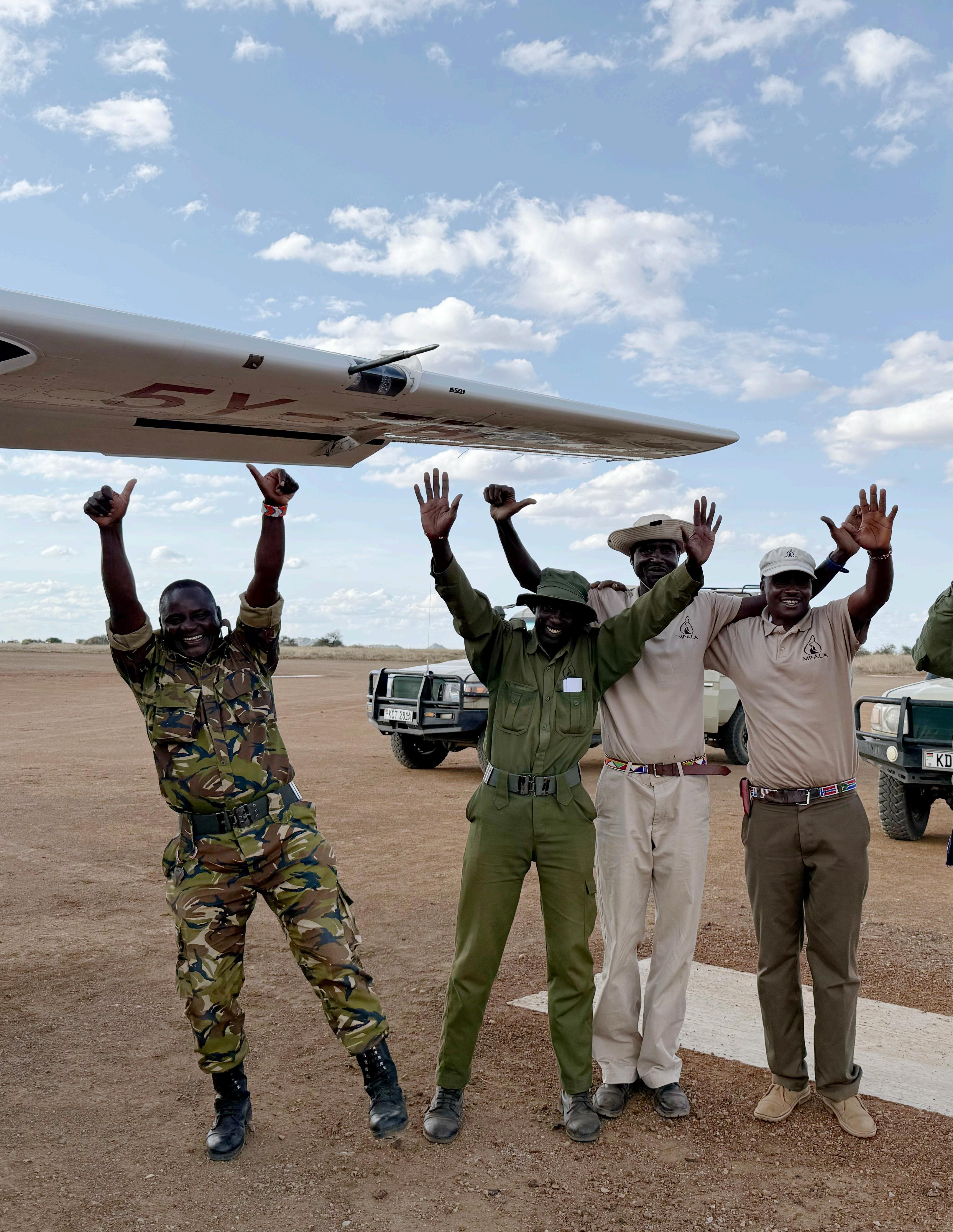
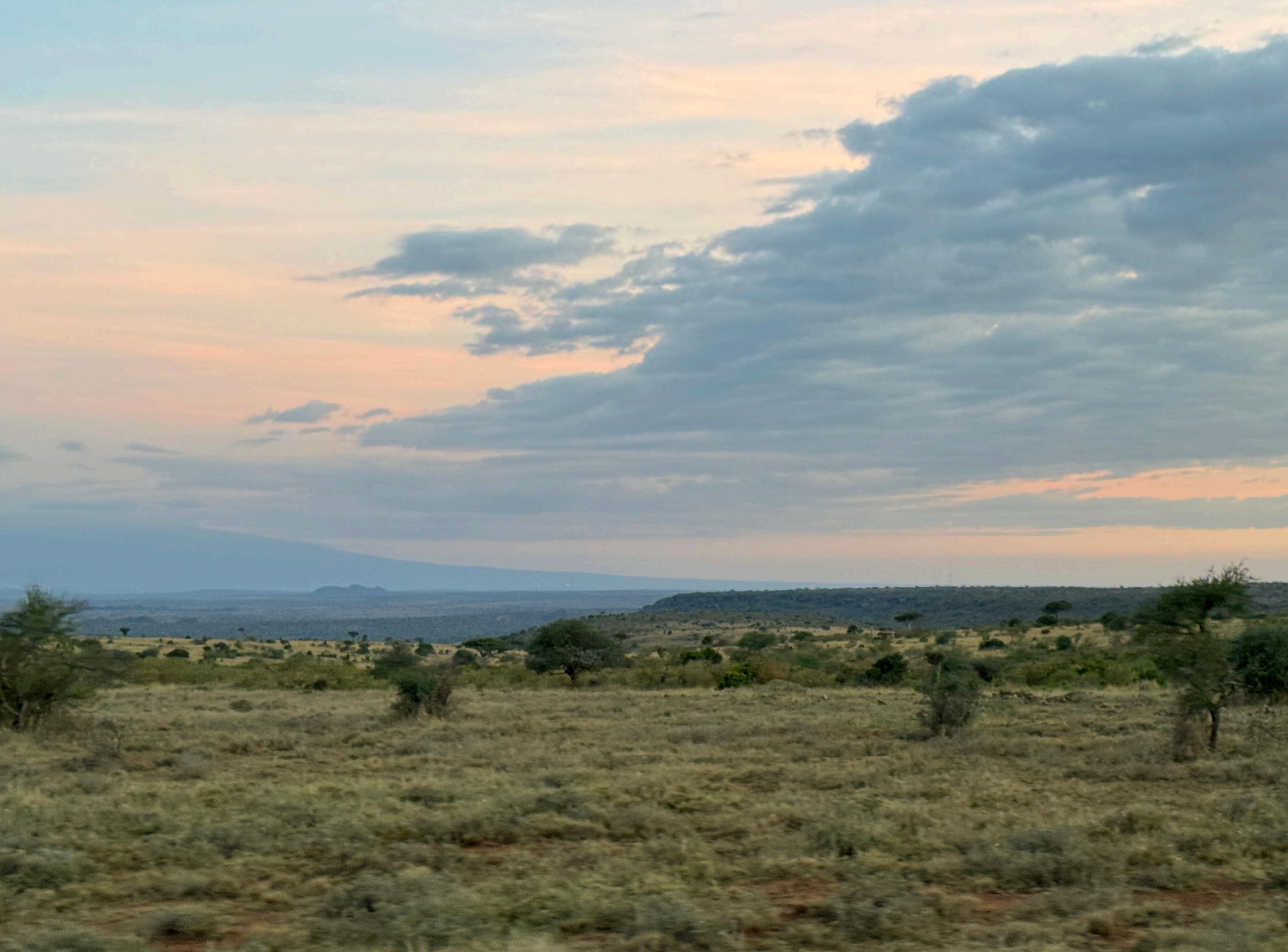
The financial positions of conservancies vary widely across Kenya, shaped by the structure of their revenue streams, operating costs, and the ecological and socioeconomic conditions in which they operate. Despite this variation, national assessments point to a pattern of financial fragility rather than widespread profitability. The following section examines the constraints facing conservancies across three key categories – visitorship, pastoralism, and carbon credits – highlighting where each approach is limited by structural and external factors that undermine long-term sustainability. The section concludes by outlining recommendations designed to address these constraints and strengthen financial resilience over time.
4,700 people. Despite being one of Kenya’s more productive conservation landscapes, most conservancies in Laikipia are not consistently profit-generating year to year.112
Kenyan conservancies rely on four dominant revenue streams: tourism, donor support, carbon credits, and livestock enterprises. The combined annual revenue across all reporting conservancies is USD $40,888,799.
This revenue is highly concentrated among a small subset of conservancies. Only 31 conservancies report earning more than USD $10,000 from tourism, 31 from donor support, 18 from carbon credits, and 16 from livestock enterprises.
The costs of running conservancies are substantial. In 2022, reporting conservancies documented USD $32.1 million in expenditures, while estimates including non-reporting conservancies place total costs closer to USD $67.5 million. These expenses include salaries, land lease payments, human-wildlife conflict mitigation, development projects, security operations, and land and grazing management.110
Ranger salaries represent one of the largest and most consistent cost centers. Rangers underpin daily conservancy operations by providing security, monitoring wildlife, and maintaining community relationships. An estimated 3,650 to 5,547 rangers work across conservancies nationwide, with annual payroll costs ranging from USD $6.4 to $9.7 million. These wages flow directly into some of Kenya’s most economically marginalized regions, making conservancies major rural employers.111
Laikipia County Conservancy Funding
Laikipia’s wildlife sector generates approximately KSh 6.2 billion annually, including KSh 2.7
What differentiates relatively resilient conservancies from struggling ones is revenue diversification, not profitability alone. Conservancies in Laikipia are often considered successful because they meet conservation objectives and sustain employment, rather than generating consistent net profits.113
Historically, USAID has been the primary external driver of Kenya’s community-conservancy model. Multi-year USAID support to the Northern Rangelands Trust (NRT), notably the 2015–2020 Climate Resilient Community Conservancies Program, has provided around USD$20 million to community conservancies in northern Kenya, strengthening conservancy governance, community monitoring and ranger security operations, rangeland management, and livelihood enterprises. NRT has noted that conservancies in its network received more than Ksh 850 million in operational support in a single year, illustrating the scale of external support required to keep these systems functioning.115
In Laikipia, the USAID support was instrumental in strengthening LCA, enabling it to grow its budget from approximately USD$200,000 (initially relying almost entirely on the single grant) to over USD$750,000 through diversification and instituting formalized financial management systems.116
The recent freeze on USAID programming, combined with broader donor shifts toward project-based climate finance rather than operational grants, risks rapidly eroding these conservation gains. Though not a substitute for USAID’s support, the Kenyan government is currently working with The Nature Conservancy to develop a Project Finance for Permanence initiative called Thamani Asili (“Value of Nature” in Swahili). This initiative is meant to address biodiversity loss and climate change while supporting community economic development, through the explicit support of the community conservancy landscape.117
The financial position of Kenya’s conservancies is precarious. While a small subset generates the bulk of the revenue from tourism, carbon credits, livestock, and donor support, the majority operate on thin and irregular budgets. Success, particularly in areas like Laikipia, is often measured by meeting conservation needs and providing employment, not by consistent profit generation. As a result, conservancies rely heavily on nonmarket capital, primarily from foreign donors, to sustain core activities such as ranger salaries and community benefits. While essential, this reliance leaves the sector highly vulnerable to funding shocks.
This model is further challenged by the rising economic opportunity cost of conservation of land use. Dedicating land to wildlife protection inherently requires foregoing alternative economic activities that offer more immediate and predictable
returns like agriculture, commercial farming, or land subdivision and development. Recent contractions and shifts in donor funding exacerbate these trade-offs, increasing uncertainty around conservation revenues. To secure long-term viability, conservancies must develop reliable and diversified internal revenue streams that can economically compete with these external pressures. Ultimately, the sustainability of conservation in Kenya depends on making it a viable economic choice for landholders.
The sections below will focus on three of the four major funding streams for conservancies – visitorship, pastoralism, and carbon credits – and provide an analysis of their challenges as well as recommendations for maximizing their potential.
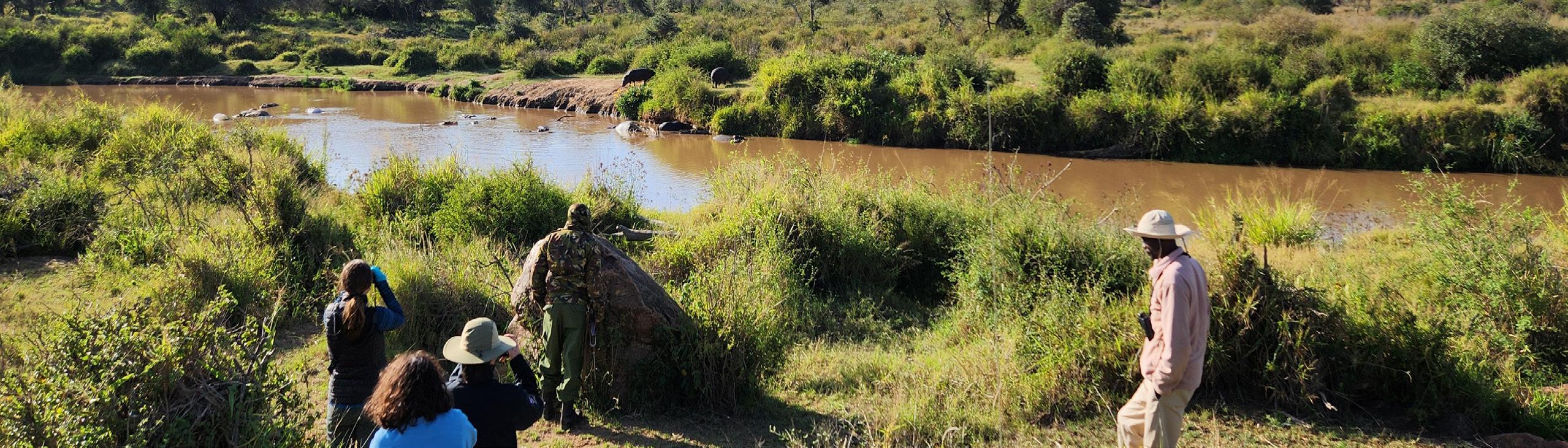
Overview of Challenges ci
Visitorship to Kenya’s conservancies is vital to their financial sustainability. Visitorship, defined in this report, refers to both residents and non-residents who visit conservancies for tourism or educational purposes, including school groups and researchers who temporarily reside on-site.
Tourism, particularly wildlife-based tourism, is a central visitorship strategy for improving the financial resiliency of Kenya’s conservancies. Tourism contributes roughly 5.5% of Kenya’s total employment and serves as a key income source for conservancies while supporting jobs and economic growth in surrounding communities.118 In 2022, Kenya hosted nearly 1.5 million international tourists, generating USD $2.1 billion in receipts. Roughly 70% of that tourism is wildlife-based, highlighting the central role of conservancies and protected areas in the national tourism economy.119 Reflecting this significance, both
The Nature Conservancy and KWS identify tourism as a core pillar in their long-term conservation strategies.120 Domestic tourism has expanded rapidly as well: domestic bed-nights rose from 2.9 million in 2014 to 4.6 million in 2018, now accounting for over half of national bed occupancy. This domestic segment provides a meaningful buffer against international downturns and represents an increasingly important market for conservancies.121
Educational visitorship takes two main forms: long-term academic researchers who live and work on conservancies,
High-end Tourism
Mid-range Tourism
Domestic Tourism
USD $5002,000 per bed night Low (e.g. 20bed capacity)
USD $200500 per bed night Medium-high (e.g. 100-bed capacity)
USD $20200 per bed night Medium-high (e.g. 100-bed capacity)
Academic Researchers Variable Low-medium (e.g. 20-50 bed capacity)
Short-term Educational Visitors Variable Low (e.g. 0-30 bed capacity)
Ol Jogi Wildlife Conservancy; Segera Retreat
Ol Pejeta’s Pelican House
Ol Pejeta’s Kongoni Camp and Stables; KWS bandas and public campsites
Mpala Research Centre, Segera Ranch
University field courses; professional trainings; school groups
and short-term groups such as university field courses, school groups, and professional trainings. By integrating these structured learning experiences, conservancies create value beyond traditional tourism and diversify their visitor base (see Table 2).
Mpala, for example, brings both types of educational visitors, hosting researchers, student groups, and university-affiliated partners. Currently, more than half of the Centre’s revenue comes from nightly accommodation fees from these academic researchers and fees from their associated research-related activities, such as vehicle rentals, field assistance, lab use, and other fieldwork infrastructure. Other conservancies, such as Segera Ranch and Ol Pejeta, also host educational visitors, underscoring Laikipia’s broader academic and ecological appeal.
Several structural challenges limit the potential of visitorship as a financial sustainability strategy for Kenyan conservancies, including seasonality, constrained market segments, and high investment costs.
Problem 1: Conservancies face visitorship revenue fluctuations based on seasonality
Kenya’s wildlife-focused tourism industry is highly seasonal, and conservancies with tourism operations face significant revenue variation based on factors such as rainfall patterns and wildlife viewing opportunities.122 For example, the ‘high’
High profitability potential with low ecological impact (e.g. a 20-bed lodge that charges a nightly rate of USD $1,000 at 40% occupancy rate could earn up to USD $3 million annually).
Requires higher bed capacity to achieve profitability (e.g. a lodge that charges a nightly rate of USD$200 at 40% occupancy would require 100 beds to reach USD $3 million annually).
Requires highest capacity to achieve profitability (e.g. a lodge that charges a nightly rate of USD $100 at 40% occupancy would require 200 beds to reach USD $3 million annually).
More predictable within grant cycles but vulnerable to regulatory and institutional shifts.
Revenue depends on partnerships and program design rather than wildlife seasonality, offering diversification but requiring staff time and coordination.
season at the Maasai Mara National Reserve occurs between midJune through October, corresponding with wildebeest migration patterns,123 while the ‘low’ season spans April–June and October–December, when rainfall increases.124
Similarly, academic field work and university-affiliated visitors follow university calendars and grant cycles, producing predictable periods of high occupancy and other periods of minimal activity. This seasonality directly affects conservancies’ ability to generate income from bed nights and research activities. Mpala, for example, experiences sharp revenue contractions during low-research periods while still absorbing fixed operational costs such as staff salaries and ongoing infrastructure maintenance.125
Problem 2: Visitorship is highly vulnerable to external shocks
Tourism in Kenya remains heavily dependent on international markets.126 In 2020, approximately 81% of the international tourism had “shut-down” as a result of COVID-19, highlighting the sector’s acute exposure to global crises.127 Furthermore, because the industry relies heavily on tourists from regions such as Europe and the United States, it is subject to economic fluctuations in these regions as well as to the travel preferences of tourists (e.g. many prefer to visit Kenya during their summer holidays).128
Mpala, specifically, faces a parallel form of revenue volatility linked to the recent enforcement of the Nagoya Protocol. This change has slowed research through complex permitting, and some projects have been diverted away from Kenya entirely. Roughly half of Mpala’s research projects have left over the past two years thanks to both the lingering effects of COVID-19 and funding interruptions — which may partly owe to increasingly complex permitting processes.129 As these projects disappear, so do visiting researchers and their funding, making Mpala’s most mission-aligned revenue stream among its most vulnerable.
The Nagoya Protocol
The Nagoya Protocol is a binding international agreement under the Convention on Biological Diversity that establishes rules for the access and benefit sharing of genetic resources to ensure nations and their communities receive fair and equitable benefits when their biodiversity is used for research, commercialization, or technology development.134
The protocol sets out rules for prior informed consent and mutual agreement required between host and researchers before accessing genetic resources and associated traditional knowledge. While the permitting process has been greatly improved over time, including its transition to an online format, it remains a highly layered, lengthy, multi-agency undertaking. In recent years, KWS has also increased enforcement. Collectively, these factors mean that if not completed long in advance, projects can be delayed for months at a time.
Problem 3: Limited transportation infrastructure and poor accessibility to conservancies, particularly in northern Kenya, constrains potential revenue from lower-end and domestic tourism
In northern and other marginal rangelands, tourism demand is thinner, travel costs are higher, and returns are less reliable.130 Even established conservancies such as Ol Pejeta operate at around 50% occupancy year-round, well below their holding capacity.131 Remote conservancies also face higher transport and per-visitor service costs, so tourism is only profitable at higher price points, narrowing the viable market to predominantly high-end and international clients.
Problem 4. Tourism requires high upfront capital and operating costs, making it a challenging and slow-return strategy for conservancies’ financial sustainability
Tourism-based conservancies must invest heavily in lodges, roads, airstrips, water systems, security, and wildlife management, with costs particularly high in remote or arid areas where basic infrastructure is limited and fuel, maintenance, and staffing expenses are elevated. Often these initial investments depend on external donor support; for example, constructing Koija Starbeds in Laikipia required USD $48,000 in 1999, funded through a conservation initiative supported by the African Wildlife Foundation and USAID.132
Visitorship
Recommendation 1: Conservancies should use revenue-maximization tools such as dynamic pricing and minimum-stay requirements to increase income from existing tourism operations
In the short term, they can adopt pricing models that vary by season and demand. For example, Borana Lodge in Laikipia charges USD $1,200 per adult per night in peak season and USD $930 as a standard rate, with a minimum three-night stay in peak periods and two nights in standard periods.163
Recommendation 2: Conservancies should expand domestic tourism offerings
Domestic tourism in Kenya has grown rapidly. This shift creates a strong opportunity to diversify visitor bases and stabilize revenue during periods when international travel declines.164 Conservancies can capture this demand by designing targeted domestic products such as corporate retreats and team-building programs for Kenyan businesses, NGOs, and public-sector institutions, which generally involve shorter stays, are less sensitive to global shocks, and can be scheduled flexibly to fill offpeak capacity.165
To ensure tourism revenue reaches local communities and conservation activities, emerging guidance on tourism user fees recommends pricing structures where defined portions of entrance and activity fees are earmarked for protected area management and local community benefits, rather than treated as general revenue.135 For example, conservancies could embed three types of fees into their per-night rates:
Conservancy fee: A per-person, per-day charge that funds core conservation, security, and operational costs.
Bed night fee: A per-person, per-night charge for guests staying overnight in the conservancy, dedicated to funding community projects.
Activity fee: A per-person charge for value-added experiences, run directly by local community groups or micro-enterprises.
More information on benefit sharing with communities can be found in Section 3: Sharing the Benefits of Conservation.
Recommendation 3: When upfront costs are high, conservancies should consider land lease options to tourism operators
Conservancies without existing, mature tourism operations can lease their land to third-party tourism operators rather than independently developing tourism offerings.166 In the Maasai Mara, many landowners participate in conservancies by leasing their land to third-party tourism operators rather than developing tourism enterprises themselves; under these arrangements, landowners retain underlying land ownership and receive predictable income through fixed, long-term land-lease payments, while conservancy management plans regulate land use within the leased areas.167
Recommendation 4: Conservancies should directly manage mid-range and domestic operations, as facilities and infrastructure for these segments require lower initial capital investments
Conservancies that wish to directly manage tourism operations can develop packages aimed at mid-range and budget-conscious travellers through scalable products like “glamping,” basic selfcatering bandas (small lodges). This strategy avoids heavy capital outlays associated with luxury properties, keeps operational control with conservancies, and improves the feasibility of attracting a wider range of visitors.
Recommendation 5: LCA should promote the establishment of Maasai micro-enterprises across tourism operators
The Maasai are widely recognized for high-quality beadwork and accessories, including earrings, necklaces, bracelets, and belts. Government initiatives such as the Ushanga Initiative168 and regional efforts like the Northern Rangeland Trust (NRT) BeadWORKS project have already strengthened production capacity and market access for these enterprises.169 Profit margins can be substantial (often 75–85%), and benefits flow directly to vulnerable groups, particularly women and children. Depending on sales point and product complexity, prices typically range from KSh 200–500 per item for an initial investment of KSh 1–3 in materials.170 LCA should encourage tourism operators to stock and market these products, expanding community revenue across Laikipia’s conservancies.171
Recommendation #6: LCA should continue convening stakeholders to develop a regional tourism master plan
In the 2024 LCA Scoping Document, LCA describes the need for a regional tourism masterplan. This plan would engage the Laikipia Tourism Association, County of Laikipia and Kenya Tourism Board, and the 32 member conservancies to establish a comprehensive tourism circuit across the county. Beyond identifying physical infrastructure needs, the plan would define differentiated attractions, product offerings, and investment cases to inform marketing and sales strategies.172
To implement these recommendations, conservancies should draw on existing tourism opportunity-mapping work by organizations such as KWCA,173 which has already identified investment options matched to terrain, infrastructure, and resource profiles for some member conservancies. Those within these networks can use this analysis to refine how they position, market, and develop profitable tourism operations.
Benefits
Pricing strategies are easy to implement and can be adjusted based on results.
Diversification across market segments can smooth revenue generation across seasons.
Land-lease or low/mid-end tourism models reduce access to finance requirements.
Conservancies should also leverage associations like KWCA and LCA to share best practices and jointly develop tools and resources on:
Pricing structures and minimum-stay policies
Market positioning and strategies for growing domestic market share
Frameworks to assess whether land-lease or directmanagement models are more suitable for a given conservancy
Template agreements, including land-lease contracts with third-party operators
Approaches to pooling resources and engaging government on critical infrastructure that improves tourism access.
Limitations
Low/mid-end tourism relies on a higher volume tourism operation, which may have negative effects on conservation outcomes.
Poor transport infrastructure constrains domestic tourism growth, although the 2025–2030 National Tourism Strategy prioritizes investment in roads and related facilities.139
Limited transparency and trust among conservancies may inhibit sharing of financial and operational best practices.140
If external capital is needed, weak governance structures and limited business development capacity can deter investors, slowing tourism expansion.141
Recommendation #1: Mpala should broaden its educational visitorship by partnering with institutions that follow non-U.S. academic calendars to smooth revenue across the year
For example, universities in South Australia, like Flinders University, The University of Adelaide, and the University of South Australia, have breaks in April, September, and November that coincide with Mpala’s lower-occupancy periods and could be targeted with tailored field courses and research visits.136 Similarly, the African Leadership University School of Wildlife Conservation in Rwanda could be a strategic partner; the school already runs short courses, field immersions, and practitioner trainings, with a focus on leadership, data collection, conservation entrepreneurship, and wildlife monitoring.137
Recommendation #2: Mpala should prioritize research initiatives that do not involve genetic resources and therefore fall outside the scope of the Nagoya Protocol
These could include observational ecology and socioecological work on human wildlife coexistence, conflict mitigation between livestock and wildlife, and pastoralist rangeland practices. Other projects may focus on climate adaptation, touching on topics like drought resilience research, social moisture dynamics, and water harvesting innovations. These projects aligned closely with Laikipia County’s Climate Change Action Plan, particularly its pillars on resilient infrastructure and sustainable climate finance and may attract new funding streams for Mpala’s research portfolio.138
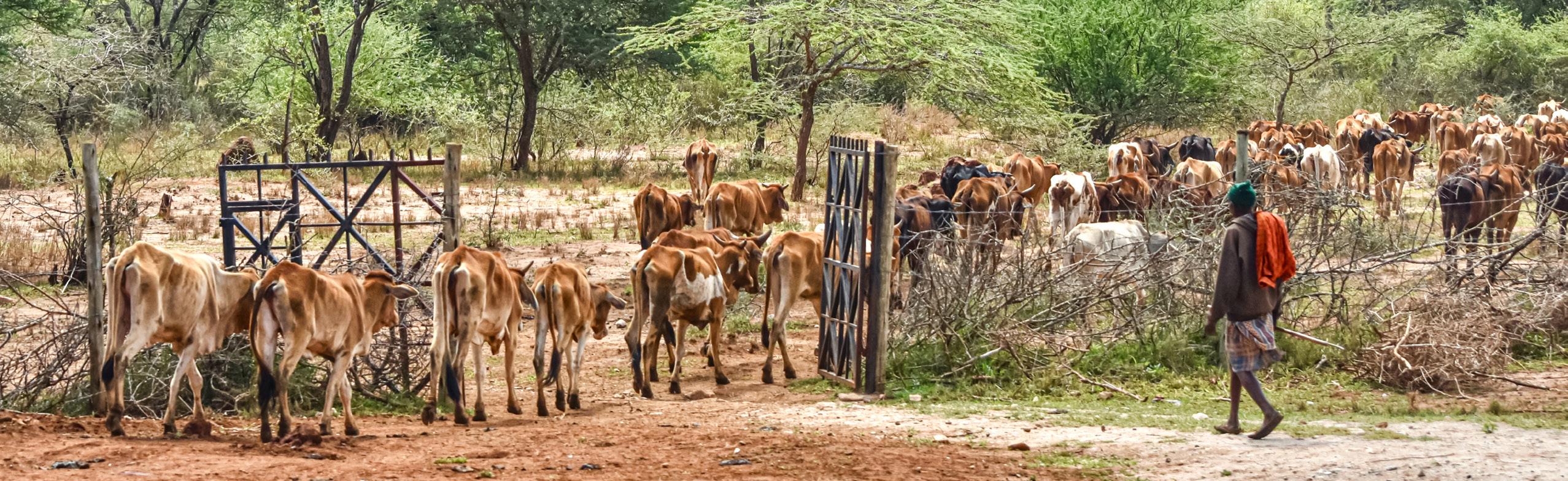
Overview of Challenges ci
Pastoralist livestock systems are the most ecologically and economically sustainable way to raise cattle in Kenya’s ASALs, offering conservancies a pathway to improve financial sustainability while supporting rangeland health. ASALs cover about 80% of Kenya, with low, variable rainfall, patchy forage, and high climate volatility, and pastoralism is uniquely adapted to these conditions compared with sedentary agriculture.142 Although sedentarization is increasing due to cultural, economic, and political pressures, the most successful livestock models retain key elements of mobile, ancestral pastoralism.143
What is pastoralism?
Pastoralism is the extensive production of livestock in rangeland environments.155 It takes many forms, but its principal defining features are livestock mobility and the communal management of natural resources.
In this analysis, pastoralist livestock practices denote cattle production systems that either rely on herd movement or emulate mobility through rotational grazing patterns that simulate such conditions.
The Kenyan Government, in their ASAL Policy Sessional Paper No. 8 of 2012 explicitly recognizes pastoralism as the land use best suited to the ASALs, emphasizing that pastoral mobility is essential for using the patchy, seasonal forage that defines these ecosystems.144 It maintains grassland health, prevents bush encroachment, and
supports wildlife by sustaining open rangelands. Conservancies operating in Kenya’s Northern drylands should therefore understand pastoralism as an ecological asset rather than a competing claim to land. Commercial versions of these systems now operate on large private ranches and smaller community group ranches, showing that pastoralist practices can scale and remain profitable.
Despite these benefits, conservancies face several challenges when working with pastoralist systems. This section highlights four main issues.
Problem 1: Sedentarization and rangeland compression have driven overgrazing and land degradation
Across Kenya’s rangeland regions, a consistent pattern emerges: the sedentarization of pastoralists, driven by land subdivision, shrinking rangelands, and the loss of mobility corridors, has forced the pastoralist livestock system into immobility.145 Historically, pastoralist mobility distributed grazing pressure across vast landscapes. Today, restricted movement encourages overstocking, especially during drought, as communities seek to
maximize milk and meat production from increasingly limited land. Under these conditions, overgrazing becomes inevitable.
The core ecological problem is not pastoralism itself but the loss of mobility; when movement or rotational grazing is restored, rangeland condition improves and livestock becomes compatible with conservation goals.
These pressures are unequally distributed. In Laikipia, private conservancies typically maintain healthier rangelands because they stock fewer animals, have more capital, and can adjust grazing intensity in response to environmental signals, while community lands face higher stocking densities, smaller territories, and fewer management resources.146 Similar patterns appear in Baringo and Amboseli, where colonial land decisions, loss of dry-season pastures, and changing management regimes have constrained pastoralists and driven degradation.147 The structural constraints placed on pastoralists, rather than pastoralism itself, are what drives degradation across these landscapes.
Problem #2: Conservancies are not fully using low-cost pastoralist enterprises that can restore rangelands and generate income. Two examples are the management of the invasive cactus Opuntia istricta (O. stricta) and the expansion of apiculture (beekeeping)
First, the spread of O. stricta has sharply reduced grazing capacity in Laikipia, with many pastoralists estimating that 50–75% of valuable grazing land is now invaded and reporting livestock illness, reduced mobility, loss of native vegetation, and almost half of all households facing losses of USD $500–$1,000 per year. Yet one survey found that only 20% of households undertake active management because of limited resources, despite opportunities to commercialize or repurpose the plant.148
Second, beekeeping is an established, climate-resilient livelihood in Kenya’s ASALs which produce 80% of the country’s honey. The Kenyan government identifies apiculture as a key adaptation strategy for ASAL communities because it requires minimal land, little capital, and does not degrade rangelands.149 Despite being well suited to Laikipia’s ecology, apiculture remains underdeveloped within the region’s conservancies.150
Problem #3: Grazing permits have not effectively regulated land use across conservancies
Grazing permits, usually issued by private ranches to community conservancies, aim to spread grazing pressure but have produced mixed results. Some studies find modest reductions in local grazing pressure, but permits have also created inequities, as wealthier households are better able to buy access while poorer pastoralists are pushed onto more degraded communal lands. There are also many implementation issues.151 Past attempts excluded certain livestock types and failed to prevent
encroachment by pastoralists from neighboring counties. As a result, grazing permits have not meaningfully coordinated land use across conservancies nor provided a consistent framework for sustainable herd mobility.152
Problem #4: Climate change has intensified drought cycles and made livestock production more precarious
Climate change has intensified drought cycles, reduced water availability, and increased pressure on rangelands, making livestock production more precarious even in systems adapted to ASALs. Without large, flexible, and secure grazing territories, herds are more exposed to shocks; in Il Motiok village, households report losing up to half their cattle over the past three years due to recurrent drought, overgrazing, and degraded rangeland. These losses create acute financial vulnerability for conservancies and communities whose primary asset is livestock.
Case Study: The 2008-09 and 2011 drought conditions in Laikipia North
During the severe mid-2000s droughts, pastoralists in Laikipia North experienced major herd losses, collapsing incomes, and acute food insecurity as grazing resources disappeared. Households confined to crowded communal lands, without access to extensive rangeland, early drought information, or functioning livestock markets, often delayed destocking and tried to maintain large herds, leading to losses of 40–60% of livestock in the hardest-hit ASAL counties.153
A 2016 survey found that families with access to private ranch grazing, early warning systems, and nearby markets adopted more adaptive strategies and reduced their losses.154 The stark divide between these outcomes shows that drought does not impact all pastoralists equally; it punishes those without abundant land access, climate information, and access to grazing and livestock markets. For conservancies, this underscores the urgency of building more robust pastoralists practices and coordinated strategies for climate change.
Recommendation 1: Conservancies should adopt rotational, pastoralist-style grazing systems to sustain rangelands and generate reliable livestock income
In ASALs, rotational grazing that mirrors traditional nomadic pastoralism helps protect grass cover, support sustainable herd sizes, and establish consistent revenue across different stages of conservancy maturity.156 Healthy grasslands allow pastoralists to maintain sustainable herds and steady income. This approach provides a foundational system for conservancies regardless of size or maturity.
Larger, more mature conservancies can use this system of livestock management to develop robust livestock operations.
Ol Pejeta Conservancy applies a rotational grazing model that
emulates traditional nomadic pastoralism and has become one of the most successful integrated livestock models in East Africa, generating between USD $500,000–$750,000 in net profit annually while holding significant wildlife populations.157 The Ol Pejeta model demonstrates that livestock and wildlife can coexist productively: cattle improve pasture quality for wildlife, while revenues from beef production help subsidize conservation efforts.
Community conservancies without large commercial livestock operations can also benefit from rotational grazing. Many of these communities rely on livestock as their primary source of income, and rotational grazing makes livestock rearing more sustainable, helping to secure the long-term financial benefits of this revenue stream.
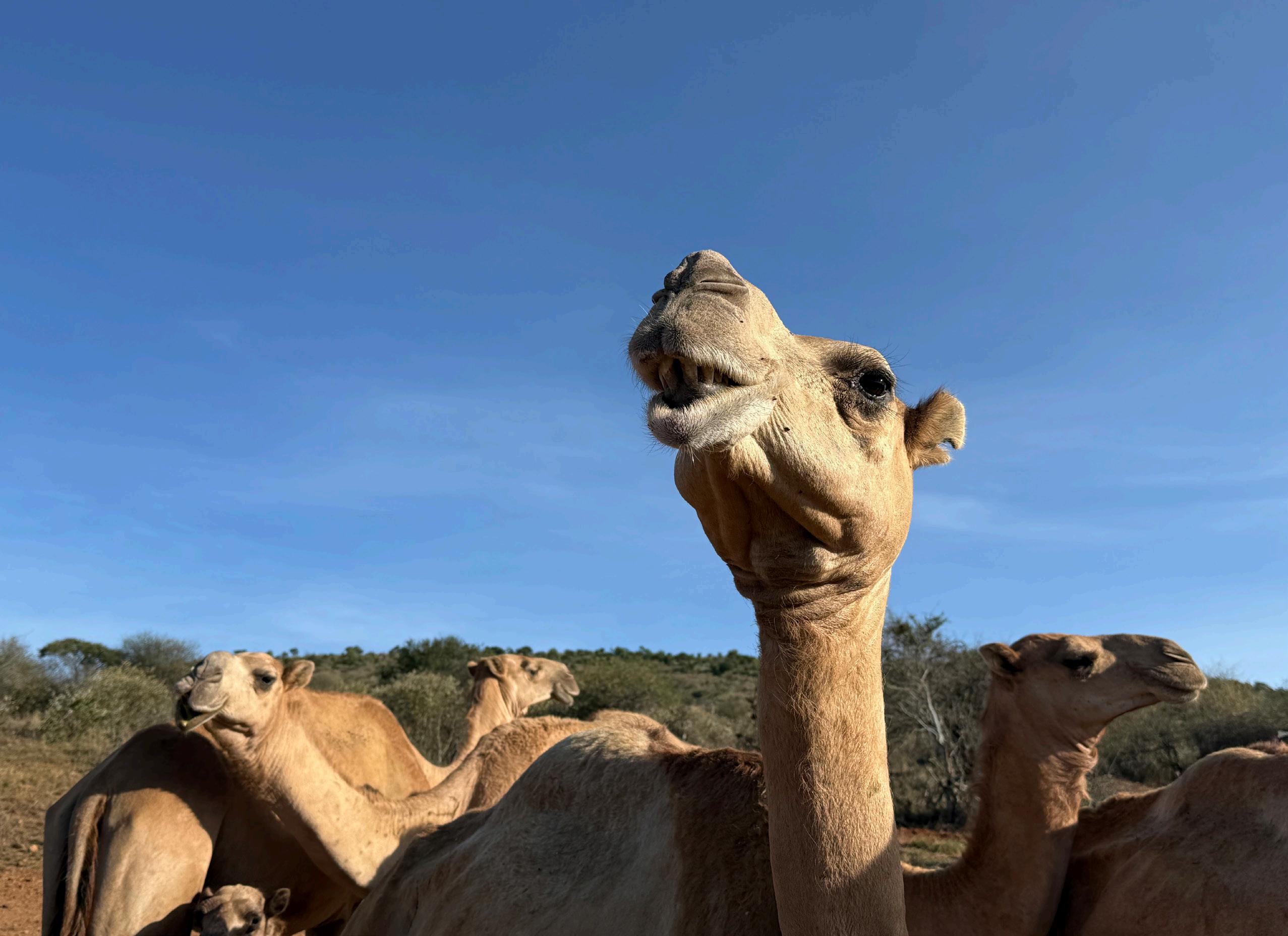
Recommendation 2: Conservancies should participate in the livestock production chain
The livestock production chain, from rangeland to table, contains many different components. Below are a few examples of how conservancies can participate in the Laikipia livestock production chain to generate revenue:
Conservancies can provide livestock transport services to local meat markets in Nanyuki. High cattle transport costs create a market opportunity for conservancies that already have appropriate vehicles, and targeted investments in vehicles can enable fee-based transport services.
Conservancies can also establish local abattoirs and refrigeration facilities to avoid long-distance transport, lower processing costs, improve overall margins on meat, and capture value from secondary products such as hides and hooves.
Conservancies can further contribute to the regional fodder system by producing hay on-site or sourcing it from Isiolo Conservancy for local distribution. Strategic hay distribution reduces grazing pressure on rangelands and creates an additional income stream through hay sales or use.158
Recommendation 3: LCA should develop a comprehensive herd management plan for the entire county
As the convening body of community and private conservancies, LCA is well positioned to manage risks of overgrazing and soil erosion. Laikipia already has a system of grazing permits for
Strategy
Strategic Steer Fattening
Livestock Offtake
Fodder/Hay Procurement
pastoralists, but a more integrated plan is needed to coordinate herd movement on a rotational, seasonal basis. Best practices include:
Include all livestock types when creating permitting
Monitor and surveil land for those who are not a part of the permitting system
Establish shared drought protocols among the conservancies (see Recommendation #4 for more on drought conditions)159
A unified herd and rangeland management plan will enable conservancies to maximize livestock benefits while sustaining the ecological balance of Laikipia’s rangelands.
Recommendation 4: LCA should design a multitiered climate resilience plan that strengthens the adaptability of pastoralist livestock systems under drought conditions
Research shows that timely access to climate information prompts anticipatory actions, such as early livestock sales or increased herd mobility in response to climate stress. Evidence also indicates that some drought strategies operate as substitutes: pastoralists generally either increase herd mobility or invest in fodder storage, rather than pursuing both simultaneously.160 Understanding these choice points is critical for designing an effective resilience plan, and the strategies listed in Table 3 draw on practices that conservancies can implement.
Table 3: Livestock Strategies Under Drought Conditions
Description
Feeding prime steers during dry spells reduces the age at slaughter, maintaining meat quality.
Facilitated sales or redistribution of cattle during droughts provide income and food security.
Buying or producing hay maintains livestock during droughts, replacing the need for long-distance mobility.
Example
Conservancies have collaborated on successful cattle fattening programs.174
Cattle destocking/restocking systems have been used to support conservancies during dry periods.175
Isiolo fodder market supplies Laikipia conservancies during dry seasons.176
Improves rangeland health and stabilizes livestock income
Diversifies conservancy revenue and improves market access.
Creates clear grazing rules and supports sustainable use of rangelands
Strengthens drought preparedness and helps protect herds and incomes.
Requires coordination, monitoring, and time before benefits are visible.
Needs upfront capital investment and business and compliance capacity.
Involves high coordination costs and may face stakeholder resistance.
Depends on reliable information, funding, and pastoralists’ ability to act on guidance.
Recommendation 1: Mpala should establish a dedicated pastoralist livestock and rangeland coordinator
Representatives of Mpala identified the need for a staff member to oversee all livestock on Mpala’s property. This coordinator would manage cattle, goats, and camels and help grow the livestock operation. The role would also serve as a liaison to LCA and neighboring conservancies that use Mpala land for grazing.
Recommendation 2: Mpala should consider providing space and small grants for niche, revenue-generating pastoralist practices that extend beyond traditional livestock rearing
Mpala can incubate small-scale, high-value pastoral activities by providing land, small grants, and research support. They can back proven options such as beekeeping, where raw comb sells at roughly KSh 180 per kilo, filtered honey at KSh 300–350 per kilo, and jarred honey at about KSh 600 per kg.161 Additionally, studies show that Opuntia cactus can be used to create wine along with other agricultural products,162 further diversifying its revenue base.
Overview of Challenges ci
Carbon and biodiversity credits are tradable instruments that can help conservancies to improve their financial sustainability.177 By engaging in activities such as grassland restoration, improved livestock management, and reforestation, conservancies can generate carbon or biodiversity credits, sell them to interested buyers, and simultaneously make progress towards their environmental, social, and economic goals.
Carbon credits represent a measurable and verifiable reduction, avoidance, or removal of carbon dioxide equivalent (CO2e) from the atmosphere. One carbon credit represents one metric ton of CO2e.198
Biodiversity credits are a “verifiable, quantifiable and tradeable financial instrument that rewards positive nature and biodiversity outcomes (e.g. species, ecosystems and natural habitats) through the creation and sale of either land or ocean-based biodiversity units over a fixed period.”199
While both generate conservation funding, carbon credits are far more established. In Kenya, most carbon credits are issued in the Voluntary Carbon Market (VCM), where private actors voluntarily buy and sell credits.200
In 2023, the global voluntary carbon credit market was worth USD $1.4 billion and is expected to grow to anywhere between USD $7–35B by 2030.201 In 2022, Kenya was the second largest issuer of VCM carbon credits in Africa.202
Carbon credits can support conservancies by monetizing conservation, but there are key challenges across the supply side (developing credits) and demand side (selling credits).
Problem 1: Developing a carbon project requires significant technical expertise
For many conservation stakeholders, carbon credits are “a
black box.”178 Project design and launch therefore require an experienced project developer to lead baseline data collection, stakeholder consultations, and carbon accounting.179
Problem 2: Carbon projects have high start-up and ongoing costs
Carbon projects, particularly those issued by reputable
validation and verification bodies such as Verra and Gold Standard, typically face substantial registration, issuance, and monitoring fees throughout the project lifecycle.180
Furthermore, the voluntary carbon market is highly intermediated by brokers. Depending on the role, some brokers retain up to 50-60% of a credit’s final purchase price181 while others may only charge between 5-20%.182 A survey found that 90% of carbon project intermediaries do not disclose their exact fees or their profit margins on credit sales.183
3: Identifying a buyer for carbon credits may be challenging
Carbon revenues only materialize when buyers—typically corporations, financial institutions, philanthropies, or other impact-focused organizations—purchase and retire credits.184 Therefore, identifying a buyer for a carbon project is crucial for its success. Intermediaries often lead marketing and sales, but buyer choices are influenced by price, geography, and social co-benefits.
study: Northern Rangelands Trust
NRT was established in 2004 as “a shared resource to help build and develop community conservancies.”203 It supports nearly 50 member community conservancies across northern and coastal Kenya and Uganda.
In 2009, NRT conceptualized the Northern Kenya Rangelands Carbon Project (NKRCP), the world’s largest soil carbon removal project. The project implements land management practices to sequester carbon dioxide in soil, such as agroforestry and managed grazing. By 2021, NRT verified and validated 3.2 million carbon credits and sold them to buyers looking to offset their carbon emissions.204
Problem 4: Concerns around carbon credit integrity are generating hesitancy from buyers
In order to be issued, carbon projects must demonstrate additionality (emission reductions or removals that would not have occurred otherwise) and permanence (confidence that carbon stays out of the atmosphere for an extended period).185
Carbon credit standards like Verra have been criticized for allowing the sale of “phantom” credits that don’t reflect real carbon reductions.186 In northern Kenya, critics and Indigenous organizations have similarly challenged the NRT’s soil- carbon project, arguing that the underlying evidence does not credibly demonstrate additional carbon sequestration from its planned grazing model.187 These concerns weakened confidence in the voluntary carbon market, leading to a decrease in demand in 2023.188
Even when projects succeed, prices vary widely due to the absence of standard pricing mechanisms. Current trends suggest that high-integrity, socially beneficial projects typically command higher prices.189
Location 14 community conservancies and 1.9M hectares of savanna grassland
Estimated CO2 reduction 50 million metric tons removed from the atmosphere over 30 years
Carbon credit standard Verified Carbon Standard certified by Verra
Carbon crediting methodology
VM0032 Methodology for the Adoption of Sustainable Grasslands through Adjustment of Fire and Grazing
NKRCP offers an instructive example of the challenges that conservancies may face when developing a carbon project and how they may be addressed:
Technical expertise: NRT partnered with Native, a carbon project developer, a carbon project developer, on project design, validation, and verification, while Soils for the Future guided soil sampling and impact measurement.205
Carbon projects have high start-up and ongoing costs: Native provided upfront financing, and USAID and The Nature Conservancy supported funding, data collection, and technical assistance.206
Prevalence of intermediaries: While brokers are involved in NKRCP, safeguards help ensure fair returns. Native, a certified Public Benefit and B Corporation, structured the project so that 60% of earnings go directly to communities.207
Identifying buyers: Native secured buyers including Netflix, Mars, and Respira.208
Carbon credit integrity: Verra briefly suspended and later reinstated NRT’s credits. In 2025, NRT faced another review for limited community participation in forming two conservancies, underscoring the need for greater transparency.209
Price variability: NRT’s credit prices are undisclosed, but KWCA estimates grassland projects sell for USD $2.5–$15 per credit.210 Native, the project developer, helped secure the best available rates.
Recommendation 1: Conservancies should only pursue carbon credits as a revenue stream if they secure fair partnerships with intermediaries
Because most lack the technical capacity to design and monitor projects, they will need support from experienced actors such as Conservation International, Wildlife Works, One Mara Carbon, Native, or Soils for the Future. However, even strong partners do not guarantee success; carbon market volatility, community buy-in, land rights, and overall conservancy readiness ultimately determine whether a project is viable and sustainable.
The Kasigau Corridor REDD+ Project –Phase I Rukinga Sanctuary
The Kasigau Corridor REDD+ Project –Phase II The Community Ranches
One Mara Carbon Project
Mara, Conservation International, Ahueni, MMWCA
Furthermore, as the KWCA guide warns that carbon markets can attract unscrupulous actors motivated primarily by profit, 211 intermediaries may attempt to keep a large share of revenues or hide their fees from conservancies. Conservancies should therefore carry out thorough due diligence on all partners to protect community interests and retain as much project income as possible.
Recommendation 3: As an immediate next step, conservancies considering launching a carbon project should do a comprehensive feasibility study, or tap into knowledge from existing studies in Kenya
This study should address key questions such as:
Can a potential project demonstrate additionality?
Does the conservancy have secure land rights?
Does the conservancy have sufficient land size (10,000-50,000 ha for REDD+ or 100,000-200,000 ha for grassland sequestration projects), 212 or will it need to partner with others?
Does the conservancy have the capacity and willingness to commit to implementing a project for 30 years (the minimum tenure for REDD+ and grassland sequestration projects)?
What relationships does the conservancy have with local communities? How might it work in collaboration with communities on designing and implementing a carbon project?
Under Development
What co-benefits may be able to be generated from the project, such as sustainable development outcomes for communities, or biodiversity outcomes? What other potential risks (e.g. climate risks, land use conflicts) exist?
Conservancies should also conduct a financial feasibility analysis to determine whether upfront costs (preparation, registration, issuance fees) are justified by expected revenues. This includes examining historic carbon prices under the relevant methodology (for example, grassland management) to estimate potential income; if a study suggests revenues of USD $15 per hectare against costs of USD $5 per hectare, the conservancy may proceed to project design. Calculations must also account for the 2023 Kenya Climate Change (Amendment) Act, which requires landbased projects to allocate at least 40% of earnings to community development.213
Recommendation 2: Conservancies should pursue carbon credits if there is a strong link to potential buyers
Because revenues depend on selling and retiring credits in a volatile market, conservancies should secure buyer agreements as early as possible, ideally with firms such as universities or corporations that commit to purchase a set volume at an agreed price. Project developers and brokers can help identify such buyers, but if no credible buyers emerge, a carbon credit strategy is unlikely to be viable.
Benefits
Awards funding to conservancies for making progress towards their climate, social, and economic goals.
Provides recurring, stable income to conservancies once projects are operational.
Benefits flow to communities, as the 2024 Climate Change (Carbon Markets) Regulations made under the Climate Change Act require carbon projects to allocate part of their earnings to community development; for land-based projects on prublic or community land, at least 40% of aggregate earnings (net of the cost of doing business) must be devoted to community development each year.216
Limitations
Opportunity cost is significant given management capacity and financial costs to implement a project. These may not pay off given the volatility of the voluntary carbon market.
Land-use options become more constrained. For example, as KWCA notes, avoided grassland conversion projects generate credits by preventing native or managed grasslands and shrublands from being converted to cropland or other higher- emission uses, and conservancies considering these projects should be prepared for long, multi- decade commitments.217
Carbon credits are most suitable for ‘early operational’ and ‘mature operational’ conservancies in Kenya.218 Earlier-stage conservancies likely do not have the necessary capacity and technical expertise to develop, implement, and monitor a carbon project.
Land tenure needs to be secure for the duration of the carbon project, which not all conservancies have, particularly community conservancies.
Recommendation 4: Given that biodiversity credits are still emerging, conservancies should only consider them a viable revenue stream if they have the capacity and willingness to spearhead a pilot project.
Similar to carbon credits, conservancies would need to identify a trusted partner with technical expertise and potential buyers. They also need to consider whether they have the resources internally and the financial capacity to launch a pilot project for
Benefits
Presents an opportunity for conservancies in Kenya to be global leaders in protecting biodiversity and biodiversity finance.
biodiversity credits, that could then enable other conservancies in Kenya to capitalize on biodiversity efforts.
For example, the Mara Siana Conservancy is working with World Wildlife Fund Kenya to pilot ‘Wildlife credits’ where the conservancy is rewarded financially for performance against wildlife, habitat, corridor, and governance key performance indicators.214
Limitations
An immature market and lack of credit standardization of means conservancies would require significant technical support to design and implement a biodiversity credit project
As biodiversity credits are not fungible (i.e., there is no consensus on how to value and equate biodiversity), conservancies need to identify buyers for the outcomes they produce specifically.219
For Laikipia’s conservancies, solar energy’s potential as a revenue source is promising yet underutilized. Typically, a solar energy project generates revenue by supplying the electricity it generates into the power grid in exchange for revenue, such as a renewable energy credit or a per-kilowatt tariff.220 However, the permitting process for grid-tied solar projects is characterized as lengthy, complex, and unpredictable, 221 and much of Laikipia’s rural areas lack grid access entirely, precluding solar power interconnection.222 However, microgrids have also been developed elsewhere in Kenya and East Africa to leverage alternative revenue sources, including:
A Power-Purchase Agreement, whereby electricity generated is sold directly to neighboring communities as offtakers, rather than to the grid.223 This may be best suited for a solar project sited uneconomically far from a grid interconnection, but close to community facilities.
Productive Uses of Energy, whereby electricity generated is used to produce and sell a valuable commodity, such as purified water, rather than selling electricity into the grid.224
Agrivoltaics, or the practice of pairing solar power with agricultural practices, like livestock grazing, beekeeping, and vegetable farming. This is a promising practice, as solar panels can boost the productivity of certain co-located agricultural and pastoral practices. 225
As a low-cost supplementary revenue stream, Mpala and other conservancies can introduce “adoption” programs that allow visitors and supporters to support conservation work.
Adopt-an-Animal: This initiative would allow visitors to ‘adopt’ an animal that resides on Mpala’s land for a limited amount of time. Comparable programs exist at organizations such as the Sheldrick Wildlife Trust, where individuals can symbolically adopt an animal for USD $50 per year, with proceeds supporting its care.226 As Mpala already tags and track some animals for research purposes, implementation would require minimal upfront costs.
Adopt-a-Study: This initiative would allow visitors to support specific, long-term conservation research at Mpala. These adoptions could be marketed as exclusive, named opportunities (e.g., “Sponsor the 2026 Climate Monitoring Project”). This model supports Mpala’s scientific mission while offering clear, trackable outcomes for supporters.
Kenya’s conservancy model remains one of the country’s most important tools for protecting biodiversity, strengthening climate resilience, and supporting rural livelihoods. In Laikipia County, conservancies safeguard critical ecosystems and wildlife corridors while supporting pastoralist land use and community-based stewardship. Yet the financial landscape for conservancies is increasingly precarious. Persistent funding gaps, uneven benefit distribution, governance challenges, the withdrawal of foreign donors, and mounting economic and climatic pressures place the long-term sustainability of this model at risk. As such, the central challenges addressed in this report are the even distribution of benefits and the financial vulnerability of conservancies.
To meet these challenges, this report advances a set of policy recommendations for Laikipia County conservancies and for Mpala Research Centre. To address uneven benefit sharing, we recommend convening a county-level coordination platform to strengthen collaboration and alignment, alongside improved transparency around benefit sharing commitments. To strengthen financial resilience, we recommend that conservancies diversify their revenue strategies, with a focus on strengthened pastoralism and livestock management, expanded visitorship, and well-
governed carbon or biodiversity credits. Together, improved rangeland management, diversified tourism offerings, and nature-based finance can help conservancies in Laikipia move incrementally toward a more stable and sustainable financial future.
For Mpala Research Centre, this moment presents an opportunity to deepen its leadership role within the Laikipia conservation landscape. We recommend embracing this role by piloting integrated income strategies, advancing applied research, and convening stakeholders in support of a more stable, inclusive, and durable conservation future for the region.
The recommendations advanced in this report are grounded in the experiences and perspectives of those who live, work, and dedicate their lives to conservation in Laikipia County and across Kenya. Across engagements at the community, county, and institutional levels, one message emerged consistently: there is a deep and enduring commitment to conservation in Laikipia. This report seeks to honor that commitment by contributing to a growing body of work aimed at ensuring the long-term viability, equity, and resilience of Kenya’s conservancy model.
Eduardo Bhatia
A John L. Weinberg/Goldman Sachs & Co. Visiting Professor in public and international affairs, Bhatia is an attorney and public policy advocate with over 25 years of experience advancing fiscal responsibility, government reform, democratic institutions, and renewable energy transformation in Puerto Rico. He served as President of the Senate of Puerto Rico (2013–2017), where he led major education and energy reforms—championing modernization of the island’s public schools and the transition toward a more resilient, sustainable energy system. He was previously the Director of the Puerto Rico Federal Affairs Administration (2005–08), representing the island’s policy priorities before the U.S. Congress, the White House, and federal agencies.
Belan Antensaye
Originally from Addis Ababa and raised in Vermont, Belan graduated from Cornell University. She worked in economic development, COVID-19 analytics, and emergency response. This experience propelled her to co-found the Vermont Health Equity Initiative, where she served as Programs Director. Through the Ethiopian Diaspora Fellowship, Belan consulted on healthcare initiatives in Addis Ababa. Most recently, she worked with The Lab @ DC on research and civic design projects for the DC government.
Valerie Chua
Valerie is from Singapore and graduated from the University of California, Berkeley. She was most recently a Strategic Planner at the Prime Minister’s Office, where she supported leaders in setting the strategic direction and policy agenda for Singapore. Prior to that, she was at the Ministry of Education and Ministry of Manpower. Valerie recently spent time at the International Organization for Migration (UN Migration) in Thailand and Fiji working on climate mobility.
Beatrice Lee
Beatrice is from New Jersey and graduated from Middlebury College. After graduation, she worked as a Research Associate at the American Enterprise Institute, a nonpartisan think tank in Washington, D.C, where she focused on public opinion and applied microeconomic research. Recently, she worked with AARP, one of the United States’ largest nonprofit organizations, working on the policy priorities of older Americans.
Surujdai Mukhram
Born in Guyana and now calling New York home, Surujdai graduated from John Jay College. Surujdai worked in the New York State Assembly, where she contributed to legislation on criminal justice reform and community reintegration. She also managed programming and evaluation at a juvenile detention center, leading initiatives that improved education and rehabilitation opportunities for youth.
Dylan Nezaj
Dylan is from New York State’s Capital District and completed his studies at Cornell University. Dylan worked at the New York State Energy Research and Development Authority and held internships with the U.S. House of Representatives, Environmental Defense Fund, the Solar Energy Industries Association, and the Center for American Progress.
Rebecca Rutland Soulen
Rebecca is from Virginia and graduated from Yale University. She worked for the U.S. Federal Emergency Management Agency as a data scientist and deployed to recovery efforts from Hurricane Ida. She also served as Deputy Director for Sustainability at the White House Council on Environmental Quality. She recently spent time with the International Federation of the Red Cross and Red Crescent Societies in Geneva, Switzerland working on emergency health.
James Sykes
James is from St. Louis, Missouri, and graduated from St. Louis University. He has worked as a high school teacher and later as a policy and advocacy fellow at Forward Through Ferguson, where he advanced regional efforts to advance racial equity in the city. He transitioned to city government in the St. Louis Treasurer’s Office, where he oversaw financial empowerment initiatives across the city, most notably leading St. Louis’s first guaranteed basic income pilot program. This past summer, he worked in Washington, D.C., at the World Justice Project as a researcher on the global Rule of Law Index.
Tunç Ekin Yavuz
From Istanbul, Tunç graduated from Boğaziçi University. He worked at Kale Group, one of Turkey’s largest industrial firms, supporting corporate, public, and international affairs, and earlier at Koç ing in a similar capacity. He joined McKinsey & Company in Washington, D.C. as a Summer Associate and the Carnegie Endowment for International Peace in Istanbul as an intern. He is pursuing a joint MPA/MBA at Princeton and Stanford GSB.
Ashley Yu Wang
Ashley is from Toronto, Canada and graduated from the University of Western Ontario. She worked at Social Finance UK on the international development team, supporting the design and launch of innovative finance mechanisms. This summer, she worked at the Green Climate Fund in the Private Sector Facility, reviewing funding proposals for climate mitigation and adaptation projects.
1
“Interactive Country Fiches - Biodiversity in Kenya,” United Nations Environment Programme, https://dicf.unepgrid.ch/kenya/ biodiversity.
2 Climate Change Impacts Priorities in Laikipia County (Department of Environment, Forestry, Wildlife, & Natural Resources, Ministry of Water, Environment, & Natural Resources, County Government of Laikipia, 2020), https://southsouthnorth.org/wp-content/ uploads/2020/02/Laikipia.pdf; “Growing Livestock Numbers Threaten One of the Last Refuges for Large Wild Herbivores in Kenya,” Smithsonian’s National Zoo and Conservation Biology Institute, February 12, 2020, https://nationalzoo.si.edu/news/growing-livestock-numbersthreaten-one-last-refuges-for-large-wild-herbivores-kenya.
3 Strategic Plan 2024-2030: Paving the Way for Locally-Led Resilient Conservation (Kenya Wildlife Conservancies Association, 2025), https://kwcakenya.com/download/kwca-strategic-plan-2024-2030/.
4 Strategic Plan 2024-2030; “Why Connectivity Matters to Wildlife—and People,” World Wildlife Fund, accessed December 26, 2025, https://www.worldwildlife.org/resources/explainers/why-connectivity-matters-to-wildlifeand-people/.
5 State of Wildlife Conservancies in Kenya: Summary Report 2016 (Kenya Wildlife Conservancies Association, n.d.), https://collaborativeconservation.org/media/sites/142/2018/01/State-of-Conservancies-Summary-Report.pdf; Richard Damania et al., When Good Conservation Becomes Good Economics: Kenya’s Vanishing Herds (World Bank Group, 2019), https://doi.org/10.1596/33083.
6 Strategic Plan (2023-2027): Transforming Tourism and Wildlife Sector for Sustainability, Resilience and Inclusivity, Final Print (Ministry of Tourism and Wildlife, 2024), https://www.tourism.go.ke/ wp-content/uploads/2024/12/MOTW-Strategic-Plan-2023-2027-FinalPrint.pdf.
7 Mordecai Ogada, “Decolonising Conservation: It Is About the Land, Stupid!,” The Elephant, June 27, 2019, https://www.theelephant.info/analysis/2019/06/27/decolonising-conservation-it-isabout-the-land-stupid/.
8 “Conducting A Social Impact Assessment on Three Member Conservancies Using the SAPA Methodology,” Laikipia Conservancies Association, April 7, 2023, https://www.laikipiaconservancies.org/ post/conducting-a-social-impact-assessment-on-three-memberconservancies-using-the-sapa-methodology
9 Number of conservancy members and percent land area sourced from: Strategic Plan 2024-2030; Descriptions sourced from: Unlocking the Potential of Conservancies: Guiding and Prioritising Investments into Kenya’s Conservancies, with Dickson Kaelo et al. (Kenya Wildlife Conservancies Association, 2024), https://kwcakenya.com/download/report-unlocking-guiding-and-prioritisinginvestments-into-kenyas-conservancies/?wpdmdl=12837&refresh=6 8e63eda094591759919834; Number of Laikipia County Conservancy Members sourced from: “Perspectives on Current Policy Priorities and Challenges in Kenya’s Conservation Landscape,” Lecture, Mpala Research Centre, October 14, 2025.
10 Strategic Plan 2024-2030
11 Strategic Plan (2023-2027): Transforming Tourism and Wildlife Sector for Sustainability, Resilience and Inclusivity, Web Version (Ministry of Tourism and Wildlife, State Department for Wildlife, 2024), https://www.tourism.go.ke/wp-content/uploads/2024/12/SDWStrategic-Plan-2023-27-Web-Version.pdf.
12 Kenya Vision 2030: The Popular Version (Government of the Republic of Kenya, 2007), https://vision2030.go.ke/wp-content/uploads/2018/05/Vision-2030-Popular-Version.pdf, 10.
13 Strategic Plan (2023-2027), Web Version.
14 Strategic Plan (2023-2027), Final Print.
15 Strategic Plan (2023-2027), Final Print.
16 John Waithaka, “Historical Factors That Shaped Wildlife Conservation in Kenya,” The George Wright Forum 29, no. 1 (2012):
21–29, https://www.jstor.org/stable/43598971.
17 Waithaka, “Historical Factors.”
18 Waithaka, “Historical Factors.”
19 Reuben M. Matheka, “Decolonisation and Wildlife Conservation in Kenya, 1958–68,” The Journal of Imperial and Commonwealth History 36, no. 4 (2008): 615–39, https://doi. org/10.1080/03086530802561016.
20 Joseph O. Ogutu et al., “Extreme Wildlife Declines and Concurrent Increase in Livestock Numbers in Kenya: What Are the Causes?,” PLOS ONE 11, no. 9 (2016): e0163249, https://doi. org/10.1371/journal.pone.0163249.
21 Martin S. Shanguhyia, “Politics of Colonial Conservation in Kenya,” Oxford Research Encyclopedias, African History, ahead of print, April 17, 2024, https://doi.org/10.1093/acrefore/9780190277734.013.1252; Waithaka, “Historical Factors.”
22 J. King et al., Establishing and Wildlife Conservancy in Kenya: A Guide for Private Land-Owners and Communities (Kenya Wildlife Conservancies Association, 2015), https://kwcakenya.com/download/ kwca-wildlife-conservancy-guide/?wpdmdl=10449&refresh=694ffb70 0c8d51766849392.
23 The Constitution of Kenya (2010), art. 185(2), 186(1) and 187(2) (Fourth Schedule), https://www.parliament.go.ke/sites/default/files/2017-05/The_Constitution_of_Kenya_2010.pdf.
24 Wildlife Conservation and Management Act, Laws of Kenya Cap. 376, Kenya Gazette Vol. CXVI No. 1 (2025), https://new.kenyalaw. org/akn/ke/act/2013/47/eng@2025-11-04#att_5.
25 Strategic Plan 2024-2030.
26 For historical population data and age group breakdowns, download of CSV or Excel data available at: “Kenya,” World Bank Open Data, accessed December 11, 2025, https://data.worldbank. org/country/kenya. For current population total, see: “Home,” Kenya National Bureau of Statistics, December 23, 2021, https://www.knbs. or.ke/.
27 Youth Bulge in Kenya: A Blessing or a Curse, Policy Brief no. 56 (National Council for Population and Development, 2017), https:// ncpd.go.ke/wp-content/uploads/2021/02/Brief-56-YOUTH-BULGE-INKENYA-A-BLEESING-OF-A-CURSE.pdf.
28 “Laikipia County in Kenya,” City Population, accessed January 5, 2026, https://www.citypopulation.de/en/kenya/sub/admin/31__laikipia/.
29 Laikipia County Brief: A Review of Youth Employment Programmes, Policy Brief No. 39/2023-2024 (The Kenya Institute for Public Policy Research and Analysis, 2024), https://repository.kippra. or.ke/server/api/core/bitstreams/9cd4948f-d980-4a5d-89b1-5a041e708ddb/content.
30 “Interview with Michael Mudenyo and Stephen Lapian,” Personal Communication, October 13, 2025.
31 Paul Kamau et al., “AD988: Most Kenyan Youth See Government as Failing on Their Top Priorities,” Afro Barometer, May 23, 2025, https://www.afrobarometer.org/publication/ad988-most-kenyanyouth-see-government-as-failing-on-their-top-priorities/.
32 “Kenya Can Create More Jobs and Enhance Productivity by Adopting Procompetitive Reforms,” World Bank Group, November 24, 2025, https://www.worldbank.org/en/news/feature/2025/11/24/ kenya-can-create-more-jobs-and-enhance-productivity-by-adoptingprocompetitive-reforms; “Youth Employment,” The Federation of Kenya Employers, accessed December 11, 2025, https://www.fke-kenya. org/policy-issues/youth-employment.
33 Kenya Vision 2030: The Popular Version.
34 Annual Tourism Sector Performance Report 2024 (Tourism Research Institute, 2025), https://tri.go.ke/wp-content/uploads/2025/02/TRI-Tourism-Sector-Performance-Report-2024. pdf; Sustainable Tourism Report 2016 (Kenya Tourism Board, n.d.), accessed January 5, 2026, https://koee.org/greenkey/wp-content/ uploads/2019/10/KTB-Sustainable-Tourism-Report-2016.pdf.
35 Laikipia County Brief: A Review of Youth Employment Pro -
grammes
36 Youth Bulge in Kenya: A Blessing or a Curse
37 Laikipia County Environment Action Plan (CEAP) 2025-2029, Abridged Version (Laikipia County Government, 2025), https://www. cifor-icraf.org/publications/pdf/reports/Laikipia-County-Report.pdf.
38 City Population, “Laikipia County in Kenya.”
39 Laikipia County Spatial Plan (2023-2033) (County Assembly of Laikipia, 2023), https://laikipiaassembly.go.ke/resource/laikipiacounty-spatial-plan-2023-2033-.
40 Laikipia County Spatial Plan (2023-2033); Laikipia County Integrated Development Plan 2023-2027 (County Government of Laikipia, 2023), https://repository.kippra.or.ke/items/124fce26-16db4939-9055-29037edcf191/full.
41 Ethan Kapstein et al., “Mitigating Water-Related Conflicts in Kenya: Mpala Research Phase 1 Findings,” Draft Report, September 23, 2022.
42 Kapstein et al., “Mitigating Water-Related Conflicts in Kenya.”
43 Kapstein et al., “Mitigating Water-Related Conflicts in Kenya,” 6–7.
44 Water Services Devolution in Kenya: Briefing Note to Support Effective and Sustainable Devolution of Water and Sanitation Services in Kenya (World Bank Group, 2015), https://documents1.worldbank. org/curated/en/485271468183276738/pdf/96516-WP-P132025PUBLIC-Box391443B.pdf; Annual Report and Financial Statements for the Financial Year 2023/2024, with Lineth Oyugi et al. (Commission on Revenue Allocation, 2025), https://cra.go.ke/wp-content/ uploads/2025/11/CRA-FY-2023-24-ANNUAL-REPORT-AND-FINANCIALSTATEMENTS.pdf; The Constitution of Kenya.
45 Laikipia County Spatial Plan (2023-2033).
46 Fiona Bare, “Disaggregating Climate Change and Conflict: Survey Evidence from Northern Kenya,” Pre-Analysis Plan, Version 1, July 20, 2023.
47 Olaotswe E. Kgosikoma and Kabo Mogotsi, “Understanding the Causes of Bush Encroachment in Africa: The Key to Effective Management of Savanna Grasslands,” Tropical Grasslands-Forrajes Tropicales 1, no. 2 (2013): 215–19, https://doi.org/10.17138/tgft(1)215219.
48 Kapstein et al., “Mitigating Water-Related Conflicts in Kenya.”
49 John Letai, “Land Deals in Kenya: The Genesis of Land Deals in Kenya and Its Implication on Pastoral Livelihoods – A Case Study of Laikipia District, 2011,” 2011, https://landportal.org/sites/landportal. info/files/land_deals_in_kenya-initial_report_for_laikipia_district2. pdf.
50 Irene Nganga and Lance W Robinson, Community-Based Rangeland Management in Il’Ngwesi Group Ranch, Laikipia, Kenya: Taking Successes in Land Restoration to Scale Project, ILRI Project Report (International Livestock Research Institute, 2018), https:// cgspace.cgiar.org/server/api/core/bitstreams/2a9c3b05-4771-43d6ae76-e92a32af611e/content.
51 Laikipia County Spatial Plan (2023-2033).
52 “Building the Adaptive Capacity of Rangeland Communities Towards Food-, Water-, Ecosystem-, Energy- and Health-Security in Kenya,” UN Framework Convention on Climate Change, n.d., accessed December 28, 2025, https://unfccc.int/sites/default/files/resource/ Kenya_20250926_Rangelands_SJWA-submission.pdf.
53 Joseph M. Mukeka et al., “Human-Wildlife Conflicts and Their Correlates in Narok County, Kenya,” Global Ecology and Conservation 18 (April 2019): e00620, https://doi.org/10.1016/j.gecco.2019. e00620.
54 Virginia N. Wahome et al., “Livestock Interference as a Result of Human-Wildlife Conflict on the Sustainable Development in Laikipia County, Kenya,” Journal of African Interdisciplinary Studies 7, no. 10 (n.d.): 5–15.
55 D. O. Manoa et al., “Comparative Analysis of the Typology,
Seasonality and Economic Cost of Human-Wildlife Conflict in Kajiado and Laikipia Counties, Kenya,” East African Journal of Science, Technology and Innovation 1, no. 4 (2020), https://doi.org/10.37425/eajsti. v1i4.188.
56 Jeremy Lind, “Devolution, Shifting Centre-Periphery Relationships and Conflict in Northern Kenya,” Political Geography 63 (March 2018): 135–47, https://doi.org/10.1016/j.polgeo.2017.06.004.
57 Lind, “Devolution.”
58 Ellen Bassett, “Reform and Resistance: The Political Economy of Land and Planning Reform in Kenya,” Urban Studies 57, no. 6 (2020): 1164–83, https://doi.org/10.1177/0042098019829366.
59 Robert Mbeche and Achiba Gargule, Anti-Corruption and Equitable Benefit Sharing in Kenya’s Wildlife and Forest Sectors: Gaps and Lessons, Targeting Natural Resource Corruption Topic Brief (Word Wildlife Fund, 2022), https://files.worldwildlife.org/wwfcmsprod/ files/Publication/file/9gowdwkbju_TNRC_TopicBrief_Kenya.pdf.
60 Lind, “Devolution.”
61 Mbeche and Gargule, Anti-Corruption and Equitable Benefit Sharing, 8.
62 Our source for this claim requested to remain anonymous.
63 Wilfred Mejooli, conversation with the authors, October 13, 2025.
64 Bassett, “Reform and Resistance.”
65 Mbeche and Gargule, Anti-Corruption and Equitable Benefit Sharing; Lind, “Devolution.”
66 Mbeche and Gargule, Anti-Corruption and Equitable Benefit Sharing
67 Ornit Avidar, “Half-Hearted Devolution: A View of Kenya’s Water Governance from Siaya County, Kenya,” The Journal of the Middle East and Africa 9, no. 4 (2018): 319–38, https://doi.org/10.1080/ 21520844.2018.1528421.
68 Avidar, “Half-Hearted Devolution.”
69 Stephen Lapian and Michael Mudenyo, conversation with the authors, October 13, 2025.
70 “Kenya Country Commercial Guide: Infrastructure,” U.S. International Trade Administration, July 5, 2024, https://www.trade. gov/country-commercial-guides/kenya-infrastructure.
71 Il Motiok Community Leadership, conversation with the authors, October 12, 2025.
72 Il Motiok Community Leadership, conversation with the authors, October 12, 2025.
73 Unlocking the Potential of Conservancies.
74 Strategic Plan 2024-2030; Strategic Plan 2019-2024 (Kenya Wildlife Service, n.d.), accessed January 5, 2026, https://www.kws. go.ke/sites/default/files/2023-09/KWS%20Strategic%20Plan%20 2019-2024_0.pdf.
75 Alison Adams, “How Many Tourists Visit Kenya Each Year? [Kenya Tourism Statistics],” Hotelagio, November 10, 2025, https:// hotelagio.com/kenya-tourism-statistics/.
76 “Amidst COVID-19 Situation, Conservation Must Continue,” Kenya Wildlife Conservancies Association, April 6, 2020, https:// kwcakenya.com/amidst-covid-19-situation-community-conservationmust-continue/.
77 [citation for quote inside callout box above] Mbeche and Gargule, Anti-Corruption and Equitable Benefit Sharing, 2.
78 The Constitution of Kenya, § 42.
79 Stephen Sprawls and Glenn Mathews, Kenya: A Natural History (Bloomsbury Publishing, 2012).
80 WildlifeDirect Annual Report 2020, Digital Version (Wildlife Direct, n.d.), accessed January 5, 2026, https://wildlifedirect.org/wpcontent/uploads/2021/07/WildlifeDirect-2020-Annual-Report-DigitalVersion.pdf
81 Joseph Ogutu, “Kenya’s Wildlife Conservancies Make Old Men Rich, While Making Women and Young People Poorer,” The Conversation, April 3, 2024, https://doi.org/10.64628/AAJ.a4qwguwm9.
82 Jeremiah O. Asaka, “Transformations, Changes, and
Continuities in Conservation Governance: A Case Study of Wildlife Conservation in Kenya, 1980–2016,” Case Studies in the Environment 3, no. 1 (2019): 1–9, https://doi.org/10.1525/cse.2018.001768.
83 Mbeche and Gargule, Anti-Corruption and Equitable Benefit Sharing, 4.
84 The Climate Change (Carbon Markets) Regulations, Legal Notice 84 of 2024, Part V. 29, last modified June 7, 2024, https://new. kenyalaw.org/akn/ke/act/ln/2024/84/eng@2024-06-07.
85 The Natural Resources (Benefit Sharing) Bill of 2018, No. 31 of 2018, https://www.parliament.go.ke/sites/default/files/2018-12/ The%20Natural%20Resources%20%28Benefit%20Sharing%29%20 Bill%2C%202018.pdf.
86 The Natural Resources (Benefit Sharing) Bill of 2022, No. 6 of 2022, https://www.parliament.go.ke/sites/default/files/2023-08/ Senate%20Bill%20no6%20on%20the%20Natural%20resources%20 benefit%20sharing%20bill%202022.pdf.
87 As of 2024, the bill had not yet passed. See: Amrit Soar and Abuya Bonface, “Sharing Natural Resources Equitably,” DLA Piper Africa, April 2, 2024, https://www.dlapiperafrica.com/en/kenya/insights/2024/sharing-natural-resources-equitably.
88 Mbeche and Gargule, Anti-Corruption and Equitable Benefit Sharing.
89 Conrad Schetter et al., “Frontier NGOs: Conservancies, Control, and Violence in Northern Kenya,” World Development 151 (March 2022): 105735, https://doi.org/10.1016/j.worlddev.2021.105735.
90 “SAPA, SAGE, or GAPA? Tools for Assessing the Social Impacts, Governance, and Equity of Conservation,” International Institute for Environment and Development, January 2021, https:// www.iied.org/sites/default/files/pdfs/2021-01/17664IIED.pdf.
91 “Conducting A Social Impact Assessment on Three Member Conservancies Using the SAPA Methodology,” Laikipia Conservancies Association, April 7, 2023, https://www.laikipiaconservancies.org/ post/conducting-a-social-impact-assessment-on-three-memberconservancies-using-the-sapa-methodology.
92 J Preston Whitt, “Who Reaps the Benefits? Integrity Principles For Benefit Sharing in Forest NBS For Climate Mitigation,” World Wildlife Fund, November 2022, https://files.worldwildlife.org/ wwfcmsprod/files/Publication/file/3bi10yzks5_NbS_Integrity_Principles_Guide.pdf; “SAPA, SAGE, or GAPA?”
93 Jasmine Campbell, Engaging With Free, Prior, and Informed Consent, with Michael Oxman et al. (BSR, 2012), https://www.bsr.org/ reports/BSR_Engaging_With_FPIC.pdf; “Free, Prior and Informed Consent (FPIC),” Forest Peoples Programme, accessed January 8, 2026, https://www.forestpeoples.org/who-we-are/our-core-principles/free-prior-and-informed-consent-fpic/; Phil Franks et al., Social Assessment for Protected and Conserved Areas (SAPA): Methodology Manual for SAPA Facilitators, 2nd ed. (International Institute for Environment and Development, 2018), https://www.iied.org/sites/ default/files/pdfs/migrate/14659IIED.pdf
94 Community Land Act, Laws of Kenya Cap. 287, Kenya Gazette Vol. CXVIII No. 107 (2016), https://new.kenyalaw.org/akn/ke/ act/2016/27/eng@2022-12-31.
95 Campbell, Engaging With Free, Prior, and Informed Consent, 11.
96 Kariuki Muigua, “Realizing Equitable Benefit Sharing in Kenya” (2023), https://kmco.co.ke/wp-content/uploads/2023/08/ Realizing-Equitable-Benefit sharing-in-Kenya.pdf.
97 “Country Technical Note on Indigenous Peoples’ Issues Republic of Kenya,” International Working Group for Indigenous Affairs, March 2022, https://www.ifad.org/documents/48415603/49763379/Kenya.pdf/d3dad97d-bcc5-65d2-2a17b71df480fc25?t=1764086702706.
98 Whitt, “Who Reaps the Benefits?”
99 “Our Members,” KWCA, accessed November 18, 2025, https://kwcakenya.com/our-members/.
100 State of Wildlife Conservancies in Kenya: Summary Report
2016.
101 Wilfred Mejooli, conversation with the authors, October 13, 2025.
102 Unlocking the Potential of Conservancies.
103 Ogutu, “Kenya’s Wildlife Conservancies Make Old Men Rich.”
104 Gender Strategy: Unlock Optimal Potential for Men and Women to Engage Meaningfully and Benefit Equitably from Wildlife Conservancies in Kenya (Kenya Wildlife Conservancies Association, n.d.), https://kwcakenya.com/download/kwca-gender-strategy/?wpd mdl=11676&refresh=692fc9096467d1764739337.
105 Gender Strategy
106 Mbeche and Gargule, Anti-Corruption and Equitable Benefit Sharing.
107 Elodie Toto, “In Kenya, Maasai Private Landowners Come Together to Protect Wildlife Corridors,” Mongabay Environmental News, December 1, 2025, https://news.mongabay.com/2025/12/amaasai-conservancy-uses-private-lands-to-protect-kenyas-wildlifecorridors/.
108 Wildlife Conservation and Management Act.
109 Dickson Ole Kaelo, “Memorandum on the National Resources (Benefit Sharing), Bill 2022 by Kenya Wildlife Conservancies Association (KWCA),” Memorandum, December 23, 2022, https://kwcakenya.com/wp-content/uploads/2023/04/KWCA-Memorandum__ Natural-Resources-Benefit sharing-Bill-2022.pdf; Dickson Ole Kaelo, “KWCA Memorandum on the Natural Resources (Benefit Sharing) Bill, 2018,” Memorandum, February 26, 2019, https://kwcakenya.com/wpcontent/uploads/2019/02/KWCA-Memorandum-on-Natural-Resources-Benefit sharing-Bill-2018.pdf.
110 Unlocking the Potential of Conservancies
111 Unlocking the Potential of Conservancies
112 Annual Report 2023 (Laikipia Conservancies Association, n.d.), https://www.laikipiaconservancies.org/_files/ugd/aefdff_884bd 7725f304d13a5bdc42a710bf78c.pdf.
113 Annual Report 2023; Unlocking the Potential of Conservancies
114 All values and claims in this figure are derived from from: Unlocking the Potential of Conservancies
115 “USAID Kenya Resilient Community Conservancies Program,” Oakland Institute, accessed December 11, 2026, https://www. oaklandinstitute.org/sites/default/files/files-archive/pdfpreview/ usaid-resilient_community_conservancies_2020.pdf; Climate Resilient Community Conservancies Program, Global Wildlife Program, accessed December 11, 2025, https://www.appsolutelydigital.com/ WildLife/resources/USAID_NRT.pdf?
116 Kenya and East Africa Localization Engagement Assesment, 1016.0003, Case Studies (USAID, 2024), https://www.integrallc.com/ wp-content/uploads/2024/08/USAID-KEA-LEA-Case-Studies.pdf.
117 “Kenyan Communities Lead the Way in Conservation That Works for People and Nature,” The Nature Conservancy, October 21, 2025, https://www.nature.org/en-us/what-we-do/our-insights/perspectives/community-conservation-kenya/.
118 Kenya National Tourism Strategy (2025-2030), October 2025 Draft (Ministry of Tourism and Wildlife, 2025), https://www.tourism. go.ke/wp-content/uploads/2025/10/DRAFT-NATIONAL-TOURISMSTRATEGY-OCT-2025.pdf.
119 Moses Ikiara, conversation with the authors, October 16, 2025; “Overview of KWS,” PowerPoint presentation, October 15, 2025.
120 Kenana, “[Kenya Wildlife Service Presentation]”; “[TNC Presentation],” Lecture, The Nature Conservnacy, Nairobi, Kenya, October 16, 2025.
121 Unlocking the Potential of Conservancies.
122 Idara, “KWS to Boost Profitability & Tackle Seasonality in Tourism Sector,” Kenya News Agency, February 23, 2023, https://www. kenyanews.go.ke/kws-to-boost-profitability-tackle-seasonality-intourism-sector/.
123 Emmah N. Muchoki, “Adaptation of Wildlife Tourism to Climate Variabi-Groen Kennisnet” (Master’s Thesis, Wageningen University and Research, 2018), https://www.academia.edu/106975219/ Adaptation_of_wildlife_tourism_to_climate_variabi_groen_kennisnet.
124 Tayla Blaire, “When Is the Best Time to Visit Kenya?,” G Adventures, September 16, 2024, https://www.gadventures.com/blog/ best-time-to-visit-kenya/.
125 “Mpala Overview,” PowerPoint presentation, Mpala Research Centre, October 12, 2025.
126 Kenya National Tourism Strategy (2025-2030)
127 Elif Gündüz and Collins Ouma Agayi, “An Assessment of the State and Impact of Tourism Activities in Kenya,” Urban Academy 14 (45), no. 1 (2021): 174–85.
128 “Kenya - Tourism,” East Africa Living Encyclopedia, African Studies Center, University of Pennsylvania, accessed December 30, 2025, https://www.africa.upenn.edu/NEH/ktourism.htm; Gündüz and Agayi, “An Assessment of the State and Impact of Tourism Activities in Kenya.”
129 “Mpala Overview,” PowerPoint presentation, Mpala Research Centre, October 12, 2025.
130 Vision 2030 Development Strategy for Northern Kenya and Other Arid Lands, Final (Government of the Republic of Kenya, 2012), https://faolex.fao.org/docs/pdf/ken179242.pdf.
131 Peter Mwangi Ng’Ang’A, “Factors Influencing the Success of Tourism Ventures: A Case of Ol Pejeta Conservancy, Laikipia County, Kenya” (Master’s Thesis, University of Nairobi, 2013), https://erepository.uonbi.ac.ke/bitstream/handle/11295/60248/Nganga_Factors%20 influencing%20the%20success%20of%20tourism%20ventures.pdf.
132 Machiel Lamers et al., “Tourism–Conservation Enterprises as a Land-Use Strategy in Kenya,” Tourism Geographies 16, no. 3 (2014): 474–89, https://doi.org/10.1080/14616688.2013.806583.
133 Examples sourced from: “Accomodation,” Ol Pejeta Conservancy, accessed December 30, 2025, https://olpejetakenya. org/accommodation/; “Accommodation,” Segera Retreat, accessed December 30, 2025, https://www.segera.com/accommodation; “Our Parks,” Kenya Wildlife Service, accessed December 30, 2025, https:// www.kws.go.ke/our-parks.
134 “About the Nagoya Protocol,” Convention on Biological Diversity, Secretariat of the Convention on Biological Diversity, June 9, 2015, https://www.cbd.int/abs/about.
135 “Mobilizing Funding For Biodiversity Conservation: A User-Friendly Training Guide (Tourism User Fees),” Working Draft, November 2001, https://www.cbd.int/doc/nbsap/finance/guide_tourism_nov2001.pdf; “Publications,” accessed January 25, 2026, https:// kwcakenya.com/resources/publications/.
136 “Summary of 2023 Principal Academic Dates for Australian Universities,” Universities Australia, April 2024, https://universitiesaustralia.edu.au/wp-content/uploads/2024/04/Academic-Dates-202324-DRAFT.pdf.
137 “Home,” ALU School of Wildlife Conservation, accessed December 30, 2025, https://sowc.alueducation.com/.
138 Laikipia County Climate Change Action Plan 2023-2027 (County Government of Laikipia, 2023), https://www.maarifa.cog. go.ke/sites/default/files/2024-07/LAIKIPIA%20COUNTY%20CCAP%20 2023-2027%20draft%2027-5-2023.pdf.
139 Kenya National Tourism Strategy (2025-2030).
140 Unlocking the Potential of Conservancies.
141 Unlocking the Potential of Conservancies
142 D. M. Nyariki and D. A. Amwata, “The Value of Pastoralism in Kenya: Application of Total Economic Value Approach,” Pastoralism: Research, Policy and Practice 9, no. 9 (2019): 1–13, https://doi. org/10.1186/s13570-019-0144-x.
143 Teresiah Wairimu Ng’ang’a et al., “Propensity to Adapt to Climate Change: Insights from Pastoralist and Agro-Pastoralist Houses of Laikipia County, Kenya,” Climatic Change 161, no. 3 (2020): 393–413, https://doi.org/10.1007/s10584-020-02696-4.
144 “National Policy for the Sustainable Development of North-
ern Kenya and Other Arid Lands (the ASAL Policy),” Drylands Learning and Capacity Building Initiative, accessed January 25, 2026, https:// dlci-hoa.org/assets/upload/briefs-and-leaflets/20200803064547534. pdf.
145 Elliot Fratkin and Eric Abella Roth, As Pastoralists Settle: Social, Health, and Economic Consequences of the Pastoral Sedentarization in Marsabit District, Kenya (Springer Science & Business Media, 2006), 69.
146 Veronica Mwangi et al., “Beef Production in the Rangelands: A Comparative Assessment between Pastoralism and Large-Scale Ranching in Laikipia County, Kenya,” Agriculture 10 (September 2020): 0399, https://doi.org/10.3390/agriculture10090399.
147 Oliver J. C. Boles et al., “Historical Ecologies of Pastoralist Overgrazing in Kenya: Long-Term Perspectives on Cause and Effect,” Human Ecology 47 (June 2019): 419–34, https://doi.org/10.1007/ s10745-019-0072-9.
148 Ross T. Shackleton et al., “Distribution and Socio-Ecological Impacts of the Invasive Alien Cactus Opuntia Stricta in Eastern Africa,” Biological Invasions 19 (August 2017): 2427–41, https://doi. org/10.1007/s10530-017-1453-x.
149 Ndirangu Miriam Gakenia et al., “Case Studies for Honeybee Breeding Research: Beekeeping Status in Kenya,” Journal of Apiculture 39, no. 3 (2024): 154, https://doi.org/10.17519/apiculture.2024.09.39.3.151.
150 “Paving the Way for Effective, Equitable and Resilient Conservancies,” PowerPoint presentation, Kenya Wildlife Conservancies Association, Nairobi, Kenya, October 16, 2025.
151 Austin A Scheetz et al., “Effects of a Grazing Permit Market on Pastoralist Behavior and Overgrazing in Kenya,” Environmental Research Letters, Environmental Research Series, vol. 17 (February 2022): 035002, https://doi.org/10.1088/1748-9326/ac54cc.
152 Scheetz et al., “Effects of a Grazing Permit Market on Pastoralist Behavior and Overgrazing in Kenya.”
153 Yacob Aklilu and Mike Wekesa, Drought, Livestock and Livelihoods: Lessons from the 1999-2001 Emergency Response in the Pastoral Sector in Kenya (Overseas Development Institute, 2002), https://www. preventionweb.net/files/1855_VL102122.pdf?startDownload=true.
154 Paige Stanley et al., “Holistic Management Shifts Ranchers’ Mental Models for Successful Adaptive Grazing,” Rangeland Ecology & Management 93 (March 2024): 33–48, https://doi.org/10.1016/j. rama.2023.11.004.
155 Range Management and Pastoralism Strategy 2021 - 2031 (Ministry of Agriculture and Livestock Development, 2024), https:// kilimo.go.ke/wp-content/uploads/2024/08/RANGE-MANAGEMENTAND-PASTORALISM-STRATTEGY.pdf.
156 Priscilla K. Lalampaa et al., “Effects of Holistic Grazing Management on Milk Production, Weight Gain, and Visitation to Grazing Areas by Livestock and Wildlife in Laikipia County, Kenya,” Ecological Processes 5 (October 2016): 17, https://doi.org/10.1186/s13717-0160061-5.
157 Unlocking the Potential of Conservancies
158 Saada Mohamed Sala et al., “Determinants of Pastoralists’ Participation in Commercial Fodder Markets for Livelihood Resilience in Drylands of Northern Kenya: Case of Isiolo,” Pastoralism: Research, Policy and Practice 10, no. 18 (2020), https://doi.org/10.1186/s13570020-00166-1.
159 Scheetz et al., “Effects of a Grazing Permit Market.”
160 S. Wagura Ndiritu, “Drought Responses and Adaptation Strategies to Climate Change by Pastoralists in the Semi-Arid Area, Laikipia County, Kenya,” Mitigation and Adaptation Strategies for Global Change 26, no. 3 (2021): 10, https://doi.org/10.1007/s11027021-09949-2.
161 Liz Bates, “Beekeeping for Nutrition and Income Generation in the Arid/Semi-Arid Laikipia Region of Kenya.,” Food Chain 6, no. 1 (2016): 35–45, 117400418, https://doi.org/10.3362/20461887.2016.003.
162 Denis Mutugi Mwenda, “Development and Physicochemical Characterization of Wine From Kenyan Wild Cactus (Opuntia Ficus
Indica)” (Master’s Thesis, University of Nairobi, 2024), https://erepository.uonbi.ac.ke/bitstream/handle/11295/166998/Mwenda%20D_Development%20and%20Physicochemical%20Characterization%20 of%20Wine%20From%20Kenyan%20Wild%20Cactus%20Opuntia%20Ficus%20Indica.pdf?sequence=1&isAllowed=y.
163 “Rates,” Borana Conservancy, accessed December 30, 2025, https://www.borana.co.ke/rates.
164 Unlocking the Potential of Conservancies
165 Carlton Oloo, “Kenya Recasts National Tourism Strategy to Link Wildlife Conservation, Sustainability and Business Travel - Africa Sustainability Matters,” Africa Sutainability Matters, December 15, 2025, https://africasustainabilitymatters.com/kenya-recasts-nationaltourism-strategy-to-link-wildlife-conservation-sustainability-andbusiness-travel/.
166 “Kenya’s Community Conservancies Are a Win for Nature and Livelihoods,” The Nature Conservancy, December 1, 2025, https://www.nature.org/en-us/about-us/where-we-work/africa/ stories-in-africa/community-conservancy-model/.
167 Claire Bedalian, Joseph O. Ogutu, Katherine Homewood, and Aidan Keane, “Evaluating the Determinants of Participation in Conservancy Land Leases and its Impacts on House Wealth in the Maasai Mara, Kenya: Equity and Gender Implications” (Manuscript, University College London, accessed January 25, 2026), https://discovery.ucl.ac.uk/10181149/1/Homewood_WDManuscript_authorsacceptedversion19.pdf; Claire Bedalian, Conservation and Ecotourism on Privatised Land in the Mara, Kenya: The Case of Conservancy and Leases, LDPI Working Paper no. 9 (The Land Deal Politics Initiative, 2013), https://www.iss.nl/en/media/ldpiwp09; “Mara Naboisho Conservancy,” Saruni Basecamp, September 6, 2024, https://sarunibasecamp.com/mara-naboisho-conservancy/.
168 “Empowering Women from Pastoral Communities,” Ushanga, accessed January 25, 2026, https://ushanga-prot.web.app/.
169 “BeadWORKS: Transforming Lives, One Bead at a Time,” Northern Rangelands Trust, April 14, 2023, https://www.nrt-kenya. org/news-2/2023/4/14/beadworks-transforming-lives-one-bead-at-atime.
170 Valerio Prossomariti, “The Economic, Social, and Institutional Constraints on Women’s Microenterprise Development: A Case Study of Jewelry Production among the Maasai of Kenya” (Master’s Thesis, Utrecht University, 2013), https://studenttheses.uu.nl/ bitstream/handle/20.500.12932/14206/Master%20Thesis%20Valerio%20Prossomariti%20.pdf?sequence=1&isAllowed=y.
171 Laikipia Conservancies Association Draft Scoping Survey Report (Laikipia Conservancies Association, 2024), https://www. laikipiaconservancies.org/_files/ugd/aefdff_6f768b00cfc84539902554 ed49be8d76.pdf.
172 Laikipia Conservancies Association Draft Scoping Survey Report.
173 Investment Opportunities in Kenya’s Conservancies, Prospectus (Kenya Wildlife Conservancies Association, 2025), https://kwcakenya.com/download/investment-opportunities-in-conservancies2025-prospectus/.
174 Aklilu and Wekesa, Drought, Livestock and Livelihoods; “NRT Trading,” Ol Pejeta Conservancy, accessed January 4, 2026, http:// olpajeta.org/community/economic-projects/nrt-trading/.
175 Aklilu and Wekesa, Drought, Livestock and Livelihoods.
176 Mohamed Sala et al., “Determinants of Pastoralists’ Participation.”
177 Unlocking the Potential of Conservancies
178 “Overview of KWS,” PowerPoint presentation, October 15, 2025
179 A Guide to Carbon Projects for Conservancies, with Lauren Evans et al. (Kenya Wildlife Conservancies Association, 2024), https:// kwcakenya.com/download/a-guide-to-carbon-projects-for-conservancies/.
180 “Verra Releases Updated Fee Schedule,” Verra, October 16,
2024, https://verra.org/verra-releases-updated-fee-schedule/.
181 Unlocking Social and Environmental Impact, Market Assessment (International Finance Corporation, World Bank Group, 2025), https://www.ifc.org/en/insights-reports/2025/unlocking-social-andenvironmental-impact-outcome-based-finance.
182 Jennifer L, “Carbon Credit Brokers: What They Are and How They Work,” CarbonCredits.Com, April 4, 2023, https://carboncredits. com/carbon-credit-brokers-what-they-are-and-how-they-work/.
183 Gilles Dufrasne, “Climate Profiteering: Are Intermediaries Exploiting Carbon Markets for Their Own Ends?,” Carbon Market Watch, February 2, 2023, https://carbonmarketwatch.org/2023/02/02/ climate-profiteering-are-intermediaries-exploiting-carbon-marketsfor-their-own-ends/.
184 Unlocking Social and Environmental Impact.
185 “The Core Carbon Principles,” The Integrity Council for the Voluntary Carbon Market, accessed December 8, 2025, https://icvcm. org/core-carbon-principles/; A Guide to Carbon Projects for Conservancies.
186 Patrick Greenfield, “Revealed: More than 90% of Rainforest Carbon Offsets by Biggest Certifier Are Worthless, Analysis Shows,” The Guardian, January 18, 2023, https://www.theguardian.com/ environment/2023/jan/18/revealed-forest-carbon-offsets-biggestprovider-worthless-verra-aoe.
187 Survival International, “Controversial Carbon Credits Scheme Used by Netflix and Meta Suspended AGAIN,” May 13, 2025, https://www.survivalinternational.org/news/14211.
188 Patrick Greenfield, “Market Value of Carbon Offsets Drops 61%, Report Finds,” The Guardian, May 31, 2024, https://www.theguardian.com/environment/article/2024/may/31/market-value-ofcarbon-offsets-drops-61-aoe.
189 A Guide to Carbon Projects for Conservancies
190 “Northern Rangelands Trust: Transforming Lives, Conserving Nature,” Northern Rangelands Trust, October 2, 2025, https:// www.nrt-kenya.org.
191 “FAQ,” Northern Rangelands Trust, accessed December 8, 2025, https://www.nrt-kenya.org/carbon-project-faq.
192 “The Northern Kenya Rangeland Carbon Project: Partners,” Northern Rangelands Trust, accessed December 8, 2025, https:// www.nrt-kenya.org/carbon-project-partners.
193 Northern Rangelands Trust, “The Northern Kenya Rangeland Carbon Project: Partners”; A Guide to Carbon Projects for Conservancies
194 Carbon Project Funding 2022-2023 (Northern Kenya Rangelands Carbon Project, n.d), https://static1.squarespace. com/static/6360c8e3d3527520a98c5fce/t/66d1a3550bc3d7184b 5c1659/1761803614622/CCF+2022_2023+Report_Eng.pdf.
195 A Guide to Carbon Projects for Conservancies
196 Northern Rangelands Trust, “Northern Rangelands Trust: Transforming Lives, Conserving Nature”; “Kenyan Soil Carbon Project Suspended for a Second Time,” accessed December 21, 2025, https:// news.mongabay.com/short-article/2025/05/kenyan-soil-carbonproject-suspended-for-a-second-time/.
197 A Guide to Carbon Projects for Conservancies.
198 “Carbon Credits Explained,” South Pole, accessed December 8, 2025, https://www.southpole.com/sustainability-solutions/ carbon-credits-frequently-asked-questions.
199 “The Nature Markets and Biodiversity Credits Initiative,” World Economic Forum, accessed December 8, 2025, https://initiatives.weforum.org/financing-for-nature/biodiversitycreditsinitiative.
200 “Carbon Markets,” UN Environment Programme, accessed December 8, 2025, https://www.unep.org/topics/climate-action/ climate-finance/carbon-markets.
201 Jamie Saunders et al., “Frozen Carbon Credit Market May Thaw as 2030 Gets Closer,” MSCI, n.d., accessed December 8, 2025, https://www.msci.com/research-and-insights/blog-post/frozencarbon-credit-market-may-thaw-as-2030-gets-closer.
202 A Carbon Market Guidebook for Kenyan Enterprises, no. 188868 (World Bank Group, 2024), https://documents1.worldbank. org/curated/en/099040424053541073/pdf/P179680-e6f92d1c-7e934553-87b0-916665fc998d.pdf.
203 “Northern Rangelands Trust: Transforming Lives, Conserving Nature,” Northern Rangelands Trust, October 2, 2025, https:// www.nrt-kenya.org.
204 “FAQ,” Northern Rangelands Trust, accessed December 8, 2025, https://www.nrt-kenya.org/carbon-project-faq.
205 “The Northern Kenya Rangeland Carbon Project: Partners,” Northern Rangelands Trust, accessed December 8, 2025, https:// www.nrt-kenya.org/carbon-project-partners.
206 Northern Rangelands Trust, “The Northern Kenya Rangeland Carbon Project: Partners”; A Guide to Carbon Projects for Conservancies.
207 Carbon Project Funding 2022-2023 (Northern Kenya Rangelands Carbon Project, n.d), https://static1.squarespace. com/static/6360c8e3d3527520a98c5fce/t/66d1a3550bc3d7184b 5c1659/1761803614622/CCF+2022_2023+Report_Eng.pdf.
208 A Guide to Carbon Projects for Conservancies
209 Northern Rangelands Trust, “Northern Rangelands Trust: Transforming Lives, Conserving Nature”; “Kenyan Soil Carbon Project Suspended for a Second Time,” accessed December 21, 2025, https:// news.mongabay.com/short-article/2025/05/kenyan-soil-carbonproject-suspended-for-a-second-time/.
210 A Guide to Carbon Projects for Conservancies.
211 A Guide to Carbon Projects for Conservancies.
212 A Guide to Carbon Projects for Conservancies
213 The Climate Change (Carbon Markets) Regulations.
214 Piloting Wildlife Credits in Kenya, Factsheet (WWF International, 2025), https://wwfint.awsassets.panda.org/downloads/01_ factsheet_wildlife_credits-kenya.pdf.
215 A Guide to Carbon Projects for Conservancies
216 The Climate Change (Carbon Markets) Regulations.
217 A Guide to Carbon Projects for Conservancies.
218 Unlocking the Potential of Conservancies, 26 defines an “early operational” conservancy as one that is “governed by a legally established entity, with an active board and management partially established,” and a “mature stage” conservancy as one that is “governed by a legally established entity, governed by an active board and with management fully established, and programs implemented through a conservancy management plan and professional management team that is mostly self-funded through a diverse set of revenue streams.”
219 Mills Schenck et al., “Corporate Commitment Meets Nature: The Reality of Biodiversity Credits,” BCG Global, August 20, 2024, https://www.bcg.com/publications/2024/the-reality-of-biodiversitycredits.
220 In 2008, the national government introduced a feed-in tariff (FiT) policy to incentivize private entities to develop solar energy projects that sell power into the grid. The FiT offered solar developers a fixed, per-kilowatt tariff rate for 20 years in exchange for supplying solar power into the grid. However, starting in 2018, Kenya began phasing out its FiT with a competitive auction system, whereby developers of large solar projects (at least 10 MW) place bids for tariff rates. See: Siddartha Ramakanth Keshavadasu, “Regulatory and Policy Risks: Analyzing the Uncertainties Related to Changes in Government Policies, Regulations, and Incentives Affecting Solar Power Project Development and Operations in Kenya,” Energy Policy 182 (August 2023): 113760, https://doi.org/10.1016/j.enpol.2023.113760.
221 A grid-tied solar project generation requires a license from the Energy and Petroleum Regulatory Authority (EPRA), grid connection approvals from the Kenya Power and Lighting Company (KPLC), and Environmental Impact Assessment (EIA) approval from the National Environment Management Authority (NEMA). See: Keshavadasu, “Regulatory and Policy Risks.”
222 This is a common issue throughout Kenya’s rural areas. See for example: Oscar Wambuguh, “Predictive Factors Associated with
Solar Energy Development in Laikipia District Central Kenya,” International Journal of Renewable Energy Development 4, no. 3 (2015): 197–204, https://doi.org/10.14710/ijred.4.3.197-204.
223 Kenya governs PPA tariffs separately from grid tariff auctions, and PPA offtakers are usually public entities. However, “Pay-AsYou-Go” (PAYGO) metering has made it possible to sell microgrid solar power to community facilities throughout East Africa. The Energy and Petroleum Regulatory Authority (EPRA) regulates private-sector microgrid tariffs, which are typically set between USD $0.50 and $0.85 per kWh. See: A. Fajardo et al., “Business Models and Access to Finance for Mini Grid Development in Sub-Saharan Africa,” Energy for Sustainable Development 85 (April 2025): 101666, https://doi. org/10.1016/j.esd.2025.101666; Nathaniel J. Williams et al., “Enabling Private Sector Investment in Microgrid-Based Rural Electrification in Developing Countries: A Review,” Renewable and Sustainable Energy Reviews 52 (December 2015): 1268–81, https://doi.org/10.1016/j. rser.2015.07.153; T. Chamarande et al., “Sizing Isolated Mini-Grids in Kenya: Risk Transfer to Deal with Multidimensional Uncertainties and Constraints,” Renewable and Sustainable Energy Transition 5 (August 2024): 100078, https://doi.org/10.1016/j.rset.2024.100078; Thomas Day et al., The Role of Renewable Energy Mini-Grids in Kenya’s Electricity Sector, Ambition to Action (New Climate Institute, 2019), https:// newclimate.org/sites/default/files/2019/11/The-role-of-renewableenergy-mini-grids-in-Kenya%E2%80%99s-electricity-sector.pdf.
224 Benson Ireri and Mutula Kilonzo, Jr., “A New Solution to Power Africa: Productive Use of Renewable Energy,” World Resources Institute, February 2, 2024, https://www.wri.org/insights/productiveuse-renewable-energy-africa; Productive Use of Solar Energy, Factsheet no. 2 (Smart Energy Solutions for Africa, n.d.), accessed December 12, 2025, https://sesa-euafrica.eu/wp-content/uploads/2024/02/ SESA-factsheet-2-Productive-Use-Solutions_Approved.pdf.
225 Peter Ongalo et al., “Harnessing Sunlight Twice: Unlocking Kenya’s Farm Potential with Agri-Solar for Food and Clean Energy,” African Center for Technology Studies, October 16, 2025, https://actsnet.org/harnessing-sunlight-twice-unlocking-kenyas-farm-potentialwith-agri-solar-for-food-and-clean-energy/; Steve Cinderby et al., “Harnessing the Sun for Agriculture: Pathways to the Successful Expansion of Agrivoltaic Systems in East Africa,” Energy Research & Social Science 116 (October 2024): 103657, https://doi.org/10.1016/j. erss.2024.103657; R.J. Randle-Boggis et al., “Harvesting the Sun Twice: Energy, Food and Water Benefits from Agrivoltaics in East Africa,” Renewable and Sustainable Energy Reviews 208 (February 2025): 115066, https://doi.org/10.1016/j.rser.2024.115066.
226 “Adopt for as Little as US$50 a Year!,” Sheldrick Wildlife Trust, accessed December 30, 2025, https://www.sheldrickwildlifetrust.org/orphans.
227 A Guide to Carbon Projects for Conservancies
228 A Guide to Carbon Projects for Conservancies