2025 ANNUAL REPORT
Center for Health and Wellbeing
ACKNOWLEDGMENTS
CHW would like to thank the following donors for their generous gifts:
The Xiao Ping Chen *97 and Guocang Huan *87 Research Collaborative Fund
The Mary Anne Citrino ’81 P14 Fund for Distinguished Visitors in Leadership and Governance
The Mary Anne Citrino ’81 P14 Domestic Research Collaborative Fund
The Decker Family Endowment Fund
The Yong G. Lee ’86 Summer Research and Internship Fund
The Beth N. Rom-Rymer, Class of 1973, Global Health and Health Policy Fund
The Edwin S. Shirley, III *78 Research/Internship Fund
The Spitzer Family Program Fund for U.S. Health Policy
The Peggy and David Tanner ’80 Fund for the Center for Health and Wellbeing
CHW thanks and recognizes the time and efforts of its Advisory Council members:
Jeffrey Sturchio ’73 (Chair), Past Chairman, Rabin Martin
Raymond Baxter ’68, MPA ’72, Ph.D. ’76, Chair, Blue Shield of California Foundation; and Vice Chair, CDC Foundation
Galen Benshoof MPA ’14, Enterprise Director, Employee Insurance, State of Minnesota Management and Budget
Mariandrea Chamorro MPA ’10, Vice President, Foreign Assistance, Abt Global
Rima Cohen MPA ’86, Founder and Principal, Rima Cohen Strategies LLC
Erin Ferenchick ’00, Assistant Clinical Professor of Medicine, Columbia University Vagelos College of Physicians and Surgeons
Robert Kasdin ’80, Former Senior Vice President, Chief Financial Officer, and Chief Operating Officer, Johns Hopkins Medicine
Emily King MPA ’15, Senior Policy Advisor/Deputy Director, Office of Saving People Money on Health Care, State of Colorado
Michael Mitchell ’90, Professor and Chief of the Division of Congenital Heart Surgery, Medical College of Wisconsin; and Medical Director of Cardiothoracic Surgery, Children’s Wisconsin
Beth Rom-Rymer ’73, President, Rom-Rymer and Associates
Ambassador John Simon ’90, Co-Founder and Managing Partner/CEO of Total Impact Capital
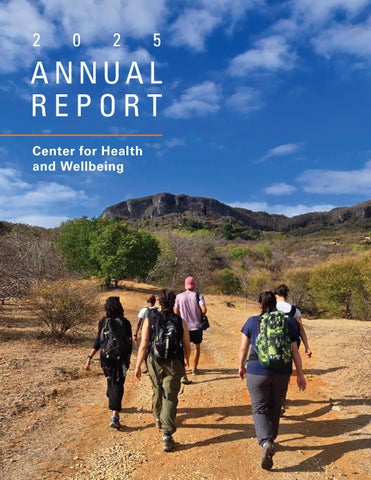
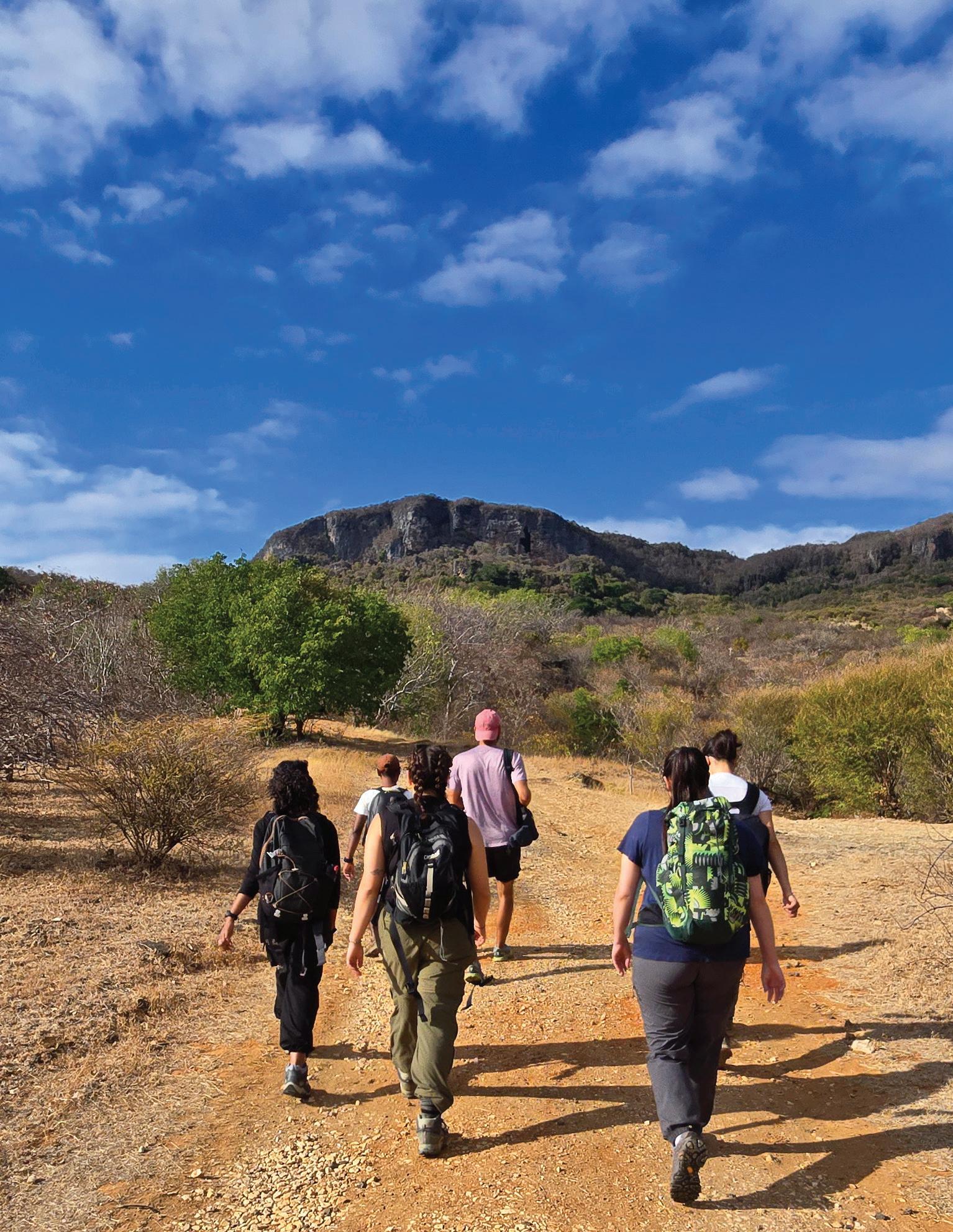
On the cover: Princeton Associate Research Scholar Benjamin Rice (at head of group) leads a team of CHW-sponsored summer interns and Malagasy researchers collecting biological samples in a mountain forest reserve in northern Madagascar.
LETTER FROM THE DIRECTOR
Putting together the annual report is an opportunity for us at the Center for Health and Wellbeing (CHW) to reflect on the past 12 months. This year, we do so with a mix of pride, gratitude, and deep emotion. In 2025, our community celebrated outstanding research and educational achievements, welcomed a new cohort of scholars and affiliates, and navigated a rapidly shifting landscape for health research and global health—all while honoring the legacies of two extraordinary colleagues whose contributions to this Center have been immeasurable.
This past year marked the retirement of Janet Currie as CHW co-director after years of visionary leadership. We celebrated her pioneering scholarship on the economics of children’s health and development, and her profound influence as a mentor and institutionbuilder, with a two-day conference attended by more than 80 academics, economists, and students. We were also deeply saddened by the passing of Kate Ho, the John L. Weinberg Professor of Economics and Business Policy and CHW codirector from 2018 to 2024. Kate’s brilliance, warmth, and unfailing dedication to her students and to the field of health economics will continue to inspire us. We are honored to carry their legacies forward.
Our faculty associates have continued to produce groundbreaking research across disciplines — from molecular biology and neuroscience to economics and sociology. Their work was recognized this past year with a remarkable array of prestigious honors. We also welcomed ten new affiliates to the CHW community, and our Visiting Scholars Program again brought exceptional researchers to Princeton from institutions across the United States and abroad.
The Center’s educational programs continued to thrive. Nineteen students traveled to Brazil over the 2025 winter break, engaging with our longstanding research partner Fiocruz and visiting clinical, research, and community health settings across Rio de Janeiro and the Amazon region. Our undergraduate minor in global health and health policy enrolled students from 19 diverse departments, while our certificate in health and health policy prepared graduate students for health-related careers in the public and not-for-profit sectors. CHW also funded 92 internship opportunities across six continents, providing transformative, hands-on experiences. These vital programs are equipping future leaders to address the most pressing health challenges of our time.
The environment in which we do this work has grown significantly more challenging. Federal budget reconciliation legislation (H.R.1) brought sweeping changes to Medicaid, the Children’s Health Insurance Program, and the ACA Marketplaces, and abrupt cuts to U.S. foreign assistance have disrupted decades of progress in global health. Our State Health and Value Strategies program — recently renewed with an $8.8 million grant from the Robert Wood Johnson Foundation — has been working urgently to help state governments understand and navigate these changes. Our Princeton Pulse Podcast, now downloaded more than 6,000 times in 88 countries, has served as an important platform for bringing researchers and policymakers together to examine these developments and chart a path forward. The urgency and importance of CHW’s mission have never felt clearer.
Sincerely,

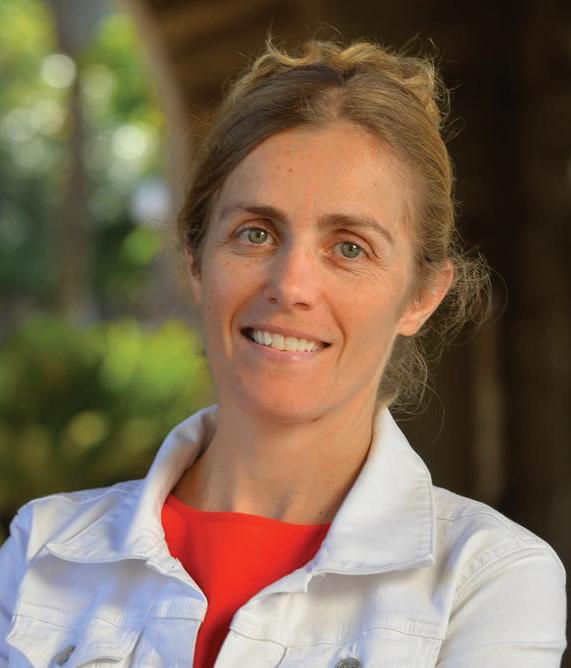
Pascaline Dupas CHW Faculty Director
Joseph Douglas Green 1895 Professor of Economics and Public Affairs
MISSION, HISTORY & STRUCTURE
The Center for Health and Wellbeing (CHW) fosters research and teaching on diverse aspects of health and wellbeing in both developed and developing countries. The Center’s goals are to understand the determinants of health and wellbeing; investigate the role of public policy in shaping the quality of people’s lives; and educate undergraduate and graduate students who aspire to careers in health and health policy.
In 2000, former Princeton Professor and current President of Brown University Christina Paxson founded CHW to create a home for interdisciplinary scholarly collaboration and education around topics in health at Princeton University. Today, CHW is a thriving and vibrant community with a tremendous capacity for health-focused research. The Center was led in 2025 by Faculty Co-Directors Pascaline Dupas and Janet Currie (until her retirement in June), and Executive Director Gilbert Collins. CHW supports its associates and students through grants, academic programs, mentorship, and events.
Housed within the School of Public and International Affairs, CHW offers an undergraduate minor in global health and health policy and a graduate certificate in health and health policy.
Also under the CHW umbrella are the Program on U.S. Health Policy, which sponsors research and activities addressing aspects of domestic health care and health policy, and the State Health and Value Strategies Program, a Robert Wood Johnson Foundation-funded program assisting states with health reform implementation.
Centerfor Health
Wellbeing
AFFILIATES
CHW affiliates are Princeton University faculty members and lecturers from diversified disciplines in the natural sciences, social sciences, and humanities. Our affiliates teach health-focused courses, advise students in health-related research, and mentor students on internships and careers in global health.
NEW AFFILIATES IN 2025
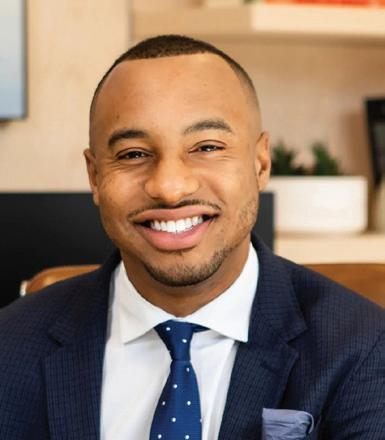
Bryant Adibe School of Public and International Affairs
Dr. Adibe’s work explores the intersection of health policy, health care economics, and technology. He leads a multisite healthcare transformation initiative and teaches two SPIA courses, Transforming Healthcare through Innovation and Healthcare Leadership in Action
Previously, Dr. Adibe served as system vice president and chief wellness officer at Rush University System for Health in Chicago, Illinois. He also held the distinction of offsite, full professor of organizational change and leadership at the University of Southern California.
His work has been featured by the National Academy of Medicine, American Medical Association, American Hospital Association, and other leading outlets.
Dr. Adibe is a graduate of Cambridge University. He earned his medical degree from the University of Florida College of Medicine. He completed clinical clerkships in Emergency Medicine at both Harvard Medical School and the Stanford School of Medicine. As a graduate student, he studied health policy and evidence-based healthcare at Oxford University.
Alícia Adserà Economics and School of Public and International Affairs
Alícia Adserà is a senior research scholar and a lecturer in economics and international affairs. With research interests in economic demography, development, and international political economy, Adserà’s work focuses on the interplay between
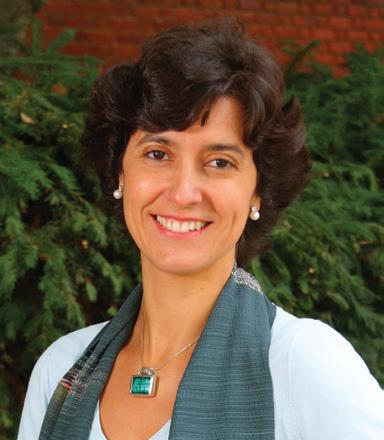
CHW affiliate Ruha Benjamin, the Alexander Stewart 1886 Professor of African American Studies, studies the social dimensions of science, technology, and medicine.
labor markets and fertility and on an array of migration topics. Two current projects involve multi-country data collection to analyze fertility preferences and choices, as well as the relative importance of different dimensions of successful aging.
Before joining Princeton, Adserà was an associate professor at the University of Illinois at Chicago, and a research affiliate at the University of Chicago’s Population Research Center. She holds a Ph.D. in economics from Boston University.
He Bian East Asian Studies
He Bian, an associate professor in the Department of East Asian Studies, is a historian of late imperial China, medicine, and early modern science. She received her Ph.D. in history of science from Harvard University.
and biological engineering from UCLA and his B.S. from Rutgers University. Following his Ph.D., Brynildsen was a Howard Hughes Medical Institute (HHMI) postdoctoral associate at Boston University. His honors include the 2022 Graduate Mentoring Award (McGraw Center), the 2021 NJ Health Foundation Award, the 2020 Innovation in Undergraduate Education Award at Princeton, the 2016 Engineering Council Excellence in Teaching Award, the 2015 Howard B. Wentz Jr. Junior Faculty Award, and an NSF CAREER Award (2015–2020).
Agustín Fuentes Anthropology
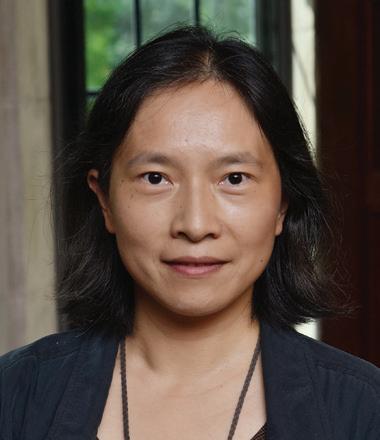
Bian’s first book, “Know Your Remedies: Pharmacy and Early Modern Culture in China, 1500-1800,” was published by Princeton University Press in Spring 2020. The book won Honorable Mention for the 2022 Joseph Levenson Prize awarded to the best scholarly book on China (Pre1900). Her second book, “The Manchu Mirrors and the Knowledge of Plants and Animals,” co-authored with Mårten Söderblom Saarela (Ricci Institute), examines lexicography and encyclopedism at the Qing court during the 18th century. She is at work on her third book project, “Live, and Let Live: A Social History of Medical Recipes in Late Imperial China.”
Mark
Brynildsen Chemical and Biological Engineering
Mark Brynildsen is a professor of chemical and biological engineering and a core faculty member of the Omenn Darling Bioengineering Institute, where he also holds an associated faculty role in the Department of Molecular Biology. His research integrates experimental and computational systems biology with synthetic biology to unravel mechanisms of bacterial persistence and immune evasion—crucial for addressing antibiotic resistance. He earned his Ph.D. in chemical
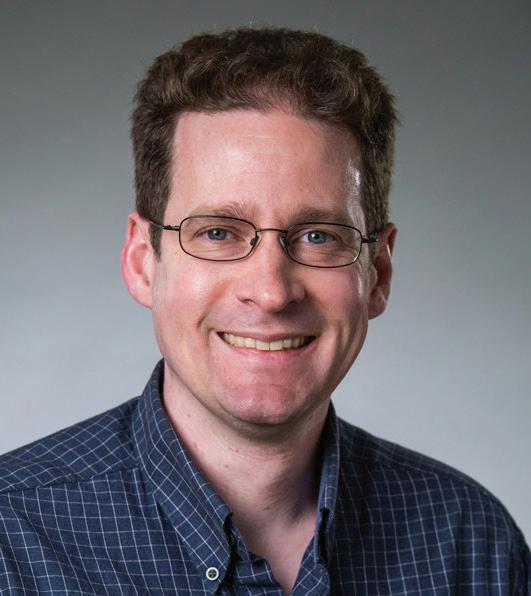
Agustín Fuentes, professor of anthropology, focuses on the biosocial, delving into the entanglement of biological systems with the social and cultural lives of humans, our ancestors, and a few of the other animals with whom humanity shares close relations. Earning his B.A./B.S. in anthropology and zoology and his M.A. and Ph.D. in anthropology from UC Berkeley, he has conducted research across four continents, multiple species, and two million years of human history.
His current projects include exploring cooperation, creativity, and belief in human evolution, multispecies anthropologies, evolutionary theory and processes, gender/sex, human health, and engaging race and racism. Fuentes’ books include “Sex is a Spectrum: The Biological Limits of the Binary” (Princeton University Press), “Race, Monogamy, and Other Lies They Told You: Busting Myths About Human Nature” (University of California), “The Creative Spark: How Imagination Made Humans Exceptional” (Dutton), and “Why We Believe: Evolution and the Human Way of Being” (Yale).
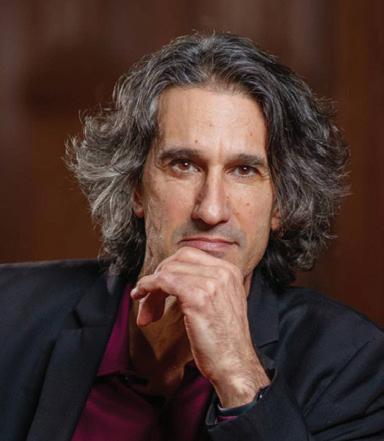
Shamus Khan Sociology
Shamus Khan is the Willard Thorp Professor of Sociology and American Studies in the Department of Sociology. He writes about culture, inequality, gender, and elites. Khan has authored over 130 articles, books, and essays, including “Privilege: The Making of an Adolescent Elite at St. Paul’s School” (Princeton), “The Practice of Research” (Oxford), “Approaches to Ethnography” (Oxford), and “Sexual Citizens: Sex, Power, and Assault on Campus” (W.W. Norton), which was named a best

book of 2020 by National Public Radio. He directed the working group on the political influence of economic elites at the Russell Sage Foundation, was founding editor of “The Middle Range” series at Columbia University Press, serves on the board of directors of Princeton University Press, and was editor of the journal “Public Culture.” Kahn writes regularly for the American popular press, including The New Yorker, The New York Times, and The Washington Post, and was a columnist for Time Magazine.
In 2016, Khan received Columbia University’s highest teaching honor, the Presidential Teaching Award, and in 2018, he received the Hans L. Zetterberg Prize from Uppsala University for “Best Sociologist Under 40.”
Coleen Murphy Molecular Biology and Integrative Genomics
Coleen Murphy is director of LSI Genomics and the James A. Elkins, Jr. Professor in the Life Sciences in Molecular Biology. She graduated from the University of Houston with a B.S. in Biochemistry and Biophysics, then earned her doctorate in Biochemistry at Stanford University, studying the structure-function determinants of pre-steady state kinetics and motility of the motor protein myosin.
Murphy’s lab at Princeton is focused on the process of aging, which remains one of the fundamental mysteries of biology. Her research seeks to enrich our understanding of the molecular basis of the aging process by first identifying the genes that are controlled by these global regulators and then elucidating the cell biological and biochemical mechanisms used by these genes to affect lifespan.
in Research from the American Society for Cell Biology. Murphy is the director of the Glenn Foundation for Research on Aging at Princeton, the director of the Simons Collaboration on Plasticity in the Aging Brain, and authored the book, “How We Age” (Princeton University Press), a 2024 PROSE Finalist.
Emily Pronin Psychology and School of Public and International Affairs
Emily Pronin, professor of psychology and public affairs, conducts research on natural asymmetries in the way we perceive ourselves versus the way we perceive others. It further concerns how the processes involved in self and social perception can lead us to misperceive and misunderstand ourselves, and others. Her research focuses on bias perceptions and implications for conflict.
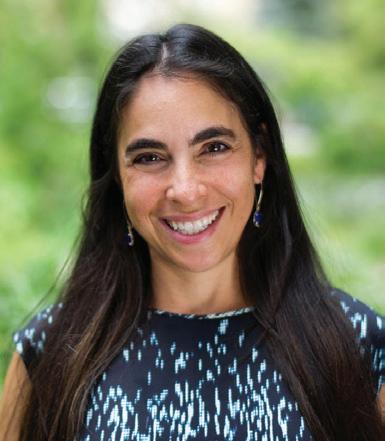
Pronin received her B.A. in psychology from Yale, and her Ph.D. in psychology from Stanford, and was a postdoctoral fellow at Harvard, before coming to Princeton in 2003.
Jennifer Rampling History
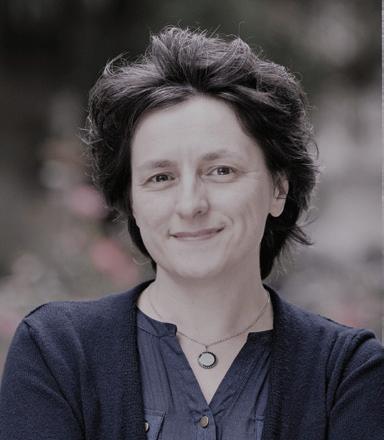

In recognition of her research, Murphy has been named a Pew Scholar, March of Dimes Basil O’Connor Scholar, Keck Scholar, McKnight Fellow, Sloan Fellow, Glenn Medical Research Foundation awardee, Howard Hughes Medical Institute-Simons Faculty Scholar, and AAAS Fellow. She also was awarded the New Innovator, Transformative R01, and two Pioneer awards from the NIH Director’s office. Furthermore, Murphy has won both the Women in Cell Biology Junior and Mid-Career Awards for Excellence
Jennifer Rampling, associate professor of history, is a historian of medieval and early modern science and medicine, specializing in alchemy. In her teaching and research, Rampling explores alchemy’s relationship with natural philosophy, medicine and culture in pre-modern Europe, focusing especially on interconnections between textual authority, artisanal practice, and visual culture. Her interests also extend to early modern intellectual history and the history and philosophy of chemistry more generally.
Rampling’s first book, “The Experimental Fire: Inventing English Alchemy, 1300-1700,” (Chicago, 2020), traces the relationship between alchemical ideas and practices in medieval and early modern England over four centuries. She is currently working on two book projects on alchemical imagery, including a study of the spectacular alchemical manuscripts known as the “Ripley
Scrolls.” This research has been supported by a variety of fellowships, including visiting fellowships at All Souls College, Oxford; the Department of Philosophy of the University of Bologna; and the Max Planck Institute for the History of Science, Berlin.
Before coming to Princeton, Rampling completed a Ph.D. in history and philosophy of science at Cambridge University, followed by a Wellcome Trust postdoctoral research fellowship in the same department.
James Raymo Sociology and East Asian Studies
on the psychology of intergroup relations in outlets such as Proceedings of the National Academy of Sciences of the United States of America , Journal of Personality and Social Psychology, Psychological Science and Policy Insights from the Behavioral and Brain Sciences. She is a fellow at the Society for the Psychological Study of Social Issues, the American Psychological Association, the Society for Personality and Social Psychology and the Association for Psychological Science.
Samuel Wang Neuroscience
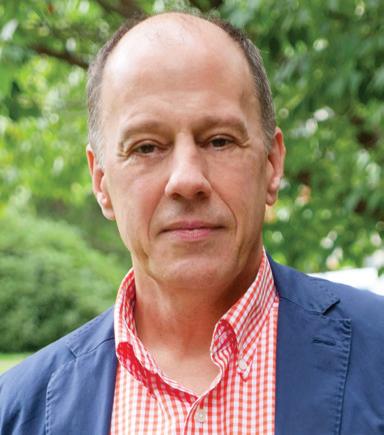
James Raymo is a professor of sociology and Henry Wendt III ’55 Professor of East Asian Studies, as well as founding director of the Global Japan Lab and faculty director of the strategic partnership between Princeton University and the University of Tokyo. A social demographer, his research focuses on documenting and understanding the causes and potential consequences of demographic changes associated with low fertility and population aging in Japan. His published research includes analyses of marriage timing, divorce, recession and fertility, marriage and women’s health, single mothers’ wellbeing, living alone, family change and social inequality, employment and health at older ages, and regional differences in health at older ages.
Stacey Sinclair Psychology and School of Public and International Affairs
Stacey Sinclair is a professor of psychology and public affairs. Her research addresses how inter-group and within-group interpersonal interactions serve as a vehicle by which prejudices and stereotypes are perpetuated, as well as how such interactions can reduce prejudice. Sinclair’s most recent work focuses on how implicit bias at regional and interpersonal levels contributes to disparities in educational contexts. She also has a line of research examining how the rationales that drive and explain organizational diversity efforts shape the effectiveness of such efforts and how they are perceived. Sinclair has published numerous scholarly journal articles or book chapters
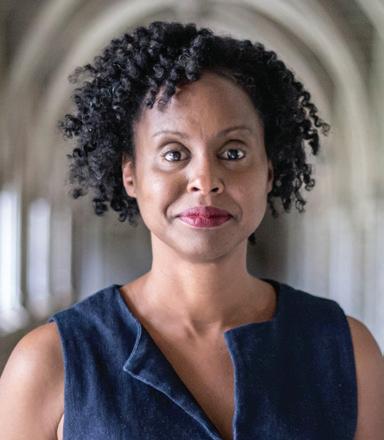
Samuel Wang, professor of neuroscience, has been on the faculty of Princeton University since 2000. He earned his B.S. in physics from Caltech and his Ph.D. in neuroscience from Stanford University School of Medicine. His lab investigates how brains learn from sensory experience, with particular focus on the cerebellum’s role in cognition and its relevance for autism. This work is supported by major foundations, including the Alfred P. Sloan Foundation and the McKnight Foundation. Wang is the author of two award-winning popular science books about the brain, which are available in over 20 languages.
2025
CHW AFFILIATES
Bryant Adibe School of Public and International Affairs (SPIA) Alícia Adserà Economics and SPIA Anna Arabindan-Kesson African American Studies and Art & Archaeology Elizabeth Armstrong Sociology and SPIA Ruha Benjamin African American Studies He Bian East Asian Studies João Biehl Anthropology
Amy Borovoy East Asian Studies Mark Brynildsen Chemical and Biological Engineering Rebecca Carey Psychology Allison Carruth American Studies and High Meadows Environmental Institute Anne Case Economics and SPIA, Emeritus Jonathan Cohen Psychology and Neuroscience Alin Coman Psychology and SPIA Dalton Conley Sociology Hope Corman Economics
Angela Creager History Janet Currie Economics and SPIA, Emeritus
Angus Deaton Economics and SPIA, Emeritus Andrew Dobson Ecology & Evolutionary Biology Pascaline Dupas Economics and SPIA Elena Fratto
Slavic Languages and Literatures Agustín Fuentes Anthropology Thomas Fujiwara Economics Hanna Garth Anthropology Varun Gauri SPIA Noreen Goldman Demography and SPIA Adam Goldstein Sociology and SPIA Jesse Gomez Neuroscience Andrea Graham Ecology & Evolutionary Biology Bryan Grenfell Ecology & Evolutionary Biology and SPIA Katja Guenther History Tod Hamilton Sociology Arun Hendi Sociology and SPIA Kate Ho Economics Heather Howard SPIA Seema Jayachandran Economics and SPIA Niraj Jha Electrical and Computer Engineering John Jimah Molecular Biology Yibin Kang Molecular Biology Shamus Khan
Sociology Ilyana Kuziemko Economics Ramanan Laxminarayan SPIA
Simon Levin Ecology & Evolutionary Biology Ai Ing Lim Molecular Biology
Jessica Metcalf Ecology & Evolutionary Biology and SPIA Sanyu Mojola
Sociology and SPIA Coleen Murphy Molecular Biology and Integrative
Genomics Cameron Myhrvold Molecular Biology Yael Niv Psychology and Neuroscience Erik Nook Psychology Kelly Noonan Economics Daniel Notterman Molecular Biology Kristina Olson Psychology Catherine
Jensen Peña Neuroscience Alexander Ploss Molecular Biology Emily Pronin Psychology and SPIA Laurence Ralph Anthropology Anu Ramaswami Princeton Institute for International and Regional Studies, Civil & Environmental Engineering, and High Meadows Environmental Institute Jennifer Rampling History James Raymo Sociology and East Asian Studies
Carolyn Rouse Anthropology Matthew Salganik Sociology Timothy Searchinger SPIA Beth Semel Anthropology Eldar Shafir Psychology and SPIA Harold Shapiro Economics and SPIA, Emeritus Alyssa Sharkey
SPIA Stacey Sinclair Psychology and SPIA Paul Starr Sociology and SPIA
A.J. te Velthuis Molecular Biology Florencia Torche Sociology and SPIA
Sam Trejo Sociology Olga Troyanskaya Computer Science and Integrative
Genomics Keith Wailoo History and SPIA Samuel Wang Neuroscience
SAMPLING OF
CHW AFFILIATE
AWARDS & HONORS IN 2025
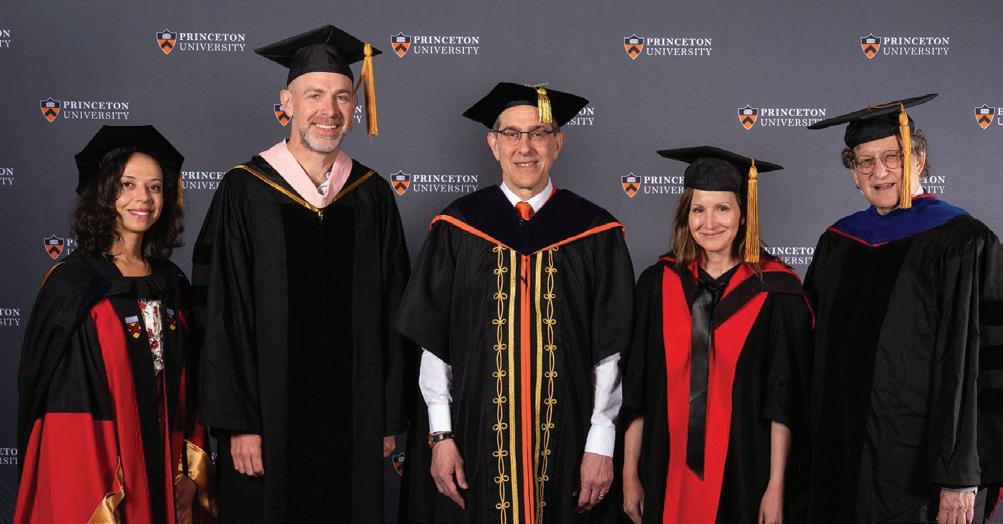
Rebecca Carey was among four Princeton University faculty members to receive the President’s Award for Distinguished Teaching. Presented at Commencement ceremonies, the award recognizes excellence in undergraduate teaching.
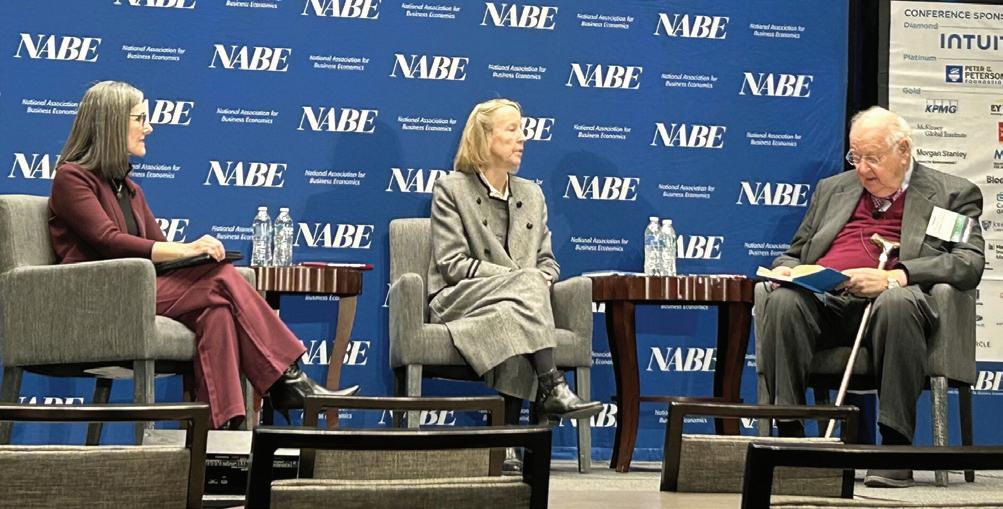
Anne Case and Angus Deaton were awarded the Paul A. Volcker Award from the National Association of Business Economics in March 2025 for their work on deaths of despair and premature mortality in the United States.
Pascaline Dupas was recognized by VoxDev for research examining the impacts of subsidized secondary education in Ghana. Her paper, cited among VoxDev’s “Ten Key Insights from Development Economics in 2025,” shows that scholarships enabling rural students to attend high school had large intergenerational benefits, including better health outcomes for the students and their children. Dupas was also named to Vox’s Future Perfect 25, a list of innovators, thinkers, disruptors, and people on the ground who are advancing
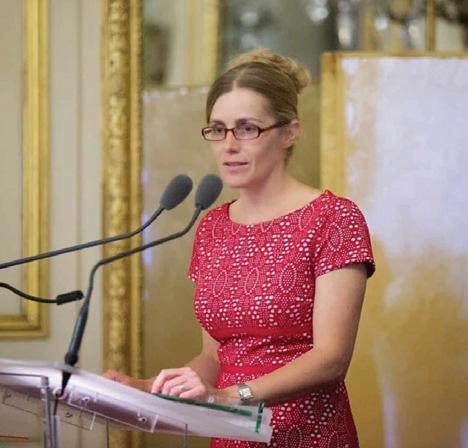
solutions for the most pressing challenges in global health and development.
Heather Howard was selected by incoming New Jersey Governor Mikie Sherrill to co-chair her transition’s Health Policy Action Team, along with Chiquita Brooks-LaSure ‘96, former administrator of the Centers for Medicare and Medicaid Services (CMS). Focused on “Affordable Healthcare: Addressing Washington’s Medicaid Cuts,” the team considered stakeholder feedback and provided recommendations to Governor Sherrill on enacting her agenda.
Ramanan Laxminarayan received the 2025 One Health Award given by the Italian Ministry of Health in recognition of excellence in research and commitment to the planet. Laxminarayan was honored for his ability to combine epidemiology, economics, and health policies, showing how the responsible use of antibiotics and therapeutic innovation are fundamental not only for the health of people, but also for that of animals and the environment.
Erik Nook received the Society for Research in Psychopathology’s 2025 Early Career Award, which recognizes exceptional young scholars in the field of psychopathology who have shown considerable promise and productivity in the formative years of their career. Additionally, Nook and his colleagues received the Best Paper in Affective Science Award from the Society for Affective Science for their paper entitled “The Emergence of Organized Motion Dynamics in Childhood” (Affective Science, July 2024).
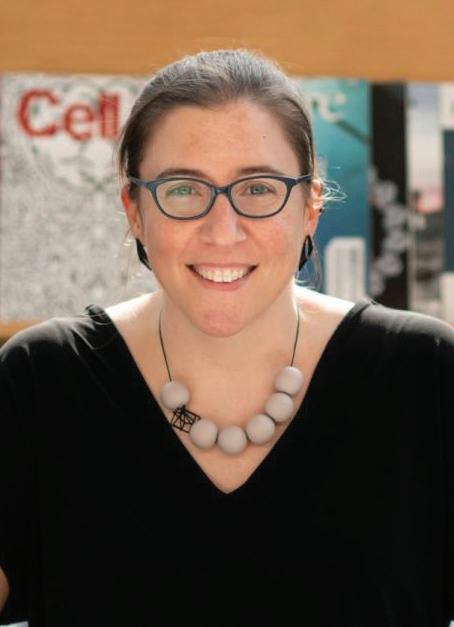
Kristina Olson was among four recipients of the 2025 Graduate Mentoring Award. Co-sponsored by Princeton’s Graduate School and the McGraw Center for Teaching and Learning, this honor is given to faculty members who serve as exemplary mentors in nurturing the potential of their graduate students as scholars, teachers and people.
Sam Trejo won the American Sociological Association’s Section on Biology and Society Best Publication Award for his paper entitled “Exploring the Fetal Origins Hypothesis Using Genetic Data” (Social Forces, February 2024).
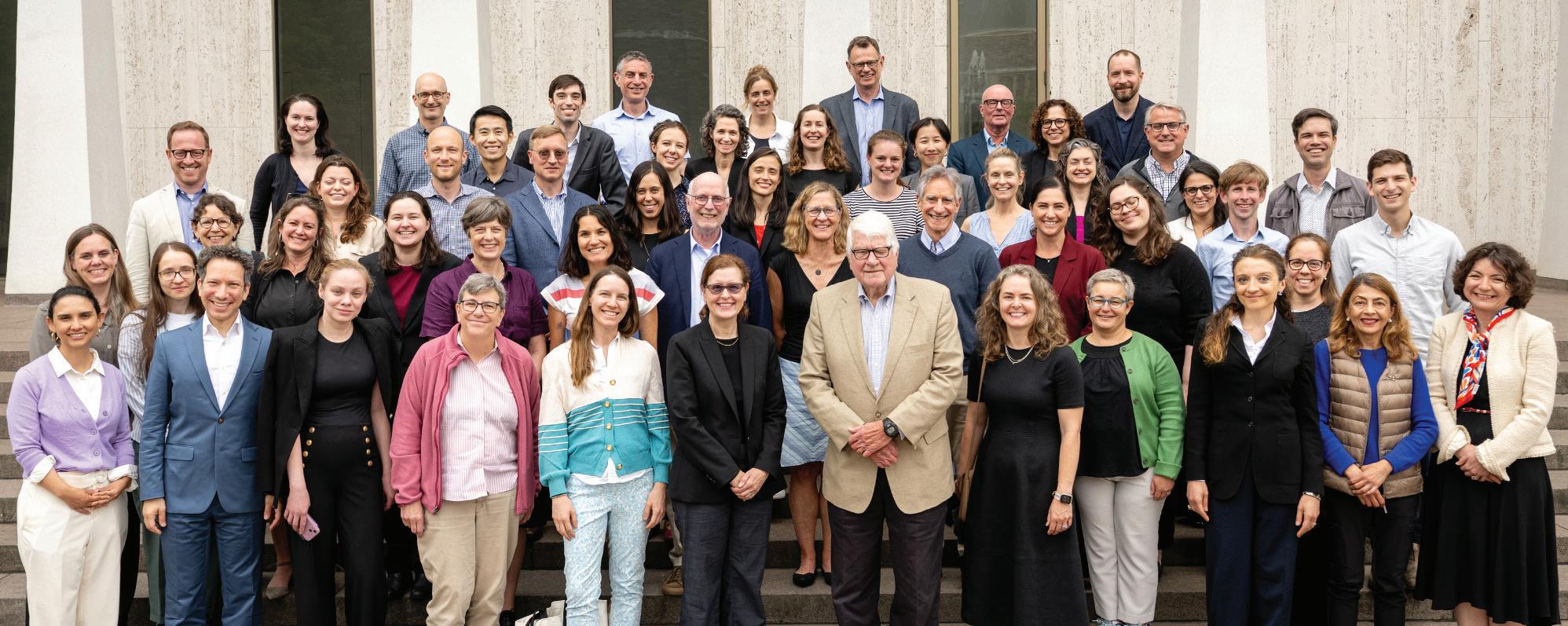
JANET CURRIE HONORED FOR PIONEERING WORK AND MENTORSHIP
Princeton University paid tribute to Janet Currie, the Henry Putnam Professor of Economics and Public Affairs, Emeritus, and senior scholar, for her extraordinary impact on the field of economics, health policy and practice with a two-day conference on the “Economics of Children’s Health and Development” held on June 17 and 18. Co-sponsored by the Industrial Relations Section of Princeton’s Economics Department and CHW, where Currie recently retired as co-director, the event lauded Currie’s professional accomplishments while showcasing research that has been fostered by her mentorship. More than 80 academics, economists, and students participated in the festivities.
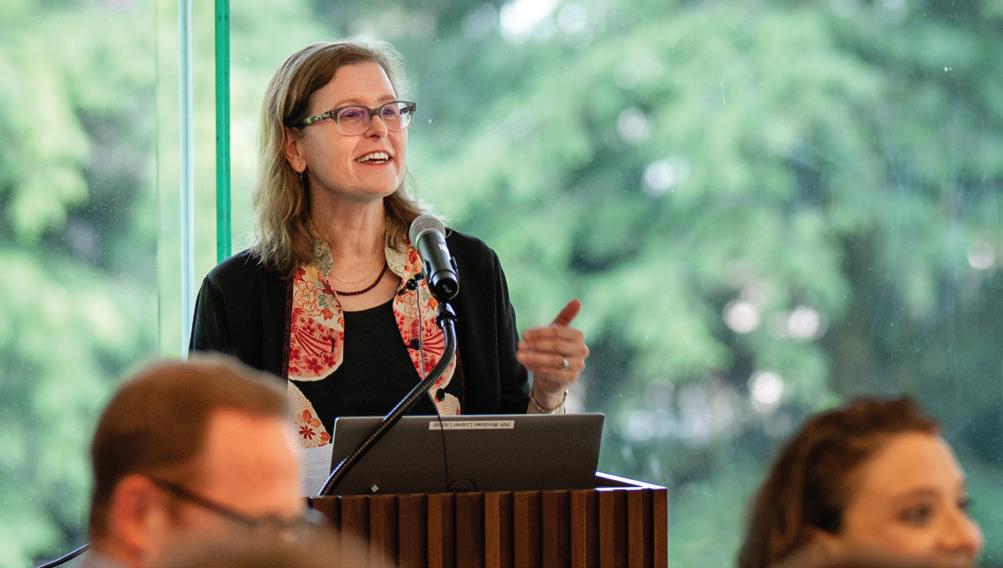
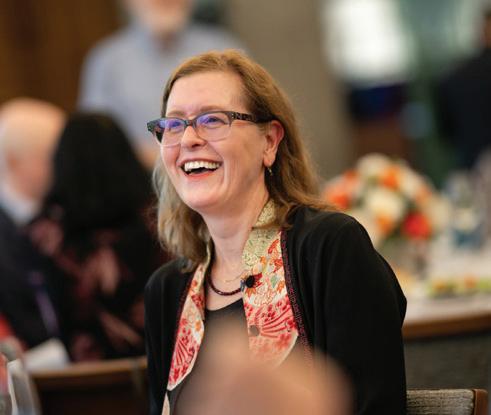
“I will do a certain amount of research in my career. Some of it will stand the test of time, and some of it may not. The real continuing contribution is through my students who continue doing work and training other people to do the same. That’s a tremendous legacy in and of itself.”
Currie was honored for her groundbreaking research on the economic drivers of child health and development while informing public policy and inspiring the next generation of researchers. Notably, she was among the first researchers to examine the effects of early childhood interventions, such as public health insurance, housing, and nutrition assistance programs, as well as pollution exposure and other environmental threats. In recognition of her widespread achievement, Currie has earned some of the highest distinctions in her field, including selection as a 2024 Clarivate Citation Laureate by the Institute for Scientific Information for “Nobel class” contributions.
Currie launched a new chapter in her career at Yale University, where she is a faculty member of its Department of Economics and co-directs a health policy program. Her current research includes adolescent development and mental health and other topics.

REMEMBERING ESTEEMED HEALTH ECONOMIST KATE HO
Katherine “Kate” Ho, the John L. Weinberg Professor of Economics and Business Policy, died on Dec. 8, 2025, surrounded by family, at the age of 53.
Ho joined Princeton’s faculty in July 2018 and co-directed the Center for Health and Wellbeing from 2018 to 2024. Her research interests included industrial organization and health economics, particularly how the structure of health and medical care markets, as well as interactions between health care companies, impact patients. She created models to measure the economic and policymaking implications of issues such as prescription drug pricing, narrow provider networks and insurer competition, among others.
Wolfgang Pesendorfer, the Theodore A. Wells ’29 Professor of Economics and department chair, called Ho a brilliant scholar, a charismatic teacher, and a devoted adviser.
“Kate was a leading scholar of health care markets, and her research transformed the way economists analyze these markets,” said Pesendorfer. “Using rich data and structural models, Kate’s work showed how consolidation and competition affect patients, insurance premia and welfare.” Jakub Kastl, a professor of economics who worked with Ho to build the department’s industrial organization faculty group, noted that she “made seminal
contributions to modeling bargaining between insurers and hospitals, to modeling competition between insurers, physician incentives, and drug pricing,” including work on how formularies are set and priced.
“Kate was one of my favorite colleagues, first at Columbia, and then at Princeton, where we co-directed the Center for Health and Wellbeing for five years, co-taught health economics, and co-supervised several Ph.D. students,” said Janet Currie, the Henry Putnam Professor of Economics and Public Affairs, Emeritus, and a senior scholar at Princeton who is currently the David Swensen Professor of Economics at Yale University.
“In addition to being a brilliant academic, she was a dream to work with — warm and funny, super thoughtful, and very organized. No matter what happened, she was never flustered. With students she was strict but generous,” added Currie. “Even when she was gravely ill, she was concerned about her students’ futures and worked to transition them to new advisers. Her passing is a great loss, but her legacy will live on.”
Ho is survived by her husband, Victor, children Oliver and Eleanor, father Paul Slack, and sister Alison Slack. Donations in her honor may be made to the Memorial Sloan Kettering Cancer Center.
In
RESEARCH SCHOLARS & POSTDOCTORAL ASSOCIATES
CHW’s Visiting Scholars Program invites researchers from other leading institutions to devote either an academic year or semester in residence at Princeton. They spend this time focused on research, discussion, and scholarly collaborations concerning the determinants of physical, mental, and emotional wellbeing along with the effect of public policy on health and wellness. Visiting researchers are specialists in a variety of health-related fields, including medicine, psychology, biology, epidemiology, economics, sociology, and other disciplines. CHW also hosts postdoctoral research associates and associate research scholars who conduct groundbreaking research, mentor students, teach interdisciplinary courses, and lead health-focused research trips in the U.S. and around the world.
2025 VISITING SCHOLARS
Panka Bencsik Visiting Research Scholar
Panka Bencsik is an assistant professor and C. Family Dean’s Faculty Fellow of Medicine, Health, and Society and of Public Policy at Vanderbilt University, as well as a visiting scholar at the Federal Reserve Bank of Chicago.
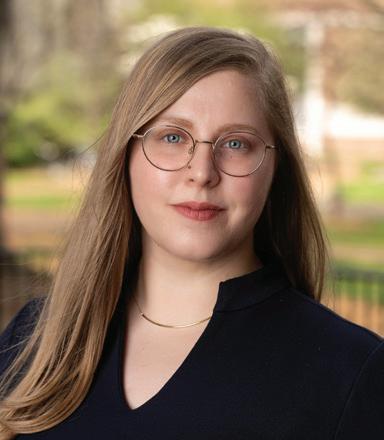
Bencsik is an applied microeconomist, specializing in policy-oriented academic inquiry in health, crime, and public economics. Her research, published in the
American Economic Review: Insights, the Journal of Urban Economics, and other leading journals, examines persistent U.S. policy challenges, including the opioid crisis, mental health, incarceration, and gun violence. Bencsik’s scholarship has received prestigious recognition, including the Novartis Prize for the best health economics paper awarded by the Irish Economic Association. Furthermore, her work has been featured in over 50 news outlets nationally and internationally, including The Atlantic and The Economist, and she has contributed as an opinion writer to the Chicago Tribune.
addition to teaching core and elective courses, mentoring students and supervising senior theses, visiting scholars and postdoctoral associates are global thought leaders, engaged in innovative research from a wide range of disciplines.
Bencsik earned a Ph.D. in economics from the University of Sussex and was a Fulbright fellow at the Brookings Institution in Washington, D.C. She subsequently completed a postdoctoral research fellowship at the University of Chicago, where she remains an affiliate. Additionally, Bencsik founded and served as the leader of the world’s largest research hub on mental health economics under the International Health Economics Association.
Benjamin Chrisinger Visiting Research Scholar
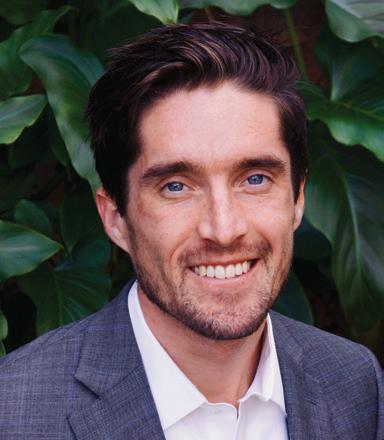
Ben Chrisinger is an assistant professor in the Department of Community Health and Department of Urban and Environmental Policy and Planning at Tufts University. He is broadly interested in how place affects health, especially health disparities. He currently oversees two projects related to food access and safety net programs (funded by RIDGE Partnership and Robert Wood Johnson Foundation), as well as a project developing a historical, geospatial dataset of early 20th-century U.S. physicians using the American Medical Directories (funded by the National Science Foundation). Previously, he was associate professor of evidence-based policy evaluation at the University of Oxford. He completed his Ph.D. at the University of Pennsylvania and a postdoctoral fellowship at Stanford University.
Krista Ruffini Visiting Research Scholar
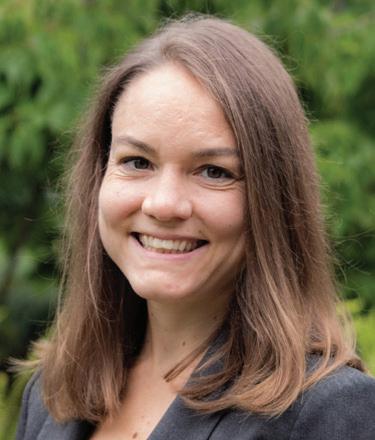
Krista Ruffini is an assistant professor at Georgetown University’s McCourt School of Public Policy. Her research examines how income assistance and labor market policies affect disadvantaged populations. One area of this work studies the role of nutritional assistance programs – particularly schoolbased assistance – in shaping family wellbeing. Another focus area investigates how workplace policies affect employees, employers, and patients in the health care sector. Much of her current research explores the effects of expansions to the safety net during the pandemic.
Ruffini received a Ph.D. in public policy and an M.A. in economics from UC-Berkeley, an M.P.A. from the London School of Economics, and a B.A. in economics, international relations, and political science from Boston University.
Soodeh Saberian Visiting Research Scholar
Soodeh Saberian is an associate professor in the Economics Department at the University of Manitoba and a research affiliate at the Institute of Labor Economics.
Saberian’s research focuses on the intersections of environmental, health, and labor economics. Her work primarily investigates the impacts of environmental factors, such as air pollution and temperature on various human outcomes. She has conducted studies on how these environmental shocks influence health, educational achievements, decision-making, and labor productivity. One significant area of Saberian’s research explores how air pollution can disrupt educational outcomes, leading to shifts in cognitive development and academic performance. Additionally, her work delves into the economic implications of environmental stressors, analyzing how they affect worker productivity, absenteeism, and overall labor market dynamics. Currently, Saberian is focused on estimating the causal effects of wildfires on mental health. This research aims to understand the psychological and behavioral impacts of wildfire exposure, providing insights into the broader social and economic costs of climaterelated disasters.
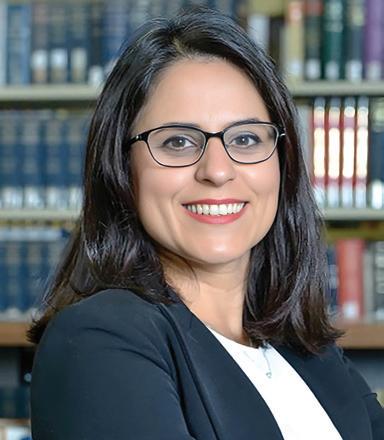
Saberian holds both a Ph.D. and an M.A. in economics from University of Ottawa.
Gregory Sharp Visiting Research Scholar
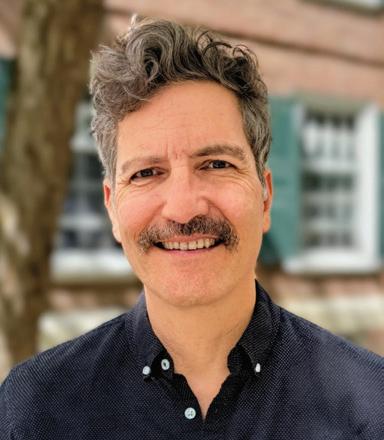
Gregory Sharp is an associate professor in the Sociology Department at Dartmouth College. Sharp’s research is devoted to advancing scholarship and informing policy on how and why the places in which people live, work, and play
matter for individual health and wellbeing in the U.S. One area of work explores how and why neighborhoods shape health and illness, focusing on activity spaces—the various places in which individuals conduct their daily activities. His second line of inquiry, supported by the National Institute on Aging, examines how chronic experiences with housing instability, such as eviction, foreclosure, and homelessness, contribute to racial and ethnic health disparities later in life.
Before joining Dartmouth, Sharp was an assistant professor of sociology at SUNY-Buffalo (2015-2020) and a postdoctoral fellow in sociology at Rice University (2013-2015). He received his Ph.D. in sociology and demography from Pennsylvania State University.
Jessica Van Parys Visiting Research Scholar
Jessica Van Parys is an associate professor in the Economics Department at Hunter College, where she teaches undergraduate and Master’s-level econometrics and advises Master’s student theses. She is also a research associate in the Economics of Aging Program at the National Bureau of Economic Research.
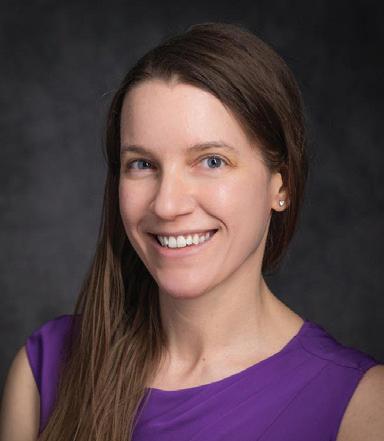
Van Parys’ research focuses on topics related to physician decision-making, the organization of health care markets in the U.S., and racial/ ethnic health disparities. Her previous work has demonstrated how health care provider practice styles affect patients’ health outcomes. She is currently working on projects that show which patients have access to the highest quality providers, and why. She has received funding from the National Institutes of Health, the National Science Foundation, and the Social Security Administration.
Van Parys received her Ph.D. in economics from Columbia University and completed a post-doctoral fellowship at The Dartmouth Institute for Health Policy and Clinical Practice.
2025 ASSOCIATE AND POSTDOCTORAL RESEARCHERS
Esther Annan Postdoctoral Research Associate

Esther Annan received her medical degree from the Kwame Nkrumah University of Science and Technology, Ghana. After close to three years of clinical work, she pursued an M.P.H. with a concentration in public health policy at New York University, focusing on how to bridge the gap between medicine, research, and health policy implementation. She then acquired a Ph.D. in epidemiology at the University of North Texas Health Science Center to strengthen her research skills and further explore her interest in infectious diseases.
Annan’s research primarily examines how spatiotemporal relationships and demographic patterns play a role in the etiology of infectious diseases. Of particular interest are vector-borne diseases, such as dengue fever. Her research also involves utilizing epidemiological methodological approaches to assess and establish causal inference. Much of her work has used large datasets from Mexico to advance our understanding of dengue fever severity in Mexico. Annan hopes to use her medical background and training in public health policy to examine how these relationships may help to guide location-specific policies in the management and eventual prevention of vectorborne diseases.
Hanna Ehrlich Associate Research Scholar
Hanna Ehrlich investigates the socio-ecological forces that delineate pathogen landscapes, particularly for emerging zoonotic diseases. She is especially interested in developing surveillance systems that employ both quantitative and participatory approaches to detect upstream drivers of spillover events and local outbreaks. With training in the environmental humanities, Ehrlich also seeks to bring critical social science methods into epidemiological research. Together with a team at Mpala Research Centre in
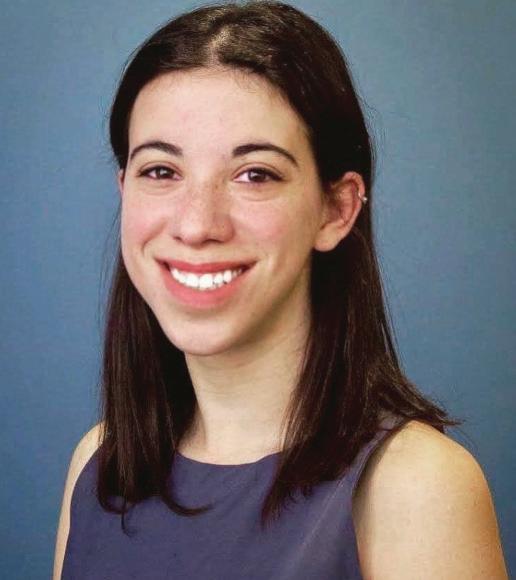
Laikipia County, Kenya, she will study how land use and management practices influence megafaunal disease transmission at watering holes and other high-risk interfaces.
Ehrlich holds a Ph.D. in epidemiology of microbial diseases from Yale University and completed a postdoctoral fellowship at the One Health Institute at the University of California, Davis.
Arbel
Griner Associate Research Scholar
Arbel Griner uses her multidisciplinary training in social medicine, anthropology, and social studies of science and technology to produce a nuanced critical perspective of how ideas of pathology, normality, and health are conceptualized in contemporary neuroscience, and how these ideas are integrated into medicine, public health, and ethical debates.
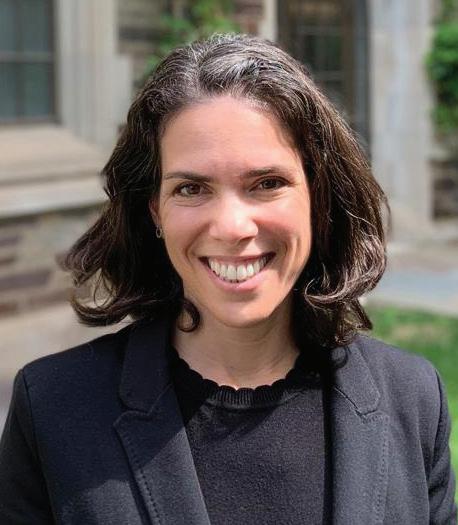
She received her Ph.D. in collective health from the Institute for Social Medicine of the State University of Rio de Janeiro. In her dissertation, Griner scrutinized the claims of neuroscientific theories about biological affectivity and examined the ways in which they are appropriated by biomedical practices and bioethical regulation. She is now interested in looking more carefully into the use of biotechnology, more specifically pharmaceuticals, as treatment resources for so-called affective and gender-based pathologies in Brazil’s public health clinics.
Benjamin Scher Postdoctoral Research Associate
Ben Scher’s research explores health inequalities and social exclusion amongst populations experiencing high levels of overdose and drug-related harm with the direct aim of producing evidence and interventions responding to these harms. He completed his doctoral degree at the University of Oxford’s Department of Social Policy and Intervention, where he conducted participatory rapid-ethnographic research with people who use drugs in street-based settings across the UK, Canada, and Greece. He has presented his work at policy venues, including the UN Commission on Narcotic Drugs, the UK House of Commons, and through a Tedx Talk. Scher has collaborated extensively with peer-led organizations to co-produce research and has taught on the topics of participatory methods, qualitative methods, drug policy and North America’s overdose crisis in both high school and university settings.

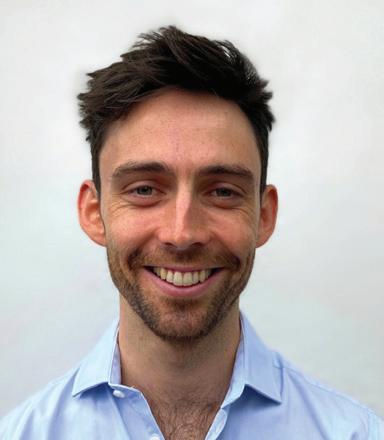
Duncan Webb Postdoctoral Research Associate
Anna Malinovskaya is an applied microeconomist with research interests encompassing public, health, and labor economics. Her current work includes studying the impact of policies expanding access to mental health care in the United States, particularly for women and children; evaluating programs and policies related to pregnancy and women’s health; and exploring, at the intersection of economics and demography, the wellbeing of Native American populations. Malinovskaya holds a B.A. from Mount Holyoke College and a Ph.D. in applied economics from Cornell University.
Duncan Webb is a development economist whose current projects focus on discrimination, social change, mental health, and human capital. Webb completed his Ph.D. at the Paris School of Economics, spent 2022-23 as a visiting scholar at MIT, and 2021 at UC Berkeley. Following his time at Princeton, in 2025, Webb joined Nova School of Business & Economics as an assistant professor.
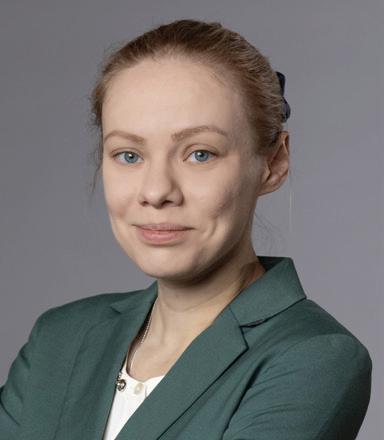
Anna Malinovskaya Postdoctoral Research Associate
INTERNATIONAL COLLABORATIVE BRINGS HEALTH RESEARCHERS TO PRINCETON
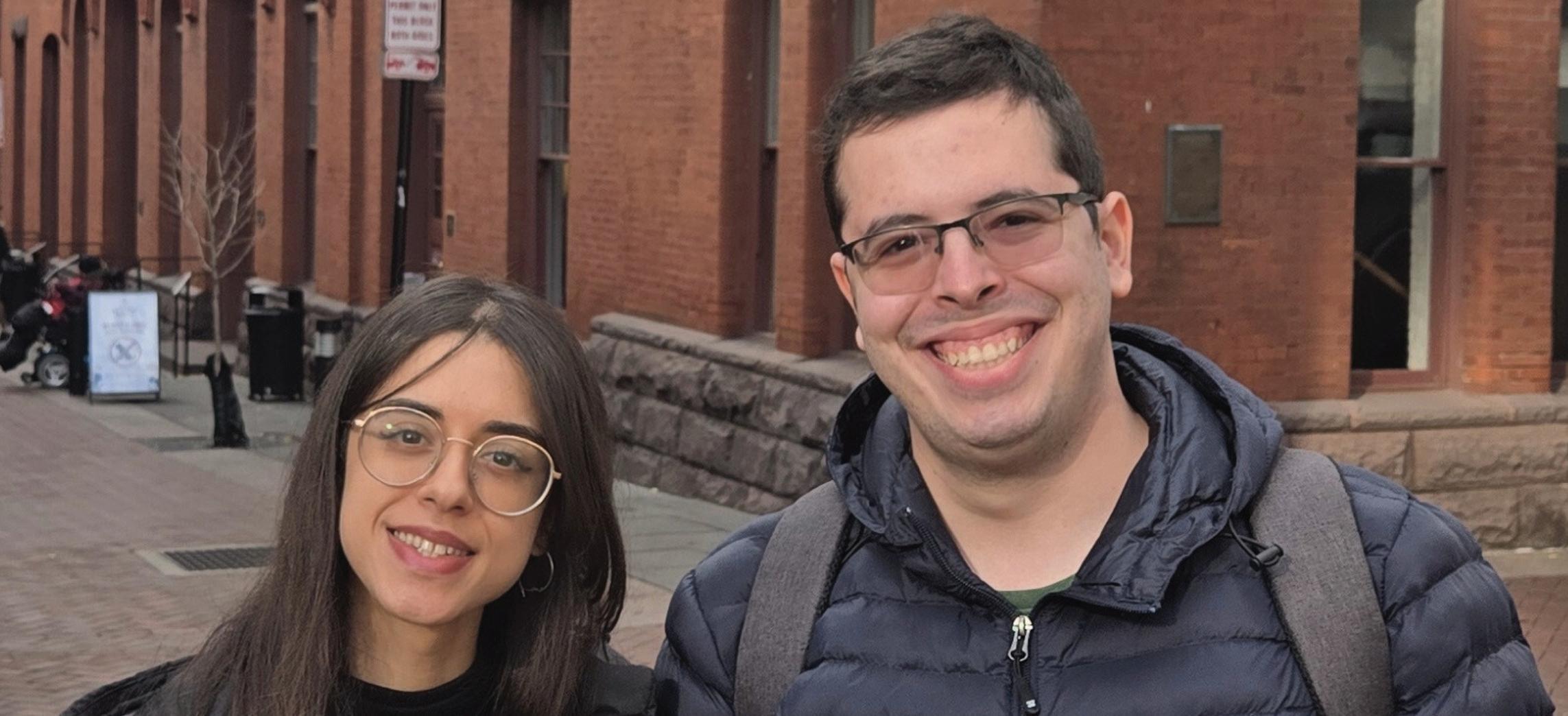
In 2025, Princeton University hosted two graduate students from the Oswaldo Cruz Institute - Oswaldo Cruz Foundation (Fiocruz) in Brazil to advance their studies and engage with the health-focused community at Princeton.
Doctoral candidates Victoria Cruz Cavalari and Bernardo Mariz Felberg participated in Princeton’s International Health Research Collaboration, an exchange program co-sponsored by CHW and the School of Public and International Affairs. Launched in 2022, the initiative invites foreign graduate students, postdoctoral fellows, and other researchers from CHW partner institutions to Princeton for one semester. While here, scholars collaborate with Princeton faculty, staff, and students while auditing courses, furthering their doctoral research, and immersing themselves in American culture.
“The Center for Health and Wellbeing maintains partnerships with research institutions around the world, allowing Princeton students to travel overseas for internships and research projects that offer new insights into the field of global health and related disciplines,” stated Gilbert Collins, director of global health programs and executive director of CHW.
“The International Health Research Collaboration offers the opportunity for us to reciprocate, making it possible for international students and stakeholders from both developed and developing countries to benefit from Princeton’s vibrant research community,” added Collins.
The 2025 visiting scholars focused on the areas of neuroscience and the intersection of history, science, and health.
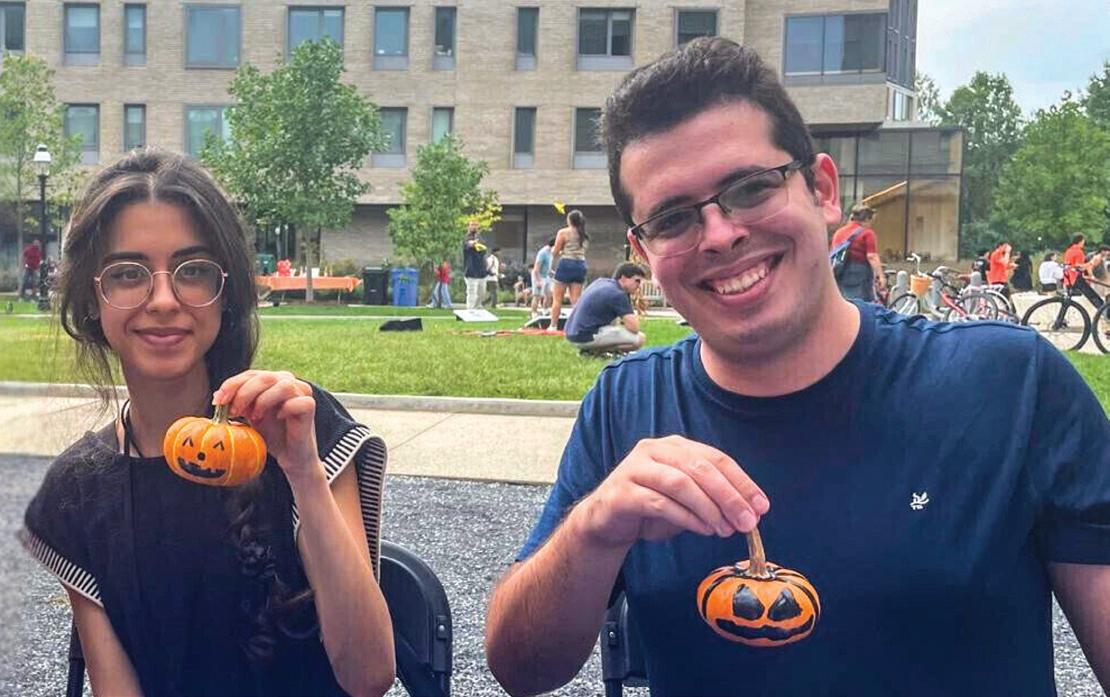
Victoria Cruz Cavalari was five or six years old when she received a microscope for her birthday. She could not imagine a better gift, even then. The instrument captured her attention for hours on end, sparking an early passion for research and aspirations to become a biomedical scientist or physician.
Fascinated by learning and the prospect of discovery, Cavalari earned an undergraduate degree in biomedicine. She quickly recognized, however, that she was far more comfortable in the lab than she was in the hospital, prompting her to pursue a master’s degree in biosciences and biotechnology and a postgraduate specialization in neuroscience. Currently, she is working toward a Ph.D. in bioscience and biotechnology at Fiocruz while also teaching immunology, parasitology, and molecular biology at a local university.
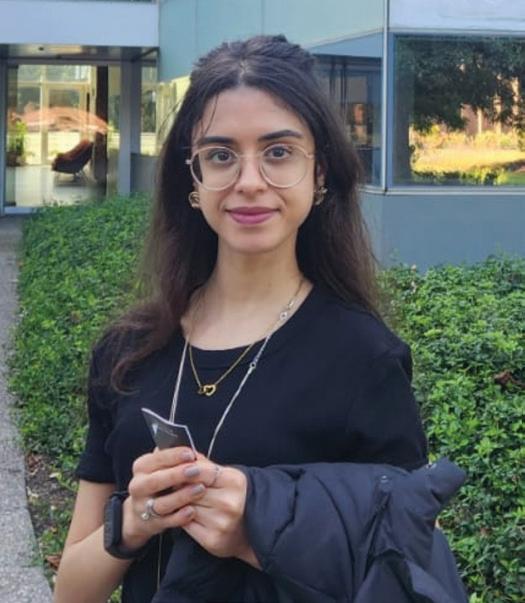
Cavalari’s doctoral research reflects her burgeoning interest in neuroscience. “I’ve always loved learning about the brain and the nervous system, even as a kid,” she noted. While the discipline is not a focus of her home institution, her academic advisor facilitated collaborative research with a psychiatric hospital and one of its physicians, through which she is exploring an association between neuropathogens and psychiatric disease. “We are seeing that some infections, like Covid, the Zika virus or the one I’m studying – toxoplasmosis – can impact the brain. For example, they can cause inflammation or trigger symptoms of mental disease,” she explained. Her project examines a potential link between toxoplasmosis and schizophrenia.
At Princeton, Cavalari conducted molecular biology research and audited courses on cellular and circuits neuroscience, and a graduate seminar course on current issues in neuroscience and behavior. Through these experiences she worked closely with faculty at the Princeton Neuroscience Institute, gaining valuable skills for her Ph.D. research, and discussed the possibility of future partnerships. She also affirmed her desire for a career in academia, where she can teach, inspire young scientists, and continue research in the fields of neuroscience and immunology.
Bernardo Mariz Felberg recalls a time when he viewed history through the pages of books, or as a giant collection of facts. But that was just the beginning. As he continued his academic journey – earning an undergraduate degree in history and a master’s degree in the history of sciences and health – he developed a broader, more nuanced perspective, one that is grounded by truths while considering contextual influences, global connections, critical analysis, and other pathways to a deeper, more comprehensive narrative.
Felberg came to Princeton as a third-year doctoral student at Fiocruz pursuing a Ph.D. in the history of sciences and health. His research investigates the rise of eugenics in the early 20th century, a scientific and sociopolitical movement that sought to steer human evolution through selective breeding. Particularly, he is comparing the eugenics movements in the United States and Brazil, focusing on their influence on immigration policies.
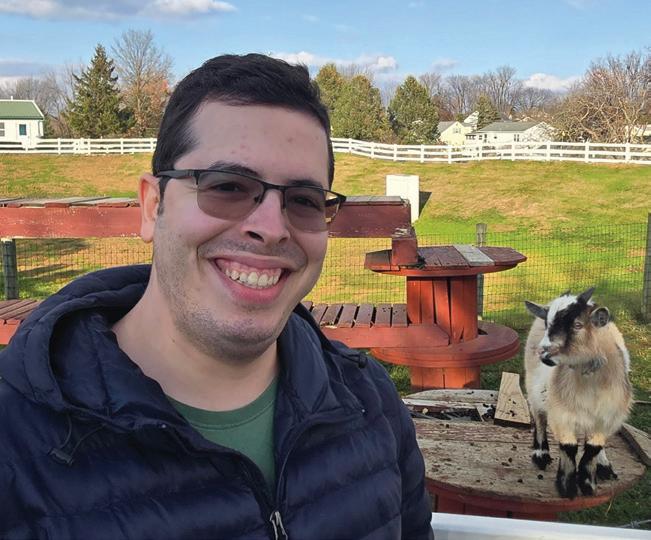
“I understand the responsibility of working on such a delicate topic, but what I’m studying is very important and resonates with me. Although I’m looking at issues and concerns from over 100 years ago, they are relevant today,” he said, noting how some of the same language and tactics have resurfaced in contemporary policymaking.
While on campus, Felberg audited two courses – The Study of Comparative Politics and History of Medicine: The Cultural Politics of Medicine, Disease and Health – and searched Princeton’s archives for information about the University’s chapter of the Immigration Restriction League, which was established in 1922 to support the parliamentary debates leading to the Johnson-Reed Immigration Restriction Act (1924). Now back in Brazil, Felberg will complete his Ph.D. and pursue a career as a postdoctoral researcher or college professor.
ACADEMIC PROGRAMS
MINOR IN GLOBAL HEALTH AND HEALTH POLICY
Faculty Directors: Heather Howard Professor of the Practice, School of Public and International Affairs (SPIA), and Director, State Health and Value Strategies (SHVS); and Alexander Ploss Harry C. Wiess Professor in the Life Sciences and Molecular Biology
The undergraduate minor in global health and health policy (GHP) addresses global health through an interdisciplinary lens. The program emphasizes determinants, consequences and patterns of disease across societies; the role of medical technologies and interventions in health improvements; and the economic, political and social factors shaping domestic and global public health.
Passionate students are attracted to GHP’s close-knit campus community where, blending coursework and hands-on experience, issues in global health policy are brought to life by renowned faculty. The program currently enrolls students from 19 diverse departments including Molecular Biology, Anthropology, Ecology & Evolutionary Biology, the School of Public and International Affairs (SPIA), Neuroscience, History, Chemistry, and Economics, among others.
For the GHP minor, students must complete two core courses and four GHP approved health-related electives; conduct an approved fieldbased or lab-based research project during the summer between their junior and senior year; and write a senior thesis in their department of concentration addressing or relating to global health and health policy in an interdisciplinary manner.
2025 GHP Students by Major
(From Left) Faculty Directors Heather Howard and Alexander Ploss
GHP MINOR COURSE HIGHLIGHTS
All GHP students are required to take Critical Perspectives in Global Health Policy and Epidemiology. Students also choose four electives from a pre-approved list. Below is a sampling of the 92 elective courses offered by 31 departments and programs in 2025.
Ancient Greek and Roman Medicine
Anthropology of Mental Health
Biochemistry of Physiology and Disease
Biomedical Imaging
Biotech Innovation, Organization, and Entrepreneurship
Diseases in Children: Causes, Costs, and Choices
Economics of Food and Agriculture
Environmental Biotechnology
Global Air Pollution
Health Policy in Low- and Middle-Income Countries
Health Psychology
Health Reform in the US: The Affordable Care Act and Beyond
Historical Approaches to Science, Technology, and Medicine
Inequities in Health
Introduction to Water Pollution Technology
Language, Disability, and Science
The Literature of Gastronomy
Mathematical Modeling in Biology and Medicine
Medical Anthropology
Medicine and Society in China: Past and Present
Molecular Basis of Cancer
Pathogens, Pandemics, and Technologies
Physical Basis of Human Disease
Race and Medicine
Reading and Writing about Mental Illness
Reparative Aesthetics: Art, Medicine and the Colonial Plantation
Spanish for a Medical Caravan
Transforming Healthcare Through Innovation
Viruses: Strategy and Tactics
Water, Engineering, and Civilization
GHP STUDENT AWARDS AND ACCOMPLISHMENTS
Derek Edwards ’26 Neuroscience
In April 2025, Edwards’ research on assessing oligodendrocyte development and myelination in Down Syndrome was showcased at the Graduate Medical Sciences Symposium at the Boston University Chobanian & Avedisian School of Medicine.
Jamil Fayad ’26 Ecology & Evolutionary Biology
Fayad’s paper on the association between exposure to digital alcohol marketing and alcohol use was published in Lancet Public Health. The paper was based on a meta-analysis he conducted during his global health internship at Rutgers Cancer Institute of New Jersey.
Maya Joshi ’27 Anthropology
Joshi received an Eisner Prize Fellowship for intergenerational excellence. The fellowship provides financial resources and networking opportunities to individuals with new ideas and perspectives that will propel the field forward. Joshi was awarded a $10,000 stipend and an additional $40,000 to support an intergenerational project.
Ciara Loughran ’26 Molecular Biology
Loughran presented her thesis work on the mechanisms of gliding membrane development in bats at the annual meeting of the American Society for Cell Biology.
Anushri Mahabir ’27 Neuroscience
In October 2025, Mahabir presented at the Rutgers Cancer Institute - Ludwig Annual Cancer Research Symposium. Her poster was titled “Daily Concordance Between Self-Reported and SensorMeasured Sleep and Smoking Cessation Outcomes in a mHealth Study.”
Sebastian Mehrzad ’26 Neuroscience
Mehrzad co-authored two papers that were published in a special edition of Alzheimer’s & Dementia, the journal of the American Alzheimer’s Association. One paper addressed the classification of AD and bvFTD and the other compared clinical features of behavioral variant frontotemporal dementia and Alzheimer’s Disease.
BETH
N.
ROM-RYMER,
CLASS OF 1973, SENIOR THESIS PRIZE IN GLOBAL HEALTH AND HEALTH POLICY
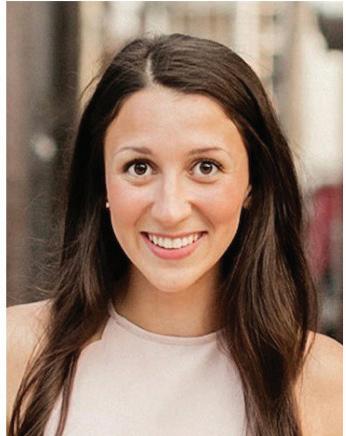
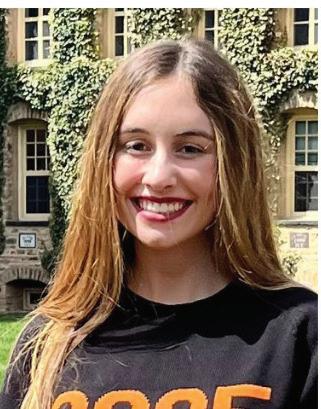
As a capstone experience, all GHP students complete a thesis or final paper centered on a global health theme. The Beth N. Rom-Rymer, Class of 1973, Senior Thesis Prize in Global Health and Health Policy is awarded in recognition of the most outstanding theses.
Three awardees were selected in 2025:
Josephine Klein ’25 History
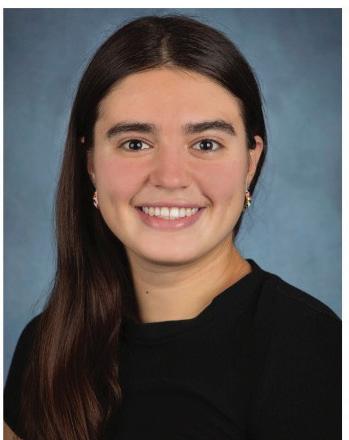
“ The Making of Modern Homelessness: Mental Illness, Public Health Failures, and the Prioritization of Optics in a City Overwhelmed (New York City 1978-1989)”
Catalina Posada ’25 Economics
“ The Economic Toll of Respiratory Infectious Diseases in Infants: Disruptions to Female Labor Supply and Mounting Healthcare Costs”
Felicia Sanders ’25 Molecular Biology
“Dissecting the Impact of a Maternal Helminth Infection on Offspring Antiviral Defense”
Four students received an honorable mention:
Adriana Alvarado ’25 Sociology
“Cultivating Farmworker Health: Investigating a New Era of the Medi-Cal Insurance Program among California Farmworkers”
Thia Bian ’25 Comparative Literature
“Ghosts and Other Fine Folk: Community, Illness, and Memory in China’s Great Famine”
Ayanava Ganguly ’25 Molecular Biology
“ Methylation Signals of Early Atherosclerosis in At-Risk Youth: A Multi-Omic Analysis of the Future of Families Cardiovascular Study”
Seth Kahn ’25 Public and International Affairs
“ Sanctuaries and Science: The Role of Religiosity in Shaping Responses to the COVID-19 Pandemic and Implications for Policymaking”
GHP STUDENT REPRESENTATIVES
GHP benefits greatly from the contributions of student representatives who offer program feedback, support recruitment efforts and social media outreach, and provide valuable perspective.
Student representatives in 2025 included Shria Ajay ’27, Meghana Bhupati ’26, Thia Bian ’25, Ayanava Ganguly ’25, Justin Kim ’27, Josephine Klein ’25, Sebastian Mehrzad ’26, Ashinedu Obi ’26, and Erin William ’27.

Scan to learn more about the global health and health policy minor.

HEALTH SCHOLARS PROGRAM
CHW’s Health Scholars, selected through a rigorous application process, receive two years of research mentorship, opportunities, and financial support. Health Scholars are advised by program faculty and researchers, and interact with distinguished speakers in intimate settings. The students receive financial support to pursue health-related internships or independent research the summer before their senior year. Finally, they are expected to write health policy-related senior theses.
The Class of 2027 joins CHW’s returning scholars from the Class of 2026: Maya Butani (molecular biology), Elliot Lee (operations research & financial engineering), Brian Mhando (ecology & evolutionary biology), Sarina Sheth (economics), Arec Keomurjian (anthropology), and Ruth Rocker (anthropology).
The six Class of 2027 Health Scholars, all of whom are minoring in global health and health policy, are:
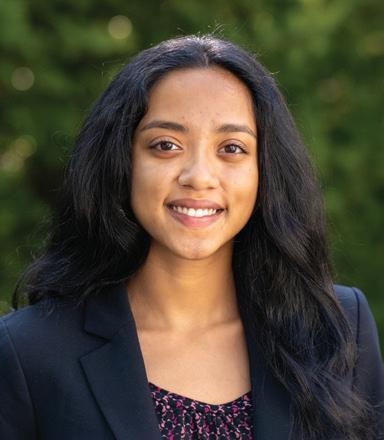
Shria Ajay, a molecular biology major, will examine how localand state-level antimicrobial resistance (AMR) policies and programs affect health care professionals’ attitudes toward antibiotic stewardship and AMR rates. She will investigate whether stricter policies instill a sense of inspiration to help fight AMR on the clinical level, the proportion of doctors who actively consider AMR in their practice, and how that consideration changes with different hospital policies.

Hilal Akman, a molecular biology major, will explore how the experiences, working conditions, and institutional contexts of health care providers – alongside the perspectives of administrators and policymakers – shape the quality of cervical cancer care in Ecuador. Her goal is to understand how policies and structures are understood and enacted by decision-makers, and how systemic constraints impact patient care.
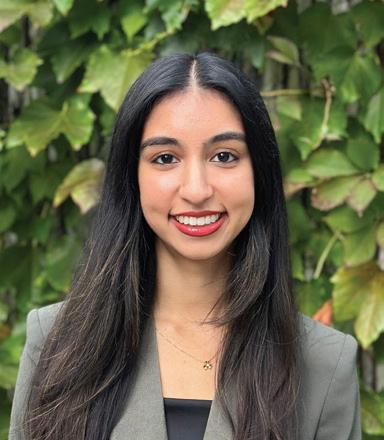
Riya Joshi, a classics major, plans to explore the public health need for childhood vaccination through a reproductive justice framework that recognizes every person’s right to raise children in safe and healthy communities. Her research will investigate how classical notions of child health and civic responsibility can inform modern vaccine communication strategies, with a focus on HPV and other preventive vaccines in communities where mistrust remains high.

Willem Maniago, a public and international affairs major, will study the health issues of asthma and nutrition in the Philippines. He seeks to understand barriers to care, perceptions of asthma and nutrition, and health determinants for Filipinos in rural and urban areas, as well as the lived experiences of community health workers. He hopes to draft a policy report that offers potential solutions for mitigating asthma and malnutrition and improving primary care delivery.

Oriana Parsa, a neuroscience major, will compare vaccine hesitancy in Spanish-speaking immigrant communities in Los Angeles and New York. This research would include talking to health care professionals, teachers, young people and their parents to understand different perspectives. She hopes to develop a practical manual and module for health professionals on how best to navigate vaccination discussions with members of this population.
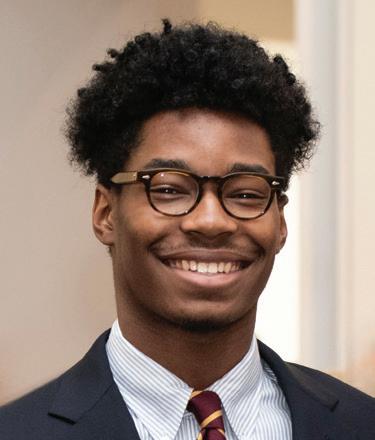
Anthony Rice, a neuroscience major, will study structural barriers to opioid addiction treatment among Philadelphia’s unhoused population, which faces disproportionately higher overdose and mortality risks. He will examine how race and socioeconomic status impact treatment experiences and outcomes, with the hope that this research can inform policies that address the biomedical and social dimensions of addiction and ultimately advance health equity.
GHP ALUMNI REFLECTIONS
Ellie DeGarmo ’17 was preparing for the pre-med track at Princeton when a summer internship at The Johns Hopkins Hospital in Baltimore, Maryland thrust her in a new direction. “I was working in this state-of-theart medical center with the most up-to-date technology and the best minds in the world, yet it was surrounded by abject poverty,” she said. “I was confused by the juxtaposition, and I found myself more interested in addressing that disparity than becoming a doctor.”
With that realization, DeGarmo promptly shifted to a public health path, leading her to the Princeton School of Public and International Affairs and the Center for Health and Wellbeing’s Global Health Program (GHP).
GHP exposed DeGarmo to economics, history, policy, and other intersecting disciplines that continued to expand her point of view. An outstanding student, she was selected by GHP as a U.S. Health Policy Scholar as a junior and received funding to research how the Affordable Care Act impacted access to HIV/AIDS care in Boston and San Francisco. Work on this research project continued throughout her senior year, becoming the subject of her senior thesis.
“I didn’t realize it at the time, but these experiences were subconsciously weaving the fabric for me, helping me realize that I might be interested in something beyond a public health career,” noted DeGarmo.
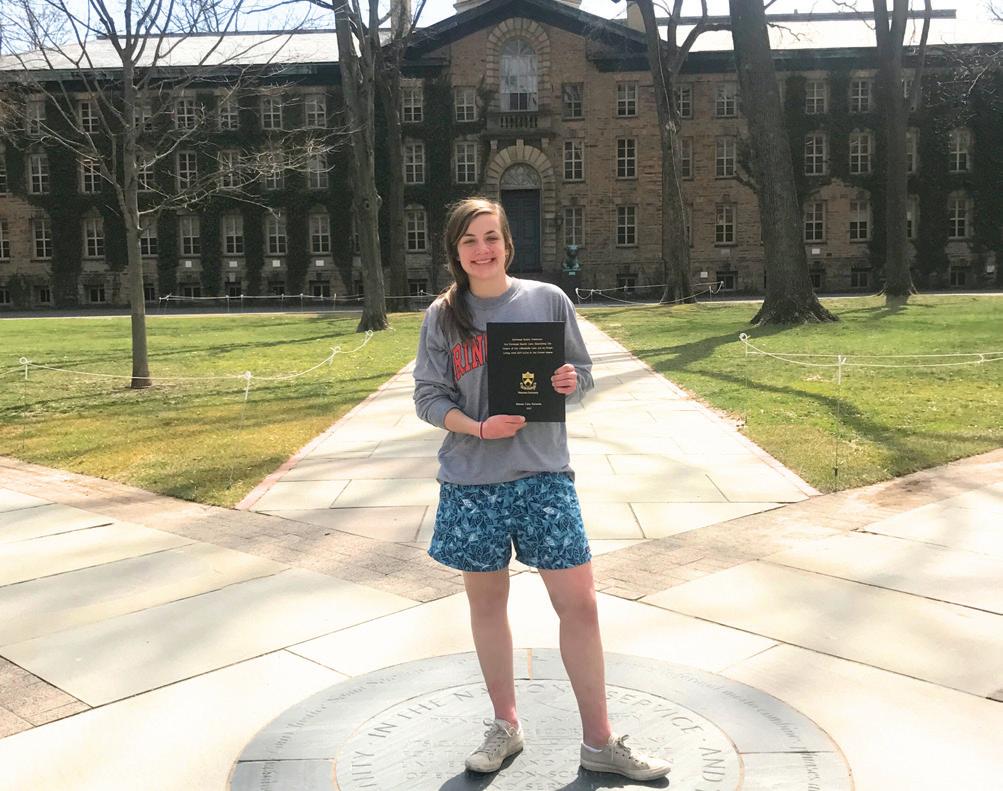
moment for me,” said DeGarmo. “I was still interested in public health, but I also wanted the legal skills to effectuate change more directly.”
DeGarmo subsequently enrolled in a joint degree program for a Master of Public Health from Johns Hopkins Bloomberg School of Public Health and a Juris Doctor from Georgetown University Law Center. While in graduate school, DeGarmo had internships with the Maryland Office of the Public Defender, the U.S. Department of Health and Human Services, the U.S. Senate Finance Committee Health Team, and the O’Neill Institute for National & Global Health Law. After graduating and taking the D.C. Bar exam, she served as a pro bono fellow at the American Civil Liberties Union of D.C.
I’m
still not sure where my career will ultimately lead, but this gets me closer to my goal of making health care more equitable, accessible, and affordable for everyone.
After graduating from Princeton, DeGarmo worked at the New York Academy of Medicine (NYAM) as a Project 55 fellow. At NYAM, she engaged in public health research and evaluation while learning more about social determinants of health and barriers to care. Notably, she worked on a resource guide for physicians caring for patients with housing insecurity. “In the guide, we included many legal service providers that were doing important, tangible work, and this was another light bulb
In 2024, DeGarmo joined Sidley Austin LLP as an associate attorney in the law firm’s Washington, D.C. office. There, she focused on regulatory and transactional work for the firm’s health care group while also maintaining a robust pro bono practice to support indigent clients and non-profit organizations. She earned two pro bono awards during her time with Sidley: the KIND (Kids in Need of Defense) 2025 “Pro Bono Team of the Year” in recognition of her work on an affirmative asylum case; and was named by the Bar Association of D.C. as a 2025 “Young Lawyer of the Year.”
Representing another pivot in her career, DeGarmo recently returned to the O’Neill Institute as a senior associate in its Center for Health Policy and the Law. “I am excited to get back into the conversation about what’s happening in the world and to effectuate positive change in domestic health policy and law,” she said. “I’m still not sure where my career will ultimately lead, but this gets me closer to my goal of making health care more equitable, accessible, and affordable for everyone.”
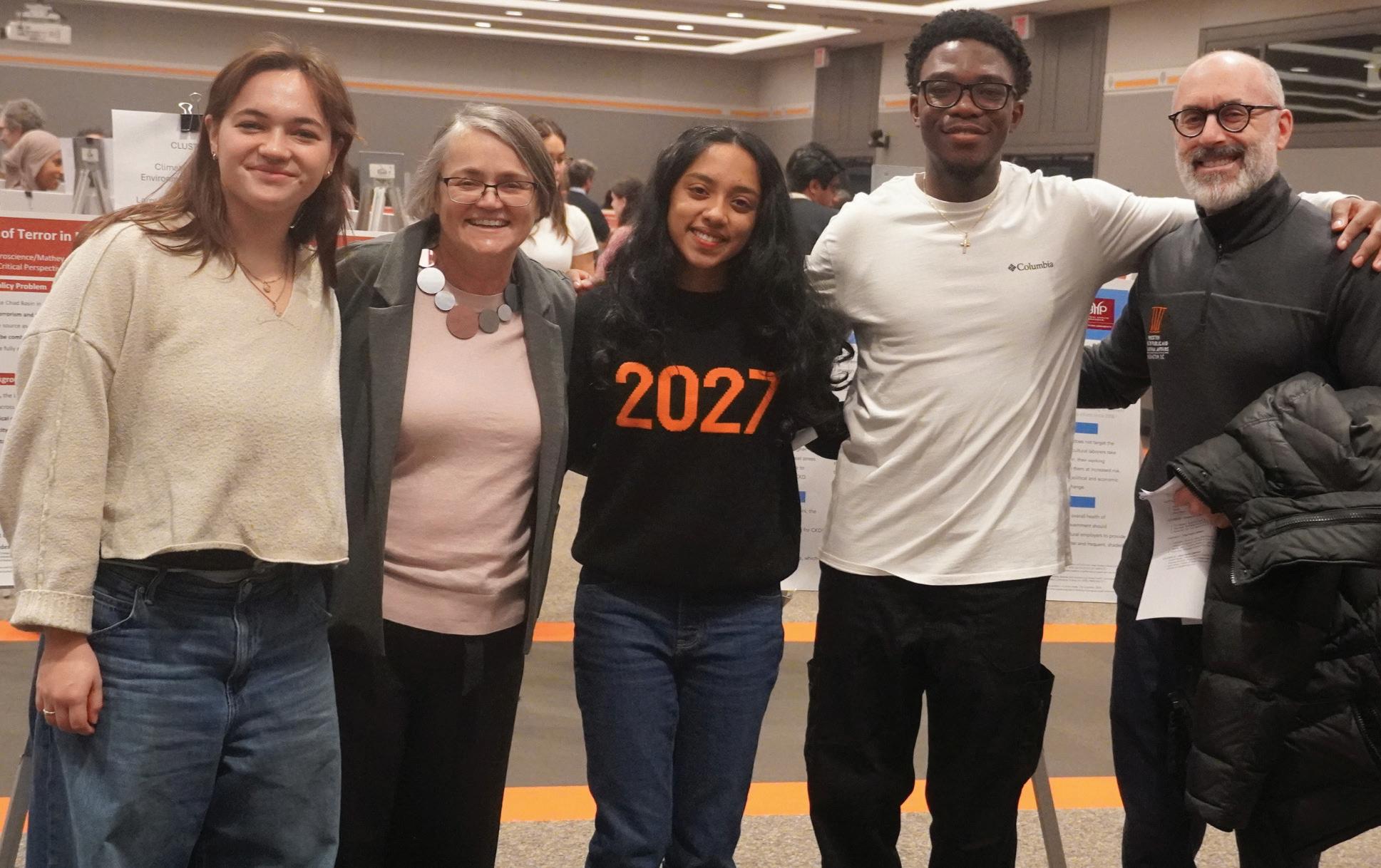
STUDENTS PRESENT HEALTH-FOCUSED RESEARCH
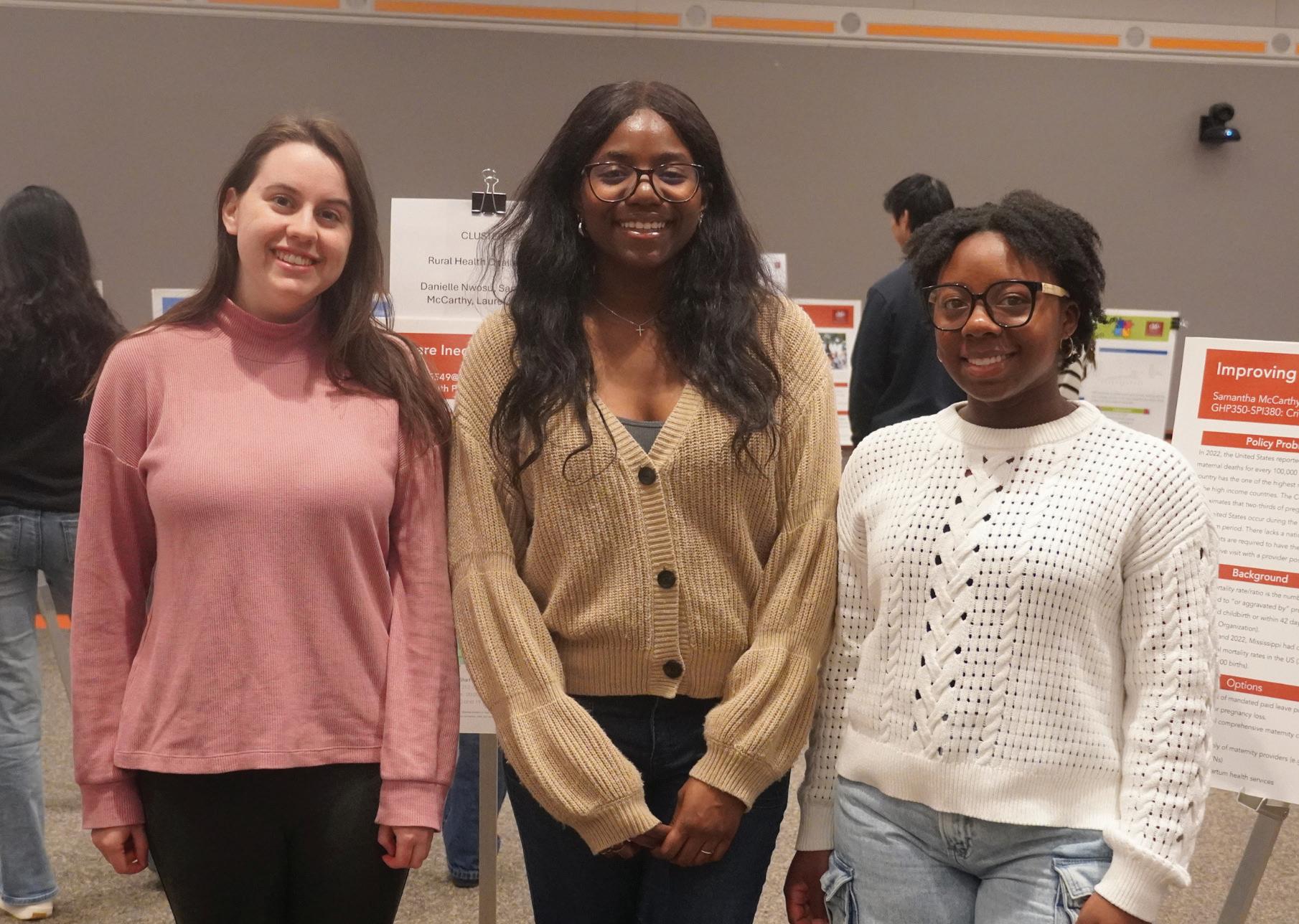
GHP Poster Session
Students enrolled in the “GHP 350: Critical Perspectives in Global Health Policy” course presented their health-focused research at a Poster Session hosted by the Global Health Program on December 3, 2025. University faculty, staff, visiting scholars, and peers stopped by the Frist Campus Center to view the posters summarizing research related to the students’ final project – a policy recommendation memo on a health-related matter. Students had the opportunity to present their work and answer questions from those who attended.
GHP 350 is one of two core courses for the GHP minor. In this course, students gain tools to critically analyze the key theories and interdisciplinary frameworks underpinning the expanding field of global health policy.
Conference Presentation
The Center for Health and Wellbeing sponsors opportunities for students to present their work at various conferences and events. In 2025, Mariam Elawady ’26 , an ecology and evolutionary major, received funding to present her senior thesis research at the Annual Biomedical Research Conference for Minoritized Scientists. Her poster focused on how host history shapes phage efficacy against drug resistant pathogens. She also had the opportunity to speak with members of the American Society for Microbiology’s leadership, graduate school representatives, and other attendees.
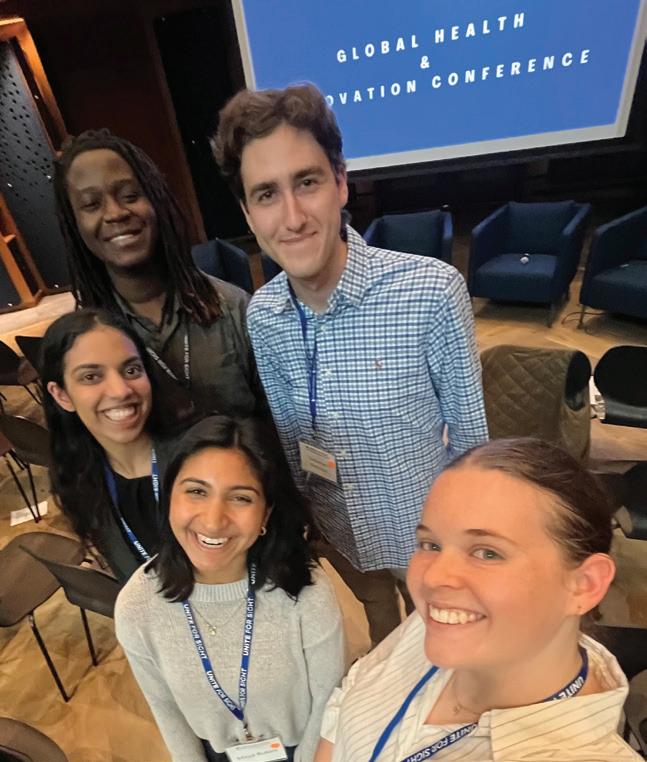
Students Attend Global Health and Innovation Conference
The Center for Health and Wellbeing, in collaboration with NJ ACTS, sponsored 11 undergraduate and graduate students to attend the 2025 Global Health & Innovation Conference. Held in North Haven, Connecticut on April 26-27, the conference convened leaders, changemakers, professionals and students from all sectors of global health, international development, and social entrepreneurship. The event included keynote conversations, plenary panel conversations, and interactive workshops on a wide range of global health topics.
Participating students included: Rahmat Ali, MPA ’25, Shamik Bhat, MPA ’26, Meghana Bhupati ’26, Maya Butani ’26, Tanat Chinbunchorn, MPA ’25, Valerie Doze, MPA ’26, Derek Hoot, MPA ’26, Sebastian Mehrzad ’26, Brian Mhando ’26, Emilia Pickerill ’25, and Alexandra Sastrawati, Ph.D. candidate.
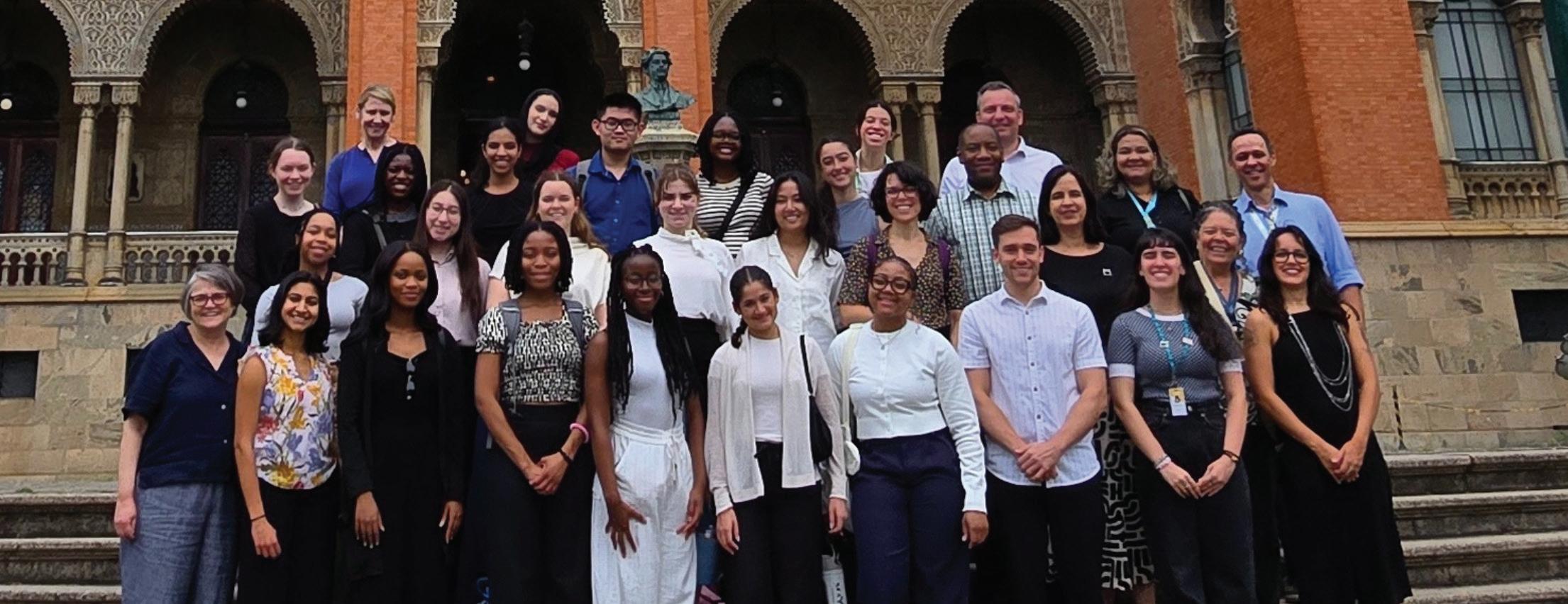
BRAZIL TRIP ENRICHES GLOBAL HEALTH STUDIES
A cohort of 19 Princeton undergraduate students traveled to Brazil over the 2025 winter break to enrich their global health studies. Organized by CHW with support from the School of Public and International Affairs, the trip offered a compelling, firsthand view of the health challenges faced by communities in the Global South.
The students, all minoring in global health and health policy, were led by Global Health Program faculty and staff, along with an anthropology graduate student facilitator, as they toured health-focused sites across Brazil. The Oswaldo Cruz Foundation (Fiocruz), a worldrenowned public health research institution and CHW research partner, hosted the intensive visit that included clinical and research facilities, government entities, and community organizations in various settings.
“Students in the Global Health Program learn a lot about the politics, economics, anthropology, and science of health in class. This experience allowed them to see and understand how those lessons play out in real-world contexts,” said Gilbert Collins, CHW executive director and director of global health programs. “It was designed to boost their awareness of health systems and inequities while bringing health policy issues to life.”
The 11-day itinerary began in Rio at the Fiocruz headquarters and Sistema Único de Saúde, the country’s universal health system. The group also visited the Center of Vaccination and Surveillance, City Hall, a vaccination clinic, an environmental health research center, and a residential treatment center for individuals with substance abuse disorder.
After examining health in an urban context, the students traveled to Macapá, an isolated city along the Amazon Delta. Here they shifted their focus to vector-borne diseases and the concept of One Health, visiting a teaching hospital to learn about malaria prevention and treatment efforts and a biopark to explore the ecology of the Amazon basin. Additionally, the cohort visited a secluded village in the Amazon rainforest, which is plagued by extreme health challenges related to infrastructure, transportation, resources, and little access to advanced medical care.
“This trip clarified my perspective on global health and my future within it,” stated Maya Butani ’26, a molecular biology major. “I have always been interested in using research and innovation to combat health challenges faced in resourcepoor settings. The experience allowed me to conceptualize how illnesses are exacerbated by external conditions.”
“The trip was transformative,” added anthropology major Octavia Jones ’26. “It challenged me to reconsider what health care could and should look like in other parts of the world.”
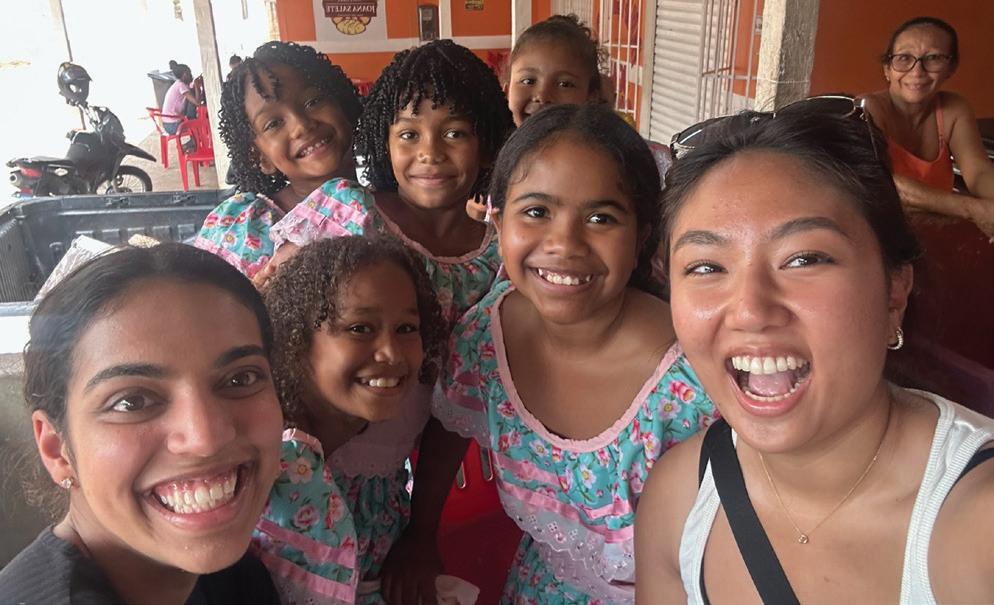
Meghana Bhupati ‘26 (far left) and Nina Su ‘26 (far right) with Brazilian children who danced and provided a cultural presentation for the Princeton cohort
Princeton students, staff, and faculty at Fiocruz headquarters in Rio de Janeiro
HEALTH & HEALTH POLICY CERTIFICATE
Program Director: Elizabeth Armstrong Associate Professor of Sociology and Public Affairs
Since 2003, CHW’s health and health policy (HHP) certificate program has prepared graduate students for health-related careers in both the public and not-for-profit sectors. The program was developed as part of Princeton’s ongoing commitment to teaching and researching health and health policy. HHP leverages the best of what CHW and Princeton have to offer: world-class global and domestic health coursework; partnerships with faculty and thought leaders who are redefining the field; graduate research support; and connection to, and support of, a vibrant, multidisciplinary community through collaboration, conferences and events.
While most students who join the HHP program are MPA and MPP candidates from the School of Public and International Affairs, the certificate is open to all graduatelevel students at Princeton. Future and current medical professionals who have completed the certificate cite the value of examining the drivers of health disparities not taught in medical school. Other alumni, such as Ph.D. scientists, say the program lends richness to their studies.
HHP COURSE SPOTLIGHTS
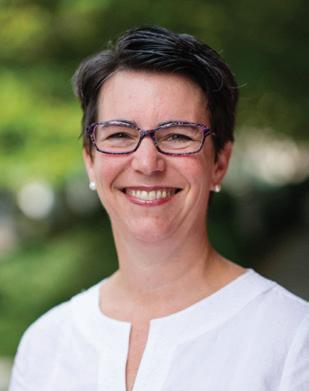
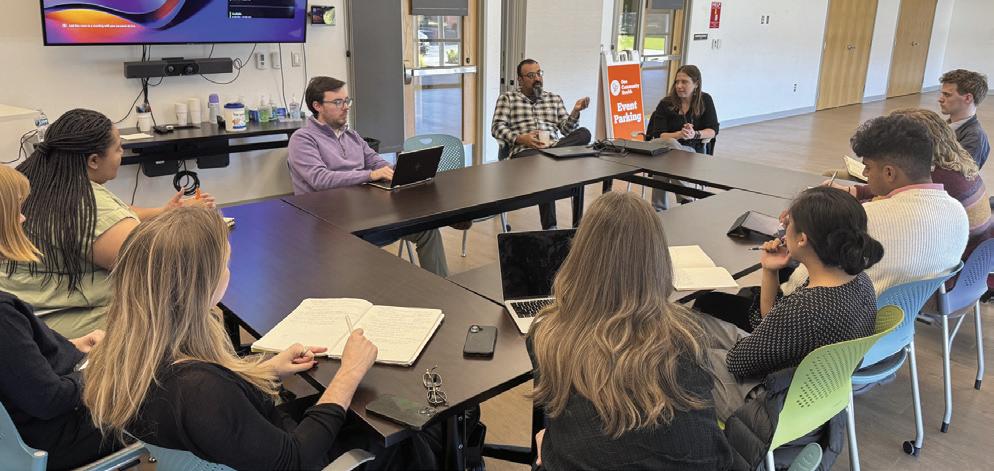
The HHP curriculum is designed to offer insight into the contexts that create health disparities while exposing graduate students to an interdisciplinary approach by which these issues can be addressed. All HHP students take two core courses: Epidemiology, and Public Policy Approaches to Health and Health Care. Certificate candidates also choose from a curated array of approved health-related electives, such as Challenges in State and Local Health Policy; Social Determinants of Health; Reproductive Justice and Public Policy; and Climate and Health: Risks and Opportunities.
Spotlight: Policy Workshop
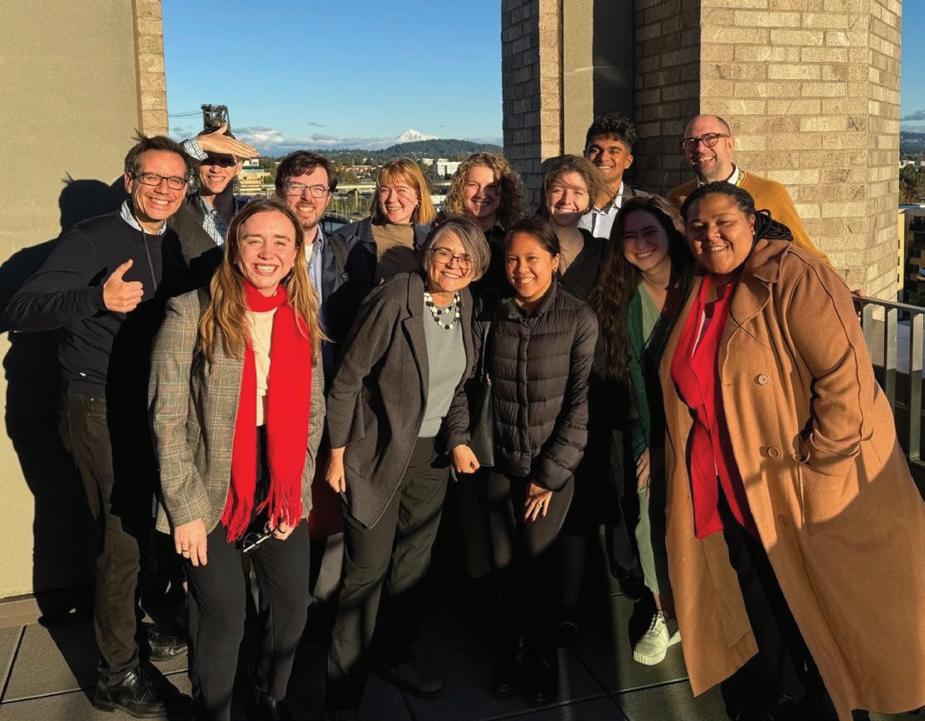
Professor Heather Howard offers a yearly graduate policy workshop, a popular selection among HHP students. Participants are tasked with solving real-life policy, operational, and political challenges in implementing the coverage expansions, delivery system reforms, and other innovations resulting from the Affordable Care Act.
A core focus of this workshop is the role states play in the management of their health care systems after the passage of H.R.1. In 2025, Howard accompanied her students to Oregon, where they were charged with providing policy recommendations to the Oregon Health Authority as they implement new, federally-mandated Medicaid work requirements reporting.
HHP students discuss policy recommendations at a community health center in Oregon.
Spotlight: Public Policy Approaches to Health and Health Care
In 2025, the Public Policy Approaches to Health and Health Care course was taught by Professor Soumitra Bhuyan. The course examines how public policy can influence health outcomes and the organization and performance of health care delivery systems. While the focus is on U.S. health policy, evidence from other countries is frequently discussed to provide a broader international context.
A central component of the course is an applied policy brief. Students synthesize existing research in a non-polemical, decision-oriented format and evaluate at least two current policy proposals using defined criteria. They are also encouraged to translate policy analysis for broader audiences. As an example, MPA student Shamik Bhat wrote an op-ed, “Congress must extend the ACA subsidies—or expect a crisis in NJ,” which was published in The Star-Ledger.
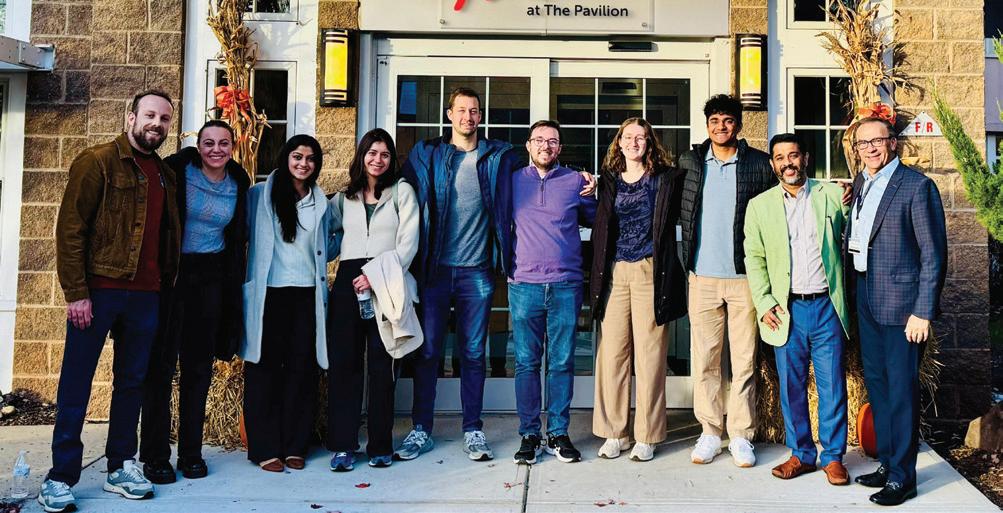
Guest speakers and practitioner engagement provide additional exposure to policy and leadership perspectives. Guest speakers in 2025 included:
Cathy Bennett , President and CEO, New Jersey Hospital Association; former New Jersey Health Commissioner
Dr. Jay Bhatt , Managing Director, Deloitte Center for Health Solutions and the Deloitte Health Institute
Dominik Doemer, Director of Communications, Scholars Strategy Network
Zoe Lindenfeld, Health Policy and Services Researcher
Roberto Muñiz, President and CEO, Parker Health Group
Gary Branning, President, Managed Market Resources
The combination of topics, perspectives, and exposure to issues facing health systems builds a solid base from which HHP students can further their careers.
DISEASE GROUP
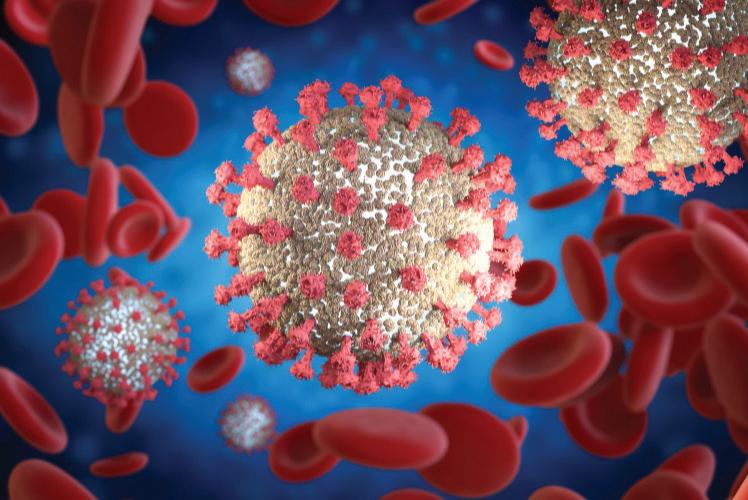
A multi-disciplinary Disease Group invites Princeton students, postdoctoral scholars, faculty, and visiting scholars to discuss the ecology and evolution of infectious disease and their public health consequences. Biweekly meetings feature updates on current infectious disease issues, problem-solving, and research presentations. For example, in 2025, one meeting featured a group discussion led by Professor and CHW affiliate Bryan Grenfell on the strengths and limitations of using artificial intelligence in research and teaching. Another session was led by visiting scholar Oliver G. Spacey from the University of Oxford, who presented on transmission heterogeneity through the lens of cholera dynamics.
The Disease Group also hosted Postdoctoral Research Associate Oriane Ploquin, who presented her work on the interconnectivity of wildlife conservation, animal health, and human practices in sub-Saharan protected areas, as well as Benjamin Muhoya from the Ayroles Lab, who shared his research on how a nomadic desert lifestyle among the Turkana of Northern Kenya has shaped lipid metabolism.
The group receives funding from the Center for Health and Wellbeing and is coordinated by graduate students concentrating in Ecology & Evolutionary Biology.
The Fall 2025 class visited Parker Health Group, where students had the opportunity to connect policy discussions to real-world practice.

CONFERENCE PRESENTATION
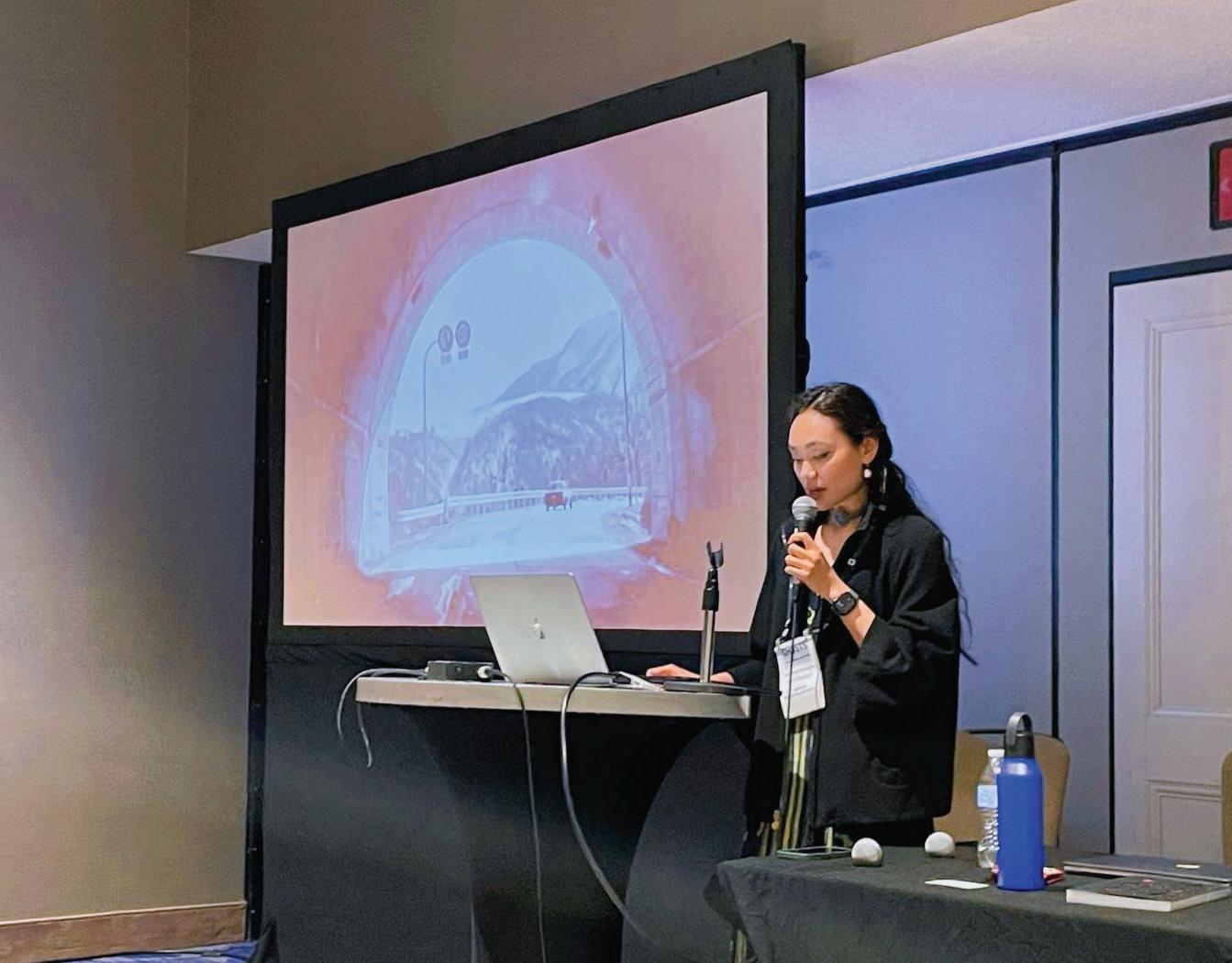
Alexandra Sastrawati, a doctoral candidate in medical anthropology, received CHW funding to present original research at the 2025 American Anthropological Association Annual Meeting in New Orleans. The conference invited participants to examine the ways that the past haunts the present, and that the immaterial becomes tangible to inflect the everyday.
In November, she delivered two presentations to advance her wider interdisciplinary work on health, arts, and human flourishing. The talks— Between the Studium and Punctum: Visual Witnessing and the Ethics of Absence and Edgework Aesthetics: Art, Memory, and Survival in Singapore —develop conceptual frameworks for understanding how vulnerable communities cultivate wellbeing under structural constraint, and how ethnographic methods can attend ethically to the fragile and the unseen.
HHP Student Representative
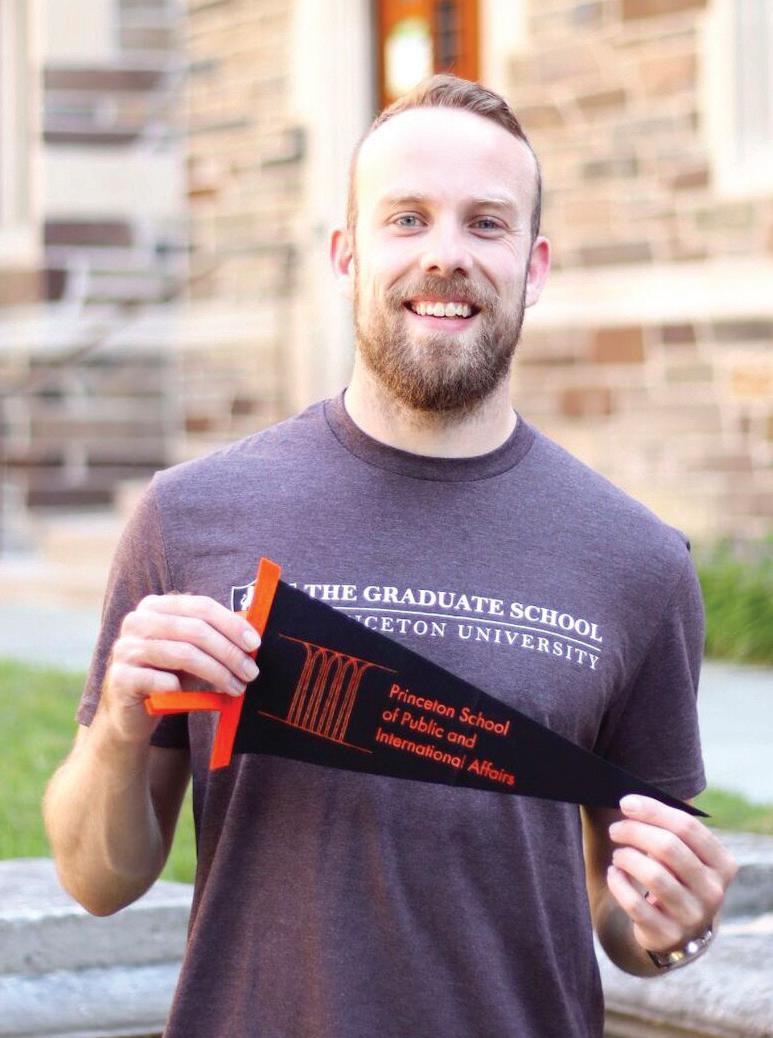
Derek Hoot MPA ’26 served as the 2025 HHP Student Representative. In that role, he supported the graduate certificate program by providing feedback on course offerings, recruiting students, proposing and organizing events, and representing the program to stakeholders.
Scan to learn more about the health and health policy certificate program.
HHP STUDENT REFLECTIONS
Derek Hoot MPA ’26 grew up playing basketball, like millions of youngsters across America. He was driven, passionate, and advantageously tall, yet his experience was different from most young athletes because he played with a prosthetic leg. A step behind the other kids, the Wisconsin native was sidelined from competitive teams until he was introduced to wheelchair basketball, which was a game-changer. The sport redefined his understanding of disability and adaptability and sparked an interest in global health policy.
“My right leg was amputated when I was six years old, but I didn’t discover the disability community until I was about 13,” he said. “Wheelchair basketball opened my world and unlocked a lot of opportunities.”
Although he had never used a wheelchair, Hoot mastered the game swiftly and was recruited to play for University of Illinois Urbana-Champaign, a pioneer in adaptive athletics. Working hard on and off the courts, he majored in political science, interned at a state legislator’s office, and studied abroad in Morrocco. “This was my first runin with health policy. I also started to see disability and accessibility through an international development lens,” he said, highlighting a project in which he examined educational and employment barriers encountered by individuals with disabilities in northern Africa.
Following graduation and a season of professional wheelchair basketball in Germany, Hoot spent three years as a health care consultant specializing in software implementation, finance, and administration. He

subsequently moved to Virginia and started working for Sportable, an organization that provides opportunities for athletes with disabilities, and the International Committee of the Red Cross, where he supported wheelchair basketball programs in Syria, Libya, and other conflict-affected regions.
“Working in a global context helped me see some of the challenges faced by developing teams and merged these worlds of international development, adaptive sports, and global health,” Hoot said. “I realized that if I wanted to pivot into these fields, I should learn more and meet people who are actually doing the work.”
That ambition led Hoot to the Princeton School of Public and International Affairs, where he is pursuing a Master in Public Affairs and a certificate in health and health policy (HHP). A champion for the program, Hoot serves as HHP student representative, organized a global health colloquium on adaptive sports, and participated in the Unite for Sight Global Health & Innovation Conference in New Haven, Connecticut. He also traveled to Brazil for a health policy seminar, engaging with government officials, researchers, non-governmental organizations (NGOs), and think tanks to study the country’s approach to HIV/AIDS policy.
Last summer, Hoot completed an internship at the intersection of national security and global health engagement and met with policymakers on Capitol Hill to advocate for legislation funding for health-focused initiatives. He is currently a social impact fellow with XPRIZE Healthspan, conducting policy research on regulatory barriers for age-related therapeutics, while earning his graduate degree.
“HHP is a unique program. We look at health care from a policy, economic, and social lens, which is different from other schools and really valuable,” remarked Hoot. “The coursework, research, and fellowship opportunities are broad in scope. If you want to choose your own adventure, Princeton is the place to do it.”
As he prepares for the next step in his career, Hoot is focused on health diplomacy, international development, and making the world more accessible to people with disabilities. “My Princeton education has blown open multiple doors,” he added. “I just need to decide which ones fit my values and priorities best and where I can make the greatest impact.”
HHP ALUMNI REFLECTIONS
Born and raised in Latin America, Mariandrea Chamorro MPA ’10 saw firsthand how poverty, malnutrition, fragile health systems, political turmoil, and other circumstances influence health outcomes and equity. Those early experiences, combined with strong family values, became a guiding light in her life and in her career, propelling her from the streets of Nicaragua to a senior international development executive at the top of her field. Today, as vice president of foreign assistance for Abt Global, Chamorro manages a $300 million portfolio of projects aimed at improving global health and the economic wellbeing of vulnerable populations across the world.
“I don’t think I’d be doing international development had it not been for my upbringing and having lived and seen so many of the problems that affect developing countries,” she said. “My Nicaraguan roots grounded me and shaped who I am as a human being.” They also instilled a deep sense of empathy and purpose – fostering an unwavering commitment to service and to alleviating the burdens of poverty in her home country and other under-resourced communities.
Chamorro’s interest in health began in high school, volunteering for Operation Smile, a global non-profit organization that provides life-saving surgery and care for cleft lip and palate. “I was so touched by how a small operation could vastly change a child’s life. That really stuck with me,” she said, “and gave me something to be passionate about.”
After earning dual bachelor’s degrees in foreign affairs and Latin American studies from the University of Virginia, Chamorro joined Chemonics International, where she worked with the firm’s Latin America and Caribbean Division and its international health division on USAIDfunded economic growth projects in Peru, Bolivia, and health programs in Mozambique and Angola. The opportunity opened her world and inspired her to pursue a Master in Public Affairs and a certificate in health and health policy (HHP) at the Princeton School of Public and International Affairs.
At Princeton, Chamorro bolstered her understanding of health systems in a development context. She valued the University’s academic rigor, the opportunity to interact with renowned faculty, and the HHP coursework providing insight into global health problems like
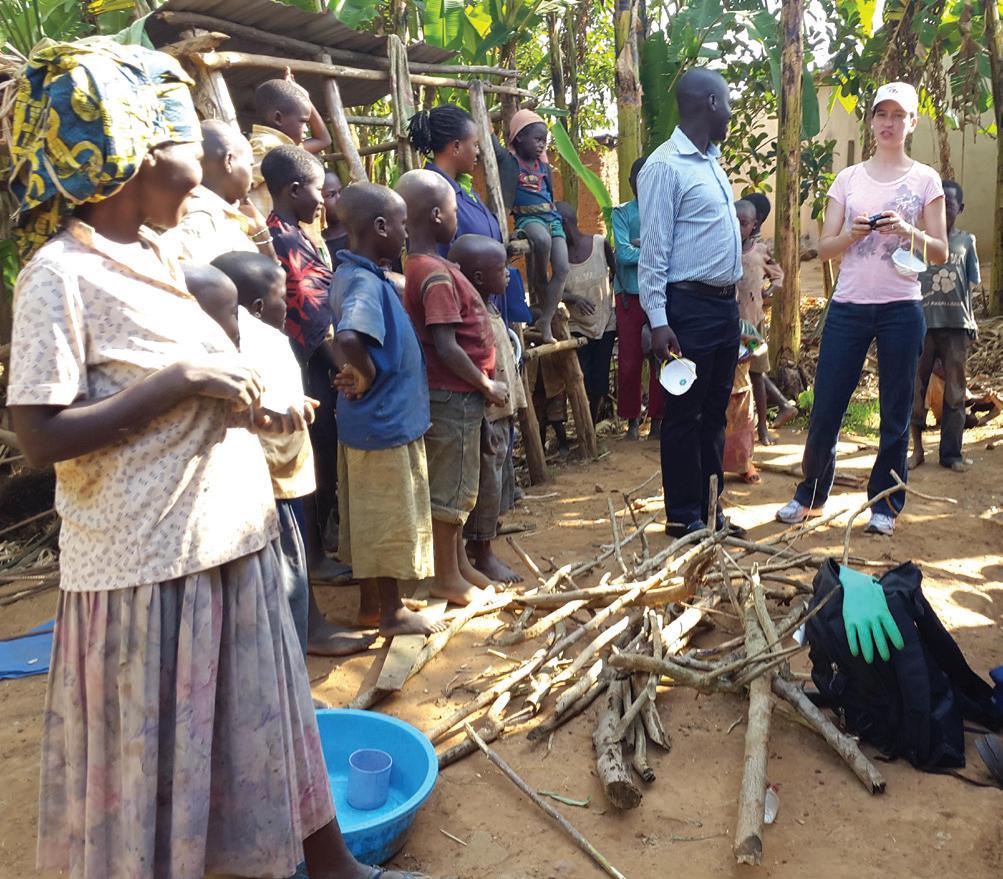
infectious diseases, which became a focus of her career.
“Much like Operation Smile, I was amazed by how a single, inexpensive intervention – like a mosquito net – could have such a huge impact,” she said. “Of all the animals in the world, a tiny mosquito is the biggest killer because it transmits malaria. Millions of people die from the disease, despite the fact that it is so preventable.”
Equipped with an MPA and new aspirations, Chamorro briefly worked for the U.S. government’s Millennium Challenge Corporation on Cape Verde and Mozambique compacts before starting her journey with Abt Global, where she leads complex, mission-oriented global health and economic development programs. Over the past 15 years, Chamorro has steadily climbed the ranks with various roles, managing projects in more than 50 countries and addressing such issues as vector-borne disease prevention, maternal and child health, food insecurity, climate and clean energy, and health system strengthening.
“Princeton provided a great foundation for my success, giving me the knowledge and experiences to carve my own path,” she noted.
Amid unprecedented challenges in the field of international development, Chamorro remains grateful, inspired, and determined to continue her important work. “I don’t think there is any other career that could be as gratifying, where you help so many people, usually the most vulnerable and marginalized people,” she added. “That’s what gets me excited in the morning. The programs we deliver are having real-world impact… changing people’s health, their education, their entire lives; it just can’t get any better than that.”
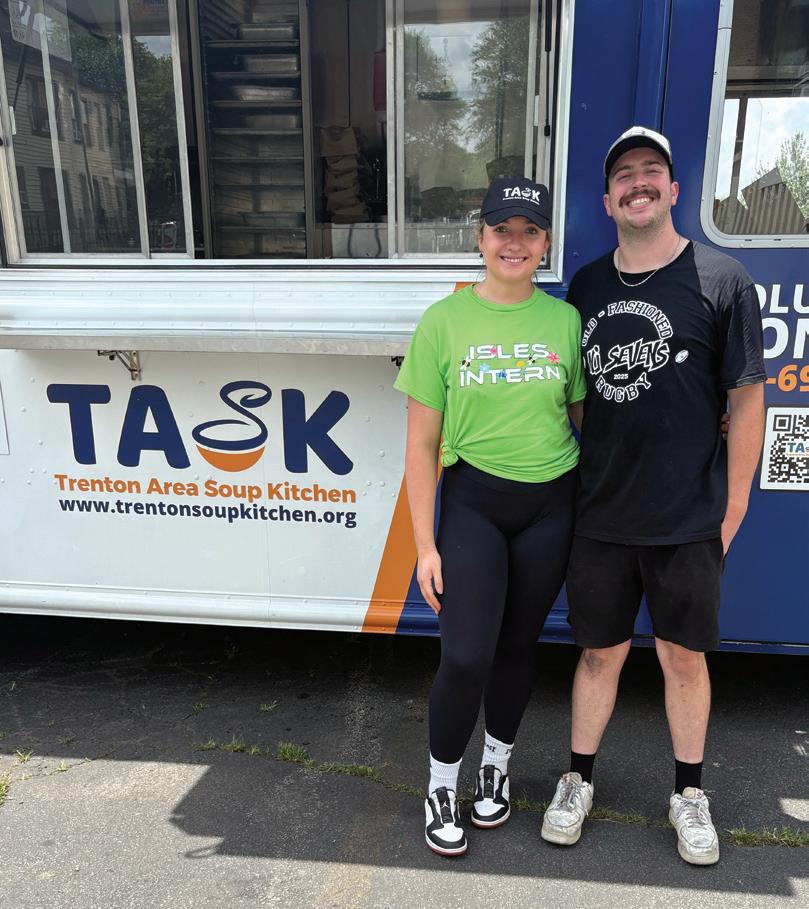
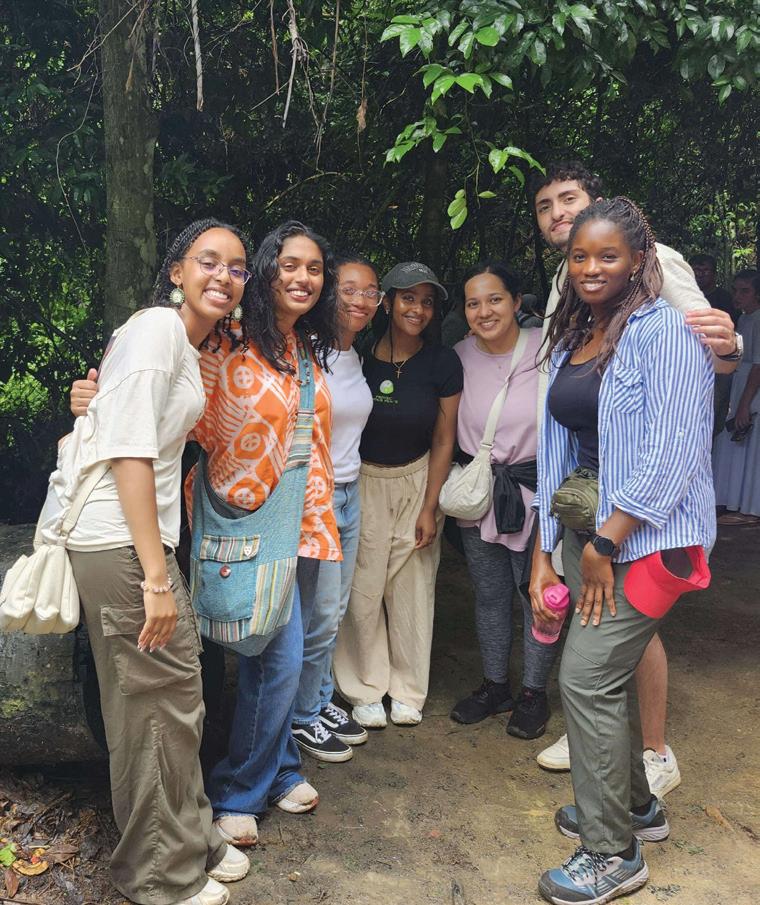
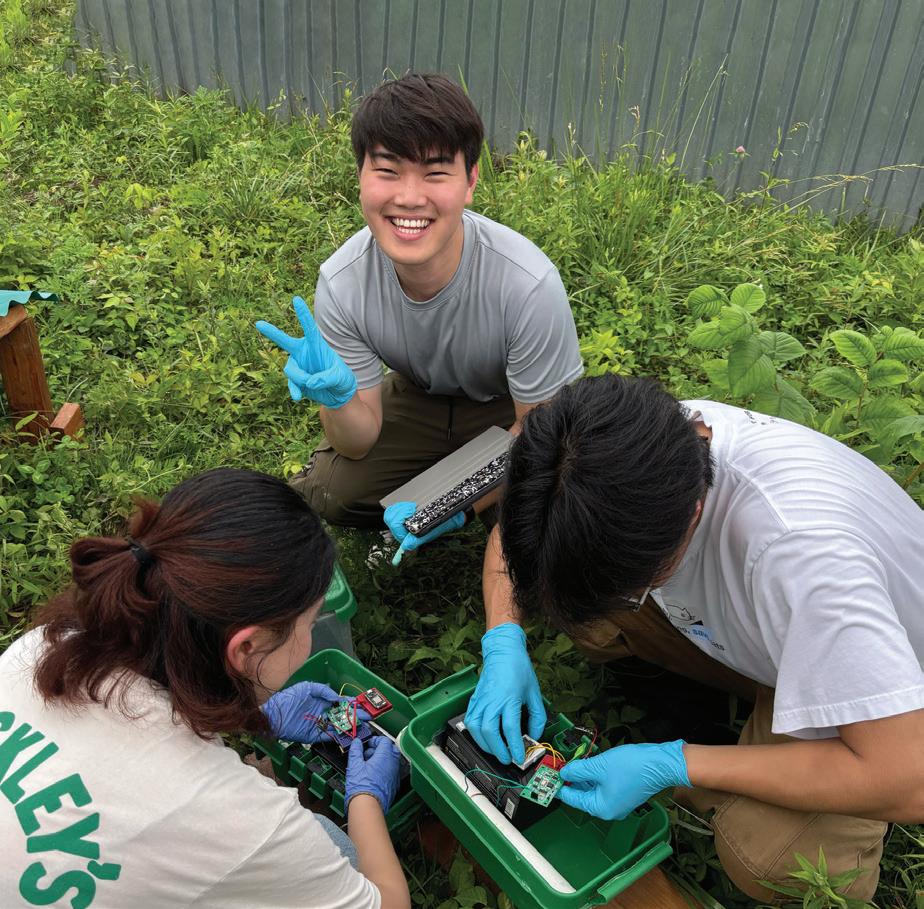
INTERNSHIP PROGRAMS
United
Jonathan Lee ‘26 tags mice in a rewilding enclosure at Stony Ford Research Station in Princeton.
Ruby Elewonu ‘28 (third from left) conducts independent research with Child Health Family International in Ghana.
Amelia Clarke ‘26 (left) supports outreach efforts while interning with the Trenton Community Street Team in New Jersey.
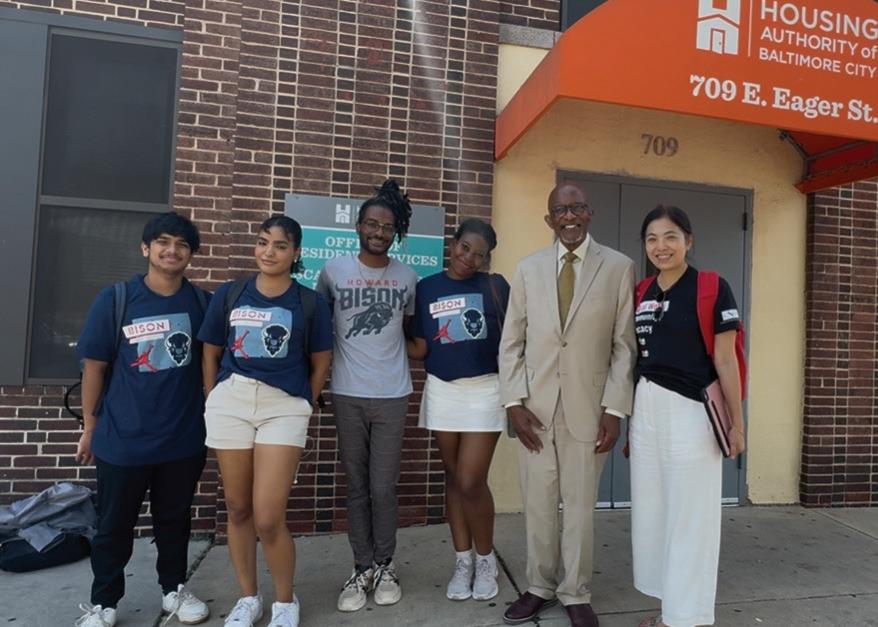
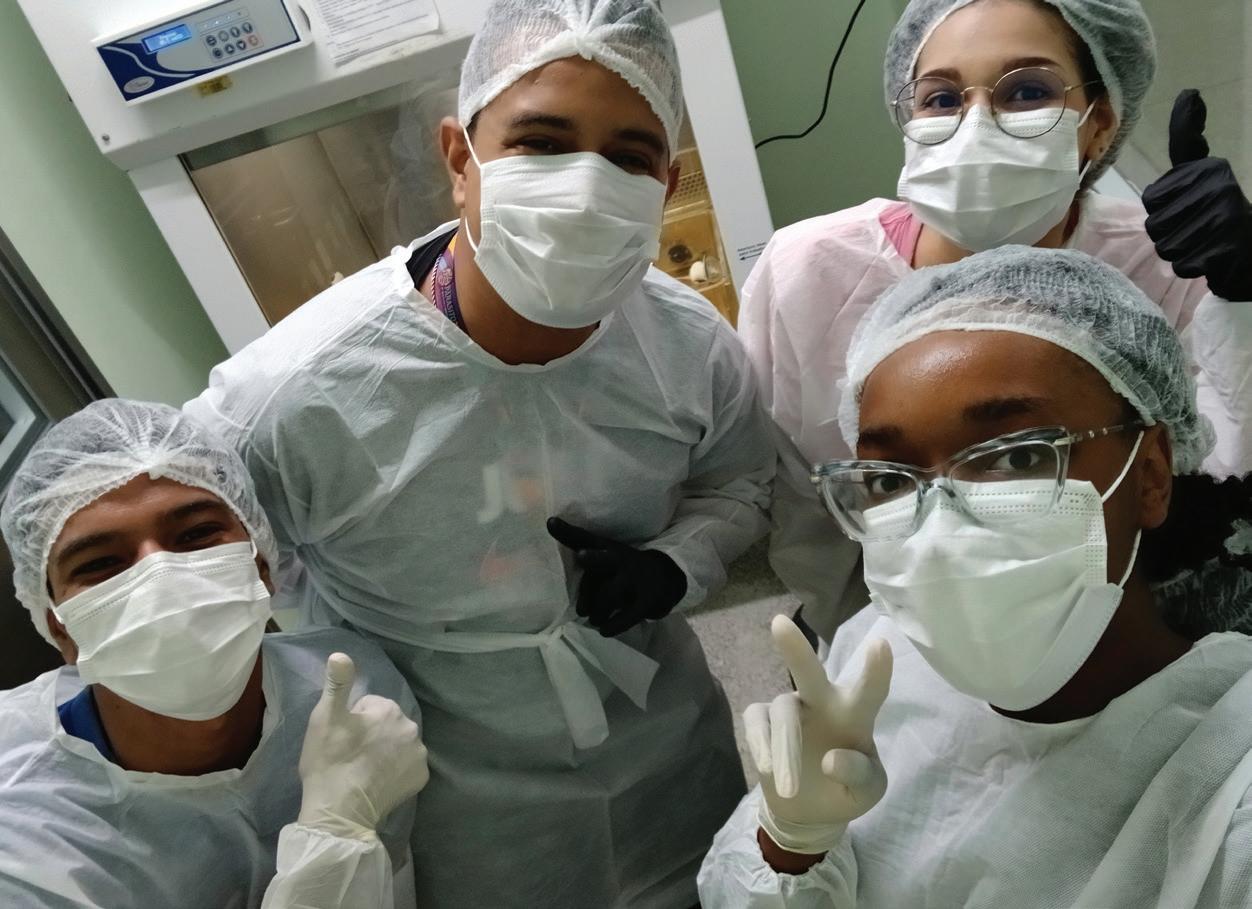
CHW sponsors a robust Internships in Global Health program, encouraging students to probe a myriad of health topics affecting the developed and developing world, from tackling HIV testing and prevention to strengthening health systems and curbing the spread of vector-borne diseases.
In 2025, CHW funded 92 opportunities for research, senior thesis projects, and other health-focused endeavors. The fully funded internships, spanning six continents, offered immersive experiences for undergraduate and graduate students interested in global health.
Sampling of Host Sites
Fiocruz (Oswaldo Cruz Foundation)
Multiple Cities, Brazil
International Federation of Red Cross and Red Crescent Societies
Geneva, Switzerland
New York City Health + Hospitals
New York City, New York
African Comprehensive HIV/AIDS Partnerships (ACHAP)
Gaborone, Botswana
Zhejiang University School of Medicine
Hangzhou, China
Trenton Health Team
Trenton, New Jersey
Jeanley Boursiquot ‘27 (bottom right) with lab partners at Fiocruz in Rio de Janeiro, Brazil.
Chloe Riche ‘27 (second from left) visiting the Housing Authority of Baltimore City during her internship at Howard University.
SUMMER INTERNSHIP HIGHLIGHTS: IN THEIR OWN WORDS
Through GHP’s many worldwide partnerships, students gain hands-on experience with leading global health researchers and practitioners. Whether supporting a collaborative institutional study or conducting independent research, the students find these opportunities transformative and often life-changing. The following narratives highlight a few of their endeavors during the summer of 2025.
Kaitlyn Greppin ’26 Anthropology
Botswana-Rutgers Partnership for Health
Last summer, I conducted breast cancer research with the Rutgers Cancer Institute of New Jersey and the Botswana Rutgers Partnership for Health in Gaborone, Botswana. After spending the summer before in Bangalore, India, largely working on policy, I felt inclined to get involved in more clinical research. Although the global health funding cuts changed the orientation of my research, the team pivoted to find an avenue where I could learn and lend a hand. I joined a project working to improve the patient pathway for breast cancer care in Botswana.
Breast cancer has emerged in the past year as the leading cause of cancer mortality for women in Botswana. The country has a universal health care system, although many challenges prevail along the diagnosis and treatment pathway. The key challenges are shortages of skilled personnel trained in cancer care and shortages of medications. The day I arrived in Botswana, the Botswana-Rutgers Partnership for Health team was training nurses in patient navigation, an evidence-based strategy to improve cancer outcomes. Attending the training opened my eyes to the extent of knowledge and logistical routing necessary to access appropriate care.
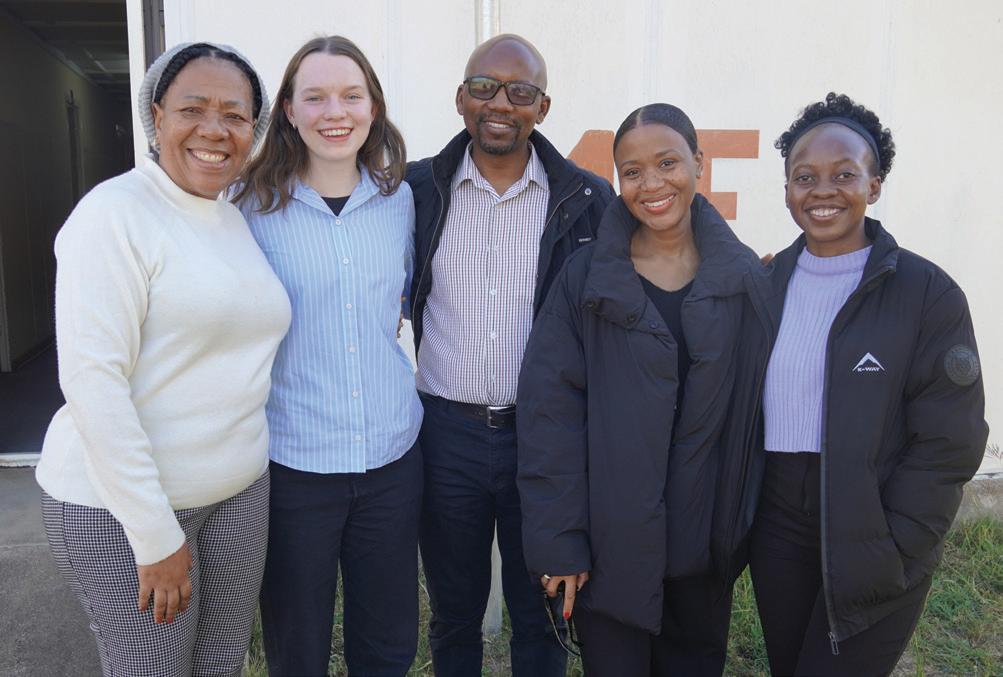
My project was focused on the analysis of a pre- and post-training survey of the attendees. I created a database and sought to understand what they learned, gaps within the training, and potential improvements. My analysis showed that attendees gained a greater understanding of the concept of patient navigation and the barriers to cancer care. Through conversations with my team and learning more about the health care system, I came to realize how disjointed the diagnosis and treatment pathway in Botswana is. For example, the key step after suspicion of breast cancer is a core needle biopsy to diagnosis and stage. However, core biopsy needles have been out of stock in the public health system for several months. How can a cohort of trained nurses be effective when the very resources they will rely on are not in place? Following this research, I spoke with nurses, doctors, taxi drivers, and others to contemplate and question the structural elements that facilitate breast cancer care.
Through this internship, I learned that understanding the contextual, social, and political frameworks of a health care system is crucial to effectively address challenges and implement solutions. The two months offered a valuable opportunity for me to take on a new topic and country of interest, although I left knowing there is so much more to be done.
Emma Hsiao ’28 Mechanical and Aerospace Engineering Western Cape Department of Health and Wellness
Last summer, I had the privilege of interning with the Western Cape Government’s Department of Health and Wellness. I worked within the Directorate for Service Priorities Coordination, focusing on health policy development, adaptation, and implementation support. As part of the Late Life Course Team, I was engaged in two central projects: the Age Well Forum and the HIV Testing Workshops, which aimed to improve HIV testing services and increase testing capacities in the Western Cape.
My internship goals were to gain practical experience in health policy development and implementation by contributing to rising and ongoing provincial initiatives and projects.
Through the Age Well Forum, I drafted a position paper that highlighted the specific challenges that South Africa and the Western Cape faced with their aging population in order to align local strategies with global frameworks, such as the United Nations Decade of Healthy Ageing, Integrated Care of Older People (ICOPE), and definitions set by the World Health Organization. The Age Well Forum provided a unique and valuable opportunity to gain direct exposure into applying international best practices to local circumstances and the initial stages of policy development.

In my work with the HIV Testing Workshops, I helped design the workshop framework, objectives, and exercises. In response to the withdrawal of U.S. government funding for HIV/AIDS relief, which had led to resource shortages and declining testing rates, these workshops focused on improving and streamlining the testing workflow as well as increasing testing efficiency and quantity. I analyzed and presented facility data and synthesized the workshop outputs into a final report.
These projects taught me how to bring stakeholders and local actors together to develop feasible solutions. At the same time, the challenges that arose taught me the flexibility and collaboration required for health policy to be effective for the population it serves.
The internship affirmed my interest in pursuing a career that brings together policy analysis, stakeholder engagement, and strategic planning.
Aanya Kasera ’28 Molecular Biology
Fiocruz
During my summer internship at Fiocruz in Manaus, Brazil, I engaged in hands-on research in virology and immunology while also exploring the connection between laboratory science and public health outreach. The internship objectives were to gain practical laboratory skills, deepen my understanding of viral immunology, explore the processes behind infectious disease research, and appreciate the broader societal context in which science operates. Through this program, I worked to integrate technical training with real-world applications, while also building collaboration and cross-cultural awareness.
In the laboratory, I conducted a variety of immunological assays using vesicular stomatitis virus as a model system. Additionally, I participated in the mosquito lab, where I dissected mosquitoes, pipetted and isolated specimens, and shadowed entomologists, collaborating to better understand mosquito biology and their role as vectors in viral transmission. I also conducted literature research on human-pathogenic viruses, connecting my laboratory work with current questions in the field of infectious disease and vaccine development.
Beyond the lab, I participated in community outreach at a rural site, learning firsthand about local vaccination programs and health care delivery. Observing the challenges faced by underserved populations, including limited access to resources and educational gaps, highlighted the relevance of laboratory research in addressing public health needs.
The internship allowed me to develop a holistic understanding of virology, combining laboratory techniques, analytical skills, and community perspectives. Collaborating with scientists in Brazil and from different locations in the world, as well as learning from local communities, enriched my experience, making the work both scientifically rigorous and personally meaningful. Balancing complex experiments with cultural immersion strengthened my problem-solving abilities
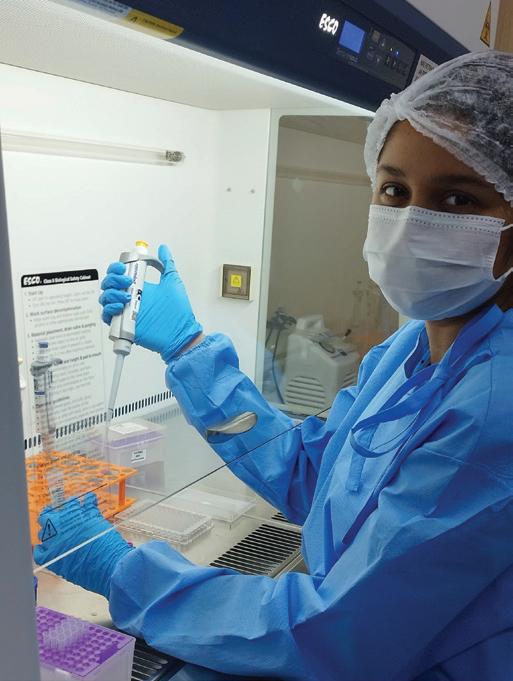
and reinforced the importance of teamwork, patience, and flexibility. By the end of the internship, I felt confident in my ability to conduct research, interpret immunological data, and consider the broader impact of scientific work on human populations.
This experience affirmed my interest in infectious disease research, global health, and a future in medicine, while also inspiring a commitment to ethical and responsible scientific practice. The combination of technical skillbuilding, collaborative work, and cultural engagement in Brazil provided an invaluable perspective on how science and society intersect, which I will carry forward into my future studies and career.
Chin-Yi Kong ‘28 Ecology & Evolutionary Biology
Madagascar One Health Research Initiative
I was fortunate enough to have the opportunity to travel to Madagascar and do fieldwork under Postdoctoral Research Fellow Benjamin Rice. Our research was conducted at three national parks in northern Madagascar – Nosy Mangabe, Montagne d’Ambre, and Montagne des Francais – where we studied the effects of tropical weather patterns on the spread of vector-borne diseases.
We addressed this research question through two complementary but distinct projects. The first focused on Malagasy frogs and chameleons as the primary study system. Specimens were captured and processed during nightly transects and released the following morning. Although I did not participate in laboratory analyses, the collected blood samples were examined to assess parasitic infections and identify parasites present.
The second project centered on the collection of midges and mosquitoes. We strategically placed Biogents mosquito traps across the park in the evening and retrieved the following morning, at which time we would sort through the contents and preserve the target species.
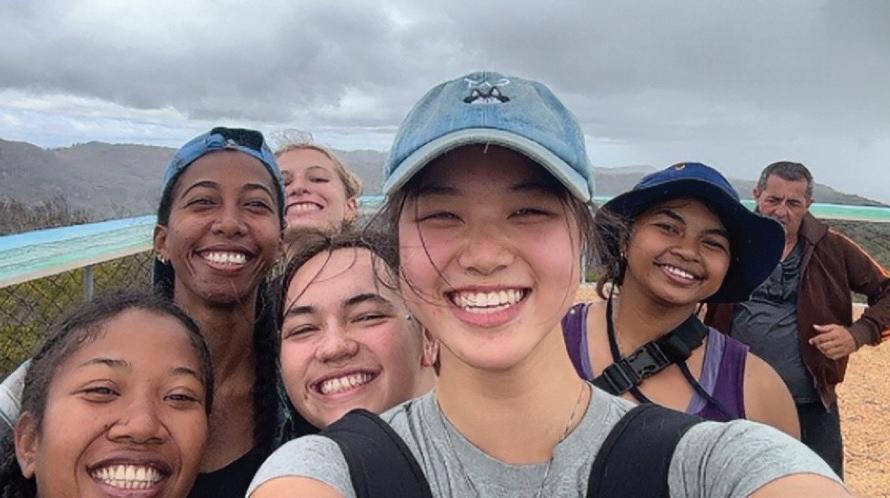
The final week of the internship was spent in Madagascar’s capital, Antananarivo. There, we focused on data analysis. We worked with data collected from chameleons at Montagne des Français and Montagne d’Ambre to identify outliers and assess species prevalence across the two field sites. While the fieldwork posed its own set of challenges, such as unpredictable weather conditions, the most significant personal challenge I encountered was in learning to code. Prior to the internship, I had no experience with R. However, with the guidance of the Malagasy research team, Dr. Rice, and my fellow intern, my skills improved substantially.
Growing up, my mother often spoke fondly of her time studying wild pandas in China, and I had always hoped to find a similar experience in my own life. This internship provided exactly that. It also brought clarity to my future career path. A visit to a Malagasy hospital in Antsiranana offered me a firsthand look at a health care system different from the one I am familiar with. Combined with the epidemiological focus of our research, this experience sparked a deep interest in global health, which I intend to explore further at Princeton and later in life. It has also inspired me to pursue a major in Ecology & Evolutionary Biology, as I am fascinated by the connections between organisms, environments, and disease.
Mary Shim ’28 Neuroscience
The Kids Research Institute Australia
This past summer, I spent eight weeks with the Healthy Skin and Acute Rheumatic Fever Prevention Team at the Kids Research Institute Australia, a group dedicated to reducing the burden of skin infections and subsequent bloodstream infections through both community-based programs and hospital-based trials. My objectives were to gain experience in clinical and translational research, contribute to ongoing studies, participate in community engagement, and to learn how ethics processes shape health outcomes, especially for the Aboriginal population of Western Australia.
A large part of my work contributed to ongoing pediatric infectious disease research efforts. I completed data extraction for a systematic review on randomized controlled trials across fields such as infectious disease and oncology, and I helped prepare a vancomycin safety bundle paper for journal submission. I was also involved with international trials that aim to improve global S. aureus bloodstream infection treatment and had the opportunity to support community-facing projects, such as the Skin
Health Assessment & Research Evaluation initiative. Beyond research, I was able to lead communication efforts for the Binar Health Embassy, co-designed newsletters and outreach materials, and even drafted the team’s first proposal to restructure into a Centre for Research Excellence.
My most memorable week was attending the BINAR Health Embassy community event, where I participated in culturally grounded health engagement and learned how “yarning” is used as both a communication method and a research framework. Seeing both hospital- and community-based work in the same internship helped me understand how prevention frameworks reach patients from beginning to end.
The most transformative part of the summer was seeing global health practiced in a system very different from the United States. I learned how Australia structures public care, and observing this model made me rethink what “access” really means. The experience also showed me how much of global health research is not only about the rigor of the science, but also about how the information can be appropriately and digestibly communicated to the community we intend to serve.
The internship deepened my interest in pediatric infectious diseases, global health, and translational research, while affirming my aspiration to pursue a career that bridges clinical medicine, community health, and international collaboration.
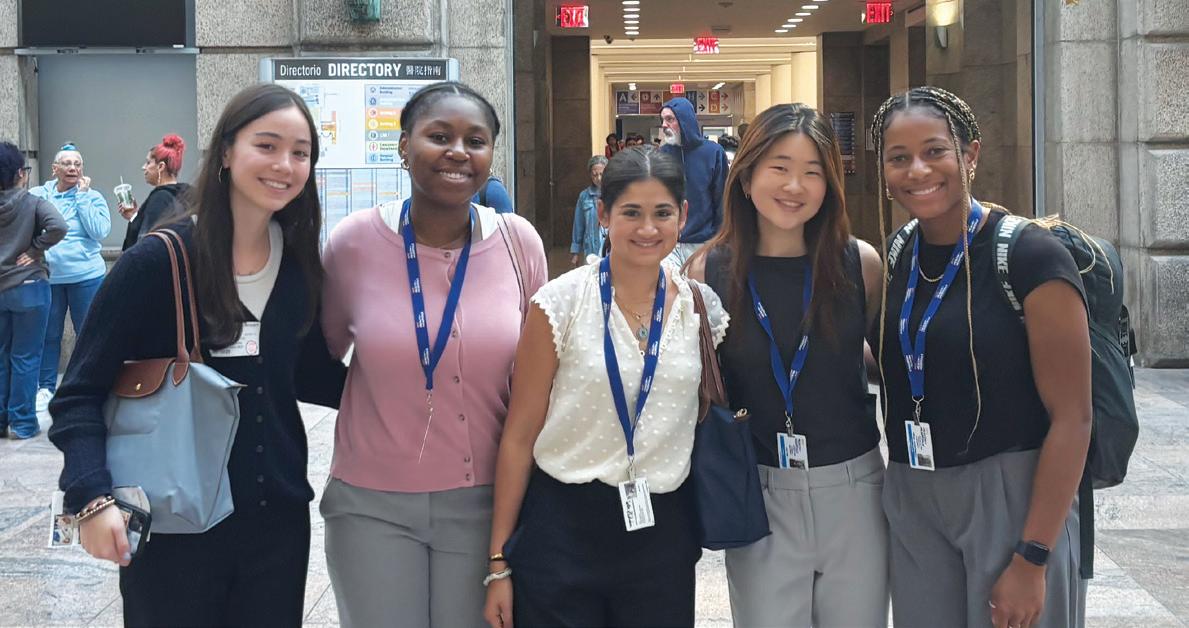
SPECIAL INTERNSHIP INITIATIVES
The Center for Health and Wellbeing, with generous financial support from the School of Public and International Affairs, operates two special internship initiatives as part of the broader Internships in Global Health program.
Africa Health Research Initiative
The Africa Health Research Initiative offers supervised, health-focused research experiences for Princeton undergraduate and graduate students with partner institutions in Africa. These research visits take place over the summer and during the University’s two-week Wintersession period. In 2025, the program funded eight Princeton students’ research activities.
Pandemic Preparedness and Response Initiative
The Pandemic Preparedness and Response Initiative supports the academic and professional development of the next generation of global health leaders addressing epidemiological threats. Available to both undergraduate and graduate Princeton students, the program funds experiential opportunities focused on the biological, economic, political, social, and cultural dimensions of pandemic preparedness and response.
In 2025, this initiative sponsored five summer internships with the following host institutions:
The Global Antibiotic Research & Development Partnership – Geneva, Switzerland
NYC Health + Hospitals Special Pathogens Unit – New York, New York
One Health Trust – Bangalore, India
Oxford University Clinical Research Unit – Hanoi, Vietnam
Kaylie Wolk ‘28 (far left), Leela DuBois ‘26 (center), and Lina Kim ‘26 (second from right) visit Bellevue Hospital with colleagues while interning with New York City Health + Hospitals.
RESEARCH & ADVOCACY
CHW-FUNDED RESEARCH
The Center for Health and Wellbeing funds innovative and groundbreaking health-focused research in the natural sciences, social sciences, and humanities. Affiliates, postdoctoral researchers, and graduate students are eligible to apply for grants. Following is a list of projects supported in 2025, with additional details about a few of these endeavors.
2025 CHW-Funded Affiliate Projects
“Indigenizing Planetary Health: An Exploratory Study of Amazonian Indigenous Medicine”
Principal Investigator: João Biehl Anthropology
“Ethical and Social Issues in Determining Renal Replacement Therapy in Aging Japan”
Principal Investigator: Amy Borovoy East Asian Studies
“Understanding the Impact of Economic Instability and Social Networks on Health Disparities”
Principal Investigator: Rebecca Carey Psychology
“A Network Intervention to Diminish Community-Level Negative Emotions”
Principal Investigator: Alin Coman Psychology and SPIA
“Skin Microbiota and Its Interactions with Sand Flies and Leishmania”
Principal Investigator: Andrea Graham Ecology & Evolutionary Biology
“Global Mental Health and Diagnosis as Policy Implementation Vehicles”
Principal Investigators: Arbel Griner and Heather Howard SPIA
“The Effect of Depression on Reinforcement Learning on Social Media,” “Randomized Controlled Clinical Trial of the Efficacy of Internet-Delivered Cognitive-Behavioral Therapy (iCBT) for Children and Adolescents with Anxiety Disorders,” and “Menstrual Cycle Effects on Extinction Learning: Implications for Exposure Therapy”
Principal Investigator: Yael Niv Psychology
“Is Choosing to Feel Bad an Indicator of Worse Psychological Health for Adolescents?”
Principal Investigator: Erik Nook Psychology
“Paternal Depression and Child Behavior”
Principal Investigator: Kelly Noonan Economics
“Investigating the Role of Aberrant RNAs and DNAs in Human Cytomegalovirus-Mediated Telomerase Upregulation”
Principal Investigators: Daniel Notterman and AJ te Velthuis Molecular Biology
“Defining Virally Encoded Elements Governing Yellow Fever Vaccine Attenuation”
Principal Investigator: Alexander Ploss Molecular Biology
“Assessing Kisumu County’s Readiness to Implement Kenya’s Primary Healthcare Network Model”
Principal Investigator: Alyssa Sharkey SPIA
“Illuminating the Function of Viral Phase Separation in RNA Virus Infection” and “Undiagnosed Respiratory Illness in Ghana: Metagenomic Analyses and Education to Improve Diagnostics and Care”
Principal Investigator: AJ te Velthuis Molecular Biology
“Leveraging DNA to Improve the Measurement of Skin Tone-Related Health Disparities Among Black and Hispanic Americans”
Principal Investigator: Sam Trejo Sociology
Project Spotlights
“Ethical and Social Issues in Determining Renal Replacement Therapy in Aging Japan”
Principal Investigator: Amy Borovoy East Asian Studies
This project explores the ethical, social, and cultural factors influencing renal replacement therapy decisions in Japan, where dialysis remains the dominant treatment for end-stage renal disease despite the preference for kidney transplantation in wealthy countries with advanced biomedicine. The research, conducted at Chiba Higashi Hospital in June 2025, aims to examine the societal and policy factors sustaining Japan’s reliance on dialysis, the ethical dilemmas surrounding living donor kidney transplantation, and emerging discussions on end-of-life decision-making for dialysis patients. Through ethnographic observation and interviews with patients, families, and healthcare providers, the study will provide insight into Japan’s medical landscape as an aging society with advanced biomedical care. It will also consider implications for aging societies worldwide by showing how one advanced biomedical society is coping with the problem of renal replacement in the context of rapid aging.
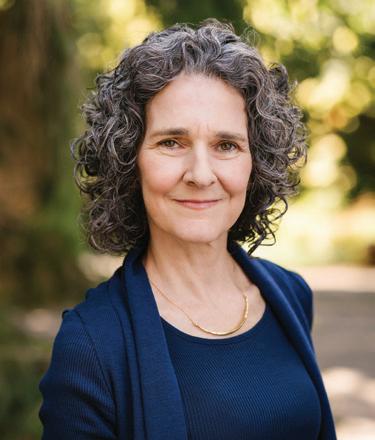
“Understanding the Impact of Economic Instability and Social Networks on Health Disparities”
Principal Investigator: Rebecca Carey Psychology
This project examines how economic instability and social networks shape health outcomes and disparities. The research team collected data on experiences of economic instability (e.g., job loss, unexpected expenses, inadequate pay), the ways in which informal social networks respond to these hardships (e.g., financial support, emotional support), and their impact on health and wellbeing. They also captured how community-based organizations, nonprofit programs, and local resources influence health outcomes during periods of economic instability. Their research showed that informal networks—especially those grounded in shared hardship—provide critical emotional and practical support, while underscoring that such networks are not universally available. Community-based organizations often fill these gaps, serving as formal nodes in individuals’ social networks that offer access to health care, financial aid, and other essential services. These findings can inform policies aimed at strengthening the social infrastructure that supports public health. Ultimately, the work can be leveraged to reduce health disparities and improve population-level health outcomes, particularly among economically vulnerable groups.
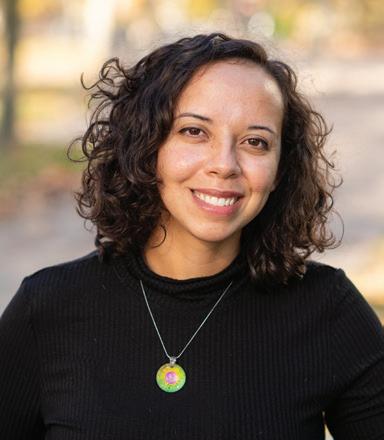
“Skin Microbiota and Its Interactions with Sand Flies and Leishmania”
Principal
Investigator: Andrea Graham Ecology & Evolutionary Biology
Cutaneous leishmaniasis is a neglected tropical disease that affects millions worldwide and is caused by protozoan parasites from Leishmania species. It is endemic in 87 countries and is transmitted by various species of sand flies, with the skin acting as a critical interaction hub for different actors in this process: host, parasite, vector, and commensal microbes. This research, led by Andrea Graham and Ph.D. candidate Seokyoon Chang, delves into the intricacies of these interactions across various scales, focusing on the influence of the skin microbiome on sand fly attraction, on parasite replication and disease transmission, and on the variability of host immune responses. Our data thus far indicate that diverse skin microbes attract more sand flies to bite the host. The findings can inform health policy by identifying potential microbiome-based interventions to reduce transmission rates and alleviate the severity of an individual’s disease. Ultimately, the research could support the development of more targeted public health strategies, particularly in regions where leishmaniasis is endemic.
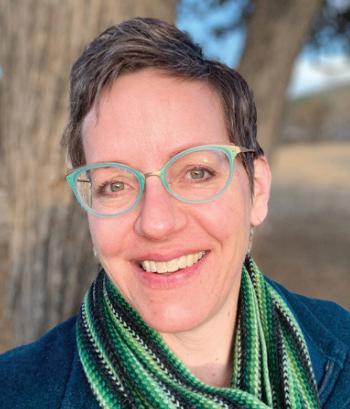
“Defining Virally Encoded Elements Governing Yellow Fever Vaccine Attenuation”
Principal Investigators: Alexander Ploss and Melina Winkle (Postdoctoral Fellow), Molecular Biology
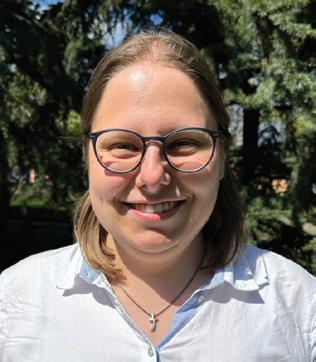
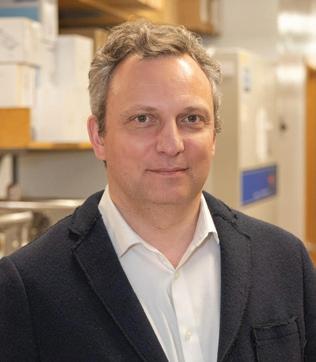
Arthropod-borne flaviviruses, such as dengue virus, West Nile virus, and yellow fever virus (YFV), cause significant human health problems and are an economic burden worldwide. Currently, flaviviruses infect hundreds of millions of individuals each year, resulting in tens of thousands of deaths. This number is predicted to increase due to newly emerging flaviviruses, expansion of the arthropod vectors transmitting the viruses, and continued urbanization in proximity to flavivirus reservoirs in the wildlife. No directly acting antivirals for flaviviruses are available and only few can be prevented by vaccines. The exception is the YFV live-attenuated vaccine strain. YFV-17D is one of the most effective vaccines ever developed. However, we lack understanding of the precise mechanisms driving differences between pathogenic YFV and the YFV vaccine. Previous work by the Ploss lab has shown that the most important mutations driving a potent innate immune response in vitro are within the non-structural protein 2A (NS2A). This research explores the mechanism of NS2A’s immunomodulation to broaden understanding of viral attenuation and to also aid vaccine development for other, closely related flaviviruses, which is urgently needed to lower the burden on global health and the economy.
2025 CHW-Funded Postdoctoral Research Projects
“Not all Stress is the Same: Distinct Impacts of Diverse Nature-Inspired Stressors on Immune Cell Distribution and Function”
Principal Investigator: David Chang van Oordt Ecology & Evolutionary Biology
“Shared Ecologies, Shared Governance: Building a Participatory One Health Surveillance Network in Laikipia, Kenya”
Principal Investigator: Hanna Ehrlich Center for Health and Wellbeing
“Identification and Characterization of Host Factors Governing Hepatitis B Virus Gene Transcription”
Principal Investigator: Andoni Gomez Moreno Molecular Biology
Project Spotlight
“Shared Ecologies, Shared Governance: Building a Participatory One Health Surveillance Network in Laikipia, Kenya”
Principal Investigator: Hanna Ehrlich Center for Health and Wellbeing
This project seeks to lay the groundwork for a participatory One Health surveillance network in Laikipia County, Kenya, a region where pastoralist livestock, wildlife, and people interact daily across communal rangelands, wildlife conservancies, and private farms. At present, surveillance is fragmented: pastoralist communities lack diagnostic services, conservancies depend on distant private laboratories, and government veterinary officers have limited presence. This fragmented system obscures the burden of endemic disease, delays outbreak response, and weakens policy planning. In this project, researchers combine ecological monitoring, epidemiological surveys, and social science approaches to study both flows of pathogens and flows of information in Laikipia. Their goal is to identify how livestock-wildlife interfaces create hotspots of transmission, and how herders, conservancy managers, and government officers recognize, report, and act on animal health events. They will test the feasibility of a surveillance framework that delivers immediate value to communities while also producing actionable data for policymakers. The project will demonstrate how participatory surveillance can complement centralized services by redefining the government’s role from enforcement toward coordination, technical support, and policy leadership. In doing so, it will generate practical evidence to guide the design of adaptive, trust-based community health systems in Kenya’s drylands, with implications for health governance across sub-Saharan Africa.
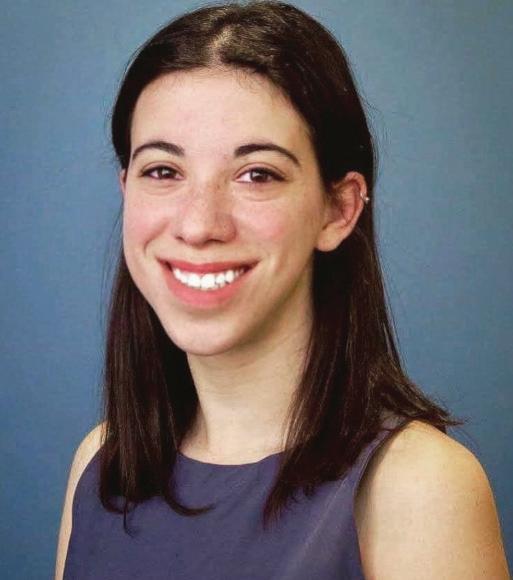
2025 CHW-Funded Graduate Student Research Projects
“Estimating the Age Distribution of Dengue Transmission and Infection Intensity in Cambodia”
Principal Investigator: Holly Burrows Ecology & Evolutionary Biology
“Incorporation: The Effects of Mineral and Biological Sample Extraction on Policy, Governance, and Cultures of Aboriginal Australians”
Principal Investigator: Noah Collins Anthropology
“Cognitive Predictors of Preferences for Help-Seeking from AI vs. Humans”
Principal Investigator: Dan-Mircea Mirea Psychology
Project Spotlight
“Cognitive Predictors of Preferences for Emotional Support from AI vs. humans”
Principal Investigator: Dan-Mircea Mirea Psychology
Artificial intelligence (AI) is a rapidly growing source of mental health and social support globally. Despite its promise for filling in gaps in access to support, there is a risk that AI may displace human interaction by leveraging cognitive vulnerabilities present in people with psychopathology. This research tests whether three candidate cognitive factors – (1) negative biases in social evaluation, (2) sensitivity to social effort, and (3) delay discounting in social contexts, each theoretically linked to depression – predict preferences for help-seeking from AI agents over human alternatives. Using cognitive tasks, computational modeling, and survey and vignette methods, it will determine whether these factors are independently associated with depressive symptoms, and whether they mediate the link between depression and preferences for help-seeking from AI. The study will potentially highlight specific and measurable cognitive factors that could confer risk for AI social displacement, which could inform digital-health literacy efforts that help users recognize psychological patterns linked to AI-related risk.
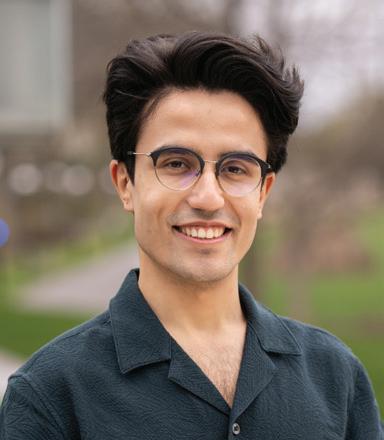
health insurance reform
PROGRAM ON U.S. HEALTH POLICY
In 2011, CHW’s Program on U.S. Health Policy was created following a generous gift from Daniel Spitzer ’79 and Eliot Spitzer ’81. The U.S. Health Policy Program sponsors research and activities addressing aspects of domestic health care and health policy. Funded initiatives include innovative faculty and student research, conferences, policy forums, and special issues in health policy journals. Below is a list of current research projects.
Active Faculty Projects
“Do Children Age Their Parents? Causal Evidence from Add Health and the Health and Retirement Study”
Principal Investigator: Dalton Conley Sociology
“A Type of Freedom”
Principal Investigator: Carolyn Rouse Anthropology
Active Postdoctoral Research Projects
“Wellbeing in Trans Youth and Families Across Time”
Principal Investigator: Rachel Leshin Psychology
“State Innovation During the U.S. Overdose Crisis: Evaluating the Impact of New Jersey’s Rapid Scale-Up of Mobile Harm Reduction Centers”
Principal Investigator: Benjamin Scher Center for Health and Wellbeing
Active Graduate Student Project
“Contrasting Queer Aging in Adverse Climates: LGBTQ+ Eldercare and Health Inequities in Texas”
Lead Researcher: Christopher Zraunig Anthropology
Project Spotlights
“Wellbeing in Trans Youth and Families Across Time”
Principal
Investigator: Rachel Leshin Psychology
Past research suggests that state laws limiting the rights of transgender youth are associated with increases in suicide attempts among this group, with anti-trans laws also potentially serving as institutional signals to these youth about how society views them. Moreover, recent research from Princeton’s Human Diversity Lab suggests that the weeks following the 2025 U.S. presidential inauguration were associated with especially strong increases in anxiety and depression among the parents of transgender youth. This research follows up on those findings to ask whether such patterns of wellbeing hold across a more protracted time period (July 2024-December 2025), during which more direct disruptions to transgender youths’ medical care may have been occurred. Findings from this project may illuminate links between changes in health policy at the state and federal level and the wellbeing of those that the policy affects directly and indirectly.
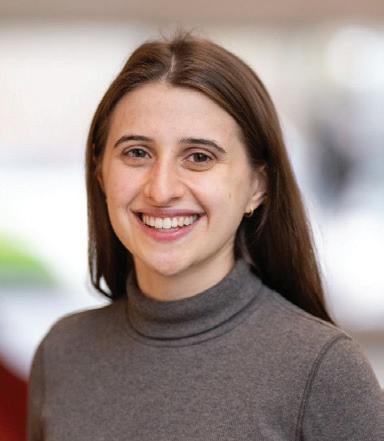
“State Innovation During the U.S. Overdose Crisis: Evaluating the Impact of New Jersey’s Rapid Scale-Up of Mobile Harm Reduction Centers”
Principal Investigator: Benjamin Scher Center for Health and Wellbeing
Over the last decade, the U.S. overdose crisis has impacted every state, though responses have largely differed across them. Since 2022, New Jersey has prioritized the expansion of harm reduction services, including mobile harm reduction centers which provide a wide range of services, including naloxone, harm reduction supplies, health education, and auxiliary health and social care referrals to settings with previously limited coverage. The scale-up of these services has been correlated with reductions in overdose deaths across geographic, ethnic, and racial groups; yet, little is known about the broader health and social impacts of these services in the state and their effectiveness at reducing drug-related harm. This project will evaluate how mobile harm reduction centers are implemented and experienced by staff and clients with the goal of informing intervention development across rural and suburban settings. As such, the research aims to generate actionable insights for local policymakers, as well as globally-relevant evidence on effective, scalable approaches to overdose prevention.
“Contrasting Queer Aging in Adverse Climates: LGBTQ+ Eldercare and Health Inequities in Texas”
Lead Researcher: Christopher Zraunig Anthropology
This research project examines how LGBTQ+ inclusion efforts in eldercare function as urban health infrastructure in Texas. Through ethnographic fieldwork in eldercare settings, it traces how LGBTQ+ older adults navigate care institutions in a contested policy climate, and how retreating state resources for marginalized groups reorganize the practical conditions of health. The study focuses on what forms of informal and community-based care emerge to fill gaps in formal services, and how these shifting care ecologies shape minority stress, social isolation, continuity of care, and access to supportive services.

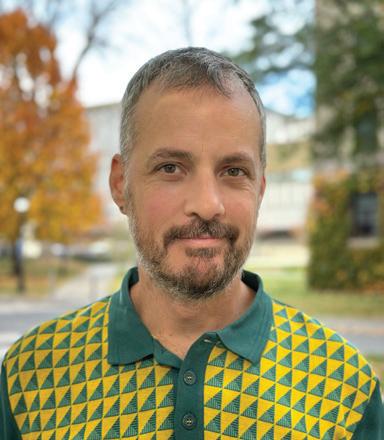

STATE HEALTH & VALUE STRATEGIES PROGRAM
Program Director: Heather Howard School of Public and International Affairs
The State Health and Value Strategies (SHVS) program, a grantee of the Robert Wood Johnson Foundation, is a nationwide health policy consortium that plays a critical role in making health care and coverage more accessible, affordable, and equitable. In July 2025, its funding was renewed with a two-year $8.8 million grant, allowing the program to continue providing technical assistance and resources to state governments as they confront the challenges of today’s health care environment. This support is invaluable as states face diminished federal support and significant programmatic changes with enormous consequences for the health and wellbeing of communities.
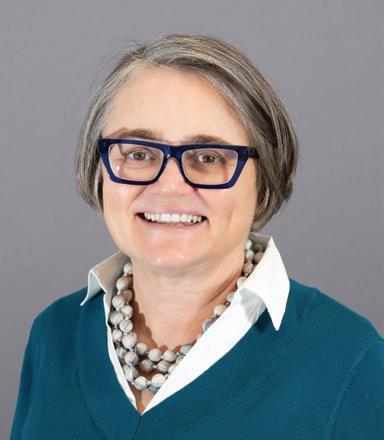
In 2025, SHVS’s work focused on the following activities: analyzing and interpreting federal actions that affect health care; assisting state efforts to maintain health care coverage for residents; and supporting innovation at the state level.
Analyzing and Interpreting Federal Actions: Highlights and Accomplishments
On July 4, 2025, the President signed budget reconciliation legislation, H.R.1, making sweeping changes to Medicaid, the Children’s Health Insurance Program (CHIP), and Affordable Care Act (ACA) Marketplaces. With the passage of H.R.1, states face the most extensive transformation of eligibility and enrollment policies and operations since the enactment of the ACA in 2010, and nearly $1 trillion in federal funding cuts.
H.R. 1 Changes to Medicaid – H.R.1 imposes new eligibility and access restrictions for the ACA’s Medicaid expansion population and constrains the ways states can finance their share of Medicaid program costs. In addition, the law restricts noncitizen coverage and family planning access in Medicaid. SHVS provided states
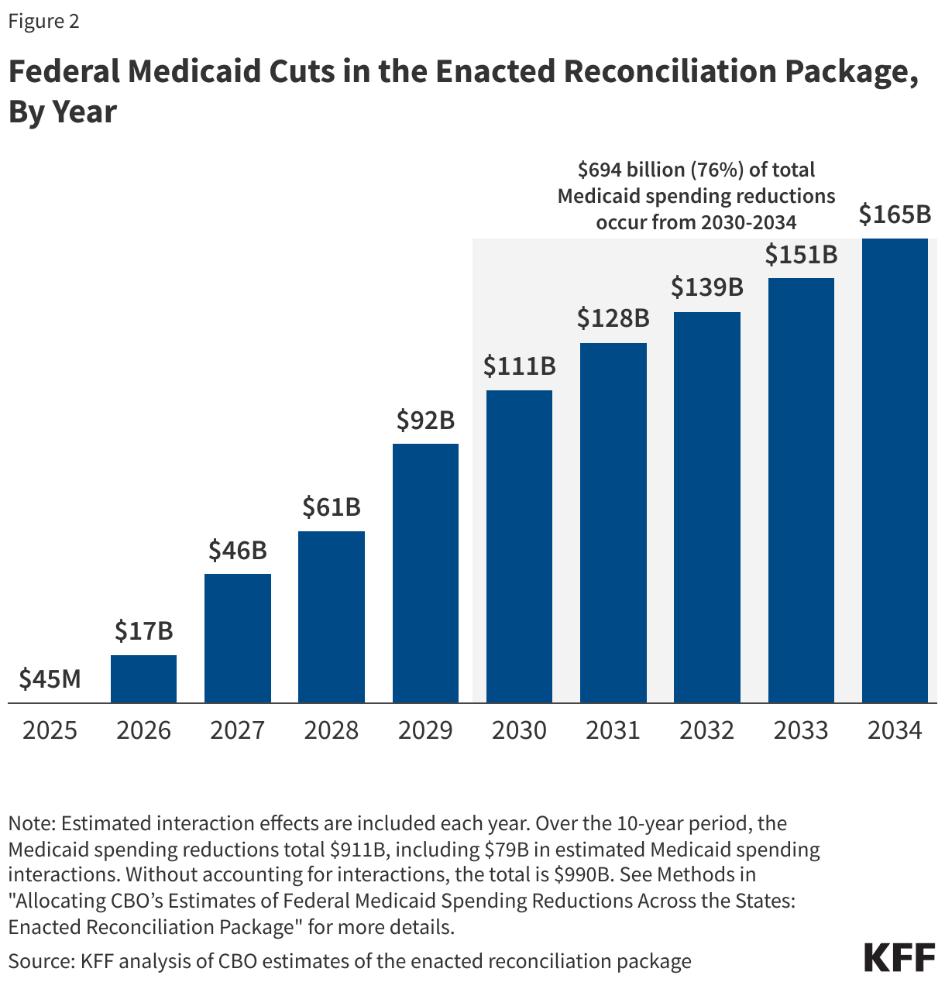
Source: KFF analysis of CBO estimates of the enacted reconciliation package
Federal Medicaid Cuts in the Enacted Reconciliation Package, By Year
with analyses of the H.R.1 Medicaid provisions, as well as policy and operations considerations as state officials prepare for the law’s implementation. As part of this effort, SHVS created an H.R.1 resource page on its website to help states understand and navigate the new mandates.
Changes to Marketplace – On June 20, 2025, the Centers for Medicare & Medicaid Services (CMS) finalized a package of Marketplace regulations that restrict eligibility, reduce benefits, and impose new paperwork burdens on enrollees. In addition, H.R. 1 imposed new barriers to enrollment, and Congress allowed the ACA’s enhanced premium tax credits to expire at the end of 2025. These changes are expected to increase uninsurance rates and result in higher out-of-pocket costs and premium contributions. SHVS continued to provide technical assistance to State-Based Marketplaces (SBMs) and departments of insurance on how to mitigate the harm from these changes.
Measuring the Impact of Proposed Changes to Medicaid – During the budget reconciliation law negotiations, SHVS modeled state-by-state Medicaid coverage and expenditure impacts of the proposed provisions. Once enacted, SHVS informed states on how H.R.1 will end coverage options for many lawfully residing individuals. All states will be affected by the federal cuts to Medicaid.
Measuring the Impact of Changes that Affect Marketplace Coverage – SHVS publications support SBMs in their efforts to monitor the impact of federal policy changes arising from the passage of H.R.1. This includes tracking State-Based Marketplace 2026 Open Enrollment reporting.
Rural Health Transformation Program – H.R.1
established a $50 billion Rural Health Transformation Program (RHTP) to address the expected impact of the funding cuts on rural communities. To qualify for funding, states had to apply to CMS by year-end, 2025. SHVS provided guidance as they prepared and submitted their applications, and also collected and analyzed emerging themes in support of this effort.
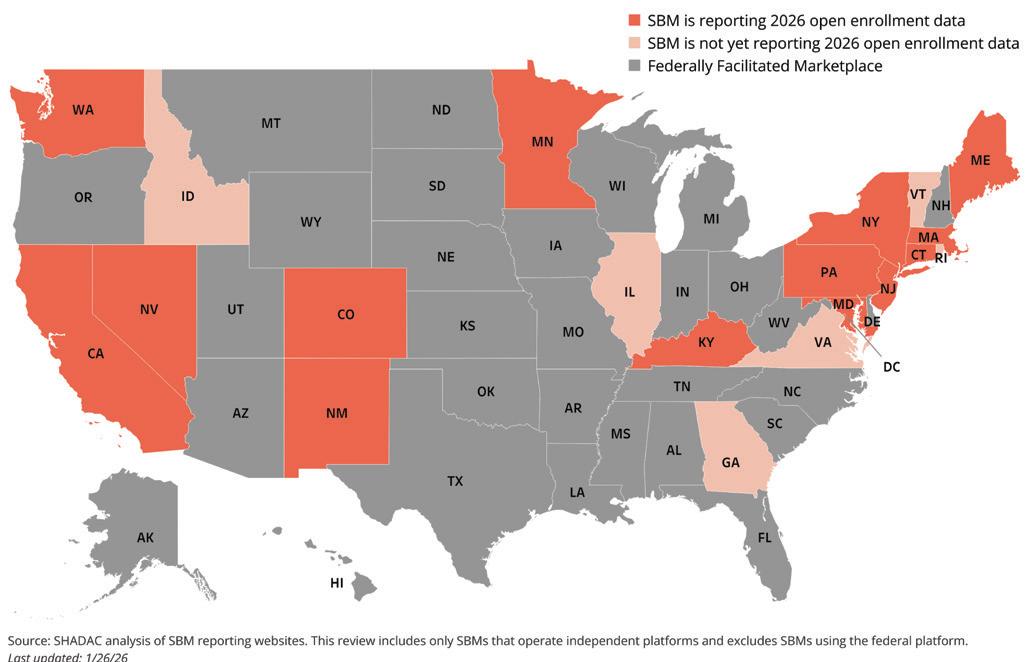
Helping States Maintain Health Care Coverage: Highlights and Accomplishments
H.R.1 and other administrative actions will significantly affect health insurance coverage eligibility and enrollment. The ranks of the uninsured are expected to grow by roughly 16 million people. SHVS has offered technical assistance to support states’ efforts to preserve health coverage.
2025 projects included:
Communications Outreach to Consumers – SHVS provided guidance and toolkits to help states maintain trust with Marketplace enrollees and stakeholders, to prepare enrollees for upcoming changes, and to help enrollees maintain coverage and access to care.


State-Based Marketplace 2026 Open Enrollment Reporting Tracker
Source:
Leveraging Managed Care Plans – SHVS offered strategies for utilizing managed care plans’ data, evidence, and recommendations to help states make more efficient enrollment determinations and minimize procedural disenrollment risks.
Toolkits for States to Protect Coverage provided high-level roadmaps to help states identify and protect specific exempt populations from unintentionally losing coverage as work reporting requirements are implemented.
Sharing Strategies with States in Working Groups – SHVS hosted working group meetings with state officials focused on specific aspects of the federal changes. These sessions allowed states to exchange ideas for mitigating coverage losses, effectively communicating changes to consumers, sustaining data collection, and preparing for new, mandatory requirements.
Direct Technical Assistance direct technical assistance to help individual states protect or maintain health care insurance coverage for their residents.
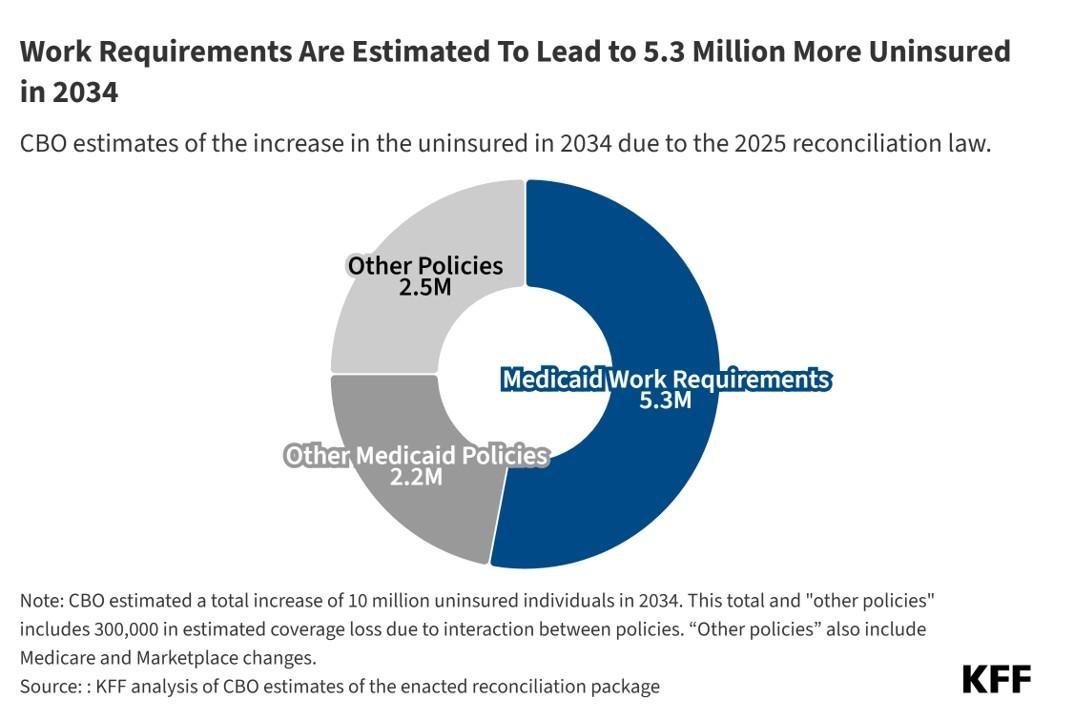
Supporting State Innovations: Highlights and Accomplishments
Beneficiary Advisory Councils and Medicaid Advisory Committees – A new requirement that states create a Beneficiary Advisory Council (BAC) and a Medicaid Advisory Committee (MAC) took effect in July 2025. The BAC–an advisory group composed exclusively of Medicaid enrollees and their family members or caregivers–provides a dedicated forum for people with lived experience of the Medicaid program to identify key issues to bring to the MAC, and to advise the state directly on Medicaid policy and administration. These requirements have the potential to strengthen state Medicaid programs. SHVS provided technical assistance to states as they implemented the new requirements.
Supporting Continued Vaccine Access – SHVS provided analyses of key policy issue areas impacted by new recommendations issued by The Centers for Disease Control and Prevention and its Advisory Committee for Immunization Practice regarding appropriate vaccine use, as well as changes to the Food and Drug Administration’s approval and licensure practices. SHVS developed a toolkit to help states respond to these new developments, provide continued vaccine access, and preserve maximum flexibility.

Improving Behavioral Healthcare for Children and Youth – SHVS outlined states’ obligations under Medicaid Early and Periodic Screening, Diagnostic, and Treatment (EPSDT) requirements, and recommended strategies for improving coverage, access, and quality of behavioral health care for children and youth enrolled in Medicaid and the Children’s Health Insurance Program.
SHVS Thought Leadership on Health Care Reform
SHVS Director Heather Howard and her team, in collaboration with Princeton students and alumni, continued to drive transformational change in the U.S. health system through leadership, service, and advocacy.
2025 activities included:
Advising Incoming New Jersey Health Commissioner – In November 2025, Howard offered advice to New Jersey’s incoming Health Commissioner as federal cuts to Medicaid and other health programs reshape the state’s health care landscape. As a former New Jersey Health Commissioner, she co-authored a bipartisan piece for NJ Spotlight News with insight on how to strategically invest state funds in the areas of public health, Medicaid, emergency preparedness, and state psychiatric hospitals.

NJ Transition Team – Howard was tapped to co-chair incoming New Jersey Governor Mikie Sherrill’s health policy transition action team, entitled “Affordable Healthcare: Addressing Washington’s Medicaid Cuts.” She shared leadership duties of this committee with Chiquita Brooks-LaSure ‘96, former administrator for the Centers for Medicare and Medicaid Services.
Medicaid Estate Recovery – Howard co-authored a research paper entitled “Lots of Pain for Little Gain: Three Decades of Medicaid Estate Recovery.” Published in the Journal of Health Politics, Policy and Law, the piece investigates the impacts of Medicaid estate recovery and explores current reform efforts. It explains how Medicaid estate recovery can have a lasting impact on the lives of families subject to its repayment requirements and exacerbate longstanding disparities in wealth. Howard shared how some states have initiated policy changes to address problems with Medicaid estate recovery and how similar legislation also has been introduced in Congress.

Commemorating the ACA’s 15-Year Anniversary – Howard and a SPIA graduate student wrote an op-ed for NJ Spotlight News entitled “The Affordable Care Act at 15 Years Old — Successful, But Facing Challenges.” The article describes how the legislation has been paramount in ensuring stable, affordable health care coverage for more Americans than ever before.
A Resource for Governors – SHVS presented to states during meetings held by the National Governors Association (NGA) on several occasions. Representatives addressed issues surrounding the Rural Health Transformation Program and upcoming Medicaid work reporting requirements.
Supporting the National Association of Medicaid Directors (NAMD) – Howard moderated a panel on strengthening member communications through crosssector collaboration at NAMD’s fall conference.
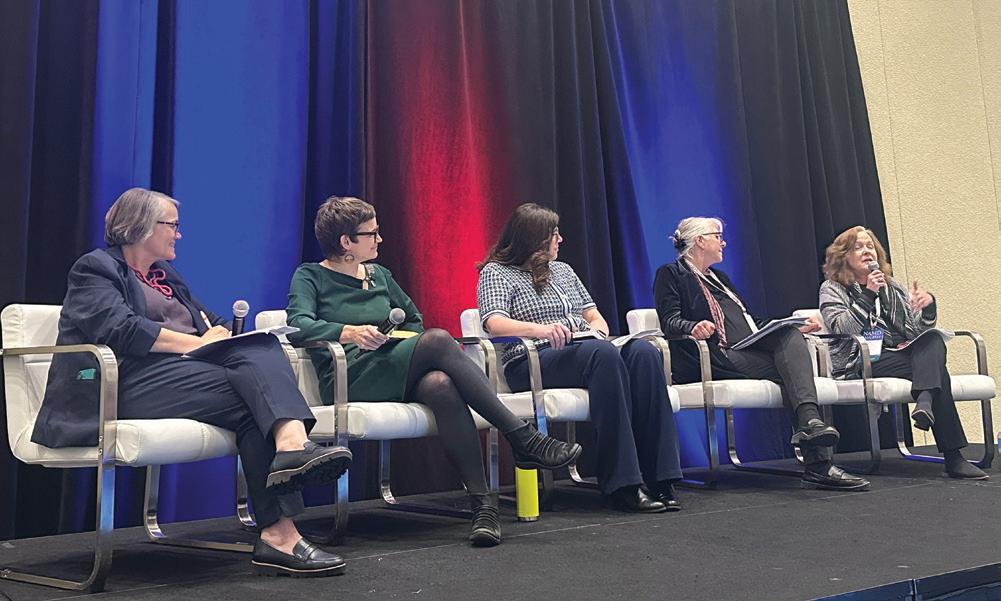
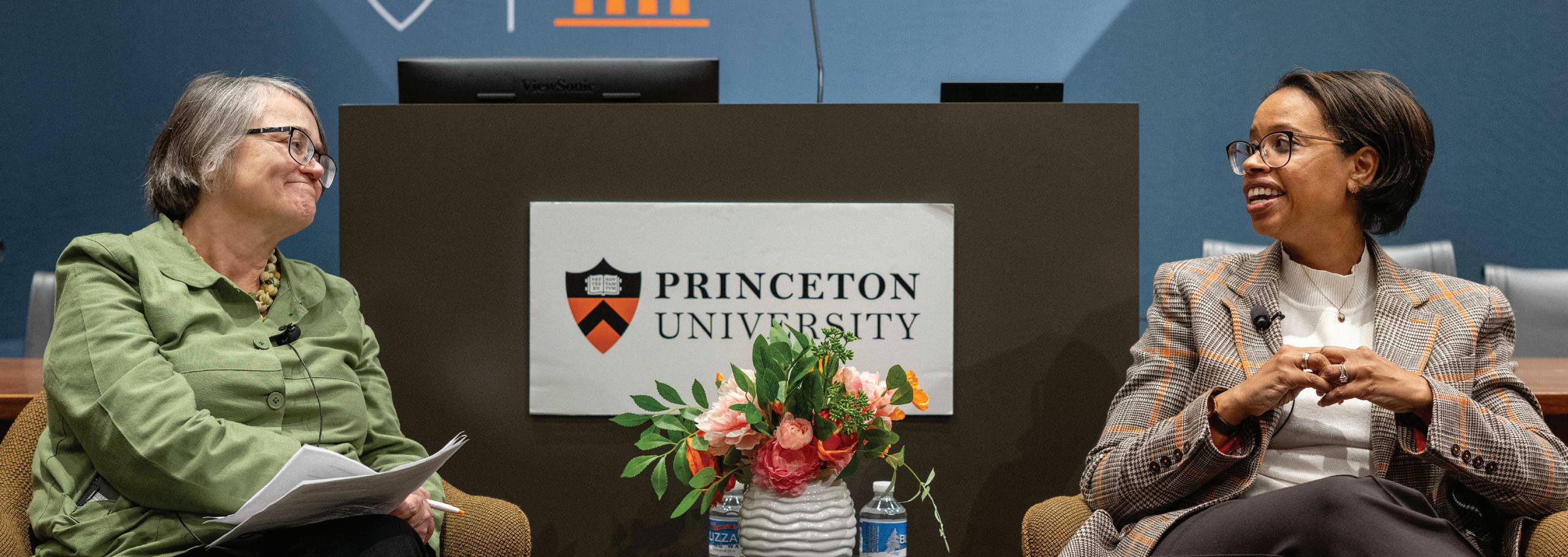
PRINCETON PULSE PODCAST
The Princeton Pulse Podcast, launched in 2022, highlights the vital connections between health research and policy. Hosted by Heather Howard, professor at Princeton University and former New Jersey Commissioner of Health and Senior Services, the show brings together scholars, policymakers, and other leaders to examine today’s most pressing health policy issues –domestically and globally. Guests discuss novel research along with partnerships aimed at improving public health and reducing health disparities.
“Research is a critical tool for crafting, implementing, and evaluating the effectiveness of policy interventions,” stated Howard. “Our show offers an opportunity to take a closer look. We cover the latest policy trends, discuss how research is informing policies to improve health outcomes, and elevate partnerships with policymakers.”
More than 6,000 episodes have been downloaded in 88 countries since the podcast’s launch. Prominent guests have included Dr. Ashish Jha, who served as the White House Covid-19 response coordinator in 2022-23, and, more recently, Chiquita Brooks-LaSure ‘96, former administrator of the Centers for Medicare & Medicaid Services.
Episodes in 2025 included:
An Insider’s View on the Future of U.S. Health Policy
This special episode of the Princeton Pulse Podcast featured a conversation with Chiquita Brooks-LaSure, former administrator of the Centers for Medicare & Medicaid Services. Howard sat down with the renowned Princeton alumna to discuss the future of U.S. health care policy in front of a live audience to kick off the Dean’s Leadership Series, hosted by the Princeton School of Public and International Affairs. This candid and rich discussion addressed the future of Medicare and Medicaid under the current Administration, policy pathways to strengthen these programs, and opportunities for advancing equity, access, and innovation in U.S. health care.
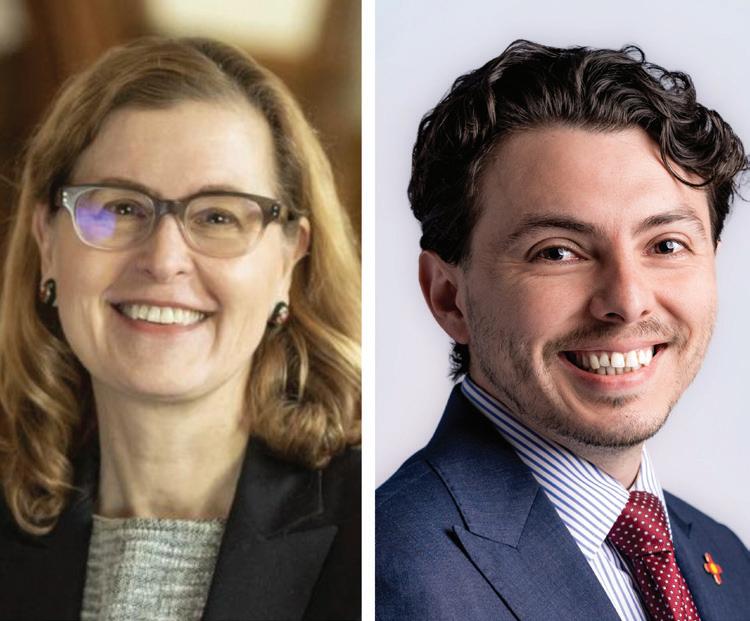
The Devastating Health Impacts of U.S. Foreign Aid Cuts
With the stroke of a pen, billions of U.S. dollars were abruptly pulled from projects dedicated to HIV prevention, treatments for deadly diseases, basic health care for children, and other essential services – rolling back decades of progress with severe consequences that could affect generations to come. In this episode, Howard was joined by Princeton University’s Pascaline Dupas, professor of economics and public affairs and director of the Center for Health and Wellbeing; and Cindy Huang from the Center for Global Development.
Innovations in Vaccine Development and Delivery
This episode explored innovations on the cusp of transforming vaccine development and delivery. Guests included Princeton Professor Andrea Graham, an evolutionary ecologist with strong research interests in immunity, disease ecology, and disease transmission; and Janeen Madan Keller, deputy director of global health policy and policy fellow at Center for Global Development. The panel shared exciting advances in the lab, from mRNA technology to plant-based edible vaccines, as well as overcoming barriers to access with solar-powered refrigerators, combination vaccines, and other game changers.
Alarming Shifts in U.S. Vaccine Policy – And What We Can Do About It
Kicking off a two-part vaccine series, this episode examined recent developments in federal vaccine policy. Howard was joined by two Princeton graduates: Dr. Céline Gounder, a practicing infectious disease specialist and epidemiologist as well as a senior fellow at KFF, editor-at-large at KFF Health News, and medical contributor for CBS News; and Jason Schwartz, associate professor at the Yale School of Public Health. The panel discussed alarming trends in U.S. vaccination and immunity rates, our increasing vulnerability to disease outbreaks, the erosion of scientific decision-making, and how states, the medical community, and researchers can help to rebuild trust in science and public health.
Why Medicaid Cuts Endanger Our Children – and Our Nation’s Future
Howard and her guests addressed how massive Medicaid cuts will impact the health and wellbeing of our children and our nation’s future. Guests included renowned economist Janet Currie, Henry Putnam Professor of Economics and Public Affairs, Emeritus, and former director of the University’s Center for Health and Wellbeing; and Abuko Estrada, Vice President of Medicaid and Child Health Policy at First Focus on Children. They discussed how these cuts will force states to ration care; delay access to vaccinations, screenings, and other essential services; burden families with crushing medical bills; perpetuate cycles of poverty; and exacerbate children’s health disparities.
Scan for links to all episodes on the CHW website. The Princeton Pulse Podcast is also available on all major podcast platforms.

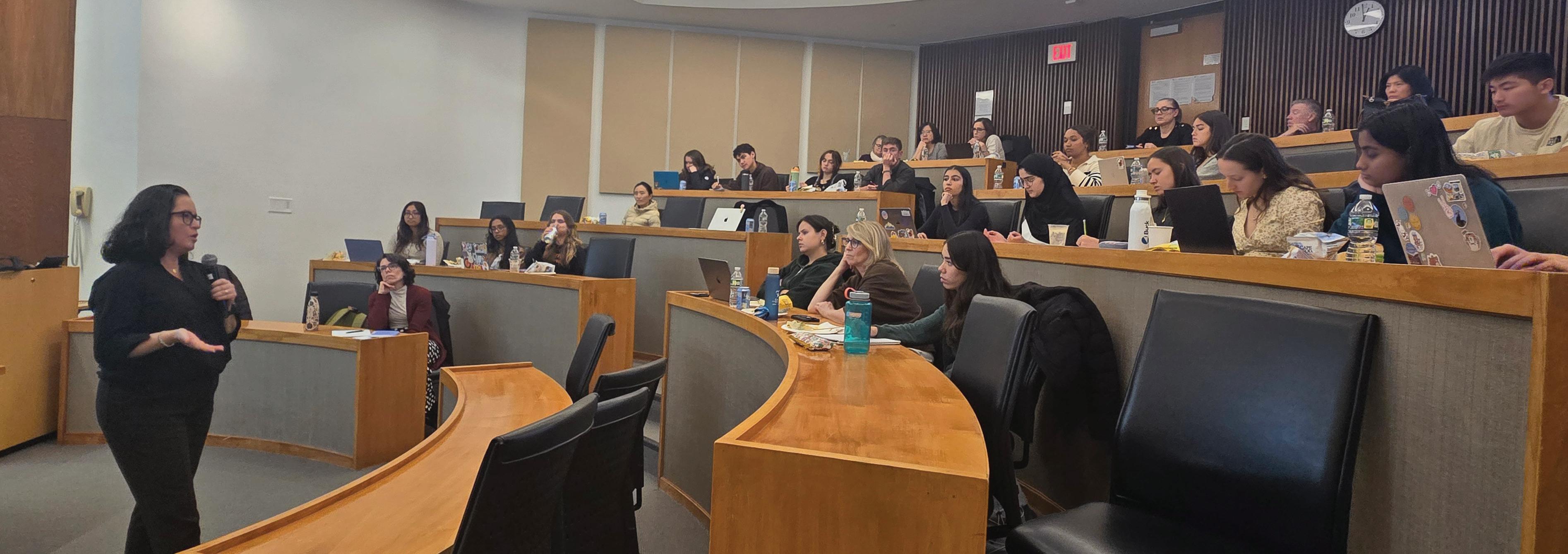
EVENTS
The Center for Health and Wellbeing hosts and co-sponsors many domestic and international events for the benefit of the Princeton community and the general public.
GHP COLLOQUIUM SERIES
Among its most anticipated offerings, CHW sponsors an annual Global Health Colloquium series, where students, faculty, researchers, and the general public can hear about innovative approaches to current global health issues.
Colloquium topics in 2025 included:
Justice and Public Health: Addressing Opioids and Housing in Baltimore
Speaker: Ebony M. Thompson, City Solicitor, Baltimore City Department of Law
Adaptive Sport as a Tool for Resilience Among Persons with Disabilities: Domestic and International Perspectives
Speakers: Jess Markt, Disability Sport and Inclusion Specialist, International Committee of the Red Cross; and Ryan Martin, Director of CUNY Adaptive Sports and Founder, Ryan Martin Foundation
Social Prognosis: How Inequality Shapes Recovery From Mental Illness
Speaker: Neil Gong, Assistant Professor of Sociology, UC San Diego
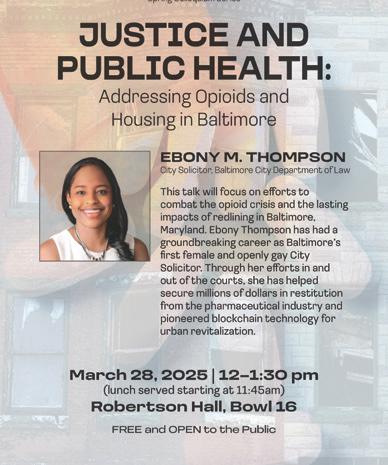
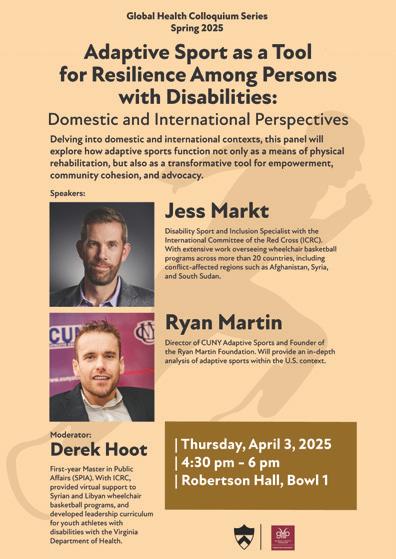
The Challenges of Pharmacoequity
Speaker: Leticia Ferri, M.D., Vice President of Cardiometabolic Medical Affairs, Ionis Pharmaceuticals
From Movements to the Courts: Feminist Reframing(s) for Care
Speaker: Luna Borges, Columbia University, Human Rights Institute and Clinic
Building the Bridge to Prevention: Using Epidemiologic Research to Tackle the Overdose Crisis
Speaker: Magdalena Cerdá, Professor and Director of the Center for Opioid Epidemiology and Policy, Department of Population Health, NYU Langone Health
CONFERENCES
Conference on Quantitative Immunology
Co-sponsored by Princeton Center for Theoretical Science, CHW, Molecular Biology, Ludwig Institute for Cancer Research Princeton Branch, Lewis-Sigler Institute of Integrative Genomics, Collaborative Research Center Predictability in Evolution (DFG) and Chan Zuckerberg Initiative
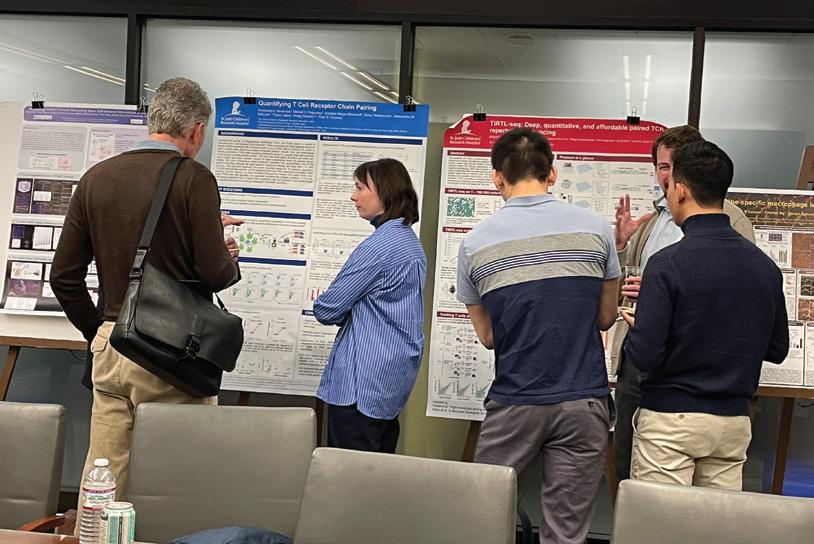
This conference, co-funded by CHW’s Program on U.S. Health Policy, brought together researchers from diverse disciplines to explore the intersection of immunology, mathematics, computational biology, and biophysics. Key outcomes included advancements in understanding how germinal center dynamics influences antibody affinity maturation, and how immune repertoires respond to antigenic challenges. The workshop’s cross-disciplinary approach emphasized the predictive power of quantitative models in guiding future immunological research and therapeutic strategies.
CHW Mini-Conferences
Sponsored by CHW
CHW sponsored spring and fall mini-conferences, during which Princeton professors and lecturers shared their current health-focused research.
Presentations included:
Generational Divergence in Family Ideals: The Role of Highly Educated Women – Alícia Adserà, Economics and SPIA
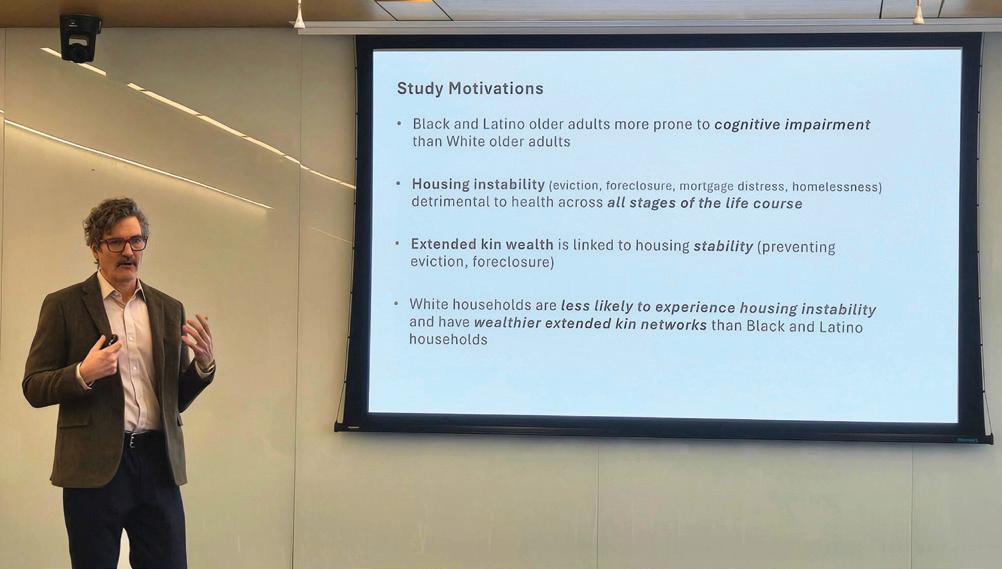
Extreme Weather and Malaria Control: Minimizing the Impact of Disruptions –Jessica Metcalf, Ecology and Evolutionary Biology and SPIA
Controlling the HIV/AIDS Epidemic in Washington DC - The Success and Limits of Technocratic Expertise in Eliminating Racial Health Inequality – Sanyu Mojola, Sociology and SPIA
CRISPR-Based Pathogen Detection – Cameron Myhrvold, Molecular Biology
Understanding the Language of Emotion Regulation and Psychotherapy – Erik Nook, Psychology
Vaccines Do Work: We Need to Understand How! – Alexander Ploss, Molecular Biology
Code Enforcement: Why Rules Matter to Health – Carolyn Rouse, Anthropology
Extended Kinship Wealth as a Buffer to Long-Term Exposure to Housing Instability and the Risk of Developing Dementia in Older Ages – Gregory Sharp, Sociology (Dartmouth Visiting Faculty)
The Murder of George Floyd and the Health of Black Infants – Florencia Torche, Sociology and SPIA
AI Models for Genome-Based Prediction of Clinical Outcomes – Olga Troyanskaya, Integrative Genomics and Computer Science
OTHER EVENTS
How Data-Driven Insights Can Inform National Organ Allocation Policy
Sponsored by the Center for Health and Wellbeing and Global Health Program
Speaker: Grace Guan ‘20, Ph.D. candidate in the Department of Management Science & Engineering, Stanford University
Pandemic Preparation and Response: Ensuring Equitable Access
Sponsored by the Liechtenstein Institute on Self-Determination, Center for Health and Wellbeing, Office of Population Research, and Program in Law and Public Policy
Speakers: Agnes Binagwaho, former Minister of Health, Rwanda; David Wilcove, Vice Dean, Princeton School of Public and International Affairs; Pedro Conceicao, Director, Human Development Report, UN Development Programme; Brook Baker, Professor of Law Emeritus, Northeastern University; Rachel Cohen, Senior Adviser, Drugs for Neglected Diseases (DNDi); James Love, Director, Knowledge Ecology International (KEI); Els Torreele, Global Health and Medical Innovations Consultant; German Velasquez, Special Advisor on Health and Policy, South Centre; Amanda Banda, Global Health Advocate, WEMOS; Kristina Engstrom, former Peace Corps, Smallpox Eradication Program in Afghanistan
Protecting Present and Future Generations: The Role of Health and Environmental Rights in National Constitutions and International Treaties
Sponsored by the Liechtenstein Institute on Self-Determination, High Meadows Environmental Institute, Program in Law and Public Policy, and the Center for Health and Wellbeing
Speaker: Hiroaki Matsuura, Provost and Vice President for Academic Affairs, Shoin University, Japan
Dean’s Leadership Series: Chiquita Brooks-LaSure ‘96, Former Administrator of the Centers for Medicare and Medicaid Services
Sponsored by SPIA and the Center for Health and Wellbeing
Speaker: Chiquita Brooks-LaSure ‘96, Former Administrator of the Centers for Medicare and Medicaid Services (CMS)
Moderator: Heather Howard, Professor of the Practice, SPIA
Emerging Challenges in Meeting Health Driven Air Quality Standards in the U.S. and India
Sponsored by the Center for Policy Research on Energy and the Environment, High Meadows Environmental Institute, Andlinger Center for Energy and the Environment, and the Center for Health and Wellbeing
Speaker: Yuanyu Xie, Associate Research Scholar, Center for Policy Research on Energy and the Environment, Princeton University
EVENT HIGHLIGHTS
Dean’s Leadership Series: Chiquita Brooks-LaSure ‘96, Former Administrator of the Centers for Medicare and Medicaid Services
Professor Heather Howard facilitated a rich and timely discussion about the future of U.S. health care policy with Chiquita BrooksLaSure, former Administrator of the Centers for Medicare & Medicaid Services (CMS).
For more than 25 years, Brooks-LaSure has dedicated her career to ensuring that people in America live healthy, thriving lives. With an exceptional ability to see challenges and solutions from multiple perspectives, a proven record of assembling dynamic teams, and a listen-first leadership approach coupled with clear-eyed decisiveness, she has positively transformed organizations that are making a significant impact across the nation.
Under her leadership, CMS doubled health coverage under the Affordable Care Act from 12 to 24 million enrollees, expanded and strengthened Medicaid, raised maternal health standards, and led negotiations with Fortune 100 corporations to lower prescription drug prices. Among many other accomplishments, Brooks-LaSure also played an instrumental role in the passage and implementation of the Affordable Care Act, first as a legislative aide on the House of Representatives Ways and Means Committee and following the ACA’s passage, at the U.S. Department of Health and Human Services.
Modern Healthcare named Brooks-LaSure the most influential person in health care in 2023, and Time Magazine included her among the 100 most influential global health leaders and “most admired women” leaders.
How Data-Driven Insights Can Inform National Organ Allocation Policy
While around 90,000 patients are currently waiting for a deceased donor kidney transplant, almost 30% of recovered deceased donor kidneys go unused due to inefficiencies in the current allocation system. The Organ Procurement and Transplantation Network is currently searching for a structured and equitable way to improve organ utilization.
In this talk, Grace Guan ’20, a Ph.D. candidate in the Department of Management Science & Engineering at Stanford University, demonstrated how data-driven insights can provide a transparent and principled way to identify which organs are at risk of nonuse and how to allocate them.
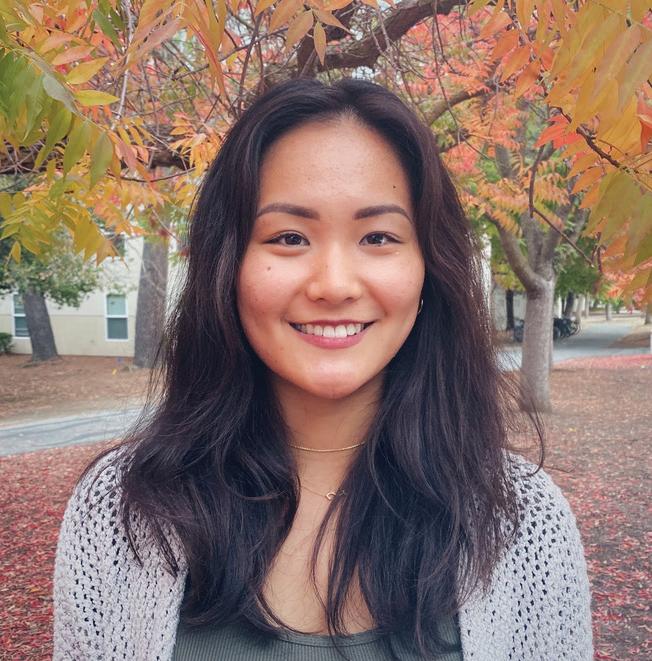
Prior to Stanford, Guan received a BSE in Computer Science from Princeton University with a certificate in global health and health policy. Her principal research goal is to leverage the vast amount of data that exists today to improve the health care system while informing policy decisions. Her current research aims to make the deceased donor organ allocation system more efficient and equitable.
Center for Health and Wellbeing Staff
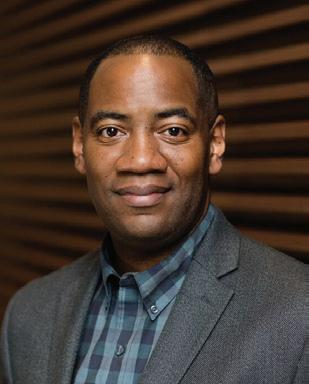
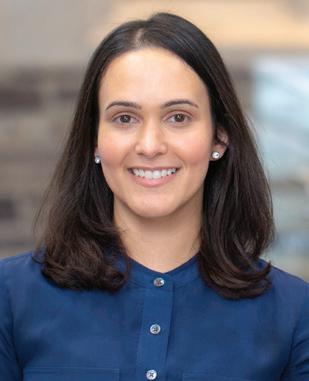
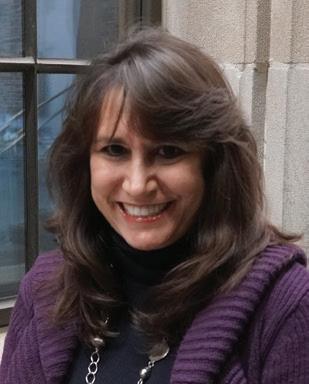
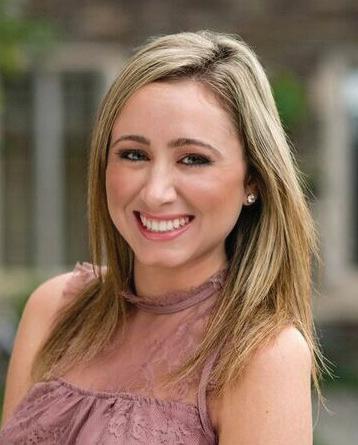
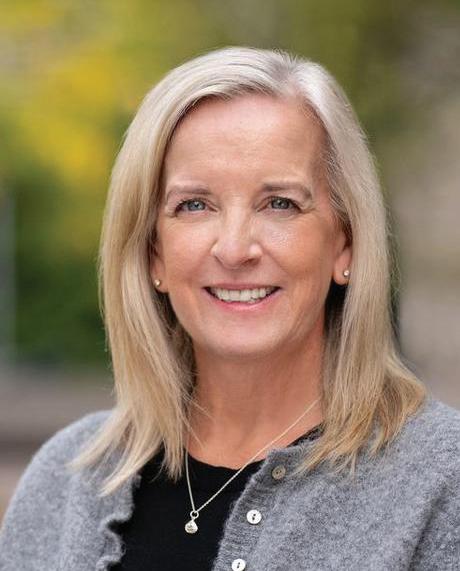
Gilbert Collins
Executive Director, CHW Director of Global Health Programs gcollins@princeton.edu
Debra Pino Betancourt
Program Manager & Grants Administrator debra.pino@princeton.edu
Aimee Bronfeld
Communications Manager abronfeld@princeton.edu
Justine Conoline Administrator conoline@princeton.edu
Heather Mayer
Internship & Outreach Coordinator hmayer @princeton.edu
CENTER FOR HEALTH AND WELLBEING
School of Public and International Affairs
Julis Romo Rabinowitz Building Princeton University Princeton, NJ 08544-1013
P 609-258-8271
F 609-258-5974 chw@princeton.edu
@CHWPrinceton
@Princeton_CHW
@Princetonchw.bsky.social @PrincetonCHW
Text by CHW Staff
Edited by Aimee Bronfeld
Design by Theresa Paesani
Photo credits:
Denise Applewhite
Soumitra S. Bhuyan
Jeanley Boursiquot
Aimee Bronfeld
Danielle Capparella
Mariandrea Chamorro
Yoon Chang
Center for Health and Wellbeing
Amelia Clarke
Gilbert Collins
Ellie DeGarmo
Ruby Elewonu
Derek Hoot
Heather Howard
Sameer Kahn/Fotobuddy
Aanya Kasera
Lina Kim
Chin-Yi Kong
Jonathan Lee
Chloe Riche
Alexandra Sastrawati
School of Public and International Affairs
Alex Sheff
Mary Shim
Meaghan Tohill Map graphic by freepik.com
Copyright © 2026 by The Trustees of Princeton University In the Nation’s Service and the Service of Humanity
“ We must remain committed to our
goals – saving lives, ridding the world of deadly infectious diseases, and building health systems that deliver health for all. When humanity stands together, no challenge is insurmountable.”

– Peter Sands
Executive Director, The Global Fund