Louis
International Building A43
Princeton University Princeton, NJ 08544
609.258.3657
contact@princetoninasia.org princetoninasia.org

Louis
International Building A43
Princeton University Princeton, NJ 08544
609.258.3657
contact@princetoninasia.org princetoninasia.org

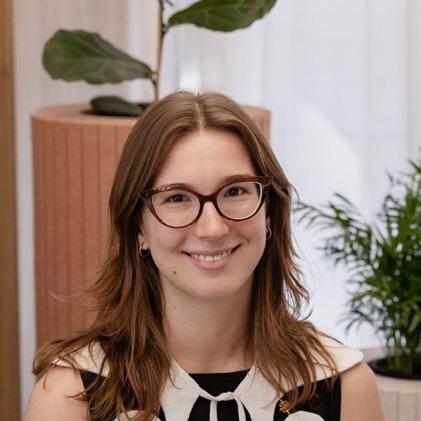
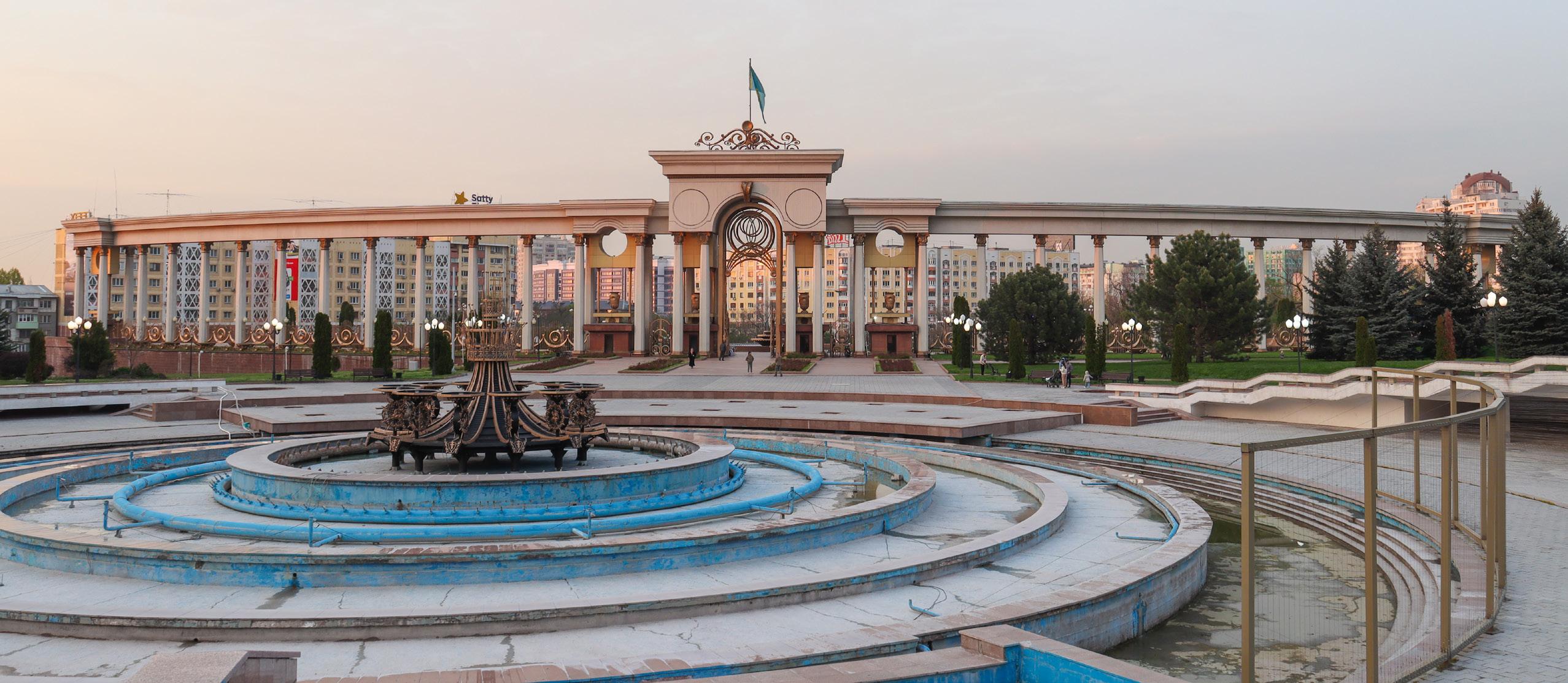
MARYAM GOODSON | KIMEP University | Almaty, Kazakhstan
A few weeks ago, I asked my students for their feedback on our course, and one student said they felt that my class was a safe space where they could share an opinion without being scared to voice it. Knowing that my being here is creating a positive impact on my students, while also working to help set up a counseling center for them, is incredibly rewarding and heartwarming. The work overall is challenging, but this kind of feedback along with our discussions and shared progress makes it all worth it.
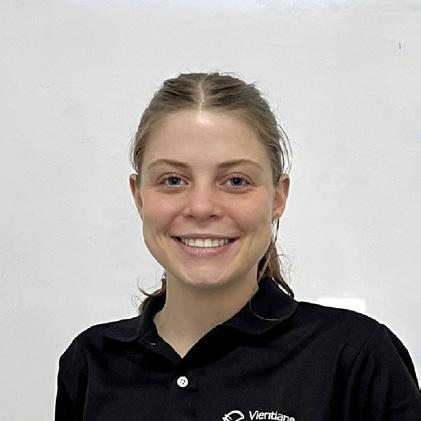
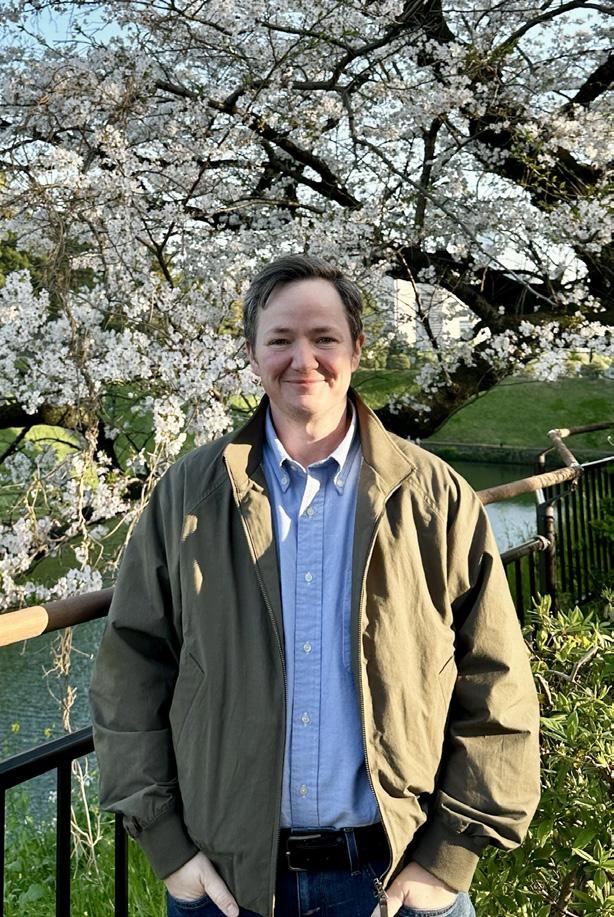
CAMBER MATHEWS | Vientiane College | Vientiane, Laos
The biggest surprise has been discovering how much I genuinely love teaching. While I have had teaching experiences before, it was always short-term summer programs. Having my own classes and building relationships with my students over an extended period of time has been really fulflling. I especially love working with younger students. Teaching feels very rewarding, and I can see myself continuing education, which is something I probably wouldn’t have predicted before starting this fellowship.
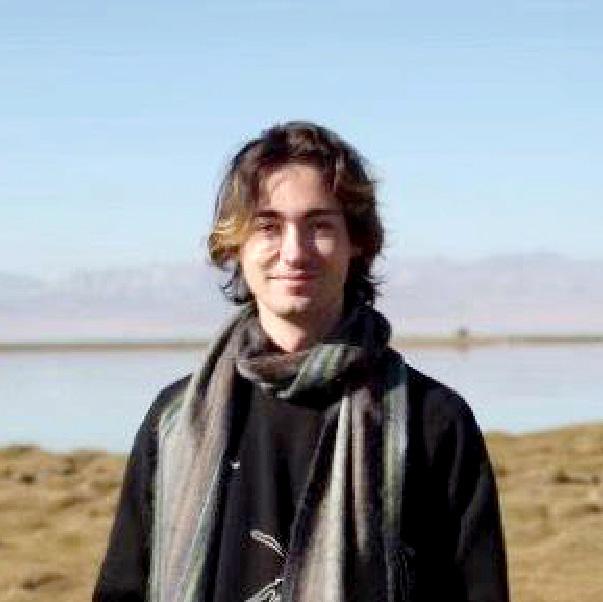
ETHAN MILLS | American University of Central Asia | Bishkek, Kyrgyzstan
Every day I learn something new. Sometimes it’s my students teaching me Central Asian wedding dances, often it’s a new Russian phrase or some grammar, and best of all is when I learn how to be a better teacher.
MCCUTCHEN | Mae Fah Luang University | Chiang Rai, Thailand
My identity as a Chinese American is very interesting to local people. When I tell people I am from America, I frequently get asked why I do not look like the stereotypical white American. These conversations have opened the door for discussions about the diversity of the United States and my perceived identity. Thai people are quite welcoming and friendly. They truly want to get to know you, so their questions about identity are genuine. Overall, I love the life I’m building in Chiang Rai.
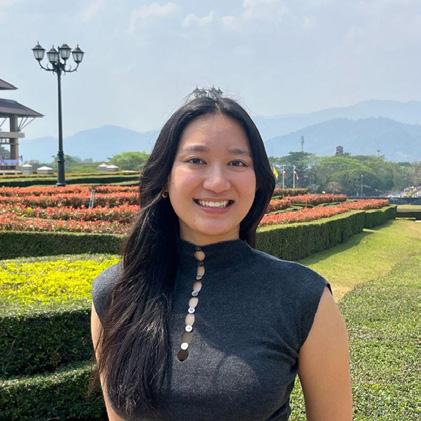
RUNA KATAYAMA | Niizawa Sake Brewery | Miyagi, Japan
I have been blessed with amazing colleagues at my host organization. Specifcally within the shipping department, we are always conversing while we work and I even have inside jokes with some of them. Most of the colleagues in the shipping department have families, which make it a little hard to spend time outside of the workplace, but I have been on excursions or contact outside of work hours with a few of my colleagues.
In the company dorm, I have four dormmates and we are all very close. We try to have a night out every month with all dormmates present and if people’s availability match, we go on excursions to a local festival or try a local restaurant/cafe. Some nights we all cook together and host game nights or watch a movie.
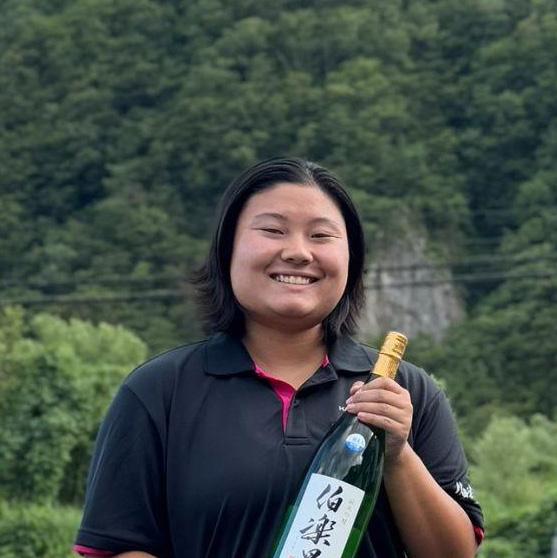
MARGAUX JOHNSTONE | Narxoz University | Almaty, Kazakhstan
The PiA Fellows are involved in a lot of random events at Narxoz because there is a high social value placed on us. This is fun because we get exposure to a lot of diferent people and events at the university. As a native English speaker (very high demand in this country) I do a lot of proofreading internal and external documents. For instance, last month I wrote English resumes for the President, Vice President, and a couple deans of Narxoz to prepare them for their trip to the U.S. This does feel valued by my coworkers. I also feel valued by my students who are eager to have a native English speaker professor.
Princeton in Asia is a lifelong bridge
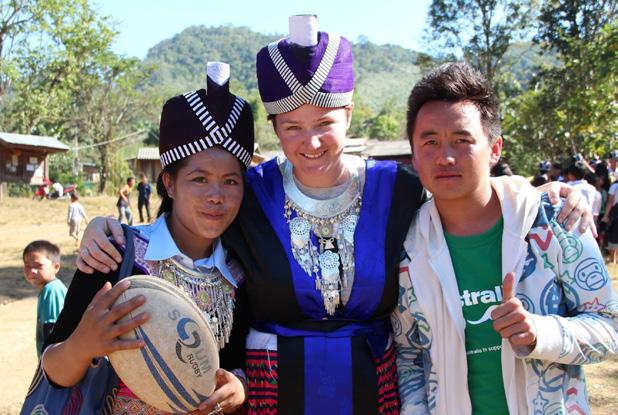
In the fnal year of my PiA fellowship at the Lao Rugby Federation, I had the privilege of working on a sport-for-development initiative in Xieng Khouang province in the northeast of Laos. With my Lao and H’mong colleagues, and in partnership with a cadre of youth leaders from the community, we delivered rugby outreach activities in 12 villages in Nonghet, a rural district bordering Vietnam. This was the frst time Lao Rugby had ever operated outside of Vientiane Capital.
Xieng Khouang is an ethnically diverse province in an ethnically diverse country: the Lao government recognizes 49 ethnic groups, with 160 ethnic subgroups – though the United Nations Development Programme (UNDP) estimates there may be up to 240 groups on the basis of distinct languages. The province is stunningly beautiful: the drive from home ofce to the schoolyards where we’d conduct the rugby activities would wind through green mountains, which were speckled with poinsettias in the winter months. Xieng Khouang is also the most heavily bombed province in the most heavily bombed country per capita in the world. From 1964 to 1973, the U.S. dropped 2 million tonnes of cluster munitions on Laos, 30 percent of which remain undetonated. It is estimated that it will take 100 to 200 years to clear Laos of all of the unexploded ordnance, or UXOs.
Sometimes, when we were in the schoolyard conducting rugby activities, we would hear an explosion in the distance – the result of a UXO-clearing mission, we always hoped, and not an accident. One time, when we brought a touring rugby team from the U.S. – including several Princetonians – to a village school for outreach activities, we arrived to fnd a UXO clearance team, armed with metal detectors, scanning the edges of the schoolyard for munitions.
UXOs continue to injure, maim, and kill people in Xieng Khouang and across Laos. This is the American legacy in Laos.
Consequently, you might imagine that this American would not have been welcomed in Xieng Khouang. But the reality, of course, was the opposite. I was welcomed into people’s homes for meals of steamed pumpkin, boiled chicken, and vegetables. At community celebrations, I was ofered homemade rice whiskey (my favorite method of delivery was an old gasoline canister – defnitely put hair on my chest). Lao Khang, my friend and former colleague from Xieng Khouang, even helped me acquire a traditional outft for H’mong New Year celebrations (fnding something to ft this foreigner was a stretch, but we got it done). Despite the American legacy, people extended kindness, generosity, and care to me.
This January, I started 2026 on the road where my own PiA journey began nearly 16 years ago: in Laos. On my frst night in Vientiane, Lao Khang hosted me for dinner at her home in Vientiane. We shared memories from the early days of our work together (she was a participant in one of the very frst outreach activities in Nonghet, before being hired as an intern Lao Rugby Federation through a volunteer fellowship program much like PiA). We talked about where we are now (she has responsibility for all rugby coaching activities in Laos,
which have now expanded to four provinces, led the Xieng Khouang men’s and women’s rugby programs to victory in the Lao National Games, where rugby was included for the very frst time, and is the mother of two young children who often accompany her to rugby games). We belatedly toasted to H’mong New Year and shared our hopes for a better year ahead.
Last March, when USAID was abruptly shuttered, and governments, institutions, and people were wrestling with the cascading efects of this decision, I caught up with Lao Khang and some other Lao Rugby colleagues in Hong Kong. They had chaperoned a group of players –many of whom had come up through those rugby programs in Xieng Khouang – to play in a rugby tournament in the lead up to the Hong Kong Sevens. The warmth I felt reconnecting with my friends and meeting the next generation of rugby players in Laos was undercut by a pit in my stomach and a lump in my throat.
The USAID closure would have immediate and severe impacts on the clearance of UXOs, and health, education, environment, and economic development programs, not to mention a wave of jobs lost as organizations cut programs or wound down their operations. (This was a reality for several PiA partner organizations in Laos and beyond.) When I apologized to my friends for what was happening and the real efects this would have on their lives, they said, “It’s okay – we know that is not who you are.”
“People are not their governments.”
I have repeated those words back to myself continually over the past year. At frst, it was to reassure myself. My friends from Laos know, better than most, that people are not their governments. Then, it became a call to recommit myself to PiA’s mission of promoting mutual appreciation and cross-cultural understanding between the United States and Asia. The mutual appreciation and understanding cultivated through our bridge-building work can be our American legacy, as we send forth PiA Fellows and Interns, and as we empower our alumni to uphold PiA’s mission and values throughout their lives. Indeed, the word legacy derives from Medieval Latin legacie, “body of persons sent on a mission” and Latin legatus “ambassador, envoy, deputy.”
I am frequently asked how PiA is faring in this environment, when so much work that makes the world more peaceful and more stable, and which cultivates appreciation for the United States abroad, has gone up in smoke. Government-funded programs that might bolster international ties or hold on to ties abroad have been cut, curtailed, or are in jeopardy.
It is challenging, for sure – but as you will read in these pages, Princeton in Asia is enduring, and even growing, in one of the most volatile and uncertain operating environments we have seen in our organization’s 128-year history. The reason we are able to be efective in carrying this work forward – even as some bridges have been damaged or burned –is rooted in our identity.
We are independent, community-built, community-powered, and community-funded. This positions us to endure, and even to grow, in challenging and uncertain times like we are seeing in the U.S. PiA receives no government funding. Contributions from private organizations and individuals provide support for PiA.
That has three implications for us.
First, we have structured PiA as an independent, self-contained organization. Our institutional muscle has been developed to seek funding from a range of private sources: not a handful of grants from the government. This makes us more prepared for the changes in the U.S. fundraising landscape today.
Second, we have had to build up the organization and operate our program independently, so we have developed fexibility to carry on when we face upheaval. Like bamboo scafolding, we have developed to be fexible, durable, and sustainable.
Third, we have decades of making adjustments ourselves along the way. Just as we cultivate fexibility and resilience in our Fellows, we ourselves are resilient.
In sum, our independence – which at times has felt scary because we have had to confront massive challenges with limited resources – is one of our greatest strengths. That independence also keeps us focused on our mission to be a community of bridge builders, even when our resources are constrained.
Our size and scope are the largest among American nongovernmental professional fellowships
This year, PiA sent 61 young bridge-builders to 17 countries and regions across Asia. This includes fve Summer Interns from Princeton, who spent their summers in South Korea, Tajikistan, and Hong Kong. And it includes 56 full-year Fellows from Princeton and 37 other institutions across the U.S., and two American campuses abroad. This makes us the largest American, non-governmental professional fellowship operating in Asia. We sent the largest number of Fellows from the broadest range of institutions to the most countries and regions in Asia.
Our Fellows have returned to host organizations in Cambodia, Indonesia, Japan, Kazakhstan, Kyrgyzstan, Laos, Mongolia, Singapore, Sri Lanka, and Vietnam, stewarding decades-long relationships and forging new ones.
This year marks 50 Years of PiA in Thailand. In late January, PiA Trustees, alumni, and community members spent time across Chiang Rai and Bangkok, catching up with host partners, meeting with current Fellows, and celebrating the relationships that have defned PiA’s work in Thailand. As we celebrate our history and vibrant current programs in Thailand, we are also exploring opportunities to deepen engagement there in line with our strategic vision.
For the frst time, we have launched fellowships in Uzbekistan – and in the pages that follow, you will read refections from participants on our frst-ever PiA tour: a journey along the Silk Road, led by former Trustee Peter Poullada (Iran ’75, Afghanistan ’76). On this tour, participants celebrated over 30 years of engagement with KIMEP University in Kazakhstan, 10 years of engagement with the American University of Central Asia in Kyrgyzstan, and what we hope will be a long and fruitful engagement in Uzbekistan. They also raised funds to support one PiA fellowship in the process.
And, for the frst time since COVID, we have Fellows and Interns back in Macao SAR, Hong Kong SAR, and mainland China. This is of signifcance not only because of PiA’s long history in China, and because of China’s importance in our community – over 1,000 PiAers have served in mainland China, Hong Kong SAR, and Macao SAR – but also because there is such deep misunderstanding between the U.S. and China, and person-to-person exchanges are critical in building the trusting and respectful relationships that result in productive dialogue and collaboration. Because of our independence, PiA will be the only American professional fellowship operating in China that is open to graduates from institutions across the United States.
In 1898, Princeton students and alumni came together to raise $500 to send Pop Gailey to China to begin PiA’s work. That spirit of collective efort has been a constant in PiA’s existence. We are funded entirely by our community of alumni and friends: private individuals and organizations who remain committed to the urgency and importance of our mission.
Over the past year, this spirit was highlighted in three matching challenges that helped sustain and grow PiA’s work.

In Spring 2025, PiA alumni and friends of Central Asia participated in a matching challenge to fund the costs associated with Central Asia fellowships. 52 donors contributed over $57,000, matched by Peter Poullada, for a total of nearly $120,000.
Last June, a group of 11 current and former Trustees anchored a matching challenge in celebration of our relaunch in China. Together with 230 alumni and friends, they raised over $175,000.
This January, a group of 15 Thailand alumni and friends issued a $50,000 matching challenge in honor of PiA’s 50th Anniversary in Thailand. An additional 117 alumni and friends stepped up to meet the challenge, raising a total of over $102,000 to support PiA fellowships.
“We ask you to stay with us on this bridge-building journey”
At a time when the importance of sustaining and deepening personto-person exchange is heightened, we need the support of our entire community to help drive PiA forward. Whether you can contribute your time or resources, and whether you can commit $10 or $10,000 – or more – every gift matters.
We are grateful to our community for its engagement, stewardship, and support – and ask you to stay with us on this bridge-building journey. Because no matter how much the world has changed over the past 128 years, Princeton in Asia is – and will remain – how we started: independent, community-built, community-powered, and communityfunded.
This is a legacy I hope we can all take pride in.
Yours sincerely,

Mags Dillon Laos ’10-‘13 Executive Director
The PiA staf team has often refected that building new things sometimes means tearing down parts of the old. We are conscious that doing this is a delicate balance of creating something for the future without losing the core of who we are. What do we preserve? How do we maintain it? What needs to go in order to form something better?
We are rebuilding a program whose mission is to foster mutual understanding between the U.S. and Asia in a geopolitical landscape where it can often seem that the opposite is taking hold. This is not a new problem. Before coming to PiA, my historical research focused on the people who sought friendship and personal connection while their governments were at war with one another. They were determined to cultivate community across substantial, sometimes violent, cultural diferences. They didn’t always succeed, but their testimonies over time swayed public opinion and changed policy. I have often thought of these historical fgures as we have worked to relaunch PiA programs in China, and to launch new programs in Uzbekistan, particularly as I have encountered enthusiasm for person-to-person exchange in spite of the challenging geopolitical factors that we have to surmount together.
We know the importance of carrying forward PiA’s legacy in Asia. Fellows touch communities for generations, and the knowledge they bring back to their home communities – of real people, places, and ways of being – creates quiet transformation wherever they go. At the same time, there are new material considerations. Across Asia, host organizations have access to highly-educated populations, AI tools, and a very mobile labor market. We have needed to rethink how Fellows can contribute meaningfully to their host organizations, leading to changes in our recruitment and selection processes. We are still seeking transformation, while Fellows are also ready to contribute from day one, representing many versions of the United States in a way that refects truly mutual exchange.
The work of building bridges has never been easy, and this is certainly true now. As we plan to send increasing numbers of Fellows and Interns to do the work of person-to-person diplomacy, we are also forced to acknowledge that a U.S. afliation may now resonate very diferently than it did a decade ago. But none of us is alone in this crucible (not even during that friendless frst month in-country).
This project of rebuilding – of relationships, the program, maybe even the world – is collective.
The strong PiA legacy and “new build” characteristics together are reverberating in host communities. As we revive relationships with long-term host organizations in China and work to launch new partnerships in Uzbekistan, I have heard about the impact Fellows of decades past had on the lives and careers of teachers, diplomats, and many others whose actions have a ripple efect far beyond PiA itself. We have also heard from potential new organizations that are inspired to host Fellows based on positive interactions with this year’s Fellows.
As I have visited Fellows in their host communities, I have also witnessed how they are part of a bigger story of interconnection across the world. In addition to the relationships they cultivate in their host locations, their loved ones also learn about places they might otherwise never have encountered. One Fellow was excited to bring a parent to their host community – their frst excursion out of the U.S. I met the loved one of a PiA alum during the Silk Road tour that brought supporters to Kazakhstan, Kyrgyzstan, and Uzbekistan, and learned how her child’s experiences in Mongolia had come to infuence her own perspectives and interests.
Partners at host organizations who have hosted generations of Fellows refect on how participants have remained in touch through the years, coming back to Asia for work and for life, showing up for weddings and funerals and births. They have continued to invest in Fellows amid changing material and geopolitical circumstances, and their connection is one that will last long beyond the fellowship year.
Country and Area Advisors, who come to us through vast PiA and Princeton University networks, help to smooth our path, and alumni share their wisdom and look out for one another at all stages of life. Through these connections, people become invested in new places, know the names of the people in them –and see their humanity in new ways.
Rebuilding might imply that something had to frst be destroyed. Some of that is necessary. We need to jettison the assumptions and stereotypes that impede understanding. Yet it is also about repairing what is broken, stretching our bonds in new directions, to hold new people, places, and ways of being.
by Jack Styler | Kazakhstan ’22
Julia Davies ‘25 and Sergio Castagnoli ‘25 both spent two years abroad before moving to Tashkent in September as the frst two PiA Fellows hosted in Uzbekistan. But a few months into their fellowships, they both agreed: Uzbekistan is wholly diferent from any place they’d lived or worked before.
Davies recalled getting of the plane at 1am, getting focked by taxi drivers, and waking up the next day “feeling transported” into a bustling city of over 3 million marked by its characteristic Communistera brutalist architecture.
Castagnoli similarly said he felt “a bit of sensory overload” during his frst few days in the country as he learned to cross the wide Soviet-built boulevards and navigated switching of between the city’s two main languages: Uzbek and Russian.
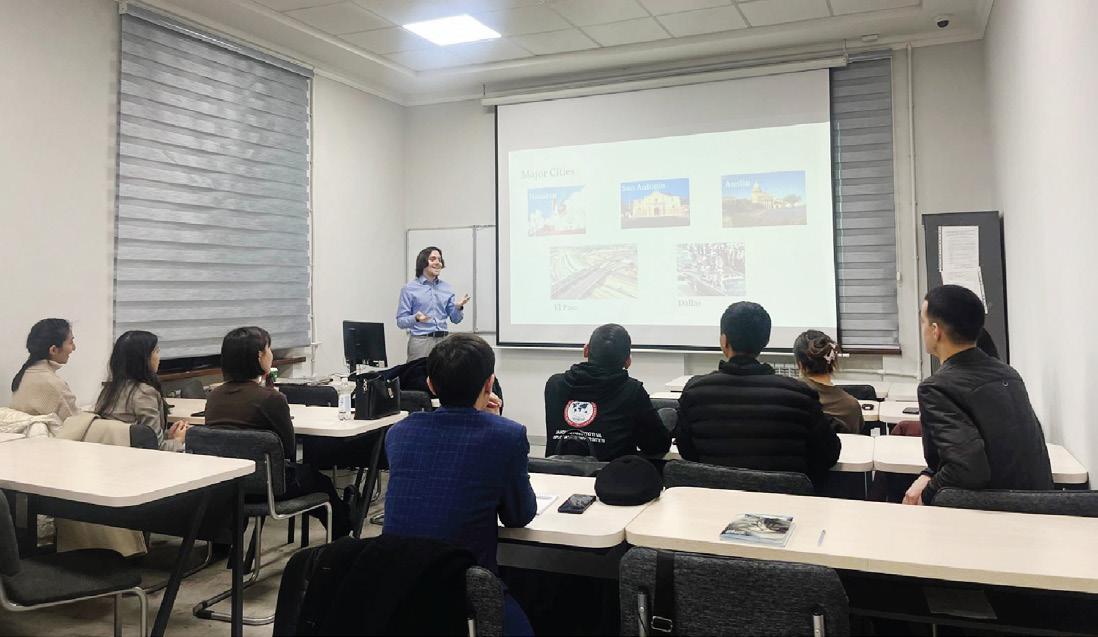
But after a few months, they both said that they had established a routine in their new jobs at the University of World Economy and Diplomacy, the frst public university established after Uzbekistan gained independence in 1991.
Davies teaches four classes per week on international relations and confict studies, two of which are lectures with 80 to 100 students.
Castagnoli teaches three classes per week and also works in the Ofce of Transformation, where he produces reports to advise the university on how to expand its international reach in hopes of being accredited by European frms and climbing in international rankings.
While both Davies and Castagnoli said there had been some scheduling hiccups as they adjusted to working in a foreign workplace, they both emphasized how welcoming the staf at the university has been. Outside of their busy work schedules, they’ve also had a chance to explore the city.
At the sprawling Chorsu Bazaar, Castagnoli said he had the “best tomatoes of [his] life” after the summer harvest. Davies, meanwhile, said she has taken a frm position against Yandex Taxi, the Russian ridesharing app similar to Uber popular throughout Central Asia, instead favoring the intricately designed Tashkent metro.
“People do this as a tourist activity,” said Davies. “I get to do it to get around my daily life.”
Director of Programs
Molly Giblin said that Davies and Castagnoli’s arrival in Uzbekistan was fve years in the making.
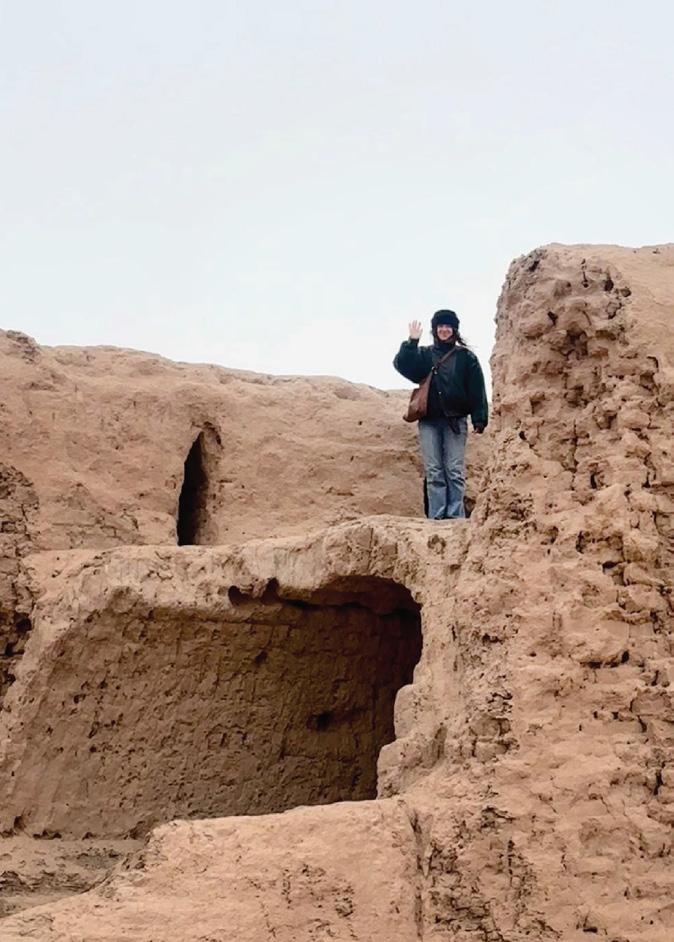
PiA had been looking to expand into Uzbekistan since 2020 but had a breakthrough in 2023 after meeting with Uzbek embassy ofcials, said Giblin. That meeting was orchestrated with help from Mirjahon Turdiev, a PhD student at Syracuse University’s Maxwell School originally from Uzbekistan.
Turdiev, who now serves as a Country and Area Advisor for PiA’s Uzbekistan program, said the partnership was possible now because Uzbekistan’s government wants to continue to open the country up to tourism and investment opportunities and because a new generation of young Uzbek students with high-level English skills is eager to engage with American counterparts and institutions.
The interest in cross-cultural connection is mutual, according to Giblin, who said that there has been an uptick in interest in Central Asia from PiA applicants in recent years.
While Davies and Castagnoli are the only Fellows in Uzbekistan for now, Giblin said that she hopes that will change in the future. After visiting the country several times in the past three years, including a recent Silk Road Tour with 16 Princeton in Asia Trustees, donors, and alumni, Giblin said the PiA team is looking to add fellowships outside of Tashkent sometime in the near future.
Fellows, partnerships, and learning in the “Land of the Eternal Blue Sky”
by Helen Cheng Mao | China ‘94
This academic year marks 20 years of PiA fellowships in Mongolia. Since 2006, 61 Fellows have served across felds including arts and culture, education, economic development, environmental sustainability, and STEM research. Over the years, Fellows have worked with host organizations across Mongolia’s private sector, universities, and nonproft community. These have included companies such as AND Global, Cerberus Frontier, GerHub, IARUDI Consulting, Mobicom Corporation, Mongolia International Capital Corporation (MICC), and XacBank; universities including the Mongolia University of Life Sciences, the University of Finance and Economics, and the University of the Humanities; and organizations such as Logarithm School, the Mongolian Sustainable Finance Association (MSFA), and Open Society Forum.
PiA Director of Programs Molly Giblin notes that Fellows encounter invaluable opportunities “to learn about and contribute high-level work in emerging felds while getting to know modern Mongolia.”
This was certainly true for inaugural Fellow Ben Shell (Thailand ’05, Mongolia ’06). Possessing no prior business experience, he quickly learned about fnance as XacBank’s Research and Business Development Manager. Applying writing and analytical skills to newly acquired business knowledge, Shell won a $150,000 Innovation Award for the bank’s rural fnance program. Inspired by his work at XacBank and with Smart Air Mongolia (an organization addressing Ulaanbaatar’s heavy air pollution), today Shell leads a renewable energy service.
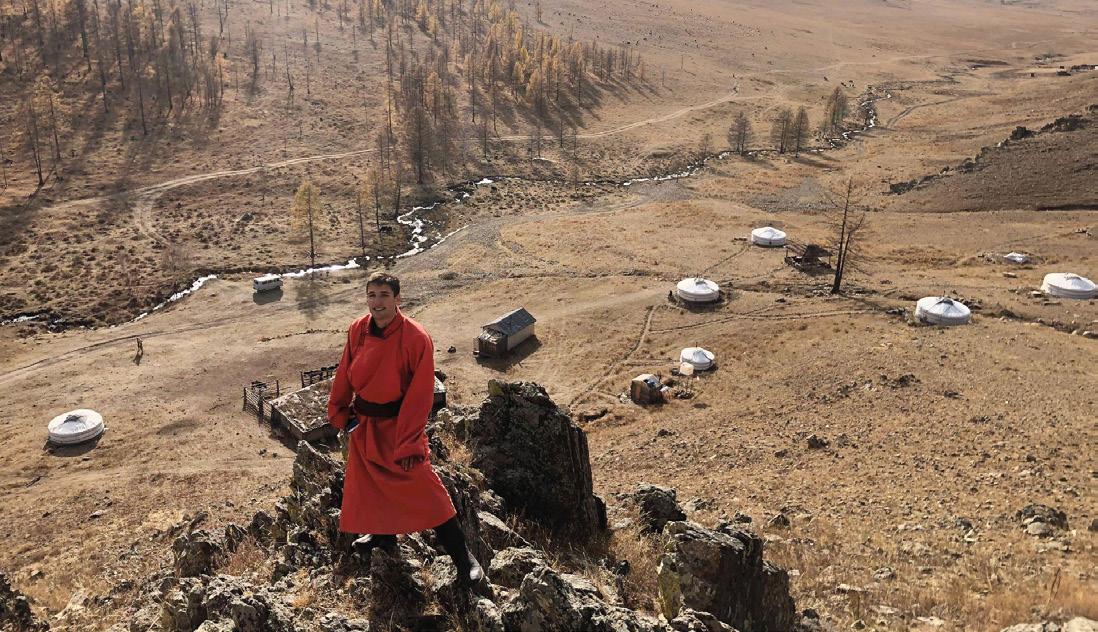
A decade later, Greg Zegas ’17 served as XacBank’s Eco Banking Project Development Ofcer. Through his work there, he saw the positive impact that private-sector and fnance-led initiatives can have. “You don’t need to work for a nonproft or for government to change people’s lives or infuence society for the better,” he says. Today, Zegas manages a clean energy fund.
Faye Steele ’24-’26 and Arlen Agiliga ’24-’26 represent the current generation of PiA Fellows in Mongolia, both now in their second year. Currently an Environmental, Social, and Governance Strategy Specialist with Mobicom, Steele served as ESG Manager with the Mongolian Sustainable Finance Association (MSFA) last year. An

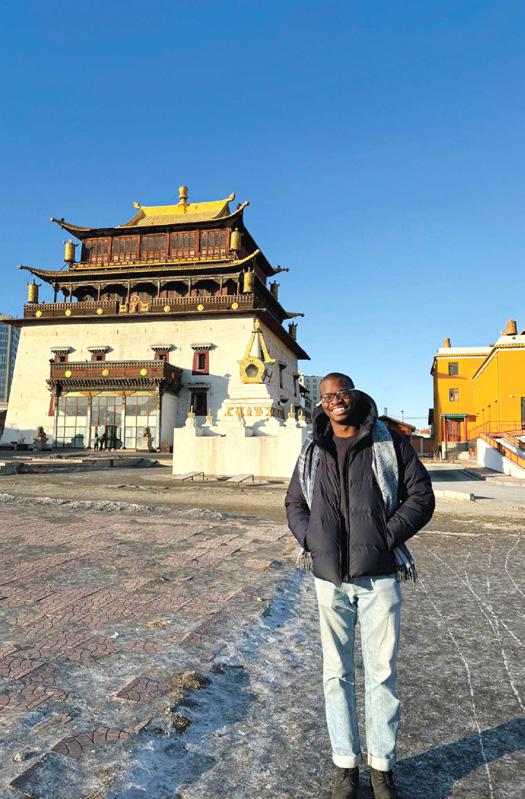
avid student of Mongolian language and culture, she describes her “challenging and rewarding” fellowship as “a practical way to apply my learning in the workplace through social interaction.” Her experiences have inspired her “to pursue entrepreneurship globally” in the future.
After a year in investment banking in New York City, Agiliga brought his expertise to Mongolia, frst working as an analyst at Mongolia International Capital Corporation (MICC) and now as an equity associate at Cerberus Frontier. Having observed Mongolian business practices in “frontier and emerging markets,” he hopes “to take these lessons and apply them to future endeavors” in the U.S.
Living and working in Mongolia also means encountering the country’s landscape and culture frsthand. Fellows have ridden horses in Gorkhi-Terelj National Park, traveled through the Gobi Desert, camped around Lake Khuvsgul, and even tried ice climbing. Just as memorable are the relationships they form with their host communities. Shell feels that “PiA plays a very important ‘long game’ in an increasingly divided world by instigating enduring cross-cultural friendships, empathy, and understanding from lived experience.”
Dolgormaa (Dolly) Jamiyan, PiA’s Country Advisor in Mongolia, appreciates how PiA has collaborated with host organizations through the years. She believes that PiA ofers “not only programs, but also a thoughtful approach that listens frst and builds long-term relationships… PiA’s role is really about connecting Mongolia with global ideas and best practices, while also making sure Mongolian perspectives are heard and respected internationally.”
Twenty years in, PiA’s work in Mongolia continues to evolve. In addition to full-year fellowships, PiA is developing partnerships for summer internships, giving Princeton University undergraduates the chance to experience Mongolia frsthand. New opportunities such as these refect how PiA carries on rebuilding and expanding programs post-pandemic.
by Helen Li | China ‘19
In a major step toward restoring an integral part of PiA’s history and legacy, full-year fellowships in China were ofcially relaunched this fall, the frst time since programs paused during the COVID-19 pandemic.
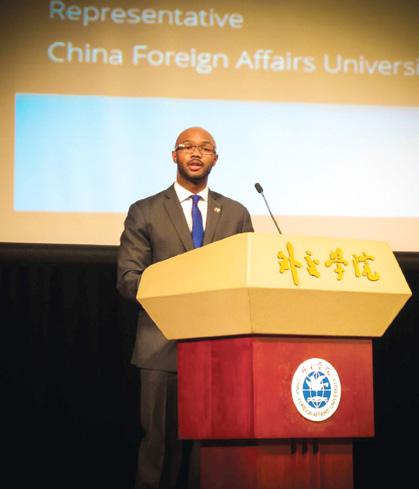
The 2025-2026 placement of one Fellow at China Foreign Afairs University (CFAU) in Beijing and three Fellows at the YK Pao School in Shanghai carries forward a mission dating back to 1898, when a group of Princeton undergraduates voted to raise funds to support a YMCA in Tianjin, China. They sent Robert Gailey, graduate class of 1896, with $500 to board a steamer to start what would become PiA.
Over the next few decades, the organization’s work expanded to include famine relief programs and the establishment of the Princeton School of Public Afairs at Yenching University, which later merged with Peking University. Fellowships in China have ranged from teaching at universities to working with local businesses, international media outlets, and environmental NGOs.
The number of foreigners living and working in China has decreased signifcantly in recent years. Given this context, the presence of the current cohort of Fellows is especially meaningful. “They may be the frst Americans their students are encountering,” said PiA’s Director of Programs Molly Giblin
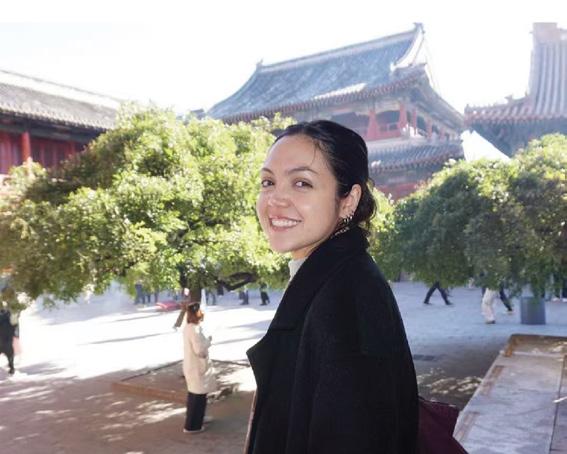
Gigi Copeland ’25 teaches oral English at CFAU in Beijing, a big shift from the small suburban Florida community where she grew up. She had studied Mandarin Chinese since high school but had limited studyabroad opportunities in college due to the pandemic. Now, as the only PiA Fellow in a city of more than 22 million, Copeland enjoys testing the limits of her comfort zone, whether that’s taking care of local stray cats or hosting a Christmas dinner get-together. “It’s been helpful in forcing me to interact with my environment, speak more Chinese, go places by myself and get out of that expat social circle,” she said.
At YK Pao School in Shanghai, PiA Fellows serve as teaching assistants, guiding students and acting as liaisons between faculty and the classroom. Headmaster James Lyng says that having more Fellows helps open young people’s minds at a time of heightened geopolitical tensions. “For recent college graduates to join us and have such a positive impact on our students provides such a great opportunity to balance perspectives in contrast to various media sources, which do not necessarily highlight the positives of diferent but complementary global cultures,” he wrote.
After graduating from the University of Southern California, Victor Ye ’25 sought deeper immersion in a country where he has ancestral roots and familiarity with the language and culture, leading to his posting at the YK Pao School. “Learning from textbooks versus seeing the lives of
everyday people is quite a nuanced experience that would only happen if I’m on Chinese soil,” Ye said.
This cultural exchange on the ground level has helped many PiA alumni launch their professional careers after their fellowships.
Lucy Hornby ’95-’97 stepped foot into Wuhan Polytechnic University as a teaching Fellow, but went on to have a journalism career in Asia years later, including serving as the Financial Times China bureau chief. “It helped being in Wuhan. My frst experiences in China were through the perspective of a normal person, less foreign relations, or focused on a question of human rights or the party. That made the journalism element more sustainable,” she said.
Andrew Berkley ’13-’15 taught English discussion courses at CFAU, likely becoming the frst Black man that his students, aspiring diplomats, had met. The opportunity to teach also allowed Berkley to plunge himself into China’s rapidly shifting technological landscape in the 2010s: QR codes, superapps, VPNs, and what we now know of as TikTok. His experiences in Beijing sparked an interest in data science and cybersecurity. “You can’t make sense of life looking forward. You can only connect the dots looking backwards,” Berkley said. He now works at Microsoft in ethical AI design. “I don’t think I would have been able to do that if it wasn’t for Princeton in Asia.”
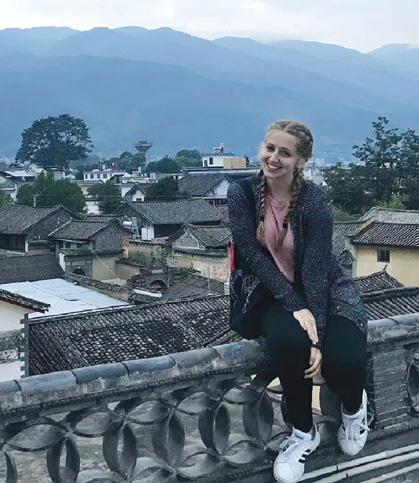
Elise Bukowski ’19 served as a business Fellow at The Linden Centre in Xizhou, home to a signifcant Bai ethnic minority population. Her fellowship was cut short by COVID, but she pursued her career in China, frst as a Yenching Scholar at Peking University and now at a geopolitical risk consultancy frm in Beijing. Before PiA, she had studied abroad and visited China, but her time in Xizhou showed her the direct impact of people-to-people diplomacy. “There is diversity everywhere you look. This ideology and way of thinking of the world was shaped by my time in Yunnan and with my Bai friends,” she said. “I have so many stories of how opinions have been shattered by these conversations.”
As many other pathways to China have shuttered, PiA aims to change the tide, persisting as the only American professional fellowship operating in China that takes graduates of all colleges and universities. Giblin says that PiA hopes to double the number of China fellowships ofered next year, continuing the important work of fostering mutual understanding through personal diplomacy.
Phnom Penh, Cambodia
The Clinton Health Access Initiative (CHAI) is a global health organization that operates at the nexus of government, business, and health to save lives and improve health outcomes in over 30 countries. In Cambodia, CHAI works across 11 programs, including malaria, vaccines, and digital health, collaborating closely with the Ministry of Health (MoH). In 2025, the frst PiA Fellow joined CHAI as a Digital Health Fellow and helped us launch a new partnership in Phnom Penh.

Dushanbe, Tajikistan
Ilmhona, a non-proft and non-governmental organization, is dedicated to cultivating a community of forward-thinkers adept at leveraging advanced technological solutions to advance Tajikistan’s digital economy. By ofering an array of training programs in coding, design, and additional tech skills, alongside orchestrating community-centric tech events such as hackathons, Ilmhona strives to nurture professionals who are not only well-rounded but also possess a competitive edge in both local and global job markets. Their mission is centered around empowering and uplifting youth through skill development and employment opportunities, and their projects specifcally target vulnerable groups in society, including women, individuals with disabilities, Afghan refugees, and others. This past summer, two PiA Interns helped us celebrate our geographic relaunch in Tajikistan with this new post!

Hong Kong SAR
SEED Foundation is a registered charity established in 2021 to address structural inequalities in digital literacy, ofering digital skills and computing programming for more than a thousand students at under-resourced schools across Hong Kong SAR SEED Foundation provides courses in computing, company visits, and workshops with experts, and internships to cultivate the skills and aptitudes necessary for university admission and workforce access. In 2025, PiA sent its frst summer intern to the SEED Foundation, relaunching its presence in Hong Kong SAR.
University of World Economy and Diplomacy
Tashkent, Uzbekistan
The University of World Economy and Diplomacy (UWED) was founded in 1992 as the frst higher educational institution of independent Uzbekistan to train the country’s future leaders and international relations experts. UWED provides high-level research training to over 3,000 students in International Economics and Management, International Relations, Political Science, and International Law. In 2025, PiA sent the frst Uzbekistan Fellows to UWED, ofcially launching a new chapter in PiA’s Central Asia programming. The inaugural two Uzbekistan Fellows teach International Relations and English, as well as supporting the university’s Ofce of Transformation
Beijing, China
China Foreign Afairs University (CFAU) is a small-scale, high-caliber university, afliated with China’s Ministry of Foreign Afairs (MFA). It is dedicated to training top diplomatic and foreign afairs talent to serve China’s diplomatic cause. CFAU was ofcially established on September 10, 1955, under the initiative of Premier Zhou Enlai and with approval of the Central Committee of the Communist Party of China (CPC) and Chairman Mao Zedong. Since then, CFAU has continued to cultivate students equipped to meet the multidimensional demands of diplomacy and foreign service. Among the 20,000 alumni to have graduated from CFAU, nearly 600 have served as ambassadors to foreign countries. In 2025, PiA sent an English Teaching Fellow to CFAU, ofcially relaunching our partnership with the university.
The University of Macau Macao SAR
The University of Macau (UM) is a comprehensive research-oriented public university of international standing. Since its establishment in 1981, UM has become a leading public university in Macao SAR, dedicated to providing a multifaceted education through its unique educational model and residential college system, and in accordance with the university motto: Humanity, Integrity, Propriety, Wisdom, and Sincerity. In 2025, PiA relaunched its partnership with UM and presence in Macao SAR by sending English Teaching Fellows to work in the English Language Center and to help build a new residential college community.
YK Pao School Shanghai, China
YK Pao School is a private non-proft institution founded in 2007, in memory of shipping magnate Mr. Yue-Kong Pao, the renowned Chinese businessman and philanthropist. With around 1,600 students from China and overseas, the school ofers a unique Year 1-12 educational programme that integrates elements of the Chinese National Curriculum and international curricula, culminating with the IGCSE and IB Diploma programmes, both of which are complemented by core components of the Chinese National Curriculum. YK Pao School’s innovative Chinese-English immersion bilingual programme nurtures the whole person – the entire emotional, social, physical, and intellectual being – and prepares students to become engaged and responsible global citizens of the 21st century. PiA was thrilled to resume our partnership with YK Pao School in 2025 as part of our larger relaunch of PiA fellowships in China.
Meet the newest members of the team and learn about the experience they bring to advancing PiA’s mission
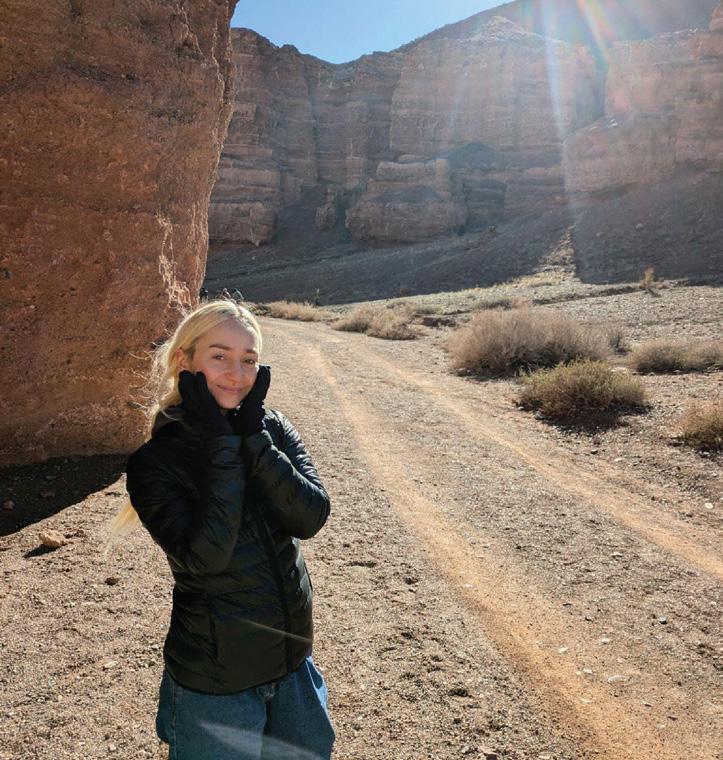
August Caldwell | Kazakhstan ‘23-’25 Development Coordinator
August graduated from Colorado College with a bachelor’s degree in Environmental Studies and a minor in Chinese Language and Culture. Driven by her passion for crosscultural education, August joined the China Folk House, a non-proft promoting people-topeople exchange between the U.S. and China, where she coordinated the organization’s program implementation and supported fundraising eforts.
August later pursued a PiA fellowship with KIMEP University in Almaty, Kazakhstan. While in Kazakhstan, she focused on language learning as a tool for bridge building and immersed herself in this process by teaching English and learning Russian.
Shortly after completing her PiA fellowship, August joined PiA as Development Coordinator in December 2025. She is passionate about leveraging the power of community collaboration to achieve common goals and is eager to support PiA in its mission of fostering cross-cultural understanding and appreciation.
In her free time, August likes reading, writing, and seeking out good cafes.
“As a recent PiA alum (Kazakhstan ‘23-’25), I cannot wait to meet more PiA friends and alumni, hear their unique stories, and learn from everyone in our community.”
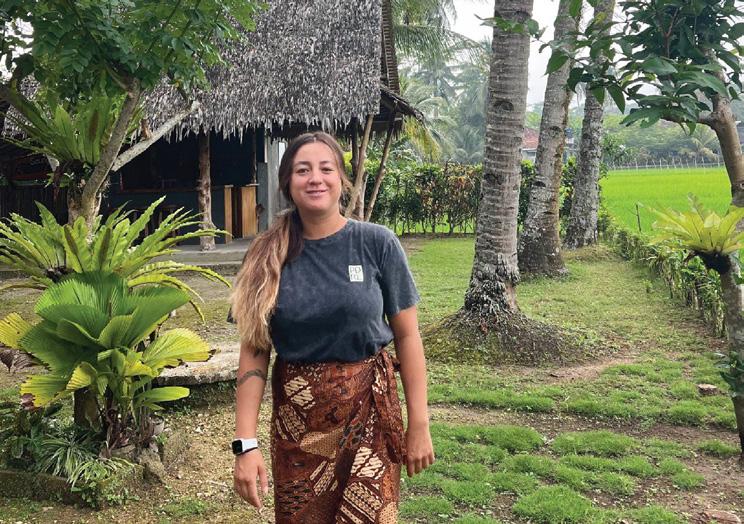
Julianne Greco | Indonesia ‘12-’14
Alumni Engagement & Communications Coordinator
As Alumni Engagement & Communications Coordinator, Julianne supports communitybuilding across PiA’s global alumni network and helps share stories that refect PiA’s bridgebuilding mission. A PiA alumna herself, she was a Fellow in Yogyakarta, Indonesia, from 2012 to 2014.
After her fellowship, she decided that two years in Indonesia wasn’t enough, and now, 13 years later, she still hasn’t left and has no plans to. Originally from Colorado, Julianne graduated from Dickinson College with a double major in Law & Policy and International Studies.
Julianne spent almost nine years at Coconuts Media, where she held roles including Bali Managing Editor, Travel Editor, Audience Development Manager, and Senior Brand Editor. Before joining PiA full-time, she worked as a freelance writer and content strategist, partnering with lifestyle, food & beverage, travel, and surf-related brands on copywriting, editorial strategy, and digital campaigns. During that time, she also collaborated with PiA on alumni communications and publications.
Outside of work, Julianne enjoys surfng Indonesia’s waves, spending time with her partner and their three adopted dogs, and creating content.
“PiA shaped the course of my life in ways I couldn’t have predicted, bringing me to Indonesia and now back to the organization itself. Editing Pacifc Bridges feels like a full-circle moment, and I’m excited to help share the stories that continue to build connections across this community.”
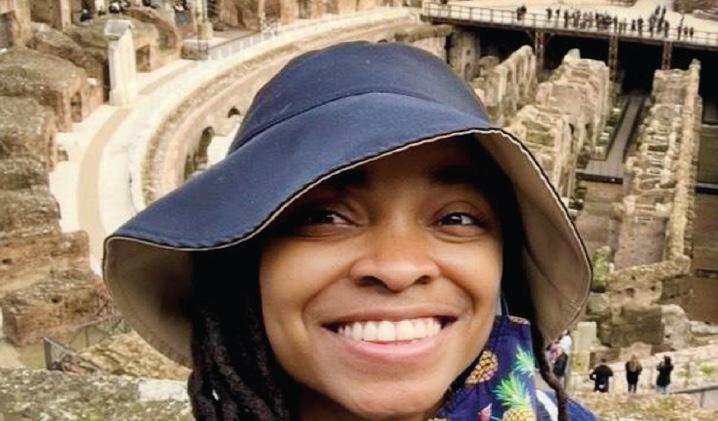
Kallah Masudi Administrative Assistant
Kallah (she/her) earned a Bachelor of Arts in Anthropology with a minor in Asian Studies from Rutgers University, Newark, and studied abroad at Ewha Womans University in Seoul, South Korea. Interested in language and crosscultural exchange, she began her professional career as a Translations Assistant at YPrime, supporting localization projects by managing workfows, maintaining tracking spreadsheets, and reviewing language materials for accuracy and clarity. She later spent three years in South Korea as an ESL educator to elementary and middle school students, emphasizing analytical thinking, literary interpretation, and realworld language use. Through this work, Kallah developed a deeper appreciation for education as a tool for global engagement and community building.
After returning to the United States, Kallah joined PiA as an Administrative Assistant in December 2025. In this role, she provides administrative, fnancial, and program support across the organization and is motivated by PiA’s mission to foster global engagement and meaningful cross-cultural experiences.
Outside of work, Kallah enjoys reading and discussing contemporary fction, as well as articles on climate action, UNEP initiatives, and the fnal frontier – space exploration, always looking for ways to share curiosity and ideas with others. She also enjoys partner dancing – ballroom, Latin, and African styles – and is a co-founder of a local fber arts group that meets monthly.
“I’m excited to join PiA in a part-time capacity to support its mission through a mix of writing, editing, and behind-thescenes administrative work that strengthens alumni connections and keeps programs operating seamlessly.”
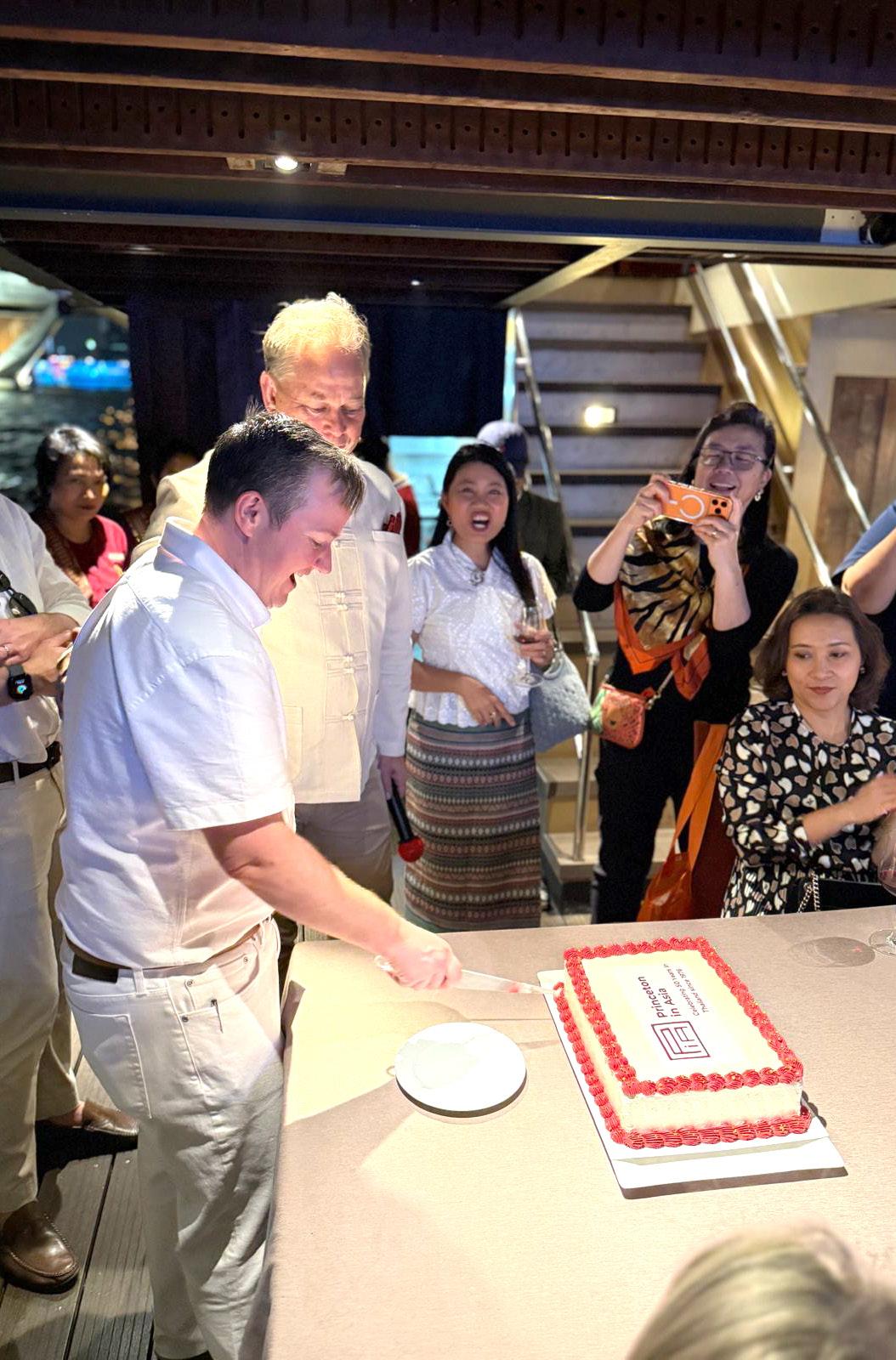
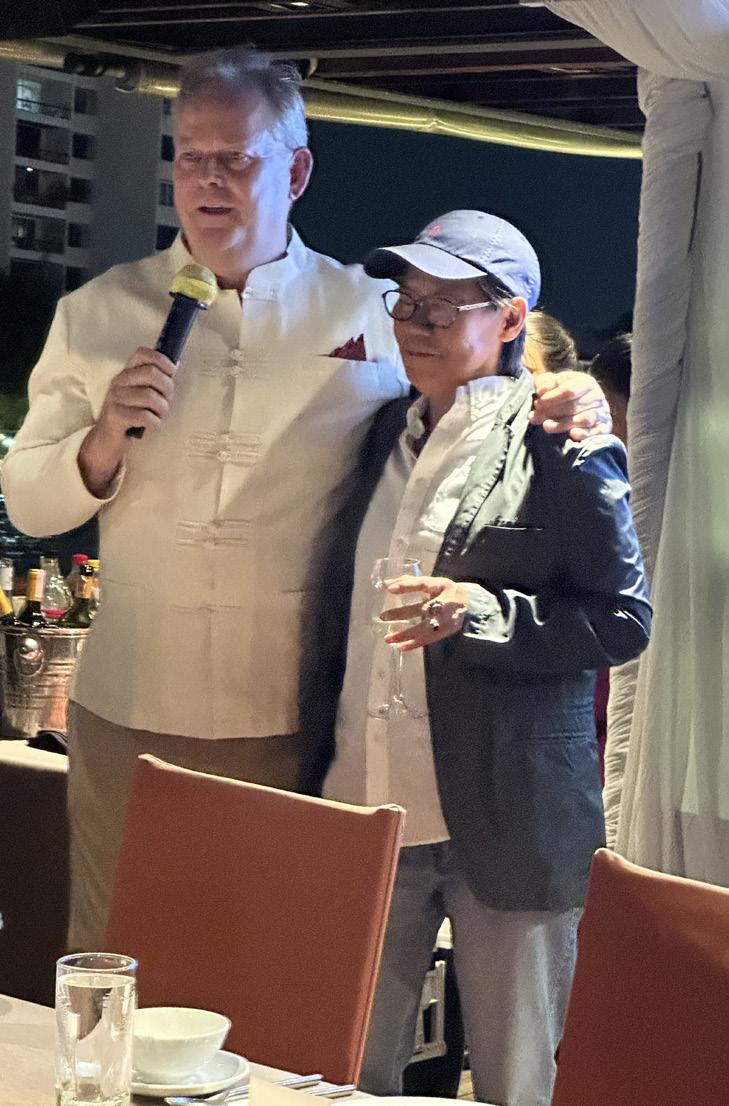
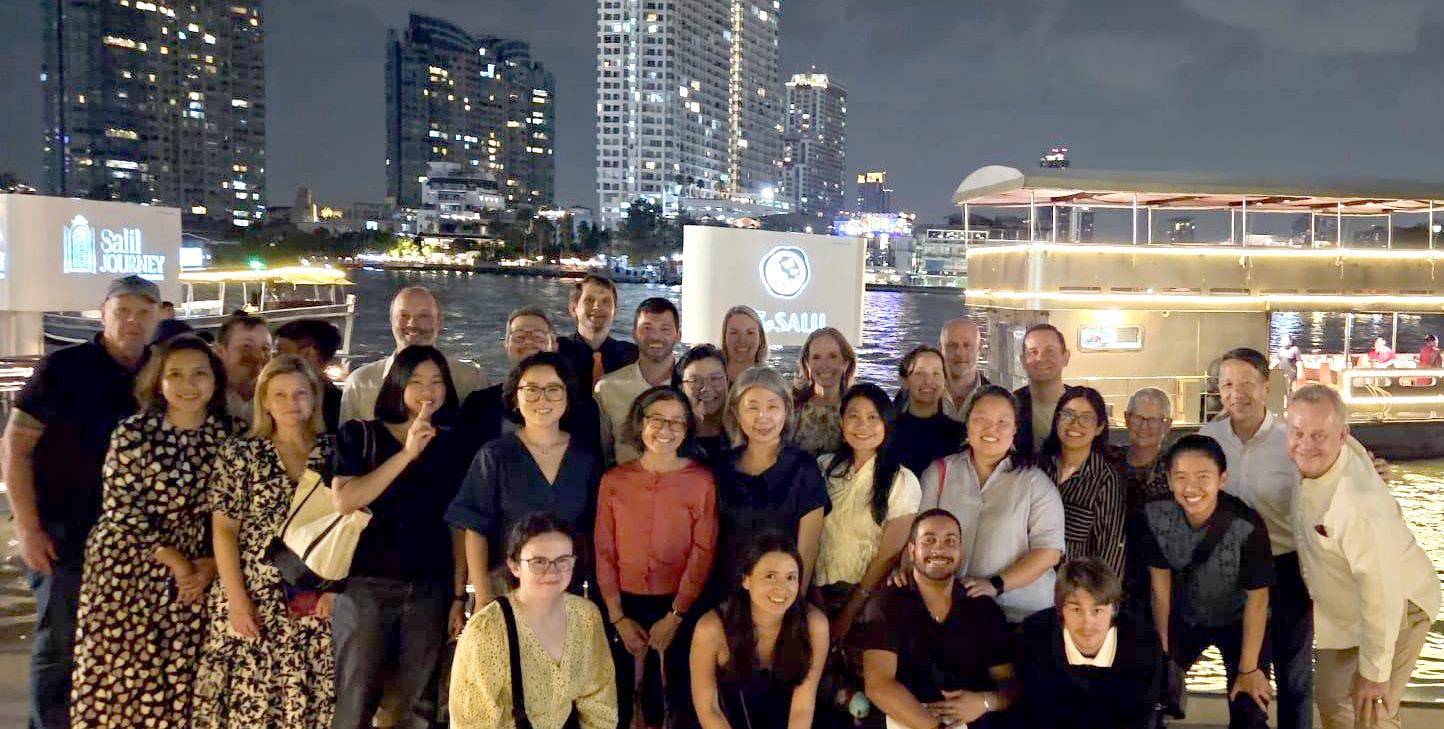
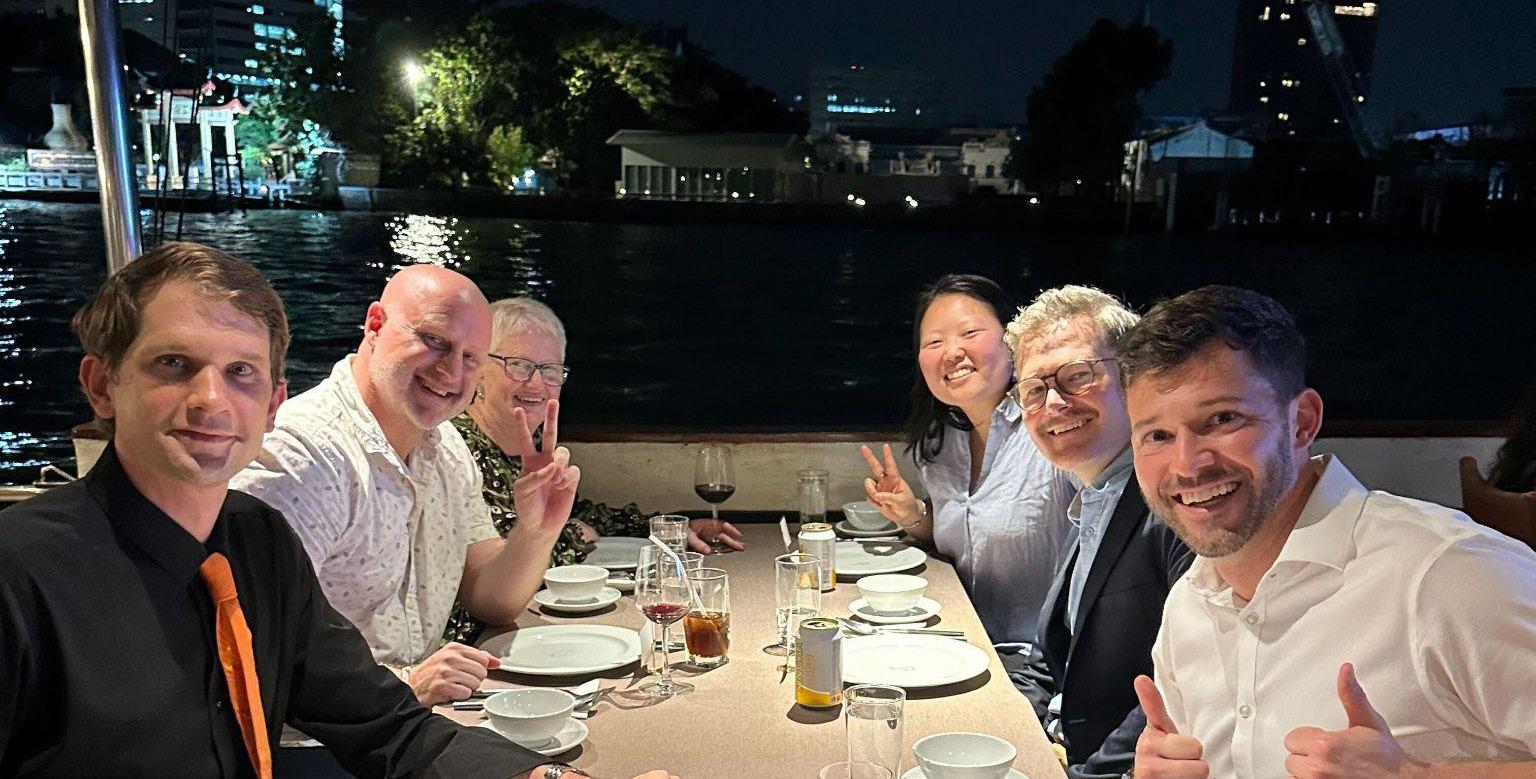
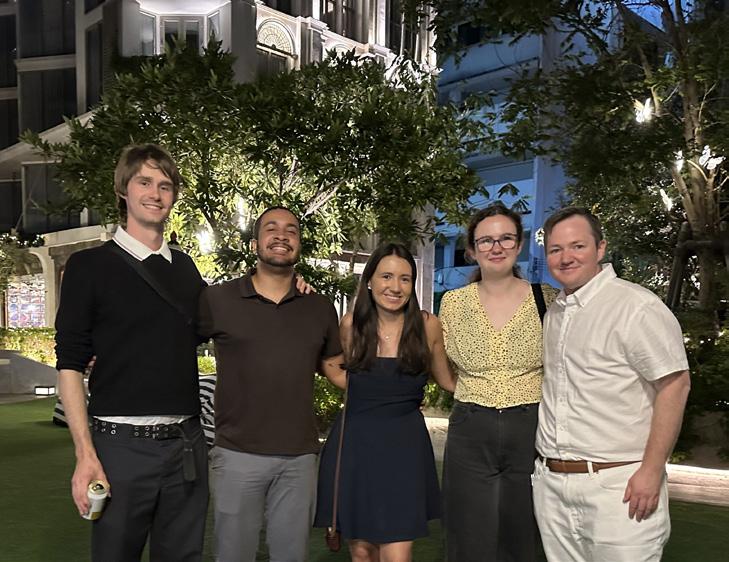
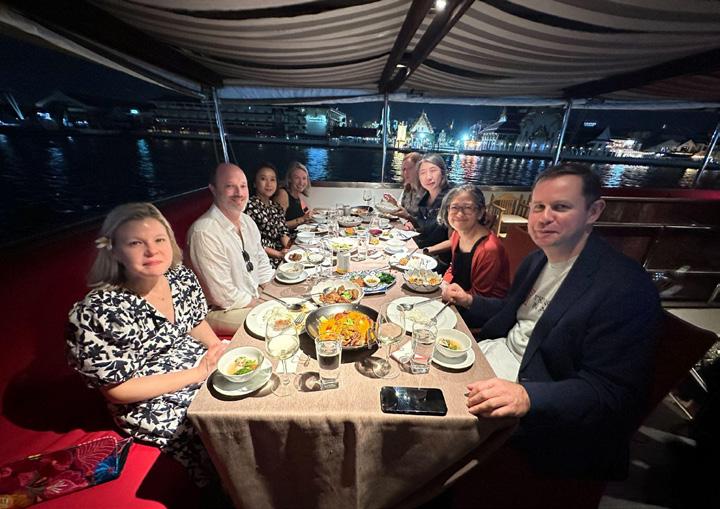
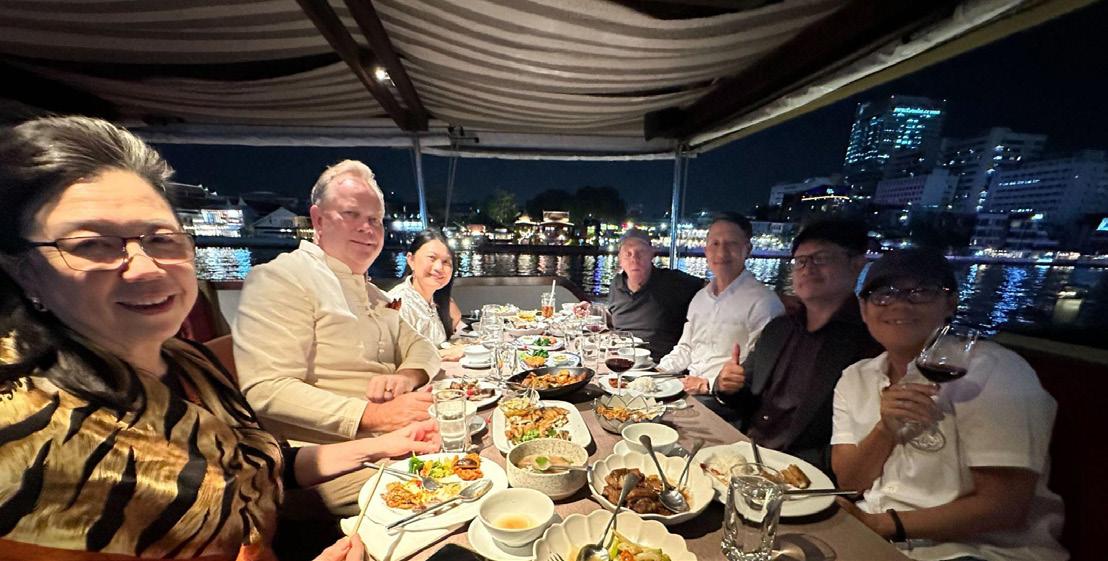
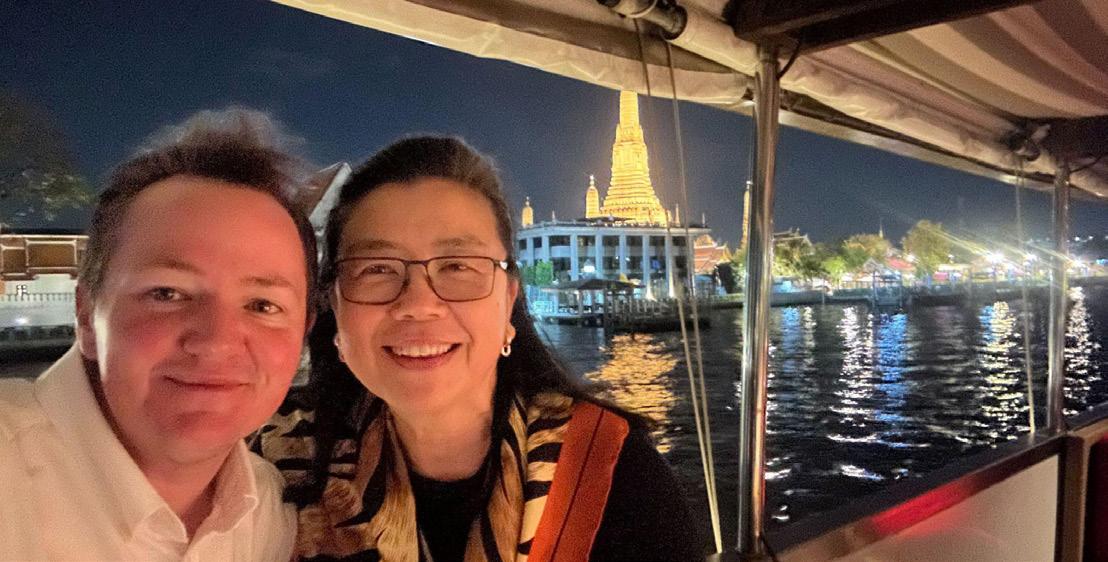
In January, PiA celebrated 50 years in Thailand with a week of connection across Chiang Rai and Bangkok. Visits to host institutions, time with Fellows and alumni, and shared experiences – from the Tham Luang caves to a celebration on the Chao Phraya – highlighted the relationships at the heart of PiA’s work. The week ofered a chance not only to refect on the past, but to look ahead to how PiA can continue to deepen its presence in Thailand.
by Ana Olson | Thailand ’15
Those frst steps of the plane in Thailand leave a lasting impression. “You’re just hit with this blast of hot, wet air” Jay Rosengard ’76 refected on a recent call. Even for Arianna Kahn ’19, who’d been to Thailand before, the experience of landing in the rural North was breathtakingly novel and almost surreal, full of fowers and misty mountains. For Hermes Huang ’12, the frst meal is what stuck. “Immediately,” he says, he was blown away by “new textures, new favors. Everything felt new.”
For 50 years, PiA has introduced curious young folks to a part of the world most people only think they know from TV or takeout menus. Fellows might arrive with few preconceptions and leave with an appreciation of Thailand’s extraordinary diversity and cultural depth, including its many regional customs and cuisines.
Those same fve decades have marked a period of tremendous change in Thailand and the region. PiA Fellows have been witness to political intrigue, rapid economic transformation, tsunami recovery, and the aftermath of a global pandemic. For many Fellows, the transformations are also personal, as experiences of the fellowship fundamentally change the course of their professional lives, their relationships, and their sense of themselves.
As PiA looks to the future of the Thailand program, it draws on a profound legacy of serendipity, support, and service in the beautiful, ever-changing land of mai pen rai (roughly: “never mind” or “it’s okay”).
Despite its rich history and intentional cultural diplomacy, Thailand can feel mysterious, especially outside of its major tourist hubs. Thai language programs remain rare in the U.S. even at top-tier institutions. Perhaps as a result, many of the Fellows who arrive in Thailand are uniquely open to what it has to ofer and less inclined to be transactional with their time there.
“I don’t even know if I would have any association with Thailand besides maybe eventually being a tourist, if it wasn’t for PiA,”
Huang notes. He’d studied Hindi in college and hoped to secure a fellowship in Nepal. When the NGO post went with another Fellow instead, he prepared to head to a university teaching post in Khon Kaen, in the Isaan region. “I remember looking up Khon Kaen on Wikipedia, and at that moment in time, the English language article was like two paragraphs.” He couldn’t have known it then, but his time in Thailand would change his life. It’s where he would get his master’s degree and start his frst business. Huang has now spent 12 cumulative years in Thailand and returns regularly for work.
Likewise, Rosengard knew next to nothing about Thailand when he saw a fyer on a student corkboard at Princeton. He was in his fnal undergraduate year and feeling burned out by the pressure. PiA’s director at the time, Robert Atmore, was looking for students interested in living in Thailand. Rosengard was young, inexperienced, and eager. All he knew of Thailand was that it was about as far away from Princeton as he could get. He signed up immediately. The experience, chosen on a whim, would shape the rest of his professional life. Rosengard now directs the Thai Studies program at the Harvard University Asia Center.
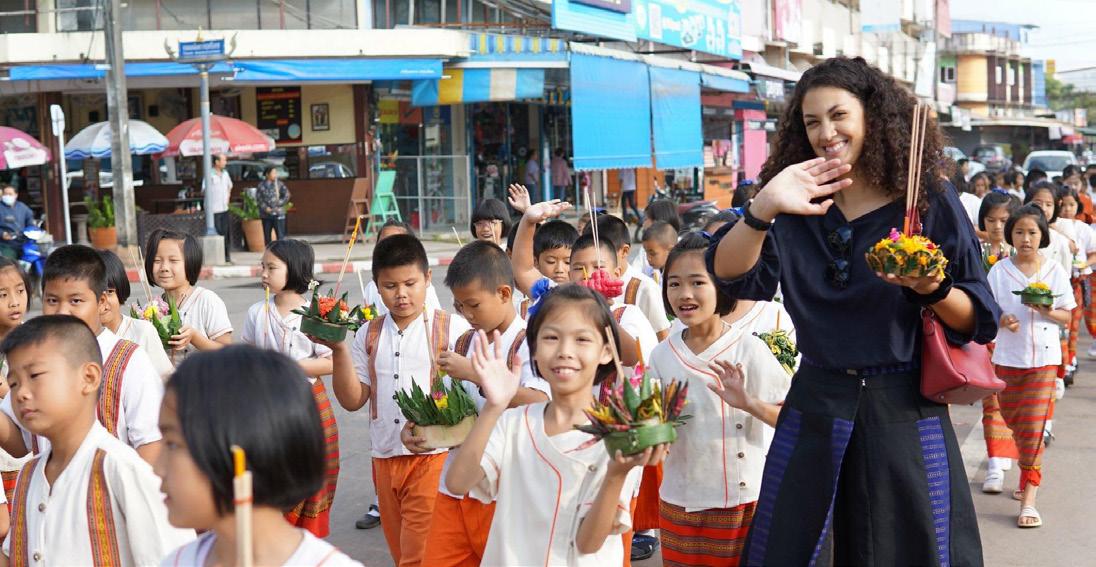
When Kahn applied for a PiA fellowship, she knew two things for certain: “I really didn’t want to teach, and I really didn’t want to do Thailand.” She’d been to Bangkok once before for a week-long exchange through the Harvard College in Asia program. Plus, she was hoping for NGO experience to put on her resume. Instead, she
says, Executive Director Mags Dillon (Laos ’10-’13) pushed back. “He said, ‘just because you’ve seen Bangkok doesn’t mean you’ve seen Thailand’ and he was totally right.” Kahn would spend the next two years teaching at Bandon Srisermkasikorn, an elementary school in Nan. Teaching in Nan “wasn’t a pad-my-resume experience,” she says, “and I still chose to do it.” Perhaps because she didn’t know what to expect, she was uniquely open to what the fellowship had to teach her. It was the frst time she’d made a major life decision based on her curiosity, she says, and she counts it among the “top fve best decisions I’ve ever made in my life.”
When Rosengard arrived in Bangkok, it was the late ’70s. International phone calls were prohibitively expensive, and email was still a distant dream. “Unless it was a life or death situation, you were on your own,” Rosengard says. “So I had no plans to set up anything, no training, no expertise – perfect!” What he did have was a strong desire to do well. “The idea was you just wanted to do a good enough job that they would invite people the next year.”
Rosengard would be the very frst PiA Fellow in Thailand, assigned to teach English to graduate students at Srinakharinwirot University in Bangkok. His fellowship had its fair share of surprises. When his students learned he was a musician, they asked him to teach them Western music. Rosengard agreed, on the condition that they teach him Thai music in return. As for what to play? His colleagues
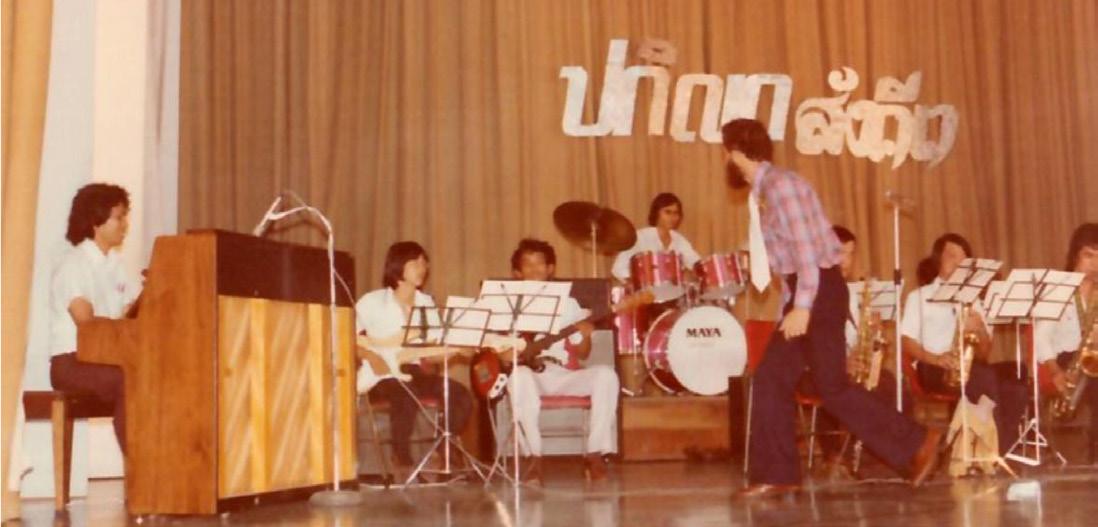
wanted Western classical; his students wanted something more contemporary. Rosengard, who played woodwinds and saxophone, compromised with big band music. In a serendipitous twist, then-King Bhumibol Adulyadej was a jazz afcionado who played the same instruments as Rosengard – clarinet and sax – and had written his own compositions, which Rosengard and his student band performed. The King even invited them to play a concert for him at his studio. It was an auspicious start to PiA’s Thailand program.
Music defned his life in Bangkok, and he remembers it with a musician’s ear, describing the melodies of Bangkok street life in the ’70s. “Each vendor had a diferent sound, so you know what they were selling by the sound they were making.” Throughout the day, he’d hear their wood knockers, chimes, and whistles as they made
“Have you eaten?”
Jay Rosengard quotes a colleague of his from Srinakharinwirot University: “In Thailand, we only eat once a day – all day!”
Great food can be found everywhere, but PiA Fellows in Thailand, known worldwide for its cuisine, are particularly lucky. Here are some favorite Thai dishes from Fellows over the years.
Jay Rosengard ’76
Fried rice, pad see ew, Isaan food, and fresh fruit juices blended to order and served, of course, with a plastic bag and a straw
Hermes Huang ’12
Som tum, pork neck, laab, and “kanom tokyo”, a street snack of an egg batter crepe, sausage, ground pork, and egg
Arianna Kahn ’19
Tom yum, curry chicken stir fry with green beans, and anything from the morning market – especially the blue sticky rice.
their way toward his desk throughout the day. “These vendors were artists.” He can still imitate the singsongy call of the sweet cofee cart: oooohli-oli-oliang!
There were difcult days, too. Rosengard arrived in the midst of an exceptionally volatile political period that culminated in a bloody military coup. The violence was astonishing and inescapable. There were reports of students being burned alive and hanged from trees. His own students, many of whom came from poorer backgrounds in other parts of the country, contemplated whether to remain in school or head into the jungle to fght. Though they were older than Rosengard, they would ask him what he thought they should do. “It was a lot of responsibility,” he says, to hold that position of trust.
Yet even with the turmoil, Rosengard would go on to stay another year in Thailand. He got to know the country better by travelling to his students’ hometowns. He returned to the States only to pursue a master’s program, so he could make sure he had something real to ofer when he returned. When he fnally did return, after nearly a decade away, the city had transformed. His old landmarks were gone. His legacy, though, had not stood still. It had multiplied, carried forward by the waves of Fellows who came after him.
The Reverberation
That long history of passing the torch, Fellow to Fellow, is what sets PiA apart as a program. Even through times of tremendous change, relationships have remained a source of connection and continuity. Fifty years of PiA in Thailand has translated to meaningful
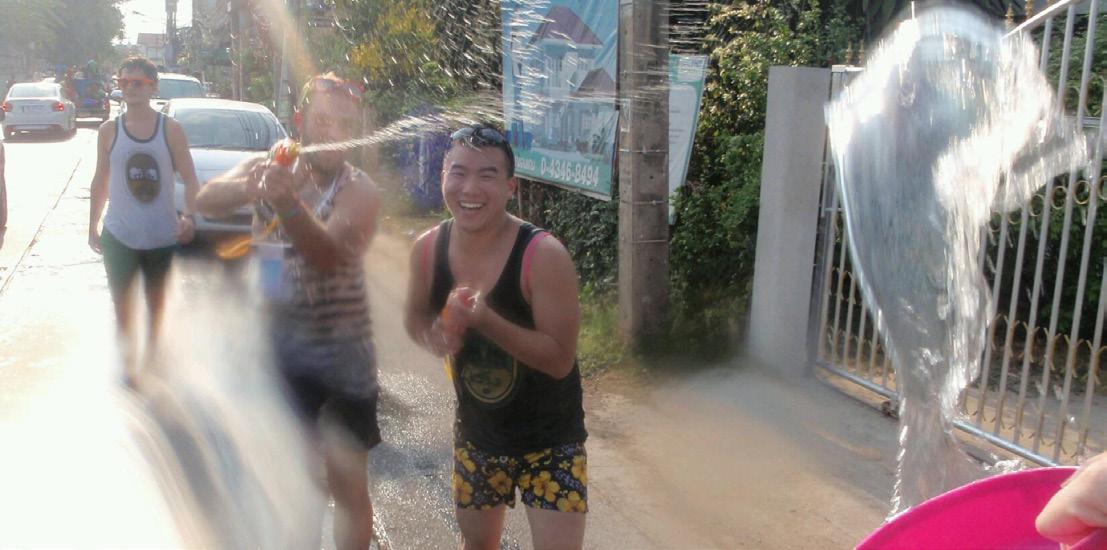
relationships between generations of Fellows and their local hosts, colleagues, and friends.
From the moment Huang arrived at the Khon Kaen airport, he felt a sense of community and connection. There’s such a reverberation,” he says, “of the Fellow, past and present, that shaped my experience there.” Khon Kaen University has hosted the most Fellows of any PiA partner in Thailand, so there are many generations of Fellows to draw on. But even beyond Khon Kaen, Huang’s PiA experience continued. After a second fellowship year in Nepal, he moved to Bangkok to earn his master’s degree at Chulalongkorn University alongside one of his former students. There, he lived in a house with the PiA Fellows at RECOFTC. The house – perhaps to the annoyance of the landlord, he noted –maintained a rotating cast of PiA Fellows for years afterward.
Thai culture also cherishes hospitality and friendliness. Rosengard recalls the way students would often show up randomly at his house, without appointment or warning, simply to chat and eat. And at any PiA post, there are local people who have helped countless incoming classes of Fellows fnd their footing.
Kahn agrees. “My time in Thailand really changed my defnition of friendship,” she says, noting that when she was in college, friends were just whoever you happened to spend most of your time with. In Nan, she learned the value of showing up, especially for her older friends outside of school. She took cooking classes with a local woman who ran a wonderful vegetarian restaurant. And she found a professional mentor in Teacher Ann, who ran the English program at her school. To this day, she misses the sense of closeness she had in Nan, where community was more than just an abstract idea. “My motorbike broke down miles outside of town,” she says, “and the person who came to fx it was my student’s father.” She felt cared for, and responsible to her people in return.
Staying for a second year wasn’t initially an obvious choice for Kahn, but a “magical” frst Christmas in Nan swayed her. On a whim, she decided to teach the lyrics to Eartha Kitt’s classic Christmas standard, “Santa Baby.” Her students loved it. Not only that, they seemed to actually be getting it. Concepts that had taken months to establish were fnally clicking into place. That Christmas, Kahn had two powerful realizations: that it would be a shame to stop when she’d fnally started to fgure out what she was doing, and that she
Fellows who have gone to Thailand, as of March 2026
Unique host institutions
Years at the longest host relationship, Chiang Mai University
Fellows at Khon Kaen University, the largest overall of any host
adored her kids. She wanted the chance to really give something back. “I felt,” she said, “like I would be cutting myself of from a really powerful learning experience if I didn’t stay.”
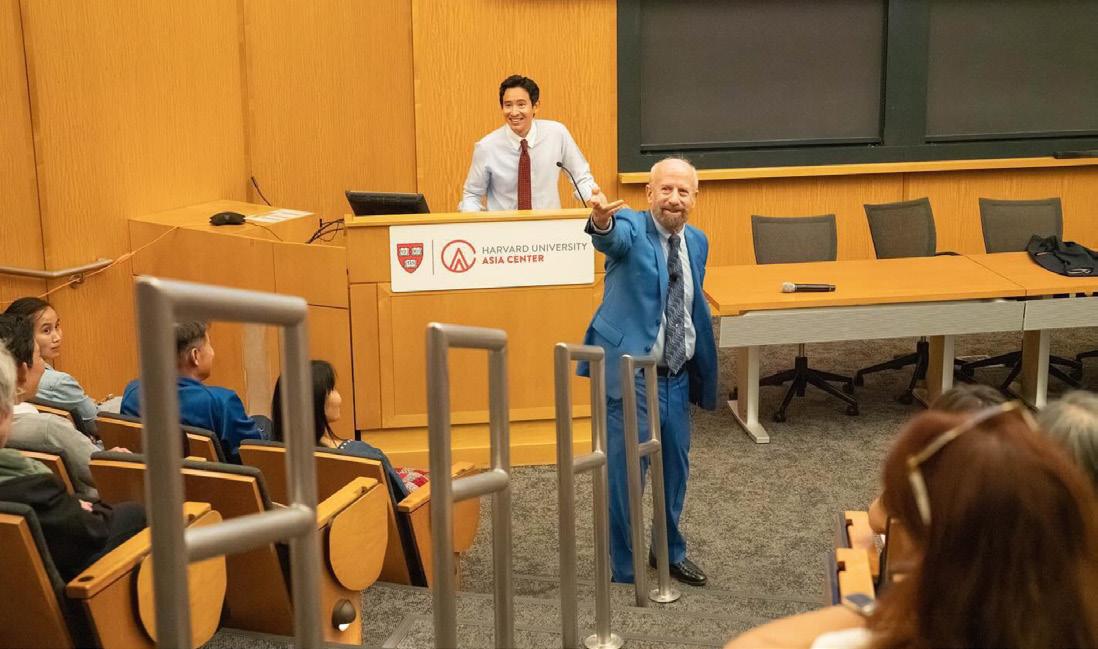
Thanks to programs like the ones Rosengard has established at Harvard, future cohorts of PiA Fellows might come to Thailand with more preparation, and perhaps more expectations. In the meantime, the hope is to recover fellowships lost after the pandemic, and continue to establish new ones. This year, incoming Fellows will head to postings at Mae Fah Luang University, Progression Group (formerly known as Chiang Mai Rock Climbing Adventures), Tractus Bangkok, the Siam Society, and Darunsikkhalai School for Innovative Learning. When they do, they’ll join a proud legacy of PiA Fellows in Thailand and beyond.
No matter what country it takes a person to, the PiA fellowship has a way of connecting people with like-minded souls. Take it from Huang, whose life has been rich with Fellows and their friends since that very frst ride from the airport in Khon Kaen.
“One thing that PiA has taken away from me,” he told me with a laugh, “is the chance to ever experience a city not knowing anyone.”
by Julianne Greco | Indonesia ’12-14
It was prime monsoon season in Phang Nga when Gillian Ober ’16 walked into her classroom soaked to the bone, water pouring in through the half-open walls of a building still under construction, her students fling in around her. By any measure, it should have been a rough morning. Instead, she had a realization.
“How am I not miserable right now?” she thought, seeing her kids, fully engaged in their lesson, speaking English, completely unafected by the weather. “The old me would have been standing there and I would have been like, what am I doing? But I like sat with it for a second… and I was like, ‘All right, this is it.’”
That moment in a monsoon-soaked classroom in southern Thailand is, Ober will tell you, the moment she knew she wanted to be a teacher. Nearly a decade later, she was named New Jersey Teacher of the Year. The journey between those two moments is anything but straight. Ober graduated from Boston University with a degree in languages –English and Spanish – and no clear plan. A job at the BU writing center nudged her in the direction of teaching. She tutored international students who were brilliant in their felds yet struggling with the language piece. She taught in Spain for a year, loved it, but left unsure whether it was the teaching she loved or just the living in another country part. To fnd out, she lined up a job at an immersion preschool in Beijing. Then the school went bankrupt and stopped responding. She was 26, back at her parents’ house, and, as she puts it, having a crisis.
That’s when she came across PiA, on Instagram, of all places. She applied with two weeks left in the window. “What do I have to lose? I’m gonna go for it,” she thought. She was considered for a fellowship in Thailand or Kazakhstan. Either way, she said, it was going to be an adventure.
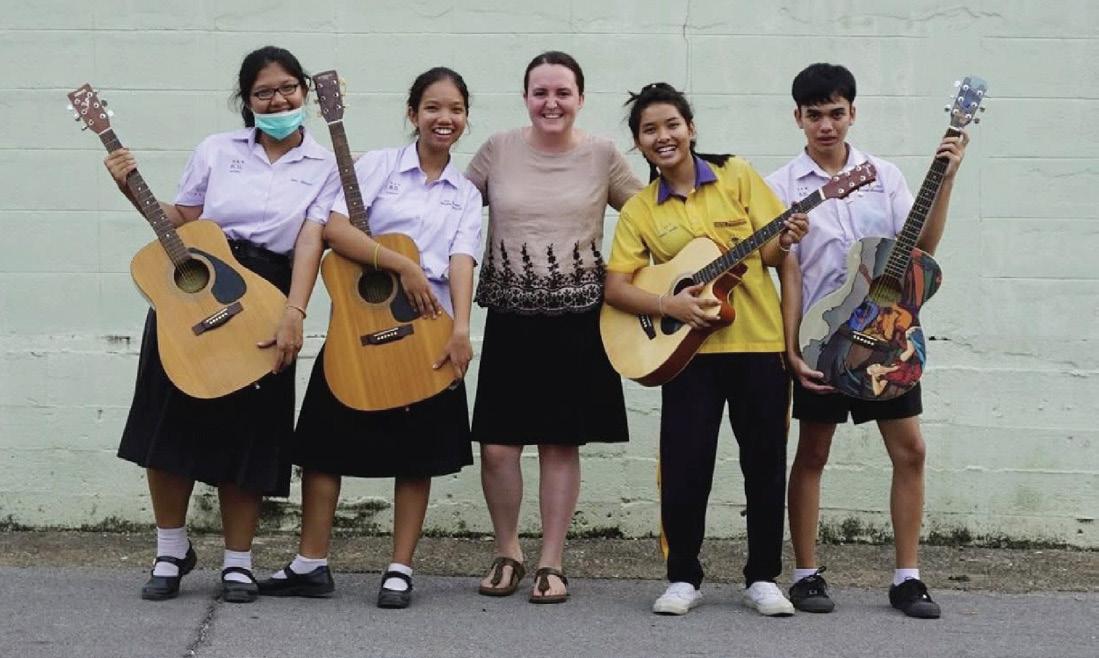
She landed in Phang Nga, a town of about 10,000 people in southern Thailand, and was immediately swept up in Thai hospitality. The van from the airport stopped three times at fruit stands on the way home. On her frst day at Deebuk School, someone asked if she’d sing in front of the entire student body. She got up and did karaoke – Zombie by The Cranberries – in front of all her students. When the kids saw
her playing air guitar, they asked if she played. She did. That ofhand moment turned into an unofcial music school she ran out of her house, with students coming over to play. She left one of her guitars behind when she went back to the States after her fellowship.
In the classroom, Ober had a dizzying level of freedom, with no set curriculum. It was equal parts liberating and terrifying to have that much agency. She learned by doing, leaning on Thai colleagues when she hit her limits, fnding her teaching style through trial and error. When a stray dog got into her classroom on the morning of fnal exams, she adapted by using the parking lot as her classroom. Thailand, she fgured out, rewards fexibility.
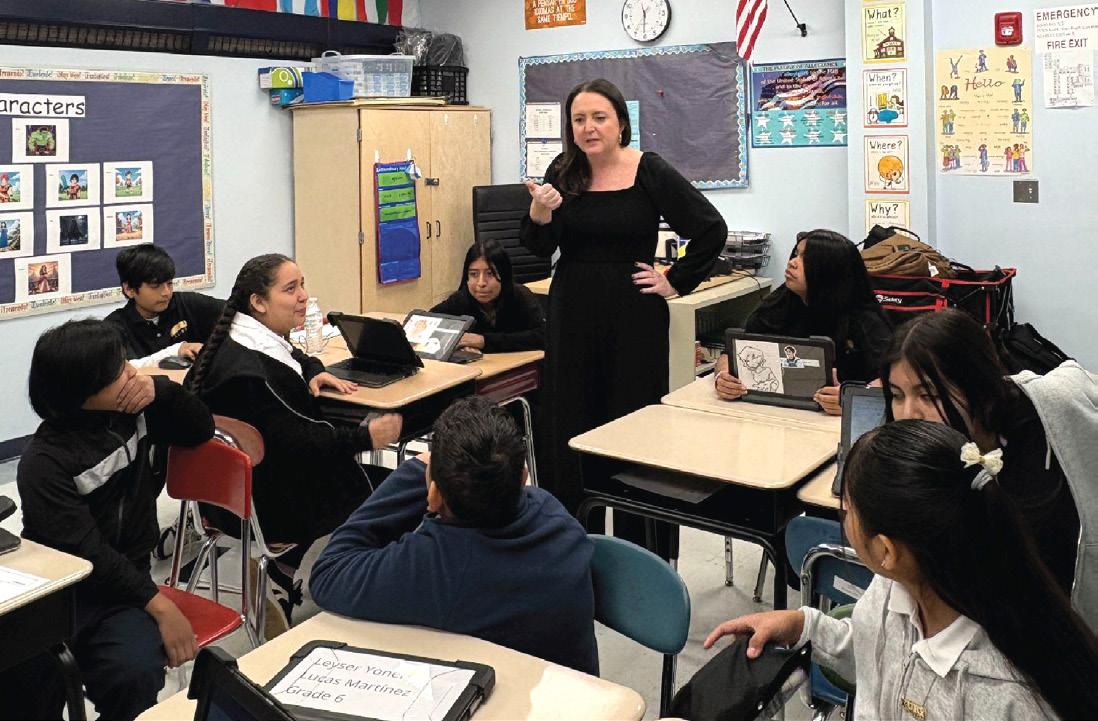
What she carried home from Thailand is what now defnes her as an educator. Ober teaches ESL at a school in a majority Latino community in New Jersey, working primarily with newcomer students. These are kids who have crossed borders on foot, whose journeys here she sometimes can’t fully comprehend. “I’ll never forget that feeling of what it’s like to be a newcomer,” she said. “And then like the kids that I have in front of me... I remember that feeling and I was there by choice and part of my experience. And a lot of my students, it might not be their choice.”
So, empathy shapes everything about how she runs her classroom. “Half my job is I have to get them to trust me, and I have to build the relationships,” she said. “Once you get the kids to see that you care and that you see them, then the rest is not easy, but that’s half the battle.” PiA’s 50-year legacy of placing young educators in Thailand refects the institution’s mission of bridge-building between cultures: Fellows who go to teach, end up learning, and bring that back to students who need it most.
For incoming Fellows, her advice is simple: let go of the lesson plan. “Don’t put pressure on yourself in the very beginning to have everything planned out,” she said. “Spend the frst two weeks just doing things to get to know the kids.” She got there with a color-coded curriculum and left knowing that wasn’t the point. The monsoon took care of the rest.
by Julianne Greco | Indonesia ’12-14
Lizzie Presser (Thailand ‘10, Carriebright ’11) won a Pulitzer Prize last year. She and three colleagues at ProPublica took home the Prize for Public Service for their coverage of preventable deaths following state abortion bans, work that helped spur lawmakers in several states to introduce legislation expanding abortion access.
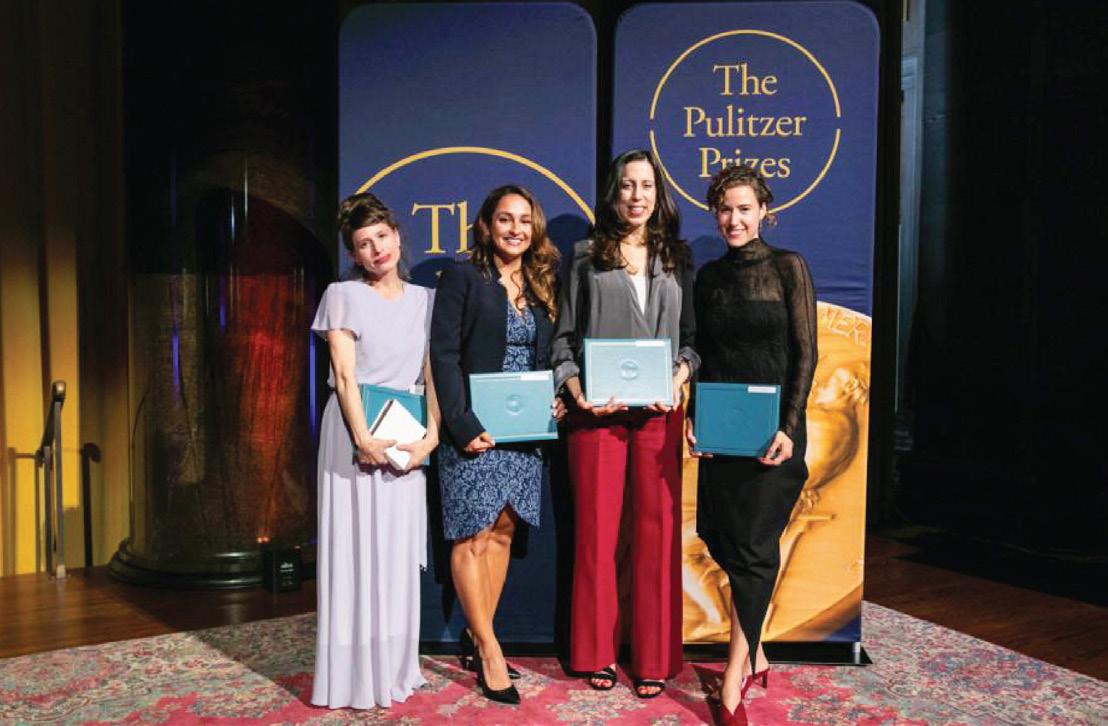
What does a PiA fellowship in Thailand have to do with this? For Presser: Everything.
“I don’t know that I would be a journalist if I hadn’t gone to Thailand,” she says.
Presser arrived in Khon Kaen in 2010 fresh out of Princeton, where she had studied Classics and fgured that grad school was probably next. But frst, a year in Thailand to experience an unfamiliar environment and learn about a new part of the world. PiA placed her at Khon Kaen University’s English teaching program in the far northeast of the country, 12 hours from Bangkok and well outside the expat bubble. PiA alumni who had stuck around in Khon Kaen showed Presser how to get around by motorbike, where to eat, and, notably, how to start learning Thai. They, along with Presser’s fellow PiA teachers, carried index cards everywhere, practiced tones with strangers, and turned language-learning into a game they played together.
As she learned Thai and grew more embedded in the region, she became captivated by a story no one was telling. The Red Shirt movement, which had national political implications, was born in the very communities where she was living and teaching, and the journalism coming out of Bangkok barely scratched the surface. So she and fellow PiAer Glenn Brown (China ’08, Thailand ’09, Carriebright ’11) decided they would have to fgure it out themselves. They had business cards printed, declared themselves journalists, and within weeks had landed an interview with a former prime minister.
Presser and Brown taught themselves the craft by deconstructing newspaper articles paragraph by paragraph and editing each other’s work “brutally.” They brought Thai colleagues on board who were
interested in developing their own journalism skills. They founded a bilingual Thai-English publication based in Khon Kaen, and with support from the Carrie Gordon Tribute Grant that followed, the project, called The Isaan Record, grew from there. That scrappy, learnby-doing ethos has stayed with Presser ever since. “When I decided I wanted to write magazine journalism, I knew exactly what to do. I would take magazine stories I loved, and I would dissect them beat by beat,” she says.
Because they lived in the region, they could drive out to farms to talk rice policy, attend Red Shirt meetings, and tell a story that journalists parachuting in from the capital simply couldn’t. Today, Presser’s reporting continues to refect the lessons she learned during her PiA fellowship. Rather than relying primarily on phone interviews, she prefers to spend time on the ground, meeting people in their homes and communities.
“We didn’t do any phone journalism,” she said of her early reporting in Thailand. “We went to the places we were interested in reporting on, we met people who weren’t getting a platform, and we learned what mattered to them,” she said.
After returning to the U.S., Presser spent a few years working as a researcher for other journalists before she decided to go all in on her own journalism career. She pursued a master’s in public policy in England and began freelancing on the side. Drawing on the same journalistic instincts she’d honed in Khon Kaen, she started coldpitching and placing stories with editors across England, then turned her sights to magazines.
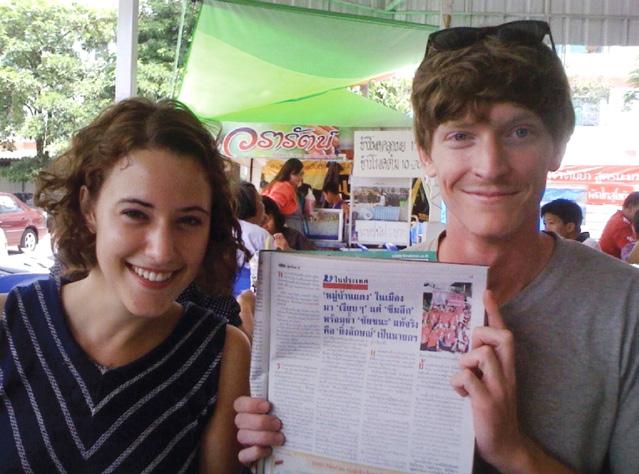
In a full-circle moment, it was a tip from a Thai friend – one who had worked with her at The Isaan Record – that led to her frst major magazine investigation into labor abuses in the cruise ship industry. This story caught the eye of a ProPublica editor, where Presser later landed a full-time job. The rest, as they say, is history (and a lot of hard work). Pulitzer and all.
More than a decade later, her ties to Thailand haven’t loosened. The Isaan Record is still live. A former Khon Kaen collaborator now runs Hard Stories, a Thai news outlet Presser sits on the board of. And Brown, who got an MFA in screenwriting, remains her frst reader. This year, he’s teaching her how to write screenplays – a medium that Presser insists is a fun creative outlet.
For future Fellows, Presser’s advice is the same lesson she learned by living it: “Allow yourself to nurture that curiosity and to follow those questions and to trust your own instincts and see where they can take you.”
A group of Alumni, Trustees, and friends traveled through Kazakhstan, Kyrgyzstan, and Uzbekistan to reconnect with Fellows and experience PiA’s work in the region frsthand.
Senior Program Director Robin Palmer (Kazakhstan ’15) joined the PiA Silk Road Tour last October and refected on the experience of returning to Central Asia with members of the PiA community.
I fell in love with Central Asia during my own PiA fellowship in Kazakhstan in 2015. It was an immense privilege to return to the region this past October on the PiA Silk Road Tour and watch the members of our group experience many of the same feelings of awe, fascination, and appreciation I had felt 10 years ago as a Fellow.
The PiA Silk Road Tour was the brainchild of Peter Poullada (Iran ’75, Afghanistan ’76) and his wife Nancy Sheppard. Under their leadership, and in partnership with the travel company MIR, our group embarked on a two-week journey through Kazakhstan, Kyrgyzstan, and Uzbekistan. Along the way we visited museums, mausoleums, and madrassas, and met with PiA Fellows and host organizations in Almaty,
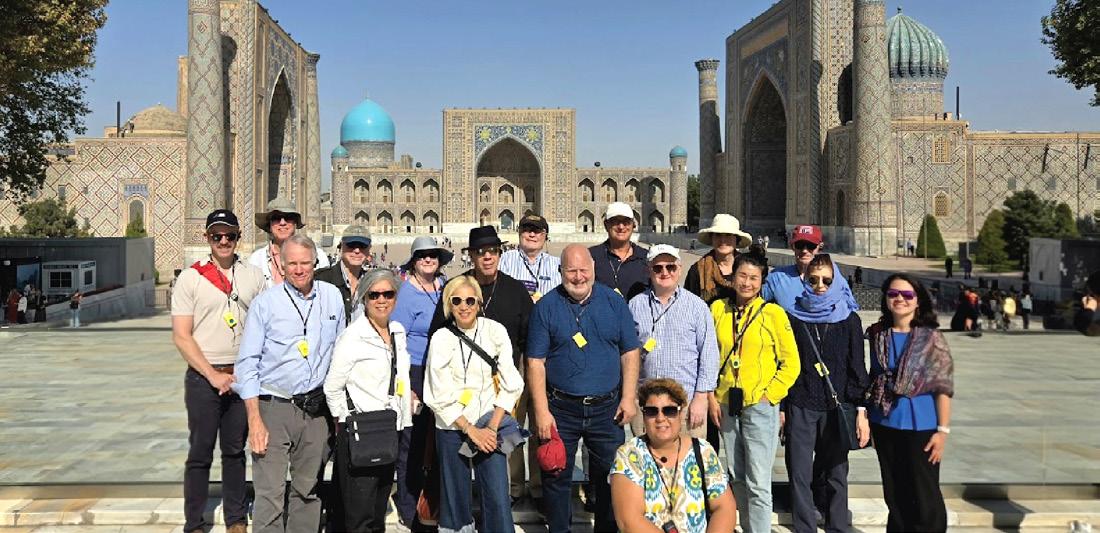
Bishkek, and Tashkent. At each stop, we were welcomed warmly by our hosts and saw frsthand how Fellows are contributing to the missions of the institutions they serve.
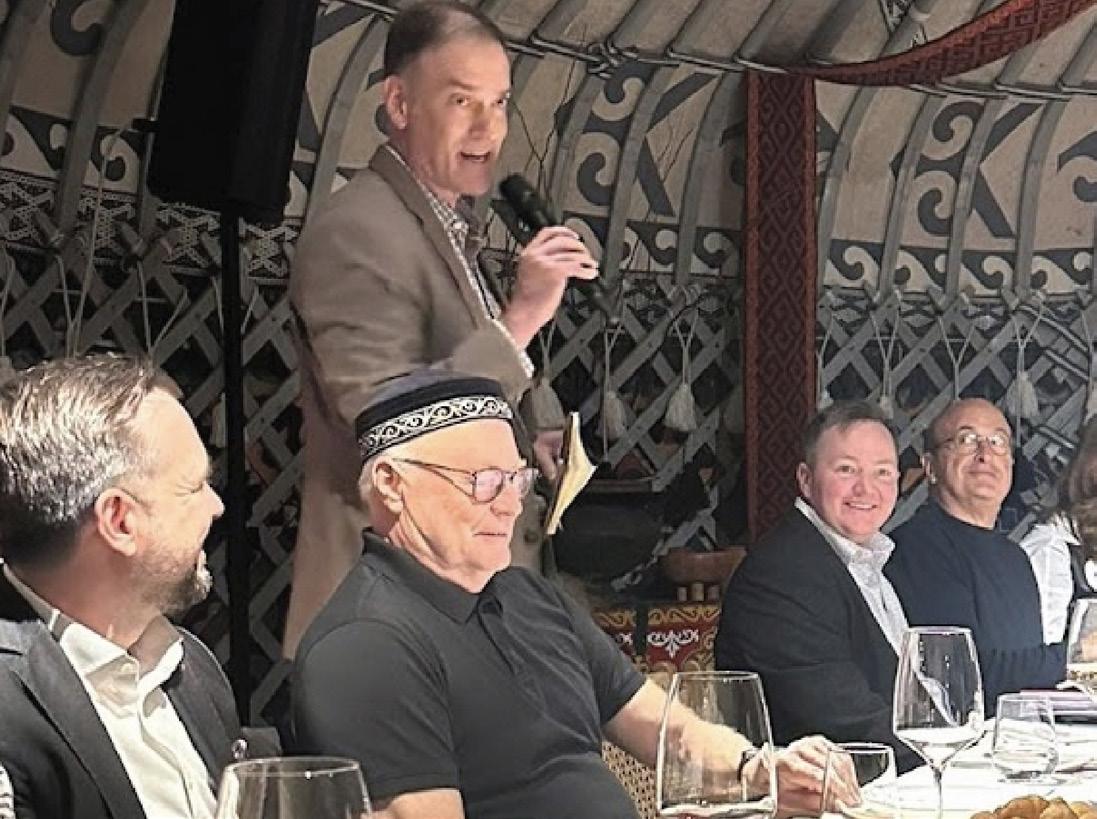
So many members of the PiA network made this trip possible. Peter and Nancy contributed countless hours of planning, along with their deep knowledge of Central Asia. PiA Trustee Dwight Crabtree hosted an unforgettable dinner for the group in Almaty, and our host organizations across the region welcomed us with extraordinary hospitality.
We invited participants in the Silk Road Tour to share a few memories and refections from the journey.
What was your favorite moment or memory from the trip?
David Johnson (former Trustee, Turkey ’76, UAE ’78)
“I was awestruck several times during Peter Poullada’s lectures and enthusiastic impromptu storytelling. I can’t think of a better way to be introduced to the region than through Peter’s curated itinerary and his patient, clear, and often amusing explanations of what we were seeing and the history behind it.”
Peter Poullada (Iran ’75, Afghanistan ’76)
“Wandering through the city of old Bukhara at night, with a group of our tour participants, the streets and shops all lit up and set up for the Bukhara Biennale Arts Festival. It was a complete surprise to us, but a magical confuence of timing that brought the ancient and the
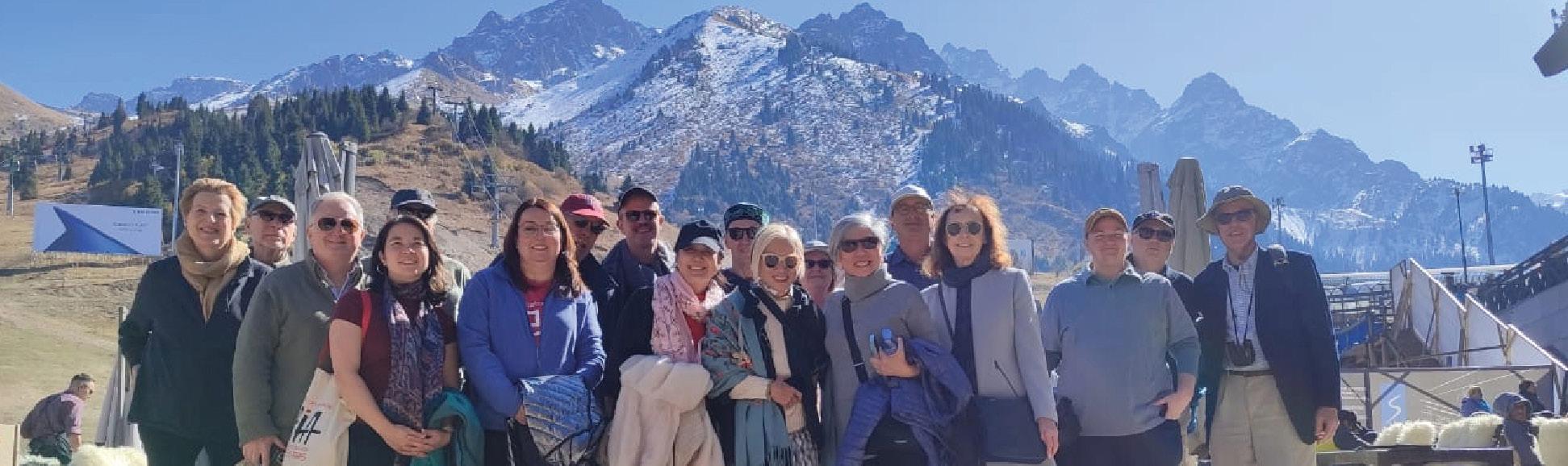
modern together and highlighted the city as the capital of historical and cultural Central Asia.”
Tim Steinert (Trustee, Taiwan ’83-’85)
“By far the most rewarding parts of the trip were the times we spent with current PiA Fellows and their host organizations in Almaty, Bishkek, and Tashkent. Seeing the experiences and impact of current Fellows brought rushing back memories of my own PiA experience and reignited my conviction in the mission of PiA.”
Did the trip shift your understanding of PiA’s presence or impact in the region?
Chad Shampine
“I have always thought that the work of PiA is very important. Given the shift in U.S. foreign policy, there is a renewed urgency around the mission of building bridges between America and Asia. Sitting with the Fellows across the region, it was inspiring to sense their excitement at living in such a place. In a world where international connections are eroding, PiA shows why deeper interactions at the individual level remain vital.”
Mike O’Leary
“I was humbled by how little I knew about the region and realized I only had a conceptual understanding of the PiA mission. That changed signifcantly. We visited several current PiA Fellows who are clearly willing to venture outside their comfort zones. They embrace making a diference and serve as positive ambassadors for all of us.”
Jacqueline Van Lang
“I may never have the opportunity to see this wondrous region again, but I know I will forever have friends from that time together. I realized this is what PiA is all about – bridging diferences, learning about one another, fostering a sense of global community, and making lifelong connections.”
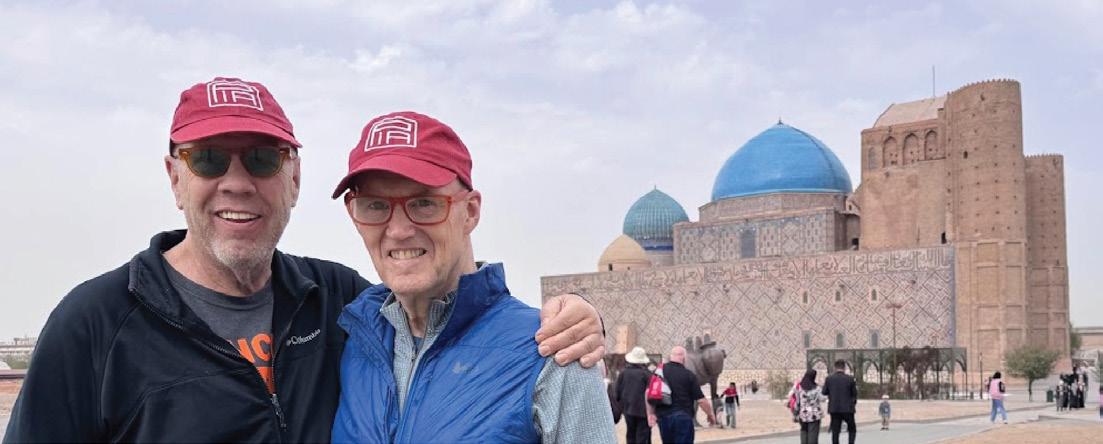
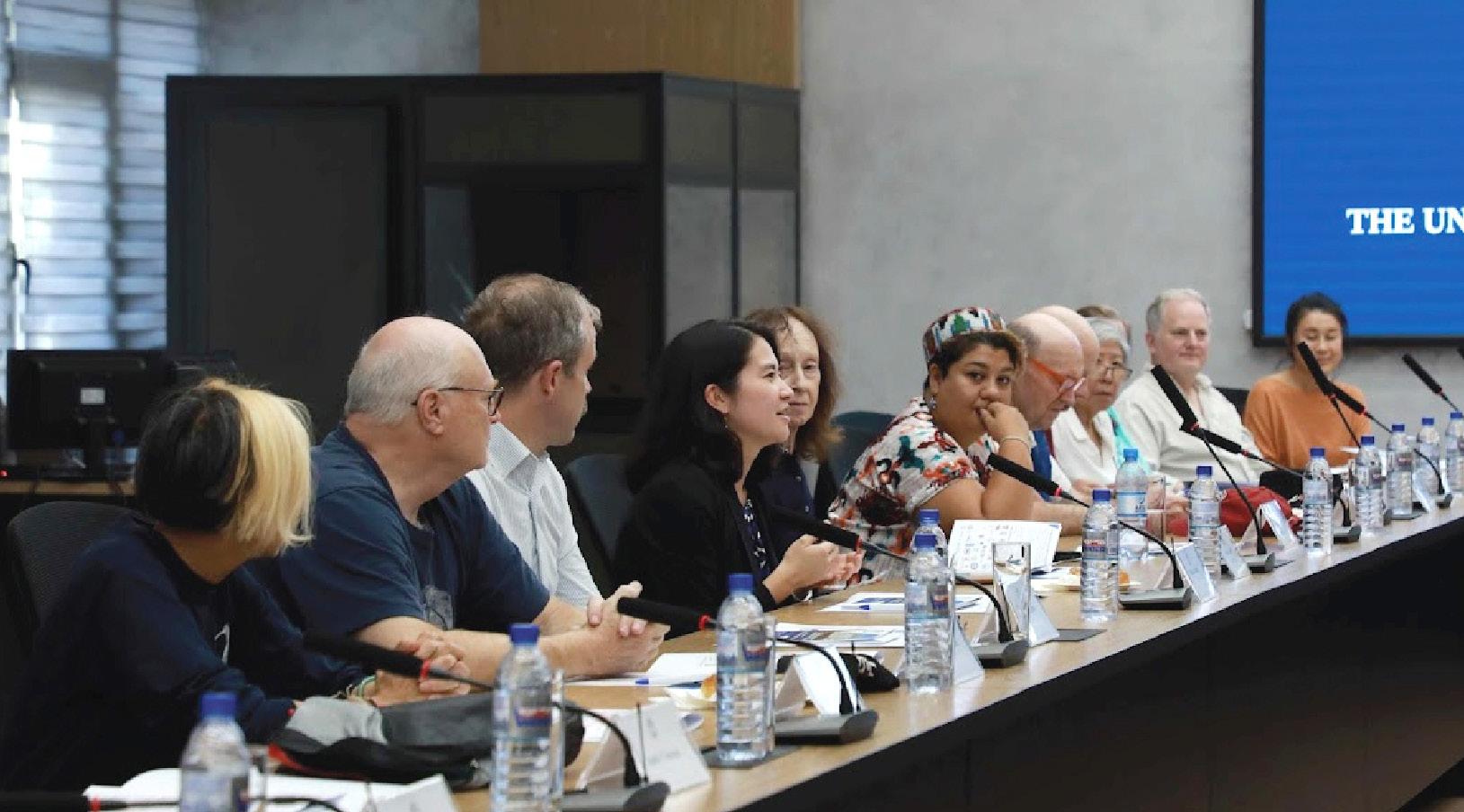
Bob Dodds (China ’88)
“Crossing the border by foot between Kazakhstan and Uzbekistan felt like a true PiA moment. The border station in Kazakhstan was crowded, dirty, and chaotic with guards checking passports multiple times, but we all managed through with good spirits, helping each other through the crowds.”
Three PiA summer interns share refections from their time across Asia.
Princeton University ’27 | Public and International Afairs (SPIA)
Hometown: Vienna, Virginia Post: Kim
Dae-jung Presidential Library and Museum Research Intern | Seoul, South Korea
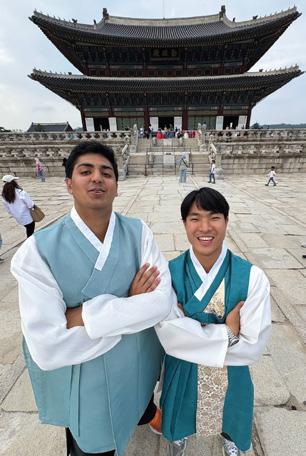
I chose to do a PiA internship because I was greatly interested in the job itself as well as the prospect of living in Asia for the summer. As a public policy major, I am greatly interested in international relations and democracy, and I was excited for the opportunity to study the work of President Kim Dae Jung and his Sunshine Policy at the Kim Dae Jung Presidential Library & Museum. I chose to go to Seoul, South Korea, where I was born and lived when I was young. I wanted to experience life in Korea all these years later and try to navigate the city and explore independently, which was rewarding as I got to connect to my cultural roots.
Princeton University ‘27 | Economics
Hometown: Sarasota, FL
Post: Ilmhona Skills Accelerator Business Development Strategy Intern | Dushanbe, Tajikistan
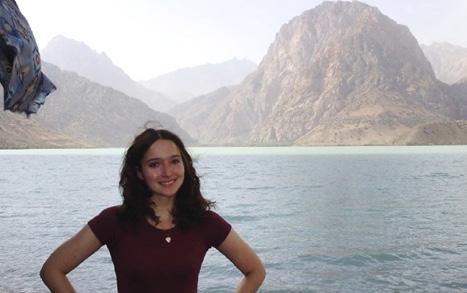
I felt an immense sense of community when my host organization, Ilmhona, had a big goingaway celebration for myself and my Co-Intern. It included an enormous meal, personalized gifts, souvenirs for family members, and heartfelt speeches – true Tajik hospitality! Ilmhona provides life-changing services for the youth of Tajikistan. It was an honor to be part of an organization centered around a mission truly greater than itself. Not only does Ilmhona provide incredible educational and career-readiness opportunities for youth, but it’s also built a larger, global network of likeminded youth to communicate, collaborate, and grow together.
Princeton University ’28 | Operations
Research and Financial Engineering
Hometown: Austin, TX
Post: SEED Foundation Intern | Hong Kong
SAR
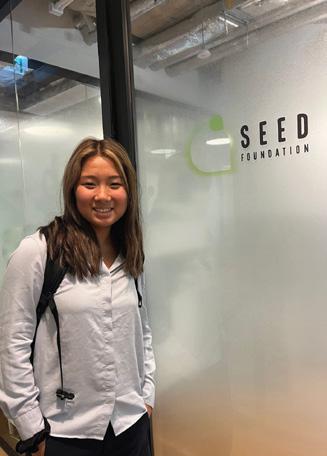
I absolutely loved Hong Kong and am so glad to help restart PiA’s presence there. On a smaller scale, I was creating courses for students at public schools across Hong Kong in an efort to facilitate tech literacy. I got the chance to visit several of the schools, meet teachers, as well as read feedback from students which were all very rewarding experiences. As part of PiA’s bigger mission of building bridges, I tried my best to share stories from my own life to my co-workers as an efort to facilitate cross-cultural connection, and I’ve also suggested American educational tools that I’ve enjoyed using to be in use in SEED Foundation’s courses.
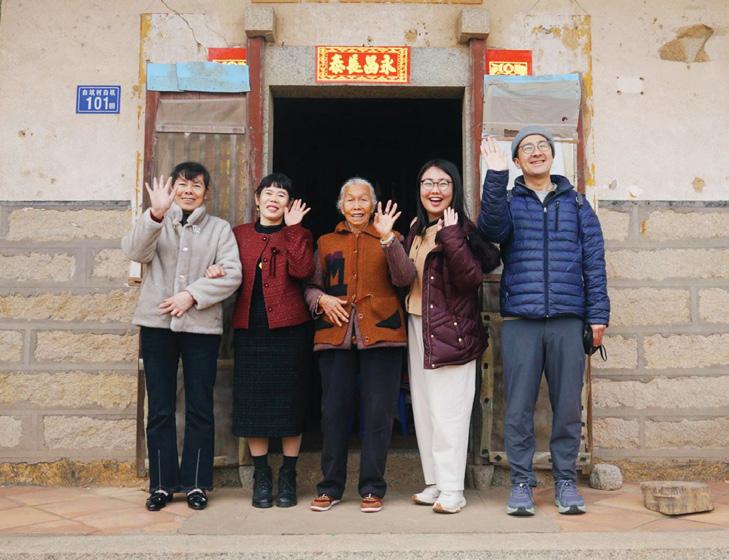
After his PiA fellowship, Yongjian Si (Kazakhstan ’18-’20) returned to the U.S. – but not for long. Together with his partner Grace Yeung, he eventually left San Francisco behind to build something new: From Roots to Bridges, a travel company designing immersive journeys through China focused on heritage, cultural exchange, and genuine connection with local communities.
This year’s Pacifc Bridges focuses on PiA’s post-COVID “New Build” era. What led you to leave San Francisco and build something new in Asia?
A few years into our relationship, I suggested to Grace that we take a homecoming journey to China. In 2023, we traveled to our respective provinces of Shandong and Fujian. That trip was transformative, revealing to us the profound power of reconnecting with one’s roots and the unique challenges facing the Chinese diaspora. We understood the intimidation of that frst trip – a feeling shared even by our parents’ generation, who may fnd modern China’s digital and payment systems unfamiliar. This experience is why we founded our company. We believe our Chinese American bicultural lens – bridging insider knowledge with an outsider’s empathy – positions us uniquely to facilitate meaningful journeys.
How did your PiA fellowship in Kazakhstan shape how you think about travel and
cross-cultural exchange today?
The frst few months were rough. I arrived in a completely new environment where I didn’t speak the language nor fully understand the local culture. But over time, I realized that building bridges of cultural exchange is fulflling because it is difcult. I started
learning Kazakh and Russian, and began approaching awkward questions with curiosity instead of taking ofense. Soon I was getting invited to local community events built on mutual respect and appreciation for each other’s cultures. I learned that we can coexist and collaborate despite diferences in culture, belief systems, and ideology.
What values were non-negotiable as you built From Roots to Bridges?
We believe travel should move beyond tourist attractions to forge genuine human connections. True travel means attempting to understand local life, learning a bit of the language, savoring authentic cuisine, and diving deep into culture. We design these encounters to spark more than a memory – we cultivate the beginnings of lasting friendship. This is the essence of our mantra: “Exploring our Roots, Bridging the World.”
To learn more about their journey or join them on a trip to China, visit fromrootstobridges.com
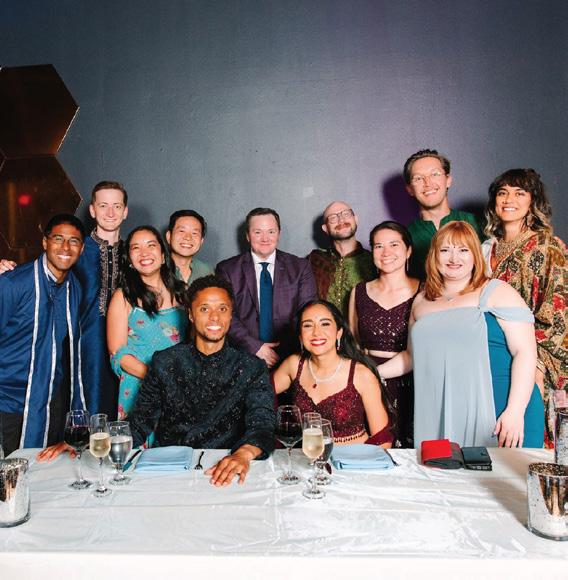
Meghana Nerurkar (Macao SAR ’17) got married in July 2025 in Oakland, California! There were many PiAers there! Specifcally:
Mags Dillon (Laos ’10-’13), Robin Palmer (Kazakhstan ’15), Julian Peterson (Thailand ’16-’18), Sam Stroup (Malaysia ’14, Laos ’15), Neil Atkinson (Singapore ’13), Michael Chen (China ’17), and Oliver Wijayapala (Hong Kong ’17). [1]
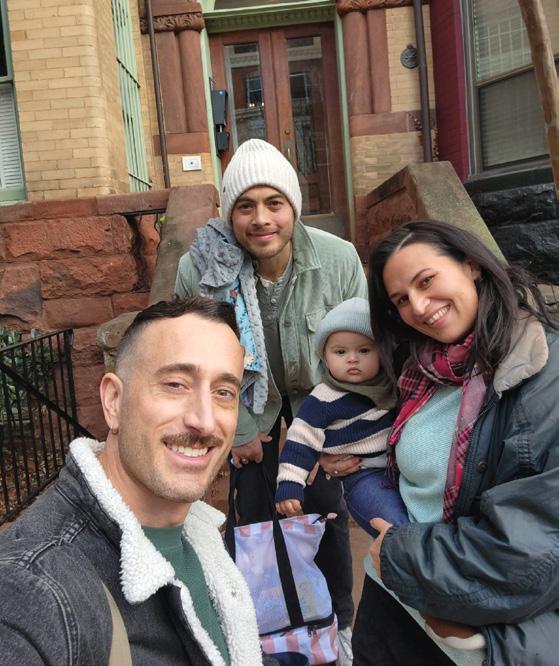
Since leaving China in 2021, Simon Shieh (China ‘15) got married, taught high school in DC, published a collection of poems called Master, and watched his wife give birth to their daughter, Ava, who is now almost two years old and thriving in their new home in upstate New York. He spends his days with Ava while pursuing a Master of Fine Arts in Poetry at NYU. Shieh is pictured with his family and Co-Fellow Phil Baumgart (China ’15) [2]
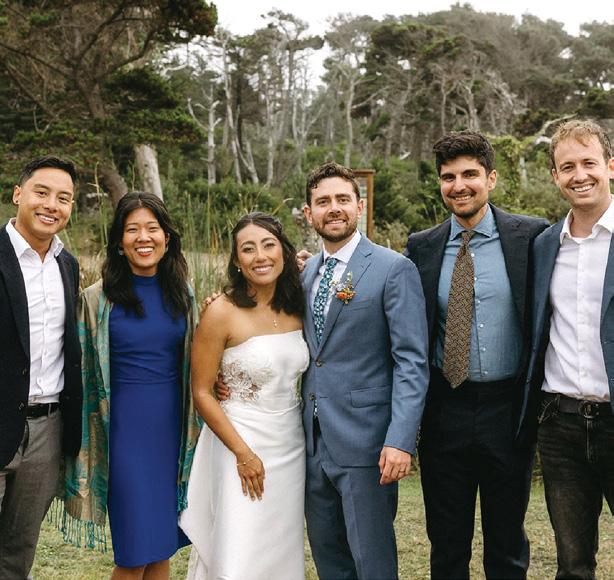
Collin Smith (Beijing ‘14-’16) got married this past September to Miyako Takashima. The ceremony took place along the beautiful Mendocino coast and was blessed with good weather and great friends, including Collin’s fellow Beijing ‘14 Fellows Judy Li and Matt DeButts [3]
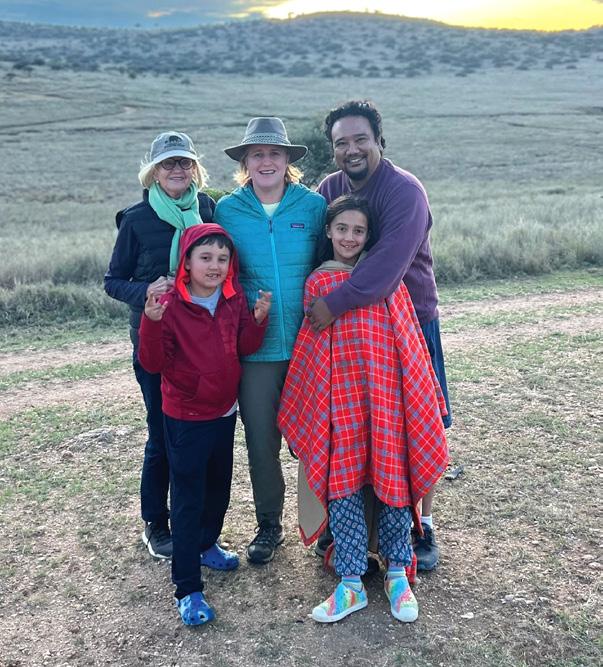
Nina Henning (Nepal ’01-’03) can’t believe it’s been 30 years since her graduation, and 25 years since her PiA experience. She and her (Tibetan) husband met in Kathmandu 24 years ago. She became a citizen of Kenya last year, where they’ve been living and raising their children (ages 10 and 8) since 2010. They spend time in the U.S. and South Asia, which allows their children to have a pretty special lived multi-cultural experience. They have developed strong bonds with the other PiA alum families in Nairobi, and the friendships now span to the next generation. [4]
Louis Albertini (Kazakhstan ‘15) recently joined Ambrook in New York as Head of Product Marketing. Last year, he traveled
to Kazakhstan three times, during which he spoke on a panel at Astana’s Digital Bridge about developing the Venture Capital ecosystem in Central Asia and took the new cohort of Fellows out for dinner to a favorite Georgian restaurant. [5]
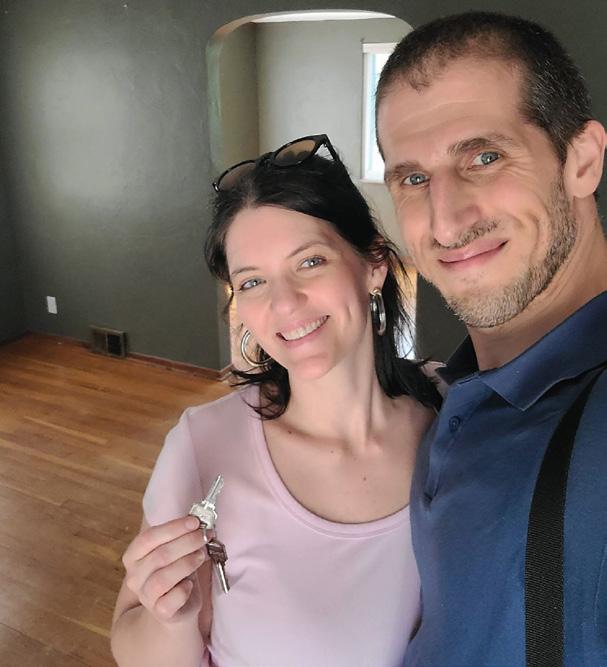
In October 2025, Emily Nunez (Petsko) (Vietnam ’15-’17) and her husband moved from the DC area to Pittsburgh, bought a house, and started new jobs. She is now the Assistant Director of Communications for the University of Pittsburgh’s School of Nursing, where she manages social media and publications and writes about medical research. She was also just accepted into Pitt’s Master of Library and Information Science program and will be starting classes this summer. [6]
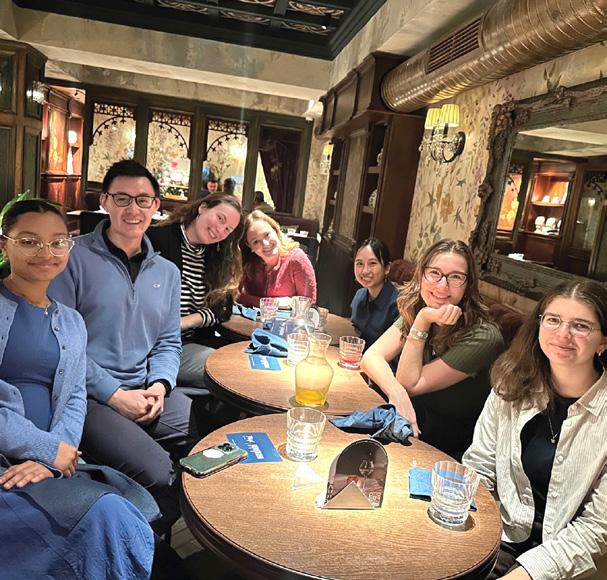
After PiA, Linda Phan (Vietnam ’24-’26) joined Zenith Prep Academy as an Educational Strategist to guide youth on the college application process. Without PiA, she wouldn’t have
pivoted to education. She loves working with students as she did during her PiA fellowship!
Joshua Umansky-Castro (Singapore ’17-’19) transitioned from PiA to grad school in 2019 for an opportunity to lead his own spacecraft project. Six years later, his satellite fnally launched! The mission was fully successful, and he even managed to squeeze in some Southeast Asia connections along the way: students he worked with at the Liger Academy in Cambodia were able to support the build & testing; universities across Indonesia, Malaysia, and Vietnam set up radio antennas to help receive satellite data; and he even picked up his spacecraft’s computer board from a small electronics shop he discovered during his fellowship in Singapore – they were the only store in the world that still had it in stock! Singapore also just announced that they are starting a national space program, and his Ngee Ann colleagues have asked him to come teach again to support it! [7]
Mike DiStefano (Thailand ‘11) spent time after his post in both
Laos and South Korea before studying for a PhD at Johns Hopkins and ultimately settling in Denver, Colorado where he is an Assistant Professor at the University of Colorado. In his research, he broadly studies how countries make decisions about access and prices for prescription drugs and other health care technologies. In 2024, he was very grateful to attend a conference in Bangkok which gave him an opportunity to visit old friends in the region.
Laura Cooley (Indonesia ’83-’85) is currently consulting for two organizations in Alaska. In late 2024, she fnished her more formal ‘career’ which consisted of working in global health (18 years), followed by 15 years in the feld of public health at the University of Washington-Seattle. Cooley has worked for organizations in Alaska since 2017 and fnds that the sheer enormity of places like Alaska and its diverse, rich cultural heritage are compelling. She is currently helping a start-up NGO called Global Migrations Project
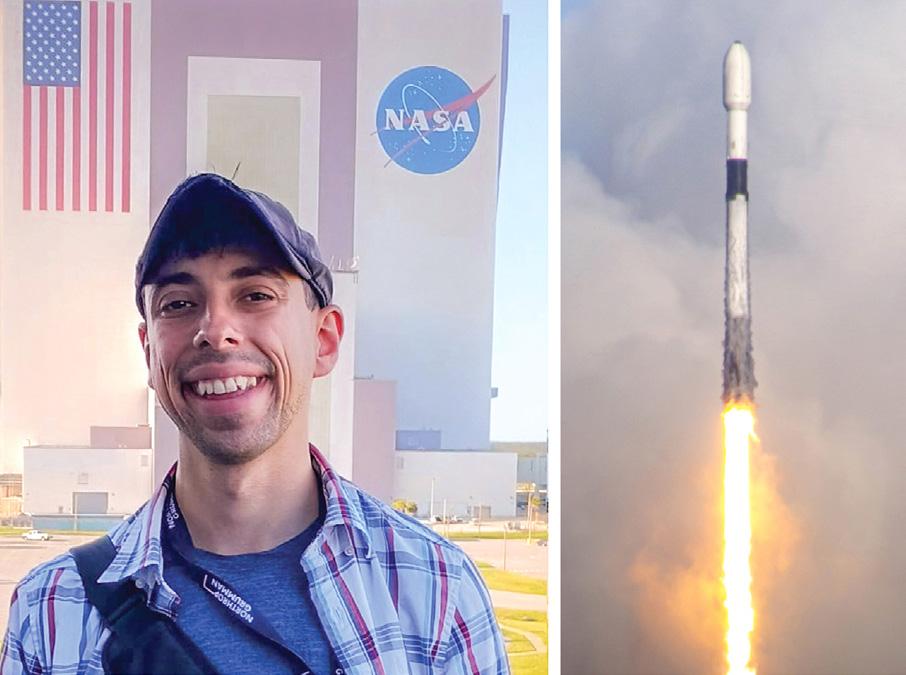
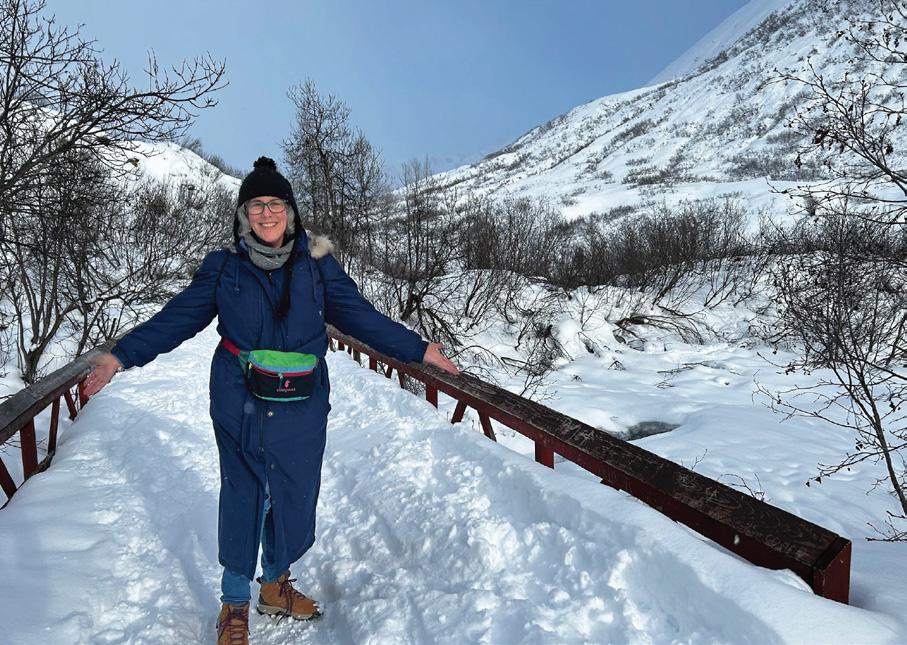
that aims to unearth and preserve oral histories of people on the move. Perhaps living in Java at the time that ‘transmigrasi’ (enforced resettlement of people from Java and Bali to outer islands) in Indonesia was happening and learning about that governmental program may have had a subtle, long-term impact. Has she now come full circle from her PIA experience? Cooley remains grateful and hopes to return to Indonesia in the coming year. The adventure continues… Cooley is pictured at the end of a consultancy visit to Wasilla, Alaska, in spring 2025, hiking in Hatcher Pass. [8]
Brad Swanson (Japan ‘76) recently capped a career in international fnance with his (frst) book, published by MIT Press, “Proft vs. Progress: Why Socially Responsible Investment Doesn’t Work and How to Fix It.” In the book, Swanson, who has managed sustainable investments for two decades, goes under the hood of his industry to show its pitfalls and promise. Brad and wife Anne Stuntz (Princeton ’76), pictured on the porch of their house
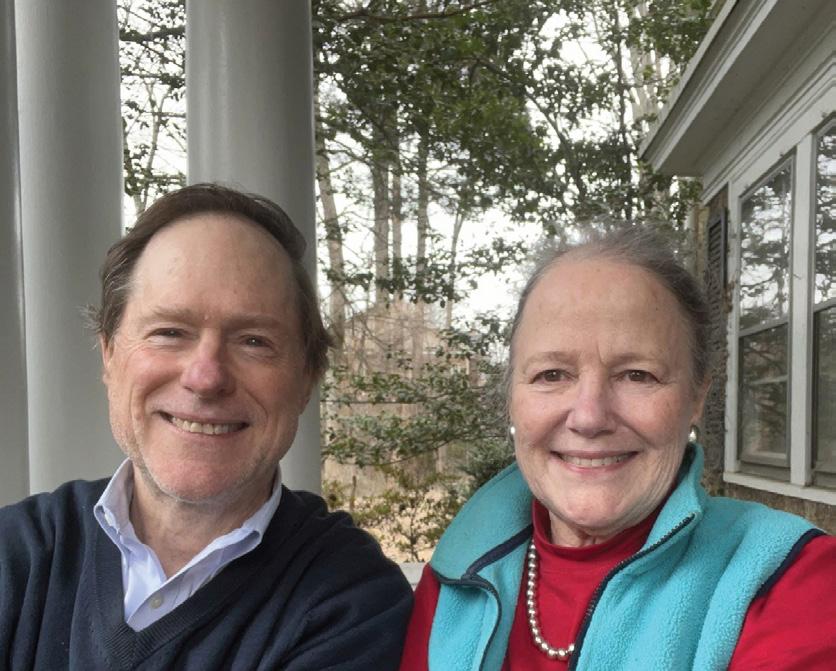
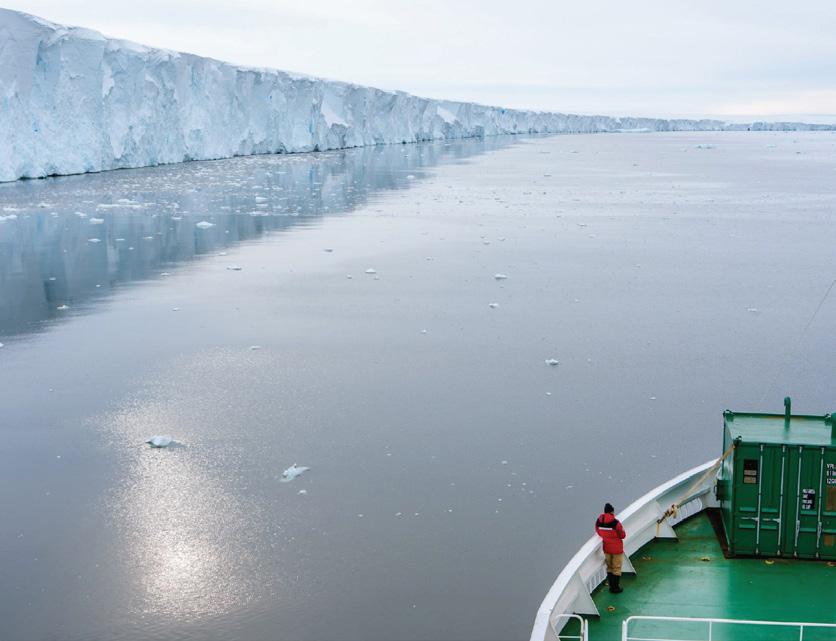
in northern Virginia, will celebrate 40 years of marriage this year [9]
Raymond Zhong (Hong Kong ‘10) and his family moved to London in 2025. In December, he set sail with nearly 40 scientists on an eight-week research expedition to Antarctica, which he chronicled in The New York Times. [10]
Andrew Stokols (China ’12) recently relocated back to Asia (Singapore), where he’s beginning the position of Assistant Professor of Urban Studies at Singapore Management University. His current research looks at geopolitics of digital infrastructure in China and Southeast Asia. Stokols looks forward to reconnecting with PiA old and new faces in the region!
A wedding was the perfect reason for Karen Karp (Hong Kong ’81-’83) to return to India! In prepandemic days, Judi Kilachand (pictured together) and Karp had started a business leading culinary tours there. This time, Kilachand’s
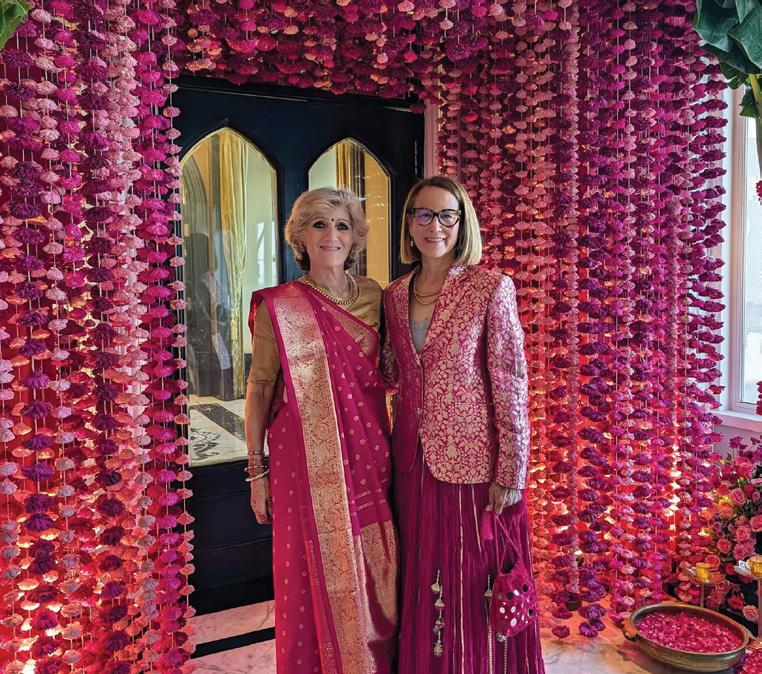
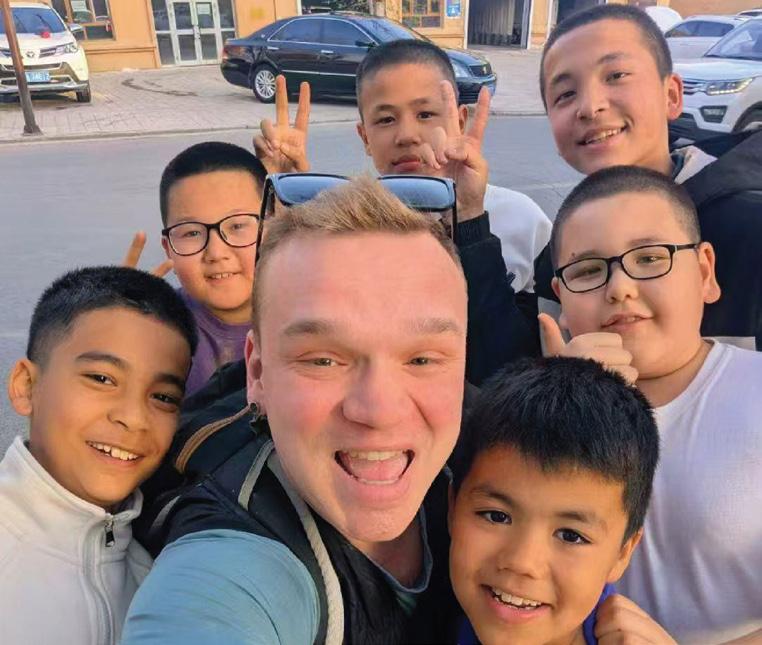
role was mother of the groom and Karp had a blast during the threeday celebration. Afterward, they took a trip to the extraordinary remains at Hampi in Karnataka. How she’s missed her time in Asia! [11]
Daniel Nickel (Vietnam ’11, Myanmar ’12) is living in Copenhagen with his wife Maria (whom he met in Myanmar during his PiA stint) and their two children, Agnes, 4, and Arthur, 1. They both got their frst taste of Asia in February, escaping the dark Danish winter for a 10-day trip to Penang and Bangkok! Mango with sticky rice and strawberry Pocky sticks for the win!
Nearly nine years after frst moving to Hangzhou for his PiA fellowship, Matt Błażejewski (China ‘17) is still proud to call
his placement city home. Since August 2019, he has been working as the Senior Admissions Ofcer for Wellington College Education (China) - Hangzhou and recently made two visits to the Bay Area to support admissions, marketing, and business development for a new bilingual English-Mandarin school scheduled to open in September. Over the past year, he has also been featured as a keynote speaker and panelist discussing his life and travels in Asia for universities in China, the U.K., and the U.S. He can often be found at the airport or a train station on a Friday after work ready for his next adventure, whether that be exploring the jungles of Brunei, running a half marathon on the Great Wall, or building bridges with Uyghur middle school students in the desert of Turpan, Xinjiang. [12]
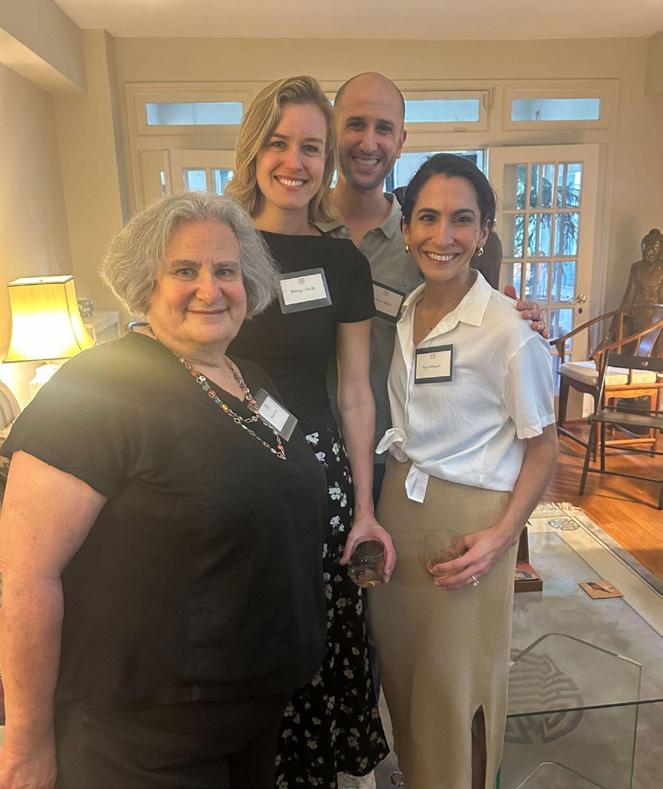
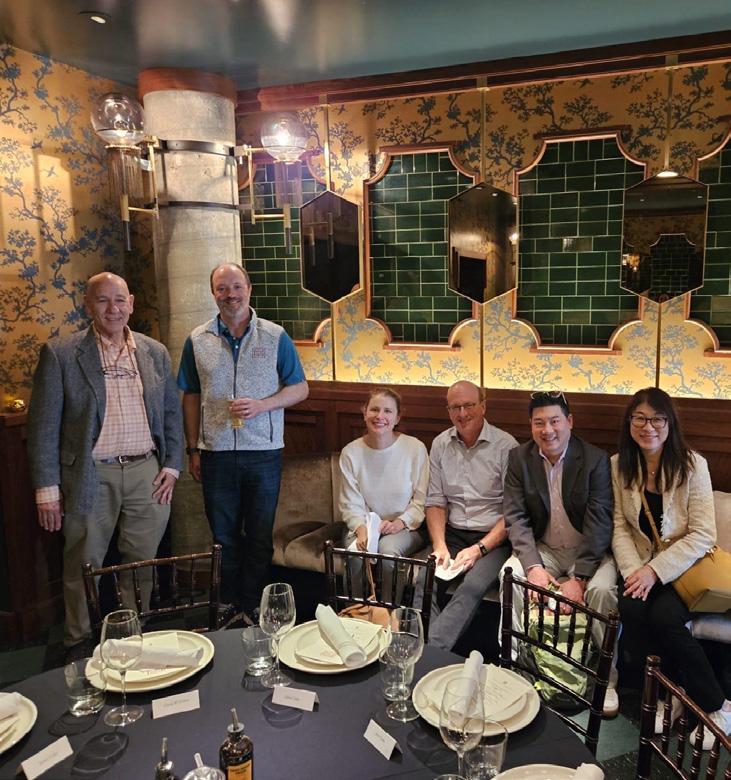
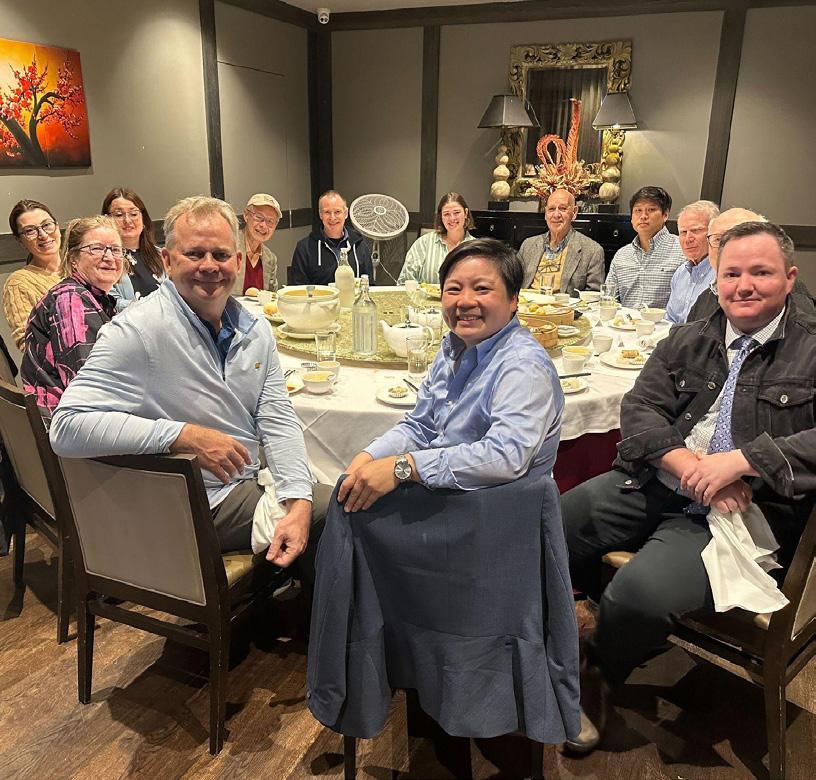
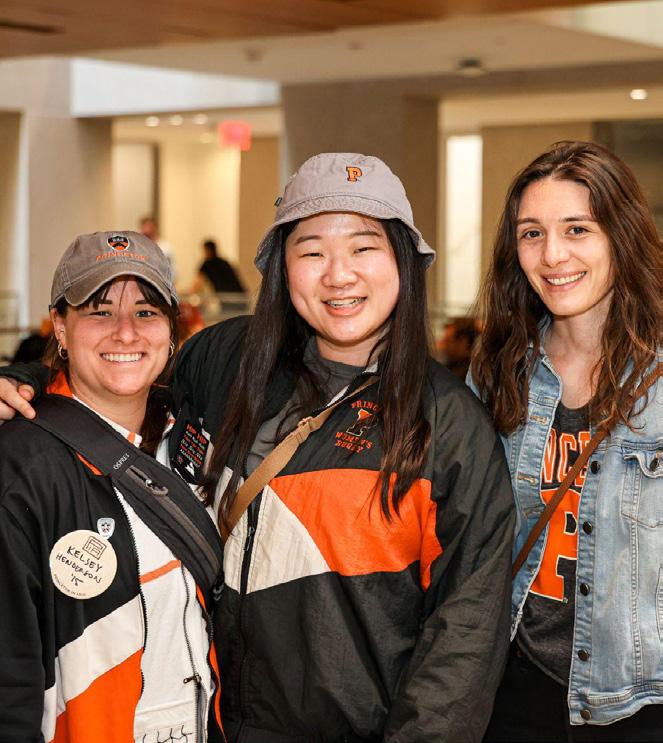
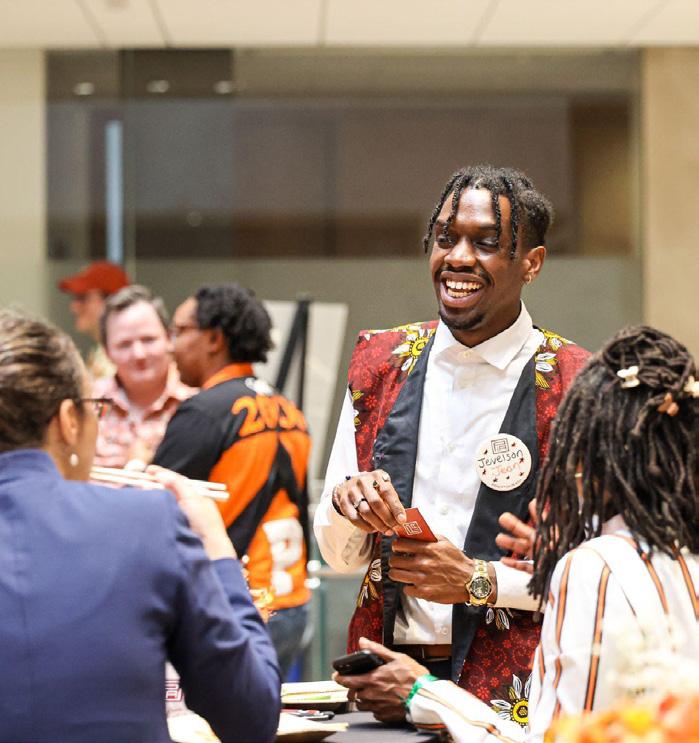
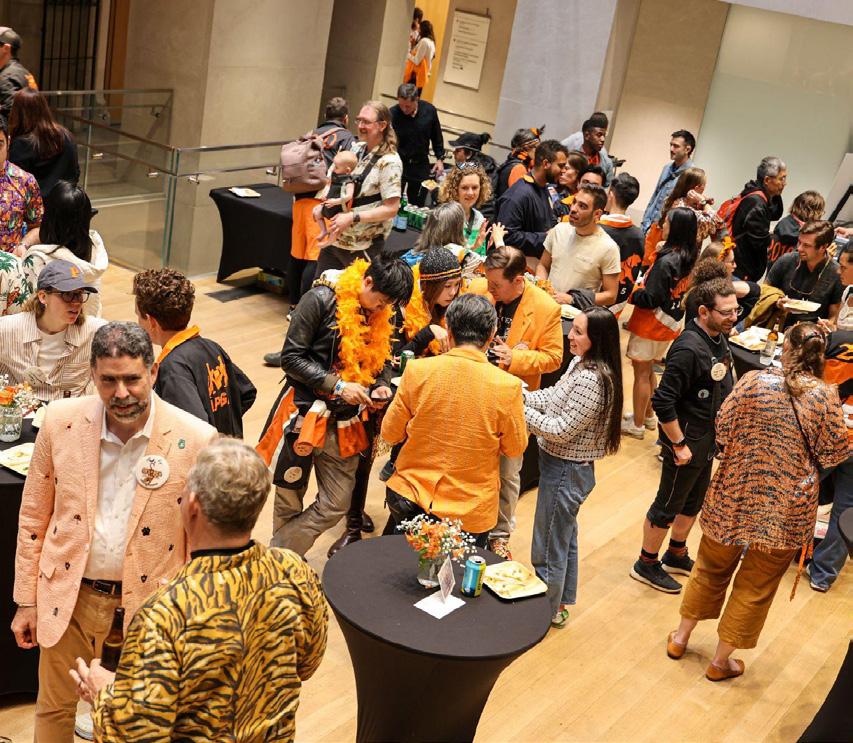
princetoninasia.org @princetoninasia
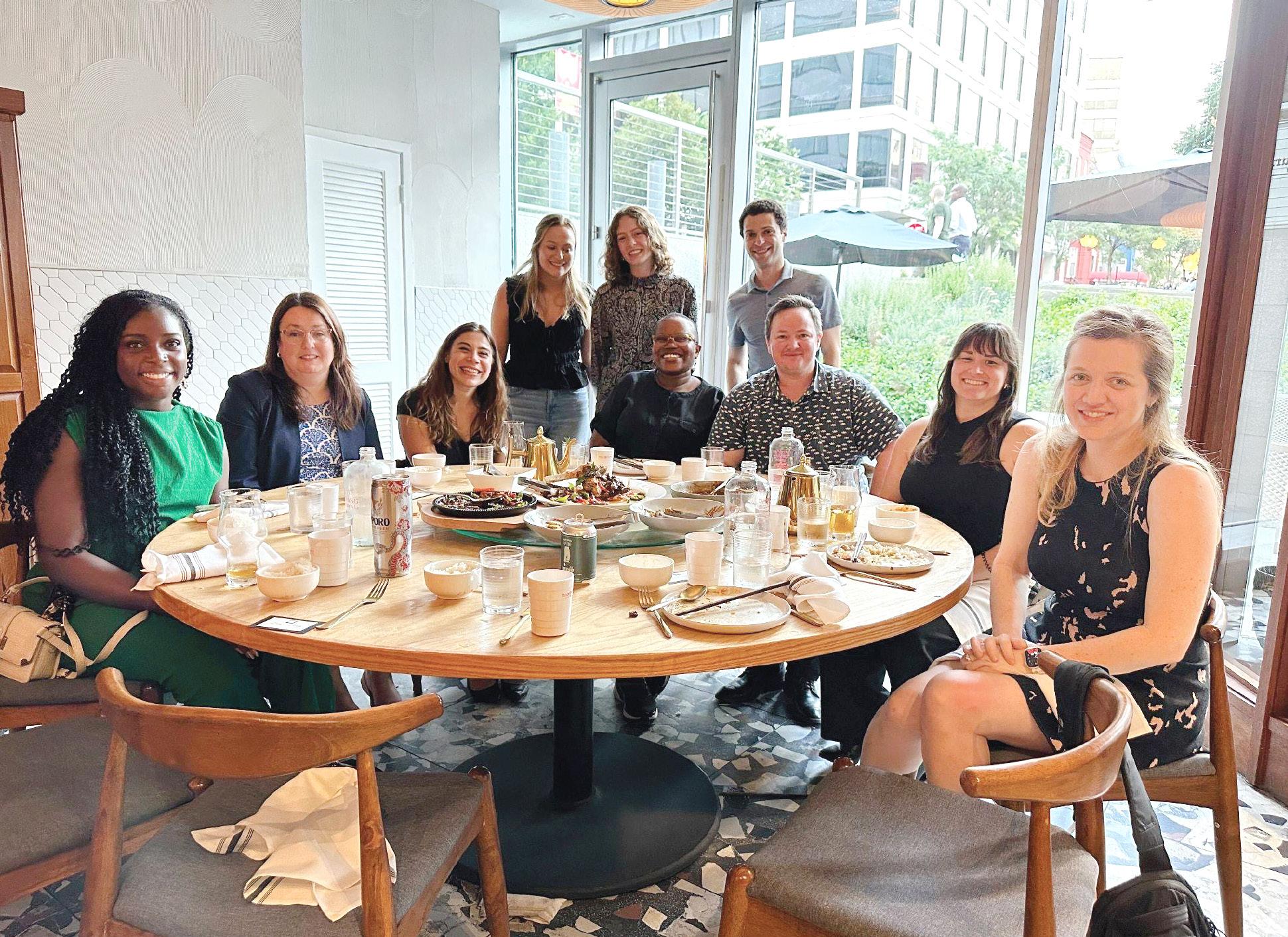

In The Eternal Forest: A Memoir of the Cuban Diaspora, Elena Sheppard (China ’12) traces her family’s exile from Cuba after the 1959 revolution and the generations shaped by that departure. When her grandparents fed the island with little more than a suitcase and the hope of returning, their memories of Cuba became the stories that defned the family’s identity. Blending personal narrative with history and cultural mythology, Sheppard refects on how exile reshapes memory and inheritance across generations.

Join us in supporting PiA’s continued growth. Make your gift today.
NYC SPRING DINNER
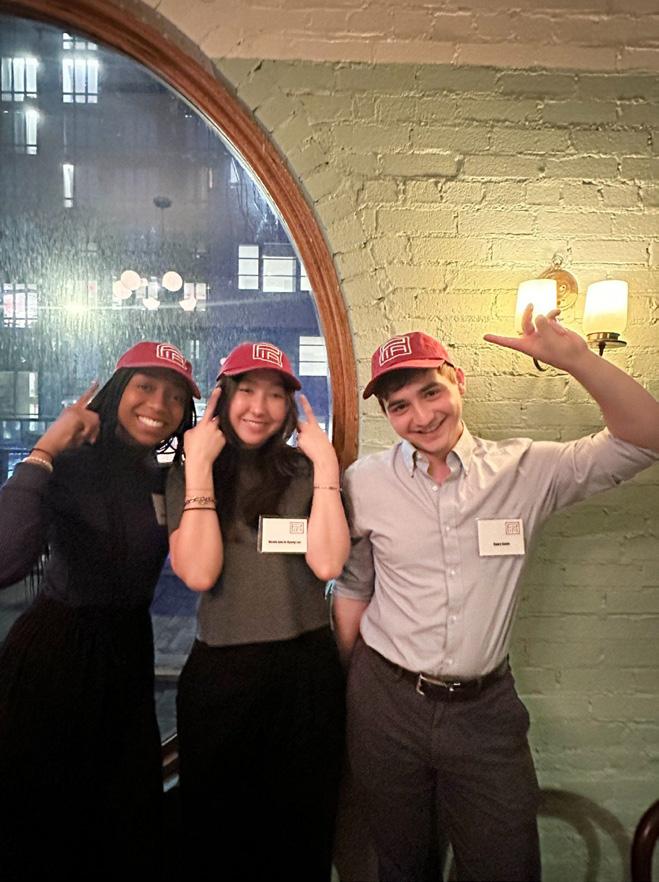
In Proft vs. Progress: Why Socially Responsible Investment Doesn’t Work and How to Fix It, Brad Swanson (Japan ’83–’85) takes a critical look at the $30 trillion sustainable fnance industry. While socially responsible investing promises to align corporate profts with social good, Swanson argues these strategies rarely deliver meaningful change and can distract from deeper reforms. Drawing on economic analysis and historical examples, he contends that lasting progress will require public policy solutions that reshape the rules governing corporations and markets.