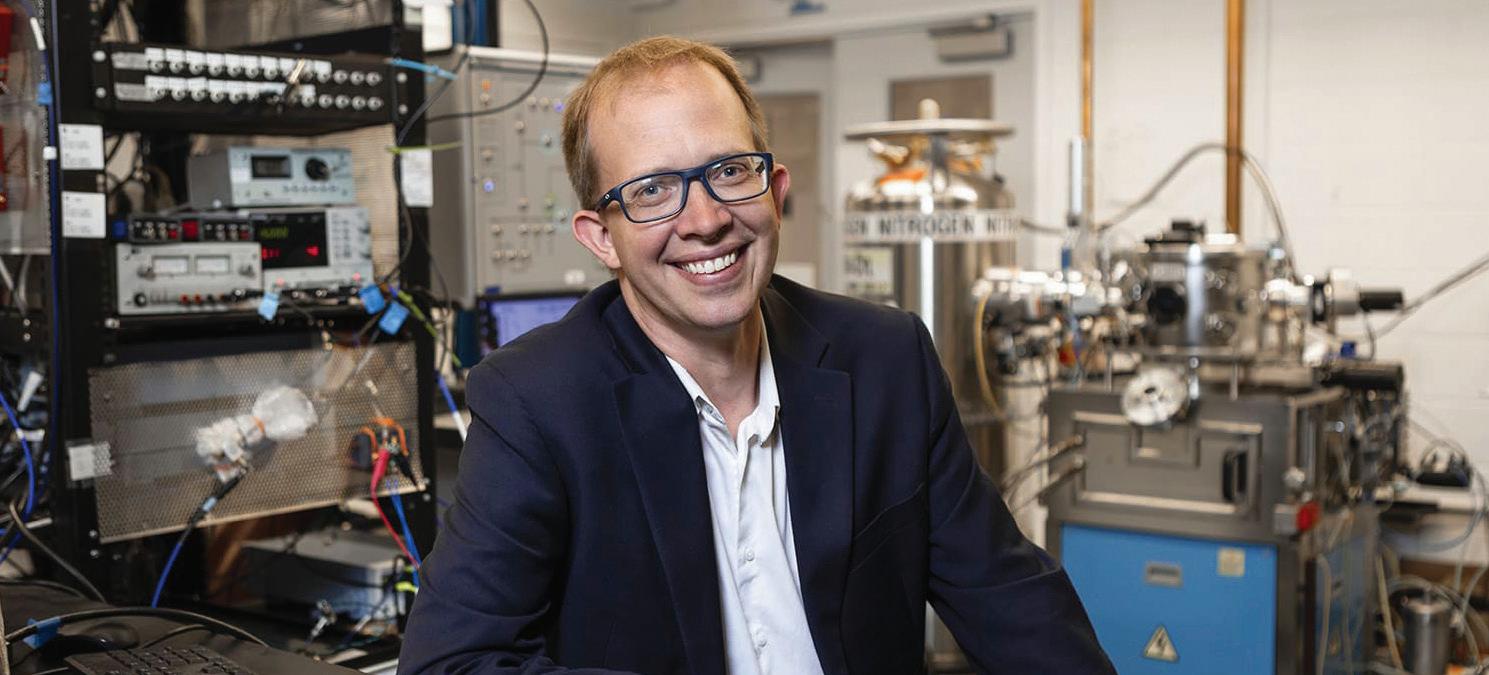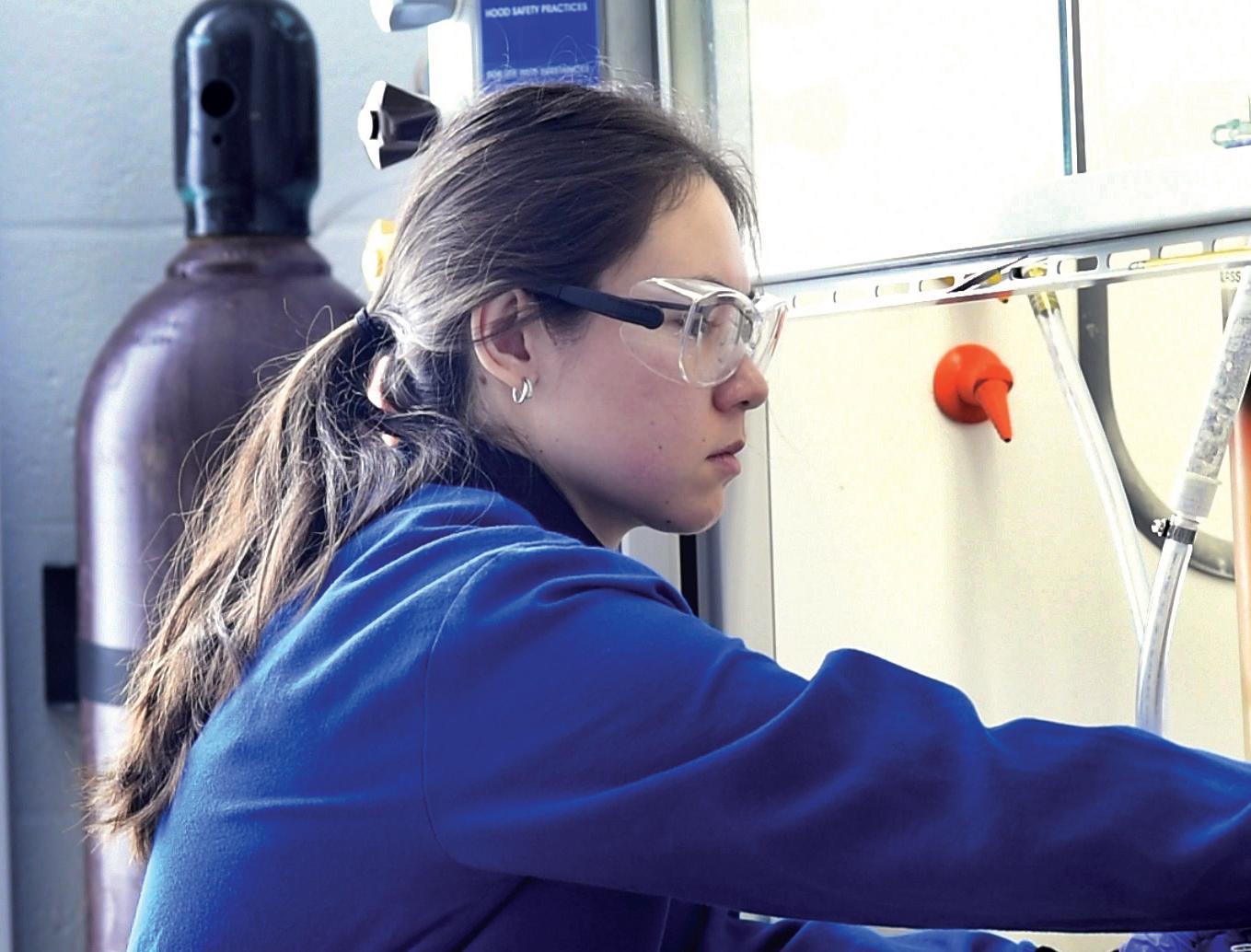


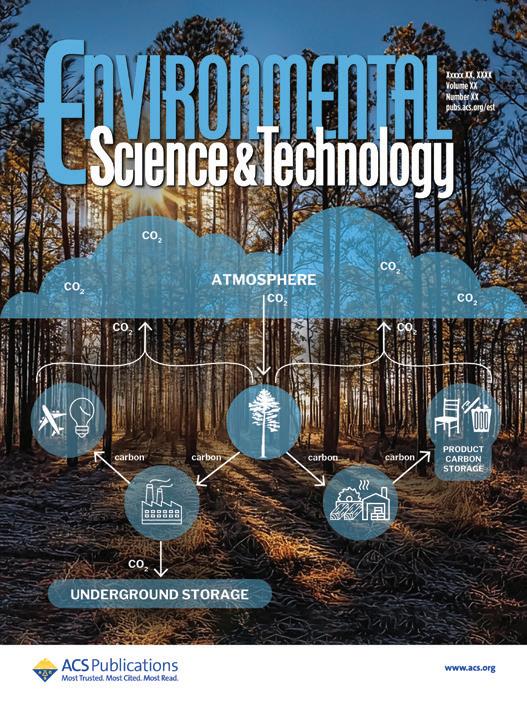
Roeser. (Photo by Bumper DeJesus)
In both the United States and across much of the globe, 2025 has been a challenging year for the clean energy transition. While 2024 was the first year that the world’s average temperatures breached 1.5 °C above preindustrial levels, clean energy technologies and policies have faced mounting political, economic, and social pressures around the world.
At this moment of uncertainty, it is important to underscore that the mission and goals of the Andlinger Center remain consistent to those that shaped the Center’s creation and indeed, they have only intensified. At the Andlinger Center, we are steadfast in our commitment to developing transformative solutions to secure a sustainable energy and environmental future for the planet. And that mission has become increasingly urgent as the devastating impacts of climate change have made themselves manifest in more frequent and severe extreme weather, rising sea levels, and climate-induced displacement.
research platforms, poised to tackle the greatest energy and environmental challenges facing the planet. In the pages that follow, you will read about the cutting-edge work of our faculty, researchers, students, and corporate partners to drive meaningful progress across each of these focus areas.
Our strategic plan also recognizes that the work of the center is inherently interdisciplinary, with faculty who are leaders in energy technology development, energy and environmental systems modeling, and policy research. While we align our efforts around our research initiatives, it is critical that we remain flexible and responsive enough to address new and emerging energy challenges, such as the proliferation of AI and its associated energy demand over the past year. You can read more about how Andlinger Center and Princeton faculty are shaping conversations around AI on pages 4 and 5.
“We at the Andlinger Center will continue our work to secure a sustainable future for all. Our mission is larger than any one of us as individuals, and its scope extends beyond any one of our lifetimes.”
Now more than ever, it is imperative that the Andlinger Center is focused and clear about its efforts to ensure that our work has the greatest societal impact. In early 2025, our faculty and I came together to finalize a 5-year strategic plan for the Andlinger Center that will allow us to align our efforts around initiatives on which our researchers are well-positioned to lead. The strategic plan will lend clarity to our efforts as we navigate an unpredictable funding landscape.
The plan outlines six priority research areas for the center, which we classify as “Research Initiatives.” These initiatives are renewable energy systems; industrial decarbonization; decarbonizing buildings and transportation; carbon capture, utilization, and storage; the water-energy-resource nexus; and climate resilience engineering. By identifying new opportunities for collaboration, we expect these initiatives will develop into full-fledged
As we develop our research programs, we are continually looking to grow the number of opportunities for our research community and find new ways for our early-career researchers to benefit from and engage with the Andlinger Center’s work. From our newly established Minor in Sustainable Energy and our Early Career Leadership Forum to building connections for Princeton students with industry experts, we recognize the importance of equipping our next generation of leaders with the skills, knowledge, and experience they need to make a positive impact on the world.
Despite the current headwinds, we at the Andlinger Center will continue our work to secure a sustainable future for all. Our mission is larger than any one of us as individuals, and its scope extends far beyond any one of our lifetimes. It is a mission that inspires and draws top-tier researchers and industry partners from around the world to the Andlinger Center, and it is one that I believe is worth fighting for.
Vision
To achieve transformative breakthroughs in energy and environmental technologies through collaborative, interdisciplinary research leadership.
To translate use-inspired ideas into technology and policy solutions, by fostering interdisciplinary research and education to address societal needs, accelerating innovation and impact through collaboration, creating a vibrant community to train the next generation of experts and leaders, and providing guidance for decision makers on energy and environmental policy.


To achieve its ambitious mission, the Andlinger Center is advancing strategic research initiatives that leverage the unique interdisciplinary expertise of Princeton faculty to address the most pressing energy and environmental challenges of our time.
Renewable Energy Systems: Develop improved approaches to generate and transition to clean electrical power and enable effective deployment at scale.
Industrial Decarbonization: Develop approaches for process electrification and energy efficiency improvements to decarbonize heavy industry in materials, chemicals, and fuels.
Decarbonizing Buildings and Transportation: Decrease the carbon intensity of buildings and transportation systems by developing and deploying novel materials, technologies, and processes.
Carbon Capture, Utilization, and Storage: Develop new materials and systems that improve the efficiency and practicability of carbon dioxide capture, valorization, and sequestration.
The Water-Energy-Resource Nexus: Reduce the energy and resource intensity of water and wastewater treatment, recover energy and valuable resources from process waste, and develop technologies for effective pollution remediation.
Climate Resilience Engineering: Create effective strategies for making infrastructure and energy systems more resilient to climate risks and mitigating the impacts of climate change on human health and wellbeing.
Convergent research on these complex problems will leverage our community’s broad expertise and be advanced through three complementary, cross-cutting themes: Enabling Technologies, Systems Modeling, and Policy and Decision Making.


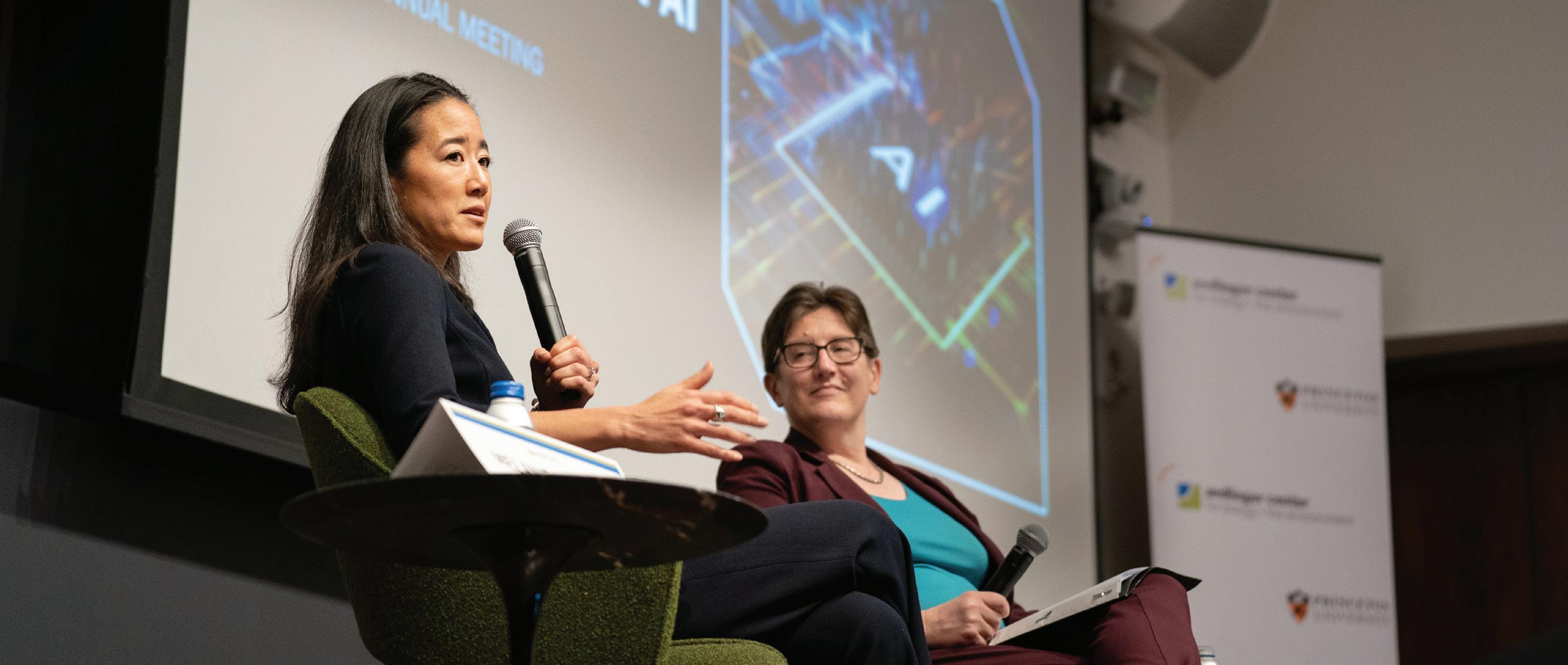
The Andlinger Center convened high-ranking experts from across academia and industry at its 13th Annual Meeting to unpack the opportunities and risks of AI for the clean energy transition.
Input from speakers across the day made the paradox of AI clear: although the high energy consumption of data centers for AI will make it even harder to meet already demanding energy-reduction targets, the technology could also help unlock new and efficient ways of approaching energy and climate challenges.
Keynote speaker Melanie Nakagawa, Microsoft’s Chief Sustainability Officer, said the key to navigating the energy and environmental challenges of AI’s rise is to consider its impacts across the global ecosystem.
“Ultimately, this is a systems challenge,” Nakagawa said. “We want to create an impact beyond our company, so we are investing in solutions and advocating for policies that can support a net-zero future for everyone.”
Panelists underscored that AI and its associated data centers will be just one driver of future energy demand, alongside the wider adoption of electric vehicles and the
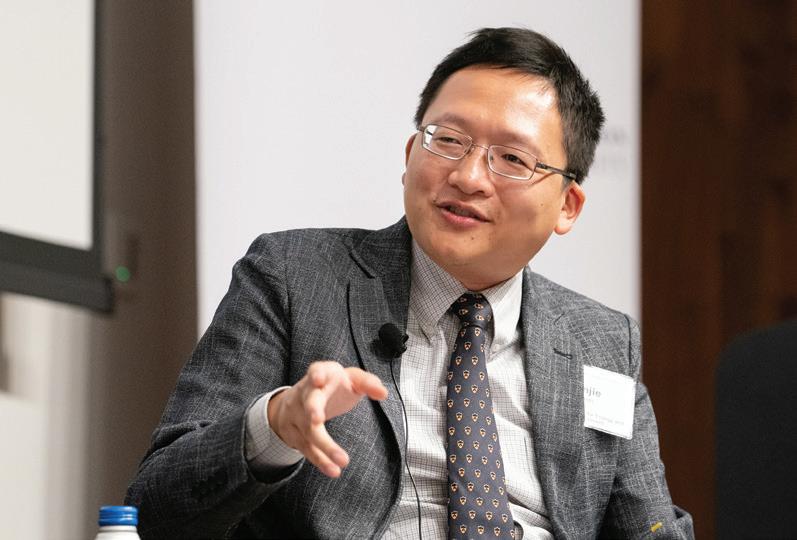
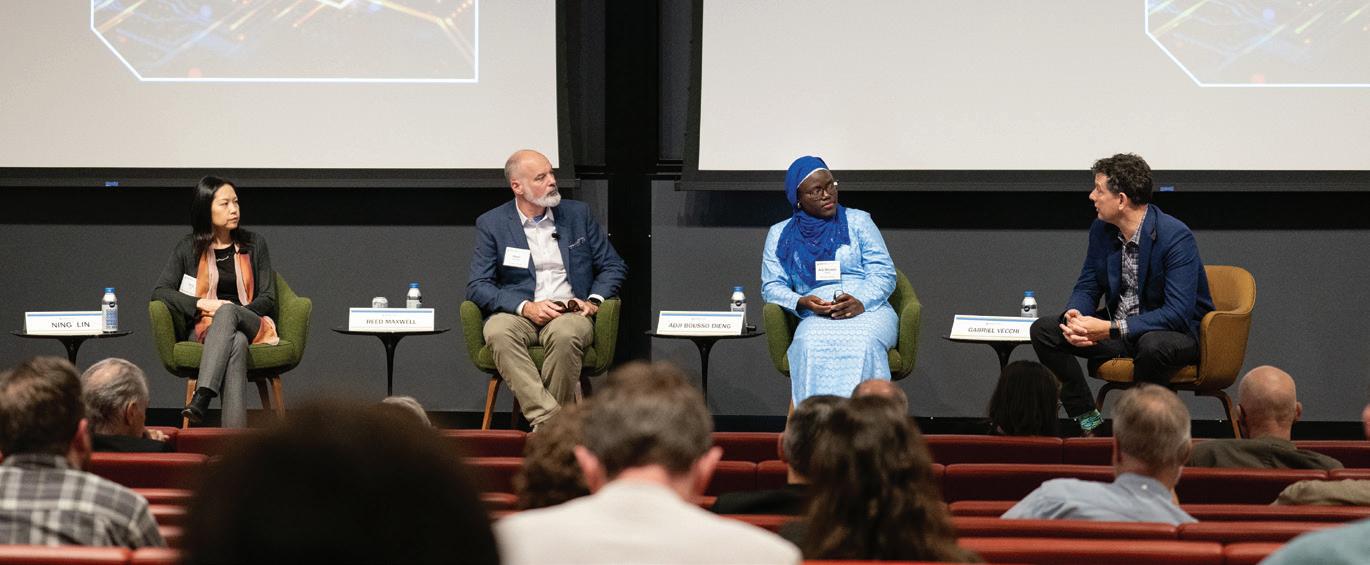
Top: Melanie Nakagawa and Jennifer Rexford, Princeton’s provost and the Gordon Y.S. Wu Professor in Engineering, discuss the energy and environmental challenges of AI.
Lower: Annual Meeting co-chair Minjie Chen moderated a panel on how AI can also unlock new approaches for addressing energy and environmental challenges.
growth of emerging energy technologies. Beyond AI, they said the real challenge is preparing the energy system for this period of sustained growth after decades of plateaued energy demand.
Lucia Tian, head of clean energy and decarbonization technologies at Google, argued that AI’s growing energy footprint is also an opportunity to grow global investments in clean energy technologies that will catalyze the broader energy transition.
“Some of our early investments and partnerships can bring these emerging technologies that are at a premium today down the cost curve, so they can be available for everyone,” Tian said.
Andlinger Center researchers are leveraging the power of artificial intelligence and machine learning to drive progress on energy and environmental issues:
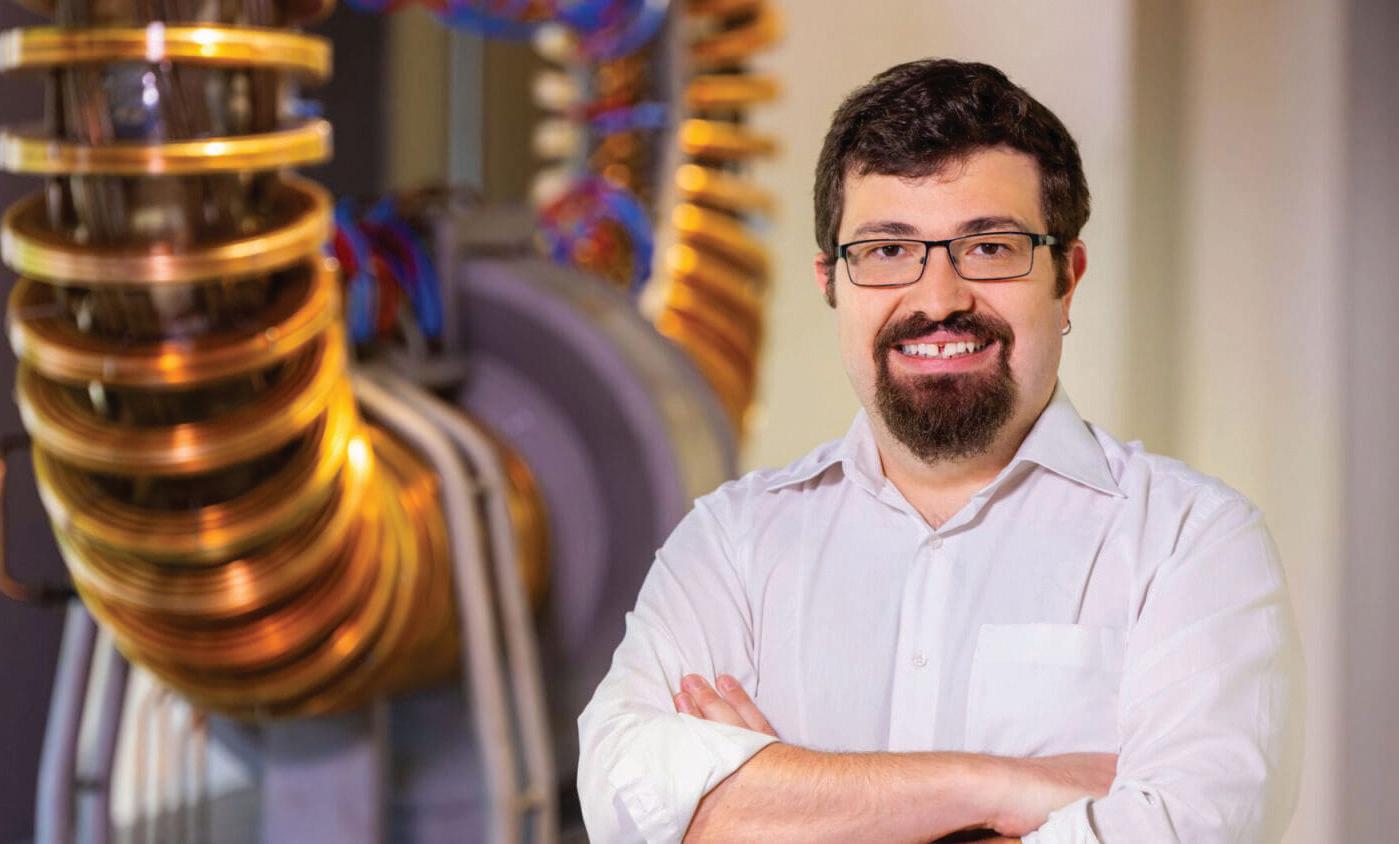
Egemen Kolemen is using AI tools to enable real-time plasma control during fusion reactions. His team has developed an AI controller that can forecast potential plasma instabilities and take corrective action to avoid reaction-ending disruptions.
Following the Annual Meeting, the Andlinger Center hosted representatives from the New Jersey Governor’s Office, Board of Public Utilities, and Economic Development Authority in February 2025 for a workshop on the intersection of AI and energy. The workshop established shared priority areas between Princeton University and New Jersey state agencies related to AI and energy and identified key research gaps, with several Princeton faculty presenting their work. Those research gaps included ways that AI can be harnessed to improve energy efficiency and accelerate the pace of decarbonization, as well as the best ways for the state to meet the growing energy demands from AI and its associated data centers. The workshop marked the start of an ongoing conversation between Princeton faculty and state agencies about how New Jersey can best address the challenges and opportunities that AI poses for the state’s energy sector.
Z. Jason Ren is harnessing machine learning and AI to solve challenges in the water and wastewater sector, including better quantifying the greenhouse gas emissions from various treatment processes, predicting the performance of novel materials, and managing the risks associated with wastewater discharge.

Andlinger Center faculty reach across disciplines and sectors to tackle the complex and interrelated challenges of the clean energy transition, helping countries around the world achieve economy-wide decarbonization.
In December 2024, over 60 energy and related infrastructure executives, government representatives, NGOs, and researchers convened on Princeton’s campus to examine how trust between stakeholders can shape the pace of the global energy transition.
Co-organized by the Andlinger Center and Princeton E-ffiliates Partnership member Worley, a global professional services company of energy, chemicals, and resources experts, the From Ambition to Reality Summit yielded meaningful discussions about how to restore, maintain, and build the trust between energy stakeholders needed to meet international climate targets.
Chris Greig, Elke Weber, postdoctoral researcher Anandita Sabherwal, and 2024 Maeder Graduate Fellow and psychology student Jordana Composto partnered with the Worley team to create a candid forum for high-ranking executives to share authentically about their challenges and experiences working in the energy sector.
“One of the privileges of being at the Andlinger Center and Princeton is our ability to engage some of the strongest business and academic leaders around the world’s thorniest challenges,” said Greig.
The Princeton and Worley teams are using the summit’s discussions to inform their Infrastructure for Trust project, which explores how durable trust can be systematically built and maintained between stakeholders to deliver energy infrastructure at the speed and scale required to meet global climate targets.
The summit was part of the From Ambition to Reality series, a cornerstone of the partnership between the Andlinger Center and Worley that outlines the shifts in infrastructure delivery practices that are needed to bridge the gap between climate goals and on-the-ground progress.
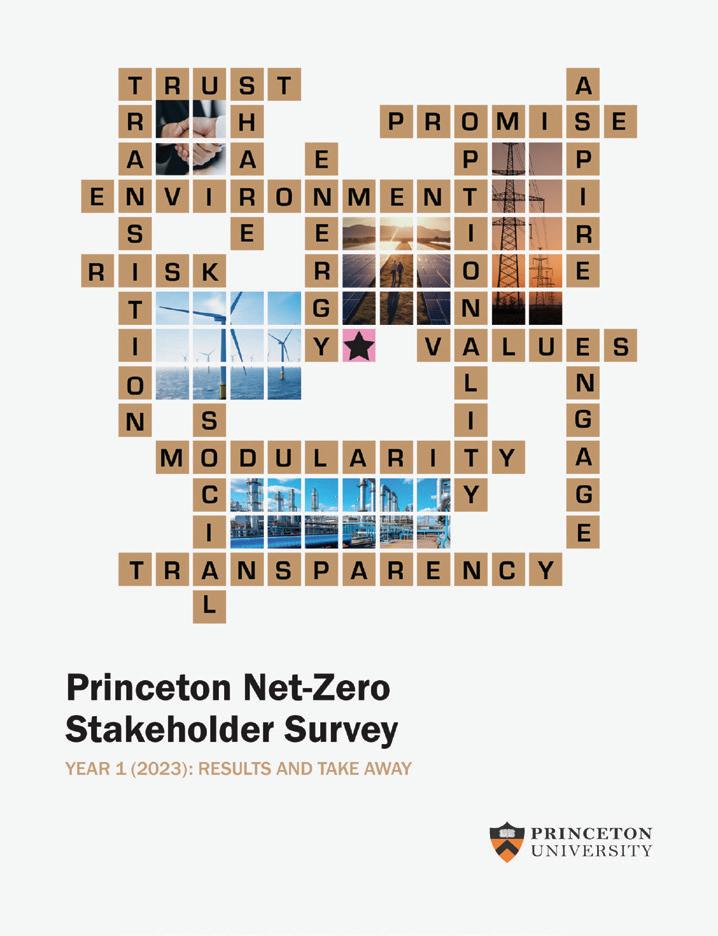
The partnership with Worley has also led to the Net-Zero Stakeholder Survey, which gauges stakeholder perceptions about the progress made on key paradigm shifts for net-zero energy infrastructure delivery.
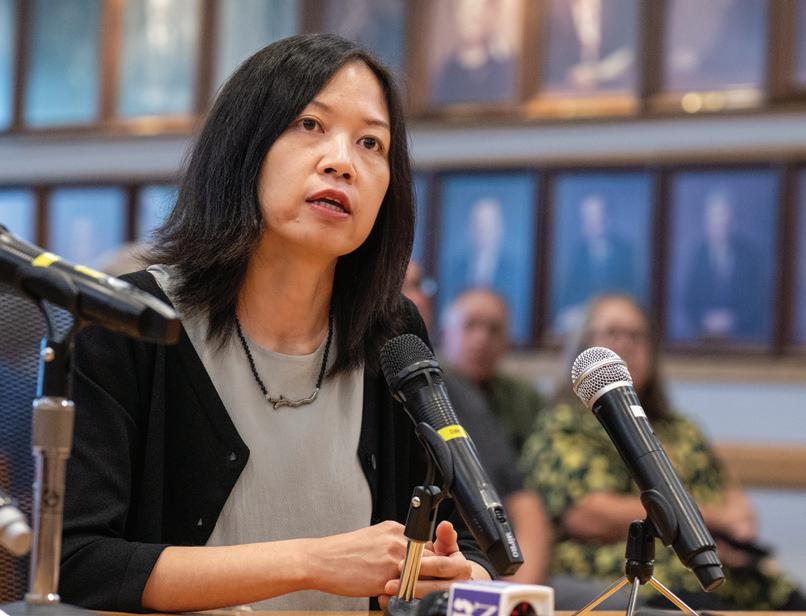
When it comes to the clean energy transition, not every technology is equal, and some solutions that appear strongest at a glance can be politically infeasible or bring unwanted impacts such as a deterioration in local air quality. Wei Peng studies how to design politically and socially durable decarbonization strategies.
A major focus of Peng’s research group is understanding the health impacts of different decarbonization strategies to ensure that the clean energy transition yields both climate and health benefits. Peng’s recent work has unlocked insight across sectors and regions.
Coal retirements in Pennsylvania: Peng’s group found that retiring half of the coal plants in Pennsylvania by prioritizing retirements in environmental justice areas could reduce electricity-related carbon dioxide emissions in the state by up to 12%, cut air pollutant emissions by up to 75%, and avoid up to 20% of the deaths attributable to fine particulate matter exposure when compared to a business-as-usual, no-retirement scenario.
In fall 2024, Wei Peng launched a new course focused on using integrated assessment models (IAMs) to inform climate and energy policy. The course introduced students to two major types of IAMs: detailed-process IAMs that assess how technology choices and mitigation pathways shape regional emissions and global climate outcomes, and benefit-cost IAMs that estimate the social cost of carbon or determine optimal emissions trajectories for maximizing global welfare. Through hands-on projects and policy simulations, students gained practical experience using IAMs to explore real-world climate scenarios.
Electric vehicle manufacturing in China and India: If China and India were to fully onshore their supply chains for electric vehicle manufacturing, national sulfur dioxide emissions could increase by up to 20% over today’s levels, with manufacturing centers becoming unwanted air pollution hotspots. Peng’s team identified solutions, such as implementing stricter air pollution standards and exploring alternative battery chemistries, to ensure the electric vehicle transition yields maximum societal benefits.
An all-of-society approach to U.S. climate policy: Peng’s group found that combining federal and subnational clean energy actions could avoid 6,600 premature deaths from air pollution nationally in 2030, with net health co-benefits found in every state nearly every county. Regions like the Midwest and South, with high levels of existing fossil fuel consumption, would particularly benefit from coordinated national, state, and local climate policies.
(Photo by David Kelly Crow)

FUND FOR ENERGY RESEARCH WITH CORPORATE PARTNERS Bridging energy systems modeling and societal impact
Energy systems models are vital tools for shaping national decarbonization strategies, but they often overlook local realities, air quality, health outcomes, and other societal impacts. To address this gap, Wei Peng will lead a new project to develop an integrated modeling framework that connects advanced energy systems models with a global integrated assessment model.
Supported by the Andlinger Center’s Fund for Energy Research with Corporate Partners and carried out in collaboration with Google, the project will explore how decarbonization strategies affect global supply chains, trade, and public health. Along with co-PI Eric Larson and in partnership with the Korea Advanced Institute of Science and Technology (KAIST), the team will apply this modeling framework to South Korea to inform the country’s national climate policy.


Acknowledging the power sector’s role as a lynchpin for economy-wide decarbonization, the Andlinger Center is advancing clean energy and grid modernization solutions to transition toward sustainable electric power.
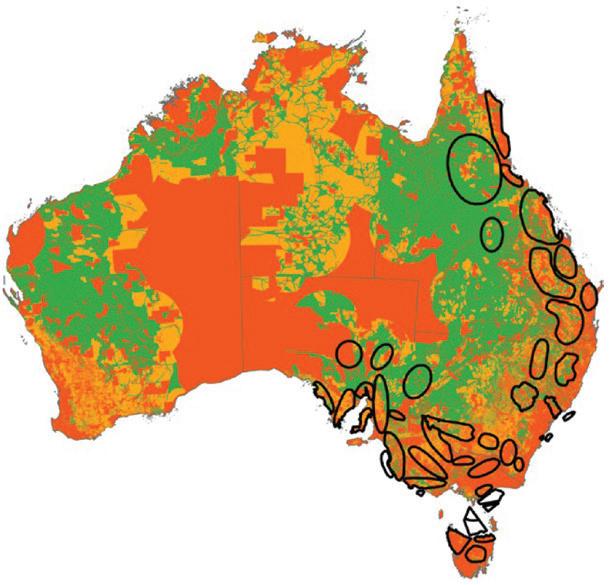
Australia’s pathway to a net-zero economy by 2060 is far from straightforward. Siting the solar and wind energy necessary to decarbonize the country’s economy and maintain its extensive energy exports to become a clean energy superpower will require significant capital investment to the tune of around $6.2 trillion USD. It will also require around 110,000 square kilometers of land, equivalent to over one and a half times the size of Tasmania.
Yet a team of researchers from the Andlinger Center, University of Queensland, and University of Melbourne have demonstrated that decarbonization in Australia is possible while avoiding harm to important areas for biodiversity outcomes, safeguarding agricultural activities, and respecting Indigenous land rights — as long as stakeholders work together.
Without collaboration, however, the researcher’s analysis found Australia could find itself facing a clean energy shortfall of over 500 gigawatts and an unwanted and likely costly pivot to an alternative energy pathway.
In their work, the team outlined a “traffic light’ approach to renewables deployment, identifying where projects could be easiest to site (green), where they could be potentially sited pending further stakeholder engagement (orange), and where development would be off-limits (red).
The researchers, including research scholar Andrew Pascale and Chris Greig, say their framework can facilitate transparent and inclusive stakeholder dialogue, integrating diverse viewpoints into the broader mission of national decarbonization.
This research was partially supported by the Andlinger Center’s Fund for Energy Research with Corporate Partners.
Jürgen Hackl received a grant from the Andlinger Center’s Fund for Energy Research with Corporate Partners to develop a modeling framework for power systems that captures the complex interactions of the modern grid more effectively than existing network models. Hackl’s team will build scalable grid forecasting models that support both short-term grid management and long-term grid planning strategies, with a goal of increasing grid forecasting accuracy, robustness, and overall power system efficiency. The project will be carried out with Beacon Power Services as the corporate partner, bringing industry expertise in power systems operations to support the research.
The Andlinger Center’s Fund for Energy Research with Corporate Partners supported research aimed at analyzing how thermal energy storage (TES) systems — an emerging technology that temporarily stores energy by heating or cooling a medium — could help mitigate emissions from natural gas power plants. TES can be charged via excess heat from combustion turbines as they start up or shut down or from excess electricity from the grid, allowing operators to later use that stored heat to supplement or replace natural gas combustion. Jesse Jenkins will lead a team that includes co-PIs Eric Larson and Christos Maravelias to analyze the techno-economic feasibility, market potential, and energy system impacts of integrating TES into natural gas combined cycle power plants. A corporate partnership has been initiated.
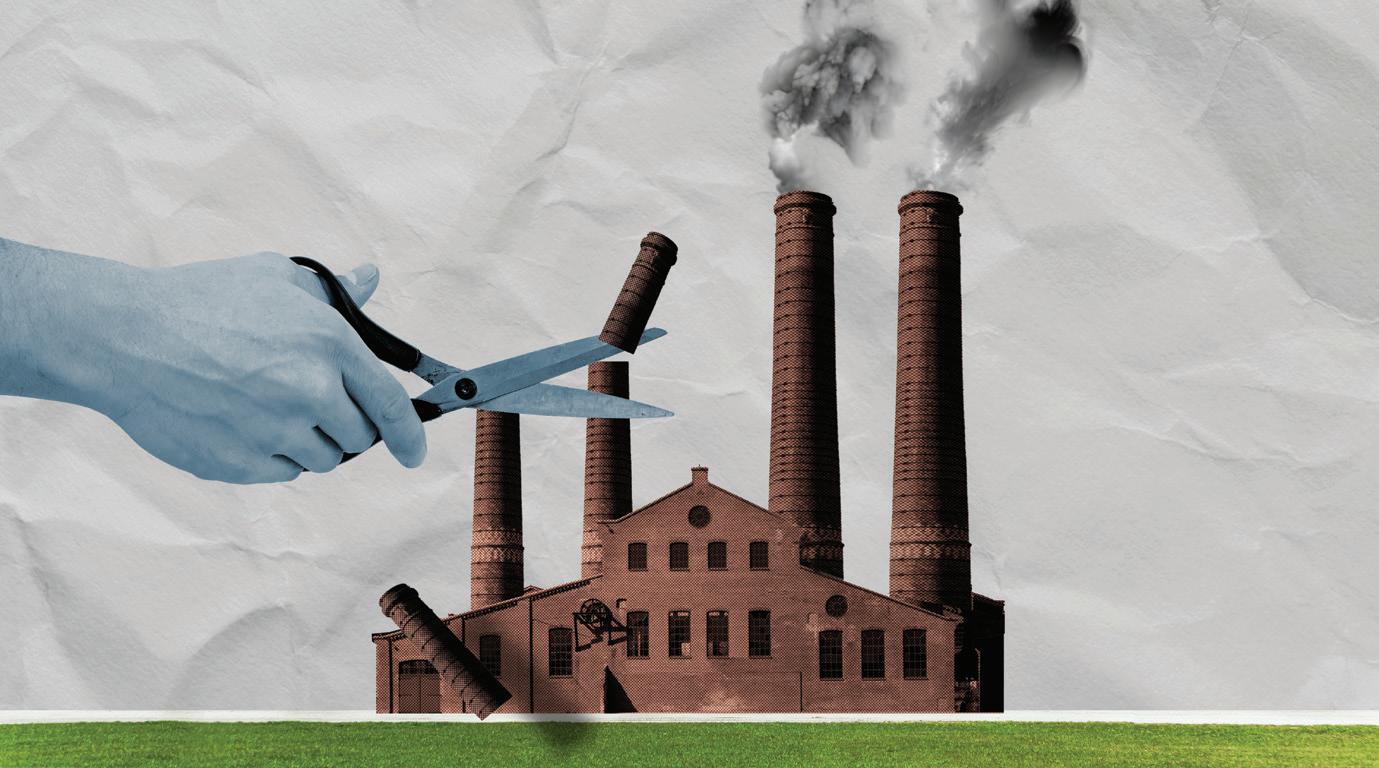
In March 2025, the U.S. Environmental Protection Agency (EPA) announced its intention to rollback regulations finalized in 2024 aimed at curbing greenhouse gas emissions from fossil fuel-fired power plants. The regulations set carbon dioxide limits for new gas-fired combustion turbines and provided guidelines for existing coal, oil, and gas-fired steam generating units.
That same month, Jesse Jenkins and associate research scholar Qian Luo published an analysis highlighting the role of rules in driving down carbon emissions from the power sector and spotlighting the potential impacts of repealing the rules. The analysis also identified potential ways for the rules to be modified to achieve even deeper and more cost-efficient emissions reductions. The team found that:
• under the finalized EPA regulations, power sector emissions could fall 51% compared to 2022 levels, compared to only 26% without the rules.
• most emissions reductions from the regulations would come from accelerated coal plant retirements, accounting for around 70% of the total emissions reductions from the rules.
• the regulations targeted at natural gas plants only affect new natural gas power plants. Consequently, the 2024 regulations could lead to new natural gas plants operating at a lower capacity while ramping up production from less efficient existing natural gas generators, reducing the benefits of the new rules.
• additional regulations targeting existing gas plants could achieve power sector emissions reductions up to 88% below 2022 levels, at an even lower average cost of abatement than the 2024 regulations.
GRADUATE FELLOWSHIP
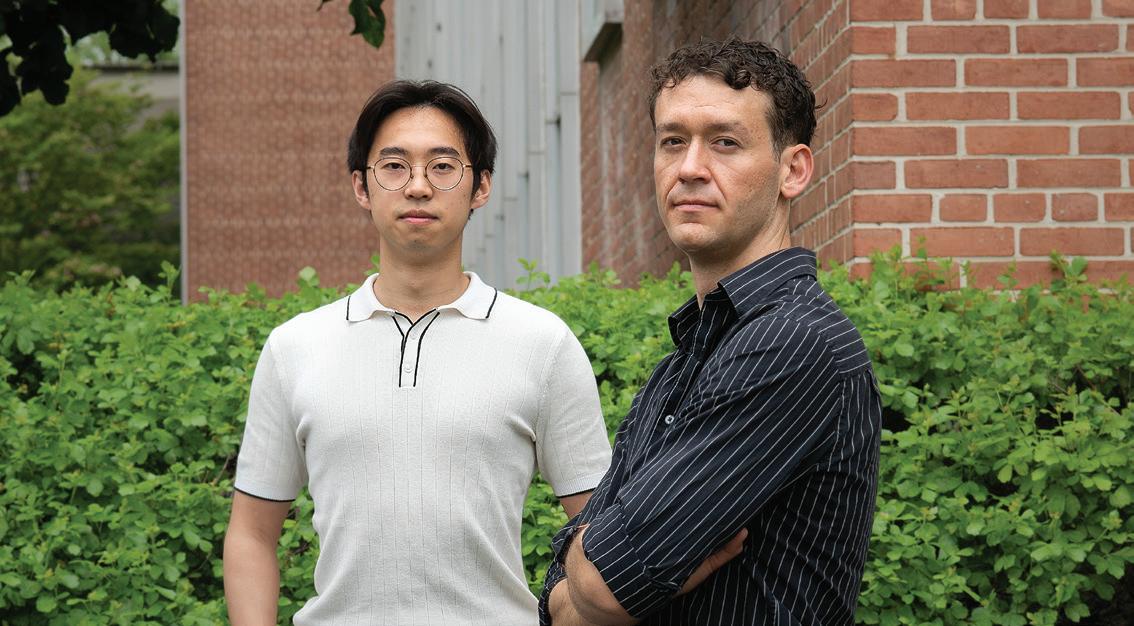
Graduate students Shukai Wang and Gabe Mantegna were awarded the 2025 Maeder Graduate Fellowship in Energy and the Environment. The fellowship is awarded to the graduate students each year who have demonstrated strong potential to develop solutions for a sustainable energy and environmental future.
Wang, who is advised by Minjie Chen, researches ways to make power delivery systems more energy efficient to keep pace with the skyrocketing energy demands of data centers. Wang focuses his research on modeling power magnetics materials, which are critical components of power delivery systems. By modeling the magnetics materials under a variety of operating conditions, Wang is helping magnetics designers make smaller and more energy efficient power delivery systems.
Mantegna, who is advised by Jesse Jenkins, is developing robust optimization models that can help grid planners and utilities make long-term planning decisions — even when there are uncertainties around future energy demand or the availability and incentives for energy technologies. As part of his project, Mantegna is working directly with energy planners in California to develop his methods, present his findings, and ensure his work is practical for real-world applications.
The Maeder Graduate Fellowship is supported by the Paul A. Maeder ‘75 Fund for Innovation in Energy and the Environment.
Jinshi Chen joined the Andlinger Center in May 2025 as a Distinguished Postdoctoral Fellow. Working with Luc Deike, associate professor of mechanical and aerospace engineering and the High Meadows Environmental Institute, and Michael Mueller, the Donald R. Dixon ‘69 and Elizabeth W. Dixon Professor of Mechanical and Aerospace Engineering, Chen will study the interactions between misaligned ocean waves and wind and the implications of those dynamics for floating offshore wind turbines. The results could also help inform global climate models of the ocean’s carbon capture and aerosol transportation capabilities.
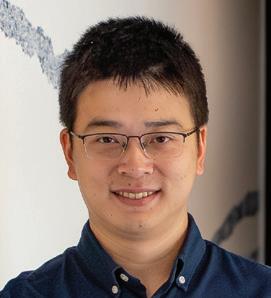
Funding is provided by the de Carvalho-Heineken Family Fund for Environmental Studies.
In August 2025, Michael Saliba joined the Andlinger Center as a Gerhard R. Andlinger Visiting Fellow from Stuttgart University, where he is a full professor and the Director of the Institute for Photovoltaics. Hosted by Barry Rand, Saliba will collaborate with a number of Princeton researchers to develop high-performing perovskite solar cells with long-term stability. Perovskite solar cells are highly tunable alternatives to silicon solar cells, which dominate today’s commercial solar market.
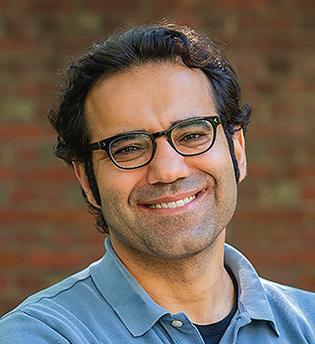
During his visiting fellowship, Saliba will also explore the interplay of chemistry, physics, and materials science to advance the development of high-performance tandem solar cells, in which different types of solar cells are stacked on top of each other to increase their efficiency at converting solar energy into electricity.
Funding is provided by the Gerhard R. Andlinger Professorships and Visiting Professorships in Energy and the Environment Fund.


Tackling carbon emissions from hard-to-abate industries — including chemicals, fuels, and building materials — the Andlinger Center is transforming industrial processes to leverage clean energy and sustainable feedstocks.
The chemicals industry is both essential to modern life and exceedingly hard to decarbonize. And because global demand for chemicals is expected to grow significantly over the next half century, the industry is being challenged to lower its greenhouse gas emissions while growing its production volumes and maintaining its profitability.
To help inform chemical industry leaders and policymaker decision-making, Eric Larson and Chris Greig worked with E-ffiliates member Deloitte to produce a technical report assessing various hypothetical strategies to achieve deep emissions reductions from the global chemicals industry. Robert Socolow, professor emeritus of mechanical and aerospace engineering, in his Foreword to the report, described the collaboration as “an extraordinarily bold and productive partnership.”

The research focused on facilities across four world regions — North America, Europe, Middle East, and China — producing ten so-called building block chemicals that today account for an estimated 1 billion tonnes per year of greenhouse gas emissions (about 70% of all chemical industry emissions).
Grounding their research in the takeaways from three workshops with industry leaders in North America and Europe, the team developed a techno-economic model to project the industry’s emissions for the next half century under a variety of scenarios dependent on the strength of governance, level of coordination, and demand for sustainable goods. The researchers also conducted an opportunity assessment to identify the most promising markets for chemical-derived products with lower carbon footprints.
The study’s results indicate that abating emissions by 2050 under the most ambitious modeling scenario would require average annual capital investment across the four study regions to increase to well over double historical average rates of investment. The market analysis revealed that the consumer packaging, automotive, food and beverage, and personal care markets for chemicals-derived products would be the highest-priority areas for investments in sustainability.
The researchers said their findings can help to inform chemical industry leaders, public policy makers, and other stakeholders on the current state of emissions from the chemicals industry, the feasibility of announced net-zero emissions targets, and near-term opportunities for emissions reductions.
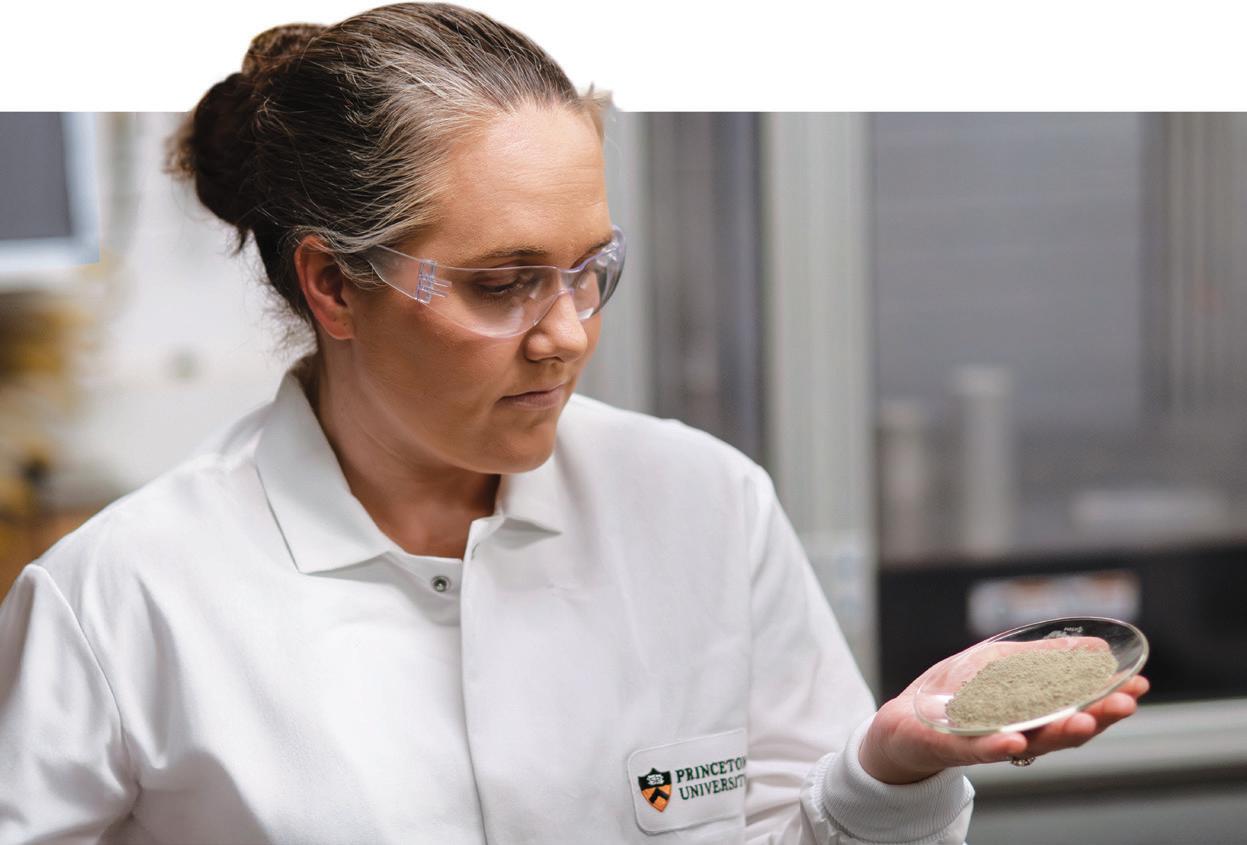
Each year, the cement and concrete industry is responsible for around 8% of the world’s carbon emissions. If the industry was a country, it would be the third-largest emitter after China and the U.S. The primary culprit behind the industry’s large footprint? A material known as Portland cement, which is by far the most common binder used to create concrete and generates significant carbon emissions due to the chemical and thermal processes involved in its production.
A collaboration between the labs of Andlinger Center faculty Claire White and Sérgio Angulo of the University of São Paolo has revealed a new way forward for the cement industry that not only lowers its carbon intensity but also moves the world toward a more circular economy. The approach involves recovering cement from demolished buildings and other construction projects, heating the powder at 400–500 °C to remove tightly bound water molecules, and then mixing that recycled cement powder with small amounts of finely ground Portland cement.
In lab experiments, the researchers showed that mixtures containing up to 80% of this recycled cement demonstrated strength on par with the industry standard Portland cement. If fully realized and deployed in coordination with other emerging technologies that replace cement, the researchers estimated that emissions from the cement industry could be cut by up to 61%.
GRANT FOR INNOVATIVE RESEARCH IN ENERGY AND THE ENVIRONMENT
The Andlinger Center supported an interdisciplinary team led by Yiguang Ju, the Robert Porter Patterson Professor of Mechanical and Aerospace Engineering, to study a new, net-zero emissions approach for manufacturing and recycling steel. Ju’s team will explore the use of hydrogen and ammonia in conjunction with low-temperature plasmas to lower the emissions intensity of the steelmaking process, which today accounts for around 8% of global carbon emissions.
Catherine Peters, the Magee Professor of Geosciences and Geological Engineering and a professor of civil and environmental engineering, received an award to explore methods for accelerating the production of geologic hydrogen, which is naturally yet inefficiently generated deep below the Earth’s surface. Peters will partner with the Institute for Rock Magnetism at the University of Minnesota to use geomagnetic diagnostics to examine how the iron in magnetite is partitioned into various end-products. This provides chemical insight about the availability of natural hydrogen and could reveal ways to accelerate its production.
The Grant for Innovative Research in Energy and the Environment is funded by the Parallax Fund for Energy and the Environment, the Addy/ISN North American Low Carbon Emission Energy Self-Sufficiency Fund, the Anonymous Research in Energy & Environment Fund, and the Andlinger Center for Energy and the Environment.
“The leap forward here is that you can now get short- and long-term properties that are essentially the same as Portland cement by itself with a low-carbon alternative overwhelmingly composed of recycled materials,” said White.
Angulo also noted that the approach could breathe new life into construction and demolition waste that would otherwise end up in either a landfill or low-quality applications such as in pavements or soils.
In June 2025, the Andlinger Center welcomed biotechnologist Sarah Glaven as a Gerhard R. Andlinger Visiting Fellow to chart a sustainable future for the emerging biomanufacturing industry, in which biological systems like microorganisms are leveraged to generate valuable materials, chemicals, and other products.

Glaven, who brings over 16 years of experience as a biotechnology researcher and top White House scientist for the bioeconomy, works closely with Z. Jason Ren to apply a net-zero emissions framework originally developed for the wastewater sector to the biomanufacturing industry. She is working more broadly with Clifford Brangwynne, director of the Omenn Darling Bioengineering Institute, to grow Princeton’s involvement in the biotechnology sector.
“I have both the scientific and the policy background to not just contribute to basic understanding of biotechnology, but also to have conversations with stakeholders about what the industry needs to scale sustainably,” Glaven said. “That sweet spot — where technology, energy and the environment, and policy overlap — is where my experience and the Andlinger Center’s mission intersect.”
Funding is provided by the Gerhard R. Andlinger Professorships and Visiting Professorships in Energy and the Environment Fund.
FUND FOR ENERGY RESEARCH WITH CORPORATE PARTNERS
Closing the loop on waste plastics
With support from the Andlinger Center’s Fund for Energy Research with Corporate Partners, Michele Sarazen, assistant professor of chemical and biological engineering, will research an approach for converting waste polyolefins the largest component of plastic waste — to light oxygenates using iron-based zeolites. Sarazen will investigate the design of such iron-based zeolites as well as the best reaction conditions for the efficient conversion of polyolefins into value-added products, helping to increase the circularity of the chemicals industry. The project will be carried out with The Dow Chemical Company as the corporate partner.
With support from the Andlinger Center’s summer internship program, chemical and biological engineering undergraduate Anherutowa Calvo gained hands-on experiential learning at the intersection of bioengineering and energy. Calvo worked with Jonathan Conway, assistant professor of chemical and biological engineering, to explore a unique bacterium with promising applications for biofuels production.
While most microorganisms require plant matter to be extensively pretreated and separated into digestible components costing time, money, and efficiency the bacteria that with can break down plant matter with minimal to no pretreatment. During his internship, Calvo harnessed tools from bioengineering, such as designing vectors to knock out in the bacteria, to study how the bacteria break down and transport various sugars.
Calvo, originally from the island of Guam, said he appreciated how the bioengineering skillset he gained during his summer internship is transferable to a broad range of fields, including healthcare and pharmaceuticals research.
“Having the chance to do a bit of everything and explore my interests through hands-on experiences has been incredibly helpful as I think about what impact I want to make on the world,” Calvo said.
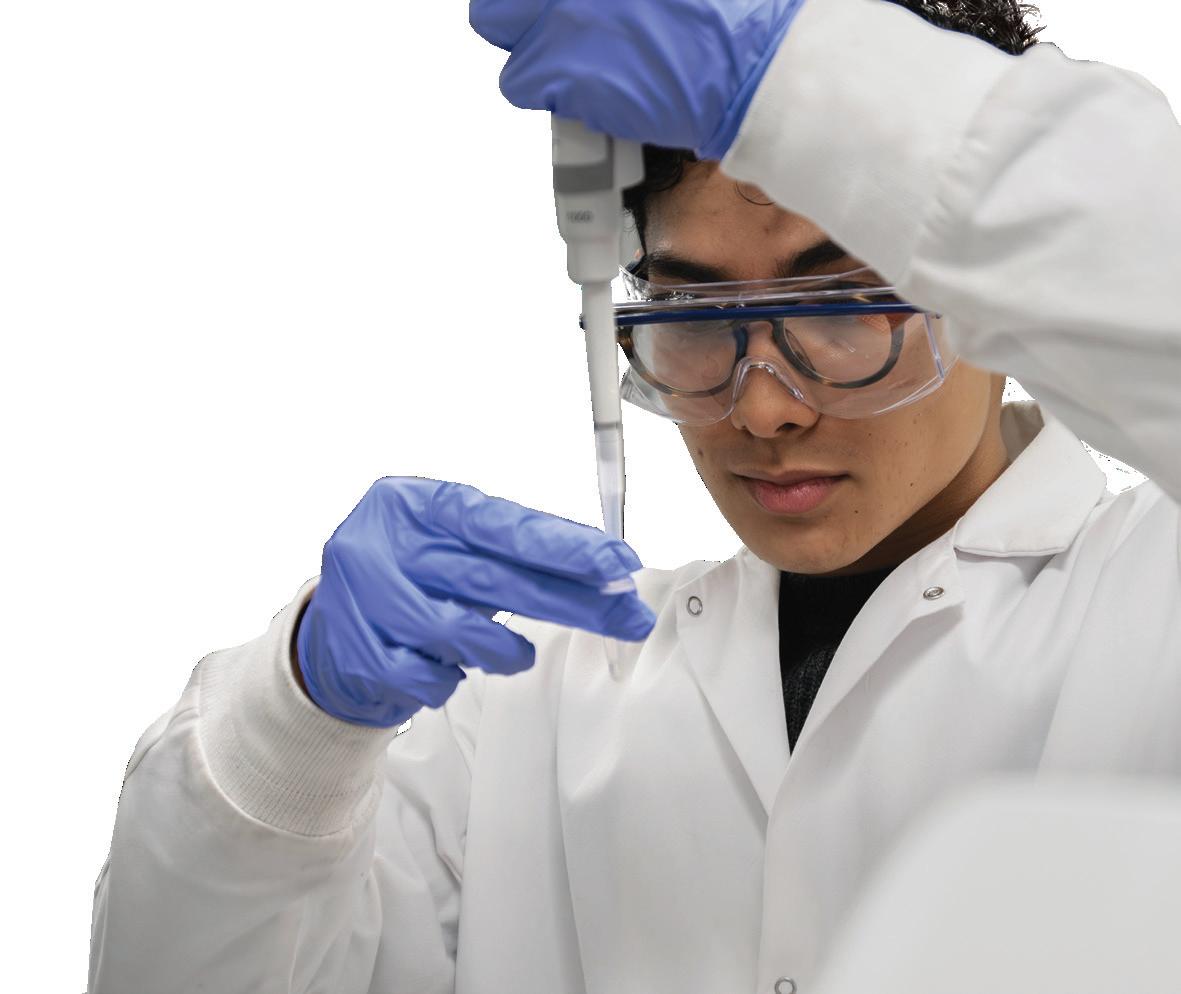


With expertise spanning materials science, process modeling and optimization, and policy, researchers at the Andlinger Center are lowering the carbon intensity of the built environment.
While electric vehicles (EVs) are widely recognized as a key pillar of the energy transition, in July 2025 the United States government passed legislation to repeal Biden-era tax credits aimed at incentivizing EV adoption, sunsetting the credits after September 2025.
Jesse Jenkins, who leads the REPEAT Project to provide regular, timely, and independent environmental and economic evaluation of federal energy and climate policies as they are proposed and enacted, analyzed the system-wide impacts of repealing the EV tax credits to quantify the consequences of the repeal on carbon emissions and estimate the risk to the EV industry in the U.S.
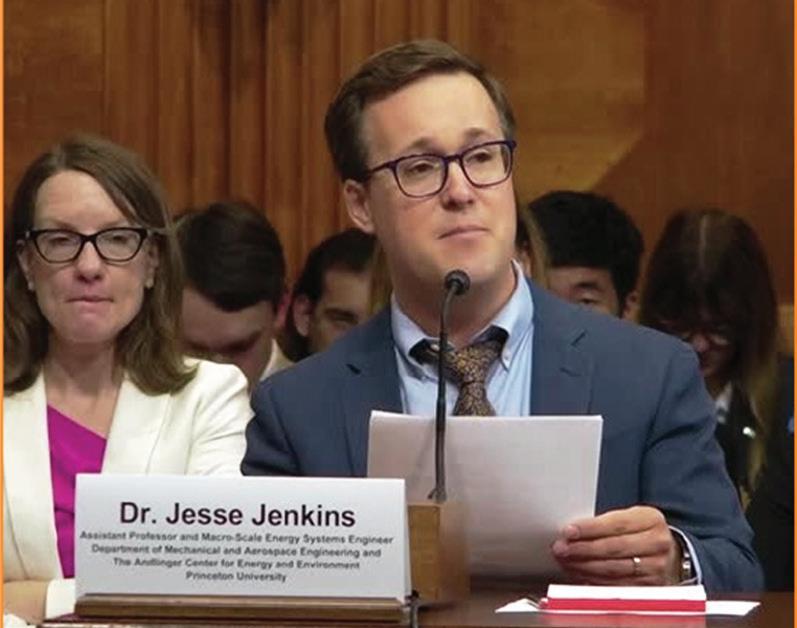
The findings of the REPEAT report demonstrated that repealing the EV tax credit would:
• lower sales of battery electric vehicles by about 30% in 2027 and 40% in 2030,
• cumulatively result in 8.3 million less EVs and plug-in hybrids on U.S. roads in 2030,
• place between 29% and 72% of battery cell manufacturing capacity currently operating or online by the end of 2025 at risk of closure, and
• place as much as 100% of planned construction and expansion of U.S. electric vehicle assembly at risk of cancellation.
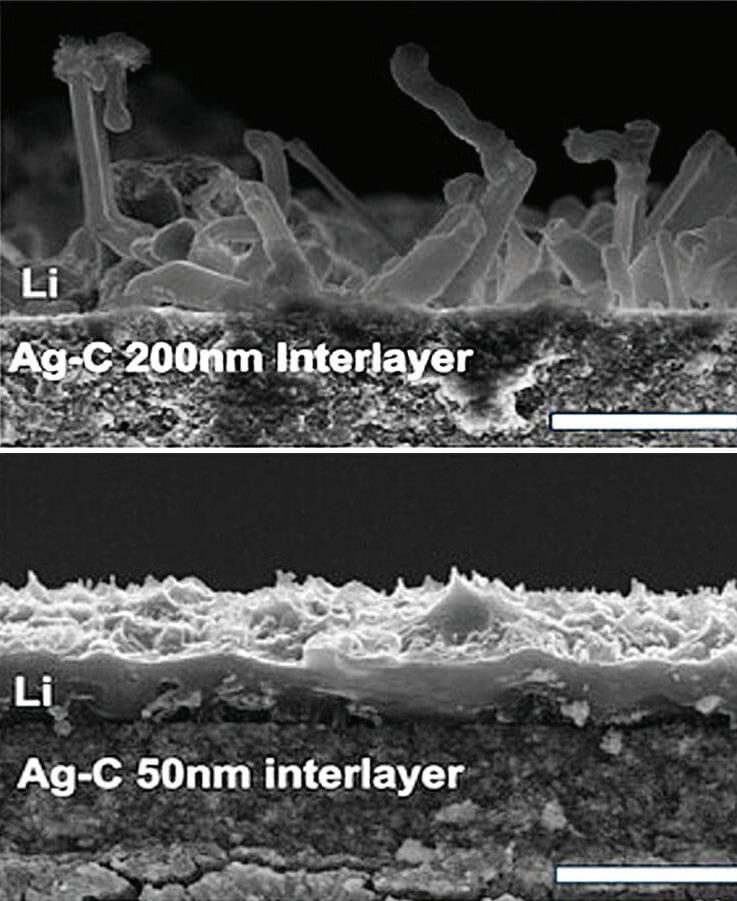
Bottom: Scanning electron microscope images of battery crosssections demonstrate how different types of silver-carbon coatings can change the morphology of plated lithium metal. (Image courtesy of the researchers)
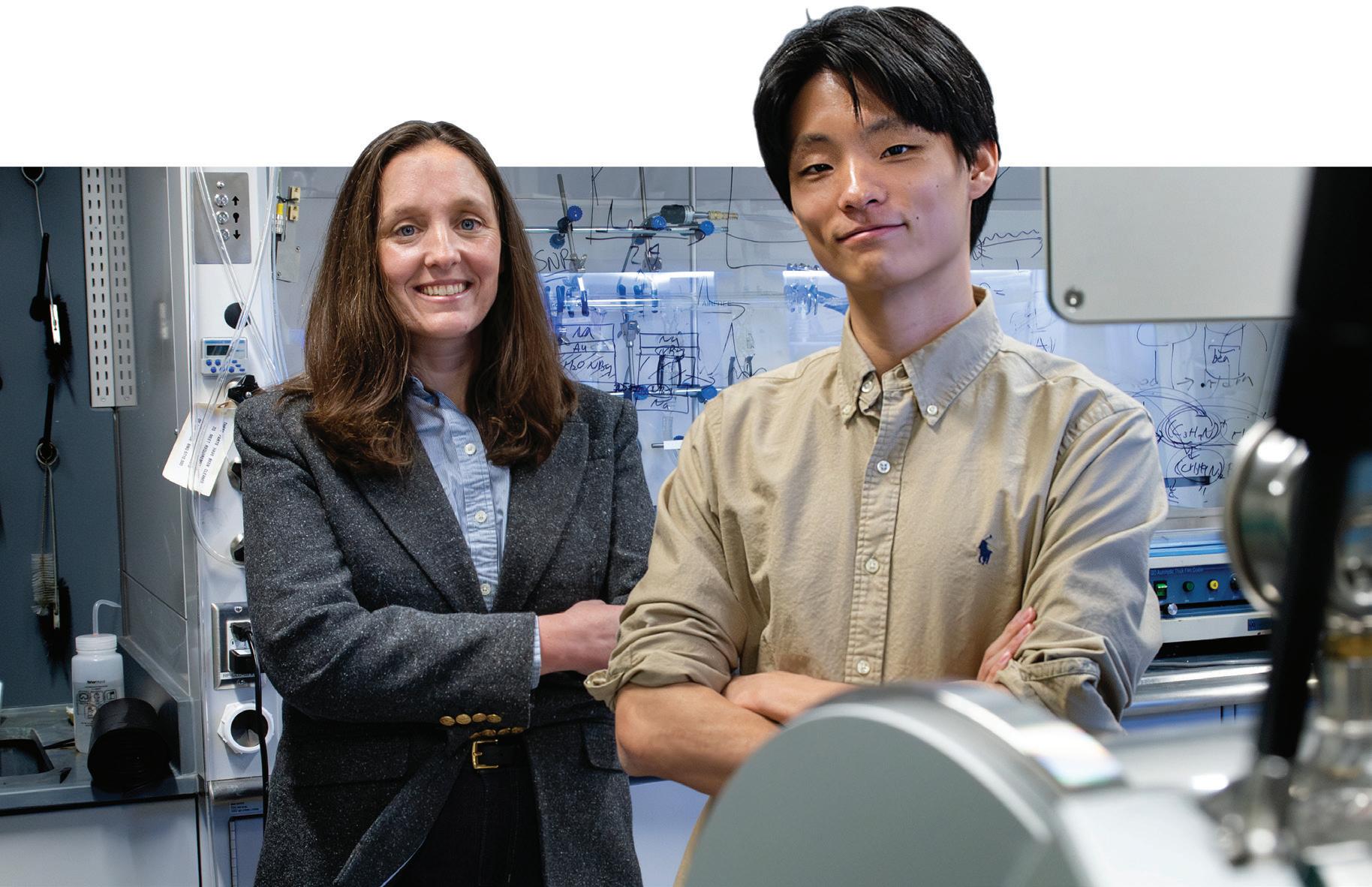
As demand grows for longer driving ranges for electric vehicles and longer-lasting devices, researchers have turned to solid-state batteries as a high-powered alternative to today’s lithiumion batteries.
With support from a U.S. Department of Energy Energy Frontier Research Center, Kelsey Hatzell is leading efforts to improve the performance and manufacturability of solid-state batteries. Her work is focused on maintaining even contact between the internal components of solid-state batteries, which is critical for maintaining highperformance batteries and avoiding untimely short circuits.
In one study, Hatzell and postdoctoral researcher Se Hwan Park examined how applying various degrees of external pressure to the battery system influenced the degree of contact between the solid electrolyte and a component known as
the current collector, which connects the battery to the outside circuit.
In a second study, the team applied thin silvercarbon coatings between the electrolyte and the current collector to improve the contact between the two components. The team found that the structure and size of these coatings had a major influence on the quality of contact, helping to ensure that ions were evenly plated and stripped as the battery was charged and discharged.
Beyond experiments, Hatzell and her colleagues reviewed the broader field of battery research and charted a research roadmap for translating lab successes to commercial-scale production. With global companies like Samsung and Toyota aiming to mass-produce solid-state batteries by the late 2020s, the team’s work could help bridge critical knowledge gaps.
“The challenge will be getting from research to the real world in only a few years,” said Hatzell. “Hopefully the work we’re doing now can underpin the development and deployment of these next-generation batteries at a meaningfully large scale.”
FOR ENERGY RESEARCH WITH CORPORATE PARTNERS
Filling in the empty spaces of solid-state battery research
While solid-state batteries offer energy densities that far surpass today’s lithium-ion batteries, challenges like uneven lithium plating and stripping remain major barriers to their widespread use. This unevenness can lead to the formation of voids, which are empty spaces that degrade the battery’s performance and lifespan. Supported by the Andlinger Center’s Fund for Energy Research with Corporate Partners, Kelsey Hatzell will study how voids form in real-time as solid-state batteries are operated. In doing so, Hatzell’s team will address fundamental knowledge gaps in solid-state battery behavior and inform the design of more robust and reliable solid-state battery technologies. The project will be carried out with Rana Mohtadi at Toyota Research Institute in North America as the corporate partner.
Stabilizing solid-state batteries
The Andlinger Center awarded a Grant for Innovative Research in Energy and the Environment to Craig Arnold, the Susan Dod Brown Professor of Mechanical and Aerospace Engineering, and Claire White to improve the stability of solid-state batteries. Using a variety of characterization techniques, the team will investigate how battery structure and material properties influence performance during repeated charging cycles, paving the way for future research to optimize the electrochemical processes that govern the longevity and performance of solid-state batteries.
The Grant for Innovative Research in Energy and the Environment is funded by a generous gift from John E. Cross ’72 and Mary Tiffany Cross.

As a summer intern in Forrest Meggers’ CHAOS Lab, mechanical and aerospace engineering student Ariane Adcroft has explored a wide range of topics in the built environment — many of which extend beyond her formal coursework at Princeton.
During the summer of 2024, Adcroft collected data on a unique home in Princeton that passively harnesses solar energy for heating and nighttime temperatures for cooling. Designed by architect Douglas Kelbaugh, the house features a southern-facing, dark-painted cement wall with a thin layer of glass that traps daytime solar radiation for slow release overnight, in turn cooling the wall to act as a daytime heat sink. Adcroft developed a sensor network and data collection system for the home, which was critical for characterizing the building’s thermal performance and designing efficiency upgrades.
That work laid the foundation for her internship this past summer when Adcroft helped construct a climate chamber to study different heating and cooling technologies, from conventional air-based heating and cooling systems to alternative technologies like radiant cooling and thermally active concrete. She also designed and installed a network of sensors to identify the conditions and control strategies for maximizing the efficiency of each system.
“Each internship taught me a huge number of skills, from data analysis to building and troubleshooting mechanical systems,” Adcroft said. “Being in and around the Andlinger Center for the last couple of years and hearing from different researchers has really given me a sense of how important our work is.”


Through technology and policy solutions, the Andlinger Center is lowering the barriers for widespread adoption of carbon capture, utilization, and storage, recognizing its important role in supporting a net-zero energy future.
To tackle emissions from hard-to-decarbonize sectors like aviation and manufacturing, a new study outlines how carbon dioxide can be captured and transformed into valuable products, including jet fuel, methanol, concrete, and more.
The congressionally mandated study, led by Emily Carter, the Gerhard R. Andlinger Professor in Energy and the Environment and senior strategic advisor and associate laboratory director at the Princeton Plasma Physics Laboratory, charts a roadmap for research and policies that would enable the large-scale recycling of carbon dioxide emissions.
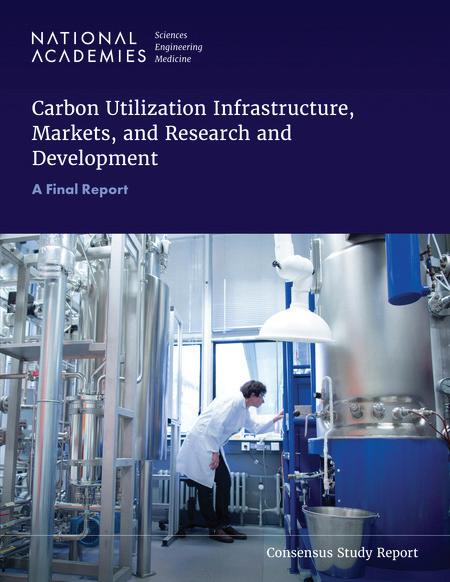
The report, produced by a National Academies of Sciences, Engineering, and Medicine committee chaired by Carter, also identifies market opportunities and infrastructure needs for carbon utilization.
The committee found that the best market opportunities for carbon dioxide utilization include high-demand products for which there are no zero-carbon substitutes such as jet fuels, oxygenates and carbonates such as methanol and lactic acid, and in long-lived building materials such as concrete that allow for durable carbon storage.
The report follows a 2023 study, which was delivered in less than a year to guide decisionmaking and investments in infrastructure, and emphasized the importance of co-locating carbon utilization facilities near sources where carbon dioxide is stripped from industrial processes to limit the buildout of expensive carbon dioxide transportation pipelines.
Overall, Carter said, reusing carbon not only results in useful products, but helps pay for the considerable expense of implementing carbon capture and sequestration technologies, which are part of most strategies for reducing emissions. “If you make money on a useful product, it’s a way of offsetting the cost of sequestration,” she said.
Debbie Zhuang joined the Andlinger Center in June 2025 as a Distinguished Postdoctoral Fellow to study the interactions between carbon dioxide and supercooled water, or water that remains a liquid even below its freezing point. Zhuang will work alongside Dimitrios Fraggedakis and Michael Webb, both assistant professors of chemical and biological engineering, to research the molecular-scale dynamics between carbon dioxide and supercooled water that occur high in the atmosphere. She also plans to study the behavior of carbon dioxide in confined ionexchange membranes, potentially uncovering new approaches for direct-air carbon capture
Funding is provided by a generous gift from John E. Cross ’72 and Mary Tiffany Cross.

Biomass-based energy is often considered carbon-neutral, based on the assumption that its carbon was recently absorbed from the atmosphere. However, researchers led by Eric Larson quantified carbon emissions when using forest-based biomass to produce electricity or biofuels. They found that a facility’s carbon payback period — the time it takes for a project to offset the greenhouse gas emissions associated with its biomass use — varied widely depending on the type of forest, its age structure, and regional demands for other wood products.
For instance, facilities employing carbon capture and storage (CCS) and consuming 3 million green tons of wood annually yielded carbon payback periods below 10 years when drawing wood from pine-dominated working forests in coastal plain or gulf coast regions of the southeastern U.S. In a hardwood-dominated forest basin in Virginia, those facilities never achieved carbon payback, even with CCS.
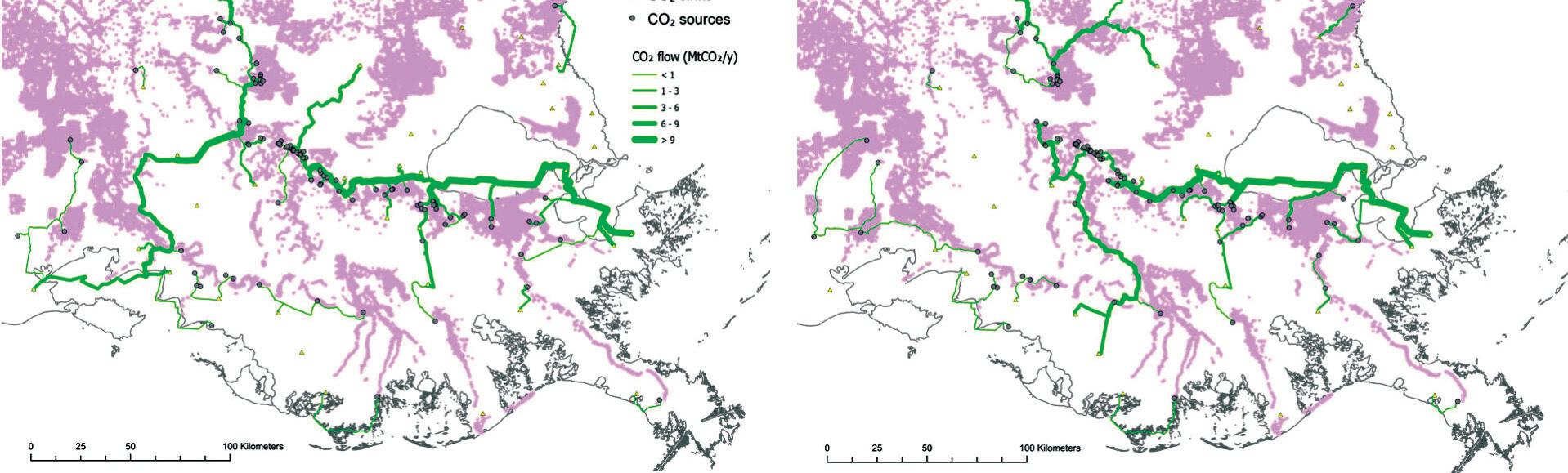
The researchers modeled shared carbon dioxide pipeline networks that connect capture sites with storage sites in southeast Louisiana with (left) and without (right) constraints to avoid historically disadvantaged communities. (Image courtesy of the researchers)
Led by Eric Larson, researchers in the Energy Systems Analysis Group found that sharing infrastructure for transporting and storing captured carbon dioxide emissions across multiple industrial facilities could cut costs by over 60% and reduce pipeline buildout by over 75% in Louisiana compared with scenarios without infrastructure sharing. The few carbon capture projects operating in the U.S. today have been designed with single-user pipelines transporting the captured carbon dioxide to an underground injection site.
Beyond lowering costs for individual facilities, shared infrastructure would also reduce the impact on local communities and ecosystems by minimizing the installation of new underground pipelines required for carbon dioxide transport and lowering the number of required underground storage sites.
The researchers also identified shared infrastructure as an opportunity to address equity considerations. Compared to optimal statewide pipeline networks designed without constraints, network designs constrained to avoid historically disadvantaged communities resulted in an 82% reduction in pipelines running through those communities while only increasing total pipeline network size by 3% — an over 72% reduction in pipeline buildout in comparison to each facility building its own dedicated pipeline.
In the spring semester, Kelsey Hatzell taught a course on negative emissions technologies. Students in the class surveyed the field of carbon capture, conversion, and storage technologies that could play a critical role in the global energy transition. Throughout the semester, Hatzell explained the technical principles that underlie various carbon capture and conversion technologies and led students in hands-on exercises, such as a demonstration of how carbon dioxide can be valorized into solid carbon.


Leading the charge toward a circular economy, researchers at the Andlinger Center are transforming water and wastewater systems for improved resource management and effective pollution remediation.
Born from research conducted at Princeton with support from the Andlinger Center, a new startup is upending decades-old approaches for the way the world extracts lithium and other materials.
Co-founded by Z. Jason Ren and Sean Zheng, a former Andlinger Center Distinguished Postdoctoral Fellow, Princeton Critical Minerals has developed a new technology to increase minerals production from evaporation ponds, which today generate around 40% of the world’s lithium and most of its naturally occurring nitrate.
Resembling a black disc that floats on the surface of an evaporation pond, the lilypad-like technology is similar to adding a second sun to conventional, open evaporation ponds. In field tests conducted at evaporation ponds in South America through a partnership with chemical company Sociedad Química y Minera de Chile (SQM), Princeton Critical Minerals (PCM) demonstrated that its technology boosted evaporation rates when compared to open ponds by anywhere between 40% and 122%, depending on the composition of the brine in the pond.

“In many ways, the processes for mineral extraction are the same today as they were three decades ago,” said Zheng. “Our technology could really revolutionize the conventional approach to critical minerals extraction.”
Ren said the partnership has opened new research questions for his lab group at Princeton. His efforts with PCM have helped him expand what he sees as the impact of his work.
“My hope is that PCM’s story can inspire my colleagues at Princeton to think about how their research might also extend beyond the lab and into the real world,” Ren said.

Separating charged particles is at the heart of almost any energy and environmental technology, from technologies for water purification and energy storage to critical minerals harvesting and pollution remediation.
Yet the dominant paradigm for the past century — separating ions from one another on the basis of either size or charge has become increasingly insufficient for the advanced separation problems facing the world today. The paradigm particularly breaks down when trying to separate two materials with similar sizes and charges, such as lithium and sodium ions.
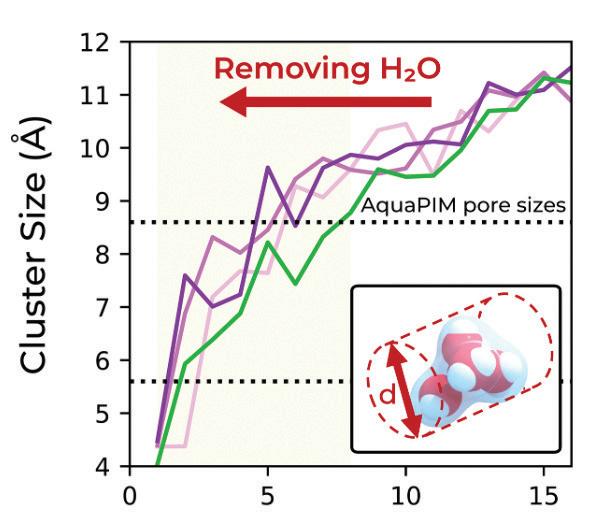
Ryan Kingsbury’s lab is working to bring ionexchange research up to speed with the global push toward a circular economy, in which waste is minimized and resources are used and reused as long as possible. His group is leveraging insights from physical chemistry, quantum mechanics, and molecular simulations to identify new ways for separating substances from complex mixtures, which could supercharge efforts to recycle industrial and manufacturing waste.
“I see our group as trying to write a new rule book to help understand what the underlying principles are and how to apply them to different situations,” Kingsbury said. “We have this rich knowledge about the different chemistries of various ions, and my group is working to apply that knowledge to engineer better separation processes.”
Separating ions with similar sizes and charges is an enduring challenge for researchers and companies seeking to recover valuable materials from industrial processes while filtering out waste. Kelsey Hatzell’s group is exploring one family of 2D membranes, known as MXenes, with a highly tunable structure that offers a pathway to efficient ion-ion separations.
In one study, the group demonstrated how lithium, sodium, and calcium ions in solution compete with one another as they traverse the nanostructure of an MXene membrane. In another, the researchers found that the amount of water itself present within each layer of the membrane has a strong influence on its overall structure, durability, and performance. By studying the structure and performance of MXene membranes at different length-scales — macro, meso, and micro Hatzell’s group is uncovering fundamental insights that will help pave the way for the nextgeneration of separations technologies.
Top: Ryan Kingsbury gave a flash talk about his work during the Princeton Materials Institute research symposium in April 2025. (Photo by Frank Wojciechowski)
Lower: A figure depicting Kingsbury’s work to develop better processes for ion separations. (Image courtesy of the researchers)
While environmental engineering student Ashley Holmes always knew that she wanted to work in an environmental field, it wasn’t until coming to Princeton that she felt drawn to the water sector. Supported by the Andlinger Center’s summer internship program after her sophomore year, Holmes worked with Moonshot Missions, a non-profit that helps communities and utilities secure affordable access to clean water.
Embedded in the organization’s Great Lakes Team, Holmes helped to prepare a document for wastewater utilities that provides guidance and best practices for phosphorus removal from wastewater. She also participated in a site visit to prepare and present climate resilience strategies to a small wastewater facility in Wisconsin located only a few yards away from the Oconto River that had become vulnerable to increasingly frequent flooding.
Not only did her internship with Moonshot Missions help her excel in a course she took the following semester on technologies for water pollution, but she said it also showed her the many innovations taking place in the water sector.

“We’ve been doing water treatment for many years, so it might seem at first like a well-established field without much growth,” Holmes said. “But I learned that there are always new challenges, whether that be emerging contaminants like PFAS, new and more efficient treatment technologies, or hardening infrastructure against the impacts of climate change. There are still many opportunities for creativity and innovation.”

Z. Jason Ren is working with E-ffiliates member New Jersey Resources to evaluate the potential of using treated wastewater effluent as an input for hydrogen electrolysis, thereby avoiding the need for operators to draw from and place stress on the local drinking water supply. At the same time, the hydrogen and oxygen produced via electrolysis can be directly useful to the operation of the wastewater treatment plant. Ren’s group is assessing the potential of different water treatment technologies to provide a reliable water supply for electrolysis. They are also analyzing the overall system efficacy in terms of water quality and hydrogen and oxygen production, as well as identifying challenges and opportunities for commercial scale-up.

As the impacts of climate change intensify, researchers at the Andlinger Center are developing solutions that mitigate climate risks to human health, infrastructure, and energy and food systems.
Though only a Category 1 storm, Hurricane Fiona caused a total blackout when it struck Puerto Rico in 2022, exposing the vulnerabilities of the island’s fragile energy infrastructure. Yet in the aftermath, the hurricane provided a rare opportunity to learn about a power system during an extreme weather event. LUMA Energy, the private power company that, since 2021, has been responsible for power distribution and power transmission in Puerto Rico, collected highresolution outage data in 10-minute intervals as Fiona made landfall on the island.
A team of Princeton engineers is analyzing the data to help LUMA Energy and other system operators to better understand their power grids in the face of increasingly frequent and severe climate extremes, from hurricanes to heat waves. Supported in part by a 2024 grant from the Andlinger Center’s Fund for Energy Research with Corporate Partners, the Princeton team, led by Ning Lin, professor of civil and environmental engineering, developed models to quantify the risks of catastrophic blackouts to energy systems and help grid planners develop day-ahead operational strategies in advance of extreme weather events.
The day-ahead dispatch model outperformed the current state-of-the-art strategies, cutting operational costs by 20% and avoiding the use of nearly a gigawatt of expensive, emergency energy dispatch — all while providing solutions over 10 times faster than existing commercial and open-source models.
“We hope that our work can help energy systems everywhere to adapt to the risks posed by climate extremes, whether they be hurricanes or other hazards,” said Lin.
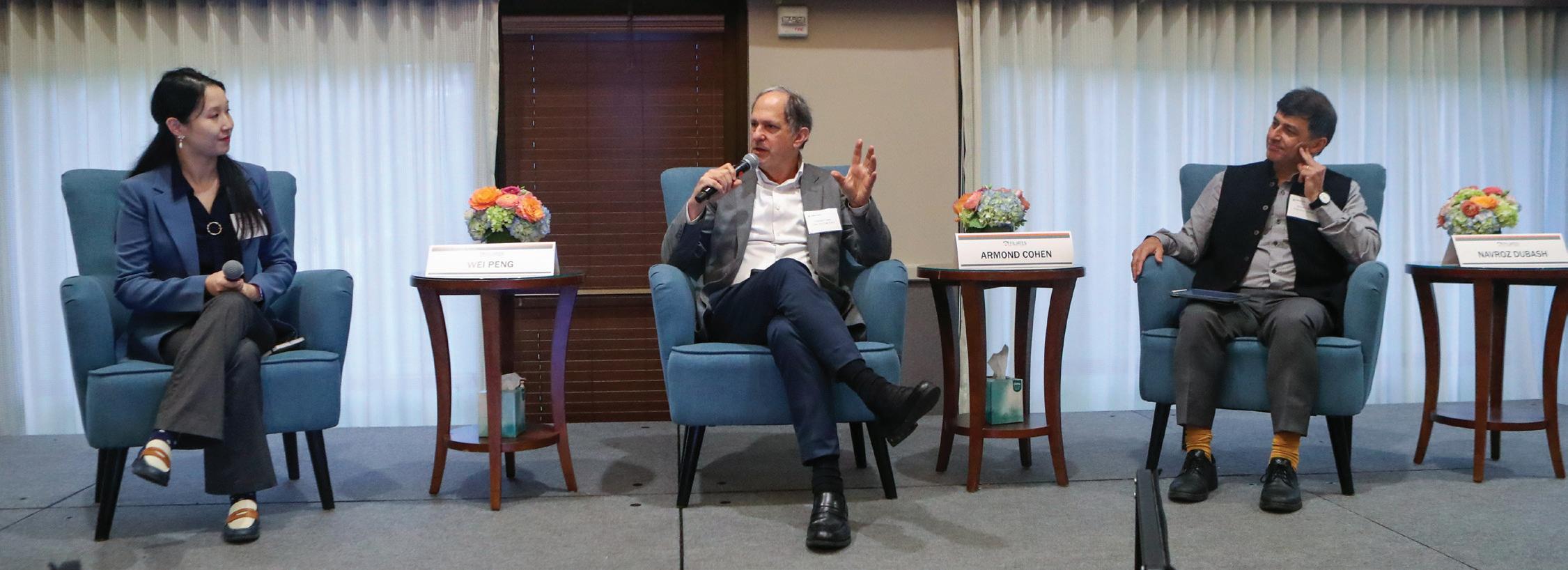
As the world struggles to make the necessary progress toward its climate goals, the Andlinger Center convened experts from across academia, industry, and the public sector to discuss strategies for navigating the social, economic, and political headwinds facing the energy transition.
Sponsored by the Princeton E-ffiliates Partnership program, speakers advocated for practical, implementation-oriented approaches to the energy transition. Some argued that reframing climate targets around other societal goals beyond emissions reductions, such as air quality or industrial competitiveness, could help motivate more politically durable climate action.
Alongside approaches for accelerating clean energy deployment, panelists discussed strategies for encouraging investment into climate adaptation. Noting that humans are already feeling the negative effects of climate change, the panelists underscored that investments into adaptation would immediately improve livelihoods while making long-term energy pathways more resilient. They also underscored that investments in adaptation can drive additional economic and development activity by reducing perceived disaster risks and supplying significant social and environmental co-benefits.
“Adaptation should be part of every energy pathway,” said

Top: Retreat co-chair Wei Peng moderated a fireside conversation between Armond Cohen, executive director of Clean Air Task Force, and Navroz Dubash, professor of public and international affairs and the High Meadows Environmental Institute.
Lower: Cynthia Rosenzweig spoke about the importance of climate adaptation. (Photos by Lori M. Nichols)
Cynthia Rosenzweig, an adjunct senior research scientist at Columbia University’s Center for Climate Systems Research, emphasizing that new technologies deployed to mitigate greenhouse gases will have to withstand increasingly severe climate hazards.
Speakers also discussed the circumstances under which countries might consider deploying riskier climate solutions like solar geoengineering. However, they concluded that such controversial backstop strategies would likely prove too challenging and morally fraught to govern.
Overall, the day’s discussions emphasized pragmatic, resilient, and implementation-focused energy pathways over risky moonshots.
“As Warren Buffett said, ‘In order to succeed, you must first survive,’” said retreat co-chair Chris Greig. “When we think about setting ambitious targets, we must also think about building the institutions and structures we need to be capable of delivering on them.”
The Andlinger Center’s Program in Sustainable Energy gives Princeton students hands-on experiences with a wide range of energy and environmental topics, from exploring next-generation energy technologies to learning the intricacies of energy markets and regulations. The program challenges students to gain a well-rounded understanding of how energy and society interact, providing them with the rigorous foundation they need to make tangible, positive impacts on the world.
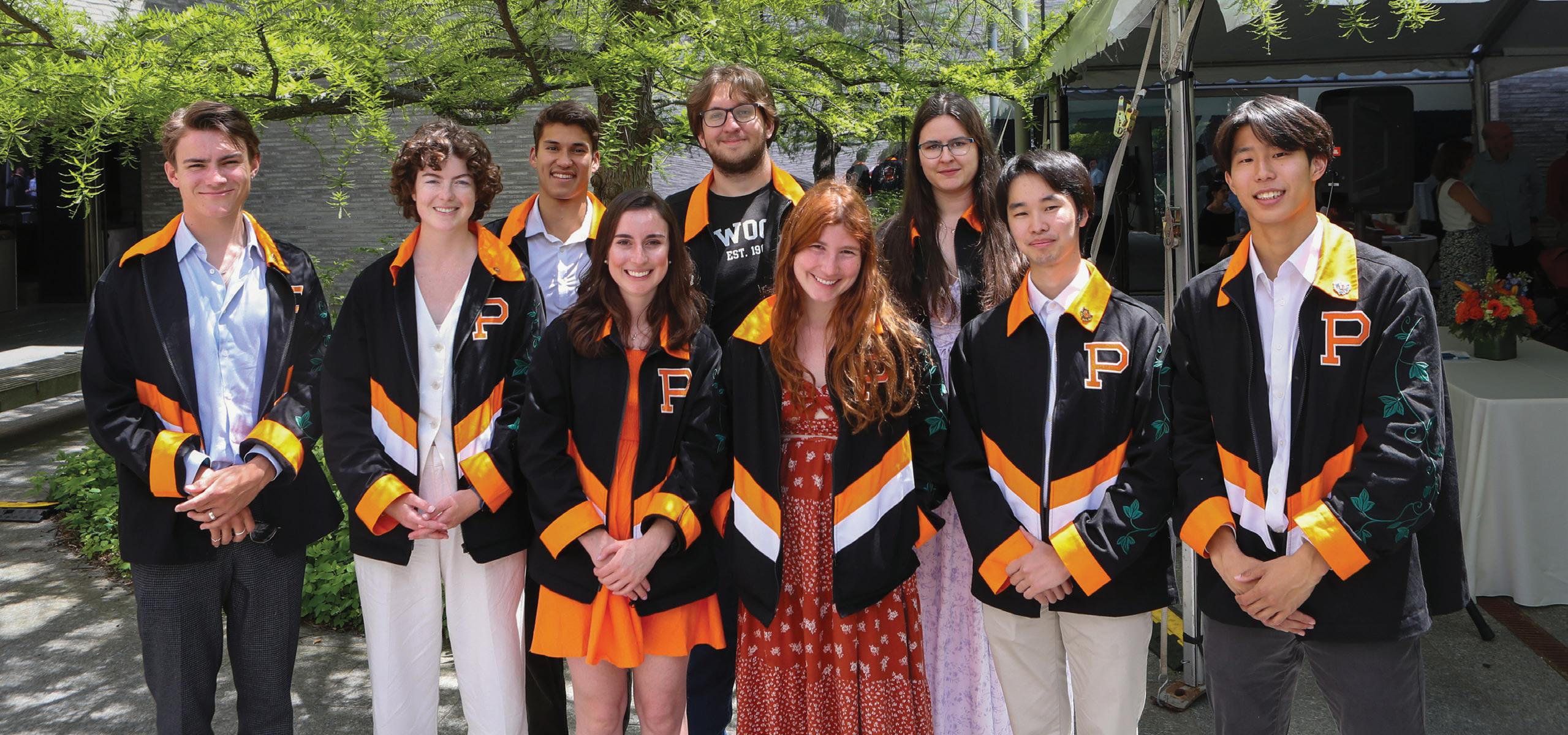
In the 2024-2025 academic year, the Andlinger Center celebrated 11 graduating seniors at its Class Day ceremony. Six students earned a certificate from the Program in Sustainable Energy, while five received the Minor in Sustainable Energy, which was established in fall 2024.
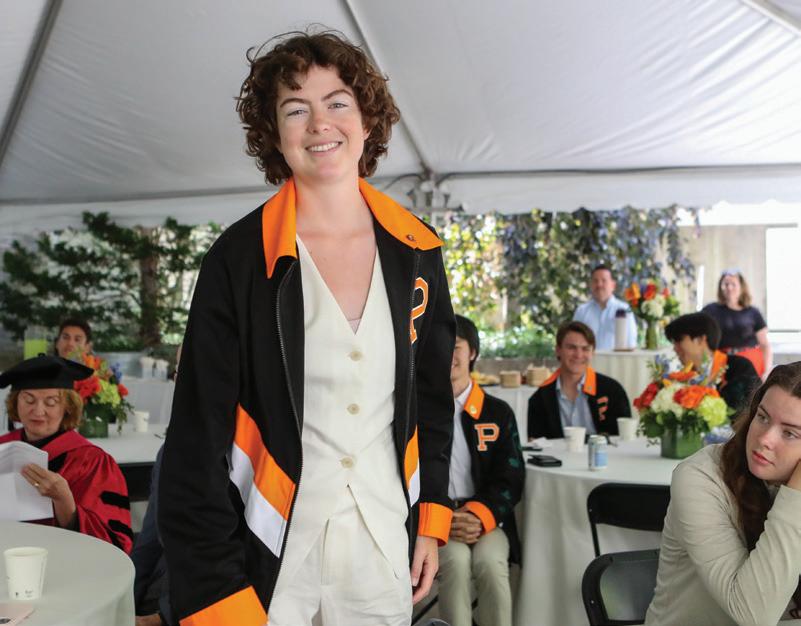
The Andlinger Center awarded the Senior Thesis Prize in Energy and the Environment to mechanical engineering graduate
Helena Frudit for her work to develop a supply chain optimization model for Brazil’s bioenergy sector. The model, which optimizes the location of bioenergy conversion facilities relative to where biomass resources are available across over 5,500 Brazilian municipalities (counties), will be integrated into a broader study analyzing how Brazil can fully decarbonize its economy, which is a collaboration between researchers in the Energy Systems Analysis Group led by Eric Larson and colleagues in Brazil.
The trajectories of Frudit and our other 2025 graduates are diverse. Whether pursuing graduate degrees in environmental engineering and meteorology, or entering fields such as water resource management, renewable energy investment, and grid reliability, these students will use the training they received from the Andlinger Center to tackle the critical energy and environmental challenges of our time.


Opposite page: Nine of the eleven Class of 2025 graduates from the Program in Sustainable Energy attended the Andlinger Center’s Class Day ceremony in May.
winner of the Senior Thesis Prize, poses for her portrait at Maeder Hall courtyard.
left), who presented his research on direct air capture, and Brooke Beers (bottom right), who worked with faculty at the High Meadows Environmental Institute, come up to receive their parting gifts. (Photos by Lori M. Nichols)
46 $539k BY THE NUMBERS 2024-2025
27
courses and cross-listed courses with the Andlinger Center
Princeton undergraduates pursuing or receiving a Minor in Sustainable Energy
awarded to graduate and undergraduate students
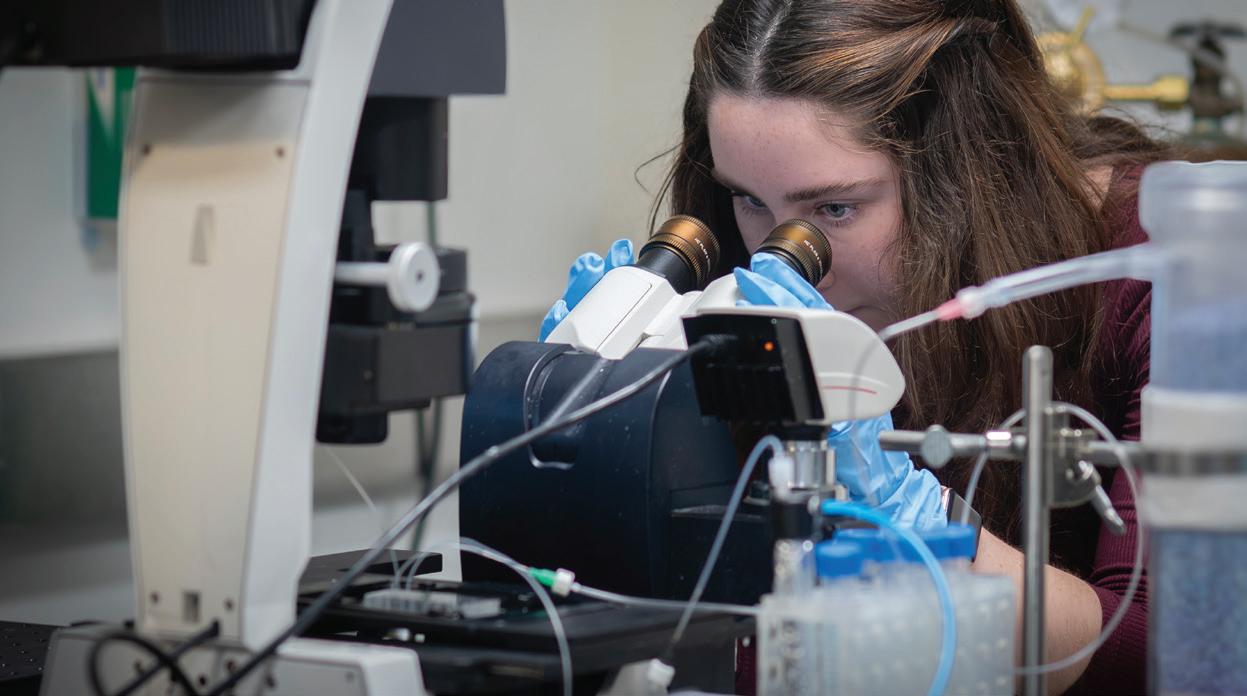
In 2025, the Andlinger Center funded 34 summer internships for Princeton students across 24 different energy and environmental research projects. Since the internship program began in 2011, the Center has supported 207 students, who have worked alongside Princeton faculty and our non-profit and public sector partners to tackle a myriad of energy and environmental challenges. The student internship program is supported by the Peter B. Lewis Fund for Student Innovation in Energy and the Environment, The Sustainability Fund, the Dede T. Bartlett P03 Fund for Student Research in Energy and the Environment, and Princeton University’s Learning and Education in Service (LENS) initiative.
Kyle Abello (CEE ’28) / Professor Z. Jason Ren / Quantifying Greenhouse Gas Emissions from Water Resource Recovery Facilities via Survey
Ariane Adcroft (MAE ’26) / Associate Professor Forrest Meggers / CHAOS Lab Building Energy Management
Aarushi Adlakha (PSY ’26) and Ria Tomar (EEB ’27) / American Council for an Energy-Efficient Economy / Industrial Decision-Making and Behavior Research
Marko Alimpijevic (CBE ’28) and Malik Resheidat (CBE ’27) / Associate Professor José Avalos / Bioengineering for Renewable Energy and the Environment
Ana Bendesky (MAE ’28) / Professor Howard Stone and Postdoctoral Research Associate Fernando Temprano-Coleto / Quantifying Evaporative Transport Towards Improved Mineral Extraction
Peggy Carr (ECE ’28) and Kareem Mohamed (ECE ’28) / Professor Claire Gmachl / Designed Meta-surfaces for Electronic and Photonic Structures
Abigail Cheng (CEE ’27) / Assistant Professor Dharik Mallapragada / Systematic Assessment of Fuel Production and Chemical Industry Decarbonization in Net-zero Energy Systems
Edward Deleu (ECE ’26) / Assistant Professor Saien Xie / Synthesizing and Exploring the Electronic Properties of Van der Waals Heterostructures
Mira Eashwaran (SPI ’26) / Environmental Defense Fund / Global Engagement and Partnerships
Carina Fucich (CEE ’28) / Professor Claire White / Durable, Sustainable Cements
Kéllia Gatete (MAE ’26) and Imani Kegode (MAE ’28) / Professor Yiguang Ju / Electrochemical Plasma Catalytic Conversion of CO2 to Methanol
Kyle Gschwend (CEE ’26), Adam Moussa (CHM ’28), Machua Muchugia (MAE ’28), and Theodore Ouyang (ORF ’28) / Senior Research Scientist Chris Greig and Non-Resident Fellow Richard Moss / Understanding Incentives for Private Sector Investments in Climate Change Adaptation
Jessica Guo (CEE ’27) / Assistant Professor Wei Peng and Postdoctoral Research Scholar Manuel Linsenmeier / An Empirical Analysis of Global Climate Policy Adoption
Griffin Hon (ORF ’28) / Professor Egemen Kolemen / Optimizing Fusion Reactors with a Data-based Approach
Cynthia Jacobson (CEE ’26) / Moonshot Missions / Utility Advisor Research
Reva Kumar (ECE ’28) / Assistant Professor Ryan Kingsbury / Temperature and Concentration Dependence of Anion Partitioning in Ion Exchange Membranes
Darren Milman (SPIA ’27) / Senior Research Scientist Chris Greig and Professor Elke Weber / Net-Zero Infrastructure at the Speed of Trust
Tam Nguyen (MAE ’27) / Professor Egemen Kolemen / Liquid Metal Research, Design, and Development
Connor Roeser (MAE ’28) / Professor Howard Stone and Postdoctoral Research Associate Fernando Temprano-Coleto / Marangoni Spreading of Surfactants and its Environmental Implications
Marta Rzeszutko (ECE ’26) and Anthony Shen (CBE ’28) / Professor Barry Rand / Molecular Epitaxy of Organic Semiconductors
Najatene Saunders (CBE ’27) and Joseph Sherrod (CHM ’28) / Professor A. James Link / Plastic-Degrading Enzymes
Kirill Sirik (ORF ’27) / Professor Ronnie Sircar / AI Electrification Demand vs Decarbonization Targets
Rishi Subramanian (ECE ’28) and Justin Tam (CHM ’27) / Assistant Professor Michele Sarazen / Sustainable Conversion of Hydrocarbons on Porous Catalytic Materials
Julia Young (ECE ’27) / Environmental Defense Fund / Energy Transition Team
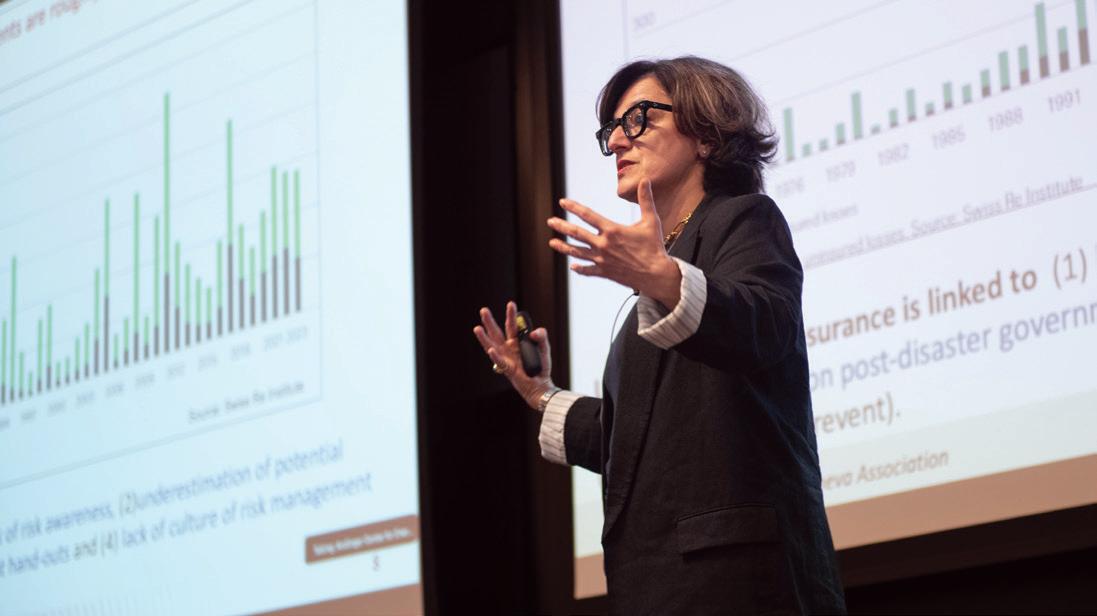
Maryam Golnaraghi (September 2024), The Geneva Association, “Accelerating the Energy Transition and Industrial Decarbonization: The Powerful Role of Insurance”
Paul Dauenhauer (December 2024), University of Minnesota, “An Introduction to Programmable Catalysis for Chemical Energy Technology”
James Durrant (March 2025), Imperial College London, “Photocatalytic and Electrocatalytic Pathways to Sustainable Fuels and Chemicals: Insights into Reaction Kinetics from Optical Spectroscopy”
Rakesh Agrawal (April 2025), Purdue University, “Challenges and opportunities for chemical manufacturing vis-à-vis renewable electricity”
Bendesky designs tiny channels, each about as wide as a human hair, to watch how minerals concentrate and crystallize under a microscope. Her hands-on research helps build better models for how valuable minerals like lithium can be collected and refined, with the goal of making these processes more efficient and sustainable.
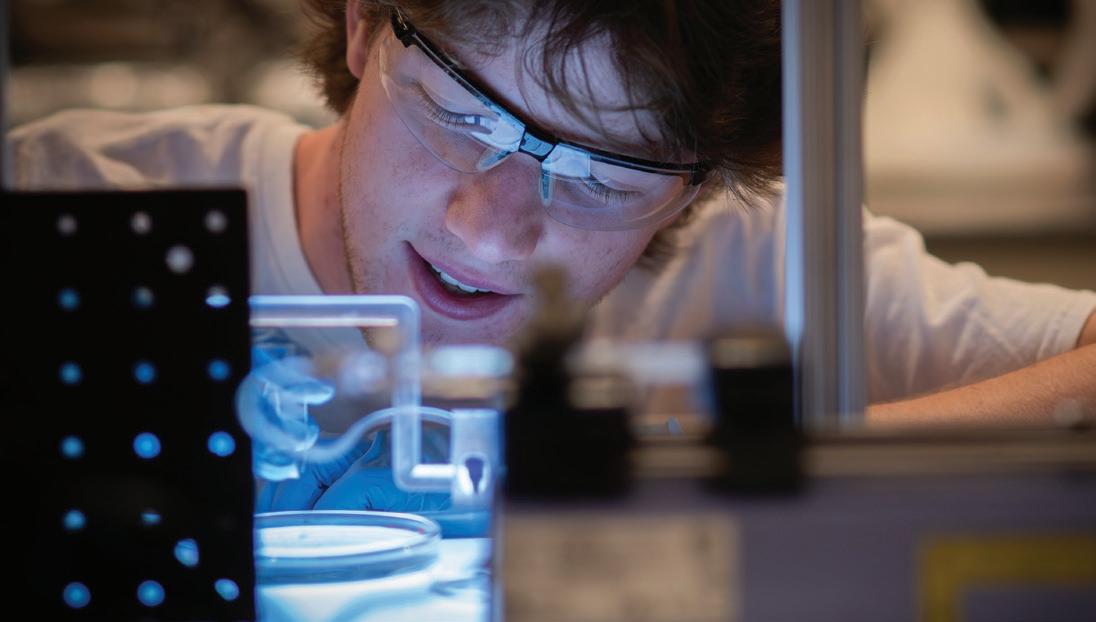
Roeser explores how surfactants – molecules that accumulate at fluid interfaces – move along such interfaces because of a gradient in surface tension, a phenomenon known as Marangoni spreading. Using benchtop experiments such as the one shown on the front cover, he investigates the basic science behind this phenomenon and works to understand how it can impact real-world environmental systems.
Jürgen Janek (May 2025), Justus-Liebig University in Giessen, “Solid-State Batteries: Toward High-Energy and High-Power Cells”

Princeton E-ffiliates Partnership fosters collaboration between industry and academic experts to accelerate the development and implementation of innovative energy and environmental solutions. As a corporate membership program, it positions organizations to engage with academic experts, Princeton students, and partners from diverse sectors.
With five new members joining the program during the 2024-2025 academic year, E-ffiliates members represent key enablers of the clean energy transition from across the value chain, from financial services and consulting companies to technological innovators and manufacturers.
Komline is a global leader in developing separation technologies that create clean water, food, and sustainable chemicals and materials. From potable water, wastewater treatment and stormwater management to equipment that facilitates renewable resource processing and industrial manufacturing, Komline supports everyday processes that power the world. As an E-ffiliates member, Komline has a keen interest in developing ways to not only remove PFAS from drinking water, stormwater, biosolids and industrial discharge but also destroy PFAS compounds so they do not return
to the environment — a critical step to solving the PFAS problem. The company’s close proximity to Princeton University also offers special engagement opportunities for students and researchers across engineering disciplines, allowing them to explore real-world applications of their research.
New Jersey Resources is a Fortune 1000 energy infrastructure company that, along with its subsidiaries, provides energy services including transportation, distribution, asset management, and home services. As an E-ffiliates member, New Jersey Resources is working with Z. Jason Ren to explore the nexus of energy and water resource recovery. One project underway involves investigating how treated effluent from water resource recovery facilities could be used for hydrogen electrolysis.
Clearway Energy is one of the largest clean energy owners and operators in the U.S., with over 11.8 GW of wind, solar, battery, and flexible generation capacity in 26 states, generating enough electricity to power 2 million homes. As a member of E-ffiliates, Clearway Energy is identifying opportunities for student engagement to educate and inspire students to consider career pathways in the energy sector.
Mitsubishi Corporation (Americas) is a U.S. subsidiary of Mitsubishi Corporation, a leading investment and trading company that operates businesses across a variety of industries, including minerals, materials, energy, transportation, and food. As an E-ffiliates member, the company seeks to better understand the opportunities and challenges facing deployment of new energy and environmental technologies. The company also plans to engage with Princeton’s ecosystem of energy and environmental startups.
Headquartered in the Netherlands, Elevion Group is a European provider of end-to-end decarbonization and higher energy efficiency solutions. The company provides a wide range of services across industries, including solutions for energy efficiency in buildings, process management and optimization, and sustainable energy such as photovoltaics, energy storage, and biogas. As a member of E-ffiliates, Elevion will collaborate with Princeton researchers who specialize in industrial efficiency and decarbonization and those developing innovative building management systems for reducing the energy footprint of the built environment. They will also interact with Princeton students to showcase potential career pathways in energy.








E-ffiliates convenes and government experts to discuss emerging energy technologies and ideas. The meetings highlight the energy challenges on which the Andlinger Center and its corporate partners are at the vanguard of global progress.

Recent talk topics have included:
• AI and Data Center Expansion: May 2025
• Nuclear Energy: January 2025
• Circular Economy: October 2024


















Research Expenditures FY2025 (July 1, 2024 – June 30, 2025)
• Industrial Decarbonization
• Renewable Energy Systems
• Cross-Sector Solutions (including Net Zero X)
• Decarbonizing Buildings and Transportation
• Fundamental Energy Research
• Carbon Capture, Utilization, and Storage
• The Water-Energy-Resource Nexus
• Climate Resilience Engineering
Research Personnel Supported FY2025
98 Postdocs and Research Scholars
124 Graduate Students
41 Undergraduate Students

$21.9m
Research Expenditures by Source FY2025
Iain McCulloch
Director, Andlinger Center for Energy and the Environment; Gerhard R. Andlinger ‘52 Professor in Energy and the Environment; Professor of Electrical and Computer Engineering and the Andlinger Center for Energy and the Environment
Chris Greig
Associate Director for External Partnerships, Andlinger Center for Energy and the Environment; Theodora D. ’78 and William H. Walton III ’74 Senior Research Scientist, Andlinger Center for Energy and the Environment
Minjie Chen
Associate Director for Research, Andlinger Center for Energy and the Environment; Associate Professor of Electrical and Computer Engineering and the Andlinger Center for Energy and the Environment
Elke U. Weber
Associate Director for Education, Andlinger Center for Energy and the Environment (Fall 2024); Gerhard R. Andlinger Professor in Energy and the Environment; Professor in Psychology and Public Affairs, Princeton School of Public and International Affairs
Kelsey B. Hatzell
Associate Director for Education, Andlinger Center for Energy and the Environment (Spring 2025); Associate Professor of Mechanical and Aerospace Engineering and the Andlinger Center for Energy and the Environment
Diane Carlino
Executive Director for Administration
Victoria Cleave
Managing Director, BioLEC
Bumper DeJesus
Visual Communications Specialist
Diana Dudash
Program Administrator for E-ffiliates and Events
Robert Eich
Program Administrator for Research
Vivian Fuhrman
Assistant Director for External Partnerships
Sarah Jackson
Administrative Assistant
Lori A. Kinney
Financial Assistant
Colton Poore
Communications Specialist
Kennedy Popek
Grants Manager
Ashlee Prewitt-Crosby
Senior Grants and Finance Manager
Moira Selinka
Program Manager, Education and Outreach
Charlie Sharpless
Assistant Director for Research
Emily A. Carter
Gerhard R. Andlinger Professor in Energy and the Environment and Senior Strategic Advisor and Associate Laboratory Director for Applied Materials and Sustainability Sciences at the Princeton Plasma Physics Laboratory (PPPL)
Minjie Chen
Associate Director for Research, Andlinger Center for Energy and the Environment; Associate Professor of Electrical and Computer Engineering and the Andlinger Center for Energy and the Environment
David Gates
Senior Research Scholar, Andlinger Center for Energy and the Environment, Managing Research Physicist, Advanced Projects Department Head, PPPL (on leave)
Chris Greig
Associate Director for External Partnerships, Andlinger Center for Energy and the Environment; Theodora D. ’78 and William H. Walton III ’74 Senior Research Scientist, Andlinger Center for Energy and the Environment
Kelsey B. Hatzell
Associate Director for Education, Andlinger Center for Energy and the Environment (Spring 2025); Associate Professor of Mechanical and Aerospace Engineering and the Andlinger Center for Energy and the Environment
Jesse Jenkins
Associate Professor of Mechanical and Aerospace Engineering and the Andlinger Center for Energy and the Environment
Ryan Kingsbury
Assistant Professor of Civil and Environmental Engineering and the Andlinger Center for Energy and the Environment
Egemen Kolemen
Professor of Mechanical and Aerospace Engineering and the Andlinger Center for Energy and the Environment; Staff Research Physicist, PPPL
Eric Larson
Senior Research Engineer, Energy Systems Analysis Group, Andlinger Center for Energy and the Environment
Christos Maravelias
Anderson Family Professor in Energy and the Environment; Professor of Chemical and Biological Engineering and the Andlinger Center for Energy and the Environment; Chair, Department of Chemical and Biological Engineering
Iain McCulloch
Director, Andlinger Center for Energy and the Environment; Gerhard R. Andlinger ‘52 Professor in Energy and the Environment; Professor of Electrical and Computer Engineering and the Andlinger Center for Energy and the Environment
Forrest Meggers
Associate Professor of Architecture and the Andlinger Center for Energy and the Environment
Wei Peng
Assistant Professor of Public and International Affairs and the Andlinger Center for Energy and the Environment
Barry P. Rand
Professor of Electrical and Computer Engineering and the Andlinger Center for Energy and the Environment
Z. Jason Ren
Professor of Civil and Environmental Engineering and the Andlinger Center for Energy and the Environment
Elke U. Weber
Associate Director for Education, Andlinger Center for Energy and the Environment (Fall 2024); Gerhard R. Andlinger Professor in Energy and the Environment; Professor in Psychology and Public Affairs, Princeton School of Public and International Affairs
Claire E. White
Professor of Civil and Environmental Engineering and the Andlinger Center for Energy and the Environment
D. Michelle Addington
Consultant, Building Technology and Energy Systems
Merrick G. Andlinger ’80 President Andlinger & Company, Inc.
Sue Brown
Group Executive Director Sustainability and Corporate Affairs Worley
Yet-Ming Chiang
Kyocera Professor of Ceramics
Massachusetts Institute of Technology
David Eaglesham
Founder and Chief Technology Officer Electric Hydrogen
Menachem Elimelech
Nancy and Clint Carlson Professor, Rice University
Peter Green
Deputy Laboratory Director, Science and Technology; Chief Research Officer National Renewable Energy Laboratory
Jennifer Holmgren Chief Executive Officer LanzaTech
Catherine McVay Hughes ‘82 President’s Council
Ceres
Ralph Izzo
Former Chairman, President, and CEO PSEG
Paul A. Maeder ’75
Managing General Partner & Founder Highland Capital Partners
Linda F. Nazar FRS, FRSC, Order of Canada
Waterloo Distinguished Research Professor, Senior Canada Research Chair in Solid State Energy Materials; Department of Chemistry and the Waterloo Institute of Nanotechnology; University of Waterloo
Gregory H. Olsen
President GHO Ventures, LLC
Matthew Tirrell
D. Gale Johnson Distinguished Service Professor Emeritus University of Chicago
Elizabeth Wilson
Professor of Environmental Studies; Founding Director, Arthur L. Irving Institute for Energy and Society Dartmouth College
Craig B. Arnold
Vice Dean for Innovation; Susan Dod Brown Professor of Mechanical and Aerospace Engineering
José Avalos
Associate Professor of Chemical and Biological Engineering and Bioengineering
René A. Carmona
Paul M. Wythes ’55 Professor of Engineering and Finance; Professor of Operations Research and Financial Engineering
Emily A. Carter
Gerhard R. Andlinger Professor in Energy and the Environment; Senior Strategic Advisor and Associate Lab Director for Applied Materials and Sustainability Sciences, PPPL
Minjie Chen
Associate Professor of Electrical and Computer Engineering and the Andlinger Center for Energy and the Environment
Sir Steven C. Cowley
Director, Princeton Plasma Physics Laboratory; Professor of Astrophysical Sciences
Claire F. Gmachl
Eugene Higgins Professor of Electrical Engineering; Chair, Department of Electrical and Computer Engineering; Head, Whitman College
Chris Greig
Theodora D. ’78 and William H. Walton III ’74 Senior Research Scientist, Andlinger Center for Energy and the Environment
Kelsey B. Hatzell
Associate Professor of Mechanical and Aerospace Engineering and the Andlinger Center for Energy and the Environment
Peter R. Jaffé
William L. Knapp ’47 Professor of Civil Engineering; Professor of Civil and Environmental Engineering
Egemen Kolemen
Professor of Mechanical and Aerospace Engineering and the Andlinger Center for Energy and the Environment; Staff Research Physicist, PPPL
Christos Maravelias
Anderson Family Professor in Energy and the Environment, Professor of Chemical and Biological Engineering and the Andlinger Center for Energy and the Environment; Chair, Department of Chemical and Biological Engineering
Denise Mauzerall
William S. Tod Professor of Civil and Environmental Engineering and Public and International Affairs, Princeton School of Public and International Affairs and the Civil and Environmental Engineering Department
Iain McCulloch
Director, Andlinger Center for Energy and the Environment; Gerhard R. Andlinger ‘52 Professor in Energy and the Environment; Professor of Electrical and Computer Engineering and the Andlinger Center for Energy and the Environment
Forrest Meggers
Associate Professor of Architecture and the Andlinger Center for Energy and the Environment
Anu Ramaswami
Sanjay Swani ’87 Professor of India Studies; Professor of Civil and Environmental Engineering, Princeton Institute for International and Regional Studies, and the High Meadows Environmental Institute; Director, M.S. Chadha Center for Global India
Barry P. Rand
Professor of Electrical and Computer Engineering and the Andlinger Center for Energy and the Environment
Richard Register
Eugene Higgins Professor of Chemical and Biological Engineering; Director, Princeton Materials Institute
Z. Jason Ren
Professor of Civil and Environmental Engineering and the Andlinger Center for Energy and the Environment
Gregory Scholes
William S.Tod Professor of Chemistry
Gabriel A. Vecchi
Director, High Meadows Environmental Institute at Princeton University; Professor, Geosciences Department and High Meadows Environmental Institute
Elke U. Weber
Gerhard R. Andlinger Professor in Energy and the Environment, and Professor of Psychology and the School of Public and International Affairs
Claire E. White
Professor of Civil and Environmental Engineering and the Andlinger Center for Energy and the Environment
Mark A. Zondlo
Professor of Civil and Environmental Engineering
The Andlinger Center for Energy and the Environment at Princeton University is grateful to the following supporters whose gifts help to realize the vision of the center.
2024-2025 donors are denoted with asterisks.
Gerhard R. Andlinger ’52 Founding Gift
Lydia B. and William M. Addy ’82 to establish the Addy/ISN North American Low Carbon Emission Energy Self-Sufficiency Fund to support innovative research, equipment, policy development, and teaching
Dwight W. Anderson ’89 to establish the Anderson Family Professorship in Energy and the Environment
Tia S. Barancik ’83 to establish the Class of 1983 Fund for Energy and the Environment
Solomon D. Barnett ’05 to further the center’s mission
James W. and Dede T. Bartlett to the Dede T. Bartlett P03 Fund for Student Research in Energy and the Environment*
John E. Bartlett ’03 to the Dede T. Bartlett P03 Fund for Student Research in Energy and the Environment*
Peter J. Bartlett ’77 and Erin T. Bartlett to further the center’s mission
Charles A. Bernheim ’57 to further the center’s mission
Erik C. Blachford ’89 to further the center’s mission
Patricia A. and Dante G. Bonardi to the David P. Simons Fund for Energy and the Environment
Howard E. Cox, Jr. ’64 to the WEF/ Young Global Leaders Executive Education Module
John E. Cross ’72 and Mary Tiffany Cross to further the center’s mission
Nancy A. Curtin ’79 and John Stafford to establish the Nancy A. Curtin ’79 and John Stafford Research Innovation Fund
John O. Dabiri ’01 to establish the John O. Dabiri ’01 Family Fund for Excellence in Energy and Environmental Research
The de Carvalho-Heineken Family to establish the de Carvalho-Heineken Family Fund for Environmental Studies for faculty and student research
F. Clement Dinsmore, J.D. ’65 to further the center’s mission
John P. Drzik ’83 and Ann L. Thorsell ’83 to establish the John Drzik and Ann Thorsell Fund for Innovation
A. Donald Grosset, Jr. ’54 in memory of John E. Stauffer ’54
High Meadows Foundation to establish the Andlinger Center for Energy and the Environment Director’s Fund
Kerry L. and William F. Holekamp for equipment
Thomas W. Horton Family for equipment
Gerald P. Kaminsky to the David P. Simons Fund for Energy and the Environment
Fred W. Kittler, Jr. ’70 to further the center’s mission
Peter C. Klosowicz ’76 to establish the Peter C. Klosowicz ’76 Fund for Energy and the Environment for research and teaching
David T. Liu ’99 *04 to further the center’s mission
Sally Liu ’87 and Bay-Wei W. Chang ’87 to establish the Sally Liu ’87 and Bay Chang ’87 Fund for Energy and the Environment
David R. Loevner ‘76 and Catherine P. Loevner to support the Rapid Switch Initiative
Paul A. Maeder ’75 for construction of Maeder Hall and to establish the Paul A. Maeder ’75 Fund for Innovation in Energy and the Environment for graduate fellowships
Jay P. Mandelbaum ’84 to establish the Laurie and Jay P. Mandelbaum ’84 Fund for Energy and the Environment
Lisa Lee Morgan ’76 *79 for research in renewable energy
William N. Neidig ’70 and Christy E. Neidig to further the center’s mission
Nicholas J. Nicholas, Jr. ’62 to establish the Nicholas Family Fund for the Environment to advance public understanding of important issues related to energy and the environment
Nicholas G. Nomicos ’84 and Kathleen Connor Nomicos ’84 to establish the Nicholas and Kathleen Nomicos Class of 1984 Fund for the Andlinger Center for Energy and the Environment to advance public understanding of important issues related to energy and the environment
Gregory H. Olsen to establish the Gregory H. Olsen Postdoctoral Fellowship Fund
Sarah Finnie Robinson ’78 and Jackson W. Robinson to further the center’s mission
Mark F. Rockefeller ’89 to establish the Renee and Mark F. Rockefeller ’89 Fund for the Environment for faculty and student research
Ernest H. Ruehl, Jr. ’85 to establish the Ruehl Family Fund for the Environment for faculty and student research
Elchin A. Safarov and Dilyara Allakhverdova to further the center’s mission
Patrick and Mary Scanlan to further the center’s mission
Gloria G. and Karl F. Schlaepfer ’49 to further the center’s mission and to establish the Schlaepfer Family Fund for equipment
Richard and Enika Schulze Foundation for research
Erika Simons to the David P. Simons Fund for Energy and the Environment
Kent C. Simons ’57 to establish the David P. Simons Fund for Energy and the Environment
Alexander L. Smorczewski ’07 to further the center’s mission
Valerie Brown Stauffer to establish the John E. Stauffer ’54 Teaching Laboratories in the Andlinger Center for Energy and the Environment
Lewis W. van Amerongen ’62 to establish the Lewis W. van Amerongen ’62 Fund for Energy Research for equipment
Alex L. Volckhausen ’93, Sharon Volckhausen ’91, and Mrs. William A. Volckhausen to support the Rapid Switch Initiative
William H. Walton, III ’74 and Theodora D. Walton ’78 to establish the Theodora D. ‘78 and William H. Walton, III ‘74 Research Scientist Fund
Leigh Walzer ’81 to further the center’s mission
Ari I. Weinberg ’99 to further the center’s mission
Maura Wong ’88 and Kenneth Chen ’87 to further the center’s mission
Anonymous gifts for construction of the Andlinger Center building
Anonymous gift for environmental policy research
Anonymous gift for the highest priorities of the center, including research, equipment, and a visitors program
Anonymous gift for research
Anonymous gift to establish the Peter B. Lewis Fund for Student Innovation in Energy and the Environment for student projects, particularly field work and laboratory research
Anonymous gift to establish the Sustainability Fund for student research
Anonymous gift for research in carbon sequestration, solar energy, and fusion energy
Anonymous gift to establish the Parallax Fund for Energy and the Environment for faculty and student research
Anonymous gift to support the Rapid Switch Initiative
Anonymous gift to support the NetZero Research Initiative
Back cover
Top: Andrew Houck, the Anthony H.P. Lee ‘79 P11 P14 Professor of Electrical and Computer Engineering, was named dean of the School of Engineering and Applied Science, effective August 1, 2025. (Photo by Denise Applewhite, Office of Communications).
Lower left: Amy Honnig Bassett, an Andlinger Center Distinguished Postdoctoral Fellow, synthesizes polymers in Emily Davidson’s lab. (Photo by Bumper DeJesus)
Lower right: Christos Maravelias, the Anderson Family Professor in Energy and the Environment, listens to a student presentation during a group meeting. (Photo by Sameer A. Khan / Fotobuddy)

Where to Find Us
Andlinger Center for Energy and the Environment
86 Olden Street
Princeton University Princeton, NJ 08544
Email acee@princeton.edu
Phone 609-258-4899
Web https://acee.princeton.edu
BlueSky @acee.princeton.edu
Instagram @andlingercenter
LinkedIn @andlingercenter
X @andlingercenter
YouTube @andlingercenter
Editor and Writer
Colton Poore
Designer and Photographer
Bumper DeJesus
Contributing Editors
Diane Carlino, Victoria Cleave, Vivian Fuhrman, Sarah Jackson, Steven Schultz , Moira Selinka, and Charlie Sharpless
Project Manager
Robert Eich
Copyright © 2025 by The Trustees of Princeton University
In the Nation’s Service and the Service of Humanity
Princeton University is committed to equal opportunity and non-discrimination. To maximize excellence, we seek talent from all segments of American society and the world, and we take steps to ensure everyone at Princeton can thrive while they are here. Princeton does not discriminate on the basis of race, sex, ethnicity, color, national origin, religion, disability, or any protected characteristic, and Princeton does not provide special benefits or preferential treatment on the basis of a protected characteristic.
Non-Discrimination Statement
In compliance with Title IX of the Education Amendments of 1972, Section 504 of the Rehabilitation Act of 1973, and other federal, state, and local laws, Princeton University does not discriminate on the basis of age, race, color, sex, sexual orientation, gender identity or expression, religion, national or ethnic origin, disability, or status as a disabled or Vietnam era veteran in any phase of its employment process; in any phase of its admission or financial aid programs; or other aspects of its educational programs or activities. The associate provost is the individual designated by the University to coordinate its efforts to comply with Title IX, Section 504 and other equal opportunity and affirmative action regulations and laws. Questions or concerns regarding Title IX, Section 504 or other aspects of Princeton’s equal opportunity or affirmative action programs, should be directed to Michele Minter, Vice Provost for Institutional Equity and Diversity, Princeton University, 205 Nassau Hall, Princeton, NJ 08544 or 609-258-6110. Further, inquiries about the application of Title IX and its supporting regulations may also be directed to the Assistant Secretary for Civil Rights, Office for Civil Rights, U.S. Department of Education.