A FOUNDATION FOR LIFE…
Character Development
Social & Cultural Issues
Personal Health & Wellbeing
Learning Skills & Digital Literacy
Careers & Futures Planning
Character Development
Social & Cultural Issues
Personal Health & Wellbeing
Learning Skills & Digital Literacy
Careers & Futures Planning
Character Development
Character Development
Social & Cultural Issues
Social & Cultural Issues
Personal Health & Wellbeing
Personal Health & Wellbeing
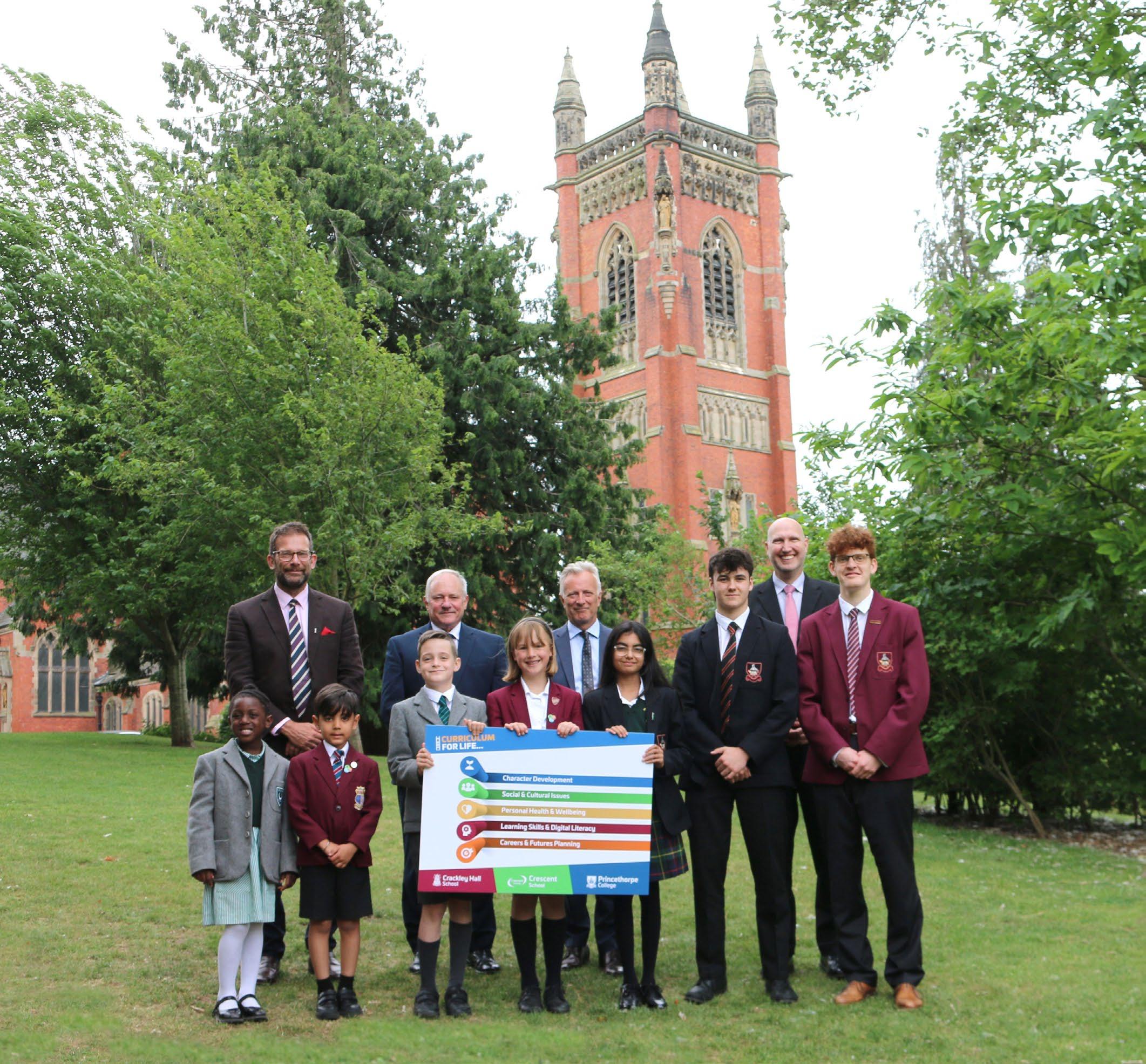
The Princethorpe Foundation’s Curriculum for Life extends across all three schools in the FoundationCrackley Hall School, Crescent School and Princethorpe College. It is aimed at equipping pupils with the knowledge, understanding, skills and character to both take care of themselves and make a positive difference in today’s changing world.
Learning Skills & Digital Literacy
Learning Skills & Digital Literacy
The five key strands are woven throughout our academic curriculum, PSHE and RSE programmes, pastoral systems and co-curricular life.
Careers & Futures Planning
Careers & Futures Planning
This parental overview gives a summary of the strands at each stage of a pupil’s journey from Reception through to Upper Sixth.
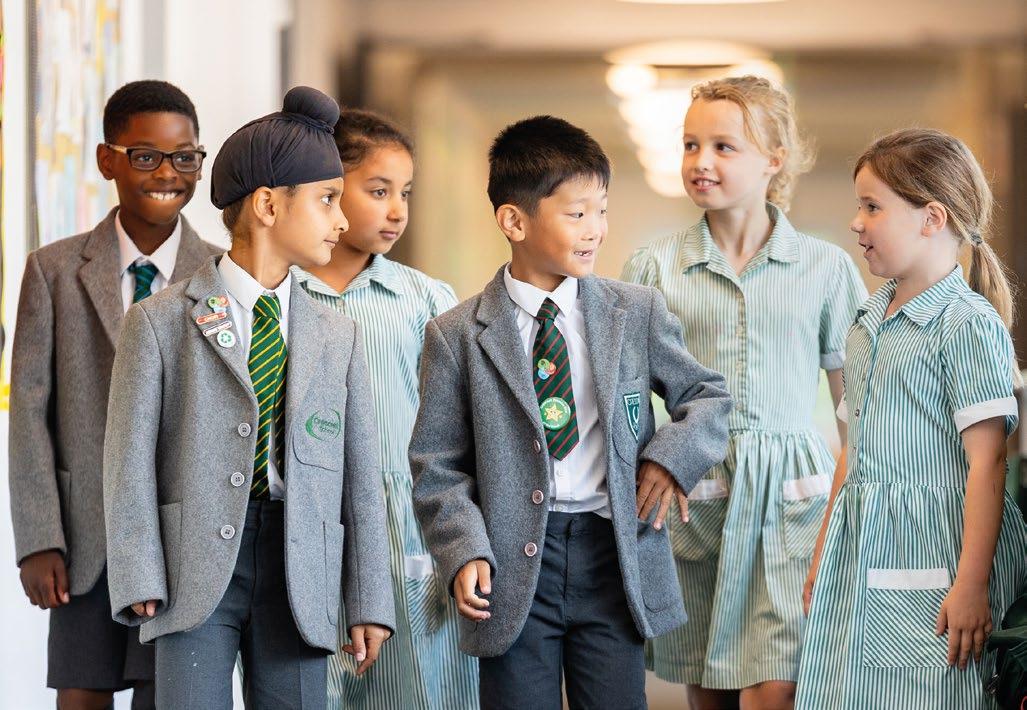
The Crackley Compass, along with our Ethos Statement, underpins all that we do. Every member of the Crackley Hall community follows the guidelines of Jesus’ example, as we celebrate everybody in a school where we love, learn and grow each day. We follow the Discerning Disciples RE curriculum.
Whole school celebrations such as: One World Week, Remembrance Day, Mission Assemblies and Celebration Assemblies acknowledge, challenge and inspire pupils. We highlight and celebrate World Religions and Festivals allowing children to identify with their own heritage and appreciate that of others.
The School Council allows pupil representatives from each class to explore the issues that affect them at school but also ignites organisational skills and traits to encourage creativity and collaboration from an early age.
Stewards and Mini Vinnies collaborate with each other and the wider school community, taking responsibility in their areas of stewardship, supporting the local and wider communities, including charity and outreach. The school continues the mission of the Sisters of Mercy through actively carrying out the Corporal Works of Mercy.
The EYFS Curriculum includes themes such as:
• Family celebrations: Mother’s Day, Father’s Day, Grandparents
• Christianity: Baptism, Christmas, Lent, Easter.
• French: Epiphany
• PSHE: How I feel, my opinions, resolving conflicts, considering the feelings of others, families around the world, let’s be friends, my turn-taking wand
The KS1 RE Curriculum includes themes such as:
• RE: Greek Orthodox and Christianity.
• PSHE: Taking responsibility, the power of giving, getting to know you (your background), the power of words, looking out for others.
• RE: What do Muslims believe? What do Sikhs believe? What do other people believe?
The KS2 RE Curriculum includes themes such as:
• RE: Judaism, Sikhism, Islam, Buddism. Junior 6 pilgrimage to Lisieux
• PSHE: afternoon tea for grandparents and parishioners; Christian feasts, Stations of the Cross in J6, respect, family life, homelessness
• Culture: visiting Confucious Institute, French pen pals.
Daily prayer, as a whole school, as classes or individually, also a time of reflection, is central to spirituality. Our Outreach Program, based on the teachings of Jesus to care for others, incorporates ongoing foodbank collection, Samaritans Purse Charity, annual Skipathon for local and international charities, including raising funds for St Mary Aloysious School in Nigeria. We embrace all cultures through clubs themed weeks and ongoing in the curriculum, eg, Punjabi Club, Spanish Club, European Day of Languages. Hymn practice takes place weekly. Our Recognition Boards and Star Charts celebrate each child, every day.
The Crackley Hall House System comprises four houses, Jupiter (St Therese), Mars (St Joseph), Venus (St John Henry Newman) and Saturn (St Francis). Each House has an annual election of Head of House from Junior 5 end-of-year hustings. Houses compete against each other in sport, performing arts and academic competitions, accumulating house points. It promotes collegiality, teamwork, community and inclusion, along with lots of fun!
Older pupils are trained to be Playground and Special Care Stewards for the Reception and Key Stage 1 pupils on the playground to help them develop their social skills when first starting school. Junior 6 pupils are assigned a class that they support, when necessary, during the week. This encourages a nurturing, responsible relationship from the older children and trust in the younger.
Pupils celebrate festivals at all ages by participating in services, for example, at Harvest and Easter and every pupil in Early Years and Key Stage 1 takes part in one of our Nativity productions towards the end of the Michaelmas Term, just before the Christmas holiday.
At the end of Junior 5, pupils apply and are ‘voted for’ by the whole school community to be one of two ‘Head Pupils.’ These pupils must be of good character and be fully involved in the life of the school. They represent not only the pupil body, but the whole school in events that include all stakeholders in the community. Other position applied for include the RE Captain, Music Captain, Sports Captains and Performing Arts Captain.
The Eco Team, made up of pupils is crucial to the reducing our carbon footprint. Under the leadership of our Environmental Stewards, pupils are encouraged to be creative, collaborative and proactive in working to achieve their targets, renewed annually following an environmental review. They also present whole school assemblies to raise awareness of environmental issues and motivate change.
School Ethos and Crackley Compass: Following the example of Jesus, pupils are always encouraged to think beyond themselves to others and the world around them and to celebrate all, to support others, particularly the vulnerable and those on the margins of society (Corporal Works of Mercy and Catholic Social Teaching).
Pupils are given opportunities to experience their own cultures and that of others through whole school events and celebrations such as: Remembrance Day, One World Week and World Book Day. Also, through Assemblies and sections of the curriculum: Black History, multi-faith and equality.
Crackley Hall continually looks for ways to use the planet’s resources better and manage our waste through ‘Reduce, Reuse and Recycle’. This includes litter picking, recycling pens/pencils/glue sticks, batteries and paper and crisp packet collection. We have different bins for children to choose the correct way to deal with waste.
The EYFS Curriculum includes themes such as:
• Literacy: Diwali, Guy Fawkes, Festivals of Light, Growing Plants
• UtW: Christmas traditions, Easter traditions
• UtW: Materials and Recycling, Hot and cold climates, including Climate Change
The KS1 Curriculum includes themes such as:
• PSHE: Uniqueness
• PSHE: Differences
The KS2 Curriculum includes social and cultural themes such as:
• PSHE: Uniqueness , Differences, Bullying, Conflict and Celebration
• RE: Belonging to a Judaism ‘Faith’ Community? How and Why, we care for others in the world. What do we belong to?
• Geog: Weather, Amazon Basin.
• Science: Climate Change on local and world habitats.
• RE: What do we belong to? What matters to Christians? What matters to other faiths or beliefs?
• Geog: Biomes, Endangered Animals, single use plastic, Water Use, Traffic Congestion Issues, Renewable energy debate, Mini COP Conference, Green House Effect and Global Warming
• Art: Recycled and reused materials
• Sci: Climate Change on local and world habitats
Pupils are always encouraged to support their own community, from a classroom level to a global level through charity and giving. This includes Fundraising for termly charities and annual Crackley Hall and Foundation charities, like Mary’s Meals, donations to Food Banks and Mission Together Christmas shoe boxes and other donations. We support clothes banks, write Christmas cards to people in local care homes and litter-pick in the local environment; we are members of Friends of Abbey Fields and support Kenilworth in Bloom. Grandparents and parishioners are invited in for a concert and afternoon tea. Pupils vote for their ‘charities of choice’.
Forest School and Eco Team promote sustainability and particularly biodiversity in school and beyond. It shows pupils how our actions can affect the environment both negatively and positively if we are proactive. Gardening Club and Gardening Stewards have developed our green spaces and grown our own food. At Christmas we hold a recycled Christmas Jumper stall at our Christmas Fayre.
The Crackley Pupils’ Pledge, signed by all pupils in each class, and by the Head, gives guidelines as to how pupils and staff should behave to ensure safety and fun at all breaktimes and the expectations in class and when moving around school. Pupils are involved in compiling their annual class rules. Relevant school-related matters are discussed and voted for, through the Student Council.
Crackley Compass – An essential Compass Point is that of being kind, which comes above all else, along with being the best that you can be, whilst always remembering to share a smile with others.
We are a talking school and promote communication with each other highly through trusted adults, your personal network; as well as various clubs and learning support groups to assist in this. Our staff have been trained in Restorative Conversations and pupils have been educated in this approach to looking after each other, and ourselves.
We promote aspects of health of national focus such as: Healthy Eating Week, Mental Health Awareness Week and Anti-Bullying Week.
Forest School allows pupils time outside exploring all year round which is well documented to be beneficial for both physical and mental wellbeing.
The EYFS Academic Curriculum includes themes such as:
• Phys Dev: Food groups, Eat well plate, Healthy Choices, Caring for our Teeth, Sleep and rest
The KS1 Academic Curriculum includes themes:
• PSHE: Keeping Clean, Food Groups and Safe medicine use
• DT: Food and Nutrition Unit
The EYFS Curriculum includes the following themes:
• PSED: Managing Relationships with the ones we love, Managing our feelings and behaviour, Changing Me-body parts, Recognising life stages changes in humans
• UtW: How I’ve grown, how I’ve changed
The KS2 Academic Curriculum includes themes:
• PSHE: Keeping safe at Home, Unhealthy lifestyle choices, Body Image and Eating Disorder, Exam stress management, Grooming, Alcohol Use and Love & Loss
• DT: Food and Nutrition Unit
• Community Week: First Aid Training
The KS1 PSHE/RSHE Curriculum includes the following themes:
• Expressing feelings, Boys and Girls’ bodies are different, Forming Friendships, Some body parts are private and Noticing my body changing
The KS2 PSHE/RSHE Curriculum includes the following themes:
• Inside and Outside Changes, Healthy Relationships, Girls and Boys Puberty, Sexual intercourse, conception and birth, Why bodies grow up, Girls’ Puberty, Consent, Power and Control and Involuntary and voluntary body changes
Different aspects of keeping ourselves safe are reinforced through visits from the fire service, police, magistrates, dentists, nurses and doctors.
Assemblies regarding wellbeing are timetabled and scheduled on a regular basis each half term. All key stages’ assemblies focus on their age group with issues and vocabularies accessible to them.
Girls on Board and Boys on Board are training we have used for KS2 pupils regarding accountability for their actions and behaviour which includes resolving conflict and toxic masculinity.
The Crackley Compass promotes good learning behaviours amongst pupils, such as curiosity, creativity, resilience, reflective, active learners, collaborative learners, inquisitive, interested, good listeners and open-minded pupils.
The Junior da Vinci System rewards any pupil when they show a flair that is special in any subject. There are three strands: Practice, Creativity and Mastery that follow individual criteria. If pupils receive awards in each of the strands, they are declared a ‘da Vinci student’ in that subject.
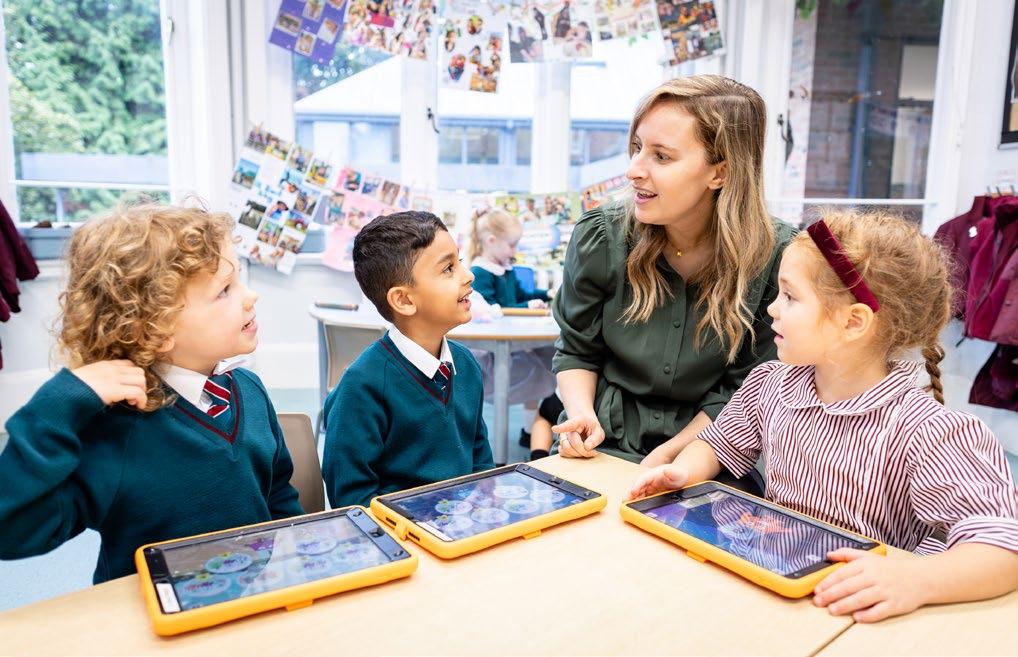
Learning Outside the Classroom is part of our curriculum. Pupils benefit from enrichment trips including workshops, theatre, museums and farms. This extends to visitors into school to enhance the curriculum and bring it to life.
Curriculum Subjects are highlighted at various times throughout the year, following National initiatives such as Great British Science Week, Online Safety Week, Number Day and Money Matters Week.
The EYFS Computing Curriculum included themes such as:
• Online safety
• Exploring programming
• Creating media: animation and art
• Emailing: AI and digital journals
The EYFS Comm and Lang Curriculum includes:
• Hold a conversation back and forth
• Express your feelings and ideas in sentences
• Expand vocabulary from texts used
• Performing on Stage in The Nativity and Summer Production
The KS1 Computing Curriculum included themes such as:
• Online safety
• Exploring programming
• Creating media: animation and art
• Emailing: AI and digital journals
The KS1 Comm and Lang Curriculum includes:
The KS2 Computing Curriculum included themes such as:
• Online safety
• Exploring programming
• Creating media: animation and art
• Emailing: AI and digital journals
The KS2 Comm and Lang Curriculum includes:
• Clear Diction, clear speech and confident communication, working with others
• Hold a conversation back: Express feelings and ideas in sentences
• Expand vocabulary from texts used
• Conversations, articulation
• Hold a conversation; Express feelings and ideas in sentences
• Expand vocabulary from texts used
Our EYFS Curriculum aims for the Early Learning Goals of development, but extends to specialist lessons and resources, such as MFL, computing, Speech and Language, Music and PE to achieve them.
• Performing on Stage: Nativity and Summer Production; LAMDA exams; assembly and evening performances.
• Performing on Stage: Easter Service, group Drama performances; LAMDA exams; assembly and evening performances; Advent, Easter and Summer Production.
House Points are rewarded when a child has made the effort to achieve a learning objective that has been shared with them in a lesson. Children collect their house points throughout the year, highest achievers are rewarded and all points go towards the prestigious House Cup.
Pupils organise themselves through following their timetable and can aid learning with Homework Diaries.
Pupils can access Learning Platforms at home to dovetail learning in all subjects. All pupils have a digital journal, and parents can interact and keep track of their child’s progress. Work can be set online and accessed at home.
As EYFS children develop, all their skills are recorded, assessed and shared through their Digital Journal.
Open Learning is always encouraged whether it is child led in EYFS or independent self-study through research projects in KS1 and KS2.
Pupils are given opportunity to experience residentials, each with a different focus of creativity, resilience and environmentalism.
Exams Skills are encompassed through Thinking Skills, Revision skills, Brain Training and Mock Exams.
Academic Ambassadors have joined us from Princethorpe to share their knowledge and passions. Junior 4 and Junior 5 visit Princethorpe College to experience various aspects of secondary school, including Music, Drama, Sports and a regular time tabled day with a Q & A session from Sixth Form pupils.
Enrichment Visitors to school have included: Fire Service, Magistrates, Police, Scientists, Doctor, Nurse, Priest working in the Holy Land, Charity Workers, Optician, the local Mayor and Seven Trent Water experts.
There is always a role play area set up in EYFS, which could be a shop, boat or a house to explore ‘let’s pretend’ play.
The EYFS Curriculum includes themes:
• Jobs our parents do
• Pupils learn different languages with weekly French and Mandarin lessons
The EYFS Mathematics Curriculum includes learning about coins and incorporating them in play.
KS1 Communication and Language Curriculum includes themes and skills:
• Speaking and performing to an audience.
• Pupils learn different languages, including French and Mandarin.
The KS2 Communication and Language Curriculum includes themes and skills:
• Face and body
• Voice and Diction
• Speech and Conversation
• Adding colour and character to words
• Interview practice for entrance exams
• Performance as cast/ team and LAMDA preparation
• Interview Practice for secondary school entrance exams
• Languages include French and Mandarin
The KS1 Mathematics Curriculum includes the value of coins and notes and how much you have in your purse. It encourages pupils to consider topics such as saving and budgeting.
• Conversation Skills and Improvisation
The KS2 Mathematics Curriculum includes using money in everyday life, including larger bills and totals. Pupils are introduced to digital transactions, consumerism and financial risk awareness.
Pupils are supported and guided in writing letters of application for leadership posts moving into Junior 6.
Through RE, Geography and understanding the world, pupils learn about other countries and how the people there overcome challenges and adapt accordingly. This allows children to realise how not everyone in the world has the same resources or opportunities that we have. CST helps the pupils to respond as Jesus would have.
Assemblies are used to inspire pupils through influential people, their careers and achievements. Posters and displays around school highlight various influential people from all walks of life, many who have overcome personal challenges to be the inspiration that they are. These include, Helen Keller, Sir David Attenborough, St Teresa of Kolkata and Nelson Mandela.
During themed weeks, for example, One World Week, Careers Week and Vocations Week, pupils hear from people from various walks of life, both vocational and in the public sector, helping to build aspirations.
The KS2 PSHE Curriculum includes Making a difference in the world, fair trade and conscientious buying.
Our Crescent School Promise underpins all that we do. Every member of the School community follows the guidelines as to how to be a ‘Good Friend, Good Learner, Good Citizen.’
Whole school celebrations such as: Remembrance Day, Culture Day, and Assemblies that highlight World Religions and Festivals allow children to identify with their own heritage and appreciate that of others. This should instil an interest in cultural exploration in their character.
School Council allows pupil representatives from each class to explore the issues that affect them at school but also ignites organisational skills and traits to encourage creativity and collaboration from an early age.
Pupils celebrate festivals at all ages by performing services at Harvest Festival, Easter and the nativity at Christmas.
The EYFS Curriculum includes themes such as:
• French: Epiphany
• UtW: Birth of Jesus, Celebrating Harvest, Introducing the Bible and a special book for Christians
The KS1 RE Curriculum includes themes such as:
• What do Jews believe?
• What do Christians believe?
• Story of Buddha
• What do Muslims Believe?
• Hanukkah
• What makes a Christian Church sacred?
• What do Sikhs believe?
• Easter Story
• Story of Mohammed
In KS2 RE curriculum encourages pupils to develop emotional intelligence through ‘Learning Right from Wrong through religion’ and Expressing beliefs and morals.’
The KS2 Curriculum includes themes such as:
• Why pray?
• Using Life as a journey
• Believing God exists
• Similarities and differences in philosophies
• Jesus as an Inspiration
• Alternative Religions
• Religion for when life gets hard
• Nature and God
• Places to worship
• Peace
Crescent House System includes three houses, St. George, St. Andrew and St. David. Each House has an annual election of Head of House from Year 6 hustings. Houses compete against each other in sport, academic competitions, house competitions and house points. It promotes community and inclusion.
Y6 are trained to be play leaders for the Reception children on the playground to help them develop their social skills when first starting school.
All Y6 pupils are assigned a ‘Buddy’ from Reception from day 1. This encourages a nurturing, responsible relationship from the older children and trust in the younger.
The KS2 RE Curriculum explores the relevance of religion today and how it relates to pupils themselves. Through themes such as:
• Being Buddhist in Britain today
• Being Hindu in Britain today
• Being Christian in Britain today
• Importance of the Bible today
• Living by Jesus’ values today
At the end of Y5, pupils apply and are selection to be one of two ‘Head Pupils.’ These pupils must be of good character and follow the School Promise. They represent not only the pupil body, but the whole school in events that include all stakeholders in the community.
Pupils start to celebrate a traditional Christmas through Christmas Art Day when the whole school, decorates the school at the beginning of Advent.
When pupils do not follow the School Promise and make a poor choice, the are given a ‘Chance to Change’ their behaviour, if they choose not to change their behaviour, that choice is recorded.
Crescent School is an ‘Eco School Green Flag’ holder for its work on sustainability throughout the school. This includes taking part in RSPB - Big Schools’ Garden Bird Watch, @Count Your Carbon’ National Campaign and Switch Off Fortnight., Eco Explorer Workshop at Princethorpe and Seven Trent Water workshops.
Pupils are given opportunity to experience their own cultures and that of others through whole school events and celebrations such as: Remembrance Day and Culture Day and World Book Day. Also, through Assemblies: Black Lives Matter and Black History; Nigeria Day is a cultural highlight thanks to an active Nigerian community within the school.
School Promise: Good Citizens: Pupils are always encouraged to think beyond themselves to others and the world around them and to celebrate all.
Crescent are always looking for ways to use the planets resources better and manage our waste through ‘Reduce, Reuse and Recycle’. This includes: Litter picking, Recycling pens/pencils , glue sticks, crisp packet collection, batteries as well as paper. We have installed different bins for children to choose the correct way to deal with waste.
The Green Team, made up of pupils is crucial to the coordination of Eco School status. Pupils are encouraged to be creative, collaborative and proactive in their crusades to achieve their action plan targets that are renewed annually following an environmental review. They present whole school assemblies on their work.
The EYFS Curriculum includes themes such as:
• Literacy: Diwali, Guy Fawkes, Festivals of Light, Growing Plants
• UtW: Christmas traditions, Easter Traditions
• UtW: Materials and Recycling, Hot and cold climates including Climate Change
The KS1 Curriculum includes themes such as:
• PSHE: Uniqueness
• PSHE: Differences
• Geog: Scottish Island Life
• RE: Belonging to a Muslim ‘Faith’ Community? How and Why, we care for others in the world. What do we belong to?
During Y6 Community Week, pupils experience how police and magistrates operate as well as visits to e.g. Houses of Parliament.
The KS2 Curriculum includes social and cultural themes such as:
• PSHE: Uniqueness , Differences, Bullying, Conflict and Celebration
• RE: What do we belong to? What matters to Christians? What matters to Humanists?
• Geog: Weather, Amazon Basin.
• Science: Climate Change on local and world habitats.
• Eng/Drama: Shakespeare Play
• Geog: Biomes, Endangered Animals, single use plastic, Water Use, Coastal Management, Traffic Congestion Issues, Renewable energy debate, Y6 Coastal Residential to Slapton, Mini COP Conference, Green House Effect and Global Warming
• Art: Recycled and reused materials Sculpture
• Eng: Kapok Tree and Save Rainforests
• Sci: Climate Change on local and world habitats
Pupils are always encouraged to support their own community, from a classroom level to a global level through charity and giving. This includes Fundraising for Termly Charity and Class funds, Donations to Food Bank and Salvation Army Christmas Gift donations at Christmas.
Forest School and Growth Gang promote sustainability and particularly biodiversity in school and beyond. It shows pupils how our actions can affect the environment both negatively and indeed positively if we are proactive. Growth Gang have supplied food grown to the kitchen.
The Barnaby Williams Football Tournament and Fundraising for Barnaby’s Friendship Garden is one personal way that Crescent look after its community.
The Playground Charter gives guidelines as to how pupils and staff should behave to ensure safety and fun at all breaktimes.
School Promise: Good Friends – The first part of our School Promise where being kind comes above all else.
We are a talking school and promote communication with each other highly through trusted adults, your personal network and Chit Chat Tuesday. All our children are part of the Wellbeing Web, designed by senior staff to catch anyone struggling in the school environment for any reason at all.
We promote self awareness, so pupils are equipped with the tools to identify their status, emotions and feelings. This is through knowledge of Zones of Regulation and 5 Ways to Wellbeing. We celebrate UK initiatives including Odd Socks Day, NSPCC Speak Out and National Children’s Mental Health Week.
Forest School and Growth Gang allows pupils time outside exploring all year round which is well documented to be beneficial for both physical and mental wellbeing.
We promote aspects of health of national concern such as: Healthy Eating Week, National Sports Week and Sun Awareness Week.
The EYFS Academic Curriculum includes themes such as:
• Phys Dev: Food groups, Eat well plate, Healthy Choices, Caring for our Teeth, Sleep and rest
The EYFS Curriculum includes themes:
• PSED: Managing Relationships with the ones we love, Managing our feelings and behaviour, Changing Me-body parts, Recognising life stages changes in humans
• UtW: How I’ve grown, how I’ve changed
The KS1 Academic Curriculum includes themes:
• PSHE: Keeping Clean, Food Groups and Safe medicine use
• DT: Food and Nutrition Unit
The KS2 Academic Curriculum includes themes:
• PSHE: Keeping safe at Home, Unhealthy lifestyle choices, Body Image & Eating Disorder, Exam stress management, Grooming, Alcohol Use and Love & Loss
The KS1 PSHE/RSHE Curriculum includes themes:
• Expressing feelings
• Boys and Girls’ bodies are different
• Forming Friendships
• Some body parts are private
• Noticing my body changing
• DT: Food and Nutrition Unit
• Community Week: First Aid Training
The KS2 PSHE/RSHE Curriculum includes themes:
• Inside and Outside Changes
• Healthy Relationships
• Girls and Boys Puberty
• Sexual intercourse, conception and birth
• Why bodies grow up, Girls’ Puberty
• Consent, Power and Control
• Involuntary and voluntary body changes
Different aspects of keeping ourselves safe come about with visits from Fire Service, Police, Magistrates, Our Jay Foundation for Resuscitation and the NSPCC.
All assemblies regarding wellbeing come about regularly. KS1 and EYFS assemblies focus on this age group with issues and vocabularies accessible to them.
Girls on Board and Boys on Board are training for KS2 pupils regarding accountability for their actions and behaviour which includes resolving conflict and toxic masculinity.
School Promise: Good Learners are promoted as always trying to be the best we can be. A 10-point Learner Profile gives guidance to how pupils can aid their learning.
The Junior da Vinci System rewards any pupil when they show a flair that is special in any subject. There are three strands: Practice, Creativity and Mastery that follow individual criteria. If pupils receive awards in each of the strands, they are declared a ‘da Vinci student’ in that subject.
COLA: Crescent Outdoor Learning Award promotes skills needed outside the classroom with plenty of self assessment and personal target setting.
Learning Outside the Classroom is part of our curriculum. Pupils benefit from enrichment trips including workshops, theatre, museums and farms. This extends to visitors into school to enhance the curriculum and bring it to life.
Curriculum Subjects are highlighted in the year following National initiatives such as Great British Science Week, Online Safety and Maths England Week.
The EYFS Computing Curriculum included themes such as:
• Online safety
• Exploring programming
• Creating media: animation and art
• Emailing
The EYFS Comm and Lang Curriculum includes themes:
• Hold a conversation back and forth
• Express your feelings and ideas in sentences
• Expand vocabulary from texts used
• Performing on Stage in The Nativity
Our EYFS Curriculum aims for the Early Learning Goals of development, but extends to specialist lessons and resources, such as MFL, computing, Speech and Language, Music and PE to achieve them.
The KS1 Computing Curriculum included themes such as:
• Online safety
• Exploring programming
• Creating media: animation and art
• Emailing
The KS1 Comm and Lang Curriculum includes themes:
• Clear Diction
• Clear speech and confident communication
• Working with others
• Hold a conversation back and forth
• Express your feelings and ideas in sentences
• Expand vocabulary from texts used
• Performing on Stage: Nativity or Spring Show
The KS2 Computing Curriculum included themes such as:
• Online safety
• Exploring programming
• Creating media: animation and art
• Emailing
The KS2 Comm and Lang Curriculum includes:
• Conversations and articulation
• Hold a conversation back and forth
• Express your feelings and ideas in sentences
• Expand vocabulary from texts used
• Performing on Stage: Easter Service
• Performing on Stage: Year group Drama performances
• LAMDA showcases and exams
House Points are rewarded when a child has made the effort to achieve a learning objective that has been shared with them in a lesson. Children collect their house points throughout the year, highest achievers are rewarded and all points go towards the prestigious House Cup.
Learning Mentors Partnerships are a connection between a pupils and a member of academic staff. Throughout the year a Mentor checks in on a Mentee to see how they are tackling personal targets they set for themselves at the beginning of the year. Mini da Vinci awards allow our youngest children to show of their skills with a ‘wow’ moment at any time.
Pupils can access Learning Platforms at home to dovetail learning in all subjects.
Pupils are given opportunity to experience residentials, each with a different focus of creativity, resilience and environmentalism.
As EYFS children develop, all their skills are recorded, assessed and shared through Learning Journey Profiles
Pupils organise themselves through following their timetable and recording learning in Homework Diaries.
Exams Skills are encompassed through Thinking Skills, Revision Skills, Brain Training and Mock Exams.
Open Learning is always encouraged whether it is child led in EYFS or independent self study through research projects.
Academic Ambassadors have joined us from Princethorpe to share their knowledge and passions. Y4 and Y5 visit Pc to experience various aspects of secondary school, including Music, Drama, Sports and a regular timetabled day with a Q & A session from Sixth Form pupils.
Enrichment Visitors to school have included Vets4Pets, Fire Service, Magistrates, Police, Scientists, Architect and Seven Trent Water experts.
The EYFS Curriculum includes themes:
• Jobs our parents do
There is always a role play area set up in EYFS, which could be a shop, boat or a house to explore ‘let’s pretend’ play.
The KS1 Communication and Language Curriculum includes themes and skills:
• Speaking in front of an audience
• Performing to an audience
The EYFS Mathematics Curriculum includes learning about coins and incorporating them in play.
The KS1 Mathematics Curriculum includes the value of coins and notes and how much you have in your purse.
The KS2 Communication and Language Curriculum includes themes and skills:
• Face and body
• Voice and Diction
• Speech and Conversation
• Adding colour and character to words
• Interview practice for entrance exams
• Conversation Skills and Improvisation
• Performance as cast/team and LAMDA preparation
• Interview Practice for secondary school entrance exams
The KS2 Mathematics Curriculum includes using money in everyday life, larger bills and totals and calculating change or what is left in your pocket or bank account.
The KS2 PSHE Curriculum includes:
• Making a difference in the world
• Fair trade
• Conscientious buying
Pupils are guided in writing letters of application for Prefect posts moving into Y6.
Assemblies are used to inspire pupils by influential people, their careers and achievements. These have included, Helen Keller, Sir David Attenborough, Katherine Johnson and Leonardo da Vinci.
Y4 study ‘Bwengu, a less economically developed place’. This allows children to realise how not everyone in the world has the same resources or opportunities we have.
During Community Week, Y6 pupils experience Careers talks from Old Crescentians explaining their journey from ‘Crescent to Present’.
The college’s Catholic Ethos underpins the life of the school, with Year Group Eucharists, House Chapel Services, Tutor Time prayers and larger events such as Whole School Eucharists, School Feast Day, Prize Giving and Celebration Assemblies referencing this heritage.
In KS3, the PSHE Curriculum includes themes of:
• Different Types of Family
• Dealing with Conflict
In KS4, the PSHE Curriculum includes themes of:
• Self-Worth
• Leadership
The Sixth Form Core Curriculum covers a range of themes, including:
• Identity
• Online Reputation
Remembrance Day, Black History Month, Culture Day, European Day of Languages, Innovation and Activity Days, supported by linked activities in the Challenge Calendar, allow pupils to explore their identity, other cultures and explore new interests to further develop their own character.
The KS3 Religious Studies Academic Curriculum includes themes such as:
• History of Princethorpe, Saints and Houses
• Latin in Catholicism and Princethorpe
• Christianity
• Sikhism
• Islam
• Judaism
• Sacred Places
• Crime and Punishment
The KS4 Academic Curriculum allows pupils to explore themes of ethics, morality and humanity across a wide range of subjects and issues, developing their listening, oracy and wider communication skills.
Study skills are taught across the curriculum, allowing pupils to reflect on their own learning and to grown in resilience and enthusiasm for learning.
All Sixth Form students have opportunities to lead in areas such as:
• Duties
• Tutor Group Visiting
• Paired Reading
• Pupil Mentoring
• Sisters Project
• Prefects
• Sports Captains
• House Captains
• STEAM Ambassadors
P3D Sessions in Vertical Tutor times include sessions linked to Black History Month, European Day of Languages and Culture Day.
Pupil leadership opportunities include: School Council, Junior House Captains, Chaplaincy Team, Junior Sports Captains, Digital Leaders and Planet Princethorpe.
Year 7 and 8 pupils enjoy Chaplaincy Ethos Sessions
Sixth Form pupils engage with charitable fundraising and volunteering through opportunities such as Mary’s Meals Walks, Make a Difference Day, Care Home Visiting and Night Shelter Support.
The Duke of Edinburgh Scheme is popular across Years 9 to Sixth Form, offering pupils the opportunity to develop resilience, teamwork and a range of new skills, as well as giving back to their community through volunteering.
Whole school initiatives such as Culture Day, Mock Elections and assemblies covering key national themes such as Black History Month and Women’s History Month, supported by relevant activities in the Challenge Calendar, allow pupils to grow in their understanding of British and other cultures and their wider context.
The KS3 Academic Curriculum includes topics such as:
• Responsible Living
• Sustainable materials
• Food production
• Settlement and Land Use
• Globalisation
• Crime and Punishment
• Slavery and Abolition
• Remembrance
• Protecting the Environment
• Suffrage
• Rights Around the World
In the KS4 Academic Curriculum, pupils consider sustainability through a wide range of subjects, as well as gaining a broad cultural understanding from the texts and resources studied, in English, Drama and Modern Foreign Languages.
All Sixth Form pupils are encouraged to engage in the local community through initiatives such as Youth SVP, Make a Difference Day and a range of volunteering opportunities.
We will soon be opening the Lew Baines Allotment at Home Farm, an on-site area for horticulture which will support learning in multiple departments and celebrate the agricultural roots of the College and our locality.
The KS3 PSHE Curriculum includes:
• Fundamental British Values
• Racism
• Protected Characteristics
• Prejudice and Discrimination
• Homelessness and Poverty
• Blended Families
The KS4 PSHE Curriculum includes themes of:
• Diversity
• Extremism
• Misogyny
• LGBTQ+ Issues
The Sixth Form Core Curriculum covers key themes such as:
• Citizenship
• Discrimination
• Philanthropy
• Sustainability
P3D Sessions in Vertical Tutor times include themes of Media and Power, Parliament, Devolution, Democracy, Human Rights.
• Tolerance
• Sexuality and Civil Rights
• Lessons from Prison
• Sustainability
Sixth Form pupils explore environmental issues through their academic subjects, understanding pressure groups through Business, exploring dystopia in English and navigating international responses to climate change in Geography for example.
The entire Princethorpe Foundation has an overarching Sustainability Strategy with strong pupil participation. Planet Princethorpe, a group of pupils from across the College, meet weekly to promote issues of sustainability and worked with pupils from Crackley Hall and Crescent Schools in our recent COP26 conference. Departments across the school have responded in their own areas, for example exploring sustainable materials in Design Technology and even in costume and set design in Drama.
The KS3 PSHE Curriculum includes lessons on:
• Drugs, Alcohol and Vaping
• Sleep
• Puberty
• Relationships
• Consent
• Online Safety
• Gaming and Gambling
• Family Conflict
The KS4 PSHE Curriculum includes themes of:
• Mental Health
• Substance Abuse
• Assessing Risk
• Coercive Relationships
• Addiction
• Digital Wellbeing
• Men’s and Women’s Health Issues
• Marriage
• Pornography
P3D Sessions in Vertical Tutor times includes:
• First Aid and CPR
• Digital Wellbeing
The KS3 Academic Curriculum includes:
• Food hygiene
• Laboratory Safety
• Workshop Safety
• Fitness and Sport
• Food, Digestion and Nutrition
• Relationships
• Reproduction
The Sixth Form Core Curriculum covers key themes such as:
• Drug Awareness
• Self-Image and Identity
• Emotional Intelligence
• STIs
• Pornography
• Relationships
• Parenthood
• Gambling and Addiction
• Mental Health and Exams
• Safer Internet Week
In the KS4 Academic Curriculum, includes themes such as:
• Disease, including STIs
All Sixth Form pupils benefit from a range of insightful assemblies, including visiting speakers discussing their experiences of cancer, rehabilitation, fire safety and road safety.
• Reproduction
• Genetics
• Diet and Nutrition
Games afternoons and enrichment sessions offer students broad opportunities to pursue excellence in competitive sport, increase their fitness and enjoy participation in a wide range of activities to support their physical health and overall wellbeing.
Our Relationships and Sex Education Curriculum is delivered through PSHE, RS and covers relationships, sex and sexual health, online safety, mental and physical wellbeing, personal safety and safeguarding, equality and rights, and core life skills such as communication and consent.
Whole school initiatives such as Safer Internet Week promote pupils online wellbeing, whilst a thriving Sports programme promotes the benefits of physical activity for all, regardless of their ability.
The KS3 PSHE and P3D Curricula include:
• Digital wellbeing
• Online Safety
• AI use
• VESPA Learning Skills
The KS4 Academic Curriculum is supported by regular study skills sessions, a wide range of learning resources and a bespoke Disciplinary Revision Guide.
Pupils have the opportunity to complete work after school in supervised Princethorpe Prep whilst all departments offer Academic Clinics as drop-ins for targeted support.
The KS3 Academic Curriculum includes FOSIL research projects in RS and Science, as well as a Literary project in English, allow all pupils to develop research and presentation skills.
L1 and L2 project qualifications are also offered to pupils through the da Vinci programme in higher years.
The KS4 PSHE Curriculum and assembly programme include themes of:
• Digital Wellbeing
• New Challenges
• Academic Integrity
• Study Skills
• Revision Planning
The Sixth Form Core Curriculum covers key themes such as:
• Academic Integrity
• Responsible use of AI
• Revision Skills and Strategies
Academic Prefects support the academic life of the school, championing their own subjects, supporting younger pupils and developing co-curricular academic opportunities.
All Sixth Form pupils have the opportunity to study an additional subject from the Extended Curriculum, including courses such as the EPQ and Sports Leaders Awards.
Our da Vinci programme, Challenge Curriculum and Academic Lecture Programme provide opportunities for all pupils to explore themes and ideas beyond the examinable curriculum, fostering curiosity and a love of learning.
Our 1-to-1 and Digital Provision schemes allow pupils to blend the best of digital learning with traditional resources, learning how to utilise both media effectively. Explicit teaching of key principles for AI use equips pupils with knowledge of the potential benefits, pitfalls and dangers of emerging technologies.
P3D Sessions in Vertical Tutor times include sessions on the Princethorpe Learner, our interpretation of the VESPA model which underpins learning in all classrooms, as well as study skills and revision.
Pupil leadership opportunities include acting as reading mentors to support pupils in lower years to develop their fluency.
Sixth Form students engage with the VESPA principles of the Princethorpe Learner during tutor sessions, increasing their metacognitive skills.
360 Review Evening presentations and Journey Assemblies provide consistent frameworks for effective study and revision for pupils of all ages.
All Academic Departments explore careers through their subject curriculum, from speaking about workplaces in a foreign language to exploring the applications of specific scientific concepts to new technologies and job opportunities. This is enhanced by a wide range of Enrichment Talks from visiting speakers, recently exploring themes such as Forensic Linguistics and Investment Banking.
The KS3 PSHE Curriculum includes an Enterprise Challenge and themes such as:
• Jobs and Opportunities
• Employment Rights
• Career Planning
• Budgeting
• Gaming and Gambling
In KS4, the PSHE Curriculum includes themes of Money Management and a more detailed exploration of possible future Careers.
Pupils are supported in choosing subjects through Options Evenings, Options Assemblies, a Sixth Form Taster Day and pupil-led events such as the Year 11 Freshers’ Fair.
P3D Sessions in Vertical Tutor times inform pupils about issues from global economics to personal money management and bank accounts as well as the nature of different jobs and workplaces. Dream Cloud activities encourage them to explore possible future pathways.
National Careers Week gives all pupils, including those in lower year groups, the opportunity to consider potential future jobs through their academic lessons, lunchtime sessions and the weekly House Quiz.
The Sixth Form Core Curriculum includes:
• Entrepreneurship
• Future Planning
• Personal Finance and Budgeting
• Gambling
• Student Finance
• Preparing to Leave Home
All Sixth Form students explore a wide range of future opportunities, including universities through a comprehensive UCAS programme as well as support with Apprenticeships Applications and employment.
Sixth Form students are taught key skills for employability, including CV writing Workshops and Interview Skills session with a panel of industry experts.
Our biennial Careers Insights Event for Years 10 to Upper Sixth welcomes over 50 guest speakers, including many alumni, to share their expertise and experience across a range of sectors.
Pupils are supported to engage with Work Experience opportunities to gain insights into the workplace. Our Old Princethorpians Alumni Network provides opportunities for networking, work experience and industry connections including a Friendly Faces scheme for those starting university.
Careers Guidance is available to all pupils. Careers staff are available at Parents’ Evenings and meet individually with all Year 11 and Sixth Form students to support their decision making about next steps.
All pupils can access our Careers Library and Unifrog, an online platform that allows them to explore their interests, record their achievements and find future opportunities for education or training, while curated activities in the Challenge Calendar provide wider opportunities for them to explore their interests.