



We are thrilled to present “The 5 Most Visionary Business Leaders Redefining Success in 2025,” a special edition dedicated to celebrating the trailblazers who are transforming industries, inspiring innovation, and shaping the global business landscape through purpose-driven leadership.
In an era defined by disruption and rapid change, success is no longer measured solely by profit; it’s about vision, adaptability, and impact. The leaders featured in this edition embody these ideals, setting new standards for what it means to build sustainable, forward-thinking enterprises in today’s interconnected world.
At The Inc Magazine, we take pride in spotlighting individuals who are not only excelling in their industries but also challenging conventions and driving progress. These visionary leaders are steering their organizations toward growth by embracing technology, fostering collaboration, and championing values that extend beyond business performance.
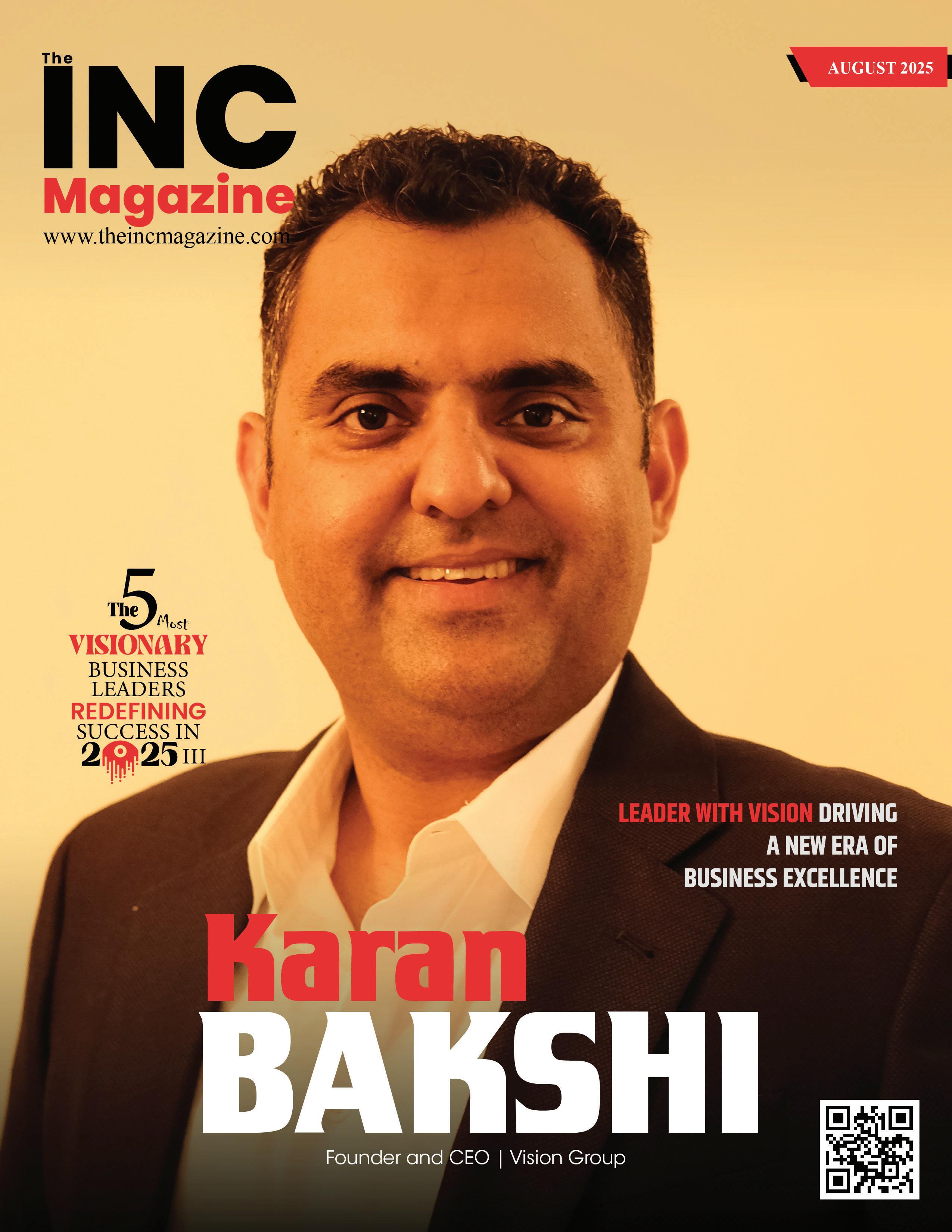
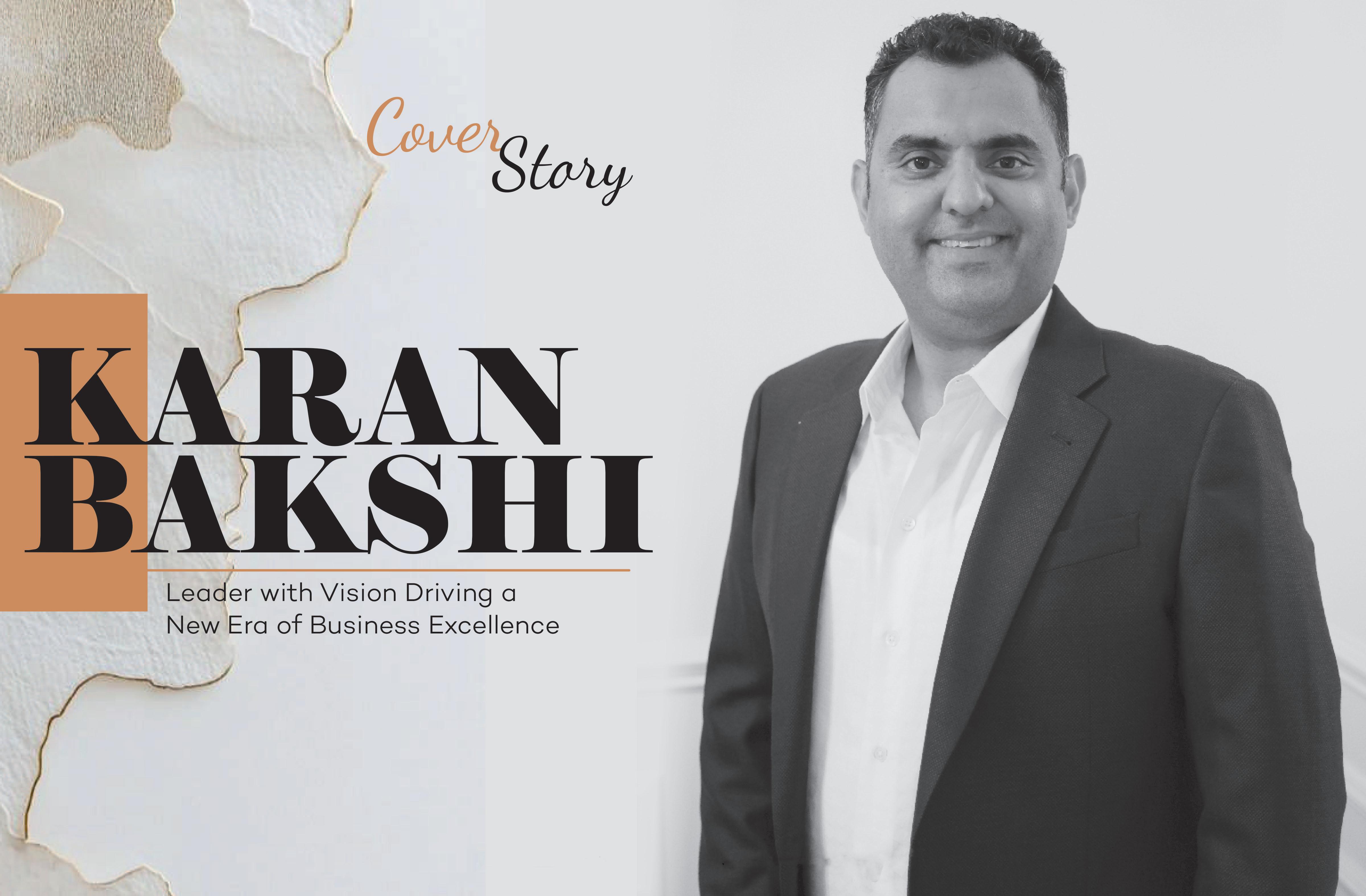
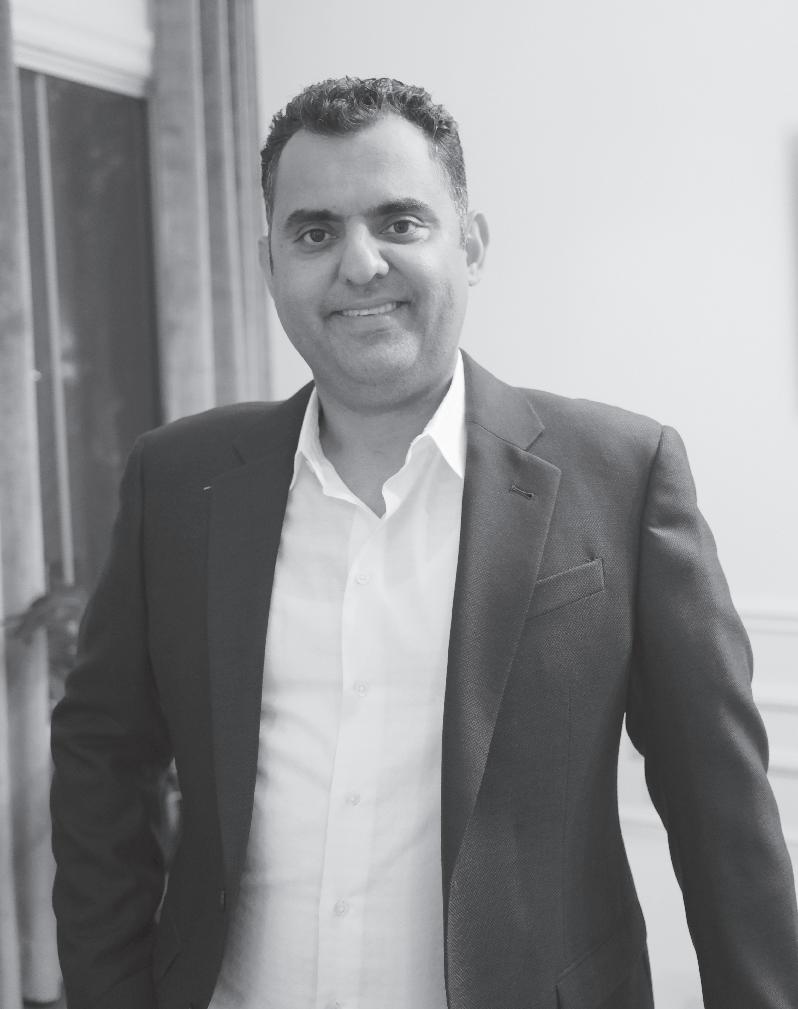
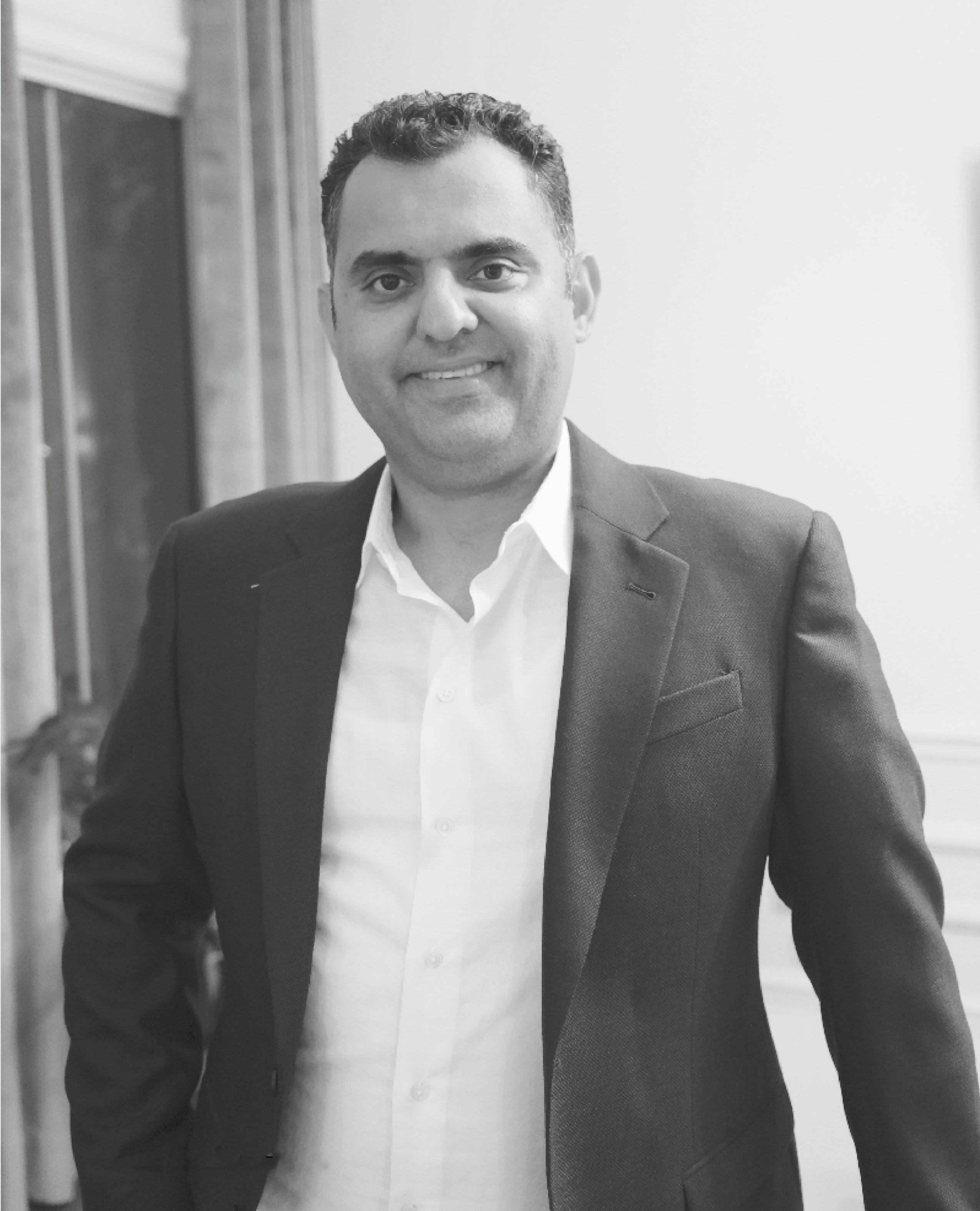
On our cover, we proudly feature Karan Bakshi, the Founder and CEO of Vision Group, a prominent multinational conglomerate of technology firms dedicated to digital transformation in the retail sector. Vision Group serves over 200 clients, including many globally recognized brands and some of the most distinguished retailers worldwide. The company stands out due to its ability to unify all aspects of digital transformation for retail within a single framework, ranging from space planning and retail execution to connected assets and seamless retail experiences.
Karan has built all the companies within the Vision Group on three fundamental pillars: People, Process, and Technology. His focus has been on harmonizing and enhancing each of these elements. Karan firmly believes the key to the success of his enterprises lies in their commitment to corporate values, including Customers First, Honesty and Integrity, Accountability, Growing Together, and Pioneering New Ideas.
This edition celebrates the bold thinkers and transformative leaders redefining success in 2025. Their stories remind us that visionary leadership is not about following trends; it’s about creating them, inspiring others, and leaving an enduring mark on the world of business.
Happy Reading ....!

Karan BAKSHI
Founder and CEO | Vision Group
Empowering Business Leaders: The Inspirational Journey Of Janet Polach, Transformation & Executive Coach
Carina Wessels: Pioneering Excellence in Legal and Business Leadership
Daniel Farrar: Empowering Business Leaders | Driving Organizational Growth in Legal Tech
Daniel Wachter: Leading Efforts Towards Improving Lives Through Innovative Chemistry
How to Protect Your Business from Tariff Volatility
O N T E N T S Article
Editor-in-Chief
Managing Editor
Publishing Control Team
Visualizer
Art & Design Head
Business Development Manager Co-designer
Business Development Execu�ve Marke�ng Manager
Technical Head
Assistant Technical Head
Digital Marke�ng Manager
Assistanr Digital Marke�ng Manager
Research Analyst
Circula�on Manager
Sonal K. Ehsan Jami Alex, Michael
Mary Chars Anushka Bhosle Shweta Ambilwade
Craig Dower
Chirs Philip Maria, Wilson, Mar�na, Alex, Kelvin
Jacob Smile Alina Sege
Jennifer Parker David King
Earl Lewis Scoot Taylor
sales@theincmagazine.com August,
Copyright © 2025 The Inc Magazine





anet Polach is a top global executive coach, known for her transformative impact on business leaders and senior executives from diverse cultural backgrounds. With over two decades of experience in executive coaching, leadership development, change management, and team effectiveness, Janet is an inspirational figure in the corporate world.
Early Beginnings: Dedicated to Empowering
Janet developed her leadership skills during her stint as a U.S. Marine Corps officer, where she affirmed that leadership can be cultivated. Along the way, Janet earned her Ph.D. in organizational leadership development and has coached leaders in the U.S., China, Singapore, South Korea, Switzerland, Ireland, and France.
As an expert in cultivating leaders, Janet specializes in coaching individuals at every level—from new managers to executives—through one-on-one coaching, group sessions, and leadership development programs.
In the Lead: A Quick Glance
In the Lead is Janet’s initiative to cultivate leadership capabilities and boost confidence in individuals navigating today’s chaotic world. Recognizing that leaders come from varied backgrounds and face diverse challenges, In the Lead focuses on helping these leaders clear their thinking and discover their unique leadership voice. Janet’s approach empowers individuals to lead authentically by finding strength and direction from within, fostering resilience, self-awareness, and the ability to adapt to an ever-evolving environment.
The Evolving Leadership in Digital Transformation
Janet emphasizes the importance of leaders focusing on building strong relationships with their teams, especially in the context of remote work. She acknowledges that while remote work presents challenges to maintaining these connections, it also makes them more crucial. Janet advises leaders to go beyond routine task updates and take the time to engage in deeper conversations with their team members. This includes discussing their learning experiences and ensuring they are finding fulfillment and joy in their work. By doing so, leaders can foster a more supportive and connected team environment.
The Key Executive Leadership Mindsets
Janet has just finished her second book, The Mindset of the Strategic Leader. In it, she argues that executives must shift their thinking to a broader perspective, both inside and outside the organization; they must listen more than talk and gain the confidence to act courageously.
Janet's Take on Different Global Leadership Perspectives
With years of experience working with global leaders, Janet emphasizes the importance of appreciating the culture of the country in which one is working. This involves immersing oneself in the local culture by eating local cuisine, watching local movies that have subtitles, and building friendships in the work

community. By doing so, leaders can gain the support of their colleagues and develop the understanding needed to make informed decisions within the local context.
The Notable Gaps in Leadership
Janet's first book is about this challenge, The Seven Mistakes New Managers Make. Most managers are promoted because they are great individual contributors, but as a manager, you have to shift your mindset to working through others, delegating, teaching, and letting go of “how” the work is done.
Janet often follows two-step processes. First, `she helps the leader set goals for herself and then supports them in creating a very specific development plan to achieve their goals. She helps the leader identify strategies that will keep these goals and behaviors top of mind. Second, Janet and her team have three check-in meetings with the leader’s boss. Together they establish expectations, review the development plan midway through, and then have a final meeting to ensure their development remains a priority for both the leader and their boss.
Impact of AI and technology on leadership decision-making
Janet recently used AI to help her write her book; she considers it a valuable research tool. She believes leaders can use AI to gather relevant data and even perspectives. However, Janet emphasizes the importance of verifying this information, as AI can sometimes be wrong. She encourages leaders to allow AI to contribute to their decision-making process, but not be the sole source of input. Janet also notes that AI is not just a shortcut to get things done.
According to Janet, it's thinking and acting strategically. She believes that strategic thinking is not widely taught except in major programs like Warton and elsewhere. That is why Janet wrote her new book, which focuses on the various mindsets that strategic leaders need to embrace. She also
coaches leaders on this and also has a development program for strategic thinking.
This was brought to the forefront during COVID-19 but continues to be a need today. Executive leadership involves connecting with your team in a personal way, understanding their families, asking how they are doing, and genuinely caring about how them. Taking time on these issues helps build confidence in team members and makes them feel valued and included.
The Key Lessons from Military Leadership
Leadership in the Marine Corps generally involves giving orders rather than gathering people around and asking for input. That’s because Marines often find themselves in life-and-death situations and need to react quickly on behalf of their Marines. In the business world, it's almost the opposite. While leaders need to be decisive, they usually reach decisions by including and involving others. The most significant lesson Janet learned from the Marines is that leadership can be taught and developed. She also learned that women’s positions in highly male populations can evolve and advance, but they have to prove their worth, and possibly in multiple ways.



Meet Carina Wessels from the city of Johannesburg, South Africa. Carina is a legal veteran, an experienced international and local non-executive director, an audit committee member, a keynote speaker, and a featured writer. She holds an LLB and two LLM degrees: Labour Law and Extractive Industry Law in Africa, a Certificate in Advanced Labour Law, PMD, and an Advanced Management Programme from the prestigious Harvard Business School.
Early Years and Career Pursuits
Carina’s journey towards excellence has been quite unconventional, which she believes has significantly contributed to her growth and the opportunities she has encountered. She ventured into selling cost recovery software to attorneys, while studying law. Surprisingly, most of the lawyers Carina interacted with expressed dissatisfaction with their jobs, prompting her to explore alternative avenues. Subsequently, she transitioned to a role as a client services manager at a hospital. However, this stint was short-lived, lasting only six months, as she soon realized that her passion for law was the primary driving force behind her career aspirations.
Carina found herself drawn to the corporate world, where she initially specialized in labor law before delving into corporate governance and commercial law. Over the years, she gained diverse experience across various domains such as Human Resources, Finance, Risk Management, Business Improvement, Project Management, and later Corporate Secretariat, Governance, Executive Management, and Sustainability.
During her nine-year tenure with De Beers and subsequent period with Investec, Carina got the opportunity to broaden her expertise. In 2011, at the age of 33, she secured her first executive appointment at Exxaro. During her tenure at Exxaro, she also took on the responsibility of managing legal services, prompting
her to pursue a second master's degree in Extractive Industry Law in Africa. Upon joining Alexforbes, her role expanded rapidly to encompass governance, legal, compliance, and sustainability.
Carina spent most of her career in the mining industry. However, she felt that industry diversification was necessary, leading to her considering Alexforbes as a challenging opportunity. Joining the company proved to be far more rewarding than Carina had ever imagined. She arrived at an exciting time of strategic transformation and growth, and she was privileged to play a meaningful role in this process.
“Beyond the transformation of Alexforbes, I was transformed into what I believe to be the best version of myself,” Carina says.
Carina characterizes her leadership style as authentic transformational leadership, while also being adaptable and tailoring her approach to suit the dynamics of her team members.
“I believe my authenticity has become more prominent throughout my career. I also hope that I have transitioned from focusing on having the right answers earlier in my career to asking the right questions. I continue to evolve through learning, unlearning, and relearning,” she recalls.
At Alexforbes, formal processes play an essential role in the development ecosystem. However, Carina believes that an even more valuable skill for employees is the ability to confidently and comfortably approach colleagues they resonate with or whom they recognize as having admirable qualities. Mentorship beyond these

formal structures is strongly encouraged, with many leaders dedicating significant time to nurturing a wide range of staff members. Beyond Alexforbes, Carina regularly receives mentorship requests from young professionals on LinkedIn and makes it a priority to engage in meaningful discussions with them.
Central to Carina's leadership philosophy is the cultivation of a shared purpose within the team, one that aligns with and supports the overarching organizational objectives. Throughout her career, Carina has encouraged her teams to adopt a mindset where they prioritize being business-oriented professionals first, with their legal, governance, or compliance expertise as secondary. This emphasis on business principles, continuous improvement, and client-centricity has been a cornerstone of the culture within the team and their collective success. Within her team, Carina also upholds values such as trust, transparency, honesty, passion, and an exceptional work ethic as non-negotiable.
Collaboration between Governance, Legal, and Compliance Functions
Carina leads the team at Alexforbes, focusing on setting clear expectations and instilling a commitment to excellence. This approach creates a culture where every team member is empowered to contribute their best and collaborate with others, ultimately driving organizational success.
The team has also implemented resource sharing, contributing to efficiency and collaboration, cross-skilling, and succession bench strength.
The Key Organizational Priorities for Alexforbes
One of the objectives is to deliver on the growth aspirations organically and inorganically. Carina's role extends beyond managing the legal M&A components to collectively driving the strategy with the CEO and CFO. The GLCS team plays an enabling role in organic growth with Carina specifically driving the new Impact Advisory offering, focusing on delivering

forward-thinking sustainability and environmental, social, and governance (ESG) insights and advice to retirement funds and corporate clients. Building this new business line into a sustainable revenue contributor is one of her key focus areas in the short to medium term.
In pondering some of the most difficult challenges in her career, like complex and highly sensitive executive investigations, dismissals, and related litigation, she suggests these require not only technical legal expertise but also nerves of steel and strength of conviction.
Furthermore, managing several complex M&A transactions, including a particularly challenging one with a US counterparty during the initial negative market responses to COVID-19. The transaction, as per the contract, no longer made commercial sense due to the impact of Covid-19. Despite spending months negotiating an agreement, Carina and her team had to completely renegotiate the transaction within 48 hours. Although they successfully terminated the agreement, they still needed to hold a shareholder meeting to approve a secondary component of a related transaction. As a result, Alexforbes held the first fully electronic shareholder meeting in South Africa shortly after the initial hard lockdown.
Regarding emerging technologies in legal and compliance functions, the increased use of generative AI is significant. This is particularly notable in advising business, especially on intellectual property ownership and protection in cases where content is created using AI.
Some companies still see governance as a formality, without realizing its importance in fostering an ethical culture, driving sustainable performance, maintaining effective control, and establishing legitimacy. With the continuously increasing regulation in this area, Carina hopes that the understanding and adoption of best governance practices will continue to improve. However, the growing regulation might also lead to more superficial compliance rather than genuine recognition of the value of good governance. “To encourage a positive evolution in corporate governance, we require ethical leaders who are motivated by more than just compliance but also have a deep understanding of value creation, impact, and sustainability. This will help create a better and more sustainable future," Carina shares.
Empowering the Organization for Future Changes
Carina believes that, to stay relevant and provide value, it is essential to have exposure and experience beyond technical or regulatory expertise. This means having a broad range of knowledge and skills, referred to as a T-shaped professional.
Despite being separate components, Carina sees ESG as interconnected and mutually reinforcing. Strong governance is also a critical aspect of most sustainability-focused frameworks and reporting guidelines, making it unlikely that these can be effectively implemented without supporting governance structures and principles.



With nearly three decades of diverse experience in leading Fortune 500 companies and technology and SaaS businesses, Daniel Farrar, the CEO of Assembly Software, is a true visionary in leadership and business. His journey is inspirational, demonstrating a remarkable commitment to fostering deep customer relationships and driving organizational growth.
Discovering Passion in Technology: The Roots of Daniel’s Global Influence
Daniel’s journey began with a Bachelor of Science in Mechanical Engineering from Worcester Polytechnic Institute and an MBA from Harvard. He started his career in various roles within General Electric’s management program. After completing his graduate studies, Daniel transitioned into strategic consulting and later returned to GE, where he took on leadership positions in global business leadership roles during the Welch era. Following this time at GE, he became a partner in private equity doing LBOs, then transitioned into running and driving growth in global technology companies mostly based in Silicon Valley. Currently, Daniel serves as the CEO of Assembly Software, a legal technology company that provides industry-leading case management software Neos, Needles, and Trialworks.
The Journey from Fortune 500 to SaaS
“During my time with GE, we were an enormously metric and numbers-driven culture as a global collective and company. Expectations
were clearly set, regularly reviewed, and constantly prosecuted especially as it related to investment alignments to the global strategic initiatives of global growth, process cycle time compression, new product development, productivity, sourcing, and cost management, Six Sigma quality, and driving quick market intelligence to arm the sales teams for above-market performance,”- Daniel remembers.
When Daniel transitioned to SaaS and technology platforms 15 years ago, he brought with him this deep metrics-oriented mindset, along with a strong focus on processes, segmentation, and alignment. This approach allowed him to quickly identify areas of strong performance or gaps, bring clarity to business strategy, and provide deeper insights for making informed changes. The principles he learned in the Fortune 500 world became part of his professional DNA, and he has applied those same disciplines and values to leading SaaS and tech platforms.
Daniel thrives on taking on new challenges and carefully assessing each opportunity through specific criteria before deciding if it aligns with his next step. He considers market size, customer persona, competitive dynamics, and growth potential. He also asks, "Does the product or platform's technology advance or transform the industry? Will this role push me to learn and grow in new ways? And will the financial rewards be fair and worthwhile when the job is complete?" When the Assembly role came his way, it ticked all these boxes, making it the perfect fit.
The Most Significant Influence on His Leadership Approach
"Some people who have helped me lay the grout in my mosaic include my parents, family, and close personal friends. Their counsel comes from a place in the heart offering clear, realistic, and honest feedback," shares
Jack Welch also had a significant impact on him as a young man with his relentless focus on taking complexity and turning it into simple, clear communications to drive results. Others who have inspired or have been influential (to name a few) are Jamie Dimon, Ronald Reagan, Jim McNerney, Simon Sinek, Michael E. Porter, Sheryl Sandberg, Steve Jobs, Walt Disney, Margaret Thatcher, Oprah Winfrey, and the godfather of management theory,
Fostering a Culture of Improvement and
The culture of any business, company, or function is shaped by the people and teams employed who share and foster a specific set of values, norms, and behaviors. These elements establish what is and is not accepted within an organization. It is important to note that cultural dynamics begin at the top and influence the entire organization. Leaders set the example for what is valued and what is expected in every interaction inside a company. When senior leadership emphasizes decision-making based on a productive, safe, metrics-driven environment, all employees will explore the key elements of the desired ethos of the culture.
The Long-Term Vision for Assembly Software
Assembly has set an ambitious goal to become the technology platform of choice for practice and case management in the legal industry. The company aims to improve its technology, shape product roadmaps to meet the needs of law firms regardless of size or location and excel in cloud transitions. "We did that and more, as evidenced by our NPS scores >70 and CSAT scores >98% with Neos, which is outpacing industry growth by 6x. At Assembly, we set the bar high, put customers at the center of our process, and execute with focus and precision", explains Daniel.
Daniel believes everyone in the company, regardless of their roles, must prioritize the needs of the customer and clients. He and his team are actively engaging with customers to provide support and address any emerging requirements. They are also ensuring that the customers receive full support during transitions to the cloud and modern technologies, whether it is a new or a legacy transition, Daniel and the entire Assembly team maintain constant communications with the customers to establish trust, loyalty, and confidence in the business partnership they create together. Ultimately, their focus is on serving the customers and the clients.
Product-led growth, as defined by the clients and the legal tech marketplace, allows Assembly to deliver a customer-first, customer-centric set of products and supporting technologies focused on critical requirements to the workflow of firms from a single attorney to Amlaw 100. The Neos technology platform was designed to be highly configurable, extensible, and scalable, and it prioritizes ease of use and user interfaces.
The Key Driving Factors for Future Growth
The company is dedicated to a detailed plan for creating values that are focused on creating values for stakeholders. Achieving growth requires consistent efforts in generating leads from all channels, maintaining pricing and promotional discipline, continuous engagement with the market and customer, and adapting the product offering to match emerging technology. By listening to the customer base and being responsive to their support needs maintains loyalty and trust. Achieving growth and sales is the responsibility of every employee in the company, every day, in every interaction.
Strategies to Remain Agile and Responsive in the Changing Market
The Assembly team uses an integrated voice of the customer (IVOC) process discipline to guide their Product-Led Growth (PLG) strategies and
investments. This feedback is collected from various channels including customer success, field and support teams, and customer advisory boards which fundamentally shapes their investments and PLG roadmaps. Incorporating customer feedback allows Assembly to meet the current and future needs of law firms, keeping them ahead of the curve in a constantly evolving market.
“Keep an open mind and continuously work on improving your listening and communication skills. The most effective leaders are those who can build and foster personal growth in their team. Relentlessly listen for the best ideas and approaches from any person at any level. Those ideas may be the same ones that change the game for everyone”, Daniel Farrar, CEO of Assembly Software.






Companies that do business around the world are getting increasingly worried about the possibility of changing tariffs. When trade talks, policy changes, or geopolitical worries cause import and export tariffs to change quickly, they can mess up supply lines, drive up prices, and cut into profits. Any company that wants to stay strong and successful needs to make plans to lessen the operational and financial effects of these risks.
1.Bring in more customers and vendors
Having a wide range of providers and customers is one of the best ways to lessen the effects of tariffs. If all your products come from one country or seller, your business may have to pay tariffs on those goods. When you want to lower your risk and increase your range, you should get resources from other countries and investigate new markets.
2.Check your supply lines once more
If you want to learn how to lower your price risk, you should look at the whole supply chain. If a country has free trade agreements (FTAs) or lower taxes, it might be a good fit for your business. However, moving some of your production to countries with better trade conditions can cut your costs by a huge amount.
3.Reports and information on how to sell funds
Businesses can get ready by learning about upcoming changes to tariffs and the rules that govern international trade. For information and advice that is specific to your industry, use trade intelligence tools, sign up for trade bulletins, and talk to trade experts or customs brokers.
4.Classification and Tariff Engineering that you should use
Businesses may be able to cut costs by changing the way their goods are designed or packaged so that they fit into lower tariff categories. Tariff engineering is an effective way to cut costs that must be carried out in strict accordance with the rules. To avoid unpleasant surprises like taxes and fines, make sure the tariff codes are right.
5.Make price plans that can be changed
When you are making your price models, think about how tariffs might cause costs to go up. To get ready for future price increases, businesses may need to change prices, raise prices, or add profit buffers to contracts.
Look into government programs that can help
Tax credits, grants, and duty drawback programs are some of the ways governments help offset tariff costs. Understanding and taking advantage of these resources can ease financial concerns and improve your business’s resilience.
Businesses around the world can protect their operations and keep their options open in case tariffs change by planning ahead and coming up with smart solutions. If they want to stay in the market, they need to think carefully about price, Ash, supply lines, and source.