



The medical device industry is poised for remarkable growth, with expected revenue reaching $694.7 billion in 2025. This surge is driven by the increasing prevalence of chronic diseases and a rise in surgical and diagnostic procedures. In response, medical device companies are innovating and creating cutting-edge solutions at an exciting pace.
“The 10 Most Innovative Medical Devices Companies to Watch in 2025” edition showcases all the organizations and corporations behind this growth, highlighting their inspiring stories and innovative solutions. The read provides insights into how these medical device companies have leveraged their strengths, addressed market needs through their innovative solutions, and positioned themselves for continued success. Some of these companies managed to get closer to the patient, providing a better, safer, and more convenient innovation. Their commitment to excellence, unique approach, and dedication to helping people have caught our attention.
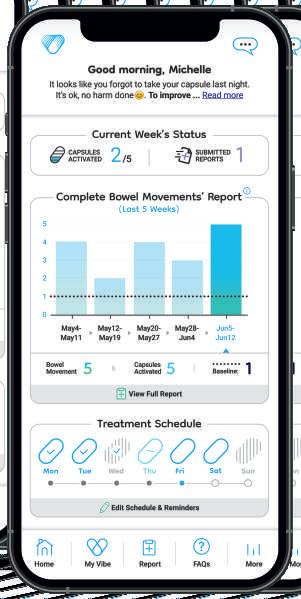
As for our cover page, we could not find any other profile more suitable than Vibrant Gastro, a pioneering novel approach to treating constipation through mechanical stimulation. Led by Asaf Bar, the company strives to bridge the healthcare gap and deliver cutting-edge, drug-free treatments in digestive health. Take a deep dive into this captivating read and be enlightened with some great values and industry acumen.
We have also covered several other medical device companies that are giving a new direction to future health. From enhancing patient care to delivering better treatment results, these companies are driving innovation and pushing the boundaries of medical technology.
These medical device companies perfectly represent our desire for a better future in healthcare: one filled with less pain, more mobility, and fewer injuries or deaths.
Finally, we hope our readers will enjoy reading this issue as much as we enjoyed creating it. We wish you always find yourself with good health and a positive mind.
Happy Reading ....!

Revolutionizing the Medical Device Industry with His Committed Team, Cutting-edge Technology, and Domain Expertise
Miracle Mobility: Revolutionizing Mobility, with their Innovative Electric Wheelchairs
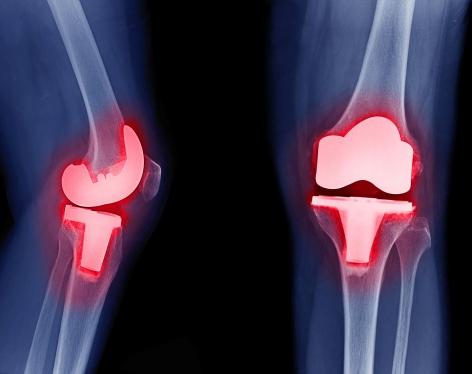
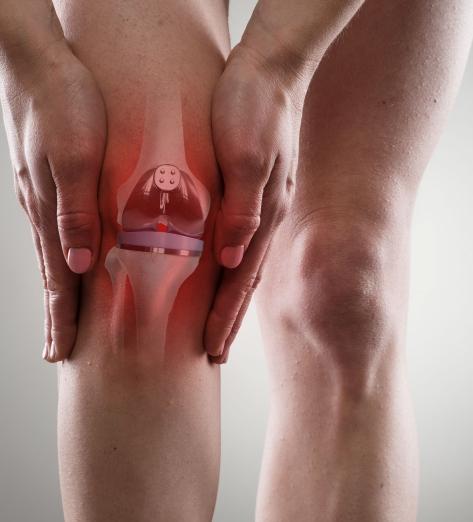
Solenic Medical Inc: On an Innovative Path to Revolutionize Non-Invasive Treatment of Infected Metallic Implants in the Body
Innovations In Healthcare A Global
Innova Vascular: Pioneering Excellence in Minimally Invasive Healthcare C O N T E N T S Article

Managing Editor
Publishing Control Team
Editor-in-Chief Visualizer
Art & Design Head
Business Development Manager Co-designer
Business Development Execu�ve Marke�ng Manager
Technical Head
Assistant Technical Head
Digital Marke�ng Manager
Research Analyst Assistant Digital Marke�ng Manager
Circula�on Manager
Sonal K. Ehsan Jami Alex, Michael
Mary Chars Anushka Bhosle Shweta Ambilwade
Deborah Bernie Chirs Philip Maria, Wilson, Mar�na, Alex, Kelvin
Jacob Smile Alina Sege
Jennifer Parker David King
Earl Lewis Scoot Taylor
sales@theincmagazine.com July, 2025
Phone - + 1 415 799 8483
Email: Info@theincmagazine.com
For Subscription: www.theincmagazine.com
Follow us on : www.facebook.com/theincmagazine/ www.twitter.com/theincmagazine www.instagram.com/theincmagazine/ www.linkedin.com/company/theincmagazine
Copyright © 2025 The Inc Magazine





























In recent years, technology has become an integral part of healthcare systems worldwide. Various countries are leveraging advancements in technology to enhance the health and well-being of their citizens. From telemedicine to artificial intelligence (AI), these innovations are transforming how people get help with addiction treatment, boosting immunity and how overall healthcare is delivered, ultimately leading to healthier residents and longer life expectancies.
Telemedicine has emerged as a vital tool in healthcare, particularly during the COVID-19 pandemic. According to a report by the World Health Organization (WHO), the use of telehealth services increased by over 150% in many countries during the pandemic. This surge allowed patients to consult healthcare professionals from the safety of their homes, reducing the risk of virus transmission.
Dr. Sarah Johnson, a GP in the UK, stated, “Telemedicine has revolutionised the way we approach patient care. It has made healthcare more accessible, especially for those in remote areas.” This shift not only improves access but also enables quicker diagnosis and treatment, leading to better health outcomes.
Countries are increasingly employing AI and data analytics to address health issues more effectively. For instance, in the United States, AI algorithms are being used to predict patient outcomes and identify at-risk populations. A study published by Research Gate found that AI-driven predictive analytics could reduce hospital readmission rates by up to 20%.
Furthermore, AI is being utilised in diagnostics. In 2020, researchers at Stanford University developed an AI system that can detect pneumonia in chest X-rays with an accuracy rate of 94%. This technology allows for faster and more accurate diagnoses, enabling healthcare providers to initiate treatment sooner.
Wearable technology, such as fitness trackers and smartwatches, has gained popularity in many countries. These devices enable individuals to monitor their health metrics, such as heart rate and physical activity levels. A survey conducted by the Pew Research Center revealed that 30% of adults in the US own a fitness tracker, with many citing improved health awareness as a key benefit.
By encouraging individuals to take charge of their health, wearable technology contributes to healthier lifestyles. According to a study published in the Journal of Medical Internet Research, participants who used fitness trackers increased their physical activity by an average of 40%.
Several countries are implementing e-health initiatives to educate residents about health issues and promote preventive care. For example, Australia’s Digital Health Strategy aims to provide citizens with access to online health resources, empowering them to make informed decisions about their health.
Health education through digital platforms has proven effective in managing chronic diseases. A report by the National Health Service (NHS) in the UK indicated that patients who engaged with online health education resources showed a 25% improvement in managing their conditions, leading to fewer hospital visits.
Technology is playing a pivotal role in enhancing the overall health of populations across the globe. By utilizing telemedicine, AI, wearable technology, and e-health initiatives, countries are not only addressing health issues more quickly but also fostering healthier lifestyles among their residents. As these innovations continue to evolve, we can expect further improvements in health outcomes and longevity, ultimately leading to a healthier future for all.
In the words of Dr. Emily Carter, a public health expert, “The integration of technology in healthcare is not just a trend; it is the future of medicine. By embracing these changes, we can ensure that our populations live longer, healthier lives.”