


Over the past few years, the global pandemic, social unrest, and political turmoil have underscored the importance of addressing how societal challenges impact employees’ well-being and retention. Additionally, public demand and new regulations requiring the disclosure of diversity data metrics have created an urgent need for investments in diversity, equity, and inclusion (DEI). As the approach to DEI evolves, so does the role of leaders responsible for driving change within organizations. Increasingly, DEI leaders are taking center stage to ensure that employers foster a more inclusive culture for all employees. They believe that being inclusive not only brings positivity but also empowers a company’s bottom line.
Our latest edition, “The 10 Most Influential DEI Leaders of 2024,” aims to honor and appreciate such leaders. Our team has dedicated work to curate the best profiles of DEI leaders for this special issue. All the influential leaders featured in the read not only spearhead the DEI initiatives; they also create a lasting impact and leave behind a trail of inspiration. The edition serves as your source of information for understanding DEI leadership and illustrates how companies can enhance their work culture by investing in diversity, equality, and inclusivity efforts.
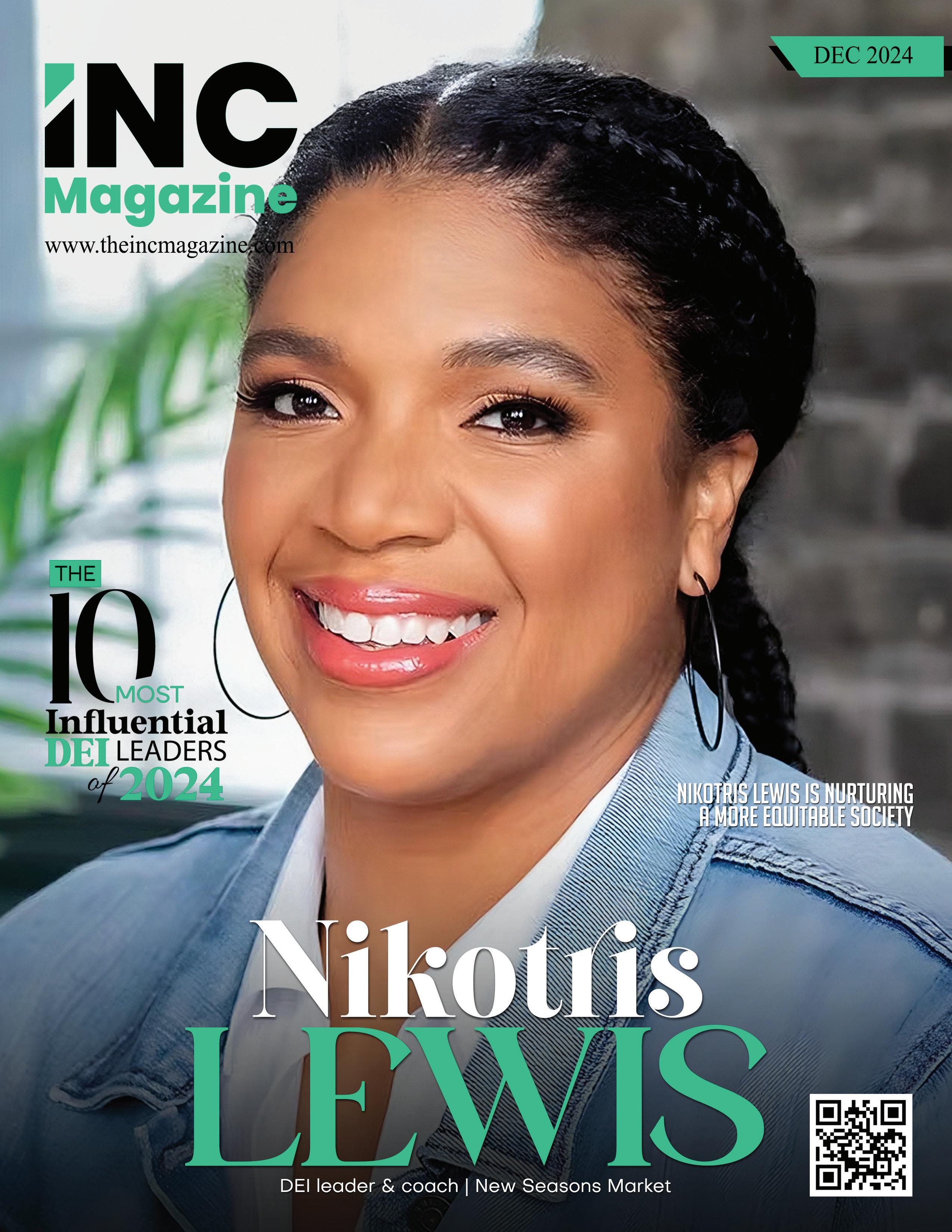
Coming to our ‘star of the show’, Nikotris Lewis’s success journey has been featured at the forefront of this read. She is the Senior Director of Diversity, Equity, and Inclusion at New Seasons Market. Nikotris is an accomplished DEI leader and coach committed to fostering a more equitable society. We are grateful for her significant contribution to the corporate world; her journey is truly inspiring and impactful. Thus, to gain some thought-provoking insights into the DEI leadership, dive into her success story.
Finally, I would like to express my appreciation to our global readership, which has always supported and inspired us to give our best. We will soon be back with another exciting story, so stay tuned!

Greg Wilmot: Shaping the Future of Community ealthcare with Compassion and Innovation
Kyrah J. Altman: A Trailblazer, Visionary DEI Leader, and Community Mobilizer From the U.S. Marine Corps to Corporate Landscape—Jonathan Ross’s Inspiring Journey

Managing Editor
Publishing Control Team
Editor-in-Chief Visualizer
Art & Design Head
Business Development Manager Co-designer
Business Development Execu�ve Marke�ng Manager
Technical Head
Assistant Technical Head
Digital Marke�ng Manager
Assistanr Digital Marke�ng Manager
Research Analyst
Circula�on Manager
Sonal K. Ehsan Jami Alex, Michael
Mary Chars
Anushka Bhosle
Shweta A. , Vaibhav M.
Charlie Fisher
Chirs Philip Maria, Wilson, Mar�na, Alex, Kelvin
Jacob Smile Alina Sege
Jennifer Parker David King
Earl Lewis Scoot Taylor
sales@theincmagazine.com December, 2024
Follow us on : www.facebook.com/theincmagazine/ www.twitter.com/theincmagazine www.instagram.com/theincmagazine/ www.linkedin.com/company/theincmagazine
Copyright © 2024 The Inc Magazine

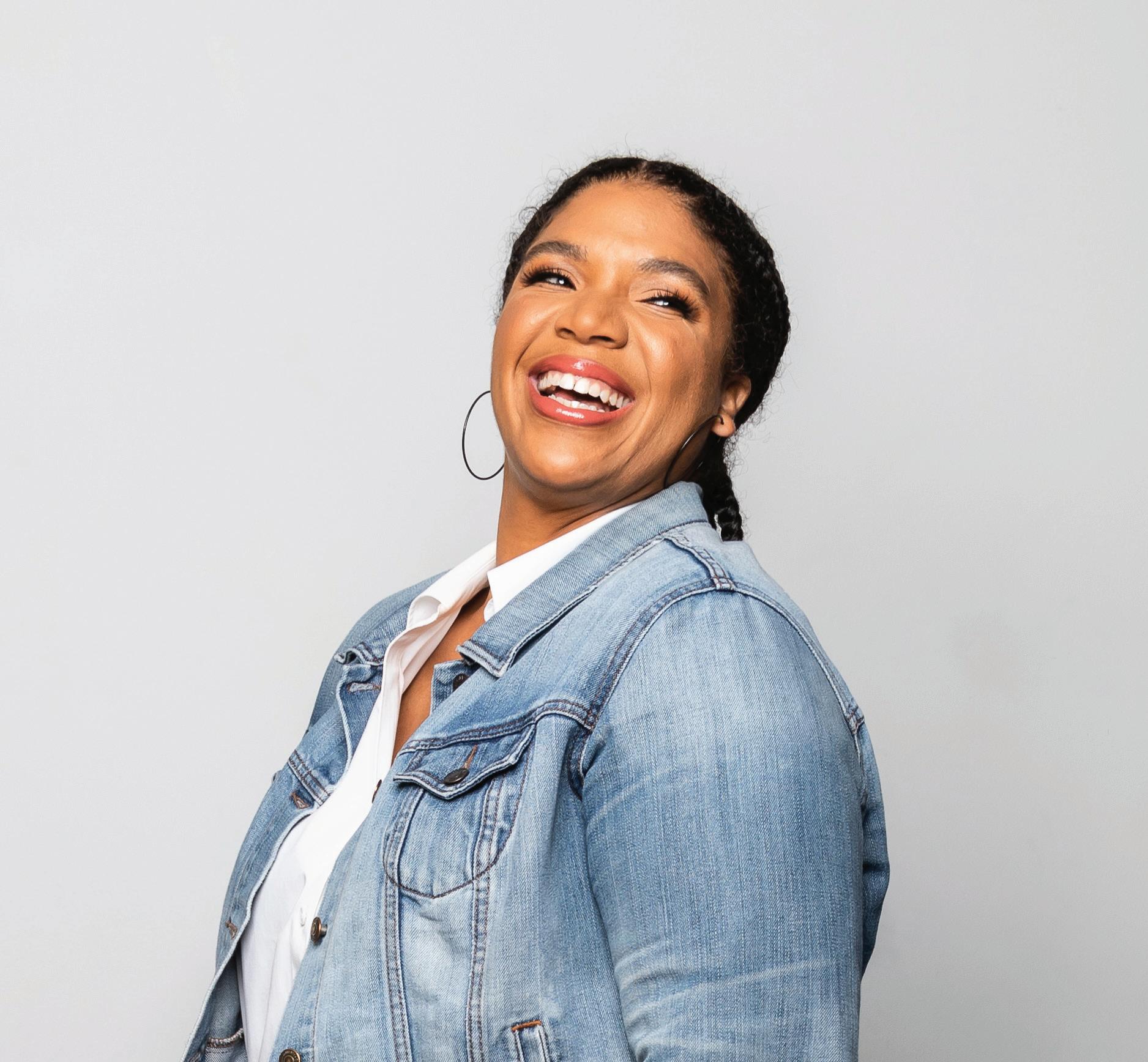
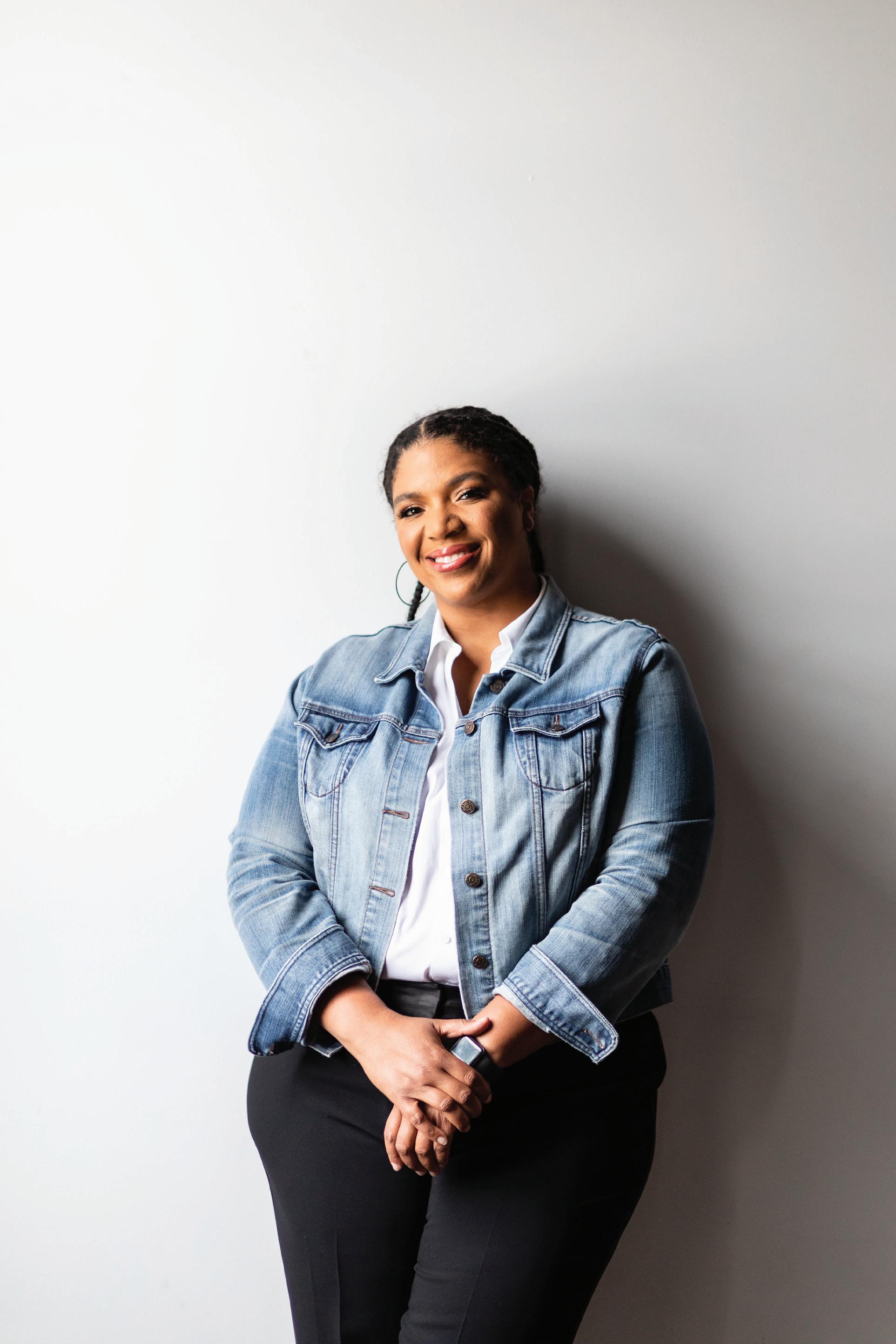
There are individuals whose steadfast commitment to creating lasting value and making a meaningful impact on people’s lives sets them apart as true heroes. Nikotris Lewis, the Senior Director of Diversity, Equity, and Inclusion at New Seasons Market, embodies the essence of this heroism. As an accomplished DEI leader and coach dedicated to fostering a more equitable society, her journey is truly inspiring and impactful.
The Inspiration Behind Joining New Seasons Market
Nikotris was inspired to join New Seasons Market because the company recognizes the importance of community impact, equitable and inclusive systems, as well as environmentally sustainable decision-making and problem-solving practices in daily operations.
Nikotris Brings Core Leadership Principles to New Seasons Market
Nikotris’ unique approach to Diversity, Equity and Inclusion is anchored in two core philosophies: "I am because you are" and "Leave things better than you found them." In both, she emphasizes that collaboration and collective effort are essential for success, stating, “I believe that no success is worthwhile unless we are dedicated to creating lasting value and meaningful impact for people, processes, and the environment.”
Nikotris Aligning the Company's Goals with the Employee’s Personal Growth
Nikotris ensures that the company's goals align with team member's personal growth, recognizing that these two elements are interconnected rather than just aligned. Building an equitable ecosystem requires a dynamic
shift in strategy, tactics, culture, and behavior that shows care and appreciation for individuals both personally and professionally.
Guided by the New Seasons Market's vision of "cultivating good for generations,” Nikotris prioritizes aligning every decision and action with this overarching goal. By embedding the personal growth of staff into the core of the company’s objectives, she creates an environment where employee development is not an afterthought but a key driver of success. This approach ensures that as the company thrives, so do the individuals within it, creating a culture of shared purpose and sustainable progress.
New Seasons Market integrates DEI into its core business strategy by recognizing and honoring the diverse social identities of both its customers and staff. Understanding that its customer base, staff, and vendors encompass a wide range of identities, including those that have been historically marginalized, the company emphasizes an inclusive approach to ensure awareness and equity in all aspects of its operations. When New Seasons Market uses terms like "everyone," "all," "customer," or "staff," it reflects a conscious commitment to embrace and incorporate these diverse perspectives into its decision-making and practices.
Nikotris and her team are actively involved in several initiatives aimed at creating a more inclusive workplace, each designed to address diverse needs and foster a sense of belonging. This is part of a continuous improvement process, with efforts that include implementing sensory hours, offering gender-neutral bathrooms, and
integrating DEI into their employee engagement survey and performance review process. To further support the team members’ growth and integration, they have developed a training program and are working on a more comprehensive training catalog that covers topics on coaching and cultural competency.
On a broader scale, initiatives like reevaluating product naming, the color and font of signage and emails, and developing an equity-focused procurement process enabling the leadership team to better reflect the diverse identities and cultures of their staff and customers.
Addressing the Unconscious Bias within the Organization
Nikotris tackles unconscious bias within the organization through ongoing dialogue, training, and coaching. She regularly discusses unconscious bias, ensuring it remains a visible and integral part of conversations. By addressing it in real-time, she acknowledges how bias influences decisions, behaviors, and interactions, which creates opportunities for reflection and growth. Additionally, she encourages peers, managers, and teams to share diverse perspectives, emphasizing inclusion rather than focusing on debating about being "right" or "wrong."
Staying Connected With the Communities New Seasons Market Serves
Nikotris is dedicated to maintaining strong connections with communities by deeply committing to building and nourishing local connections, especially in the area of food security. By focusing on its community impact on increasing food access, Nikotris and her team strategically support nonprofit organizations that address food insecurity, using an equity lens to meet the needs of those populations most affected.
This targeted and sustainable approach enables them to provide unrestricted funding to a select group of core partners. In fact, each year, New Seasons Market gives a quarter of a million dollars and serves as a vehicle for customers to do the same through their shopping. These partnerships are designed to create meaningful and lasting effects in three critical areas: policy and advocacy, food systems infrastructure, and wraparound services for immediate needs.
New Seasons Market is committed to ambitious sustainability goals that demonstrate its dedication to environmental stewardship and community well being. The company aims to achieve net zero greenhouse gas emissions by 2030. To support this goal, they are actively working to reduce carbon emissions, particularly those associated with refrigerant leaks, which significantly contribute to climate change. Additionally, New Seasons Market is focused on addressing food security and ensuring equitable access to healthy food. This commitment includes supporting sustainable farming practices that restore soil health, improve biodiversity, and enhance the resilience of food systems.
According to Nikotris, several key priorities are emerging in the grocery and food retail industry. These include ethical sourcing, local and fresh products, health and wellness, and sustainability. While these priorities are becoming more widely adopted across the industry, they continue to be essential focuses for many retailers. Additionally, technology integration is becoming increasingly important and set to revolutionize the shopping experience. Innovations such as management and advanced supply chain transparency are transforming how customers interact with retailers. This shift is also elevating consumer expectations, driving demand for convenience, efficiency, and customization. Furthermore, technology will play a critical role in meeting the growing need for culturally relevant and diverse food options. By leveraging data and analytics, retailers can gain a deeper understanding of and better respond to the preferences of an increasingly diverse customer base.
Over the Years In recent years, consumer behavior has shifted towards a more conscious and informed approach to shopping. Customers at New Seasons Market, in particular, have become increasingly curious about the origins of their food. They’re also more adventurous, exploring diverse culinary offerings from various
choices. New Seasons Market’s commitment to transparency enables customers to make choices that align with their values, whether they prioritize local sourcing, organic ingredients, or ethical practices. This approach makes the company more appealing to culturally and socially conscious customers.
Sustainability is a major focus at New Seasons Market as the industry faces various climate-related challenges, including waste reduction and minimizing carbon footprints. They believe that making impactful change is essential, and they have implemented processes to reduce food waste and limit single-use packaging. Additionally, they have partnered with various organizations to create resilient and sustainable food systems. This includes an in-store recycling program that accepts materials not typically collected through curbside recycling, as well as the Restore NW Grant program, which provides funding to organizations dedicated to improving water use, reducing emissions, promoting biodiversity, and enhancing soil health.
The Future Outlook
Nikotris envisions New Seasons Market expanding its presence as a leader in the grocery industry while continuing to uphold its core values of sustainability, community, and inclusivity. Whether through the expansion of its physical stores or other methods, the future will undoubtedly involve innovation while maintaining the exceptional service that distinguishes New Seasons Market from its competitors. With a strong commitment to the community, Nikotris Lewis aims to continue shaping a food industry that's responsible, equitable, and forward-thinking


Greg Wilmot is a dynamic leader and the President & CEO of NeighborHealth, dedicated to improving community health in Greater Boston in a meaningful way. With years of experience in the health and human services industries and a passion for social welfare, Greg is successfully leading NeighborHealth to deliver high-quality health care that is compassionate, people-centric, culturally appropriate, and open to all.
The Inspiration behind Joining NeighborHealth
Joining NeighborHealth, Massachusetts's largest federally qualified community health center, was an unexpected turn in Greg’s career journey. In the first half of his career, he worked at the state’s largest health insurer and then with large hospital systems. Over the years, Greg led projects focused on healthcare reform, which often required collaboration with community advocates and leaders of community health centers. Through this networking, he met the former CEO of NeighborHealth, who introduced him to the incredible work of NeighborHealth, then known as East Boston Neighborhood Health Center.
NeighborHealth has provided Greg with a unique professional opportunity that allows him to combine his career experience with his longstanding passion for community health in Greater Boston. The organization prioritizes accessible and culturally sensitive healthcare—a mission that resonated deeply with his values.
In addition to offering high-quality senior care and primary care, Greg was drawn to NeighborHealth’s wide range of services, which include emergency care, behavioral health, and specialty care. This comprehensive approach ensures that patients receive well-rounded care tailored to their individual needs while also considering cultural preferences and language needs for improved health outcomes.
Greg Wilmot’s Significant Leadership Principles
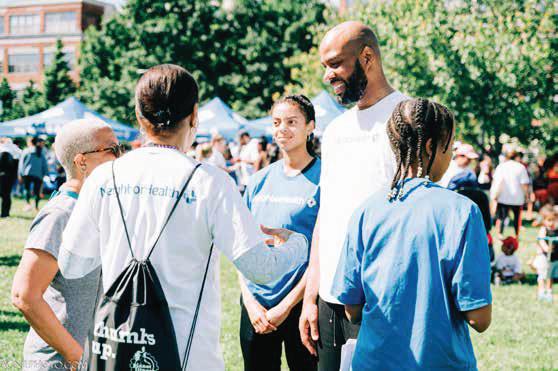
Greg’s work and purpose are fundamentally defined by the community, a principle that motivates the leadership team and employees, half of whom are from the communities that NeighborHealth serves. In reality, they don’t just serve the community; they are part of it.
December 2024 | 18
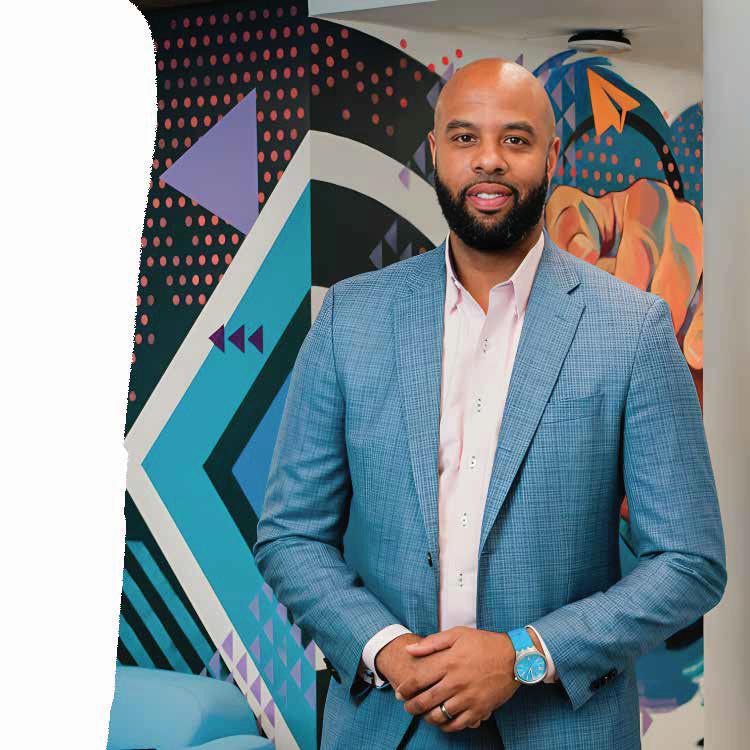
Greg Wilmot CEO and President | NeighborHealth
“We are led and governed by members of our community through our Board of Directors, which includes active patients and local leaders who are deeply engaged. This community-centric governance ensures that our decisions are aligned with the real needs and aspirations of the people we serve. Nearly 70 percent of our patients prefer to receive care in a language other than English, and 73 percent identify as Latino/a/x. Most of our patients are at or below 200 percent of the Federal Poverty Level," explains Greg.
Cultivating a People-centric Culture
NeighborHealth’s multi-year recognition as a ‘Top Place to Work in Massachusetts’ underscores its commitment to fostering a supportive and inclusive environment. Greg emphasizes open communication through ongoing forums for managers and staff, data-sharing and regular gatherings, and employee feedback to inform organizational practices.
Building a people-centric culture is crucial. Ultimately, NeighborHealth's leadership focuses on listening to and addressing the needs of patients, staff, and the community. This commitment creates a welcoming environment where everyone has access to culturally relevant and high-quality healthcare. By adopting this community-focused approach, the team empowers itself to deliver compassionate and person-centric care effectively.
Key Strategies for Sustaining Growth at NeighborHealth
NeighborHealth’s 2025 Strategic Plan is focused on four strategic goal areas, enhanced with a fresh approach. These goal areas include clinical quality, a unified experience for patients and staff, and
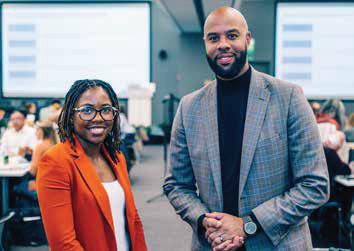
operational excellence, all while growing to meet the community’s needs. December 2024 | 20
The team is actively working to implement innovative care delivery models that offer integrated and extended care experiences. This strategy aims to strengthen patient retention across preventative, primary, and specialty care services, while also supporting social drivers of health. For example, ensuring patients have access to healthy food is just as important as having access to medication.
Second, the highly engaged NeighborHealth team produces a best-in-industry patient-centered experience, according to ongoing patient surveys and national benchmarking. Finally, the organization aims to optimize and leverage its resources effectively to create efficiencies, manage costs, and improve the delivery of high-quality patient-centric services.
Nurturing a Strong Connection with the Local Community
NeighborHealth is dedicated to addressing the unique needs of the community. The organization has established formal structures, such as its Health Equity Committee, and formed partnerships with the Boston Public Health Commission and other healthcare systems to conduct a semi-annual Community Health Needs Assessment. These efforts help the team understand and respond to the health disparities present within the population.
In 2023, NeighborHealth launched the Behavioral Health Urgent Care Service (BHUCS), which provides timely and high-quality mental health care as part of the community's well-being.
Additionally, NeighborHealth will continue to promote convenient access to imaging services, including digital X-rays, bedside ultrasound, CT scanning, and mammography.
“As we all know, the Baby Boomer population is aging, and senior care will need to increase rapidly. We will continue to grow and reimagine our senior care services to meet this need," emphasizes Greg Wilmot.
Harnessing Technologies to Enhance Patient Care
NeighborHealth has integrated telehealth into its services, a transition that was accelerated by the COVID-19 pandemic. This allows for continued medical
support through virtual consultations, facilitating seamless care delivery, particularly for those with transportation challenges or health risks.
Additionally, NeighborHealth’s MyChart patient portal empowers patients by providing easy scheduling of services such as same-day visits, flu shots, COVID-19 vaccines, and mammograms. This enhances access to preventative care.
NeighborHealth is also the first health center to launch a Model A ACO, which aims to bring value-based care to patients in collaboration with Wellsense Health Plan and Boston Medical Center (BMC) Health System. This model employs a coordinated care and data-driven approach to promote preventative health and wellness, addressing and managing costly health issues, such as cancer, heart disease, and diabetes, before they develop.
Last year, NeighborHealth announced a partnership with SEAE Ventures to leverage digital health applications aimed at improving health outcomes for minority populations. The team is also enhancing patient care through the piloting of new AI tools within the electronic medical record system. These AI initiatives are designed to streamline clinical workflows, ultimately improving both provider experience and patient outcomes.
Key features of these tools include ambient listening, which automates the digitization of visit notes; chart summarization, which optimizes clinical evidence for efficient use at the point of care; and integrated clinical decision support, which embeds clinical guidelines into the EHR workflow for better decision-making. These innovations aim to transform patient care and make the healthcare experience more efficient for patients as well as providers.
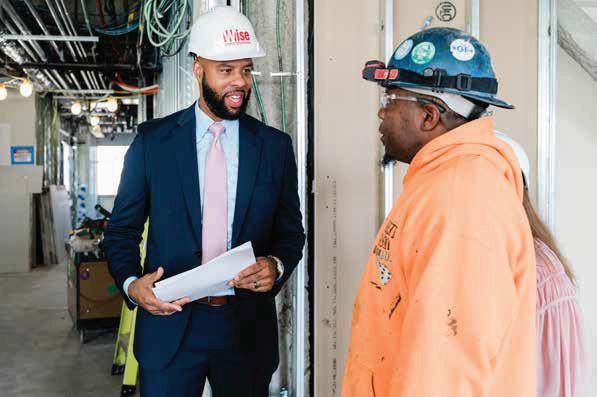
Greg recognizes the urgent need to expand access to primary care services. NeighborHealth’s ambitious two-phase construction project at the East Boston Maverick Square location reflects this commitment by increasing clinical space by 27,000 square feet and adding 60 new exam rooms.
NeighborHealth is not only enhancing its physical capacity but also improving its patient-centered, team-based care model. This approach brings together a diverse group of medical professionals to address the complex needs of the community, ensuring comprehensive and collaborative care.
As the leading employer in the area, Greg and his team are dedicated to implementing socially responsible construction practices. For this project, they aim to
December 2024 | 21
exceed existing minority participation benchmarks, with 50% of worker hours provided by minority workers and 40% of the funds allocated to minority-owned businesses, thereby setting new standards in the city of Boston. Rising healthcare costs present a major challenge. NeighborHealth is addressing this issue by emphasizing preventive care to avoid unnecessary expenses in the future. By focusing on early intervention and routine health maintenance, the team aims to reduce chronic disease rates and associated costs.
NeighborHealth is expanding clinical spaces to deliver preventive services effectively and integrating advanced technologies like telehealth to enhance accessibility. This proactive approach empowers patients through education and supports health monitoring for timely interventions.
NeighborHealth’s long-term goal is to eliminate, rather than just reduce, health disparities within the community. Greg consistently seeks new opportunities and mutually beneficial partnerships to attract additional investment. The more families and individuals who have access to preventative health care services alongside primary care, the healthier the community will be.

December 2024 | 22


Kyrah Altman President & Co-Founder | Let’s Empower, Advocate, and Do Inc

Kyrah J. Altman is a visionary leader committed to creating meaningful, positive change. She empowers organizations to prioritize employee mental health by cultivating trauma-informed, culturally competent, and 2SLGBTQIA+ inclusive workplace communities. As the President and Co-Founder of Let’s Empower, Advocate, and Do Inc. (LEAD), Altman drives cultural transformation through innovative mental health and diversity, equity, and inclusion (DEI) consulting across public, private, and nonprofit sectors.
The Key Motivation Behind this Powerful Initiative
LEAD was founded in the wake of the Sandy Hook Elementary School shooting in Newtown, CT. At the time, Kyrah J. Altman and her classmates, then high school sophomores in Leominster, Massachusetts, were profoundly affected by the preventable loss of life. Weeks after, in 2012, they established LEAD, Inc. to honor those lost by addressing the root causes of gun violence in schools-namely, untreated mental illness in youth and civilian access to military-grade assault weapons.
From the outset, Altman recognized the vital connection between mental health and DEI in youth-centered environments-particularly in schools, where every individual deserves the opportunity to thrive. Academic institutions should serve as safe, supportive spaces for students, faculty, and staff alike. However, the rising prevalence of adolescent suicide, non-suicidal self-injury, and cyberbullying underscored the urgent need for a transformative approach. Altman understood that effective prevention required more than awareness; it demanded a proactive, action-oriented model designed to enhance mental health literacy and cultural responsiveness among professionals serving vulnerable populations.
LEAD’s mission is to “revolutionize health education” by addressing interconnected needs and empowering adults working with underrepresented and under-resourced communities. While it began with a
focus on schools, LEAD’s reach now extends far beyond, impacting summer camps, youth and professional sports teams, nonprofit organizations, government institutions, and corporations worldwide.
Altman's Remarkable Journey: From Early Beginnings
Altman's journey into social entrepreneurship and mental health advocacy is deeply personal, rooted in early life experiences and a strong commitment to creating change. Growing up in a household marked by trauma, she assumed caregiving responsibilities at just nine years old while grappling with Post-Traumatic Stress Disorder by middle school. Rather than letting these challenges define her, Altman transformed them into a powerful source of purpose-dedicating herself to creating systems that provide individuals with the resources and support needed to prevent and alleviate suffering.
Altman’s focus on advocating for mental health took root in high school. The tragedy at Sandy Hook Elementary served as a catalyst, bringing national attention to the urgent need for mental health support of students and violence prevention in community settings. Driven by an intrinsic belief that if she could create change, she had the responsibility to act, Altman co-founded LEAD with her classmates. After two years of spearheading numerous community service initiatives, LEAD’s mission crystallized: to provide training and curriculum that strengthen mental health literacy, promote lifelong well-being, and foster community resilience. LEAD’s evidence-based, hands-on curricula equip participants with practical skills, tools, and strategies that go beyond raising awareness to drive meaningful action and prevent mental health crises.
Altman’s passion for social justice continued to grow in college, where she majored in Human Services and Social Justice with minors in Public Health and Social Entrepreneurship. While pursuing her studies, she became the nation’s youngest Youth Mental Health First Aid instructor, equipping thousands of college students
with early intervention strategies to prepare them for careers supporting youth experiencing crises. A pivotal moment in Altman’s journey came during her freshman year when she won $32,500 in the 2016 George Washington University (GWU) New Venture Competition. This achievement enabled her to incorporate LEAD as a 501(c)(3) nonprofit, transforming it from a grassroots initiative into a national social enterprise.
During her senior year at GWU, Altman was recognized as the 3rd Best Studentpreneur in the United States by Entrepreneurs Organization's Global Student Entrepreneurship Awards and nominated as one of L’Oréal’s Women of Worth. That same spring, LEAD was named one of DC’s “Red Hot Nonprofits,” further cementing its growing reputation in 2019. After graduating Altman returned to her home state of Massachusetts to establish LEAD’s first office at the NonProfit Center in Boston.
Over the past 12 years, LEAD has grown from its initial focus on schools. Fueled by Altman’s vision, LEAD has since developed programs, including Camp, School, Team, Workplace, and Community Mental Health certifications, that empower individuals with no-fluff mental health and DEI education. LEAD’s Proven Process thrives on its commitment to delivering peace of mind, customization, and accessibility to each Community Partner. By intentionally limiting its client base per year, LEAD ensures the highest quality of service, offering tailored solutions and dedicated support to meet the unique needs of every client.
Although Altman stepped down as LEAD’s CEO in 2024 to take on a new role, she remains deeply involved with the organization. Now in her 12th year as Board President, she oversees LEAD’s international network of volunteers and Mental Health Certification instructors. Additionally, Altman remains LEAD’s most sought-after consultant and faculty member, playing a key role in delivering and continuously enhancing the organization’s educational products and services.
This year, Altman collaborated with Shari Duffy, the mother of late LEAD co-founder Megghan Duffy, to launch a self-paced e-course on LEAD’s Learning Lab titled “Megghan’s Course: A Mental Health Toolkit for Young Adults with a Terminal Diagnosis.”
Four years in the making, this project was inspired by Megghan, who was diagnosed with stage four cancer and passionately advocated for the mental health needs of young adults facing terminal illnesses, particularly those in the 2SLGBTQIA+ community. Though Megghan passed away in 2020 at the age of 23, her vision continues to inspire and guide LEAD’s mission. Thanks to generous donations and the dedication of LEAD’s employees and volunteers, Megghan’s Course is available for free enrollment throughout 2025, offering vital resources to young adults with terminal illnesses-and their caregivers-around the globe.
Since 2012, Kyrah has received numerous accolades and recognition, including being named one of the Ten Outstanding Young Leaders by the Greater Boston Chamber of Commerce in 2019 and being featured in national outlets such as The New York Times. To advance her professional expertise in 2025, Altman will pursue Harvard Business School’s Credential of Leadership, Impact, and Management in Business (CLIMB) and serve as the Equity, Diversity, and Inclusion Manager at the Boston Public Library.
The Significant Lessons Learned in the Initial Phases of LEAD
“A newspaper once described me as “an energetic 12-year-old who talks at a rapid-fire pace and has the single-minded drive of a heat-seeking missile.” Over a decade later, that description still captures my approach to social entrepreneurship and leadership,” reflects Kyrah J. Altman.
Building LEAD from her college dorm room was a crash course in resilience, adaptability, and the power of mission-driven work. Every setback-from limited resources to logistical hurdles-taught Altman critical lessons about persistence and creativity. These early challenges emphasized the importance of pivoting when faced with obstacles, a skill she attributes to her upbringing in an entrepreneurial family. Altman quickly learned to see obstacles not as barriers but as opportunities to innovate, refine strategies, and grow stronger as a leader.
The COVID-19 pandemic from 2020 to 2023 brought significant global challenges, collective trauma, and financial strain to many organizations, including LEAD.
Widespread disruptions forced the organization to adapt quickly, accelerating plans to transition its in-person workshops online. LEAD’s team worked tirelessly to move all programming to a learning management system, making it accessible to a global audience. This effort began with an interactive, COVID-inspired course titled “Yikes: Coping with the Anxiety of Uncertainty,” which marked the launch of LEAD’s Learning Lab. Today, LEAD’s Learning Lab has evolved into a trusted resource for professional development and train-the-trainer programs, offering courses on topics such as self-care, stress management, suicide prevention, trauma-informed care, cultural responsiveness, anti-racism, and allyship.
Empathy also emerged as a cornerstone of Altman’s leadership philosophy during LEAD’s formative years. As a trauma survivor and mental health advocate, she recognized the importance of fostering psychological safety within the organization. Altman understood that building a resilient team required more than professional expertise-it demanded a workplace culture rooted in trust, understanding, and respect.
A pivotal lesson during LEAD’s early days was the importance of “practicing what you preach.” Altman ensured that LEAD’s internal culture mirrored its mission of promoting mental health and well-being. LEAD’s website reflects this philosophy: “Our team spends intentional time developing a company culture that reflects our beliefs and promotes healthy, happy minds in everyone who works for the organization. We aim to build community resilience within our organization and as members of our communities. Why? We know that LEAD, Inc. can’t make lasting change if we don’t take care of ourselves emotionally, physically, socially, and mentally.”
To embody these principles, LEAD adopted intentional practices informed by research on self-care, mindfulness, and positive psychology. These practices, which continue to shape the organization today, include:
1. Daily mindfulness meditations: Starting each day with five minutes of guided mindfulness (using tools like Headspace) to enhance focus and readiness.
2. Movement breaks: Taking at least two 10-minute walks daily to step away, recharge, and return with fresh perspectives.
3. Weekly gratitude messages: Encouraging team members to share appreciation with one another, fostering a culture of positivity and connection.
The lessons learned during LEAD’s early phases have become cornerstones of its success, underscoring the transformative power of aligning organizational values with internal practices and prioritizing both individual and collective well-being.
Today, as Board President, Altman continues to apply these insights, ensuring that LEAD thrives as a mission-driven organization and a supportive, resilient community.

Redefining Workplace Mental Health: LEAD’s Transformative Approach
Kyrah J. Altman is dedicated to revolutionizing mental health education, particularly within corporate environments, over the next five years. Central to this vision is the expansion of LEAD’s Workplace Mental Health Certification, a program that has already certified hundreds of companies, nonprofits, and government organizations or trained their own LEAD-credentialed instructors.
LEAD’s Workplace Mental Health Certification goes beyond theoretical concepts, offering actionable insights that build critical competencies, break down barriers to innovation and inclusion, and enhance team resilience. As the first early intervention program specifically tailored to corporate settings, it equips all members of a workplace community with the knowledge to identify risk factors, recognize warning signs, and understand the prevalence of chronic stress and mental health challenges. Participants gain essential tools to foster mental well-being, promote cultural transformation, and create psychologically safe teams that thrive.
By normalizing conversations about mental health and providing workplaces with practical, evidence-based tools, LEAD is driving cultural transformation across industries. Programs like the Workplace Mental Health Certification empower organizations to boost productivity, enhance innovation, and improve employee retention by fostering supportive environments that prioritize well-being.
As Altman frequently highlights in her keynotes, “While not everyone has a mental illness, everyone can improve their mental health.” This philosophy underscores LEAD’s commitment to reshaping workplace cultures through proactive and inclusive mental health strategies.
Altman reflects, “At LEAD, our commitment to innovation, practical application, and continuous improvement drives us to remain at the forefront of mental health education and to be a leader in the field.”
By focusing on the intersection of mental health and DEI, expanding evidence-based programming, and fostering resilience at both individual and organizational levels, LEAD is well-positioned to create transformative, lasting impact across communities and workplaces worldwide.
To get involved with LEAD, visit www.LEADnow.org or email info@LEADnow.org. Why wait? #LEADnow



Jonathan Ross’s story is about resilience, adaptability, and exceptional leadership. Based in Portland, Oregon, Ross has built a career encompassing international diplomacy, Marine Corps service, design, and marketing. His achievements reflect the dedication and determination of someone who has navigated both corporate challenges and Marine Corps duties with equal passion. As Corporate Social Responsibility Manager at Wyld, Ross exemplifies what it means to lead with efficiency, adaptability, and a visionary approach.
First Steps in the Professional Journey
Ross's professional journey began at 18, in a formative way, when he enlisted in the United States Marine Corps as a Motor Vehicle Operator (MOS 3531). During this time, Ross learned the fundamental values of honor, courage, and commitment. These principles served as the foundation of his career, guiding his actions in every subsequent professional chapter.
Shortly after enlisting, he was deployed to Afghanistan. As a young man in a critical environment, one of his responsibilities was to remove excess equipment from the battlefield-a mission that saved the Marine Corps over $12 million.
At 22, Ross transitioned into a new role within the Corps, taking on the prestigious position of Diplomatic Security (Marine Security Guard, MSG) with a new MOS (8156). This transition marked a significant shift in his responsibilities and his outlook.
At 24, Ross assumed a leadership role as Vice Chairman at the United States Employee Association (USEA), where he focused on promoting internal controls and enhancing asset management.
After completing his service with the Marines, Ross moved into private security work overseas. Upon his return, Ross enrolled in higher education focusing on communications and advertising. His academic pursuit
refined his understanding of storytelling and human connection, ultimately leading him to launch his first venture, Everwild Studios. His mission was to amplify marginalized voices and create narratives that matter.
A Flourishing Career in Diversity, Equity, and Inclusion (DEI)
The next chapter of Ross's story began with Wyld, where he initially served as Community Relations Manager. Partnering closely with CEO Aaron Morris and the leadership team, he helped craft a comprehensive Diversity, Equity, and Inclusion (DEI) strategy, designed to be adaptable and rooted in the company’s core values. This strategy ultimately led to Wyld’s "Theory of Change," founded on four essential pillars: Social and Racial Justice, Combating the Failed War on Drugs, Environmental Sustainability, and Health and Wellness.
One of the pivotal moments in Ross’s role at Wyld was launching the foundational DEI training program. This eventually paved the inception of the Corporate Social Responsibility Department. This department consolidated Wyld’s efforts in sustainability and community engagement. Following this, Ross transitioned into the role of Corporate Social Responsibility Manager, where he leads initiatives in Community Affairs and DEI, further advancing Wyld’s commitment to impactful, responsible practices.
The Intersection of the CSR Manager Role with Wyld’s Leadership Value
Ross explains, “The commitment to sustainability was established early in Wyld’s growth. It has always been clear that Wyld aimed to be a leader in this area. After George Floyd, my role gained significant importance for CEO Aaron Morris. We spent countless hours together discussing the integration of business and social responsibility, whether during late nights at the office or on four-day hikes through the mountains of Oregon.”
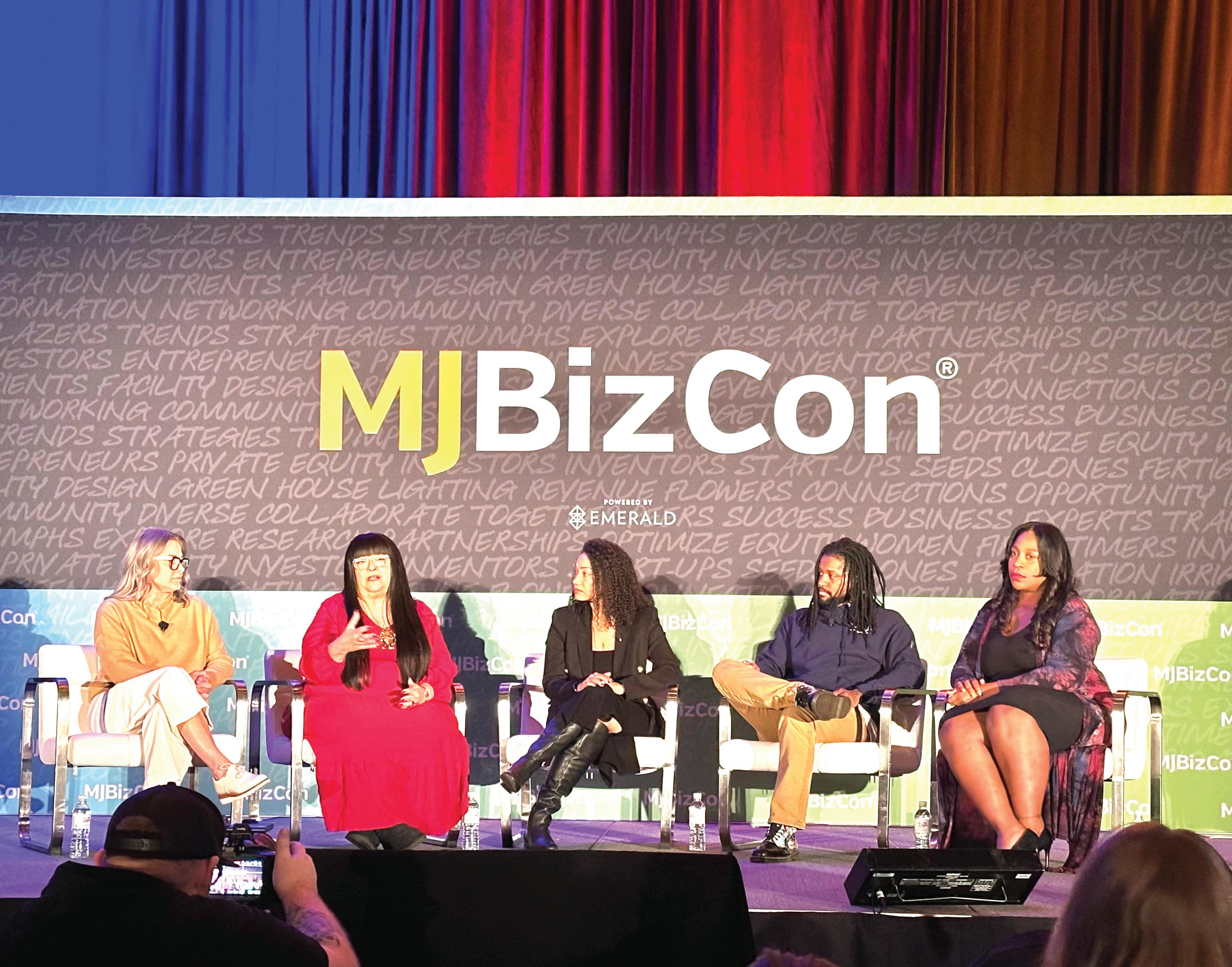
Fostering innovation and inclusivity at Wyld involves understanding the importance of time. It is quite rare for Wyld to fund one-off partnerships that are only loosely connected to their larger goals. Instead, the team often focuses on actively engaging with the community with intent before developing substantial ideas. While they may have solutions, building the capacity of the partners to achieve their goals is crucial for success. Interestingly, they sometimes invest in the less glamorous aspect of an organization or business, only to be pleasantly surprised by the positive outcomes that result from these decisions.
Ross's favorite initiative at Wyld is the NuProject loan program, which stands out as one of the team's most intricate and impactful efforts. Unlike traditional funding methods, this program embraces an innovative approach by collaborating with Wyld’s partners to provide resources tailored to the unique needs of cannabis entrepreneurs. As the cannabis industry expands into
new states and with the prospect of federal legalization on the horizon, Ross believes this program will be essential in helping these entrepreneurs establish a solid foothold to succeed in a competitive market.
Ross feels creating a product that is legal at the State level but still prohibited federally has always posed challenges for Wyld. Due to the misconceptions regarding cannabis, some organizations were afraid to receive support from a federally illegal business, because they don’t want other things taken away on a federal level.
While Ross and his team work diligently to ensure government regulations are adhered to, they always take additional steps to navigate the complexities of federal regulations. They aim to minimize the uncertainties surrounding cannabis legislation, ensuring these challenges do not hinder their CSR objectives for themselves, their partners, and the community they serve.
Addressing the Evolving Consumer Preferences and Market Regulations
The team at Wyld is dedicated to meeting evolving consumer preferences by constantly launching customized products and brands that cater to a wide range of tastes. Their innovative cannabinoid ratio products such as the Boysenberry with THC, CBD, and CBN, as well as the Good Tide brand, showcase their commitment to providing something for everyone.
Additionally, Wyld prioritizes market regulations. The dedicated Compliance and Legal team works diligently to ensure that all products and packaging adhere to state regulations.
Environmental and Social Issues in the Cannabis Industry
Ross feels one of the most critical social issues is the legacy of cannabis criminalization. Despite significant legal reforms, many individuals remain incarcerated for cannabis-related charges, disproportionately affecting marginalized communities. This ongoing inequity is a consequence of the social injustices caused by decades of the war on drugs. Wyld had made it a priority to address this injustice head-on. Through partnerships with organizations that specialize in criminal record expungement and legal aid services, the company is actively working to create pathways for individuals impacted by these unjust laws.
On the environmental front, the cannabis industry faces unique challenges, particularly regarding its carbon footprint from packaging and labeling regulations as well as its energy-intensive processes. Wyld aims to be a leader in this by adhering to the best practices established by local green business networks, measuring greenhouse gas emissions, and implementing reduction action plans to meet science-aligned targets.
Evolution in Wyld’s CSR and DEI strategies
Ross believes that as cannabis becomes more accepted, the potential for Wyld's Corporate Social Responsibility (CSR) and Diversity, Equity, and Inclusion (DEI) initiatives will grow. However, this growth is not simply about scaling upward; it involves a deeper understanding of human experiences-recognizing shared struggles, aspirations, and histories.
Much like a tree or river that extends outward while staying rooted, Wyld aims to expand its impact while remaining true to its commitments of; justice, equity, sustainability, and community. In the next five years, new challenges are expected to rise, but these challenges will also present opportunities for the Wyld team to engage in meaningful discussions about what it truly means to build an inclusive and responsible company. “Our adaptability will be our strength, and our ability to embrace uncertainty will enable us to evolve in ways we cannot yet foresee," asserts Ross.
Future Roadmap to Stay Ahead
The future strategies of Wyld's focus on embodying core values by actively listening, evolving thoughtfully, and ensuring that today's actions lay the groundwork for a better tomorrow. Ultimately, the company's ethos is straightforward: do good and leave the world a little better than it found it.



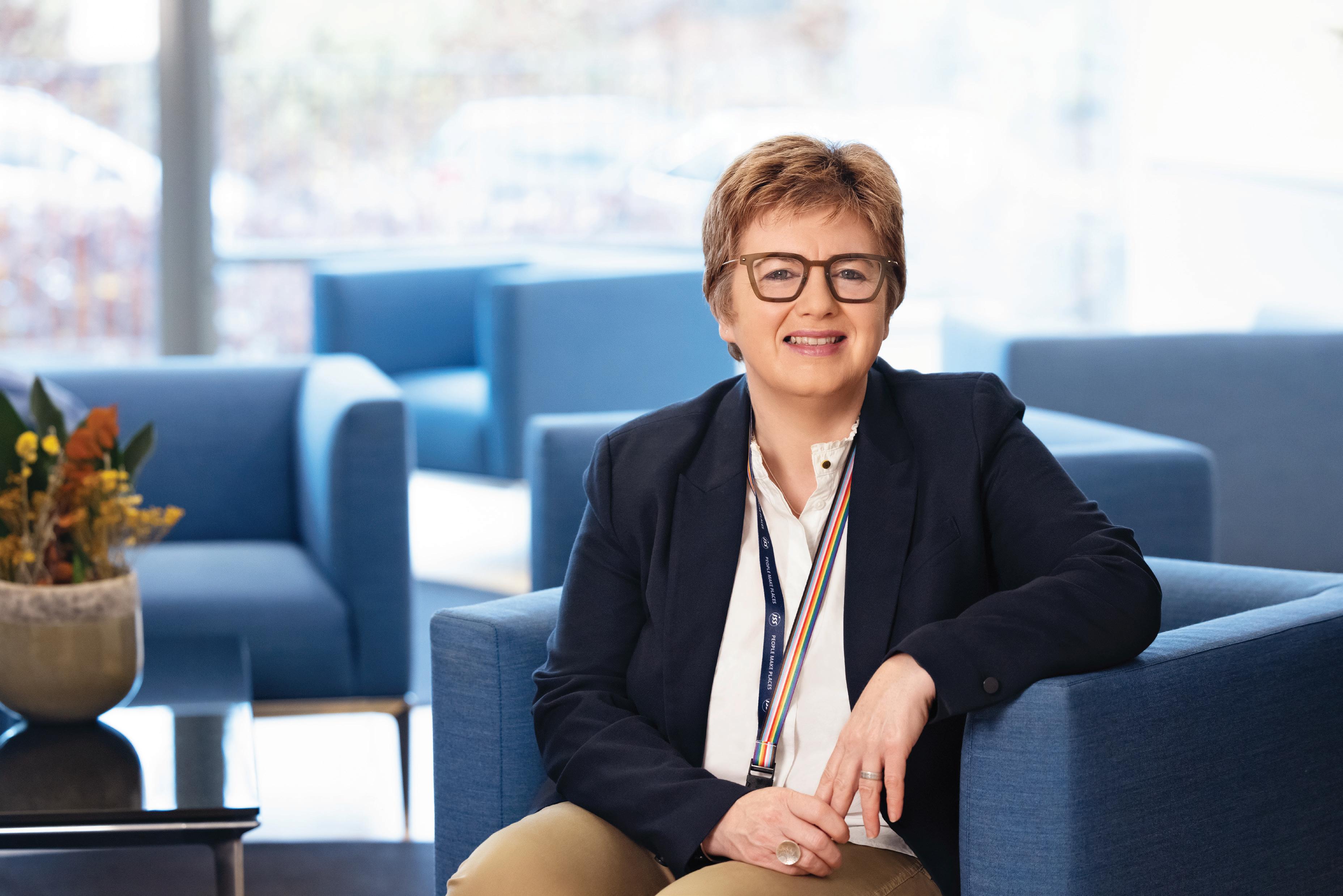
Meet Margot Slattery the Global Head of Diversity, Inclusion, and Belonging (DIB) at ISS. She is a distinguished leader with a proven ability to deliver growth and success in highly competitive and complex environments. With over three decades of experience in the business world, Margot has an impressive record of leading, coaching, developing, and motivating diverse teams through periods of transformation and change, resulting in profitable growth.
A Beginning Inspired by Equality and Transparency
Margot was motivated to join ISS because of its legacy and commitment to fairness and equality. She was inspired by a leadership team and board dedicated to creating meaningful change and making a difference for its employees. “I am very passionate about human rights and equity, and at ISS, I feel at home expressing these values and making an impact, shares Margot. We are committed to a culture where our people are empowered to achieve their full potential, feel comfortable being their whole selves, and celebrate for who they are”
Inclusion is at the heart of ISS's approach, ensuring that the team's daily activities support this culture of belonging where individuality is embraced, diversity is celebrated, and inclusion is valued. An inclusive workplace is beneficial because it leverages diverse perspectives to improve outcomes for the teams, clients, and society. That’s why belonging is central to the company's strategy. ISS strives to create moments that matter for people, ensuring they feel welcomed and supported for who they are and that they truly belong.
Diversity, Equity, and Inclusion at ISS
ISS stands out from others because diversity and inclusion have been central to the business for over 120 years. This commitment is not a temporary trend or a checkbox exercise; instead, it reflects the leadership and growth strategy focused on enhancing people's
opportunities. Currently, over 320,000 individuals are employed by ISS, and they have a very clear focus on making meaningful and impactful change. Margot aims to engage with people worldwide to drive social mobility and provide opportunities for a better life, which includes access to education, stable housing, and a sense of hope and ambition. They achieve this by implementing better wages and educational opportunities, which directly improve an individual’s financial status and mobility.
Key Strategies to Empower and Engage Leaders and Employees
Margot emphasizes that an effective way to address resistance is through leadership support, which involves having leadership actively engaged and committed to cultural change. This commitment should be demonstrated through a focus on social value, impact, and tangible outcomes. At ISS, the dedication to Diversity, Inclusion, and Belonging (DIB) starts at the highest level, with the board of directors and CEO leading the charge. The Chief People Officer oversees the Environmental, Social, and Governance (ESG) agenda and DIB initiatives. This work is further enriched by the active participation of executive leaders throughout the company, who sponsor five global voluntary ERG groups. The strategy is reinforced by committee governance and country leads, who ensure effective execution and continuous improvement of the DIB initiatives. In this way, leadership is not only involved in the movement but is also setting the standards for others to follow.
From Chef to Global DEI Leader: Significant Experiences and Turning Points
Margot's experiences have been significantly shaped by the human condition, particularly by issues of discrimination and inequality. These factors drive her to advocate for fairness and to ensure that everyone has an equal opportunity. Growing up in rural Ireland, she
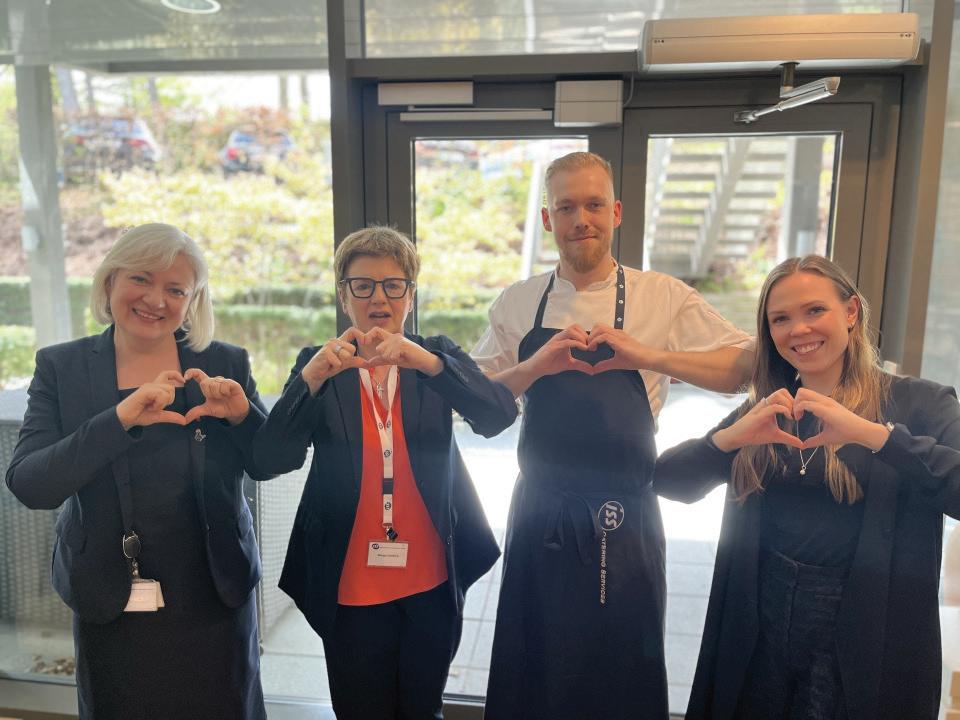
witnessed a great deal of inequality, which fueled her belief that things could be better. She has always refused to settle for the passive role, metaphorically refusing to take the back seat of the bus. Inspired by those who came before her and by incredible civil rights activists from around the world, she continues to be motivated by their legacy today.
The Secret behind Achieving a Wonderful Balance
Margot believes that the concept of balance is unrealistic. Instead, she emphasizes the importance of immersing oneself in things that truly matter. This includes reading and listening extensively, staying politically active, engaging socially, and nurturing strong relationships and friendships. She values joy, exercise, and fun in life, advocating for not taking everything too seriously and ensuring to prioritize personal well-being, like putting on your oxygen mask first.
The Notable Transition from Chef to Management
Margot explains the main factor motivating her transition was the realization that there was more for her to achieve. Her strong ambition and self-awareness, combined with the wonderful support of his family and others, encouraged her to embrace new opportunities. She emphasized the importance of never being afraid to take a chance and trying something new, advising others not to let the sand get on their feet!
Challenges of DEI Leaders in Multicultural and Multigenerational Workplaces
For Margot, the biggest challenge in working within a multicultural and multigenerational workplace is ensuring that employees remain engaged and aware of the issues at hand. They mustn’t get sidetracked by the detractors, those who prefer a less inclusive world.
Society is undergoing significant transitions, and many individuals are resistant to change, clinging to ways of the past instead of embracing a wider perspective. DEI leaders must stay strong and resilient and take good care of themselves in doing this
The Future of DEI at ISS: Adapting to Global Changes and Increasing Social Responsibility
According to Margot, ISS is committed to creating a meaningful impact that improves the lives of others. As a growth-oriented company, ISS aims to incorporate even more social value into its employee value proposition.
Words of Wisdom for Young Professionals: Building an Inclusive World
Margot believes it is an action that drives change, sometimes collective, sometimes individual. Most importantly, it is about getting up and doing something, having your say, or finding a way to be heard if you can't speak out directly. She advises being discerning about whom you listen to and using democracy wisely. It is crucial to remember that rights can be easily eroded and must be actively defended and exercised. In all their interactions, we must remember that we are all humans and should treat others as we wish to be treated. The workplace presents a significant opportunity for change, a chance to promote the common good, and a platform to have your voice heard. So speak up and be brave. We need new Avengers.