如何具體執行社會處方?當病人離開診所或醫院後,如何 賦權(empower)他們在日常生活中維持健康?范醫生強 調,「社會處方連結員」(social prescribing link worker, 下稱連結員) 是整個機制的核心。
「連結員掌握社區資源地圖,同時了解病人的個人護理計劃 (care plan)。」范醫生指出,連結員的角色是與病人建立深 厚的信任關係。很多時候,病人自己也未必清楚了解自己真 正的需要,但透過與連結員的定期溝通,潛藏的需求便會 浮現。「這是一個需要時間建立關係的過程,並不是醫療系 統內繁忙的醫護人員所能兼顧。這正是『醫社合作』 的精髓 所在。」若果未能讓病人說出自己生活中最迫切、最關注的 需要,連結便「未竟全功」。
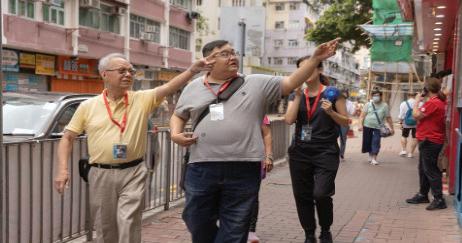
連結員的服務形式可以非常靈活,一對一服務以外,也 可以是帶領5至10人的小組,建立同路人之間的朋輩支援 (peer support)。而擔任此角色的,也不一定是社工,在校 園內可以是校長,在社區內甚至可以是街坊鄰里。例如醫 護行者近年積極培育社區「促成者」(enabler),讓街坊學習 專業知識後,在社區開辦煮食班、伸展班,成為鄰里間最 親近和可靠的連結員。當服務對象的情況有所改善,懂得 自行尋找資源並促成其他人也能得到相應的資源時,即可「 畢業」,讓資源流向其他有需要的人,也可以繼續留在小組 內,成為他人的支援力量。
How does social prescribing work in practice? And how can patients be empowered to maintain their health after leaving the clinic or hospital? According to Dr. Fan, the social prescribing link worker is the cornerstone of the entire mechanism.
Link workers have a clear understanding of the community resources while also knowing each patient’s personal care plan,” Dr. Fan explains.“Their key role is to build a strong and trusting relationship with patients. Often, patients themselves may not fully understand their real needs, but through active listening and pinpointed questioning, such as ‘What matters to You?’, link worker could dig out those hidden needs gradually.”He stresses that this is not something that can be achieved within the time constraints of a busy medical setting.“It is a relationship-building process that requires time and empathy and this is precisely the essence of medical-social collaboration.”
The role of a link worker can be highly flexible. It does not always take the form of one-on-one sessions; it can also involve small group settings of five to ten people, fostering peer support among participants who share similar experiences. Those serving as link workers are not necessarily social workers—within schools, for instance, a principal can take on the role, while in community settings, it might be a familiar neighborhood resident. Dr. Fan notes that in recent years, Health In Action has actively trained community “enablers”, equipping residents with professional knowledge so they can organize cooking or stretching classes in their neighborhoods. These “enablers” often become the most approachable and trusted link workers within their communities. When a participant’s situation improves and they start to learn to seek out support on their own, and even influence people in need around them, they can “graduate” from the service, shifting resources to those in need. Some, however, would be selected to stay in the system as programme enablers, supporting the services. They could also be peers for mutual help and reinforcing the spirit of community empowerment.
衡量「預防」的成效:從個人目標到系統減壓
社會處方尤其適用於某些特定群體,例如資源和行動力不 足的長者、整個家庭都面臨挑戰的青少年,以至獨居人士, 及受慢性痛症和長期壓力困擾的市民。但如何讓他們願意 接受服務?「關鍵在於信任,」范醫生說,「病人因為信任醫 生,才會接受轉介。因此,我們必須建立一個可靠的社區連 結系統。」
然而,評估「預防」的成效向來是個難題。范醫生坦言,社 會處方的成果難以用傳統的臨床指標量度。他提出幾個可 行的評估方向:「首先是觀察個人行為的改變,例如案主有 否開展有規律的健康行為。我們會為對象訂立個人化的健 康護理計劃及目標,而且是可量度的,例如『一星期跑步三 次,每次30分鐘』,『喝奶茶時糖份減半』等。」
從宏觀角度看,成效也體現在市民對健康的關注度提升, 以及積極參與基層醫療的健康篩查。范醫生引用數據指 出,在有心血管疾病風險的人群中,若不改變生活方式, 約有20%的人在兩年內便需開始服藥控制病情。「如果透 過社會處方的介入,他們願意改善飲食、恆常運動,成功 將這個時間點延後,這成效會直接減輕了整個醫療系統的 負擔。」
展望未來,范醫生期盼建立一個醫療與社區系統結合的 機制。他同時提出一個創新的想法:「近年社福界開始 積極參與基層醫療,未來或可由社福系統擔當『處方者』 (Prescriber)的角色,主導社會處方的推行。」而醫護行者 在社區繼續推動不同計劃,動員不同社區持份者,轉化為 推動健康的社會資本,並推進社會處方的可持續發展,推 動全民健康。
Social prescribing is particularly relevant for certain groups— such as older adults with limited mobility or resources, young people facing family challenges, individuals living alone, and people struggling with chronic pain or prolonged stress. But how can these individuals be encouraged to engage with the services? “The key lies in trust,” says Dr. Fan. “Patients accept referrals because they trust their doctors. Therefore, we must also build a community linkage system that is equally trustworthy.”
Still, measuring the effectiveness of prevention has always been a complex challenge. Dr. Fan acknowledges that the impact of social prescribing cannot easily be captured using conventional clinical indicators. Instead, he suggests several practical evaluation approaches. “The first is to observe behavioural changes—whether participants start adopting regular healthy habits. We help set personalized healthcare plans with measurable goals, such as ‘jog three times a week for 30 minutes each time’ or ‘reduce sugar by half when drinking milk tea.’ These small, specific actions reflect meaningful lifestyle transformation.”
Dr. Fan explains that impact can also be seen in heightened public awareness of health and more active participation in primary healthcare screenings. He cites an example: among people at risk of cardiovascular disease, about 20% will require medication within two years if no lifestyle changes are made. “However, with the intervention of social prescribing—encouraging healthy eating and regular exercise—this point of disease progression can be delayed. That directly eases the overall burden on the healthcare system.”
Looking ahead, Dr. Fan envisions an integrated model connecting medical and community services. He also proposes an innovative idea: “In recent years, the social welfare sector has become increasingly involved in primary healthcare. In the future, social service organizations could even take on the role of Prescribers, leading the implementation of social prescribing in the community.” Health In Action continues to drive various initiatives at the community level, uniting diverse stakeholders to transform collective efforts into a form of social capital for health. Through this, Hong Kong can advance the long-term, sustainable development of social prescribing— paving the way toward a healthier, more connected society.
「社會風險評估」識別個案 「連結員」度身訂造支援計劃
Identifying Needs Through “Social Risk Assessment” and Tailor-Made Support by Link Workers
培訓有志之士 成為社區健康新力量
Training People with a Heart for Service: A New Community Health Force
社會處方的實踐:連繫醫療與社區
林醫生指出,若病人除了藥物治療外,還需要社會支援或心 理關懷,醫生便可透過「社會處方」,邀請「社會處方連結員」
(Social Prescribing Link Worker,下稱連結員)介入。連 結員的角色十分重要,既要與醫生保持專業溝通,也要與病 人建立信任。他們熟悉地區資源,例如有哪些合適病人參與 的社交活動、運動班、義工服務,甚至是社會福利申請(如 上門送飯服務、津貼等),能夠為病人設計相應方案。
「醫生與連結員其實是一個團隊。」林醫生說。「醫生先了解病 人情況,交由連結員跟進支援,而病人亦參與其中,整個過 程以人為本,適合慢性病患者及需注意精神健康的人士。」
醫生治療病時處方藥物不會只開一款藥,同樣,「社會處方」 也是因應病人的健康需要而建議。
When a patient’s needs extend beyond medication—such as social support or emotional well-being—Dr. Lam turns to social prescribing. This involves referring the individual to a Social Prescribing Link Worker, a professional who connects patients with suitable community resources. “Link workers play a vital role,” Dr. Lam explains. “They maintain professional communication with doctors while building trust with patients. Because they understand local resources well—be it social activities, exercise classes, volunteer services, or welfare schemes like home meal delivery and subsidies—they can tailor effective support plans.”
He describes this as a collaborative model: “Doctors and link workers form a team. The doctor assesses the medical situation, the link worker follows up with community support, and the patient actively participates. It’s a people-centered approach— especially effective for chronic illnesses or mental health concerns. Just as we prescribe medications carefully suited to each illness, social prescribing offers individualized non-medical interventions to support overall health.”
The initial phase of our pilot successfully helped participating older adults reduce feelings of loneliness and reconnect with their community. While the results are promising, the project's initial scale was limited. We are now embarking on the second phase, which involves collaborating with a broader range of stakeholders. The focus will be on exploring sustainable integration pathways with Hong Kong's existing healthcare and social welfare systems. Our ultimate goal is to develop a mature and sustainable model that establishes social prescribing as a permanent feature of the city's primary healthcare landscape.
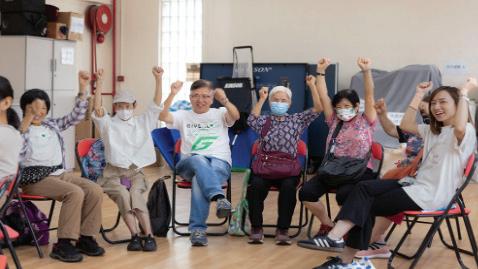
第一期實驗確實有效讓長者與社區重新連結,減低孤獨感。然而規模有限, 需要更多嘗試。我們正開啟第二期實驗,期待與更多持份者共同探討:社會 處方如何接軌醫療健康與社福體制,如何成為基層醫療的恆久一環,推動更 成熟、可持續的發展。 社區健康解方工具包 Social Prescribing Toolkit


運動與健康 Physical Activity and Health
・ 運動健體班
・ 健康講座
・ 精神健康支援,例如園藝治療, 有助早期發現心理健康問題
・ 睡眠改善講座和工作坊
・ Exercise and fitness classes
・ Health seminars
・ Mental health support activities such as horticultural therapy, which help with early identification of mental health issues
・ Sleep improvement talks and workshops
社交連結 Social Connection
・ 義務工作或探訪
・ 各類興趣小組
・ Volunteer work or home visits
・ Various interest and hobby groups
社會資源 Community Resources
・ 有關社區資訊及服務轉介
・ Information on community services and referral to relevant support programmes
Case Share - Rebuilding Life through “Social Prescribing”
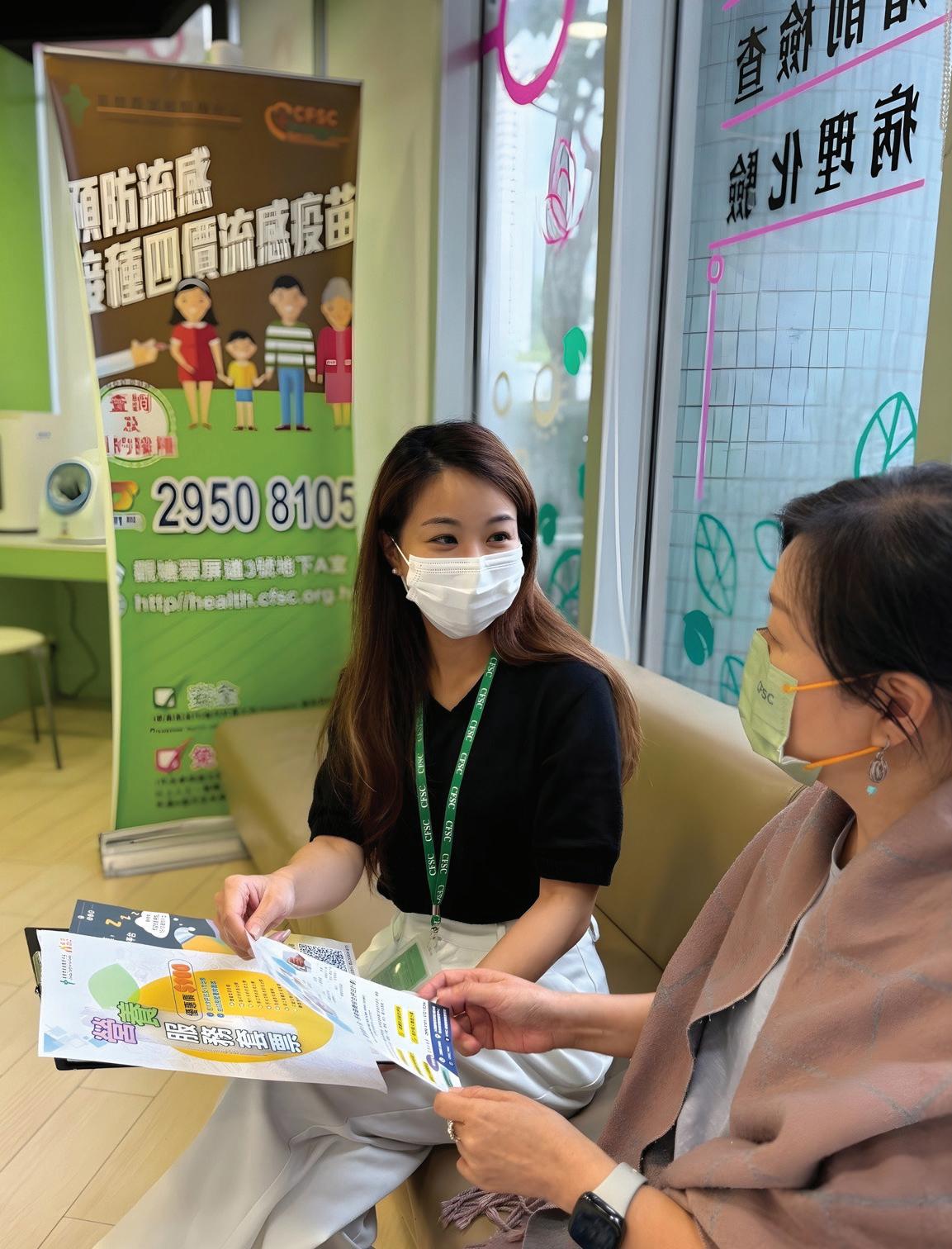
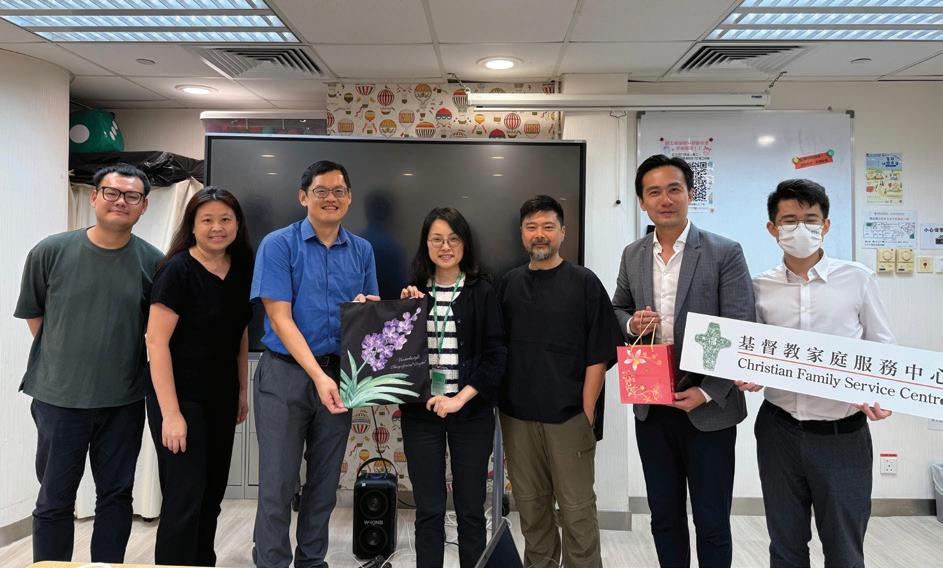
新加坡保健服務集團 (SingHealth)代表團及 范寧醫生到訪基督教家庭服務中心 SingHealth Delegation and Dr. Fan Ning visited CFSC
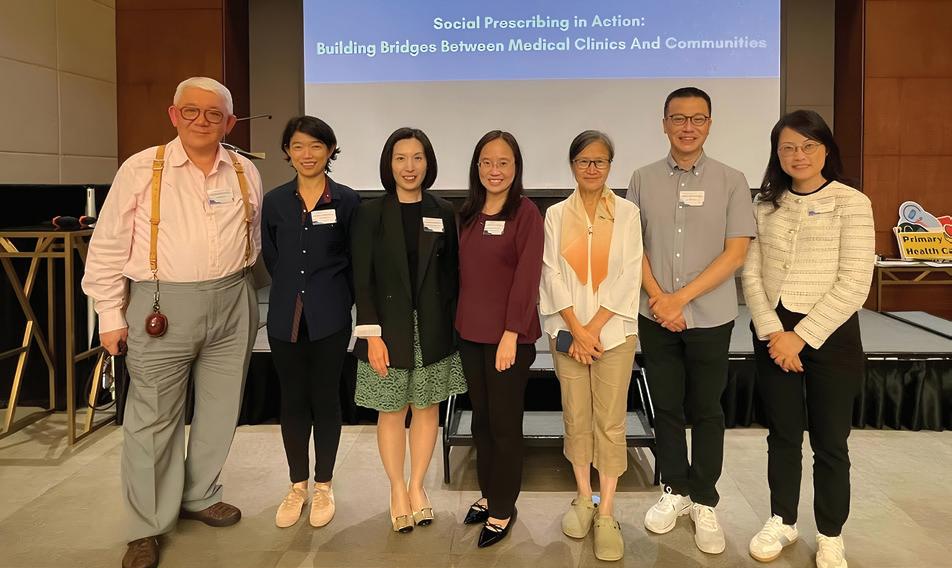
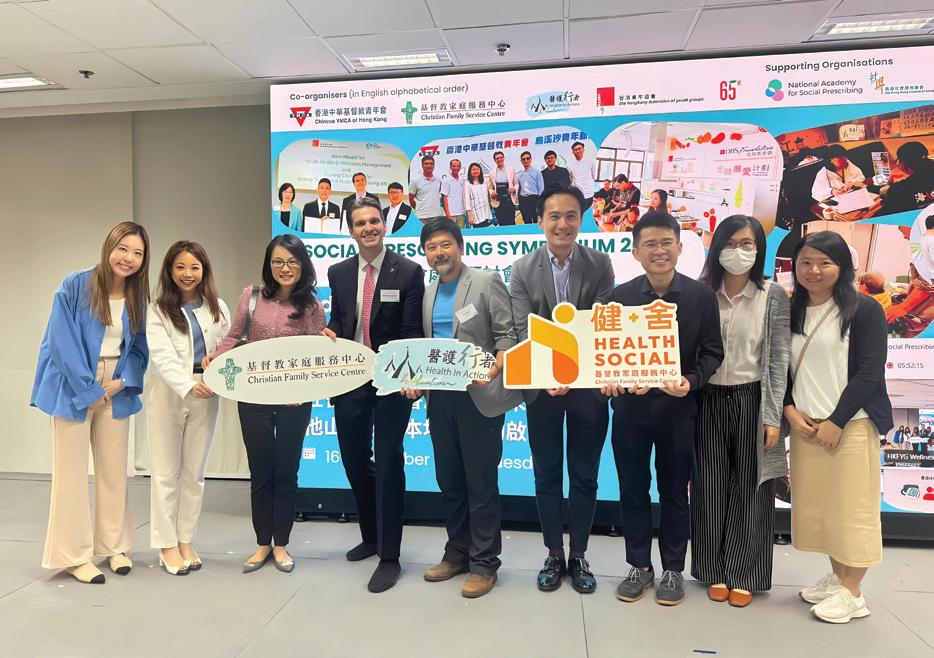
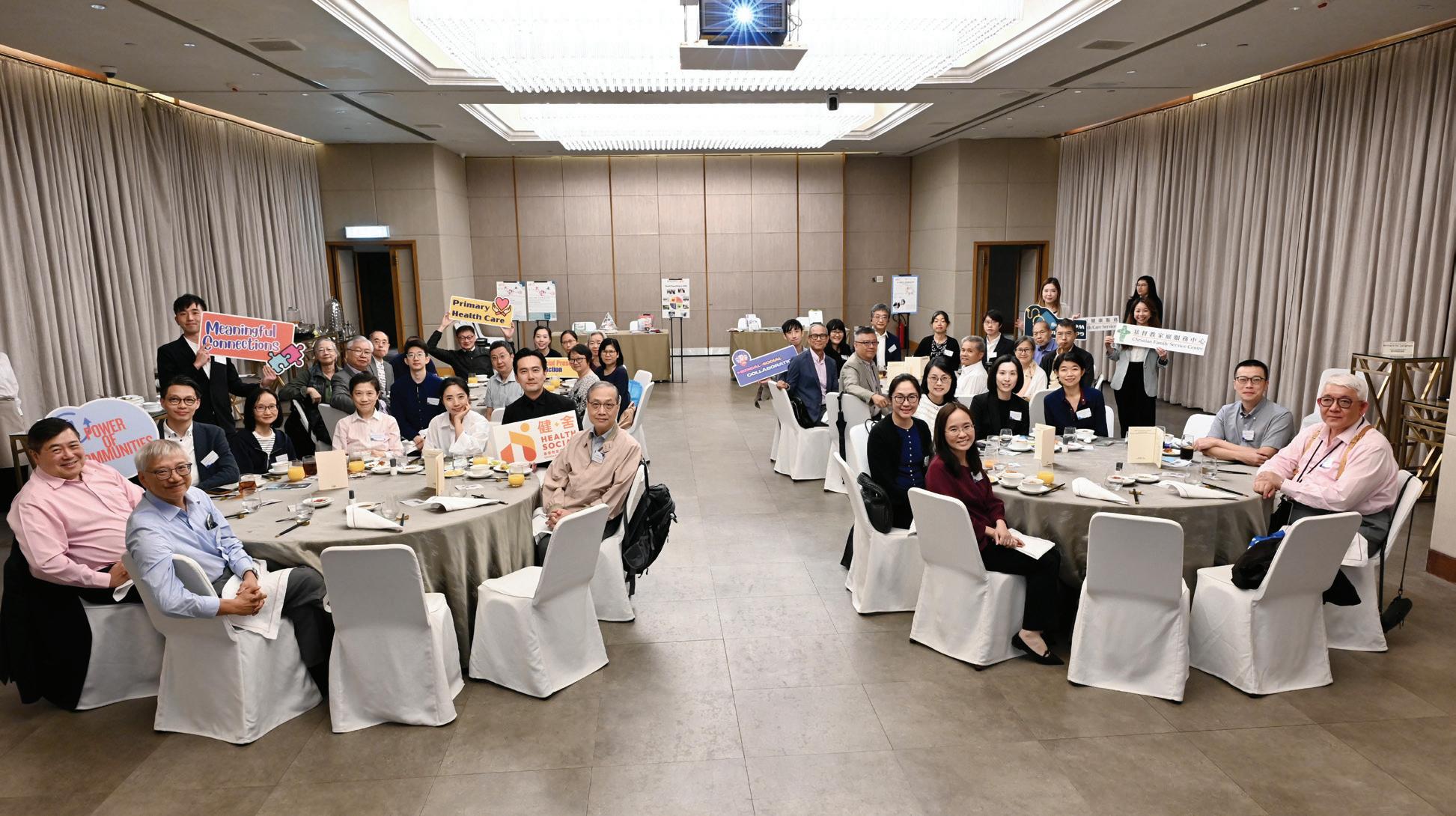
舉辦晚宴研討會,探討社會處方在香港推行的挑戰與機遇 The dinner symposium was organized to explore the challenges and opportunities of implementing social prescribing in Hong Kong
界定服務對象
Identifying the patient group
明確界定主要支援的服務對象、預計服務人數及
確定轉介來源
Defining who will benefit from social prescribing, how many individuals are involved, and their source of referral.
建立招募及轉介機制
Recruitment and referral system is established
Establishing strong connections
Individualized plans
訂立清晰的準則,並釐清不同角色 (進行轉介的醫護人員及連 結員) 的職責,確保由醫療至社區服務的轉介流程有系統和清晰
Outlining inclusion and exclusion criteria, and defining the roles of referrers and link workers. This system ensures an organized flow of patients from clinical settings to community programmes.
在醫療系統、連結員和社區資源三方達致緊密連繫,令轉介及 跟進過程能順利銜接
Establishing strong connections between healthcare providers, link workers, and local community resources is essential to facilitate seamless referrals and follow-ups.
Use of health technology
由連結員與病人一同制定個人化計劃,定期檢視進度,提供持續 的鼓勵和支援
Link workers develop individualized plans with patients, monitor progress, and provide ongoing support to ensure sustained engagement and improvement.
善用健康科技支援流程,例如共用數碼平台或紀錄系統,用於登 記及追蹤轉介個案、檢視進度及成效,同時分析成效數據。持續 評估和檢視成效,有助改善服務流程,亦可向持份者展示投資回 報和社會效益。²
The use of health technology, such as shared digital platforms, can optimize referral pathways, track processes, and monitor outcomes, enhance coordination and data collection2. Regular evaluation and review of outcome measures help refine the programme and demonstrate return on investment to stakeholders.
The New Territories East Cluster Social Prescribing Pilot Programme


從未進行過健康檢查或在過去至少五年內未進行過檢查
Have either never had a health check-up or have not had one in the past five years
超過一半受訪者由於經濟原因依賴公共醫療服務,另部份因 財務原因未能獲得牙科服務和心理健康輔導、及未有定期進 行健康檢查。這反映財政狀況是影響健康的社會決定因素 之一。
More than half of the respondents rely on public healthcare due to their financial situation. This is the same reason why others could not access dental and mental health services or did not undergo regular health check-ups. This reflects that a person's financial status is a key social determinant of health.
建議與結論
Recommendation and Conclusion
專業支援,迎難而上
Expertise That Thrives on Challenges with Creative Solutions
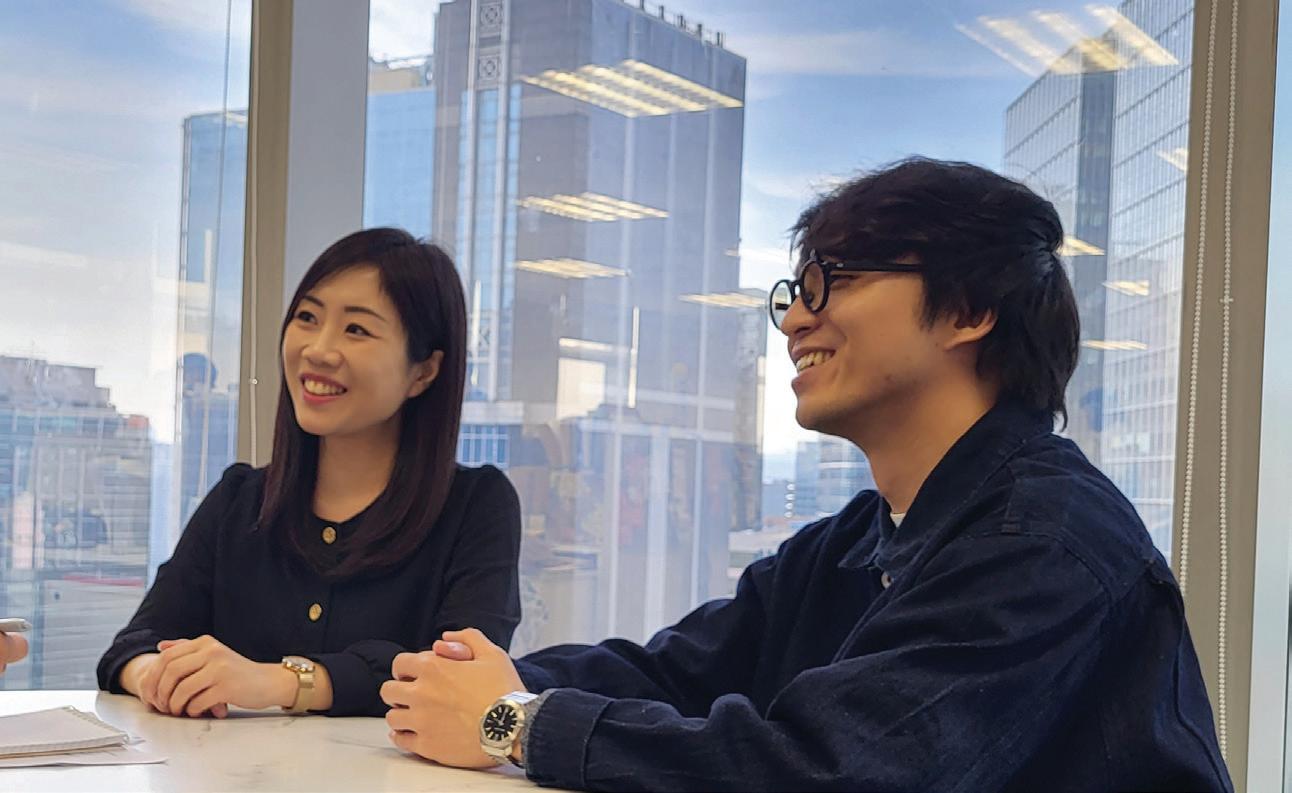
負責賽馬會「熱島・熱不倒」社區抗熱計劃的社工劉善恒(Tom), 和曾在香港中文大學中醫診所暨教研中心及戒煙服務工作的 同工何詠珊(Jessie),提及與aP合作的體會,二人均不約而同 表示非常欣賞aP全情投入和專業精神,更認同aP是支援前線 服務時不可或缺的一員。
Tom負責推行「熱島・熱不倒」社區抗熱計劃,為觀塘區容易 受酷熱天氣影響的長者戶進行風險評估,識別中至高風險人 士,作出介入及跟進,當中包括進行小型家居工程,以改善通 風及令居所降溫。他坦言,服務是先導計劃,沒有先例可循, 若沒有具工程師、建築師及電力工程師背景的aP作專業支 援,很多工作難以推進:「團隊還在思考評估的方法,aP已帶 同一部可以測試居所室內指數的儀器來家訪,檢測之下有足 夠數據用於評估。之後主動繪畫單位的平面圖方便每個個案 跟進,更向我們教授如何評估通風情況。」
而一些長者對獲得工程師親自上門講解有關暑熱知識又特別 「受落」。Tom指出:「有些長者為了省下電費,又覺得住在單 位幾十年都沒問題,不太願意為抗熱或通風作出家居裝置改 動,但得知酷熱天氣可能導致頭暈甚至中暑等知識後,都恍 然大悟,願意接受家居改裝服務。」
Tom and Jessie, two frontline colleagues who have worked closely with aP, share their stories of collaboration—revealing how aP has become an indispensable partner in supporting frontline services. Tom, who leads the Jockey Club "Beat the Heat" Project, and Jessie, who has previously collaborated with aP at The Chinese University of Hong Kong's Chinese Medicine Clinic cum Training and Research Centre and its smoking cessation services, both express high praise for the aP scheme. They described their experiences as very satisfied, fully committed, dedicated, and energetic, showcasing an attitude worth emulating.
As a social worker, Tom assisted the elderly in enhancing home ventilation and offered cooling solutions for small projects on household improvement through the Jockey Club “Beat the Heat” Project. As the service is a pilot initiative with no prior precedent, it would be difficult to move forward without professional support of a group of aPs with relevant expertise, including engineers, architects, and electrical engineers. Lacking the necessary technical know-how, Tom relied on the expertise of the aP engineers and architects. “Our team was still exploring different ways to assess ventilation while the aP team had already proposed a solution,” Tom shared. “The aP engineer brought a device to measure the home’s ventilation index, provided evidence-based evaluations, sketched floor plans, and even taught us how to conduct the assessments ourselves.”
The elderly particularly appreciated the engineers’ explanations of heat-related health risks. “Some elderly, initially reluctant to make changes, had an ‘aha’ moment when they learned that extreme heat could lead to dizziness or heatstroke,” Tom recalled. This understanding fostered a willingness to accept home modification services.
Jessie and Tom share their stories o collaborations with aP
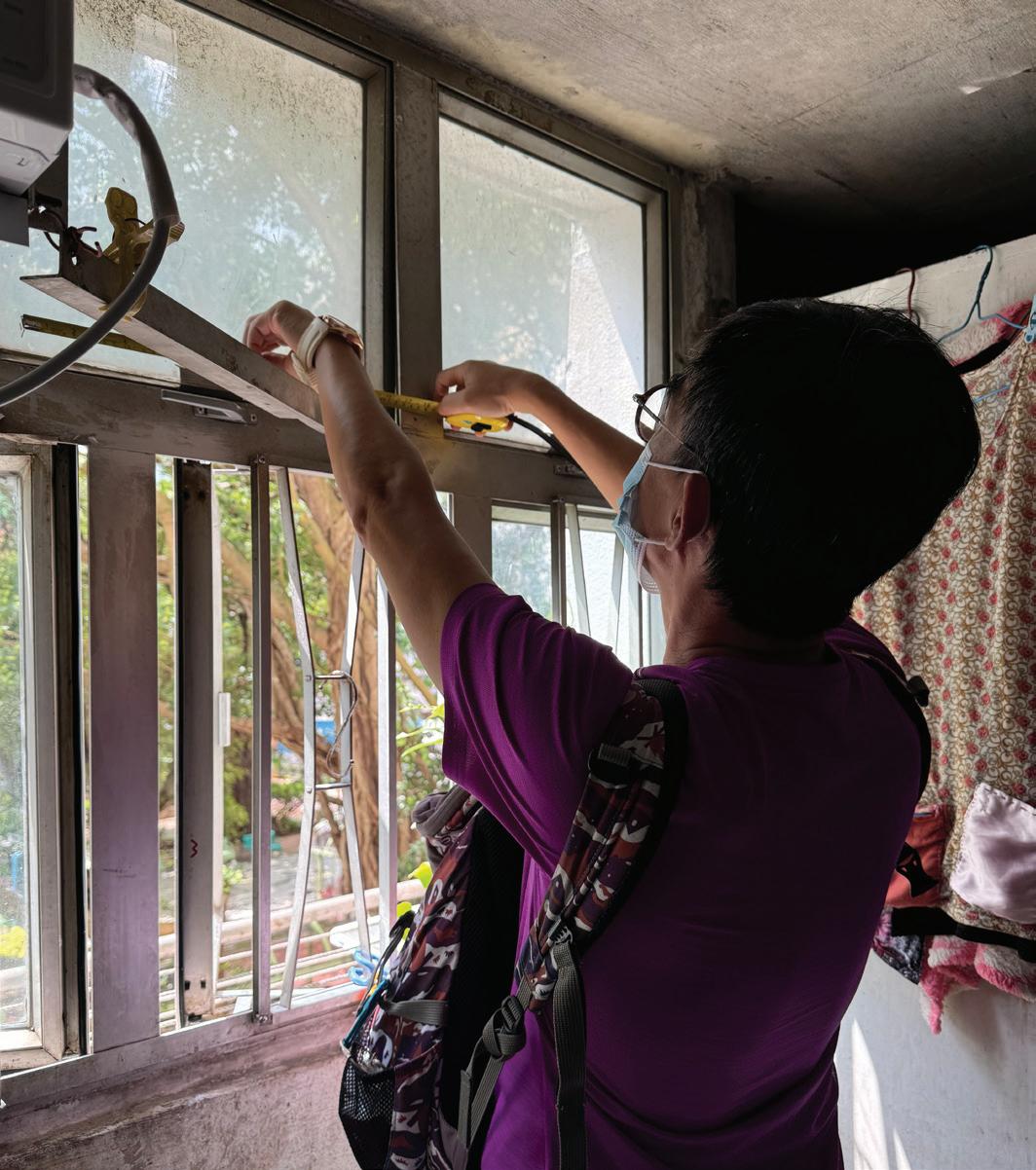
面對複雜的個案和狀況,更是aP展現專業和發揮創意的時 候。計劃的服務個案還包括居住在鯉魚門的寮屋區及劏房戶 的長者,居所的格局並非公屋的標準格式,家居評估及安排 改裝工程更 為 複雜,參與的aP實地到訪後,想出另類的降溫 方法,就是在鐵皮屋的外層塗上可降溫的油漆,令Tom讚嘆 不已:「他們隨時都做好準備,並全心全意投入服務,令我十 分欣賞」
Conducting home assessments and arranging improvement works in the unique environments of squatter huts and subdivided flats in Lei Yue Mun is considerably more complex than in public housing, yet aP embraced these challenges enthusiastically. They even suggested innovative solutions, such as applying heat-reflective paint to the exteriors of squatter huts, transforming fragile structures into cooler and safer homes. “They are always ready and wholeheartedly dedicated to serving. Their attitude is exemplary.” Tom praised.
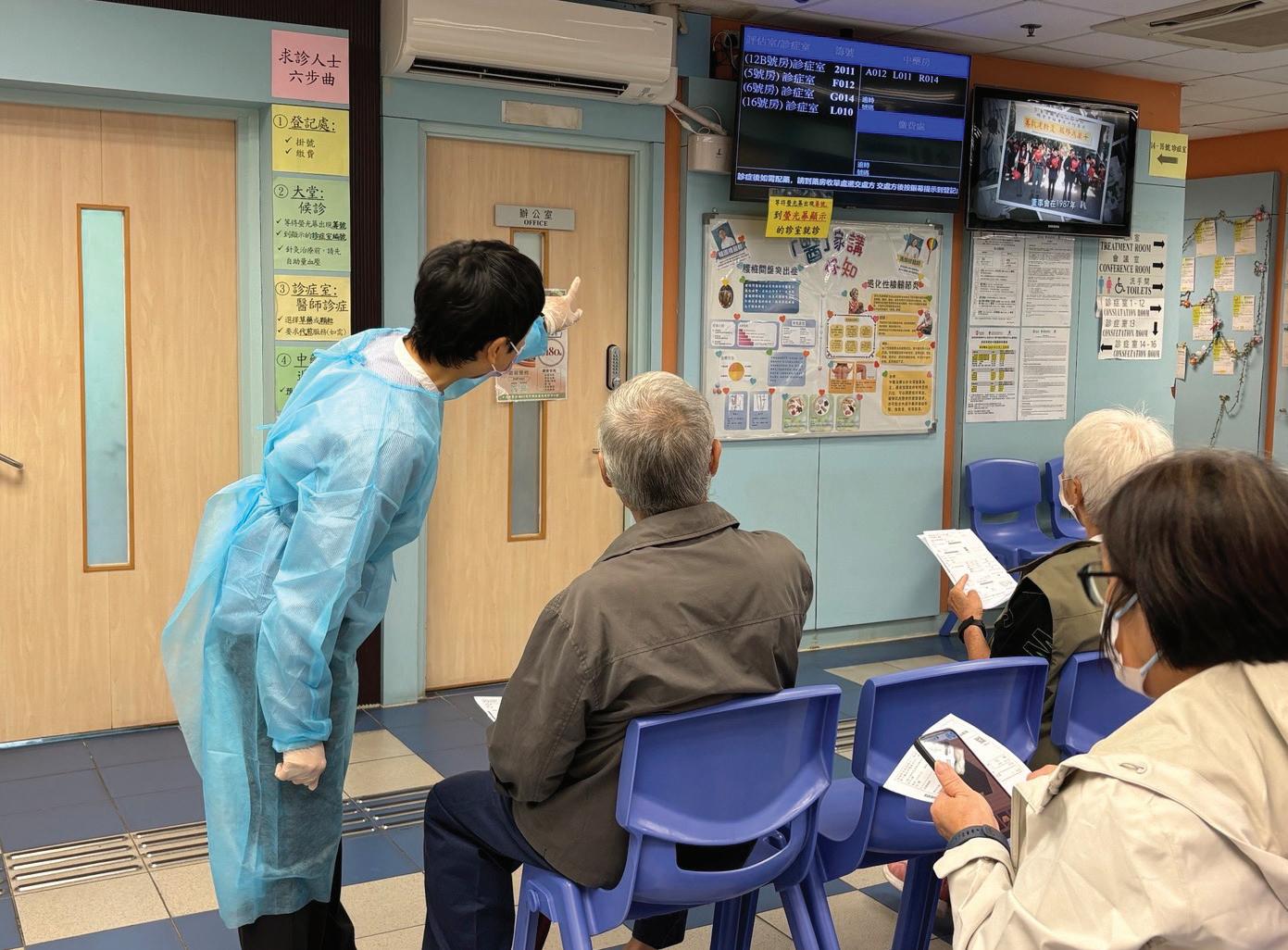
「預防」比「治療」重要,基層醫療健康服務透過 提倡「治未病」的概念,提供「健康推廣」及「疾病 預防」的活動及服務,提高市民對健康的認識。
Prevention is always more effective than treatment. Primary health care emphasizes a prevention-oriented approach through public education, such as health promotion and diseases prevention programmes.
不少上班一族生活節奏急速,加上缺乏規律運 動及不良飲食習慣,身心健康逐漸亮起警號, 影響日常生活及工作。
The working population faces various health threats, including stressful lifestyles, lack of exercise, and unhealthy eating habits, which diminish productivity and overall quality of life.
中醫強調未病先防,透過食療、針灸、天炙等方 式防病保健,調和身心,養好體質。
Chinese medicine encourages individuals to maintain balance and harmony in daily life. Traditional treatments include herbal medicine, acupuncture, and Tian Jiu therapy.
基層醫療健康服務與社區緊密連繫,在「醫社合 作」的框架下實踐專業,期望達至「預防為重、 社區為本」,支援市民全方位的健康需要。
To strengthen district-based primary healthcare services, medical professionals and social workers collaborate closely to address the community needs of patients.
我們關懷弱勢社群,致力推廣平等醫療機會, 期望實踐全人健康理念。
With love and care for the underprivileged, we strive to promote fair medical opportunities and build a just society for all.
綜合家庭醫療健康中心 及 西醫診所 會按病人需求,制 定個人健康管理計劃,期望透過調整生活習慣以降低 患病風險,改善生活質素。
The Integrated Family Medical & Health Centre and Medical Clinic offer professional guidance to support individuals in the prevention and self-management of diseases.
綜合家庭醫療健康中心為企業提供度身訂造的員工健 康計劃,在工作場所為員工提供健康評估及多元健康 服務,改善健康狀況。
The Integrated Family Medical & Health Centre offers customized corporate health packages, including workplace health assessments and a range of wellness programmes.
中醫診所及基督教家庭服務中心-香港中文大學中醫診 所暨教研中心(觀塘區)提供中醫門診及配藥服務。
The Chinese Medical Clinic and Christian Family Service Centre – The Chinese University of Hong Kong Chinese Medicine Clinic cum Training and Research Centre (Kwun Tong District) offers consultation and traditional medicine services.
鑽石山家庭藥房 為社區居民提供專業藥物資訊和 健康諮詢;西醫診所 推動「健康及社會風險篩查評估」 服務,連結醫療與社會服務。
The Diamond Hill Family Pharmacy delivers medication consultation, while the Medical Clinic provides social prescribing services to strengthen medical-social collaboration.
中醫服務為有特殊學習需要的學童提供情緒支援;觀塘 及土瓜灣牙科診所 參與「社區牙科支援計劃」及「護齒同 行」,為有經濟困難的弱勢社群、智障人士及/或自閉症 譜系障礙患者提供牙科服務。
The Chinese Medical Service provides emotional support to SEN children, while the Dental Clinics in Kwun Tong and To Kwa Wan participate in the Community Dental Support Programme (CDSP) and the Healthy Teeth Collaboration.
來年,基層醫療健康服務會繼續為市民提供專業、優質及全面的醫療護理, 為市民的健康增值,一同建設健康社區!
Looking forward, the Primary Health Care Service reaffirms its commitment to delivering professional, exceptional, and comprehensive medical services, thereby advancing the society welfare.
醫務所 Medical Clinic
中醫服務 Chinese Medicine Services
健康中心 Health Centre
牙科服務 Dental Services
家庭藥房 Family Pharmacy
營養服務 Dietetic Services
護士診所 Nurse Clinic
足病診療 Podiatry Services
臨床心理服務 Clinical Psychological Service
物理治療服務 Physiotherapy
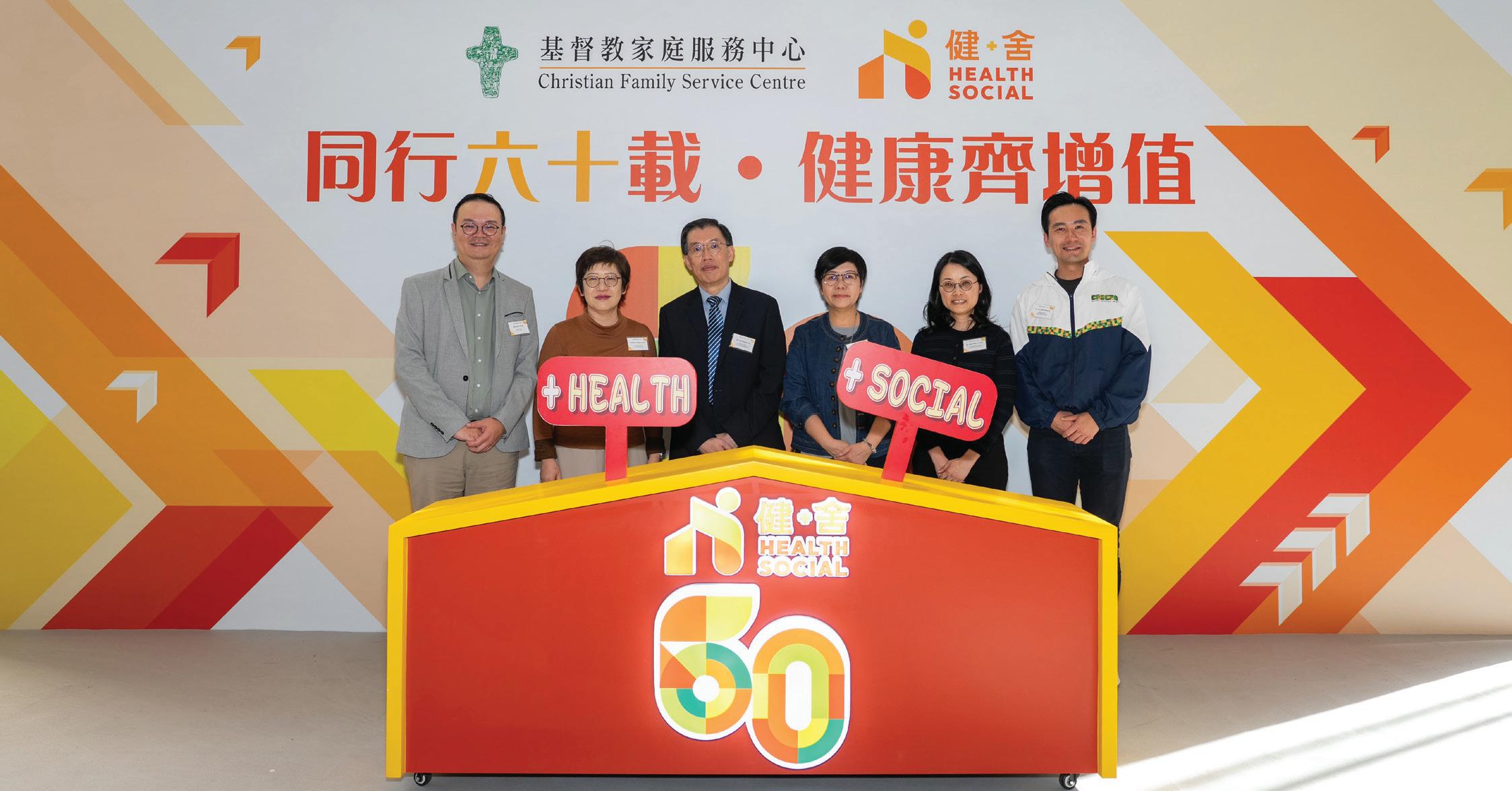
Health Social: The Visionary Blueprint for Holistic Health
「健·舍」是CFSC基層醫療健康服務策略品牌, 體現基督教家庭服務中心在專業醫療與健康促 進方面的承諾。
“Health Social” (健·舍 ) is the strategic brand for CFSC's Primary Health Care Services. It embodies the commitment of the CFSC to both professional medical care and health promotion.
專業醫療與健康促進的雙重承諾
“Health” – A Dual Commitment to Professional Medical Care and Health Promotion
家的溫度,社區的連結
"Social" – The Warmth of Home, The Connection of Community
信仰根基與整合照護的 交匯點
The "+" – The Intersection of Faith and Integrated Care