A team





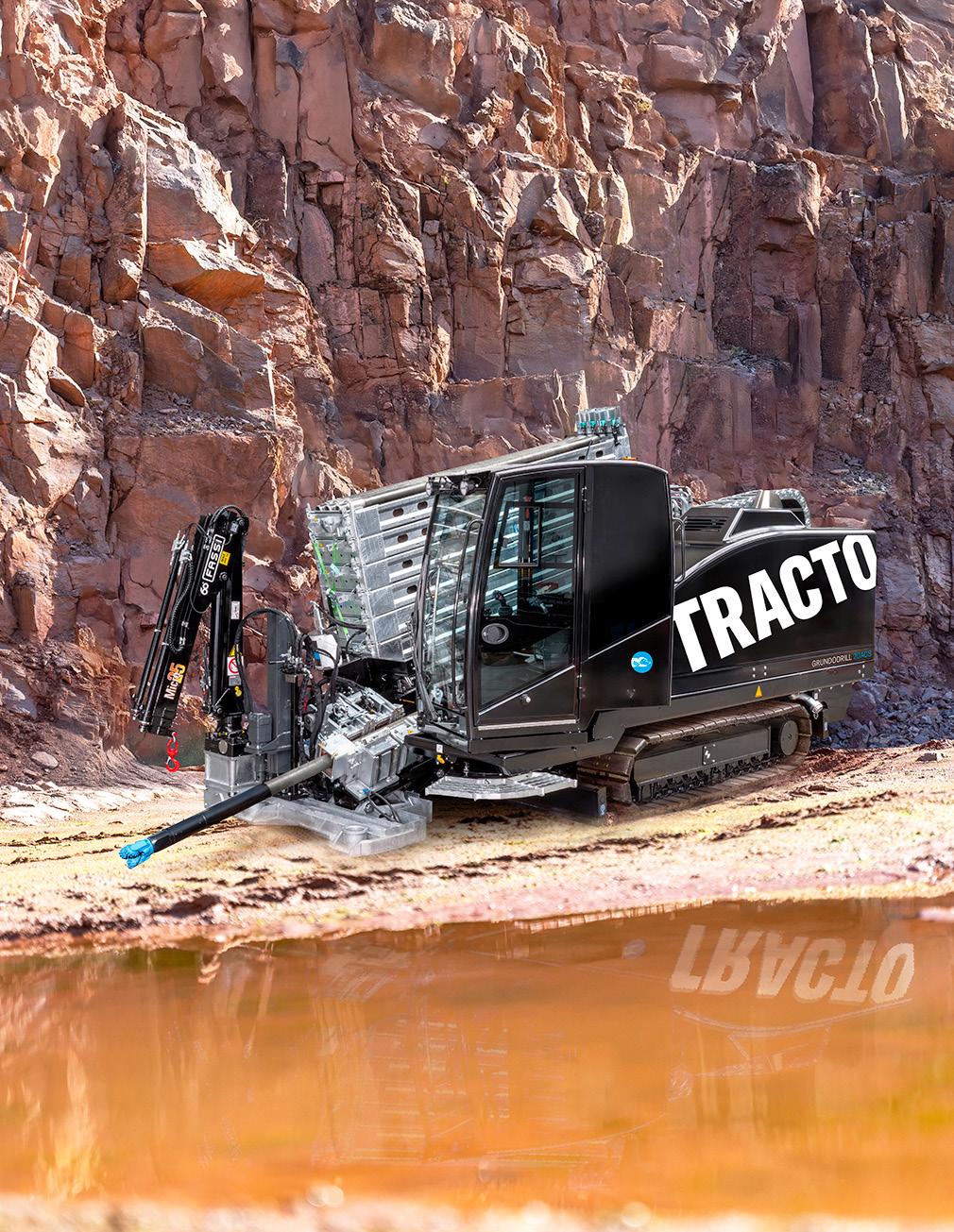
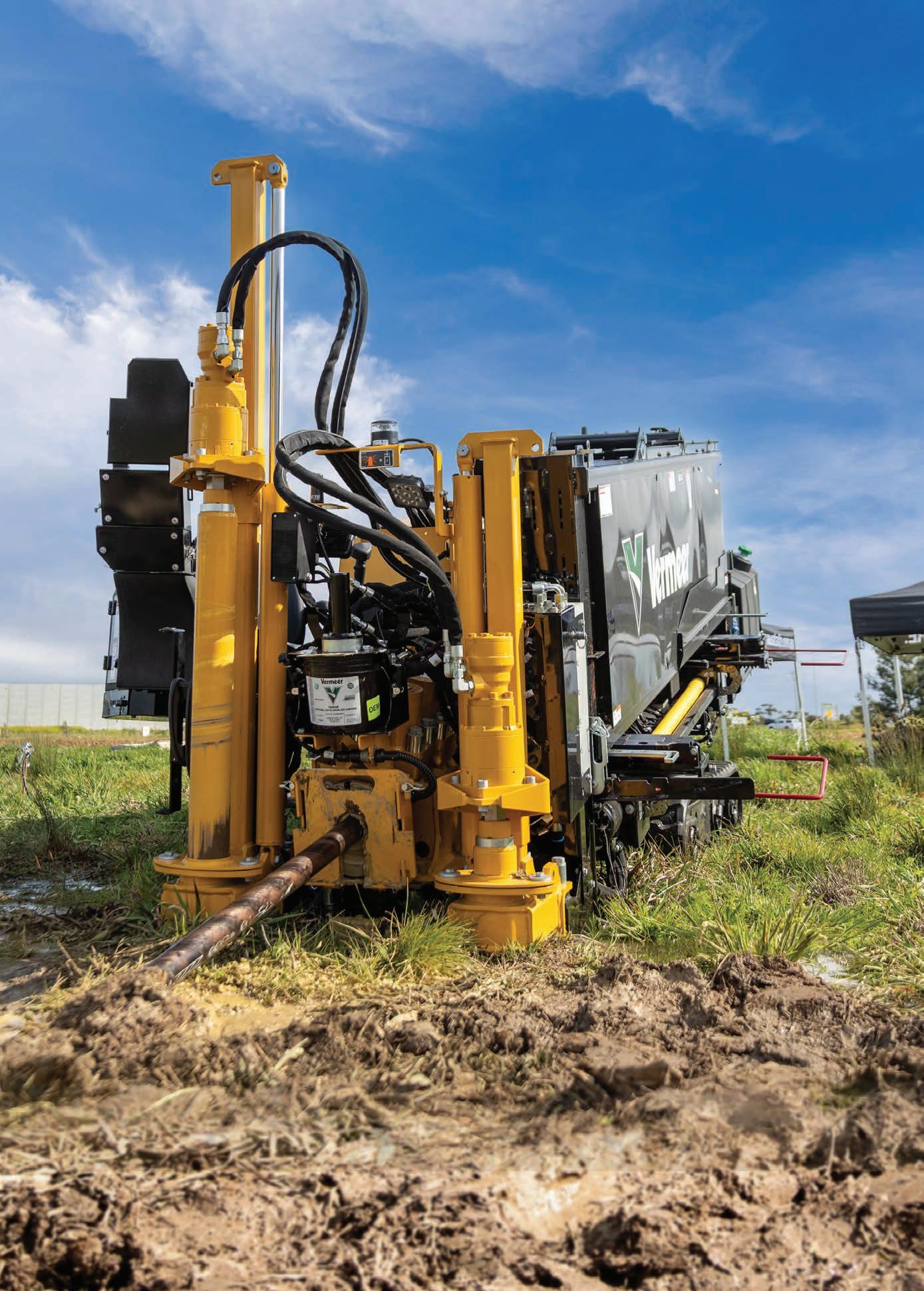
More flexibility, productivity, safety and operator comfort for your drilling projects. That’s the GRUNDODRILL 20ACS from TRACTO.
Combining the proven ‘All Condition System’ concept with the latest in automation and top-of-the-range ergonomics, this 200 kN drilling rig can handle even the most complex drilling projects in changing ground conditions, including rock.
To find out more about the 20ACS and our customised financing and service solutions, please get in touch: T + 61 7 3420 5455 E info-au@tracto.com
This magazine is the official journal of the Australasian Society for Trenchless Technology (ASTT) and is distributed to members and other interested parties throughout Australia and the Asia-Pacific. It is also available on subscription.
The publishers welcome editorial contributions from interested parties. However, neither the publishers nor the ASTT accept responsibility for the content of these contributions and the views contained therein are not necessarily the views of the publishers or the ASTT. Neither the publishers nor the ASTT accept responsibility for any claims made by advertisers. All communications should be directed to the publishers.
Unless explicitly stated otherwise in writing, by providing editorial material to Prime Creative Media (PCM), including text and images, you are providing permission for that material to be subsequently used by PCM, whole or in part, edited or unchanged, alone or in combination with other material in any publication or format in print or online or howsoever distributed, whether produced by
and its agents and
or another party to whom
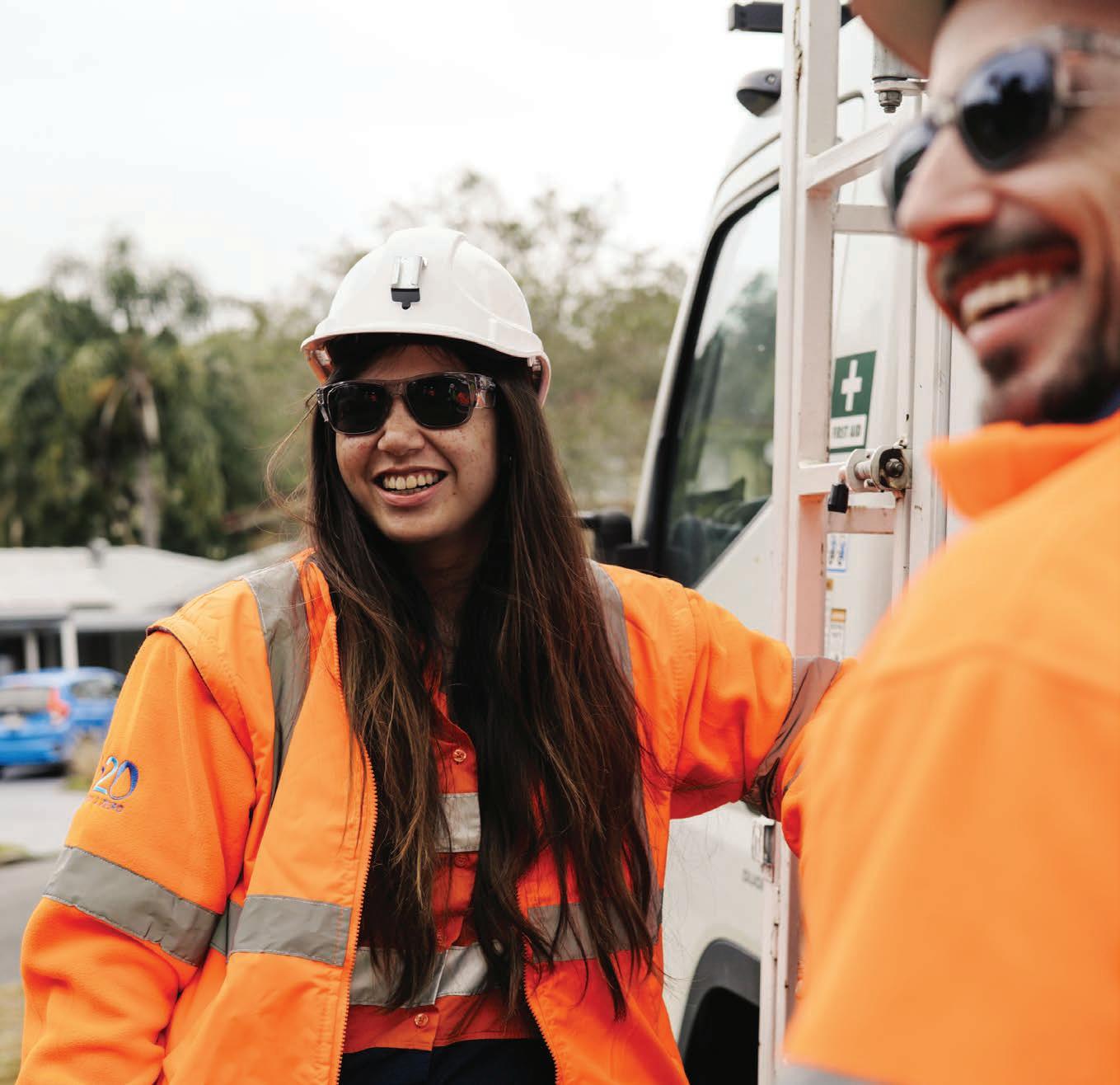
Civil contractor Mullane is

CHAIRMAN
John Murphy
CEO
Christine Clancy christine.clancy@primecreative.com.au
MANAGING EDITOR
Eugene Duffy
eugene.duffy@primecreative.com.au
EDITORIAL
William Craske
william.craske@primecreative.com.au
BUSINESS DEVELOPMENT
Nick Lovering nick.lovering@primecreative.com.au
HEAD OF DESIGN
Clayton Hawley clayton.hawley@primecreative.com.au
DESIGNERS
Apostolos Topatsis & Deborah Pilarinos
ARTICLES
All articles submitted for publication become the property of the publisher. The Editor reserves the right to adjust any article to conform with the magazine format.
Head Office
379 Docklands Dr, Docklands VIC 3008 Ph: +61 3 9690 8766 enquiries@primecreative.com.au www.primecreative.com.au
Smooth is fast
William Craske Editor
We live, it seems, in an age of spasmodic disruption jettisoning from one supposed upheaval to the next. Oftentimes before the last one has even played out. In a world at the mercy of interconnected global supply chains these intrusions on our lives can be felt with increasing force. Small independent businesses hemispheres away from the point of origin of regional conflicts, are no more insulated from the fallout as we have seen in the recent and still relevant oil crisis caused by events in the Middle East. For a farmer in regional Australia, the levers of power behind international trade and foreign policy can apply just as harshly as they might from local government. In the aftermath of COVID, with its overlapping inflationary pressures, big build encroachments, supply bottlenecks and material shortages, many of us are all disrupted out.
The growing demand for trenchless technologies like horizontal directional drilling, as we have seen in several financial reports projecting its market ascension, are not coincidental. Ageing infrastructure the world over, especially in wastewater networks, is always high priority. Rate payers, after all, are also voters and have long memories. Even in developing nations where financial constraints and corruption can leave infrastructure a veritable patchwork of incomplete rehab projects and ongoing half-measures, people can tolerate only so much. The higher the density the greater the urgency and demand for less impermanent solutions. Trenchless technology, with its underground faculty to reduce messy operational footprints represents something of a corrective in a world of ubiquitous disruption. Market consolidation led by capital investment firms and multinationals already exposed to the sector all but confirms it. Businesses that specialise in products and services at a glance but not limited to
Sydney Office Suite 11.01, Level 11, 201 Miller St, North Sydney, 2060 Trenchless Australasia is
Printed by: Precision Group 83-89 Freight Drive, Somerton, Melbourne, Victoria, Australia, 3062
COPYRIGHT
contributions but reserves the right to accept or reject any material. While every effort has been made
CIPP, relining, microtunnelling and the aforementioned HDD have cache in civil construction and are being snapped up.
Governments, often the most likely to capitalise on a crisis, will minimise the optics of one should it be obvious that they should have mitigated the span of the disruption from the outset. So, when weighing up the unforeseen hindrances likely encountered in subsurface terrain versus the notoriety a failure brings with it, on the whole the trenchless option is more attractive, and not just politically, in the long run.
Crumbling ovoid brick barrels usually with dozens if not hundreds of laterals to contend with, are reminders that when it comes to municipal infrastructure nothing lasts forever, and the oldest most beautiful tidy town will soon lose its lustre for residents and tourists if what’s below the surface isn’t managed with the same dexterity as what’s above it. Wastewater spills, as the City of Winnipeg, discovered in recent years do serve as educational tools. A harsh lesson is there for all, including marketing departments, to learn. Not all publicity is good. Regardless of the actions the council took or failed to take, it has since had to come up with a makeshift solution, contain and treat the local environment including a river, contend with other interconnected infrastructure links like a heavily engaged bridge, and endure long waits for equipment and expertise to get its enduring solution – microtunnelling – happening. Slow is smooth, as Wyatt Earp liked to say, and smooth is fast.
william.craske@primecreative.com.au
to ensure the accuracy of information, Prime Creative Media will not accept responsibility
© Copyright Prime Creative Media, 2021
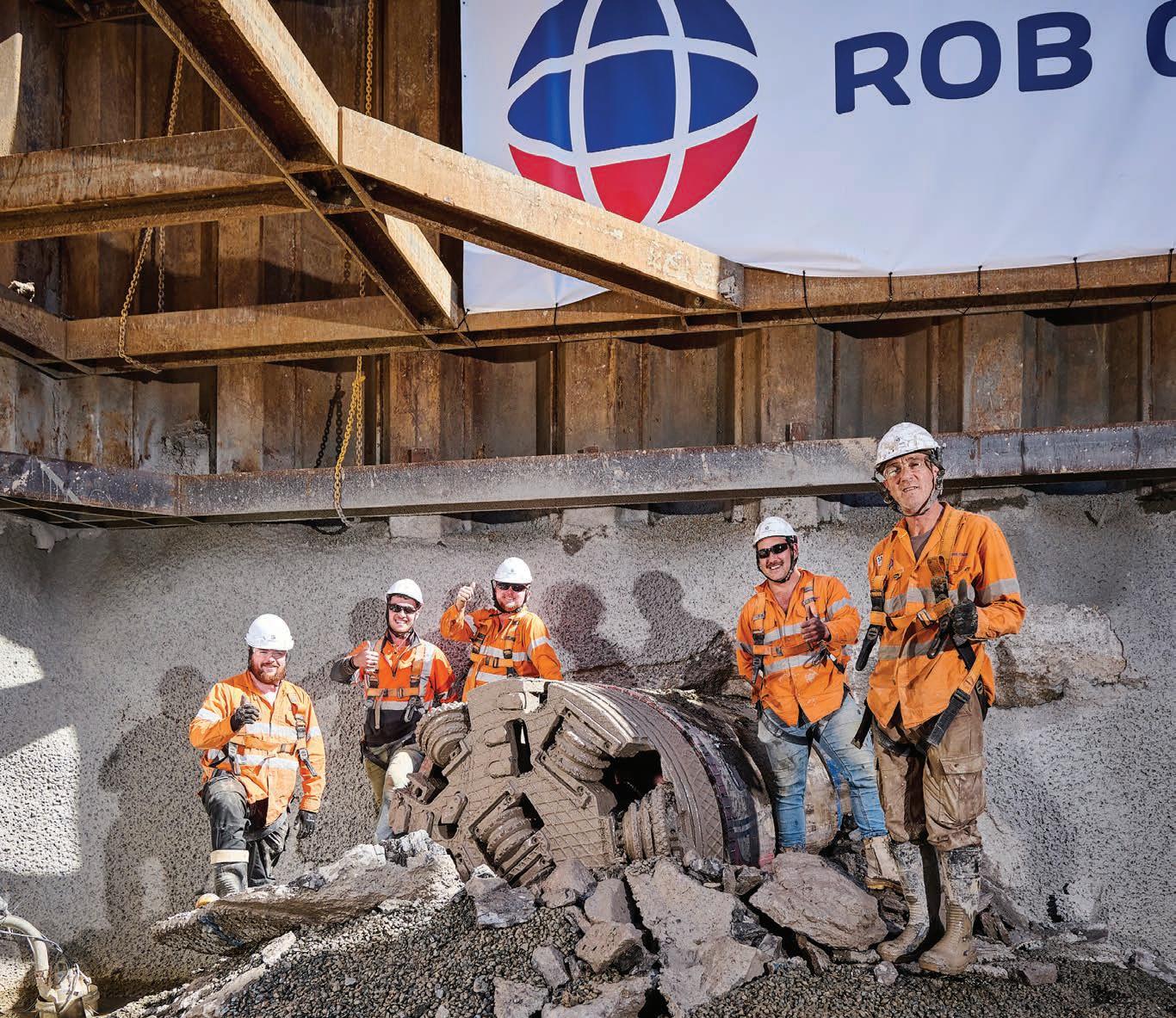
Excellence in tunneling for water, wastewater and energy infrastructure.
With a focus on safety, innovation and collaborative delivery over the last 35 years, Rob Carr has achieved outstanding outcomes in water, wastewater and energy infrastructure projects in both Australia and overseas. Rob Carr is part of Soletanche Bachy a world leader in foundation and soil technologies and subsidiary of VINCI, a global player in construction across more than 100 countries. With outstanding capabilities to manage the complexities of any project, Rob Carr has the people, knowledge and experience to deliver success.
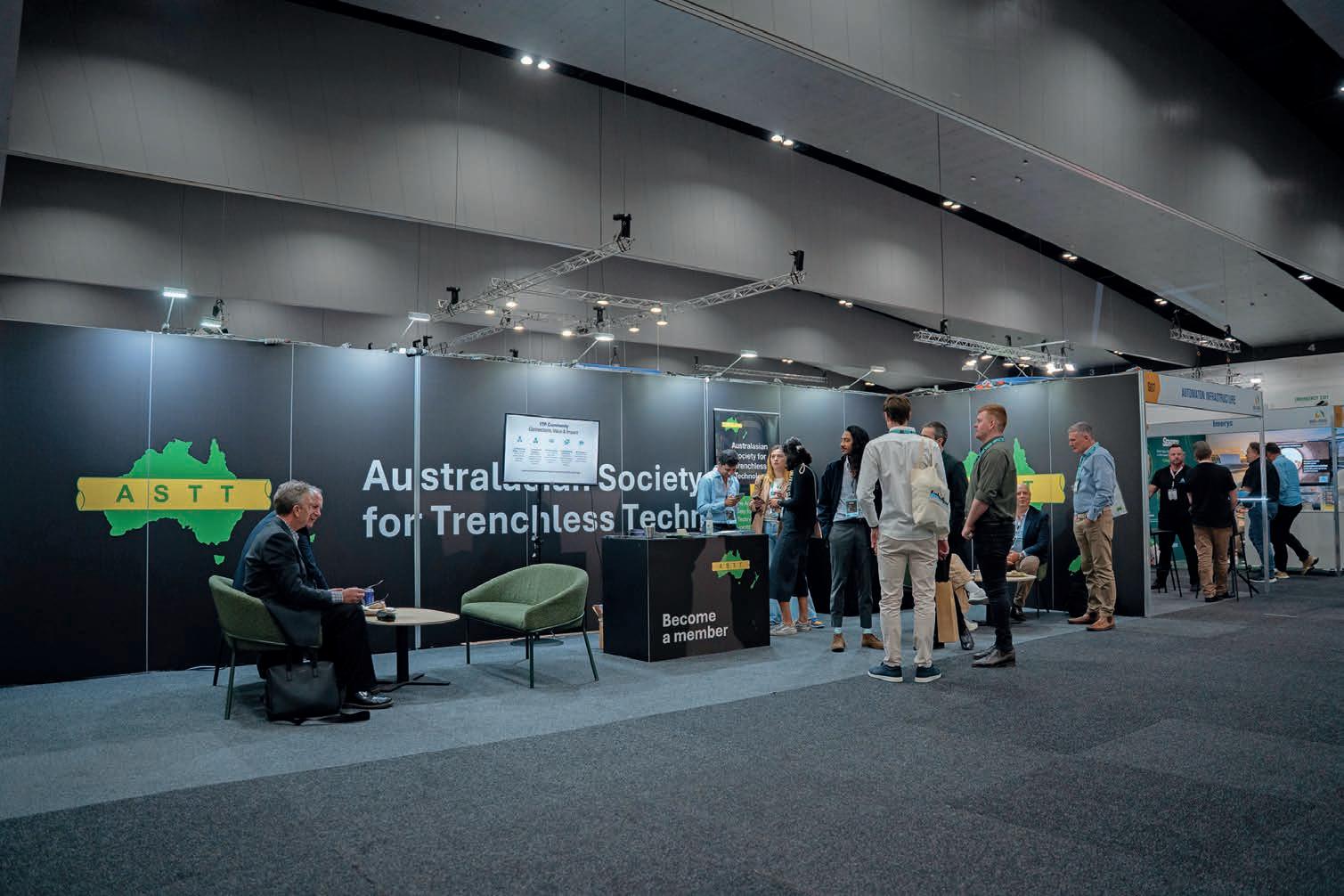
From the President
Blair Telfer President, ASTT
THE AUSTRALASIAN SOCIETY FOR TRENCHLESS TECHNOLOGY
ABN 43 893 870 966
P.O. Box 2242, MALAGA LPO WA 6944
www.astt.com.au
President: Blair Telfer
Secretary: Trevor Gosatti
Vice President: Ash Hamer
COUNCILLORS
Western Australia: Jiang Aizezi
Queensland: Andrea Edney
New South Wales: Jason Marshal
Victoria: Ash Hamer
South Australia: Shaun Melville
New Zealand: Blair Telfer
Northern Territory: Luke Woodward
Tasmania: Vacant
It’s an honour and privilege to serve as the President of the Australasian Society for Trenchless Technology. I’m excited to follow in the footsteps of the many previous presidents including, more recently, Ben Crosby, whose contributions to the ASTT and leadership over the last four years is of immense value to our organisation. I’d like to acknowledge his efforts.
The trenchless industry currently finds itself entering an era of exciting developments, as many of its diverse, yet no less interrelated segments, enjoy markets buoyed by growth and investments from government driven projects and private equity.
Recognition has not come easy. A victim to some degree of the very nondestructive, under-the-radar capabilities that makes it an increasingly attractive option for utilities providers and councils undertaking civil construction and repairs to the world’s infrastructure both new and old, the trenchless sector is nevertheless a
resilient one fortified by knowledge sharing, technological innovation and committed, hard working people. While the future is bright it is not without uncertainty.
Supply partners, contractors and the many, and varied skilled practitioners working within the segment are coming to grips with a digital landscape that is almost unrecognisable to the one that started out a decade ago. Booms in artificial intelligence and transitions to zero emission equipment add another layer of complexity to the outlook.
I look forward to the challenges and opportunities these developments and others will no doubt bring, conscious the ASTT will need to keep relevant in these fastchanging times.
For my part, I see the role as a stewardship role — to ensure the society gives value to its current members and has long-term sustainability for future generations.
There’s great work being done and, as always, more to do.
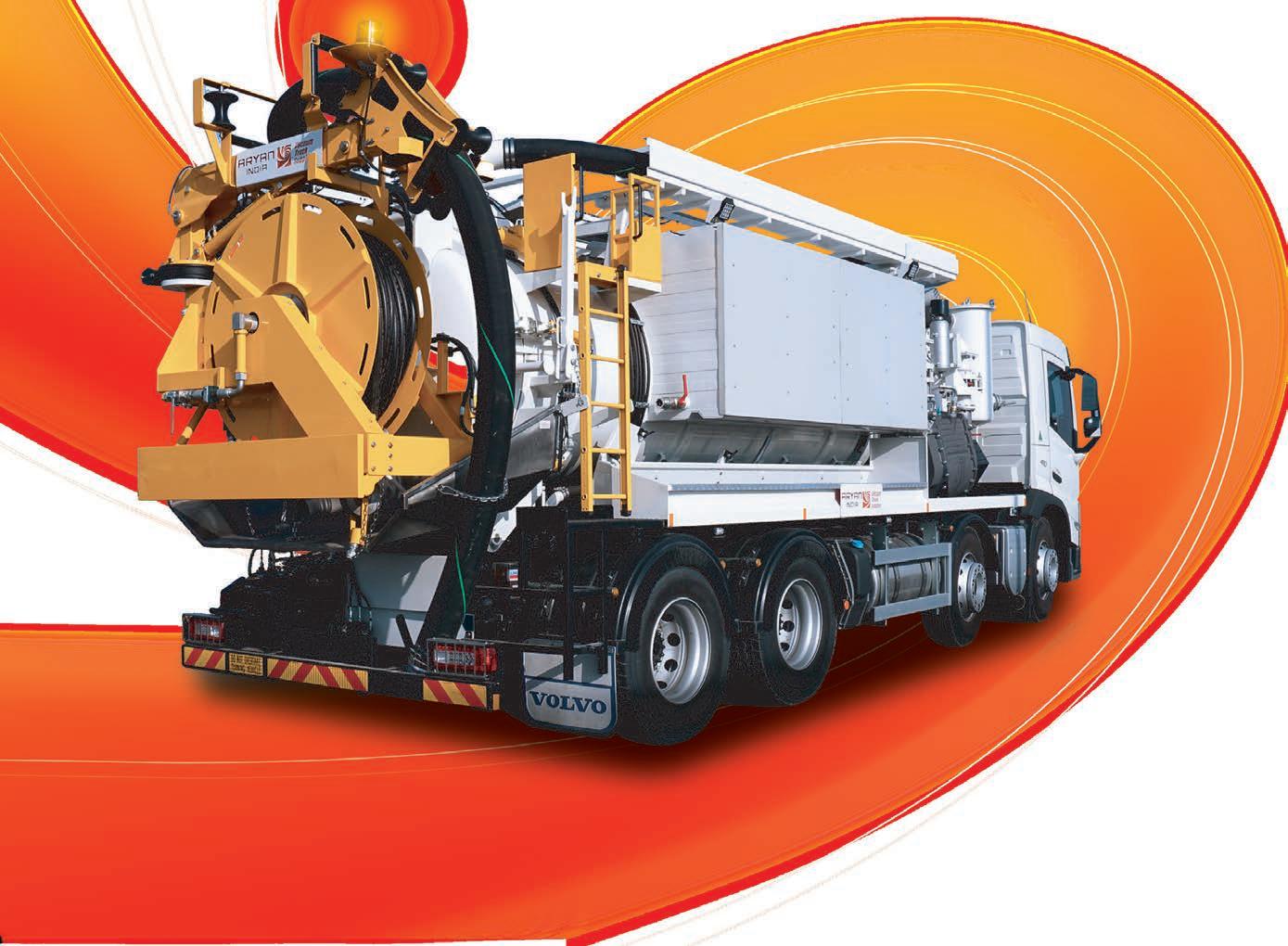
The solution for NDD & Drain Cleaning
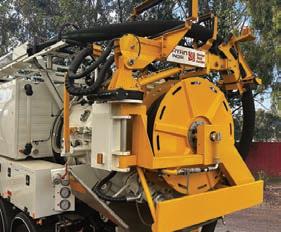
Rear boom and drain cleaning reel
The DrainVac hose reel contains 180m of drain cleaning hose. Both the boom and reel are linked together with 180° of rotational range allowing easy operation when drain cleaning operations are being carried out. The boom and reel functions are remote controlled, along with very simple manual overrides.
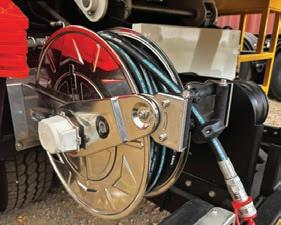
Non Destructive Digging (NDD) reel
The NDD reel contains 30m of 13mm hose and is controlled via the remote control with optional manual operation also. A robust 300bar and 17LPM NDD pump gives you all the performance you need to complete the NDD jobs. The NDD reel is mounted low at the rear of the unit for easy access in all conditions.
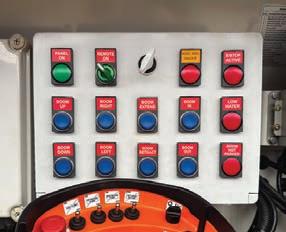
Control system
In line with VTS’s “Simple is Better” philosophy, the DrainVac uses straightforward controls with no computer interface. It’s easy to operate and designed for quick faultfinding and repair if needed.
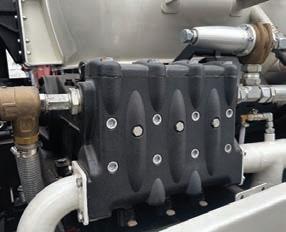
Liquid ring vacuum pump and HP water pump
Chasing performance?
The DrainVac is fitted with proven, high-output components including a CVS 4,000 m³/h (2,354 CFM) aluminium vacuum pump and a Pratissoli 346 LPM (170 bar) drain-cleaning pump. Both are belt-driven to reduce noise, simplify servicing and keep running costs down.
180º rotational range boom 30m / 13mm hp hose
No computer interface
High performance pumps
Secretary’s corner
MAY 2026
Trevor Gosatti
New Members
On behalf of the ASTT, I extend a warm welcome to the following new members:
Silver Corporate (24 Month) Members –Australia
• Envirovac Industries Pty Ltd (Tara Closteri)
• Arcardis Australia Pacific Pty Ltd (Quin Nguyen)
Silver Corporate Members – Australia
• Vacuum Truck Supplies (Mike Fischer)
Silver Corporate Members – New Zealand
• Hydroflow Civil (Chris Sixt)
Individual Members – Australia
• Mano Manoharan from NMM Professional Services
• Marcus Drew from Water Corporation
ASTT Annual General Meeting
The 34rd combined Council and Annual General Meeting was held in the Merivale Auditorium at the Novotel Brisbane South Bank on Monday May 25, 2026. The meeting was held in conjunction with the timing of the AWA OzWater Conference in Brisbane.
thank and recognise the contribution of outgoing President, Ben Crosby whilst holding the position of President. Ben is passionate about the trenchless technology industry and instigated many initiatives during his tenure. He remains on Council as Past President and takes up the role as the ASTT representative to the ISTT.
Blair Telfer takes over the position as ASTT President and is well placed to lead the organisation going forward especially with the International No Dig Conference & Exhibition to be held in his home town of Auckland later this year.
In addition to the AGM as above the ASTT Council took the opportunity to have a review of the ASTT Strategic Plan with a view to upgrading and prioritising items for completion with timeframes.
The ASTT Young Trenchless Professionals group also took the opportunity to review their previous years progress and set new objectives for the next year.
ASTT to consider options for a new dynamic website
The ASTT will soon look to consider proposals to upgrade the www.astt.com.au website.
locking in your spot at this highly anticipated event.
The link to access the early registration can be found here: https://no-dignz.com/
The ASTT is hosting this event on behalf of the International Society for Trenchless Technology and it promises to be a popular event for international visitors.
A change to the nominations for awards at the International No Dig
Last edition of Trenchless Australasia I announced that the opening of nominations for both the ISTT and ASTT Awards that will be announced soon.
There has been a change in that there will only be the ISTT Awards to be announced at the International No Dig event to be held in Auckland, New Zealand in October 2026 as outlined above. The ASTT has decided that there will not be a call for nominations for any ASTT Awards this year so as not to “compete” with the ISTT Awards.
The ASTT Awards will again be available for nomination at next years No Dig Down Under event, the details of which will be announced soon.
The new ASTT Council was announced at the AGM and the new 2026/2027 ASTT Council is as follows:
• Western Australia – Jiang Aizezi
• New South Wales – Jason Marshall
• Interim Councillor – Amy Farrugia
• Tasmania – Vacant
• Victoria – Ash Hamer
• Interim Councillor – Vacant
• Queensland – Andrea Edney
• South Australia – Shaun Melville
• Interim Councillor – Sudipta Basu
• New Zealand – Blair Telfer
• Northern Territory – Luke Woodward
• Past President – Ben Crosby
The Officers of the ASTT Council were elected and appointed as follows:
• President – Blair Telfer
• Vice President – Ash Hamer
• Secretary/Treasurer/ISTT Representative –Trevor Gosatti
• Immediate Past President/ISTT Representative – Ben Crosby
Congratulations to all Councillors appointed. In particular, I take this opportunity to
The existing website is becoming outdated and encountering issues and it has become a priority for the ASTT to look at options to provide a new website. Proposals from website operators are being sought and will be considered to provide a new, modern and interactive website.
It will be an opportunity for the ASTT to provide further membership benefits with information on trenchless technology methods, tools that will assist members and an outlet to promote corporate members and their goods and services to the industry.
We look forward to bringing a new and innovative site to you in the next few months.
Earlybird Registration for the 2026 ISTT
International No Dig in New Zealand now available
A reminder that earlybird registrations for the International No-Dig 2026 Auckland in New Zealand to be held from October 28-29, 2026, at the newly built New Zealand International Convention Centre in Auckland are now available and can be purchased. A significant savings can be made by registering early and
All ASTT members (as reciprocal members of ISTT) are of course able to nominate for the various ISTT Award categories and encouraged to do so. Go to the ISTT site at www.istt.com and click on the Awards page.
If you have completed a great project or installed on a project with a new technology put it in your diary to action your potential nomination.

Trevor Gosatti Secretary, ASTT

Mott MacDonald enters into agreement to acquire civil contractor
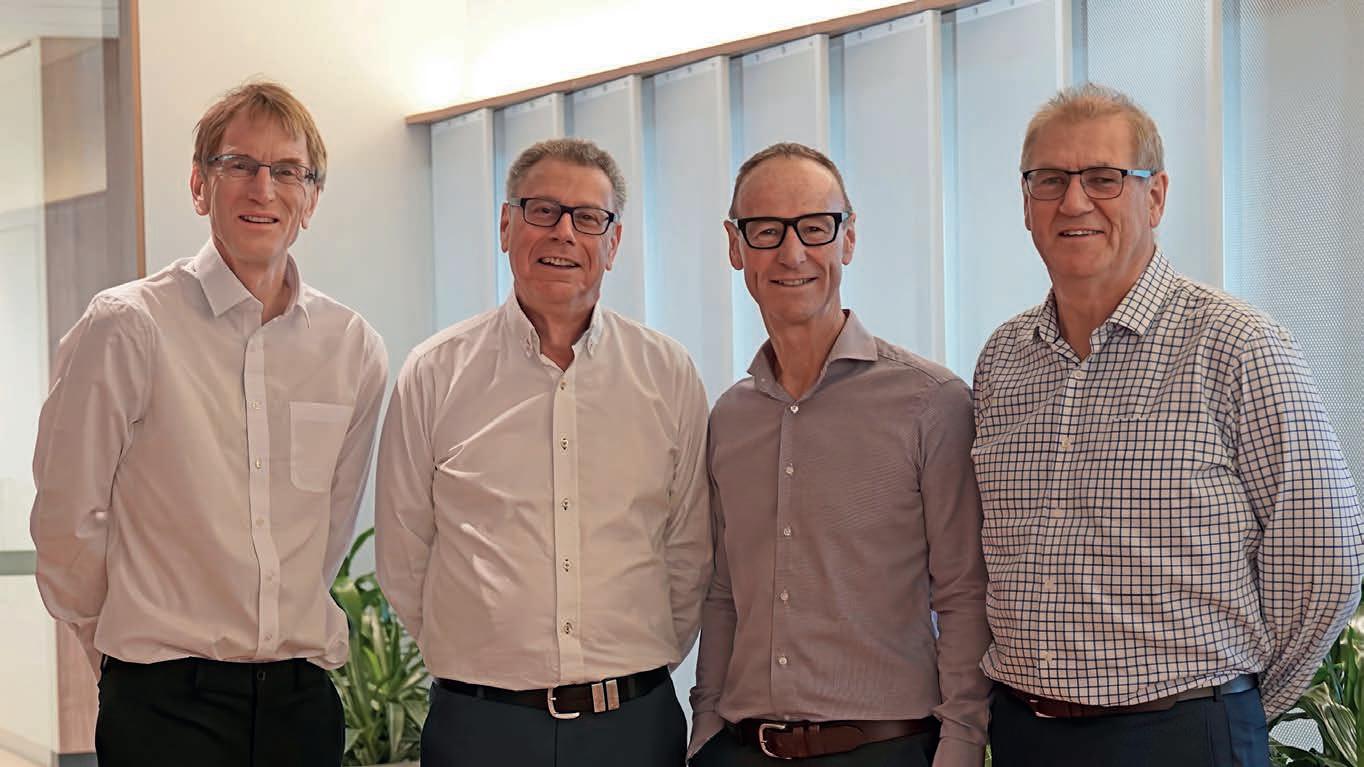
Steve Tetlow, Director, JN Bentley; Andrew Millar, Chairman of the Board, Leed; Adrian Jones, Regional Managing Director, Asia Pacific, New Zealand and Australia, Mott MacDonald; and Craig Laslett, Managing Director, Leed.
Mott MacDonald, the global employee owned engineering consultancy, has entered into an agreement to acquire a privately owned civil contractor delivering projects in metropolitan, regional and remote areas of Australia. The partnership with Leed Engineering & Construction, will enable Mott MacDonald to offer a wholly integrated design and construction team, with a particular focus on the provision and remediation of water infrastructure assets.
Leed is a multi-disciplinary engineering and construction company, specialising in complex infrastructure projects.
Founded in 2001, the business has grown rapidly to become a national infrastructure contractor with a team of over 350 people and offices in South Australia, Victoria and New South Wales. The company has extensive civil construction experience across water, dams, environmental works, roads, bridges and general earthworks as well as related engineering, construction methodology, planning and design. It is a delivery partner for SA Water, Coliban Water, Snowy Hydro Ltd and Future Generations as well as state-based climate, environment and water departments.
In the UK, Mott MacDonald has already
established Mott MacDonald Bentley (MMB) as a combined design and contracting team.
With nearly 3,000 people, it provides fully integrated civil engineering feasibility, design, construction and commissioning services to the UK water sector.
Through this acquisition, Mott MacDonald aims to strengthen its business in Australia, mirroring the success of its UK-based design and build construction business — enhancing the integrated delivery of water projects through the specialist expertise brought by Leed’s talented team.
Craig Laslett, Leed’s Managing Director, and his team of experienced engineers, project managers and skilled construction workforce will remain. Leed will continue to operate with its existing management team and structure, while drawing on the integrated design and build expertise of JN Bentley and Mott MacDonald to strengthen its market position and service offering.
“There is a significant demand for new and upgraded infrastructure across Australia and particularly in the water sector,” said Adrian Jones, Mott MacDonald’s Regional Managing Director Asia Pacific, New Zealand and Australia.
“By combining the capabilities of Mott MacDonald and Leed it takes our technical expertise to the next level, enabling us to provide a fully integrated design and construction offering to our clients in this space.”
Leed, according to Paul Bentley, JN Bentley Managing Director, has built an impressive reputation across Australia for delivering high quality, technically challenging projects.
“Their expertise is well aligned with our own commitment to safe, reliable and innovative delivery,” he said in a statement.
“This acquisition is an opportunity to strengthen Mott MacDonald’s contracting offering, supported by JN Bentley’s 53year construction heritage and the success of our design and build business, Mott MacDonald Bentley.”
Laslett added that Leed is pleased to be joining JN Bentley, part of the Mott MacDonald Group, at a time of significant investment in water and civil infrastructure across Australia.
“With a shared focus on delivering quality outcomes for clients, our combined capabilities will support the delivery of complex water infrastructure projects across Australia,” he said.
Image:
Mott MacDonald

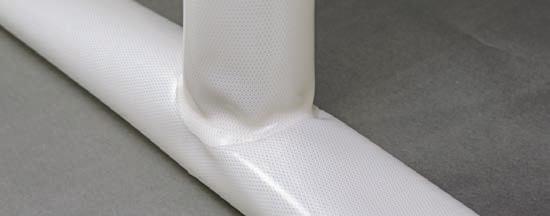
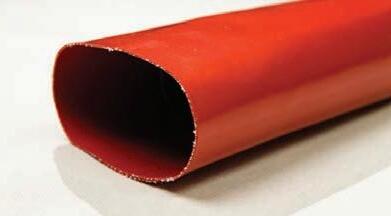
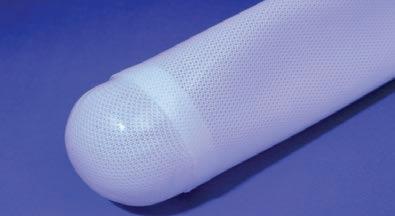
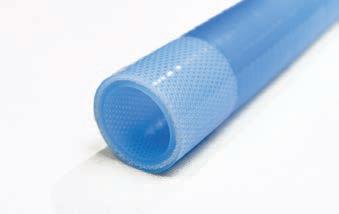
•Compatible with all cure types and liner variants
•T & Y Designs for Mains to Lateral connection repairs
•Up to 20 uses, reducing your waste and environmental footprint
•Up to 150% expansion with our specialist Flex150 product
•Stock agreements (US & EU) are available to reduce lead times
•Long lengths available - Diameter sizes ranging from DN50 to DN900
GAWB uses relining method never attempted before on large diameter cement pipes
Gladstone Area Water Board (GAWB) has successfully relined two key sections of the raw water pipeline connecting Awoonga Dam and the Gladstone Water Treatment Plant in South Gladstone. GAWB Chief Executive Officer Darren Barlow said the project had presented some unique challenges.
“This pipeline was built in the 1960s, so its age coupled with significant geological restraints, made traditional replacement too costly and inefficient,” Barlow said. “While trenchless technologies are commonly used on water and sewage pipelines, this relining method has not been attempted on pipes of this size or specifications in the southern hemisphere before.”
That would be DN700 Mild Steel Cement Mortar Lined pipe which was relined in two stages with a structural UV liner installed first, followed by a second steam cured inversion liner.
“The pipeline was relined in two locations – at the Moura rail line crossing on our easement behind Toolooa State High School; and at the under-road crossing on the corner of the Tintersection between Gladstone Benaraby Road and Glen Eden Drive,” said Barlow.
“In the first stage, a UV-cured structural liner was winched into the pipeline, expanded with air pressure, and hardened
using high-intensity ultraviolet lights before being inspected by a robotic camera” he said. “The second stage involves installing a cold-stored, resin-soaked inversion liner using steam and air pressure to bind it to the structural layer before the resin sets.”
As part of the works, a new isolation valve was also installed under the rail line crossing, which will improve network flexibility once the Fitzroy to Gladstone Pipeline comes online.
“While not part of the relining works, the project team identified an opportunity to save money and resources by completing the work at the same time,” Barlow added.
As a Queensland Government Bulk Water Supply Authority, GAWB delivers safe and
reliable water services which promote economic development and enhance the lifestyle of regional Queensland.
GAWB owns and operates Awoonga Dam, along with a network of pipelines, water treatment plants and other distribution infrastructure. It also owns and operates Aquaculture Gladstone, a fish hatchery and interpretive display at Lookout One at Lake Awoonga.
To ensure long-term water security for customers, the 117-kilometre Fitzroy to Gladstone Pipeline (FGP) is under development.
When delivered, the FGP will become part of the GAWB network and provide enhanced water security and reliability for the region.
South East Water completes major sewer upgrades
Capacity for Glen Eira Council’s growing residential community has been boosted by South East Water. The Melbourne-based utility recently completed upgrades to the sewer network in Bentleigh and Bentleigh East as part of the Elster Creek upgrade.
Considered a complex project delivered in the heart of a busy neighbourhood, it involved the installation of over 1.4km of new sewer pipe, at times up to ten metres deep. Two 160kl underground emergency relief storage tanks, each 36 metres long and 2.4m in diameter, were also installed.
“The Bentleigh Interceptor Branch Sewer Renewal will increase the reliability of the sewer network and reduce the risk of spills to cater for population growth in the area and future proof the sewerage system,” said South East Water in an online statement.
Prior to works an investigation was conducted that involved assessing and monitoring the capacity of the existing sewer pipe, using temporary flow monitors.
South East Water confirmed that a mix of two different tunnel boring techniques were employed with Pezzimenti Trenchless handling the vacuum extraction across Noble Park and just over half of what was required in Bentleigh.
Slurry drilling was completed by Bothar Boring for the remainder of works (~40 per
cent) required at Bentleigh.
South East Water acknowledged its partners on the ZJW Joint Venture.
“Huge thanks to our partners at Zinfra, JAYDO and WSP and to the community for your patience while we got these essential works done,” the utility said.
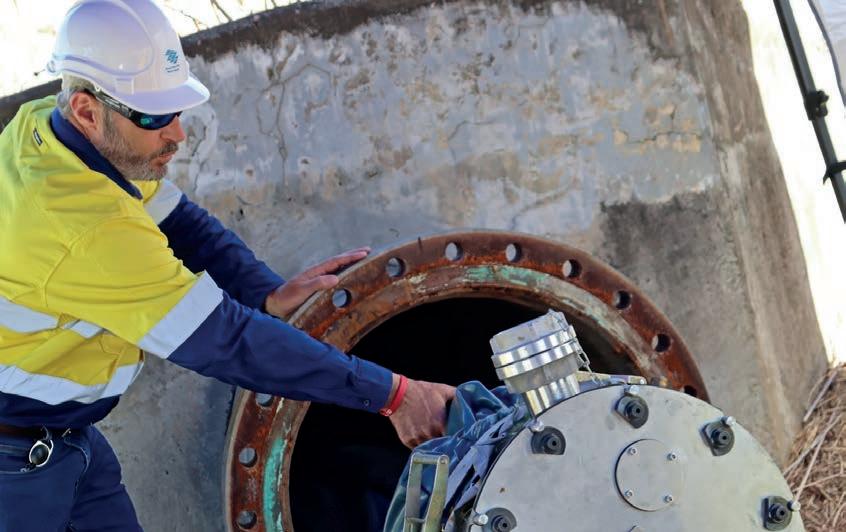
A GAWB worker tends to a valve on the DN700 Mild Steel Cement Mortar Lined pipe.
Image: Gladstone Area Water Board
The underground site where ‘Lady Eileen Hudson’ completed its drive.
Image: South East Water
TRANSFORMING THE FUTURE OF PIPELINE INFRASTRUCTURE
CCTV INSPECTIONS
Sewer and stormwater inspections
UV CURED LINING
Glass-reinforced UV liners for long-term performance
OUR CAPABILITIES
ROBOTICS & CUTTING
DN100-DN1350
PRESSURE JETTING
Drain cleaning and obstruction removal
POINT REPAIRS
Drain patch repairs
PRESSURE LINING
High-performance pipe rehabilitation solutions
BUILDING RELATIONSHIPS. DRIVING INNOVATION. SETTING NEW STANDARDS.

Snowy 2.0 tunnel boring breakthrough achieved
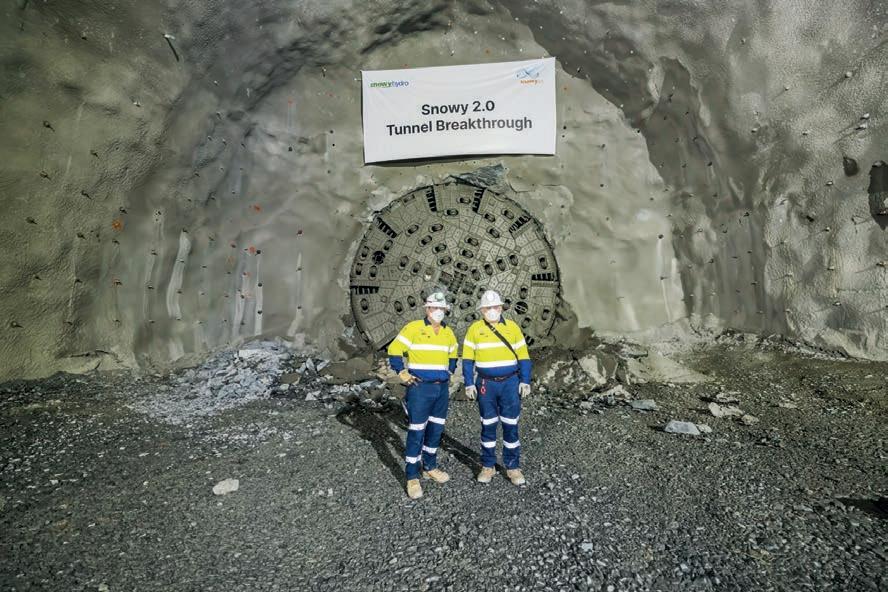
Excavation of a six-kilometre tunnel has successfully been achieved on the Snowy 2.0 with a tunnel boring machine breaking through the underground cavern complex deep in the Snowy Mountains. TBM Lady Eileen Hudson completed the major milestone.
Crucially, this breakthrough marks the completion of the massive 2,300-tonne machine’s tunnelling work on the project, having previously excavated a 2.85-kilometre access tunnel before the six-kilometre tailrace tunnel, which will connect Snowy 2.0’s underground power station to the lower water reservoir, Talbingo Dam.
Snowy Hydro CEO Dennis Barnes said the breakthrough is symbolic of the momentum being achieved at what is Australia’s largest renewable energy project.
“There’s nothing more exciting on a tunnelling project than a breakthrough. Even more so with Snowy 2.0 because the geology we’re working with is extremely challenging,” Barnes said. “The ground under the Snowy Mountains is making us work for every metre, but like the original Snowy Scheme, it’s inspiring to see what Australia can achieve when we take on the hardest tasks.”
Adding to this tunnelling momentum, TBM Florence’s much talked about performance issues are now reportedly a distant memory as it approaches the halfway mark on its 15-kilometre journey.
In 2024 Florence became trapped in sandy ground 150 metres from the tunnel entrance
opening a five-metre deep sinkhole above it in Kosciuszko National Park. This required urgent installation of a slurry plant.
Afterwards the TBM suffered premature wear issues on its cutter discs. Specialist contractors were brought in to jet highpressure water to disintegrate rock wedged against the shield.
Florence, according to Barnes, is now consistently achieving personal bests.
Snowy 2.0’s recently commissioned fourth tunnel boring machine, Monica, is one of the world’s most advanced.
Custom-built to get through the complex geology of the Long Plain Fault Zone, Monica is excavating the opposite end of the same tunnel as Florence.
The two machines will meet in the middle before being disassembled deep underground.
Barnes said the near-5000-strong workforce had been key to Snowy 2.0’s increased momentum.
“Snowy 2.0’s people are proud of the work they’re delivering, the way they’re solving problems and delivering incredible feats of engineering every day,” he said. “They’re also proud of the legacy their work is creating for Australia.
“Just like the original Snowy Scheme, the project is difficult and not without its setbacks. But when we’re done, we’ll have an incredible asset owned by every Australian to underpin energy reliability and security for generations.”
Bundaberg council announces major sewer relining program
A major sewer relining program will soon improve the reliability and lifespan of underground infrastructure across several local suburbs in the Bundaberg region. Works will take place this month in Kalkie, East Bundaberg, South Bundaberg, Thabeban and North Bundaberg and once complete, will add another 50 years of life to the network.
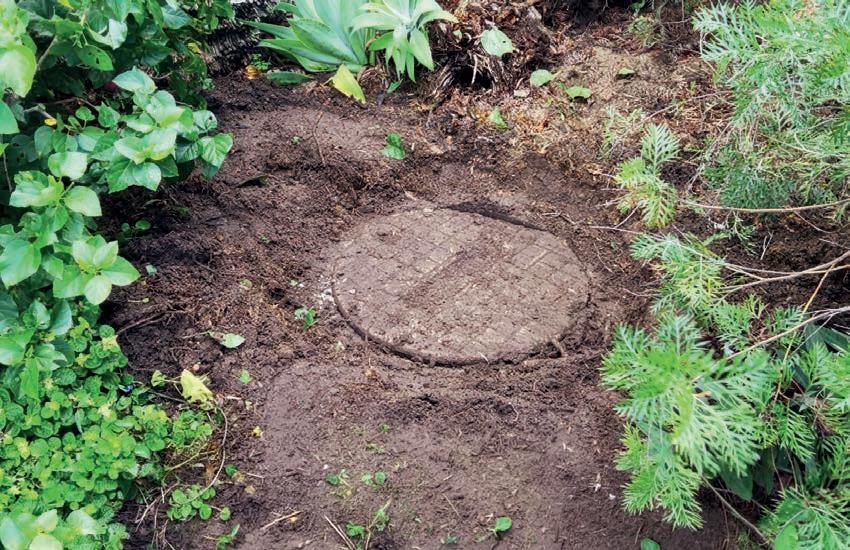
Bundaberg Regional Council has already completed the first stage of the project which included refurbishing a number of manholes identified as showing signs of wear from gases and erosion over time. The second stage, sewer pipe relining, will continue through to July, weather permitting.
Water, Waste and Renewable Economy portfolio spokesperson Cr Jason Bartels said the project involved repairing existing underground pipes without the need for major excavation.
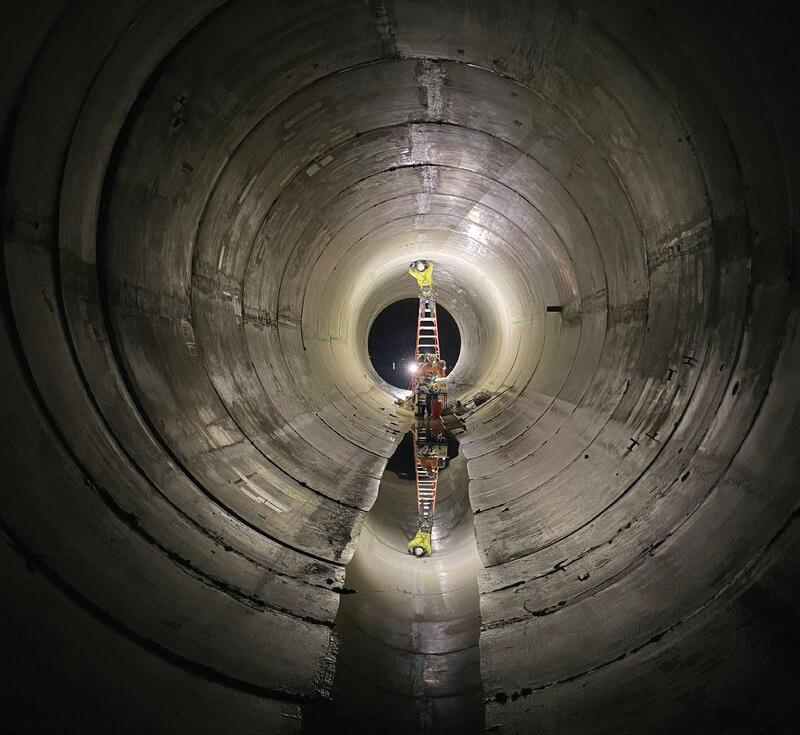
“Pipes identified through CCTV inspections are cleaned and then lined internally with a durable material that forms a new pipe within the old one,” he said.
“The lining is set in place using heat or ultraviolet light, creating a strong, longlasting seal.
“It’s an amazing bit of technology that allows for a large job to be completed in a timely manner.”
During the works, sewer flow will be temporarily redirected in sections of the network. Residents may notice work crews in their area but disruptions are expected to be minimal.
Bartels said the program was a proactive step to maintain essential services and avoid more costly repairs in the future.
“By investing in these upgrades now, we’re extending the life of our sewer network and reducing the risk of failures that can impact
homes and the environment,” he said. “This method allows us to carry out critical repairs underground with minimal digging, which means less disruption for our community.”
Image: Snowy Hydro Limited
Image: Bundaberg Regional Council
The underground site where ‘Lady Eileen Hudson’ completed its drive.
Several manholes that showed signs of wear from gases and erosion have been refurbished.
Beyond
Swedish industrial giant acquires Vacuum Truck Supplies
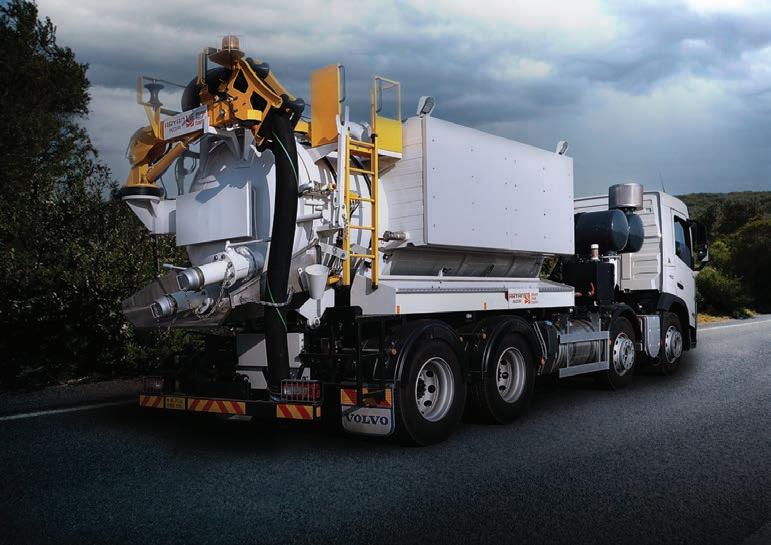
Mansfield-based Vacuum Truck Supplies (VTS) has been acquired.
The Australian manufacturer of vacuum trucks, trailers, and portable units has joined DISAB Group, a Swedish company with a strong reputation in industrial vacuum technology and equipment.
For VTS, it marks an exciting new chapter according to retiring Managing Director Rod Glue.
“After nearly 30 years, it has been an amazing journey. Like any business, there have been plenty of challenges along the way, but Sandra and I have been very fortunate to share that journey with an incredible crew of co-workers, exceptional suppliers and tremendous customers,” said Glue.
“We would like to take this opportunity to send a heartfelt thank you to everyone who has been part of the VTS story and helped build the business into what it is today.”
The acquisition is part of DISAB’s strategic expansion into new markets.
It considers the integration of a longestablished company like VTS as a major step in both strengthening its presence in Australia and growing its international footprint.
“VTS brings 25 years of experience designing robust machines that are easy to use, easy to maintain, and offer incredible long lifetime value — core values that align perfectly with our own,” DISAB said in an issued statement.
“We are fully committed to the Mansfield site and its team, and we will continue to
develop VTS as a powerful brand in the market, just as we have successfully done with DISAB-Tella and Rolba.”
The DISAB Group includes DISAB Vacuum Technology, DISAB Tella, Rolba, DISAB Rental, Hyrtab and HYR.
Glue also had a message for industry.
“For our customers, suppliers and industry partners, the message is simple: VTS is still here, still building, still supporting, and still focused on practical vacuum truck solutions
for Australian conditions, just as we always have,” he said.
“I would also like to thank Magnus [Hansson] and Marcus [Rasmusson] from DISAB Sweden for investing in the long-term future of VTS.
“DISAB’s values align strongly with what VTS has always stood for: robust equipment, long service life, easy operation, easy maintenance and real support for the people using the gear every day.”
KOR Equipment Solutions appoints new managing director
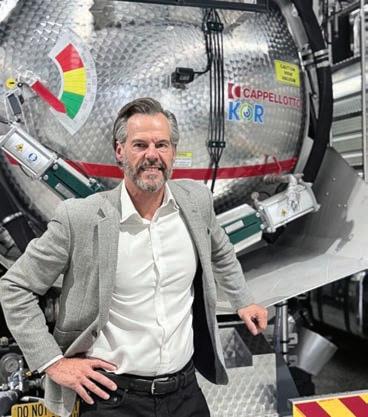
KOR Equipment Solutions has appointed a new Managing Director.
Owners Stephen Pewtress and Marcus Birrell this week confirmed Jason Wall had been promoted to the position.
Wall has first-hand knowledge of the KOR business having been a Board member as non-executive member for seven years and a trusted advisor since its inception.
“I took the role at KOR as it is a great opportunity to lead a dynamic organisation with great people, loyal customers, and a rich history,” Wall told Trenchless Australasia.
“My leadership style is to strive to become better every day and generate high energy and strong teamwork to achieve the best possible solutions.
“At KOR we want to be the best at what we do and ensure our customers are experiencing that.”
With 35 years of experience in accounting and business advisory, Wall is expected to
”He is a trusted leader with extensive business and commercial acumen, ready to take on the challenge of leading KOR into its next phase of growth and development,” the KOR owners said in a joint statement.
KOR’s success to date has been built on a “partnership approach,” working closely with OEMs, customers, suppliers and stakeholders.
ensure a strong focus on customers, team and financial performance.
His leadership style is built on drive, honesty, accessibility, and passion.
Previously Wall was the Manager of Operations at the Jacob Group of Companies, a family operated business with 95 years of history in the Albury Wodonga region.
“Jason’s mandate is to build on this strong foundation and lead KOR to continued success,” the joint statement from KOR’s owners continued.
Established in 2011, KOR Equipment Solutions is a premier industrial services distributor in Australia and New Zealand. It specialises in the sales, servicing, and support of heavy-duty industrial vehicles, including vacuum trucks, hydro-excavation units, street sweepers, and drain cleaning equipment.
New KOR MD Jason Wall. Image: KOR Equipment Solutions.
DrainVac 8x4.
Image:
North by northwest
Yarra Valley Water General Manager, Asset Services Bridie Fennessy explains how trenchless technologies are helping to reduce impacts in culturally sensitive places while delivering environmentally important outcomes.
One must have a certain gift for management to balance the many tensions held within the tangible assets found in an area spanning 4,000km². That’s the scope of infrastructure found within the boundaries of Yarra Valley Water which, to press home the point, features an extreme contrast of landscapes from volcanic grasslands, peri-urban amenities, rainforests, and highly divergent topography including mountains and new suburban settlements. A complex environment for contractors to operate in according to General Manager Asset Services at Yarra Valley Water, Bridie Fennessy, who leads and oversees renewal works for an expansive water and wastewater network and
major infrastructure projects, including the recent Upper Darebin Creek branch sewer rehabilitation.
But first a brief primer on Fennessy’s background before joining Yarra Valley Water. A lawyer by training, Fennessy has predominantly spent her time in alternative dispute resolution working with consumers to ensure that they receive a fair go when it comes to dealing with monopolistic utility providers and essential services. Prior to joining Yarra Valley Water in 2016, she had been working at Public Transport Victoria, and before that, the public transport ombudsman, following a stint with the energy and water ombudsman.
all critical for people to be able to live their lives, and they’re particularly important for people who experience vulnerability within our community as well,” she said.
Fennessy joined Yarra Valley Water as a complaint specialist.
“So not an engineer or traditional asset manager, more a jack of all trades, starting in small not-for-profit organisations managing policy work and then moving into operational frontline management,” she recalled.
“Water, energy, public transport, they’re
In 2017 Fennessy helped establish a new faults and emergencies department with an emphasis on providing a customer-focused emergency response service for incidents involving property damage and asset failures

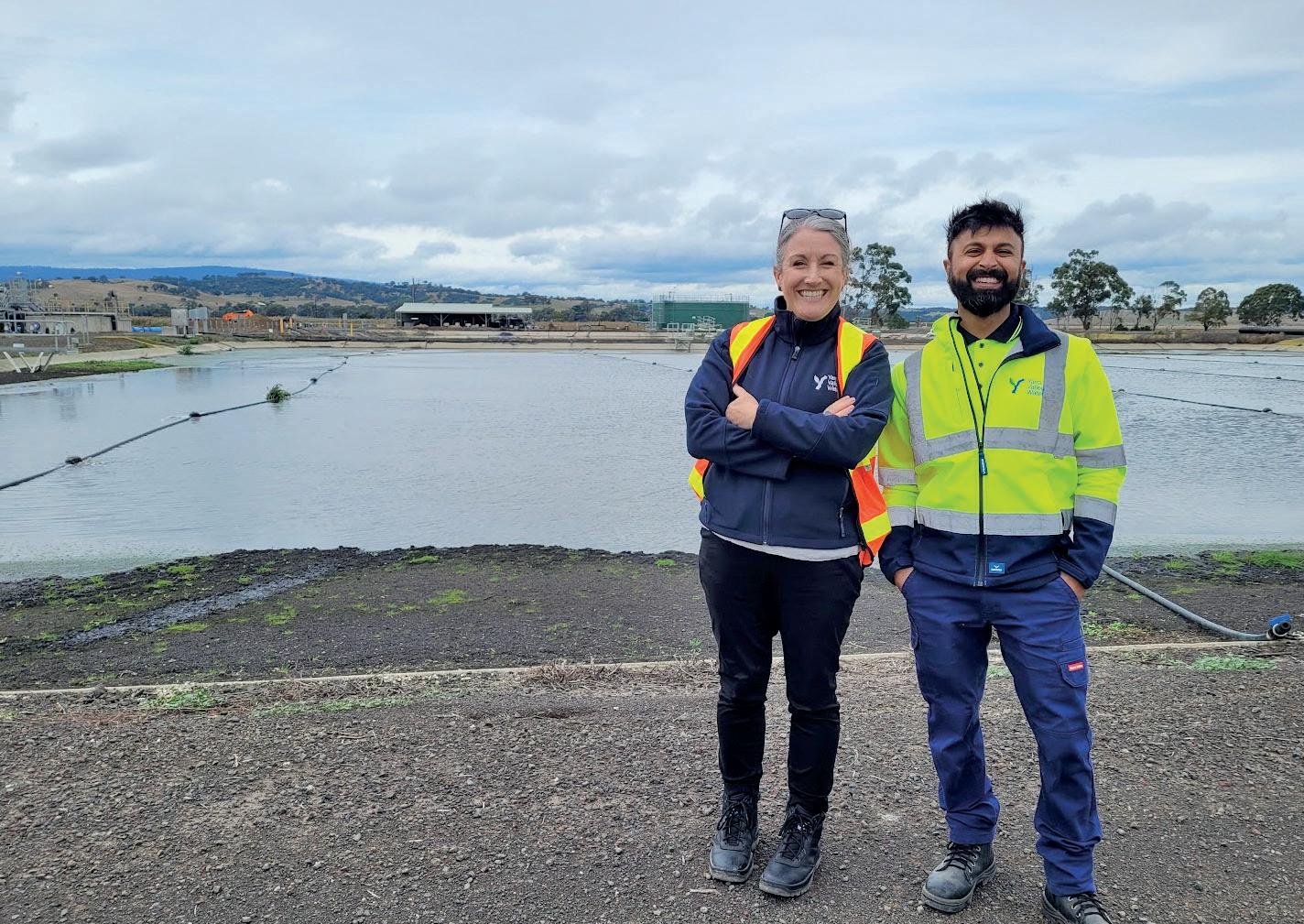
Fennessy with Yunal Kumar – Yarra Valley Water Recycled Water Treatment Plant Engineer.
Images: Yarra Valley Water
while working closely with maintenance service providers and contract partners. She was appointed to the executive team five years ago.
About 18 months ago the organisation brought together its growth planning and delivery areas which, for Fennessy, incorporated the end-to-end asset life cycle into her remit. In short, she was now across planning, construction, maintenance, operations, response, and emergency management.
Non-invasive underground applications have obvious affinities with the goals of the utility. Trenchless technologies have indeed provided solutions with repeated efficacy in reducing impacts to existing communities especially for renewal programs.
“Horizontal directional drilling and other no-dig methods on our community sewerage program reduce the impact on the built environment and for local communities when we’re working in their area,” she said. “It will become increasingly important to us as we start to look at more significant infill development, and particularly with activity centres that the Victorian Government is looking to plan for over the next 50 years.”
In trenchless sewer construction, Yarra Valley Water employs relining and microtunnelling applications particularly when it comes to reducing surface impacts or considerations around cultural heritage listed sites, but also when there’s access constraints as well, which makes open trench impractical and unsafe in some cases. Microtunnelling, for example, was used to install critical sewerage infrastructure in close proximity to a waterway and sensitive creek environment.
“Without that, we would have needed significant additional work to manage the risk to cultural heritage in the area and run the risk
of damage ,” said Fennessy. “It’s a standout benefit among our recent projects that we can better protect cultural heritage.”
Quietly delivering asset renewals through sewer relining programs – programs that often receive plenty of feedback – is another advantage.
“You can really notice the difference in terms of speed of delivery, but also impact as well,” Fennessy said. “We hear people say ‘I didn’t even know you were there.’”
Two delivery partners undertake the annual renewal program for Yarra Valley Water.
Careful planning goes into community engagement, environmental protection and working with Traditional Owners Wurundjeri Woi-wurrung Cultural Aboriginal Corporation, concerning the impacts on culture and country according to Fennessy.
“The use of trenchless technology to reduce the impact to culturally and environmentally significant places is really powerful,” said Fennessy. “As a water authority we want to look at proven technologies. We don’t want to take risks with these long- lived assets. So, we focus on what’s proven that we can adopt in our construction and maintenance activities.”
Yarra Valley Water values long-term partnerships and has established a number of construction panels to support delivery of its capital program, along with tendering projects to the open market. Having a variety of partners that they can build long-term trusted relationships with helps support Yarra Valley Water in critical early phases of planning and design.
“There’s no point designing something from behind a computer if it hasn’t had input from the contractors on how best to construct it and maintain it.” Fennessy said. “That has been a really successful approach for us.”
The panels are put together according to comprehensive Victorian Government guidelines. This provides a clear procurement process and procedural understanding of what is required.
“There’s a lot of work involved, and we have a very detailed approach in terms of understanding market conditions,” said Fennessy. “We let the market know of upcoming tender releases, which can be through an expression of interest followed by an Request For Tender, or we might go straight out to full RFT. It depends on the sourcing strategy we’ve developed based on the nature of the project that we need to deliver.”
A sewer sensor trial is currently underway in Healesville to better understand the capacity and ebb and flow of wastewater through the system as Yarra Valley Water transitions into the delivery of its new treatment plant. This will not only help identify if there are areas they can optimise in trade waste agreements with local businesses but also isolate any locations where there’s been infiltration into the system so they can be subject to renewal.
“We need proven technologies to ensure they provide clear safety, performance and whole-of-life benefits for the assets that we’re putting in the ground. Especially given our pipes have a 100-year lifespan,” said Fennessy. “That means using methods we know are safe and reliable, either backed by strong evidence from others or proven through our own trials. We work closely with our partners and contractors and really value their input and experience to help shape the outcomes we’re after. Their involvement is invaluable as we test, refine and put these approaches into practice.”
For Fennessy, effective planning for end-toend asset life cycles – such as those developed every five years in the regulated price submission - should ultimately be measured by what future generations inherit. That means adopting a longer term perspective. Not just focussing on immediate priorities.
“We need to ensure we’re not only addressing what’s most important today but also thinking about the decades ahead” Fennessy said. “What are the decisions we must make today, so that in 30 years’ time, someone in my position will look back and say, ‘actually, they made some really smart and prudent decisions then’? We should be asking ourselves, our engineers, asset managers, constructors, maintainers and operators: what do you want future generations to say about the calibre of your decision-making when it came to the stewardship of these assets?”
Reflecting on the challenges ahead, Fennessy added, “We’ve got some interesting and complex times ahead of us, and the job is to ensure our people and practices are well placed to help us navigate it, so we can keep delivering reliable and trusted services to our customers, and community, while protecting and enhancing the natural environment.”
Bridie Fennessy, Yarra Valley Water General Manager, Asset Services.
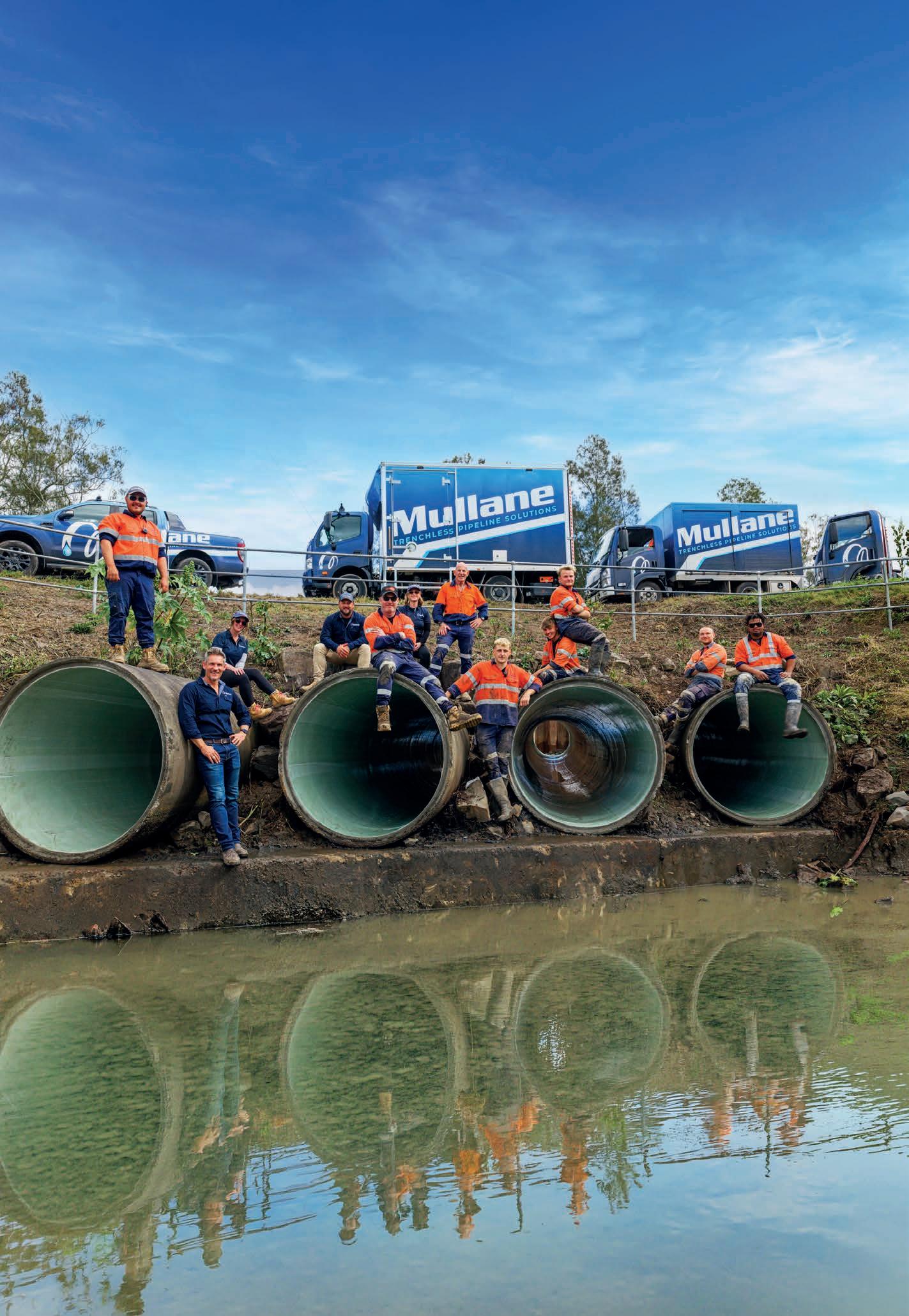
The A team
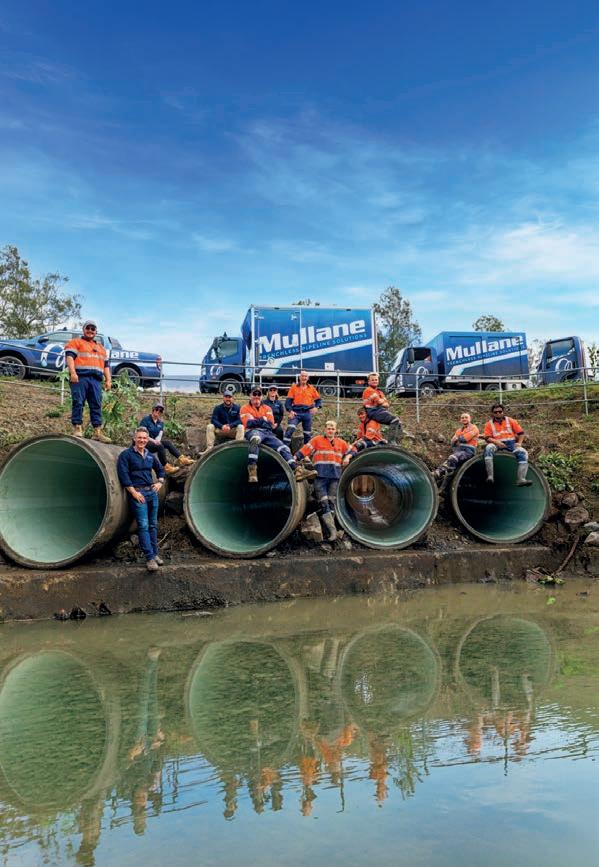
The recent completion of a tricky quadcell DN1500 rehabilitation project has reinforced Mullane Trenchless’ status as a specialty contractor in the delivery of complex civil trenchless renewals.
Collaboration is a cornerstone of successfully executed trenchless technical applications. There are often many moving parts across multiple groups working on a project, all of whom must coordinate equipment, materials and, at times, systems within a safe and ordered environment while remaining constantly conscious of mitigating environmental impact throughout the works. Many trenchless renewals are highly complex and carry material risk. Infrastructure specialist Mullane Trenchless Pipeline Solutions excels under these conditions.
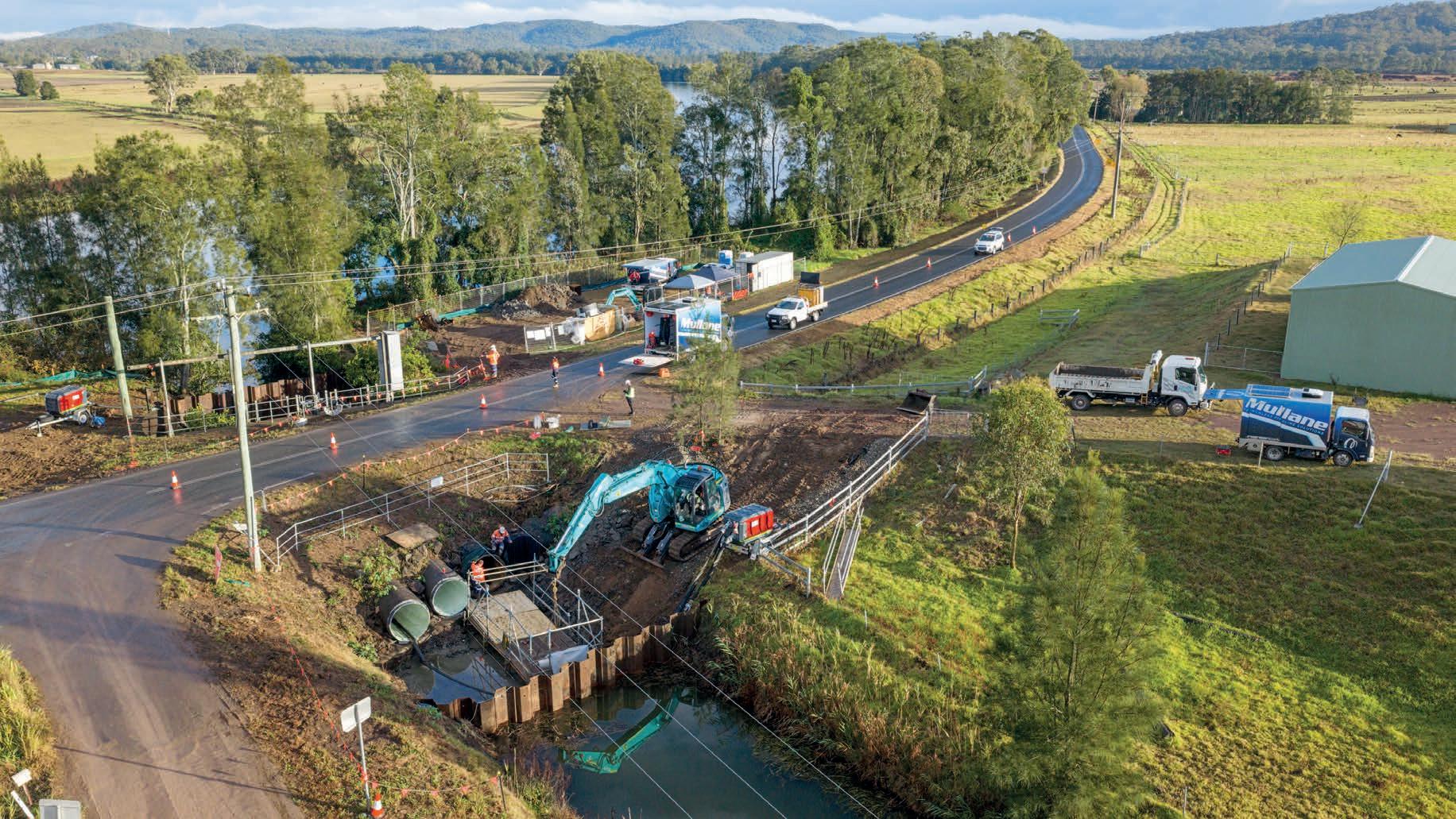
Last May, the NSW based contractor successfully completed the rehabilitation of four DN1500 pipelines within an environmentally sensitive tidal zone, delivering an intricate trenchless renewal project under live wet conditions—and, what’s more, with zero downtime between lining operations. The project brief was demanding: a quadcell of large-diameter pipes in a pristine environment, with an active creek, an adjoining river and the presence of an endangered species among the constraints to be managed.
Working with large-diameter assets in a
dynamic river ecosystem – subject to tidal fluctuation, submerged access conditions and strict environmental protections –creates significant operational constraints. A series of approvals were required, covering everything from the management of discharged water pumped each day, through to fauna management. In one of the more unusual project requirements, a protected microbat species was identified across several of the pipelines scheduled for rehabilitation, requiring careful location and relocation by the relevant authorities prior to access being granted.
Months of meticulous planning, as Mullane soon demonstrated, unlocked a tightly programmatic work schedule. Two weeks of detailed site preparation, in essence, enabled one week of streamlined execution.
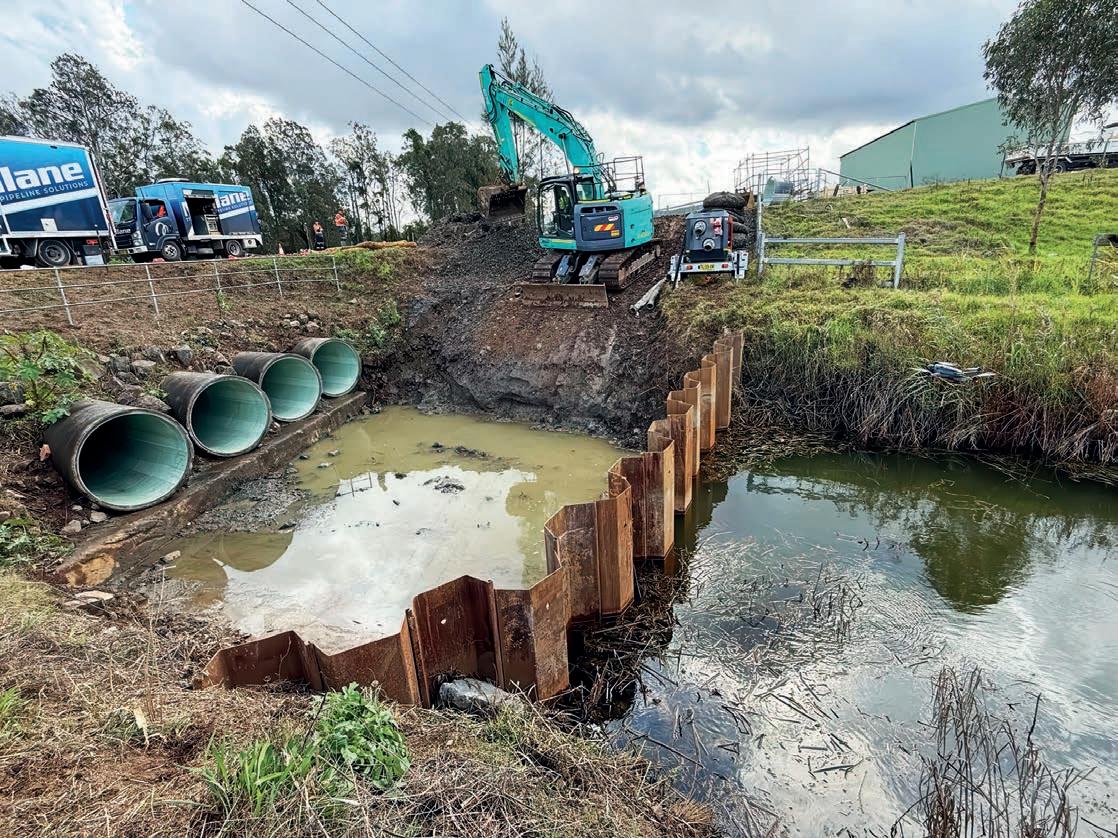
The UV lining process, for one, must be completed without moisture. With the DN1500 pipelines typically submerged, a range of civil and temporary works were required before relining could commence.
To create controlled and isolated work zones around the pipe structures, sheet piling was installed on both downstream and upstream
sections of the creek/river.
“The key was establishing effective isolation so we could control tidal ingress and upstream flows, and then maintain safe access to the assets,” recalled Luke Woodward, Mullane Trenchless Operations Director. “That approach allowed our crews to manage river flows, changing water levels and site constraints without compromising safety or environmental controls.”
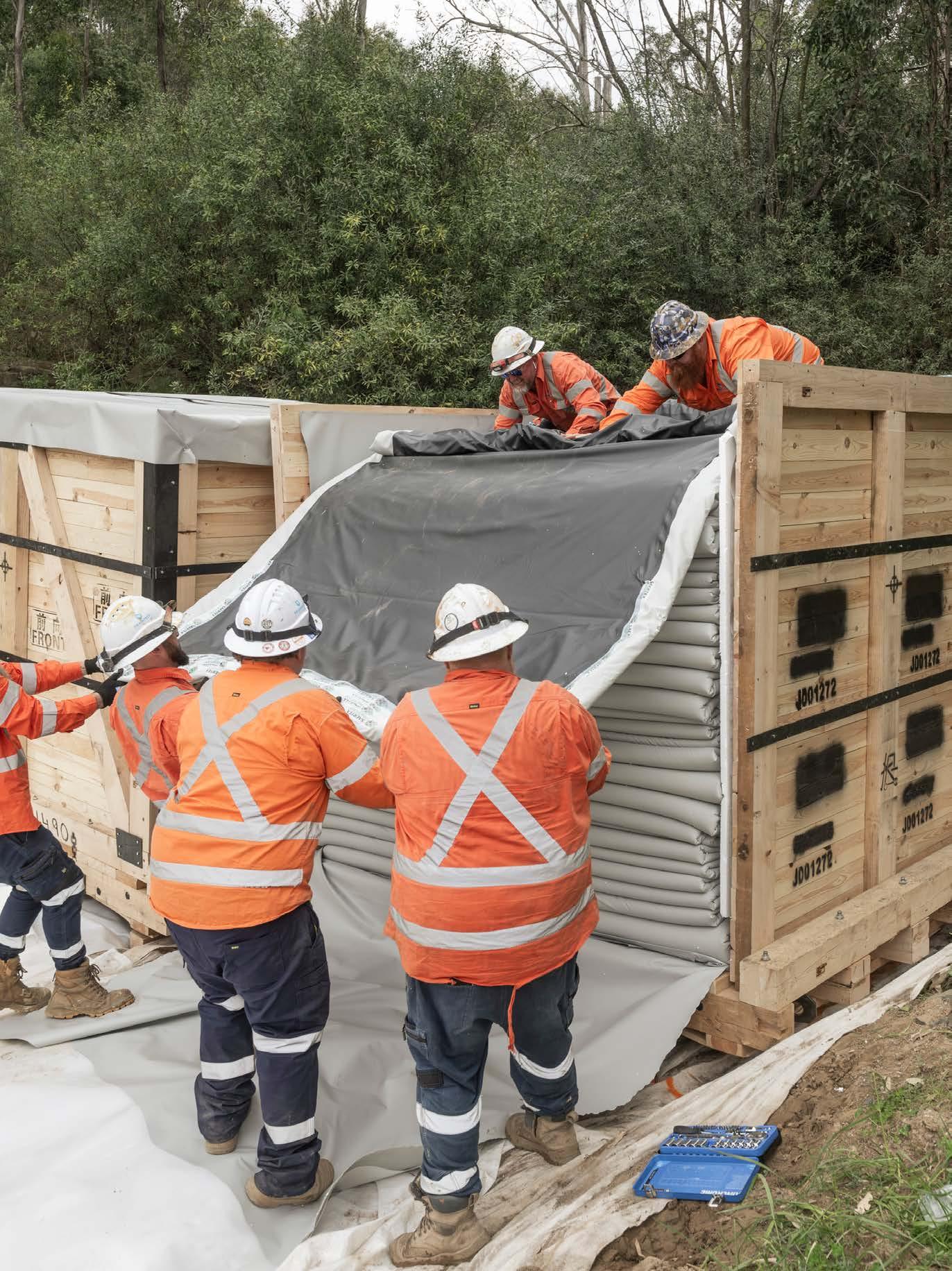
A 35-tonne sheet piling rig and 23-tonne excavators navigated the constraints of the site to support the works, including the handling of liner boxes weighing approximately three tonnes each. These liner boxes had to be moved into position each morning, ready for lining which meant that after each liner was installed they had a few hours of civil enabling works required before leaving site daily.
Combined with high-capacity dewatering systems and continuous monitoring, the temporary works methodology enabled rehabilitation operations to proceed efficiently despite the challenging hydraulic environment. Significant plant and machinery were required to manoeuvre heavy lining equipment and
liners, particularly given the confined footprint around the quadcell arrangement. Here, Mullane’s construction capability – supported by specialist input from its parent company, H L Mullane Infrastructure – came to the fore.
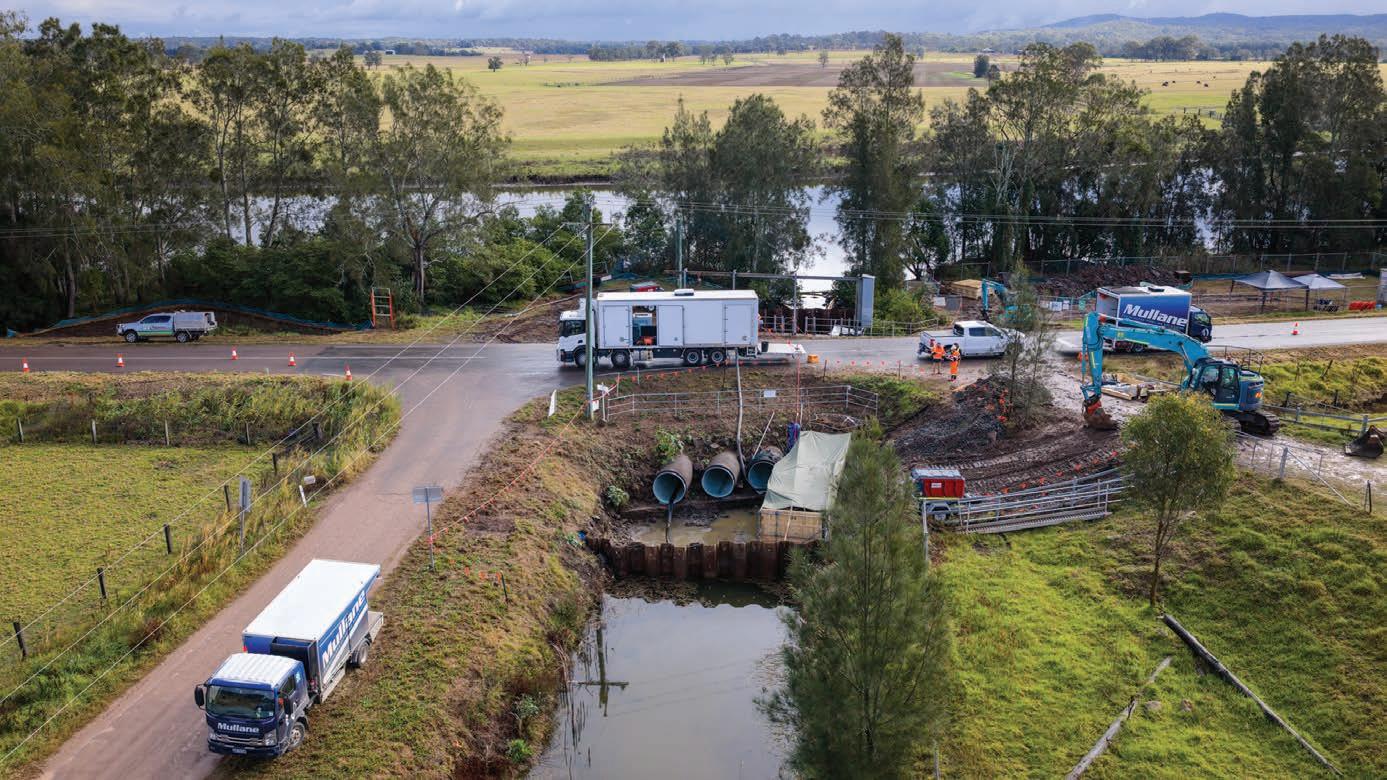
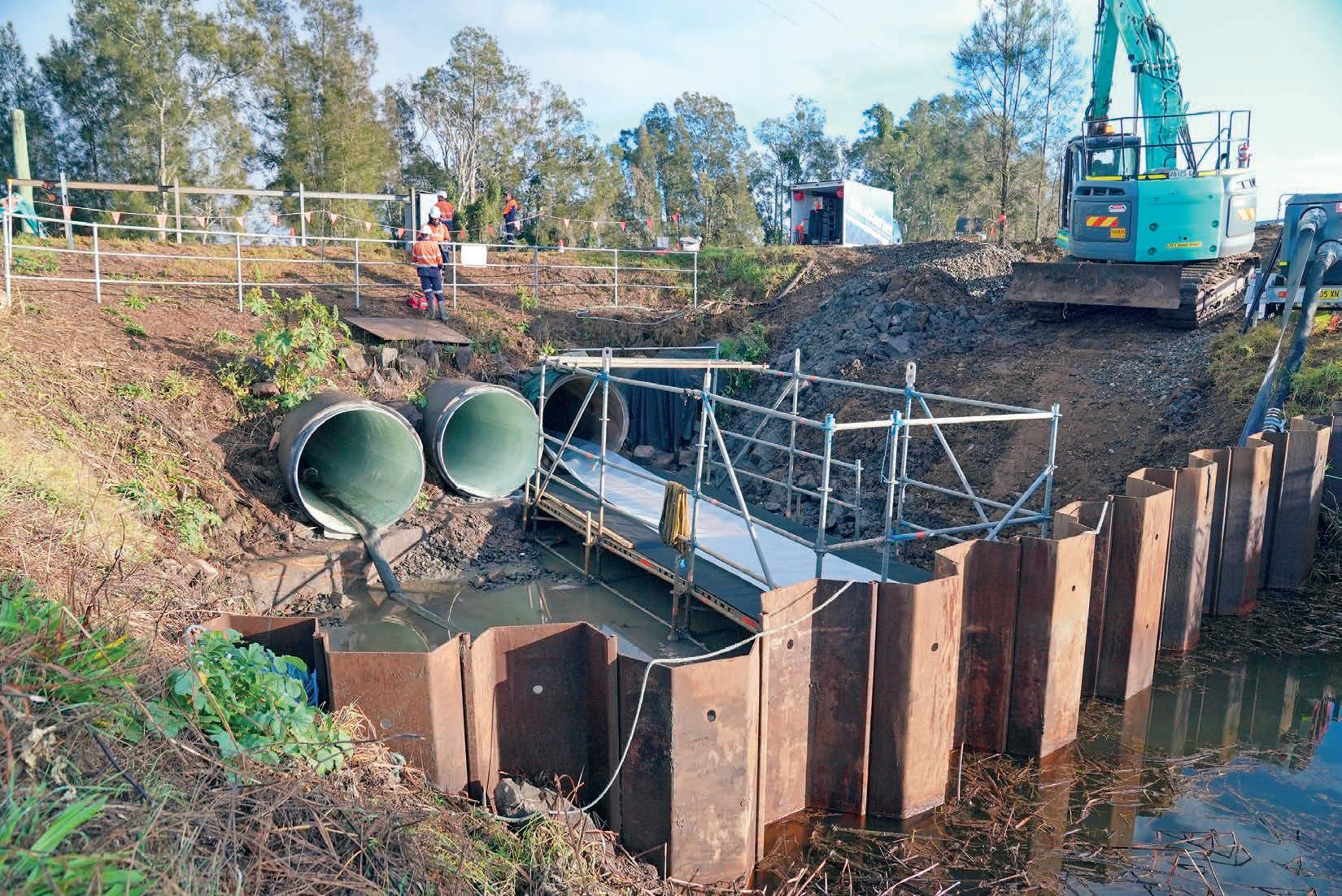
Large scaffolding platforms were custombuilt and lifted into the creek bed once the water had been pumped out. These platforms supported the three-tonne liner boxes and provided stable working areas for the lining crews.
As part of its quality assurance approach, Mullane installed full rain and sun protection over the scaffolding on both the upstream and downstream channels.
“A lot of the success came down to the work done before we arrived on site to line— engineering the sequence, procuring the right temporary works, and planning each movement so daily production wasn’t exposed to avoidable delays,” said Woodward. “On a program like this, if one day overruns, it can create immediate knock-on effects to logistics and client timeframes.”
Continuing its commitment to achieving the best outcome for every component of the project, Mullane leased a refrigerated storage facility near the job site to ensure the liners were kept below 14°C. This added another layer of protection to the product and helped maintain consistent curing parameters for the SAERTEX UV-cured liner supplied through Pipe Core.
“In warmer conditions, resin temperature can rise quickly,” said Chris Hill, Mullane Trenchless Director. “By keeping the liners
cool and stable, we reduce variability and protect the curing process from ambient temperature swings.”
A crane truck transported the liner boxes from the refrigerated facility to site daily. Mullane Trenchless also had large jetting and CCTV inspection equipment on standby to support preparation, verification and quality control throughout the works.
For the UV cure, Mullane Trenchless collaborated with Australian Pipeline Management (APM), leveraging the large Rausch Rehab system to deliver a fast, controlled curing process suited to the scale and pace of the program.
Through detailed pre-construction planning, specialist water management methodologies and experienced delivery teams, Mullane Trenchless completed the relining of all four pipelines consecutively, achieving one pipe installation per day, with no gap days between operations.
“One of the standout outcomes for us was maintaining continuity. Four DN1500 installations in four consecutive days,” said Woodward. “Each shift still required additional preparation after the cure to reset the site and reposition equipment for the next pipeline. The planning effort was significant, but it allowed us to work efficiently and maintain momentum.”
Woodward believes the preparation phase gave Mullane a distinct advantage in delivering work that others may not have considered pursuing, at least not with the same continuity.
“On many projects, teams will build in gap
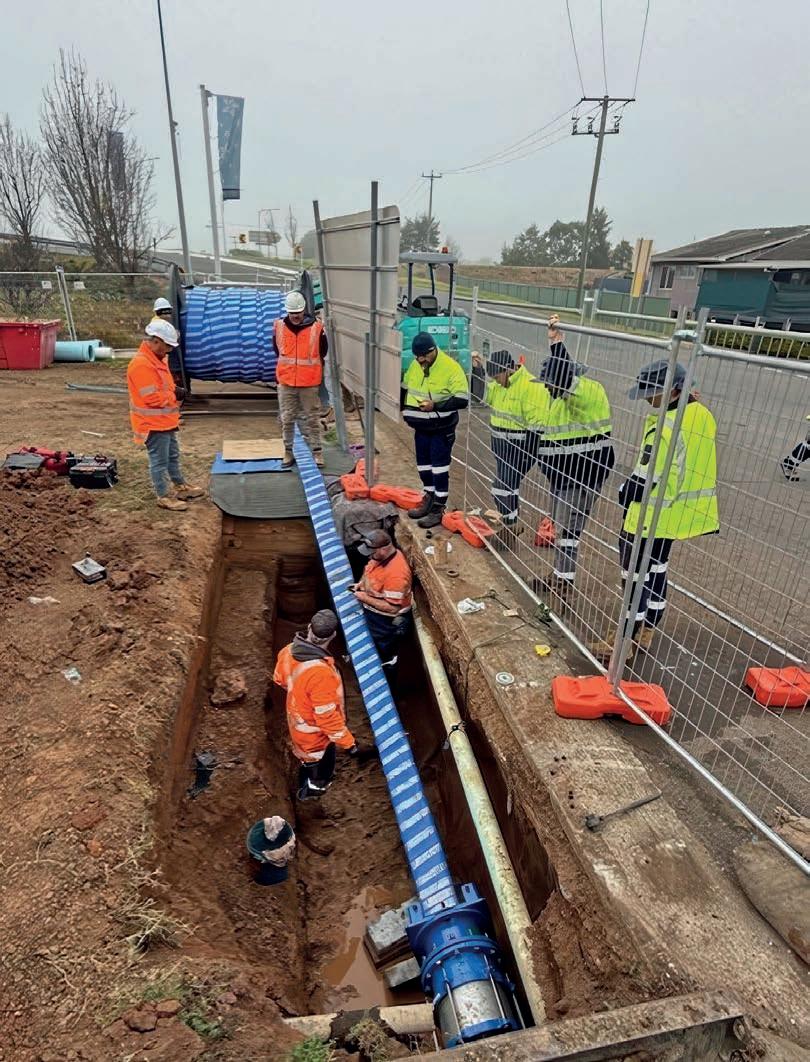
Quadcell DN1500 pipe rehabilitation site overview.
Curing line four on day four.
days between installations to recover time and reconfigure,” he added. “We’re proud that our team delivered a consistent daily cycle and maintained quality throughout. The feedback from the client and stakeholders has been very positive.”
With its head office in Somersby, roughly an hour between Sydney and Newcastle, Mullane Trenchless is something of a New South Wales specialist, while it also travels nationwide for dedicated projects.
The business thrives on large, technical and
complex trenchless projects across gravity sewer and stormwater networks. Its civil construction capability also positions it strongly to deliver pressure pipe relining, an area of increased focus, particularly through the use of ASOE pressure lining systems. More than 30 projects around Australia have utilised ASOE materials, which Mullane continues to back for their suitability in handling high pressures and large diameters. Woodward, who has a strong civil background, notes the system’s capability across a broad range of sizes, from DN50 through to DN1400.
Now in its fifth year of operation, Mullane Trenchless is relatively young, but that has not slowed its progression in building a team with the right expertise and management depth.
The ongoing support of parent company HL Mullane, a leading water infrastructure, plumbing and electrical contractor specialist led by Director Tony Rhodes, has helped provide the platform for Mullane Trenchless to scale rapidly.
“They have a forward-thinking approach and commitment to innovation,” said Hill.
“Quite often we find that the more traditional based services offered by HLM complement the civil/trenchless projects that we specialise in and as a group we are able to offer our clients the best solution for any pipeline replacement, rehabilitation or renewal.”
The company is proud of how it has elevated its capability to deliver complex projects such as the recent tidal-zone renewal.
“We’re continuing to invest in people, systems and delivery capability so we can take on the projects others find too constrained or too high-risk,” Woodward said. “In practical terms, trenchless made this outcome achievable without the scale of disruption that opencut alternatives would have introduced in a sensitive tidal environment.”
No-dig solutions remain, in some quarters, a well-known best kept secret.
“Trenchless requires a different mindset for some asset owners — particularly those who haven’t seen what’s possible at scale,” Hill told Trenchless Australasia. “A big part of adoption is education, supported by proven delivery and a willingness to consider innovative methods when the constraints demand it.”
Mullane’s growth has been driven not only by its internal capability, but also by industry relationships, something Woodward considers essential to delivering the best outcomes in trenchless delivery.
“Our goal is simple: deliver a quality outcome with the right solution, work with leading suppliers, and collaborate with specialist partners when it strengthens the result,” said Woodward. “The industry performs at its best when teams work effectively together and that’s something we prioritise on every job.”
For more information, visit mullane.com.au/trenchless/
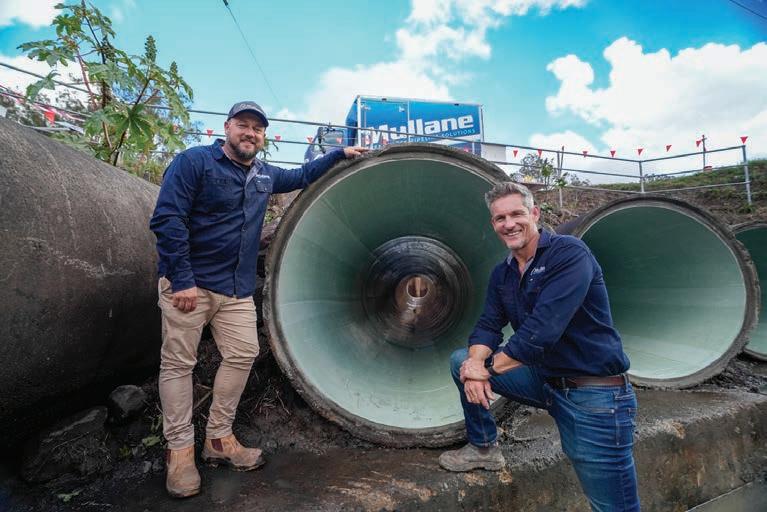
Luke Woodward with Chris Hill.
A customised safe working platform.
DISCOVER THE FUTURE WITH BOTHAR, A GLOBAL TRENCHLESS CONSTRUCTION EXPERT.
Ensure your project is delivered safely, sustainably, and successfully.
Bothar possesses comprehensive trenchless solutions alongside expertise in shaft construction and civil capabilities.
With over 30 years’ experience, Bothar is your partner for the delivery of complex infrastructure solutions.
Our Services
•Vermeer Axis Laser Guided Systems
•Auger Boring
•Direct Pipe Installations
•Shaft Construction
•Herrenknecht AVN MTBMs
•Bothar Built EPB - TBMs
•Open Face TBMs
•Tunnel Boring & Pipe Jacking
Tunnel vision
Rob Carr, as part of a joint venture in Sydney, is delivering solutions for clients on major projects and in doing so setting precedents, what’s more, for best practices within the trenchless industry.
At a build length of 1,163 metres, the pipeline installed by Rob Carr as part of the Ironbark Joint Venture on the Thornleigh Inlet Outlet Main Pipeline Duplication (TIOM) project in Sydney might be a record for diameter in Australia. The recently completed works are part of two separate project approval sections for Sydney Water and include the North West Wastewater Connection (NWWC), a more typical microtunnelling application.
The duplicate water pipe connecting the Thornleigh Reservoir to the pump station will allow filling and emptying to occur simultaneously. The single pipeline, at present, is used for both processes and hence limits operational flexibility and optimal utilisation of the large capacity of the reservoir. Furthermore, by having a separate inlet and outlet to the reservoir it will help to turn over the water in the reservoir more frequently which effectively assists with water quality.
Rob Carr is a 50 per cent partner in the Ironbark Joint Venture along with Bouygues Construction Australia who holds the other 50 per cent. Not unlike most major projects, there are immense challenges to overcome. In this case the timing between the initial award of the project to the commencement of works left less than 12 weeks to prepare the Herrenknecht AVN2000 boring machine Rob Carr’s sister company Bessac had assigned for the work.
Designed for a pipe diameter range of 1.8 to 2-metres, the unit undergoes modifications between projects so as to meet the distinct specifications of each. With Bessac’s engineering facility situated in Toulouse, planning was going to be very different for a project in Australia in which designers would need to anticipate a range of requirements such as the geological environment and the diameter of the tunnel ahead of the microtunnel boring machine’s deployment. Rob Carr and Bessac worked closely to ensure the preparation of the AVN2000 was expedited to factor in the three months at sea its transportation would take. The shipment itself involved serious logistics.
“There’s also associated equipment for the tunnel itself along with the microtunnelling machine,” said Thomas Blanchard, Bessac Construction Manager. “It takes almost 20 40foot containers sent via ship.”
The original plan was to have a DN1800 steel cement lined pipe installed within a DN2100 reinforced cylinder concrete pipe. That would entail a fairly typical microtunnel whereby a larger DN2100 reinforced concrete jacking pipe acts as the enveloper pipe, with a separate DN1800 steel pipe with cement lining installed
and grouted in place within the enveloper. Upon review, however, the Ironbark Joint Venture suggested to the client an alternative solution. A reinforced cylinder concrete pipe (RCCP), they proposed, could reduce the risk of leaks, rising costs and downtime in planning, and alleviate mounting pressure, measured as high as 17bar on the original pipeline.
“Sometimes when we have a pressure pipeline as we have on this one, the concrete pipes are not sufficient for controlling the leaks because the pressure is very high,” said Blanchard.
“In the end we went with a 1.8m internal diameter concrete pipe with a steel pipe
already inside.
“We basically kept the same outside diameter of roughly 2.4m and installed the finished pipeline in one go as the complete solution was an all-in-one pipe. There was no additional process which would have required us to weld, pull the steel pipeline through the centre of the concrete enveloper and grout.”
Additional valves were installed to bolster controls on the dual pipelines through both the reservoir and the pump stations.
“Temporary works designers had to be very specific about how to detail the tunnel and how to execute the jacking,” said Jonathan Hill,
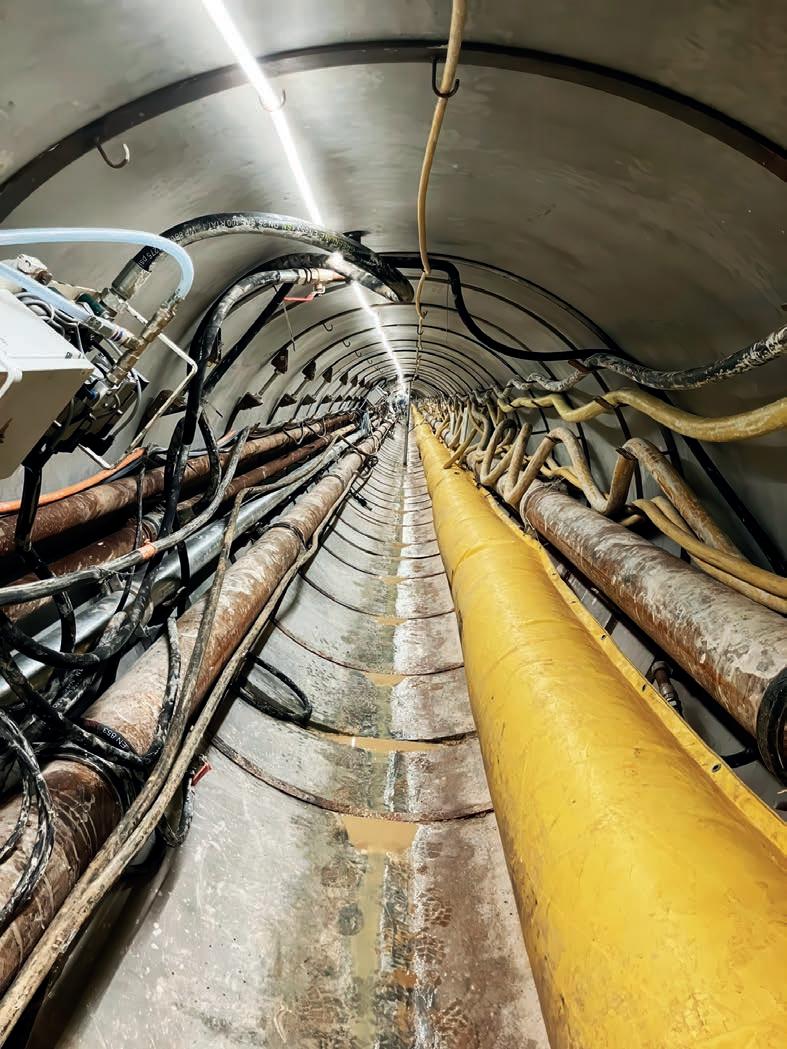
A pipeline of this scale features a series of power, electric, hydraulic cables, slurry lines and ventilation.
Images: Bessac
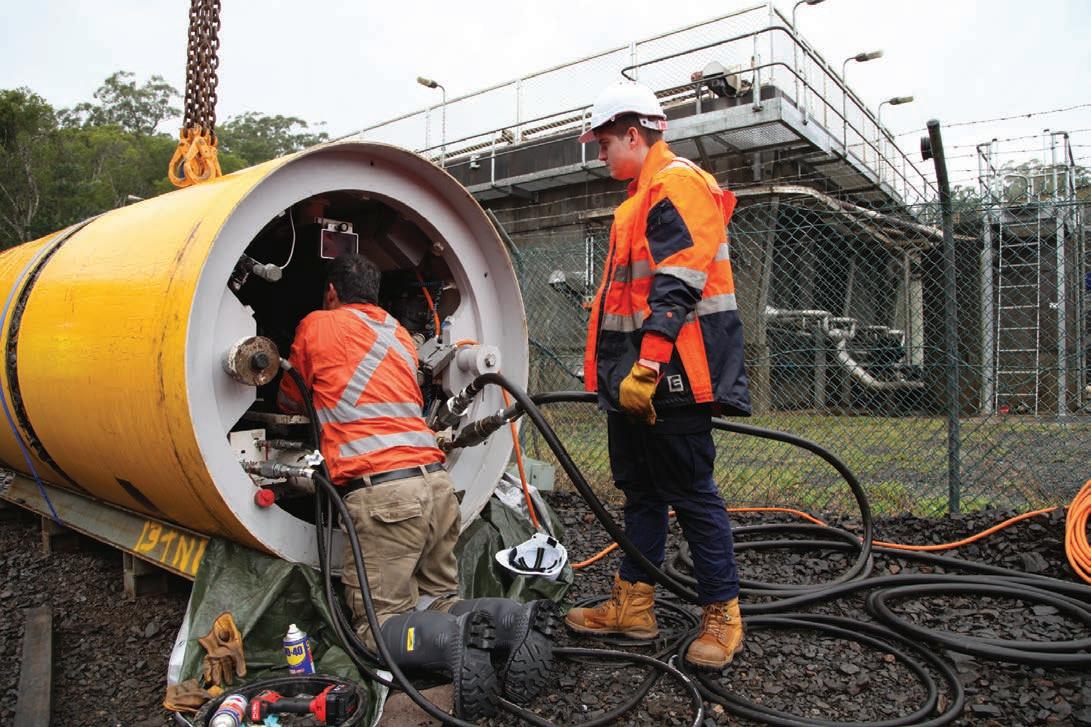
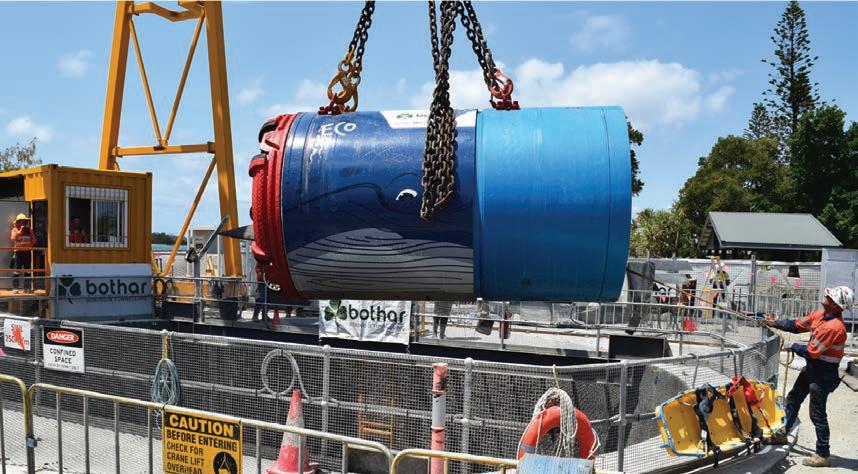
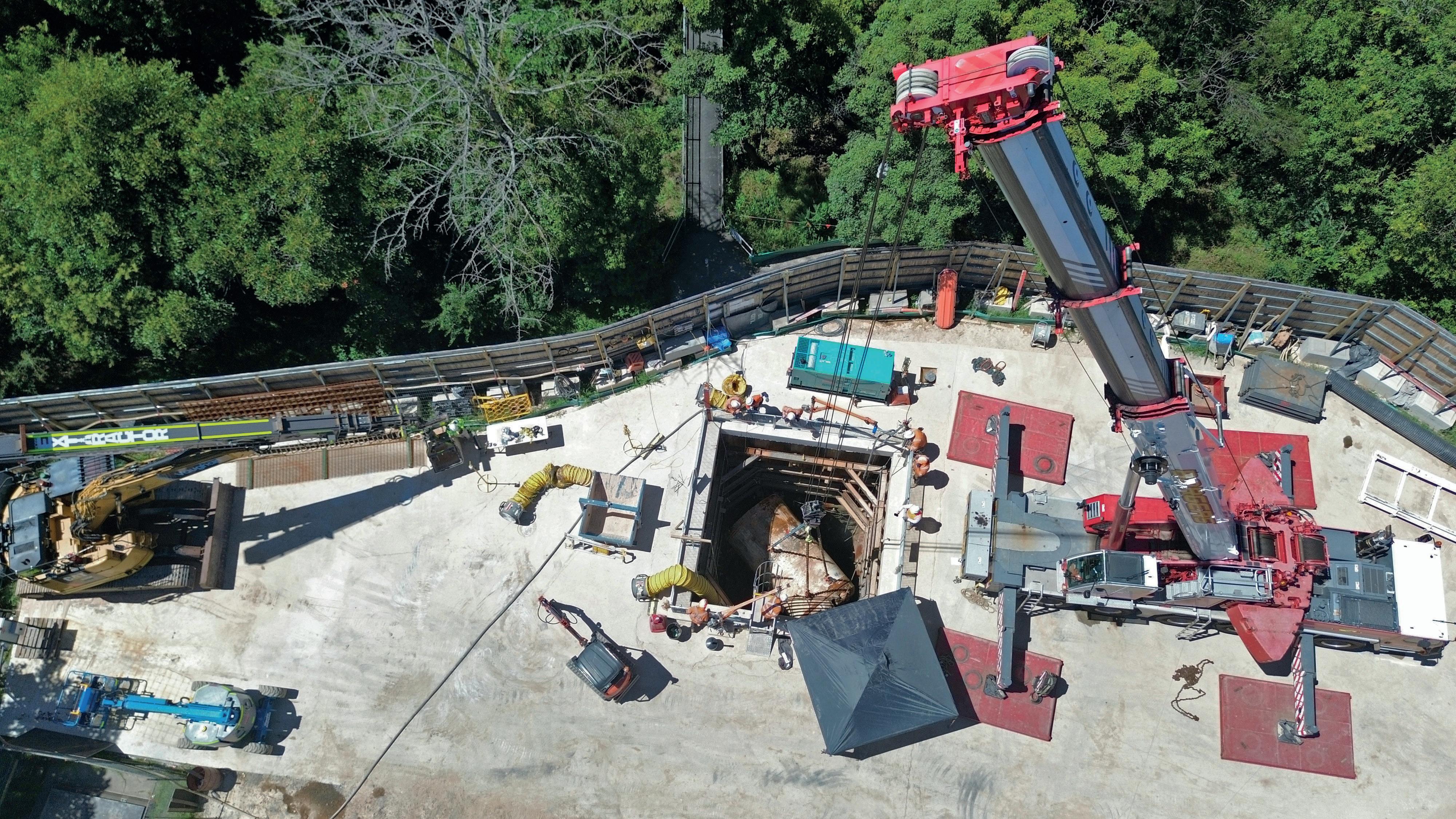
The microtunnelling machine is evaluated in the launch pit.
Ironbark Project Director. “Such as having intermediate jacking stations to ensure we were able to complete such a long drive without having problems in the ground.”
Operations were 24 hours, five days a week with a half day on Saturdays. A full day was split into two 12-hour shifts that overlapped so that crews could understand what had happened on the previous shift.
Of course, handovers between these shifts were of the utmost importance. Here the skill shift teams discussed what was achieved on the previous shift, what needed to be done, any issues encountered and whether the cutting head required replacement. Professional engineers, supervisors and pilots on both shifts come together. On the AVN2000 used, the diameter of the cutting wheel was changed prior to deployment in order to facilitate a bigger external diameter necessitated by the thicker pipe.
Ironbark Joint Venture utilised a bentonite recycling system on all the control units for slurry removal.
NWWC, which consisted of two drives, a short one from Receiver works at the Rouse Hill Water Resource Recovery Facility to Lot 96 of about 80 metres and another of 710m from Lot 96 to a pump station where the TBM was ultimately retrieved, featured picture book ground conditions in comparison. TIOM proved a little more challenging leading to a slight difference in productivity. The team, led by a knowledgeable construction manager, adapted quickly according to Hill.
“We maintained progress and the team worked together to find solutions,” he said. “It was crucial that supervisors worked with personnel on debriefings, so they understood the work scope and the clarity of mission.”
the site to diminish the noise paths to the neighbouring houses.
“Special care at night was taken not to move equipment that would create an ad hoc noise which tends to disturb people when they are sleeping,” said Hill. “We had strict controls over what activities could take place and where they could take place, well within our noise levels permitted by the Environmental Protection Agency. It was a successful job.”
The choice to go with the one pass system utilising the reinforced concrete cylinder jacking pipe also drastically reduced transport and storage.
One of the striking features of Sydney, for anyone who encounters it for the first time, especially by air, is how prominent the landscape is with sandstone. There are outcrops and abutments as far as the eye can see. The abrasive nature of pure sandstone normally would require use of a hard rock cutting wheel but because the drive was so long at 1.2km, the Ironbark Joint Venture opted for a cutting wheel armed with a blend of discs, which are useful for rock conditions, and blades that adjust better to the softer, clay conditions that would be encountered infrequently.
Establishing a clear step-by-step methodology for how to execute the works in detail, for each person’s role and responsibility within the works, helped.
“We didn’t have to use two separate transports to bring in the concrete pipe and all the steel pipes. It was only one single transport,” said Blanchard. “Nor do you have to inject the grout between the steel pipe and the concrete pipe because the steel pipe is already in the concrete. That has a huge reduction on the overall carbon footprint.”
It’s also a solution never previously used before in Australia.
At different intervals, as progress is made, the cutting head is assessed for wear according to Hill.
“It’s not necessary that all of them are being worked as hard as each other so we might have to replace a couple of them at that point,” he told Trenchless Australasia. “We measure the amount of reduction in the diameter of the cutters and then we plot that determining how many millimetres we have lost of cutter in a certain distance and then we will go back in again for another section to replace the others.”
“We ended up having to keep a tight specification for the installation of the jack pipe and at the head of the microtunnel there are jacks on the cutting head so that we can steer the microtunnel,” added Hill. “As we do that, we have continuous recording of where we are in the control cabinet. Then under frequency we take a survey as well to check where the MTBM is at, and we arrived within 20mm of its finished position at both distances and that’s nothing given the fact we’re talking about a no-dig.”
Both jobs, what’s more, were completed in sensitive environmental areas. Thornleigh backs into a corner where there is housing on both sides making the task challenging. One of the main challenges was to understand how crews could work 24 hours a day without disturbing the neighbours. Noise barriers were situated around generator systems. Hybrid electrical systems rather than diesel generators helped to greatly reduce noise level at night. The quietness of the drainage processes was also evaluated. High hoardings were erected around
With a blend of supervisors, engineers, mechanical experts and tunnel boring assets used to deliver these ambitious tunnelling works, the Bessac and Rob Carr teams were truly integrated. As Bessac doesn’t nominally work within Australia, having sister company Rob Carr as a major partner in the JV greatly assisted project synergies to ensure major milestone were achieved.
“Projects like TIOM and NWWC are exactly what group partnerships are built for,” said Angelo Soumboulidis, Rob Carr General Manager. “Rob Carr brings the local knowledge, experience and capability along with a clear understanding of local conditions. Bessac brings the engineering depth of one of Europe’s foremost tunnelling specialists. By combining those forces you’re not just putting a tender together, you’re lifting the standard of what’s deliverable for the client.” For


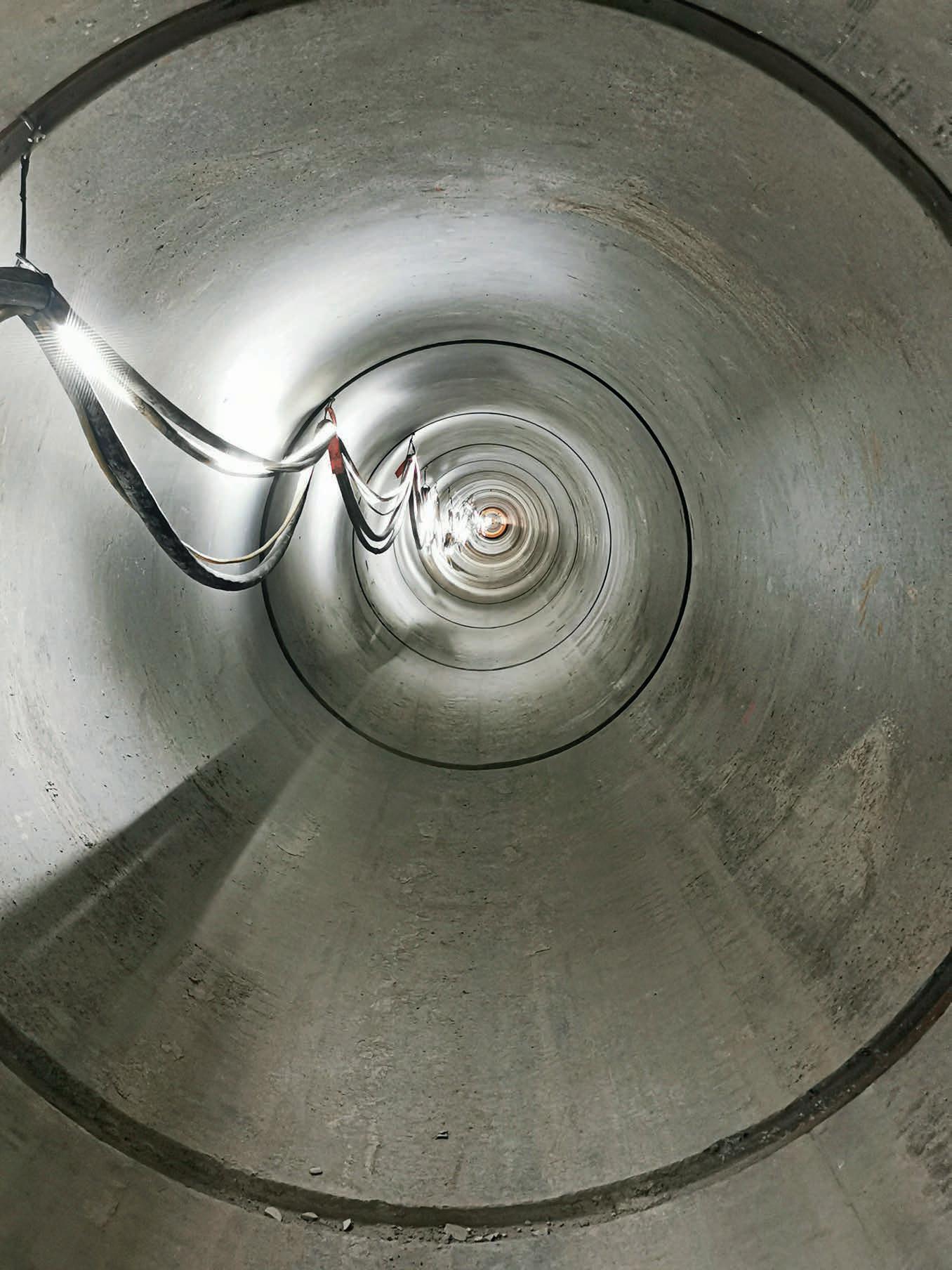
A view inside the 1.2km pipeline.
Delivering critical infrastructure in Western Sydney
David Moss Group has enhanced its status as a leading pipeline solutions supplier on the eastern seaboard by delivering 17.5 kilometres of materials on mains water
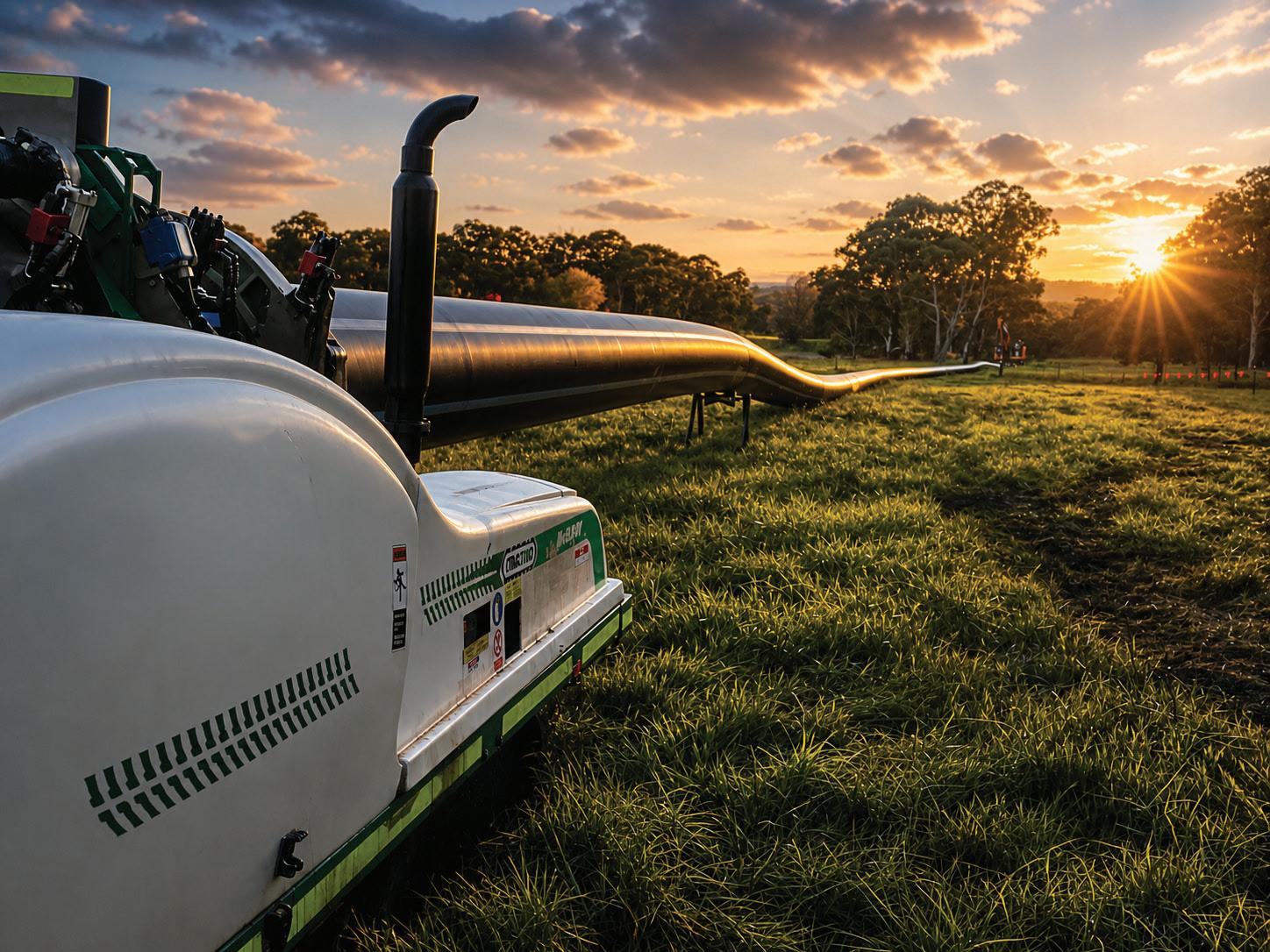
The formerly small MacArthur region is being transformed to accommodate up to 55,000 residents in the growth corridor of southwest Sydney. At Wilton, some 15,000 homes are being planned for 2047, an ambitious undertaking that will require substantial drinking water, recycled water and wastewater infrastructure. Heavily promoted as a ‘mini city’ to address housing shortages in the outer fringe of the metropolitan area, the project has had to overcome delays stalling thousands of residential developments. A lack of proper sewer infrastructure in the area chief among the issues facing developers.
Capacity shortfalls on the Bingara Gorge Water Recycling plant, as it awaits crucial overdue upgrades, have also impacted the timeline to completion. While major upgrades are anticipated to be rectified as early as next year, there have been other challenges associated with flooding. In particular, the Wilton Greens development suffers from significant water runoff, that has raised concerns regarding the contamination of local waterways. Stopgap measures such as temporary ‘tankering’ solutions, where wastewater is transported out by trucks, have proven something of a hindrance to development.
Up until recently, 12,000 planned homes have been subject to uncertain futures mainly because of a lack of sewage and water infrastructure. Infrastructure projects of this scale require careful scheduling of pipe deliveries, welding components, and specialised fittings to align with trenching and installation operations. Any interruption in supply can create cascading delays affecting labour productivity, equipment utilisation, and downstream construction activities. Enter David Moss Group (DAMOS).
The wholly Australian-owned company has steadily, since 1938, quietly achieved
Pipeline welding of the DN800 SDR9 HDPE pipe.
an esteemed reputation through partnering with some of the top tier firms found in civil infrastructure, mining, oil & gas and rural industries. As a premier manufacturer and supplier of the latest generation pipe systems it was a clear choice to provide the extensive High-Density Polyethylene (HDPE) pressure lines for the Wilton Integrated Services Program (WISP). Working on a timeline of just eight weeks from date of order for pipe delivery and ten weeks for fittings, DAMOS needed to be proactive.
Tendering contractors were contacted pre-tender to determine product requirement based on IFC drawings, expectations regarding product quality and standard to ensure the reliability of essential services for future generations. Multiple discussions ensued, helping the supplier to understand the vagaries of the project timeline which would ensure these requirements were executed on all levels. Subcontractors Quickway, Athassel and Vaughan Civil would perform installations on different sections of the project.
As all subcontractors were concerned with mitigating footprint of pipe laydown and subsequent works, DAMOS closely collaborated with project engineers to stagger deliveries based on installation sequence and to minimise space consumption. Subcontractors, in one instance, were accommodated with non-returnable slings for safe pipe handling, dust caps to minimise contaminants and prewelded fittings to save time during installation. In total 17.495km of pipe was provided. All of it, what’s more, manufactured at DAMOS’ HDPE production plant in Brisbane.
Meanwhile, meetings for project commencement were conducted on order with DAMOS’ operations and subcontractor project team establishing site limitations and delivery expectations.
The installation of HDPE pressure mains formed one of the most technically demanding aspects of the project. HDPE pipework has become increasingly important in modern
infrastructure projects due to its durability, flexibility, corrosion resistance, and long operational lifespan. In a project such as Wilton, where future service reliability is critical, HDPE provided a superior solution capable of accommodating ground movement, varying pressure conditions, and challenging installation environments.
Horizontal directional drilling specialist UEA has had a longstanding involvement with the WISP program.
“We were always looking for the best pipe solution to meet the projects’ needs,” said the company’s Operations Manager. “Throughout the design development we sought pipe types not typically used on the Sydney Water network — 800mm PN20 SDR9 and 800mm PN25 SDR7.4 are not easy to source with the confidence that they will be manufactured within specification. DAMOS has delivered without compromise. A++ Pipe, looks great and has been a pleasure to weld with KenKar Plastics.”
Unlike traditional pipe materials, HDPE pressure mains offer fully welded joints, significantly reducing the risk of leakage and infiltration over time. This feature was particularly important in the Wilton region, where maintaining environmental protection standards and minimising longterm maintenance requirements were key project objectives given the previous incidents of runoff. The flexibility of HDPE pipe also allowed construction teams to navigate difficult alignments and varying ground conditions more efficiently, improving both installation speed and system resilience.
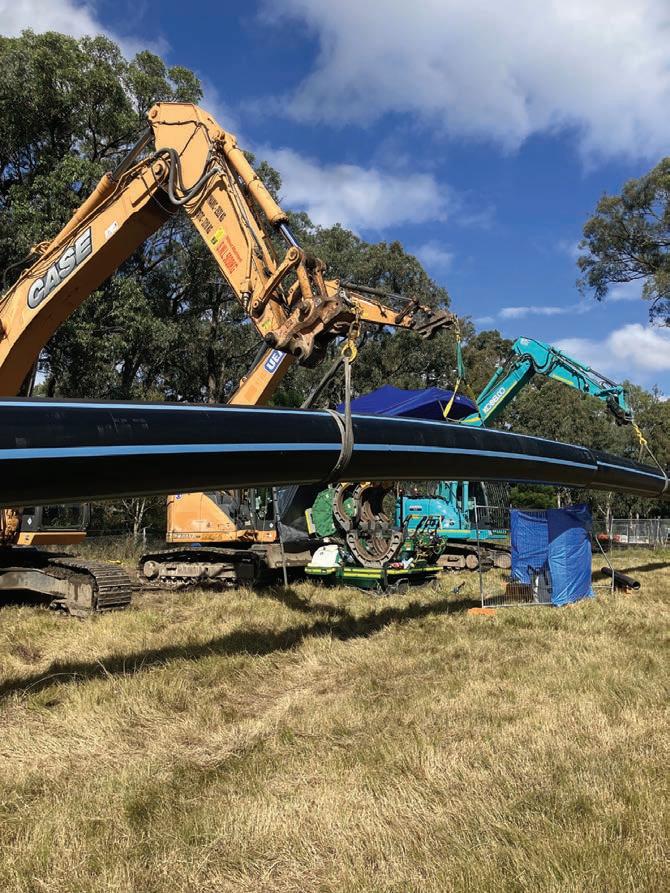
“Athassel are proud to deliver high quality projects and achieve excellent outcomes, and the WISP project has continued to meet these expectations,” said its Project Manager. “DAMOS have greatly assisted in this regard by providing a quality product, good service, and competitive pricing, all of which have contributed to the success of the project.”
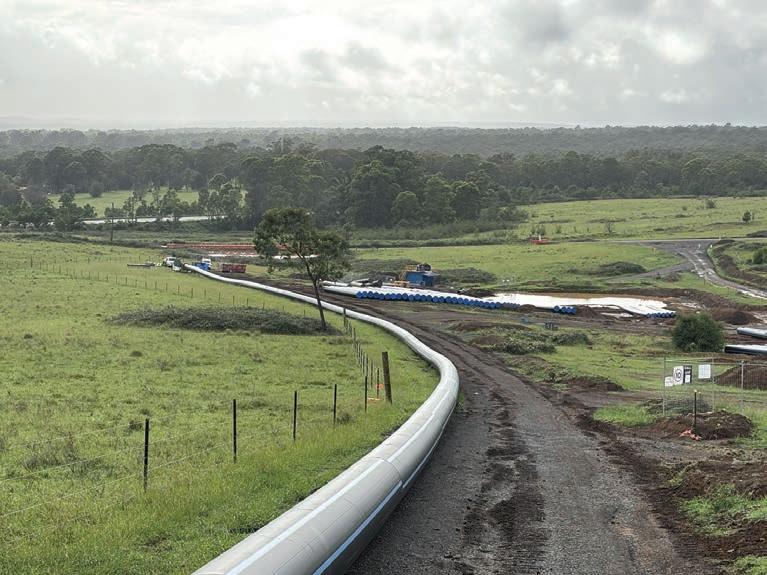
of activities to avoid delays and conflicts between different scopes of work. Installation of extensive sewer reticulation systems, for example, must have capacity to support future population growth while complying with stringent environmental and regulatory standards. The integration of these systems into a broader regional network required precise engineering, careful grade control, and high-quality workmanship to ensure long-term operational performance. By maintaining dependable supply arrangements and responsive service, DAMOS became an integral part of the broader project delivery team. Starting November last year, the project was completed in May.
Progression of the project will now allow for the next phase of dwelling construction. For DAMOS, the Wilton Integrated Services Program ultimately stands as a major achievement in infrastructure delivery and regional development. Through the combined efforts of contractors, subcontractors, suppliers, engineers, and project managers, the program delivered critical utility infrastructure that will support the long-term growth of the Wilton region and provide essential services for future communities.
For more information, visit davidmoss.com.au
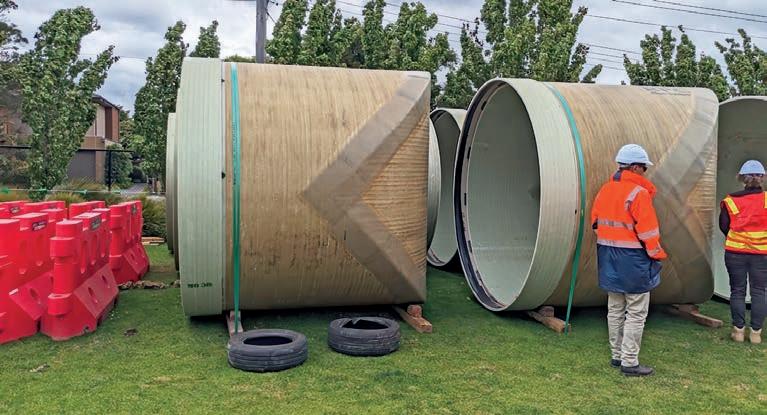
Stringing of DN800 HDPE pipe ready to be installed via HDD.
HDPE pipe being supported during HDD installation.
Out of site
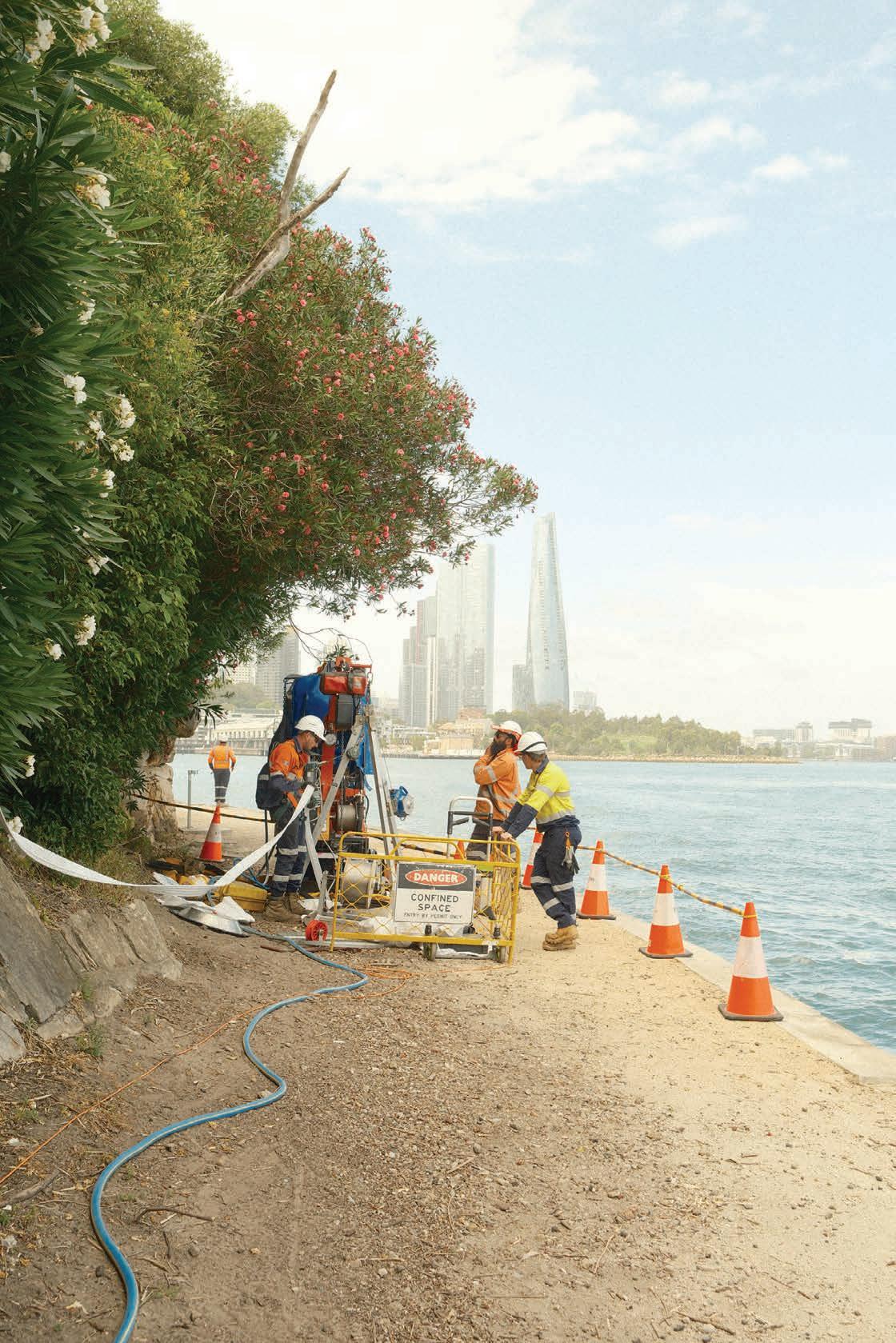
Underground rehabilitation works, minimising surface disruption at a popular tourist destination in Sydney, have been completed with peak efficiency by Interflow.
It was no small task. Totalling 67 metres, the two sewer pipes identified as part of a bundle of urgent works for rehabilitation by Sydney Water, exceeded the distance of the longest kick in most football codes including the AFL. Adding to this daunting subsurface scale, the pipes were situated beneath a tourist hotspot in McMahon’s Point. Disruption would have to be kept to a minimum with adjacent apartment towers and a busy road recognised during early pre-planning as constraining factors given the proximity of residents and traffic.
Relining bundles on the Sewer Stormwater Rehabilitation Program, often condensed into the acronym SSRP, are ongoing and help to ensure Sydney Water meets its operating and environmental protection licence requirements by preventing dry weather sewer overflows according to Kevin Barry Project Manager at Confluence Water.
“The main project objectives are to reduce negative impacts on the customer and the environment while minimising ongoing maintenance costs of the selection of sewer assets in the northern Sydney areas,” he said. Confluence Water is part of a joint venture consortium on the NEC4 Engineering Construction Contracts, Partnering for Success (P4S) working in collaboration with Sydney Water on the northern district, a vast metropolitan area that spans from Blacktown to Palm Beach. Over the past 20 years rehabilitation works on the wastewater network have been largely ad hoc with different techniques and methods such as spray lining, CIPP and a variety of moulds employed to reline the insides of the pipes.
“The main problem with the sewers is the tree roots that ingress into the joints of the gravity sewer pipes which were laid in Sydney decades ago,” said Barry. “In some cases, as far back as a century ago.”
Confluence Water determined that renewing the pair of pipes at McMahon’s Point was a priority based on a condition assessment.
Pipeline infrastructure specialists Interflow, a long-time partner of Confluence Water and Sydney Water, were engaged on the project which officially commenced onsite last September, following substantial preparations that included a condition review of the host pipes. Any available CCTV footage was reviewed and the design phase began in earnest according to Sunny Singh, Interflow Project Manager.
“From there onwards we carried out a design for the liner profile,” he said. “We chose the Expanda product and the primary reason for that was the fast installation times
Works took place at McMahon’s Point in Sydney Harbour.
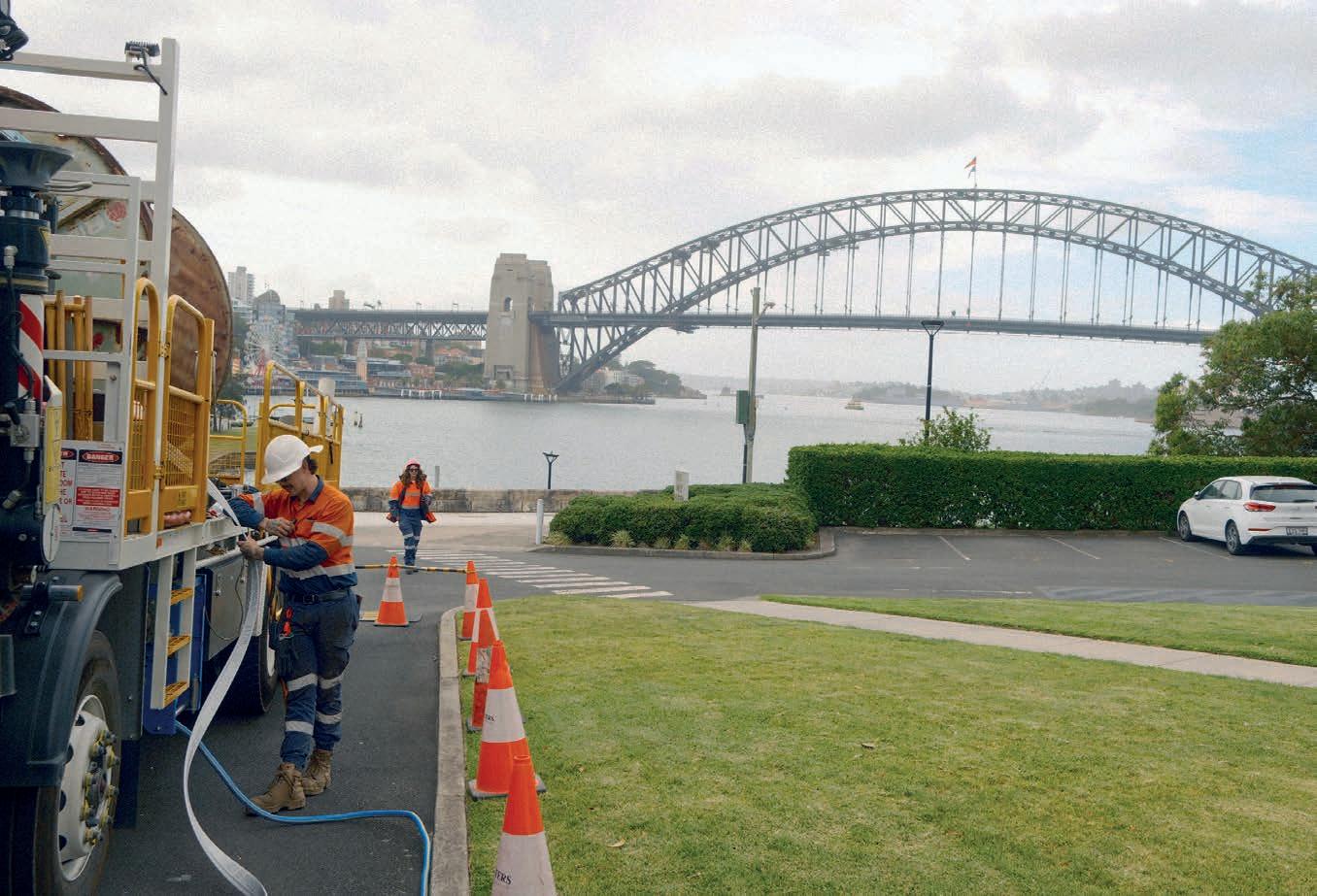
it was going to deliver and its significant structural strength.”
Expanda, a full-bore structural liner, uses a spiral wound interlocking PVC material that expands to fit tightly against the host pipe. Installed by a mechanical process, there is no need for heating or temporary softening of the liner. Expanda can accommodate diameters up to 1200mm. The pipe is basically a new pipe inside of an old pipe that can, what’s more, remain live throughout the whole installation process, reducing the need for disruptive and sometimes destructive bypass works.
“We were able to carry out the rehab work within roughly one day of lining which is all it took for us to renew these pipes. Whereas if you were to dig up a 67-metre pipe and carry out this operation by trenching, you would be looking at approximately three to four weeks or even more. This would include significant community disruption, a lengthy excavation, moving heavy machinery, noise and additional health and safety hazards that you would introduce to the site — all of this we want to avoid,” said Singh. “Expanda reduces all of that. After the pipe is cleaned and inspected, the crew sets up the site at each end of the asset at existing access chambers, winds the profile through, expands the profile, cuts the junctions, secures the ends and you’re out. A smaller team then comes in to seal the junctions and complete the job.”
Insofar as a pipe with a diameter of 225mm certainly holds a lot of sewer flow, Expanda also allows Interflow to work in live flows, a significant benefit as the crew can plug and release the flow, as it sees fit in accordance with the Flow Isolation and Flow Management Plan, a Sydney Water process, without having an impact on the liner or its machinery in situ This way Expanda reduces planned labour and site setup requirements as well. It’s also less disruptive to community given Interflow doesn’t have to establish bypass pumping. As a result, the inconvenience of having to divert the flow from an upstream manhole is avoided.
“We know these manholes can be two to three metres deep, maybe more in some places because it is all gravity fed,” said Barry. “So that was another benefit of the trenchless technology.”
In this particular instance Interflow did not require flow isolation.
The mechanical, trenchless design affords Expanda a versatility that eliminates the need for excavation, harmful resins, and curing times. This allows the continuous uPVC liner to easily adapt to different pipe shapes, navigate live flows, and function in hard-to-reach areas effectively thanks to an instantaneous curing time achieved through pre-formed thermoplastic materials.
“There’s no cure time required for Expanda,” said Singh. “What’s more, we are able to handle
the many different conditions that we find in a pipe because in most cases it doesn’t stop us. It doesn’t need to be in perfect condition for us to line it.”
By November cleaning and lining had been completed. Interflow then sealed the junctions for any connections coming into the pipe. Planning and preparation often consume the most time going into a job according to Singh.
“Planning on site is probably the biggest part of it because the lining component is relatively quick,” he said. “Because you’ve done all the right things upfront and you’ve planned it so well and when you go to site chance of failure is very low. The planning and site set up definitely takes a longer time than relining of the pipe.”
By early December Interflow had closed off the job with seals and a CCTV survey. No night shift was warranted.
“Because they could carry it out under live flow conditions works were completed within the standard working hours,” said Barry. “They eliminated any need for extensive excavation which significantly reduces noise, traffic impact and overall disturbances to the two apartment blocks that are right beside it. There were no customer complaints on that particular job which was good to see.”
The job was completed essentially in three work shifts, a brief duration impossible to replicate under conditions where the asset has had to be excavated. Logistically, there were other challenges prone to navigating tight streets and tight spaces which curtails the type of equipment that can be moved in and out.
“We have to ensure we are working safely with the public all around us,” said Singh. “We needed to have all the approvals in place to do the job safely like traffic control permits and setups. We had to issue community notices which we do as part of our planning processes. We provide notice to people to let them know we are coming to do work in the area. That is all taken into account.”
Barry acknowledged the professionalism displayed by the team at Interflow.
“They are a good team to work with,” he said. “All this trenchless technology is very cool. You really have to see it on site to get your head around it.”
Confluence Water protected sensitive areas in the nearby environment of the worksite such as a bollard at Blues Point Reserve, an historic waterfront reserve at the tip of the peninsula with significant harbour views, a foreshore shelf, and a World War 2 observation post with stanchions and stairs.
“The team did a fantastic job of ensuring that our setup was nowhere near any of the identified heritage items and when we left site we left it as we found it,” said Singh. “If you go there today you won’t even know there is a pipe running underneath that has been relined or that anyone was there attending site.”
Blues Point Reserve was another sensitive area with site constraints.
Slot machine
Western Australian mining civil projects are driving the need for larger pipeline directional drills to complete jobs in difficult terrain and sensitive heritage areas.
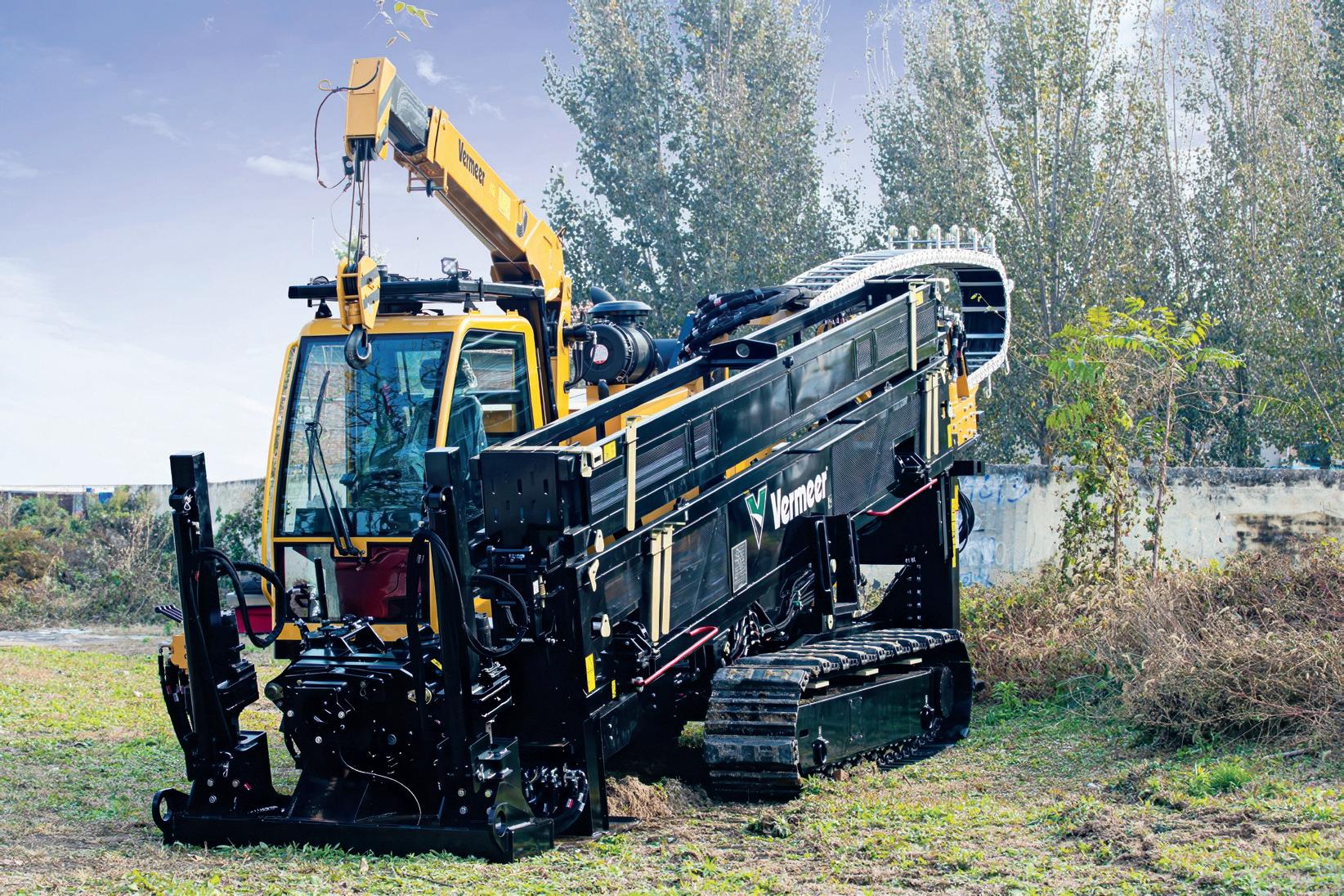
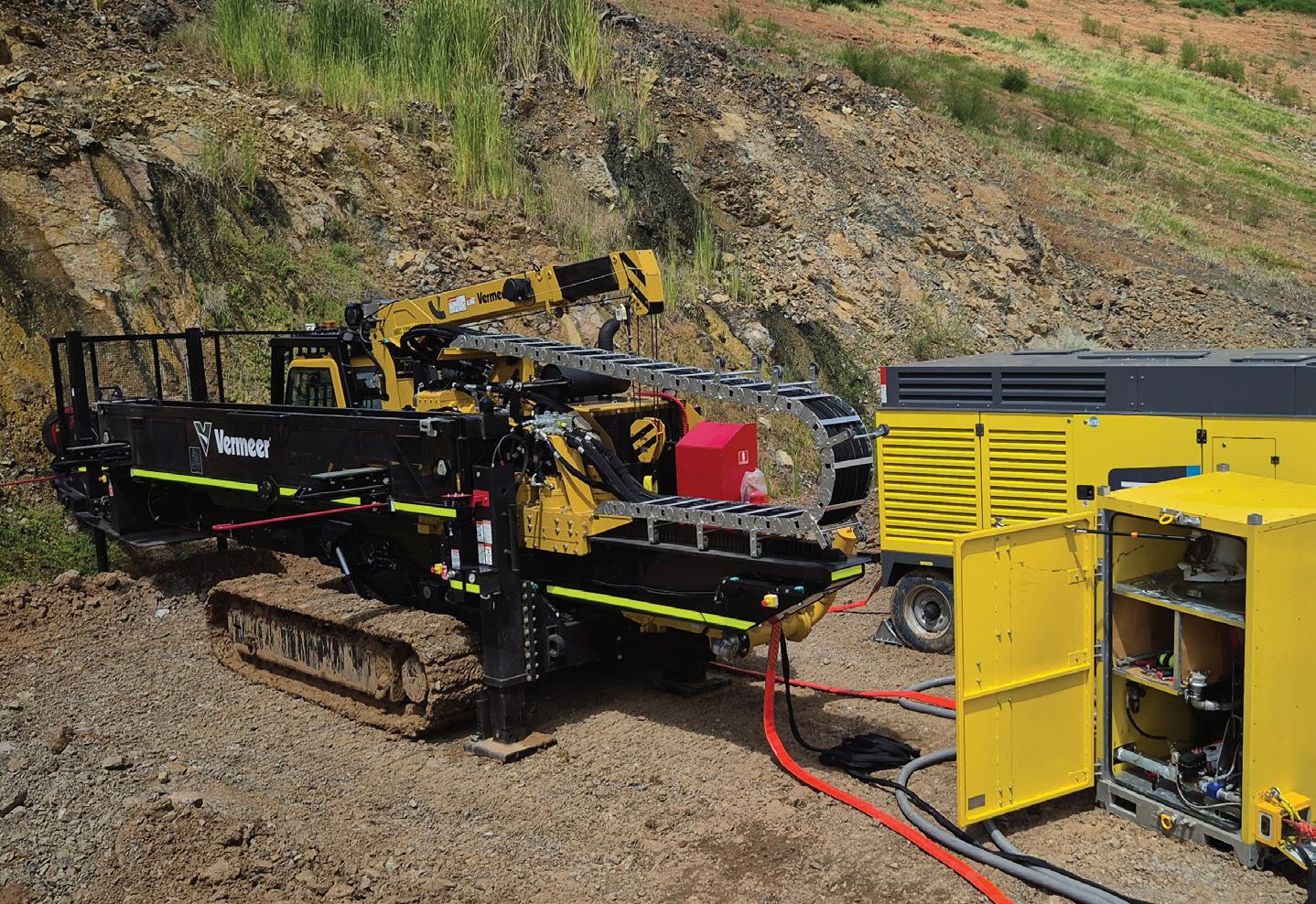
By the year 2035, mining civil activity in Western Australia is projected to surpass historical peaks, potentially averaging $25 billion per year. Statewide some $49 billion in resources and civil projects are either currently under construction or already committed. To this end, there is an emergence among local drilling contractors based in the state who are helping meet demand on major projects involving infrastructure installations that might have previously been serviced by an east coast counterpart. Given the challenging conditions and ecologically vulnerable habitats that these teams are often required to navigate, demand is on the rise for larger Vermeer pipeline directional drills. This is certainly what OEM and supplier Vermeer Equipment of WA & NT has noticed. Large-diameter drilling, not unlike that which was undertaken at the Fitzroy Crossing, is of course a strong suit of the Vermeer Pipeline Drill product range. Boasting optimised rod capacity,
not to mention its pilot rod distance capacity, the Pipeline series continues to prove an ideal choice for drilling contractors who are venturing to the ‘slot’ in tackling some of the ambitious projects underway in both Western Australia and the Northern Territory.
Offering world class performance in thrust and pullback, the Vermeer 58T Class Pipeline HDD features high cycle operator controlled rod loader that helps reduce labour, and by inference downtime, involved with manually loading and unloading drill rod.
The Vermeer 58T Class Pipeline HDD enables a full set of rods to be loaded into the machine with a touch of a button and affords customers, who might require one, an optional integrated telescopic crane to load the stackable drill rod boxes.
Following the devastating once-in-a-century floods in early 2023 that destroyed the original Fitzroy Crossing bridge and its attached
sewage pipeline, Water Corporation and CD Drilling partnered to fast-track a permanent replacement. Here a Vermeer 58T Class Pipeline HDD was deployed to bore 30m below the riverbed ahead of installing a new $1.75 million wastewater main that will future proof the critical utility from debris and severe seasonal flooding. The climate-controlled cabin for those operating in the Kimberley where temperatures consistently exceed 40º Celsius in the interior during the wet season, is something of a nonnegotiable when factoring in the importance of comfort to safety and fatigue controls.
In the state’s northwest, particularly the Pilbara, where there is a pipeline of civil mining projects undergoing expansion in iron ore and critical battery minerals, the Vermeer 58T Class Pipeline HDD product range is handling long drill shots, some up to 750m long, in challenging hard ground.
Geotechnical assessments in mining are a case in point. Often underground and open-cut operations rely on these staged evaluations to identify water depressurisation factors and rock mass stabilisation before safe mining can proceed. In short, managing groundwater pressure is critical to prevent catastrophic failures. Vermeer Equipment of WA & NT this year was commissioned to supply a Vermeer 58T Class Pipeline HDD – its fourth in recent years – for a special water depressurisation project. Working in formidable ground conditions, the drill bored inclined pilot holes directly into the wall face at different lengths.
This technique is used to safely relieve pore water pressure in mining highwalls or steep excavations. The unit, on this occasion, was specified by Vermeer Equipment of WA & NT with a special air hammer to directly pulverise the fractured bedrock. Debris is flushed out via a compressed air and a foam carrying agent and in turn helps maintain stability for the deep holes. Vermeer’s intuitive control system here helps.
An updated console designed to promote a user-friendly bore path adjustment experience for the operator, enables drilling consistency and greater precision.
The Vermeer also includes the AutoSteer system, in which certain drill head motions are automated for the operator.
With multiple HDD rigs now built-forpurpose in this niche application, it remains to be seen what inroads the HDD sector can make into mining. For the moment the future looks more than promising.
For more information, visit vermeer-want.com.au/


Images: Vermeer Equipment of WA/NT
Vermeer 58t Class Pipeline HDD with telescopic crane.
Vermeer 58t Class Pipeline HDD at work in a mining environment.

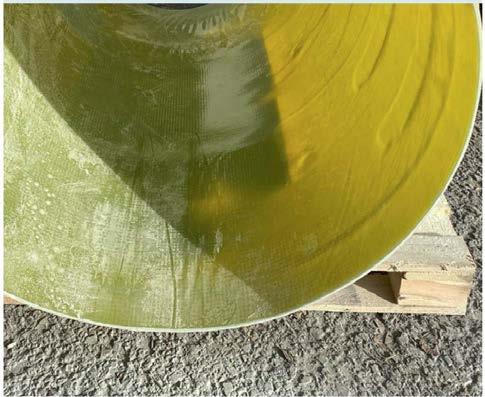
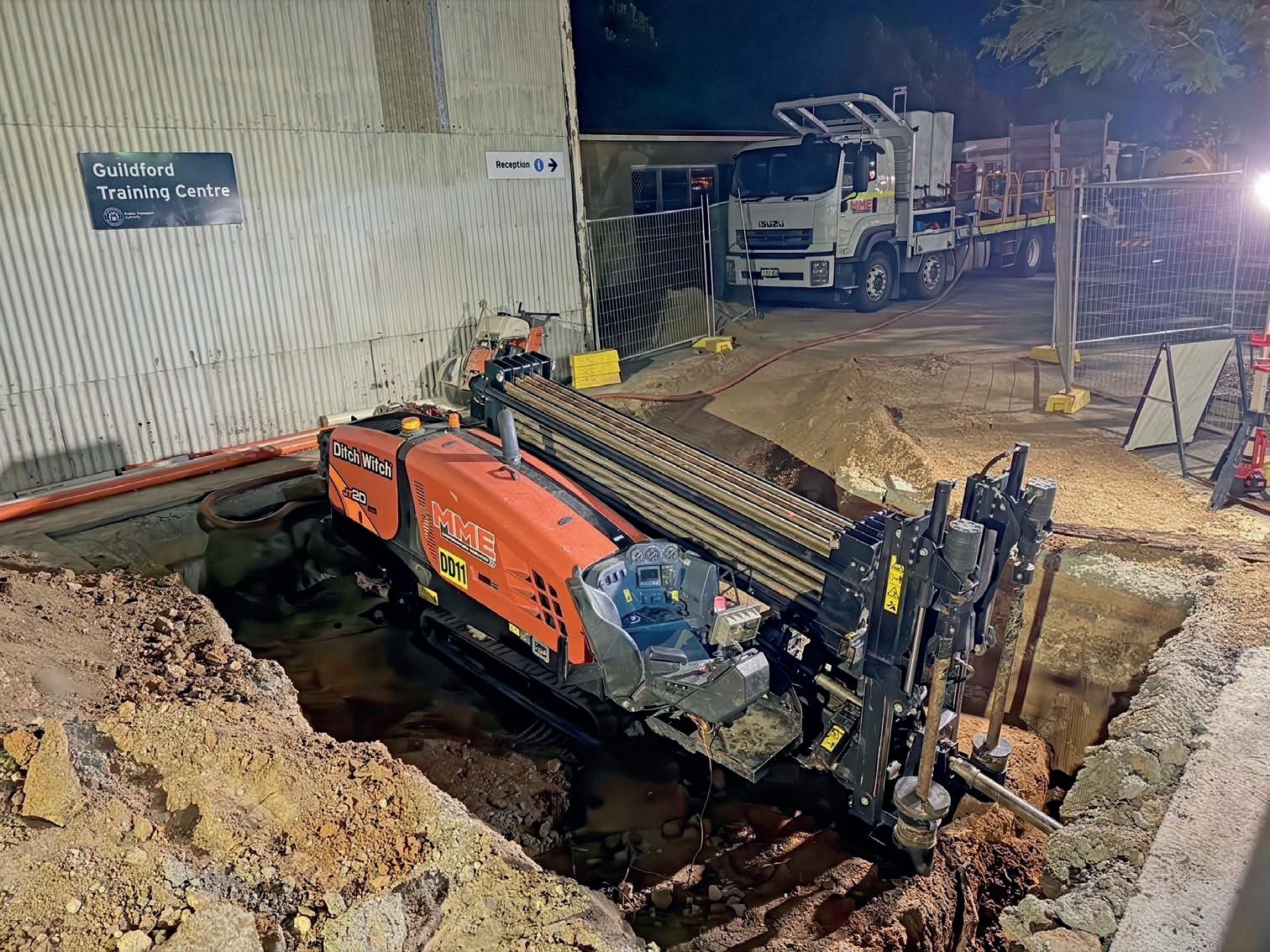
Ground control
MME Underground Services is a leading proponent of trenchless applications in Perth running six state-of-the-art horizontal directional drill rigs from Ditch Witch that provide robust power within a minimised footprint crucial to municipal major utilities projects.
Founded in 2000 by Kevin and Vivian Moss, MME Underground Services was originally an owner-operator excavations business primarily working in the resources and utilities sector. By 2002 it had become a vendor to Western Power and two years later a pre-qualified contractor to the Water Corporation. The business, then known as Mossy’s Mini Excavations, became a qualified Category 3 Contractor for Rio Tinto Iron Ore and commenced works on the National Broadband Network Project in Geraldton. In 2018 the company name was changed to MME Underground Services following its acquisition a year earlier by new management. With strong ties to Civcon Civil & Project Management, current leadership have scaled up with particular emphasis on expanding directional drilling capabilities, cable laying, and pipe installation services within the Western Australian utilities sector. It
concentrates services largely around the Perth metropolitan area.
Publicised growth in the Energy Sector has encouraged MME to increase its horizontal directional drilling footprint.
“Historically we have done a lot of underground feeder cable and funded works for Western Power,” said Operations Manager Lorenzo De Villiers.
This has subsequently led to working on major projects for Western Power such as the conversion of overhead powerlines to underground across their vast distribution network as well as overhead transmission conversion to underground for Western Power’s Clean Energy Link program. MME is now considered a frontrunner in the execution of this highly technical work in Western Australia.
“Predominantly it is a business that focuses on utilities construction and using a method of horizontal directional drilling to achieve that,”
said De Villiers. “There has been pretty significant growth within the company over the past two years particularly expanding through all the different utility providers that we’re working for.”
That in turn has facilitated shrewd, strategic investments in new state-of-the-art equipment and technology, a recent legacy the company is renowned for. It makes sense, too. MME offers specialised albeit diversified services from pillar to pole installations to large feeder and pipeline upgrades that often require several kilometres of cable or pipe to be installed in heavily congested metropolitan environments.
Within its serious fleet of equipment which includes flexi drills, vacuum excavation trucks, vertical earthing drills, excavators, bobcats, loaders, cable winches, cable drum stands, tip trucks, and mud reclaiming systems, is six horizontal directional drill rigs, all of which have been supplied exclusively from Ditch Witch CEA.
Ditch Witch JT24 horizontal directional drill.
The HDD rigs are a mix of Ditch Witch JT10s, JT20s and JT24s. These units are highly suitable for the urban projects MME attends.
”Because the work is metro-based, mostly in brownfield conditions, there’s not a lot of room to manoeuvre, you’re constrained by the amount of room you have around you to work in, with traffic management and pedestrian management added to those considerations, the smaller bits of equipment work quite well for us,” said De Villiers. “Of course, when you don’t have to trench roads and footpaths and you can drill instead, there’s a significant saving not only in reinstatement but obviously in impact to the community and people using these areas affected by the works.”
De Villiers, who joined the company two years ago, said MME exclusively partners with Ditch Witch CEA for its HDD applications.
“We only use Ditch Witch,” he said. “We prefer the manufacturer and the service provided by those guys. We find that most people with expertise in the area use that equipment both locally and in North America as well. There’s less breakdowns associated with it. Uptime is critical for us.”
MME most recently introduced a Ditch Witch JT24. The Cummins-powered 101-horsepower diesel powerplant is augmented by dual thrust motors delivering the equivalent of 24,000 pounds of pullback all while helping operators maintain a modest onsite footprint. Advanced wireless ground drive and setup control are offered enabling the end-user to calibrate the drill away from the operator station. The Ditch Witch JT24 can be operated in single or dual-stick ground drive to further enhance drill precision.
“It’s a little bit bigger than the JT20s but only slightly in terms of footprint,” said De Villiers. “And there’s a lot more power in regards to its production. Even though you don’t have to increase your footprint as much, you can still then deliver larger scopes of work in tougher terrain.”
He added, “That’s been quite a good addition to the business. It has allowed us to function in areas that we want to function which is the metro region but also have a little bit more grunt in order to tackle the tougher scopes.”
The Ditch JT24 is utilised on power projects in North Perth and Mount Hawthorn where over 2,500 customers are receiving power infrastructure through the new underground network once the overhead powerlines have been removed. The project commenced in November, 2024, and is scheduled for completion this July.
“We use a range of Ditch Witch machines varying in size in order to execute that work,” said De Villiers. “There are varying constraints onsite in terms of areas of footprint we can utilise. We’re obviously trying to save as much of the hardscape for the community and not impact them by having too much reinstatement. Having drill rigs to do the work rather than open excavating everything and causing massive upheaval is quite critical for the work.”
Ground cable installation involves technical expertise in at least five different cables across several conduit sizes. MME is handling streetlight service cable, standard distribution service cable, 240LV mains cable, 35HV and up to 400HV cable.
“The cables are housed in different conduit
sizes,” explained De Villiers. “Everything ranging from 50mm PVC through to 160PE conduit.”
Demand for feeder cable construction is on the rise. Key drivers in the segment although hardly limited to it include secure power distribution, renewable energy integration, and smart city developments. The market in the United States was valued last year at USD$84 billion. By 2033 it is forecast to be worth USD$116 billion.
In Western Australia, as urban expansion, integration of renewable energy, and stabilising the grid against adverse weather events are prioritised in a solid economic environment, providers of communications, water, power and gas are all shifting their focus underground, if they haven’t already, as part of future proofing solutions.
“It doesn’t matter which section you are talking about,” said De Villiers. “They’re no longer putting it above ground nor putting people at risk. So, everyone is looking to increase where they are putting their cables and we’re running out of room with all the different alignments because everyone is putting everything underground.”
Even so, the push to net zero for the power sector is helping to fuel the growth of the market. Other utilities are having, according to De Villiers, to keep up with what’s happening.
“From energy to NBN, all those guys are upgrading their networks consistently,” he said. “There’s always room for growth when it comes to underground drilling and HDD.”
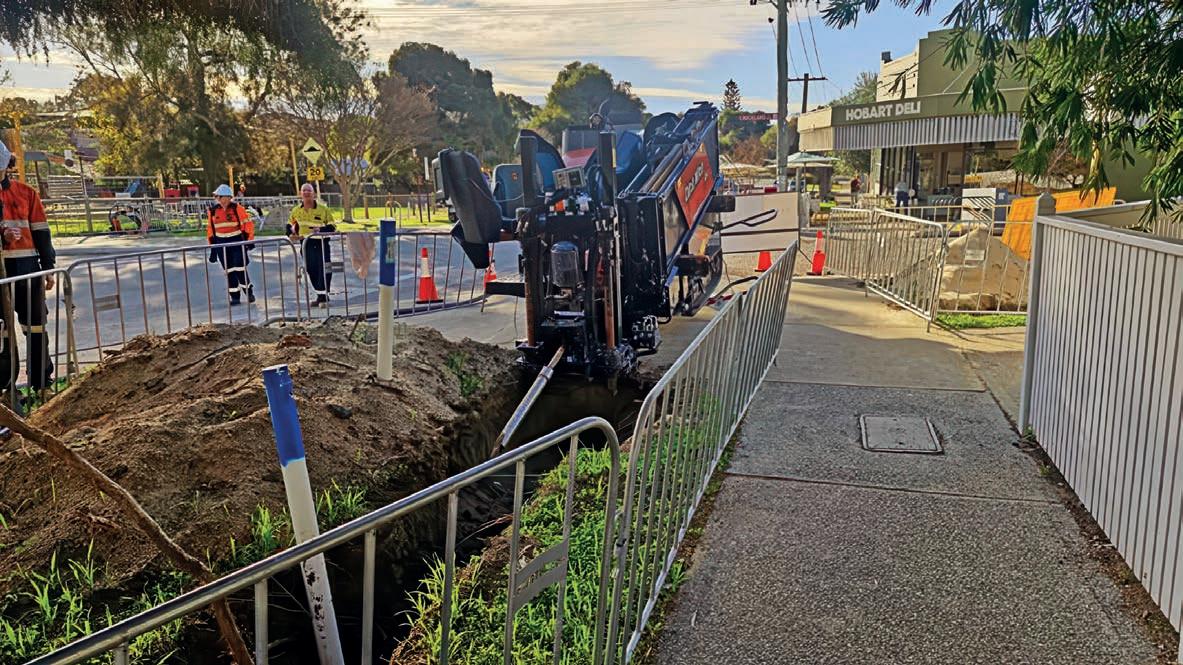
Images: MME
Installing conduit in North Perth.
Horizons west
A booming economy and growing population is prompting significant investments across industry and infrastructure including water resilience in Western Australia.
With a land mass larger than Mexico and Alaska combined and a dry climate impacted by below average rainfall, Western Australia heavily relies on desalination and groundwater to supplement dwindling dam supplies. Water is a serious concern. The capital Perth with its surging population is projected to become the country’s third largest city by 2050. Infrastructure investments in recent years are aligning to reflect this. The state government, unsurprisingly, understands water and wastewater projects are crucial to providing long-term resilience for businesses and industry that at present accounts for almost half of the country’s goods exports. WA recorded the strongest economic growth in the nation over the past five years at 27.2 per cent. It retains a robust private sector which accounts for 86 per cent of its domestic economic growth, a consequence of being one of the most productive and diversified mineral and petroleum regions in the world. With that said, industry diversification is underway.
Recently seven regional cities, namely Bunbury, Kalgoorlie, Port Hedland, Karratha, Broome, Geraldton, and Albany, were identified as critical to the state government’s decentralised vision to become a renewable energy driving force with a focus in regional areas. Already underway, the Australian Renewable Energy Hub proposes the development of renewable power and green hydrogen to support decarbonisation of the Pilbara, one of the richest areas for iron ore and
natural gas deposits in the world. The Project is planned to be developed in phases, initially focused on supplying renewable power and green hydrogen to customers in the bustling mining region. Projected capital expenditure is estimated around $30 billion.
In Perth, where high household incomes also ensure the home value-to-income ratio insulates it from the pressures of rising property values in other states, major projects naturally abound. At a cost of $5 billion, the Perth Airport Redevelopment will include new terminals and infrastructure. Meanwhile, the Tonkin Highway Extension, a project extending the highway 14km from Thomas Road to South Western Highway, is currently budgeted at $1 billion and due in 2028. Not surprisingly, desalination investment, planning and construction is underway in earnest.
The biggest of these is the Alkimos Seawater Desalination Plant. Commissioned to help reconcile the growing population of Perth, which stands at just over 2.5 million people, amid decreasing annual figures in rainfall, the ASDP is being designed, built and operated by an ACCIONA-led consortium after Water Corporation, the state’s largest water utility, selected it as the preferred proponent. Having earlier in the year transitioned from land-based works to offshore tunnelling, the project saw two giant tunnel boring machines (TBMs) –each over 4m in diameter – commence their undersea mission late last year. The machines are carving two subterranean pipelines as well as a 2.5km intake tunnel to draw in seawater,
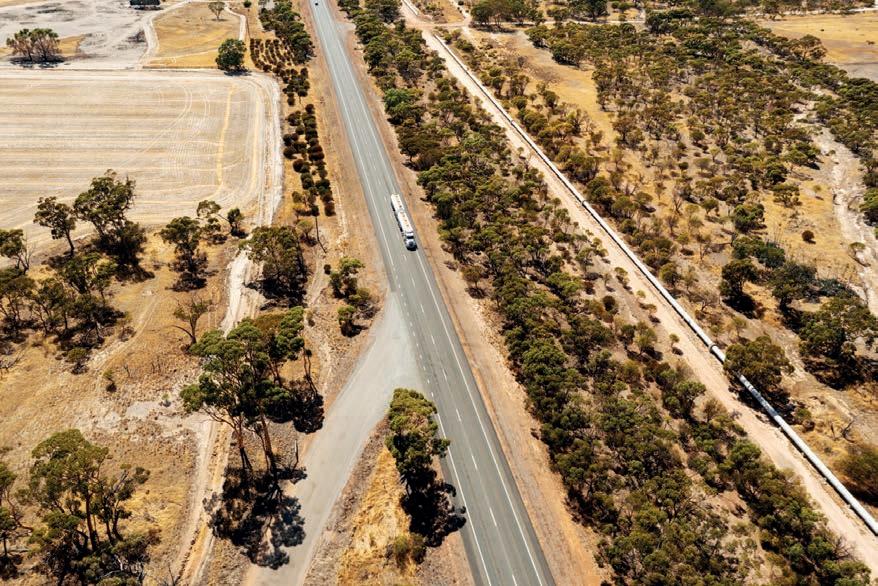
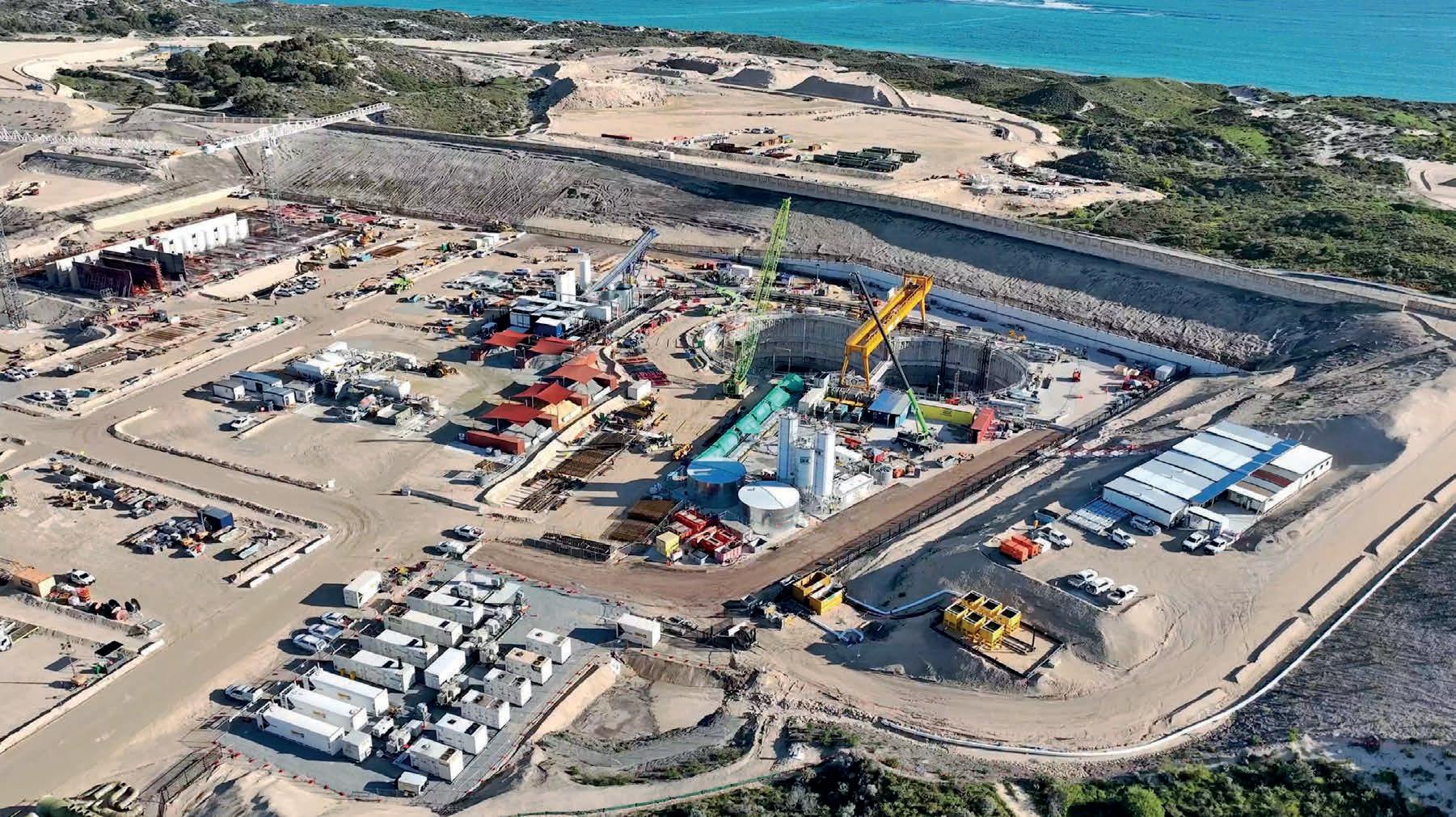
and a separate 4km outfall tunnel to return concentrated brine. The advanced technology will ensure minimal impact on dunes, beaches, and marine habitats.
The $2.8 billion project is Western Australia’s largest seawater desalination initiative. Once complete, it’s set to deliver 50 billion litres of drinking water annually.
Australia’s largest registered jackup barge supports a critical next phase of the project. Roughly the size of one and a half Olympic-sized swimming pools, the barge stands on 78-metre legs and will install the ocean intake and outfall structures above the seabed. These structures will connect to the underground pipelines currently being bored by the TBMs, eventually bringing seawater into the plant (intake) and returning the brine safely back to the ocean (outfall). The barge features an 8-tonne-per-square-metre deck load capacity, a 400-tonne crane, a helideck and accommodation for more than 50 workers. It will continue operations at the outfall location until marine works conclude later in the year.
In the state’s south, Nanarup has been chosen as the future site of the next desalination plant to support economic and population growth across the Lower Great Southern. The project has since progressed to the detailed planning and design stage.
A 7.4-kilometre pipeline linking Sovereign Hill to Guilderton in the Shire of Gingin is currently under construction by Water Corporation. The $10 million project will supplement Guilderton’s drinking water with a more sustainable groundwater source near Sovereign Hill. By reducing reliance on shallow coastal aquifers that are more saline and increasingly vulnerable to declining rainfall, the new pipeline will strengthen water security and improve the aesthetic quality of the town’s supply.
A roadtrain runs parallel to the Wather pipeline in Western Australia’s mineral rich Pilbara region.
Jointly funded with the Federal Government through the National Water Grid Fund, the project also includes upgrades to treatment and control systems at both ends of the pipeline to further enhance reliability and system performance. Duration of the project is estimated to take around nine months.
“This project is a major step forward in strengthening the quality and reliability of drinking water for the Guilderton community,” said Western Australian Water Minister Don Punch. “By drawing on deeper inland groundwater through the new pipeline, Water Corporation will be able to run the scheme with far greater flexibility, helping ensure the town has a secure, year-round supply.”
Water Corporation is forecast to invest a

further $244 million through 2028 in WAmade products such as steel pipes, valves, pump components, and operational supplies. This includes the ASDP conveyance pipeline, with extra-large water main sections being manufactured in WA for the first time under a $58 million contract with Kwinana-based manufacturer, Steel Mains.
In total, a record $2.2 billion has been allocated to projects under Water Corporation’s Asset Investment Program last financial year.
Another of which were upgrades completed on a major water pipeline through Helena Valley, improving supply reliability for Perth’s eastern suburbs and communities connected to the Goldfields and Agricultural Water Supply Scheme (GAWSS).
Measuring 1.4 metres in diameter, the new main replaces infrastructure first installed in 1951. Almost twice the size of the original, the upgrade delivers greater capacity to support growth and long-term demand across the network.
The pipeline forms a vital link between the Integrated Water Supply Scheme and the GAWSS, which provides drinking water to more than 100,000 homes, farms, mines and businesses from Mundaring to KalgoorlieBoulder. The $38.7 million project involved manufacturing new pipe sections locally in Kwinana using Pilbara iron ore and Cockburn cement. Each 12-metre section weighs around eight tonnes and is designed to last more than 120 years.
• Specialising in free boring, sleeve boring and pipe jacking
• Size ranging from 350mm > 750mm in most ground conditions
At L&D Micro Tunnelling we specialize in laser guided boring. Our Tunnel bore machines use a vacuum extraction system where all spoil is sucked into interceptor tanks for easy disposal with no mess. All our heads are hydraulically driven and guided by a high accuracy laser to achieve precision over long distances.
Unrivalled reliability - Accuracy Guaranteed
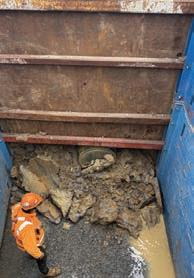
• Drill up to 120 meters with a +/- 10mm tolerance
• 30 years experience in the drainage industry
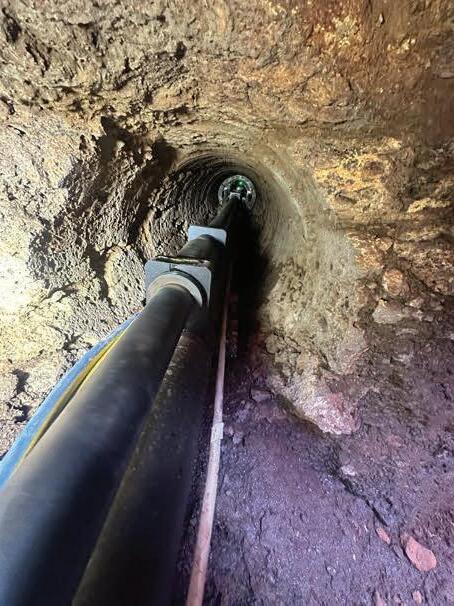
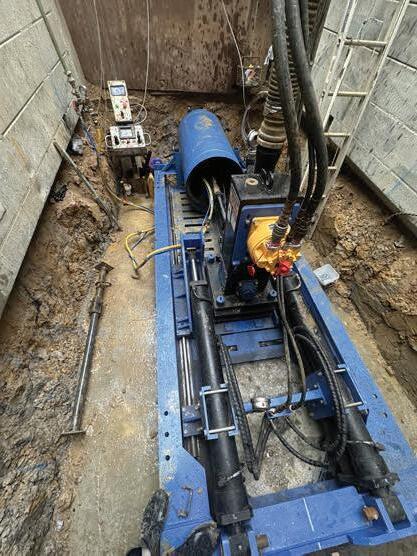
Site of the Alkimos Seawater Desalination Plant.
Real bite
The Vermeer D24G offers compact power for Australia’s trenchless future.
Australia’s infrastructure demands are growing rapidly, especially in urban areas where space is limited and disruption must be minimised. The Vermeer D24G horizontal directional drill is designed to meet these challenges with a compact 56inch footprint and a powerful 100hp CAT engine that delivers 24,700lbs of thrust and pullback. Its size and strength make it ideal for navigating tight access points and drilling through tough ground conditions found across Australian cities and regional sites.
The D24G features an Automatic Rod Exchange (ARE) system that simplifies the rod changeout process with a single button press, reducing manual steps and improving safety. Operators benefit from onboard diagnostics and touchscreen controls that allow for quick troubleshooting on-site, which is especially valuable in remote or regional locations. With a 480ft rod capacity and a 45-gpm mud pump, the D24G supports longer bores and faster reaming, helping contractors complete more metres per day.
Noise compliance is a growing concern in populated areas, and the D24G addresses this with an operator ear rating of just 88 dB(A). This low noise output helps crews meet council regulations and maintain good relationships with nearby residents and businesses. Whether installing utilities in Brisbane’s suburbs or Sydney’s CBD, the Vermeer D24G offers
the performance, efficiency and reliability Australian contractors need to stay competitive in today’s trenchless market.
The D24G is also built with premium hydraulic components typically found in larger pipeline drills, enhancing durability and performance across diverse soil conditions. Its sliding open-side vise improves visibility and simplifies rod changes, while redesigned stakedowns with shark teeth improve setup speed in hard soils. These features make
Australian terrain.
In addition to its technical capabilities, the D24G supports sustainability goals by reducing surface disruption and minimising fuel consumption. Its compact design and efficient operation help reduce the environmental footprint of trenchless projects, aligning with the growing demand for greener construction practices across Australia.
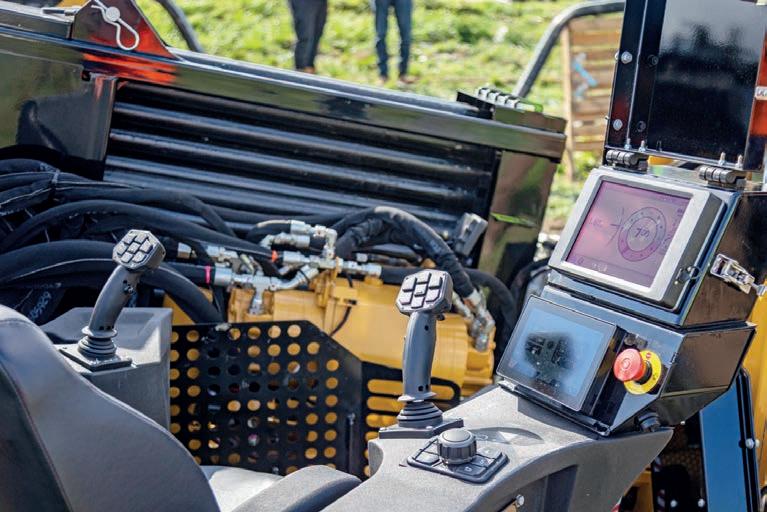


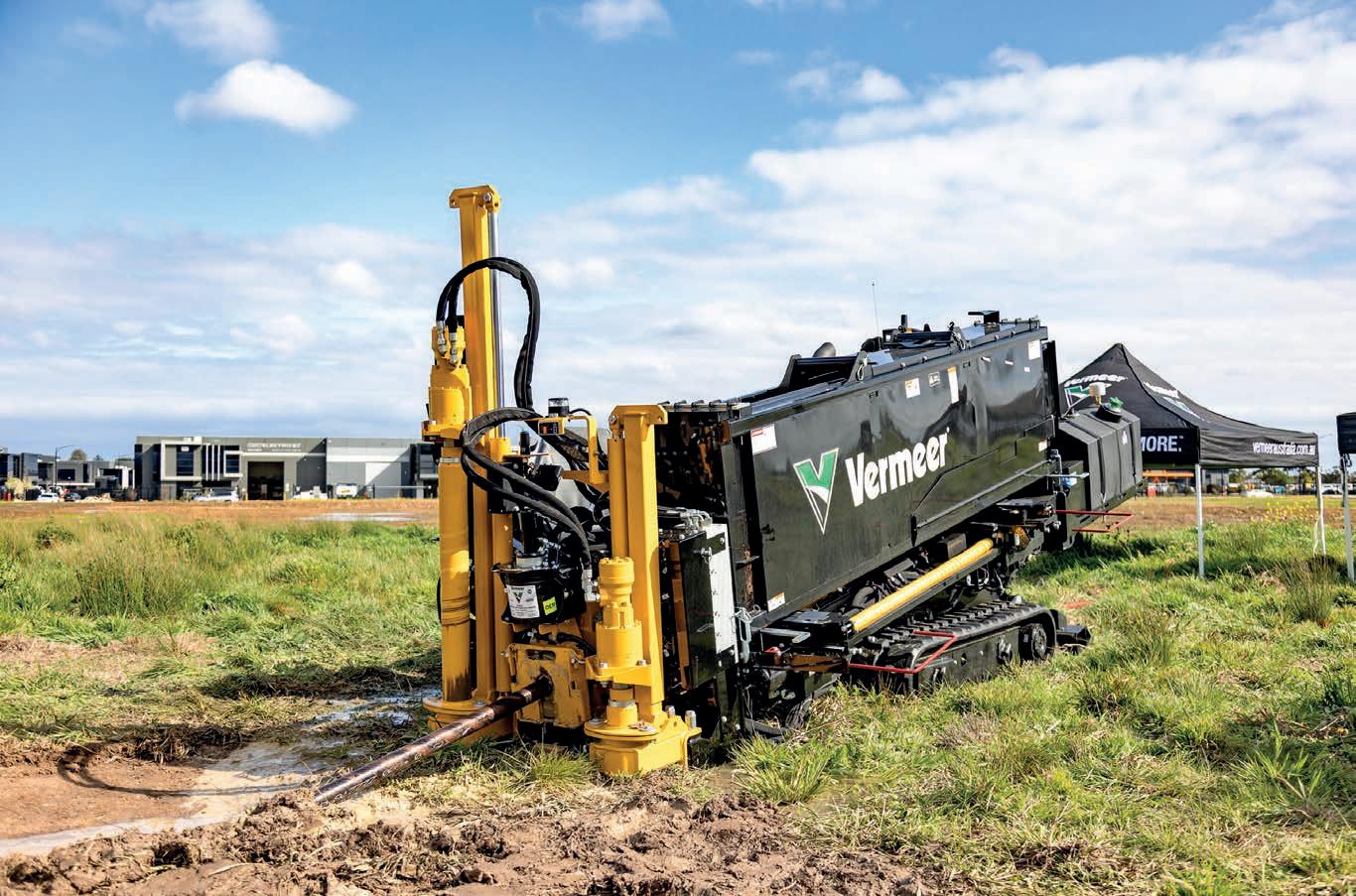

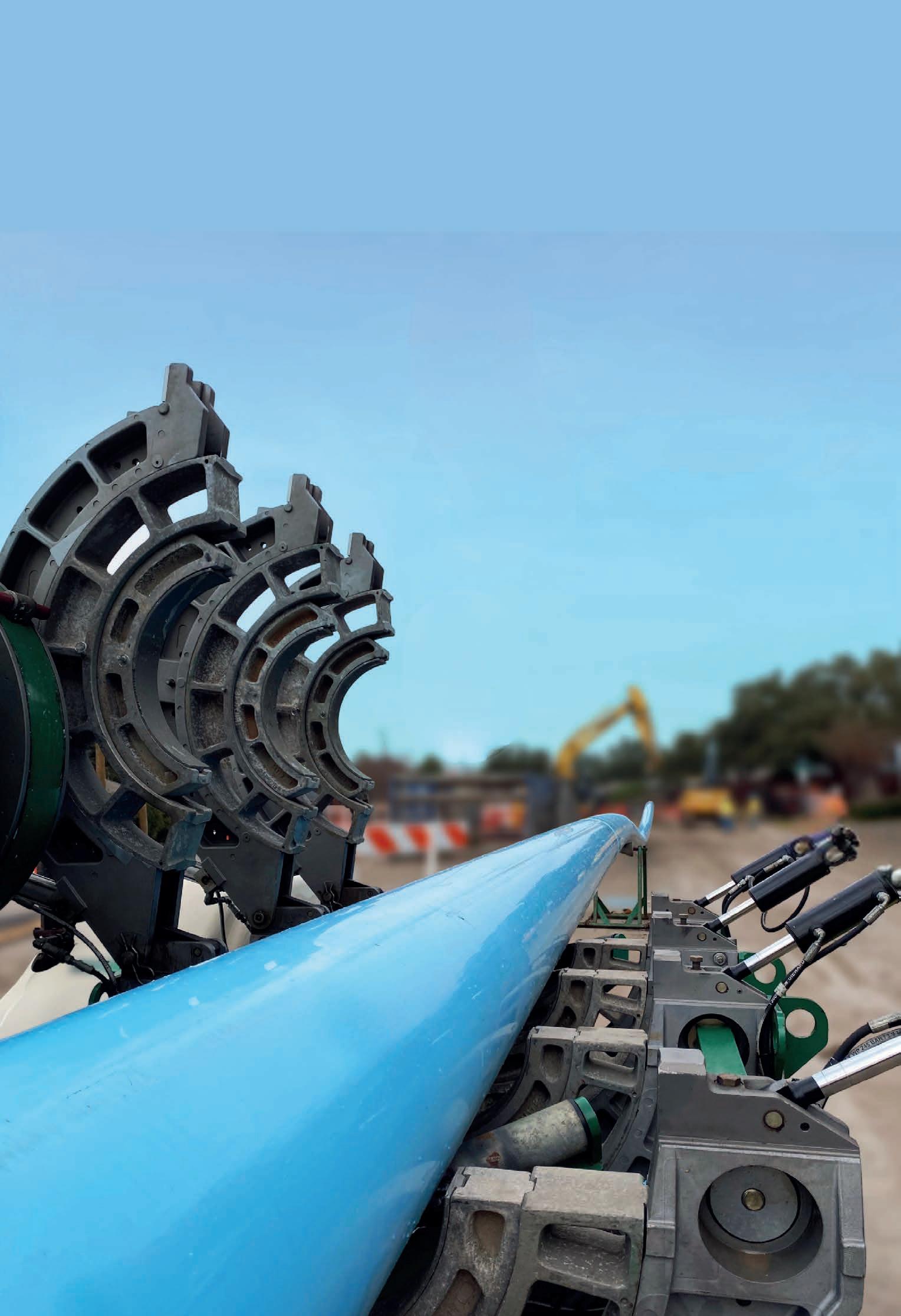

To learn more about how the Vermeer D24G can
Vermeer D24G working on site.
Images: Vermeer
Operators benefit from onboard diagnostics and touchscreen controls.
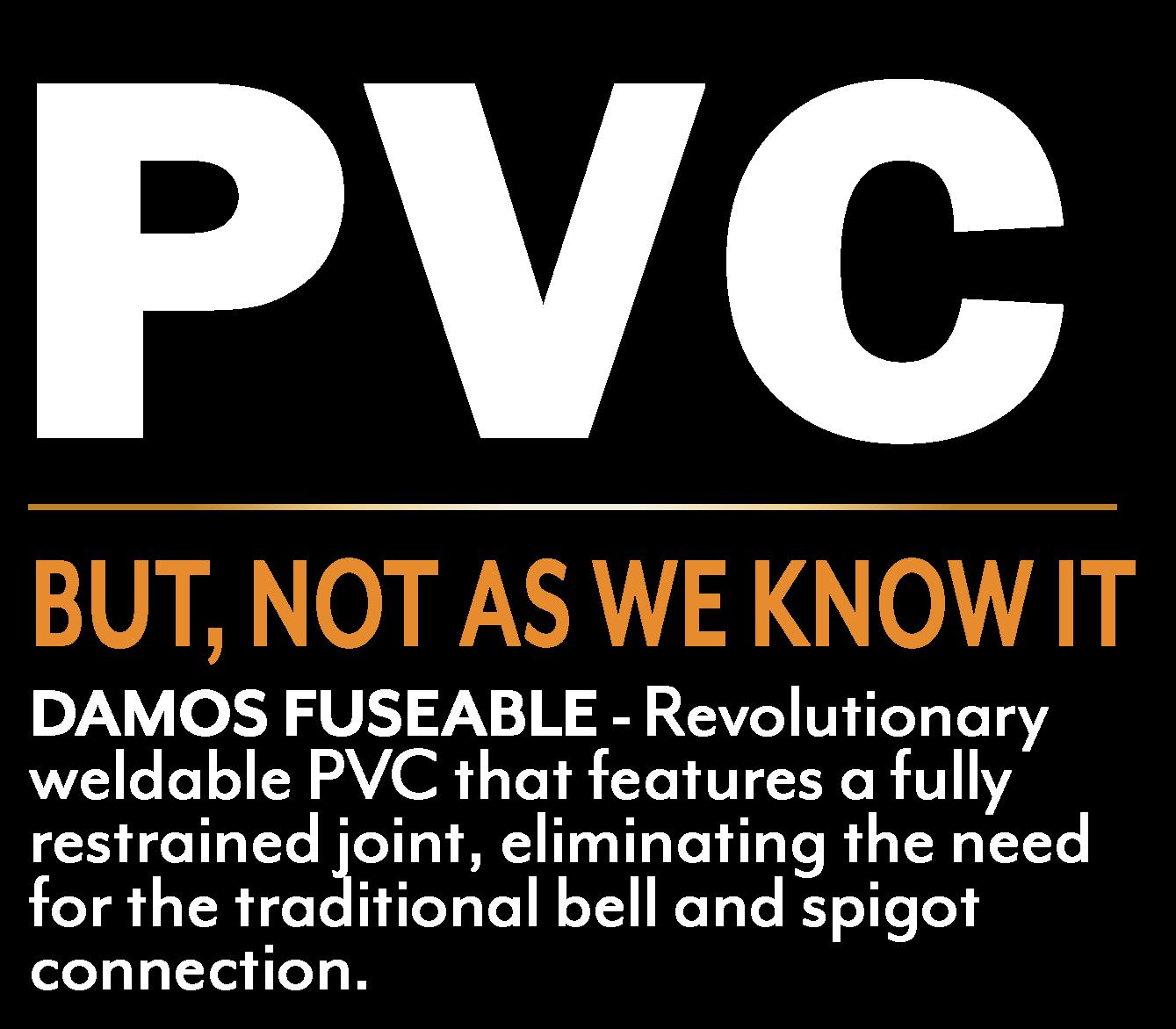
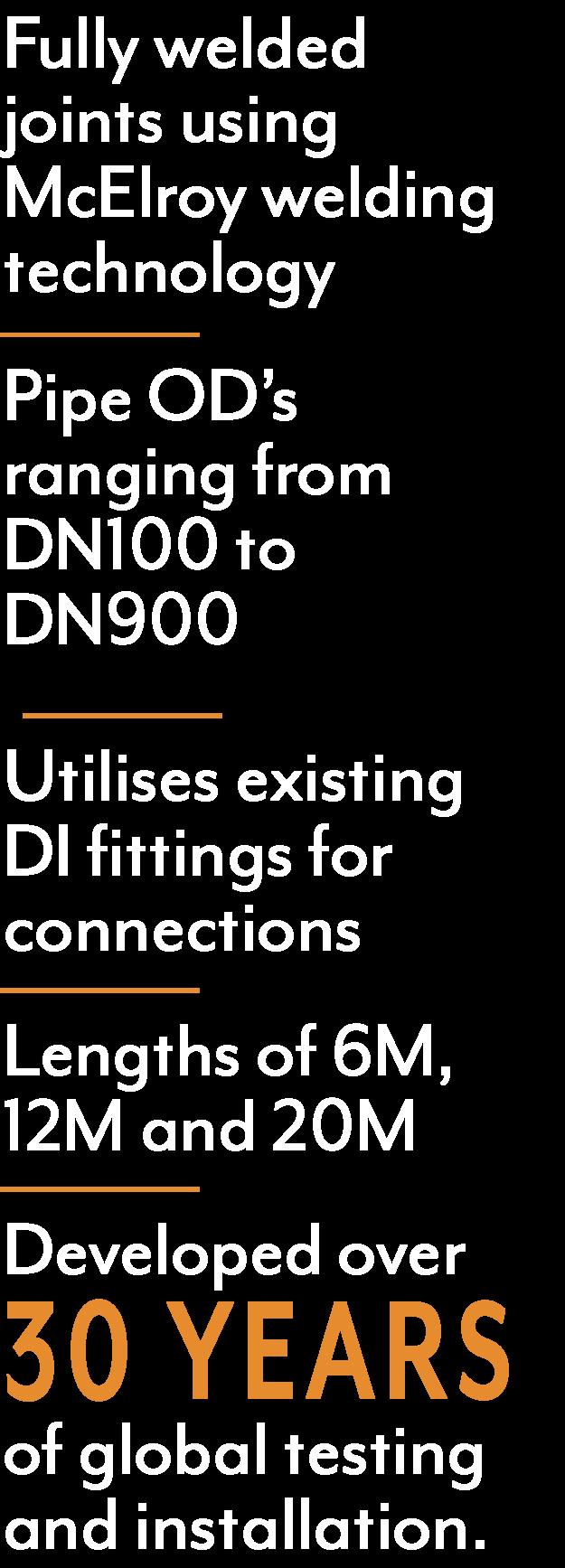

Green means go
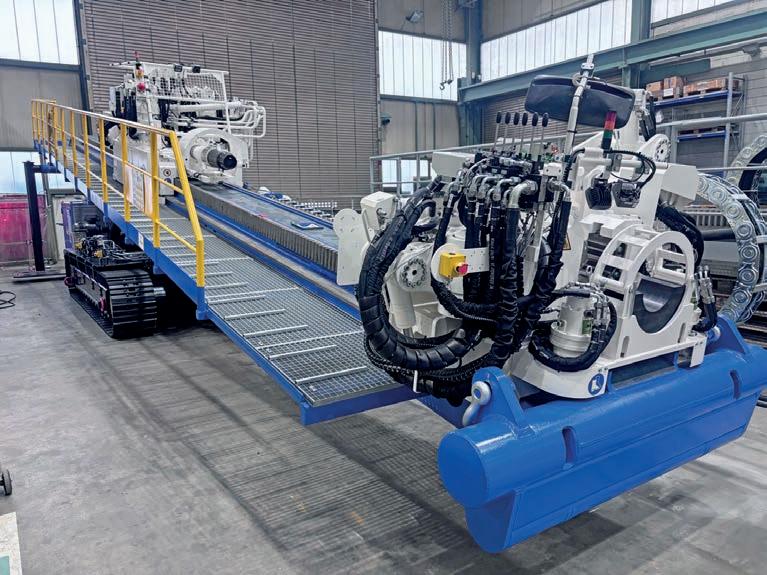
Due to public environmental awareness, smart trenchless installation methods are required for fast and safe installation of pipeline crossings and landfalls, with minimal impact on the surroundings.
As long as the ground conditions allow a safe drilling process, horizontal directional drilling (HDD) is still the preferred option. New environmental tasks will create a bigger demand in work and construction volume and require safer and greener HDD operations. Therefore, a fully electric HDD Rig concept is an indispensable step towards energy transition, making green energies usable in the drilling industry, while reducing emissions to a minimum. A directly electrically driven rig allows the use of green electricity and assures high efficiency without the losses associated with hydraulic concepts. Furthermore, features like the jet pump, weeper subs and tooling concepts have been developed to increase safety and application range in HDD. This overall technological progress will most likely have a very positive impact on the reputation of HDD in the years to come.
Following this trend, UEA Pty Ltd has invested in Australia’s only operational hybrid electric HDD rig, the HK300 Special, developed in close collaboration with Herrenknecht AG and shaped by decades of drilling experience across major infrastructure projects.
The HK300 was selected to support futurefocused infrastructure delivery, particularly in urban and sensitive environments, through quieter operation, lower emissions and reduced project impacts.
“The HK300 represents an exciting step forward for HDD in Australia. We see this as
an investment in where the industry is heading with quieter drilling, lower emissions and smarter solutions for complex urban projects,” said Steven Hopkins General Manager at UEA.
Herrenknecht, a global leader in mechanized tunnelling technology, offers a comprehensive range of powerful Horizontal Directional Drilling (HDD) rigs. Designed for the trenchless installation of pipelines, these rigs provide a fast, cost-effective, and environmentally friendly solutions. These versatile rigs are suitable for installing a wide variety of pipelines, including those for oil and gas, hydrogen and CO², water and sewage, district heating, high-voltage power lines, cable bundles and much more.
Herrenknecht HDD rigs are defined primarily by their pulling force, which is selected based on project parameters like borehole length and diameter. In its portfolio
2 metres. The range covers power pack output from 278kw to over 1,000kW or in the old scale 370hp to well over 1,340hp. The range caters to a mix of geological profiles for both soft ground and rock (provided relatively stable grounds are a prerequisite).
Drive Options for Different Environments
Herrenknecht, to meet varied environmental and operational requirements, offers three drive system types. The first is the All-Electric HDD Rig. By dispensing with hydraulic functions as far as possible, the all-electric drive is the lowest-emission and most efficient system on the market. It impresses with its low maintenance requirements and high control precision.
The Electro-Hydraulic (Hybrid) HDD Rig is quieter and has lower emissions than diesel-powered systems. Thanks to the lower maintenance requirements, it is suitable for flexible use worldwide.
Then there’s the Diesel-Hydraulic HDD Rig. The diesel-hydraulic system is suitable for independent drilling operations. No larger generator systems are required to operate the rig.
“Helping design the HK300 Special has been a very rewarding experience — ensuring that the build meets the needs of our staff and clients not only now but into the future,” said Jonathan de Vos Operations Manager at UEA. “The benefits that it will bring to UEA’s HDD fleet alongside our two other HK250 rigs and twin 800GPM electric mud pumps is something we are all really looking forward to.”
Upcoming projects, including pipeline networks for alternative fuels like hydrogen, are of public interest and successful, eco-friendly execution will be helpful for the whole industry.
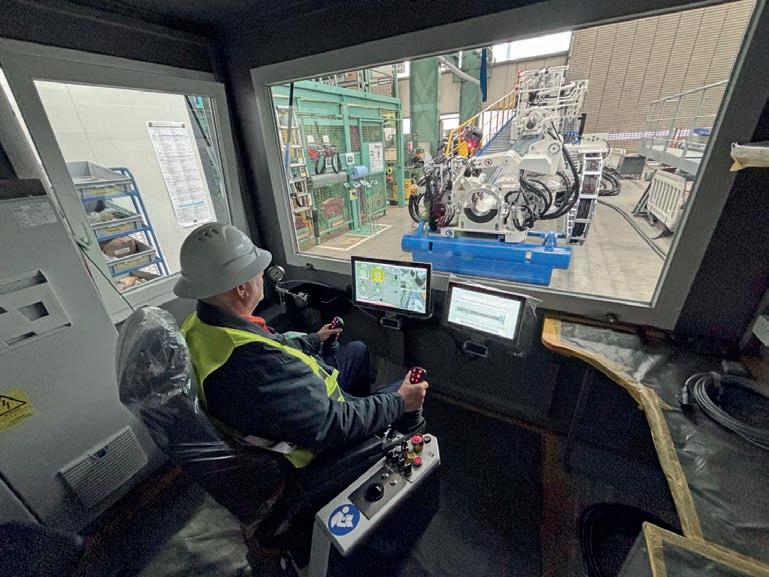

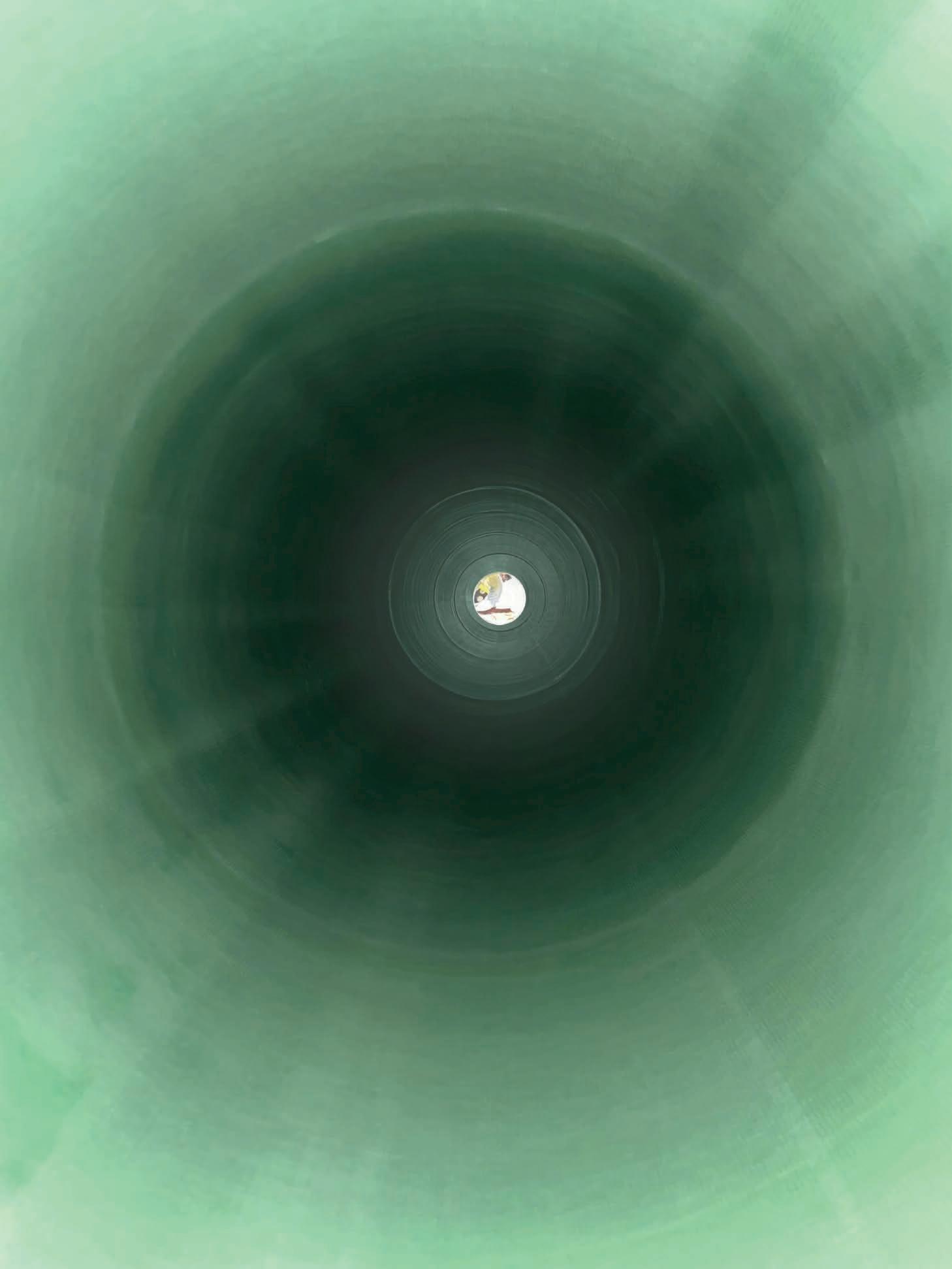
Herrenknecht
The HK300 is engineered to reduce emissions while providing higher levels of efficiency through its hybrid power unit.
Factory Acceptance Testing of the purpose-built HK300-Special HDD rig.
UV-CIPP LINER SUPPLIER OF
PRODUCTS
Pro Line supplies UV-CIPP liner from DN150 – DN2400 and is suitable for the following host pipes:
• Gravity
• Pressure
• Potable Water
CONTACT US TODAY
by actively partnering with local community groups and creating employment opportunities that support the growth and sustainability of the communities we serve. By partnering with community groups and Aboriginal businesses, we not only deliver innovative pipeline solutions but also help build a stronger, more resilient future for generations to come.
Partner with Pro Line for unmatched support across every stage of your UV-CIPP projects. For more information, visit www.prolinetrenchless.com
Coast to coast
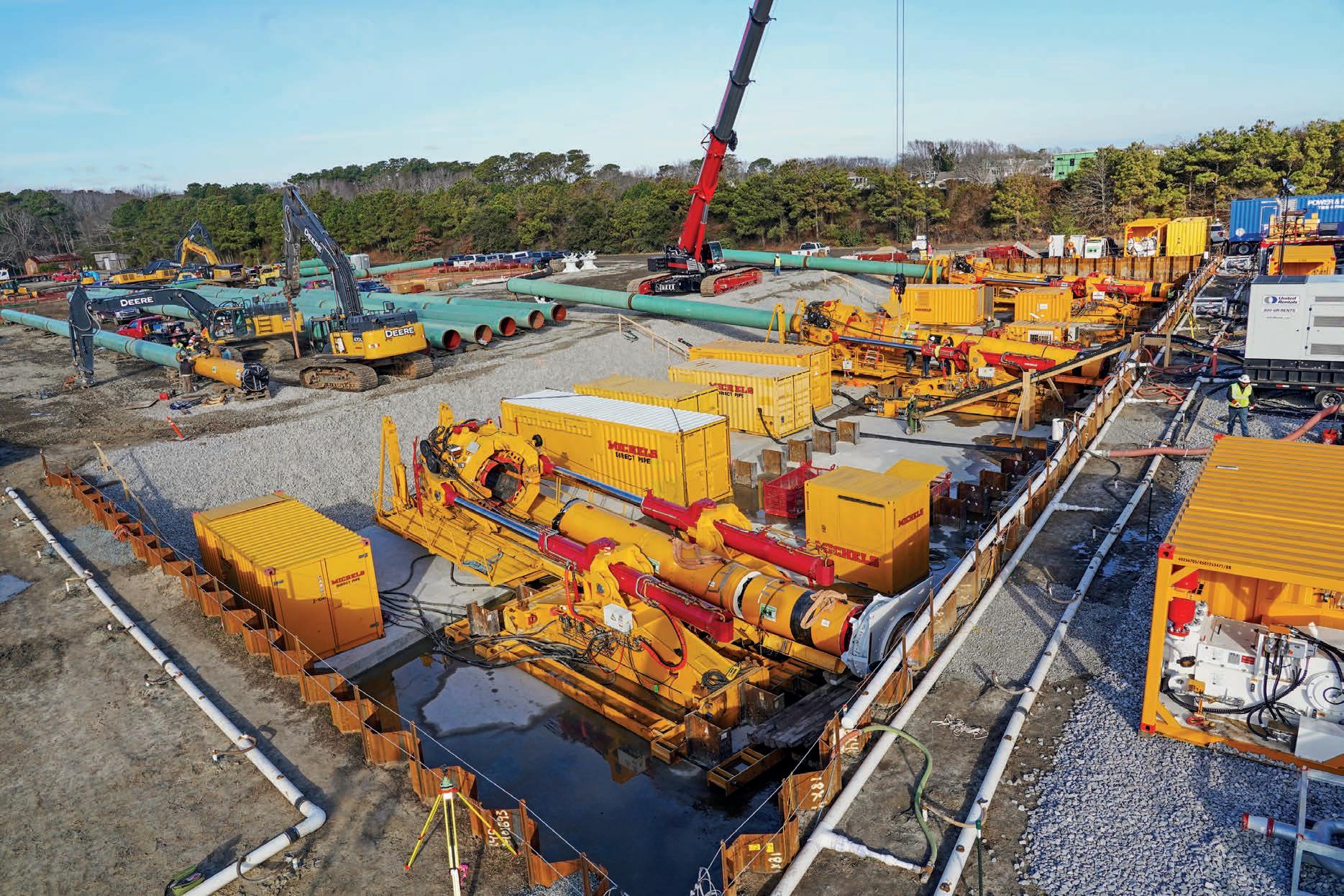
As Australia continues to expand the development of offshore wind projects to meet clean energy demands, the scale and complexity of these developments is simultaneously expanding. Australia aims to reach net-zero emissions by 2050, a goal made possible in part by the country’s extensive coastlines. This feature provides numerous feasible locations for wind turbine installations. However, offshore wind requires safe, reliable methods of connecting renewable generation facilities with onshore grids to provide communities with clean energy.
Trenchless installations provide viable solutions to install buried infrastructure. As a leader in the industry, Michels has a long history of completing challenging, recordbreaking projects with trenchless methods. Among these is Direct Pipe, a one-pass trenchless installation method that combines horizontal directional drilling (HDD) with
steerable microtunnel techniques.
Direct Pipe is used to install prefabricated liquid, gas, or product pipe or casing. It is best suited for areas with unfavorable ground conditions, such as water bodies, levees, rail tracks, roads, and underground utilities. Direct Pipe technology offers a significant advantage in mitigating the risk of fluid migration to the surface and inadvertent releases of drilling fluids. Unlike conventional HDD, Direct Pipe maintains a continuously supported borehole using a microtunnel boring machine (MTBM), which provides a full-face excavation and controlled pressure at the cutting head. This closed and mechanically supported system minimizes the potential for annular instability and reduces the likelihood of frac-outs, even in variable or unconsolidated ground conditions. Additionally, the single-pass installation process eliminates the need for open-hole exposure over extended durations, further
reducing environmental risk. As a result, Direct Pipe is particularly well-suited for environmentally sensitive areas and complex offshore landfalls where maintaining containment of drilling fluids is critical to project success and regulatory compliance.
Michels completed their first Direct Pipe installation in 2013 for a 42-inch oil pipeline spanning 342 meters under a Canadian river. In the years since, they have perfected their technique to become a world leader in Direct Pipe and deliver installations spanning distances of more than 1.2km long for pipe diameters between 760mm to 1500mm.
Michels is continuing to be at the forefront of Direct Pipe technique with the Coastal Virginia Offshore Wind (CVOW) project. Nine Direct Pipe installations, totaling nearly 5km from land-based points to offshore exit pits, were completed in three batches of three installations. This was the most Direct Pipe
Direct Pipe delivers trenchless solution for offshore landfalls.
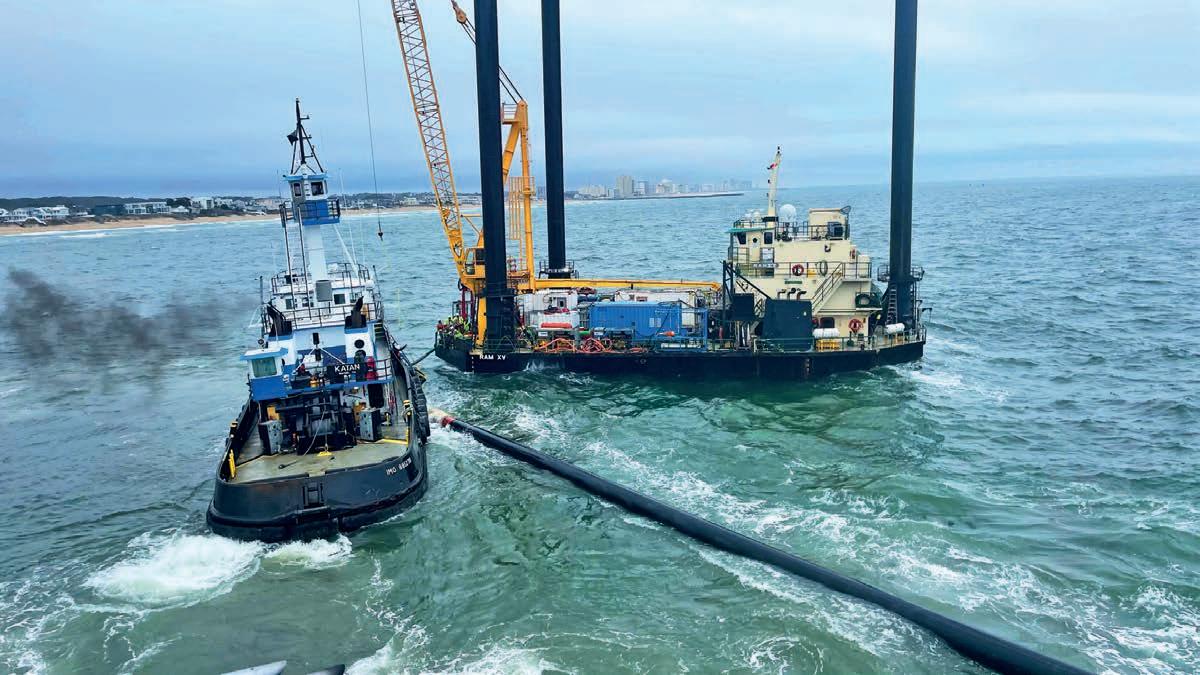
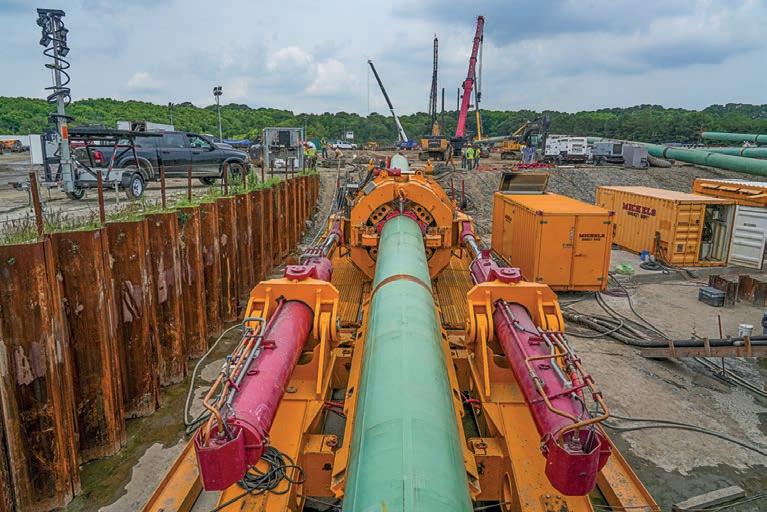
installations completed on a single project at the same time and location.
These installations provide electrical conduits for a massive, 200-turbine, 2.6-gigawatt wind farm located 24 nautical miles off the coast of Virginia in the US which will generate enough energy for up to 660,000 homes.
Originating from a single launch pit, the drives were arranged in a fan configuration. The setup enabled all three alignments to be installed simultaneously while maintaining clearance between the jacking frames and pipe supports. Site configuration required extensive planning as the launch area served as the focal point for trucking and dewatering operations. Between spoil handling management, crane utilization, crew overlap, and coordination of marine support crews, the project required precise communication and a 24-hour schedule to meet the desired time frame.
In preparation for execution, crews installed
a 48-inch steel casing connected to the jacking system in the launch pit. Once the microtunnel boring machine (MTBM) and 1066mmdiameter carrier pipe were assembled, tunneling toward the offshore exit pit began. Marine divers supported the steel conduit placement to determine locations on the ocean floor. Marine support crews performed a wet retrieval of the MTBM with controlled flow excavation to uncover each machine.
Once mining was complete and the MTBM broke through the pre-dredged exit pit, sliplining was used to install approximately 6,100m of 36-inch HDPE pipe inside each steel conduit. The pipe string was partially filled with water which allowed it to float on the water while remaining stable. It was connected to tugboats that guided the pipe string offshore along a predetermined route to the exit pit. Offshore crews connected the product pipe to the casing string, and a HDD rig onshore pulled the 36-inch pipe back through. Marine crews managed the pipe’s position and tension on the water and used live
underwater cameras mounted to the casing to monitor the pullback in real time.
Michels executed 10 large-diameter HDDs beneath two lakes for carrier pipe and electrical conduit installation to house new power cables. Five HDDs spanning 590m were completed under Lake Rudee. The other five crossed underneath Lake Christine and spanned about 510m. Each crossing passed about 22m below the existing grade.
Upon project completion, the trenchless scope installed more than 10.3km of trenchless crossings and approximately 52.4km of HDPE pipe within a narrow band of coastal right-ofway.
Offshore wind developments are continuing along coastlines, suggesting that landfalls with similar complexities of CVOW will become more common. Michels remains at the forefront of this method and is continuously improving their technique to provide customers with reliable solutions.
Tugboats guide the pipe string offshore.
The drives originated in a single launch pit.
Crews installed a 48-inch steel casing to the jacking system.
Images: Michels
Paths of least resistance
Microtunnelling works for a gravity sewer installation have been successfully completed by Edge Underground through unforgiving conditions in Melbourne.
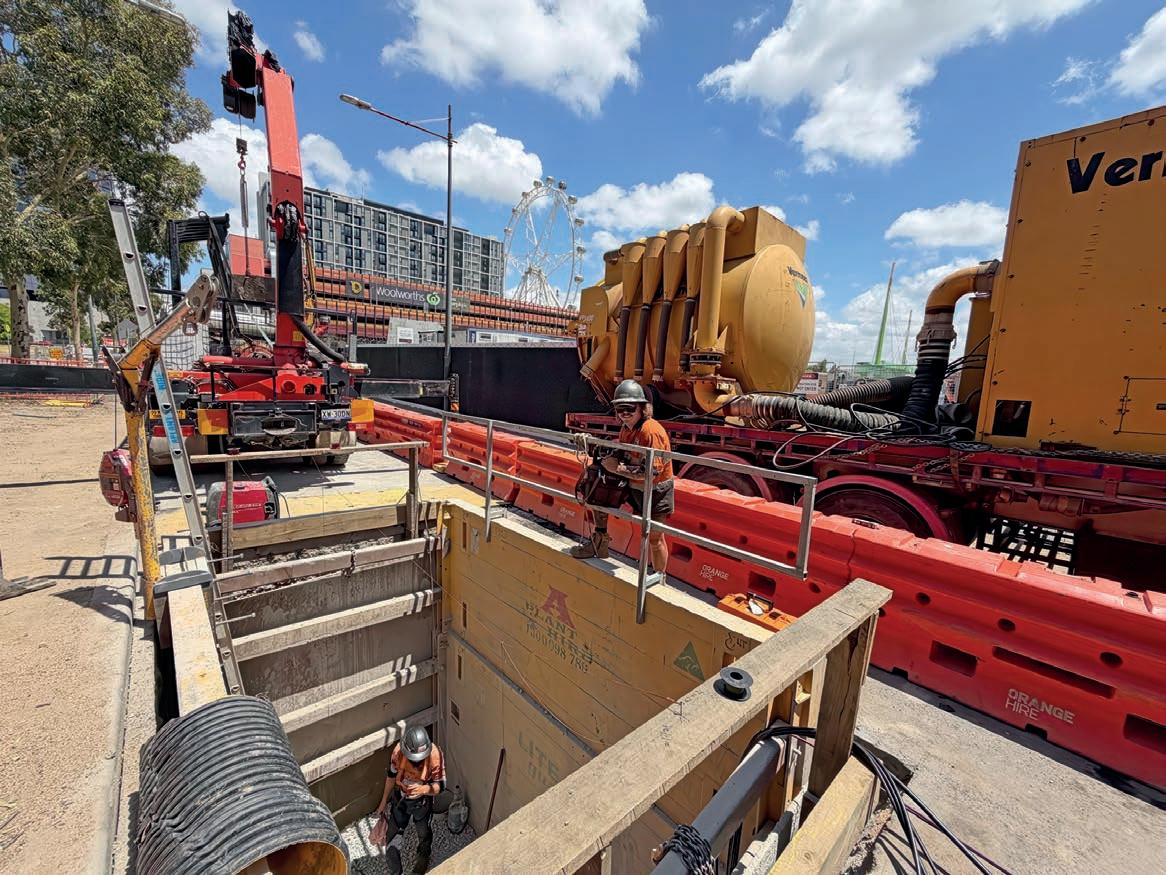
Considered one of the most problematic soils found in the state of Victoria, Coode Island Silt is accorded a notoriety among town planners, builders and architects for the complexity it adds to ground construction, particularly tunnelling.
Prone to hazardous chemical changes when exposed to air, CIS is highly compressible, soft, and water-saturated soil inconveniently found in the largest urban development precincts of Melbourne. Think Southbank, Fishermans Bend and the Docklands. It was at the latter location microtunnelling maestros Edge Underground in partnership with Able Drainage and SJE Consulting, were challenged with completing installation of a gravity sewer.
The project involved installing 345mm OD GRP through Coode Island silt, with blow counts as low as N=0 in some locations. The ground conditions were extremely soft, saturated and unforgiving — the kind of environment most contractors like to avoid.
The works were carried out beneath a road near a primary school, meaning the construction window was limited to the January school holidays to minimise disruption to the surrounding community.
For Able Drainage Director Anthony Marsh, success on a project like this starts long before the drilling begins.
“Edge Underground was involved from the very start of the design,” Marsh said.
“They’re one of the few companies in Australia who have successfully worked in Coode Island silt for gravity sewer installations where accuracy is critical.”
The project design was developed in collaboration with SJE Consulting, with Senior Engineer Chadia Chahoud leading the engineering design. According to Marsh, the early collaboration between all involved was essential for a positive outcome.
“In this project the consultant, contractor and tunnelling contractor collaborated well to
make sure the plans were right from the start for success,” he said. “With input from Edge, plans were modified and the pipe size changed to ensure the project was possible.”
Customised solutions for super soft ground
In these circumstances conventional tooling was, by and large, eschewed. With a purpose-built solution deemed necessary, Edge Underground deployed a new super soft drill head, specifically designed to operate in ultra-soft, saturated ground conditions where standard heads struggle to perform.
The custom head was engineered to manage the unique challenges of CIS, reducing disturbance at the face while maintaining stability in material offering almost no natural resistance. Combined with vacuum extraction technology, broken ground was immediately removed, helping keep the bore clean, stable and predictable throughout the installation.
Above the launch shaft in the Docklands.
“Super soft ground demands a completely different approach,” said Stuart Harrison, CEO of OptionX Group and Founder of Edge Underground.
“You need to be able to extract ground, yet it is very easy to over extract. We have a pressure balance bit which goes a long way to controlling this, giving the operator more options than ever.”
Maintaining line and level where others walk away
In ground with a blow count approaching zero, achieving accuracy is often the greatest challenge. The absence of natural resistance means even small disturbances can quickly translate into deviation.
Despite the saturated conditions, Edge Underground successfully delivered two precision drives measuring 54 metres and 36 metres. Both bores were, crucially, undertaken on extremely flat grades. One was 1 in 160, while the second was installed at 1 in 180.
Marsh said the final accuracy of the installation exceeded expectations.
“Above all, the shots came in within three and four millimetres with each bore, so we were very pleased with that,” he said.
He also praised the professionalism of the drilling crew.
“Blade [Richards], the drill leader, was great and it was a pleasure working with all the guys. They were good to work with and very professional.”
Redefining what’s possible in trenchless The successful Docklands breakthrough reinforces Edge Underground’s reputation for tackling complex trenchless projects that push the limits of conventional practice.
Marsh said the decision to involve the team early in the design phase played a significant role in the outcome.
“We knew this was a very difficult project with challenging ground conditions,” he said.
“We knew Stuart and his team had successfully laser bored in Coode Island silt before, so we relied heavily on his expertise.”
Projects like this demonstrate how collaboration between consultant, contractor and tunnelling contractor can overcome even the most challenging ground conditions.
“Trenchless construction is about solving problems underground without disrupting what’s happening above,” said Harrison. “When we take on complex ground conditions and deliver a clean, accurate result, it’s a win for our client and a win for the industry.”
As trenchless construction continues to expand across Australia’s cities and infrastructure corridors, the Docklands project highlights the importance of experience, innovation and precision when working in some of the country’s most difficult ground conditions.
For more information, visit optionxgroup.com.au
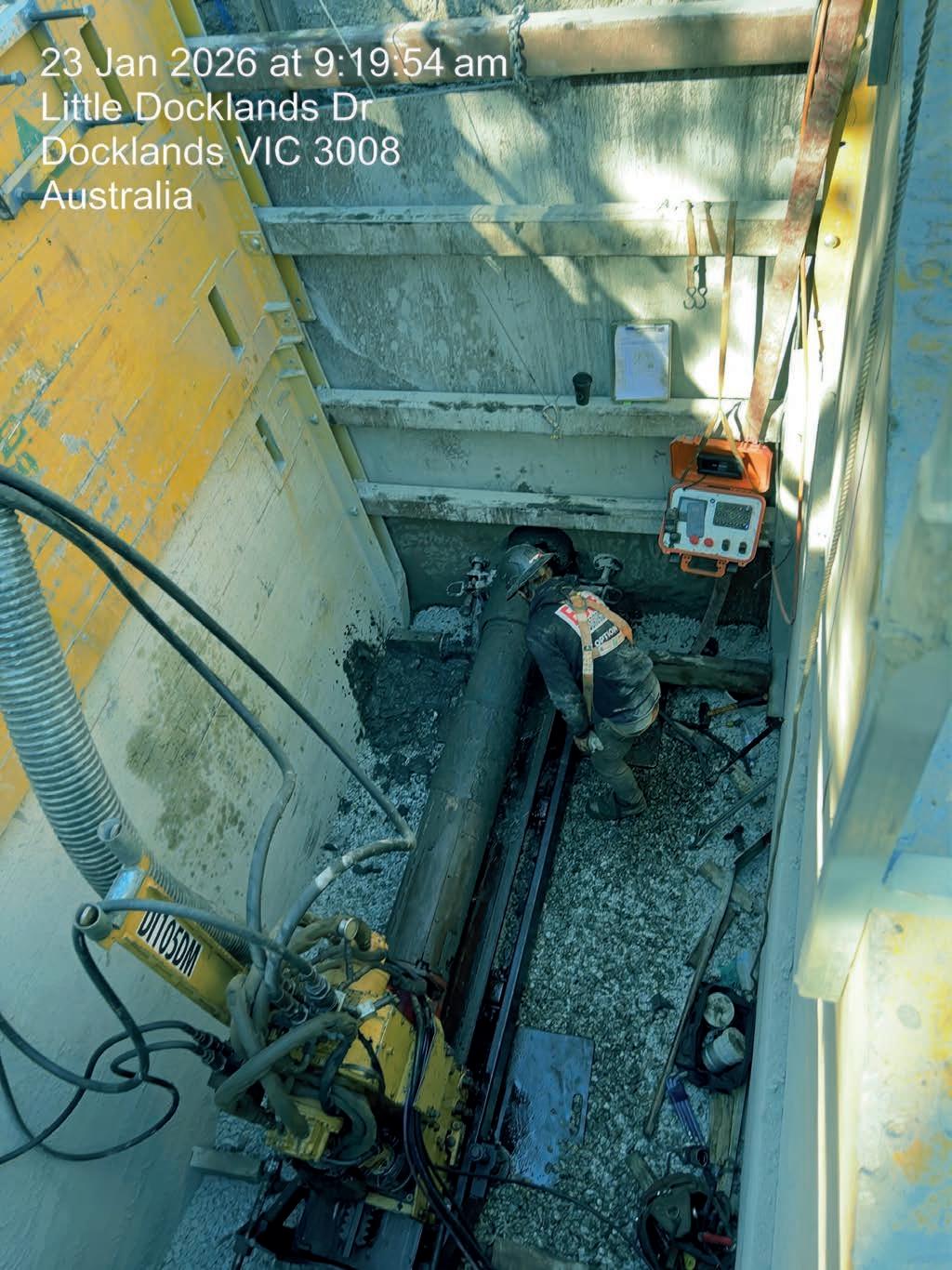
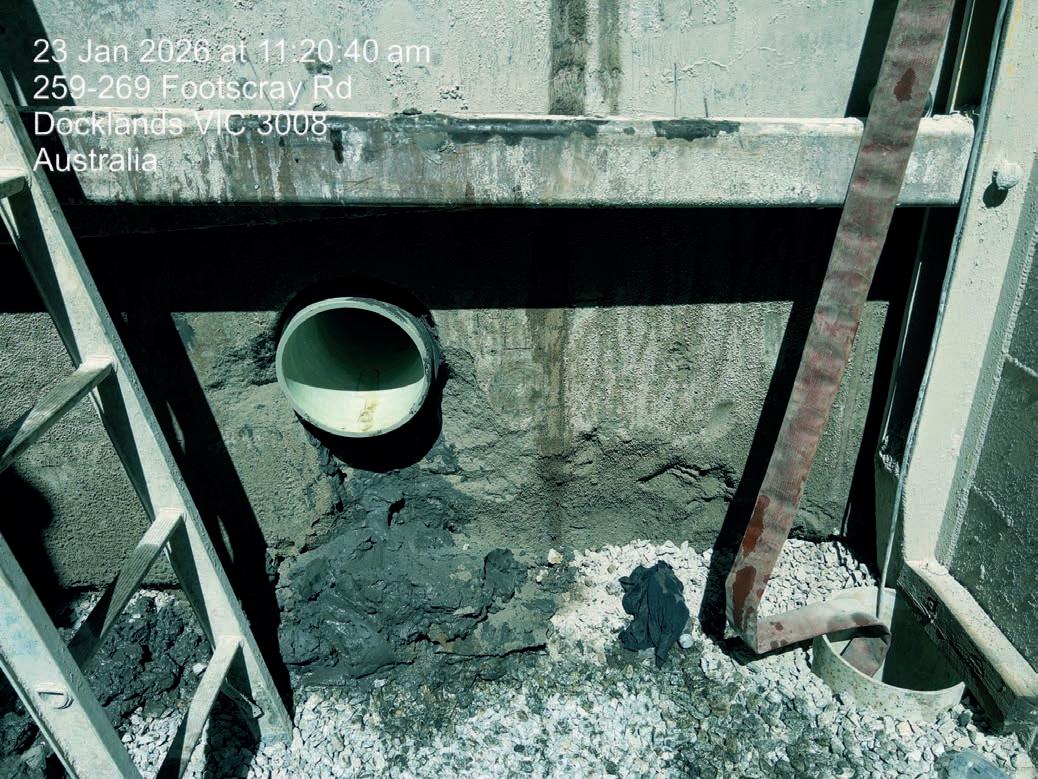
A custom drill head was engineered to manage the ultrasoft conditions.
Two bores were performed on extremely flat grades.
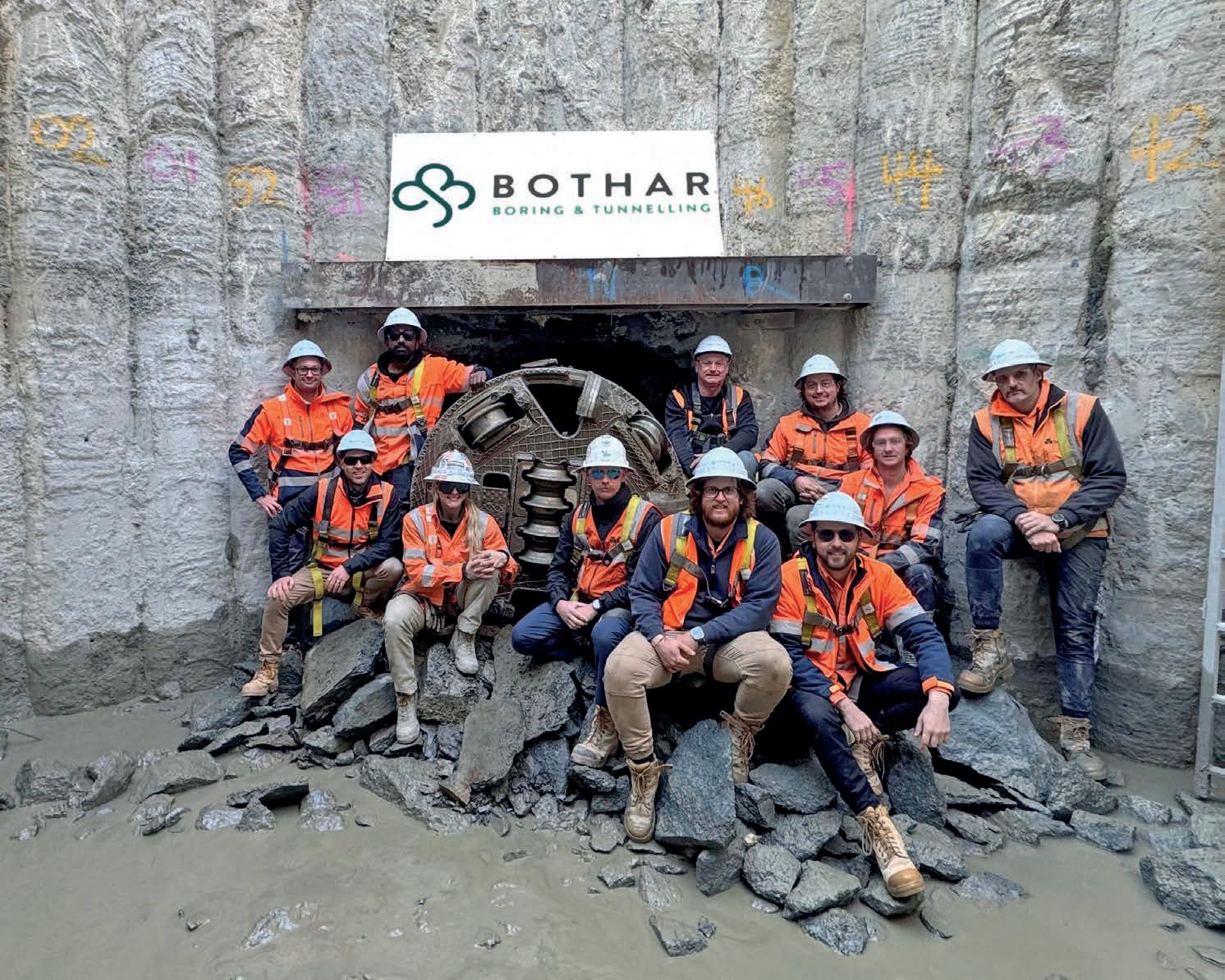
Pulling out all the stops
The successful execution of high-risk bypass pumping and live sewer tie-ins have recently highlighted Bothar’s trenchless delivery capability.
Bothar has successfully completed a major sewer infrastructure project in Melbourne, further demonstrating the company’s capability to safely deliver complex trenchless construction and live asset works in challenging urban environments.
Delivered within a live operating sewer network, the project involved extensive tunnelling, shaft construction, bypass pumping operations, and multiple live sewer tie-ins — all completed while maintaining uninterrupted service to the surrounding network. The works required detailed engineering, meticulous staging, and close coordination across all delivery partners to manage the significant
technical and operational risks associated with live sewer infrastructure.
A defining feature of the project was Bothar’s successful management and execution of the live sewer tie-ins and major bypass pumping system. These works represented the highestrisk components of the delivery and required continuous operational control, detailed contingency planning, and precise sequencing to ensure network integrity was maintained throughout construction.
The bypass pumping system was critical to enabling the works and involved the design, installation, commissioning, and ongoing management of sewer flows under
live conditions. At the same time, Bothar’s crews successfully completed a series of live sewer connections under highly constrained conditions, demonstrating the team’s technical expertise and strong focus on safety and operational performance.
The broader scope of works incorporated a range of specialised trenchless methodologies and supporting civil works. These included excavation and support of four secant piled launch and retrieval shafts, along with a shored launch shaft to facilitate tunnelling operations and live sewer connections; installation of 430m of DN1400 GRP sewer pipeline using AVN microtunnelling methodology;
The Bothar team celebrate a timely breakthrough.
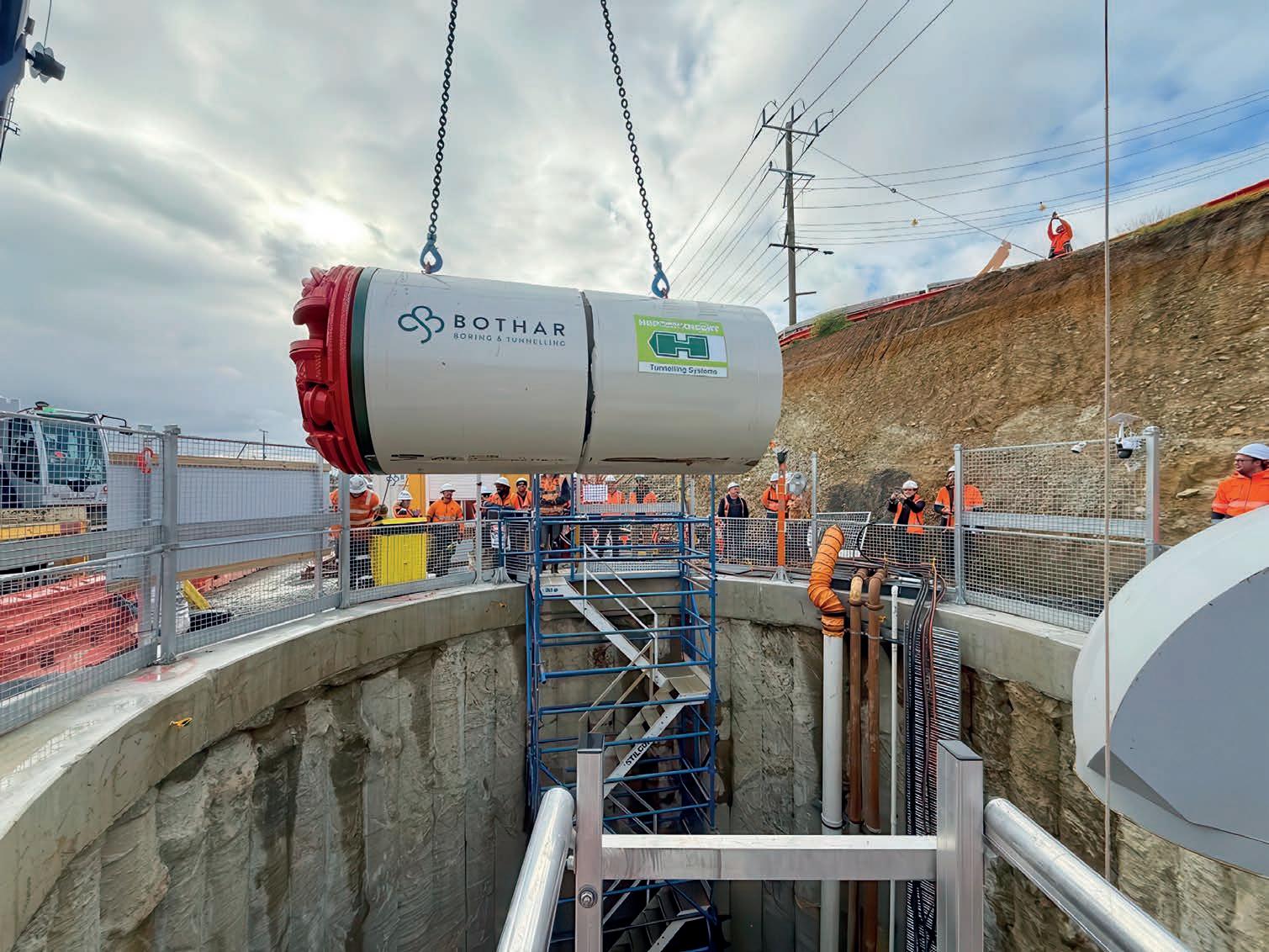
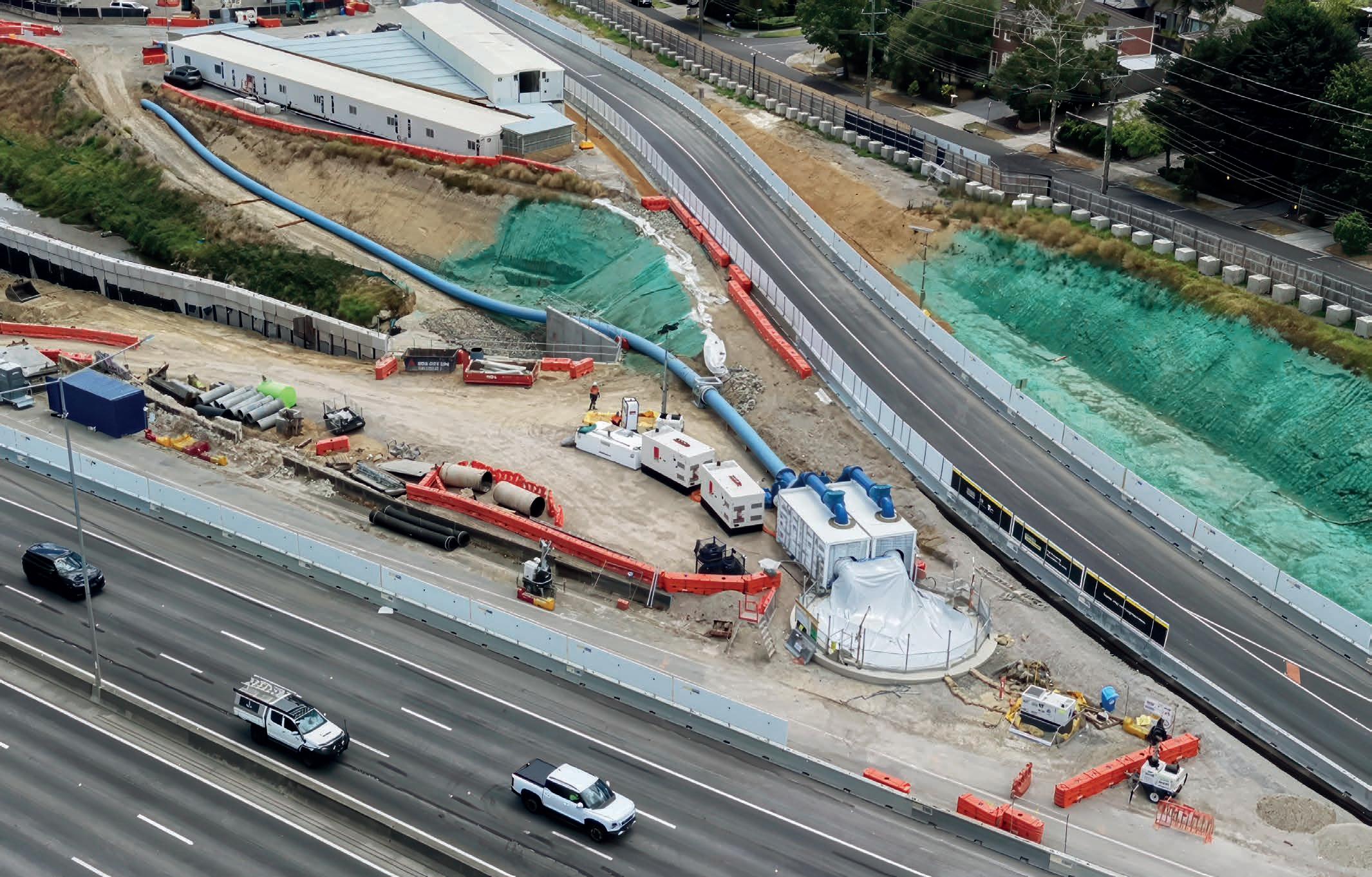
system and completion of live sewer tie-ins, DN1200 sewer lift and relay works were completed under bypass conditions.
Importantly, the project was completed on program and with strong safety outcomes, reinforcing Bothar’s commitment to delivering
infrastructure projects across Australia. For more information, visit botharboring.com
An aerial view of the works alongside a busy arterial in Melbourne’s east.
MTBM lowered into the drive pit.
Local heroes
A specialist in electrical contracting services, High Access Group has expanded its offering in recent years to become a significant independent player across metropolitan Melbourne.
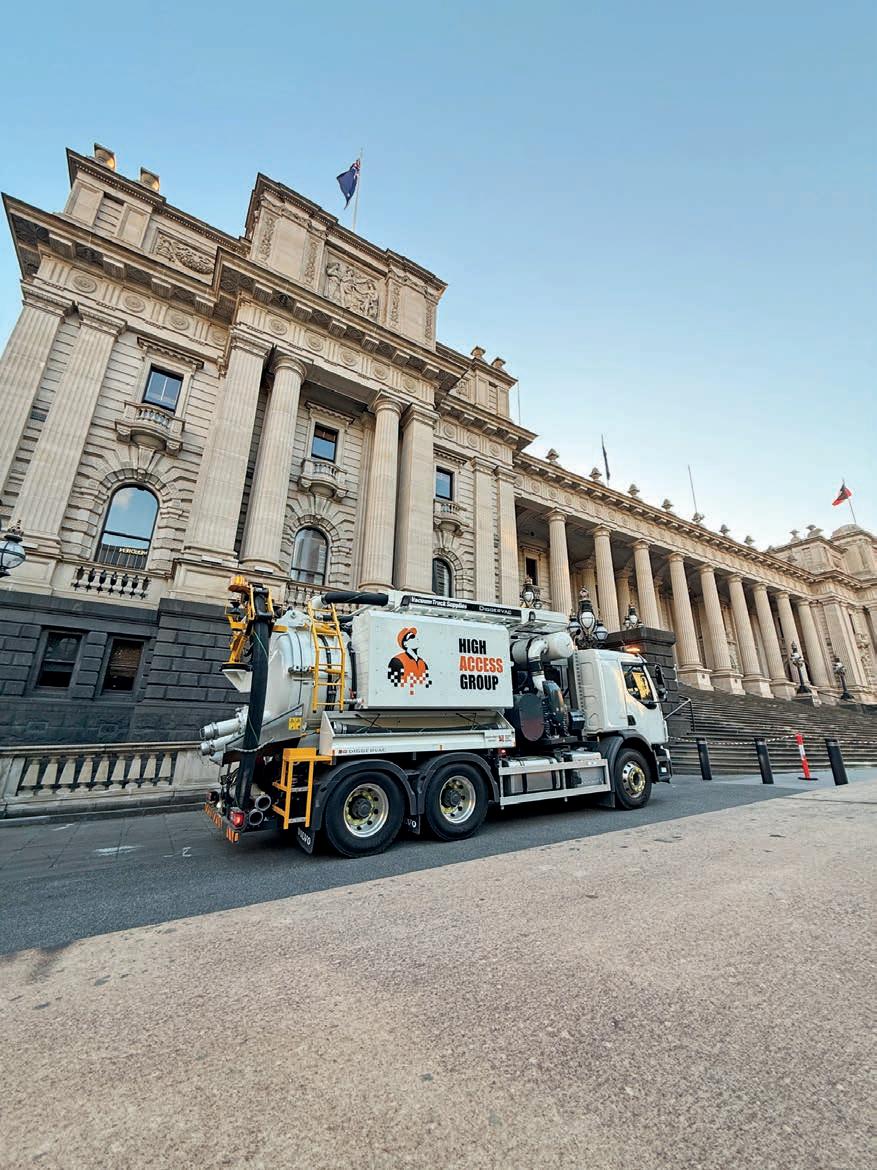
If we examine the moment a business finds its niche, it’s not uncommon to trace it to the time it landed one key account from which everything else subsequently springboards. For High Access Group, a family business headquartered in Heidelberg West, that moment arrived when it won its first contract with the City of Melbourne. From initial lighting repairs and installations to Christmas decorations it has, over the past 15 years since, grown into a serious enterprise now with three core divisions: Electrical Cabling
Services, High Access Equipment Hire, and Lighting Design and Manufacturing. The business was formed over 20 years ago by brothers John and Michael Newton. They remain the sole owners of the business today. Operations kicked off with the purchase of a single scissor lift which led to a Nifty-Lift elevated work platform (EWP). That in turn led to the acquisition of several Mazda BT-50s carrying EWPs and eventually horizontal directional drills and vacuum excavator trucks. There are 200 trucks in the fleet and over 350
pieces of equipment in total.
High Access recently took delivery of a DiggerVac 7000 from Vacuum Truck Supplies – its first – after a thorough search. The team had been even prepared to import something from overseas, going as far abroad as Germany.
Most of the products that they had viewed during this reconnaissance, however, were considered generic. There was, ultimately, a non-negotiable in the planning process. They needed a cassette boom specifically providing an extra 13 metres of reach.
“At the end of the day, extra reach makes a huge difference for operators on site,” said Civil Foreman, Luca Di Paolo. “We definitely needed that little bit extra.”
When High Access was informed by VTS that they had fitted a cassette boom on a new 6x4 truck, the team dropped a deposit on it as soon as they saw a photo.
“When the truck arrived, we were over the moon,” said Luca. “We’ve done over 80 hours on it at the moment and haven’t had any problems.”
The DiggerVac 7000 sits on a Volvo FE 350 6x4 platform. Typically, vac trucks don’t enjoy a short wheelbase like the one offered here. It’s proven to be a key feature for the tight points of access that prevail upon daily operations for the business.
“I’ve had people comment on how well everything has been fitted onto the chassis,” said Luca. “It’s really great in tight spots. The overhang at back is maybe less than a metre, a much shorter wheelbase compared to some of the other trucks out there.
He added, “It’s a good thing VTS put that vacuum body on that truck.”
Simplicity is important. VTS, according to Luca, excel in this area of their engineering and end-user experience. The remote control consists of four main functions: water on, vac on, boom out, extend boom. That’s it. It’s one primary reason Luca treasures the new truck. The hydraulic-driven controls are another. He prefers intuitive systems to sensor-overload. In this case Molex fully rebuildable ball valves are standard on the inlet and dump mechanism. These key wear items including filters, and seals are well within reach making them easy to replace for time and cost savings in the workshop.
“A truck doesn’t need to be overcomplicated and VTS understands this,” said Luca “A vac truck only needs to suck and do water and use the boom. That’s essentially all I need it to do. It’s good that they’ve kept it simple by choosing not to overcomplicate the whole truck. That’s one thing we really like about it.”
VTS, unlike some others in the space,
DiggerVac 7000 outside Parliament House in Melbourne.
don’t make the mistake of over-burdening the operator with unnecessary technological systems according to Luca.
“At the end of the day it costs a lot more money to have something that is more complicated,” he said. “Some trucks have far too much going on.”
What he particularly likes about the VTS offering is the deference to vehicle structure and the way it is used to support the design. Being compact promotes efficiencies around operation and access. The manoeuvrability, as such, doesn’t preclude it from fitting down the many little laneways found in the city of which Melbourne is renowned.
“Honestly, it’s one of the best on the market because you can’t get a truck that is 7,000 litres with 3,500l for water on the size of truck it is,” Luca said. “There’s nothing like it on the market in that size.”
The DiggerVac 7000 features a belt driven Jurop Helix blower for strong vacuum performance. For NDD (or hydro excavation) work, it is fitted with a UDOR pump delivering 17 LPM at 300 BAR, paired with a 13mm x 30m spring retractable hose reel. Add in the fully hydraulic 6-inch suction boom which is paired with a 5mm 304 stainless steel barrel.
There’s another factor important to the new partnership: support. High Access, has its origins like VTS in Mansfield, the unofficial capital of Victoria’s High Country. Providing support, especially when it is local, means a lot for both parties. Dealing with VTS for aftersales has been a positive experience according to Luca.
“Warranties these days for some of the bigger companies no longer mean what it once did,” he said. “That’s what we’ve encountered in the past on some of the machines that we have bought. VTS, on the other hand, has been really good because they have backed their product. They are there to support it. They are not selling a product and forgetting the customer afterwards which has been another
plus for us.”
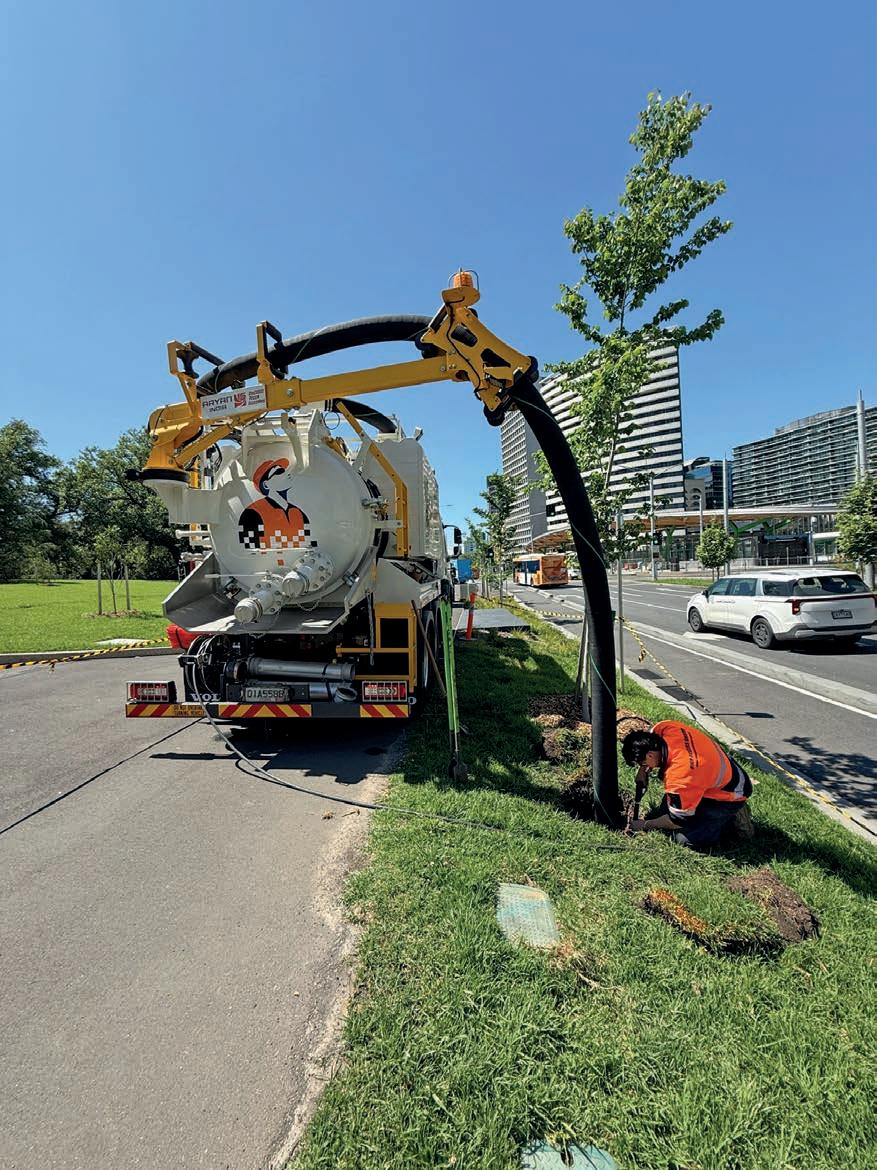
High Access Group’s growing civil division also operates two horizontal directional drill rigs — a Vermeer D20x22 S3 and a TRACTO 130ACS — supporting council infrastructure projects and lighting upgrades across Melbourne. It’s part of a fleet it intends to grow. At present its civil work is orientated primarily around ongoing council projects with a focus on lighting upgrades for suburban football grounds. This largely consists of works on conduits, poles, footings, and cablings augmented by the occasional Tier 1 contract.
“We’ve got a few big jobs with the big
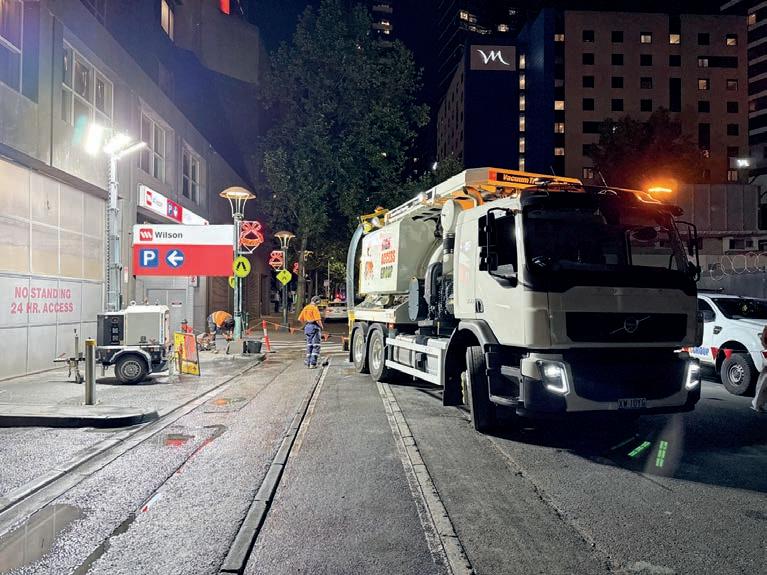
players at the moment. That’s something we are looking to boost,” said Luca. “We’re always growing somewhere. Getting into the vac truck market was a stated goal, and we did and it’s been very good to date.”
High Access Group operates four separate facilities in Heidelberg West. Luca calls the location a “good in-between.” The main site is devoted to its hire division. There’s also a building that houses equipment designated for modification. It contains spray booths and maintenance bays. Some of the older trucks are rebuilt here.
“We’re quite well covered with our Heidelberg West site,” Luca said. “All the main concerns of our business are represented and looked after there.”
Another niche, from which it has seen some success within its hire division is the selfdrive cherry pickers that can be operated on a standard driver’s licence. Being easy to set up makes them great for smaller jobs and moving from site to site.
A theme also emerges. Flexibility is crucial to a business that thrives in delivering multipurpose solutions. As a combination unit that handles hydro excavation and non-destructive digging, the DiggerVac satisfies this objective within High Access Group as it matures as a brand within the civil segment.
“We like working with good, solid companies and Vacuum Truck Supplies is just that,” said Luca. “They’ve been exceptional and we’ll continue to support them.”
For more information, visit vacuumtrucks.com.au
The DiggerVac 7000 sits on a Volvo FE 350 6x4 platform making it more nimble in tight city lanes.
Vacuum excavation along St Kilda Road.
Endurance is everything
As part of its bespoke project assistance, TRACTO offers a comprehensive range of user-friendly systems including GRUNDOBURST, its prevailing pipe renewal technology.
Of all the pressures wrought on industry lifespan, and having the means, more specifically, of extending it, looms over most projects as an overarching principle. Many of the major decisions being made on projects are contingent on arriving at outcomes to do with longevity. The longer critical services infrastructure lasts – for contractors, ratepayers, utilities and incumbent governments – the better.
Underground infrastructure renovations are happening at scale, worldwide. These are being driven primarily by outdated supply and disposal networks which result in leaks, blockages and other damage.
It’s no secret that complete pipe renewal is a challenge given the environs in which it is undertaken and the pressures placed on contractors to reduce capital expenditure, especially on projects defined foremost by their urgency. When security of supply is endangered, as it is in any emergency rehabilitation context, operators will be required to invest significantly in the necessary repairs which as well as being often immediate, can waste valuable resources. In such cases open construction is not usually a viable option and repair methods only provide a temporary solution. Endurance here is everything.
Pipe renewal, using the bursting method, can be upsized by utilising the expanded cavity to pull in a slightly larger replacement pipe than the original. This resource-saving and sustainable no-dig technology is used in the construction of pipeline infrastructures for water, gas, electricity, telecommunications, e-mobility and district heating, in fibre optic networking, in pipeline construction and in wastewater disposal.
Complete pipe renewal this way frequently proves the most sustainable solution in terms of cost-effectiveness, maximum service life, and optimum load-bearing capacity of the pipes.
As co-inventors of pipe bursting technology, no-dig manufacturer TRACTO offers a comprehensive range of user-friendly systems combined with practical expert support and bespoke project assistance. This range of services provides contractors with a valuable, coherent all-round solution for safely and profitably deploying trenchless pipe rehabilitation technology. New, seamless pipes used in this method typically have an expected lifespan of 50 to 100-plus years.
Users can choose from bursting systems for two methods of pipe renewal in the existing route: The dynamic GRUNDOCRACK method, in which the pulling force of a winch supports the bursting process and the guidance
of the bursting machine, enables the effective and simple renewal of gas or sewage pipes made of brittle materials. The static method with GRUNDOBURST renews defective pipes from ND50 to 1,200 made of brittle or ductile materials with static pulling force. The powerful 400 to 2,500kN pulling rigs are ideal for projects in densely built-up infrastructure as they work from a compact pit or manhole horizontally in both directions and from manhole to manhole.
The patented QuickLock bursting rods, feature a ratchet connection, saving considerable time and labour via the reduced cycle times. Cycle times, in fact, have been reduced by between 30 to 50 per cent per shot. The operator can connect and disconnect without having to screw or unscrew fasteners and other components more customary on threaded rod systems. The Quicklock rod system, moreover, can be added or removed while bursting continues and, more importantly, it cannot be accidentally disconnected under load. In addition to omitting inconvenient thread damage and time-consuming alignment, operators can achieve much faster bursts especially on longer runs.
For the operator this means less physical strain for the connection/disconnection function therefore enhancing safety and considerably improved productivity.
By pulling in new pipes of the same or larger diameter, the hydraulic capacity of the pipeline can even be adjusted to current requirements as part of renewal process. With special accessories, rehabilitation can also be carried out applying calibre bursting, relining and the TIP method.
Designed with productive, modern work crews in mind, GRUNDOBURST offers single operator control via handheld remote or foot pedal with low noise and minimal vibration. Optimised for best practice safety, a fail-safe front brake encourages maximum pull on every ram stroke. An optional cable strike alarm is available for live utility environments.
Contractors also benefit from flexible financing solutions and rental options for machines and a wide range of accessories.
Personalised, end-to-end support throughout every stage also contributes to long-term success.
TRACTO actively supports specialist firms that are working or want to work in pipe and sewer rehabilitation, helping them to apply the technology and carry out these projects, which are usually highly bespoke. To this end, the company has pooled its decades of expertise
in the Pipe Bursting Centre (PBC), where experts share technical and practical knowledge through demonstrations, lectures, and training courses, and advise construction companies on selecting machines and accessories.
Pipe bursting technology, at present, has great potential. The global rehabilitation market according to external assessments is estimated at around $8.1 billion.
“An increasing number of people want to live in big cities, and the frequency of heavy rainfall is rising significantly in the context of climate change,” said Thorsten Schulte, who looks after PBC’s international customers.
“This means there is a substantial need to expand the capacity of existing infrastructure. Complete pipe replacement offers practical and long-term solutions for all these requirements. With our comprehensive range of services, we can provide effective support to civil engineering companies that are working in rehabilitation or want to become active in this field, enabling them to benefit sustainably from this growing market.”
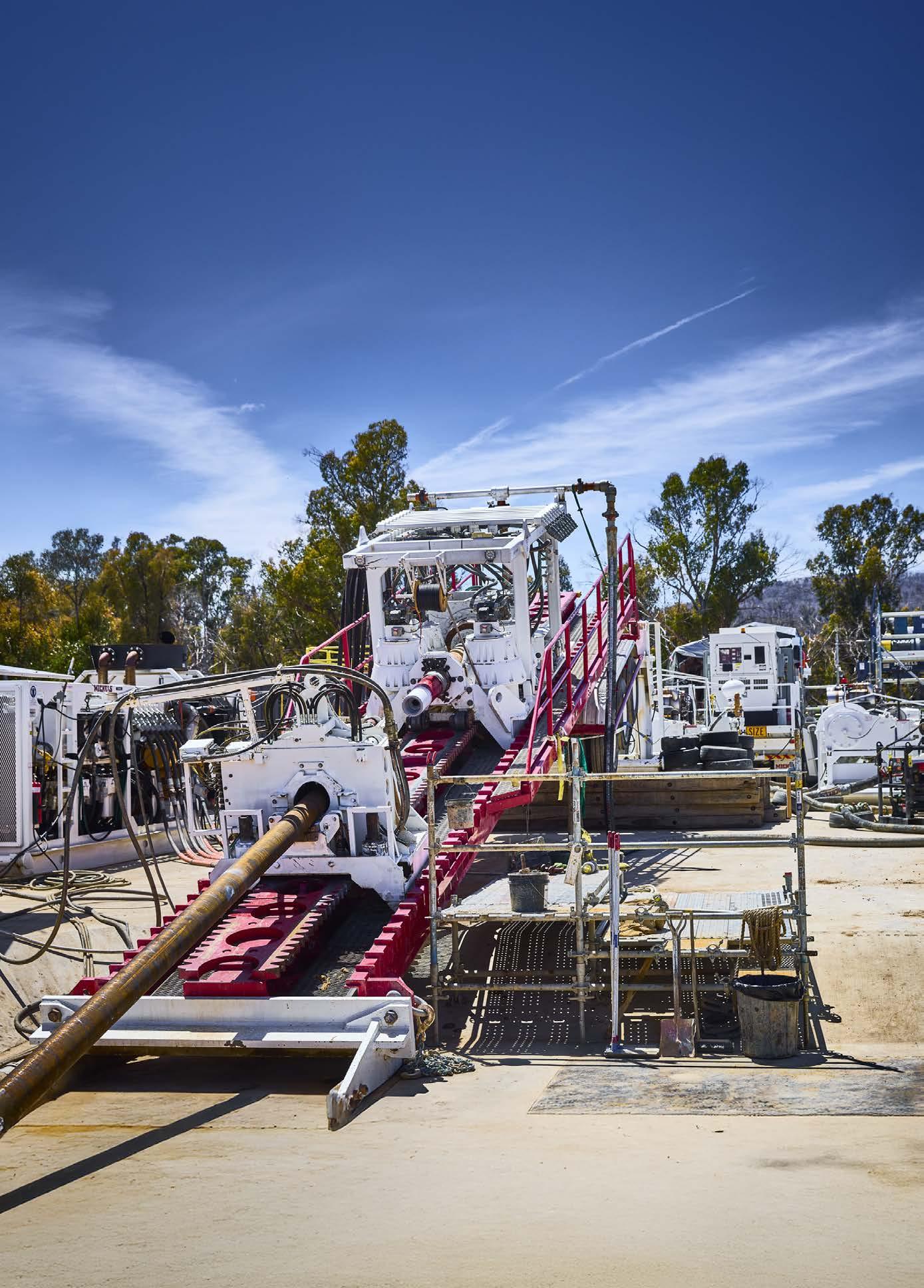
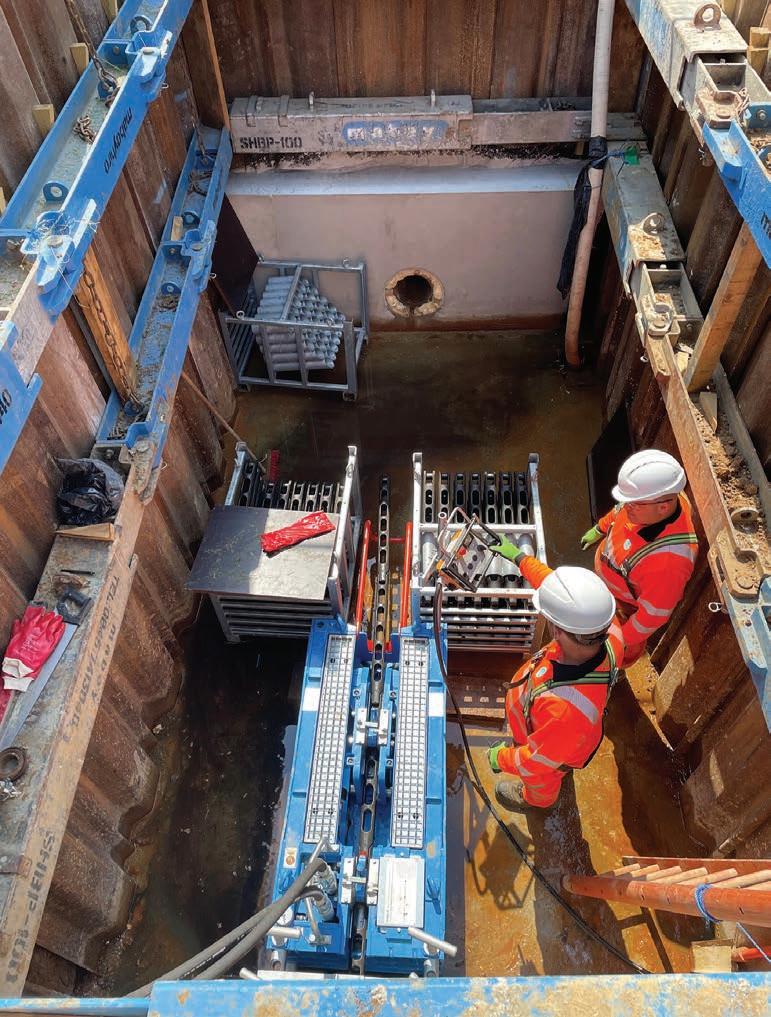
GRUNDOBURST at work in the pit.
Above. Beyond. Below.
Michels in Motion: Between March 2023 and February 2025, Michels completed three record-breaking HDDs in New South Wales. The 2,250-metre HDDs included an elevation change of 590 metres.
Safeguarding longevity
As microtunnelling continues to support the expansion and renewal of underground infrastructure, the need for reliable solutions in specialised applications becomes increasingly important.
In the evolving landscape of trenchless construction, microtunnelling continues to play a critical role in delivering precise, low-impact pipeline installations beneath congested urban environments. While many microtunnelling projects involve direct installation –where the jacked pipe becomes the final service conduit – there are important scenarios where a casing and carrier pipe configuration is required. It is within these applications that kwik-ZIP spacer systems provide significant value, ensuring pipeline protection, alignment, and long-term reliability.
Casing and carrier pipe arrangements are typically specified where additional structural protection or operational flexibility is needed. This includes installations beneath rail corridors, major roadways, and environmentally sensitive areas, or where the carrier pipe material is not designed to withstand jacking forces. In such cases, a largerdiameter casing is installed via microtunnelling, and a smaller carrier pipe is subsequently inserted inside it. Maintaining centralisation or protection of this inner pipe is often essential to avoid uneven loading, abrasion, or longterm performance issues.
kwik-ZIP products, developed in Australia for trenchless applications, are specifically engineered to address these challenges. Their non-metallic centraliser and spacer systems are designed to support carrier pipes within casings, ensuring consistent clearance and alignment throughout the installation. By keeping the carrier pipe evenly positioned, kwik-ZIP spacers help prevent damage to coatings, reduce point loading, and allow for uniform grout flow where required.
A key advantage of kwik-ZIP systems lies in their advanced thermoplastic construction. Unlike traditional steel or timber spacers, these components are corrosion-resistant and chemically inert, making them suitable for a wide range of soil and groundwater conditions. Their low-friction properties also facilitate smoother insertion of the carrier pipe into the casing — an important benefit in longer drives or installations with tight tolerances.
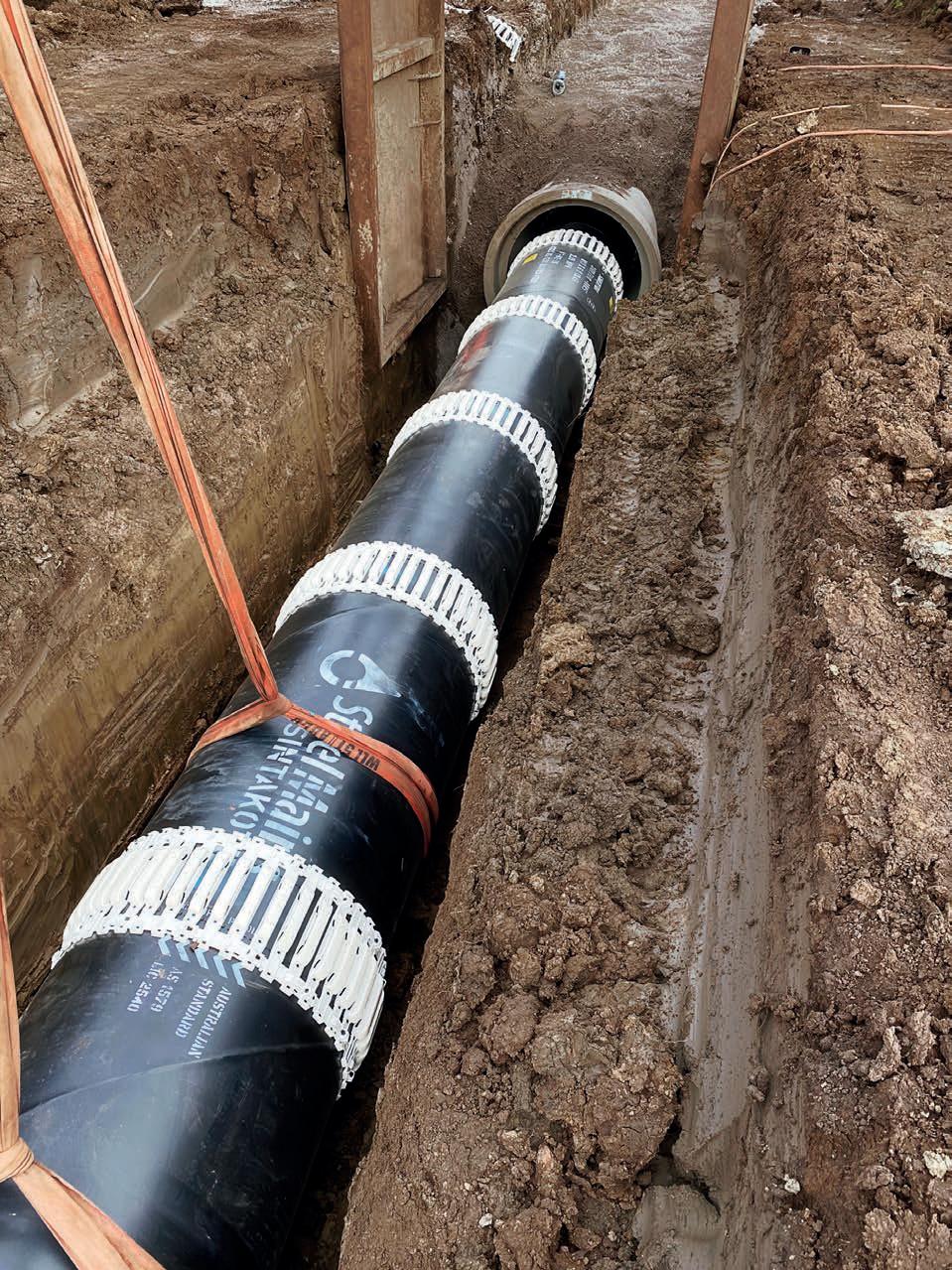
The modular design of kwik-ZIP spacers further enhances their practicality on-site. Segmented components can be quickly assembled around the carrier pipe without specialised tools, allowing contractors to adapt to varying pipe diameters and project requirements with minimal downtime. This ease of installation contributes to improved efficiency during the critical pipe insertion phase of microtunnelling works.
For more demanding applications, kwikZIP offers heavy-duty spacer ranges such as the HD, HDX, and HDXT series. These products are specifically designed for high-load environments typical of casing and carrier pipe systems. Features such as integrated rubber grip pads help secure the spacer to the carrier pipe, while engineered runner profiles distribute loads evenly along the casing invert, enhancing stability and reducing wear.
Compliance with industry standards is another important consideration. kwik-ZIP systems are manufactured under rigorous quality controls and are AS/NZS 4020 tested, confirming their suitability for use in contact with potable water. In addition, kwikZIP spacers are aligned with, and support conformance with Water Services Association of Australia (WSAA) specifications commonly referenced across Australian water utilities.
All kwik-ZIP spacers are designed to meet the requirements of WSAA Product Specification #324 (Casing Spacers) with the HD, HDX and HDXT models certified by WSAA against this specification.
kwik-ZIP systems are widely accepted across water, wastewater, and infrastructure sectors,
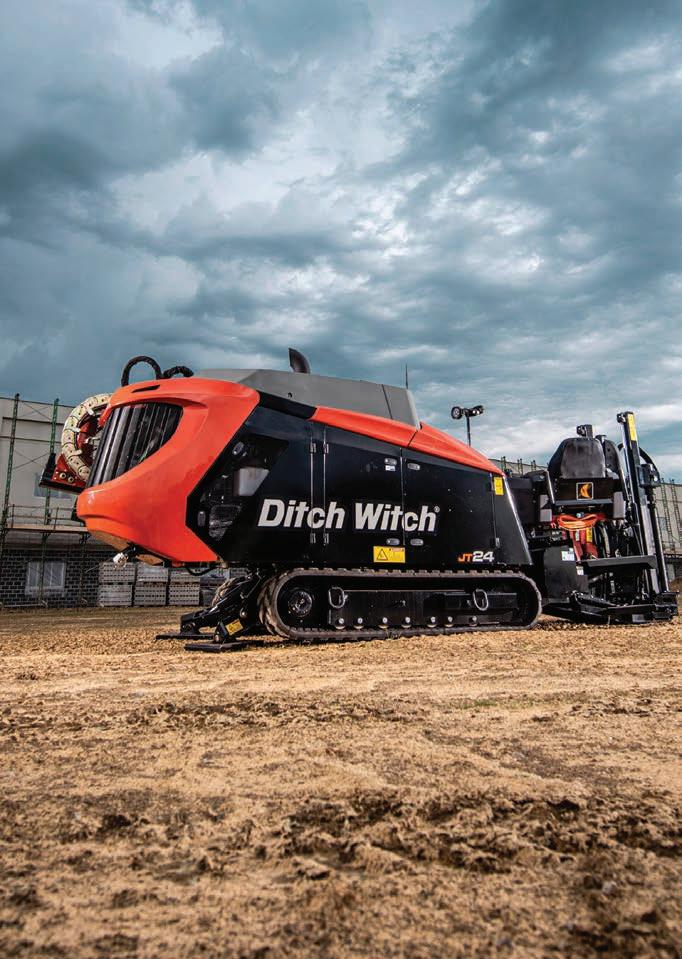
Centralisation of the inner pipe is essential.
meeting stringent regulatory requirements for materials and performance. This provides confidence to engineers and asset owners that installations will meet both immediate and long-term operational expectations.
As microtunnelling continues to support
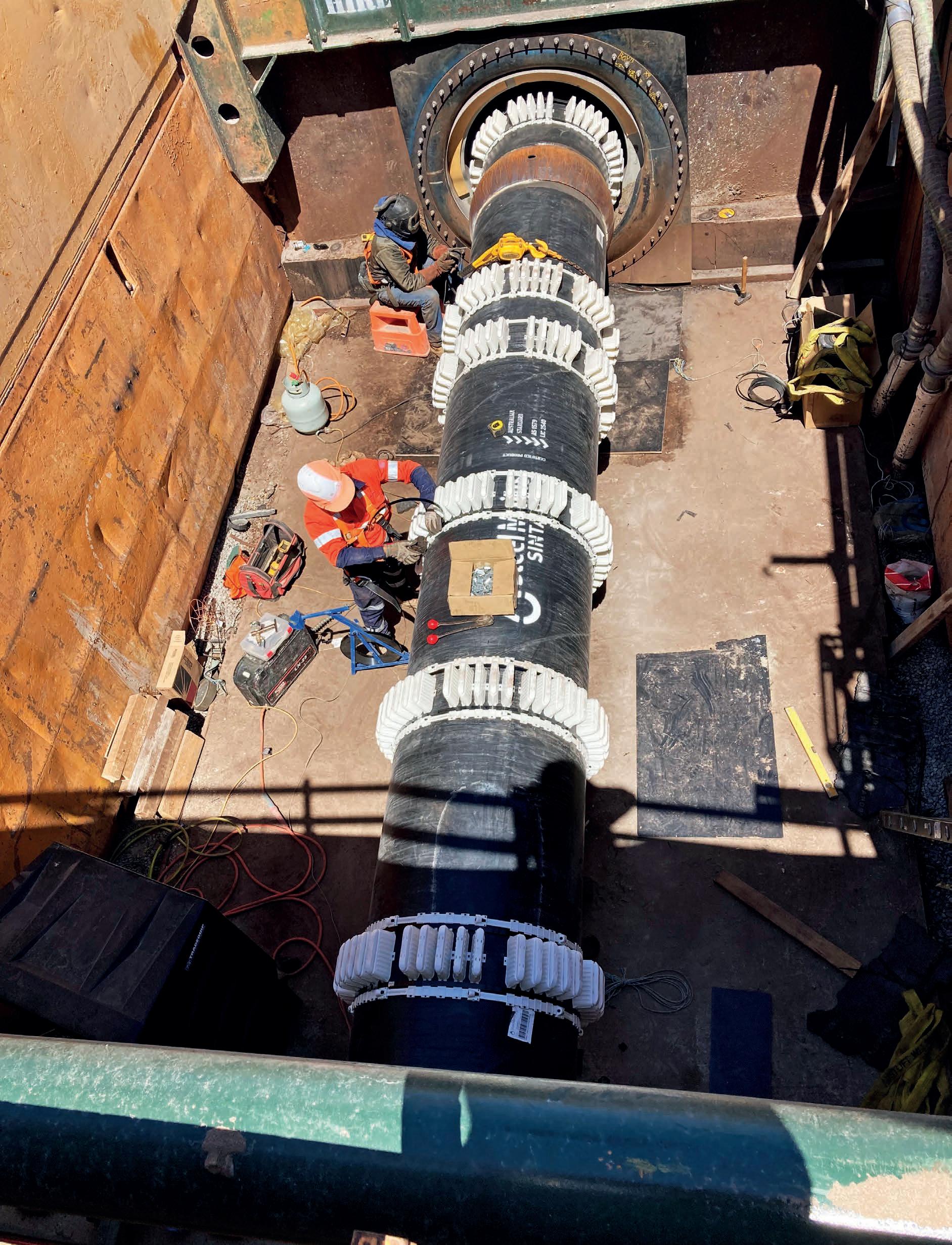
the expansion and renewal of underground infrastructure, the need for reliable solutions in specialised applications becomes increasingly important.
In projects where casing and carrier pipe systems are specified, kwik-ZIP spacers play a

crucial role — not just as accessories, but as essential components that safeguard pipeline integrity, improve installation efficiency, and contribute to the overall success of the project.

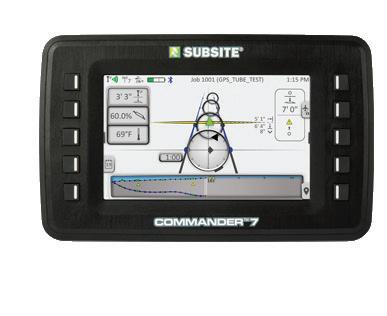
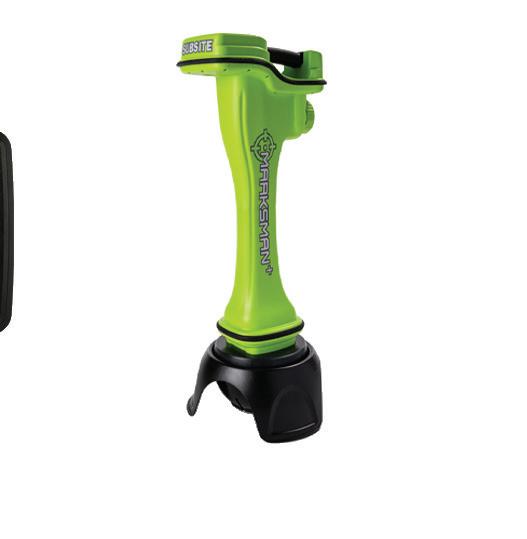
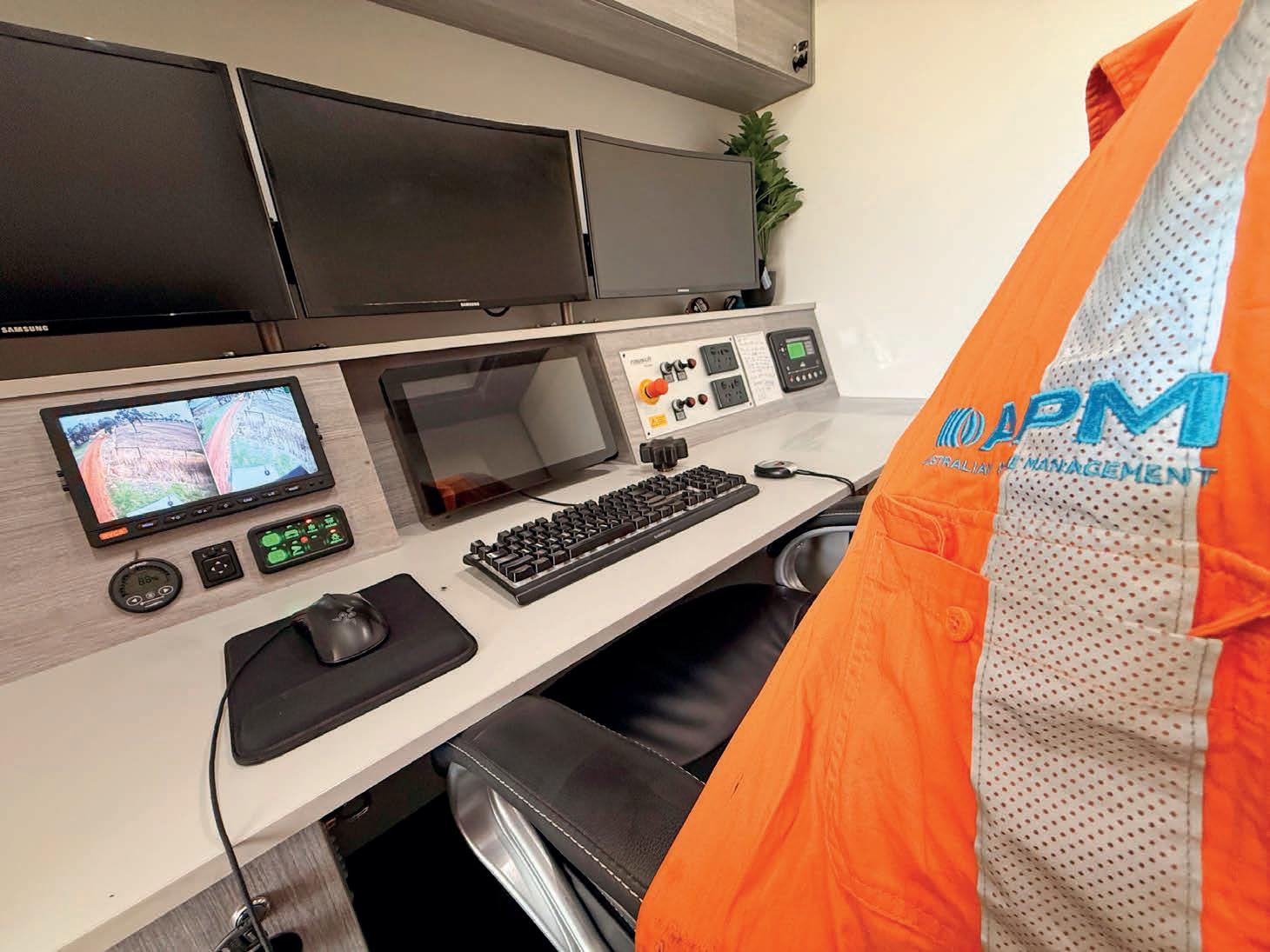
Investment beyond equipment drives quality outcomes in UV liner installations
Australian Pipeline Management is demonstrating that successful trenchless rehabilitation depends not only on the equipment selected, but how it is deployed — with a considered investment in vehicle setup, workflow, and operator control improving installation quality and consistency.
Australian Pipeline Management (APM) delivers a full-service approach to pipeline maintenance and rehabilitation, combining diagnostic assessment, preventive maintenance, and renewal works across a wide range of assets. This includes advanced CCTV inspection systems, pipe and cable locating equipment, robotic cutting, high-pressure water jetting and vacuum loading, alongside UV curing technologies designed to extend the service life of existing infrastructure.
For owner-operator James Pickup, this breadth of capability is matched by a deliberate focus on how equipment is integrated and used in the field.
This approach reflects a broader shift in the sector, where greater emphasis is being placed on installation control, workflow, and operator environment to support consistent outcomes. With almost 20 years of industry experience, Pickup understands that achieving consistent
results in UV-cured installations relies on far more than access to the right technology.
Recently, APM invested in a purpose-built truck configuration to house the RRcure 1500 UV curing system from Rausch Rehab — a unit designed to support efficient curing of larger diameter liners while maintaining precise control throughout the installation process.
Rather than treating the curing unit as a standalone asset, the Scania P360 8x4 rigid truck fitted with a pantech body has been configured as a fully integrated workspace, enabling operators to manage the installation process in a controlled, safe, and repeatable environment.
“It is important to work neatly, safely and with clear access to the asset,” Pickup said. “We are constantly re-evaluating how we approach each job to adapt to site conditions while maintaining control of the installation.”
The truck setup reflects this philosophy. Designed as a self-contained unit, it
incorporates a dedicated operator area with climate control, allowing the curing process to be monitored and managed from within the vehicle. The RRcure system can be operated remotely from a central control desk, enabling continuous oversight of curing parameters and system performance.
Equipment is arranged in a logical and ergonomic layout, supporting efficient workflows and reducing unnecessary handling during installation. The inclusion of a full packer set from SAERTEX multiCom®, milling capability, and ancillary equipment ensures the crew can respond to site conditions without reliance on additional resources.
This level of integration supports a more controlled installation process, where operators remain fully aware of system performance and can make real-time adjustments as required.
APM has also invested in one of the largest and most powerful light train configurations in Australia, enabling the team to take on more
RRcure 1500 UV curing system from Rausch Rehab.
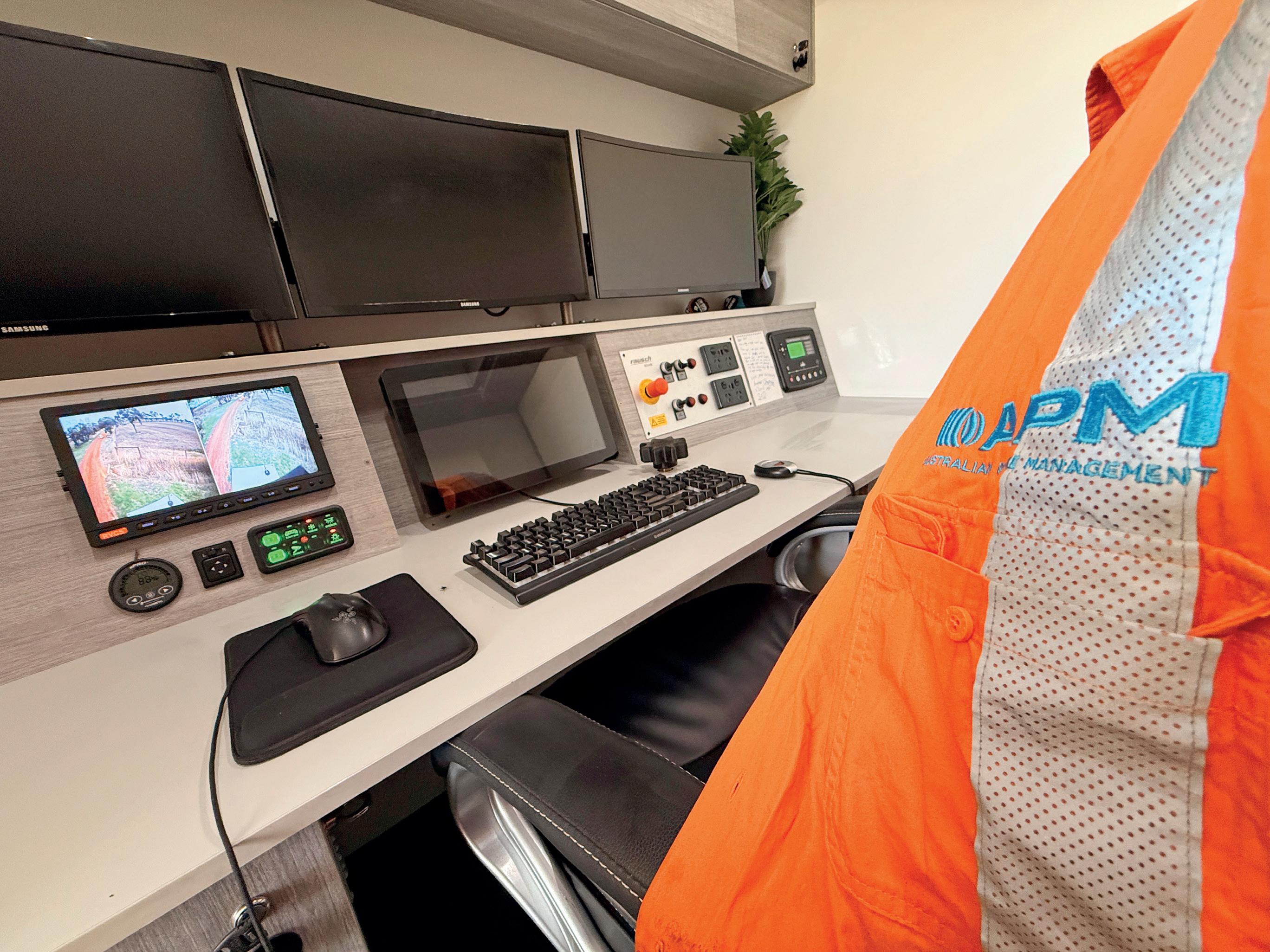
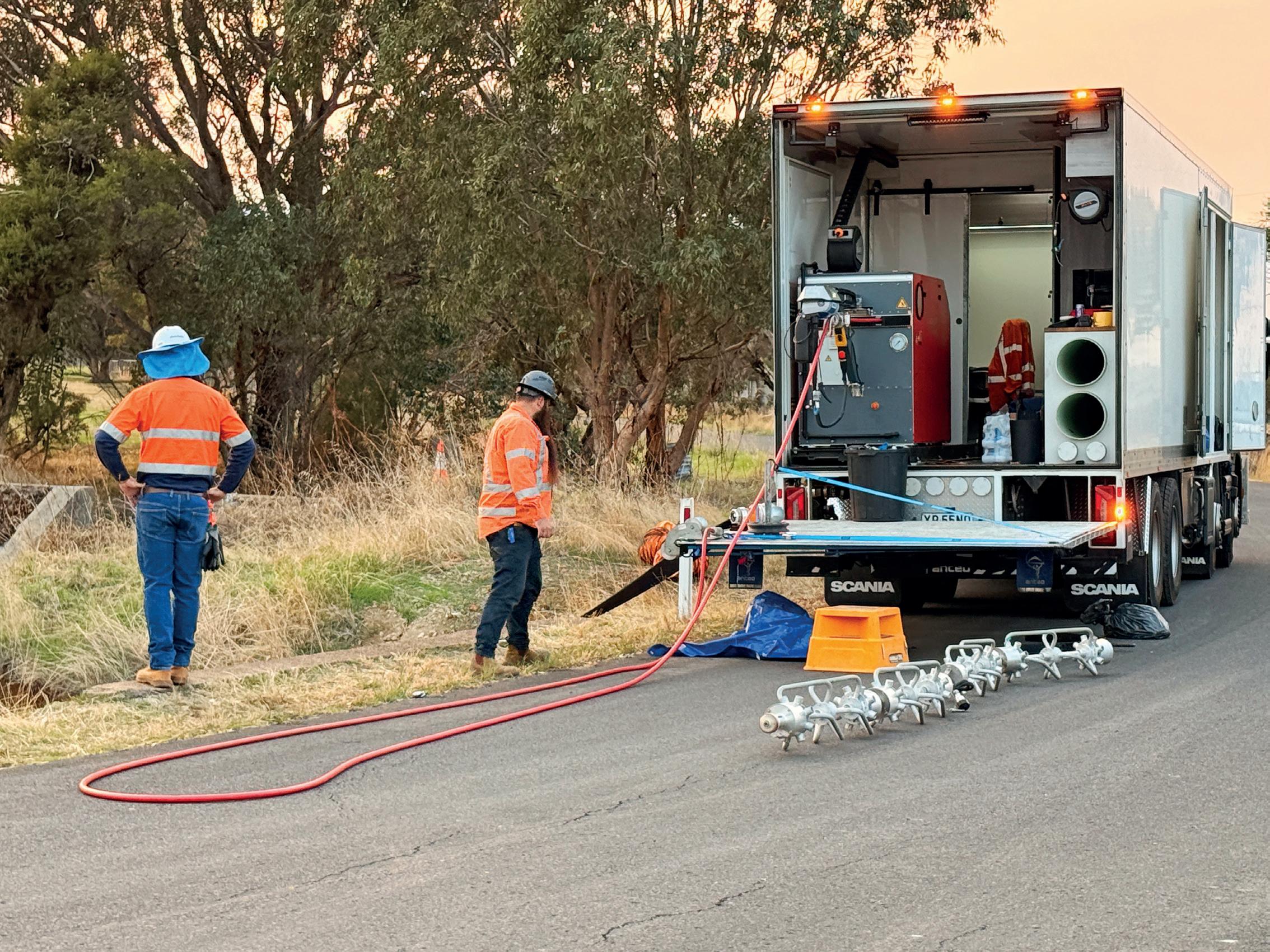
reliable and repeatable results across a range of project conditions.
Pickup also highlighted the value of investing in capability rather than relying on hired equipment, noting that ownership allows for greater familiarity with the system and a higher standard of delivery.
Having completed SAERTEX certified installer training, APM is aligned with manufacturer installation requirements, further supporting long-term performance outcomes for rehabilitated assets. Through SAERTEX Certified Installer Training and a comprehensive RRcure 1500 equipment handover facilitated by Pipe Core, APM has aligned its operations with manufacturer installation requirements, providing a strong foundation for consistent installation quality and long-term asset performance. As UV-cured technologies continue to gain traction across the sector, APM’s success highlights the importance of working closely with trusted suppliers. Its partnership with Pipe Core, combined with investment in training, setup, workflow and operator control, has helped deliver more consistent, high-quality outcomes..
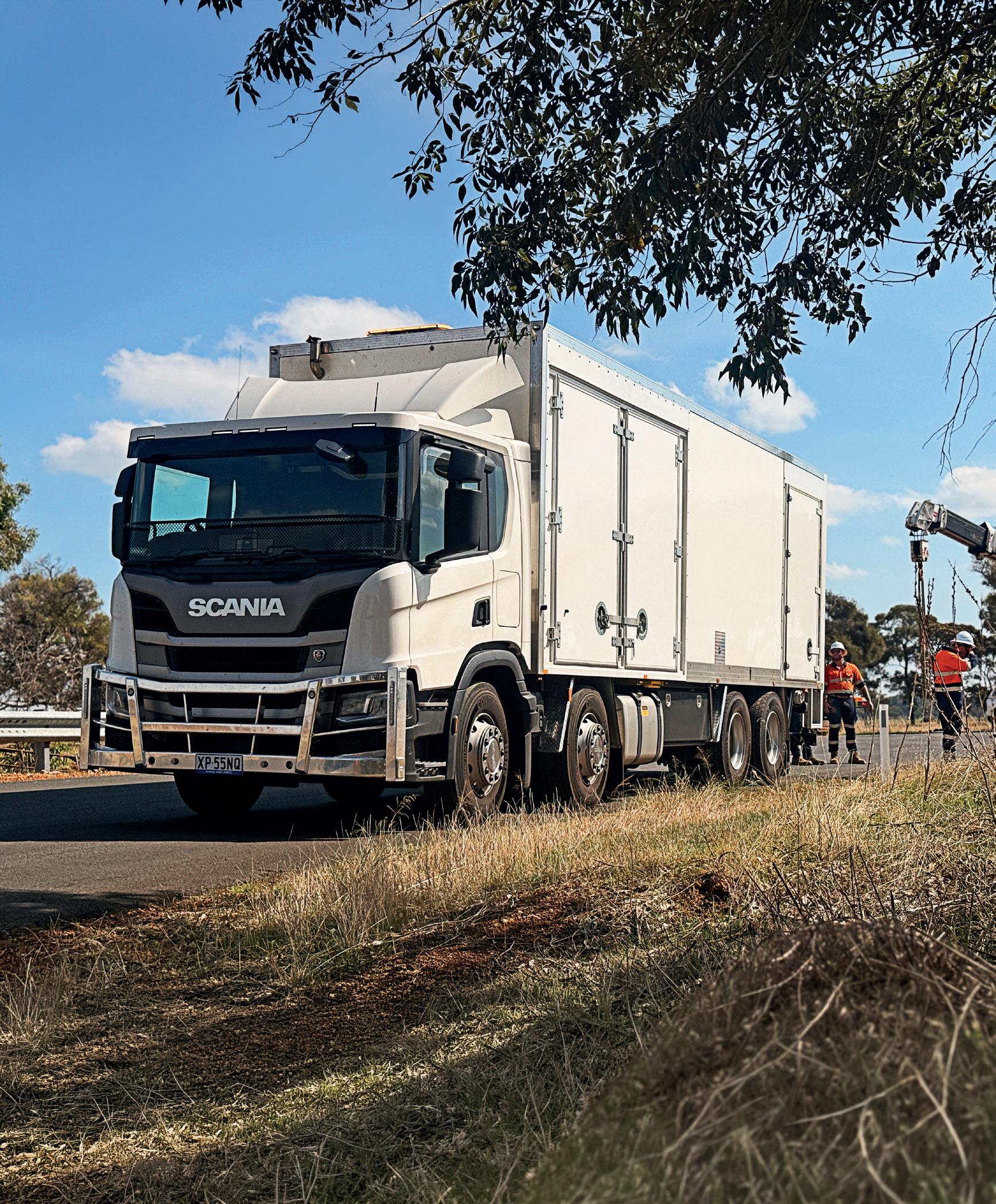
The system is housed inside the pantech body fitted to a 8x4 rigid.
The Scania P360 rigid.
Expanding inside and out
Fenner Precision Polymers boasts a history as a solutions-based manufacturing and engineering company with brands that date back to 1896. Its product offering has drastically evolved since then and it now supplies innovative solutions for the surging pipe rehabilitation market.
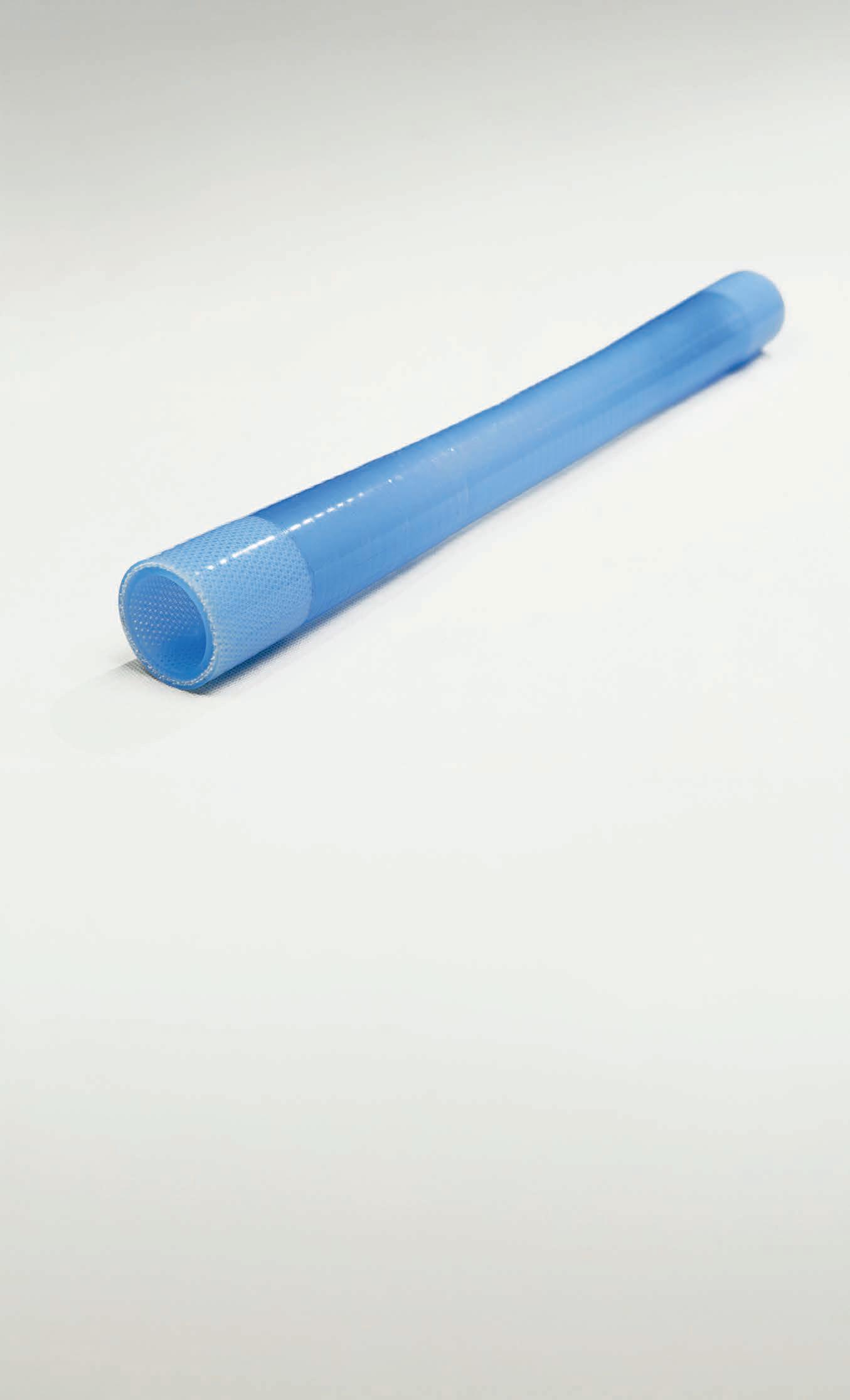
UK-based polymer product specialist, Fenner Precision Polymers is looking to expand its footprint globally with a range of innovative silicone and organic rubber hoses popular with customers in demanding cured-in-place pipe (CIPP) applications. With a rich history and the might of its global parent, Michelin, to draw on, the company is continuing its growth trajectory into existing and new markets including a strategic push into Australasia with their calibration hose portfolio.
Increasing demand for UV curing is driving this, and not just in Europe and the United States but also in Asia Pacific. With five manufacturing sites in the US alone, a manufacturing site in Italy, one in China, and warehousing across the world, Fenner Precision Polymers very much possesses the resources of a global company.
Active in the CIPP market for over 30 years, last January the company formed a business unit whose focus was predominantly around expanding global footprint and routes to market. Through its manufacturing hub in Lincoln, England, Fenner Precision Polymers represents enduring product banners such as James Dawson. It turns 130 this year. Under this portfolio it manufactures and supplies
ecofriendly premium silicone calibration hoses that are durable for up to 20 uses.
It’s most recently launched product is the FLEX150 calibration hose/bladder which can expand in size by 150 per cent during the UV curing process. Owing to how the silicone material compounds allow up to 85 per cent wavelength transmission of the UV rays, it can significantly decrease cure times. In short, it allows more light to go through the product, speeding up operations.
“A lot of work has been done on the product to make sure its durable, flexible and reusable,” said Sean Varlow A&FH Product Manager - Calibration Hose. “Because it doesn’t have that polyester reinforced material, like our translucent hose offering, it has additional flexibility as well as the expansion during curing. It lends itself well to pipe repair in residential apartment towers, for example, where pipe bends tend to be more extreme . By the end of the year, we’ll be in a position to offer Flex150 in T&Y shapes too.”
As silicone is considered a more robust material all of their calibration hose products are reuseable. Not only does it represent a smart total-cost-ownership solution for customers, but it offers an eco-friendliness many businesses have sought out as part of reducing their carbon footprint to hit ESG targets. The silicone calibration hoses can be used with all of the leading liners and resins currently on the market.
There are effective methods to safely recycle silicone according to Steven Downing, Fenner Precision Polymers Marketing Specialist.
“We build sustainable products with the planet in mind. Many of the single use ones are PVC or a similar type of material,” he said. “Our silicone product is reusable, and it won’t break down nor leach waste byproduct. It’s completely inert. It’s great. It helps customers reduce their overall carbon footprint and costs.”
As a key member of the supply chain, Fenner is looking to reduce its own emissions by about 80 per cent in the next four years. In 2018 it was purchased by Michelin. That brings significant advantages when it comes to scale, global supply chains and product development.
“Being part of the Michelin group essentially gives us access to 6,000 employees in the R&D function and to utilise them,” said Downing. “They are experts in not just organic rubbers but all sorts of polymers in similar fields to us. So, it allows our in house R&D team to utilise their expertise combined with their feedback and experience with compounds and different polymers. We can use their testing facilities, as well which accelerates our reach beyond our normal abilities and resources.”
That kind of R&D access would be impossible for a company like Fenner independently without having to pay an extortionate amount of money. It’s a two-way approach, moreover, which is a real boon for product development and, crucially, product improvement.
“There’s a lot of technical collaboration between the customer and us,” said Varlow.
“We see our customers very much as a partner. For our translucent T&Ys, we get the customer to approve the designs before we take on any order. Once they are ordered they go through a new product integration procedure within the business.”
Flex150 is built and tested to withstand multiple uses with no performance reduction.
Images:
Fenner Precision Polymers
The business has its own new product integration (NPI) department that oversees the T&Y design and manufacture of an initial order with the production manufacturing team. Once the initial sample orders are shipped and approved by the customer, they can reorder without having to repeat the process. Fenner has provision to modify the specification should any changes be requested down the track.
“There’s a lot of collaboration and working with the internal team before it is manufactured and ready for shipping to the customer,” said Varlow. “There’s certainly growing interest and demand now. We’re seeing a growth in sales which continues to gather traction, especially with our long length translucent hoses and FLEX150 which sit very nicely and perform excellently with UV/LED curing methods and techniques.”
Red hoses can be used with hot water and steam curing methods, whilst the translucent hose, which is the more popular, can be used with all, including UV, making the hoses ideal for many pipe diameters and lengths related to lateral and smaller mains pipe repair work.
“All of this is customer driven,” said Downing. “We partner with customers to eliminate any potential issues and have developed a streamlined process that includes using custom 3D printed design tools for T&Ys that speed up the process, we can
shape these products into exactly what the customer wants.”
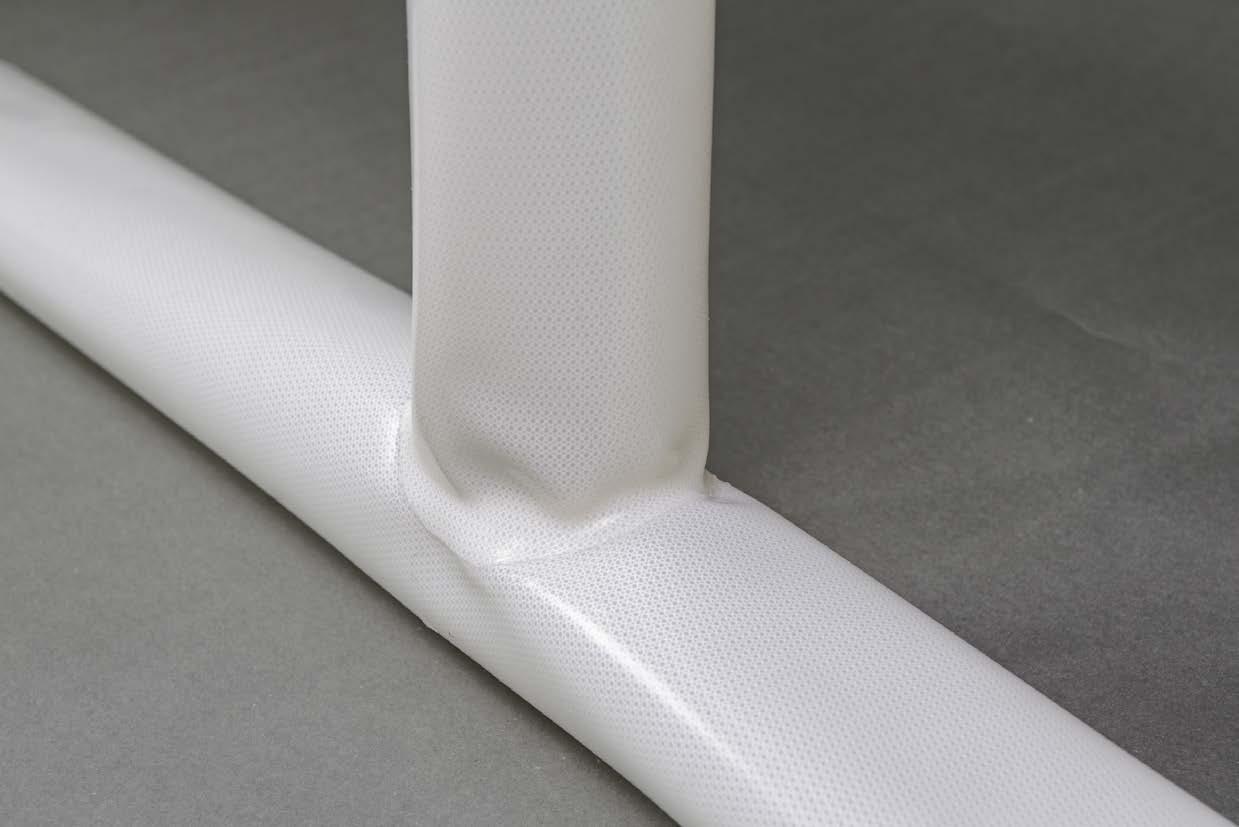
Scaling up to meet demand in the region is not an issue either. Fenner Precision Polymers prides itself on its flexibility. They can even offer stock agreements with customers to reduce lead times further.
“Collaboration with the customer is directly
with us which helps us build good, strong relationships,” said Varlow. “As a large global organisation, we’re happy to consider additional warehouse storage hubs if, for example, business grows in that particular part of the world.”
For more information, visit fenner.com
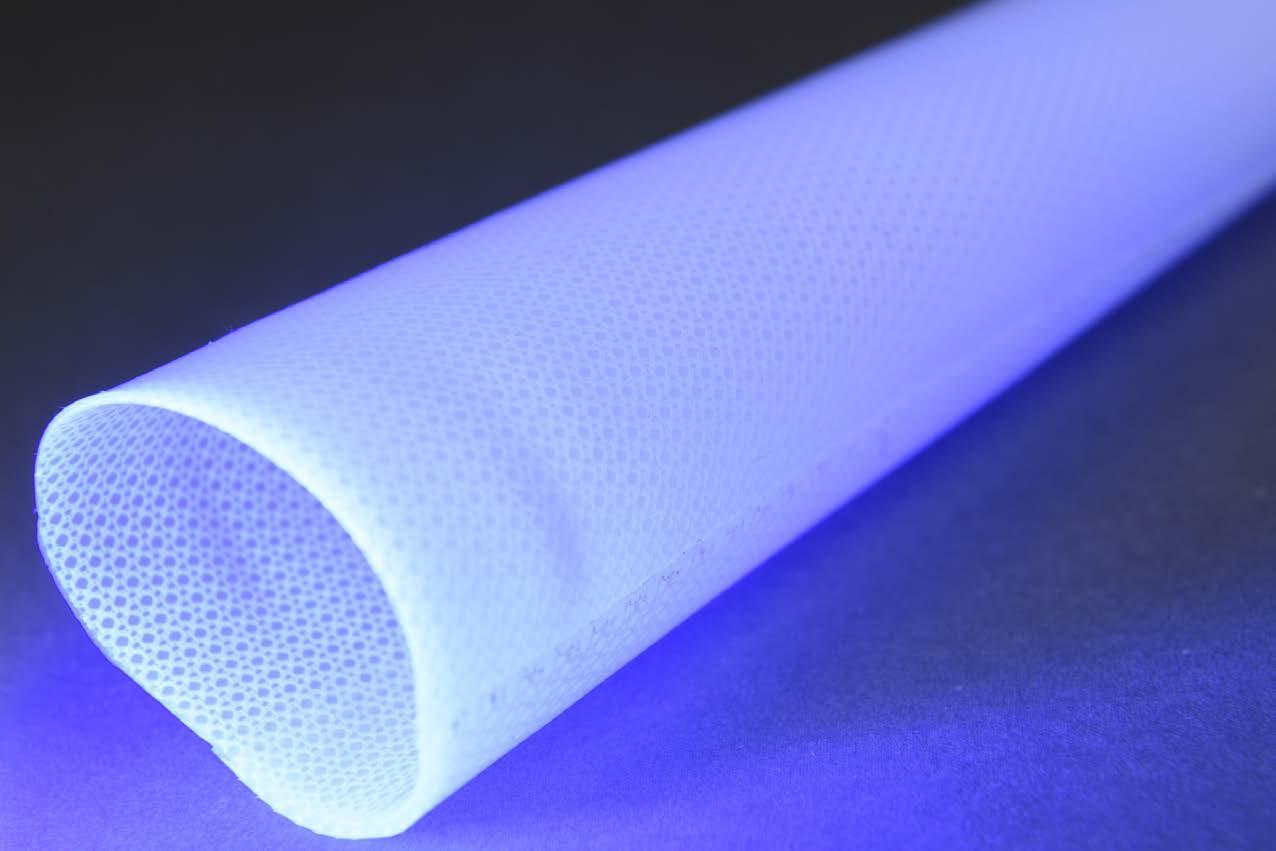
James Dawson’s T&Y Bladders are made with advanced silicone formulations.
The translucent hoses are optimised for UV/LED curing methods.
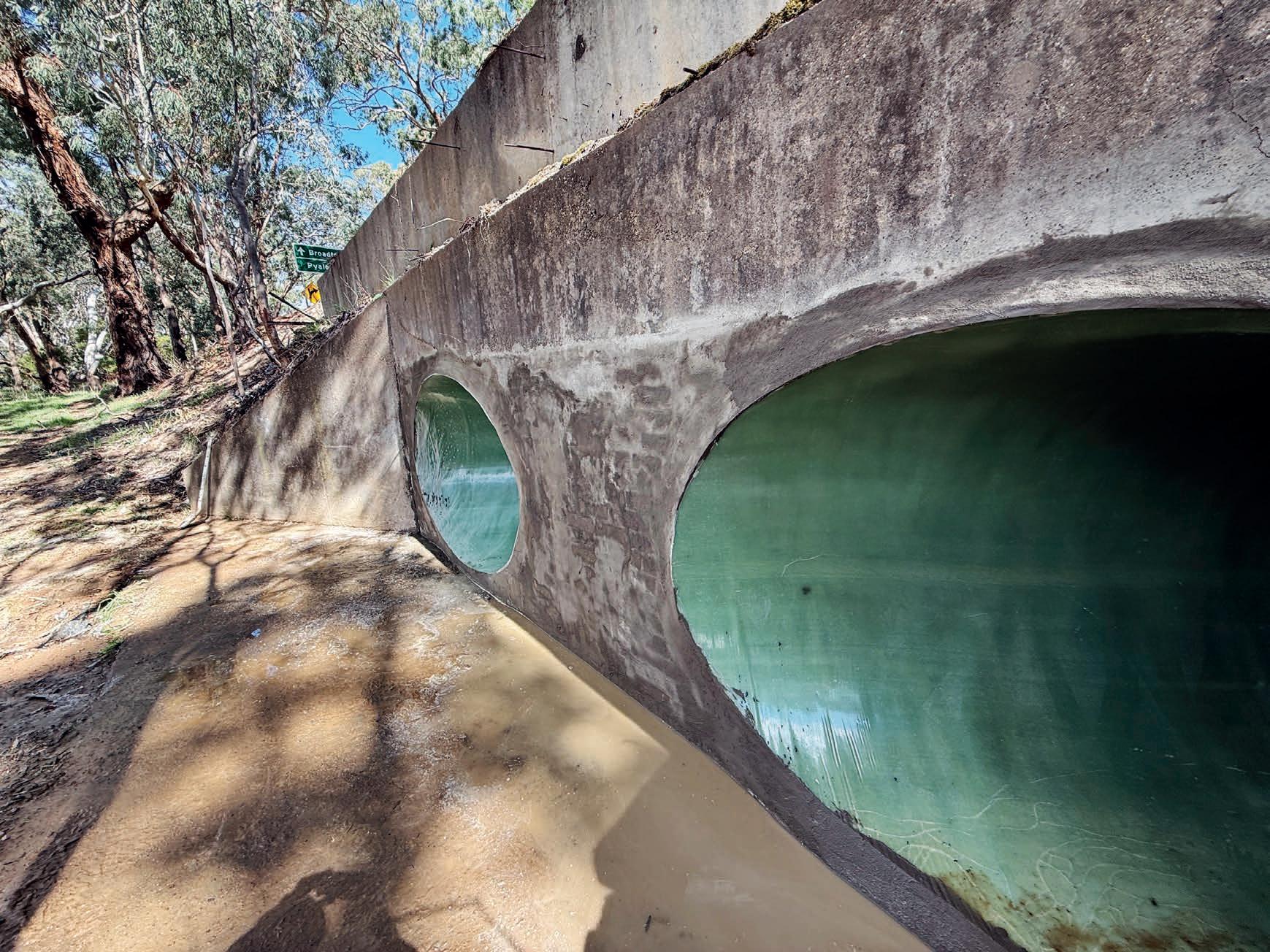
Diameter demand
Pro Line has partnered with UV-CIPP installer Rangedale on the structural rehabilitation of critical road infrastructure delivering major dual DN1500 culvert rehabilitation.
As demand for large-diameter trenchless rehabilitation continues to grow across Australia, Pro Line has continued strengthening its position within the UVCIPP sector through the supply of fully structural liner systems for a growing number of major infrastructure renewal projects.
Among these works was the recent rehabilitation of dual DN1500 culverts beneath a major highway, delivered by Rangedale using Pro Line’s UV-CIPP liner technology. The project highlighted the increasing use of UV-CIPP systems for structurally renewing ageing stormwater infrastructure where minimising excavation, traffic disruption, and construction risk remains critical.
The successful delivery of large-diameter rehabilitation projects throughout 2026 reflects broader industry confidence in UVCIPP technology as a long-term renewal solution for critical buried infrastructure assets operating under demanding structural and operational conditions.
According to Pro Line Director Jay Sheehan, the continued growth in largediameter rehabilitation works has been driven not only by advances in liner technology, but also by the capability of experienced
Australian contractors delivering these complex installations in the field.
“Projects of this scale require strong collaboration between supplier and contractor, particularly when working within constrained environments beneath critical infrastructure,” Sheehan said. “Rangedale has continued to establish itself as one of Australia’s leading UVCIPP installation contractors through its ability to consistently deliver complex rehabilitation works to a high standard across a wide range of operational environments.
“Their practical experience, project delivery capability, and understanding of large-diameter UV-CIPP installations continues to contribute to the growing confidence asset owners are placing in trenchless rehabilitation solutions.”
Throughout the project, Pro Line provided liner supply, technical support, and project assistance to support installation efficiency and quality outcomes during delivery.
Lachlan Curren, Relining Division Manager at Rangedale said the relationship between contractor and supplier continues to play an important role in achieving successful outcomes on large-scale rehabilitation projects.
“On projects involving large-diameter assets and complex site conditions, having reliable technical support and consistent liner quality is
important throughout delivery” Curren said.
“Pro Line has continued to support our projects well from both a technical and supply perspective, particularly as the scale and complexity of UV-CIPP works across the market continues to grow.”
Supporting these projects is Pro Line’s UV-CIPP liner system. Independently tested for long-term structural performance, it is designed to provide fully structural rehabilitation outcomes with a 100-year design life.
The continued delivery of large-diameter projects throughout Australia also reflects a broader shift toward trenchless renewal methodologies capable of extending asset life while significantly reducing environmental impact, traffic disruption, and construction risk compared with conventional open-cut replacement methods.
With further major rehabilitation works continuing throughout 2026, Pro Line remains focused on supporting contractors and infrastructure owners with technically robust UV-CIPP solutions designed for long-term infrastructure renewal across Australia and New Zealand.
For more information visit pro-line.com.au
Structural rehabilitated culverts.
Image: Pro Line
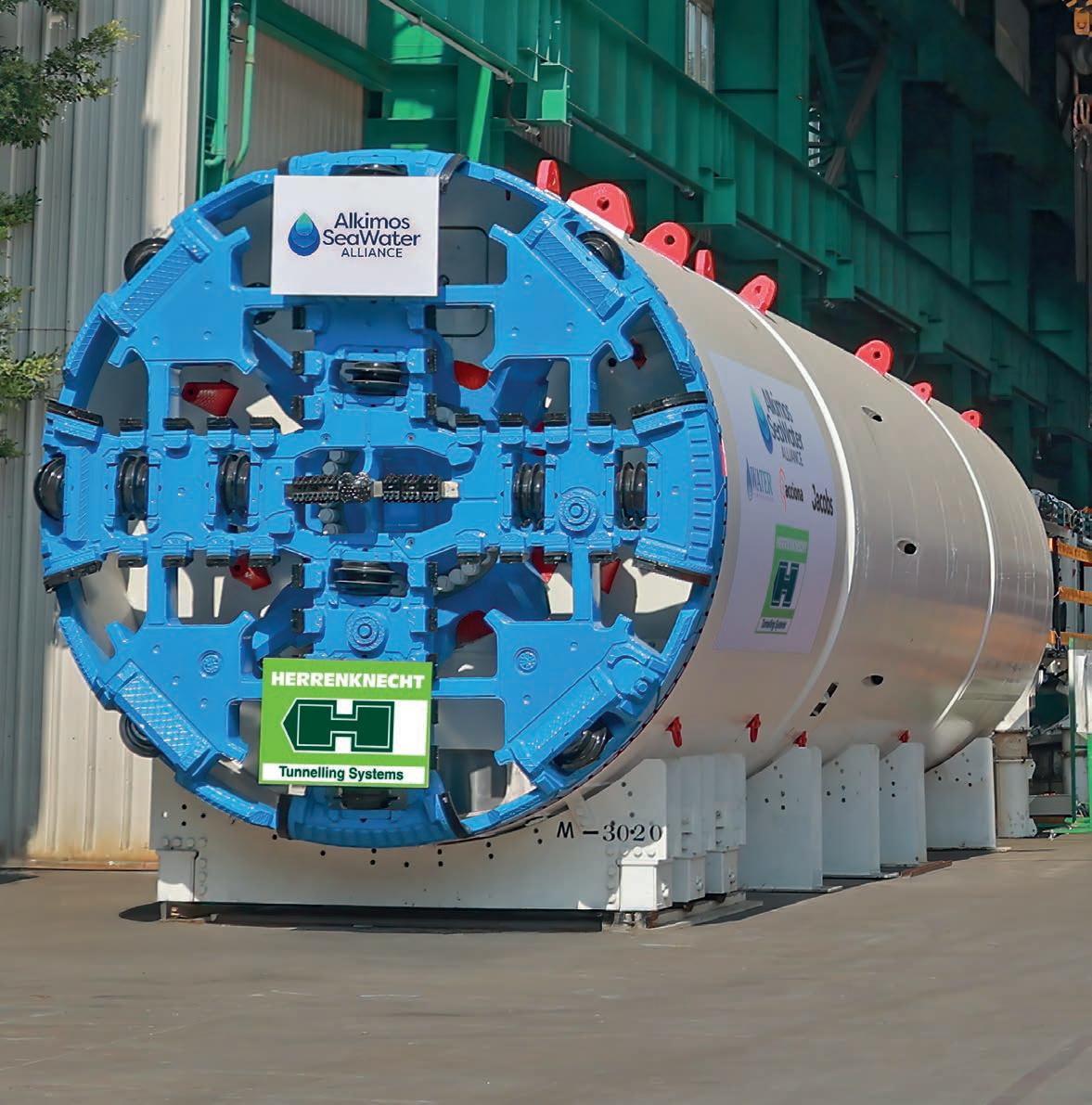
Beyond the patch
Choosing the right rehabilitation system for long-term pipe performance.
In trenchless rehabilitation, the real challenge is rarely just fixing a damaged pipe. It is keeping projects moving, avoiding repeat failures, staying compliant, and delivering repairs that still hold up years after crews have left site.
For contractors, project delays and unreliable equipment can quickly erode margins and client trust. For asset managers, ageing infrastructure and procurement scrutiny mean every rehabilitation decision needs to stand up technically, financially, and operationally.
That is why more contractors, councils, and water authorities are moving away from shortterm patch repairs and towards engineered rehabilitation systems designed for long-term asset performance.
Two systems increasingly leading that conversation are Quick Lock and Trelleborg. While both operate within the trenchless rehabilitation space, they are very different solutions designed for different rehabilitation scenarios.
Quick Lock: mechanical rehabilitation built for structural confidence
Quick Lock is a fully mechanical stainlesssteel rehabilitation sleeve system designed for trenchless point repair and pipe stabilisation. Unlike resin-based systems, Quick Lock seals and stabilises pipe damage without chemicals, relying instead on a patented compression locking mechanism using 316L stainless steel and EPDM rubber.
That distinction matters on live jobs.
For contractors managing tight schedules, eliminating curing variables and chemical handling simplifies installation and reduces operational risk. Quick Lock sleeves are pneumatically expanded into place and permanently locked, restoring pipe stability while accommodating natural pipe movement over time.
The system is designed to handle common rehabilitation challenges including:
• Root intrusion
• Cracked and fragmented pipes
• Infiltration and exfiltration
• Offset joints
• Leaking sleeves
• Position deflections
Quick Lock’s versatility is one of its strongest operational advantages. The system can be used across non-man entry pipes, culverts, vertical wells, pressure pipelines, liner end sealing, and offset pipe connections. For larger contractor operations and utilities, that flexibility supports standardisation across crews and rehabilitation programs, reducing training complexity and simplifying procurement.
Importantly, Quick Lock is also engineered for durability in harsh operational environments. The system is resistant to highpressure jetting under DIN 19523 standards and restores pipe statics in ageing sewer infrastructure.
In practical terms, that means fewer repeat failures, fewer call-backs, and stronger confidence during long-term infrastructure planning.
Trelleborg: resin-based rehabilitation with certified long-term assurance
While Quick Lock focuses on mechanical structural repair, Trelleborg systems provide a resin-based sectional rehabilitation solution designed for trenchless pipe and lateral repair applications. Trelleborg’s Drain Packer system is used for sectional rehabilitation of damaged gravity sewer pipes and pipelines, particularly where infiltration, cracks, offset joints, corrosion, and pipe wear require sealing and structural reinstatement. The system is suitable for repairs ranging from short localised defects through to longer rehabilitation sections and can be applied across multiple pipe materials including concrete, PVC, clay, cast iron, and reinforced concrete.
Trelleborg systems are widely recognised across the trenchless sector because they offer a highly adaptable rehabilitation method while minimising excavation and service disruption. But the real differentiator is not just the product.
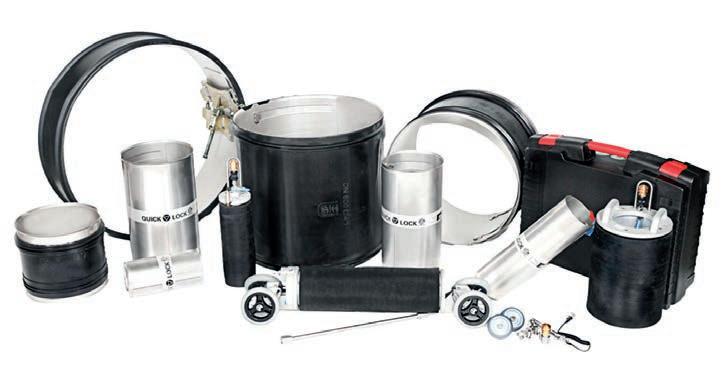
It is the certification.
In today’s rehabilitation market, asset owners are becoming increasingly cautious about longterm liability. That is why Trelleborg certification training is such a critical part of the system.
Certified Trelleborg installers receive access to a 100-year warranty on the system. Without a certified installer, that warranty is void. That is not a minor technicality. It is a major commercial and compliance issue.
For councils and utilities, certified installation provides assurance that rehabilitation work has been completed to manufacturer standards with documented competency and quality control.
For contractors, certification creates a genuine competitive advantage during tenders where lifecycle performance, compliance, and risk mitigation increasingly outweigh lowest-price procurement. The reality is straightforward.
If a repair fails decades later, asset owners will not just ask what product was installed. They will ask who installed it, whether they were certified, and whether the warranty remains valid.
Contractors who bypass certification effectively absorb that long-term risk themselves. The smarter operators understand certification is not an admin exercise. It is protection against future liability.
Reliability is becoming the industry’s real currency
Across the trenchless sector, expectations are shifting. Contractors want faster, more predictable installations with fewer operational headaches. Asset managers want systems backed by compliance, documentation, and proven long-term performance. That is why both Quick Lock and Trelleborg continue gaining traction across councils, utilities, and rehabilitation contractors.
Quick Lock offers a robust mechanical rehabilitation option ideal for structural stabilisation and long-term sealing performance without chemicals. Trelleborg delivers a highly adaptable resin-based rehabilitation solution backed by rigorous installer certification and long-life warranty assurance.
Neither system is a one-size-fits-all answer. They are different rehabilitation tools designed for different operational requirements.
The key is selecting the right system for the asset condition, project scope, compliance expectations, and long-term risk profile. Because in trenchless rehabilitation, the cheapest repair is rarely the one that lasts.
For more information on Quick Lock and Trelleborg rehabilitation systems, or if you need certification, visit www.seca.com.au
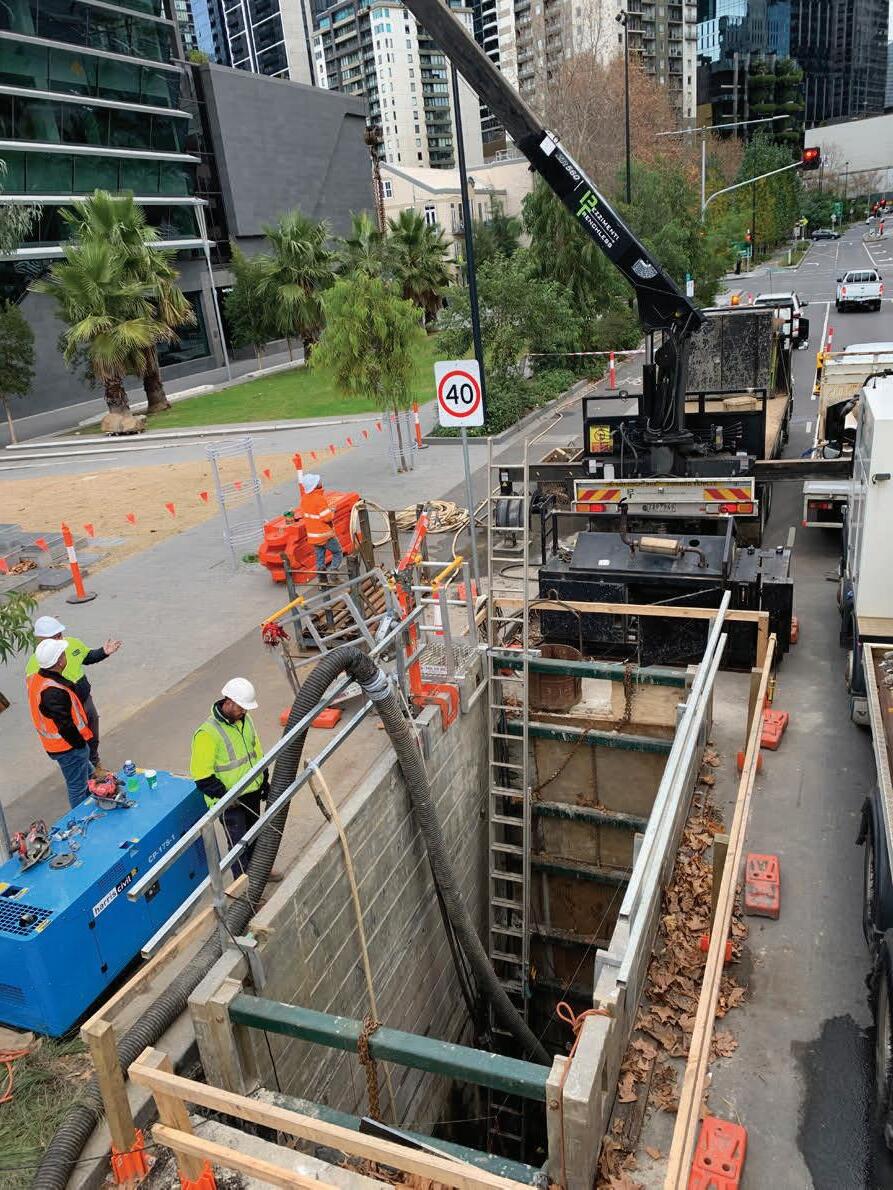
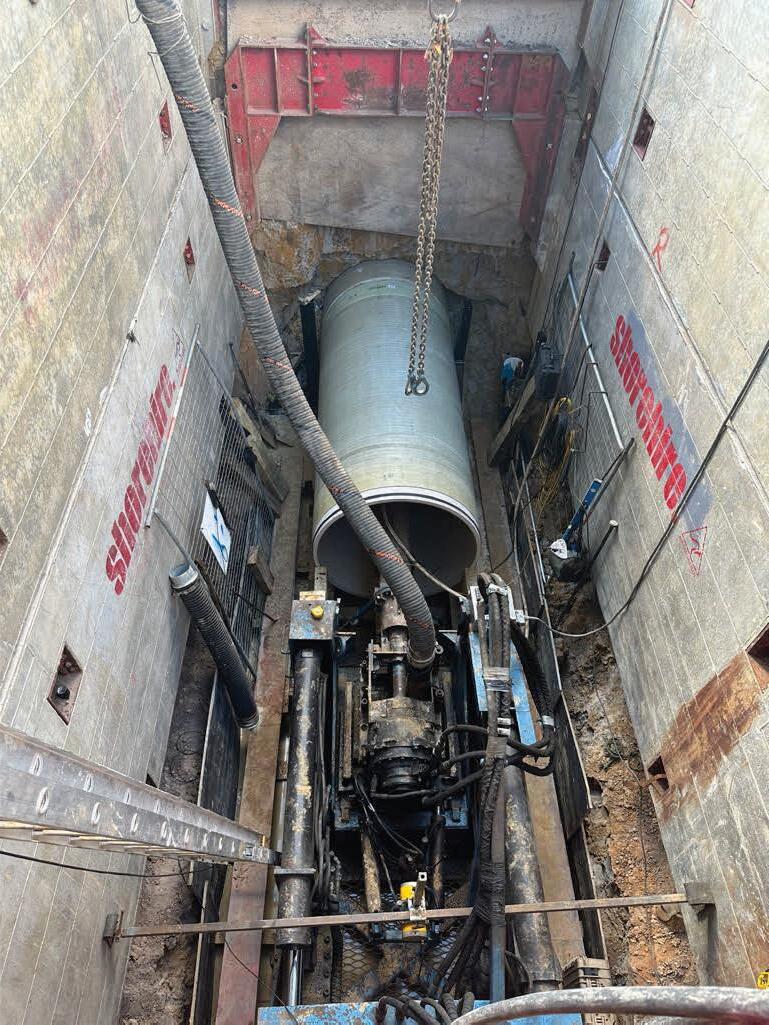
Image: SECA
Quick Lock product portfolio.
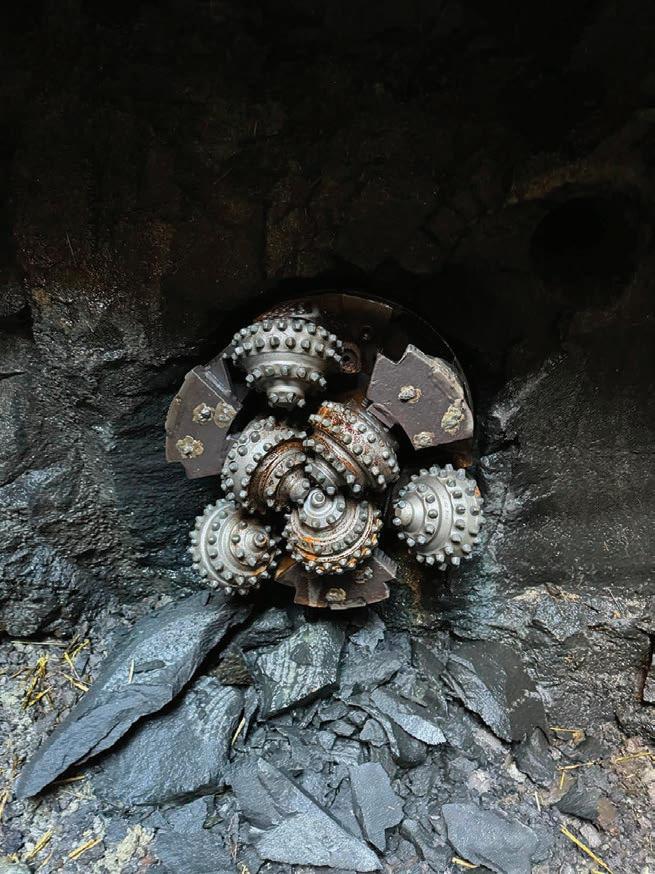
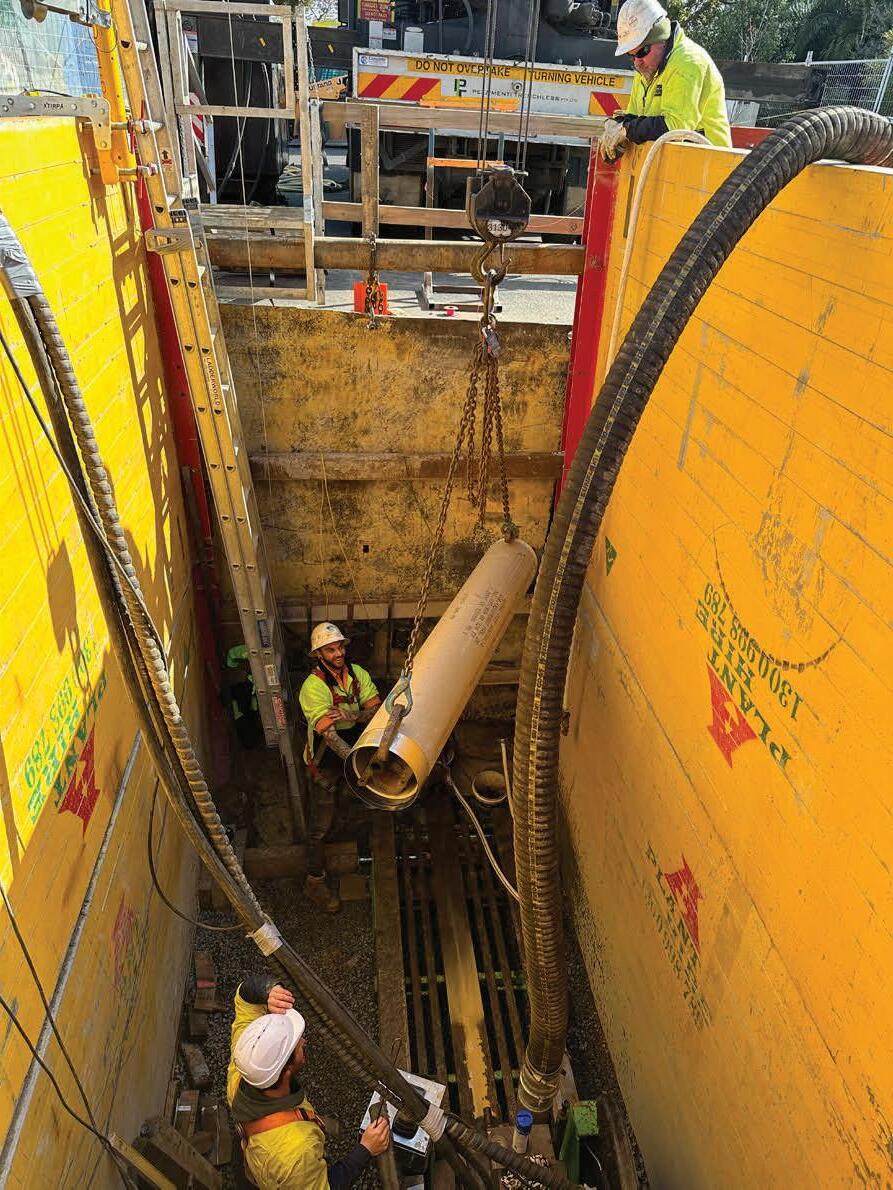
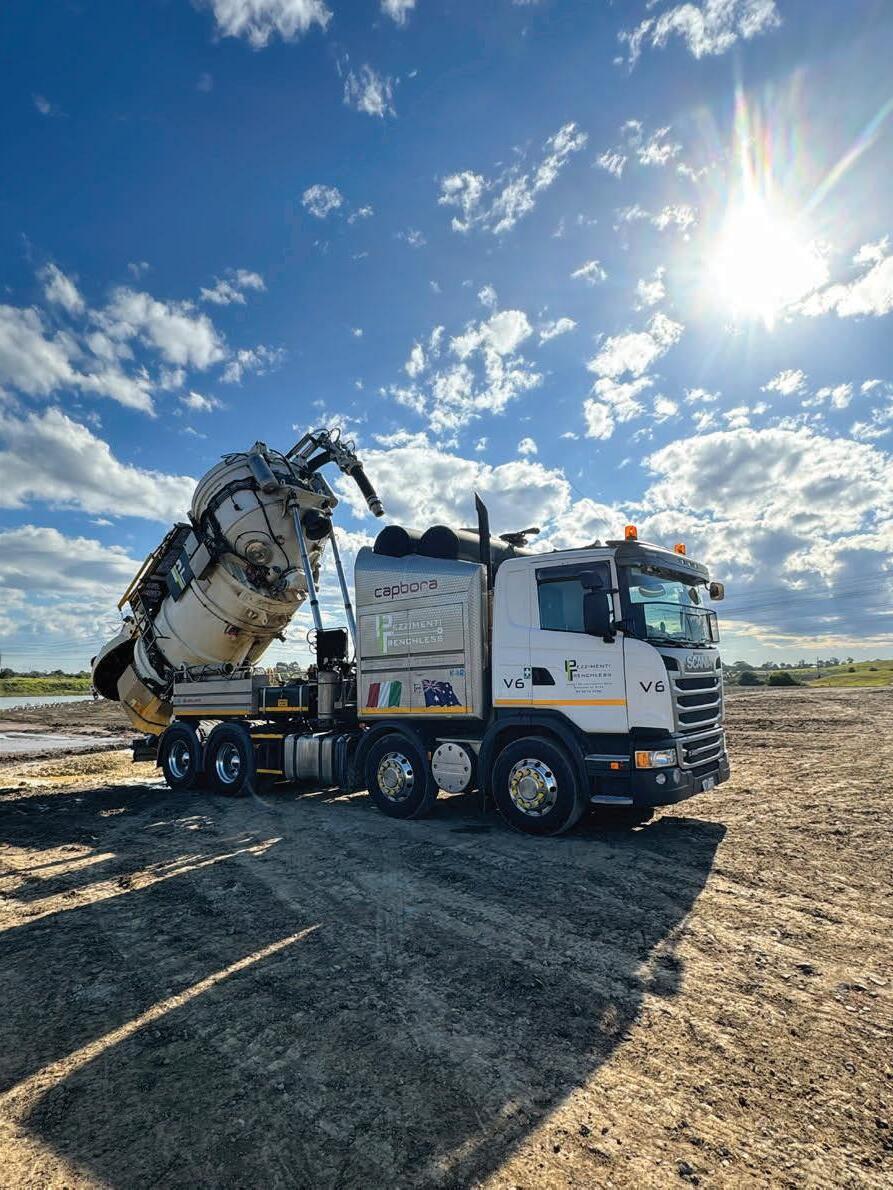
The Pezzimenti name has been synonymous with pipeline construction since 1957 when G. Pezzimenti and Sons began contracting to the Melbourne Metropolitan Board of Works.
Since then, Pezzimenti Trenchless has established itself as a leader in the trenchless industry, using the Pezzimentideveloped laser-guided microtunnelling system to install gravity sewers, water mains, stormwater, gas and electrical conduits ranging in diameters from 325 to 1850mm.
Working with all leading sewer and water contractors and all major water boards throughout Victoria and South Australia.
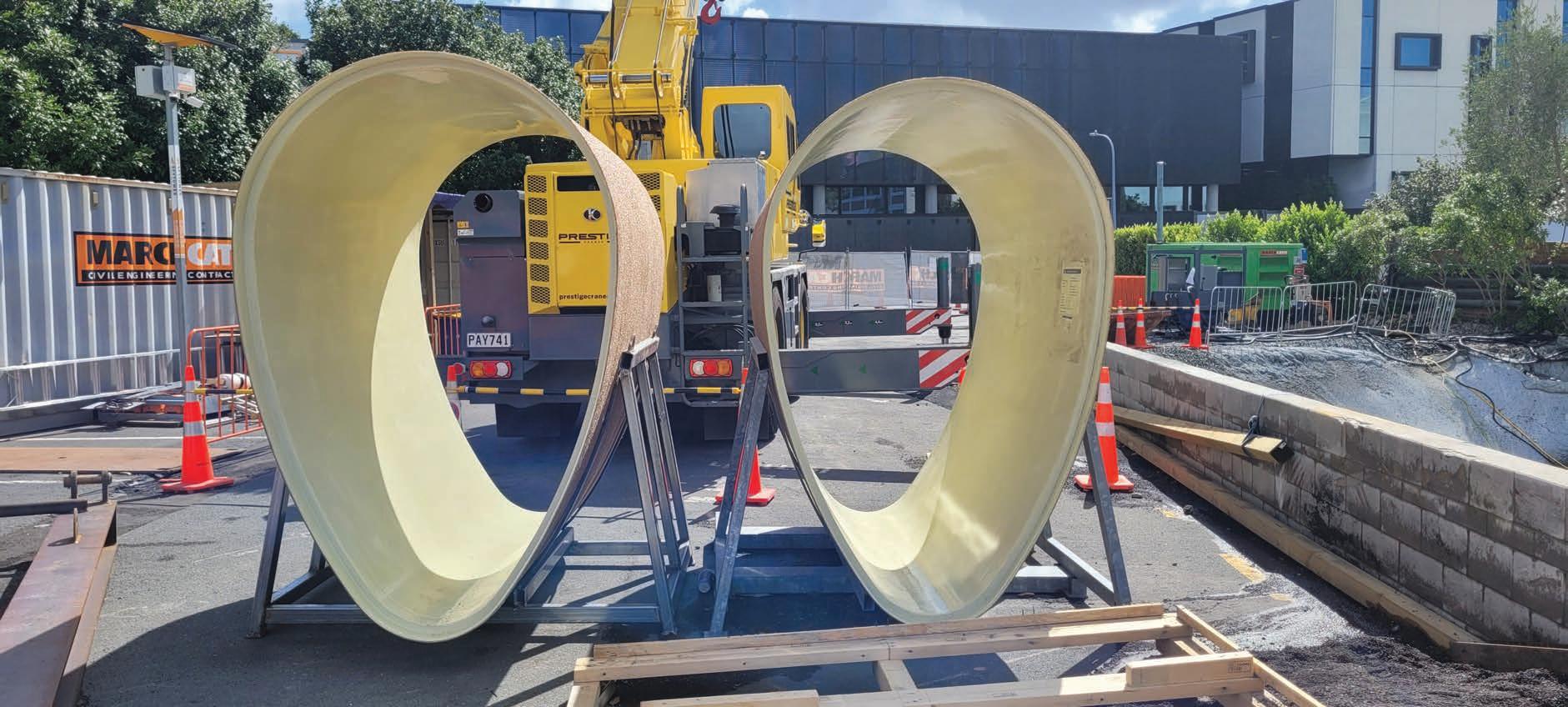
Built to last: smarter materials, longer life
One of the most critical decisions in infrastructure rehabilitation is the choice of material. Whether rehabilitating a culvert, sewer, or tunnel, the material selected directly influences performance, lifespan, installation efficiency and long-term cost.
Buried infrastructure operates in some of the harshest environments imaginable. The constant exposure to water, chemicals, abrasion and fluctuating loads gradually takes its toll and over time, materials – such as concrete, brick, and steel – begin to deteriorate, crack, corrode and lose structural integrity. Rehabilitation is not simply about restoring shape. Restoring function under realworld conditions is equally critical. That makes material choice fundamental and why asset owners are increasingly turning toward more advanced materials.
A common misconception is that stronger always means better. While structural performance is essential, durability is about far more than load-bearing capacity.
Materials must be able to withstand:
• Chemical attack from wastewater and industrial flows
• Corrosion in aggressive environments
• Abrasion from silt, debris, and high flow velocities
• Long-term exposure to moisture and temperature variation
Traditional materials can struggle to meet all of these demands over time. By contrast, composite materials, such as glass-reinforced plastic (GRP), are inherently resistant to many of these degradation mechanisms, making them well suited to long-term rehabilitation applications. The initial cost of materials is often a key driver in decision-making; however, rehabilitation projects must consider the long-term value of a particular solution. While a cheaper material may reduce upfront expenditure, it will require more maintenance, have a shorter lifespan, or lead to performance issues, resulting in a higher cost over the life of the product.
Choices that should be considered when selecting a material include:
• Maintenance frequency and cost
• Risk of failure and associated disruption
• Asset lifespan
• Operational efficiency
• Environmental impact
This is where higher-performance materials often justify their selection. Solutions, such as structural GRP liners, may not be the cheapest
option, but their durability, low maintenance and long service life result in better value over time. Material choice also has a direct impact on how a system performs hydraulically, with internal surface characteristics influencing flow efficiency. Rough or deteriorated surfaces increase friction, reduce capacity and can potentially contribute to blockages or surcharging.
In contrast, smooth bore materials, such as GRP, can significantly enhance flow performance. Combining GRP with efficient structural design can even improve hydraulic capacity without increasing the size of the asset.
Channeline’s approach reflects this principle. Designed with a thin wall, the system maximises the internal diameter while maintaining strength, allowing both rehabilitation and performance improvement in a single solution.
Installation efficiency and risk
The practical realities of installation should not be overlooked. Access limitations, confined spaces and the need to minimise disruption
all place constraints on rehabilitation projects. Material properties such as weight, adaptability and ease of handling can have a significant impact on:
• Installation time
• Labour requirements
• Health and safety considerations
• Overall project risk GRP’s lightweight nature already offers advantages in this area. When combined with a bespoke design, installation becomes more predictable and efficient.
Channeline’s custom manufactured liners arrive ready to fit, reducing the need for on-site modification. For larger diameter structures, multi segmental systems allow installation in manageable sections, maintaining structural performance while simplifying logistics.
Sustainability & whole life impact
Sustainability is becoming an increasingly important consideration in the rehabilitation of infrastructure, making material selection critical for performance, but also for environmental impact. Compared with traditional materials, such as concrete and steel, GRP offers significant sustainability advantages. Its lightweight reduces emissions associated with transport and installation, while its long service life minimises maintenance, replacement and the consumption of resources over time.
Channeline’s GRP liners are also designed for a 150-year lifespan, supporting lower whole life carbon impacts. In addition, GRP requires significantly less energy than steel manufacturing, generating fewer
CO2 emissions while utilising abundant raw materials. Combined with efficient transportation and installation, this makes GRP a strong choice for more sustainable infrastructure rehabilitation.
Not all GRP is equal
Modern composite materials, such as GRP, have become increasingly prominent in trenchless rehabilitation because they align closely with the demands of ageing infrastructure; however, the performance of GRP systems depends heavily on how they are engineered. Channeline’s fully-structural liners use a unique sandwich panel design, incorporating a polymer and aggregate core. This enables high strength and stiffness without excessive wall thickness, preserving – and often increasing – hydraulic capacity. The company has also been independently proven to be up to 15 per cent smoother than standard GRP, resulting in better rates of hydraulic flow. Paired with a 150-year design life, Channeline provides a durable, highperformance rehabilitation solution for critical infrastructure.
These factors, combined with the system’s custom design process, ensure that each solution is not only tailored to the environment, but to the specific challenges of the asset being rehabilitated.
No two rehabilitation projects are identical. Variations in shape, condition, loading and environment mean solutions must be tailored to the specific application. Channeline’s GRP liners are designed and manufactured to match the exact internal geometry of the host structure, as well as the unique conditions. This ensures a precise fit, even in complex or heavily deteriorated assets, avoiding the compromises often associated with off-the-shelf products.
Making the right choice
Not only does material selection affect how a rehabilitation project is delivered, it impacts the performance of an asset for generations to come. As infrastructure networks continue to age, the utility sector is increasingly prioritising materials that deliver long-term durability, hydraulic efficiency, sustainability and reduced costs over the life of the product.
GRP has consistently proven its ability to meet these demands, particularly when applied as part of a fully-engineered and projectspecific solution. By combining structural performance, corrosion resistance, efficient installation, bespoke design and a 150-year design life, Channeline’s GRP system provides a reliable, future-ready approach to infrastructure rehabilitation.
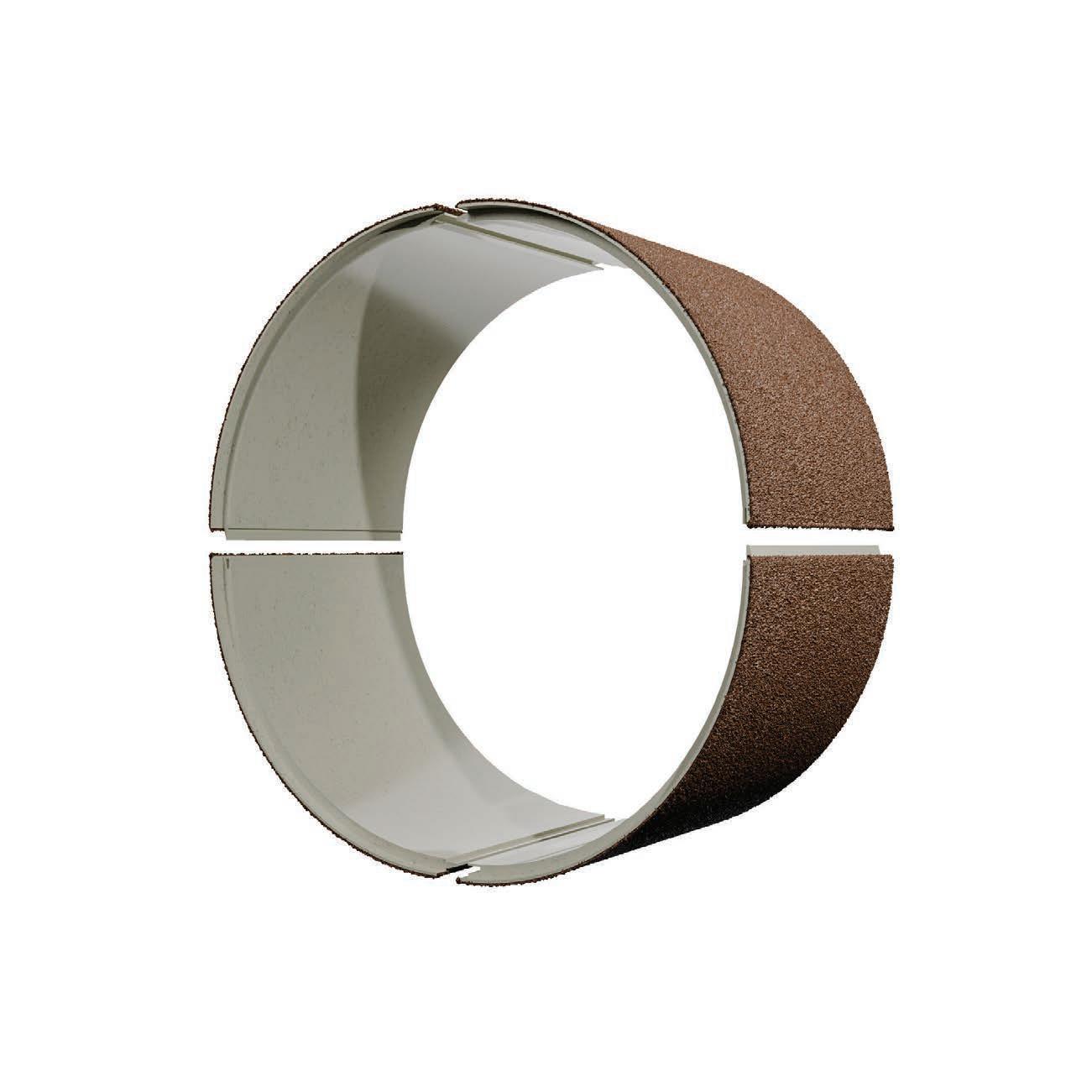
Channeline’s bespoke manufacturing means its GRP liners can be made to fit unique structures.
Multi-segmental structural glass reinforced plastic lining system.
Making partner
International No-Dig Auckland 2026 has added major players based in New Zealand to its growing list of official industry partners.
Amid a flurry of activity leading up to International No-Dig Auckland 2026, two significant players, adjacent to underground infrastructure and services in New Zealand have been confirmed as official industry partners. Water New Zealand and Engineering New Zealand, the latest organisations to support this year’s event, will help to strengthen ties between the trenchless technology sector and both the broader water industry and infrastructure delivery and planning.
As cities face increasing pressure to renew ageing assets with minimal disruption, a strong alignment around the need for practical innovation, ongoing professional development, and collaboration across disciplines to meet future infrastructure challenges coincides with growing demand for more sustainable construction practices.
Water New Zealand is the country’s leading industry body for the water sector, representing utilities, councils, consultants and suppliers working across drinking water, wastewater and stormwater. The organisation plays a central role in advocating for sustainable water management, supporting regulatory reform and lifting industry capability through training, events and technical guidance.
As New Zealand continues to invest in water
resilience and renewal, the collaboration with International No-Dig Auckland 2026 is set to amplify industry engagement and knowledge sharing across both communities.
“This partnership with International No Dig is important for Water New Zealand and our members because it brings global expertise and practical innovation directly into the Aotearoa New Zealand context,” Water New Zealand CEO Gillian Blythe said. “No-dig technology plays a critical role in how we renew and maintain essential infrastructure, and this collaboration helps ensure our sector has access to the latest thinking, tools and real world case studies.”
As New Zealand’s peak body for engineering professionals, Engineering New Zealand plays a central role in supporting engineers, setting professional standards and promoting the value engineers bring to society. The organisation advocates for safe, sustainable and high-quality engineering outcomes while supporting continuous learning and capability development across the sector. From water and wastewater networks through to transport corridors and utilities, engineers are at the centre of decisions that are reshaping how infrastructure is designed, built and maintained.
Engineering New Zealand Chief Executive
Dr Richard Templer said the organisation is proud to support International No-Dig Auckland as an Industry Partner.
“Bringing practitioners together to exchange ideas, insights and practical experience supports professional development and drives innovation across the engineering sector,” he said.
International No-Dig Auckland 2026 brings together global experts in trenchless technology to showcase innovations that reduce surface disruption, lower environmental impact and improve project efficiency.
Blythe said the event will help the sector better understand and adopt infrastructure solutions that are more efficient, less disruptive and better for communities and the environment.
“Events like International No Dig allow practitioners, asset owners and suppliers to share lessons learned and explore how innovative approaches can be applied across different regions and projects,” she said.
“These forums create space for meaningful conversations, knowledge sharing and collaboration; all of which are essential if we’re going to meet the growing challenges facing water infrastructure in Aotearoa New Zealand.”
International No-Dig Auckland will take place at the New Zealand International Convention Centre from 28–29 October 2026.

Water New Zealand will be an industry partner for the October event.
Image: Water New Zealand
The global stage for trenchless innovation
Bringing the latest trenchless advancements and industry knowledge to Auckland
New Zealand International Convention Centre, Auckland 28 – 29 October 2026


GET TICKETS
Hosted in partnership with
Corporate Members
Gold Corporate Members
DirectBor Australia
Herrenknecht AG
J&R Contracting Limited
Kellogg Brown & Root
Michels Trenchless Pty Ltd
Silver Corporate Members
Aaro Group
Abergeldie Rehabilitation Pty Ltd
ACP Australian Custom Pipes
AECOM New Zealand Limited
AHD Trenchless
Applied Felts
Arcardis Australia Pacific Pty Ltd
Aqua Assets
AQUATEK Fluid Systems
Atteris Pty Ltd
Aurecon
Australian Pipeline Management Pty Ltd
Austunnel Pty Ltd
BG Risk Solutions
Blick Group
Bortec Laser Bore Pty Ltd
Boss Attachments NZ Ltd
BRP Corporation Pty Ltd
Bullseye Boring
CC Group
CDS New Zealand Ltd
Channeline International
David Moss Group
D.J. Mac Cormick Contractors
DCS Manufacturing Pty Ltd
Derby Rubber Products
Digital Control - Australia
Diversified Services Australia
Dormway Pty Ltd
Draintech Solutions
Drillers World Australia
Dunstans
E&CC
Edge Underground
ELB Equipment Pty Ltd
Empire Infrastructure
Envirovac Industries Pty Ltd
FJA Consulting Engineers
FST Technologies Pty Ltd
Fulton Hogan
Fulton Hogan Construction Pty Ltd
Asset Owners
Auckland Council
Barwon Water
Watercare Services Ltd
OptionX Group
Orion Consulting
Rangedale Rehabilitation and Renewals Pty Ltd
Systra Bamser
Future-Proof Solutions
GCE Contractors Pty Ltd
GN Solids Control
Golder
Hard Metals Australia Pty Limited
HDI Lucas
Hydroflow Civil
Holcim (Australia) Pty Ltd
Hynds Pipe Systems Ltd
IMPREG (AUSTRALIA) PTY LTD
Independent Sewer
Consulting Services Pty Ltd
Insituform
Insituform Pacific Pty Ltd
Interflow Pty Ltd
JB Trenchless Pty Ltd
kwik-ZIP Spacers
Kynection
L P Pipe Civil
LKL International Pty Ltd
March Cato Ltd
Matamata Directional Drilling
Maxibor Australia Pty Limited
McBerns Innovative Solutions
McConnell Dowell
Constructors (Aust) Pty Ltd
McElroy Manufacturing Inc.
McMillen Jacobs Associates (NZ)
Metrocorp Technologies
Mudex
Mullane Trenchless Pipeline Solutions Pty Ltd
NEWest Alliance
NordiTube AUS Pty Ltd
Nu Flow Technologies 2000 Pty Ltd
Pezzimenti Trenchless Pty Ltd
Pezzimenti Tunnelbore Pty Ltd.
Pipe Core Pty Ltd
Pipe Doctor Australia Pty Ltd
Pipe Technologies Ltd
Pipe Tek
Pipeline Drillers Group
Pipe Pro Drilling
Greater Western Water
Knox City Council
Tunnelling Solutions
Veolia
WSP New Zealand Ltd
Water Corporation
Witt Consulting
PipeWorks
PLUMBLOGIC
Prime Creative Media
Prime Horizontal Pty Ltd
Qalchek Pty Ltd
Qenos Pty Ltd
R & R McClure Excavations
Raedlinger Primus Line Pty Ltd
Ravago NZ Ltd
RBM Plumbing and Drainage Pty Ltd
Ready Group Pty Ltd
Rob Carr Pty Ltd
Rose Atkins Rimmer (Infrastructure) Pty Ltd
RPC Pipe Systems
SA Water
SASTTI Joint Venture
SEKISUI Rib Loc Australia Pty Ltd
Sewer Equipment Company (Aust)
Smythe Contractors Limited
STRABAG
Sydney Water
TDG Environmental (NZ)
TDM Pipeline Solutions
TRACTO-TECHNIK Australia Pty Ltd
Trenchless Advisor Pty Ltd
Tunnel Vision (WA) Pty Ltd
UEA Pty Ltd
United Tunneling Ltd
Vacvator
Vacuum Truck Supplies
Vector Magnetics
Vermeer Australia
Vertical Horizonz Australia
Veolia (NZ)
Vinidex Pty Limited
WA Utilities
Warren Smith & Partners
Yarra Valley Water
Zhangzhou Anyue Advanced
Materials Technology Co. Ltd
Rottnest Island Authority
Unity Water
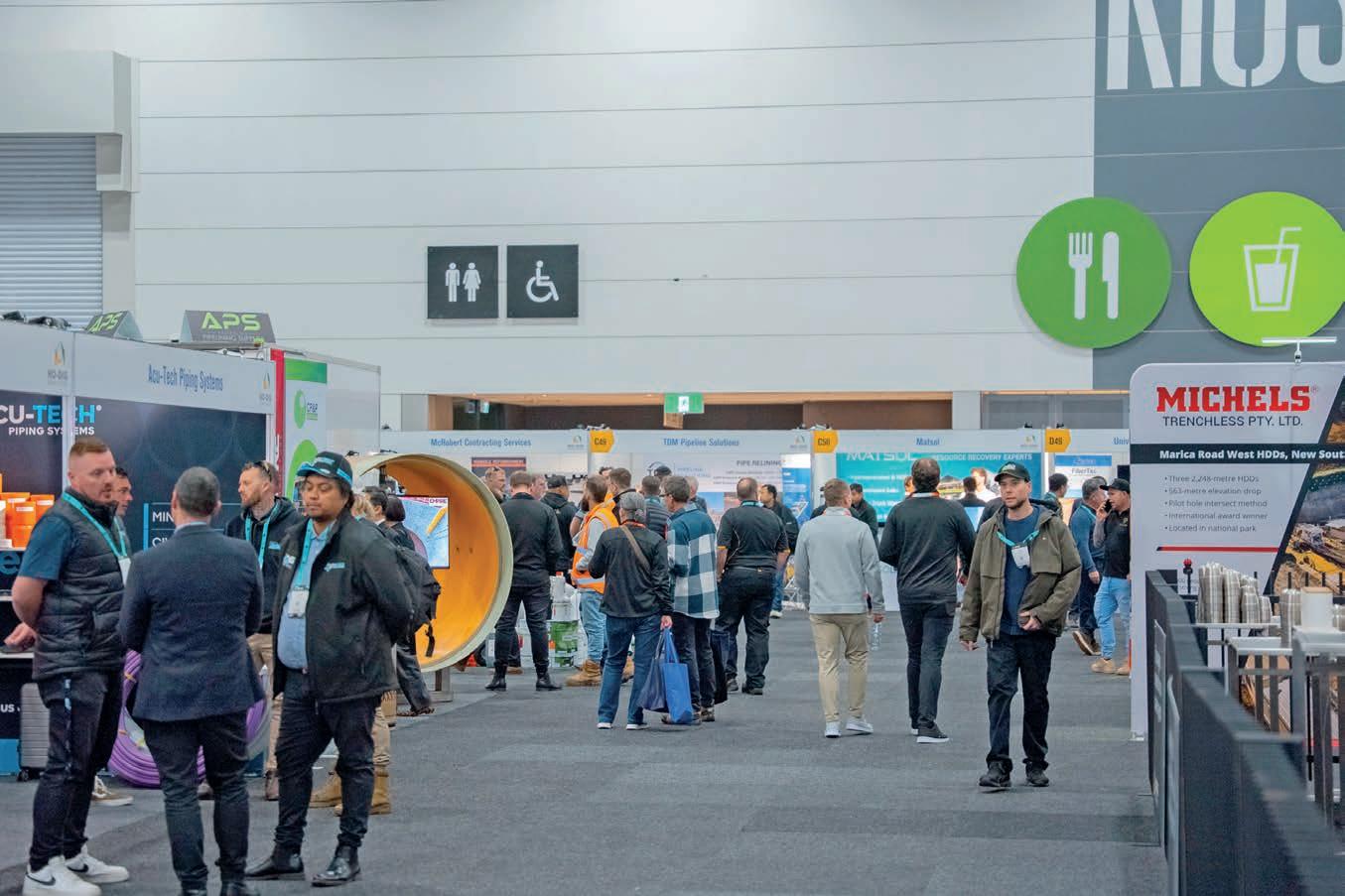
About the ASTT
The Australasian Society for Trenchless Technology (ASTT) is a non-profit organisation comprising of members throughout Australia and New Zealand.
The successful establishment of the trenchless industry in Australasia has been supported and promoted by the peak industry organisation, the ASTT, since it was founded in 1991.
The society works tirelessly to promote the use of trenchless technology in Australasia, lobbying government and client organisations to highlight the advantages of using trenchless technology and the benefits of training for industry.
Membership is open to all who are concerned with the provision of gas, water, sewerage, drainage, roads, telecommunications and electrical services.
ASTT membership provides trenchless professionals the tools and services they need to be better informed and better connected in this industry.
The ASTT is part of the International Society for Trenchless Technology (ISTT), an affiliation of societies in more than 30 countries worldwide.
Membership applications
The ASTT currently offers seven levels of membership available to residents of Australia
and New Zealand or anyone who is also a financial member of an existing ISTTaffiliated society.
The benefits of membership depending upon category
Up to 10 people from your organisation may be included in your membership and are entitled to receive the below benefits:
• Acknowledgment of your company in every edition of the Trenchless Australasia magazine
• An annual subscription to Trenchless Australasia magazine (six issues per year)
• An annual subscription to ISTT’s Trenchless Works
• A company listing in the Australasian Trenchless Directory (print and digital)
• The opportunity to promote your membership of the association by including the ASTT logo on your business communications and website
• Access to guidelines and standards
• Discount rates (normally 10 per cent) at national conferences and exhibitions
• Discount rates (normally 10 per cent) at international conferences and exhibitions
• Discount rates (normally 10 per cent) at trenchless forums
• The opportunity to become involved in our Special Interest Groups, which are technical divisions of the ASTT representing specific trenchless sectors
• Special offers and links with international organisations, including the ISTT
• The opportunity to nominate for ASTT and ISTT awards
• Free access to ISTT past conference proceedings
• A communication network to keep abreast of the advancement of the science and practices of trenchless technology throughout the world
• Discounted rates at international NoDigs and national events, including NoDig Down Under
How to apply
Visit the ASTT website on www.astt.com.au and check out the membership benefits that apply for each category. Membership requests will be emailed to the ASTT for processing. You will receive an invoice based on the information you supply. Acceptance does not take effect until payment is received in full.
For more information, visit astt.com.au
(The
No-Dig Down Under 2025.
People on the move
Trenchless Australasia is tracking new appointments in the Australia and New Zealand trenchless industries. Read all about the latest people moves.

Managing Director Goulburn-Murray Water

Solutions among its stable. The company provides end-to-end expertise across the entire lifecycle of the project.
Executive Director positions in primary health, education and regional development. Hayes has held the role of Executive Manager and Chief Financial Officer at Hunter Water for seven years and is now the first woman to lead Hunter Water as Managing Director in its 134-year history. As one of the state’s publicly owned utilities, Hunter Water provides essential services to almost 650,000 people and is progressing key initiatives to secure the region’s water future including the Belmont Desalination Plant. Hayes played a crucial role in supporting the business case for the Belmont Desalination Plant and is highly regarded for her strategic insight, and commitment to stakeholder engagement.
Goulburn-Murray Water has announced the appointment of Steve Capewell as its next Managing Director, effective from 6th July. Dr Capewell previously held the same position at Goulburn Valley Water for the previous five and a half years. With deep experience across the water industry, and a track record of executive leadership, Capewell brings a strong understanding of the complexities of the sector and a genuine appreciation of the role the utility plays in delivering services that support regional communities, agriculture and the environment according to Goulburn-Murray Water Chair Justin Hanney.
“Throughout the recruitment process, Steve demonstrated strong alignment with GoulburnMurray Water’s purpose, values and strategic direction, and a leadership style that will serve the organisation, our customers and our stakeholders well,” he said.
Capewell replaces Charmaine Quick after seven years in the role this July.
If your company has recently employed a new person within your business or you would like profiled in ‘People on the move’, send details of the career news alongside a high-res photo to William Craske at william.craske@primecreative.com.au
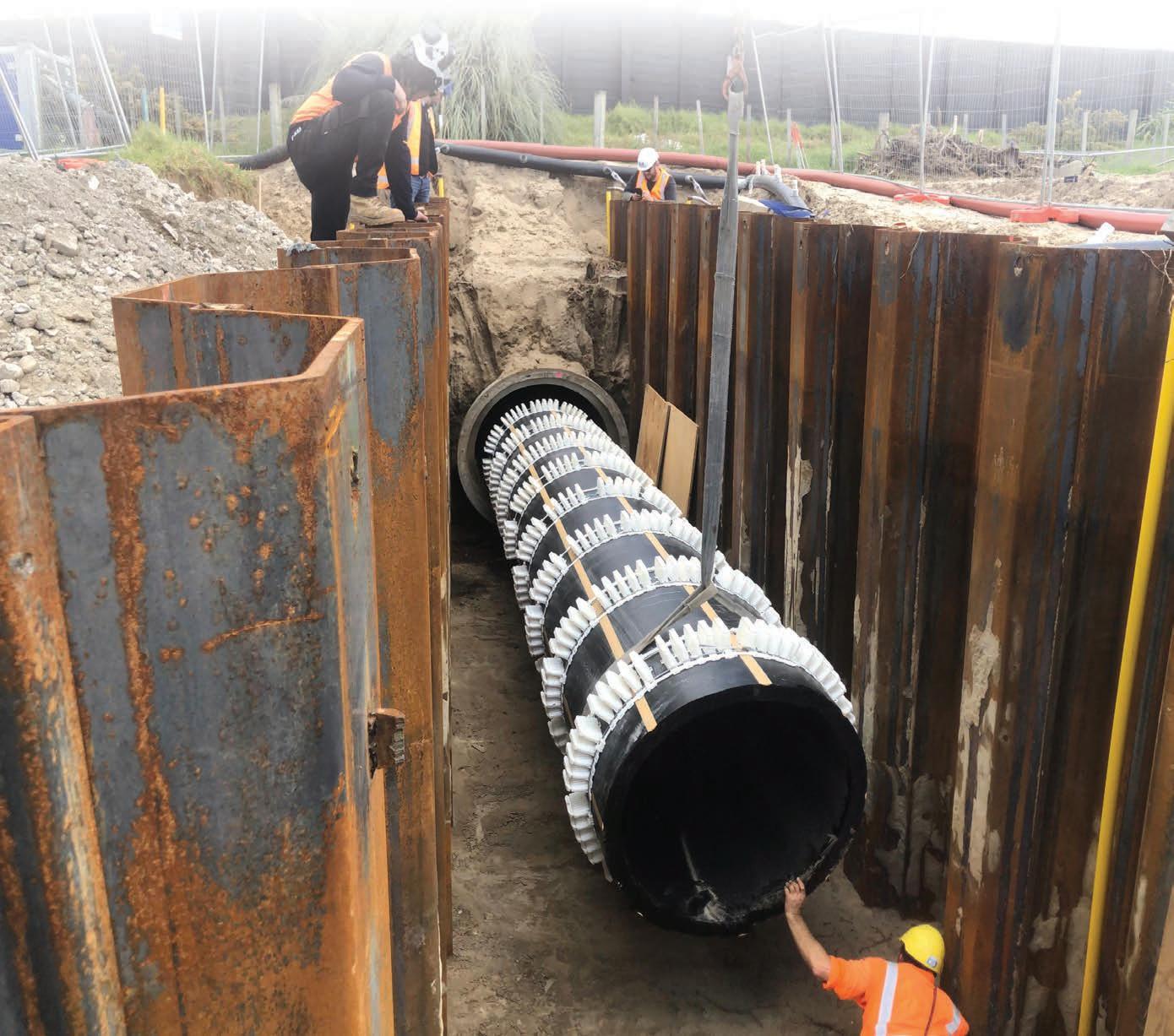
Image: Jim Salmon
Image: Jennifer Hayes
Image: Steve Capewell
DIRECTIONAL DRILLING