
What
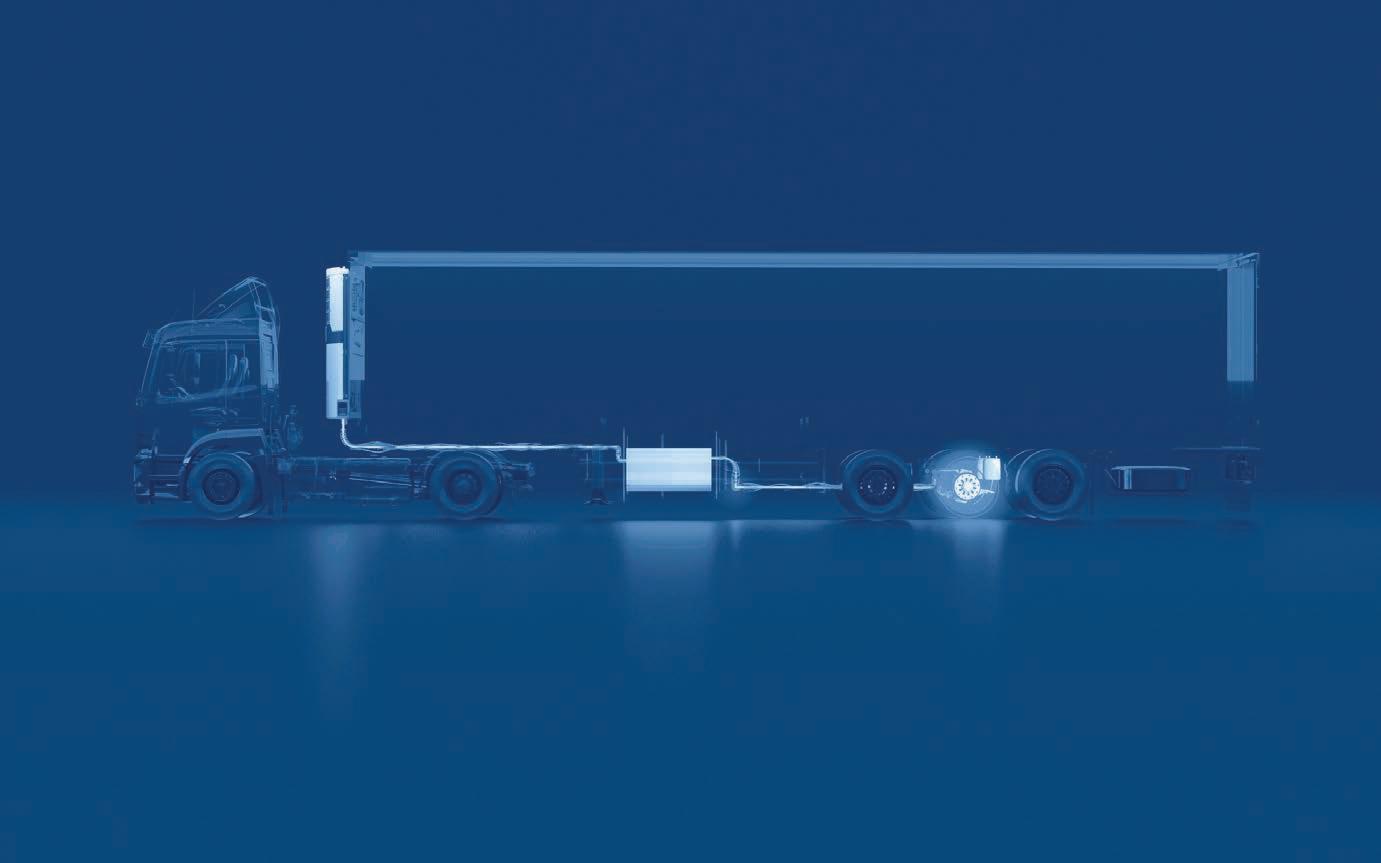
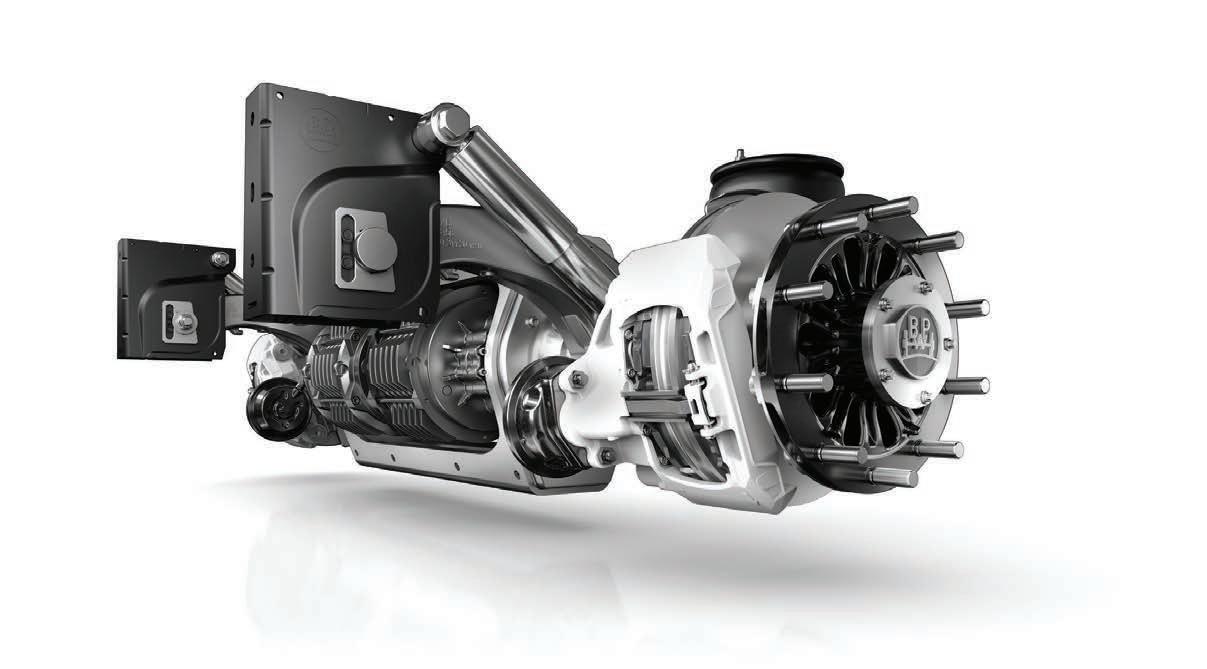
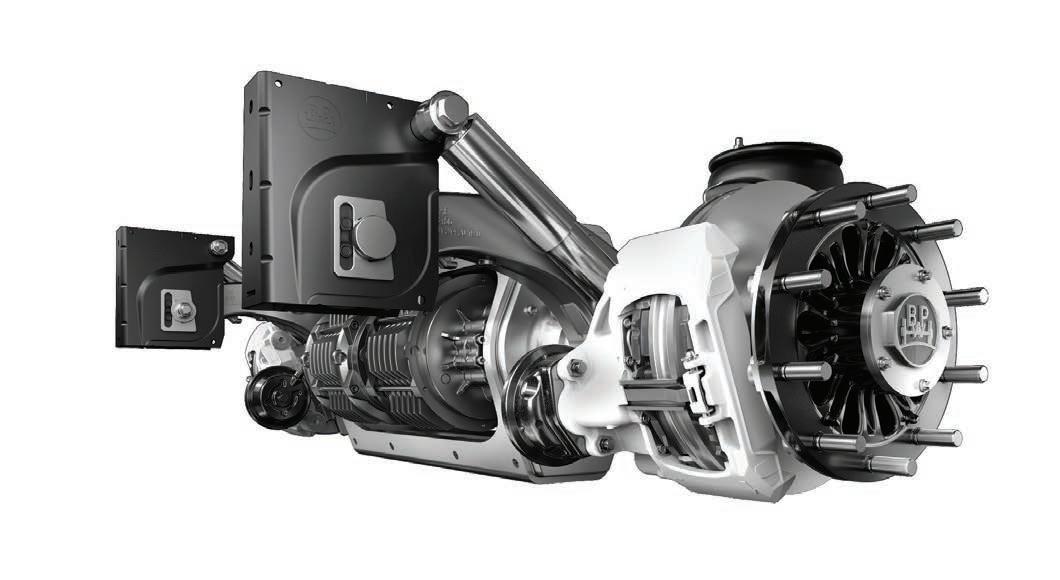
Reliable, independent power supply for fully electric or hybrid refrigeration units
Intelligent energy management and efficient operation
Air-cooled
Saves fuel and CO2
CHAIRMAN
John Murphy john.murphy@primecreative.com.au
MANAGING EDITOR
Luke Applebee luke.applebee@primecreative.com.au
EDITOR
Peter White peter.white@primecreative.com.au
ADVERTISING
Adrian Kos: 0413 777 670 adrian.kos@primecreative.com.au
Ashley Blachford ashley.blachford@primecreative.com.au
DESIGN
Alejandro Molano
HEAD OF DESIGN
Clayton Hawley
CLIENT SUCCESS MANAGER
Ben Sammartino ben.sammartino@primecreative.com.au
HEAD OFFICE
Prime Creative Pty Ltd 379 Docklands Drive Docklands VIC 3008 Australia
SUBSCRIPTIONS
03 9690 8766 subscriptions@primecreative.com.au
Trailer Magazine is available by subscription from the publisher. Annual rates: AUS $99.00 (inc GST). For overseas subscriptions, airmail postage should be added to the subscription rate. The right of refusal is reserved by the publisher.
ARTICLES
All articles submitted for publication become the property of the publisher. The Editor reserves the right to adjust any article to conform with the magazine format.
COPYRIGHT
Trailer Magazine is owned by Prime Creative and published by John Murphy.
All material in Trailer Magazine is copyright and no part may be reproduced or copied in any form or by any means (graphic, electronic or mechanical including information and retrieval systems) without written permission of the publisher. The Editor welcomes contributions but reserves the right to accept or reject any material.
While every e ort has been made to ensure the accuracy of information Prime Creative will not accept responsibility for errors or omissions or for any consequences arising from reliance on information published.
The opinions expressed in Trailer Magazine are not necessarily the opinions of, or endorsed by the publisher unless otherwise stated.
O cially endorsed by the VTA
A new national study is unpacking the causes behind rising business failures and worsening margins. Led by Swinburne University of Technology and the Department of Infrastructure, Transport, Regional Development, Communications, Sport and the Arts (and administered through iMOVE CRC), the research is expected to deliver one of the most detailed assessments of the industry’s financial health to date.
Freight transport expert at Swinburne, Professor Hadi Ghaderi, recently spoke to Trailer’s sister publication, Prime Mover, about the project, and explained it comes at a critical time for operators.
“Road freight is the backbone of Australia’s economy, but right now, many operators are under significant financial stress,” he said. “In some parts of the industry, margins are so tight that even small cost increases can push businesses into insolvency.”
The research is currently addressing what Ghaderi described is a “major evidence gap” in current industry analysis – detailed, granular financial and operational analysis of the sector that goes beyond aggregate industry statics.
“This project is about moving beyond surface-level data,” he said. “We want to understand not just what pressures businesses are facing, but how those pressures interact, which ones matter most and how they differ across operators of different sizes and business models.”
The study is drawing on multiyear data to distinguish between temporary market disruptions and longer-term structural challenges. Small and family-owned operators are expected to be particularly exposed, although outcomes will vary across the market.
Beyond identifying the causes of financial stress, the project is also focused on informing policy and industry reform. Ghaderi identified inefficiencies in cross-jurisdiction freight operations as one area for improvement.
“While each of these arrangements may be justified individually, collectively they can add complexity, administrative burden, and inefficiencies in planning and operations,” he said. “The interventions that are likely to have the greatest impact are those that address both structural efficiency and market functioning, rather than focusing on any single cost input.”
The project is currently underway. Outcomes will be shared through the Department of Infrastructure, Transport, Regional Development, Communications, Sport and the Arts and iMOVE CRC as it progresses to support a more sustainable and resilient road freight sector.


Business partnerships, people movements, developments that bolster freight productivity and more.
18 Economy
The Australian Government has delivered what it claims is Australia’s most responsible and most ambitious Federal Budget.
20 Cover story
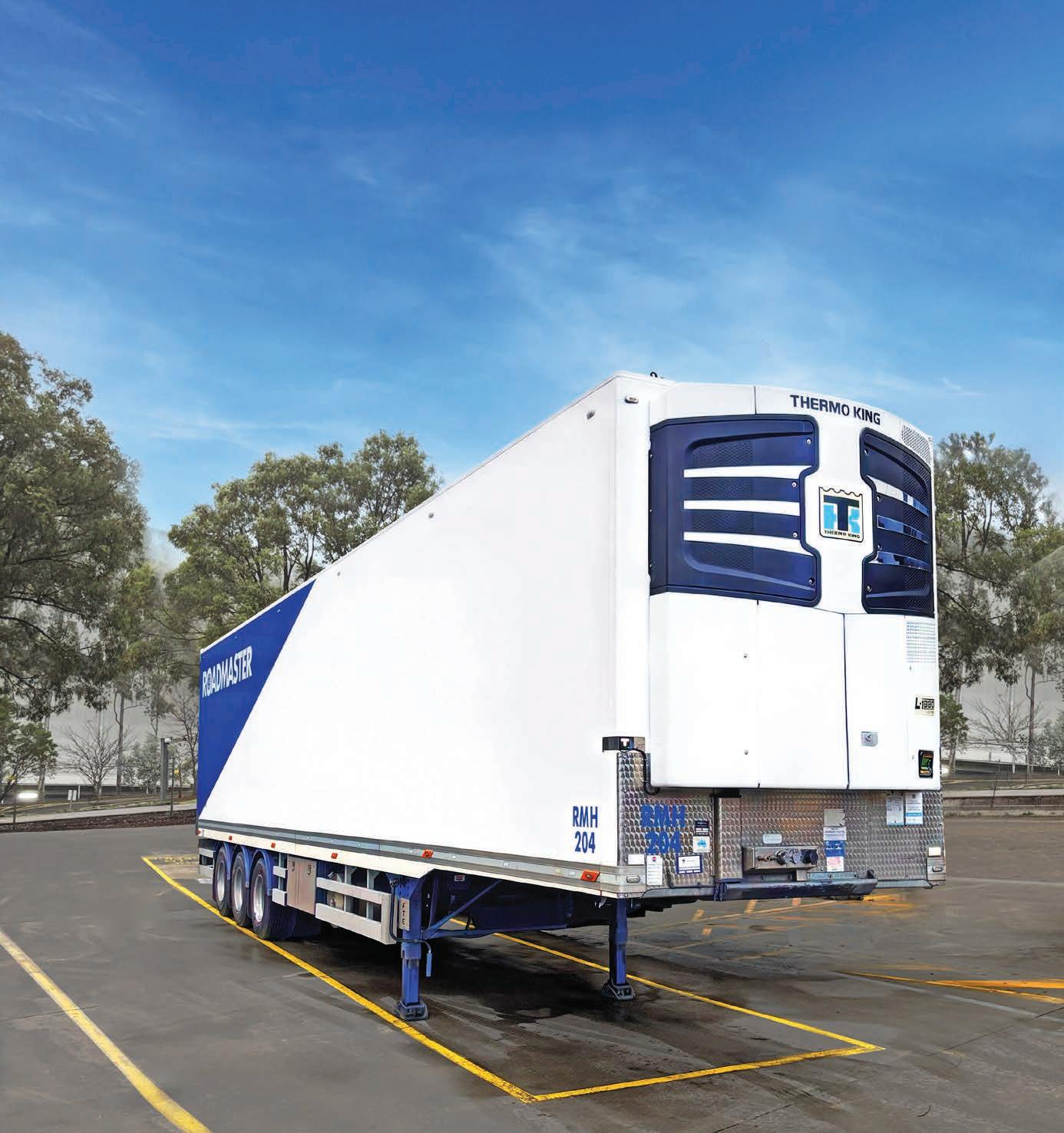
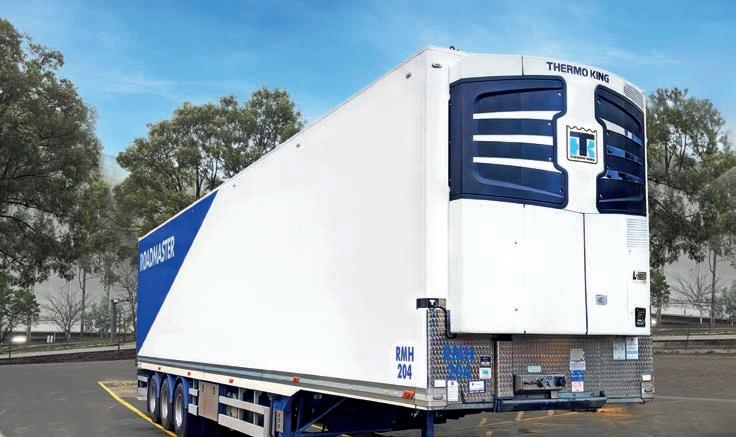
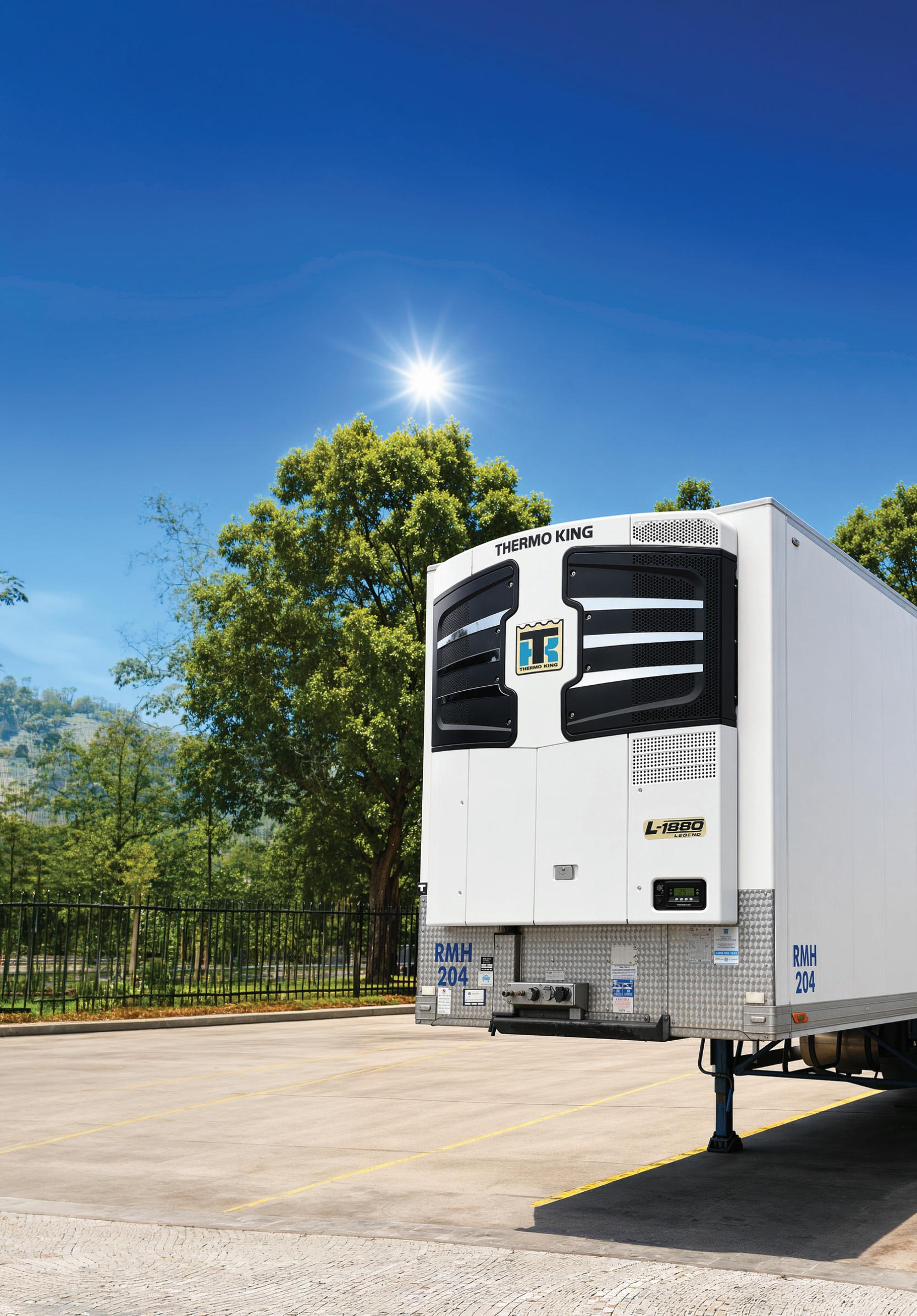
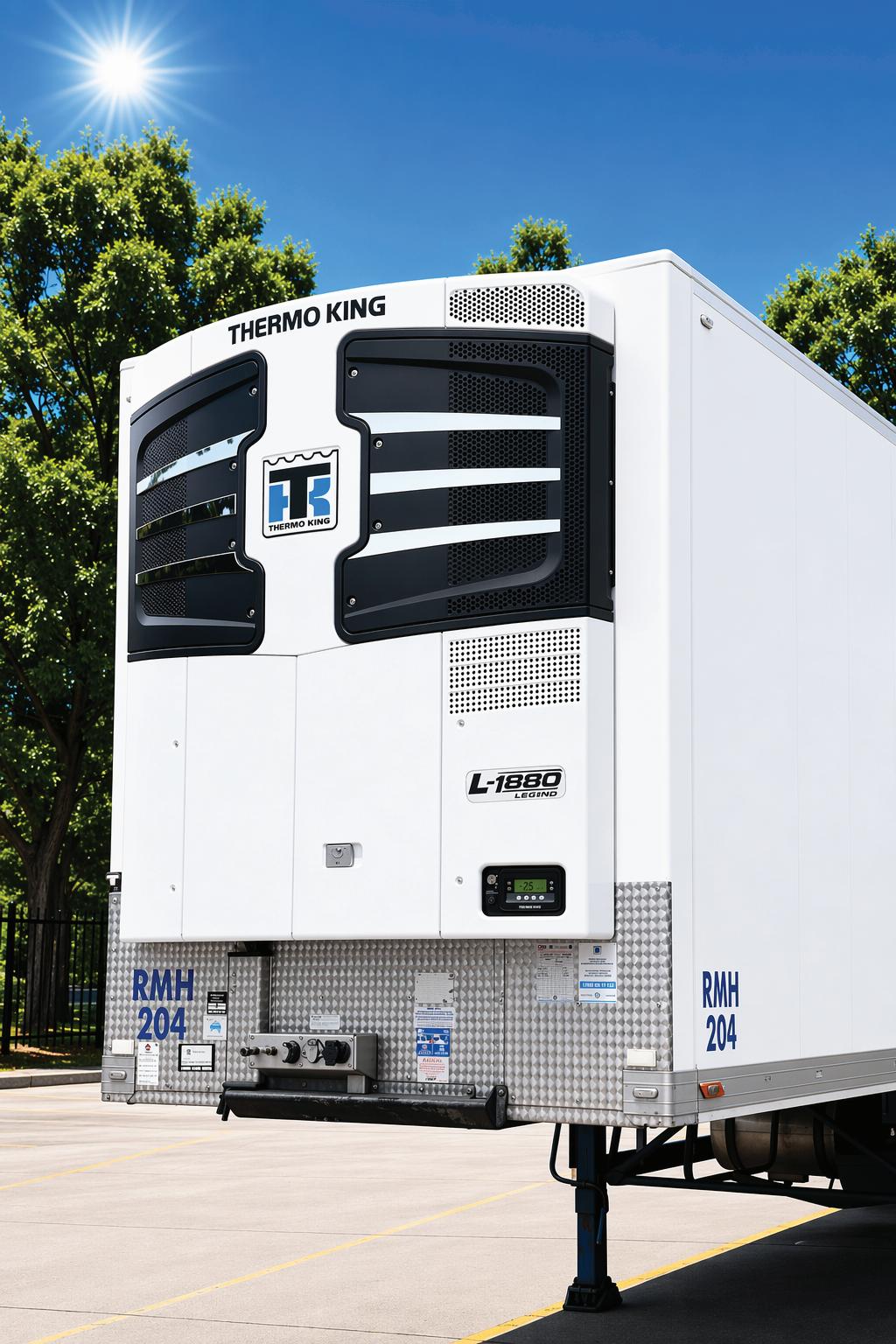
Roadmaster is investing in Thermo King’s new Legend fridge unit via TRS for long-term fleet performance.
22 Refrigerated transport equipment
See the latest cold chain technologies in road transport.
32 Trailer builder
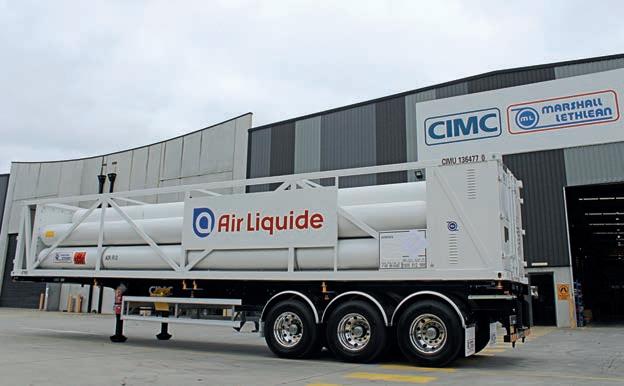
Air Liquide is strengthening its hydrogen transport capabilities with Marshall Lethlean.
34 Trailer building materials/components
A showcase of the products and services that keep trailers on the move.
38 National Bulk Tanker Association
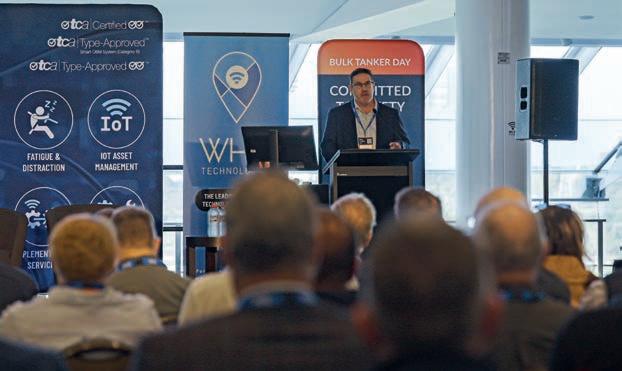
A wrap-up of the National Bulk Tanker Association’s Bulk Tanker Day 2026.
42 MegaTrans
TFMXpress will join the MegaTrans Operator Hub among a long list of major transport and logistics companies later this year.
44 Refrigeration Unit Spec Guide
Trailer’s brand-new showcase makes its debut.
52 Infrastructure spotlight
What you need to know about Australia’s biggest road projects this month.
54 World map
Trailer electrification is rapidly emerging as a practical bridge between today’s diesel fleets and tomorrow’s zero-emission freight tasks.
57 Fleet of the month
Rum City Foods continues to expand on the back of strong family values, trusted partnerships and a longstanding commitment to quality service.
58 What’s on Upcoming shows and field days.
Schmitz Cargobull has increased its investment in Freighter Group to a 72 per cent majority shareholding.
The milestone represents an exciting new chapter for the Australian trailer manufacturer, ensuring its 80-year legacy of local expertise is backed by the global technological resources of Europe’s leading trailer manufacturer.
The transition represents a deliberate move to set the business up for the future, combining a rich Australian heritage with world-class innovation.
Building upon the successful strategic partnership announced in April 2023, Schmitz Cargobull’s transition to majority ownership represents its substantial vote of confidence in the Australian heavy vehicle market.
For Freighter Group, it ensures long-term stability and provides direct access to Schmitz Cargobull’s global expertise and product development pipeline.
“We have been supporting Australian customers for 15 years and by increasing our stake in Freighter Group, we are reaffirming our long-term commitment to the Australian market,” said Schmitz Cargobull CEO, Andreas Schmitz.
“This step is also testament to our belief in the strength of the local team.
“Our role is to support and enable the continued development of Freighter Group
– providing access to global expertise, technology and networks, while the Freighter team continues to shape the business with its deep local knowledge and customer focus.”
To lead this new chapter, Freighter Group has also announced the appointment of Michael Temminghoff as its new CEO, effective immediately.
Temminghoff brings extensive leadership experience, having worked for Schmitz Cargobull in multiple roles for over 15 years.
He is focused on supporting the continued development of Freighter Group and strengthening its capabilities while preserving the company’s humble, customer-first culture.
“I am honoured to lead Freighter Group at such a pivotal moment,” Temminghoff said.
“The synergy between Schmitz Cargobull’s global scale and Freighter Group’s local expertise is an exciting opportunity.
“Our role is to build on the strengths of the local business, supported by global capabilities and experience, and to help the team unlock its full potential – while further strengthening the quality and reliability our customers expect.
“The business enters this new chapter on a strong footing, thanks to a period of

intense modernisation that has prepared the workforce and the facility for high-tech production.”
Freighter Group will continue to operate under its renowned name, ensuring that the legacy of this iconic Australian brand remains intact as it builds the next generation of solutions for the Australian transport industry.
Mainfreight has opened a new 24/7 air and perishables facility at Melbourne Airport.
Situated on a 14,000-square-metre site, the development features a 5,200-square-metre facility which was purpose-built for time-sensitive and temperature-controlled freight.
Located within the airport precinct and close to major airfreight terminals, the new facility enables Mainfreight to continue expanding its global international network perishable and cold chain offering while also delivering a number of sustainability initiatives.
“Handling over 25 million kilograms
of freight each year, the new branch marks a significant step forward in supporting Mainfreight’s ongoing growth and increasing its operational capacity,” Mainfreight said.
“The layout of the facility has been designed to simplify the movement of goods from arrival through to departure.
“With space for refrigerated containers and access for road trains, the site allows for more direct and efficient transfers between transport modes.”
The facility also features dedicated loading and unloading areas, electric roller systems for airline units and sunken docks help reduce congestion
and handling delays, advanced temperature-controlled zones and cold chain capability and more.
Supply chain consultancy, TMX Transform, congratulated Mainfreight on the opening.
“TMX are proud to have managed the construction of this facility on time and on budget,” the company said.
“With advanced cold-chain infrastructure, on-site inspection capability and sustainability initiatives including solar and water reuse, the facility sets a new benchmark for operational performance.”





Toll Group has appointed Robert Reiter as Group Managing Director.
Reiter assumed the role on 1 July in addition to his current position as President of Global Forwarding, ensuring continuity of leadership and a strong connection across the Group.
As Group Managing Director, he is responsible for setting the strategic direction and driving the overall performance of Toll, ensuring alignment across all businesses to deliver sustainable growth and long-term value creation.
Working closely with the Board and executive leadership team, he will focus on strengthening performance, enhancing competitiveness and positioning the Group to capture emerging opportunities.
“Robert is a proven leader with deep knowledge of our business, customers and operations,” said Toll Group Executive Chairman, Thomas Knudsen.
“His appointment as Group Managing
Director reflects our strong confidence in his leadership and his ability to drive the Group’s continued growth, performance and transformation.
“We are pleased to have him lead Toll through its next phase.”
Reiter joined Toll Global Forwarding in August 2025 and prior to the appointment was serving as President.

Cargo Freight Services (CFS) has appointed Kathryn Toey as Business Development Manager.
CFS is a privately-owned Australian freight transport company specialising in road transport, wharf cartage, container handling, warehousing and distribution.
Established in 2008, it operates a fleet of more than 100 trailer combinations to suit all cargo and container requirements and over 60 mass-managed company trucks.
Toey joins the business after spending eight years at Arrow Transport as well as a series of other roles in the industry prior to that.
At CFS, her primary focus will be nurturing and strengthening relationships with existing accounts – ensuring every client has a dedicated and reliable point of contact they can trust.
She will also be working strategically to grow the business in a considered and sustainable way, with service being the foremost priority.
Toey told Trailer she decided to join CFS because it “felt like the right opportunity at the right moment”.
“My life had gone through a significant and wonderful change after recently
welcoming a new baby, and I needed a role that was better suited to my circumstances,” she said.
“What struck me most about CFS was that the company saw the value in me as a person, not simply as a candidate for a vacancy.
“That kind of culture is something I look for in an employer, and knowing it was sitting at the very heart of the business made it an easy decision.
“It also felt less like accepting a job offer and more like joining something I genuinely believed in.”
Toey brings a personal touch underpinned by loyalty, honesty and a strong commitment to the people and businesses she works with to the business.
“I am very much a hands-on professional, and I treat every account as though it were my own,” she told Trailer
“I believe these values align closely with what CFS stands for, and I am excited to channel them within such a forward-thinking and people-first organisation.”
Toey said she is excited about contributing to CFS and growing alongside it.
“CFS has an incredibly strong foundation rooted in genuine relationships and
He played a key part in strengthening customer relationships, improving regional operations and leading transformation initiatives across the business.
He brings extensive global freight forwarding experience, with leadership roles at organisations including Kuehne & Nagel, Panalpina, DB Schenker and DHL, alongside deep expertise across endto-end supply chains, including contract logistics.
Reiter said he is honoured to be appointed Group Managing Director at such an important time for Toll.
“We have strong capabilities, dedicated people and significant opportunities ahead,” he said.
“I look forward to working closely with our teams, customers and partners to build on our momentum and continue delivering strong outcomes for our customers and stakeholders.”

outstanding service, and that is something I am truly passionate about,” she said.
“I am looking forward to growing alongside this business, contributing to that culture and helping to ensure those values remain at the core of everything we do as we continue to move forward.
“I feel I am exactly where I am meant to be. People, culture and honesty are the values I hold closest, and CFS is a business that embodies all of them by genuinely investing in its people, clients and the culture it has worked so hard to build.
“I could not be more proud or excited to be a part of it, and I look forward to what we will achieve together.”
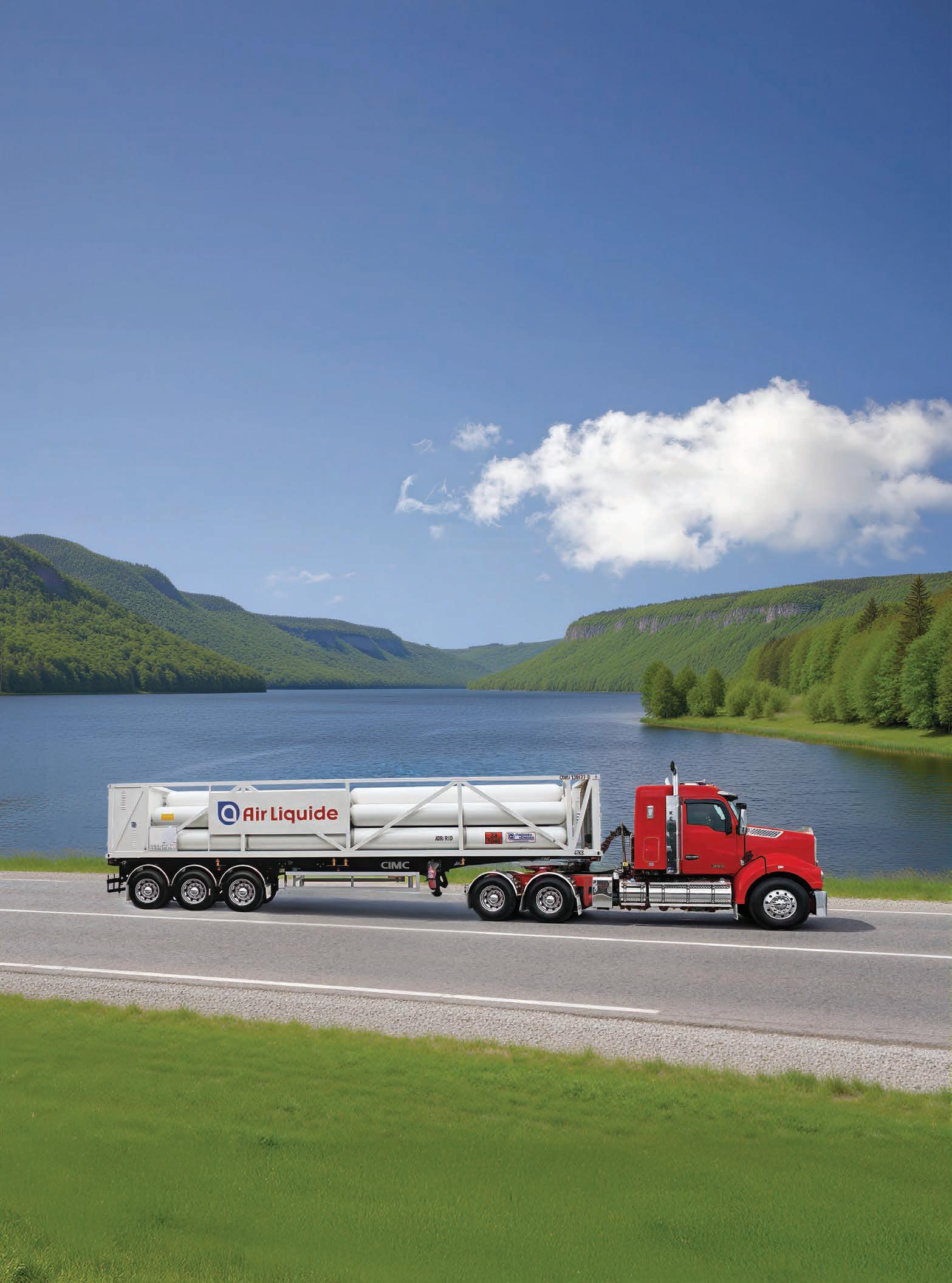

Combination
This is a commitment to the industrialisation of hydrogen and a powerful endorsement of its role in the future. Innovations such as this combination transform policy ambitions into operational reality. With innovations like this, a hydrogen-powered future is no longer a distant vision.

Australian Livestock and Rural Transporters Association (ALRTA) has appointed Ben Maguire as its new Executive Director.
Maguire joins the ALRTA at an exciting time as it implements its strategic plan and continues to strengthen its advocacy, member and stakeholder engagement and industry leadership across Australia’s livestock and rural transport sectors.
He brings extensive leadership experience across transport, agriculture, government and the not-for-profit sector with a career including senior executive roles with the Australian Trucking Association, Australian Stockman’s Hall of Fame, Healthy Heads in Trucks & Sheds (HHTS) and a range of national leadership and governance appointments.
ALRTA President, Gerard Johnson, said Maguire’s appointment comes at an important time for the industry.
“Ben combines deep industry knowledge with a strong understanding of regional Australia and the challenges facing livestock and rural transport operators,” he said.
“He is a proven advocate, strategic leader and relationship builder, and we are delighted to welcome him to ALRTA.”
Johnson also paid tribute to Anthony Boyle for his service as Interim Executive Director.
“Anthony stepped into the role during a period of significant transition for the association, and has done
an outstanding job leading the organisation,” he said.
“His commitment to our members, his industry knowledge and his willingness to serve have been greatly appreciated by the National Council.
“We thank Anthony for his contribution and look forward to his ongoing involvement with ALRTA.”
Maguire said he was honoured to accept the role and looks forward to working alongside members, industry partners and government.
“Livestock and rural transport operators are among the most resilient and hardworking people in Australia,” he said.
“They connect farms, communities and markets, often operating in challenging conditions and over vast distances.
“The industry plays a critical role in Australia’s agricultural success and food security.
“I am excited by the opportunity to work with ALRTA members to ensure their contribution is recognised and their voice remains influential in the decisions that affect their businesses and communities.”
Maguire will continue to support HHTS in his capacity as Director of Corporate Affairs.
“I have greatly enjoyed contributing to the important work of Healthy Heads and will continue to support the organisation’s mission to improve mental health and wellbeing across the transport, warehousing and logistics sectors,” he said.
Queensland-based food distributor, Rum City Foods, has acquired Beemart’s Rockhampton branch and depot.
Following its recent acquisition of Growers Own, this latest expansion marks another exciting step for Rum City Foods as it strengthens its presence across Central Queensland.
Both operations will now consolidate under the Rum City Foods name at its Rockhampton depot, creating a stronger
and more efficient hub to support existing and new customers throughout Central Queensland.
Rum City Foods said customers will be able to continue to enjoy Beemart’s premium fresh produce while also benefitting from its expanding foodservice range and broader distribution network.
“We are committed to ensuring a seamless transition and look forward to continuing the strong local relationships and
“The work of Healthy Heads and ALRTA is complementary, with both organisations committed to supporting the people and businesses that keep regional and rural Australia moving.
“Whether we are discussing productivity, safety, workforce development, succession planning or wellbeing, strong outcomes come from supporting the people behind the wheel and the families behind the business.
“I look forward to listening to members, strengthening relationships across industry and government, and helping position ALRTA for continued influence and success in the years ahead.”
dependable service you know and trust,” the company said.
“We would also like to warmly welcome the Beemart Rockhampton team to Rum City Foods.
“We are excited to have you on this journey with us as we continue to grow across Central Queensland.
“Here’s to the next chapter of growth, opportunity and supporting local businesses across the region.”
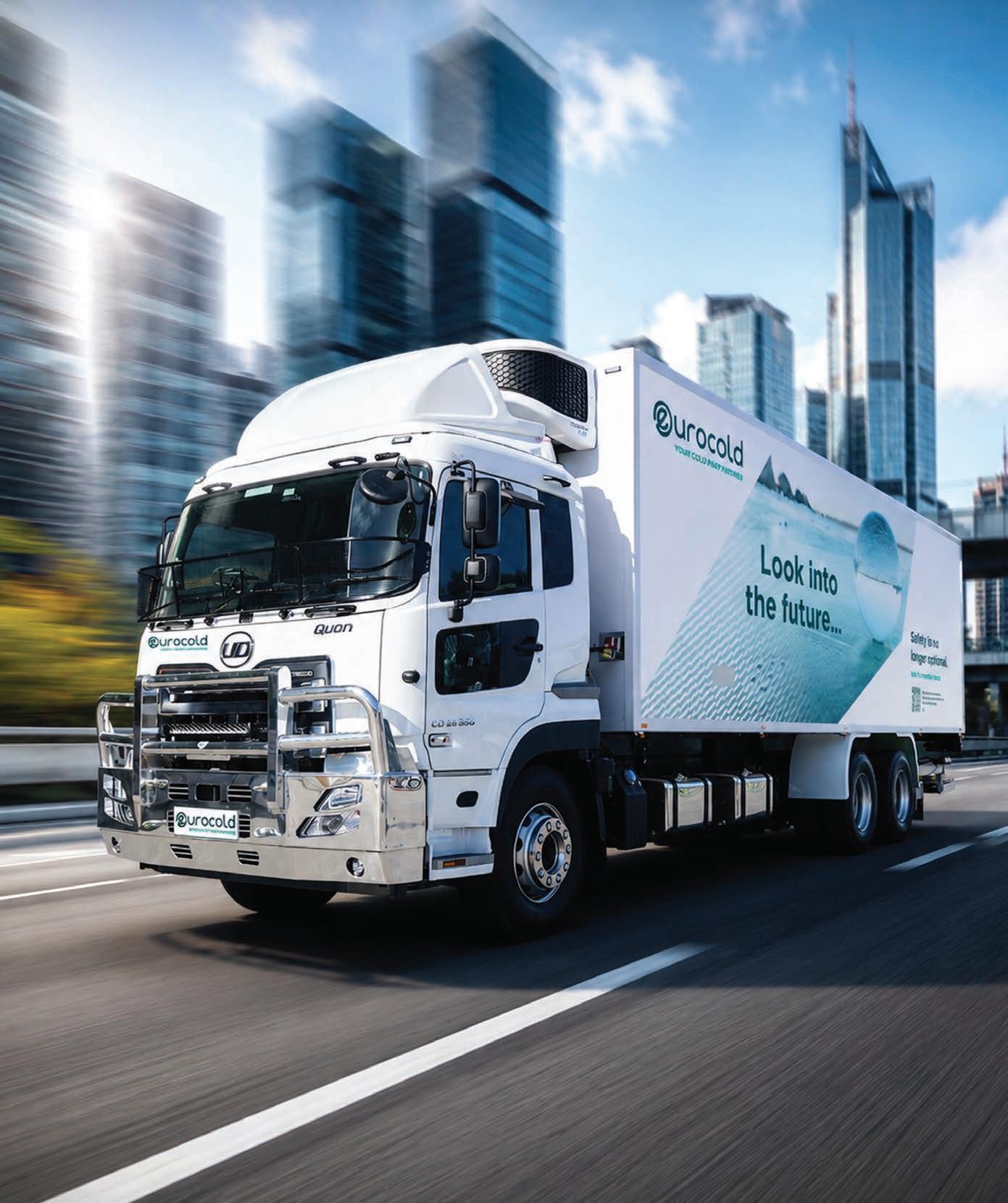
Eurocold’s 14 Pallet Safety Edition is the new standard.
Euro 6. Standard.
Advanced safety technology. Standard. Proven thermal performance. Standard. Rent. Buy. Repair. Australia-wide.
Proudly part of Petit Forestier Group
Several industry figures received national honours for their contributions to transport and logistics this week.
The King’s Birthday 2026 Honours List recognised 949 Australians across the Order of Australia, military honours and meritorious awards, highlighting individuals whose work has made a significant contribution to the nation.
Among the most notable transport-related recipients was NSW Ports CEO, Marika Calfas, who was appointed a Member of the Order of Australia (AM) for significant service to the transport and shipping industry, to logistics, and to infrastructure. Calfas has been a leading figure in Australia’s ports sector, overseeing the operations of Port Botany and Port Kembla while advocating for freight efficiency, supply chain resilience and long-term infrastructure investment.
Calfas’ recognition comes at a time when Australia’s container supply chains continue to face growing demands from population growth and freight task expansion.
The honours list also recognised Christine Holgate AM for significant service to business through a range of executive roles. Holgate is well known for her leadership of Australia Post during a period of rapid parcel growth and supply chain disruption, and more recently as CEO of Team Global Express.
Infrastructure development was also represented in the honours list through Northern Territory construction executive Stephen Margetic AM who was recognised for significant service to the building and construction industry and to philanthropy.
As Managing Director of Sitzler, Margetic has overseen major civil and infrastructure projects across northern Australia, many of which support freight connectivity and regional economic development.
The recognition of Calfas is particularly significant for the freight sector given the increasingly important role ports play in supporting both domestic and international trade. Port Botany remains Australia’s second-largest container port, while Port
The Australian Competition and Consumer Commission (ACCC) has approved Ampol’s acquisition of EG Australia, subject to the divestment of 41 retail fuel sites to preserve competition in key markets.
In a determination released on 2 June 2026, the ACCC found the $1.1 billion transaction could substantially lessen competition in 39 local fuel retail markets if allowed to proceed without conditions.
Ampol operates 576 service stations under the Ampol brand and 46 U-GO sites nationally, while EG Australia runs 512 fuel and convenience retail locations across Australia.
The competition regulator concluded the acquisition would remove “a direct and significant competitor” in affected local markets, reducing competitive pressure between the two networks and increasing market concentration.
The ACCC also noted that consumers may not view remaining fuel retailers as
close substitutes due to differences in location, site facilities and convenience offerings, while high barriers to entry make new competition unlikely in the short term.
To address those concerns, the ACCC has required Ampol to divest 41 fuel retail sites to an approved purchaser. The regulator has approved Dib Group, which operates under the Metro Petroleum banner, as the buyer.
According to the ACCC, the divestment package removes competitive overlap in 25 of the 39 affected local markets while supporting the expansion of an independent fuel retailer. In the remaining 14 markets, the sale of sites will reduce Ampol’s post-acquisition market share and strengthen competition.
The regulator also identified competition concerns in metropolitan fuel markets across Brisbane, Canberra, Melbourne and Sydney, but said the divestments would reduce the level of market aggregation resulting from the acquisition.
Kembla continues to expand its role as a key automotive, bulk freight and agricultural export gateway.
The honours also underscore the growing recognition of logistics and supply chain leadership as essential contributors to Australia’s economic performance. From parcel delivery and freight transport to port operations and infrastructure development, the sector continues to underpin the movement of goods across the country.
Governor-General Sam Mostyn said the honours recognise Australians who have made exceptional contributions to the nation through service, leadership and achievement. The 2026 honours list includes recipients from business, industry, community service, science, government and the arts.
For the transport industry, the inclusion of leaders from ports, logistics and infrastructure highlights the critical role these sectors play in supporting national productivity and ensuring Australia’s supply chains remain globally competitive.
Ampol first announced plans to acquire EG Australia in August 2024, describing the deal as a “pivotal and highly strategic step forward” for the business.
Managing Director and CEO Matt Halliday said at the time: “The proposed EG Australia acquisition makes sense for Ampol. It is a business and market we understand well through more than five years of commercial relationship.”
Halliday said the combined network would provide “greater choice and convenience” for customers through the expansion of Ampol’s Foodary convenience retail network, the rollout of U-GO sites and the extension of the Woolworths Everyday Rewards program.
Ampol also forecast annual synergies of between $65 million and $80 million through operational efficiencies, network integration and scale benefits.
The acquisition is expected to complete during 2026 following satisfaction of the ACCC’s conditions.






























































































































































Healthy Heads in Trucks & Sheds (HHTS) has announced the launch of an industryfirst psychosocial risk management system, Healthy Heads Thrive.
The pilot has already attracted 10 businesses across the transport, warehousing and logistics sector, including JATEC Transport and Eather Group.
As part of the initiative, these organisations will trial a digitally enabled end-to-end psychosocial risk management system built for the sector, helping employers identify workplace hazards, assess risks and implement practical workplace control measures before issues escalate into psychological injury.
HHTS General Manager, Melissa Weller, said Healthy Heads Thrive is about shifting from awareness to action.
“Despite growing awareness and increasing regulatory attention around psychosocial safety, many businesses still lack a practical, end-to-end approach to managing these risks in operational environments,” she said.
“Across transport and logistics, many of the conditions impacting mental health and
wellbeing have become normalised because people are deeply committed to getting the job done.
“Healthy Heads Thrive has been designed by the industry, for the industry, to help businesses systematically identify, assess and manage psychosocial hazards in a practical and scalable way.”
The launch comes at a critical time with rising mental health claims, increasing regulatory scrutiny and growing concern around burnout, fatigue, isolation and workforce retention across the sector.
Further claims insights from Gallagher Bassett show psychological injuries account for 12 per cent of serious claims but cost more than four times as much as physical injuries on average ($67,000 compared to $16,000), with claims lasting an average of 35.7 weeks.
The Healthy Heads Thrive pilot is expected to help businesses move beyond awareness and into meaningful action, giving the transport, logistics and warehousing sector clearer systems, tools and support to create a psychologically healthier, safer and more sustainable workplace.
It was developed in collaboration with AP Psychology & Consulting Services and Gallagher Bassett.
“People working across the industry are exposed to a unique combination of psychosocial hazards, including fatigue, high job demands, isolation, trauma exposure and ongoing operational pressure,” said AP Psychology & Consulting Services founder and CEO, Arthur Papagiannis.
“These risks often build over time rather than resulting from a single incident, making it harder to identify early and manage effectively.
“Healthy Heads Thrive will give businesses a practical, evidence-based framework to assess psychosocial risks, develop action plans and build leadership capability across the organisation.”
The Healthy Heads Thrive pilot is expected to help businesses move beyond awareness and into meaningful action, giving the transport, logistics and warehousing sector clearer systems, tools and support to create a psychologically healthier, safer and more sustainable workplace.
Fonterra has released its results for the third quarter of financial year 2026.
The business reported a total group operating profit of $1.8 billion NZD (approx. $1.49 billion AUD), up $103 million NZD ($85 million AUD) year-on-year.
Fonterra also delivered a profit after tax of $1.1 billion NZD ($908.54 million AUD), equivalent to $0.65 NZD ($0.53 AUD) per share.
Adjusting for Mainland’s result to reflect the co-operative’s underlying business, profit after tax was $946 million NZD ($781.40 million AUD), equivalent to $0.57 NZD ($0.47 AUD) per share.
Fonterra has now lifted and narrowed its full year forecast earnings range to $0.60-$0.70 NZD ($0.49-$0.57 AUD) per share due to confidence in its contracted sales position for FY2026 and its ability to navigate ongoing supply chain disruption.
The dairy co-operative has also
announced an opening forecast farmgate milk price for the 2026/27 season of $9.75 NZD (approx. $8.05 AUD), with a range of $8.00-$11.00 ($6.60-$8.25 AUD) per kgMS to reflect potential impacts across the season from ongoing geopolitical risks and inflationary pressures.
The forecast farmgate milk price midpoint for the current season is unchanged at $9.70 ($8.01 AUD) per kgMS, with the range narrowing to $9.60$9.80 ($7.92-$8.09 AUD) per kgMS.
“Today, we’ve delivered another strong result,” said Fonterra CEO, Richard Allen.
“Milk production is up considerably this season, and despite disruption in global supply chains, our sales book is well contracted and our shipping volumes are strong, with the highest third quarter shipment volumes in a decade.
“As we look ahead to next season, we expect milk collections to remain high, in
line with this season.
“Our in-market sales teams are anticipating solid demand from across the regions despite potential volatility, and this is reflected in our opening forecast range.”
Looking ahead, Fonterra will aim to deliver value through its global Ingredients and Foodservice businesses.
“Our full year earnings guidance reflects the strong shipment volumes expected in the final quarter of the year,” Allen said.
“However, we acknowledge the uncertainty caused by the ongoing conflict in the Middle East.
“Like our farmers, and others around the world, we are experiencing cost inflation and shipping disruptions.
“We are confident that our deep relationships with customers and logistics partners will continue to help us navigate these challenges.”
built transport and agricultural equipment.
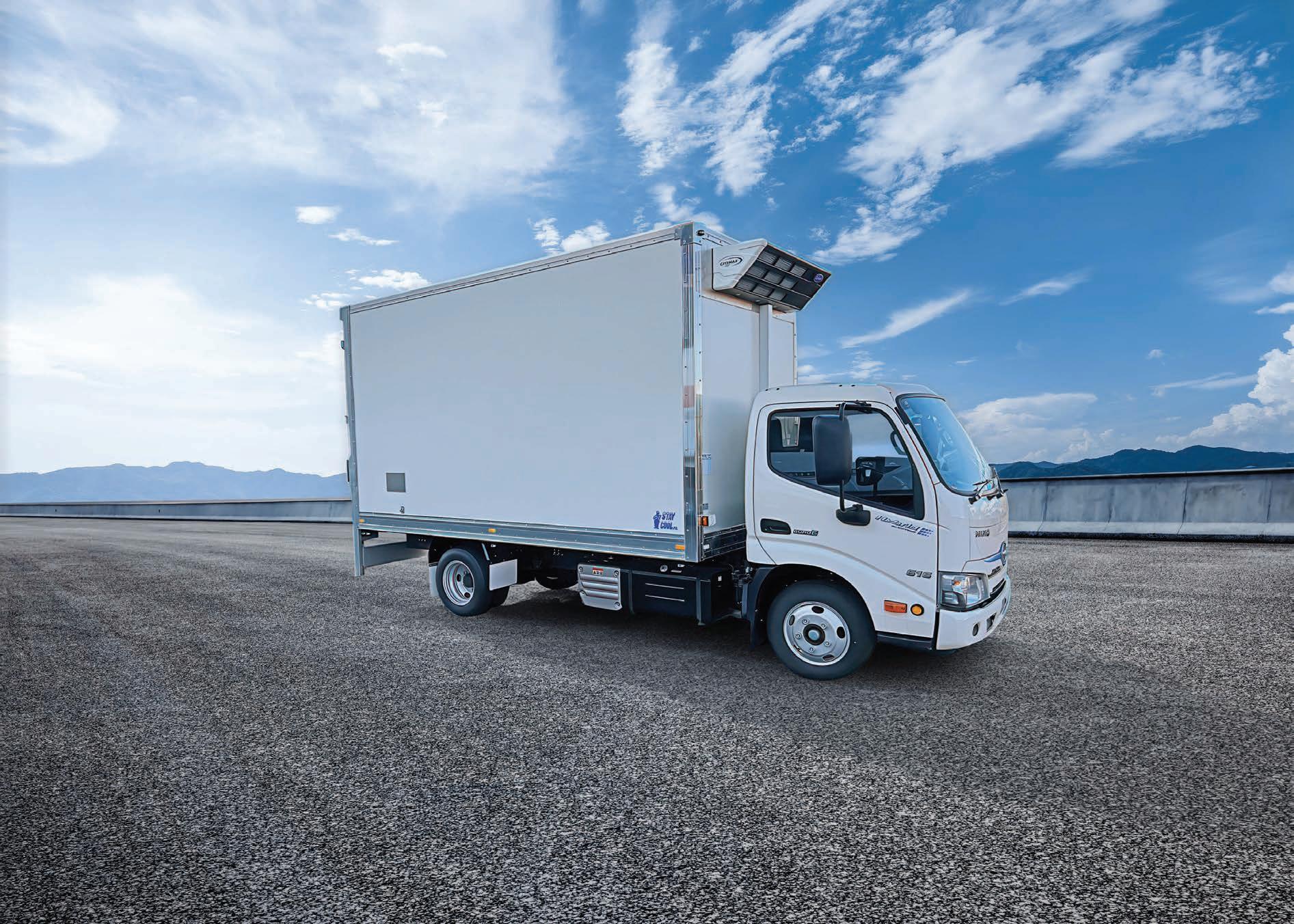
Stay Cool manufactures fibreglass, semitrailers and temperature controlled equipment. Our bonded fibreglass provides outstanding thermal performance.The team provide repairs, modifications and custom fibreglass builds, making them a trusted industry specialist. All construction and repairs are completed in-house.
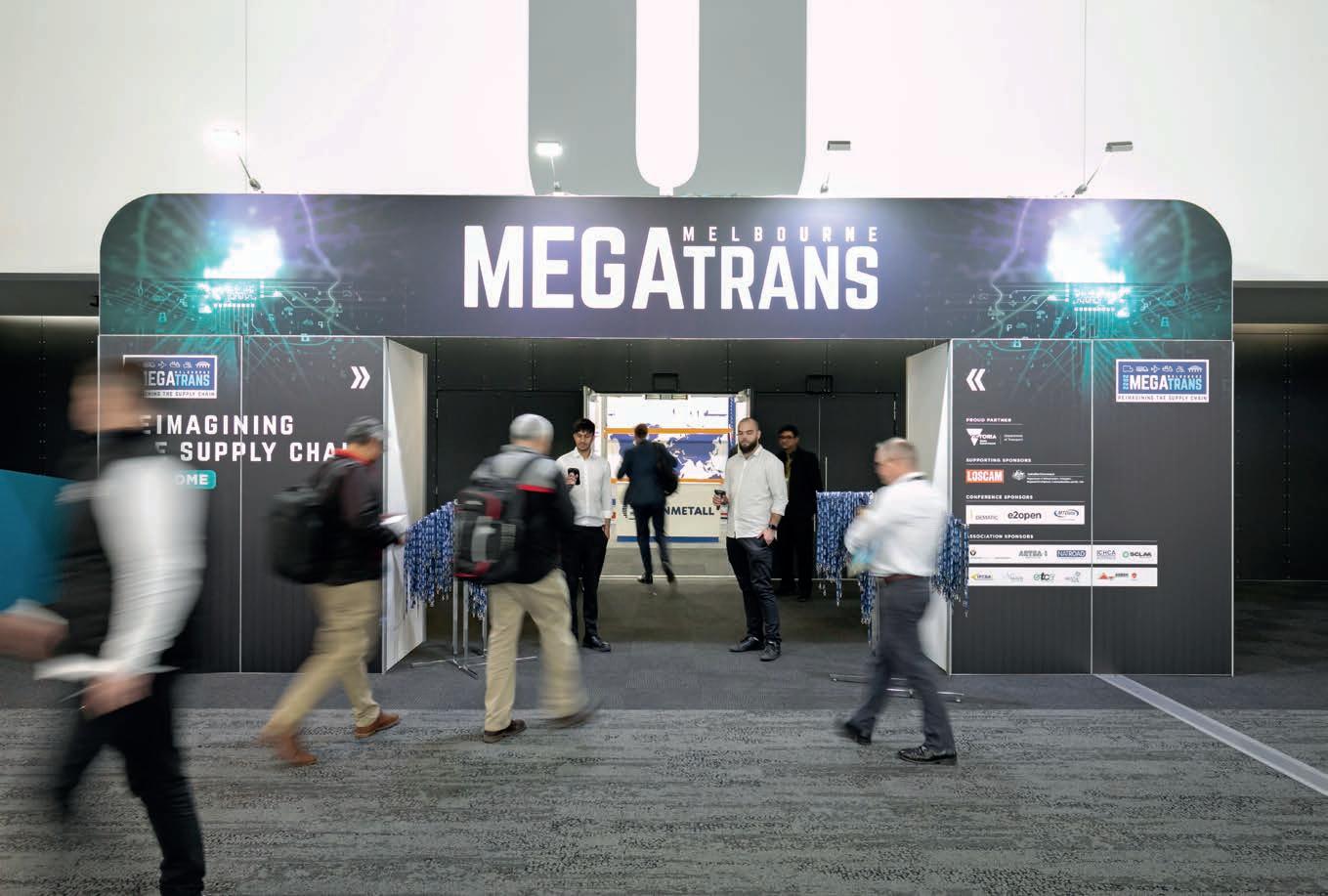
Austroads and Transport Certification Australia (TCA) have signed on as Industry Engagement Partners of MegaTrans, strengthening the event’s connection to the organisations shaping the future of freight and supply chains across Australia and New Zealand.
Austroads is the collective of Australian and New Zealand transport agencies, working together to improve the safety, efficiency and sustainability of the transport network through research, guidance and nationally consistent practices.
Through its subsidiary, TCA, Austroads supports the certification and operation of telematics and vehicle based technologies, enabling governments and industry to access trusted, verifiable heavy vehicle data.
Together, Austroads and TCA lead key national initiatives including the National Telematics Framework and associated data services, as well as the National Heavy Vehicle Driver Competency Framework, supporting more consistent driver capability, improved freight productivity and safer, more efficient transport outcomes.
The partnership is a natural fit for MegaTrans which brings together leaders from across the supply chain, logistics, warehousing, infrastructure and transport industries to explore the trends, technologies and ideas driving the sector forward.
As part of its involvement at MegaTrans, TCA will host the Telematics Industry Group (TIG) meeting alongside the event, bringing together key stakeholders to discuss data driven reform, regulatory telematics and the evolving digital landscape of the heavy vehicle sector.
“This reflects the broader role of MegaTrans as a forum for industry dialogue,” said Austroads General Manager Strategic Engagement and Performance, Gavin Hill.
“MegaTrans is where the freight and transport industry comes together to look ahead.
“For Austroads and TCA, partnering with the event provides a direct opportunity to connect with operators and technology providers, and to focus on how data and telematics can support safer and more productive supply chains.”
Prime Creative Media Head of Marketing – Events, Molly Hancock, said the involvement of Austroads reflects the growing importance of collaboration across the transport industry.
“Austroads and TCA are well recognised across the Australasian transport sector, so we are thrilled to welcome them as Industry Engagement Partners for MegaTrans,” she said.
As part of the partnership, Hill will also deliver a keynote at MegaTrans, reflecting
the event’s role in fostering connections across government, industry associations and operators.
“The work they do across freight, infrastructure and transport innovation aligns strongly with the conversations happening at MegaTrans,” Hancock said.
“Their involvement adds significant value to the event and to the industry professionals attending.”
The partnership also highlights MegaTrans’ role in connecting government, industry associations and operators.
“MegaTrans is about bringing every link in the supply chain together,” Hancock said.
“Having organisations like Austroads and TCA involved helps create meaningful discussions around the future of transport, the challenges facing industry and the opportunities ahead.”
MegaTrans will showcase the latest developments in logistics, materials handling, supply chain technology and freight solutions, while also providing opportunities for networking, education and industry collaboration.
The event will bring together decision makers, operators, suppliers and innovators from across the transport and logistics sector to explore the future of freight and infrastructure in Australia on 16-17 September 2026.

The Australian Government has delivered what it claims is Australia’s most responsible and most ambitious Federal Budget.
The Australian Government unveiled its 2026-27 Federal Budget with a specific focus on resilience and reform. Featuring a series of investments focused on responding to the global oil shock, taking pressure off Australians, making the economy more productive, delivering tax reform and providing ‘sensible and responsible savings’, it will look to build a stronger, more resilient economy that “works for most people”, according to Treasurer of Australia, Jim Chalmers.
The 2026-27 Federal Budget dedicated a total of $12.1 billion towards new road investments. This includes $10.3 billion in transport infrastructure projects, $976 million in transport and $803 million in community infrastructure which Federal Minister for Infrastructure, Transport, Regional Development and Local


Government, Catherine King, said will build on Australia’s infrastructure pipeline with “responsible projects that will boost productivity, delivery safer and faster freight and support connected housing”.
The 2026-27 Federal Budget will see new investments made to support new and existing projects across every state and territory. This includes funding for the following major road and rail projects:
• $3.8 billion towards the Suburban Rail Loop East in Victoria
• $1.75 billion for productivity and resilience upgrades to Australia’s national freight rail network
• $812.5 million to deliver Stage Two of Queensland’s Bruce Highway – Gateway Motorway to Dohles Rocks Road project
• $552 million to deliver the first stages of the Anketell Road Upgrades in Western Australia
• $50 million for upgrades to the Sydney to Canberra rail corridor and development of a business case for longer-term initiatives.
This year’s Budget will also look to provide support to keep Australia moving through current fuel disruptions, while investing in the long-term productivity and resilience of the transport industry. This includes a $14.8 billion fuel resilience package which the Government says will deliver more fuel for Australians and more fuel security in the economy. It includes:
• Securing Australia’s near term fuel and fertiliser security through Export Finance Australia’s $7.5 billion Fuel and Fertiliser Security Facility
• Strengthening longer term fuel security with the $3.2 billion Australian Fuel Security Reserve
• Boosting Australia’s energy sovereignty by making more clean fuels locally, promoting electrification and implementing a 20 per cent gas reservation.
Treasurer of Australia, Jim Chalmers, said the 2026-27 Federal Budget is Australia’s “most responsible” and “most ambitious” Budget.
“This is an ambitious Budget that provides immediate support to millions of Australians, delivers urgent economic reforms and acts on our intergenerational responsibilities,” he said. “It’s a Budget that builds a stronger, more resilient economy that works for more people.
“The conflict in the Middle East is weighing heavily on our economy and compounding cost of living pressures facing Australians. At the same time, we face longstanding challenges when it comes to productivity, intergenerational equity and access to housing.
“That’s why we’re delivering new tax relief for workers, helping more Australians into home ownership, investing in Medicare and making it easier to build, do business and invest. It’s all about getting Australians through the global oil shock and building an economy that works for more people.”
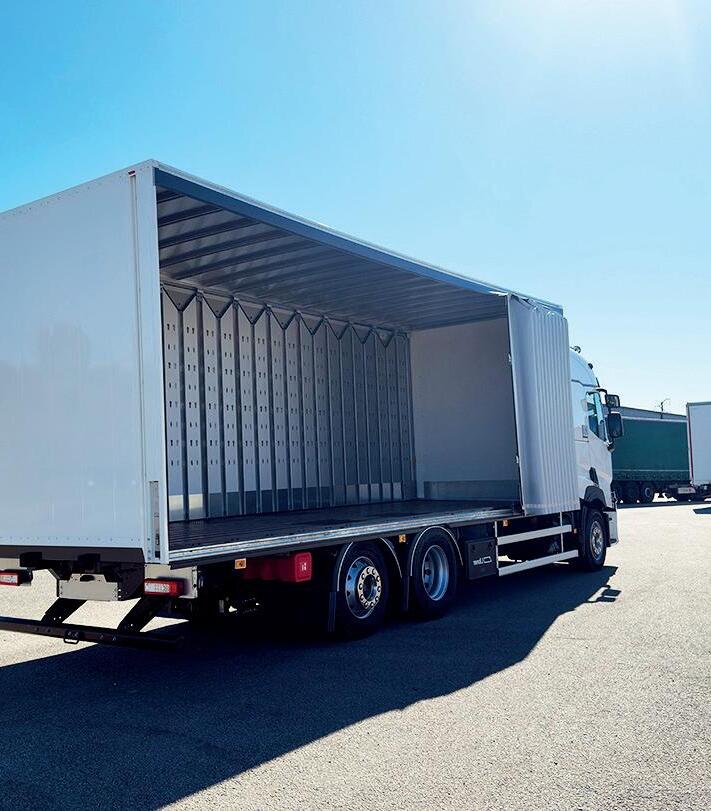
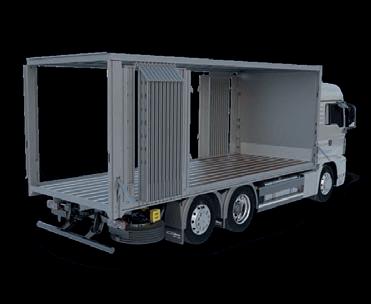
Unrivalled
Anti-theft barrier: Resists slashing
Smooth operation: Roller bearings
Dual opening: Opens both sides
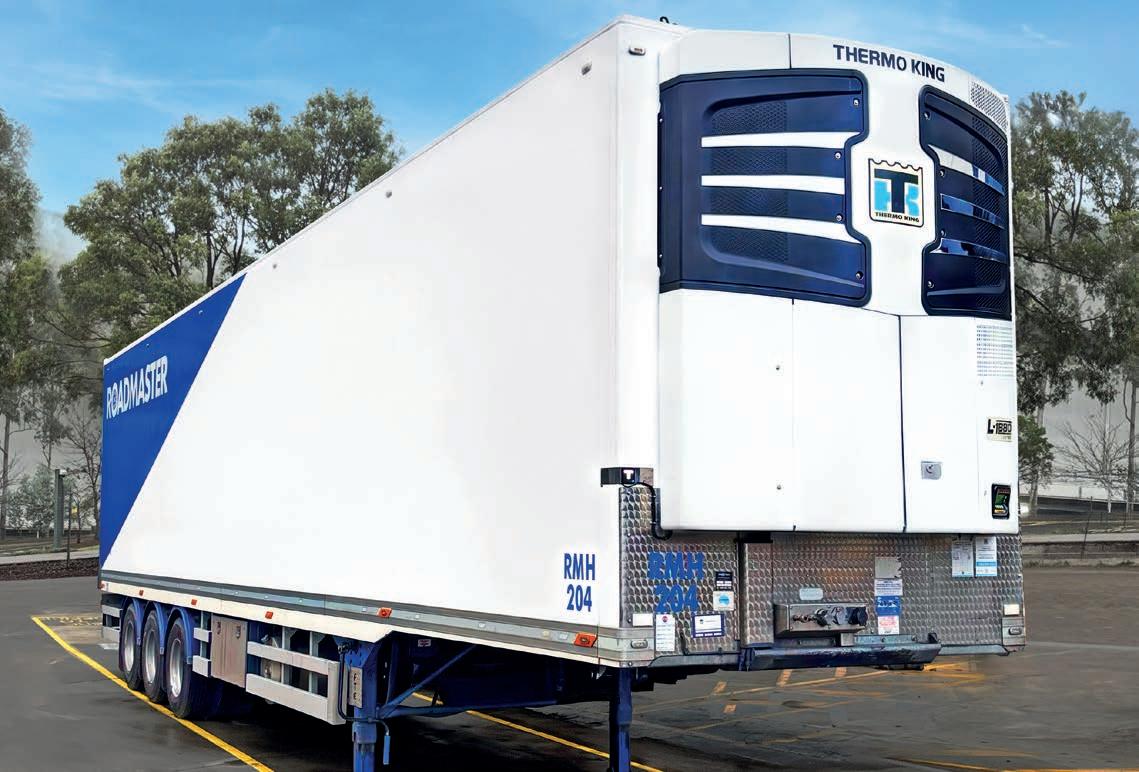
Refrigerated transport company, Roadmaster, is investing in Thermo King’s new Legend fridge unit via Transport Refrigeration Services for long-term fleet performance.
For transport operators running temperature-sensitive freight, having reliable refrigeration technology is not an option, but a necessity. Having found refrigeration system performance to be a critical part of maintaining uptime, protecting cargo integrity and controlling lifecycle costs, Roadmaster, a longestablished Australian transport outfit within the cold chain logistics sector, understands this.
Roadmaster has built its reputation on delivering consistent, compliant transport solutions across demanding operating environments for more than 50 years. The business entered the transport industry as a single-vehicle operation in 1972, and by focusing on keeping safety, technology and sustainability at the forefront, it has emerged on the other side as one of Australia’s most recognised refrigerated transporters.
“I started Roadmaster in February 1972 and we progressively grew into what we are today,” says Roadmaster founder, Denis Robertson. “Roadmaster has always been a family company. I’m still involved with the specification and maintenance of our equipment, and my oldest son, Geoffrey, has stepped into the role of CEO.”
Roadmaster operates an extensive fleet of refrigerated semi-trailers and rigid bodies within its temperature-controlled operations. Thus, refrigerated equipment plays a central role within the business, especially considering the fleet regularly travels throughout various operating conditions and over long periods of time.
That is why Roadmaster is now incorporating Thermo King’s new Legend refrigeration unit across its fleet. The decision follows a successful trial which saw immediate benefits in the way of thermal efficiency and fuel usage.
“We originally put the Legend on a test unit, and we were very happy with the result,” Denis explains. “We found the Thermo King system to be very reliable. It was trouble-free and it met all the
specifications we needed.”
The Legend was fitted to a 45’ 22-pallet refrigerated trailer operating within Roadmaster’s interstate fleet. Travelling between Brisbane, Sydney and Melbourne, the system proved to be extremely thermal efficient and reliable at maintaining optimal temperatures for freezer, ambient and
chiller freight in transit.
“The unit’s thermal output was great because we didn’t have to run the fridge as long,” Denis says. “It was also very economical on fuel, which is always a good indication.”
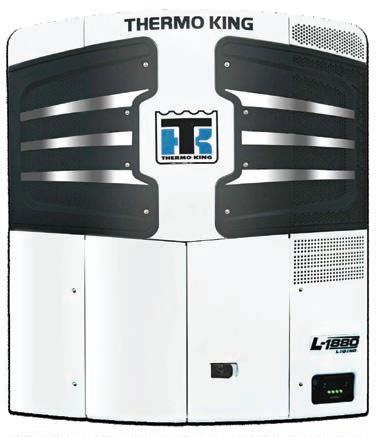
Thermo King’s Legend platform is designed for high-capacity trailer
The Legend platform is designed specifically for high-capacity trailer applications. Images: Transport Refrigeration Services.
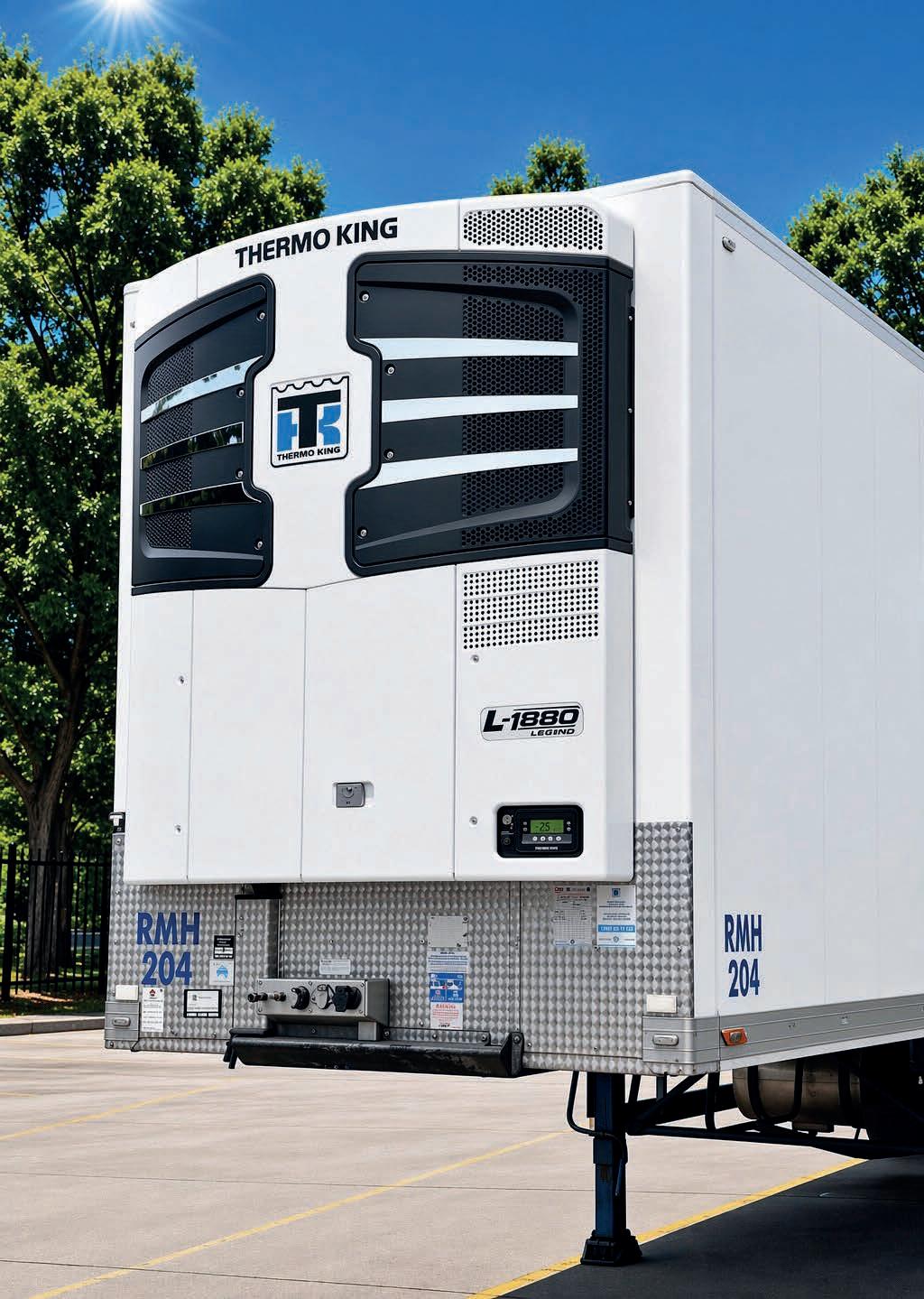
applications, offering efficient temperature control, robust engine performance and proven durability in Australian conditions. It guarantees outstanding performance with fast pull-down and consistent capacity output across all conditions, along with uniform temperature distribution through independent airflow – even at low engine speed. The unit also has the ability to monitor engine load for optimal performance in the harshest of environments.
“The Legend unit builds on Thermo King’s legacy of reliability by being smarter and simpler,” says Transport Refrigeration Services (TRS) CEO, Daniel Wilton. “It delivers variable airflow efficiency with fewer moving parts to optimise pull down and temperature holding in Australian conditions, with smart features like TracKing included.”
airflow. Additionally, the fridge unit is also capable of lowering maintenance rates by 30 per cent.
Denis emphasises that refrigeration performance can’t just be viewed in isolation. Effective temperature control is the result of the entire system (trailer body, insulation performance and refrigeration unit integration) working together.
“The other thing that always helps is having a well-insulated trailer,” he says. “All of our equipment is refrigerated, and we invest in the right suppliers to ensure we’re getting the most out of what we pay for.”
This system-led approach aligns closely with Roadmaster’s long-term fleet strategy where equipment is selected based on both upfront costs and the extent to which it performs across the life of the asset.
Denis says having a supplier that understands his transport operations is what makes a meaningful difference.
“We have a very good relationship with TRS,” he says. “I first met the founder, Greg Woodley, around 40 years ago when he was doing his apprenticeship. That was well before he started TRS, but it led to a great partnership.”
For Roadmaster, refrigeration decisions are made with a long-term view – focusing on uptime, compliance and predictable operating costs rather than short-term savings. As transport operators continue to face rising compliance requirements and cost pressures, the fleet’s approach highlights the importance of proven refrigeration systems, experienced suppliers and equipment selected with lifecycle performance in mind.
“We’ve always been interested in the latest technology, and that’s why we tried the Thermo King Legend,” Denis says. “It would be foolish for us not to.”
Thermo King’s Legend system directly translates into increased efficiency. Data shows operators can decrease fuel usage by 15 per cent via a design which incorporates brushless fans, control algorithm and electronic engine speed control to provide unrivalled variable Contact
Roadmaster’s relationship with TRS has supported this approach, with the business providing it with specification guidance, installation expertise and ongoing support for many projects. This includes Roadmaster’s latest venture into electric vehicles, where TRS assisted with supplying a Thermaxx body for an electric truck which also featured an electric Thermo King unit.
Transport Refrigeration Services
Ph: 1800 317 510
Web: www.trsservice.com.au
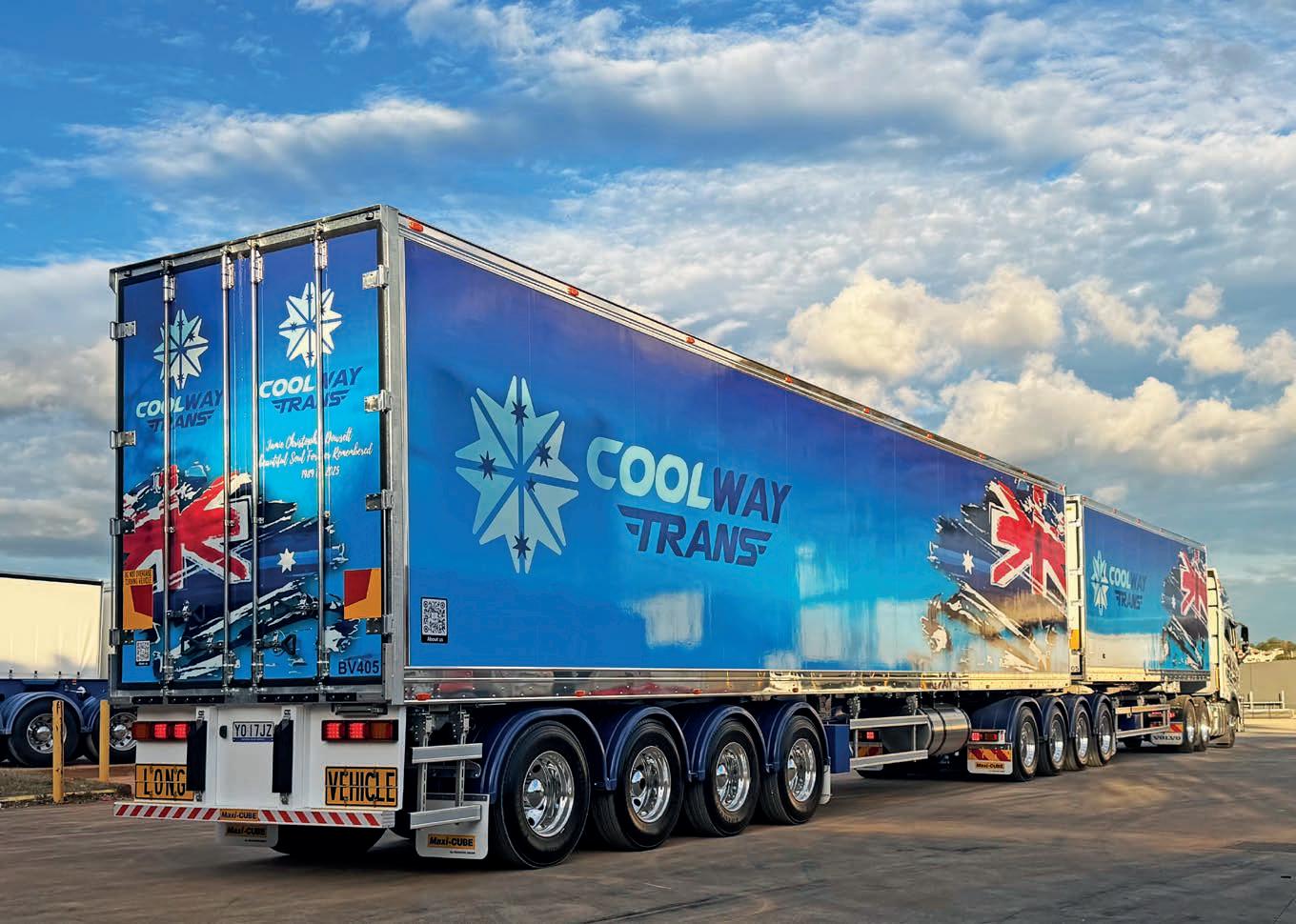
Coolway Trans is strengthening its cold chain capabilities with advanced refrigeration technology from Carrier Transicold.
Reliability and thermal efficiency have never been more important to transport operators servicing long-haul freight routes across Australia. Maintaining precise temperatures over thousands of kilometres is critical to protecting product integrity and meeting increasingly stringent customer expectations.
This is a challenge continuing to drive innovation across the refrigerated transport sector. Fleets are now looking toward advanced refrigeration technology, Performance-Based Standards (PBS) combinations and smarter trailer configurations to maximise efficiency
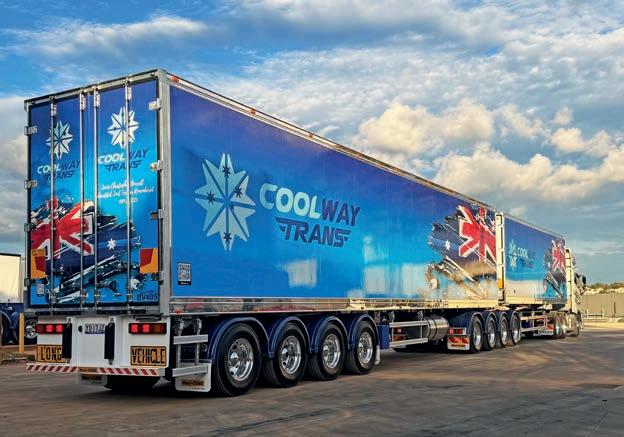
Trans’ new B-double quad-quad combination delivers a total 40-pallet capacity with multitemperature capability.
without compromising performance.
One transport outfit at the forefront of that transition is Coolway Trans. The Victoriabased refrigerated transport specialist has just expanded its fleet with a new PBSapproved B-double quad-quad combination which, made up of a 16-pallet lead trailer and a 24-pallet rear tag trailer, highlights the growing importance of higher-capacity combinations and improving productivity, efficiency and compliance.
“This trailer set allows us to service customers up and down the east coast, as well as from the east through to Adelaide and the west coast,” says Coolway Trans Commercial Manager, Mark Williams. “Under PBS regulations, we can operate a longer vehicle and carry more volume with a single combination trailer.”
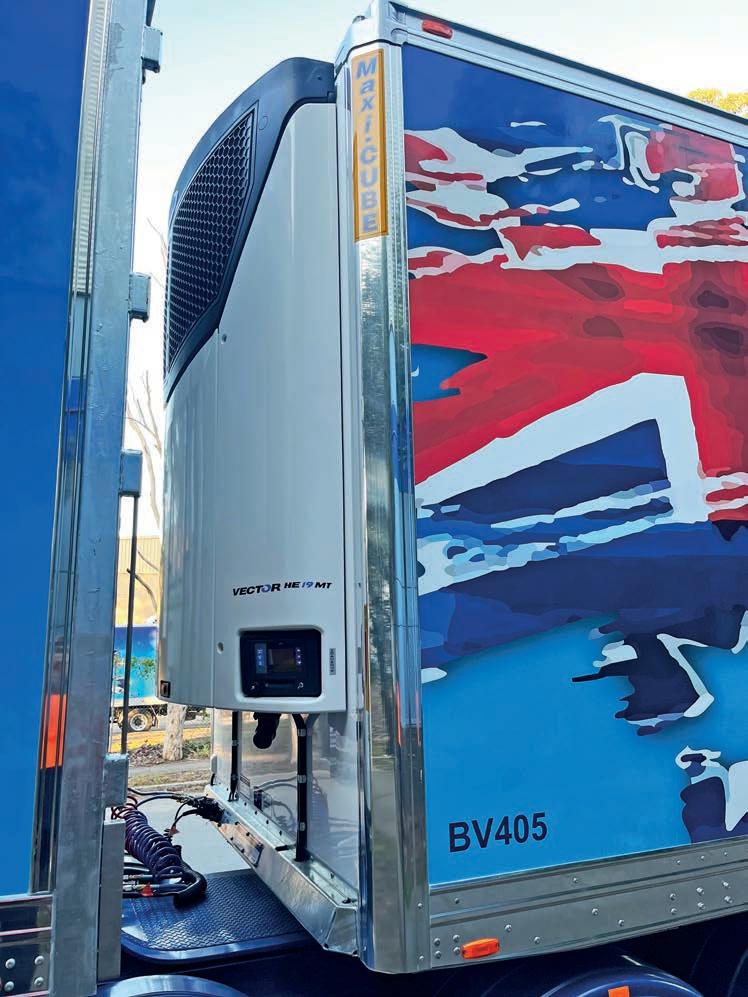
A key element of the PBS combination is the Carrier Transicold specification. Two refrigeration units – a Carrier Vector HE 17 single-temp system on the lead trailer and a
Carrier Vector HE 19 multi-temp on the rear – provide extremely efficient and flexible cooling capabilities in the application’s cold chain operations.
“The rear trailer is multi-temperature, meaning we can run freezer or chiller confectionery,” Mark says. “Meanwhile, the lead trailer is single temperature. Both trailers also have Cooltrax systems fitted on them, allowing us to monitor the temperatures inside at all times.”
Approximately 90 per cent of Coolway Trans’ fleet now comprises Carrier refrigeration systems. According to Mark, investing in these units has translated to high levels of fleet efficiency and reliability.
“We run Carrier right through our fleet,” he says. “We believe their refrigeration units and service are second to none. They look after us on a commercial basis, and we use them right through our fleet nationally.”
For Coolway Trans, the Carrier Vector HE 19 model in particular has proven to be very
economical on fuel with limited downtime.
“These systems are very thermal efficient, and that assists with fuel usage significantly,” Mark adds. “Carrier refrigeration units are very important to our business. We specialise in the movement of temperature-controlled products for many customers up and down the east coast and into the west, and maintaining temperatures within these freight tasks is critical.”
Coolway Trans’ relationship with Carrier Transicold has played a significant role in its fleet strategy. Proven performance over time has increased its confidence around expanding its refrigerated fleet capabilities.
One element of that broader fleet strategy has been investing in newly designed Containermax 45’ containers fitted with Carrier Vector HE 19 multi-temperature units. Carrier Transicold New South Wales Sales Manager, Darrin Klein, says Coolway Trans’ latest railbox application offers significant flexibility when transporting mixed-temperature freight.
“The Containermax units utilise multitemperature functionality, allowing separate zones within the trailer to operate independently,” he says. “They dualtemperature systems in those units means each container can be zero degrees in one section and negative 20 in the next.”
Darrin also points to the thermal performance of the units as a major advantage, particularly within the steelbodied railbox design.
“The thermal efficiency of these applications is extremely good,” he says. “Being a steel box, they work really well once we get the insulation in.”
Thermal retention remains one of the key considerations for refrigerated fleets operating across Australia’s diverse climate conditions. From the humid east coast to the extreme heat experienced throughout inland and western freight corridors, refrigeration systems must consistently maintain product temperatures despite harsh external conditions and extended transit times. Improved insulation performance not only assists with temperature stability but can also reduce fuel consumption by decreasing the
The Carrier HE19 multi-temp system allows separate trailer zones to operate at temperatures ranging from +30°C to -30°C simultaneously.
workload placed on refrigeration units.
Coolway Trans is also exploring future transport technologies, including electric vehicle opportunities supported by Carrier’s evolving refrigeration platforms. As sustainability targets continue to influence fleet purchasing decisions, electrification is expected to become an increasingly important consideration across refrigerated transport operations in the years ahead.
“Carrier have been very open about how they can support us if need be, whether it’s across rigid or trailer applications,” Mark says.
Carrier has long pioneered in temperature-controlled transport and cold chain visibility solutions, supplying advanced refrigeration systems for light commercial vehicles, trucks, trailers and
marine applications worldwide. With more than four decades of experience in the sector, it continues to focus on energy-efficient and environmentally sustainable refrigeration technology capable of supporting increasingly complex freight operations.
For now, Coolway Trans’ latest investment in the refrigeration specialists demonstrates how Australian fleets are continuing to evolve – combining larger PBS-approved combinations, smarter refrigeration systems and advanced monitoring technology to deliver greater efficiency, flexibility and reliability across the cold chain sector.
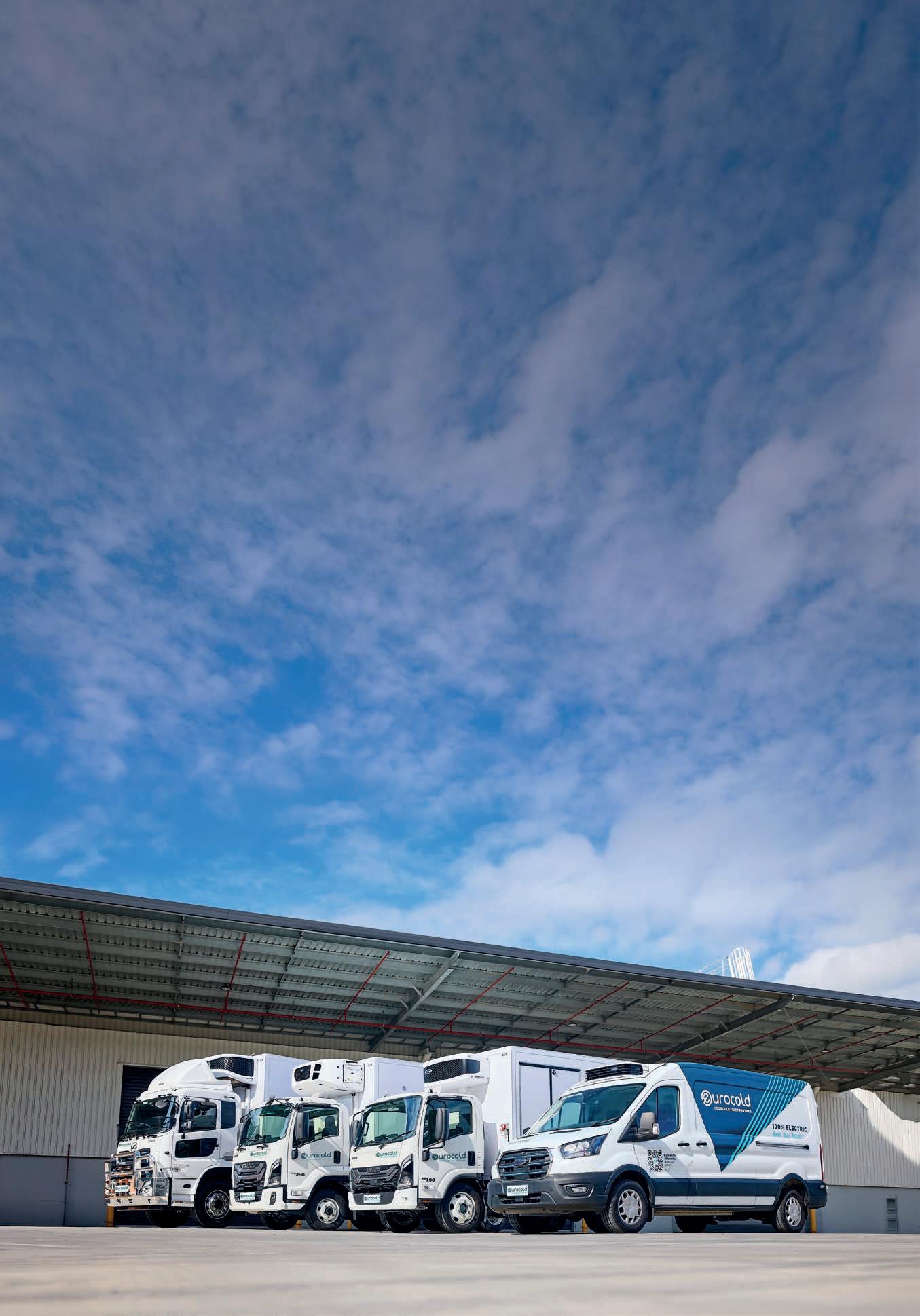
As the refrigerated transport sector continues to evolve, Eurocold remains committed to being a strategic fleet partner that can help operators reduce risk, protect uptime and improve profitability.
Over time, the traditional measure of fleet performance has changed. Historically, it was measured quite simply – if the truck started every morning, maintained temperature and completed its deliveries, it was considered successful. But today, operators are looking much deeper. Fleet performance is now increasingly measured through uptime, reliability, total operating cost, customer service outcomes, compliance and asset utilisation. Customers expect consistent deliveries, drivers expect safer and more comfortable vehicles and businesses want predictable operating costs and fewer disruptions. As a result, fleet performance is no longer just about keeping vehicles on the road, but about how effectively those vehicles support the broader business. Simultaneously, ageing refrigerated fleets are becoming increasingly common. Operators are now holding onto refrigerated assets longer than they historically would have, with economic uncertainty, capital constraints and rising costs encouraging many businesses to extend replacement cycles.
According to Eurocold, the true cost of an ageing refrigerated fleet often appears in small increments rather than a single
invoice. Refrigeration failures can then create ripple effects across businesses, leading to product loss, delivery delays, customer dissatisfaction and increased operational costs. The ultimate impact of ageing assets is therefore seen in fleet productivity, reduced reliability, increased maintenance requirements and more reactive fleet management.
“As assets age, we often see increasing maintenance requirements, declining refrigeration efficiency and greater operational unpredictability,” says Eurocold Head of Growth and Revenue, Robert Smith. “The cost isn’t always obvious at first, but it accumulates over time.
“Most operators account for servicing and repair costs, but those are often only part of the equation. The hidden costs can include delivery delays, refrigeration failures, product loss, customer complaints, emergency repairs, vehicle downtime and increased administration.”
In refrigerated transport, one breakdown can create multiple consequences across the operation. A missed delivery can affect customer relationships, and a refrigeration issue can compromise product quality.
As Robert explains, the true cost often extends well beyond the repair invoice.
Ageing assets tend to create more variability across a fleet as maintenance
becomes less predictable, refrigeration performance becomes less consistent and operators spend more time managing unexpected issues.
“The impact isn’t always one major event,” he says. “It’s more often the accumulation of small interruptions that gradually reduce productivity.
“Additional workshop visits, unscheduled downtime and reactive maintenance all affect utilisation and operational efficiency. The most productive fleets are typically the ones delivering consistent performance every day rather than requiring constant attention.”
According to Eurocold, total cost of ownership is therefore becoming one of the most important considerations when decision makers are investing in refrigerated transport equipment.
“We’re seeing more businesses move away from asking, ‘What does this vehicle cost?’ and instead asking, ‘What will this vehicle cost us over its entire lifecycle?’,” he says. “That shift often changes how fleet decisions are made.”
Eurocold provides a proactive alternative to ageing assets by future-proofing refrigerated equipment and building flexibility into fleet decisions. The business provides customers with access to modern vehicles through long-term rental solutions, adopts more thermally efficient body technology, implements planned
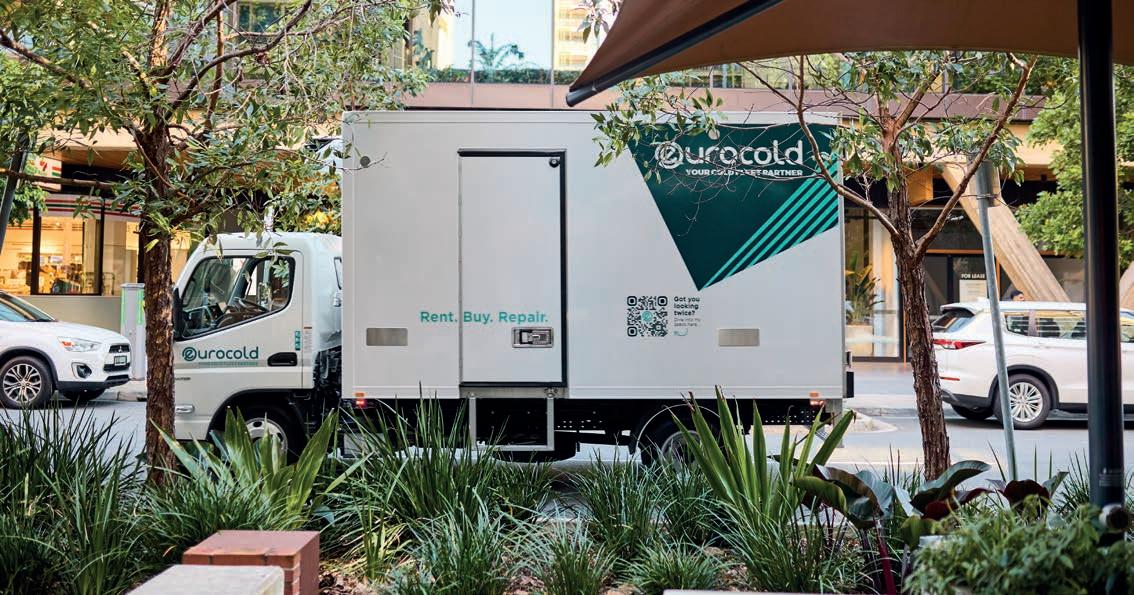
replacement programs and standardises fleet specifications as one partner and one point of contact.
“Our objective is to create a fleet that can adapt as operational requirements evolve while maintaining reliability, compliance and efficiency,” Robert says. “We help customers make decisions that support both their current needs and future growth plans.”
Eurocold’s approach focuses on reducing complexity and improving operational certainty by providing customers with access to the latest equipment, proactive maintenance support, nationally coordinated service networks and fleet solutions designed around reliability and thermal performance.
“Our integrated model brings those elements together under one relationship,” Robert says. “Customers have one point of accountability and one support network, and that simplifies communication, improves responsiveness and reduces the risk of issues falling between suppliers.”
As a strategic fleet partner, Eurocold offers impactful solutions when it comes to supplying vehicles and beyond. The business’ model is designed around keeping vehicles operational and reducing disruption with maintenance, servicing and fleet support managed through a national network.
Eurocold also enables customers to invest in modern refrigerated vehicles and trailers without large upfront capital commitments – allowing operators to focus capital on growing their business rather than tying it up in depreciating assets.
“Rental provides flexibility and preserves capital,” Robert says. “Rather
than committing significant capital to fleet ownership, operators can direct investment towards growth, facilities, staffing or other strategic priorities.
“This also provides access to modern equipment, predictable monthly costs and reduced exposure to maintenance and asset lifecycle risks. For many businesses, it creates a faster and more flexible path to fleet expansion.”
Unlike fragmented fleet models involving multiple suppliers, Eurocold brings every element of a refrigerated fleet solution together through a single relationship.
“We work with customers to understand their operational requirements, growth plans, route structures and long-term objectives,” Robert says. “From there, we help develop fleet solutions that support those outcomes.
“Many customers don’t necessarily have a transport problem – they have a capital allocation, growth or operational efficiency challenge. Our role is to help solve those broader business issues through the right fleet strategy.”
While ageing bodies and refrigeration systems can place greater pressure on fleet performance, Eurocold’s ISOKIT bodies provide independently tested thermal performance, helping reduce refrigeration workload while supporting temperature consistency. This has become increasingly important as customers place greater emphasis on food safety and cold chain integrity.
“Thermal performance is fundamental to refrigerated transport,” Robert says. “If a vehicle cannot consistently maintain temperature, operators are exposed to
product loss, food safety concerns and customer dissatisfaction.”
Eurocold’s ISOKIT bodies have been independently tested to achieve a K-value below 0.34, helping minimise heat transfer and support refrigeration efficiency. That translates into improved temperature stability, reduced refrigeration workload and greater confidence that product integrity is maintained throughout the journey.
With every operation being different, flexibility remains a key part of Eurocold’s approach. Whether a customer needs a single vehicle or a national fleet strategy, the company’s objective is to provide a solution which aligns with their own operational goals.
This is a mission executed through rental and purchase options, tailored vehicle specifications, customised fit-outs, finance solutions, national support and ongoing fleet management assistance.
“The refrigerated transport industry is continuing to evolve,” Robert says. “Customer expectations are increasing, compliance requirements are becoming more demanding and operators are under pressure to improve efficiency.
“In this environment, the conversation is shifting away from simply owning vehicles and towards maximising fleet performance. The operators who succeed over the next decade will be those who view their fleet as a strategic business asset rather than simply a transport requirement.”
Contact Eurocold Ph: 1300 222 323
Web: www.eurocold.com.au
Too cool
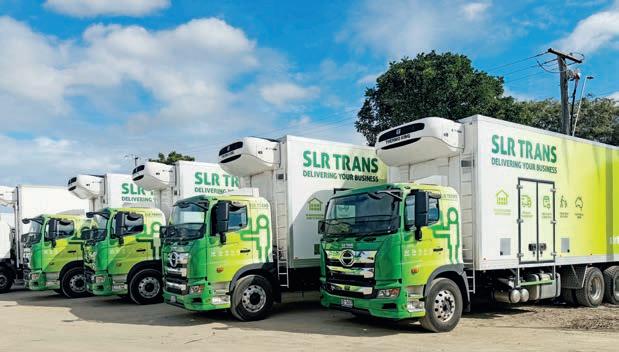
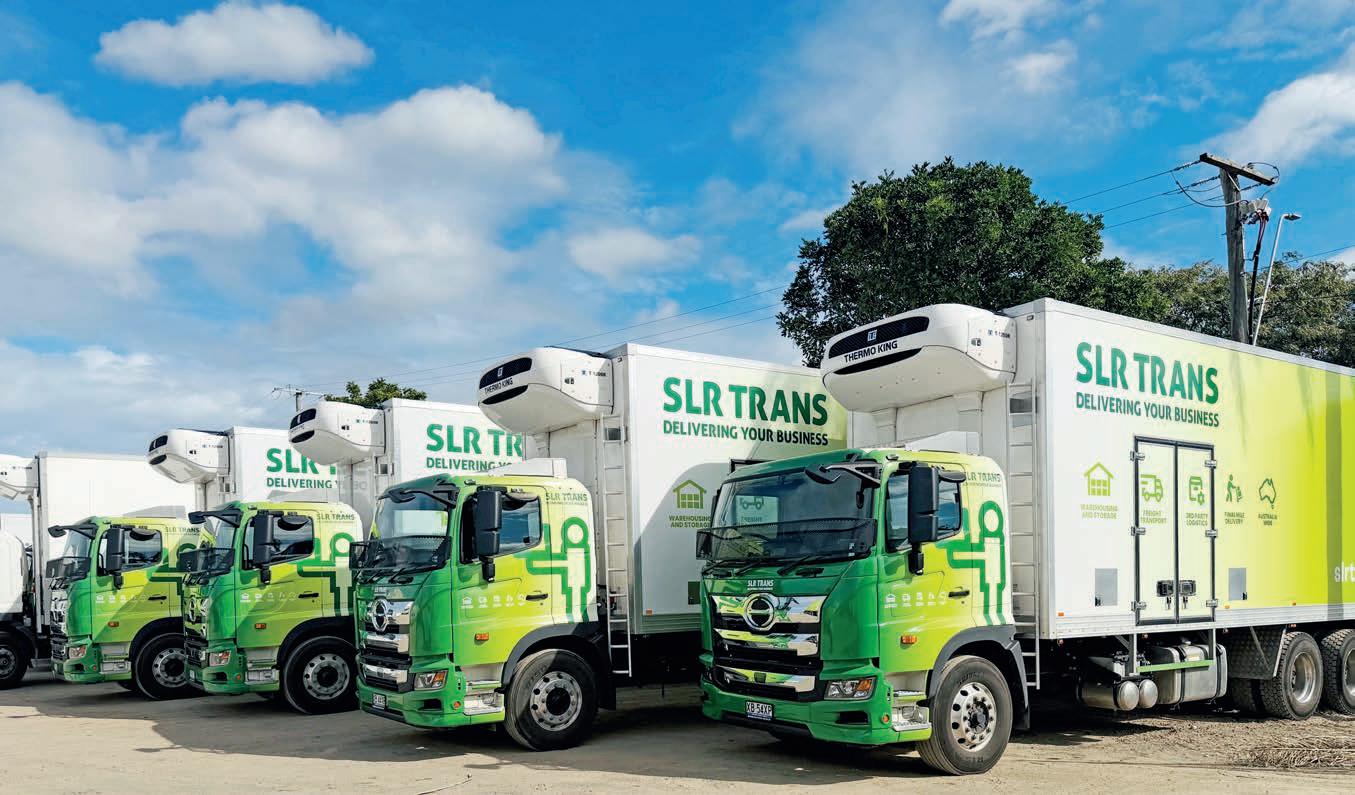
SLR Trans has been able to significantly expand its refrigerated fleet alongside Cooler, its long-term partner and provider of durable and fit-for-purpose cold chain solutions.
Queensland’s SLR Trans has become a dominant player within the refrigerated transport sector. The transport company was created in 2014 as a small business averaging 200 deliveries a week and gradually expanded into a national transport provider by committing to providing superior service and a steady growth path.
An integral part to that evolution has been Cooler, an Australian-owned and operated refrigerated transport equipment manufacturer with a speciality in servicing and repairing a plethora of applications.
“SLR Trans has partnered with Cooler since the beginning of our journey in 2014,” says SLR Trans Fleet Manager, Amradh Adam. “We relied on Cooler bodies for our refrigerated utes when we first started, and as we expanded into heavy vehicles and the fleet changed its dynamics, the decision to continue working with them was a natural one.”
According to Amradh, Cooler had already proven the quality and durability of its products when SLR Trans started out. So, as the company grew, it
continued choosing the solution that it knew would withstand.
“Cooler have remained a reliable partner that understands our business and shares our commitment to delivering quality outcomes,” he says. “They have backed their product with tremendous amounts of improvements and engineering over the years to build one of the most robust truck bodies in the industry – consistently demonstrating the values, support and reliability we look for in a long-term supplier.”
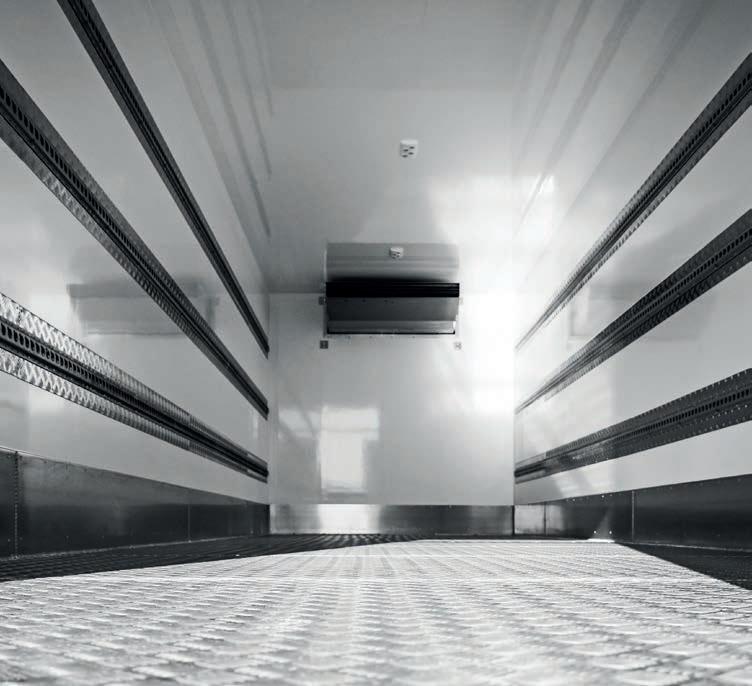
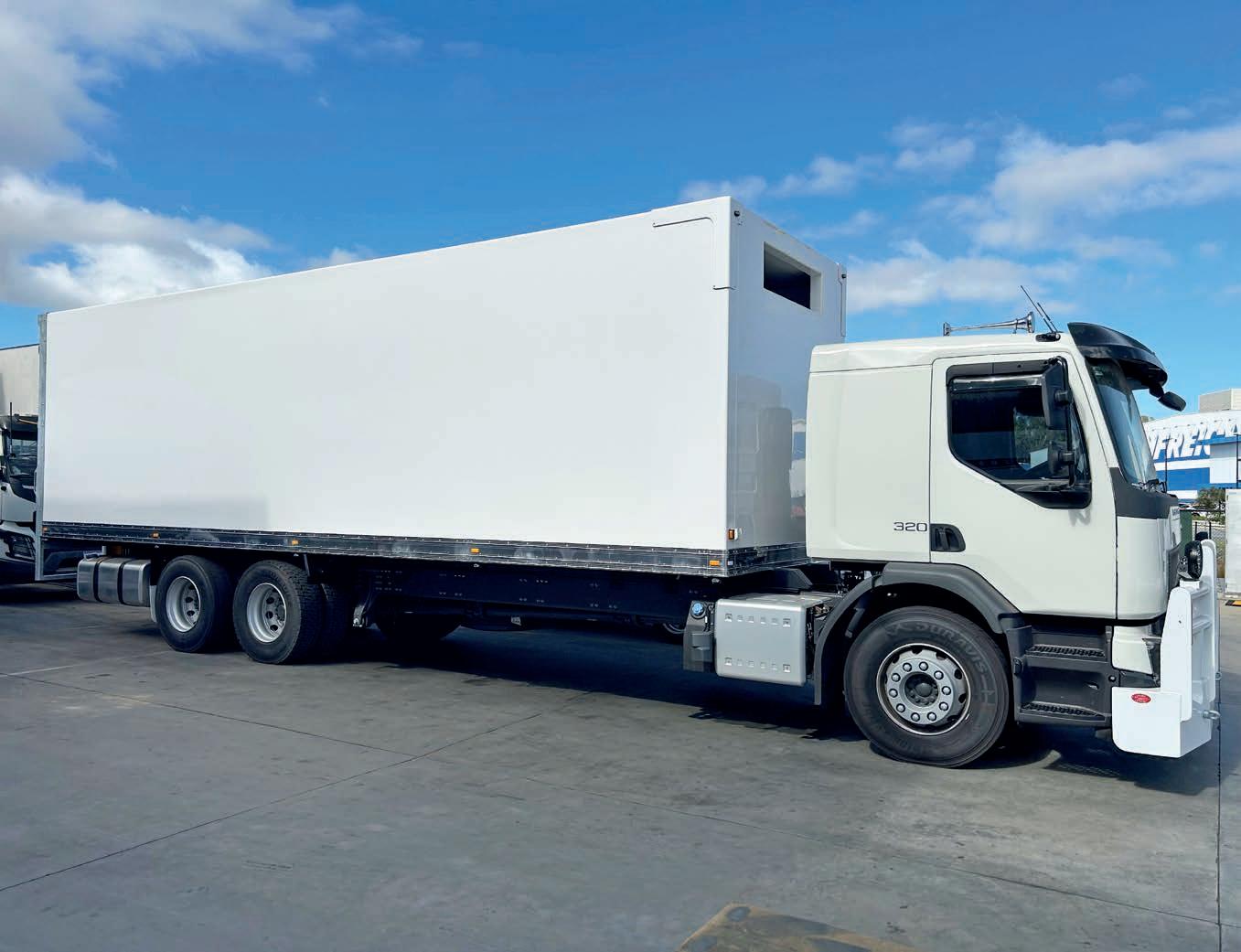
Cooler has manufactured almost all of SLR Trans’ rigid refrigerated fleet, having built and supplied more than 200 refrigerated ute bodies and over 40 rigid truck bodies over the last 12 years. These pieces of equipment predominantly utilise Thermo King T-1200 refrigeration units, Anteo tail lifts and a range of features such as toolboxes, access step ladders and heavy-duty checker plate flooring –a specification that has gradually been refined and tailored to suit the fleet’s operational requirements, while ensuring maximum efficiency, durability and temperature performance.
When it comes to the durability of Cooler’s equipment, Amradh says SLR Trans’ builds speak for themselves.
“We still have refrigerated bodies from Cooler that were built in 2014,” he says.
“These units have been transferred across three different ute chassis during their lifespan and continue to perform exceptionally well. That level of longevity demonstrates the quality of the construction and the long-term value Cooler delivers.”
SLR Trans’ fleet operates across a wide range of conditions, from metropolitan deliveries to regional and interstate transport. With proper maintenance and care, these bodies have provided it with many years of reliable service.
“The Cooler bodies have consistently performed in Australia’s demanding climate and road conditions,” Amradh explains. “They maintain temperature integrity, withstand daily operational wear and tear and provide the reliability we require to meet customer expectations.
“For a business operating within the cold chain, dependable equipment is essential. Cooler bodies have
consistently delivered that reliability.”
Over time, the relationship between SLR Trans and Cooler has evolved from just a supplier-customer arrangement.
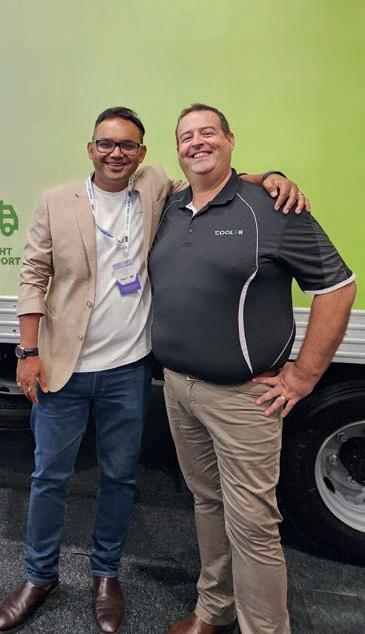
Cooler Director, Mark Carter, says it has become a genuine partnership built on trust, support and a shared commitment to quality.
“We have supported SLR Trans from its early growth phase through to the substantial fleet operation it is today,” he says. “We build, service and repair a large portion of their rigid refrigerated fleet, and have worked closely with their team as their operational requirements have evolved.
“Cooler and SLR Trans both share a strong focus on practical innovation, durability and service performance. SLR Trans continues to invest heavily in its fleet and customer service capability, and we support that growth by developing refrigerated transport solutions which improve safety, reliability, operating efficiency and long-term asset value.”
“Beyond the product itself, Cooler has been willing to work alongside us to customise specifications and adapt designs to suit our evolving business requirements,” he adds. “That flexibility has allowed us to continue improving our fleet while maintaining consistency across our operations.
“Our requirements have changed significantly as we’ve evolved. Initially, much of our fleet was focused on chilled transport. But as demand increased for frozen product distribution, Cooler worked closely with us to ensure our bodies were capable of maintaining freezer temperatures efficiently and reliably.
“They have also accommodated operational requirements specific to our business, including body designs that allow for thorough wash-down procedures and intensive daily use without compromising structural integrity or performance. Cooler’s willingness to adapt and customise solutions has been a major advantage for us.”
Amradh credits Mark and the team at Cooler for being professional and approachable experts that are “genuinely invested in helping their customers succeed”.
“They are always willing to listen,
According to Amradh, one of the biggest benefits of partnering with Cooler has been the return on investment. He explains the longevity of the bodies combined with their operational performance allows SLR Trans to achieve a strong lifecycle value with every build. Contact Cooler
provide advice and participate in collaborative discussions around product improvements and operational requirements,” he says. “They work with us to continuously refine and improve a solution rather than simply supplying a product.”
That collaborative approach has been a significant factor in the success of the long-standing partnership between both organisations.
“At SLR Trans, we believe the strength of a fleet starts with the quality of the equipment behind it,” Amradh says.
“Cooler has played an important role in helping us build a reliable, efficient and scalable refrigerated transport operation.
“As our operations continue to expand, Cooler remains a key partner in helping us deliver temperature-controlled transport solutions throughout Australia. Their commitment to quality, innovation and customer support has made them a trusted partner for more than a decade, and we look forward to continuing that relationship as we grow into the future.”
Ph: 07 3848 6979
Web: www.cooler.au
Custom Quip Engineering is expanding its capabilities in the refrigerated transport manufacturing market following its acquisition of a key player in Western Australia.
Custom Quip Engineering (CQE) has long been recognised as a trusted manufacturer within Australia’s heavy vehicle market. Having gathered close to 30 years of expertise around high-quality production and processes, the business has gradually positioned itself as a top-tier trailer builder within Western Australia.
CQE was created by Managing Director, Chris Jenzen, in 1997 within the Wheatbelt town of Cunderdin. Nine years later in 2006, he made the decision to move the business to Perth and relocate its operations into a workshop in Maddington – a move which created further demand, better access for local business and set the stage for future growth phases.
The relocation also allowed CQE to establish a dominant presence in the region which, in turn, provided the business with further opportunities down the line. After relocating into Welshpool in 2008, CQE invested in a new 11,000-square-metre purpose-built site in Kenwick in 2020 – its current headquarters. The company has now been bolstering its operations and
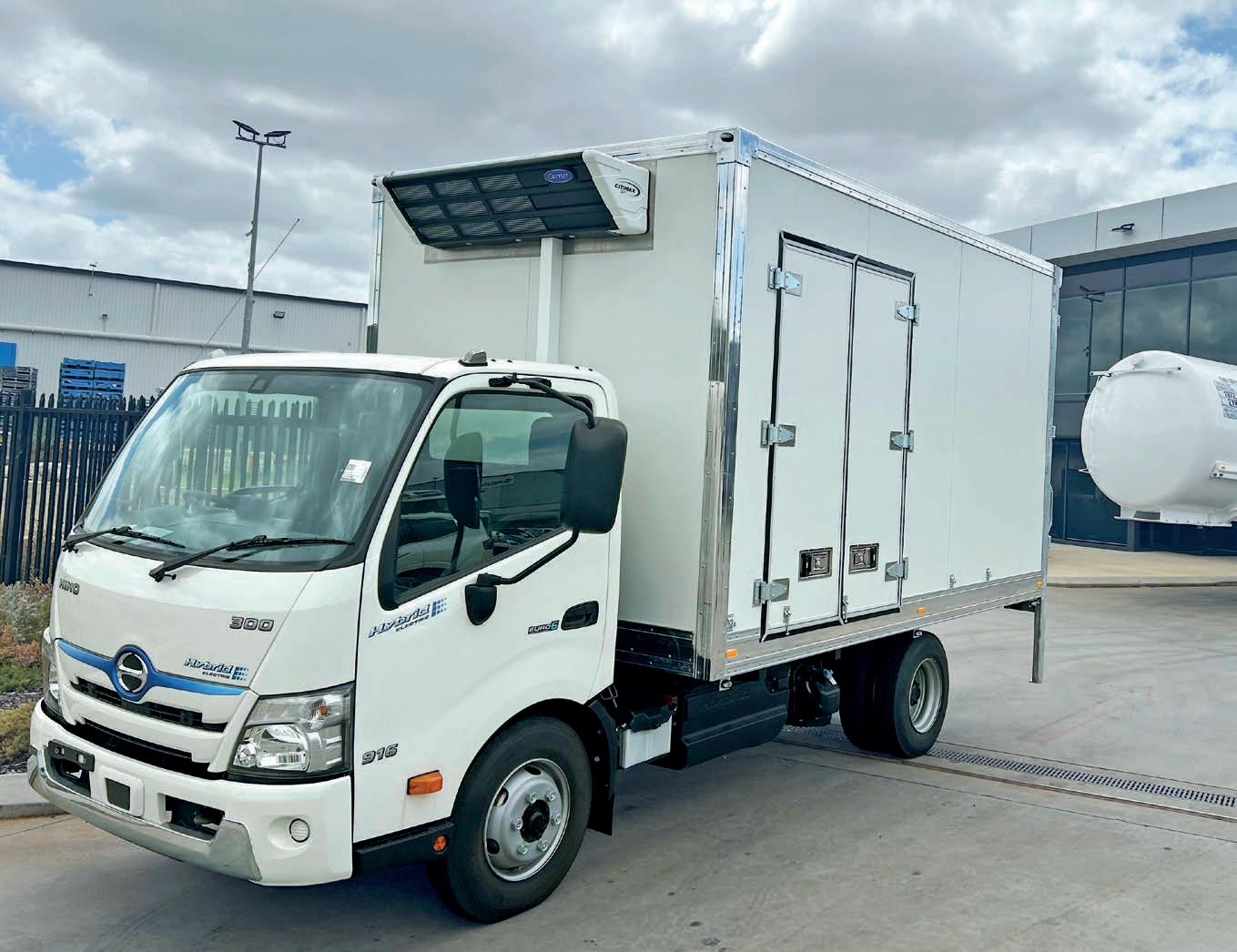
accommodating a wider range of heavy vehicles ever since.
Last year, CQE expanded its manufacturing footprint even further by acquiring Perth-based refrigerated truck and trailer specialist, Stay Cool Trucks. The purchase was part of a new venture for CQE, marking its arrival within the refrigerated transport market and providing it with a whole new range of products and capabilities.
“For CQE, it was an obvious progression to expand our product range into the refrigerated market,” says CQE General Manager, Anthony Van Litsenborgh.
“The owner of Stay Cool was looking to retire at the time, and we bought the business to ensure the WA market would have ongoing supply and service of its products.
“There is a good synergy between the two companies as both have a reputation for strong, robust, high-quality products.
The Stay Cool acquisition has given us the opportunity to introduce CQE to a segment of the market which we would not normally work with.”
Stay Cool Trucks is a well-established
business that had already been operating within the transport and agricultural sectors for more than 20 years prior to the ownership change. Located in Bibra Lake, WA, the organisation long specialised in designing and manufacturing refrigerated truck bodies, semi-trailer bodies and custom panels as well as providing repair services to customers.
Stay Cool Trucks’ product portfolio encapsulates a wide variety of refrigerated products. Solutions range from three-pallet rigids to 22-pallet semitrailers offered in two different models depending on client applications – a ‘Classic’ specification which includes a full fibreglass body constructed with polyurethane foam and a ‘Domestic Metro’ model which features fibreglass laminated skin bodies using XPS foam.
The Stay Cool Trucks business also possessed its own manufactured fibre glass moulded products as well as service and repair capabilities for fridge and fibre glass builds. According to Anthony, CQE’s possession of all these factors has significantly improved
its overall production process and manufacturing capabilities.
“The acquisition increased CQE’s product range majorly and gave us direct access to the refrigerated industry,” he says. “It also provided our customers with a broader range of solutions while strengthening our own production process as well.”
Following the purchase, Stay Cool Trucks has continued to manufacture new products and conduct ongoing repair work under its original identity – combined with CQE’s highly experienced design and engineering team.
“CQE brings 29 years of experience in manufacturing high-quality custom trailers and rigid trucks to the Stay Cool Trucks brand,” Anthony says. “We have an investment in developing and growing the business, and Stay Cool Trucks is currently benefitting from our strong engineering capabilities and robust supply chain.”
This collaboration is formed on the back of a pre-existing relationship between CQE and Stay Cool Trucks, with CQE previously manufacturing chassis for its 45’ refrigerated semi-trailers long before the acquisition.
“We had already been supplying the semi-trailer chassis for Stay Cool Trucks’ models,” Anthony explains. “The business has since been relocated into our Bibra Lake facility where we are moulding and manufacturing all our own panels, doors and new build fit outs. We also provide a comprehensive repair service out of this facility.”
Looking ahead into the next 12 months, Anthony says CQE will be focused on further refining the Stay Cool Trucks product offering to provide customers of both brands with the highest level of service.
“We’re looking into reviewing and improving the current designs and manufacturing methods,” he says. “We have been spending time getting to know the product and the customers’ needs, and the next stage will be making the product and processes better based on our learnings.”
Custom Quip Engineering
Ph: 08 9258 9688
Web: www.customquip.com.au
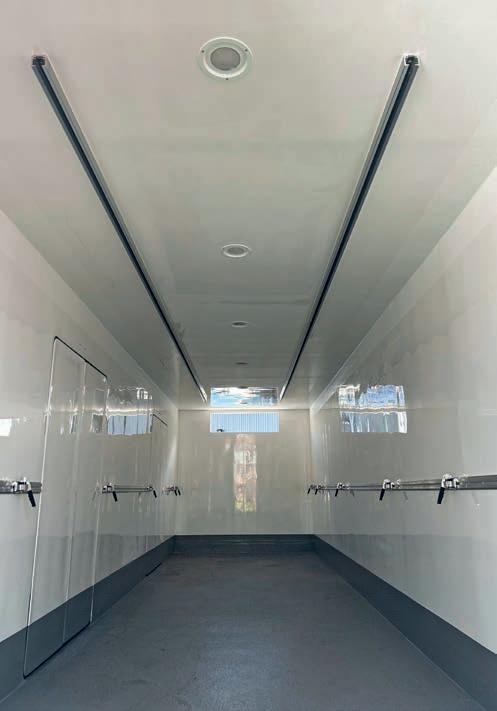
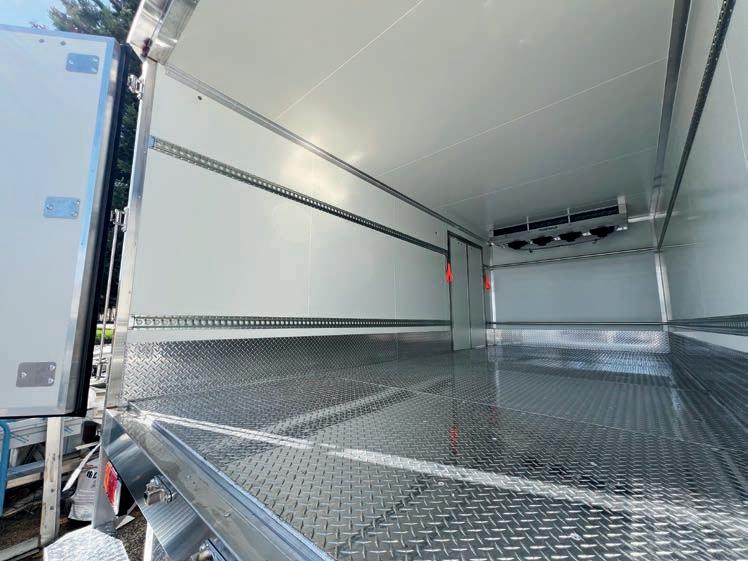
Tranzfreeze
Transport
Refrigeration is helping organisations like Cool Rentals accommodate growth with high-quality solutions that are both reliable and efficient.
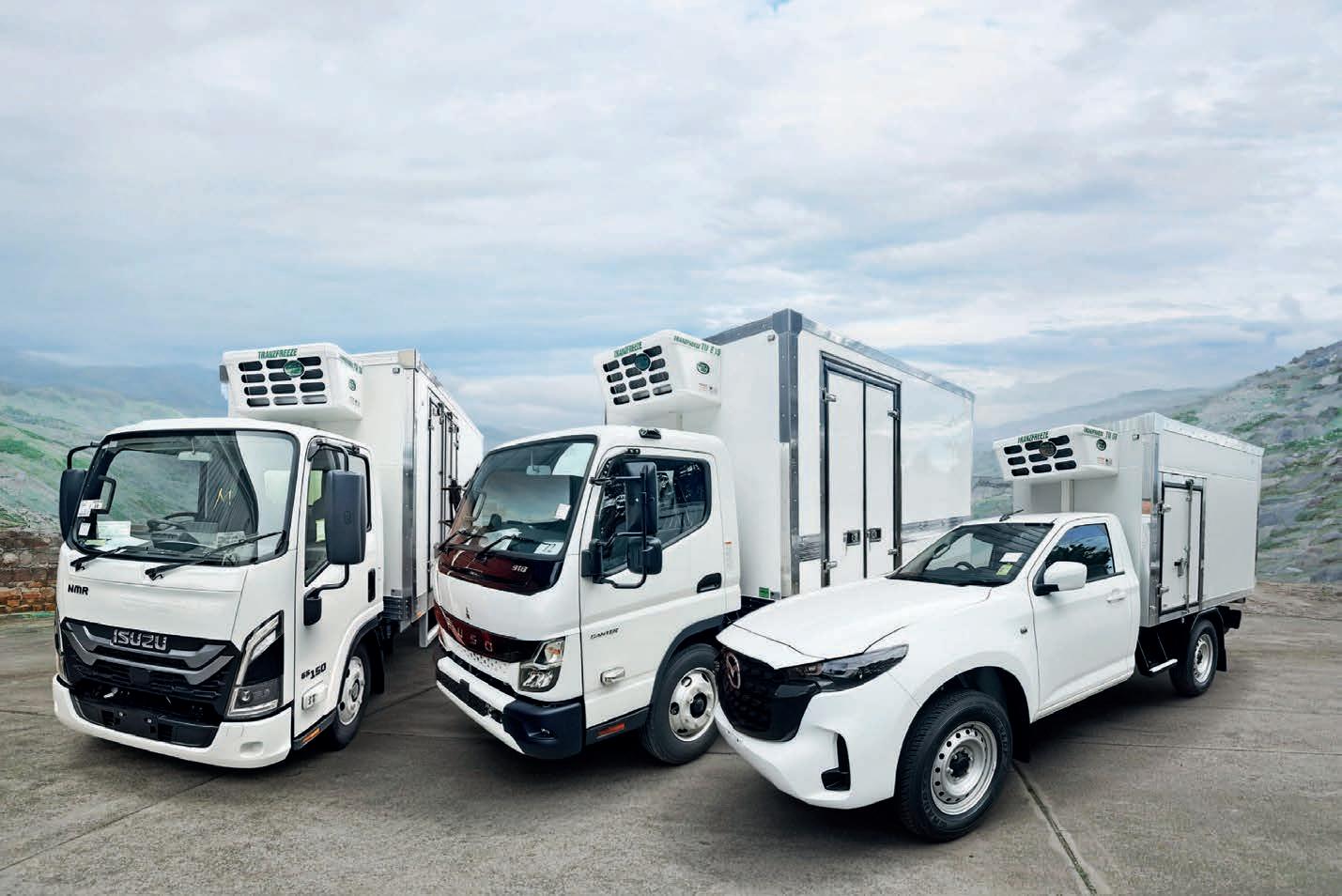
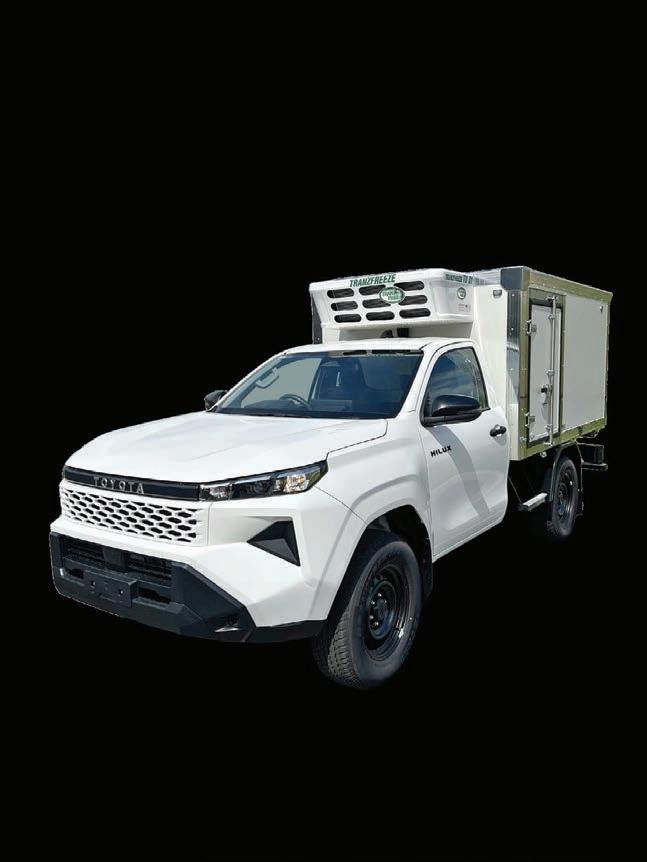
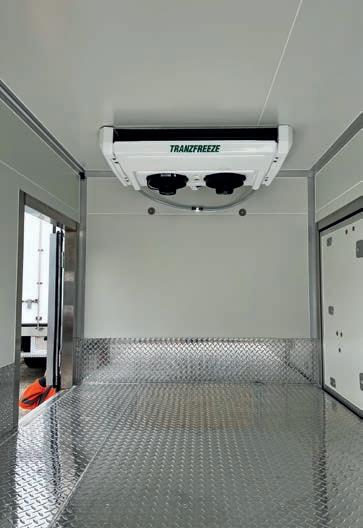
Tranzfreeze Transport Refrigeration is a Victoria-based business specialising in the design and manufacture of Australian-made refrigerated truck bodies, in addition to the conversion and fit-out of delivery vans into fully refrigerated vehicles. From singlevehicle owner drivers through to larger fleet operators, Tranzfreeze has the refrigerated sector covered with complete solutions tailored to the application at hand.
While Tranzfreeze has been operating in the industry for more than 35 years, the team behind it has a combined 140 years of experience across refrigerated body manufacturing, refrigeration systems and electrical engineering. This extensive knowledge comes with a strong focus on delivering reliable, practical equipment suited to Australian conditions.
“Tranzfreeze was built around a clear gap in the market for well-built, dependable refrigerated transport solutions backed by strong technical knowledge and aftersales support,” says Tranzfreeze’s Sean Werapermall. “From early on, the focus has
been on not just supplying equipment but understanding how customers use their vehicles day-to-day, and then building solutions that perform consistently in those real-world conditions.
“We have a strong mix of skilled trades and engineering capability in-house including first-class welders, fabricators and qualified refrigeration mechanics which gives us a practical, real-world understanding of what works.”
From CAD design and engineering through to fabrication and final build, everything at Tranzfreeze is completed in-house. This also gives the business the ability to model and simulate designs before production and ensure all grounds are covered.
“We work closely with each customer to develop a solution that suits their exact application,” Sean says. “There’s no onesize-fits-all approach at Tranzfreeze.”
One customer that has experienced the real-world benefits of investing in a working Tranzfreeze fleet is Cool Rentals
– a specialist refrigerated van and truck rental business operating out of Victoria since 2006.
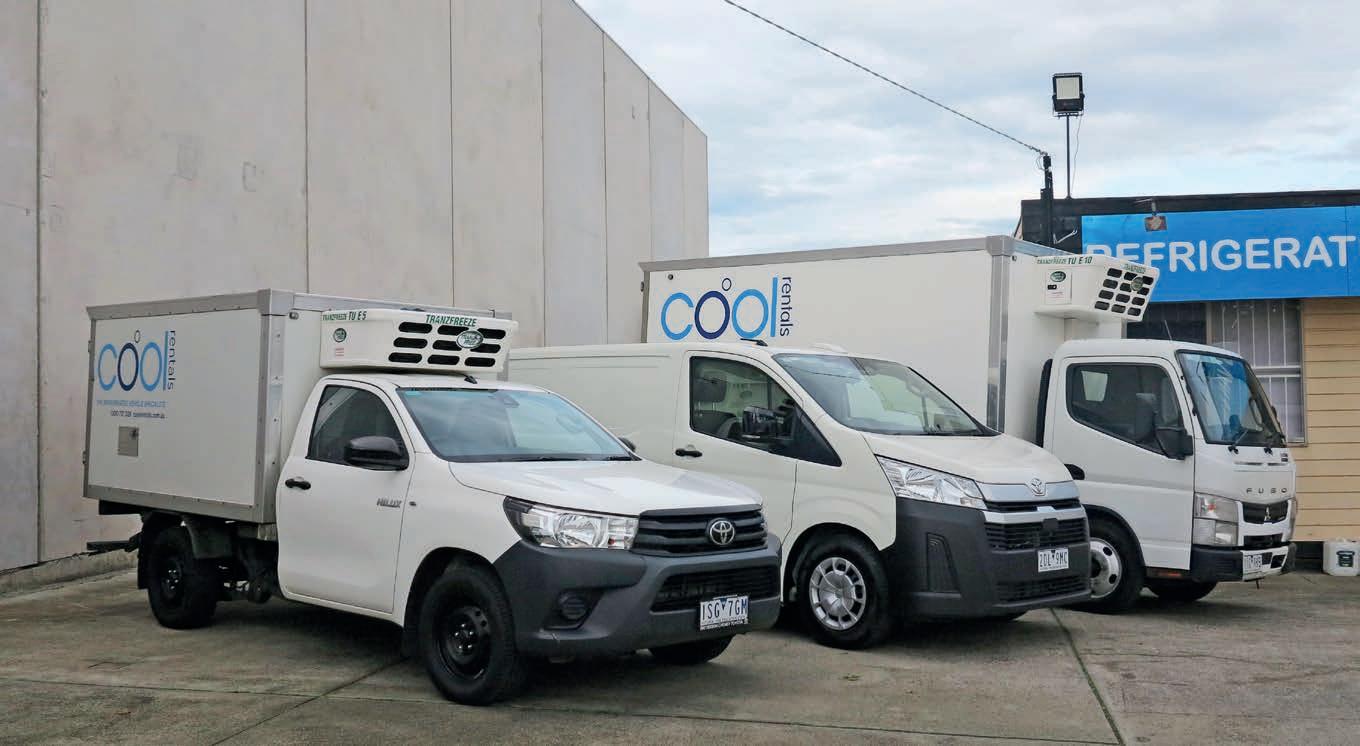
Cool Rentals’ fleet ranges from onetonne refrigerated utes and vans through to 10-pallet refrigerated trucks, which all serve a diverse customer base of businesses requiring single vehicles for use at a moment’s notice through to long-term customers which continually rent multiple vehicles over many years.
“Our business is built around providing exceptional customer service and tailored fleet management solutions that take the hassle out of operating refrigerated transport,” says Cool Rentals Director, Rainer Feldgen. “We have been partnering with Tranzfreeze ever since we commenced 20 years ago. They build all of our new refrigerated vehicles, from utes and vans through to our larger refrigerated trucks.
“Tranzfreeze has a deep understanding of the unique demands and operating conditions of refrigerated transport in Australia. Their practical advice and
“Tranzfreeze’s practical advice and technical knowledge have been invaluable in helping us maintain a reliable and efficient fleet.”
technical knowledge have been invaluable in helping us maintain a reliable and efficient fleet.”
Cool Rentals recently invested in three new two-tonne refrigerated delivery vans from Tranzfreeze to meet the growing operational requirements of one of its longstanding customers. Rainer says reliability, temperature performance and operating efficiency were key considerations leading into the order, and Tranzfreeze delivered.
“Tranzfreeze worked closely with us to ensure the refrigeration systems were tailored to the customer’s application,” he says. “Eric, Sean and the wider Tranzfreeze team have been excellent partners.
“We regularly draw on their expertise throughout the entire vehicle lifecycle, from fleet planning and vehicle selection through to customised design and build solutions, and ongoing maintenance and service support once the vehicles are operational.”
The vehicles are being used by a Cool Rentals customer to distribute perishable food products throughout metropolitan Melbourne as part of a food-service delivery contract. The applications operate across a wide range of delivery routes and are required to maintain consistent temperature control throughout the day.
Rainer says they’re performing exceptionally well.
“Our customer is delighted to have drivers operating new, well-presented and reliable vehicles,” he says. “The refrigeration systems have consistently met the performance requirements of the application.”
The primary advantages of Tranzfreeze’s builds are reliability, consistency and long-term performance. According to Tranzfreeze, customers are regularly retiring a truck chassis but keeping the refrigerated body and remounting it onto a new vehicle because it’s still performing reliably. This durability is a result of the way the bodies and refrigeration units are designed and built locally for Australian conditions – a critical factor in ensuring consistent performance across varying
climates and operating demands.
Customers also gain from having a single point of contact for the complete solution, from build through to after-sales support. This is one of the ways Cool Rentals has benefitted as a business.
“Partnering with Tranzfreeze has helped us maintain a modern, reliable refrigerated fleet while minimising downtime and disruption for our customers,” Rainer explains. “Their expertise, build quality and ongoing support contribute directly to our ability to deliver dependable service and protect our customers’ temperaturesensitive products.
“Having a trusted refrigeration partner allows us to focus on serving our customers with confidence, knowing our vehicles are supported by a team that understands the importance of reliability and responsiveness.”
According to Rainer, aftersales support is another reason Cool Rentals continues to work with Tranzfreeze.
“We schedule regular refrigeration servicing with Tranzfreeze which generally means our vehicles are off the road for no more than a single day,” he says. “Minimising downtime is critical to our business, as vehicles sitting in workshops for extended periods are simply not productive.
“The Tranzfreeze team is also highly responsive when emergency repairs are required. In many cases, they have been able to assess and rectify straightforward issues on the same day, helping us return vehicles to service as quickly as possible.
“We also benefit from their network of accredited service providers which gives us access to support in regional
when required.”
With the refrigerated transport industry ultimately being built on reliability, Rainer says having suppliers and service partners which understand the importance of keeping vehicles operating efficiently is critical.
“Tranzfreeze has been a trusted partner to Cool Rentals for almost two decades,” he says. “Their commitment to quality workmanship, technical expertise and responsive support has played an important role in our growth and success.”
Contact
Tranzfreeze Transport Refrigeration
Ph: 03 9706 4951
Web: www.tranzfreeze.com.au
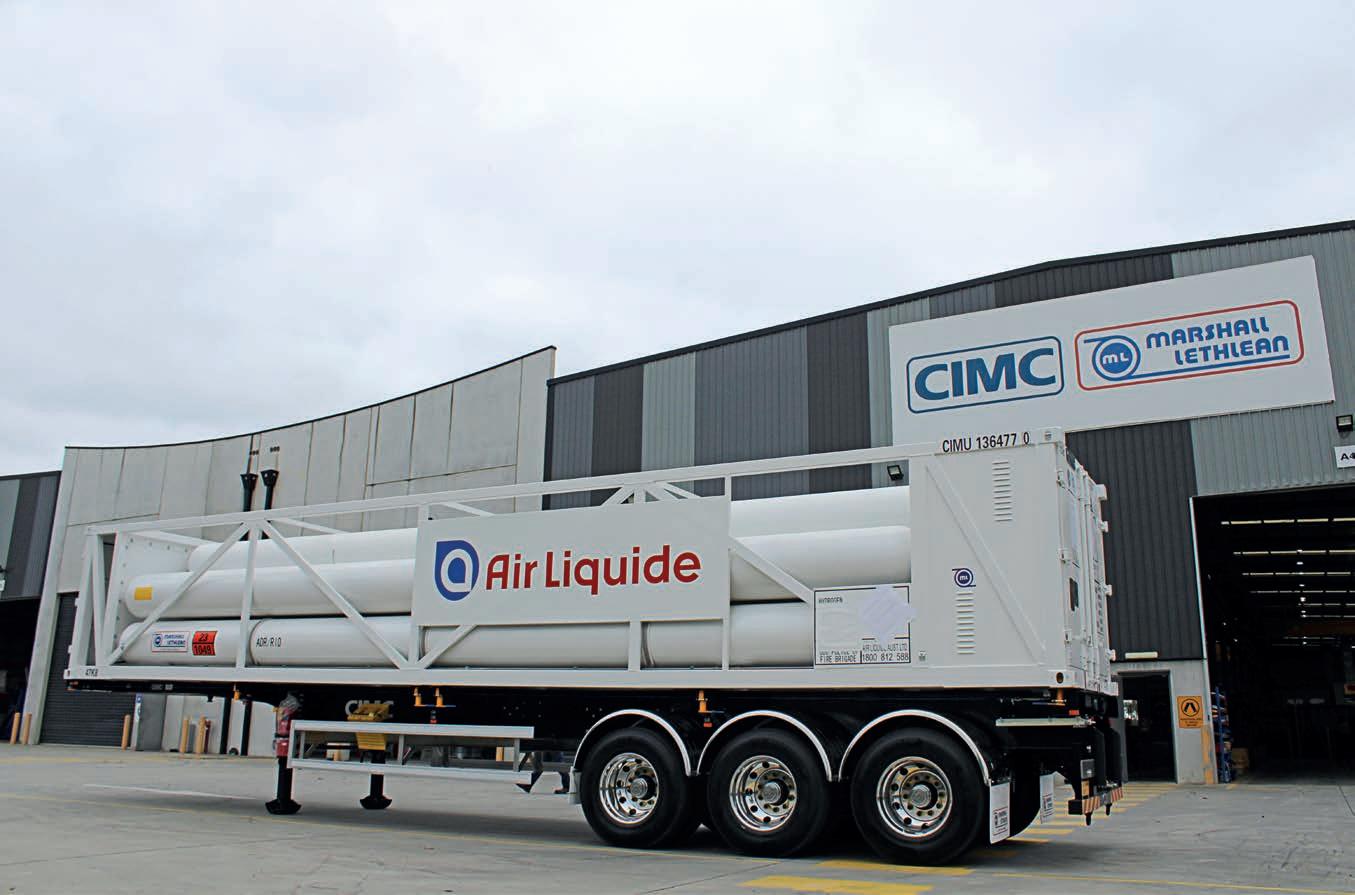
Air Liquide is strengthening its hydrogen transport capabilities through a longstanding partnership with Marshall Lethlean and its parent company, CIMC.
As hydrogen demand continues to gather momentum across transport, manufacturing and industrial applications, the importance of specialised trailing equipment is becoming increasingly apparent. For global industrial gas supplier, Air Liquide, the safe and efficient movement of hydrogen is central to supporting customers and optimising its logistics network.
Air Liquide’s latest investment in hydrogen tube trailers built through Marshall Lethlean represents a broader commitment to safety, engineering innovation and operational efficiency in one of the most technically demanding freight environments in the country.
Air Liquide Senior Engineer – Pacific, Stephen Crawford, says the project builds on an established international relationship while drawing heavily on local engineering and Dangerous Goods (DG) expertise.
“Air Liquide has a long-standing relationship with CIMC, Marshall Lethlean’s parent company,” he says. “By leveraging global expertise and economies of scale, we can work together efficiently.”
Air Liquide’s recent decision to place a new hydrogen tube trailer order with Marshall Lethlean was shaped by the combined strengths of CIMC’s
international manufacturing capability and Marshall Lethlean’s understanding of Australian operating conditions and compliance requirements.
“This purchase is part of renewing our trailer fleet to meet ever increasing safety standards and delivery efficiencies,”
Stephen says. “CIMC’s proven capability in this field coupled with Marshall Lethlean’s local DG knowledge made them the right fit.”
Hydrogen transport presents unique challenges compared with conventional industrial gases. The molecule itself is extremely small, highly flammable and requires specialised containment and handling systems. As hydrogen applications increase, engineering requirements for trailers continue to become more sophisticated.
The new hydrogen tube trailers will play
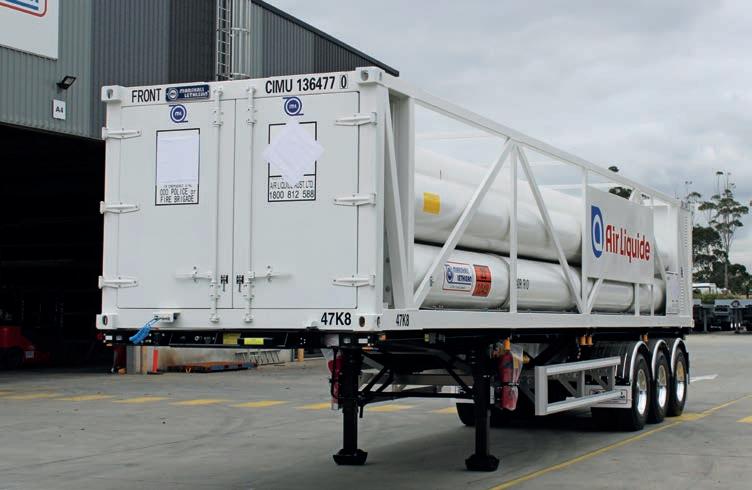
a key role within Air Liquide’s broader supply network by transporting hydrogen between production sites, processing facilities and customer locations.
“They will be integrated into our distribution network, promoting safe and reliable delivery directly to our customers across the region,” Stephen says. “Our primary engineering focus is always safety – designing thermal and pressure management systems that mitigate risks, and implementing multi-layered automated response mechanisms.”
As a global hydrogen supplier, Air Liquide has spent decades refining safety systems and operational procedures across multiple markets. That accumulated experience has informed the specification requirements for the latest trailer fleet.
The trailers also incorporate upgraded running gear and enhanced gas component systems aimed at improving both operational reliability and fleet safety outcomes. Compared with previous hydrogen transport equipment used by Air Liquide, the latest specification delivers increased carrying capacity through a higher pressure rating.
“This means more mass of hydrogen can be carried in the same volume,” Stephen explains.
That increase in pressure capability is significant because it allows Air Liquide to
transport greater quantities of hydrogen without increasing trailer size. As hydrogen supply chains expand, payload efficiency will become increasingly important in managing transport costs and delivery responsiveness.
Air Liquide expects improvements in both efficiency and operational performance once these trailers are integrated into the fleet.
“The new trailers are designed to deliver improvement in safety and efficiency,” Stephen says.
Close collaboration between Air Liquide engineers and Marshall Lethlean formed a major part of the project’s development process. According to Stephen, the partnership extended well beyond standard procurement arrangements.
“The engineers worked closely together,” he says. “This included site visits and remote design reviews.”
That collaborative approach ensured the trailers aligned with both Air Liquide’s global hydrogen handling standards and Australia’s stringent DG requirements.
Marshall Lethlean’s local regulatory understanding was especially important given the evolving nature of hydrogen transport legislation and compliance frameworks in Australia. The ability to combine international manufacturing capability with local engineering input allowed the project
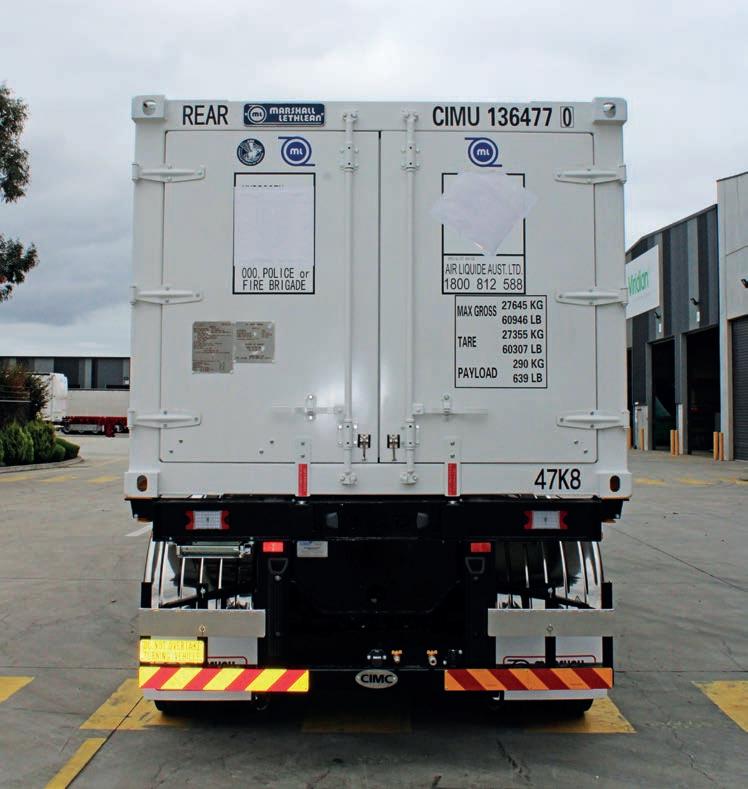
team to tailor the equipment to specific operational conditions.
Hydrogen transport infrastructure itself is also evolving alongside trailer technology. As demand increases, operators across the supply chain are being required to reconsider loading facilities, storage systems and depot layouts to support growing volumes and higher-pressure equipment. At the same time, trailer manufacturers are continuing to explore new materials and technologies designed to further improve capacity, reduce tare weight and increase operational flexibility.
“There is vast development in hydrogen tube technology, using alternate materials and higher pressures,” Stephen says. That technology pathway is expected to play an important role as Australia’s hydrogen sector matures and moves towards larger-scale production and distribution networks.
For Air Liquide, customer outcomes remain central to the investment strategy. Improvements in trailer capability ultimately support greater reliability, stronger delivery performance and enhanced supply resilience across a growing customer base. The company is also drawing on extensive international experience as it continues to develop hydrogen transport operations within Australia.
“Hydrogen has a key role to play in accelerating the energy transition,” Stephen says. “Air Liquide’s international and local expertise makes it well placed to meet the market’s needs.”
As the hydrogen economy continues to evolve, specialised trailer technology will remain fundamental to enabling safe and commercially viable distribution networks. Projects such as Air Liquide’s latest investment with Marshall Lethlean demonstrate how transport engineering, regulatory expertise and operational collaboration are converging to support the next generation of industrial energy supply.
For the trailer manufacturing sector, the project also highlights the growing importance of high-pressure gas transport capability and the increasingly specialised engineering requirements emerging across the Australian freight landscape.
Marshall Lethlean
20 Whitfield Blvd, Cranbourne West VIC 3977
Ph: 03 9797 2100
Web: www.mli.com.au
Quinn Transport has grown into one of South Australia’s most diverse transport companies, driven by a commitment to quality equipment, customer service and long-standing partnerships with companies like BPW Transpec.
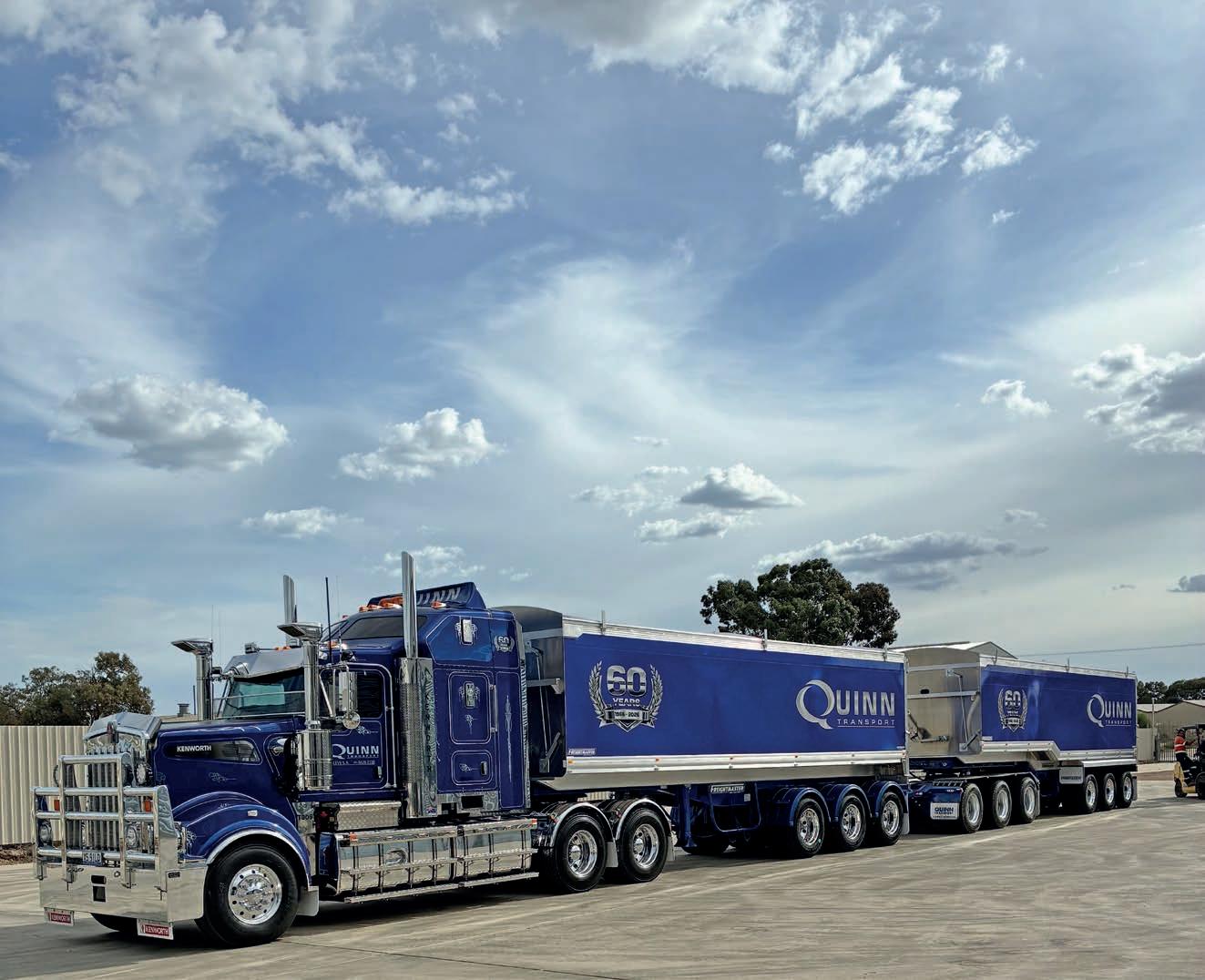
Few transport businesses can point to six decades of continuous operation while maintaining the same family values that helped establish them. For Quinn Transport, reaching its 60th anniversary in February this year represented a major milestone and testament to its commitment to service.
Based on South Australia’s Eyre Peninsula, Quinn Transport has grown from a single-truck operation into one of the region’s most diverse transport businesses. Today, the company services a broad range of industries including agriculture, livestock, quarrying, waste management, refrigerated freight and general freight
Throughout that journey, strategic investment in quality equipment and trusted supplier relationships has played a central role in supporting the company’s growth. Among those relationships is a partnership spanning more than two decades with BPW Transpec.
Quinn Transport Managing Director, Scott Quinn, says the relationship has become an important contributor to the company’s
ability to maintain operational reliability across a fleet working in challenging regional conditions.
Founded in 1966 by Rodney Quinn, the business originally operated a single Ford truck transporting groceries and general freight between Port Lincoln and surrounding districts. As freight demand increased and the Eyre Peninsula’s agricultural sector expanded, the company evolved alongside the region it served.
Over time, Quinn Transport diversified into grain distribution, livestock haulage, grain transport and later quarrying support services. The company was also among the first operators to introduce road trains to the Eyre Peninsula – helping improve freight efficiency throughout the region.
Today, under Scott’s leadership, the business continues to service local communities while supporting major industries across SA.
Diversification, Scott says, has been critical to the company’s longevity. What began as a general freight carrier gradually expanded to meet changing customer needs and evolving freight demands.
As agricultural production increased and farming operations became larger and more sophisticated, Quinn Transport responded by broadening its capabilities and investing in equipment that could deliver greater productivity. That focus on productivity has remained a constant throughout the company’s history.
Payload capacities have increased substantially over the decades, while higher-productivity vehicle combinations have enabled more freight to be moved with fewer truck movements. At the same time, the business has worked to ensure reliability remains at the centre of every fleet decision.
The transport industry has changed dramatically over the past 60 years, but today’s operators continue to face significant challenges. Rising fuel costs, labour shortages, compliance requirements and economic uncertainty are ongoing concerns for fleets across Australia. Like many operators, Quinn Transport has also navigated disruptions associated with the Covid-19 pandemic and volatility across freight and fuel markets.
Scott says adaptability remains essential.
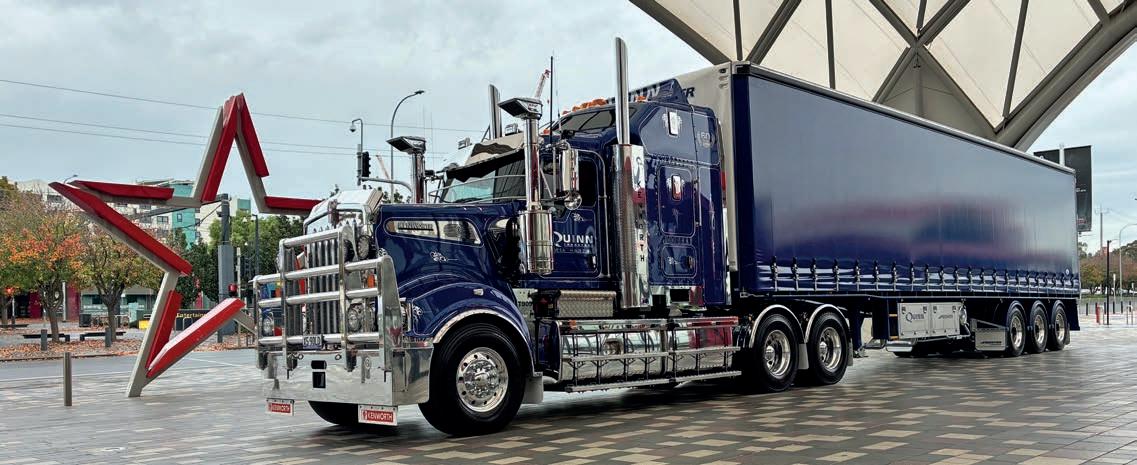
“We just keep rolling with whatever challenges come our way,” he says. “The industry is always changing and you’ve got to keep moving forward.”
That philosophy extends directly to equipment purchasing decisions.
For Quinn Transport, reliability, durability and long-term performance are critical factors when investing in new trailers and running gear.
Given the seasonal nature of agriculture and the variability of SA conditions, equipment must be capable of performing consistently across a wide range of operating environments.
“We are always looking for quality equipment that will stand the test of time,” Scott says. “So, reliability and long-term durability become very important.”
Those requirements align closely with the reasons Quinn Transport has continued to specify BPW equipment throughout its fleet.
The partnership between the two companies stretches back more than 20 years and encompasses multiple trailer applications across the business. Over that period, BPW products have been used in a variety of operations, helping support freight, livestock, waste and bulk haulage activities throughout the region.
Scott says the relationship extends beyond the equipment itself.
“Not only does BPW Transpec supply a fantastic product but the backup service and support have always gone above and beyond,” he says.
For a regional transport operator, access to technical expertise and responsive aftersales support can be just as important as the performance of the hardware.
Quinn Transport operates across vast
distances throughout the Eyre Peninsula, where minimising downtime is critical to maintaining customer service levels. As a result, supplier support plays a major role in fleet management decisions.
BPW Transpec’s ongoing commitment to training has also proven valuable. Regular onsite sessions help Quinn Transport’s maintenance team remain up to date with new technologies and product developments, ensuring technicians can maximise equipment performance throughout its lifecycle.
“Being remote, that support benefits us greatly,” Scott says.
The relationship continues to evolve through new fleet investments. Among the latest additions are new Freightmaster tipper combinations fitted with BPW running gear. The trailers form part of Quinn Transport’s first dedicated 60th anniversary road train combination and represent the company’s ongoing investment in productivity and operational efficiency.
Additional recent acquisitions include Pumpa moving floor waste trailers and Byrne livestock B-double crates equipped with BPW Eco Plus 3 axle technology.
The decision to continue specifying BPW comes down to a straightforward assessment of performance according to Scott.
“The biggest thing for us is less downtime and more reliability,” he says. “That’s what keeps trucks on the road and customers serviced.”
Reliability remains a key metric throughout the business. Whether operating in agriculture, mining, livestock transport or waste management,
equipment must withstand demanding conditions while delivering consistent performance over many years of service. Whole-of-life value is therefore an important consideration when evaluating components such as axles, suspension systems and running gear.
Scott says the durability of BPW Transpec’s equipment has been proven repeatedly throughout the fleet. One example dates back more than three decades.
“We still have one of our old flat tops from 1995 running BPW spider axles,” he says. “It’s still running as true as the day we bought it.”
The longevity of that equipment reinforces the company’s preference for proven componentry and trusted supplier partnerships.
Another example of BPW Transpec’s support came during Quinn Transport’s transition from spider axles to 10-stud configurations across parts of the fleet. According to Scott, BPW Transpec worked closely with the company to ensure the changeover occurred smoothly and efficiently. That collaborative approach reflects the broader nature of the relationship.
For Quinn Transport, successful partnerships are built on more than supplying products. They involve technical knowledge, responsive support and a shared commitment to helping operators maximise uptime.
Contact
BPW Transpec
Ph: 03 9267 2444
Web: www.bpwtranspec.com.au
Bulk Transport Equipment is utilising a long-term collaboration with Hyva and JOST Australia to advance in the waste industry.
Specialising in an extremely wide value proposition for 20 years has positioned Bulk Transport Equipment (BTE) as a toptier trailer manufacturer, with some of the transport industry’s most well-known fleets to attest to that.
In recent years, the trailer builder has further strengthened its status by aligning itself with JOST Australia.
“We chose JOST because they had a really good range of products,” says BTE Director, Alan Griffiths. “We can now offer customers a complete trailer package of kingpins, landing legs, hoists and turntables. It’s fantastic.”
BTE has utilised this partnership over the last 12 months to further advance its capabilities within the waste sector. This
predominantly involved becoming an official dealer for Hyva hooklift and skip loader products.
“BTE has been working with JOST in some shape or form since we started,” Alan says. “However, we’re now supplying Hyva hookloaders to customers as one of their agents.”
BTE has been supplying hookloaders through a variety of OEMs, including Hyva, since its inception. While this arrangement has changed forms, the company is wellacquainted with the product type.
“BTE’s experience with hookloaders is quite extensive,” Alan explains. “We’ve been handling hookloaders for a very long time and have come to know the equipment quite well. We’re very
comfortable around recommending them and fitting them.”
BTE is now focused on distributing Hyva’s Titan EVO multi-rail hookloader in particular – a newly designed system for the waste industry which stands out due to its implementation of modern technology and versatility.
The product has a lot of novel features which have improved the Hyva product in many practical ways, such as rails (which vary from 670mm to 1,200mm in length and allow for many different-sized bins to be collected) and rear rollers plated with zinc for smooth rolling. Many of the hookloader’s other parts have also been casted with zinc for robustness and rust protection.
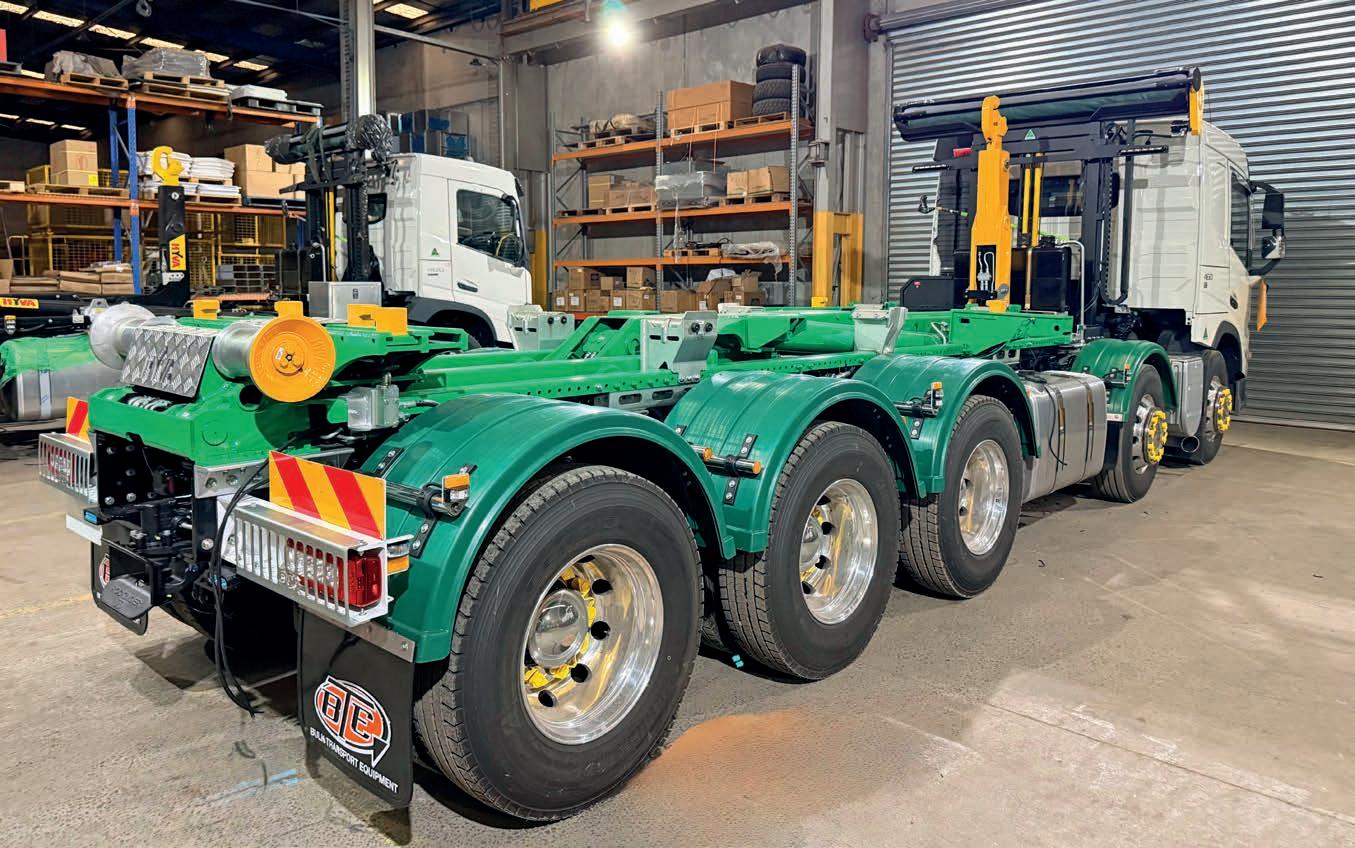
“The new Titan EVO hookloader suits customers who have a main rail underneath their bins,” Alan explains. “The product allows for a much simpler installation onto any different truck chassis, and because of this, it can carry a much wider range of bins compared to other product models.”
Another key feature is the inclusion of hydraulic-operated valves instead of electronic controls. These make the hookloader more reliable by avoiding electronic systems which can be more prone to glitching or failure.
The reliability of the Titan EVO multi-rail hookloader is also apparent throughout the various safety features that are fitted. These include inside and outside rear lock systems as well as a front lock system, all of which are implemented to secure a waste bin in place when it is being carried. Additionally, its air-operated latch disconnects waste bins in a safe and effective manner.
“We’re very excited to be dealing with this product,” Alan says.
Alan says BTE heavily expanded its sales, service, installation and repair processes to accommodate the new Hyva products.
“We set up two new facilities in Melbourne,” he says. “These locations can supply and fit the hookloaders while offering spare parts, maintenance and other services as well.”
BTE now offers a one-stop shop for fleets and operators to receive quality work and servicing on their Hyva transport equipment.
“We’re very well-equipped to support this distribution because we’re able to cater to ultra-specific needs,” Alan says. “If a customer wants a trailer, BTE can build it to make sure it pairs up with the hookloader to avoid towing issues.
“Staff members working in our main factory and service and repair workshops have also been trained to handle the installation of these hookloaders.”
BTE has been specifying JOST products on its trailer builds for six years now. Alan decided to select JOST as a key supplier in 2020 – a decision he believes was the right one.
“We went to them looking for a solution with hoists among other products, and the service from the guys there has been fantastic,” he says. “They put together a package for us and they’re always very quick to get everything together for us.
“We’re really enjoying this collaborative
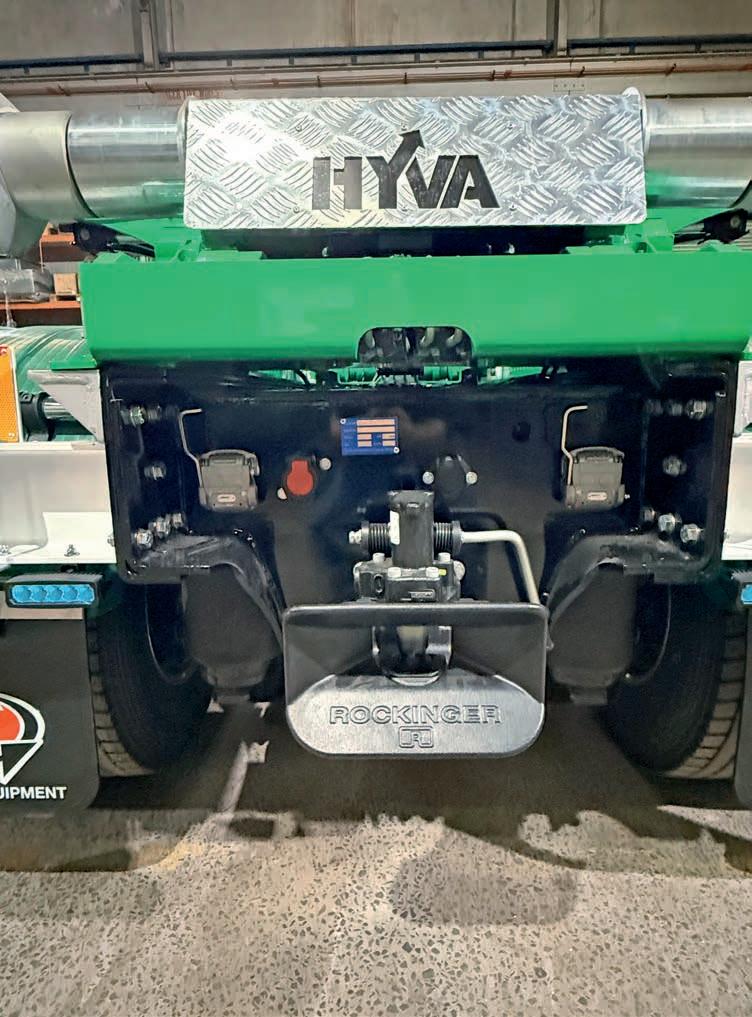
relationship with JOST.
“We always try to be flexible and offer the customer, where possible, what they want. But in a lot of cases, if they don’t know what they want, they’re happy with JOST too. We’ve never had any bad feedback from our customers regarding the JOST product.”
Alan says aligning the JOST name with BTE has paid off because of this.
“Anything that carries the JOST name is reputable,” he says. “From where we sit, the reliability across the product range is really good.
“JOST has a great network of supply, and their product availability is generally always pretty good as well. Their lead times are usually spot-on because they’ve always got a good range of stock.”
BTE’s partnership with Hyva itself encompasses more than 15 years of selling, servicing and installing its products. Alan was particularly proud to continue the collaboration when JOST acquired Hyva in February last year.
“The hookloader and skip loader products are very complementary to BTE,” he says. “These products enable us to provide full turnkey solutions with installation, trailer manufacturing and other specialised products dedicated to the waste industry.”
JOST Australia
Ph: 1800 811 487
Web: www.jostaustralia.com.au
E: sales@jostaustralia.com.au
Focusing on the issues shaping the future of tanker transport, the National Bulk Tanker Association’s Bulk Tanker Day 2026 was a major success.
The fuel crisis, rising costs, regulatory reform and the future of Australia’s tanker fleet dominated discussions at Bulk Tanker Day 2026, with over 200 industry stakeholders gathered at Melbourne’s iconic Flemington Racecourse on Wednesday 13 May for what has become the bulk tanker industry’s preeminent gathering and networking event each year.
This year’s event carried a noticeably sharper tone than previous years, with many speakers openly warning Australia is exposed to international supply disruptions, rising freight costs and shrinking domestic refining capacity. Despite the challenges facing operators, the event repeatedly reinforced the tanker industry’s reputation as one of Australia’s most collaborative and innovative freight sectors, with safety remaining at the centre of the conversation.
NBTA Chairman, Justin Keast, used his welcome speech to deliver a blunt warning about transport infrastructure policy –
arguing the transport industry is being hit with a ‘triple whammy’ of rising costs, longer trip times and poor government decision-making. Using the recent impact of Melbourne’s West Gate Tunnel project as an example, he said operators were being forced into less efficient freight routes while also paying significantly high toll costs for the privilege.
Keast said this issue should not be viewed as Victorian-centric, but rather part of a broader national problem where governments nationwide lack sufficient understanding of road tanker freight operations.
“It was a fight we knew we were probably never going to win, but we did gain some respect along the way,” he said. “We have a level of incompetence in our governments, and we’ve got large corporate entities taking advantage of how ignorant our politicians are.”
Keast said the situation highlighted the
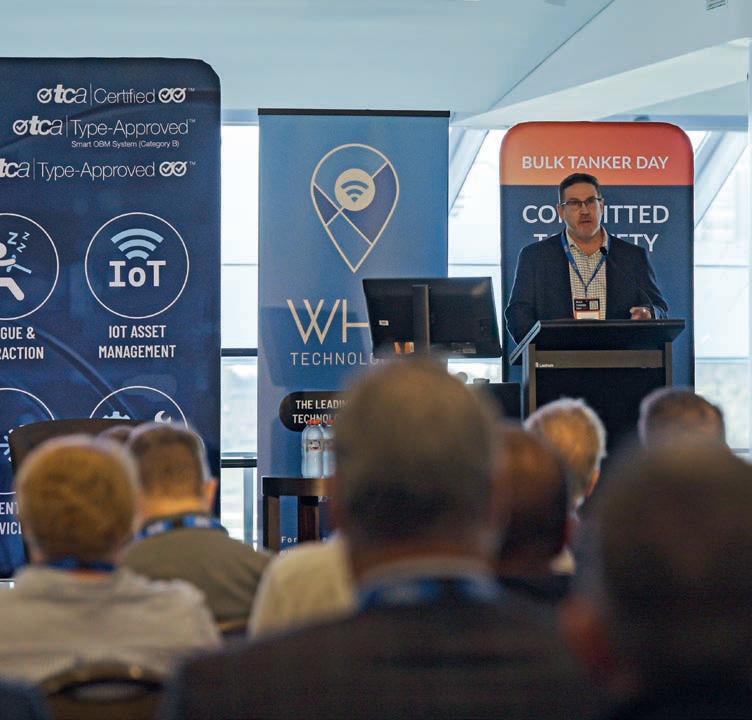
importance of government and industry working together to ensure policymakers better understand the operational impacts of major infrastructure and regulatory decisions.
Alongside his advocacy message, Keast reflected on the evolution of Bulk Tanker Day itself, recalling its origins as a partnership between industry and emergency services aimed at improving emergency response. He said the annual event has since grown into a key industry forum for operators, suppliers and stakeholders to openly discuss shared challenges, share insights and collaborate on solutions for the future of the industry.
Keast also highlighted the NBTA’s ongoing work around Australian Standards, including industry-wide tanker safety data collection and reviews into tanker valve performance. He urged operators to become more actively involved in standards committees and working groups, warning that waiting until decisions are finalised leaves industry with little influence.
“People need to get more involved,” he said. “If you’re an operator, there’s no point sitting back waiting for people to make an announcement to then say, ‘This is ridiculous’.”
Fire Rescue Victoria Chief Commissioner, Gavin Freeman, used his opening address to reinforce the importance of collaboration between emergency services and the bulk tanker industry in improving safety outcomes across Australia.
Freeman said strong relationships between operators and emergency responders were critical when dealing with dangerous goods incidents, stressing that “all the plans on the shelf” meant little without trust and communication between agencies and industry. He also praised the longstanding partnership between Fire Rescue Victoria and the National Bulk Tanker Association, explaining how it has significantly improved emergency response capability, training and incident prevention. Freeman outlined the evolution of
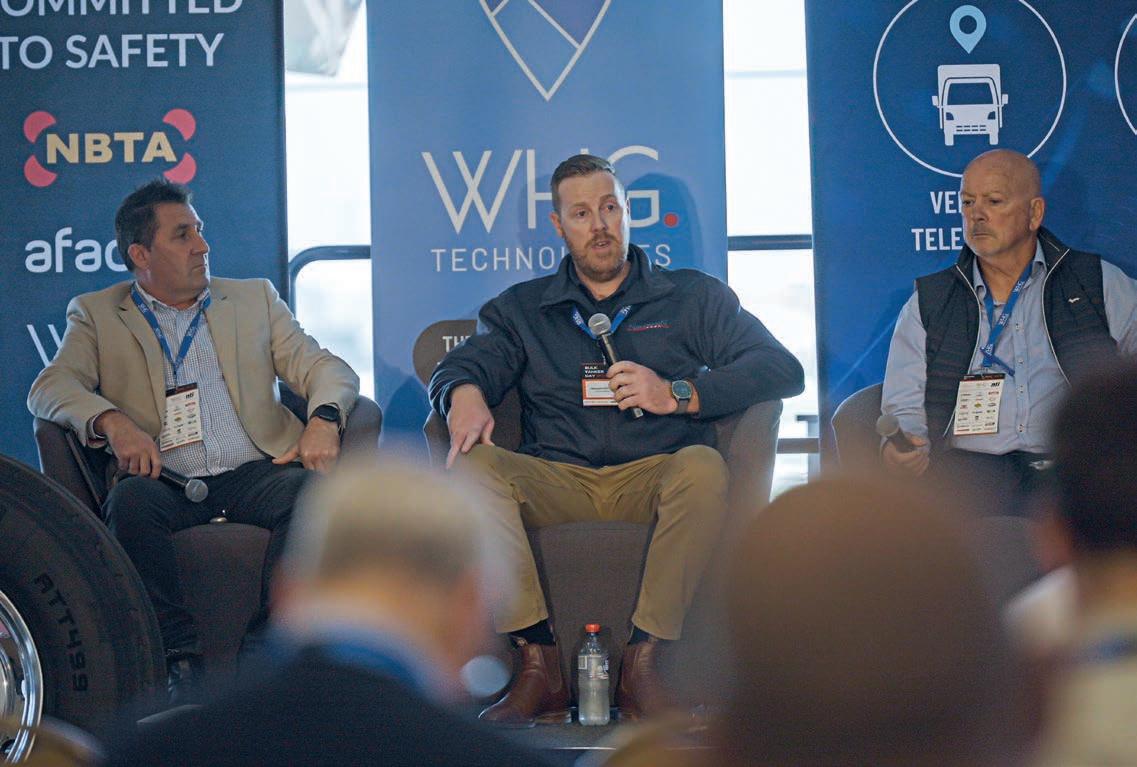
Fire Rescue Victoria since its formation in 2020, highlighting the organisation’s growing focus on diversity, technology and innovation. Freeman spoke about the increasing challenges presented by lithiumion battery fires and emerging transport technologies while also showcasing the agency’s new electric fire appliance which has already responded to hundreds of incidents across Victoria.
Endeavour Group Managing Director, Jeff Griffiths, delivered a fiery yet emotional keynote address at Bulk Tanker Day by unleashing on government policy failures, rising costs and what he described as a “growing disconnect” between Canberra and the realities of regional Australia.
Drawing on more than five decades in the fuel industry, Griffiths warned Australia’s fuel supply chain is becoming increasingly fragile – criticising the nation’s declining fuel reserves, shrinking regional service station network and growing reliance on imported fuel.
“The big issue we’re all hearing about is Australia’s fuel stock situation,” he said. “If you talk about fuel stock measured in
days, proven countries are keeping 90 days cover. Australia says it has 30, but the actual fact is it has high 20s.”
He argued that escalating construction costs, mounting compliance burdens and rising wages were rapidly making traditional regional fuel businesses unsustainable, with many independent operators either shutting down or being forced into automated, low-service business models.
Griffiths’ frustration with government policy was what dominated most of his presentation. At several points the veteran fuel operator openly vented his anger over energy policy and industrial relations –claiming it was a pattern of governments lacking practical understanding of how regional businesses operate.
Pertinently to the bulk tanker industry, he reserved particular criticism for Australia’s approach to fuel security and energy transition policy, arguing the country had abandoned its refining capability without a credible long-term plan. Griffiths also questioned whether Australia’s infrastructure was remotely prepared for large-scale electric vehicle adoption, citing concerns around charging capacity, battery disposal and fire risks.
Griffiths’ address segued into Bulk Tanker Day’s first panel discussion, where warnings about Australia’s fuel security, regional supply vulnerability and growing pressure on Australia’s tanker network dominated debate as industry leaders reflected on the ongoing global impacts on fuel supply chains.
Chaired by NBTA Executive Member and JLP Transport CEO, Andrew Galligan, the panel brought together Australasian Convenience and Petroleum Marketers Association CEO, Rowan Lee, Tranzliquid owner and Director, Greg Pert, Simpsons Fuels Operations Manager, Haydn Simpson, and Riordan Fuels General Manager, Brent Squires, for a frank discussion about how the industry responded when panic buying and supply fears surged earlier this year.
Lee moved to calm fears of an outright fuel shortage, insisting Australia was not running out of fuel but was exposed to global pricing and shipping pressures due to it competing in an international commodity market. He revealed some fuel shipments were rapidly redirected from overseas markets during the crisis, while government agencies
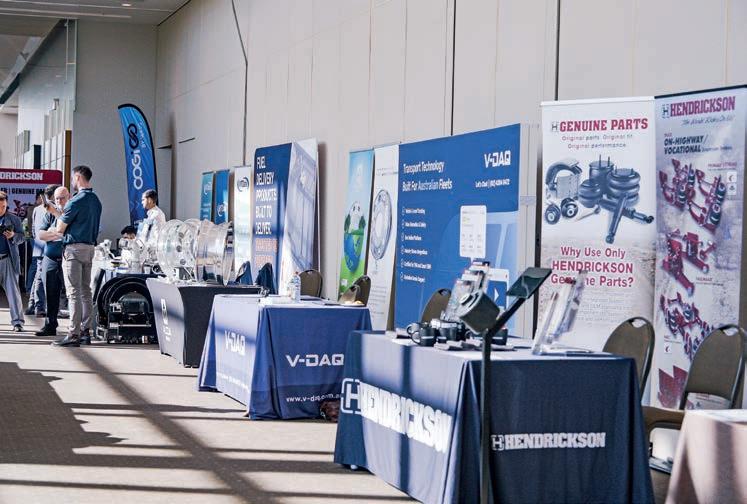
struggled to manage public messaging around supply security.
“It was never going to be really a supply issue,” Lee said. “It was always going to be a price issue. We are getting in a global market for a commodity.”
The strongest criticism again came from Griffiths who accused governments of failing to properly understand the realities of regional fuel supply and national energy security. He said panic buying led to some retail sites experiencing sales spikes of more than 20 per cent overnight – placing enormous strain on tanker fleets, scheduling teams and regional depots.
“The moment that the perceived shortages occurred, we had a 30 per cent increase in the average site,” he said. “Our bigger sites jumped to 50 per cent.”
Griffiths described widespread fear among customers, farmers and small businesses.
He said the crisis exposed how dependent Australia has become on overseas fuel supply chains, and warned the country needs far greater sovereign storage and refining capability.
“The issue became logistics,” he said. “We had sites running out because the tanks just didn’t have the capacity.”
Squires echoed Griffiths’ concerns, explaining how the crisis highlighted the importance of fuel security to Australia’s food production sector.
“Fuel is critical,” he said. “You need to have fuel to make food.”
Simpson praised the industry’s operational response, saying despite intense pressure there were remarkably few incidents across tanker fleets during the period.
However, he did highlight the spread of misinformation and how media coverage contributed to customer anxiety despite supply remaining available.
“The media really hurt us,” Simpson said. “The customer was hearing something different to what the reality was on the ground.”
Pert said the crisis reinforced the need for better infrastructure, higher productivity and more strategic fuel storage planning across Australasia.
Across the panel, there was also a broad agreement that liquid fuels (particularly diesel) would remain critical to Australia’s economy for decades, even as energy transition policies accelerated.
Moving away from the fuel crisis, WHG Telematics Director, Dylan Hartley, said the bulk tanker sector continues to quietly lead the heavy transport industry in safety, innovation and technology adoption, despite often flying “under the radar”.
Speaking during the Connected Drivers for Safer Outcomes session introduced by FBT Transwest Managing Director, Cameron Dunn, Hartley highlighted the increasing role of connected technology, artificial intelligence and wearable devices will play in improving safety, compliance and operational efficiency across the transport sector. He praised the bulk tanker industry for historically embracing innovation, noting some of Australia’s earliest Performance-Based Standards (PBS) combinations and
B-double applications originated within the tanker sector.
The presentation focused heavily on the future of telematics, AI-assisted fatigue management and wearable technology, with Hartley arguing operators needed to “stretch technology further” as economic pressures, labour shortages and regulatory requirements continued to intensify. Hartley also warned freight theft is becoming a growing issue across Australia’s heavy vehicle sector, revealing WHG had recovered more than $11 million in stolen assets since January last year.
According to Hartley, the industry’s future will increasingly depend on integrating smarter technologies to improve driver safety, compliance, fleet productivity and operational decision-making.
Industry engineers and PBS specialists then used a technical panel discussion to examine how PBS and fluid slosh modelling could unlock greater productivity for Australia’s tanker fleet without compromising safety. Chaired by NBTA Executive Director, Anthony Germanchev, the session featured Les Bruzsa and Saizo Takeuchi from the National Heavy Vehicle Regulator (NHVR) along with Nick Farmer and Marcus Coleman from Tiger Spider and Ben Blasetti from Tieman Tankers.
Germanchev noted the bulk tanker sector had historically led PBS innovation in Australia, with the first PBS-approved vehicle built for tanker operations more than two decades ago. Meanwhile, Bruzsa revealed Australia now has more than 32,000 PBS combinations operating nationally – more than double original projections – and suggested it may be time to review some long-standing stability and rollover assumptions used within the scheme.
Several panellists argued current modelling requirements around liquid slosh and rollover thresholds could unnecessarily reduce payload productivity, despite modern tanker fleets operating with increasingly advanced safety technology. Tiger Spider representatives Farmer and Coleman said the industry needed more practical, evidence-based approaches that better reflected real-world operating conditions, while Blasetti highlighted the complexity fuel distributors face when managing varying fuel loads and compartment configurations.
The panel broadly agreed future PBS reforms would need to balance productivity gains, evolving technology and safety outcomes for the tanker sector.
Safe Load Program (SLP) Operating Manager, Greg Royston, explained the new ownership and management structure for SLP and outlined a major expansion of the SLP compliance framework, including new real-time monitoring systems, upgraded safety training and increased scrutiny of noncompliant operators. Royston said more than 35,000 tanker inspections had been conducted nationally since 2016, warning the rise of inexperienced single-truck operators remained a major concern for the industry.
National Transport Commission Executive Leader, Aaron de Rozario, discussed ongoing national productivity reforms including Higher Mass Limits, streamlined access approvals and greater harmonisation of Dangerous Goods regulations. He argued Australia’s freight productivity challenge could only be solved through better integration between regulation, infrastructure and technology systems.
NRSPP Australia’s Jerome Carslake introduced the growing industry focus on psychosocial safety before handing to Proactive IR Consultant, Grant Lawrence, who detailed how psychosocial safety is rapidly becoming a major regulatory focus, particularly around fatigue, stress,
isolation and leadership culture in highrisk industries like road transport. He urged operators to take a more proactive approach to mental health management rather than treating it as a compliance ‘box-ticking’ exercise.
Transport for NSW Executive Director of Freight, Scott Greenow, provided an update on the growing use of wide single tyres within PBS, highlighting the potential productivity, safety and sustainability benefits for the heavy vehicle industry. Greenow said recent policy changes now permit certain wide single tyre configurations under New South Wales’ heavy vehicle access framework, particularly for PBS-approved combinations operating under strict safety conditions. He said analysis undertaken by Transport for NSW showed wide single tyres can deliver increased payload capacity, improved fuel efficiency and lower rolling resistance, while also enhancing vehicle stability – particularly for high-centre-of-gravity applications such as tankers and livestock transport.
Furthermore, Greenow explained how the technology also offers potential maintenance and environmental benefits through reduced tyre wear, lower fuel consumption and simplified tyre management systems. He showcased a new 26-metre PBS livestock B-double design developed using wide single tyres and described it as an example of how innovative vehicle design could unlock greater productivity for the tanker sector.
The final panel of Bulk Tanker Day was chaired by Brodie Tieman of Tieman Tankers, and focused on the growing role wide single tyre technology could play in improving safety, productivity and efficiency across Australia’s tanker fleet. The session featured representatives from Haulmax Tyres, Hendrickson, SAF-Holland, Saputo Dairy and the NHVR.
Much of the discussion centred on the regulatory challenges limiting wider adoption of the technology in Australia, despite growing evidence of its benefits and significant advancements in tyre design, testing and performance, as outlined by David Naughton. Hendrickson Executive Manager – Engineering, Andrew Pendlebury, highlighted the increasing role of tyre pressure monitoring systems and suspension technology in future PBS vehicle development, while SAF-Holland Product, Engineering and Technical Manager – Australia, Nemanja Miletic, said current tyre inflation regulations would need reform to properly support higher axle loads and emerging electric vehicle technology.
Saputo Dairy’s Colin Tomelty encouraged the industry to continue embracing innovation and early adoption of new technologies, while Bruzsa argued Australia is lagging behind Europe in wide single tyre uptake despite the demonstrated productivity, safety and environmental advantages.
Contact
National Bulk Tanker Association
E: exec@nbta.com.au
Web: www.nbta.com.au
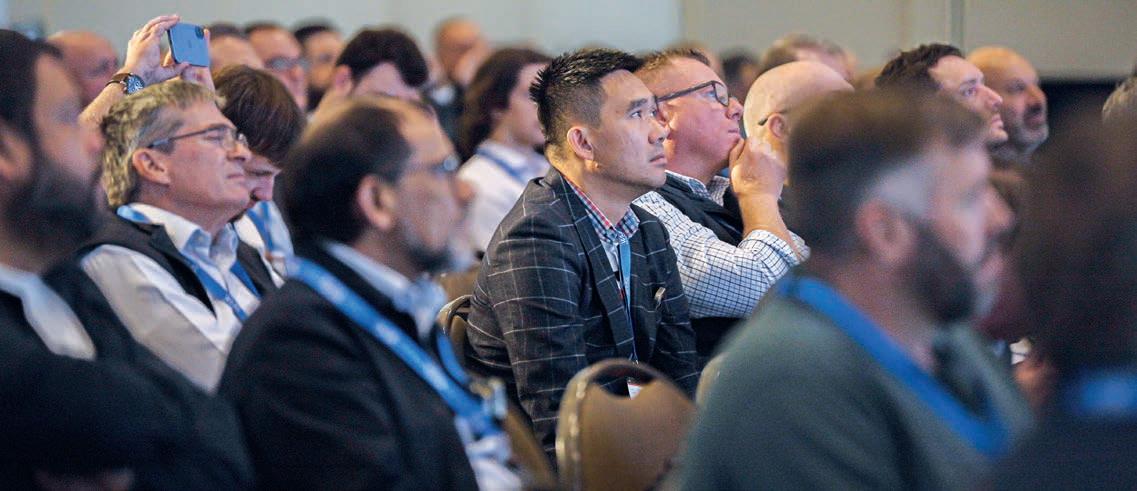
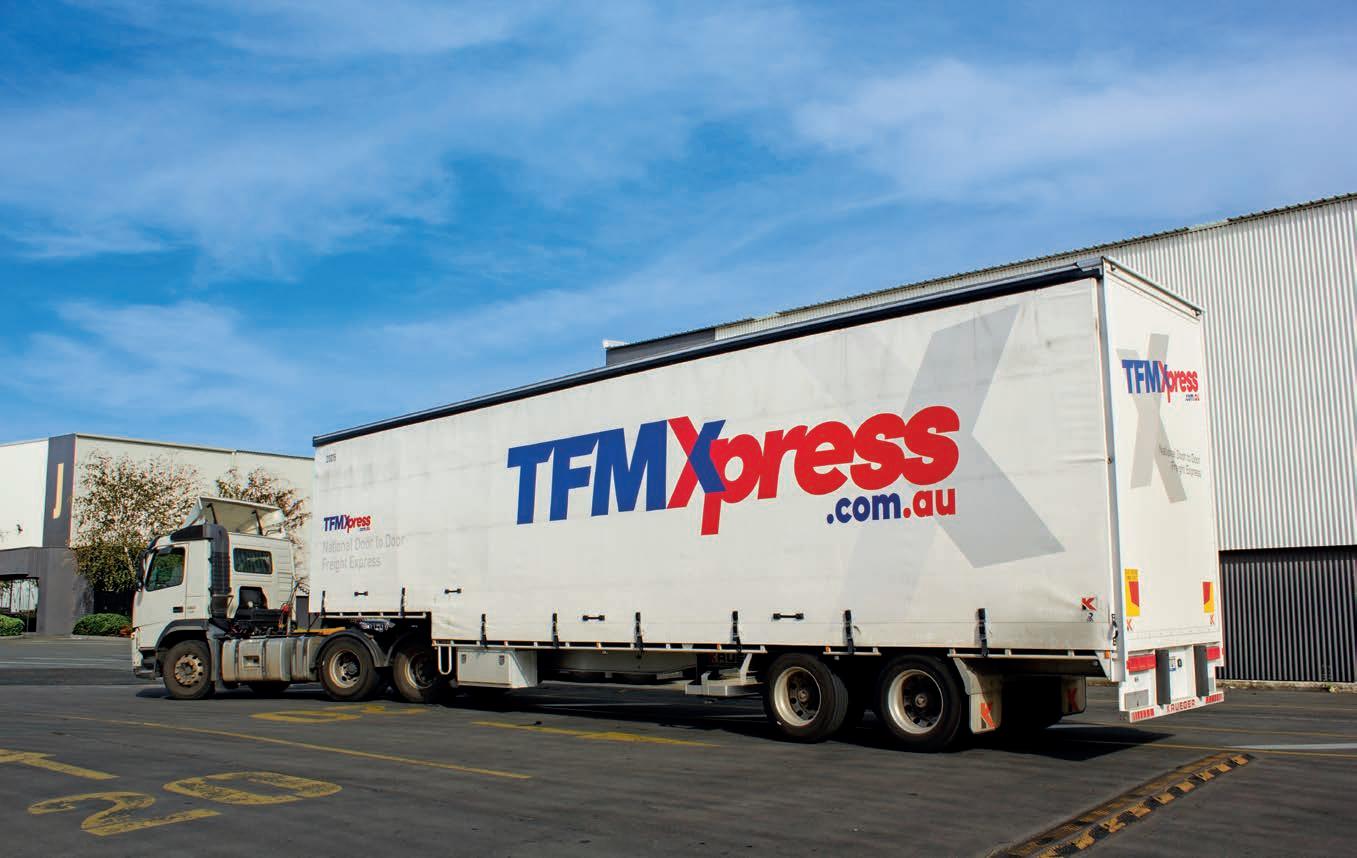
TFMXpress will join the MegaTrans Operator Hub among a long list of major transport and logistics companies later this year.
This year, Australia’s largest and most influential supply chain and logistics trade show, MegaTrans, returns bigger than ever. Scheduled to take place from 16-17 September at the Melbourne Convention & Exhibition Centre, the event will once again shine a spotlight on the Sustainable Supply Chain of the Future – attracting key players across freight, logistics, warehouse operations, transport technology, infrastructure and more.
With freight volumes projected to grow by 26 per cent over the next 30 years, the need to adopt advanced technologies and smarter infrastructure has never been more urgent. MegaTrans will therefore provide a unique platform for attendees to explore the innovations, equipment and services that will shape the future of logistics. The interactive expo is curated exclusively for companies at the forefront of supply chain sustainability. Showcasing cutting-edge solutions that drive efficiency, reduce environmental impact and support a resilient freight network, MegaTrans is grouped by their contributions to the
sustainable supply chain.
This year, MegaTrans will be launching its brand-new Operator Hub – presented by Geotab – a dedicated space for fleet managers, transport companies and owneroperators which showcases the people and businesses that keep freight moving across the country. Some of Australia’s largest transport operators including Amazon, DP World, SGS Logistics, Centurion, Cold Xpress and FBT Transwest will take over a dedicated space on the show floor, bringing their teams along to meet, chat and share real-world insights with attendees. Some will also be stepping onto the conference stage to share their stories, challenges and lessons from the road.
Returning to this year’s MegaTrans and making its debut in the Operator Hub is TFMXpress, a national express road transport provider for parcels, cartons and bulk pallets which was built on reliability, efficiency and a very hands-on understanding of the industry.
Operating across key service lanes all around Australia, TFMXpress has grown
by focusing on consistent service delivery and strong customer relationships. As it continues to scale, the business is now expanding its depot network and strengthening its national footprint – using MegaTrans as a tool to do so.
TFMXpress Chief Executive Officer, Frank Ainalis, says he is looking forward to participating in this year’s event due to the nature of MegaTrans.
“MegaTrans is a key industry platform which brings together operators, technology providers and decision makers in a way that genuinely drives progress,” he says. “It has a significant impact on the industry because it helps accelerate change and create momentum. Ideas are shared, partnerships are formed and the industry moves forward faster as a result.”
MegaTrans provides several opportunities for transport businesses looking to make an impact. Frank says it will allow TFMXpress to gain visibility, access to new opportunities and a chance to benchmark itself against the broader market.
“It’s about building the right relationships
and continuing to position TFMXpress as a trusted national operator,” he says. “At the same time, we’re looking to learn –particularly around emerging technology and innovation in the sector. For a growing business like ours, it also supports our expansion as we continue to build out our service lanes and infrastructure nationally.”
Frank says the Operator Hub was a major factor which led to TFMXpress deciding to participate.
“We see the Operator Hub as a place where real operators come together to share practical insight,” he says. “That aligns with our approach. We’re focused on outcomes, not theory, so it’s a natural fit for us to be part of that environment.
“We’re also looking forward to the event’s focus on the increasing role of technology in transport. There’s a real shift toward smarter, more efficient operations, and it’s exciting
to see how quickly that’s evolving. We’ve attended MegaTrans in the past and we think it’s a high-value event that is well-attended, well-run and full of meaningful conversations that often lead to real outcomes.”
TFMXpress is now in the middle of a strong growth phase with various investments in trucks, equipment, technology, IT systems and people in place to improve efficiency and deliver better outcomes. Frank believes MegaTrans will contribute to this expansion significantly.
“MegaTrans provides a great platform to be part of that broader industry evolution,” he says. “It’s an opportunity I would recommend to others.
“If you want to stay relevant and competitive in this industry, MegaTrans is an important event to be part of. The connections and insights you gain are significant.”
“If you want to stay relevant and competitive in this industry, MegaTrans is an important event to be part of. The connections and insights you gain are significant.”
This year, the VTA’s Alternative Fuels Summit will be co-located with MegaTrans. The Australian Supply Chain and Logistics Association will also be running a dedicated conference on the show floor. Free registrations for MegaTrans are now available at megatrans.com.au/attend/.
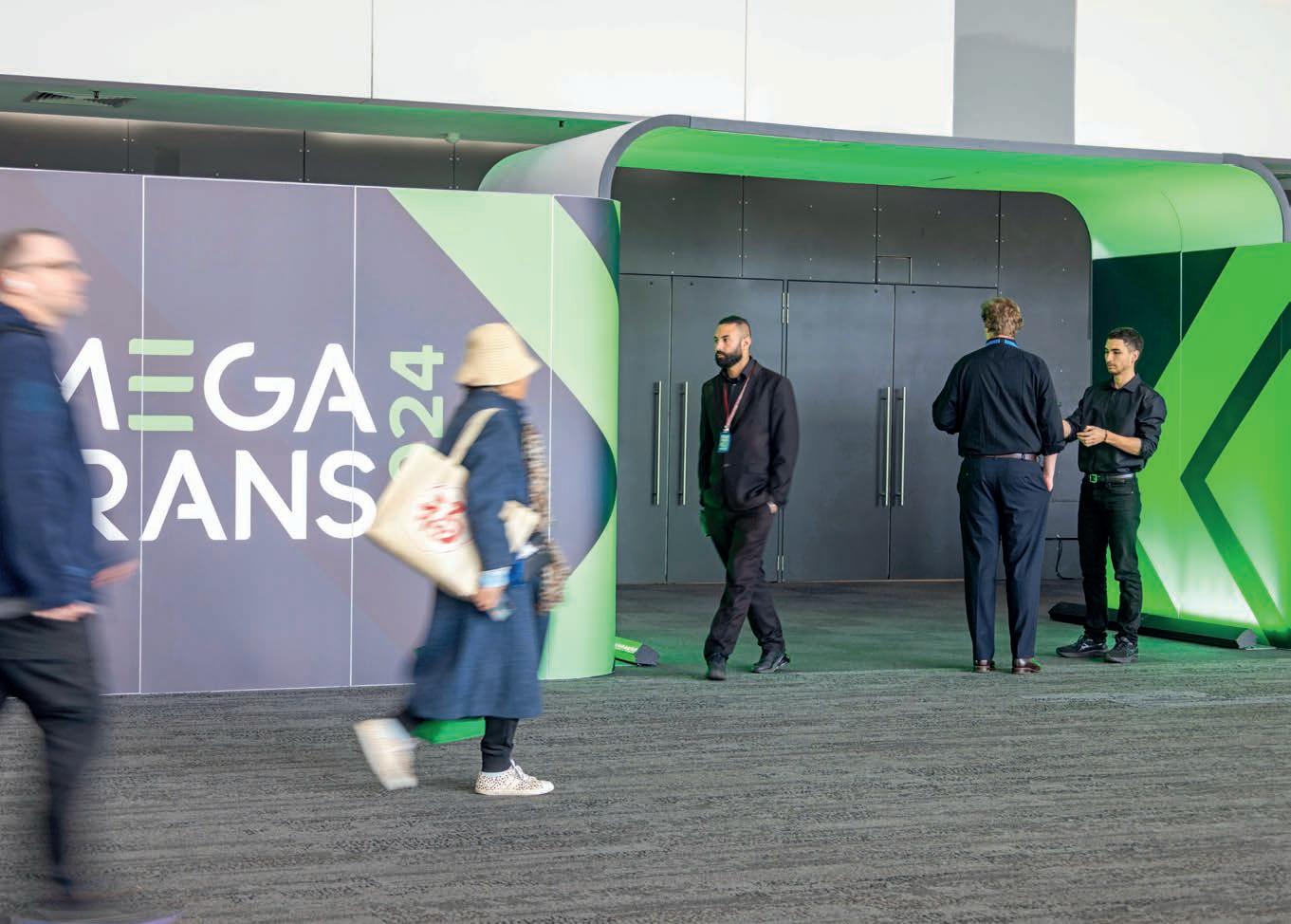
The Refrigeration Unit Spec Guide is a new industry resource for key decision makers to use in their production and sourcing of refrigeration units.
Featuring a portfolio of all trailer refrigeration units and their specs, it incorporates applications, cooling capacities, operating temperatures and more – directly aligning participants’ production capabilities with trailer builders, suppliers and original equipment manufacturers within the refrigerated transport sector.

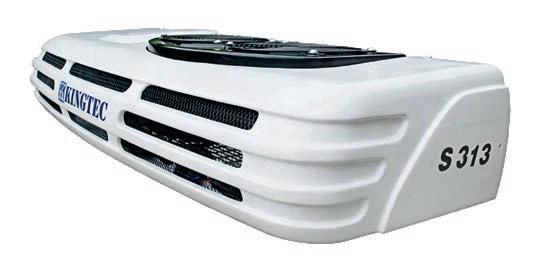
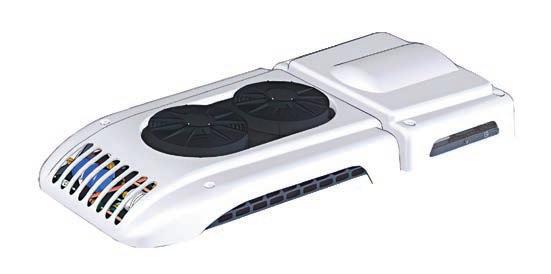
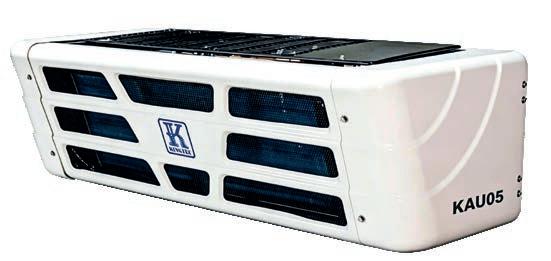
MODEL
Application
Confi
Cooling
Heating
Standby
KAU 05
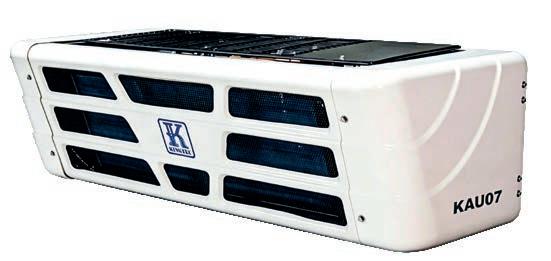
MODEL KAU 07 Application
Confi
Cooling
Cooling
Standby
/ Phase /
415V 3 Phase ( 240V 1 Phase Option)
Engine (if applicable) N/A
Telematics / Controller Kingtec AT2 - 5
Unit Weight (kg) 110 kg (170 kg ESB)
Overall Dimensions (H×W×D mm) 1,483 x 475 x 632

MODEL
Confi
Cooling
Heating
Drive
Standby
Telematics /
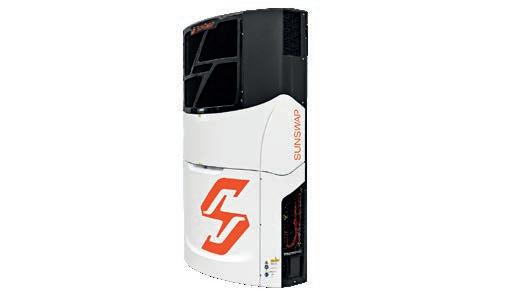
Confi
Cooling
Cooling
Heating
Drive / Architecture
Standby Voltage / Phase / Hz
/ 3ph / 50Hz (5pin, 32-amp, 3-phase)
Engine (if applicable) 71 kWh battery system (solar-charged)
Telematics / Controller Sunswap telematics
Unit Weight (kg) 964 kg
Overall Dimensions (H×W×D mm) 2,275 x 2,230 x 440
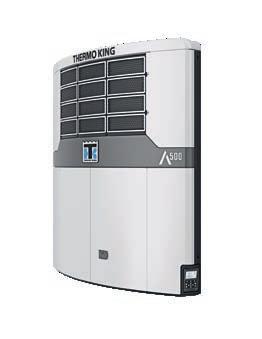
(Multi-temp available)
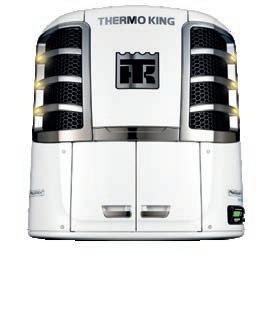
Cooling
Cooling kW @ -20°C (30°C amb) 10.8 kW @ 37.8°C ambient Heating kW 16.3
Voltage / Phase / Hz
direct electric (mild hybrid architecture, 48VDC) electric standby is standard.
/ 3ph / 50Hz
(if applicable) 2.1L Eco-Governor diesel engine
Telematics / Controller Advancer Synergy full colour Control interface. Connectivity enabled by BlueBox 2, with two years FOC subscription to TK TracKing Platform. 3rd Party Telematics compatible.
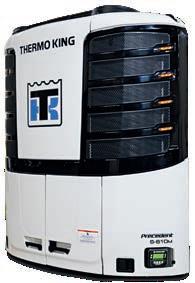
MODEL
PRECEDENT
Telematics / Controller Thermo King SR-4 controller. Connectivity by BlueBox 2 as standard for TK TracKing or 3rd Party Telematics
Weight (kg) 849 kg
Dimensions (H×W×D mm) 2,189 × 2,073 × 610
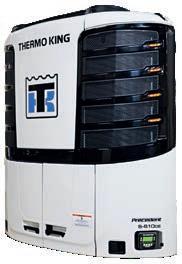
Confi
for laned trailer confi guration (two separate evaporators within host unit)
Standby
Party Telematics
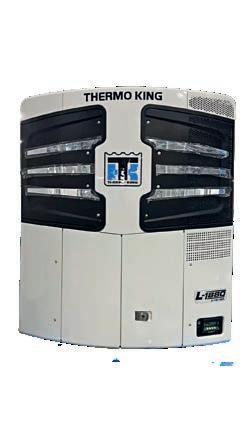
Drive / Architecture Diesel direct electric (mild hybrid architecture, 48VDC) electric standby is optional
Standby Voltage / Phase / Hz 400V / 3ph / 50Hz where Standby version is specifi ed
(if applicable) 2.1L Eco-Governor diesel engine
Telematics / Controller Thermo King Archon-T controller. Connectivity by BlueBox 2 as standard with one year FOC subscription for TK TracKing. 3rd Party Telematics compatible
Unit Weight (kg) 778 kg diesel only, 838 kg for electric standby version Overall Dimensions (H×W×D mm) 2,279 × 2,076 × 440
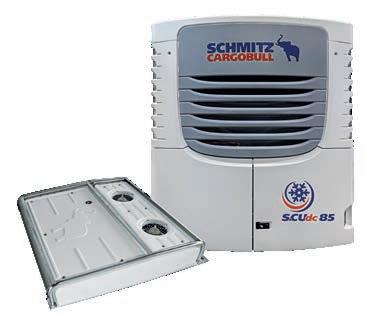
Cooling kW @ 0°C (30°C amb) 16,000 (host unit) / 8,700 (rear evap)
Cooling kW @ -20°C (30°C amb) 8,500 (host unit) / 4,600 (rear evap)
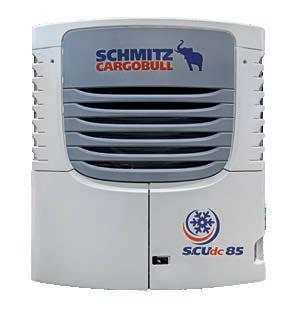
/

MODEL S.CU D80 EPTO READY (HYBRID)
Drive / Architecture Dual: ePTO takeo + E-Drive
Standby Voltage / Phase / Hz
/ 3ph / 50Hz Engine (if applicable) 2.0L diesel engine
Telematics / Controller Schmitz TrailerConnect Unit Weight (kg)
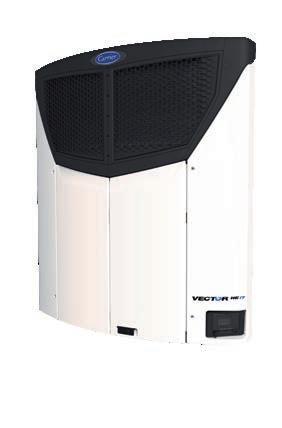
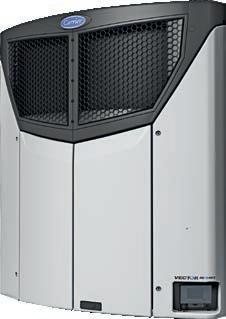
Application
Confi
Telematics
Unit
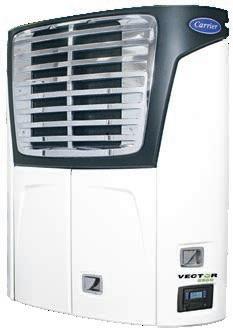
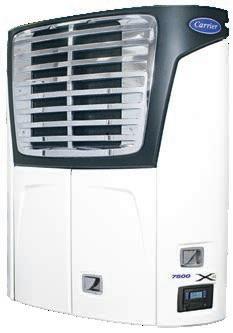
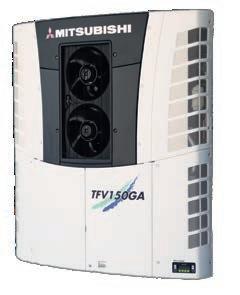
Application
Confi g (Mono/Multi)
Operating Range (°C)
Refrigerant
Cooling
Drive
Standby Voltage / Phase / Hz
Engine (if applicable)
Telematics
MODEL
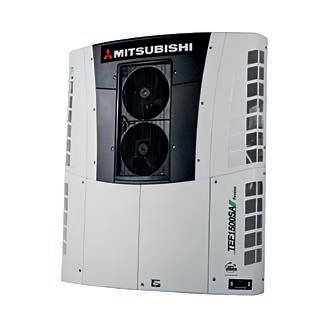
TEF1500GA
Application Trailer
Confi g (Mono/Multi) Mono-temp
Operating Range (°C) +40°C to -20°C
Refrigerant R-410A
Cooling kW @ 0°C (30°C amb) 15.5 kW
Cooling kW @ -20°C (30°C amb) 9 kW
Heating kW 17.1 kW
Airfl ow (m³/hr) 5,629
Drive / Architecture E-drive 100% all electric, hyper inverter –no engine
Standby Voltage / Phase / Hz 400V / 3ph / 50Hz
Mitsubishi S4L2-Z531NCA diesel
Engine (if applicable) N/A
Telematics / Controller Mitsubishi full DOT smart HMI controller/ Mitsi-TRACK telematics included Unit
Overall
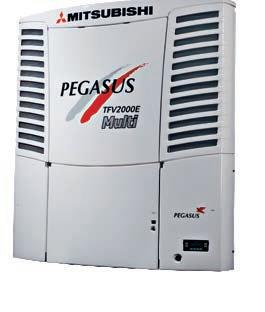
Application
Confi g (Mono/Multi) Monto-temp (TFV2000E MT Available)
Operating Range (°C) +40°C to -20°C
Refrigerant R-452A
Cooling
Cooling
Drive / Architecture Mechanical Drive
Standby Voltage / Phase / Hz 400V / 3ph / 50Hz
Engine (if applicable) YANMAR 4TNV88-SMRE diesel
Telematics / Controller
Mitsubishi full DOT smart HMI controller/ Mitsi-TRACK telematics ready
Unit Weight (kg) 860 kg
Overall Dimensions (H×W×D mm) 2,000 x 2,138 x 430
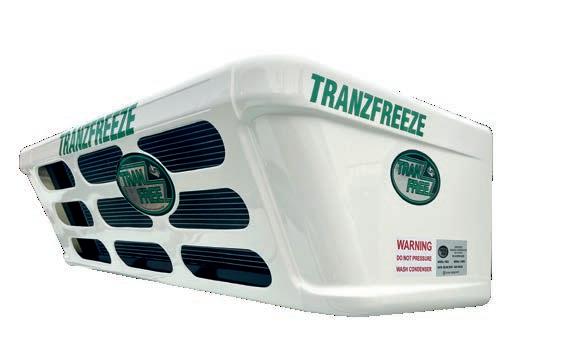
MODEL TU01,TU02,TU03
Application Insulated body up to 3.0M**
Confi g (Mono/Multi) Mono-temp
Operating Range (°C) +18°C to -25°C
Refrigerant R-452A
Cooling kW @ 0°C (30°C amb) 3.64-4.02*
Cooling kW @ -20°C (30°C amb) 1.85-2.05*
Heating kW N/A
Airfl ow (m³/hr) 1,800-2,600
Drive / Architecture O engine driven
Standby Voltage / Phase / Hz N/A
Engine (if applicable)
Telematics / Controller TTR Digital temperature controller
Unit Weight (kg) 60 kg
Overall Dimensions (H×W×D mm) 340 x 1,150 x 550
MODEL
Application
Confi g (Mono/Multi)
Cooling
Drive
TUE04 -TUE05
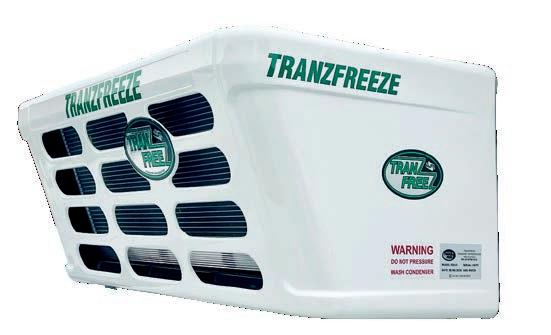
Application
Operating
TUE08,TUE10
TU06-TU07
Application Insulated body up to 4.8M**
Confi
Cooling
Heating
Drive / Architecture
Standby
Telematics
Overall
Application Insulated body up to 4.0M**
Confi g (Mono/Multi) Mono-temp (dual temp available)
Operating Range (°C) +18°C to -25°C Refrigerant R-452A
Cooling kW @ 0°C (30°C amb) 4.75*
Cooling kW @ -20°C (30°C amb) 2.42*
Standby Voltage / Phase / Hz N/A
Telematics / Controller TTR Digital temperature controller
MODEL
TU11-TU12
Application Insulated body up to 6.7M**
Confi g (Mono/Multi)
Operating Range (°C) +18°C to -10°C
Refrigerant R-452A
Cooling kW @ 0°C (30°C amb) 4.75 - 7.81*
Cooling kW @ -20°C (30°C amb) 3.1 - 4.31*
Heating
Drive / Architecture O engine driven
Standby Voltage / Phase / Hz N/A Engine (if applicable)
Telematics / Controller
Application
TUE13,TU14,TUE15
Insulated body up to 6.7M**
Confi g (Mono/Multi) Mono-temp (dual temp available)
Operating Range (°C) +18°C to -25°C
Refrigerant R-452A
Cooling kW @ 0°C (30°C amb) 5.62 - 7.81*
Cooling kW @ -20°C (30°C amb) 3.1 - 4.31*
Heating kW N/A
Drive / Architecture
Engine-driven operation plus electric standby mode
Standby Voltage / Phase / Hz 240VAC (1Ph) / 415VAC (3Ph) / 50Hz
Engine (if applicable)
Telematics / Controller TTR Digital temperature controller Unit Weight (kg)
Overall Dimensions (H×W×D mm) 460 x 1,150 x 550
TU16,TUE17,TU18,TUE19
Application Insulated tautliner up to 4.8M-7.6M** Confi
Cooling
Drive
Standby
Telematics
Overall
*All units are custom built to suit box dimensions, insulation and operating requirements, with kW ratings varying accordingly **Body length vs. unit size to be confirmed with Tranzfreeze prior to selection.
What you need to know about Australia’s biggest road projects this month
North East Link reaches major milestone
A major milestone has been reached on Victoria’s North East Link, with tunnel boring machine (TBM) Zelda breaking through in Bulleen.
This officially completes excavation on the first of two three-lane tunnels – the northbound tunnel.
Zelda is one of two TBMs building Victoria’s largest road tunnel from Watsonia to Bulleen.
TBM Gillian is continuing excavation of the southbound tunnel and is expected to break through in the coming months.
The tunnels will provide a direct route for up to 15,000 trucks each day, reducing travel times by up to 35 minutes between Melbourne’s north and east.
Federal Minister for Infrastructure, Transport, Regional Development and Local Government, Catherine King, highlighted the ways transport will benefit from the project.
“This is a really exciting milestone on this huge project that will transform the way we travel through Melbourne’s north east,” she said.
“North East Link will reduce travel times for commuters and freight, while taking trucks off local streets in Melbourne’s northern suburbs.”
More than 39,000 precast concrete segments have been installed inside the tunnels.
Crews are now building the road inside
and installing electrical, lighting and safety systems.
Above ground, works are continuing on key connections into the tunnels and the Greensborough Road boulevard.
The North East Link is delivering three major road projects, including the new tunnels as well as upgrades on the M80 Ring Road and the Eastern Freeway.
In the north, construction is progressing on the M80 Ring Road Completion flyover bridge.
Traffic is expected to move onto the new Watsonia Road bridge in the coming months.
The North East Link is jointly funded by the Australian Government ($5 billion) and the Victorian Government ($21.21 billion), and will open to traffic in 2028.
Key parts of the Bass Highway are being made safer and more efficient, with work starting on two projects in Tasmania.
The projects include a new Heavy Vehicle Driver Rest Area (HVDRA) at Detention River and upgrades to the Bass Highway junctions at Preolenna Road and Ewingtons Road in Flowerdale.
At Flowerdale, the upgrades will deliver dedicated turning lanes for vehicles entering Preolenna Road and Ewingtons Road from the Bass Highway, along with improved alignment at the Preolenna Road junction.
Construction commenced on 26 May and is expected to be completed by January next year.
Tasmanian Minister for Infrastructure and Transport, Kerry Vincent, said the upgrades will deliver improved safety and freight efficiency on the key freight route.
“The new Heavy Vehicle Driver Rest Area at Detention River will provide three new truck parking bays for Tasmania’s freight operators to rest, recharge and check their loads, which will contribute to safer and more reliable freight movements across the region,” he said.
“Junction upgrades in Flowerdale will improve safety for all road users and ensure the Bass Highway continues to meet the needs of local communities and those who travel the route each day.
“With 11 projects complete under the program to date, we look forward to making continued improvements to safety and travel time reliability throughout the region.”
The new Detention River HVDRA will provide three truck parking bays for Hellyer-bound traffic alongside the Detention River Store, supporting safer fatigue management for heavy vehicle operators.
Site preparation work has begun, with construction expected to be completed by the end of 2026.
The Flowerdale upgrades are part of the Australian and Tasmanian Governments’
$100 million Bass Highway – Marrawah to Wynyard Upgrade project, which is delivering safety and freight efficiency improvements along the corridor.
The Detention River work is funded as part of the Heavy Vehicle Driver Rest Area program.
“The Australian Government is working with the Tasmanian Government to deliver the critical upgrades the state needs to improve freight efficiency and productivity along this busy corridor,” said Federal Minister for Infrastructure, Transport, Regional Development and Local Government, Catherine King.
“With works now underway, this investment will improve safety and reduce congestion, allowing drivers travelling on this stretch to get to their destinations safer and sooner.”
Work is now underway on a major upgrade of the Golden Highway, making one of regional New South Wales’ key freight routes safer.
The NSW Government is investing $23.7 million to deliver a new westbound overtaking lane near Merriwa, ensuring the Golden Highway is able to support safer and more efficient journeys for all road users.
The $23.7 million commitment includes $12 million announced during the 2023 election campaign and a further $11.7 million allocated in the 2025-26 NSW Budget – building on more than $133 million jointly invested by the NSW and Australian Governments.
Construction is expected to take around 10 months to complete, weather permitting.
“Investments like this are about more than a single overtaking lane or safety
upgrade – they are part of a broader effort to strengthen and future-proof critical regional roads like the Golden Highway for decades to come,” said NSW Acting Minister for Roads, John Graham.
“We said we would invest in safer, more reliable regional roads, and that’s exactly what we’re doing here in Merriwa.”
Victoria’s Hume Highway will soon have a safer and more comfortable place for operators to stop, with upgrades underway at Barry’s Bay Rest Area.
The $2.6 million project includes upgraded walkways, lighting and toilet facilities, clearer parking zones for heavy and light vehicles, road resurfacing, and improved safety barriers – supporting safer journeys and helping reduce driver fatigue.
Works are currently underway and are expected to be completed by the end of the month, weather permitting.
The rest area will be closed during this time.
“The Albanese Government is investing in safer, more accessible rest areas so drivers can take a break, manage fatigue and get home safely,” said Federal Minister for Regional Development, Local Government and Territories, Kristy McBain.
“These important safety upgrades are receiving funding through our Safer Local Roads and Infrastructure Program, which provides more than $200 million a year to support the delivery of safer and more productive roads across Australia.”
A rest area on the Bells Line of Road in New South Wales will be reopened to
provide an extra option for heavy vehicle drivers to stop and manage fatigue.
According to Transport for NSW, the eastbound parking bay – located about seven kilometres east of Bilpin – had been closed due to concerns over illegal dumping and antisocial behaviour.
However, the ongoing closure of the Great Western Highway at Victoria Pass and associated increase in heavy vehicle traffic on the Bells Line of Road has resulted in calls from the freight industry for the truck parking bay to be reinstated.
“The closure of the Great Western Highway at Victoria Pass has resulted in increased use of the Darling Causeway and Bells Line of Road, placing greater emphasis on the need for accessible rest opportunities along this corridor,” said Transport for NSW Executive Director, Damien Pfeiffer.
“We’ve listened to the freight industry and reopening the Bilpin truck parking bay will provide critical support for drivers navigating longer journeys on this temporary detour.
“It will support heavy vehicle drivers to meet their regulated fatigue management obligations under the Heavy Vehicle National Law, improving safety for all road users and reducing the risk of fatiguerelated incidents.”
Transport for NSW has provided Hawkesbury City Council with $45,000 to support the reopening of the truck parking area, including vegetation management, waste management, safety and surface improvements.
Work is scheduled to start soon, with the truck parking bay to reopen next month.
Further improvements to the parking bay are planned under the Australian Government’s Safer Local Roads and Infrastructure Program.
Trailer electrification is rapidly emerging as a practical bridge between today’s diesel fleets and tomorrow’s zero-emission freight tasks.
Electrification in heavy transport is no longer confined to the prime mover, as e-trailers are now longer seen a wish-list item, with a wave of innovations is pushing electrified trailers from prototype to earlystage commercial deployment.
At the centre of this transition is the rapid development of electrified axles, which are transforming traditionally passive trailers into active contributors to propulsion and energy management. These systems use regenerative braking to capture energy during deceleration or downhill running, storing it in onboard battery packs that can range from 200kWh to more than 600kWh.
That stored energy can then be redeployed either to power auxiliary systems or to assist the prime mover.
More advanced configurations go a step further, delivering active electric assistance of up to 295kW – enough to significantly reduce the load on the towing vehicle. In some applications, this can cut diesel consumption by as much as 50 per cent or extend the operating range of batteryelectric trucks.
In Europe, regulatory progress has helped accelerate adoption, with the European Union enabling type approval for ‘eTrailers’ and pre-series units already operating in countries such as Germany and Denmark.
The 2013-2017 Transformers project focused on redesigning trucks and trailers to reduce fuel consumption and CO₂ emissions –hopefully, without needing to change existing EU regulations.
German startup, Trailer Dynamics, founded
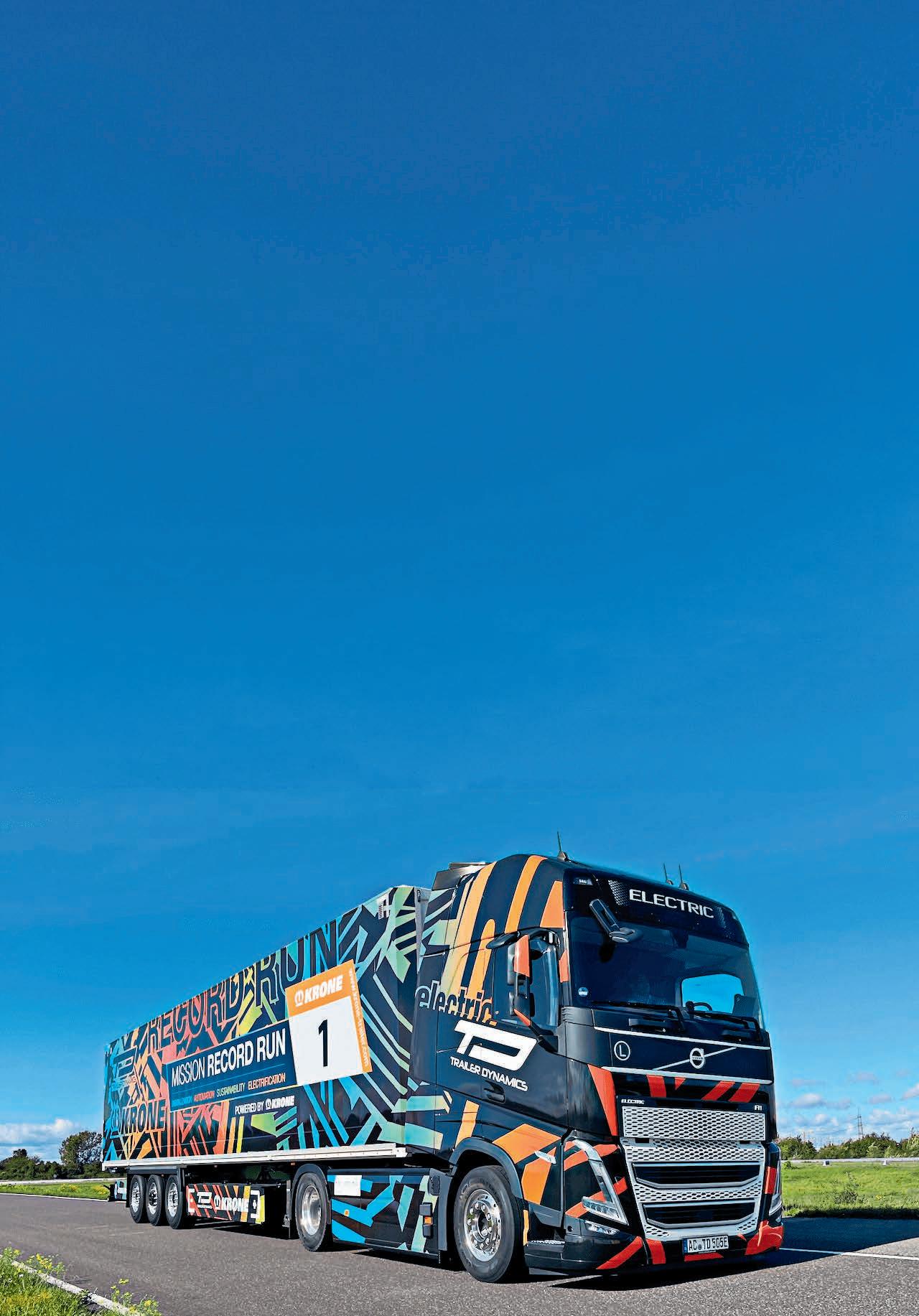
in 2018, has been at the forefront, deploying around two dozen pre-series trailers equipped with integrated electric drivetrains. The company’s system is designed to respond dynamically to the driving behaviour of the tractor unit, supporting propulsion regardless of whether the truck is powered by diesel, battery-electric or hydrogen. It recently secured a €25 million (approx. $40.63 million AUD) loan from the European Investment Bank to advance its research.
Australia is emerging as a key proving ground. With its long distances and heavy payloads, local freight presents ideal conditions to test how electrified trailers can address the issue of range as one of the biggest barriers to zero-emission trucking. Trials are increasingly focused on using e-trailers as range extenders for electric prime movers, allowing operators to begin decarbonising without fully replacing existing fleets.
Beyond propulsion, electrification is also reshaping auxiliary systems. Refrigerated transport is a prime example, where axle-based energy recovery systems are eliminating the need for separate dieselpowered cooling units. Technologies such as Thermo King’s AxlePower, co-developed with
BPW, capture braking energy and store it in high-voltage batteries to run refrigeration units both on the move and at standstill. Trials in Europe and Africa have demonstrated significant fuel savings and emissions reductions, including cuts of up to 20 tonnes of CO₂ annually in some applications.
Despite the momentum, challenges remain. The added weight and upfront cost of battery systems continue to pose barriers, although these are increasingly offset by lower fuel and maintenance costs over time. Regulatory frameworks also lag behind the technology in some markets, where fully powered trailer axles are not completely aligned with existing vehicle design rules.
There are also technical hurdles. Siemens research in 2025 highlighted that integrating powered e-axles altered the entire vehicle’s dynamics “bringing new challenges in vehicle stability”.
Electrified trailers are now widely regarded as a practical technology that can deliver immediate efficiency gains. With trials expanding, e-trailers are expected to move firmly into the mainstream by the end of the decade. In the interim, they can be viewed as a modular, scalable pathway to lower emissions, reduced fuel consumption and improved operational efficiency –without waiting for a complete overhaul of the heavy vehicle fleet.
Trailer Dynamics is at the forefront of advancing e-trailers in Europe.
“Australian Truck Radio is my trucking radio station. So many great trucking tunes with loads of industry news. I lock it on and leave it on all day long!”
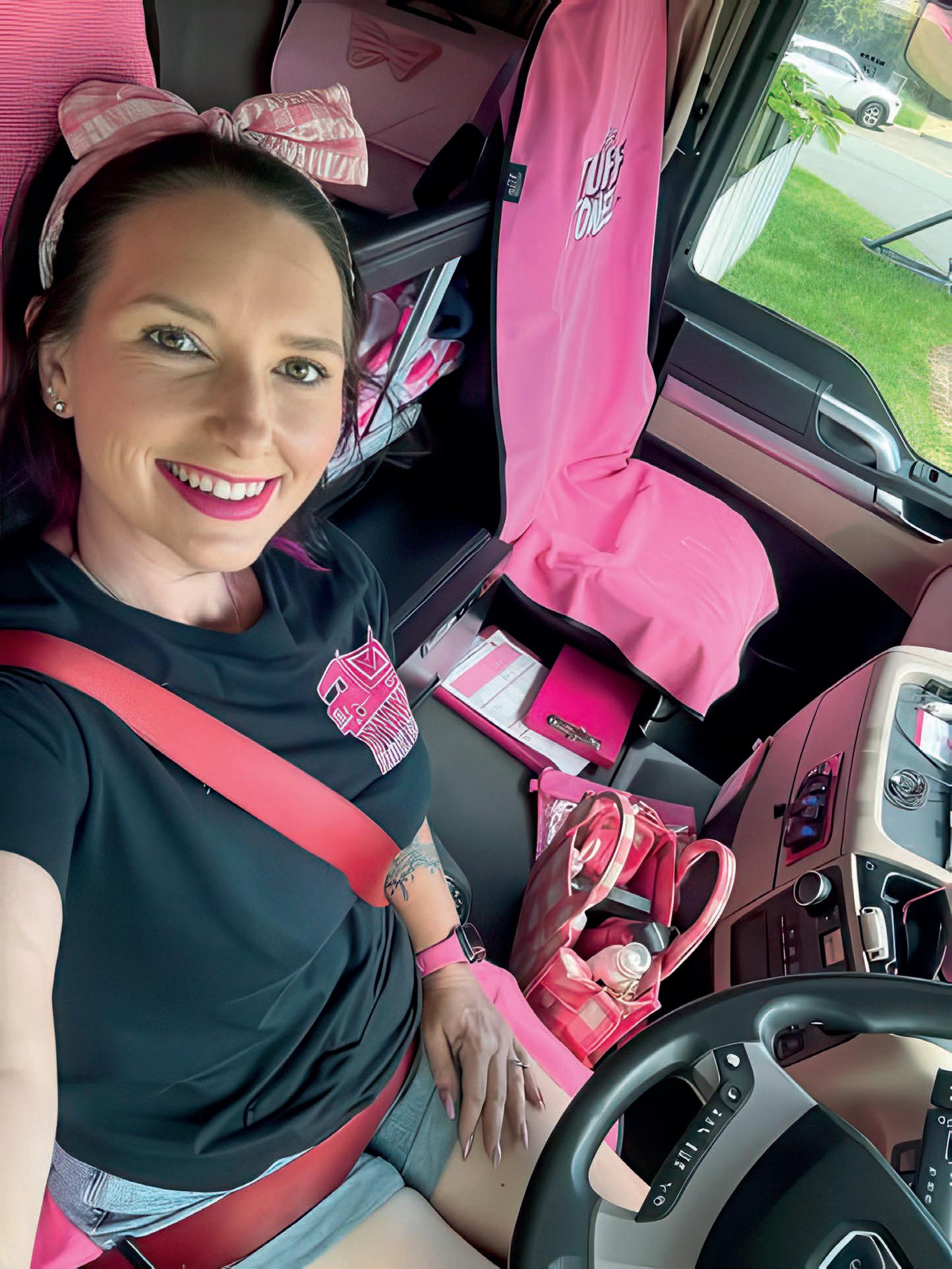





Rum City Foods continues to expand on the back of strong family values, trusted partnerships and a long-standing commitment to quality service.
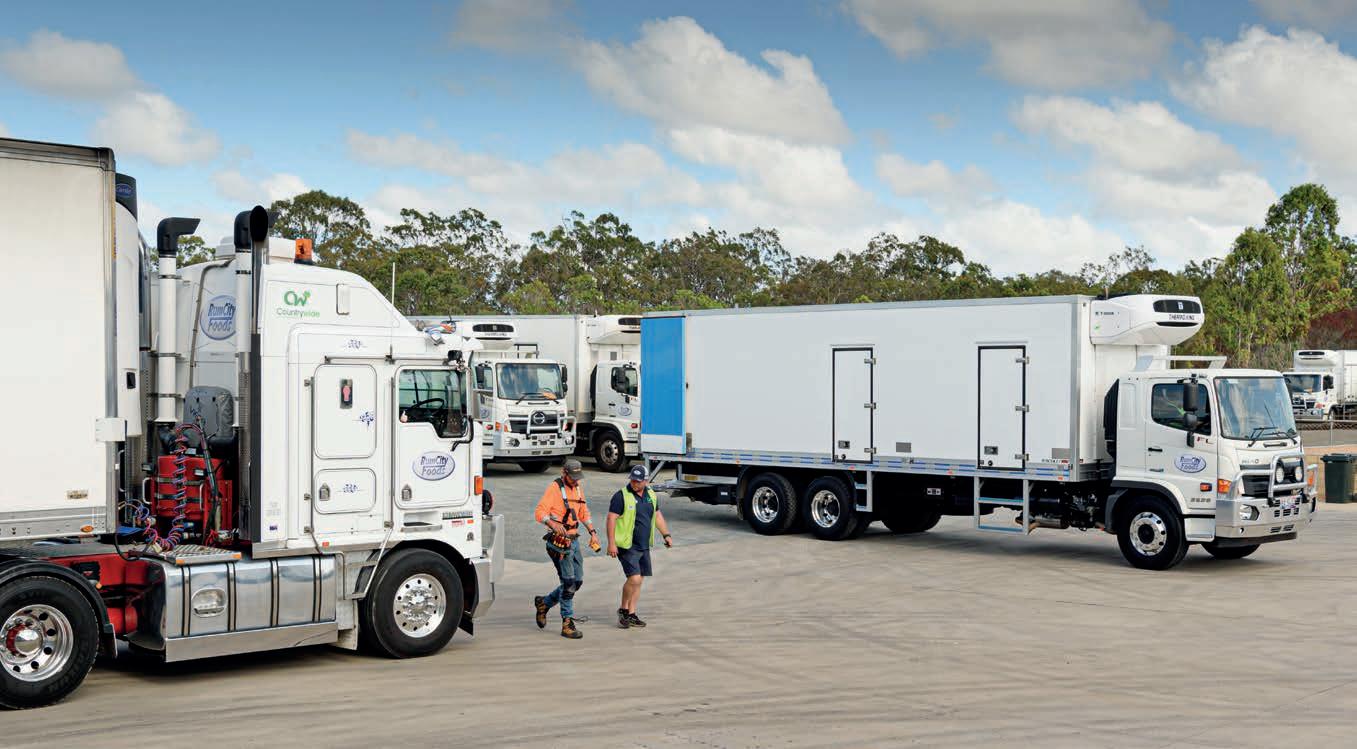
For General Manager, Scott McIntyre, Rum City Foods is a family legacy that has been growing steadily since 1978. Founded by his mum and dad, Kelvin and Glenda, the company remains 100 per cent familyowned and operated to this day, with both still involved and proudly watching the business evolve across generations.
“They built it from the ground up,” Scott says. “They’re still part of it and are still invested in what we’re doing. It’s something we’re all very proud of.”
From its beginnings in Bundaberg, Rum City Foods has expanded into a key food service and fresh produce supplier across Central Queensland. The business now operates four depots across Maryborough, Bundaberg, Rockhampton and Gladstone, servicing a vast regional footprint that stretches from coastal centres, such as Yeppoon, Hervey Bay and Rainbow Beach to inland communities including Gympie,
Emerald, Biloela, Clermont, Gayndah, Biggenden, Monto and Theodore. It even delivers to Townsville from the Rockhampton base.
The need for quickly delivered fresh food is rapidly growing in Central Queensland, where towns and cities rely heavily on companies such as Rum City Foods. The business currently supplies food services to a wide range of businesses – from pubs, clubs, hospitals and correction centres.
While it is steadily expanding, the business remains firmly anchored in family values. Scott works alongside a closeknit team that includes his brother-in-law who manages warehouse and logistics operations, helping ensure the day-today efficiency of the company’s growing distribution network.
“It’s a real family business,” he says. “That’s how we run it, and that’s how we want our staff to feel as well.”
That philosophy extends to the company’s workforce, with around 120 staff spread across its four depots. Training and mentoring are central to maintaining the culture that has underpinned Rum City Foods for nearly five decades.
“We’re very strong on training our staff to understand how we operate,” Scott explains. “It’s about having the right attitude, treating customers properly and taking pride in what you do. If people fit that, they do very well here.”
Supporting that service commitment is a growing fleet of around 65 vehicles. The fleet plays a critical role in ensuring timely, reliable delivery of fresh and frozen products to a diverse customer base that includes pubs, clubs, hospitals, correctional facilities and other food service operators.






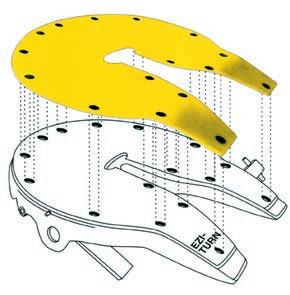
• 30 + years in the market place
• Clean, grease-free fifth wheel
• More cost effective
• Easy to fit
• Consistent steering characteristics
• Environmentally friendly
• Australian designed & manufactured
•

Pencil in some information on dates and venues of various truck shows, field days and road transport industry conferences both locally and internationally.
Victoria
Sheepvention Rural Expo
2-3 August
Hamilton, VIC Visit: www.hamiltonshowgrounds.com.au
Dowerin Machinery Field Days
26-27 August
Dowerin, WA Visit: www.www.dmfd.com.au
New South Wales
NSW Major Projects Conference
8-9 September
Sydney, NSW Visit: www.nswconference.com.au
Queensland
Agrotrend 11-12 September
Bundaberg, QLD Visit: www.agrotrend.com.au
IAA Transportation 15-20 September
Hanover, Germany Visit: www.iaa-transportation.com/en
Victoria
MHD Mercury Awards
16 September
Melbourne, VIC Visit: www.mercuryawards.com.au
MegaTrans 16-17 September
Melbourne, VIC Visit: www.megatrans.com.au
BULK2026
16-17 September
Melbourne, VIC Visit: www.bulkhandlingexpo.com.au
Henty Machinery Field Days 22-24 September
Henty, NSW Visit: www.hmfd.com.au
Victoria
Elmore Field Days
6-8 October 2026
Elmore, VIC Visit: www.elmorefielddays.com.au
New South Wales
MOVE Australia 14-15 October
Sydney, NSW Visit: www.terrapinn.com/exhibition/move-au
Victoria
Wandin Silvan Field Days 16-17 October
Wandin, VIC Visit: www.wandinsilvanfielddays.com.au
New South Wales
Murrumbateman Field Days 17-18 October
Murrumbateman, NSW Visit: www.mfdays.com
November
Brazil
Fenatran 9-13 November
São Paulo, Brazil Visit: www.fenatran.com.br
Queensland
AusRAIL 23-25 November
Brisbane, QLD Visit: www.ausrail.com
PH: (03) 9775 0766
Email: