

VISIT
Repurposing existing pipeline infrastructure for hydrogen and future fuels demands world class inspection technology and decades of pipeline expertise. From feasibility through to certification, our team works alongside engineers, operators and regulators to ensure your pipeline is ready for whatever the energy future demands.
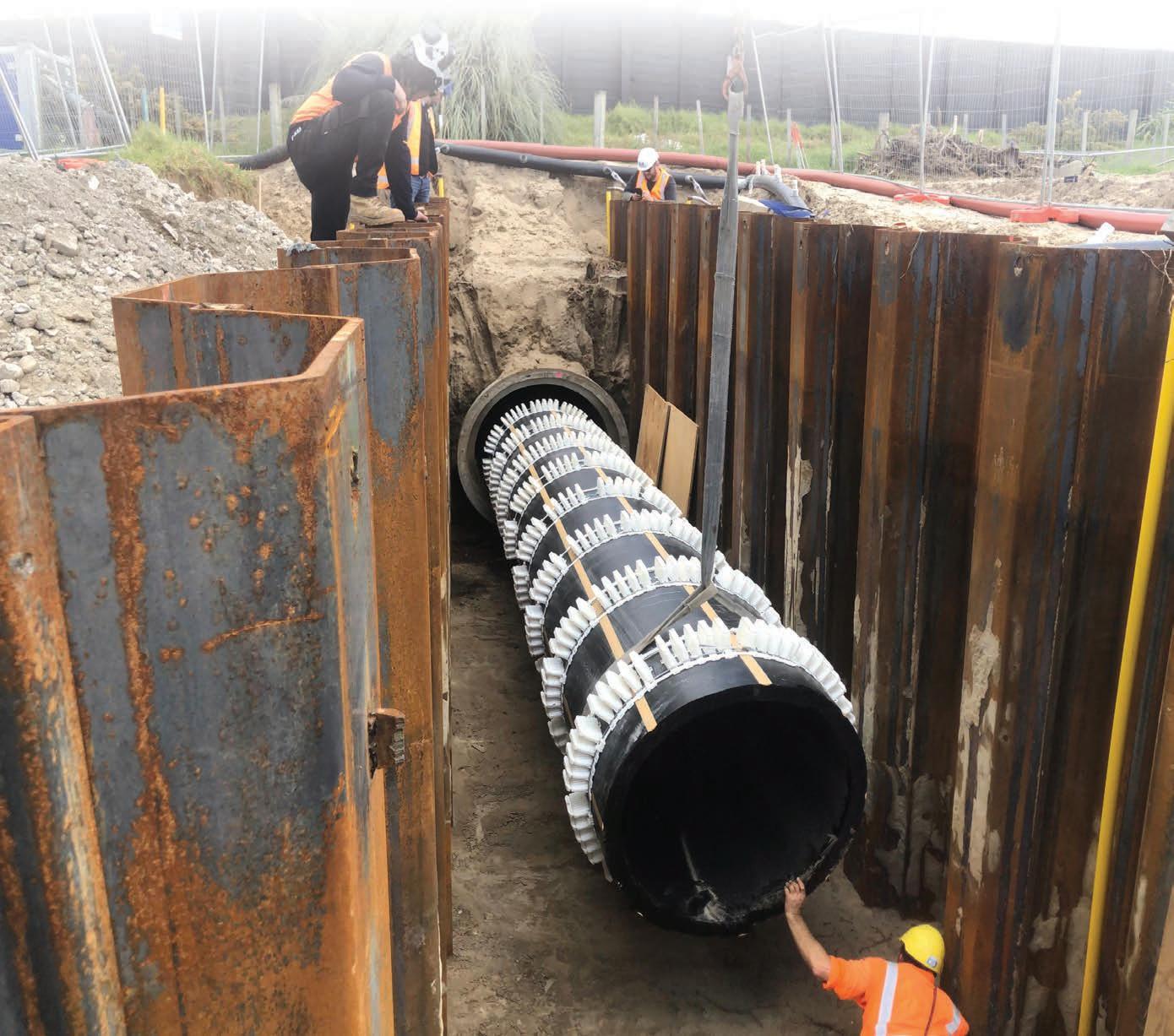

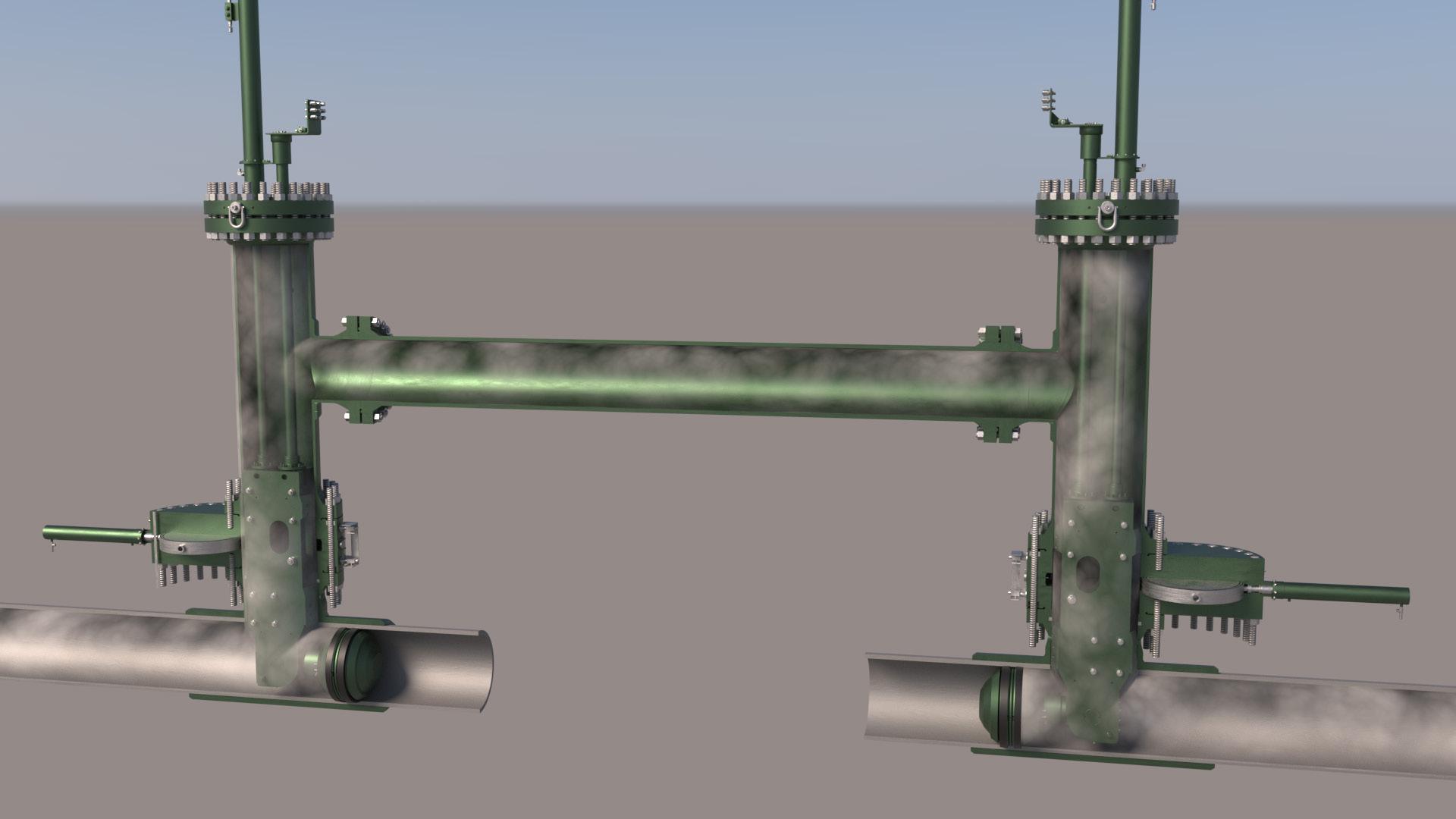

Monitored Zero-Energy Zone
Dual Leak-Tight Seals Double Block & Bleed Isolation
Isolated Pipeline
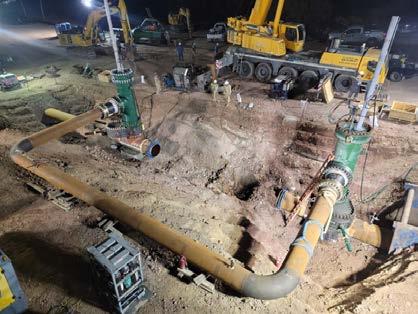

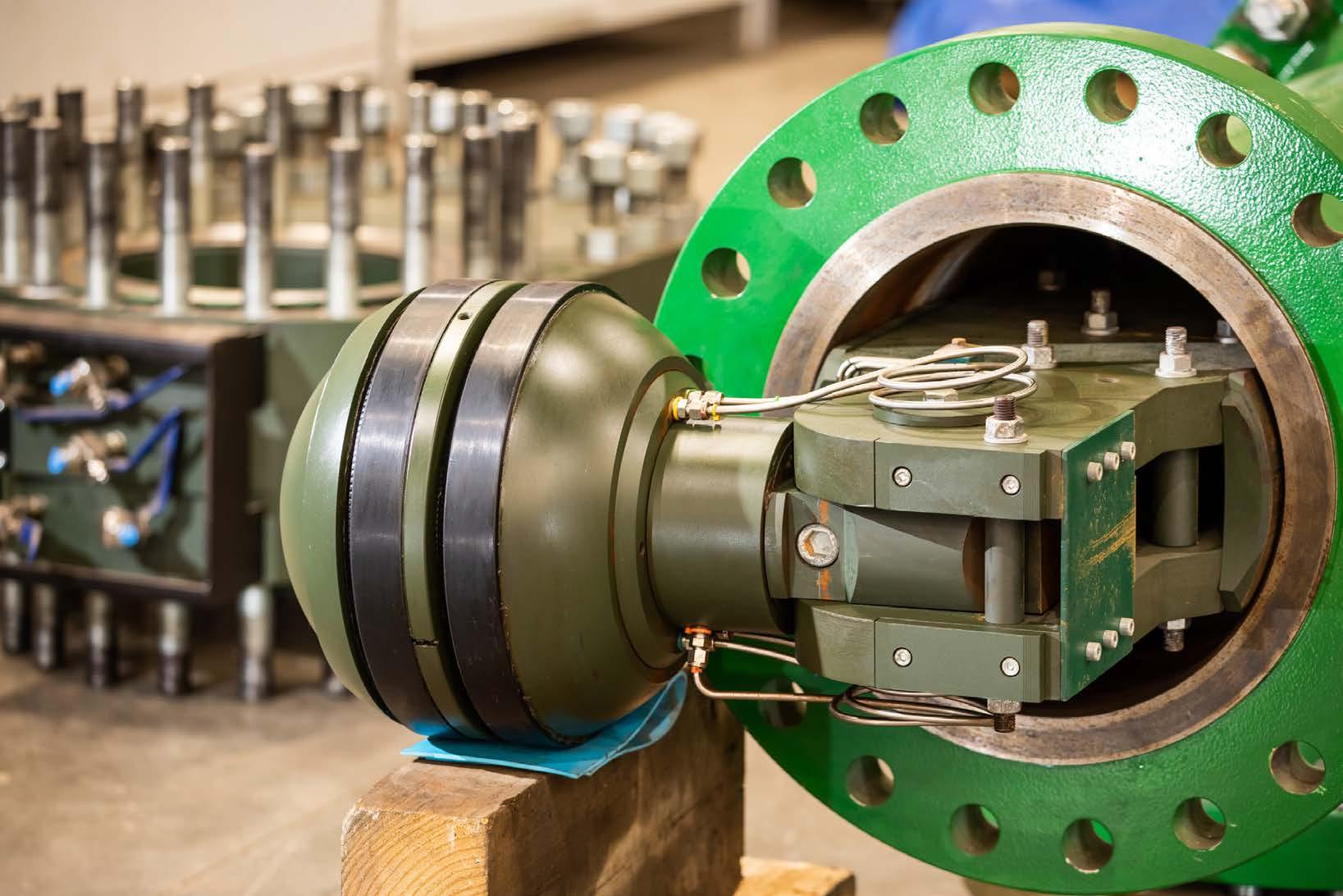
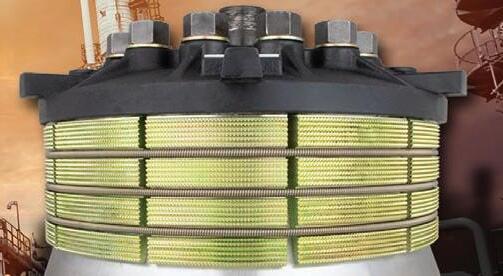
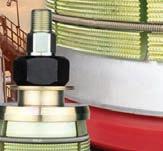
The BISEP® has an extensive track record and provides pioneering double block and bleed isolation while maintaining pipeline ow. Fail-safe hydraulically activated dual seals provide tested, proven and fully monitored leak-tight isolation, every time, any pressure.
size range: 3” - 56”
max pressure: 153bar / 2220psi type approved


Chairman John Murphy
CEO
Christine Clancy christine.clancy@primecreative.com.au
Managing Editor Eugene Duffy eugene.duffy@primecreative.com.au
Editor Timothy Bond tim.bond@primecreative.com.au
Business Development Manager Jake Niehus jacob.niehus@primecreative.com.au
Head of Design Blake Storey blake.storey@primecreative.com.au
Designer Apostolos Topatsis & Deborah Pilarinos
Front Cover Image Bridger Photonics
Copyright
The Australian Pipeliner is owned by Prime Creative Media and published by John Murphy. All material in The Australian Pipeliner is copyright and no part may be reproduced or copied in any form or by any means (graphic, electronic or mechanical including information and retrieval systems) without written permission of the publisher. The Editor welcomes contributions but reserves the right to accept or reject any material. While every effort has been made to ensure the accuracy of information, Prime Creative Media will not accept responsibility for errors or omissions or for any consequences arising from reliance on information published. The opinions expressed in The Australian Pipeliner are not necessarily the opinions of, or endorsed by the publisher unless otherwise stated. © Copyright Prime Creative Media, 2021
Articles
All articles submitted for publication become the property of the publisher. The Editor reserves the right to adjust any article to conform with the magazine format.

Printed by: The Precision Group
83-89 Freight Drive, Somerton VIC 3062
Ph: (03) 9490 1500
The Australian Pipeliner brand comprises: six editions a year, a news website, a weekly e-newsletter, multiple social media platforms, an annual industry directory and an annual pipelines wallchart. Book an advertising and editorial package to gain access to our exclusive audience.
16,500+ e-newsletter subscribers
20,000+ website views each month
13,700+ magazine subscribers
3,300+ social media followers
Contact our business development team to discuss how you can grow your business with The Australian Pipeliner. Call 0466 929 675 or email jacob.niehus@primecreative.com.au
Head Office
379 Docklands Drive, Docklands VIC 3008 Ph: (03) 9690 8766
enquiries@primecreative.com.au www.primecreative.com.au
The Australian Pipelines and Gas Association’s (APGA) vision is to lead the sustainable growth in pipeline infrastructure for Australasia’s energy. APGA is a non-profit organisation formed to represent the interests of its members involved in: the ownership, operation, maintenance, design, engineering, supply and construction of pipelines, platforms and all other structures used in or in connection with the drilling for, extraction and transmission of hydrocarbons, solids, slurries and similar substances both onshore and offshore. As a single voice representing the collective interests of its members, APGA is dedicated to encouraging the extension and development of the industry.
The Australian Pipeliner is the official journal of the Australian Pipelines and Gas Association (APGA) and is distributed to members without charge and circulated to interested organisations throughout Australia and overseas. It is also available on subscription. The publishers welcome editorial contributions from interested parties. However, neither the publishers nor APGA accept responsibility for the content of these contributions and the views contained therein are not necessarily the views of the publishers or APGA. Neither the publishers nor APGA accept responsibility for any claims made by advertisers. All communications should be directed to the publishers.
May 2026 finds us all in an unexpected place compared to plans at the start of the year.
The war in the Middle East has created a massive disruption across the world and announcements on what comes next seem to happen daily. While the economy is going pretty well at the time of writing (late April), Australia’s dependence on liquid fuels is apparent to all and circumstances could change rapidly if just a handful of diesel shipments fail to arrive.
Against that backdrop, there is a step change in our domestic conversation about the future of the energy system, with reliability and security taking on new meaning. The Gas Market Review, commenced well before the war, continues to work on the detail for a national domestic reservation policy and APGA continues to advocate for a prioritisation of its recommendations concerning infrastructure investment. The need to secure new investment across the gas supply chain is recognised across Commonwealth, State and Territory Governments but the pace of policy reform is slow.
On top of this, the strategic importance of Australian LNG is clear to all who are paying attention. In the shortterm, maintaining reliable supplies to the region will help Australia secure fuel from our partners throughout Asia. In the long-term, we can reasonably anticipate a new interest in increased supplies of LNG from Australia. While we all know Australian LNG is not the lowest cost to produce, it is reliable and secure and many energy importers will be more willing to pay a premium for these features in the years ahead.
Overall, I remain optimistic that there will be a strong wave of investment in gas infrastructure in the years ahead.
This edition’s themes are future fuels, emissions reduction and innovation – all of which are relevant to managing the impacts of the war and liquid fuel supply disruption. There have been several announcements regarding biofuels in recent weeks and each project in this space has the potential to expand to biomethane
APGA Secretariat
Registered Office: 2nd Floor, NFF House, 14-16 Brisbane Avenue, Barton, ACT 2600
(PO Box 5416, Kingston ACT 2604)
T: +61 2 6273 0577
E: apga@apga.org.au
W: www.apga.org.au
ABN: 29 098 754 324
production. Innovation will play a key role in our response to prevent future disruptions. I wouldn’t be surprised if we see a resurgence in discussion on the potential for gas-to-liquids (GTL) to help in this space. Everyone who has worked in energy for a while has seen technology plays come and go, many of them first come years before their time. I put the recent hydrogen excitement in this category – its time will come – and for those that recall the GTL excitement of the mid-2000s, perhaps its time has come now.
May sees the opening of registration for APGA’s Annual Convention and Exhibition (see page 58). This year we are in September, as the climate in Darwin in October is tough for most of us. Early bird registrations are now open. In recognition of the additional costs of travelling to Darwin and the burden on members of fuel prices, we have reduced early bird ticket prices by an additional 10 per cent over the normal discount. I hope this helps with your getting to the event and we look forward to seeing as many members as possible in Darwin.

STEVE DAVIES APGA CEO
Chief Executive Officer
Steve Davies
Head of Corporate Services
Dhammith Abeysuriya
Head of Advocacy
Matt Williams
Head of Operations & Communications
Lawrence Shelton
Head of Engagement
Gayle Bower
Accounts & Membership Officer
Katy Spence
Head of Policy
Catriona Rafael
Technical Advisor
Craig Bonar








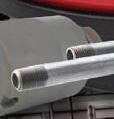



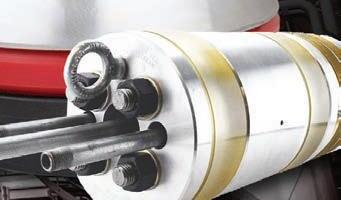



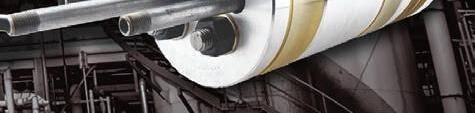

Whether you’re testing open end pipe, systems terminating in long radius elbows, flange welds or isolating lines... count on the GripTight Family of Test & Isolation Plugs from Curtiss-Wright to perform above expectations, test after test.
Patented gripper designs, hardened components and single-body uninterrupted seals provide field performance that’s second to none. When safety and reliability matter most, plants around the world trust GripTight Plugs for their hydrostatic testing & pipe isolation needs!
Patented gripper designs for increased safety in high-pressure applications
Save time by eliminating welded end caps to test pipe spools & piping systems
Test flange-to-pipe welds without pressurizing entire systems
Isolate & monitor upstream pressure and vapors during hot work
Standard pressure ratings up to 15,000 PsiG (1034 BarG)
ASME PCC-2 Type I, III & IV Testing Devices available



Take a look at a few of the latest developments on the west coast.
Waitsia gas plant closes in on nameplate capacity
The Waitsia Gas Plant in Western Australia’s Perth Basin has reached a major milestone, ramping up production to 200 terajoules per day (TJ/day) following the successful commissioning of its third compressor.
The project, operated by Mitsui E&P Australia in partnership with Beach Energy, is part of the broader Waitsia Stage 2 development. The new gas plant is designed to eventually produce up to 250 TJ/day as it continues ramping up toward its full nameplate capacity.
Once fully operational, Waitsia is expected to play a critical role in Western Australia’s energy system, with the potential to supply close to a quarter of the state’s natural gas demand. The project also supports both domestic gas supply and future LNG exports via the North West Shelf.
Development of Waitsia Stage 2 has included drilling 13 development wells and constructing a new production facility. Commissioning of the plant is ongoing as production gradually increases toward full capacity.
Beyond energy supply, the project is delivering economic benefits to the Mid West
region, generating royalties and broader economic activity during both construction and operations.
$10m water project for
Construction is set to begin on a 7.4km pipeline linking Sovereign Hill to Guilderton in the Shire of Gingin, Western Australia.
This is a part of a joint Albanese and Cook government initiative designed to safeguard local drinking water supplies from the effects of climate change.
Delivered by Water Corporation, the $10 million project will supplement Guilderton’s drinking water with a more sustainable groundwater source near Sovereign Hill.
“By drawing on deeper inland groundwater through the new pipeline, Water Corporation will be able to run the scheme with far greater flexibility, helping ensure the town has a secure, year round supply,” said Western Australian Water Minister Don Punch.
“The Cook Government is focused on delivering the infrastructure that regional communities need, and this partnership with the Australian Government shows how we’re working together to make it happen.”
By reducing reliance on shallow coastal aquifers that are more saline and increasingly vulnerable to declining rainfall, the government believes the new pipeline will strengthen water security and improve the aesthetic quality of the town’s supply.
Jointly funded with the Australian Government through the National Water Grid Fund, the project also includes upgrades to treatment and control systems at both ends of the pipeline.
Construction is expected to be completed in late 2026.
“By connecting Guilderton to more sustainable groundwater reserves further inland, this project will bolster supply reliability and may otherwise impact the community’s ability grow and prosper,” said Federal Minister for the Environment and Water Murray Watt.
Dampier seawater desalination plant
Mining giant Rio Tinto has partnered with the Western Australian Government in a 50:50 joint venture to deliver the Dampier seawater desalination plant, a $1.1 billion project aimed at strengthening longterm water security in the Pilbara region.
Once fully operational, the plant will produce eight gigalitres of desalinated water each year for the West Pilbara Water Supply Scheme, helping to reduce pressure on key groundwater sources in the region. The scheme, operated by Water Corporation, supplies water to the towns of Karratha, Wickham, Dampier, Roebourne and Point Samson, as well as the industrial hubs of Cape Lambert and the Burrup Peninsula.
Construction of Stage 1 of the facility is already underway and is expected to deliver 4 gigalitres of desalinated water annually later this year. A second construction phase has also begun and will add another 4 gigalitres of capacity, with the first water from Stage 2 expected in 2027. Together, the two stages will reduce abstraction from the Bungaroo and Millstream aquifers, which are currently important water sources for the region.
The partnership builds on a Memorandum of Understanding signed in 2025 between the state government and Rio Tinto to improve water security in the Pilbara. Over the past five years, the West Pilbara has frequently experienced rainfall and streamflow below the long-term average, reducing groundwater recharge at both the Millstream and Bungaroo aquifers. Abstraction from these aquifers has been a concern for Traditional Owner groups.
The desalination plant, which will be operated by Rio Tinto, is expected to significantly reduce groundwater use while helping protect environmentally and culturally significant sites.
“Western Australia has the strongest
economy in the nation thanks largely to the Pilbara and our world-leading resources industry,” Western Australian Premier Roger Cook said.
“That’s why we want to ensure the Western Australians who live in such an important part of our State have access to the quality infrastructure and services they deserve.
“We are already working with Yindjibarndi Aboriginal Corporation to improve the Millstream aquifer’s sustainability. Now, we are investing hundreds of millions of dollars in a project that will deliver billions of litres of water to local households and businesses. This project shows why our government’s Made in WA plan is so important to our state’s future and how it is helping deliver our priorities.”
Rio Tinto Iron Ore Chief Executive Matthew Holcz said: “We understand water is a scarce resource, especially in the Pilbara. Bringing on the Dampier Seawater Desalination Plant is an important step as we work to reduce our reliance on groundwater abstraction.
“Stage 1 of the Dampier Seawater Desalination Plant will reduce our draw on the Bungaroo aquifer, which we recognise is deeply important to the Robe River Kuruma People. We are pleased to partner with the Western Australian Government to improve the security and sustainability of water supply throughout the Pilbara.”
Santos plants WA decommissioning
Santos WA has submitted an environment plan with NOPSEMA to undertake well
There are many new pipeline projects underway in Western
intervention or potential decommissioning of the VGA-4H GI ST1 well within the Van Gogh Coniston Novara fields offshore Western Australia.
The well is located in production licence WA-35-L, with the operational area extending into WA-28-PL, in Commonwealth waters about 285km westsouthwest of Dampier and roughly 60km north of Exmouth in water depths of 360–380m.
Under the proposal, Santos may either suspend the well or permanently decommission it, with the objective of restoring the well to a two-barrier status. Decommissioning would involve installing permanent isolation barriers and removing certain well and subsea infrastructure, including components such as crown plugs, completion tubing and potentially the subsea christmas tree.
Well suspension activities would be undertaken using a light well intervention vessel, while full decommissioning would require a mobile offshore drilling unit supported by vessels and helicopters. Remotely operated vehicles may also be used during the work.
The activity is planned to begin between the third quarter of 2026 and the fourth quarter of 2027 and is expected to take between 10 and 40 d ays, depending on approvals, vessel availability and weather conditions.
Operations would take place within a 2.5km operational area around the VGA4H GI ST1 subsea well.
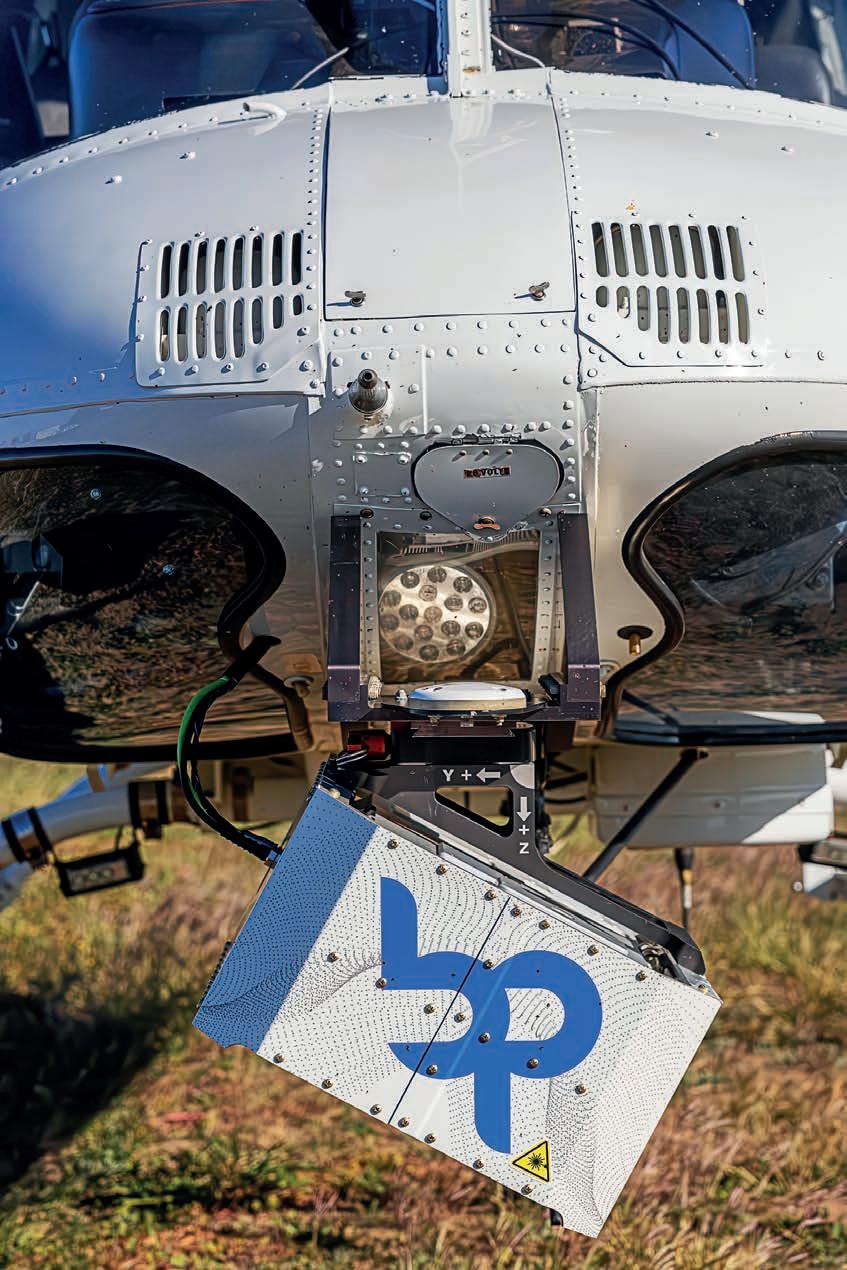
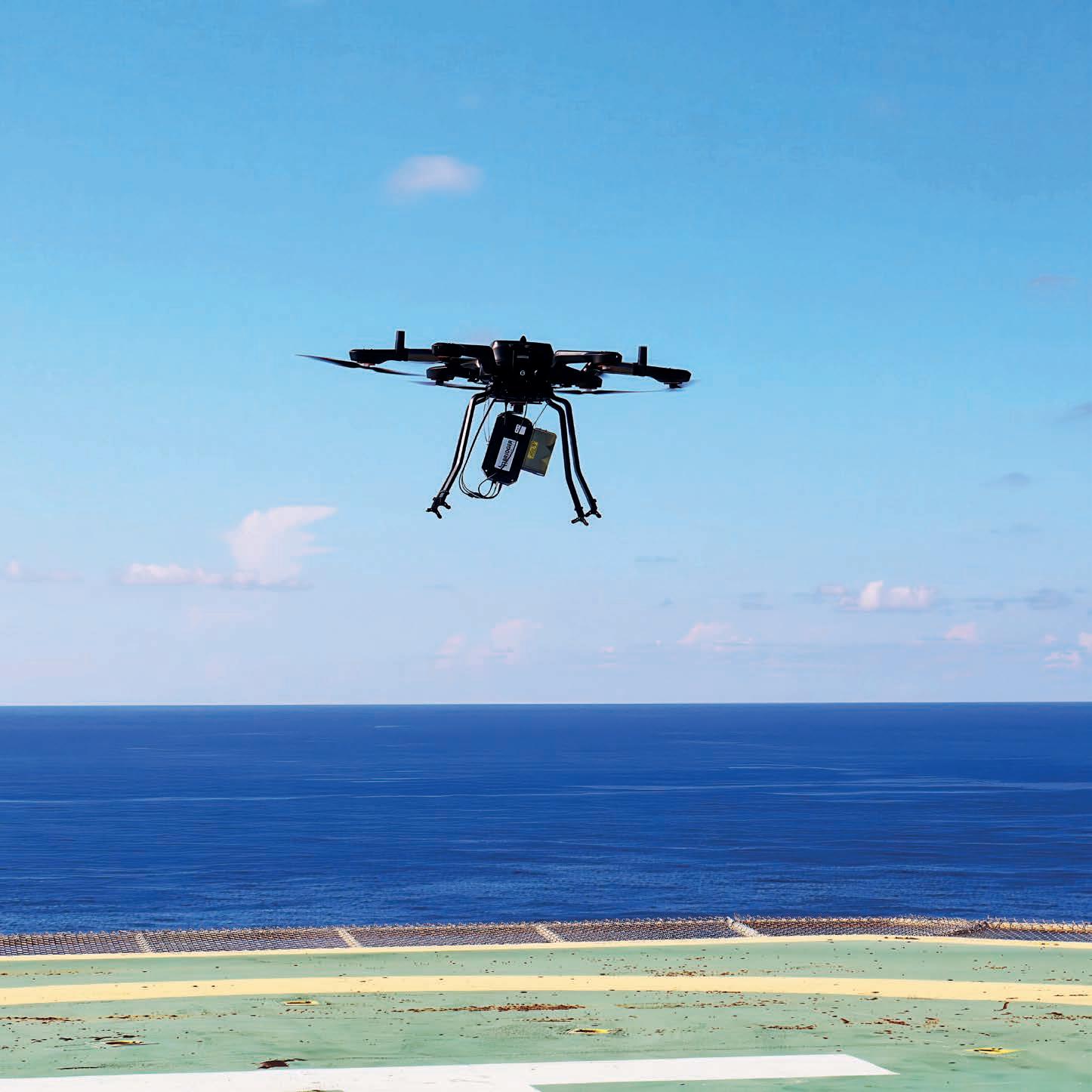
Helicopter-based methane detection.
As global energy markets evolve, investors, buyers, and policymakers are evaluating natural gas not just on volume or cost, but also on emissions performance: the emissions associated with producing and delivering each unit of energy.
Emissions performance has become a key metric for differentiating supply, informing capital allocation, and shaping long-term competitiveness in global markets.
As expectations on oil and natural gas operators rise from multiple angles, the challenge is no longer whether emissions are being detected; it’s how credibly they are being measured and used to inform decision making. This is where Bridger Photonics is helping operators compete more effectively in global markets using emissions performance as a strategic lever.
From reporting metric to operational advantage
Historically, methane reporting largely focused on absolute emissions: total volumes emitted over a given period. While useful,
these figures offer limited insight into operational efficiency or comparative performance across assets, basins, or operators.
To solve this, one performance metric that is commonly used is methane intensity, which provides a more comparable way to interpret emissions totals and performance.
Methane intensity normalises emissions against production or throughput, providing a measure of how efficiently energy is produced and transported. This allows stakeholders to distinguish between high- and low-performing operations, regardless of scale or output.
For investors and buyers, low emissions intensity offers a contextualised signal of operational discipline, emissions management maturity, and long-term risk exposure. For operators, it creates both a benchmark and an opportunity to demonstrate differentiated performance.
However, the value of methane intensity reporting depends entirely on the quality of the underlying data.
The need for accurate measurement to inform emissions performance
Estimating methane emissions through engineering assumptions or emission factors introduces uncertainty, particularly when applied across diverse and complex operations. These approaches often struggle to capture variability across equipment, operating conditions, and time.
Real world measurement is becoming essential for credible performance reporting that drives confident investment decisions, sustainability reporting, and even certified and differentiated gas marketing.
Quantitative, source-resolved methane data provides the foundation for defensible performance reporting. It enables operators to move beyond generalised assumptions and toward asset-level accuracy, supported by realworld measurements.
Measurement-backed datasets also improve comparability. When emissions are captured consistently across assets and over time, emissions performance – including intensity – becomes more than a reporting requirement; it becomes a decision-making tool.
Understanding emissions performance with aerial measurement
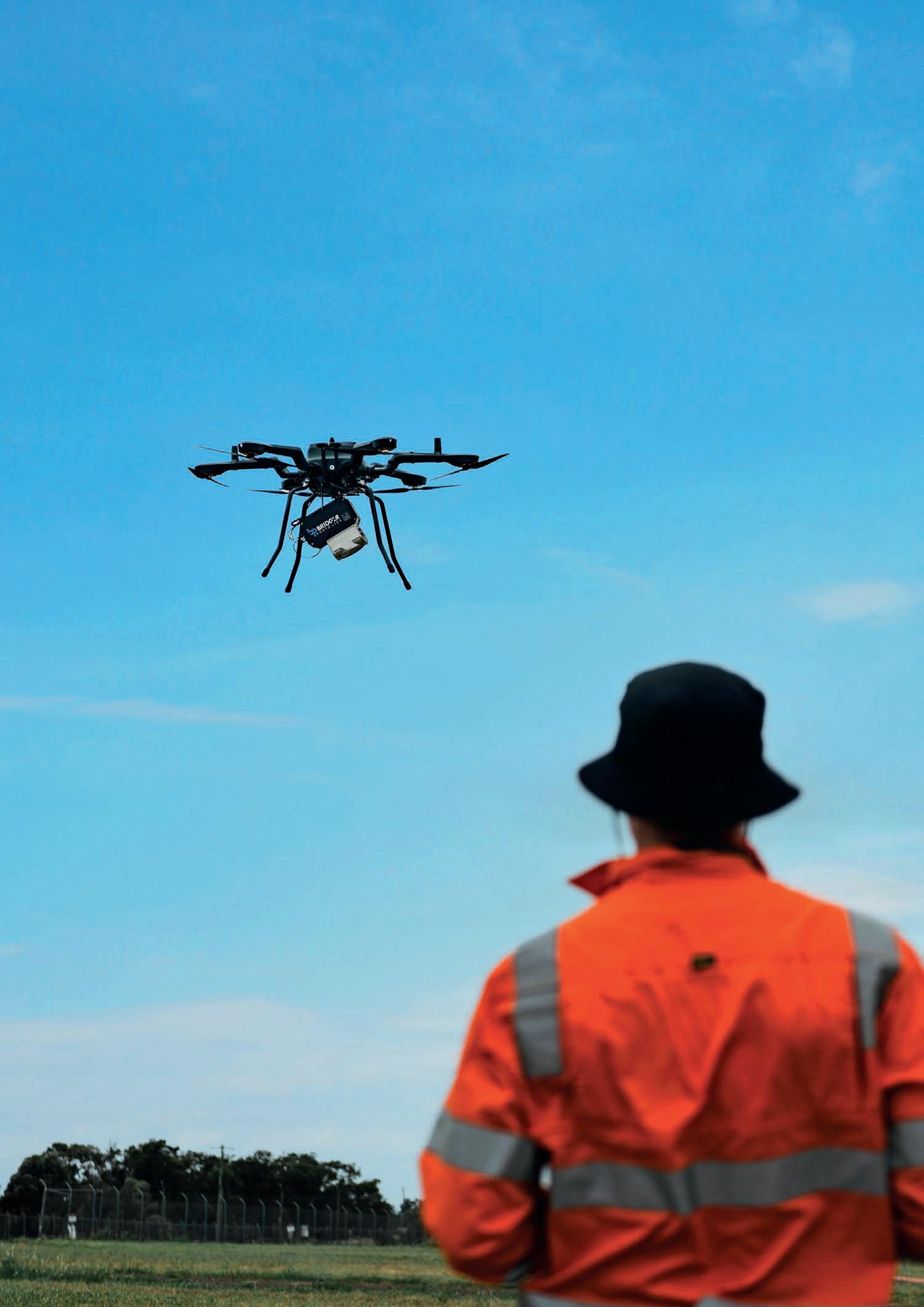
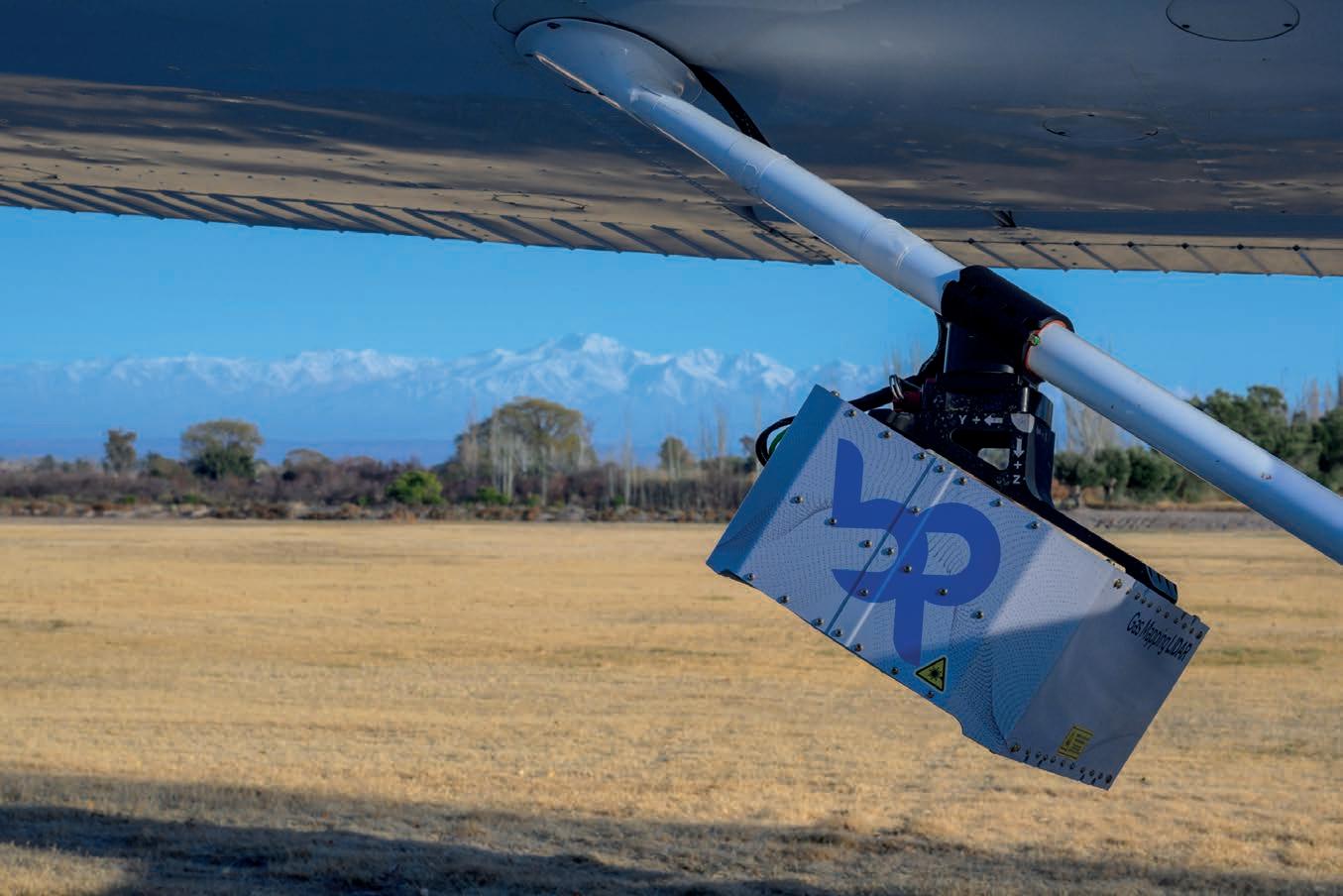
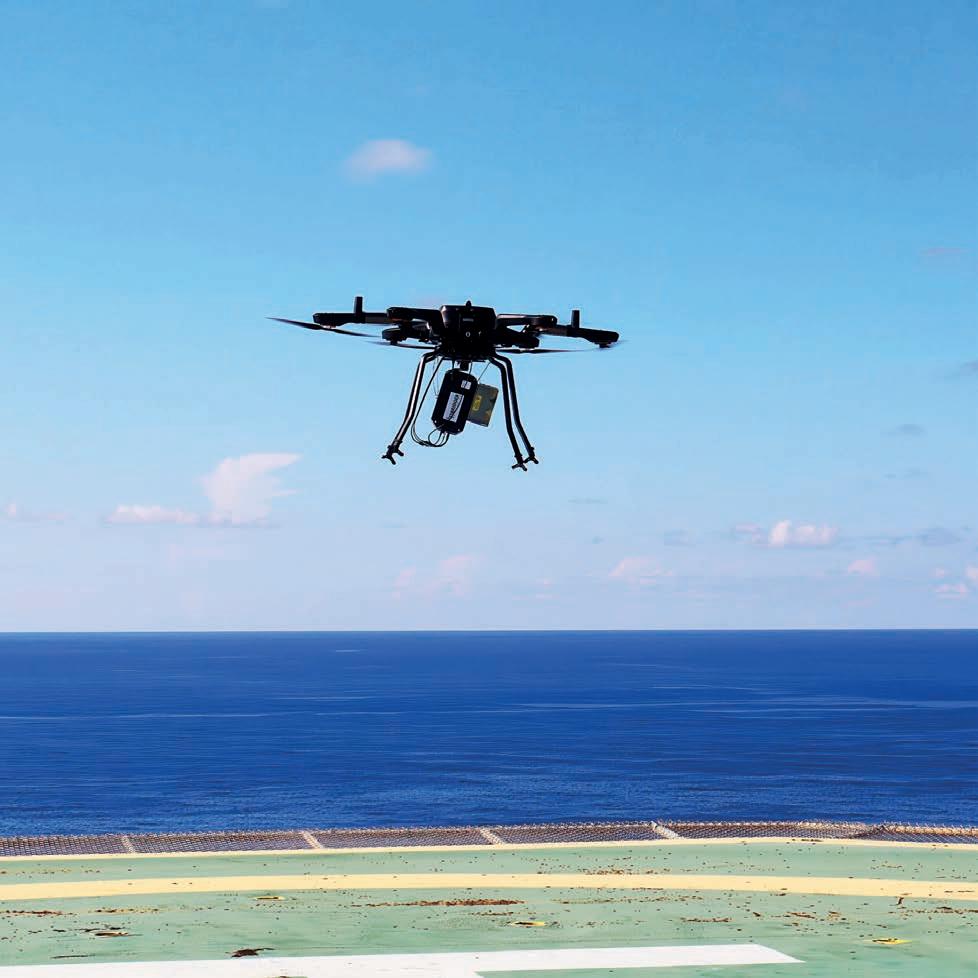
Bridger’s aerial Gas Mapping LiDAR® (GML) technology delivers high-resolution methane measurements across the oil and gas value chain regardless of asset type, location, or season.
Using Bridger’s data and emissions intelligence solutions, operators can quantify methane emissions at the equipment level while simultaneously building a comprehensive view of emissions across entire assets or portfolios. Measurements are geospatially referenced, time-stamped, and repeatable, enabling consistent tracking of emission sources, locations, and trends over time.
This level of detail is critical for understanding performance across individual assets, basins, or even enterprise-wide. By pairing measured emissions data with production or throughput to calculate methane intensity, operators can contextualise their emissions performance with real-world measurements and operational data. The result is a more accurate representation of performance at any scale that can be confidently shared with investors, regulators, and stakeholders.
Just as importantly, consistent measurement enables like-for-like comparisons across assets or among peers, supporting internal benchmarking and external positioning.
As LNG exports expand and international buyers place greater emphasis on emissions performance, methane intensity is becoming a commercial differentiator.
Lower-intensity gas offers buyers confidence, and when intensity calculations are rooted in accurate measurements, reporting credibility increases. This is particularly relevant in markets aligned with frameworks such as OGMP 2.0 and MiQ, along with evolving methane regulations, where transparency and comparability are essential.
Credible, measurement-based intensity data can support gas differentiation, strengthen market positioning, and improve access to
capital. It also provides a defensible basis for engaging with stakeholders who are scrutinising emissions claims more closely than ever before.
When grounded in accurate, measurementbased data, methane intensity becomes more than a reporting metrics; it becomes a lens into overall operational performance. This performance data, including high-quality intensity data, can reveal where emissions are driving product loss, where assets are underperforming, and where interventions like upgrades, repairs, or retrofits are needed to generate the greatest impact. It enables teams to prioritise repairs more effectively, validate outcomes, track improvements, and understand their complete emissions profile to predict and prevent future emissions.
Emissions performance is not just about compliance or disclosure, but has become standard insight and a lever to improve efficiency and protect revenue for mature methane management programs.
For many operators, emissions performance is now treated as a decision-making tool for better financial and market positioning, all while sustainably reducing emissions. As the energy industry continues to evolve, emissions performance will play an increasingly central role in defining competitive advantage.
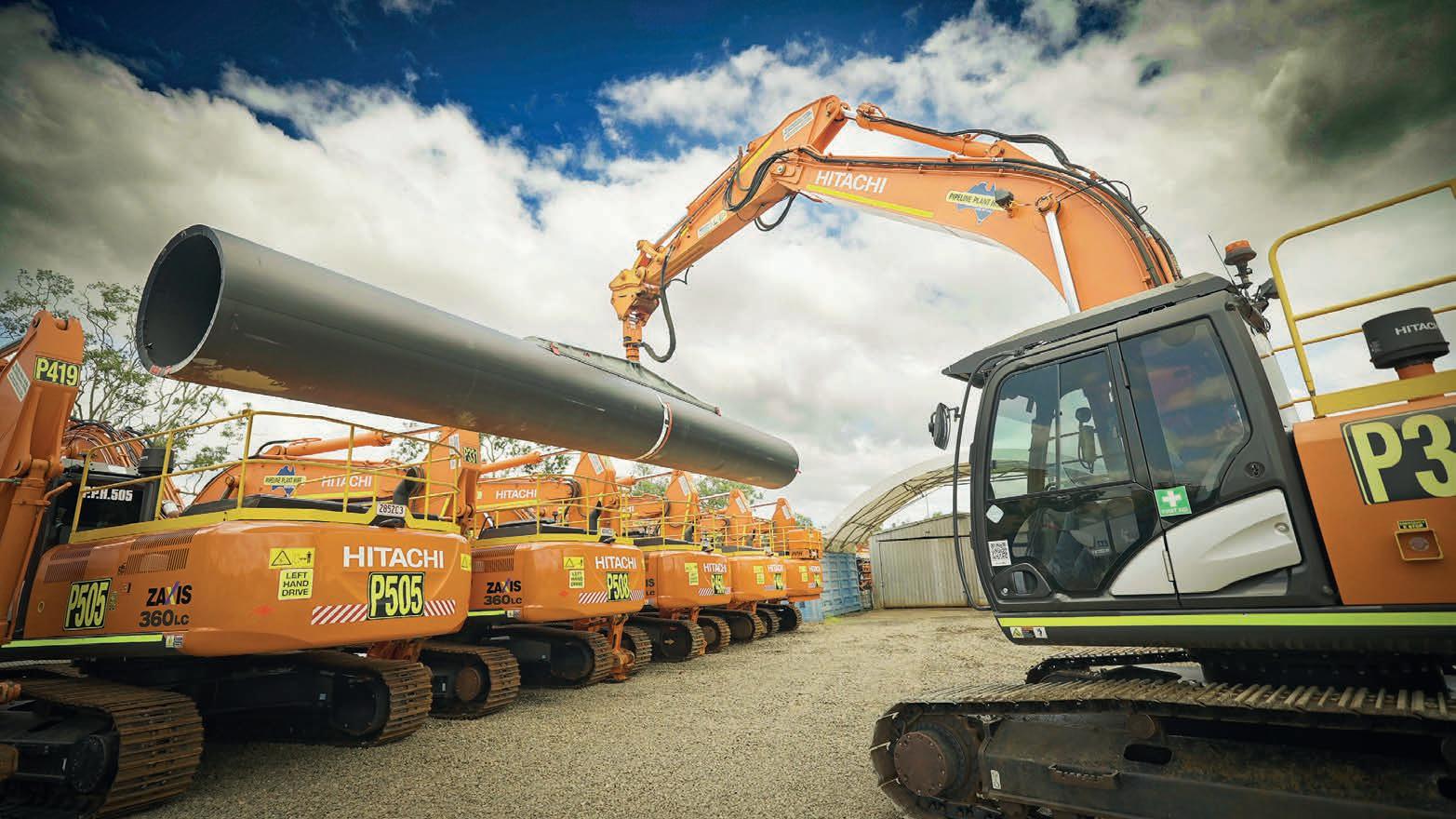
Australia’s pipeline sector is under pressure to do more with less. Less time, less labour, less fuel. The challenge is no longer just building infrastructure, but building it efficiently enough to reduce the footprint it leaves behind. In that shift, Pipeline Plant Hire’s (PPH) vacuum lifting systems have found their place by focusing on a single, critical task: lifting pipes.
On most projects, lifting is where time slips away. Traditional methods rely on rigging, slings and ground crews working in close proximity to suspended loads. The process adds minutes per lift, and those minutes repeat thousands of times across a project. Engines idle. Crews wait. Productivity drops, and fuel burn rises with it.
PPH has been involved in the pipe handling space in Australia for over 20 years, refining its vacuum lifting technology into the paragon of efficiency and safety that it is today.
The company’s highly optimised VacLifts deliver noticeable productivity gains on pipeline projects. The VacLift can raise lengths of polyethylene or steel pipe weighing up to 15 tonnes without causing damage during the lifting process.
Notably, these machines have a cycle time of under 40 seconds per pipe length, whereas conventional methods take 5–10 minutes per pipe length. That difference stacks up quickly. Over the course of a project, it cuts machine hours, reduces idle time and lowers fuel consumption in a way that directly supports emissions reduction targets.
The company has invested countless resources into the perfection of its technology.
“Through careful consultation and engineering approval from the relevant manufacturers, we have been able to safely maximise the lifting capabilities of our machines,” PPH Director Gerard O’Brien told The Australian Pipeliner
“This is the key to getting a job done efficiently. You can send a 60–70-tonne machine out to a project, but it will be extremely expensive. Alternatively, you can send out one of our 30–40-tonne VacLifts to do the same work for significantly less cost, by maximising its lifting ability while retaining the necessary safety factors in line with Australian standards.”
Beyond speed of lift and lifting capacity, PPH VacLifts are also fitted with a guidance system that allows operators to assemble the pipe directly in the trench.
“Our vacuum lifts are able to deliver the
forces required to assemble pipe in situ for O-ring type joints, and in so doing, vastly increase efficiency and safety in pipeline assembly,” O’Brien said.
“This guidance system eliminates the need for ground crew to be in or near the trench in harm’s way.
“It’s an extremely efficient method of installation, saving a significant amount of time and money.”
Here, another critical benefit of the VacLift emerges: safety.
“In addition to keeping workers out of the danger zone, our VacLifts have been designed to only lift or release the pipe lengths in a grounded position, so it’s almost impossible to drop the pipe,” O’Brien said.
“We’ve invested millions of dollars in making pipe handling safer and in doing so we’ve enabled tens of millions of safe pipe movements.”
That record points to something broader. Safety, efficiency and sustainability are not separate outcomes on a pipeline project but move together. A faster lift reduces exposure. A simpler process reduces error. A shorter schedule reduces emissions.
With this balance in mind, it’s little wonder that PPH VacLifts dominate a large share of the pipeline construction market.
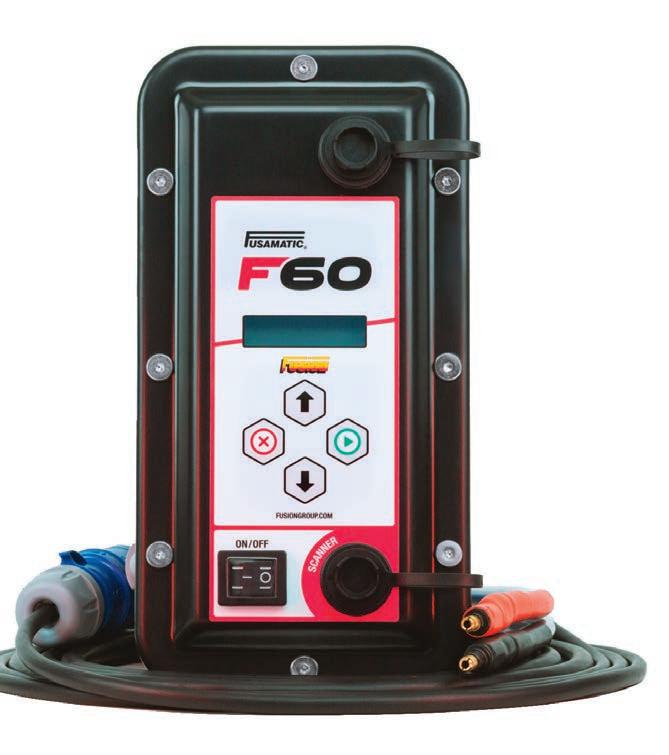
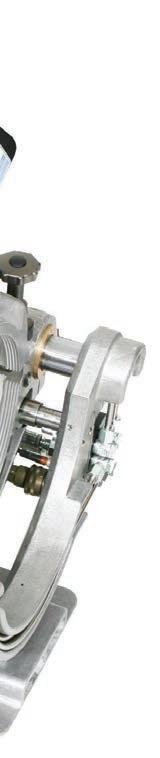
F60 Lightweight electrofusion welder capable of welding electrofusion fittings for gas, water and other pressure pipe applications.
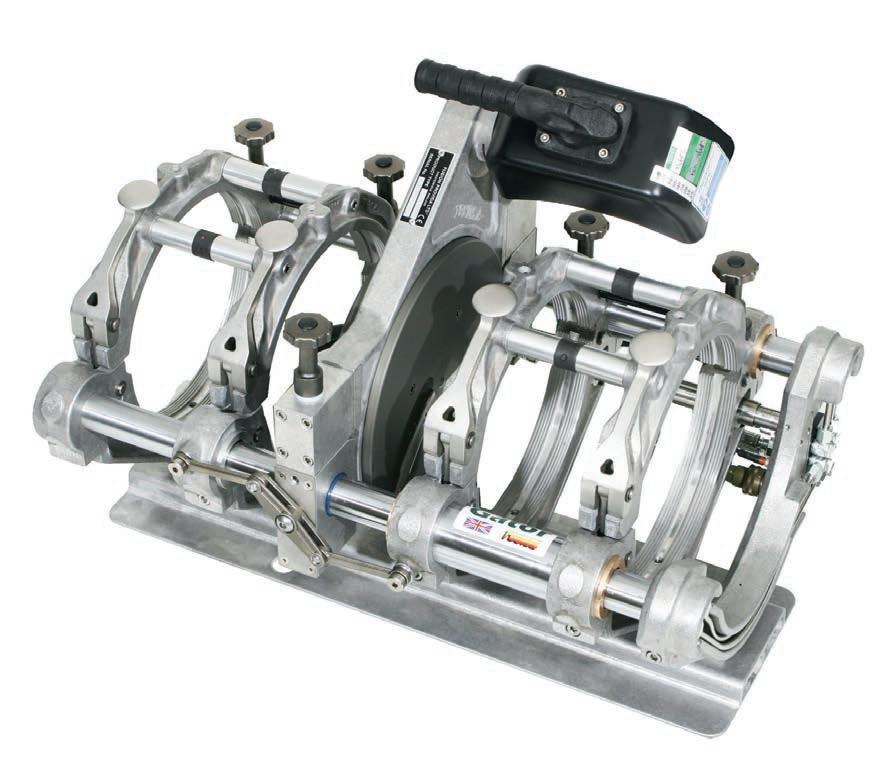
Gator 2 Automatic butt fusion welder designed and developed for use on gas and water pressure polyethylene pipe networks.
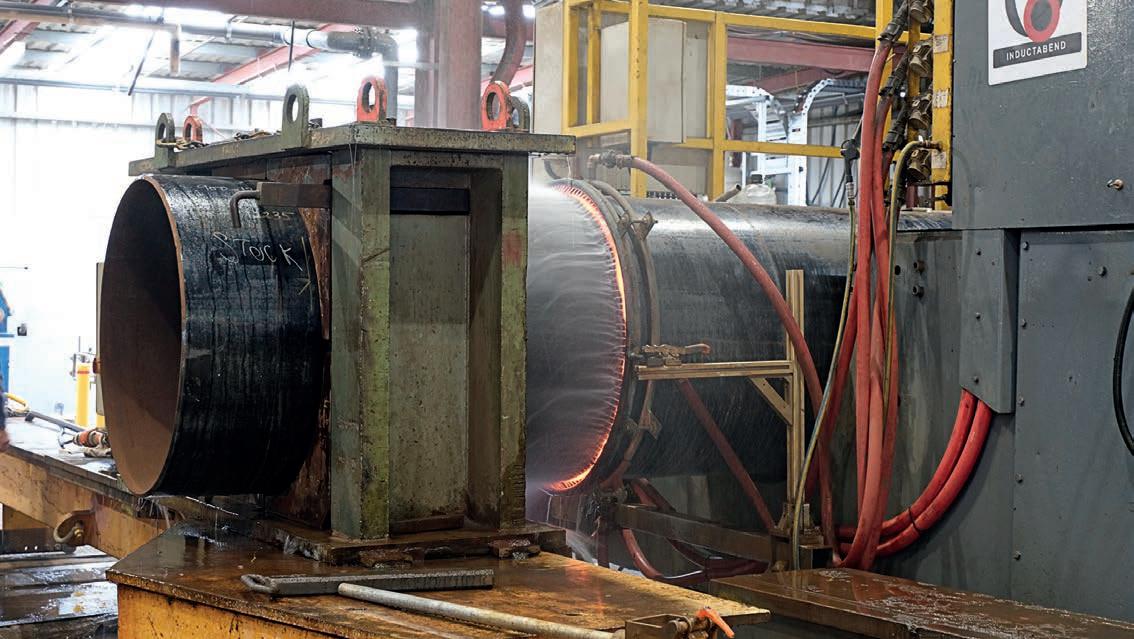
Inductabend is enabling the rapid development of pipeline infrastructure in Australia.
With conflict unleashed in the Middle East, the world is once again being shown the fragility of its supply chains. Owing to the rising price of fuel and insurance, as well as global trade route disruptions, shipping becomes more expensive and logistically challenging. Against this backdrop, Australian energy producers continue to build new pipeline infrastructure in key development areas, and to increase the capacity of existing systems that transport gas to the domestic market.
Australian owned and operated Inductabend is shielding pipeline asset owners from some of the volatility associated with international supply chains. The familyowned business has backed the pipeline industry since 1992 with induction bending services, all made and delivered from Australian soil.
Responsiveness is built into the way it approaches pipe bending, particularly through the use of pre-qualified bends that allow operators to make alterations without the delays traditionally associated with overseas fabrication and supply.
In any induction bending service, a test bend – called a qualification bend – must be made from the mother pipe intended for use. Samples are then cut from this bend and rigorously tested to ensure it is fit for purpose.
The strict quality standards associated with gas pipes mean this can be a long-winded and expensive process – particularly if sourcing bends from overseas – but Inductabend can remove this step altogether.
The company stocks a range of X52 PSL2 pipe from reputable Korean mills, which it purchases in full batches at a time so each pipe for that size has the same chemistry.
That means Inductabend can qualify the entire batch with just one qualification bend. The company performs and pays for this qualification up front, and then any customer is free to utilise that pipe to make bends customised to their specific project needs. This initiative drastically lowers cost and lead-times for pipe bends.
Inductabend currently holds pre-qualified stock of standard X52 PSL2 HFW pipe in diameter nominals 100, 150, 200 and 300, suitable for 5D–10D radii bends.
“Bends from our pre-qualified bends program are a great resource for our customers,” Inductabend Business Development Manager Nathan Crouch told The Australian Pipeliner
“The program allows us to deliver small or large quantities of fit for purpose bends at an economical rate in as little as 48 hours.”
The company can also work with its repeat customers to create a generic inspection test
plan (ITP), to which all respective bends can be made. This way, customers don’t have to go through quality and assurance checks every time they make a small order.
By sourcing bends within Australia, operators can cut down on freight requirements, reduce associated emissions, simplify logistics, and minimise their overall project footprint. The ability to access prequalified bends on short notice further minimises the need for contingency stockpiling and rework, both of which can add unnecessary material use and waste to a project.
There is also a less visible, but equally important, sustainability gain in the reduction of on-site intervention. Faster access to compliant bends means fewer delays, less idle equipment and reduced energy consumption across the construction phase. Projects can be completed more efficiently, with fewer disruptions and a lower cumulative environmental impact.
As pipeline infrastructure continues to evolve to meet changing energy demands, adaptability is becoming as critical as durability. By enabling rapid pipeline alterations through a local, resilient supply framework, Inductabend is helping reshape not only how pipelines are built, but how efficiently they can be delivered.
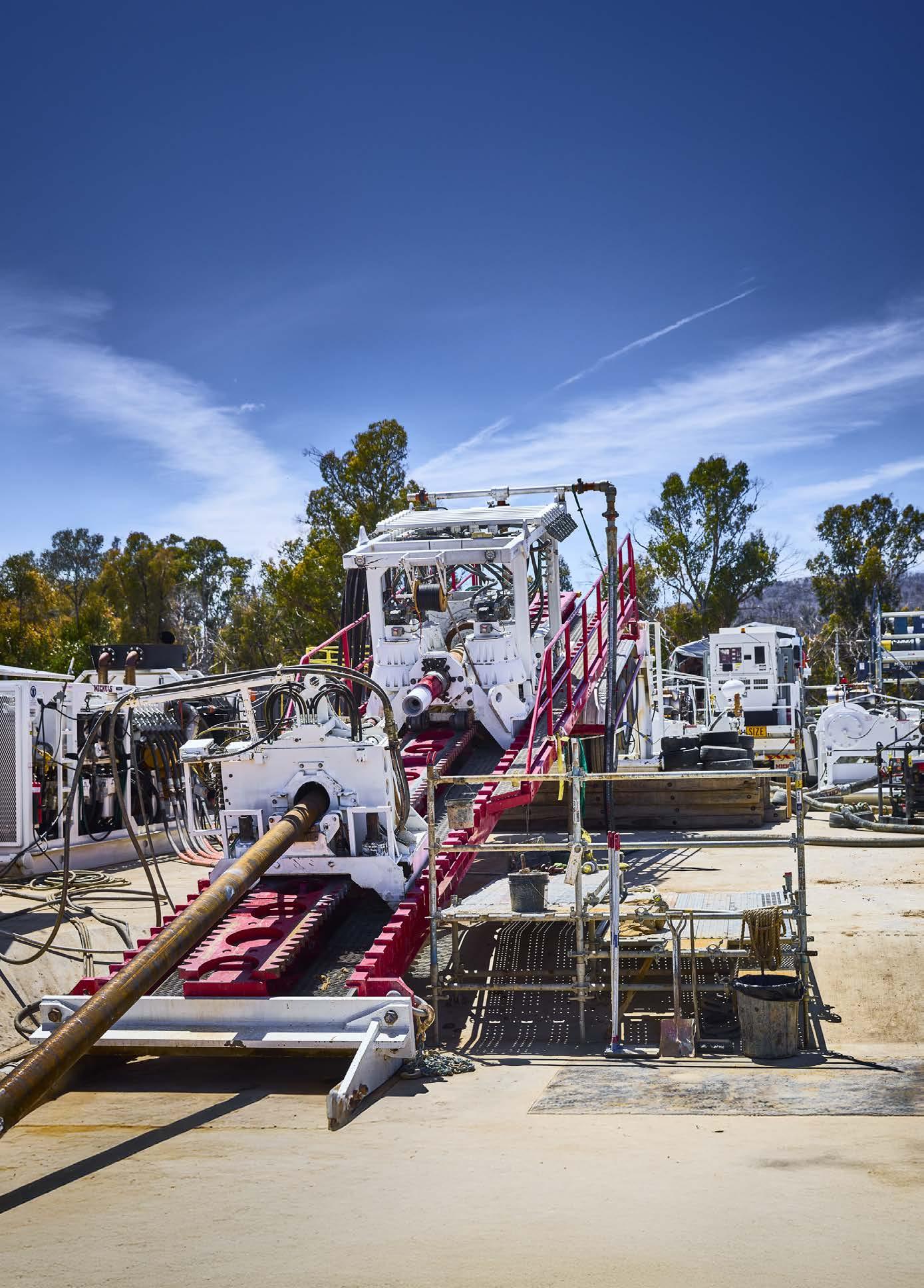
Michels in Motion: Between March 2023 and February 2025, Michels completed three record-breaking HDDs in New South Wales. The 2,250-metre HDDs included an elevation change of 590 metres.
The Australian Pipeliner speaks with T.D. Williamson about its next technological leap in pipeline isolation: SHiiELD.
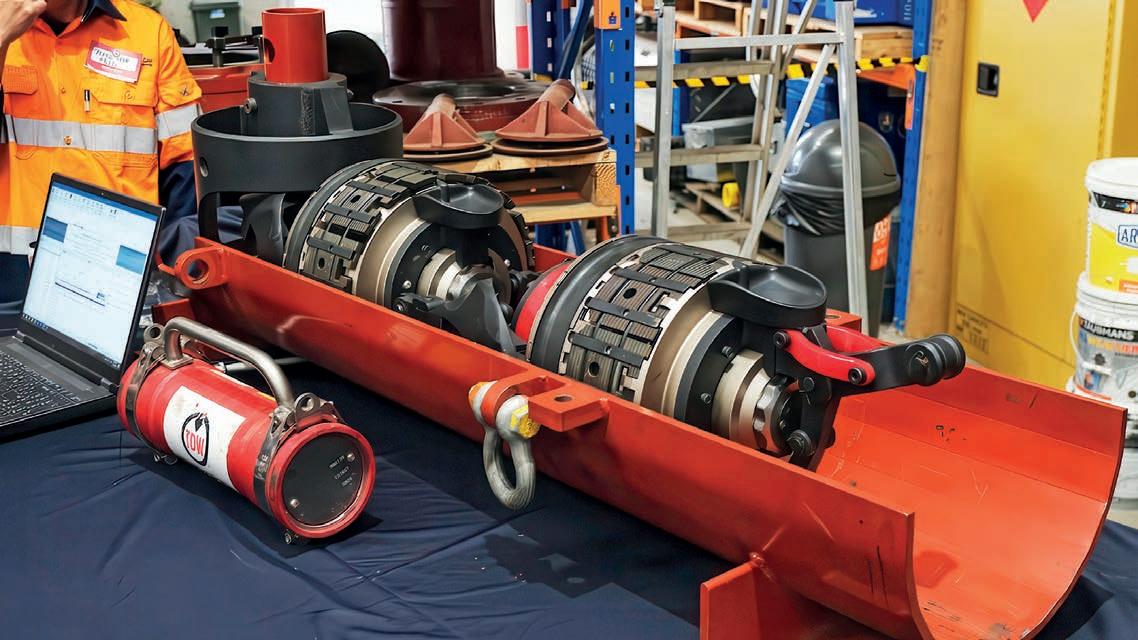
Whether it’s betting big on the Australian market by acquiring Pro Pipe Services, or launching new technology, T.D. Williamson (TDW) doesn’t do things by halves.
The company’s latest initiative is the launch of what it describes as a new class of pipeline isolation tool – one built around true redundancy, higher throughput and digitally enabled control.
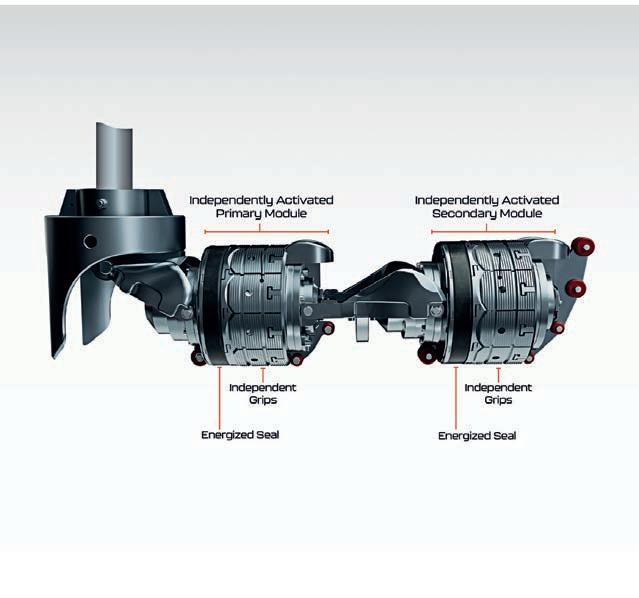
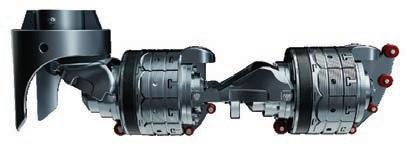
This new generation of isolation tool is called the TDW SHiiELD, and it features double independent isolation and bleed (DiiB) technology. DiiB is a shift away from conventional double block and bleed systems which rely on shared pressure in the tool, towards fully redundant isolation. Both the primary and secondary modules of SHiiELD anchor and seal independently, creating a verified, leak-proof barrier designed to exceed existing safety expectations.
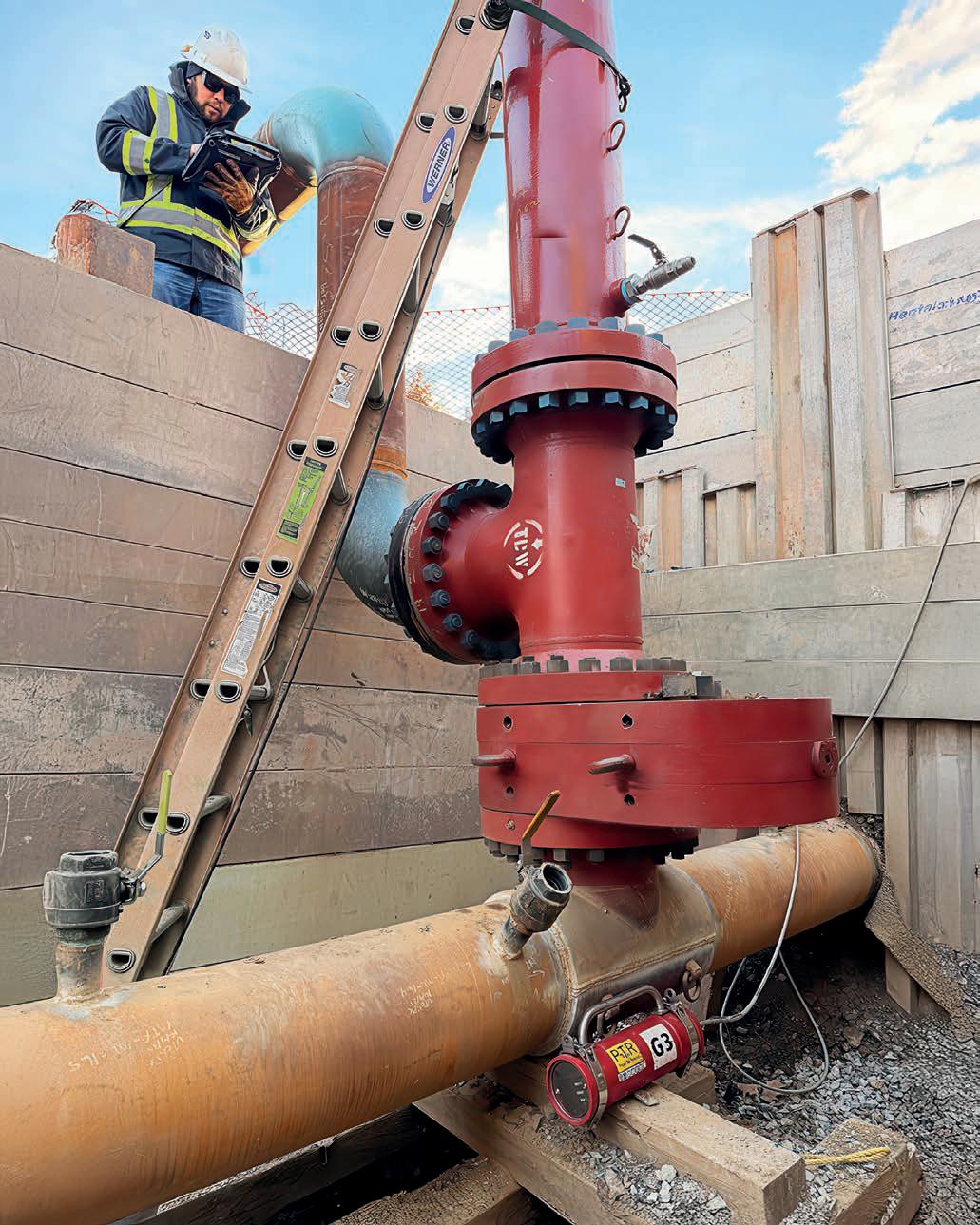
It is engineered for remote activation and monitoring, allowing the tool to be activated and monitored from outside of the ditch, minimising personnel exposure. Active isolation monitoring provides real-time data on pressure, temperature, and flow, delivering actionable insights to improve decisionmaking and operational reliability.
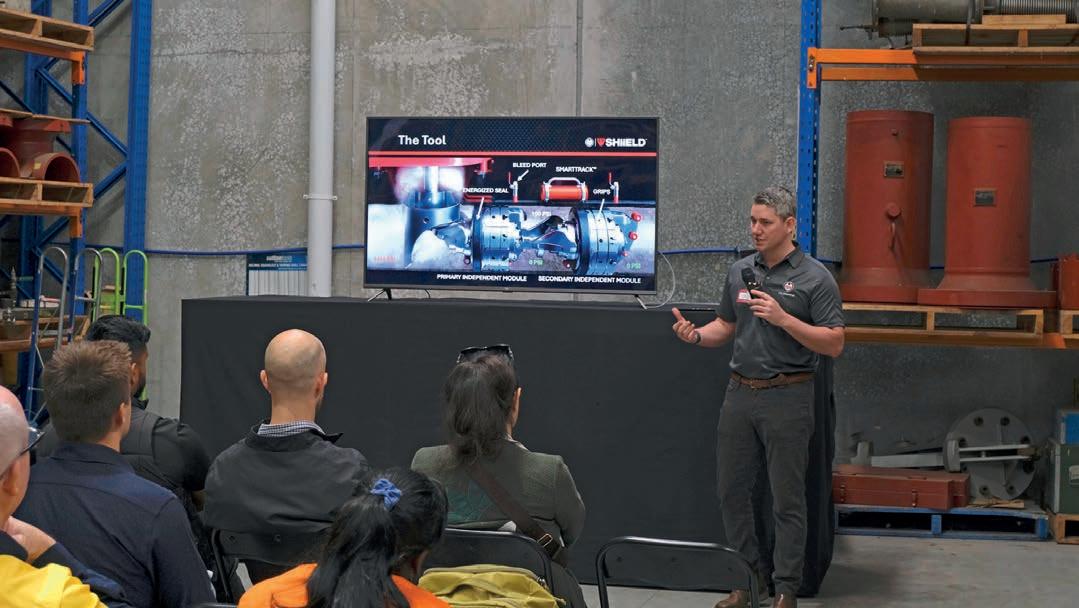
“SHiiELD is changing the game of how operators isolate pipelines while meeting their emissions and safety goals,” TDW Senior Product Manager – Hot Tapping and Isolation Cody Parsley told The Australian Pipeliner
“The two modules are completely independent. You could de-energise one, or cut the line between them, and the isolation will remain intact.”
It sounds complex, but Cody said the vision from the outset was simple.
“SHiiELD is intended to allow our customers to get the highest safety and efficiency benefits possible when it comes to pipeline isolation,” he said.
“When you consider the amount of ageing pipeline networks that are out there, mixed with the increased demand for pipeline products, we knew that just making a small, incremental improvement wasn’t going to meet our customers’ needs.
“We knew there was a gap in the market for a completely new classification of isolation technology, one which would help our customers hit their goals of firsttime success, better reliability, safety, and double independent isolation.”
While SHiiELD represents a new frontier in isolation technology, it’s built on proven components and design principles that TDW has been perfecting for decades.
“Looking at the grips we use on SHiiELD, they’re not new to us. We’ve had them on our SmartPlug® for about 30 years now. It’s new technology in the way that we’re using it, but it’s based off very reliable and proven technology,” Cody said.
“When we develop a new product like SHiiELD, we put it through rigorous paces that most other companies in our market can’t match because they don’t have the history we have through our technology readiness level framework.
“SHiiELD has several years of development behind it, as well as considerable infield testing.”
In most cases, pipelines need to remain flowing right up until the moment of isolation. The problem with this is that the insertion of an isolation tool can severely limit the throughput – typically by around 80 percent. But the TDW SHiiELD was built to minimise this downtime.
“SHiiELD achieves four times more internal bypass during isolations, eliminating the need for operators to modify the operation of their pipeline, or make additional taps,” Cody said.
“Australia may not have the capacity to meet tomorrow’s energy demands if we start shutting lines down for maintenance. And so being able to do these inline, intrusive isolations while keeping product flowing –and minimise disruption of these pipelines – is really going to help minimise supply disruptions to companies and the public.”
Each TDW SHiiELD plugging module features an advanced energised seal that is electro-mechanically activated, delivering a certified, emission-free, leak-proof isolation. The high-quality isolation also makes the tool suitable for future fuels like hydrogen, which is the smallest molecule on the periodic table.
“The last thing an operator wants is to flare off eight kilometres worth of gas on a 36inch pipe, only to see that they’ve got to refill the line because of a bad seal,” Cody said.
“SHiiELD’s onboard intelligence is able to measure pressure inside the annulus so that we can remotely verify the seal before blowing down the line.”
TDW’s customers are enjoying the benefits of a reliable seal thanks to DiiB technology and SHiiELD’s onboard pipeline insights.
And field technicians, like welders, are enjoying having two independent, leak-proof seals between themselves and the hydrocarbon.
As SHiiELD rolls out across Australia, more and more pipeline operators are reaping the benefits. The technology is transforming
Pollard’s Sawdust Supplies is proving that even the smallest components of construction can make a meaningful environmental difference.
Since 1968, Pollard’s Sawdust Supplies has played a role in supporting Australia’s pipeline construction sector through its Pack Tuff pipe bedding bags. Produced from processed timber by-products, the bags provide a stable and flexible base for pipelines during transport and installation, helping contractors protect valuable infrastructure and maintain safety on site.
As sustainability becomes a greater priority for infrastructure developers and contractors alike, Pollard’s is highlighting the environmental credentials behind its products.
At the core of Pack Tuff bags is sustainably sourced timber, obtained in cooperation with the Forest Stewardship Council. Importantly, the wood used in production comes from managed plantations rather than native forests, ensuring responsible forestry practices and long-term resource sustainability. It is chemical-free virgin timber that is kiln-dried or air-dried to precise standards.
Pollard’s manufacturing process avoids treated timber fibres and engineered wood materials such as MDF, ensuring the contents remain clean, chemical-free and suitable for a range of industrial applications.
By using plantation timber and recycling timber by-products that might otherwise go to landfill, Pollard’s is able to deliver a product that aligns with modern environmental expectations without compromising performance on site.
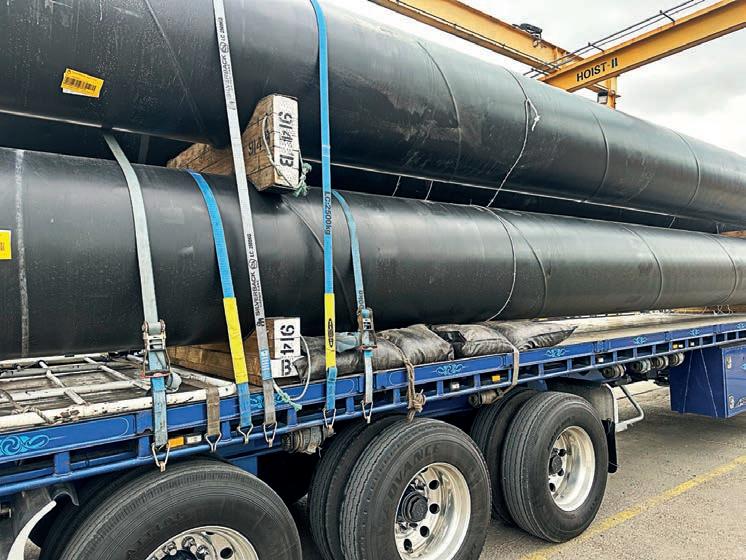
Pack Tuff bags have become a familiar sight on pipeline construction sites around Australia. The sawdust-filled bags are strong enough to support heavy pipe sections weighing up to 15 tonnes, while remaining flexible under pressure. This flexibility helps prevent the bags from ‘exploding’ under load – a risk that can occur with more rigid bedding materials – and allows them to contour naturally to uneven ground.
This adaptability creates a stable base for pipe placement and helps ensure pipes remain securely positioned during installation.
This reduces both cost and carbon footprint.
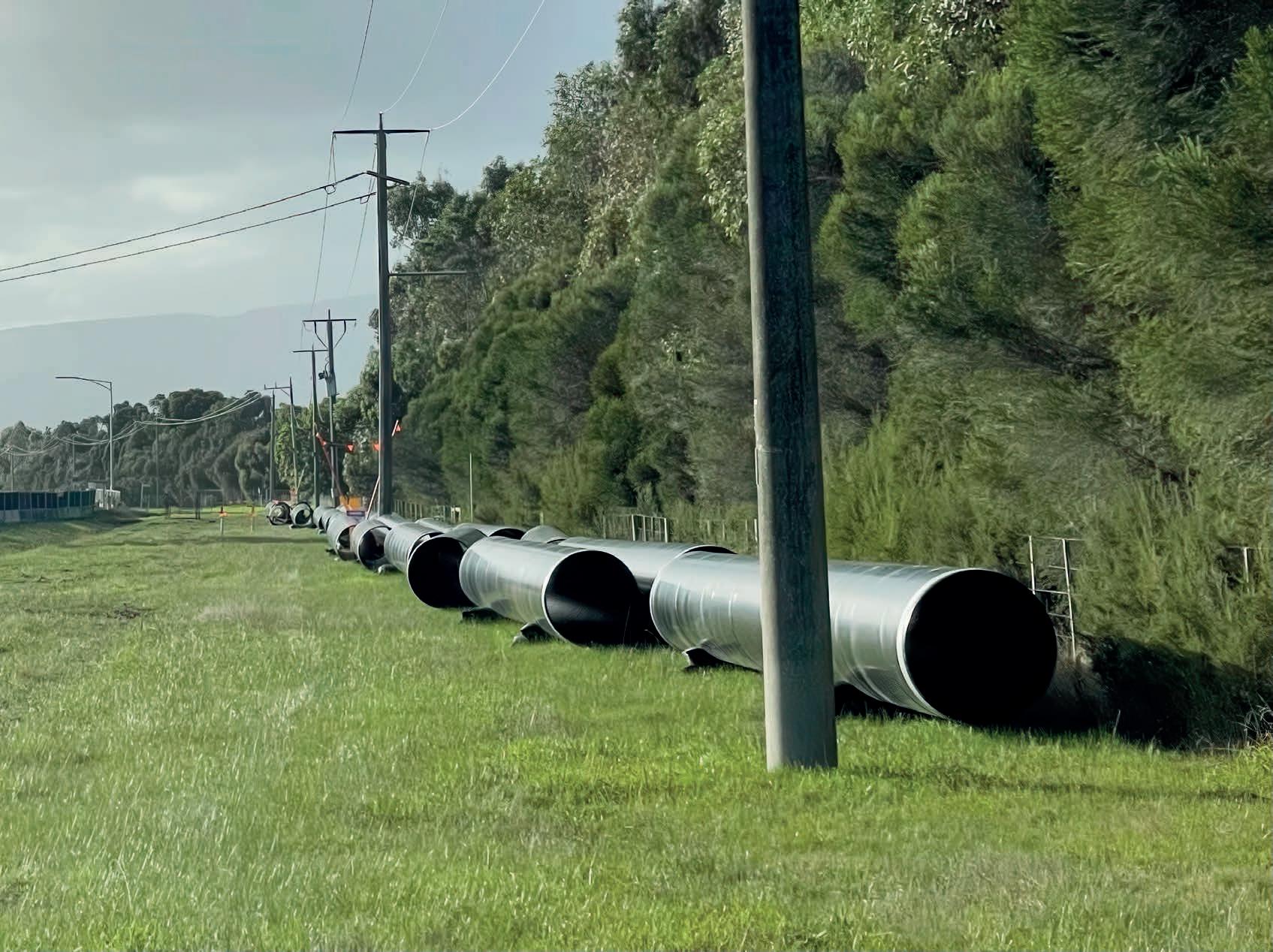
Beyond their environmental benefits, Pack Tuff bags offer several practical advantages for pipeline crews working in demanding conditions.
Compared with traditional hessian sandbags, the sawdust-filled bags are significantly lighter, improving manual handling and reducing the risk of injury on site. Their low weight also keeps transportation costs manageable – a major consideration for remote pipeline projects where logistics can quickly become expensive.
In some cases, Pollard’s can even arrange for Pack Tuff bags to be freighted together with manufactured pipe, allowing contractors to receive pipe bedding materials on site without requiring additional transport arrangements.
Durability is another key benefit. Contractors frequently report that the bags can be reused multiple times, even after exposure to rough construction conditions. This not only reduces material waste but also lowers the overall cost of ownership compared with single-use alternatives.
As Australia continues to invest in major pipeline infrastructure – from water supply networks to energy transmission projects –sustainability remains an important factor in project planning and procurement.
With sustainably sourced plantation timber, chemical-free manufacturing and proven reliability across Australia’s pipeline sector, Pack Tuff bags demonstrate how even the smallest components of a project can help build a more sustainable future for infrastructure.

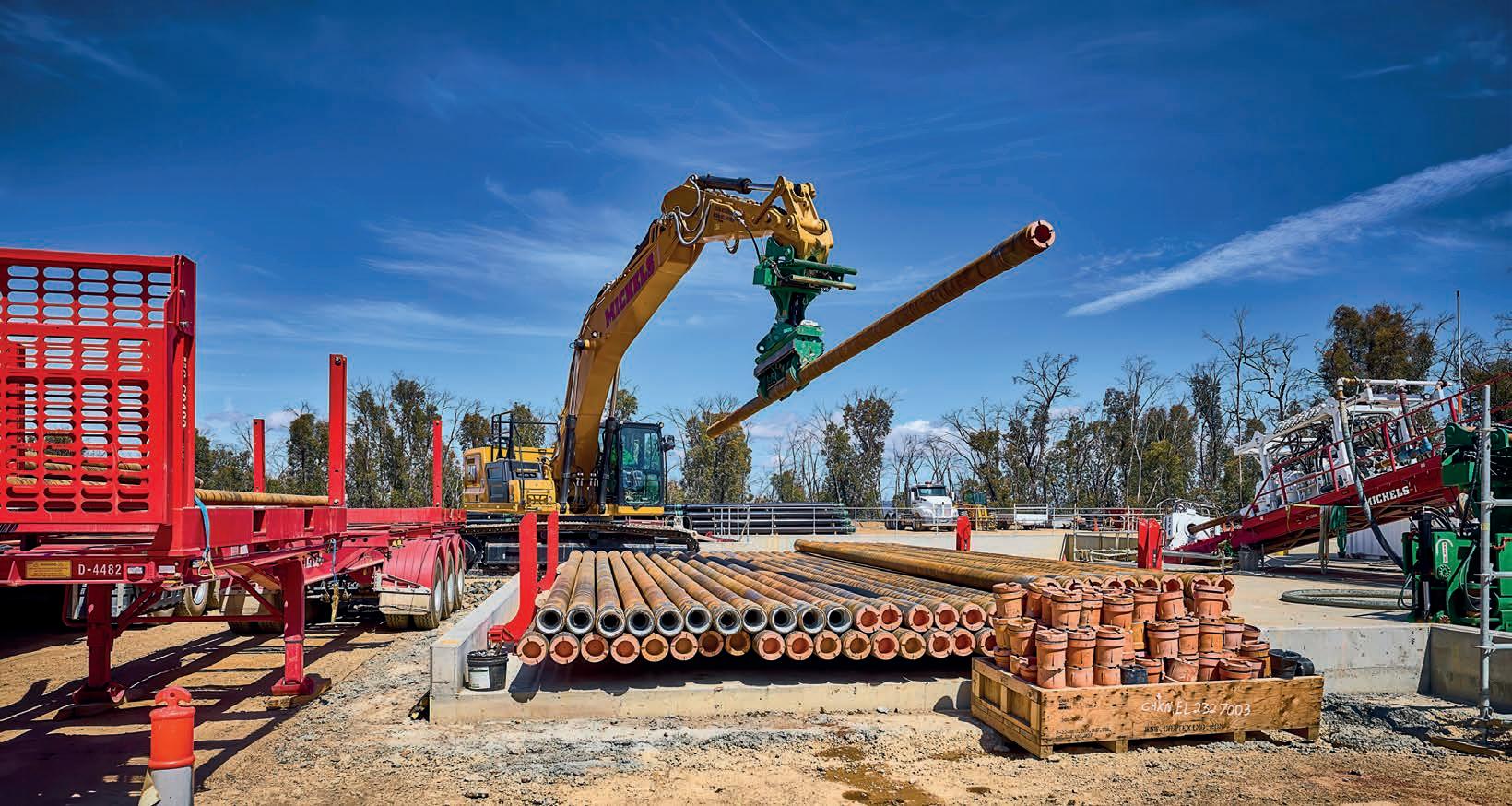
Drilling 2200m, with elevation changes of more than 560m and at the same time minimising the impact on a treasured national park? It’s all part of the job as Michels Trenchless pushes the limits.
Trenchless construction is increasingly emerging as a critical enabler of lowerimpact pipeline infrastructure delivery. Among the companies advancing this shift, Michels Trenchless is demonstrating how horizontal directional drilling (HDD) can unlock complex pipeline projects while significantly reducing environmental disturbance.
HDD is widely recognised as a lower impact alternative to traditional open-cut construction. Rather than excavating a continuous trench along a pipeline route, the method installs infrastructure between entry and exit points with minimal surface disruption, allowing sensitive landscapes, waterways and existing infrastructure to remain largely undisturbed. This reduced footprint directly contributes to lower emissions by minimising earthworks, transport requirements and site rehabilitation activities.
Michels, a global leader in HDD, has built its reputation on pushing the technical boundaries of trenchless construction. Since entering the HDD market in 1988, the company has completed more than 225 pilot-
hole intersect projects and delivered crossings exceeding 4700m in length, positioning it among the most experienced contractors in the field. Its expansion into Australia in 2021, with the establishment of Michels Trenchless in Wangaratta, Victoria, reflects a growing demand for advanced trenchless capabilities across the region.
What sets Michels Trenchless apart is its focus on technically challenging installations that would otherwise require significant environmental compromise using conventional construction techniques. HDD enables pipelines to pass beneath rivers, wetlands, transport corridors and environmentally sensitive zones without disturbing the surface, making it particularly valuable for projects where environmental approvals and community expectations are increasingly stringent.
Recent work on the Snowy 2.0 project in New South Wales highlights this capability. Michels Trenchless completed multiple HDD installations with lengths exceeding 2200m and elevation changes of more than 560m –far beyond what is typically considered feasible in standard HDD profiles. By
For more information, visit michels.us
selecting trenchless methods, the project avoided the need to construct approximately 5km of access roads through the steep and environmentally sensitive terrain of Kosciuszko National Park. The outcome demonstrates how HDD can materially reduce environmental impact while still delivering essential energy infrastructure.
Delivering such projects requires not only advanced equipment but also innovative construction methodologies. Michels frequently employs the pilot hole intersect method, where two rigs drill from opposite ends to meet at a predetermined point underground. This approach improves control in complex geology, reduces risk, and enhances fluid management – key factors in maintaining environmental integrity during drilling operations.
In Australia, Michels Trenchless is continuing to expand the scope of what is achievable with HDD. With access to a global fleet of specialised equipment and experienced technical teams, its local operations are well positioned to support the next generation of sustainable pipeline developments.
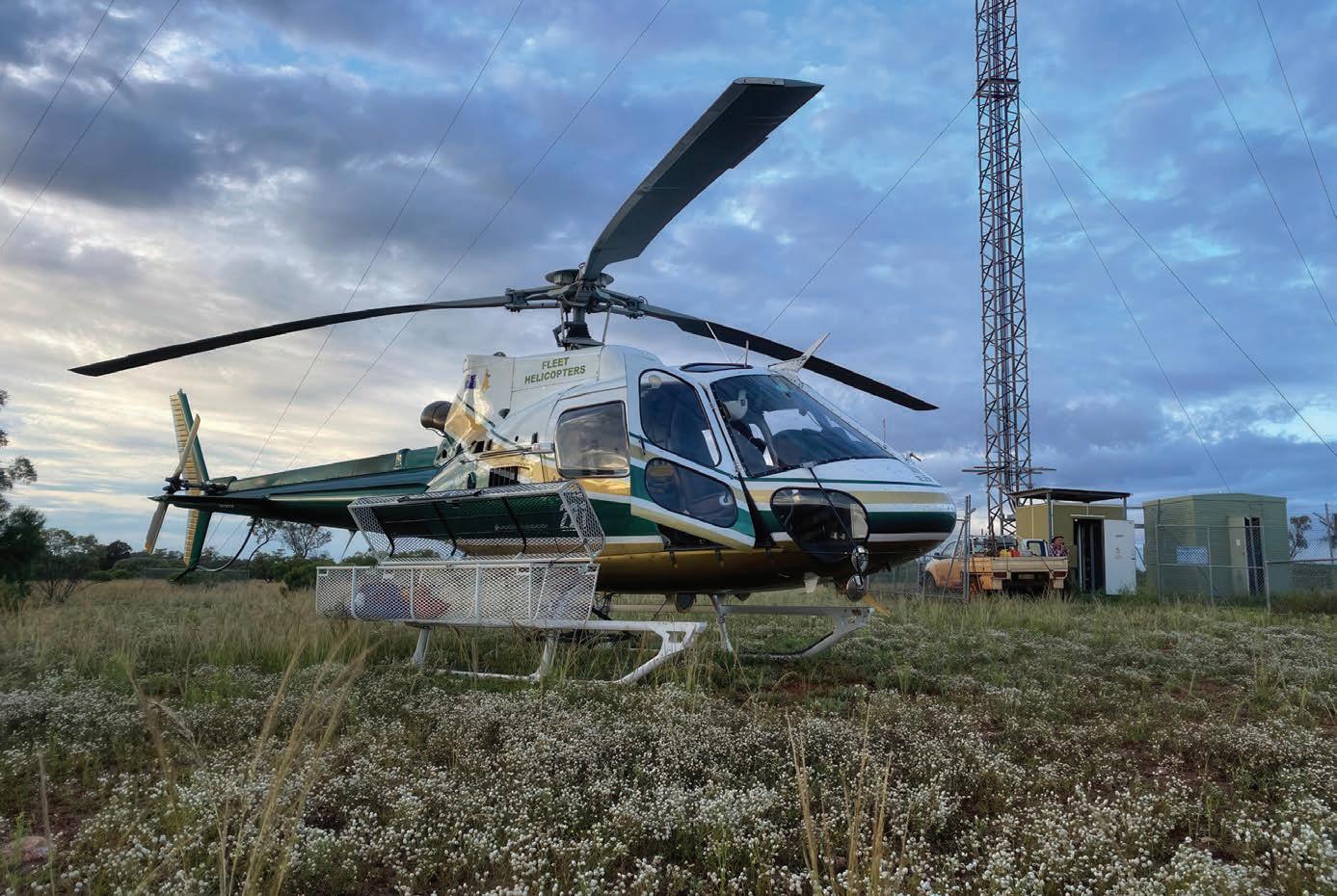
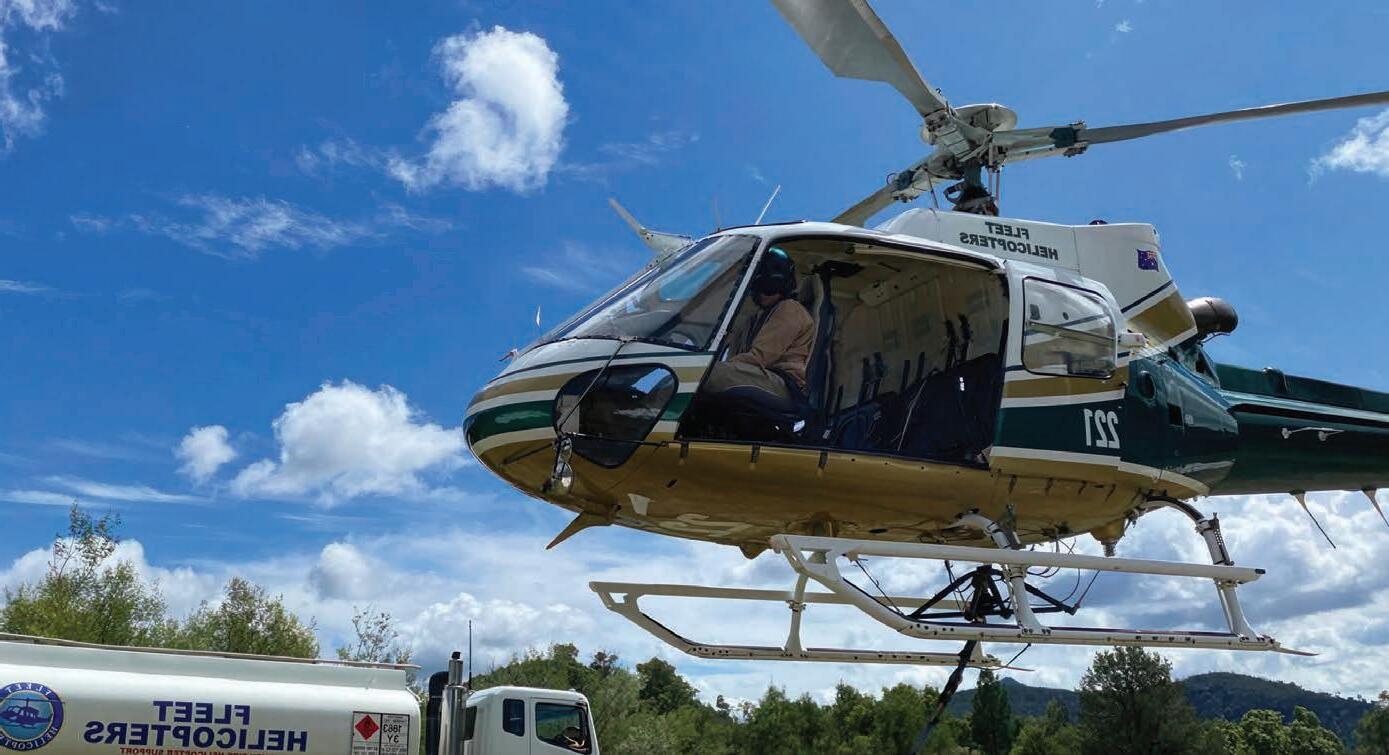
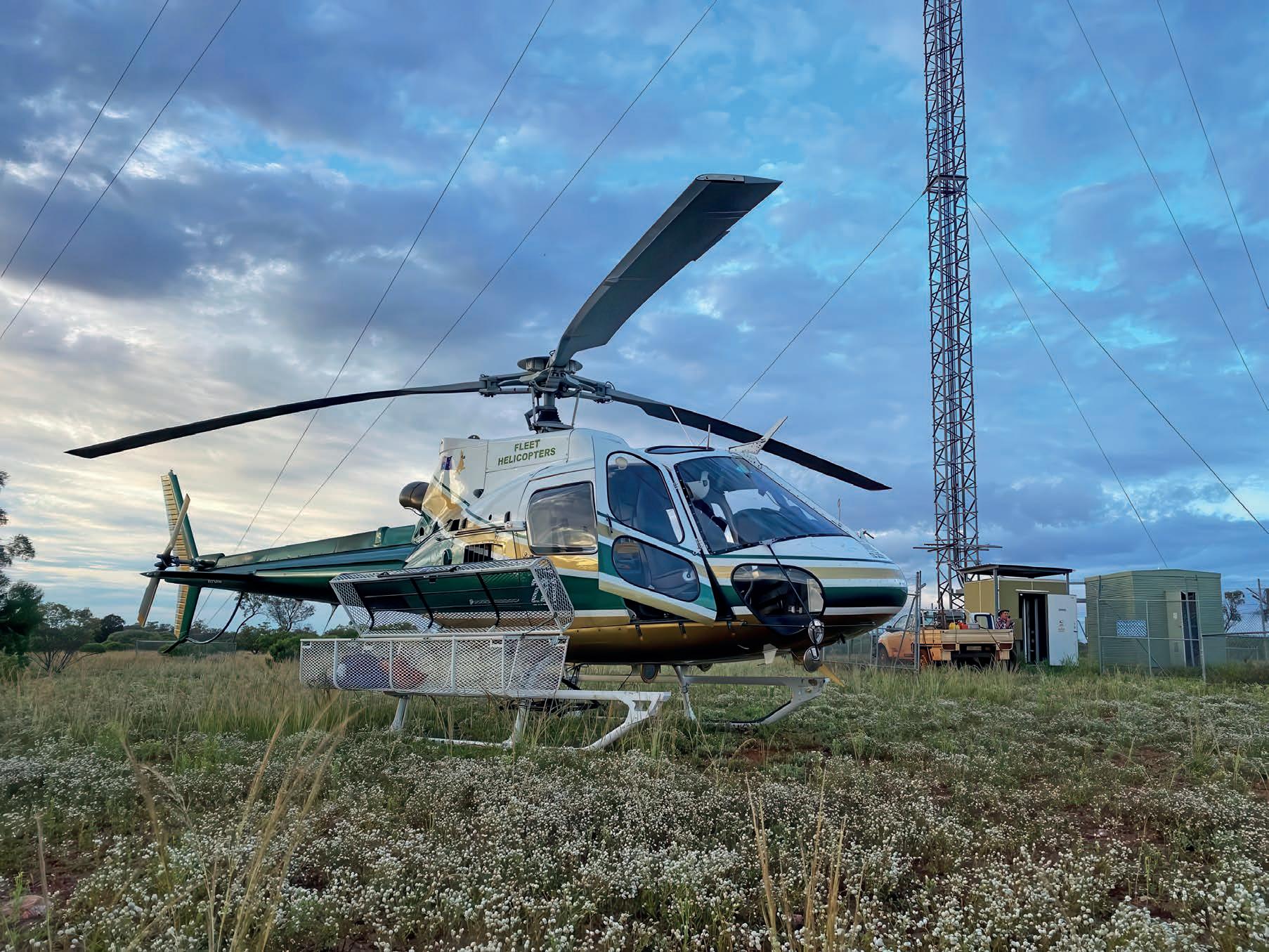
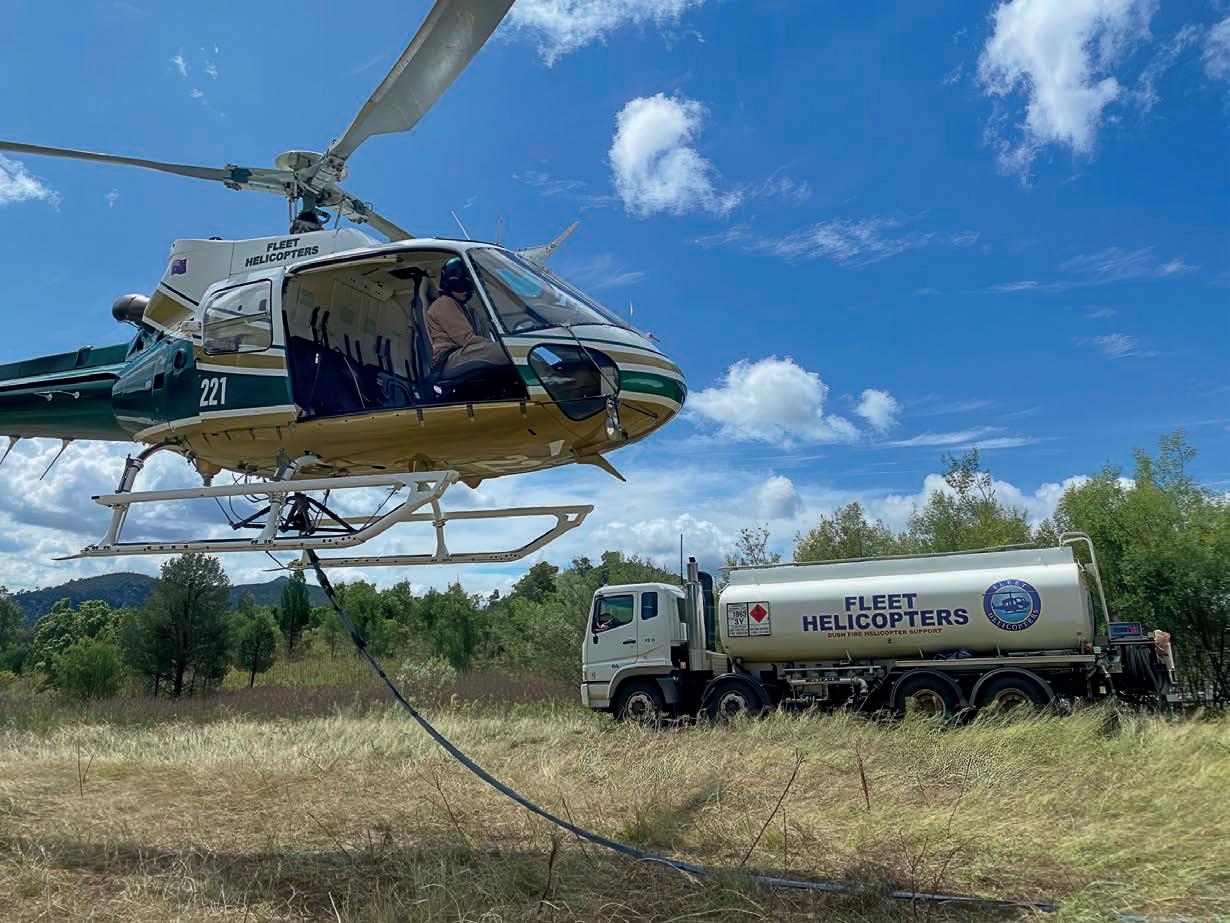
Fleet Helicopters provides client focused aviation solutions for all stages of your pipeline project. From aerial surveys for pipeline easement identification, pipeline construction support and operational fugitive gas leak detection. Specialising in operations in Australia’s hardest to reach places we can cater to all of your aviation support needs.
Fleet Helicopters has been providing aviation services to private and Government sectors for over 41 years.
Fleet Helicopters specialises in operating in remote, difficult environments with an unmatched record for safety and reliability.
Fleet Helicopters operates a fleet of 19 aircraft ranging from single engine aeroplanes through to multiengine, heavy lift, transport category helicopters.

Fleet Helicopters has over 30 years history supporting the gas industry Australia wide providing charter, aerial survey, external load and gas leak detection operations.
Fleet Helicopters is the sole operator of the Boreal GasFinderAB laser based aerial gas leak detection system in Australasia. Leak detection surveys have been conducted for clients including SANTOS, Shell, the APA group, QGC and Origin Energy. The Boreal system ishighly sensitive with methane levels as low as 0.5ppm being detectable with surveys able to achieve up to 1000km of survey per day.
STATS Group is helping deliver the pipelines of the future.
The global energy landscape is undergoing a profound transformation driven by the increasing importance for energy security and decarbonisation. Pipelines remain the backbone of this system, transporting vast volumes of hydrocarbons and emerging low carbon fuels across continents, ensuring reliable and continuous supply to industries and communities. As demand evolves, so too must the infrastructure that underpins it.
Today, operators are increasingly focused on diversifying energy sources and reducing reliance on traditional fossil fuels. Emerging low-carbon alternatives such as ammonia, methanol, hydrogen, and biofuels are gaining traction as viable components of the future energy mix. These future fuels present significant opportunities to reduce emissions, but also introduce unique technical and safety challenges, particularly in high-pressure transmission environments.
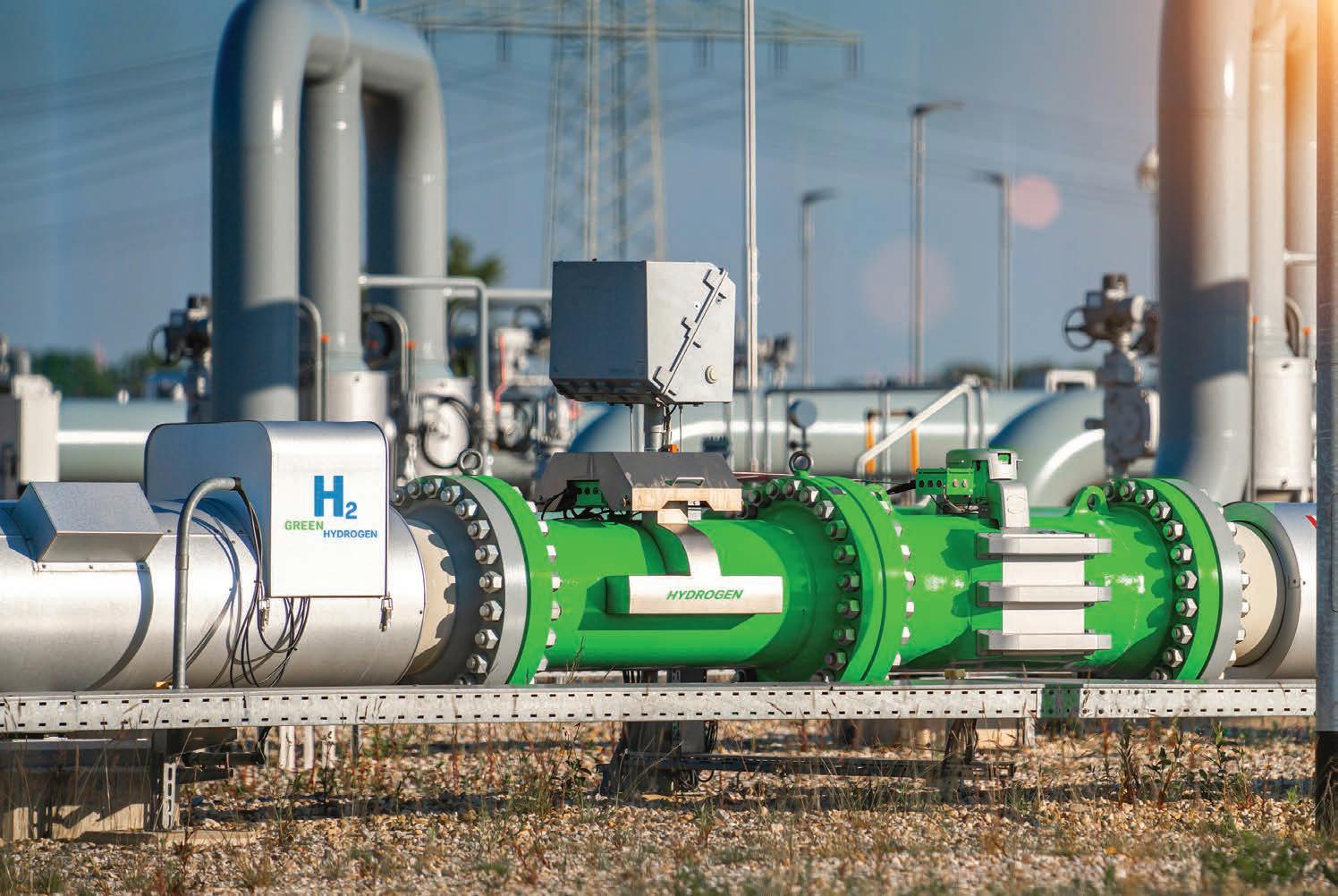
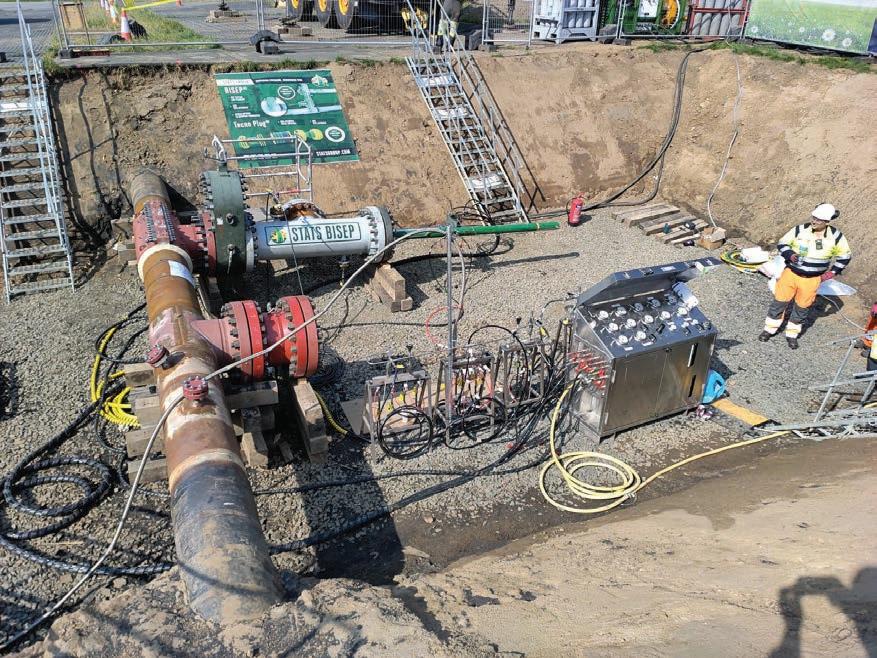
Supporting this transition requires proven, high-integrity technologies. STATS Group’s BISEP® a hot tap installed line stopping
tool, has played a critical role for over two decades. The BISEP delivers leak-tight, double block and bleed isolation, creating a verifiable zero-energy zone through dual independent seals and continuous monitoring. This capability enables maintenance without shutdown, eliminating the need for venting or flaring and maintaining production continuity.
As pipeline networks adapt to carry nextgeneration fuels, robust isolation solutions like BISEP will be essential in ensuring safety, operational efficiency, and environmental stewardship.
A recent milestone demonstrating this capability was achieved on a high-pressure 18-inch hydrogen pipeline for SGN, a gas distribution company in the UK. The LTS Futures project, led by SGN, is a pioneering initiative exploring how the UK’s Local Transmission System (LTS) can be repurposed from natural gas to hydrogen, supporting the transition to a low carbon energy system.
Conducted on a 30km live pipeline, the project demonstrated that existing infrastructure can safely transport hydrogen, helping create a scalable, cost-effective pathway to net zero.
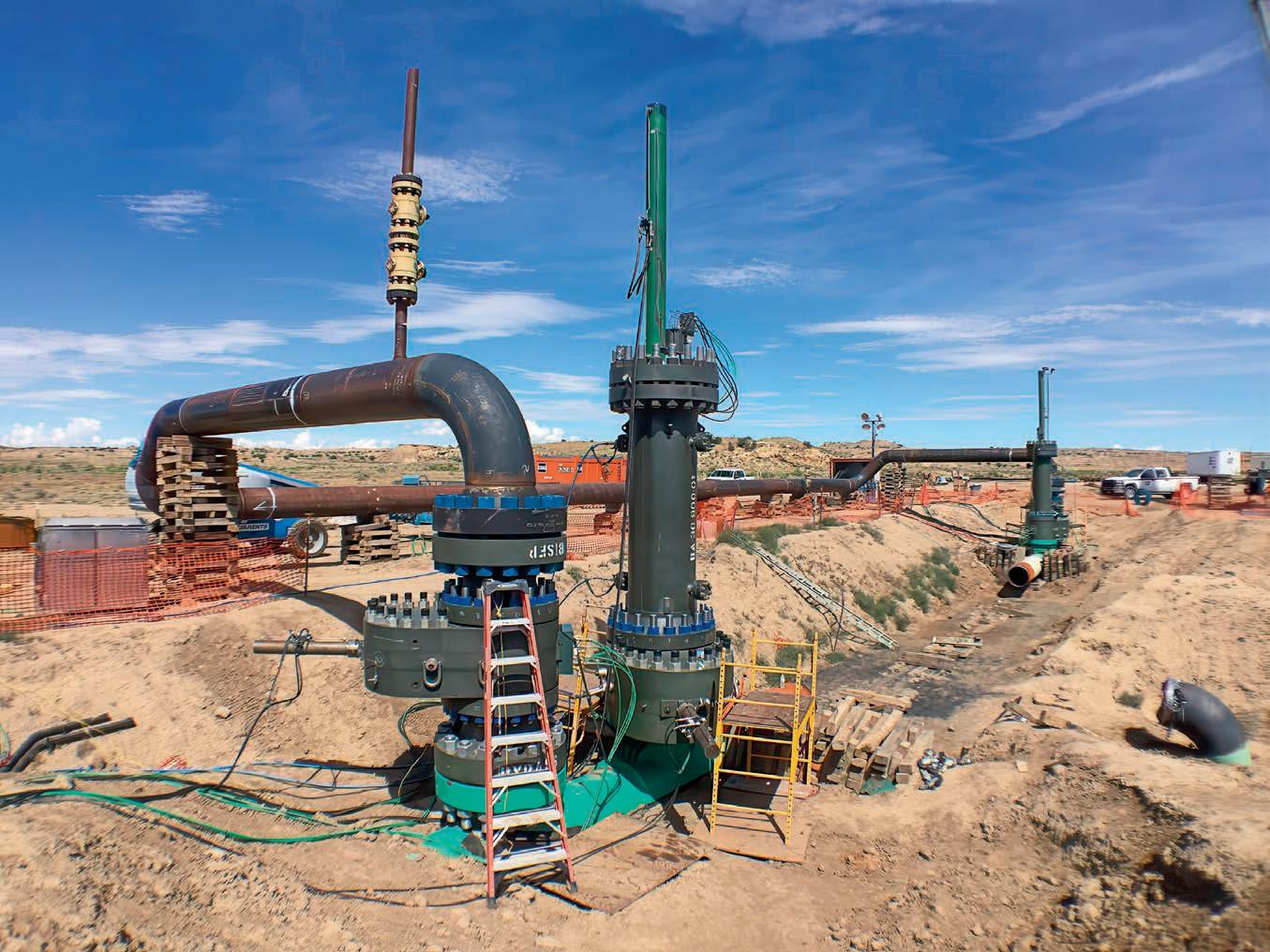
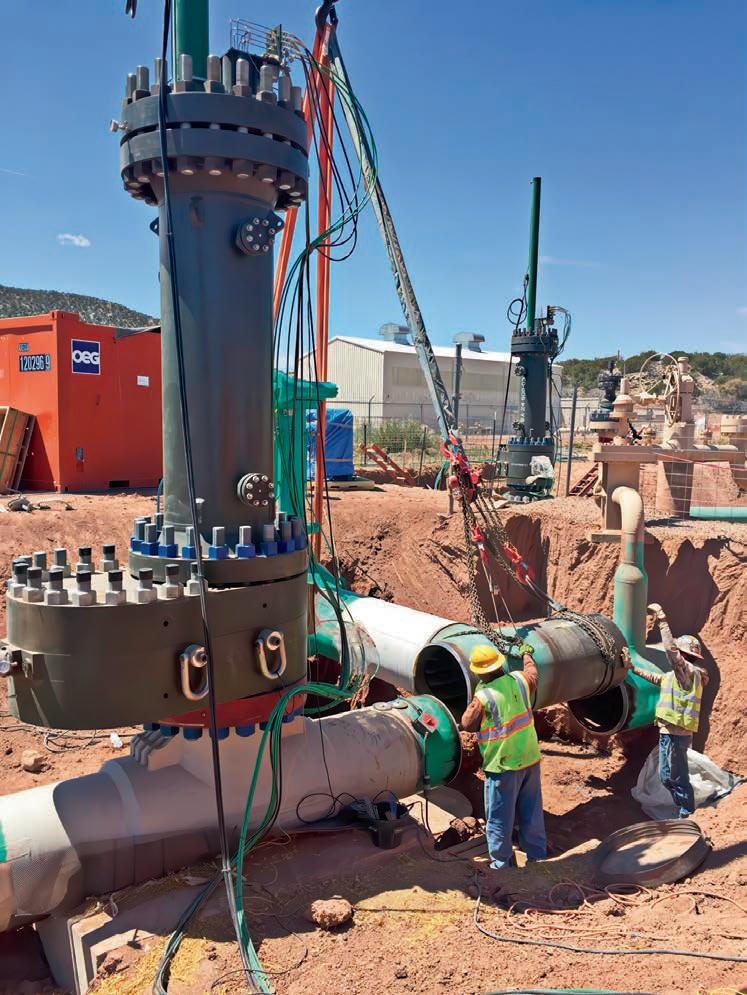
STATS operations included the installation of a grouted tee, hot tapping, line stopping, and completion plug installation. At the core of the project was the STATS BISEP line stopping tool, which was proven to deliver a fail-safe, 100 percent leak-tight double block and bleed isolation. This is particularly significant given hydrogen’s small molecular size and increased propensity to leak compared to natural gas.
By successfully proving that safe, leak-tight isolation can be achieved on high-pressure hydrogen pipelines, STATS has helped qualify essential technology for future fuel networks. This removes a key barrier to maintenance and repair operations, ensuring pipelines can be safely adapted and managed over time.
Ultimately, this supports the wider adoption of hydrogen by enabling the safe operation of repurposed infrastructure,
reducing emissions, and accelerating the industry’s transition toward a resilient, low carbon future.
In addition to this hydrogen success, the BISEP has also been successfully deployed on dense-phase CO₂ pipelines in New Mexico, USA, further demonstrating its unique capabilities and positioning it as a key technology in support of the energy transition.
Further demonstrating its versatility, the BISEP has also been deployed on dense phase CO₂ pipelines in the United States. A multilocation project on the Cortez pipeline marked the world’s first proven double block and bleed isolation on a live CO₂ system operating at over 150 bar, without interrupting production.
The Cortez project highlighted significant technical challenges: CO₂ at high pressure exists in a supercritical state, but rapid depressurisation causes phase change, extreme cooling, and potential dry ice formation. These effects risk material embrittlement, seal degradation, and blockage of pressure monitoring systems. To mitigate this, precise control of blowdown rates and nitrogen purging of the seal annulus were required to maintain safe temperatures and prevent solid formation.
Despite these complexities, the BISEP enabled safe mid-line isolation while maintaining flow via a bypass, avoiding downtime and environmental release. Its failsafe, self-energising seals and fully testable isolation make it the safest and most proven solution for high-pressure CO₂ service.
The BISEP is compatible with a wide range of pipeline diameters and pressures, with current applications extending up to 56 inches and pressures exceeding 150 bar. Its proven performance across hydrocarbons, hydrogen, dense phase CO₂, and high temperature steam highlights its versatility and relevance to both conventional and future energy networks. As pipeline infrastructure evolves to accommodate low carbon fuels, the industry has a clear opportunity to reassess legacy standards, procedures and working practices. Advanced isolation technologies provide a safer, more efficient alternative to traditional methods, enabling maintenance without shutdown while delivering enhanced environmental outcomes.
Neil Mackay, Head of Sales and Business Development – Asia Pacific, commented: “We’re excited about the future energy transition and the role STATS is playing in supporting our customers to achieve their net-zero goals and provide the highest level of safety during temporary pipeline isolation.
“Trusted by operators worldwide for over twenty years in hydrocarbon applications, the BISEP now brings its proven performance to emerging future fuels.
environmental benefits over lip seal line stopping methods, this technology provides the industry with a best-in-class solution for temporary pipeline isolations, which are critical operations required
BISEP is proven across hydrocarbons, hydrogen, dense-phase CO₂, and high temperature steam.
throughout a pipeline’s lifecycle, including during repairs, diversions, and valve replacements”.
With proven performance in hydrogen and
included
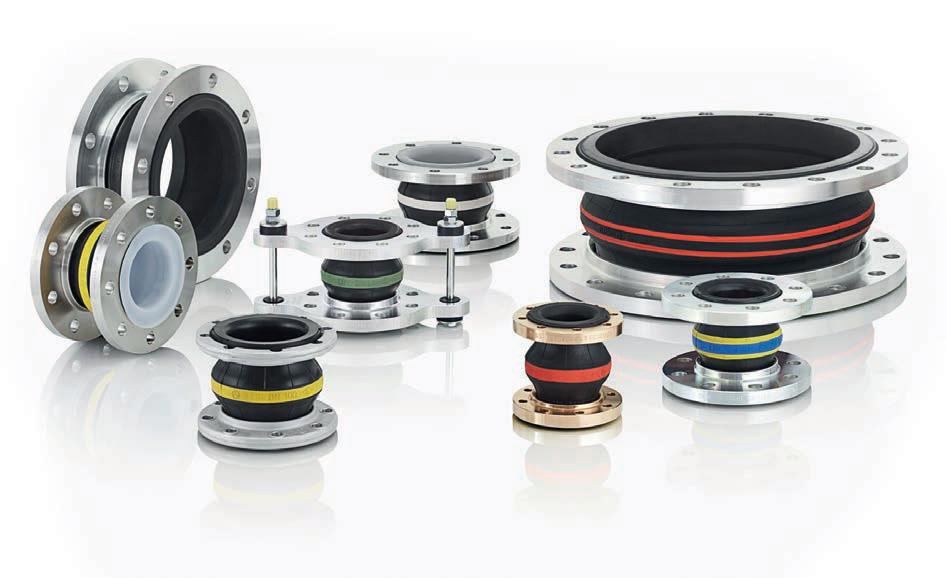
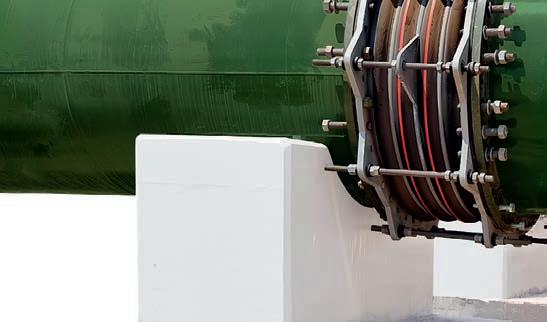
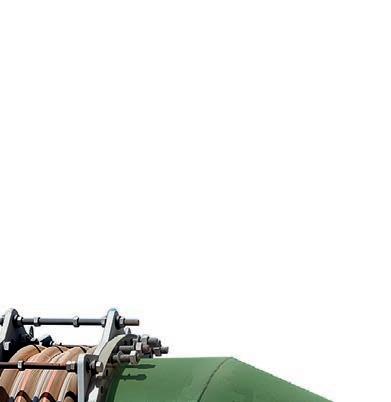
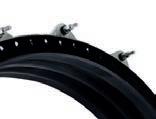
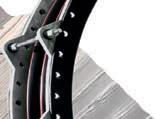
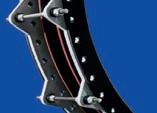
Elaflex offers a diverse range of ERV expansion joints.
Elaflex’s range of ERV expansion joints are proving their worth in technically challenging applications like liquid CO₂ transfer.
Elaflex has built its reputation on safe, durable connections for refuelling and pipe systems, and its ERV range of rubber expansion joints delivers exactly that: practical performance without unnecessary complexity. Covering sizes from DN25–1000, the ERV range offers a consistent solution that engineers can apply across a wide variety of piping systems, from potable water to liquefied CO₂.
ERV expansion joints have the straightforward but critical job of protecting pipework. As flexible connectors, they absorb thermal expansion, reduce vibration and noise, and handle movement caused by load changes, pumping surges, or structural settling. They also correct installation misalignment and can be inserted as removable pipe sections to simplify inspection and maintenance. In short, they remove stress before it becomes a problem.
Each ERV unit uses a moulded, singlesphere rubber bellows with swivelling metal flanges. This geometry allows for large axial, lateral, and angular movement while keeping reaction forces low and resistance minimal. The result is a joint that moves easily without transferring strain to surrounding equipment.
“For pipe construction, you will need compensators to absorb thermal expansion, to reduce vibration and noise,” Elaflex Pacific Sales Manager Mario Iglic told The Australian Pipeliner
“Our ERV rubber expansion joints have reliably performed these tasks since 1956. Due to their construction and premium quality, our expansion joints have become international industry standard.”
Material flexibility adds another layer of utility. There are multiple rubber compounds and flange constructions available in the product range. This allows pipeline operators to tailor their expansion joints based on their individual requirements, such as transported media, temperature, chemical resistance, movement limiters, and more. The Elaflex website even has an online ERV configurator, where various bellows, flanges and accessories can be combined, used to help model
performance, and saved for future reference. ERV expansion joints are used all over Australia in a range of areas, including power stations, refineries, water treatment facilities, and fluid transfer applications in freighting.
For larger or bespoke applications, Elaflex can supply expansion joints manufactured by Ditec, which is part of the Elaflex group of companies.
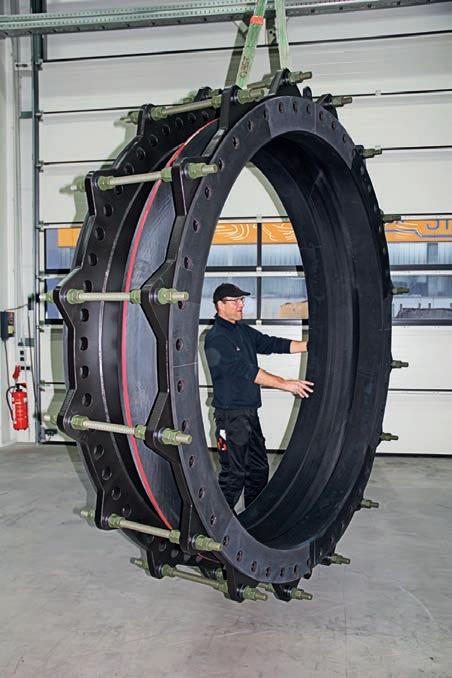
Ditec is one of the very few manufactures in the world that can make expansion joints for round, rectangular, oval, or other designs, for high pressure applications up to DN5000. These expansion joints are hand made in Germany, allowing the manufacturer to alter its standard models to suit custom orders and ensure it produces only premium quality.
Both ERV and Ditec expansion joints are used in carbon capture and storage projects around the world, thanks to their ability to handle extremely low temperatures. Ditec’s larger joints are more suited to carbon capture facilities, whereas the ERV range is ideal for transporting captured CO₂ into trucks and ships, as well as smaller diameter applications within CCS facilities.
Durability underpins the entire ERV range. The joints are constructed with premium quality bellows made exclusively for Elaflex by ContiTech. Both companies have a reputation for reliability and longevity.
“Our ERV expansion joints have excellent longevity – the things just grow old,” Iglic said.
“Due to their superior lifetime, our ERV joints have a lower total cost of ownership than other alternatives on the market.
“They are a trustworthy choice for engineers and purchasers who think in long terms.”
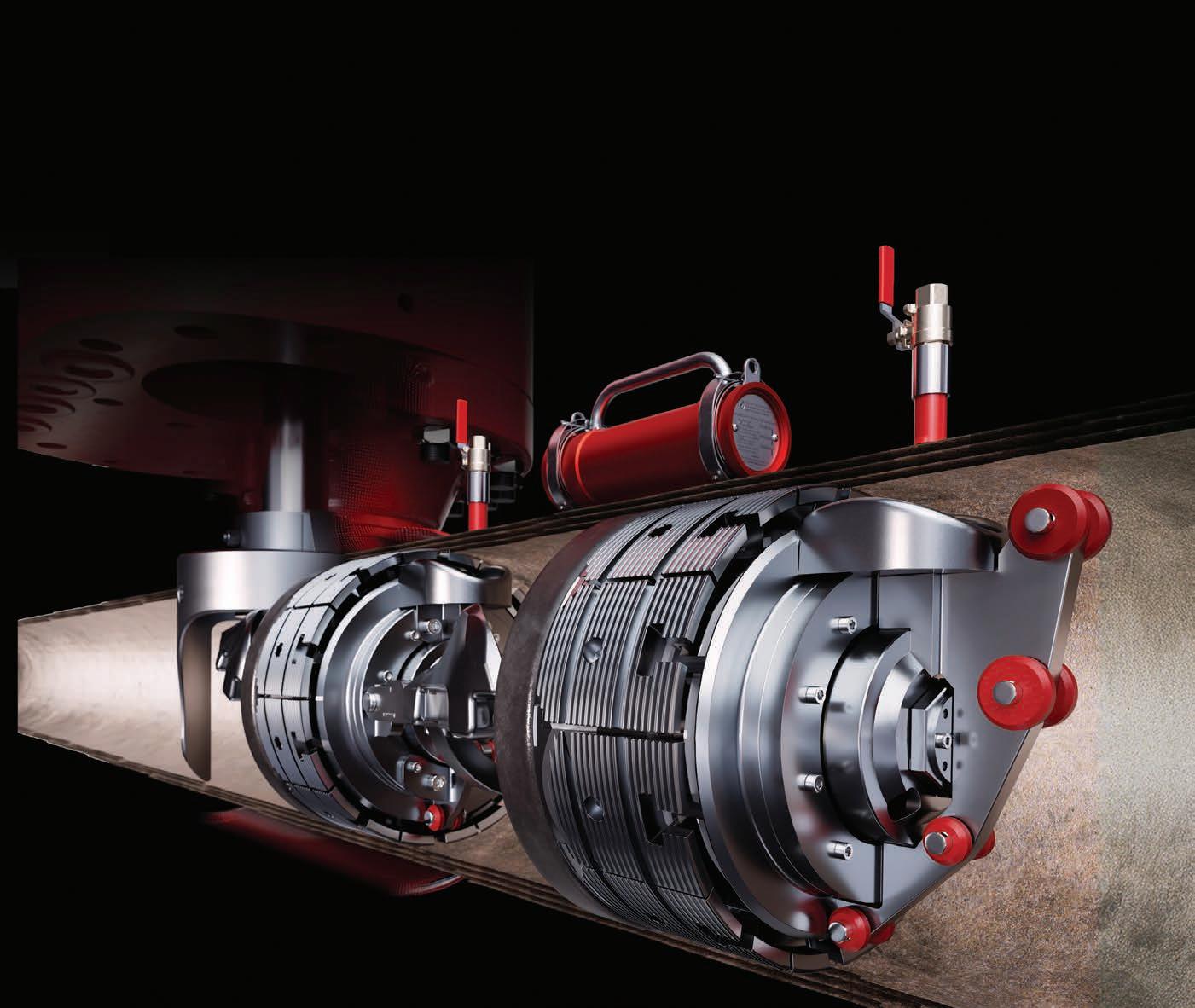
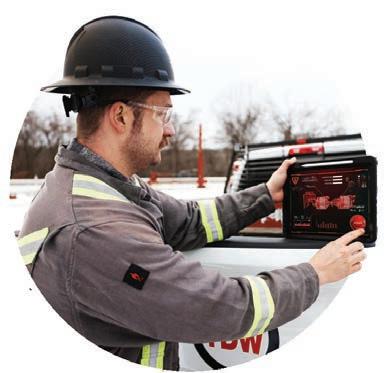
The TDW SHiiELD™ System is the safest isolation tool on the market, eliminating emissions with a continuously monitored, leak-proof seal. The integrated bypass reduces flow restrictions, delivering more throughput without additional fittings or hot taps. SHiiELD sets a new industry standard exceeding traditional double block and bleed systems by independently anchoring each pressure boundary ensuring isolation integrity.

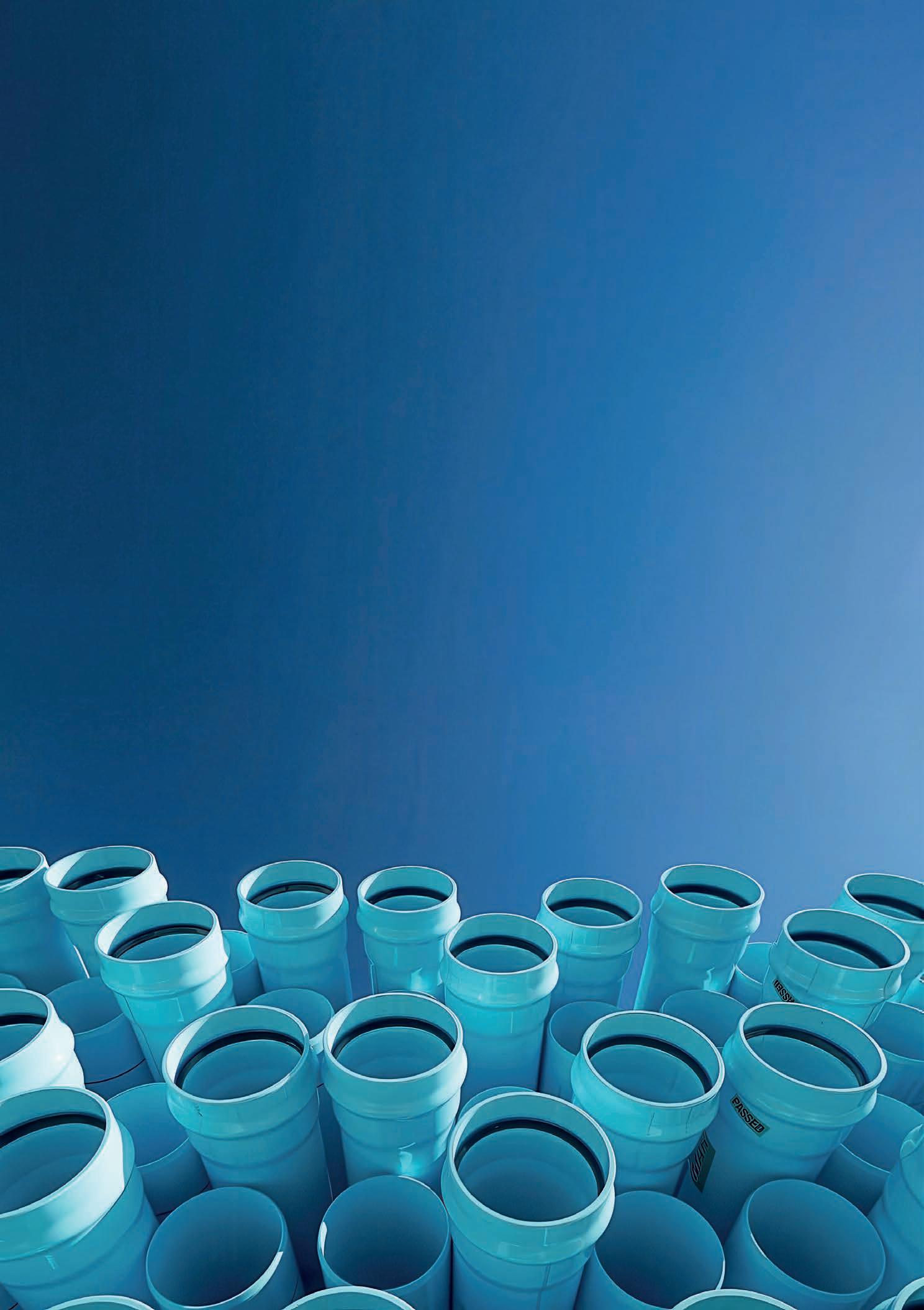
PIPA discusses the environmental credentials of plastic pipe systems.
In an era where sustainability has become essential, the infrastructure choices made today will define Australia’s environmental legacy for decades. The latest comparative Life Cycle Assessment (LCA) studies commissioned by the Plastics Industry Pipe Association of Australia (PIPA) by Edge Impact highlights the environmental credentials of plastic piping systems compared to traditional materials like concrete or ductile iron.
Plastic pipes are critical across Australian industries, valued not only for their strength and durability but also for their over 100-year design life. Engineered for performance and recyclability they provide safe, long-term infrastructure solutions supporting sustainable growth.
The recent studies, which used thirdparty verified Environmental Product Declarations (EPDs) tailored to Australian conditions, examined key environmental indicators including carbon emissions, water use, energy consumption and recyclability across the full product life cycle.
For drainage systems corrugated polyethylene (PE) and polypropylene (PP) pipes were compared with steel-reinforced concrete (SRC) in sizes DN375, DN600 and DN900. The results were clear: plastic pipes offer a lower environmental footprint, particularly in reducing carbon emissions and water consumption.
For water infrastructure PE, PVC-M and PVC-O pipes were assessed against ductile iron cement-lined (DICL) pipes in sizes DN100 and DN300. Plastic pipes again demonstrated advantages including reduced greenhouse gas emissions, significantly lower water consumption and minimal radioactive waste. Their lighter weight and local production further reduce transport emissions reinforcing their status as the environmentally smarter choice for climateresilient infrastructure.
Importantly, PIPA notes that no single material excels in every category. Yet plastic pipes consistently deliver strong sustainability benefits particularly in lowering embodied carbon and conserving water, providing reliable, local data to guide smarter infrastructure decisions.
When we think of plastic single-use bottles and packaging often come to mind. But plastic pipes tell a very different story. These are engineered products built to last for at least 100 years. Their durability is a result of a clean, efficient manufacturing process with low embodied energy, often incorporating recycled scrap material, ensuring waste is minimised from the outset.
Unlike other materials that may corrode or degrade, plastic pipes resist chemical attack and maintain their integrity in harsh soil and wastewater environments. This ensures reliable, long-term service with minimal maintenance.
Although most plastic pipes remain in their first lifecycle, they are fully recyclable and can be safely reincorporated into new pipes guided by the Industry Guideline POP208 for recycled PE, PP, and rigid PVC.
Beyond recycling, plastic pipes can often be re-used or repaired in situ. Many buried systems can host new pipes reducing

excavation needs and further lowering environmental impact.
“Through these initiatives the plastics pipe industry is not only engineering a product for longevity but also building a system for a true, long-term circular economy,” PIPA Executive General Manager Cindy Bray said.
While LCAs and EPDs are essential for evaluating environmental performance they can be difficult for non-experts to interpret. Complex datasets and unfamiliar impact categories often challenge engineers, procurement officers, and policy makers.
“One of our goals in commissioning these third-party LCAs was not only to ensure the data was accurate but to make it understandable,” Bray said.
The results are presented with context. For example, showing that one metre of PVC-O pipe produces carbon emissions equivalent to just 4.5 typical 10km shopping trips versus 25 trips for ductile iron. This allows stakeholders to easily see the real-world significance of these differences.
As Australia confronts climate change, water scarcity and the need for resilient infrastructure, material choices are strategic.
The PIPA LCA studies provide credible locally relevant data to guide procurement, design standards and sustainable infrastructure policy.
Plastic pipes long valued for durability now offer transparent, evidence-based environmental benefits. Their 100-year design life combined with their circularity and lower embodied impacts positions them as both a practical and forward-thinking choice.
“There is a misconception – you cannot simply pick up two EPDs and assume a fair comparison,” Bray said. “That’s why PIPA invested in independent LCA studies to provide transparent, consistent and professionally verified assessments that help the industry make informed, responsible choices.”
The LCAs also identify opportunities for improvement guiding future product design, material optimisation and innovation. By combining durability, low environmental impact and circularity plastic pipes provide a clear, evidence-based pathway to long-term sustainable infrastructure in Australia.
For more information, visit pipa.com.au/lca-comparative-studies
Expansions Joints tailormade in Germany.











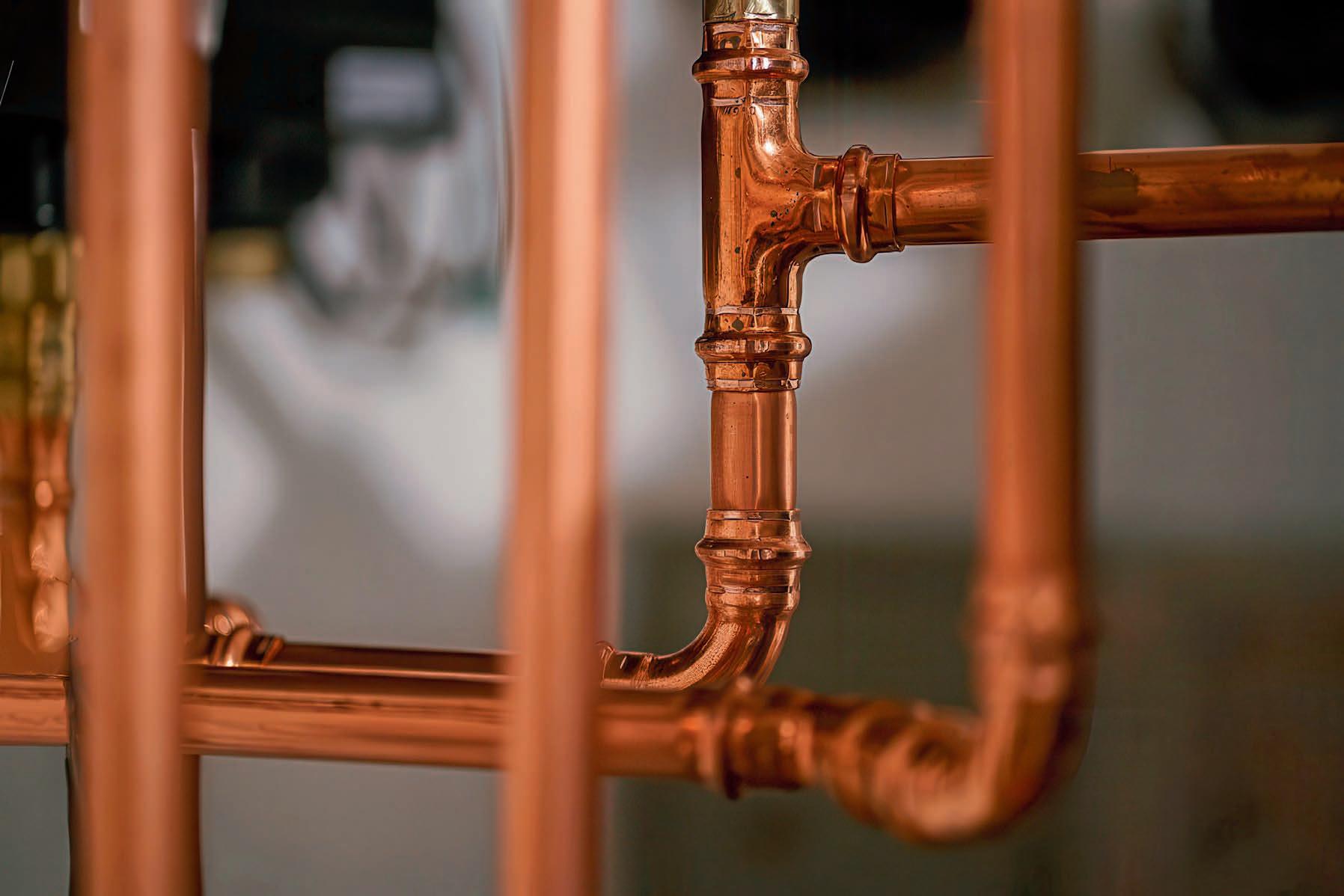
leaks and confirm that the system will withstand operating pressure. Unfortunately, the same water that confirms integrity also leaves behind residual moisture that can cause corrosion problems before tenants ever move into the structure and turn on the water.
For years, Cortec® and other manufacturers have offered corrosion inhibitors for hydrotesting oil and gas pipelines, as well as all types of pressure vessels. The protection of drinking water systems presented another challenge, requiring the corrosion inhibitor to meet ANSI/NSF Standard 61 for drinking water system components. Cortec met this challenge in 2023 with VpCI®-649 HP, a
potable water pipes and tanks without leaving them prone to corrosion during construction waiting periods.
VpCI-649 HP protects steel, copper, galvanised steel, and aluminium above and below the water level, covering a broad range of drinking water systems. It does not contain nitrite, phosphate, molybdenum, or chromate. Application can be confirmed with a PTSA tracer.
Key benefits of VpCI-649 HP:
• Multimetal protection: Safely protects steel, copper, galvanised steel, and aluminium.
• Ea sy verification: Application can be easily confirmed using a PTSA tracer.
Securing the future of water system commissioning Communities rely on clean drinking water, and that infrastructure depends on successful hydrotesting. By introducing a simple, certified corrosion solution, contractors and plumbers can avoid costly repairs and ensure the longevity of the systems they install.
This product is available through Savcor Products Australia in Australia and New Zealand.

ROSEN discusses its research-led approach to hydrogen and future fuels pipeline integrity.
As Australia and the global energy sector move towards hydrogen and other low carbon fuels, pipeline infrastructure is increasingly recognised as a strategic enabler for both long term decarbonisation and energy security. Hydrogen has the potential to reduce emissions in hard to abate sectors, while supporting more diverse and resilient energy systems. However, hydrogen’s interaction with pipeline materials, welds, and defects differs fundamentally from natural gas’ interaction.
ROSEN has positioned itself at the forefront of this challenge with a research-led, industry-focused approach spanning material performance, inspection technology, and integrity management. A key pillar of this capability in Australia is ROSEN’s hydrogen testing laboratory, which is operated in partnership with the University of Wollongong (UOW). This laboratory is complemented by hydrogen testing capabilities at the Lingen, Germany, site and ROSEN’s global expertise in hydrogen and future fuels pipelines, including carbon dioxide (CO₂) transport.
Enabling safe and reliable hydrogen transport requires integrity management methods and customised inspection technologies that are fit for purpose and grounded in validated material performance data.
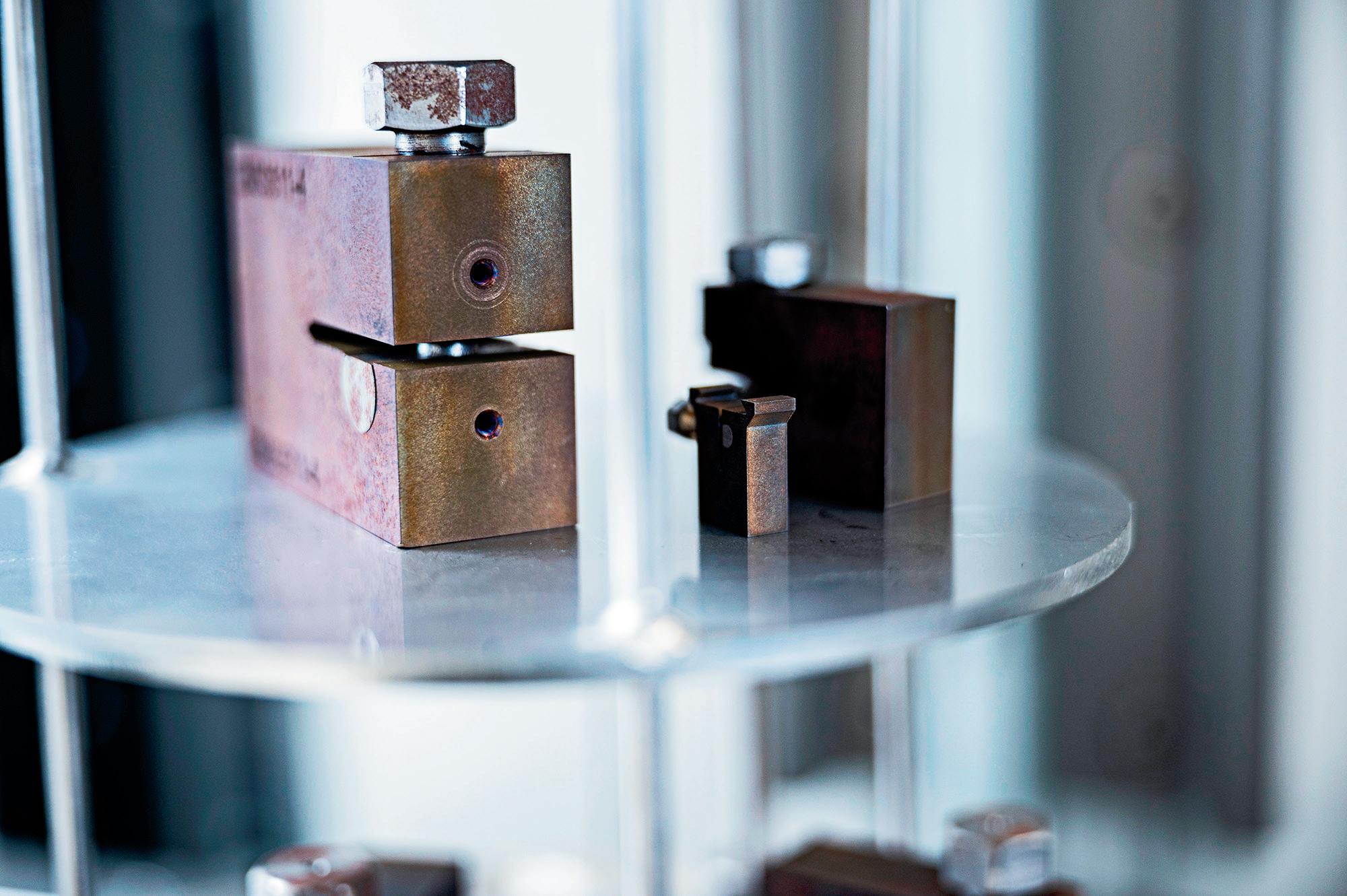
Located at the University of Wollongong, the ROSEN hydrogen testing laboratory in Australia was established to address one of the most pressing gaps in hydrogen pipeline readiness: the lack of representative, high quality material performance data generated directly under gaseous hydrogen conditions. Many challenges associated with hydrogen pipelines stem from uncertainty regarding the performance of existing pipeline steels and welds when exposed to hydrogen under service relevant pressures and loading conditions.
The laboratory enables the mechanical testing of pipeline steels in high pressure hydrogen gas, primarily focusing on fracture toughness, tensile behaviour, and fatigue crack growth. Testing in gaseous hydrogen allows us to observe the direct influence of hydrogen on crack initiation, crack propagation, and material ductility, providing insights that cannot be reliably inferred from air testing or established engineering standards.
Safety and scientific rigor are embedded in the facility’s design and operation. Test systems operate at pressures representative of
pipeline service and are supported by controlled gas purity, defined purging procedures, and continuous monitoring. ROSEN has also committed dedicated personnel to the laboratory to provide continuity between experimental testing, data interpretation, and application to real pipeline integrity challenges.
The hydrogen testing laboratory plays an active role in supporting applied research and industry decision making. ROSEN has used the facility to support research programs through the Future Fuels CRC and now Gas Infrastructure Research Australia (GIRA), while also conducting targeted testing projects for Australia’s largest pipeline operators. These activities directly support hydrogen conversion studies, screening exercises, and long term asset management planning, helping operators assess the suitability of existing assets for use in future hydrogen services.
One of the key challenges facing the development of hydrogen pipelines globally is the absence of fully harmonised testing methodologies and standards applicable to pipeline integrity decisions.
Through its work at the University of Wollongong and participation in international research initiatives, ROSEN actively contributes to developing and converging best practice testing methodologies that align with evolving standards and engineering guidance for hydrogen pipeline design and operation. This includes engagement with international industry research bodies, such as the PRCI and EPRG, regarding hydrogen material compatibility, fracture, and fatigue assessment. ROSEN also addresses practical considerations, such as test duration, gas impurity effects, and sensor performance in hydrogen environments.
Understanding how hydrogen influences material properties that are key to hydrogen pipeline design enables ROSEN to support operators in defining realistic defect acceptance limits, inspection requirements, and safe operating envelopes in terms of pressure and cycling. This enables integrity management strategies that are technically justified and suitable for optimised pipeline utilisation under hydrogen and future fuels service.
Material behaviour is only one part of the equation. Reliable inspection data is essential to managing hydrogen pipelines safely and
efficiently over their full lifecycle.
ROSEN has decades of experience developing and industrialising in-line inspection services for crack detection, metal loss, and deformation. This experience has been directly extended into hydrogen applications. Technologies such as Electro Magnetic Acoustic Transducer (EMAT) and Magnetic Flux Leakage (MFL) inspection have been adapted for use in inspecting hydrogen and hydrogen blend pipelines in other parts of the world, with particular emphasis on detecting axial crack like defects that are critical under hydrogen service.
Rather than relying on inspection technology in isolation, effective hydrogen pipeline integrity depends on the combination of defect data provided from in-line inspection, validated material performance data, and hydrogen-specific integrity management approaches. Together, these elements enable defensible integrity assessments and provide a robust technical basis for regulatory engagement and long-term asset management planning.
Although hydrogen is a central focus, ROSEN’s future fuels strategy extends beyond hydrogen alone. Transporting carbon dioxide for carbon capture, utilisation, and storage (CCUS) introduces its own integrity challenges, including fracture control, material toughness requirements, and sensitivity to impurities in dense-phase CO₂ service.
Reliable integrity management for CO₂ pipelines depends on a robust assessment of metal loss, cracks, and fracture behaviour under demanding operating conditions. ROSEN’s experience in corrosion assessment, crack detection, and material property characterisation is therefore directly relevant to the integrity assessment and operation of CO₂ pipeline systems. Inspection technologies, such as MFL for
corrosion assessment, as well as crack detection tools, and material characterisation technologies, are used in dense-phase CO₂ pipelines and provide the necessary data to support fracture control plans and integrity assessments.
By applying consistent inspection, testing, and integrity assessment principles to different transported media, ROSEN supports pipeline operators in developing pipeline systems that are resilient, adaptable, and capable of supporting evolving decarbonisation pathways.
A research led partner for the energy transition
What differentiates ROSEN’s approach is the tight integration of research, testing, and industry application. The hydrogen testing laboratory at the University of Wollongong is not an isolated research asset, but rather a cornerstone of broader capabilities connecting material science, inspection technology, and integrity engineering.
Through active collaboration with universities, industry partners, and international research organisations, ROSEN continues to advance the technical foundations required for hydrogen and future fuels pipelines. For Australia, this means having access to world class hydrogen integrity expertise, delivered locally, to support both domestic and international projects.
As hydrogen and CO₂ infrastructure moves from concept to reality, evidence based integrity management will be essential. By investing in world-class testing facilities and translating research insights into deployable inspection and integrity solutions, ROSEN is helping ensure the energy transition is not only ambitious, but safe, reliable, and technically sound.
Fleet Helicopters CEO Mike Watson explains how infrastructure projects can get the most out of their aviation services.
There is a growing recognition across Australia’s infrastructure sector that aviation is far more than a support function. When integrated effectively, helicopters become a powerful enabler of productivity, safety, and access – particularly in complex or remote environments.
On many projects, aviation has traditionally been introduced later in the planning process, often as a way to support established groundbased programs. While this approach can work, greater value is unlocked when aviation is considered earlier and incorporated as part of the overall delivery strategy.
Helicopter operations – whether supporting pipeline inspections, construction, or asset management – operate within a structured and highly professional environment. They are governed by clear regulatory frameworks, operational planning requirements, and
fatigue management systems that are designed to ensure safety and consistency. When these parameters are understood and built into project planning, aviation becomes a highly predictable and efficient tool.
One of the key opportunities for improvement lies in how aviation is positioned within a project. Treating helicopters as a specialist capability – rather than simply another contractor – allows planners to better align schedules, logistics, and site layouts with how aviation actually operates.
Early integration in program design allows:
• flight paths to be optimised for efficiency
• helicopter landing sites (HLS) to be positioned strategically
• crew movements to minimise unnecessary transit time.
Rather than adapting aviation to an existing plan, the most successful projects allow aviation to help shape that plan. This approach consistently delivers better outcomes in terms of efficiency, cost control, and safety.
Aviation brings a unique set of logistical considerations, but these are well understood and highly manageable with the right planning. Pilot duty periods, pre-flight preparation, and travel to site all form part of daily operational limits. By aligning accommodation, transport, and work locations with these requirements, projects can maximise productive flying time. Similarly, factors such as fuel supply, catering, and accommodation are not obstacles, but important inputs into a well-
designed operational plan. When addressed early, they contribute to smooth, compliant, and high-performing operations.
In regional and remote Australia, where infrastructure projects often take place, these considerations become even more valuable. Thoughtful integration of aviation can significantly reduce ground travel, improve access, and streamline logistics across large geographic areas.
Fatigue management is a core strength of aviation operations. It provides clear, evidence-based limits that help projects operate safely and sustainably. Rather than being seen as a constraint, fatigue frameworks offer a reliable structure for planning consistent daily outputs.
By designing programs around realistic operating conditions – rather than theoretical maximums – projects benefit from improved predictability, reduced risk, and better longterm performance.
When aviation is integrated early, even small adjustments can deliver significant gains. A modest extension in flight time, for example, can remove hours of ground travel, unlocking more productive work within the same duty window.
Early collaboration between project teams and aviation providers allows:
• practical insights to inform planning decisions
• potential inefficiencies to be identified and resolved early
• programs to be built around real-world operating conditions.
Strong communication during this phase reduces downstream challenges and ensures aviation operates at its full potential.
Fleet Helicopters is a family-owned business with deep roots in aerial agriculture, fire fighting, and emergency response.
In 1996, the company brought that experience into the pipeline industry and has since worked alongside some of Australia’s largest energy operators.
With extensive experience across remote and regional operations as far back as the Ballera to Mt Isa pipeline project, Fleet Helicopters understands how to integrate aviation seamlessly into complex projects.
An experienced aviation partner contributes far beyond the aircraft itself. Early input into planning can help identify risks, optimise logistics, and improve overall project efficiency.
Fleet Helicopters’ long-standing work in personnel and equipment transport, aerial inspection, and leak detection demonstrates how aviation can accelerate project timelines and enhance asset management outcomes.
For over 20 years, pipeline operators across Australia have leveraged this expertise to build and maintain infrastructure more efficiently
Norway’s Longship carbon capture and storage project shows what’s possible when industry, government and public opinion align.
Australia’s efforts to decarbonise its heavy industries are accelerating, yet the pathway forward is steeped in challenges. Among the technologies often discussed is carbon capture and storage (CCS), which some in the industry consider essential for reducing emissions from sectors that are difficult to decarbonise through electrification alone. While Australia has begun developing CCS capacity, public sentiment toward the technology remains cautious. Looking abroad, however, Norway offers a compelling example of how CCS can be implemented at scale and accepted as part of a broader climate strategy.
Australia currently has two operational CCS projects: Chevron’s Gorgon project and Santos’ Moomba project. Several others are also in development, reflecting a growing recognition of CCS as a potential component of the country’s emissions reduction toolkit. Despite this progress, the technology still faces scepticism among sections of the public and environmental community, with concerns often centred on safety, environmental impacts and long-term effectiveness.
In Norway, the conversation around CCS has evolved very differently. Widely regarded as a global leader in sustainability and climate
policy, the country has spent decades building both the technical and social foundations for carbon capture and storage. That groundwork has helped foster a level of acceptance that remains elusive in Australia.
“CCS is widely accepted and believed to be an important decarbonisation tool in Norway,” Tore Moe, a senior energy advisor at Norwegian Energy Partners, told The Australian Pipeliner.
“Even some of the environmental groups in Norway, like Bellona, are big supporters of CCS.
“Here in Australia, CCS has got a fairly bad reputation, and I believe this comes from a lack of understanding of exactly what CCS is.
“By comparison, there has been a lot of public information about CCS in Norway, which has helped shape public perception.”
Norway’s experience with CCS stretches back decades. Projects have been underway in the country since 1996, giving policymakers, industry and the public considerable time to become familiar with the technology and its role in reducing emissions. The latest initiative in this long history is the Longship project, which represents the most ambitious CCS effort Norway has undertaken to date.
Originally conceived and supported by the Norwegian government through its agency Gassnova, Longship has been designed as Europe’s first complete value chain for the capture, transport and storage of industrial carbon dioxide emissions. Spanning international borders and industries, it is also the largest climate initiative in Norwegian industrial history.
The project centres on capturing emissions directly from major industrial sources. Longship’s first component involves capturing carbon dioxide from two facilities: a cement factory in Brevik and a waste-to-energy plant in Oslo, the latter of which is still being developed. Both represent industries where emissions are particularly difficult to eliminate, highlighting the potential role CCS can play in hard-to-abate sectors.
The Brevik cement plant captures around 400,000 tonnes annually, while the Oslo waste incineration plant is expected to capture roughly 350,000 tonnes. Combined, this represents about 1.6 per cent of Norway’s total emissions.
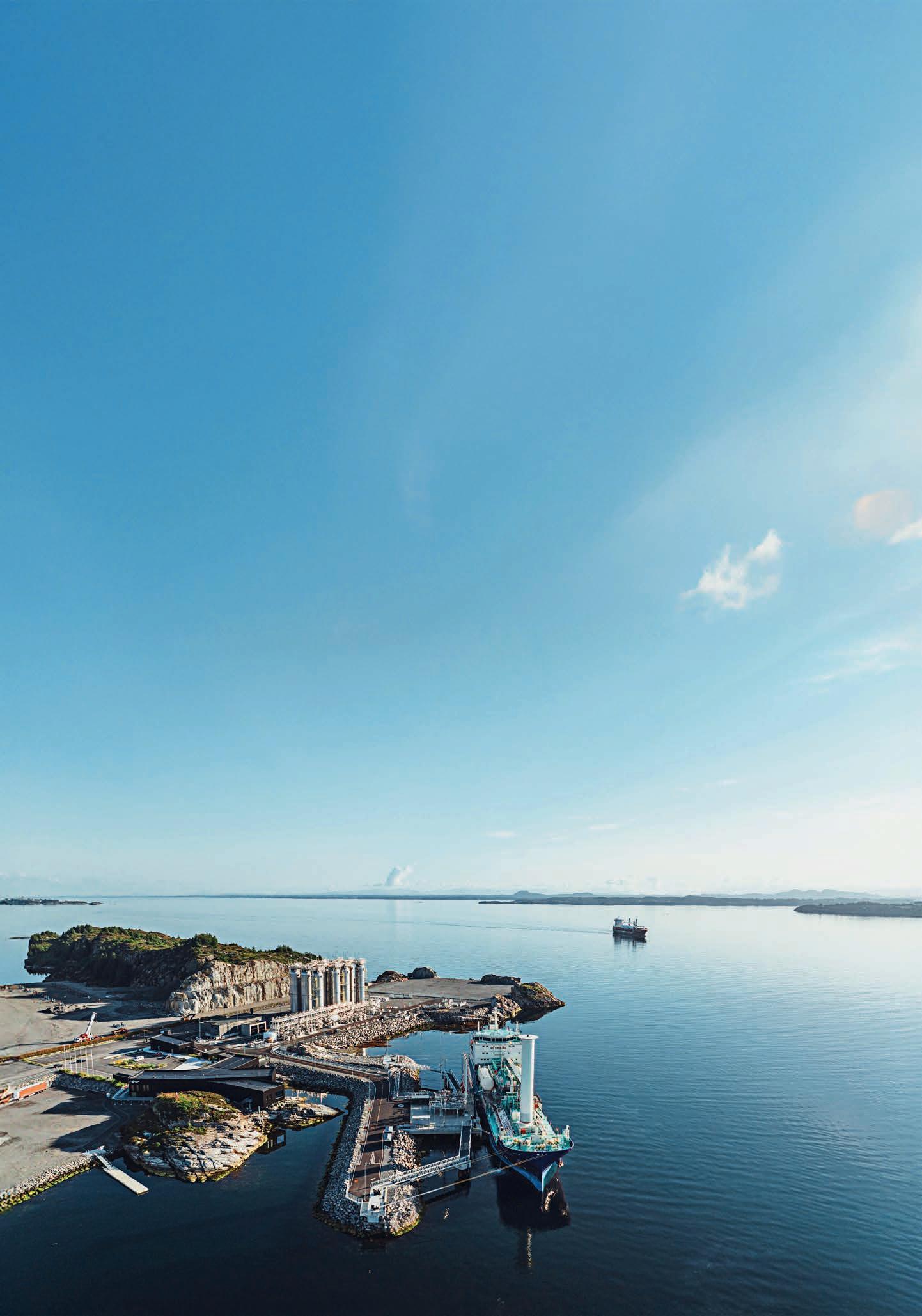
After the carbon dioxide is captured and liquefied at the facilities, it is transported by ship to the Northern Lights project, which
forms the transport and storage backbone of Longship. There, the CO₂ is stored temporarily in tanks before being sent through a pipeline to an offshore injection well. From the well, the gas is pumped into a subsea reservoir approximately 2600m beneath the seabed.
Northern Lights currently has the capacity to store about 1.5 million tonnes of carbon dioxide each year, with an expansion under development expected to lift that figure to around 5 million tonnes annually.
Importantly, the project has also been designed to function as an open-access service for the wider market, allowing industrial emitters from across Europe to transport captured CO₂ to Norway for permanent storage.
“Longship is meant to be a case study – a project to showcase the feasibility of a multiuser injection hub,” Tore said.
“As part of the project, CO₂ is required to be transported across national boundaries. Norway has signed agreements with a number of countries for this purpose, including Sweden, Denmark, and Holland.”
The concept of a shared carbon storage hub spanning multiple nations reflects a broader ambition: demonstrating that CCS can operate as a collaborative international network rather than a series of isolated projects.

The situation in Australia
Australia has its own CCS infrastructure. One of the country’s most significant initiatives is the Moomba CCS project, located at the Moomba gas plant in South Australia. The project captures carbon dioxide produced during gas processing and prepares it for long-term storage.
At Moomba, captured CO₂ is processed to remove water before being compressed into liquid form. It is then transported about 50km via pipeline to a storage site, where it is injected into depleted hydrocarbon reservoirs for permanent storage underground.
The project has been designed to store up to 1.7 million tonnes of carbon dioxide each year – roughly equivalent to removing about 700,000 petrol cars from the road annually. In October 2024, Santos confirmed the Moomba CCS project had become operational and had begun capturing, injecting and storing CO₂ in the Cooper Basin following commissioning and rampup activities.
Chevron’s Gorgon carbon dioxide injection project is the other major CCS development in Australia. The project supports the development of gas fields in the greater gorgon area off the north-west coast of Western Australia.
With a projected lifespan of more than 40 years, the injection system is expected to be
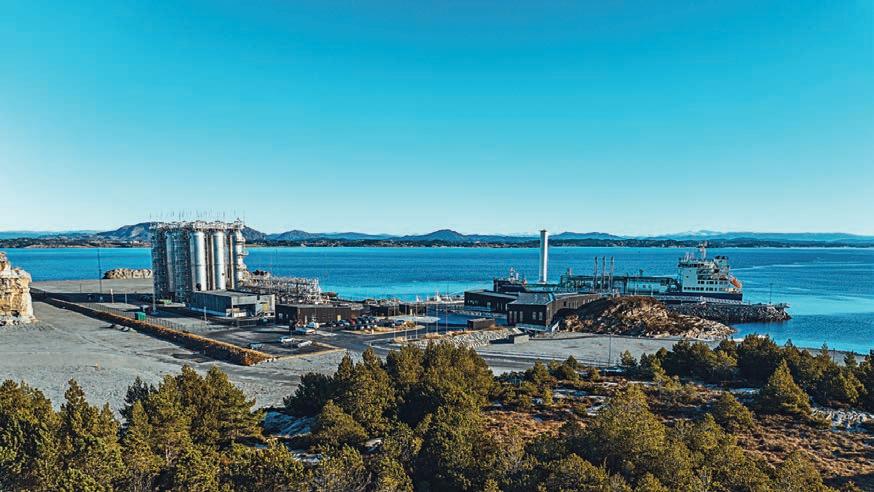
among the world’s largest long-term carbon dioxide storage operations. The Chevron-led Gorgon Joint Venture plans to inject between 3.3 and 4 million tonnes of carbon dioxide annually into the Dupuy Formation, a geological layer located more than 2km beneath Barrow Island. Since injection began in early August 2019, more than 12 million tonnes of carbon dioxide have already been stored.
Both companies have committed to sharing the lessons learned while developing their respective CCS systems in order to support
broader deployment of the technology in Australia. Additional projects are also being explored across the country as interest in CCS continues to grow.
Norway’s Longship project ultimately demonstrates what is possible when large-scale collaboration, government support and clear public communication align behind a shared climate objective. As Australia continues developing its own CCS capabilities, Longship stands as an example of how an integrated, multi-user carbon capture network could take shape.
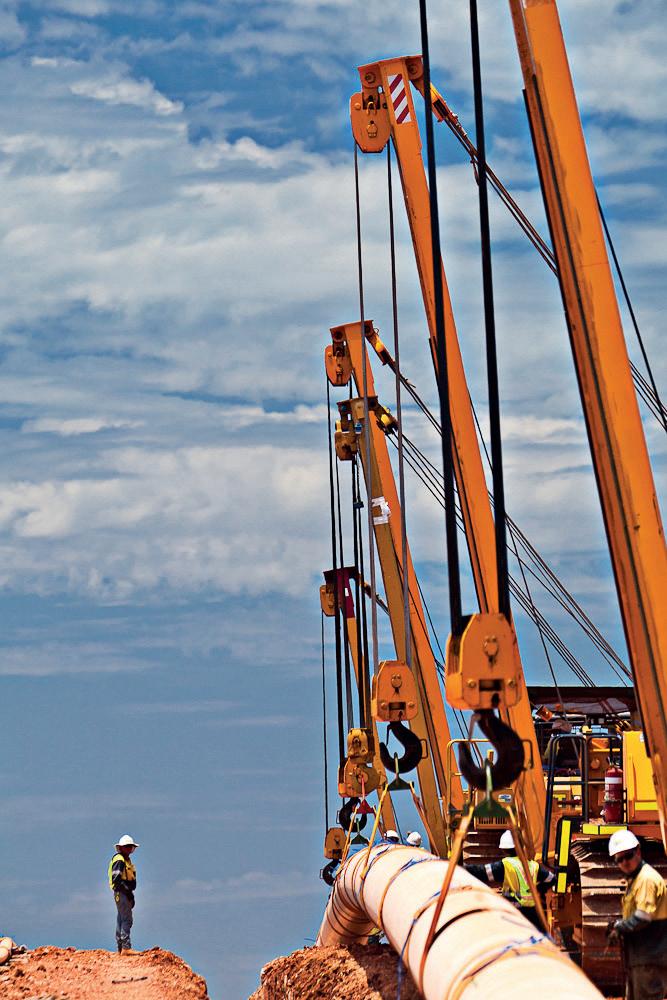
A coating system can look perfect on paper and still fail in practice. Coating Specialist Services’ Craig Hobson shares his expertise on how to get the most out of pipeline coating systems.
Selecting the right coating system is a critical part of any pipeline project, but it does not guarantee long-term performance on its own. Durable protection depends just as much on surface preparation, application quality, inspection discipline, and consistent execution across every stage of delivery.
When coating performance is discussed, much of the attention naturally centres on system selection. Service environment, operating conditions, design life, construction methodology, and project-specific requirements all need to be assessed carefully before a coating system is specified. That process is essential.
However, selecting the right coating system is only half the job.
A technically suitable coating can still underperform if execution is poor. Across pipeline projects, there are many examples where the chosen system was appropriate, the specification was sound, and the intended performance requirements were clear, yet the final outcome was compromised by rushed surface preparation, contamination, poor environmental control, inconsistent application, shortened curing times, or inadequate inspection.
In these situations, the issue is often not the coating itself. More commonly, the problem lies in how the system was delivered.
This remains one of the more persistent misunderstandings in the industry. Once a coating product has been selected and approved, there can be a tendency to assume the major coating risk has been addressed. In reality, specification is only the starting point. Long-term performance still depends on whether the coating system is given the conditions and controls required to succeed.
Coatings are unforgiving when the fundamentals are not managed properly. Surfaces must be prepared to the specified standard. Substrates need to be clean and correctly profiled. Environmental conditions must remain within allowable limits. Application must follow approved procedures. Cure requirements need to be respected. Inspection hold points must be maintained. Repairs must be completed to the same standard as the original application.
If these controls begin to weaken, even a well-selected coating system can be set up to fail prematurely.
This is especially relevant on pipeline projects, where coating quality is influenced by multiple stages of the delivery chain. Quality does not begin and end at the coating plant. It is affected by transport, storage, handling, stringing, welding, field joint coating, repair work, and lowering-in activities. Every step has the potential to either preserve coating integrity or introduce risk.
A coating system may be correct on paper, but if quality slips during execution, exposure begins to build long before the line is placed into service.
That is why project delivery deserves just as much focus as product selection.
On many projects, once the coating system has been approved, attention quickly shifts to production targets, schedule pressure, and construction progress. This is often the point where coating quality becomes more vulnerable. The challenge is no longer deciding what should be applied. The challenge is ensuring it is applied correctly, consistently, and under real site conditions.
That is where strong QA/QC oversight becomes critical.
Trust the process, control the basics
Effective inspection is not there to slow progress. Its role is to ensure the selected coating system is actually being delivered in a way that allows it to perform over the long term. That means maintaining discipline around preparation standards, contamination control, environmental monitoring, application parameters, cure verification, inspection acceptance criteria, and repair quality. These are not administrative details. They are the practical controls that determine whether a coating will provide durable protection or simply appear acceptable at handover.
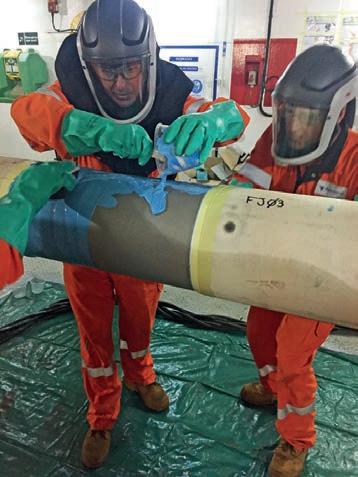
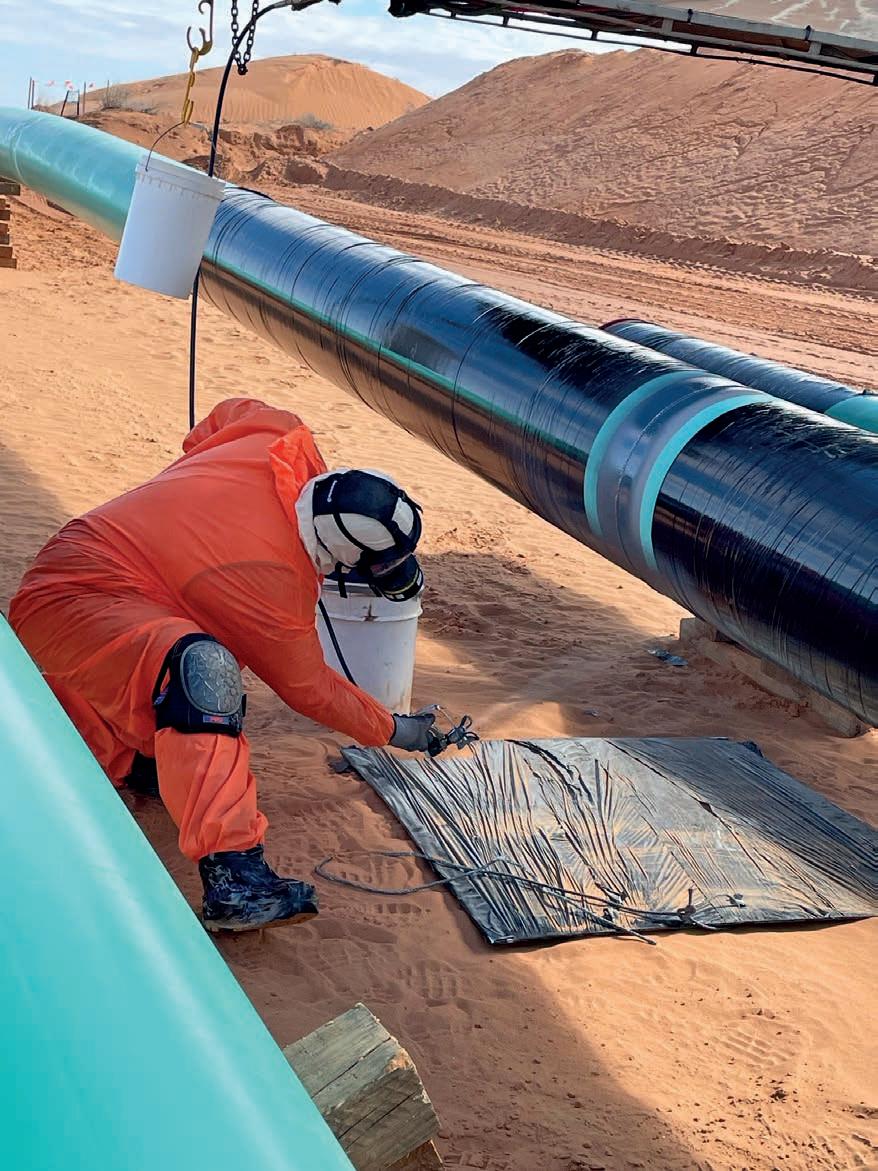
compromises that seem manageable at the time. A surface that is almost to standard. A contaminated area accepted to keep work moving. A cure period reduced to protect programme. A repair completed for convenience rather than quality. On the day, these decisions may appear minor. Over time, they can undermine a coating system that was otherwise correctly selected and correctly specified.
For this reason, coating performance should always be viewed as a full process rather than a simple product choice.
For asset owners, this means recognising that coating protection depends on more than what is written into the specification. It depends on factors such as planning, workmanship, supervision, verification, and quality discipline throughout construction.
For contractors, it means understanding that coating performance is maintained in the field, not just in technical data sheets or product approvals.
For both parties, the objective should be the same: not just coating application, but reliable long-term performance in service.
start to finish. The coating product mattered, but so did the people applying it, the procedures governing the work, the inspection regime supporting it, and the overall quality culture surrounding delivery.
That is where the real difference is made.
A coating system should not be judged solely by what is written in the specification or promised in a product brochure. It should ultimately be judged by how well it performs once the asset is operating.
Choosing the right coating system is an important first step. But it is only the beginning.
Long-term coating performance comes from pairing the right system with the right preparation, application, inspection, and workmanship. Without that, even the best specification can be reduced to good intent on paper.
That is why choosing the right coating system is only half the job. The other half is making sure it is delivered properly.
APGA’s new Head of Advocacy Matt Williams outlines how APGA is tackling the most recent proposals by government to intervene in energy supply and infrastructure.
Governments and their departments can be very challenging at times and do not always act in the best interest of industries and businesses – hence the need for government relations and advocacy. APGA’s relationships with governments are important when we need to raise all types of issues on behalf of APGA members.
Over my time working with state and federal government including as a Federal Member of Parliament, as an adviser for state and federal government ministers and then in the private sector helping companies and industry associations navigate government processes and regulation, it is obvious that increased intervention by state and federal governments has not often delivered better markets or improved productivity. In fact, government policies have contributed to negative outcomes especially in relation to energy security and supply which is a reason why there are forecast shortfalls in gas in 2030 as outlined by AEMO in its latest Gas Statement of Opportunities report.
Take the recent developments in Victoria as a case in point, where the state government’s anti-gas position has contributed to the
current gas supply issues. Furthermore, it has required an unprecedented power being introduced by the Victorian Government to allow the government to order gas transmission service providers to plan, carry out or operate specified improvements to Victoria’s declared gas transmission system.
The adverse impact of increased regulation leading to insufficient investment in the energy and gas sector is not just my view but has been stated by numerous energy industry leaders including at the recent Australian Domestic Gas Outlook.
Over the last few months, the Federal Government has released two major pieces of proposed reform in the energy market to address the gas supply issues in Australia. The Gas Market Review’s major recommendation is for a domestic gas reservation policy while the Energy and Climate Change Ministerial Council is considering whether to extend AEMO’s functions for the East Coast Gas System.
Both of these are major reforms and have been a focus of APGA’s policy working group.
Led by our Head of Policy Catriona Rafael, members have worked with us to draft
APGA regularly engages with government to represent the interests of the pipeline industry.
detailed submissions that provide a basis for our policy advocacy. Already in 2026, APGA has written seven submissions to government.
APGA also recently wrote to energy ministers requesting they address unbalanced regulation in the gas market and provide better incentives for companies to invest and build the gas infrastructure we need in Australia.
One of the other valuable documents we provide to government, our members and industry is our EnergyShift research report that surveys the public’s positions on energy sources, support for gas and the energy transition. Some positive results from the April report include;
• 71 per cent of Australians believe gas should play a role in Australia's energy transition alongside renewables
• 71 per cent of Australians support government action to increase supply, improve reliability and lower the price of gas over the long term
• Support for increased gas production has climbed from 53 per cent to 63 per cent From my meetings with every state and territory government as well as the federal government, they have been receptive to our members’ issues, market information we provide, such as the EnergyShift report and industry suggestions.
It has been good to see many government officers attend the APGA member events providing our members with the opportunity to provide feedback to government on where there could be improvements to assist the sector deliver the pipelines and energy Australia needs.
At the end of the day, no matter how challenging governments can be, we need to work with them, put forward well-informed ideas and improvements on government policy and represent our members and industries interests to achieve the best policy and industry outcome. You never know when there is a major problem with policy or crisis, whether it be COVID or fuel supplies and the Middle East and you need to connect with and work with government.
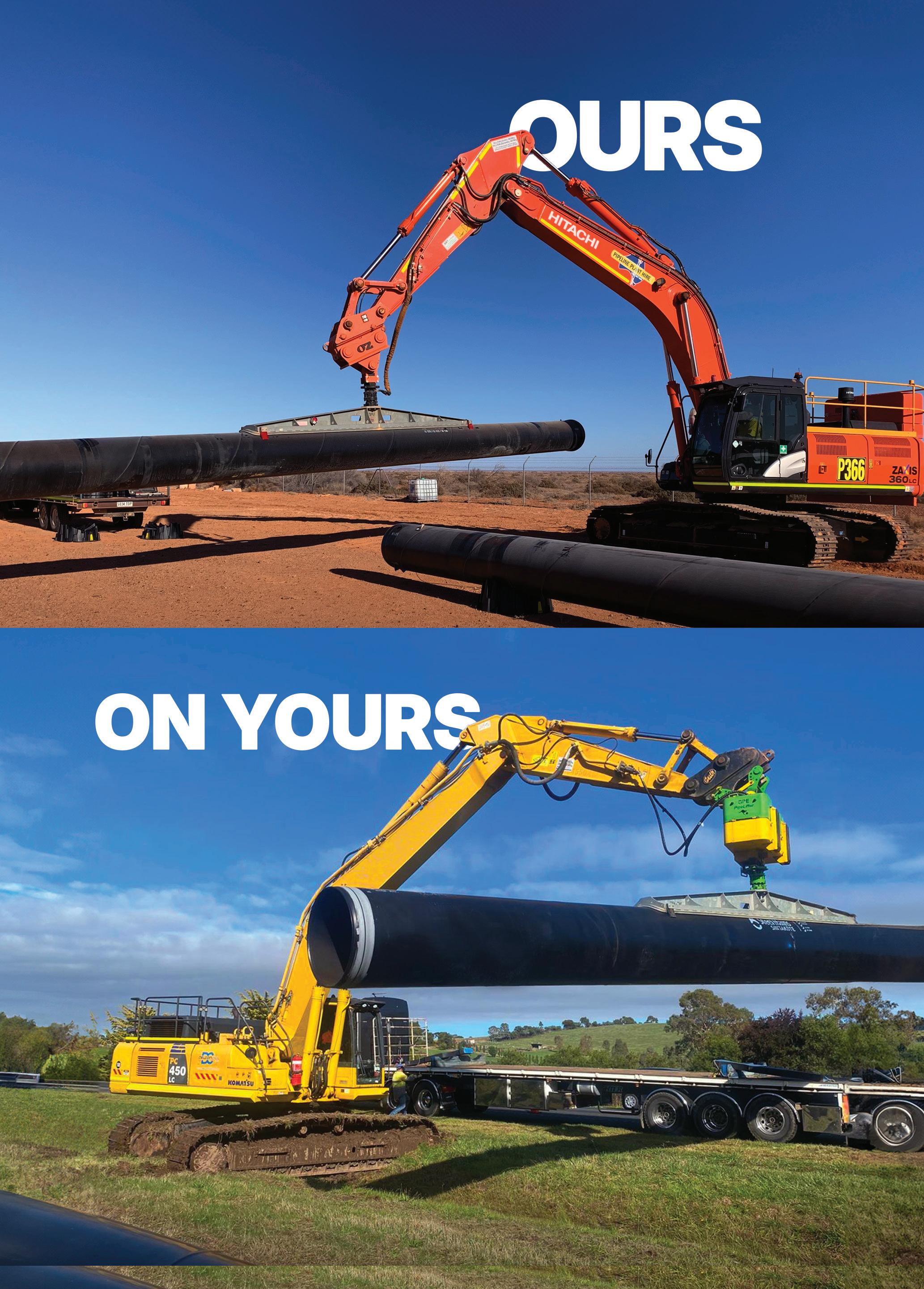
WE CAN DO THIS THE EASY WAY, OR WE CAN DO THIS THE EASY WAY.
Need a pipe handling system to make your job faster, safer and easier? At Pipeline Plant Hire we have two flexible solutions ready to go. Hire and attach a PL1500 to your machine, or hire a fully-equipped VL machine as an efficient, all-in-one solution. All our vacuum lifter are capable of safely lifting 15 tonne. Our PL1500 integrates seamlessly with your host excavator using the main controls and hydraulics to operate the vacuum lifter. This system makes your life easier, more productive, and the whole site safer. Talk to us about a solution today.
Pipe Tek has expanded its range of solutions on offer to the Australian pipeline industry.
Pipe Tek has secured exclusive distribution rights for TWINLOCK Quick Opening Closure doors.
The strategic partnership brings one of the industry’s most advanced and safety focused closure systems directly to the Australian market, providing asset owners and operators with improved access and efficiency.
Quick opening closures play a vital role in pipeline operations, particularly on pig launchers and receivers where frequent access is required. Accessing these systems has traditionally been a time consuming and labour-intensive process.
The TWINLOCK system has been engineered to address these challenges, delivering a solution that prioritises operational efficiency and, importantly, safety. It is manufactured by Pipeline Equipment, Inc., a Tulsa, Oklahoma-based manufacturer specialising in engineered equipment for oil, gas and industrial sectors, with operations spanning fabrication, machining, extrusion and industrial coating.
Established in 1995, the company delivers fully integrated, customised solutions including pig launchers and receivers, pressure vessels and metering systems. TWINLOCK is widely recognised as the company’s flagship innovation.
At the core of the TWINLOCK design is its simplicity. The closure can be operated by a single person without the need for tools,
significantly reducing resourcing requirements and downtime. A quarter-turn of the handle is all that is required to disengage the locking mechanism, allowing fast and controlled access to the pipeline system.
This streamlined operation is achieved through the integration of the locking segments and mechanism, and door handle into a compact, efficient design.
The defining feature of the TWINLOCK system is its emphasis on safety through a redundant, dual-locking mechanism. The closure incorporates a safety lock and a pressure alert valve, ensuring the door cannot be opened while the vessel is pressurised.
The alert valve provides a clear indication of any residual pressure, while the safety lock physically prevents operation of the door until safe conditions are confirmed. This layered approach to safety is critical in high-pressure pipeline environments, where improper access can have severe consequences.
From a design and engineering perspective, the TWINLOCK closure is built to meet stringent international standards, including ASME Section VIII and pipeline codes such as B31.3, B31.4, and B31.8. It is available in a wide range of sizes, from 8 to 76 inches, and can be configured for horizontal, vertical or inclined installations.
This flexibility allows it to be applied across a broad spectrum of industries, including oil, gas, water and industrial processing.
Material selection and durability are also central to its performance. With high-grade materials such as SA-105, SA-350 LF2 and stainless-steel components, the system is designed to withstand harsh operating environments while maintaining longterm integrity.
Protective features such as weather-sealed internal components and corrosion-resistant materials further enhance reliability and the service life of the components. Another advantage of the TWINLOCK system is the main door O-ring can be replaced with standard, commercially available alternatives, meaning expensive OEM parts aren’t required unlike many competitor products that lock operators into proprietary sealing components.
Turnkey pipeline solutions
Pipe Tek COO Taddam Farrant said securing exclusivity for TWINLOCK closures represents more than just an expansion of product offering.
“This partnership reinforces Pipe Tek’s commitment to delivering best-in-class pipeline solutions to the local market,” he said.
“By bringing this proven technology to Australia, we’re enabling operators to improve safety standards, reduce operational downtime and streamline maintenance activities across their assets.”
The addition of TWINLOCK quick opening closures sits naturally alongside Pipe Tek's existing range of products. By combining TWINLOCK technology with its range of Enduro Pipeline Services cleaning and inspection tools, Pipe Tek is able to deliver a seamless, end-to-end pipeline integrity solution.
“TWINLOCK closures act as the gateway enabling pipeline cleaning and inline inspection (ILI) work to be carried out safely and efficiently,” said Farrant.
“By allowing quick, tool-free access to pig launchers and receivers, they reduce downtime between cleaning and inspection runs while maintaining strict safety controls. When paired with Enduro's cleaning pigs and high-resolution ILI tools, the result is a tightly integrated workflow: safe access, effective cleaning and accurate inspection.”
These technologies reinforce Pipe Tek's position as a turnkey pipeline integrity provider. Rather than offering standalone products, the company delivers a connected system where each component enhances the performance of the next, ultimately improving safety, reliability and operational efficiency across the entire pipeline lifecycle.
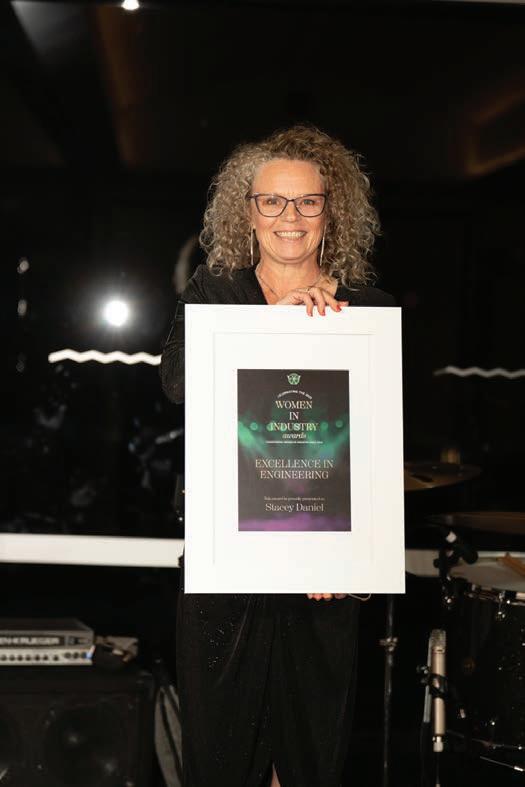



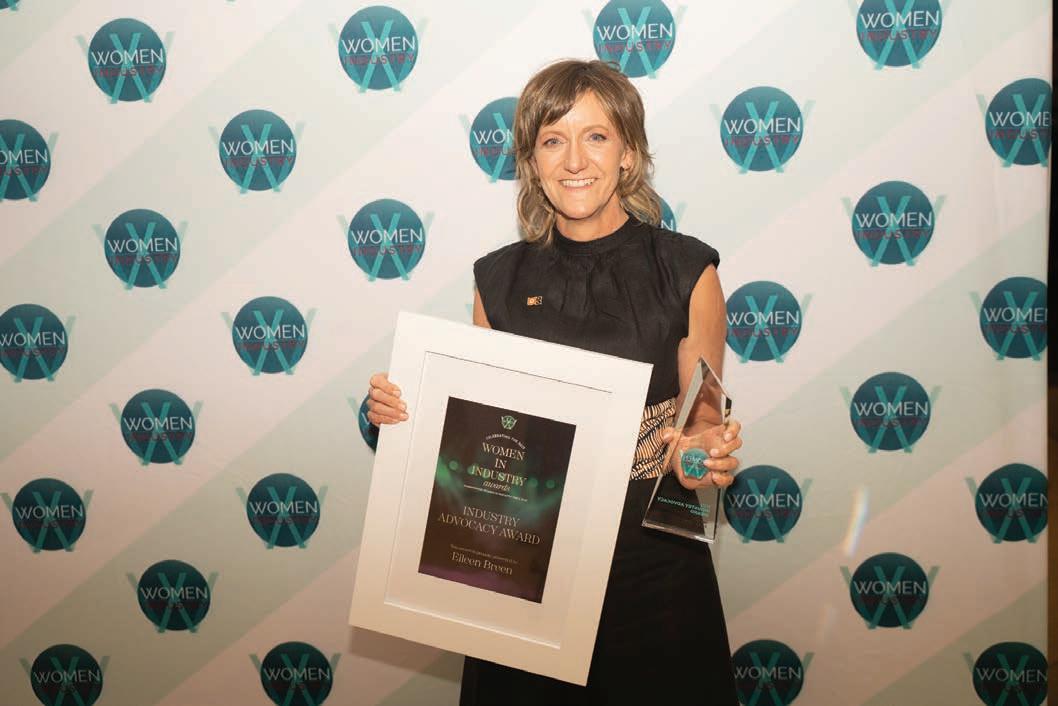
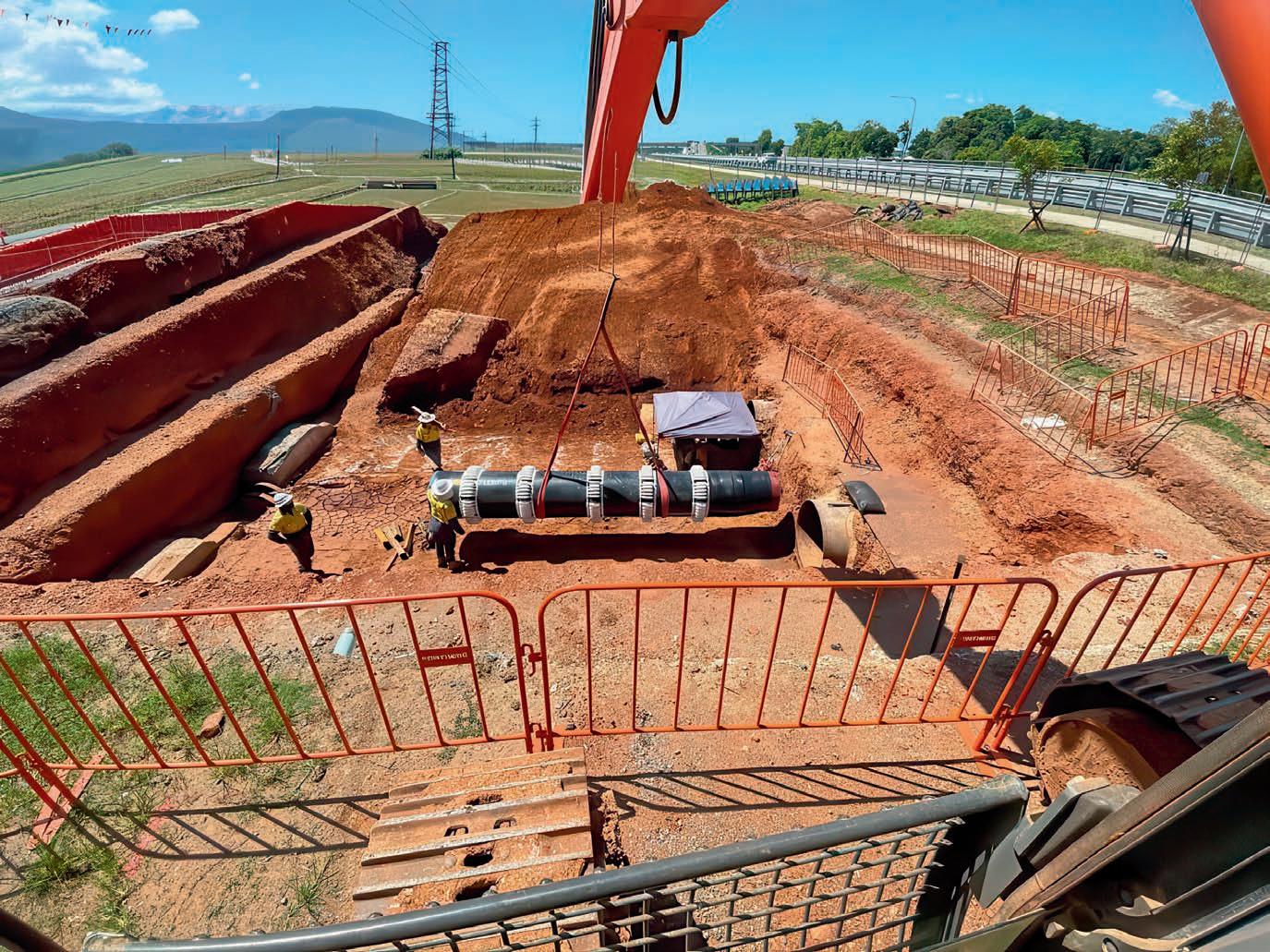
Spacer systems are among the least visible components in a pipeline, but they are fundamental to its performance over time.
In slip-lining and trenchless rehabilitation, a new carrier pipe is installed inside an existing host pipe. But without effective centralisation, the carrier pipe can rest directly against the host pipe wall. This contact creates point loading, uneven grout distribution (if grouting) and long-term structural risk. To remedy this, pipeline spacers are used to maintain consistent annular spacing around the carrier pipe.
Beyond simple alignment, these systems help prevent direct contact between the carrier pipe and casing, reducing wear and maintaining coating integrity if present. They also assist contractors in meeting strict water, wastewater and civil construction standards.
Ultimately, spacers are about safeguarding long-term asset performance, but not all of them are created equal.
Traditional metallic spacers introduce a major vulnerability: corrosion. Over time, exposure to moisture and aggressive soils can degrade metal components, undermining both the spacer and the pipeline itself.
Abrasion is another persistent issue. Poor centralisation or high-friction materials can cause damage during installation, stripping coatings or weakening pipe walls before the asset is even commissioned. Temperature fluctuations and chemical exposure further complicate matters, particularly in water and wastewater environments where materials must withstand a wide range of operating conditions.
There are also mechanical risks. Poorly designed spacers can create excessive insertion forces, requiring larger equipment and increasing costs. Uneven load distribution can
lead to point loading, while vibration and movement from surrounding infrastructure – such as road or rail crossings – can transfer directly to the pipe, accelerating wear.
Modern spacer systems, such as those developed by kwik-ZIP, are engineered specifically to address these long-standing challenges. A key differentiator is material selection. Manufactured from kwik-ZIP’s own thermoplastic blend, kwik-ZIP spacers are non-metallic, eliminating the risk of corrosion while offering high resistance to chemicals, heat and abrasion.
Their low coefficient of friction is another key advantage. Pipes can be installed more smoothly, reducing insertion forces, and minimising the risk of damage during pipeline construction. Load-sharing designs

further improve performance by distributing weight evenly across multiple runners, avoiding stress concentrations that can compromise both spacer and pipe.
Flexibility is built into the system. Modular, segmented designs allow kwik-ZIP spacers to accommodate a wide range of pipe diameters and configurations, while different runner heights enable precise control and centring in complex installations. Combined with lightweight construction and simple assembly, these features translate into faster installs, lower labour costs and reduced on-site risk.
Picking a proven product
Pipeline projects are high-value, long-life assets, and small oversights can have costly consequences years down the line. In a sector where performance is measured over decades, choosing a partner with a strong history of delivery is imperative.
With more than 25 years in operation, kwikZIP has built a track record across a range of industries including civil construction, oil and gas, mining and water. Additionally, its spacer systems are proven on major infrastructure projects around the world.
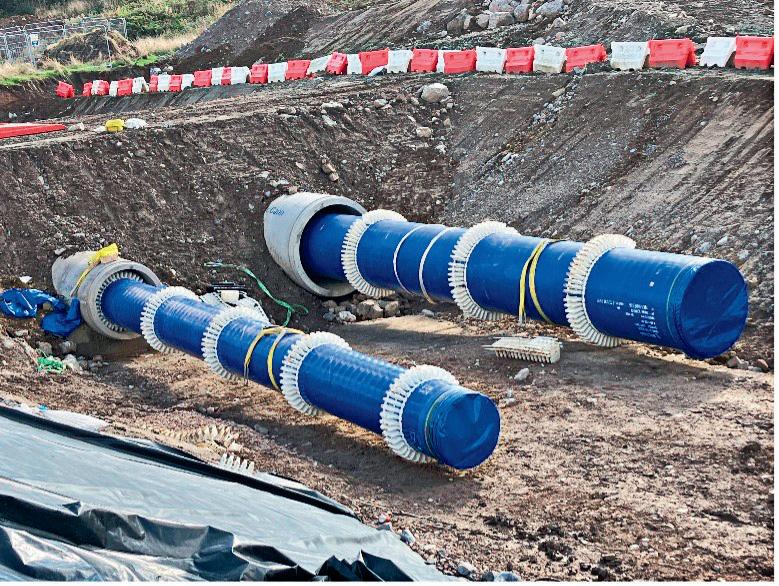
Equally important is certification and industry acceptance. kwik-ZIP systems are certified to the Water Services Association of Australia’s (WSAA) product specification for casing spacers. They are also approved for use within many utilities’ infrastructure, including Melbourne Retail Water Association, South-East Queensland’s Infrastructure and Materials (IPAM) list, Sydney Water and the WA Water
Corporation. All products are certified by the Australian Water Quality Centre (AWQC) for use in contact with drinking water.
Spacer systems may sit out of sight once a pipeline is commissioned, but their impact is long-term. Choosing the right centralising system – and the right partner – can be the difference between a pipeline that works for the time being, and one that endures.




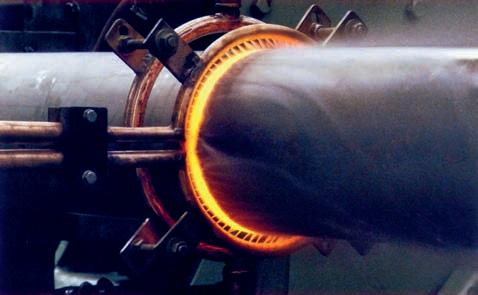


The Australian Pipeliner spoke with Austrack Equipment about what it takes to become a trusted machine hire partner in the pipeline industry.
Across Australia’s pipeline sector, contractors face tight timelines, remote locations and zero tolerance for error. That’s why choosing the right machinery hire partner matters, and why companies like Austrack Equipment are leaders in the field.
Choose a specialist, not a generalist
While a generalist hire company might supply capable machines, a specialist brings hardearned pipeline experience, and niche equipment dialled in to the intricacies of pipelining. Companies founded within the pipeline sector understand the challenges of a pipeline project, from common operational inefficiencies to environment hazards and their effects on machinery. They know what crews need, when they need it, and how each piece of equipment fits into the broader sequence of works.
Austrack Equipment built its business around this exact niche. Company founder
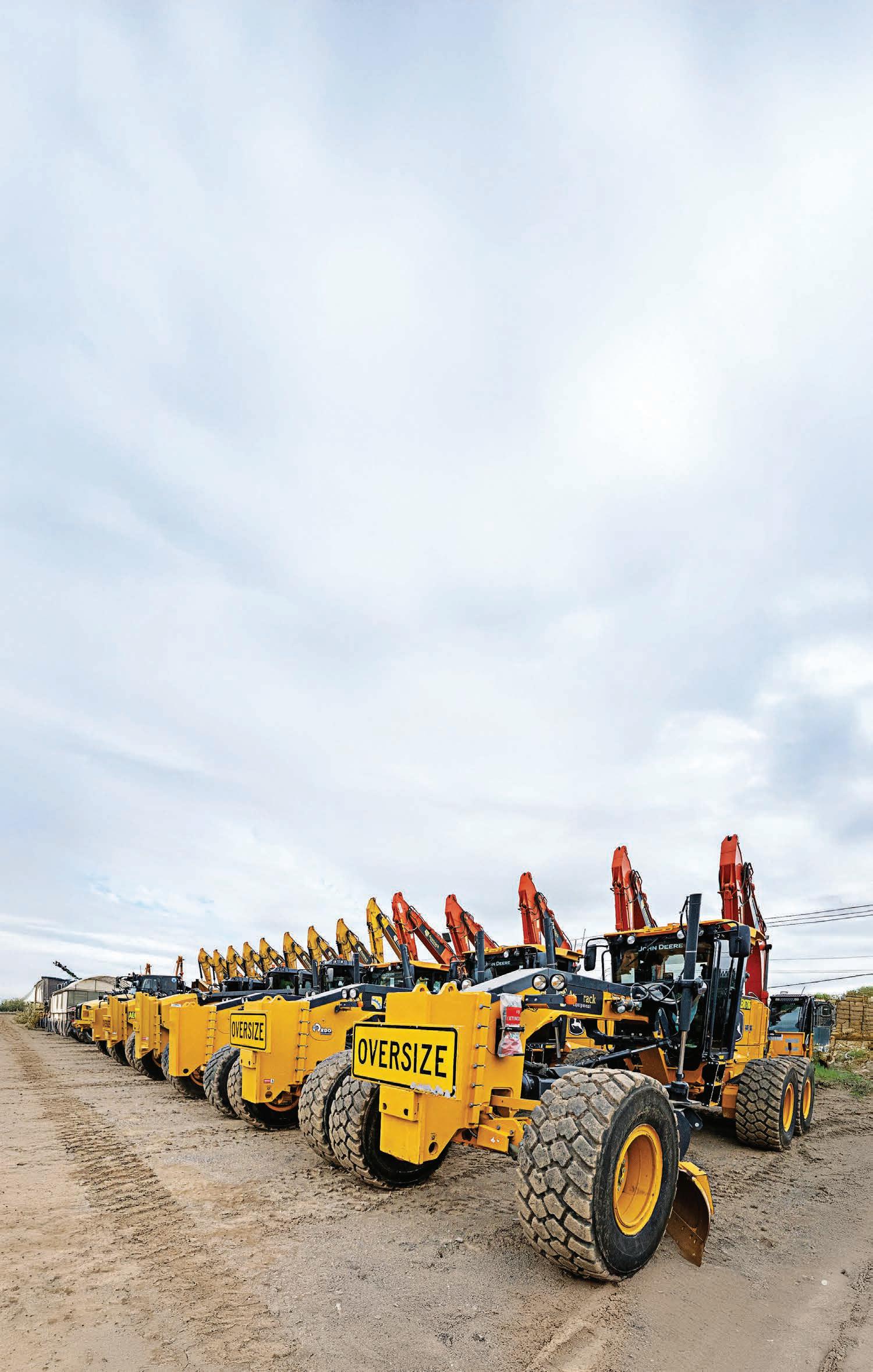
Michael Benson has been involved in pipeline construction – from machine operator to construction superintendent – since his arrival in Australia roughly 25 years ago.
“All the while in those frontline roles I was learning what pipelining was all about,” he told The Australian Pipeliner.
“When the time came to do my last fly-in fly-out, when the last section of pipe had been hammered home, I knew exactly what I wanted to do. I wanted to set up a heavy equipment hire company that would bring a very particular expertise to service pipeline contractors.
“The knowledge I had gained I could now use to assist pipeline contractors to get the best equipment to complete their projects.”
General hire machinery might be more geared towards an urban construction environment, rather than remote worksites that deal with extreme temperature fluctuations, dust,
limited maintenance, and similar challenges. “Our emphasis is very much on bringing smart solutions so that our customers can kick their project goals. Their success is our success,” Benson said.
“We keep an eye on technology across the world thus ensuring we can offer our customers the very best equipment that is available.”
Nowhere is this more evident at Austrack than in the development of its SafeVac Lifting Systems range of vacuum pipe lifters. These Australian-made excavator lifting attachments, built to conform to the European EN13155 Standard, lift and place pipes safely and efficiently. The SafeVac has multiple iterations, from the smaller and more nimble wheeled excavator SV200, to the 36-tonne tracked excavator SV400i.
Similar efficiency benefits come from another Austrack machine, the customised EF450 Sand Hopper backfilling unit. Sand is the usual choice for pipe bedding material but
as it is imported material it needs to be transported to site, making it expensive. Additionally, conventional backfill techniques, where sand is dumped along the line and bucketed in with an excavator, have the drawback of resulting in significant wastage, increasing the possibility of backfilling contamination, and the requirement for additional manpower and machines to complete the task.
Fortunately, Austrack Equipment’s customisation of the Trenchmaster EF450 Sandhopper addresses all of these issues. The integrated unit has a sandhopper holding 60 tonnes of sand which it receives directly from a delivery dump truck. It is operated remotely by a single operator. It moves inexorably at 5km per hour and the sand gets placed precisely where it needs to go by an accurate trench delivery paddle system.
And when trench backfilling is being considered, Austrack has the answer to compaction requirements and ensuring pipe integrity.
Austrack can supply specially designed compaction haunchers, which are customised excavator attachments connected to a vibe plate which straddles the laid pipe in a horseshoe configuration. These customised haunchers can achieve even the most exacting level of compaction. For Austrack, it’s just one more cleverly designed attachment in its arsenal of specialised pipeline machinery.
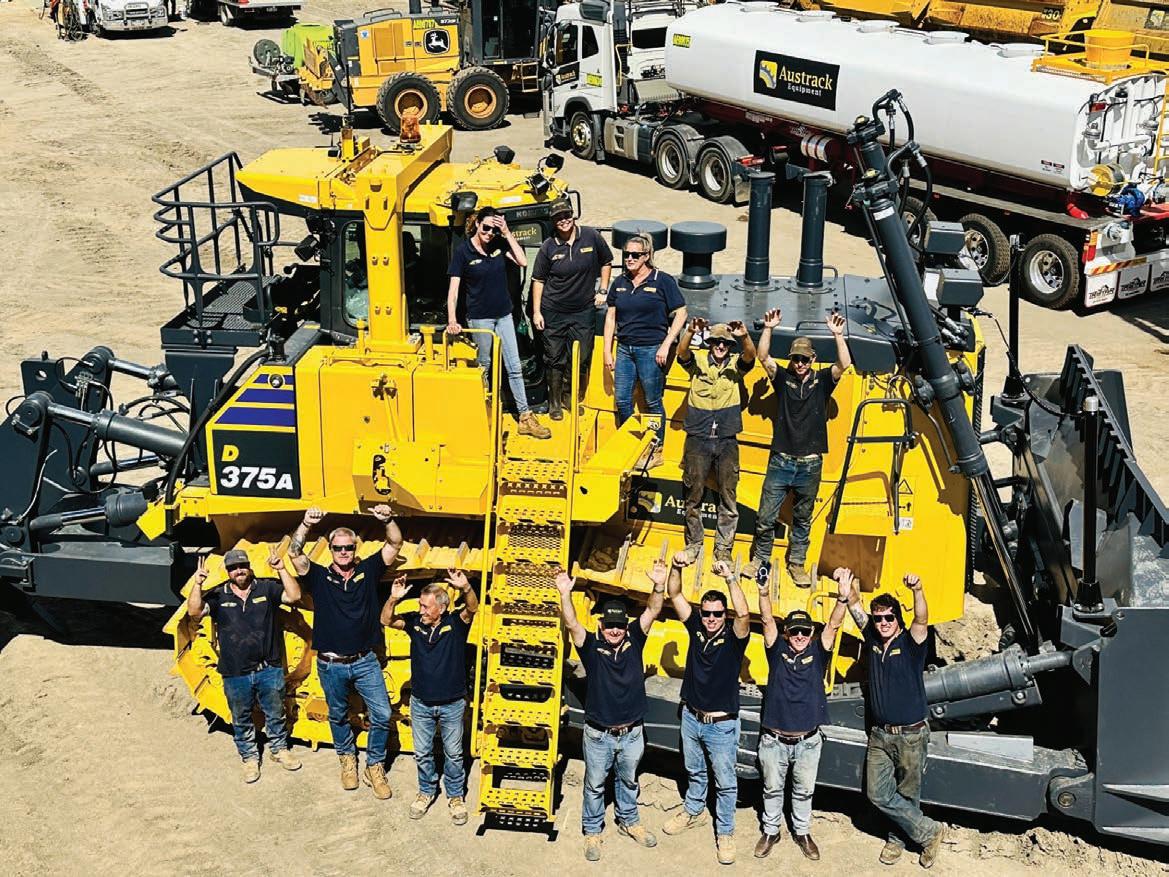
fundamental to what we do. Whether it is ensuring manufacturers’ service personnel are available or supplying our own fitters to become part of the project, as we regularly do, we know equipment back up service is a nonnegotiable part of our customer offer.”
Experience speaks for itself, and having a machine hire partner with a proven track record is no exception. When picking a machinery hire partner, it’s important to look for companies that have supported major pipeline builds, handled complex conditions and delivered consistently.
Over the course of its 15 years in operation, Austrack has consistently proven its worth on many of Australia’s pipeline projects, including the Gladstone to Fitzroy pipeline, the Haughton Duplication pipeline, the Murray River–Broken Hill pipeline, the FMG Ironbridge project, and many more.
The care factor
Machinery matters, but mindset is just as important. The best hire partners don’t just deliver equipment to a work site – they deliver considered service. They respond quickly, communicate clearly and stay invested in a project’s outcome.
“Set and forget is not the Austrack way,” Benson said.
“Having the quality and range of equipment is only half the battle. Back up service when it is on site is absolutely
Pipeline construction leaves no room for guesswork. The partner you choose directly impacts performance on the ground.
Companies like Austrack Equipment show what that looks like in practice: a partner built for pipelines, proven in the field and committed to delivering results for its customers.
“Getting it right all the time is almost impossible,” Benson said.
“But getting it right will always be the Austrack ambition.”
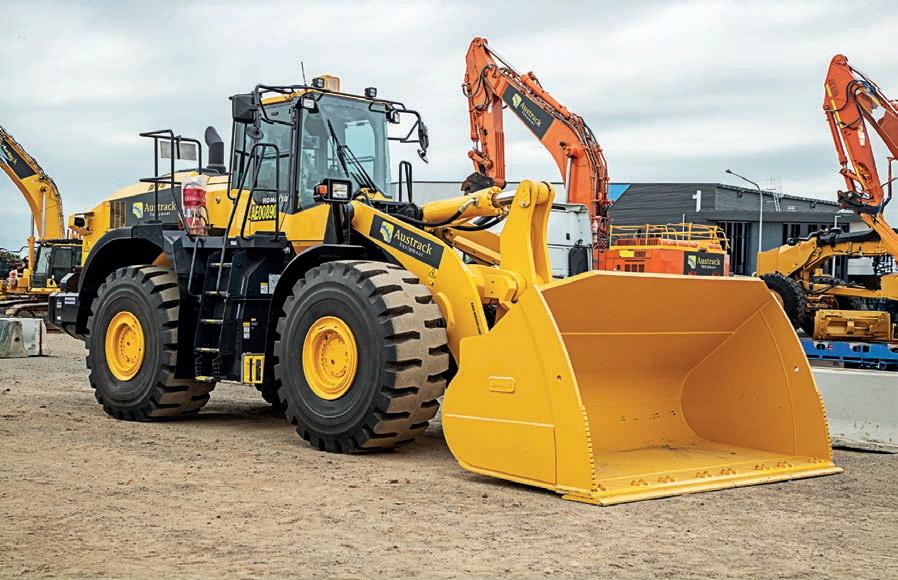
MPK is putting its fleet of Vermeer trenchers to the test in Queensland’s Surat Basin.
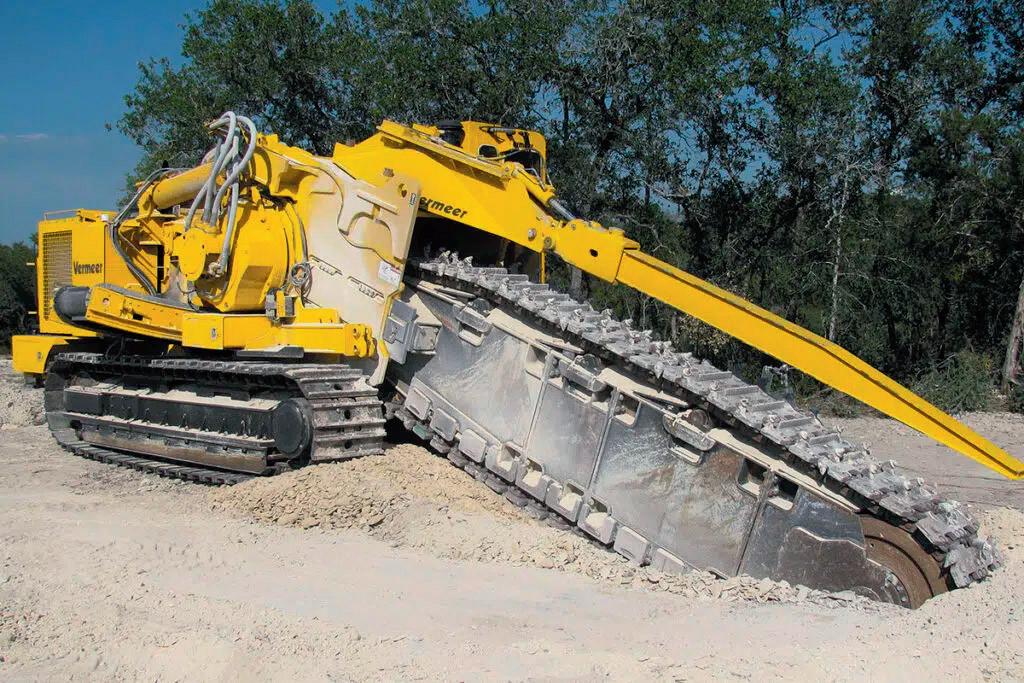
MPK is a key delivery partner on some of Australia’s largest LNG and renewable energy networks. With more than 10,000km of pipeline networks constructed for the nation’s energy and water resource sectors, the company has become a strong and constant presence in the pipeline industry.
Some of Australia’s largest oil and gas producers rely on MPK for its end-to-end facility solutions – from concept and development to transmission and distribution.
MPK delivers a broad scope of works, including the development of hundreds of kilometres of gathering networks in the Surat Basin.
Facing such scale, having the ability to move quickly, cut trenches consistently, and maintain output across dispersed sites has become central to its success in gathering network delivery. At the centre of that capability are the Vermeer T1055III and T1155III pipeline trenchers – machines that have become deeply embedded in the contractor’s operating model.
“Vermeer machines are our preferred trenching technology,” MPK Project Manager Joshua Amos told The Australian Pipeliner.
“The use of trenchers is perfect for our
operations. In addition to trenching, it allows us to backfill trenches more efficiently by producing a fine spoil next to the trench.”
The company currently has a fleet of six T1055’s and two T1155’s, with the
former preferred for its versatility.
“We do packages anywhere in the Surat Basin, so we’re always on the move,” Amos said. “That’s why we favour the T1055 – for its versatility.
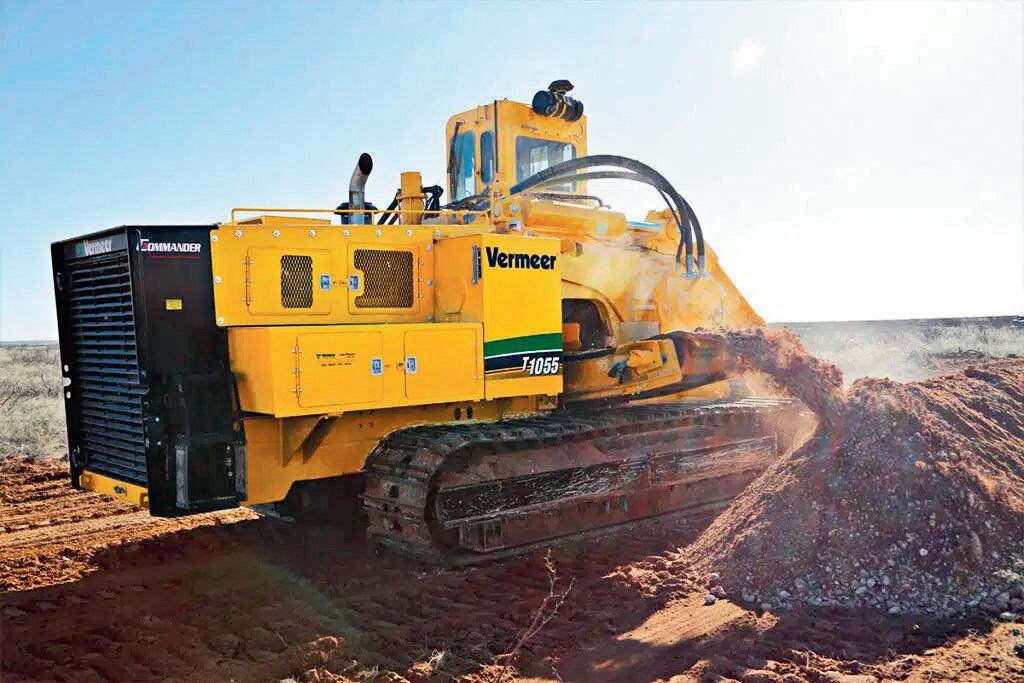


“We’re able to easily move it around on our trucks with minimal dismantling.”
While the T1055 has become the workhorse of gathering operations, the heavier T1155 is deployed more selectively, particularly as ground conditions become more demanding. This machine is a heavyduty, high-production trencher suited for more aggressive ground conditions.
MPK has been using Vermeer trenchers for over a decade. Over that time, Plant and Maintenance Superintendent Ciaran Ennis has learned how to keep these machines at the top of their game.
“Our crew of fitters is heavily experienced. They’ve all been in pipelines for over a decade, so we know trenchers inside and out,” he said.
“Dealing with trenchers, the spare parts requirements are ongoing by nature, and Vermeer’s customer service is second to none.
“We go with Vermeer for a reason – they’re a proven and reliable brand. The T1055 and T1155 are solid machines, and you know exactly what you’re getting.”
For operators on site, machine performance is measured in practical terms: handling, ease
of operation, and daily production.
Machine Operator Russell 'Rooster' Mackay shared his experience with the trenchers.
“The T1055 is a great all-round machine – very good in the soft ground and in rock as well,” he said.
“The T1155 packs extra power and is great for hard ground.”
When he spoke to The Australian Pipeliner, Rooster said he had completed 600m of trenching on the T1055 on the previous day alone.
“We give them a good workout, that’s for sure,” he said.
When considering project management, maintenance and operation, it’s clear that Vermeer trenchers are an important part of MPK’s pipeline portfolio.
The T1055III delivers the mobility and flexibility required to service a fast-moving, multi-site program, while the T1155III provides the additional power needed to maintain productivity in harder ground. This combination of disciplined maintenance and operational experience underpins the performance of both machines, maximising uptime and overall productivity.
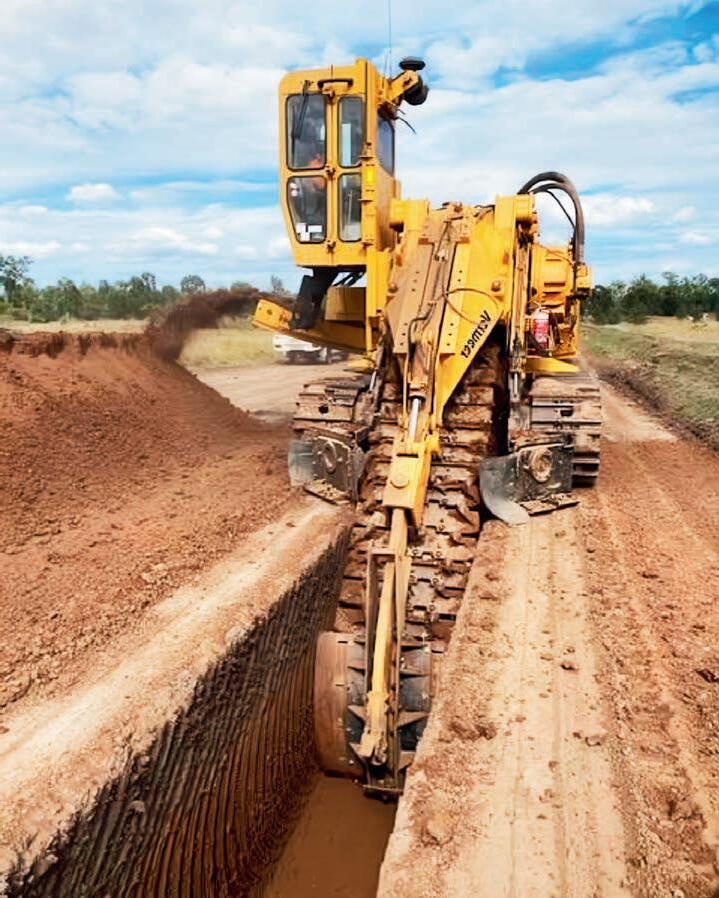

Built for safety, sourced for the future. Since 1968, Pollard’s has supported Australia’s infrastructure projects with PACK TUFF. We turn FSC-certified plantation timber by-products into high performance solutions, helping contractors meet strict environmental targets while ensuring maximum site safety and reduced manual handling risks.
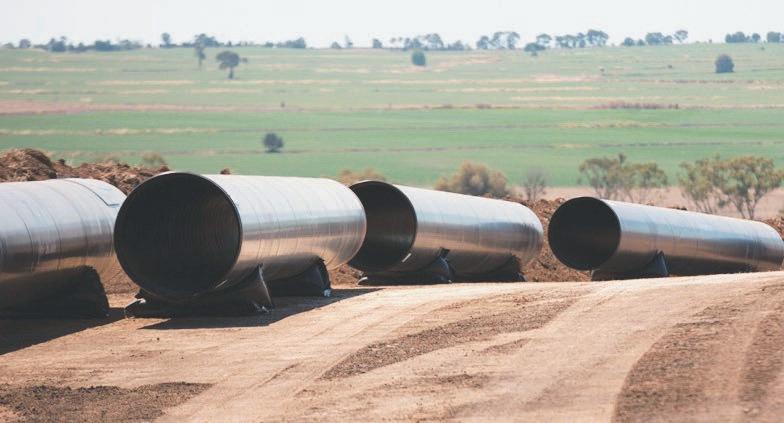
Our pipeline bedding PACK TUFF bags are:
FSC-Sourced: Chemical-free plantation timber reduces landfill waste.
Stable & Secure: Supports 15 tonnes without bursting under pressure.
Lighter Handling: Reduces worker injury risks compared to sandbags.
Efficient Logistics: Lower weight cuts transport costs and emissions. Rugged & Reusable: High durability reduces waste and project costs.

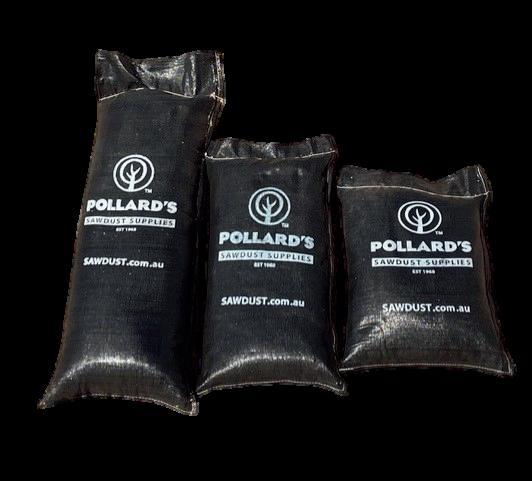


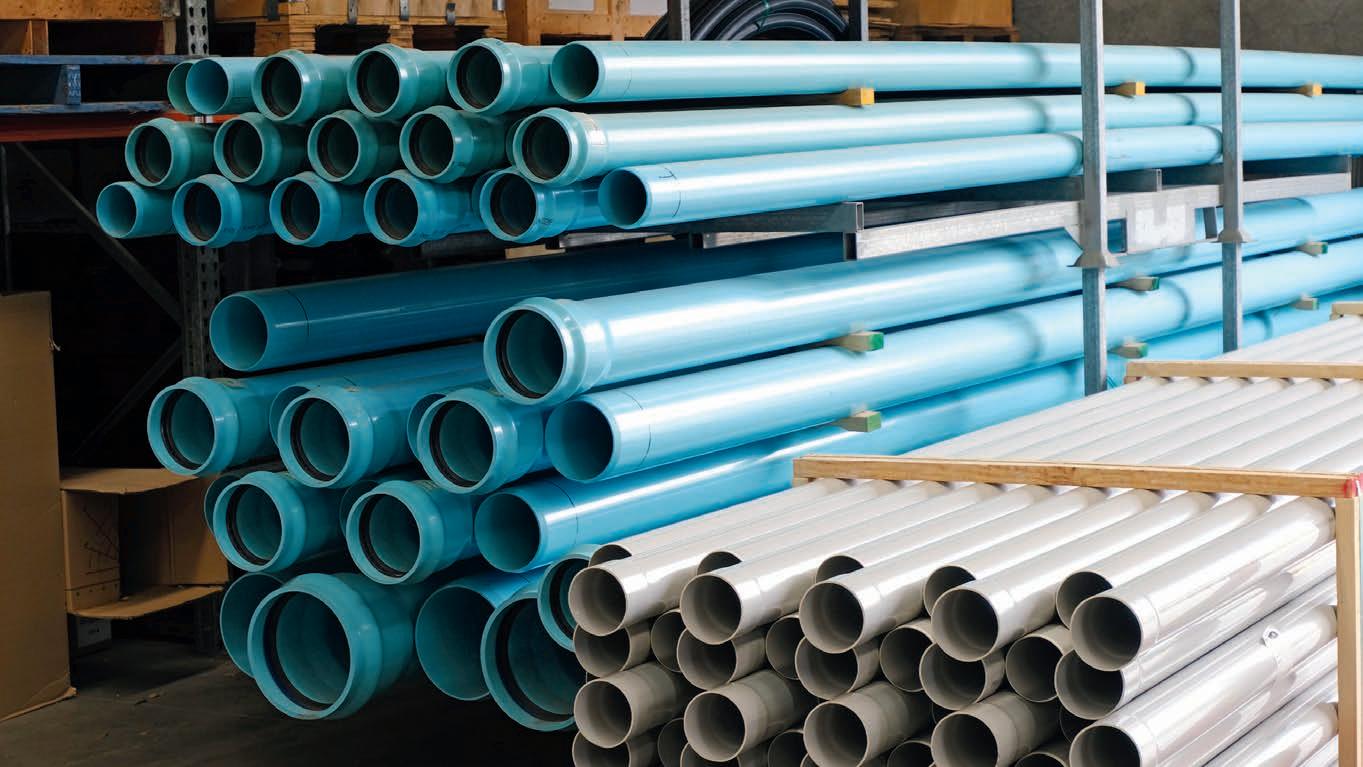
Global supply chain disruption hits a little softer when you’ve got Benton’s Gas in your corner.
In a sector where pressure defines both the product and the operating environment, the value of dependable partnerships can’t be overstated. When project timelines tighten, emergency work springs up, or global supply chains waver, the difference between a supplier and a partner becomes clear.
Across Australia’s pipeline sector, that distinction is of consequence. Contractors, asset owners and field crews rely on continuity. They need to know that when specifications change or delivery windows narrow, their supply partners will respond with speed and consistency.
Since 1999, Benton’s Gas has built its reputation on exactly that premise – showing up, following through and maintaining trust across every phase of a pipeline project.
That approach proved critical during the COVID-19 pandemic when disruption hit every level of the supply chain. While uncertainty filtered through procurement channels and project timelines, Benton’s remained steady, keeping the flow of critical supplies coming to its partners in the water and gas industries.
Today, a new wave of global instability driven by conflict in the Middle East has reinforced the same lesson. In this environment, consistency matters more than ever. Benton’s continues to operate with the same steady approach, ensuring customers have access to critical materials and support without disruption.
“As the Middle East conflict adds new layers of uncertainty across global supply
chains, we continue to provide the same reliability our customers have come to trust,”
Benton’s Gas Category Manager Bevan McWha told The Australian Pipeliner.
“In moments like these, stability and consistency are key for our customers in the pipeline industry.”
Benton’s operates as a true end-to-end partner across gas and water infrastructure, supplying pipes, fittings, valves, meters, tooling and installation equipment for construction and maintenance alike. This offering covers gas, potable water, recycled water, and electrical conduits.
Benton’s aligns itself with established, industry-leading manufacturers to ensure
consistent product quality across its range. Among them are Pipemakers Australia, a national company with a 35-year history in pipe manufacturing, from which Benton’s sources much of its PVC and PE pipe. Fusion Plast is another key partner, which is a recognised provider of specialist electrofusion fittings, valves, associated tooling, and butt-welding and electrofusion machines.
These partnerships give customers confidence that every component – down to the smallest fitting – meets the required standards for performance and durability.
For Benton’s, it’s much more than a transactional concept.
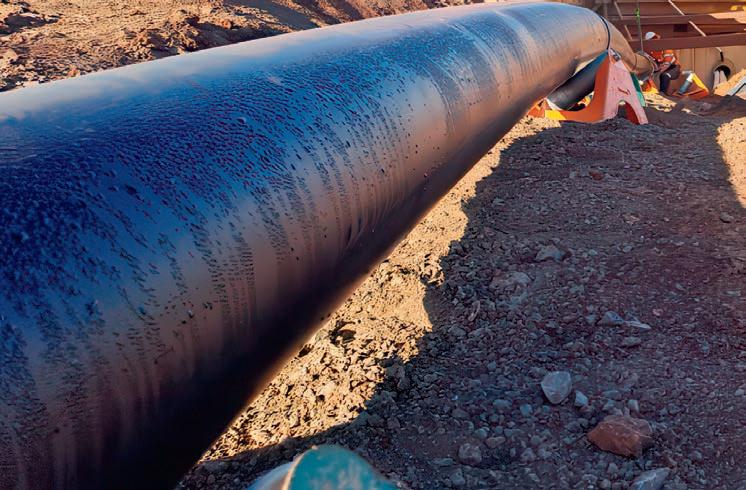
“Loyalty to our customers isn’t just a word for us; it’s a responsibility,” Bevan said.
“It means recognising the customers who have been with us through every cycle and ensuring we support them with transparent communication, dependable supply, and a commitment to long term partnership.”
That ethos extends across the full spectrum of the industry, from Tier 1 contractors delivering major infrastructure programs to apprentices stepping onto site for the first time. Large-scale projects rely on proven capability and consistent delivery, while the next generation of tradespeople depend on access to the right tools, materials and guidance as they build their skills. By supporting both ends of that spectrum, Benton’s contributes to the strength and continuity of the industry itself.
“Because building a stronger industry means backing those who build it,” Bevan said.
While markets fluctuate and external pressures evolve, Benton’s remains focused on the fundamentals: supply what customers need, support them through every stage of the job and stand firm when conditions become uncertain.
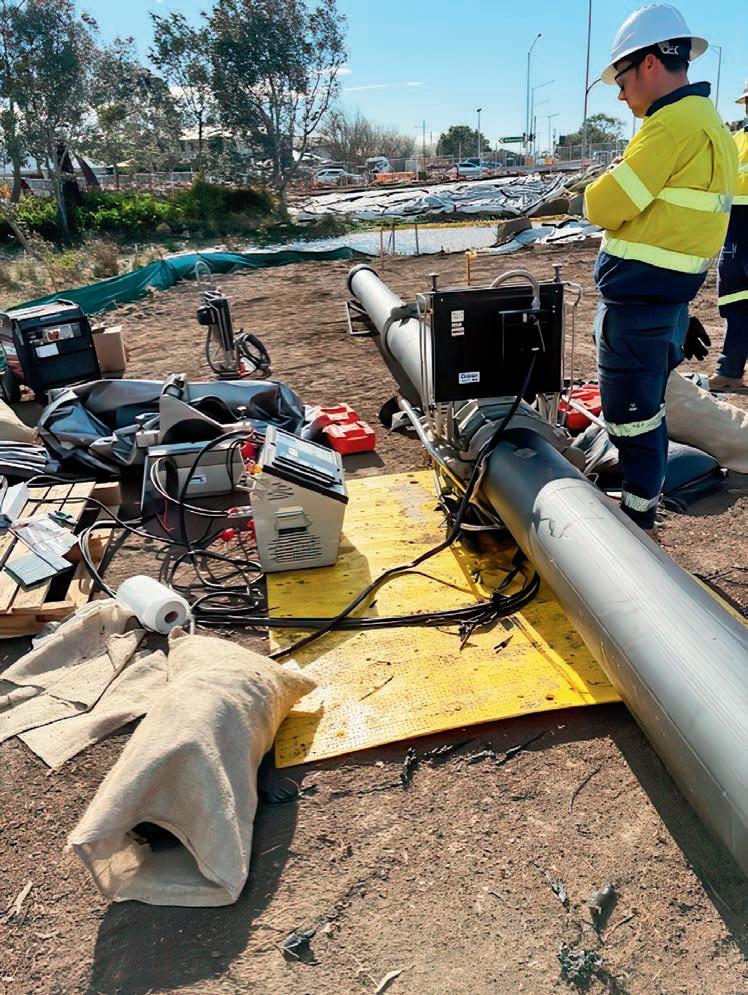
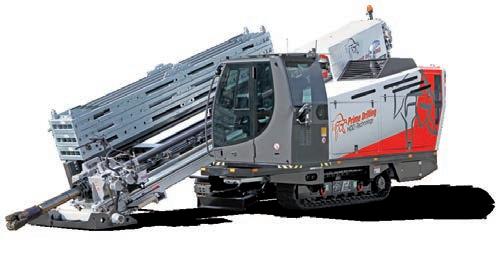
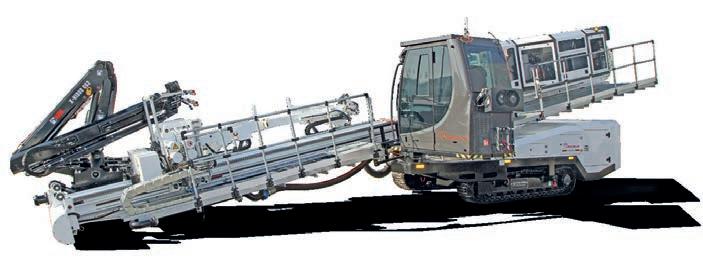
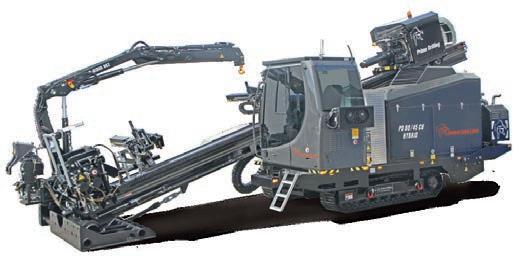
The event will attract a strong audience from across the mining, construction and industrial sectors.
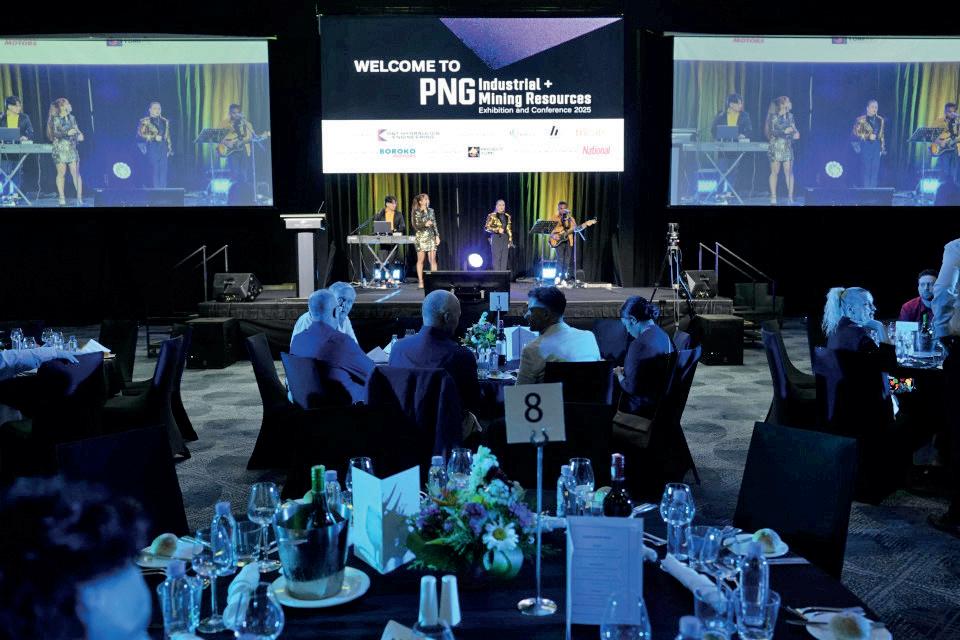
strategic partnership, with the PNG Chiefs joining as Impact Partner. The collaboration brings a unique connection between sport, business and community development while strengthening the Expo’s role as a platform where industry and opportunity intersect.
The franchise is preparing to enter the National Rugby League competition in 2028, and the partnership highlights a broader vision for development and engagement across the country.
According to Lorna McPherson, the collaboration reflects the organisation’s commitment to creating opportunities for young people and supporting national progress.
The PNG Industrial and Mining Resources Exhibition and Conference (PNG Expo) will take place in Port Moresby on 1–2 July 2026, bringing together leaders and professionals from mining, energy, construction, infrastructure and industrial sectors.
With early demand already building, the event is positioning itself as a central meeting point for organisations seeking to connect, share ideas and showcase the technologies and services driving Papua New Guinea’s resource economy. The exhibition floor will feature companies working across the mining and
industrial supply chain, while the conference program will explore the projects, innovations and partnerships influencing the sector’s future.
A notable addition to the 2026 event is the introduction of on-site editorial coverage led by Ben Cartwright. As editor of PNG Mining, Cartwright will report directly from the exhibition floor and conference stage, interviewing exhibitors and industry representatives throughout the two-day event.
“PNG Expo provides a unique window into the projects, people and innovations shaping Papua New Guinea’s industrial sectors and I’m really excited to showcase what’s going on,” Cartwright said. “Being on-site allows me to capture real-time insights, feature exhibitor achievements and share the stories that matter
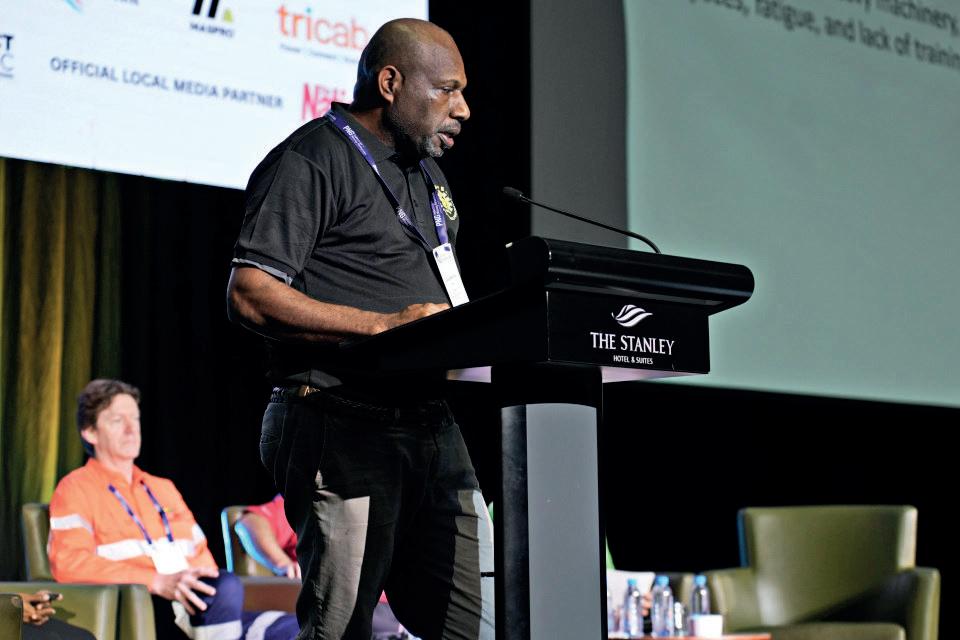
The on-site coverage will highlight emerging technologies, industry developments and the perspectives of companies operating across the resources sector. Cartwright said the initiative offers exhibitors an opportunity to extend their reach beyond the event itself.
“This kind of coverage gives exhibitors more than just foot traffic, it gives them a voice,” he said. “It’s about amplifying their impact, strengthening credibility and helping their message reach a wider audience.”
As mining and resource projects continue to expand across Papua New Guinea, PNG Expo provides a platform for organisations to exchange knowledge and build partnerships that support safe, sustainable and
The 2026 event will also feature a new
“As the PNG Chiefs, we are committed to being more than just a rugby team, we want to be a platform for change and developing PNG,” McPherson said. “Partnering with PNG Expo as the Impact Partner made perfect sense because the Expo brings together business, industry, community leaders and innovators who are shaping Papua New Guinea’s future.”
McPherson said the partnership strengthens connections between industry and the wider community while creating pathways for the next generation.
“This partnership allows us to align our brand with organisations that share our vision of opportunity, development and uplifting communities across the country,” she said.
“For the wider PNG community, it creates a bridge between young people, industry leaders and potential employers, helping open doors to pathways in education, sport and industry.”
On the exhibition floor, several leading suppliers and technology providers have already confirmed their participation. Companies including Komatsu, Hexagon, Lincom Group, MASPRO, Metso, Sandvik Rock Processing, SMC Corporation Pty Ltd and Spectra Industria are preparing to exhibit.
Their participation reflects the breadth of businesses supporting Papua New Guinea’s mining and industrial supply chain, from heavy equipment and processing technology to automation and engineering services.
The event is expected to attract a strong audience from across the mining, construction and industrial sectors, reinforcing its reputation as a must-attend gathering for organisations involved in Papua New Guinea’s resources industry.

Bringing the latest trenchless advancements and industry knowledge to Auckland
New Zealand International Convention Centre, Auckland 28 – 29 October 2026

GET TICKETS
The Women in Industry Awards will return in 2026 to celebrate the achievements of women who are shaping the future of Australia’s industrial sectors.
Recognising leaders across mining, engineering, manufacturing, transport and energy, the Women in Industry Awards continues to spotlight women driving innovation, leadership and meaningful change across traditionally male-dominated industries.
Winners will be announced at a gala dinner on 18 June 2026 at Doltone House Darling Island Wharf, marking a new chapter for the program as it relocates from Melbourne to Sydney.
The move reflects the continued growth of the awards and their expanding reach across Australia’s industrial sectors.
“This move makes sense for the direction of the awards; the industry is growing so naturally we wanted to expand the awards program to accommodate to a wider audience,” Molly Hancock, Head of Marketing – Events at Prime Creative Media, said.
Now recognised as one of the premier industry events celebrating female leadership, the awards honour women whose leadership, innovation and commitment have delivered measurable impact within their organisations and across the broader industry. From engineering and manufacturing to commercial road transport and process control, the program recognises individuals who are not only excelling in their fields but also helping pave the way for future generations.
The 2026 program will feature 16 award categories, including four new additions designed to better reflect the diversity of roles and expertise across modern industry.
The categories include: Rising Star of the Year; Business Development Success of the Year; Industry Advocacy Award; Mentor of the Year; Safety Advocacy Award; Excellence in Manufacturing; Excellence in Transport; Excellence in Engineering; Excellence in Mining; Excellence in Construction; Excellence in Energy; and Woman of the Year. The new categories are: Marketer of the Year; Excellence in Health and Medicine; Tradeswomen of the Year; and Rising Women in Leadership: C-Suite Executive Award.
“To accompany the new location, these new awards were created to align with the growing

initiative aims to inspire the next generation of professionals while encouraging organisations to foster inclusive and innovative workplaces.
The success of the awards is reflected in the calibre of past winners. At the 2025 ceremony, held in Melbourne, Suzanne Shipp from APA Group received the Excellence in Energy award. Working in operations and maintenance, Shipp leads 550 professionals managing a $26 billion portfolio and delivering 99.9 per cent gas transmission reliability. Reflecting on the award, Shipp spoke about the importance of mentorship and industry support.
“This recognition belongs not just to me, but in me when I have probably doubted myself, to passion despite the obstacles and the challenges
only woman standing here, and so I’m proud today to be standing around such a group of inspirational, amazing, highly talented and capable women. We bring fresh perspectives, we bring innovative solutions, and that’s what our industry needs to solve complex problems.”
With strong industry backing, including principal partner Atlas Copco Group for 2026, the Women in Industry Awards continues to grow in scale and influence. As the program expands with new categories and a new location, it reinforces a central message: recognising excellence today helps create new opportunities for tomorrow’s industry leaders.
The global trenchless technology industry will gather in New Zealand in 2026 for International No-Dig Auckland.
International No-Dig Auckland will take place on 28–29 October at the newly built New Zealand International Convention Centre, marking the first time the global event has been hosted in New Zealand.
Delivered in partnership with the International Society for Trenchless Technology (ISTT), the conference and exhibition represents a major milestone for the local sector.
As the global peak body for trenchless technology, the ISTT brings together national societies and industry experts to drive innovation and best practice in underground infrastructure. International No-Dig will provide an unparalleled opportunity to connect with the global trenchless technology industry. Hosted each year in a different country to showcase the global industry, International No-Dig will bring together the best of the innovations and advancements in trenchless technology. The event will connect attendees with an active audience of engineers, researchers, contractors and directors across the water, sewerage, gas, electricity, and telecom industries.
The event will feature a technical conference, equipment displays and networking opportunities.
Major infrastructure companies are already supporting the event. Engineering contractor McConnell Dowell has joined as a Silver Sponsor.
The company delivers complex projects across transport, water, energy and resources. Its work includes pipelines and underground infrastructure.
“This event provides a high visibility platform for McConnell Dowell to showcase proven trenchless delivery capability and a New Zealand contractor that can successfully deliver complex, low disruption outcomes in local environments,” McConnell Dowell Pre Contracts Manager – NZ & PI Martin Devlin said.
“It creates an opportunity to introduce and normalise innovative trenchless approaches that are already relevant locally, such as Direct Pipe, while clearly articulating where these methods best fit within the New Zealand market.
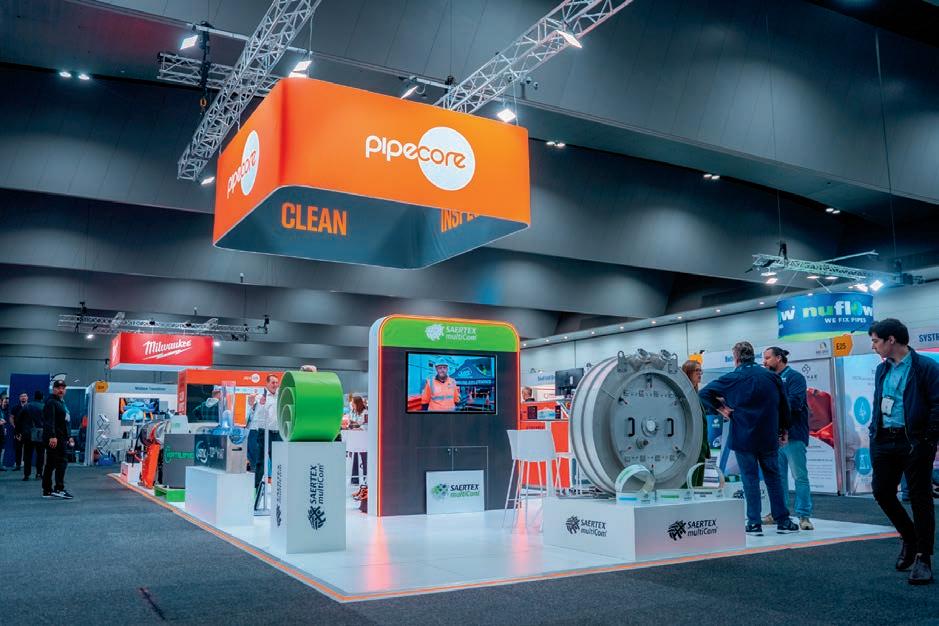
Across two days, the event will feature a technical conference, equipment displays and networking opportunities. Delegates will see new technologies for pipeline installation, rehabilitation and underground construction.
The show floor will host exhibitors demonstrating the latest trenchless equipment and solutions. Conference sessions will cover case studies, research and practical applications from projects across Australasia and beyond. Networking will also be a major focus, with industry professionals able to connect during informal networking events, on the exhibition floor and at the ASTT Awards Gala.
International No-Dig Auckland arrives at a time of change for New Zealand’s water sector. One of the biggest drivers is the Local Water Done Well (LWDW) program.
Finalised in August 2025 through the Local Government (Water Services) Act 2025, the program replaced the former Three Waters reforms. It gives councils greater control over water services and allows them to adopt region-specific service models.
The program also introduces higher
expectations for sustainable water management. It encourages innovation and supports low-impact construction methods.
These changes are shaping how water infrastructure projects are planned and delivered across the country.
“The LWDW program is reshaping how councils and utilities manage water,” Molly Hancock, Prime Creative Media Head of Marketing – Events said.
“It raises the bar for sustainability, innovation and long-term resilience, and it’s a real opportunity for trenchless technologies to play a central role.”
The event will provide a place for the industry to discuss these changes. Utilities, councils, engineers and contractors will be able to explore practical solutions and share project experience.
“With councils now empowered to design local solutions, the industry must adapt quickly,” Hancock said.
“International No-Dig Auckland gives professionals the chance to understand LWDW, discuss practical solutions and see how trenchless methods can meet these new standards.”
To secure tickets, visit no-dignz.com/attend
“Just as importantly, the event supports meaningful relationship building, bringing together clients, consultants, suppliers and contractors to share practical no-dig solutions and lessons learned. In doing so, it also contributes to the wider industry by enabling informed comparison of methodologies, a better understanding of risk trade-offs, and more confident decision making at the front end of projects.”
Devlin believes the event will help the industry better understand how these technologies apply locally.
“International No-Dig Auckland reinforces the importance of viewing trenchless technology through a New Zealand lens focusing on solutions that are appropriately scaled and suited to local project types, rather than only large, megaproject applications,” he said.
“It provides an opportunity to highlight how a more targeted, fit-for-purpose trenchless approach can deliver better outcomes for the NZ market.”
For industry professionals across the water and utilities sectors, International No-Dig Auckland will provide a chance to learn, connect and prepare for the next phase of underground infrastructure. The event will be one not to miss.
When different viewpoints are shared openly and constructively, the result is more robust decision-making.

APGA
In a technical industry like ours, it is natural to focus on specifications, standards, methodologies, and delivery. These are the foundations of what we do. Yet progress in the pipeline sector is rarely driven by technical capability alone. It is built through connection, strengthened through participation, and ultimately shaped through contribution.
Across the year, APGA creates numerous opportunities for professionals to connect. Seminars, site visits, forums, and industry events bring people together to share ideas, build relationships, and better understand the broader landscape in which we operate. These moments matter. They establish familiarity, build trust, and create the conditions for collaboration in an industry where no single organisation works in isolation. But connection is only the starting point.
For those looking to move beyond attendance and into active contribution, committees represent one of the most valuable and often under-utilised pathways for engagement. They are where conversations continue, where ideas are tested, and where the collective experience of the industry is translated into outcomes that shape how we operate.
Within APGA committees, a cross-section of the industry comes together. Operators, contractors, consultants, regulators, and suppliers each bring perspectives shaped by their role in the pipeline lifecycle. This diversity is critical. When different viewpoints are shared openly and constructively, the
result is more robust decision-making. Technical guidance becomes more practical, strategic direction becomes more grounded, and industry positions reflect the realities faced across the sector.
Participation in these forums offers something distinct from other forms of engagement. It provides continuity. Rather than a single exchange at an event, committees create an environment for ongoing dialogue. Members return with new insights, evolving challenges, and a shared commitment to progress. Over time, this builds not just knowledge, but a deeper understanding of how the industry functions as a whole.
There is also a clear and practical impact. Committees are not passive discussion groups; they are working bodies that influence real outcomes. From contributing to standards and informing policy positions to guiding training priorities and shaping strategic initiatives, the work undertaken within these groups has a direct effect on the industry’s direction.
For many professionals, particularly those earlier in their careers, the opportunity to influence the industry can feel distant. Committees bring that opportunity within reach. They provide exposure to experienced leaders, complex discussions, and perspectives beyond day-to-day roles. This kind of engagement builds confidence, broadens capability, and accelerates professional development in ways that technical experience alone cannot.
At the same time, experienced professionals play an equally important role. Their involvement supports the transfer of knowledge, provides guidance to emerging leaders, and reinforces the collaborative culture that underpins the sector. In this sense, committee participation is not just about individual benefit, it is about sustaining the strength and continuity of the industry itself.
As the pipeline sector continues to navigate energy transition, infrastructure renewal, and workforce evolution, the need for alignment has never been greater. Committees provide a forum to work through these challenges collectively, to test ideas, and to move toward shared positions. This reduces fragmentation and strengthens the industry’s ability to respond with clarity and cohesion.
The value of APGA is ultimately shaped by the participation of its members. The platform exists, the opportunities are there, but it is engagement that brings them to life. Committees are one of the most direct ways to turn that engagement into meaningful contribution.
For those who have already taken steps to connect with the industry, this is the natural progression. An opportunity to deepen involvement, broaden perspective, and play a more active role in shaping what comes next.
Because while relationships may begin with a conversation, it is through sustained collaboration that real progress is achieved.
The
GIRA has announced its upcoming Industry Research Seminar, to be held in Sydney on Thursday, 21 May 2026. In collaboration with Energy Networks Australia’s Gas Technical Reference Group (GTRG), the event will showcase the development of GIRA’s research program and key activities since its establishment in July 2025. In addition to presentations from GIRA-funded researchers, the seminar will feature a series of talks from industry representatives, outlining the practical initiatives being undertaken to enhance the safety, reliability and sustainability of Australia’s existing and future gas infrastructure. The program highlights GIRA’s commitment to pursuing world-class research and training relevant to gas infrastructure and its pivotal role in Australia’s transition to a clean energy future.
The seminar will open with an introduction from GIRA’s Executive Director, Stevan Green, including a reflection on the first 10 months since the formal establishment of GIRA. Attendees will then hear from Doug Proud (GIRA Research Manager) and industry leads representing GIRA’s three working groups, who will provide an overview
of the research priorities and roadmaps which will guide the direction of each working group over the next three years.
The second session will feature a series of presentations focussed on active and recently completed research projects. This includes one of the cornerstone projects from the Future Fuels CRC which has recently completed its testing program during the transition from FFCRC to GIRA: ‘Characterising representative Australian transmission pipelines in high-pressure hydrogen’ –presented by Dr Bradley Davis (ROSEN, formerly UoW). Active GIRA projects which will be featured in this session include ‘Development of a toolkit for identification and management of sociotechnical risks in the energy transition’ (Prof. Jan Hayes – RMIT University) and ‘Maximising opportunities for biomethane grid injection’ (Dr Sam Culley – Adelaide University). This will be rounded out by a panel session on the topic of the future of renewable gas, with a particular focus on the role of research and collaboration to inform policy and address challenges related to network planning.
Session 3 of the seminar will highlight the real-world initiatives being undertaken by
GIRA is committed to pursuing world-class research and training relevant to gas infrastructure.
industry to maintain safety and asset integrity while preparing for the future, led by ENA-GTRG representatives. The following presentations will be included in this session:
• L eigh Atkins (Team Lead Asset Planning, AGIG) – ‘Vintage HDPE mains and creation of an integrated asset life cycle strategy’
• A ndrew Walker (Engineer – Gas Distribution, Jemena) – ‘Managing the use of obsolete pressure regulator units (COCONs)’
• Stuart Hodgson (Technical Authority Process Safety, AGIG) – ‘Process Safety for Gas Networks’
The seminar will finish with an interactive workshop and brainstorming session, to promote feedback and input on GIRA’s research plans from a broad cross-section of members and external stakeholders. A key aim of this activity is to ensure that GIRA’s research effectively addresses the challenges and opportunities of the industry.
The inaugural GIRA Industry Research Seminar is free to attend, offering an exciting opportunity for our members to get the latest updates in gas infrastructure innovation.
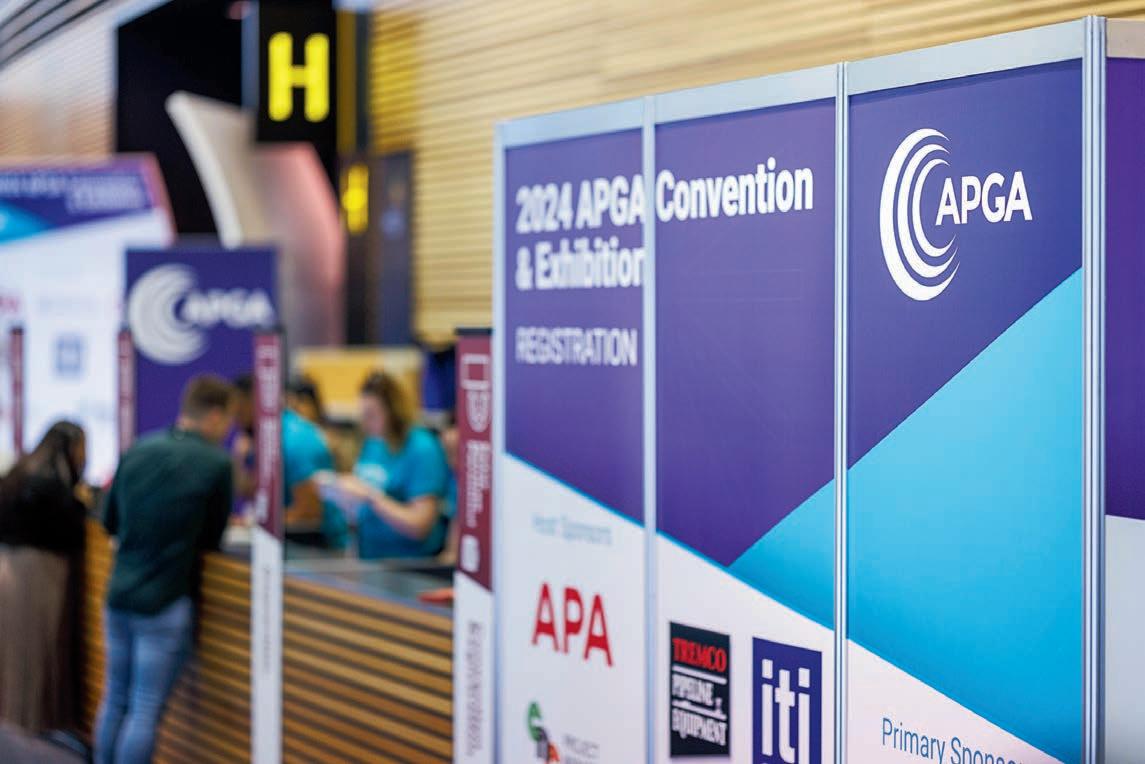
Exhibition 2026, taking place 5–8 September at the Darwin Convention Centre.
This is not just another industry event. This is the defining event for anyone serious about shaping the future of Australia’s pipeline, energy infrastructure, and gas sectors. Over four unmissable days, the 2026 APGA Convention and Exhibition will bring together the people who matter. Industry leaders, technical experts, innovators, and decision-makers
the sector.
This is where ideas are challenged, partnerships are formed, and the direction of the industry is set.
From a rigorously curated technical program to a high-impact exhibition floor and unmatched networking opportunities, every element of the Convention is designed to deliver real value.
If you are looking to stay ahead of change, build meaningful connections, and be part of the conversations need to be.
For APGA members, there is even more reason to commit early. An exclusive early bird offer provides an additional 10 per cent discount on registration, making it easier for our community to come together in Darwin and ensure strong industry representation across all levels.
The APGA Convention remains the industry’s annual focal point, where insight meets action and where the future of the sector takes shape.
Dale Millward has joined STATS Group as Regional Director for Asia Pacific. In his new role, Millward is responsible for increasing market awareness, growing the Asia Pacific business, and overseeing day-to-day delivery across the region.
His journey in the pipeline and subsea industry began in Scotland in 1992, initially as a pump operator, then later a subsea engineer.
Millward joined STATS in 2005, where he led the company’s entry into the subsea market, and helped delivered many innovative subsea repair, intervention and decommissioning projects.
“This new role is great opportunity to lead further growth and development in the region,” Millward said.
“In 2008, I initiated STATS’ market entry and growth in Malaysia and APAC region and spent a lot of time increasing regional awareness of STATS and securing foundational contracts.
“The role has new responsibilities and challenges and I am looking forward to the growth and development that STATS and I will develop in the region. I am also looking forward to meeting new people and reuniting with friends and acquaintances that I haven’t seen for a while.”