STATS GROUP HELPS REMEDIATE MAJOR NEW ZEALAND GAS PIPELINE

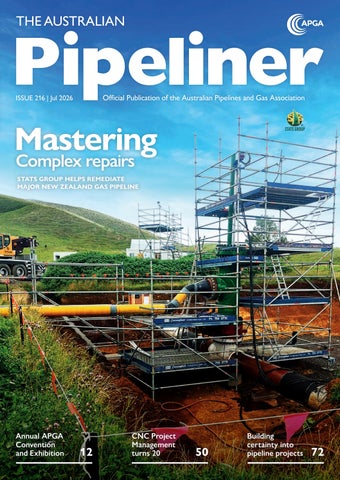
STATS GROUP HELPS REMEDIATE MAJOR NEW ZEALAND GAS PIPELINE
Innovation. Safety. Performance. Supported by one of Australia's most experienced pipeline integrity teams, Pipe Tek delivers the solutions
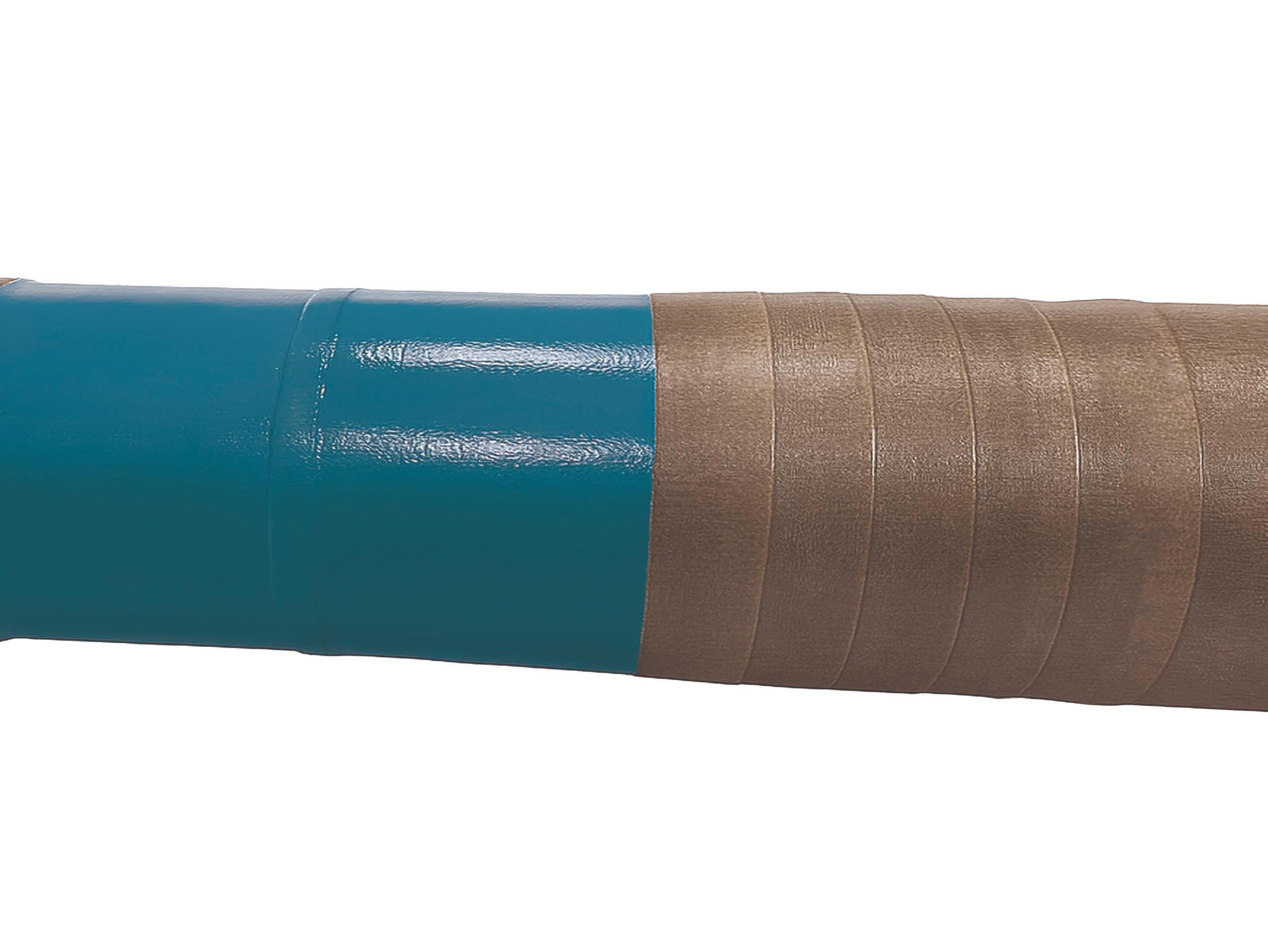
Protal 7700™ - Fully compliant with AS4822:2024 and CSA Z245.20 standards.
www.densoaustralia.com.au
Denso Bore-wrap™ - The most exhaustively tested ARO in Australia boasting the highest gouge resistance.






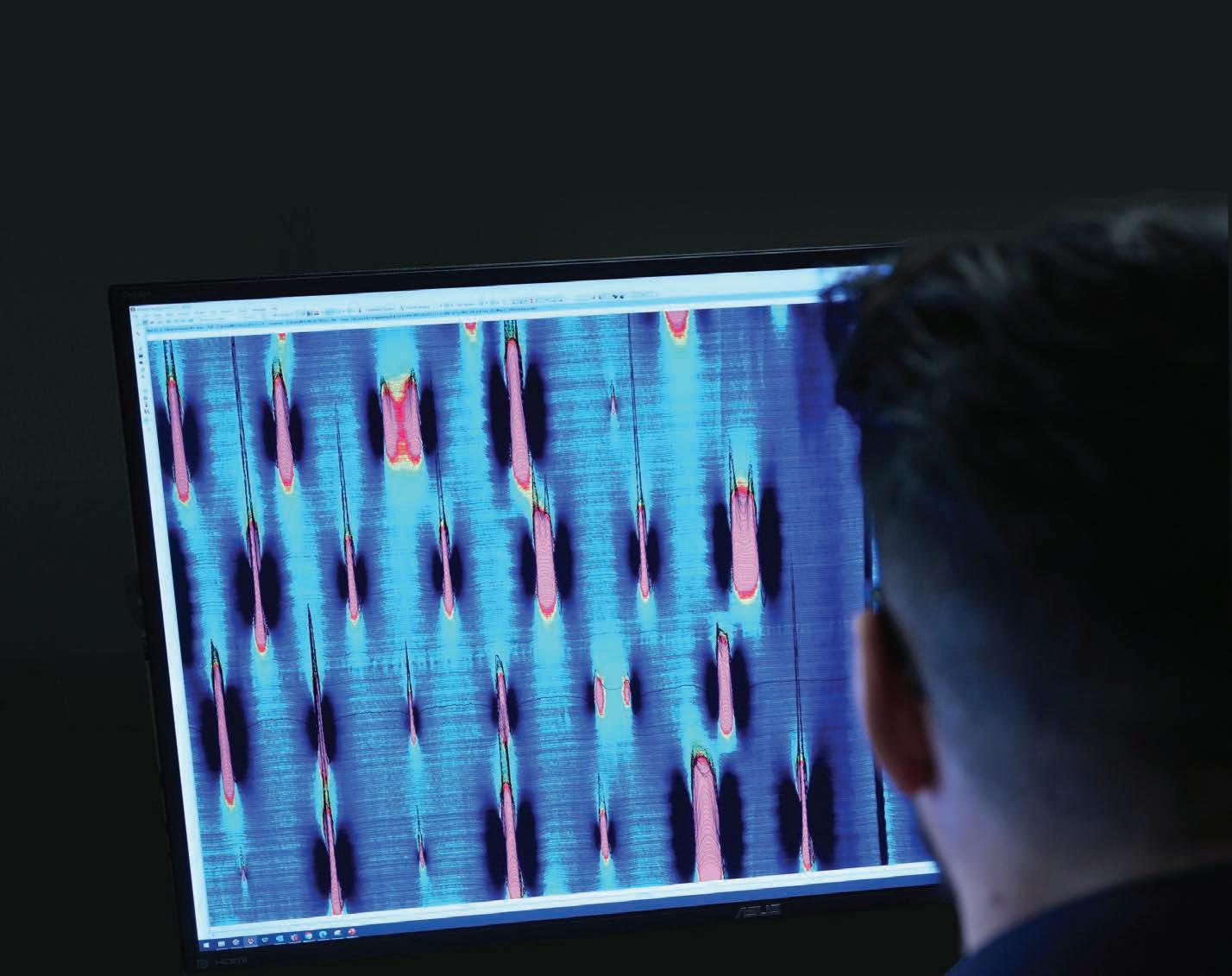
Unmatched accuracy in threat detection, characterization and sizing. Now featuring Ultra Res MFL, the MDS™ Platform inline inspection system boasts increased sensor density, improving accuracy when detecting and sizing potential anomalies. Upgrade to Ultra Res MFL and see what you’ve been missing.

Chairman John Murphy
CEO Christine Clancy christine.clancy@primecreative.com.au
Managing Editor Eugene Duffy eugene.duffy@primecreative.com.au
Editor Timothy Bond tim.bond@primecreative.com.au
Business Development Manager Jake Niehus jacob.niehus@primecreative.com.au
Head of Design Clayton Hawley clayton.hawley@primecreative.com.au
Designers
Deborah Pilarinos & Apostolos Topatsis
Front Cover Image STATS Group
Copyright
The Australian Pipeliner is owned by Prime Creative Media and published by John Murphy. All material in The Australian Pipeliner is copyright and no part may be reproduced or copied in any form or by any means (graphic, electronic or mechanical including information and retrieval systems) without written permission of the publisher. The Editor welcomes contributions but reserves the right to accept or reject any material. While every effort has been made to ensure the accuracy of information, Prime Creative Media will not accept responsibility for errors or omissions or for any consequences arising from reliance on information published. The opinions expressed in The Australian Pipeliner are not necessarily the opinions of, or endorsed by the publisher unless otherwise stated. © Copyright Prime Creative Media, 2021
Articles
All articles submitted for publication become the property of the publisher. The Editor reserves the right to adjust any article to conform with the magazine format.

Printed by: The Precision Group
83-89 Freight Drive, Somerton VIC 3062
Ph: (03) 9490 1500
The Australian Pipeliner brand comprises: six editions a year, a news website, a weekly e-newsletter, multiple social media platforms, an annual industry directory and an annual pipelines wallchart. Book an advertising and editorial package to gain access to our exclusive audience.
16,500+ e-newsletter subscribers
Sydney Office Suite 11.01, Level 11, 201 Miller St, North Sydney N SW 2060 Maximise brand awareness by connecting with thousands of
20,000+ website views each month
13,700+ magazine subscribers
3,300+ social media followers
Contact our business development team to discuss how you can grow your business with The Australian Pipeliner. Call 0466 929 675 or email jacob.niehus@primecreative.com.au
Head Office 379 Docklands Drive, Docklands VIC 3008 Ph: (03) 9690 8766
enquiries@primecreative.com.au www.primecreative.com.au
The Australian Pipelines and Gas Association’s (APGA) vision is to lead the sustainable growth in pipeline infrastructure for Australasia’s energy. APGA is a non-profit organisation formed to represent the interests of its members involved in: the ownership, operation, maintenance, design, engineering, supply and construction of pipelines, platforms and all other structures used in or in connection with the drilling for, extraction and transmission of hydrocarbons, solids, slurries and similar substances both onshore and offshore. As a single voice representing the collective interests of its members, APGA is dedicated to encouraging the extension and development of the industry.
The Australian Pipeliner is the official journal of the Australian Pipelines and Gas Association (APGA) and is distributed to members without charge and circulated to interested organisations throughout Australia and overseas. It is also available on subscription. The publishers welcome editorial contributions from interested parties. However, neither the publishers nor APGA accept responsibility for the content of these contributions and the views contained therein are not necessarily the views of the publishers or APGA. Neither the publishers nor APGA accept responsibility for any claims made by advertisers. All communications should be directed to the publishers.


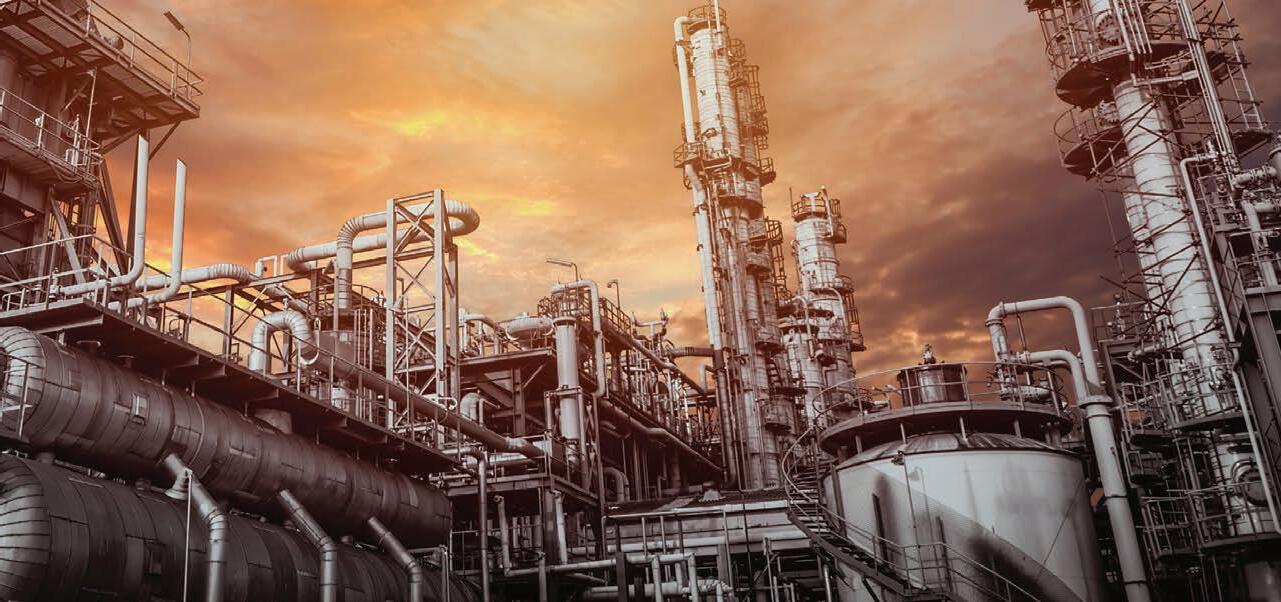

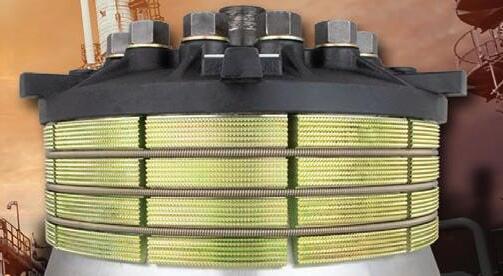
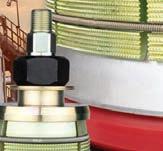


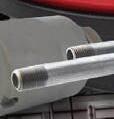



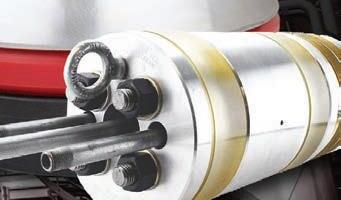




Whether you’re testing open end pipe, systems terminating in long radius elbows, flange welds or isolating lines... count on the GripTight Family of Test & Isolation Plugs from Curtiss-Wright to perform above expectations, test after test.
Their patented gripper designs, hardened components and uninterrupted unibody seals provide field performance that’s second to none. When safety and reliability matter most, plants around the world trust GripTight Plugs for their hydrostatic testing & pipe isolation needs!
Patented gripper designs for increased safety in high-pressure applications
Save time by eliminating welded end caps to test pipe spools & piping systems
Test flange-to-pipe welds without pressurizing entire systems
Isolate & monitor upstream pressure and vapors during hot work
Standard pressure ratings up to 15,000 PsiG (1034 BarG)
ASME PCC-2 Type I, III & IV Testing Devices available



Welcome to the 2026 Convention Edition of The Australian Pipeliner, and to Darwin, Australia’s tropical northern gateway, and a city so central to Australia’s energy future.
Darwin’s proximity to Asia’s fast-growing economies, its major gas infrastructure, export facilities and developing renewable energy projects, mean the city is the perfect host to provide Convention attendees a glimpse of the opportunities and challenges influencing Australia’s energy future.
This year’s convention program has been designed with knowledge-sharing front and centre – because the flow of ideas is vital in an industry so central to Australia’s longterm economic future.
The program also reflects the strength and depth of the pipeline sector, bringing together a broad cross-section of expertise to explore both the challenges we face today and the opportunities ahead. This year’s agenda has been designed to encourage meaningful exchange, combining technical insight with strategic perspective from industry representatives from across Australia and around the world.
It is our hope that those attending will leave with practical experience-led insights they can take back to their organisations, along with the opportunity to connect with peers and contribute to the conversations shaping the future of our industry.
On a personal note, I am looking forward to hearing from our keynote speaker, Sir Peter Cosgrove.
Sir Peter has had a remarkable career serving the Australian people. His leadership in the Australian Defence Force and his work on behalf of the community – from leading the taskforce rebuilding communities following Cyclone Larry to chairing the Council of the Australian War Memorial – and his term as Australia’s Governor General mean he is uniquely placed to offer insight into leadership in challenging times. We’re honoured to have him join us.
Since I last wrote, the policy landscape has continued to evolve. The Federal Government’s Gas Reservation Scheme reflects a renewed focus on domestic energy security and affordability, something the public is increasingly anxious over. This continues to highlight the importance of our industry as part of the future energy mix. As this and other policies emerge, it will be important they provide the certainty needed to support long-term investment in infrastructure, especially for assets with multi-decade operating lives.
APGA Secretariat
Registered Office: 2nd Floor, NFF House, 14-16 Brisbane Avenue, Barton, ACT 2600 (PO Box 5416, Kingston ACT 2604)
T: +61 2 6273 0577
E: apga@apga.org.au
W: www.apga.org.au
ABN: 29 098 754 324
The conference’s location in the Top End reflects the importance of the Beetaloo Basin not only to the Territory economy but to the broader gas market. The Beetaloo’s potential is well documented, with estimates suggesting its development could create more than 13,000 jobs by 2040 and lift economic activity by more than $17 billion.
Our sector is responding to this opportunity, with various projects looking to develop new or expand existing transmission assets - from the 37km Sturt Plateau Pipeline connecting early production to the Amadeus Gas Pipeline, to plans to augment the capacity of the Northern Gas Pipeline by up to 45 per cent. Other projects are on the horizon, including Jemena’s project to make the EGP fully bidirectional and APA’s plan to add additional pipeline capacity to the east coast grid.
This edition of The Australian Pipeliner explores some of the important work contractors are making to the industry and also pays special mention to CNC, who are celebrating 20 years of operation. CNC are a key member of our industry so it's wonderful to see their significant contribution acknowledged.
Finally, I’d like to thank the APGA Secretariat for their hard work developing the Convention, and all our sponsors for helping to make it so memorable. And to all our award winners and members who make our pipeline community so successful, and a rewarding place where we all love to work – thank you.

Chief Executive Officer
Steve Davies
Head of Corporate Services
Dhammith Abeysuriya
Head of Advocacy
Matt Williams
Head of Operations & Communications
Lawrence Shelton
Head of Engagement
Gayle Bower
Accounts & Membership Officer
Katy Spence
Head of Policy
Catriona Rafael
Technical Advisor
Craig Bonar
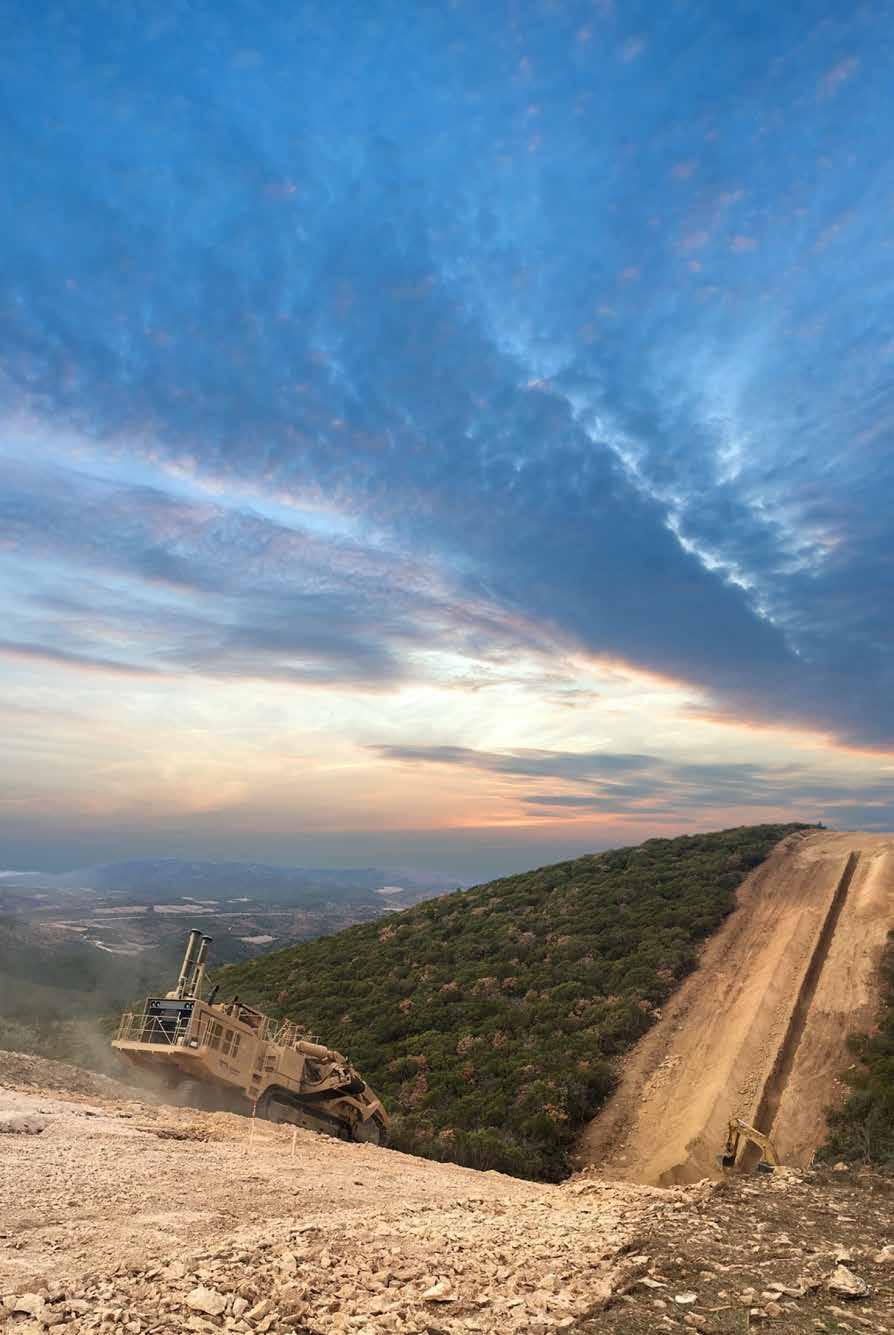
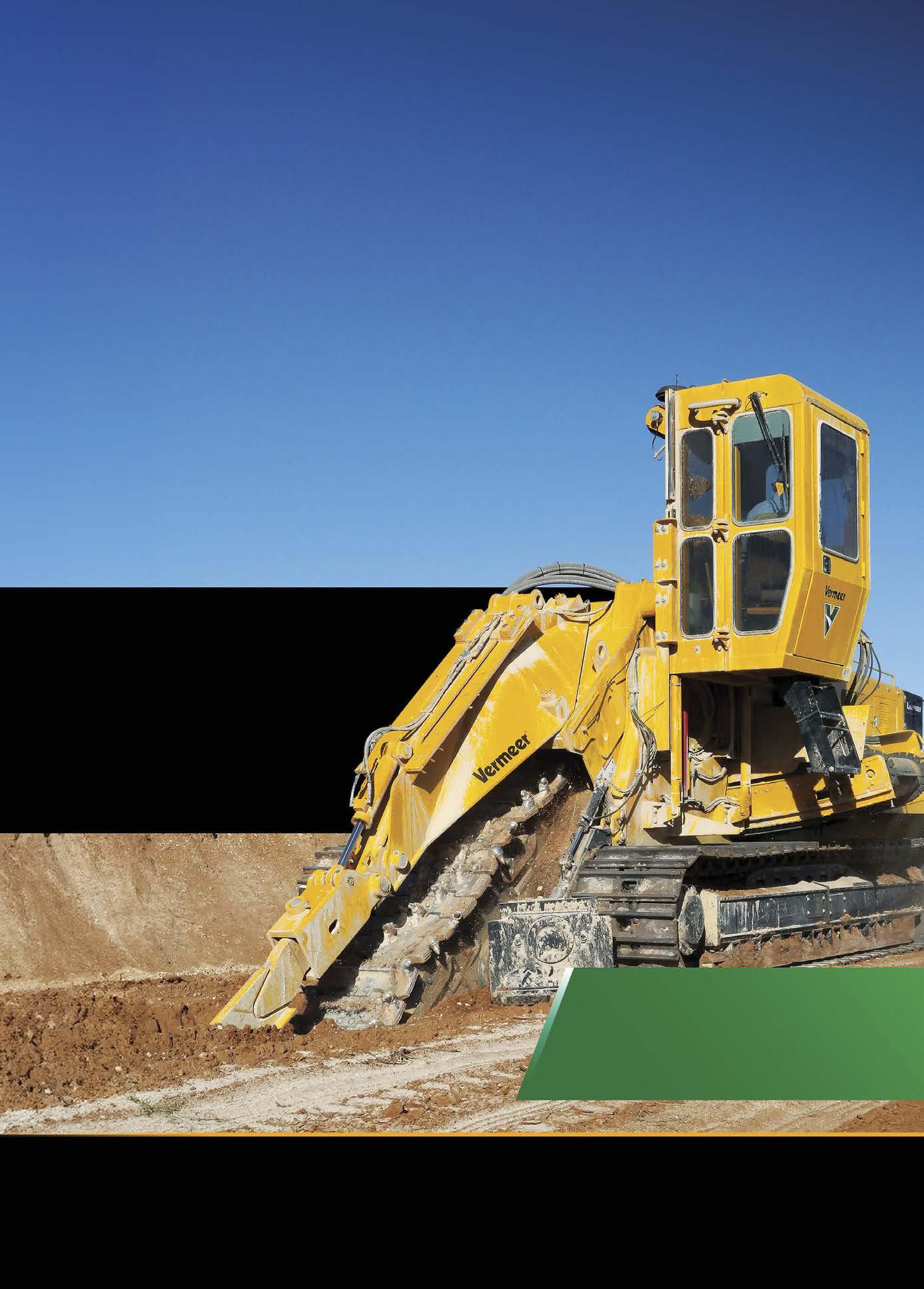
Tesmec chainsaw trenchers are engineered to perform in the most demanding conditions, from steep slopes and hard rock to extreme heat or freezing cold. Trusted worldwide, they deliver unmatched reliability, efficiency, and safety, making them your ideal solution for trenching wherever pipeline projects push the limits. Contact us to optimise your next pipeline project.

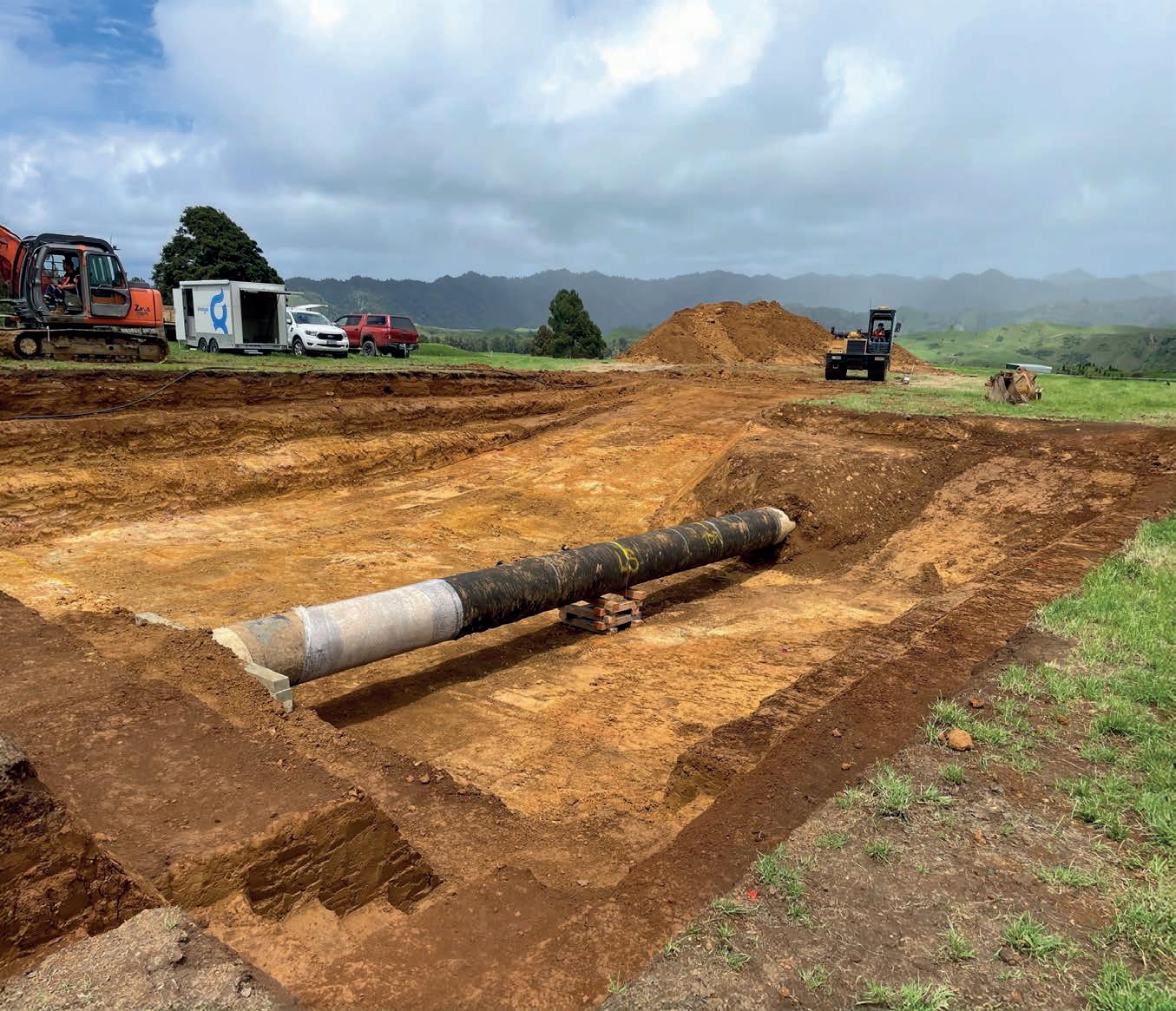
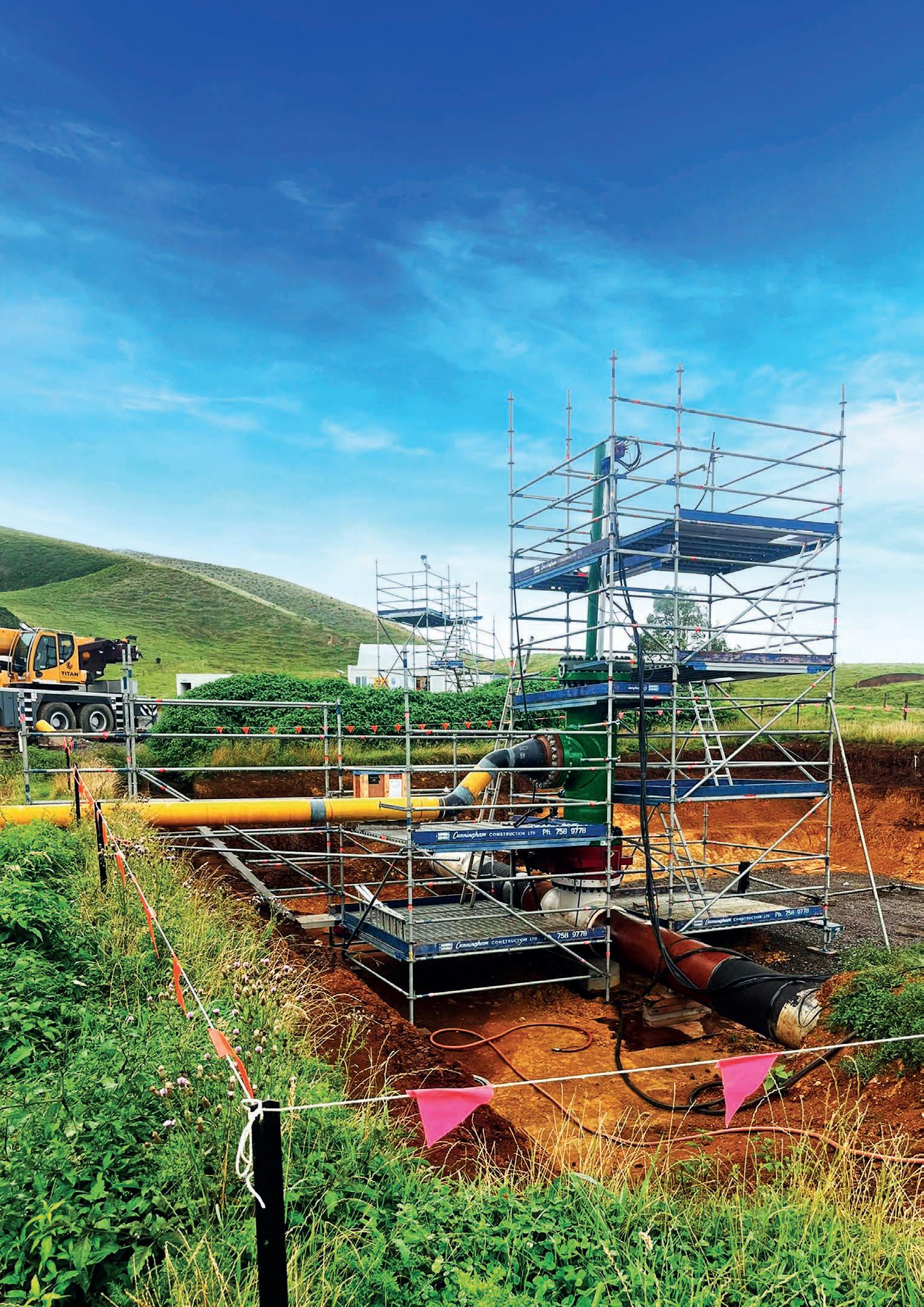
Firstgas delivers a critical wrinkle remediation project while maintaining gas supply using STATS BISEP technology.
New Zealand gas transmission operator
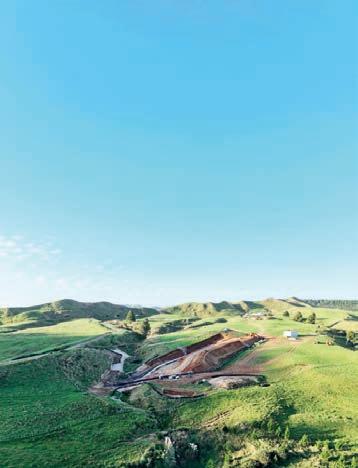
First Gas Limited (Firstgas) has successfully completed a major pipeline remediation project on its critical 400 Pipeline, maintaining uninterrupted gas supply throughout the operation using STATS Group’s patented BISEP® isolation technology.
The project marks the second successful deployment of STATS BISEP technology by Firstgas, following the investment in two 8” BISEP tools as part of its strategic line stopping equipment fleet. The investment reflects Firstgas’ commitment to enhancing safety, operational flexibility and
environmental performance across New Zealand’s gas transmission network.
Owned and operated by Firstgas, the 30” 400 Pipeline transports more than 80 per cent of New Zealand’s natural gas production from Taranaki to the upper North Island.
Following an in-line inspection (ILI) campaign, a wrinkle defect was identified on the pipeline, requiring remediation to ensure the long-term integrity of the asset.
Given the strategic importance of the pipeline, Firstgas sought a solution that would allow replacement of the affected section without interrupting supply to customers.
Leak-tight isolation, continuous supply
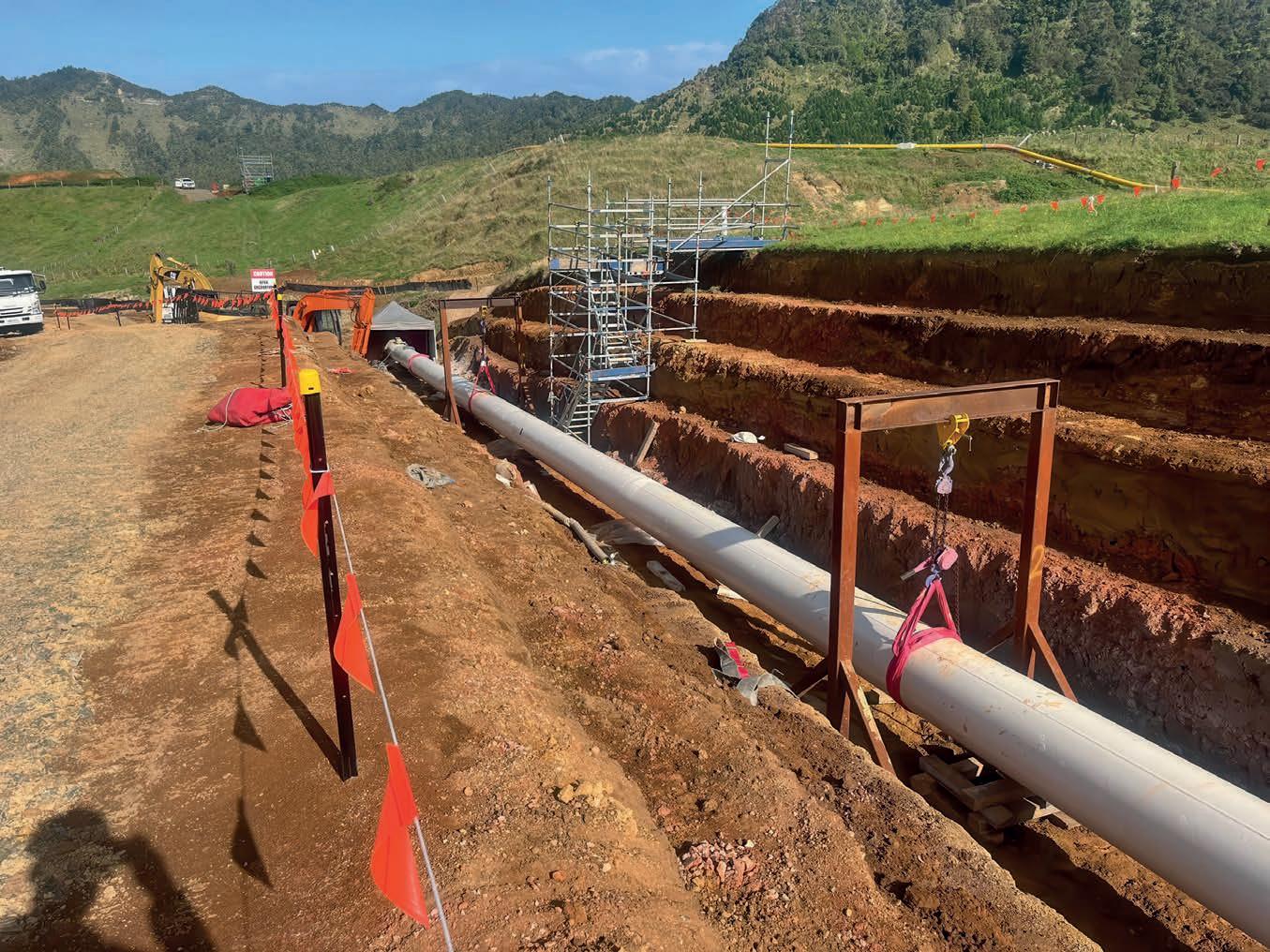
To facilitate the repair, two 30” BISEPs were deployed approximately 500m apart between the Mokau Compressor Station and the Mahoenui Scraper Station, immediately upstream of the Awakau Main Line Valve.
The patented BISEP technology provided localised, fail-safe double block and bleed (DBB) isolation while an integrated 12” bypass line maintained uninterrupted gas flow around the repair location. This enabled Firstgas to safely isolate the defective section while keeping the pipeline fully operational.
Unlike conventional line stop technologies
that rely on a single sealing barrier, the STATS BISEP incorporates dual independently tested seals with a monitored annulus, creating a proven zero-energy zone throughout the work scope and providing the highest level of isolation assurance for safety critical interventions. The technology is the only DNV Type Approved line stop tool, providing operators with independently verified assurance of isolation integrity.
For Firstgas, the integrated bypass capability offered additional project benefits by reducing the number of hot taps, split tees and permanent fittings remaining on the pipeline, minimising long-term impact on the asset while reducing operational risk.
A key requirement of the project was the ability to safely maintain high integrity isolations over an extended period, while extensive de-straining and replacement activities were completed.
Throughout the project STATS delivered continuous, leak-tight double block and bleed isolations for 35 days, on a live gas pipeline operating at 66 bar. The extended isolation period provided the Firstgas project team with the time and confidence required to execute the complex repair safely.
Reducing risk while maintaining flow
According to Firstgas, the decision to utilise the BISEP technology was driven by both safety and operational considerations.
“This was a critical project for Firstgas given the significance of the 400 Pipeline to New Zealand's gas supply,” said James Graham, Manager Specialist Trades at Firstgas.
“The scope and methodology for replacing the wrinkled pipeline section was carefully evaluated and ultimately we determined STATS BISEP was the preferred option to provide localised DBB isolation at the defect location.
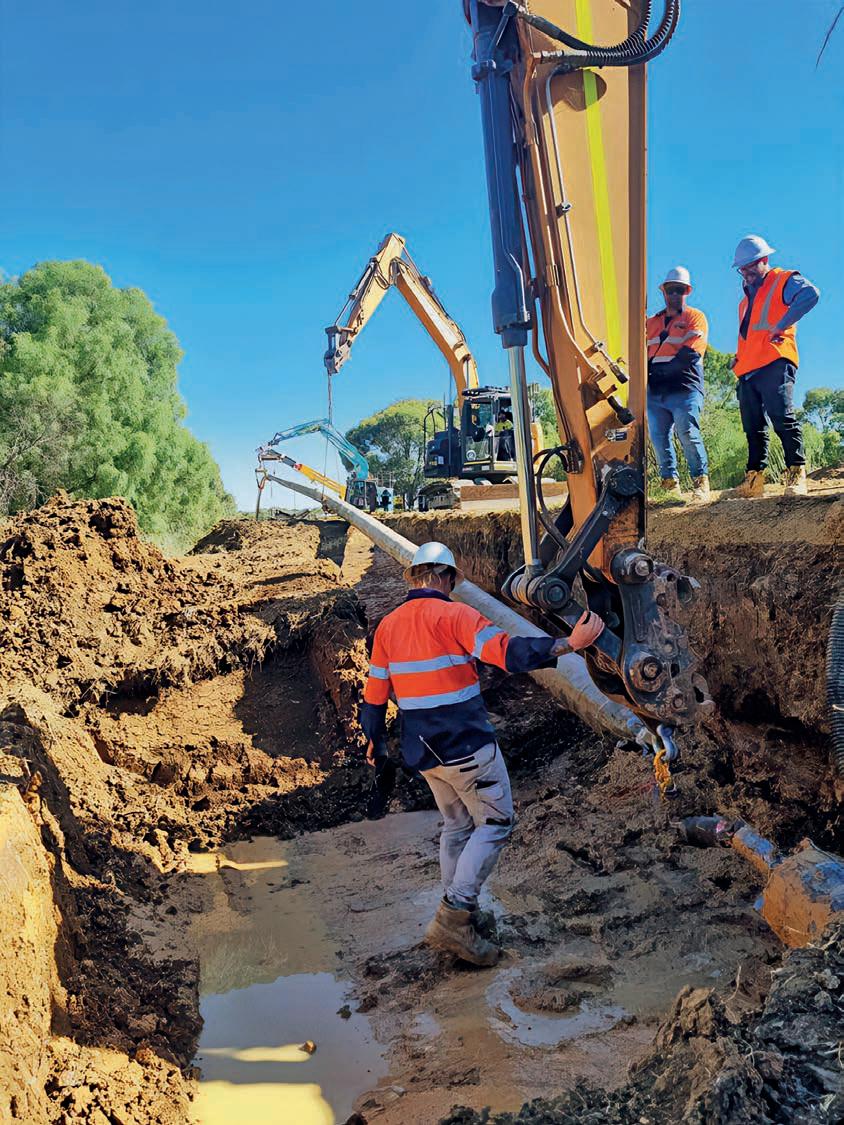
“With the additional benefit of the integrated bypass, we were able to construct 500m of bypass pipeline tied into the BISEP launchers, reducing the number of fittings, in-service welding and hot tapping, substantially lowering the overall project risk.
“Given the nature and location of the defect, there was a significant amount of de-straining required before we could safely cut the pipeline. Using the BISEPs to provide continuously monitored DBB isolation while maintaining gas supply gave us the confidence, and above all, the time to complete the repair safely.”
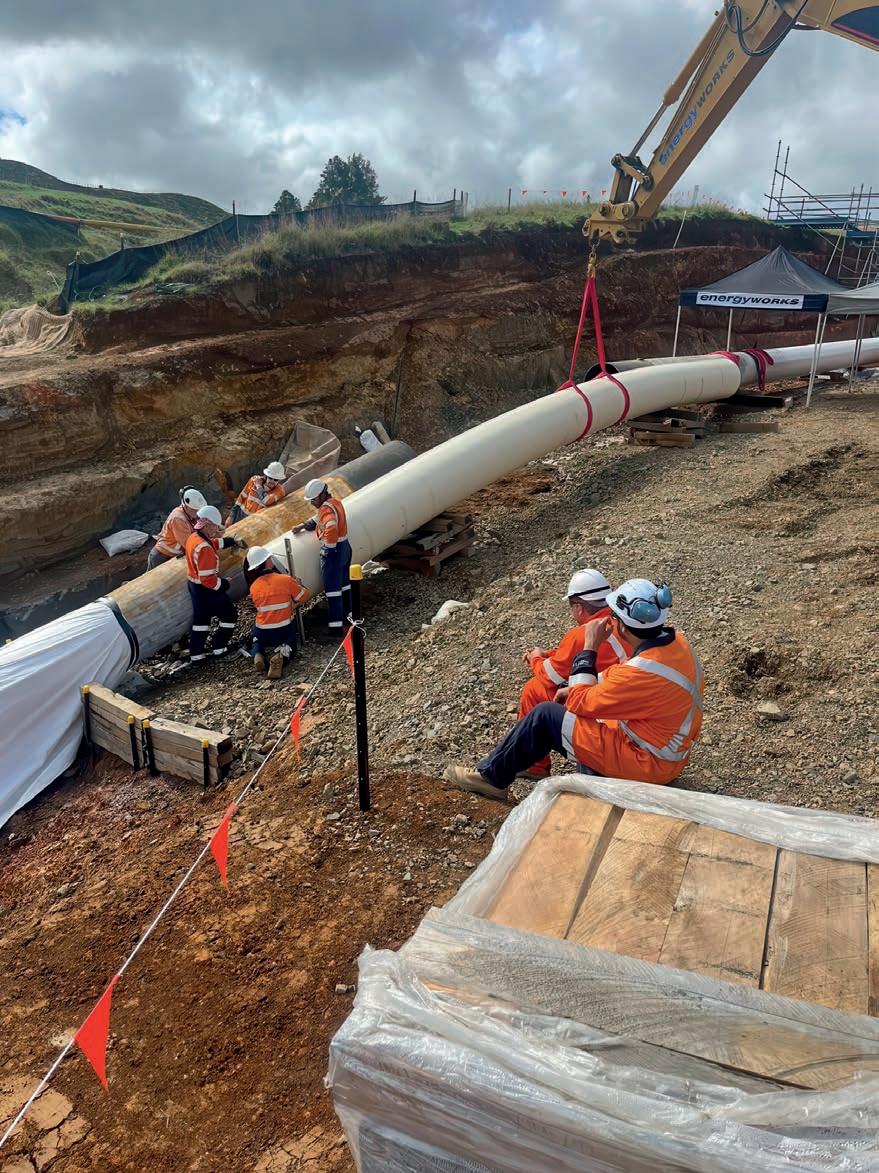
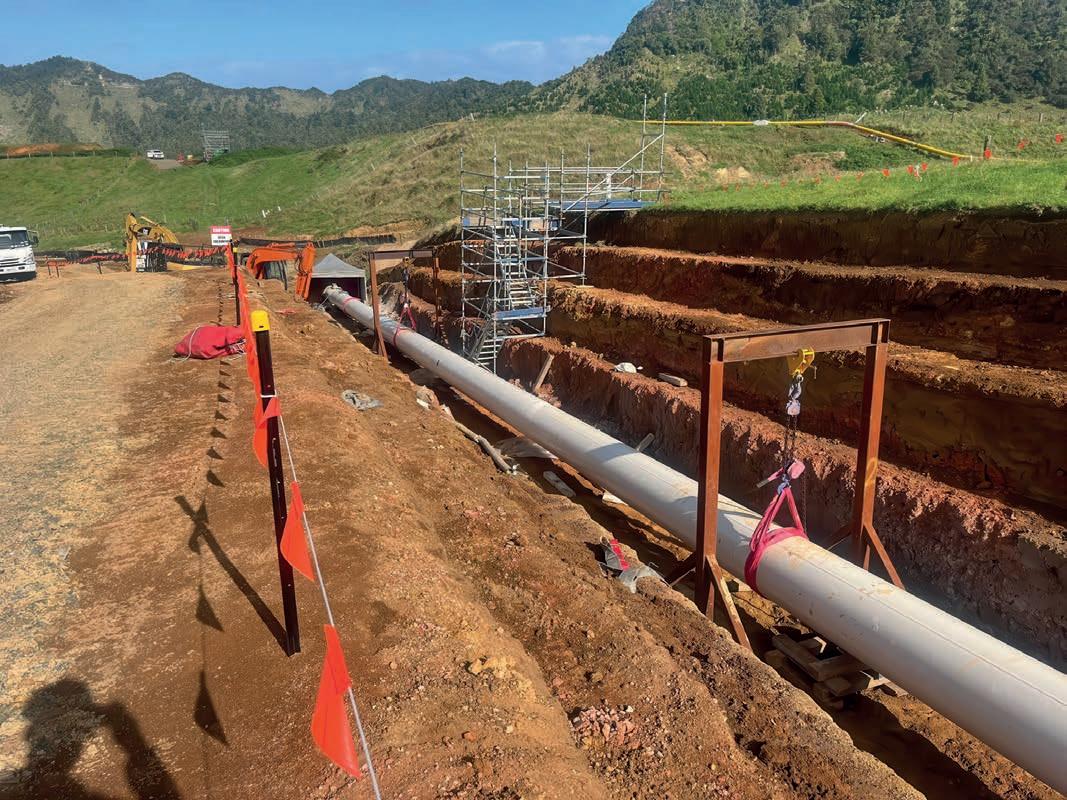
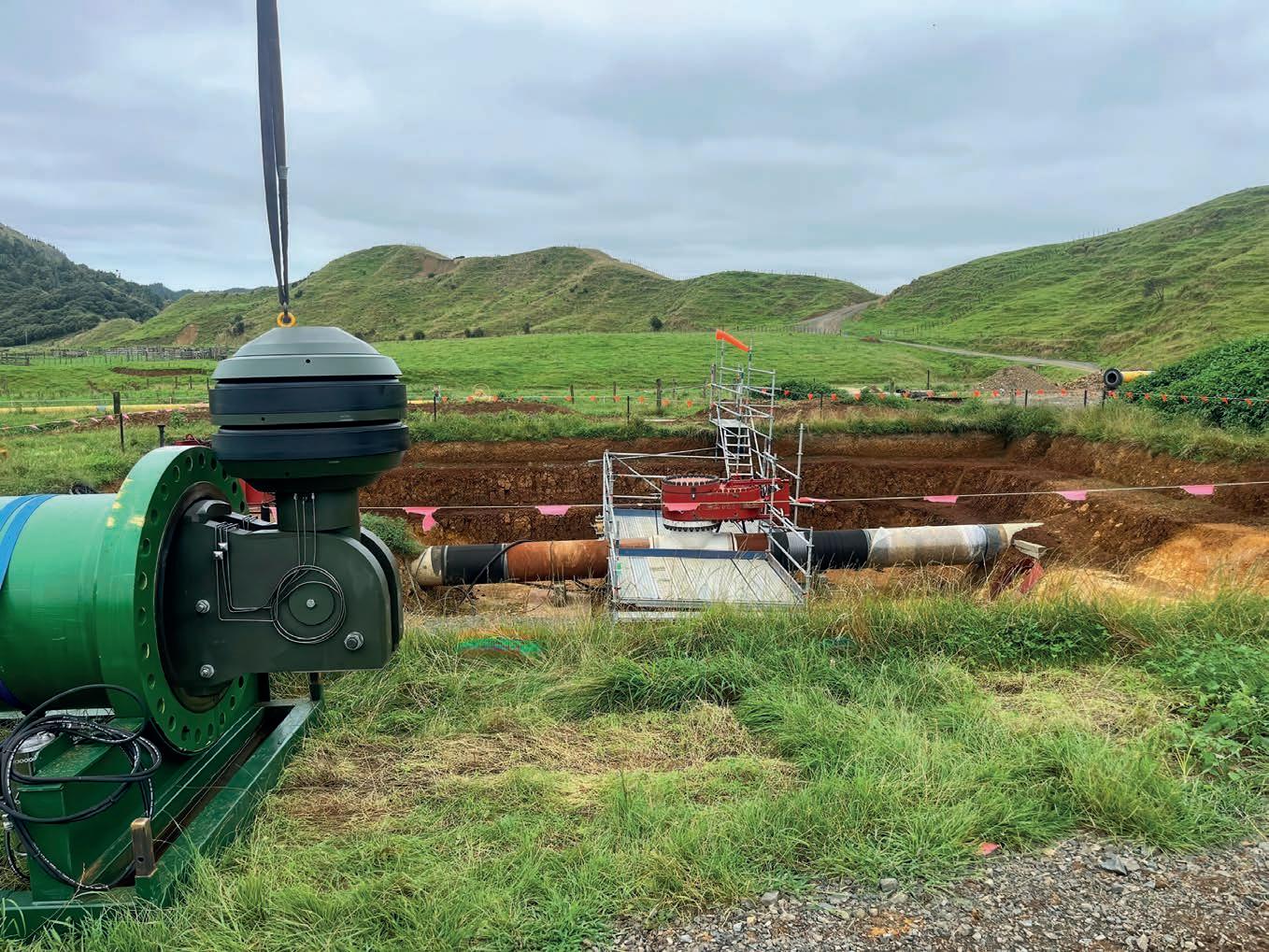
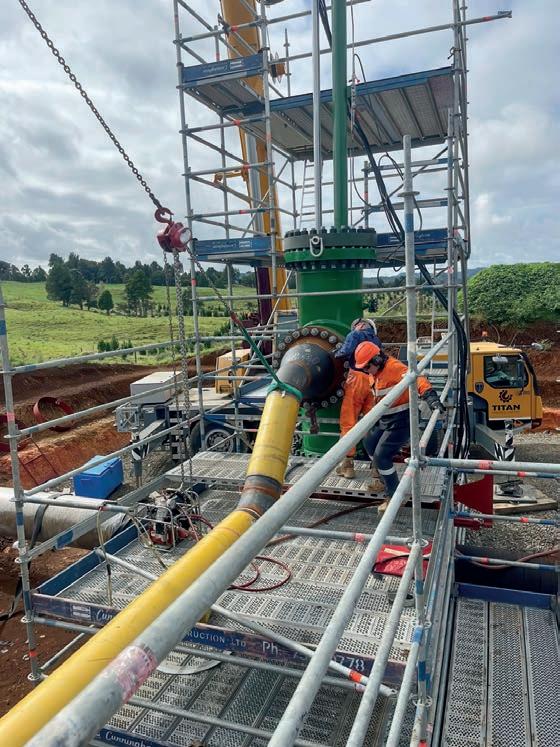
The project also achieved several significant milestones for the New Zealand pipeline industry.
“This project marked New Zealand’s first deployment of the BISEP on a large diameter transmission pipeline incorporating a 0.5km bypass,” Firstgas Project Manager Adeel Mushtaq said.
“By utilising the BISEP, not only was gas supply to Firstgas customers maintained, but the release of large quantities of gas and associated environmental impacts were eliminated.
“The worksite itself presented further complexity, being both remote and geographically constrained, which required careful planning for the mobilisation and operation of heavy equipment. Through close coordination with the STATS team, Firstgas delivered this critical project safely and in line with the project’s key performance indicators.”
The wrinkle remediation project follows Firstgas’ initial deployment of STATS BISEP technology and further demonstrates the value of operators investing in advanced, highintegrity isolation technology to support the
planned maintenance, integrity management and emergency repair of their transmission pipeline networks.
By combining fail-safe DBB isolation, integrated bypass capability and independently verified sealing performance, the BISEP enabled Firstgas to execute a complex integrity repair while maintaining uninterrupted service to customers, eliminating the need for pipeline shutdown and large-scale gas venting, reducing environmental impact and preserving the integrity of one of New Zealand’s most critical energy infrastructure assets.
“As operators across Australasia continue to focus on safety, emissions reduction and network resilience, projects such as Awakau demonstrate how advanced isolation technologies are helping pipeline owners complete increasingly complex interventions without compromising operational continuity,” said Ragesh Ravi, Project Manager at STATS Group.
“This successful project demonstrates what can be achieved through early planning, close collaboration and the application of highintegrity isolation technology. The partnership between STATS and Firstgas enabled a critical pipeline repair to be completed safely, efficiently and without interrupting gas supply.”
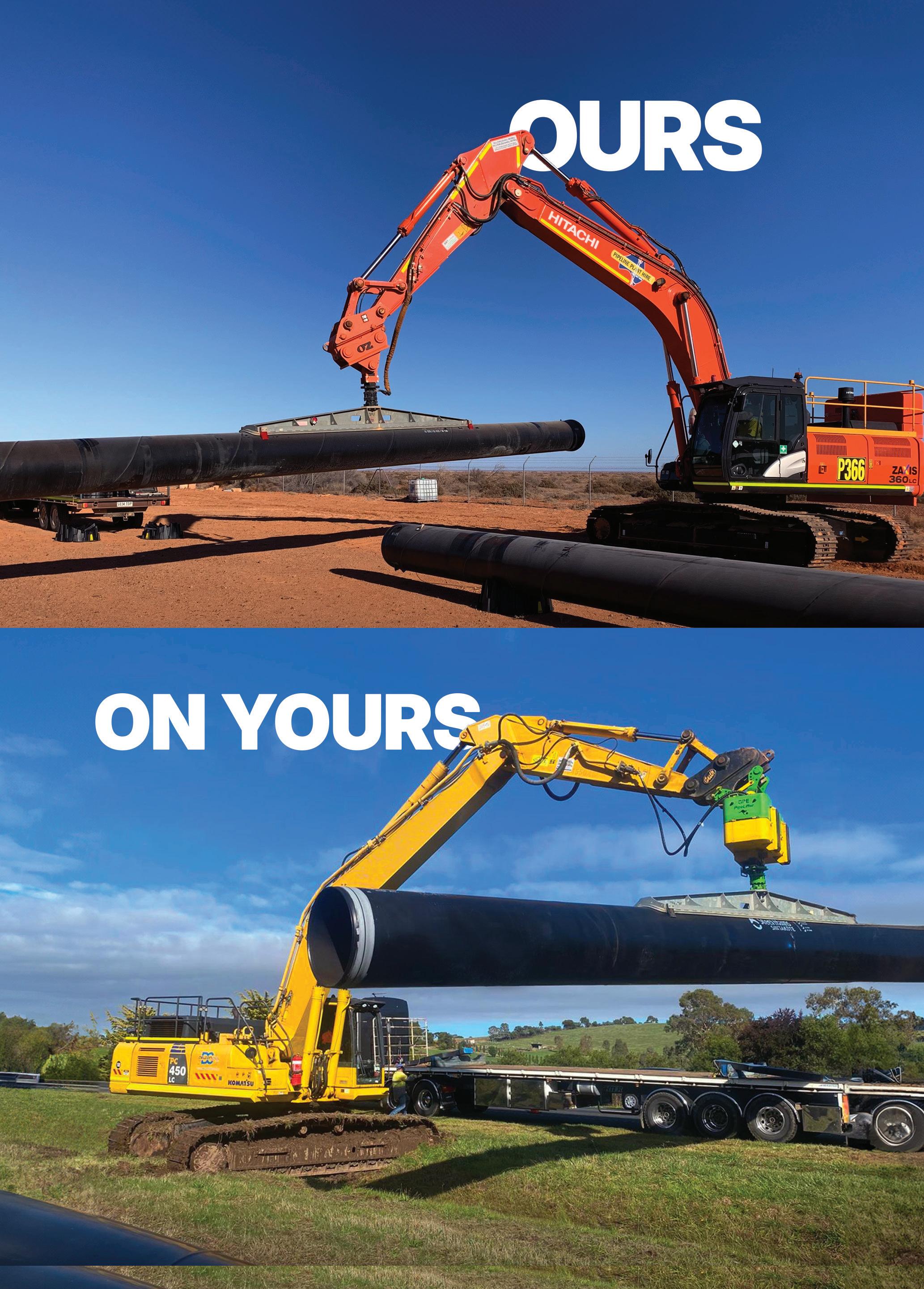
WE CAN DO THIS THE EASY WAY, OR WE CAN DO THIS THE EASY WAY.
Need a pipe handling system to make your job faster, safer and easier? At Pipeline Plant Hire we have two flexible solutions ready to go. Hire and attach a PL1500 to your machine, or hire a fully-equipped VL machine as an efficient, all-in-one solution. All our vacuum lifter are capable of safely lifting 15 tonne. Our PL1500 integrates seamlessly with your host excavator using the main controls and hydraulics to operate the vacuum lifter. This system makes your life easier, more productive, and the whole site safer. Talk to us about a solution today.
Trusted emissions measurement across the full natural gas value chain.
Built for large, remote infrastructure
Survey pipeline networks, production assets, LNG facilities, and o shore operations e ciently from the air.
Measured data– not estimated emissions
Direct methane measurements with quantified emission rates and georeferenced results.
Prioritise high-impact repairs
Equipment-level attribution helps teams focus resources where emissions matter most.
Proven with leading operators
Supporting methane measurement programs across Australian energy infrastructure. Learn How Bridger Can Help Streamline Your
Each year, the APGA Convention and Exhibition gives our industry something valuable: time together.

In a sector as technically complex, operationally critical and widely connected as pipelines and gas infrastructure, there is real value in creating a space where people can step away from day-to-day demands and come together with purpose. The convention is not just a series of presentations, meetings and networking functions. It is an opportunity for the industry to gather in a safe, collaborative environment to work together on industry challenges, where knowledge can be shared, challenges can be discussed openly, and relationships can be strengthened.
Australia’s pipeline industry has a strong record of safe, reliable and professional operation. That record has been built over many decades by people who understand the importance of shared learning, practical experience and collaboration across companies, disciplines and generations. The convention plays an important role in supporting that culture. It brings together operators, constructors, suppliers, consultants, policy specialists, researchers, emerging professionals and senior leaders in one place, creating the conditions for conversations that do not always happen in formal meetings or through day-to-day work.
The strength of the event comes from that mix. It is where technical insight meets industry context. It is where lessons from the field can sit alongside policy discussion, research outcomes, project experience and commercial perspectives. It is where people can ask questions, test ideas, compare
approaches and learn from others who are facing similar challenges.
Just as importantly, the convention gives the industry time to share each other’s company. In a national industry spread across states, regions, project sites and offices, the opportunity to connect in person remains important. A conversation over coffee, a discussion on the exhibition floor, a shared table at dinner or a chance introduction between colleagues can all lead to stronger working relationships and better industry outcomes. These moments are not incidental to the value of the convention. They are central to it.
The convention and exhibition comes at an important time. The energy landscape continues to change, expectations on infrastructure continue to evolve, and the need for practical, informed and collaborative thinking has never been more important. Our industry has a significant role to play in supporting energy security, maintaining safe and reliable infrastructure, and contributing to the conversations that shape the future of energy in Australia.
To do that well, we need places where the industry can come together with confidence and openness. We need opportunities to hear from experienced leaders and emerging voices.
We need forums where technical learning is valued, where operational experience is respected, and where the next generation of pipeline professionals can build their
understanding of the industry they are entering. The convention provides that opportunity.
For those who attend every year, it is a chance to reconnect, contribute and stay close to the direction of the sector. For those attending for the first time, it is one of the best ways to quickly understand the breadth, capability and character of the pipeline industry. For organisations, it is an opportunity to support staff development, strengthen networks, showcase capability and remain actively engaged in the issues shaping the sector.
The value of the convention is ultimately created by the people who take part. The more voices, perspectives and experiences we bring into the room, the stronger the event becomes. Whether you are presenting, exhibiting, sponsoring, attending sessions, joining networking events or simply making time to have meaningful conversations with colleagues, your involvement contributes to the shared learning culture that underpins the industry.
This year, we encourage members and industry participants to get involved and come to the convention. Be part of the conversations, the connections and the exchange of knowledge that help move the industry forward.
Join us for the year’s largest industry learning opportunity, and be part of the gathering that brings the pipeline industry together.









Your commitment and generosity are the driving force behind the APGA Convention & Exhibition. We deeply appreciate your involvement and continued support, which help make this event possible and successful year after year.
















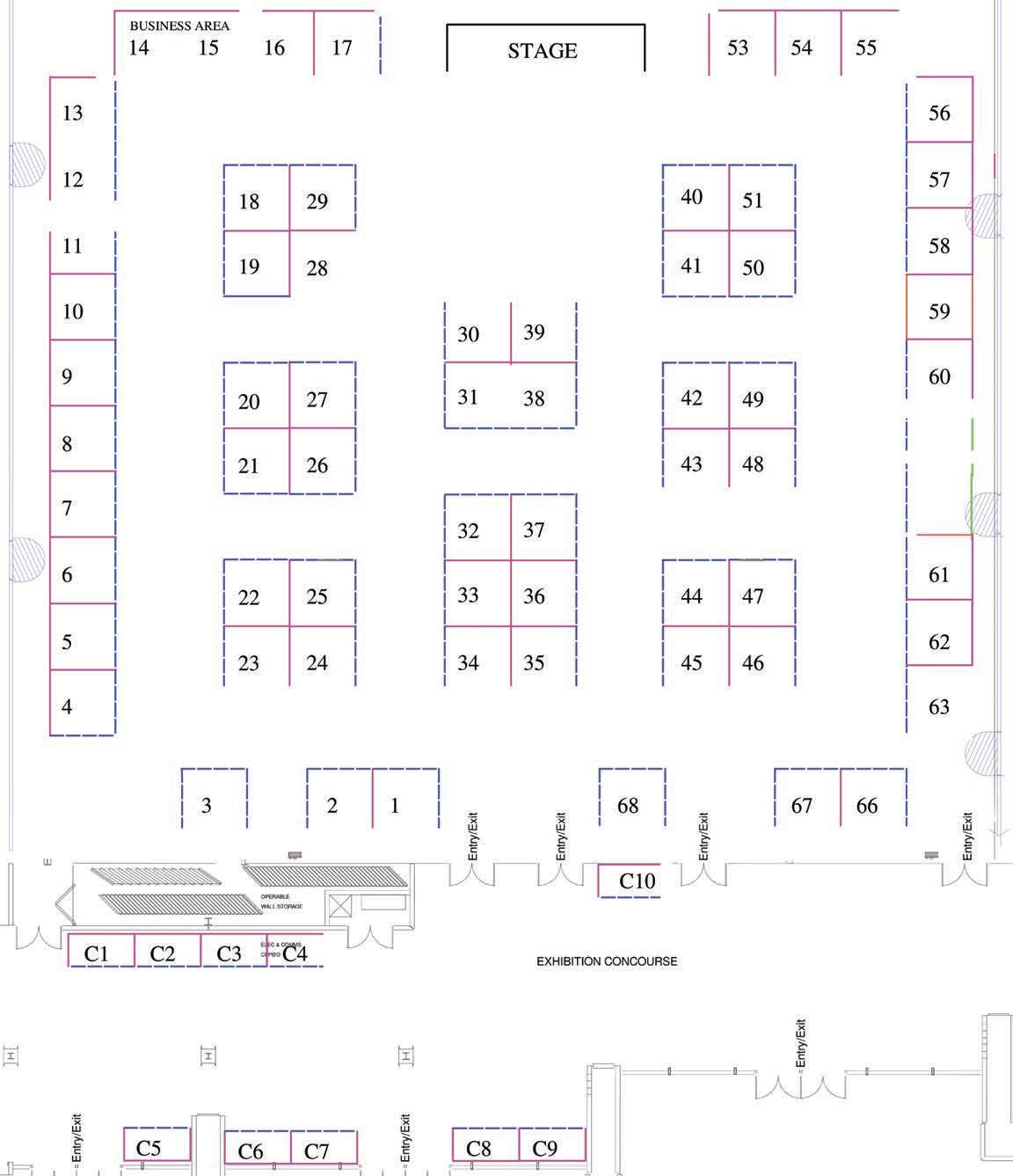





















The Convention program will explore the pressing issues shaping the pipeline and gas industry.
The APGA Convention and Exhibition has always been more than a program of presentations. It is the annual point at which the pipeline and gas industry comes together to test ideas, understand change, share technical knowledge and strengthen the relationships that underpin delivery across the sector.
In 2026, that role is particularly important.
As the industry meets in Darwin, the conversation will sit at the intersection of energy security, infrastructure development, emissions reduction, safety, operational performance and workforce capability. These are not separate challenges. They are deeply connected, and the 2026 Convention program has been developed to reflect that reality.
The plenary sessions will set the tone for the broader program, bringing together industry leadership, policy context, regional opportunity and keynote insight. With contributions including the State of the Industry, government and territory perspectives, a leaders panel and keynote
speaker Sir Peter Cosgrove, the opening program is designed to lift the conversation beyond individual projects and technical disciplines. It will ask delegates to consider where the industry is heading, what role gas infrastructure will play in Australia’s future energy system, and how the sector can continue to deliver safely, responsibly and with confidence.
From there, the business sessions will explore the practical detail behind that broader direction.
One of the strongest themes is the continuing evolution of future fuels. The program includes discussion of biomethane, hydrogen readiness, gas network integration and the social risk considerations that come with energy transition projects. This reflects a central challenge for the sector: how to use existing knowledge, assets and capability to support new energy pathways without losing sight of safety, reliability and commercial discipline.
Doug Proud, Research Manager at Gas Infrastructure Research Australia (GIRA) is
The convention is where ideas are challenged, partnerships are formed, and the direction of the industry is set.
one of the presenters on this topic.
“Our presentation will showcase our current and recently completed research projects, explore emerging priorities shaping future gas infrastructure research, and demonstrate how our work is helping the industry respond to change,” he said.
For pipeline owners, operators, engineers and service providers, future fuels are not an abstract policy discussion. They raise practical questions about materials, testing, standards, asset condition, risk management, customer requirements and community confidence. The opportunity is significant, but it must be approached with the same technical rigour that has long defined the pipeline industry. Convention provides a valuable forum to examine these issues in detail, learn from emerging projects, and understand how research and operational experience are beginning to inform real-world decisions.
The Darwin setting also gives the 2026 program a strong regional and project development focus. Sessions on Northern Territory developments and projects will place infrastructure, community outcomes and regional delivery at the centre of the discussion. With northern Australia continuing to attract attention for its resource potential, energy infrastructure needs and strategic importance, the Territory provides a fitting backdrop for conversations about how projects are planned, delivered and operated in complex environments.
These sessions will also highlight an important point: successful infrastructure delivery is no longer measured by engineering execution alone. Community and social performance, environmental management, stakeholder relationships and long-term operational outcomes are now central to project success. The industry’s capacity to deliver major works depends not only on technical capability, but also on trust, transparency and the ability to bring communities, regulators, customers and project partners along the journey.
Safety remains another defining theme of the program. Sessions will examine safety culture, competency, capability and the systems that support better decision-making across asset-intensive organisations. This is an important evolution in the safety conversation. Compliance remains essential, but the industry is increasingly focused on how safety capability is built, sustained and
embedded across organisations.
That focus is particularly relevant as the sector manages ageing assets, new fuels, changing workforce expectations and increasingly complex operating environments. The strongest safety systems are not static documents. They are living frameworks that depend on culture, leadership, competence and continual learning. By bringing these issues into the Convention program, APGA is helping the industry move beyond minimum requirements and towards stronger, more resilient organisational capability.
Closely linked to this is the program’s focus on environment, safety and governance. Sessions will consider risk assessment, sustainability, stakeholder relationships and the use of data to support better decisions. This reflects the growing expectation that infrastructure industries demonstrate not only that they can deliver, but that they can explain how decisions are made, how risks are managed and how long-term value is created.
For the pipeline and gas industry, ESG is most meaningful when it is connected to practical outcomes: safer operations, better environmental performance, stronger stakeholder engagement and more disciplined governance. Convention provides a space to examine those outcomes in a technical and
as a separate corporate exercise.
The Pipeline Operators Group sessions will bring the program back to the practical realities of managing assets in the field.
Presentations on leaks, girth welds, biomethane acceptance, inline inspection, flood remediation, corrosion and geohazards speak directly to the operational challenges facing the sector. These are the sessions where shared experience becomes especially valuable. A single case study can help another operator avoid a failure, improve an inspection program, review a risk control or rethink an approach to remediation.
This is where the Convention’s purpose becomes most visible. Learning, networking and development are not separate benefits; they reinforce each other. Delegates learn from formal presentations, but also from the conversations that follow. They develop professionally by hearing how peers are solving problems, challenging assumptions and applying standards in practice. They build networks that support collaboration long after the event concludes.
“The programs at APGA Conventions bring together a broad mix of industry leaders, technical experts and decision-makers,” Doug Proud said.
“One aspect that always stands out is the
transparent in regard to sharing their knowledge, experience and lessons learned.”
For early-career professionals, Convention offers exposure to the breadth of the industry and the chance to connect with experienced practitioners. For technical specialists, it provides a forum to test ideas and share lessons. For leaders, it creates space to consider the strategic direction of the sector and the capability required to support it.
The 2026 APGA Convention and Exhibition will bring these threads together in Darwin: future fuels, regional development, safety, governance, operational excellence and industry leadership.
The program is still more than a schedule. It is a reflection of the issues that matter most to the industry, and an invitation for delegates to take part in shaping what comes next.
Scan here for the full program
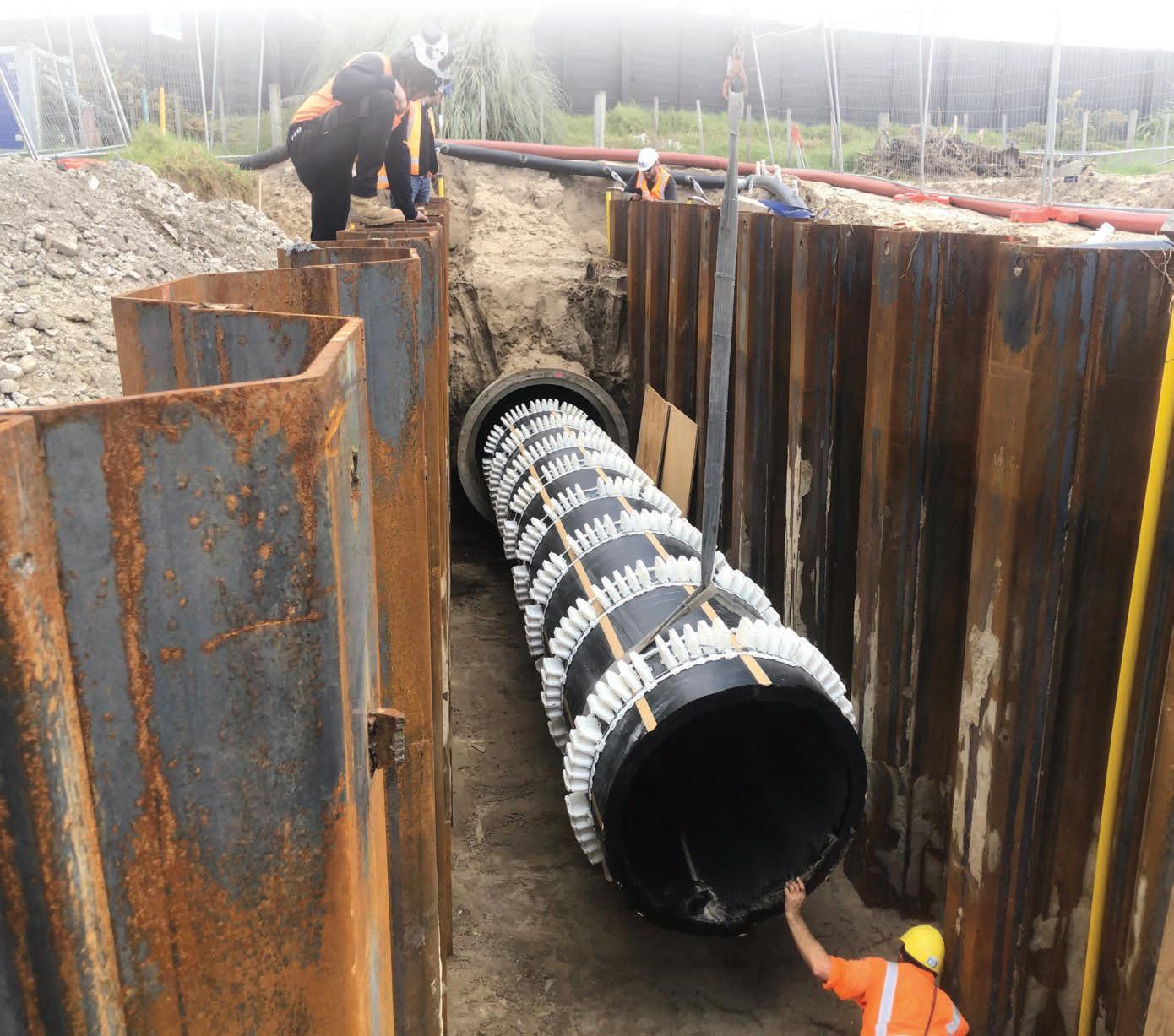
Inductabend demonstrated its technical agility by delivering custom, heavy-walled bending solutions for a gas transmission pipeline repair project in New Zealand.
In New Zealand’s Taranaki region, approximately six kilometers east of Mōkau, lies a critical artery of the nation’s energy infrastructure. Constructed in the mid-to-late 1970s, the DN750 Maui natural gas transmission pipeline serves as the primary energy highway transporting natural gas from the Taranaki region to the high-demand centres of Auckland and Northland. For nearly half a century, this critical asset has helped to keep the wheels of industry turning in the North Island.
However, a recent routine inline inspection (ILI) program flagged a critical anomaly that required immediate engineering intervention. A distinct wrinkle had developed on one of the pipeline’s existing cold field bends. Subsurficial land movement over the last 50 years had exerted stress on the 9mm thick API 5L X65 pipe. While a minor degree of shifting is expected over decades, the ILI data revealed that this particular wrinkle was developing at a rapid pace between inspection cycles,
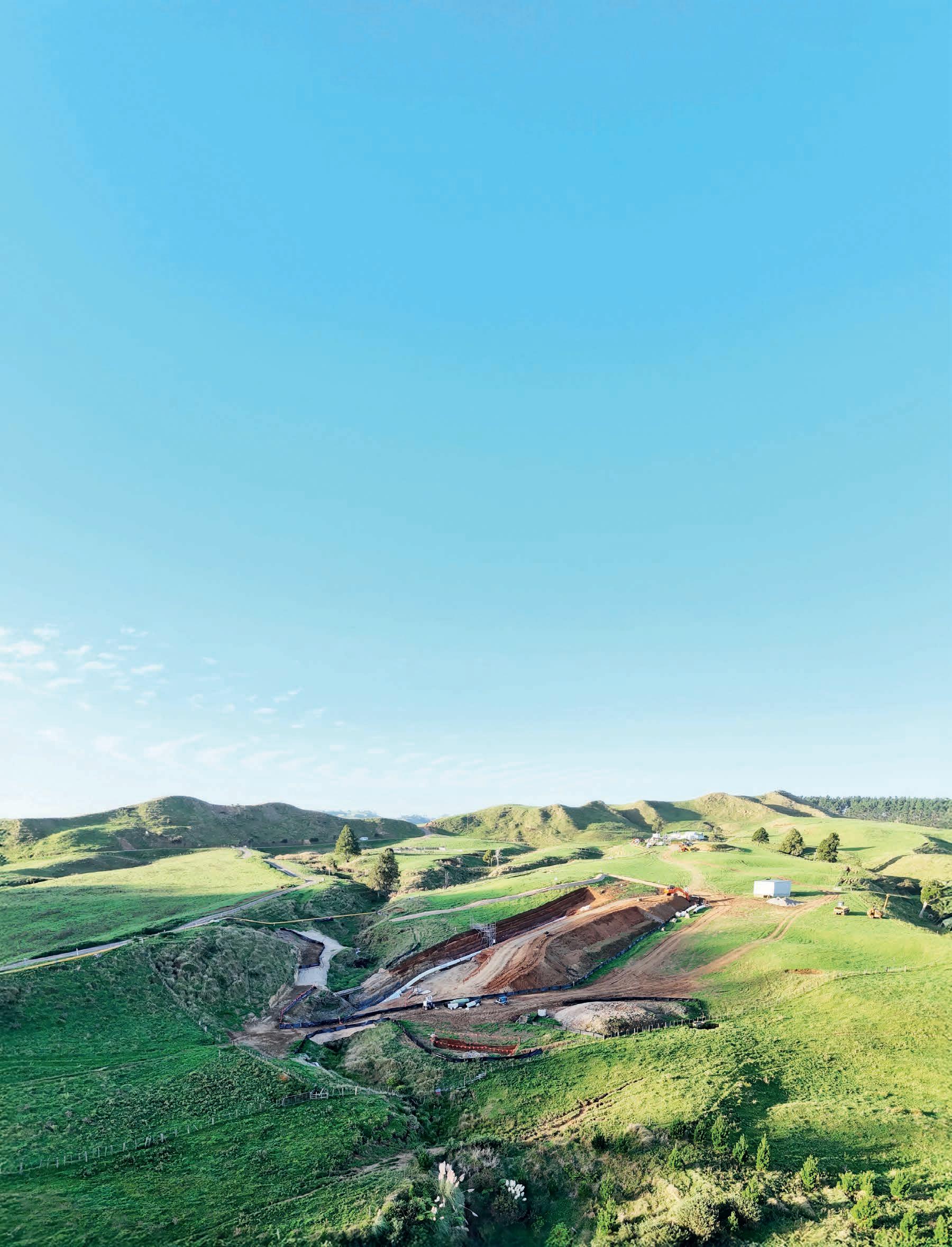
prompting pipeline operator Firstgas to evaluate remediation strategies.
Initially, a bespoke reinforcement sleeve was considered as a permanent fix. However, because the wrinkle was developing swiftly, Firstgas decided that a cut-out replacement was the best course of action.
But replacing a DN750 field bend in New Zealand is no small feat.
“New Zealand is a small market, and the availability of a field bending machine capable of bending DN750 pipe is limited,” Firstgas told The Australian Pipeliner
“Further, engineering determined that the risks of cold forming a bend, potentially introducing minor imperfections in the process [ripples] in an area where land movement was suspected, were too great.”
To ensure the pipeline’s integrity for the future, Firstgas needed an exact match for the long-radius DN750 section of pipe, one with completely homogeneous material properties. That requirement led them to Inductabend.
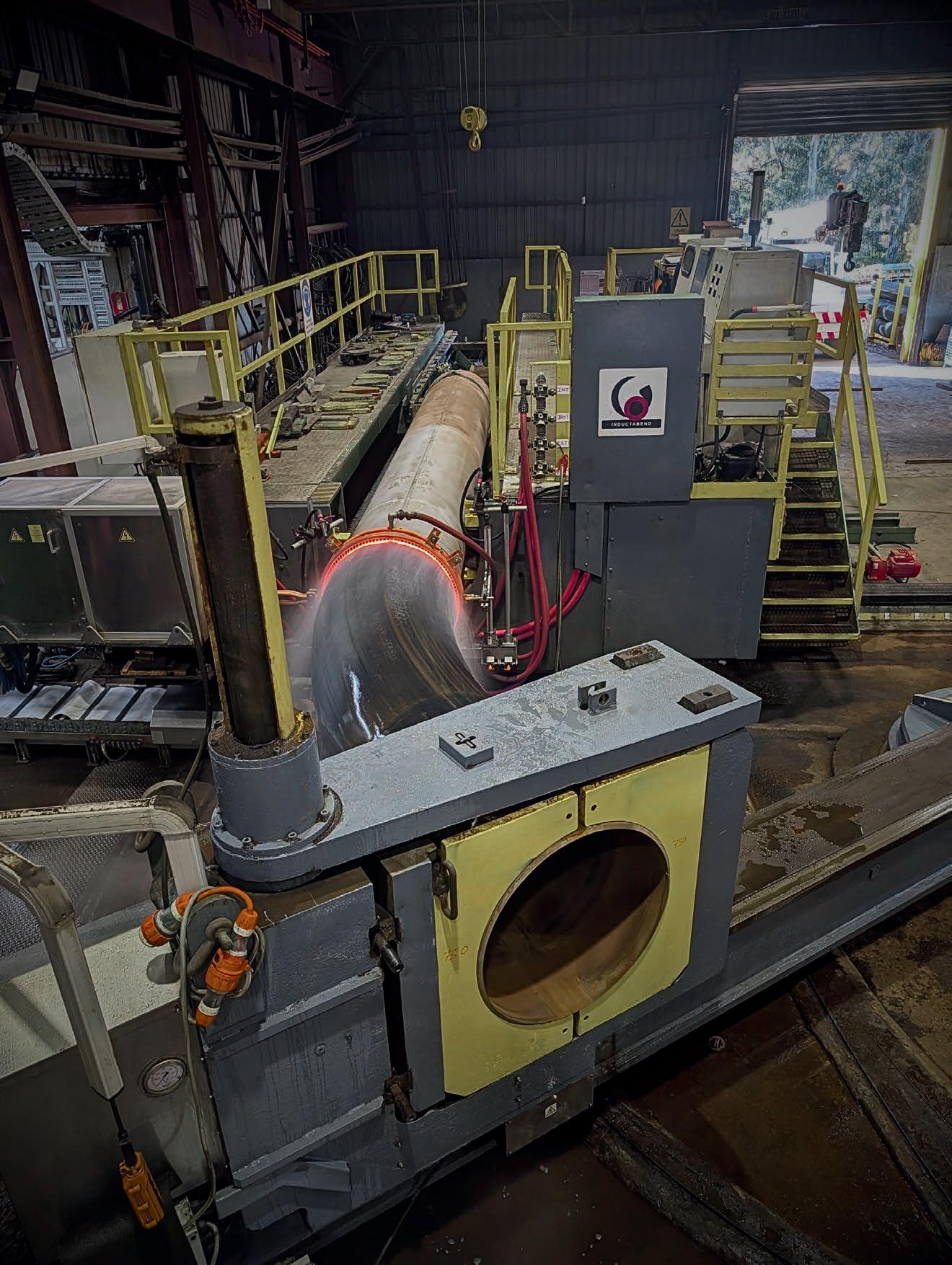
Inductabend was tasked with producing three long-radius, transition-free induction bends at a 28 m radius, with angles of 14°, 16° and 18°, using heavy-walled 15.9 mm X60 PSL2 SAW pipe.
The project required each bend to be formed through continuous hot induction processing from end to end, including the 1.5 m tangent, the bend section and the final 1.5 m tangent, without stops or starts. This newly developed capability allowed Inductabend to produce each component with homogeneous material properties across the full 11.5 m processed length.
“To form these bends, we modified and reinforced our existing in-house designed and built long-radius machine,” Inductabend Manager Nathan Crouch said.
“This was the first time DN750 pipe had been processed on this machine, so our engineering team redesigned the framework to manage the higher forming loads. The long-radius machine was then used in tandem
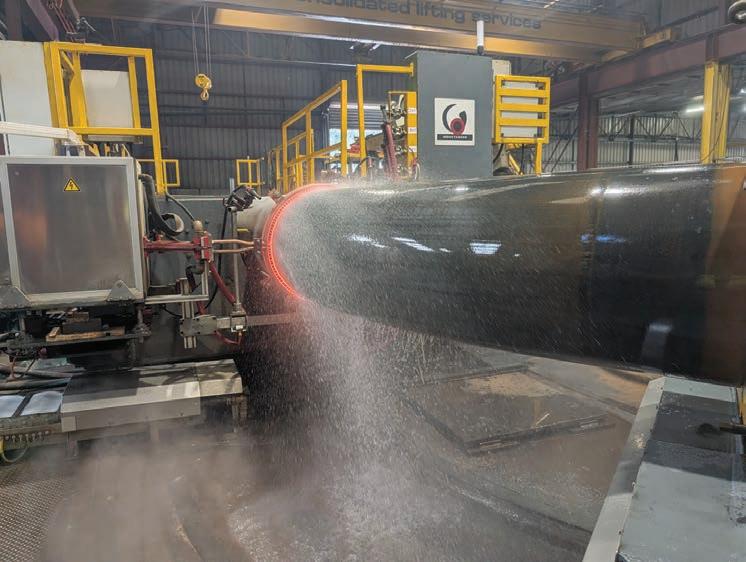
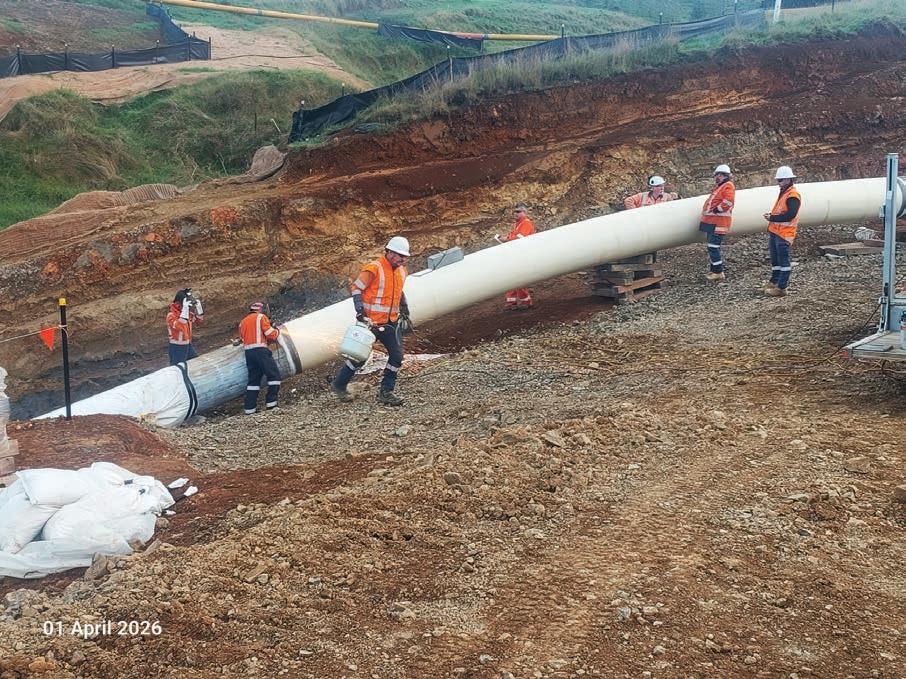
bend the full length of each component from end to end.”
By eliminating the transition zones typically associated with induction bends, Inductabend was able to produce a more continuous structural profile between the tangents and the bend body. This improves load transfer through the bend, reduces localised changes in geometry and stiffness, and helps minimise potential stress concentration points. The result is a transition-free induction bend with more uniform material properties, improved structural performance and greater integrity for demanding pipeline applications. Producing three bend angles also gave Firstgas the flexibility to select the best-fitting component to match the geometry of the damaged field pipe during the cutout operation. Each bend was also subjected to AS
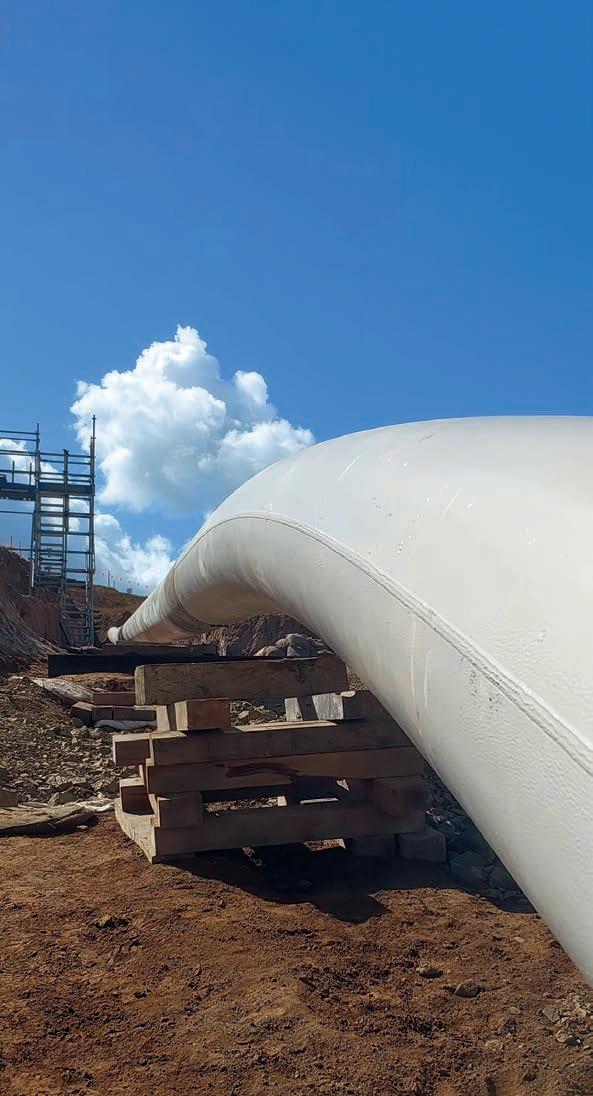
2885.5-compliant hydrostatic pressure testing before being cleared for transit, providing final verification of the finished components.
“A transition-free bend is certainly a major advantage, particularly in this application,” Firstgas said.
“The ability to reduce any residual stresses in the pipe post-bending is advantageous, especially if you want the replacement spool to give you at least another 50 years of life.”
The success of the Awakau project ultimately came down to collaboration.
“Firstgas has a good relationship and history with Inductabend,” Firstgas said.
“They’re agile and very responsive. Certainly, a key component to the success of this project.”
With the new induction bend selected and integrated into the network, the Maui pipeline is well-positioned to quietly and reliably fuel the North Island for another half-century.
Sonia Frémont, Rolf Gunnar Lie, and Joe Buttigieg from T. D. Williamson discuss the evolution of polyethylene pipeline isolation.
Polyethylene (PE) pipelines are essential to modern gas and hydrogen distribution networks. For decades, the squeeze-off method has been the standard for isolating PE pipes during maintenance or branching. While effective when performed correctly, this technique depends heavily on human precision. However, in recent years, hot tapping and plugging has emerged as an engineered alternative, offering enhanced safety and reliability.
Squeeze-off:
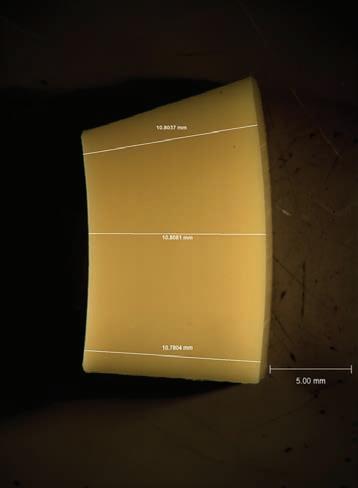
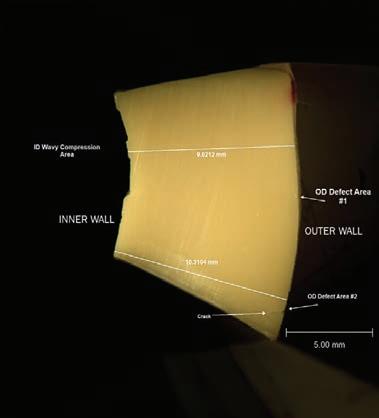
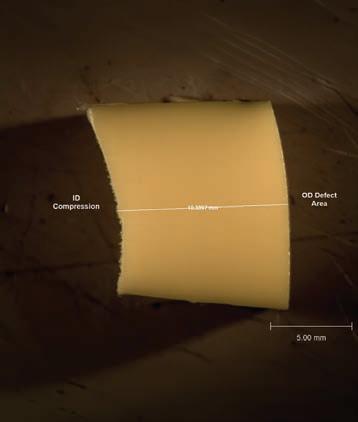
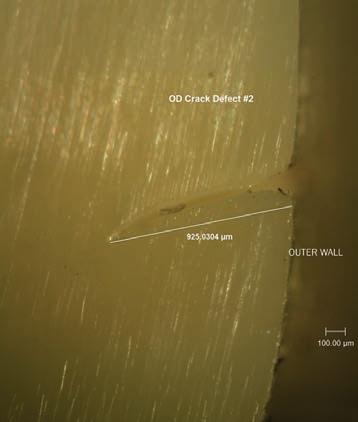
The traditional method Squeeze-off involves compressing the pipe between two rounded bars using hydraulic or mechanical tools to stop flow temporarily. When performed according to ASTM F1041 – Standard Guide for Squeeze-Off of Polyolefin Gas Pressure Pipe and Tubing, squeezing at ≤2 inches per minute and releasing at ≤0.5 inches per minute, the method is considered safe. TDW’s tests in the USA confirms that a compliant squeeze on a 4-inch PE pipe caused only minor deformation (3.7 per cent wall thickness reduction) with no cracks, leaving the pipe fit for service. However, deviation from these standards can have severe consequences. In a non-compliant test where the squeeze and release were performed twice as fast, the pipe exhibited an 11 per cent reduction in wall thickness; a crack penetrating 8.5 per cent of the wall depth with a crack length of a 1.5-inches.
Such damage creates latent integrity risks that could lead to leaks or catastrophic failure and microscopic evidence of damage from improper squeeze-off can be seen on Figure 2.
Hot tapping and plugging:
An engineered alternative
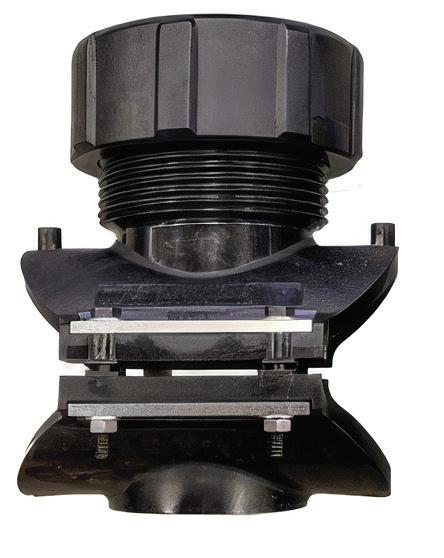
Hot tapping and plugging eliminates the need for squeezing by using electrofusion fittings (see Figure 1) and plugging equipment to isolate the pipeline like the method utilised for steel pipes. The PE fitting is fused to the pipe, creating a joint as strong as, or stronger than the pipe itself. This process is verified through pressure testing before tapping, reducing uncertainty and improving safety.
Following the electrofusion of the fitting, TDW are utilising its POLYSTOPP® Quick Connect system to perform hot tapping, plugging and branching. The POLYSTOPP Quick Connect Plugging Machine is a 10 barg rated technology specifically designed for the PE market. The system is lightweight and simple and uses significantly less excavation space and it allows operators to isolate a polyethylene (PE) line twice as fast as other methods while preventing the damage associated with squeezing.
The Strength of Defences model categorises risk controls from weakest (human behaviour) to strongest (engineered physical solutions). Squeeze-off falls into the weaker category, relying on procedural compliance. Hot tapping and plugging, by contrast, represents a stronger defence, physically altering the pipeline to eliminate risk. With workforce changes and the rise of hydrogen networks, the industry faces a critical question: should we continue relying on human precision or embrace engineered solutions that offer greater certainty?
Squeeze-off remains a viable isolation method – when performed correctly. However, its dependence on human behaviour makes it vulnerable to error, especially as experienced personnel retire. Hot tapping and plugging provides a safer, more reliable alternative, aligning with the industry’s goals of safety, sustainability, and operational excellence. As energy systems evolve, the future of pipeline isolation lies in innovation and not tradition.
• Cost-effective and widely available
• Proven track record in gas distribution
• Quick setup for short-duration tasks
• High risk of human error
• No immediate way to verify pipe integrity postsqueeze
• Relies on experienced technicians—challenging amid workforce changes
• Potential environmental risk if damage goes undetected
• L eak-proof joints reduce risk of gas escape
• A llows isolation without pipe deformation
• Eliminates fugitive emissions during isolation
• Compatible with hydrogen networks and future energy systems
• Requires smaller trench to complete isolation
• Bypass is integrated into POLYSTOPP Universal valve
• Fitting can be re-entered in future operations
• Higher initial cost and specialised equipment
• Requires pipe preparation (peeling) and proper fusion setup











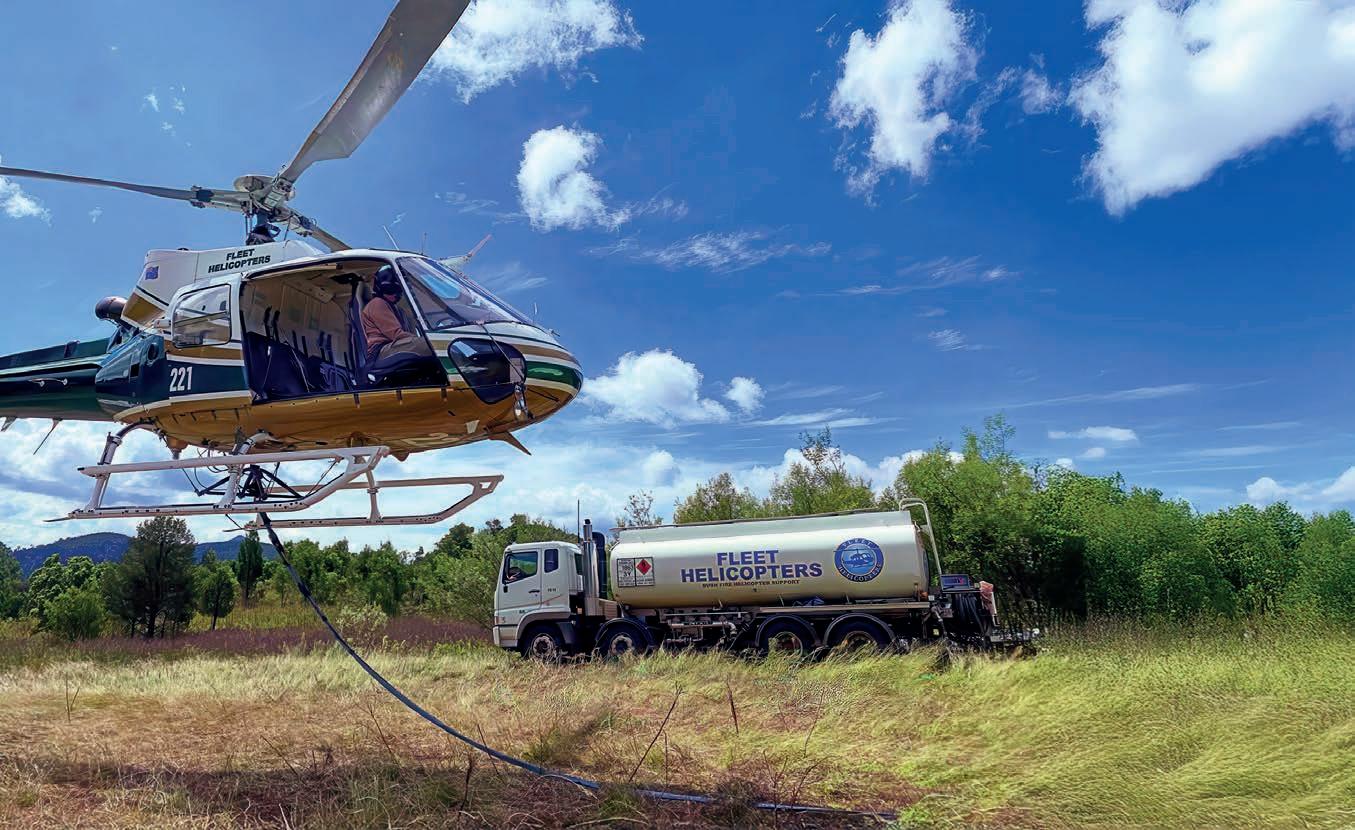
The pipeline industry is turning to aerial inspections to improve safety, reduce emissions, and streamline operations.
Fleet Helicopters has built a reputation as one of Australia’s most experienced aviation services providers for the pipeline industry, combining decades of operational knowledge with a specialised fleet designed for remote and demanding environments.
Ahead of the APGA Convention, Fleet Helicopters CEO Mike Watson spoke with The Australian Pipeliner about how aviation can improve every stage of a project, from early construction through to long-term asset management.
“We’ve spent years refining how helicopters support infrastructure projects in practical, efficient ways,” Watson said. “That experience allows us to deliver a range of specialised solutions.”
Fleet Helicopters entered the pipeline sector in 1996 after establishing itself in aerial agriculture, firefighting, and emergency response. Those industries demanded precision flying, rapid decision-making, and the ability to operate safely in difficult conditions – capabilities that continue to underpin the company’s work today.
During its time in the energy sector, Fleet Helicopters has supported major pipeline developments and maintenance programs across some of Australia’s most remote regions. The company’s crews operate in environments where access is difficult, distances are significant, and efficiency is critical to keeping projects moving.
That experience has shaped a highly specialised aviation offering tailored to pipeline construction, inspection, and operational support.
Fleet Helicopters provides personnel transport for crews working across large infrastructure corridors, allowing operators to move teams quickly. The company also supports equipment transport, with aircraft able to transport up to 1.5 tonnes of payload.
Watson said helicopters create a major advantage on projects spread across vast geographic areas.
“In many cases, aviation removes hours of travel and gives crews direct access to locations that are difficult to reach by road,” he said. “That has a huge impact on crew safety, productivity and responsiveness.”
Another major aspect of Fleet Helicopters’ business is aerial inspections such as methane detection, easement identifications and flora and fauna surveys, expediting tedious work that would otherwise have to be done on foot.
A leak in a gas pipeline can have significant ramifications for an asset owner, communities, consumers, and the environment if left unchecked. Luckily, aerial methane detection is emerging as a way to identify gas leaks quickly and cost-effectively.
“It’s a very slow process to physically inspect a pipeline,” Watson said.
“You’ve got access problems through properties, biosecurity problems with vehicles
Fleet Helicopters utilises a Boreal GasFinderAB laser system.
transferring weeds from one property to the next, and that’s on top of the huge amount of manpower required.
“Aerial leak detection surveys are much more economical and efficient. We can do 1000km in a day, not 14km. We also don’t have all those huge ongoing labour, accommodation, and vehicle expenses, or any issues with land access.”
Fleet Helicopters utilises a Boreal GasFinderAB laser system to detect gas leaks, which measures air quality at the helicopter.
“It’s very accurate and very sensitive, measuring down to 0.5 parts per million. And by measuring at the aircraft, it’s physically reading the gas rather than trying to sense it at a distance,” Watson said.
The aerial data is reported clearly and in a timely manner to clients. When a leak is detected, this critical information can be reported directly from the helicopter, allowing clients to take immediate action.
As pipeline operators continue to expand and maintain critical infrastructure across regional Australia, Fleet Helicopters sees growing demand for aviation services that improve access, accelerate inspections, and support more efficient project delivery.
The company will showcase its capabilities at the APGA Convention, where Fleet Helicopters plans to highlight the expanding role aviation plays across Australia’s infrastructure sector.
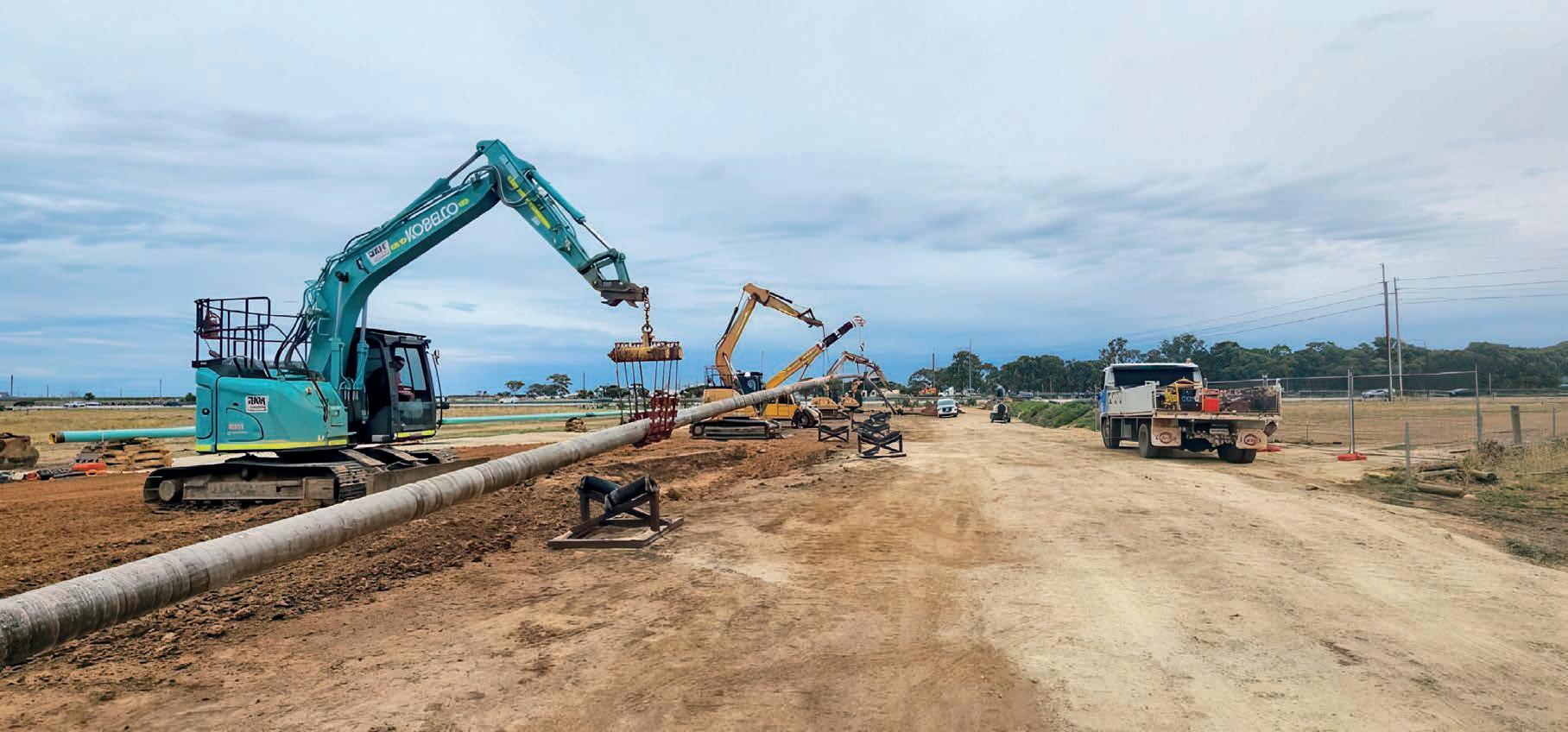
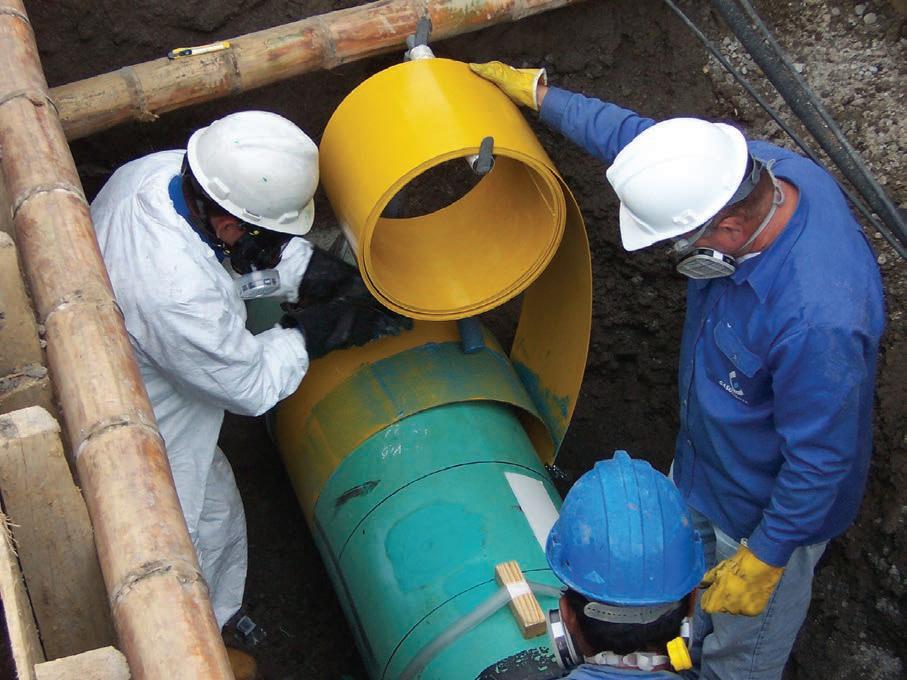
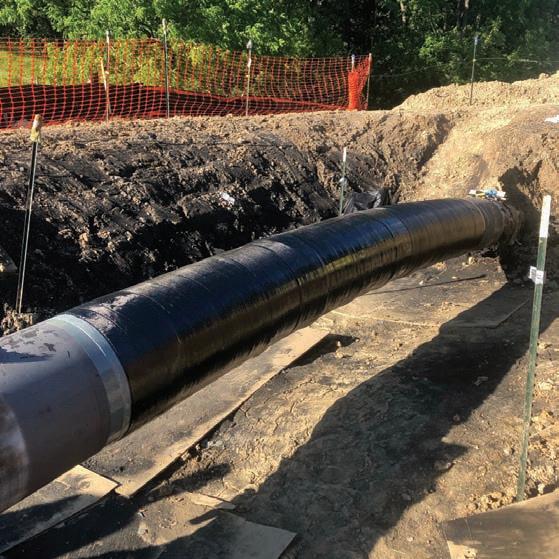
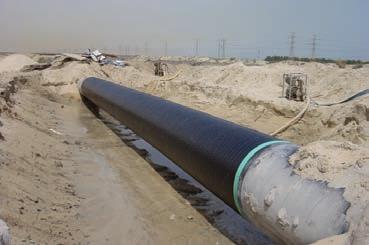
Independent assessment has demonstrated the impressive performance of Denso Bore-Wrap for horizontal directional drilling.
As technology continues to evolve, so too does the expectation for protective coatings that can withstand the extreme demands of horizontal directional drilling (HDD).
The team at Denso Australia believes that these expectations must be met with evidence – not assumptions.
Since launching Bore-Wrap, Denso
Australia has committed itself to an extensive program of internal research and development and independent third-party testing.
Its most recent collaboration with the National Facility for Pipeline Coating Assessment (NFPCA) at Deakin University provided valuable, unbiased insights into the product’s performance across a range of fieldrelevant conditions.
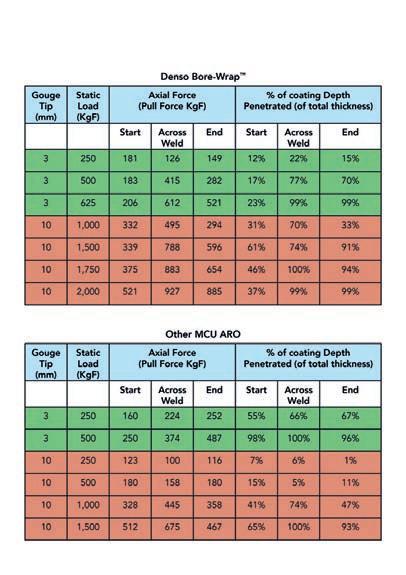
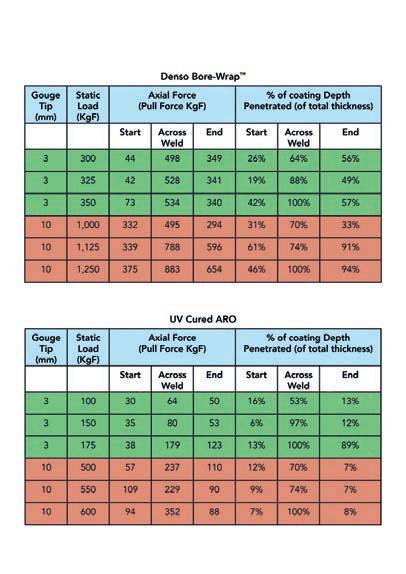
The testing assessed gouge resistance and adhesion strength using international standards including CSA Z245.20, NACE TM0215, and ASTM D4541. Two separate gouge test setups were used to reflect realworld HDD risks.
Gouge Test 1 tested with a simulated weld margin to represent side-impact strain and stress at field joints.
Gouge Test 2 tested without a weld margin to assess overall material integrity in standard sections.
In both scenarios, Bore-Wrap demonstrated exceptional resilience.
In the weld margin configuration, it resisted gouging forces up to 1250kgF before disbondment – more than double the load required to compromise other tested systems. This is a critical result, as field joint weld zones are particularly susceptible to mechanical damage during pull-through.
Beyond its mechanical performance, BoreWrap also offers several practical and longterm advantages for trenchless pipeline installations.
It is fully non-shielding, ensuring compatibility with cathodic protection systems.
The wrap is supplied in convenient, easy-toapply packaging and can be installed in multiple layers if required.
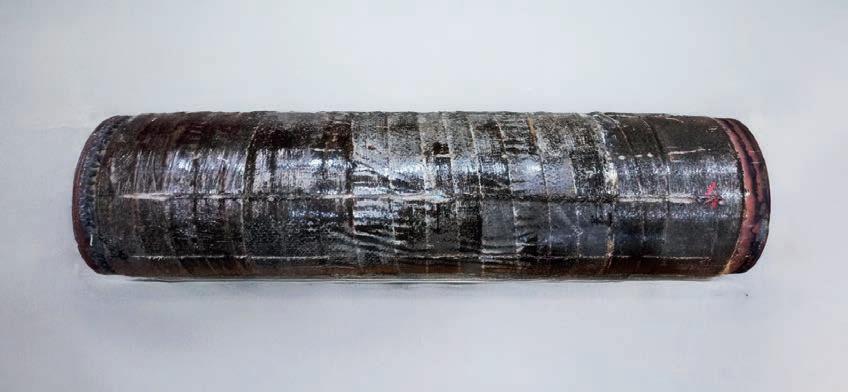
Its field-friendly formulation allows for application in a wide range of environmental conditions, whether on-site or off-site.
Bore-Wrap’s patented fibre architecture ensures that during HDD installations, its flexural strength is greater than that of the underlying parent coating system such as FBE, 3LPE and 3LPP parent coatings.
This is due to its high fibre content which provides enhanced durability under HDD stress, unlike more brittle UV-cured ARO systems.
Adding to this, Bore-wrap’s overlaps are smooth thus allowing for an easier installation uninhibited by larger overlaps which can cause additional stress on coatings and equipment.
From lab validation to in-field success (such as with recent applications in Bolivar, South Australia), Denso’s approach has been consistent and clear: test, refine, verify, and protect.
Denso Australia is committed to transparency, quality, and innovation. It invites engineers, asset owners, and pipeline professionals to explore the data for themselves.
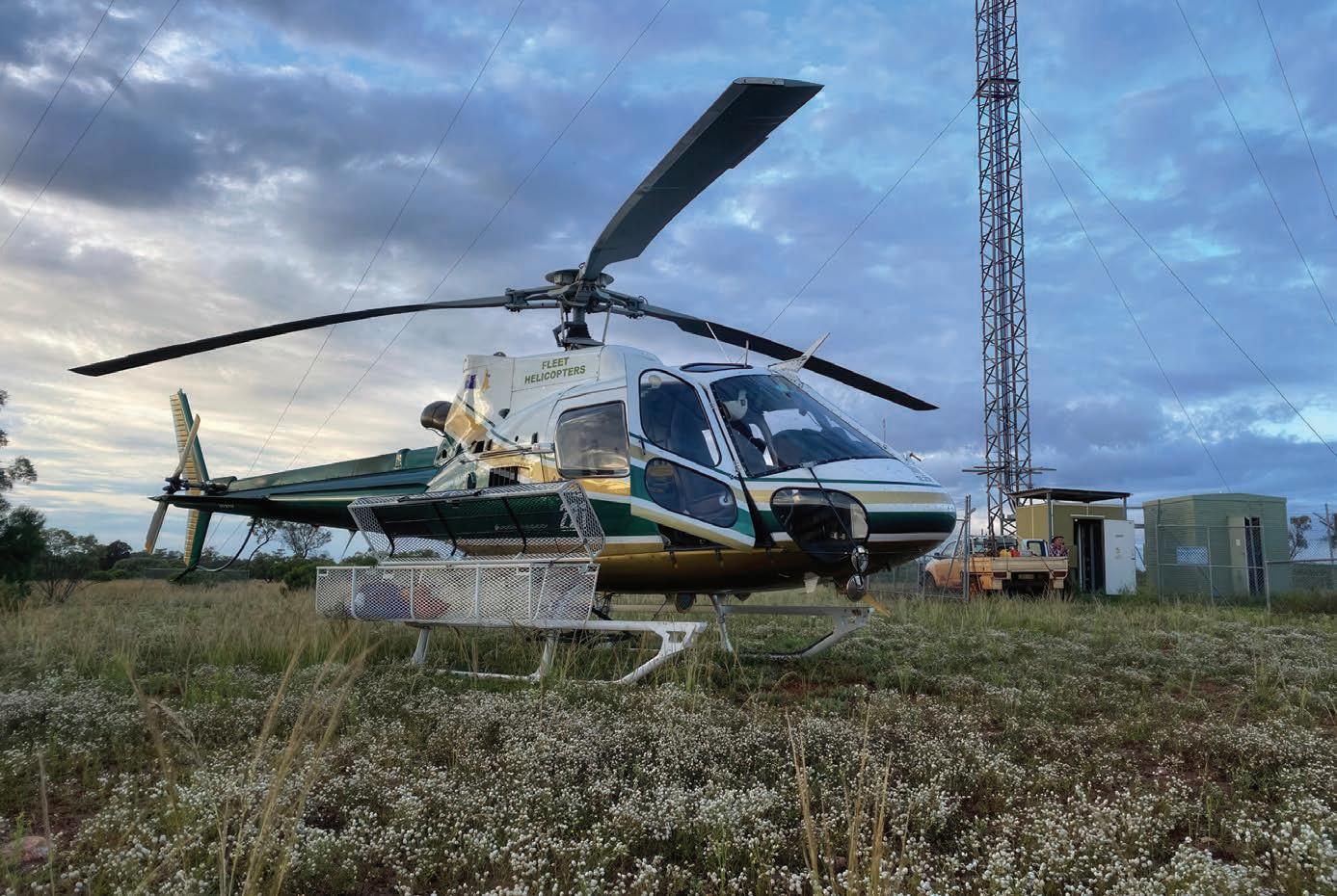
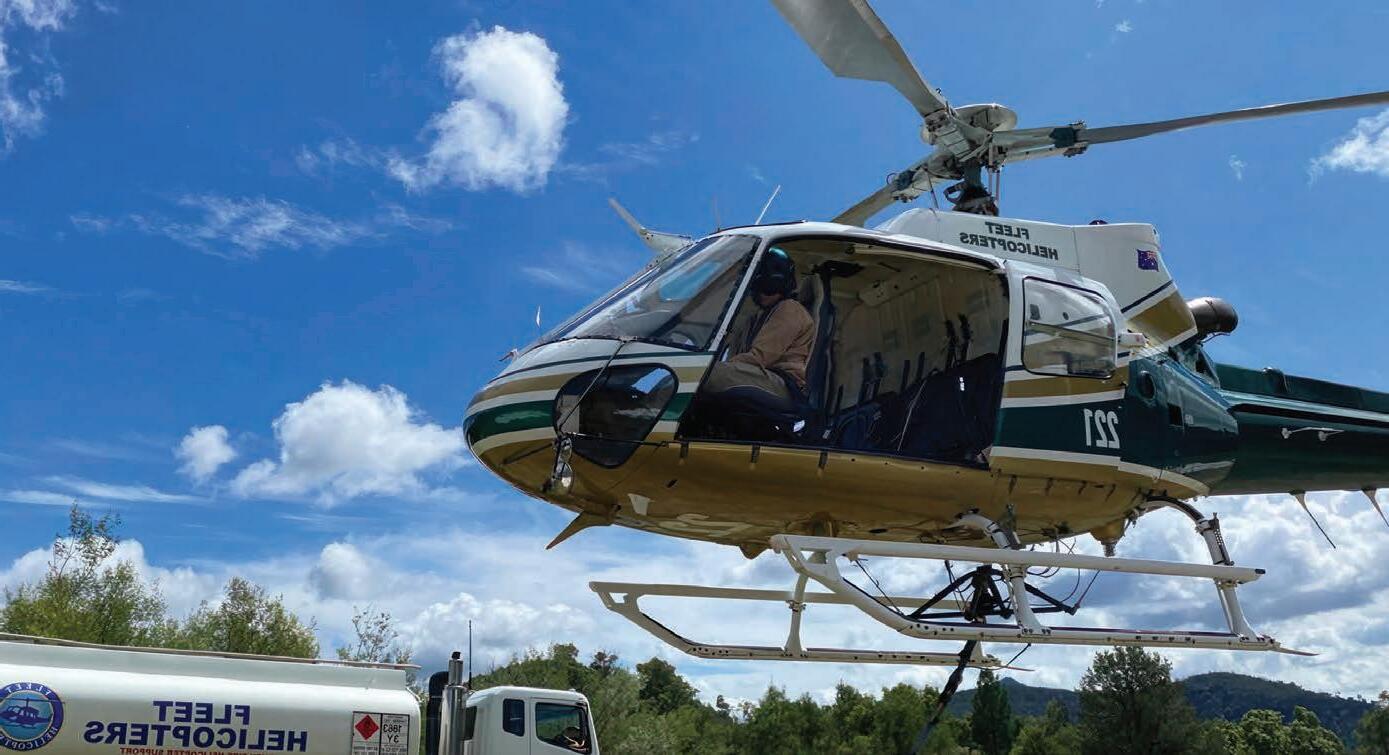
Fleet Helicopters provides client focused aviation solutions for all stages of your pipeline project. From aerial surveys for pipeline easement identification, pipeline construction support and operational fugitive gas leak detection. Specialising in operations in Australia’s hardest to reach places we can cater to all of your aviation support needs.
Fleet Helicopters has been providing aviation services to private and Government sectors for over 41 years.
Fleet Helicopters specialises in operating in remote, difficult environments with an unmatched record for safety and reliability.
Fleet Helicopters operates a fleet of 19 aircraft ranging from single engine aeroplanes through to multiengine, heavy lift, transport category helicopters.

Fleet Helicopters has over 30 years history supporting the gas industry Australia wide providing charter, aerial survey, external load and gas leak detection operations.
Fleet Helicopters is the sole operator of the Boreal GasFinderAB laser based aerial gas leak detection system in Australasia. Leak detection surveys have been conducted for clients including SANTOS, Shell, the APA group, QGC and Origin Energy. The Boreal system ishighly sensitive with methane levels as low as 0.5ppm being detectable with surveys able to achieve up to 1000km of survey per day.
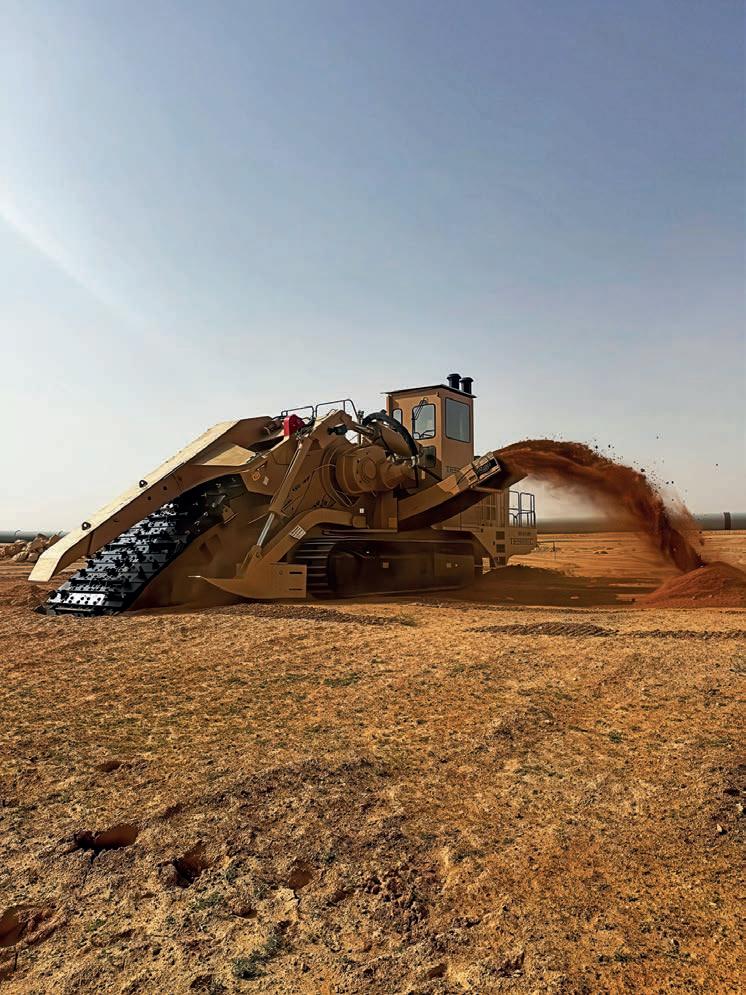
The Tesmec 1875XL EVO chainsaw trencher is proving its worth on a major Saudi Arabia gas pipeline project, excavating 20km of wide and deep trench through complex conditions in less than two months.
Iengineering. This is where Tesmec steps in as a premier engineering partner for the world’s most demanding infrastructure programs.
The Tesmec 1875XL EVO sets the benchmark for this engineering approach. Built specifically for the requirements of largescale pipeline construction, this 160-metrictonne machine conquers tough geological obstacles. Tesmec engineers these units for environments featuring hard rock, deep and wide cuts, and tight spatial constraints where conventional equipment fails to operate effectively. As the most powerful and widestcutting trencher in Tesmec’s fleet, the 1875XL EVO reflects a philosophy that combines machine performance with project-specific engineering solutions.
Tesmec is currently demonstrating the practical application of this approach in the field, having supplied multiple 1875XL EVO units for the Master Gas System Expansion
development requires consistent, high-volume
full production. The operational results of the initial 1875XL EVO units on the MGS III network have generated immediate demand for an expanded fleet, and the project team plans to bring additional trenching units into the region in the coming months.
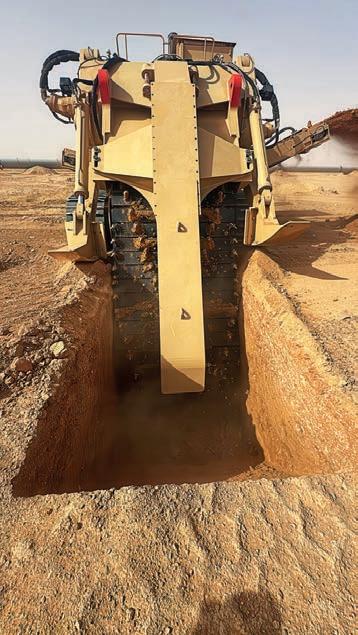
The scope of the project involves installing a 56-inch (142cm diameter) gas pipeline, requiring an exceptionally wide trench of 213cm in width and depths between 200 and 220cm. Another challenge of the project is that excavation takes place in a corridor of existing, live pipelines, where any excessive vibration or ground overload could damage active infrastructure. For this reason, the project team ruled out traditional blasting and impact excavation methods. By deploying a heavy chainsaw trencher instead, the project has minimised these structural risks: the continuous sawing action cuts through rock formations smoothly, lowering shockwaves
and keeping vibration levels within safe thresholds. The performance metrics achieved since commissioning on Package 5 prove the viability of this strategy: the 1875XL EVO has excavated 20km of specificationcompliant trench in less than two months of operation.
The right machine for the job Tesmec said that the 1875XL EVO maintains a unique position in the market as the only trencher capable of achieving a 213cm (84 inch) trench width in a single pass, with no other manufacturer offering this in their standard catalogue. Tesmec’s proprietary double or triple chain boom configuration makes this capability possible, allowing contractors to configure trenching setups tailored to the specific dimensional and depth requirements of the project.
The machine belongs to the 160-metric-ton class, purpose-built for large-scale pipeline construction scenarios. A 950 HP (709 kW) engine powers the unit, providing the steady torque needed to cut through hard rock formations consistently.
With technical capabilities reaching trenching widths up to 84 inches and depths up to 24 feet, the unit drives productivity and cost efficiency across variable ground conditions, reducing downtime and optimising the cost-per-metre.
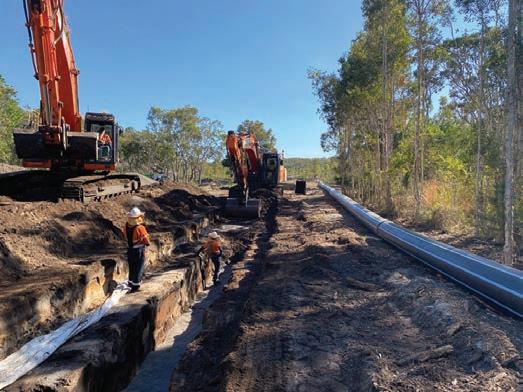
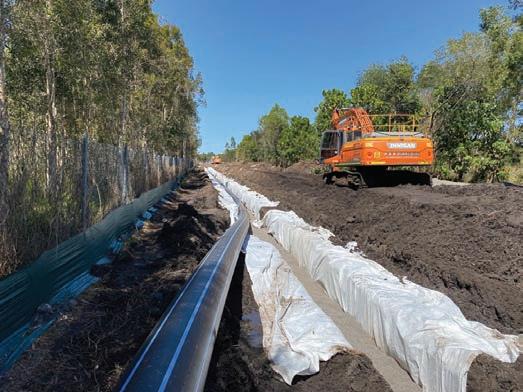
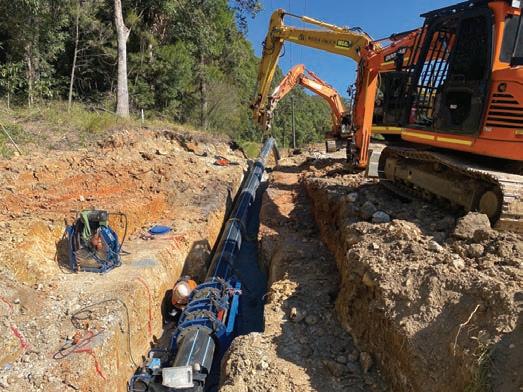
Pipe Tek was recently engaged by Unitywater to complete the cleaning, testing and commissioning of an important new 10km watermain constructed to support population growth on Queensland’s Sunshine Coast.
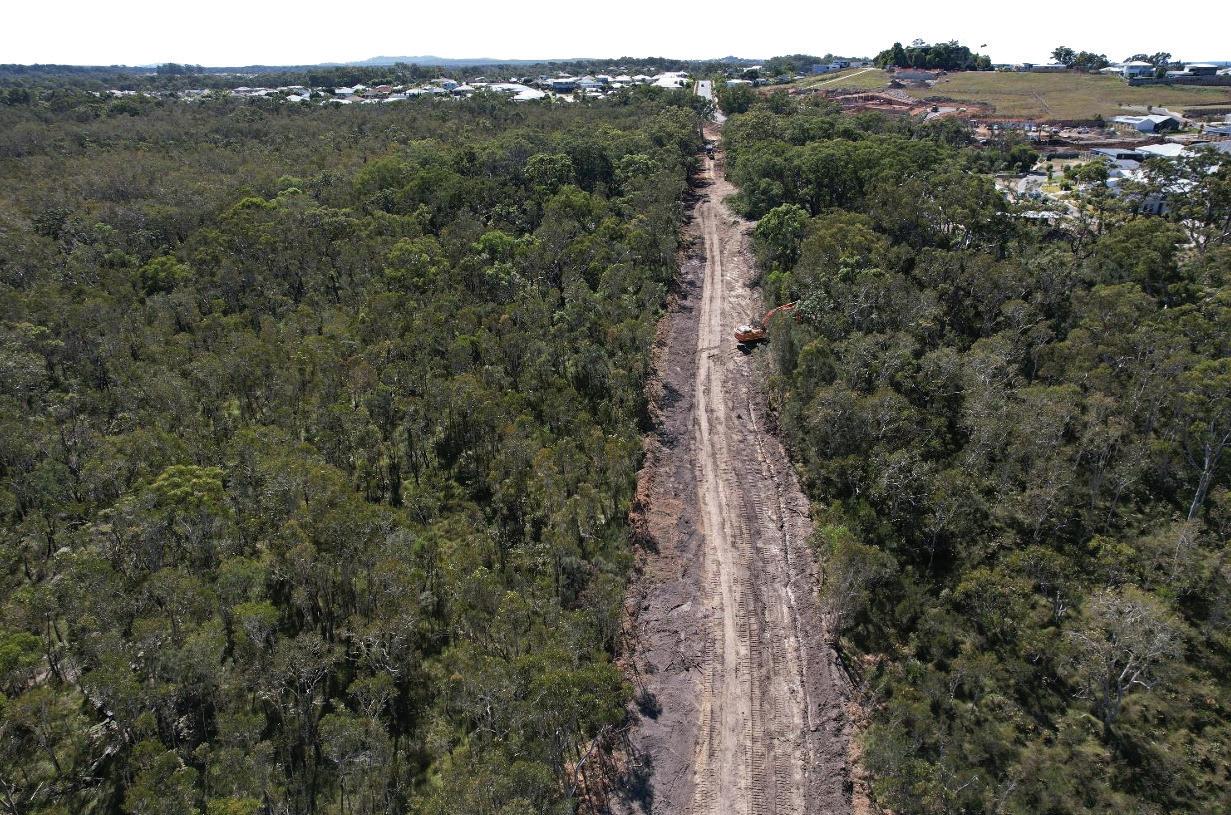
In 2025, Unitywater commenced commissioning of a new pipeline in Mount Coolum, connecting existing water infrastructure on the western side of the Sunshine Motorway to the Peregian Springs water reservoir to the north. The project is a significant development designed to meet the needs of the growing Peregian Springs and broader Sunshine Coast community, supplying a secure water source to approximately 11,000 people.
Following completion of construction, Pipe Tek was engaged directly by Unitywater to complete pigging – more commonly known as swabbing in the water sector – as well as hydrotesting and bacterial testing prior to commissioning.
“Being engaged to deliver this scope of works for a major utility like Unitywater, on
infrastructure that will serve thousands of Sunshine Coast residents for decades to come, is exactly the kind of work we’re passionate about delivering,” said Pipe Tek Managing Director Myles Brannelly.
“This was an important project for Pipe Tek in the water sector and a great recognition of the capability and experience of our team.”
Cleaning and hydrotesting
Cleaning a newly constructed water pipeline before commissioning is essential to remove construction debris, sediment and contaminants that could compromise water quality, pose public health risks, or damage pumps and meters. This step ensures the pipeline delivers safe, potable water that meets regulatory standards from the moment it enters service.
Pipe Tek deployed a range of foam pigs, also referred to as swabs, across the full 10km alignment, which comprises a mix of DN500 polyethylene and DN375 ductile iron pipeline.
Brannelly said pigging over 10km of pipeline presented its challenges.
“Maintaining consistent pig velocity, managing pressure differentials across such a long distance, and accounting for the transition between the polyethylene and ductile iron sections all required careful planning and experience,” he said.
“It was important that we completed this successfully across the length of the alignment, ensuring the pipeline was clean for the next stages of the project.”
Once the cleaning program had been completed, Pipe Tek undertook hydrotesting,
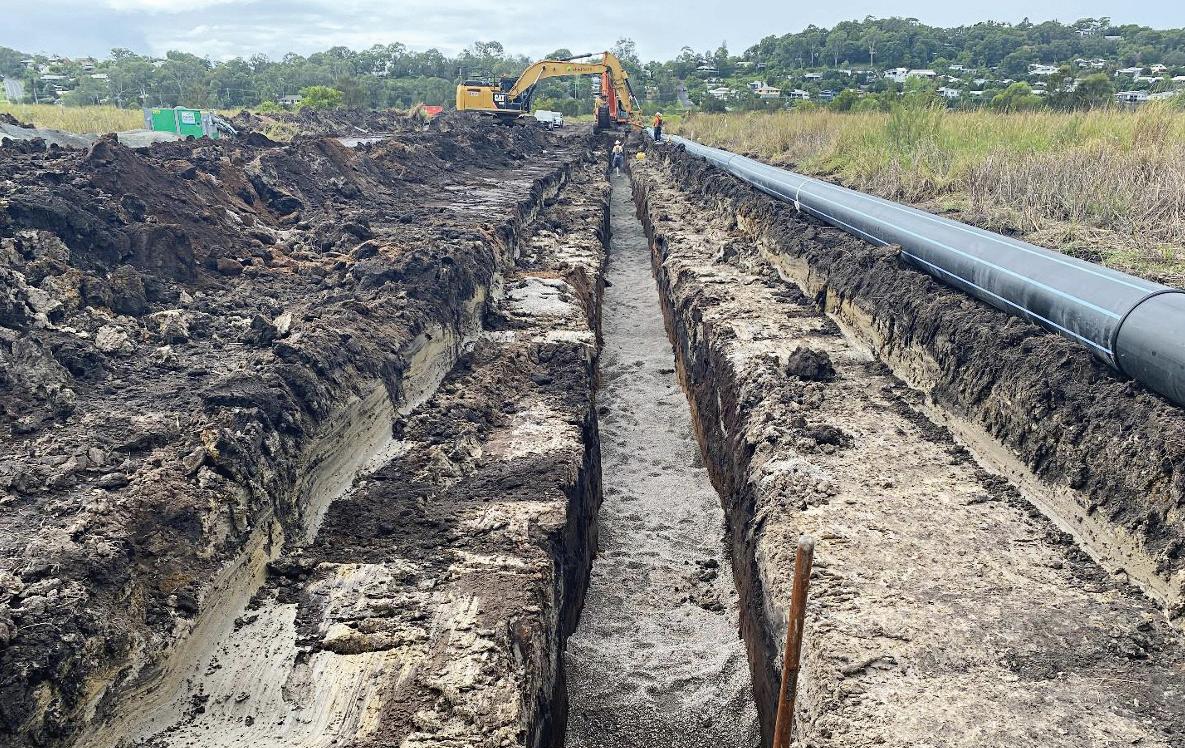
which involved filling the pipeline with water and holding it at the pipeline’s maximum allowable operating pressure, confirming its integrity to meet inservice requirements.
Disinfection and bacterial testing
Having passed hydrotesting, Pipe Tek commenced disinfection and chlorination of the pipeline.
A chlorinated water solution was introduced and held to remove any contaminants introduced during the construction phase.
Following the disinfection hold period, the pipeline was flushed and water samples were collected at designated test points and submitted to an accredited laboratory for bacteriological analysis.
“The disinfection and testing phase proves the pipeline is genuinely ready for service, not just structurally, but from a health perspective,” said Brannelly.
“Achieving bacterial clearance across 10km required our team to execute correctly at every step of this process and is something our team takes extremely seriously.”
Once results confirmed the pipeline was
safe, in accordance with the relevant Australian standards and health authority requirements, Pipe Tek commissioned the pipeline and it was entered into service.
“We’re proud to have delivered this important project, supporting a growing community’s secure access to water,” said Brannelly.
“We always relish the challenge and opportunity to collaborate with water utilities and demonstrate the quality, and professionalism of our team, as well as our consistent approach to every project no matter how big or small.”
The future of pipeline infrastructure is not just about maintenance; it requires strategy.
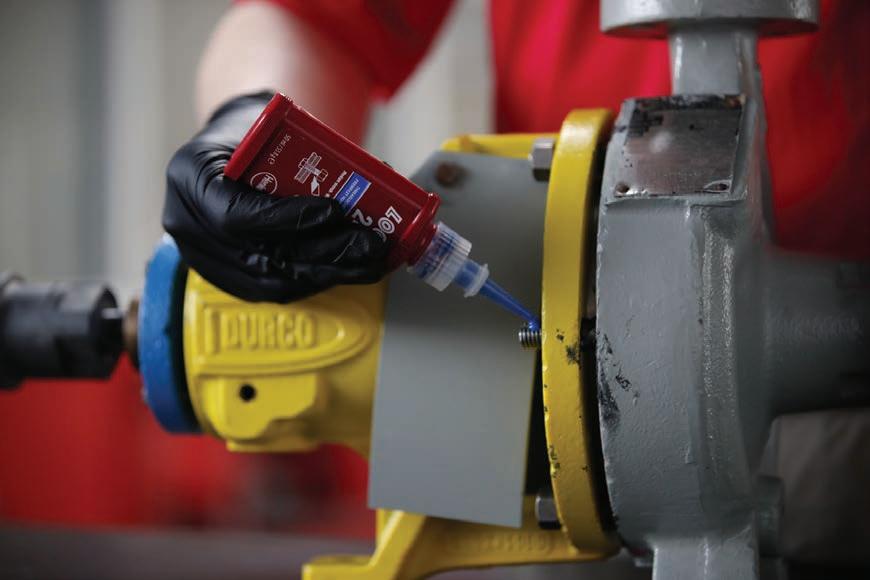
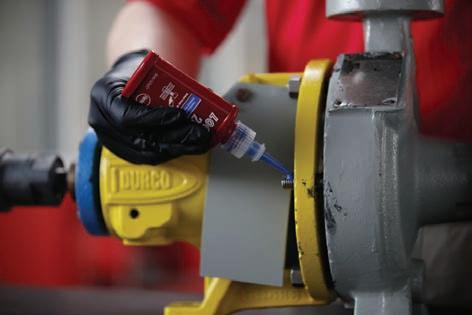
Henkel's integrated platform combines pioneering technologies, deep expertise and proven performance to keep assets running safely for decades to come. Planned correctly, we reduce risk, cut downtime and deliver the right solution at the right time.
Together, we help Australia's pipeline industry overcome complex challenges in asset integrity, maintenance and infrastructure reliability.
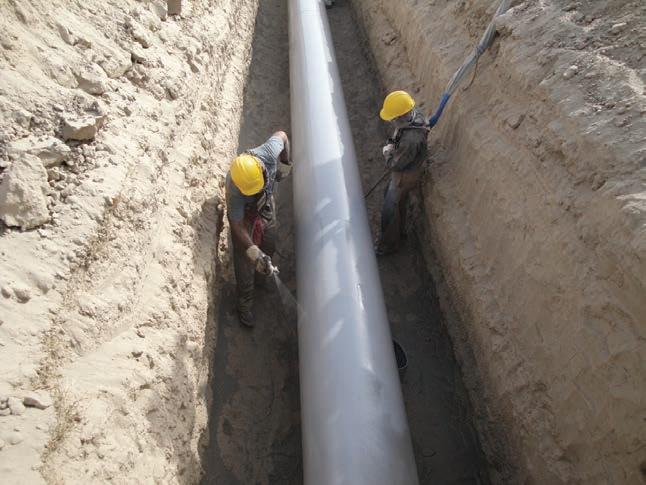

As natural gas infrastructure expands to meet growing global energy demand, operators face increasing pressure to demonstrate not only production capacity, but also emissions performance across the full value chain.
n Australia, new production developments, midstream infrastructure, and LNG export capacity are helping position the country to serve growing energy demand throughout the Asia-Pacific region and beyond. At the same time, expectations from regulators, investors, international buyers, and local stakeholders are evolving. Operators must maintain visibility into emissions performance across increasingly complex systems while staying ahead of emerging national and international requirements.
This is where comprehensive, measurementbased emissions data is becoming a foundational component of long-term infrastructure development. Stakeholders increasingly want to understand emissions performance not just at individual assets, but throughout the entire supply chain for an operator. This shift is being driven by several converging factors.
Operators are navigating an evolving regulatory landscape alongside increasing scrutiny from stakeholders. Maintaining a strong social license to operate increasingly depends on demonstrating responsible environmental performance.
Globally, emissions transparency is becoming more closely tied to market access.
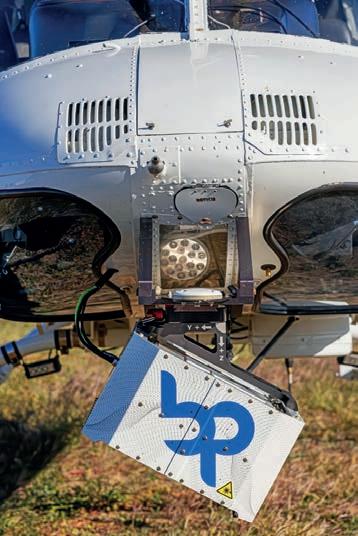
Initiatives and regulations emerging in regions such as Europe and Asia are increasing expectations for credible emissions data throughout global oil and gas supply chains. Buyers are seeking greater visibility into the full lifecycle emissions, from production to the end user. As a result, infrastructure expansion and emissions transparency are becoming increasingly interconnected.
Production facilities, compressor stations, processing plants, transmission networks, storage assets, and LNG facilities each present distinct operational challenges. Historically, achieving comprehensive emissions visibility across these various asset classes often required multiple measurement approaches, with different technologies deployed to address different parts of the value chain.
When emissions data is collected using different methodologies, varying assumptions, or inconsistent reporting practices, it becomes difficult to develop a complete, comparable understanding of emissions performance.
This challenge becomes even more significant as operators seek to align with evolving reporting frameworks, certification programs, and customer expectations. Without comparable measurement across segments, organisations can struggle to establish reliable emission baselines from which to track progress, identify performance improvements over time, or confidently communicate progress to stakeholders.
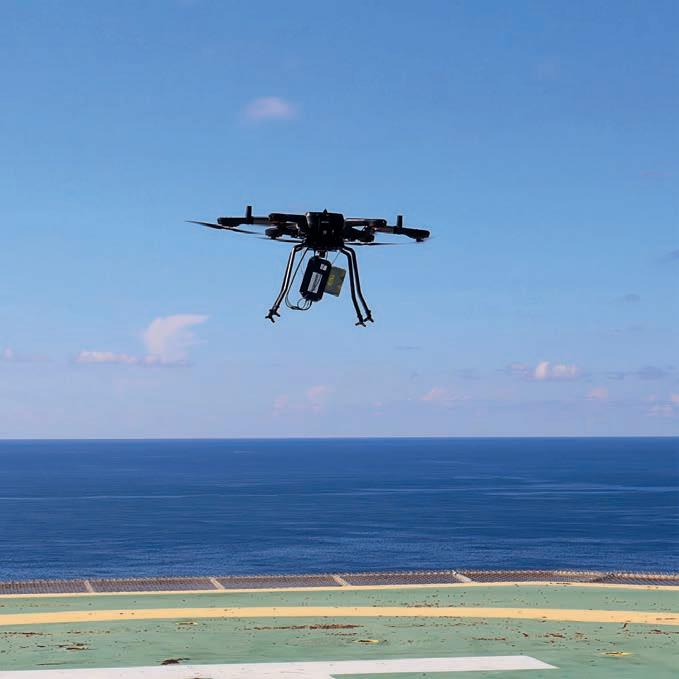
fragmented datasets collected through multiple approaches. As infrastructure expands, this comparability becomes increasingly valuable.
The pace of change in methane policy, reporting expectations, and market requirements continues to accelerate. Frameworks such as OGMP 2.0, emerging import requirements, and gas certification programs are increasing demand for credible measurement-based emissions data.
What is needed is a common measurement foundation that can scale alongside infrastructure growth.
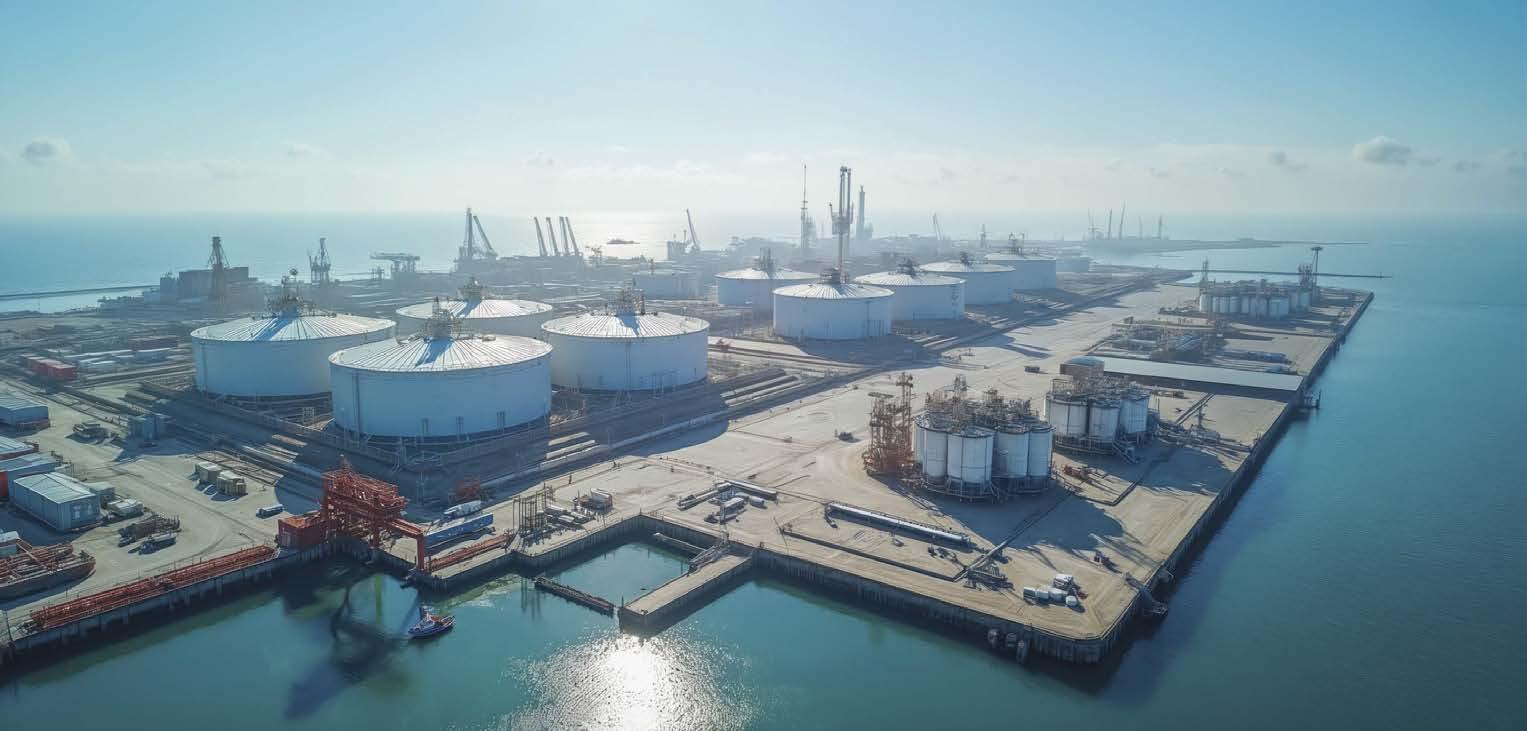
Bridger Photonics’ Gas Mapping LiDAR® (GML) technology provides methane measurements across the entire natural gas value chain, spanning diverse asset types, geographies, and operational environments. In Australia, Bridger has now measured assets spanning the full natural gas value chain, including production, midstream infrastructure, down to LNG facilities.
This capability allows operators to establish a common source of emissions data across diverse asset portfolios rather than relying on
For operators investing in new infrastructure to support growing demand, preparing for these evolving expectations requires more than compliance with current requirements; it requires building systems capable of adapting to future expectations as markets continue to evolve.
As Australia’s natural gas industry continues to grow, operators need emissions management approaches that can scale alongside their assets and support evolving stakeholder expectations.
The ability to measure emissions consistently across the full value chain creates more than reporting confidence. It enables better operational decisions, supports market access, strengthens stakeholder trust, and helps organisations prepare for future requirements before they arrive.
By providing a consistent source of emissions data from production through LNG operations, Bridger helps operators build emissions visibility into infrastructure growth from the beginning.
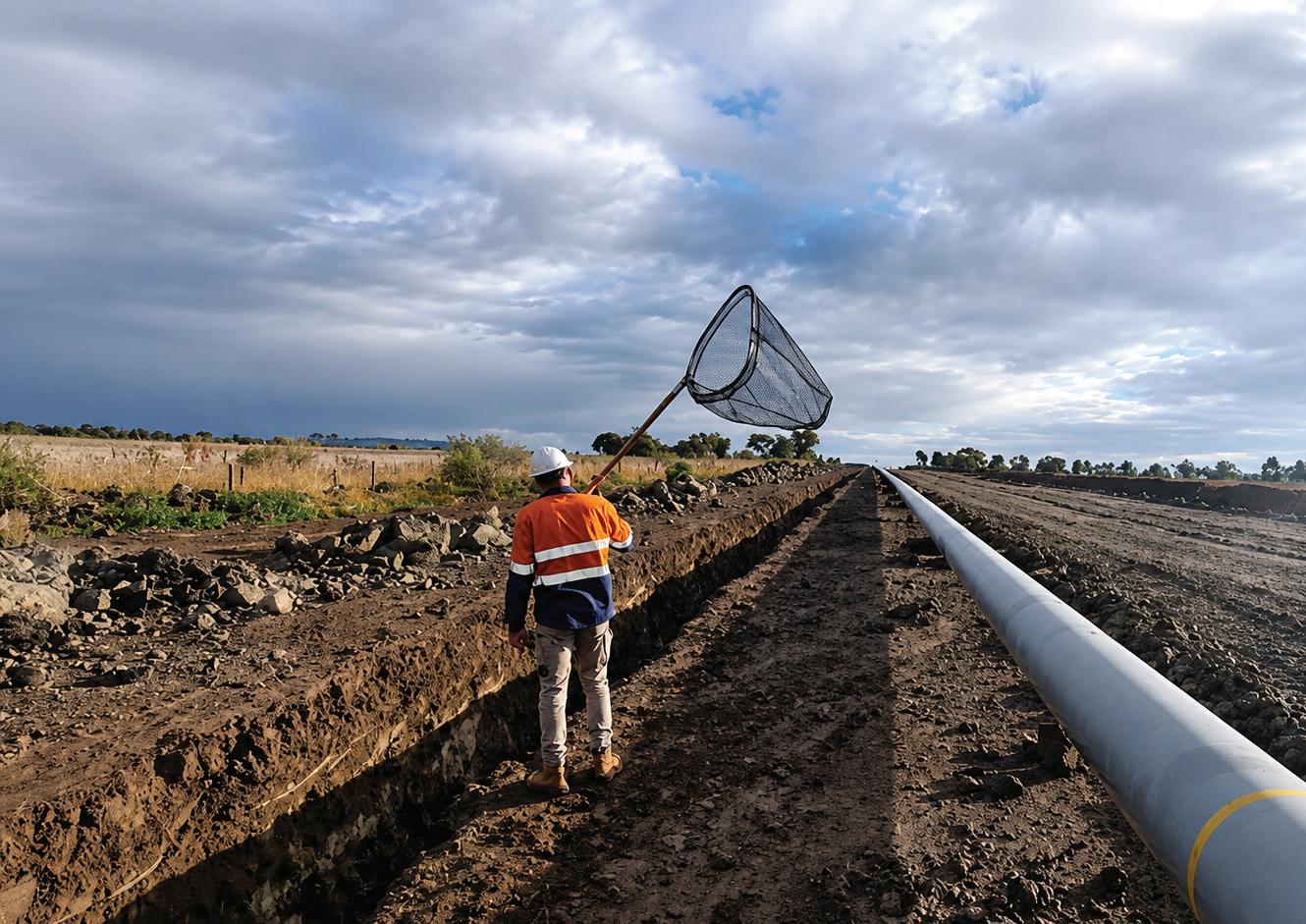
cncprojects.com.au
CNC Project Management is a national multi-disciplinary consultancy that provides services to a range of industries across Australia. Our integrated services allow us to work across all stages of the project lifecycle and provide multi-faceted solutions to complex projects.
Land Access and Property Services
Stakeholder Engagement and Communications
Project Planning and Management
Permitting and Approvals
Environment Management and Compliance
Spatial, Digital and Data Services
Landholder Agreement and Payment Management
info@cncprojects.com.au 1300 123 626
Whether it’s a gas plant in the Beetaloo Basin, or a floating LNG facility out at sea, Elaflex Pacific has a fluid transfer solution for everything.
As onshore and offshore gas projects scale up, pipeline integrity in complex environments has become a critical engineering consideration.
Thermal expansion, vibration, pressure fluctuation, structural settling, and cryogenic operating conditions all place stress on pipework and associated infrastructure. Without the right expansion and transfer systems in place, that stress can increase maintenance requirements, compromise operational reliability, and even destroy assets.
For Elaflex, those challenges sit at the centre of its offering to the Australian market.
Through its Ditec engineered expansion joints, ERV rubber expansion joints, and Brugg Flexwell FSR pipe systems, the company supports both onshore and offshore energy infrastructure.
“Movement exists in every pipeline system,” Elaflex Pacific Sales Manager Mario Iglic told The Australian Pipeliner.
“The role of expansion joints is to absorb that movement before it creates stress or damage elsewhere in the system. And nothing does that better than Elaflex and Ditec expansion joints.”
At the heavy industrial end of the market, Ditec provides engineered expansion joints for highly specialised applications.
Part of the Elaflex group of companies, Ditec manufactures bespoke expansion joints in Germany for large-scale industrial systems operating under demanding conditions. Ditec is one of the few manufacturers in the world that can make expansion joints for round, rectangular and oval pipe for high pressure applications up to DN5000.
“We have supplied expansion joints to water and energy projects all over the world – even in nuclear facilities,” Iglic said.
“Even with this high degree of quality and customisation in manufacturing, lead times are extremely efficient considering that the product is coming from Germany.”
In Australia, Ditec expansion joints are helping support gas infrastructure development in the Beetaloo Basin, where operators require robust expansion joints for processing and transfer systems with zero tolerance for errors.
The range has also been widely used across the world within gas, hydrogen and water projects.
While Ditec addresses large-scale engineered applications, Elaflex’s ERV range supports a broader cross-section of pipeline infrastructure. Elaflex ERV expansion joints are used all over Australia in a range of areas, including power stations, refineries, water treatment facilities, and fluid transfer applications in freighting.
Each Elaflex ERV unit uses a moulded, single-sphere rubber bellows with swivelling metal flanges. This geometry allows for large axial, lateral, and angular movement while keeping reaction forces low and resistance minimal. The result is a joint that moves easily without transferring strain to surrounding equipment.
“Due to their construction and premium quality, our expansion joints have become international industry standard,” Iglic said.
“Due to their superior lifetime, they provide a lower total cost of ownership than many alternatives on the market.”
Material flexibility adds another layer of utility. There are multiple rubber compounds and flange constructions available in the product range. The range covers sizes from DN25 through to DN1000 and supports applications across gas infrastructure, water treatment, industrial processing, power generation, and hydrocarbon systems. Beyond onshore infrastructure, Elaflex solutions also continue to support Australia’s offshore sector.
When it comes to LNG, Elaflex backs the industry with Brugg Flexwell FSR pipe. This eight-inch, double-walled pipe enables the dynamic transfer of cold fluid between offshore rigs and floating LNG facilities.
Brugg Flexwell systems use a flexible corrugated stainless-steel construction that allows pipe to bend around obstacles and changing terrain without requiring extensive welded directional fittings. That flexibility simplifies installation while reducing the number of potential leak points across long transfer runs.
The stainless steel inner pipe provides high mechanical strength; excellent temperature resistance; fire resistance ratings of R90 / R120; and long-term compatibility with fuels,
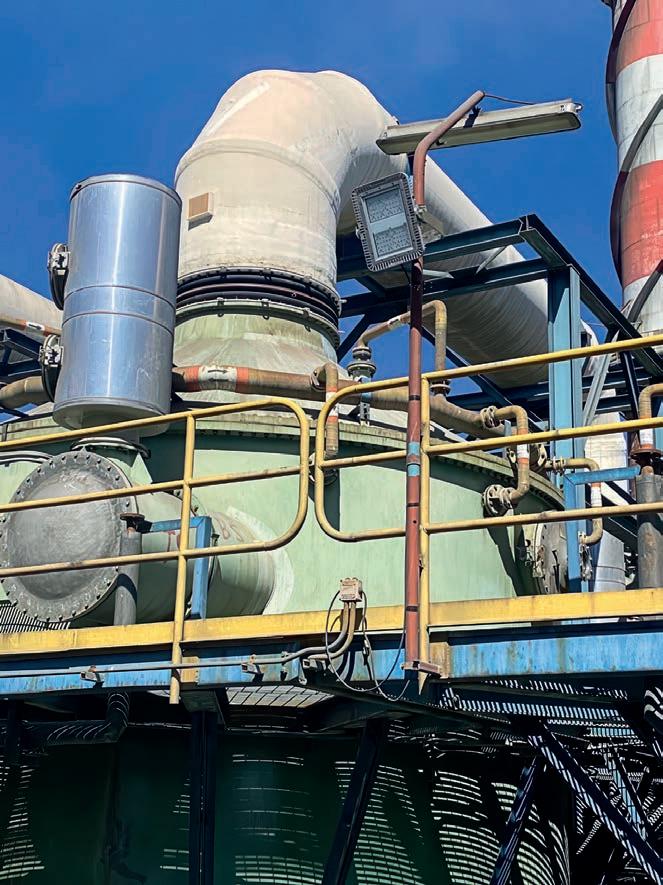
chemicals, hydrocarbons, and aggressive media.
“For industrial, fuel-handling, and hazardous fluid applications, stainless steel ensures a robust and predictable service life,” Iglic said.
“Unlike HDPE pipe alternatives, Brugg Flexwell provides continuous, factory-built containment without the complexity of onsite fabrication. It also has inherent leakdetection capabilities.”
As Australia continues expanding both onshore gas infrastructure and offshore LNG capability, Elaflex sees growing demand for engineered systems that improve reliability under increasingly demanding conditions.
Elaflex will showcase its Ditec and Brugg Flexwell systems at the upcoming APGA Convention, where Iglic and the Elaflex team will be available to discuss the company’s broader pipeline solutions portfolio.
“If you’re in the pipeline industry, come by the Elaflex stand and see how our Ditec, ERV, and Brugg Flexwell systems can support your operation,” he said.
At Vinidex, we care about reducing the carbon footprint of our products. That’s why we’re closing the loop on plastic pipe production through responsible collection and recycling practices.
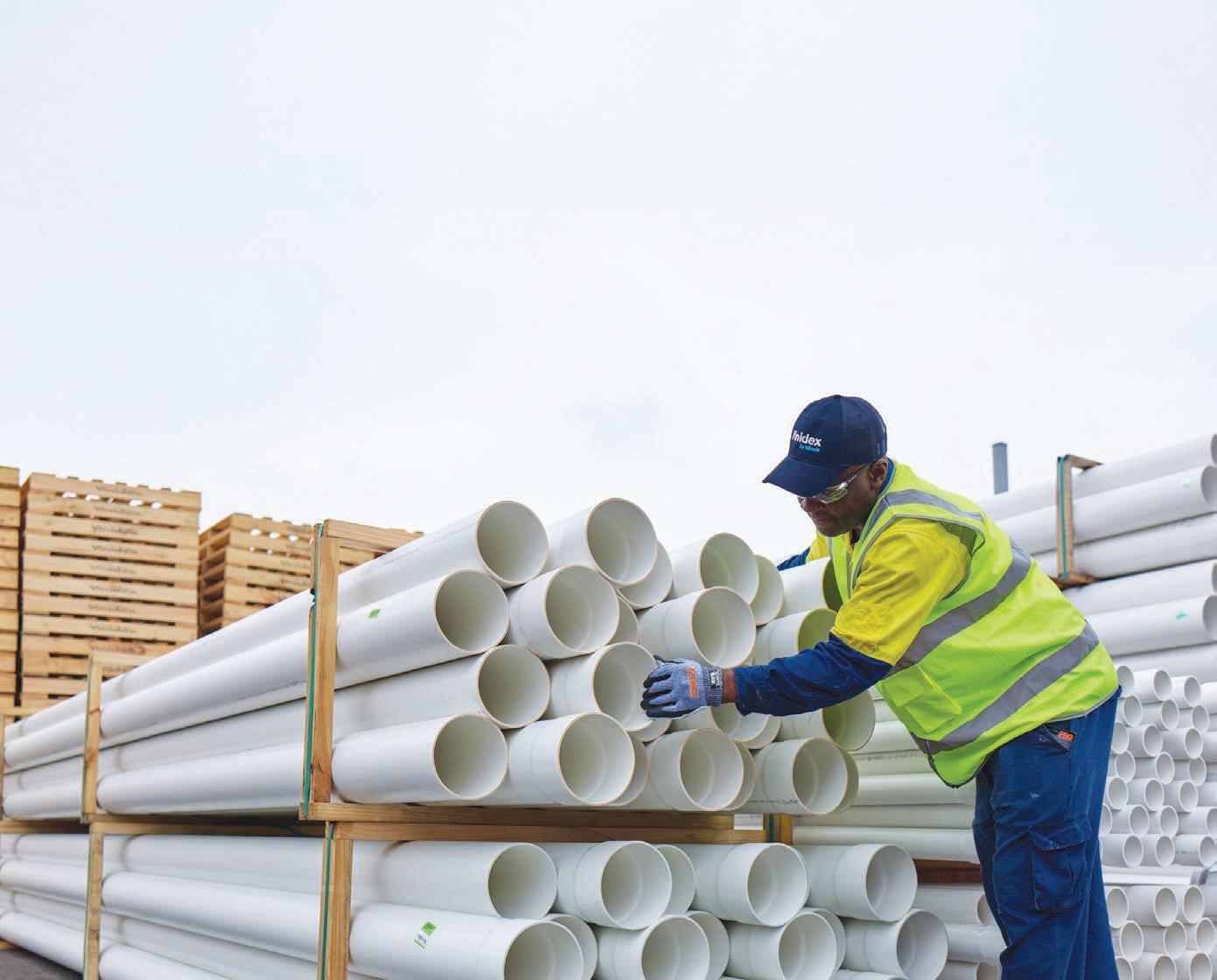
Located in Toowoomba, the Vinidex Sustainability Hub demonstrates our commitment to a circular economy future. The purpose-built recycling plant processes end-of-life pipe and post-consumer PE into pellets that feed directly back into production of new, high-quality product. It’s sustainable manufacturing under one roof, and it’s how we’re keeping valuable materials in use and out of landfill.
Start your journey toward sustainable pipe recycling. Use the QR code to share details about the pipes you wish to recycle and we will contact you on how Vinidex can support your recycling efforts.
As Australia continues to expand the development of offshore wind projects to meet clean energy demands, the scale and complexity of these developments are simultaneously expanding.
Australia aims to reach net-zero emissions by 2050, a goal made possible in part by the country’s extensive coastlines. This feature provides numerous feasible locations for wind farms. However, offshore wind requires safe, reliable methods of connecting renewable generation facilities with onshore grids to provide communities with clean energy.
Trenchless installations provide viable solutions to install buried infrastructure. As a trailblazer in the industry, Michels has a long history of completing challenging, recordbreaking projects with trenchless methods. Among these is Direct Pipe®, a one-pass trenchless installation method that combines horizontal directional drilling (HDD) with steerable microtunnel techniques.
Direct Pipe is used to install prefabricated liquid, gas, or product pipe or casing. It is best suited for areas with unfavourable ground conditions, such as water bodies, levees, rail tracks, roads, and underground utilities. Direct Pipe technology offers a significant advantage in mitigating the risk of fluid migration to the surface and inadvertent releases of drilling fluids. Unlike conventional HDD, Direct Pipe maintains a continuously supported borehole using a microtunnel boring machine (MTBM), which provides a full-face excavation and controlled pressure at the cutting head.
Additionally, the single-pass installation process eliminates the need for open-hole exposure over extended durations, further
The CVOW project underway.
reducing environmental risk. As a result, Direct Pipe is particularly well-suited for environmentally sensitive areas and complex offshore landfalls where maintaining containment of drilling fluids is critical to project success and regulatory compliance.
Michels completed its first Direct Pipe installation in 2013 for a 42-inch oil pipeline spanning 342m under a Canadian river. In the years since, the company has perfected its technique to become a world leader in Direct Pipe and deliver installations spanning distances of more than 4000 feet long for pipe diameters between 30 and 60 inches.
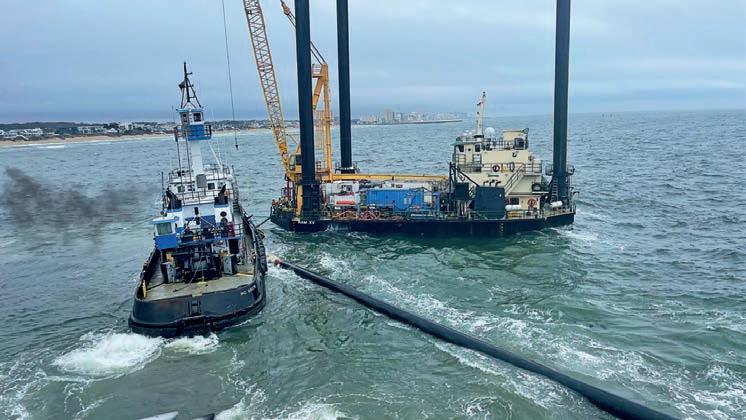
Michels remains at the forefront of Direct Pipe technique with the Coastal Virginia Offshore Wind (CVOW) project. Nine Direct Pipe installations, totalling more than 16,000 feet from land-based points to offshore exit pits, were completed in three batches of three installations. This was the most Direct Pipe installations completed on a single project at the same time and location.
These installations provide electrical conduits for a massive, 200-turbine, 2.6-gigawatt wind farm located 24 nautical miles off the coast of Virginia in the U.S. It will generate enough energy for up to 660,000 homes.
Originating from a single launch pit, the drives were arranged in a fan configuration. The setup enabled all three alignments to be installed simultaneously. The project required precise communication and a 24-hour schedule to meet the desired time frame.
In preparation for execution, crews installed a 48-inch steel casing connected to the jacking system in the launch pit. Once the MTBM and 42-inch-diameter carrier pipe were assembled, tunnelling toward the offshore exit pit began.
Once mining was complete and the MTBM broke through the pre-dredged exit pit, slip-lining was used to install approximately 20,000 feet of 36-inch HDPE pipe inside each steel conduit. Offshore crews connected the product pipe to the casing string, and an HDD rig onshore pulled the 36-inch pipe back through.
Michels executed 10 large-diameter HDDs beneath two lakes for carrier pipe and electrical conduit installation to house new power cables. Five HDDs spanning 1935 feet were completed under Lake Rudee. The other five crossed underneath Lake Christine and spanned about 1675 feet.
Upon project completion, the trenchless scope installed more than 34,000 feet of trenchless crossings and approximately 172,000 feet of HDPE pipe within a narrow band of coastal right-of-way.
Offshore wind developments are continuing along coastlines, suggesting that landfalls with similar complexities as CVOW’s will become more common. Michels remains at the forefront of this method and is continuously improving their technique to provide customers with reliable solutions.
The CVOW project entailed nine Direct Pipe installations.
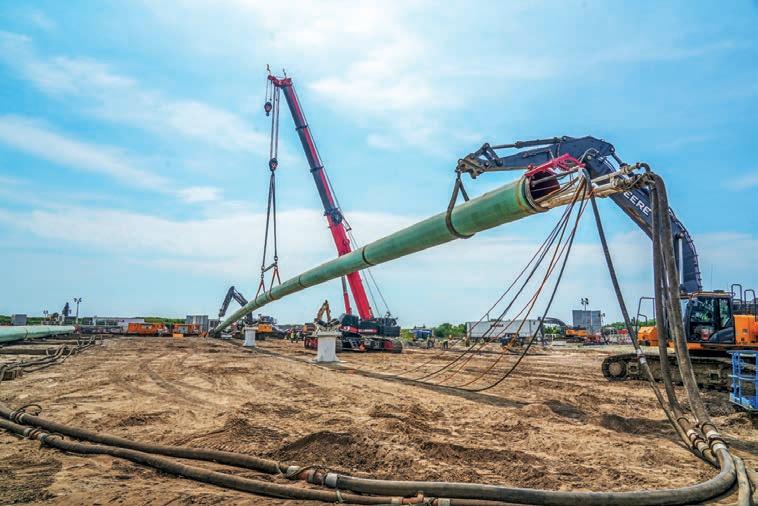

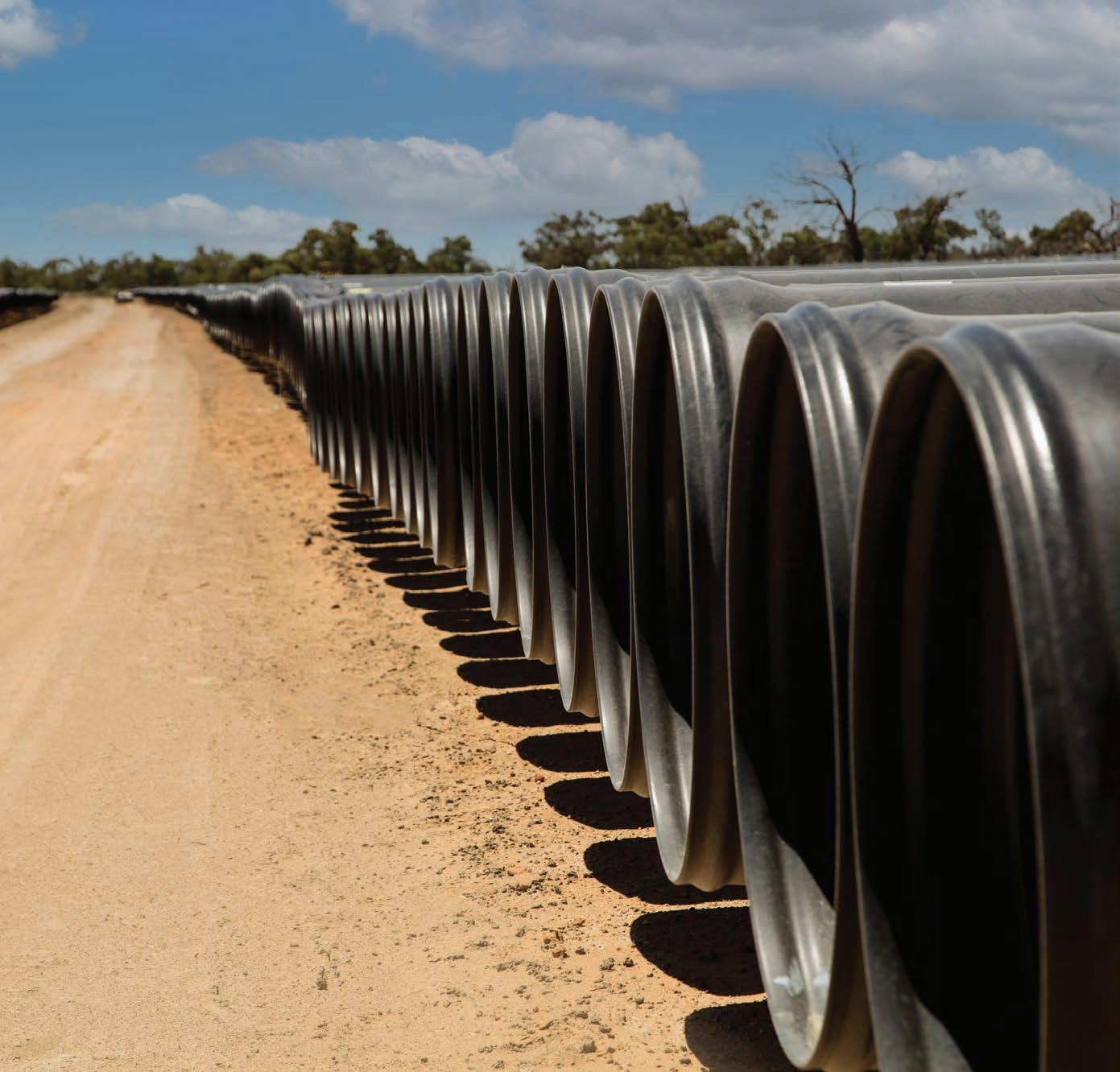




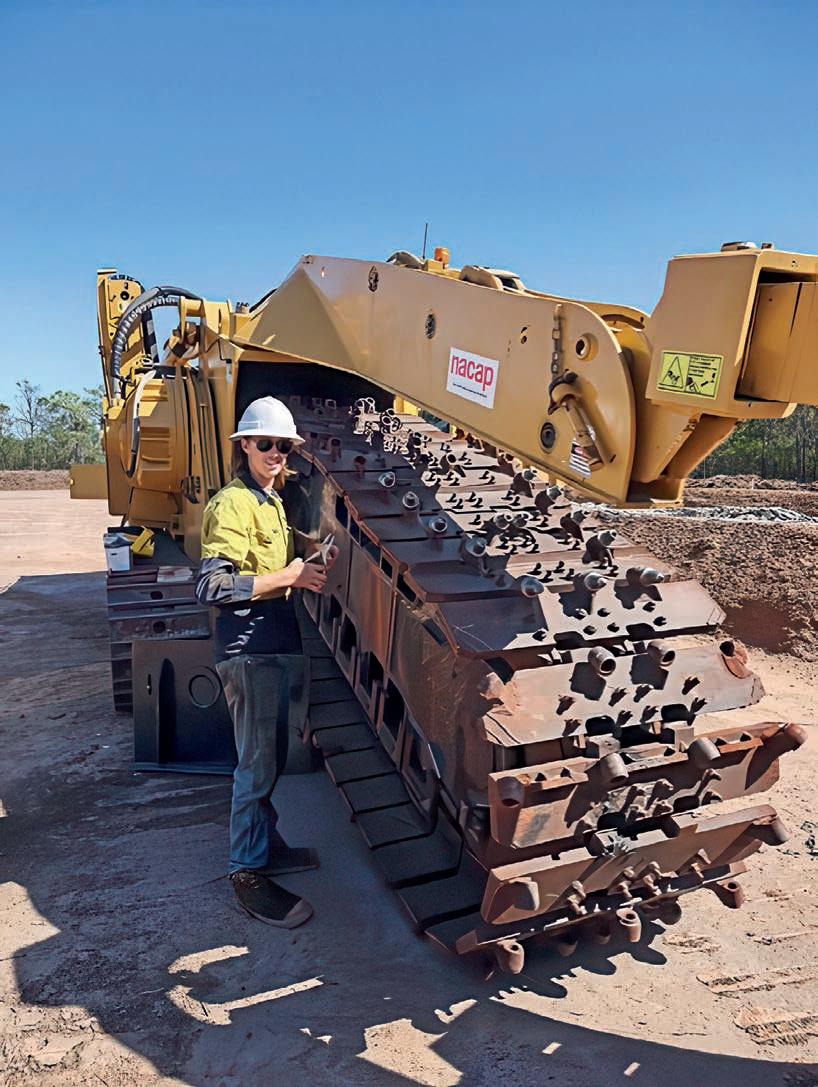
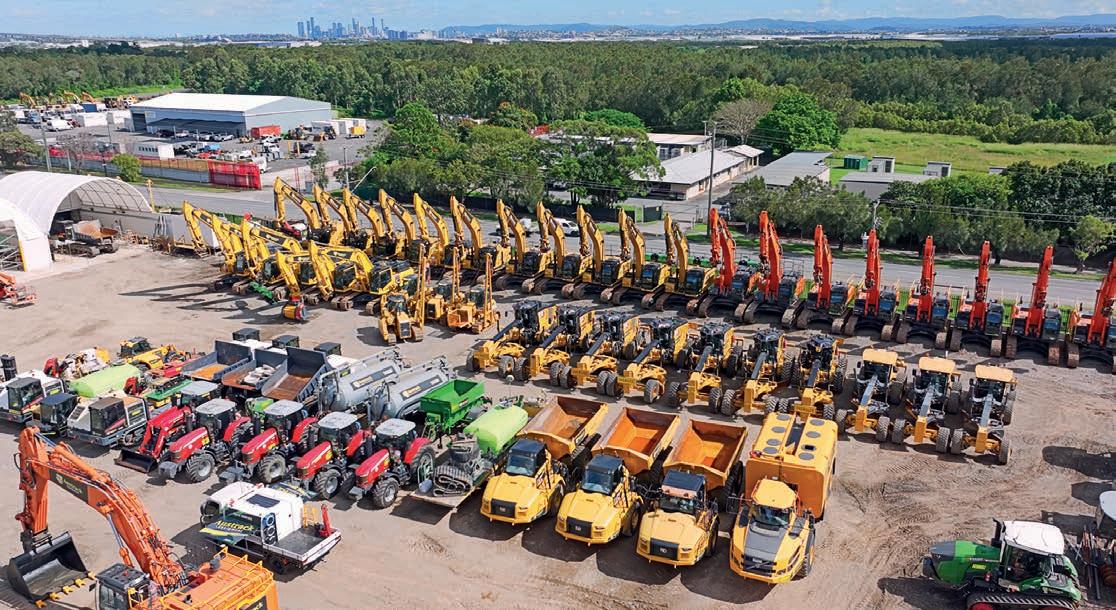
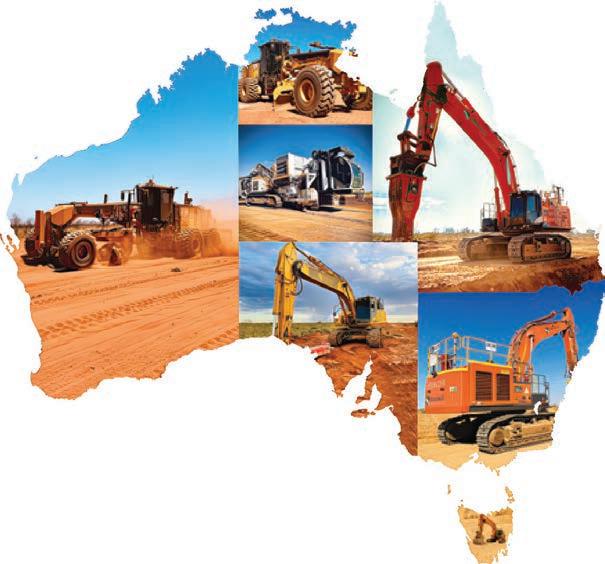
In the heavy equipment hire business, success depends on having the depth and range of machinery that modern pipelining and civil construction projects require – and building that capability demands a substantial investment.
At Austrack Equipment, that investment is easy to see. With an inventory of close to 400 machines and more than 1000 attachments, the company has spent years building a fleet capable of meeting the demands of projects across Australia. But machinery is only one part of the equation.
Over the past four years, Austrack has been pursuing another avenue, quietly investing in its people through an apprenticeship program designed to ensure it can continue delivering top class maintenance and repair on-site.
Four years ago, Austrack entered an arrangement with Komatsu under which one employee each year is enrolled in an
apprenticeship program through the state-ofthe-art Komatsu Academy in Brisbane. Today, that investment is bearing fruit, with Austrack welcoming back the first graduate of the program.
Bailey Fletcher, who will soon turn 20, is the first apprentice to complete his training. During his apprenticeship he has already gained valuable experience both in the workshop and out in the field, including stints on a wind farm project in New South Wales and more recently on gas gathering projects in Queensland’s Surat Basin, where Austrack Equipment maintains a strong presence.
Fletcher was highly enthusiastic about the training he received through the Komatsu Academy.
“It was great,” Fletcher said. “I got all the practical experience back at the main yard and out on site, and then I was able to match that
up with the theoretical learning I received at the Komatsu Academy.
“I cannot think of a better way to learn my trade.”
Fletcher is not alone. There are another three young Austrack employees currently following in his footsteps, ensuring the company continues to build its own pipeline of skilled technicians for the future.
Austrack Operations Manager Dylan Gamble said the decision to invest in apprenticeships was driven by a simple objective.
“We made a conscious decision to develop our own service team capable of going onto projects and becoming an integral part of the project team,” Gamble said.
“The motivation is simple. Machine downtime can be a critical factor in productivity, and relying on a third party to attend a breakdown at short notice can sometimes be problematic. Having our own people on-site provides obvious advantages.”
For Gamble, field service support has long been about more than simply repairing equipment.
“Yes, we are an equipment hire company, but we see ourselves as more than just that. We strive to achieve a distinctive difference, and long ago we determined that field service support on our machines was one of the most obvious ways to create that difference,” he said.
“I came through the same route myself, starting my apprenticeship when I was 17. I know the benefit of getting the proper grounding early in your career, both for the individual and for the company.”
Training and developing skilled technicians is essential, but backing them with the right resources is equally important.
Austrack’s fleet of fully equipped service vehicles can be deployed to some of the most remote locations in Australia, helping to ensure that machine downtime is kept to an absolute minimum when customers need support.
Combined with its growing team of qualified technicians and apprentices, the company is building a service capability designed to support customers well into the future.
For Austrack, investing in machinery will always be part of doing business. Investing in people, however, is proving every bit as important.
The Vermeer D130SG2 is engineered to meet the growing demands of Australia's large-scale pipeline and trenchless construction projects.
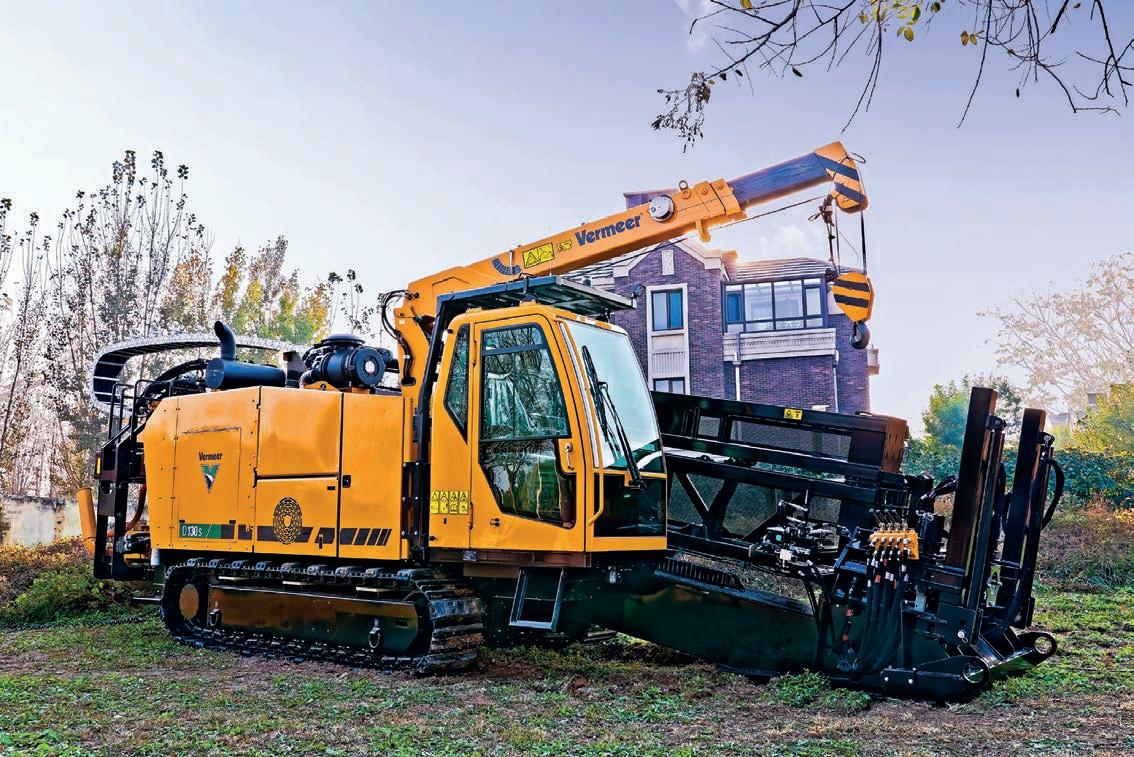
As Australia’s pipeline sector continues to expand across gas, water and energy infrastructure, contractors are increasingly relying on high-capacity horizontal directional drilling rigs capable of delivering both power and consistency. The Vermeer D130SG2, aligned with the latest D130 platform available in Australia, is designed to meet these demands, offering a combination of output, automation and jobsite efficiency suited to large-scale trenchless works.
Operating in the 130,000lb class, the machine delivers approximately 578kN of thrust and pullback, paired with high rotational torque to support large diameter bores and extended installations in difficult ground conditions. The current platform available through Vermeer Australia develops 260hp, or 193.9kW, providing the necessary engine power to sustain performance across demanding pipeline environments. The unit weighs approximately 22,498kg, offering a stable base for high-load drilling operations while remaining manageable for transport between sites.
A key capability of this machine is its drilling performance. With thrust and pullback rated at 130,000lb and high rotational torque output, the rig is engineered to handle long bores, large diameter product
pipes and variable geology often encountered across Australian projects. This makes it suitable for major pipeline applications including gas transmission, trunk water infrastructure and energy developments, where consistency and drilling accuracy directly influence project timelines and risk management.
Operational control is supported by the
integrated Plus+1 control system and AutoSteer functionality. These systems enable operators to automate certain drill head movements while maintaining preset thrust pressure and rotation parameters. This contributes to improved bore path accuracy and more consistent drilling outcomes, particularly on longer crossings where minor deviations can escalate into significant challenges.
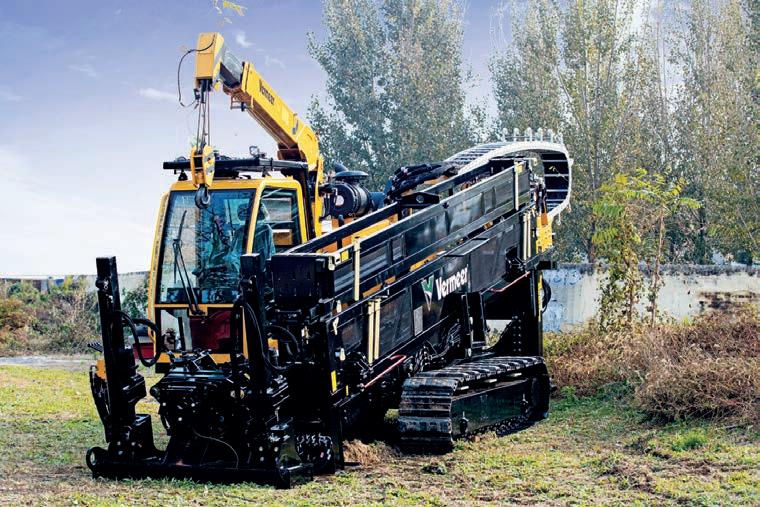
Productivity is further enhanced through the automated rod handling system. The onboard rod loader reduces manual intervention, allowing crews to maintain continuous drilling cycles. In addition, the stackable rod box increases onboard rod capacity, enabling longer drilling runs without interruption. This is particularly beneficial for remote or linear pipeline projects where minimising downtime is critical to maintaining construction schedules. Despite its output, the machine maintains a compact and transportable footprint. With an overall length of approximately 10.2m and a width of around 2.5m, it can be mobilised efficiently between job sites. This is a key consideration for contractors operating in urban and semiurban environments, where access constraints and setup times can influence project efficiency. Operator comfort and serviceability are also addressed. The enclosed cab features intuitive controls designed to support daily operation, while simplified access to service points helps reduce maintenance time.
These features contribute to higher machine availability and improved productivity across
For
extended project durations.
An optional telescoping crane can also be fitted, allowing crews to manage rod loading and handle large tooling directly at the rig. This reduces the need for additional support equipment on site and helps maximise available working space, an advantage on constrained projects.
In application, rigs of this class are
The rig features an automated rod handling system.
increasingly used across HDD installations for gas, water, sewer and fibre networks, where minimising surface disruption is essential. The Vermeer D130SG2 reflects the industry’s shift towards more efficient trenchless construction, combining high output capability with features that support precision, reliability and operational flexibility on Australia’s most demanding pipeline projects.
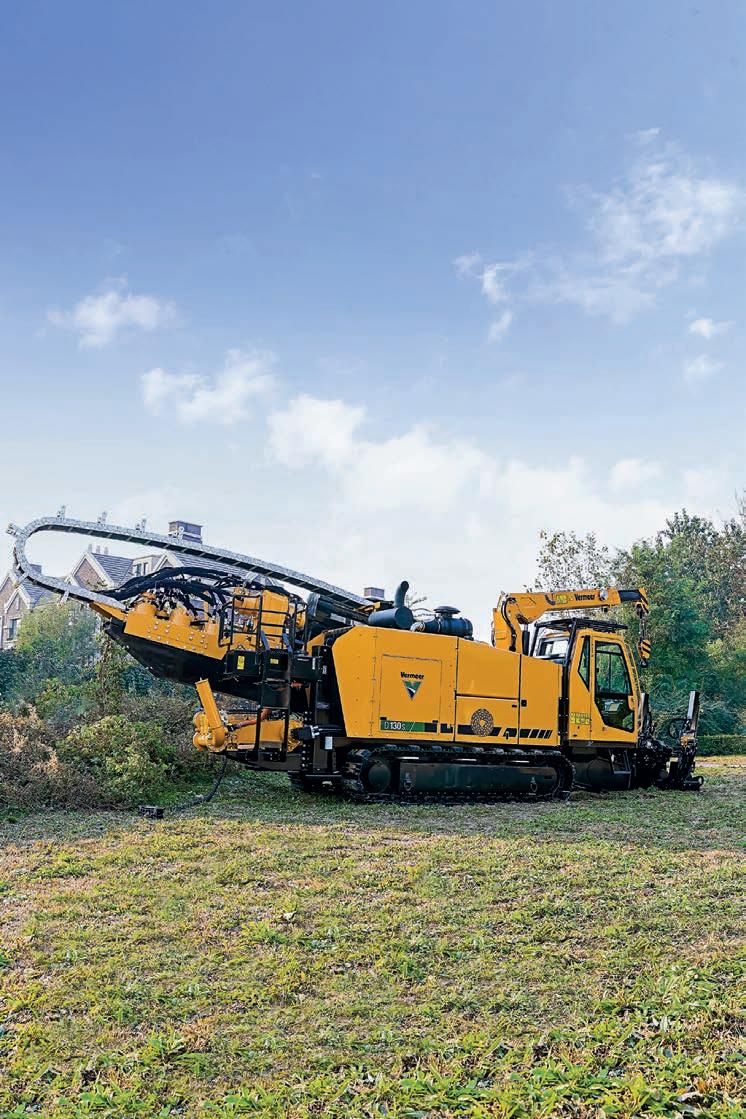
Rebecca Senior, a senior engineer at ROSEN Group, discusses identifying, prioritising, and assessing threats to pipeline integrity.
Geohazard management is shifting toward a more decision-focused discipline, where understanding pipeline response and prioritising risk are becoming as important as identifying hazards.
Geohazards have long been recognised as a key threat to pipeline systems, particularly across diverse and often challenging terrains. Issues such as landslides, flooding, erosion, subsidence, and seismic activity are well understood in principle. However, the way these threats are managed during operations has evolved significantly.
Historically, geohazard management was often reactive, with intervention triggered by visible ground movement, reports from third parties, or, in some cases, failure events. While this approach addressed immediate issues, geohazard management was not always consistently integrated into broader integrity programs.
Today, operators are increasingly required to demonstrate a structured and proactive approach that goes beyond identifying
hazards and instead focuses on evaluating significance, prioritising response, and linking observations to integrity decisions.
Several factors are driving this shift. Many pipeline assets are now reaching a stage in their lifecycle where design assumptions may no longer fully reflect current loading conditions. At the same time, climate change is increasing variability in environmental loading, with longer dry periods in some areas and more intense rainfall, flooding, and erosion in others.
During the design phase, geohazards can often be avoided through route selection or engineered mitigation. Once a pipeline is operational, however, options become more limited. The focus shifts from avoidance to managing the interaction between the hazard and the pipeline.
In practical terms, this raises two fundamental questions: Is a geohazard present that could impose loads on the pipeline? If so, what is the magnitude and consequence of that loading?
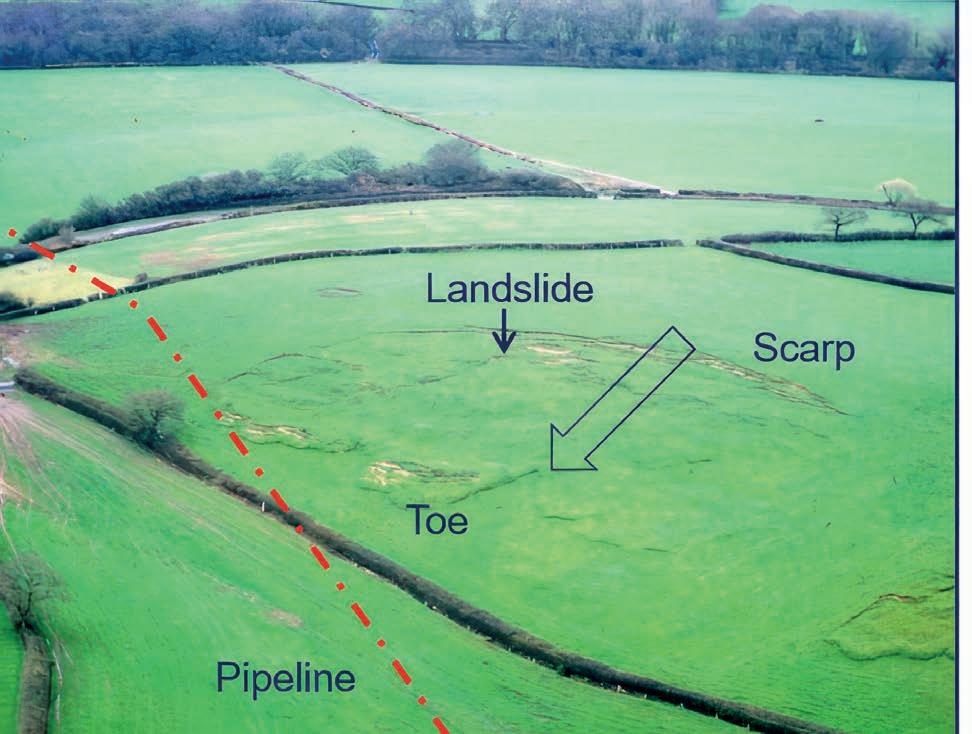
The first step is still hazard identification. Pipelines are monitored using routine patrols, right-of-way inspections, remote sensing, and ILI. Advances in aerial imagery, LiDAR, and satellite-based monitoring have significantly enhanced the ability to detect terrain features such as scarps, erosion patterns, drainage changes, and slope instabilities.
Despite these advances, remote techniques alone cannot fully define the risk. A visual indication of instability does not necessarily mean that the pipeline is being loaded, while relatively minor surface expression may conceal active subsurface movement affecting the pipeline. The objective is not simply to identify unstable ground, but to determine what that instability means for the asset and whether it warrants prioritised assessment.
As pipeline networks expand and geohazard inventories grow, operators are often faced with numerous sites of potential concern. Treating all of them equally is neither practical nor effective.
Not all hazards represent the same level of integrity concern. Some locations show clear evidence of active loading and require urgent investigation or mitigation. Some are credible but uncertain and require further information through field verification, repeat inspection, remote sensing review, or instrumentation. Others may reflect historical or stable conditions and can remain under routine monitoring.
Prioritisation requires consideration of loading severity and stability, whether bending strain or movement is increasing, whether the location is associated with a credible geohazard mechanism, and whether coincident features such as dents, wrinkles, metal loss, girth weld anomalies, or cracking may reduce available strain capacity.
A fundamental step is understanding how the pipeline itself is responding to loading. This is where ILI technologies, particularly those incorporating inertial measurement units (IMUs), play a crucial role.
IMU data provides insight into pipeline geometry, including bending strain and movement over time. When combined with geometric inspection data such as caliper measurements detecting ovalities, wrinkles, or dents, operators can move beyond identifying
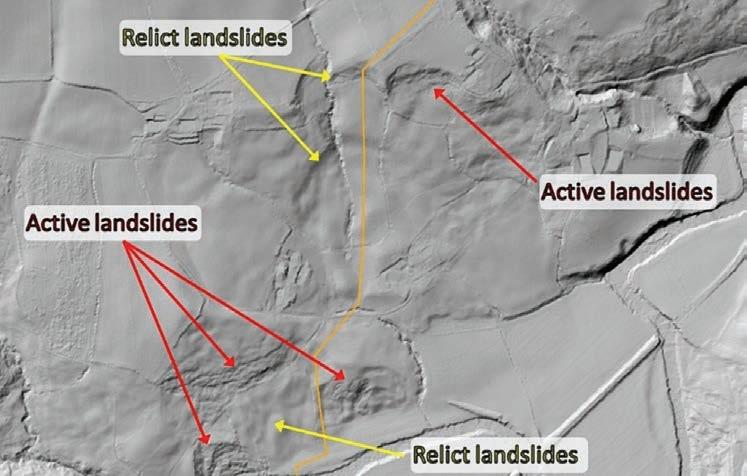
hazards to quantifying their impact.
Prioritisation is rarely based on a single observation. It is typically informed by aerial imagery, LiDAR, dig records, geology and terrain mapping, flood information, and other available data.
A practical prioritisation process distinguishes between sites requiring immediate action, sites requiring further investigation, and stable sites where routine monitoring is sufficient. This is what turns a broad geohazard inventory into an actionable integrity programme.
At higher-priority sites, a site-specific assessment may be required to understand the loading mechanism, integrity significance, and appropriate response. Axial strain tools, strain gauges, or structural analysis may be used to supplement bending strain and movement data.
Developing a reliable understanding of the hazard mechanism is critical. Ground models help define how movement occurs, where it is concentrated, and how it interacts with the pipeline. If the mechanism is misunderstood, assessments can either overestimate risk or underestimate it.
Structural analysis links these ground models to pipeline behaviour. By considering soil-pipe interaction, material response, and movement profiles, engineers can estimate current integrity conditions and predict how they may evolve.
One of the defining features of modern geohazard management is data integration. No single dataset provides a complete picture.
IMU and caliper data show how the pipeline is responding through bending strain, movement, and geometric change.
Remote sensing helps identify terrain and hydrotechnical features, while field observations, geology, terrain information, and instrumentation help confirm site conditions, define hazard mechanisms, and improve understanding of likely behaviour. Engineering assessment then relates that combined evidence to performance limits.
Monitoring is essential where uncertainty remains or where hazards are developing. This may include geotechnical instrumentation,
repeat remote sensing, or periodic ILI. However, monitoring is only meaningful when linked to defined thresholds and response plans.
Mitigation strategies generally fall into three categories:
• Avoiding the hazard, usually through rerouting.
• Reducing the load on the pipeline through measures such as drainage control, slope reprofiling, soil replacement, trench modification, geosynthetics, or stressrelief works.
• Increasing the pipeline’s resistance through sectional replacement, heavier wall pipe, stronger pipe materials, or improved straintolerant weld design.
Selecting the right approach depends on the loading mechanism, proximity to strain capacity limits, rate of change, and the wider consequences of continued operation.
Geohazard management is becoming an integral part of pipeline integrity management. The emphasis is shifting toward prioritisation and informed decision-making. Operators must identify which hazards matter most, understand how they are affecting the pipeline, and determine how close the asset is to critical performance limits. By integrating observations, remote sensing, field data, in-line inspection, and engineering assessment within one decision framework, operators can move beyond hazard mapping toward a more proactive and reliable approach to geohazard management.
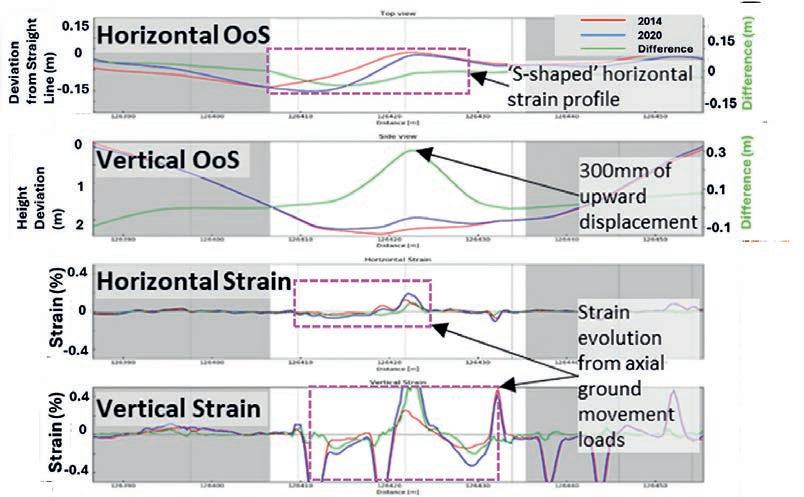
For more information, visit rosen-group.com/en
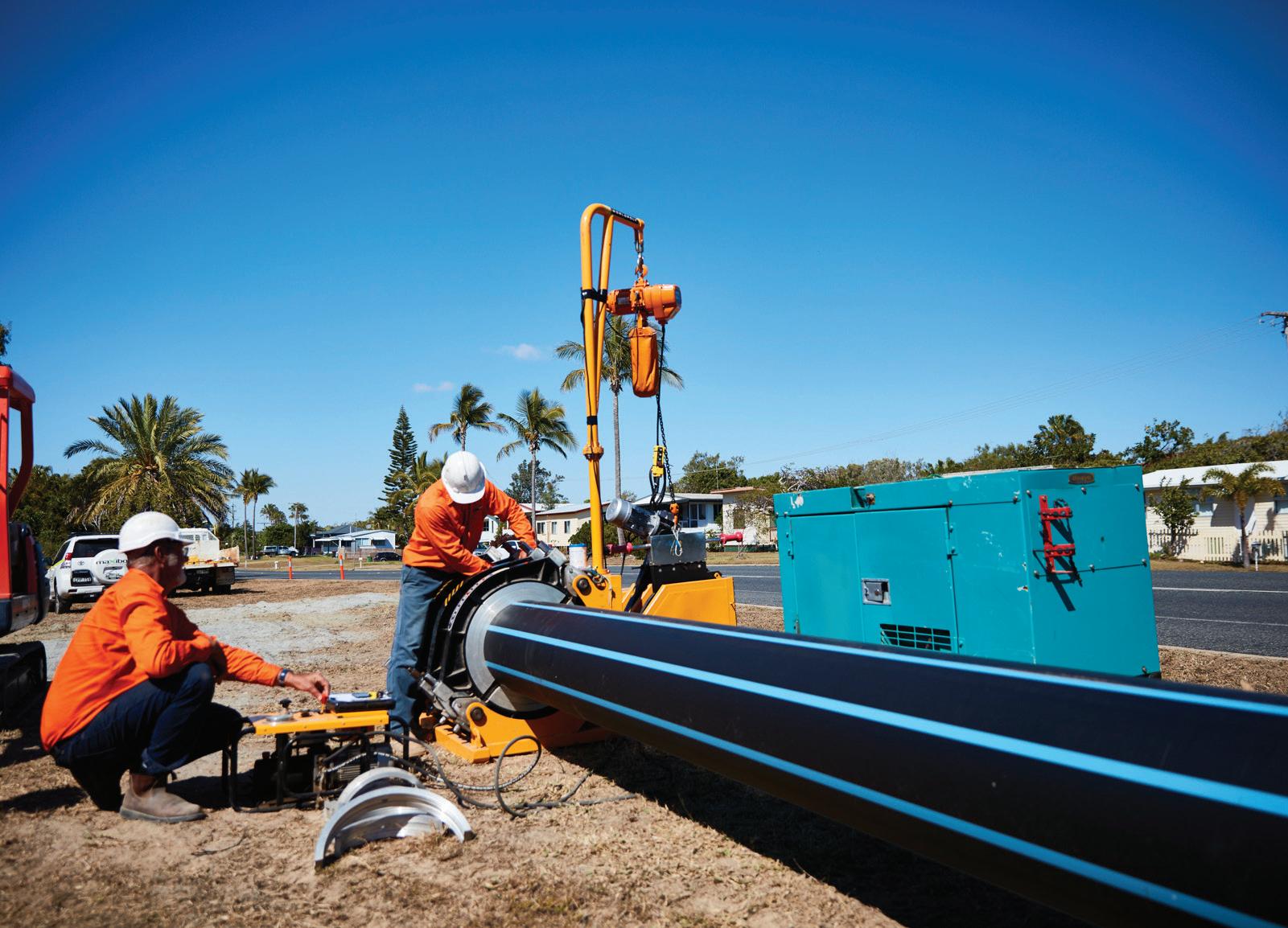
Whether you choose electrofusion or butt welding, the key is simple: follow industry best practice. Because when every weld is done right, the whole system works better, for longer.
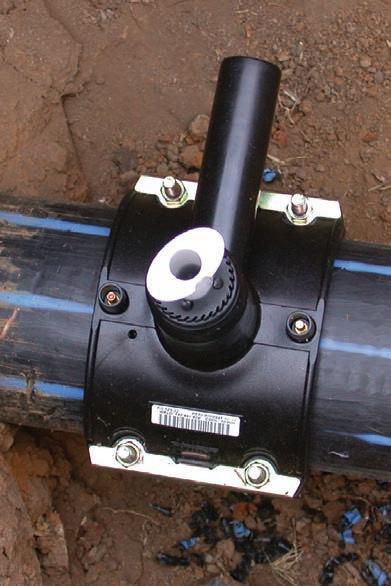
Vinidex’s Sustainability Hub in Toowoomba is transforming how plastic pipe is recycled and reused in Australia.
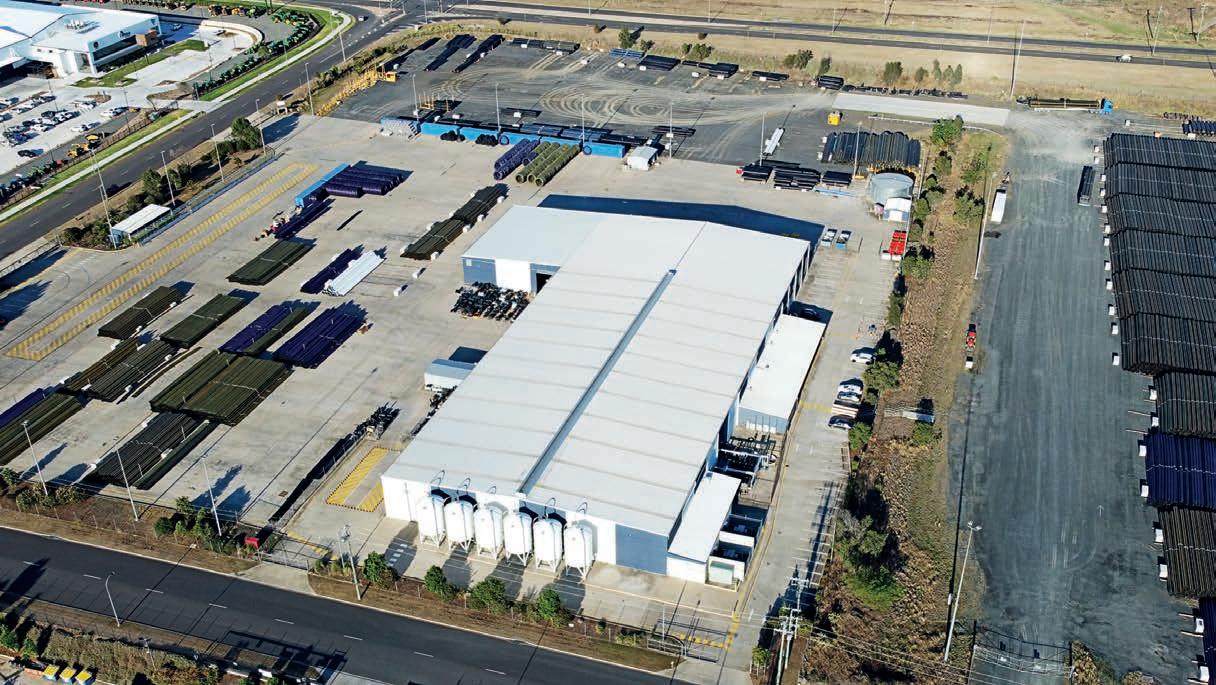
On land acquired on the western edge of Toowoomba in 2023, Vinidex has built a world-class manufacturing facility that prioritises sustainability across all stages of the manufacturing process. It’s the second manufacturing facility that Vinidex has acquired in this location, with a focus on pipe production using content from the recycling process. This investment in circular economy infrastructure has been designed from the ground up to keep plastic materials in use and out of landfill, reflecting Vinidex’s commitment to continuous improvement in how pipes are made.
Australia generates significant volumes of plastic pipe waste each year, from construction offcuts and manufacturing scrap to end-of-life pipe recovered from agricultural, mining and civil infrastructure projects. Much of that material has historically ended up in landfill – not because it has no value, but because the infrastructure to recover and reprocess it at scale has been limited. The Sustainability Hub is Vinidex’s answer to that gap.
At the heart of the new Toowoomba facility is a purpose-built recycling processing plant that works in conjunction with two new highcapacity extrusion lines that produce corrugated drainage and stormwater pipes. Plastic waste feeds the plant, the plant produces pellets and the pellets feed the lines. What comes out the other end is high-quality pipe, giving a second life to materials that might otherwise have been discarded.
Conventional processes can incorporate around 10 per cent recyclate without affecting quality, but going beyond that requires more control. Vinidex has invested in the
technology and process controls needed to manage these variables, making it possible to incorporate significantly higher recyclate content in suitable products without compromising performance.
Critically, none of this comes at the cost of pipe performance. Every product manufactured at the Vinidex Sustainability Hub meets the same Australian Standards as pipe made from 100 per cent virgin material.
The Sustainability Hub’s impact extends beyond the factory floor. Vinidex accepts endof-life PVC, HDPE and PP pipe from customers across Queensland, New South Wales, Victoria and Western Australia. The process is straightforward: customers prepare eligible pipes, removing contaminants such as rubber rings, metal fittings and mixed materials, and Vinidex coordinates collection and transport through its distribution network. It’s a program built on the understanding that closing the loop requires participation from the whole supply chain, not just the manufacturer.
This collaborative approach is being recognised. On the Western Sydney Airport Cargo Works project, Vinidex was awarded a Sustainability Supplier Award by the CPB Contractors ACCIONA joint venture, in recognition of the team’s proactive recycling approach throughout the build.
Vinidex is also proud to partner with UNITY Alliance on the Cross River Rail RIS project, Queensland’s first major infrastructure project to recycle PVC, PE and HDPE pipe offcuts at scale. Every few weeks,
UNITY’s pipe offcuts are collected and delivered to a facility in Coopers Plains, where Vinidex transforms them into new, highquality pipe products. Since October, UNITY and Vinidex have recycled 122 cubic metres of material, helping drive circular solutions across Australia’s construction sector.
Long-term partnerships like these are how circular thinking moves from principle into practice on the projects that shape Australia’s future.
“The Sustainability Hub, funded with the support of the Queensland Government is recognition that what Vinidex is building goes beyond just business outcomes,” said Mark Finney, General Manager Sustainability and Recycling Asia Pacific, Aliaxis.
“It benefits industry, the community and the long-term health of Australia's material supply chains.”
Across its national network, Vinidex currently processes approximately 12,000 tonnes of recycled material annually, combining internal scrap reclaim with external recyclate. The Sustainability Hub establishes a model for how the industry can do more with the materials already in circulation. The ambition is straightforward: recover more, return more to production and keep reducing the volume of plastic that ends up where it shouldn’t.
Scan the QR code to learn how Vinidex can support your recycling efforts.
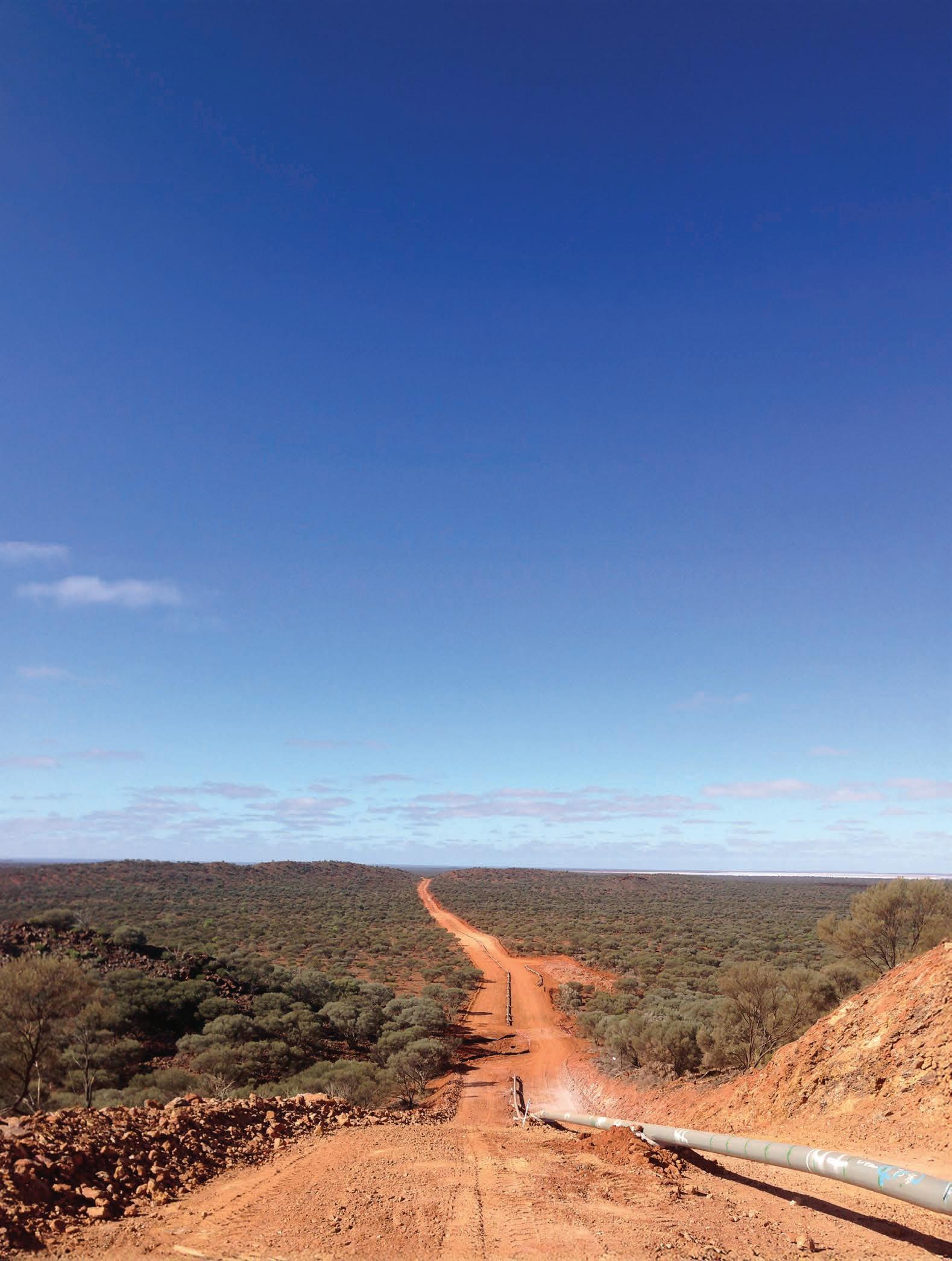
CNC Project Management Founder Dave Maloney reflects on two decades of supporting Australia’s pipeline industry and the relationships that continue to shape its future.
For many in the pipeline sector, CNC Project Management has been a familiar presence for the best part of two decades.
“From the very beginning, relationships have been at the core of what we do,” Maloney told The Australian Pipeliner.
The company’s connection to the pipeline industry stretches back to some of CNC’s earliest work. The company’s first major exposure to the industry was Victoria’s Grampians Wimmera Mallee (GWMWater) pipeline project, a landmark water infrastructure development that transformed water delivery across a significant portion of the state.
“That project covered around 10 per cent of Victoria; 17,500km of inefficient open channel was replaced by about 9000km of pressurised pipes,” Maloney said.
“CNC managed all the native title and cultural heritage work for that project.”
The project was enormous, delivering lasting benefits to regional communities and agriculture. It also established CNC’s reputation for managing complex stakeholder, landholder and cultural heritage requirements on major infrastructure projects.
Over the following two decades, CNC expanded its services in response to client needs while maintaining strong roots in the pipeline sector. Today, the company provides project planning and management, land access, permitting and approvals, environmental management, stakeholder engagement, geographical information services and advisory services.
“Our growth has always been driven by our clients,” Maloney said.
“It started with land access, then clients asked if we could support Indigenous engagement, environmental approvals and other project requirements. As demand grew, we brought in the people and skills needed to support those workstreams.”
That evolution has allowed CNC to support pipeline proponents through the full project lifecycle while maintaining the relationshipfocused approach that has underpinned the business since day one.
“At the end of the day, this industry is built on trust,” Maloney said.
“When you’re working with landholders, communities, Traditional Owners and project teams over long periods of time, people
remember how they were treated.”
CNC’s longstanding commitment to the pipeline industry extends well beyond project delivery. Maloney joined the Australian Pipelines and Gas Association as a corporate member during CNC’s first week of operation and attended one of the Young Pipeliners Forum events shortly afterwards.
Over the years, that involvement deepened significantly. Maloney served on the APGA board for a decade, including terms as Treasurer, Vice President and President.
CNC has also maintained continuous representation on the board through successive leaders, including the company’s former CEO Scott Pearce and current CEO Liz Veneziano.
“We’ve maintained a presence on the APGA board for roughly 14 years,” he said.
Among CNC’s notable contributions, the company managed two major reviews of APGA’s Code of Environmental Practice, helping shape one of the industry’s key guidance documents.
The company has also supported industry initiatives such as the Young Pipeliners Forum and continues to contribute to discussions
around the future of Australia’s pipeline sector. That future remains a major focus for CNC.
Maloney points to the Northern Territory Government’s development of a multi-user infrastructure corridor between the Beetaloo Basin and Darwin as an example of how pipeline planning continues to evolve. CNC currently serves as technical advisor to the Northern Territory Government on the initiative.
“It’s a really positive planning initiative,” Maloney said.
“Creating a corridor on behalf of industry rather than individual proponents represents a significant step forward.
“It allows infrastructure to be planned strategically and avoids some of the challenges that emerged when multiple proponents developed separate infrastructure pathways.”
While the industry continues to evolve, Maloney believes one principle remains unchanged: successful projects depend on strong relationships.
Over the past 20 years, stakeholder expectations have shifted significantly. Communities now expect greater transparency, earlier engagement and more meaningful consultation than ever before.
“In recent years, social media and growing community scrutiny have changed the way major projects are viewed,” Maloney said. “That makes effective engagement more important than ever.”
For a company that has navigated industry booms, economic downturns, regulatory change and shifting community expectations, the 20-year milestone reflects more than longevity. It reflects the trust CNC has built across Australia’s pipeline industry and the relationships that continue to drive its success.
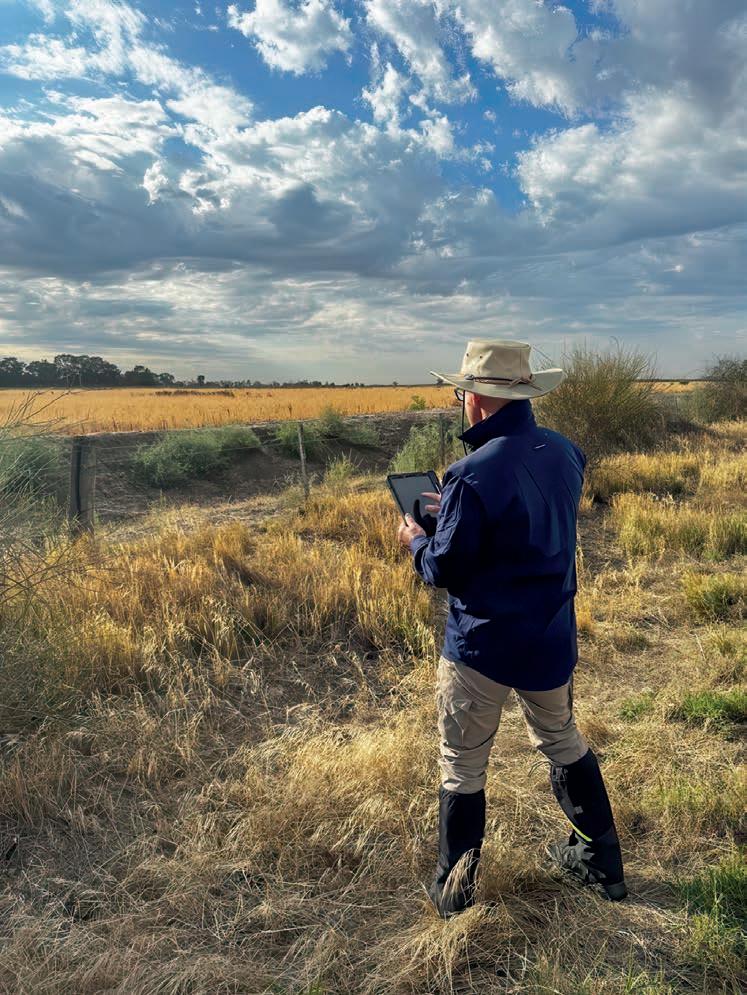
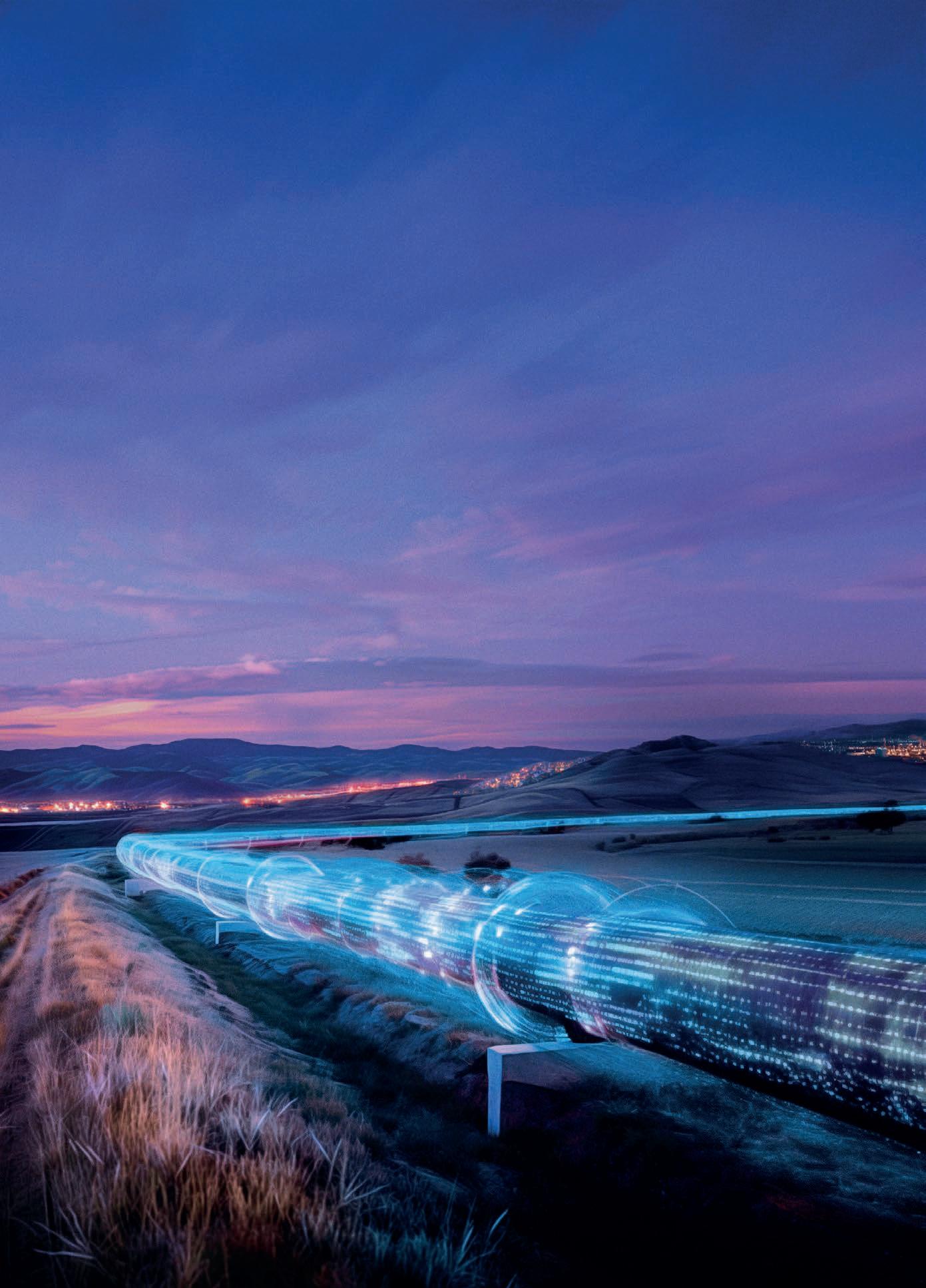

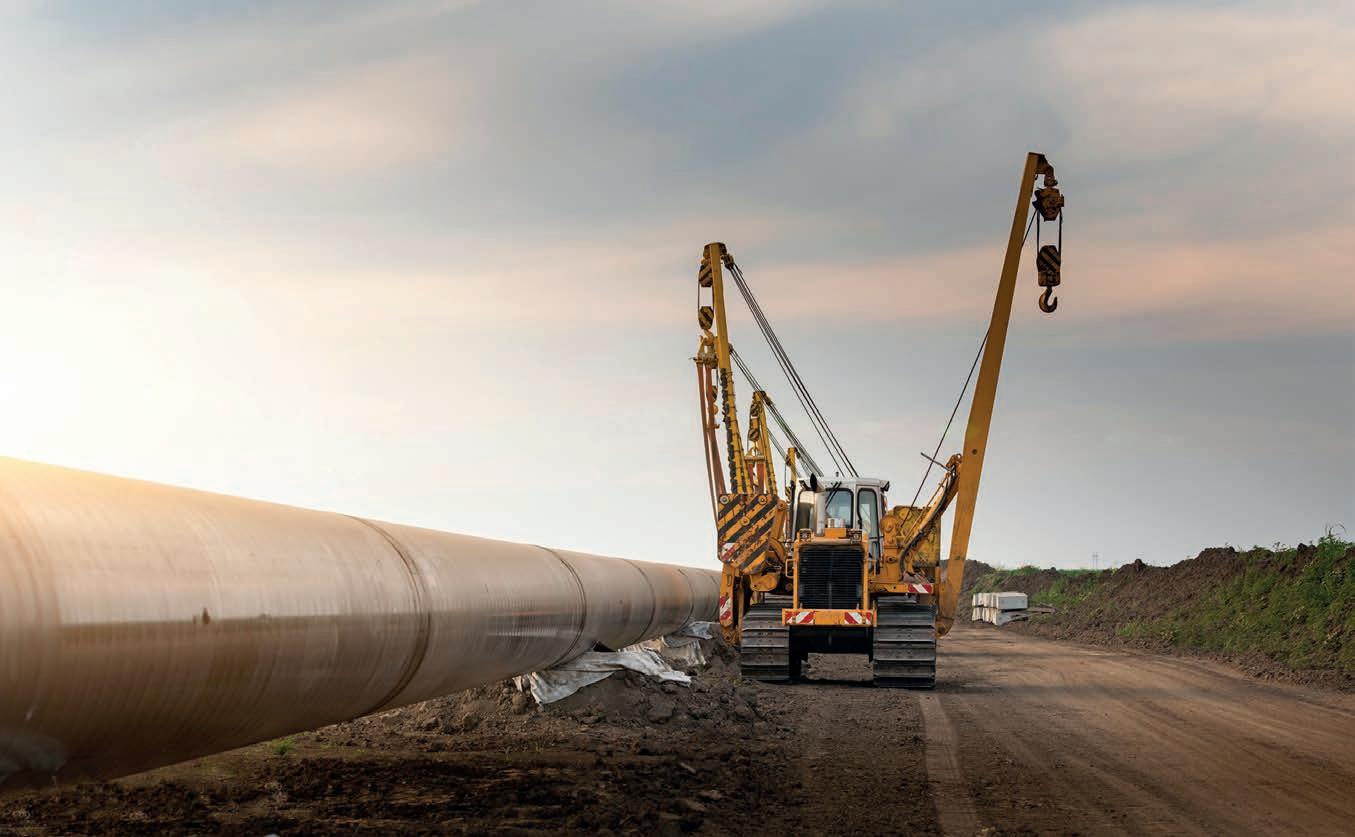
APGA Head of Policy Catriona Rafael shares her thoughts on the proposed domestic gas reservation scheme.
In energy, balancing supply is everything. Without enough supply, you have high prices, and a fair amount of consternation from your customers – but this provides a strong signal to invest in more supply, which in a healthy market will act to moderate price. With too much supply, prices drop, and producers struggle to recoup investments which then dampens enthusiasm for developing more supply. This is of course a very basic summary of a nuanced relationship, but this balancing act is one that policy must attempt to solve.
The difficulty in balancing these relationships have been demonstrated ably enough over the last half-decade – both domestically and taking into account international trade variables. With a looming supply cliff in the southern states, it’s hardly a surprise that the Federal Government has been laser-focused on engineering more domestic supply through the domestic gas reservation scheme.
In May the government commenced consultation on aspects of the design of its proposed domestic gas reservation scheme.
The scheme will impose an annual domestic supply obligation on LNG exporters that they must fulfil in order to be granted permits to export the remainder of their gas.
The government has proposed that this obligation be set at 20 per cent, and aims to deliver a ‘slight oversupply’ to the domestic market.
What this means in practice is yet to be determined. The purpose of this oversupply is to ensure the domestic market is well supplied, but the direct and intended effect of this is to also push down gas prices. This is good news for gas customers.
But it also presents an interesting conundrum for new gas supply proponents, particularly smaller players in this space who may not intend to export (and therefore are not directly part of the reservation scheme) but are necessarily affected by its impacts, such as on domestic gas prices.
They must consider whether their developments will be economic if the gas price goes too low. Policy must seek an equilibrium between these two states, which is not an easy feat.
The proposed scheme may provide the opportunity for increased investment in pipeline infrastructure.
Happily, for pipeline operators, the one thing that will remain true is that gas must get to market. And an intended side effect of the design of the reservation scheme is to repair the position of the long term contracts that have been missing from the domestic market, but which are an essential factor for getting new gas infrastructure built.
A lower domestic gas price through the scheme should provide good signals for gas customers to enter into those long term supply contracts. These contracts should accompany gas transport agreements of similar tenors, supporting the development of that infrastructure. The government has also flagged provisions in the scheme that the gas secured for domestic use under the scheme must be supplied to the market, not just offered, which adds a few more teeth.
So, this domestic reservation scheme not only provides an opportunity to increase investment in pipeline infrastructure because ultimately it means more product that must to get to market. More gas ultimately means more pipelines and, hopefully, rosier days for gas customers.
As artificial intelligence becomes a strategic priority, pipeline companies are wondering how they move from experimentation to meaningful implementation. According to Mipela GeoSolutions, the answer has less to do with AI models themselves and more to do with the foundations that support them.
By establishing the right groundwork, organisations can use AI to maximise the value of their data. Key applications include summarising high-volume data, accelerating insight discovery, optimising staff onboarding and streamlining access to vital operational and project delivery knowledge.
“There’s a huge amount of data in a pipeline operation, and as workforce dynamics change, capturing, retaining and accessing that knowledge becomes really important,” Mipela Managing Director Hayden McDonald said.
All departments in a pipeline operation rely on data to make decisions. This information is
often siloed, but AI can help bring it together, reduce time spent searching for records, and provide faster access to relevant context.
“It’s going to be a great tool to summarise and simplify information. Having all that information available in these systems will make operations much more efficient in the future,” McDonald said.
Many organisations focus on AI tools before they address the foundational systems that support them such as data quality, governance, security and information management.
Critical infrastructure projects demand confidence in information, clear governance and traceability of data and strong security controls. AI can only deliver reliable outcomes when it draws from reliable information.
“It’s like an iceberg with AI integration at the top. There are all these things happening under the water that people don’t see,” McDonald said.
Mipela GeoSolutions has built its X-Info platform around those underlying requirements. The platform combines governance frameworks, information security controls, automated deployment processes, information traceability and a universal data schema that helps organisations maintain consistency and trust in their data. Mipela’s approach centres on combining proven technologies with strong governance and operational discipline.
“Our philosophy is that we’re not trying to reinvent the wheel. We’ve always looked at how we can use the tools that already exist to complement what we have,” McDonald said.
As AI continues to evolve, Mipela GeoSolutions’ message is simple: organisations that invest in trusted data, strong governance and secure systems today will place themselves in the strongest position to capture the benefits of AI tomorrow.



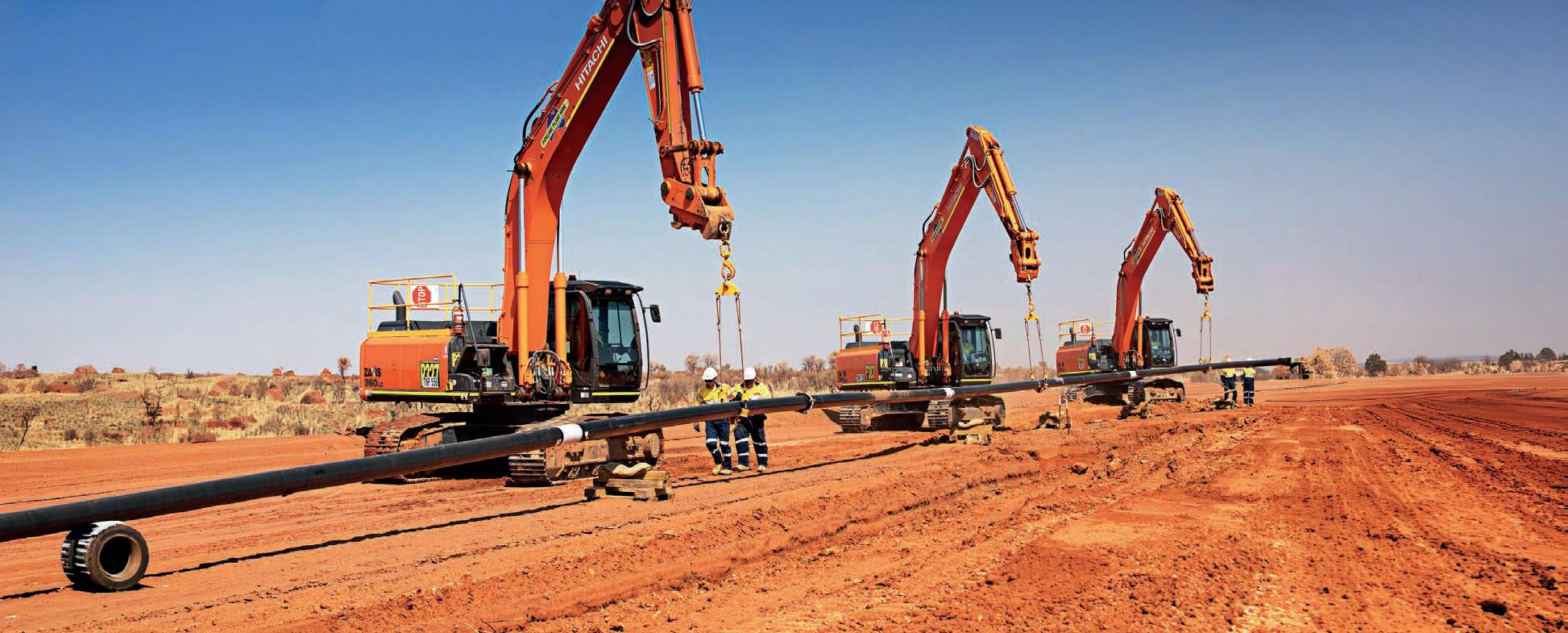
PSSS continues to strengthen its national footprint, delivering a comprehensive pipeline offering backed by experienced leadership.
Piping Specialty Supply Service (PSSS) is expanding its footprint in robust markets where its key clients operate.
Western Australia, where the company opened a new branch last year in the Perth suburb of Welshpool, is one. The expansion is important to its long-term plans in the state and includes the hiring of new salespeople and administrative support.
“This investment gives our Western Australian clients an easier access point and shortens lead times in comparison with having
“I have high hopes for the development of the new Welshpool branch. We are hitting the ground running there as we’ve already got the customer base.”
Today, PSSS supports pipeline projects across construction, maintenance and asset integrity through equipment sales, hire, servicing and technical support.
With its head office and main warehouse based in Brisbane, PSSS has established a strong presence along Australia's east coast.
The business also operates from Mackay and Townsville through its sister company, AJP Industrial Supplies, further strengthening its
national support network and enhancing its ability to support customers across Queensland.
Customers, of course, are the catalyst for these ongoing geographical commitments. At present, PSSS is in the embryonic stages of opening, in conjunction with affiliated company CST Hire, a new branch in Roma. The Roma expansion reflects ongoing activity within Queensland’s energy and pipeline sector and strengthens PSSS's ability to support customers in regional areas.
“The oil, gas and pipeline industry is our core market,” said Lee.


“In general, we’ve always been pipeline focused. That’s where we started. There’s always a heavy focus on the pipeline industry whether its large major projects where we’re a key player in those supply chains down to smaller businesses doing networks.”
“We’re extremely customer-focused and we do whatever we can to ensure that our customers achieve their projects on time,” said Lee. “Having those depots in different locations is part of our commitment to deliver on time and more efficiently to the customer base because Australia is a big place.”
Lee himself has been part of a growth arc within the business having recently been promoted to the role of National Sales Manager at PSSS. He previously held roles as Business Development Manager and National Major Projects Manager. Serving at the company for 12 years, Lee understands the importance of pipeline upkeep and the total cost of ownership equation for customers over the longer term.
The new role will bring the entire sales team of the wider group under his supervision.
“A big part of the new role will be looking forward and developing business through new
technologies which is a big thing for me personally,” said Lee.
“I’m always interested in new technologies and how more efficiencies can be driven by them instead of just doing things the old way.”
Customer interaction will remain important. So too will be his understanding of the technical details and requirements in dealing with manufacturers and suppliers for improving operational intelligence.
“I’ll be trying to focus on what our customers need rather than promoting a blanket approach to supply,” said Lee. “There are a few product lines that we’ve added, for example welding machinery and consumables to make us a more holistic supplier to the pipeline industry.”
It’s important that PSSS is considered a one-stop shop for customers when they prepare to build a pipeline from the start of the project to the end of it.
“It’s about being more than a product sales and hire business,” Lee said.
“We work with the customer to get the best result and we’re constantly trying to improve and bring new ideas to the table, as well as following the path of new technology.”
Built for safety, sourced for the future. Since 1968, Pollard’s has supported Australia’s infrastructure projects with PACK TUFF. We turn FSC-certified plantation timber by-products into high performance solutions, helping contractors meet strict environmental targets while ensuring maximum site safety and reduced manual handling risks.
Our pipeline bedding PACK TUFF bags are:
FSC-Sourced: Chemical-free plantation timber reduces landfill waste. Stable & Secure: Supports 15 tonnes without bursting under pressure.
Lighter Handling: Reduces worker injury risks compared to sandbags.
Efficient Logistics: Lower weight cuts transport costs and emissions. Rugged & Reusable: High durability reduces waste and project costs.

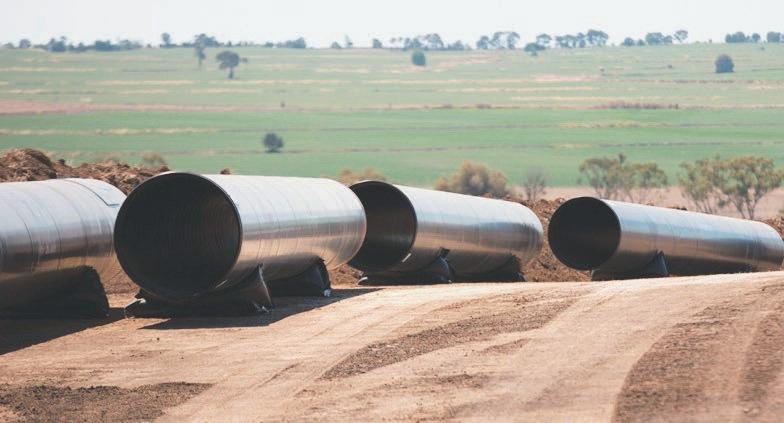


The upcoming AGPA Convention provides an opportune moment for Henkel to demonstrate its vast range of product capabilities some of which have been recently integrated as part of long-term strategic expansion.
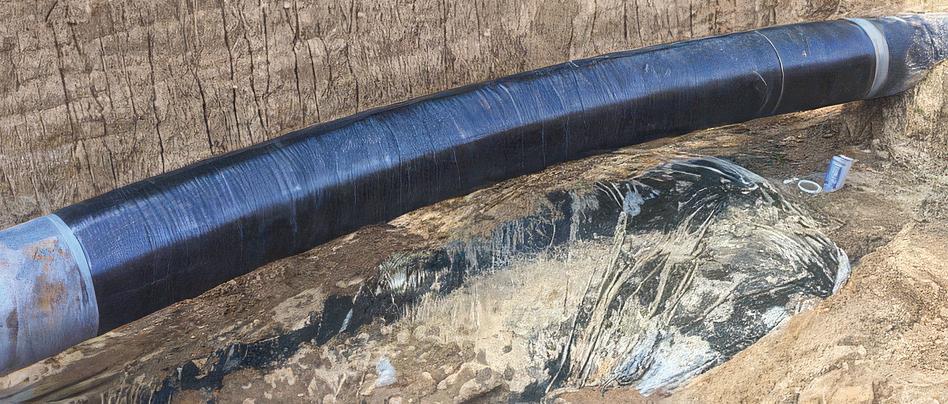
As a corporate parent, Henkel is on a mission to establish itself as a genuine provider of solutions across multiple pipeline industry segments.
In addition to increasing its penetration in the Infrastructure Protection and Repair (IPR) categories such as mining, steel, and power, areas of which Henkel was already an active presence, the company continues to bolster the solutions it provides for customers in the oil and gas industries.
Strategic acquisitions in recent years of CSNRI and Seal for Life Industries have since helped Henkel expand its reach by providing
customers an even broader portfolio offering. One of which is composite solutions for process piping: multi-layered, non-metallic materials that use high-performance resins for repairing damaged metallic pipes in industrial plants.
Able to handle extreme environments, resist corrosion, and stop leaks, the robust design addresses the full spectrum of plant and refinery repair conditions with the ability to withstand temperatures as low as -46 and as high as 314ºC. Customers are fast seeing the benefits of wrapping in pipeline maintenance, which significantly reduces downtime and the
need for hot work permits, and, in many cases, supersedes the application of conventional short-term patch jobs by significantly extending the life of the asset by decades. The acquisition of CSNRI back in 2023 brought with it the oil and gas approved pipe repair brands Diamond Wrap, Thermo Wrap, Clock Spring and Atlas. The latter two are designed especially for the midstream market as a composite solution for the permanent repair and rehabilitation of pipelines and piping structures.
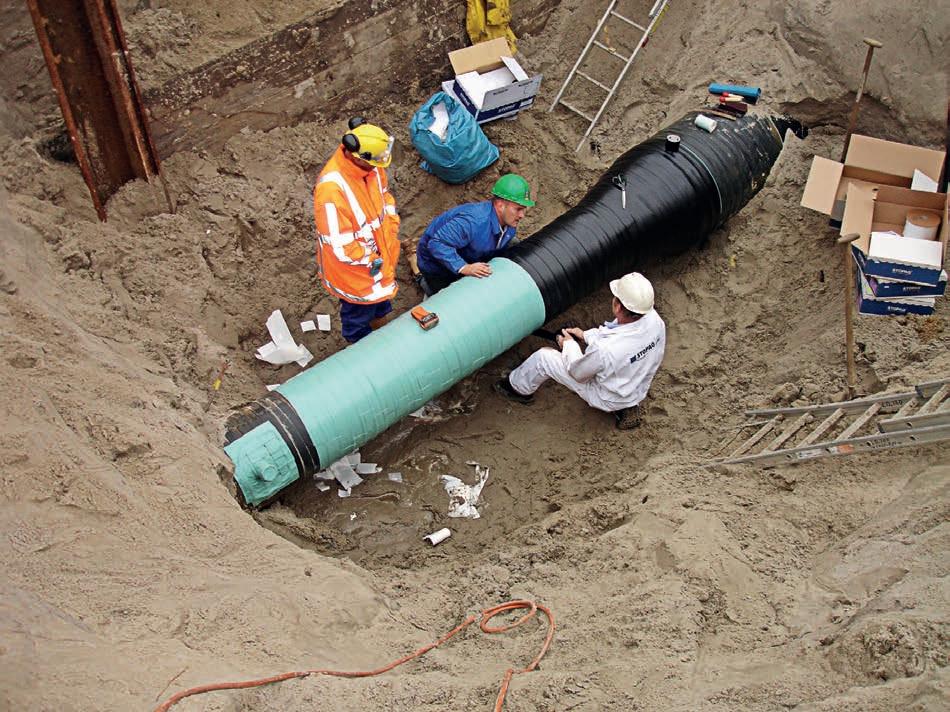
Diamond Wrap is a carbon fibre engineered epoxy and fabric solution ideally suited for high pressure pipes proving especially resistant to circumferential stresses. Thermo Wrap is recommended as a high-temperature structural adhesive made from reinforced fibreglass with an insulative epoxy coating that is especially effective in process industries that involve downstream and upstream applications.
According to Henkel’s Regional Business Development Manager – IPR, Kalyan Roychowdhury, the wrap serves as a readybuilt engineered solution that enables customers to efficiently repair and maintain pipework across their networks.
In addition, Atlas and Clock Spring are specifically designed for the midstream market, providing composite solutions for the permanent repair and rehabilitation of pipelines and piping structures.
Atlas is a highly engineered system developed to permanently restore the original strength of pipelines affected by both common and complex anomalies, while maintaining strict compliance with relevant regulations,

codes and industry standards.
“All the repaired sections are designed based on conditions and customer expectations,” Roychowdhury said. “You can extend the life of the pipe from a couple of years to over 30 years.”
Late last year, Henkel acquired Seal For Life, expanding its portfolio with technologies such as Stopaq, an engineered corrosion prevention and sealing solution, and Mascoat, a specialist thermal insulation and protective coatings technology, both designed to provide long-term asset protection for critical assets and infrastructure.
“This also allowed us to expand into new categories. Those two acquisitions gave us a wider prospective to enter the oil and gas market in addition to water and infrastructure,” Roychowdhury said
Henkel will display these solutions at the forthcoming Australian Pipelines and Gas Association (APGA) annual event. It’s a perfect opportunity to consolidate brand recognition among industry and establish Henkel as the one point of contact for customers.
“Face-to-face engagement with customers is essential at the APGA Convention, allowing
us to build relationships and demonstrate our industry best practices,” said Roychowdhury. “It’s important to note the products under the CSNRI banner have been in the market for the last 40 years.”
Local certified applicators trained by the Henkel team ensure a uniformity of standard. All repairs conform to ISO24817 and ASME PCC2 certifications.
“When the customer chooses our product, they know it is backed up with certification to global standards,” added Roychowdhury. “They are supported by professional people with numerous years of experience and expertise on those solutions for the last 40 or 50 years.”
The Henkel application engineering team offers hands-on technical support across Australia, New Zealand and Papua New Guinea. It includes surface engineering workshops with reliability engineers, maintenance engineers, and asset managers who run through the technical details of the product and field any questions customers have. Opportunities for educating customers, who may not have been aware of the significant portfolio expansion and integration under one roof, also comes through the
training modules. This enables another avenue to widen the exposure of the different product lines to end-users.
“It was a real eye-opener for them given the type of jobs that can be done in situ without the need for any patching, hot welding or clamping,” Roychowdhury said.
In short, Henkel is now offering a chemical management solution across its adhesive range of products for the process and transmission pipelines. Customers stand to benefit from decreased downtime, increased reliability and a reduction in operational costs from services provided within Australia.
“We’ve got boots on the ground nationwide for engaging with our customers,” Roychowdhury said. “We can deliver a prescribed solution to the customer within 48 hours of their enquiry.”
For the moment he is excited by the prospect of participating at APGA to share the message and advantages of the new brands with customers.
“Technically, we are a know-how company, and we give expert solutions to the customer,” he said. “It’s time to expand that customer know-how.”
Vault™ ID tags from McElroy give every stakeholder instant access to a comprehensive report for every fusion joint in your piping system. Now anyone can clearly identify a physical joint in the field and review the digital record of that fusion. Vault ID tags’ open access allows anyone, including the pipeline owner, contractor, or inspector, to view pertinent information with a quick QR scan.
kwik-ZIP spacer systems are enabling the efficient and low impact installation of pipelines across Australia.
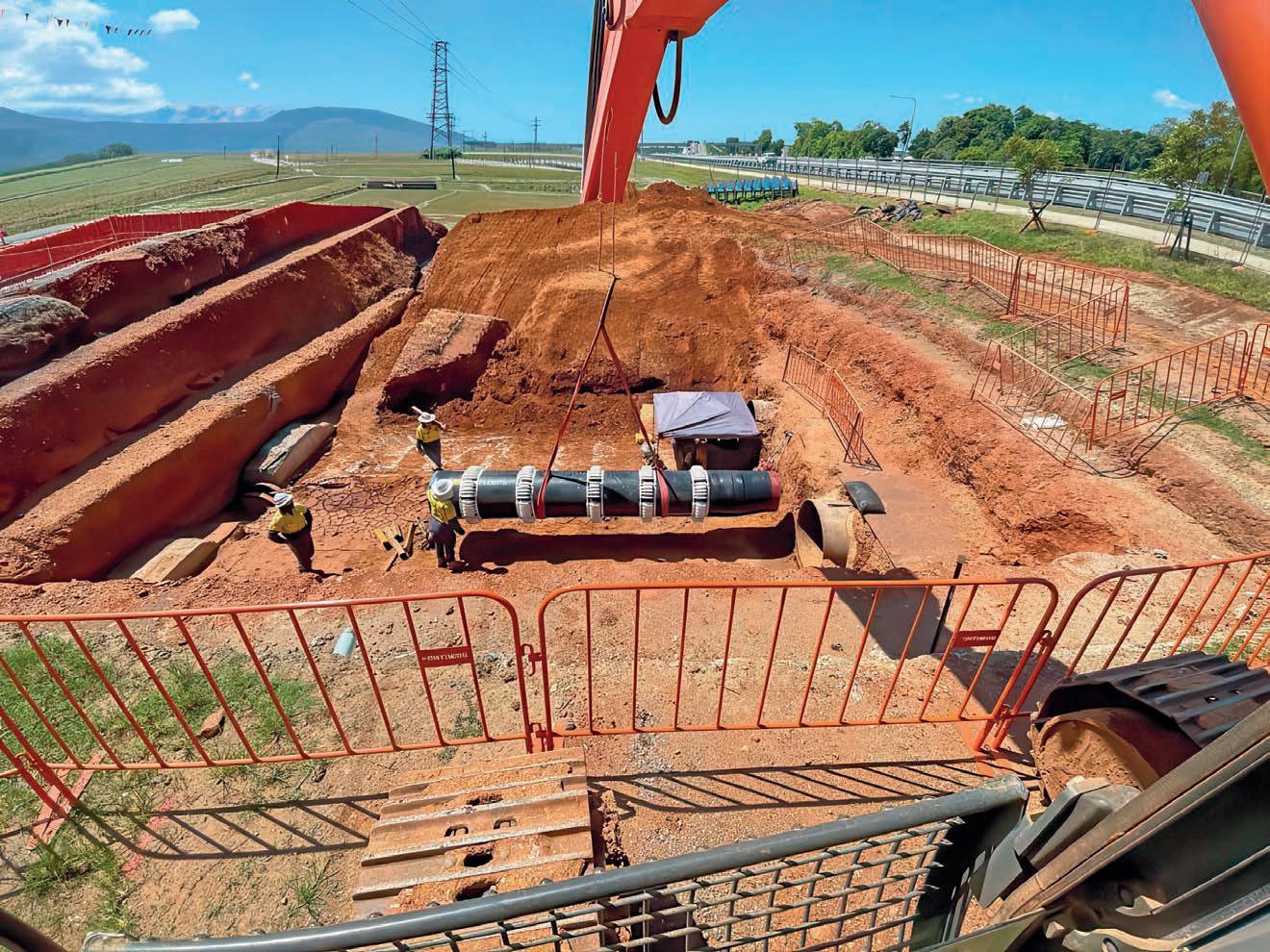
Spacer systems from kwik-ZIP continue to support major pipeline infrastructure projects, helping contractors streamline installations while protecting critical pipeline assets during cased crossings and sliplining works.
Previous projects, including Victoria’s Western Outer Ring Main (WORM) project and a major water security development in Queensland, highlight kwik-ZIP’s performance across both gas and water infrastructure applications.
The WORM project delivered a 51km high-pressure gas transmission pipeline to strengthen the Victorian transmission system.
The pipeline creates a new high-pressure connection between existing gas supply sources in the north and east of Victoria and customers in the west, helping address a key capacity constraint within the network.
Contractors installed 508mm diameter pipe along the route at a minimum depth of 900mm and completed several cased crossings requiring specialised spacer systems from kwik-ZIP.
The project team selected kwik-ZIP HDX38, HDX-125 and HDXT-63 spacers for multiple crossings along the alignment.
kwik-ZIP’s low-friction runner system helped crews reduce insertion forces during
slip-lining, improving installation efficiency across the project. The thermoplastic spacer design also protected the pipeline coating throughout installation by preventing direct contact between the carrier pipe and casing pipe. This reduced the risk of coating damage and long-term corrosion issues.
kwik-ZIP designed its HDX and HDXT series spacers to handle demanding pipeline applications while accommodating a broad range of carrier and casing pipe combinations.
The systems contain no metal parts, eliminating corrosion concerns associated with metallic spacer alternatives. They also
provide high flexural strength, abrasion resistance, chemical resistance and temperature performance. These benefits made the systems an ideal fit for the WORM project.
kwik-ZIP spacer systems also played a key role on a recent water security infrastructure project in Queensland. The project includes new water intake infrastructure, treatment facilities, reservoirs and an extensive pipeline network designed to increase long-term water supply capacity for the region.
Crews installed kwik-ZIP HDXT-103 and HDXT-63 spacers during the slip-lining of
several pipeline crossings across the project. The spacers’ integrated rubber grip pads sit under collars to prevent slippage. kwik-ZIP spacer’s load sharing suspension system allows heavy loads to be shared across multiple runners reducing point loading and increasing the overall load capacity of the spacer.
The Water Services Association of Australia (WSAA) has appraised both product ranges against WSA PS-324, which outlines requirements for casing spacers used to protect carrier pipes installed inside casing pipes.
kwik-ZIP’s products are approved for use
The WORM project delivered a 51km high-pressure gas transmission pipeline.
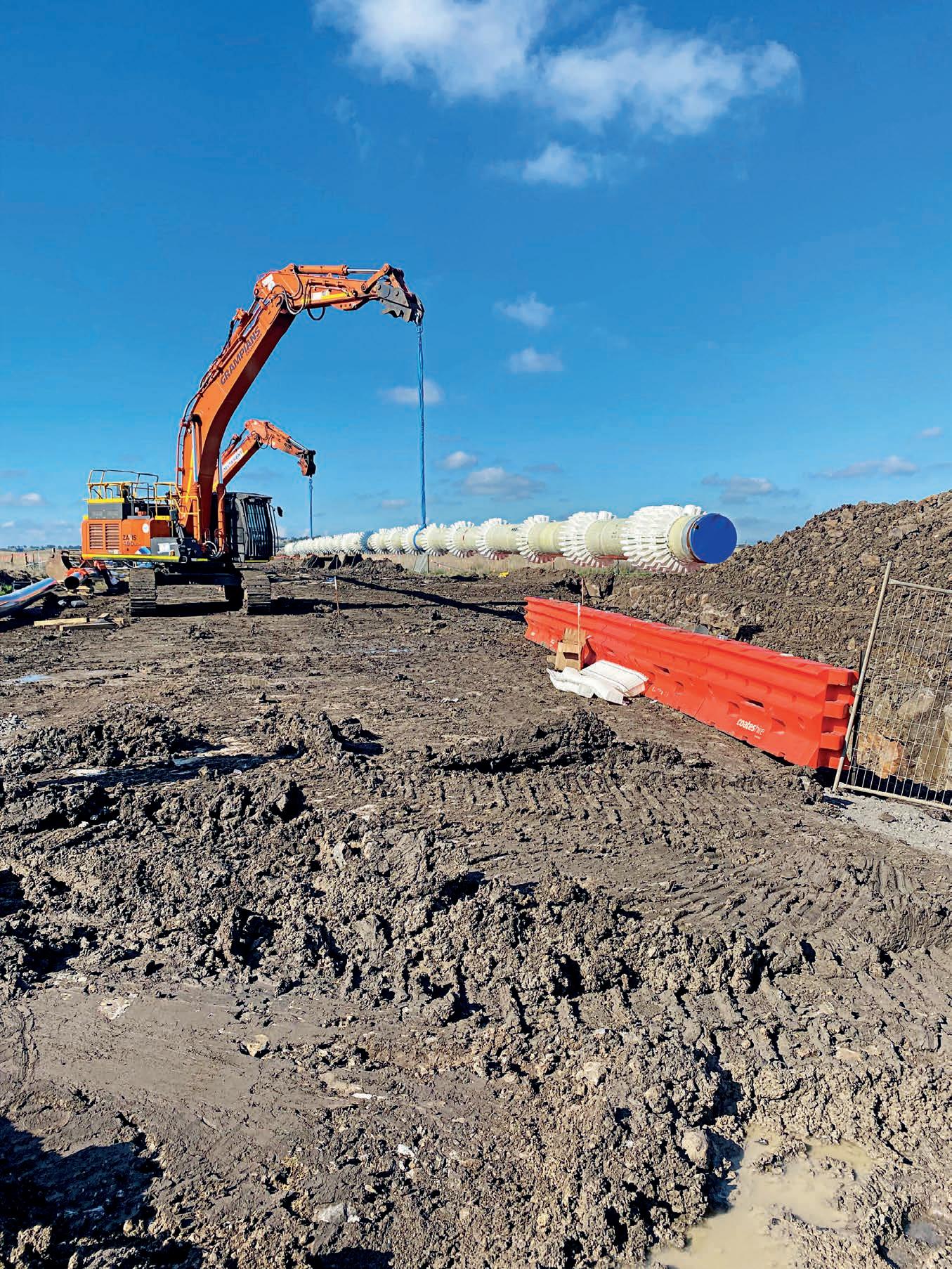
within many utilities’ infrastructure, including Melbourne Retail Water Association, South-East Queensland’s Infrastructure and Materials list, Sydney Water, and the WA Water Corporation. All products are certified by the Australian Water Quality Centre for use in contact with drinking water.
With accolades like these, and many runs on the board both in Australia and overseas, it’s easy to see why pipeline contractors continue to choose kwik-ZIP spacer and centraliser systems across gas, water and trenchless infrastructure projects.
For more information, contact sales@kwikzip.com
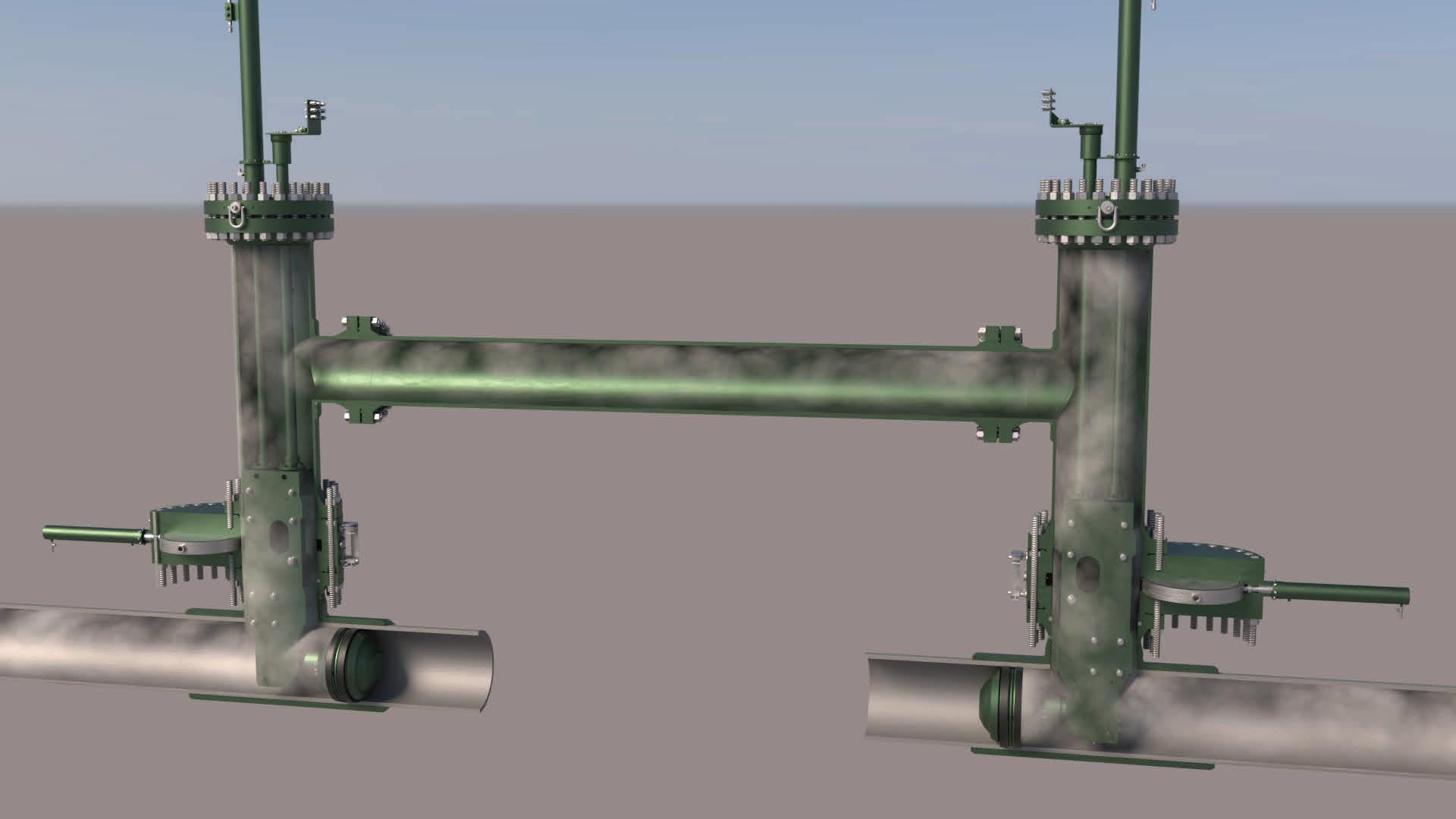
Monitored Zero-Energy Zone
Dual Leak-Tight Seals Double Block & Bleed Isolation
Isolated Pipeline
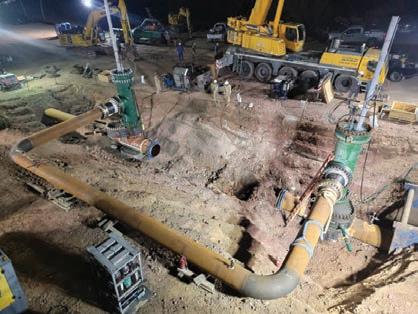

The BISEP® has an extensive track record and provides pioneering double block and bleed isolation while maintaining pipeline ow. Fail-safe hydraulically activated dual seals provide tested, proven and fully monitored leak-tight isolation, every time, any pressure.
size range: 3” - 56” max pressure: 153bar / 2220psi type approved

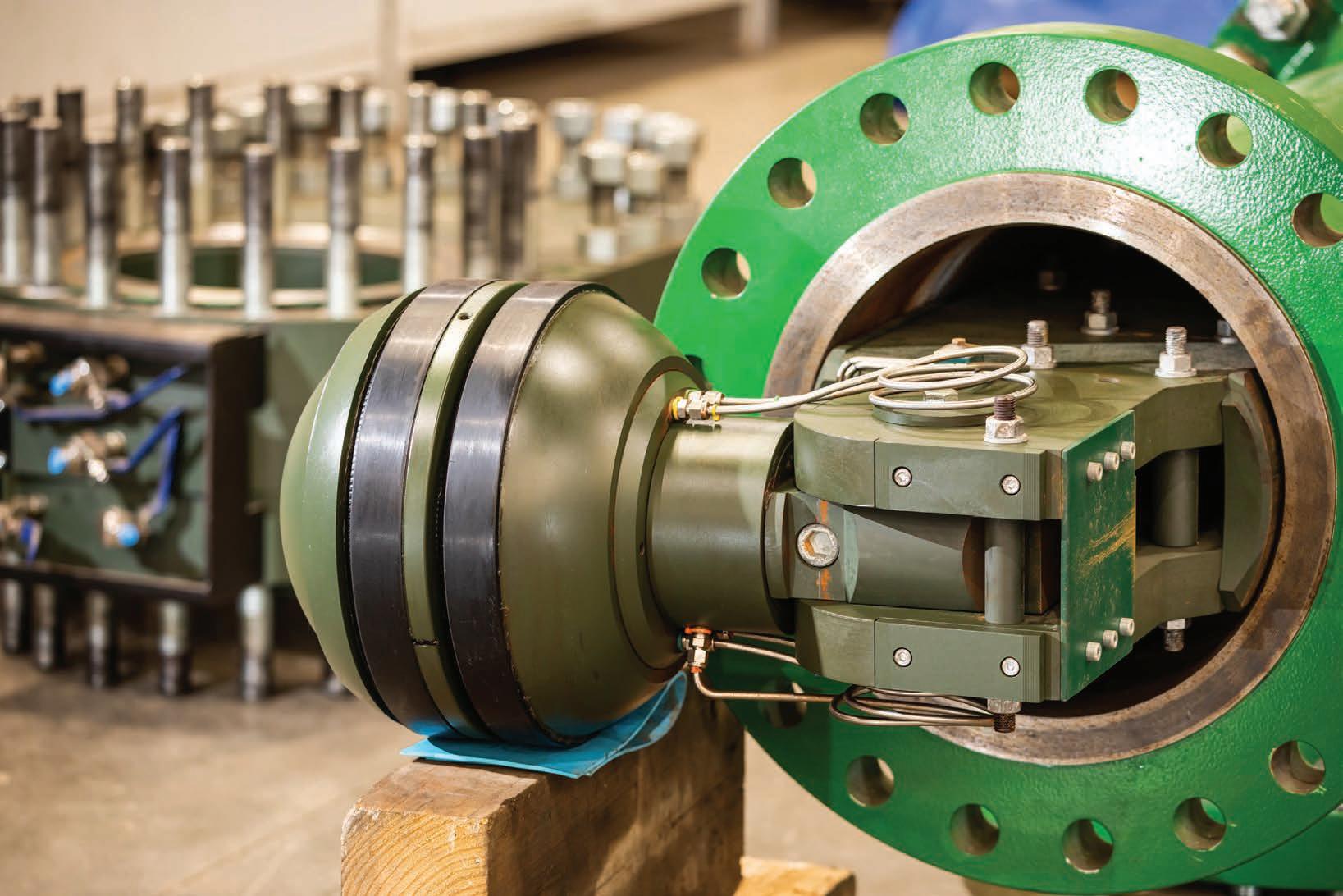


CSS personnel have contributed to major onshore transmission networks and offshore LNG developments throughout Australia and internationally, alongside broader infrastructure and asset remediation programs. While the operating environments vary, the objective remains consistent: ensuring protective coating systems achieve the durability and performance required over the full operational life of the asset.
As pipeline operators continue to balance reliability, sustainability and cost pressures, coating inspections and corrosion management are becoming increasingly important components of overall asset integrity. CSS will continue to help the pipeline industry ensure these maintenance programs are delivered correctly through disciplined QA/QC oversight, technical expertise and practical field experience.
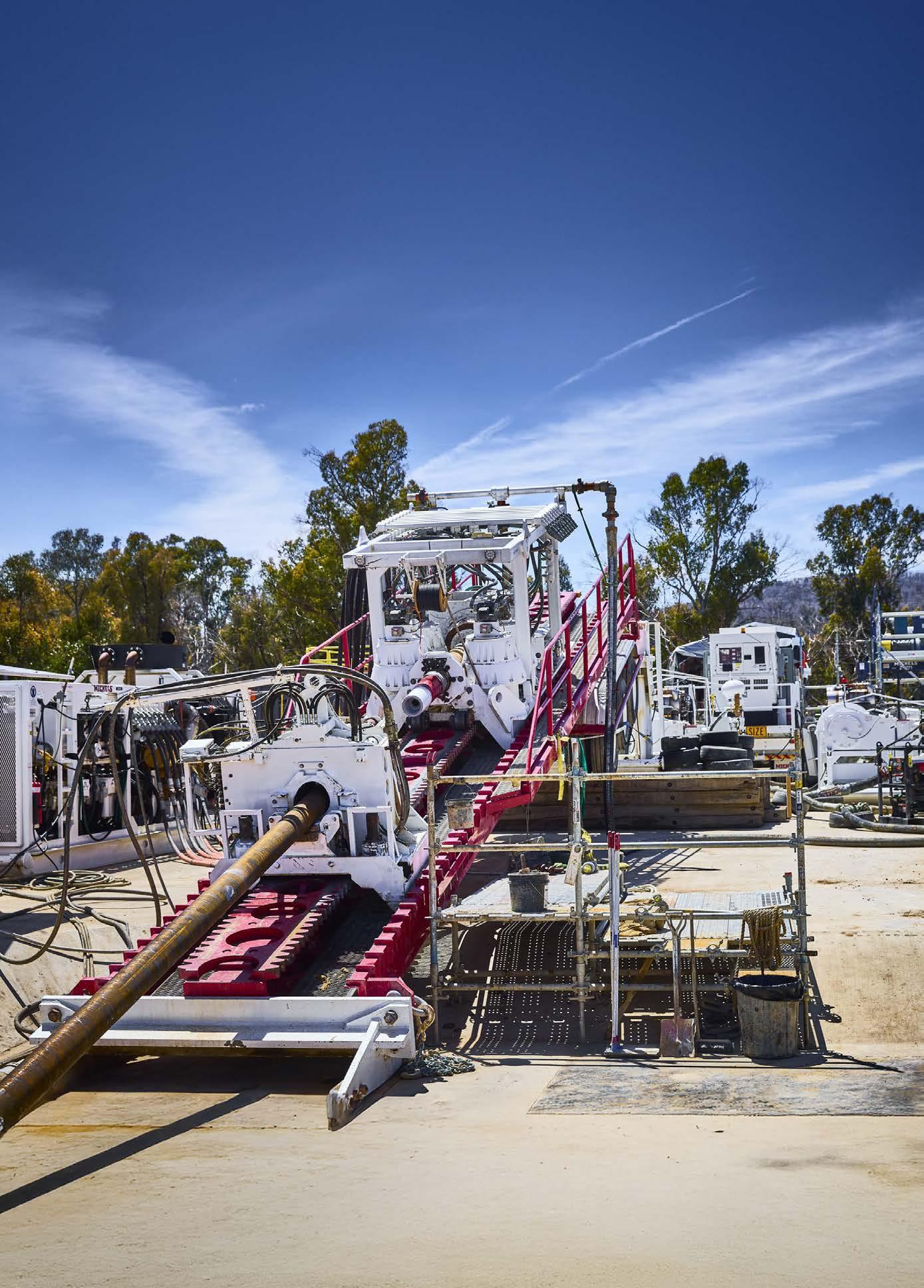
Michels in Motion: Between March 2023 and February 2025, Michels completed three record-breaking HDDs in New South Wales. The 2,250-metre HDDs included an elevation change of 590 metres.
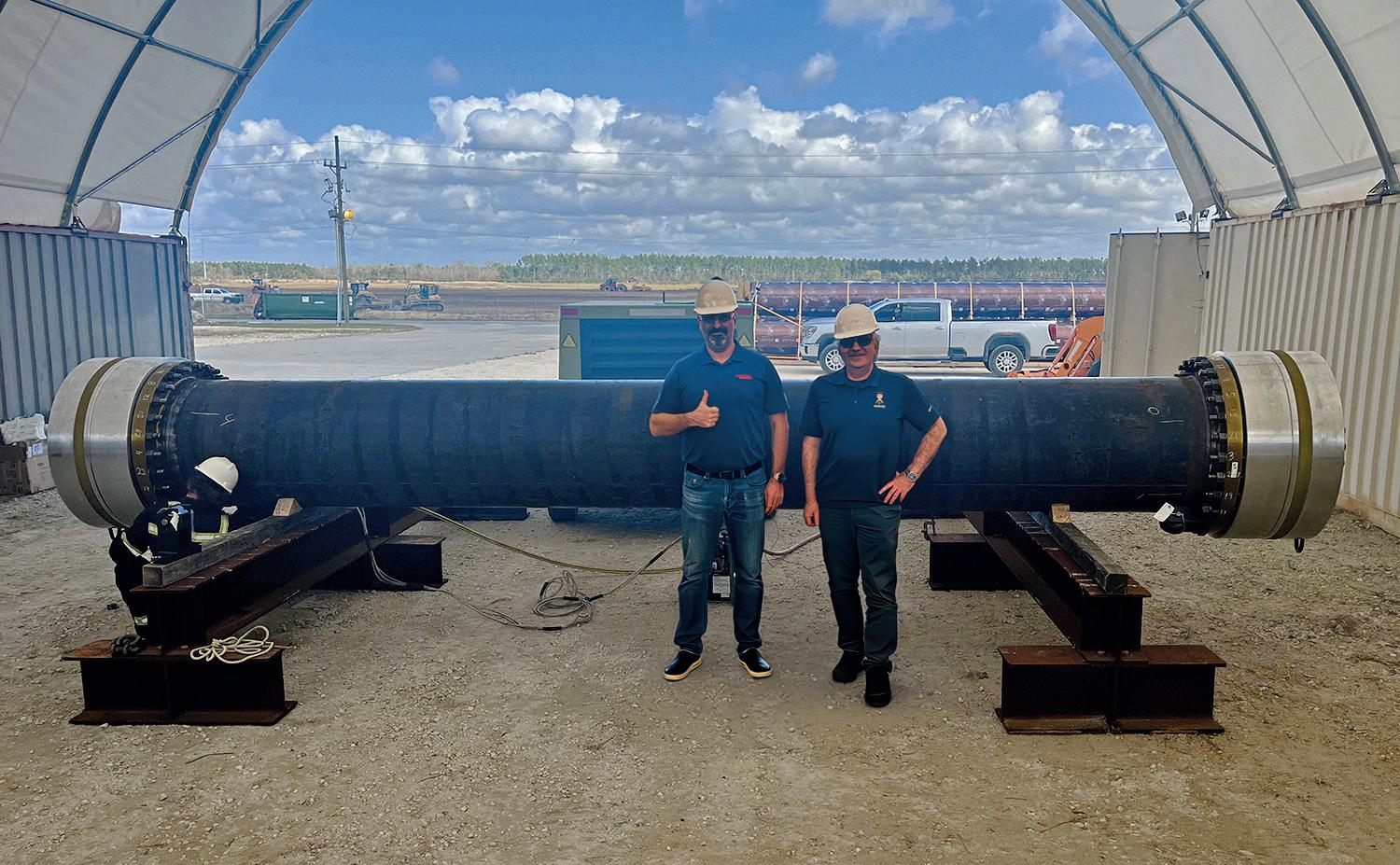
Not every pipeline maintenance job can be solved with off-the-shelf equipment. Curtiss-Wright’s custom-engineered solution demonstrates how bespoke technology can improve safety and operational efficiency in demanding applications.
When pipeline operators encounter testing conditions beyond the limits of standard equipment, custom engineering becomes essential. For CurtissWright, developing specialised solutions for high-consequence applications has become an important part of its business.
Curtiss-Wright’s Hatfield PA facility designs and manufactures maintenance and testing technologies for heat exchangers, piping systems and pressure vessels. Its Pop-APlug Tube Plugs and GripTight Test and Isolation Plugs are used globally across refining, petrochemical, power generation and oil & gas operations where safety, reliability and reduced downtime are critical.
Alongside its standard product range, the company regularly engineers bespoke systems for applications with unusual pressure requirements, specialised materials or complex operational constraints.
One recent project highlighted the extent of that capability.
Engineers at Curtiss-Wright’s Hatfield facility were tasked with developing a safe method to pneumatically test full-length 40foot Invar pipe spools measuring 40 inches in diameter to 325PsiG. The scale of the test created significant safety concerns due to the stored energy associated with pneumatic testing.
The customer also needed to reduce a testing exclusion zone that extended to nearly a mile in circumference while improving testing efficiency and consistency.
In response, the Custom Product Solutions Team designed and manufactured a 22-foot-
long double block and bleed (DBB) assembly using two single-seal plugs mounted to a pipe and flange spool sized to fit inside the Invar pipe sections.
Because operators needed to remain outside the exclusion zone, the system also required remote hydraulic actuation. Engineers developed a hydraulic activation arrangement that allowed the plugs to be operated safely from a remote location.
During testing, the plug assembly was hydraulically activated before compressed air filled the annular space between the Invar pipe spool and the outer diameter of the internal 22-foot assembly, allowing half of the pipe to be tested at a time.
Once testing on the first section was complete, operators vented the air pressure, released the hydraulic system and retracted the seals before repositioning the assembly to test the remaining half of the pipe spool.
The solution reduced the exclusion zone from almost a mile in circumference to less than 100 feet while allowing the customer to complete testing within a more predictable timeframe. According to project engineers, the approach had never previously been used for this type of application.
The project reflects the broader role of Hatfield’s Custom Solutions Team, which focuses on rapid-response engineering for critical industrial applications.
“This project was significant as it showcased the talents of our R&D and application engineering team, aligned with Curtiss Wright’s commitment to innovation and
excellence,” Curtiss-Wright Senior Segment Manager – New Build, Ken Reed, said.
“And most importantly, our safety-forward solution solved a critical testing need for a high-profile client while keeping their project on time and on budget.”
Operators across refining, petrochemical processing, fertiliser production and power generation increasingly face challenges that cannot be solved using off-the-shelf equipment.
To meet those demands, Curtiss-Wright combines application engineering, manufacturing, testing and field services to deliver customised solutions under compressed schedules. The team in Hatfield routinely provide engineering proposals within hours of receiving customer requests, shipping field-ready product in just days.
Other projects have required similarly unconventional thinking. For an offshore production development, engineers designed a specialised ‘DBB-on-skis’ system that allowed a hydrotest plug to pass safely through a complex reducer section without becoming lodged during installation.
As pipeline infrastructure becomes larger and operational requirements become more demanding, specialised testing and isolation technologies are becoming increasingly important to maintaining safety, minimising downtime and keeping projects moving.
For Curtiss-Wright, this latest project demonstrates how custom engineering can solve operational challenges that conventional equipment cannot address.
Cortec corrosion solutions, available from Savcor Products Australia,
Incredible wealth lies underground in Australia in the form of mineral resources.
As demands, regulations, and economic policies continue to shift, the constant uncertainties of shipping, shutdowns, and corrosion risks remain. The right corrosion solutions help ease this uncertainty by streamlining the preservation and commissioning process of mining equipment.
Delivering mining equipment is no small job due to the large equipment sizes and shipping distances often involved. Fortunately, corrosion protection is a relatively simple part of package engineering. Shrink-wrapping equipment in VCI (vapour corrosion inhibitor) film such as Cortec’s VpCI®-126 HP UV Shrink Film offers internal corrosion protection with external UV resistance, while film translucence makes customs inspection easier.
The outer layer can be supplemented by adding devices such as VpCI-308 Pouches that release vapour phase corrosion inhibitors inside equipment voids, forming a protective molecular layer on metal surfaces. If the package stays closed, preservation can continue onsite during the commissioning delay
Shutdowns – whether planned or unplanned, short or long – are another inevitable part of the mining industry. Additionally, some equipment is always in storage due to the nature of mining operations.
Corrosion protection can reduce the stress of these events by streamlining layup and ensuring a speedy return to service for mining equipment.
Key preservation steps include:
• Cleaning dirty equipment with a heavyduty alkaline cleaner that removes grime and offers flash rust protection (such as VpCI-414)
• Lubricating grease points with NLGI grade 2 grease that offers enhanced corrosion protection and can be used for intermittent operation (such as CorrLube™ VpCI Lithium EP Grease)
• Protecting moving parts with a wet film corrosion inhibitor (such as CorShield® VpCI-369)
• Cleaning and protecting electrical contacts with a dual cleaner/protector spray (such as ElectriCorr™ VpCI-239)
• Conditioning void spaces with Vapour phase Corrosion Inhibitors (such as VpCI308 Pouch)
• Wrapping equipment in outdoor grade Vapour phase Corrosion Inhibitor film (such as VpCI-126 HP UV Shrink Film or MilCorr® VpCI Shrink Film) rated according to expected storage duration and conditions
• Adding a corrosion inhibitor additive with vapour-phase protection (such as M-531) to gearboxes at a small fraction of the internal volume for enhanced protection and less material waste
At the end of the shutdown, components that have been properly protected will be ready to go into service as soon as possible, with minimal product removal required.
While shipping and storing mining equipment is inevitable, corrosion is not. This is thanks to VpCI technologies that streamline the preservation and recommissioning process.
These products are available through Savcor Products Australia in Australia and New Zealand.
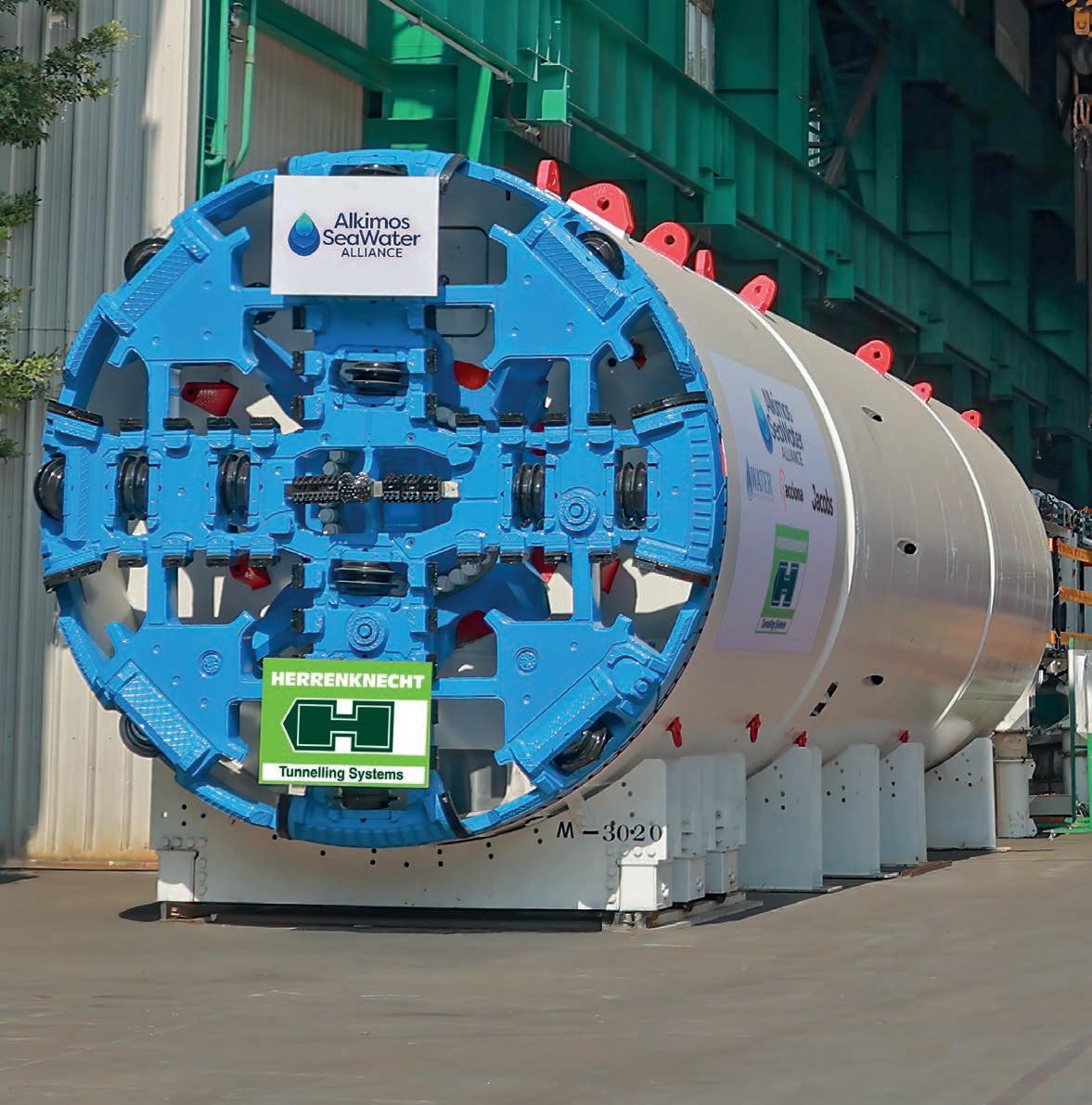
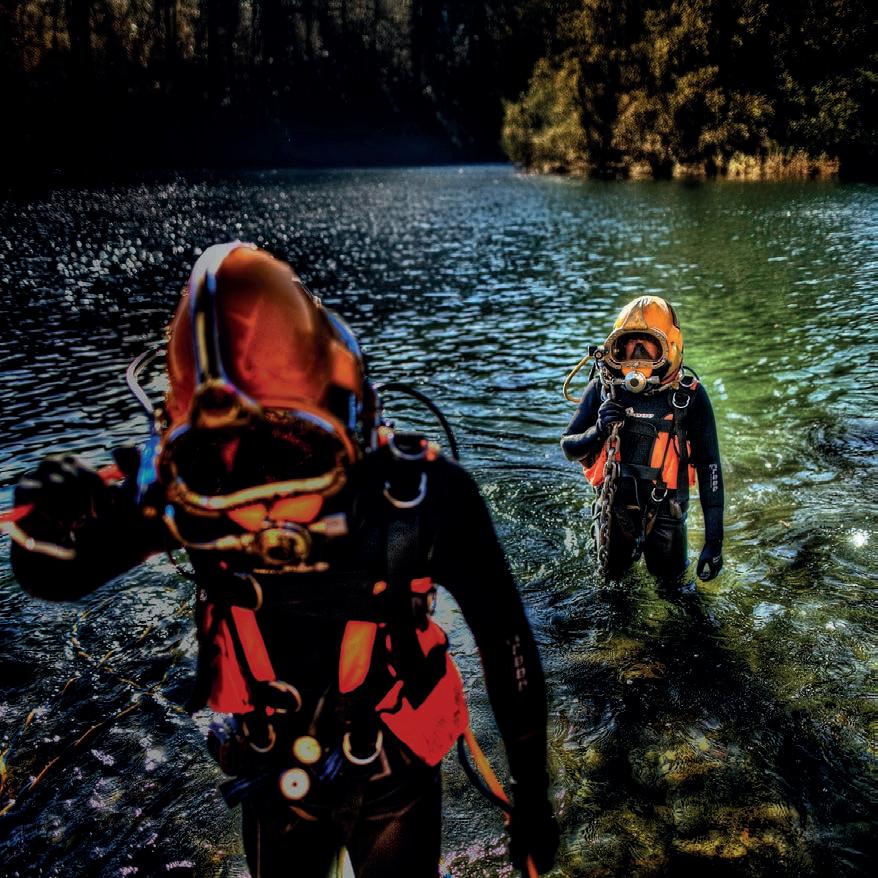
The publication covers everything from upstream gas exploration and facilities, to construction and maintenance of hydrocarbon transmission pipelines and water pipelines. With mature readership lists developed over several decades, excellent brand recognition in the industry and a strong reputation for producing high-quality original content, The Australian Pipeliner has unparalleled access to key decision-makers in the upstream and midstream sectors.
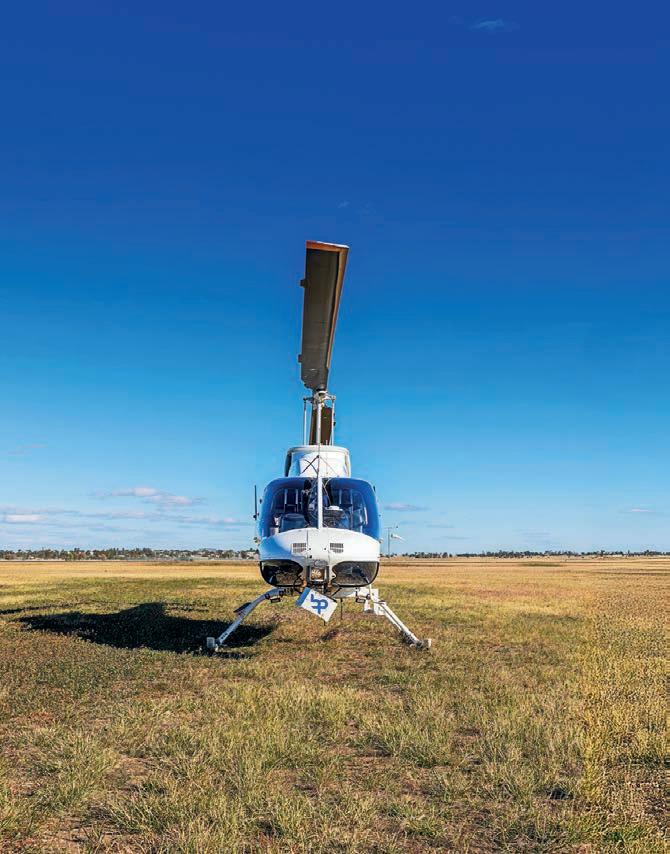

Pipeline Plant Hire has mobilised its machinery to support a major gas trunkline project at the Surat basin in Queensland, working alongside Nacap.
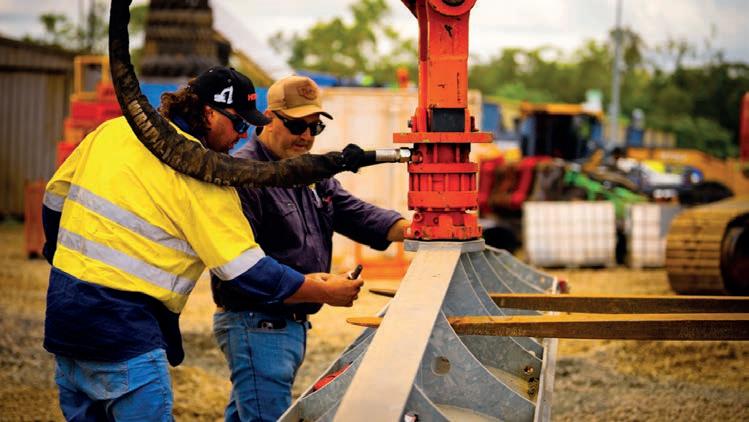
At peak deployment, Pipeline Plant Hire (PPH) supplied up to 36 machines to the project, led by a fleet of excavators. This was backed by a comprehensive range of machine attachments and on-site maintenance personnel. The project adds another chapter to the company’s three decades of pipeline experience and reinforces its reputation as a contractor that understands what pipeline crews need to keep construction moving.
The trunkline forms part of the next layer of Queensland’s gas infrastructure network. The project includes both steel and poly pipe infrastructure associated with gas and water management, creating a broad range of operational requirements across the corridor.
PPH tailored its fleet to match those demands. Excavators ranging from 20 to 50 tonnes worked across the project with interchangeable attachments (buckets, rock breakers, vacuum lifts) which allowed crews to move equipment efficiently between machines without slowing production. That flexibility gave operators immediate access to the right tooling without tying specific attachments to individual excavators. It also helped crews respond quickly to changing ground conditions while maintaining trenching efficiency.
“If they hit rock, we can send a rock breaker out straight away,” PPH Plant and Business Development Manager Mark Jones told The Australian Pipeliner. “If the trench dimensions change, we’ve already got the right buckets and attachments available on site.”
That practical pipeline knowledge sits at the centre of PPH’s approach. The business doesn’t simply supply machines. It supports
projects with equipment configurations designed by people who have worked directly in the field – with a bit of dirt under their nails, as Mark puts it – and who understand the realities of building pipelines in Australia.
That experience is evident in the company’s VacLift systems, which have long been a staple piece of machinery across Australia’s pipeline sector. PPH and Global Pipeline Equipment developed their VacLift technology to improve both safety and efficiency on pipeline projects. The vacuum lifting system eliminates the need for conventional slings and hooks while dramatically reducing pipe handling cycle times.
PPH designed and manufactures its VacLift systems in Australia specifically for local pipeline conditions. The systems use hydraulic drive technology rather than auxiliary diesel motors, reducing noise, simplifying maintenance and improving reliability in remote environments.
Many of these VacLifts were deployed in the recent trunkline project, playing a key role in assembling the pipelines. However, machines tell only part of the story.
PPH also mobilised experienced maintenance personnel directly into the project team, providing on-site servicing, preventative maintenance and technical support across the fleet. Those technicians supported not only PPH equipment, but also assisted with other machinery, whether belonging to the client or a competitor.
The arrangement continues an already established working relationship between PPH and Nacap.
Rather than operating as an external supplier, PPH integrated seamlessly into the project delivery team.
PPH supplied experienced personnel already familiar with pipeline construction equipment and field conditions.
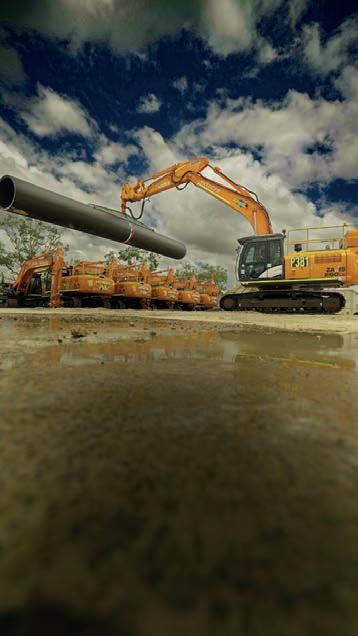
“The guys we sent are experienced and versatile,” Mark said. “Good people help you keep your gear running and get things back up and running quickly if there is a break down.”
Each technician monitored between 15 and 20 machines across the fleet, keeping close watch on utilisation, servicing schedules and equipment condition. That proactive approach helped maximise machine availability while reducing the logistical burden on the client.
PPH also supported the project with lubrication supply services, simplifying procurement and reducing administrative pressure for site teams.
“One phone call and it happens,” Mark said. “The client doesn’t need to spend time chasing suppliers or trying to source specialist labour in remote areas. When we are able to take care of it, we do.”
That mindset continues to separate PPH from conventional equipment hire providers. The company combines one of Australia’s largest dedicated pipeline equipment fleets with practical construction knowledge developed across more than 30 years in the industry. As the trunkline project moves toward completion, the performance of both the machines and the people behind them demonstrates why contractors continue to turn to Pipeline Plant Hire for proven results.
Bringing the latest trenchless advancements and industry knowledge to Auckland
New Zealand International Convention Centre, Auckland 28 – 29 October 2026


GET TICKETS
Pollard’s Sawdust Supplies has been around for almost 60 years. In that time, the company has helped countless pipeline projects with a simple, reliable solution: Pack Tuff pipe bedding bags.
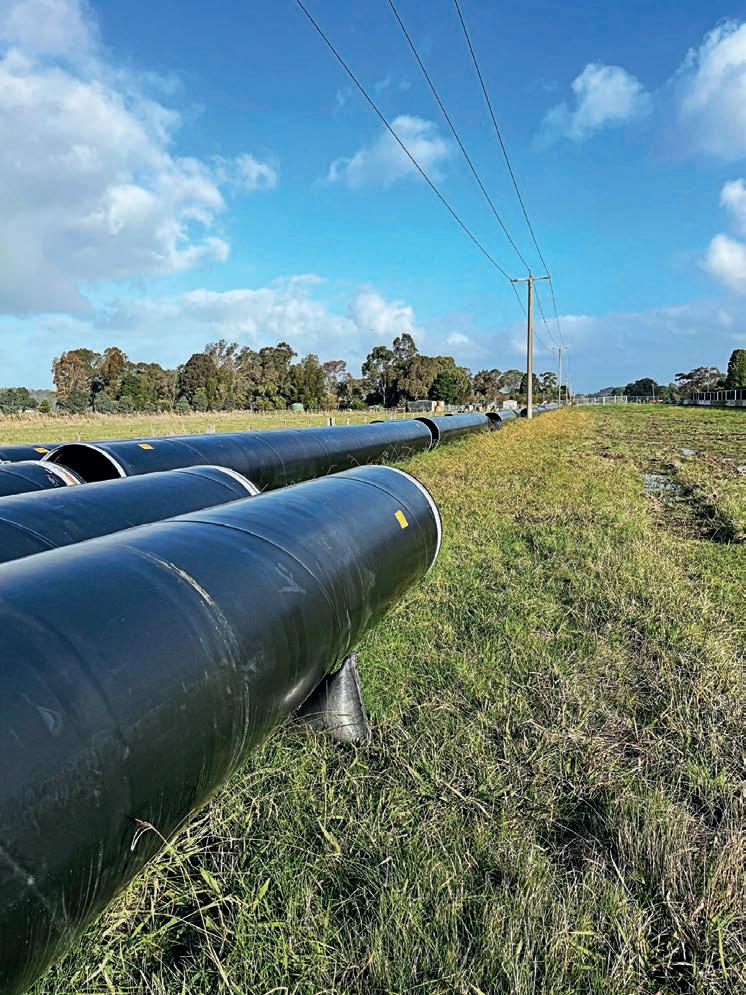
time, the company has helped countless Australian pipeline projects protect valuable infrastructure with a simple, reliable solution: Pack Tuff pipe bedding bags.
Pack Tuff bags have proven their worth on some of Australia’s largest infrastructure projects, including the Alkimos Desalination Plant, Northern Gas Pipeline, Fitzroy to Gladstone Pipeline, the Wentworth to Broken Hill Pipeline, and many others. In many cases, Pack Tuff bags are supplied by the thousands or tens of thousands, reflecting the scale of these major projects. So why do contractors continue to choose Pack Tuff bags for pipe bedding?
First, they perform under pressure.
The bags are available in three convenient sizes to suit all diameters of pipes and will not
explode under the weight of the pipe, with the largest bags able to withstand up to 15 tonnes. The bags are also flexible enough to contour naturally to uneven ground.
Unlike rigid alternatives, Pack Tuff bags absorb pressure without bursting, helping crews create a stable and secure base during transport, storage and installation.
That flexibility is important on site, where changing ground conditions and heavy pipe loads can quickly create risks for both infrastructure and crews.
“Our Pack Tuff bags can withstand a lot of hammering,” Pollard’s Director Peter Brennan said.
“Companies choose our bags because they can take a great deal of rough handling and tossing about on job sites.”
Pack Tuff bags also improve handling and efficiency.
Compared with traditional hessian sandbags, the sawdust-filled bags weigh significantly less, making them easier and safer to move around site. The lighter weight reduces manual handling strain and helps crews work faster during installation. The lower weight also reduces freight costs, particularly on remote pipeline projects where transport logistics can place significant pressure on budgets.
In some cases, Pollard’s can coordinate delivery of Pack Tuff bags alongside manufactured pipe, reducing additional freight requirements and simplifying site logistics.
Durability provides another major advantage.
Pipeline contractors regularly reuse Pack Tuff bags multiple times, even after exposure to rough construction conditions. That durability reduces waste, minimises replacement requirements and helps contractors get more value from every delivery.
Sustainability also continues to drive interest in Pack Tuff products as infrastructure developers place greater focus on environmental performance across the supply chain.
Pollard’s manufactures Pack Tuff bags using sustainably-sourced plantation timber and recycled timber by-products that might otherwise go to landfill. The company uses chemical-free virgin timber that is kiln-dried or air-dried to precise standards.
That approach allows contractors to choose a bedding solution that supports both operational performance and environmental responsibility.
From major transmission pipelines to regional infrastructure projects, Pollard’s continues to supply Australian contractors with dependable pipe bedding solutions backed by decades of industry experience.
As pipeline construction expands across Australia, contractors increasingly seek products that improve safety, simplify logistics, reduce waste and deliver reliable on-site performance.
Pack Tuff bags continue to deliver on all four.
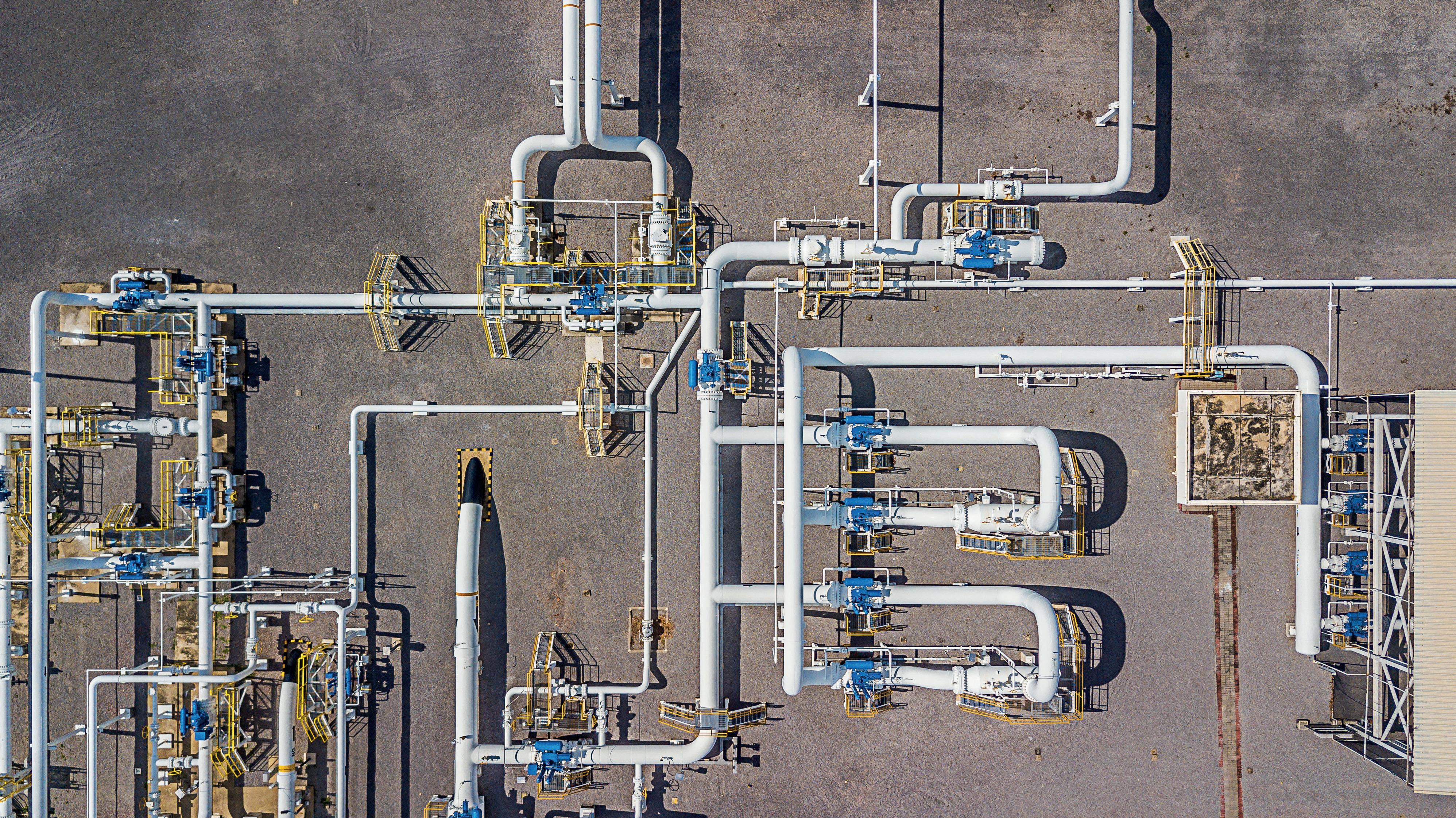
Conventional Energy Resources is helping pipeline owners move into execution with greater certainty around cost, schedule, and constructability.
For more than three decades, Angus McTavish has worked across some of the most demanding pipeline environments. Across Australia, South East Asia, Azerbaijan and Papua New Guinea, his career has centred on one recurring lesson: project outcomes are often shaped long before construction begins.
That philosophy now drives Conventional Energy Resources, a Brisbane-based business McTavish established to bring practical construction insight into the earliest stages of pipeline development.
McTavish entered the industry in New Zealand during the mid-1990s, working in a mature pipeline sector alongside highly experienced operators. He later spent six years in Malaysia and Indonesia running a pipeline pre-commissioning business before moving through senior roles with McConnell Dowell and Nacap. At Nacap, he led the company’s Papua New Guinea and Australian resources operations at vice president level.
Those years working in remote and highrisk environments shaped his view of project delivery. In his experience, the most costly project problems rarely originate in the field.
They emerge much earlier, during concept development, front-end engineering design (FEED), approvals, stakeholder engagement, and execution planning.
“Better project outcomes are driven by clear definition and strategic decision-making early in project development,” McTavish told The Australian Pipeliner. “The upfront decisions ultimately dictate how smoothly a project can be delivered.”
Conventional Energy focuses on that early decision-making window, where owners still have flexibility to influence cost, schedule, and constructability before projects move into execution.
“Conventional Energy is an end-to-end advisory partner across the project lifecycle, with our core strength sitting in the early, decision-critical phases where the most value is created and the most risk can be removed,” McTavish said.
“That’s where we focus – bringing a construction-led perspective into concept development, pre-FEED, and FEED to strengthen definition, improve constructability, and ground cost and schedule in real execution conditions.
“From there, we stay engaged through delivery in a support and assurance capacity – working alongside owners, engineering consultants, and contractors to maintain alignment with the original execution strategy and step in where practical construction insight is needed.”
McTavish said many developments still proceed without enough technical definition to support reliable delivery outcomes. Too often, unresolved risks pass downstream to contractors instead of being addressed early, when changes remain manageable and far less expensive.
Conventional Energy applies what McTavish describes as a construction-led lens to project development. These seeds were planted during McTavish’s years in Papua New Guinea, where projects faced extreme terrain, seismic risk, security challenges, and logistical complexity. In those environments, owners relied heavily on experienced construction input because standard assumptions and benchmarking offered little certainty.
“In Papua New Guinea, the risks are more
Conventional Energy applies a construction-led lens to project development.
material, so clients recognise they need experienced construction people involved early,” he said.
Australia is a very different project environment. Contractors are typically engaged after much of the engineering and development work has concluded. However, rising delivery costs, tighter labour markets, regulatory complexity, and growing scrutiny around project performance are forcing owners to reassess how projects are defined before they reach market.
“Clients have less and less tolerance for cost blowouts,” McTavish said. “It’s just so expensive in Australia.”
That shift is increasing demand for specialist construction insight during earlystage development.
“We’re not seeking to replace the asset owner’s engineer or compete with engineering consultants. Our role is to complement them,” he said.
“But at the same time, we’re very clear on the value we bring, and we see that as deserving of an equal seat at the table –because a construction-led perspective early can materially influence outcomes in a way that traditional engineering alone sometimes can’t.”
Conventional Energy remains engaged beyond project development and execution, with the business expanding into pipeline testing, in-line inspection, and onshore pipeline decommissioning services.
“Through Conventional Energy Services, we’re extending our capability into the operational phase of the asset lifecycle, providing testing, inspection and integrity services that support safe, reliable and efficient pipeline operations,” McTavish said.
“We’re also seeing a growing opportunity in the assessment, life extension and eventual decommissioning of ageing pipeline assets.
Conventional Energy Resources Managing Director Angus McTavish.
As many pipelines across the region approach or exceed their original design life – or become surplus to operational requirements as production profiles and energy markets evolve – operators are increasingly faced with important decisions around continued operation, repurposing, rehabilitation or retirement.

“Our vision is to provide an integrated assurance offering across the entire pipeline lifecycle – from concept development and execution readiness through to testing, commissioning, operational support, integrity management, life extension assessment and eventual decommissioning. We see this as a natural evolution of our business and an area where practical pipeline experience can help asset owners maximise value, manage risk and make informed decisions throughout the life of their assets.”
As Australia’s pipeline sector navigates delivery complexity and tighter commercial pressures, McTavish believes the industry will continue shifting toward earlier integration of construction expertise into project development.
“What I’ve learned working in some pretty high-risk environments is that simpler is usually better – if you get the fundamentals right early,” he said.
“At the end of the day, it’s about helping teams move forward with confidence that the project is technically sound, practically deliverable, and set up for success.”
The HK300 Special hybrid electric HDD rig has landed in Australia to help make pipeline installations greener.
Due to the public’s environmental awareness, smart trenchless installation methods are required for fast and safe installation of pipeline crossings and landfalls, with minimal impact on the surroundings. Upcoming projects, including pipeline networks for alternative fuels like hydrogen, are of public interest and successful, ecofriendly execution will be helpful for the whole industry.
As long as the ground conditions allow a safe drilling process, horizontal directional drilling (HDD) is still the preferred option. New environmental tasks will create a bigger demand in work and construction volume and require safer and greener HDD operations. Therefore, a fully electric HDD rig concept is an indispensable step towards energy transition, making green energies usable in the drilling industry, while reducing emissions to a minimum. A directly electrically driven rig allows the use of green electricity and assures high efficiency without the losses associated with hydraulic concepts. Furthermore, features like the jet pump, weeper subs and tooling concepts have been developed to increase safety and application range in HDD. This overall technological progress will most likely have a very positive impact on the reputation of HDD in the years to come.
Following this trend, UEA Pty Ltd has invested in what it calls Australia’s only operational hybrid electric HDD rig, the HK300 Special, developed in close collaboration with Herrenknecht AG and
shaped by decades of drilling experience across major infrastructure projects.
The HK300 was selected to support futurefocused infrastructure delivery, particularly in urban and sensitive environments, through quieter operation, lower emissions and reduced project impacts.
“The HK300 represents an exciting step forward for HDD in Australia. We see this as an investment in where the industry is heading with quieter drilling, lower emissions and smarter solutions for complex urban projects,” said Steven Hopkins, General Manager at UEA.
Jonathan de Vos, Operations Manager at UEA, also shared his thoughts.
“Helping design the HK300 Special has been a very rewarding experience, ensuring that the build meets the needs of our staff and clients not only now but into the future,” he said.
“The benefits that it will bring to UEA’s HDD fleet alongside our two other HK250 rigs and twin 800GPM electric mud pumps is something we are all really looking forward to.”
Herrenknecht, a global leader in mechanised tunnelling technology, offers a comprehensive range of powerful HDD rigs. Designed for the trenchless installation of pipelines, these rigs provide a fast, cost-effective, and environmentally friendly solutions.
These versatile rigs are suitable for installing a wide variety of pipelines, including those for
oil and gas, hydrogen and CO2, water and sewage, district heating, high-voltage power lines, cable bundles and much more.
Herrenknecht HDD rigs are defined primarily by their pulling force, which is selected based on project parameters like borehole length and diameter. The portfolio covers:
• Pulling force: 45–500 tonnes (100,000–1,125,000lbs)
• Diameter range: 0.2–2 meters (8–80 inches)
• Power packs output: 285 to over 1000 kilowatts (382 to over 1340hp)
• G eology: Suitable for both soft ground and rock (provided relatively stable grounds are a prerequisite)
To meet varied environmental and operational requirements, Herrenknecht offers three drive system types:
• A ll-electric HDD Rig: By dispensing with hydraulic functions as far as possible, the all-electric drive is the lowest-emission and most efficient system on the market. It impresses with its low maintenance requirements and high control precision.
• E lectro-hydraulic (hybrid) HDD rig: The so-called hybrid rig is quieter and has lower emissions than diesel-powered systems. Thanks to the lower maintenance requirements, it is suitable for flexible use worldwide.
• Diesel-hydraulic HDD rig: The dieselhydraulic system is suitable for independent
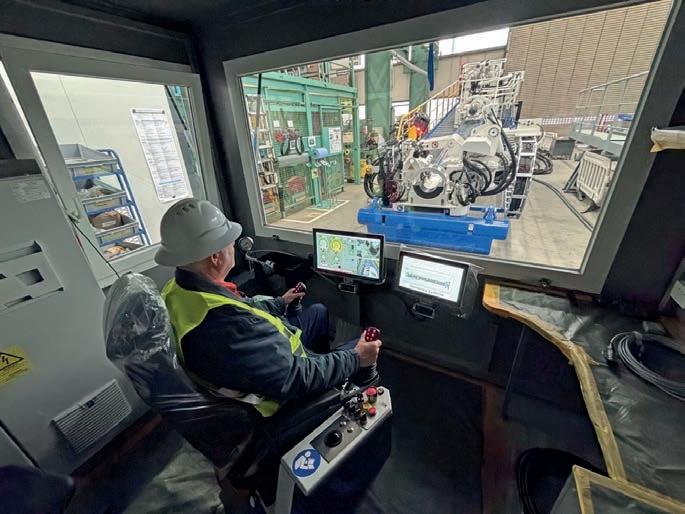
For more information, visit herrenknecht.com/en/products/productdetail/hdd-rig/
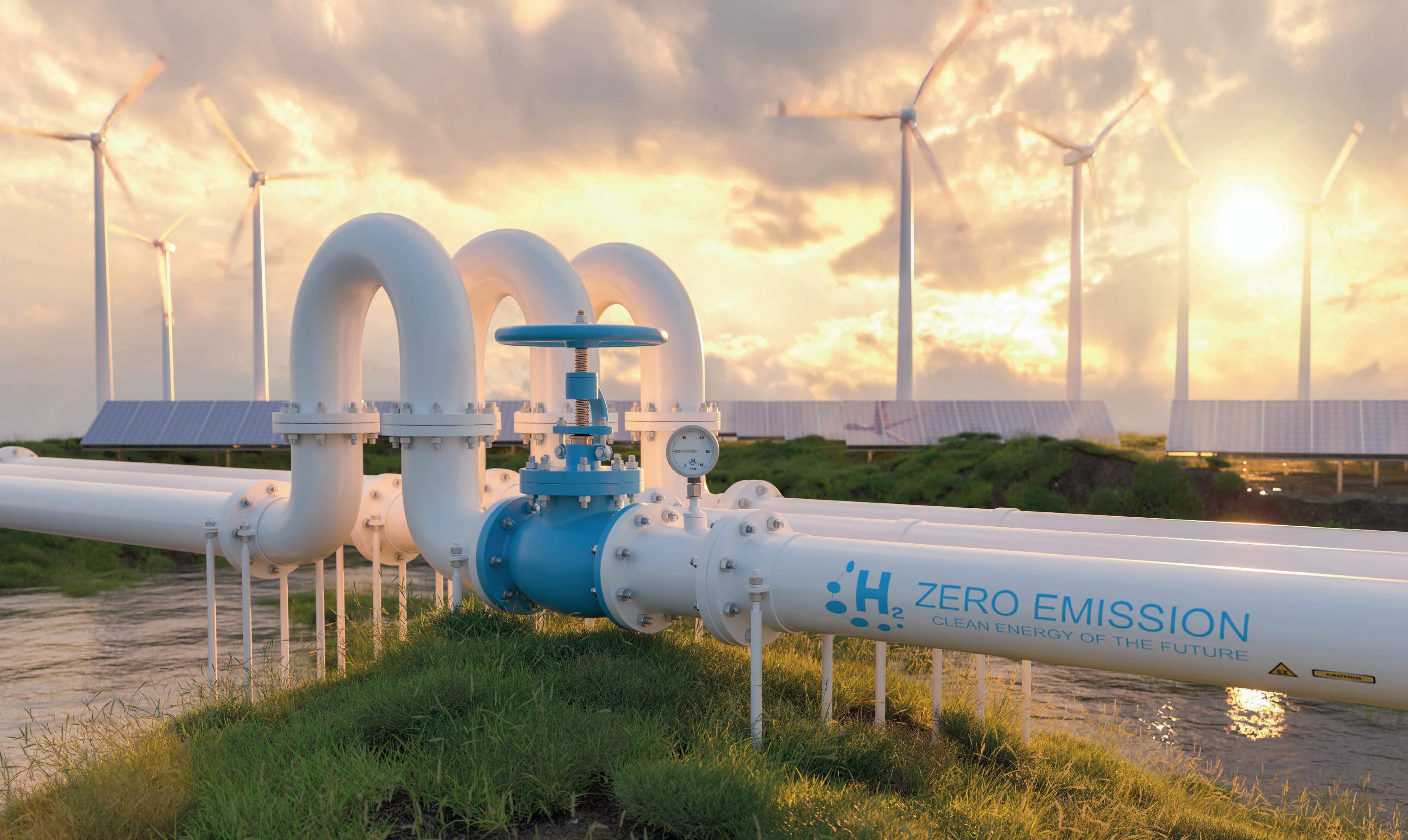
Engage with industry leaders and decision-makers driving innovation in energy transport, pipeline infrastructure, and sustainable emissions solutions
Australia’s network of pipelines is expanding rapidly to keep pace with the needs of the domestic market. The September edition of the magazine will spotlight some of the best contractors, equipment suppliers, manufacturers, and specialists who are helping forge Australia’s future energy networks
Each year, The Australian Pipeliner produces a map of the country’s major pipelines, which is circulated alongside the September infrastructure expansion edition. The map will feature many of Australia’s largest pipelines, and often finds its way onto the walls of decision-makers’ offices
Jacob Niehus Brand Manager 0466 929 675
Structural performance is assessed through deflection, strain and buckling.
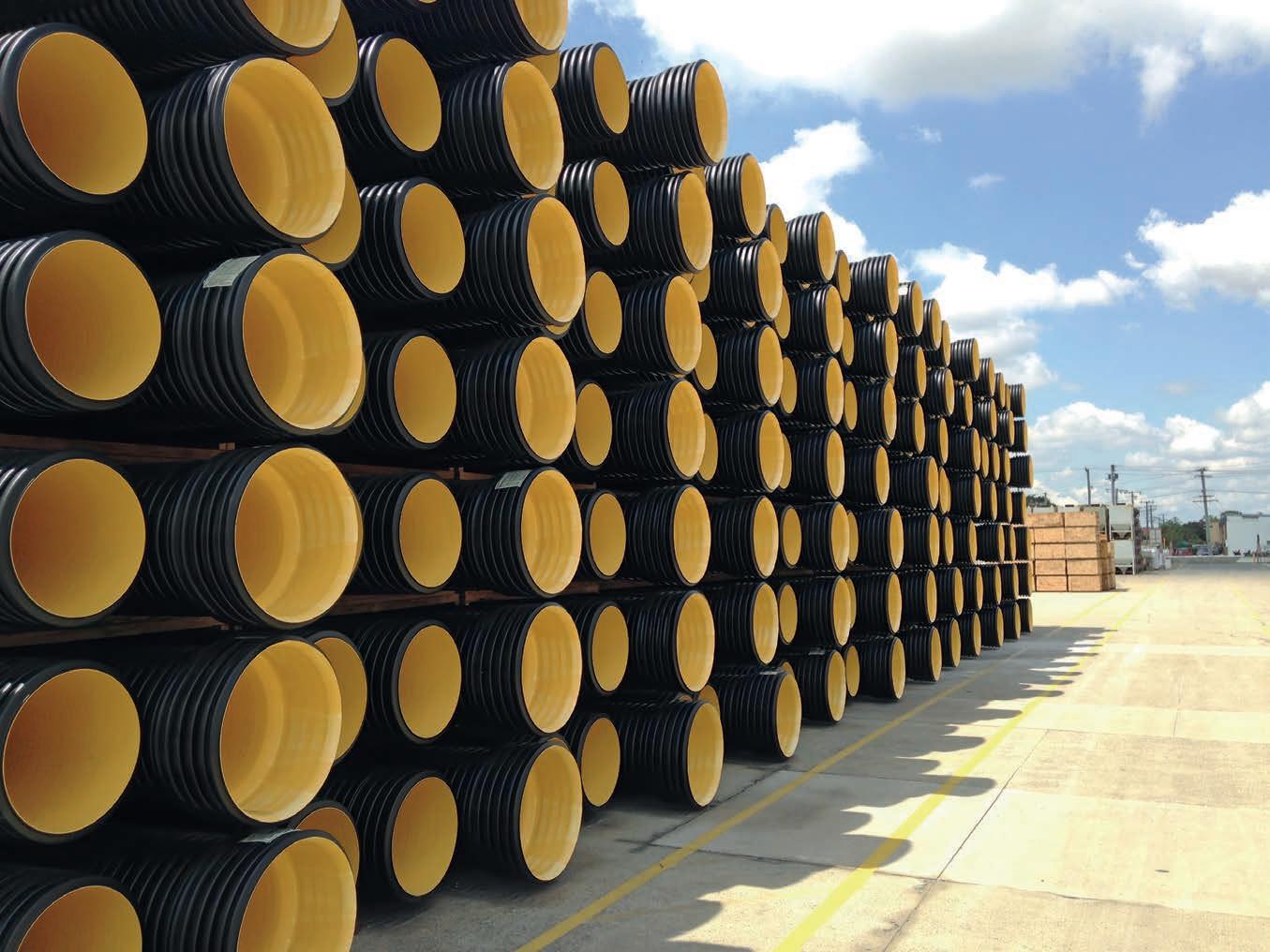
Plastics Industry Pipe Association of Australia has released a new guideline to help engineers understand how installation quality and soil support critically influence the long-term performance of buried thermoplastic pipes.
The structural design of buried thermoplastic pipes has traditionally relied on engineering calculations to assess key performance criteria such as deflection, strain and buckling. While these methods remain the foundation of pipeline design, they can sometimes make it difficult to visualise the influence of installation quality, soil support and pipe stiffness on long-term performance.
PIPA’s recently released guideline POP209 Structural Design of Buried Thermoplastic Pipes for Non-Pressure Applications addresses this challenge by bringing together both traditional calculation-based design methods and graphical design models into a practical resource for engineers, designers, asset owners and contractors.
Unlike rigid pipe materials, buried thermoplastic pipes are designed as flexible structures that rely on support from the surrounding embedment and native soil.
PIPA Executive General Manager Cindy Bray said understanding these principles is
fundamental to successful pipeline design.
“Flexible thermoplastic pipes have been successfully used around the world for decades, yet there is still a tendency to focus solely on the pipe itself. POP209 helps explain how soil support, embedment quality and installation conditions influence structural performance and why they are critical considerations during design.”
One of the strengths of POP209 is its explanation of the two recognised approaches used to assess buried thermoplastic pipe performance.
The first is the traditional calculation-based methodology, which forms the basis of structural design standards such as AS/NZS 2566. This approach uses engineering equations to evaluate deflection, strain and buckling under a range of loading and installation conditions.
The second is the graphical design model, which was developed through extensive international research into the behaviour of buried flexible pipe systems.
Much of this work was undertaken through TEPPFA's Design of Buried Waterwise Infrastructure Pipes project, where large-scale testing and modelling were used to investigate the influence of installation conditions on structural performance.
“The graphical design model provides another way of understanding buried pipe behaviour,” Bray said. “It allows engineers to see the impact that installation quality and soil support can have on performance outcomes, complementing the traditional calculation methods already used throughout the industry.”
The guideline also demonstrates that factors such as embedment selection, compaction quality, and trench construction can have a substantial effect on predicted pipe behaviour. In many situations, improvements in installation quality can provide greater structural benefit than simply selecting a higher pipe stiffness class.
This is one of the most important lessons arising from both the calculation-based and
graphical design methodologies. Successful structural performance relies on achieving the assumptions made during the design process through appropriate construction and installation practices.
Rather than presenting calculations and graphical models in isolation, POP209 steps through realistic design scenarios that demonstrate how each method can be applied in practice. By comparing both approaches, engineers can see how changes in pipe stiffness, installation quality, embedment conditions and cover depth influence predicted performance.
The worked examples provide valuable context for engineers who may be less familiar with flexible pipe systems and help translate structural design principles into practical engineering understanding.
Importantly, the examples demonstrate that both methodologies lead to the same objective – ensuring buried thermoplastic pipes meet the required performance criteria for deflection, strain, and buckling throughout their service life.
POP209 brings together decades of engineering knowledge, international research and industry experience into a practical guideline that supports better understanding of buried thermoplastic pipe design.
By combining established calculation methods with graphical design tools and practical examples the guideline helps engineers better appreciate the relationship between design assumptions, installation quality and long-term structural performance.
“POP209 was developed to support greater understanding of buried thermoplastic pipe design,” Bray said. “By combining calculation methods, graphical design models and practical examples the guideline provides engineers with tools to better understand the factors that influence structural performance and the importance of good installation practices.”
For engineers involved in drainage and other non-pressure applications POP209 offers a valuable educational resource that translates complex design principles into practical guidance.
As buried thermoplastic pipe systems continue to play an important role in Australia's infrastructure networks, understanding the relationship between design, installation and structural performance will remain fundamental to delivering successful long-term outcomes.
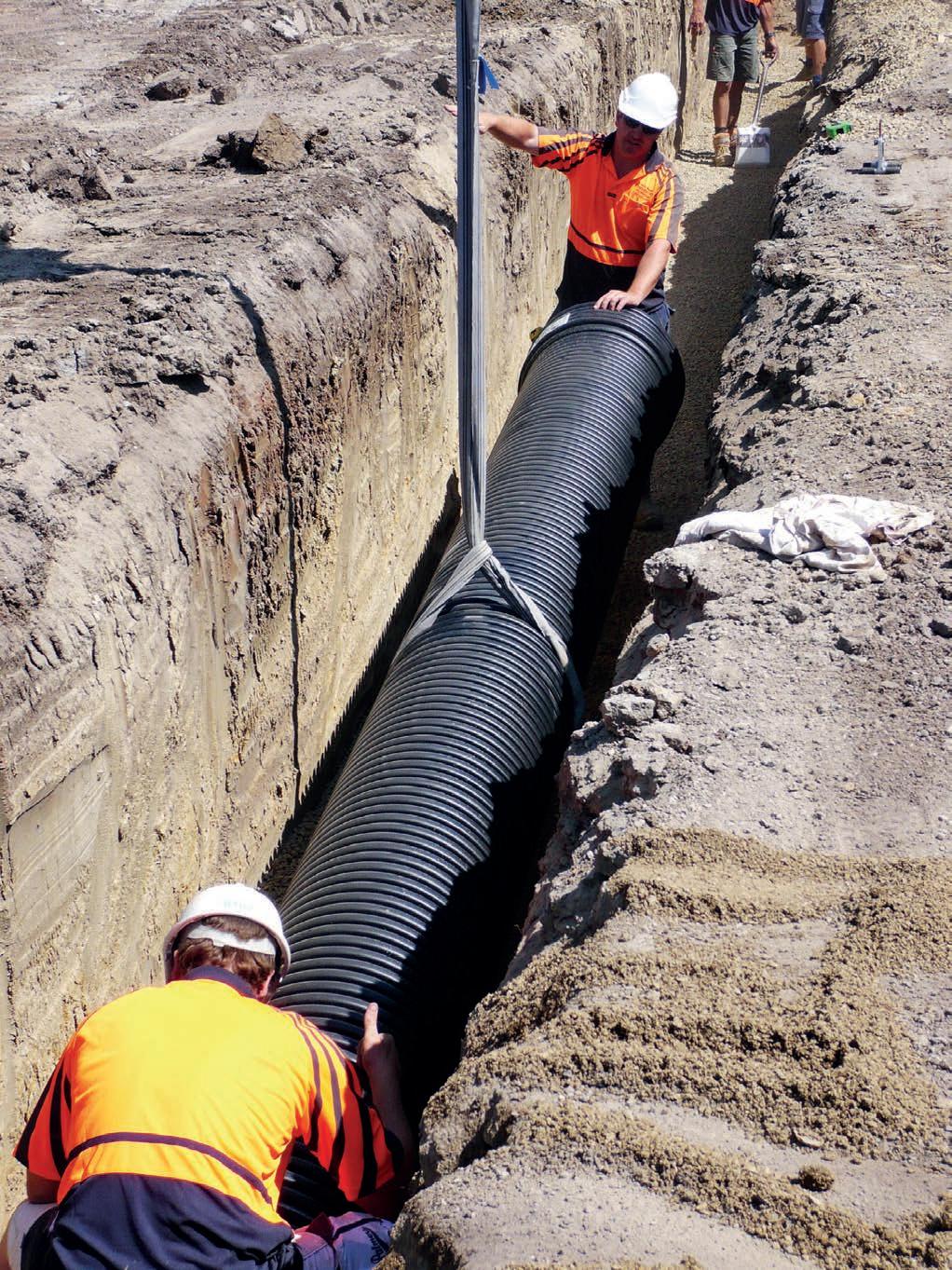
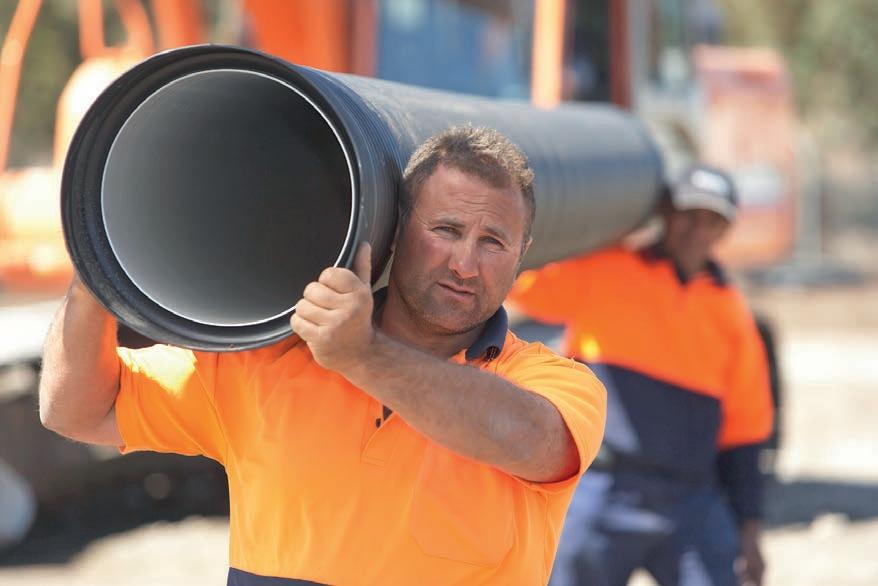
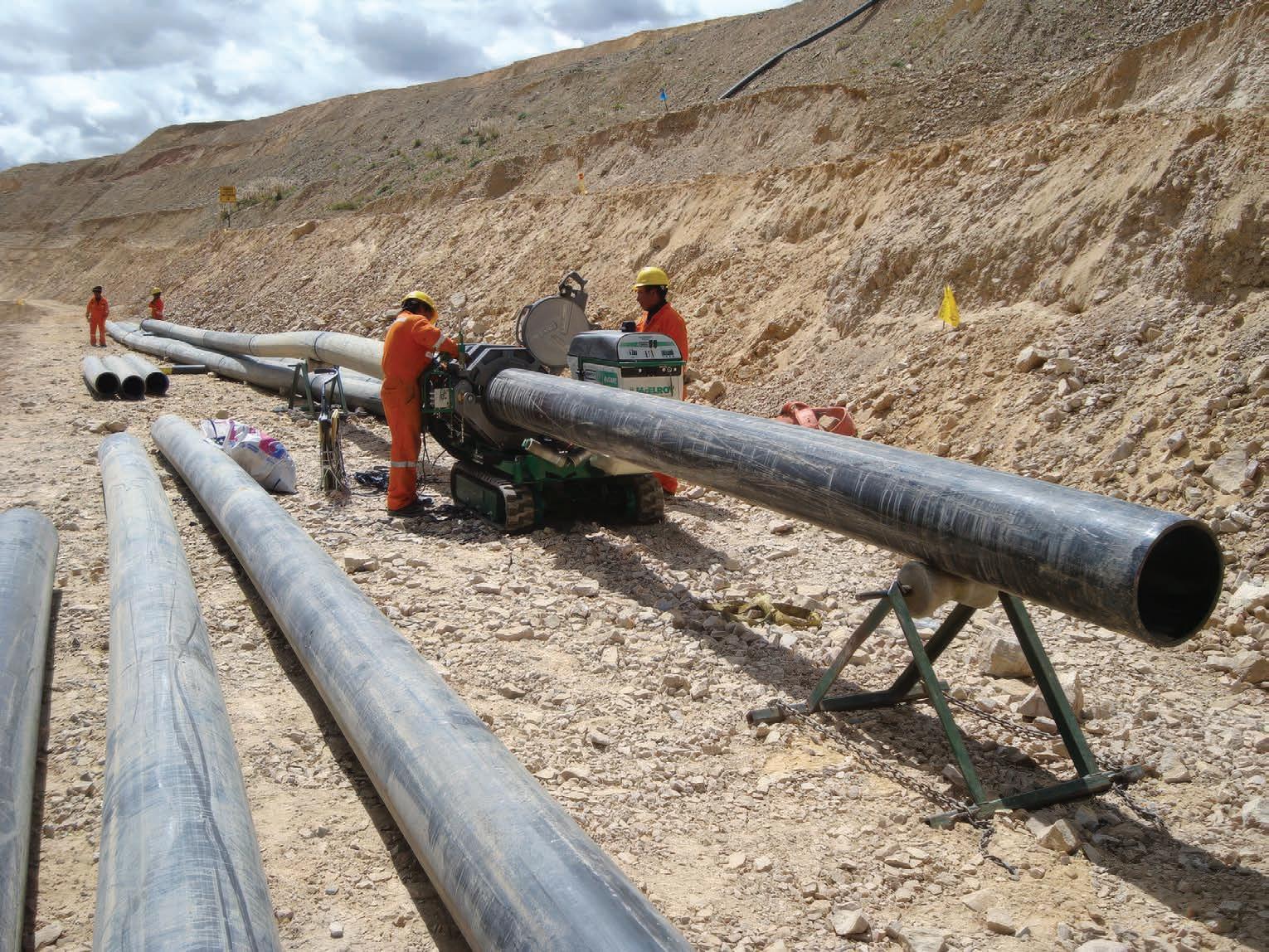
How pipe welding technology is helping to shape Australia’s evolving mining sector.
Across Australia’s vast mining landscape, the industry is undergoing a significant transformation. Driven by increasing cost pressures, the need for greater productivity, and environmental, social, and governance (ESG) priorities, operators are rethinking how they build, maintain, and optimise critical infrastructure. At the centre of this evolution is a proven but continuously advancing solution: high-density polyethylene (HDPE) pipeline systems, installed using modern fusion technology.
Australian mining companies have long been leaders in adopting safer, more efficient practices. Today, that leadership is being reinforced by ESG commitments and the need to balance operational performance with environmental responsibility.
For years, HDPE has been a trusted solution for mining operations worldwide because of its reliability and longevity. HDPE resists abrasion, corrosion, chemicals, and impact damage, while also being lightweight and easy to install. HDPE is commonly used for dewatering, process water, tailings systems and mine water management. Major users include iron ore, gold, copper and coal sectors.
According to Sergio Arellano, McElroy Asia Pacific International Sales Manager, the rapid growth of lithium and rare earth projects has increased the demand for butt-fused HDPE in recent years.
“Lithium and critical minerals projects are growing rapidly due to battery-mineral demand, and these operations are driving increased use of HDPE for process water and tailings handling,” he said. “Today almost all mining operations in Australia are using HDPE pipelines in some capacity.”
The effectiveness of HDPE pipelines depends heavily on the integrity of the joining process. Butt-welded HDPE creates joints that are as strong as or stronger than the pipe itself, eliminating the risk of leaks and reducing long-term maintenance costs.
Modern pipe welding equipment is designed to support this reliability while improving efficiency and safety on site. Selfcontained, track-mounted machines allow operators to complete welds with minimal support equipment, reducing both labour requirements and emissions.
“Australian mining customers are increasingly focused on productivity, safety,
mobility and digital quality assurance,” Arellano said. “They want to complete more welds per day, with fewer people, and with full traceability of every fusion joint.”
As mines become more data-driven, the integration of digital tools into fusion workflows is becoming essential. Technologies such as McElroy’s DataLogger® and Vault™ platforms allow operators to record and analyse welding parameters in real time, providing complete documentation of every weld.
“The DataLogger and Vault provide joint traceability, GPS records, operator records and fusion parameter records,” Arellano said. “This makes compliance and auditing much easier, while also giving operators confidence in the quality of their work.”
Remote monitoring and diagnostics also support operational continuity, particularly for mines located far from service centres or urban infrastructure.
In Queensland’s coal seam gas (CSG) industry, HDPE pipe plays an integral role in gathering networks across the Bowen and
Surat Basins, which account for most of the state’s gas production.
For MPK, a company known for its commitment to quality and innovation, welded HDPE doesn’t just save time – it improves operator safety and provides a high level of oversight.
“The CSG industry is our core business and more specifically, welding HDPE gathering networks has become a big part of what we do,” said MPK Project Manager Josh Amos.
“Combined with our modern fusion welding system and having many of our team experienced with McElroy equipment, it allows us to deliver our projects efficiently, with a high level of quality assurance and most importantly – safety.”
GEM Industrial was one of many companies brought in to perform pipe welds in the well fields.
By using butt-welded HDPE and McElroy pipe welding equipment, Darren Chandler, Business Development Manager for GEM Industrial Services, said operators have taken a process that would have otherwise taken hours to weld with traditional steel piping and whittled it down to less than an hour.
“It’s so much quicker,” he said. “The idea is productivity.”
One of the most significant trends in Australia’s mining sector is the drive towards increased productivity with fewer resources. Labour shortages, rising costs, and tighter project timelines are pushing contractors to adopt more efficient solutions.
“Contractors are investing in newer, more productive equipment, particularly for largediameter pipeline projects,” Arellano said. “Applications in the 900mm to 1200mm range are becoming more common, and the ability to perform these butt fusion operations safely is a major driver for demand.”
Track-mounted welding equipment –pioneered by McElroy’s flagship TracStar® machine line – plays a key role in this trend by allowing the machine to move from weld to weld while the pipe remains stationary. This reduces handling, lowers the risk of accidents and improves productivity.
Beyond productivity, fusion technology also contributes to broader ESG objectives. By reducing the need for additional equipment, modern fusion machines help lower fuel consumption and emissions.
The long lifespan of HDPE pipelines also supports sustainability goals by reducing the need for frequent replacements and minimising environmental impact over time.
Australian mining operators have been focusing on digitalisation, productivity improvements and ESG initiatives for some time now.
“They clearly see the value of solutions like HDPE pipelines, automated fusion equipment and digital quality assurance tools,” Arellano said.
As Australia expands production of critical minerals needed for the global energy transition, demand for reliable and efficient infrastructure will continue to grow. HDPE pipelines and advanced fusion technology are expected to remain an important part of that future, helping operators improve productivity while meeting increasingly demanding environmental and operational expectations.
At the same time as Australia’s mining operations grow, McElroy is committed to remaining at the forefront of pipe welding technology and providing tested, trusted equipment.
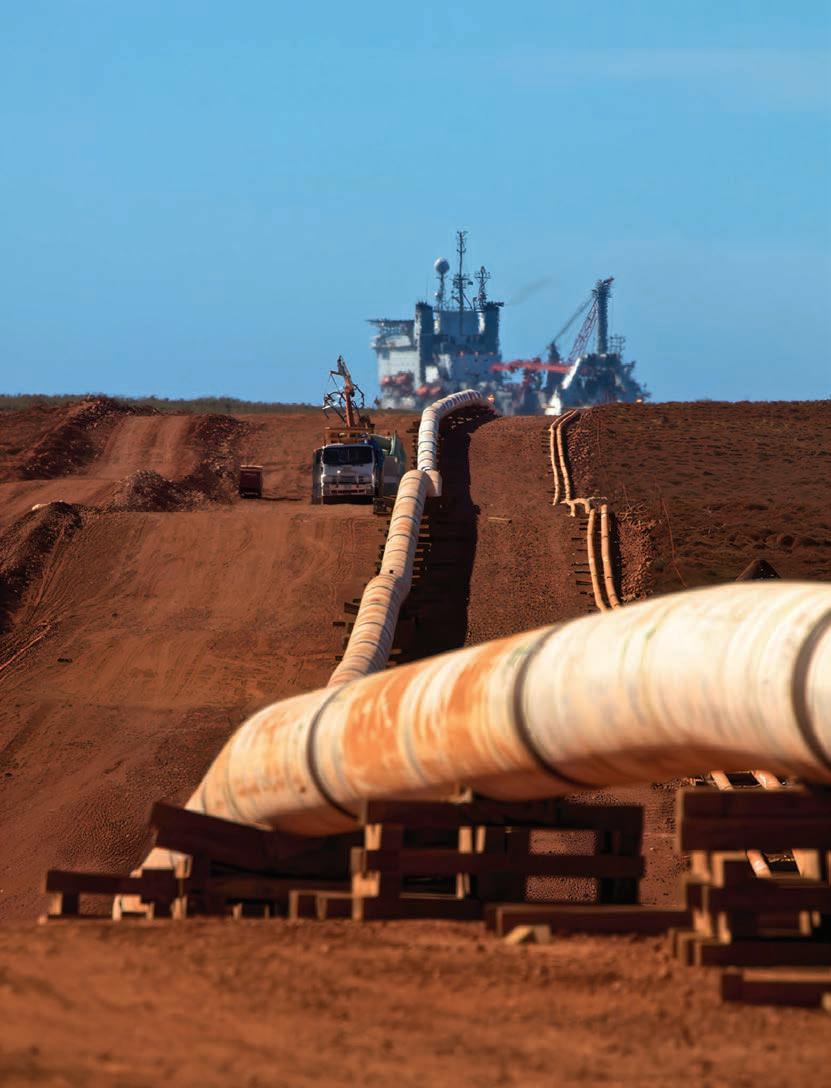
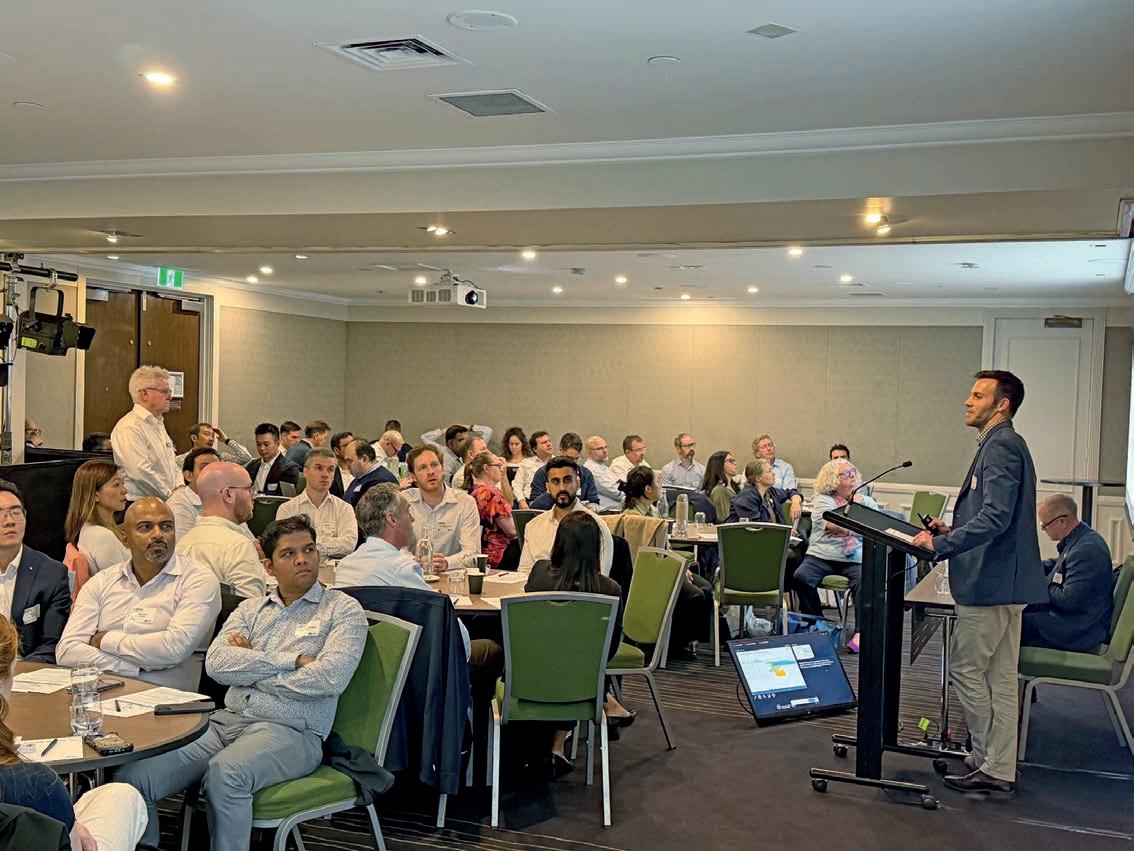
On May 21, Gas Infrastructure Research Australia (GIRA) held our inaugural Research Seminar in Sydney, bringing together stakeholders from industry, academia and government to showcase the latest research and innovation across Australia's gas infrastructure sector. Co-hosted with the Energy Networks Australia (ENA) Gas Technical Reference Group and supported by the Australian Pipelines and Gas Association (APGA), the event provided our members with an opportunity to discuss the current and emerging challenges for industry, and to shape the future of collaborative research to help to address these challenges.
This event comes almost 12 months since GIRA was established in July 2025 as an industry-led research organisation to investigate gas infrastructure’s role in Australia’s clean energy transition.
A particular highlight was a guest presentation on the NSW Renewable Fuels Strategy from NSW Department of Climate Change, Energy, the Environment and Water (DCCEEW). Justin O'Connor (DCCEEW) provided an overview of the state's renewable fuel strategy, including decarbonisation targets, support schemes for biomethane and hydrogen, and grant programmes for project development. This provided a great introduction to our panel session on ‘The Future of Renewable Gas’, where panellists discussed the barriers to scale-up, investment competition, technical and social challenges,
complementary roles of hydrogen and biomethane, and the importance of research for industry preparedness.
The research presentations included updates from GIRA’s active program of projects, along with the final outputs from recently completed Future Fuels CRC projects.
Dr. Bradley Davis from Rosen (and previously University of Wollongong) presented the results of a comprehensive test program to understand the impact of hydrogen on the material properties of Australian pipeline steels, with a focus on fracture toughness testing. The presentation also covered the establishment of the UoW/ Rosen hydrogen testing laboratory, the technical challenges encountered and overcome during the project, and future plans for the state-of-the-art facility including participation in international testing programs.
Dr. Sam Cully from Adelaide University presented an overview of research on technoeconomic modelling of biomethane injection, demonstrating an online tool which maps the levelised cost of biomethane injection across Australia, integrating feedstock data, pipeline proximity, and policy scenarios to identify cost-effective project locations. The presentation included recent updates from a new GIRA project focussing on distribution line injection, and expansion of the model to include additional feedstock sources.
For more information, visit gira.org.au
Sam also compared the Australian and European contexts, noting that distance and infrastructure proximity are key challenges in Australia, and that policy incentives and agricultural sector engagement are essential for industry development.
Prof. Jan Hayes from RMIT rounded out the research presentations, outlining the development of a practical toolkit for identifying and managing socio-technical risks in renewable gas projects, based on interviews and lessons learnt from industry and accident cases. The research is structured around five dimensions: structural, organisational, technological, epistemic (knowledge), and cultural (the “SOTEC” framework), encouraging users to consider how people, organisations, and technology interact to create or mitigate risk. Twenty-five confidential interviews with pipeline operators, regulators, contractors, and project proponents informed the toolkit, capturing both positive and negative experiences and highlighting areas of uncertainty, knowledge gaps, and cross-sector learning opportunities.
The enthusiasm and engagement from those in attendance is an invaluable contribution to GIRA meeting its objective of establishing a world-class centre to conduct research on the role of gas infrastructure in Australia’s transition to a clean energy future. We look forward to continuing to showcase our research outputs at future events.
International No-Dig Auckland is continuing to build momentum ahead of its 2026 event, securing support from some of New Zealand’s most influential organisations across the water, engineering and infrastructure sectors.
The event has announced Water New Zealand, Engineering New Zealand and Selwyn Water as official Industry Partners, while major infrastructure contractor McConnell Dowell has joined as a Silver Sponsor. Together, the partnerships reflect growing industry recognition of trenchless technology as a critical tool for delivering and renewing infrastructure.
Water New Zealand’s involvement strengthens links between the trenchless technology sector and the country’s wider water industry. The organisation represents utilities, councils, consultants and suppliers across drinking water, wastewater and stormwater, and sees significant value in helping bring international no-dig expertise into the New Zealand market.
Water New Zealand CEO Gillian Blythe said trenchless construction methods are becoming increasingly important as the country invests in renewing critical underground infrastructure while reducing disruption to communities and the environment.
The event has also secured the support of Engineering New Zealand, the country’s peak body for engineers. The organisation plays a central role in supporting engineers across disciplines, setting professional standards and promoting the value engineers bring to society. It also advocates for safe, sustainable and high-quality engineering outcomes while supporting continuous learning and capability development across the profession.
The partnership reflects the growing importance of trenchless methods in modern infrastructure planning and delivery, particularly as cities and regions seek to renew ageing assets while maintaining service reliability and reducing construction impacts.
Engineering New Zealand Chief Executive Dr Richard Templer said the organisation is proud to support International No-Dig Auckland as an Industry Partner.
“Bringing practitioners together to exchange ideas, insights and practical experience supports professional development and drives innovation across the engineering sector,” he said.
For engineers working across design,
consultancy and asset management, the event provides an opportunity to engage directly with contractors, asset owners and technology providers while exploring practical case studies and emerging approaches already being applied to complex infrastructure challenges.
Support from McConnell Dowell further reinforces the event’s strong industry backing. The company, which delivers major transport, water and energy infrastructure projects across New Zealand and the Pacific, says no-dig technologies are offering safer and less disruptive alternatives to traditional opencut excavation.
Its involvement reflects a broader shift across the infrastructure sector, where trenchless solutions are increasingly being viewed not as niche alternatives, but as mainstream construction methods capable of delivering significant operational, environmental and community benefits.
Prime Creative Media Head of Marketing Molly Hancock said the partnerships demonstrate the critical role collaboration plays in advancing the sector.
“Engineering New Zealand is an essential voice in shaping the direction of the profession,” Hancock said.
“It’s involvement in International No-Dig
Auckland reinforces the importance of connecting engineers with the latest thinking in trenchless technology. This is an event where ideas move quickly from theory into application, and that is exactly what the industry needs right now.”
The growing support from industry bodies, contractors and asset owners highlights strong alignment around the need for practical innovation, ongoing professional development and cross-sector collaboration to meet future infrastructure challenges.
International No-Dig Auckland will bring together contractors, engineers, utilities, asset owners and technology providers from New Zealand and around the world to explore emerging trends, share project insights and discuss how trenchless methods can support future infrastructure delivery.
The event will take place at the New Zealand International Convention Centre on 28–29 October 2026, featuring a program of technical sessions, exhibitions and industry networking designed to showcase the latest developments in trenchless technology.
With industry support continuing to grow, International No-Dig Auckland is positioning itself as a key forum for knowledge-sharing, innovation and collaboration across New Zealand’s
In this regular column, The Australian Pipeliner celebrates new appointments in Australia, New Zealand, Papua New Guinea, and the Pacific’s pipeline sector.

Head of Sales and Business Development, APAC STATS Group
Neil Mackay has taken on the role of Head of Sales and Business Development – APAC for STATS. With over 16 years’ experience in the industry, his background spans pipeline precommissioning and decommissioning, pigging and cleaning operations, as well as hot tapping, line stopping and plugging projects.
“STATS is experiencing significant growth across the APAC region, and my role is focused on supporting that momentum by growing and developing our regional team, strengthening client relationships, and ensuring we’re well positioned to meet increasing demand for our products and services,” he said.
“STATS has a fantastic group of people, and the team here is no exception –many of whom I’ve known for years. I’m really looking forward to pushing further
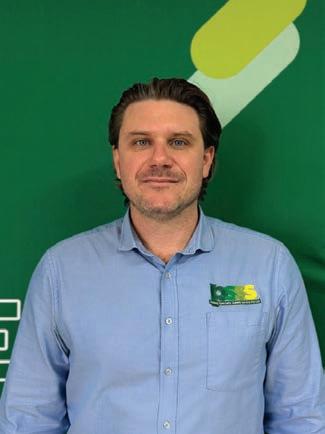
National Sales Manager
Piping Speciality
Supply Service
PSSS has promoted Michael Lee to the position of National Sales Manager. His previous roles at the company included Business Development Manager and National Major Projects Manager. Lee, who has been with the business for 12 years, will oversee the national sales function and group sales team. Through close collaboration with suppliers and customers, Lee has developed key actions that have helped identify and steer parts of the business in new directions. The official title now allows him to pursue these with greater scale and frequency.
“I’m excited about the move to National Sales Manager,” he said.
“With new depots in Perth and Roma there’s a lot of opportunity for us in making it easier for our customers to grow their business and for PSSS to grow in partnership.”
into the APAC market and working across such a diverse range of industries and regions.
“I’ll also continue to be active on the conference circuit, so I’m sure I’ll see plenty of familiar faces. And finally, having spent the first half of my life in Scotland, I’m definitely enjoying the extra and slightly more obtainable Vitamin D that comes with living in Australia.”
Before he joined PSSS, Lee was a senior account manager with JAWS Buckets where there was synergy between some of the clientele. The pipeline industry instantly resonated with him.
“There is a strong community of small players with such a large footprint in the Australian market and that was one of the big draw cards for me,” he said.
“I will likely always be in the pipeline industry in some way because I really enjoy it.”