In this two-part contribution from Shell, Professor John Read, general manager of specialities technology within Shell’s new Construction and Road division, explains some of the options for net-zero road construction. This is followed by an interview with Raman Ojha, head of the new division
THE CHALLENGE OF NET-ZERO ROAD CONSTRUCTION
Achieving net-zero road construction is increasingly occupying the minds of road construction companies, highway authorities and urban councils. Thankfully, there are many ways to reach the goal, says John Read
As society transitions to zero-carbon travel, as it must do to reach emission-reduction targets, roads will be a vital part of a thriving net-zero economy. Cutting greenhousegas emissions from the maintenance and construction of roads, including the use of materials such as asphalt, is key to decarbonising the road construction sector.
In the UK and other European markets, an increasing number of road authorities are already taking steps to increase the use of well-established emission-reducing techniques, such as warm mix asphalt and recycling end-of-life pavement.
Warm asphalt mixture is proven to reduce emissions across production and installation compared to conventional hot mixtures. For example, by using fuel oil in an asphalt plant as the primary heating fuel, reducing by 30oC the mixture temperature, results in a saving of around 10% in fuel use3, that is around 0.9 litres per tonne of asphalt produced. is translates approximately into a 5% reduction of the overall pavement carbon footprintfrom cradle to installation1 (see pie chart). ere is also a need for reclaimed asphalt pavement (RAP) to take a more prominent
Shell Construction and Road partnered with Aggregate Industries to produce the UK’s rst commercially available biogenic asphalt
role in asphalt mixture designs and be used in its highest value applications, for example in surface courses. Use of RAP reduces the need for virgin raw materials and as a result reduces the embodied carbon impact of bitumen, aggregates and ller.
ese are meaningful steps that the industry can already take and which can deliver carbon reductions in road schemes. However, even with the adoption of lower temperature asphalt and use of highproportion RAP asphalt mixtures, emissions from the remaining fuels used in the asphalt production – from construction equipment, materials transportation - and embodied carbon of bitumen still need to be addressed by road authorities, road contractors and asphalt producers. Fuel usage and the embodied carbon of bitumen can represent up to 80% of the total carbon footprint per kilometre of asphalt road paved.
So, with the urgent need to decarbonise the industry, what other levers are available to road constructors?
BIOGENIC MATERIAL
Calculating asphalt’s total carbon footprint takes into account the CO2 embodied within
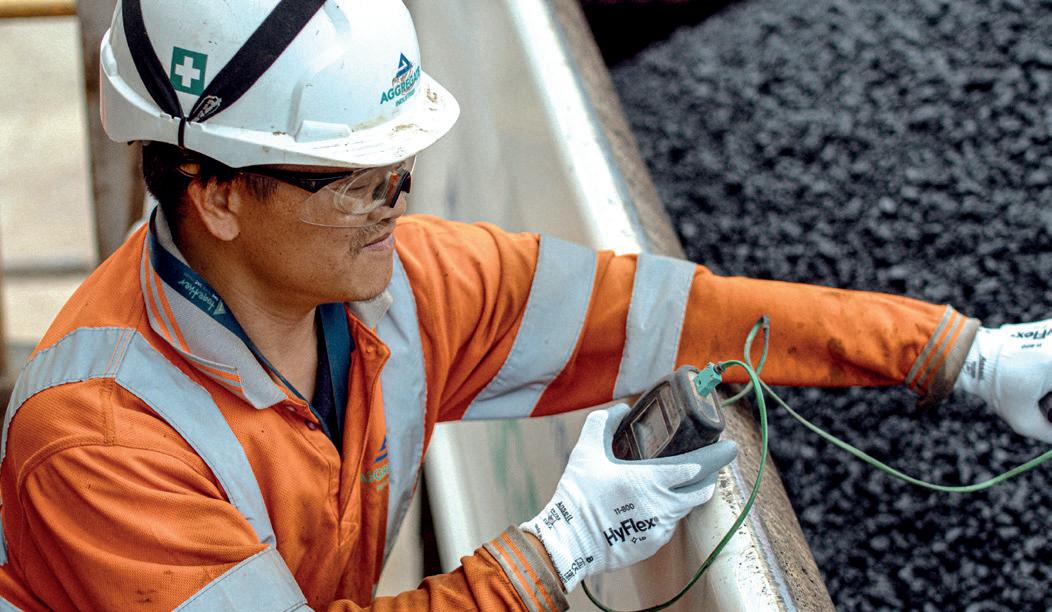









John Read: Shell Bitumen’s CarbonSink is a biogenic binder that locks carbon into asphalt and bitumen
the raw materials used in the asphalt mixture production. Using bio-derived materials in binders can enable a shi to an asphalt mixture that is based on renewable resources, reducing the requirement for fossil-based bitumen and helping to lower the overall carbon footprint of pavement construction and maintenance.
Biogenic materials are solely of plant origin and contain biogenic carbon. Plants have the unique ability to remove CO2 from the atmosphere and take it into their leaves, roots and stems while at the same time releasing oxygen back into the atmosphere. is process leads to what is termed biogenic carbon2
Asphalt mixtures with bio-binders can reduce emissions and promote a circular economy compared to conventional asphalt mixtures. As a result, Shell has been committed to a research programme focusing on the use of bio-based residues as a resource to the asphalt industry and to reduce overall carbon footprint of asphalt.
In the UK, Shell has launched Shell Bitumen CarbonSink, a biogenic binder that locks carbon into asphalt and bitumen, turning the road into a technical carbon sink. As the asphalt road is recyclable, the majority of this carbon will not re-enter the atmosphere, even at the end of the material’s life.
Components of biomass processing are engineered to ensure bitumen compatibility that won’t compromise the performance characteristics of asphalt. is creates a binder that can be recycled and retains captured biogenic carbon in the long term.
Shell Bitumen CarbonSink contains biogenic carbon of up to 250kg carbon dioxide equivalent per tonne of bitumen. is biogenic “credit” is equivalent to the amount of CO2 removed from the atmosphere during the growth phase of the bio-component.
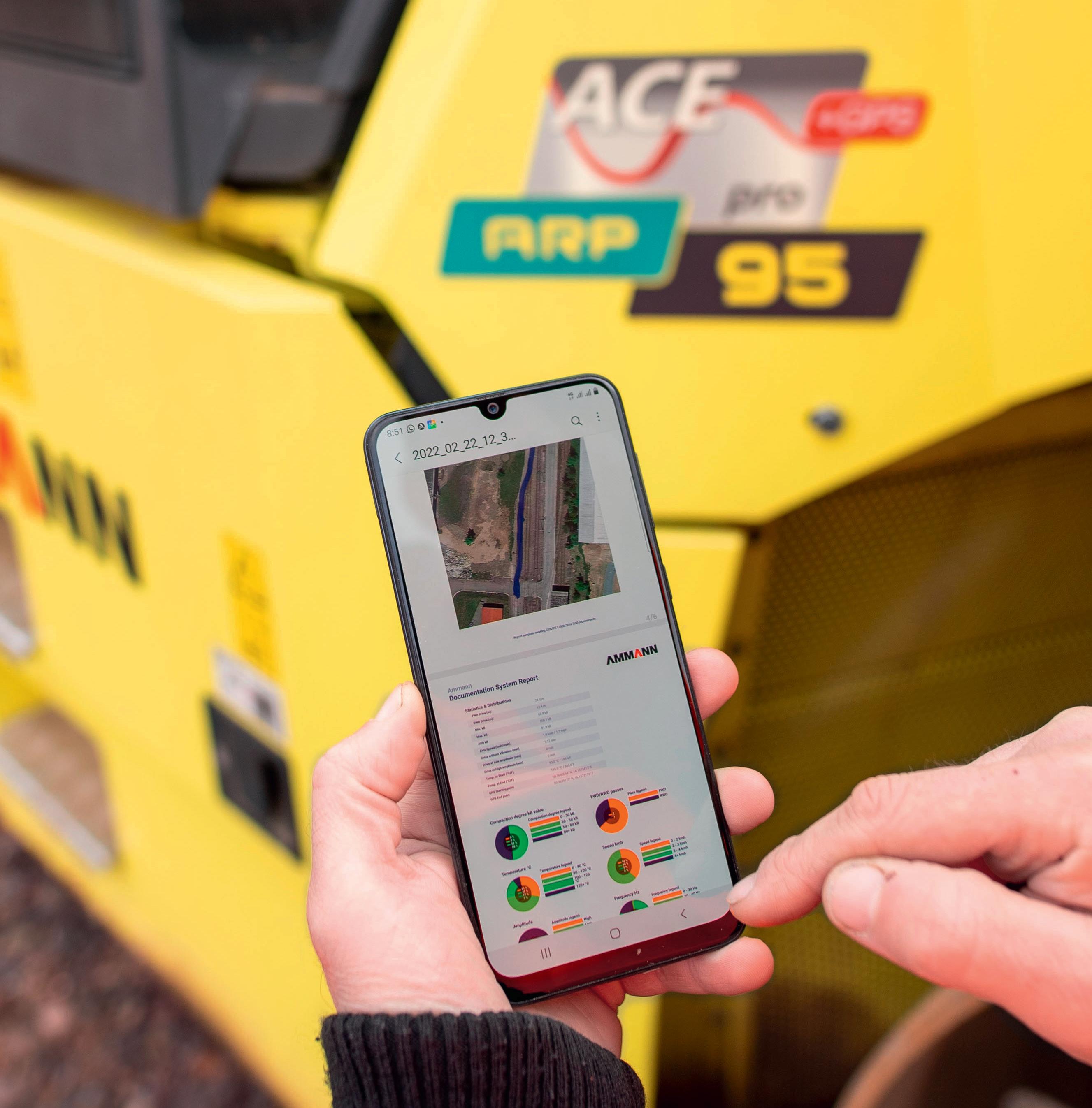

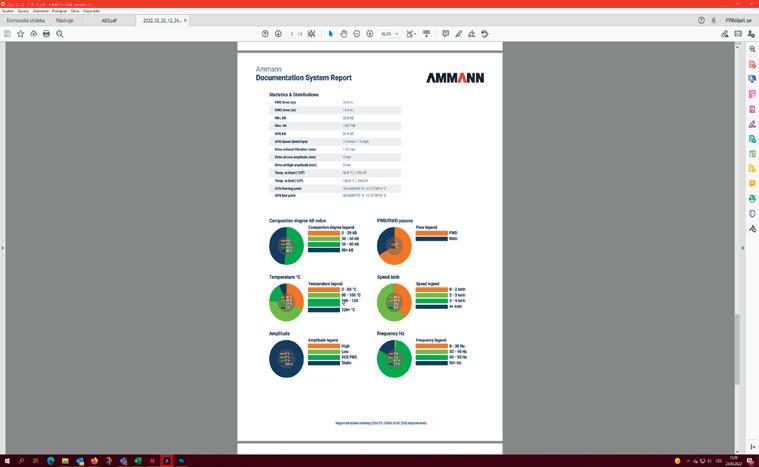
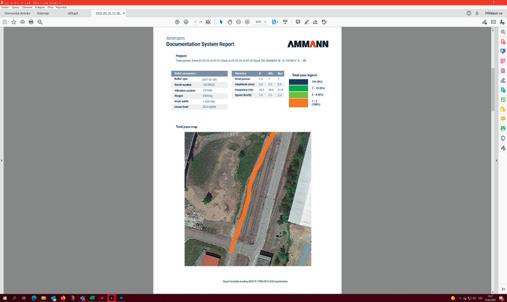

AMMANN’S ACEforce AND ACEpro INTELLIGENT COMPACTION SYSTEMS HELP YOUR CREWS MEASURE PROGRESS IN REAL TIME.
• Now, with Ammann Documentation System (ADS), that information can be captured and analysed.
• ADS records ACEforce and ACEpro data that can lead to real improvements – and cost savings – on your next jobsite.
• ADS is convenient; data export is effortless. And it’s relevant. You’ll have access to the information most essential to improving your operations.
The biogenic carbon can be captured in the overall corporate carbon accounting, for example, through a green-house gas (GHG) emissions inventory report. Around 250kg of carbon dioxide equivalent per tonne of bitumen translates to approximately a 10% reduction of the modelled carbon footprint of one kilometre of pavement, as in cradle-topavement installation¹.
LOWER CARBON FUEL
Fuels used in the transport of materials within the value chain, in addition to construction equipment, account for approximately 39% of the modelled carbon footprint of one kilometre of pavement1 Fortunately, there are lower-emission alternative fuel options readily available today.
In Germany, Shell’s solution to the challenge of decarbonising heavy-duty fleet transport is Shell R33 Blue Diesel fuel, an innovative fuel which consists of 33% sustainable biocomponents. As a result, the R33 Blue Diesel fuel delivers at least a 22% reduction in carbon dioxide emissions compared with standard diesel emissions. These renewable components come from waste materials, such as cooking fats, that are collected, filtered, cleaned and processed. Shell R33 Blue Diesel fuel can be used in all diesel vehicles without any engine modification4
In the UK, Shell is partnering with Green Biofuels to offer a diesel replacement fuel, designated Gd45, that is powered by Shell GTL Fuel. The Gd45-branded fuel consists of 55% Shell GTL (gas to liquids) fuel and 45% Gd+ HVO (hydrogenated vegetable oil). In combination, the new fuel offers a reduction in carbon dioxide emissions compared with standard diesel emissions5
MINIMISING MATERIAL INPUT
Moving towards lower-embodied carbon raw materials and switching to lower carbon energy sources alongside green electricity are key on the road to a net-zero asphalt pavement. However, there is also a need to embrace a circular-economy approach to ensure that end-of-life-recycling-loops are closed and materials stay in service for as long as possible. By increasing circularity, the value chain can reduce the need to extract, produce and install new materials.
A circular economy has multiple benefits, such as favouring activities that preserve value in the form of energy, labour, and materials. To do this, pavements should be designed for durability to maximize service life and reduce maintenance and repair.
Historically, extended pavement life has been achieved through several different techniques, whether that be through more durable asphalt designs or using higher quality materials to construct the pavement, such as polymer modified binders. While the use of polymers increases the initial cost and the overall carbon footprint of the pavement, the return on investment is realised through the increased durability of the road and the extension of the service life of the pavement.
Shell is currently developing a new range of modified binders that aims to go beyond the established durability benefits associated with polymer modified bitumen. As pavements age, the binder component within the asphalt increases in viscosity and eventually leads to embrittlement of the pavement. Shell Cariphalte AgeSafe is designed to inhibit the oxygen uptake within the binder to extend pavement life. It has now been successfully laid in different markets around the world and is expected to be commercially available in selected markets from 2023.
Unsurprisingly, pavement maintenance has a direct impact on service life. A welldesigned maintenance system that covers both preventative and reactive maintenance can prolong the pavement service life. It can reduce its carbon footprint by requiring less
frequent interventions, reducing roadworks and saving energy used in the asphalt production and installation process.
Net-zero road construction is a challenging target, made harder by the high level of fragmentation of the construction sector. Progress can only be achieved through extensive collaboration. For the construction industry to reach net zero, a multitude of solutions will need to be deployed across the value chain, some of which are still to be developed. While it is key to invest in developing new innovative low-carbon solutions, Shell Construction and Road believes progress can be achieved now by using already existing, more sustainable road construction products and adopting new pavement design, pavement installation and maintenance practices. ■
References
1. Shell internal modelling
2. UC Davis - https://clear.ucdavis.edu/explainers/ biogenic-carbon-cycle-and-cattle
3. DAV, German Asphalt Association
4. https://www.shell.de/geschaeftskunden/ mobilitaet/shell-kraftstoffe-fuergeschaeftskunden/r33-blue-diesel.html
5. https://www.shell.com/business-customers/ commercial-fuels/shell-gtl-fuel.html
Carbon-footprint breakdown per km of pavement (cradle to pavement installation)*
Shell Internal Modelling –based on internal analysis
Assumptions
• Aggregates Transport = 25km
• Bitumen Transport = 200km
• Fuel Use at Asphalt plant = 8 litres Fuel Oil
• Bitumen Content 5%
• Asphalt Plant distance to site = 20km]
Sources: UK Gov. GHG reporting: conversion factors 2021 and EU Directive 2015/652


“Construction including road construction is one of the most complex and di cult sectors to





REGULATION: KEY FOR NET ZERO
Kristina Smith met the head of the new Construction and Road division, Raman Ojha, to find out
Many commercial and industrial sectors are having a hard look at how they can contribute towards decarbonising the environment. From burning less fuel to reducing waste from production, it remains a di cult and o en confusing process for many companies. is is especially true for businesses involved in construction, especially those in road construction.
“Construction including road construction is one of the most complex and di cult sectors to decarbonise,” says Raman Ojha, head of Shell’s new Construction and Road division, created in August last year.
“How materials are produced, how they are transported, how they are used to produce the end product, the whole supply chain is pretty complex,” says Ojha, who has been with Shell for 17 years in major roles in China, the US and India. “But it makes things more exciting. It would be boring if it was vanilla.”
Ojha is now based in Singapore. He came to the division from India, where he ran the company’s subcontinent lubricant business. Prior to that he worked extensively in bitumen, including as Shell’s global marketing head for bitumen. Construction is now one of several sectors – among then aviation, shipping and road freight – that Shell has identi ed as “hard-to-abate” in terms of carbon emissions.
However, Ojha won’t be limiting himself to the challenge of decarbonising bitumen and oil-based products. Bricks and concrete are also on the agenda. “We are also looking at other low-carbon materials,” he says. “We believe there needs to be a good solid pipeline, not just for roads.”
PRESSURE
Like any large corporation that wants to retain shareholders, Shell has committed to being zero-carbon by 2050 – in Scopes 1 and 2, which cover direct emissions and those generated by energy used and purchased. However, Shell opted for a sectoral approach to decarbonisation where it wants to make a di erence within various sectors that the company serves.
“ e pathways, the solutions and the approach will vary from sector to sector,” he says. “For example, in aviation the big focus is on sustainable fuel. In marine it is pathways to hydrogen, gas and ammonia. In construction the pathways would be very di erent. ere are di erent options for each sector and there will be di erent speeds of implementation.”
Raman Ojha:
decarbonise”
To accomplish this, he acknowledges that there is no silver bullet. Instead, the sector must look to a combination of regulation from governments, robust standards around carbon emissions that can be used to benchmark between companies and regions, pressure from infrastructure owners and clients, as well as technical innovation from companies such as Shell.
In Europe and the West in general, Ojha sees regulation playing a leading role. He cites the examples of the English road authority National Highways which has committed to achieving net-zero carbon for its own operations by 2030 and net-zero road maintenance and construction by 2040.
“ e starting point is regulations,” says Ojha. “Governments and highway authorities will have to take steps to establish some form of framework around carbon. Asset owners need to start establishing demand for lowcarbon solutions. at will give con dence to suppliers to invest in the infrastructure they need.”
In markets such as China and other parts of Asia, pressure to decarbonise is likely to come from another direction - the big corporates. For example, one large construction rm that Shell worked with was manufacturing in Indonesia and shipping to Australia. “Although there is no regulation in Indonesia, they wanted to lower their carbon footprint, so they started using biofuels,” he says. “ at’s where we will see the di erence.”
But with the parallel pressures of continuing disruption to supply chains due to the Ukraine con ict and rising awareness of carbon emissions, can construction expect its supply chains to get shorter?
“If countries and companies become conscious of their carbon footprint, then the supply chain would also evolve. Instead of bringing materials all the way from China to Europe, it may make sense to source then nearer to home,” he says. “It depends on how the carbon tax develops, how carbon is costed.”
COLLABORATION
Shell’s story about biogenic asphalt being laid in the UK is one for Shell’s Construction and Road division. It involves a partnership with Aggregate Industries, the use of a plant-derived material to replace part of the bitumen binder and, of course, a lower carbon footprint.
“No one single player can resolve things on their own. We need to bring players together, players like Aggregate Industries that have a strong desire to experiment with
technology. ey are very critical as players because they make it happen. Shell does the research and innovation but we need a partner who can bring innovation onto the roads.”
Ojha points out that this isn’t a new concept. Shell’s partnership with Aggregate Industries stretches back around 10 years. However, collaboration between stakeholders is a strong decarbonisation theme and, hence, worth emphasising for Shell – or any other company wanting to demonstrate their commitment to the cause.
ere are other low-carbon road technologies in the pipeline, such as a bitumen that ages more slowly than the standard binder, says Ojha. Laboratory experiments are underway on low-carbon pyrogenic bricks and watch out for an
upcoming announcement about low-carbon concrete.
While advancements such as biogenic roads in the English county of Oxfordshire are a step in the right direction, there are still huge barriers to spreading such technology more widely. Ojha understands that for local authorities still limited by capital budgets, spending more on a low-carbon solution is a di cult ask. “ e approach should be to look at it using a whole life-cycle basis,” he says.
“I believe there will be an evolution in how we look at budgets. If you start looking at a longer horizon, keeping in mind how maintenance cycles work, the choices made would be di erent. Slowly governments and authorities will move toward the idea of whole-life cost and whole-life carbon.” ■
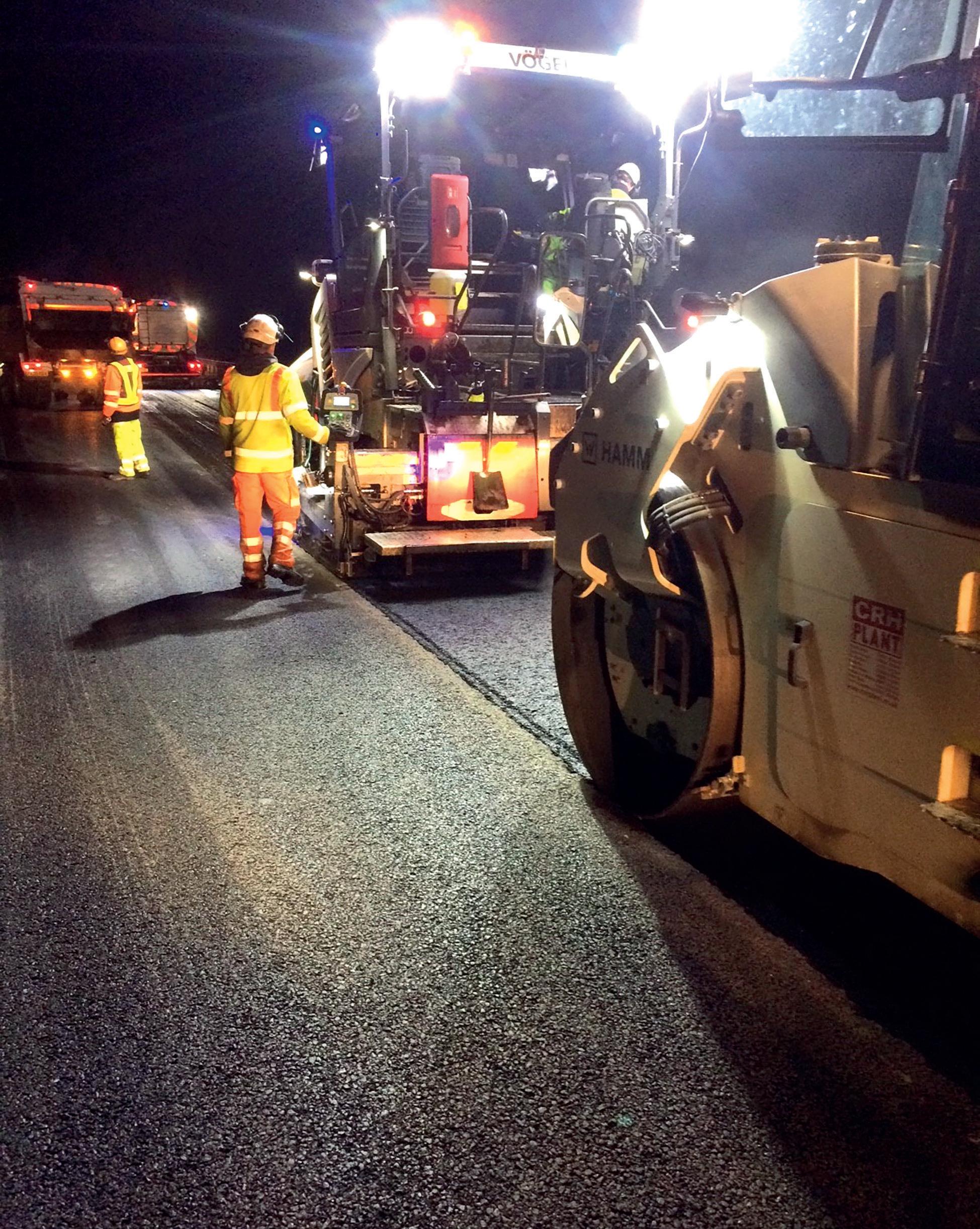

“There are other low-carbon road technologies in the pipeline, such as a bitumen that ages more slowly than the standard binder“
Shell Bitumen CarbonSink used in a UK asphalt project
RESTORING RAP BINDER FUNCTIONALITY USING RELIXER
Krishna Srinivasan* explains how ReLIXER, an elixir of green bio-based oils formulated by Sripath Technologies, has been successfully used as an asphalt rejuvenator and recycling agent in high-RAP mixes
To accommodate the expanding economy and population, the global network of roadways continues to grow and the industry generates over 750 million tonnes per year of recycled asphalt pavement (RAP). is has prompted many countries to adopt and embrace the circular economy concept. Increasingly, several industry experts and regulatory agencies urge or mandate the use of high-RAP mixes with the intent to minimise the need for virgin bitumen and aggregates.
As a bituminous road pavement ages, there is no appreciable change in the quality of the

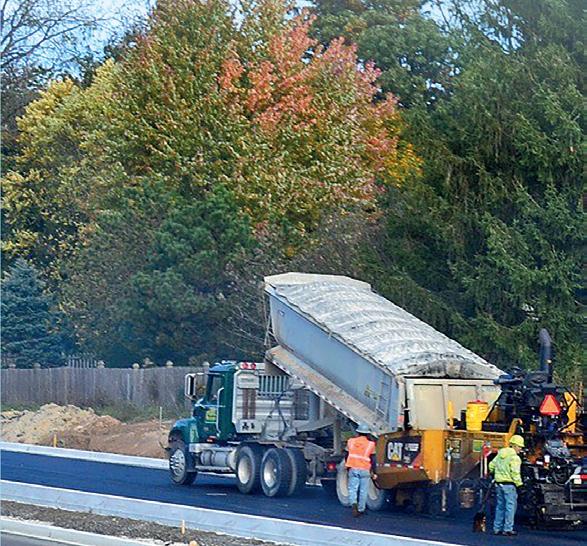
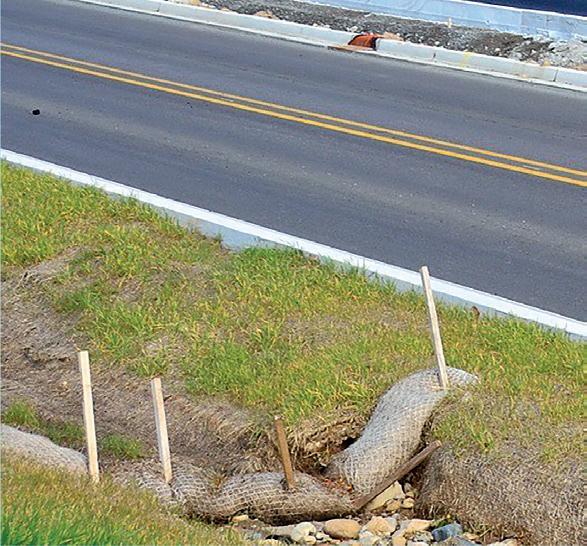
aggregate component. On the other hand, the bitumen oxidises and changes both physically and chemically, making the bitumen binder sti and brittle with age. It is well recognised that for high RAP mixes with greater than 25-35% RAP, a rejuvenator or recycling agent is frequently needed to help so en the aged bitumen and restore its functional properties. Without a rejuvenator, RAP does not signi cantly contribute any active binder to the mix. e RAP particles then behave like a black rock. An ideal asphalt recycling agent or rejuvenator so ens the aged bitumen, restores the functional properties of the aged bitumen and aids workability

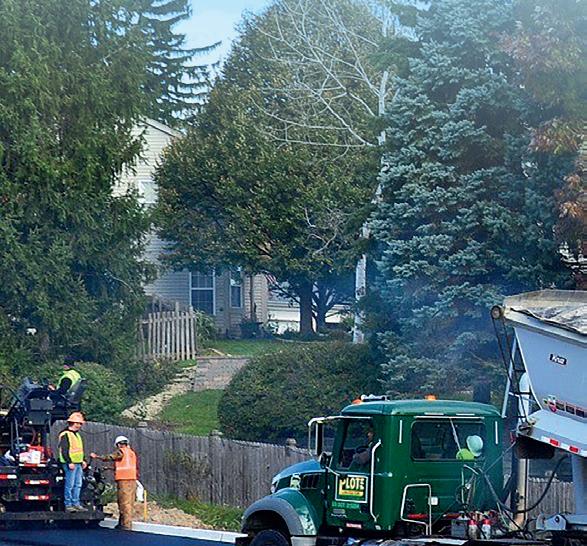
and compactability of the asphalt mix. Importantly, it delivers the required roadway performance and durability.
e expectations of an ideal rejuvenator are shown in gure 1. e rejuvenated RAP binder reduces the need for virgin binder in the mix. e key characteristics of one such ideal rejuvenator – ReLIXER, from Sripath Technologies - are outlined in table 1
ReLIXER is called a “green” agent because it is a material intentionally made from substances derived from living - or onceliving - organisms. It is designed to rapidly penetrate RAP particles and restore the functional balance of properties of the aged RAP bitumen. ReLIXER helps reduce the amount of virgin bitumen and aggregates needed and reduces the overall cost of the mix. It is highly e cient at low dosing levels, non-hazardous, safe to handle and easy to


Four mixes with high levels of RAP and RAS – reclaimed asphalt shingles - were evaluated by a contractor in the US; each mix was evaluated with and without ReLIXER
Figure 1: Expectations of an ideal rejuvenator


incorporate in a mix plant.
It also helps lower greenhouse gas emissions and generates an overall lower carbon footprint. High-RAP mixes with ReLIXER are easier to pave and deliver outstanding roadway performance and longterm durability.
e product has been routinely used to pave roads in North America and Asia since 2015. As well, trials have been conducted or are pending in Australia, Europe, South America and Africa.
HIGH RAP/RAS IN US
Four mixes with high levels of RAP and RAS – reclaimed asphalt shingles - were evaluated by a contractor in the mid-Atlantic region of the US. Each mix was evaluated with and without ReLIXER. Mix 1A and Mix 1B, both contained 40% RAP. Mix 1A contained no recycling agent, while Mix 1B was dosed with 0.28% of ReLIXER, by mix weight.
As seen in table 2, the addition of ReLIXER dramatically improves the viscosity, the low-temperature true grade and the penetration values. As the total recycled bitumen content (ABR) is increased from around 45% for Mix 1 to around 82% for Mix 4, the bene ts of rejuvenation, as seen in the extracted binder properties, are dramatic and evident (see table 2).
ReLIXER not only e ectively restored the functional balance of properties to the aged bitumen, but it allowed for lower virgin bitumen additions to the mix. Based on this extensive test matrix, the contractor developed customised mixes for speci c paving jobs and has been routinely using ReLIXER in high RAP mixes.
ReLIXER is the only rejuvenator approved for commercial use by the Illinois State Toll
Environmentally friendly
• Blend of green bio-based oils
• No burden on food sources
• No volatile organic compounds
• Lowers greenhouse gas emissions
• Lowers carbon footprint
Excellent roadway performance
• Restores functional balance to RAP bitumen
• Improves crack-resistance properties
• Confers excellent durability
ReLIXER
New roadway RAP +
Generate reclaimed asphalt Roadway damaged over time
Highway Authority for its Illinois Tollway, a 475km-network of six tolled highways within the US state. e highways range from six to 12 lanes and are subject to high tra c and extreme weather conditions. Illinois experiences average winter temperatures of -12°C, average summer temperatures of 30°C, annual snowfall between 350-975mm and rainfall around 800-1200mm.
As part of the approval process, Sripath collaborated with the University of Wisconsin, S.T.A.T.E. Testing, Plote Construction and the Illinois Tollway Authorities. Close to 5,000 tonnes of a 40% ABR mix was produced to lay down eight lane-kilometres of top, base and shoulder courses on US Interstate I-88 and I 294 highways and some private roads in the area. ReLIXER additions of 2% and 3.6% by total bitumen content were evaluated. As a comparison, a so er bitumen mix was also
User friendly
• Highly ef cient at low dosing levels
• Easy to incorporate into a mix plant
• Non-hazardous & safe to handle
• Compatible with all grades of bitumen & RAP from around the globe
Helps reduce mix cost
• Designed for high RAP mixes
• Reduces virgin bitumen requirements
• Reduces need for fresh aggregates
evaluated. A robust, balanced mix design protocol was adopted for this trial. e disc-shaped compact tension (DCT) fracture energy test has been shown to discriminate between asphalt mixtures with respect to their thermal cracking potential. Mixes with RAP and ReLIXER demonstrated superior fracture toughness; their DCT values were 497J/m2 for the mix with 2% ReLIXER and 544J/m2 for one with 3.6% ReLIXER. is compared to only 435J/m2 for the so er bitumen mix. e Hamburg rutting resistance results were 8.70mm and 8.77mm, respectively, for the two high RAP mixes compared to 6.34mm for the so er bitumen mix. e high RAP mixes also showed superior DTc properties; direct tensioncompression (DTC) test on cylindrical samples. us, ReLIXER was very e ective in penetrating the RAP particles and rejuvenating the aged bitumen.
Table 2 : ReLIXER rejuvenated high-RAP mixes on US road
Table 1: Key characteristics of an ideal rejuvenator
ReLIXER
Furthermore, the contractor was able to reduce the overall mix cost by limiting the amount of virgin bitumen needed for the job. At the same time, the high-RAP mix with rejuvenation met all specifications and targets established by the state highway authorities.
HIGH-TRAFFIC ROAD
In another example, ReLIXER was used on a 100% RAP project in New York City. A highly used stretch of road subject to much stop-and-go traffic and extreme weather conditions was paved about four years ago. ReLIXER was sprayed directly onto RAP particles at a dosage level of 0.55wt% of mix (percentage by weight, abbreviated wt%) with no virgin binder or aggregates added to the mix. Both laboratory and field core tests were conducted to evaluate the effectiveness of the trial.
The paved road met all the specifications established by the local transport authorities. The 100% RAP mix with 0.55% ReLIXER had 3.9% Marshal Air Voids, a stability of 2,110kN and flow of 9.9mm. The roadway had a rutting resistance of 10.9mm at 10K cycles and 14.6mm at 20K cycles. The fracture toughness as measured by the semi-circular bend (SCB) test showed a JC value of 0.71kJ/ m2 at 25°C.
Meanwhile, a road in northern India was paved using 50% and 60% RAP mixes with ReLIXER. The customer conducted a field trial, laying down a DBM II base course. The contractor evaluated two mixes, one with 50% RAP with 0.2% RELIXER and the other with 60% RAP and 0.3% ReLIXER.
The results showed Marshal Air Voids of 3.1% and 3.23%, respectively. The Marshal Stability was 15.2kN and 15.1kN respectively and the flow was 3.1mm and 3.2mm, respectively. The customer now routinely uses high RAP mixes along with ReLIXER for base -course paving applications, not just in the north but throughout India.
BRISBANE, AUSTRALIA
Recently, in Australia, Fulton Hogan and Brisbane City Council organised a successful roadway trial incorporating ReLIXER in a high-RAP mix on a 0.7 lane-km stretch of Old Cleveland Road in Brisbane, Queensland. A test mix based on a M1000 binder, containing 40% RAP and ReLIXER was paved for comparison against the standard mix of M1000 and 15% RAP. The dosage of ReLIXER for the test mix was selected to achieve properties comparable to the standard mix. The CT Index (cracking test) value for the test mix was determined to
be 242 compared to a value of 182 for the standard mix.
Also in Australia, there was the increasing use of high-RAP mixes using rejuvenators in city of Gold Coast, Queensland. As part of their initiative to reduce the carbon footprint and create a more sustainable future, the Australian Flexible Pavement Association (AfPA) recently organised a national highRAP rejuvenation trial. The trial consisted of paving one control mix and three test mixes, each with a different rejuvenator, on a stretch of Hymix Road in Gaven, City of Gold Coast, Queensland.
The control mix for the trial was an AC14H mix, based on an A15E polymer, modified bitumen (PMB) binder. One of the test mixes at this trial was based on an A15E binder mixed with 40% RAP and ReLIXER. The project demonstrated the effectiveness of ReLIXER in restoring the functional properties of aged bitumen in RAP.
OTHER APPLICATIONS
In addition to being a key ingredient for the recycling and reuse of RAP, ReLIXER is also used for rejuvenating emulsions and roadway repair and maintenance applications. For hot patch mix, a hot mix consisting of 100% RAP and ReLIXER is routinely used to quickly and effectively repair potholes and immediately open the roadway to traffic.
As an example, a city in the northernmost regions of the US state of New York used a hot patch mix consisting of 100% RAP and 0.9% ReLIXER. The mix was heated in a portable box at 120°C for three to four hours. An operator swept the pothole, filled it with the hot patch mix, compacted the mix and opened the road to traffic.
In India, the contractor evaluated two mixes, one with 50% RAP with 0.2% RELIXER and the other with 60%
As another example, potholes on a 120km stretch of road in India were recently repaired using a hot patch mix with high levels of RAP and ReLIXER.
In the case of cold patch mix, the blend is typically produced using high levels of RAP (70+%), fresh aggregates, an anti-strip agent and ReLIXER. The mix can be stored in a yard during the off-season months and used to patch potholes when weather conditions do not permit regular paving or repair of roadways.
ReLIXER can be added to hot bitumen and the mixture emulsified using normal emulsification techniques. The rejuvenating emulsion is applied to a road surface using normal application techniques, equipment and practices. Examples of applications include slurry seal, micro-surfacing, scrub seal, chip seal, fog seal, cold-in-place reclamation, full-depth reclamation and cold central plant recycling.
The ReLIXER in the emulsion rapidly penetrates the road surface, rejuvenates the aged binder on the roadway and softens the aged binder. This allows for significantly improved bonding of the next layer to the treated road surface.
LONG-TERM DURABILITY
The impact of ReLIXER on two high-RAP mixes, 25% RAP and 50% RAP, paved as wear layer on a roadway in the US are summarised in table 3.
The 25% RAP mix contained 0.5kg per tonne of ReLIXER and 3.4% of PG 64 -22 virgin bitumen. The 50% RAP mix contained 1kg per tonne of ReLIXER and 2.4% of virgin bitumen. The total amount of liquid binder was targeted at around 5.6%. Both mixes
RAP and 0.3% ReLIXER
resulted in an excellent balance between rutting resistance and fracture toughness properties, in line with balanced mix design principles (see table 3).
The fracture toughness, Ideal-CT Index, for mixes with no RAP, 30% RAP and 50% RAP were compared for loosemix oven-ageing times of four hours, eight hours and 16-hours. Mixes dosed with ReLIXER showed superior fracture toughness compared to those dosed with the petrochemical oil. The ageing performance of high-RAP mixes was equivalent to mixes with no RAP (see figure 2).
There are several options available to easily incorporate ReLIXER into a mix plant. ReLIXER has a low viscosity and is free-flowing under most conditions. It can also be co-injected into the bitumen feed line, blended into bitumen bulk tanks, sprayed directly onto RAP on a conveyor
or incorporated into a batch-type plant operation.
ReLIXER is environmentally friendly, has neither odour nor volatile organic content. It has low greenhouse gas emissions and a low carbon footprint. It has a high flash point, is non-hazardous to transport and generates no waste by-products. Furthermore, it is safe to handle and requires no special personal protective equipment. It is stable at mix, use and storage temperatures.
ReLIXER effectively helps in reducing the overall cost of an asphalt mix. As an example, a control mix containing 79.5% fresh aggregate, 15% RAP, 5.5% virgin binder and no rejuvenator was assigned a cost index of 1.0. In comparison, a high-RAP Mix containing 56.1% fresh aggregate, 40% RAP, 3.8% virgin binder and 0.1% ReLIXER had a cost index of 0.89.
The lower cost of high-RAP mixes is driven
by the reduced amounts of fresh aggregates and virgin binders in such mixes. Typically, depending on the raw material costs and operational parameters, savings from 5-15% have been achieved by various contractors around the globe. The two mixes in the above example yielded equivalent roadway performance.
In conclusion, selecting an ideal rejuvenator is a balancing act in evaluating and optimising economic viability, environmental and safety issues, conformance to specifications and long-term performance of the roadway.
ReLIXER meets all the key criteria for an ideal recycling agent or rejuvenator. ReLIXER rapidly penetrates the RAP particles to rejuvenate and restore the functionality of the aged bitumen while delivering roadways with excellent performance and outstanding durability. ■

*Krishna Srinivasan, president of Sripath Technologies, established the company in 2006. He has more than 25 years of handson experience in the bitumen industry. Srinivasan received his PhD from the Rensselaer Polytechnic Institute in Troy in the US state of New York. Sripath Technologies develops, manufactures and markets bitumen and asphalt additives. Sripath products are marketed by Sripath Innovations in Europe, Bitpath in India and South-East Asia and Sripath Asia-Pac in Australia, New Zealand and Asia-Pacific region.
Figure 2: Ageing performance of high-RAP mixes
Table 3: Impact of ReLIXER on fracture toughness and rutting performance

A strain on the optical bre changes the re ected light pattern


GOOD VIBRATIONS


Smart traffic-management systems incorporating distributed acoustic sensing (DAS) technology to measure acoustic or vibrational energy are key to helping reduce traffic congestion and improve air quality. Steve Cammish* from Fotech explains
The global shi away from petrol- and diesel-powered vehicles towards electric vehicles (EVs) will undoubtedly reduce dangerous nitrogen oxide (NOx) and carbon dioxide (CO2) emissions. However, the arguably more serious particulate emissions - PMx - could increase with the growing uptake of electric vehicles (see box, paticulars about particulates). at is because EVs are typically heavier and cause more wear and tear to tyres and road surfaces, throwing particulates from these into the air. Keeping vehicles moving smoothly without unnecessary braking and stopping will pay dividends for curbing these emissions.
Reducing a vehicle’s journey times by just a couple of minutes can have a profound e ect on reducing emissions. Imagine 20,000 vehicles passing through a junction in a day. If only 10% of these vehicle journey times can be reduced, it will have a major impact on reducing emissions and particulate matter. To this end, smart tra c management is essential because it will improve tra c ow and reduce journey times through urban areas.
With this in mind, the UK’s Air Quality Simulation Project was established to look at improving air quality through smart tra c management. e project is part of the SIMULATE Live Lab programme, Air Quality Challenge (see box). With funding from the UK’s Department for Transport, the programme brings together Sta ordshire County Council, Keele University, national highway maintenance contractor Amey and industry specialists Catapult Connected Places to deliver technologies to combat challenges in air quality. ey are trialling new solutions with the aim of adopting them for use along the UK’s local and strategic road network.

ere are many di erent sensing solutions that can be used to manage tra c ow, such as radar, LiDAR, 3D camera sensors and inductive loop detectors. However, most of these are discrete point sensors, o en providing only a partial view of the asset. ey usually do not work in conjunction with each other and require both complicated and costly infrastructure to
run e ectively.

Distributed Acoustic Sensing (DAS) technology, on the other hand, uses bre networks to provide continuous sensing of events along the full length of the asset. DAS easily integrates with other point sensors to give a complete picture with the real-time insights that cities need to be truly smart and to keep vehicles moving.

PMX: PARTICULARS ABOUT PARTICULATES
The main contributors to non-exhaust particles arise from vehicle brake and tyre wear, roadsurface wear and suspended road dust containing a myriad of chemicals and particulate matter. Frictional brakes on a vehicle use a brake pad and a rotating disc or drum which, when the two are forced together, create particulate matter.
Tyre wear, in particular, leads to large quantities of rubber particles in a wide range of sizes. The larger ones remain on the road surface to be washed away by rain or other sources of water. But the smaller particles, between 10 micrometres diameter - PM10 – and PM2.5 - may become suspended in the air for relatively long periods along the road.
Road-surface wear is more heavily concentrated usually where the surface is breaking up. Depending on their size, the particulates can become airborne or remain on the road’s surface. Re-suspended road dust may entail larger particles that settle on the road surface but are constantly being picked up by winds and/or passing vehicles, only to drift back down again in a continuous cycle. These particles can be all the above but also be from objects not associated with the road network, for example nearby agriculture or local manufacturing.
SIMULATE LIVE
The Association of Directors of Environment, Economy, Planning and Transport (ADEPT) represents local government, municipality and metropolitan directors. The ADEPT SMART Places Live Labs programme is a two-year £22.9million (US$28.7 million / €26.9 million) project funded by the national Department for Transport and supported by SNC-Lavalin’s Atkins project management consultancy, data consultancy EY, communications services provider O2, highway infrastructure designer WSP as well as highway maintenance contractors and engineers Ringway and Kier. SIMULATE LIVE in Staffordshire is one of several Live Labs around England that pilot the use of digital technology in real-life situations.
info@simulate-adeptlivelabs.co.uk
https://simulate-adeptlivelabs.co.uk
If you share our ambition to lower carbon emissions, our CO2 Reduction Program is good news. Let’s work together, set goals and keep you on target. Read more at volvoce.com/changestartshere

DISCOVERING DAS
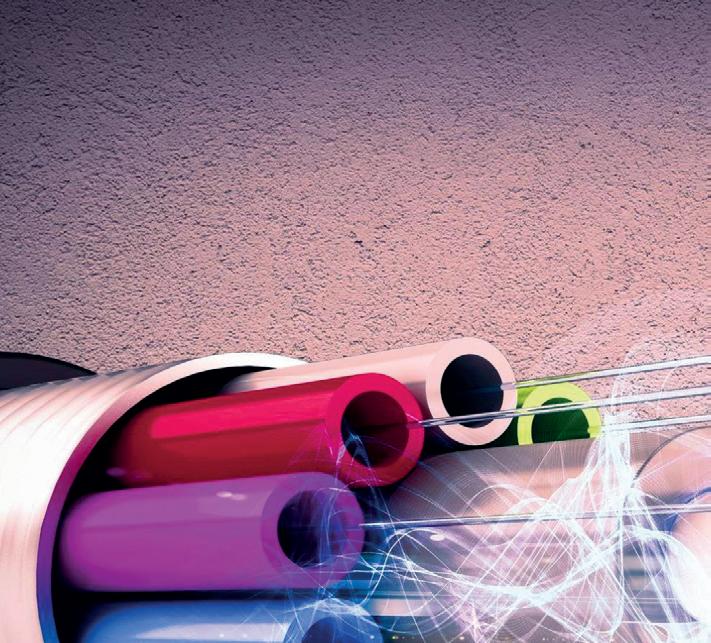
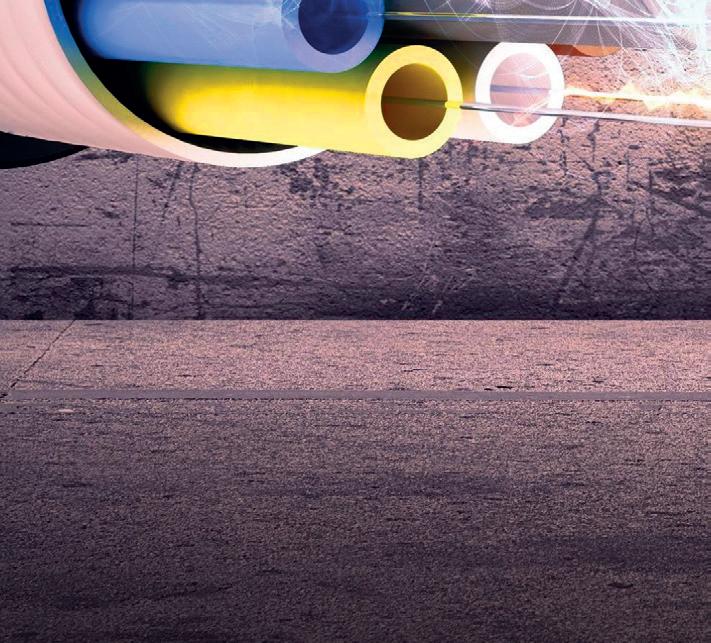
DAS technology essentially turns a fibreoptic cable network into thousands of vibration sensors that detect vehicles over several kilometres. It does this by sending thousands of pulses of light along a cable every second and monitors the fine pattern of light reflected back.
When acoustic or vibrational energy –such as that created by a passing vehicle – creates a strain on the optical fibre, this changes the reflected light pattern. By using advanced algorithms and processing techniques, DAS analyses these changes to identify and to categorise the disturbance. Each type of disturbance has its own signature and the technology can tell an operator in real time what happened, exactly where it happened and when it happened.
It is simple to integrate DAS technology into an existing fibre-optic network and it will easily distinguish between vehicle types such as cars, light- and heavy-duty vehicles. It will do so keeping them completely anonymised, tracking their movements as they approach a junction. DAS estimates how long it will take for the vehicles to reach the junction and then the data is used to control the traffic lights so that vehicles keep moving.
DAS has successfully been trialled in the Air Quality Challenge Project. Fotech’s DAS technology has been implemented on approximately 1km of standard telecommunications fibre in each direction from the Cellarhead crossroads – the junction of A52 and A520 in the English county of Staffordshire - in order to detect, classify, locate and track vehicles travelling towards the junction (see Figure 1).
Vital to creating the project’s traffic simulation model were special machinelearning algorithms which meant the vehicles were monitored with a very high degree of confidence. Thanks to the algorithms, the technology easily differentiated between various vehicle types and, by monitoring their movements, anticipated their arrival times at the crossroads.
The detection results of the machinelearning model can be seen in Figures 2 and 3
The Figure 2 plot shows the input data. Each line represents a vehicle travelling and maps its position on the road over time. Those lines increasing with time are vehicles travelling from west to east towards the junction, and those lines decreasing
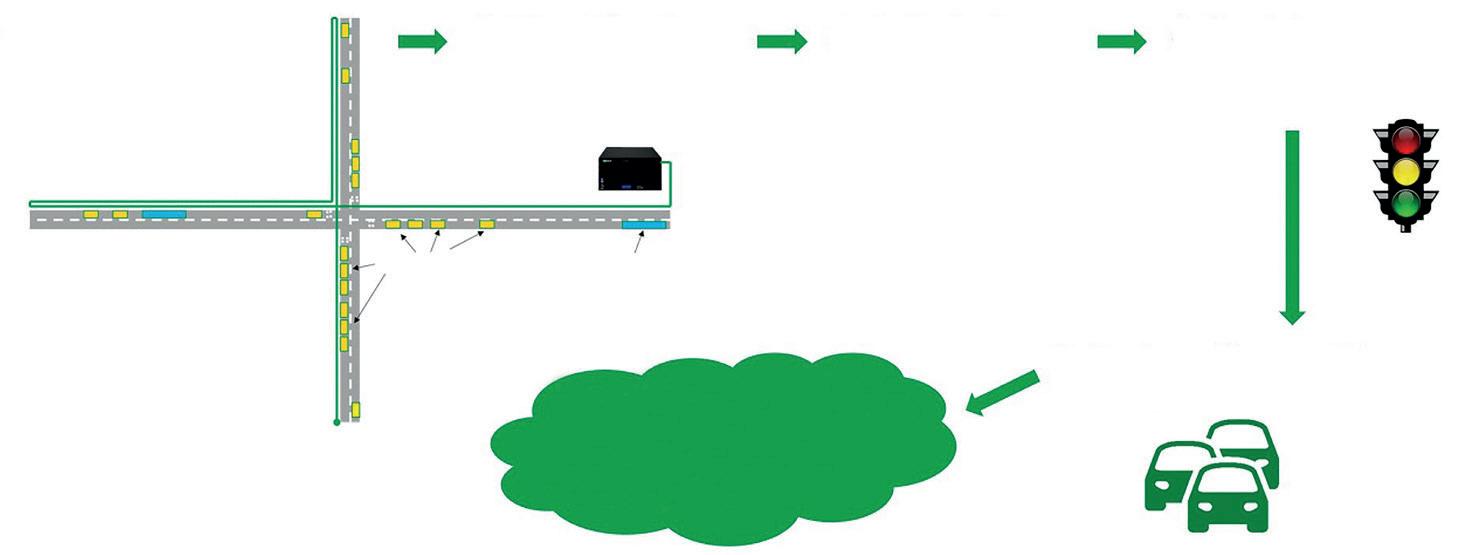
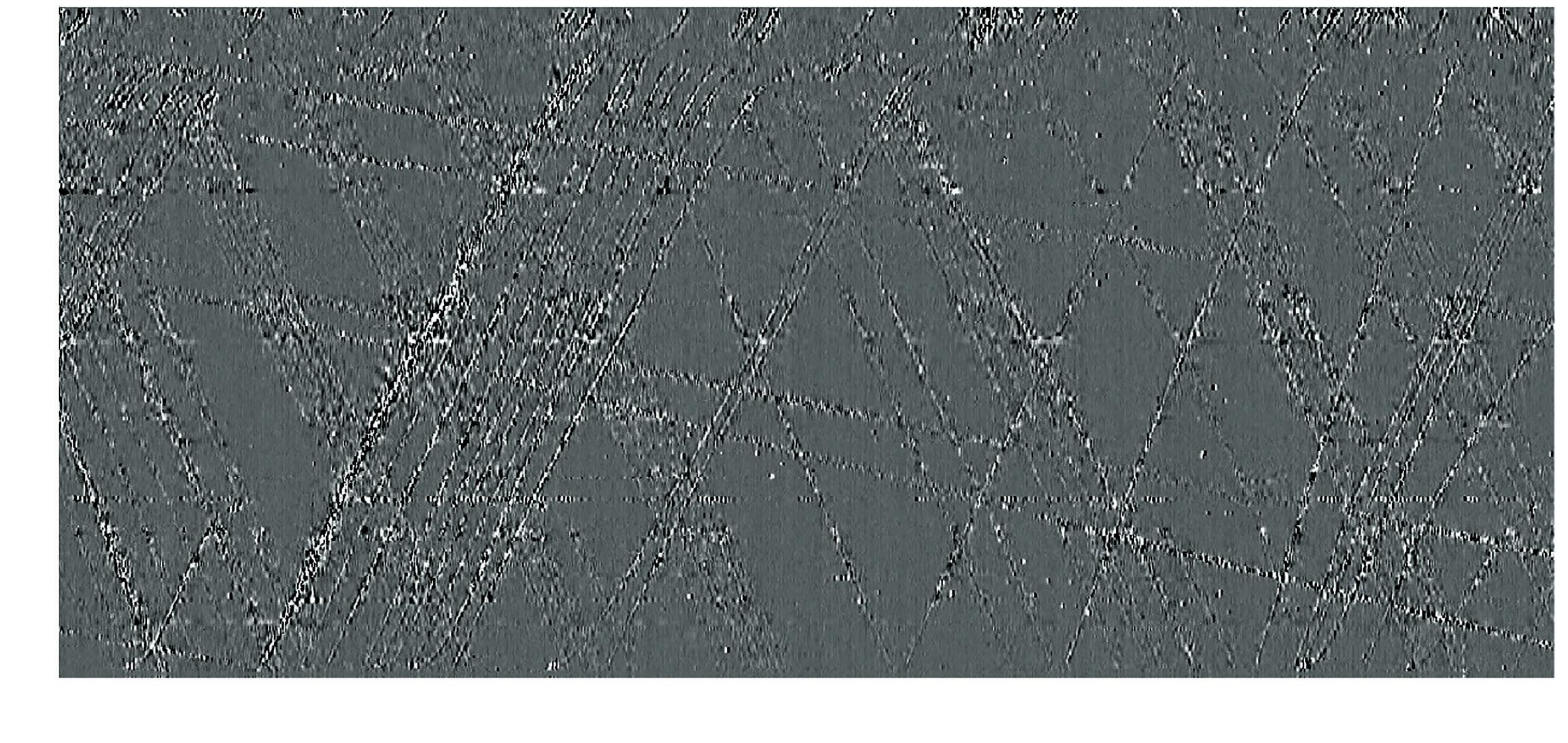
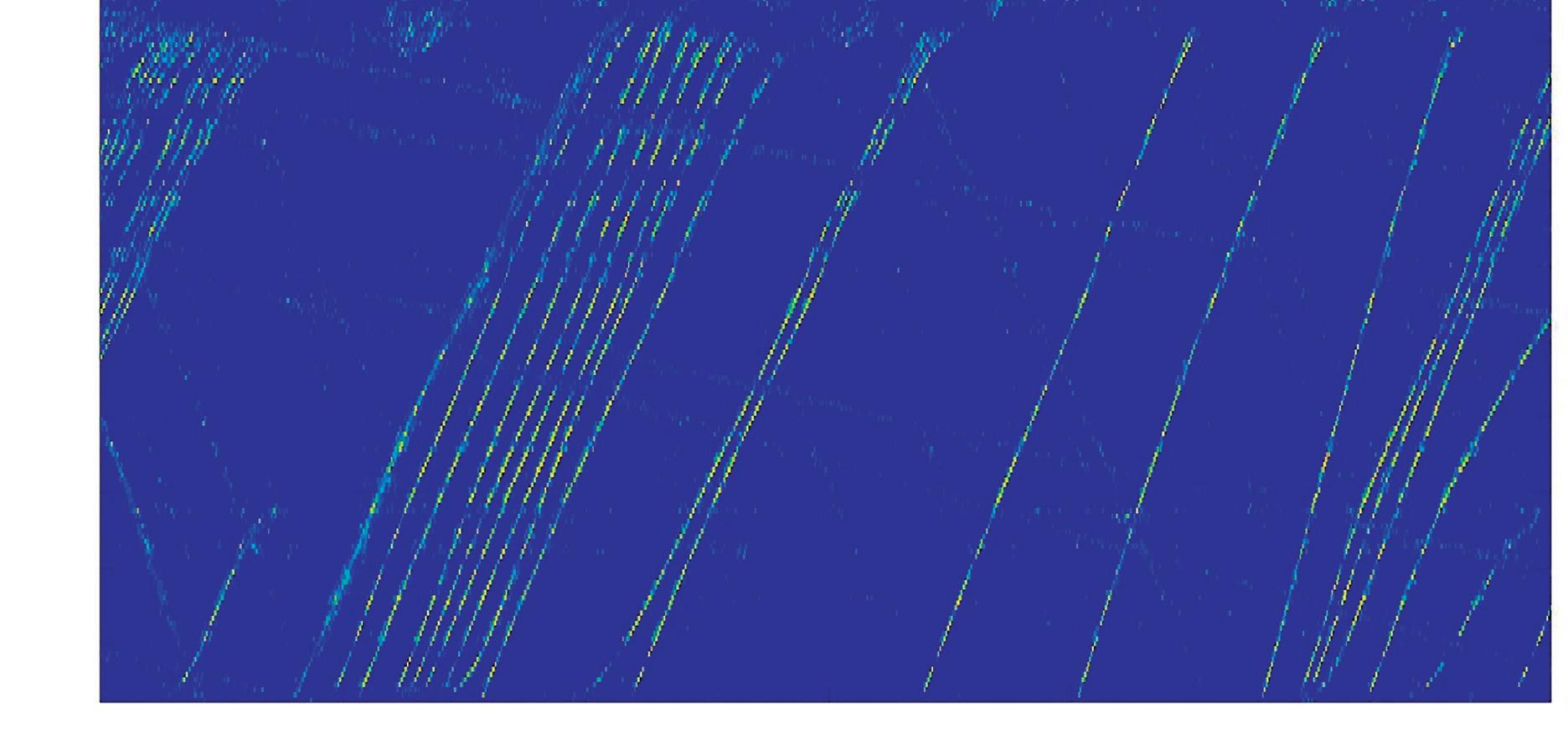
Figure 1 - Fibre layout for traffic monitoring at a road intersection
Figure 2 - model input data
Figure 3 - output of machine-learning model
1. Detection of approaching vehicles
Fibres (In this case, two fibres in one cable)
Fibre terminator
Cars detected by DAS
HGV detected by DAS
FotechDAS systems 2. Classification of vehicle size 3. Calculation of arrival times 4. Decisions to minimise stops for heavy vehicles
5. Reduce Congestion to minimise waiting times and emmissions
6. Improve air quality, fuel consumption & journeys
as time passes are vehicles travelling in the opposite direction.
Figure 3 shows that the machine-learning model lters out the outbound tra c, so tra c can clearly be seen owing towards the junction. Being able to detect where the vehicles are and how they are travelling will be key to tra c-light sequencing. For example, you can see there are a group of nine vehicles bunched together, at approximately 50 seconds. If you are aware a large number of vehicles is approaching the lights, you could keep them green, so tra c can ow freely.
Both models taken together allowed Fotech to generate the input required for the smart tra c-control algorithms.
FUTURE USE
e success of this model has much wider implications, with DAS becoming central to calculating vehicle emissions, managing tra c ow and reducing congestion.
Indeed, using results from the simulations means infrastructure projects can be fully
costed and evaluated before implementation by using the UK government’s Transport Analysis Guidance that sets out best practice for conducting transportation studies. is enables local authorities to ensure they are making fully informed decisions on their highway upgrades.
It is expected that standard telecommunication bre-optic cables integrated with DAS technology could reduce emissions signi cantly, creating a positive e ect on public health. Indeed, it is anticipated that using bre-optic sensing as a means of smart tra c management will reduce emissions of NOx, CO2 and PMx by between 10-20%.
DAS becomes a crucial capability when it comes to managing the ow of tra c and avoiding tra c jams. rough detecting patterns in vehicles approaching a junction or identifying where an existing tra c jam starts and ends, DAS can be used by local authorities to dynamically change tra c-light sequencing in real time to keep tra c moving and, therefore, improve air quality.


*Since 2021, Steve Cammish has been chief technical o cer of Fotech, a bp Launchpad company. Fotech combines photonics and technical expertise to deliver bre-enabled solutions for its customers in more than 25 countries. Cammish has more than 25 years’ experience leading teams that are developing new technologies in arti cial intelligence (AI), Internet of ings (IoT) and data management across a range of industries and sectors including military and aerospace, smart cities, industrial automation, energy, transportation and healthcare. He holds a Bachelor of Science honours degree in computing for business and IT from Northumbria University in the UK. www.fotech.com
Industry connections on social media






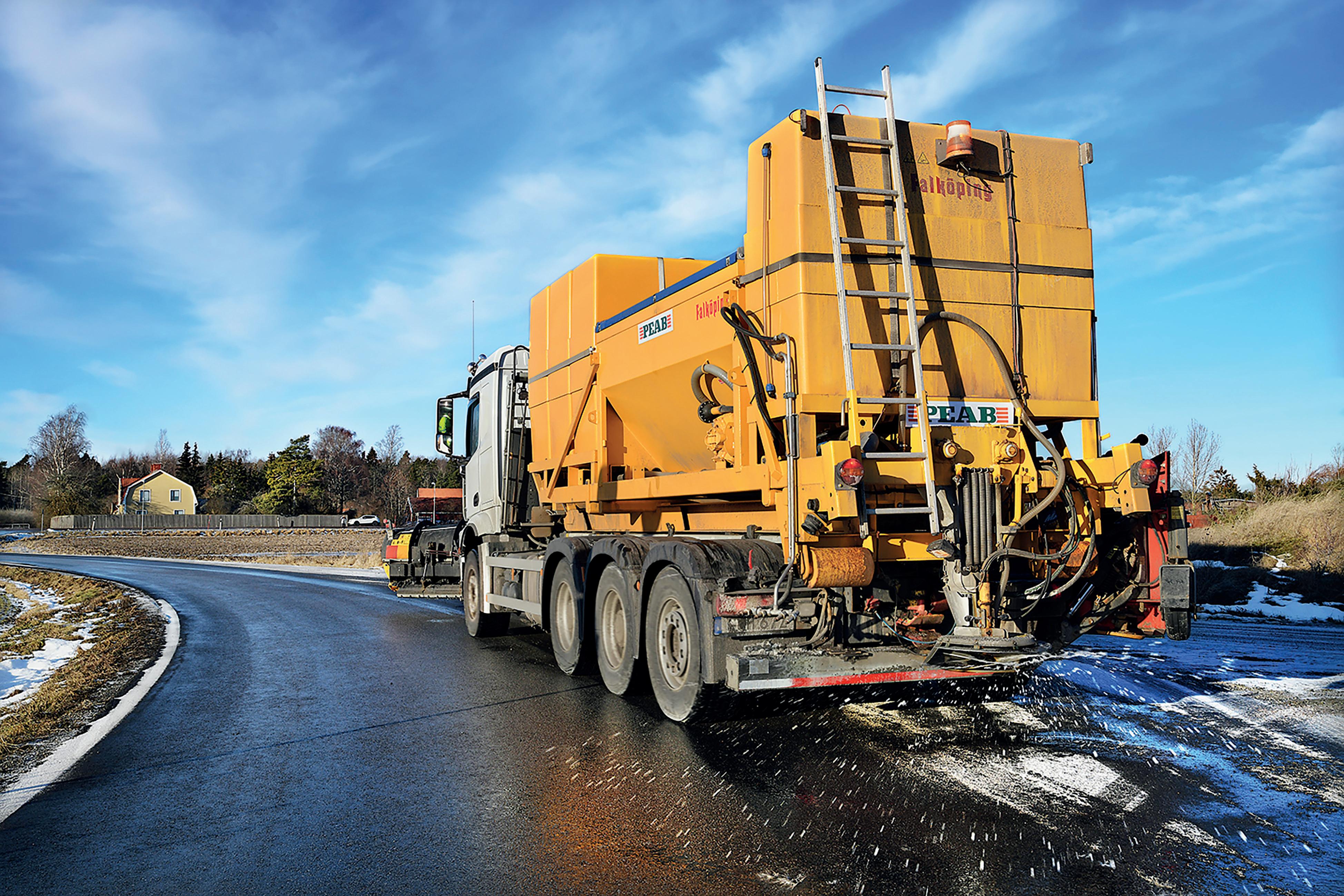
Swedish road maintenance contractor Peab will be using the circular NaCI salt in Stockholm, Uppsala and the suburbs during winter 2022/23 (image
CIRCULAR SALT: ASH2SALT TECHNOLOGY
A new mineral-reclamation process by Swedish recycling group Ragn-Sells could bring more environmentally-friendly-produced road salt to Scandinavia’s highways. David Arminas reports
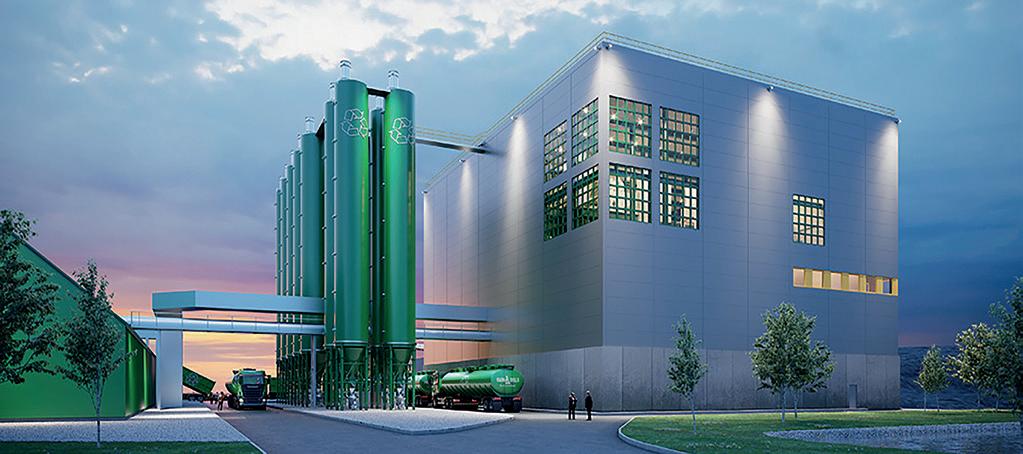
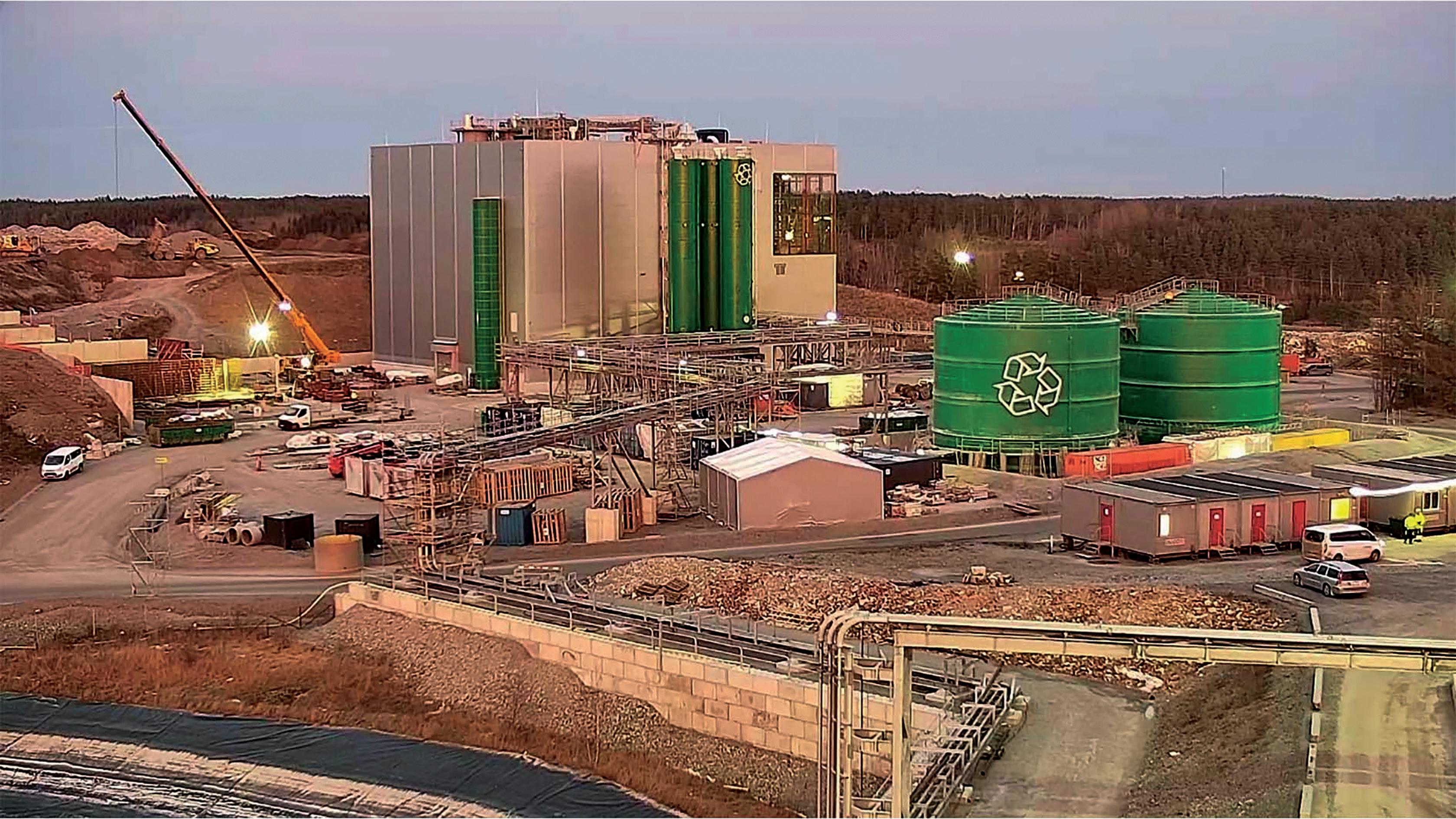
In May 2020 Ragn-Sells started construction of the first Ash2Salt process plant at the group’s recycling site at Högbytorp just outside Stockholm, Sweden - a €50 million (US$50.6 million) investment. A key partner is Hitachi Zosen Inova (HZI), a Swiss environmental technology company specialising in industrial plants, from design to construction and integration of technical solutions. For the Ragn-Sells plant, HZI is responsible for the design and construction of the plant which will be up and running by the autumn, in time for winter 2022/23.
Initially, the plant will be able to receive and process up to 135,000 tonnes of fly ash annually – just under half of the 300,000 tonnes of fly ash that Sweden produces each year. Right now, around half of this 300,000 tonnes is sent to a discontinued limestone quarry on the Norwegian island of Langøya, near Oslo. This practice means that neither resources nor toxic substances are extracted. Additionally, the Langøya quarry will reach maximum capacity and close down within a few years.
Ragn-Sells believes that depositing fly ash in old quarries is last century’s solution, but until now, incineration facilities have not had a sustainable alternative. When the Ash2Salt plant opens, a new solution will be available and help create a circular economy. Circular solutions like this, according to the company, reduce emissions, create jobs and also will build an entirely new Swedish export industry (see box, Circular economy)
Fly ash, which is classified as hazardous waste, is what is left over from scrubbing the flue gas from waste incineration carried out by local communities and cities (see box, Fly ash) The Ash2Salt plant will wash the fly ash and recover its constituent salts: sodium chloride,
CIRCULAR ECONOMY
calcium chloride and potassium chloride and sell these forward to manufacturers of various products and a range of commercial applications.
One of the advantages of this technology is that the ash no longer needs to be disposed of as hazardous waste and that valuable substances in the ash are recovered and reused.
EASYMINING
Development of the Ragn-Sells process and plant is being led by the group’s EasyMining division.
It was created in 2007 and became a whollyowned division of the Regn-Sells group in
A circular economy - sometimes called circularity - involves sharing, leasing, reusing, repairing, refurbishing and recycling existing materials and products as much as possible and for as long as possible. The three requirements for moving towards a circular economy are the elimination of waste and pollution, ensuring that manufactured products and materials are circulated or recycled and that there is evidence of the regeneration of nature.
courtesy Peab)



winterpave
Patented anti-icing solution for long-lasting, safe and sustainable roads
Winterpave is an innovative and environmentally friendly technology developed to delay the adhesion of ice to the road surface. It lowers the freezing point of water and inhibits the formation of ice crystals. Winterpave gives snowplows more time to intervene during snowfalls and facilitates ice and snow removal. It helps diminish the amount of salt by up to 80%, reducing environmental impact and allowing for safer driving conditions. The product has no negative impact on the structural characteristics of the asphalt pavement.
Areas of application
2014, now acting as the group’s research and innovation business. It is EasyMining that holds the patent for the process to create what the company calls circular salt, a reference to the circular economy, explains Anna Lundbom, head of marketing for EasyMiniing.
The plant at the Högbytorp site in Sweden will be the first of similar plants that EasyMining hopes will be built around the world, excluding Scandinavia. These will be built and operated under licence to Hitachi Zosen Inova which has announced it plans to construct 12 processing centres across Europe.
Ragn-Sells and Hitachi Zosen Inova are focussing on the European market for now. There are no plans “at the moment” for licensing plants in Canada and the US, says Lundbom. “But if there is any interest, we can discuss that. It is a question of how many municipalities in Canada and the US incinerate their waste, which is a prerequisite for having an Ash2Salt plant.”
Sweden’s fly ash is sent to Norway for mixing with various acids and then sent for safe deep burial. “Previously this was considered by some countries as safe disposal, but the UK and Sweden in particular are moving away from this disposal method as it is considered ecologically unsound and a waste of resources. Given these mounting concerns, EasyMining’s process has come along at the right time,” she says.
CLEAN PRODUCTS
“The important thing for us is to recover clean products. The new plant will separate out potassium chloride, sodium chloride and calcium chloride. Where these are used is not our expertise.
“Recycled salts mean you don’t have to mine virgin material and so you also cut down on transportation of this material, too,” notes Lundbom, an engineer who also holds an MSc in Engineering Management. There are, actually, other washing technologies with certain acids that will treat the fly ash to get rid of the salts. But the salts remain in the run-off mixture.
“The unique process with Ash2Salt is that we wash it with water, but not even heated water. The new plant we are building is next to one of Northern Europe’s largest waste-water treatment plants. We use grey water from that plant’s processes so there is no need for clean water. Also, the salts are separated in clean salt fractions. In other processes that we are aware of you get a final mixture of potassium, sodium and calcium. You get clean potassium chloride, clean sodium chloride and clean

”Recycled salts mean you don’t have to mine virgin material and so you also cut down on transportation of this material, too”
Anna Lundbom
Ragn-Sells started construction of the first Ash2Salt process plant at the group’s recycling site at Högbytorp just outside Stockholm, Sweden in 2020 (image courtesy Ragn-Sells)
calcium chloride.”
This means that the market for the end product of EasyMining’s process is larger. The salts can be used instead of virgin material, otherwise the market is for only where a mixture of salts is allowed, she says.
Part of EasyMining’s longer-term strategy for its Ash2Salt process is ensuring continuity of fly ash supply. The company has plans for storing any of the fly ash it can procure so they can use it to maintain its own supply contracts to manufacturers of circular salt products.
Meanwhile, EasyMining has a contract to supply GC Reiber, based in Oslo, Norway, and one of Northern Europe’s largest manufacturers and distributors of industrialuse salts, including road salt. In turn, Reiber has signed a contract with road-maintenance company Peab to supply it with road salt, starting by the end of this year for winter 2022/23.



It just makes sense.







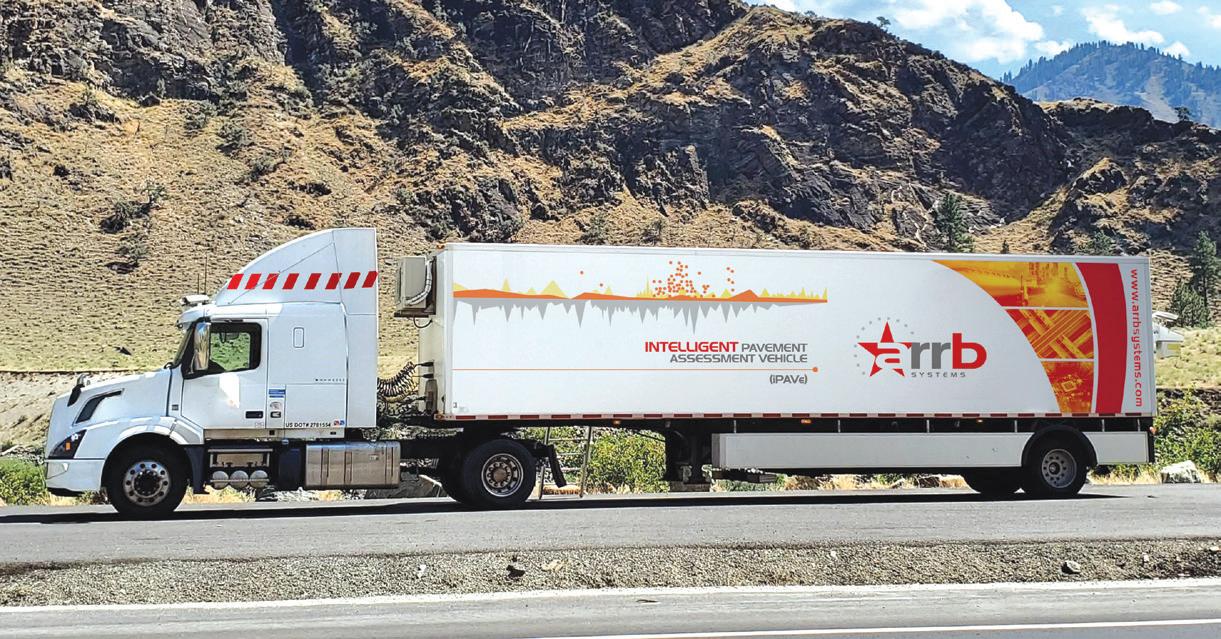
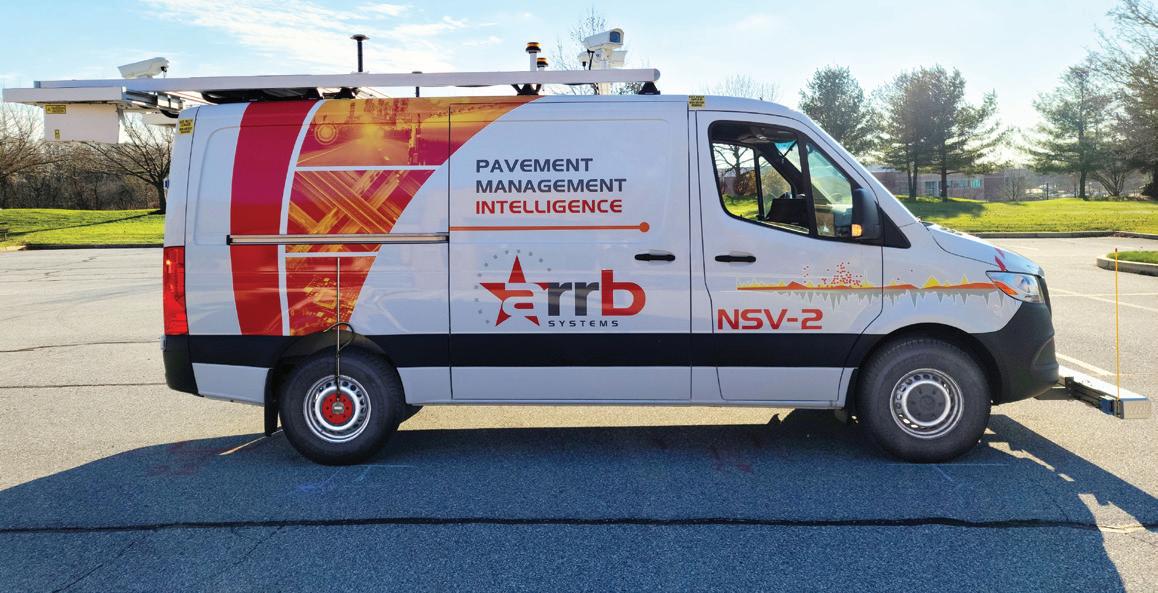
Tra c Speed Deflectometer Device technology has become the global benchmark for assessing road networks. ARRB Systems Africa leads with the intelligent Pavement Assessment Vehicle (iPAVe) which is saving billions of rands to the fiscus and promoting a safer road environment.
The iPAVe is a powerful tool that uses advanced technologies to collect and analyse full-spectrum road condition data that is critical for the e cient life-cycle management of road networks.
Benefits and uses include:
• Significant cost saving, per test/metre, over traditional structural testing methods - At Network Level, the cost per test/metre is almost 10 x less than the conventional methods, with similar savings being realised for Project Level investigations • The measured data is vigorously analysed and used towards safer road infrastructure • Collects all pavement surface and structural parameters with high accuracy in one pass • Ability to operate
at tra c speeds, improving production, safety and e ciency • Continuous structural measurements at significantly higher resolution than traditional techniques such as FWD, together with integrated surface and functional measurement, significantly reducing the risk of anomalous data • Provides comprehensive data to make informed decisions for financially and technically appropriate rehabilitation and surfacing treatments • Better QA/QC for road agencies, consultants and contractors promotes greater accountability.
Accurate, scientific measurements make it easier to proactively, rather than reactively, determine and implement maintenance strategies that are sustainable, thus preventing unnecessary expenditure. A well maintained, safer road network means a reduction in both vehicle operating costs and road related fatalities for South Africa.
Suite 1, Park 2000, 10 Kyalami Road, Westmead, Durban, 3610, South Africa
www.arrbsystems.com
Tel: +27 31 700 2500
Fax: +27 31 700 2550
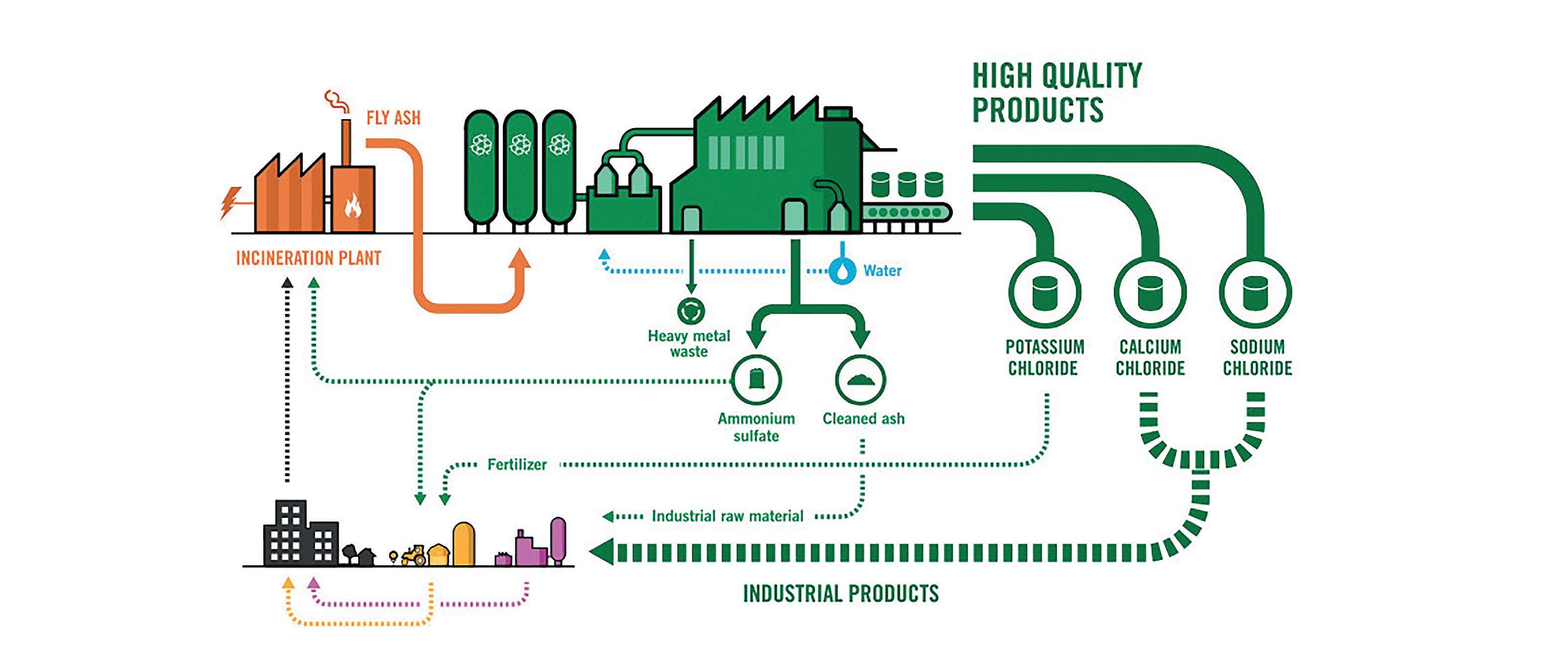
The Ash2Salt plant will wash the fly ash and recover its constituent salts: sodium chloride, calcium chloride and potassium chloride (image courtesy EasyMining)
PEAB
Continuity of supply is paramount for Peab, the second-largest road-maintenance company in Sweden, says Jamil Dagher, purchasing manager for Peab Sweden. The company did some tests last winter on the use of the salt before committing itself for the coming winter season.
“The NaCI salt will be used in Stockholm, Uppsala and the suburbs,” he says. “The CaCI2 will be used all over Sweden as long as the freight cost is acceptable. In winter time we buy between 50,000 tonnes and 110,000 tonnes of salt and in summer between 4,000 and 5,000 tonnes. Around 10 percent of the winter salt will be Ash2Salt
HITACHI ZOSEN INOVA
Fly ash is also called flue ash, coal ash or, in the UK, pulverised fuel ash. It comes from coalcombustion products and consists of the particulates (fine particles of burned fuel) that are driven out of coal-fired boilers together with the flue gases. Ash that falls to the bottom of the boiler’s combustion chamber – the firebox - is called bottom ash. But fly ash is generally captured by electrostatic precipitators or other particle-filtration equipment before the flue gases reach the chimneys. Together with bottom ash removed from the bottom of the boiler, it is known as coal ash. Fly ash includes substantial amounts of amorphous and crystalline silicon dioxide (SiO2), aluminium oxide (Al2O3) and calcium oxide (CaO).
products but the summer purchases will be 100 percent”.
The driver for using circular salt is the CO₂ savings as well as local road authorities calling for more of its use. Peab states that the deal will reduce its own carbon dioxide emissions by 10,000 tonnes per year, “a huge amount for one product”, he says. And if Peab can get more circular salt, NaCI, it will do so, “so that we cover all our needs”.
But what about the cost of the circular
Hitachi Zosen Inova, based in Zurich, Switzerland, describes itself as a “global cleantech company” operating in the energy-from-waste and renewable gas business. It was established in Switzerland in 1933 as L. von Roll Aktiengesellschaft, later known as Von Roll Inova. Since 2010 it has been part of the Hitachi Zosen Corporation, a major Japanese industrial and engineering corporation that produces waste-treatment plants, industrial plants, steel-mill-process equipment, construction machinery, tunnel-boring machines and power plants.
salt? Is it more or less expensive than regular road salt on the market? The answer, says Dagher, is confidential. But he is confident that the price per tonne will drop as more circular salt is made available and on a more regular basis.
Ragn-Sells is banking on the supply of fly ash and that its Ash2Salt technology will become more available across Europe, in all countries where disposal of flue-gas residues from community incineration needs to be resolved in an environmentally-friendly way.
Hitachi Zosen Inova will be the licensee in Germany, France, UK, Switzerland, Netherlands, Spain, Belgium, Italy and Austria and eventually in Australia, China and Japan.
“If we are serious about creating a sustainable society, we have to use more of the raw materials that we have already extracted and the Ash2Salt technology is a great example of this,” says Lundbom. n
FLY ASH
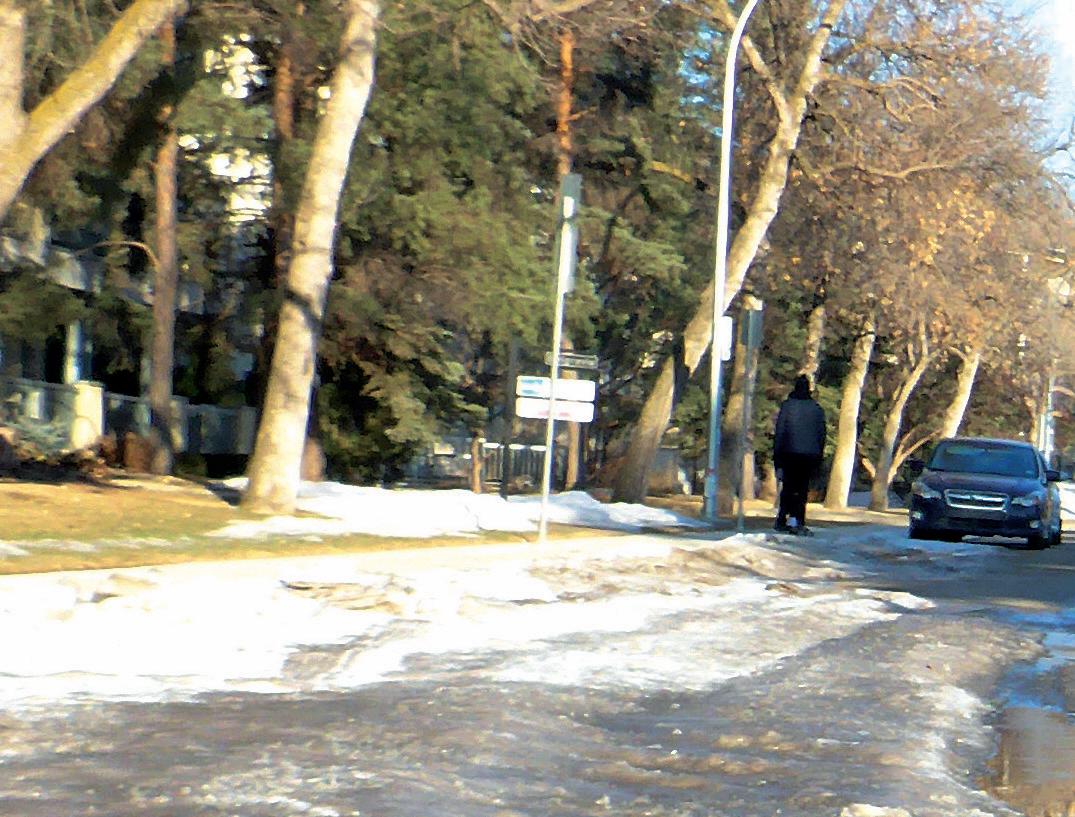


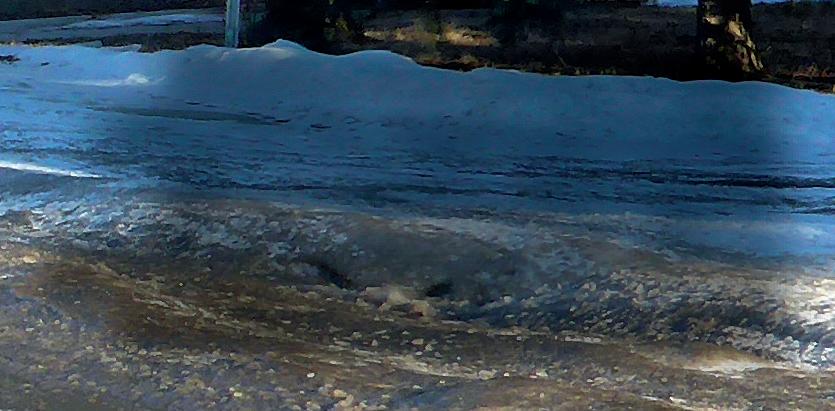
urban streets, stopping the buildup of ice remains one of the highest priorities for road authorities (image World Highways/David Arminas)

SELF-DE-ICING ASPHALT PAVEMENT


A pavement additive that lowers the freezing point of water on winter roads has been proving effective at reducing black ice. Shahin Eskandarsefat* explains
Snow and ice on asphalt pavement surfaces can create hazardous driving conditions and nowhere more so than in mountainous areas where the road’s geometrical characteristics may aggravate the driving risks.
Conventional winter maintenance operations involve sending snowploughs onto roads as well as trucks loaded with salt and other de-icers to clear the roadways a er a storm has begun.
Although e ective, this strategy is costly and labour-intensive and there is o en a cost to the local environment where the e ects of de-icing chemicals such as brine and solid substances including salt last for months, easily into summer. e consequences can be particularly costly¹:
- an increase in salinity of the earth around drainage areas;
- fresh and groundwater contamination by chloride, which is toxic to aquatic life even in low concentrations;
- premature ageing and possible destruction over a shorter time than planned of highway assets such as bridges;
- high asset-management costs for road authorities, including total replacement years ahead of schedule.
ECO-SUSTAINABLE SOLUTION
ere’s no silver bullet when it comes to keeping roadways safe during winter while protecting the environment. But as the destructive e ects of conventional winter maintenance operations and materials on the
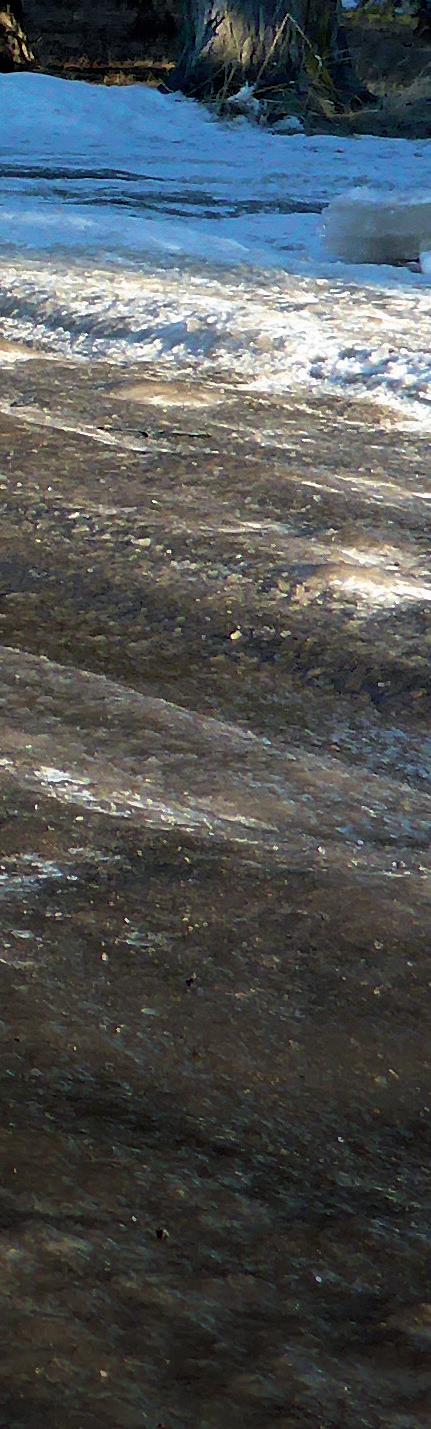

environment become clear, new strategies, initiatives and innovations are required to protect our resources. To this end, in addition to the conventional de-icing routines in recent years, other innovations such as self-de-icing asphalt pavements, where the de-icer is added to the asphalt mix, have shown promising results.
Self-de-icing asphalt pavement is a convenient solution specially for areas at high risk of accidents such as busy intersections, hilly streets, or icy zones that conventional interventions nd challenging. Self-de-icing asphalt pavements, on the one hand, involve asphalt mixes with chemicals that lower the freezing point of water on its surface. On the other hand, they can reduce the adherence of ice onto road surfaces to provide safer driving conditions².
is not only allows safe mobility for at least a period of time but provides enough time for snowploughs to reach a road section.
It also means that are less anti-icing chemicals and salt is required because of fewer periods of ice formation.
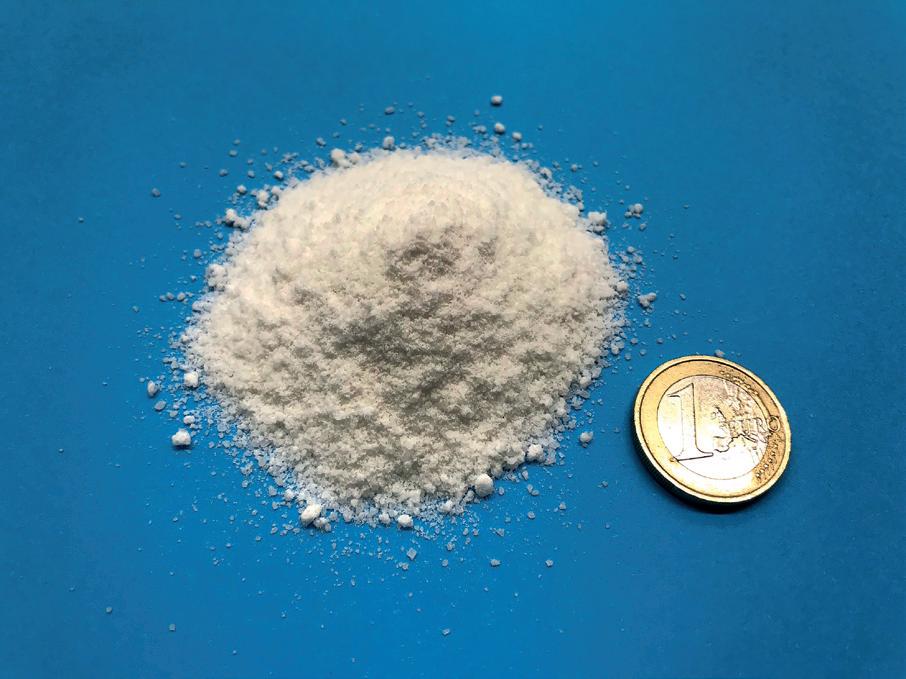
In this context, the additive Winterpave, introduced by Iterchimica in Italy, has been designed and patented to be used for producing self-de-icing asphalt pavements. As shown in gure 1, the additive is in a whitish powder with an apparent density of 1.2-1.3g/ cm3 and it is added to the hot aggregates during the asphalt production.
Winterpave is added in the asphalt job mix formula by 4-5% substitution of the sand or partial ller. Technically, there should not be any change in other constituents of the mix. However, complementary pre-quali cation controls including the volumetric properties and some of the performance properties according to the applied speci cations, are always advisable.
It is noteworthy that during the asphalt production in the lab, the additive should be dried before being weighed and added to the hot aggregates of the mix. But this does not necessarily mean that it must be hot before being added to the hot aggregates. is could ensure there is no excessive residual moisture, especially in damp areas. In any case, there is no necessity to heat the additive if the moisture has not surpassed the normal range of 3-4%.
In the plant, the additive can be dosed either pre-weighted and packed in lowmelting bags according to the Job Mix Formula (JMF) of the mix or by using a dry dosing system that is commonly used for bres or dry solid additives.
Figure 1. Winterpave at ambient temperature
CASE STUDY IN ITALY
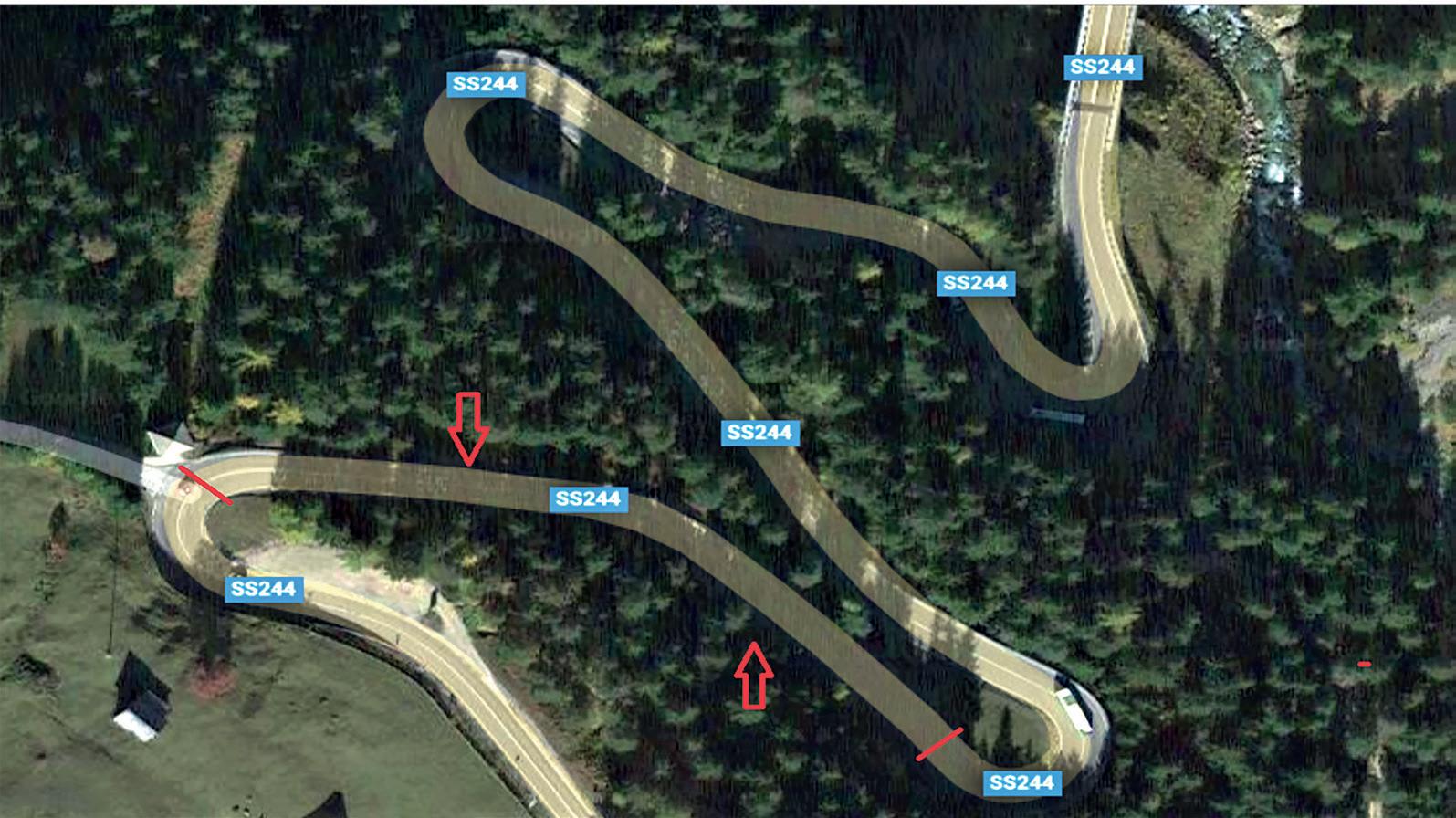
Asphalt containing Winterpave was laid in 2020 near Bolzano, a city in the South Tyrol province of northern Italy and noted as the gateway to the Dolomites mountain range in the Italian Alps. Dangerous winter driving conditions are common. The self-de-icing asphalt was part of the national roadway SS24. As can be seen in figure 2, due to the road geometry (several executive Serpentine curves with internal circular curves) and its longitudinal slope, it is a risky road in wintertime, especially for vulnerable road users.
The project to improve safety comprised re-surfacing a rising section with a 50mm depth of dense-grade asphalt (12mm NMS) made of SBS polymer-modified binder (PmB) and containing 4.3% Winterpave (by mass of the aggregates). To ensure good, consistent quality of asphalt, the mechanical and performance properties of the asphalt mixture were controlled via pre- and post-production laboratory tests according to the European specifications. During the prequalification phase, the produced mixture was tested mainly mechanically and the obtained values were controlled as per the local specification requirements.
Meanwhile, post-production controls consisted of both mechanical and performance properties. Table 1 summarises some of the test results obtained and the specification limits. As can be seen from the test results, the properties of the mixtures complied with the specification requirements.
In order to control the self-de-icing performance, the mix was investigated under both lab-freezing condition simulation and under real snowfall. During the lab testing, Marshall-compacted specimens (75 blows) with and without Winterpave were subjected to cyclic freezing conditions. For this target,
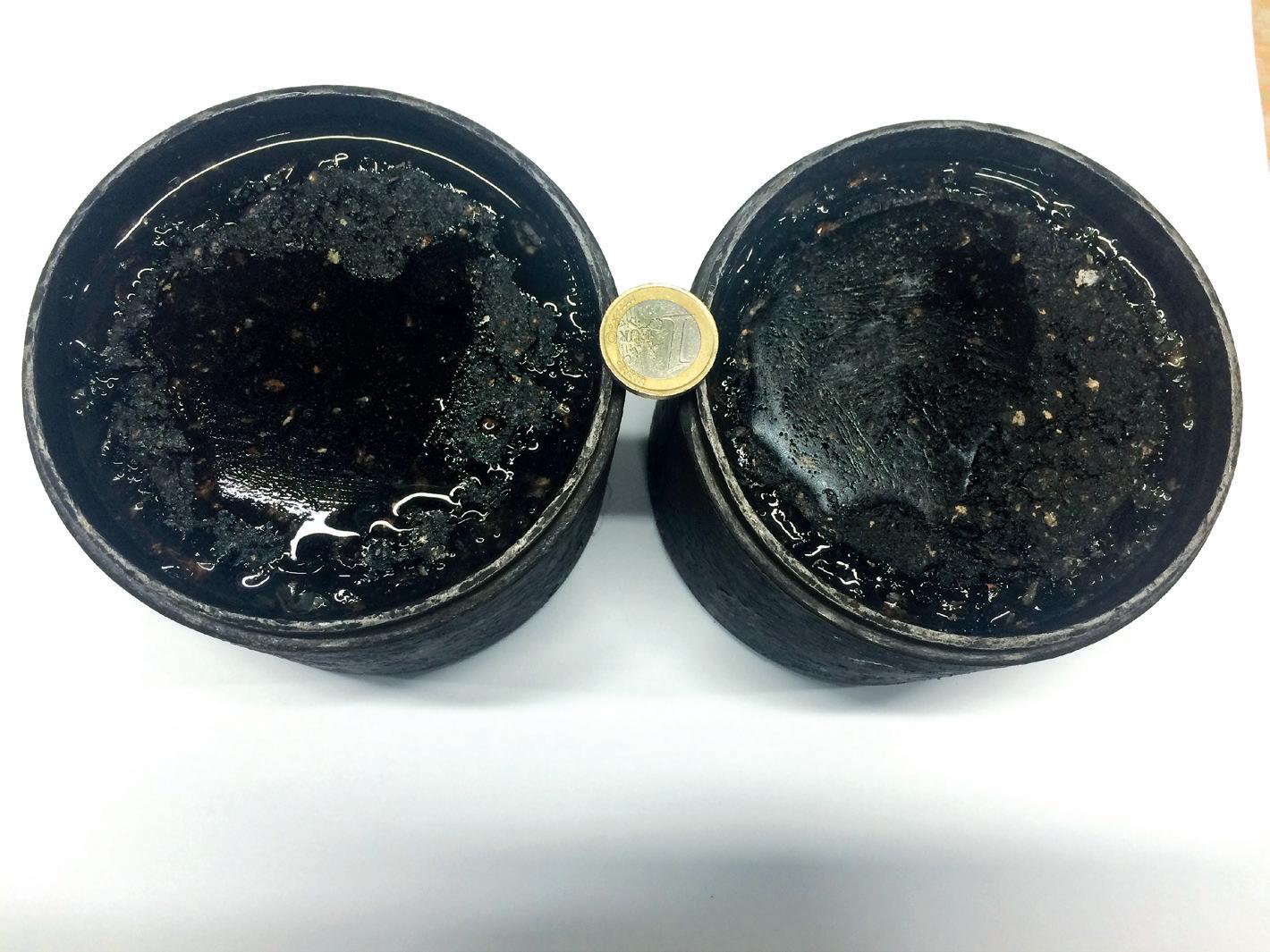
the specimens. The specimens were then maintained in a freezer at -5°C for a period while the presence and status of ice was monitored.
This procedure was repeated several times after washing the surface, simulating the realworld condition of wash-off cycles. Figure 3 shows the difference in the status of the ice on the surface of the specimens. It can be seen that, while the ice on the specimen without Winterpave (on the right) was hard and sticking to the surface, the ice on the specimen with the additive (on the left) was fragile and easily detachable from the surface.
Table 1. Pre-and post-production lab study of asphalt containing Winterpave
Figure 2. The rising sections of the sinuous mountain road SS24 in Bolzano, Italy, were paved with Winterpave
Figure 3. Ice formation control during lab investigations; Winterpave on the left

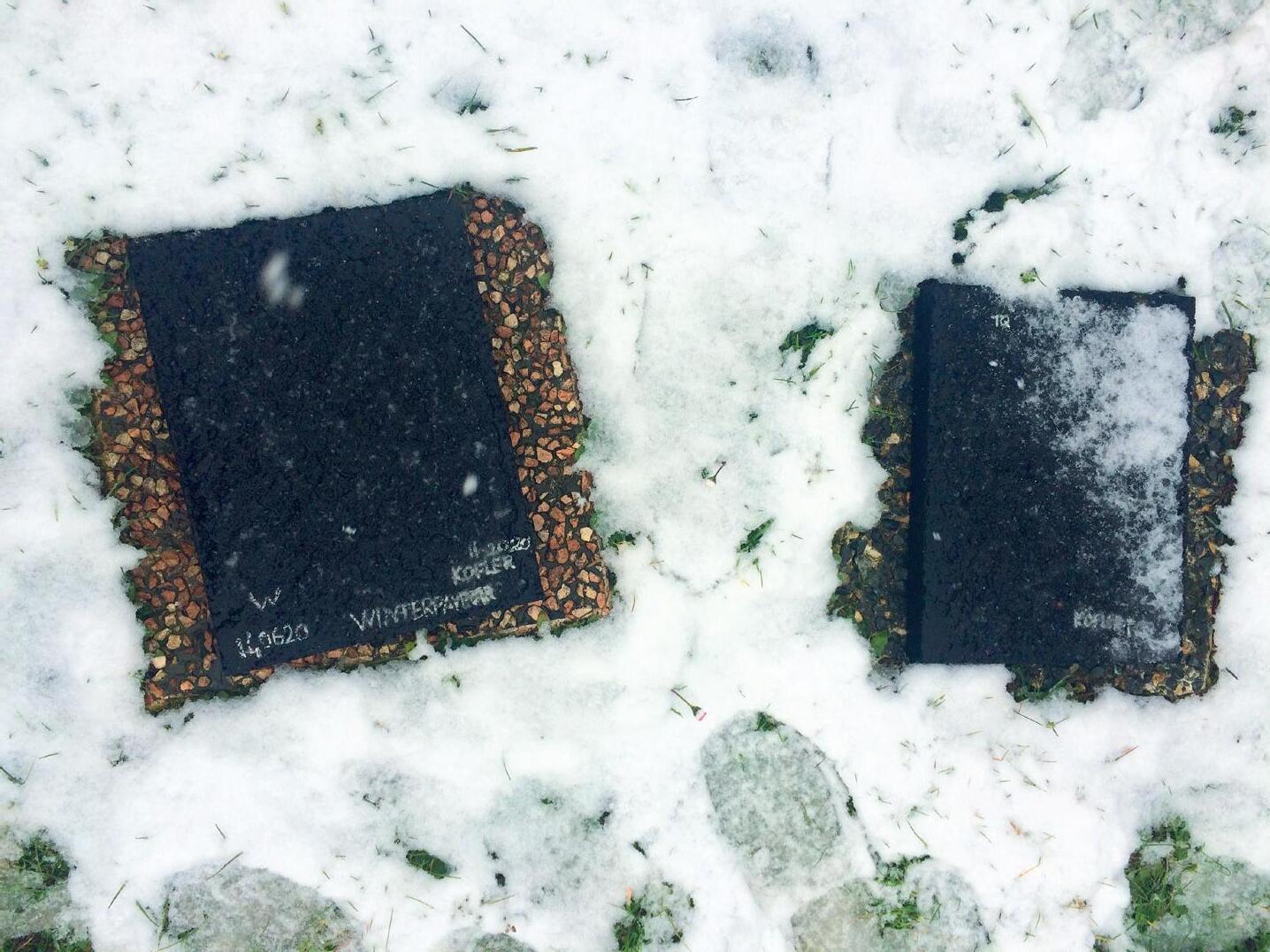
Figure 4 (below). Two slabs, with and without additive under snowfall at the ambient temperature of -2°C during a snowfall (Winterpave on the left)
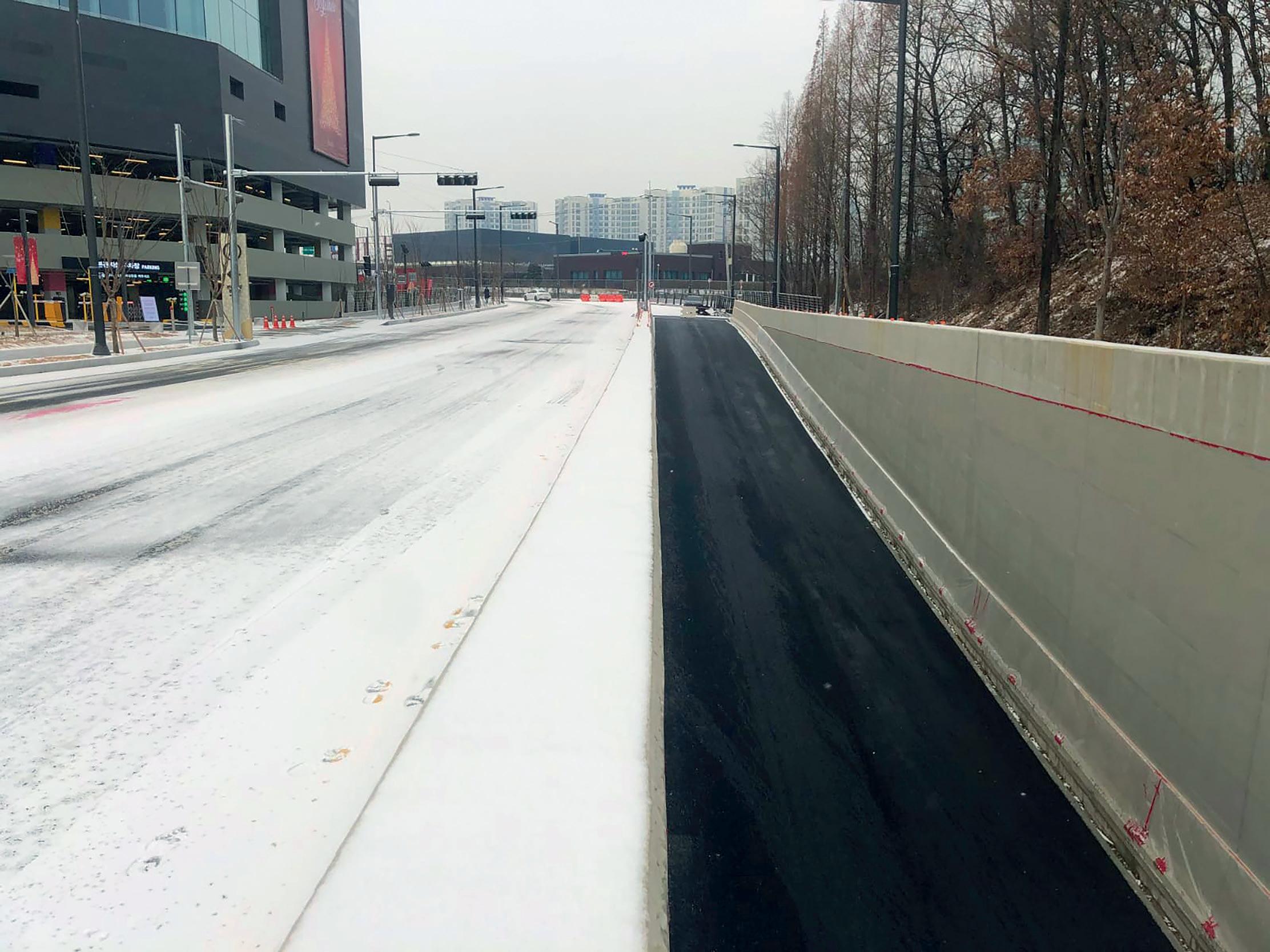
Figure 5 (right). Self-de-icing asphalt pavement in front of the Anseong complex logistics centre, South Korea, 2021
In addition to the lab investigation, using the materials collected from the project’s site, two slabs were compressed by means of a roller compactor to the in-situ air void content. In this way, the texture was more similar to actual road conditions. The slabs were maintained outside in order to subject them to climatic changes and precipitation, as would occur naturally. Eventually, the slabs were monitored during freezing temperatures, before and after a snowfall.
According to observations:
• snow cover on the slab containing the de-icing additive was much less thick;
• snow would melt immediately after snowfall ceased;
• no black-ice formation was observed until the ambient temperature of -5°C was reached (lower temperatures were not achieved during the monitoring period in this region).
SOUTH KOREAN PROJECT
Self-de-icing asphalt pavement has been laid in many countries, including South Korea, and has provided safe mobility during winter. According to recent annual data from the South Korean road traffic authority, although the total number of traffic accidents has decreased, the number of traffic accidents has increased during the winter². Traffic data analysis showed that the majority of accidents occur from November to March when road users are more vulnerable to frosty and icy road surfaces.
In winter 2020, self-de-icing asphalt pavement strips using Winterpave were laid in the entrance and exit of the Anseong complex logistics centre, a major dry storage facility with four upper storeys, two basement levels
of the construction of a surface course containing 4% of the additive Winterpave.
According to observations, unlike traditional road winter maintenance and interventions, the self-de-icing asphalt pavement provided not only continuously safe mobility but also noteworthy cost savings. As can be seen in figure 5, the performance of the additive was outstanding during its first winter cycle in 2020. During the visual inspections and controls by experts, no snow cover or black ice was seen on the self-deicing asphalt pavement after snowfall. ■
*Shahin Eskandarsefat is a senior researcher at Iterchimica, a global producer of high-tech additives and sustainable technologies for asphalt pavements, based near Bergamo in northern Itlay: www.terchimica.it
References
[1] Hinsdale, J. (2018). How road salt harms the environment. Columbia Climate School; available on line 07.06.2021 https://news. climate.columbia.edu/2018/12/11/road-saltharms-environment/
[2] Eskandarsefat, S. (2020). De-icing winter roads; World Highways, page 50-52, available on line 07.06.2021 https://www.worldhighways.com/ wh6/feature/new-additive-self-de-icing-asphaltmixture-roads-winter
[3] The main culprit in winter accidents, the development of new asphalt pavement technology to catch black ice. Gukjenews agency, available online 02.07.2021 http://www.gukjenews.com/news/articleView. html?idxno=2129754


THE SPRINGTIME FOR NUMERICAL WEATHER PREDICTION
The ability to measure road weather conditions accurately and reliably is essential for effective winter road maintenance, as Jim McCaa* of Vaisala explains
Combining real-time temperature and information about the state of road surfaces from mobile devices with forecasts made by numerical weather prediction models is the future. It can help transportation agencies quickly meet the evolving demands of winter road maintenance.
is article is based on a recent study from Vaisala, a global company that focuses on weather, environmental and industrial measurements. It shows how organisations use mobile observations to drive maintenance decisions. e study evaluates the impact of mobile observations on road weather forecasts, focusing on periods of heavy snowfall and resulting treatment activity.
MOBILE SENSING
Road maintenance is heavily a ected by weather conditions. Knowledge of current conditions combined with forecasts of anticipated conditions across the network should factor into the decision-making process for road-surface treatment. Forecasts used to determine likely future road conditions are impacted by direct measurements from both stationary weather stations and mobile sensing devices.
Whether leveraging information gathered from snowploughs, transit buses or service trucks, decision-makers are using purposebuilt sensors to deliver higher-quality data that purely visual obervations.
In these scenarios, data is typically displayed both in the vehicle for the bene t of the vehicle operator and transmitted to the cloud for centralised analysis and
distribution. is, in fact, is an e cient use of resources.
However, in the absence of mobile observations, the state of a road network is determined by combining model output with interpolation from nearby environmental sensor stations – ESS. Unfortunately, forecast error increases for areas not close to an ESS. However, when mobile sensing devices provide local observations in high-resolution across the network, the improved analysis leads to more e cient use of materials and better planning for operations.
SNOWFALL IN COLORADO
e study conducted by Vaisala in Fort Collins in the US state of Colorado examined a road-forecasting system capable of
assimilating mobile sensor observations and using them to adjust the model state. Ten road segments situated far from the RWIS (road weather information system) stations and spread across the city on regular plough routes were selected for analysis. e forecast system had ingested both surface temperature and moisture data from mobile sensors during the previous two winters.
Data was collected over two winters during time periods with snowplough activity. Ploughs equipped with mobile sensing devices traversed the 10 road segments over 900 times during this period. e impact of the mobile sensing data can be estimated by looking at the magnitude of the adjustments made to
Reduction of temperature-forecast error after collection of mobile observations
Time since last mobile sensor observation, hours
Fig. 1. Forecast error for the road network a er the collection of mobile sensing data. e improvement attributed to mobile observations is the di erence between the grey (actual error) and green (error in the absence of mobile observations) lines
the model when they are available and comparing the error to the time since the last observation.
In gure 1, the improvement in temperature forecasts attributed to the collection of mobile observations is evident. irty minutes a er a mobile observation of a segment, a reduction in error of more than half a degree (roughly 32%) is detected.
e reduction of error persists for many hours. But it does eventually relax back toward the typical network error found in the absence of observations.
CONCLUSION
While direct display of mobile data helps operators make treatment decisions, one of the reported factors in deviating from
Knowledge of current conditions combined with weather forecasts should factor into the decision-making process for road surface treatment (image: World Highways/David Arminas)


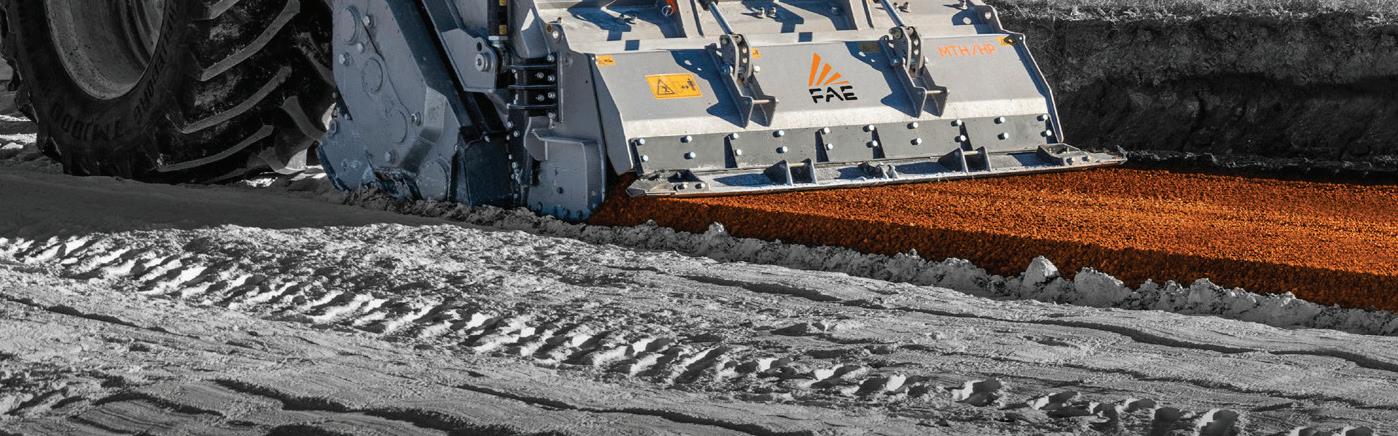
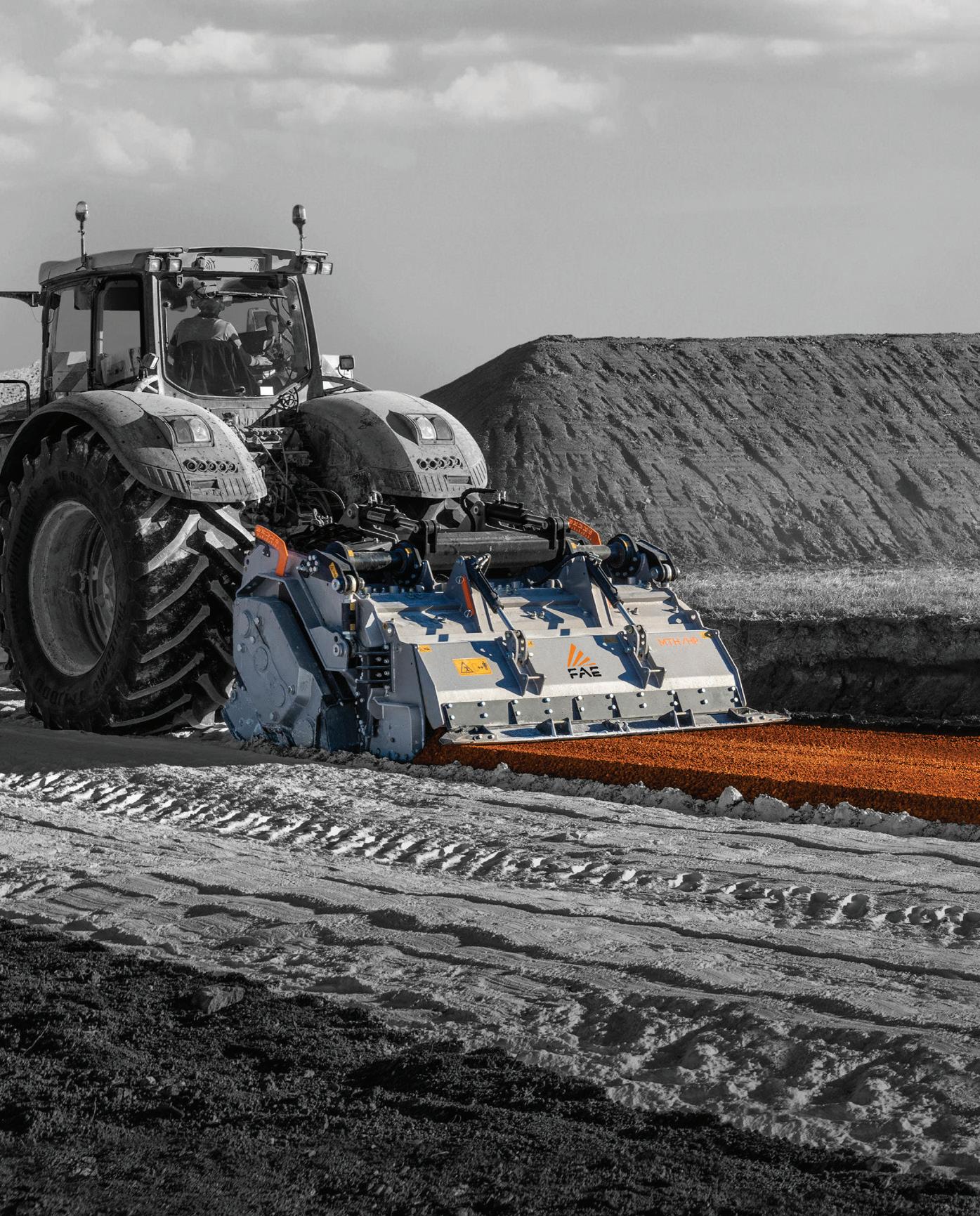
Be more productive with the FAE MTH multitask head for 300-500 hp tractors Rock grinder, stone crusher, asphalt shredder, and stabilizer all in one. Experience top performance, made possible with the innovative variable geometry mixing and grinding chamber that allows you to work the soil with extreme precision and efficiency.




MDSS (maintenance decision support system) recommendations is the di erence between forecast and observed conditions. Consequently, harmonising observations and forecasts can facilitate better uptake of MDSS recommendations and extend the value of mobile observations.
As the world of road maintenance advances, the role of mobile sensing devices in providing situational awareness and forecasts for winter maintenance is evolving. e percentage of agencies collecting realtime eld data from maintenance vehicles continues to increase. In fact, the Road Weather Management Programme’s 2019 Performance Measures Update revealed that nearly 80% of US respondents collect realtime data from their eet.
As the Vaisala study exhibits, these organisations should increasingly consider leveraging data from mobile sensing devices. is data will complement a traditional network of environmental-sensing stations to provide more complete network coverage. ■

*Jim McCaa, PhD is a technical product manager at Vaisala and with extensive experience in the development of weather and climate models. He currently focuses on the synthesis of numerical weather forecasts and observations to solve complex industry problems.
THE GREAT CATESBY
A former UK railway tunnel, more than a hundred years old, has been re-purposed and paved by Tarmac* to better standards than many Formula One tracks to allow for exacting vehicle testing
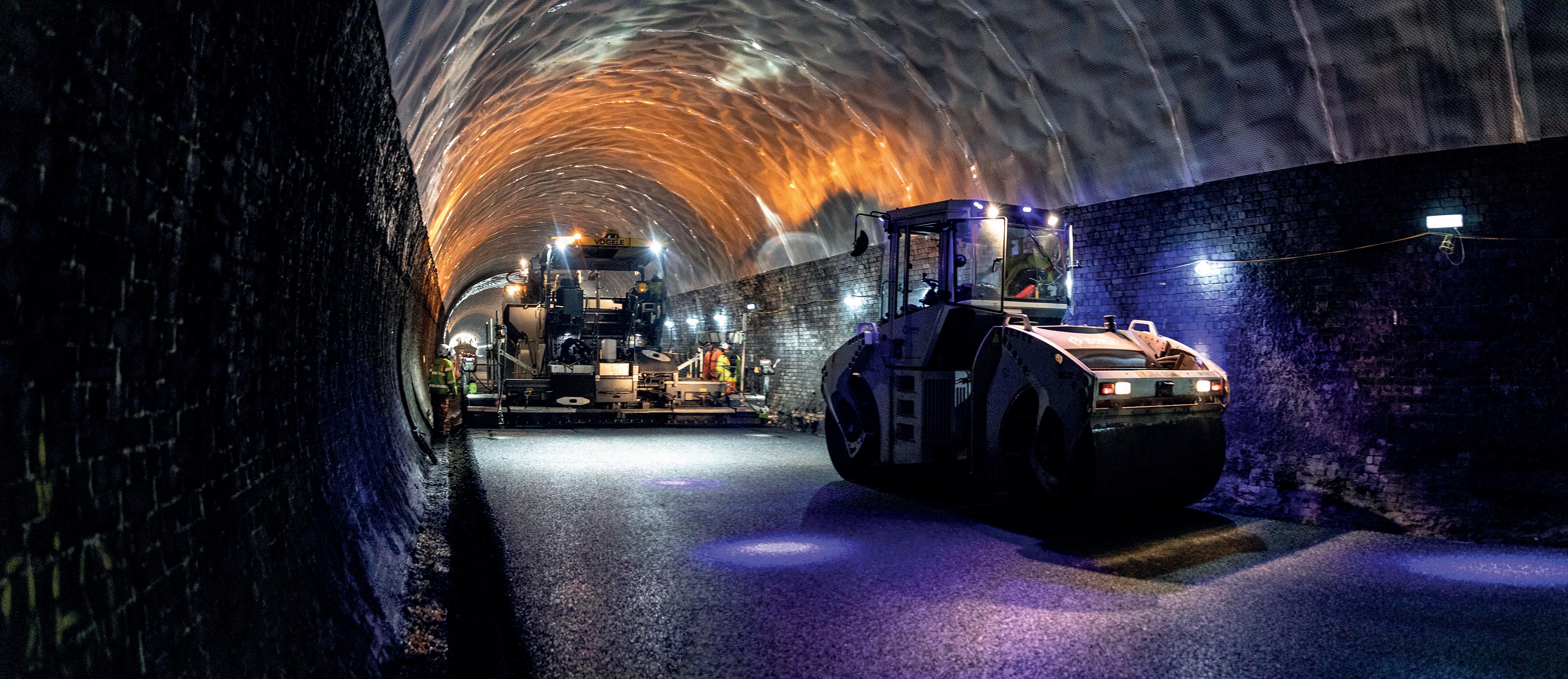
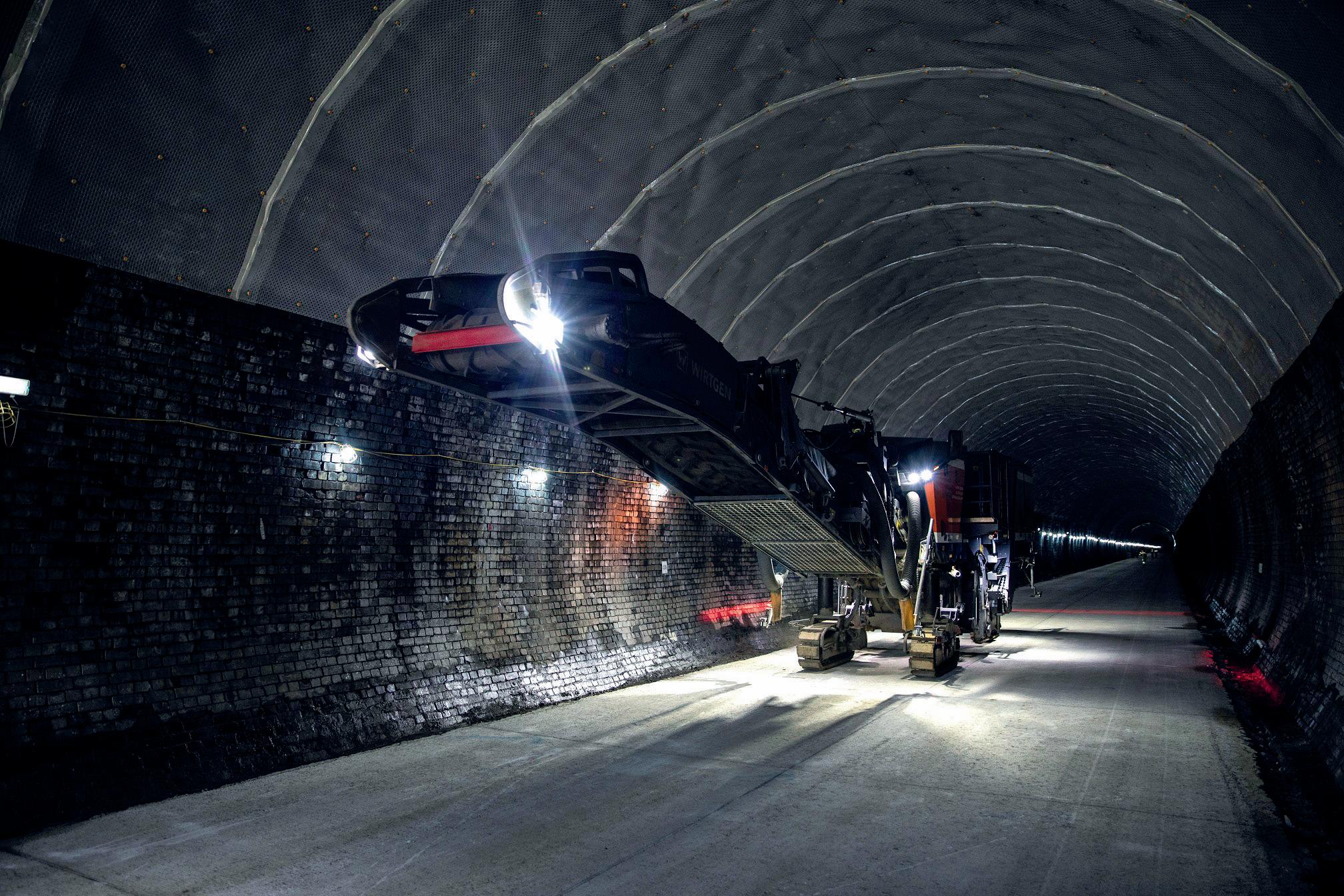
UK contractor Tarmac has delivered a precise automotive test-track surface built to exacting tolerances as part a new high-tech facility located almost entirely underground.
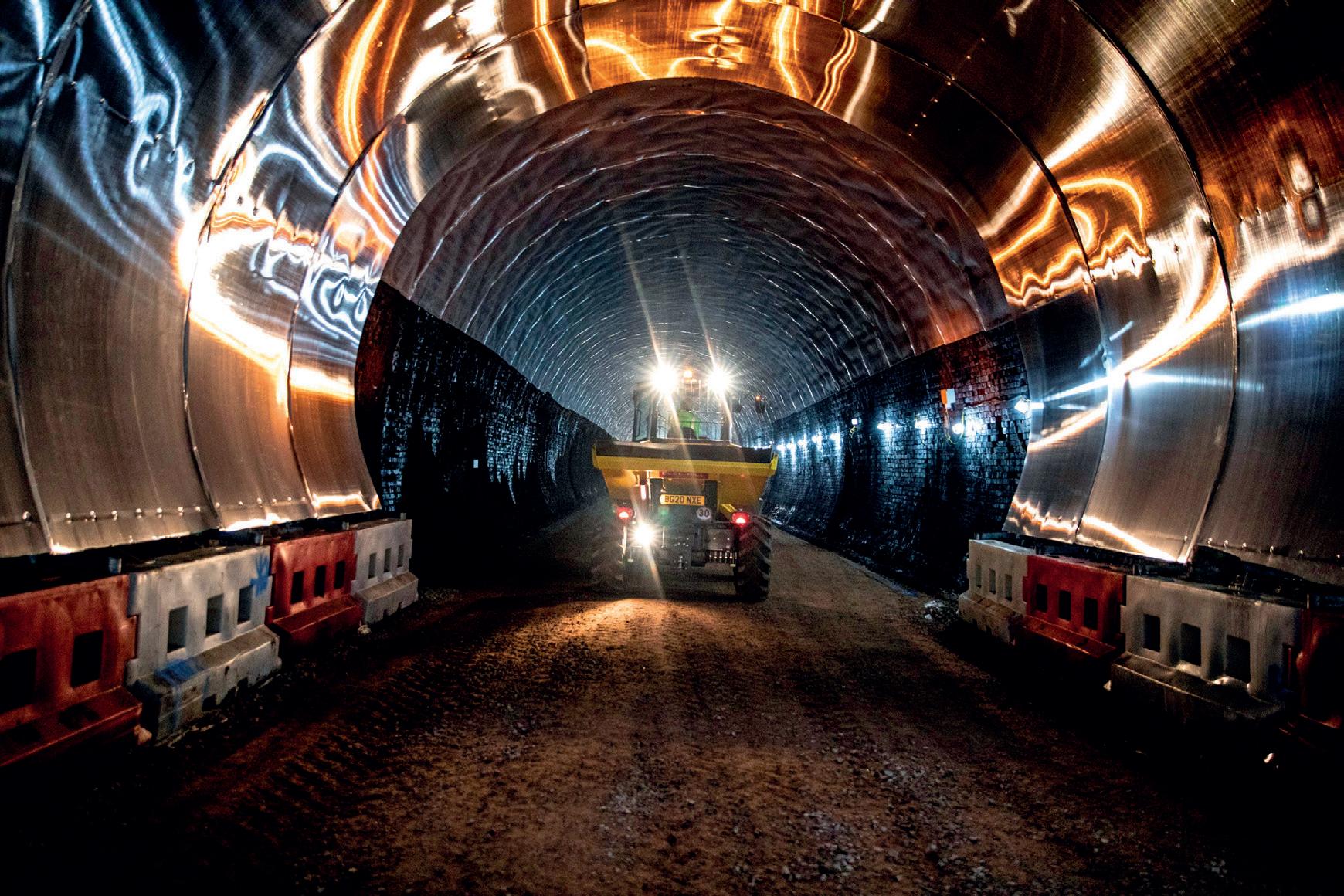
Catesby Tunnel is unusually large: 8.2m wide, 7.8m high and 2.7km long. The tunnel, lying deep in the English countryside in Northamptonshire county, was opened in 1897 and closed in 1966 when the rail line was made redundant by British Rail. The rail line itself was taken away soon after. After lying abandoned and flooded for over 50 years, proposals were granted in 2017 for the conversion of the lengthy tunnel into an aerodynamic test facility for vehicles.
The Catesby Tunnel test strip now features 2.7km of completely smooth asphalt, providing a world-class paving standard specially designed to test everything from bicycles to supercars and large commercial trucks. The underground facility’s completely straight and enclosed characteristics, which offer 24/7 repeatable
tests undisturbed by weather, have been paved by Tarmac to better standards than many Formula One tracks.
The tunnel is owned by Aero Research
Partners, a technical testing and analysis company based in the nearby town Catesby. Construction firm Stepnell was awarded the design and build contract for the project
Tarmac laid a specially designed stone matrix asphalt
- SMA - surface, with specialist polished stone value PSV 65, 10mm gritstone aggregate (image courtesy Tarmac)
The tunnel is a straight-throughout design due to the Great Central Railway designing it for speed and on a rising gradient of 1:176 to the south (image courtesy Tarmac)
which officially opened last December and is expected to attract the world’s largest automotive manufacturers. It enables testing of every facet of vehicles, including aerodynamics, performance – such as speed, acceleration, braking and ride comfort –aero-acoustics and engine emissions.
“The Stepnell team converted the tunnel from a wet hole in the ground to a pristine running surface that allows sophisticated vehicle testing,” said Robert Lewis, director of Aero Research Partners. “The tunnel can accommodate any size of vehicle, from road and race cars to heavy-goods vehicles, although [the trucks] could obviously not be turned around in the tunnel so would have to reverse out. However, our specialist vehicle turn-table can turn around anything up to a long-base transit van.”
The tunnel operates as Catesby Aero Research Facility – CARF – and offers a constant gradient of 1:176 which allows for an extensive range of vehicle assessment studies to be carried out. There is a sealed working section to ensure that the environmental conditions are consistent, allowing assured repeatable testing. The entire area is a highly secure environment, ensuring vehicle-development programmes can be conducted with complete confidentiality.
STONE MATRIX ASPHALT
Tarmac laid a specially designed stone matrix asphalt - SMA - surface, with specialist polished stone value PSV 65, 10mm gritstone aggregate, that more than met the precise paving tolerances of less than 1mm down to
0.3mm, which is better than many Formula One race circuits. The company was selected by ARP based on its resurfacing of the UK racetrack at Silverstone – home of the British F1 Grand Prix.
“The seamless way this project was planned and delivered resulted in a truly world-class finish that is amongst the highestknown paving standards in the world today,” said Rob Doody, managing director for the Midlands region for Tarmac. “The level of paving accuracy has delivered a surface [that] enables automotive engineers to take any surface irregularity out of the equation.”
The tunnel environment meant that meticulous planning was needed to complete the work. Standard tipper trucks could not be used. This meant the asphalt material had to be transferred using feeders and dumper trucks which formed a giant conveyor.
The supply of asphalt had to be carefully planned to ensure a continuous supply to the paver, while ventilation enabled safe working conditions to be maintained for the paving teams while working in the tunnel.
To achieve the super-smooth finish to the test track required by ARP, Tarmac used specialist aggregate – with a PSV of 65 –from the company’s Bayston Hill Quarry in the English county of Shropshire. This quarry also supplied the same stone used at Silverstone as well as at the Bahrain and Abu Dhabi Grand Prix circuits. A special
CATESBY DETAILS
The tunnel, its portals and air shafts are all lined and faced with hard Staffordshire blue brick. About 30 million bricks were used and the tunnel has five air shafts; four are in Catesby area and each has a diameter of 3m. The fifth is in the neighbouring area of Hellidon and has a diameter of 4.6m for greater airflow. About 2,200,000m3 of material was dug out to make the original tunnel structure which is straight throughout due to the Great Central Railway designing it for speed and on a rising gradient of 1:176 to the south.
mix design ensured the asphalt remained malleable while being transferred through the tunnel to the paver to ensure the best possible surface finish.
“Achieving the specific tolerances required continuous paving along the full length of the tunnel, so we had to guarantee a continuous supply of asphalt to the paver from Tarmac plants at Mountsorrel, in Leicestershire, and the Elstow plant, near Bedford,” said Doody. “In two shifts, the paving teams worked from 7am to 7pm, laying 1,340 tonnes of asphalt with a seamless changeover without stopping the paver.”
“We are proud to hand over the Catesby Aero Research Facility to ARP,” said Richard Wakeford, director at Stepnell. “This has brought together the best of the industry to deliver a modern test facility that will drive transportation efficiencies for years to come. Overcoming several engineering challenges, this project has been a truly collaborative experience.” ■
www.tarmac.com www.crh.com
*Tarmac, part of the Dublin-based CRH company, is a UK provider of sustainable building materials and construction solutions to infrastructure projects and includes the brand Blue Circle, the company that patented Portland Cement. Tarmac’s solutions span aggregates, asphalt, cement, lime, readymix concrete, offsite manufacture, road contracting, highways maintenance and infrastructure services, building products and recycling services. CRH has locations in 29 countries and is the largest building materials business in North America and in Europe. It also has positions in Asia.
Tarmac used specialist aggregate – with a PSV of 65 – from the company’s Bayston Hill Quarry in the English county of Shropshire (image courtesy Tarmac)
IN CONTROL WITH MACHINE CONTROL

Mike Woof, editor of World Highways magazine, looks at how advances in machine-control technology help speed up the making of smoother roads while saving money on the process
Machine-control technology has come a long way over the past 30 years. Laser-guided systems were used to control earthmoving machines such as dozers and graders, allowing them to deliver accurate curves and gradients. But the systems were costly and the work they could deliver was limited.
Concrete paving is another sector in which stringless machine-control systems were accepted early on. ese o ered bene ts as they eliminated the need for vulnerable stringlines onsite. With many personnel on a construction site, not to mention machines
moving around and materials being delivered, the risk of a stringline being damaged was always there. Being able to eliminate the stringline allowed contractors to carry out concrete paving jobs comparatively easily. e systems used originally for concrete paving were expensive, which meant the use of the technology tended to be limited to airport runways or larger highway jobs. But that has changed. e systems now cost considerably less and many small slipforming specialists use machine-control systems for comparatively simple jobs such as placing kerbs in car parks or at the roadside in
housing developments.
While earthmoving works with dozers or concrete paving operations with slipformers were market segments that were early adopters of machine-control systems, there is now technology for a much broader range of equipment.
Laser controls and satellite-positioning systems have been further augmented with other technologies. e availability of comparatively cheap yet durable and accurate inertial navigation systems has ensured positioning accuracy, particularly in built-up or mountainous areas where navigation-
TRIMBLE ROADWORKS PAVING CONTROL PLATFORM FOR ASPHALT COMPACTORS
Speci c tools are available for road-construction machines such as mills, pavers and asphalt compactors. One of the latest is the Trimble Roadworks Paving Control Platform for Asphalt Compactors. This is a 3D pavingcontrol system designed to improve speed, accuracy and ensure ease of asphalt compaction. The system can use single GNSS, dual GNSS and also Total-station technology.
The package can be used to monitor pass counts only or pass counts plus temperature. Operators can transfer intelligent compaction data wirelessly from the machine to the of ce with the Trimble SNM941 Connected Site Gateway. The system can be used to collect compatible data les that are ready to import into a Veta intelligent construction project. The Android-based software features the same user interface as existing Roadworks applications. Customers can use one work ow from the initial design model to the last pass of the compactor and can monitor and analyse compaction ef ciency from the of ce.
The colour-coded display allows operators to view temperature gradient and work carried out. The system displays real-time temperature mapping, compaction progress, pass counts and optional display and recording of the compacted asphalt stiffness. It ensures that the surface is compacted to the speci ed stiffness target and users can monitor site volumes simultaneously, in real time. The system ensures optimal compaction for
the target temperature range, reducing rework and material waste with real-time temperature map monitoring.
According to Trimble, the Roadworks Paving Control Platform for Asphalt Compactors helps operators of all skill levels improve the speed, accuracy and ease of asphalt compaction. Users can achieve optimum durability, stability and load-bearing capacity. Supervisors and quality managers can monitor compaction activities to track and report progress, while the real-time compaction data helps to improve layer management.
A colour display allows the operator to view compaction progress, pass counts and mat temperature information so that users can roll a more uniform surface and increase the process ef ciency. The system also tracks compaction measurement values over the entire area, while reducing reworking, operator hours and cutting machine maintenance costs.
Ef cient communications and data transfer is achieved using the Trimble WorksManager Software and Trimble WorksOS Software packages. Users can transfer 3D designs from the of ce to the machine, while productivity and compaction data collected from the machine automatically syncs back to the of ce for analysis. Wireless data share allows each operator to see the work being done by others in real time to achieve better surface quality over the jobsite, while saving time and fuel for each contract.
Machine-control technology helped deliver a new surface for Benin’s main airport


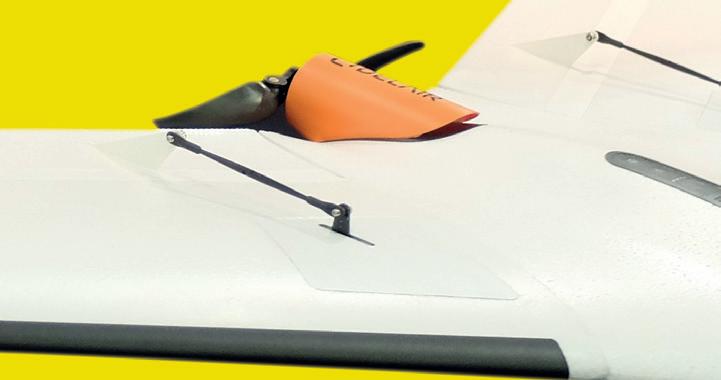











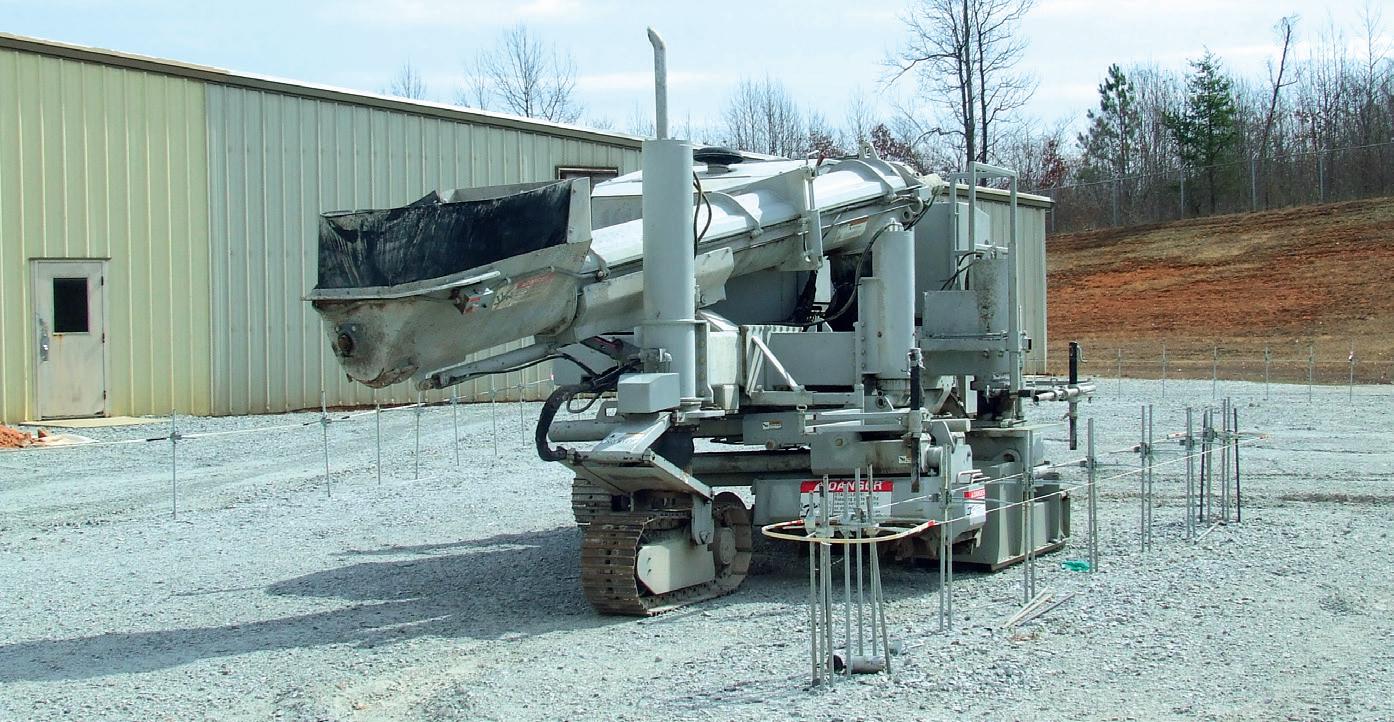
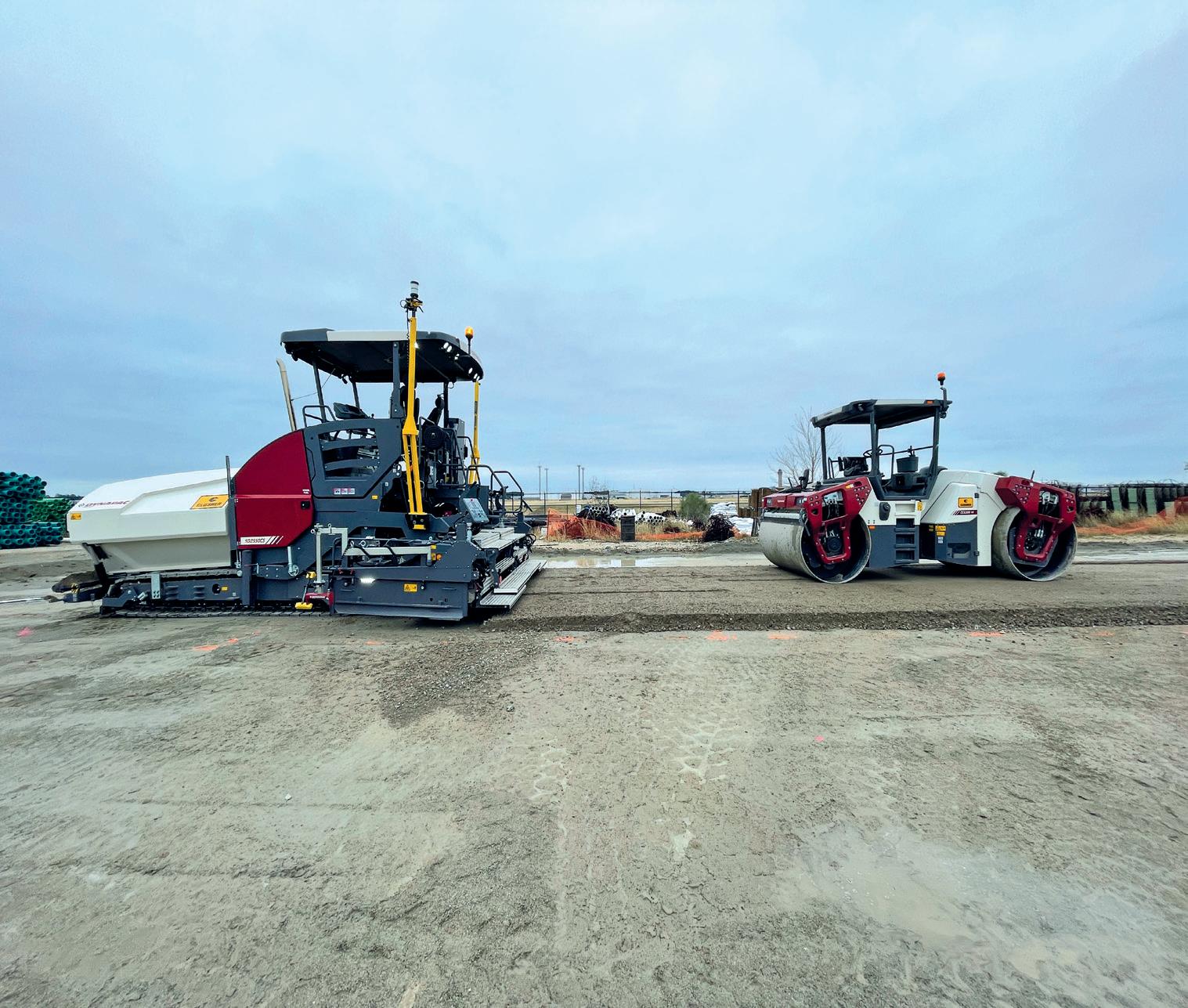
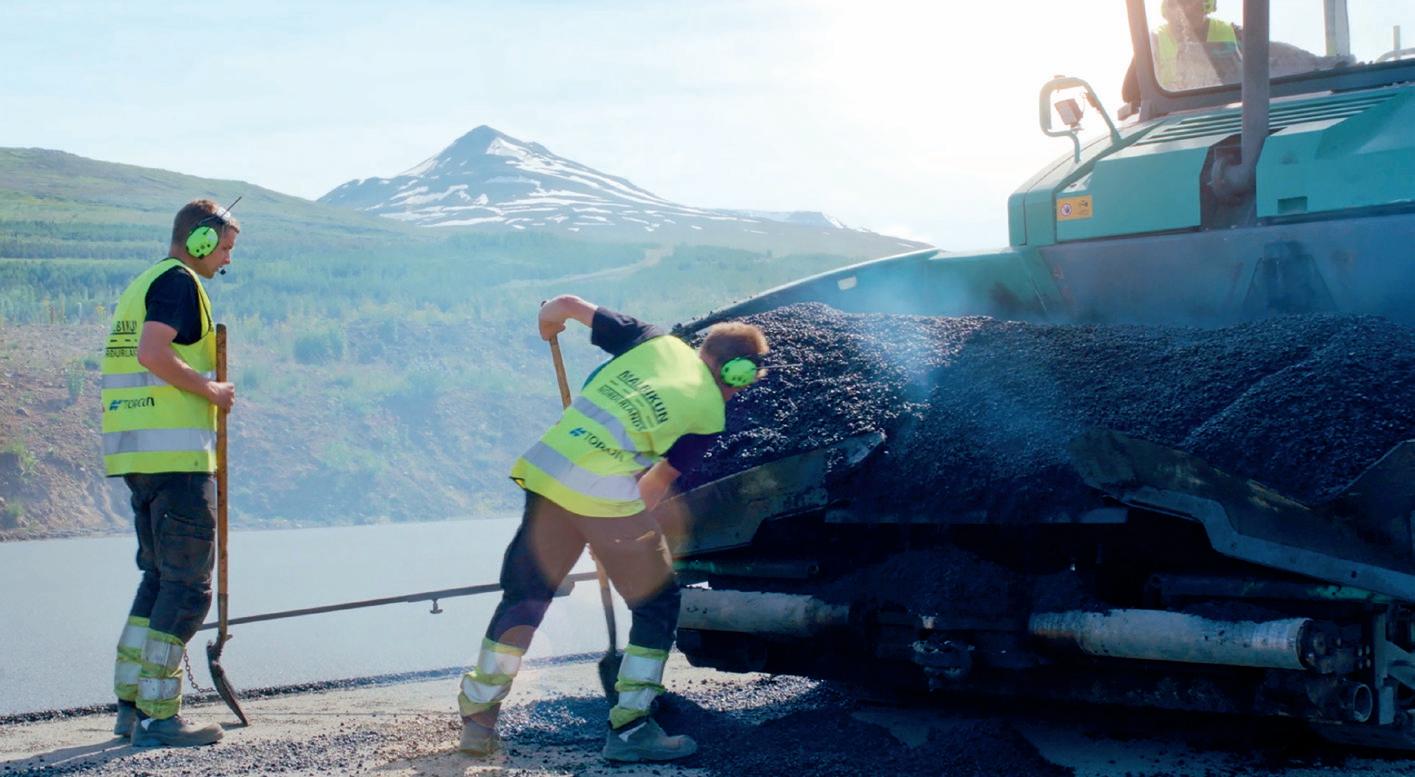
satellite signals may be unreliable. e use of machine-control systems in asphalt road construction has delivered additional bene ts. For major repairs such as resurfacing, machine control on milling machines for removal of old asphalt surfaces can provide a very smooth pro le. Any undulations or faults from the old surface can be removed entirely; machine control constantly adjusts the height of the milling machine’s cutter drum to ensure a level pro le.



For the paving and compaction process this results in signi cant savings in costly materials. e paving machines deliver a much atter surface, and without having to use additional asphalt. e latest tools have been used successfully in major projects to deliver very high-quality surfaces in particularly demanding applications such as airport runways and race tracks.
AIRPORTS
In the West African country of Benin, Topcon’s RD-M1 road scanner allowed the contractor carrying out upgrade work on the runway for Cotonou Cadjehoun Airport to survey the surface accurately and quickly. Mounted on a moving pick-up truck, the RD-M1 system scanned the runway surface in a matter of minutes. is generated a huge number of data points which could then be converted into a le for use by the milling machines removing the worn runway surface.
New airport facilities were constructed in 2011 and during the following decade, the airport has been upgraded and improved several times. However, the need to boost capacity meant that further improvements were required, with the runway being included in this process.
Recognising the magnitude of the works, in 2020 the government of Benin invested just over US$16 million to bring the airport up to standard, improve its safety and rehabilitate the runway.
e project was for the client Benin Airports in partnership with ANAC, the country’s civil aviation authority (Agence Nationale de l’Aviation Civile) and ASECNA, the pan African Agency for Aerial Navigation Safety in Africa and Madagascar.
Work on the project started in March 2020 and was led by contractor Colas Afrique. But before work on the runway could begin, Topcon’s RD-M1 scanner was used to conduct an initial scan. With the ability to scan a vast distance in a short time, collecting detailed surface data without the
Drone technology can generate datasets for machine-control programs
Large slipform pavers were among the rst machines to have machinecontrol technology which is now widely used on even the smaller units
A combination of systems including sophisticated compaction tools delivered a new runway surface at Houston Airport
When using machine control, road paving bene ts in terms of reduced material costs and increased surface quality from the old surface can be removed
need for prolonged runway closures, this tool played an important role in the project, explains Gael Basseville, director of business development at Topcon Positioning.
Using the data collected from the RD-M1 scanner, the control program for the milling machines could be generated. The system used Topcon’s Sonic Tracker for vertical thickness control, complemented by a GNSS system to deliver positional guidance. This technology allowed the team to mill and remove variable depths from the existing surface as needed. The package is said to suit projects with long sections that need to be resurfaced, such as airport runways. It optimises labour time and helps limit material usage, as well as eliminating the need for costly and time-consuming rework.
“Equipped with our 3D guidance system, milling machines calculate their exact position at all times, providing the smoothest surface for a paver to follow,” says Basseville. “The precise thickness control with compensation for differential compaction is delivered through machinecontrol guidance in the first pass every time.”
Having a smoothly milled surface as a base ensured that the new pavement on top would itself offer a more consistent smoothness. The technology also helped reduce the quantity of asphalt required.
DELIVERING SAFETY
Volvo CE paving equipment was used to lay the asphalt on the milled surface.
In a similar project, equipment from Dynapac and technology from MOBA and Trimble has played an important role in improving facilities at Houston Airport in the US. Dynapac’s TH E technology has been employed to deliver a surface to grade, with high levels of pre-compaction and also automation.
Contractor Flatiron has completed
Being able to scan the surface of a road quickly using equipment mounted on a conventional vehicle generates a massive dataset
its training with a Dynapac paver and compactors and is laying new RCC surfacing at Houston Airport.
Rental firm and dealer Closner Equipment is also involved in the project. The local dealer delivered an SD2550CS Dynapac paver fitted with a high-compaction screed as well as two Dynapac rollers, a CC6200 VI and a CP2700. The paver was fitted with a Trimble 3D Leveling System, Dynapac’s MatTracker width assistant, a MOBA levelling tool and the MOBA Big Ski Plus.
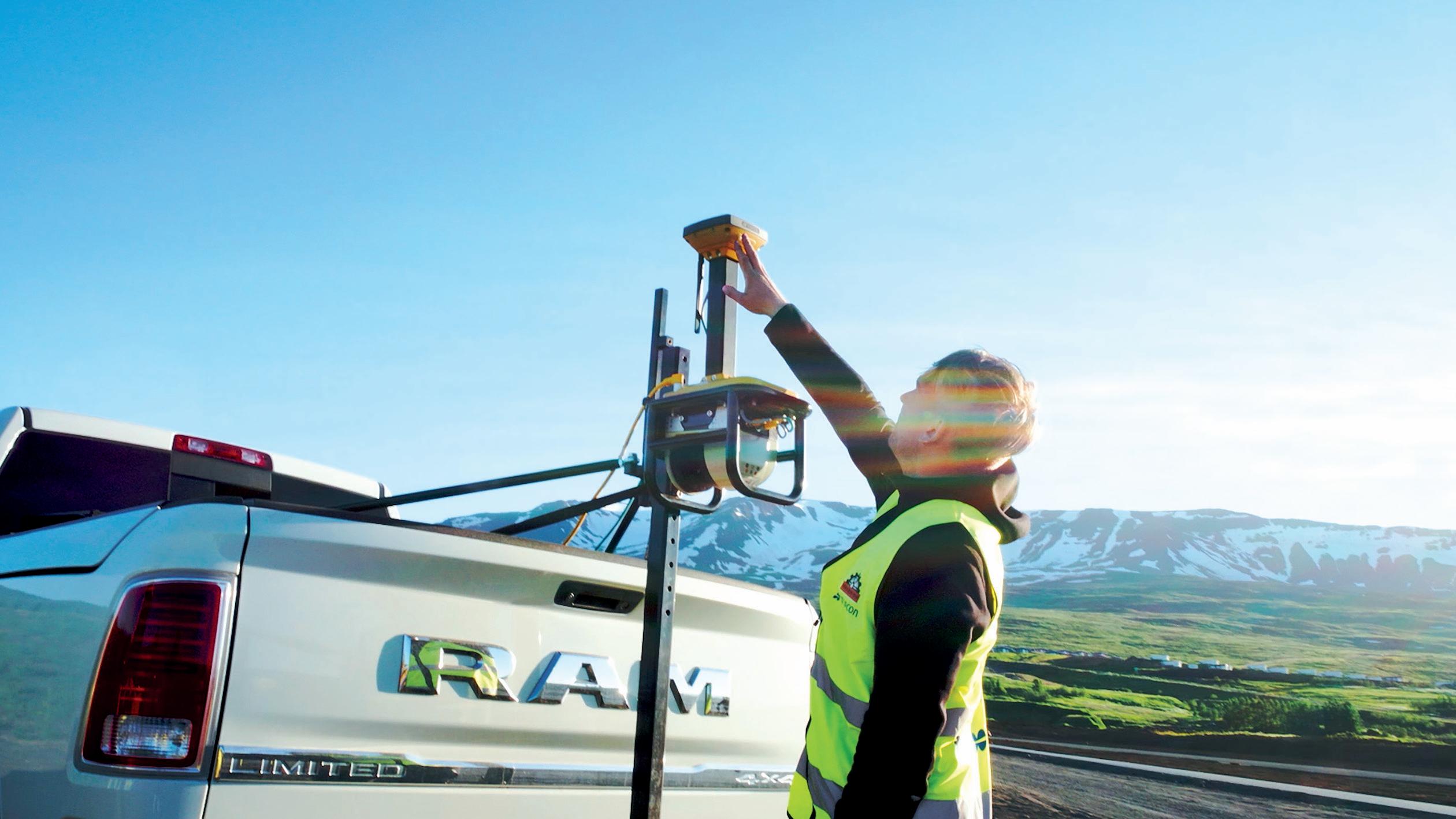
Using machine-control systems in conjunction with other technologies can deliver key safety benefits. Integrating the Leica iCON PA80 and Xwatch XW series helps protect personnel, equipment and infrastructure on a jobsite.
The Leica iCON PA80 safety-awareness system is integrated with XWatch XW 4 & 5 series safety systems to deliver an improved solution for users. This combination is said to offer a significant boost for jobsite safety by interconnecting excavator height control and slew control with Leica Geosystems 2D and 3D machine-control and safety-awareness systems.
The Xwatch safety systems monitor machine height and slew movement and are designed to restrict movement using proportional hydraulic controls. An operator can limit excavator working height and side boundaries, defining a working zone to increase safety around the machine. The Xwatch product range is said to offer a cost-effective solution and uses the latest hardware technology within the automation sector.
Users of the popular Leica MC1 machine-control platform can leverage their investments by running the new safety-awareness solution, the Leica iCON PA80, directly onto their existing machine-control system. The technology integrates safety awareness into the machine-control platform and alerts operators on the screen being used for machine operations. The safetyawareness package can be used for dozers, excavators and other heavy equipment using the Leica MC1 machine-control system.
“With the integration of Xwatch into Leica MC1, we are now not only able to alert the operator but are able to proportionally slow down and stop a machine when a wearable device is detected in a configurable zone,” explain Brad Mullis, product manager for Safety Awareness Solutions at Leica Geosystems. “In addition, by leveraging Leica ConX cloud solution, comprehensive logs can be downloaded and distributed for analytics within contractors’ existing management processes.”
The customer had three key requirements for the paver. The first was good grade control - crucial for airports - while the second was for maximum pre-compaction, vital for roller compacted concrete (RCC) surfaces due to the short time slots for material processing. The third requirement was for a high level of automation so that the paving crew could handle the process with, at most, three people around the paver.
The automatic functions made material handling easy, while the screed delivered the maximum compaction possible for the material used. The combination of MOBA and Trimble levelling and the integration of both systems into the MOBA remote controls made it possible to switch between both systems easily during paving.
Dynapac, Closner and the Flatiron crew completed an extensive training week where they learned how to handle the machine, set the height and use the integrated levelling automatic functions. A key task was the setup of the material flow and the use of the autofill function by processing the RCC material, as RCC requires short processing times.
After three training days the team carried out a final test strip to measure compaction levels on a material grade similar to the material planned for use in the final job. The test allowed the crew to understand the roller behaviour and the compaction achieved. This was important as the tamper bar screed on the Dynapac machine delivers a far higher percentage of pre-compaction than could be achieved with US-style vibration screeds.
RACE TRACKS
In a similar fashion, equipment from the Wirtgen Group, including machines from Vögele, Hamm and Benninghoven, was used to resurface the Silverstone circuit in the UK.
In collaboration with specialist engineering consultant Studio Dromo, contractor Tarmac led the work to reprofile and resurface the legendary motor racing circuit in time for the British Grand Prix. The operator of the Silverstone circuit took advantage of the
project to mill o and renew the asphalt package and also to repro le the track. In a 3D digital terrain model, engineers identi ed uneven sections and sections prone to aquaplaning.
e planners optimised the design of the racetrack and used 3D GPS-guided digital-control systems to ensure accuracy when removing the surface using Wirtgen milling machines. A combination of Vögele pavers and Hamm rollers repaved the track with special asphalt mix provided by two Benninghoven plants.
Italian circuit design specialist Studio Dromo generated a 3D model of the track to identify any weak points. Total stations then transmitted milling parameters directly to the Wirtgen planers, delivering high precision. Control on the machines was achieved using the rm’s LEVEL PRO ACTIVE system. Fully part of the machines’ controls, the levelling system allows a high level of automation. e rm says its LEVEL PRO ACTIVE is compatible with 3D systems from key suppliers.
Milling parameters from the 3D terrain model were received by laser sensors and processed by the Wirtgen cold milling machines. e permissible deviation of ±2mm over a distance of 13m meant that the use of new technology was necessary.
Engineers simpli ed the mounts for the sensor systems on the machines, making it easier for the milling machine operators. Although the average milling depth for the whole circuit was 70mm, it varied continuously around the racetrack. It took the Tarmac team four days to mill 87,000m² of
MIXED-MACHINE FLEET SOLUTION
Topcon Positioning says that its new MC-Max machine-control solution is a scalable solution for use with mixed eets of heavy equipment. The system is based on the rm’s MC-X machinecontrol platform and backed by Sitelink3D, the cloud-based data management ecosystem. MC-Max is said to boost processing power, speed, accuracy, versatility and reliability and can be installed on a range of dozers and excavators, using modular components.
“With MC-Max, we’ve a solution that is exible and can continue to grow as a contractor’s needs and capabilities expand,” says Jamie Williamson, executive vice president, Topcon Positioning Group. “This new solution provides improved scalability and precision in the eld and offers business owners real-time data integration, connectivity and resource-management capabilities across their entire work ow.”
The MC-Max solution offers exible mounting solutions, as well as optional automatic blade and bucket control for a variety of machines. The system also provides a full battery of positioning technologies ranging from slope control to laser, multi-constellation GNSS, robotic total station and Millimeter GPS systems.
MC-Max provides project managers a real-time view of machine positions, activities and onsite progress, and is compatible with a wide range of site communications systems.
The Topcon MC-X platform is said to be easy to use and affordable. The platform ties together mixed eets by interacting with multiple versions of 3D-MC, providing connectivity to Sitelink3D and taking advantage of the multi-constellation capabilities of GNSS antennas.
asphalt from the circuit.
Tarmac used washing to remove most of the nes in the crushed stone, which was then used for the mix produced by two Benninghoven asphalt mixing plants at Tarmac’s Elstow and Harper Lane sites. e complex mixes used special bitumen and aggregate grades and the plants were able to deliver the high quality needed for the Formula 1 track. e result was a durable asphalt surface to cope with high lateral loads from hard braking and fast cornering.
e material will also reduce the risk of new bumps appearing on certain sections of the circuit. Onsite logistics were also challenging, with the need to transport 360tonnes of asphalt/hour to the circuit.
Paving the asphalt layers was carried out using three Vögele SUPER 1800-3i machines, each working with an MT 3000-2i O set PowerFeeder. e mobile feeders helped deliver the required paving
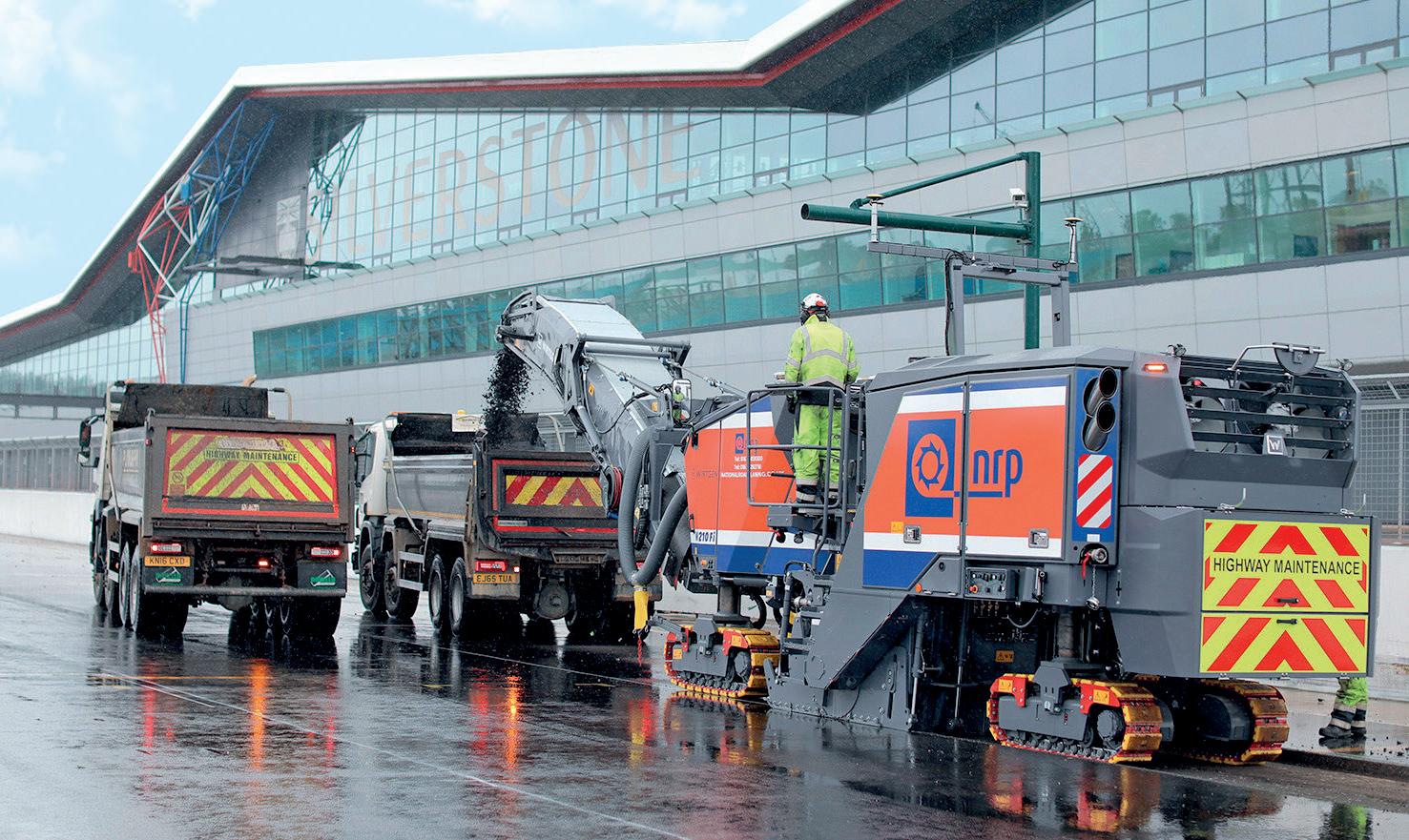
performance and quality by eliminating the need for transferring material to the pavers from trucks. e mobile feeder operators concentrated on the material feed, leaving the paver operators to focus on the paving process.
e pavers worked in echelon, laying the surface in a hot-to-hot fashion to provide a continuous surface across the width of the track. Tarmac constantly checked that correct temperature limits were maintained. To enable this, all three pavers were equipped with RoadScan, Vögele’s non-contacting temperature-measurement system.
e Hamm rollers used the Hamm compaction quality (HCQ) intelligent technology to deliver optimum density for the 30mm binder course and 40mm surface. is system was tted to the HD+ and DV+ series rollers.
e combination of quality machines and 3D model allowed the contractor to achieve full compliance with the stipulated asphalt surface grip characteristic (roughness) of 0.28, according to the International Roughness Index (IRI). ■
Dynapac www.dynapac.com
Leica Geosystems www.leica-geosystems.com
Topcon Positioning www.topconpostioning.com
Trimble www.trimble.com
Volvo CE www.volvoce.com
Wirtgen www.wirtgen-group.com
Sophisticated technology helped deliver a quality surface for England’s Silverstone race circuit

Industry connections on social media











@WorldHighways
















@World_Highways