Published by
Published by

Chairman John Murphy
Chief Executive Officer Christine Clancy
Managing
Editor Prealene Khera
Journalist Ethan Benedicto
Design
Jacqueline Buckmaster
Head of Design Clayton Hawley
Business Development Manager Luke Trimboli
Client Success Manager
Louisa Stocks
Head Office
Prime Creative Media
379 Docklands Drive
Docklands Victoria 3008
P: +61 3 9690 8766
info@primecreative.com.au miningmagazine.com.au
Subscriptions
P: +61 3 9690 8766
subscriptions@primecreative.com.au
Mining is available by subscription from the publisher. The rights of refusal are reserved by the publisher.
Most of the seeds the mining industry sows are in exploration.
The discoveries announced today were funded years, sometimes decades, earlier. And Australia has had no trouble keeping this pipeline of projects pumping. This edition of Mining digs deeper into exploration and breaks down exactly what needs to be done to keep that flow unobstructed.
In a lot of ways, the answer is threepronged. And the first part is structural.
“If you have built castles in the air, your work need not be lost... Now put the foundations under them,” Henry David Thoreau said a long time ago, pointing to a wisdom that the mining industry can lean on now: the most ambitious exploration programs are only as good as the foundations supporting them.
The approvals and access frameworks that govern where and how companies can explore have a direct bearing on whether activity happens at the pace the industry needs. Our cover story looks at where those frameworks stand and the genuine appetite from governments and industry to strengthen them.
Then there’s technology. Quantum sensing is moving out of research settings
and into early deployment, showing real potential to change how deposits are found and characterised at depth, particularly in the complex geological environments where drilling programs have historically returned inconclusive results. At Hancock Iron Ore, artificial intelligence is already anticipating equipment failures before they occur, identifying microscopic rail defects automatically, and turning datasets that once took days to process into decisions made in seconds. The edition also looks at how mining companies decide which technologies to back.
And finally, the last part of the answer is simply paying attention to what's already happening. This issue maps exploration activity across the sector in recent months, tracking where investment has concentrated and what the current patterns suggest about where the industry is moving. It also looks ahead at a heavy second-half calendar of industry events that will shape how these conversations develop through the rest of the year.
There has not been a more interesting time to be watching Australian exploration.
Prealene Khera Editor
Explorers’ ability to access, test and develop future resources will lay the foundation for Australia’s next mining boom.
Australia’s world-class mining sector and quantum research base are converging, providing results that could rede ne mineral exploration.
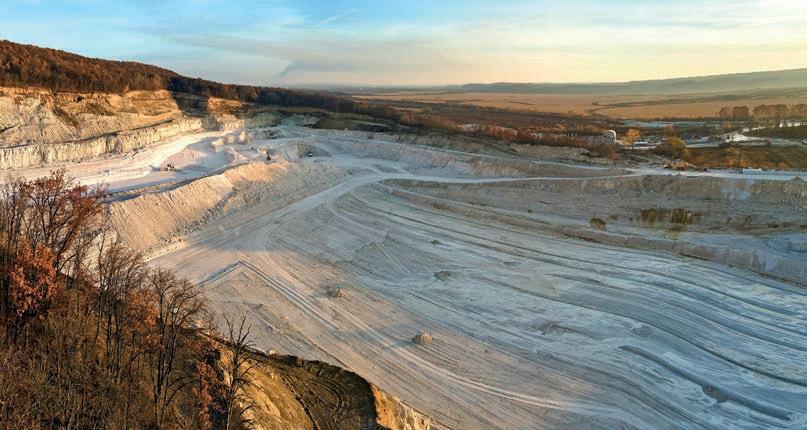
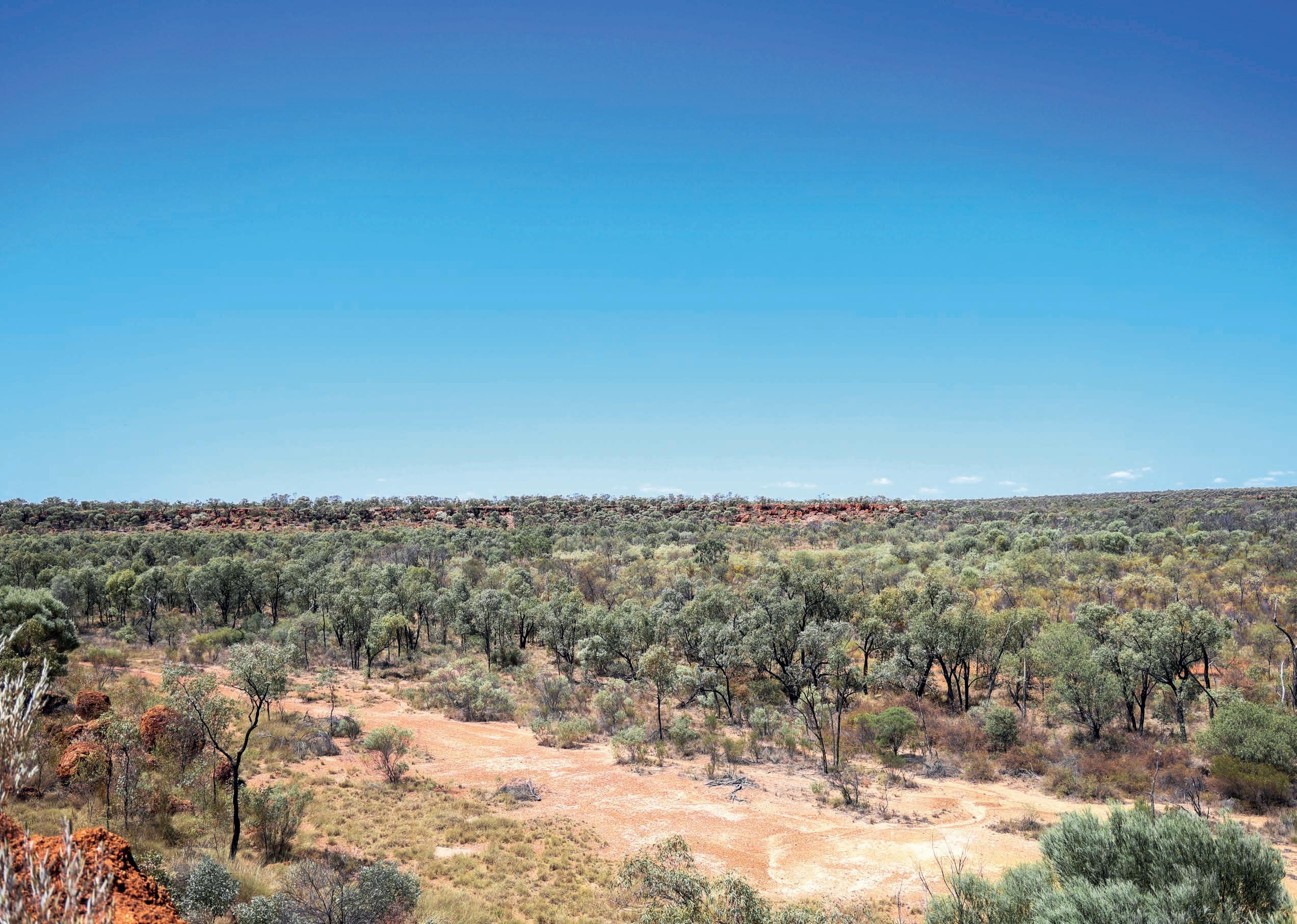
The search for tomorrow’s mines is already underway, with Australian explorers drilling deeper and testing older grounds.
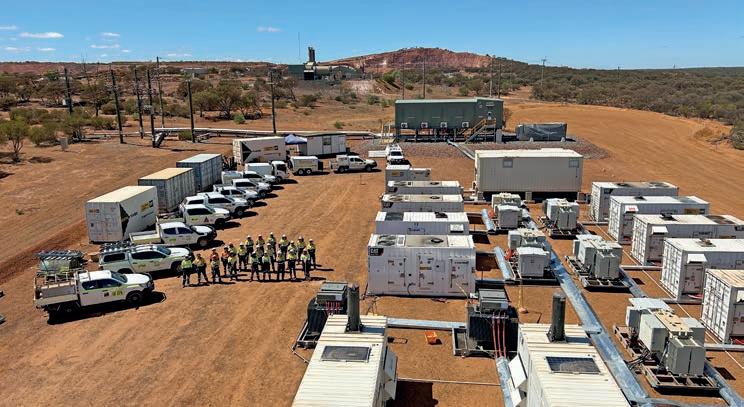
Electrical infrastructure is moving from a late-stage consideration to an early project priority as exploration programs expand into remote regions.
The mining sector has no dearth of
but the path to reap the most fruit starts with a thoughtful,
approach.
The Elphinstone E15 Agitator has helped Alkane Resources double its output, supporting the mine’s
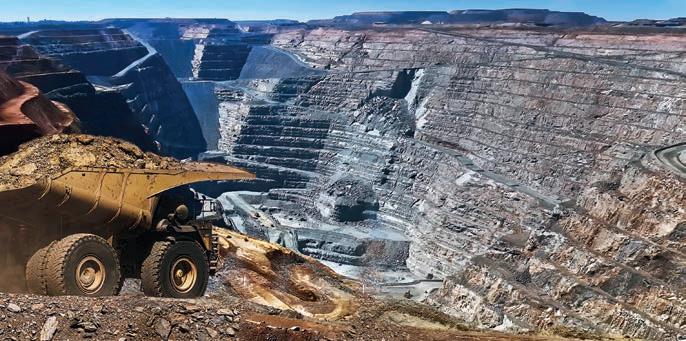

The In nitySeries from Tyrecycle and Fenner Conveyors is making the case that a conveyor belt's end of service doesn't have to mean end of life.
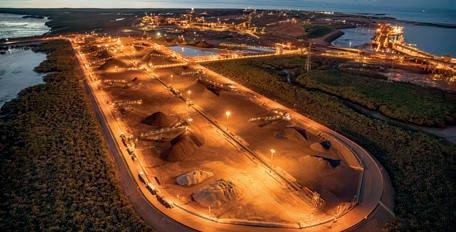
AusIMM’s Critical Minerals Conference will o er Australia’s mining ecosystem a rare chance to unite science, policy, investment, and industry under one roof.
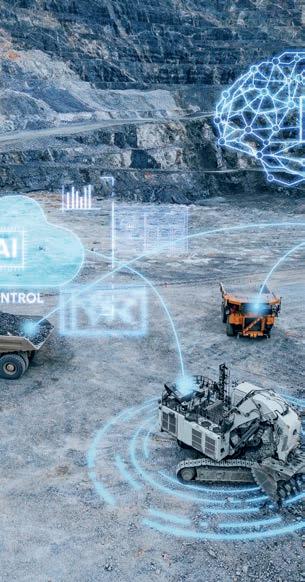
Mining is entering a new era where arti cial intelligence is transforming how decisions are made, risks are managed, and operations are optimised.
As Queensland balances coal strength and critical minerals opportunities, QME 2026 shines a light on industry progression through networking and real-world discussion.
A new future-focused regional mining exhibition in the Hunter Valley is set to bring together operators, suppliers and innovators.
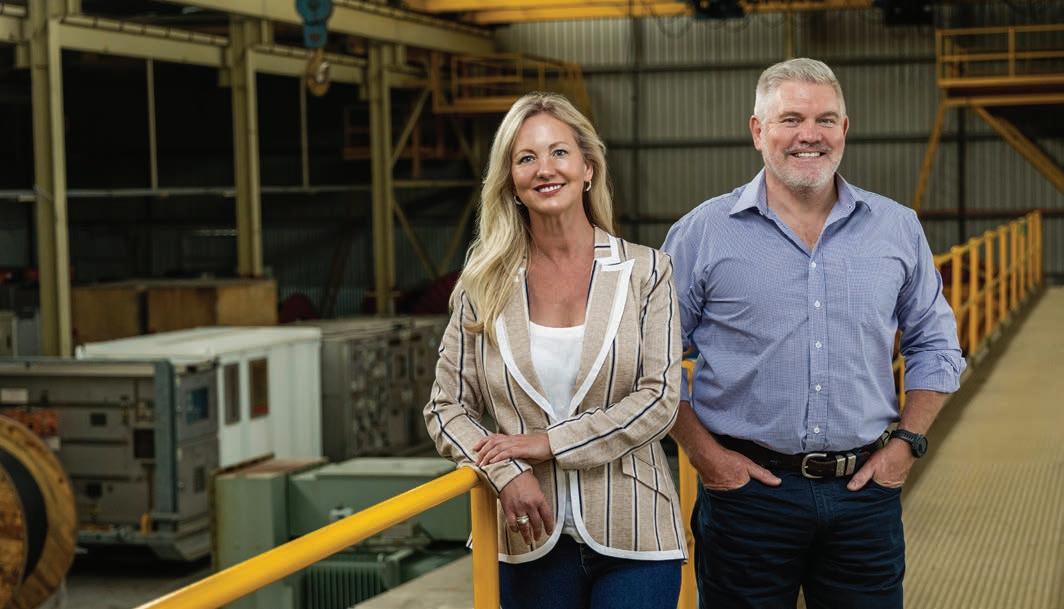
At Australian Power Equipment (APE), we deliver more than high-voltage power solutions – we deliver peace of mind. From brand-new transformers to expertly refurbished equipment, we help industries stay switched on with smarter, faster, and more sustainable options.
Our circular economy model means we don’t just supply power – we give old equipment new life. By refurbishing quality assets from decommissioned sites, we minimise waste, reduce lead times, and keep urgent projects moving. It’s better for business and better for the planet.
But our commitment doesn’t stop there. We actively support wildlife conservation and rewilding efforts across Australia – because powering progress should never come at the cost of our environment.
With a nationwide network and a lean, responsive team, APE sources and delivers critical equipment when and where it’s needed most. Whether it’s mining, infrastructure, or renewables, our clients trust us to keep operations running and downtime to a minimum.
Backed by decades of experience and a clear vision for the future, we’re proud to be shaping a more sustainable tomorrow.
AGENTS FOR



we’re going to find the next generation of big projects that will stock the pipeline for the future.”
While there is an array of small exploration companies, Pearce said attracting investment into that space has become increasingly competitive, highlighting the importance of maintaining a balance between greenfield and brownfield exploration activity.
He referred to land access as one of the key factors influencing exploration program timelines, adding that it can take time to “get on the ground” in the first place.
“The biggest barrier to land access in Western Australia is cultural heritage,” Pearce said.
“That is engaging with Traditional Owners who often don’t have a lot of capacity to actually deal with the work in front of them.”
Pearce said AMEC’s own data showed that costs associated with addressing cultural heritage requirements in land access grants had increased 50 per cent since 2022, reinforcing the need for greater government support to strengthen engagement capabilities between Traditional Owners and exploration companies.
“There needs to be more support from the State Government in resetting the framework for cultural heritage protection here in Western Australia,” Pearce said. “This is to reach a fair and reasonable agreement with Traditional Owners faster, because the reality is, they’re not well resourced.
“They’re being given the responsibility to engage with [exploration companies] to manage the surveys and the protection of heritage, but are not really funded to do it.”
When the latest round of the Western Australian Government’s Exploration Incentive Scheme (EIS) was announced, AMEC showed strong support, emphasising that it continues to unlock early-stage exploration.
AMEC welcomed the EIS’s Round 33 $12 million funding towards exploration activities across the state, with Pearce saying the EIS remains one of the most effective tools available, providing companies “the confidence” to test new ideas and explore under-covered regions that might otherwise be overlooked.
He added that the EIS has been an “absolute foundation” for attracting new investment into exploration in Western Australia, with a strong focus on greenfield, and serves as an enabler for
both industry and government to drive cooperation into new areas and geology.
While he agrees that the current model provides a strong level of flexibility, he also said there continue to be opportunities to expand the EIS’s reach, both “in terms of its quantum” and in the types of exploration techniques it supports.
“I think we want to see that those programs continue to support more innovative exploration that might help better target our drilling efforts,” Pearce said.
“Over time, we’d also like to see that program expand beyond just exploration, to support some of the more challenging pieces of infeasibility.”
This infeasibility, once more, revolves around Traditional Owner group support and liaison, with Pearce adding that more of these groups in WA would benefit from additional capacity to work with industry and government, and that there is an opportunity to establish a clearer baseline for negotiations.
“Don’t start with a blank piece of paper, we need to know, more or less, what’s a fair and reasonable arrangement that can be tailored for the circumstances of Country,” Pearce said.
He highlighted that anthropologists and archaeologists, as well as consultants and lawyers who have investments in the exploration space, can play a role in helping streamline processes between proponents and Traditional Owners.
“Getting things on the ground remains the biggest barrier for investment, because the investor knows that when they put their money in, they won’t be seeing any activity for about 18 months,” Pearce said.
“Or maybe even two years, for a return on their investment; so if we can unwind some of those aspects, make the Native title and cultural heritage process more efficient, while still giving Traditional Owners a strong say in what happens, those are the best things we can do.
“But to do that, we need state and territory governments to work on their cultural heritage legislation, their frameworks, and we need the Federal Government to think carefully about how that legislation works in practice.”
Both AMEC and Pearce showed support when the WA state budget was released in early May, highlighting its $91.7 million investment into the Strategic Industries Fund and broader economic infrastructure for growth across the Goldfields and Mid-West regions, as well as the $10 million over two years for the Mental Awareness, Respect and Safety Program (MARS).
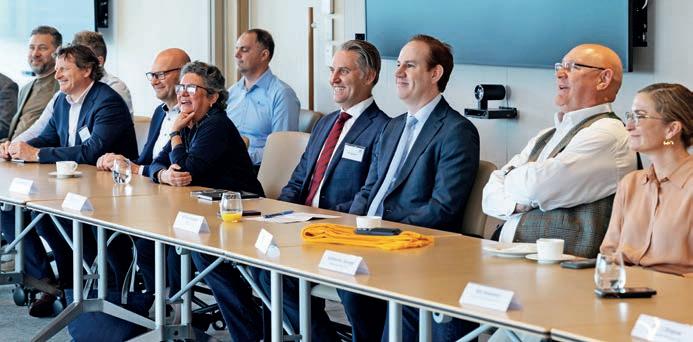
Exploration and its success require cooperation at all levels of industry.
“Western Australia’s mining and exploration industry continues to underpin the state’s economic strength and future prosperity,” he said.
“In an increasingly competitive global environment, continued investment into exploration, approvals systems, infrastructure and energy reliability remains crucial.”
For AMEC, the broader question now is whether that investment can be matched by continued improvements in the systems that determine how quickly explorers can access ground, complete surveys, work with Traditional Owners and progress towards discovery.
Pearce said exploration remained central to Australia’s long-term mining pipeline, and that its success would rely on governments, industry and Traditional Owner groups continuing to build a more efficient and better-resourced model.
The opportunity here, according to him, is not simply encouraging more exploration spending but ensuring that the investment can translate into activity on the ground.
“In the end, the entire industry relies on exploration continuing to take place,” Pearce said.
“For us, getting that ground is the biggest barrier, and it’s the biggest barrier to getting investment.”
Australia’s next wave of discoveries, Pearce said, will rely on exploration investment translating into real activity on the field. With demand for new mineral deposits continuing to grow, industry, governments and Traditional Owner groups will all play an important role in helping explorers move projects forward and unlock future discoveries as a result.
Together, new ground will be broken.
• Better thermal efficiency materially reducing energy requirements
• Processes ore down to 50% Fe
• Scales without billion-dollar furnaces
• Modular, scalable smelters installed on site
• Invented on local soil
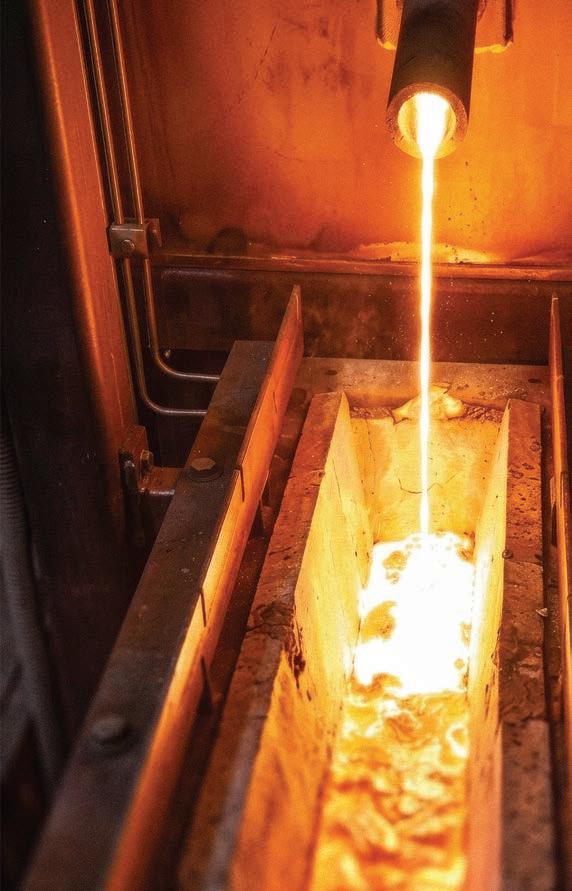
Australia’s world-class mining sector and quantum research base are converging, providing results that could redefine mineral exploration.
As mining becomes more complex, quantum sensing could open new avenues for exploration. Image: MichaelEvans/adobestock.com
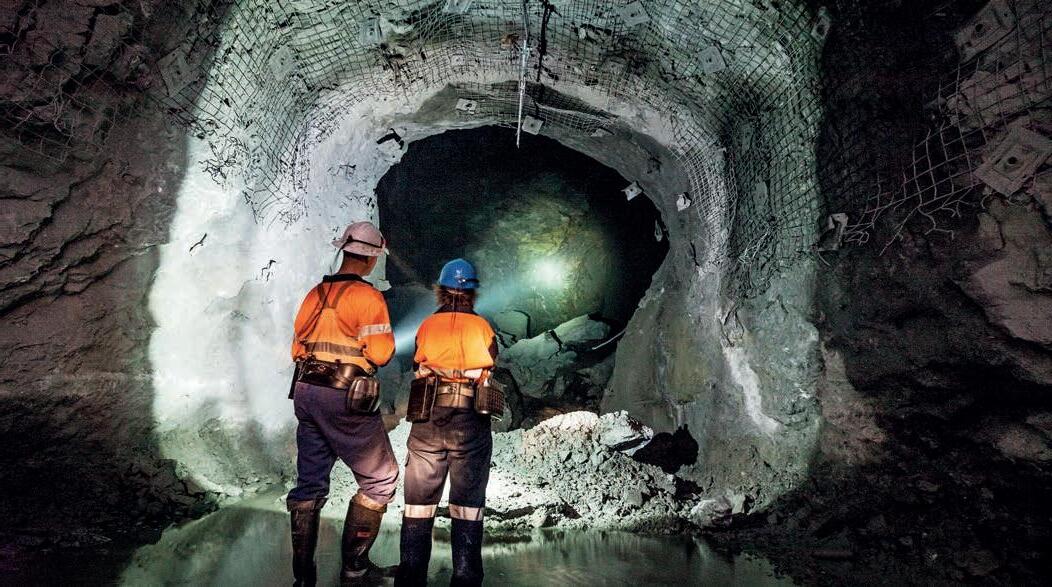
Quantum sensing technology could unlock a new frontier for Australia as a high-grade technology developer in the global mining sector.
Key stakeholders in Australia’s hundred-billion-dollar mining sector gathered at the Quantum Australia Conference in April 2026 to discuss how quantum sensing could strengthen the nation’s competitive position in mineral exploration.
The conference, run by Quantum Australia, focused on how quantum is moving from research to early-stage deployment and real-world applications, with the potential to widen Australia’s existing competitive advantage by building on early-adopter cases in quantum sensing.
Quantum Australia chief executive officer Petra Andrén said quantum sensing represents one of the most practical applications of the technology for mining, with the potential to transform how mineral deposits are identified and characterised.
“For a long time, most discussion around quantum focused on future computing applications,” she told Mining
“Sensing is different, not relying on the arrival of a fault-tolerant quantum computer, and there are nearer-term use cases where the technology can potentially deliver practical value.
“Another shift is the level of engagement across the ecosystem. These conversations are no longer happening only between researchers.”

Andrén said Australian mining companies, investors, equipment providers, and government bodies are all “now actively involved” in discussions about deploying and commercialising quantum sensing technology.
According to Quantum Australia, the country has the world’s fifth-largest quantum workforce with more than 40 quantum-focused companies and around 26 dedicated research organisations.
“Australia is well placed here because we already have strong mining capability, deep geoscience expertise and globally recognised quantum research… and translate it into industrial capability and economic value,” Andrén said.
Mining exploration is becoming more complex, and many of the deposits needed for the energy transition are increasingly difficult to find, compared
Image:QuantumAustralia.
Petra Andrén believes that if integrated with current mining tech, quantum sensing could bolster mining exploration.
to previous generations of resources, according to Andrén.
“Quantum sensing has the potential to improve the sensitivity and resolution of subsurface surveying, which could help geologists build a clearer picture of what sits below the surface before major drilling programs begin,” she said.
Going forward, the technology could produce the strongest value from improved targeting. Considering that exploration is inherently expensive and risky, even modest improvements in confidence could “have large economic consequences” within the mining sector.
However, Andrén said the technology would be unlikely to replace existing exploration methods. Instead, quantum sensing is likely to become integrated within mining operations as a tool that
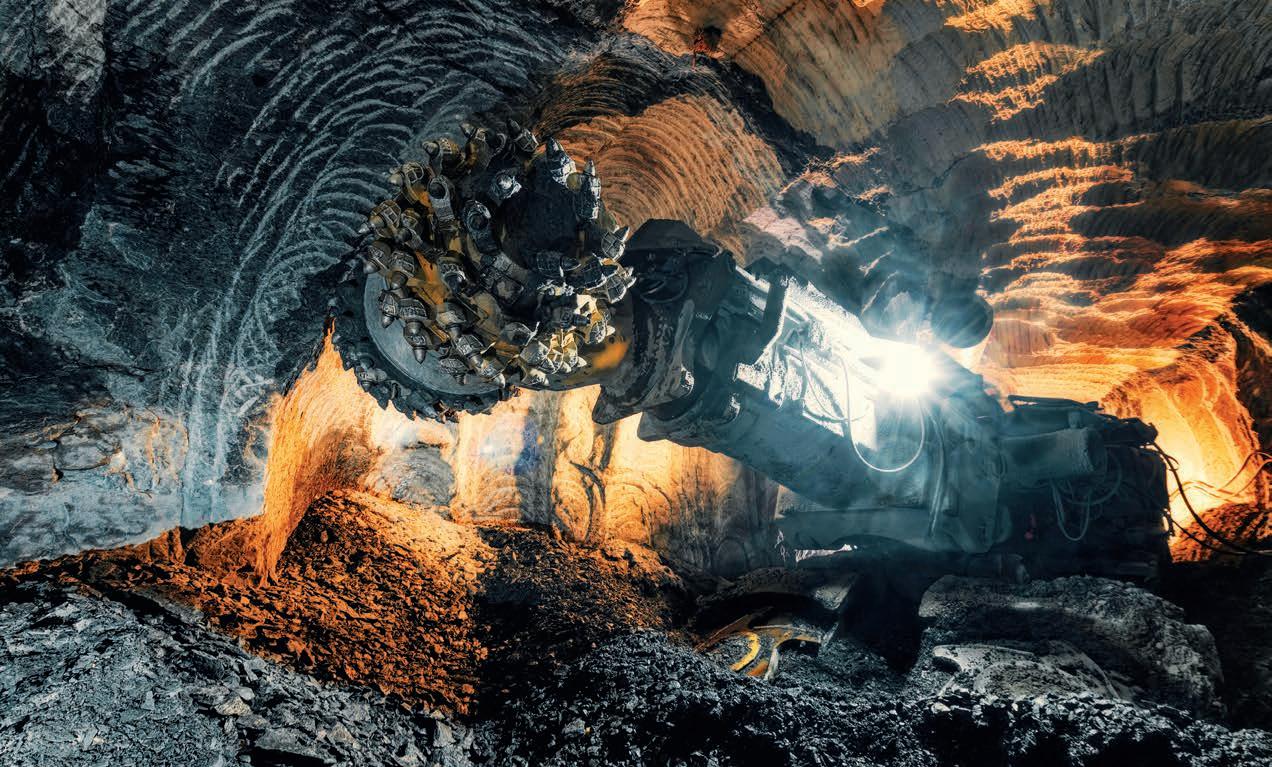
Quantum spectrometers allow for ultra-precise chemical analysis and spectroscopy, improving identification of high-quality minerals.
Image: Peruphotoart/ adobestock.com
improves targeting, reduces uncertainty, and supports better decision-making.
“Incremental improvements in exploration can have major commercial impacts in mining,” Andrén said.
“Better data, improved targeting and greater confidence before drilling can materially influence exploration outcomes and capital allocation decisions.”
Andrén said this goes beyond just reducing costs, but also improving productivity, shortening exploration timelines, and potentially increasing discovery success rates.
This is a crucial factor, especially as the quantum sensing technology moves from technical success to operational deployment.
“Mining companies need technologies that are reliable, repeatable, commercially viable, and able to integrate into existing workflows,” Andrén said.
“There is also a scaling challenge. Moving from successful field trials into broad deployment requires manufacturing capability, engineering
integration, workforce skills and access to test environments.”
While acknowledging that emerging technologies, such as quantum sensing, need to bridge the gap between research capability and industrial adoption,
Andrén said Australia’s mining assets, with its geology, mining capability, and research base, are already well-positioned to handle this shift.
Potentially, if quantum sensing is successfully developed and deployed within Australia’s mining sector, it could reinforce Australia’s position not only as a resource producer but also as a developer of high-value technologies.
“Technologies developed for mining can often have applications in areas like defence, infrastructure, navigation and environmental monitoring,” Andrén said.
“The countries that capture the most value from quantum technologies are likely to be those that combine research capability with industrial adoption and commercial scale.”
Quantum sensing technology also has the potential to reduce the
environmental footprint of mining exploration by minimising invasive drilling and surveying through a more targeted approach and providing a greater understanding of the subsurface.
“It may help reduce unnecessary drilling and surveying in some situations,” Andrén said.
“More precise targeting could also improve operational efficiency and reduce the footprint associated with large exploration campaigns.”
Realising that potential, however, will demand sustained alignment across research, industry, and government.
To achieve this, Andrén said a continued effort on coordination between research, industry, and government is necessary to move technologies from demonstration into deployment, including supporting testbeds, encouraging industry collaboration, strengthening commercialisation pathways, and ensuring companies can access the infrastructure, talent, and investment necessary.
“At the same time, it is important to stay realistic. Quantum sensing will complement existing exploration methods rather than replace them entirely,” she said.
“There is also the international dimension; quantum technologies are developing within global supply chains and partnerships, so Australia needs to remain internationally connected while continuing to build sovereign capability locally.”
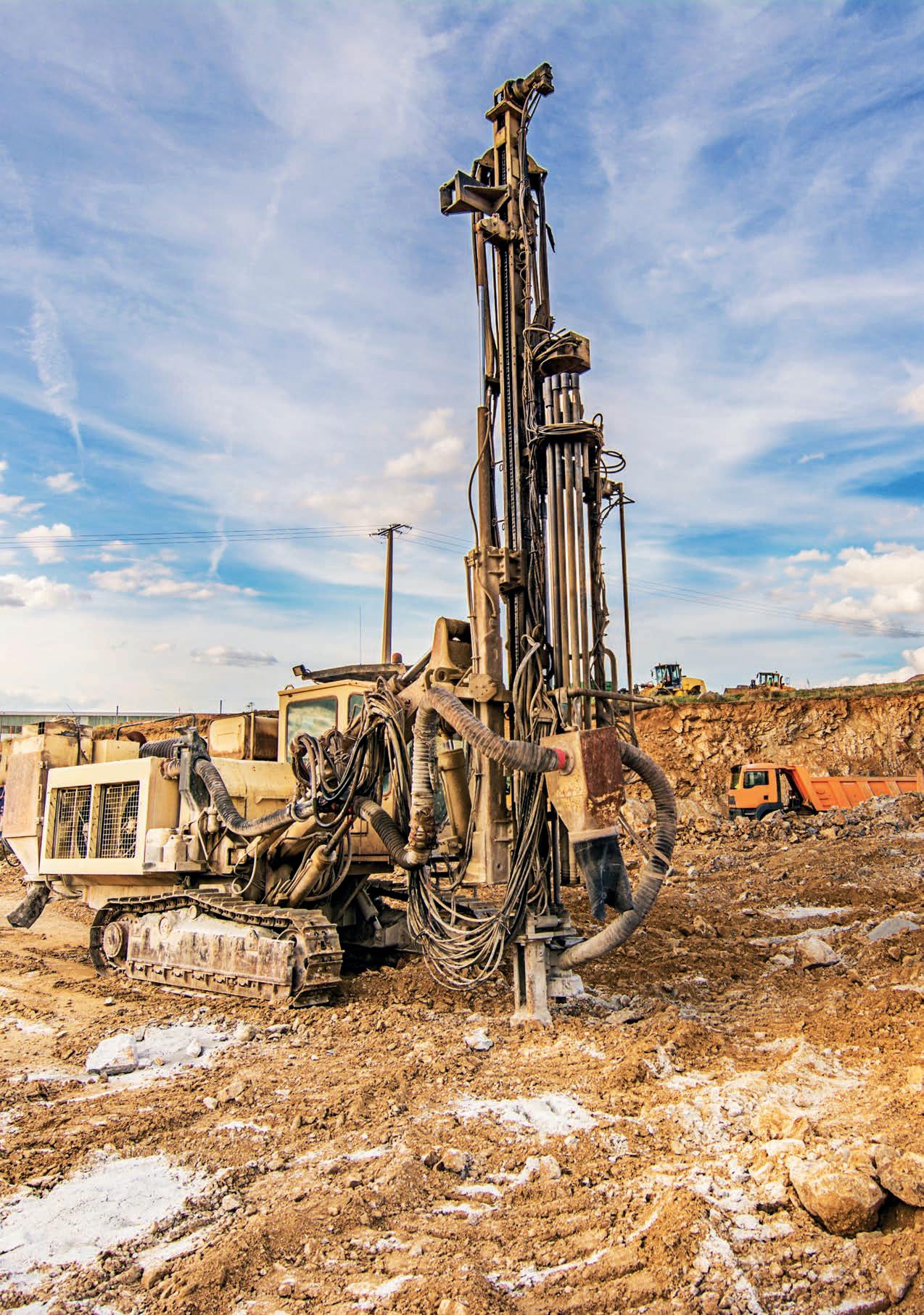
The search for tomorrow’s mines is already underway, with Australian explorers drilling deeper and testing older grounds.
Although doubt has never been cast on the scope of Australia's mineral wealth, a new shift is underway across the nation, one that is changing where explorers look for the next deposits.
It involves going deeper, and in some cases, searching beneath ground that has already been explored but never fully tested.
In Western Australia's Eastern Goldfields, Magmatic Resources is doing just that. The company has recently commenced a phase three drilling program at its Weebo project, with reverse circulation (RC) drilling to begin, and air core drilling ongoing.
The 6745m program is building on Magmatic’s first two phases of drilling, with 1745m of RC work designed to advance bedrock targets across Ockerburry 1 and 3, Scone Stone, Otto 2 and Sholl’s Find. A further 5000m of air core drilling will test the extension of gold anomalies and down-dip mineralisation, focusing on targets at Wheel of Fortune 1, Wheel of Fortune 4 and West Gold.
According to Magmatic, the work is about moving from earlier-stage anomalies into deeper and more defined targets.
“RC and AC rigs are on site and drilling. The RC drilling will test deeper exploration targets within the Weebo Gold Project. A steady flow of assay data is expected to be released to the market over the next two to three months,” Magmatic managing director David Richardson said.
The Weebo program reflects a broader exploration reality, and while the target may still be gold, one of Australia’s most established commodities, the process is becoming more layered. Explorers are moving beyond what is visible at the surface, now testing continuity, depth, and geological controls that may point to a larger mineralised system.
A similar scene is unfolding in the Northern Territory, as Stelar Metals is
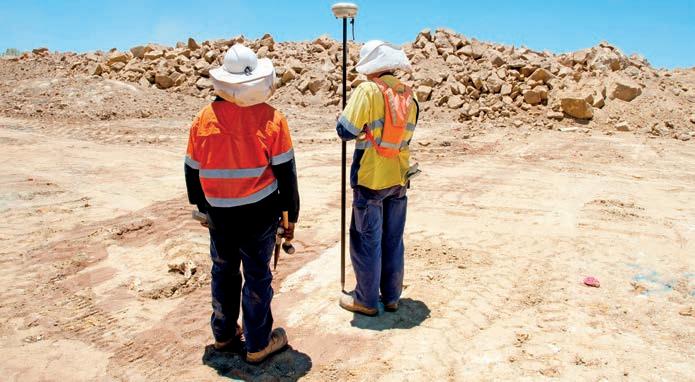
applying that idea into critical minerals exploration through its Hill of Leaders tungsten project.
The company has begun a phase one field program at the recently optioned project, comprising geological mapping and systematic surface sampling, targeting historic tungsten workings across up to 2km of strike length, with multiple high-priority target areas.
Rock chip assays are expected in June 2026, following historical results of up to 6.1 per cent tungsten trioxide (WO3) from surface, while Stelar is also planning a 3000m phase one RC drilling program by the end of July 2026, designed to test bedrock mineralisation beneath the mineralised surface vein swarms for the first time.
“We are on the ground now, systematically examining historic highgrade tungsten workings and identifying new targets across what we believe is one of Australia's most exciting undiscovered tungsten systems,” Stelar executive chair Stephen Biggins said.
“The quality of the surface mineralisation from prior exploration on the tenure includes rock chips up to 6.1 per cent WO3, and this reinforces our conviction that we have a genuine, large-scale discovery opportunity on our hands… we see the next few months will be transformational for Stelar.”
Modern exploration programs are shifting beyond surface indicators, with companies testing continuity, depth and system-scale potential. Image: Adwo/adobestock.com
Hill of Leaders demonstrates that historic ground does not necessarily translate to mature ground, with current works at the project identifying highgrade tungsten at the surface.
However, Stelar said no deep RC bedrock drilling has ever been conducted beneath the tungsten field, as the company is now using mapping, sampling, and a geological model to test whether the system improves at depth.
CSIRO research also points to the value of looking more closely at ground that may not immediately reveal its potential at the surface.
Its work on concealed mineral deposits has shown that buried systems can create subtle geochemical anomalies in overlying weathered bedrock and soils, while its UltraFine plus research has focused on detecting subtle signatures of buried ore deposits that may otherwise be missed.
It suggests that the next generation of discoveries may not come from entirely new frontiers, but also from the methodical reworking of known districts, the application of modern techniques to historic mineral fields, and the willingness to drill deeper where the geology supports it.
Australia's next mines may look different to those that came before. The explorers looking for them already do.
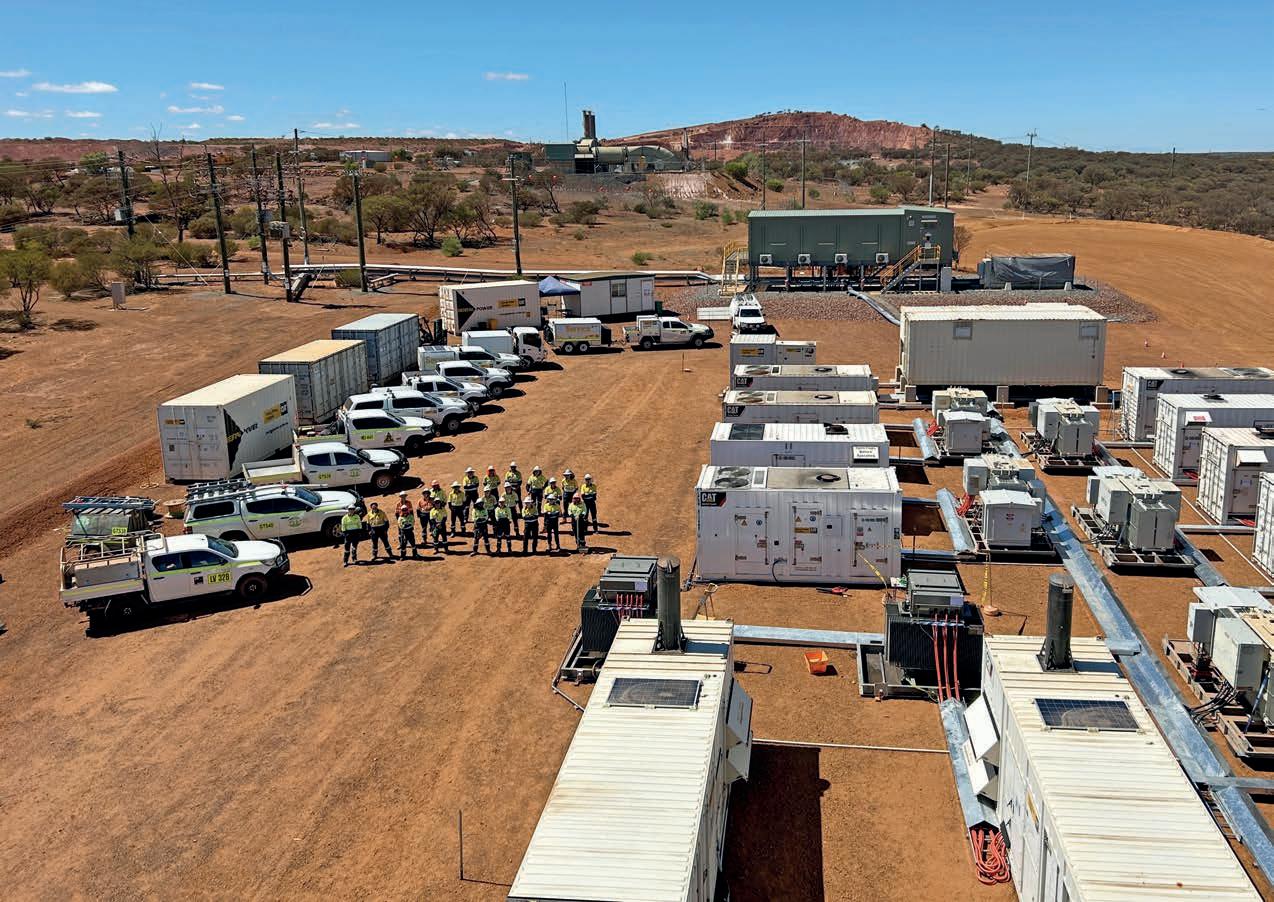
Electrical infrastructure is moving from a late-stage consideration to an early project priority as exploration programs expand into remote regions.
Australia's search for new mineral deposits is pushing exploration programs further into remote regions, where establishing basic infrastructure can be as challenging as the drilling itself.
While attention is often focused on exploration techniques, data systems and drilling equipment, access to reliable power remains a critical requirement from the earliest stages of a project.
According to Australian Power Equipment (APE) co-director Andrew Cockbain, electrical infrastructure is being considered much earlier in the development process than it was a decade ago.
“Exploration today is moving much faster than it did historically,” Cockbain said.
“Projects are under pressure to establish infrastructure quickly, adapt to changing operational requirements, and plan for future electrification much earlier in the project lifecycle.
"Reliable planning and installation of electrical infrastructure is becoming a critical part of that conversation from day one.”
Remote exploration projects often operate far from established electrical networks, requiring power infrastructure to be mobilised alongside drilling equipment, accommodation facilities and communications systems
Temporary camps, field programs and study teams rely on electrical systems that can be transported long distances, installed quickly and adapted as project requirements change.
Those conditions have increased demand for infrastructure that can support exploration activity today while remaining suitable for future development stages.
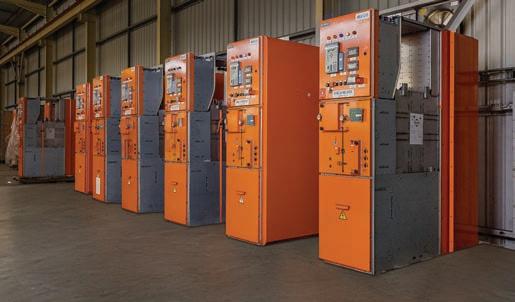
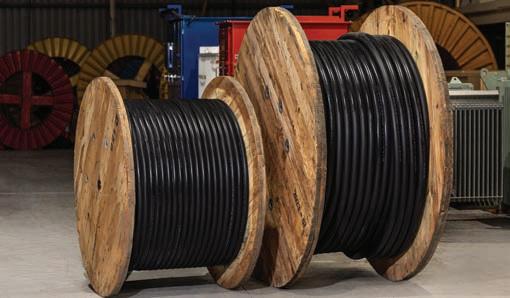
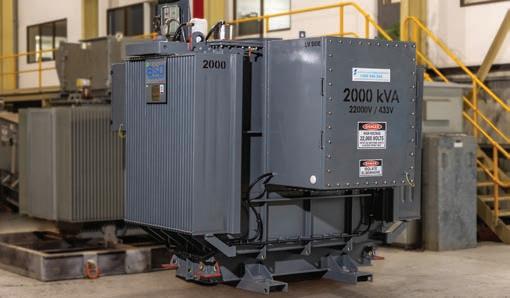
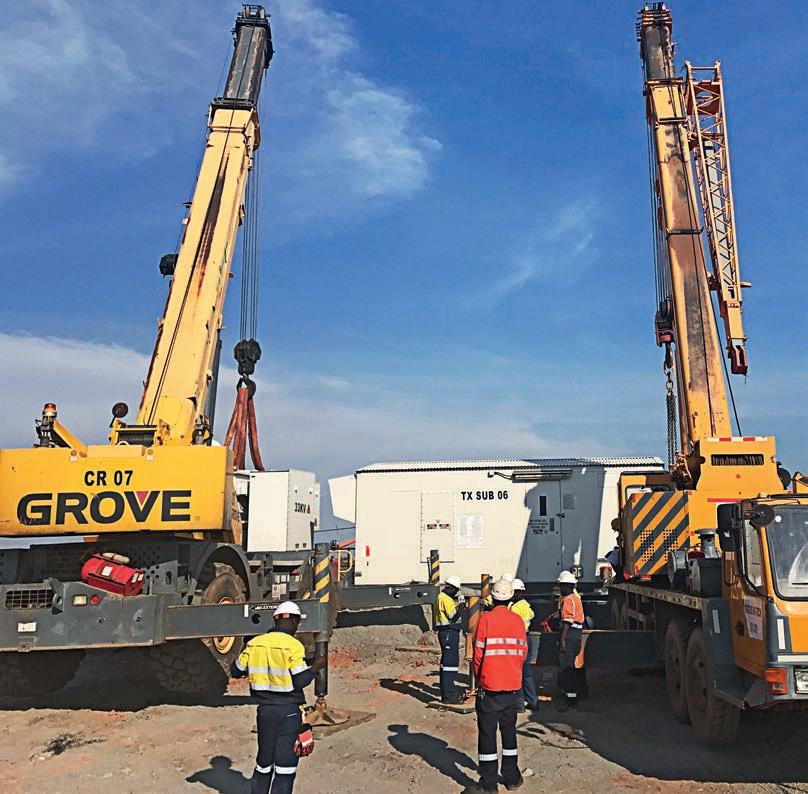
APE supplies transformers, substations, switchgear, high-voltage cable systems and mobile power equipment to support exploration camps, feasibility programs and early-stage mining operations. Depending on project requirements, equipment can be supplied new, refurbished or through hire arrangements.
The company has seen growing demand for infrastructure that can be deployed quickly and adapted as projects evolve. Unlike an established mine with fixed infrastructure, exploration programs
can change rapidly. Drilling campaigns expand, studies progress and power requirements shift, often within short time frames. Modular electrical systems allow operators to increase capacity without committing to permanent infrastructure before it is needed.
“Speed and adaptability are becoming major advantages within the mining sector,” APE co-director Abby Crawford said.
Infrastructure decisions made during exploration can influence project planning years later.
Equipment that can be expanded, relocated or integrated into future site infrastructure offers operators greater flexibility as studies progress and development pathways become clearer.
“We work closely with our clients to understand not only their immediate operational requirements, but also where their project may be heading over the next several years. Having access to flexible infrastructure solutions, including refurbished and ready-to-deploy equipment, can help bridge critical gaps while long-term infrastructure is being developed,” Crawford said.
Ongoing supply constraints continue to affect the availability of electrical infrastructure worldwide. Long manufacturing lead times and shipping delays remain a challenge across the resources sector, and exploration programs are particularly exposed to those pressures. Tight drilling schedules, seasonal access windows and remote operating conditions can leave little room for delays. A late delivery of critical electrical equipment can affect everything from camp construction and power distribution to feasibility studies and site preparation works.
In response, APE has continued to strengthen relationships with international manufacturing partners while also maintaining strategically stocked inventory within Australia to support urgent operational requirements.
The company's approach combines both new and refurbished infrastructure solutions.
Refurbished equipment has also become an increasingly practical option for operators seeking to bring projects online sooner.
Existing assets can often be rebuilt, tested and redeployed far more quickly than waiting for new equipment to be manufactured and delivered.
Another important consideration here is cost. Early-stage projects are frequently required to balance infrastructure needs against exploration and study budgets. Refurbished equipment can provide access to proven electrical infrastructure while preserving capital for other project activities.
This approach, according to Crawford, delivers operational as well as environmental benefits.
“Future-focused exploration is not just about discovering the next resource opportunity,” she said.
“It is also about how projects are developed responsibly, how infrastructure is utilised efficiently, and how industry can reduce unnecessary waste while still delivering reliable outcomes.”
Electrical infrastructure that was once considered later in the development process is now being planned much earlier, particularly on projects expected to expand beyond initial exploration activities.
“The projects that move fastest are often the ones that have thought about infrastructure early,” Cockbain said.
“Power is one of those things that can become a bottleneck if it’s left too late.”
Through a suite of asset management solutions, Testo is leading the charge in helping mine operations make more informed, data-driven decisions.
The mining industry is moving towards unprecedented levels of exploration across Australia, increasing the demand for reliable asset maintenance technologies that can support continuous and safe operations. Advanced tools such as thermal imaging and remote monitoring systems enable early detection of equipment faults, helping reduce unplanned downtime and improve maintenance planning.
As modern projects continue to feel the pressure of reducing downtime, improving environmental performance, and making faster decisions – often driven by data – Testo is supporting operations with its advanced portable measurement solutions. The company’s suite of analysers helps mining professionals monitor critical systems, detect issues earlier, and maintain an increased level of operational performance across both exploration and mineral processing activities.
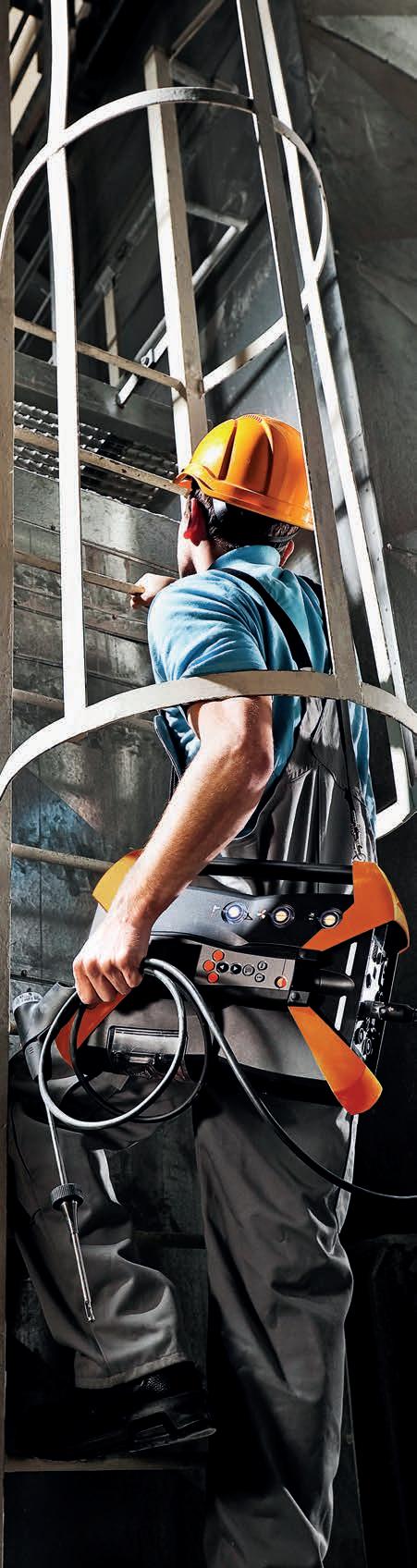
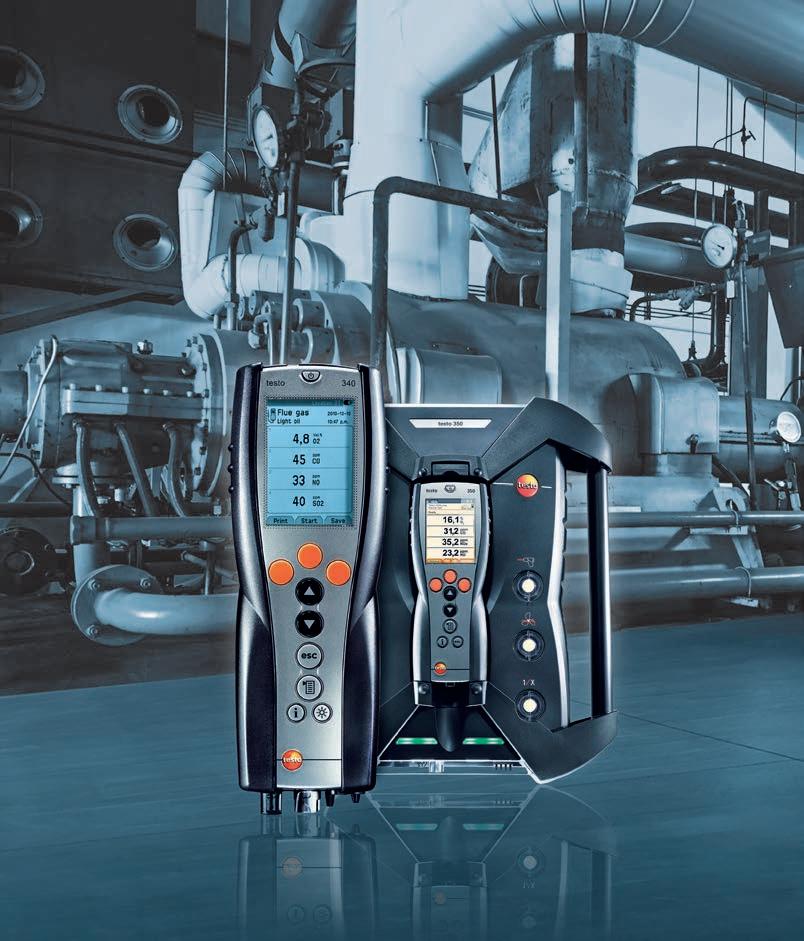
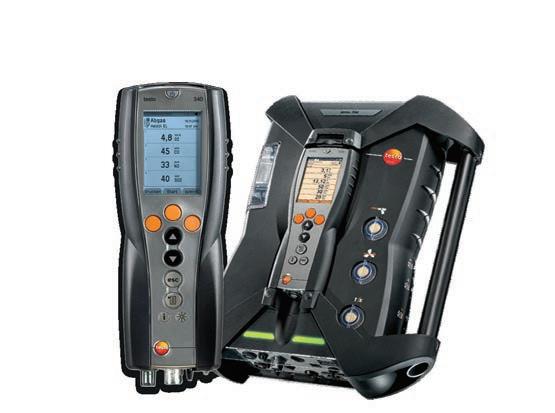
The testo 340 and 350 flue gas analysers are widely used throughout the mining and mineral processing industries for emissions monitoring and combustion optimisation. These analysers give mining operations a clear advantage by providing complete visibility into safety management.
This is achieved through the direct measurement of four gases simultaneously, a carbon monoxide range extension to 50,000 parts per million, automatic sensor protection, and smart phone app compatibility.
With a compact design, testo 340 analysers excel at commissioning, service, and maintenance work, offering highly accurate measurements for monitoring purposes.
“As environmental regulations continue to tighten, accurate analysis of gases such as nitric oxide, carbon monoxide, oxygen, and sulphur dioxide is becoming increasingly important,” a Testo spokesperson told Mining
The testo 350 goes a step further, purpose-built for in-depth emissions analysis. Its modular design separates the control unit from the analyser box, ensuring sensitive components remain protected while the smart probe operates directly at the emission source. It is ideal for in-depth emissions analysis of large-scale diesel engines or ventilation systems during commissioning, tuning, and audits, as well as tracking long-term air quality trends.
“These instruments provide maintenance teams and environmental managers with reliable data to optimise combustion systems, improve fuel efficiency, and support compliance requirements across generators, boilers, and industrial burners commonly used on mining sites,” the spokesperson said.
In addition to safety monitoring systems, predictive maintenance is becoming essential for future mining operations, focusing on asset management through a holistic, datadriven approach. The testo 883 thermal imaging camera serves this exact purpose, boasting a superior 320 x 240 pixel resolution that enables teams to quickly identify overheating electrical components, failing bearings, conveyor issues, and mechanical wear before costly failures occur.
By using thermal imaging as part of routine inspections, mining operators can drastically reduce unplanned downtime, improve on-site safety, and extend equipment life. Testo’s thermal imaging solutions convert infrared radiation into visual temperature images, allowing users to detect heat differences across surfaces in real time. These thermal images provide a non-contact way to measure surface temperatures and display them as colour-coded images, making it easy to isolate anomalies such as insulation issues or stressed components.
For everyday facility maintenance and quick field inspections, the line-up features the user-friendly testo 868.
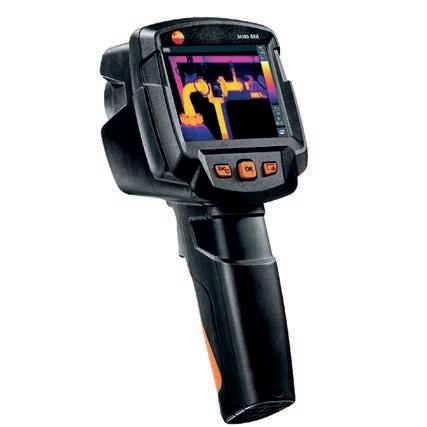
Characterised by its professional measuring performance and easy handling, it delivers crisp, error-free infrared imagery with an IR resolution of 160 x 120 pixels.
Features such as automatic hot and cold spot detection and built-in image optimisation tools seamlessly support efficient field documentation.
With the future of exploration focused on smarter technologies, Testo continues to provide innovative measurement solutions that help mining operations work safer, more efficiently, and with greater confidence in the data driving their decisions.

Victoria’s rich history in gold production is defined largely by the revolutionary discoveries of the 1850s, but the state’s next gold rush could already be taking shape.
A recent Orizontas study commissioned by the Minerals Council of Australia (MCA) finds the next chapter could be one of its most economically significant yet, with lifting annual gold production to one million ounces within the next decade potentially delivering $6.2 billion in gross state product, supported by renewed exploration, development capital, and a broader pipeline of projects across the state’s historic goldfields.
Among the companies making that opportunity visible is Falcon Metals, which has emerged as one of the state’s closely watched explorers through its work in the Bendigo structural zone, where its Blue Moon project is potentially part of the next generation of high-grade discoveries.
"You’ve got projects like Sunday Creek, Catalyst, and a couple of existing operations, plus two more advanced projects with Southern Cross Gold, and then something like our Blue Moon that could add significantly to that growth," managing director Tim Markwell said.
The MCA’s modelling suggests the target would require mines producing between 60,000 to 300,000 ounces per year. Falcon’s Blue Moon is well-placed to contribute, with three stacked

Bendigo-style mineralised systems –Morning Glory, Lotus, and Dahlia – all open along strike and at depth.
The Lotus zone has emerged as a standout, defined across a 280m strike length with visible gold in each of the first three drill sections, including 0.8m at 86.2 grams per tonne gold.
"What we're really excited about is that 10km to the south, and we've got the next 6km of it," Markwell said.
Central to the MCA’s modelling is the view that production growth requires sustained exploration.
The report estimates at least $150 million annually to identify and define deposits for the next generation of mines – supporting $377 million in economic output, 792 jobs, and $98 million in wages – alongside $1.75 billion in development capital.
"I think that level of expenditure is quite reasonable. There are a lot of drill rigs working in Victoria right now, the assay labs are fully utilised, and there is a lot of money being spent on gold exploration," Markwell said.
"The gold price is very strong, and markets are open for exploration. Successful companies getting results can raise significant capital, and if you can show a solid resource base of high-grade… the capital will come."
MCA regional director for Victoria James Sorahan shared that confidence.
“There is about as much gold left in the ground as has ever been extracted since the gold rush,” he said.
“We now have one of the biggest and best mines in Australia, Fosterville, operating, and have the potential to hit that million-ounce target by 2035.”
Victoria’s story extends beyond gold, with antimony and mineral sands among its critical minerals opportunities, including what Sorahan called “particularly rare-earth-rich deposits” and “the world’s largest known reserves of mineral sands.”
Victoria, with a significant geological endowment, can rebuild gold production to the heights of its early mining era while advancing critical minerals development for long-term growth.
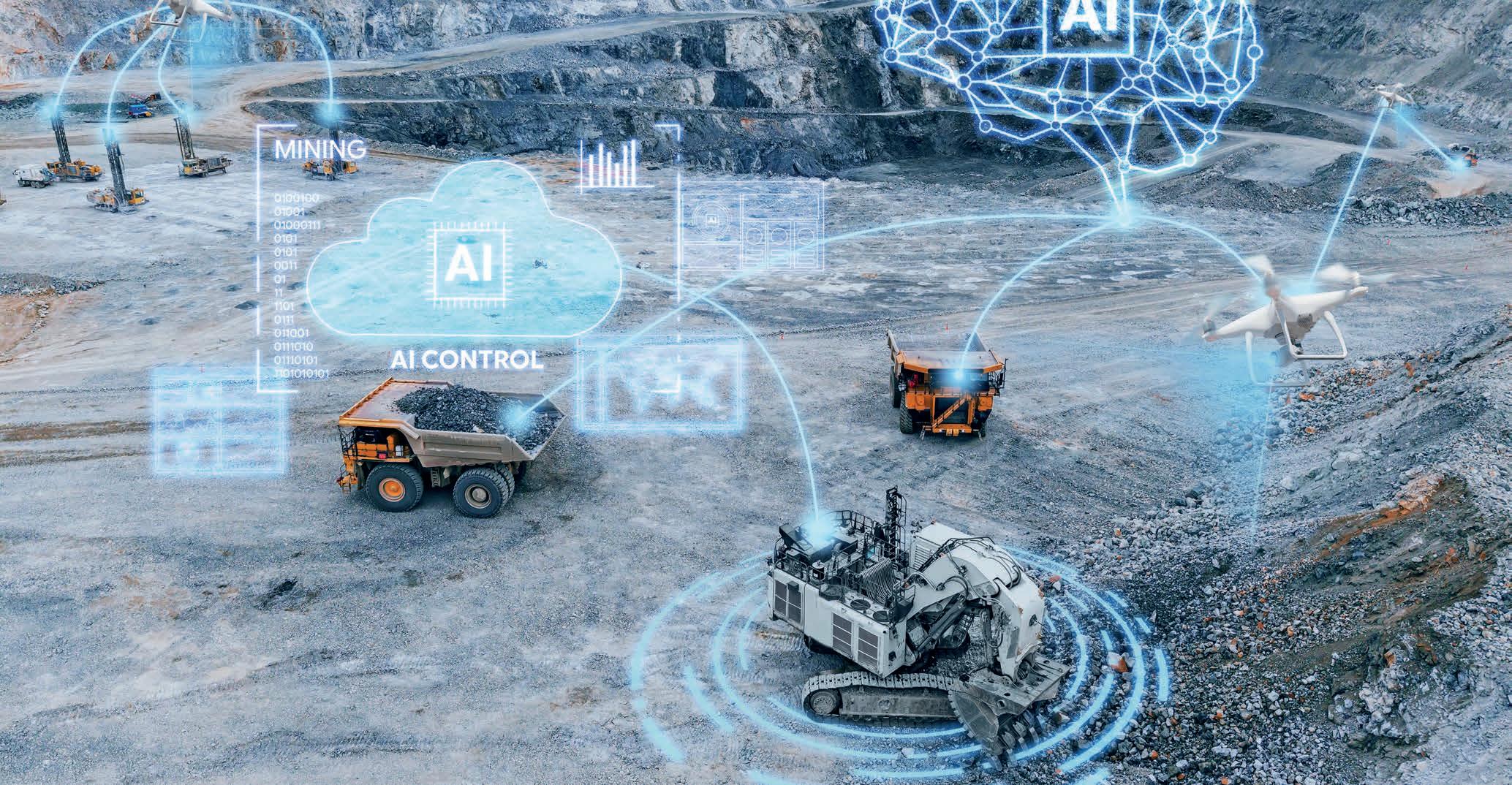
We are often beguiled by claims that mining is at the crossroads of a technological revolution, on the cusp of a new cycle of demand in critical minerals. To which miners are often labelled as laggards by frustrated technology and services proponents. By their own volition, key players in the mining equipment, technology, and services (METS) sector are often seen as providing “a solution looking for a problem”.
Put yourself in the place of your target market. How would you choose which technologies or systems to construct? Which companies to buy from if there are multiple choices, and who do you trust? Do you internalise the skills and competencies that you need, or do you outsource them, and if so, to whom? How would you gauge your procurement strategy? And how would you establish sufficient confidence that the nameplate or avowed capacity outcome was likely? Of course, you are going to look around
to see if any other like-minded enterprise has been the brave first adopter of transformative technology, and/or operating systems.
For every saying, to depict a circumstance, there is an antidote – in this case, "those who hesitate are lost" – the antidote to which is "fools rush in where angels fear to tread".
As someone who has spent a career advocating for change and innovation and involved in many profound transformations, I can attest to the evolutionary nature rather than revolutionary, where transition was measured progress reconciling ambition with sustained capacities.
It's about building bridges
One of the most common pitfalls in the METS sector is the tendency to focus too much on the technical sophistication of new solutions and not enough on the practical needs and challenges of the target market – the miners themselves. As my friend John McGagh, former head
of technology at Rio Tinto, once put it, "it's not enough to tout technological disruption unless these advances are grounded in the lived experience and practical priorities of the intended users". To which I add "their capabilities and capacities for adoption". In metaphorical terms, I contend "there is little mileage in trying to sell a Ferrari to someone who has only ever driven an FB Holden".
McGagh also coined the concept of "foundations and frontiers" as a simple way of looking at the integration construct of novelty into an existing enterprise.
Effective engagement is built on empathy and sustained interaction. It's about listening to – indeed hearing – the miners, understanding their operational environment, and building a platform of mutual discovery for mutual benefit. This means moving away from a purely transactional mindset and towards a partnership approach that extends to tangible equity in a risk reward relationship. Drawing on my career
Ambition and applicability must align when translating technology into mining practice.
Image: Parilov/shutterstock.com
experiences ,prioritising engagement over one-way communication, encouraging the seeking of information rather than just distributing it, and focusing on strategic marketing instead of just transactional selling are key to building long-term effective relationships and trust.
There are genuine opportunities for the mining industry to transform, grow and prosper sustainably. The key lies in finding the sweet spot between ambition and applicability. It’s not just about identifying new technologies or systems but understanding which are truly attuned to market needs and adaptable to evolving conditions. Digitalisation, in all its manifestations, stands out as a cross-cutting enabler that can transform every aspect of mining operations.
The merger of Accenture (ACN) and Partners in Performance (PiP) exemplifies this integration of “foundational” business improvement methodologies with the “frontiers” of advanced technological enablement tools. PiP’s strength in

augmented generation (RAG), knowledge graphs, thematics and semantic forensics come into play, facilitating more accurate and relevant data interpretation for more accurate information and applicable effectiveness and efficiencies.
If I had a magic wand, I would wave it to enhance the industry's capacities across key determinants of productivity and safety.
I'd go for more sophisticated, reliable, and accurate mineralisation descriptors at less cost. Imagine being able to produce a better 3D block model and interpret the geo-metallurgy characteristics of processing ore with less drilling and faster, more accurate assays.
management operating systems, combined with Accenture’s digital competencies, has delivered essential skills and resources to strengthen data and knowledge management across production processes.
One of my most significant insights, from my role on a Federal Government board charged with accelerating the commercialisation of new technologies, was the exploration of human augmentation software in factoring into digital platforms, especially artificial intelligence (AI), the critical practicalities and likely intangibles of "domain knowledge".
While data engineers can generate statistical analyses from algorithmic constructs, these tools alone cannot capture non-quantifiable inputs such as perceptions, cultural variables, and behaviours, nor readily interpret or explain the statistical output. This is where technologies like retrievable
Better ore body knowledge lays the foundation for more effective mine planning and operational scheduling. Technologies like digital twins and predictive analytics can optimise the entire extraction and processing sequence, from blast patterns to mill processes.
Consider the value of fleet management systems that can differentiate extracted material as ore or waste before it even reaches the fork in the road to either the mill or waste dump. The potential for revenue optimisation through product differentiation is also immense. By understanding the specific needs of customers, miners can produce customer-tailored quality end-use products that command better prices and foster stronger interdependent relationships.
While the front-end digital technologies are transformative, there's also low-hanging fruit in back-office automation. Automated procurement, predictive maintenance scheduling, and asset project construction and operation can streamline processes and reduce costs.
Safety and health, the number one value in the mining industry, can also be significantly enhanced through such digital technologies. Underground mining has seen impressive advancements in collision awareness and hazard management, using real-time analytics to avoid catastrophic events like rock blasts and coal and water outbursts.
Regulatory challenges are another area where digitalisation can make a significant impact. The current process of regulatory project permitting is often cumbersome and time-consuming. By integrating digital tools, both regulators and applicants can streamline these processes, making them more efficient and transparent – AI has proven to be an effective and expedient measure of reconciling proposals with regulatory requirements – akin to an independent arbiter. This not only accelerates project timelines but also builds trust and credibility with regulators and other interested parties particularly local communities, employees, investors and third parties with legitimate expectations of sound environmental and social stewardship.
It's important to recognise the limitations and demands of effective digitalisation. The successful adoption of these technologies requires a strong organisational culture that values continuous improvement in the integration of ideas, expertise and operations, initiatives and execution for which are demonstrably CEO led. Organisational culture, including collective and individual behaviours, significantly influences change.
Attitude begets behaviours conducive to effective execution. A culture of "engage, hear, and learn" is more likely to foster the adoption of new technologies and systems than one of "decide, announce, defend."
The mining industry's workforce and skills are the backbone of its digital transformation. Skills shortages, particularly in data engineering, chemical engineering, and environmental and social sciences, are a significant barrier to adopting new technologies.
Companies must invest in upskilling their workforce and creating a culture of curiosity and continuous development, and/or outsourcing expertise or services where that can be provided more effectively and efficiently.
Integrated, whole-of-value chain systems that break down these silos and promote integration are essential
for realising the full potential of digitalisation. This requires a shift in mindset from single-point solutions to a more systemic approach that considers the interdependencies between different parts of the operation value chain.
The integration of digitalisation technologies and the frontiers of generative AI and other advanced technologies offer a path to greater efficiency, safety, and sustainability.
To thrive in this fractured world, technology proponents need to build bridges with their prospective users, not just tout solutions. To be effective its best they engage with their target markets, understand their needs, and foster relationships conducive to mutual discovery and benefit. This means moving beyond a transactional mindset to one of collaboration, integration and continuous improvement in building risk-reward partnerships. It also means being proactive in addressing regulatory challenges and gaps in current and prospective workforce skills and management systems and building operational resilience to the ever-present cyclical nature of a globally attuned
sector sensitive to its vicissitudes. The opportunities are there, but they require a thoughtful and strategic approach.
As Maya Angelou once said, "People rarely remember what you said or what you did, but people will always remember how you made them feel." The mining industry's future will be defined by those
who make their partners and stakeholders feel valued, heard, and supported. By doing so, we can create a more sustainable, resilient, and prosperous industry that demonstrably lives the concept of "inclusive capitalism" in the endeavour of converting natural endowment into societal capital.
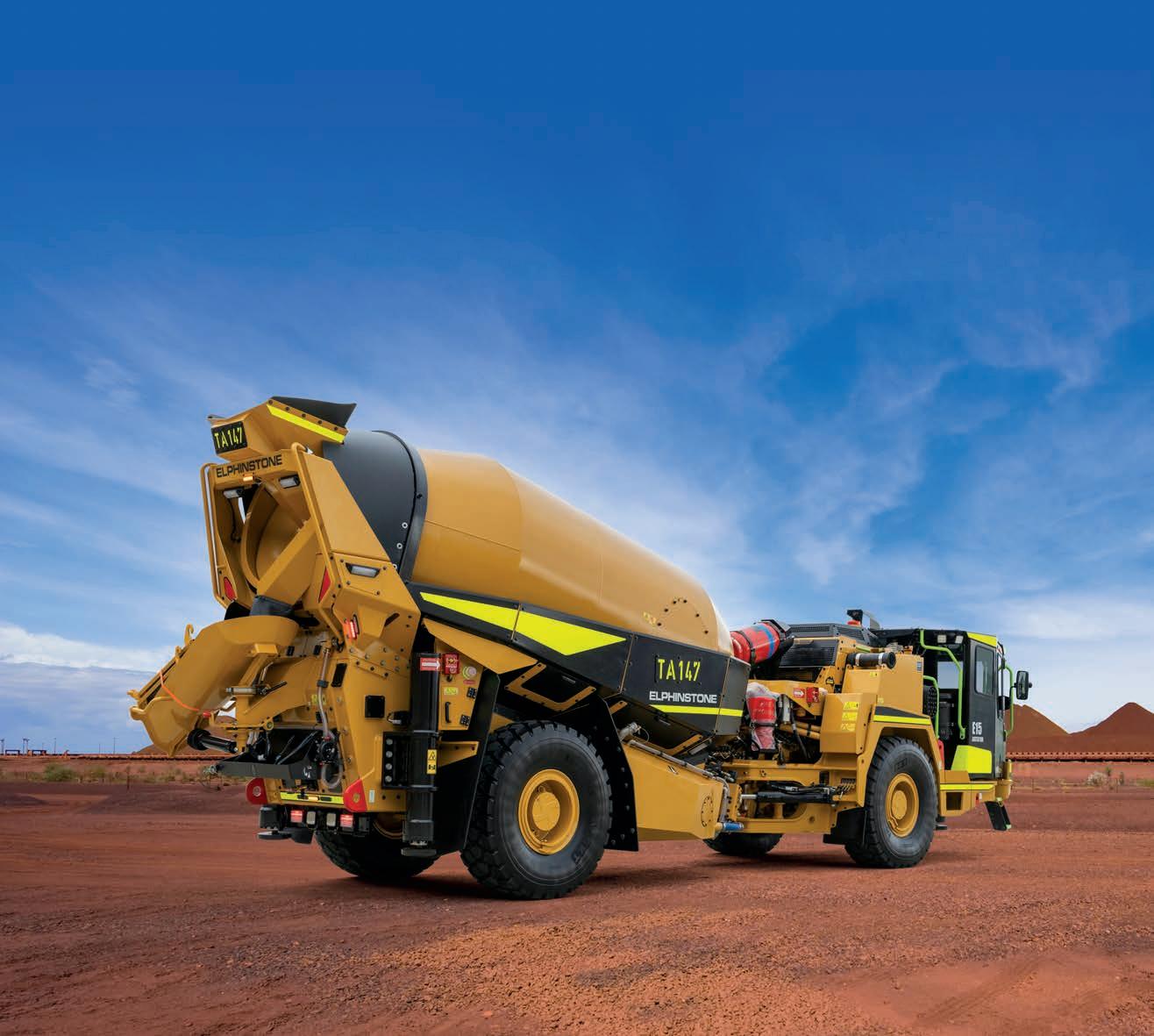
The
Elphinstone E15 Agitator has helped Alkane Resources double its output, supporting
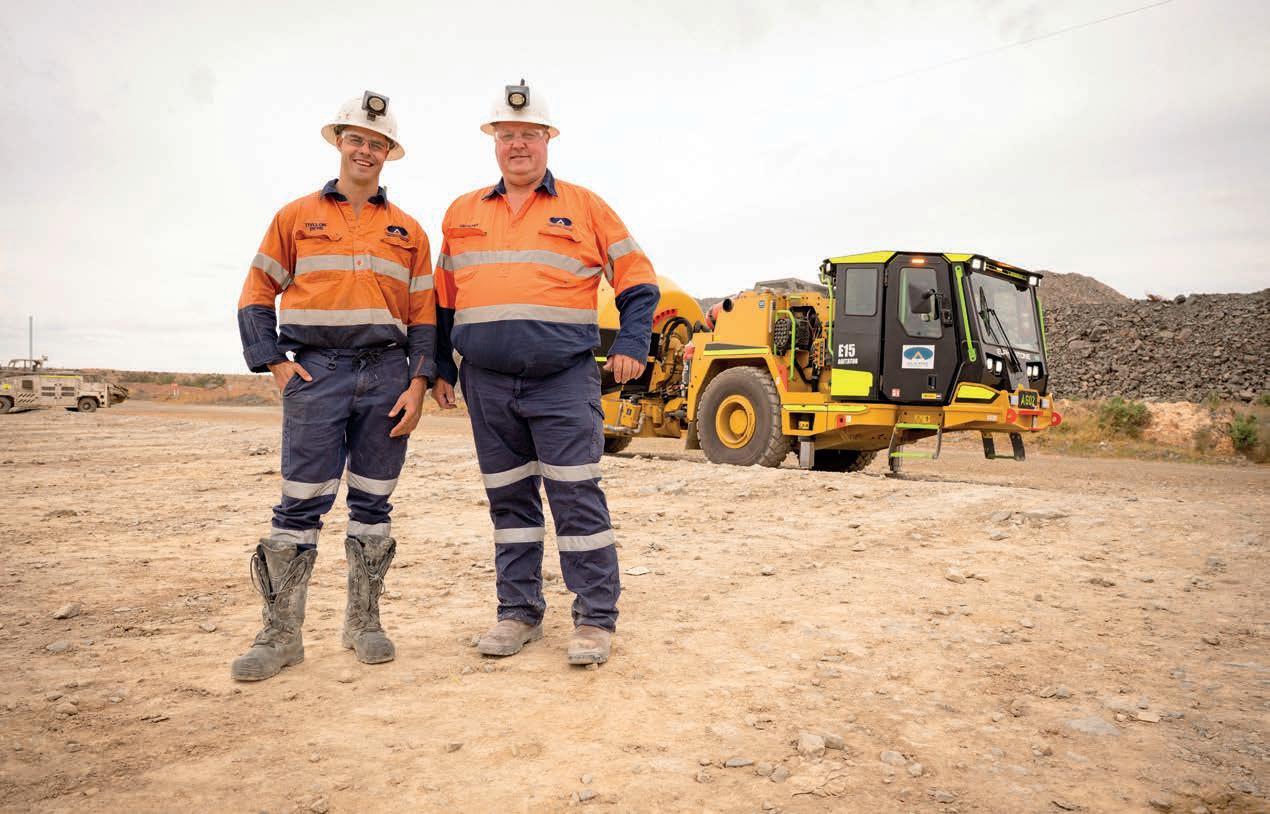
At Alkane Resources' Tomingley gold mine in New South Wales, keeping the mining cycle moving efficiently is critical. Underground operations depend on consistency, especially when it comes to backfilling and shotcrete. However, for a period, concrete delivery had become a bottleneck, with ageing and traditional equipment slowing cycles and restricting output.
To address this, and to keep the wheel of efficiency turning, Alkane invested in the Elphinstone E15 Agitator, delivered and supported by WesTrac.
Why the Elphinstone E15?
Alkane had identified that its concrete delivery capability was constraining the broader operation.
"We were looking at ways to improve our cycle times and overall productivity," Alkane general manager of operations
Andrew Brown said. " Backfill is a crucial part of that process, it’s not something you can afford to have delays in.”
the mine’s efficiency goals.
After evaluating options on the market, Alkane chose the E15 based on its purpose-built design and sheer capacity.
"We could move significantly more concrete per trip compared to what we had before," Brown said.
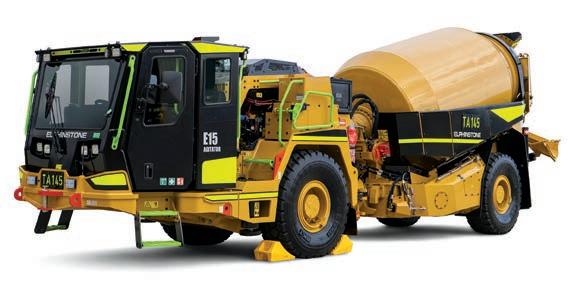
The machine's 7m³ mixing and delivery system was a major drawcard, as was its build quality and operator-focused design. Built locally in Burnie, Tasmania, the E15 also gave the team added confidence in the product.
"There's a level of trust when you know the equipment is built here in Australia," Brown said. "It gives you confidence in both the product and the backing behind it."
A key advantage of the E15 was its Caterpillar C7.1 engine and drivetrain.
Approximately 75 per cent of the machine shares components with proven Caterpillar products, which simplifies procurement, reduces parts stocking requirements, and streamlines maintenance.
"The cab chassis is common to all E15 models and can be easily configured
to suit your mine site application requirements," Elphinstone global sales and marketing manager Tim Mitchell said. "The high number of common configurable parts and components allows for reduced part stocking, plus simplified maintenance and operation."
That component commonality also means parts are available through the worldwide Caterpillar dealer network, which acts as a practical safeguard against extended downtime if something fails.
The E15 brings a more data-driven approach to machine management. Rather than waiting for a component to fail, maintenance teams can use onboard diagnostics to catch issues early. A 300mm touch-screen display sits at the centre of this, giving operators real-time visibility over engine coolant and transmission oil temperatures, engine oil pressure, pitch and roll indicators, fuel level, vehicle speed, and an integrated camera feed.
"The operator's dash includes a user-friendly troubleshooting section for rapid fault identification, increasing the availability and productivity of the machine," Mitchell said.
While the machine itself is important, Alkane has been equally complimentary about the role WesTrac played throughout the process.
"They worked closely with us to understand exactly what we needed," Brown said. "It wasn't just about buying a machine, it was about finding the right solution for our operation."
WesTrac supported the process endto-end, from evaluation and selection through to delivery, commissioning, and ongoing maintenance. That on-site presence has continued to matter.
"Having that support means a lot," Brown said. "You know if something comes up, it's going to be dealt with quickly."
Since the E15 entered daily operations at Tomingley, it has had a noticeable impact.
According to underground superintendent Anthony Clark, the team had recorded a concrete delivery increase of up to 50 per cent per shift in some cases.
"We're moving more concrete in less time," Clark said. "That's been one of our biggest wins."
Beyond this, cycle times are down, daily output is up, and backfill operations are running more consistently.
Fewer delays across the process mean the team is getting more from the resources already available.
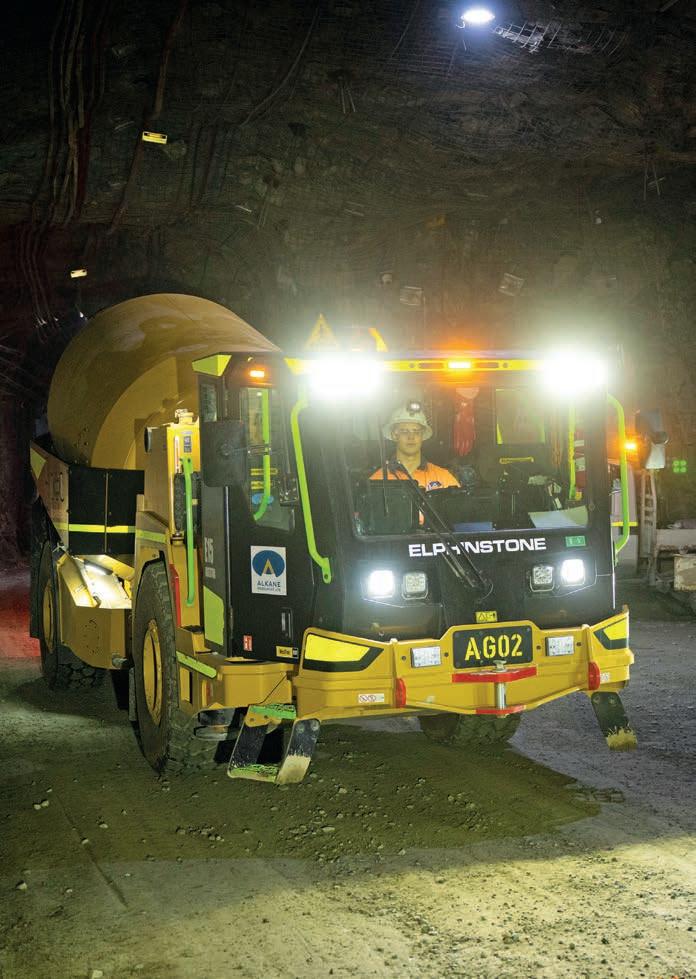
Given its many beneficial features, operators have welcomed the machine too. The ROPS/FOPS-certified cabin accommodates three people, allowing the entire crew to travel together, reducing light vehicle traffic in the tunnel and improving site safety. A central driving position offers a 180° field of view, which proves its worth when navigating narrow, wet declines, and an oscillating hitch and front suspension keep all four wheels grounded on rough terrain for a smooth ride.
"It's a very comfortable machine to operate,” operator Dyllon Tighe said.
“The controls are intuitive, and it feels stable underground."
For Alkane Resources, introducing the Elphinstone E15 has been more than just a fleet upgrade – it’s helped remove a key bottleneck in the backfill process.
"It's been a great investment for us," Brown said. “The benefits are clear, not just in numbers, but in how the whole operation runs.”
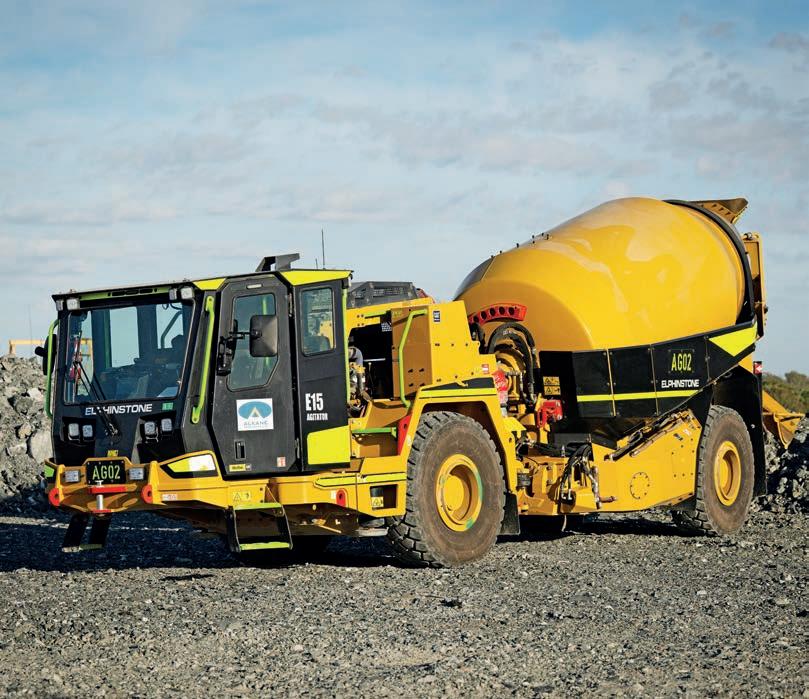
The Elphinstone E15 Agitator’s purpose-built design and capacity have
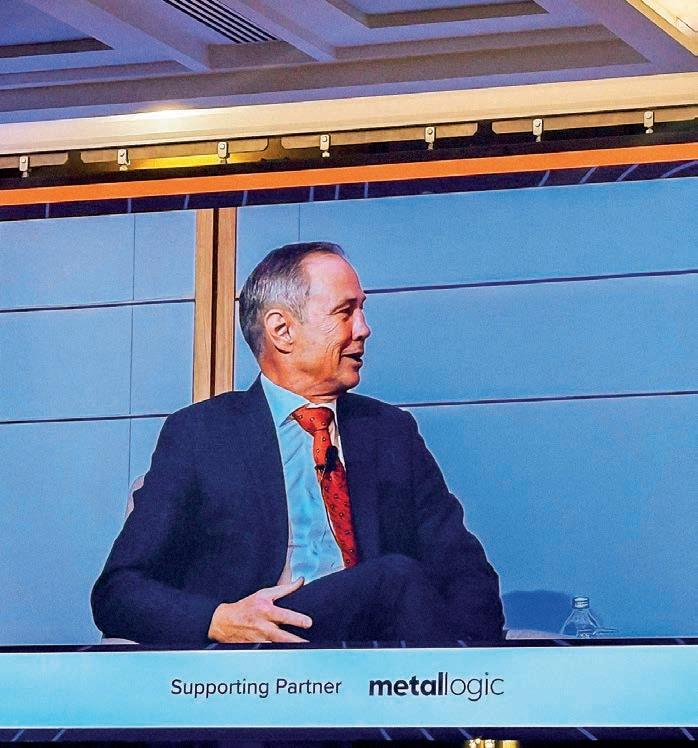
Macro Mining Services has secured an exclusive agreement across Metal Logic’s East Pilbara tenure to support the roll-out of modular smelting technology.
Steelmaking ambitions in the Pilbara are edging closer to commercial reality, with Macro Mining Services securing an exclusive role across Metal Logic’s East Pilbara tenure as the technology company advances plans for the first industrial-scale deployment of its modular smelting system.
The agreement, executed between Macro Mining Services and Metal Logic, appoints Macro as the exclusive provider of mining services across a substantial package of granted mining and exploration leases in the East Pilbara for a minimum period of 36 months.
Under the umbrella agreement, Macro Mining Services will provide exploration support, permitting and approvals, site establishment, mining activities and smelter feed services across Metal Logic’s Pilbara tenure.
This arrangement between the two parties reflects a broader push to rethink how steelmaking infrastructure is deployed in mining regions.
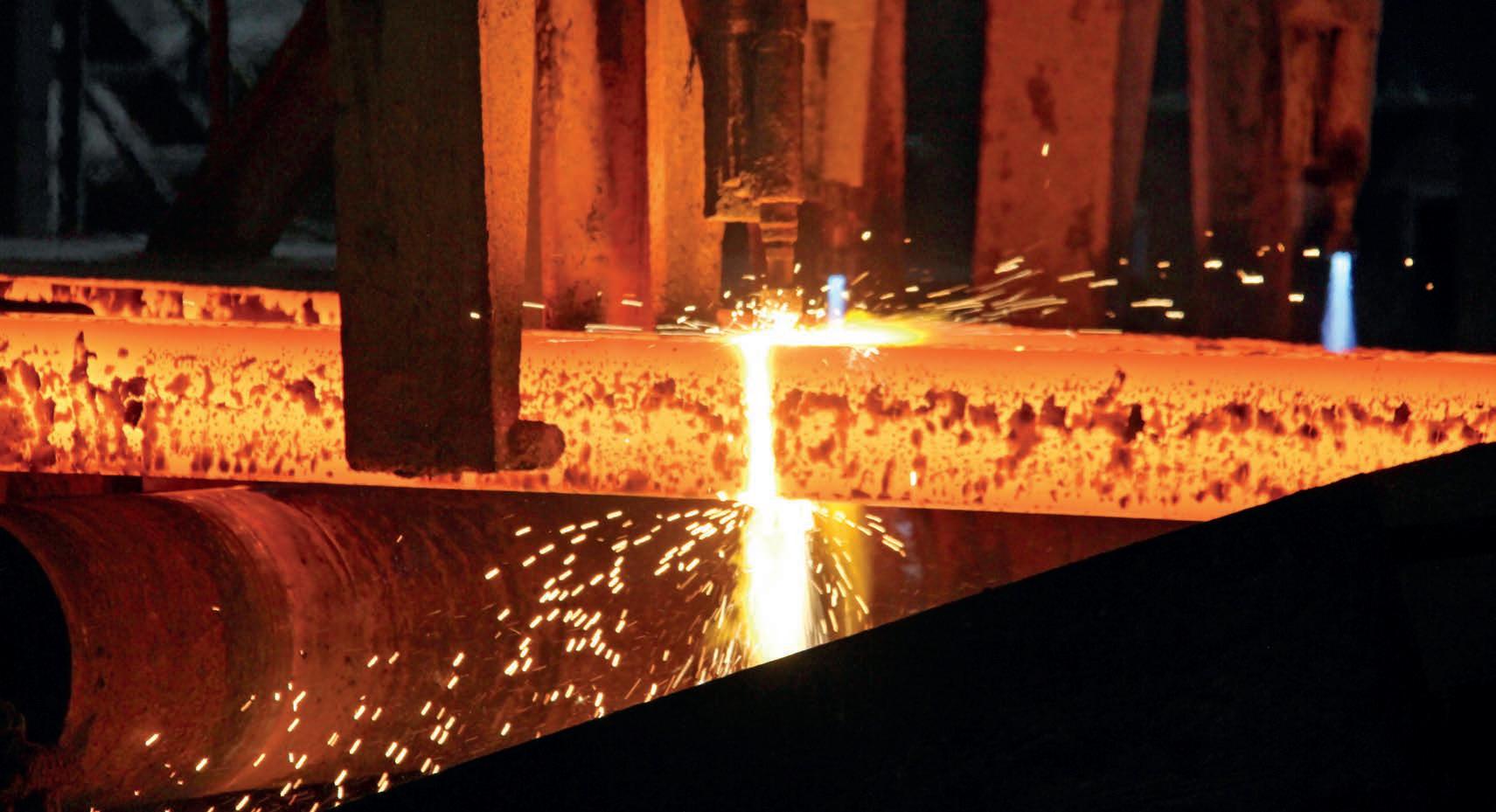
Metal Logic is deploying proprietary modular array smelting technology designed to improve thermal efficiency while reducing the scale, cost and fixed infrastructure requirements typically associated with traditional smelting operations.
Rather than relying on a single large plant footprint, the company’s system is based on modular units constructed from shipping container-sized components that can be transported and assembled on site. This approach is intended to significantly reduce both capital intensity and operational costs while allowing smelting capacity to be scaled according to demand and resource availability of mining operations.
Metal Logic managing director Joel Nichols said the Pilbara deployment demonstrates Australian-developed technology on an industrial scale while building regional processing capability close to existing iron ore supply.
“To be able to deliver this Australianinvented technology — achieving lower cost steel, and a low-emission steel proximate to Port Hedland whilst working with Macro Mining Services and the local traditional owners of Country, is an achievement we are proud to be a part of,” Nichols said.
“We aim to unlock previously stranded mineral resources and deliver valueadded processing hubs to regions, with the first deployment of our value-added hubs co-located alongside one of the world’s largest mining hubs.”
The company plans to manufacture 48 smelter modules at its research and manufacturing facility in Melbourne before deploying them to its first site near Port Hedland.
The modules are expected to deliver an initial production capacity of one million tonnes per annum.
For Macro Mining Services, the agreement represents a significant material milestone.
Macro managing director Simon Rushton said the appointment reflected the company’s capabilities across civil works, mine establishment and mining operations while positioning the business within a project aimed at supporting broader industrial development in Western Australia.
“We are extremely pleased to have been appointed the exclusive mining services contractor for Metal Logic on its considerable portfolio of mining tenure across the East Pilbara,” Rushton said.
“The services we will provide will leverage Macro Mining Services’ practical strengths in safely undertaking civil earthworks, mine site establishment and fit-for-purpose mining services.”
Rushton also pointed to the longerterm economic implications tied to projects that combine resource extraction with downstream processing capability inside Western Australia.
“We are also delighted that these works will create further employment

opportunities in Western Australia, including for local traditional owner businesses and people, and position Macro Mining Services to contribute to a series of future projects that can be of genuine significance for the state’s manufacturing sector,” he said.
“Projects of this nature have the potential to support regional economic activity while also advancing much needed broader industrial development and downstream processing within Western Australia.”
The first operational phase is already taking shape.
Macro has been awarded the first work package for the Poondano mine site, located about 30km east of Port Hedland. Subject to final approvals, mobilisation is expected to begin in late June or early July 2026.
The work package includes planning and pre-mobilisation activities, site establishment works, access and internal road maintenance, drainage improvements within the processing area and the extraction and handling of run of mine iron ore for feeding into the Metal Logic smelter plant.
To execute the program, Macro plans to mobilise a fleet of heavy mining and earthmoving equipment including
excavators, articulated dump trucks, dozers, motor graders and front-end loaders, supported by water carts, service vehicles and light vehicles.
The workforce will include a site senior executive, supervision personnel and machine operators working under Macro’s ISO certified safety, environmental and quality systems.
The agreement also embeds traditional owner participation into the project structure through Macro’s majority Indigenous-owned subsidiaries.
Macro said subcontract packages would be issued to Nyapiri Macro Mining for works undertaken on Kariyarra and Ngarla country, and to Nyamal Macro Mining Services for activities on Nyamal country.
The inclusion reflects a growing industry focus on ensuring regional projects generate direct economic participation opportunities for traditional owner businesses alongside broader employment outcomes.
Beyond the immediate mining services contract, the agreement establishes a framework for future work packages covering exploration, technical services, mining, materials handling and rehabilitation across the wider East Pilbara tenure.

As mining fleets become more diverse, Black Duck SeatCovers are ensuring everything, from mine-spec utes to heavy equipment cabins, remains protected.
As mining vehicles continue evolving to meet the demands of the industry, one crucial aspect has remained unchanged – seat covers – with Black Duck serving as the bulwark of cabin longevity.
Acknowledging the shift to electric vehicles, Black Duck SeatCovers sales manager Damien told Mining that this sits alongside a broader move toward more diverse vehicle platforms, new cab designs, and specialised machinery across mine sites.
“For us, that means continuing to invest in accurate pattern development,
expanding our fitment range, and working closely with customers to understand how vehicles and machines are actually being used on site,” Damien said. “Whether it’s a mine-spec utility vehicle, a light vehicle, an excavator, a grader or a haul truck, the goal is the same: to provide seat protection that fits correctly, performs in tough conditions and supports the operator throughout the shift.”
However, Damien also said that from a seat-cover design perspective, the drivetrain isn’t usually the main factor; instead, what matters most is the seat design, cabin layout, safety systems,
and how the operator interacts with the vehicle.
Newer models, such as electric utes and machinery, can introduce different seat shapes, integrated controls, armrests, seat-mounted airbags, sensors, heating, or comfort features.
“These all need to be considered carefully so the seat cover protects the seat without interfering with safety, access or functionality,” Damien said.
“Black Duck’s approach is to design around the actual seat and vehicle platform, not just the badge or model name. That means looking at how the seat is constructed, where the adjustment
points are, where seams and openings need to sit, and how the cover will perform once the vehicle is put into a mining environment.”
A universal seat cover can compromise the fitting, wear out faster, or become too difficult for operators to use day-to-day, meaning precision remains important, even as the fleet variation changes.
While light vehicles and utes have –and continue to be – a major part of Black Duck’s history, its work in mining now extends well beyond those applications, with heavy equipment becoming an important part of its operational identity.
“Mining machinery such as excavators, loaders, graders, dozers, haul trucks and other site equipment are exposed to the same challenges, often more intensely,” Damien said.
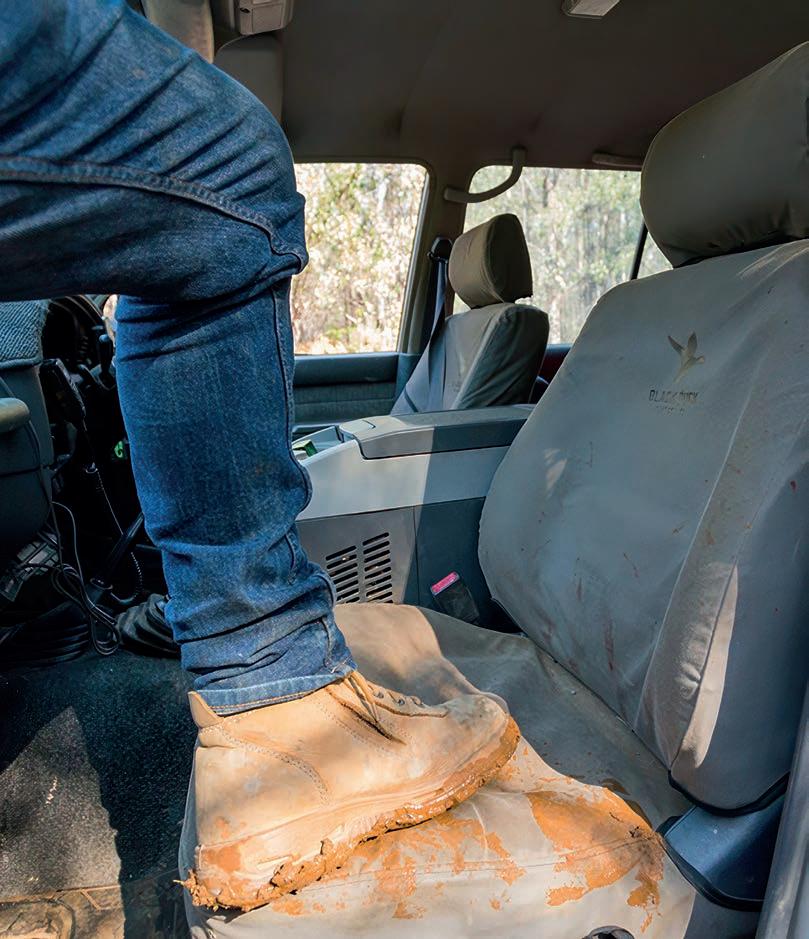
“Operators are working long shifts, climbing in and out of equipment with dust, mud, sweat, grease and other contaminants being transferred into the cab. At this point, the seat becomes one of the most heavily used parts of the interior.”
Damien added that heavy equipment seat covers are a natural extension of its mining portfolio, with the machines representing a “significant capital investment” for operators.


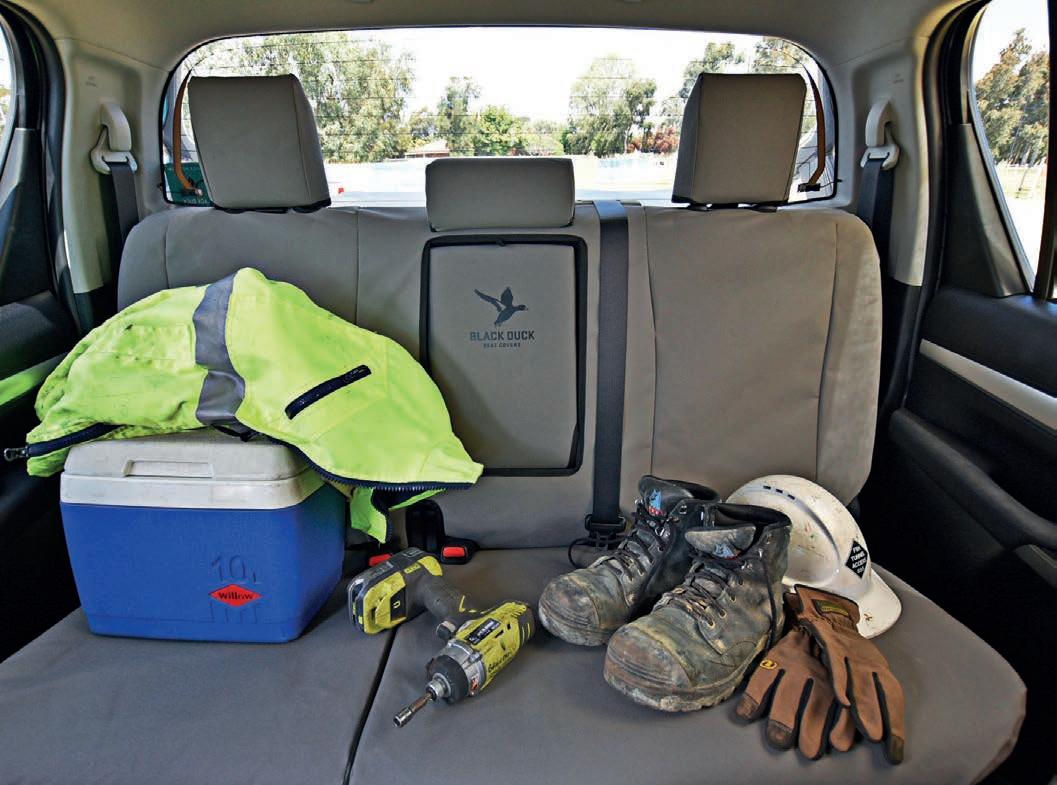
“It’s not just about protecting a ute seat, it’s also about helping mining companies protect the working environments their people rely on every day,” Damien said.
Taking a closer look at the application process, Black Duck takes advantage of the standardised seating utilised on different brands, with Damien saying that in many cases, different machine brands tend to use the same or very similar seat platforms, despite the equipment being different.
This, in turn, allows the company to build fitment knowledge around the seat and not just the machine, meaning once a seat platform has been accurately patterned and proven, that solution can often be applied across multiple types of equipment.
“That helps mining customers achieve a more consistent level of protection across their fleet, even when they are operating a mix of brands and machines,” Damien said. “It also supports faster response times and more scalable supply, and rather than starting from scratch for every piece of equipment, we can often identify whether a known seat platform is already covered in our fitment range.”
When and where a new fit is required, Black Duck SeatCovers follows a practical development process that involves gathering seat details, photos, and measurements, accessing the vehicle or seat where possible, creating or modifying the pattern, and then validating the fit before it becomes a repeatable production item.
“The response time depends on the complexity of the seat and the access available, but having local design and manufacturing capability gives us a strong advantage,” Damien said.
“We are not relying solely on overseas supply chains or generic universal patterns.
"We can work directly with customers to develop a fit-for-purpose solution and, once proven, make that pattern available for future orders across similar equipment.”
This multifaceted approach by Black Duck reflects the complexity that the mining industry presents.
Damien said that the environment is “extremely demanding” on vehicle interiors, with dust, mud, water, grease, abrasive work wear, tools, and constant
use all factors that can accelerate wear on the cabin.
“Without protection, seats can deteriorate quickly, particularly in vehicles and machines that operate across long shifts or multiple operators,” Damien said.
“Seat covers act as a protective barrier between the operator and the original seat. They help reduce damage, contamination and general wear, which supports the long-term condition of the vehicle or machine.
“For mining companies, that can contribute to lower replacement costs, easier maintenance and improved presentation of fleet assets over time.”
As fleets become more diverse, technologically advanced and potentially more electrified, Black Duck sees its role as remaining a practical partner to mining customers as their needs continue to shift.
“We expect the fleet mix to become more varied, not less,” Damien said.
“The technology inside vehicles may change, but the need to protect assets, support operators, and keep equipment working in tough environments will remain.”


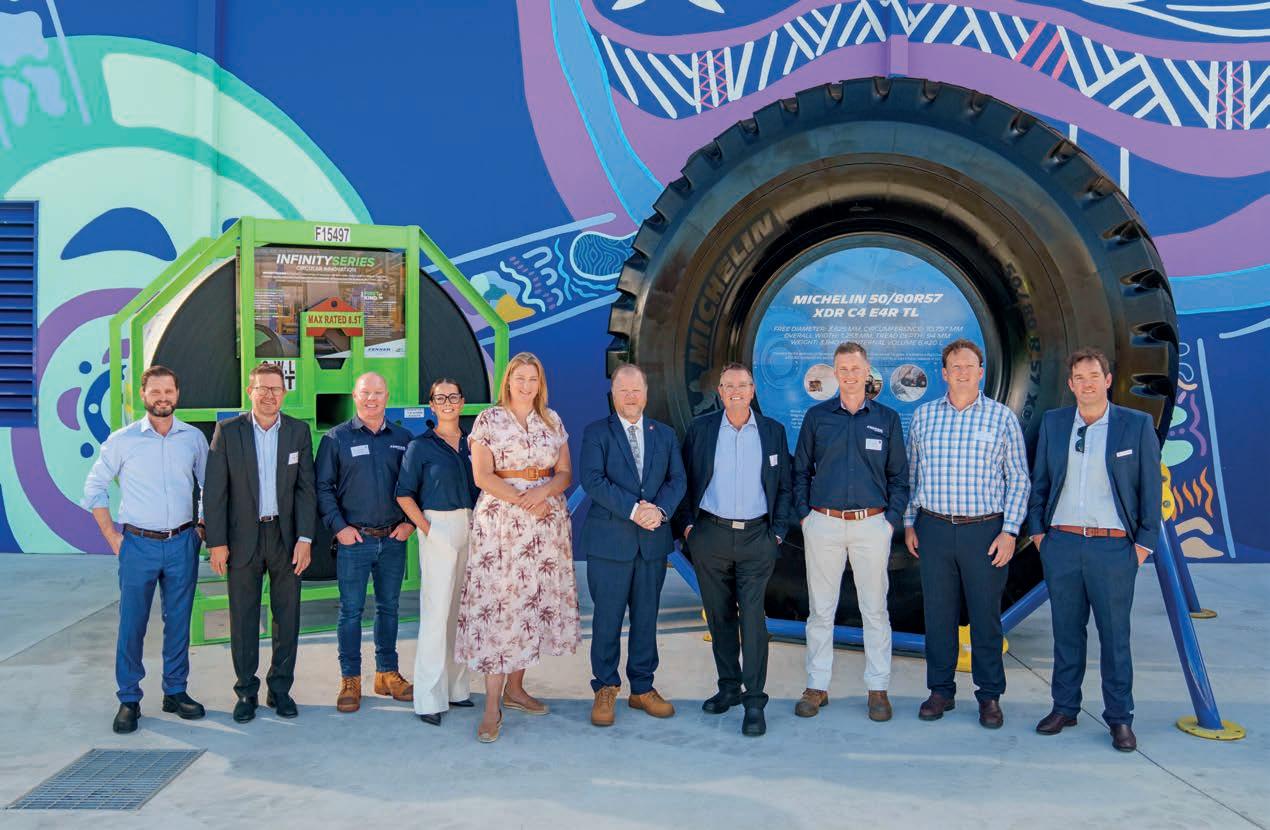
The InfinitySeries from Tyrecycle and Fenner Conveyors is making the case that a conveyor belt's end of service doesn't have to mean end of life.
The question of what happens when industrial equipment reaches the end of its working life rarely has a clean answer, and for some of the most visible symbols of mining productivity – conveyor belts – it has been carried over for a long time.
These products carry ore, overburden, coal and aggregates across the mining value chain, and when they wear out, they tend to become somebody else's “waste problem”. Large, heavy and difficult to handle, end-of-life conveyor belts have resisted conventional recycling pathways for years, with most getting stockpiled, sent to the landfill or left sitting in holding yards with no obvious path forward.
A “highly complementary” partnership between Tyrecycle and Fenner Conveyors is changing this reality with the development of the InfinitySeries – a mining-grade conveyor belt manufactured by including recycled conveyor belt material.
“The InfinitySeries fundamentally reframes end-of-life belts from being
a waste problem to being a future resource,” Tyrecycle chief executive officer Jim Fairweather told Mining
Instead of being dumped or stockpiled, Fairweather said these used belts can now be recovered, processed and remade into new belts, directly reducing waste and keeping valuable materials circulating in the economy.
“For mining companies, it enables more sustainable procurement, clearer environmental, social, governance (ESG) reporting, and a practical way to cut landfill and virgin material demand without compromising performance, and it provides the solution many have been looking for to manage end-of-life belts at scale,” he said.
Achieving this kind of outcome for the industry is hard to do alone, with both Fenner and Tyrecycle aware that creating a circular economy requires the right combination of capabilities.
Tyrecycle brings the recovery infrastructure – the collection, processing and reclaimed rubber production – while Fenner brings the engineering knowledge
and manufacturing capability to turn that material into a product mines will actually use.
Neither piece works without the other and that's largely what drove the two companies together in the first place.
"The driving force was the shared recognition that circularity only works when there is a genuine, scalable end market for recovered materials," Fairweather said. “At Tyrecycle, we’re very good at collecting and processing endof-life tyres and conveyor belts, but true circularity depends on someone willing to turn that recovered material back into something industry actually needs, and Fenner shared that ambition.”
Mining conveyor belts face abrasion, impact, tension, heat, weather and heavy loads across their operating lives. If a circular product underperforms, it just becomes a different kind of problem. A lot of the work centred on ensuring reclaimed rubber met precise specifications and behaved consistently in Fenner's production process, something made possible in part by the company's investment in local manufacturing infrastructure in Western Australia, including the K-Mix plant.
"The fact that the InfinitySeries meets mining-grade durability requirements is what makes it truly meaningful, not just a sustainability story,” Fairweather said.
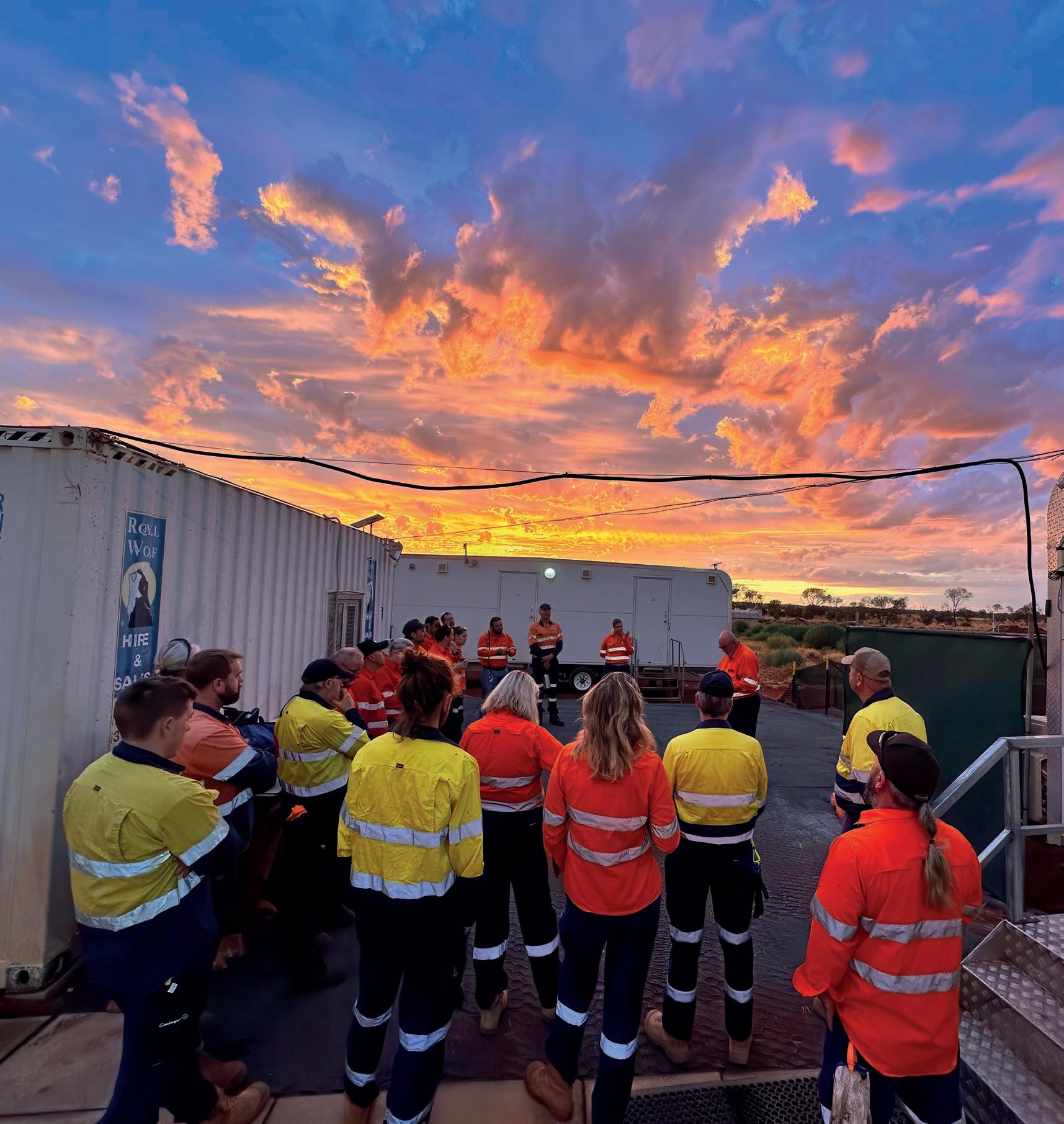
Tyrecycle has now begun running the InfinitySeries belt at its own facility in
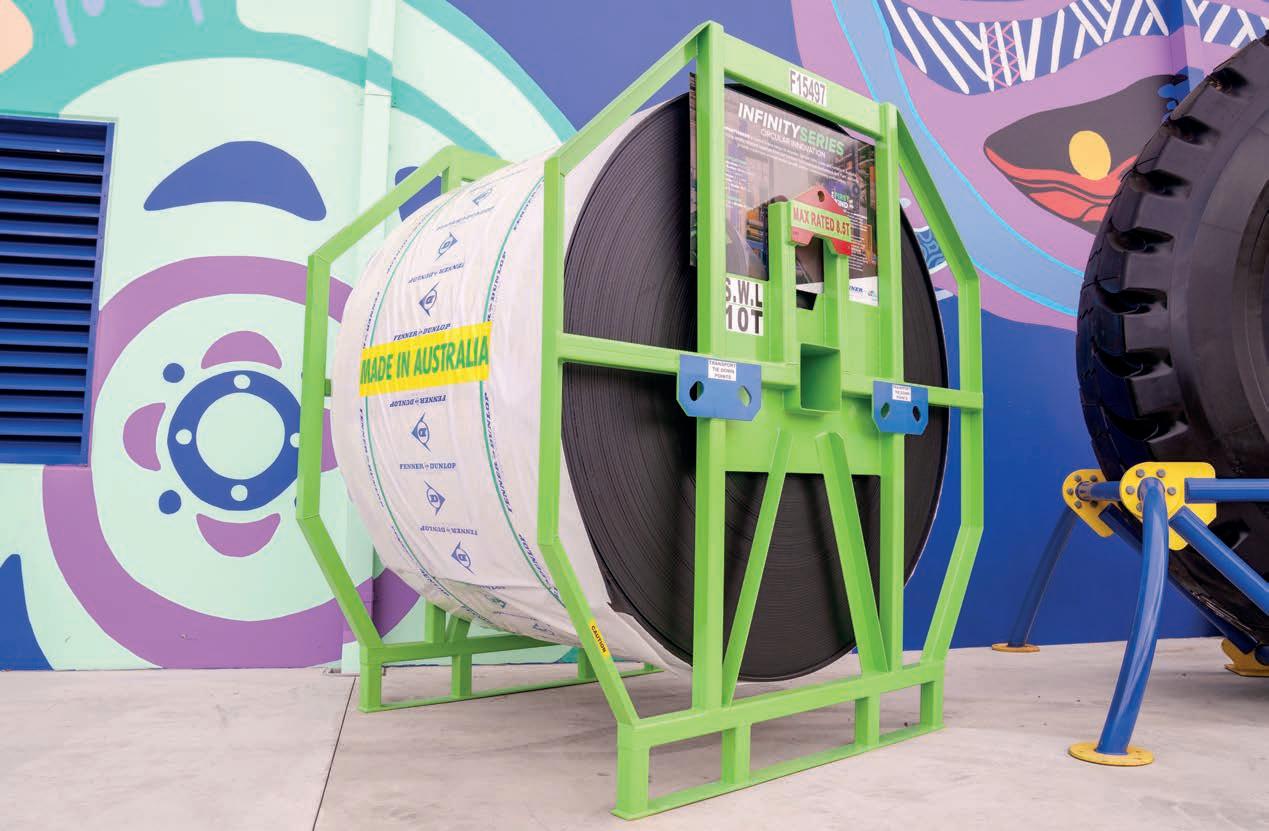
East Rockingham WA, in a live operating environment instead of a controlled test setting.
"It was important that we backed the product ourselves," Fairweather said. "It gives us the ability to provide immediate, practical feedback to our partner in Fenner, so any observations can be translated quickly into refinements in material specifications, manufacturing settings or belt design.”
The early insights, according to Fairweather, are “very encouraging”.
Running the belt internally closes one loop, the bigger question now is how the model scales across an industry that generates end-of-life belts by the kilometre.
“The biggest impact would come from a regulatory framework that supports directing mining waste into the recycling sector, so end-of-life belts are treated as a recoverable resource rather than the default option being storage or landfill,” he said.
Fairweather also pointed to two pressure points that determine whether recycling can work at scale: supply –consistent collection and logistics that get end-of-life belts from site into accredited processing – and demand – reliable end markets that use recovered material in high-value applications rather than downcycling it.
In practice, a site aiming to create an endless lifecycle could operate on
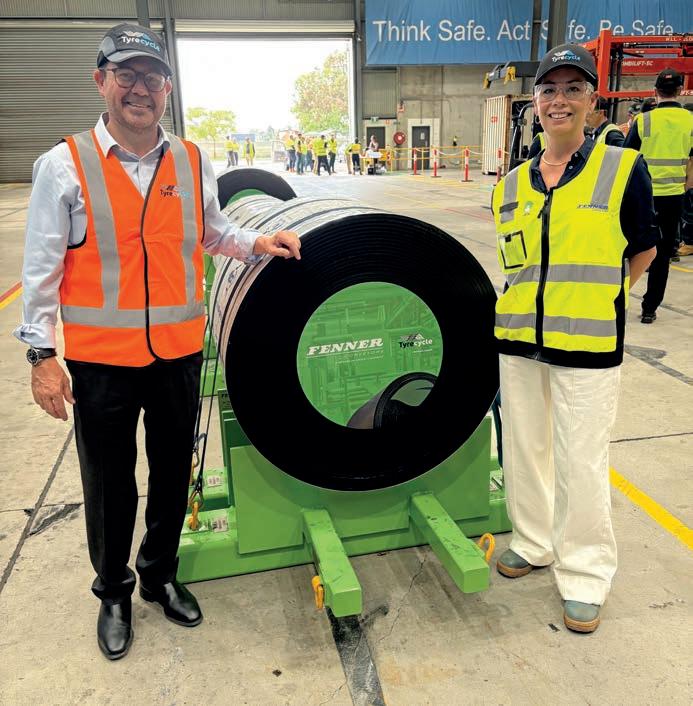
a one-in, one-out basis, with old belts leaving as new ones arrive.
"The intent is that mining companies no longer have to separately think about or budget for the cost of recycling their conveyor belts, because that circular pathway is designed into the product offering itself," Fairweather said. "The material keeps circulating."
If this closed-loop model is widely adopted, the impact could be significant.
It would mean less rubber going to ground, lower demand for virgin material and sites that no longer carry the overhead of accumulated stock.
More fundamentally, it could very well that mean end-of-life belts will stop being treated as an unnecessary disposal problem and will instead be managed as what the InfinitySeries has already shown them to be – raw material for the next one.
The
Jonah Group’s Limbic Risk Safety Leadership Program is built to tackle mining’s missing risk category that empowers supervisors and workers alike.
After an incident, the common response is, ‘What were they thinking?’,” Jonah Group chief executive officer Nada Wentzel told Mining
“It’s a question that implies blame, but a sharper version is, ‘Were they thinking, and if not, why not?’ Most investigations don’t answer it.”
Mining has more procedures, dashboards, and verification activities than ever, but serious incidents continue to occur, and the findings repeat themselves: the procedure wasn’t followed, and the control wasn’t verified. These are descriptions, not explanations.
“The industry retrains, rewrites, and reminds, but the loop starts again,” Wentzel said.
In 2024, the International Council on Mining and Metals’ (ICMM) member companies recorded 42 fatalities, marking a second consecutive yearly rise, with the organisation linking 83 per cent of those incidents to ineffective critical control execution.
“Mining does not lack safety systems; something is breaking between the system as designed and the system as lived. The systems assume clear-headed decision-making. The conditions on site rarely deliver it,” Wentzel said.
According to her, the missing category that most organisations do not name is called Limbic Risk: the human default response to operating under stress, where attention, judgement, and self-control quietly erode without the person realising it.
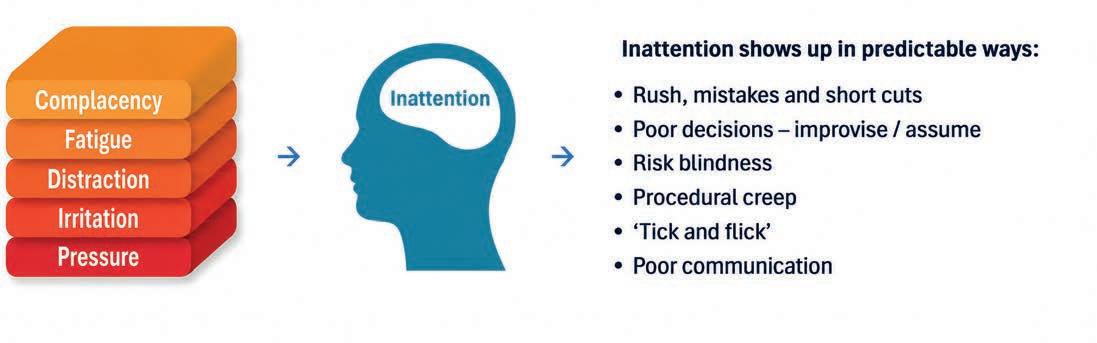
Five common field conditions trigger it. Fatigue, distraction, pressure, irritation, and complacency. Wentzel said these are not personality flaws; they are how humans are wired to respond when conditions stack up.
“Complacency in particular is misread on most sites; it is not a character or attitude defect, it is a human default,” Wentzel said.
“When tasks become familiar, the brain conserves effort, and everyone does it. The question is whether your environment surfaces it or conceals it.
“The ‘big five’ can be taught, supervisors can be trained to notice them, name them and interrupt them, before decisions degrade.”
Wentzel said human error is where most investigations stop. It should be where they start. A New South Wales Resources Regulator review found that 74 per cent of behaviours in analysed incidents were unintentional errors, most created by how the work was managed and organised, not by individual failings.
“If behaviour is shaped by the system, calling it human error stops the investigation too early,” Wentzel said.
Limbic Risk becomes especially visible through Critical Control Verification (CCV), one of mining’s most important fatal-risk management tools.
Wentzel said it is common to see operations reporting 100 per cent verification completion. Every check done, every form filed, every monthly target hit. The dashboards are green. What they show is administrative compliance, not control health. The supervisors who owned those controls are trained to report counts, not whether the controls are working in the field.
"If verifications are rushed at the end of the shift, copied from last week, or focused on whether a control exists rather than if it works, the organisation has not verified risk. It has verified paperwork. It's watermelon reporting, green in the dashboard, red in the field," Wentzel said.
This is where Limbic Risk bites.
“A distracted supervisor verifies what is easiest to see. A pressured supervisor closes the action rather than opening a harder conversation. A complacent team sees the same degraded condition every
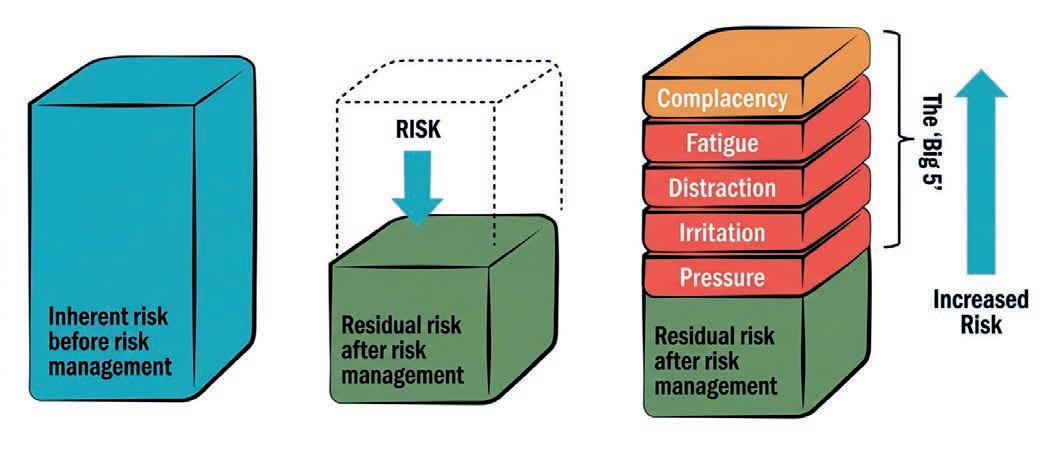
day until it no longer registers as a risk,” Wentzel said.
Supervisors play a crucial role on-site. They run the pre-start. They organise the crew. They hear the irritation in a crew member's voice before it becomes a workaround. They are also operating under the same five conditions as everyone else, often more acutely, because the pressure of the role compounds them.
"Supervisors are high Limbic Risk operators in their own right. Fatigued, pressured, pulled in five directions. And they are still the person expected to detect it in others and interrupt it before a decision goes the wrong way," Wentzel said. "They decide whether a near miss gets a real conversation or a tick in a box. They hold the only conversations on site where Limbic Risk can be detected and de-loaded in real time."
Most supervisors are promoted from the crew they now supervise.
They received the least leadership training of anyone in the management chain, and were then made the front line of safety according to Wentzel.
"This is not a willingness gap. It is an equipping gap, and it is the most under-invested control point in mining," she said.
The Jonah Group's Limbic Risk Safety Leadership Program is built to close it. The program trains supervisors to recognise the big five in themselves first, then in their crews, and to interrupt the pattern before it shows up in a decision.
Wentzel said the program changes three things. Pre-starts surface real risk. Control verification gets stronger. And the response to bad news “increases truth” rather than shutting it down.
"The pattern across operations is consistent. Pre-starts move beyond 'any hazard?' to what has changed and which
controls need eyes on them today. Reporting volume rises before it falls, because the workforce trusts that reports lead somewhere," Wentzel said.
"Investigations name the conditions that produced the decision, not just the decision itself."
Incident frequency follows on a lag. The lead indicators move first.
The next time an investigation asks, ‘what were they thinking?’, the better question would be, ‘what conditions were shaping their thinking, before the decision was made?’ according to Wentzel.
“Mining will eventually name this risk category and build the discipline around it. The science is already there, and the field applications are being built now,” she said.
“The question is whether your operation waits for the next investigation to ask again or starts equipping the people best positioned to answer.”
21-23 JULY 2026

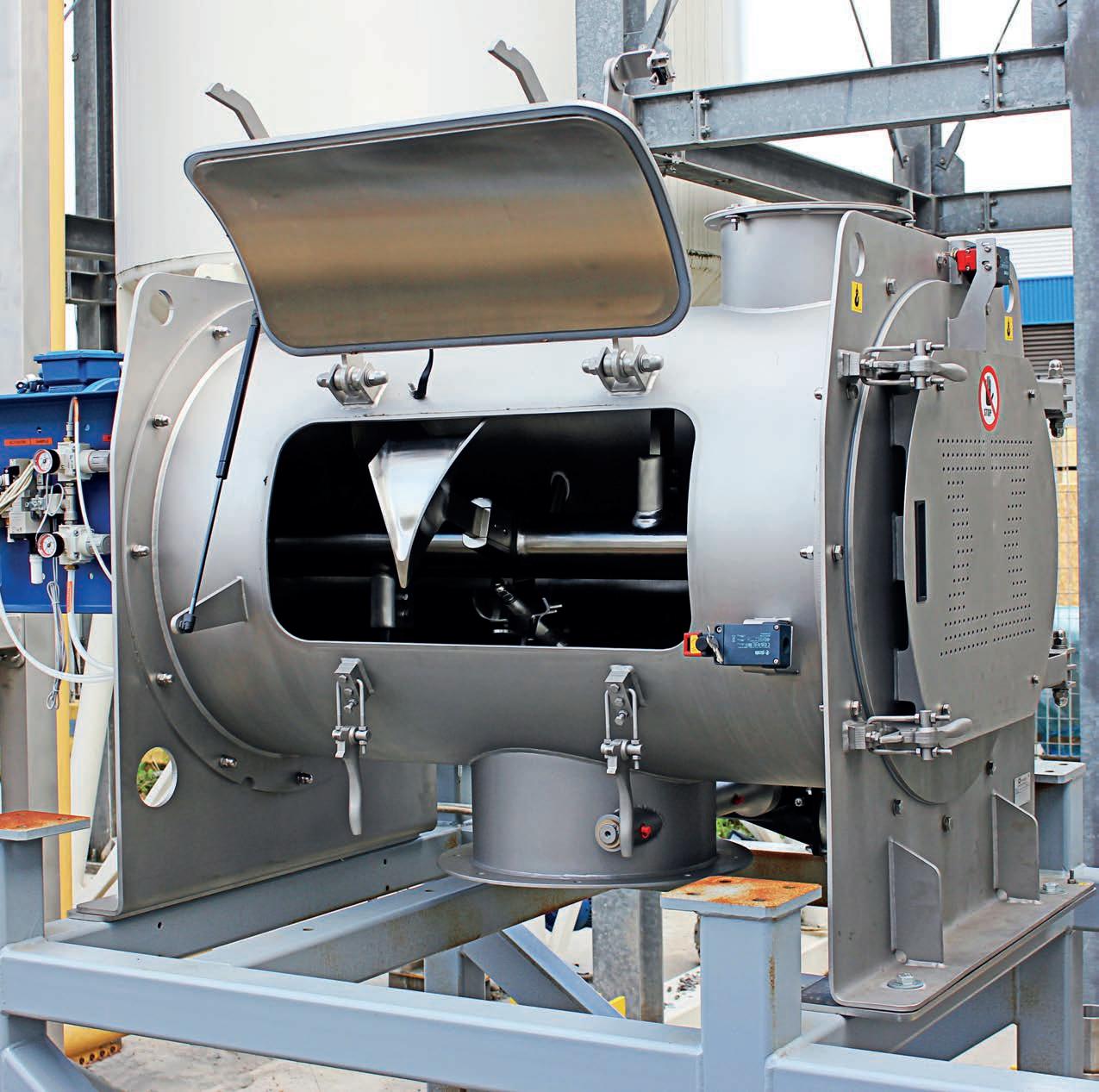
WAM Australia’s QuickClean WBO brings clean-access engineering to batch mixing, combining hygienic design, low residue and fast chamber access for free-flowing bulk solids applications.
In bulk solids processing, the performance of a mixer is rarely judged by mixing quality alone, and for operators handling powders, granules, additives or low-density formulations, the true measure of value often sits in the details.
That is, how quickly a chamber can be accessed, how effectively residue can be removed, how easily a unit can be inspected, and how reliably it can deliver repeatable batch quality.
That is the space WAM Australia’s QuickClean WBO has been designed to occupy.
Developed under WAM Australia’s MAP mixing technologies brand, the QuickClean WBO is a horizontal single-shaft batch mixer built for light-duty applications where cleanability, accessibility and mixing consistency are key operating requirements.
The unit has been designed for freeflowing formulations with bulk densities up to one kg per cubic decimetre, making it suitable for powders, granules, short fibres and liquid additives.
While the QuickClean WBO is not positioned as a heavy-duty minerals processing mixer in the conventional sense, its design philosophy has relevance to bulk handling and processing environments where contamination control, residue reduction and fast product changeovers are central to plant efficiency.
This includes facilities handling additives, processing aids, industrial powders, reagents, or low-density feedstocks linked to mining and adjacent industrial supply chains.
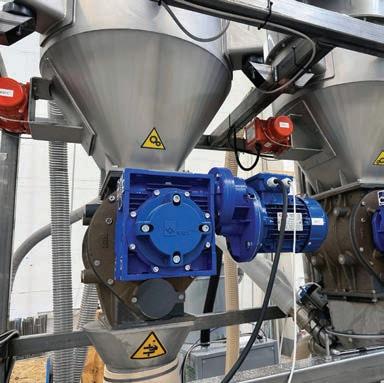
At the centre of the QuickClean WBO’s design is a large front inspection door, supported by lateral access points that allow operators and maintenance teams to reach the mixing chamber more easily. In practical terms, that access is intended to reduce the time required for inspection, cleaning and disinfection between batches.
The mixer’s specialised drive unit enables single-sided mixing shaft support, which removes some of the access limitations typically associated with shaft-supported mixing chambers.
The QuickClean WBO also features a mixing drum with one or more inlet spouts, a venting spout and a central outlet fitted with a discharge valve. The internal arrangement can include bolted ploughshare tools or blade-type mixing tools, with scraper tools used to support residue control inside the chamber.
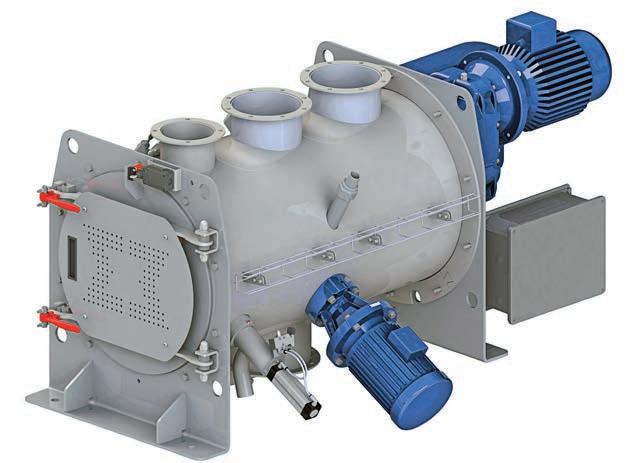
WAM Australia further highlights its air or gas-purged end bearing assemblies, a high-quality finish, and chamber and rotor construction in carbon steel, 304 litres stainless steel or 316L stainless steel, depending on application requirements.
This modularity is important, with different industries placing different demands on mixer surfaces, seals, access systems and downstream discharge arrangements.
A chemical powder application, for example, may prioritise corrosion resistance and containment.
A food or feed application may place greater emphasis on hygienic construction and cleaning speed. A plastics processing line may require repeatable dry blending with minimal residue and efficient additive dispersion.
The QuickClean WBO is available across a capacity range of 20L to 770L per batch, with the broader series covering model sizes from 75 to 1100.
The smallest listed model has a 2.2-kilowatt drive and a machine weight of 320 kilograms, while the largest listed model uses a 15-kilowatt drive and weighs approximately 1220 kilograms.
Depending on model size, operating speed ranges from 181 revolutions per minute at the smaller end of the range to 118 revolutions per minute for the largest unit.
This combination of lower installed power, hygienic chamber access and quick inspection capability speaks directly to the total cost of ownership for operators.
According to WAM Australia, reduced operating costs, low power consumption, minimum residue, high mixing homogeneity and excellent accessibility are among the unit’s key benefits.
The mixer can also be configured with a range of options and accessories, including choppers and injection wands, spray nozzles, thermocouples on
As a horizontal single-shaft batch mixer, the QuickClean WBO is built for light-duty applications.
bearings and seals, a thermo-resistance on the chamber, a pneumatic control panel, a junction box, a sampling device, a temperature probe and liquid injection equipment.
These options broaden the role of the WBO from a basic dry powder mixer into a more flexible batch processing system.
For WAM Australia, the product also sits within a wider local supply and service proposition. The company has represented the Italian WAMGROUP in Australia since 1997 and supports customers across the nation, Papua New Guinea, New Zealand and parts of Micronesia.
Its Dandenong premises in Victoria include warehousing and customer service capabilities, while the acquisition of BulkNet and the launch of local production in 2023 have strengthened its ability to tailor products for domestic industrial requirements.
That local presence matters for equipment that may be selected not only on catalogue specifications, but also on installation support, spare parts availability and application testing.
Likewise, WAMGROUP boasts more than 40 years of mixing technology experience, with tens of thousands of mixers operating across hundreds of applications, and offers practical mixing tests through its global laboratory network, which can be as important as the machine itself for many.
But as far as machines go, the QuickClean WBO is a standout example of excellence – featuring a clean-access, light-duty batch mixer for free-flowing, low-density materials. Its value lies in the way it brings together hygienic access, flexible configuration, low residue, controlled batch discharge and repeatable mixing performance.
If cleaning time, contamination control, and batch consistency are of high value to an operation, the QuickClean WBO offers a strong solution.
Management discipline could be key in keeping operations proactive in response to change.
By Anand Raniga, risk advisory partner, BDO
Across the natural resources and energy sectors, fuel is a production dependency in keeping crushers crushing, screens screening and machinery running. When diesel supply tightens or prices spike, the consequences are immediate and tangible.
Haul routes are being remodelled, maintenance schedules need to be adjusted, and contractors seek to renegotiate rates, with margins beginning to compress under pressure. In more severe cases, production continuity itself can become uncertain.
Recent geopolitical disruption and ongoing fragility in global oil and diesel supply chains have reinforced a hard reality for the Australian industry. In short, fortunes are tied to the stable supply of key globally traded inputs to production.
According to the International Energy Agency (IEA), current conflict-driven disruptions represent the largest oil and refined products shock in modern history, with refined fuel markets such as diesel experiencing particularly acute volatility. For Australian mining operations, many of which are remote, diesel-dependent and
Leading operators are starting to treat fuel with the same rigour as other critical operational risks.
Image: Parilov/ shutterstock.com
logistically complex, this risk is amplified, and for many organisations, this risk is only partially understood.
Some of these disruptions may also signal a broader shift underway. As fuel markets tighten and volatility persists, organisations are beginning to reassess the pace and pathway for reducing reliance on fossil fuels.
BDO risk advisory partner
Anand Raniga is urging mining companies not to treat fuel management as just a routine administrative process.
This is creating a new layer of complexity with operational teams being asked to respond quickly, often without a clear view of fuel exposure, supply dependencies, or the implications of short-term decisions.
Across mining operations, three key pressure points are beginning to converge, with supply uncertainty, cost volatility and increased scrutiny fundamentally changing how sites operate.
As diesel markets tighten and refining capacity becomes more constrained, delays or shortfalls are becoming more likely, particularly for remote operations. This, coupled with even the smallest
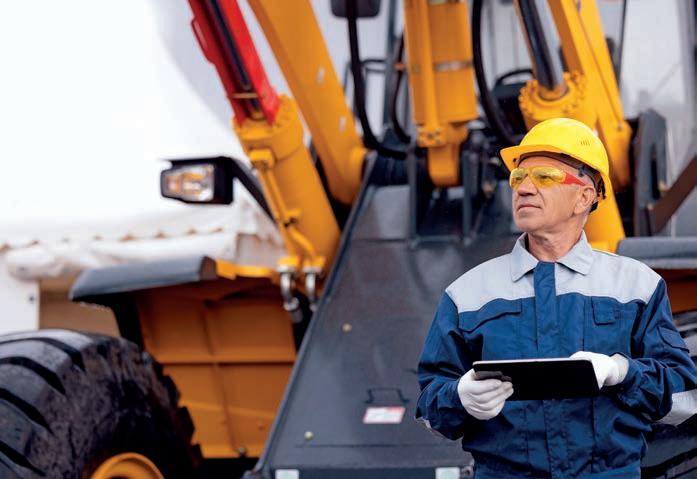
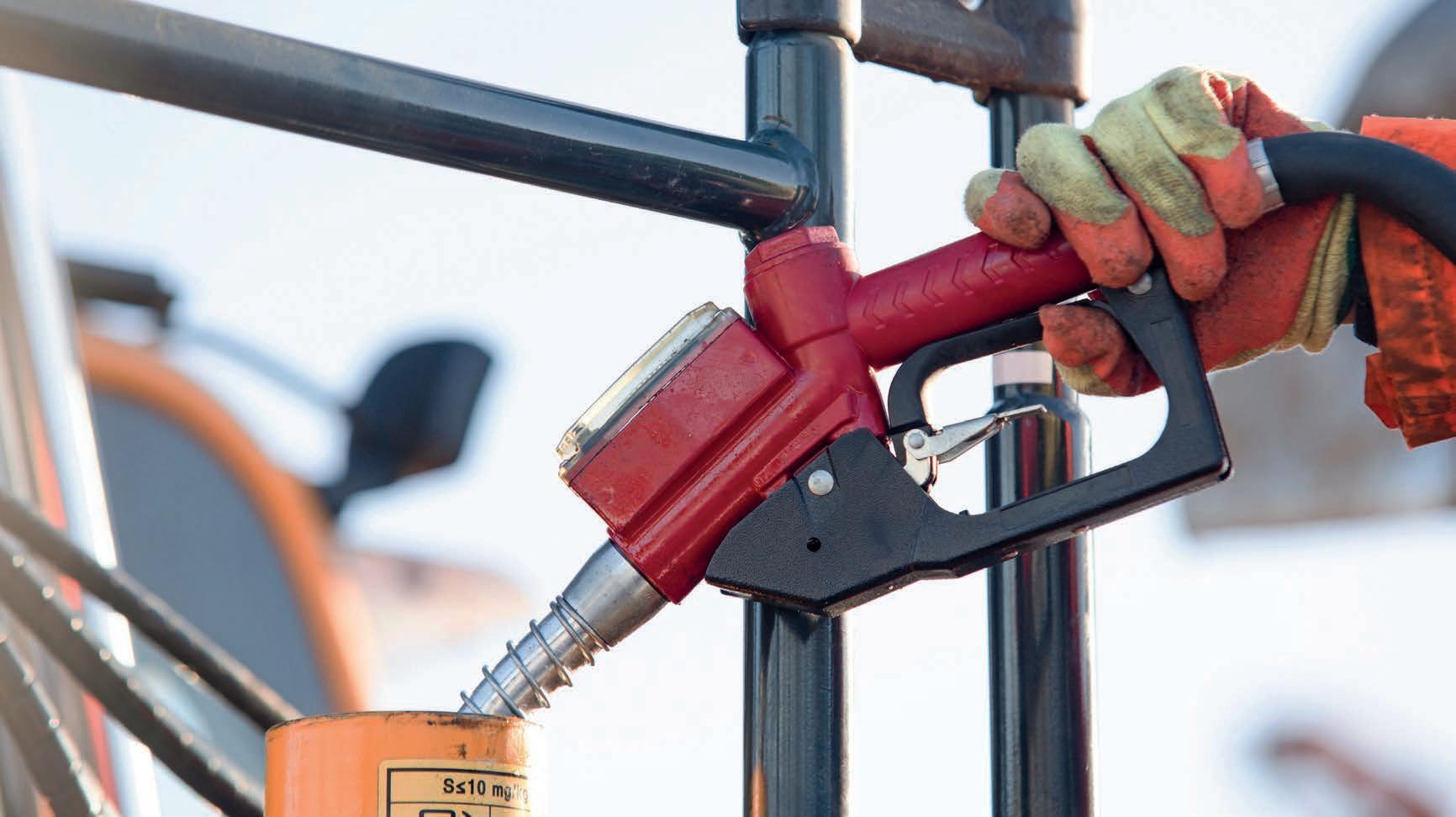
inefficiencies in fuel usage or loss, can materially impact operating costs in fuel-intensive environments.
As operations focus more on the consumption of fuel to underpin its emissions reporting and transition planning, greater emphasis is now being placed on data quality and control.
For site leaders, this translates to a simple reality that fuel risk is no longer managed solely through procurement and must be managed at operational level.
At the same time, fuel-related decisions are increasingly shaping longer-term transition pathways with choices around efficiency, equipment utilisation and consumption patterns enabling or constraining future electrification or alternative fuel options.
Without clear visibility, organisations risk locking in operating models that are difficult to adapt as transition pressures accelerate.
In BDO’s work across mining sites, a consistent pattern is emerging. Fuel management often lacks the same discipline applied to other high-value, high-risk inputs.
Fuel uncertainty is no longer solely about procurement, it must also be managed at the operational level.
Image: Irene Miller/shutterstock.com
Common challenges include limited end-to-end visibility, access and usage control weaknesses, fragmented accountability and reactive decision-making.
Inconsistent tracking from delivery through to storage and consumption, often supported by manual processes that delay or obscure anomaly detection means data can become skewed, inaccurate, or simple non-existent. Misalignment between fuel access, contractor arrangements and operational requirements lead to excess consumption or unauthorised use of fuel, ultimately impacting fuel consumption.
Coupled with responsibility of fuel management spread across operations and decisions being made often ‘on the fly’, gaps in oversight and inconsistent practice can occur whilst also impacting long-term strategies for structured, riskinformed fuel management practices.
These issues rarely create problems in stable conditions. However, when disruption occurs, they quickly translate into operational and financial risk.
During periods of fuel stress, small discrepancies can compound rapidly. A lack of operational control can result in
unreconciled volumes which can lead to undetected loss or leakage, disputes with suppliers and inaccurate forecasting and stock planning.
More importantly, poor quality data limits decision-making at the point it matters most.
Site leaders are forced to operate with uncertainty, making conservative or reactive choices that may not optimise safety, cost or production outcomes.
Leading operators are starting to treat fuel with the same rigour as other critical operational risks. This discipline is also becoming a prerequisite for credible transition planning, as organisations seek to understand where fuel use can be reduced, substituted or deferred without compromising operational performance.
This does not require immediate large-scale transformation. It starts with strengthening fundamentals like establishing clear, end-to-end visibility of fuel volumes and movements, aligning access and entitlement controls with operational requirements and clarifying ownership and accountability across the fuel value chain.
In addition, implementing regular reconciliation and monitoring processes and using data to support informed decisions on efficiency and consumption allows organisations to create a more reliable foundation for both day-to-day operations and longerterm planning.
For many mining organisations, fuel will remain a core dependency for the foreseeable future. However, ongoing volatility and supply disruption may also accelerate consideration of alternative technologies and operating models.
This creates a dual challenge. Organisations must stabilise current operations while also reassessing the pace and sequencing of transition pathways, often in the absence of reliable data on fuel exposure, supply dependencies and operational constraints.
This makes treating fuel management as a routine administrative process is no longer sufficient.
The key question now is not whether fuel disruption will occur, but whether operations have the visibility and control to respond, without constraining future options.
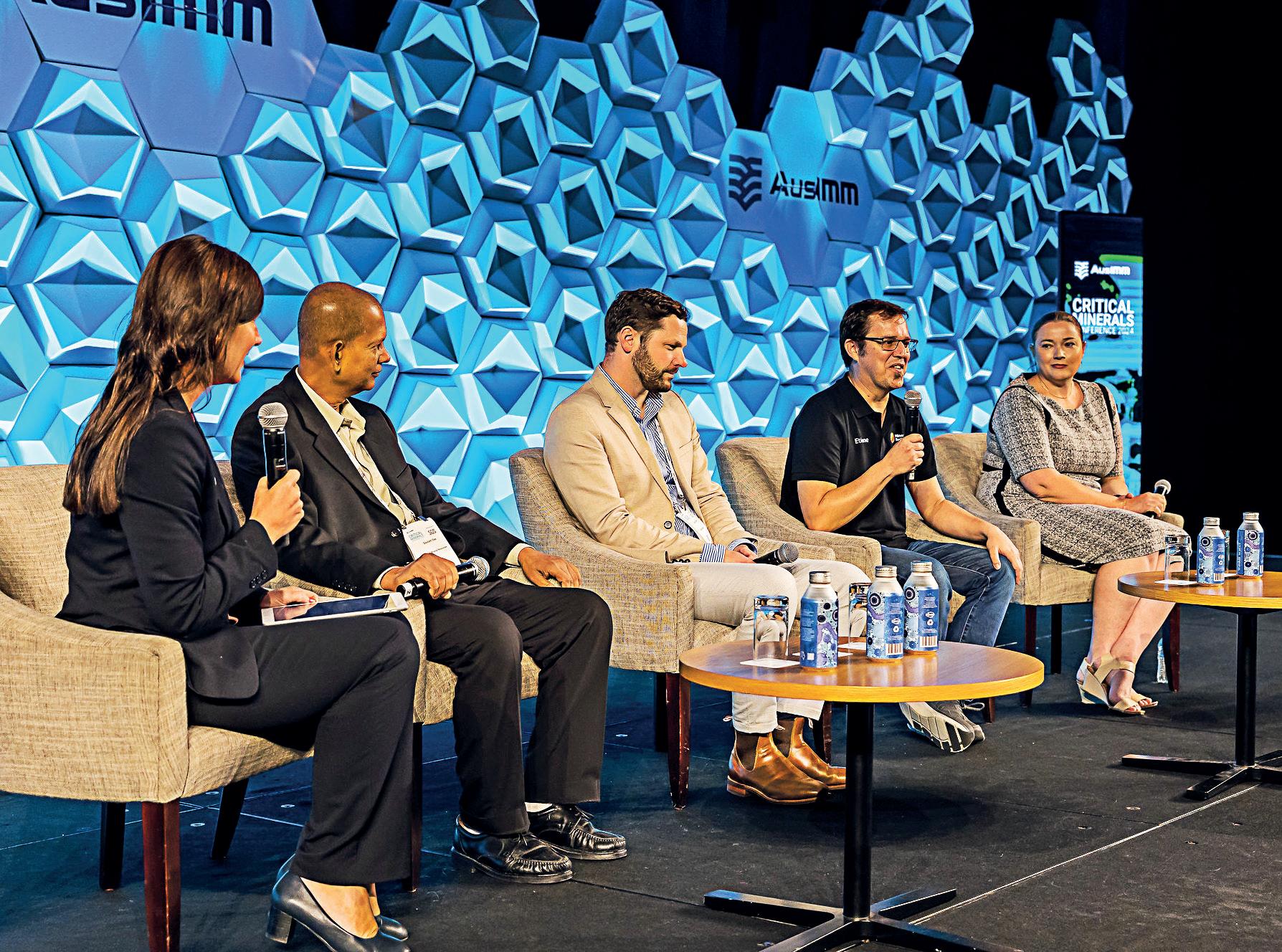
AusIMM’s Critical Minerals Conference will offer Australia’s mining ecosystem a rare chance to unite science, policy, investment, and industry under one roof.
As a senior principal research scientist in the mineral resources research unit at the Commonwealth Scientific and Industrial Research Organisation (CSIRO), Dr Keith Barnard has a front-row seat to the critical minerals opportunity in Australia.
His leadership role means that Barnard has an unmatched wealth of knowledge, which he is more than eager to share at AusIMM’s Critical Minerals Conference from September 21-23 in Brisbane.
The conference will bring crucial questions to the fore: what can we achieve for our nation with critical minerals, and how do we do it? How will the government work with the sector to do it? Where will the funding be?
How can we guarantee the supply chains necessary for what Australia needs?
Barnard, who is also part of the conference's advisory committee, said the value of the event is that it provides each piece of the mining puzzle with a place in the same room – and with it, answers to those burning queries.
“I do find that this conference is a nice mix of science, commercial application, business and government all overlaid into this critical minerals space,” he told Mining
This level of collaboration should be nurtured, according to Barnard, especially considering that critical minerals do not behave like Australia’s well-established bulk commodities. While coal and iron ore have long-established industries, large
volumes and mature supply chains, many critical minerals occupy smaller, more bespoke markets, which can make them difficult to finance, price and scale.
“And so the ability for prices to be manipulated and to influence whether a company decides to start a mine or not seems to be much greater,” Barnard said.
When it comes to conversations around critical minerals, the conversation also needs to involve processing.
“A lot of the materials that we mine are shipped offshore in a relatively raw state, and we might buy them back as a processed product,” he said.
“So, we actually lose control of the processing chain.”
Barnard frames Australia's critical minerals opportunity as a relay race.
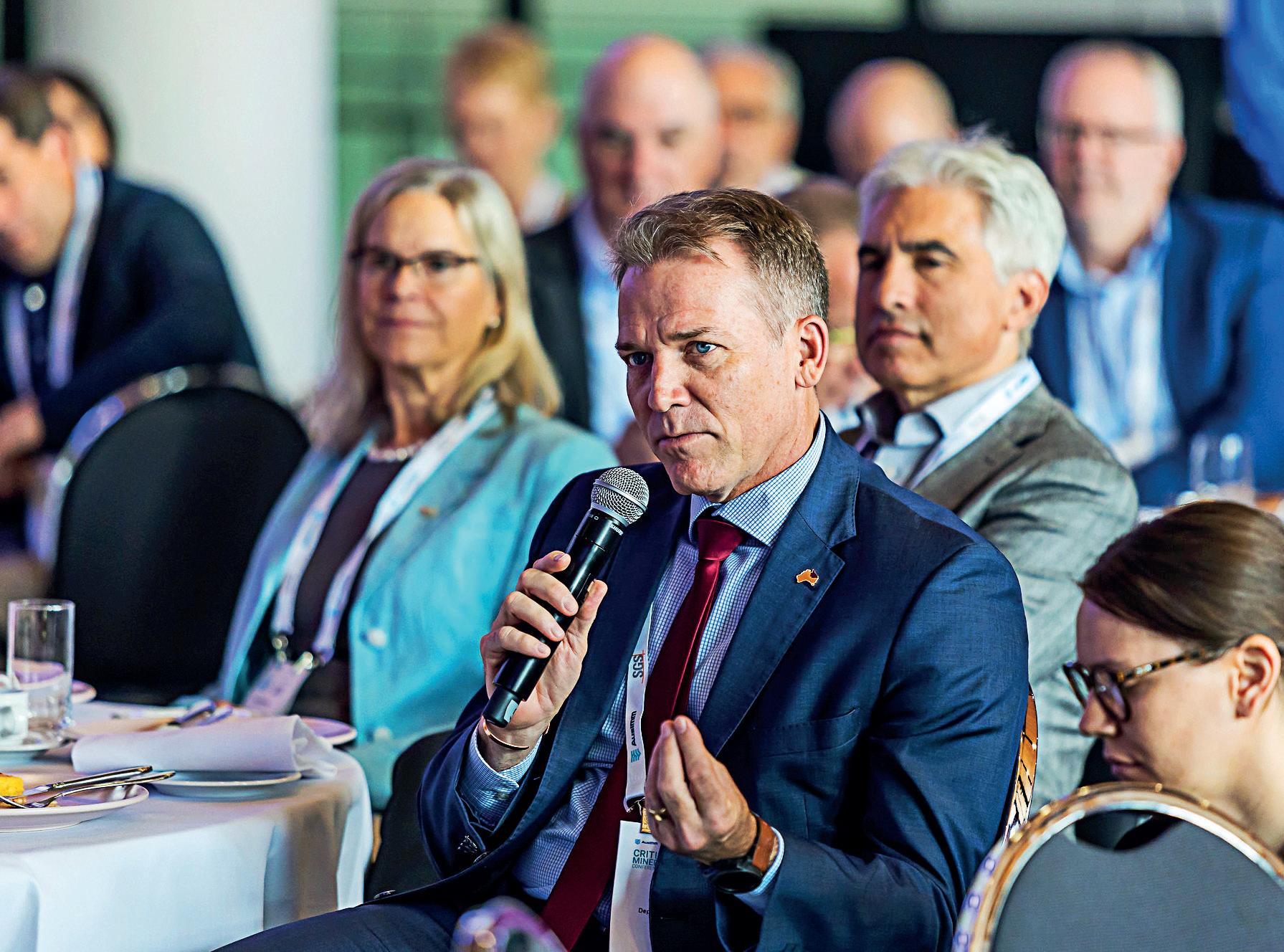
The nation starts with the baton (the minerals in the ground), but faces a pivotal choice: pass it off to the next runner, or keep running the race itself. Having the baton in the first place doesn't automatically build a processing industry.
Domestic value-adding, he said, requires the right mix of policy, finance, offtake, and commercial confidence to carry it across the finish line.
“You can ask, how is a small company going to be able to set up a mine and compete, particularly if the price can be manipulated by a bigger player?” Barnard said. “How do you get them to say yes? Or how do you get the bank that they probably need to borrow the money from to say yes? There needs to be that support and that stability.”
When asked what needs to change to unlock domestic processing, Barnard said offtake agreements are a critical enabler.
At a broader scale, he said, development is less like pulling a single lever and more like constructing a teepee: impossible with just one stick.
"You need two or three that lean in on one another to be able to help provide the environment for you to be able to grow," Barnard said. “The challenge is about determining how the industry
can get those three or four leaning in at the same time to be able to create that opportunity.”
This is where forums such as AusIMM’s Critical Minerals Conference can help shift the dial, considering that the sector’s biggest gaps often become visible when people from different disciplines are brought together.
"[These conversations] enable you to bring disparate minds and thinking together to help create that pathway forward," Barnard said, drawing a parallel to the sciences. "So it's having those discussions, working out where there's a gap and then saying, is there a way that we could possibly address that?"
Barnard said the point of the conference is not necessarily to produce one neat answer, but to change the way the sector thinks about the questions. Critical minerals may start in the ground, but their future will depend on what happens after discovery, on how they are processed, financed, valued, governed and used.
And if AusIMM Critical Minerals Conference attendees leave thinking differently from when they arrived, Barnard will consider that a meaningful step forward.
“It’s really about opening eyes and opening minds to help solve the challenges that we have today,” he said.
“Mining is so intertwined in the lives that we lead, it’s something that we all need to understand is a core component of our day to day existence.
“So, how do we do it responsibly?”
Join the conversation at AusIMM’s Critical Minerals Conference this September in Brisbane and connect with the leaders shaping the future of the sector.
The GRX26 Global Open Innovation Colab is accelerating discovery and exploration amid rising demand for critical minerals and a push for supply chain decentralisation.

The transition to renewable energy is no easy feat, especially if undertaken on a global scale; but as critical minerals continue to grow in importance to modern economies, industries, and facilities, practical innovation across the mining ecosystem becomes crucial.
Against this backdrop, the Global Resources Innovation Expo (GRX26) hosted the Global Open Innovation Colab challenge in May 2026, which was designed to accelerate practical innovation and connect emerging technologies in critical minerals with the global mining industry.
The challenge brought together technology companies from around the world, with six finalists representing a diverse cross-section of innovation and methodology aimed at improving how
critical minerals are discovered, analysed, processed and recovered.
Canadian mining technology company ELEMISSION won the challenge, taking home $10,000 and the opportunity to present its solution at EXPOSIBRAM, one of Latin America’s biggest events for mining, in Brazil, in August.
ELEMISSION delivered winning results through its eCore real-time ore characterisation platform, something spectral chemist Fraçois Doucet said broadens the knowledge around fluctuations in an ore deposit’s grade, mineralogy, texture, and physical traits.
“The demand for critical minerals is exploding; mining companies are making billion-dollar decisions based on an incomplete understanding of the orebody variability,” Doucet said.
According to the International Council on Mining and Metals’ (ICMM) website, critical minerals are fundamental to modern life, and the global effort to combat climate change and achieve sustainability means a sharper focus on these minerals’ roles.
When it comes to the energy transition, critical minerals are essential for the production of low-carbon technologies, such as wind turbines, solar panels, batteries, and electric vehicles.
As demand continues to rise, the mining industry is also facing increasing pressure to improve the efficiency, sustainability and resilience of critical minerals supply chains.
At the same time, there is growing industry focus on diversifying supply, accelerating project development and adopting technologies that can improve how minerals are discovered, analysed
and processed. This is creating greater opportunity for practical innovation across the mining value chain, particularly technologies capable of improving operational decision-making, reducing delays and supporting more efficient resource development.
When it comes to driving exploration, discovery, mining, and the eventual road to diversification, ELEMISSION’s eCore plays a vital role, using laser-induced breakdown spectroscopy (LIBS) to deliver laboratory-grade minerals and elemental data directly from drill core, at mine speed.
The technology allows for a better understanding of orebody variability and improves decision-making across exploration, resource modelling, and processing.
Through the substitution of lengthy laboratory turnaround times with realtime analysis, eCore has demonstrated significant reductions in chemical assays while providing rapid, process-ready mineralogical information directly at the site.
ELEMISSION said the mining industry is increasingly seeking automation and data-driven technologies as operations become more complex and pressure grows to improve efficiency, productivity and sustainability outcomes.
The company said traditional mineral analysis methods can be “slow, costly, and highly labour-intensive”, creating inefficiencies that impact operational performance and decision-making.
“The ability to rapidly assess mineral composition is an operational necessity,” ELEMISSION said.
“Real-time solutions are now very critical for optimising resource management and supporting long-term operational performance.”
The wider eCore family includes eCore Gen3, eCore Flec, eCore Mobile, and COBRA, technology that, by integrating high-speed identification systems, automated data processing, and artificial intelligence-driven mechanisation, allows miners the leeway and breathing room to elevate their operations’ ability to tackle the current and future mineral demands.
More than 50 submissions were received for the Global Open Innovation Colab challenge, with finalists representing a broad range of technologies focused on improving mining and critical minerals operations.
Australian company IBT Robotic Systems was among the finalists, alongside Acceleware, Ñandú, WIDMO
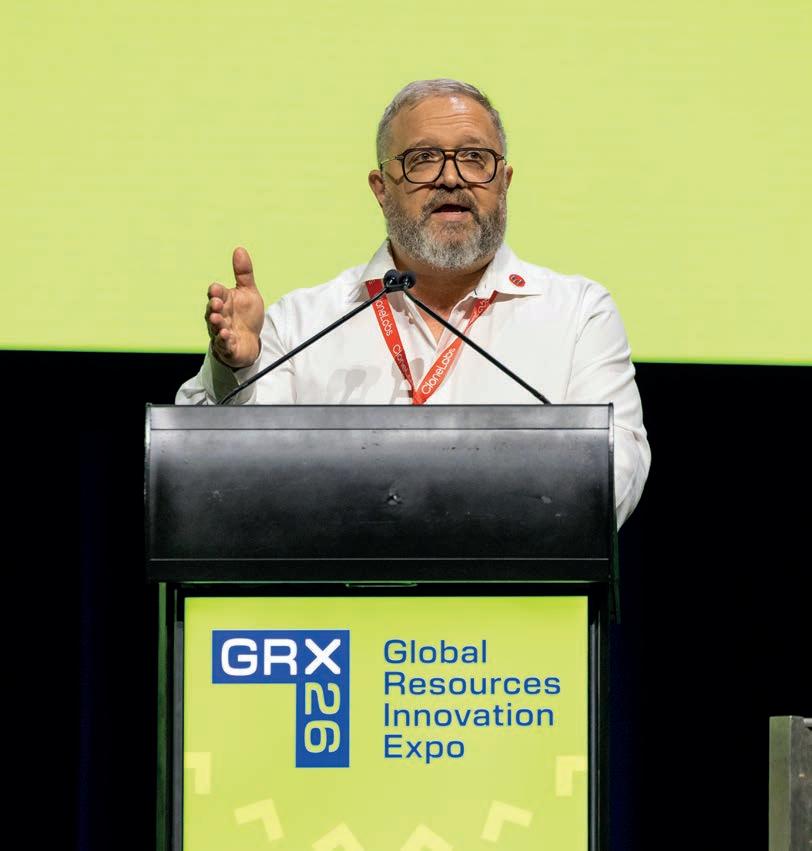
François Doucet said that with growing demand in critical minerals, a greater understanding of their mineralogy is required.
and DUNDEE Sustainable Technologies. According to Austmine, finalists were selected by a global panel of industry experts and assessed on innovation, scalability, commercial readiness and their potential to deliver practical outcomes for mining operations.
Director of international business at Austmine Dr Robert Trzebski said the quality of solutions presented at GRX26 highlighted the depth of innovation
being developed globally to support the future supply of critical minerals.
“What stood out about ELEMISSION was the practical application of the technology and its potential to deliver measurable impact across mining operations,” he said.
“The Colab is about connecting innovators directly with industry globally and accelerating the pathway from innovation to implementation.”
ELEMISSION delivered with its
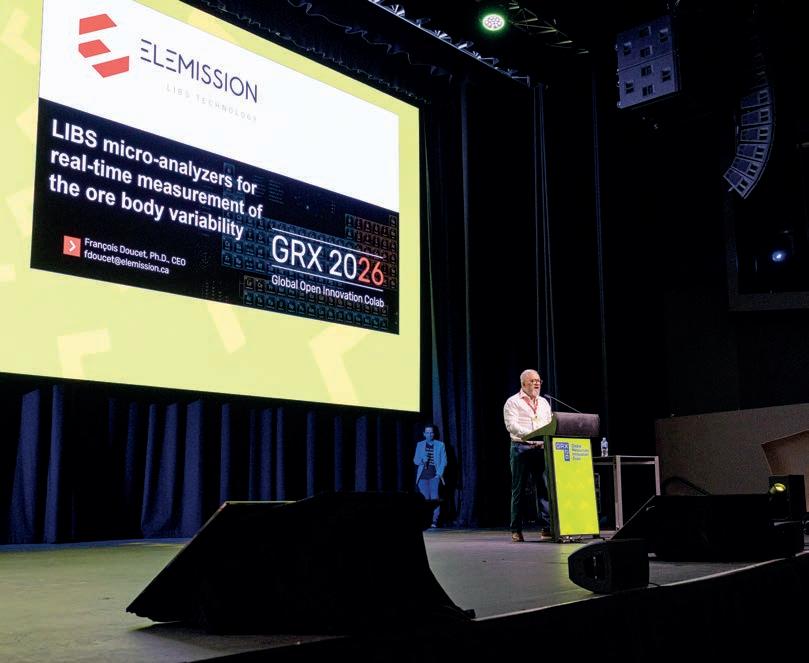
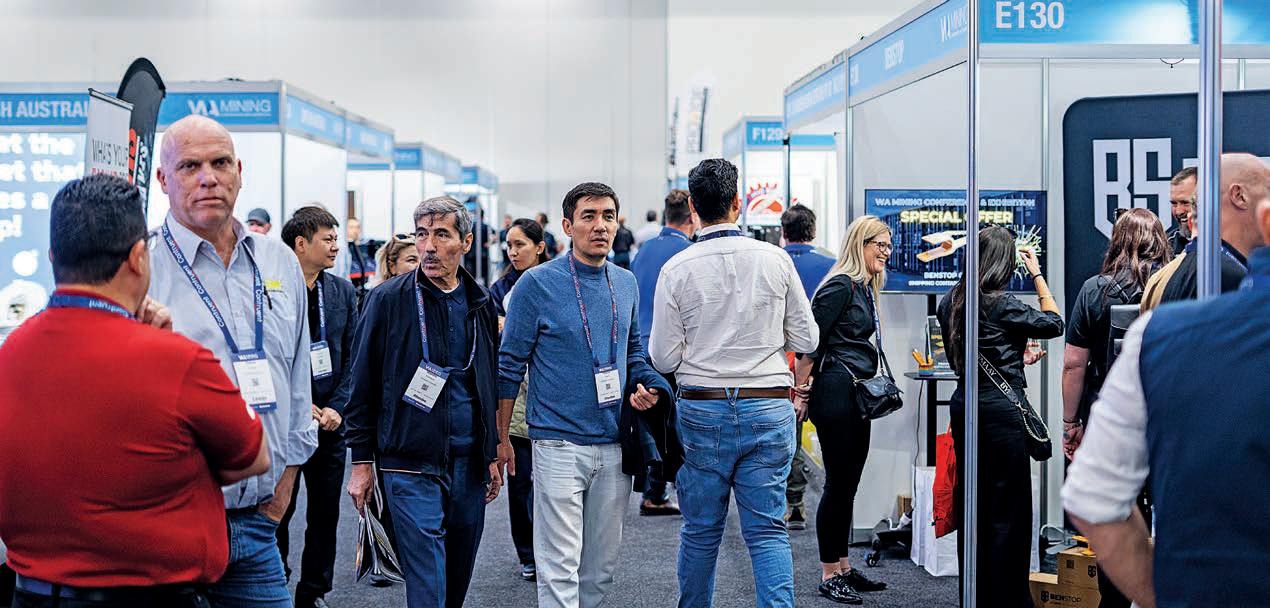
From decarbonisation to digital transformation, WA Mining 2026 will spotlight the next phase of the state’s mining industry.
The WA Mining Conference and Exhibition will return to the Perth Convention and Exhibition Centre from September 16–17, 2026, bringing together the technologies, strategies and industry discussions shaping the next phase of Western Australia’s mining sector.
With it comes the Decarbonisation Zone, alongside the introduction of the Transformative Tech Zone, designed to showcase solutions that help mining companies improve operational performance, reduce emissions, and strengthen long-term competitiveness.
Prime Creative Media mining events relationships manager Rebecca Todesco, said the return comes at a pivotal time for the industry.
“WA Mining is coming back at a time when the industry is actively transforming,” Todesco said.
“The Decarbonisation Zone and the new Tech Zone are a clear representation of where mining is headed – towards smarter, more sustainable and more efficient operations.”
The Transformative Tech Zone will bring together companies demonstrating real-world applications of automation, digitalisation and data-driven technologies, with LEAP Australia, Strata Bot AI and Auxilium One as confirmed exhibitors.
“Attendees won’t just see what’s possible, they’ll see what’s already being implemented across the sector,” Todesco said.
“This is about practical solutions that companies can adopt now to stay competitive.”
The Decarbonisation Zone will focus on supporting the sector’s transition to a lower-carbon future, connecting attendees with technologies and services to reduce emissions, improve energy efficiency and strengthen environmental performance. GST Australia will be among the exhibitors showcasing offerings designed to support mining businesses on their decarbonisation pathways.
Alongside the exhibition floor, WA Mining 2026 will feature a conference agenda built around the key challenges and opportunities facing the state’s resources sector.
Day one will open with market insights and economic trends shaping WA mining, before moving into sessions on artificial intelligence (AI), automation and advanced data systems.
Energy and investment will also be key themes, with sessions focused on practical pathways to decarbonise operations through renewables, electrification and low-carbon fuels, as well as the capital needed to move WA projects from pipeline to production.
Discussions on how businesses can build future-ready teams equipped for technological change will also bring workforce capability into focus.
Day two will continue with sessions on project approvals, circular mining and community engagement, offering delegates insights into how mining companies can strengthen operational performance while maintaining long-term social licence to operate.
The return of WA Mining follows strong feedback from its previous edition, with the expo floor selling out, with exhibitors and attendees highlighting the event’s industry relevance and quality of engagement.
“The feedback we received at the last event was incredibly encouraging,” Todesco said.
“Exhibitors saw real value in the conversations they were having, and attendees appreciated the focused, practical nature of the event.”
Backed by industry bodies including the Association of Mining and Exploration Companies and the Minerals Council of Australia, and supported by sponsors Blackwoods and Conveyor Integrated Business Solutions, WA Mining 2026 is expected to deliver another key meeting point for the state’s resources sector.
Exhibit at WA Mining! Get involved here: www.waminingexpo.com.au/exhibit
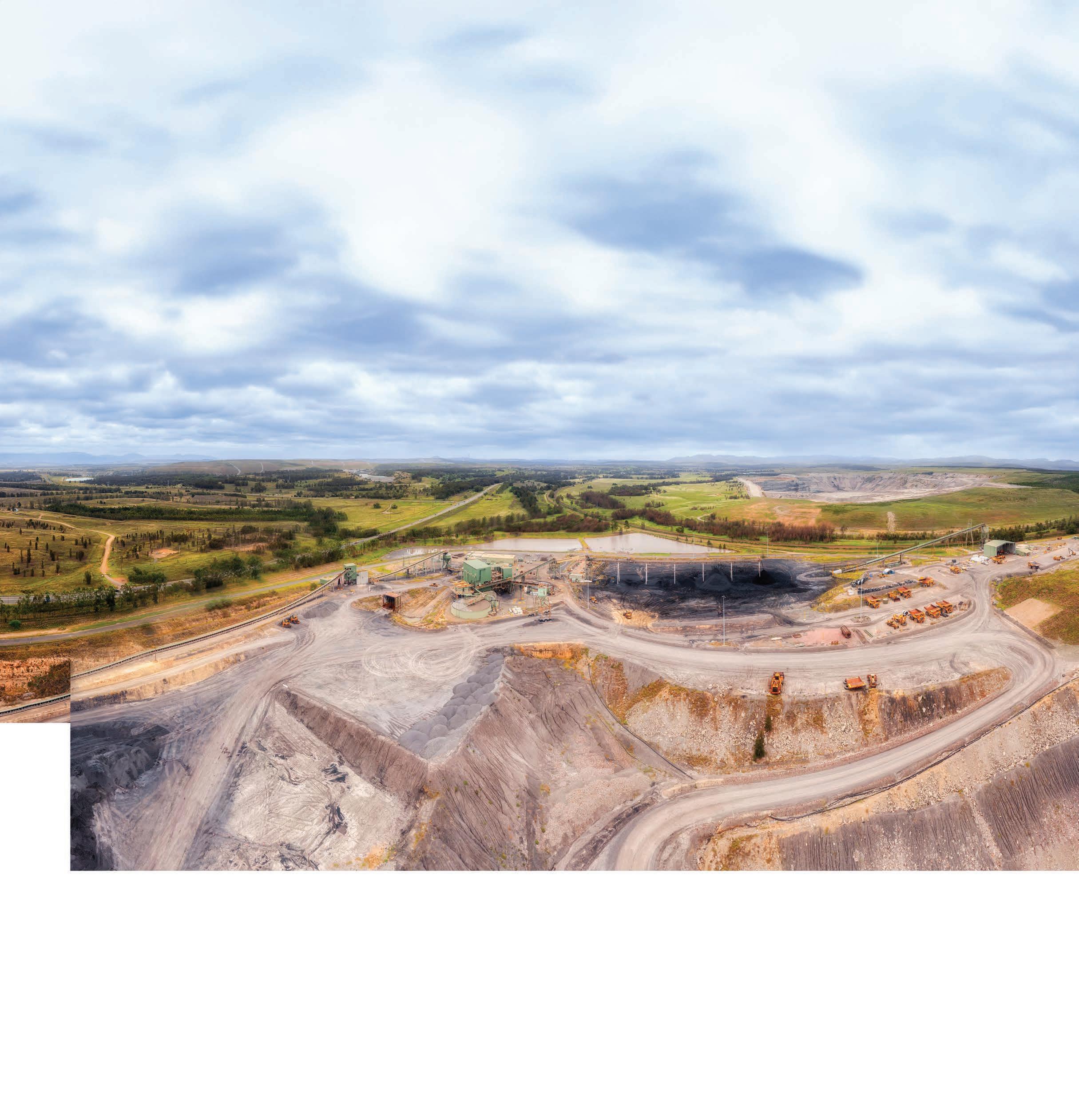

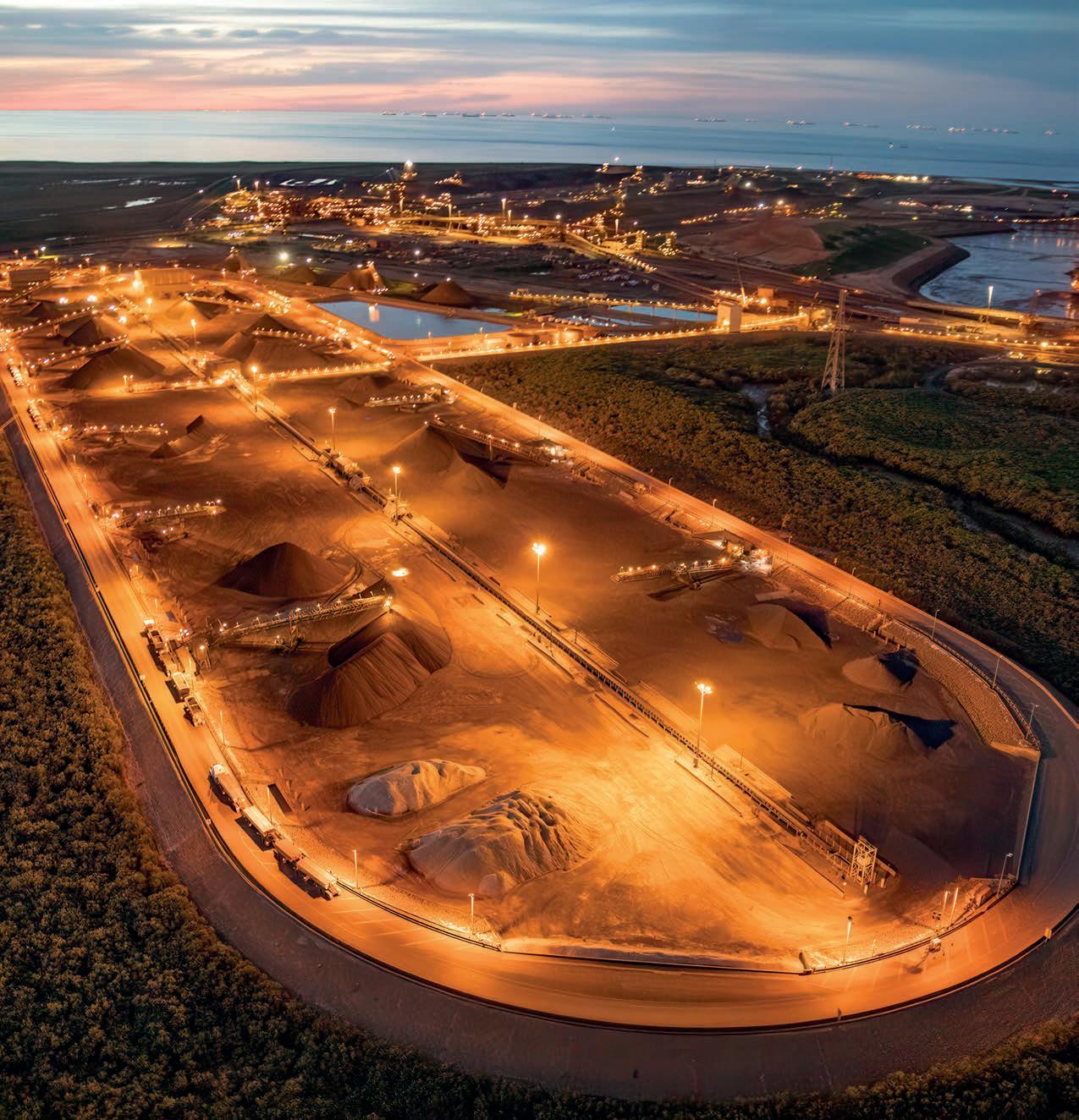
Mining is entering a new era where AI is transforming how decisions are made, risks are managed and operations are optimised.
By Hancock Iron Ore chief technology and information officer Kate Flanagan
Imagine a world where artificial intelligence (AI) helps maintenance engineers anticipate equipment failures before they happen, where microscopic rail defects can be identified automatically, and where massive datasets can be analysed in seconds to support faster and safer decisions.
At Hancock Iron Ore, that’s not a future concept – it is happening now.
While many organisations are still exploring what AI could mean for their business, our executive chairman Gina Rinehart made it clear very early on that we should lean into the opportunity. That direction encouraged us to start experimenting with AI across our operations several years ago, focusing on where it could genuinely improve safety, efficiency and decision making.
Everything we do in this space is grounded in value. We are not pursuing AI for the sake of technology; every initiative is tied to a clear operational outcome, whether that is improving safety, increasing reliability, lifting throughput or supporting better decisions.
One of the biggest differences in our approach has been building capability inside the business rather than relying entirely on external tools.
In early 2023 we established a dedicated Digital Innovation team and supported it with structured investment and governance.
The team works closely with operational and engineering teams across the business to identify real problems where AI can make a practical difference.
Since then, we have expanded this technology focus with established AI resources embedded in the maintenance and operational teams on site.
Mining is a complex environment with its own language, systems and operational realities. Developing capability internally has allowed us to design solutions around our operations, our data, our workflows and the needs of the people using them.
The team quickly began delivering outcomes. One of the first was the development of our own in-house AI language model, making Hancock Iron Ore the first mining company globally to deploy one internally.
That platform became RoyBot, a secure AI tool built specifically for our companies. RoyBot connects to our internal systems and allows employees to search documents, analyse reports, retrieve production data and access
operational insights far more quickly than before.
It has become an everyday productivity tool across the business and has helped lift efficiency, safety and decision-making across multiple teams.
The work behind RoyBot also attracted the attention of Microsoft’s global AI specialists and went on to win the 2024 Australian Business Award for Best AI Innovation.
Beyond RoyBot, our Technology and Digital Innovation teams have been working closely with operations to embed AI directly into how we run the business. AI is now embedded across safety, maintenance, daily operations and planning at Hancock Iron Ore.
Computer vision models are detecting rail and train wheel defects with far more accuracy, measuring sizer-teeth wear and estimating stockpile volumes from drone imagery. Predictive maintenance is being rolled out on rotating equipment to help anticipate failures before they occur.
In the process plant, models such as CrusherIQ, DeviationManagerX, BlendManagerX and our short-term regressions suite are helping optimise operational parameters in real time, improving yield, product quality and throughput.
Bringing our people with us Technology alone does not create transformation – people do.
We know that rapid advances in technology can create uncertainty, so we have been clear from the beginning: AI is about giving our teams better tools to do their jobs.
When used well, AI removes repetitive tasks, accelerates analysis and provides insights faster, allowing our people to focus on judgement, problem-solving and teamwork, and improving how we run our operations.
To support this, Rinehart requested we introduce an internal AI literacy and capability program to help employees build practical skills and confidence in using AI.
The program follows a belt structure inspired by Six Sigma methodology, from white belt to black belt, providing a structured pathway for employees to develop capability. Participants move from foundational understanding through to applying AI techniques and tools to help real operations.
Engagement across the business has been strong, with more than 1050 employees already completing the white

belt level and many progressing through the higher levels. Importantly, the program focuses on practical application, helping teams identify where AI can improve safety, efficiency and decisionmaking in their day-to-day work.
At the same time, we have placed strong emphasis on responsible use. Clear governance, ethical guardrails and leadership oversight help to ensure AI is deployed safely and appropriately across the organisation.
Rinehart earlier requested we encourage employees to put forward ideas where AI could be used productively, and this year we also launched an AI and Automation Shark Tank, a company-wide initiative where employees pitch ideas directly to senior leadership, with the opportunity to have their concepts trialled and if appropriate developed. More exciting ideas have already emerged.
Some of the best ideas come from the people closest to the work, so creating a pathway for those ideas to be surfaced and supported has been an important part of how we approach innovation.
Innovation has long been part of Hancock Iron Ore’s story.
From autonomous haul trucks and robotic drilling to integrated systems that help us better understand and manage our ore body, we have consistently adopted technology that improves safety and productivity.
AI is a further step in that journey.
For us, AI is not just about efficiency. It is about improved teamwork and building a safer, smarter, future-ready operation, one where technology supports more helpful and faster information, enabling our people to make better decisions and continuously improve how we run the business, always with a clear focus on maintaining that our company is the best mining company to work for.
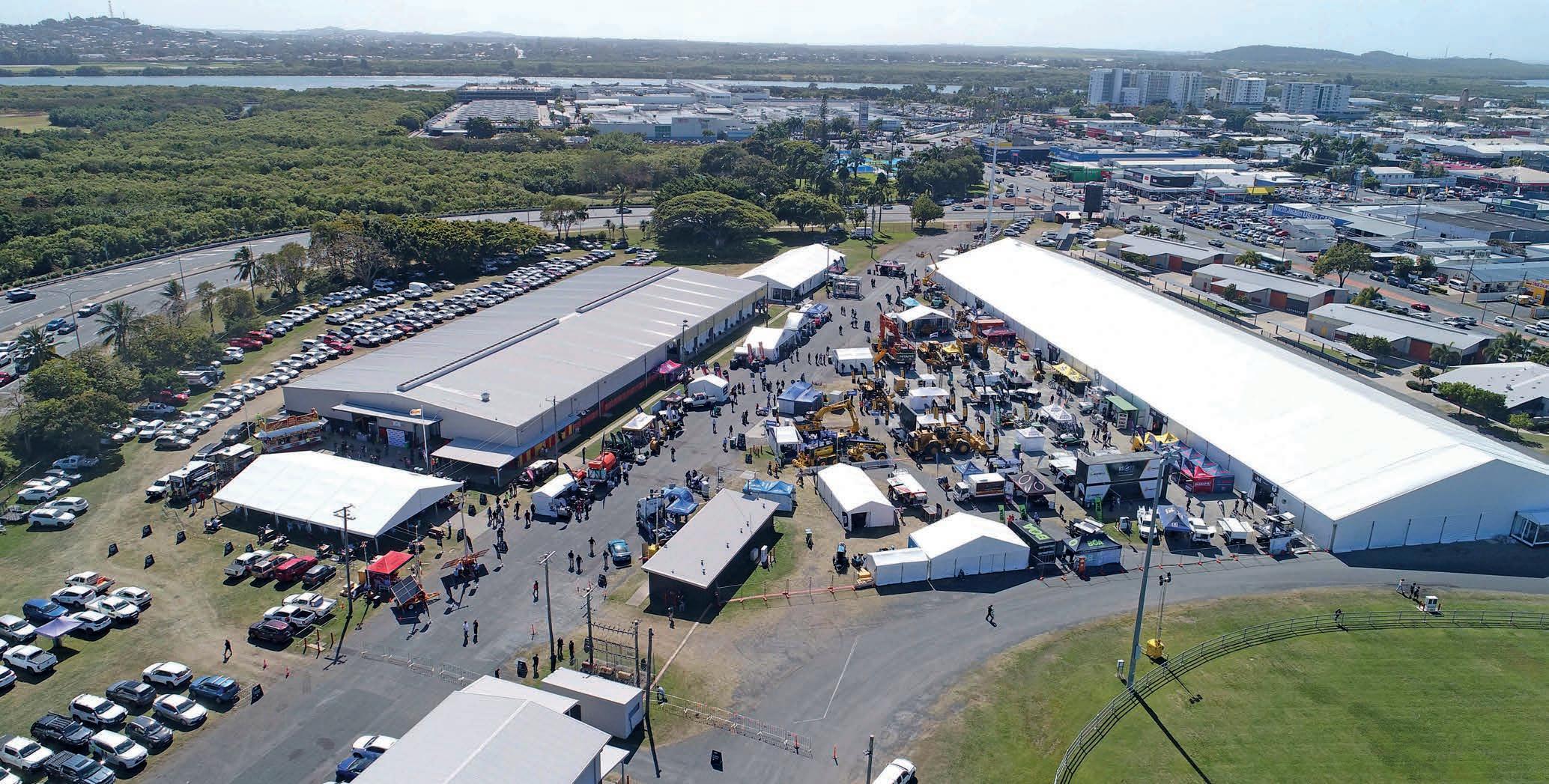
As Queensland’s mining sector enters a new period, shaped by established coal strength and rising critical minerals demand, the Queensland Mining and Engineering Exhibition (QME) 2026 is preparing to bring the industry together.
Returning to the Mackay Showgrounds from July 21–23, QME has already reached full capacity on the show floor, underscoring its standing as one of Australia’s largest regional mining gathering and most important meeting points for Queensland’s resources sector.
The event will build on the more than 5000 visitors recorded at the 2024 iteration, bringing together mine operators, suppliers, technology developers, engineers, executives and emerging innovators across three days of exhibitions, conference sessions and networking opportunities.
However, QME 2026 is moving beyond just a showcase of equipment and technology.
While the exhibition floor will once again feature the latest in mining
machinery, processing systems, digital tools and specialist services, the event’s value is in its people - the relationships formed and strengthened across the program.
Prime Creative Media show director of mining events Rebecca Todesco said QME is fundamentally about bringing the industry together.
“QME puts you in the same room as the industry’s key players, from mine operators and engineers through to executives and emerging innovators,” she said.
“These conversations lead to new contracts, new partnerships and new ideas.”
Across the exhibition floor, attendees will be able to move between heavy equipment displays, digital mining platforms, mineral processing technologies and specialist service providers, gaining a comprehensive view of how mine sites are evolving and how the equipment serving them is continuing to develop. The event also represents a key opportunity for
delegates and visitors to collaborate, engaging directly with suppliers to assess new technologies and speak with experts about how solutions can be applied to real-world operating conditions. Live demonstrations, interactive displays and hands-on showcases will help bridge the gap between concept and on-site application, giving attendees a practical understanding of how equipment and systems perform beyond brochures and technical specifications.
At the centre of this environment sits the Mining Pavilion, which will again serve as a focal point for visitors seeking direct access to major industry operators. Companies including Glencore, BHP Mitsubishi Alliance, Mackellar Group, Stanmore Resources and Whitehaven Coal will be represented, offering attendees rare access to operational decision-makers from across the sector.
“The Mining Pavilion has always been where the industry comes together,” Todesco said.
“It gives visitors direct access to the people behind major operations, while
giving mining companies a powerful platform to engage, share insights and build lasting connections.”
That access is particularly significant in a region such as Mackay, which is often described as the ‘engine room’ of Queensland’s mining ecosystem, and has long served as a hub for engineering expertise, mining services and supply chain logistics supporting the Bowen Basin and beyond.
Key opportunities discussed
While the exhibition floor will provide the practical foundation of the event, QME’s three-day conference program will explore the broader strategic and operational issues shaping Queensland’s mining future.
Key themes include the ongoing transition from coal to critical minerals, sustainability pressures, workforce development and the integration of emerging technologies into mining operations.
Speakers will include Queensland Resources Council chief executive officer
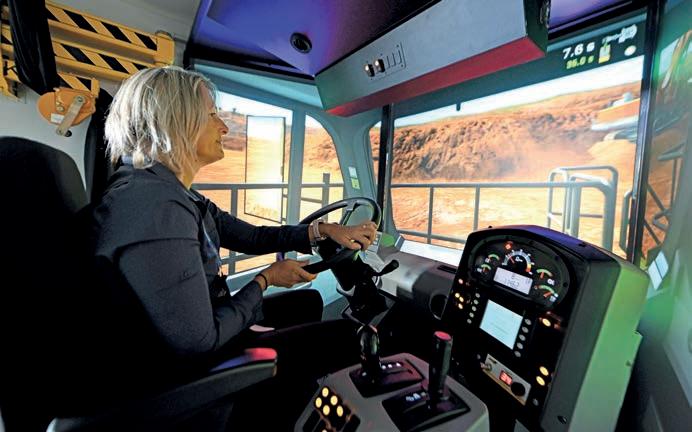
Beyond the formal program, QME’s networking ecosystem will play a major role in how the event delivers value.
The exhibition floor provides the first point of connection, but conversations are expected to continue well beyond the showgrounds.
The event’s networking functions offer attendees a chance to step away from the busy exhibition environment and continue discussions in a more relaxed setting, encouraging deeper engagement between suppliers, operators, executives and industry peers.
Hewson, Minerals Council of Australia chief executive officer Tania Constable, CSIRO senior research geophysicist Wayne Stasinowsky and Queensland Mine Rehabilitation Commissioner James Purtill, among others.
These sessions are designed to complement the exhibition by providing deeper insight into the trends and challenges shaping the sector.
They also create further opportunities for engagement between attendees and speakers, reinforcing QME’s role not just as a trade exhibition, but as a forum for industry-wide discussion and knowledge exchange.
From sustaining productivity in mature operations to building new supply chains for emerging commodities, the exhibition reflects the dual pressures and opportunities shaping the sector’s future.
Importantly, it'll do so while highlighting the crucial importance of adaptability, especially as mining companies respond to shifting market demands, regulatory expectations and technological advancement.
“Some of the most valuable moments at QME happen after hours,” Todesco said.
“The networking drinks create a space where people can connect on a deeper level, which is often where the real business gets done.”
The Queensland Mining Awards Gala Presentation Dinner will serve as another major centrepiece of the networking program, bringing together the breadth of the industry in a single setting to recognise excellence and strengthen relationships across the sector.
Combining formal dining, entertainment and industry recognition, the gala provides a unique environment for senior leaders, operators and emerging businesses to connect.
“You’re surrounded by the people driving mining forward, all in one place, all wanting to talk about the industry,” Todesco said.
“It’s a rare opportunity to connect with many key players in a single setting.”
Get your tickets at queenslandminingexpo.com.au/ attendee-enquiries
After more than two decades in development, Arafura is turning its significant rare earths ambition into brick and mortar.
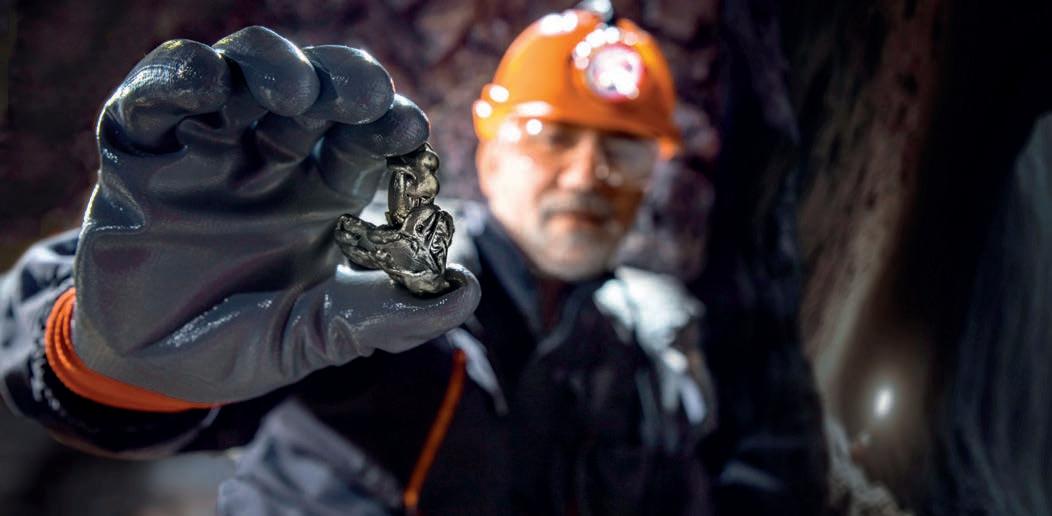
Arafura Rare Earths' final investment decision for the Nolans rare earth project marks a significant occasion where one of Australia's most anticipated developments has gone from a sought-after strategic promise to a deliverable asset.
After more than two decades of administrative work, Arafura's board has approved construction of the project, located in the Northern Territory –positioning Nolans to become Australia's first fully integrated ore-to-oxide rare earths operation.
It is now targeting formal construction activities from September 2026, with the project expected to support more than 600 construction jobs and about 350 ongoing operational roles.
The decision caps a rapid run of funding, offtake and government support announcements that have turned Nolans into a live test case for Australia's ambitions in rare earths.
The project is also one of a limited number globally capable of producing neodymium-praseodymium (NdPr) oxide outside China.
Rare earths such as NdPr, dysprosium and terbium are essential in the production of permanent magnets used in electric vehicles, wind turbines, advanced
manufacturing and defence technologies. But the market remains often constrained at the processing stage, making projects such as Nolans strategically attractive to governments seeking alternatives to dominant Chinese supply chains.
Commitments of capital, such as a $200 million investment from the National Reconstruction Fund Corporation, emphasise the project’s importance.
These cash injections have lifted total binding equity-related commitments and previously raised equity for Nolans to $911 million.
This sits alongside support from Export Finance Australia, the Northern Australia Infrastructure Facility and Germany's investment bank, KfW.
Arafura has since moved to consolidate that position, raising $350 million through an institutional placement.
The raise was supported by new and existing investors, including the largest shareholder, Gina Rinehart’s Hancock Prospecting, which committed approximately $85 million.
Upon settlement of the placement and cornerstone investor commitments, Arafura expects a pro forma cash balance of about $1.341 billion.
Rinehart noted the company’s ambitions in progressing the project: "Hancock Prospecting is pleased to
The Nolans project presents a strong case for Australia’s move to diversify the global critical minerals supply chain.
support development in the Northern Territory, and support Arafura with additional investment to enable the start of construction of the Nolan's Bore rare earths project, which will play a vital strategic role in the global critical minerals supply chain."
Commercially, Arafura has been building its customer base in parallel. A recently signed binding term sheet with Traxys North America covers 500 tonnes per annum of NdPr oxide and 7.5 tonnes per annum of dysprosium-terbium oxide over five years, adding to existing relationships with Hyundai, Kia and Siemens Gamesa.
Nolans now has 93 per cent of its targeted binding offtake volume covered through binding arrangements and government support mechanisms.
Arafura managing director Darryl Cuzzubbo said these relationships point to a broader alignment between government and industry.
"The offtake relationships we have established with Hyundai, Kia, Siemens Gamesa, Traxys and the various types of economic support provided by the Australian Government are not transactional arrangements," he said.
"They reflect a shared recognition that the diversification of global rare earth supply chains is an imperative, not merely an opportunity."

Conveyor systems remain critical to Hunter Valley mining operations as sites focus on reliability, throughput and safer maintenance practices. Image: alec/adobestock.com
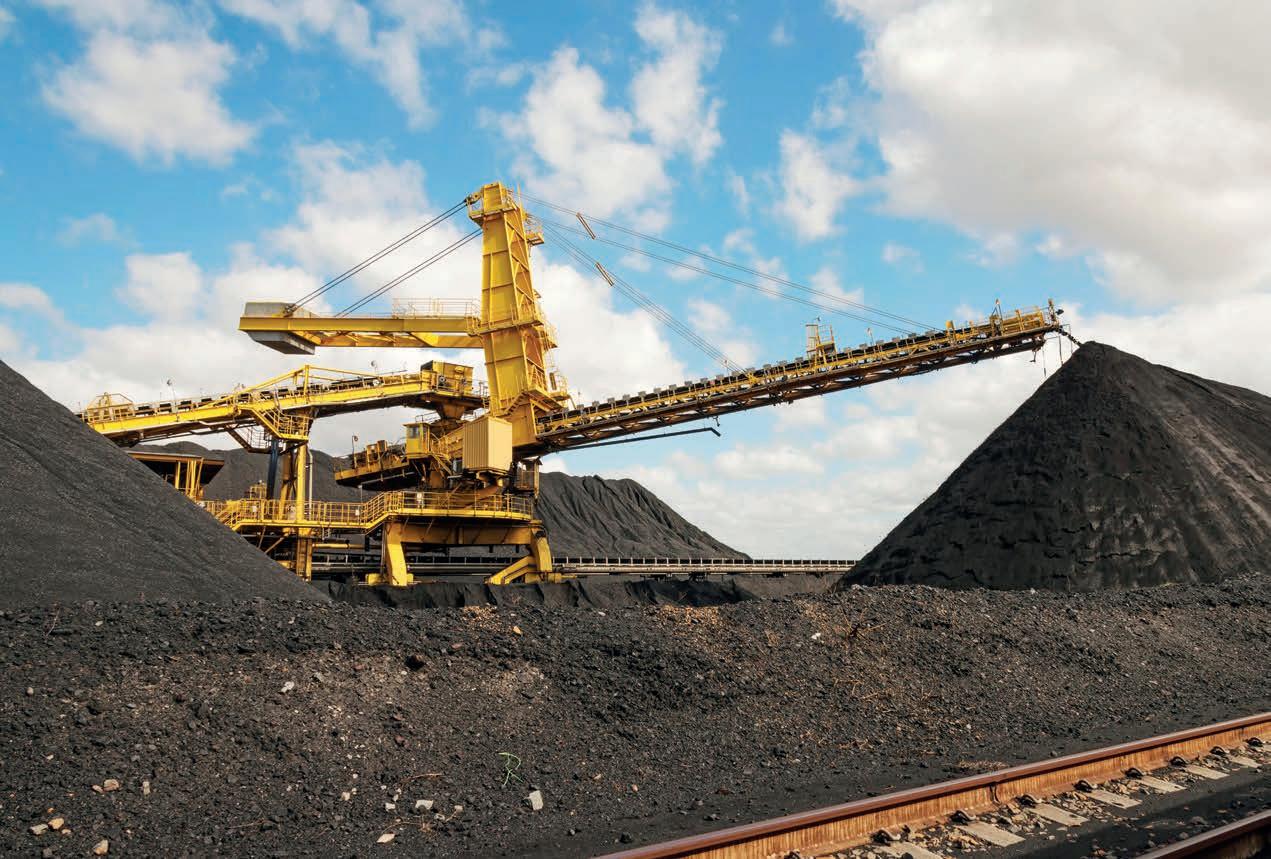
A new future-focused regional mining exhibition in the Hunter Valley is set to bring together operators, suppliers and innovators.
Australia’s storied Hunter Valley will take centre stage in 2027 as the first Hunter Valley Mining Expo (HVME) brings together key stakeholders to discuss major industry opportunities.
Running from May 19–20, 2027, at the Newcastle Entertainment Centre, the new mining exhibition is already gaining strong industry backing, with conveyor solutions specialist Flexco signing on as the inaugural sponsor.
“The Hunter Valley has long been an important region for the mining industry, so when the opportunity came up to support a dedicated event in the area, it felt like a natural fit,” the company said.
“We also work closely with many customers, distributors and industry partners across the Hunter Valley and wider New South Wales region, so supporting an event that brings the industry together locally was something we were excited to be part of.”
Purpose-built for the Hunter Valley region, HVME aims to create a platform where mining companies, suppliers and industry leaders connect around operational realities, emerging technologies and long-term opportunities shaping the area.
“The Hunter Valley continues to be one of Australia’s most important mining regions, and we see strong opportunities both in the coal industry today and in
how the region continues to evolve for the future,” Flexco said.
“It’s an exciting time ahead because we’re seeing operators place strong focus on conveyor reliability, safer maintenance practices, and improving productivity across their operations.
“We’re also seeing growing interest in smarter technologies, including conveyor monitoring and asset management solutions that help sites improve performance and maintenance planning.”
The mining event will showcase suppliers across six major industry verticals, including exploration and drilling, extraction and processing, engineering and maintenance services, technology and software, energy solutions, and specialised consumables.
A dedicated Mining Pavilion will also shine a spotlight on local businesses and industry associations, showcasing the capability of the Hunter Valley’s regional supply chain while fostering direct engagement between operators and front-line mining professionals.
The conference program will deliver a single-stage agenda featuring technical experts, case studies and operational insights tailored specifically to the region, spanning operational efficiency, innovation and the ongoing transition of the coal sector.
To Hunter Valley operators, those themes are closely tied to the practical
challenges of keeping large-scale coal operations moving safely and efficiently.
“Operators are focused on reducing downtime and increasing throughput, with many sites moving toward extended shutdown cycles, higher tonnages, and faster conveyor speeds,” Flexco said.
“As belts become thicker and systems run harder to meet production demands, there’s a growing need for conveyor solutions that can keep up with these conditions while maintaining reliability and performance.”
As Flexco reflects on one part of the supply chain, the broader HVME program is designed to bring together a range of suppliers, operators, and technical specialists to discuss the pressures shaping the region’s mining future.
These include smarter maintenance practices, predictive technologies, and the growing need to support workforce capability as new workers enter the industry.
“We provide on-site, online and in-class training to help teams better understand their conveyor systems and apply best-practice maintenance to improve long-term reliability,” Flexco said.
Flexco plans to showcase a combination of established conveyor solutions alongside newer technologies aimed at helping operators transition toward more data-driven maintenance strategies at HVME.
It will also feature products widely used across the Hunter Valley, including the XP Staple Fastening System, which it said is widely regarded as a marketleading solution for underground coal applications due to its strength, reliability and ease of installation.
“We’re looking to showcase a mix of our latest innovations, including the Flexco Elevate belt cleaner monitoring and belt rip detection technologies, and how these solutions are changing the way maintenance teams monitor and manage their conveyor systems,” the company said.
Beyond the exhibition, HVME looks to create a focused platform for industry collaboration, with a dedicated networking drinks event for attendees to connect.
Flexco said that this spirit of collaboration is exactly what made supporting the inaugural event so important.
“Being involved from the inaugural stage was about showing our support for the Hunter Valley region and the
The Hunter Valley remains one of Australia’s most important mining regions, with operators continuing to adapt to changing industry demands.
Image:169169/adobestock.com

communities connected to the mining industry,” Flexco said.
With strong industry momentum already building, HVME is shaping up to become a major new platform for
connection, innovation and collaboration across the Hunter Valley region.
For more information, visit huntervalleyminingexpo.com.au
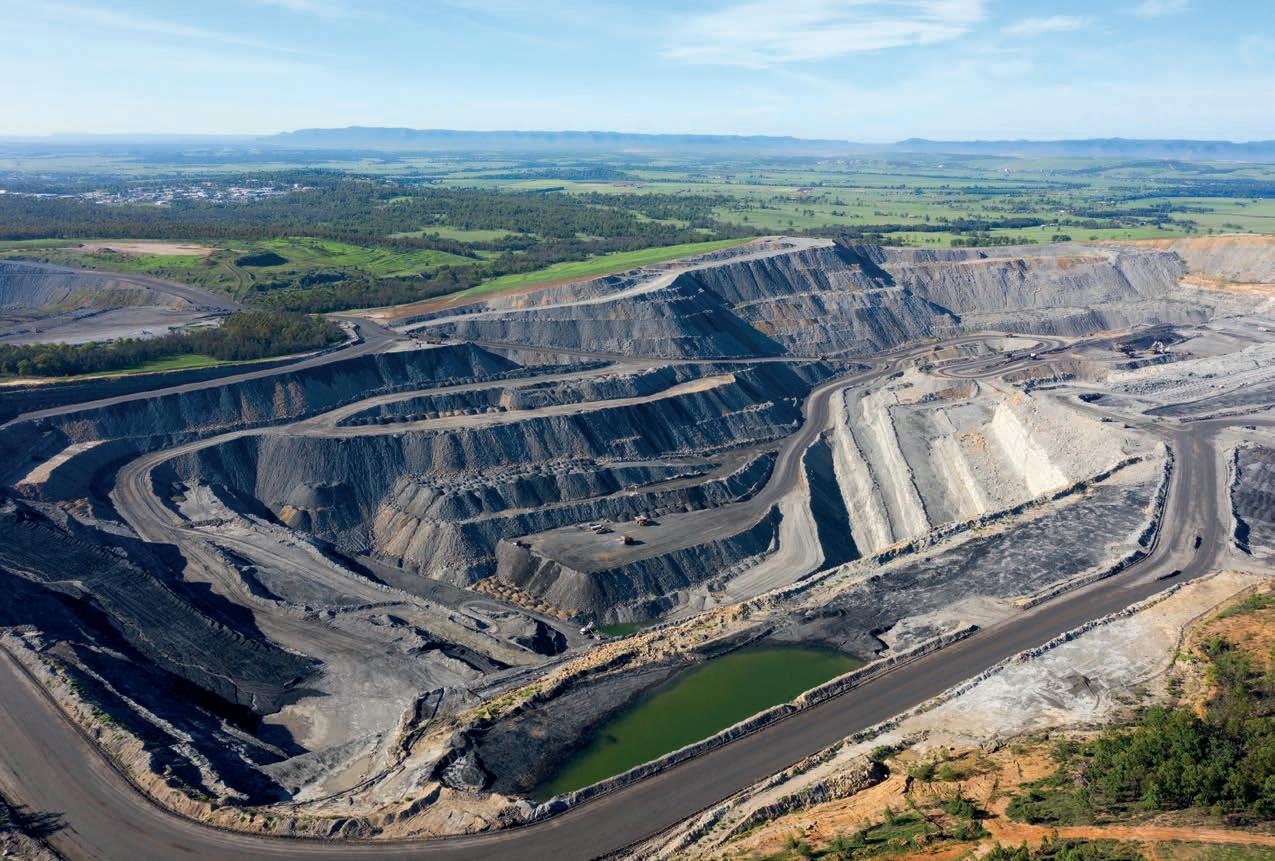
The 2026 Prospect Awards will spotlight the people, projects and technologies shaping the next phase of Australian mining.
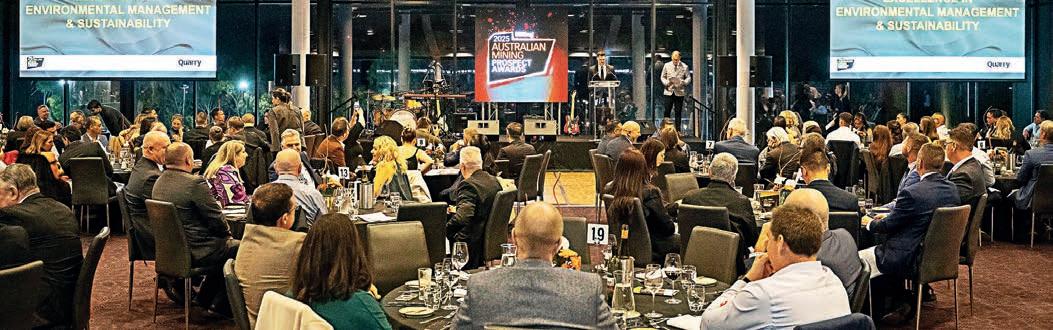
As Australia’s mining industry continues to navigate shifting expectations around productivity, sustainability, workforce capability and community value, the 2026 Australian Mining Prospect Awards are returning with a refreshed program designed to reflect the sector’s changing priorities.
Long regarded as one of the sector’s leading national awards programs, the Prospect Awards recognise the companies, projects and individuals contributing to excellence across mining and minerals processing.
For more than a decade, the awards have provided a platform to celebrate the achievements, helping shape one of Australia’s most important economic pillars. This year, the ceremony’s platform will expand further with new and updated categories reflecting the forces now influencing how mines are designed, operated, rehabilitated and supported.
“The Prospect Awards have always been about recognising the people, projects and ideas that push Australia’s mining industry forward,” Prime Creative Media head of awards and conferences Caitlyn Douglas said.
The refreshed category line-up points to an industry balancing traditional measures of operational excellence with newer expectations around decarbonisation, digital transformation, social licence and workforce wellbeing.
Among the new additions is the Excellence in Mine Site Rehabilitation and Closure award, recognising innovative approaches to environmental restoration that reduce emissions, minimise waste and support long-term sustainability outcomes.
Closely aligned with this is the new Sustainability Innovation category, which will celebrate initiatives driving decarbonisation, electrification and greener operations across the industry.
The Community Engagement award will also place a sharper focus on social impact, recognising companies delivering meaningful social, economic and environmental benefits through strong relationships with local stakeholders.
Leadership and workforce development remain central themes in the 2026 program. The Mining Leader of the Year category will acknowledge individuals demonstrating exceptional strategic vision and operational leadership, while the Rising Star award will spotlight emerging professionals making a significant earlycareer impact, who are helping shape the future of the sector.
The program also recognises the companies and service providers helping the industry grow. Emerging Miner of the Year will celebrate companies in their growth phase that are demonstrating strong performance, innovation and clear potential to become major industry players, while Mining
Contractor of the Year will recognise service providers delivering measurable value through innovation and strong operational partnerships.
As mining accelerates its digital evolution, the Excellence in Digital Transformation award will highlight companies leveraging technologies such as artificial intelligence and data analytics to improve productivity and operational performance.
Workforce capability and wellbeing are also firmly in focus, with Education and Training Program of the Year and Excellence in FIFO Workforce Experience acknowledging organisations investing in skills development, safety, culture and employee wellbeing across remote and fly-in, fly-out operations.
Operational achievement remains a cornerstone of the awards. Excellence in Mineral Processing will recognise improvements in recovery rates, efficiency and sustainability outcomes, while Excellence in Autonomous Operations will highlight the growing role of automation in improving safety and productivity across mine sites.
Finalists will be announced on July 27, with the 2026 Prospect Awards again providing a national stage for mining’s standout performers.
The awards will be held on Wednesday, September 16, in Perth. For more information, visit prospectawards.com.au

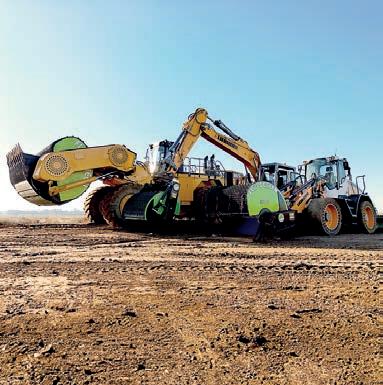
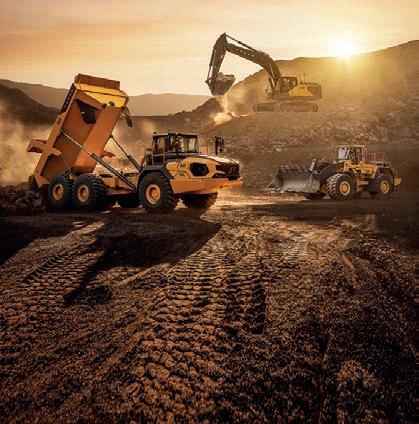
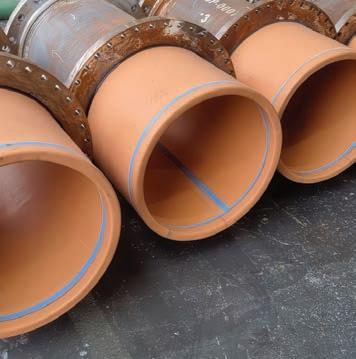

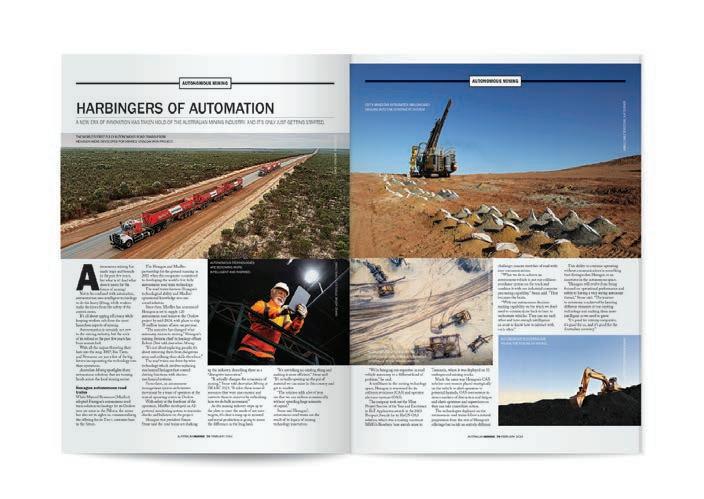
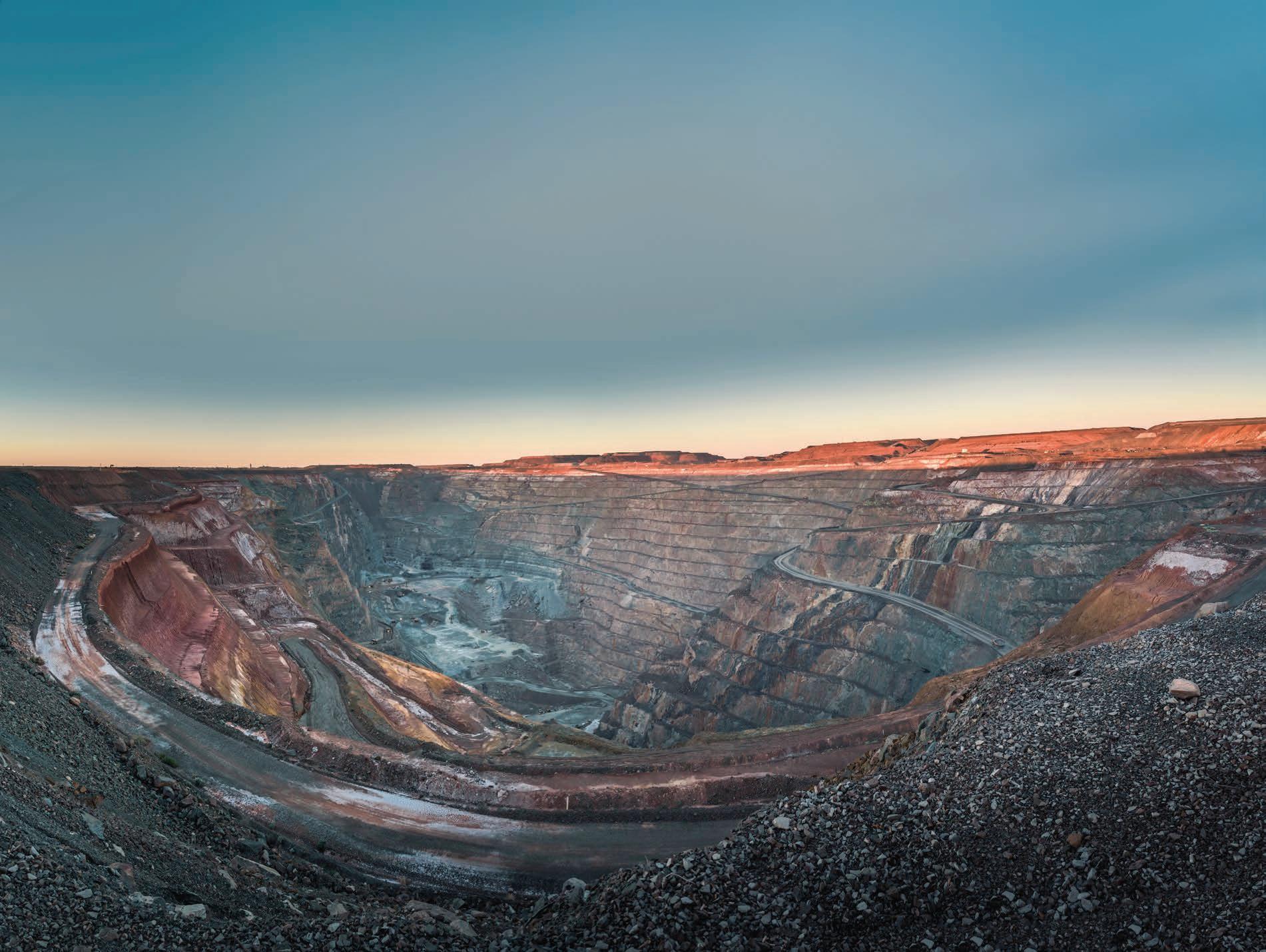
• Access unparalleled industry insights, news and trends.
• Explore exclusive interviews, business profiles, newsworthy innovation, and the latest on regulation.
• Australian Mining provides all information in one reputable source.

& Dealers
Mining Forum 2026
August 3–5, 2026
Goldfields Arts Centre, Kalgoorlie, WA
Diggers & Dealers is Australia’s leading mining forum, combining corporate presentations by mining and exploration companies alongside a large exhibition area housing over 159 exhibitors from the sector. Delegates include miners, explorers, brokers, bankers, investors, financiers and mining service industries from around the world.
The event provides a unique opportunity for industry professionals to meet and network, visit regional mine sites, raise finance, invest in projects and engage with the resources sector at an executive level in a mining community setting, Kalgoorlie, the unofficial gold mining capital of Australia.
• www.diggersndealers.com.au
Women in Mining Summit 2026
August 25–27, 2026
Brisbane, QLD
The Women in Mining Summit 2026 will bring together mining leaders, operators and industry professionals for a programme focused on strengthening leadership capability, advancing workplace inclusion and supporting longterm career growth across the sector. Built around the question of how mining can create an industry where the best people succeed regardless of gender, the summit will feature real-world case studies from organisations driving meaningful change, alongside interactive discussions, networking opportunities and practical insights designed to foster collaboration and shared learning across the industry.
• www.womeninminingsummit.com.au
Health, Safety, Environment & Community Conference and Awards 2026
August 2–5, 2026
Rydges Resort Hunter Valley, NSW
The 2026 NSW Mining HSEC Conference and Awards brings together industry leaders, professionals, and decisionmakers to explore operational safety, workforce wellbeing, environmental management, and community engagement. Featuring expert panels, case studies, and networking opportunities, the event promotes leadership, professional development, and collaboration.
• www.nswmining.com.au/events/ health-safety-environmentcommunity-conference-andawards-2026/
International Mining and Resources Conference + Expo (IMARC) 2026
October 27–29, 2026
ICC Sydney, NSW
IMARC is one of Australia’s premier mining industry gatherings, bringing together global industry leaders, investors, technology providers and policy-makers under one roof.
Attendees will explore topics from project development and investment to ESG, operational excellence, mine digitisation, and sustainable mining practices across a packed-out conference program and vast exhibition show floor.
With over 500 exhibitors showcasing cutting-edge technology, machinery and services, IMARC provides a unique opportunity to discover innovations shaping the future of mining — alongside networking with peers from more than 120 countries.
• www.imarcglobal.com
Mine Health and Safety Conference 2026
October 5–7, 2026
Pan Pacific Perth, WA
The Mine Health and Safety Conference 2026, organised by AusIMM, is a leading industry forum dedicated to improving health, safety and wellbeing across mining operations.
Attendees, including safety professionals, site leaders and regulators, will explore risk management, critical controls, ergonomics, equipment safety and workforce wellbeing. The event features expert panels, technical sessions, and networking opportunities.
• www.ausimm.com/conferences-andevents/mine-health-and-safety/
Ground Support 2026
November 17–19, 2026
Sofitel Brisbane Central, Brisbane, QLD
Ground Support 2026 brings together mining professionals, geomechanics experts and underground-mining practitioners to focus on ground support design and rockfall mitigation - a critical safety concern in underground operations.
Themes include mechanised support installation, support for dynamic conditions, corrosion-resistant systems, instrumentation & monitoring, numerical modelling and case studies. The symposium offers technical papers, networking, professional-development credits and exhibition-level engagement.
• www.acggroundsupport.com
16-17 September 2026
Perth