









This issue has a section on Battery, robotics and sustainable tech.
At first glance, seeing that section may initiate a groan of, ‘What. More on battery power?’








I can understand that, but my response is, ‘Yes! You bet!’
Battery technology is moving ahead so fast it’s di icult for a bi-monthly magazine to keep up with it. It’s not just that battery life is increasing. Batteries are weighing less, costing less, and becoming more e icient, seemingly day by day.
I made no secret of my admiration for Kress products when they were launched here in Australia a few years ago. It seemed to me the Kress system answered the biggest argument against battery power for tools. Recharging 60-volt, 8Ah batteries in eight minutes meant there was no need for downtime, even if there was only a single battery available.
Now, as you’ll see in this issue, STIHL is about to release a new battery system, and, again, I freely admit my admiration for STIHL equipment. My long-su ering STIHL chainsaw was possibly the most neglected chainsaw on the planet, and while the competition in that area is tough, I’m willing to defend the claim. But it struggled on for more
than a decade, being misused and abused until I finally lost track of it in a flood. I’m keen to see how the company’s new battery stacks up (hats o to STIHL for ensuring the new system is backwards compatible with all tools using its existing AP system).
On a much larger scale, I’ve been interested to watch the progress of battery power in work vehicles. Marc Worner’s column last issue covered some of the salient points of converting to electric for vehicles and plant. In the case of diesel excavators and loaders becoming viable, battery technology is only part of the equation. The volatility of fuel costs has a direct bearing on that cost e ectiveness, and with the state of play in that arena of late, diesel’s not looking too inviting.
For landscapers it’s the compact machines that are most under consideration, and it’s those smaller machines that are making the most of on-board electric power. Have a look at where LiuGong is up to in the Battery, robotics and sustainable tech section. A loader, skid steer and mini excavator are available now and ready for work. Not only that, but LiuGong has begun setting up infrastructure to support the machines.

It’s interesting to watch the balance between supply and demand shifting as the various market forces come into play. I bought diesel at under $2.00 per litre this week, but the 26 cents-per-litre fuel levy the government dropped at the peak of the crisis will soon be reinstated. That will create another ripple in finances and set everyone thinking again.
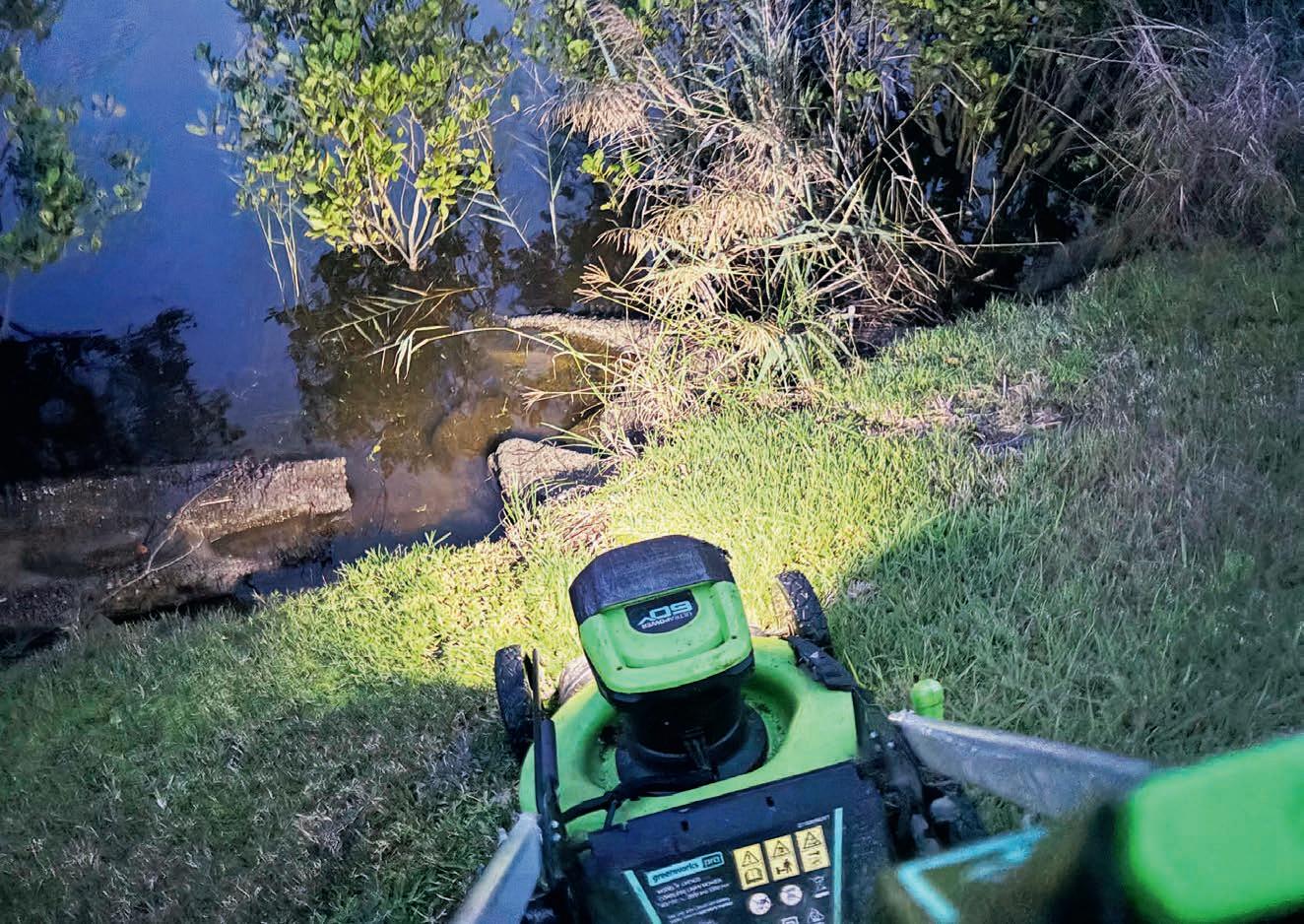
Meanwhile, although my lawncare equipment has been electric for a while now, I recently discovered another advantage o ered by my battery-powered mower: it has LED illumination.
With the days being short and the grandchildren scheduled to visit, I found myself out mowing just on – and a little after – dusk. The riverbank needs to be kept in good order so everyone can fish without the frustration of entanglement and snags, and as darkness descended I was surprised at how e ective those LEDs were. Battery power’s for me.
You could almost say I’ve seen the light.
Tom Foster Editor










CEO Christine Clancy Chairman
John Murphy
National Advertising Manager
Joanne Davies
joanne.davies@primecreative.com.au Ph: +61 434 785 611
Publisher
Sarah Baker
Editor
Tom Foster
tom.foster@primecreative.com.au
Production Editor
Michelle Alder
michelle.alder@primecreative.com.au
Design
Danielle Harris
Jacqueline Buckmaster
Subscriptions
P. +61 3 9690 8766
subscriptions@primecreative.com.au
Website landscapecontractor.com.au
Copyright Landscape Contractor magazine is owned by Prime Creative Media and published by John Murphy. All material in Landscape Contractor magazine is copyright and no part may be reproduced or copied in any form or by any means (graphic, electronic or mechanical, including information and retrieval systems) without written permission of the publisher. The editor welcomes contributions but reserves the right to accept or reject any material. While every e ort has been made to ensure the accuracy of information, Prime Creative Media will not accept responsibility for errors or omissions, or for any consequences arising from reliance on information published.
The opinions expressed in Landscape Contractor magazine are not necessarily the opinions of, or endorsed by, the publisher unless otherwise stated. © Copyright Prime Creative Media, 2026.
Articles All articles submitted for publication become the property of the publisher. The editor reserves the right to adjust any article to conform with the magazine format.
Head O ice 379 Docklands
P:
Sydney

























When you have real work to do, you can rely on your Hustler to front up day after day, year after year.
Proudly American made for over 60 years, every Hustler mower is built with the same uncompromising commitment to quality and reliability.
Leaders in innovations that really matter and with the power to perform, so you know that your Hustler is Here to Work.









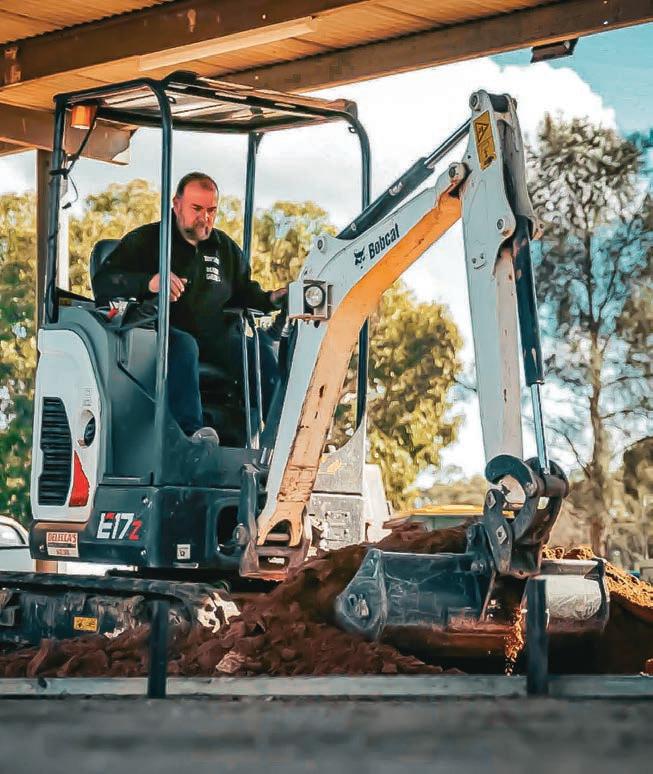
*1.99% over 36 month finance is offered on new Bobcat excavators on a chattel mortgage with 10% deposit required, followed by equal monthly repayments and no balloon. Finance is subject to credit approval and is only available to approved ABN holders. Not available in conjunction with any other offers. Terms and conditions apply. For further details, contact Clark Equipment.









Horticulturist John Gabriele explores the history of, and forecasts a future for, edimentals.
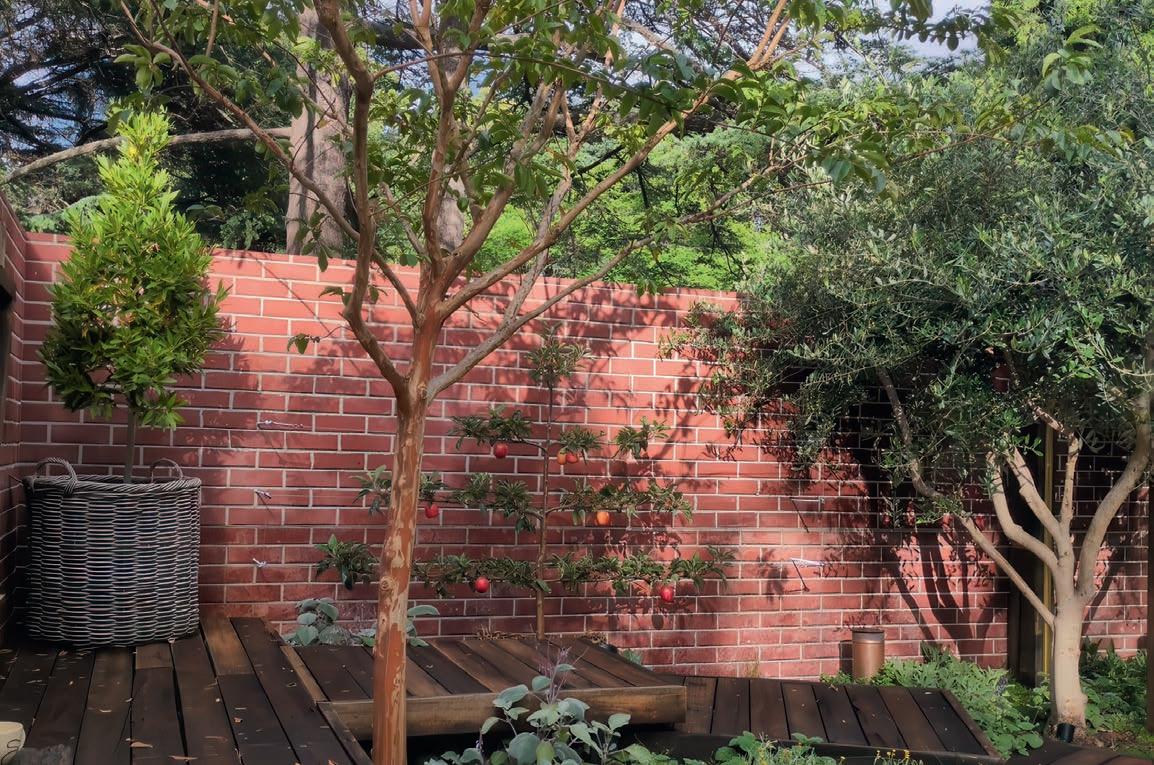
Espaliers, standards and pleached hedges provide improved yields throughout the year.
As the pressures of the federal budget reforms pinch, interest rates continue to rise, and global uncertainty remains front and centre in the news, the trend towards sustainable, productive landscapes has never been more popular. This is particularly the case with edible landscapes. People are looking for the certainty and security that can be found in the urban garden.
Edible gardens have been a part of gardening history for centuries, and garden layouts dating back to medieval and Renaissance Europe continue to influence modern garden design.
The old days Medieval edible garden designs were mostly, but not entirely, utilitarian.
In the 13th century the German friar Albertus Magnus wrote one of the earliest
known texts on garden design, De Vegetabilibus. The work included instructions on how to create a lawn and gave directions for laying out a herb garden, recommending the lawn at the centre be surrounded by borders of sweet-smelling herbs such as rue, basil, and sage. These medieval healing gardens developed the concept of raised planter beds commonly used today in ediblegarden design.
Medieval gardens were more than just functional in terms of the plants grown for edible and medicinal purposes; they were pleasure gardens that emphasised elements still associated with ornamental gardens that focus on enclosure, intimacy, and fragrance.
The utilitarian gardens of the 15th century were made up of several small square or rectangular beds arranged in a simple grid pattern. The paths between the beds allowed

easy access to the plots – a design still used in modern vegetable gardens. Grid designs are both functional in form and visually pleasing in their simplicity and neatness.
Useful and decorative
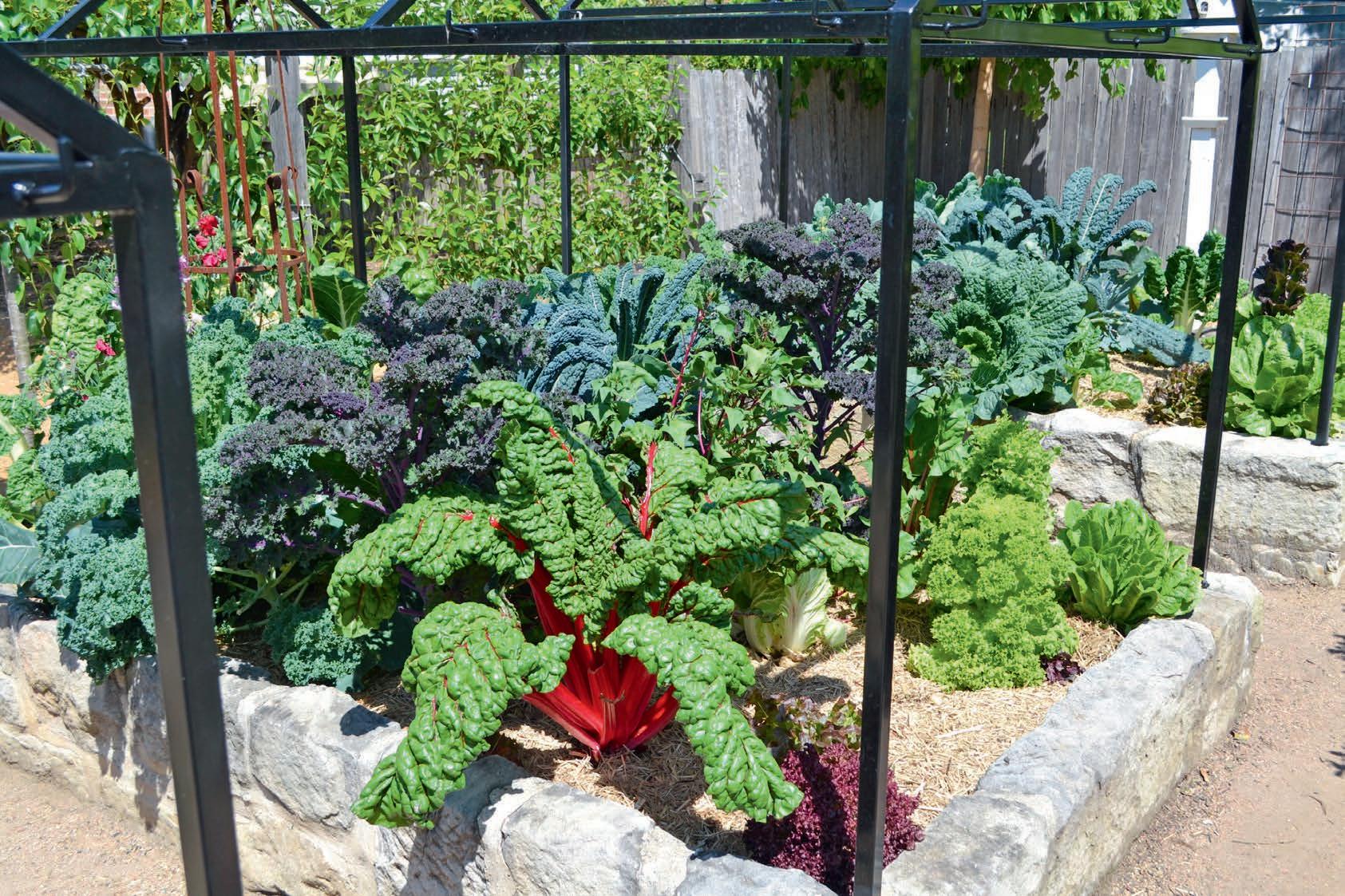
As in the Middle Ages, the formal gardens of the Renaissance favoured all sorts of enclosures, including brick, stone, wattle fencing, or hedges. Today, kitchen and vegetable gardens are often enclosed to keep out pests such as rabbits, kangaroos, or deer.
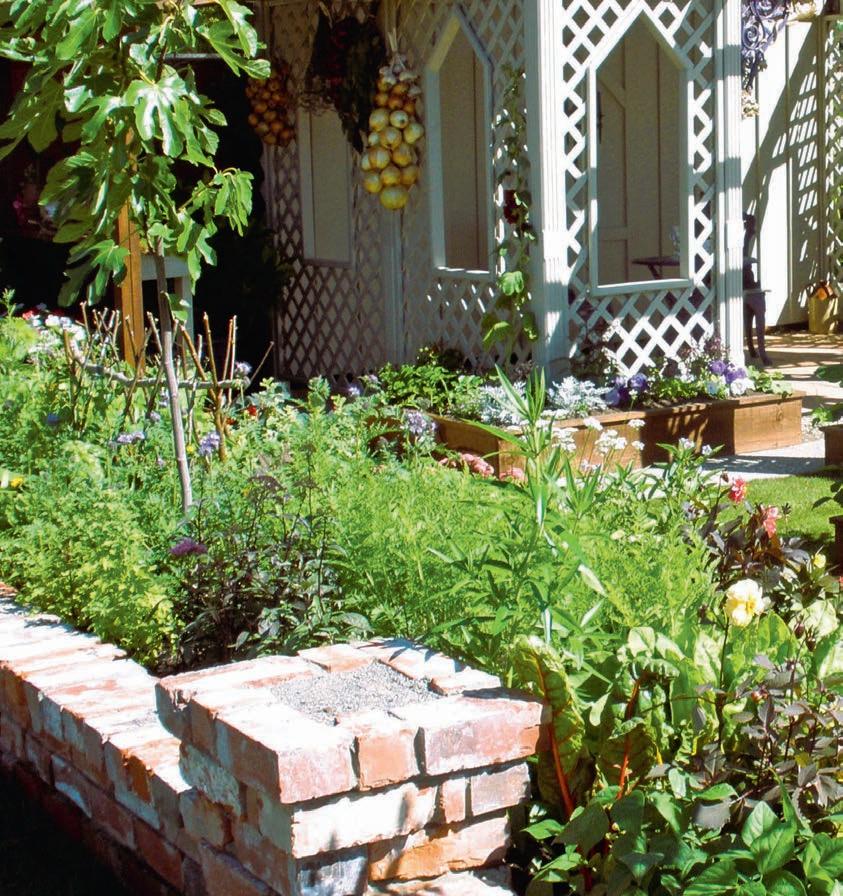
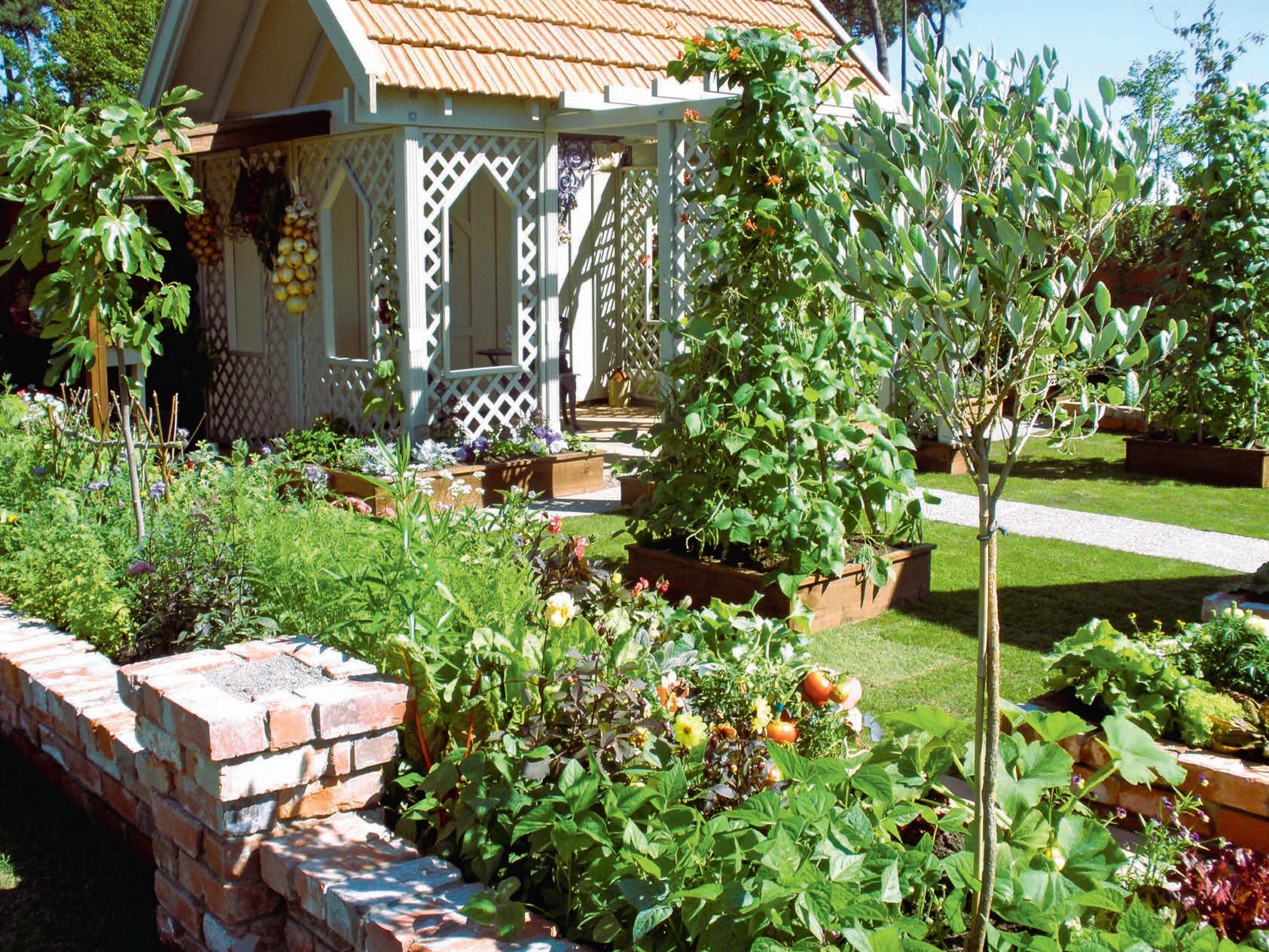
In the 18th and 19th centuries, farmers and householders mixed vegetables, herbs, fruits, and flowers in a single garden. Currently, there is increasing interest in the ornamental qualities of vegetable and herb gardens. In the past 20 years the plant list for ornamental edible plants – those called ‘edimentals’ – has greatly expanded. Included now are
new colour forms and cultivars of fruit trees, herbs and vegetables, long grown for their usefulness, but now also for providing a more interesting aesthetic in overall garden design.
The rise of edimentals
Australian landscapes and urban gardens are a rich and varied design tapestry, from the contemporary minimalist styles to the traditional cottage garden, native, Mediterranean, Oriental, lush tropical, and artist gardens. There is also a growing number of edible gardens based on permaculture design principles and eclectic gardens that don’t conform to any design standard. Edimental landscapes can be just as aesthetic as any other design category, with careful consideration of plant characteristics such as function, form, colour and texture.
The trend towards edimental plants and sustainable landscapes has risen postCOVID, when the importance of green spaces was highlighted, and that has opened new ground for many landscapers to value add to their services o ered. It requires a deep knowledge of horticultural principles and practices to maintain edimental plantings and vegetable gardens e ectively. Specialist amenity pruning is important where edimentals, such as deciduous fruit trees and shrubs, are included in an installation. They are often installed as espaliers, standards and pleached hedges, providing both improved yields and interest throughout the year. In the case of vegetables, where raised beds and wicking systems require specialist media, subsurface drainage for plant performance requires regular ongoing maintenance.
Landscape maintenance programming for edimental installations can be a lucrative market opportunity.
Vertical gardens are also breaking new ground in edible gardening. They are all about maximising the space available to growers. Vertical garden systems are as varied as the plants they can support, and design is only limited by the imagination. They can be installed indoors or outdoors in residential, commercial, and luxury projects to enhance visual appeal, improve air quality, and provide natural insulation. The inclusion of edimentals into a vertical garden system can produce surprising amounts of fresh food.
Size does matter
Downsizing is a trend that’s permeating our lives, including the size of our cars, houses

and open spaces. It’s no wonder the plants grown in landscapes are also subject to the phenomenon.
As space becomes a premium feature in modern housing developments, gardens have become the domain of dwarf plant varieties. But plants being small in stature doesn’t mean they have to be small in terms of rewards, particularly when it comes to edimental fruit trees.
Homegrown produce will continue to grow in demand as we become more aware of the importance of fresh produce and the therapeutic benefits of cultivating edible crops in the urban landscape. Some nurseries are reporting that 80 per cent of sales of fruit trees in the past few years have been for dwarf varieties – an indication of where consumer sentiment is heading.
Landscapers can increase the number of plants cultivated in an area, and the diversity of fruits for a client to harvest, by selecting dwarf varieties of fruit trees. Selecting multiple grafted plants takes it to another level. Multi-grafted dwarf fruit trees – where more than one type of fruit is grown on a single tree – are available across citrus varieties, stone and pome fruits. Management of multi-grafted plants does require a little more attention, but they are worth the e ort.
Blueberries are also the subject of downsizing.
Blueberry Kisses®, an Australian-bred evergreen, is a naturally dwarfing, selfpollinating Blueberry variety producing enormous fruit. The fruit size and dwarfing have been achieved by traditional plant breeding methods developed over many years, and it’s a low-chill variety, flowering and fruiting over a four to six-month period with high yield. The strain has been successfully trialled in both hot and cold climates in Australia, and best of all, Blueberry Kisses® performs well in containers and only grows to a height of one metre with a 0.75m spread. It’s ideal for any garden where space is limited.
The edimental garden is unique in its ability to integrate design and productivity, turning a whole garden into an edible landscape.
Herbs and vegetables provide an interesting aesthetic in overall garden design.
As we become more aware of the benefits of home gardening, community gardens, and food security, edimental garden design will continue to gain traction. It’s not too late to jump on board, despite the train already having left the station.

Horticulturalist and licensed structural landscaper Marc Worner highlights the benefits of preparation.
L andscapers do a lot more than just build spaces for people to enjoy or work in. Many hours are spent building a body of material to complete the planning phase of each project. Meetings with clients and builders to discuss structures, types of spaces, amount of green cover, sun and shade, trees and gardens, stormwater requirements, materials mix, and soils are all vital to ensuring a well-run project and a satisfied customer.
And that’s not an exhaustive list. Like all successful landscape projects,
preparation before execution is the key. Carpenters say: “Measure twice, cut once.”
For most new projects, owners lodge a development application (DA) or complying development certificate (CDC) with council. Beforehand, the owner and builder get input from the trades involved in the prospective project. Then, if it’s a DA, the owner lodges the documents with council. Alternatively, for a CDC, the owner and builder may choose a private certifier, who in turn submits the plans

on the NSW Government’s planning portal.
More and more owners these days are being encouraged to lodge a CDC to get the ball rolling faster. A CDC is a fast-tracked, combined planning-and-construction approval for straightforward new builds such as houses, renovations, and granny flats. It allows projects that meet specific, pre-determined standards to skip a DA, with approval often granted by a private certifier in about 20 days – compared with up to six months for a full DA from a council.
To qualify, the project must meet strict,
The idea is to explore pre-approved, sustainable housing designs that can fasttrack the planning approval process for terraces, townhouses, manor homes, and mid-rise apartments.
The book reveals:
• Homes designed by award-winning architects;
• a fast-tracked planning pathway;
• technical drawings to get a project team started;
• pattern-specific layouts and material options;
• landscape planning instructions and plant lists; and
• technical guidance for a planning application.
Search ‘NSW Housing Pattern Book’ to visit the website.
Try to use warmer-coloured lights where possible in gardens. Image: Odua Images/stock.adobe.com
but they can also help reduce urban heat, absorb stormwater, and store carbon. The Landscape Design Guide aims to assist in creating landscapes that nurture people, the environment, and future generations. These designs will result in outdoor areas that o er shade, privacy, fresh air, and space to relax and entertain.
Landscape Design Guide suggests that courtyards for mid-rise apartments should feel like shared living rooms – intimate, shaded spaces that encourage both community gathering and quiet escape, including space for structured activities and passive recreation.
TIP: Remember to install a notice board and shared book and toy library. It’s a community, after all.
Plant selection and materials should respond to the microclimate, with seating and lighting designed for comfort and safety for all ages.
Design for privacy and a filtered view. Use soft screening to reduce overlooking into nearby apartments and always consider acoustic privacy in dense developments to minimise the noise impact on surrounding apartments. In apartment buildings, noise must not disturb neighbours at any time.

A companion publication, the NSW Housing Pattern Book Landscape Design Guide, is available as a free download from the NSW government website and provides practical and performance-based advice on developing landscape designs and plans for low- and mid-rise pattern-book developments. It makes it easier to create a landscape plan that meets all legislative requirements in less time and covers landscape approaches for common outdoor areas in low- and mid-rise developments. These include front yards, backyards, courtyards, side passageways, rooftops and communal areas.
Local character is defined as much by front yards as front façades. Gardens add value to a home and a neighbourhood,

pre-set criteria set out in the NSW State Environmental Planning Policy (Exempt and Complying Development Codes) 2008 (Codes SEPP). If the project is complex, unusual, or does not meet all criteria of the Codes SEPP, a full DA will be required instead. Visit planning.nsw.gov.au for more information.
To make the bureaucratic approval process faster and smoother in some cases, the NSW Government has introduced the NSW Housing Pattern Book
Plant selection and materials should respond to the microclimate, with seating and lighting designed for comfort and safety. Image: Jezper/stock.adobe.com
Problems related to noise include stressrelated illnesses, high blood pressure, speech interference, hearing loss, sleep disruption, and lost productivity.
TIP: The best sleep sound for calming anxiety is called ‘pink noise’ and includes
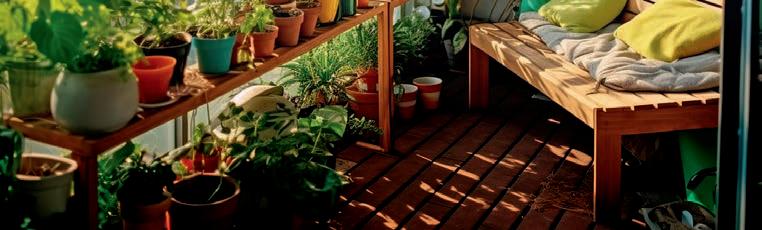

things like the soothing sounds of gentle rain falling, ocean waves, and wind. Water features work a treat, and with good management the landscaper can score the maintenance contract for them.
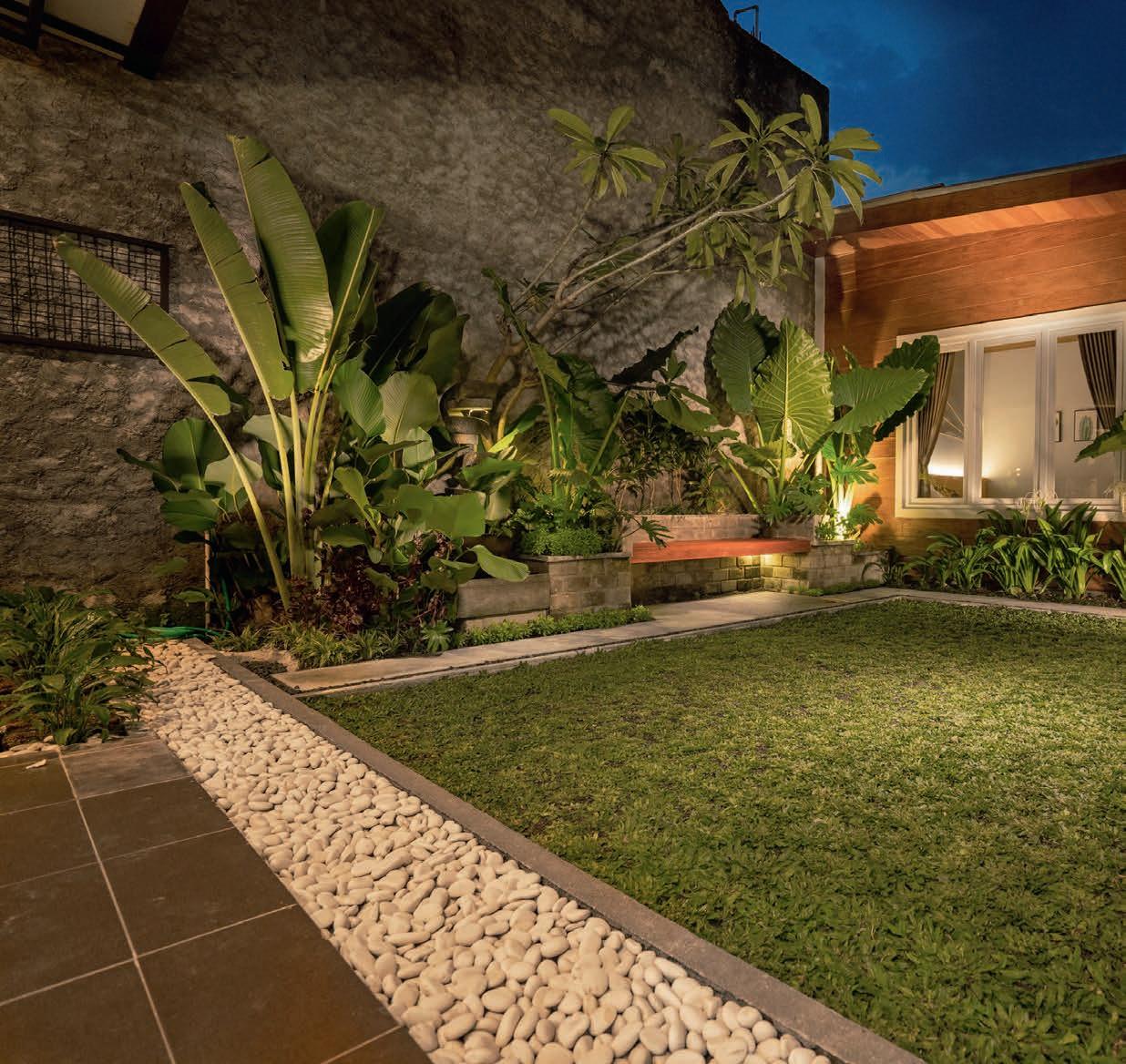
Even the lighting design should be considered. Light only where it’s needed, when it’s needed, and only in the amount needed.
Light pollution disrupts residents, wildlife, and wastes money and energy, so each light should have a clear purpose. Shielding and aiming the light beam at the target ensures it does not spill beyond where it is intended. Be mindful of the surface type the light hits. Some surfaces reflect more light than others and cause glare. Glare disrupts everyone’s amenity.
Try to use warmer-coloured lights where possible in gardens. Safety is the priority in pedestrian areas such as pathways, side passages, and stairs, so cooler colours are a prudent choice.

When we fail to use timers and sensors, or use the wrong colour of light, we can negatively a ect many parts of our landscape. An organisation called Dark Sky provides an objective third-party certification for products, designs and completed projects that minimise glare, reduce light trespass, and don’t pollute the night sky
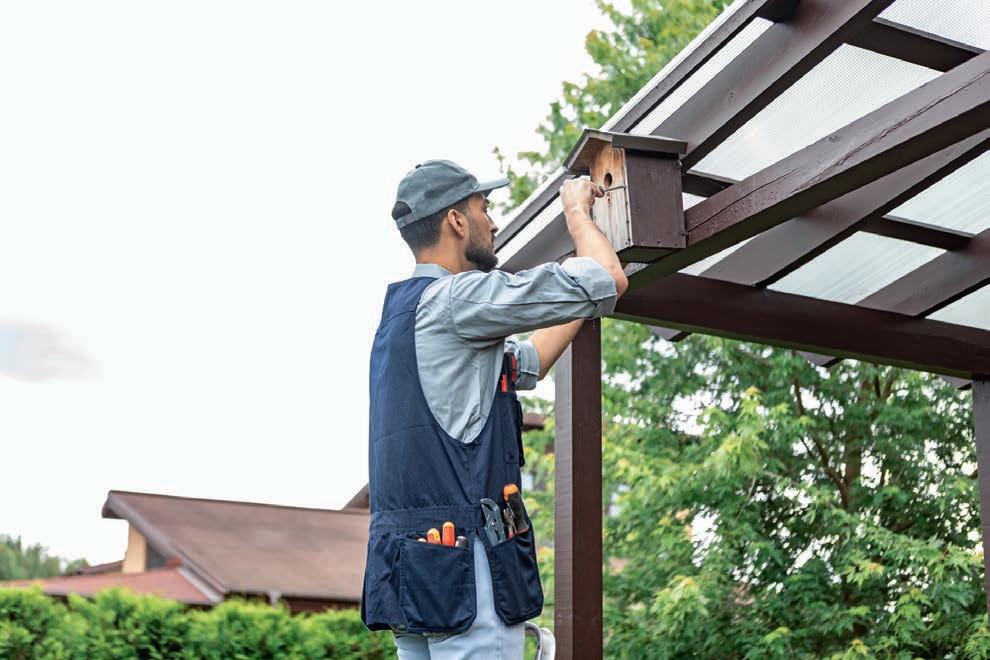
Incorporate eco-friendly features like nesting boxes. Image: Vitaliy/stock.adobe.com
Most projects will include a driveway. Ensure all permeable paving on shared driveways can withstand vehicle load and that the subgrade allows for drainage into the surrounding stormwater network. In some cases, it may pay to consider using decomposed granite as a low-cost alternative to permeable paving, but do not forget everyday amenity. Many such products are simple to install and add hidden value (with high margin) to a project that many residents do not appreciate until the need arises.
Provide infrastructure for such things as a letterbox, garden hoses, clothesline, BBQ,
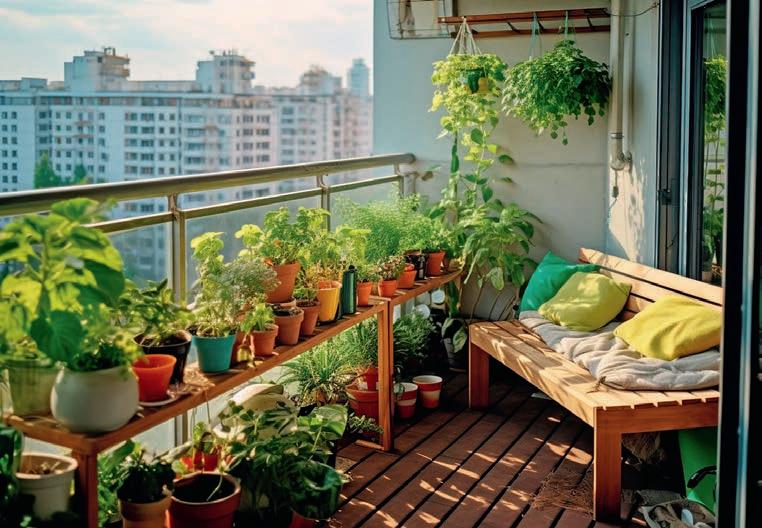
Consider raised planter boxes for the senior residents.
Image: Jane_S/ stock.adobe.com
children’s playground, bicycle parking, dining tables, and storage areas – including waste.
The National Construction Code (NCC) of Australia defines eight distinct climate zones for building energy e iciency, ranging from the hot, humid north to the cool-temperate south, with a vast, hot, and dry interior a ecting building design and agriculture. Selecting plants according to the climatic zone for any landscape project is essential for ensuring their healthy growth.
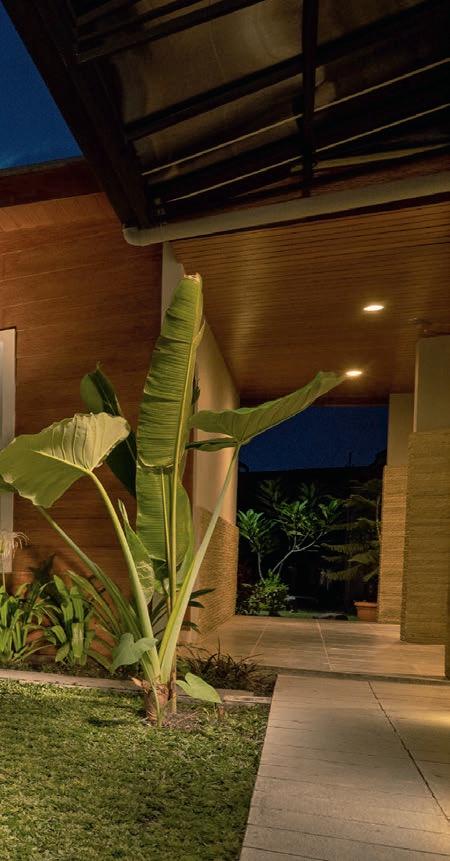
Incorporate eco-friendly features in your planting scheme. Things such as a bird bath and feeder, nesting boxes so the owners can install them later as their trees mature, bee hotels, and a family/community vegetable and herb garden.
You might need to consider raised planter boxes for the senior residents.
TIP: Install a water tank so the owners can sustainably water their gardens.
The Australia-wide housing crisis has created a demand for all trades. NSW’s intention with its NSW Housing Pattern Book is to improve quality and accelerate housing delivery. While other states may have standard planning codes, they do not currently have an equivalent, unified pattern book for fast-tracked, pre-approved architectural plans. They use alternative methods such as modular and kit homes and projecthome builders to provide a ordable, faster construction, rather than a formal stateissued pattern book.
Some landscapers may see this crisis as an opportunity to improve their business model. It’s a chance to accommodate the use of the same or similar materials in repeat projects and work with economies of scale unachievable in the past.
Ozbreed’s most popular trees and large shrubs across Australian landscape projects. Stay ahead by knowing which plants are being specified and installed across the industry.
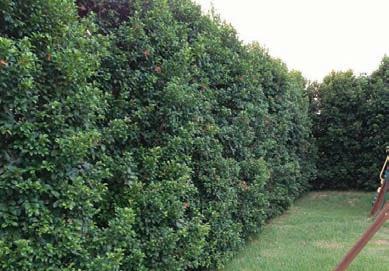
Syzygium australe ‘SAN01’ PBR

Trade Name Straight and Narrow™

Narrow, psyllid-resistant hedge tree for tight spaces.


Westringia hybrid ‘WES01’ PBR
Trade Name Naringa™

Upright screening Westringia with minimal maintenance.


Viburnum odoratissimum ‘VOQ1’ PBR
Trade Name Quick Fence™

Faster-growing, slightly narrower than Dense Fence™.
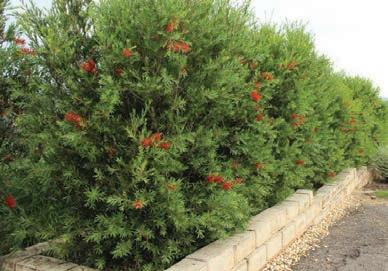

Callistemon viminalis ‘CV01’ PBR
Trade Name Slim™

Tough hedging bottlebrush with strong disease resistance.

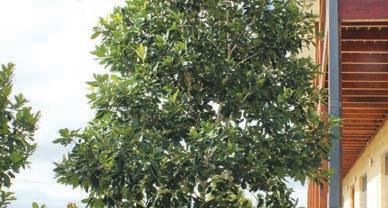
Tristaniopsis laurina ‘DOW10’ PBR
Trade Name Luscious®

Highly popular, striking tree with glossy leaves and red growth.
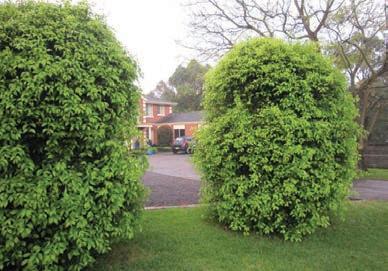

Acmena smithii DOW30’ PBR
Trade Name Sublime™

Berry-free with lime green new growth.
odoratissimum ‘VOC1’ PBR
Trade Name Dense Fence™
Viburnum odoratissimum ‘VOT1’ PBR Intended
Trade Name Thin Fence™

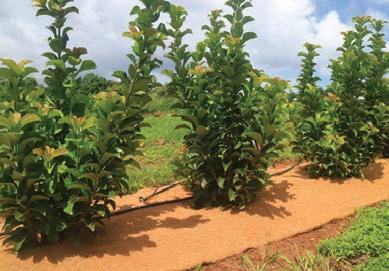
Super narrow; huge early sales since launch.
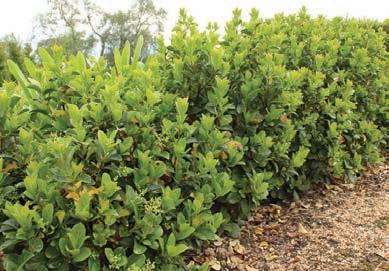

Dense, reliable screen or windbreak.


Rhaphiolepis indica ‘RAPH01’ PBR
Trade Name Cosmic White™

Abundant white flowers, all-weather performer, low-care.
* PBR applied for, or intended on all plants.
Based on unit sales across Ozbreed’s nursery network, these Australian trees and large shrubs were among the most widely planted last financial year. Chosen for their form, reliability, toughness, and proven landscape performance, these cultivars continue to feature strongly in commercial, residential, and public landscape projects across Australia.







When soil biology is healthy, many garden problems become easier to manage naturally.
Image: mantra/stock.adobe.com






Horticulturist
t’s been quite a while since we’ve discussed our most precious resource.
A couple of years back we chatted about the chemical, mineral and structural components of soil, but only touched on the living ecosystem. The ecosystem is complex, it’s extensive, and I hope you’ll find it as fascinating as I do.
There’s far too much to cover in one session, so I’ll introduce you to the overall gang this issue, then over the next few issues of this deluxe trade journal, we can get to know these friends better and learn how they improve the health of gardens, along with our environments.
Beneficial soil microbes are some of the hardest-working organisms on earth.
Invisible to the naked eye, these tiny bacteria, fungi, and other microorganisms form a living underground ecosystem that supports healthy soil and, equally, strong plant growth. Without them, the soil profile is unbalanced, it’s often unwell, it’s occasionally

diseased, and it’s counterproductive to establishing the above-ground display that earns us a living.
Understanding soil microbes can change the way you manage gardens. Healthy soil is not dirt with fertiliser added. It’s a living system filled with organisms that recycle nutrients, improve soil structure, suppress disease, and help plants access water and minerals. Through simple practices and applications, you can actively encourage these friends to take up residence beneath your feet.
Soil microbes are microscopic organisms that live within the soil. A single teaspoon of healthy soil can contain billions of microbes and thousands of di erent species. These organisms break down organic matter, recycle nutrients, and form partnerships with plant roots. In many ways, they function like the digestive system of the garden.
A healthy soil profile contains an enormous diversity of life that includes bacteria, fungi,
protozoa, nematodes, actinomycetes and algae. Collectively, this gang creates the soil food web.

Beneficial microbes perform many essential functions in the garden. Collectively, they:
• Convert nutrients into plant-available forms;
• improve soil structure and aeration;
• increase water retention;
• break down dead organic matter;
• suppress harmful diseases;
• support root growth;
• help plants tolerate stress; and
• improve overall soil fertility.

Plants and microbes have evolved together over millions of years. Many plants actively feed microbes through root exudates (natural sugars and compounds). In return, microbes help supply nutrients and protect plants from pathogens. This robust microbial population often results in healthier, more resilient plants with fewer pest and disease problems.
We’ll explore these groups in more detail later, but here’s a quick introduction.

Bacteria are among the most abundant soil organisms. They are essential decomposers that break down organic matter and recycle nutrients.
Some bacteria convert nitrogen from the atmosphere into forms plants can use. These are called ‘nitrogen-fixing bacteria’. Legumes such as peas, beans and woody plants like acacias form partnerships with these bacteria through nodules on their roots.
Other bacteria help decompose compost, leaf litter, and mulch. As they feed, nutrients are released slowly back into the soil.

Beneficial bacteria also help suppress disease-causing organisms by competing for space and resources.
Essentially there are two types of soil fungi. The first type – Mycorrhizal – live on or with the plant and are some of the most important organisms in healthy soil. They form symbiotic relationships with plant roots. Fine fungal threads extend far into the soil, e ectively increasing the plant’s root system, allowing plants to:
• Access more water;
• absorb more nutrients;
• improve drought tolerance;
• establish successfully; and
• communicate with each other (yep, you read this right).
In exchange, plants supply sugars and starches – root exudates – to the fungi.

Mycorrhizal fungi are especially important for phosphorus uptake, which can often be di icult for plants to access on their own. Healthy fungal networks also improve soil structure by binding soil particles together into stable peds, aggregates or crumbs.
Roaming fungi
The second type of fungi is Saprophytic fungi, which decompose dead organic material such as wood, leaves, mulch, and plant debris. Some species actively hunt pathogens and parasitic nematodes.
Saprophytic fungi are critical nutrient recyclers in forests and gardens. Without them, organic matter would accumulate and nutrients would remain locked away.
Ever noticed the white fungal threads in mulch or compost? These are usually the mycelium (roots) of beneficial decomposing fungi actively breaking down material.
Actinomycetes are specialised bacteria that resemble fungi.
They are responsible for the rich earthy smell of healthy soil after rain. They help decompose tough, woody, organic materials such as chunky bark, logs, and fallen trees, and produce natural antibiotics that can suppress harmful pathogens in the soil.
Protozoa are microscopic single-celled organisms that feed primarily on bacteria.
As they consume bacteria, they release excess nutrients into the soil in plantavailable forms. This grazing process helps cycle nutrients e iciently through the soil food web.
Although less well known, protozoa are important in maintaining microbial balance.
Beneficial nematodes
Not all nematodes are harmful. Beneficial nematodes are microscopic worms that help control soil pests and recycle nutrients. Some species prey on insect larvae and pest organisms in the soil. Others feed on bacteria and fungi, contributing to nutrient cycling.



A healthy soil usually contains a wide range of nematodes that help regulate the underground ecosystem.
Algae can act as powerful biological fertilisers and soil conditioners that improve the physical, chemical, and biological health



Saprophytic fungi decompose dead organic material such as wood, leaves, mulch, and plant debris.

Image: AkuAku/stock.adobe.com














of soil. Certain blue-green algae species can extract nitrogen from the atmosphere and convert it into a form that plants can use.
Many gardening and agricultural practices can unintentionally harm soil biology. Common causes of microbial decline include:
• Excessive tillage or digging;
• overuse of synthetic fertilisers;
• fungicide overuse;
• soil compaction;
• bare soil exposure;
• excessive chemical use;
• poor drainage;
• low organic matter; and
• prolonged drought.
Heavy digging physically disrupts fungal networks and destroys soil structure. Synthetic fertilisers can reduce natural microbial partnerships by making plants less reliant on soil biology. Over time, degraded soils become harder, less fertile, and more dependent on external inputs.
Fortunately, improving soil biology is often simple and inexpensive.
Organic matter is the primary food source for soil microbes. Adding compost, leaf litter, aged manure, mulch, and organic residues feeds microbial populations and improves soil structure. Compost is particularly valuable because it introduces both nutrients and living microorganisms into the soil. The more diverse the organic inputs, the more diverse the microbial community becomes. There are loads of liquid and granular soil tonics available. If you’re planting into a landscape of soil blends with high levels of organic matter, then these amenders will be what you’re looking for.
Mulch protects the soil surface and creates stable conditions for microbial life.
Mulching helps:
• Retain moisture;
• moderate soil temperatures;
• reduce erosion;
• feed decomposer organisms; and
• prevent soil compaction.
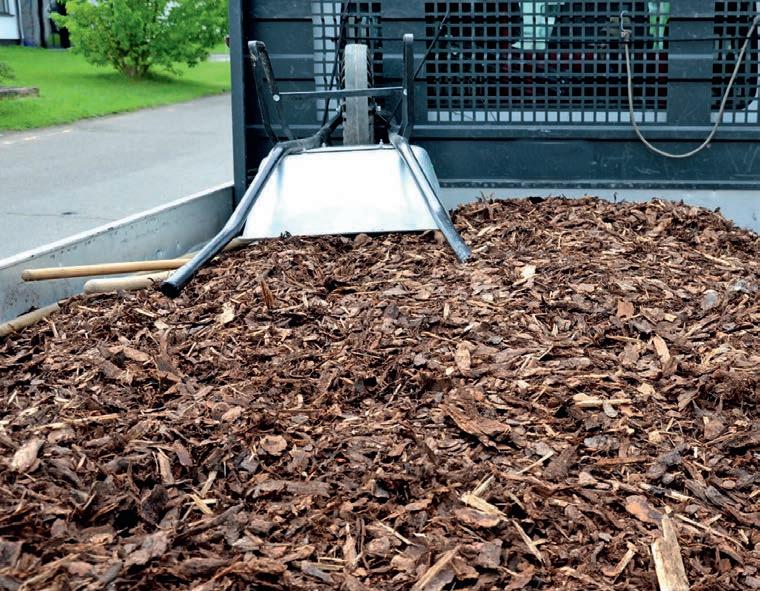
Organic mulches such as leaves, straw, wood chips, and compost are beneficial. Pebble, gravel, and deco-granite mulches might help to reduce evaporation, temperatures and compaction, but they provide no fuel for the soil microbes.
Mulches from wood chips are excellent for trees and shrubs as they encourage fungal dominance.
Although it doesn’t look as appealing as


a consistent graded woodchip, recycled leaf mulch is a good resource as it contains all parts of a plant. Aged leaf mulch is the best gear. Ideally, the thickness should be at least 75mm and no more than 120mm.
Minimising soil disturbance helps preserve fungal networks and soil structure, and nodig or low-till gardening methods are highly e ective for supporting soil life.
Instead of turning soil repeatedly, spread mulch on the surface and allow invertebrates like worms and microbes to incorporate it naturally.
Avoid overusing chemicals, too.
Many pesticides and fungicides can negatively a ect beneficial soil organisms. This doesn’t mean all treatments should be avoided, but they should be used carefully and only when necessary.
Excessive synthetic fertiliser use can also reduce microbial diversity over time. Balanced organic inputs generally support healthier long-term soil biology.
Plant diversity supports microbial diversity.
Di erent plants release di erent root exudates that feed di erent microbial communities. Mixed plantings encourage a more balanced and resilient soil ecosystem.
When growing vegetables or in agriculture, cover crops, companion planting, and rotating crops can all improve soil biology.

Microbes depend on living plant roots for energy. Bare soil supports fewer beneficial organisms. Vacant soil or empty spaces between plants have few roots, little biological activity and perform poorly.
Don’t forget microbes need moisture to survive and function e ectively.
Extremely dry soils reduce microbial activity, while waterlogged soils can become anaerobic and unhealthy, which encourages hostile microbes.
Mulching increases organic matter slowly and helps maintain balanced moisture levels.
One of the most important shifts horticulturists and landscape professionals can make is viewing soil as a living ecosystem rather than an inert growing medium.
When soil biology is healthy, many garden problems become easier to manage naturally. Plants are often stronger, more resilient, and better able to resist pests, diseases, heat, and drought stress.
Building healthy microbial populations takes time, but every addition of organic inputs gradually increases food for the gang that strengthens the underground ecosystem.
By supporting soil microbes, we are not simply feeding plants: the microbes feed the entire living system that makes healthy gardens possible.




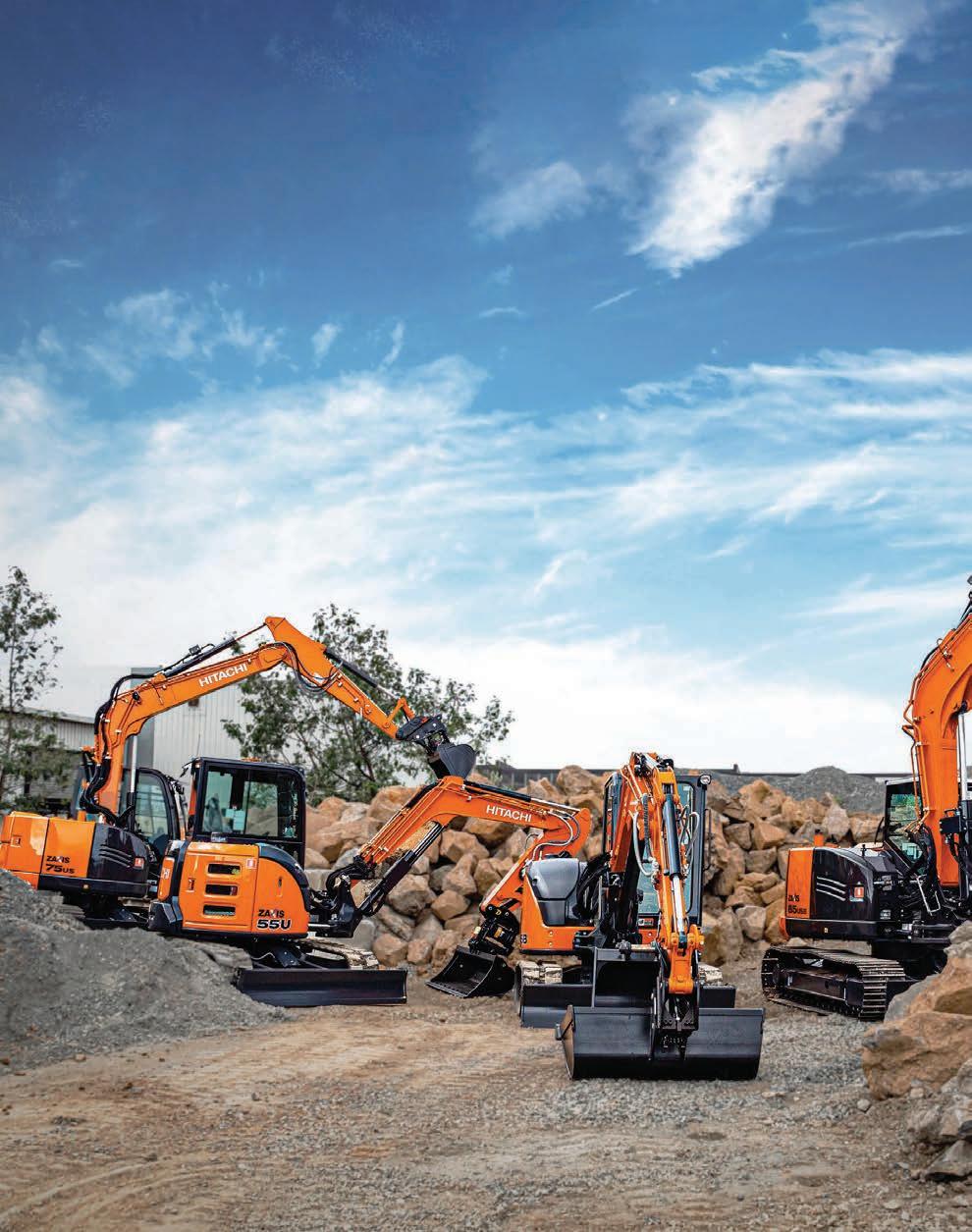
HitachiMiniExcavators and reliability in a sturdy, compact machine.



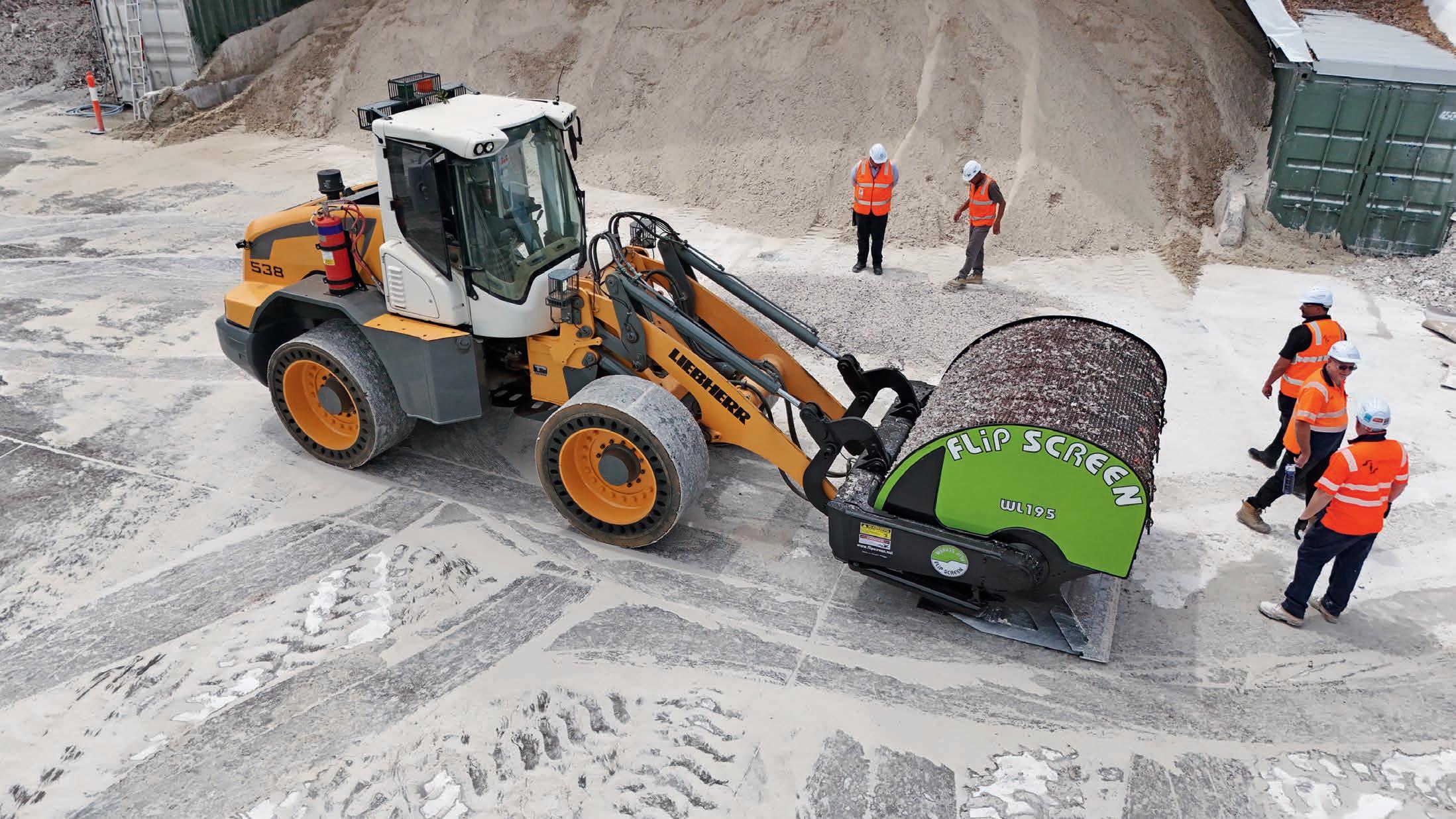
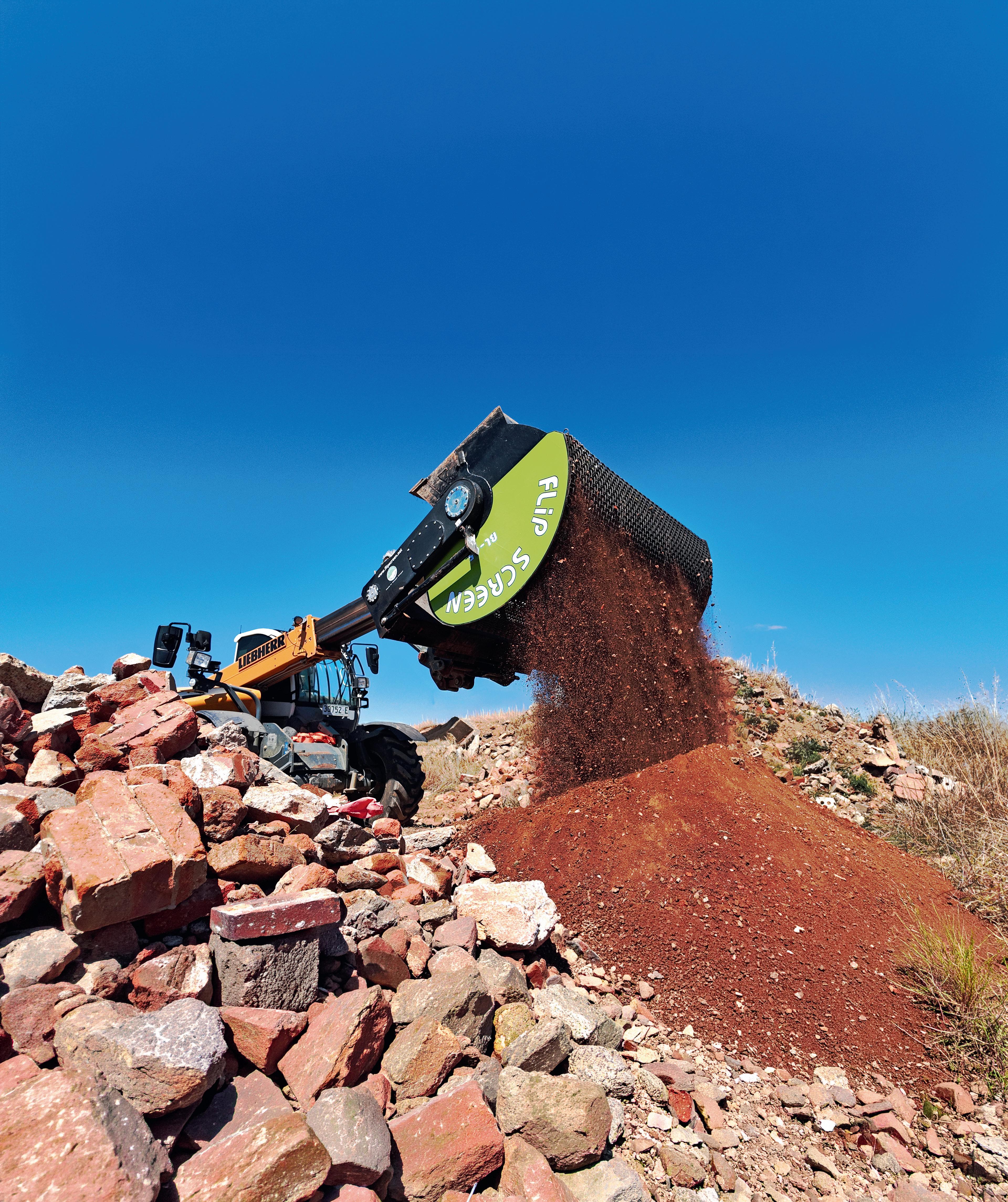
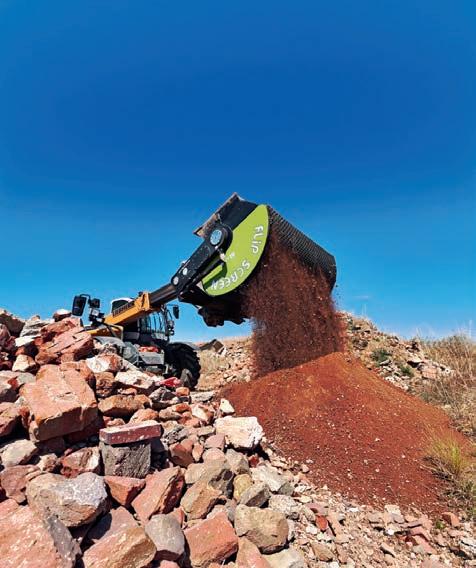
FlipScreen has a sustainable way to handle site material.
The push toward battery-electric machines, automation, and low-emission fleets is well underway across landscaping, construction, mining and agriculture. It’s one of the headline stories of the industry. But on most job sites, the transition isn’t immediate. Diesel machines have long done the bulk of the work – and that won’t change overnight. Infrastructure is still catching up, and budgets don’t always allow for a full fleet overhaul.
What has changed is expectation. Operations are now under pressure to run cleaner, leaner, and with less waste. That’s where the conversation often misses something important. Sustainability isn’t just about what powers a machine. It’s about how e iciently a machine is used.
On most sites, the biggest ine iciencies aren’t coming from engines. They come from how material is handled, how far a carrier machine needs to drive, and moving large amounts of waste o site into landfill via trucks.
Rethinking waste
Walk onto any jobsite and the pattern is usually the same: material is dug, moved,
stockpiled, moved again, and often removed entirely. What’s labelled as waste is loaded out, replaced with new material, and the cycle continues.
The reality is most of that material hasn’t lost its value. It’s just mixed, contaminated, or out of spec.
Rethinking sustainability starts there – not by replacing the machine, but by changing the process and increasing e iciency.
If material can be separated, sized, and brought back into use on site, the need for haulage and the demand for imported material drops. Machine hours, fuel use, and overall site movement all come down as well.
It’s a simple shift in thinking, but it has a compounding e ect across an operation.
Reuse what’s already there
Across earthworks of scale, the opportunity to reuse material is often sitting right under the machine.
Road base that’s broken down and mixed with fines can be screened and reused instead of rebuilt from scratch. Spoil from trenching can be cleaned and returned rather than hauled away. In agriculture, fertiliser that
has taken on moisture and clumped can be screened back into a usable state instead of written o .
These aren’t new problems, but they’re usually solved with more movement, transport, and more replacement material.
Reusing what’s already on site removes that cycle. It keeps material in play, reduces reliance on external supply, and cuts down the footprint of the job without slowing down the pace of work.
Recycling on a jobsite doesn’t need to mean sending material o for processing. In many cases, it can happen where the material sits.
Separating usable aggregate from fines, cleaning soil, or bringing mixed material back into spec allows it to be immediately reused. What was once a waste pile becomes a resource again.
This is where practical tools start to matter. Equipment that can screen, separate, and process material using existing carrier machines on-site changes how that material flows through the job. It removes steps rather than adding them.
Instead of load, haul, dump, replace, the process becomes dig, screen, and reuse.
FlipScreen’s screening buckets are designed around that shift – not as a replacement for the machine, but to get more out of it.
Mounted to excavators, loaders, skid steers, or other carrier machines, the system allows operators to screen and separate material on site. Interchangeable screens make it adaptable across di erent applications, from fine soil and fertiliser through to larger aggregates. The ability to handle wet or sticky material, along with digging and trenching capabilities, means the same attachment can perform multiple roles throughout a job.
The result isn’t just cleaner material. It’s fewer movements, less double handling, and a reduction in the need to bring in or send out material unnecessarily.
It’s a process improvement that sits in line with the broader push toward more sustainable operations, without requiring a complete change in fleet or infrastructure.
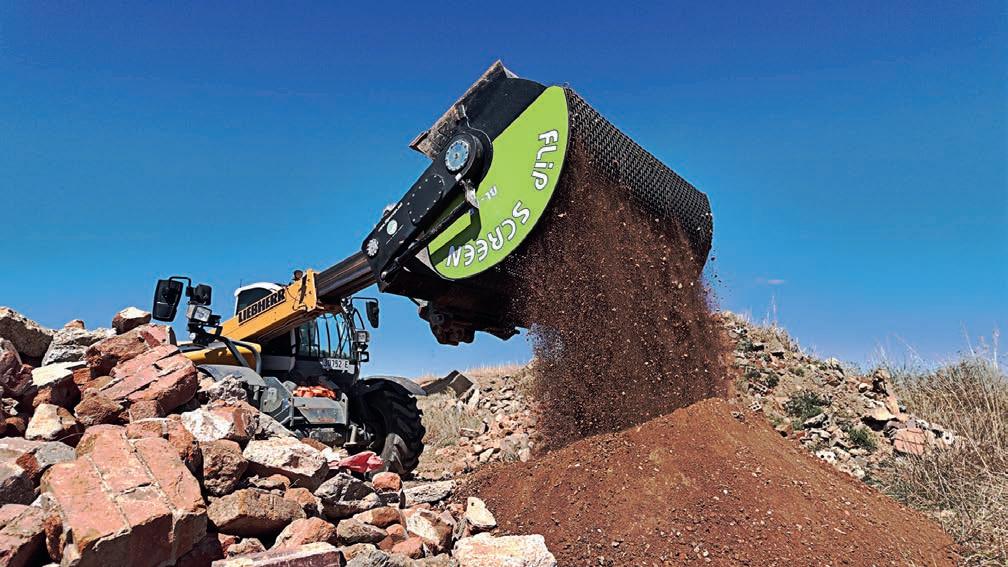
As electric machines and automated systems become more common, e iciency will matter even more.
Electric equipment relies on maximising runtime. Every unnecessary movement draws on limited energy. Reducing rehandling and streamlining material flow supports that.
Automation and remote operation also depend on consistency. Cleaner, more predictable material makes those systems easier to implement and more reliable to run.
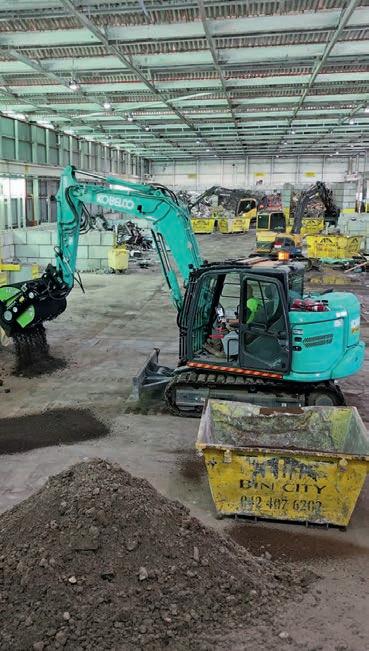

FlipScreen operates as a hydraulically powered attachment, running o standard auxiliary hydraulics on the carrier machine. It doesn’t rely on its own engine or fuel source, which means its performance is tied directly to the machine it’s mounted to. As the industry shifts toward battery-electric and hybrid equipment, that same principle holds. While the power source driving the hydraulics may change, the hydraulic systems themselves remain a core part of how heavy machinery operates.
The landscaping construction industry will continue to evolve. New technologies will come in, machines will change, and the way sites operate will keep improving. But some of the most immediate gains are already within reach. Reducing waste, reusing material, and rethinking how it’s handled doesn’t require a complete reset. It requires better control.
That’s where real sustainability starts. Not in replacing what’s already on site, but in using it properly.
FlipScreen sits firmly in that space. It’s a practical, on-site approach to reducing waste and getting more from the material already there.
To learn more about FlipScreen, visit the website: flipscreen.net.
A fleet of Bobcats is at the centre of the services o ered by Evans Fencing in southern Queensland.
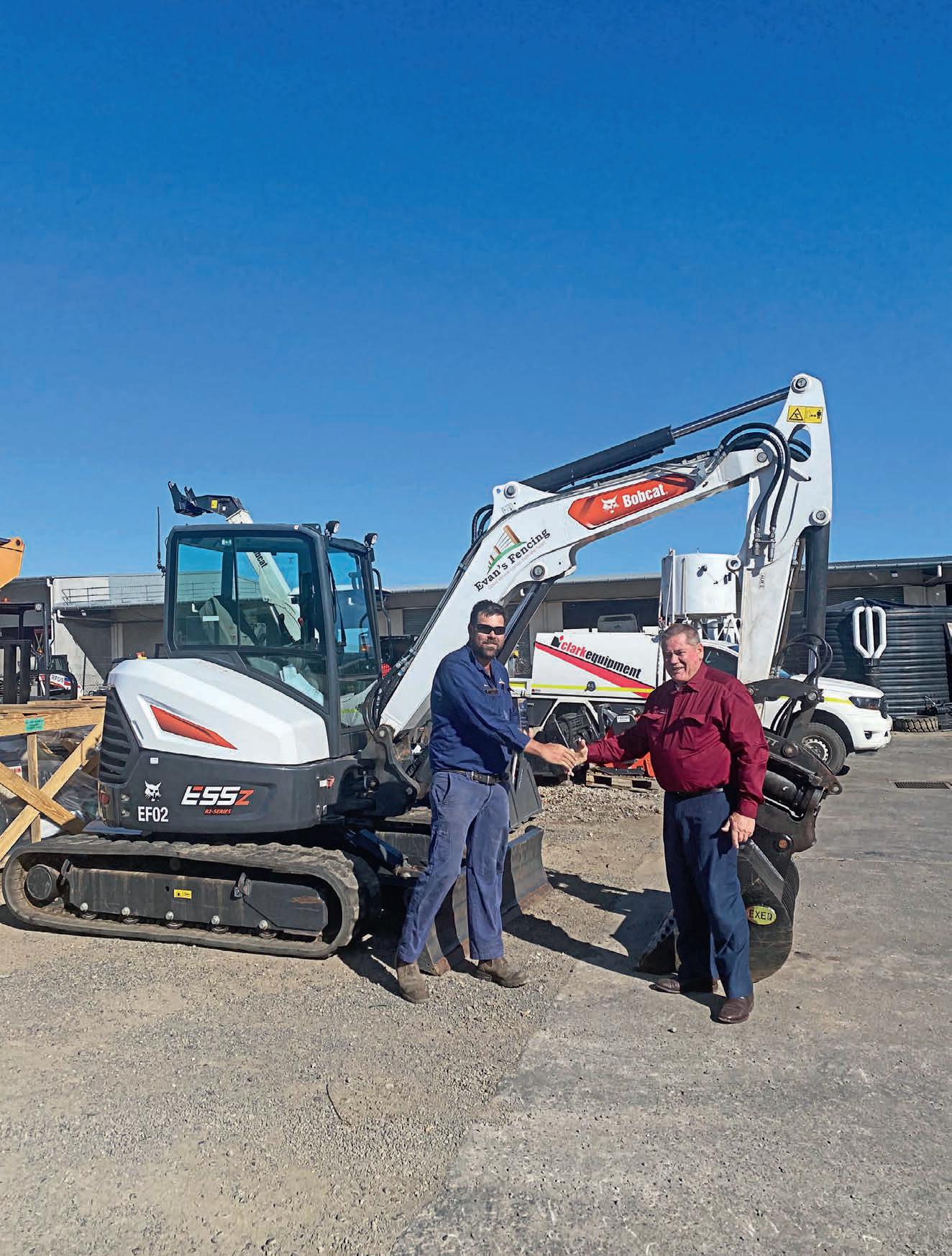

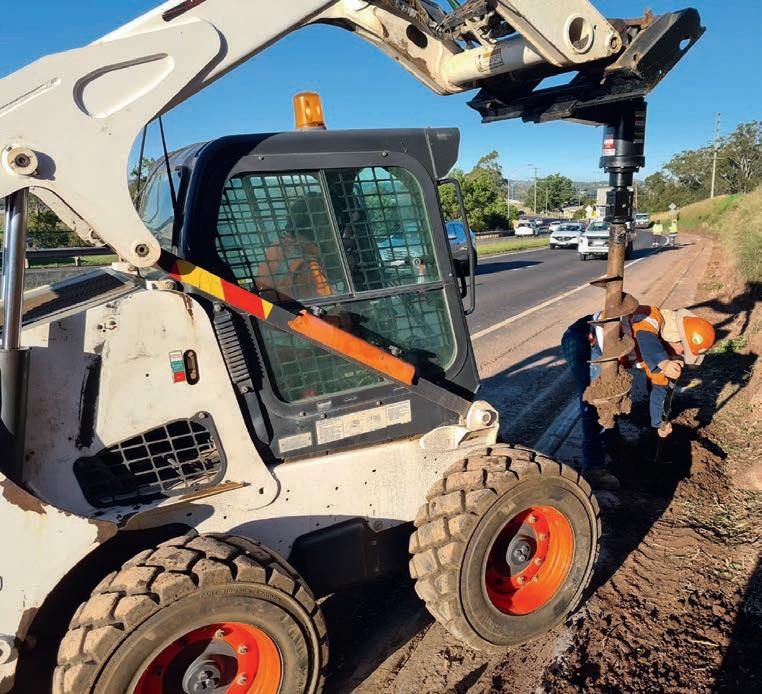
The Bobcat’s build strength and hydraulic flow allow attachments to run on both skid steers and excavators.


Evan Pe er owns a business based in Athol, near Toowoomba in the Darling Downs region of Queensland’s south. Along with his two employees, Evans Fencing constructs and fabricates all types of residential, rural, and vermin fences. The company also builds stockyards, sheds, carports, decks, and gazebos, and can do welding on site.
It’s a versatile business, and several recent awards attest to Evans’ work and service.
Central to Evan’s business is his fleet of Bobcats, including:
• An E20 excavator;
• an E26 excavator;
• an E55z excavator;
• an S650 skid-steer loader;
• an S770 skid-steer loader; and
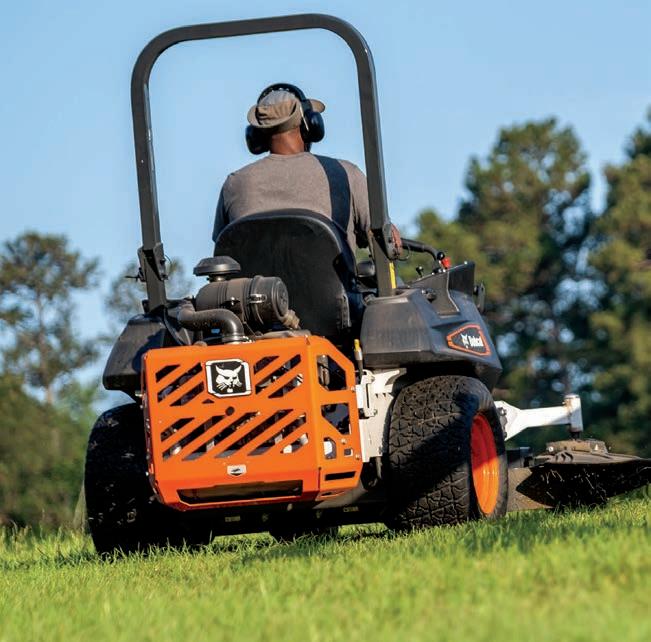
• three ZT2000 zero-turn mowers.
Like father, like son
“My father had Bobcats,” Evan told Landscape Contractor magazine. “On the farm as I was growing up, we always had Bobcats, and I operated machinery in a lot of jobs before I went out on my own in 2007.
“I know the quality of Bobcat,” he said. That sounded as though Evan was a dyed-in-the-wool Bobcat supporter, and so he is, but we wondered if he’d always had only that brand.
“At the start I only had a ute,” he said. “When the business had grown to where I could consider owning an excavator I tried some other machines, but I came back to Bobcat.”
lifting
Evan runs Fastfencer attachments from Quickfence, a nearby manufacturer of rural fencing machinery. The Bobcat’s build strength and hydraulic flow allow attachments to run on both skid steers and excavators, adding another point in the machine’s favour.
What made Bobcats so appealing that Evan now owns eight?
“Reliability,” said Evan. “They keep working, and we need machinery we can rely on.
Evan’s Fencing recently won the Regional Residential Fencing Category at the 2025 Australian Fencing Awards.

“Even when they’re broken, Bobcat’s keep working. We had one where the hydraulic actuator went, but it still didn’t let us down. It didn’t dig as e iciently as we knew it could, but it kept going and we finished the job.
“That’s the kind of thing that makes Bobcats a good investment.”
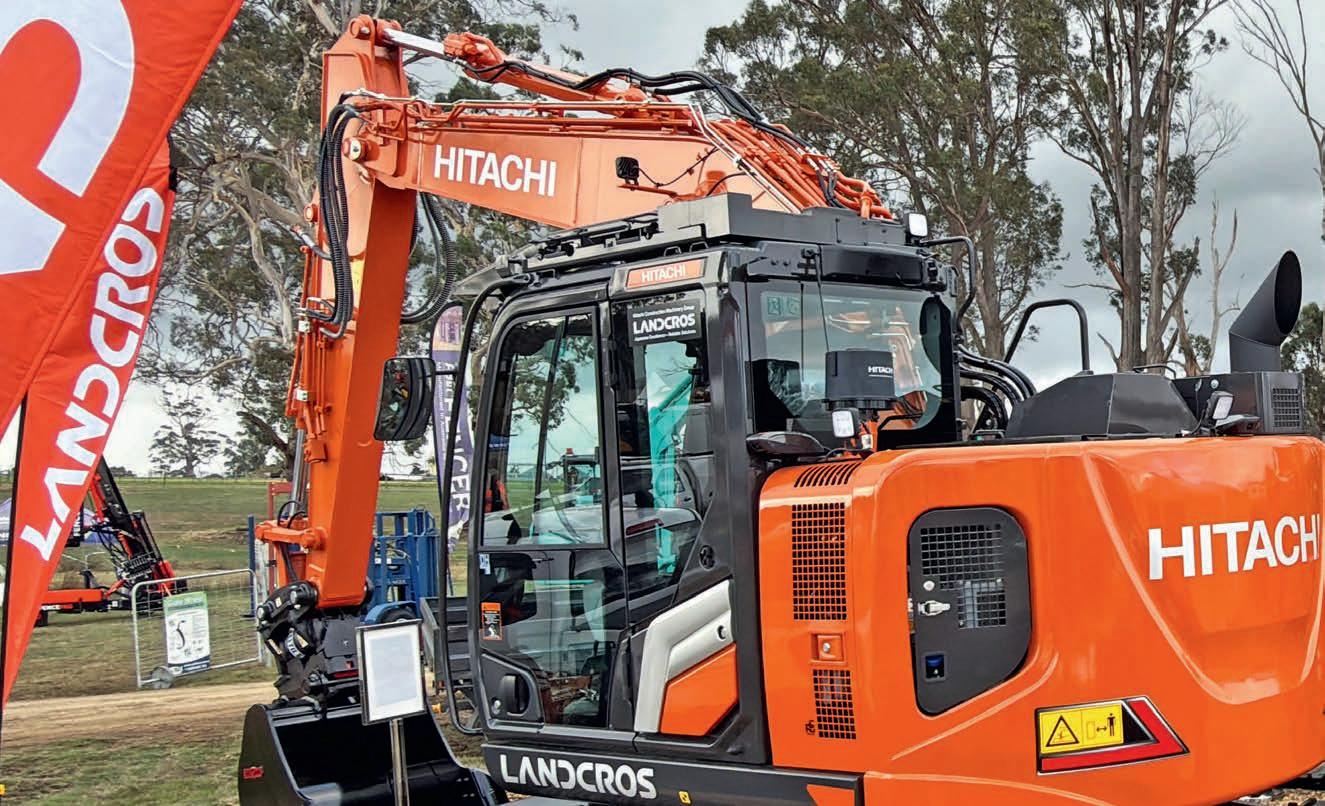



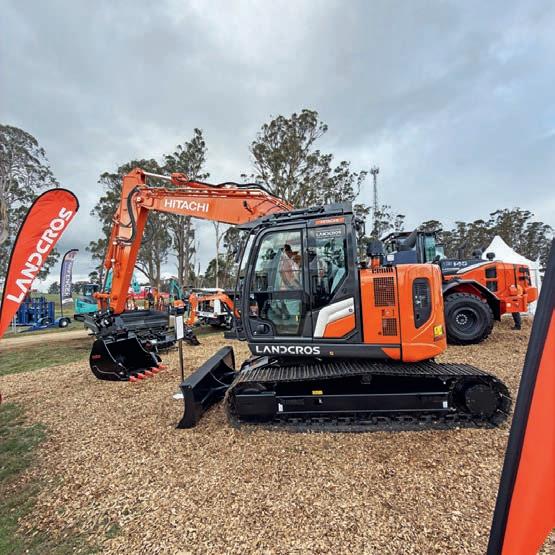


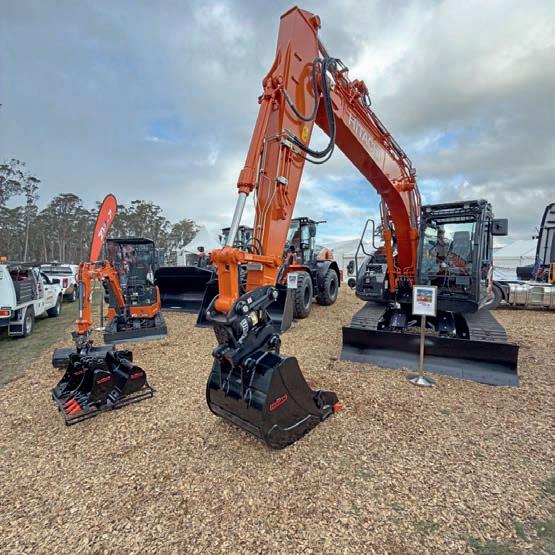



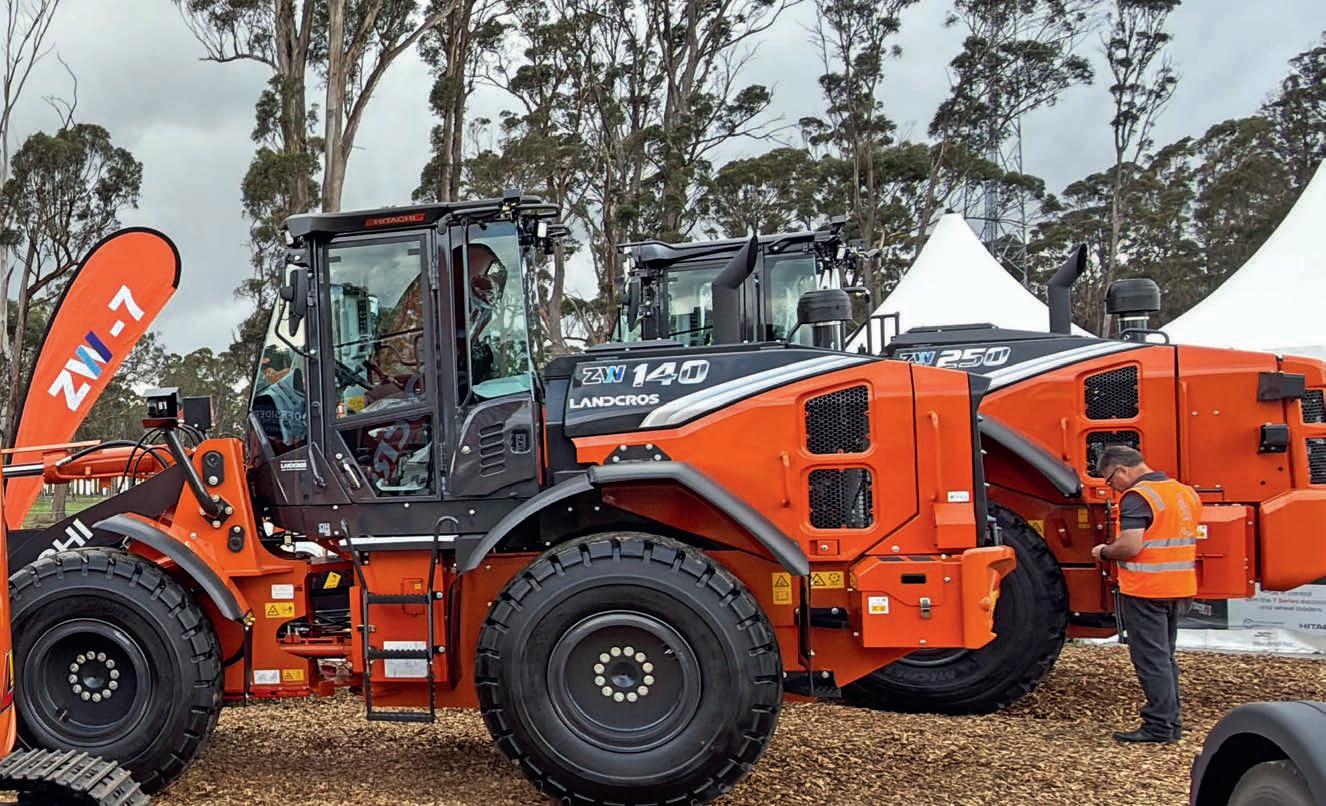

Hitachi Construction Machinery Australia recently connected with agricultural and construction communities at Tasmania’s Agfest.
eld at Quercus Park in Carrick in early May, Agfest is one of Tasmania’s largest rural events, attracting thousands of visitors and providing a platform for industry engagement, innovation and regional connection.
The Hitachi Construction Machinery Australia (HCA) team welcomed attendees across the three-day event, showcasing a selection of versatile machines, including the ZX17U-5 and ZX55U-5 mini excavators, the ZX135US-7H mid-size excavator, and the ZW140-7 and ZW250-7 wheel loaders. The display highlighted HCA’s commitment to delivering reliable, high-performing equipment solutions suited to the needs of operators working across Tasmania’s agricultural and construction sectors.
Agfest o ered customers and industry professionals an opportunity to get up close to the machinery, speak with Hitachi representatives, and explore equipment solutions tailored to their operations. From compact machines ideal for tight-access projects through to larger loading and excavation equipment, the display reflected the breadth of Hitachi’s product o ering and support capabilities across Australia.
Agfest also enabled HCA to strengthen relationships within the Tasmanian community while reinforcing the importance of innovation, productivity, and aftersales support in regional industries.
As part of the exhibition, visitors to the display were invited to participate

in a customer competition, enhancing engagement throughout the event.
New name, same service
HCA used the opportunity to continue building awareness around the company’s future transition to LANDCROS, with the business set to o icially rebrand in April 2027. The transition represents a new chapter for the organisation, while maintaining the same commitment, machinery reliability, and industry solutions.
HCA will continue to support customers nationwide through its branch network, delivering equipment, service, and technology solutions across the construction, mining, agriculture and infrastructure sectors.

Ozbreed is focused on breeding Australian natives and tough landscape plants for performance in local landscaping conditions.


There is a tendency in landscaping to treat plants as interchangeable if they look roughly similar in a pot. Sometimes that works. Other times it creates years of problems after practical completion has long been signed o .
All plants of the same species do not perform the same. That’s a large part of why, in natural ecosystems, hundreds of thousands of seeds fall on a given patch of earth, mere thousands sprout, and only maybe a few dozen survive more than a couple of years.
A species can contain huge variation naturally. One specimen might handle humidity well while another gets hammered by fungal issues. One might stay dense and compact while another opens up in the middle. One might recover well after hard pruning while another never really comes back properly.
It’s all due to particular genes being turned on or o during the reproductive process.
few
While many native species are exceptionally tough, they are not all equally suited to commercial landscape use.
Ozbreed grows and trials large numbers of plants and selects individuals that consistently perform better under tough landscaping conditions. Heat, drought, humidity, wet feet, disease pressure, pruning response, roadside conditions and general neglect all become part of the selection process.
Most plants do not make the cut. In fact, almost all of them end up in the compost pile, because Ozbreed only wants to o er the best of the best.
It’s particularly important with Australian natives, because while many native species are exceptionally tough, they are not all equally suited to commercial landscape use. ‘Native plants are adapted to your local conditions’ is at best an over-simplification, because most plants die quickly, even in favourable microclimates. Quality breeding allows desirable traits to be stabilised and repeated consistently.
Sometimes the di erence is obvious.
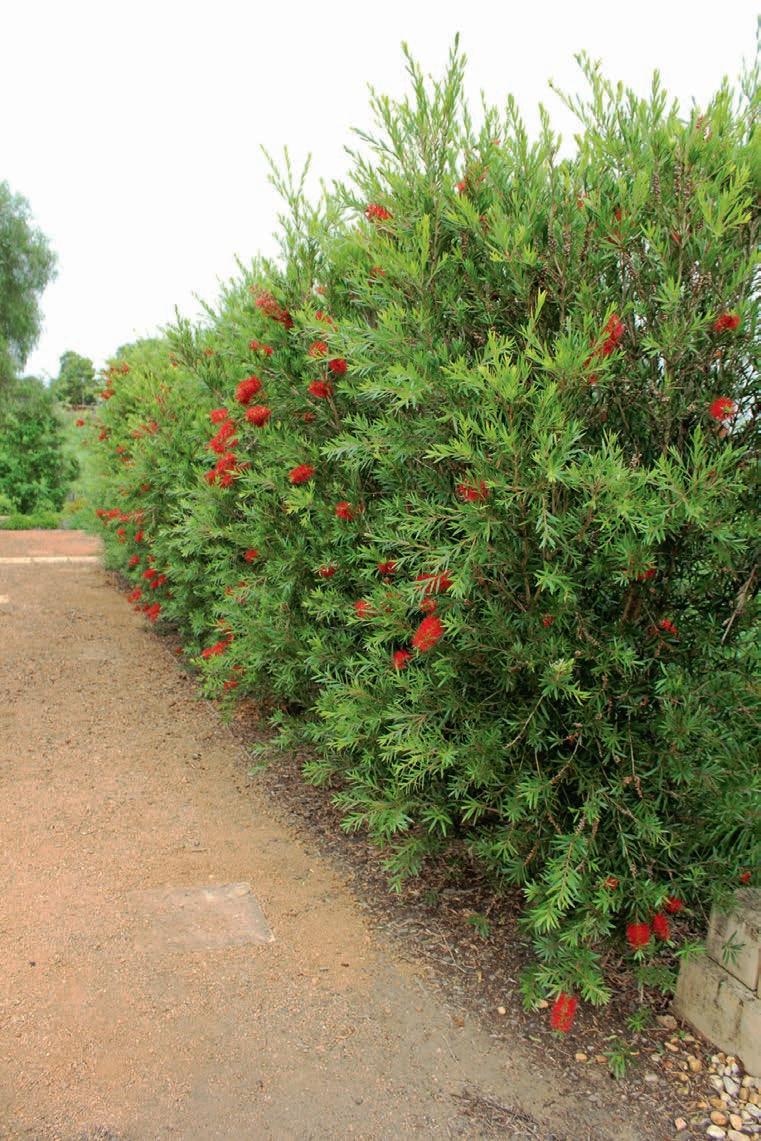
Callistemon viminalis ‘CV01’ – PBR Trade Name Slim™ – has a narrow upright habit that makes it useful where space is limited. A regular seed-grown C. viminalis population is unlikely to give that same uniform narrow form.




Other times the di erences are less visible until something goes wrong. Myrtle rust resistance is a good example. Ozbreed worked with the University of Sydney’s Plant Breeding Institute to trial Myrtaceae cultivars under controlled infection conditions. Some
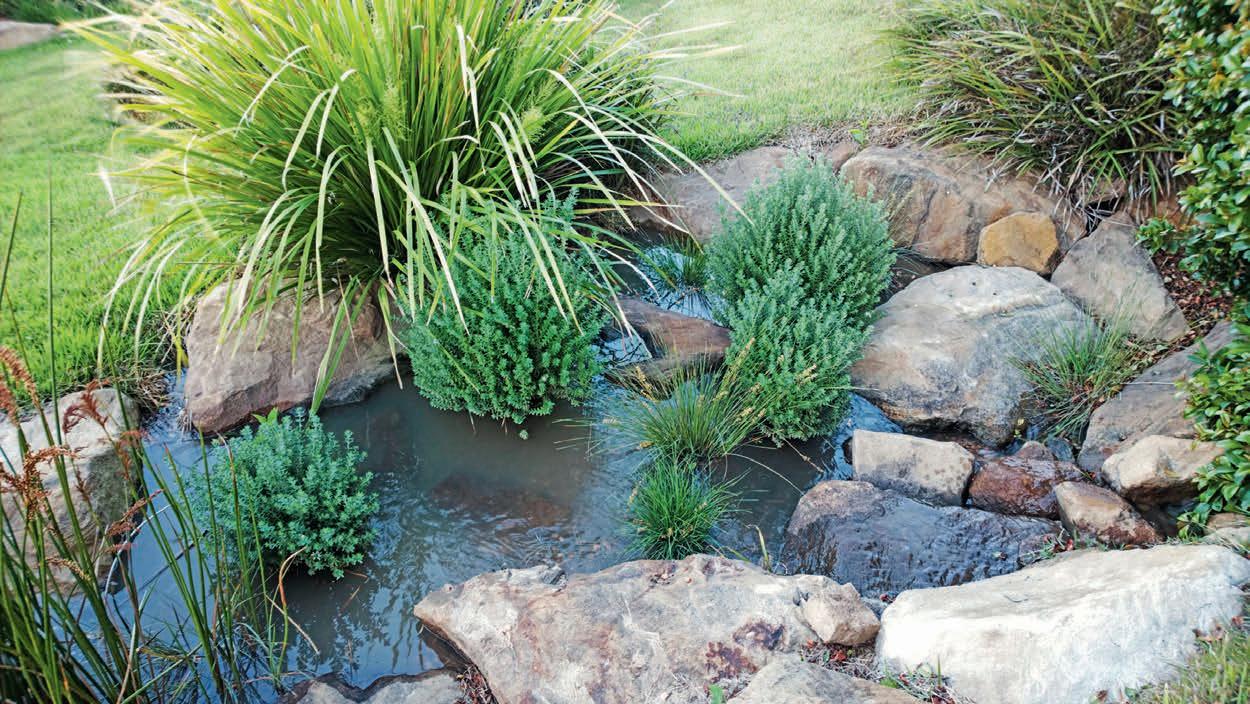
cultivars showed strong resistance, such as Slim™ Callistemon, while other common and competitor forms proved susceptible.
It would be tough to find a seedling that did one of those things; either a favourable shape or better disease tolerance; but to get both traits in one plant really needs a superior cultivar bred for landscape function.
Landscape architects and designers have a reason for specifying particular cultivars over others. Contractors may not be able to easily tell what those reasons were simply by looking at the plant schedule, and it can be tempting to substitute easier-to-find or cheaper plants. However, substituting lowperformance plants for high-performance plants can lead to landscape failures after, and sometimes even before, handover.
Ozbreed’s role within the industry is that of a problem-solving plant breeder. The plants are not bred simply to look di erent, although that is often a big part of it. Ozbreed exists as a plant breeder because landscapers continuously run into the same problems, and demand dictates providing solutions to make the landscaper’s job easier, and to ensure projects look good for years to come.
To learn more about Ozbreed, visit ozbreed.com.au.
Despite the challenges, winter is a valuable time of year.
When everything is dry and growing through spring and summer, it’s easy to overlook underlying issues. Once the rain arrives the landscape starts telling the truth. Water sits where it shouldn’t, lawn edges begin to wash away, and mulch ends up on pathways. Suddenly the drainage concerns that seemed minor during summer become impossible to ignore.
While these situations can be frustrating, they’re also useful. Winter has a way of shifting the focus from decoration to functionality.
Some of the most valuable improvements to a landscape aren’t always the most obvious ones. Better drainage, improved soil structure, defined garden beds, and thoughtful layout decisions often have a greater impact on the long-term success of a garden than individual plant selection.
This is also where landscape structure comes into its own.
Without masses of flowers and seasonal growth demanding attention, the lines, curves, transitions, levels, and defined spaces of a garden become more important. A well-structured landscape continues to look intentional and functional, even during the quieter months of the year.
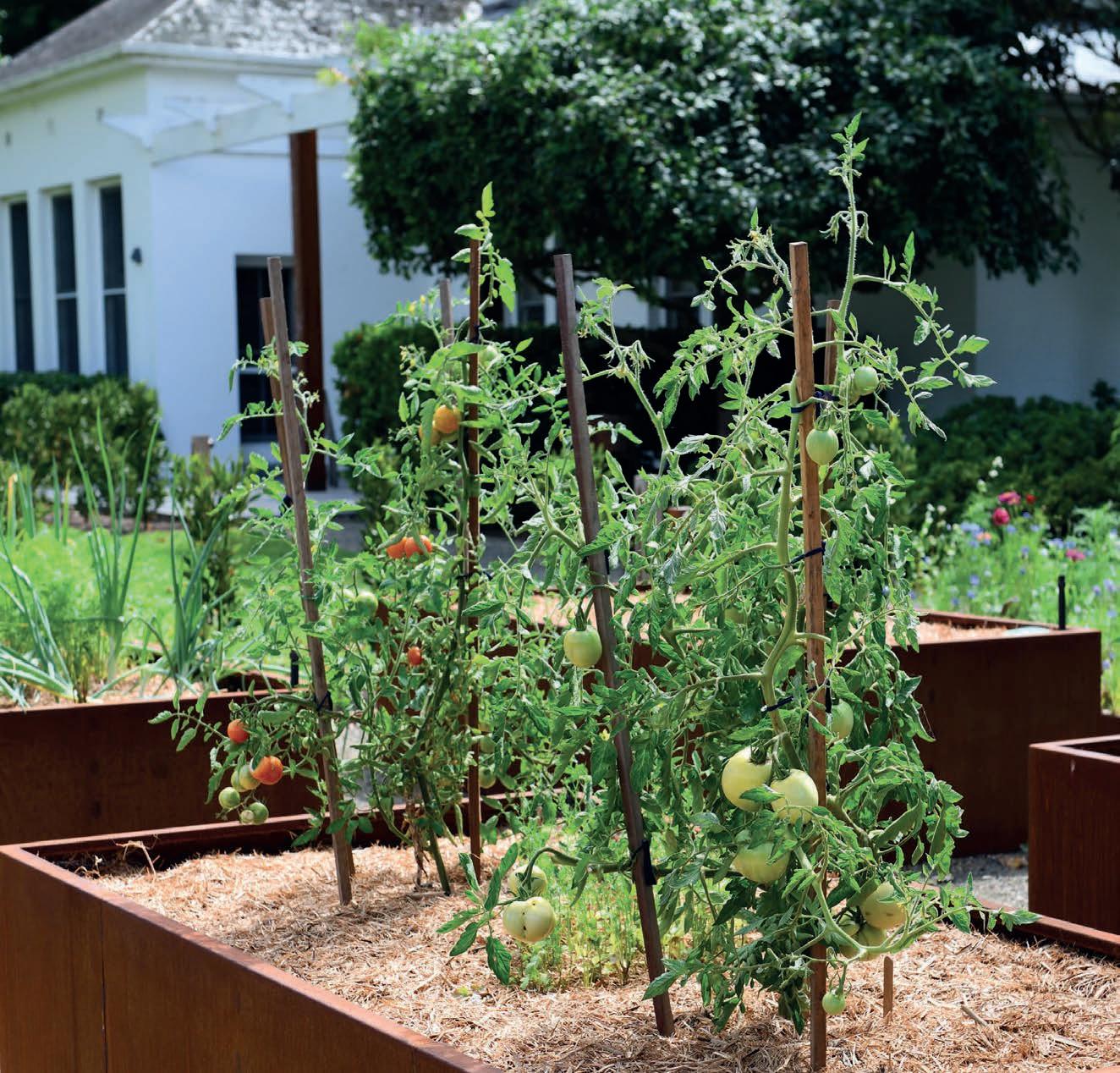
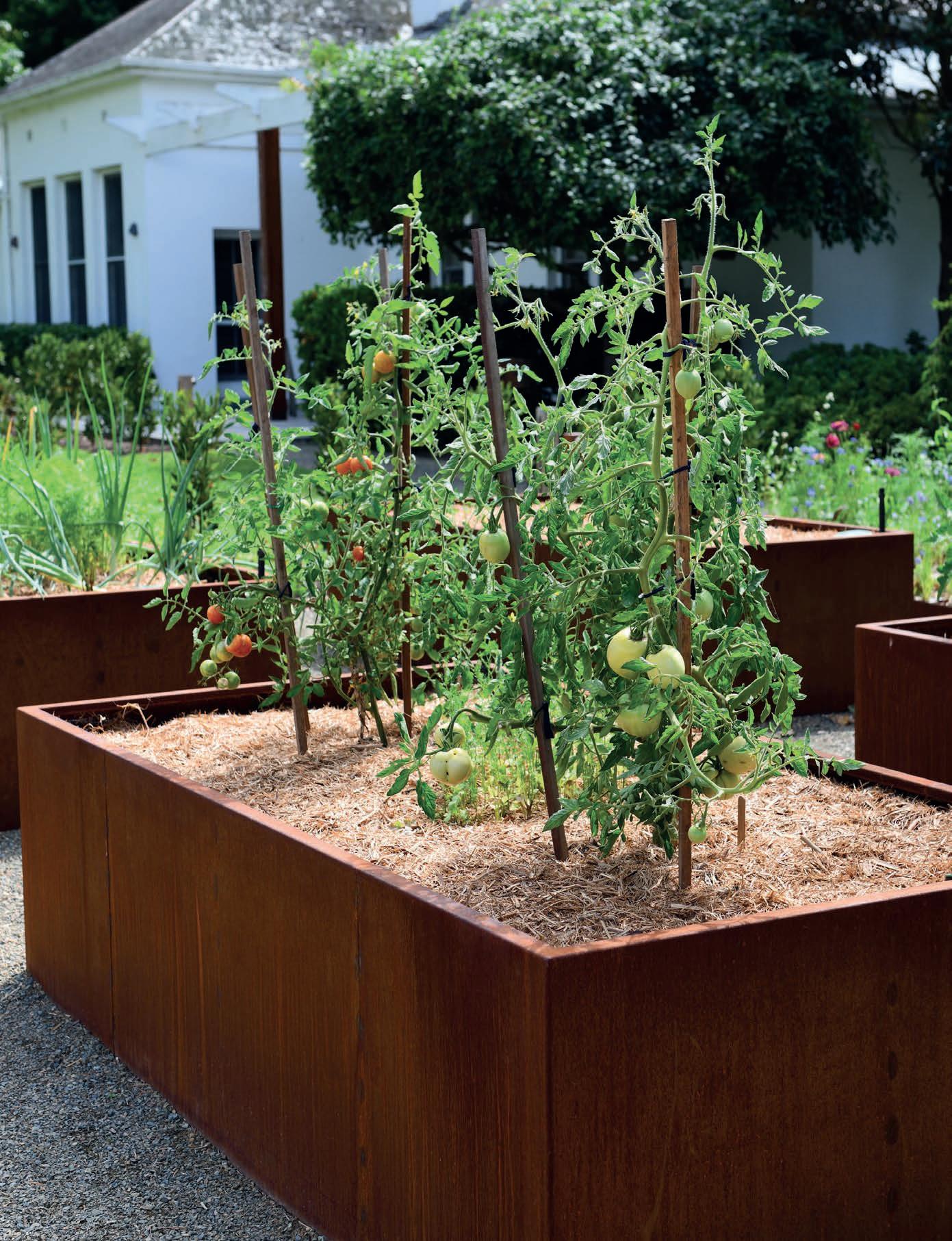
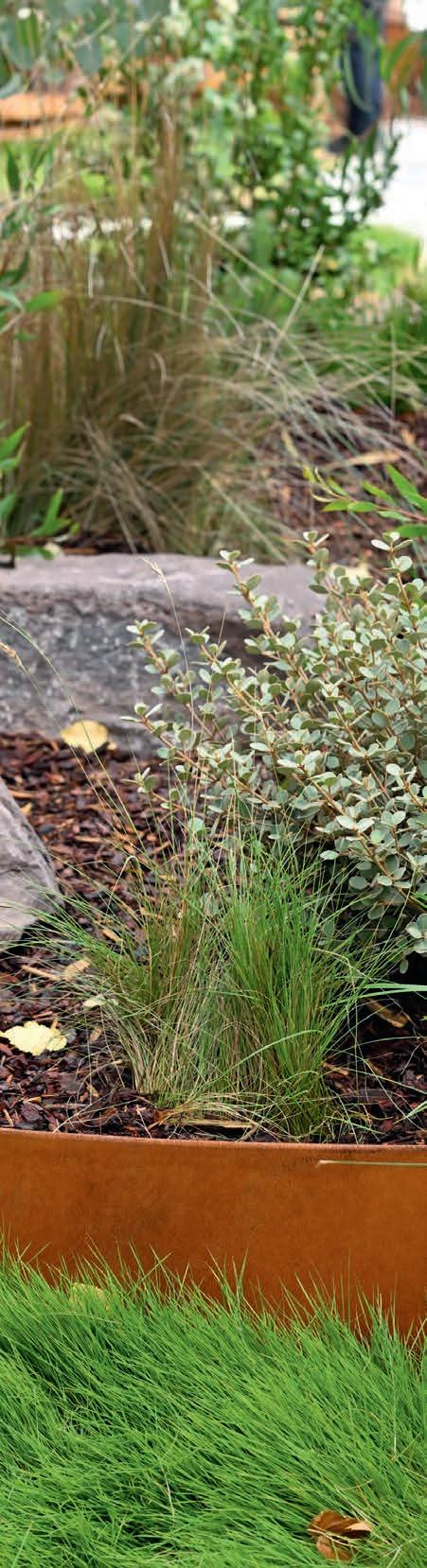
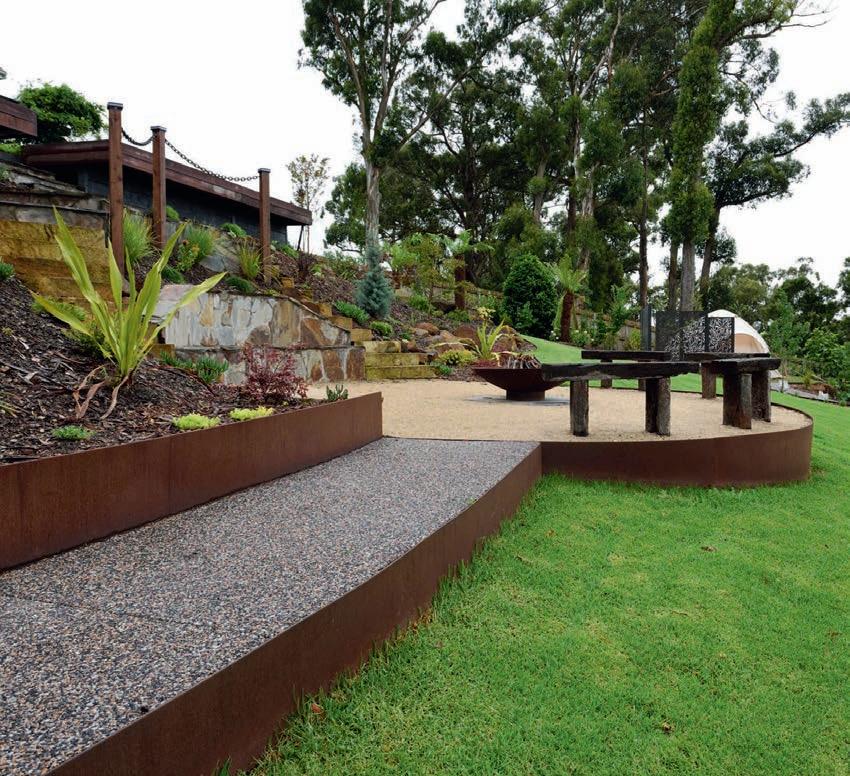
Winter is when ShapeScaper often sees landscapers focusing on structural elements. Steel garden edging, garden rings, and raised planters are frequently installed during the colder months, allowing contractors to establish the framework of a garden before the spring rush begins.
Steel edging plays an important role during wet conditions. Beyond creating clean, modern lines, it helps define spaces, separates lawn from garden beds, and keeps mulch where it belongs. Anyone who’s spent time cleaning washed-out mulch from pathways after heavy rain will appreciate the value of a defined edge.
Raised planters and garden rings can also o er practical advantages during wetter periods. In areas prone to poor drainage or heavy soils, elevating the growing zone helps create a healthier environment for
plant roots while providing greater control over soil quality and growing conditions.
It’s usually winter that determines how successful the following spring will be. Soil can be improved, compost incorporated, weeds controlled, and planting areas prepared long before the growing season begins. It’s often easier and more e icient to complete these tasks in winter rather than trying to squeeze them into an already busy spring schedule.
For contractors, this can also mean using the colder months to complete projects that are harder to undertake later in the year. Installing edging, reshaping garden beds, constructing raised planters, or making drainage improvements in winter allows planting and finishing touches to happen once conditions improve.
There’s also something satisfying about building during winter.
While the garden itself may appear dormant, progress is still happening. The structure is being established, problem areas are being addressed, and spaces are being defined. It might not be as visually rewarding as seeing a garden burst into flower, but it’s often the work that has the greatest longterm impact.
Good gardens are the result of good planning, quality materials, thoughtful design, and attention to the details that many people never see. Winter provides the opportunity to focus on those details without the pressure of rapid growth or seasonal deadlines.
Spring may be when gardens receive the attention, but winter is when many of the important decisions are made. The drainage falls are set. The garden beds are shaped, the edging is installed, and the framework is established. By the time the first warm days arrive, the hard work is already done.
After all, anyone can appreciate a garden when it’s at its peak. Winter is when the quality of a build shows.
For more information on ShapeScaper, visit shapescaper.com.au

Defined garden beds often have a greater impact on the long-term success of a garden than individual plant selection.

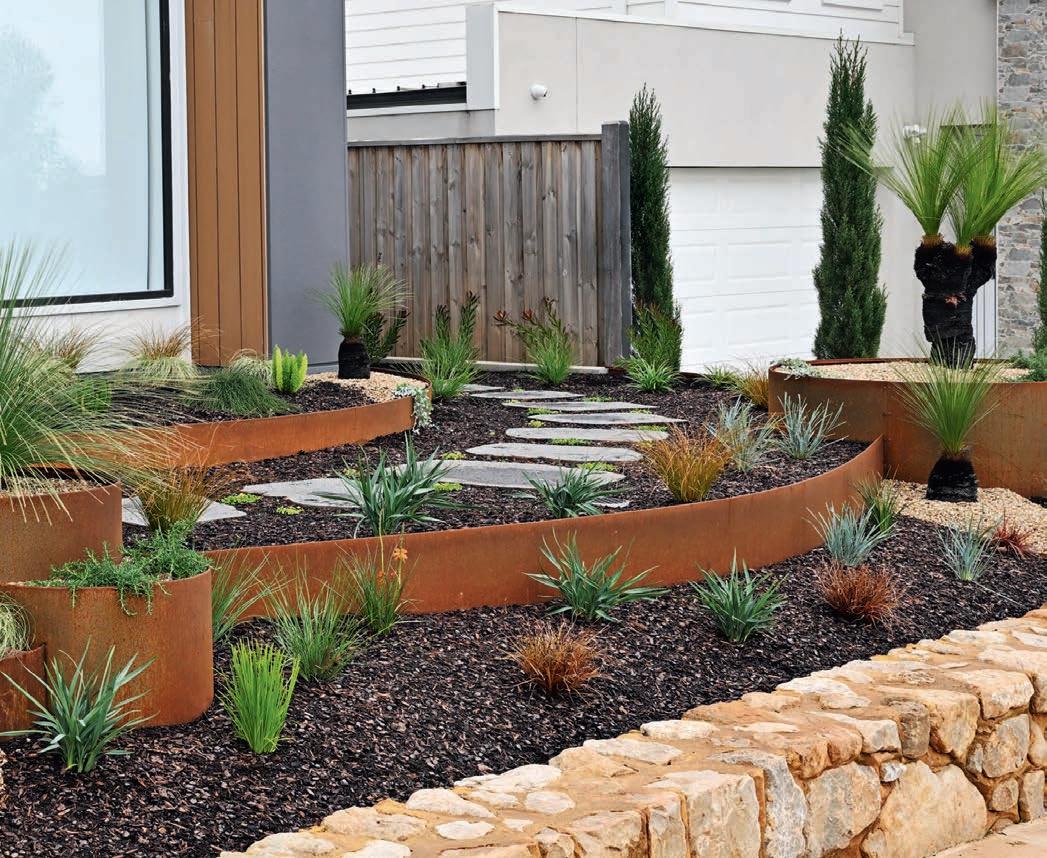
A well-structured landscape looks intentional and functional, even during the quieter months.


When it’s time to get serious, the Hustler X-One 60" EFI is a go-to option.
Landscape Contractor magazine has driven a few Hustler mowers, and, along with test driver Mat Wandmaker of Blue Ridge Property Maintenance, has been impressed with every one of them.
The X-One 60" EFI has comfortably come up to the mark set in previous Hustler Mowers reviews. It may even have raised the bar in some areas.
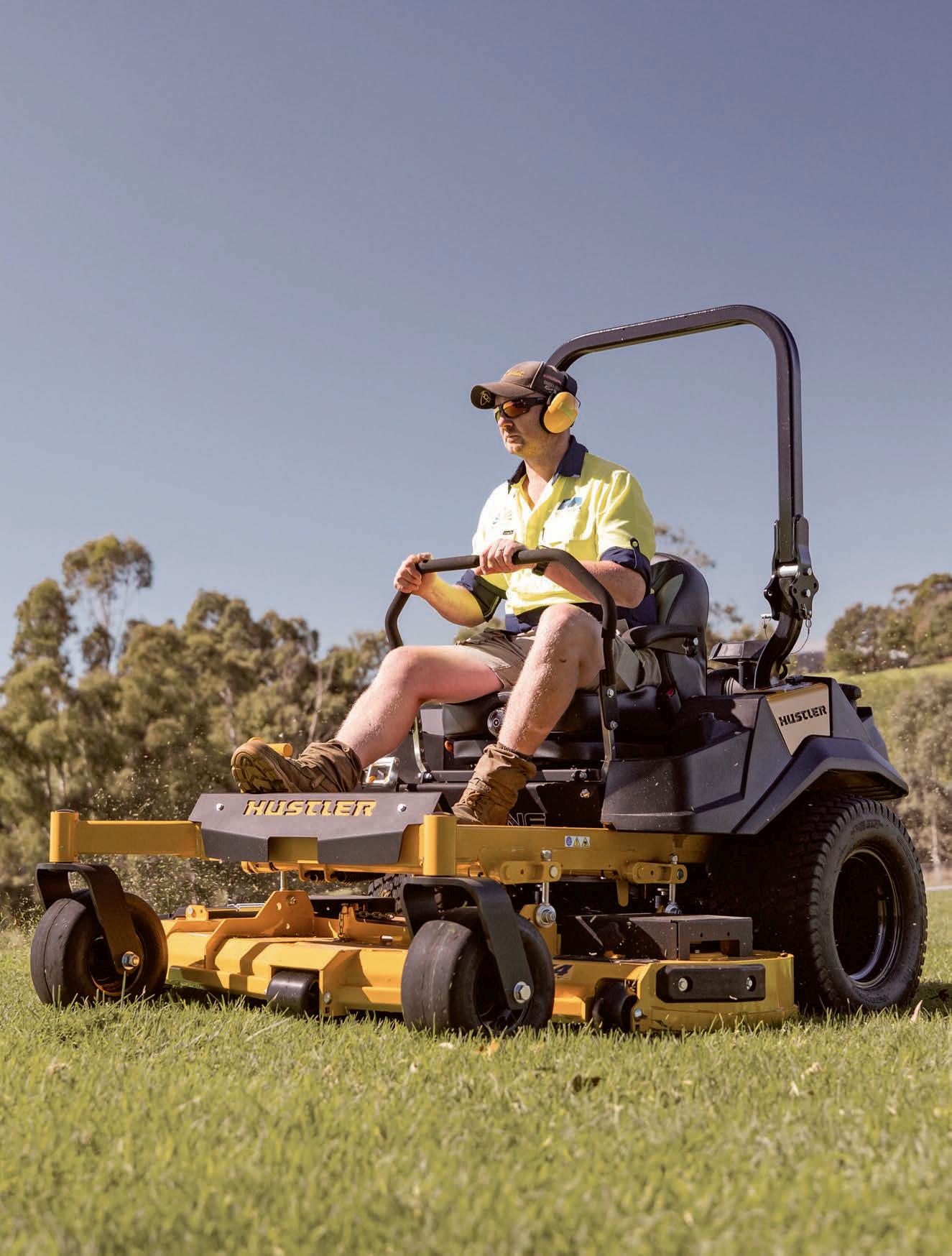
A two-year, no-hour-limit commercial warranty makes the X-One well suited to professional use. Images: Hustler Mowers




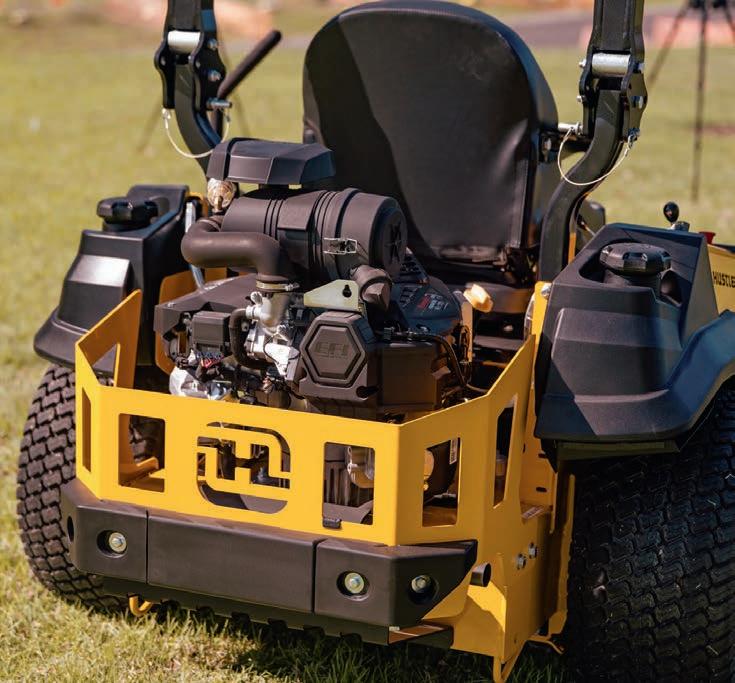
With a no-hour-limit commercial warranty, 45-litre fuel tank and heavy-duty VX4 cutting deck, the X-One is a serious commercial zeroturn mower.
Along with a 60-inch cutting width, other main features include:
• Three blades with electric PTO blade engagement;
• a 29.5HP Kawasaki FX850V-EFI air-cooled 852c engine;
• US manufacture;
• extra high-back suspension seat with armrests;
• a cup holder;
• automatic park brake;
• an open rear design for easy engine maintenance; and
• an optional tow hitch.
On a warm and sunny afternoon in Melbourne’s east, on a large, slightly undulating expanse of terrain needing attention, Matt and the Hustler X-One got work. It was plain to see the X-One was fast over the ground, delivered a clean and consistent cut, and distributed the clippings well wide of the machine.
The result was impressive, as the video shows.
“It’s a solid-built machine,” said Matt after his first drive. “We run a similar Hustler machine at Blue Ridge Property Maintenance, and we bang it into all sorts of things and you’d never know, and being EFI, it’s fuel-e icient. That’s important with things as they are.”
The X-One is aimed at medium-sized property work, and Matt made his way around the various trees, shrubs and other obstacles, and covered long tracts of rough ground, in quick time. As one onlooker commented, “It looks like he’s being paid by the job, not the hour.”
Even allowing for Matt’s undoubted experience and expertise, the Hustler delivered a neat finish in what seemed a short time for the area it covered. For professionals, that alone is a recommendation.
Matt had a few other thoughts after his drive.
“There’s no manual handbrake,” he said. “When you pull the handles it automatically releases the park brake. It’s a good feature. I like the tie-down points across the front, too.”
“It has great ground speed and throws out material really well. It’s just an awesome machine. I love these Hustler mowers.”


Watch the video at landscapecontractor.com. au, and to learn more about Hustler Mowers, visit hustlermowers.com.au.


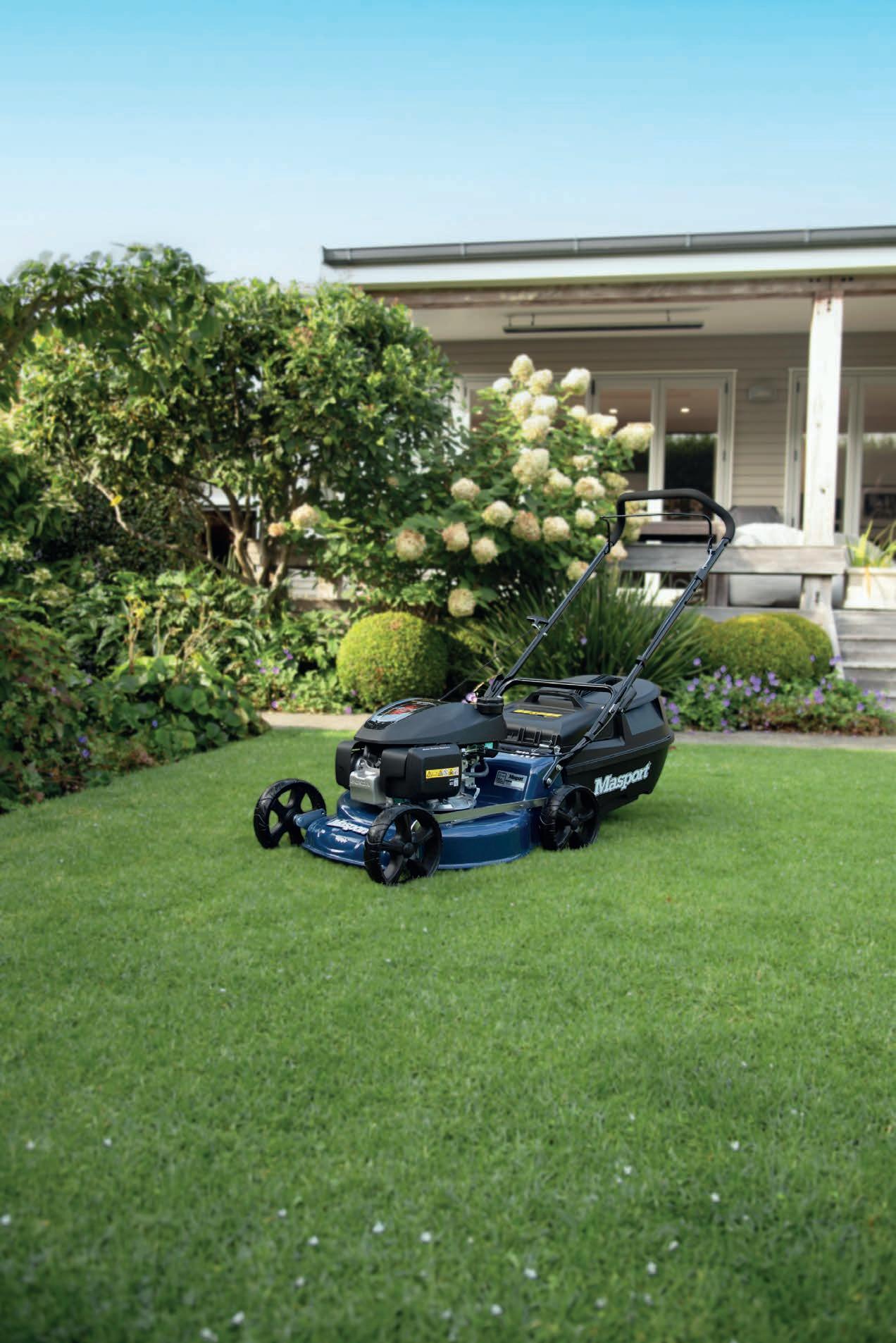
Masport is raising the bar with a new generation of push and selfpropelled lawnmowers designed to make lawn care easier, cleaner and more e icient.
M asport has built its reputation in Australia on brand heritage, a commitment to quality engineering, and innovation. Its petrol-powered lawnmowers are designed for performance, durability, and versatility, delivering consistent results on everything from everyday residential lawns to demanding professional use.
Built on proven foundations, the latest range introduces refinements that enhance usability, improve cutting performance, and deliver greater long-term durability.
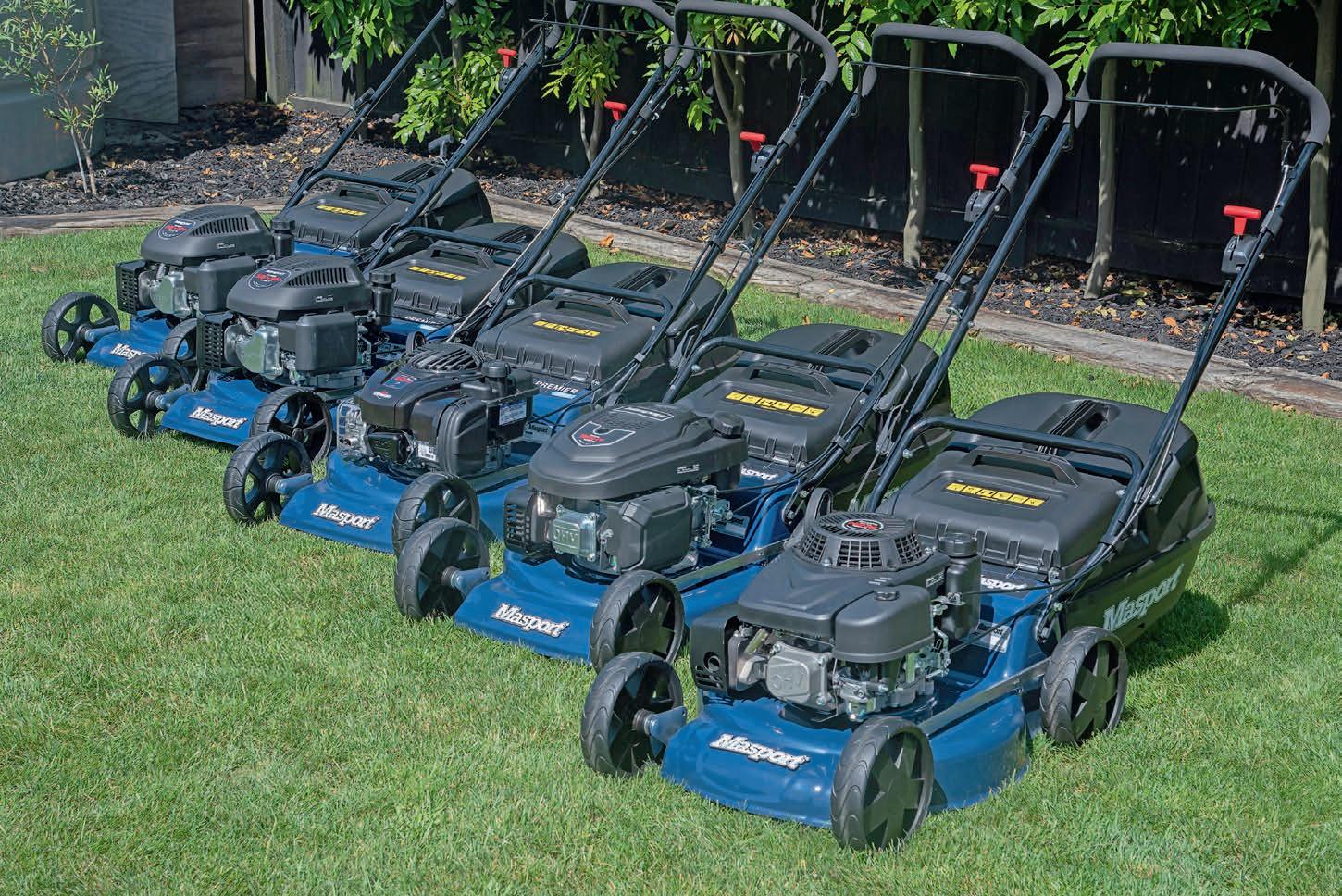
Available in 18" and 19" cutting widths, the new range features Masport’s high-arch chassis design in either heavy-duty steel or non-rust aluminium construction. Engineered to maximise airflow beneath the deck, the high-arch design supports e ective cutting, catching and mulching performance across a wide variety of lawn conditions.
The new Masport mowers feature robust engines from Briggs & Stratton, Masport, Kohler and Honda – all backed with comprehensive warranties for additional confidence. Customers can choose power to suit their requirements.
Every lawn is di erent and requires the flexibility to cut, mulch or discharge grass to suit. Masport’s adjustable cutting height ranges from low to high with one simple lever.
Masport continues to back its mowers with warranties, including 10 years on aluminium
• Masport’s Quadcut® 4 blade disc system: Featuring four swing-back blades for increased safety, the Quadcut® 4 blade disc system is designed to create powerful airflow for cleaner cutting, improved catching and a tidy finish.
• Larger and more e icient catcher: Masport has focused on improving convenience and comfort for everyday use. A new 50-litre high-density plastic catcher o ers smooth handling and secure fitment, while a redesigned rear-discharge flap creates a tighter seal to reduce grass and dust leakage. A built-in catcher-full indicator alerts users when it’s time to empty.
• Rear discharge and mulch capability: Versatility remains a strength of the new range, with the majority of models now o ering convenient 3’n1 functionality, allowing users to catch, mulch or reardischarge grass clippings depending on conditions. The integrated mulching system finely cuts clippings and returns them to the lawn as natural fertiliser, while the sturdy rear-discharge feature e iciently disperses grass when mowing without a catcher.
• Soft-sleeve handle and Operator Presence Control: For added comfort and safety, all new push mower models meet Australian safety standards with a system that automatically stops the engine and blade when the handle is released. Soft-sleeve handles also help reduce vibration and improve operator comfort during extended mowing sessions.



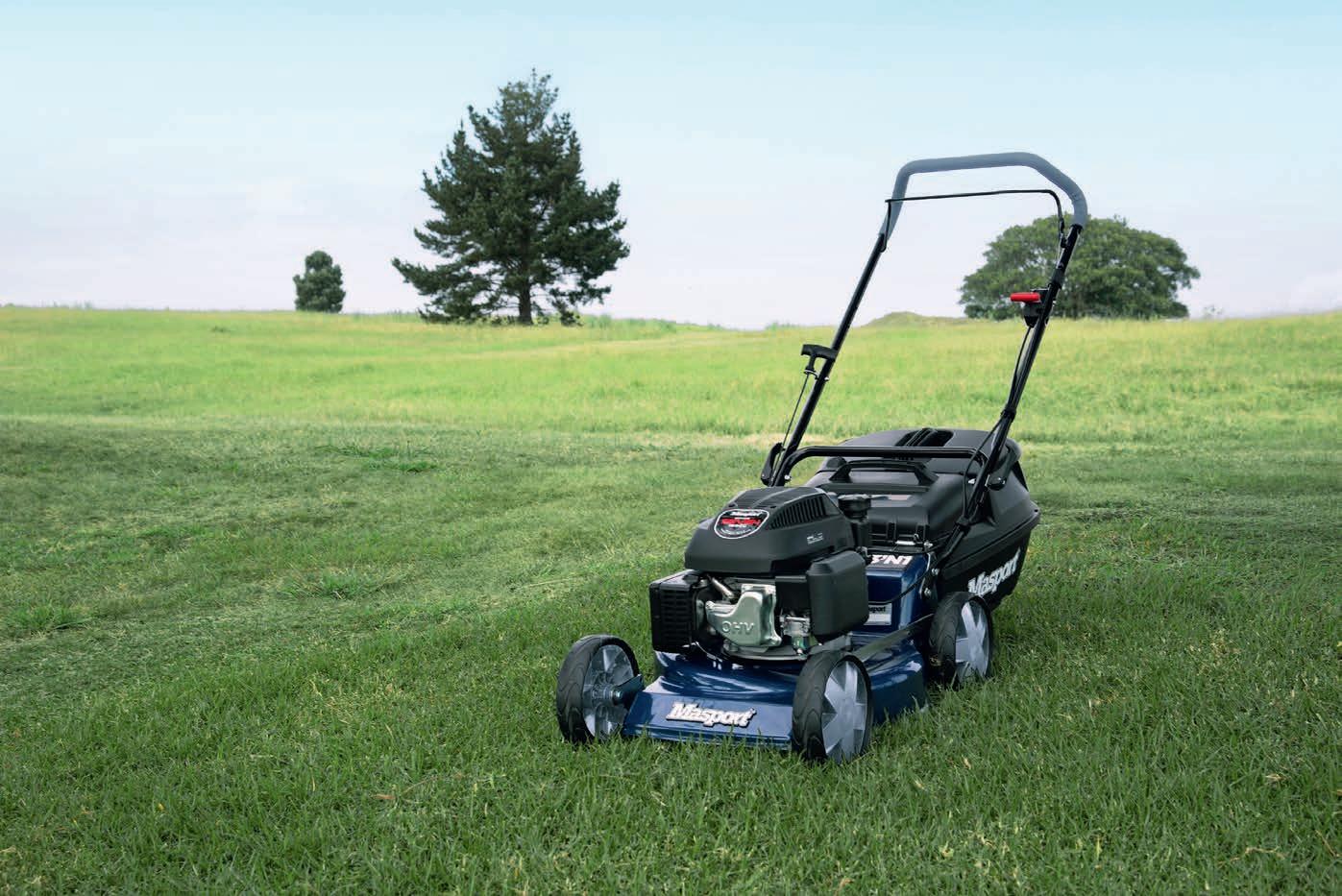
Select models also include premium features such as edge-toedge cutting for trimming close to borders, handle lift systems for easier catcher removal and compact storage, washport deckcleaning systems, and self-propelled drive systems that reduce e ort when mowing larger areas.
Supported by Masport’s specialist dealer network, customers can also expect expert advice, tailored product recommendations, and dependable after-sales support.
For decades, Masport has been a familiar name in Australian backyards. With the release of this new mower range, the brand continues to build on that legacy, delivering smarter features, reliability, and the performance Australians have come to expect from the brand.
To see the new Masport range or to find a Masport dealer, visit masport.com.au.
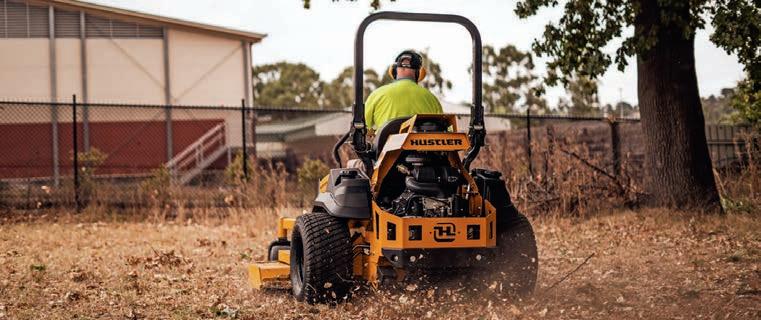
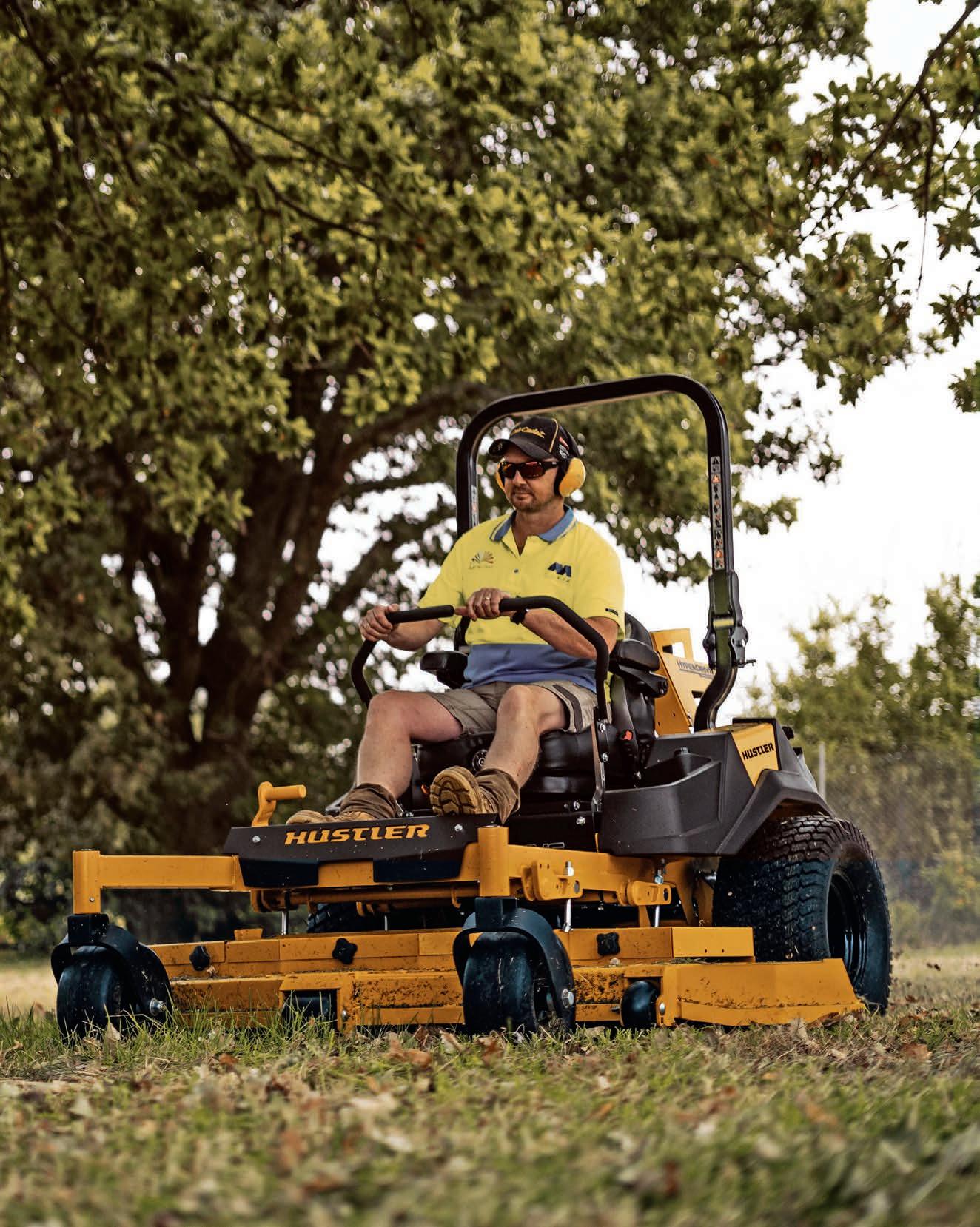
For professional mowing contractors and council grounds managers, the right equipment decision comes down to three things: productivity, reliability and running costs. Hustler commercial zero-turn mowers support all three. Including operations where e iciency and environmental responsibility go hand in hand, Hustler delivers.
The most practical environmental benefit of a Hustler commercial zero-turn is what happens across a working week. The zero-turn platform lets operators cover more ground faster, with fewer passes and less repositioning time than conventional ride-ons. Fewer engine hours per hectare maintained means less fuel burned across a fleet. For councils managing parks, reserves, road verges, sporting ovals, and public open spaces at scale, that operational e iciency reduces overall fuel consumption across a grounds maintenance program.
The entire Hustler line up is powered by Kawasaki – a pairing that’s no accident. Kawasaki engines are recognised for their high torque, fuel e iciency, and long service life, making them a good choice for machinery that runs hard, day in and day out.
The Super Z range spans 27hp through to 38.5hp Kawasaki configurations, giving fleet managers the flexibility to match engine output to the demands of the site. For operations requiring maximum fuel economy, the Super Z is also available with the Kawasaki FX1000 EFI engine at 38.5hp, delivering cleaner combustion and better fuel e iciency under the variable load conditions of real-world professional mowing.
The Kawasaki name is familiar to many fleet managers, and service teams understand these are engines designed to accumulate hours without compromise.
Every Hustler mower features a fabricated steel cutting deck. Step up to the commercial tier with the X-One or Super Z and you get the even stronger VX4 fabricated steel deck.
The VX4 is constructed from heavy-duty 7-gauge steel with additional reinforcements around the deck edges and spindle mounts, heavy-duty greaseable spindle housings with
The Super Z range spans 27hp through to 38.5hp Kawasaki configurations.

debris shields and blade-bolt impact guards, and an adjustable front ba le for a precise cut across di erent seasons and grass types. Engineered airflow lifts grass upright from the centre of the spindle to the tip for an even cut across the full width, while the wide discharge tunnel distributes clippings to prevent clumping.
The result is a clean first pass at speed, without doubling back, reducing fuel consumption and hours on site.
HyperDrive: engineering for Australian summers
Heat is the enemy of hydraulic drive systems, and anyone running commercial mowing equipment through an Australian summer knows what sustained high-ambient temperatures do to machinery that isn’t built to cope with it. Hustler’s answer is the HyperDrive system, exclusive to Hustler.
At its core, HyperDrive uses industrial-grade Danfoss DDC-20 slipper piston pumps driving each wheel independently, heavy-duty Parker high-torque wheel motors, and a large oil reservoir of about 11.3 litres acting as a thermal heat bu er. The system integrates a full-flow, high-capacity aluminium oil cooler – three inches thick, 10 x 10 inches – paired with a 12volt, nine-inch fan, and integrated directional shroud that draws air through 100 per cent of the cooler surface. A hot-oil shuttle line carries heated oil directly from the wheel motors back to the cooler, rather than allowing it to recirculate unchecked through the system.
For councils and contractors running long days in summer conditions, reducing transmission oil temperature is the most important factor in extending the service life of a hydraulic drive system. HyperDrive addresses it through multiple redundant mechanisms rather than a single intervention.
Cooler oil means reduced component wear, longer service intervals, fewer unplanned breakdowns, and a machine that keeps performing at the end of a long, hot day. Hustler backs the HyperDrive system with a five-year, 3000-hour limited warranty on the hydraulic drive – a confidence statement that speaks directly to fleet managers weighing total cost of ownership.
Professional mowing is physically demanding work. For operators running eight-hour days across large, open spaces, comfort isn’t a luxury – it’s a productivity and safety consideration. The high-back I3M suspension seat fitted to the Super Z comes with adjustable armrests and a three-inch travel range, designed to absorb shocks and vibrations and reduce physical strain during extended mowing sessions. For municipality managers, reduced operator fatigue means safer operations and more consistent output from the team. Combined with Hustler’s SmoothTrak steering, engineered to reduce arm fatigue during longer mowing periods, the Super Z is a machine operators can work confidently and comfortably across a full commercial day.
Councils, municipality managers, and professional mowing contractors across Australia choose Hustler because the machines hold up, perform consistently, and keep running costs under control.
Reliable Kawasaki power, the VX4 deck, a transmission cooling system purposebuilt for Australian conditions, and operator comfort engineered for a full working day make Hustler suited to large-area grounds management, season after season.
Book a test drive


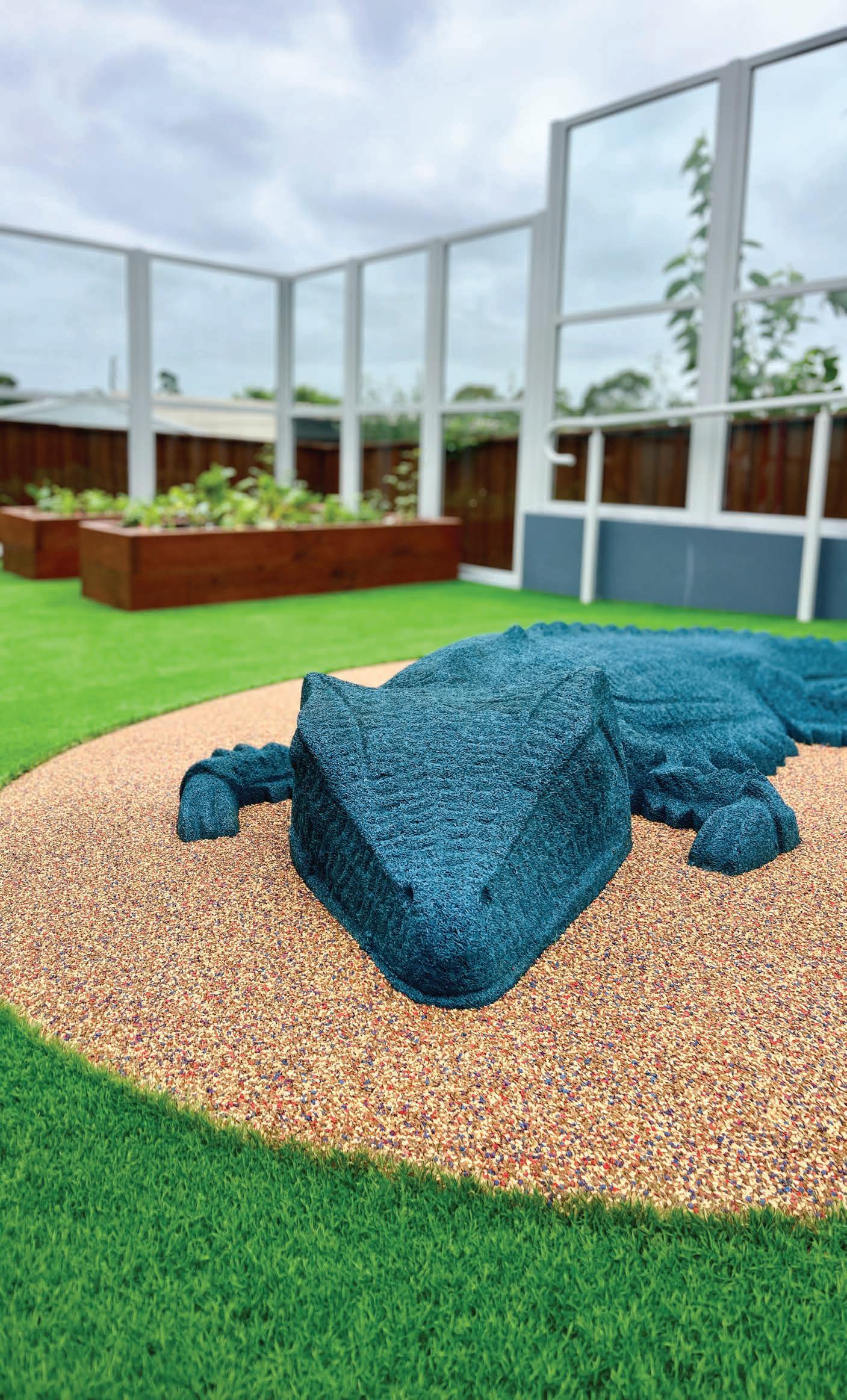
From natureplay and playgrounds to commercial and residential landscapes, Hortscapes Landscaping puts an emphasis on workmanship and environmental sustainability. When the company needs softfall or rubber products, it turns to A1 Rubber.
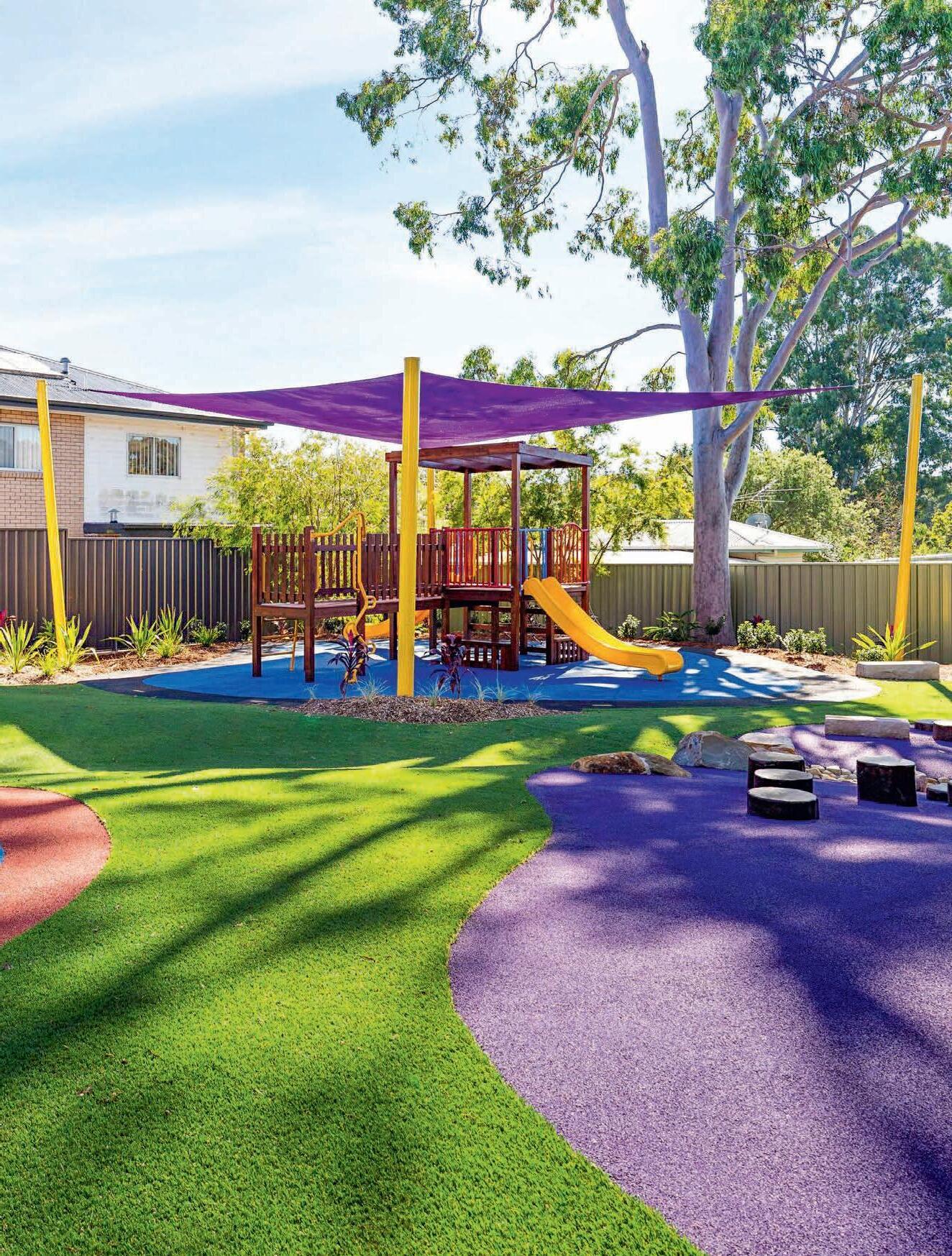
Hortscapes Landscapes focuses on commercial projects, especially outdoor natureplay, playgrounds, and recreation areas. Images: Hortscapes Landscaping

Hortscapes Landscapes started out with bush-rock retaining walls and largescale turfing projects in the 1980s. Today the company focuses on commercial projects, especially outdoor natureplay, playgrounds and recreation areas. Revegetation works, lush plantings, turfing, and synthetic surfaces are all regularly delivered by the Hortscapes team, and the company can handle entire projects, from start to finish, through its own services.
“When you look at a typical childcarecentre playground, public school or government park,” said Brody Lynch, Project Manager/Landscape Designer at Hortscapes Landscaping, “everything – softfall, plants, concrete – is in-house with Hortscapes.
“That includes installation and manufacture. From design to construction, we do it all.”
Great fit
Hortscapes has been using A1 Rubber CSBR, Opal EPDM and Carnivale granules for 10 years or more, and Lynch was happy to say why.
“I think the main reason we went to A1 Rubber in the first place was it’s an Australian company,” he told Landscape Contractor. “We noticed a lot of other surfacing companies importing their rubber. We like to stay Australian-made with everything we use, so that was the drawcard to start with.
“Since then, we’ve had a good relationship with the company. A1 Rubber has always given us good pricing and good product, and we like that the CSBR can be recycled.”
Hortscapes has environmental sustainability as a company focus, so A1 Rubber’s recycling of vehicle tyres in the manufacture of its products also made for a strong professional relationship.
With certification being vital to softfall surfaces, Lynch explained that the combination of A1 Rubber’s products and mixer made good business sense.
“We have an A1 Rubber Rotatub,” said Lynch. “We like how it works.
“We looked at other brands of mixer, but it’s so convenient to have everything supplied through the one company. And we like the Rotatub. It’s been a godsend in saving time, and we’ve had far better control of our mixes with it.
“Using the Rotatub with A1 Rubber products means our projects are certified, no problems. We also use the A1 Rubber ShockPads. That makes for easy certification as well.”
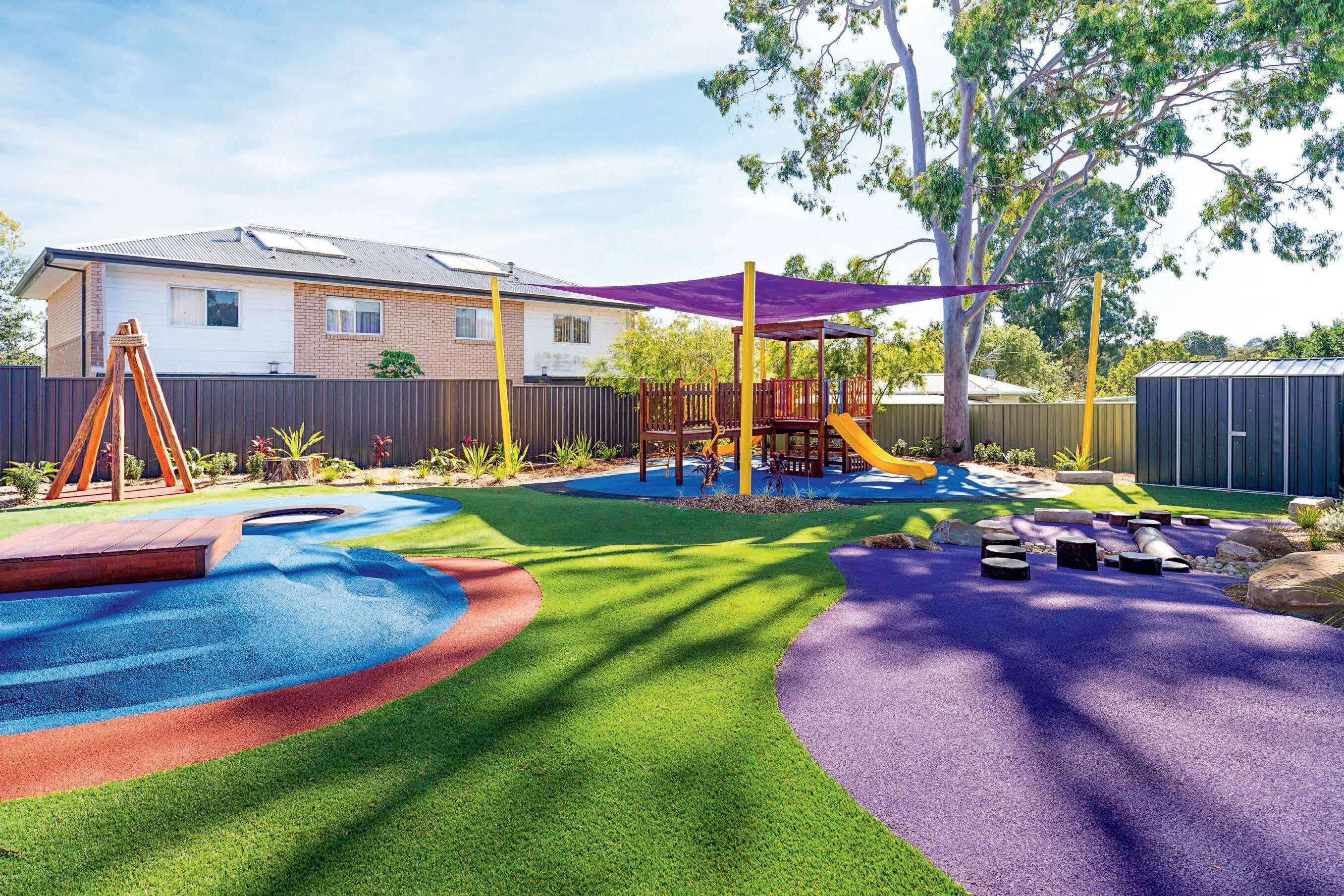
A1 Rubber’s upcycling of vehicle tyres suits Hortscapes Landscapes’ policy of environmental sustainability.

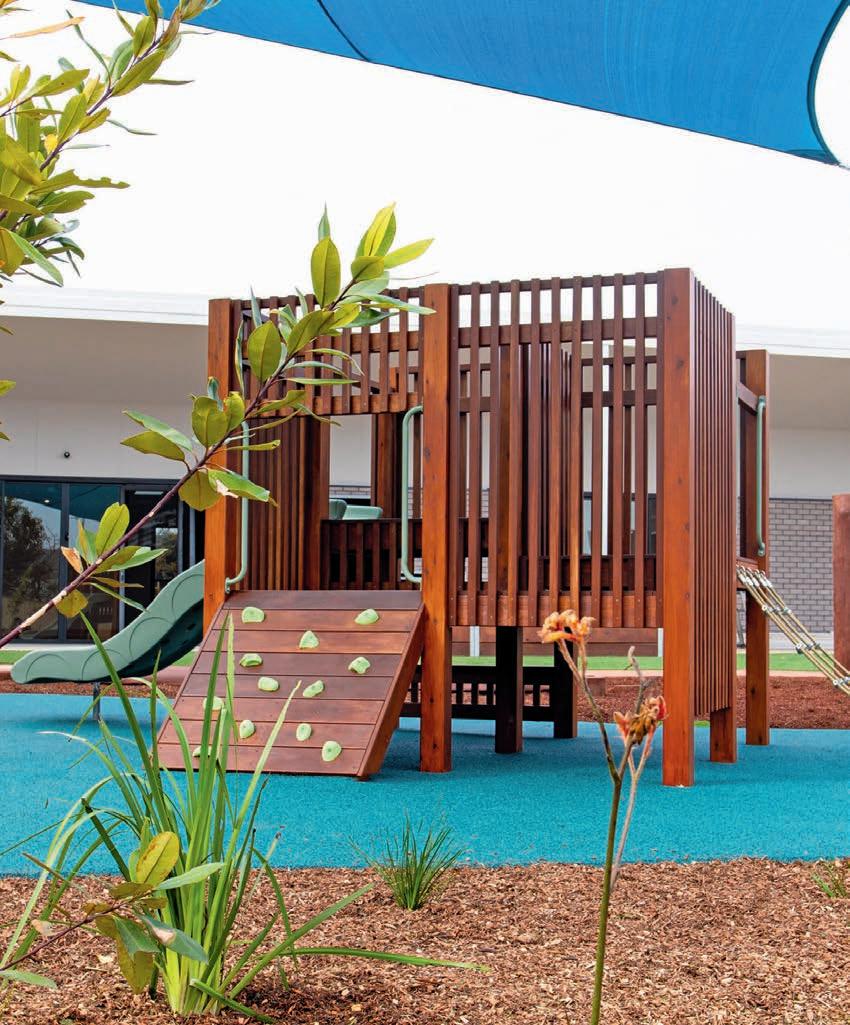

While the products are consistent and up to standard, they’re not the only reason Hortscapes stays with A1 Rubber.
“A1 Rubber’s always been the go-to company to get material quickly,” said Lynch.
“Whenever we’ve needed something, A1 Rubber has pushed to get it in stock. They ship their ShockPads down from Queensland for us, and when we do big orders, the service is fast.
“They’re always very quick to get quotes back to us, too,” he said. “That’s a major thing for us when we’re tendering. We never have to wait for A1 Rubber.”
To see A1 Rubber’s products, visit a1rubber.com.
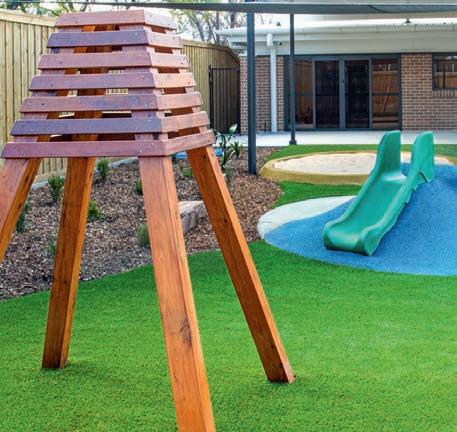
Hortscapes Landscaping has been using A1 Rubber products for more than 10 years.

STIHL is set to launch the ALLPRO Battery System.

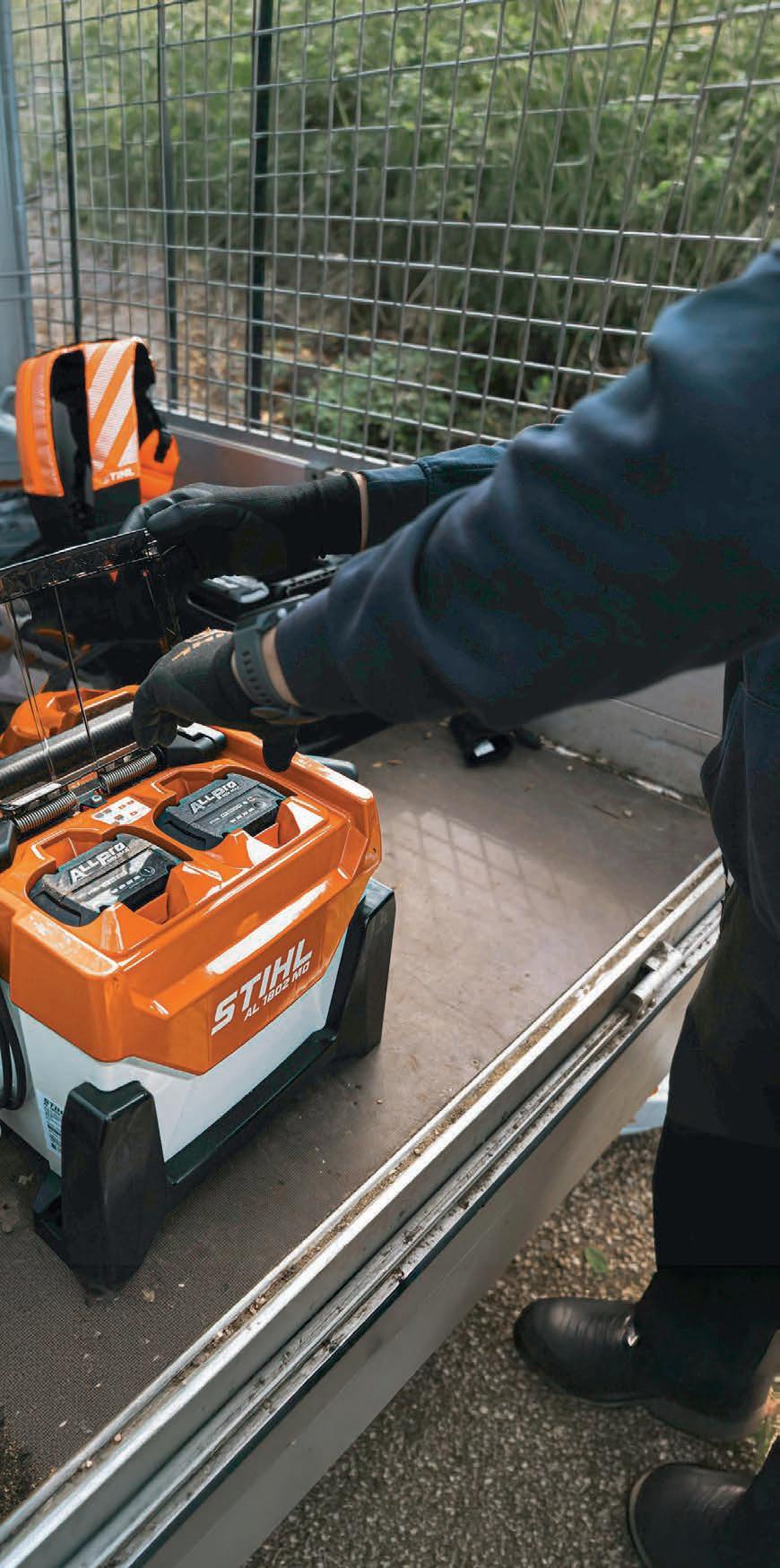
STIHL’s new ALLPRO system will o er five batteries across two series, complemented by new fast-charging solutions and seamless compatibility. More than 60 skins in the STIHL Professional lineup can take advantage of the new system, including every existing AP system tool.
STIHL has developed its battery technology entirely in-house, covering the full development process from cell research and thermal engineering through to field testing. At the core of the ALLPRO system is tabless cell technology that unlocks higher peak power, faster charging, and a longer service life.
Features of the new performance series include:
• 60 per cent higher peak power and 20 per cent more runtime than the previous generation;
• 80 per cent charge in nine minutes when using the new AL 1802 MO mobile charger;
• full power output from the first minute of the day to the last, regardless of the charge level (with no fade or no drop-o );
• Power Boost on compatible STIHL tools, unlocking maximum output on demand;
• rated for up to 3000 cycles without performance loss (up to 15 years of typical use); and
• IPX5-rated to withstand direct water jets from any direction.
The nine-minute fast charge is a shift in how batteries can be managed on a jobsite.
Using the AL 1802 MO mobile charger, the approach is simple: charge one battery while the other powers the tool, and the working day never has to pause. The AL 1802 MO supports sequential charging for maximum speed, or gentle parallel charging to extend long-term battery life, and it’s rated for outdoor use – rain, vehicles, and remote locations included.
For crews working away from power

infrastructure, the new STIHL PS 2000 power station brings fast o -grid charging capability.
ALLPRO Performance Series batteries have been tested. They’re designed to function in temperatures from -20°C to +50°C, after being dropped from 1.5 metres onto concrete, and subjected to intensive vibration.
For contractors already running the STIHL AP battery system, the path forward with ALLPRO is seamless. The new system is backwards compatible – every existing AP tool and charger works alongside new ALLPRO batteries, protecting past investment while opening up the full capability of nextgeneration battery performance.
STIHL ALLPRO arrives in Australia in spring 2026. The next level is within reach.
Visit stihl.com.au to learn more and stay up to date on the release.

Batteries are IPX5-rated to withstand direct water jets from any direction.

Scan the code for more information.
The new AL 1802 Mobile Charger provides next-level rapid charging capability.



Handling large-scale turf maintenance with minimal operator input gives contractors a new way to manage time, labour, and site presentation.



The Kress Mega 600 (KR238) enables contractors to maintain large areas with less manual e ort, reducing labour demands while delivering consistent results.
While automation is gaining acceptance in landscaping, some contractors still question its ability to perform at a commercial scale. The Mega 600 addresses the need. Unlike earlier robotic systems designed for smaller sites, it’s built for high-demand environments where output, consistency and reliability are critical.
As part of the Kress MasterSeries, the Mega 600 is engineered for sports turf, golf fairways, and prominent commercial areas where presentation matters.
A 62cm cutting deck with high-speed blades delivers a uniform finish, supported by three 500W brushless motors that maintain performance in dense turf. A rear roller creates consistent striping that can be repeated across each mowing cycle.
Cutting heights range from 10mm to 100mm, allowing the unit to manage everything from low-cut sports turf to general maintenance, while a lightweight design and turf-friendly tread help minimise compaction.
The Mega 600 can cover up to 22,000m2 in 12 hours and up to 88,000m2 over 48 hours, making it suitable for large commercial sites and multi-zone areas.
Autonomous operation allows mowing overnight or outside peak periods, reducing reliance on daytime labour and freeing up teams for higher-value work. This approach improves labour e iciency while supporting a more sustainable, lower-impact way to manage large-scale mowing.
Charging cycles of about 60 minutes, combined with automatic return-to-dock functionality, support continuous operation across extended periods.
Battery-powered operation reduces noise compared to traditional equipment, making the Mega 600 suitable for residential areas, schools, councils and public spaces. It also removes the need for petrol on site, helping lower operating costs across large-scale mowing operations.
With zero operational emissions, the
Mega 600 supports a cleaner, lowerimpact approach to maintaining large turf areas, environmentally sensitive sites or sustainability-focused contracts. Lownoise operation also allows mowing to be completed in early mornings, evenings or overnight without disruption.
The Mega 600 uses RTK satellite navigation, removing the need for boundary wires.
A dedicated RTK network provides centimetre-level accuracy without on-site antennas, simplifying setup and allowing digital adjustment of mowing zones.
When satellite signals are reduced near buildings or structures, onboard V-SLAM navigation and inertial guidance maintain operation until connection is restored, supporting reliable performance across complex sites.
The unit incorporates an AI-powered turf health monitoring system that analyses chlorophyll and colour data. This allows early identification of turf stress, nutrient deficiencies or potential disease, enabling contractors to act before issues spread.
A multi-sensor safety system combines camera-based vision, time-of-flight sensing and 360-degree ultrasonic detection, allowing the machine to identify obstacles and operate in active environments.
A terrain-following deck maintains a consistent cut across uneven ground, while high-precision motors support smooth movement and reliable traction. The unit can operate on slopes of up to 40 per cent.
Quick blade-change functionality reduces downtime, and fleet management features enable monitoring and scheduling of multiple units across di erent sites.
The Mega 600 is designed to complement existing equipment by taking over large, repeatable mowing tasks. By automating routine mowing, contractors can reallocate labour while maintaining consistent turf presentation.
Set to launch in spring 2026, the Mega 600 o ers a new approach for contractors managing large-scale turf, combining productivity, consistency and lower environmental impact.
For more information or to register your interest, contact your local Kress dealer.
The conversation around electric machinery has centred on heavy construction and bulk handling, but momentum is building in the landscaping sector.
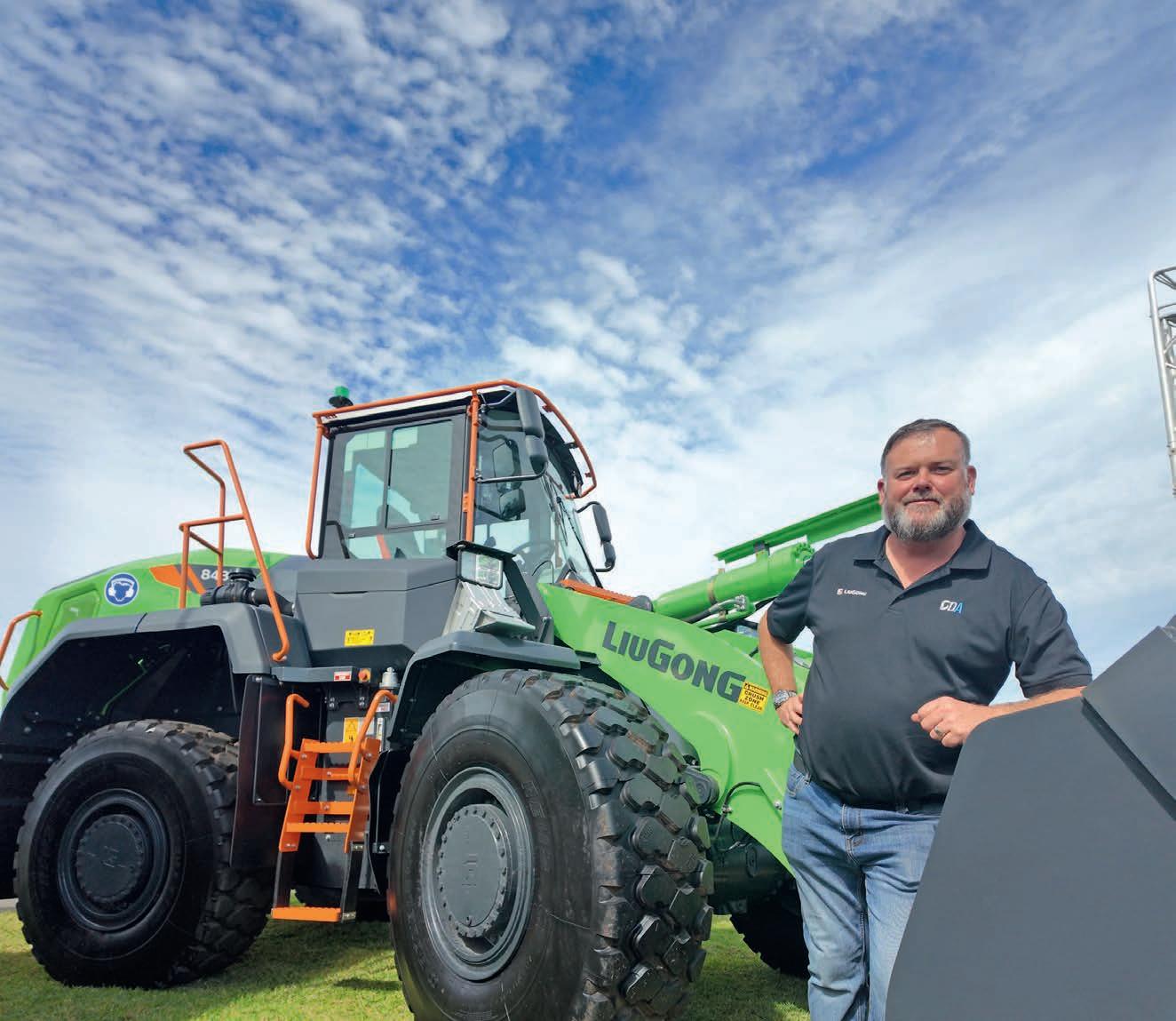
Demonstrations of LiuGong’s battery electric range are drawing interest across Australia as contractors look for ways to reduce operating costs, improve site conditions and meet growing environmental expectations.
With the construction and earthmoving industries already shifting toward lower emissions and reduced running costs, electric equipment is appearing on contractors’ wish lists.
CDA Melbourne Branch Manager Steve Gurkin said the spike in interest has come at a time when the cost of inputs like diesel is continuing to rise and decision-makers are keen to look at alternatives.
For landscaping contractors, the most relevant developments are at the compact
end of the electric plant range.
Machines such as the LiuGong 385BE electric skid steer, the 820TE electric wheel loader, and the 9027FE electric mini excavator suit the day-to-day demands of landscaping – working in tight-access environments, operating around finished surfaces, and delivering precise control for detail work. Their electric drivetrains provide smooth, immediate response, valuable when trenching, grading or working close to structures. At the same time, near-silent operation reduces disruption in residential streets, parks, schools and commercial precincts.
To address uncertainty around electric machinery, CDA has focused on putting operators directly in the seat through targeted demonstration programs.

“We’re currently demonstrating loaders and excavators across the country,” Gurkin said.
“Ever since we displayed our machines at expos this year, we’ve seen that interest spike.”
For many contractors, questions still centre around charging times, runtime, and total cost of ownership when integrating new technology into existing workflows.
“We get a lot of questions about charging times, and the answer will always depend on what power supply is available,” he said. “We also have mobile charging stations developed for those on remote sites.”
However, once those conversations move into real-world applications, perceptions often shift.
“Once we sit down and do the numbers with each client, they realise electric is not just a viable option – it can actually reduce costs.”
The LiuGong 385BE electric skid steer suits the day-to-day demands of landscaping.
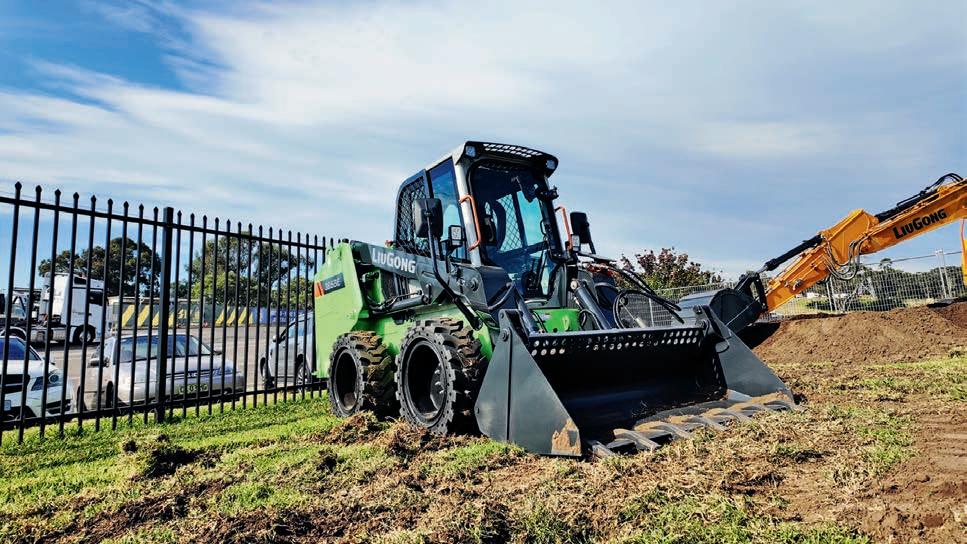
Operator feedback from demonstrations has been consistent, particularly around performance characteristics.
“The electric motor delivers instant torque, which gives operators immediate response when digging or lifting. It’s something you notice straight away,” Gurkin said.
“We had a lot of feedback about how operators were surprised at having all that power with no noise.”
For landscaping applications this translates into smoother operation, improved communication on site, and reduced fatigue over long working days.
Electric machines also align with projects that have strict environmental or noise requirements – common across urban developments and council work.
As interest grows, the key challenge is moving contractors from curiosity to confidence.
“We find on-site demonstrations are one of the best ways to let our customers see the real value in moving forward with LiuGong,” Gurkin said.
“We know our product is ahead of the field, but there’s only so much a brochure can tell you. By allowing a prospective buyer to sit in the cab, use it in their daily operations, and get their operators’ feedback, the decision to buy becomes far easier.”
With demonstrations available through LiuGong’s national network, contractors can assess performance, runtime, and usability in their own environments – a critical step in understanding how electric equipment fits into landscaping operations.
CDA’s role is increasingly centred on making that transition practical – providing access to machines, guidance on implementation, and ongoing support across service and parts.
For more information about the LiuGong battery electric range and demonstrations available, contact your local CDA branch if in Sydney, Melbourne or Brisbane, or head to liugongaustralia.com.au for the national dealer network.


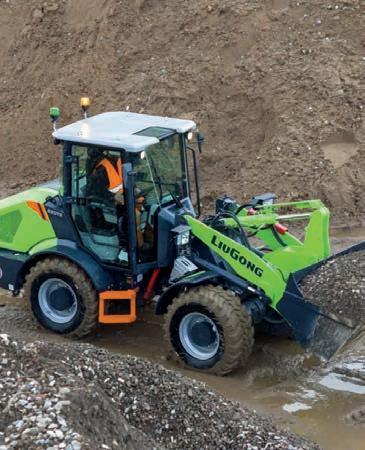


for urban and council environments. Ideal for landscapers, civil works, municipalities, and sites where noise and emissions matter. Lower running costs. Less downtime. Reduced servicing requirements and energy usage designed to keep you working longer.


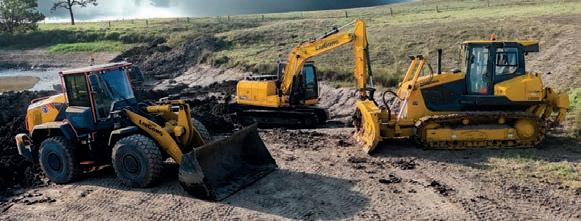
The wet season can be challenging for property maintenance companies, but there’s one outfit that doesn’t get bogged down.
Poletti Maintenance and Vegetation Management is a Townsville-based company that handles all kinds of property work throughout Queensland’s north –from residential lawn mowing through to commercial vegetation control, rail corridors and large commercial sites. The company’s fleet includes 15 mowers, five tractors, three excavators, and a recent addition, an RC Mowers R-60.
A slippery slope
RC Mowers’ remote-control slope mowers handle aggressive slopes and di icult-toaccess terrain, including soft ground.
There are times most of Australia’s north falls into that category.
“The past two wet seasons have been ongoing,” said Aaron Poletti, Manager at Poletti Maintenance. “Both years have had
three or four months at a time where it just didn’t stop raining. A lot of our work was falling behind because we couldn’t get any equipment into the sites.
“When its dry we can use a tractor slasher, front-deck mower or ride-ons with the sixfoot cuts for the solar farms,” said Poletti, “but when it’s wet the machines on wheels can’t move.”
opportunity
A solution was needed, and Poletti did some research that showed the R-60 had earned a strong following among his industry peers.
“We’d been looking at similar mowers for a while and it seemed there’d been a lot of issues with them,” he said. “When we started checking out the RC Mowers units, we had nothing but good reports. The reliability is there.”
Although the wettest part of the year had passed, the RC Mowers unit has shown up well in its use so far.
“This is a busy time of year for us and we’re working the R-60 every day at the moment,” said Poletti. “It’s an unreal machine. Everyone we do work for can’t believe what it can achieve.
“The other machines are heavier and run on wheels, so they can’t move along the wet ground. The R-60 is a lot lighter and runs on tracks. Where other mowers get bogged and cut up the ground, the R-60 doesn’t have a problem, and remote control takes away the danger of having someone sitting on the machine.”
Colbrook delivers
Poletti purchased the R-60 from Colbrook Industries in Cairns and was happy with the experience.
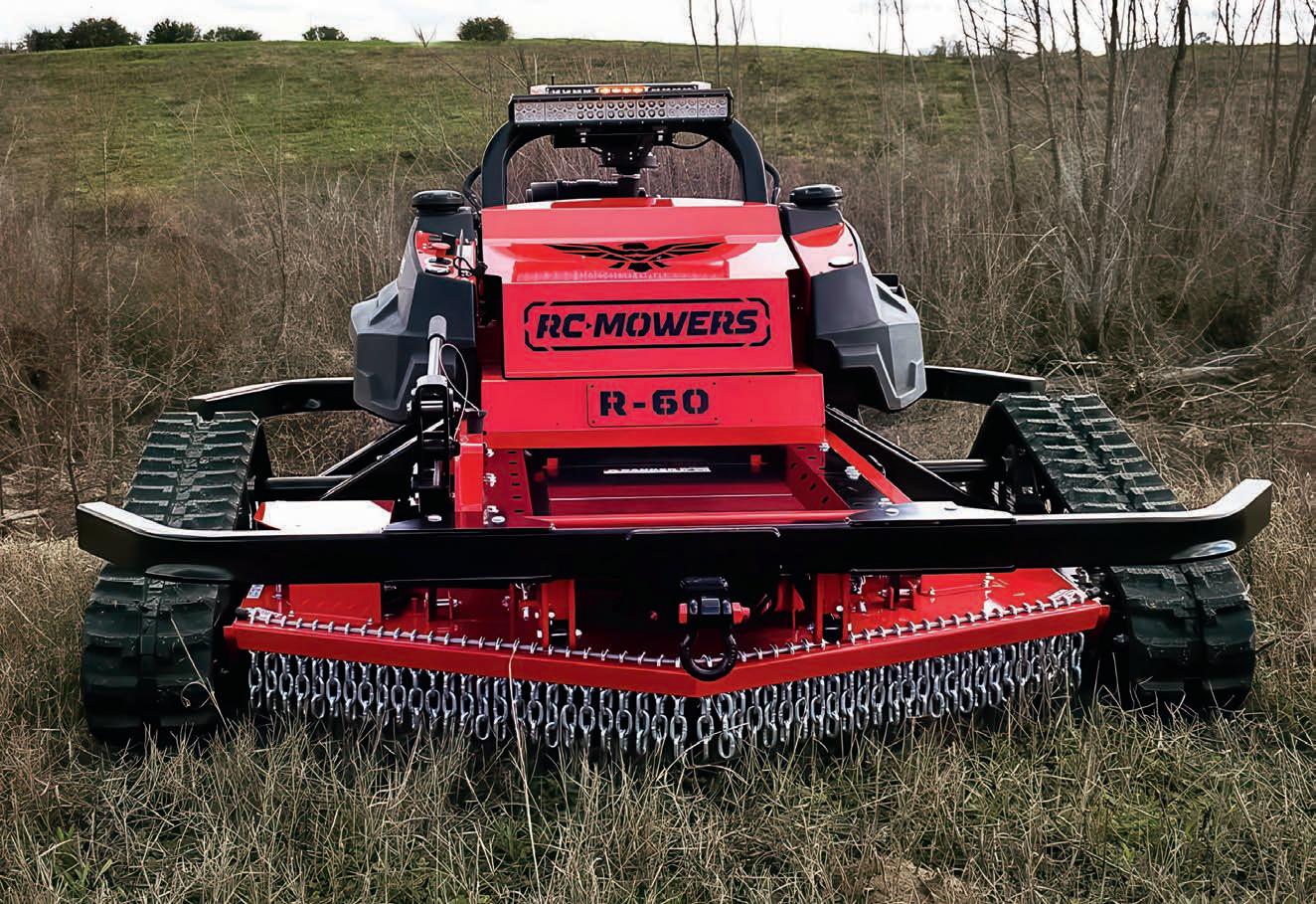
RC Mowers’ remote-control slope mowers handle aggressive slopes and di icultto-access terrain, including soft ground. Images: Colbrook Industries

RC Mowers R-60 features
• Powered by Vanguard engines
• Remote control tilt/drop auto-shutdown
• Hydrostatic drivetrain
• Fabricated 7-gauge steel deck
• Will mow material up to 38mm
• Microprocessor-based remote control with LCD screen with real-time diagnostics
• Full operation from the remote with a 300m range and inbuilt safety features
• Camera, push bar, chain guard, front and rear lights, ROPS, transport lock & track tension gauge
• 2.5 acre-per-hour average mow rate on di icult terrain
• Mows in both forward and reverse
• Lightweight and low ground pressure (2.2PSI)
• Fuel boost for continuous fuel flow on slope
“We went up there and had a look, and we pretty much bought it the next day,” he said. “The service from the dealership was good, and if we call for parts, Colbrook can have them to us the next day.”
RC Mowers machines are available in Australia through Colbrook Industries. Visit colbrookindustries.com.au to see the range.

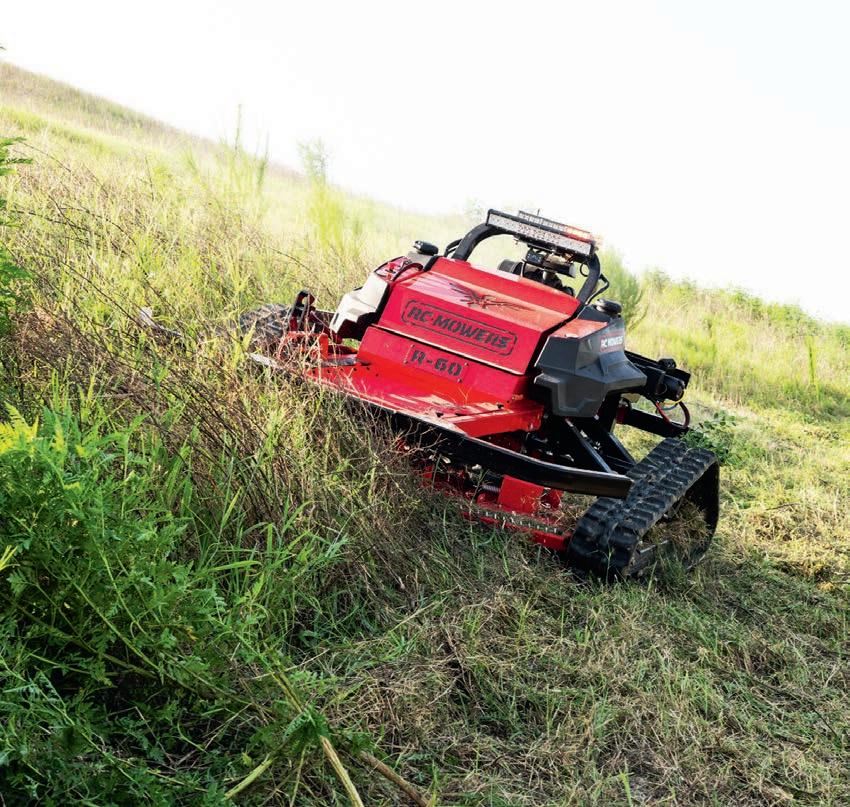





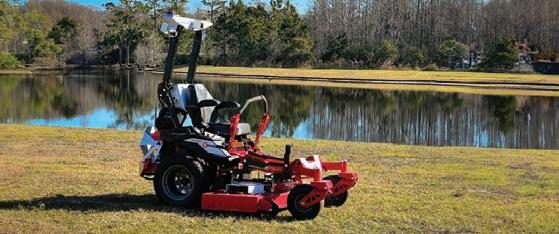


• Reduces your labour requirements and costs.
• Single operator can generate the same revenue as a crew of three.
• Manage fewer employees with greater productivity.
• Grow your business with less labour.


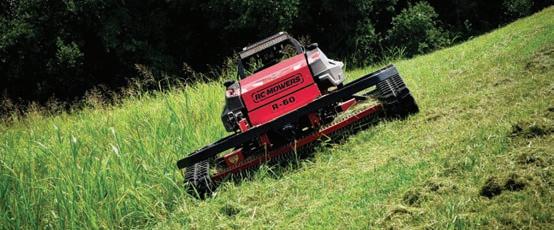
• Remote operated for optimum operator
• Mow slopes and hazardous terrain in half the time with just a




• Designed to secure niche revenue, maintaining: Hillside and steep inclines; Golf course rough; Dam, water course, drainage & levy embankments; wet or swampy terrain; hard to access roadsides

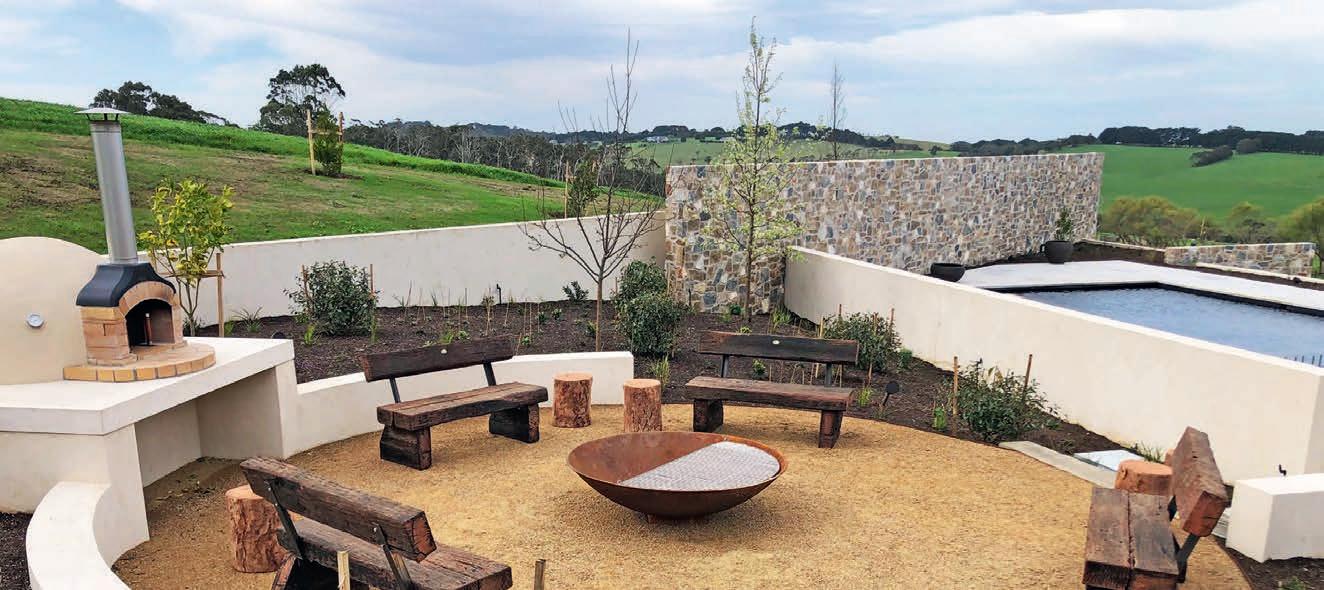
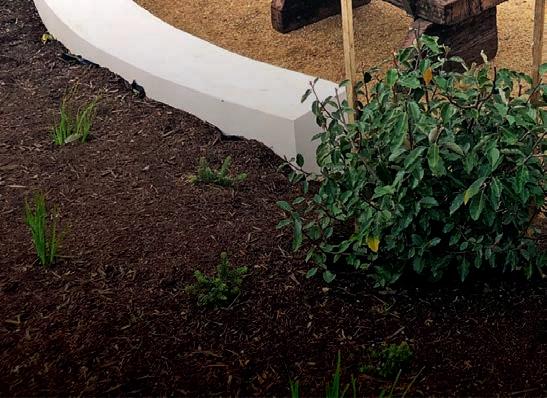
AA single visit can support more cohesive project planning, supplier comparison, and sourcing decisions. Image: TK Heritage Tables

Landscape Contractor magazine has been appointed media partner of a new industry expo scheduled for August this year.
ustralia’s landscaping and property management sectors are on the cusp of an expansion. Driven by infrastructure investment, urban greening initiatives, and major civic upgrades, demand is increasing for contractors who can deliver projects faster, more e iciently, and at tighter margins.
Conditions for doing business are becoming more challenging. Labour shortages persist, input costs remain high, timelines are tightening, and expectations around sustainability, compliance, and quality continue to rise.
Against this backdrop, many contractors are asking how they can stay competitive while protecting profitability.
One answer may lie in stepping o -site for a short time.
A focus on operational gains
Greenscapes + Green Expo positions itself less as a traditional trade show and more as a practical business tool for the landscaping and property-management industries.
The event, scheduled for August 5 and 6 at the Brisbane Convention & Exhibition Centre, is built around the premise that small
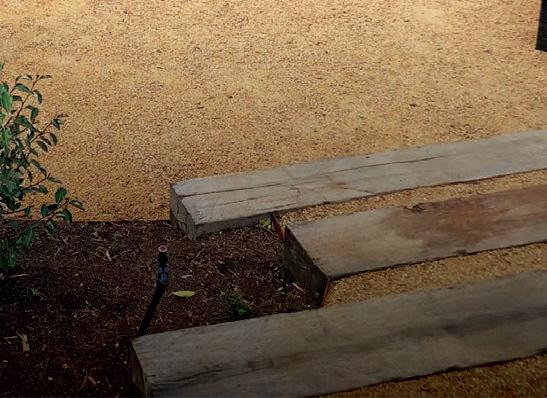
improvements in how projects are delivered can have a measurable impact on margins.
With more than 200 brands exhibiting, the businesses in the property care and landscaping sectors have the opportunity to compare machinery, tools, irrigation systems, and construction solutions side-by-side. For those used to assessing suppliers across multiple meetings, sites, or online research, being able to evaluate options in one location o ers both time saved and sharper decision making.
It could mean finding equipment that reduces labour requirements, installation methods that speed up delivery, and materials that o er better longevity and improved cost performance.
One of the defining features of the Greenscapes + Green Expo is its integration of the full greenspace supply chain.
Beyond machinery and construction solutions, the event will showcase a dedicated greenlife and grower zone, showcasing plant stock, trees, turf, and living elements. This crossover between ‘hard’
and ‘soft’ greenspace remains relatively uncommon in trade events, but reflects how projects are delivered on site.
For landscapers, the benefit is that a single visit can support more cohesive project planning, supplier comparison, and sourcing decisions.
A drawcard will be the Live Demo Arena, where exhibitors move beyond static displays.
Brands including STIHL, Kress, Straightcurve, Chervon and Avant Equipment are among those expected to demonstrate products. Seeing equipment operate and having the opportunity to question suppliers provides a more reliable basis for investment decisions than brochures or online content alone.
In an industry where a single purchasing decision can influence labour, speed, and cost outcomes across multiple jobs, it’s a valuable opportunity.
Alongside the exhibition floor, the event will host a series of practical sessions and
The event will host a series of practical sessions and discussions. Image: STIHL
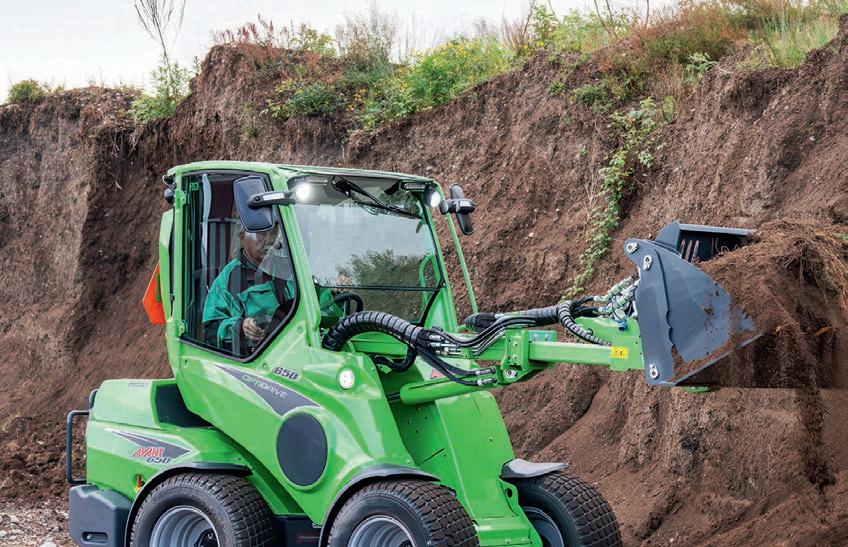
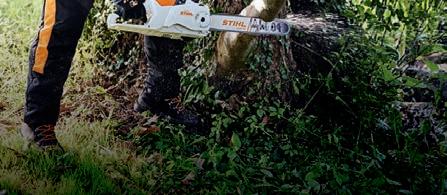
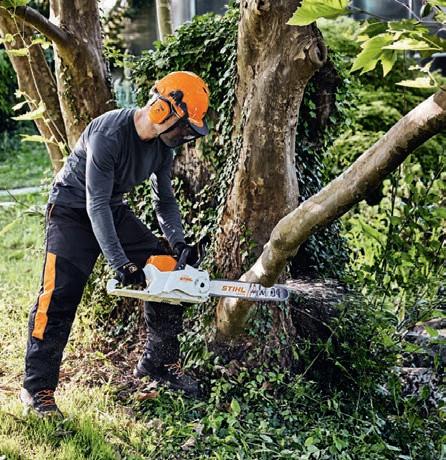

discussions examining where the sector is heading.
Topics are expected to include watersensitive urban design, irrigation integration, evolving sustainability requirements, and strategies for more e icient project delivery. While not positioned as academic, the program is designed to provide applied knowledge contractors can take back to current and future projects.
The value of connection
Equally important is the opportunity to engage with the broader project ecosystem. With councils, developers, designers, growers, and suppliers attending, the event creates space for conversations beyond immediate procurement. For many contractors, these interactions can lead to improved supplier terms, early visibility of upcoming work, or partnerships that streamline delivery.
In a competitive market, these relationships can be as valuable as any product innovation.
Perhaps the most compelling aspect of the event is its accessibility – attendance is free. For contractors weighing up the cost of time away from projects, the proposition is straightforward: if one new supplier, product, or process improvement delivers even a modest gain, the return on time investment becomes immediate.
As the greenspace sector continues to grow at an accelerating rate, businesses that refine how they work – not just how much work they take on – will be best positioned to benefit.
Registration is free at greenscapeshow.com.au.



Seeing equipment operate and having the opportunity to question suppliers provides a more reliable basis for investment decisions than brochures or online content. Image: EGO

HA
soil washing plant in Victoria has the capacity to divert 25 to 30 per cent of all Category C contaminated soils from landfill every year.
ealthy soil is a critical resource for the environment and economy. Facilities that can de-pollute and restore soil to a healthy state, and stop otherwise useful soil from going to landfill, are an asset.
In a joint venture, Veolia and Ventia have relocated a soil-washing plant in Victoria where there is increasing demand for its services.
The plant, EarthSure, can process up to 160,000 tonnes of Category C contaminated soils and aggregates every year, which can be reused where recovered aggregates and sand replace the need for quarried materials. Category C soils are most often sourced from remediation and construction projects.
The plant’s treatment processes can be configured to separate organic and inorganic contaminants, including oils, fuel, polycyclic aromatic hydrocarbons, and heavy metals, allowing the cleaned soil to be reused rather than going to landfill.
“Protecting soil health also means protecting human health,” said Veolia’s
EarthSure can process up to 160,000 tonnes of Category

C contaminated soils and aggregates every year. Image: Veolia
Chief Operating O icer Resource Recovery, Carmen Loecherer. “EarthSure’s facility is a groundbreaking and scalable solution for Victoria’s environmental security and circular economy.
“The new facility allows us to recover more contaminated soils by treating them to a level where they can be safely reused in a range of construction and civil engineering applications, such as backfilling, concrete, asphalt, and more.
“By successfully treating these materials, EarthSure reduces the need for quarried virgin materials.”
The introduction of the soil wash plant complements the existing direct fired thermal desorption facility at the Taylors Road Resource Recovery Precinct, which already treats more highly contaminated Category A and B waste derived from industrial processes and remediation projects.
Together with the newly opened EarthSure Soil Wash Plant, they establish Taylors Road Resource Recovery Precinct as a one-stop
solution for soil remediation across Category A, B, and C soils. For the first time, soil from complex environmental projects can be managed at a single location.
Ventia General Manager Environmental Services Adam Fletcher said the facility’s opening was timely as demand for soilwashing services increases in support of large-scale infrastructure projects in Victoria.
“As landfill capacity tightens and demand for sustainable construction materials grows, soil washing allows us to keep valuable resources in use rather than buried. It’s a clear example of the circular economy in action – turning waste into supply when the market needs it most,” Fletcher said.
“It is a great example of infrastructure designed for the sustainability expectations of today and into the future.”
The plant was established with the support of a $1.15 million grant from Sustainability Victoria Circular Economy Infrastructure Fund – Hazardous Waste, delivered by Sustainability Victoria under the Victorian Government’s circular economy plan, Recycling Victoria: A new economy.
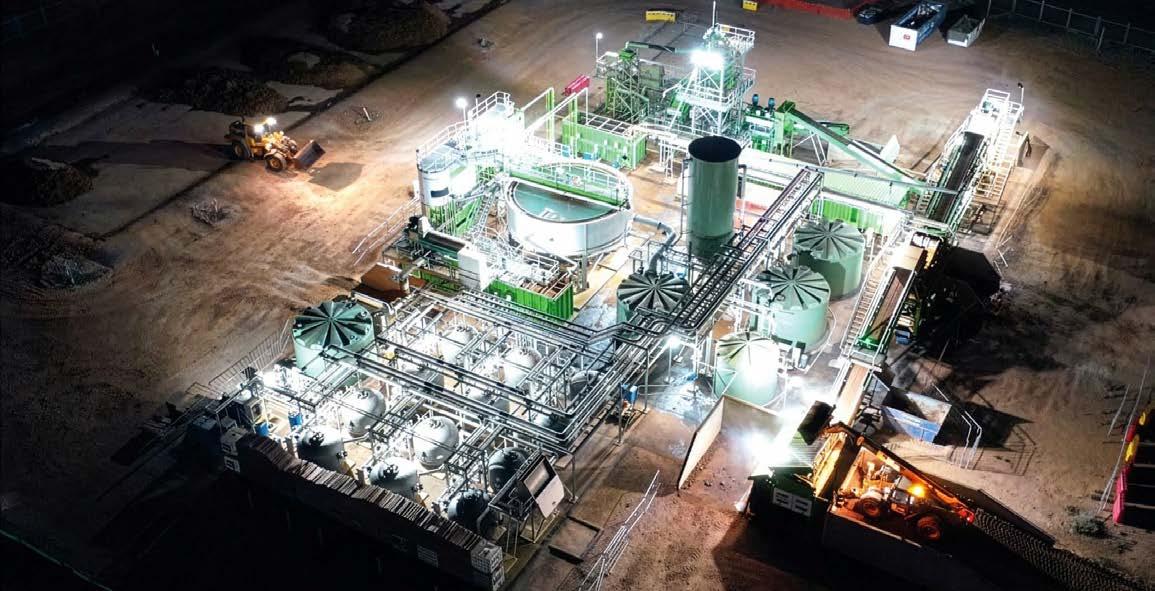
A new system has been created to help crews plant faster and with zero single-use plastic waste.
Regen Nurseries has launched the Regen Speed Tray™, a reusable plant tray and planting system designed to improve how large-scale projects are supplied, transported and installed.
format
The Regen Speed Tray™ brings nursery production, freight, handling and installation into one reusable format. Each large-format tray holds 10 plants, with each cell carrying a 550cc soil volume. The plants are about three times the size of standard forestry tube stock, giving planted landscapes stronger visual impact from day one while supporting faster installation.
Unlike traditional 140mm plant formats, the Regen Speed Tray™ uses a streamlined shape that allows planters to work with forestry speed-blade shovels. This helps reduce digging e ort, improve planting rhythm, and limit strain on crews across high-volume projects.
The format also allows planters to carry more than 20 plants at once using belt-mounted trays. In suitable project conditions, the system is designed to support planting rates of more than 1000 plants per person per day.
With the whole job in mind Victorian-based Regen Nurseries Director Brendan Condon said large-scale plantings are often impacted by tight windows, site constraints, and the rising cost of labour.
“Contractors are dealing with tighter programs, higher labour costs, limited planting windows, safety requirements, and increasing scrutiny around waste,” said Condon. “Many infrastructure, road and streetscape plantings have limited access governed by expensive tra ic management and road closures, so time matters. We designed the plant format around the full job, from propagation and freight through to the way a person can plant thousands of plants in the ground.”
The Regen Speed Tray™ is designed to reduce total project cost, not just the unit price of each plant. The format can be up to 30 per cent cheaper to buy than standard 140mm pots, while compact stacking, faster installation and improved movement from
The Regen Speed Tray allows planters to carry more than 20 plants at once using belt-mounted trays. Image: Regen Nurseries

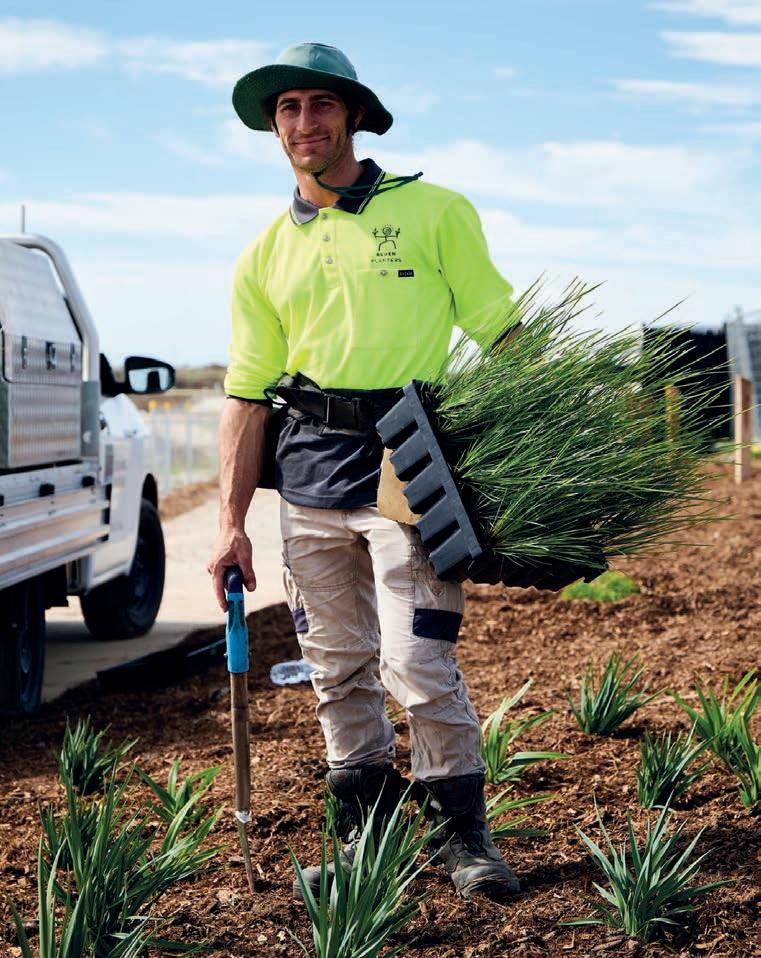

nursery to site can also reduce freight and labour costs.
circle
The environmental benefit is built into the format. The durable trays are returned to Regen Nurseries, washed, and reused. At end of life, they are recycled into new trays, creating a circular model that removes single-use plastic plant pots from large-scale planting sites.
The system is suitable for indigenous, native, and high-performance landscape cultivars across infrastructure, streetscapes, wetlands, public open space, and residential landscape projects.
The Regen Speed Tray™ is available for large-scale project planning and wholesale plant supply. Visit regennurseries.com.au for more information.
A dishonest employee can devastate a business, but there’s protection available.
Research by The Association of Certified Fraud Examiners has shown employee fraud can result in median losses of $200,000 for companies with fewer than 100 employees, and up to 30 per cent of business failures are attributed to fraudulent activities.
Employee Fraud Insurance and riskmanagement strategies work together to create multiple layers of protection. Australian businesses can reduce their exposure by implementing proper controls, maintaining clear documentation, and ensuring appropriate insurance coverage is in place before problems occur.
Employee fraud insurance – Fidelity coverage – provides financial protection when internal controls fail and misconduct occurs. Understanding coverage options helps businesses choose appropriate protection levels while recognising that insurance works best as part of a comprehensive risk-management strategy rather than a standalone solution.
Fidelity coverage protects against direct financial losses caused by employee dishonesty, including theft of money, securities, and other property. Modern policies often extend beyond traditional theft to include computer fraud and forgery incidents.
Coverage typically applies to losses discovered during the policy period, regardless of when the fraudulent activity began. That means businesses can recover losses from ongoing schemes that started before coverage commenced, provided the


Experienced brokers understand how di erent business models create specific fraud risks and can make recommendations on appropriate coverage. They also help businesses understand policy terms, exclusions, and claims procedures before incidents occur. Midland Insurance Brokers’ sta can review your cover to ensure business assets are properly protected, and that the sums insured reflect true recovery values.
If you have claims-related questions or need guidance after an incident, email Midland’s in-house claims team at carltonclaims@midlandinsurance.com. au or sydneyclaims@midlandinsurance. com.au, or call 1300 306 571.



Turner asks,
‘Do you have su icient finance in the job to cover it going wrong?’
We’ve all had a project or two that, from the start, we wish we hadn’t won. Instead of doing high-fives a sinking feeling hits right in the guts. The warning signs were there, but we ignored them. We went in too lean, or we got a bad feeling about the client but went ahead anyway.
Step by step
The key is to think about risk at the time of pricing, not after they sign the contract. By then it’s too late. Risk needs to be mitigated at the start. I know you’ll say you’d never win a job if you priced to cover everything that could go wrong, and that’s true. But it’s important to consider all the possible risks and try to mitigate them as much as possible.
Work through the project systematically, starting with the site project information.
If the documentation is sub-par, it leaves room for di erent interpretations, opening up the risk of having to do work not factored into the pricing. When the client can argue they thought the documents meant one thing when you thought they meant another, you’re in trouble. Know that when the designer makes a mistake it’s you, the contractor, who will pay the price. Try to work with designers you know and trust, or designers who have been in the game for years.
Site conditions play a big role
Consider access, soil type, and topography. Factor the site conditions into the labour and machinery costs and adjust them accordingly. Excavating with a machine in a front garden in sand is vastly di erent to excavating by hand in clay.
Non-structural work usually comes with less risk than the structural work. Weigh up the risk of doing the work versus the skills and labour you have to hand.
Don’t forget the client
If the client is a builder, do your research. Try to find out as much as possible about them. Red flags to look out for include if they burn through subcontractors. Ask around. Check on their socials to see who has worked with them before. If they don’t retain their subcontractors there has to be a reason.
Do they pay late? If you’ve worked for them before and had trouble with payment, run a mile. Otherwise ask around and check the contract terms and make sure they’re
The key is to think about risk at the time of pricing, not once the job’s been secured. Image: Pixsooz/stock.adobe.com


reasonable. Do they output work that aligns with your brand? If they don’t align with your brand you may have a hard time winning the job in the first place.
If the client is the homeowner they’re harder to investigate. Try to work out if the client has the budget to do the work. If they’re penny pinching from the start, it might be worth backing out. It’s not always the case, but if they were recommended by another good client it’s a positive sign.
Write down a list of the risks. A list will help to quantify and mitigate those risks as much as possible.
Some risk, like hitting rock, can be reduced or removed with a clarification. For example, ‘Excavation into rock will be charged on a cost-plus basis as a variation to the contract’.
Other risks are more complex, and with these there are two options:
• Include a Provisional Sum in the contract to cover the risk. This signals to the client that the item may cost more than anticipated. It also acknowledges there is a risk and you have given it thought.
• Cover the risk by adjusting the margin. The margin is there to cover your overheads and profit, but additional margin should be applied to cover risk. For a straightforward job with a good client, your standard margin should be enough. But a high-risk job, a complicated build with bad access, needs a bigger bu er. A high-risk job needs to be worth winning.
Your contract is your friend
A well-written contract is a lifesaver. When the contract clearly outlines the Scope of
Works and surrounding conditions, you’re covered when the scope or conditions deviate from the contract.
Start with a detailed and well-defined Scope of Works. Don’t tell them how many hours you’ve allowed or quantities of materials (some clients will use it against you, counting that you used five bricks fewer than you quoted and demand a refund). Do write a detailed description of each item in your scope of works. Take out the wriggle room. Tell them exactly what the finished product will be. You don’t want the descriptions to be wordy. You want them to be precise. For example: ‘To supply and install 6 x run of SS wire rope trellis as per Section 1 1/02-14 on Drawing Details & Specifications - 2.’
There is no room for misinterpretation in that description.
Write a clarification to cover every risk identified (if you haven’t covered it in the Scope of Works). For example, clearly state where you will be storing materials and how tra ic management will be handled.
Don’t forget to read through the contract with your client. Don’t assume they have read it. They probably won’t unless you walk them through it. This process may be a bit awkward, but it’s also an opportunity to show your expertise and build trust.
Stop treating your margin as something you shave down to win the job and start treating it as an insurance policy. That’s hard when we need to feed the beast; however, a job that goes south badly will cost more than walking away before the pain starts.
Don’t be afraid to walk away.


Being your own boss is great, until it’s not.
With no workers’ comp available from an employer, sole traders and small business owners may want to check if they are prepared for things going pear-shaped.
It’s not great to think about being injured or knocked about with an illness. But for people working with tools and machinery, the risk may need to be considered and covered.
Personal Accident & Illness insurance could mean the di erence between paying the bills and possibly defaulting on promised work –or even being forced to shut down a business in a worst-case scenario.
Personal Accident & Illness insurance protects the policyholder 24 hours a day worldwide and provides a weekly income benefit of up to 85 per cent of a landscaper’s
salary (up to specified limits) following an accidental injury or illness. The benefit is paid for a set amount of time once signed o by a medical practitioner.
Imagine dealing with the pain of a debilitating injury. How much worse would it be knowing that injury meant your family couldn’t a ord life’s essentials?
Personal Accident & Illness insurance won’t stop the aches and pains, but it can help alleviate the stress of having no income while the bills pile up.
Obtaining Personal Accident & Illness insurance can be as simple as a few touches of the screen on a smartphone or tablet, or a few taps on a keyboard during smoko. Head to the BizCover website, supply a few details,

and you’ll get a range of quotes from insurers in minutes.
After comparing the o ers, select, click, and get back to work, knowing you – and those close to you – will be okay if things don’t go as planned.
For on-the-go cover, visit BizCover.com.au or call 1300 805 821.
The number of quotes provided
and exclusions contained in the policy wording or Product Disclosure Statement (available on our website). Please consider whether the advice is suitable for you before proceeding with any purchase. Target Market Determination document is also available (as applicable).









A Safe Work Method Statement is now required in South Australia when work is undertaken at a height of two metres or more from the level below. Image: Allie/stock.adobe.com







Chris Wiltshire, CEO of Master Landscapers of South Australia, highlights a regulatory change for the South Australian landscaping sector.
Businesses operating in the construction and landscaping sectors should be aware of an important change in the regulation relating to working at heights that took e ect on July 1, 2026. The update lowers the threshold for what is considered high-risk construction work, requiring greater diligence in safety planning and documentation.
Until June 30, 2026, a Safe Work Method Statement (SWMS) was required in South Australia when work was undertaken at a height of three metres or more from the level below. Since July 1, 2026, that threshold has been reduced to two metres, bringing South Australia into alignment with national workplace safety standards.
A SWMS is a document that identifies high-risk activities, outlines potential hazards, and details the control measures required to carry out work safely. For any work classified as high risk, a Person Conducting a Business or Undertaking (PCBU) is legally required to ensure a SWMS is completed and implemented prior to the commencement of works. Templates and guidance materials are available through SafeWork SA.
It is important to note that not all heightrelated requirements are changing. The definition of high-risk construction work for excavations remains unchanged, with a
SWMS still required for trenches or shafts where there is a cut into the ground of 1.5 metres or greater.
While the change from three metres to two metres may appear minor, it broadens the range of tasks captured under highrisk construction work. Activities such as working on low roofs, retaining walls, or elevated structures may now require formal risk assessments and documentation.
In preparation, businesses should take steps to review and update their existing safety procedures. This includes auditing current work practices, updating SWMS templates, and ensuring supervisors and workers are appropriately trained in their obligations. Early preparation will not only support compliance, but will also strengthen overall workplace safety outcomes.
By acting now, businesses can ensure they are positioned to meet the new requirements and continue to deliver projects safely and e iciently.
If you would like to know more about safety requirements, make enquiries through the Master landscapers of South Australia email, ceo@landscapesa.com.au. For general information and updates, visit landscapesa.com.au.


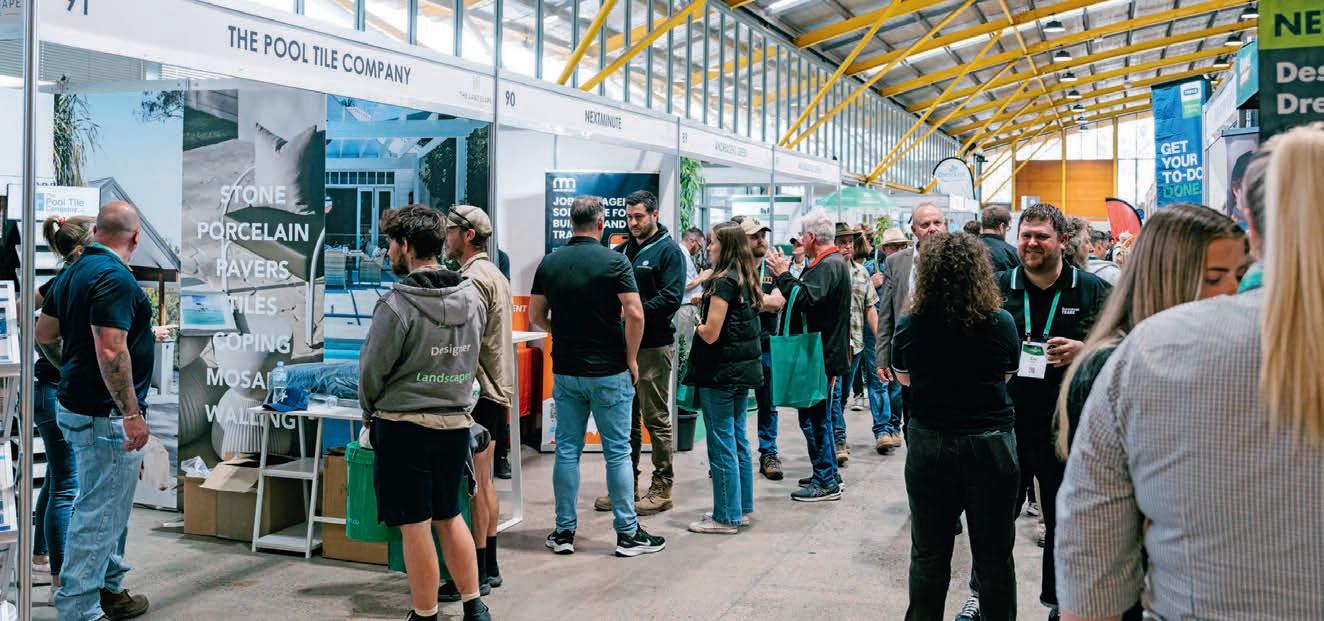

Two industry events for NSW and the ACT’s landscaping professionals are back in 2026.
The TLA Landscape Expo 2026 is fast approaching. Now in its fourth year, with more than 90 exhibitors expected, and with strong industry interest, it’s set to be a key event for landscapers across NSW and the ACT.
Both attendees and exhibitors will be part of an engaged audience of landscapers, contractors, designers, and suppliers, creating opportunities to connect. A range of products, materials, and services will be on display, making it easy to discover new ideas, technologies, and solutions all in one place.
New for 2026 is the TLA Landscape Forum, a half-day, ticketed seminar program running alongside the Expo. Designed for industry leaders and decision makers, it will o er forward-looking insights and meaningful conversations on key industry topics.
For more information, visit the TLA website and search ‘TLA Landscape Expo’.
The TLA Excellence Awards celebrate the work of landscape professionals, recognising achievements in design, construction, maintenance, sustainability, and apprenticeships across the industry. With a spectrum of categories, including Residential Construction, Residential Design, Residential Maintenance, Commercial and Civil Construction, Commercial Maintenance, and Apprentice of the Year, the awards provide opportunities for businesses of all sizes to showcase their work.
The Apprentice category also highlights emerging talent across Landscape Construction and Parks and Gardens.
These awards o er a platform to highlight the complexity, quality, and creativity of landscaping projects, while recognising the dedication and skill of teams delivering highquality outcomes.
Project submissions close on July 17, with winners announced at the TLA Excellence Awards Gala Dinner on October 30, 2026, at Doltone House. Tickets for the Gala Dinner will be available from August 27.
Founded over 45 years ago, The Landscape Association (TLA) is the peak industry body for landscape professionals across NSW and the ACT. TLA supports its members through industry advocacy, resources, and insights that help businesses grow, connect, and succeed.
To learn more about TLA and upcoming events, visit www.landscapeassociation.com.au.

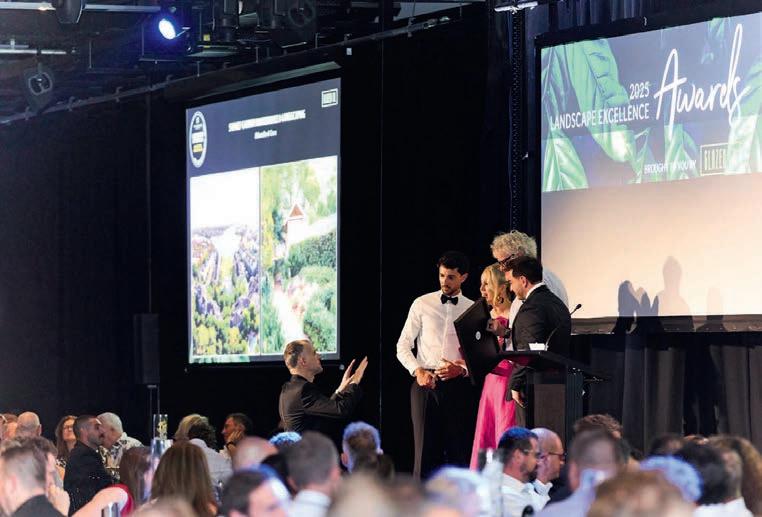





















With about 2500 registered attendees and more than 100 exhibitors, The Landscape Show 2026 was the busiest event in the show’s history.
Melbourne’s Sportsbet Sandown
Racecourse was buzzing from the moment the doors opened on The Landscape Show 2026. Contractors, designers, suppliers, maintenance professionals and students filled the exhibition floor, catching up with industry mates, exploring new products, and squeezing in one more conversation before heading to the next presentation.
“You could feel the energy throughout the venue. Every stand was busy, the presentations were packed, and wherever you stopped, people were talking about projects, opportunities and what’s next,” said Landscaping Victoria CEO Ritchie Hinton.
Standouts
Landscaping Victoria was grateful for support from Arborgreen, naming rights partner of The Landscape Show, for its ongoing support of both the event and the broader landscaping industry. Arborgreen’s display, complete with a pop-up forest, was a standout exhibition.
One of the biggest successes of this year’s show was the introduction of the Networking Hub. Throughout the day, the space hosted


conversations between landscape designers, maintenance professionals, and landscape builders, creating new connections across the industry. The Hub concluded with a presentation from Beyond Blue speaker Luke Richards, whose personal story left a lasting impression on the audience.
Innovation was another drawcard.
Supporting partner Ford Australia attracted
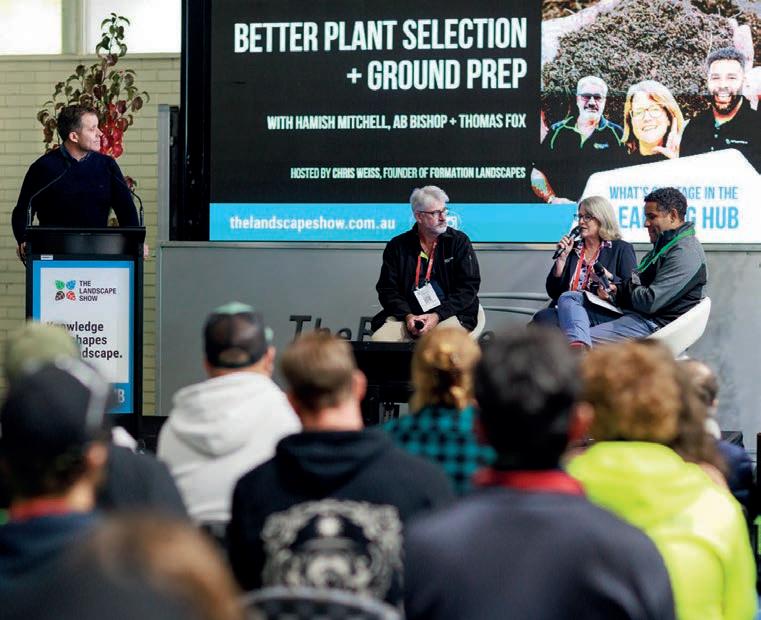

plenty of attention in the ShapeScaper Live Demo Area with its Ranger Super Duty concept, showcased in collaboration with William Adams CAT and Supreme Green.
Across the exhibition floor, new partners Senix Tools and SoilWorx made a strong first impression, while Greenworks, Coolabah Turf, StrathAyr, Repurpose It, and Madewell Products delivered engaging displays.
Education sessions were equally popular. Charlie Albone’s presentation on ‘Greening the Vertical Space’ delivered practical insights, inspiration, and a look at projects currently on his drawing board. Thanks to ShapeScaper for bringing Charlie to the Show.
Panel discussions featured Thomas Fox from Repurpose It, Hamish Mitchell from Specialty Trees and AB Bishop from ABC Gardening Australia magazine on plant selection and ground prep. Naomi Barun from Enki Studio, Michael Casey from Evergreen Infrastructure, and Jela Ivankovic-Waters from The University of Melbourne also spoke about the importance of urban greening.
The enthusiasm didn’t end when the doors closed. The relationships built, ideas shared, and opportunities created throughout the day were proof that when the industry comes together, everyone moves forward.
Businesses interested in exhibiting at The Landscape Show 2027 can register their interest now. Visit landscapingvictoria.com. au/the-landscape-show.
“Joining LV has been one of the best decisions I’ve made for my
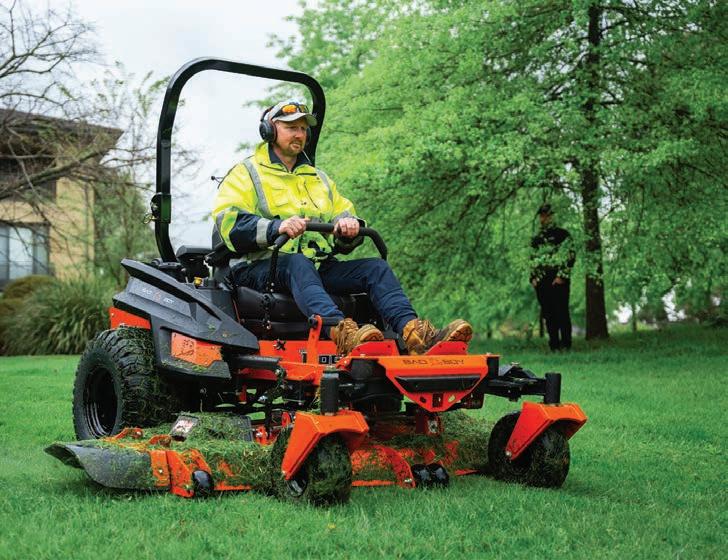
•A stronger professional network
•Opportunities to contribute at industry level
•Benchmarking and business growth
•Events that inspire and connect
•A real sense of community
“The support, networking, and access to resources are incredibly valuable, but more than that, you become part of a community that genuinely wants to see each other succeed.”
When Mathew Wandmaker of Blue Ridge Property Maintenance joined Landscaping Victoria shortly after the pandemic, he wasn’t just looking for resources, he was searching for connection.
“Before joining, I felt isolated from the wider landscaping community,” he explains.
“Being part of the network gave me the chance to connect with like-minded professionals I may never have crossed paths with otherwise. These relationships have helped me benchmark my business, share ideas, and grow in ways I couldn’t have managed alone.”
For Mathew, the most rewarding part has been the opportunity to represent the maintenance sector at board level.
“Having a voice, shaping direction, and supporting others in the maintenance community has been incredibly fulfilling, and the friendships I’ve made along the way are just as valuable.”
Ready to feel more connected, supported, and inspired?
Join Landscaping Victoria today and discover the power of community.
www.landscapingvictoria.com.au


The
Landscape Industries Association WA’s forum put business pressures, legal risks, and workforce challenges
on the agenda.


Who pays when a subcontractor damages a client’s property? What happens when project costs increase? What should you do if WorkSafe arrives on site following a serious incident? These were just some of the questions explored at the Landscape Industries Association WA (LIAWA) Business Contracts and Resilience Forum, where members heard practical advice from industry leaders on managing risk, contracts, safety and people.
Presenters included Andrew Ingram, Commercial Manager and Julian Rose, Managing Director from Deep Green, Geo O’Malley, Safety Advisor from LD Total, and employment-law specialist Kate Walawski, Partner at Dentons Australia.
With rising supplier costs continuing to impact profitability, Julian Rose highlighted the importance of strong contract management. Deep Green incorporates provisional sums and rise-and-fall provisions into contracts and maintains regular communication with clients when costs change.
“Don’t rely solely on a signed quote,” Julian said. “A detailed contract that outlines terms and conditions is essential.”
A key theme of the forum was building resilient workplace cultures. Geo O’Malley shared a case study involving damage caused when a trailer reversed into a client’s fence. Rather than blaming the worker involved, the investigation examined the contributing factors behind the incident.
“Culture is how we do things,” Geo said. “We need to investigate, understand what happened, and focus on learning rather than blame.”
The discussion highlighted how a blame culture can undermine trust, discourage reporting, and prevent meaningful improvements.
Kate Walawski delivered a presentation on the changing Work Health and Safety (WHS) landscape and the growing personal responsibilities of business leaders. Under WHS laws, business owners, directors, managers and supervisors can all be held accountable where they have influence over decisions a ecting worker safety.
“You cannot contract out safety responsibilities,” said Kate. “Whether workers are employees or subcontractors, businesses still have obligations to manage risks.”
Members also received practical guidance on responding to WorkSafe WA investigations, including being provided with a Workplace Health and Safety checklist


to assist with hazard identification, risk management and ongoing compliance. The forum reinforced that successful landscaping businesses don’t react to challenges – they build strong contracts, resilient teams and e ective safety systems that support long-term success.
This is a reminder that its member renewal time. Support your association of landscapers – LIAWA – for more opportunities and member resources in 2026-27. Visit landscaping.net.au to join or renew.
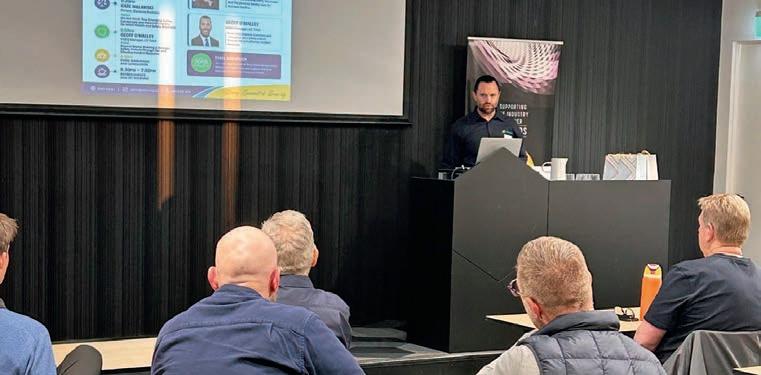


The Kress Mega 600 is built for contractors managing large-scale mowing across commercial sites, council land, open spaces, sports fields and golf courses. Designed to operate autonomously, it maintains up to 88,000 m² over 48 hours, delivering consistent results without tying up your team.
Coming Soon.
Speak to your local authorised Kress dealer today, or learn more at kress.com

A hundred years ago, we created the first chainsaw. Since then we have become synonymous with tools that make working in nature easier. Built with legendary performance and enduring quality, our roots in professional forestry have evolved into a broad range of tools that have been designed for those who demand the best.