ACAud inc. HAASA has appealed an initial MRAC recommendation not to support access for 8 items 28
HEARING AID TECHNOLOGY
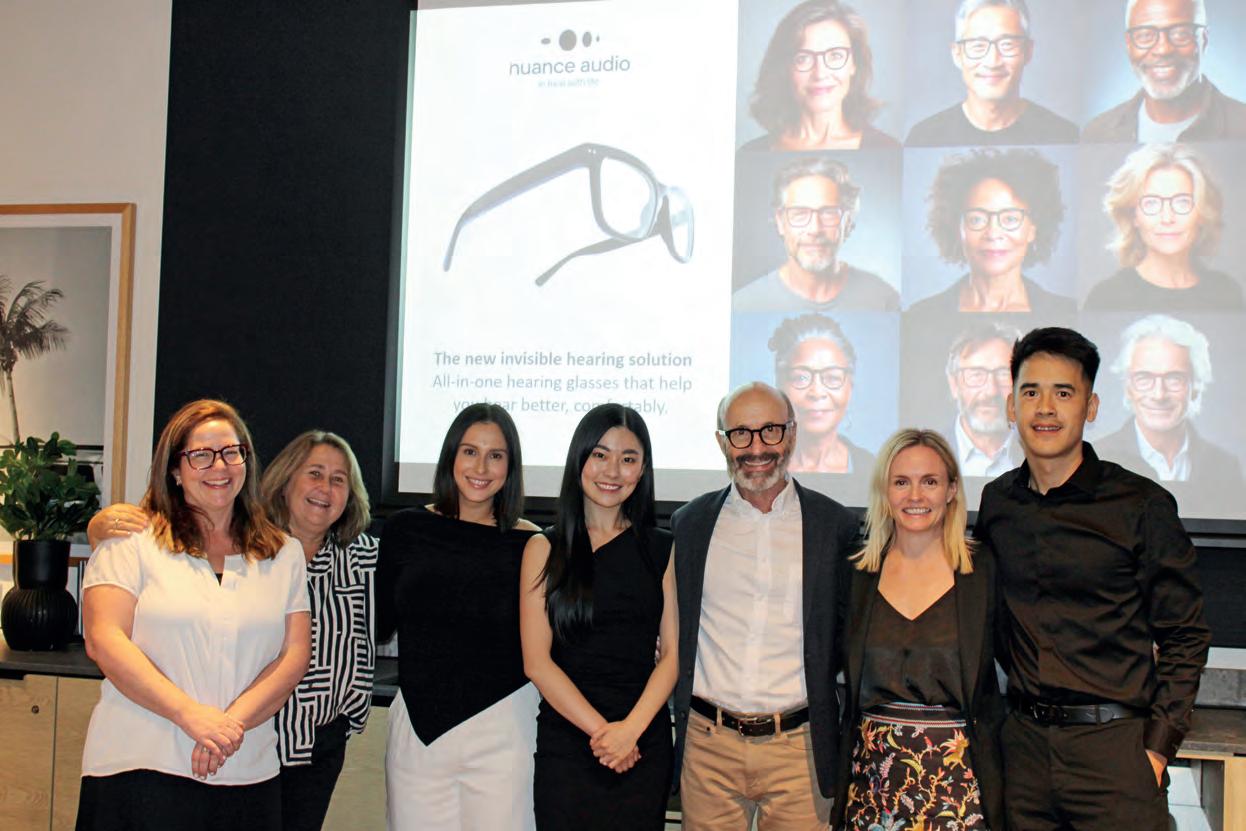
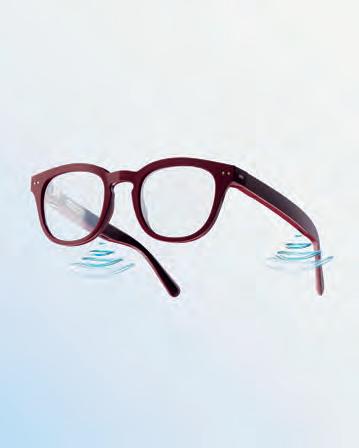
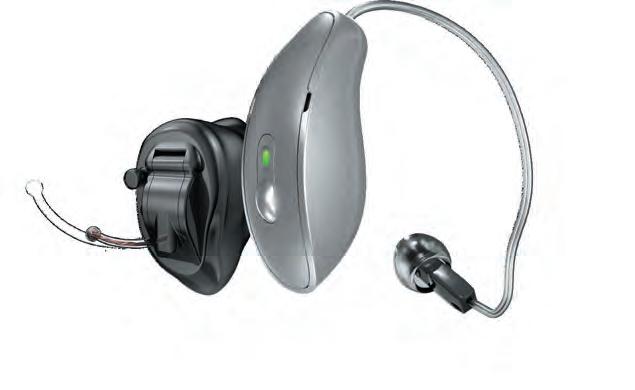
The latest tech in hearing aids and hearing glasses, plus innovations for fitting and clinic flow
INSIDE THE SOUND EXCHANGE '26
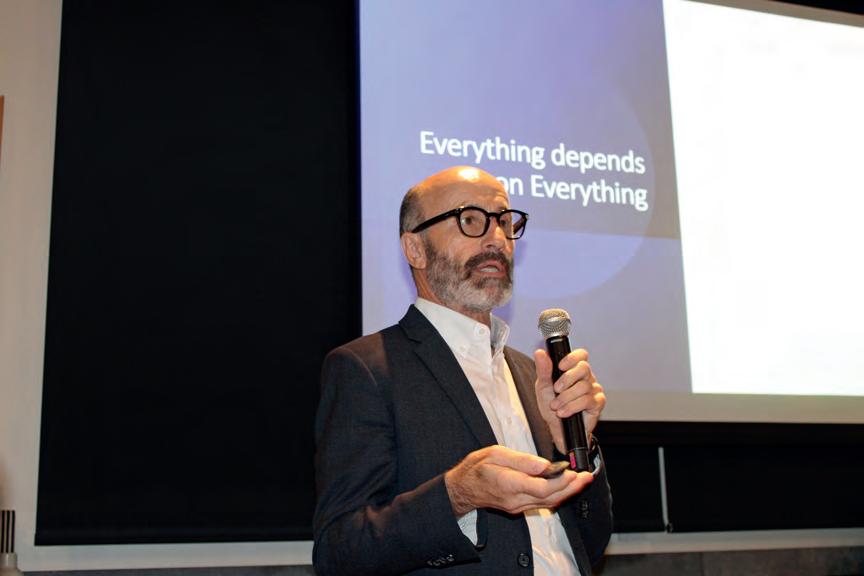
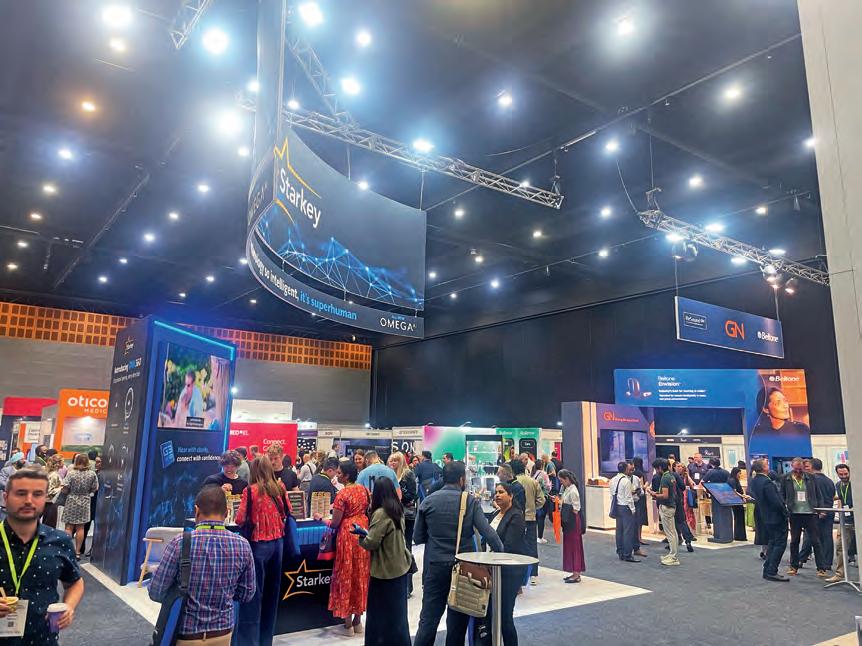
Audiology Australia's hands-on event was popular with audiologists from around the nation JUNE/JULY
LAST DITCH EFFORT FOR EIGHT MEDICAREFUNDED ITEMS FOR AUDIOMETRISTS
A government advisory committee's draft report has failed to support a bid for audiometrists to access Medicare-funded rebates for eight items but ACAud inc. HAASA is appealing the non-endorsement.
A draft report from the Medicare Benefits Schedule (MBS) Review Advisory Committee (MRAC) did not recommend patients attending audiometrists should receive Medicare-funded rebates for the six diagnostic audiology items and two chronic condition management items.
The Australian College of Audiology inc. HAASA (ACAud inc. HAASA) is seeking to have audiometrist access to Medicare rebates for the MBS diagnostic audiology item numbers 82306, 82309, 82312, 82315, 82318 and 82324, and chronic condition
management items 81310 and 10952 which are currently only accessible by audiologists.
The MRAC released its Inclusion of audiometrists as eligible providers for limited audiology Medicare Benefits Schedule items draft report in March 2026.
Medicare rebates are being sought for eight MBS items. Image: Robynmac/adobe.stock.com.
“Based on the MRAC’s assessment of the main issues, the MRAC does not support the proposal to allow audiometrists to access diagnostic audiology services under the MBS. These services would continue to be limited to audiologists only,” the report said.
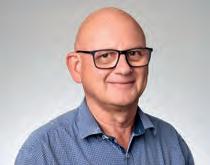
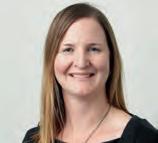
ACAud inc. HAASA executive officer Marguerite Rushworth said MRAC ran a public consultation as part of the final process which was open until 9 June 2026. “ACAud provided its final submission to that consultation correcting
misinformation contained in the MRAC's reasoning behind the non-endorsement,” she told HPA.
The ACAud submission included real-world input from members and their patients.
That consultation – the MRAC Consultation on Access to Medicare for Hearing Services –is now considering whether the services described under the items are within the scope of practice of audiometrists, and if they should be eligible to provide these services under the MBS. Audiometrists and audiologists
KIDS MISSING VESTIBULAR TESTING
Vestibular dysfunction is not being routinely assessed in Deaf/ deaf children, according to a parent-led organisation, leading to overlooked opportunities for help.
And Dr Donella Chisari, a leading audiologist, said missed diagnosis and intervention could impact children’s quality of life.
Parents of Deaf Children (PODC) has launched a new policy brief, The Missing Test: Vestibular Dysfunction in Deaf/deaf Children, calling for awareness and action.
Dr Chisari, senior lecturer in complex balance disorders in the University of Melbourne’s Department of Audiology and Speech Pathology, told HPA: “Children with undetected vestibular dysfunction may miss out on early diagnosis
and intervention. Vestibular dysfunction can affect daily balance ability, coordination, and motor milestone development.
“Without understanding a child's underlying vestibular function, the opportunity for targeted vestibular rehabilitation may be missed, impacting on their quality of life.”
PODC president Suzanne Robertson said the brief brought together research, clinical insight, and the lived experiences of families to highlight “a gap we see time and time again, vestibular (balance) function is often overlooked in children with hearing loss”. She said research indicated that up to 70% of Deaf/ deaf children may experience vestibular dysfunction, affecting balance, coordination and broader aspects of development.
“This brief highlights a significant gap across paediatric hearing care pathways: Vestibular dysfunction is common in Deaf/deaf children yet it is not routinely assessed,” she said. “In our work with families, we consistently hear about children experiencing balance and coordination challenges, fatigue, increased effort to sustain attention, and reduced participation in learning and physical environment.”
She said parents reported children experiencing delayed walking, difficulties with balance, fatigue during physical activity, coordination challenges as well as reduced confidence participating in sport and playground activities.
continued page 8
provide the services but patients only receive a rebate if seen by an audiologist, Rushworth said.
“The services under consideration are already being provided safely by audiometrists every day within defined scope,” she said. “The relevant question for this review is whether these specific, GP-referred services can be appropriately recognised within Medicare.”
In correspondence to ACAud members in May 2026, Rushworth said: “This proposal does not seek to expand scope of practice or alter clinical pathways. The services under consideration are well established and routinely delivered by audiometrists, require referral or involvement from a medical practitioner and sit within the current scope of
continued page 8
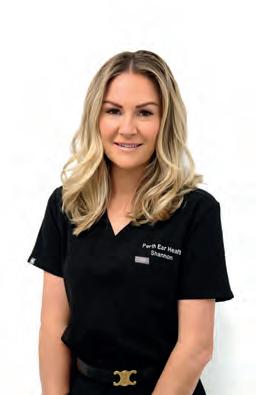
practitioner. She has opened her own clinic in Perth, and is in the unique position of being able to diagnose and prescribe medication on the spot. page 18
Image: Shannon Pereira.
Your Patients Deserve Better than Generic - So do You!
You did not choose independence to deliver cookie-cutter care. You chose it because every patient deserves your full attention, your clinical expertise, and your time.
So, why trust your documentation to generic AI that was not built for Audiology?
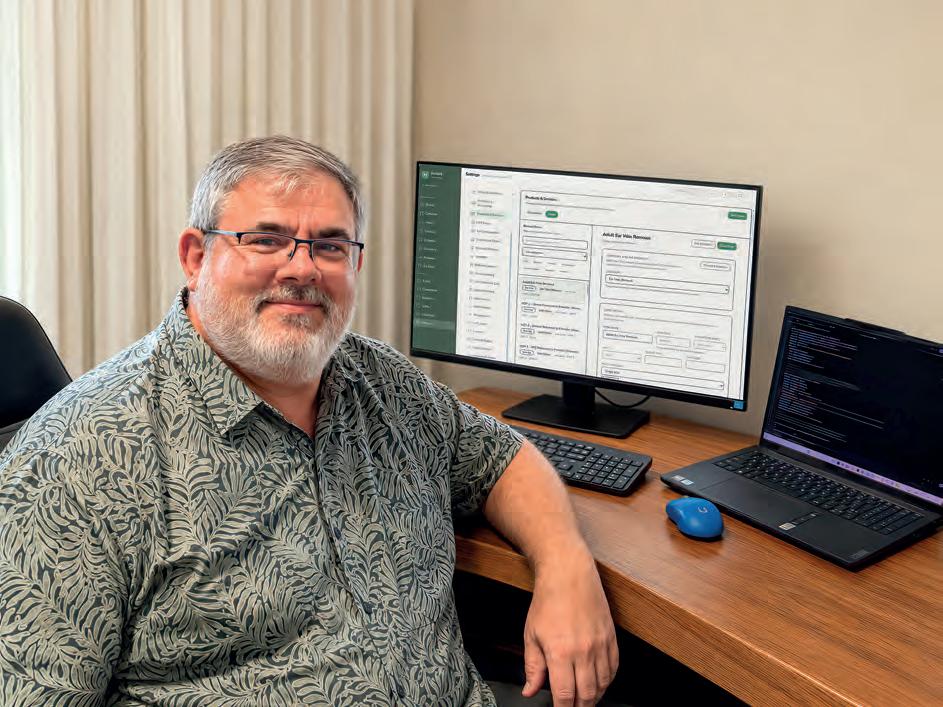
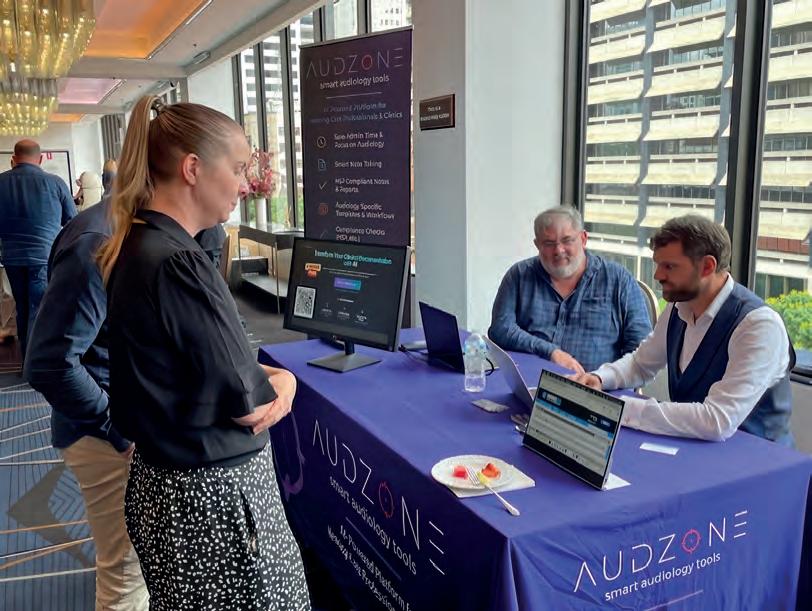
AudZone:
HSP-ready Notes and:
Compliance Checker (!!)
50+ Audiology Templates
Document Automation (Cosi, Reports, DVA Docs)
Clinically Aware Workflows Made for Long Consults
LIMITED TIME OFFER
Double your time: 4 weeks FREE TRIAL
No Credit Card Required
Generic AI: Not HSP Aware Note Compliance?
Limited Templates What’s COSI?? Who is DVA??
More Manual editing Made for Short Appts.
AudZone was created to support clinicians who refuse to compromise on patient care
IN THIS ISSUE
16 Sounds right Santana Audiologist Dr Verushka Selby-Hele shares her daughter Santana's story.
EDITORIAL
A TALE OF TWO PATIENTS
Since HPA launched two years ago, I’ve spent much time writing about the number one complaint from people with hearing loss – particularly age-related hearing loss – which is having trouble hearing in noise. It’s one thing to write about it but another to experience it. I recently attended a reunion to commemorate the 100th birthdays of my parents, sadly no longer with us. Forty-eight immediate descendants – children, grandchildren and great-grandchildren and their partners in one room. Lots of laughter, chatter, noise and catching up.
22
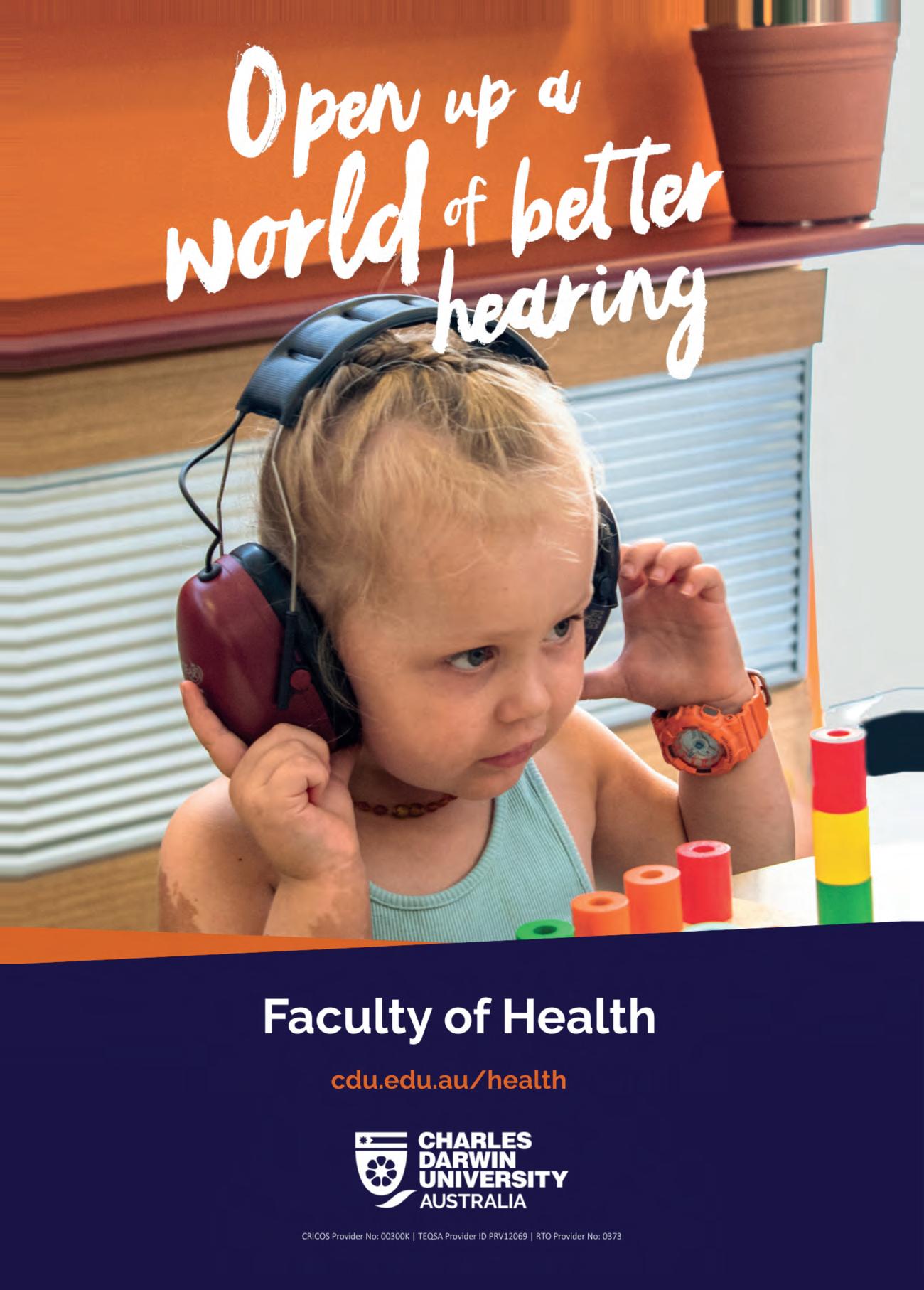
New Bachelor of Audiometry
Charles Darwin University has introduced the online Bachelor Degree.
32 Third generation audio-specific AI
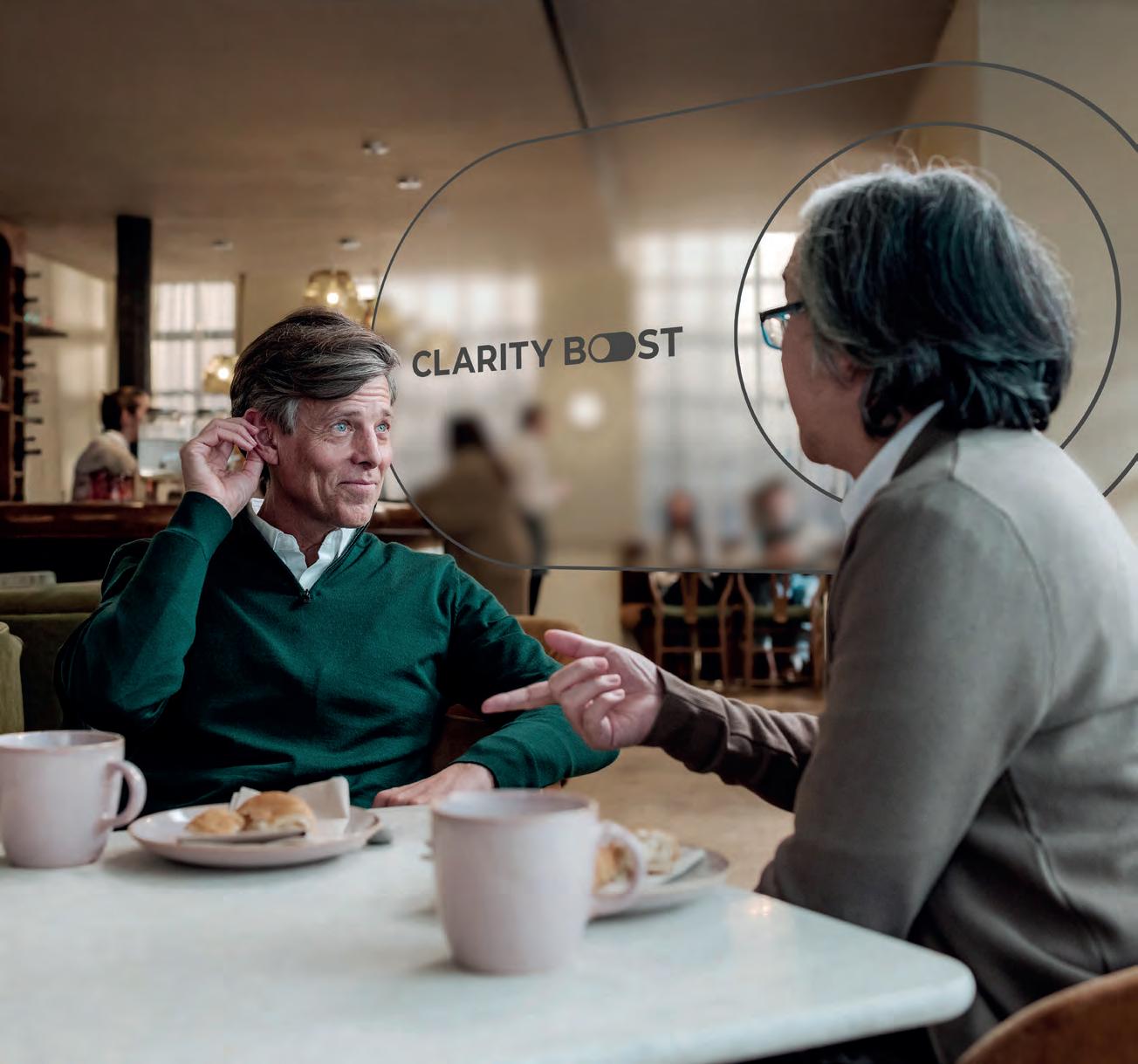
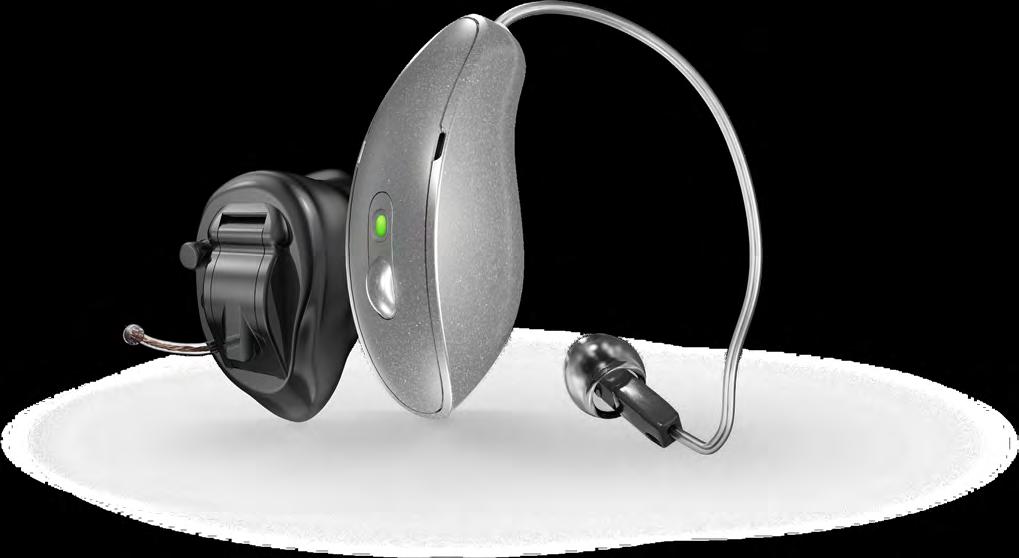
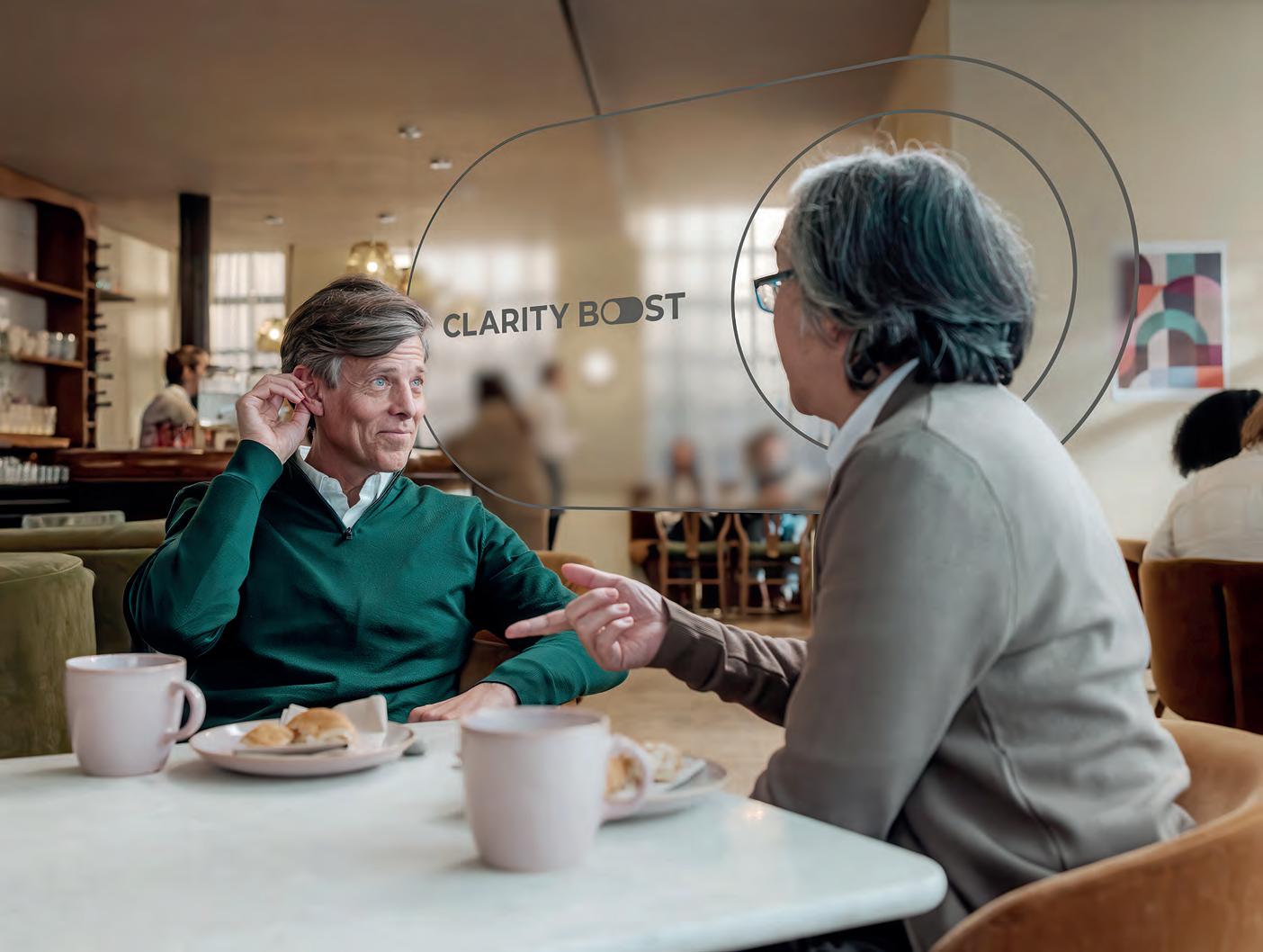
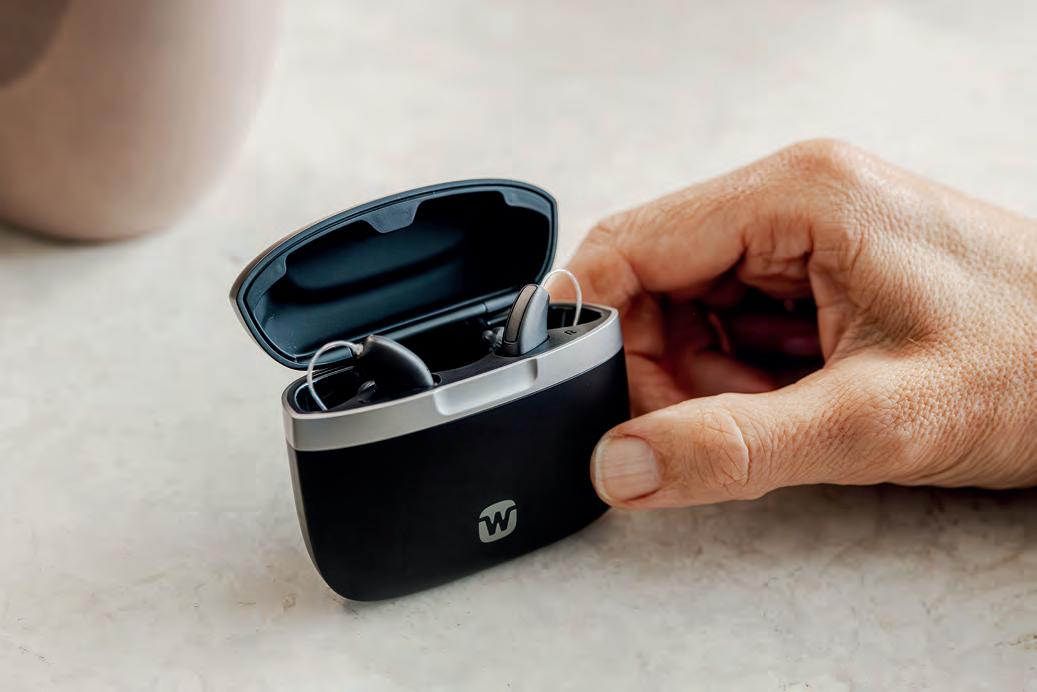
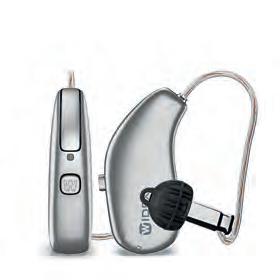
Widex's Allure AI RIC R D hearing aids with Clarity Boost feature a new first.
42 Innovation with heart
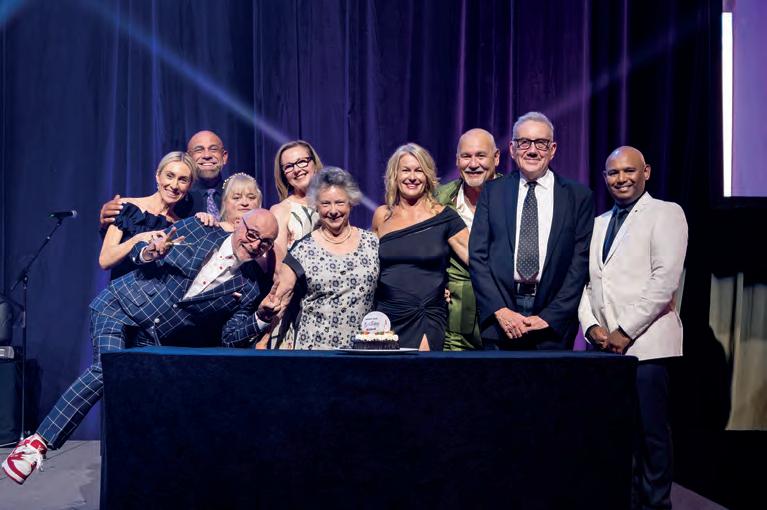
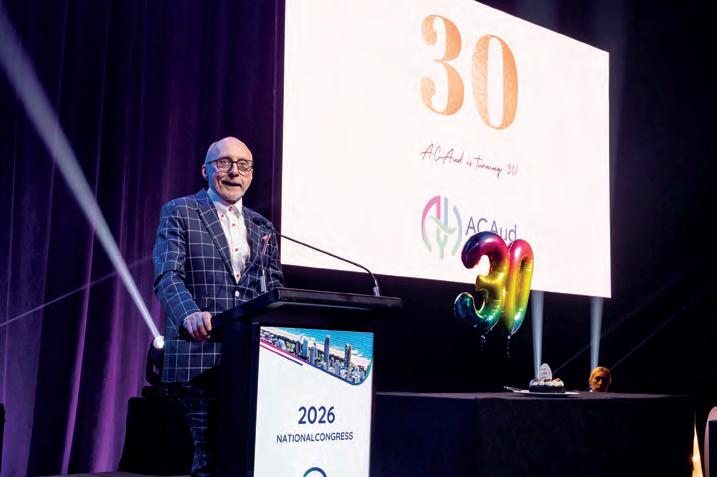
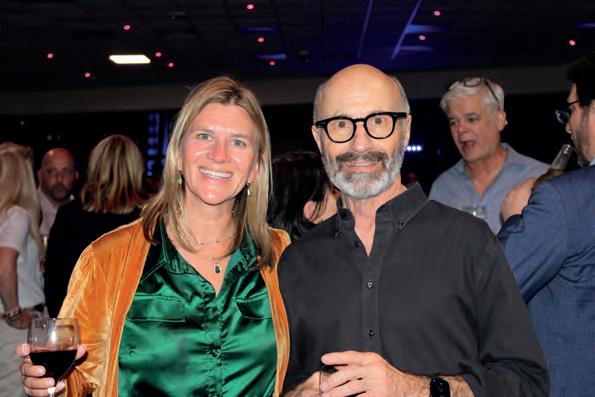
ACAud inc. HAASA's record breaking Congress on the Gold Coast delivered.
Two relatives, both in their 70s, have expensive hearing aids. One, an accountant, moved throughout the room, talking to everyone and chatting with ease. He seemed to have no trouble hearing and responding.
The other, sadly, was unable to do so. A former secondary school teacher, who still provides tutorials to students and does a lot of charity work, she is also smart, funny and conversational. But the noise meant she sat in a corner and missed out on a lot. People had to sit right next to her so she could hear them.
She told me a hearing care practitioner had fitted her devices and installed a phone app but when she went out, she still could not hear properly in noisy situations. I asked if they automatically adjusted to different situations or if there were different settings to reduce noise, but I am not sure she heard me. I urged her to go for a follow-up session as she’s had them for at least six months and is not getting the most out of her hearing aids.
It drives home the importance of advanced technology which automatically reduces background noise, how crucial a good fit is as is spending time with the patient, asking them to demonstrate several times that they know how to work the devices.
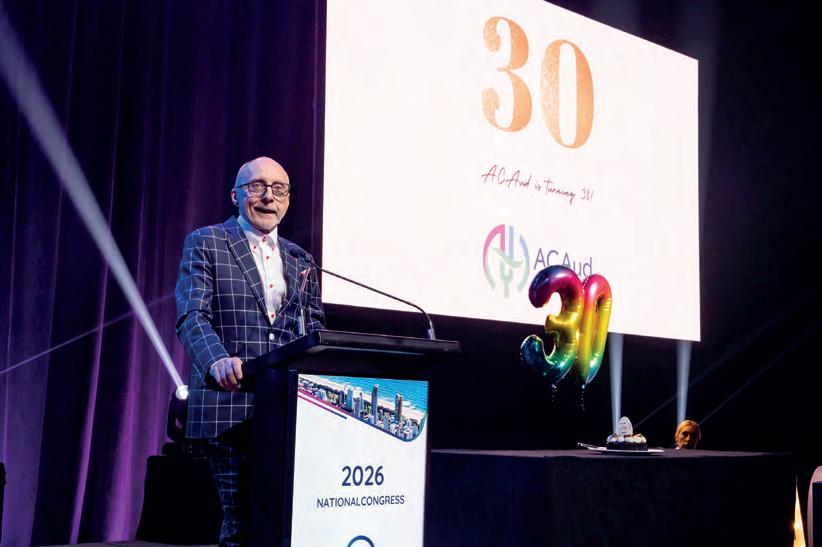
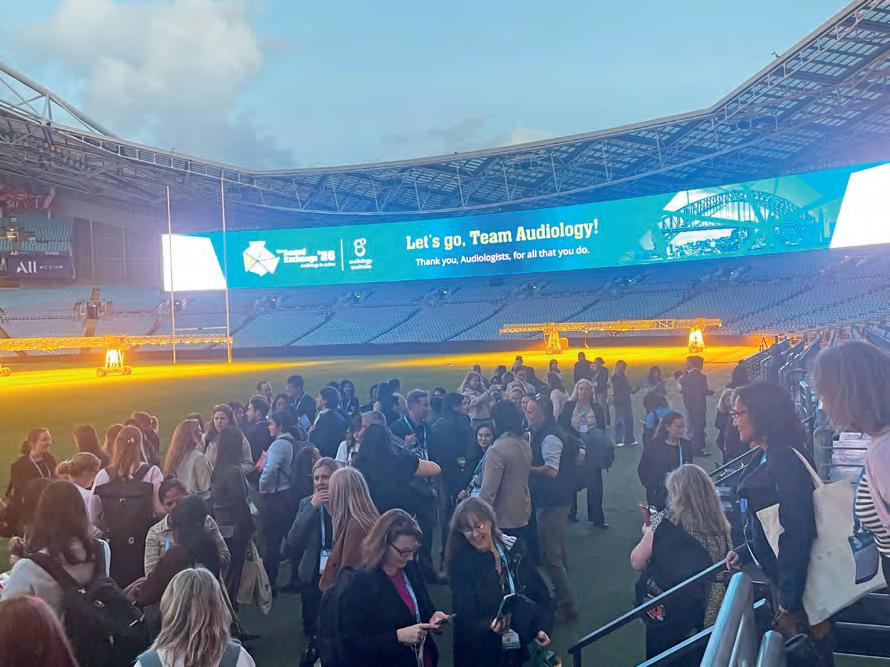
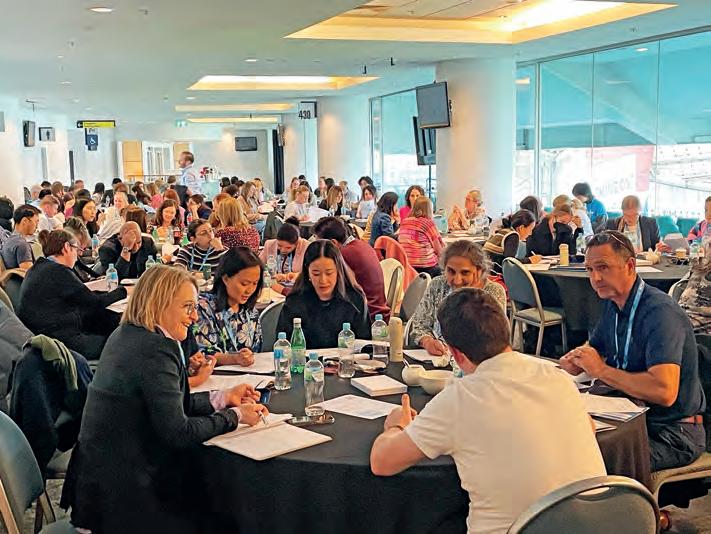
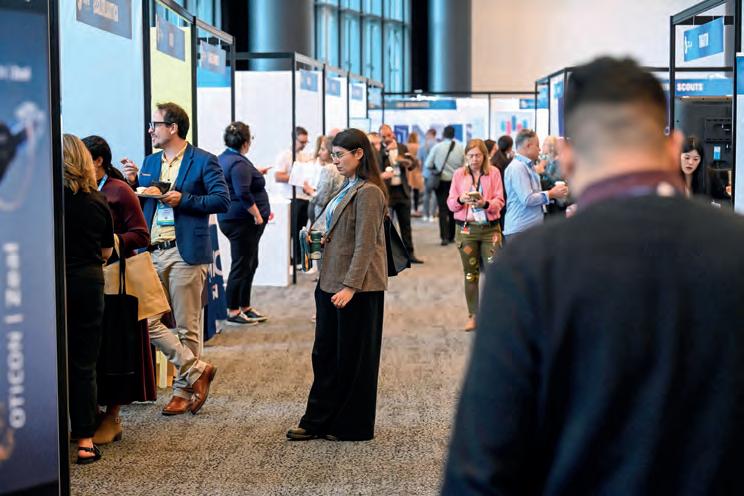
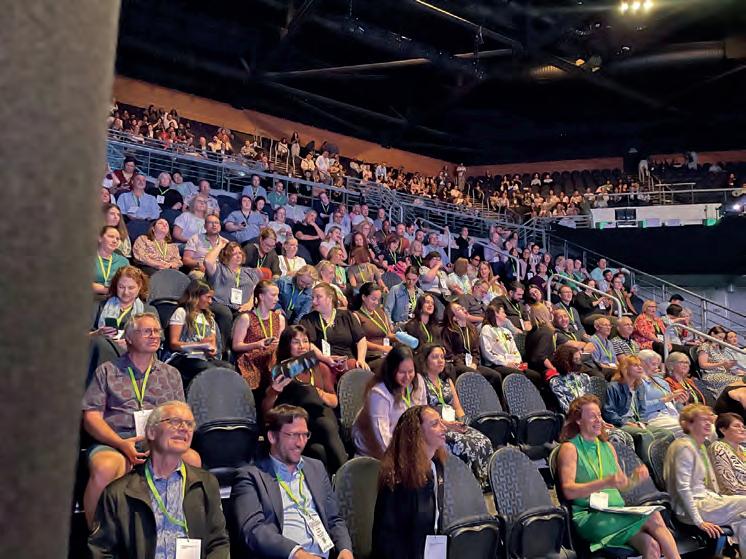
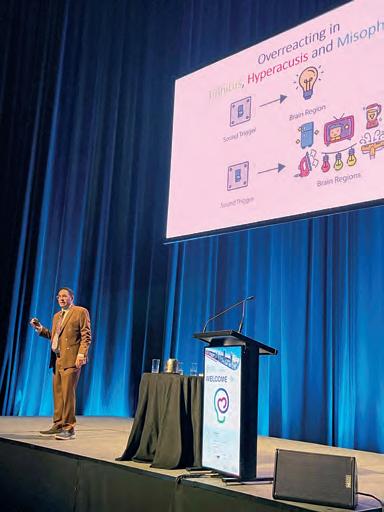
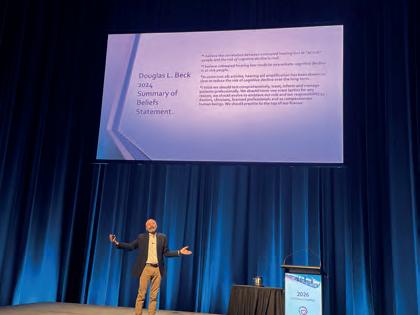
On another note, HPA’s business development manager Rosie Davis and I recently attended two fantastic events – the ACAud inc. HAASA Congress on the Gold Coast, and Audiology Australia’s Sound Exchange in Sydney. We had a great time meeting many audiologists, audiometrists, researchers and industry representatives, as well as hearing quality presentations.
Read this coverage in this edition.
HELEN CARTER Editor
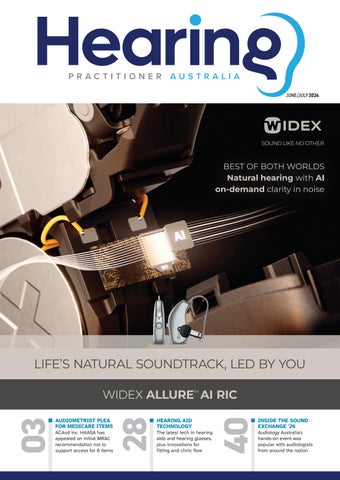
Natural Hearing for Everyday with On-demand Clarity in Noise
Learn more: Visit the Widex professional website: widexpro.com/en-au/ or scan the QR code. NEW WIDEX ALLURE™ AI RIC
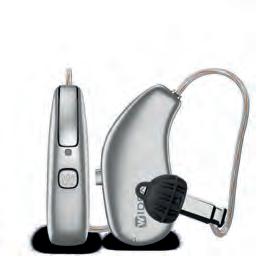
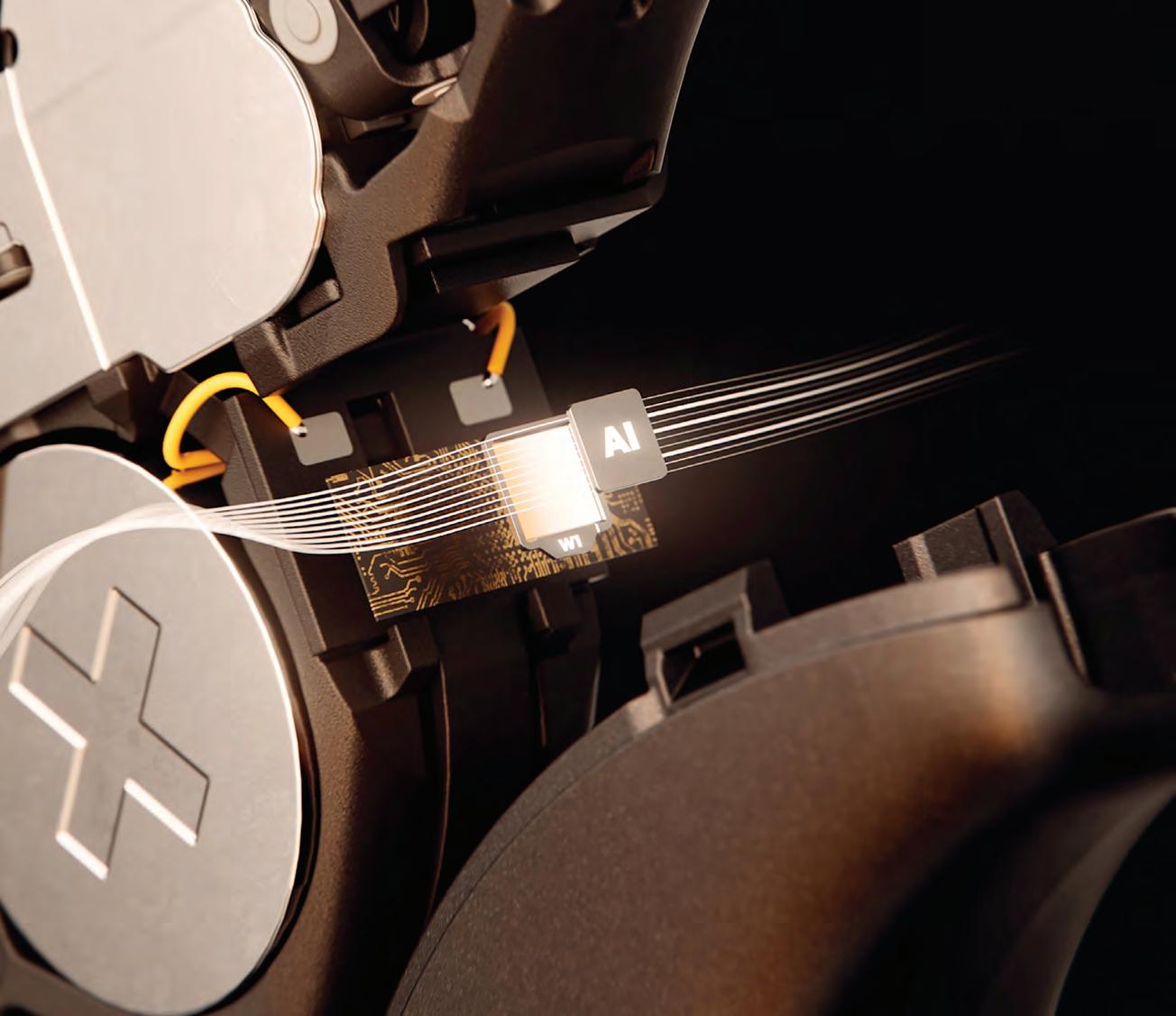
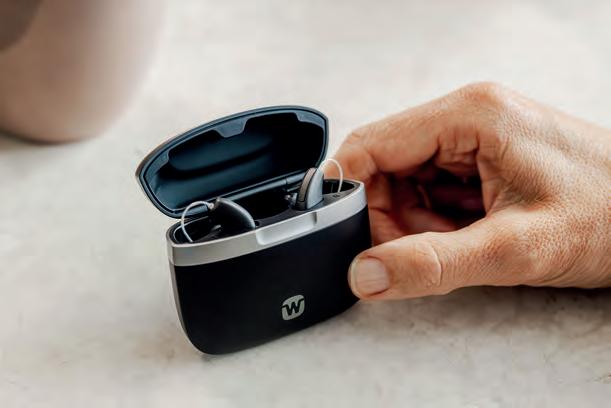
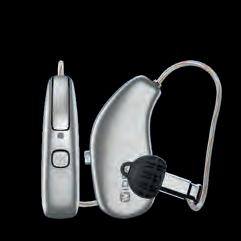
The new Widex Allure AI RIC with Clarity Boost represents a breakthrough in hearing technology, powered by an advanced 3rd generation audio-specific deep neural network. It is designed to intelligently balance noise reduction, power efficiency, and sound quality, delivering a refined listening experience in real time. This marks the next evolution of Widex sound, built on our core philosophy of natural sound, now enhanced with greater clarity when it matters most. Read our article in this issue of Hearing Practitioner Australia.
UPFRONT
Just as HPA went to print, EAR SCIENCE INSTITUTE AUSTRALIA announced a new partnership with Apollo Hospitals India and its 76 hospitals. They will work together to identify initiatives including early opportunities in tele genetic counselling, genomic data partnerships and research. With access to patient populations from over 180 countries, Apollo and its latest vertical Apollo Health Axis are an obvious match
OFF THE BEATEN TRACK
Weird
Humans and zebra finches have a similar technique for learning to speak according to research from Princeton University’s Steven Elmlinger. He told the 190th Meeting of the Acoustical Society of America in May 2026 that both species use social feedback to guide advances in the acoustics of their vocal repertoire. Their social environment also guides low-level temporal foundations of their vocal communication.
Wonderful
as ESIA builds out its Aussie Ear Bank, ESIA CEO Adjunct Associate Professor Sandra Bellekon said. She said the partnership would strengthen the bank and accelerate genomic research, creating new opportunities to translate cutting edge science including emerging gene therapies into real world impact for children and adults affected by inherited hearing loss in Australia. IN OTHER NEWS, The Shepherd Centre has established a new headquarters for its Hobart operations, with an upgraded facility in Montagu Bay opening in April 2026. A key
feature is a new audiology booth, enabling more seamless, on-site hearing assessments for children and families. Assistant Minister for Health and Aged Care, Rebecca White opened the centre. FINALLY, Earbus Foundation of Western Australia is expanding its Child Safe Framework to align with the National Principles for Child Safe Organisations which outline what high quality child safe practice should look like. This includes developing enhanced training programs to improve trauma informed, culturally safe practices, and regular policy reviews.
University of Washington researchers have developed the first system that incorporates tiny cameras in off-the-shelf wireless earbuds to allow users to talk with an AI model about the scene in front of them. The prototype system called VueBuds takes low-resolution, black-and-white images which it transmits over Bluetooth to a phone or other nearby device. An AI model on the device answers questions about the images in one second. Processing happens on the device, a light turns on when the system is recording, and users can immediately delete images after use.
Wacky
AI voices are easier to understand than human voices, say UK researchers Patti Adank and Han Wang. They said that with the expansion of generative AI, a new type of synthetic voice had been developed: voice clones, which can recreate a fa csimile of a person’s voice from only a few seconds of recorded speech. They found that these clones were 20% more intelligible in noisy environments than human voices.
20% have hearing loss or associated conditions
Deafness Forum Australia claims one in five Australians are now living with D/deafness, hearing loss, or associated hearing conditions, overtaking the previous one in six statistic. See page 13.
WHAT'S
The 45-minute Australian Government CPD-endorsed webinar will enhance understanding of the NRS and its vital role in aiding communication. Claire.Rennie@Concentrix.com
practice for appropriately qualified audiometrists.”
She said audiometrists were delivering these services within existing government programs, including the Hearing Services Program, under recognised clinical and professional frameworks.
ACAud said expanding MBS access would improve patient access, continuity and equity of hearing care, especially for older people, First Nations people, and those who live in regional, rural or remote areas.
“Our aim is to ensure government has a clear understanding of the existing service gaps, barriers being experienced by many Australians, and how improved access to these Medicare items may support earlier intervention, improved access to care, and better hearing health outcomes for people who are currently falling through the gaps,” Rushworth said.
She said the consultation raised questions about training pathways and service delivery models but in several instances, these did not reflect how hearing services were delivered in practice. From a system perspective, recognising appropriately qualified providers for services already delivered within scope supported timely access and continuity of care.
“Where these services are not
reflected within Medicare provider settings, there is a risk of unnecessary delays, increased travel for patients, and additional pressure on other parts of the health system,” she said. “This is particularly relevant in communities where workforce availability is limited.”
The MRAC report said: “Under the Health Insurance (Section 3C General Medical Services – Allied Health and other Primary Health Care Services) Determination 2024, audiometrists are not considered allied health professionals. This means they cannot independently access MBS services in the way that audiologists can.”
But it said some of the items may be available for audiometrists to provide on behalf of a medical practitioner, and audiometrists were eligible to provide government-funded audiology services under the HSP, a separate funding stream from the MBS.
The MRAC said use of the audiology MBS items rose significantly between 2019–20 and 2023–24, and HSP data for 2023–24 showed about 20% of claims for HSP items were by audiometrists.
MBS data from 2023–24 suggested consumers travel to metropolitan areas from other locations to receive audiology services but while 83% of claims were from providers in urban areas, only 77% of all claims were for people living in those areas.
The MRAC said differences in
“THE SERVICES UNDER CONSIDERATION ARE ALREADY BEING PROVIDED SAFELY BY AUDIOMETRISTS EVERY DAY WITHIN DEFINED SCOPE.”
education and training requirements meant hearing services provided by audiologists and audiometrists were not equivalent in all respects. It noted from targeted consultation feedback that, “although the requested MBS item numbers include basic hearing testing at face value, the way tests are used and interpreted differs significantly between audiometrists, audiologists and medical practitioners (such as otolaryngologists)”.
“Audiometrists primarily conducted hearing tests to determine what hearing aid model might be fitted. If results are unclear, they were expected to refer to an audiologist or medical practitioner,” MRAC said.
It said because of the differences in training, the types of hearing services provided by audiologists and audiometrists were not equivalent. But ACAud said this was only correct for diagnostic services beyond audiometry and tympanometry and fitting and rehab of implantable devices.
“Although data show that audiometrists tend to serve in more regional, rural and remote areas than audiologists, people in these areas have a need for audiology professionals who can provide a complete service, which audiometrists cannot always do,” the report said.
ACAud said that was not a sound argument.
ACTION NEEDED TO OVERCOME BARRIERS TO CARE
continued from page 3
“These experiences are often attributed to developmental variation or behaviour, rather than being considered within the broader context of inner ear function,” Robertson said.
“Hearing care is incomplete without consideration of vestibular function. For many families, this is not new information, it reflects what they have been seeing for years. The difference now is that there is a growing evidence base, and an opportunity to ensure this is recognised within clinical pathways, education frameworks, and disability support systems.”
Dr Chisari said vestibular dysfunction was common in Deaf children, particularly when certain causes of hearing loss were present.
“Conditions such as congenital cytomegalovirus (CMV), Usher syndrome and other genetic causes
can affect both auditory and vestibular systems,” she said. “However, the prevalence varies significantly depending on the underlying cause, so not all Deaf children have vestibular dysfunction.”
But she said vestibular assessment was not part of standard care for Deaf children in Australia due to several barriers. “It's not embedded in existing clinical care pathways, few clinicians (and vestibular services) specialise in paediatric vestibular testing, and funding doesn't prioritise it,” she said. “Typically, vestibular testing remains concentrated in metropolitan based-tertiary centres.”
Dr Chisari said addressing this required action across clinical practice, workforce, funding, and awareness. “Vestibular screening should be integrated into standard assessment pathways for all Deaf children, clinicians need training in paediatric vestibular assessment,
and funding must support this as part of routine care. Raising awareness among practitioners and families about the prevalence and impact of vestibular dysfunction in Deaf children is essential to ensure timely assessment and appropriate management.”
Robertson said families could use the brief to support conversations across health, education and disability systems, and to ensure the whole child was understood. “It provides families, clinicians and educators with an explanation of the relationship between hearing and vestibular function; evidence to support what families are observing; and practical language to support conversations across systems,” she said. “It can support referrals for vestibular assessment within clinical settings; inform education discussions around fatigue, attention and participation, and strengthen NDIS planning.”
MARGUERITE RUSHWORTH, ACAUD inc. HAASA Image:
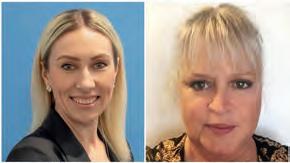
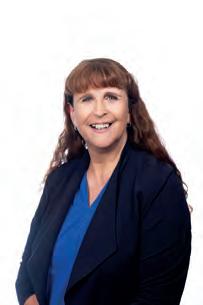
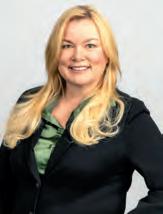
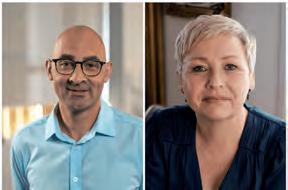
Above: PODC’s Suzanne Robertson (top), and Dr Donella Chisari.
Images: Suzanne Robertson and Donella Chisari.
DUAL BOARD FOR AUDIOLOGY UNDER NRAS
Australia’s Health Ministers have agreed that audiology will enter the National Registration and Accreditation Scheme (NRAS) under a “dual profession” National Board arrangement.
Audiology Australia (AudA) advised that this means audiology will be governed through a National Board shared with one existing NRAS profession.
“At this stage, the profession that audiology will join with has not yet been determined,” AudA said in an announcement on its website on 19 May 2026. “The Health Workforce Taskforce is developing a decision-making framework to guide how lower regulatory volume professions may be combined into multi-profession boards.
expected to be considered by Health Ministers later in 2026.
“At this stage, we are not aware of what consultation opportunities may occur as part of this process,” AudA said. “However, we will continue to actively represent and advocate for the profession at every opportunity and keep members informed as further information becomes available.”
The profession that audiology will share a board with has not yet been determined. Image: CuteBee/stock. adobe.com.
Board for the entry of audiology into the National Scheme,” the update said. “This means establishing a National Board that will include audiology and one of the existing professions in the National Scheme.”
When finalised the decision-making framework would be applied to determine which existing board/ profession would join audiology to form a dual board, it added.
It said that in a multi profession board, each profession would be represented as required under the National Law which specifies that boards must include:
“Once finalised, this framework will be used to determine which existing Board/profession will join audiology.”
AudA said advice on the proposed audiology dual board arrangement, along with the broader decision-making framework, was
The Australian Department of Health, Disability and Ageing released a news update from the taskforce on the framework for multi profession boards in the NRAS. It said that in September 2025 Health Ministers agreed to regulate the audiology profession under the NRAS structure.
“Health Ministers have also agreed to establish a ‘dual profession’ National
• Practitioner members (at least half but not more than two thirds), and if the National Board is established for two or more health professions − at least one member of each health profession for which the Board is established.
• Community members (one-third).
• At least one member from each large participating jurisdiction and at least one member from a small participating jurisdiction.
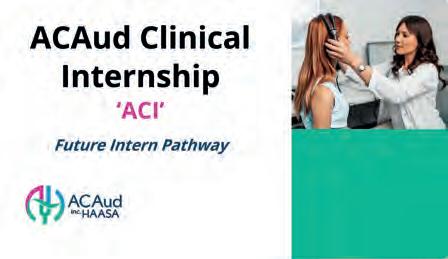
ACAUD LAUNCHES NEW CLINICAL INTERNSHIP
ACAud inc. HAASA has launched its ACAud Clinical Internship (ACI) Pathway, which it says is, “an important evolution in hearing care workforce development across Australia”.
Under the changes, domestic and overseas-qualified audiologists will be able to undertake earlier competency assessment through a new examination and test before starting their internship when ACAud approves.
Other major changes include flexible pathways for overseas-qualified audiologists where they can undertake a pathway exam or test overseas before joining the Australian hearing care workforce. The pathway also incorporates flexible supervision models, including virtual supervision.
ACAud developed the pathway over the past two years through sector consultation and collaboration.
“It's been designed to strengthen clinical readiness, educational support, workforce accessibility and competency-based progression while maintaining strong workplace-based clinical training,” executive officer Marguerite Rushworth said.
“It reflects our commitment to practical workforce solutions, accessible clinical pathways and strong competency-based clinical standards supporting both clinicians and the communities they serve.
“Most importantly, the pathway reflects a commitment to developing a sustainable, supported and clinically capable hearing care workforce for the future of Australia.”
The Australian College of Audiology incorporating HAASA (ACAud inc. HAASA) alerted members and stakeholders to the pathway launch on 25 May via email. While it introduces significant enhancements, ACAud said core foundations of practical clinical training were unchanged.
KEY FEATURES INCLUDE: Earlier clinical competency assessment
Introduced through the Clinical Application Performance Examination (CAPE) and Knowledge Integration Test (KIT), domestic audiometrists, audiologists and overseas-qualified applicants may undertake CAPE and KIT before internship commencement where approved by ACAud.
Flexible pathways for overseas-qualified audiologists
It aims to better support internationally qualified clinicians entering the Australian workforce. Overseas-qualified applicants may undertake:
• the CAPE and KIT supported internship pathway;
PATHWAY
The pathway reflects ACAud’s commitment to practical workforce solutions. Image: ACAud inc. HAASA.
• a DRS internship pathway; or
• the CAPE, KIT and DRS-supported internship pathway.
The CAPE and KIT may be undertaken before arriving in Australia where approved by ACAud and these applicants may be eligible for earlier recognition within the ACAud Hearing Rehabilitation Audiologist (HR Audiologist) pathway, subject to ACAud certification requirements.
Flexible supervision and competency-based progression
The pathway includes flexible and virtual supervision models where appropriate. It supports competency-based progression with experienced clinicians who show appropriate competency development able to progress through components of the pathway earlier.
IN BRIEF
SURGEON PAIN
A new study has found otolaryngologists experience significant musculoskeletal strain during surgery, with researchers warning that poor ergonomics may threaten surgeon wellbeing and long-term career longevity. But the authors said ergonomic improvements could help reduce injury risk, improve surgeon comfort and preserve surgical performance over time. The US study examined ergonomic risk and acute pain experienced by ENT surgeons. More than one-third of attending surgeon assessments and 43% of resident and fellow assessments were in the medium-to-high ergonomic risk category.
CHOLESTEATOMA
Two common and often treatable causes of conductive hearing loss – eardrum perforations and cholesteatoma – are associated with significantly higher odds of dementia, a new study claims. It also revealed that treatment appeared to reduce dementia risk. The research analysed data from more than 363,000 participants in the National Institutes of Health’s All of Us Research Program. It was one of the largest studies to examine links between specific ear pathologies and cognitive decline. Columbia University and University of Utah researchers said people with eardrum perforations had more than double the odds of dementia compared to those without the condition. Similarly, those with cholesteatoma had nearly twice the odds.
FEDERAL BUDGET
Deafness Forum Australia has welcomed key investments in disability advocacy, accessibility and Auslan communication access in the 2026–27 Federal Budget. But it also warned that many older Australians living with hearing loss continued to fall through the gaps of existing support systems. And it noted that projected spending on hearing services sat slightly below actual spending from the previous financial year, despite increasing national demand. DFA CEO Rhonda Locke said it welcomed the government’s continued investment in disability advocacy and community engagement at a time of significant reform across the disability sector, along with the expansion of Auslan video relay services and broader accessibility funding.
OVERSEAS-QUALIFIED AUDIOLOGIST CHANGES
Audiology Australia (AudA) has announced several changes to the pathway for overseas-qualified audiologists to qualify to practise in Australia, including the option to begin supervised practise ahead of completing the compulsory examination.
And Australian accredited audiometrists who have overseas qualifications as audiologists will now also be able to seek interim recognition to work in Australia as limited scope audiologists.
This will allow them to work independently in adult rehabilitation, while they complete their full assignment of supervision to full scope by an accredited audiologist. The required supervision together with successfully passing the examination, then allows them to achieve full accreditation, AudA said.
It said the significant enhancements to its application processes took place on 1 May 2026.
They were designed to ensure that audiologists who have already qualified overseas are more effectively supported through their accreditation pathway when seeking to become Audiology Australia Accredited Audiologists.
Major changes include:
• Overseas-qualified audiologists applying for accreditation through AudA will be able to practise immediately in Australia under supervision while they prepare for their AudA Overseas Examination. They need to be supervised by an Accredited Audiologist and there are specific requirements around how that is monitored. Previously, they were required to pass the exam before starting their required period of supervision. Now they can start their supervision and sit the exam at any point during their supervision period.
towards achieving full accreditation. Limited Scope restricts their practice to adult rehabilitation.
“This move will both enable applicants to support themselves financially as they work through their accreditation and gain valuable Australian experience in preparation for the exam,” AudA said in a media release.
“It will also allow employers in Australia to better address their workforce needs.”
• In addition, already accredited audiologists with 12 months’ experience who are not already members of Audiology Australia, will now be able to have their accredited equivalency automatically recognised – reciprocal recognition through AudA.
Leanne Emerson, AudA CEO, said that for decades, AudA had led the way in accrediting audiologist candidates.
“This will allow accredited Australian audiologists to more easily join AudA if they wish, as well as provide overseas-qualified audiologists a clearer, and better supported pathway to accreditation, enabling them to gain valuable experience in the Australian workforce with guidance, supervision, and access to tailored resources,” she said.
“Accreditation as a Limited Scope Audiologist will enable candidates to practise independently in adult rehabilitation. At the same time, they will continue to undertake all other areas of audiological scope of practice under supervision until they pass the overseas exam and achieve full accreditation.
“Limited Scope is an interim step: candidates then have one year to complete full accreditation.”
Overseas-qualified audiologists will be better supported through their accreditation pathway. Image: Sebra/stock.adobe. com.
• Overseas-qualified audiologists working as accredited audiometrists (QP) in Australia have the option to apply to be recognised as Audiology Australia Accredited Limited Scope Audiologists, as an interim step
Emerson said all applications would continue to be rigorously assessed by AudA to ensure they met the benchmark required to practise audiology in Australia and maintained the high standards required to ensure client safety and the profession’s reputation.
“The Overseas Pathway includes a robust assessment process of the candidate’s qualifications and experience to ensure comparability with Australian qualifications. The examination assesses the clinicians against the same clinical standards as Australian-qualified audiologists,” she said.
AudA said it would continue to accredit audiologists until the start of registration under the NRAS.
SHAPING THE FUTURE OF HEARING CARE AT OPSM
WORKING AT OPSM MEANS YOU’RE PART OF SOMETHING BIGGER
At OPSM, we’re redefining hearing care by integrating Audiology into a modern healthcare environment where innovation, expertise and customer experience come together.
What sets OPSM apart is our commitment to clinical excellence and professional growth. Our Audiologists are supported through ongoing development, access to advanced technology and clear opportunities to expand their clinical impact within an integrated model of care.
As we continue to grow our Audiology network across Australia, we are seeking motivated clinicians who are passionate about delivering quality hearing care and building a meaningful and impactful career in Audiology.
LEARN MORE AT OPSM.COM.AU/CAREERS OR VISIT US ON LINKEDIN
CONTACT US TO EXPLORE YOUR NEXT OPPORTUNITY: NAOMI.NICOLINAS@AU.LUXOTTICA.COM
ISA ROLE FOR TIMMER
Queensland audiologist and Audiology Australia (AudA’s) immediate past president, Dr Barbra Timmer, has been elected to the International Society of Audiology (ISA) Executive Committee.
Dr Timmer is serving as the member at large for the Asia/ Western Pacific region for two years until 25 April 2028. “I am honoured to have been elected,” she said. “I look forward to advocating for the audiology profession as well as people with hearing loss globally.”
She said the role included contributing to the leadership, strategic direction, and ongoing development of the society at an international level. “The ISA is a global society that includes individuals and audiology organisations representing more than 50,000 members in 37 countries,” Dr Timmer said. “The overarching aim is to connect a global network of audiology professionals and facilitate knowledge sharing and learning for the benefit of people with hearing loss.”
Her nomination stated: “Barbra is a clinical audiologist, academic, and international leader in hearing healthcare. Holding a PhD in audiology, MBA, and postgraduate audiology qualification, she combines research, education, and professional leadership.
“She has been an ISA member for over a decade, presenting webinars and contributing to World Congress of Audiology meetings. Her research pioneered ecological momentary assessment and improved rehabilitation, family centred care, and hearing aid uptake.
“As a university lecturer, industry scientist, and former professional association president, she strengthens standards, mentors future audiologists, and advances global collaboration to improve outcomes for people with hearing loss worldwide today and beyond.”
A University of Queensland senior lecturer and research academic, she is also senior scientist at Sonova and previously worked for Phonak, ReSound and Australian Hearing. She remains on the AudA board.
FULLY IMPLANTED COCHLEAR IMPLANT MILESTONE
Envoy Medical has announced that the first three patients in a clinical trial of its fully implanted Acclaim cochlear implant have completed their 12-month endpoint visit.
A spokeswoman said 53 more patients needed to go through 12-month data collection before the company would apply for its Premarket Approval (PMA) application to the US Food and Drug Administration (FDA.)
The 56th and final patient was successfully implanted in March 2026, completing enrolment across US sites.
“All patients should be through their 12-month follow up by April 2027 and PMA submission is anticipated to happen in June 2027,” she said.
Interim six-month clinical, safety and performance data from the first 10 patients in the pivotal study was presented at US conferences this year.
It showed no study-defined serious adverse events, mean CNC (consonant-nucleus-consonant) word recognition improved from 15.2% to 39.2%, median daily device wear time was 24 hours, and there were improvements in quality-of-life and tinnitus scores.
“We believe our first-of-its-kind breakthrough technology has the potential to change the perception around how severe to profound hearing loss is treated and potentially increase adoption rates,”
CEO Brent Lucas said.
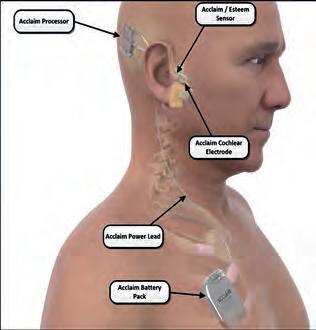
Envoy Medical said the implant was significantly different from other cochlear implants including that it:
• Is fully implanted with no external component required to hear
• has no visible hardware on the patient’s head, no external sound processors and no external or subdermal microphone
• leverages the natural outer and middle ear to pick up sound
• has a proprietary sensor
• has a large capacity battery with about five days between recharge instead of recharging daily
• has a battery which is replaced about once every 10 years
• has no magnets and is designed to be MRI compatible
• is more conducive to life, requiring no nighttime removal, and it may be worn in the shower, pool and with ear buds.
Acclaim leverages sensor technology in Envoy’s FDA-approved fully implanted active middle ear implant Esteem.
ONE IN FIVE AFFECTED: DFA
Forum
Deafness Forum Australia claims that one in five Australians are living with D/deafness, hearing loss, or associated hearing conditions.
CEO Rhonda Locke said that for years, hearing health in Australia had been framed by the one in six Australians statistic. “It served us well. It helped build awareness, shape advocacy, and signal that hearing loss was not a marginal issue, but one that touched a significant portion of our community,” she said.
“Today, that figure has changed. We are now seeing that one in five Australians are living with D/ deafness, hearing loss, or associated hearing conditions.”
The statistic comes from Better Hearing Australia which said an
Access Economics report reported hearing loss prevalence in Australia was one in six (16.67%) in 2006 and predicted it would rise to one in four (25%) in 2050.
Based on this, Better Hearing Australia estimated a prevalence of one in five (20.07%) in 2024, which stood at 20.26% in 2025.
It said Australia’s population was 26.9 million in 2025, which meant, based on the projected prevalence, the number of Australians with hearing loss could be as many as 5.46 million, almost two million more than the often cited 3.6 million.
A 2021 global burden of disease study found 1.57 billion people or one in five of the world’s population had hearing loss in 2019.
It features no external parts including the battery pack. Image: Envoy Medical.
Deafness
Australia CEO Rhonda Locke. Image: Rhonda Locke.
FDA APPROVES FIRST GENE THERAPY
America’s Food and Drug Administration (FDA) has granted accelerated approval to the first gene therapy for a form of genetic hearing loss, and its manufacturer will provide it at no cost to patients in the US.
Otarmeni is the first FDA-approved treatment to restore a neurosensory function to normal or near-normal levels through gene replacement.
FDA Commissioner Dr Marty Makary said it was a “significant milestone in the treatment of genetic hearing loss” while trial investigator, otolaryngologist Dr Eliot Shearer said it “signalled a new era in the treatment of genetic forms of hearing loss, where reinstating 24/7 natural hearing is now possible”.
“The one-time gene therapy demonstrated rapid, meaningful and consistent hearing responses, with most children achieving remarkable hearing improvements,” Dr Shearer said.
Dr George Yancopoulos, president of its manufacturer, Regeneron said it was a huge scientific leap. “This unprecedented breakthrough in gene therapy has already proven to be life-changing for many of the children in our clinical trial and
their families,” he said.
Regeneron said it would provide Otarmeni at no cost to eligible patients in the US. Access outside the US was yet to be determined.
The treatment is for children and adults with severe-toprofound sensorineural hearing loss caused by mutations in the OTOF gene. This condition disrupts production of otoferlin, a protein essential for transmitting sound signals from inner ear hair cells to the auditory nerve.
Otarmeni is designed to address the underlying cause by delivering a functional copy of the OTOF gene directly into cochlear hair cells using an adeno-associated viral vector. Administered via a surgical intracochlear infusion, the one-time treatment aims to
Approval was based on a trial demonstrating powerful results of hearing restoration.
Images: Art_Design and Radomir Jovanovic/stock. adobe.com.
restore natural hearing function.
FDA approval was based on results from the ongoing CHORD Trial whose “powerful results of hearing restoration” were published in the New England Journal of Medicine.
The initial cohort of 20 participants aged 10 months to 16 years received an intracochlear infusion of Otarmeni in one ear. In the expansion cohort, they will receive it in both ears.
Results found 80% (16 of 20) experienced hearing improvements per pure tone audiometry assessments at a threshold of ≤70 dB HL at 24 weeks (one more achieved this by week 48). This corresponded to a clinical standard that enabled natural hearing and typically did not require cochlear implantation. Also, 70% demonstrated an ABR at ≤90 dB at 24 weeks. For those followed to 48 weeks, all prior responders maintained a response to therapy, and 42% achieved normal hearing that included whispers.
Regeneron said while the study was limited to a small subset of patients, Otarmeni represented a proof of concept that gene therapy could restore auditory function.
GENE THERAPY RESTORED HEARING IN 90% IN TRIAL
Gene therapy for a rare form of genetic deafness has successfully restored hearing in 90% of 42 participants treated, with results lasting up to 2.5 years, new trial results show.
The one-time intra-cochlear injection targeting the OTOF gene also supported speech perception in children and adults, the researchers said in Nature on 22 April 2026.
The international multicentre study was co-led by investigators from Mass General Brigham in the US and the Eye and ENT Hospital of Fudan University in China. It is the largest clinical trial of gene therapy for inherited hearing loss and the longest follow-up. The trial included three adults and 39 children.
The authors said findings reinforced earlier trials that showed gene therapy can be used to treat some forms of inherited deafness.
“It’s remarkable to see patients go from complete deafness to
being able to hear,” corresponding author, Dr Zheng-Yi Chen said. “For many patients, that also means the ability to develop and use speech.”
Dr Chen is the Ines and Fredrick Yeatts Chair in Otolaryngology at Mass Eye and Ear and co-founder of Salubritas Therapeutics biotechnology company which is pioneering regenerative therapies for hearing loss.
The trial enrolled 42 participants across eight sites in China, from
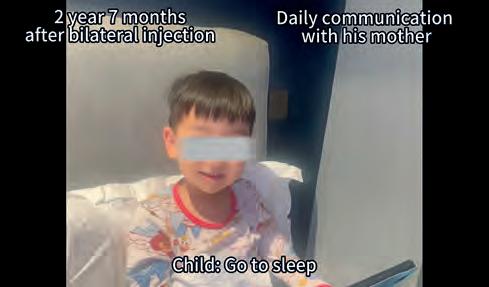
A video showed a boy speaking freely with his mother 2.5 years after treatment. Image: Eye and ENT Hospital of Fudan University.
infants aged eight months to adults aged 32 years. Each received gene therapy treatment: 36 in one ear and six in both ears.
The treatment was adeno-associated virus (AAV) serotype 1 carrying a human OTOF coding transgene (AAV1-hOTOF).
Researchers followed participants for up to 2.5 years and said they found no serious treatment-related side effects.
About 90% saw their hearing improve in the treated ear, most within weeks of treatment, with continued improvement over time, researchers reported. As hearing returned, participants were better able to understand speech and improved their language skills.
About 10% of participants did not respond.
Dr Yilai Shu, a professor from the Eye and ENT Hospital of Fudan University, who led the study, said: “These results show that restoring hearing is possible even after years of deafness.”
SIPPY CUP FOR OTITIS MEDIA GETS FDA TICK
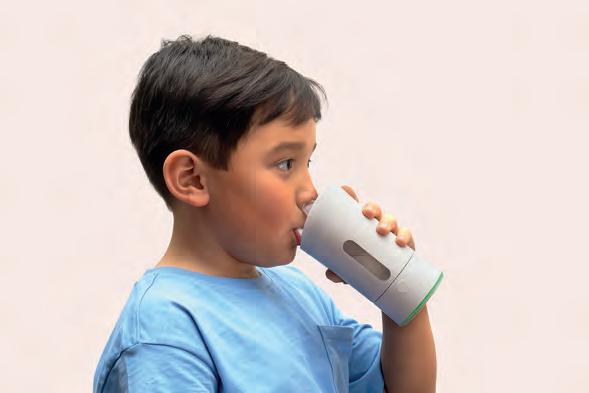
An award-winning Australian-de veloped “sippy cup” which offers a n on-surgical solution for children with negative middle ear pressure and fluid buildup has received Food and Drug Administration (FDA) Clearance.
Biomedical engineers and ENT specialists within Earflo medical technology company pioneered the non-invasive at-home paediatric ear care device to treat children as young as two.
Earflo announced the US market availability and FDA Clearance on 29 April 2026. The device combines precision pressure therapy with a child-friendly design and companion app to support consistent treatment.
of air through the nose into the eustachian tube during swallowing,” the company said.
The company said Earflo provided families with an at-home alternative during the “watchful waiting” period often prescribed before surgery for children with chronic ear infections.
This addressed a condition that affected millions of children worldwide and frequently led to grommet insertion.
“Earflo works by delivering
“This helps to equalise pressure in the middle ear and reduce fluid buildup associated with otitis media with effusion (OME).”
Designed as a child-friendly cup and paired with a smart app, the system guides therapy sessions and keeps children motivated through gamified progress tracking. The app gives parents and clinicians an easy
pressure in the middle ear and reduces fluid buildup associated with
way to track usage over time.
CEO and co-founder, Perth biomedical engineer, Dr Intan Oldakowska said: “We built Earflo because we know how exhausting and heartbreaking it is to watch a little one struggle with ear pain, hearing issues, and disrupted learning.
“Our goal is to give families a simple, science-backed tool they can use at home to address middle ear pressure before it progresses to surgery.”
Dr Oldakowska told HPA : “The Earflo device is now available for purchase in the US only through our website. It is not yet available in any other countries for now. We are working towards getting Therapeutic Goods Administration approval as a medical device for use in Australia.”
University of Pittsburgh professor and division chief of otology and neurotology, Dr Peter Santa Maria, Earflo’s chief medical officer, said for the first time, parents have something they can do, and the clinical data shows it works.
OME. Image: Earflo.
Sounds right Santana
Dr VERUSHKA SELBY-HELE sees the world of hearing loss from two sides: as an audiologist, and the mother of a hearing-impaired child.
on a softband if no intervention was planned for six months.
“I was desperate. I knew she wasn't hearing, she had moderate to severe loss but still had a grommet, constant discharge and cholesteatoma,” Dr Selby-Hele says.
LIFESAVING SOFTBAND
Help came through a professional connection. An audiology colleague from Oticon Medical recommended that Santana trial a Ponto 5 bone anchored hearing system on a Softband 5. “She helped me set it up and immediately I noticed the difference,” Dr Selby-Hele says.
“The headband was a lifesaver; Santana’s hearing was much better, and her speech was starting to develop. She was nearly three – such a critical age for speech and language.”
Further assessment revealed the extent of the condition – cholesteatoma in both ears which had spread into the mastoid.
“The ENT said it was the worst-case he'd seen in a three-year-old,” Dr Selby-Hele recalls. “Both ears were full of cholesteatoma, the ossicles looked eroded and surgery would be needed.
“I had no idea it could be this bad. You hear of mastoidectomy in one ear, but she would need it in both.”
Seeking reassurance, she sought a second opinion from Professor Robert Briggs.
“I said, ‘I’m an audiologist, what could I have done differently to prevent it?” Dr Selby-Hele recalls. “He said there was nothing – some kids just have bad ears.”
career including as a paediatric audiologist in hospitals and clinics in the UK and New Zealand.
But it was her personal experience with her second daughter, Santana, that brought a new perspective and newfound determination to help other children in the same boat.
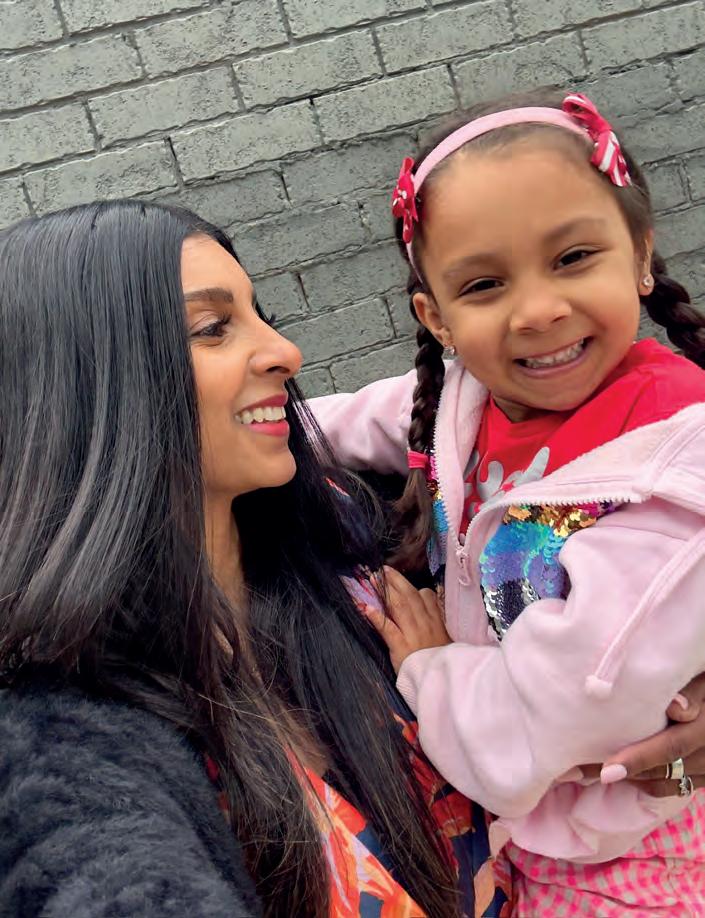
Santana is a typical four-year-old girl, loving all things pink and sparkly, nail polish, and Barbie dolls. But unlike others her age, she has endured a tough journey towards better hearing, undergoing several surgeries including double mastoidectomy and now wearing a bone conduction hearing aid on a softband.
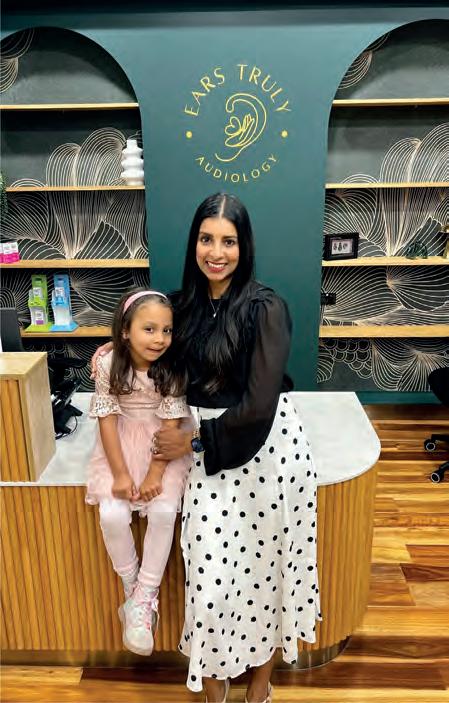
Dr Selby-Hele, who owns independent clinic Ears Truly Audiology with audiologist colleague Evan Lim, publicly revealed her daughter’s hearing loss in a recent LinkedIn post. She explained the importance of inclusivity and children seeing themselves represented after finding Lego minifigures with painted-on hearing aids at a Legoland
around age two soon after returning from a holiday overseas where she swam a lot.
“The road to diagnosis and treatment has not been easy or straightforward despite my involvement in the sector,” Dr Selby-Hele says. “The swimming was not related but she constantly had wet ears. We used antibiotics and saw an ENT specialist who said it was an outer ear infection and gave her eardrops.”
When it didn’t resolve, another ENT diagnosed middle ear infection and inserted grommets which came out within two weeks. Santana’s ears were discharging and he again inserted grommets in one ear before finding cholesteatoma on the other side. Her ears continued discharging for six months during which she did not have normal hearing, her mother adds.
Because it wasn’t deemed permanent hearing loss and surgery was planned, Santana did not qualify for Hearing Australia help, Dr Selby-Hele says. She would only qualify for a funded bone anchored device
PALATE ISSUE
Santana was diagnosed with a sub mucosal cleft palate – a hidden gap in the palate muscles beneath the mouth's lining. Often missed during initial newborn exams, it causes chronic ear infections due to ‘floppy’ eustachian tubes which don’t work properly as the muscle is not there to contract them.
“I’d been blaming myself, so when this was diagnosed, I felt a bit better,” Dr Selby-Hele says. “Prof Briggs was wonderful; he was confident of the surgery, and although I felt relieved, it was still daunting because of the small area (to operate in), he had to monitor the facial nerve, the length of the surgery and risks. I was nervous, not knowing what her hearing would be like afterwards.”
Santana underwent 3.5 hours of surgery in 2025 at St Vincent’s Private Hospital.
“The ossicles had been eroded, but the cholesteatoma was cleaned out. Her ear was not leaking anymore, the eardrum was repaired, and I was expecting quite a big conductive hearing loss, but she has
Audiologist Dr Verushka Selby-Hele and her daughter Santana wearing her bone conduction hearing aid on a softband.
moderate hearing loss,” her mother says.
Santana underwent the second four-hour long mastoidectomy in January 2026 and now qualifies for a Hearing Australia-funded bone conduction device on a headband and an FM system for her teacher to use at kindergarten.
This gives Santana confidence to interact with her friends unlike at kinder last year. “She was missing out on a lot,” Dr Selby-Hele says. “Bone conduction hearing is through the bone so it’s not acoustic hearing, it’s a different type, but she's doing really well and will also have speech therapy this year.”
In 2027, Santana is expected to undergo middle ear reconstruction, installing artificial ossicle prostheses (ossiculoplasty), pending confirmation that the cholesteatomas have not returned.
ACCEPTANCE AND RESILIENCE
Dr Selby-Hele hopes her daughter may eventually receive a second bone-conduction device, as only one is currently funded despite bilateral hearing loss. Alternatively, a hearing aid may be an option if one ear stabilises.
“It was hard for me to accept my daughter having hearing loss, even though I work in the industry. Initially, I didn't want to talk about it and thought people might judge me or blame me,” she says.
“There were mixed emotions, even when she started wearing the headband, and especially when one surgeon said it was the worst: I just wanted her to be okay. The surgery was so big for such a little kid and to have it in both ears is rare, as normally people only have mastoidectomy in one ear.”
Santana, however, has adapted with ease.
“She’s so resilient. If you saw her, you would not think she has been through this,” her mother says. “She'll be running and tumbling. She loves wearing the headband because we decorate it with clips and she knows it helps her. She wakes me up at 6am and asks if she can have her headband for TV. There's nothing negative about it for her.”
Motivated by her experience, Dr Selby-Hele is now working to support families in similar situations. She is concerned that they may struggle to navigate the system and that children may miss out on months of hearing loss while awaiting surgery or assessment.
“I could navigate it because I have knowledge of where I could get help and could reach out directly,” she says. “It's been an ordeal, a big journey, and hard to navigate even for me, but I knew how to advocate for my child.
“For parents who are going through this, leaving their child for months without hearing, it would be so hard.”
She believes children risk missing critical developmental windows while waiting.
“There needs to be more awareness and possibly changes to Hearing Australia criteria for access to bone conduction
Dr Selby-Hele hopes to loan bone conduction devices on a softband to children awaiting surgery.
“We want to help children in the same position Santana was in. It’s such a critical period and currently there’s little support,” she says.
She hopes Melbourne ENT specialists will refer children who could benefit from temporary access to devices to her for the free loan equipment.
“It’s not fair that if children don’t meet exact Hearing Australia criteria to qualify such as permanent hearing loss, they miss out,” she adds.
Devices cost between $5,000 and $10,000, and she is exploring support from manufacturers who she hopes will lend some devices, as well as doing fundraising herself within her clinic.
“I’d also like to see more collaboration with ENTs so children who need temporary support can be referred early,” Dr Selby-Hele says.
“I feel like kids are slipping through the system while waiting months for consults
can also share experiences and advice.
“Santana knows no-one at kinder or in friends’ groups who wears hearing devices. It would be great for these kids to see and meet others wearing the headbands,” Dr Selby-Hele says.
*Dr Selby-Hele can be contacted on verushka@earstruly.com.au
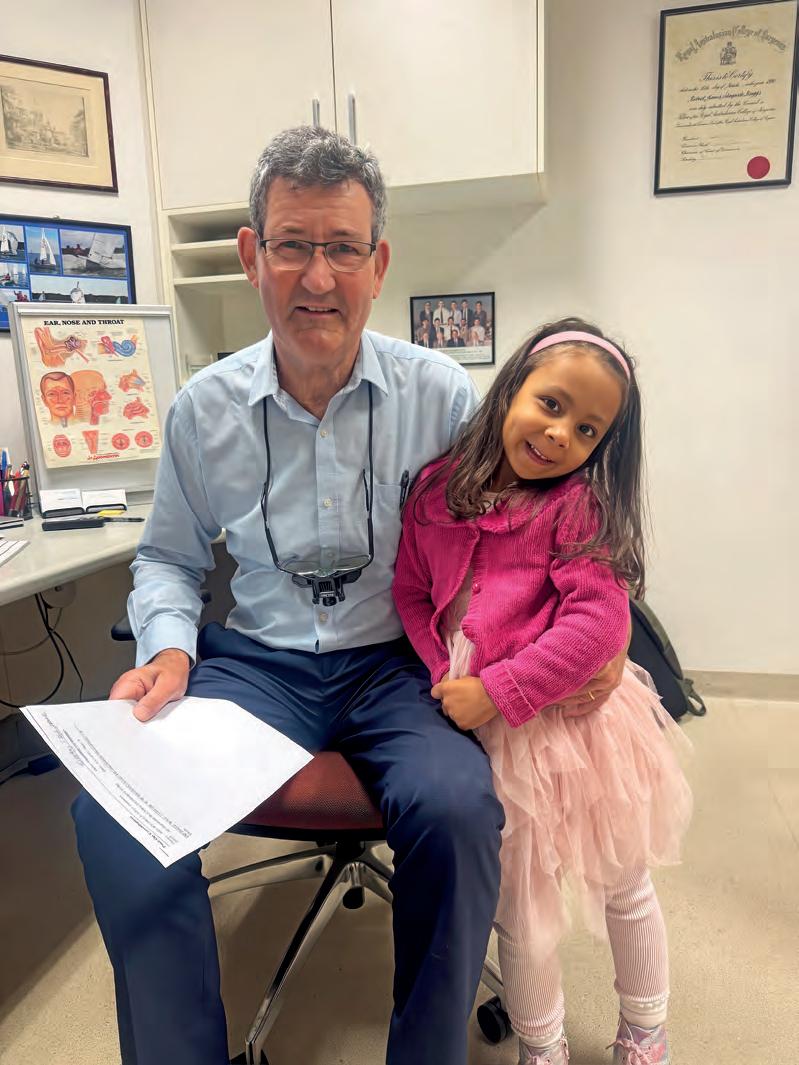
ENT surgeon Prof Robert Briggs with Santana.
Images: Verushka Selby-Hele.
Dr Verushka Selby-Hele in her Ears Truly clinic with Santana.
Expanding scope, and adapting
Audiologists are broadening their scope and embracing change in their careers. Three audiologists – SHANNON PEREIRA, DR ADRIENNE BLECHMAN, and MOHAMMED MUSTHAFA – recount some of their experiences.
As Australia’s first known audiologist/ nurse practitioner, Shannon Pereira is in the unique position of being able to diagnose patients and prescribe medication on the spot.
She opened her own clinic, Perth Ear Health, in March 2026, soon after qualifying as a nurse practitioner in December 2025. Pereira, and her patients, have already found the qualification and this expanded scope of practice extremely useful.
“I feel like I'm in a unique position and to be able to diagnose and treat is fantastic,” she says. “I can provide holistic healthcare to patients, covering audiological and general medical care.”
With 18 years of combined clinical experience as a registered nurse and an audiologist, Pereira worked in hospitals, community services, a private audiology clinic, an ENT clinic and outback communities before spending two years studying the online Latrobe University Master of Nurse Practitioner course. Hers is a great example of the many career paths practitioners are building
on top of their audiology training, with Hearing Practitioner Australia also hearing from Dr Adrienne Blechman, and Mohammed Musthafa for this article. Dr Blechman discusses how patients have changed over 25 years, while Musthafa imparts wisdom about how clinicians can go a step further to make a difference simply by using their own qualities.
Pereira wanted to stay in otology and eventually open her own practice. To the best of her knowledge, she’s the only audiologist/otology nurse practitioner in Australia, although there are a few nurse practitioners in ENT.
“GPs must know about everything and sometimes they might miss the mark on whether an ear infection is bacterial or fungal, whereas that's something I see every day so it’s a no-brainer,” she says. “Being able to refer straight to an ENT specialist is great instead of sending patients back to their GP for an ENT referral.”
The nurse practitioner qualification has also come in handy for implant patients.
“The other day I had an adult who,
post-surgery, had some suture pimples. With implants you must be so careful, so I contacted the surgeon, told him what was happening and what I was going to prescribe and he concurred,” she says.
“The surgeon was in Europe and thought it was fantastic that he didn’t have to write an e-script on his holiday and I could deal with it.”
SUDDEN HEARING LOSS
Sudden sensorineural hearing loss (SSHL) is another condition where these skills are proving useful.
“Several audiologists refer SSHL cases to me,” Pereira says. “I prescribe steroid treatment and, it’s mutual respect as I treat the patient then send them back to their audiologist. It streamlines care and means they don’t have to sit in ER at hospital waiting for hours for treatment or wait six months to see an ENT.”
Pereira studied nursing straight out of school. She’d always wanted to work in a field that helps people. She had stints at The Royal Children’s Hospital in Melbourne, was a child health nurse
in remote Aboriginal communities, and performed hearing tests in kindergartens.
But it was while working at Princess Margaret Hospital for Children in Perth where her theatre work – specifically assisting in ENT cases including cochlear implants – began to change her career trajectory.
It was there she met ENT surgeon, Professor Shyan Vijayasekaran, who has been a mentor throughout her journey. She later worked for him at the private Perth ENT Centre.
“There was an audiologist who worked there so I became friendly with her and interested in what she was doing,” Pereira says. “The audiologist Nicole Irvine
of healthy lifestyles.
“While I was at Specialist Hearing Services, I thought I would further myself even more and studied my Master of Nurse Practitioner,” she says.
“I CAN PROVIDE HOLISTIC HEALTHCARE TO PATIENTS, COVERING AUDIOLOGICAL AND GENERAL MEDICAL CARE.”
Shannon Pereira Perth Ear Health
and Shyan encouraged me to apply for audiology, so I studied audiology at UWA.”
After graduating audiology in 2017 she worked at an independent clinic, Specialist Hearing Services, for eight years. Its owner Elaine Melville is a nurse and audiologist, and the clinic concentrated on diagnostics and had a medical focus on the whole person, not just the ears, Pereira says.
She also completed post-graduate studies in Child and Adolescent Health Nursing at Curtin University, which led her to specialise in infant and early
PERSONAL EXPERIENCE
This was an extremely busy time for Pereira. Simultaneously she was working as an audiologist in the independent practice, taking up casual shifts in theatre for grommet surgery with Prof Vijayasekaran to maintain her skills, studying, and she also became a mother of two children born with hearing loss.
“They both have genetic hearing loss. Harry, six, and Emmi, four, wear hearing aids, and they’re doing so well,” she says. “They’re fabulous.”
including things like auditory fatigue –I see my kids at the end of the day and they’re exhausted, so I do understand.
“It’s also broadened my understanding of hearing and the emotional and psychosocial aspects,” she adds.
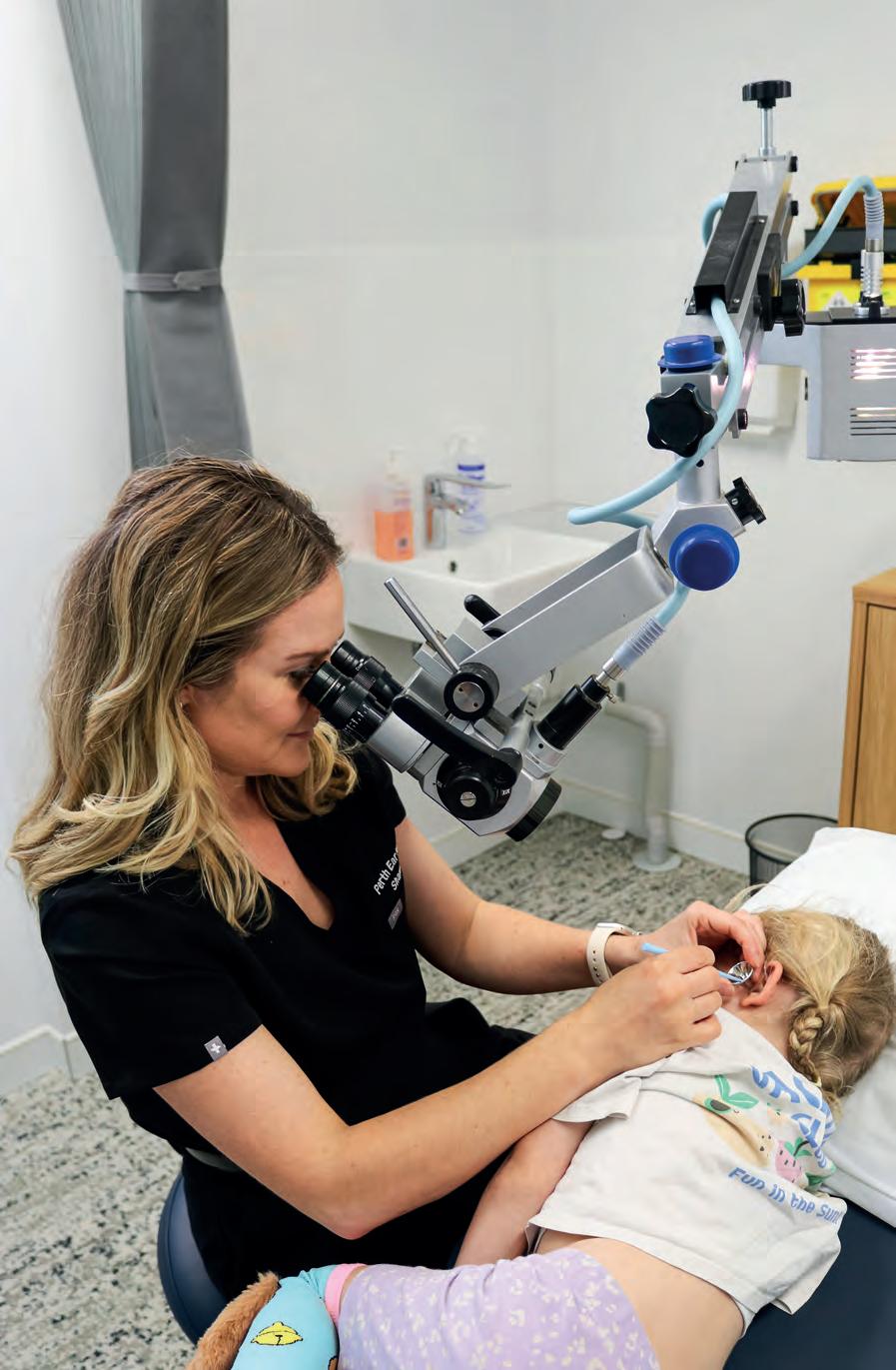
Pereira did her 300 hours of practical work required for the nurse practitioner qualification at Perth ENT Clinic. She assisted in surgery for some patients including cholesteatoma and was involved in a study of cholesteatoma patients and hearing outcomes. Additionally, she sat in on clinic appointments for others during initial appointments, diagnosis and post-operative results.
“I worked alongside the ENT surgeons, shadowing them in clinic, which was an invaluable experience. Shyan was always interested in my audiological perspective, and I really valued the way we could combine ENT and audiology knowledge when discussing hearing results and what they might mean clinically,” she says.
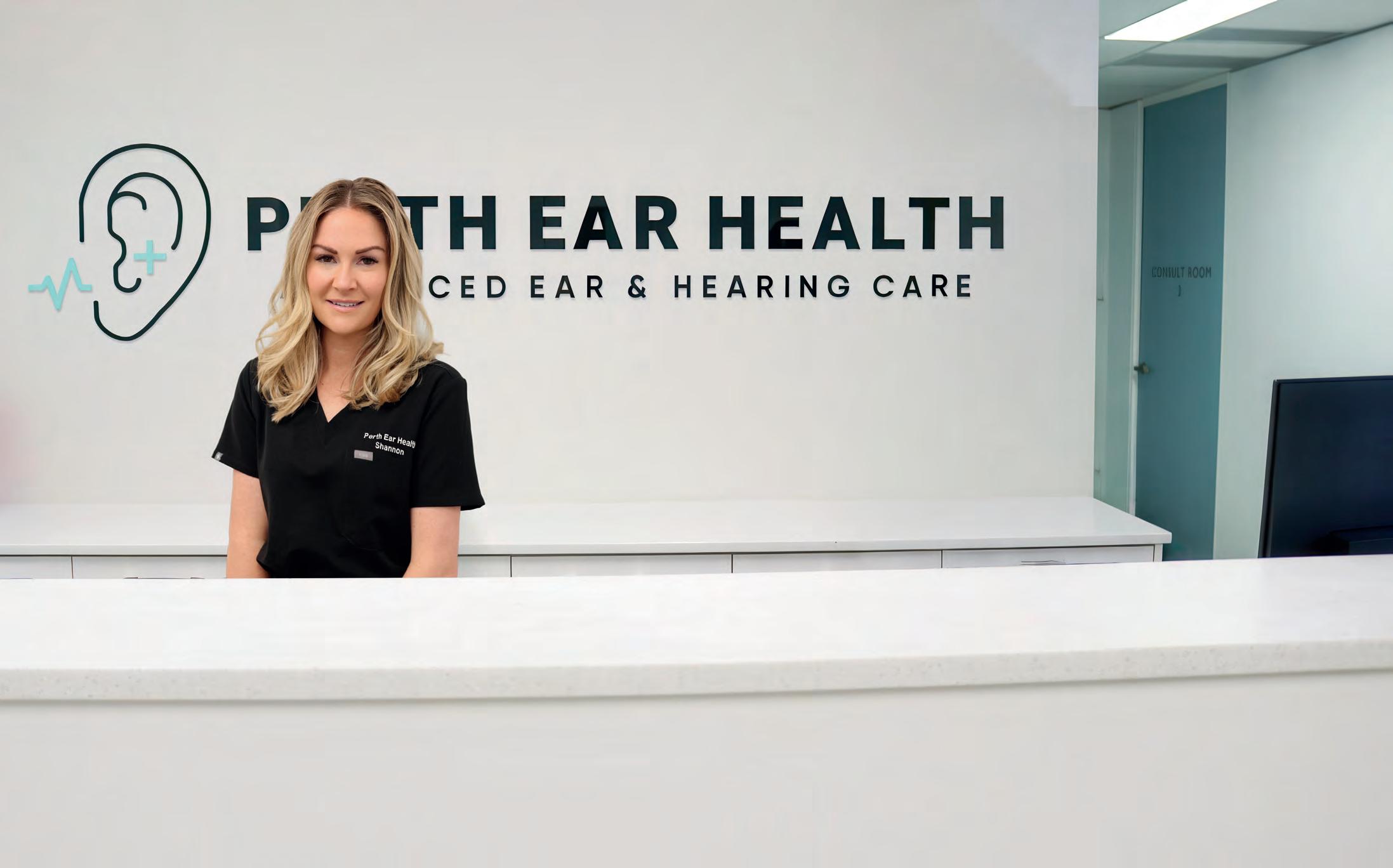
Audiologist/nurse practitioner Shannon Pereira in her new clinic, Perth Ear Health.
Image: Shannon Pereira.
Shannon Pereira checking the ears of her daughter Emmi.
fungal infections. She created a patient education sheet to encourage patients to continue the treatment course even if they felt better.
“Much of the time there's still tiny spores that are left in the ear, so it was about increasing the patient's knowledge to complete the treatment, and come in for microsuction to eradicate it,” she says.
“There was less recurrence when we took the time to go through this with patients.”
She plans to turn the information into a patient handout for her practice.
“Working at my clinic has been really good so far and I've had lots of referrals from the ENTs I worked with,” she says.
Her advice for those considering a nurse practitioner qualification is “to go for it”.
“It's rewarding to be so confident within yourself and your skills and completely know your area. I feel as though I'm a real benefit for patients,” she says.
“Knowledge is power. When people come to see me, I can truly help them and make
Patients are also pleasantly surprised when they find out she can write a script they can fill immediately at a pharmacy.
“I had a patient the other day who I wrote a steroid script for, and they asked if they should take the script to the doctor. I said, ‘no, go straight to the pharmacy.’ I feel like there's a lack of knowledge about what a nurse practitioner does,” she adds.
“Medicare rebates for a nurse practitioner are more than for an audiologist. For a one-hour appointment, patients get back $114. For audiology, they hardly get anything so financially, it works out a big difference for patients.”
Pereira bulk bills for small things. “It makes a huge difference to the patient,” she adds.
She does an outreach Aboriginal clinic monthly with ENT registrars, and in her clinic, also sees tinnitus, cochlear implant, and hearing aid patients, along with patients with vestibular issues.
She sees children over age four and
while she mostly refers them to Hearing Australia, she also does NDIS support
“I help families with reports and because of the experience with my own children, I have a lot of connections and can help them get Roger devices for school for example. Sometimes it is just having some key words that helps them get what they
“They’re asking to hear their teacher; it’s not like they’re trying to get a TV Pereira also sees children pre-surgery, for grommets for example, and can help streamline access.
To be accepted into the nurse practitioner course, people must specialise and have worked 6,000 hours in that field. Other selection criteria must be met and not everyone is admitted, she adds.
The first year was mostly about pharmacology. “It made me look at how I practise, gave me different ideas, and encouraged me to really investigate the research, asking why we do things in a certain way, and critically evaluating medication interactions and treatment decisions. I feel like the course made me a better practitioner.”
CLIENT-DRIVEN ECOSYSTEM
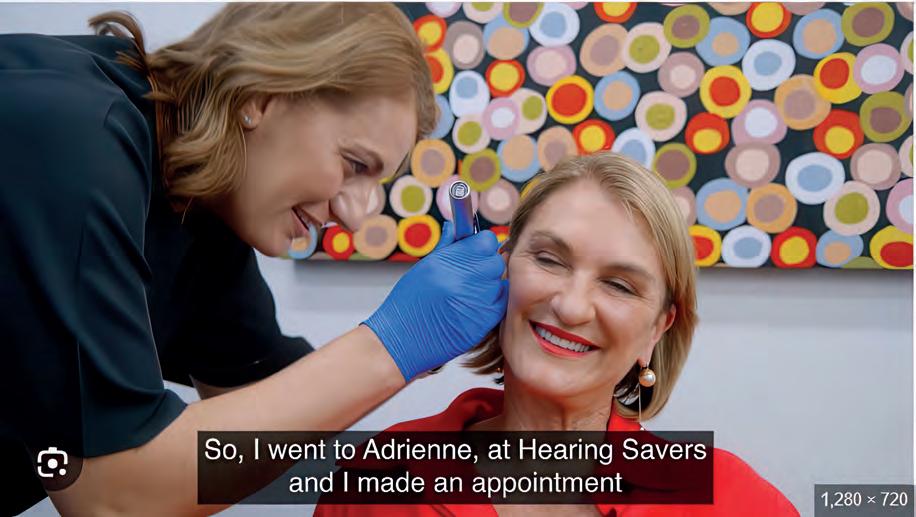
Dr Adrienne Blechman, founder and principal audiologist at Hearing Savers, says client behaviour has changed over her 25 years’ practising – and practitioners should adapt to embrace this change.
“As a business owner, our clients are the most important to reach,” she says. “Even the name has changed from patient to client to consumer. What is driving these factors and how has it impacted the hearing health sector?”
Dr Blechman, who made the comments at the recent ACAud inc. HAASA 2026 Congress in Queensland, says some hearing practitioners stay within a box
Melbourne audiologist
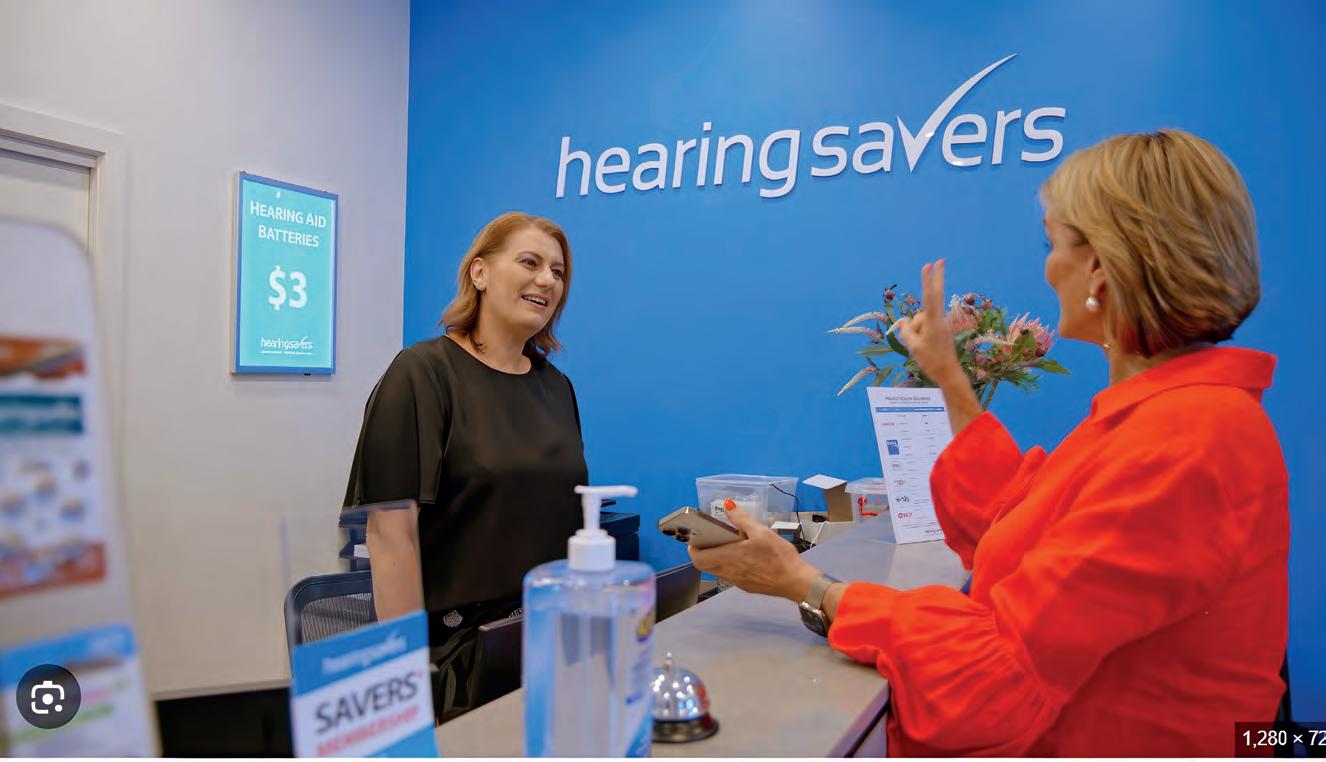
Dr Adrienne Blechman at her Hearing Savers’ Bentleigh clinic.
Dr Adrienne Blechman performing otoscopy.
Images: Adrienne Blechman.
and follow the traditional approach of working with clients. But perhaps trying an alternative approach could help as not all clients fit that box.
“The one who survives is the one who is most adaptable to change so we need to adapt and embrace our changing client,”
Dr Blechman says.
“Little tweaks can make a huge difference to what you do. Firstly, get excited about AI. When we started in 2003 when previously owning Absolute Hearing, we advertised in the Yellow Pages with the tagline ‘audiologists’. In 2014 with Hearing Savers that tagline has changed to ‘trusted brands, discount hearing aids’.
“Also, with more products now, there’s a shift to the client and clinician deciding together.
“Clients are coming in saying they’ve done their research, and they want this hearing aid at this price. Hearing Savers collaborates with about 100 independent clinical sites around Australia, supporting growth of those independent clinics within the Hearing Savers network.”
Consumers are exposed to so much information now, Dr Blechman adds.
“They’re researching inclusions and prices before they attend the clinic. Our clients are evaluating us and our products and they’re informed buyers. They’ve looked at choice and preferences," she says.
“If you search Google you are bombarded with prices, information, choices and this ecosystem is client driven. Clients are very informed and have compared options before they walk through your door.
“If we ask our clients how they found us, some are now saying AI. AI and online information are feeding the consumer.”
Dr Blechman advises to “invest in your
a hearing clinic. Also hearing aids are not standalone products. They are integrated with phones, televisions, apps, and Auracast. Practitioners have to spend much clinical time to download/reset apps, teach clients how to pair their aids with these devices, and set up the TV adapter at home.
“Embrace that change because consumers are embracing the change and the client is choosing to drive the care.”
CREATIVITY, CARE, CURIOSITY
Sydney audiologist Mohammed Musthafa agrees that looking at things differently and out of the box is sometimes what’s needed to make a difference. But he says it’s not just technology such as AI that’s needed to improve hearing care.
“What if AI stood not for artificial intelligence, but authentic intelligence?” he told the ACAud Congress. “Three ordinary things all hearing care practitioners have – creativity, care and curiosity – can make a big difference to patients, and they don’t cost us anything. Not tools but qualities.”
Care – seeing the whole person; curiosity – asking one more question; creativity –adapting in the moment.
He details cases from his experience demonstrating how these attributes help his patients.
Musthafa was to test the hearing of a man with severe dementia in an aged care facility. He instructed him twice on the word recognition test and waited for a response, but none came. Musthafa did not want to leave without doing the gold standard speech recognition test so he grabbed a piece of paper and wrote, “Please repeat the words you hear”.
“The outcome of that one extra step was he did the test and that lesson stayed with me.
“Creativity isn’t reinventing audiology.
he says.
In the second case, a man came to his Audience Hearing clinic in Sydney for cerumen removal. Musthafa found not wax but cholesteatoma and advised he needed to see his GP immediately.
“The man said no, he had come for wax removal and hearing aids. I compromised and said I would give him one hearing aid now, and he could have the other after he saw a doctor. He accepted this reluctantly,” he recalls.
“As I drove home, I couldn’t stop thinking about it, so I called his daughter the next day to ensure he went to a specialist immediately. It reminded me of the vital role we all have as hearing specialists.
“AI didn’t diagnose him although maybe in future it could, and it could draft a letter to his GP, but it won’t call his daughter to make sure he attends. Taking that care one step beyond made all the difference.”
Curiosity is the other essential quality brought to life through the third patient, a man who came in stating his hearing aids were too loud, a claim not backed by the testing Musthafa performed.
“I saw his partner standing outside the booth and felt that something was not right,” he says. “I took the patient next door without his partner and asked if anything else was bothering him. He opened up and said his partner had cancer, and he was his carer.”
His job was demanding, he was getting no sleep, no space and no rest. The hearing loss was a shield. Musthafa retested the patient and provided counselling.
“Three patients – not once did I use anything new – no advanced technology or protocol,” he said. “But in each case, authentic intelligence made the difference: not AI replacing you, but helping us show up better.”
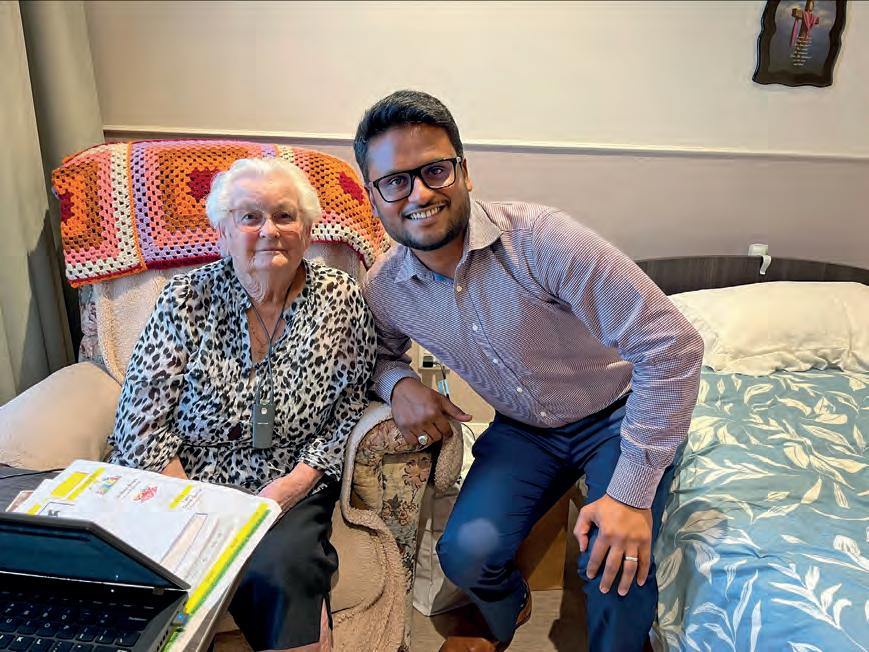
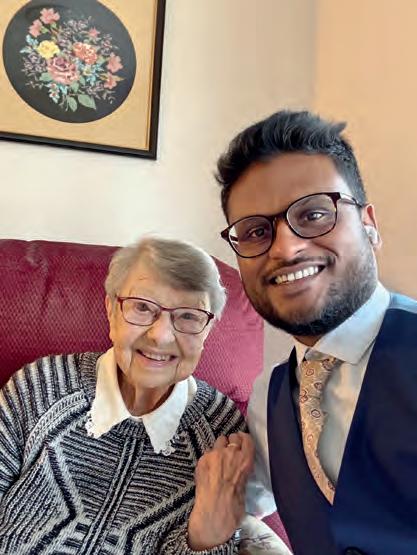
Sydney audiologist Mohammed Musthafa with a patient.
Images: Mohammed Musthafa.
Mohammed Musthafa and a happy patient, aged 103.
A new pathway
Charles Darwin University has launched a Bachelor of Audiometry to provide a long-awaited higher education pathway for Australia’s audiometrists. Lecturer KERRY BELL and student NASH OCTOBER provide insights.
For audiometrists juggling work in hearing clinics and life, including family responsibilities, finding time to attend a university course in person can be difficult.
That’s why Charles Darwin University (CDU)’s flexible online model is proving to be a major drawcard for its new Bachelor of Audiometry degree. The institution is based in the Northern Territory but has plenty of experience running online degrees, including its Master of Clinical Audiology.
The Bachelor of Audiometry’s first intake in March 2026 has attracted 12 students from around Australia who are working in hearing clinics and looking to deepen their knowledge, upskill, and expand their career opportunities, potentially progressing to a Master of Clinical Audiology.
Audiologist and lecturer Kerry Bell, who’s the course coordinator of the Bachelor of Audiometry and the clinical education coordinator for audiology, said the new course was developed in response to industry demand, including from the Australian College of Audiology incorporating HAASA (ACAud inc. HAASA).
“ACAud approached CDU and this, along with general demand from the industry, is what’s led to the course,” she says.
There was a bachelor-level audiometry qualification in NSW several years ago but Bell says there has been no such pathway for some time.
“We’re providing a pathway for audiometrists to get into higher education (university) and broaden and deepen their education as health professionals,” she says. “The degree also creates a streamlined pathway into CDU’s Master of Clinical Audiology.”
Students who complete the bachelor can move onto the master degree with recognition of prior learning for some subjects, and without having to do all units for the master degree, she says.
FLEXIBLE STUDY
The course has been designed with working hearing care professionals in mind, and all students must have a Diploma of Audiometry before starting.
“They’re all working in hearing clinics, and have busy lives, juggling family, work and study,” Bell says.
She says the bachelor can be completed in two years full-time, or over four years part-time, with flexibility a standout feature of the program.
“We try to be really flexible,” Bell says. “Depending on their circumstances, students can maybe cut back to a part-time load or do three units per semester or even increase units. We’re happy to discuss that with each student on a case-by-case basis.”
It’s delivered primarily online through a mix of asynchronous and synchronous learning.
“Largely, lectures are recorded and students watch them in their own time, allowing them to study when it suits them, replay content and fit learning around work and family commitments,” Bell says. “They also attend live online group work and group learning sessions.”
Live tutorials are generally weekly depending on the unit, giving students opportunities to ask questions and engage with lecturers and classmates. Additionally, there are online discussion boards for questions about unit content.
“CDU also has a support network around study skills, learning support, wellbeing and health services, career counselling, and access and inclusion support,” Bell adds.
CORE SUBJECTS AND ELECTIVES
The program includes nine core subjects, three specialist electives and two general elective units, with assessment methods extending beyond traditional exams.
“Assessments are a real mix,” Bell says. “Students might do project-based work, orals, written assessments, group work and exams.”
Subjects are taught by a range of specialists from different disciplines. “If they’re studying epidemiology, they’ll have a specialist in epidemiology. If they’re studying counselling skills, the lecturer is from social work with a specialisation in
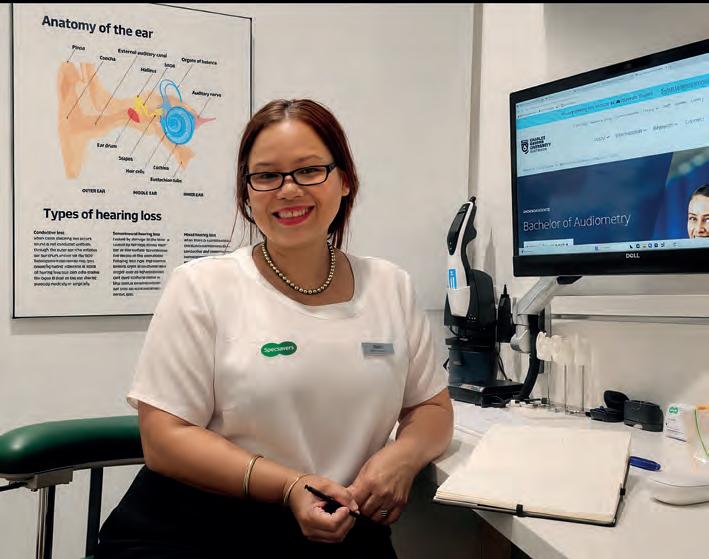
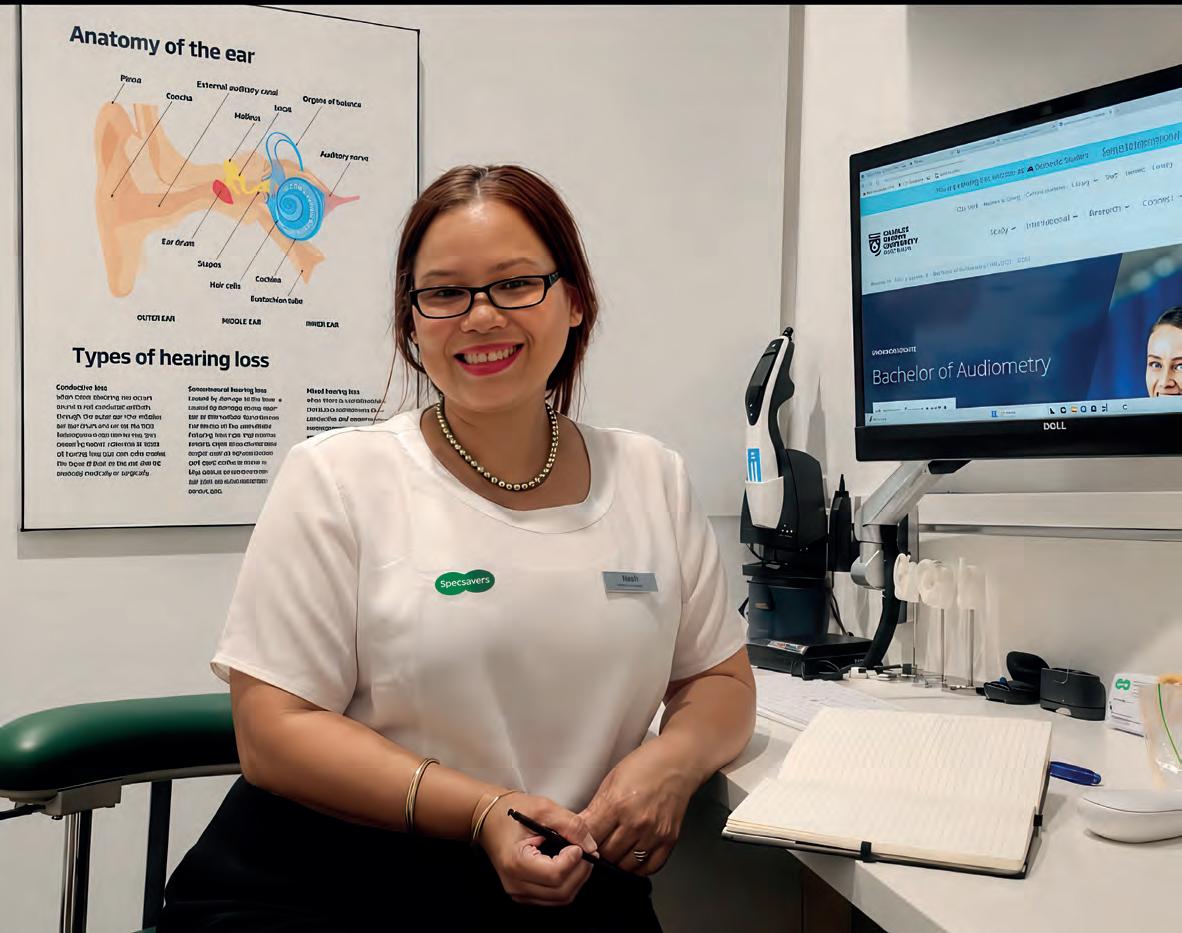
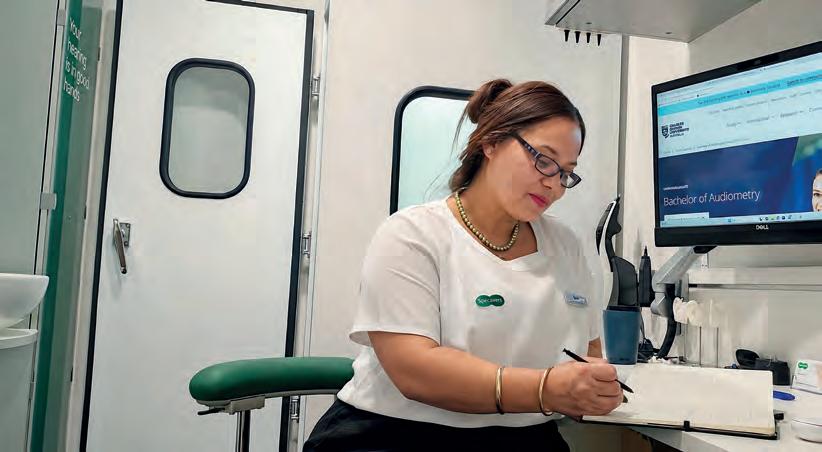
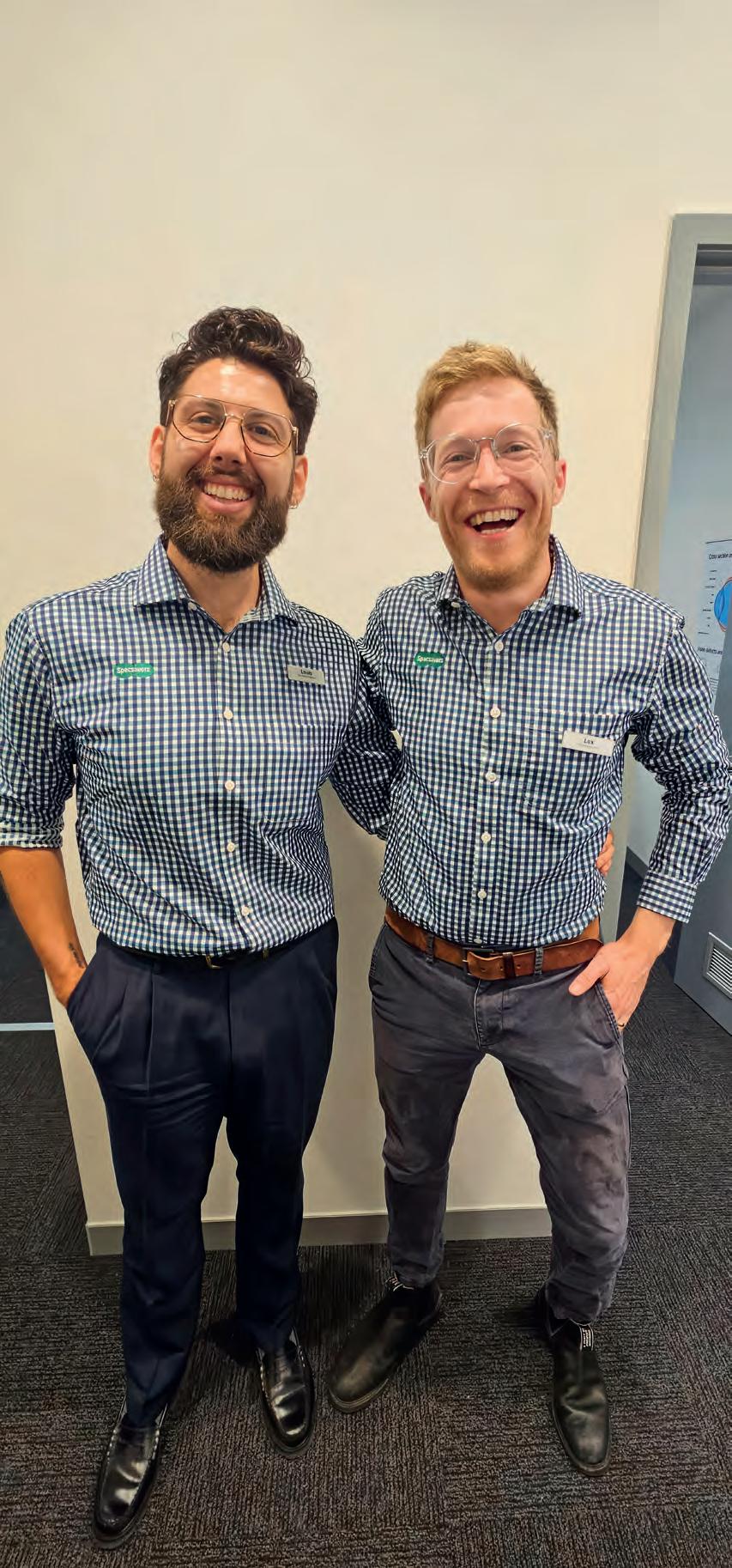
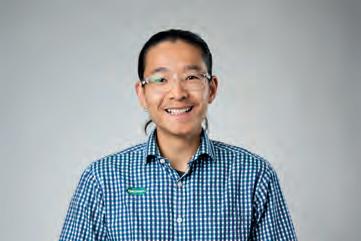
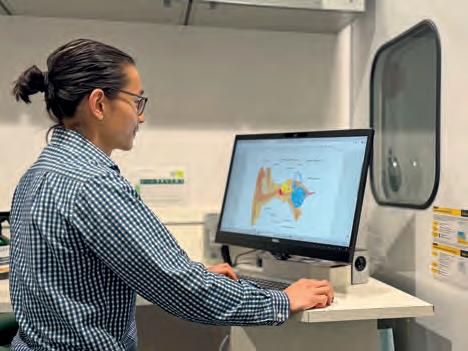
Brisbane audiometrist Nash October is studying her Bachelor of Audiometry online from CDU.
Image: Specsavers.
counselling,” she says.
Students have responded positively to the breadth and depth of learning.
“It’s always a steep learning curve in that first semester,” Bell says. “But they seem really enthused and positive about the different things they’re learning.”
Even experienced clinicians are discovering new perspectives.
“With subjects that students thought they might already be across, they’re finding new depths in those topics,” Bell adds.
The audiometry degree also incorporates practical and face-to-face experiences.
Students complete two community health practicums that are project-based rather than traditional clinical placements.
“These community practicums are about working with a health service or community health organisation in a variety of different projects,” Bell says.
Students also travel to Darwin for short audiology intensives later in the course.
During these on-campus sessions, they gain practical experience in areas such as tinnitus, paediatric testing, and bone conduction hearing aids.
“On campus, we’ve got an audiology clinic,” Bell says. “For paediatrics, for example, we have real patients that students can observe and interact with.”
Taken together, the course reflects CDU’s broader commitment to regional and remote Australia. The university has a strong commitment to people who live in these areas or in resource-poor communities, providing pathways and opportunities for people outside of major cities, Bell says.
CDU also provides dedicated support services for First Nations students.
Bell, who has worked as an audiologist since 2010, brings extensive clinical experience to the role, having worked in everything from public health to implantable devices, humanitarian audiology and rehab.
She formally joined CDU in 2024 after previously undertaking casual teaching there and is excited to see how the inaugural cohort progresses.
LEARNING ONLINE ‘AT MY PACE’
One of the first students to study the CDU Bachelor of Audiometry, Brisbane audiometrist Nash October, who started working at Specsavers in April 2026, says she is loving the course.
Originally from South Africa, October moved to New Zealand as a teenager with her parents. Her first exposure to the hearing industry was while working in a public hospital ENT clinic in Whanganui, NZ.
The ENT specialist she worked for shared rooms with Bay Audiology and encouraged her to apply for a front-of-house role when the company opened locally.
“I was at Bay Audio in New Zealand for a few years,” October says. “During this time my Mum was diagnosed with hearing loss, so I know first-hand about living with someone with hearing loss.
“Mum had noise-induced hearing loss after working in the printing industry in the days when they didn’t generally wear hearing protection or have much awareness about industrial deafness.”
In 2018, October moved to Australia with her husband, and her mother, and worked at iHear in the rural town of Warwick, Queensland.
COVID-19 prompted another move to Brisbane, where she continued working for iHear, then Connect Hearing. Simultaneously, she spent two years studying her Diploma of Audiometry online from TAFE, while helping to raise the couple’s young child.
She discovered the CDU course through communications from ACAud inc. HAASA and was particularly attracted by the recognition of prior learning from her audiometry diploma qualification and the online flexibility which enables her to work part-time, study and continue raising her children.
Compulsory core units
ounselling theory and micro skills
ommunication skills
hronic conditions management
pidemiology and statistics
esearch and evidence-based practice
ommunication across the lifespan
ural and remote health
ealth science community practicums
Specialist elective units
ealth informatics
ocial media in health promotion
ental health and wellbeing
oject management
euroscience and biological bases of behaviour
esign and analysis of biological studies
xploring public health
General elective units
aediatric audiology dvanced rehabilitation
“One of the biggest advantages is it allows me to do distance learning online and at my pace,” October says.
She hopes it will eventually help her progress into audiology.
“My final destination will be audiology,” she says. “The CDU degree is my bridging stone. It’s been really good, and I love how supportive the lecturers are and how approachable everybody is.”
The small cohort has developed strong peer connections despite being geographically spread.
“We’ve started a WhatsApp group – our own little study group, and we feed off each other and support each other,” October adds.
BROADER HEALTH SUBJECTS
She’s also delighted that the course content is broader than she expected.
“I was expecting hearing and technical things but this semester I’m studying epidemiology, health science and counselling, which help put everything into perspective,” she says.
Like many mature-age students, she completes much of her study at night after her children are in bed and during her two non-working days.
For October, the opportunity represents career progression and the chance to continue making a difference in patients’ lives. She encourages audiometrists considering the degree to ‘just do it’.
“We’re in an industry where there will continue to be a strong need for audiologists and audiometrists, now and into the future,” she says. “It’s incredibly rewarding, and by the end of the degree you’ll be able to support and help your patients even more.”
Applications for the next intake in March 2027 are expected to open in August 2026. See cdu.edu.au.
Lecturer Kerry Bell in the CDU audiology clinic.
Image: CDU.
Nash October works at Specsavers.
Image: Specsavers.
Around the nation
Across Australia, hearing professionals are building careers that reflect different paths, motivations and stages of professional life.
ix Specsavers Audiology partners detail the moments that shaped their professional journeys, why they decided to become a partner, and what life is like in green. The group spans audiologists and audiometrists, early career clinicians and practitioners with many years of experience, as well as those working in metropolitan and regional practices. Each reflects on their day to day work, career decisions, and factors that continue to motivate them in a rapidly evolving profession.
ANGELA MACK
After working in audiology for more than 40 years in the UK and Australia, mostly in management positions, and becoming disillusioned by the high price of hearing aids, Angela Mack became a Specsavers Audiology partner.
“During COVID restrictions, I researched hearing aids and realised the quality and value for money of the Specsavers Advance range. The rest is history,” says Mack, an audiologist and store partner at Specsavers Karrinyup and Innaloo, WA.
“I have strong principles and values and love being able to provide a service for customers that genuinely helps their everyday life. I like putting my customers first, offering great value and service. And I love working with amazing, supportive people.”
Mack enjoys working at Specsavers because of its skilled and knowledgeable team within the support office that strive to improve the workplace experience, while ensuring excellent customer care and value.
“Although I’m usually the only audiologist in store each day, there is a lot of online support from audiology colleagues in other stores, and I feel part of the optical Specsavers team in store,” she adds. “Although we’re always busy, it’s rewarding and as a partner, I employ people to assist me.”
Lisa Peete, an audiologist and store partner with Specsavers Mirrabooka and Madeley, WA, was drawn to the Audiology Joint Venture Partner model because it provided the opportunity to lead and grow a local business while still being deeply involved in
“The partnership structure empowers partners to build a loyal customer base, support their teams, and make decisions that directly benefit people with hearing loss,” she says.
“I’m passionate about making hearing care accessible to the broader community and
Peete has a BSc in Audiology with a post graduate degree in business management and several years' experience working across clinical practice in hospital, private practice and
“We’re all encouraged to continuously grow and develop within a safe supportive environment,” she says. “The Specsavers model offers audiologists the opportunity to be a business owner but with all the business support such as operational and marketing support.
“This allows me to invest my time and energy on customer care, team development and growing the business.”
BRETT CARLSEN
Audiologist Brett Carlsen tried his hand at a few careers, including as a secondary school teacher and he even served in the army, before becoming store partner at Specsavers Norwood and Rundle Mall, SA. He achieved a Bachelor of Biomedical Science and a Bachelor of Teaching before completing the Master of Audiology at Flinders University.
“I’ve been an audiologist for five years and I enjoy business ownership and have a strong motivation to provide excellent customer care,” he says.
“I was working as an audiologist, and a friend told me about the Specsavers partnership model. By pure chance, Amanda La Ferla from the Specsavers recruitment team reached out to me at the same time.
“I was interested in business ownership previously but did not want to take the plunge into starting one. Specsavers provided a system that was already in place for supporting business newbies like me, so I signed up to the partnership process and took the next step.”
Carlsen says that in South Australia, there’s a strong support network of other audiology partners who he works closely with. “If there's a roadbump you run into, there's always someone somewhere who has experienced the same problem and knows how to solve it,” he says.
“While Specsavers offers a good level of autonomy, you don't feel completely on your own.
“The business has also provided me a unique opportunity to work alongside optometrists and as a different allied health discipline from audiology, it's a great opportunity to learn about the work they do as well.”
HELEN MAVRODIS
Audiometrist and store partner at Specsavers Plumpton, NSW, Helen Mavrodis enjoys working at Specsavers because she says it genuinely prioritises customer care and clinical excellence.
“For instance, I recently helped a customer who had been struggling with hearing loss for a while and due to her anxiety, we let her bring her dog for the hearing assessment and fitting,” Mavrodis says.
“Seeing her joy when she could hear clearly again was incredibly rewarding.
“Specsavers ensures that we have access to the latest hearing technology at an affordable price, allowing us to make a real difference in people’s lives. The strong sense of teamwork and commitment to continuous improvement creates an environment where every day is fulfilling.”
Mavrodis became a Specsavers Audiology partner when she was ready for the next step in her audiology journey but the thought of starting her own business was overwhelming.
“Partnering with Specsavers allowed me to step into a well-established framework where most of the groundwork was already laid,” she says. “All I had to do was focus on delivering customer-centered care while they took care of the rest.
The first couple of years of audiologist Nathaniel Yeong’s career were affected by the COVID pandemic, so in 2022, he decided to take charge of his career and join Specsavers. Two years later, he stepped into store partnership at Specsavers Rockingham and Kwinana, WA,
where I could make a mark and impact my community.”
Peel, who is store partner at Specsavers Buderim and Beerwah, Queensland, has been an audiologist for seven years.
“I love getting to know people in my community, hearing their stories and being able to help them,” he says. “It’s a great privilege to be in a situation where people trust me with their innermost difficulties and the problems they're having with their hearing. I feel honoured to be able to help them get to where they want to be. I love my job.”
He’s also worked many jobs where there was a lot of rigidity and a one-size-fits-all approach for every customer.
“At Specsavers, I’m able to utilise my experience in determining what is the best approach for each individual and I have an outstanding team that really supports flexibility,” he says. “The support team genuinely want me to succeed and help me be the best I can be so I can change lives through better hearing.
“I get along so well with my partners and the store team. For anyone reading this and considering Specsavers, I can tell you that while stepping out of your comfort zone is scary, you’ll never find out what you’re missing if you don’t give it a go.
“I would hate for people to think that all workplaces are like what I experienced previously –there is so much more out there; just take a deep breath and take the step.”
Helen Mavrodis (above) allowed a patient (left) to bring her dog to her hearing test to allay anxiety.
A career with impact
Audiologists SIMONE PUNCH and EMMA PELLING have worked at Hearing Australia for a combined 35 years. They share why they wouldn’t work anywhere else.
Working at Hearing Australia is Emma Pelling's dream job. She says it's a workplace driven by purpose, professional development, collaboration and opportunities to grow. Those opportunities which include varied pathways led her to step into roles she never imagined she could do but resulted in a position she loves.
After several years working as a clinical audiologist in various Hearing Australia centres with adults and complex clients, she took on an acting centre manager role.
“I’d never really thought of myself as someone who would lead people,” she says. “But I was encouraged to try something different, and I really loved it.”
Then, in 2018, Pelling moved into a clinical coach role supporting clinicians across Queensland.
“The role involves wearing lots of different hats,” she says. “I mentor and develop all the clinicians in our region including mentoring experienced clinicians transitioning from other providers, supporting graduates and helping clinicians maintain best practice standards.
“I like to think I’m still helping clients –just indirectly. I help by empowering and encouraging the clinician, who is providing the hands-on service, to be the best clinician they can be. This is my dream job.”
Pelling’s audiology pathway was driven by a desire to help people. She studied psychology at university before spending five years as a research assistant at the Australian Centre for Philanthropy and Nonprofit Studies at QUT. “Like many audiologists, I’d always wanted a job where I could help people and feel like I was having a meaningful impact on the community,” she says. But while she enjoyed research, she wanted more direct interaction. “Over time, I realised I wanted something more hands on, where I was sitting face to face with someone and helping them directly.”
She completed a Master of Audiology at the University of Queensland and joined Hearing Australia as an intern in Brisbane in 2014.
“I’ve been with Hearing Australia ever since,” Pelling says. “I’ve never really thought about going anywhere else – why would I need to?”
A 23-YEAR ODYSSEY
Her colleague, Hearing Australia clinical leader for paediatrics Simone Punch, has had similar positive experiences, having worked for the organisation for more than two decades. “I was drawn to audiology because I had an undergraduate degree in psychology and wanted to combine that with
studies at the University of Queensland, she realised the profession brought together everything she valued.
“I loved that combination of science and the psychosocial aspects of hearing loss that audiology offers,” Punch says. “I also felt it was a great way to have a positive impact on people’s lives.” After graduating, she began as an intern at Hearing Australia in regional NSW before later working in Brisbane and in the UK.
One of the strongest themes in both clinicians’ stories is the range of opportunities available within Hearing Australia. Punch’s career evolved from intern to general audiologist, paediatric specialist and now national clinical leader.
“I’ve been in the field for about 28 years now, and 23 of those years have been with Hearing Australia,” she says. “One of the main reasons I’ve stayed so long is that it has given me a varied and challenging career pathway.”
Her time in the UK also shaped her professional direction. Working in the National Health Service during a major transformation of audiology services exposed her to new models of care and training systems. Later, while working in the paediatric department at London’s Royal National Throat, Nose and Ear Hospital, she discovered a passion for paediatric care.
“I realised I enjoyed being part of a paediatric multidisciplinary team with specialist paediatricians, counsellors and
and young people.”
Returning to Hearing Australia after the UK stint was always part of the plan. She wanted to return, particularly because of the organisation’s strong commitment to evidence based practice and clinical quality.
TRAINING AND MENTORING
Punch and Pelling stress Hearing Australia’s commitment to professional development is one of its greatest strengths. Punch says support begins from day one. “Hearing Australia offers excellent training and support right from our clinical internship program for new graduates,” she says.
The organisation provides pathways for clinicians wanting to specialise in paediatrics, complex adult care and outreach services. “The specialist training is intensive on the job training – a mixture of coaching, mentoring, observation, workshops and then further coaching as you move into independent practice in that area,” Punch says.
Regional clinicians are often exposed to complex caseloads earlier in their careers. “If you move into a general audiologist role in a regional area, you often have the chance to see more complex populations earlier in your career,” she says.
Pelling says Hearing Australia’s interconnected culture is another major advantage. “One tricky thing in audiology, particularly for clinicians who’ve come from other providers, is that they might be used
Audiologist Simone Punch has worked at Hearing Australia for 23 years.
to being in a centre on their own, working in a silo,” she says. “At Hearing Australia, we’re very lucky to have a great network of people at all different experience levels, from new graduates to clinicians who’ve been working in audiology for 40 years.”
Queensland recruits many graduates each year, many of whom relocate to regional centres, she says. “Often it’s, ‘Why don’t you move to Townsville or Rockhampton for two years?’ – enough time to settle into a community and experience it,” Pelling says.
Training combines online learning, face to face coaching and in-clinic mentoring.
“We’ll often go into clinicians’ clinics and work with them there,” Pelling says. “Working with people face to face is always excellent when you can do it.”
NATIONAL REACH A DRAWCARD
Hearing Australia’s scale is another drawcard for clinicians wanting diverse experiences.
Punch says the organisation supported more than 260,000 Australians nationally in the last financial year including over 30,000 children with hearing loss under the Community Service Obligations (CSO) program. Hearing Australia operates close to 180 hearing centres alongside outreach and visiting services.
It is also the sole provider of the CSO program for children, adults with complex hearing needs, and First Nations Outreach services. “We’re a trusted provider for those complex and often very vulnerable groups,” Punch says. “That paediatric work includes close collaboration with cochlear implant clinics, teachers of the deaf, diagnostic audiology departments and early intervention agencies.
“We work closely with a range of other services to ensure children and their families get the support they need. Our Outreach and Complex Adult specialist services teams also work closely with service providers and agencies that support those groups.”
Hearing Australia also provides hearing services through its Social Purpose
Program. The program, funded entirely by the organisation, supports vulnerable people with hearing loss who need hearing aids in their daily life and are ineligible for government funded services. The organisation’s reach has also allowed Pelling to work across multiple regions. “I’ve worked in northern NSW and also looked after Tasmania for about a year,” she says. “I've travelled to places I had never been – you get the chance to see a lot of Australia being part of Hearing Australia.”
Working with Aboriginal and Torres Strait Islander communities is another pathway audiologists can explore through programs such as Hearing Australia's Hearing Assessment Program - Early Ears (HAPEE) and CSO Outreach Program. “It’s wonderful to work alongside the First Nations support teams including our partnership specialists and specialist clinicians,” Punch says.
RESEARCH, EVIDENCE AND CULTURE
Another major strength, according to both clinicians, is Hearing Australia’s close relationship with its research division, the National Acoustic Laboratories (NAL). “This makes us unique,” Punch says. “It means we can often translate research into clinical practice relatively quickly and be at the forefront of new clinical practices and programs.”
Pelling says clinicians benefit directly from that connection. “One of the best parts of being in an organisation with a strong research division is that we can see the latest research as it comes out and then translate that into clinical practice,” she says. “Sometimes you might be reading a
paper and think, ‘I’ve got questions about that.’ Then you realise, ‘Hang on, that’s our researcher – I can send them a Teams message and talk to them about it.’”
Clinicians also participate in internal professional development initiatives including national webinars, regional teleconferences and annual face to face training and conference events.
The reason Punch has stayed with Hearing Australia for 23 years comes back to purpose. “What I like most about working at Hearing Australia is the shared sense of purpose and our commitment to clinical excellence and great outcomes for our clients,” she says. “The people and the clients I work with every day really inspire me.” Pelling echoes that sentiment. “What makes Hearing Australia different is that we really do have client care at the absolute heart of everything we do,” she says. “We all get out of bed with the intention of helping people.” Both say the organisation rewards curiosity, initiative and openness to growth.
“My advice to anyone considering working for Hearing Australia would be to embrace the opportunities that are available and stay open to learning and growth,” Punch says. “Because we have a national network and such a variety of services, there’s flexibility to relocate, to work with different populations and to move into areas you’re passionate about.” Pelling offers similar advice. “If you join Hearing Australia, try as many different things as you can,” she says. “Say yes to opportunities. Be curious. And be open to learning.”
Hearing Australia has close to 180 hearing centres plus outreach and visiting services.
Images: Hearing Australia.
Emma Pelling.
Technology that transforms
Hearing aid technology is entering one of its most transformative periods, driven by advances in artificial intelligence, noise reduction, wireless connectivity, miniaturisation, and integrated health features.
Innovations are reshaping how hearing aids process sound, interact with other devices, and support overall wellbeing. By all accounts, the next few years will see hearing aids become smarter, more intuitive, and more seamlessly integrated into daily life.
One of the most significant advancements is the rapid evolution of AI powered sound processing. Modern hearing aids use machine learning to distinguish speech from background noise, and newer models take this further by analysing acoustic environments in real time and automatically adjusting settings with greater precision. Instead of relying on manual programs, users can experience more natural, effortless hearing in challenging environments such as restaurants, meetings, and outdoor gatherings.
AI systems in many hearing aids are also learning individual listening preferences and adapting automatically based on patterns of use.
Hearing Australia’s product solutions manager Deanna Connor says the next wave of hearing aid innovation will make devices more intelligent, personalised and connected, while enabling audiologists to focus more on helping clients maximise the benefits of their
technology in everyday environments.
She says current hearing aid technology is changing the game for patients on multiple fronts.
“For many new clients, the biggest shift is how easy and comfortable the experience has become. Advances in sound processing mean output is more natural and less intrusive, helping people adapt more quickly and have a more positive first experience with hearing aids,” she says.
“Today’s technology also supports more of a ‘set and forget’ approach. Devices can automatically respond to changing environments, reducing the need for manual adjustments throughout the day.
“When users do want control, they can interact discreetly via a smartphone, rather than physically handling the device.”
Overall, Connor says these advances are reducing the effort required to use hearing aids, allowing clients to focus on conversations and their surroundings, and feel more confident and supported in everyday situations.
Whether most are selecting devices with enhanced features like these is a nuanced issue.
Connor says uptake of newer features
varies and is often driven by availability across technology levels. More advanced capabilities, such as AI processing and health tracking, are typically found in premium devices, she says, while connectivity features like Bluetooth are now available across a wider range of hearing aids.
“Bluetooth has been a gamechanger for many clients, particularly the ability to stream phone calls directly to both ears, as well as music and podcasts at a personalised volume,” Connor says.
“Discreet design also continues to be a strong driver, along with the convenience of rechargeability and connectivity. Hands-free phone calls are also a highly valued feature.
“Across all device types, the most consistently valued benefit is clearer speech – particularly in noisy environments – along with reduced listening effort and fatigue, which directly supports confidence and day-to-day communication.”
Future developments Connor and her colleagues are most excited about are advances in AI and noise management. This is especially the case when it comes to improvements in understanding speech in real-world background noise.
“There is also strong enthusiasm for connectivity innovations such as Bluetooth LE and Auracast,” she says.
“These will make it easier for clients to connect seamlessly to personal devices and share audio with others. Importantly, because this is built on a widely adopted Bluetooth standard, it will significantly improve accessibility in public spaces – allowing users to connect directly to targeted audio streams, such as transport announcements, without surrounding noise.”
SMART FITTING SOFTWARE
Another recent innovation which hearing care practitioners can now use to enhance advanced hearing aids is the National Acoustic Laboratories (NAL) groundbreaking NAL-NL3 hearing aid fitting formula. This widens eligibility and enables more accurate and personalised sound amplification, determining optimal amplification for individuals based on their hearing loss.
The formula features a suite of prescriptions, rather than the existing one-size-fits-all solution in the 15-year-old NAL-NL2 formula. NAL-NL3 launched in 2025 and is expected to be used by 90% of hearing care professionals worldwide when fitting hearing aids.
Dr Padraig Kitterick, NAL’s head of audiological science who has overall responsibility for delivery of NAL-NL3, provided updates at the ACAud inc. HAASA 2026 Congress in April 2026.
“NAL-NL3 fitting system is both an evolution and a revolution of NAL’s hearing aid fitting prescription,” he said. “Apart from the standard NAL-NL3 fitting prescription –which will be the most used module – there
Discreet design also continues to be a strong driver of hearing aid innovation.
Image: GN Group/Unsplash.
is now also a minimal hearing loss module, a comfort in noise module, and more are coming.”
GN was the inaugural hearing aid manufacturer to incorporate the NAL-NL3 prescription into its industry-first software, meaning practitioners can fit GN hearing aids using the formula.
“In a study of 33 clinics Australia-wide where 31 clinicians fitted 251 people with NAL-NL3, 60-65% said NAL-NL3 made fitting easier, with the rest saying it was about the same, and no one found it more difficult,” Dr Kitterick said.
“The new comfort in noise module is a revolutionary part of NAL-NL3. It ‘turns down’ sounds in an intelligent way in very noisy environments so the sound is more comfortable without making speech harder to hear. In the real world, people preferred its clarity and fewer reported devices as uncomfortable.”
SUB-CLINICAL HEARING DIFFICULTIES
Dr Bec Bennett, NAL’s principal research audiologist, presented emerging research at the ACAud inc. HAASA Congress on adults with sub-clinical hearing difficulties – people who experience significant listening difficulties despite having normal audiograms.
She said about 15% of people presenting to hearing clinics reported difficulties hearing in noise or complex listening environments despite “normal” hearing thresholds. Many were told their hearing was normal and that little could be done to help them.
“The audiogram alone is a poor predictor of who will benefit from hearing aids in this population,” Dr Bennett said. “To understand who is likely to benefit, we need to look more broadly at factors such as self-reported hearing difficulties, listening fatigue, and signal-in-noise performance.”
Audio and Auracast. Bluetooth LE Audio offers higher quality streaming with lower power consumption, improving battery life while enhancing sound clarity for phone calls, music, and media.
She said another major barrier to supporting this group was that hearing professionals have had little guidance on how to fit hearing aids to normal audiograms. This is why NAL developed the minimal hearing loss module in NAL-NL3, designed to support hearing aid fittings for adults with normal or slight hearing loss who experience real-world communication difficulties.
Dr Bennett presented preliminary findings from 55 participants in an ongoing national multi-centre study trialling hearing aids in everyday life. Results showed significant improvements in self-reported hearing ability, communication, participation, and listening fatigue after hearing aid fitting.
Participants also reported reduced listening effort, fewer difficult listening days, and greater ease participating in conversations and social situations.
“It was the ability to be able to filter the background noise in a loud environment that made it much more legible, and cut down my exhaustion,” one participant reported.
Auracast broadcast audio technology is allowing public venues such as airports, cinemas, lecture halls, and places of worship to transmit audio directly to hearing aids. This represents a major leap in accessibility, enabling users to tune in to shared audio streams with the same ease as connecting to Wi Fi.
Design improvements are also accelerating. Advances in micro engineering are enabling smaller, more discreet devices without compromising performance.
Deep canal and nearly invisible models are becoming more powerful, appealing to users who prefer subtlety. Behind the ear devices are becoming slimmer and more ergonomic, with improved microphones and directional processing.
Battery technology continues to improve, with rechargeable lithium ion systems becoming standard. These batteries can offer longer daily runtime, faster charging, and greater reliability over time. Combined with more efficient processors and Bluetooth LE Audio, users can expect all day
chronic conditions. As these features mature, hearing aids may integrate more deeply with smartphones and health apps.
Telehealth and remote fitting are also becoming mainstream. Users can now receive adjustments, troubleshooting, and fine tuning from audiologists via remote apps without visiting a clinic. This is particularly beneficial for people in regional areas, offering greater convenience.
These innovations mark a shift toward hearing aids that are not only amplification devices but intelligent, connected companions that enhance communication, accessibility, and wellbeing.
Dr Bec Bennett and Dr Padraig Kitterick spoke at the ACAud inc. HAASA Congress.
Image:
Practitioners can fit GN hearing aids using the new NAL-NL3 hearing aid fitting formula.
Omega AI’s effortless hearing
MATTHEW O’NEILL wears and prescribes Starkey’s most advanced hearing solution, Omega AI hearing aids, which hit the Australian market in March 2026. He reveals why he is so impressed.
Audiometrist
Matthew O’Neill says people barely notice his discreet Omega AI hearing aids.
As an audiometrist and owner of six independent hearing care clinics, Matthew O’Neill gets to try the newest hearing aids before they hit the market. As a person with hearing loss, he could wear any device but has chosen Starkey’s Omega AI hearing aids.
“To be quite honest, I've found them to be the best on the market,” he says. “I put them on and the hearing just works. I don't have to make any adjustments because it's got the ‘always on’ artificial intelligence technology.”
O’Neill is experiencing what Starkey describes as the world’s first hearing aid to feature deep neural network
(DNN)-powered directionality. Omega AI’s DNN 360 system is designed to deliver better hearing all round by analysing the entire environment for 360-degree sound, not just the front.
DNN 360 works to replace traditional adaptive directionality, the company says. Trained on extensive acoustic data, it continuously classifies and optimises complex soundscapes, smoothing transitions between talkers from any direction while preserving spatial awareness.
Starkey says the platform delivers a step-change in sound processing, durability and healthable features, giving
hearing care professionals a distinctly new tool for today’s tech confident over 50s.
“Omega AI is an engineering breakthrough that redefines what intelligent hearing technology can do for everyday listening and long term health,” adds Dawn Rollings, general manager Starkey Australia.
O’Neill, a practising clinician of nearly 30 years, agrees. He previously wore Starkey’s Edge AI hearing aids but says Omega AI is a clear step up.
Compared with its previous models, Starkey says Omega AI delivers up to 8 dB signal to noise ratio improvement for spatial awareness and around 8% increased speech intelligibility, while achieving a 6.5 dB advantage in speech intelligibility measures versus all other brands.
O’Neill says he has tried top of the range devices from competing brands but Omega AI was the standout.
“I'll always trial the latest aid to see how good it is, and now that I have permanent hearing loss, it’s obvious to me whether it's going to work for me and how good it is,” he says. “I set up Omega AI the right way, put them on and I don’t have multiple programs because I don’t need them. It automatically adjusts when going from a quiet to a noisy space.”
But in extremely noisy places, such as restaurants or during meal breaks at conferences, he flicks on the Edge Mode+ feature which further optimises and enhances speech clarity.
“That allows me to hear people comfortably and clearly in noise,” he says. “Near the dance floor the other night at the ACAud congress, with a band playing, I did just that and I could hear clearly and follow conversations.”
In fact, Omega AI has 28% better speech intelligibility in challenging environments, Starkey says.
“With my previous Edge AI hearing aids, I would have to put them in Edge Mode+ in challenging, noisy environments but with Omega AI, I am not having to do that as much which is really good,” O’Neill adds.
“The feedback cancelling on Omega AI is also the best I've found.”
His devices are discreet and tiny, with people generally not noticing them unless he points them out. He has even had several patients loyal to other brands trial Omega AI and swap to wearing them full time because of the difference they made.
Image: Matthew O’Neill.
TWO DAYS’ CHARGE
For O’Neill, there are other features beyond the hearing performance of Omega AI hearing aids.
One of those is the ability to wear them for two days without re-charging thanks to the industry-leading battery which provides up to 51 hours’ charge.
“It’s very handy especially if you’re travelling, at airports, going to conferences where you’re on the go from 8am until midnight,” he says. “It just lasts all day and all the next day.”
Plus, a new LED indicator light on the devices flashes when taken out of the charger to indicate the aid is charged.
While he personally focuses more on hearing function than wellness metrics, he notes some patients enjoy the added functionality of healthable tools. These include an industry-first continuous respiratory rate monitor, according to Starkey.
He is, however, keen to try Omega AI’s balance assessment and training features on some clients who are a bit unsteady as he thinks they would benefit. This includes Balance Builder, the newest module in the My Starkey App, which offers guided at home balance exercises to help prevent falls.
first generative AI troubleshooting tool of its kind in hearing care, predicting and resolving common issues in real time with 93% accuracy, and 84% of patients reporting meaningful benefit.
Tech savvy clients are particularly impressed by Omega AI, he adds, as are his worker’s compensation clients who have described the improvements as “incredible”.
SPEECH INTELLIGIBILITY
O’Neill opened his own independent practice, Advanced Hearing Solutions, 13 years ago and the business now owns five clinics in NSW’s central west, south coast, central coast, Sydney, and one in Victoria. Practitioners at his other clinics have also had excellent feedback about Omega AI, he says.
“They have no restrictions on which brands or devices they can fit but they’re also finding that patients fitted with Omega AI noticed a massive improvement in speech intelligibility and clarity,” O’Neill says.
“Even to the point where, for some it was too sharp, too clear, and they weren’t used to this, so the practitioners had to dull it down a bit.”
In terms of fitting, he says Starkey’s ProFit software is more intuitive, simplifying the process.
“The telehealth and remote programming by clinicians are also incredible,” O’Neill adds. “You pop the client's number in, you initiate it, and it 'tings' on their phone before you've even finished talking.
“Connectivity has improved massively, and compatibility with different phones. I believe there are less complaints with connectivity issues.”
Starkey says the TeleHear feature is the
Additional extras such as improved waterproofing and a 20x tougher shell resin for custom models are also good to have, O’Neill says. People probably don’t appreciate these features until something happens, he adds, such as when one of his clients visited Bali in 2025 and lost his hearing aid in a storm.
“His Starkey hearing aid fell into a puddle of water and stayed there for a day,” O’Neill says. “He found it the next day, dried it, and it worked.”
for the past two years.”
His says severe high-frequency industrial deafness now shapes the way he works with patients. “I tell patients I have hearing loss and say that as a hearing aid wearer I understand why they have trouble hearing in background noise and I have the same problem,” he says.
O’Neill advises all audiologists and audiometrists to trial all new hearing aids, regardless of whether they have hearing loss.
“Put them to the test yourself and find some clients in your clinics who will trial the products for you and give you honest feedback with no sales pressure whatsoever,” he says. Advanced Hearing
“I'VE FOUND THEM TO BE THE BEST ON THE MARKET.” Matthew O’Neill Advanced Hearing Solutions
In similar cases, features like the “Find My Hearing Aid” functionality have previously helped users recover misplaced devices and are again included in Omega AI.
A LIFETIME OF NOISE EXPOSURE
O’Neill’s hearing loss developed gradually over decades of occupational and recreational noise exposure.
His family was involved in running factories as his father was a boilermaker who manufactured mining equipment. He spent weekends and school holidays helping in the factory and workshops from a young age.
Later came work in retail on loading docks and around industrial refrigeration systems, followed by years participating in pistol shooting as a licensed shooter.
Although hearing protection was used, he says cumulative exposure over time took its toll. “It started to hit me about three years ago,” he says. “I’m now 53 and have worn hearing aids permanently
Solutions takes this approach and clinicians find it valuable, he adds.
Omega AI is for patients whose hearing loss ranges from mild to moderate and severe, O’Neill says, adding that his clinicians have fitted the aids to patients across these categories, with all extremely satisfied.
“I think more technologically savvy people will especially benefit more from this level of device. If they’re happy to spend the money to get good quality hearing, this is definitely the way to go,” he adds.
For O’Neill, the technology’s biggest achievement is simple: it allows him to wear hearing aids for days without thinking about them including hearing clearly in noisy situations. As both clinician and patient, he believes that practical everyday performance is what ultimately matters most.
For more information, see Starkeypro.com.au
Omega AI CIC with mRIC R.
Image: Starkey.
Clarity and natural sound
Widex says its new Allure AI RIC R D hearing aids with Clarity Boost are the first devices with third‑generation audio‑specific AI, boosting audio processing to unprecedented levels. Dr FEDERICA BIANCHI explores the science, design decisions, and real‑world impact.
Everyday hearing should feel natural.
That’s the simple but ambitious idea that Widex has built its new Widex Allure AI RIC (receiver-in-canal) R D hearing aid around.
The device features a “breakthrough” approach to AI which, according to the manufacturer, is designed to move artificial intelligence (AI) in hearing care beyond incremental improvements and toward a more natural listening experience.
Advanced AI support is still available exactly when it is needed most, in noisy environments. The innovations mean that users can experience natural sound for daily listening, paired with on - demand clarity in noise through Widex’s new Clarity Boost program which is powered by a dedicated AI co-processor.
Australian hearing professionals will gain access to the Allure AI RIC R D on 15 June 2026 after the inaugural WSA Innovation
Expo in Sydney on 10 June and Melbourne on 12 June 2026.
The manufacturer says it’s the first hearing aid with “third - generation audio - specific AI”. But what does that mean, and why is it such a breakthrough?
WSA’s senior commercial audiology program manager based in Denmark, Dr Federica Bianchi, tells Hearing Practitioner Australia this represents a new generation of AI, and a step change for the industry.
“Third - generation audio - specific AI means that we are using an AI architecture that is purpose - built for sound, rather than borrowed from technologies originally designed for images, to process audio end-to-end,” she explains.
“Earlier approaches either used AI to control traditional signal processing or relied on convolutional neural networks, which excel at images but struggle with the temporal nature of sound.”
NETWORK FOR AUDIO
Dr Bianchi, a researcher with a PhD in hearing science who also has a Master of Science in engineering acoustics, says that with Allure AI RIC, Widex introduced a linear recurrent neural network architecture designed specifically for audio, which is placed directly on the signal path to process audio end-to-end.
“By processing sounds sequentially while keeping a memory of past audio, this architecture can naturally capture the temporal structure of sounds like speech as it unfolds, or rhythm in music,” she says.
“The result is very effective noise reduction with dramatically better efficiency, which translates directly into reduced power consumption, hearing-aid size, and processing delay.”
While many manufacturers talk about “more powerful AI”, Widex focuses strongly on efficiency rather than brute
Widex’s new Clarity Boost program, which is powered by a dedicated AI co processor, means wearers can activate on‑demand clarity in noise.
computational power, she says.
“In hearing aids, efficiency is power. Larger models typically demand more memory, more battery consumption, and longer processing delays, each of which degrades the user experience,” she adds.
But Widex Allure AI RIC’s audio‑specific AI delivers comparable or superior denoising performance using roughly 10 times fewer parameters than typical sec ond‑generation model, she says.
“ This efficiency enables a compact design, long battery life, and critically, processing delays that stay below perceptually disruptive thresholds,” Dr Bianchi says.
HIGHEST OUTPUT SNR
According to Widex, its Allure AI RIC achieved the highest average output SNR compared to all premium competitors. But what does that mean for users in the real world?
“Output SNR (signal‑to‑noise ratio) is a direct measure of how clearly speech emerges from background noise,” Dr Bianchi explains. “In rigorous technical studies across six realistic sound environments, Clarity Boost delivered the highest average output SNR of all four premium competitors.1
environment. The result is not just clearer speech, but sound that still feels natural.”
LOWEST AVERAGE PROCESSING DELAY
“For users, this means speech that is consistently cleaner from noise, even in restaurants, parties, train stations, and other challenging environments. Importantly, these results were shown at realistic input SNRs that mirror everyday listening conditions. This is where Widex Allure AI RIC performance truly matters.”
AVOIDS PROCESSED SOUND
In hearing aids, noise reduction often comes with complaints of “unnatural” or “processed” sound, Dr Bianchi says. However, Widex avoids that trade‑off.
“This is where Widex Allure AI RIC truly differentiates itself,” she says. “Instead of training the AI model in Clarity Boost solely to remove noise energy, we trained it using a Large Audio Foundation Model that captures those sound features that are important for human perception.
“This perceptually guided training teaches the AI to preserve qualities like naturalness, speech integrity, spatial awareness, and room acoustics, rather than aggressively stripping them away.
“We intentionally keep a controlled
Processing delay is a growing concern with AI‑based hearing aids, Dr Bianchi says, and it’s a factor addressed in the Widex Allure AI RIC design.
“Delay is critical,” she adds. “Processing delays above 10 milliseconds can negatively impact sound quality.
“Despite using a dedicated AI co‑processor, Clarity Boost does not exceed the critical 10 ms threshold by delivering the lowest average processing delay among hearing aids with an AI co‑processor.
“This is achieved through the efficiency of the third‑generation AI architecture and seamless integration with the Widex W1 chip.”
The W1 chip is Widex’s fastest chip, being four times faster than its previous platform.
Summing up why Widex believes its Allure AI RIC represents the leading AI solution in the industry today, Dr Bianchi says: “Widex Allure AI RIC with Clarity Boost is the first to use an audio specific AI architecture directly on the signal path.
“This means that the AI model in Clarity Boost operates directly and efficiently on the audio signal, which offers powerful denoising capabilities.”
“The result is not just clearer speech, but sound that still feels natural.”
She says that, with great power, comes great responsibility.
“This is why the audio specific AI architecture is combined with perceptually motivated training, to achieve superior denoising while preserving those sound features that are important for human perception, like natural sound, signal quality, and environmental awareness,” she says.
“The result is that Clarity Boost outperformed the other manufacturers by achieving the highest average output SNR of all four competitors with AI b ased denoising and the lowest average processing delay among competitors with a dedicated AI co processor.”
Clarity Boost unlocks the full potential of AI to boost audio processing to unprecedented levels, whenever the user may need it.
The Widex Allure AI RIC hearing aid with Clarity Boost launched at the inaugural WSA Innovation Expo, which was free for all audiologists and audiometrists, in Sydney on 10 June and Melbourne on 12 June 2026.
Learn more at the Widex professional website: widexpro.com/en-au/.
Dr Federica Bianchi WSA
Reference: 1. Bianchi, F, Oestergaard, M, Nielsen, JB (2026). INTRODUCING 3RD GENERATION AUDIO SPECIFIC AI: EXPRESSIVE. EFFICIENT. ENGINEERED FOR OPTIMAL BALANCE. WidexPress Issue #60.
Images: Widex.
Image: Dr Federica Bianchi.
The Allure AI RIC R D in a compact portable charger.
Above: The new Widex Allure AI RIC R D in silver grey. *Image shown is larger than the actual size.
A new solution for hearing and listening problems
Renowned audiologist Dr DOUGLAS BECK has spent more than four decades helping people hear better using cochlear implants and prescription hearing aids. He is now appealing to practitioners and consumers to try a new option: Nuance Audio Glasses.
Over-the-counter (OTC) hearing technology and wearable hearing products are not a threat to audiology, but an opportunity for hearing professionals to reach millions of people with untreated mild to moderate hearing loss in the USA, and Australia, who would otherwise not visit a hearing care professional.
That’s the view of US-based audiologist, clinician, scientist, author and researcher, Dr Douglas Beck, who, as EssilorLuxottica’s senior director of audiology professional affairs, is part of the team rolling out Nuance Audio Glasses here and abroad.
The revolutionary technology fits into the OTC hearing aid category and – after being listed on the Australian Register of Therapeutic Goods in August 2025 – is available through optometry and audiology practices, helping them bridge an important gap in modern hearing care.
Speaking to audiologists during a dinner presentation while in Australia to present at the Australasian College of Audiology (ACAud. inc. HAASA) Congress in April 2026, Dr Beck said he believed the hearing care profession was at a turning point and practitioners “need to meet patients where they are and offer them desirable solutions.”
“Everything depends on the patient – their education, their finances, their difficulties
hearing and understanding in noisy environments, and most importantly, their motivation and their goals,” he said.
“Research shows these factors are a huge part of determining their success.
“Most of the time, the primary problem which brings them into the clinic is difficulty understanding speech in noise (i.e., restaurants, cocktail parties, family gatherings, etc) and simply making things louder will not solve that.”
However, a large part of the solution lies in improving the signal-to-noise ratio, he said. “Specifically, the goal is to make the signal-of-interest (the person one wishes to pay attention to) substantially louder than the background noise. Some noteworthy OTC products do that very well,” Dr Beck said.
YOUNGER OTC BUYERS
One study from 2025 found many buyers of OTC hearing aids were eight to 10 years younger than buyers of prescription hearing aids, he added. This was an important finding because it was easier and more efficient to avoid problems, rather than trying to fix them.
“For example, when a person has a significant untreated hearing loss for many years, they are more likely to experience social isolation, anxiety, depression, communication difficulties, and other
secondary, yet very important problems, partially due to hearing and listening difficulties,” he said.
“However, if their hearing and listening problems are diagnosed and treated earlier, they may avoid the long-term negative consequences associated with untreated hearing loss.”
Dr Beck reported that people often waited five to 10 years from the time they realised there was a problem until they did something about it.
“It’s a bigger problem than many realise because well-intentioned health care providers often say things like, “Get a hearing screening” which is unfortunate, because the most common problem is understanding speech-in-noise, and that simply does not show up on a hearing screening!” he said.
He recommended that each patient – a child, adult or senior – should have a comprehensive audiometric evaluation which included listening and communication assessment, speech-in-noise assessment, extended high frequency audiometric analysis (80+% of speech intelligibility originates in the high frequencies) and otoacoustic emissions. All of these yielded a significantly more accurate diagnosis than a simple beep-tone based hearing screening, he said.
The Essilor Luxottica team with Dr Douglas Beck, third from right, at his Nuance Audio Glasses presentation on the Gold Coast.
Image: Prime Creative Media.
Additionally, Dr Beck noted that many well-intentioned health care professionals told consumers and patients that their hearing loss was “normal for their age.”
“However, there is no normal hearing loss,” he said. “Hearing loss is common, it is normal.”
Dr Beck said an individual would never be told “your lower back pain is normal for your age” or “your high blood pressure is normal for your age” or even “your diabetes is normal for your age”.
“These things are common, they are not normal, and each of them needs to be addressed to maximise your health care and your quality of life,” he said.
HEARING AID STIGMA
A major theme of the presentation was the significant impact of stigma surrounding hearing aids.
“Most people do not want to wear them,” Dr Beck said. “Some 80-85% of people with hearing loss will never get a diagnosis or wear hearing aids simply because people do not want to be seen wearing hearing aids.
Nuance Audio Glasses, more people may be willing to try them, representing a win-win for all concerned.”
“It is a shame, it is unfortunate, and it shouldn’t be that cosmetic issues drive healthcare decisions, but that is the situation.
“Fortunately, Nuance Audio Glasses not only offer a significant improvement in signal-to-noise ratio for challenging listening situations, but they do so while hiding the hearing aid technology in a fashionable pair of glasses, with nothing in the ear of the wearer.”
Dr Beck said stigma was incredibly important, and cited research showing many adults avoided hearing aids because they feared looking older or less capable.
“When people see hearing aids, they often associate them with age, reduced cognitive ability and disability. That is inappropriate and awful but remains the status quo,” he said.
“As there is no stigma associated with
Research showed about 73 million Americans have hearing loss and another 26 million have difficulty understanding speech in noise, despite “normal” audiograms. (Beck & Danhauer, 2019).
As one of the world’s most published audiologists, Dr Beck said hearing care should not focus solely on devices, but on improving communication and listening. “Hearing is simply perceiving sound,” he said. “Listening is the ability to comprehend or make sense out of sound.”
Most people with hearing loss could “hear,” he said.
“They generally do not come into the audiology clinic stating they cannot hear,” Dr Beck said. “They usually say they cannot understand speech in a noisy situation, or they blame people for mumbling, which may be a good observation, but is a faulty diagnosis.
“Most often others are not actually mumbling – the issue is usually that
EssilorLuxottica senior director business development Larissa Brander showcasing the two styles and three colours.
the observer has an undiagnosed high frequency hearing loss. Further, the hearing versus listening dilemma is how so many people trick themselves into thinking their hearing is just fine, when it is not.”
People cannot self-assess many important aspects of hearing or listening problems, he added
COGNITIVE DECLINE
Discussing cognitive decline and hearing loss, Dr Beck said there was no evidence that age-related hearing loss caused cognitive decline in the general population.
“What we can say is that for people who are at risk for cognitive decline, such as older people, people with more significant hearing loss, those with co-morbidities such as heart disease, diabetes, and more, or people with poly-pharmacy issues, untreated hearing loss may exacerbate cognitive decline in those people, as has been demonstrated in many correlational studies,” he said
Although exact numbers remained unknown, he said it seemed that 75-80% of people with hearing loss have mild to moderate loss and may benefit from over-the-counter hearing aids.
Discussing the positioning of Nuance Audio Glasses since their market arrival in mid-2025, Dr Beck said they were not intended to replace prescription hearing aids for everyone.
“We cannot fit everyone with Nuance glasses. However, we can fit about 70% of people with mild to moderate loss,” he said.
MOST ARE SATISFIED
Studies showed prescription hearing aids fitted by a practitioner led to an 85% satisfaction rate, and of note, Nuance Audio Glasses scored the same satisfaction rating when dispensed by a professional who calibrated them and paired them to the client’s phone, he added.
Dr Beck, who has noise-induced hearing loss from years as a musician and serving
Dr Douglas Beck during his presentation.
Nuance Audio Glasses in shiny burgundy Panthos style.
Nuance Audio Glasses in shiny black Square style.
Images: EssilorLuxottica.
Image: Prime Creative Media.
Image: Prime Creative Media.
in the military said: “I’ve been wearing my Nuance Audio Glasses for more than a year.
“For 15 years I wore the best and most technologically advanced hearing aids, they were great and helped a lot, but I haven’t worn them since getting my Nuance Audio Glasses – that’s how much difference they make.
“For those with mild to moderate hearing loss seeking an OTC product that provides benefit for speech in noise, is comfortable and cosmetically pleasing, Nuance Audio Glasses represent an innovative, inexpensive and exciting option”
INDIVIDUAL CALIBRATION
Dr Beck said it took less than two minutes in a quiet room to easily calibrate Nuance Audio Glasses. This maximised their sound quality and beam-forming ability.
“The calibration reduces the loudness of the wearer’s voice and creates a more natural listening experience, and the calibration protocol helps account for each unique head shape and size,” he added.
“Premium prescription hearing aids often improve the signal-to-noise ratio by about 2-3 decibels (dB). Our 2025 paper compared premium devices from the world’s largest hearing manufacturers to Nuance Audio Glasses and we had similar, and sometimes better outcomes.”
Additionally, a soon-to-be published study
from Canada’s Western Ontario University found Nuance glasses led to an up to 29% improvement in speech understanding in challenging acoustic environments with significant reductions in listening effort.
“And a study from the National Acoustic Laboratories in Australia found 70% of Nuance Audio Glasses wearers improved their communication ability after just three hours of use – which is phenomenal,” Dr Beck said. “Communication goals were met in 90% of cases and there was a clear user preference for Nuance Audio Glasses in challenging situations.”
Importantly, hearing aid prices in the US appeared to have fallen significantly in recent years, and consumer acceptance of wearable audio technology had exploded.
Use of Apple AirPods, whose models now include hearing aid features, was evidence of willingness to wear hearing-related
devices when they perceived them as useful and socially acceptable.
“Apple has sold 750 million AirPods in the last 12 years,” Dr Beck added. “There are many lessons to be learned from that success, not the least of which is that people will wear hearing technology situationally; when they want to, and when they perceive benefit from it.
“The numbers indicate people can pick and choose when they want to wear hearing technology.”
EXTENDING REACH
By improving SNR and helping users focus on speech, Dr Beck believed products such as Nuance Audio Glasses could support people whose biggest difficulty was hearing conversation in challenging listening environments.
“OTC products and Nuance Audio Glasses in particular are reaching people who otherwise would never come to see us,” he said, adding that Nuance Audio Glasses could become an important gateway into hearing care for tens of millions of adults with untreated mild to moderate hearing loss.
“My concern is meeting the patient/ consumer where they are, while addressing their needs for a cosmetically pleasing solution that is affordable and that improves their ability to hear and listen in difficult and challenging situations,” he said. However, he said comprehensive hearing evaluations remained important.
“We recommend a comprehensive hearing health assessment by a licensed hearing care provider for individuals concerned about their hearing health,” Dr Beck said.
“But again, 80-85% of people we say this to aren’t going to do it, so as a professional, the question is, are you going to meet patients where they are and offer a solution they find acceptable, or are we going to do the same thing as we have for decades, and expect a different result?”
*Audiology and optometry stores in Australia and New Zealand can sell Nuance Audio Glasses as over–the–counter devices with no hearing prescription required. Practitioners and clinics interested in the offering can contact the EssilorLuxottica customer care team on 1300 655 612 (AU) or 0800 441 066 (NZ) or email the team at opticalcc@au.luxottica.com.
“Premium prescription hearing aids often improve the signal-to-noise ratio by about 2-3 dB. Our 2025 paper compared premium devices from the world’s largest hearing manufacturers to Nuance Audio Glasses and we had similar, and sometimes better outcomes.”
Dr Douglas Beck EssilorLuxottica
Image: Prime Creative Media.
Images: Prime Creative Media.
The EssilorLuxottica team at the popular Nuance Audio Glasses stand at the ACAud inc. HAASA Congress.
EssilorLuxottica product trainer and hearing care clinician Catherine Vogt, second from left, helps Congress delegates try Nuance Audio Glasses.
Business in a box
AudZone founders are building a Customer Relationship Management (CRM) system for the Australian audiology market with online capabilities. Gold Coast audiologist CHRISTO FOURIE explains.
After launching the AudZone AI scribe, developer and audiologist, Christo Fourie began receiving a steady stream of inquiries: could the team build an Australian audiology-specific CRM that worked seamlessly with it?
That demand has now become the company’s next major focus. Fourie, a Queensland-based audiologist has joined forces with Sydney audiometrist Daniel Fechner to develop a new CRM – customer relationship management platform – to replace older, largely offline systems still used across the sector.
Their goal is to create a modern, fully online platform that integrates clinical workflows, business operations and artificial intelligence in one place.
The planned AI-driven practice management tool – called AudCRM – will include online scheduling, billing, patient intelligence, device tracking, AI-assisted workflows and detailed data analytics. It will integrate directly with AudZone AI scribe, extending the scribe’s functionality beyond note-taking and Hearing Services Program (HSP) compliance into broader clinic management.
Fourie says the gap in the market became obvious early on.
“Most CRMs available to audiology in Australia are older systems, some without true online capability, such as bookings or integrations,” he says. “There’s also limited
use of AI, so interfaces are constrained and it can be difficult to connect multiple clinicians efficiently.”
The AudZone AI scribe, launched in late 2025, was the first developed specifically for Australian hearing care, designed to support clinical documentation and compliance with local standards.
“Many people assumed AudZone was already a CRM,” Fourie says. “When they signed up, we would ask what system they were using, and many weren’t audiology specific.”
Some clinics had turned to generic allied health or overseas platforms in search of more modern functionality, often sacrificing essential audiology features.
“They were losing things like audiograms and claiming functions just to get a more contemporary system,” he says. “That’s when we realised there was a real need.”
User feedback reinforced that conclusion, with surveys highlighting frustration around limited functionality, poor integration and lack of innovation in existing systems.
LOCAL PROBLEMS, LOCAL SOLUTION
Fourie has seen how a reliance on overseas-based platforms has emerged as a recurring issue in the industry.
“Support is a big one,” he says. “When Australians start work on Monday, it’s still Sunday where many of these systems are based.
“This time difference can lead to outages or delays in resolving technical issues at critical times. Some users told us their systems were down on Mondays and they couldn’t log in.”
Locally available alternatives were often built on older technology and lacked flexibility and intelligence of newer platforms, he adds.
“We now have AI and AI agents that can transform how clinics operate,” Fourie says. “With the right tools, users can have a ‘business in a box’ – marketing, CRM and even a virtual receptionist powered by AI.”
The concept goes beyond digitising existing workflows, aiming to use data and automation to actively improve performance. For example, the system could analyse business performance across marketing, operations and clinical outcomes to identify areas for improvement.
“Your reporting integrates with AudZone, and the AI can highlight where your opportunities are,” Fourie says.
Over time, the platform is intended to build a detailed view of each patient journey, linking referral pathways, clinical interactions and outcomes. “You’ll be able to see how a client was marketed to, what happened in the clinic, how clinicians performed and which processes worked best,” he says.
That data can then be used to generate insights and recommendations, effectively acting as a virtual business adviser.
“That’s the longer-term vision – using AI not just to record information but to help run and grow the business,” Fourie says.
In the short term, the focus is on matching and improving on existing systems. Fourie says the initial goal is to reach parity with current Australian CRMs while offering fully online functionality.
Development has reached that stage, he says, with the next step being to match key features offered by international software systems, including the Noah system for the hearing care industry.
Beyond that lies the broader “business in a box” concept.
“New providers looking for a CRM are finding overseas options expensive and local ones too limited,” he says. “They often end up using general allied health systems, and losing core audiology features like audiograms, stock management and device ordering.”
The aim is to eliminate those compromises by offering a single, purpose-built platform. “The vision is to
Christo Fourie working on the new AudZone Customer Relationship Management system.
Image: Christo Fourie.
have the best possible CRM for Australian audiology,” Fourie says.
The AudZone AI scribe will remain available as a standalone product for clinics that want to retain their existing CRMs, but the full value is expected to come from integration.
“The scribe transcript is incredibly valuable – we’re seeing that with HSP compliance checks and saving time,” Fourie says. “But within a CRM, you have access to much more data, such as claim dates and operational metrics, which allows the AI to make more accurate assessments.”
Bringing everything into one system also improves consistency and reduces duplication. “The more data we can use, the more accurate and useful the outputs become,” he says.
PROTOTYPE TIMELINE
A CRM prototype is in development, with an early working version expected around July-August and a broader release planned for October-November 2026. The timing coincides with upcoming changes to the HSP, which will reduce the number of claimable HSP items.
“It' a good time for a new, Australian -focused audiology CRM to enter the market,” Fourie says.
There are no plans to take the system overseas, with the focus on supporting local providers, particularly independent clinics; at its core, the project is about strengthening the independent sector.
“We want to make it as good as possible for Australian small businesses,” he says. “The heart of the industry lies with independents, and that’s who we want to support so patients get the best outcomes.”
implemented within days.
“Daniel and I are both hearing care providers, so we understand workflow and efficiency,” Fourie adds.
The concept has been building for some time.
“Practitioners were asking for this even before we started developing it,” Fourie says. “Eventually it became clear it needed to be done.”
Central to the platform’s potential is the depth of data it can access and analyse. By bringing everything together – clinical
“THE VISION IS TO HAVE THE BEST POSSIBLE CRM FOR AUSTRALIAN AUDIOLOGY, OFFERING A ‘BUSINESS IN A BOX’.” Christo Fourie AudZone
Fourie says the aim is to reduce administrative burden and allow clinicians to focus more on patient care. This way users can spend more time with patients, rather than on administration.
He points to the rapid pace of AI development as a key advantage.
“Every time AI improves, our product will improve with it,” he adds.
USER-DRIVEN DEVELOPMENT
Practitioners are actively involved in testing and shaping the system. Clinics are being surveyed and their feedback compared with existing platforms to ensure the new CRM meets and exceeds expectations.
“There’s a list of complaints about other systems, and we’re addressing those directly in the prototype,” Fourie says.
“People are emailing us with ideas, and we’re adding them. Because we’re a small team, we can act on feedback quickly.”
In some cases, requested features are
data, business metrics and AI – Fourie says users can obtain “a much richer picture”.
That opens the door to more advanced capabilities, including predictive and goal-oriented insights.
“In the future, a clinician might say, ‘find me $20,000 in the next two months,’ and the AI could identify the best ways to achieve that through marketing, recalls or other opportunities based on available data.”
The subscription-based model will evolve alongside user needs, much like the existing scribe.
“We’re not just building this for ourselves,” Fourie says. “We’re building it for the industry.”
User input is central, with feature requests helping shape development priorities. “We’ve surveyed users extensively and are making sure their needs are included," he adds. "It’s essentially a collaboration.”
Fourie says that being locally
developed allows for more relevant and timely updates.
“We can quickly update things like device lists, manufacturers and wholesale pricing,” he says.
The system is designed to integrate financial and operational tools, guiding new clinic owners from setup to full operation within one platform.
“You could go from zero to a fully functioning clinic with integrated marketing and financials,” he adds.
Recent updates to the AudZone AI scribe website also reflect a broader focus on usability, with a simplified interface designed to improve navigation. The CRM will follow a similar approach, with customisable layouts and visual settings, Fourie says.
Development of the AI scribe continues, with features gradually extending into CRM territory. “It already has some mini-CRM capabilities, like appointment summaries,” Fourie says. “But we wanted a dedicated system that stands on its own, whether users choose the scribe, the CRM or both.”
The move into CRM development evolved organically. “We started pulling information like hearing devices and patient data into the scribe,” he says. “Without a CRM structure, it became clear we needed a more comprehensive system.”
Clinics interested in the platform can register via the AudZone CRM waitlist page to receive updates and contribute feedback. “Once they sign up, they can complete a survey and tell us what they want,” Fourie says. “That input is shaping what we build.”
Read more and join the waitlist at audzone.com.au/crm-waitlist.
Image: Prime Creative Media.
Christo Fourie, seated left, and Daniel Fechner from AudZone at the HBA 2026 Seminar.
Skill exchange
The Sound Exchange ’26 in Sydney proved another successful hands-on event for Audiology Australia.
Audiologists from around the nation gathered to watch, learn and hear from experts, and network at The Sound Exchange ’26 in Sydney’s Accor Stadium in May 2026.
Two days of masterclasses across four streams were well attended and followed pre-conference workshops on sub-clinical hearing difficulties, enhancing vHIT and VEMP techniques, and delivering a deaf diagnosis with care, clarity and confidence.
Leanne Emerson, Audiology Australia (AudA) CEO, thanked everyone who made the event “a tremendous success”.
“We’ve received overwhelmingly positive feedback. Many audiologists mentioned how valuable it was to spend three days learning from ‘the best’ in the industry,” she said.
“Our exhibition space (the Exchange Hub), which showcased 29 exhibitors, again gave audiologists the valuable opportunity to familiarise themselves with the breadth of organisations helping to shape the future of hearing care.
“From the delegates to all the speakers at the workshops and masterclass streams, partners, exhibitors, supporters, not to mention AudA board members and staff, everyone played a part in helping to create this very skill-based, practically oriented, fun event.”
The streams were: identification and support of tinnitus and hyperacusis; management of chronic conductive hearing loss (CCHL); assessment and management of children with listening difficulties; and extending your diagnostic test battery.
Macquarie University’s Professor Harvey Dillon said the children with listening difficulties stream focussed on a new cohesive test battery to determine causes in people with normal audiograms who reported problems hearing.
“If we can determine the dominant cause, we can do a better job of remediation,” he said.
The main domains in which deficits could occur were hearing, auditory processing (several types of problems, including spatial processing), speech sound recognition, language, and cognition (memory and attention). Problems in each area were investigated with purpose-designed tests.
Macquarie University licensed the tests to Sound Scouts – known for its hearing testing app in schools – which established an audiology portal for auditory processing testing for clinicians. So far, there are six tests on the portal investigating these issues - LiSN-S, LiSN-U, ToLD-U, DigiSpan, AudiCloze, and DDdT.
“The workshop increased the number of
people who know about this portal,” Prof Dillon said. “We’ve collated deidentified information from 11,000 clients tested on the model to do research on so we can constantly improve diagnosis and treatment. There’s never been a database like this in this domain.
“It’s a difficult field but we aim to give online automated advice about what results mean and management options. We’re continually enhancing the portal and recently added a questionnaire about what problems people notice in real life that trigger assessment.”
Discussing new trends in medical and surgical management of CCHL, Sydney ENT surgeon Associate Professor Alexander Saxby said the otologist’s mantra was that a safe, dry and hearing ear was a functional ear. “Although not every CCHL needs surgery, most will have a treatable cause and so referral to an ENT should always be considered," he said.
Exostectomy to remove bony growths from the ear canal (surfer’s ear) was now performed through a minimally invasive approach thanks to drills whose tips, rather than the entire shaft, rotate, reducing risk of damage.
“It’s day surgery, not that painful, patients often just need paracetamol afterwards, and are back in the water six weeks later,” he said.
He was increasingly seeing meatoplasty cases in older people where the conchal cartilage had proapsed, making it hard to wear hearing devices, although he said the condition remained under-diagnosed.
Fat plug myringoplasty to fix perforations was now extremely minimally invasive and successful, A/Prof Saxby added.
Grommet surgery for adults could be done under local anaesthetic, with many different types of grommets making surgery more individualised, he said.
And endoscopic removal of cholesteatoma permitted less invasive surgery and quicker recovery but recurrence required vigilance. The ossicular chain could be reconstructed with titanium prostheses to re-establish the conduction of sound.
“In cases where reconstruction is not possible, bone anchored hearing implants can provide excellent hearing if the underlying cochlear reserve is reasonable,” A/Prof Saxby said.
“There is a general movement to more discrete active implants where the vibrating component is under the skin, leading to less feedback issues and greater gain, especially in the high frequencies.”
PHONE A FRIEND
Sydney Children’s Hospitals Network audiologist Fiona Duncan advised: “In CCHL, audiologists should ‘phone a friend’ for a second opinion if unsure because it takes a village to do what we do for kids.”
“ENTs would rather have four reliable points of AC and BC (air conduction and bone conduction test results) than 20 points of rubbish from us. If their treatment depends on our diagnosis, we’d best get it right,” she said.
“Audiologists should assume every patient who walks through their door has hearing loss and our job is to prove what it is. If you get stuck, ask a colleague.”
Delegates on the ground in the Accor Stadium.
Practitioners in one of the four masterclass streams. Image: Prime Creative Media.
ROUTINELY INTRODUCE OAES
NSW independent audiologist Dr Signe Steers urged audiologists to routinely introduce otoacoustic emission tests (OAEs) to clinical practice, saying they can give more accurate results and validate patients who have normal hearing on an audiogram.
“They’re not a niche tool but a physiological lens into a specific part of the cochlea and are most sensitive to mild cochlear dysfunction,” she said. “OAEs should not be optional. Once they become part of your routine assessment, it’s difficult to go back when you see how much more information is gained.
“When I started using them routinely, it changed how I practised clinically including counselling and adding extra layers, but the main value is early detection.”
If an audiogram was normal, many stopped testing but in hidden hearing loss people weren’t functioning normally, she said. “You can say to patients, it’s early stage, keep monitoring, which is different from ‘everything’s normal’,” Dr Steers said. “DPOEs can detect early presbycusis and be useful in Meniere’s disease.
“A DPOE detects damage while subclinical so it’s a powerful tool – you can advise patients to wear good hearing protection at work to prevent further damage for example. OAEs are great for worker’s compensation cases where documentation matters – it takes one minute to run them.
“They’re incredibly valuable in the medicolegal context, giving immediate context in difficult behavioural issues.”
Melbourne audiologist Myriam Westcott discussed the role of anxiety and subconscious responses in misophonia, tinnitus, hyperacusis and acoustic shock syndrome. She said hyperacusis was underdiagnosed in tinnitus patients – her research found half of tinnitus patients have hyperacusis. She advised starting hyperacusis desensitisation first in these patients.
Hyperacusis is where sounds trigger physical discomfort, which can include pain and muffled hearing. Misophonia is an aversive response typically towards mouth and nose sounds, or to intrusive and repetitive noise. Neurodivergent people and those with neurological damage such as concussion or acquired brain injury have an increased risk of developing misophonia and/or hyperacusis. Acoustic shock with intense symptoms could occur after a severe fright from noise and could persist if hyperacusis developed, Westcott said.
NEW ACT TEST
Chief audiologist Sonic Equipment, Audiology Australia Board director Jan Pollard, discussed the need to test a person’s speech understanding in noise as part of a standard assessment as this ability could not be predicted by looking at the audiogram alone. “It’s not just about making speech audible,” she said. “As COSI goals are usually based around improving outcomes in noisy situations, it adds credibility to recommendations for hearing aid device and feature selection.
“Every 10 dB of hearing loss results in at least 1-1.5 dB SNR (signal to noise ratio) ability,” she said. There are several speech tests in noise with the most common performed being the SPIN and QuickSIN.
Pollard said the new Audible Contrast Threshold (ACT) test had overcome existing challenges of using a language-based test because it was based on modulation detection in noise rather than a speech signal. “Research shows that it is comparable to those that use speech,” she said. “It is fast (under two minutes) and takes
the audiogram into consideration. Hearing aid fine tuning suggestions are provided based on the results to help optimise the first fit for a person.”
To optimise outcomes for people listening in challenging situations it was critical to be a “thinking clinician”, she said. “Use your knowledge of assessment results, acoustics, venting, the feature set of devices, verification and validation tests to customise the first fit to the needs of the person,” Pollard said.
Melbourne audiologist Keith Chittleborough said audiology was more than selling hearing aids. “It’s excellent diagnostics and smart clinical decision-making, and then selling hearing aids,” he said. “This practical stream was designed to inspire uptake, or rediscovery, of clinical tools already sitting in, or just outside, our ‘basic’ test batteries.
The presenters and I, all with real-world clinical experience, explored how diagnostic decision trees, advanced otoscopy, OAEs, LDLs, EHF audiometry, and speech-in-noise testing can improve patient outcomes, business results, and personal satisfaction in our careers.” Practical exercises used visualisation tools such as VorOtek’s O Scope, Neel Raithatha’s WaxScope, and the Auris video otoscope. Sonic Equipment, Natus Sensory, and Interacoustics helped run small-group sessions with the new ACT test to measure ability to hear speech in noise, the underused QuickSIN and ANL, plus demonstrations of OAE testing.
“It was all about getting hands-on with the tools, demystifying them, and building the confidence to ‘carry the fire’ of audiological curiosity back into the real world,” Chittleborough said.
MindEar’s Dr Matthieu Recugnat guided delegates through the practical use of tinnitus outcome measure questionnaires, explaining how different tools can support different clinical aims, patient presentations and follow-up needs. He encouraged clinicians to select an appropriate measure and use it consistently, so changes over time can be interpreted meaningfully.
He emphasised reassurance and safety were central to effective tinnitus care. “Safety is the number one thing for tinnitus patients. Take the fear away or nothing will happen,” he said. “If patients are in the right frame of mind and reassured they’re safe, this sets the foundation for treatment.”
Melbourne Hearing Care Clinic and DWM Audiology audiologist Dr Phillipa James said that during COVID in Melbourne there was a significant increase in tinnitus severity in patients, partly due to lockdown stress. She suggested practitioners have a one-page crisis support handout with phone numbers and contacts for suicidal patients and call their GP and relatives to alert of ideation.
Emerson said: “We look forward to seeing you at our next national gathering, the Audiology Australia 2027 Conference, from 11–14 May 2027 in Brisbane.
Image: Prime Creative Media.
The Exchange Hub trade exhibition was also popular.
Image: Audiology Australia.
Innovation with heart
ACAud inc. HAASA’s recording-breaking 2026 National Congress on the Gold Coast in April delivered on its theme – Hearing humanity: Where AI meets the art of care.
Innovation in the hearing sector was the drawcard at the Australian College of Audiology incorporating HAASA’s 2026 National Congress, but delegates were reminded throughout that it is patient-centred care that is integral to successful practice.
The college has grown to more than 1,100 members, and a record-breaking 962 delegates attended the 2026 Congress ‘Innovation with Heart’ at the Gold Coast Convention and Exhibition Centre.
Delegates were treated to quality presentations, workshops, a trade exhibition, gala dinner and a welcome function.
Executive officer/congress convenor Marguerite Rushworth said organisers were delighted with the turnout, calibre of presentations, and success of the event.
Chair, Kylie Dicieri, said it brought together an exceptional community of professionals, clinicians, researchers, educators, industry partners and leaders united by a common purpose to improve hearing health outcomes and advance the profession of audiology across Australia and beyond.
“Over the course of the program, we explored new research, challenged existing thinking and engaged in meaningful discussions about the future of our profession,” she said. “We heard from inspiring speakers, exchanged ideas with colleagues and strengthened connections that will continue well beyond this event.
“Importantly, we’ve taken time to reflect on the evolving needs of our clients and communities, and the roles we play in meeting those needs with excellence, compassion and integrity.”
Melbourne audiometrist Daniel Pistritto delivered a moving and insightful opening address from lived experience, explaining what it felt like to live with hearing loss every day.
Diagnosed at 13 with otosclerosis, he grew up believing hearing loss was something to be hidden and was too embarrassed to wear hearing aids at school. “The reality of hearing loss is that it’s a hidden disability,” he said.
He used a hearing aid in his right ear since early adulthood but said a cochlear implant in his left ear “changed everything in a way he had hoped and dreamed” despite listening fatigue remaining.
“It felt like I had been living in a black and white world and I could now see the world in sharp, clear colour,” he said. “Hearing the sound of a vision impaired crossing signal through my implanted ear after switch on was one of the most emotional experiences of my life.
“But the biggest change was when I
stopped trying to hide my hearing loss and instead of nodding and smiling and hiding my needs, I told people, ‘I have hearing loss’, and to face me when they spoke. People responded positively.
“As practitioners, we don’t just provide devices, we help people understand, accept and advocate for themselves which improves their lives.
“But the audiogram is only part of the story so practitioners should ask better questions than ‘how is your hearing?’ such as, ‘when is it hardest to hear, what do you avoid, and how do you feel at the end of the day?”
CBT FOR TINNITUS AND HYPERACUSIS
Keynote speaker, internationally renowned tinnitus, hyperacusis and misophonia expert, Dr Hashir Aazh from the UK, detailed evidence from studies showing that cognitive behavioural therapy (CBT) could help people with tinnitus, hyperacusis, and misophonia due to the role of emotions in
behaviours, forming a cycle of distress,” he said. Brain scans showed certain areas were overactive if exposed to sounds that bothered tinnitus and hyperacusis patients, he said, with people’s reactions and thought processes leading to cognitive distortion.
“CBT can help modify those thoughts and explore modified behaviour,” he said. “CBT teaches tinnitus patients to break the cycle it presents.”
Dr Aazh said trials in England’s National Health Service showed audiologist-delivered CBT for patients with severe tinnitus was effective and acceptable, including internet-based CBT (iCBT) guided by audiologists.
Additionally, 10 of 11 clinical guidelines recommended CBT for tinnitus management, and four systematic reviews of randomised controlled trials found it had a significant medium to large effect in reducing the impact of tinnitus on people’s lives.
“There’s an opportunity for audiologists
Delegates enjoying quality presentations in the main auditorium.
Present and past ACAud board members including founders at the gala.
Image: Prime Creative Media.
Image: ACAud inc. HAASA.
contingent of international speakers. He’s a celebrated American audiologist, one of the world’s most prolific authors in audiology over the past four decades and a noteworthy clinician, educator, researcher, leader and mentor.
Dr Beck said hearing was perceiving sound while listening was comprehending sound.
Listening was a "whole brain" event involving vocabulary, comprehension, short term memory, psychology, emotions and more.
“The number one complaint from people with hearing loss is that they can’t understand speech in noise, they can hear, but they cannot understand, which is primarily a listening problem,” he said.
Dr Beck urged practitioners to do speech-in-noise testing instead of just hearing screening because “it’s the most important thing you can do to assess their functional hearing.”
“Do it unaided, then aided,” he said. “If you haven’t improved the SNR (signal to noise ratio) you may not have really helped solve their primary complaint – you’ve just made things louder.”
He said it was not accurate to say hearing
issue,” Dr Beck added.
He said it was incorrect to claim hearing aids markedly reduced the risk of dementia across the whole population. “The protective benefits of hearing aids have been shown to correlate with less cognitive decline in the "at-risk" population, not the general population with age-related hearing loss,” he said.
The at-risk population included older people, those with more significant hearing loss, or co-morbidities (untreated hypertension, diabetes, cardiovascular disorders, polypharmacy.)
But he believed the correlation between untreated hearing loss in 'at risk' people was real, and untreated hearing loss tended to exacerbate cognitive decline in people who are at-risk. "In some articles, hearing aid amplification has been shown to correlate with slowed or reduced risk of cognitive decline over the long term, for those at-risk,"
University of Queensland researcher, audiologist Professor Piers Dawes, added: “Practitioners should avoid saying hearing loss is known to cause dementia, and that hearing aids are known to prevent dementia.
“Instead, say ‘hearing loss reduces your ability to communicate with ease, and means that your brain may need to work harder to
of dementia.”
Rather than reinforcing stigma by linking hearing loss with dementia risk, Prof Dawes said practitioners should deliver a positive message about what hearing aids can do for people with hearing loss, including making listening less effortful, improving social engagement and quality of life.
GENE THERAPIES
Professor Marcus Atlas AM, Ear Science Institute Australia director, and ear, hearing and skull base surgeon scientist, discussed how hearing loss treatment was changing including the “incredibly exciting” gene therapy revolution.
“It won’t do you out of your day job, but it will change everything and it’s happening right now,” he said.
Prof Atlas said the Aussie Ear Bank was taking ear tissue linked to genetically caused hearing loss from patients and turning stem cells from the samples into cochlea cells as the first step in mending broken genes. The researchers aim to develop a treatment for Usher syndrome and are creating patient-specific mini cochleae or ear organoids from patients’ skin cells.
He said 30% of people with hereditary hearing loss had adult-onset hearing impairment which also lent itself to genetic
Image: ACAud inc. HAASA.
The gala dinner was a highlight.
ACAud founding member Ian Mawby from Widex presenting on ACAud's 30th birthday.
Presenters Dr Angela Loucks Alexander from NZ and Dr Douglas Beck from the US.
Image: ACAud inc. HAASA. Image: ACAud inc. HAASA.
personalised medicine for hearing loss by referring patients to our national registry to collect clinical data,” he said. “Genetic testing is important for patients with hearing loss as it’s a precursor to future treatment. This is new and evolving.
“From their tissue we can create organoids to treat patients, including kids with hearing loss from a faulty GJB2V371 gene but to do this we need clinicians to be involved.”
SPEECH-TRAINED HEARING AID
Professor Simon Carlile from Google Research Australia discussed the application of machine learning (ML) in hearing aids. He shared his team’s work on the development of a machine-learning-driven hearing aid and said the team would release the code and models as open source.
“How can we get better models of an individual’s hearing impairment?” he asked. “The Australian Future Hearing Initiative, of which Google is a partner, is working on training a machine learning hearing aid using a computational model (CARFAC) with 84 channels instead of 22. The plan towards the end of 2027 is to deliver a clinically tested machine learning hearing aid.”
Rather than looking at prescription fitting audiograms based on perceptual loss, his team looked at it from a neuroscientific perspective, he said.
“Personalisation is more detailed, and customisation meets unique needs of each user,” Prof Carlile said. “We have used a physiologically inspired model as a proof of concept, the CARFAC model, which was trained only on speech.
“We hope ML might produce better speech intelligibility via a physiological approach to fitting gain and compression, and we’re giving all this to the world (for free).”
Vestibular audiologist Dr Jessica Vitkovic from Dizzology said it took on average nine health care professionals and nine months for dizzy patients to get their first diagnosis. Patient reports could be vague including giddiness and feelings of ‘cotton wool’ in the head.
“Our vestibular system is the only sense we feel when it’s not working,” she said. “Timing and triggers more reliably inform diagnosis than symptom description. Targeted examination including eye movements and full vestibular assessment is recommended.”
A vestibular cause is more likely with vertigo, aural symptoms, exacerbation with head movement, or poorer balance in the dark, Dr Vitkovic said.
She said acute vestibular syndrome cases should be sent to hospital urgently for stroke assessment. Others could be referred or treated. “If you don’t ‘do dizzy’, refer to an audiologist, specialist or vestibular physiotherapist who does,” she said.
Musician and audiologist Dr Ian O’Brien from Audeara said studies showed about one-third of musicians had hearing loss, with risks often coming from their own instrument in a band/orchestra or private practice.
He said asymmetric hearing loss was more common, and players of string instruments such as violins were particularly impacted due to the left ear being so close to the instrument.
Well made, well-chosen hearing protection was vital with custom moulding the most effective way to reduce occlusion, he said. Tests and rehabilitation for musicians included routine high frequency audiometry, OAEs, and considering client’s presenting issues before testing reflexes and loudness discomfort levels.
“Practitioners should fully understand the instrument, genre and different goals (live
music versus recording) before deciding on technology such as hearing aids or assistive listening devices,” he said.
COCHLEAR IMPLANT
REFERRAL
Dr Cathy Sucher, Adjunct Research Fellow at UWA and Curtin Universities, detailed how practitioners could decide whether to refer a patient for cochlear implant consideration. She said cochlear implants were underused in adults, and discussion and referral often happened too late. Simple tools could help including the visual Hearing Stages tool to promote discussion about management options, the 60/70 rule – a simple referral guide suitable for the Australian context, and person-centred factors such as the Living with CI Guidelines.
“Your role is to recognise and refer,” she said. She also presented on a pilot study using the Hearing Stages tool in 16 clinics over a year and found that when used, the tool increased referrals for CI assessment and awareness of options, and encouraged hearing management discussions. Post appointment surveys with a sub-group of clients showed 25% changed their hearing management plan after the tool.
Congress MC Petris Lapis said innovation in hearing care, as elsewhere, could be as simple as small tweaks or asking, ‘how can I improve on that?’ It did not have to be a big change, she said. “AI can’t make new connections, but people can,” she said.
“At team meetings bring up an issue and get people to throw out as many ideas as possible and say nothing is silly. Open the door to a beginner’s mindset. Don’t just do things that way because we’ve always done
The packed trade expo was also popular.
Keynote speaker Dr Douglas Beck from the US.
Keynote speaker Dr Hashir Aazh from the UK.
Above: Delegates trying new technology.
Image: Prime Creative Media.
Image: ACAud inc. HAASA.
Image: ACAud inc. HAASA.
Image: ACAud inc. HAASA.
PARENT-CHILD INTERACTIONS MATTER
More research is needed to explore real-life exchanges in the home and natural environments of young children who are Deaf or Hard of Hearing and their parents, says DR AMY SZARKOWSKI, DR EVELIEN DIRKS & DR MARTINA CURTIN.
Parent–child interaction (PCI) is a dynamic, bidirectional process in which parents and children influence one another’s actions. During everyday moments, PCI plays an important role in shaping children’s language, cognitive, and social-emotional development (Ramos et al., 2023; Stern et al., 2024)
A young child may obtain a parents’ attention by gesturing, pointing, or using vocalisations to indicate interest in something in their environment. When parents notice their children’s attempts to gain attention, and when parents respond to their children with genuine interest and warmth, children generally feel connected. These back-and-forth opportunities can help the child to feel a sense of agency. Then the child is not only responding to what happens to them or around them but can initiate direct interactions with others.
Connected interactions between young children and their parents benefit children’s development (Hoehl & Markova, 2018). When parents attune to their young child and provide the child the chance to “lead” by following the child’s point, gaze, babble, or other indications, this lays the foundation for turn-taking. Turn-taking is important to the development of language as well as pragmatics, sometimes referred to as social communication (Matthews et al., 2018).
Compared to hearing parents with hearing children, interactions between Deaf or Hard of Hearing (DHH) children and their parents are different in certain aspects of PCI. For families with DHH children, reciprocal interactions
can, at times, be challenging (Dirks, 2025). For example, it can be hard to establish joint attention – looking at or exploring the same objects in their environment. In families with DHH children, parents and their young children spend less time in joint attention activities (Lammertink et al., 2021). Yet, joint attention helps to build child-parent bonds. It's an important aspect of parent-child interaction.
Most parents with typical hearing tend to rely less on their intuitive parenting skills (Traci & Koester, 2003) Parents may not trust they will “know what to do” to raise a DHH child. This can influence how parents engage with their child. Parents with typical hearing use less language-evoking strategies during exchanges with their DHH child (Ambrose et al., 2015). They also tend to be more directive in interactions with their DHH child (Blank & Holt, 2023). Even from infancy, parents of DHH babies show less turn-taking (Kelly et al., 2020). Yet, families are optimally positioned to bolster their child’s development. For some, knowledge about PCI and strategies to support it could be beneficial.
all children, for DHH children this is especially important.
We conducted a systematic literature review to explore how PCI had been studied among parents and DHH young children, birth to three years of age (Curtin et al., 2025). We wanted to explore what types of parent behaviours had been described and suspected it was often limited to "parent language input" and how PCI was assessed. A common method for capturing exchanges between a child and a parent in the home is through audio recording – for example, a child wears a device that records their voice and that of others engaging with them. Naturally, not all DHH children can access auditory information or express themselves using spoken language. Very young children may not be using any formal expressive language – whether signed or spoken – yet they are engaging in interactions with their parents. We believe that essential elements of PCI are missed when only audio recordings are used. While true for
Since many exchanges between parents and their young children are in the home, we sought to understand how researchers had explored PCI in daily routines such as mealtimes, dressing, and nappy changes. Examining many years of published literature, we only found one study that fit our study criteria. This did not allow us to identify factors important to PCI in families with DHH young children. We shifted to calling for more research to explore real-life exchanges in the home and natural environments of young DHH children and their parents. PCI is foundational and instrumental to the development of DHH children.
More information is needed; it should inform the support and guidance offered to families so they can promote optimal outcomes for their children.
Full references will be in the online version .
ABOUT THE AUTHORS:
Name: Dr Amy Szarkowski
Qualifications: Gallaudet University PhD, MS, MA Clinical Psychology, Psychology (Developmental) Administration/Supervision
Affiliations: Senior academic in early intervention/psychology - children (Deaf-hard of hearing), NextSense Institute and Macquarie University
Location: Sydney, Australia
Years in industry: 20+
Name: Dr Evelien Dirks PhD
Affiliations: Professor Early Development and Intervention in Deaf and Hard of Hearing Children, Tilburg, and NSDSK (The Foundation for the Deaf and Hard of Hearing Child), The Netherlands
Name: Dr Martina Curtin PhD
Affiliations: Clinical Lead Speech & Language Therapist City St George’s, University of London, speech and language therapist NHS.
Above: PCI has a vital role in shaping children’s language, cognitive, and social-emotional development.
“PARENT-CHILD INTERACTION IS FOUNDATIONAL AND INSTRUMENTAL TO THE DEVELOPMENT OF DHH CHILDREN.”
Image: Amy Szarkowski.
Image:
REFERRING ADULTS FOR COCHLEAR IMPLANTS
When should hearing care practitioners refer adults for cochlear implant evaluation? Dr ROB EIKELBOOM and Dr CATHY SUCHER detail a simple Australian guide.
DR ROB EIKELBOOM
DR CATHY SUCHER
THE MAIN FINDING WAS THAT THE BESTPERFORMING REFERRAL RULE WAS NOT 60/60, BUT A 60/70 RULE.
DR ROB EIKELBOOM AND DR CATHY SUCHER
For many audiologists, the question is not whether cochlear implants work; the evidence is clear that they do for appropriately selected adults with significant hearing loss. The practical challenge is deciding when to refer a hearing aid user for a cochlear implant (CI) evaluation.
That decision matters, because too many people are referred late, after years of struggling, while others may never be considered at all. A recent publication1 (Eikelboom et al, 2025) confirmed that only 10.5% of Australian adults who may benefit from a cochlear implant have one.
A newly published Australian study by Sucher et al.2 (2026) examined whether the widely used CI referral guide the “60/60 rule” could be adapted for local practice. The original 60/60 guideline, developed in the United States, recommended referral when a person has a three-frequency pure-tone average of 60 dB HL (hearing loss) and an unaided word recognition score of 60% or less in the better hearing ear.
But Australian audiology practice differs from the US in two important ways: the speech tests commonly used are not the same (phoneme scores in preference to word scores), and candidacy decisions which consider asymmetrical hearing losses, compared to the symmetrical hearing losses considered in the United States when the original guide was developed.
implications of this were not tested.
To better reflect Australian practice, the team reviewed data from 1,141 adults assessed at the Ear Science Implant Clinic in Western Australia. Researchers compared unaided audiometric and speech measures taken in the referring setting with formal aided candidacy results from the implant clinic.
IDENTIFIED REFERRAL RULE
The aim was simple: identify a referral rule that is easy to remember, clinically practical, and accurate enough to help Australian clinicians know when to send someone for a CI assessment.
The main finding was that the best-performing referral rule was not 60/60, but a 60/70 rule.
In other words, adults should be referred when they have a three-frequency average hearing loss of 60 dB HL or greater and an unaided phoneme score of 70% or less in either ear.
This combination gave the best balance of sensitivity and specificity in the Australian cohort, meaning it identified most people who were likely to be CI candidates while avoiding an excessive number of unnecessary referrals.
AVOID MISSING PEOPLE
Below: Dr Cathy Sucher presenting at the ACAud inc. HAASA 2026 National Congress.
The 60/60 rule was adopted in Australia with some modifications, transposing word to phoneme scores and better to either ear, but the
It is important to make a distinction between referral criteria and candidacy criteria. A referral rule is meant to be a screening tool, a simple way to decide who should have a formal implant evaluation. It should be sensitive enough to avoid missing people who may benefit from implantation, but not so broad that implant centres are overwhelmed by referrals that have little chance of success. The 60/70 rule offers that balance in an Australian setting. In Australia, many people referred for cochlear implantation have asymmetrical hearing loss, and some are considered for implantation because one ear is much poorer than the other. The 60/60 referral rule, based only on the better ear, may miss these patients. By using either ear, the Australian 60/70 approach better reflects the way hearing loss is encountered in everyday clinical practice.
STRAIGHTFORWARD MESSAGE
For general audiology practice, the message is straightforward: if a hearing aid user is struggling, and their unaided thresholds and speech scores are poor enough to raise concern, it is worth considering CI referral earlier rather than later.
Hearing loss is usually progressive, and there are limitations to hearing aid performance for severe to profound hearing loss.
Importantly, the paper emphasises that functional hearing difficulties should also be part of the conversation. Problems understanding speech on the phone, withdrawing from social situations, or relying heavily on liBelpreading can all support the case for referral, even when test results sit near the cutoffs of 60 dB HL and 70% or less in either ear.
These recommendations are now reflected in the ANZ Living Guidelines for Cochlear Implantation in Adults.
The take-home message is not that every person with hearing loss should be sent for a CI work-up. Rather, a practical and locally relevant rule will help audiologists to recognise when a client has reached the point where implant evaluation is appropriate.
For clients, that may be the difference between years of delay and timely access to a treatment that can change communication, participation, and quality of life.
References:
1. Eikelboom RH, Sucher CM, Bellekom SR, Atlas MD. Cochlear implantation in Australia: a retrospective analysis of 23 years of activity. Clinical Otolaryngology. 50(5):871-877; 2025.
2. Sucher C, Fraser M, Zwolan T, Eikelboom RH. Reviewing the 60/60 referral criteria for cochlear implant candidacy evaluation in the Australian context. International Journal of Audiology. Published online: 27 Mar 2026.
ABOUT THE AUTHORS: Dr Rob Eikelboom is research manager-corporate, Ear Science Institute Australia with research interests in hearing technology, epidemiology and service improvement.
Affiliations: The University of Western Australia and University of Pretoria, South Africa.
Dr Cathy Sucher is audiology coordinator, Perth Children’s Hospital Children’s Hearing Implant Program with interests in adult and paediatric clinical research particularly related to CI awareness and access, outcomes and service improvement.
Affiliations: The University of Western Australia; Curtin University; Ear Science Institute Australia.
Image: Prime Creative Media.
Images: Ear Science Institute Australia.
CREATING CAREER PATHWAYS IN HEARING CARE
HEATHER JOSEPH from the Australasian College of Audiometry discusses the value of foundational industry knowledge for front-of-house staff and new entrants into the hearing sector.
THE NEXT GENERATION OF HEARING CLINICIANS MAY ALREADY BE SITTING AT THE FRONT DESK.
HEATHER JOSEPH
As awareness of the impact of hearing loss grows, so does the demand for hearing services. Deloitte Access Economics estimates that almost four million Australians currently live with hearing loss, with prevalence projected to rise to 7.8 million people by 2060 as the population ages and awareness of hearing health increases.¹
At the same time, clinics across the country continue to experience the challenges of workforce development and attracting new clinicians into the sector.
While there is understandably a strong focus on recruiting externally or engaging Masters graduates, some of the best future clinicians may already be working in hearing clinics today.
Reception and administration staff are often the first point of contact for patients entering a clinic. Over time, many develop an excellent understanding of patient care, communication, hearing aid terminology, clinic workflow and the emotional aspects surrounding hearing loss. They are already immersed in the environment and, in many cases, develop a genuine interest in the clinical side of the profession.
For clinics, creating career progression opportunities for these staff members can have significant benefits. It not only helps retain valued employees and strengthen workplace culture but also creates a practical pathway into hearing healthcare for people who may not have otherwise considered it as a career.
Traditionally, the university pathway into audiology has required students to undertake an intensive two-year Master’s degree. While this pathway remains extremely important and enables the scope of practice needed within the industry, it is not always accessible for people entering the workforce, changing careers, or those already working.
IMPORTANT ROLE
Many people simply cannot step away from employment or family responsibilities for two years of full-time university study.
This is where vocational education plays an important role within the hearing sector.
AuCA’s ‘Introduction to the hearing sector’ course gives an overview of the industry and familiarity with the language and processes used in hearing healthcare.
Vocational training allows students to learn practical skills while continuing to work and gain experience within a clinical environment.
The ability to learn on the job provides a more accessible and flexible entry point into the profession and creates opportunities for people already working within clinics to progress into clinical support or audiometry roles.
Importantly, this approach also benefits employers. Staff who train within a clinical environment are often able to apply their learning immediately and strengthen their understanding of patient care through real-world experience.
The need for alternative pathways is further reinforced by ongoing workforce shortages within the sector. According to the Australian Institute of Health and Welfare, in 2021 Australia had approximately 10.3 audiologists per 100,000 population, with workforce numbers decreasing significantly in remote areas.²
Creating multiple pathways into the profession will therefore become increasingly important.
FOUNDATIONAL KNOWLEDGE
One area that is often overlooked is the value of foundational industry knowledge for front-of-house staff and new entrants into the hearing sector.
For many reception and administration staff, understanding terminology, hearing devices, clinical processes and the patient journey can significantly improve
both confidence and communication within the clinic environment.
Introductory programs focused on the hearing sector such as the Australasian College of Audiometry (AuCA’s) ‘Introduction to the hearing sector’ short course can help bridge this gap by giving new entrants a broad overview of the industry and helping them develop familiarity with the language and processes used in hearing healthcare.
This can enhance the patient experience while also helping individuals determine whether they wish to pursue further clinical training pathways.
This type of induction training has the potential to not only help existing or prospective reception staff understand clinical processes but also identify future clinicians as they become exposed to the broader world of audiology and potential progression into the Diploma of Audiometry.
As the hearing sector continues to grow, developing the workforce of the future may not always mean looking further afield. In many cases, the next generation of hearing clinicians may already be sitting at the front desk.
References:
1. D eloitte Access Economics for Hearing Care Industry Association (HCIA), Hearing for Life: The Roadmap for Hearing Health and Wellbeing in Australia, 2023.
2. Australian Institute of Health and Welfare (AIHW), Ear and hearing health workforce statistics, 2025.
ABOUT THE AUTHOR: Heather Joseph is the general manager of the Australasian College of Audiometry (AuCA). A business development and management consultant, she has years of project and team leadership experience, and a Graduate Certificate in business management and administration.
Image: Heather Joseph.
EOFY TAX ESSENTIALS FOR HEARING CARE
MARK CHAPMAN from H&R Block explains EOFY tax essentials for audiologists, audiometrists and nurses.
NEED SOMETHNG FOR WORK, IT’S AUTOMATICALLY DEDUCTIBLE.
As the end of financial year (EOFY) approaches, healthcare professionals including audiologists, audiometrists and ear health nurses should take a closer look at their work-related expenses and ensure their claims align with Australian Taxation Office (ATO) rules.
Tax experts at H&R Block say many claims fall into grey areas, particularly where the line between professional necessity and personal benefit is blurred.
The ATO continues to scrutinise these claims closely, and errors can lead to adjustments, penalties or missed deductions.
At the core of the ATO’s approach is a simple principle: if an expense is not directly connected to earning your income, it is generally not deductible. While this sounds straightforward, applying it in specialised healthcare roles can be more complex.
EMPLOYEE VS CLINIC OWNER: KEY DIFFERENCES
For audiologists and audiometrists, what can be claimed depends heavily on employment structure.
Employees are more limited. They can typically claim out-of-pocket expenses such as professional registration and memberships, continuing professional development (CPD), and work-related equipment or resources – but only where they have paid for these themselves and have not been reimbursed by their employer.
For example, buying your own otoscope or funding your own CPD course may be deductible. But if your employer reimburses these costs, no deduction can be claimed.
Clinic owners, by contrast, operate within a business structure and can access a broader range of deductions. These may include rent, fit-outs, diagnostic equipment, staff wages, software subscriptions and marketing expenses. They may also be eligible for depreciation or instant asset write-offs on high-value equipment. However, with that flexibility comes greater responsibility. Business owners must correctly classify expenses, apportion personal versus business use, and maintain detailed records.
What we often see in practice is employees over-claiming items that
are either reimbursed or considered private, whereas clinic owners sometimes under-claim because they are not fully across what their business structure allows.
COMMON DEDUCTIBLE EXPENSES — AND PITFALLS
Across audiology and nursing, common deductible expenses include:
• Professional indemnity insurance
• Union fees and memberships
• CPD courses directly related to current roles
• Protective equipment and specialised tools.
For nurses, additional claims may include uniforms such as branded scrubs, laundry costs, and professional registration fees.
However, some of the most common mistakes arise in areas that seem work-related but do not meet ATO criteria.
Everyday clothing – even if worn only at work – is not deductible unless it is occupation-specific or branded.
Similarly, commuting between home and a regular workplace is considered private and cannot be claimed.
There’s a misconception that if you need something for work, it’s automatically deductible.The ATO requires a clear and direct connection to income.
ATO FOCUS AREAS IN 2026
The ATO is increasingly data-driven and continues to focus on the accuracy and substantiation of work-related claims.
Key areas under scrutiny include: Over-claimed deductions
Claims that appear unusually high compared to income or industry benchmarks are more likely to attract attention.
Working
from home expenses
With more practitioners undertaking administration or telehealth from home, the ATO expects detailed records, including hours worked and calculation methods.
Vehicle
and travel claims
Overstated or poorly documented travel expenses remain a common issue.
Self-education and CPD Courses must directly relate to a practitioner’s current role, not just provide general career benefits.
Data matching, record-keeping
The ATO increasingly uses data matching to identify inconsistencies. No receipt generally means no deduction, making accurate documentation essential. Healthcare professionals who claim significantly higher deductions than peers in similar roles may also be flagged for further review.
FREQUENT TAX MISTAKES
Several recurring errors are seen across the healthcare sector: Claiming personal expenses
Expenses must have a direct link to income. Items with mixed personal and professional use must be apportioned correctly.
Double dipping
If an employer reimburses an expense, it cannot also be claimed.
Poor documentation
Even legitimate claims can be denied without receipts, invoices or usage logs.
Confusion between employee and business rules
Different frameworks apply and misunderstanding these can lead to incorrect claims.
Over-reliance on estimates
Using rough estimates instead of evidence-based calculations increases the risk of ATO scrutiny.
GETTING EOFY RIGHT
EOFY is not just about maximising deductions – it’s about getting them right. For audiologists, audiometrists and nurses, this means understanding how tax rules apply to their specific role and employment structure. Keeping clear, contemporaneous records is critical including receipts, invoices, logbooks and any documentation that demonstrates how an expense relates to income. With the ATO’s growing reliance on data and analytics, inconsistencies are more likely to be detected than in previous years. A proactive, well-documented approach not only reduces risk but can also ensure practitioners are not missing legitimate deductions. Accurate, reasonable claims supported by proper evidence remain the best defence at tax time, and the key to approaching EOFY with confidence.
MARK CHAPMAN
ABOUT THE AUTHOR: Mark Chapman is H&R Block’s director of tax communications.
Image: H&R Block.
CHANGING LIVES THROUGH BETTER SIGHT AND HEARING.
HPA ASKS SYDNEY AUDIOLOGIST
RAPHAEL ZHANG FOR AN INSIGHT INTO WHY HE BELIEVES THAT SPECSAVERS REALLY IS THE BEST PLACE TO WORK.
Specsavers Stories LIZAO ‘RAPHAEL’ ZHANG
Why did you pursue a career in hearing care?
After completing master’s degrees in translation and interpreting, and accounting, I was looking for a career change. A physiotherapist friend suggested looking into audiology, and the more I learned about it, the more it clicked. I’ve always loved music, and a surprising number of audiology students are massive music nerds too. I completed my Master’s in Clinical Audiology in 2020.
Why did you choose to work at Specsavers?
One long-term goal was to work for myself and see more direct outcomes from hard work and dedication. This felt like an excellent opportunity to make that happen. Before joining as a Joint Venture Partner (JVP) in 2024, I knew Specsavers offered affordable eyecare. I wear glasses and previously had mine prescribed there. I’d also spoken with a few friends who were JVPs, so I had a good understanding. For me, patient care should always be the top priority in healthcare. I value being able to offer hearing solutions that are genuinely more affordable and accessible for patients at Specsavers.
What was your first role and how has that changed?
I began my internship with a hearing company but left two weeks into the induction process as I didn’t align with the company culture. I was approached by Hearing Australia, who offered me a more desirable location and, more importantly, thorough clinical training. I worked there for three years before joining Specsavers. My two stores are located in Burwood and Ashfield, two diverse suburbs in Sydney with large Chinese-speaking communities. Being bilingual, this is something I value and it often helps me better connect with patients. I have a great relationship with the partners at both stores. They are highly experienced, motivated and incredibly supportive.
What are the main advantages of working at Specsavers?
It’s much more than just being a clinician – the sense of achievement is immense. You’re constantly learning, adapting, and growing, professionally and personally. You also have a much more direct impact on how the clinic operates day-to-day. One of the most rewarding aspects is being able to see the results of your hard work reflected in appreciation expressed by clients, and growth and success of the business.
How would you describe the Specsavers approach?
I appreciate the optical-audiology integration; it’s a clever model that makes starting an audiology business more accessible. Specsavers has provided such a strong platform. I’ve been receiving the support I need throughout the journey, and the part I’m most looking forward to is helping more local clients and seeing the business grow under my care.
Any career highlights since joining Specsavers?
After almost a year at Specsavers, I had a client come in who told me, “My friend recommended you. They’ve been wearing hearing aids for several decades, and you’re the best they’ve had.” I won’t lie, that was probably the most pressure I’ve felt in my career so far. I was very aware of the expectation I had to meet. I also felt a strong sense of pride in my work in general and the positive impact I had already been able to make on my clients’ hearing and quality of life.
Location: Burwood and Ashfield (Sydney), NSW | Years within the business: Three years
SEE YOUR FUTURE CLEARLY
At Specsavers, we’re passionate about delivering accessible hearing care — and just as passionate about helping our people grow. With innovative technology, world-class clinical training and development, and the backing of a global network, you’ll have everything you need to progress your career your way. Whether you’re building your clinical expertise, stepping into new opportunities, or beginning your pathway to partnership, we’ll help you shape a career that fits your ambitions.
Hamilton offers a rare greenfield opportunity to launch a brand new Specsavers Optometry and Audiology business in a growing regional community with strong demand for healthcare services. With very few new Audiology opportunities remaining across Australia, this represents a unique chance to establish a business from the ground up in an untapped market.
Audiologist/Audiometrist - Launceston, TAS
In this role, you’ll work across two Specsavers Audiology locations in Launceston and Kings Meadows, giving you variety in your week and the opportunity to play a vital role in expanding quality hearing care to the local communities. Working with an experienced store partner and dedicated retail team, this position offers the flexibility to work Part Time 2-4 days per week. We’re offering a competitive salary plus Superannuation, along with bonuses to recognise your contribution and reward your hard work.
Audiologist/Audiometrist - Glenorchy / Rosny Park / Hobart, TAS
Based at our Glenorchy and Rosny Park stores, while also supporting the neighboring Hobart location, you’ll work alongside two experienced Store Partners and a dedicated retail team across all three locations, all committed to supporting your ongoing development and career growth. This opportunity offers a Full-Time 9 day fortnight, delivering both structure and work–life balance. Your roster will include Hobart (Monday & Tuesday), with Glenorchy and Rosny Park on Thursdays, Fridays, and alternating Wednesdays. For those seeking greater flexibility, Part-Time options are also available.
Images: Specsavers.
People on the move
NEW ASOHNS PRESIDENT
Melbourne ENT surgeon Associate Professor Bernard Lyons is the new Australian Society of Otolaryngology Head and Neck Surgery (ASOHNS) president. He is head of the ENT, Head and Neck Unit at St Vincent’s Private Hospital, Melbourne and has a private practice in Box Hill – Ear, Nose and Throat Victoria. A/Prof Lyons lectures nationally and internationally on head and neck cancer management and trains junior surgeons through his association with the University of Melbourne as an Associate Professor. The University of Melbourne graduate furthered his training with a two-year fellowship in head and neck oncology surgery and surgery of the skull base at UC Davis Medical Centre, Sacramento, California.
ANDREW FINCH IS NEW NEURA COO
Neuroscience Research Australia (NeuRA) has appointed former Qantas general counsel Andrew Finch to a new role as chief operating officer, as the institute focuses its research activities on brain health challenges and emerging technologies. Finch spent 12 years as a group executive with Qantas, including leading the legal and IR, secretariat, safety, security, internal audit and risk and business integrity teams, after being a partner at legal firm Allens Linklaters. NeuRA created the position after former interim CEO and executive director of professional services, Carole Renouf, announced she was moving to the UK for family reasons. NeuRA CEO Prof Matthew Kiernan AM said Finch was a skilful and personable leader.
ELECTED TO RACS FEDERAL COUNCIL
Sydney ENT surgeon Professor Payal Mukherjee has been elected to the Royal Australasian College of Surgeons federal council. She's contributed to RACS and her specialty for over a decade, and was its 2025 Annual Scientific Congress scientific convenor. Prof Mukherjee is committed to ensuring surgical services remain viable and fostering innovation in surgery. She's championed initiatives from academic career development to ANZ consensus guidelines for cochlear implant surgery and has served on state and federal committees. The Sydney ENT, Hearing & Balance Centre founder works at Macquarie University Hospital, Chris O'Brien Lifehouse, Sydney Adventist Hospital and is RPA Institute of Academic Surgery innovation lead.
DEPUTY BOARD CHAIR
Sydney ENT surgeon Dr Julia Crawford has been elected to the federal council of the Royal Australasian College of Surgeons. Dr Crawford is focused on strengthening the visibility, advocacy, and sustainability of otolaryngology head and neck surgery in Australia’s surgical landscape. As department head of ENT at St Vincent’s Hospital, Sydney, and president of the Australian and New Zealand Head & Neck Cancer Society, she brings extensive leadership experience across clinical, academic, and governance domains. Dr Crawford is one of few Fellowship trained robotic head and neck surgeons in Australia, is a member of ASOHNS and was scientific co-convenor of its 75th annual scientific meeting in 2025.
Hannah Crawford has been appointed Bionics Institute deputy board chair. She has been an integral part of its governance team for several years as a non-executive director and chair of the finance and risk committee. Crawford brings experience in corporate finance, mergers and acquisitions, and organisational governance. She began her career in chartered accounting with Arthur Andersen and Ernst & Young, and spent more than a decade at Grant Samuel, advising companies on strategic financial decisions. She is chair of Local Guardians, non-executive director of Confoil Australia & New Zealand, and has held directorships with Alfred Health, Australian Red Cross Lifeblood and Neurosciences Victoria.
NEW CHAIR FOR BIONICS INSTITUTE
The Bionics Institute has appointed Philip Binns as board chair. He brings more than 30 years of leadership experience across scientific and life sciences industries. Binns was president of Agilent Technologies’ Life Sciences and Applied Markets Group, retiring in April 2025 after a distinguisedglobal career. He brings deep expertise in technology, commercialisation and innovation and his experience across the life sciences sector will help guide the institute as it continues to translate cutting-edge research into medical technologies that transform lives. "It is an honour and privilege to take on the role,” he said. “The institute has an exciting future, building on the many years of incredible innovations from our world class research team."
JULIA CRAWFORD ON RACS COUNCIL
Image: Payal Mukherjee.
Image: Bionics Institute.
Image: Julia Crawford.
Image: Bionics Institute.
Image: Bernard Lyons.
Image:
NeuRA.
EVENTS CALENDAR 2026
To list an event in our calendar please email helen.carter@primecreative.com.au
JUNE
VCAA 2026 7TH VIRTUAL CONFERENCE ON COMPUTATIONAL AUDIOLOGY
Online 25-26 June computationalaudiology.com
JULY
2026 AUSTRALIAN DEAF GAMES
Sunshine Coast, QLD, Australia 4-11 July austdeafgames.org.au
HEARING BUSINESS ALLIANCE PERTH SEMINAR
Perth, WA, Australia 29 July hearbusiness.com.au
FOUNDATIONS FOR LITERACY FOR DEAF AND HARD OF HEARING CHILDREN
Macquarie Park, NSW, Australia 21-23 July nextsense.org.au
AUGUST
INTERNATIONAL HEARING-AID RESEARCH CONFERENCE
Banff, Alberta, Canada 5-9 August aro.org/event
WORLD FEDERATION OF THE DEAF 75TH ANNIVERSARY CONFERENCE
Rome, Italy 24-26 September wfd75.ens.it
SEPTEMBER
DEAFDISABLED LEARNERS WORKSHOP Online and Macquarie Park, NSW 16-17 September Nextsense.org.au
ITINERANT TEACHER OF THE DEAF CONFERENCE 2026 Online and Macquarie Park, NSW, 18 September Nextsense.org.au
OCTOBER
IMPROVING HEARING IMPLANTS CONFERENCE
Girona, Spain 1-3 October ihi2026.com
INDEPENDENT AUDIOLOGISTS AUSTRALIA ANNUAL CONFERENCE Canberra, Australia 23-24 October inaud.net.au
Girona, Spain, will host the Improving Hearing Implants Conference in October.
The International Hearing-Aid Research Conference is taking place in Banff, Alberta, Canada.
Independent Audiologists Australia’s annual conference will be in Canberra in October.