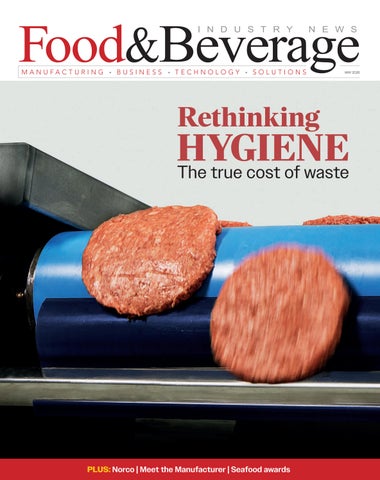
Rethinking
HYGIENE
The true cost of waste





























Flexco Food Grade Primary & Secondary Belt Cleaners
•Reduces sticky food residue and the risk of product contamination
•Extends belt life and minimises wear on conveyor components
•Available in various food-grade UHMW blades
•Easy to install and maintain

A time to breathe and look back

AManaging Editor: Mike Wheeler
quote from the daily comic strip Calvin & Hobbes by cartoonist Bill Watterson captures the sentiment of reminiscing about the good days – “We’re so busy watching out for what’s just ahead of us that we don’t take time to enjoy where we are”.
The food and beverage industry remains one of the most progressive sectors, with new flavours and trends emerging month by month. Driven by diverse consumers and rising expectations around quality, sustainability and transparency, the industry rarely stands still.
External changes are also inevitable. With global conflicts affecting fuel prices and supply chains, producers and manufacturers face uncertainty. The sector is constantly working to build safeguards and safety nets to mitigate these pressures.
However, this edition of Food & Beverage Industry News shows that Australia holds a persistent advantage – quality.
The managing director of SPC Global, Robert Iervasi, takes pride in Australian manufacturing. According to him, Australian-made products are regarded as a premium offering internationally. In addition, the founder of Grain & Bake highlights the role Australian manufacturing plays in the national economy, noting that it should be valued alongside imported alternatives.
The provenance of Australian manufacturing is also matched by its resilience and ambition for growth. For example, according to the master distiller at Archie Rose Distilling Co., only four per cent of spirits consumed in Australia are Australianmade. The company is reframing this challenge as an opportunity, positioning itself to capture growth by emphasising Australian identity and quality.
On the other hand, dairy co-operative Norco is focused on strengthening farmer confidence
despite weather and supply chain pressures. Chief executive officer Michael Hampson believes the Australian dairy industry can only succeed if both farms and consumers are supported.
The sector’s efforts are already delivering results. One example is beverage tea start-up East Forged, which has competed successfully against PepsiCo and The Coca-Cola Company with its tea product that foams like beer, unlocking a new category for consumers seeking healthier, more sustainable and flavourful beverages.
There are also solution providers supporting and strengthening food and beverage manufacturers. Companies like Vikan provide high quality cleaning equipment that is often overlooked in production environments. For beverage bottling and fermentation, BOGE supplies Class 0 compressed air and gas solutions.
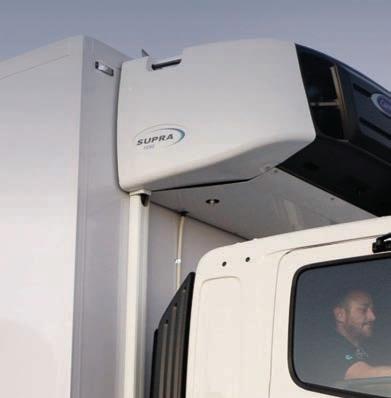
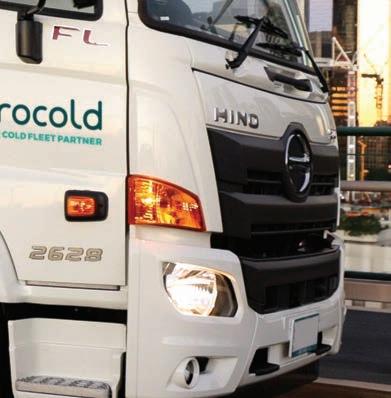
A collaborative approach remains central. Automation company Pilz has been commissioned by a dairy company to conduct plant assessments to improve safety. Conveyor specialist Flexco offers programs that help manufacturers reduce carryback waste. Cold chain logistics company Eurocold prioritises driver safety to help reduce food waste.
The recognition of Australian-made products as a premium offering is not new. It has been shaped over years of hard work and commitment to quality. While progress keeps Australia competitive, it is valuable to step back and acknowledge how far the industry has come. Industry events like the 2026 Sustainable Seafood Awards celebrated the wellearned wins of the industry.
A time to breathe, look back and enjoy today’s accomplishments can reignite a passion for tomorrow.
CEO: Christine Clancy
Managing Editor: Mike Wheeler
Ph: 041 557 2106
mike.wheeler@primecreative.com.au
Assistant Editor: Dae Hong david.hong@primecreative.com.au
Art Director: Michelle Weston
michelle.weston@primecreative.com.au
Sales/Advertising: Emma Murphy
Ph: 0403 500 544
emma.murphy@primecreative.com.au
Client Success: Cait Pillay
Ph: (03) 9690 8766
caitlin.pillay@primecreative.com.au
Cover
Image: Flexco
Subscriptions AUS NZ O/S
1 year subscription99109119
2 year subscription189199 209 For subscriptions enquiries please email subscriptions@primecreative.com.au
Copyright
Food & Beverage Industry News is owned by Prime Creative Media and published by John Murphy. All material in Food & Beverage Industry News is copyright and no part may be reproduced or copied in any form or by any means (graphic, electronic or mechanical including information and retrieval systems) without written permission of the publisher. The Editor welcomes contributions but reserves the right to accept or reject any material. While every effort has been made to ensure the accuracy of information, Prime Creative Media will not accept responsibility for errors or omissions or for any consequences arising from reliance on information published. The opinions expressed in Food & Beverage Industry News are not necessarily the opinions of, or endorsed by the publisher unless otherwise stated.
© Copyright Prime Creative Media, 2023
Articles
All articles submitted for publication become the property of the publisher. The Editor reserves the right to adjust any article to conform with the magazine format.
Head Office
379 Docklands Drive
Docklands VIC 3008
Ph: +61 3 9690 8766
enquiries@primecreative.com.au
http://www.primecreative.com.au
Sydney Office
Suite 11.01, 11th Floor

Happy reading! F
6 Thought Leadership
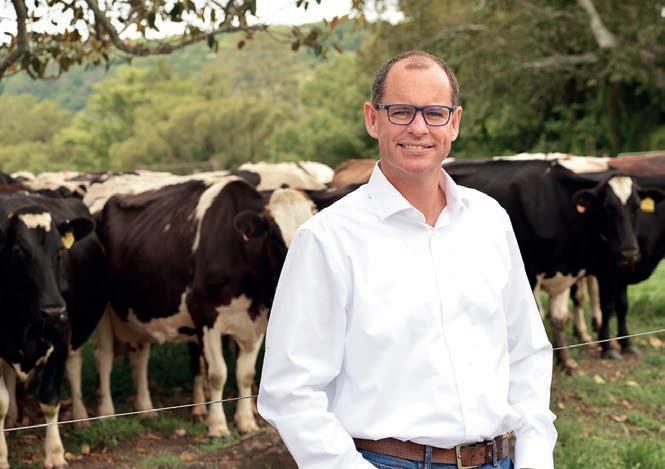
CEO of Norco Co-operative discusses the advantage of a people-first approach.
12 Meet the Manufacturer: Archie Rose Distilling Co.
Upgrading from manual stirring with paddles to an automated system in NSW, Archie Rose aims to boost the spirits sector.
16 Meet the Manufacturer: East Forged
Brisbane-based East Forged was awarded for its beer-like tea.
20 Meet the Manufacturer: Grain & Bake
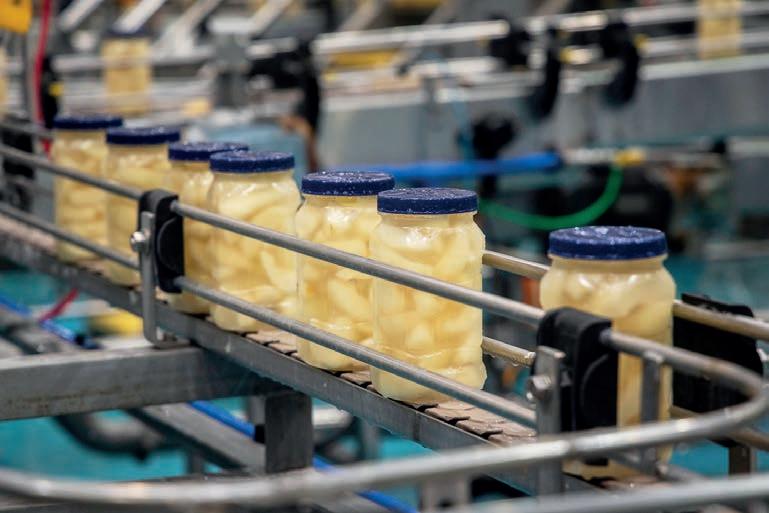
Grain & Bake is a player in the cereal and snack bar category, manufacturing in a 10,000 square metre production site in Melbourne.
24 Meet the Manufacturer: SPC Global
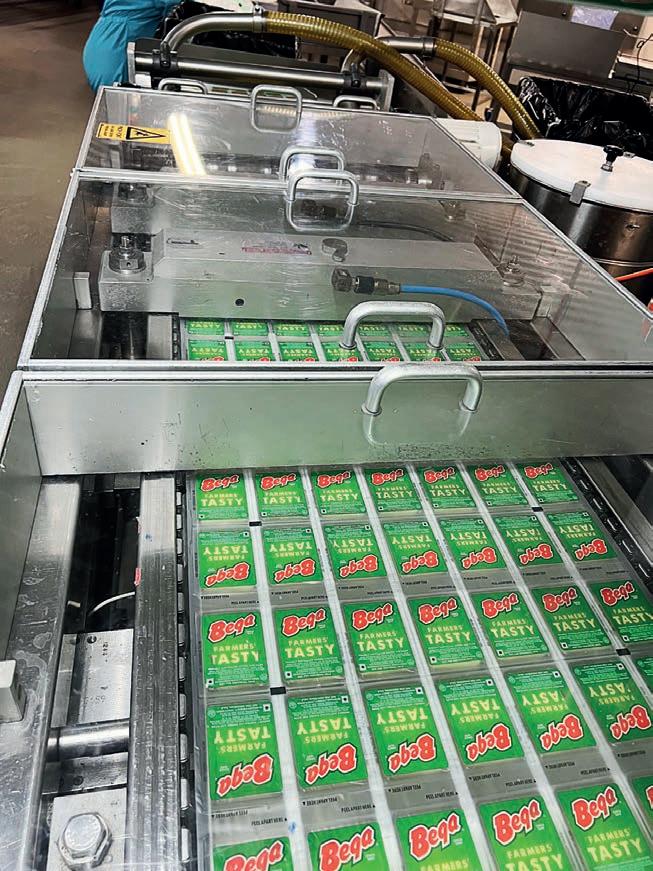
MD of SPC Global is rethinking the delivery of food and beverage products to meet modern expectations.
30 Conveyor
Product waste has become normalised, where the problem is managed, not eliminated.
32 SEMMA
Comment by Honi Walker CEO of South-East Melbourne Manufacturers Alliance.
34 Hygiene
A neglected cleaning tool can cause contamination risks and audit failures.
36 Transport
A safety of a driver ensures the safety of the food distribution.
38 Safety systems
A dairy company commissioned Pilz to conduct plant assessments to boost safety.
39 MegaTrans
MegaTrans will return with a conference program shaped around the opportunities in Australia’s freight and logistics sector.
40 Compressed air
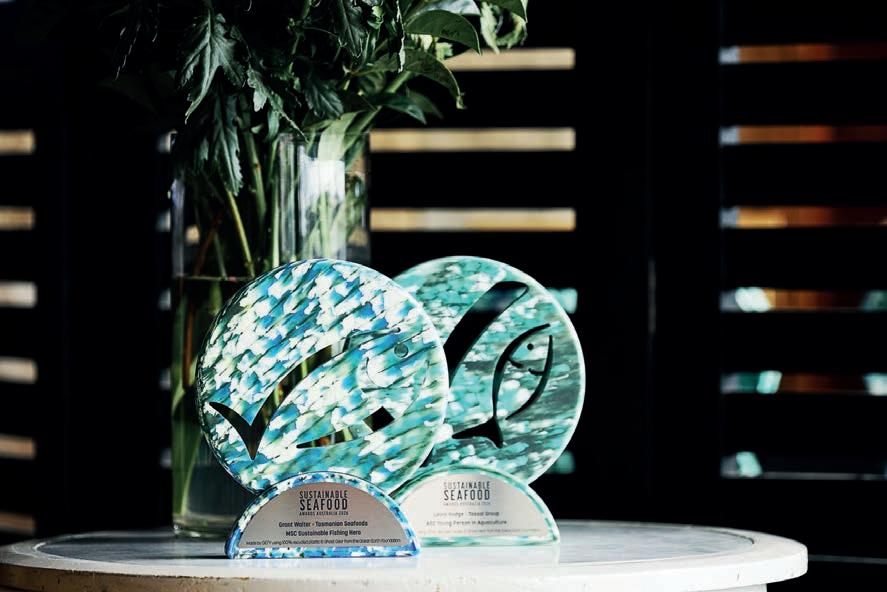
Class 0 oil-free compressed air has emerged as the gold standard for food safety and efficiency.
42 Sensors
VEGA’s sensors offer measuring principles tailored to the food and beverage industry.
44 MICE
The Melbourne International Coffee Expo has successfully concluded in 2026.
46 Seafood Awards
Seafood professionals were recognised at the 2026 Sustainable Seafood Awards.
48 BULK 2026
Bulk Handling Technical Conference 2026 program has been recently announced.
50 AIP
The Australasian Institute of Packaging has partnered with foodpro for the event in Melbourne from 26–29 July 2026.











▪ Design Risk Assessment (DRA)








































▪ Machine Risk Assessment (RA)
▪ Security Risk Assessment (SRA)

▪ Safety Concept (SC)
▪ Safety Requirements Specification (SRS)
▪ Safe Design (SD)


























▪ Post-Measures Risk Assessment (PMRA)
▪ Safety Validation / Safety Verification (SV)
▪ Compliance with Local and International
Legislations & Regulations (e.g. CE Marking, AS/NZS



▪ Site Audit (MSE)
▪ Machine Risk Assessment (RA)
▪ Security Risk Assessment (SRA)
▪ LOTO Assessment (LA)
▪ Safety Concept (SC)







































▪ Safety Requirements Specification (SRS)
▪ Safe Design (SD)
▪ Functional Safety Management (FSM)


























▪ Project Management (PM)
▪ Engineering Services (ES)
▪ Post-Measures Risk Assessment (PMRA)
▪ Safety Validation / Safety Verification (SV)

▪ PilzCare Annual Support


▪ Stop-Time measurements
▪ Force and Pressure testing for Collaborative Robot applications
▪ Periodic Inspection Services
(e.g. functional checks)
▪ Compliance with Local
& Regulations (e.g. AS/NZS 4024)



Doing good in dairy
CEO of Norco Co-operative joined Food & Beverage Industry News to discuss the advantages of a people-first approach.
What’s important when running a 100 per cent Australian farmer-owned dairy co-operative with a legacy of more than 130 years? A peoplecentric pulse is, according to CEO of Norco Co-operative Michael Hampson.
“We’ve got to be the best corporate citizens that we can,” he said. “We should, wherever possible, be looking to help and support others.”
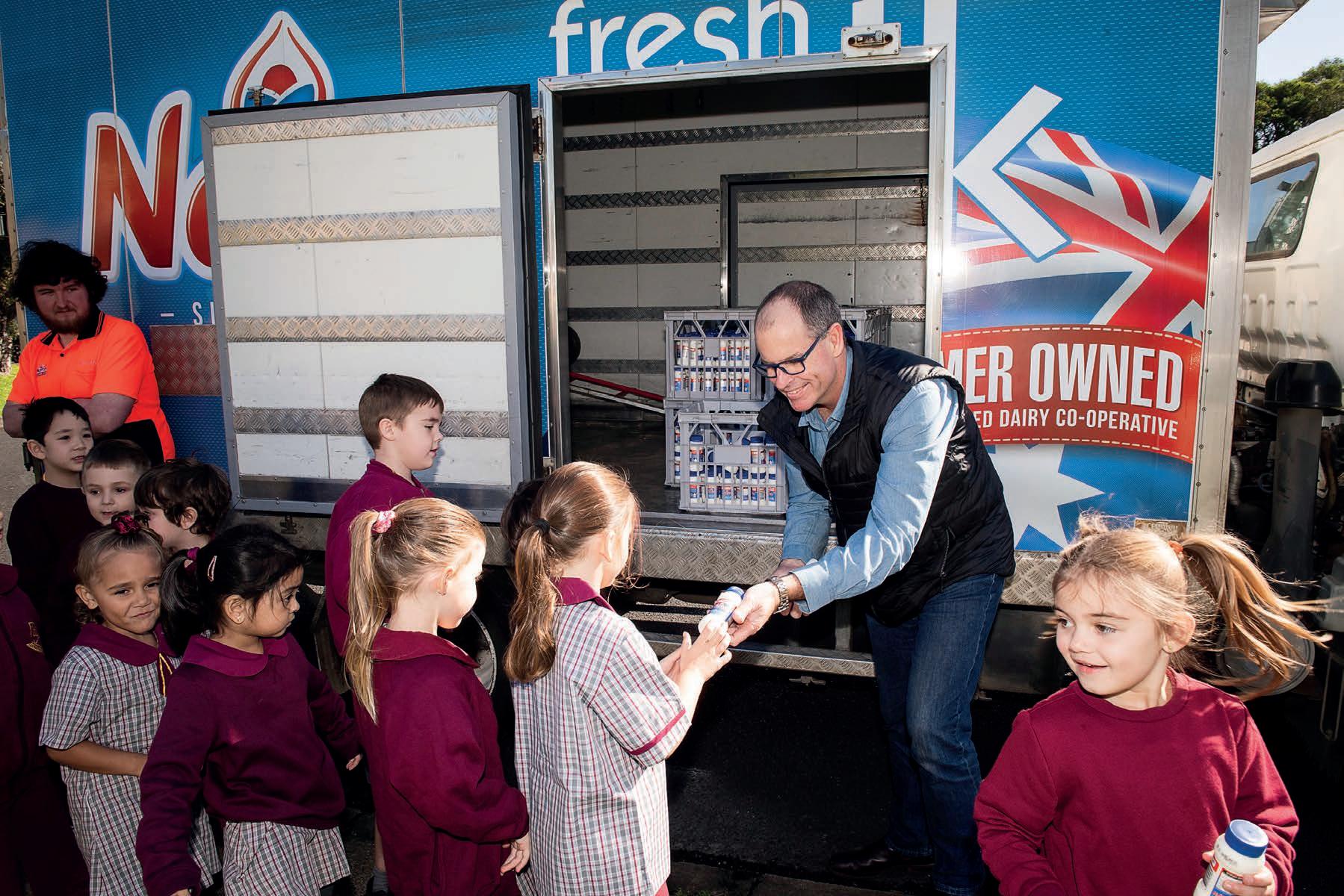
Norco is a dairy cooperative established in 1895 in the Northern Rivers region of NSW. It operates as a farmer-governed cooperative, supplying milk, cheese and ice cream while profits are reinvested back into around 200 member farms.
Hampson highlighted the contagious nature of doing good.
“I’m a big believer that if you do good things, it will come back to you and to the people around you,” he added.
An example of this is Norco’s long running employee giving program. In March 2026, the co-operative’s Lismore team was recognised for contributing $500,000 to the
Westpac Rescue Helicopter Service, voluntarily donating out of their pay for the service in the region.
Another milestone that demonstrates this value is the workplace culture, placing strong emphasis on safety and wellbeing.
“When I first arrived here at Norco, we used to have a lost-time injury every week,” said Hampson.
Improvements in safety performance over recent years reflect a shift towards an engaged and accountable workforce.
“All our dairy factories are over 12 months lost-time injury free,” he added. “That’s a big achievement from the team and it’s happened because we’ve shown our people that we do care.”
Norco
Hampson had not always been involved in the Australian dairy sector. With a background in accounting, he began his career at KPMG as a trainee accountant. In 1998, he took on a role at Mars Group as a financial planning manager before moving to Bega Group in 2003.
“That’s where my dairy industry experience commenced,” said Hampson.
Wanting to have a better family life balance, moving to Bega proved to be a good choice. Alongside this, Hampson highlighted his appreciation of the people within the industry.
“The people were what drew me into the dairy industry,” he said.
Hampson’s connection to Norco had been well-established during his time at Bega.
“I’d known and dealt with Norco for some time, and the organisation seemed to have good people,” he said.
However, the company’s strong branding and strategic positioning at the time were not enough to penetrate the market in Hampson’s view.
Norco operates as a farmer-owned co-operative, which fundamentally defines its priorities. As the relationship between the business and its suppliers is embedded, farmers are not just part of the supply chain, they are the owners of the organisation. This structure

Milk is chilled, separated, pasteurised, homogenised and standardised.
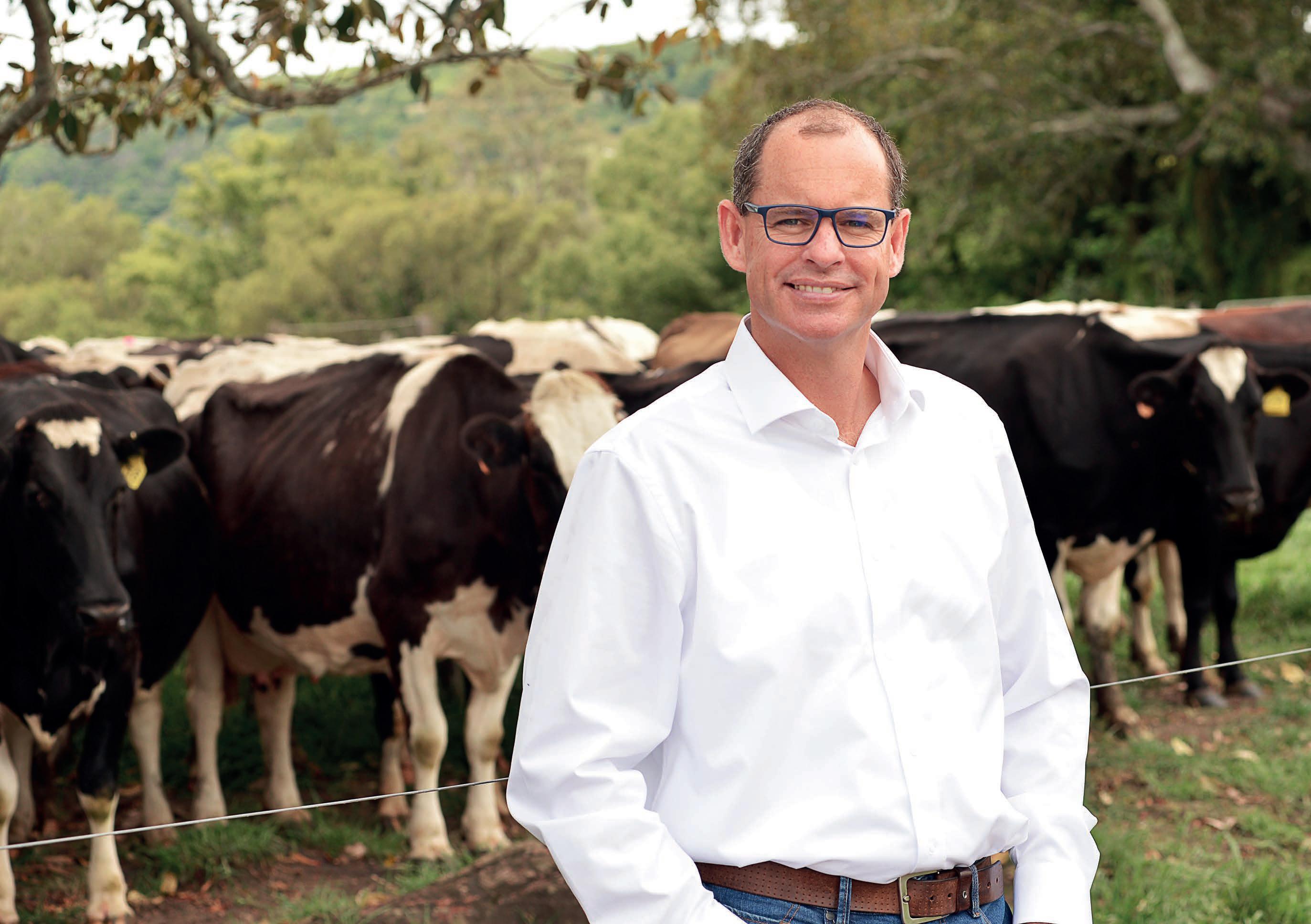
“I’m a big believer that if you do good things, it will come back to you and to the people around you.”
Norco has taken an active role in supporting its farmer base.
Images: Norco
“These systems are important for our operations teams to make sure that we’re identifying issues quickly to maintain the high-quality product that our customers expect.”

places pressure on the company to deliver returns that sustain farming communities, particularly in regional
“The organisation just needed more commercial horsepower and grunt,” said Hampson. “It had a great brand, but it wasn’t creating or capturing enough of the value that it should
volatility, consolidation and shifting consumer expectations, the focus on commitment to farmers, operational efficiency and long-term value creation required refining pricing strategies, improving operational efficiency and strengthening market
With a “fortune favours the brave” attitude, Hampson joined the company in 2019 with the aim of turning things around. Since then, Norco has increased the value returned to its farmers. Higher milk prices have translated into tens of millions of dollars in additional income annually, helping to stabilise farm operations in an environment where
margins are often tight.
“We’ve made more money in the last five years than we have in the 25 years before that,” said Hampson. “We’re now paying our farmers about $75 million every year for their milk.”
According to him, Norco now generates nearly $100 million per year more value for its members than it did in 2018.
Managing milk
The co-operative operates three dairy processing facilities alongside two stock feed sites. Its primary milk bottling plant is based on the Gold Coast, supported by another facility in Raleigh, Coffs Harbour, NSW and an ice cream manufacturing site in Lismore. Together, these operations form the backbone of a network that employs around 800 people across manufacturing and agribusiness activities.
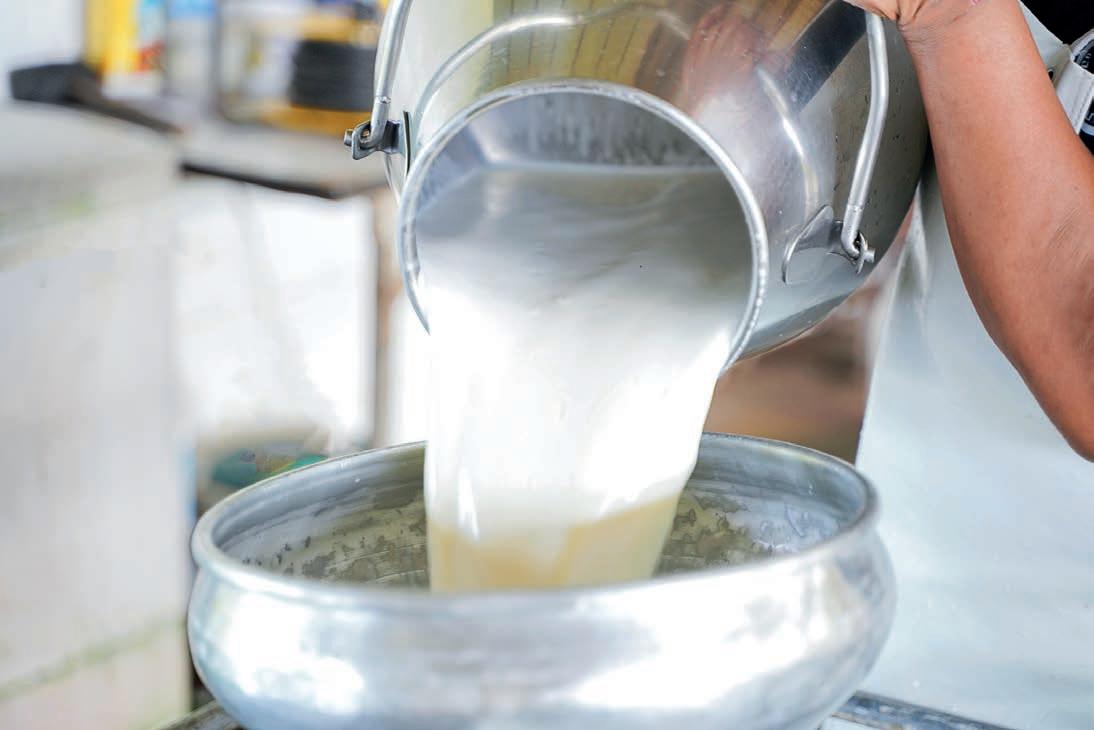
Milk processing remains a time critical operation. From collection, the product is chilled, separated, pasteurised, homogenised and standardised before bottling.
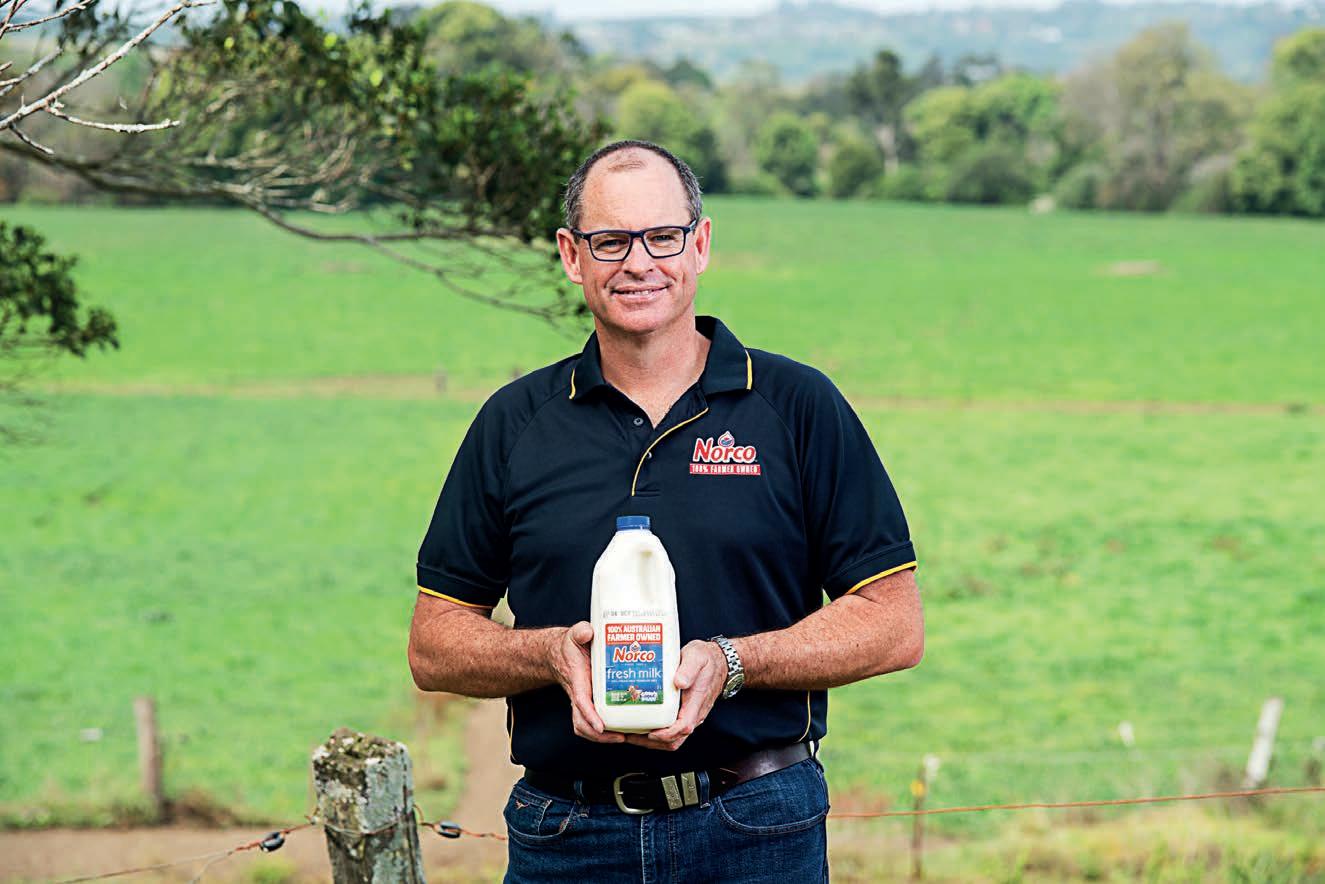
CEO of Norco, Michael Hampson.

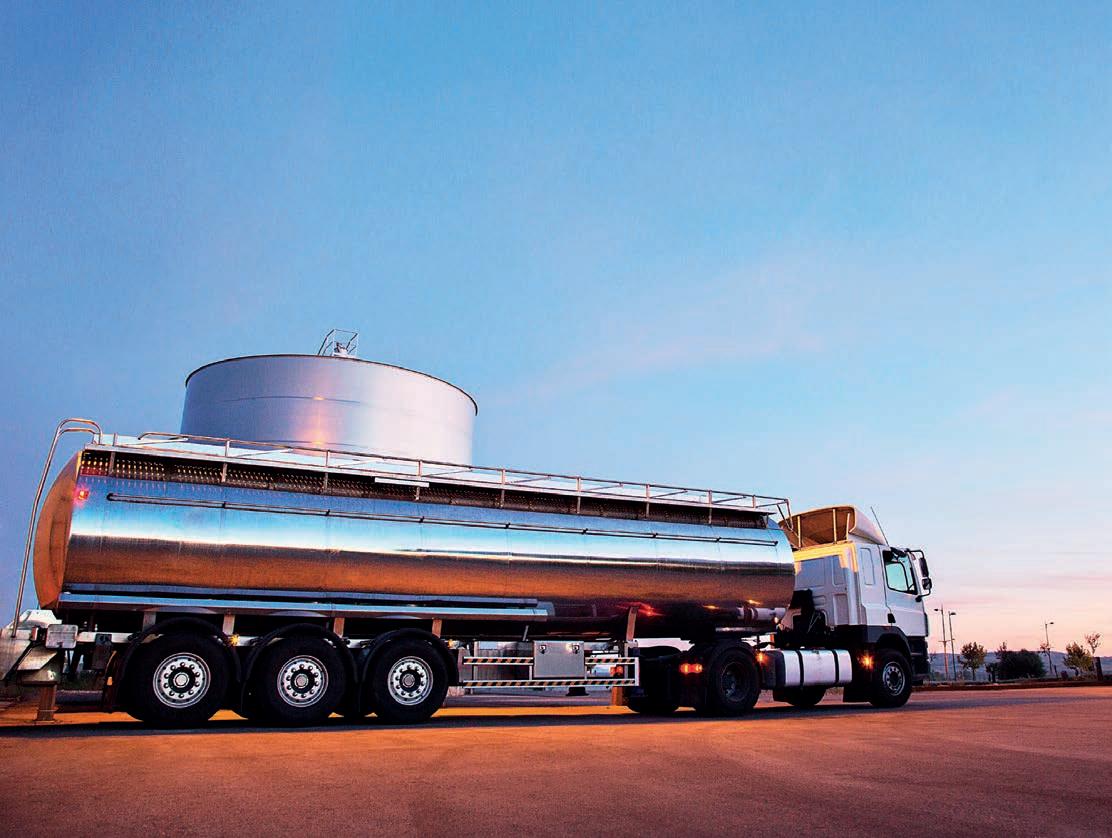
“We fill the milk in a number of large fillers in the factory,” said Hampson. “It then goes into crates, to trucks, and out to our customers.”
Given the short shelf life of fresh milk, often around 18 days, speed is essential. In many cases, milk spends only a few hours within the facility before being dispatched to customers. The same attention to process extends to ice cream manufacturing. Here, ingredients including fresh cream are blended, pasteurised and aged before being frozen and packed into stick products or tubs.
This creates a production environment where precision and coordination are key.
“We need to make sure we keep our products cold and that we’ve got good quality management processes,” said Hampson.
The company has adopted systems for equipment monitoring and quality management to maintain standards.
Operational teams rely on digital platforms to track performance, identify issues and respond quickly to maintain product integrity.
Take inventory as an example. Inventory management differs between product categories. Fresh milk operates on a near just in time basis, with minimal stock held. Ice cream, by contrast, requires strategic stockpiling to build up over winter to meet peak summer demand.
To manage the dual approach, Norco uses a financial-based modelling system to ensure that it has an appropriate amount of stock at any point in time. This minimises costs and inventory risks over the summer period.
“These systems are important for our operations teams to make sure that we’re identifying issues quickly to maintain the high-quality product that our customers expect,” said Hampson.
Hampson said it was the people in the industry that drew him in.
Milk processing remains a time critical operation.
Supporting Aussie farmers
Beyond operations, the dairy industry has its challenges, such as the decline in milk supply across Australia. Over the past two decades, production has contracted, placing pressure on processors to secure supply while ensuring farmers remain viable.
Logistics presents another layer of complexity. Fuel availability, transport capacity and regional infrastructure all influence the movement of goods. Disruptions in fuel supply, particularly in regional areas, can have immediate consequences for farm operations, affecting everything from machinery use to product transport.
Adverse weather events, including droughts and floods, have become more frequent and severe. These events can disrupt production, damage infrastructure and impose heavy financial losses on farmers. For example, Norco lost an ice cream factory in 2022 due to flooding, placing the company in a position requiring recovery efforts. However, the company also holds a responsibility in
“We’ve got metering on our equipment where we shut down boilers and water usage that does not need to be used.We aim to be an organisation that wastes less because an organisation that wastes less is more profitable and sustainable.”
helping farmers recover.
“Natural disasters hurt a farmer as it can cost them up to a million dollars of lost revenue, lost assets, lost stock and lost fodder,” said Hampson.
“Giving farmers confidence that we will be there in whatever way we can is important to help them get on their feet.”
Confidence is key. Norco has taken an active role in supporting its farmer base through such events.
This includes financial support in situations where milk cannot be collected, as well as broader assistance to help farms return to operation. These measures are not only about short-term relief but about preserving the long-term viability of
the supply network.
“We value the relationships that we have with our farmers, and I think we get it right more than we get it wrong,” added Hampson.
Dairy making a comeback
Despite these challenges, there are positive signals within the sector.
“People are coming back to dairy because they know the nutritious value of protein in dairy products,” said Hampson.
Supported by its nutritional profile and protein content, consumer interest in health and wellness has reinforced the role of dairy in the health food category. At the same time, the market is mature and
established. Growth opportunities lie less in volume expansion and more in product innovation and value-added offerings. This includes products that emphasise protein content, convenience and functional benefits.
Norco’s focus has been on strengthening core categories while identifying targeted opportunities for growth. This includes refining product formats, improving packaging and aligning offerings with evolving consumer preferences. To achieve this, sustainability is an area of focus.
“We’ve already met our 2030 carbon intensity targets,” said Hampson. “We try to waste less, which has seen us add sustainability in an indirect way to our continuous improvement programs.”
The company approaches this through operational efficiency.
The business has concentrated on reducing waste across energy, water and product streams. By improving efficiency, it has been able to lower emissions while also reducing millions of dollars in costs.
The co-operative operates three dairy processing facilities alongside two stock feed sites.
“We’ve got metering on our equipment where we shut down boilers and water usage that does not need to be used,” said Hampson. “We aim to be an organisation that wastes less because an organisation that wastes less is more profitable and sustainable.”
At the heart of Norco’s business goals - from operational efficiency to farmer support and sustainability - are its people. The company places strong emphasis on keeping its people safe. This focus on people extends beyond employees to the wider community. As a regional employer, Norco plays a role in supporting local economies and sustaining jobs. Its cooperative structure reinforces this connection, linking business performance directly to community outcomes.
“I would love to measure lost-time injury in years, not months or days,” said Hampson. “That would be a big personal milestone and an even bigger team achievement that I’d love to accomplish.”
Looking ahead, industry consolidation surfaces as a potential opportunity. As larger players such as Fonterra and Lactalis restructure and assets change hands, there may be scope for expansion. Norco is monitoring these movements.
Hampson aims to increase farmgate milk prices, alongside broader growth in enterprise value. Strategic planning efforts are focused on scaling the business while maintaining its cooperative principles.
“It’s a lifelong mission of mine to be able to pay our farmers a dollar a litre,” he said. “We’ve got a long history of supporting farmers. We certainly look after our farms, and our customers expect that we do and I have no doubt we will get there.” F

Milk spends only a few hours within the facility before being dispatched to customers.
Image: Martin

Distilling the Aussie spirit
From manual stirring with paddles to automated production systems, the evolution of Archie Rose reflects the trajectory of the Australian spirits’ sector.




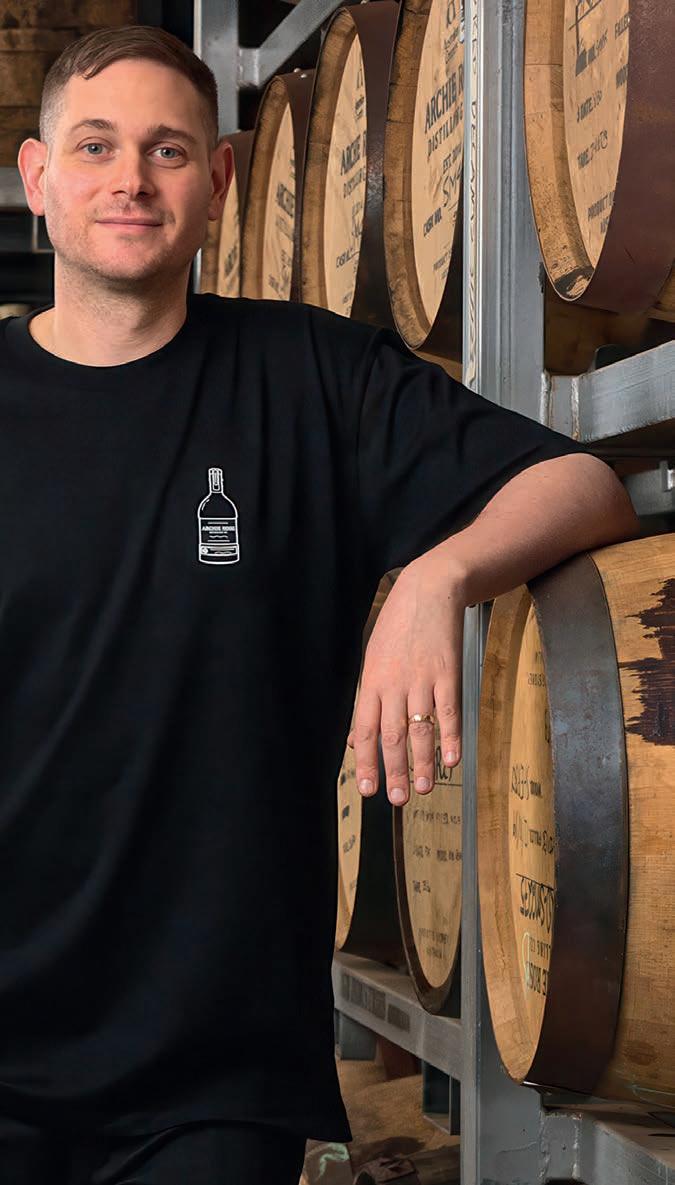

Dave Withers, master distiller at Archie Rose Distilling Co.
Dave Withers, master distiller at Archie Rose Distilling Co., comes from a family of winemaking.
“My dad was a winemaker, my grandfather was a winemaker,” he said. “Wine was prominent for me in my early years – it was in my blood.”
His school holidays were spent at the winery, scrubbing out tanks and taking car trips to wineries across Australia. However, a passion for a different alcoholic beverage took over.
“While I still drink a lot of wine, my passion is definitely in spirits,” said Withers.
With a newfound passion, he began to work with whisky, ranging from brand ambassador roles to liquor retail before meeting Will Edwards, founder of Archie Rose, in 2014. At the time, Edwards was building the distillery and was looking for a production manager.
“I took a bit of chance on him, and he took a bit of chance on me,” said Withers. “I became the fourth employee at the time.”
Fast forward to 2026, the production operation has grown to include 50 staff across distilling, bottling, maintenance and warehouse functions, with total operations staff numbering more than 60.
With more than a decade of experience in the spirits sector, Withers highlighted the growth of the industry in Australia. He said that at the time Archie Rose was founded, the Australian distilling landscape was limited, with only a small number of producers operating nationally.
“When we started in 2014, there were only about 20 distilleries in Australia,” said Withers.
Since then, the category has expanded rapidly, with hundreds of distilleries now in operation. Against this backdrop, Archie Rose positioned itself by focusing on Australian provenance and production identity.
Celebrating Australian
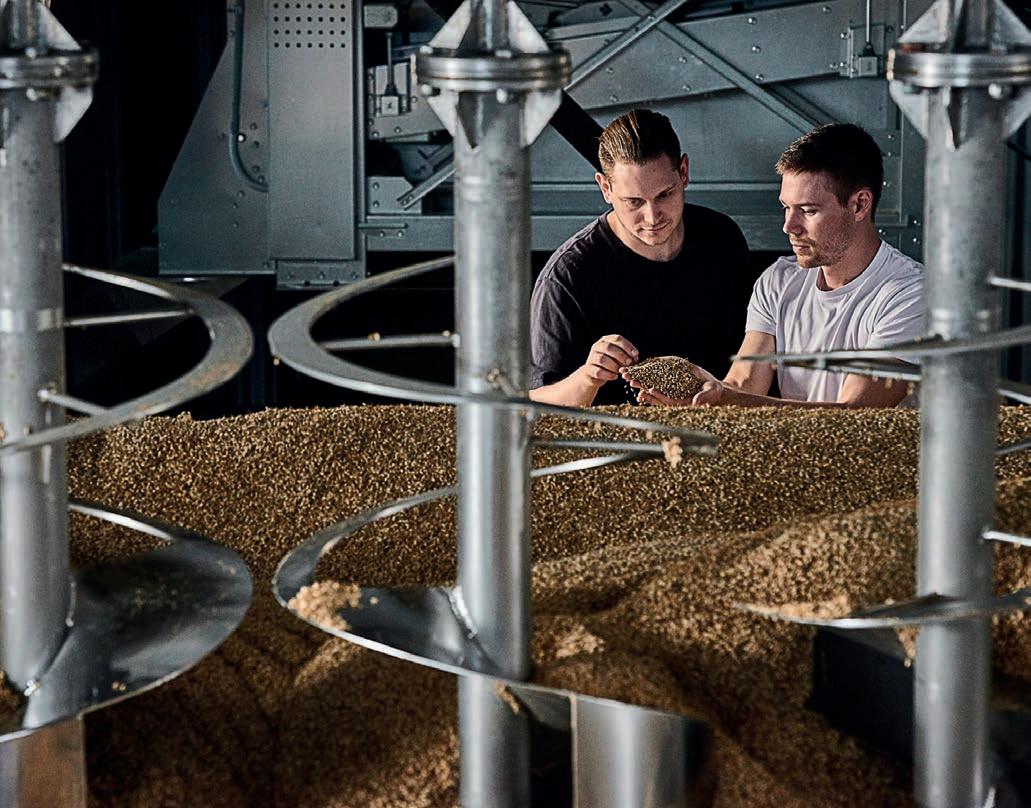
Rather than replicating traditional international models, the company built its approach around local raw materials. This includes grains for whisky production and botanicals for gin, sourced from Australian growers. The intention has been to reflect local agricultural conditions and create a distinctly Australian product offering.
“One of the amazing things about
Australia is we have such great quality raw materials,” said Withers.
The business works closely with farmers to source specific grain varieties. Similarly, botanical sourcing is treated as a key part of product development, with certain releases built around individual ingredients grown in Australia.
“For example, we released a yuzu gin last year which is grown in central Victoria,” said Withers.
For whisky, Archie Rose sources heirloom and old varieties of grain that offer more pronounced flavour profiles.
“We try to celebrate the growers,” he added. “Sourcing these ingredients, working with the farmer, and making sure that we’ve got distinctly Australian produce is important to us.”
At the Rosebery site
Withers oversees an operational scope that extends beyond distillation itself, covering production, bottling, procurement, dispatch and supply chain, effectively managing the end-to-end manufacturing process.
Images: Archie Rose
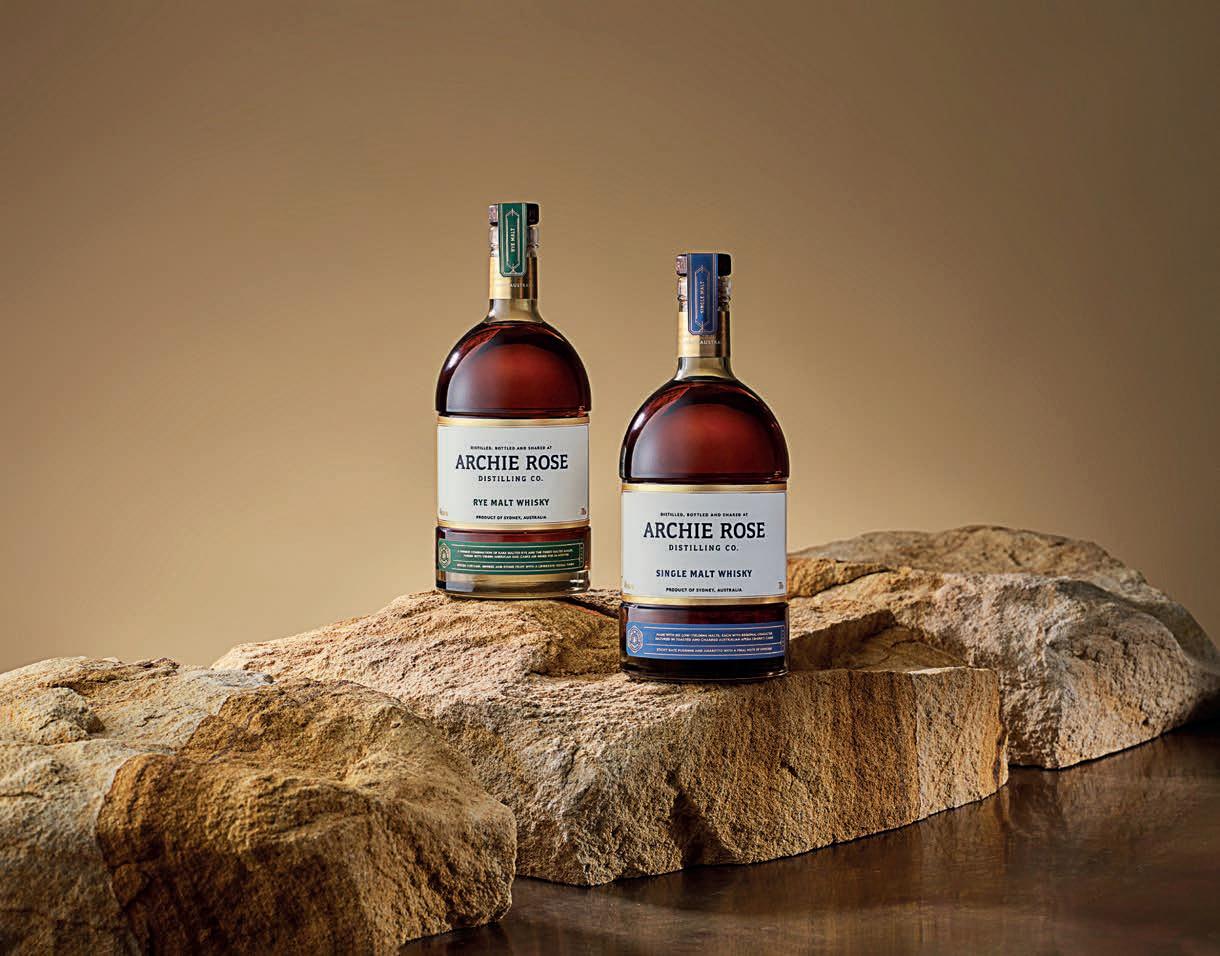
The company was launched in 2014.
Archie Rose sources local raw materials to focus on Australian provenance.
“My title as a master distiller is just a fancy way of saying head of operations,” he said.
Withers highlighted that the company’s growth required a shift in manufacturing capability. Its original distillery in Rosebery operated as a manual, labour-intensive facility. Early production methods involved combining ground up grain with hot water to extract the fermentable sugars, producing a whisky wort.
“We used to stir half a tonne of grain by hand using a giant paddle,” he said. “It’s a 45-minute process that was performed twice daily.”
Once the wort is produced, which Withers described as a sugary liquid, yeast is added and the fermentation process commences. Fermentation takes between two to four days, during which the product transforms into a “funky and strange kind of beer”.
The resulting liquid is distilled twice to concentrate alcohol and develop flavour. At this stage, the spirit is clear and does not resemble whisky
in its finished form. Maturation in barrels is essential, with time playing a critical role in developing colour and complexity.
This requirement introduces long production cycles and storage needs, which are integral to the distillery’s infrastructure. Withers said this approach limited scale and output, producing relatively small volumes of finished product.
“What we did was old school,” he said. “This process made about 200 litres of the finished product.”
As demand increased at the Rosebery site, the need for expanded capacity became clear.
“We grew so rapidly that we really needed to expand the production capacity of the distillery,” said Withers.
The expansion
By 2017, the business committed to developing a new distillery in Banksmeadow NSW, designed to increase production while improving efficiency and consistency. What
“We try to celebrate the growers. Sourcing these ingredients, working with the farmer, and making sure that we’ve got distinctly Australian produce is important to us.”
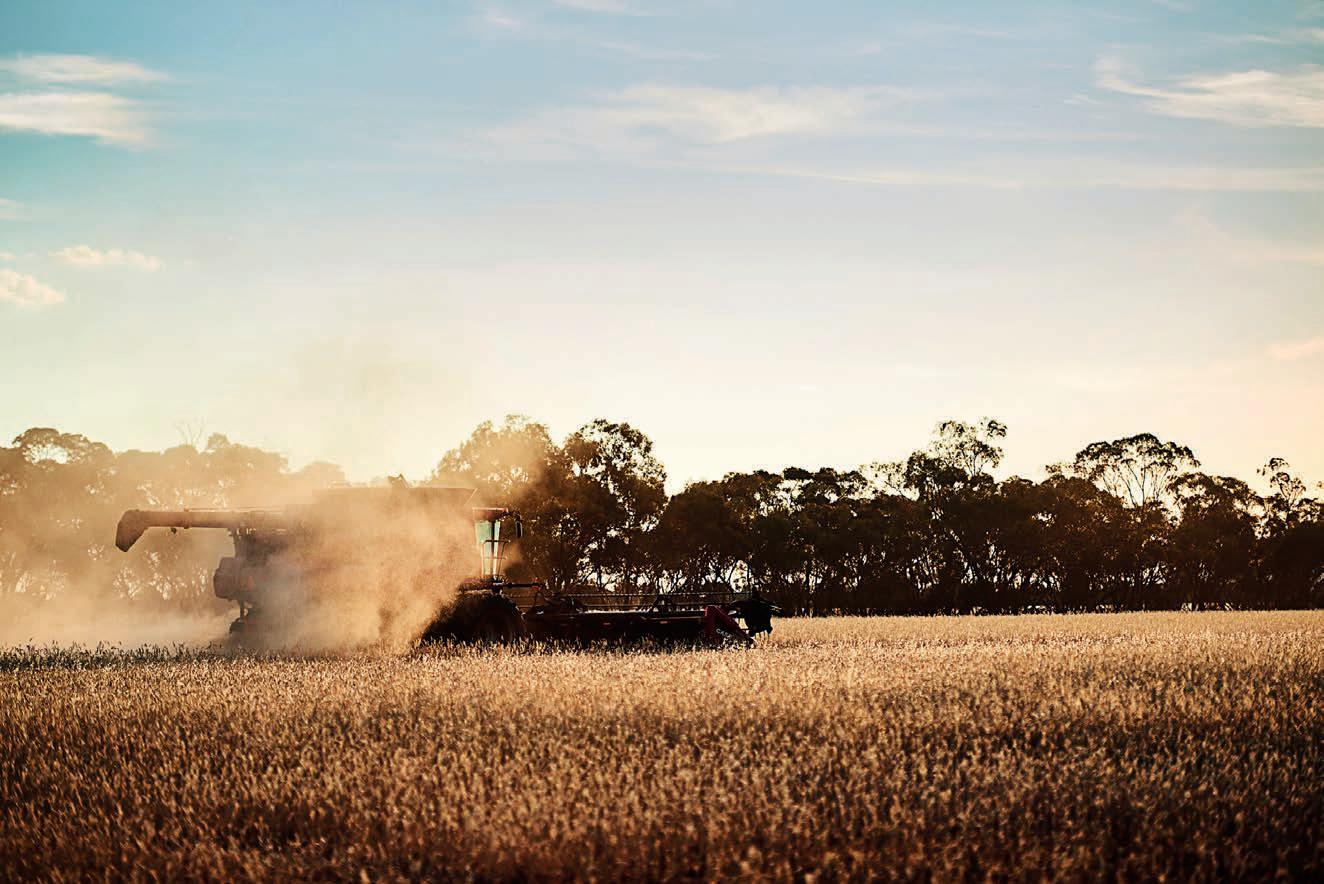
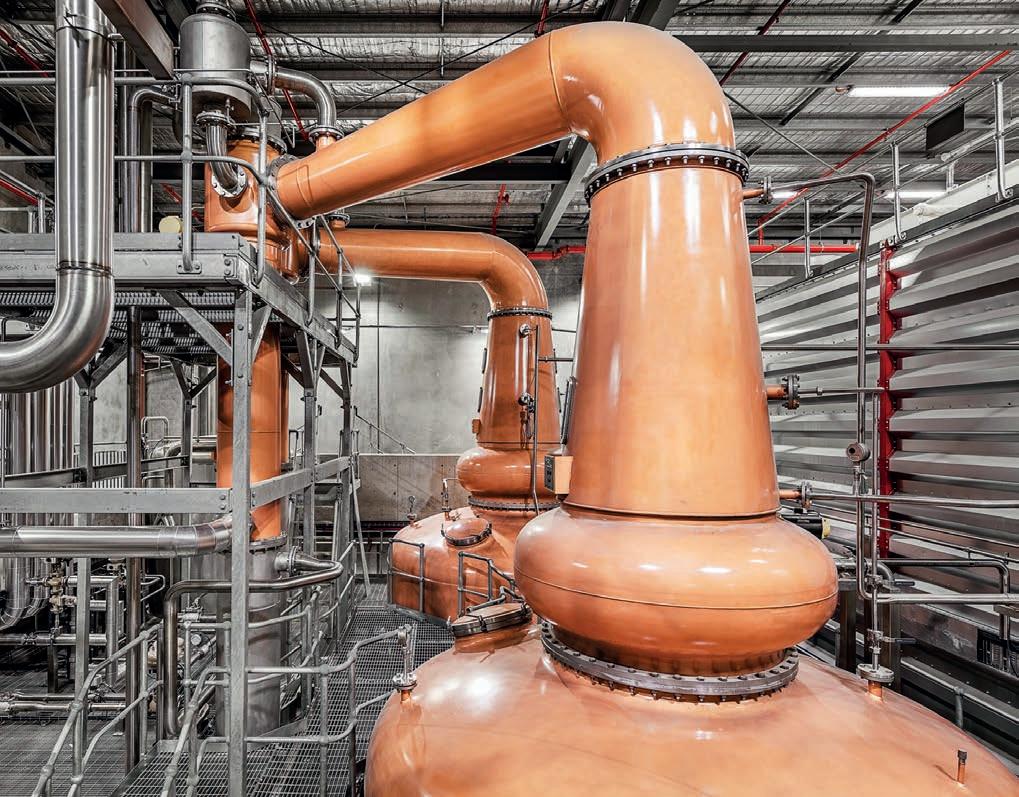
The Banksmeadow facility produces around one million litres of pure alcohol annually.
The business works closely with farmers to source specific grain varieties.

began as a small-scale craft operation has grown into a large, technology-driven manufacturing facility.
“We moved from a largely manual system to a fully automated system on a greenfield site,” said Withers.
The new site represented a scale up, increasing production capacity more than twentyfold. Alongside an automated system, the facility incorporates a SCADA (Supervisory Control and Data Acquisition) controlled production environment, allowing for centralised monitoring and control of operations.
Key equipment includes an automated brewhouse, fermentation systems and distillation units sourced from international manufacturers. While the equipment itself is advanced, the system has been adapted to suit the company’s specific production methods.
“We needed a very custom approach for the way we produce,” said Withers.
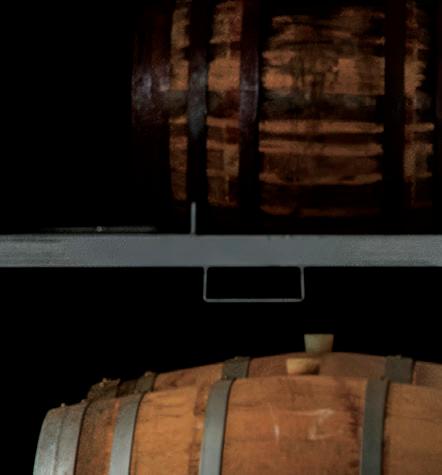
The facility also incorporates large-scale barrel storage, required for whisky maturation, which can take several years before the product
reaches its final form.
When asked about the difference in output since the expansion, Withers said where early production yielded small volumes, the facility now produces around one million litres of pure alcohol annually, with capacity to reach higher levels depending on demand.
Drinking less but better
Alongside production scale, Archie Rose is also responding to changing market dynamics.
“People are drinking less, but drinking better,” said Withers.
Consumers are becoming more selective, prioritising provenance, ingredient quality and production methods. There is also growing interest in transparency, with consumers seeking to understand where products come from and how they are made. This mirrors trends seen across the broader food and beverage industry, where origin and traceability are becoming more important.
For Australian producers, this presents both an opportunity and a challenge. While the domestic
wine industry has strong local representation, the spirits category remains dominated by imports.
“Around 80 per cent of wine we drink in Australia is Australian,” said Withers. “On the other hand, only four per cent of the spirits consumed in Australia are Australian.”
Locally produced spirits account for a small share of consumption, leaving room for growth. Archie Rose is positioning itself to capture this opportunity by emphasising Australian identity and quality.
At the same time, the business is looking beyond the domestic market, with export forming a part of its growth strategy. The company is already present in international markets and is planning expansion into larger regions, including the US and parts of Asia.
However, the operating environment presents ongoing challenges. Like many manufacturers, the business is affected by rising energy and fuel costs, which directly impact production and logistics. In addition, excise tax remains an issue for the sector.
“Australia is one of the largest alcohol tax regimes in the world and it is indexed to increase every six months,” said Withers. “If you’re buying a cheaper type of spirits from a big chain, about 80 per cent of the cost is just the tax on the spirit.”
He noted that this places pressure on both the industry and consumers. Despite these constraints, the company continues to invest in production capability and market expansion. The focus remains on maintaining product quality while scaling operations and strengthening supply chain resilience.
At a broader level, the business reflects a wider narrative within Australian manufacturing. There is an emphasis on supporting local production, building capability and maintaining industry competitiveness in the face of global pressures.
“Australian manufacturing is always seen as being very high quality and it should be something that we endorse,” said Withers. “We can and should be proud about our spirits industry in Australia.” F
For whisky, the company sources old varieties of grain that offer more pronounced flavour profiles.
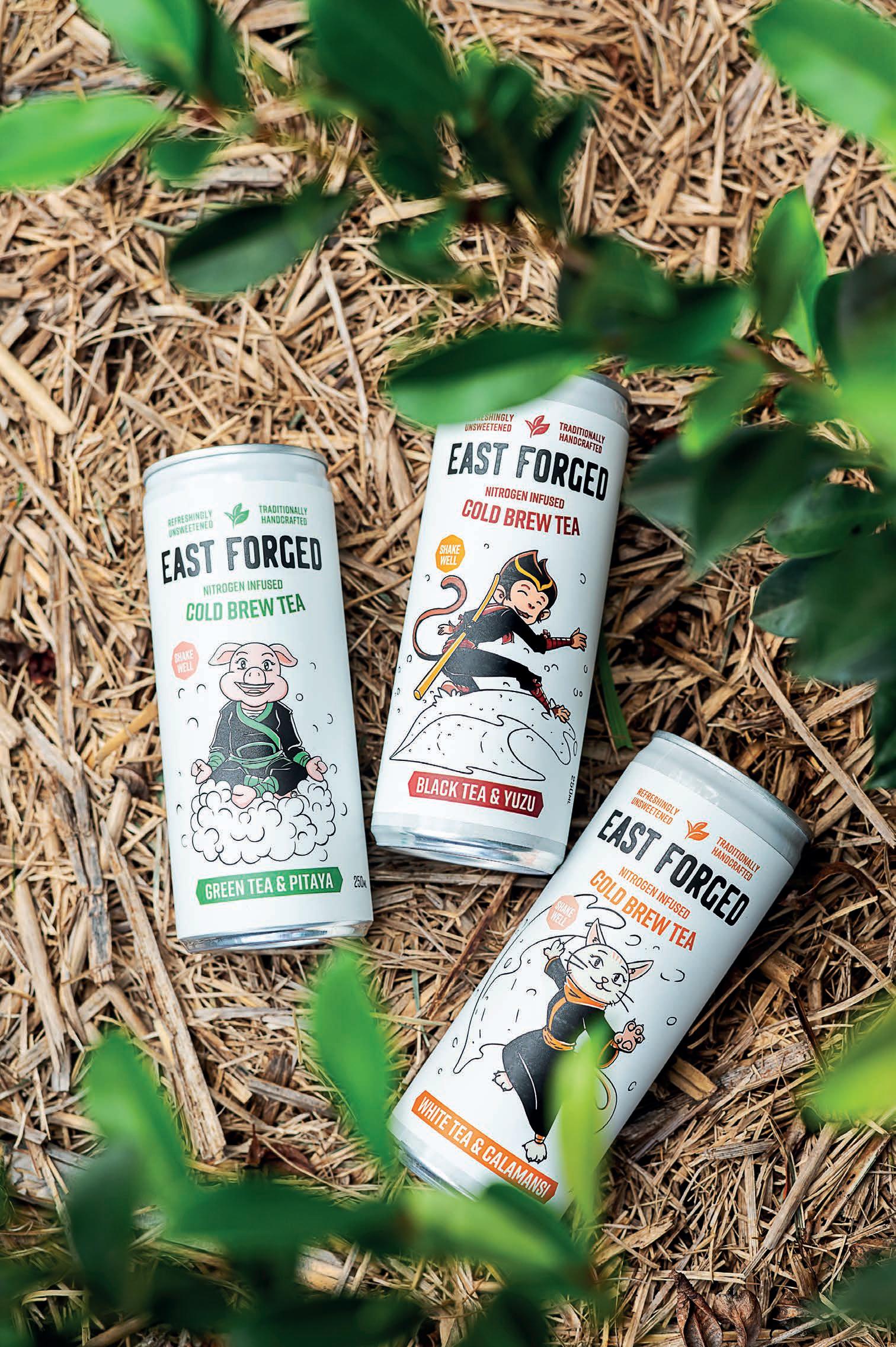
East Forged was crowned at the 2026 World Food Innovation Awards.
Tea that foams like beer
With a smooth texture and foamy top, Brisbane-based East Forged is creating a new tea category through cold brewing and brewing techniques.
Ahead of entrants including The Coca-Cola Company and PepsiCo, Brisbane-based beverage startup East Forged was crowned Best Drink Innovation at the 2026 World Food Innovation Awards in London.
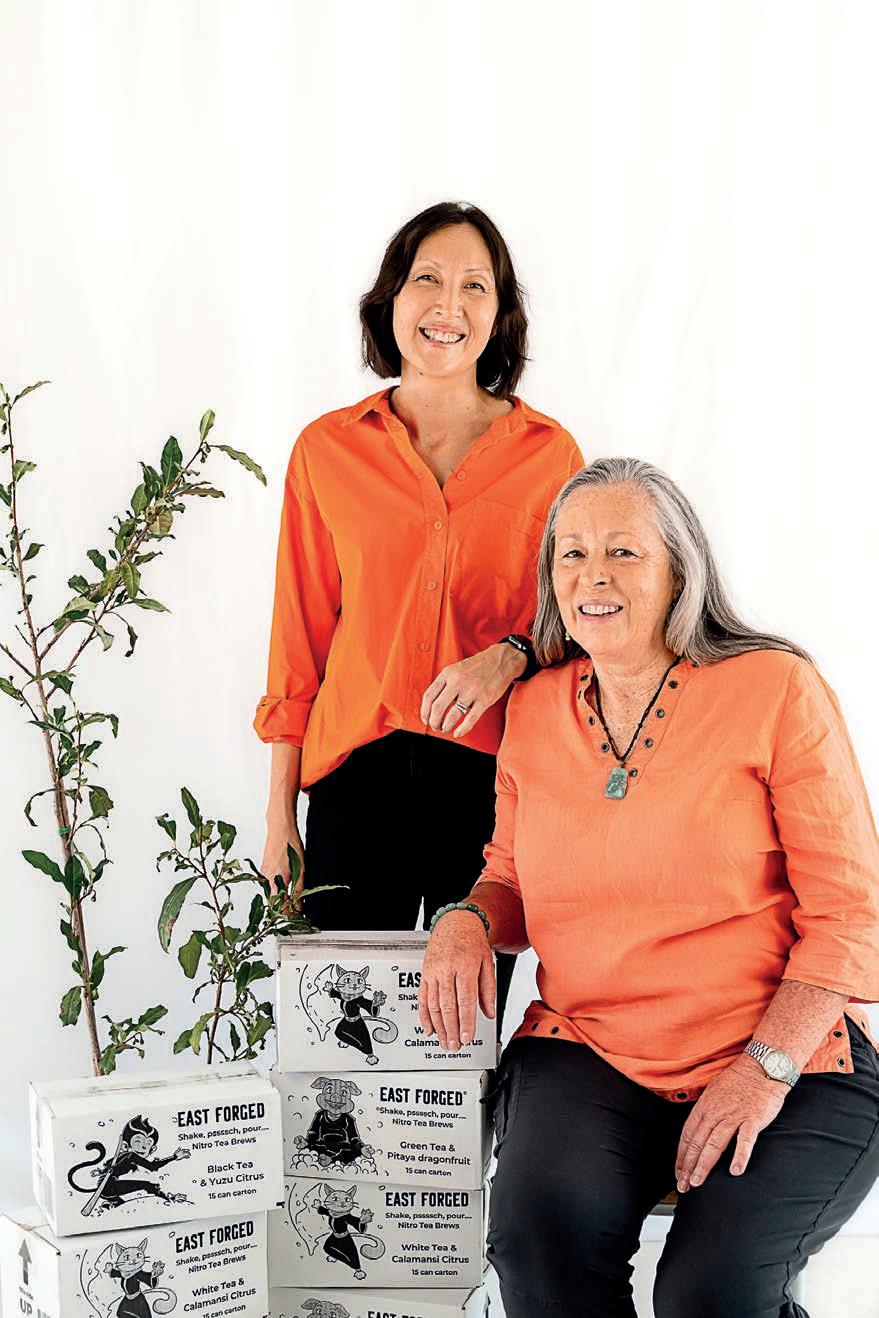
Joining Food & Beverage Industry News, founders Kym Cooper and Tania Stacey shared their experience of the recent win.
“We are still a little shocked that we won,” said Stacey. “It was such a privilege to even be shortlisted and have our idea recognised, then to win it on a world stage.”
Selected from more than 100 entries across 28 countries, the awards recognise food and beverage innovation. Stacey expressed that the result also highlights the broader capability of Australian food and beverage producers to compete globally.
“It reinforces the idea of how Australia can really punch above its weight when it comes to food and drinks,” she said.
Cooper highlighted the success of Australian coffee culture and other beverage brands in categories such as kombucha. With its presence in the global market, alongside innovation and research, the pair were confident in taking a different approach to tea.
“Tania and I have been working and believing in our idea for a while,” said Cooper. “Our conviction came from the coffee scene which has impacted the direction of East Forged.”
According to her, East Forged’s origins are rooted in two distinct but complementary backgrounds.
Stacey is a former World Champion Tea Brewer, travelling to Shanghai in 2018 to compete against other brewers. Prior to entering the tea industry, she had a career in lighting. She was driven by a desire to work with a product she personally valued. Over more than a decade, Stacey spent time travelling to tea origin regions to better understand cultivation and processing.
“I’ve been in the tea industry for over a decade now and have a love for
Taiwanese oolongs,” she said.
Stacey’s passion for Taiwanese oolongs became the catalyst for her relationship with Cooper. As a Taiwanese adoptee in Australia, Cooper has used tea as a cultural bridge to learn more about her heritage.
“Tania and I had a common connection,” she said.
Starting as a chartered accountant, Cooper approached the industry with experience in hospitality and food and beverage. She was named 2018 Grand Champion Tea at the Royal Hobart Fine Food Awards.
Stacey’s expertise in tea and product development, combined with Cooper’s operational and commercial background, provided the foundation for a business that would challenge conventional formats. The company was formally established in 2019, with its first production run completed in 2020.
Foams like beer
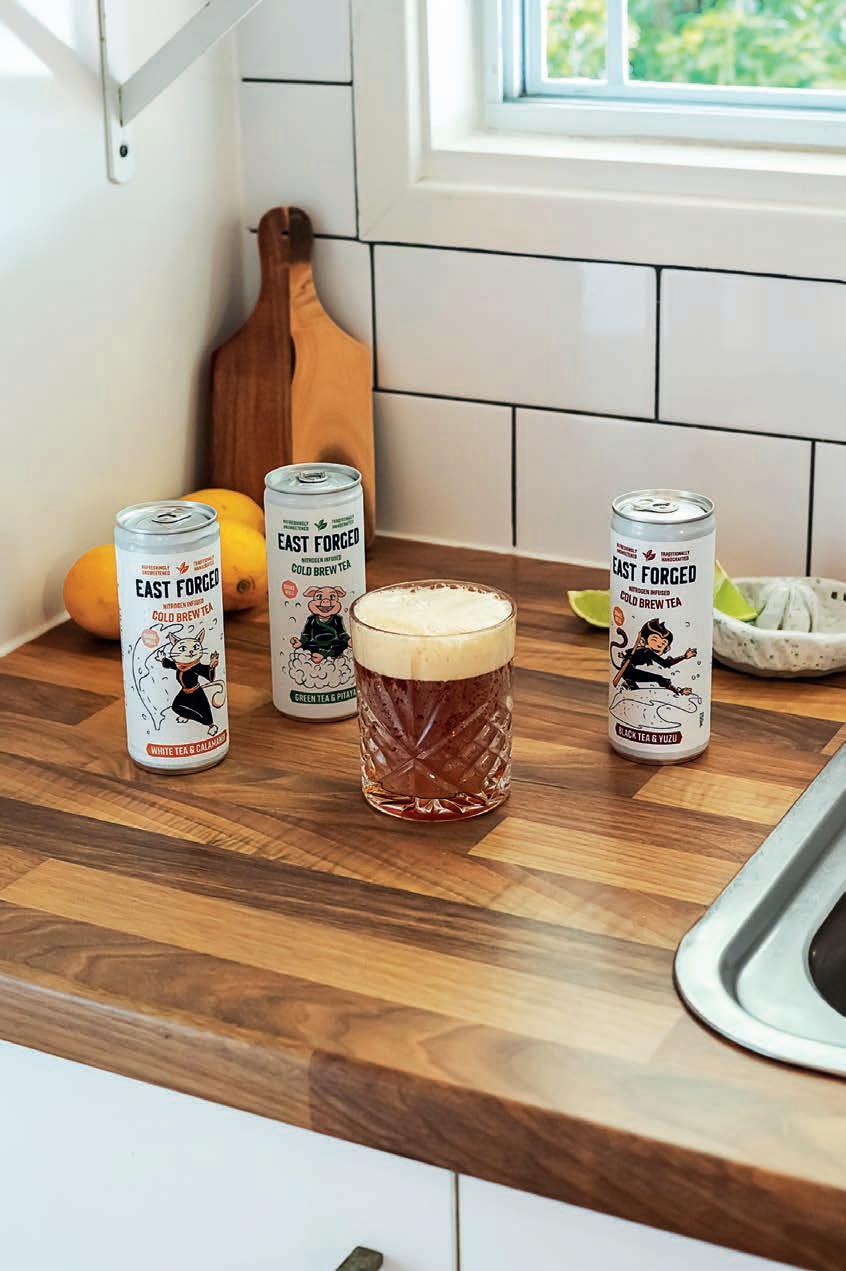
What makes East Forged unique is its foamy cap.
The creamy texture comes from blending traditional tea knowledge with brewing techniques more commonly associated with beer.
“When we developed our tea, we led with cold brewing the tea first and foremost,” said Stacey.
East Forged’s cold brewing process results in a product that sits somewhere between a craft beverage and a functional drink. Stacey added that it prioritises time over intervention.
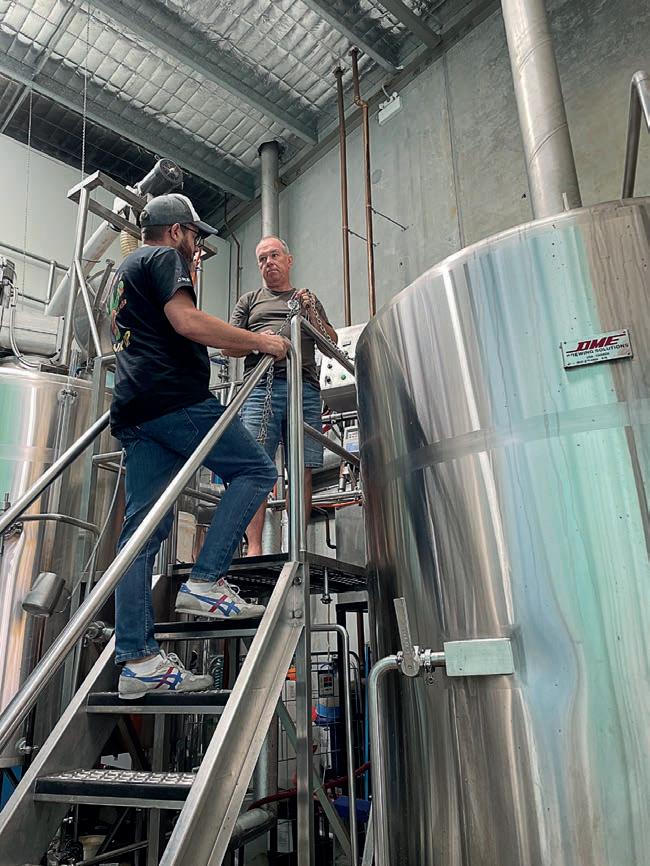
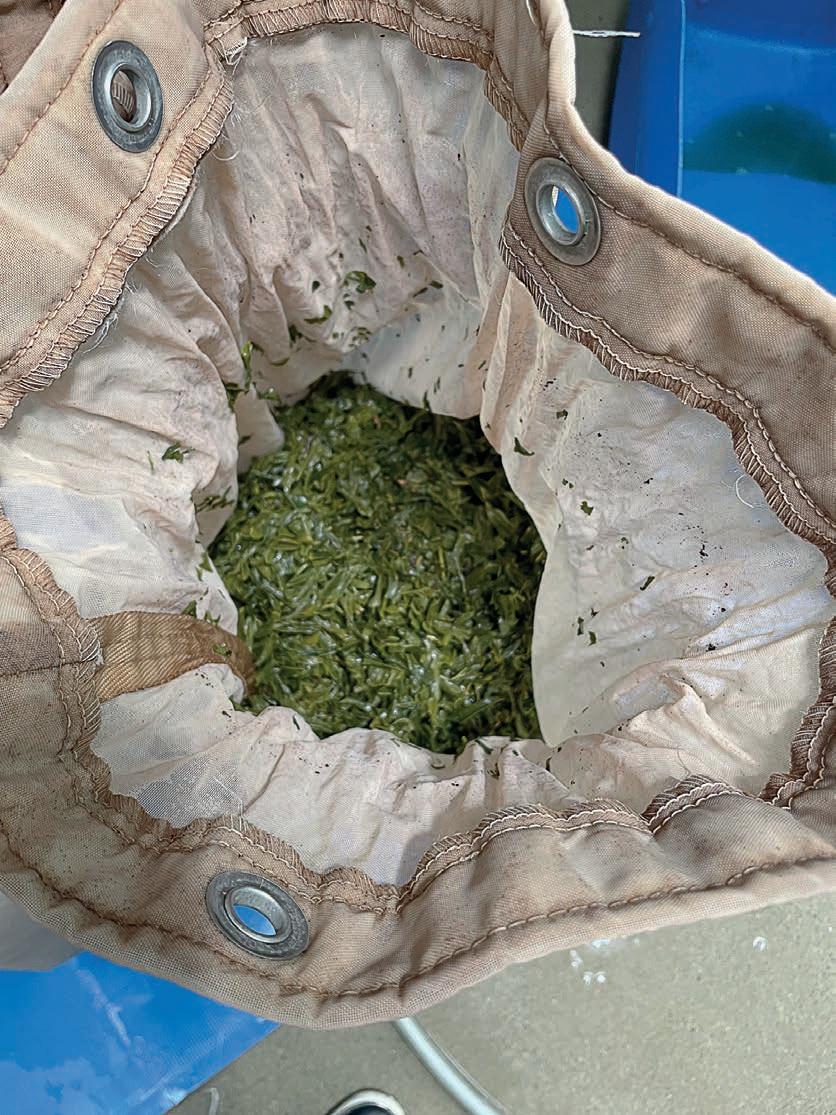
Tea leaves are steeped in cold water for an extended period, typically around 12 hours, allowing for a slower extraction. This method produces a different flavour profile compared to traditional hot brewing.
“We just let the tea do its magic,” said Stacey. “Unlike hot tea extraction, which is quick, the element we add instead is time.”
The process itself is unhurried. By avoiding heat, the extraction relies on time to draw out flavour compounds, resulting in a beverage that does not require added sugar or sweeteners. This
approach aligns with broader consumer trends towards lower sugar products and more natural ingredient profiles.
“It’s a gentle extraction,” she added.
brewing techniques, the company uses a blend of carbon dioxide and nitrogen to add body to the liquid. This creates a sensory experience
Images: East Forged
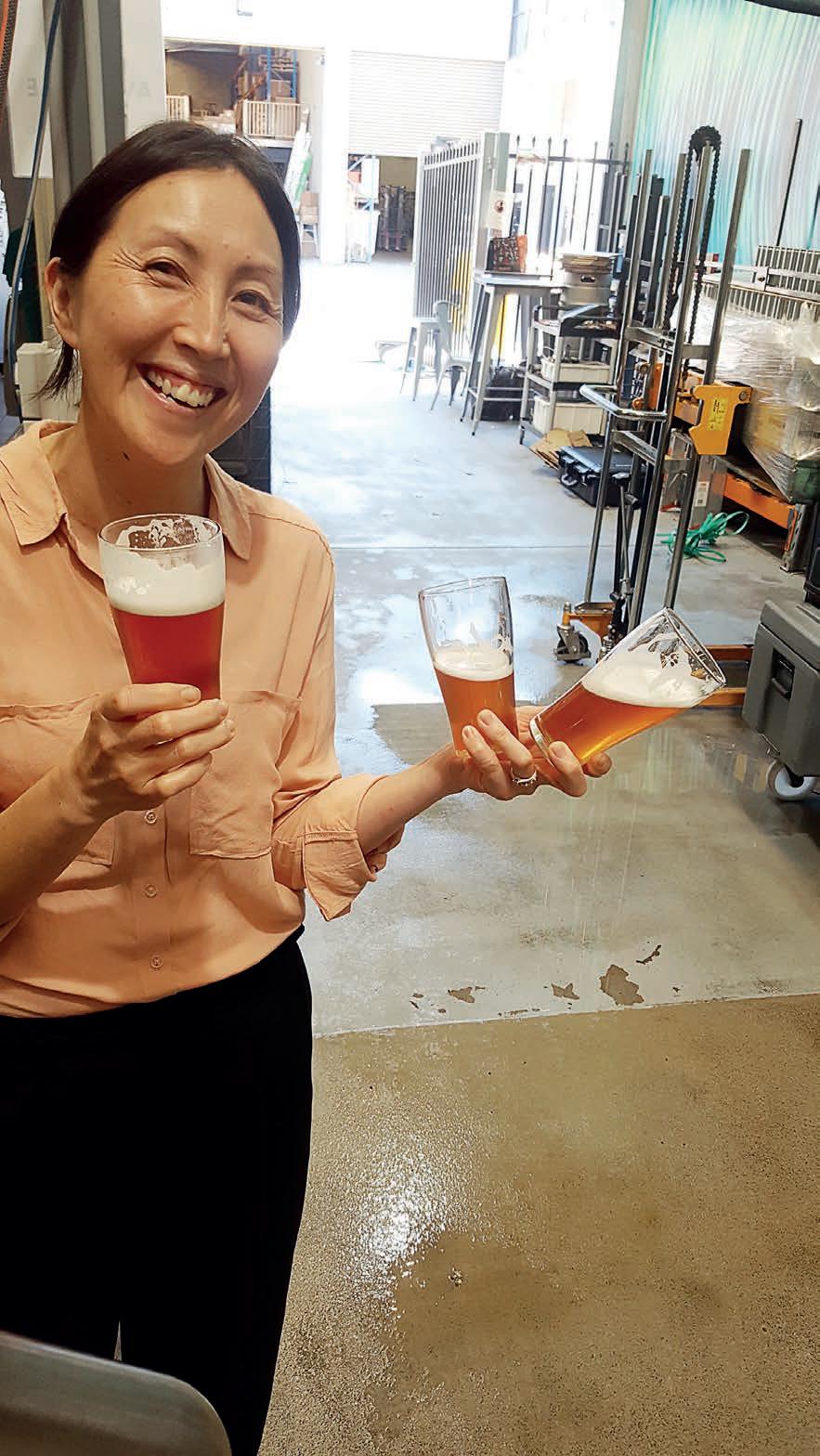
Founders Kym Cooper and Tania Stacey.
“It’s a gentle extraction. For cold brew, a different flavour profile comes from the tea leaves. There is less astringency and there is less bitterness.”
Tapping into non-alcoholic beverages
Initially, the product resonated with consumers who already had a familiarity with tea, including those from cultures where tea plays a central role. These early adopters were more receptive to a product that maintained the integrity of tea while presenting it in a new format.
“We would have people with English, Irish, Russian or Asian backgrounds who knew tea,” said
Over time, the brand began gaining traction across younger consumers and those looking to reduce alcohol intake. The rise of non-alcoholic beverages has brought new consumers into the category. This shift has expanded the appeal beyond traditional tea drinkers to a more diverse audience.
“It is for those who don’t drink alcohol, and for those who love tea,” added Cooper.
East Forged has reported growth in Australia. Over the past year, production increased by about 140 per cent. Its product is stocked in more than 200 locations nationally, including Harris Farm Markets and
Both founders emphasised direct relationships with tea farmers, developed over years of travelling to origin regions. This has allowed for greater transparency, quality control and understanding of how tea is produced.
“Tania and I wanted to honour and acknowledge the original process on the farm,” said Cooper.
Rather than relying solely on certifications, the business prioritised firsthand knowledge of farming practices and processing methods.
“By knowing the farmer, by stepping foot on the tea farms, we see the process and that for us is the best audit that we can possibly do,” Cooper added. “Our great quality tea is being produced well because of our relationships with farmers.”
Additionally, sustainability is framed in practical terms rather than marketing language.
“We want to be careful not be greenwashing what we do,” said Stacey.
East Forged, she said, is committed to sourcing as close as possible, understanding the supply chain and being transparent about product origins. This includes acknowledging
East Forged is exploring product extensions to broaden its appeal.
The company’s cold brewing process results in a product that sits somewhere between a craft beverage and a functional drink.
Tea leaves are steeped in cold water for around 12 hours.
As with many food and beverage businesses, East Forged is navigating rising input costs, including fuel and logistics. The reliance on agricultural products also introduces variability linked to weather and seasonal conditions. Despite these pressures, the company continues to prioritise customer experience and product quality.
“We’re quite used to dealing with challenges,” said Cooper. “Being in the industry for a few years has helped us to weather these things.”
still, non-carbonated variants to cater to consumers who prefer beverages without gas. This reflects direct feedback from the market and highlights the importance of adaptability in product development.
“We are releasing three new drinks including a noncaffeinated option as well,” said Stacey.
that’s large enough to support your idea is very important,” she said.

She highlighted the focus on going to where their customers are and ensuring that the supply chain is as tight as possible from a cost perspective while managing costs.
Looking ahead, East Forged is exploring product extensions to broaden its appeal. One area of focus is the development of
The company is also considering new formats and branding elements, building on its existing identity. Visual design and storytelling remain important components of the brand, contributing to its differentiation in a crowded marketplace.
Cooper said that entering the beverage market presents relatively low barriers, but sustaining a brand requires a clear point of difference and the ability to adapt over time.
“Making sure you have a moat
In her view, many brands have entered the market and exited quickly. By building a product around technical process and a clear narrative that can be supported by an audience, East Forged has managed to sustain its position. Part of that support comes from within, and a small amount of vulnerability is needed.
“Be prepared to talk about your plans and ideas,” said Stacey. “Don’t be scared to share them. At the end of the day, you’ll have far more support around you. That was a big learning lesson for Kym and I.”
By combining traditional tea knowledge with modern production techniques, East Forged is looking to redefine what tea can be within the contemporary beverage landscape. F

Cooper was named 2018 Grand Champion Tea at the Royal Hobart Fine Food Awards.
Bridging brand and manufacturing


Grain & Bake is building manufacturing capability in Australia to support brands with scalable production, quality and supply chain alignment.
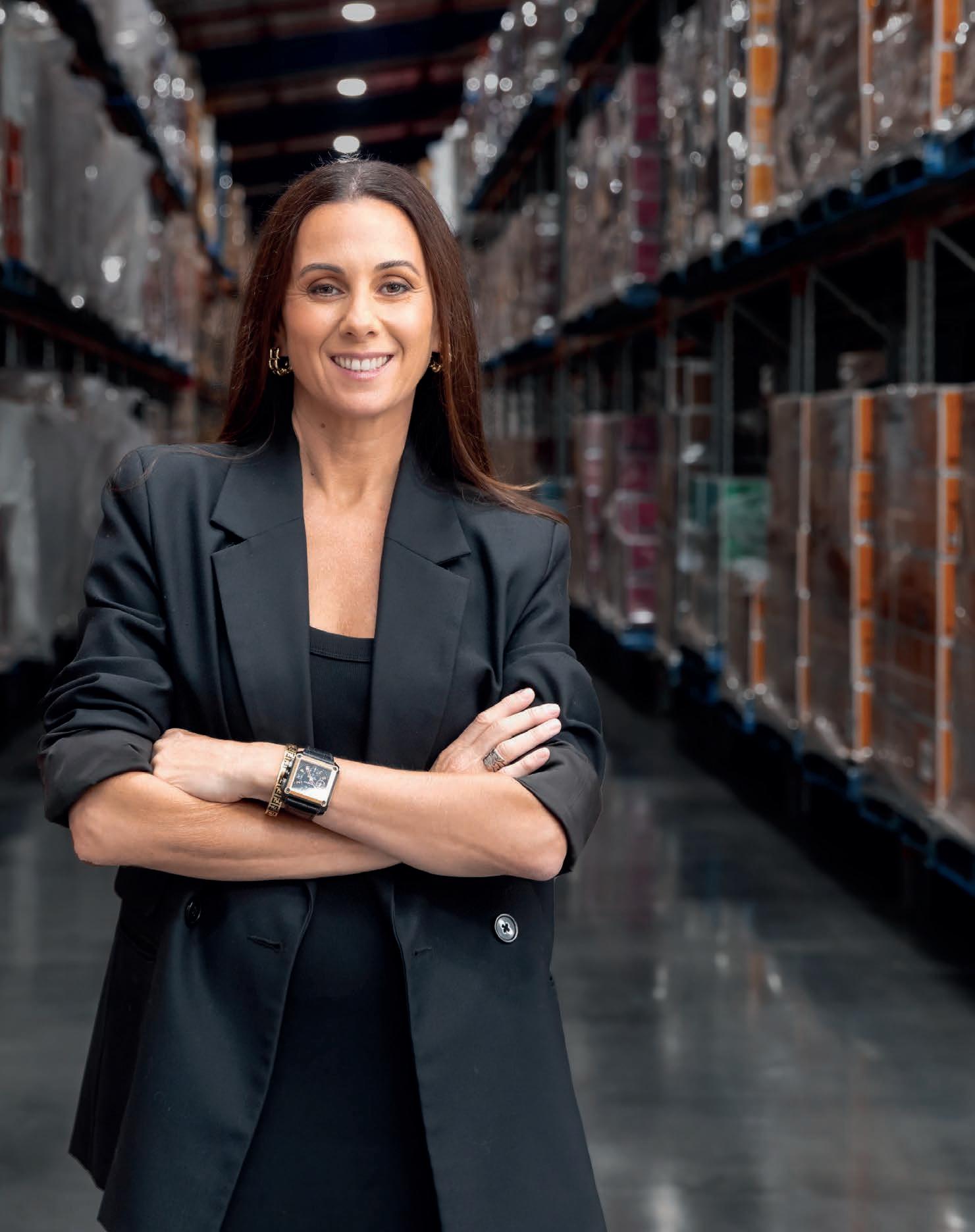
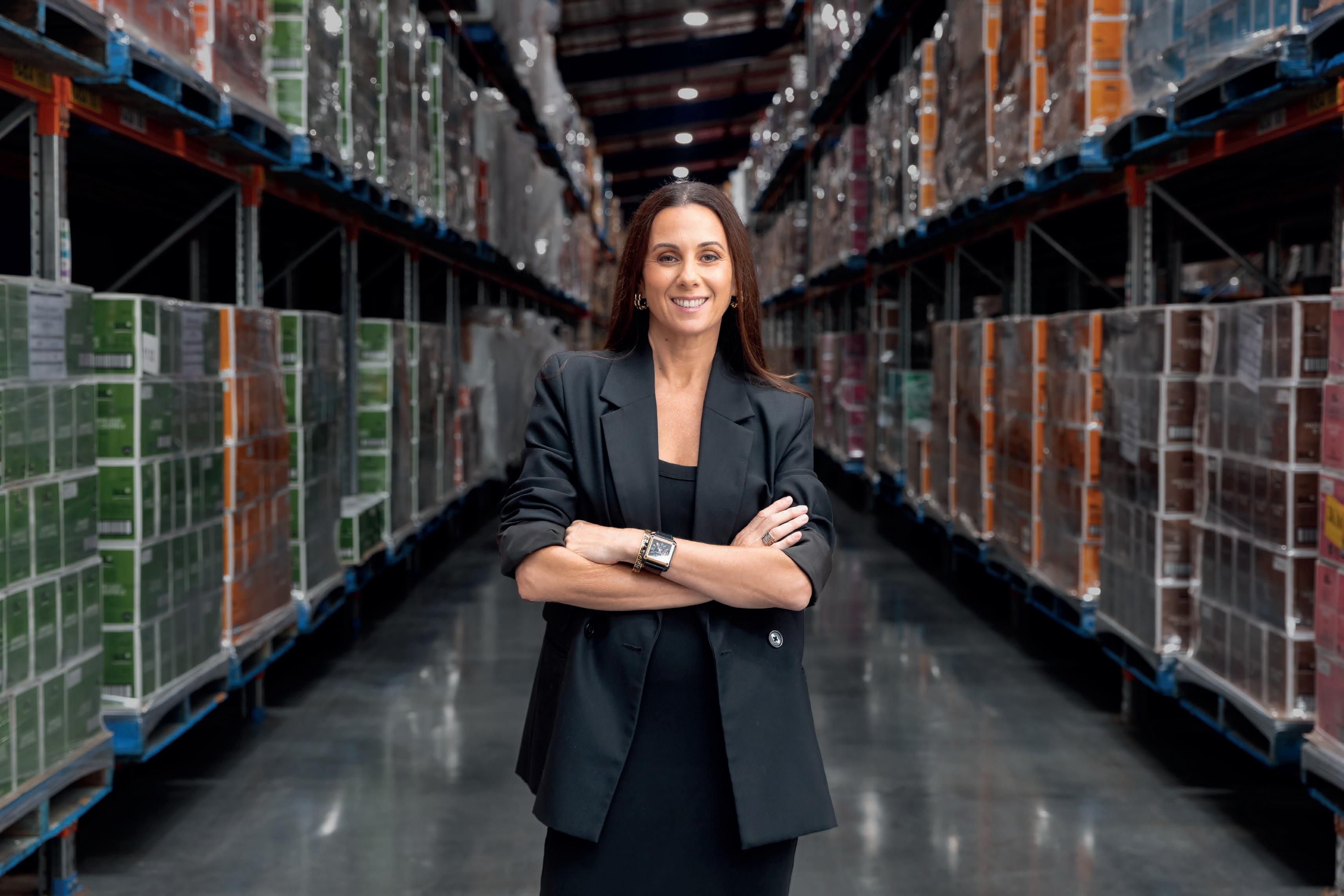
Founder and CEO Narelle Plapp.
Founded in 2017, Grain & Bake is a family-owned manufacturer in toasted muesli, granola, and snacks like bars and puffs. Joining Food & Beverage Industry News, founder and CEO Narelle Plapp shared her journey to the health foods sector.
Plapp’s entry into food manufacturing was preceded by a career in health food retail and nutrition. She initially considered careers in either naturopathy or interior design before pursuing health science.
“When I was originally at high school, I either wanted to be a naturopath or an interior designer,” she said.
Taking on the path as a naturopath, she pursued a degree in science, eventually moving into health food stores.
“I had two health food stores when I was the ripe old age of 22,” said Plapp. “I went into my brand and then to manufacturing.”
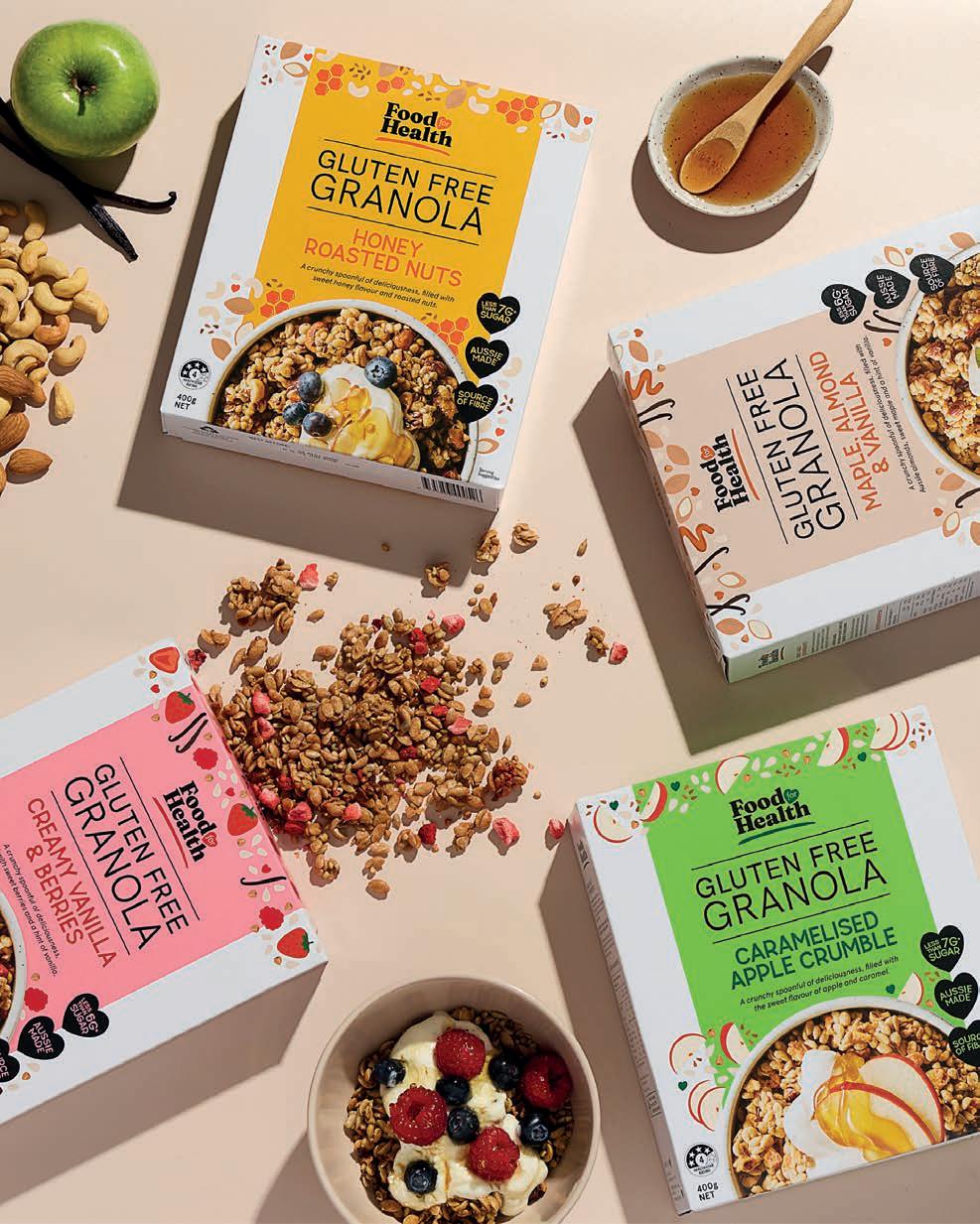
From retail customer demand for her brand, Food for Health, through to production realities, this progression gave her experience across the value chain, shaping her approach to building Grain & Bake. Part of this experience derived from a manufacturing gap in the market.
“I saw firsthand how challenging it can be for food brands to find the right manufacturing partner,” said Plapp.
According to her, this did not only include a manufacturer who knew how to produce high-quality products, but also maintaining consistency, speed to market, and scaling production. Plapp highlighted the gap between manufacturers and brand owners when it came to understanding commercial pressures faced by fastmoving consumer goods companies.
Understanding this, Plapp’s experience shaped the direction of Grain & Bake, a company built to bridge the gap between brand creation and scalable production. From that transition, the business was born with a focus on manufacturing capability and brand partnership.
“Grain & Bake certainly filled that gap,” said Plapp. “Our mission here is to exist to support brands to market.”
Grain & Bake
Today, Grain & Bake operates as a player in the Australian breakfast cereal and snack bar category, with
Plapp noting the business is one of the larger manufacturers in the sector.
Made at a purpose-built 10,000 square metre production site in Melbourne, which Plapp calls “the big shed”, the business employs a team of more than 80 full-time staff on a 24-hour, five-day-a-week operation.
The company’s model is built around combining operational scale with commercial empathy, ensuring production aligns with brand expectations. That focus
has driven the development of the facility, designed for toasted cereals and snack bar production while maintaining strict quality and traceability systems.
For example, the site is AA grade BRCGS (Brand Reputation through Compliance Global Standards), which is the highest level of certification awarded for food safety and quality management.
“I’m passionate about building teams in a business that combines really good manufacturing capability
with partnerships to brands and making sure that we provide good quality products,” added Plapp.
The site includes three core production lines and has been developed to support production flow, traceability and quality control across all operations, oven, snack bar line, and packing line.
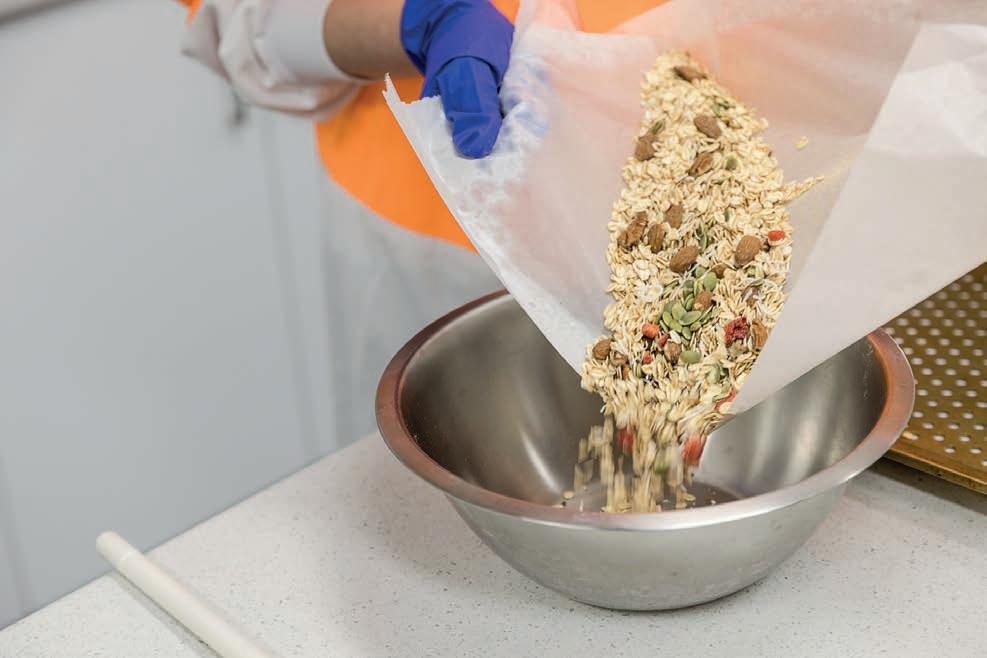
The facility includes a 30-metre impingement oven, where baking occurs on a solid steel belt, which gives a homemade baked style finished granola or muesli. Alongside
Grain & Bake operates as a player in the Australian breakfast cereal and snack bar category.
Images: Grain & Bake
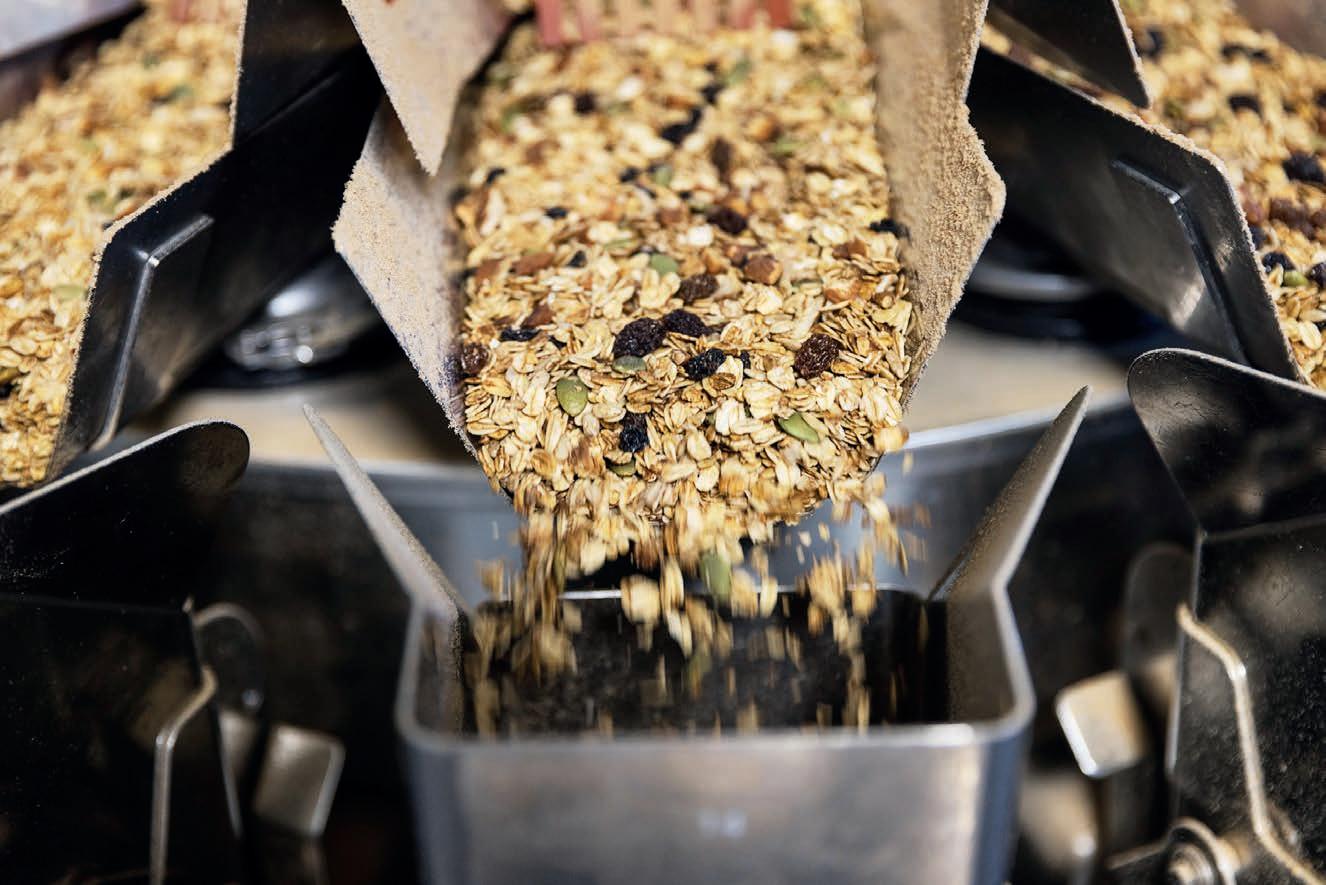
this is a snack bar line, capable of manufacturing 100 million bars including, muesli bars, protein bars and gluten free bars.
“We have the capability to do roughly 6,000 tonnes per annum in toasted cereal,” said Plapp. “Our bar line, we have the capacity to do 100 million snack bars annually.”
When she was running her own brand, Plapp said there were not enough toasting ovens in Australia. Therefore, the bar production capability was a natural extension of the company’s cereal manufacturing base.
“The bar line was always my next growth trajectory project,” said Plapp.
For packaging of products, the company has employed vertical form fill seal machines that can pack muesli and granola sizes from singleserve sachets to bulk bags up to 1.8 kilograms.
Translating trends amidst challenges
Fibre as well as functional ingredients like creatine monohydrate appear as a growing interest in the market. Creatine, she explained, is increasingly being incorporated into food formats due to its association with recovery and muscle performance.
At the same time, convenience remains a driver of demand, particularly in cereal and snack formats designed for on-the-go consumption. From a manufacturing perspective, Grain & Bake’s role is to translate these trends into scalable product solutions for brands.
“Our role in this process is to help brands bring those ideas to life with the information that we find from our own research,” said Plapp.
However, like many manufacturers, the business is exposed to global supply chain volatility.
“We’re in manufacturing, there are challenges every day,” she said.
As many raw materials are imported into Australia, Plapp identifies supply chain reliability as one of the most ongoing challenges, as a business that does not have raw materials cannot produce.


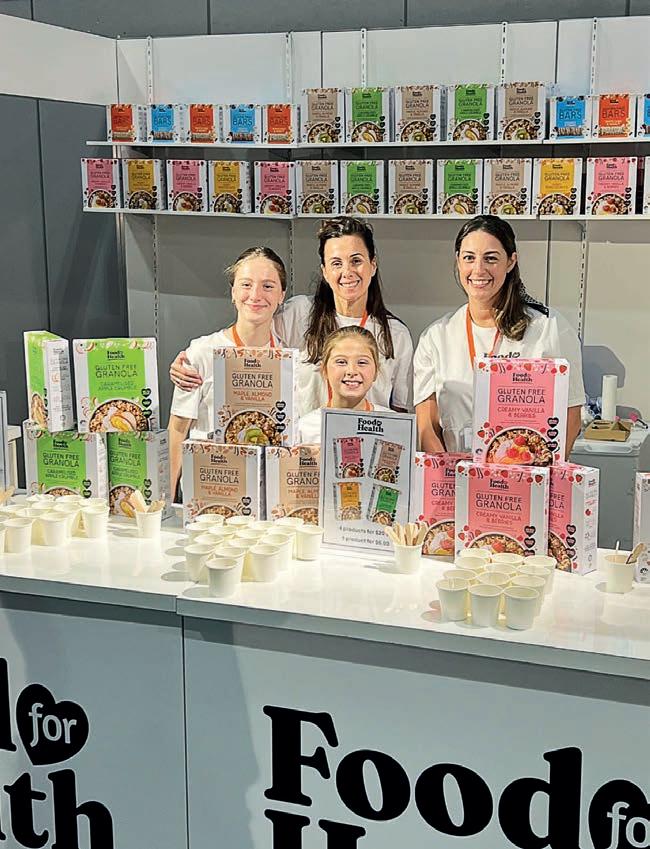
Recently returning from a trade show in California, Plapp and her team were able to gain insights into trends, with one of them being the rise of functional nutrition.
“Consumers are looking for products that deliver health benefits,” she said.
To navigate this challenge, she highlighted the importance of procurement planning and risk mitigation across multiple supplier
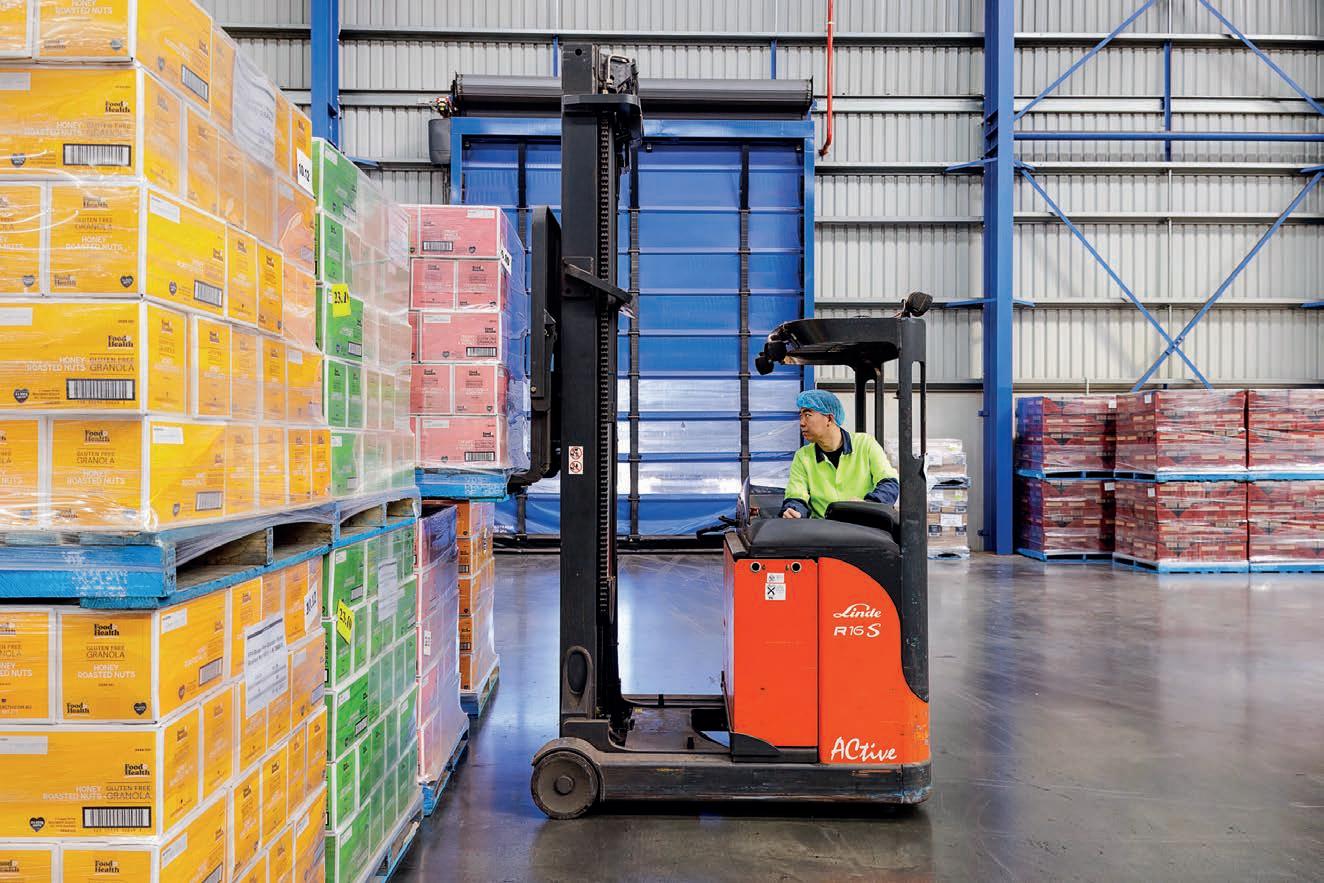
All products are made at a 10,000 square metre production site in Melbourne.
Grain & Bake continues to operate with more spare manufacturing capacity available for future expansion.
tiers. With a secure supply chain and procurement team, Grain & Bake aims to provide confidence to customers that it can supply raw materials.
With global conflicts, rising freight costs and fuel prices also having a direct impact on manufacturing inputs and operational efficiency, she remained focused.
“When there are supply chain issues, supply instability and price rises will inevitably occur,” said Plapp. “Whilst there is uncertainty, we continued to stay focused on our strong supplier relationships so we can continue to deliver consistent quality products to our customers.”
Quality intertwined with values
Quality remains central to Grain & Bake’s operations and decision making. Plapp described it as the organisation’s core value, supported by a wider framework of innovation, customer focus, integrity, teamwork and safety. She emphasised that quality extends beyond product outcomes to include people and processes.
“I couldn’t do this business without the rest of my team,” said Plapp. “We show up for each other and when one of us wins, we all win.”
The company also prioritises learning and innovation, with
manufacturing capacity available for future expansion.
“I feel like I’m just getting started with Grain and Bake,” she said. “We currently have 60 per cent of footprint that we use, and we still have 40 per cent of footprint that we can grow.”
Future opportunities include additional production lines and new product categories such as pretzels, alongside continued reinvestment in
When asked to give one word of advice to the industry, Plapp highlighted the Australian manufacturing landscape, noting that Australian manufacturing plays a role in the national economy and should be valued alongside imported alternatives.
“Support Australian manufacturing,” she said. “Small businesses and Australian manufacturing are the heartbeat of our country.”
As Grain & Bake continues to scale, its strategy remains grounded in capability building, customer partnership and operational discipline. For Plapp, the business is still in its growth phase with ongoing investment in innovation and production systems.
“I am very proud to be a woman in manufacturing,” she said. “It’s a rare commodity to see a woman running a manufacturing site, but I’m proud that I get to work with exciting brands. My customers and my people really drive my ongoing passion to grow this business even further.” F
Grain & Bake employs a team of more than 80 full-time staff.
Quality remains central to the business’s operations and decision-making.
A privilege to nourish
Taking
pride as an Australian manufacturer, MD of SPC Global joined Food & Beverage Industry News to talk about its manufacturing, supply chain and product strategy. Dae Hong writes.
What’s rewarding when working in the food and beverage industry?
“When you’re bringing someone nourishment, it’s an actual privilege,” said Robert Iervasi, managing director of SPC Global.
With a Bachelor of Commerce and Law from Monash University, Iervasi began his career as a lawyer for companies like Coles, Cadbury and Schweppes Australia. Stepping into the fast-moving consumer goods (FMCG) space, he developed a passion for the industry over time.
“I liked legal and I liked finance, but I liked decision making even more,” he said.
From then onwards, Iervasi transitioned from a service provider role into corporate decision-making roles. He joined Asahi Beverages in 2011 as group CFO and general counsel, later taking on the role of
group CEO and board director in 2019.
In 2020, Iervasi led the acquisition of Carlton & United Breweries and drove profitability and growth across multiple categories, brands and channels. The transition to these roles gave him satisfaction.
According to Iervasi, implementing decisions to provide nutritious foods and beverages for the community is rewarding work.
“Sometimes we underestimate what a privileged position you are in to be able to give food to communities and to individuals,” said Iervasi.
With more than two decades in the FMCG space, Iervasi joined SPC Global in 2023, becoming the company’s managing director the following year.
SPC Global
SPC Global is an Australian-based agribusiness specialising in food
manufacturing, particularly largescale fruit processing and packing. Its journey began in 1918 as a growers’ co-operative and its 100-year legacy has been sustained with roots in Australia’s agricultural heartland.
In 2019, Perma Funds acquired SPC. Since then, the company has expanded through the integration of new brands and innovation. When the business was re listed on the Australian Securities Exchange (ASX) in December 2024, it brought together the merger of four businesses – SPC, The Original Beverage Co., Nature One Dairy and Natural Ingredients. The company marks this as the moment it solidified its position in the market while fostering partnerships with farmers and businesses.
This structure has allowed the company to move beyond its traditional categories and expand
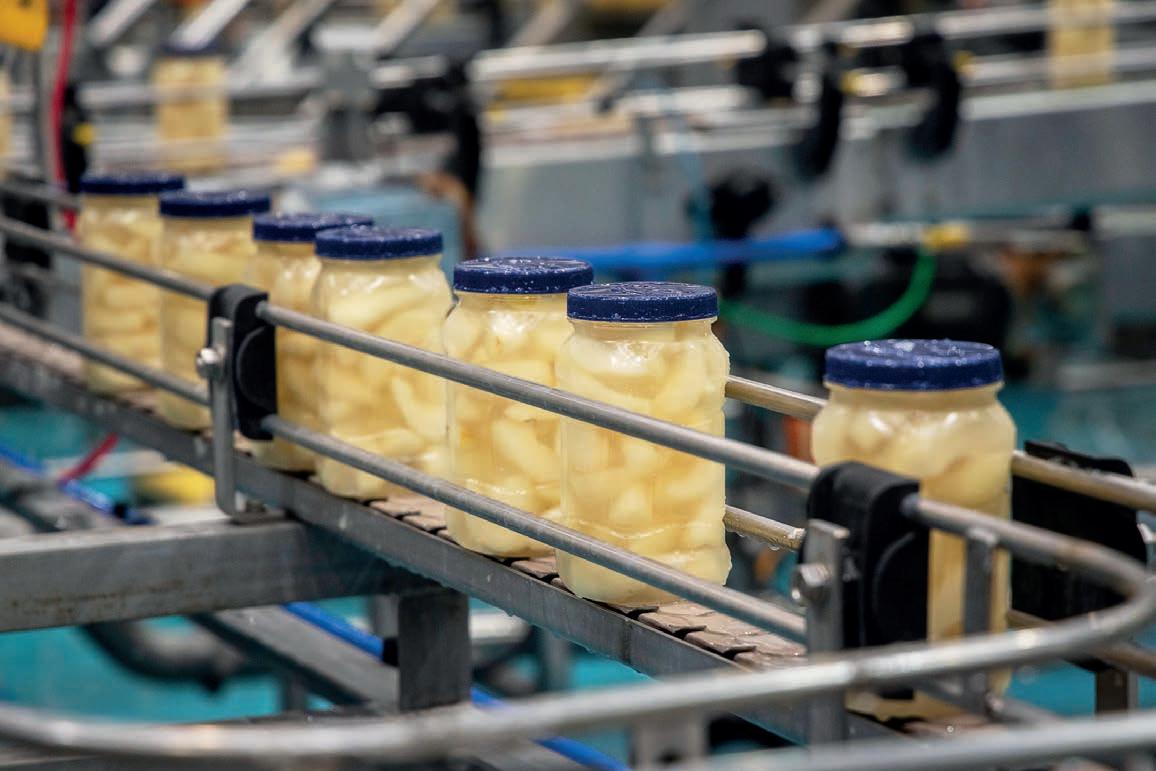
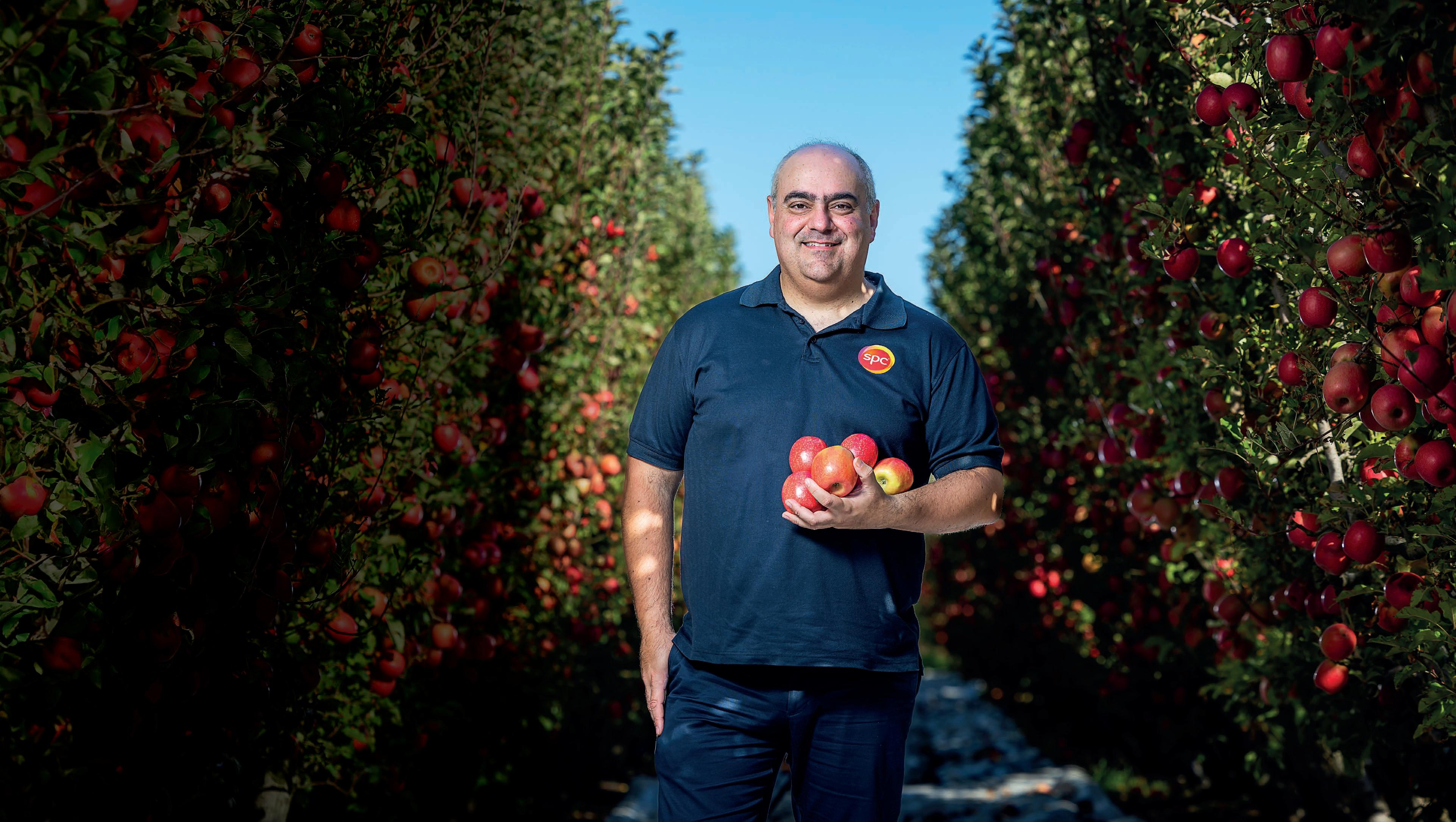
SPC Global specialises in large-scale fruit processing and packing.
MD of SPC Global, Robert Iervasi.
into functional products, beverages and international markets. The result is a more balanced portfolio that is less reliant on domestic sales and more aligned with evolving consumer demand.
At the centre of this shift is a focus on manufacturing capability.
“We are a very proud manufacturer in Australia,” said Iervasi. “We have a couple of manufacturing sites including our Shepparton site in Victoria, which is our main food processing plant.”
The several facilities across Australia each serve a distinct purpose within the supply chain. For example, its Shepparton site remains the core processing hub, handling fruit and vegetable production at scale. Iervasi noted the site’s new capabilities.
“Our Shepparton site is now making bespoke food products that we’re selling throughout Asia,” he said. “That’s very much a fantastic manufacturing asset we have.”
This strategic role of producing
is critical in balancing domestic supply with international growth. The company’s additional powdered milk functional manufacturing plant in Carrum Downs, Victoria, supports the export strategy. It produces functional dairy products for Asian markets with direct entry accreditation into China.
SPC Global also has a frozen meal manufacturing site in Auburn, NSW. This third factory focuses on ready-to-heat products and meals for individuals in need through NDIS approved customers.
“We’re quite proud that we can serve vulnerable communities with our frozen meal products,” said Iervasi.
Closing of Mill Park facility
With three manufacturing plants across Australia, the company has adopted technology to optimise production lines for its brands. There are lines dedicated to tomatoes, pears, apples and apricots with manufacturing capabilities that cover
“Those lines that run throughout our site have been backed by incremental investments to bring those to life,” said Iervasi.
While its capabilities and facilities are noteworthy, SPC Global places priority on strategy beyond assets. This is shown through the company’s recent changes in its manufacturing strategy in February 2025, including the closure of its Mill Park facility and transitioning its production.
Supported by a proposed $23.5 million investment, the company identified a lower risk, more capitalefficient model that delivers higher savings with reduced investment and greater operational flexibility across its manufacturing network.
High growth brands like Juice Lab Wellness Shots will continue to be manufactured in house, relocating production and associated equipment.
“We’re currently automating and moving the two lines into our Shepparton site,” said Iervasi.
Juice Lab Wellness Shots is
cent year-on-year growth and will be supported by targeted automation to enable scaling while maintaining quality and control.
Under the updated plan, the company expects annual savings of more than $8 million on capital expenditure of just under $3 million, with a payback period of less than 12 months. It intends to exit the Mill Park site by the end of August 2026.
Quality focus
For any food and beverage business, quality is king. The key to SPC Global’s approach in maintaining product quality is sourcing. Iervasi said what makes the company’s manufacturing assets and capabilities effective comes from where the plants are based.
“A lot of our produce is sourced close to the manufacturing site,” he said.
By locating sites close to growing regions, SPC Global can process produce shortly after harvest. This proximity supports regional
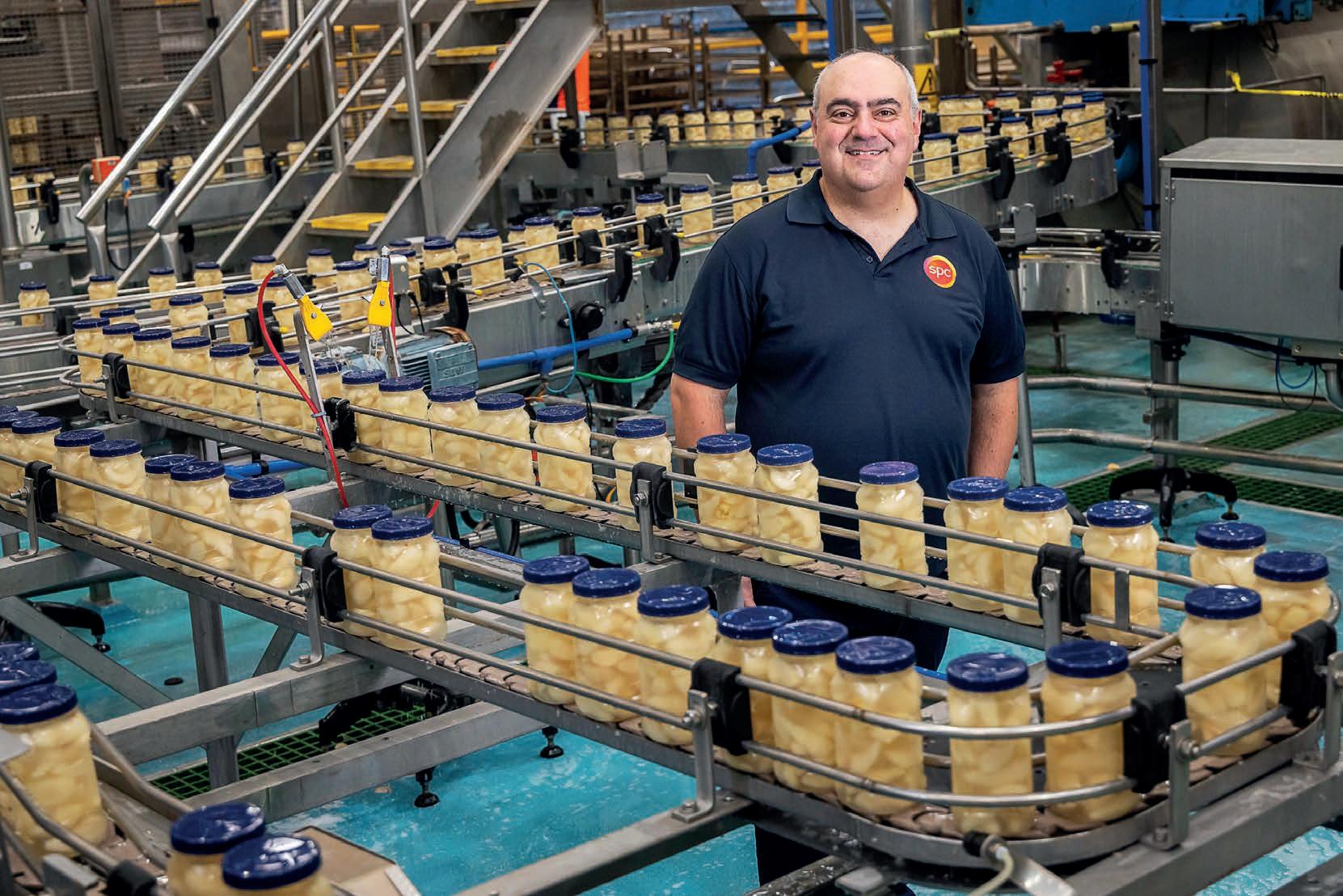
SPC has adopted technology to optimise production lines for its brands.
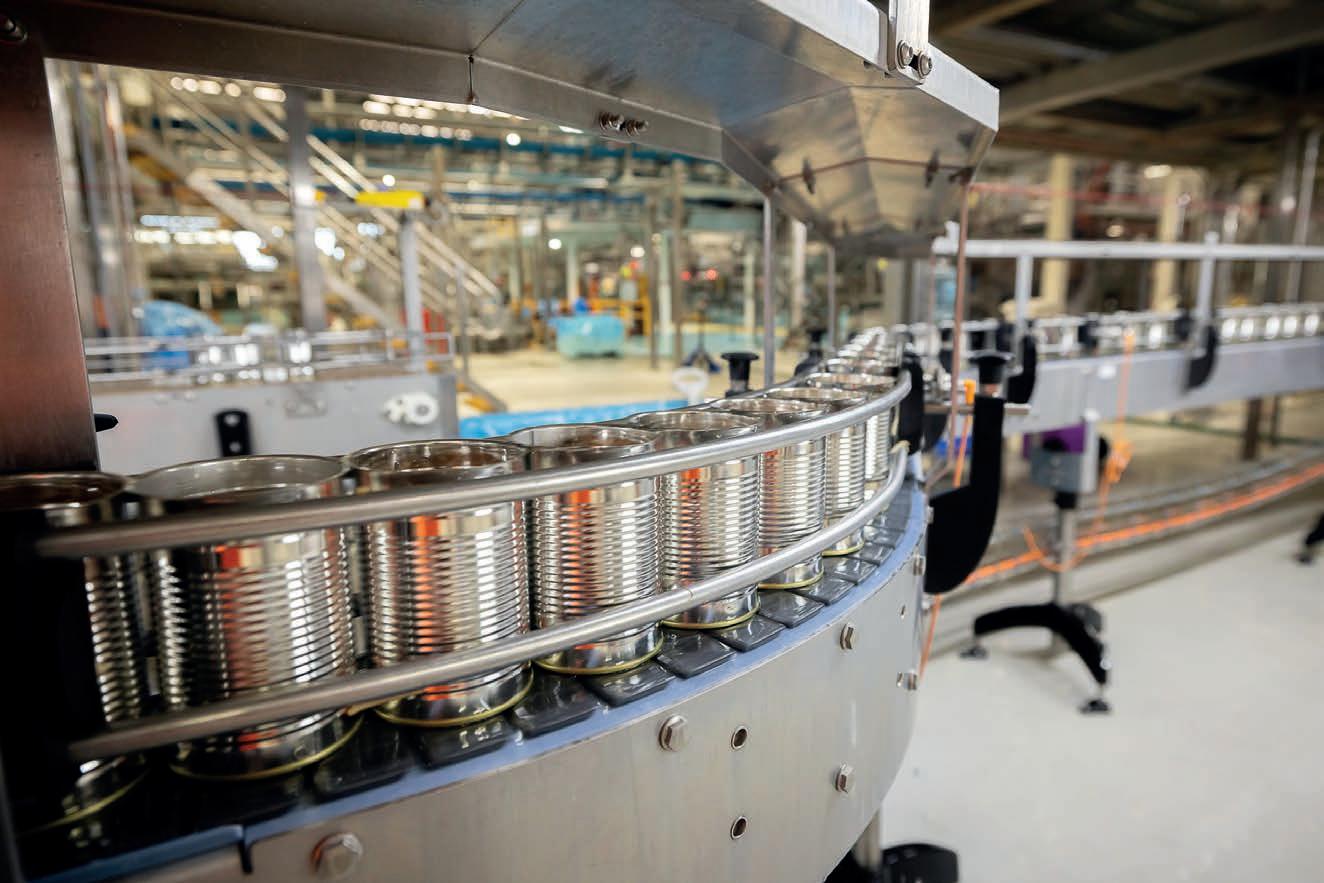
agriculture.
“For example, our tomatoes will be picked and packed within 24 hours to ensure that we’re maintaining freshness and quality of Australian produce,” Iervasi said.
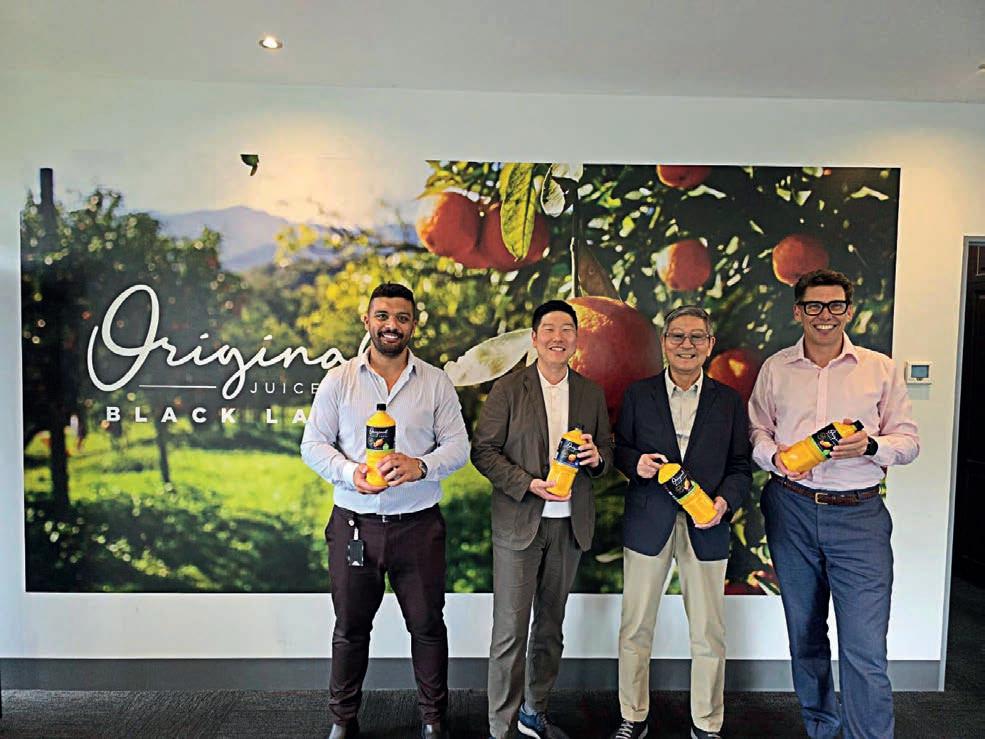
Another example comes from the closure of the Mill Park facility, where Original Beverage Co. products will be manufactured under a long-term agreement with Fair Dinkum Foods –an Australian owned co manufacturer.
“What’s exciting about working with them is that they’re based in Griffith, NSW, which is close to the location where we source our citrus products,” said Iervasi. “This reduces our freight costs associated with moving oranges and other citrus around the country.”
Shelf life has also emerged as a critical factor in export expansion. According to Iervasi, the Mill Park site did not have extended shelf-life capability, limiting the company’s potential to sell quality product overseas.
He said that by the time it hits the water and reaches international
By adopting extended shelf-life capabilities through partners like Fair Dinkum Foods, SPC Global can increase the viability of shipping products to overseas markets. With rising interest in Australian made products from Japan, Korea, Singapore and China, an extension of nine to 12 months supports quality for those regions.
A lens on health
Alongside strategies to mitigate short shelf life and ingredient sourcing, the company is adapting its product strategy to align with changing consumer preferences.
“Moderation, wellness, functional benefits and convenience are where the growth corridors are,” said Iervasi.
Products with added protein or other nutritional enhancements are becoming common, reflecting demand for food that delivers more than basic sustenance. To respond to these trends, SPC Global has launched offerings that incorporate functional features.
For example, it has introduced the
SPC ProVital range developed using guidelines established by Arthritis Australia. It aims to provide a more accessible fruit snack for consumers with fine motor skill difficulties. Reformulated staples such as baked beans with added protein bring renewed relevance to established categories while appealing to younger consumers who are more willing to try new formats and less tied to traditional brands.
“The younger consumer is less brand loyal and more willing to try something new and different, but the focus is still on wellness and functionality,” said Iervasi.
Iervasi also discussed consumers seeking convenience. The rise of ready-to-eat and ready-to-heat products has influenced both product development and packaging decisions. Single-serve formats and microwaveable options are designed to meet the needs of time poor consumers, while also expanding usage occasions.
“Not enough businesses think about packaging as innovation,” added Iervasi.
Format, portion size and functionality all play a role in how products are perceived and consumed. For SPC Global, this means rethinking not only what it produces but how those products are delivered to market.
A modern supply chain
While these developments create opportunities, they also highlight ongoing challenges.
“It can be really tough to be a food manufacturer in the Australian market,” said Iervasi. “One of the challenges we face is ensuring that our infrastructure remains competitive on a domestic and global scale.”
Requirements related to labour, environment, packaging and trade all contribute to the cost of doing business. Although these regulations are necessary, they can impact competitiveness, particularly when compared to imported products.
Iervasi said the company is investing in modernising its operations and supply chain. Improving efficiency and reducing
SPC has three manufacturing plants across Australia.
costs are essential for maintaining a viable manufacturing base in Australia. At the same time, efforts are being made to strengthen environmental performance, reduce waste and manage water usage, alongside initiatives focused on workforce diversity and inclusion.
“We’re the second biggest employer within the Shepparton region,” said Iervasi. “We’re committed to the success of the factory because it sustains a lot of families in the area.”
With workforce numbers fluctuating between 400 and 800 depending on seasonal demand, attracting and retaining talent remains a priority. The company’s integrated model, which spans manufacturing, branding and sales, allows it to offer a range of career opportunities.
This helps draw individuals with diverse skill sets, including those with experience in global organisations. Maintaining this balance between regional employment and broader capability is key to sustaining long term growth.
Proudly Australian
Mill Park site was a necessary step to help secure the future of local manufacturing for the business, reinforce SPC Global’s commitment to Australian growers, and continue supporting the Australian economy.
“Sometimes we take for granted the concept of having Australian made and grown products,” he said. “When we say we’re proudly Australian, it is because we take pride in the quality of what we produce.”
As Australian food and beverage products are considered a premium offering internationally, Iervasi said the company feels “a corporate responsibility” associated with its processes to deliver new products that support manufacturing.
Moving forward, the long-term objective is to build a product range that resonates with consumers both in Australia and abroad. This involves leveraging existing manufacturing assets while introducing new ideas into established categories.
“We have the opportunity to create new excitement in those categories, and we certainly have the capability and capacity to do so,” said Iervasi.
SPC Global focuses on the word “reimagine”. Rather than repeating
This approach is underpinned by a broader view of the industry. Food and beverage manufacturing is seen not only as a commercial activity but as a contribution to everyday life. Providing nourishment carries both responsibility and opportunity, particularly as consumer expectations continue to evolve.
“When we think about the privilege to feed people, it’s quite an exciting vision to get out of bed every day,”
said Iervasi.
Looking ahead, SPC Global’s direction is defined by a combination of operational change, product innovation and market expansion. The business is still in the early stages of this transformation, with its current structure only recently established. However, the foundations being put in place suggest a deliberate move towards a more resilient organisation. F

Original Beverage Co. products will be manufactured under a long-term agreement with Fair Dinkum Foods.










Wasting on waste
Flexco’s Waste Walk program is helping food manufacturers shift from managing waste to eliminating it.
In food processing, issues revolving around waste are often accepted as part of doing business.
“Waste-related challenges are prevalent across many sites and are often managed as an ongoing operational norm,” said territory sales manager at Flexco Australia Aaron Alzoubi.
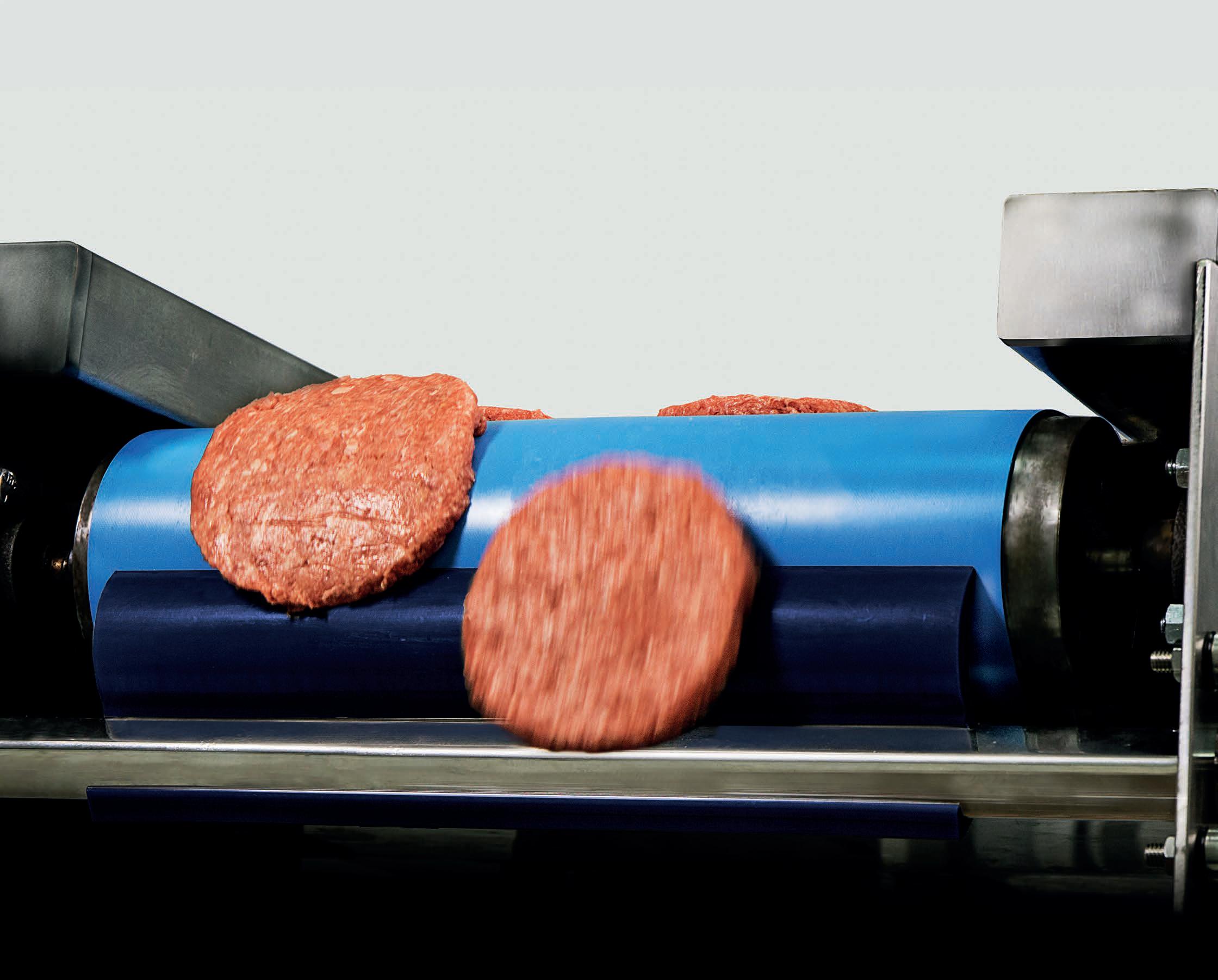
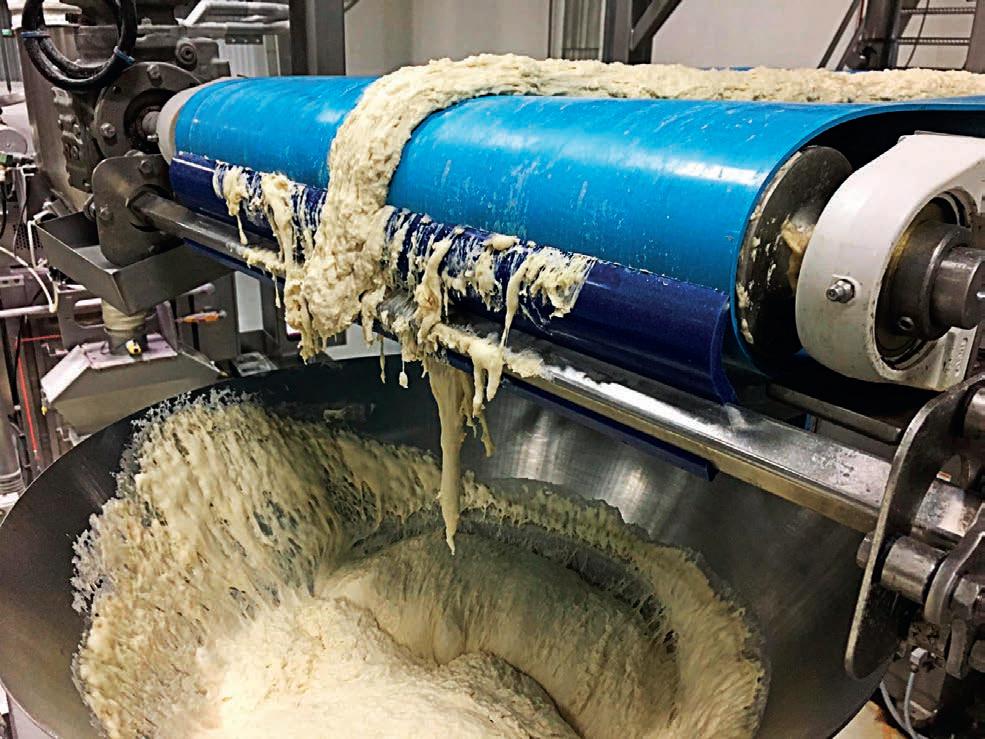
Product falls from conveyors, residue builds up on belts, and cleaning crews work around the clock to keep operations running. For many manufacturers, especially in meat industries, the issue is not that waste exists, but that it has become normalised. What is less understood is the cumulative cost of that acceptance.
“Many businesses are effectively managing or ‘absorbing’ waste without recognising that viable solutions may be available to reduce it,” added Alzoubi.
At the centre of the issue is what the
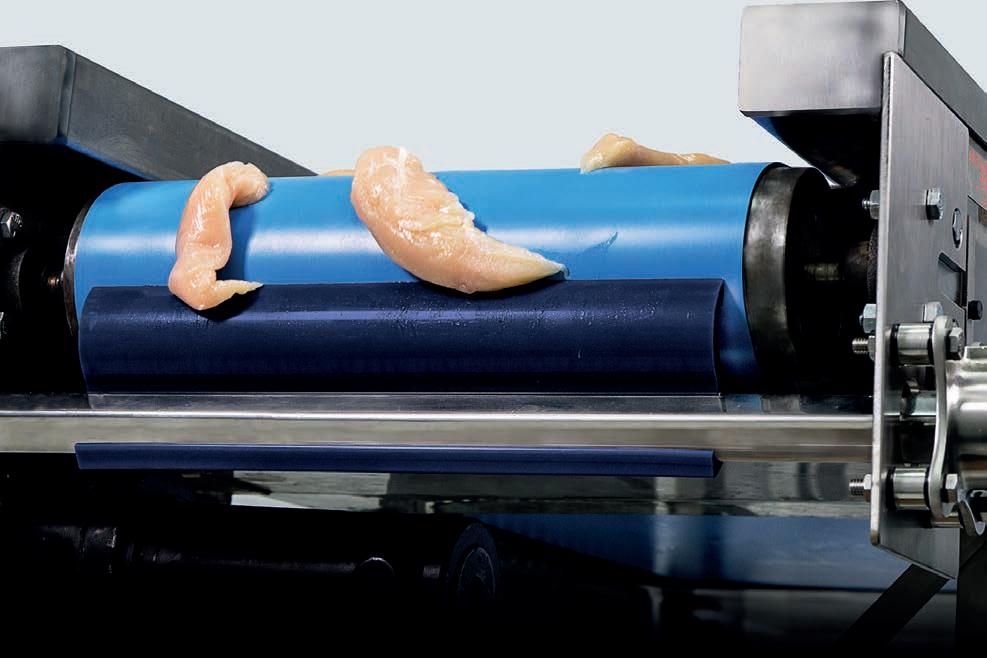
industry refers to as carryback. This happens when the product does not transfer cleanly from one conveyor to another. Instead, it adheres to the belt, travels back along the return side and eventually falls to the floor. In meat processing, this can include fat, trim or smaller fragments that fail to move through the system as intended.
In a typical facility, multiple conveyors operate in sequence. Product enters in larger cuts and moves through various stages until it reaches its final form. At each transfer point, there is potential for product loss.
Wasting more than the product
Alzoubi has spent more than a decade working with food processors to identify inefficiencies in conveyor systems. His focus is not just on equipment performance, but on the broader impact of waste across
production lines. According to him, it is not just product waste that the company is dealing with.
“In addition to product loss, businesses must also account for maintenance, cleaning requirements, operational downtime, and associated costs,” said Alzoubi.
Over time, these small losses accumulate, causing operational inefficiencies. What makes the problem more complex is that many sites are aware of the symptoms but not the scale. Waste is visible on the floor. Cleaning routines are in place. Maintenance teams are engaged. However, the financial impact is rarely calculated in full.
“While manufacturers may have visibility of product loss on a per-shift basis, the true financial impact is often not fully quantified,” he added.
Waste on the floor introduces safety risks, increasing the likelihood of slips and workplace incidents.
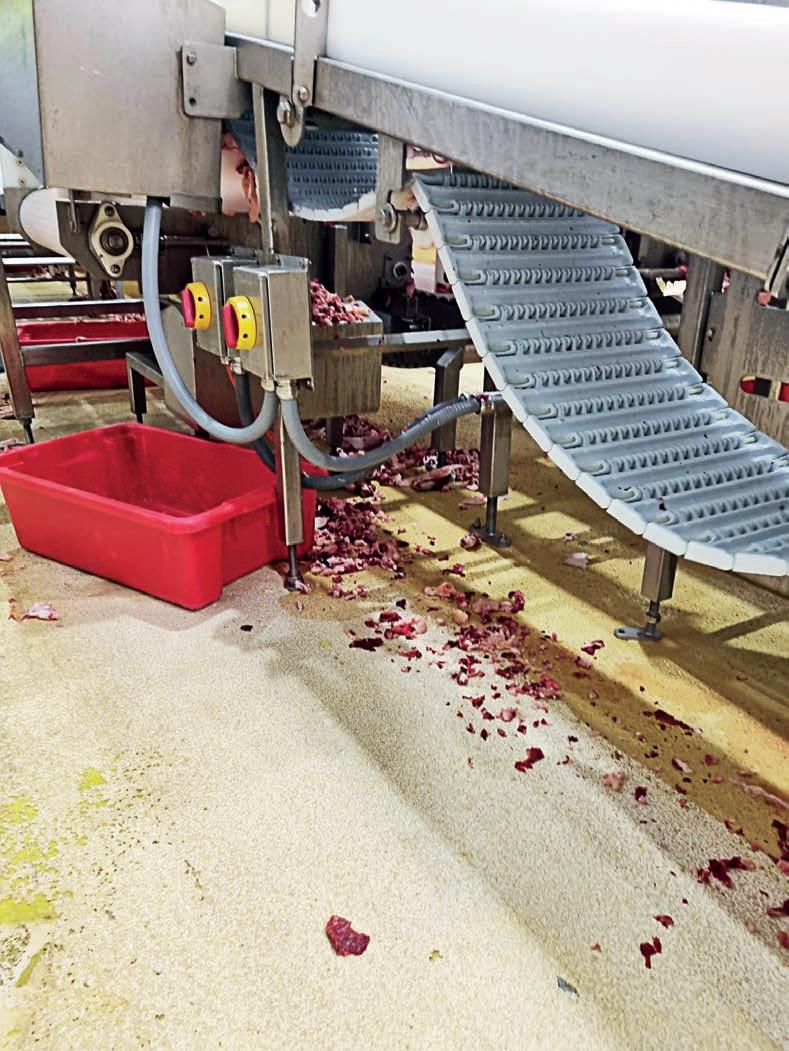
It also raises hygiene concerns, particularly in meat processing where contamination must be controlled. The need for frequent cleaning can disrupt workflows and place additional pressure on staff.
With additional challenges and ancillary tasks born through inefficiencies caused by product waste, food processors find themselves struggling to increase uptime, productivity, safety and competitiveness in the market.
Waste Walk
Founded in 1907, Flexco is a manufacturer of conveyor belt components working across industries from mining, logistics to food processing.
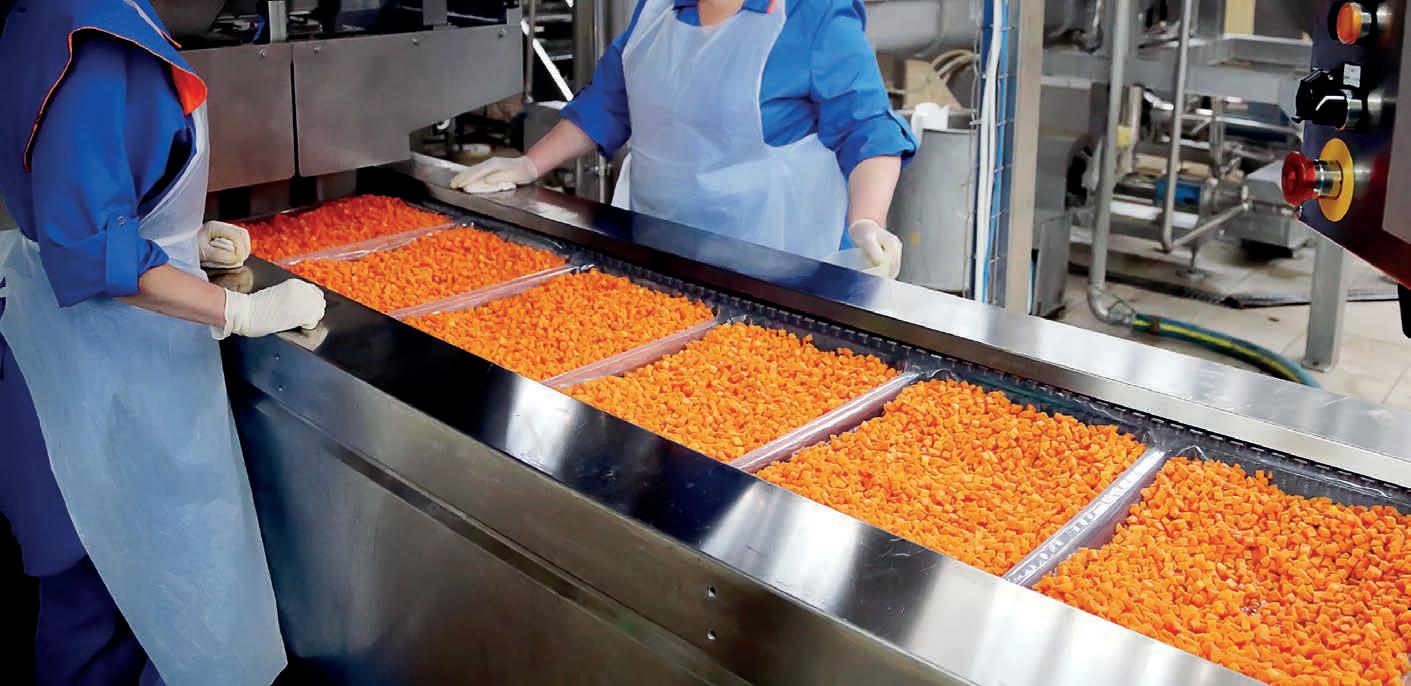
Conveyor systems in food manufacturing environments must move product efficiently while maintaining strict hygiene standards, yet they are where waste issues become apparent.
“That’s where Flexco comes in through the Waste Walk program,” said Alzoubi.


The waste walk is a visual sweep of the plant that can identify areas of product waste. The program is built on a simple premise. If waste can be seen, it can be measured and reduced. The reduction of waste can unlock both operational and financial
Manufacturers often manage waste problems, rather than solving them.
Flexco’s Waste Walk program can help manufacturers find solutions to eliminate waste and increase yield.
gains, opening room for growth and optimisation in other areas.
“A Flexco expert will identify cause of product loss, trace the root cause of the problem, and suggest solutions to optimise your existing conveyors,” added Alzoubi.
The process involves physically walking the production line from start to finish. Each conveyor is observed, and areas of loss are identified in real time. The assessment tracks where product is being lost, where it accumulates and how it is managed. This includes identifying carryback points, spillage zones and areas where belts are not performing as intended.
In many cases, a solution would include engineered belt cleaning systems. These cleaners are installed at specific points on the conveyor, using controlled tension to remove material from the belt before it can travel back and fall to the floor.
Flexco works with site teams to quantify losses using a calculator that captures several key variables. These include the volume of product lost per shift, the time spent on cleaning and maintenance, and the resources required to manage the waste, such as water and cleaning materials.
While most facilities understand their daily losses, few have translated this into a broader financial picture. By aggregating these inputs, the
program provides a clearer view of how much waste is costing over time, often extending projections across one to five years.
waste, the focus should shift toward identifying and implementing effective solutions,” he said.
“Our aim is to increase yield by ensuring the product is actually getting to the finish line,” he said.
Prevention at the source
For manufacturers who are managing waste, Alzoubi encourages a different approach.
“Rather than continuing to manage
According to Alzoubi, the program is the start of a collaborative process, not a transactional one.
In doing so, awareness around product waste can boost urgency to shift the mindset from managing waste to eliminating it.
For an industry operating on tight margins and increasing pressures, small gains can be substantial.
Flexco’s Waste Walk program can help manufacturers move from managing inefficiency to eliminating it.
“With nearly 120 years of industry experience, we bring a depth of expertise supported by product managers and engineers who develop tailored solutions, rather than relying on standard, off-the-shelf approaches,” said Alzoubi.
“Our focus is on delivering practical, effective solutions that address each site’s specific challenges.” F
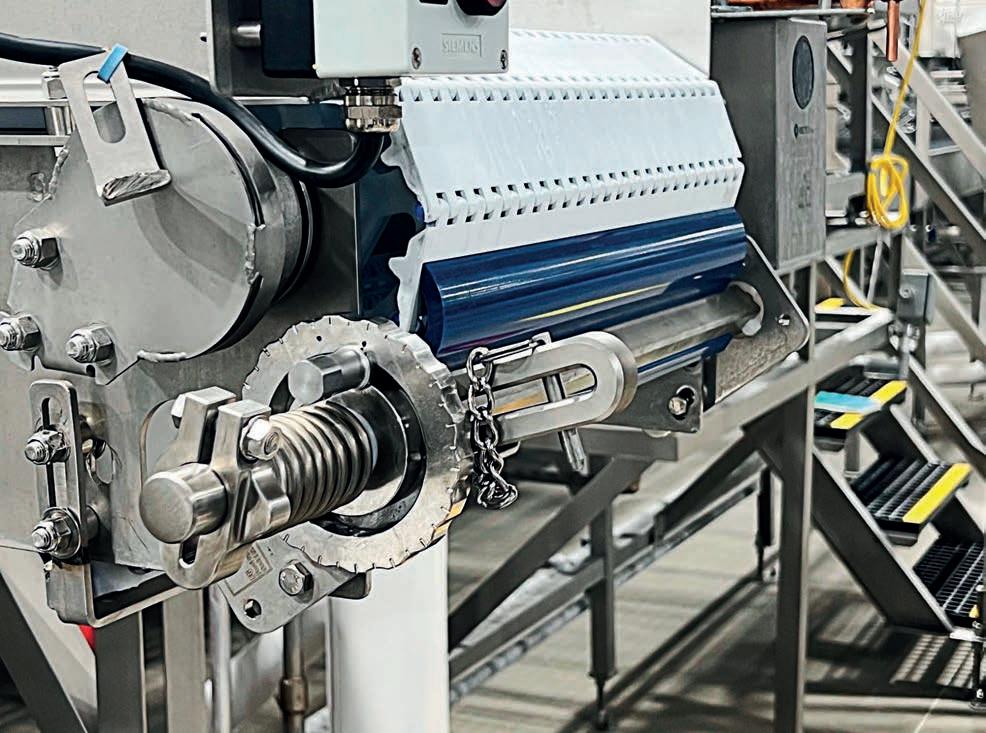
Flexco food-grade cleaners are designed to maintain conveyor hygiene by removing carryback and reducing waste.
Carrybacks are common in the meat industry.
SEMMA Association Comment
SME manufacturers are facing rising costs, tax pressures and policy challenges. SEMMA calls for industry support and national focus through its 2026 election forum series.
By Honi Walker, chief executive o cer of South-East Melbourne Manufacturers Alliance.
It seems that at every turn, local small and medium enterprise (SME) manufacturers and our supply chain are being asked to pay more tax, navigate endless rolls of red tape and battle for what’s fair in a global marketplace.
It doesn’t matter what you produce, the result is the same – less aftertax profit, less for investment, less for hiring that new apprentice or recent graduate, less for research & development (R&D), less for growth and innovation, less inspiration. As small businesses know all too well – unless your product is the latest innovation, taste sensation or hot topic – it won’t get the attention it deserves, unless you’re one of the big boys on the “winners list”.
Australia’s economy has flatlined. According to the ABS in 2024, Victoria had the highest number of businesses going bust – 129,000. Additionally, according to the
Victorian Parliamentary Budget Office, Victoria is also the most taxed state in all of Australia at $5,408 per person in 2025-26.
Australia is grappling with our diminishing petroleum supplies. We hope our farmers will be assured access to enough diesel to run their farms, but it’s the supply chain that, once again, will get stung. Our food and beverage process manufacturers and those that make the packaging and deliver it will still pay top-dollar for raw materials and for diesel. The flow on to food packaging will be felt by all of us at the checkout.
While South-East Melbourne Manufacturers Alliance (SEMMA) might be based in the southeast of Melbourne, we have an eye on the national economy and our place in it. Nationally, manufacturing is the sixth largest industry, generating $137 billion in value-added output employing 930,000 people.
It contributes 12.4 per cent to Australia’s exports and 7.9 per cent to capital expenditure (AI Group 2024).
In late April, SEMMA will present our Australian Manufacturing BLUEPRINT 2026 Election Forum Series. Five forums each focused on one of our five pillars of growth to invigorate industry. The first pillar is ECONOMIC and will feature the financial sector, industry experts, and those from the political sphere, followed by an interactive panel. It’s an opportunity for manufacturers from all sectors – food and beverage especially – to come together to discuss, debate and dissect current policy and offer solutions through our BLUEPRINT platform.
Manufacturers make our economy. It is time to recognise and acknowledge the contribution our manufacturing sector makes to the Australian way of life.
If you’d like to have your say, join us.
Become a SEMMA member and we’ll keep raising the profile and voice of SME manufacturing in Australia. F www.semma.com.au

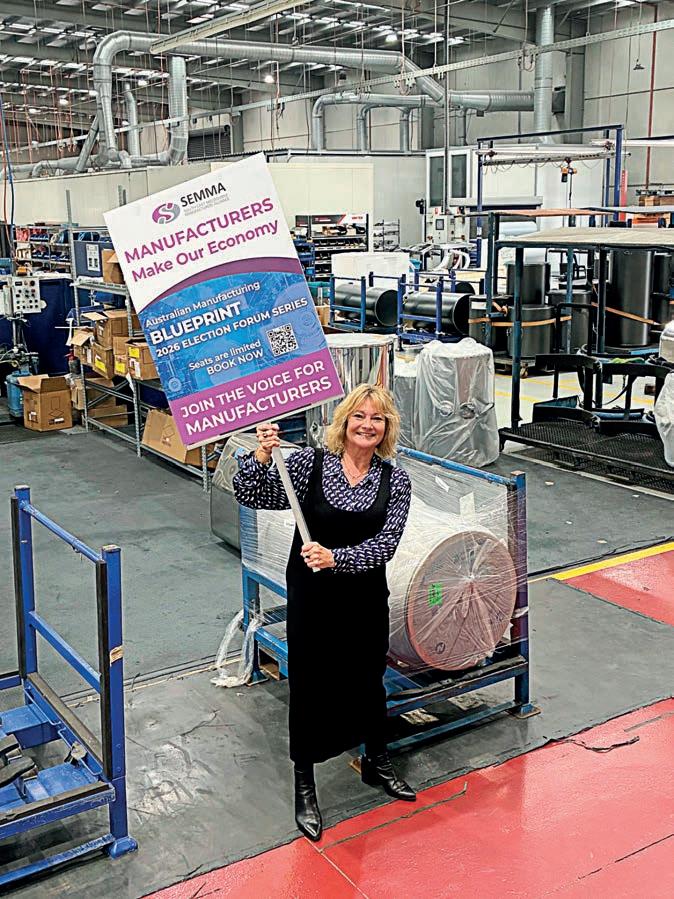
Honi Walker, CEO of SEMMA.
SEMMA aims to recognise and acknowledge the contribution of Australian manufacturing.

Dangers of a neglected cleaning tool
Global hygiene specialist at Vikan says that better treatment of cleaning tools can reduce contamination risks and audit failures.
Debra Smith, global hygiene specialist at Vikan, recalled a United States Food and Drug Administration (FDA) investigation in 2022 involving a US ready-to-eat produce facility. Inadequate control of cleaning tools, including an unclean broom, contributed to the risk of Listeria monocytogenes (L. monocytogenes) contamination.
During production, L. monocytogenes was detected on a packing room broom handle. The repeated recovery of Listeria species from broom handles and other non-food contact tools over multiple inspections showed that the equipment was not effectively cleaned, sanitised, or managed.
The findings contributed to the conclusion that sanitation controls were inadequate and that products were produced under insanitary conditions.
“The case highlights how a single neglected cleaning tool can undermine an entire food safety system,” said Smith.
The neglect of cleaning tools
Hygiene is not an add-on to food safety, but the foundation. However, manufacturers often overlook the cleaning equipment itself in food safety systems. While manufacturers often focus on production machinery and sanitation chemicals, the tools used to clean those environments are sometimes treated as secondary.
“The cleaning equipment used to clean food contact surfaces should be considered as an extension of the food production equipment,” said Smith.
With more than 40 years of experience across microbiology, government food safety roles, and research leadership, Smith has spent her career focused on how contamination is introduced, spread, and prevented in food production environments.
Working with food and beverage manufacturers to translate scientific evidence, regulatory expectations

and audit requirements into practical cleaning approaches, she highlighted how even tools used in non-food contact areas require strict control, as cleaning equipment can easily move between zones, increasing the risk of cross-contamination.
“The risk of product contamination by dirty or worn cleaning tools is the same as that from dirty or worn food production equipment,” said Smith. “Consequently, cleaning equipment should be afforded the same level of food safety management as given to the food production equipment itself.”
To address the risks, global standards are increasingly reflecting this reality. Requirements within FSSC 22000 and ISO 22002 100 specify that cleaning tools must be fit for purpose, used according to manufacturer instructions, clearly identified and maintained in a condition that does not present a contamination risk.
Similarly, BRCGS standards require cleaning equipment to be hygienically designed, correctly identified through systems such as colour coding,
and stored in a way that prevents contamination.
Taken together, these frameworks reinforce a simple message: “Cleaning tools must be managed as food safety controls, not housekeeping items,” said Smith.
The risks
Vikan is a manufacturer specialising in the development and production of manual cleaning equipment and utensils for the food and beverage industry. The company operates in more than 90 countries and places emphasis on hygienic design, compliance for food contact materials and evidence-based hygiene management.

According to Vikan, damaged cleaning tools can jeopardise a company’s sanitation efforts and present a risk of foodborne illness for customers or a costly recall. Even the most robust sanitation procedures can be compromised by poor maintenance of a tool.
Smith listed the risks associated with worn equipment, one of them being microbial harbourage.
“Cracks, splits, and pits create ideal sites for bacteria to hide and grow, making removal difficult and increasing the risk of biofilm formation, pathogen survival and microbial cross-contamination,” she said.
Similarly, damaged tools provide difficult to clean harbourage points for food allergens, increasing the risk of allergen cross-contact. Foreign body contamination presents another
Cleaning equipment that moves between zones can increase the risk of cross-contamination.
Debra Smith, global hygiene specialist at Vikan.
Images: Vikan
hazard. Broken bristles, cracked plastic components and degraded rubber parts can enter the product stream and lead to quality failures or recalls.
Overall, worn tools reduce cleaning effectiveness, spreading contamination rather than removing it.
There are also compliance implications. SQF audit data for 2021 to 2022 showed that failure to comply with Element 11.1.7.2: Equipment & Utensils was in the top five of nonconformances.
“If cleaning equipment isn’t routinely cleaned, disinfected, inspected, and replaced, it can become the root cause of contamination issues and audit failures,” said Smith. “Auditors expect to see documented evidence of validated sanitation methods for cleaning equipment, and regular inspection, replacement and verified cleaning activities for them.”
When to replace
The solution to these problems is the replacement of equipment. However, the question remains as to when tools should be replaced.
“Effective cleaning equipment management doesn’t need to be complicated, but it does need to be structured and documented,” said Smith.
This requires practical systems that can be implemented consistently on site. This includes regular visual inspections against defined criteria, supported where possible by photographic standards. For example, if a tool’s bristles are missing or bent, it is time to replace it. Whereas if a tool is dirty but still in good condition, it can be cleaned.
Replacement decisions should be based on risk assessment rather than subjective judgement. Cleaning procedures for the tools themselves must be validated and recorded.
Zoning and colour-coding systems are also important to prevent tools moving between high-risk and lowrisk areas or between allergen and non-allergen production lines. The colour-coded system used by Vikan supports HACCP colour-coded segregation principles as well as food safety standards including FSSC 22000, BRCGS, IFS and SQF.
In addition, inspection, cleaning and replacement records should be retained for audit purposes.
“Increasingly, the food industry is exploring the use of digital tools,” said Smith.
From food and beverage processing, retail, facility management, transportation and fleet, Vikan provides support to strengthen hygiene management and tool performance. The company also maintains its expertise through membership of technical groups such as EHEDG and IAFP, offering training and expert services to customers.
Looking ahead, Smith sees cleaning equipment management becoming more structured, more traceable and more data-driven. Tools are treated as controlled assets with defined histories of inspection, replacement and verification.
According to her, digital inspection logs, QR-coded equipment, and integrated cleaning equipment management platforms are set to become more common, especially in multi-site operations.
However, people remain at the forefront.
“We’re seeing growing recognition that people, training, and food safety culture are just as important as the equipment itself,” said Smith. “The best systems are those that are simple and make it easy for hygiene teams to do the right thing, every day.” F
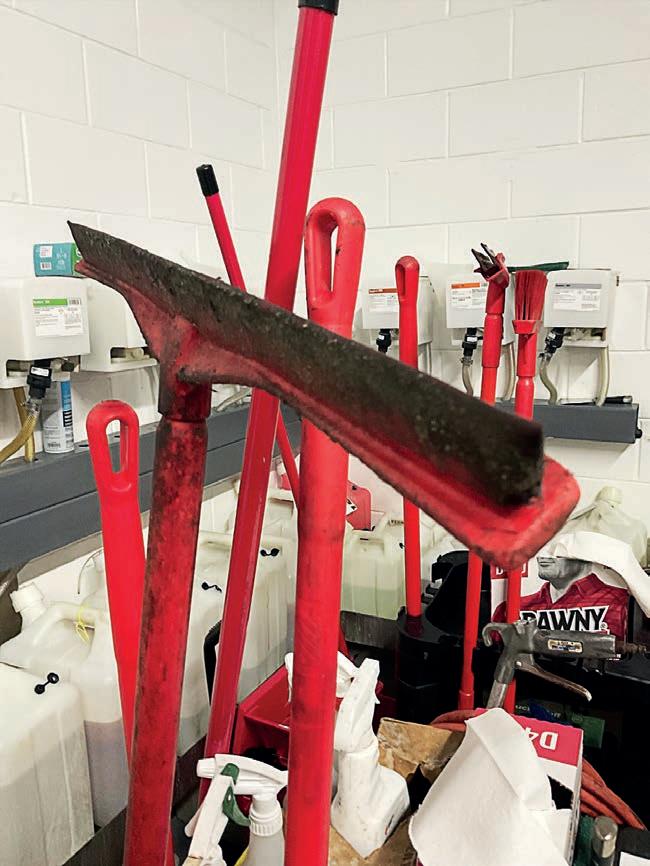
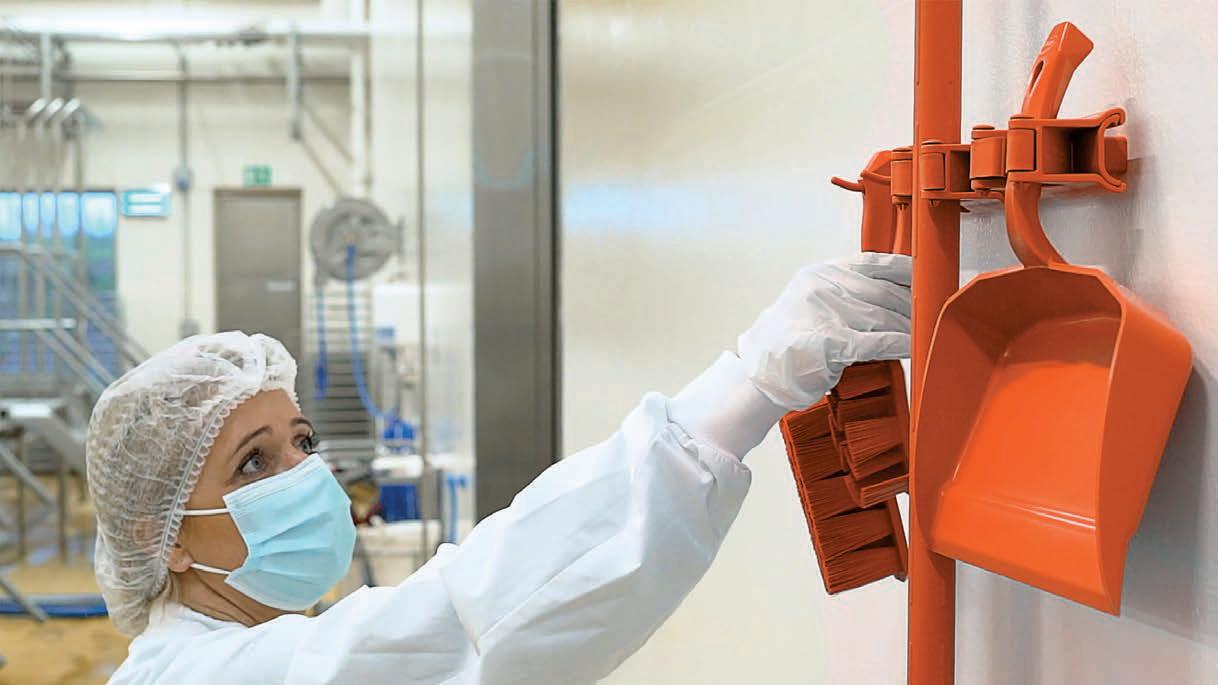
Manufacturers overlook cleaning equipment in food safety systems.
The colour-coded system used by Vikan supports compliance with HACCP requirements.

Keeping our drivers safe
Eurocold is advancing safety in refrigerated fleets, prompting food businesses to rethink risk, compliance and performance.
n food and beverage distribution, safety should be a baseline, not an option.
Cold chain logistics sits at the centre of food distribution. A minor issue can have a snowball effect, disrupting a tightly functioning ecosystem. Food can turn into waste in an instant, while producers, processors and retailers remain accountable to customer expectations.
The role of transport is becoming more prominent as expectations around safety, compliance and efficiency continue to rise. This shift is shaping how vehicles are designed, specified and deployed.
Clayton Nel, chief operating officer at Eurocold, brings an engineering and manufacturing background from the automotive and heavy vehicle sectors, now applied to cold chain operations. Having joined the business four years ago, he has overseen growth from a smaller operation into a fleet of more than 750 vehicles. His remit spans manufacturing, supply chain, procurement, product design and fleet management.
safety and food safety.
“The most valuable asset is the driver,” he said.
Drivers are responsible not only for transporting goods, but also for loading and unloading in many operations. Their working environment is the vehicle itself, making ergonomics, access and safety features essential considerations in design.
“A driver’s office is behind the wheel, so we’ve spent a lot of time and energy building our bodies to cater for the driver,” he added.
Eurocold integrates a range of features into its refrigerated bodies to reduce risk during daily operations. These include three points of contact for entry and exit, door systems designed to reduce strain, and mechanical and magnetic holdbacks to prevent uncontrolled movement. Flooring is slip-rated to account for condensation in refrigerated environments, reducing the likelihood of falls.
“This is not an upgrade, it’s a standard,” Nel said. “Without guaranteed safety, not only are you putting a driver at risk, but you’re also
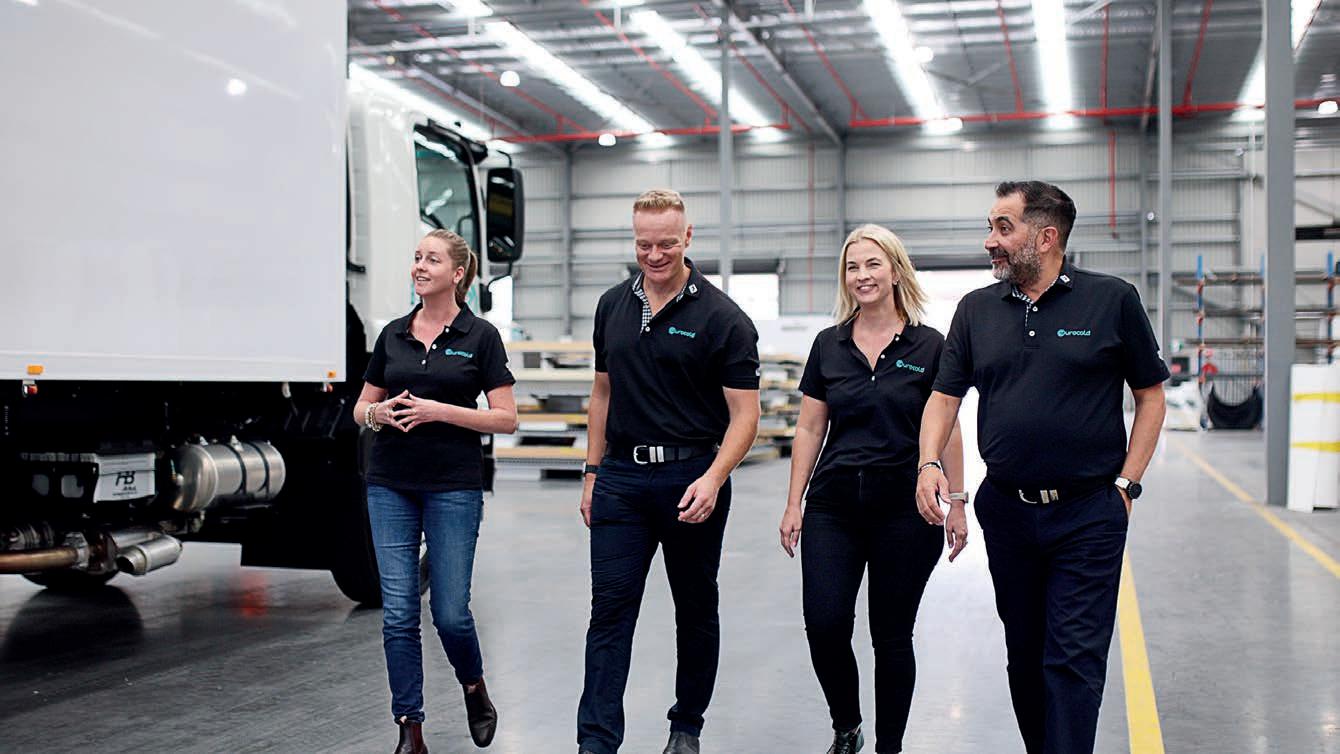
Images: Eurocold
Driver safety is critical to food distribution.
Eurocold positions itself as a fleet partner, taking responsibility for maintenance, compliance and uptime.
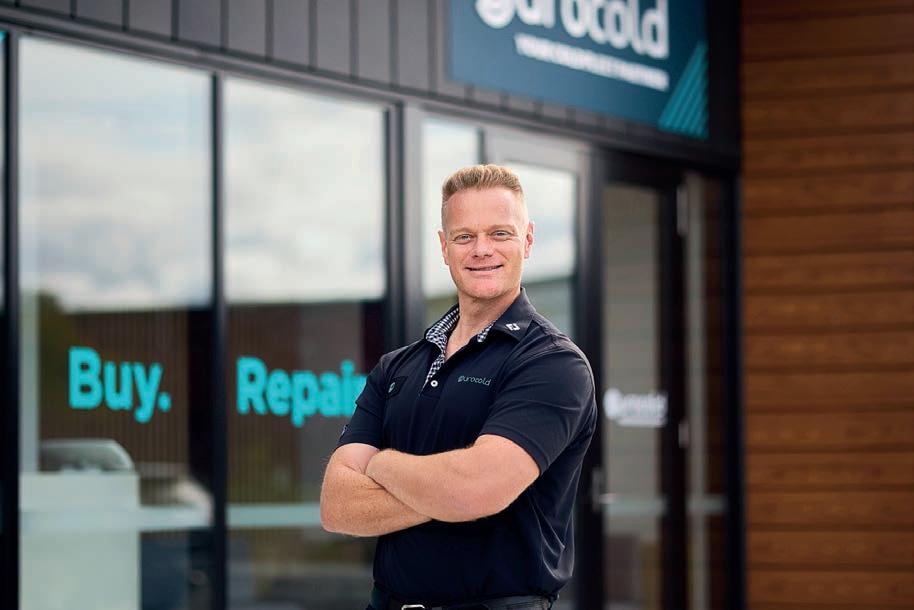
control and increase the risk of spoilage or contamination. By reducing the likelihood of accidents and injuries, operators can maintain continuity across the cold chain.
At the core of this approach is a focus on problem solving rather than product supply. Vehicles are positioned not simply as transport assets, but as engineered solutions that support food safety outcomes from production through to consumption.
“Ultimately, these are working vehicles, and they are there to serve a purpose,” said Nel.
That purpose extends beyond logistics. The integrity of the cold chain depends on maintaining temperature control, minimising handling risks and ensuring that food reaches its destination without compromise. In this context, vehicle design becomes a control point.
Safety at the core of UD 14P
Launching its new Euro 6 UD 14 Pallet Safety Edition, Eurocold’s next generation fleet aims to bring driver safety and thermal performance together as a complete and fleet ready solution.
Nel highlighted that this strategy is built around partnerships with original equipment manufacturers that align with its approach to safety and performance. Rather than developing vehicles in isolation, the company works with chassis providers to ensure compatibility between the truck platform and the refrigerated body.
This includes aligning engineering requirements so that safety systems, such as collision mitigation and
lane departure controls, are not compromised by body integration. The UD Quon platform reflects this model.
“We needed to partner with a chassis provider who understood the importance of safety and compliance,” said Nel. “Over the years, UD has proven progressive and forward-thinking driver safety features.”
The result is a system where both the chassis and body contribute to overall performance. Advanced driver assistance systems support accident prevention, while the body design focuses on thermal efficiency and operational usability.
Eurocold’s ISOKIT isothermal bodies play an essential role. Its bodies are engineered to be lighter than comparable alternatives.
“We have one of the lightest bodies in the industry, around 20 per cent lighter,” said Nel.
A lighter body improves payload capacity and braking performance. At the same time, thermal efficiency reduces the energy demand on refrigeration units, supporting both temperature stability and fuel efficiency. Stable temperatures, fewer disruptions and improved vehicle performance all support the safe transport of perishable goods, contributing to the reduction of food waste risk.
to reduce harmful pollutants from vehicle exhausts.
“Fatigue management software systems will now be integrated into our larger vehicles as a standard feature,” said Nel.
The expansion into more advanced telematics, including driver monitoring and fatigue management systems, is designed to detect signs of driver fatigue, such as micro sleep events, and intervene through alerts by vibrating the driver seats.
Such technologies aim to support both safety and compliance, while providing fleet operators with greater oversight of operations.
For food and beverage businesses, this level of visibility can support audit requirements and traceability expectations.
Where rental comes in
Alongside changes in vehicle design and technology, the commercial model for fleet management is also evolving. Eurocold is seeing increasing demand for long term rental arrangements rather than outright ownership.
With rising costs across fuel, maintenance and capital investment, the industry is driving a shift towards rental as a primary model. Under Eurocold’s rental approach, vehicles are provided with full specifications,
capital to operational, allowing businesses to allocate investment elsewhere.
For many operators, this means redirecting capital towards cold storage infrastructure, energy systems and facility upgrades. As energy costs increase, investments in efficiency measures such as solar and battery storage are becoming more attractive than investing in depreciating transport assets.
Eurocold positions itself as a fleet partner within this model, taking responsibility for maintenance, compliance and uptime. If a vehicle is unavailable, replacements can be provided to maintain continuity.
“As a cold fleet partner, our goal is to solve, not to sell,” said Nel. “Our goal is to ensure that we look after your whole fleet, problems, and headaches.”
Looking ahead, the cold chain is expected to become more complex, with increasing scrutiny on food safety, sustainability and operational efficiency. For food and beverage manufacturers, this places greater emphasis on managing transition points where temperature control can be lost.
“Consumers are trusting that the whole cold chain is being managed properly,” said Nel. “Our fleets are not just a box on the back of wheels... Our role in designing vehicles that can safely move food from paddock to plate has been rewarding.” F
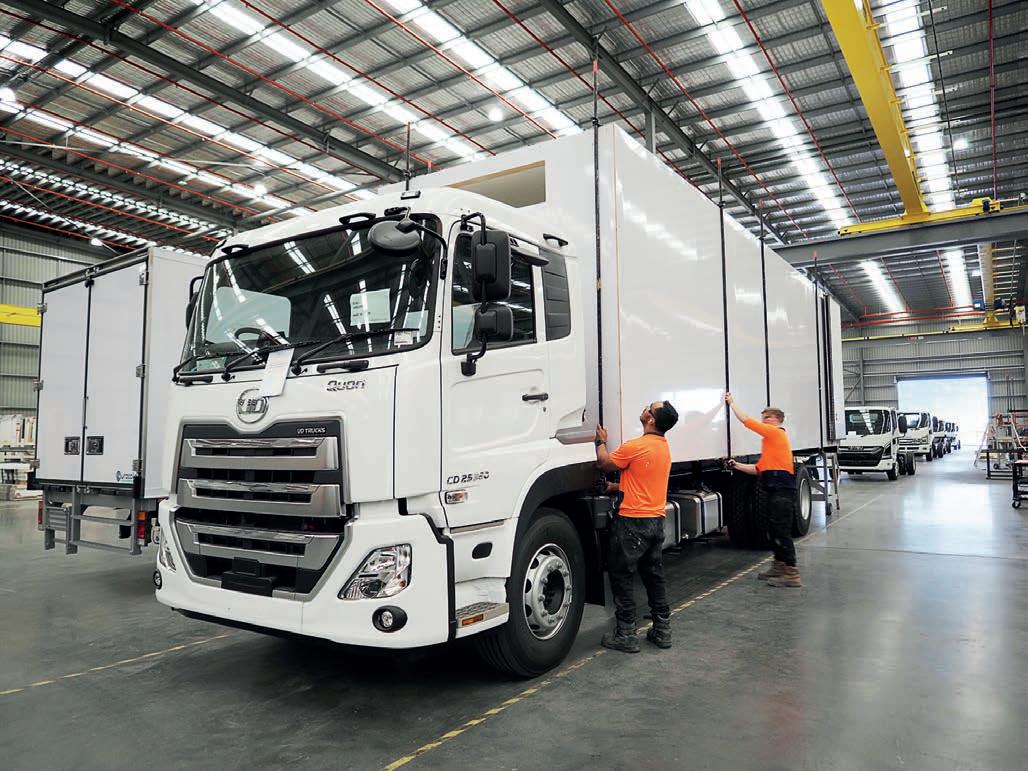
Clayton Nel, chief operating officer at Eurocold.
The UD 14P Safety Edition takes shape at Eurocold’s Berrinba facility.
Safely and consistently on course for growth
Pilz sets uniform safety standards at Bega Group and ignites the “Spirit of Safety”.
Bega Group has grown to be one of Australia’s largest dairy companies in the last two decades. Rapid growth to 19 manufacturing sites (as at FY2024) led Bega Group to assess its facilities systematically. To ensure its operating personnel had effective protection from hazards, Bega Group wanted to establish consistent and compliant safety standards – across all sites. Pilz laid the foundation with its

comprehensive safety consulting.
At Bega Group’s request, Pilz then provided thorough training for operating personnel on this subject, enabling Bega Group to establish a lasting understanding of comprehensive machine safety.
Spirit of Safety brought to life
To assess all plant and machinery at the sites against the required safety level, Pilz conducted a structured safety analysis to document the technical condition, automation level and existing safety standards. At some sites Pilz were engaged to undertake risk assessments, engineering, design and validation of the safety equipment. In the “MachineSAFE Comprehensive” course, Bega Group personnel benefitted from specialised insights into the importance of machine safety. The course also covered national and international safety standards. This was followed by the CMSE course, which was aimed at qualified personnel, providing a more in-depth, TÜV-certified expertise in
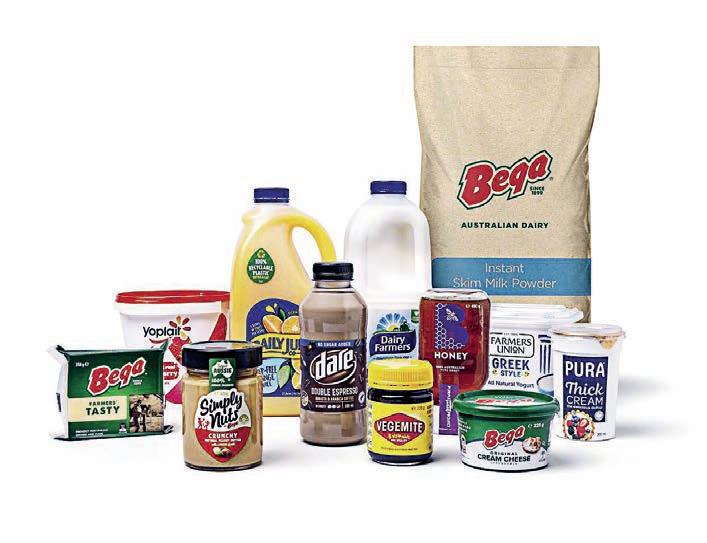
the field of Machinery Safety.
“In the course of this project, the risk analysis and subsequent assessment by qualified Pilz experts created a new level of safety awareness for our staff. The knowledge and experience of the Pilz team have brought the ‘Spirit of Safety’ to life at Bega Group.”
About Bega Group
Bega Group is a renowned manufacturer of dairy, beverages and food products across Australia and internationally. Headquartered in Bega, New South Wales, Australia, the company employs approximately 3,700 people across 19 manufacturing sites (as at FY2024) and generated approximately AU$3.5 billion (approximately €2 billion) in revenue in FY2024. Its heritage traces back to 1899 in the Bega valley. F

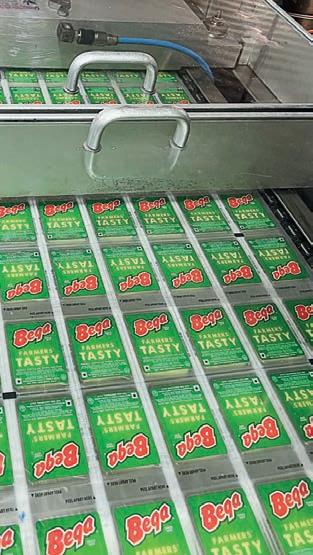


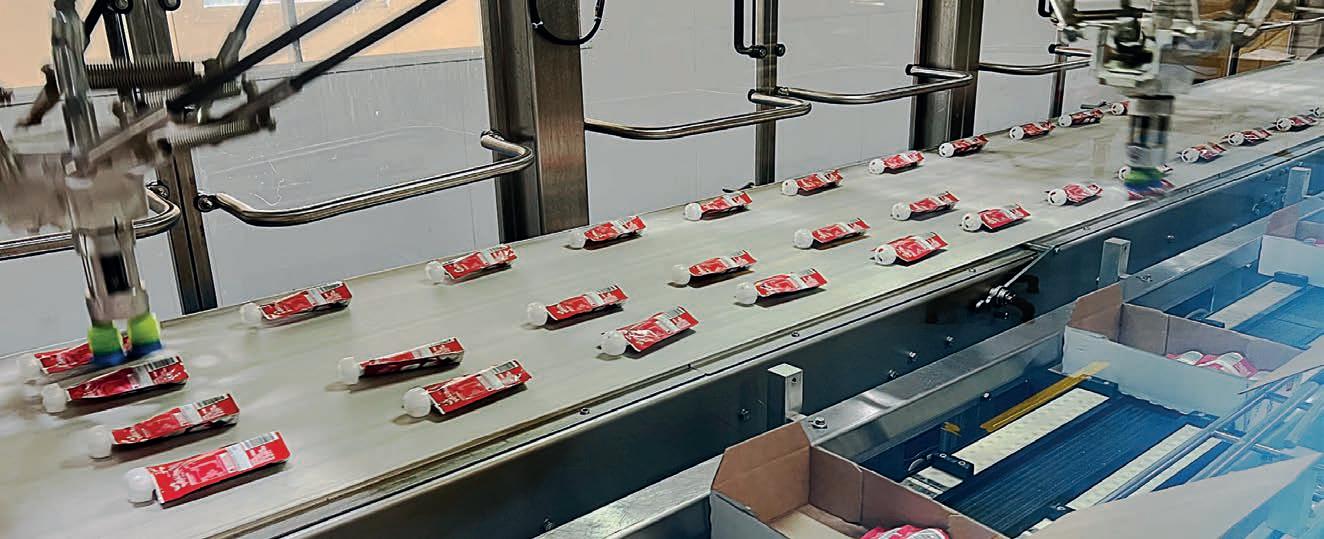

Bega products.
Neil Roberts, group risk engineer, Bega Group.
Pick-and-place delta robots precisely insert the yoghurt pouches into boxes on a parallel conveyor. Safety gates are in place to prevent access to any hazards and protect operating personnel.
Covers and flaps at Bega Group safeguard both the production process and the operator, ensuring safe and uninterrupted operation.
The future of freight and logistics
MegaTrans 2026 returns to Melbourne to explore innovation, infrastructure and the future of Australia’s freight and logistics sector.
Kicking off on 16 to 17 September 2026 at the Melbourne Convention and Exhibition Centre, MegaTrans 2026 offers exhibitors a platform to position themselves at the forefront of industry growth.
The two-day event serves as both a showcase for innovation and a forum for industry dialogue, uniting operators, suppliers, technology providers and policymakers to tackle the sector’s most pressing challenges.
By bringing together stakeholders from across the supply chain, groups that seldom meet in one setting, MegaTrans creates a space for exchanging ideas, sharing insights and exploring long term strategies.
Why exhibit at MegaTrans 2026?
Access to decision makers was a drawcard for exhibitors in 2024, with MegaTrans welcoming 4,737 attendees. Attendees were made up of 48 per cent fleet managers and 29 per cent warehouse operators, key decision makers driving Australia’s logistics strategies.
MegaTrans 2026 provides a platform to launch and highlight innovative solutions, connect directly with industry leaders and demonstrate expertise shaping Australia’s supply chain.
The event is also where ideas are tested and partnerships are formed. From emerging technology to smarter and more sustainable ways of moving goods, it is where connections are made and the future of supply chains takes shape.
MegaTrans 2026 runs alongside BULK 2026, giving exhibitors and attendees access to complementary industries, a wider network of decision makers and new business opportunities across both events.
Program
MegaTrans will return with a conference program shaped around the real-world pressures and opportunities reshaping Australia’s
freight and logistics sector.
Reflecting an industry in transition, MegaTrans will return with a conference program, exploring the key challenges shaping the future of supply chains, from decarbonisation and automation to workforce pressures and infrastructure planning.
A standout session, Beyond Diesel: The Best Way Forward, will feature Andrew Newman, director of policy and strategy at Freight Victoria, and Heather Bone, director of sustainability at Team Global Express. Joined by a panel of industry experts, the session will explore practical pathways beyond diesel as the sector moves towards a lower emissions future.
Innovation across the freight task will be explored in Automate All Avenues: Driving All Modes Forward, featuring Bruno Porchietto, chief executive officer of Victoria International Container Terminal Melbourne, and Gren John Britto, Amazon Australia DSP country leader. Together with fellow panellists, the discussion will examine how automation is transforming operations across ports, road transport and beyond.
Mid-tier operators, often the backbone of the sector, will be
Tier Logistics, featuring Steven Ballerini, chief executive officer of the Australasian Supply Chain and Logistics Association. The session will bring together a range of perspectives on how these businesses are under pressure from rising costs, tight margins and long payment terms, and how these challenges can be addressed.
Strategic infrastructure planning will take centre stage in Location, Location, Location: Establishing DCs for the Future, featuring Hermione Parsons, chief executive officer and managing director of the Australian Logistics Council. Alongside other industry representatives, the session will explore how to identify suitable sites and how to design facilities to meet the evolving needs of the sector.
Sustainability will remain a key theme throughout the program. In Greener by Design: Manufacturing Driving Sustainability Across the Supply Chain, Scott Edwards, associate director sustainability at Coca-Cola Europacific Partners Australia, will join fellow panellists to discuss how sustainability is being embedded across supply chains.
Workforce challenges will also be addressed in Recruiting Right:
featuring Tony Mellick, chief executive officer of Hi-Trans Express. Together with other industry voices, the session will focus on practical strategies to attract and retain talent in a competitive labour market.
These sessions form part of a broader conference program bringing together speakers from across the supply chain, ensuring a wide range of perspectives and insights.
“Freight and logistics are under real pressure right now, and that’s exactly why this program matters,” said Prime Creative Media head of marketing events Molly Hancock. “We’ve built it around the conversations the industry is already having on the ground and brought together the people who can speak to what’s actually changing and what comes next.”
With more speakers and sessions to be announced, the MegaTrans 2026 program is set to provide businesses with practical ideas, sharper insight and a clearer path forward in a fast-changing freight and logistics landscape.
Ultimately, MegaTrans 2026 is where Australia’s supply chain industry comes together to drive growth, efficiency and sustainability. Businesses are encouraged to connect with the innovators and decision makers shaping the sector and secure their stand. F
Free registrations are now open: https://megatrans.com.au/attend/







Compressed air in the food and beverage industry
Class 0 oil-free compressed air is essential for producing food that is safe for consumers. BOGE offers several compressor technologies that are reliable when it comes to protection against contamination.
In today’s fast-evolving food and beverage industry, operational efficiency, product integrity, and sustainability are no longer optional, they form the backbone of competitiveness. In this demanding environment, utilities such as compressed air and nitrogen gas have become indispensable across production, processing, packaging, and storage.
In applications ranging from dairy processing to beverage bottling and fermentation, even the slightest contamination risk can compromise entire production lines.
This is why Class 0 oil-free compressed air has emerged as the gold standard, ensuring purity where it matters most.
This is where BOGE is redefining industry standards with its commitment to 100 per cent oil-free compressed air and gas solutions designed for the stringent demands of food and beverage production.
But the conversation is evolving beyond purity alone – it is now about integration, intelligence, and long-term value. The company delivers oil-free compressed air through a versatile portfolio of piston, scroll, screw, and turbo technologies engineered to match the exact flow and pressure demands of modern industry.
The case for a one-window solution
A one-window approach simplifies complexity by offering a single point of responsibility for compressed air and onsite nitrogen generation. Instead of managing multiple suppliers, service contracts, and system interfaces, manufacturers benefit from a cohesive solution delivered and supported by one expert partner.
BOGE addresses this challenge through a “one-window” solution, a unified approach that integrates compressed air and gas systems into a cohesive ecosystem. This shift is more than operational convenience – it is a strategic transformation. Imagine a production environment where compressed air and nitrogen generation are not disparate systems but synchronized components of a single, intelligent network. With BOGE as a partner, manufacturers benefit from:
•Seamless system integration.
•Elimination of multi-vendor complexities.
•Streamlined service and maintenance.
•Enhanced accountability and performance.
This holistic approach frees plant managers to focus on what matters most – enabling production excellence while critical utilities

operate with precision and reliability in the background.
Nitrogen gas plays a quiet yet transformative role in preserving freshness, texture, and flavour.
Whether it’s extending the shelf life of packaged snacks or protecting delicate coffee aromas, nitrogen is essential to modern food and beverage preservation.
The company’s integrated solutions incorporate onsite nitrogen generation, which uses advanced membrane or PSA technologies designed to deliver:
•Continuous, on-demand gas supply.
•Consistent purity tailored to application needs.
• Reduced dependence on external gas logistics.
With its heritage of German engineering capabilities and a forward-looking approach to integrated solutions, BOGE empowers manufacturers to move beyond fragmented systems toward a future defined by purity, performance, and sustainability.
Meeting air quality standards
Compressed air in food and beverage applications must meet the highest purity levels, especially in processes
where it comes into direct or indirect contact with products. Oil-free air is essential in applications including dairy processing, beverage bottling, Oil-free air is essential in applications such as beverage bottling. and fermentation to prevent contamination. Oil-free air also ensures compliance with global quality standards.
At BOGE, purity is not a feature – it is a guarantee. By designing the system holistically, the solutions company ensures that components contribute to achieving and



Purity is a guarantee at BOGE.
maintaining the required air quality levels without compromise. Its oil-free compressor technologies are engineered to eliminate risk at its source. By ensuring zero oil contamination, manufacturers safeguard product quality, protect brand reputation, and maintain compliance with stringent global food safety standards.
Nitrogen generation: freshness and shelf life
Nitrogen gas plays a crucial role in preserving product quality and extending shelf life across a range of food and beverage products. From snack packaging and coffee preservation to inerting and blanketing applications, nitrogen helps prevent oxidation, maintain texture, and protect flavour.
Onsite nitrogen generation by using Pressure Swing Adsorption (PSA) or membrane technologies offers a reliable and cost-effective alternative to bulk gas supply.
When integrated with the compressed air system, it creates a seamless utility ecosystem that ensures consistent gas availability, purity, and pressure tailored to specific production requirements.
Driving profitability
The true value of an integrated solution becomes evident in operational performance and lifecycle cost optimisation. Compressed air systems can
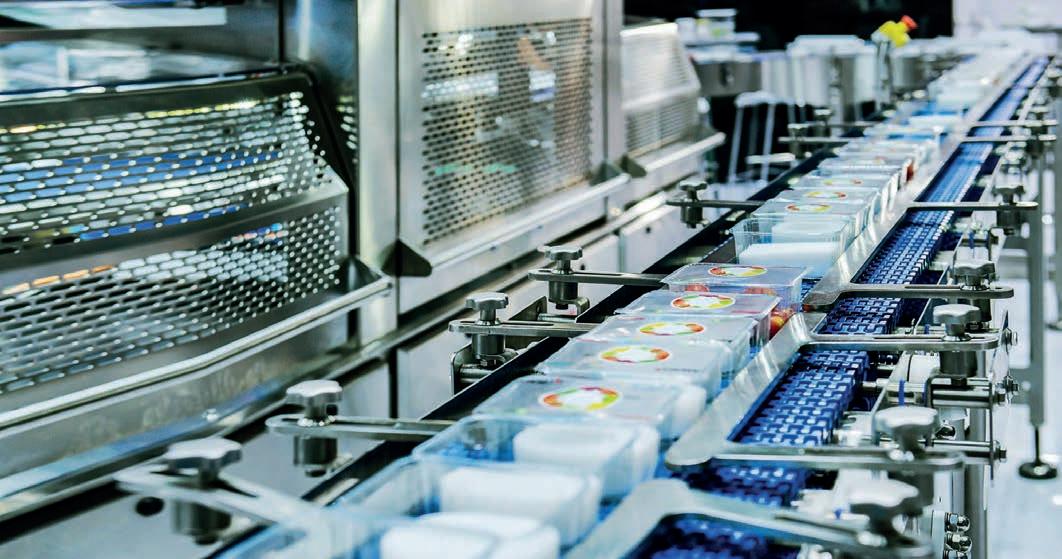


account for a share of a plant’s energy consumption, while traditional nitrogen supply methods introduce recurring logistical costs and risks of supply disruption.
By combining BOGE’s energyefficient compressors with INMATEC onsite nitrogen generation, manufacturers gain control over their utilities. Advanced monitoring and control systems provide realtime data on energy usage, system health, and demand patterns, enabling predictive maintenance and continuous optimisation. With a single partner responsible for the entire system, service coordination improves, downtime is minimised, and overall efficiency is maximised.
Sustainability as a strategic advantage
As sustainability becomes a core business priority, integrated utility solutions offer a pathway to reducing environmental impact. BOGE technologies such as variable speed drives, heat recovery systems, master control systems and optimised air distribution lower carbon emissions.
Onsite nitrogen generation by INMATEC gas generators eliminate the need for energy-intensive gas transportation and storage, further contributing to sustainability
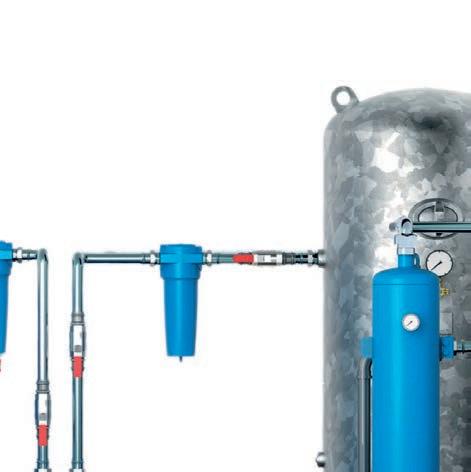
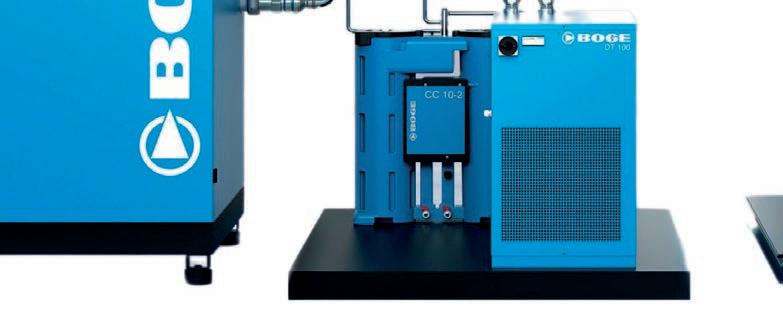
goals. By adopting a one-window complete solution, food and beverage manufacturers can strengthen their commitment to environmental responsibility, positioning themselves for long-term success in an increasingly sustainability-driven market.
Based in Pakenham, Victoria, BOGE Compressors Australia import and distribute high-quality machines, spare parts and ancillary equipment through a comprehensive network of sales and service partners throughout Australia, New Zealand, Papua New Guinea and Fiji. F
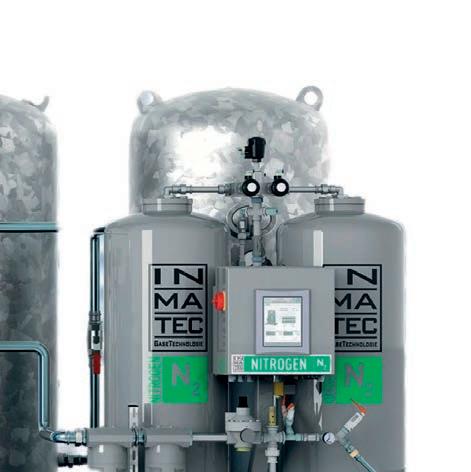
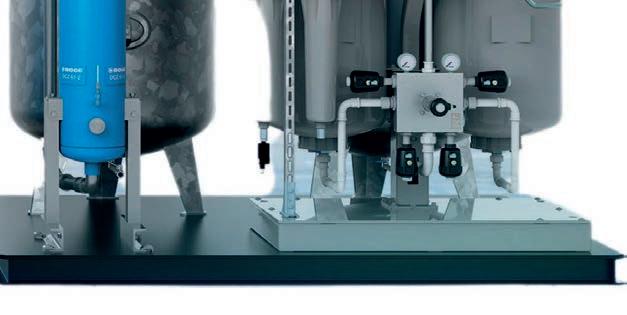
BOGE is redefining industry standards with its commitment to 100 per cent oil-free compressed air and gas solutions.



Perfect processes for safe food products

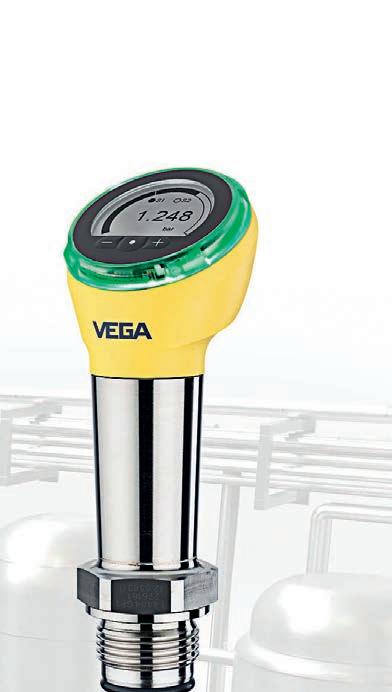
In the food industry, speed, flexibility and hygiene are the decisive factors for efficient, reliable production. VEGA has “designed” these properties into its sensors for level, switching and pressure from the very beginning.
The demands on the quality of food are higher today than ever before. It is a privilege to choose freely from a wide variety of products and trust that they are always the result of safe and hygienically flawless production processes. To make this possible, there is an extensive network of precautionary measures incorporated into production. Intelligent system design is one of them. It supports the reliability, efficiency and hygiene of manufacturing processes, with the help of high-tech sensors and the reliable measured values they deliver.
Compliant with global standards
Foodstuffs are just as susceptible as pharmaceutical products, and the manufacturing processes are correspondingly complex. The measurement technology used here must have a wide range of special
properties to be able to fulfil the high-quality requirements. One such feature is the guarantee of meeting the highest standards.
VEGA sensors are certified according to the current guidelines and norms of the food and pharmaceutical industries and comply with the regulations and standards of the sector, such as FDA, ISPE GAMP, ASME-BPE, EHEDG and 3A. The standards prescribe the use of corrosion resistant materials only. The sensors are also designed so that microorganisms are effectively removed by cleaning and cannot multiply on surfaces or in gaps. Components and materials that encounter the product must meet the requirements of sterile process engineering. “Hygienic by Design” can be seen even in the smallest components of VEGA level and pressure sensors. Stainless steel or materials of the highest quality are
mandatory.
The surfaces that come into contact with the product also have roughness values of less than 0.8 µm and are even available electropolished on request. Seals are dispensed with wherever possible. Where seals are unavoidable, however, they are made of elastomers that are compatible with the product.
Everything but complex
VEGA sensors are quickly and easily integrated into system architecture. They can detect even small level or pressure changes. The measuring ranges of the pressure transmitters with metallic or ceramic measuring cells begin at a few millibars but can extend to pressures of up to 1,000 bar. Their performance can impact manufacturing costs because accurately measured quantities optimise raw material costs and improve productivity.

The high sensor quality and functionality required for this are the result of decades of experience and continuous development. VEGA is one of the few manufacturers to develop and produce its own special ceramic capacitive measuring cell called CERTEC.
The more flexibly production systems are utilised, the more noticeable the support that qualified sensors can provide, if reciprocal contamination can be ruled out and process cycles are fully traceable.
The available hygienic adapters play an important role in ensuring maximum flexibility when installing. Diffusion tight and extremely robust, the universal adapter system of the sensors offers the right solution for every installation, regardless of whether the tanks are rectangular or cylindrical, free standing or integrated in a system, small or large, with or without agitators or heating coils.
VEGA manufacturers ceramic measuring cells under clean room conditions.
Efficient CIP processes
VEGA sensors are designed for the critical aspects of CIP processes. They ensure that all the required liquid cleaning media pumped through the pipelines of the system are available in sufficient quantities. They can reliably withstand the chemicals used, even when CIP cleaning is carried out at 150°C for up to two hours, or when the SIP process runs with saturated steam at a pressure of one bar.
The hygienic design is free of gaps and dead spaces and prevents leakage, even during steam jet cleaning.
A full hygienic portfolio
The applications of VEGA sensors in food production are many and diverse. Practical examples show how VEGAPULS level radar sensors, VEGAPOINT and VEGASWING level switches, and VEGABAR pressure transmitters are suited to these tasks.
Compact level measurement with VEGAPULS 42
With its versatile hygienic adapters, the VEGAPULS 42 radar level sensor is particularly suitable for processes with strict hygiene demands when it comes to end to end automation with fast level changes.
IO Link is an important communication protocol for measuring tasks in factory automation as it allows process data to be networked with both business and laboratory systems. VEGAPULS 42 with IO Link also enables maintenance free operation resulting from non-contact 80 GHz radar technology.
Its special area of application is in dosing and downstream processes, such as conveyors and filling systems. Its status can be seen quickly using its innovative full colour illuminated ring, which ensures clearer readability from all directions and at a distance.
VEGAPOINT level switch
Incidentally, this illuminated ring is also the trademark of the VEGAPOINT capacitive level switch, used for high accuracy point level detection. Its optional universal fitting for hygienic adapters ensures reduced installation work and a smaller spare parts inventory. With this feature, it meets the requirements of hygienic processes.
VEGABAR pressure sensors
In supply lines carrying heating media, a fast response time is essential. VEGABAR 28 ensures reliable pressure monitoring of gases, vapours and liquids up to 130°C. Its innovative CERTEC ceramic measuring cell offers advantages. As it is highly chemically resistant, it withstands extreme temperatures and is robust. Solid, abrasive particles in liquids cannot harm it. The optional universal fitting for hygienic adapters also reduces installation effort and supports a leaner spare parts inventory.
VEGAPULS 6X for extremes
In the solvent tank, it is the high measurement accuracy of
VEGAPULS 6X that guarantees reliable supply. With tight focusing of the radar beam, this continuous level sensor measures past agitators or other tank internals. Its dynamic range enables measurement of products even with poor reflective properties, such as oils or oil-based products.
Millimetre precise limit level with VEGASWING 6
The VEGASWING 61 vibrating level switch has reliable detection ability and long service life. It is a solution for overflow and dry run protection, proving useful in storage tanks for cleaning agents. It can also be deployed for all liquids. Regardless
of its mounting orientation, the instrument detects point levels reliably and with millimetre accuracy.
Monitoring from a distance
Not every hygienic area can be accessed or always viewed. Not every measuring point is easy or pleasant to physically access. The option to adjust and read out VEGA sensors wirelessly through a mobile device allows users to bypass hard to reach places. In combination with the VEGA Tools app, which has also been nominated for an app award, sensor data interrogation using Bluetooth over short distances becomes very convenient in these kinds of areas. F
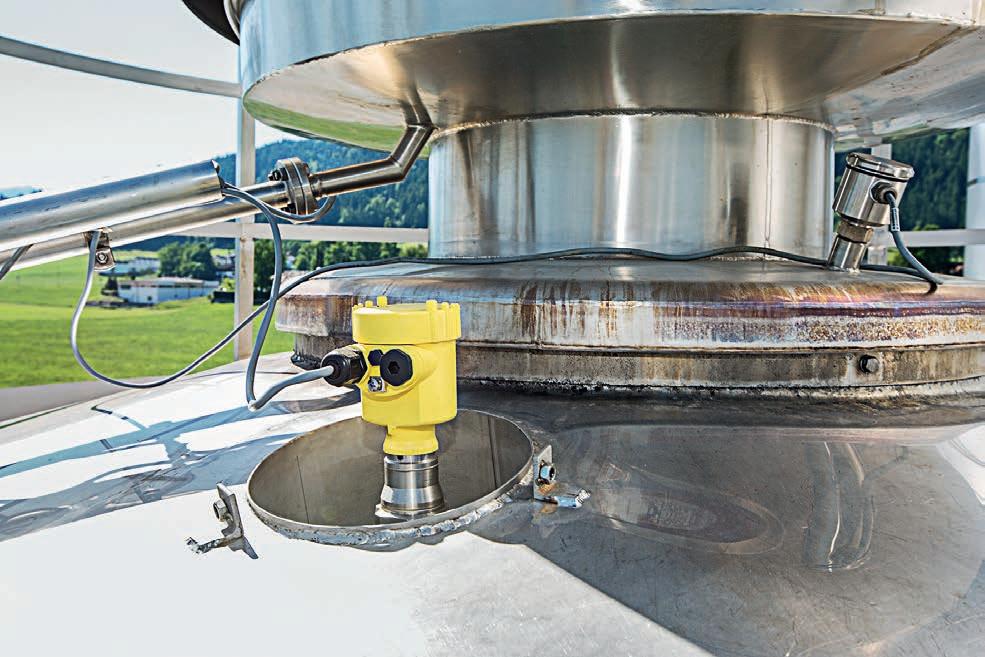
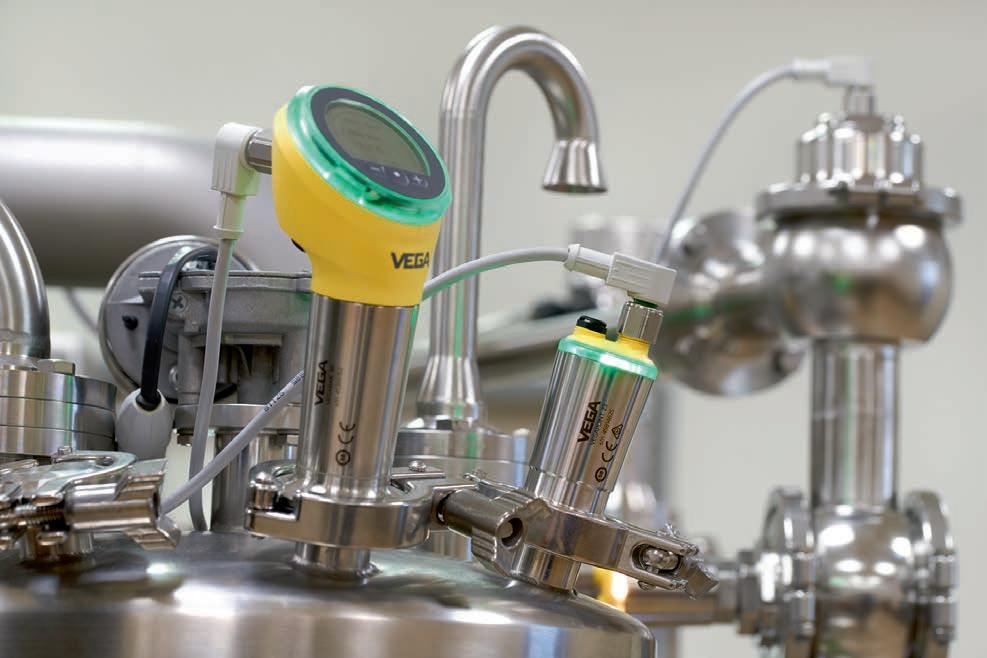
Wireless operation, display and diagnostics via Bluetooth ensure accessibility.
VEGA sensors are designed for CIP and SIP processes.


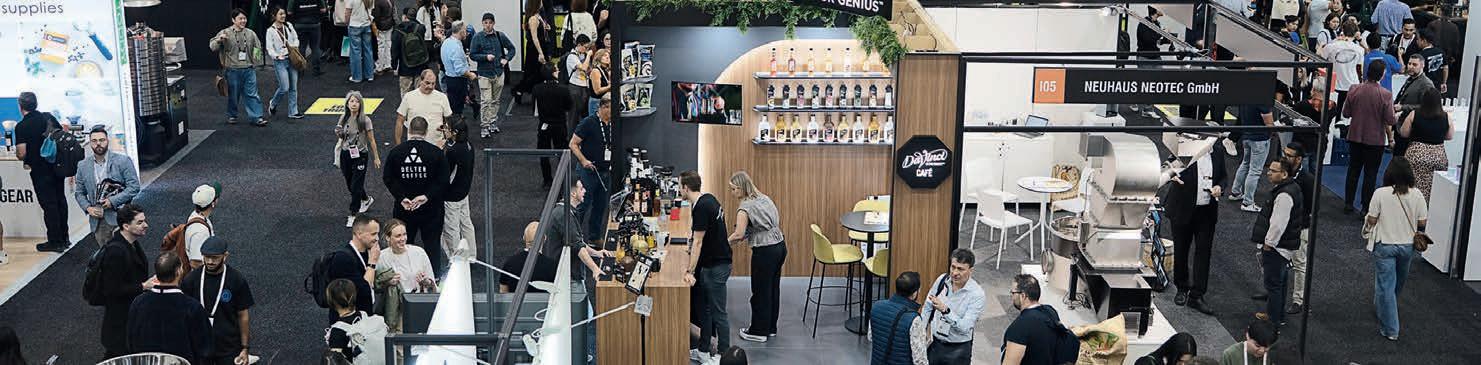
Pouring success at MICE2026
MICE has delivered on business, education and a positive injection of energy to support the future of the Australian coffee community.
The 13th edition of MICE took place from 26 to 28 March at the Melbourne Convention and Exhibition Centre in what has been dubbed by event organisers as one of the industry’s most successful shows to date.
“We’re extremely happy with the results: bumper crowds, quality leads and genuine business was conducted on the show floor in the most positive environment we’ve had to date. The vibes were extremely high,” said MICE Education Moderator Sarah Baker.
“Crowd numbers were fantastic with 14,159 unique visitors passing through the doors. We’re pleased that 35.1 per cent of our trade attendees were café owners and operators, and 29.7 per cent were roasters, indicating that the right audience of decision makers was present.”
MICE featured 157 exhibitors showcasing the latest in packaging, POS software, coffee machines and roasting equipment, dairy and dairy alternatives, bakery items, matcha and, of course, coffee.
Food and beverage solution providers such as Trimatt Systems showcased on-demand packaging printing solutions. Heat and Control presented its latest coffee and tea processing, packaging and inspection technologies. ADM Packaging Automation and Venus Packaging were also present to offer practical solutions for attendees.
As in previous years, one of the most popular attractions at the show was the Roasters Playground,
sponsored by La Marzocco and Riverina Fresh. More than 34 roasters across the country took half day residencies to showcase and celebrate their coffee selections.
The Café Education Stage, sponsored by Grounded Packaging, was also a crowd favourite, with 23 session topics and 78 panellists converging across the three days to discuss the topics, trends and subjects that matter to café owners.
Baker said the program was designed to be engaging, aimed at educating, inspiring and motivating café owners with insights that can help grow their business and see it thrive and not just survive in the current climate.
“We covered everything from profitability and management to matcha madness, the cold beverage revolution, automation, sustainability and so much more,” she said. “I loved seeing the crowd taking every seat possible, for some it was the floor, just to hear from some of the industry’s best business operators.”
MICE at Night made its debut on the evening of Friday 27 March to help accommodate more café operators to the show after work. Visitors were able to explore the exhibition floor, enjoy evening beverages and extended programming as part of the Café Owners Education Series.
Over in the Trip to Origin section of the show, producers, importers and green bean experts from coffee growing regions around the world held cupping sessions and delivered
educational sessions that explored origin, processing and the realities behind production.
MICE organisers have confirmed dates for the 2027 show, taking place from 4 to 6 March.
“We’re excited about the future of MICE. Most importantly, we’re happy that this year’s show has really helped to unite, motivate and celebrate our industry,” said Baker. “There’s nothing more rewarding than seeing our exhibitors and the wider coffee community grow from such an important annual event. That’s the power of MICE. Magic happens when we all come together.” F
For all exhibitor enquiries, please contact Mike Wilson at mike.wilson@primecreative.com.au or call 0466 609 732.
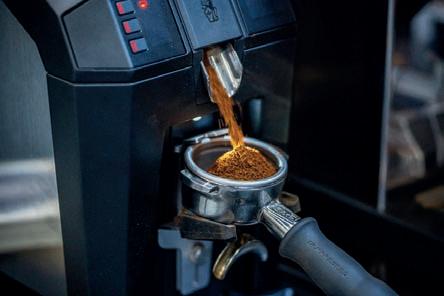
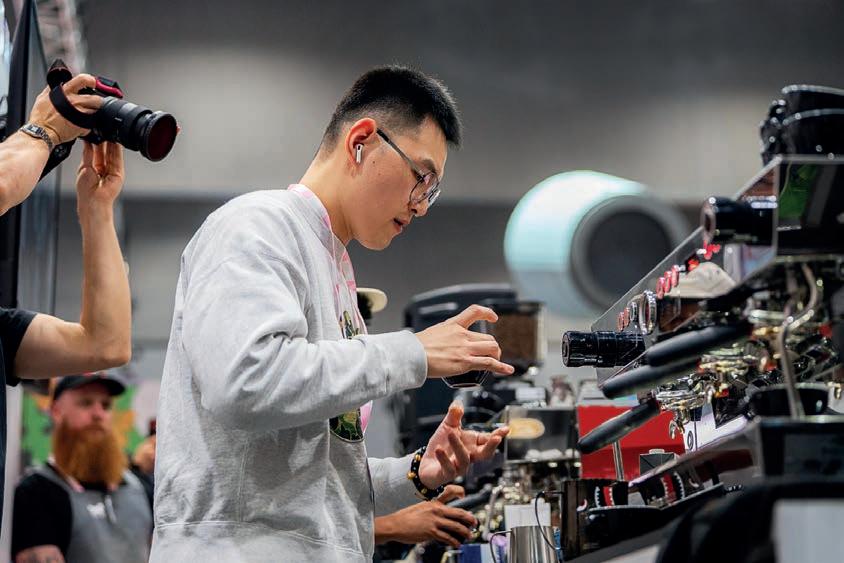
MICE 2026 saw a total of 14,159 unique visitors.
The Expo displayed the latest in coffee machine and roasting equipment.
The Roasters Playground saw more than 34 roasters display their signature coffees during the event.
Images: Prime Creative Media
























Advancing the seafood sector
Retailers, producers and industry leaders were recognised at the 2026 Sustainable Seafood Awards for supporting responsible seafood production.
As an initiative of the Aquaculture Stewardship Council (ASC) and the Marine Stewardship Council (MSC), the 2026 Sustainable Seafood Awards Australia recognised retailers, producers and innovators for their role in advancing responsible seafood production.
On 27 March, attendees arrived at Zest Waterfront Venues, NSW, and were met with welcome drinks, a range of sustainable seafood canapés, and a networking session with industry professionals. Soon after, the awards ceremony commenced.
A “Welcome to Country” by Uncle Allan Murray, chairperson of the Metropolitan Local Aboriginal Land Council, kickstarted a narrative of the provenance of Australian seafood.
“Welcome to Country is who we are and what our tastes are like,” he said.
waterways and posed a question that would carry throughout the awards.
“Will you change with us?” he asked.
Taking the baton, seafood industry expert John Susman stepped on stage, hosting the event as master of ceremonies. With more than four decades of experience spanning catching, processing, distribution, export and food service, he highlighted the interconnectedness of the seafood industry when it comes to sustainable practices.
“Sustainability in seafood is no longer work just for producers, fishers, farmers, distributors and retailers,” said Susman. “Change only really sticks when the public choose it, ask for it, and are prepared to reward it.”
With the global population projected to reach around 8.6 billion by 2030, seafood is expected to
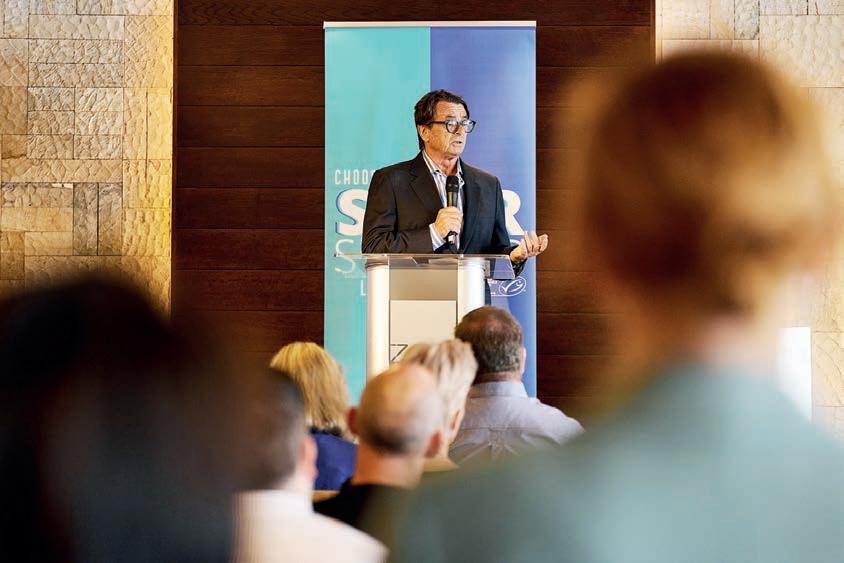
highlighted that educating the chefs who use seafood, the media
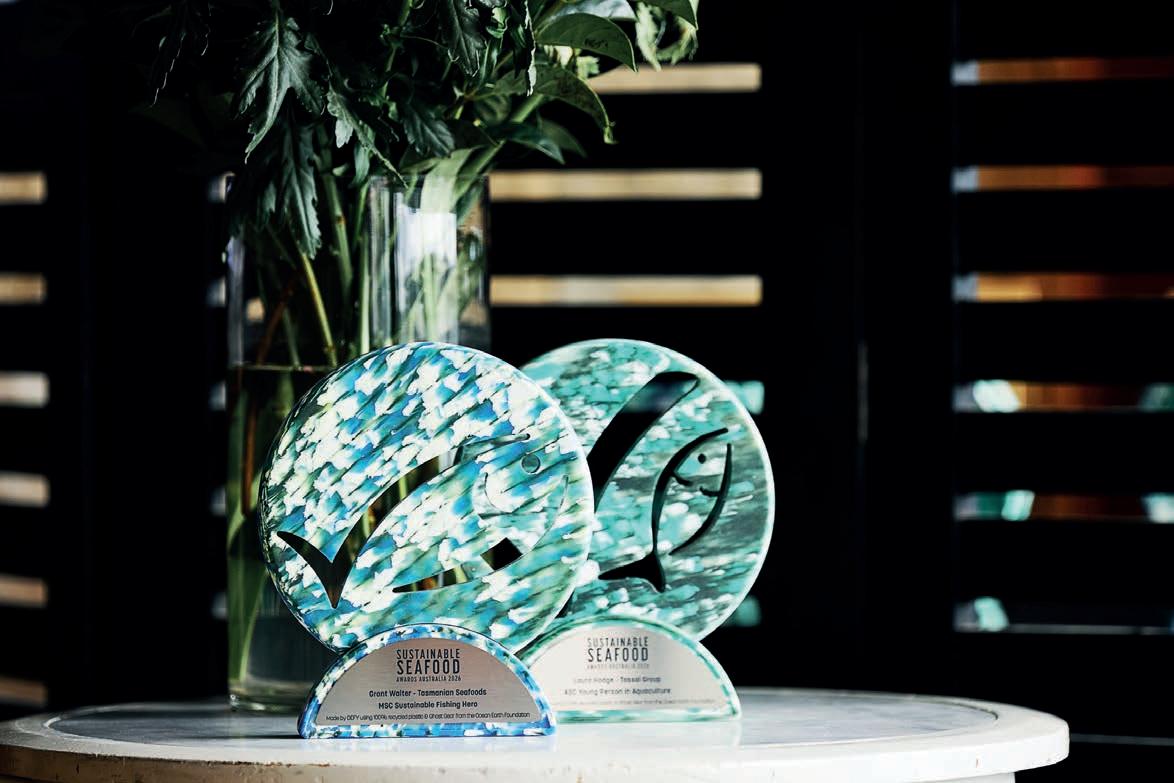
Independent certification and science-based standards play a role in improving transparency across supply chains. More than 500 ASC and MSC labelled seafood products are now available in Australia across chilled, ambient and frozen categories, as well as in pet food, supplements and beauty products.
According to the United Nations, more than one third of global fish populations are in decline and around 60 per cent are fished to their biological limit. As demand grows and aquaculture expands, production practices are under increasing scrutiny.
“The Sustainable Seafood Awards highlight the critical role of standards in driving meaningful progress,” said Menendez. “These awards recognise those leading the way in responsible practices, while reinforcing that clear benchmarks, accountability, and collective commitment are what move industries forward.”
Award highlights
As global chief executive officer at MSC, Rupert Howes thanked the representatives and industry professionals in the room.
“It’s brilliant that you’re all here and we’re celebrating your success, your
Images:
Seafood industry expert John Susman.
Trophies were made from recycled plastics.
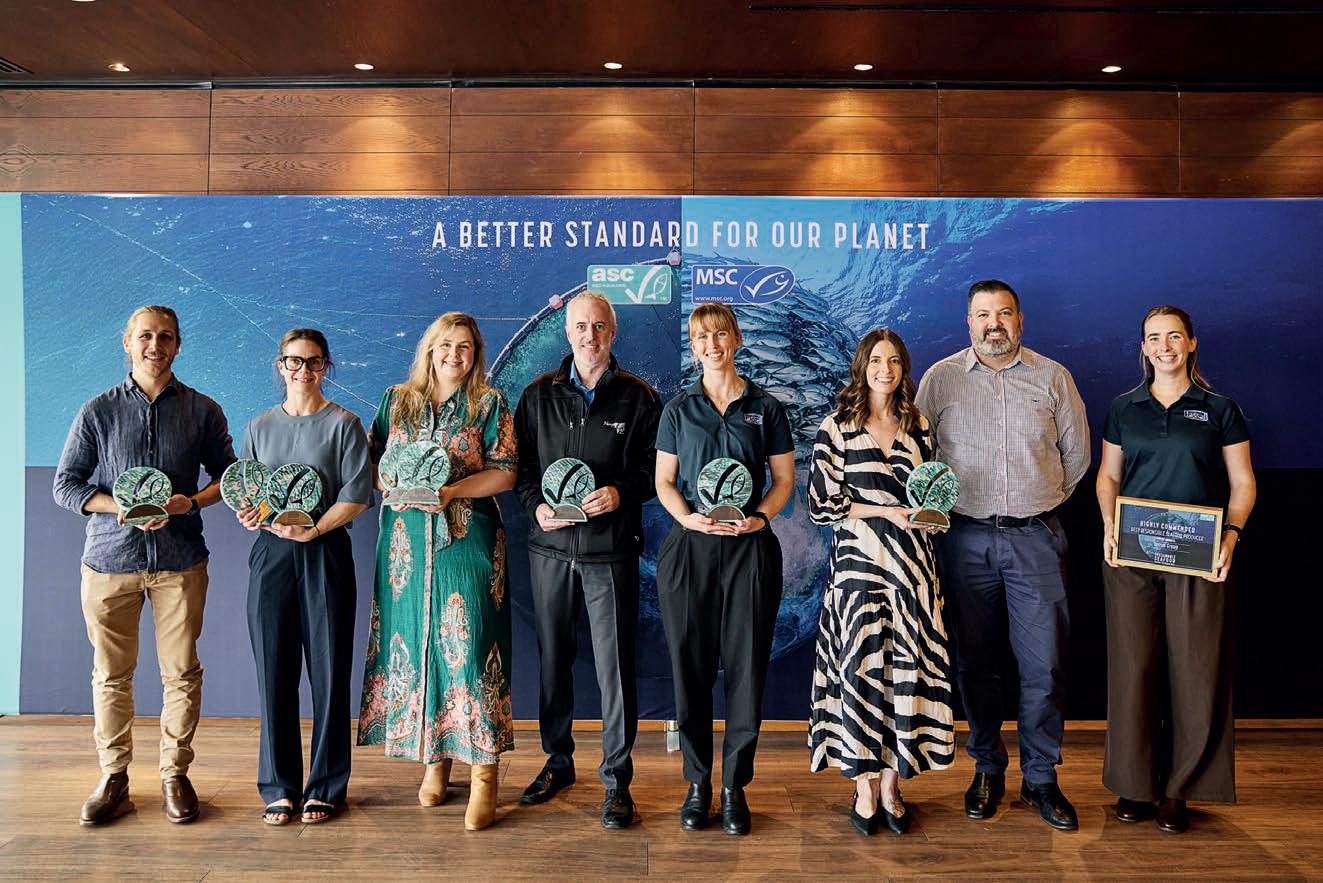
engagement, and your leadership because that’s how the MSC and the ASC work towards a sustainable industry,” he said.
According to him, the MSC promotes a triple win scenario: ocean win, planet win, future win.
Ocean win focuses on tackling overfishing and certifying fisheries. Planet win advocates for safeguarding marine resources that are crucial for the planet’s health. Future win is seen as a generational responsibility. The MSC’s work ensures that seafood supplies are safeguarded for future generations.
Incorporating ASC perspectives broadens this approach by acknowledging aquaculture’s role in encouraging responsible farming practices alongside wild capture fisheries to support environmental sustainability and food security.
With this focus, the awards ceremony began with the following highlights:
•ALDI Australia received the ASC Best Responsible Seafood Retailer Award for the fourth consecutive year.
•Coles was awarded MSC Best Sustainable Seafood Supermarket.
•Woolworths Group received both the MSC Community Champion Award and the ASC Aquaculture Champion Award.
•Humpty Doo Barramundi received ASC Best Responsible Producer for its aquaculture system and community engagement.
•I&J was awarded ASC Best Responsible Seafood Brand, while Little Tuna received MSC Best Sustainable Seafood Brand following a public vote.
•ASC Young Person in Aquaculture Awards were presented to Ryan Stallard of Skretting Australia and
Laura Hodge of Tassal Group.
The trophies were made in Australia by DEFY using 100 per cent recycled plastic, including Ghost Gear recovered by the Ocean Earth Foundation, reinforcing sustainability efforts within the seafood sector.

Before breaking out into photos, networking and celebrations, Susman concluded the session, bringing the focus back to the priorities of the industry.
“Sustainability still comes down to real people doing difficult work day after day,” he said.
Susman noted that the industry’s success will not come from its worth. Rather, it will win because it becomes expected. He acknowledged the efforts of the award winners who have made a difference in advancing the sector.
“Seafood has always been one of the great pleasures on the table,” said Susman. “Our job is to make sure that it also remains one of the great success stories in responsibility.”
As the Australian food and beverage industry continues to grow and face new challenges, events like the 2026 Sustainable Seafood Awards redirect where the industry should hold its priorities. By recognising businesses and individuals growing the sector, not only is it a time to celebrate, but it also makes the industry more connected and resilient. F
Attendees had opportunities to network with industry professionals.
The 2026 Sustainable Seafood Awards Australia celebrated retailers, producers and innovators.
Bulk Handling Technical Conference announces 2026 program
BULK 2026 will return to Melbourne, bringing together systems, partnerships and technologies shaping bulk handling across Australia.
The Bulk Handling Technical Conference and Expo, BULK 2026, will return to the Melbourne Convention and Exhibition Centre from 16 to 17 September 2026. For food and beverage manufacturers, the event provides a platform to explore technologies that influence ingredient integrity, plant performance and workplace safety.
Recently, the Bulk Handling Technical Conference 2026 program was announced, bringing together engineers, researchers and technology providers from the bulk solids and materials handling sector.
The program features international industry leaders and technical specialists, with a focus on developments in safety, digital engineering and infrastructure performance.
This year’s program includes headline presentations from organisations working across mining, infrastructure and industrial processing.
presentations from Worley on a 13 km overland conveyor and how modern technology is affecting energy use, cost and lifecycle performance in long distance conveying systems.
Intertek will outline a method for improving bulk material tonnage measurement and commercial reporting accuracy.
KOCH Solutions will showcase IBEX and its application in deep mining material handling systems. TUNRA Bulk Solids will present research on conveyor belt wear resistance, safety in bulk solids handling and monitoring of wall liners using experimental and simulation-based approaches.
Additional presentations will be delivered by Luna Innovations, HMA, Prime Manufacturing, Syntechtron, Hawk Measurement Systems, BFM Australia, Geometrica, University of Wollongong, Concetti, DICE Computing, AXO33, WGA, Leap Australia, Australian Weighing Equipment, Anval and Ultra Dynamics.
“This year’s conference is about what’s actually working on the
future,” Prime Creative Media head of marketing events Molly Hancock said. “From advanced simulation tools to practical safety solutions, the program has been curated to give attendees ideas they can take straight back to site.”
The conference positions itself as a technical forum for the bulk handling industry, connecting operators, engineers and technology providers focused on safety, efficiency and long-term asset performance.
Importance in food and beverage
For the food and beverage industry, bulk handling is not a peripheral activity. It is the starting point of production. From the moment grain is unloaded at a port to the transfer of sugar into a mixing vessel, each movement affects quality, efficiency and safety.
While it does not often take the spotlight, BULK 2026 brings attention to the sector, supporting growth across mining, agriculture and construction
expectations around sustainability and traceability tightening, systems must continue to evolve.
Events such as BULK 2026 provide a forum to share knowledge, examine new solutions and strengthen relationships across the supply chain. As food manufacturers look to optimise performance while meeting regulatory and environmental obligations, handling food at scale will remain a core focus.
“We didn’t want a program that just talks at people,” said Hancock. “We wanted to put together a conference that gets into the detail of what is actually going wrong on site and what is working to fix it.”
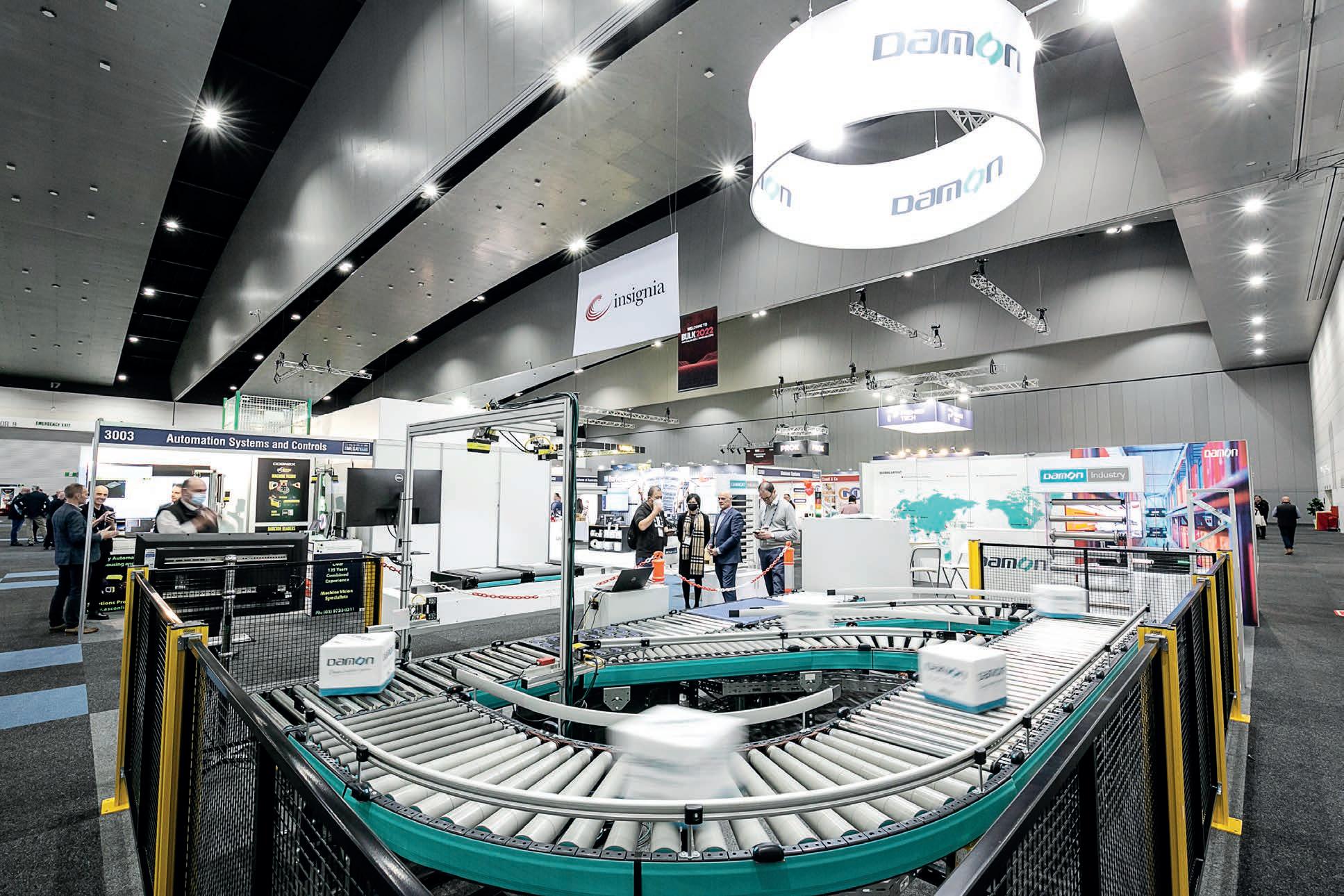
The program features international industry leaders and technical specialists.
The conference themes reflect that approach, with each session shaped by operational pressure points:
• Conveyors, Mechanical Handling and System Performance will explore belt and mechanical conveying, including wear resistance, fire safety and system redesign.
•Dust, Fire and Operational Risk will focus on explosion protection, conveyor belt fire safety and practical measures to reduce dust leakage and downtime.
•Storage, Stockpiles and Material Behaviour will examine how bulk materials behave in real conditions, including discharge performance and stockpile stability.
• Monitoring, Measurement and Wear will highlight visibility across systems, including live wear monitoring and dynamic weighing technologies.
•Simulation, Design and Emerging Technologies will focus on modelling tools, deep mining concepts and system design for complex environments. Together, these themes form a program grounded in real
operational challenges and shaped by practitioners working across the supply chain.
Backbone for industries
The scale of sponsors and association partnerships remains a key part of the expo’s strategy.
The International Cargo Handling Coordination Association Australia (ICHCA) has joined the event as an official industry partner to help drive change and advocate for safer outcomes. ICHCA represents Australia’s interests at international forums, ensuring local perspectives contribute to improvements in cargo safety and logistics performance.
The Australian Society for Bulk Solids Handling has also been announced as an official association partner, overseeing development of the technical conference program.
Additionally, SRO Technology has been announced as a Platinum Sponsor, with its Networking Drinks providing an opportunity for attendees to connect following the opening day of the expo.
Belt Wise, a conveyor belt
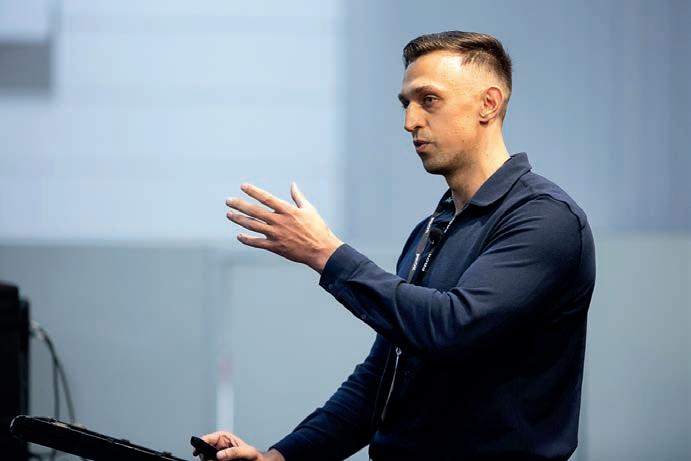
optimisation specialist, will have a presence across the exhibition floor, offering opportunities to discuss asset protection, uptime and workplace safety.
Visitors will be able to explore developments in robotics, smart conveyors and platforms that provide real time data on flow rates, blockages and wear, while engaging with opportunities for networking and knowledge sharing. Building on the 2024 event, where close to 70 per
cent of attendees held purchasing authority, the expo is designed to serve both technical specialists and decision makers.
BULK 2026 will bring engineers, operators and suppliers into the same space to focus on what works when systems are under pressure. F
Early bird tickets are available for a limited time. Tickets can be booked at https://bulkhandlingexpo.com.au/ attend/
BULK 2026 provides a platform to explore technologies that influence ingredient integrity, plant performance and workplace safety.
Bulk handling is not just a peripheral activity in the food and beverage industry.
AIP elevates packaging discussion at FoodPro 2026
Australia’s trade event for food processing, packaging and innovation, foodpro, has announced a new partnership with the Australasian Institute of Packaging (AIP) –gathering the industry in Melbourne from 26–29 July 2026.
Author Nerida Kelton FAIP, Executive Director – AIP, Vice President – Sustainability & Save Food – WPO
Over four dynamic days, foodpro 2026 will bring together the full spectrum of food manufacturing and packaging with more than 400 exhibitors, cutting-edge displays, and hands-on learning opportunities for attendees.
“foodpro is an important tradeshow for the food and beverage industries and we are very proud to be an Association Partner of the show,” said Nerida Kelton FAIP, executive director, AIP.
AIP has developed an actionpacked week for anyone that is interested in learning more about packaging for the food and beverage industries. This includes the chance to take part in AIP-led mini training courses and forums, covering key topics in food packaging innovations, sustainable packaging design and regulations, food waste and the intersection with packaging and more.
The AIP will also be hosting exclusive industry networking events and showcasing the finalists and winners of the 2026 Packaging Innovation & Design Awards (PIDA) across the four days.
Packaging panel discussions
The AIP will be hosting four panel discussions on July 27 with technical packaging experts covering a broad range of topics. Topics include:
•Latest regulatory framework for extended producer responsibility;
•Design for recycling versus design for circularity;
•Innovative materials and trends in food and beverage packaging design;
• Sustainable packaging design;
• Fibre alternative;
•Data and digitalisation and more. The experts will offer global, regional and local perspectives to the discussions.
Packaging training courses
On July 28, the AIP will be running two mini training courses which are designed for the micro and SME sector, as well as the multinationals.
The AIP will be running a mini training course on unboxing accessibility –How to design better packaging that everyone can open, close, grip and handle and all of industry.
This course focuses on the accessibility of a product. Making a product accessible is important for the independence of those with functional limitations such as reduced strength or dexterity. Inaccessible packaging and products become daily barriers to achieving everyday tasks like preparing a healthy meal and living independently.
waste in particular), the future of towards the Certified Packaging
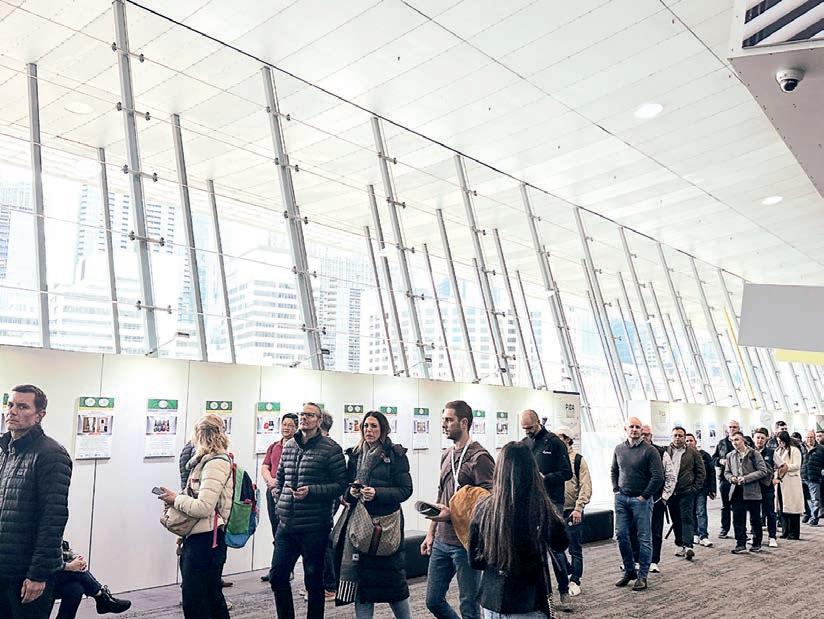
foodpro 2026 will bring together more than 400 exhibitors.
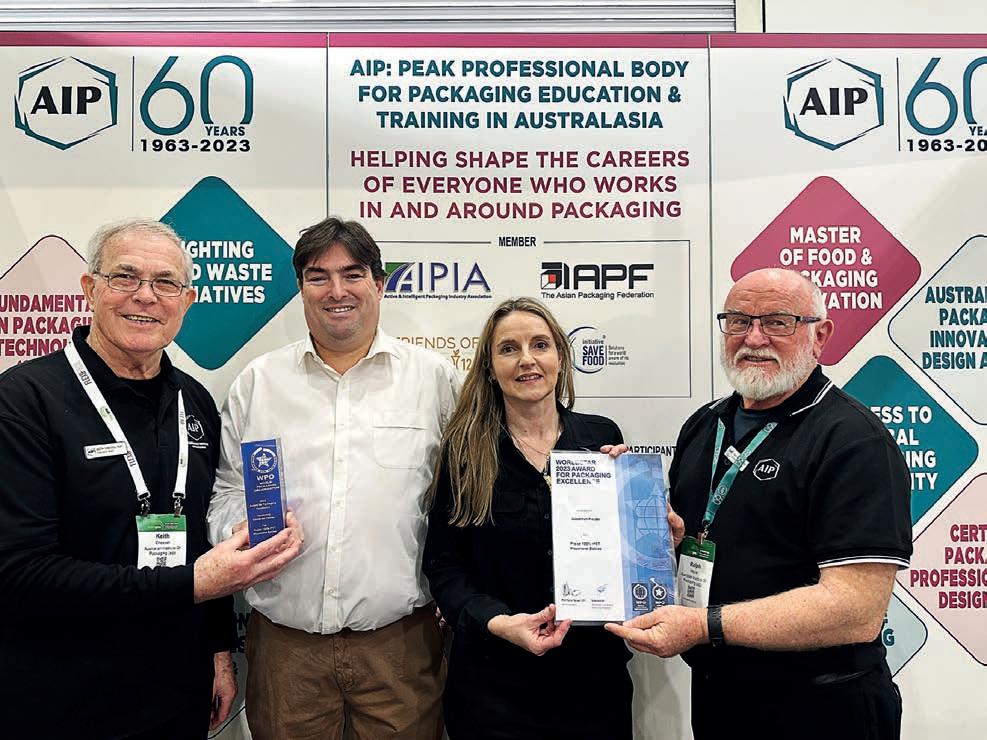
Images: AIP
foodpro has announced a new partnership with the Australasian Institute of Packaging.
who are making a difference in their field in Australia and New Zealand.
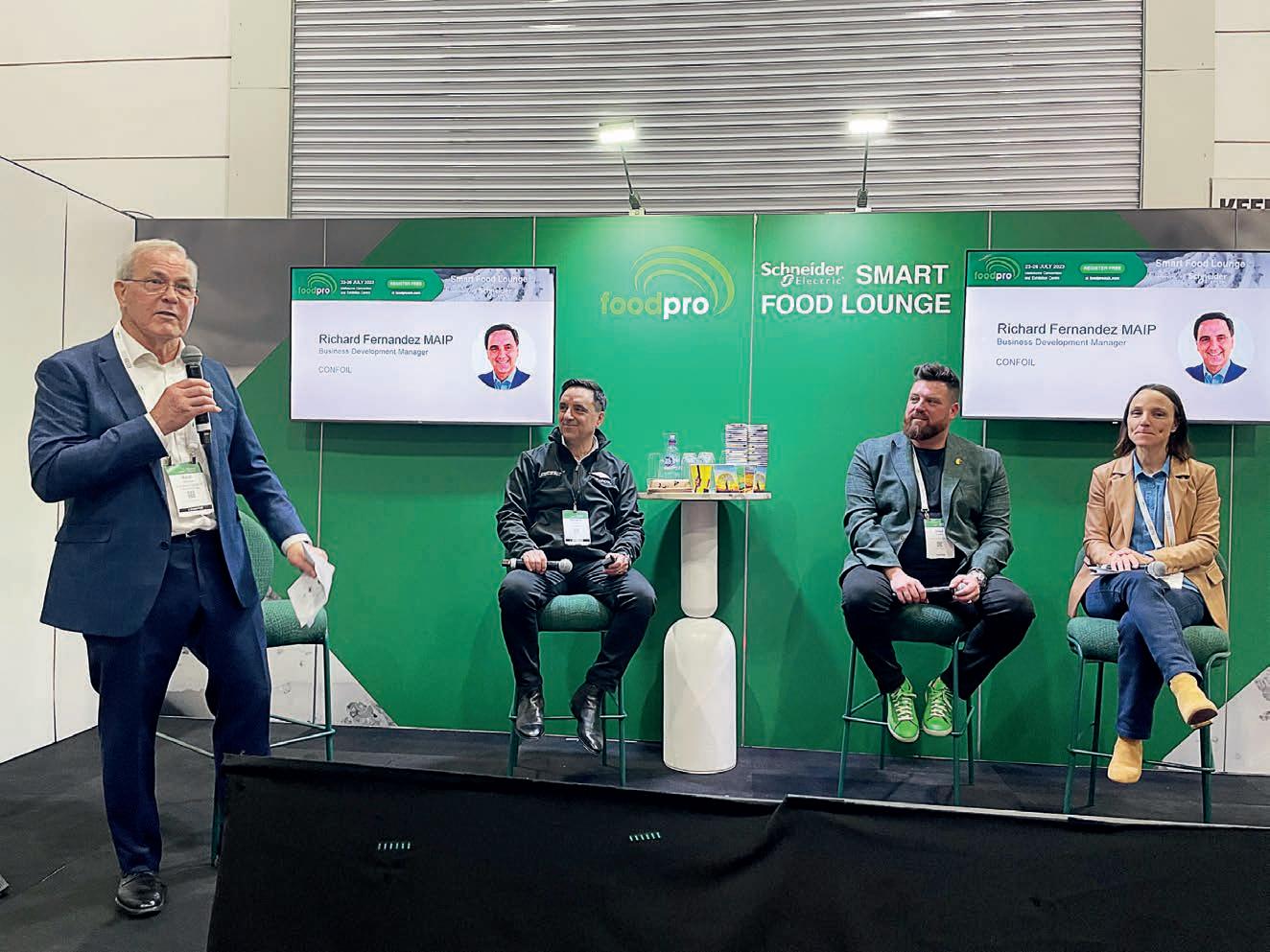
“The addition of the PIDA Awards Gala Dinner to the foodpro program is a true milestone for the event,” said Louise Brooks, commercial product manager, foodpro. “It not only celebrates the most ground-breaking
packaging designs from Australia and New Zealand but also brings the industry’s brightest minds together under one roof.”
The PIDA Awards are the exclusive award program for all Australia and New Zealand entries into the prestigious WorldStar Packaging
Awards, which are coordinated by the World Packaging Organisation (WPO). All of industry is invited to join the gala awards ceremony. The AIP will also have a unique PIDA showcase area at foodpro for everyone to visit and see the 2026 round of finalists and winners.
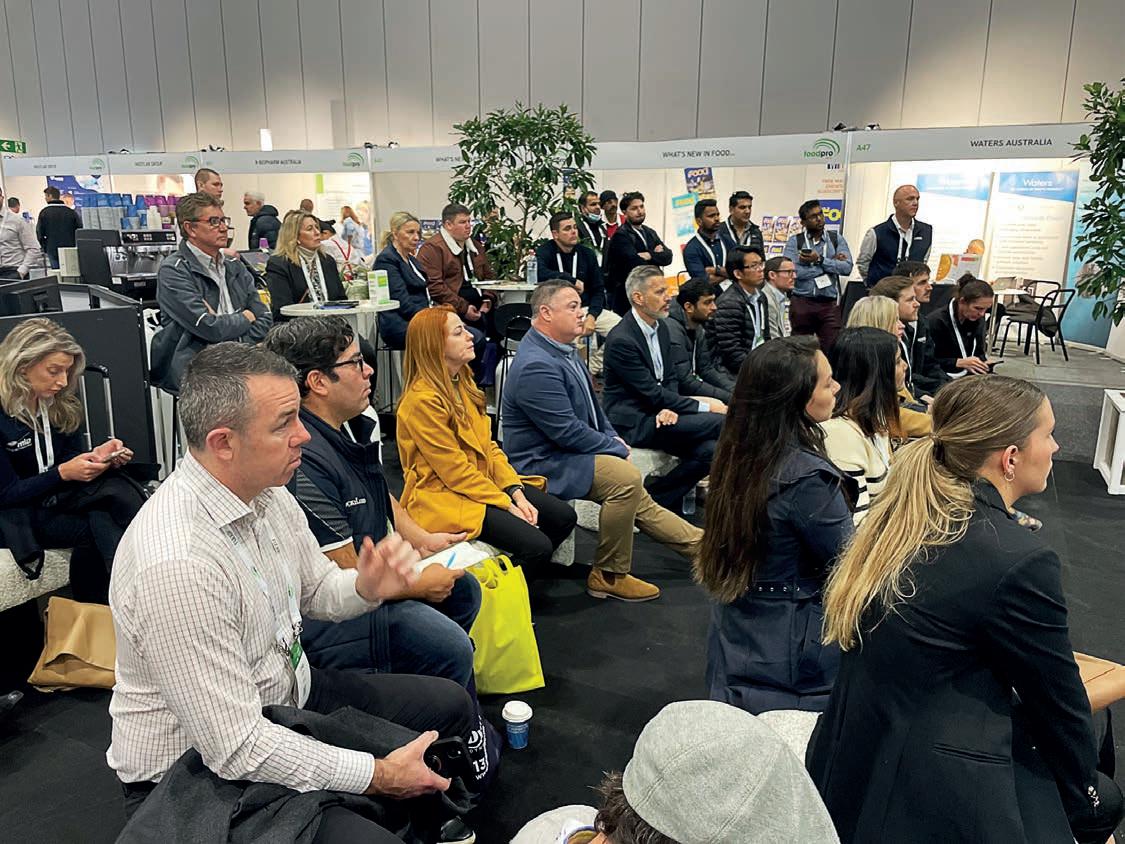
AIP expert walking tour for foodpro
The AIP will have an education team attending foodpro. They will be taking walking tours of the show on July 29 for AIP Members and industry colleagues, as well as for all the students that the AIP has across the Diploma in Packaging Technology, the Certificate in Packaging, the Fundamentals of Packaging Technology course and the Master of Food & Packaging Innovation degree. Anyone is welcome to join the walk tour with the AIP experts, visit AIP member stands and discuss key trends and innovations that are being showcased.
This walking tour will also include the PIDA showcase and announce the winners of the 2026 round.
“The entire industry is invited to attend the 2026 PIDA Awards,” said Kelton. “Having the awards night aligned with foodpro is a wonderful opportunity to showcase the food and beverage finalists and winners in a dedicated space at the show, so everyone can see which packs took home a PIDA award.
“From education and training to world-class innovation and networking, foodpro 2026 will be an unmissable experience for anyone serious about shaping what’s next in food manufacturing and processing.” F
Finalists and winners of the 2026 PIDA awards will be announced.
AIP will be hosting four panel discussions with technical packaging experts.







Cool confidence in one move