Tuesday September 20th 2022

Tuesday September 20th 2022
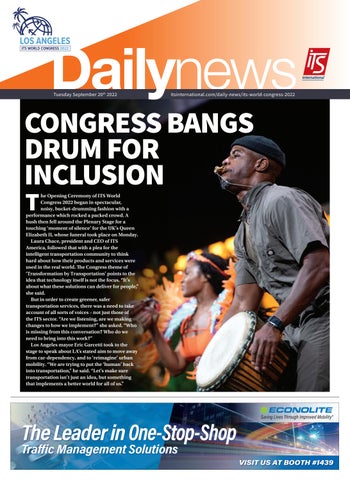
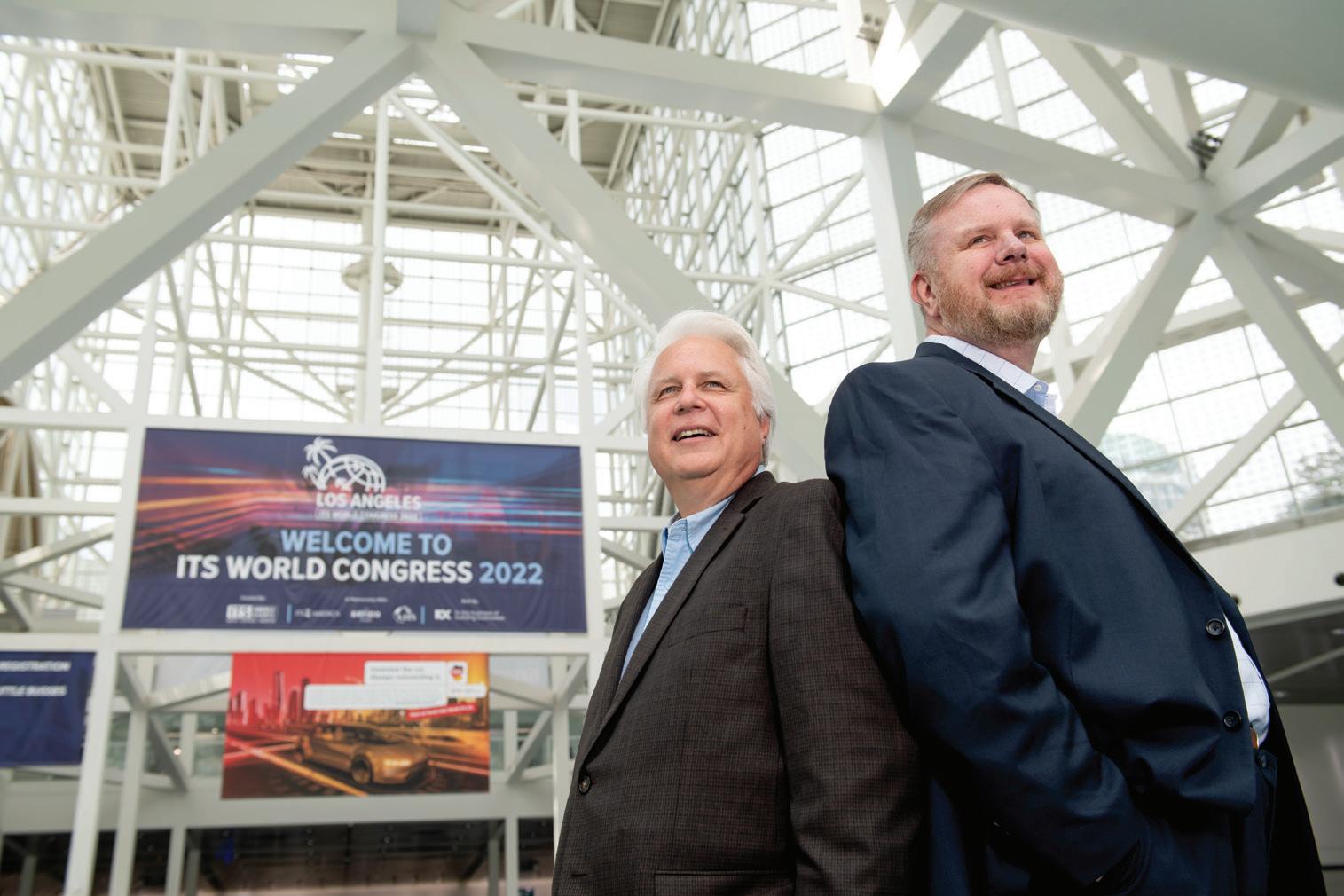
The Opening Ceremony of ITS World Congress 2022 began in spectacular, noisy, bucket-drumming fashion with a performance which rocked a packed crowd. A hush then fell around the Plenary Stage for a touching ‘moment of silence’ for the UK’s Queen Elizabeth II, whose funeral took place on Monday.
Laura Chace, president and CEO of ITS America, followed that with a plea for the intelligent transportation community to think hard about how their products and services were used in the real world. The Congress theme of ‘Transformation by Transportation’ points to the idea that technology itself is not the focus. “It’s about what these solutions can deliver for people,” she said.
But in order to create greener, safer transportation services, there was a need to take account of all sorts of voices – not just those of the ITS sector. “Are we listening, are we making changes to how we implement?” she asked. “Who is missing from this conversation? Who do we need to bring into this work?”
Los Angeles mayor Eric Garcetti took to the stage to speak about LA’s stated aim to move away from car-dependency, and to ‘reimagine’ urban mobility. “We are trying to put the ‘human’ back into transportation,” he said. “Let’s make sure transportation isn’t just an idea, but something that implements a better world for all of us.”

Iteris is a global leader in connected and automated vehicle and vehicle-to-everything technologies.
From consulting services that include planning, deployment and operations to producing industry-leading BlueTOAD roadside and onboard units, Iteris has the expertise, technologies and partnerships to help transportation agencies and communities prepare for connected and automated vehicles and help improve safety and mobility.

Join us at Booth 1603 for in-booth demonstrations on Iteris software, sensors and consulting solutions for improving mobility, safety and equity.
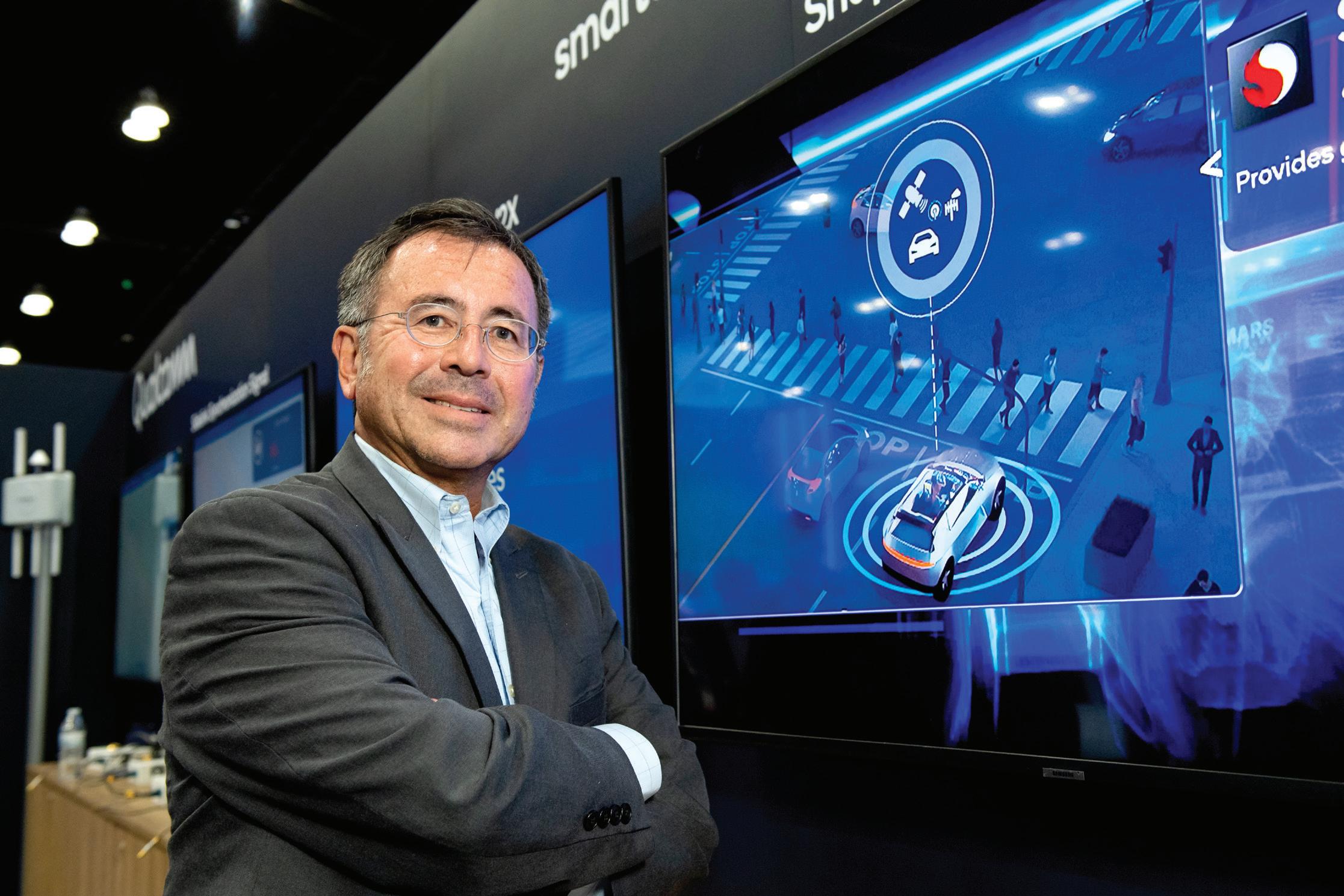
zones as vehicles make their approach. This will reduce road incidents and potentially save
Qualcomm’s SLSS demo shows a car traveling through the Lincoln Tunnel connecting New Jersey to New York City. As it progresses past GNSS coverage, the vehicle receives a SLSS C-V2X enabled notification that there is a work zone ahead. A timer counts down the
distance and time to collision – information that can be acted upon by an autonomous driving system or manually by a driver.
According to Misener, the technology can also be used for autonomous valet parking and other V2X applications where GNSS signals are not available.
▶ Booth 1647
www.qualcomm.com
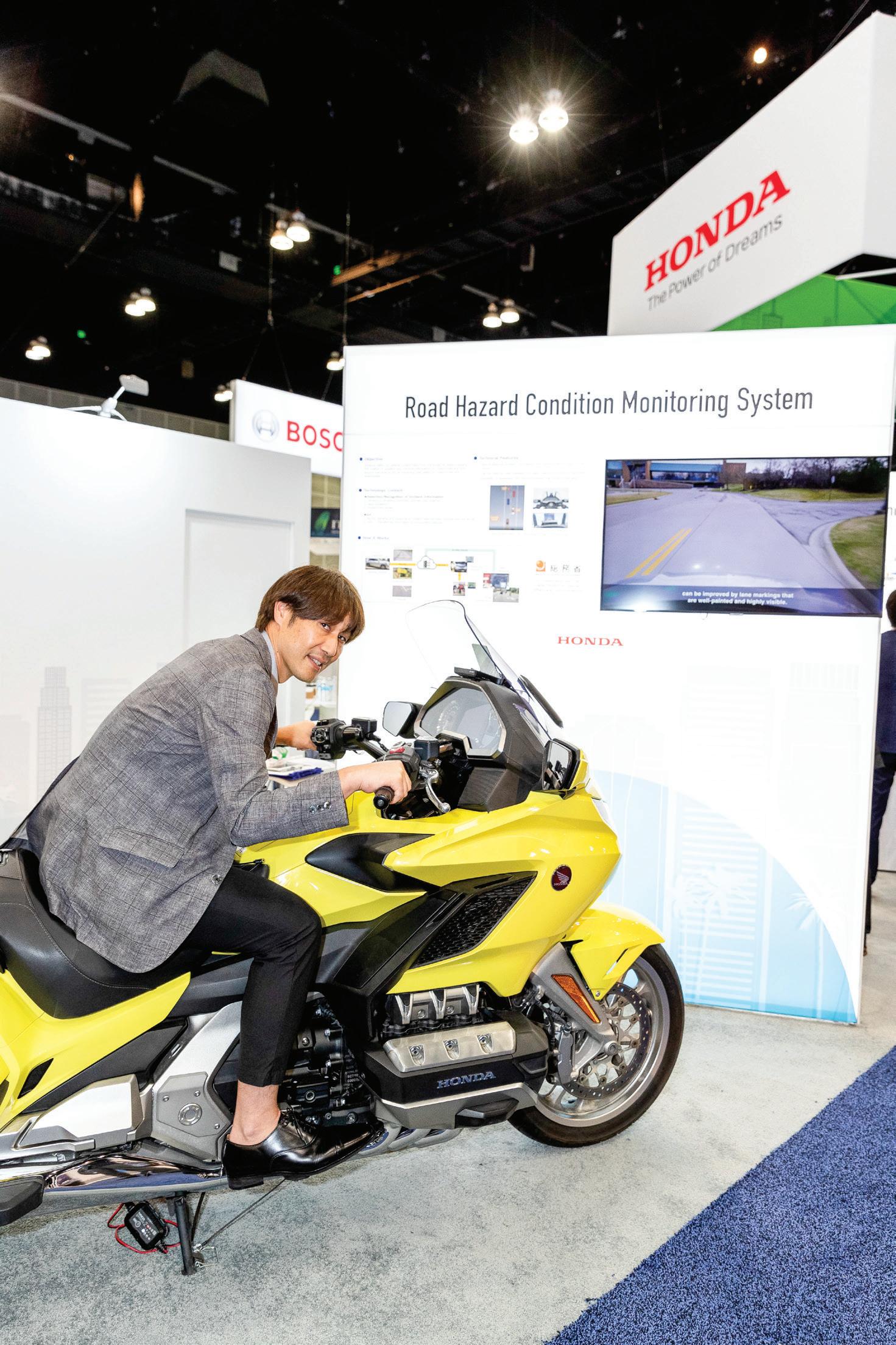
If you ride a motorcycle, a visit to the Honda booth is a must. The company’s Road Hazard Condition Monitoring System is designed to save lives and make motorcycling the safest it has ever been.
ADAS - advanced driver-assistance system - cameras detect dangerous road conditions such as potholes and road construction, and the system shares such information with vehicles in the vicinity including motorcycles. The system is designed to enhance the safety of everyone sharing the road by calling attention to potentially dangerous spots before vehicles pass through the area.
The motorcycle picks up data from surrounding vehicles through V2X which is displayed graphically on a small screen in the lower front of the rider’s vision. Obstacles ahead but hidden from view or not yet visually in sight for the rider are now completely visualised before the motorcycle reaches the dangerous spot on the road.
▶ Booth 1423 https://global.honda

Visitors to IRD’s stand will notice a new look to the company’s brand here, the result of two main factors –the maturing of the ITS market and the company’s place within it. This refresh reflects a move from focusing on technological aspects to an emphasis on IRD’s purpose and what it stands for and delivers worldwide.
Rish Malhotra, president and CEO, explains. “Our brand refresh reflects real positives: that, with decades of global operations and hundreds of deployments behind them, our products are well known and trusted.”
Rebranding aside, visitors will see just how wide-ranging IRD’s capabilities are and why it is at the forefront of the ITS industry.
In June 2022, the Idaho Transportation Department signed a $2.2m contract with IRD for a mainline WIM and
electronic pre-clearance system at a new port of entry facility on the I-84 — the sixth WIM site IRD has deployed in the State.
In May, a $1.2m contract was awarded by the Illinois Tollway for the upgrade of existing WIM sites. The new Virtual WIM (VWIM) facilities will complement weight enforcement with vehicle over height and unsafe tyre detection.
April brought on a $10.8m, four-year agreement from Indiana DOT that will result in the building, reconstruction, testing, and maintenance of 143 automated traffic recorder systems and 56 WIM and 23 VWIM systems.
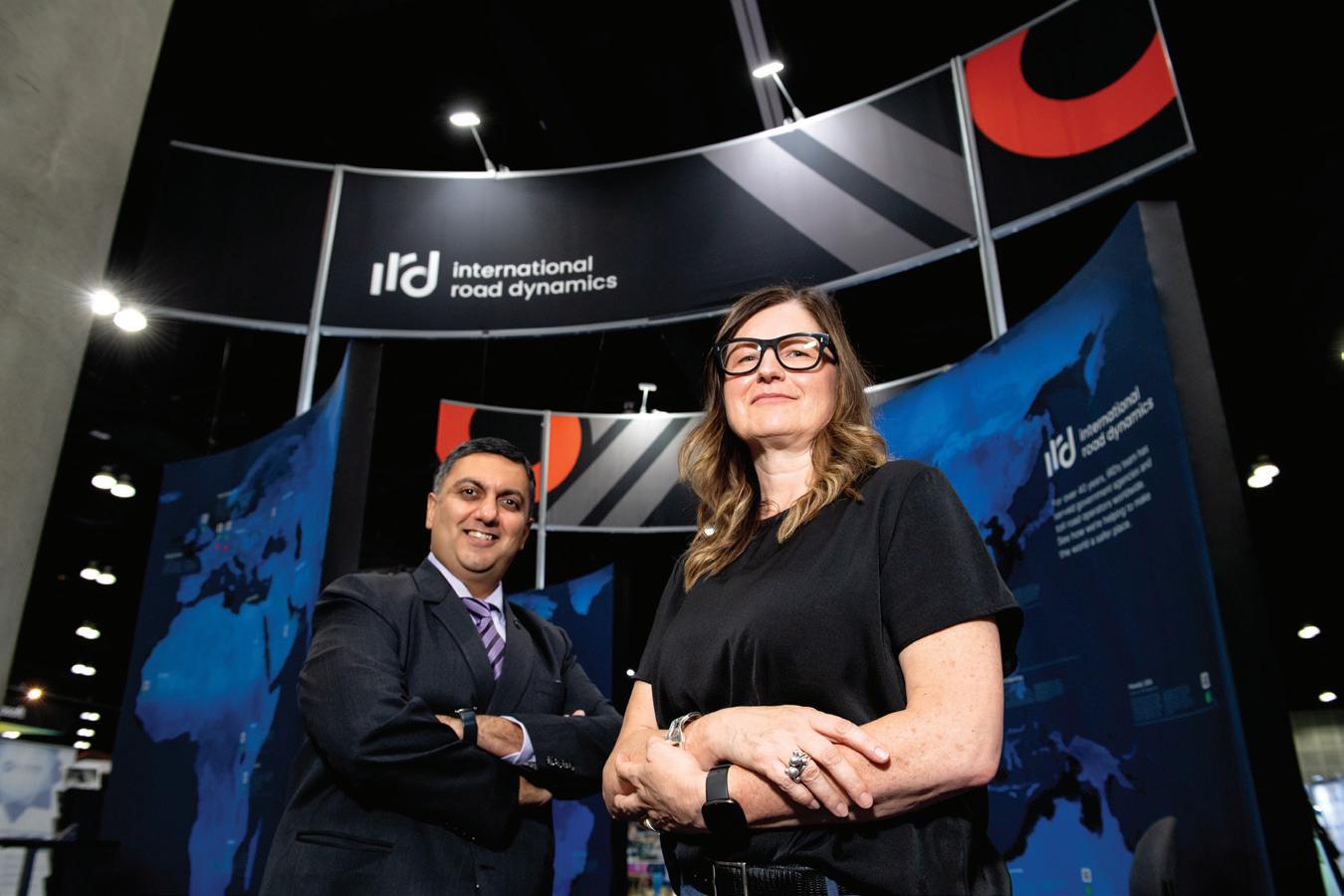
IRD's new personality will align the company with both their customers and their own team members better than ever before. As Malhotra says, “By focusing on safety and
sustainability, we project our voice more succinctly to our customers. Whether it’s through our advertising or through our messaging, there’s a fresh feel to IRD – one that doesn’t
compromise on quality but instead focuses on what matters most: results and making a difference.”
▶ Booth 953
www.irdinc.com
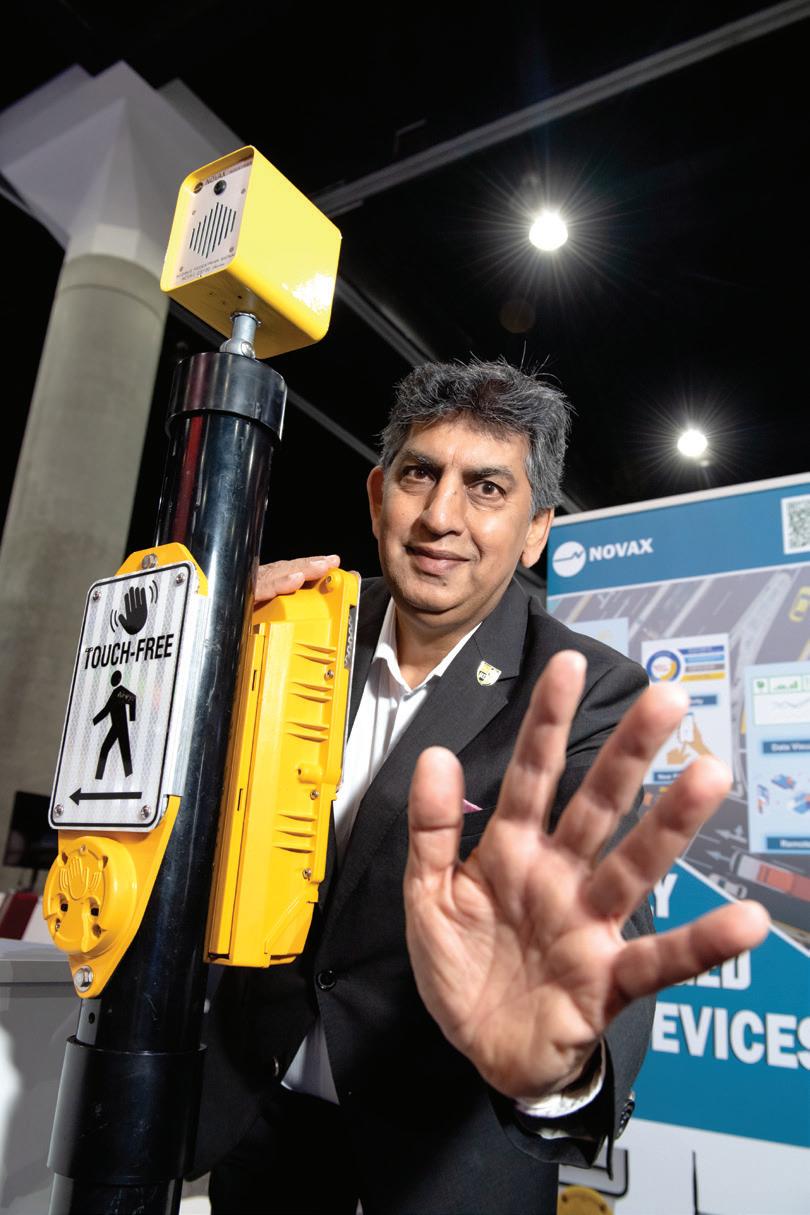
Just when you thought that the IntelliCross Intelligent Pedestrian System from Canadian manufacturer Novax Industries couldn’t get any smarter – or safer – it did. Novax put all of its expertise from over 25 years in the design and manufacture of accessible pedestrian signals (APS) and traffic signal control into IntelliCross. The system is now programmable without the need for a laptop on site, but can be done using a smart phone, making it simpler and quicker.
IntelliCross APS is fully functional with all advanced features without the need to run wires from the controller cabinet. It is the only system that is easily field upgradable to central control with just the addition of a CIU-C to cabinet power - no additional wires required.
Add to the basic IntelliCross unit a DS100 Series APS unit to improve crosswalk safety for visually impaired pedestrians. The unit has up to four walk ‘cuckoo’ and ‘peep’ directional sounds approved by Transportation Association of Canada and other North American transportation authorities.
Customised voice messages are available as an option. A Dynamic Proportional Volume Compensation system monitors ambient noise level and adjusts output to ensure audibility of the signal. Meanwhile, an optional Sound Inhibit allows the audible signal to be disabled at sensitive periods, during complex traffic phases, or as required.
▶ Booth 1052
www.novax.com
AEye and its system integrator partners are showcasing the unrivalled flexibility of software-configurable Lidar to support any ITS application and improved 3D perception. Demonstrations include longand short-range detection capabilities for automated tolling, incident detection, pedestrian traffic flow and smart intersection safety, powered by AEye’s 4Sight perception solution.
AEye and Intetra will showcase their state-of-the-art Lidar-based tolling solution. The automated tolling system, powered by AEye’s 4Sight M Adaptive Lidar, provides greater reliability at a lower-cost over inductive loop systems and other above-ground detection modalities, including camera and radar. The solution can provide data for up to eight
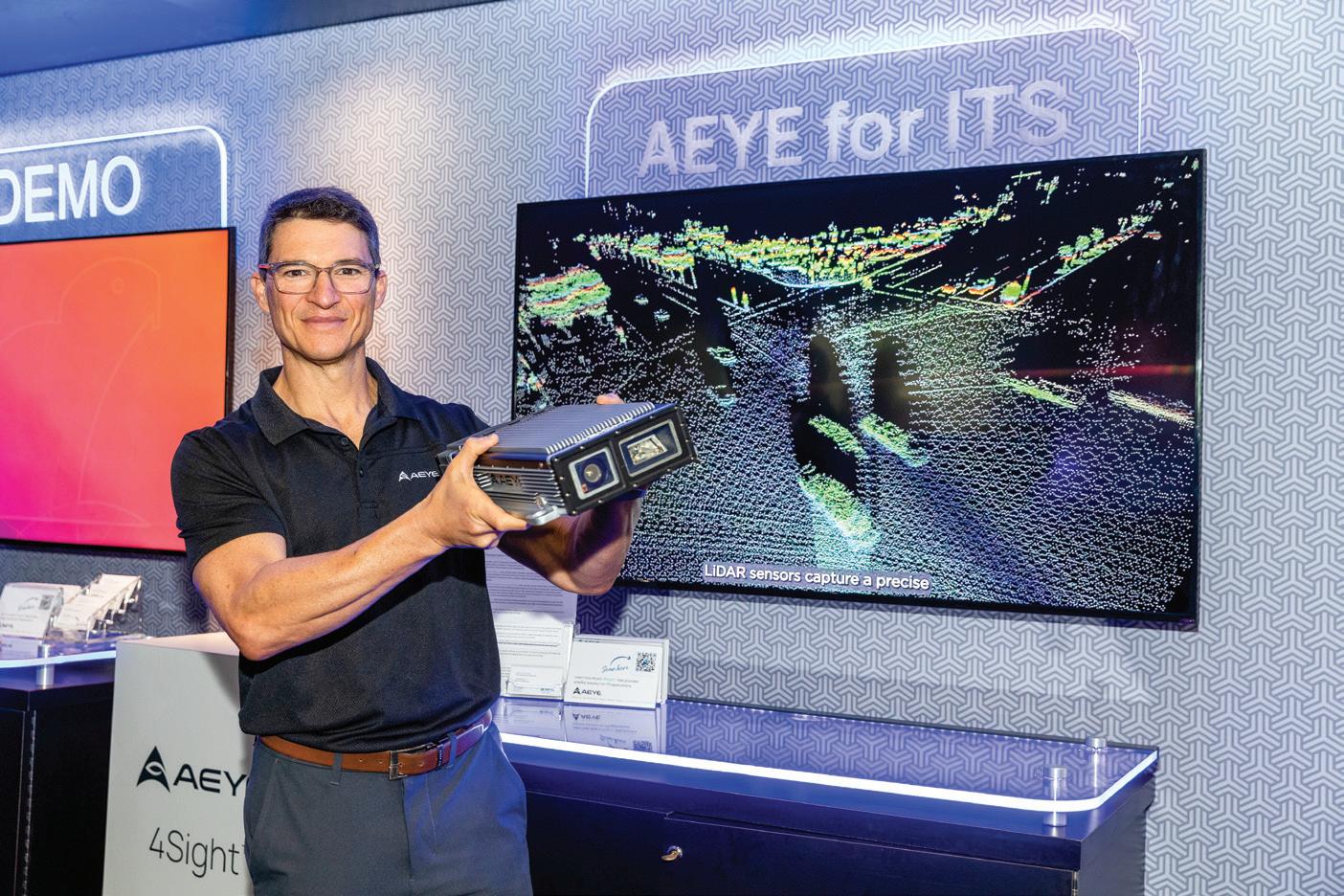
lanes of traffic per sensor, collecting information such as vehicle speed, trajectory, type classification, tagging, dimensions and timestamp, without false or missed detections due to adverse
weather conditions. AEye is also showcasing data collection and visualisation capabilities with Grid Matrix. The first-of-itskind Lidar integration enables more accurate detection and counts, better position, speed
and heading to guide smart city decision-making. Traffic management agencies can use the information for real-time or historical analysis to make smarter decisions.
“We’re excited to share a wealth of information with attendees at this year’s ITS World Congress, especially how adaptive Lidar delivers a level of safety, accuracy and costsavings not achieved before.
“Traffic and ITS managers who meet with us will be better prepared to plan ITS initiatives, as well as to respond to grant opportunities like the Smart programme, which leverages advanced smart community technologies and systems to improve transportation and efficiency,” said Brent Blanchard, AEye’s SVP of industrial markets.
▶ Booth 1403 www.aeye.ai
Winter road maintenance professionals need to monitor road conditions and predict surface freezing risk across the road network to make proactive treatment decisions. They’ll want the most accurate systems but they can be costly to maintain over the long run.
Imagine having the best system but with no system maintenance cost. Imagine Vaisala’s latest Wx Horizon Premium, a weather hazard impact portal. It delivers insights to current and future road conditions but is sold as a subscription service meaning there are no ongoing maintenance costs or large upfront investments. Wx Horizon allows road maintenance organisations to prepare for upcoming storms with high-quality pavement and atmospheric forecasts. To deliver this critical information and keep it relevant for use specifically in transportation, the system fuses measurements with industry-leading weather forecasting and road weather models.
At the heart of this service is Vaisala’s Ground Cast Sensor. It measures road surface temperature and the amount of residual treatment material, providing highway maintenance teams with reference grade observations and location-specific forecasts.
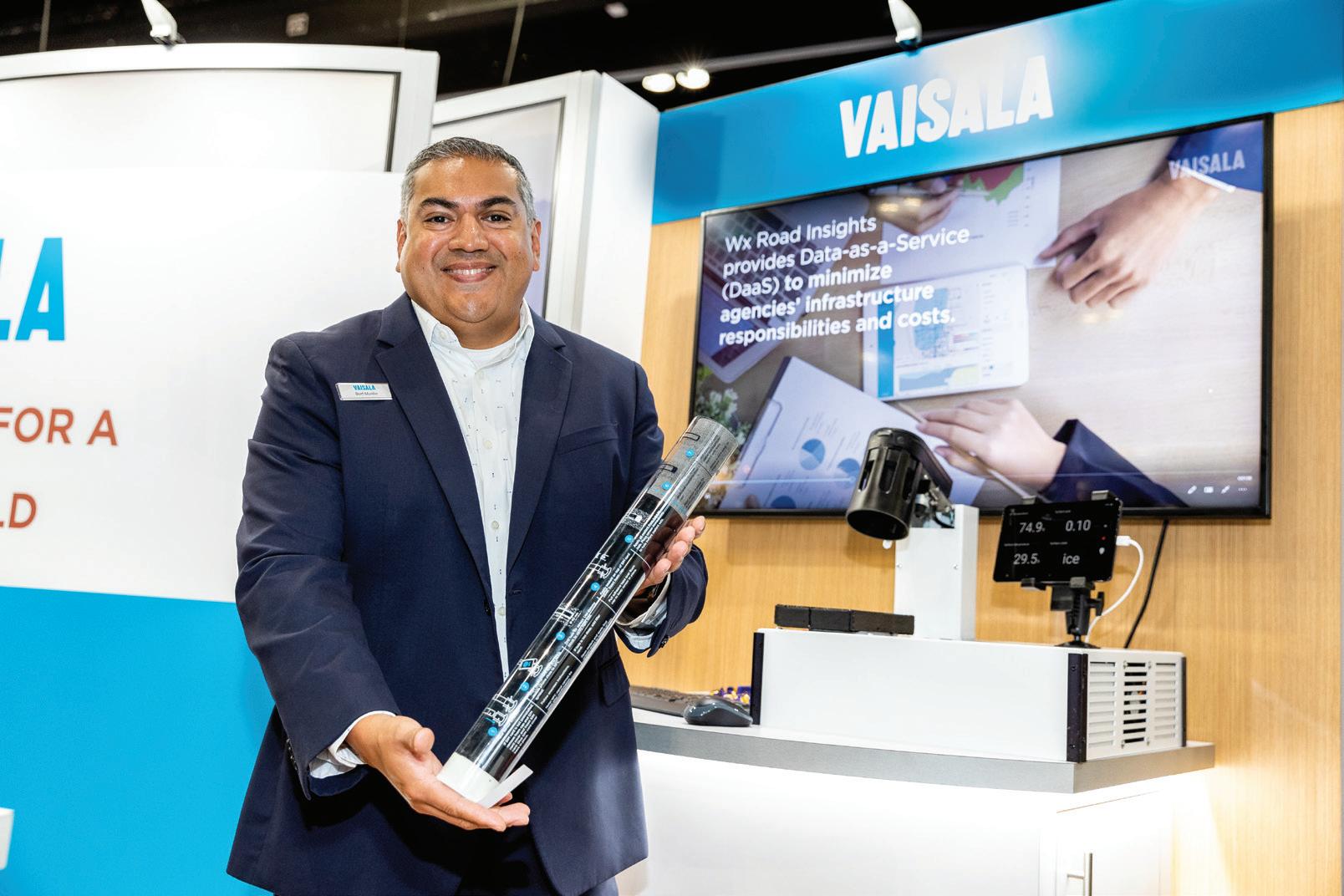
Importantly, it has multi-level road temperature measurement, from ground level as well as 6cm and 30cm below road surface. Road surface temperature accuracy is ±0.2C° This is specifically designed to improve
pavement forecasts and helps proactively keep roads safe by targeting treatments and validating effectiveness in real time.
▶ Booth 1252
www.vaisala.com/WxHorizon


Miovision Scout Explore expands on the capabilities of Miovision Scout, a portable video-based traffic data collection solution. This nextgeneration model is even easier to transport and set up since all components are contained within the device.
In fact, Scout Explore, says Miovision, is the first portable video-based traffic data collection solution to offer ondevice processing capabilities. It should be available early next year. Thanks to advanced AI, Scout Explore is the first portable video-based traffic data collection solution capable of processing video on the device and automatically uploading volume counts, speed and pedestrian/bike pathway data to the Cloud for immediate remote access and analysis.
“With its on-device processing capabilities, Scout Explore offers a safer, cost-effective alternative to road tubes for collecting
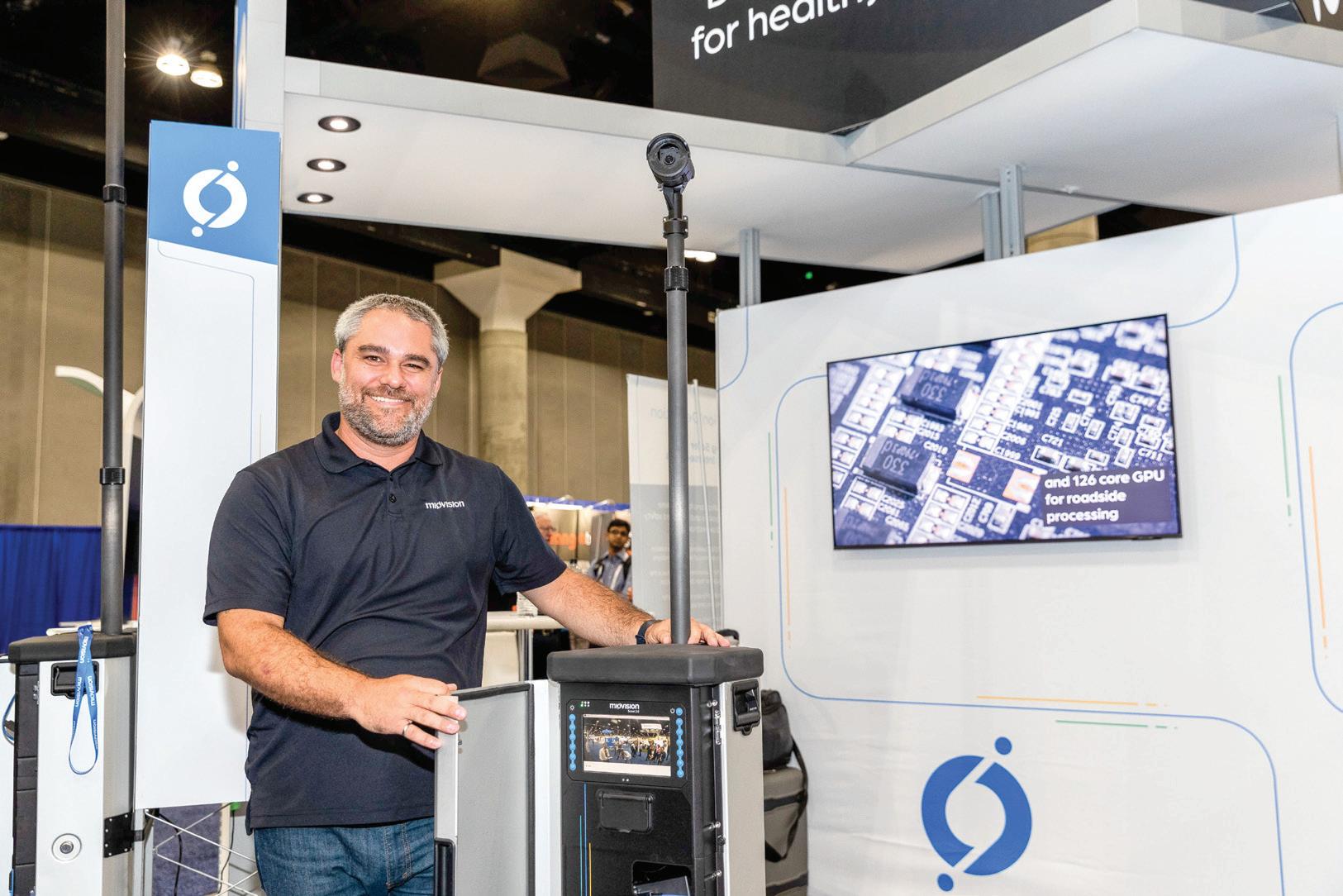
multimodal traffic counts and speed data,” says Steve Strout, Miovision president.
“It is capable of supporting simultaneous data collection activities, including travel time, roundabout studies and turning
CityMoS says its City Mobility Simulator has matured from a research project in Singapore to a market-ready mobility simulation product. The spin-off company, called intobyte, provides computational modelling using CityMoS, a simulation mobility platform.
movement counts and you can expect more types in the future.”
Built-in cellular connectivity enables the automatic uploading of data, as well as remote monitoring of the equipment in the field. Expandable battery
mobility of individuals – chains, activities and mode choices. It combines modelling and simulation research with parallel computing techniques to answer a wide range of mobility related what-if questions.
CityMoS is capable of simulating city-scale transport systems at high resolution and covers all aspects of private, public and commercial transport.
Contrary to existing traffic simulators, CityMoS focuses not only on traffic patterns but on the
CityMoS can be used to support the transition to electric vehicles, the design of novel intelligent transport system solutions, the introduction of new modes of public transport and the mitigation of traffic emissions such as carbon dioxide or heat.
▶ Booth 2033
https://citymos.net
Kurtis McBride of Miovision
power provides up to 12 days running time with four batteries that can be replaced in the field, even in mid-study, for virtually unlimited running time.
▶ Booth 1923
https://miovision.com
An innovative ‘Worker Presence’ reporting feature is part of the Smart Work Zone and WZDx integrations from Castle Rock Associates, a specialist in capturing and sharing travel knowledge. It is being demonstrated on the company booth along with its other software deployments in Colorado, Indiana, Minnesota, California, Massachusetts, Kansas, Nebraska and Iowa.
Castle Rock’s work is developed through a multi-state, multi-agency group that meets regularly to improve and update the product line using a collaborative, open approach. Castle Rock’s design philosophy is different in that it transforms data into what it calls “travel stories”. These are designed for the public, for CVO operators/ truckers, public agency partners, and the clients it serves.
▶ Booth 948 www.castlerockits.com

Dedicated to critical infrastructure such as Tunnels, Bridges and Highways.
Citilog Automated Incident Detection leverages Artificial Intelligence and the latest developments in Deep Learning to automatically identify these incidents in real time on your roadways:
• Wrong way driving
• Stopped vehicles
• Smoke in tunnels
• Pedestrians
• Debris
• Slow vehicles
• Congestion
Our intelligent solutions optimize operations and reduce response times for traffic operators, providing a safer road for the travellers they serve.
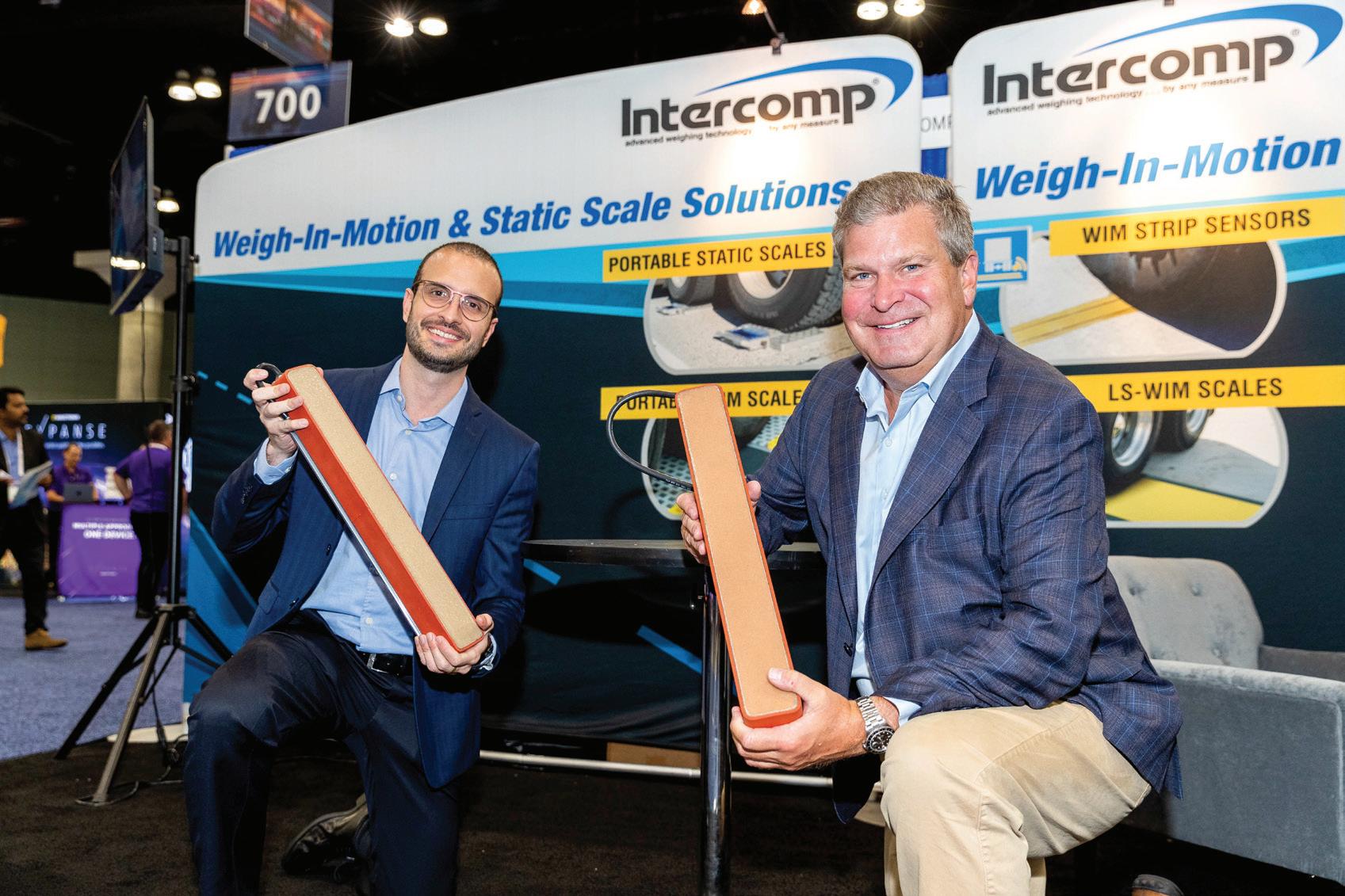
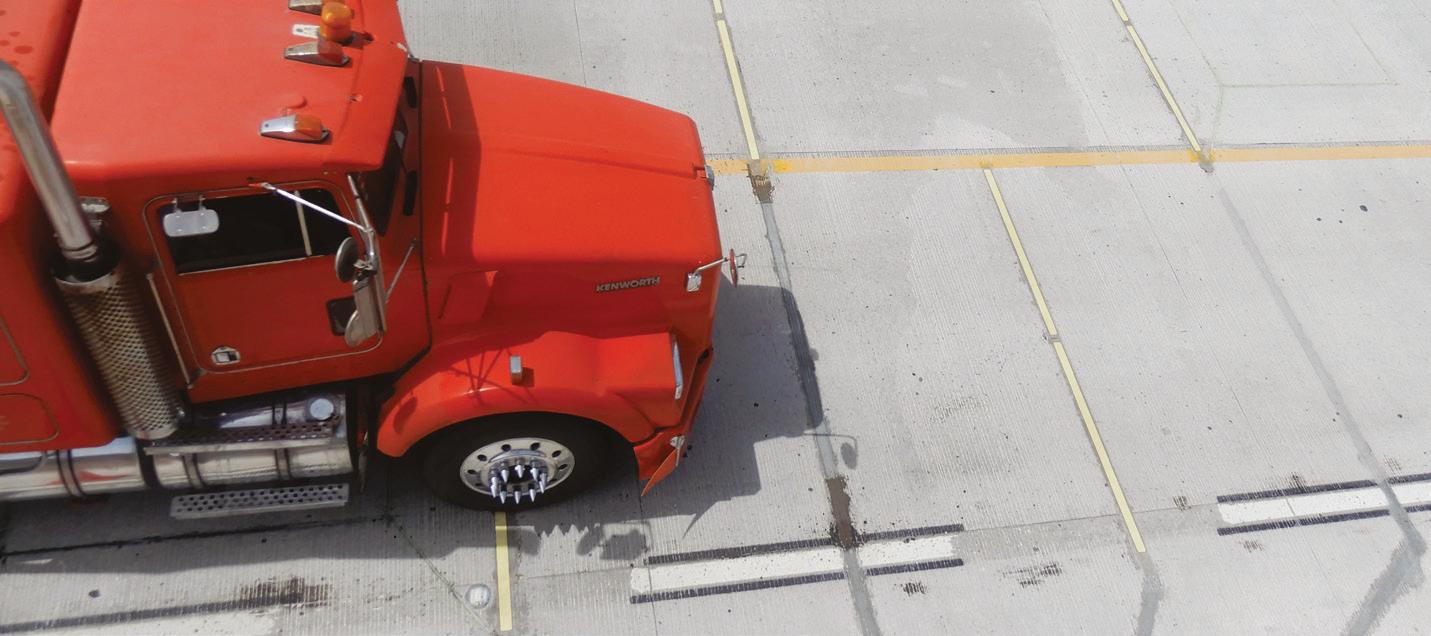
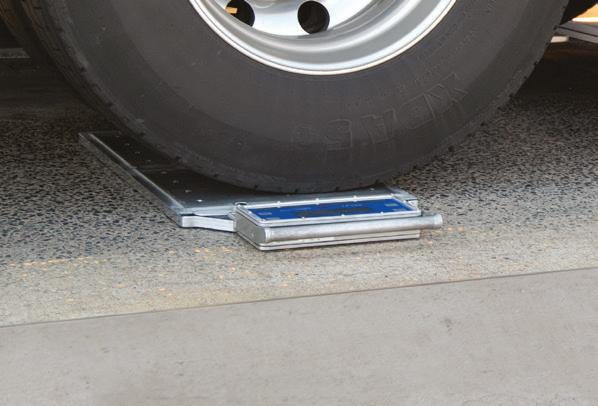
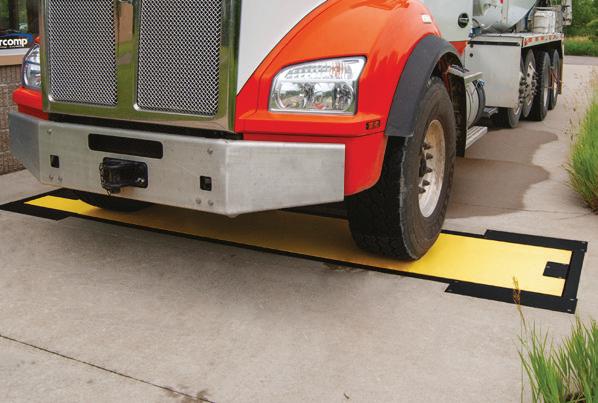
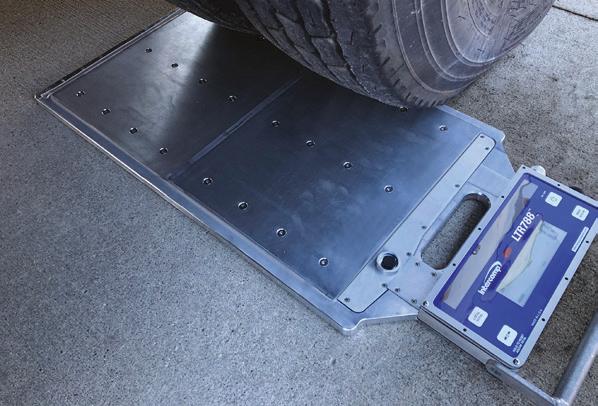
Intercomp, a worldwide manufacturer of fixed and portable vehicle weighing and measurement products, is here in LA to showcase some recent innovations: the LTR788 Dual Wheel Load Scale, and the new MicroStrip Sensor. Intercomp uses highly accurate strain gauge load sensing technology which is widely accepted as the most accurate and reliable means to weigh a vehicle.
The MicroStrip Sensor offers a cost-effective alternative for high-speed weigh-in-motion (HS-WIM) data-collection. It is lighter, has a lower profile and is more economical than Intercomp’s standard strip sensor.
It has the same benefits of the company’s GaugeSense strain-gauge load cell technology for HS-WIM, providing high-end accuracy and robustness.
Bringing new capabilities to wheel load scales, the LTR788 Dual Wheel Load Scale was
created for direct measurement of individual tyre loading in a dual-tyre configuration.
This scale enables service inspections of individual tyre
ratings and tyre anomalies to be conducted safely, efficiently, and accurately with a portable digital scale. Tyre loading and tyre conditions impact fuel
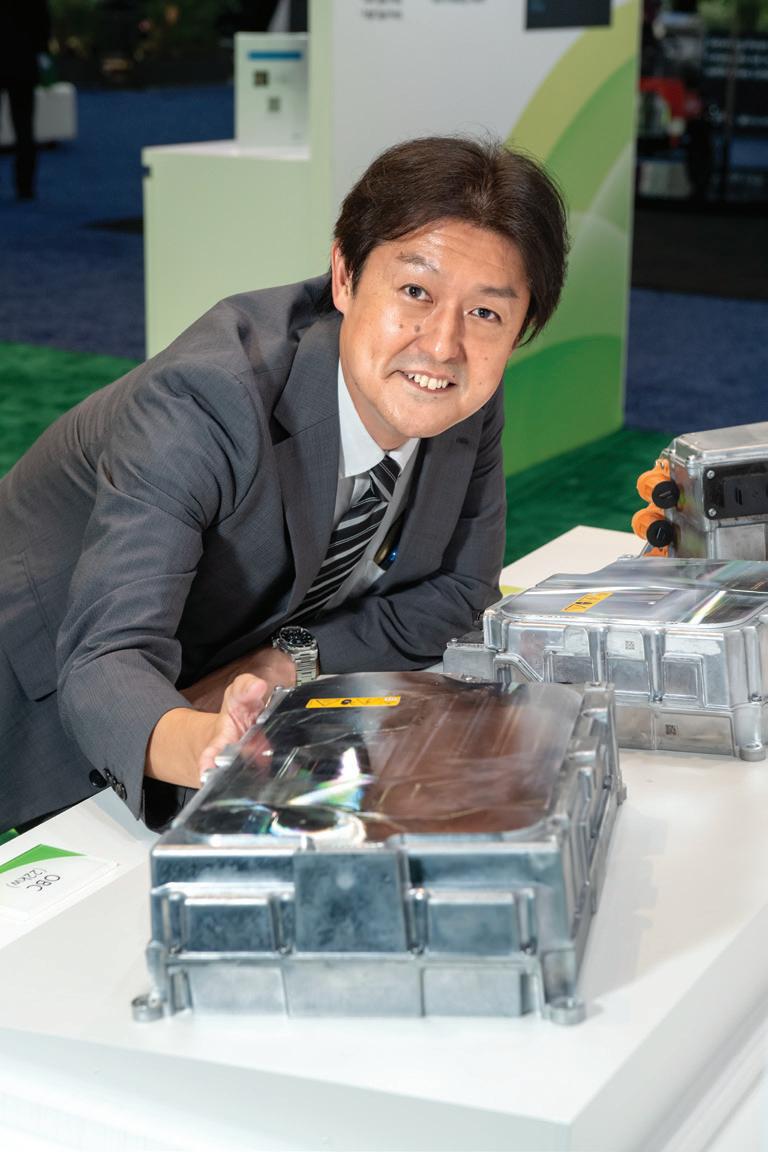
With electric vehicles making up an everincreasing percentage of new cars, the ability to recharge them as efficiently and as quickly as possible is paramount. With that in mind, Panasonic Automotive is showing for the first time its latest charging product.
The new Onboard Charger System (OBC), which was developed for a European OEM, can deliver 22kW to an electric vehicle. This follows on from two 11kW models.
The higher capacity is the latest model’s most important characteristic,
said Hiroyuki Kyojo, head of research & development at Panasonic Automotive’s charging business. “It’s very important to reduce the charging time. We’ve been developing a high-power charging system for almost 10 years. Now we’ve achieved it.
“As far as we know, it’s the most powerful on the market. Power density is a very competitive point.”
The system, which operates on the AC system, is on the market now, Kyojo added. ▶ Booth 1259 www.jp.panasonic.com
economy and braking distance, and tyre failure can lead to accidents and debris on roads.
▶ Booth 830


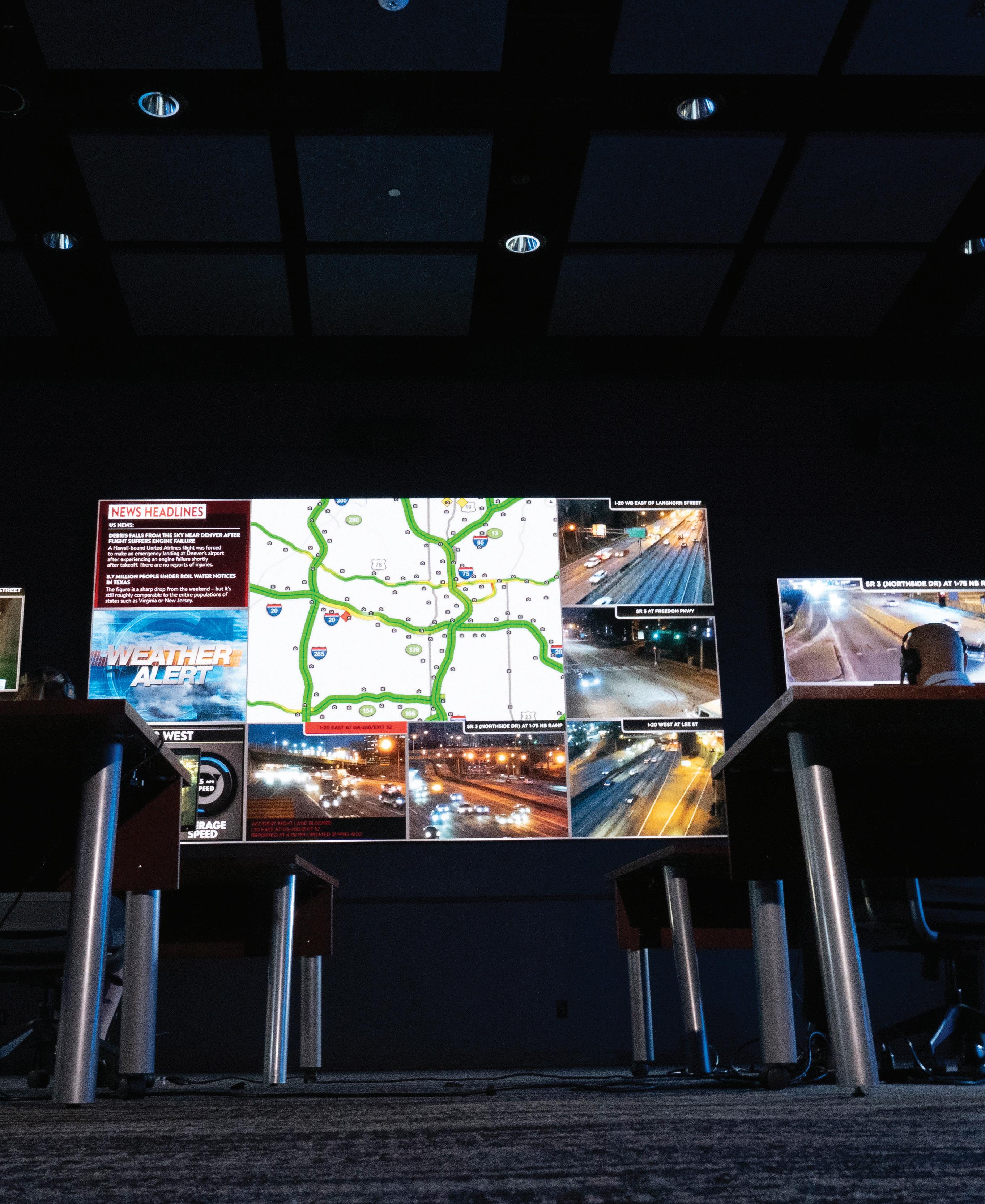
With PTV Optima, traffic control centers get the full picture of mobility. Never lose sight of what is happening on your streets by relying on the real-time traffic management software for multimodal networks. Use detailed traffic forecasts and monitoring dashboards to best manage congestion, road closures and construction sites, and to accurately simulate the network performances. Why should you do so? You will instantly take the right measures to avoid disruptions and make sure to optimize your network’s efficiency.
Experience our solutions at #ITSWC2022 at booth 1539 and #JointheConversation






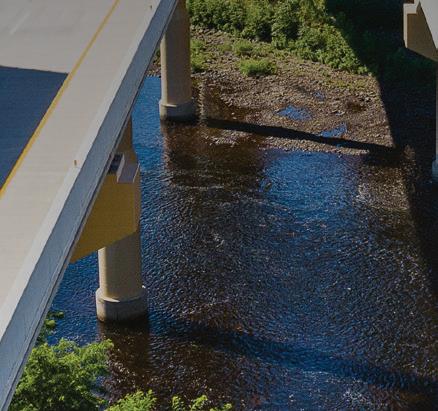




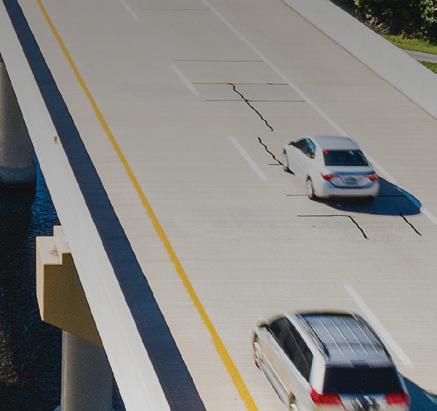







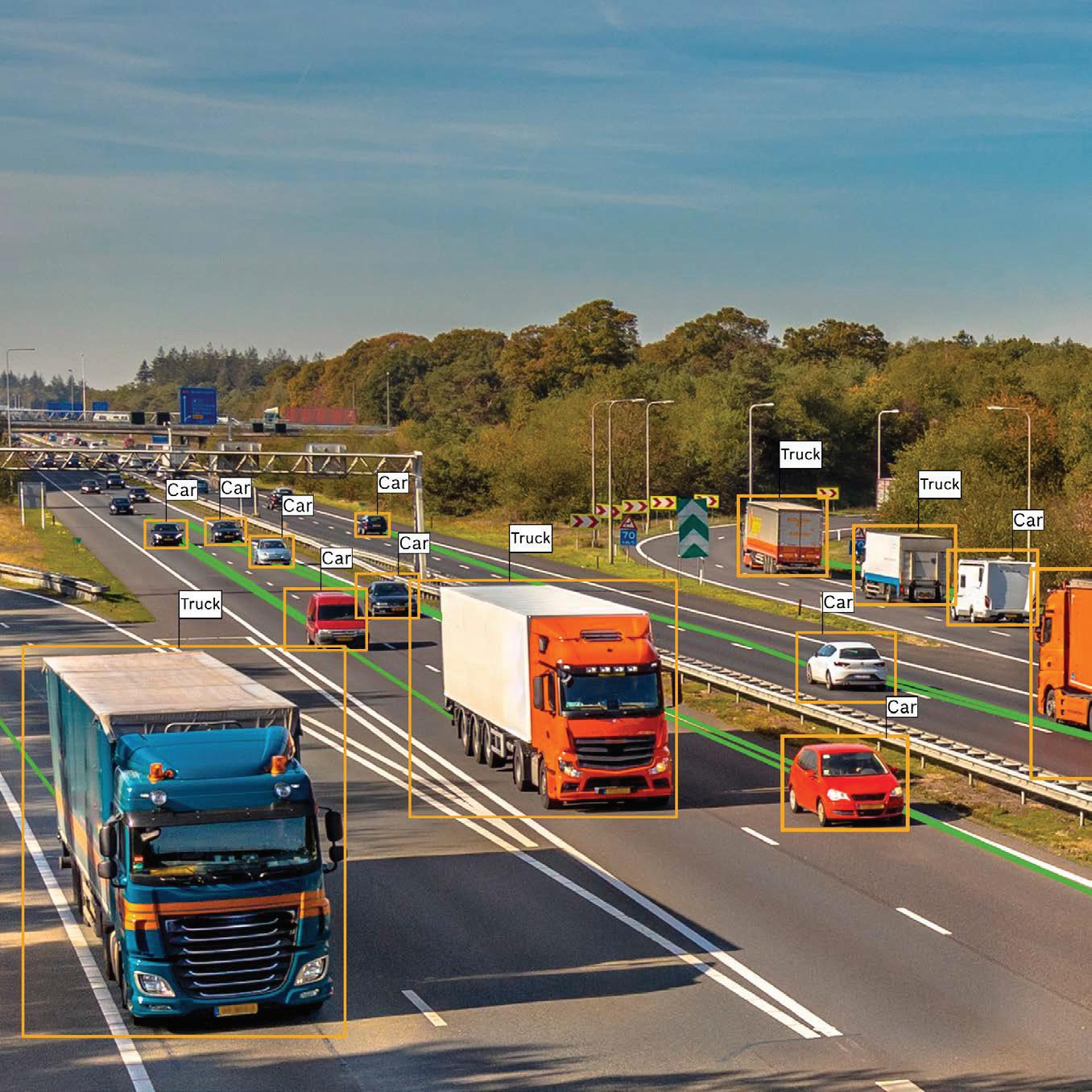
Bosch empowers you to build a safer transportation ecosystem with highly-accurate AI-driven video analytics solutions. Bosch cameras with embedded neural network-based video analytic detectors for ITS deliver automatic incident detection and data on roadway usage and traffic flow for better highway and urban infrastructure planning.
Learn more at booth #1413 or visit https://bit.ly/BoschITSsolutions
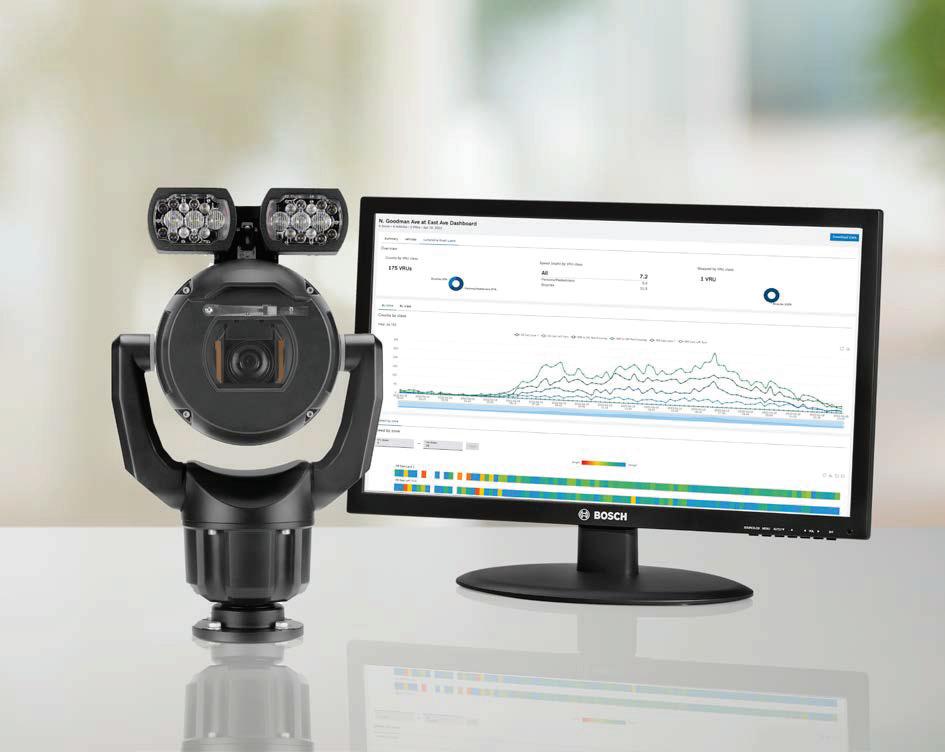
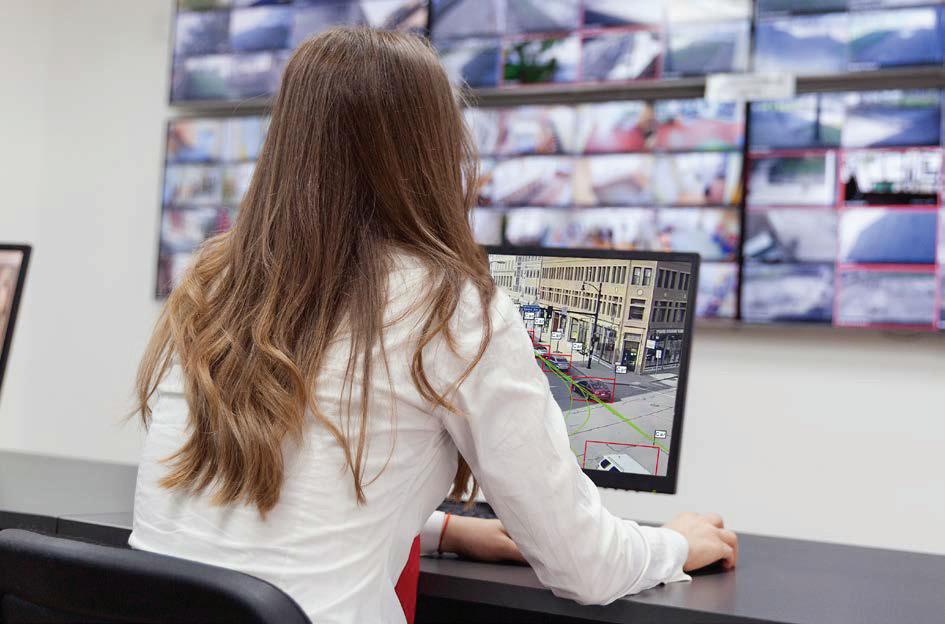







Image Sensing Systems has announced here in LA that it has deployed its RTMS Echo on the Suncoast Parkway, a 68mile north-south toll road near the Florida Gulf Coast.
Florida’s Turnpike Enterprise (FTE) maintains and operates
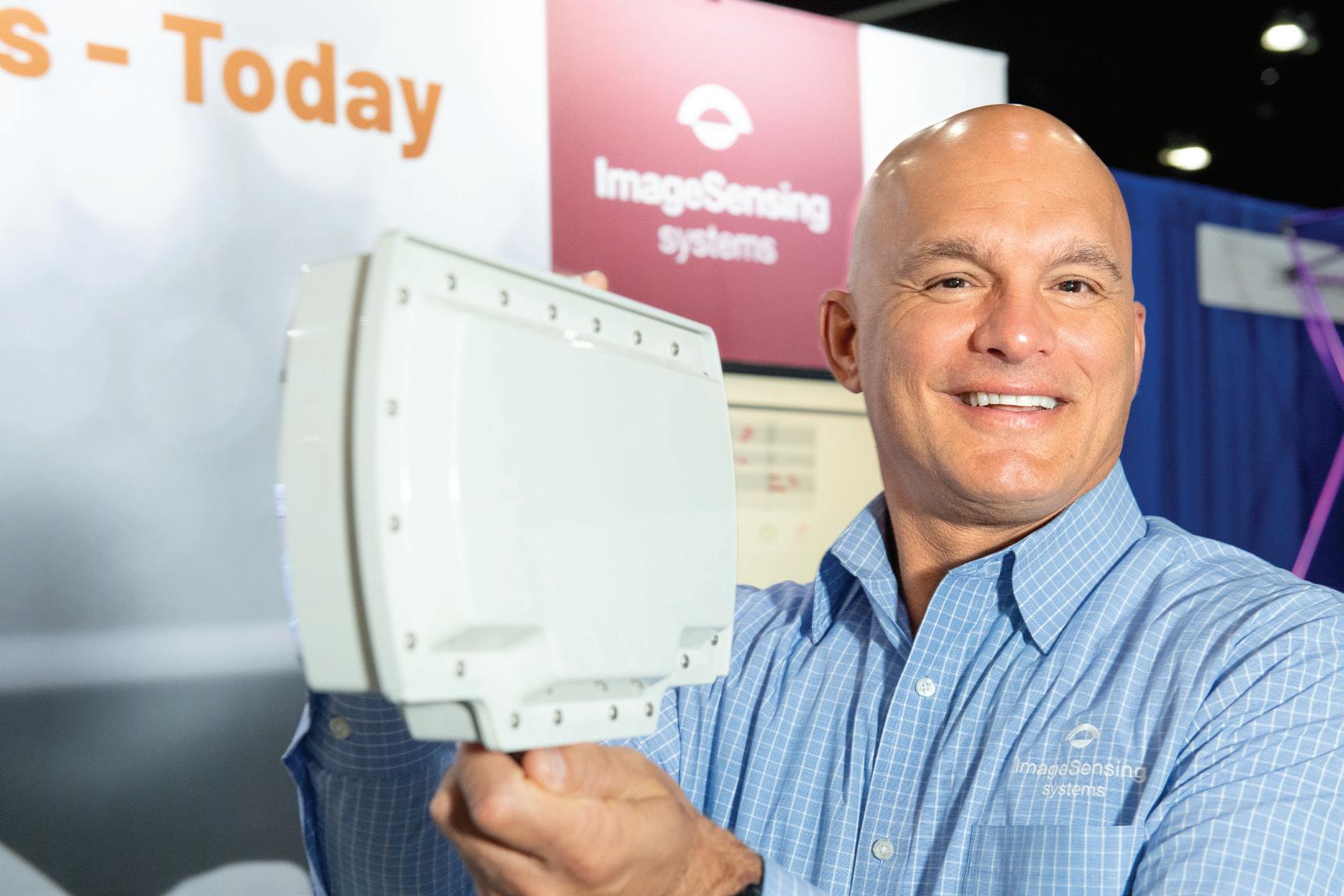
the roadway with TransCore providing maintenance services. This has included the replacement of 88 existing microwave vehicle detection system (MVDS) units with RTMS Echo.
The data from these 88 radar sensors are reported into the
Florida Department of Transportation’s (FDOT) SunGuide software.
The RTMS Echo provides access to more actionable traffic data and is used for incident detection and incident management on the parkway.
“We are pleased with the use of the RTMS Echo unit,” said Jonathan Tursky, VP and North Florida operations manager at TransCore.
“The quality of the data from the sensor was tested to be highly accurate and can
be formatted to fit the needs of FDOT. Along with the ease of use, the wireless autoconfiguration of the sensor makes installation easy and fast.”
The RTMS Echo radar is a powerful IoT-ready device that provides industryleading per-vehicle data accuracy that can be easily formatted to deliver needed insights to meet transportation agencies’ performance objectives.
▶ Booth 1738
www.imagesensing.com
September is Oktoberfest on the stand of RTB where visitors can get into that festive feeling while viewing the latest products and systems from the German ITS innovator. On display are equipment for traffic light systems such as pushbuttons, which are available in a wide variety of designs ranging from mechanical and sensor-based to touchless versions. Included is the Acoustic BLX which guides blind and visually impaired people safely across road crossings.
Meanwhile, LOC.id technology – live at the stand – is an app-based kind of 'digital guide dog' for everyday situations. At traffic lights its sounds get automatically louder as soon as a user approaches. At construction sites there is acoustic guidance and for buses and trains it will ‘speak’ and provide clear information about the position of the doors. In the case of e-scooters, it gives acoustic warnings.
▶ Booth 1253 www.rtb-bl.de

Embedded in a global family of brilliant, innovative minds and extensive resources in road safety and traffic management, SWARCO McCain sustainably keeps 21st century traffic in motion.
Get ready for a new look now!
With its new name, SWARCO McCain Inc. is excited to usher in its parent company’s global branding. Keep an eye out for the latest updates in ads, product materials, the McCain website, and so much more.

Sound like a company you want to be part of?
Join the SWARCO McCain Inc. family today!
www.mccain-inc.com/careers

Leaders of the digital transformation, we deliver disruptive solutions.
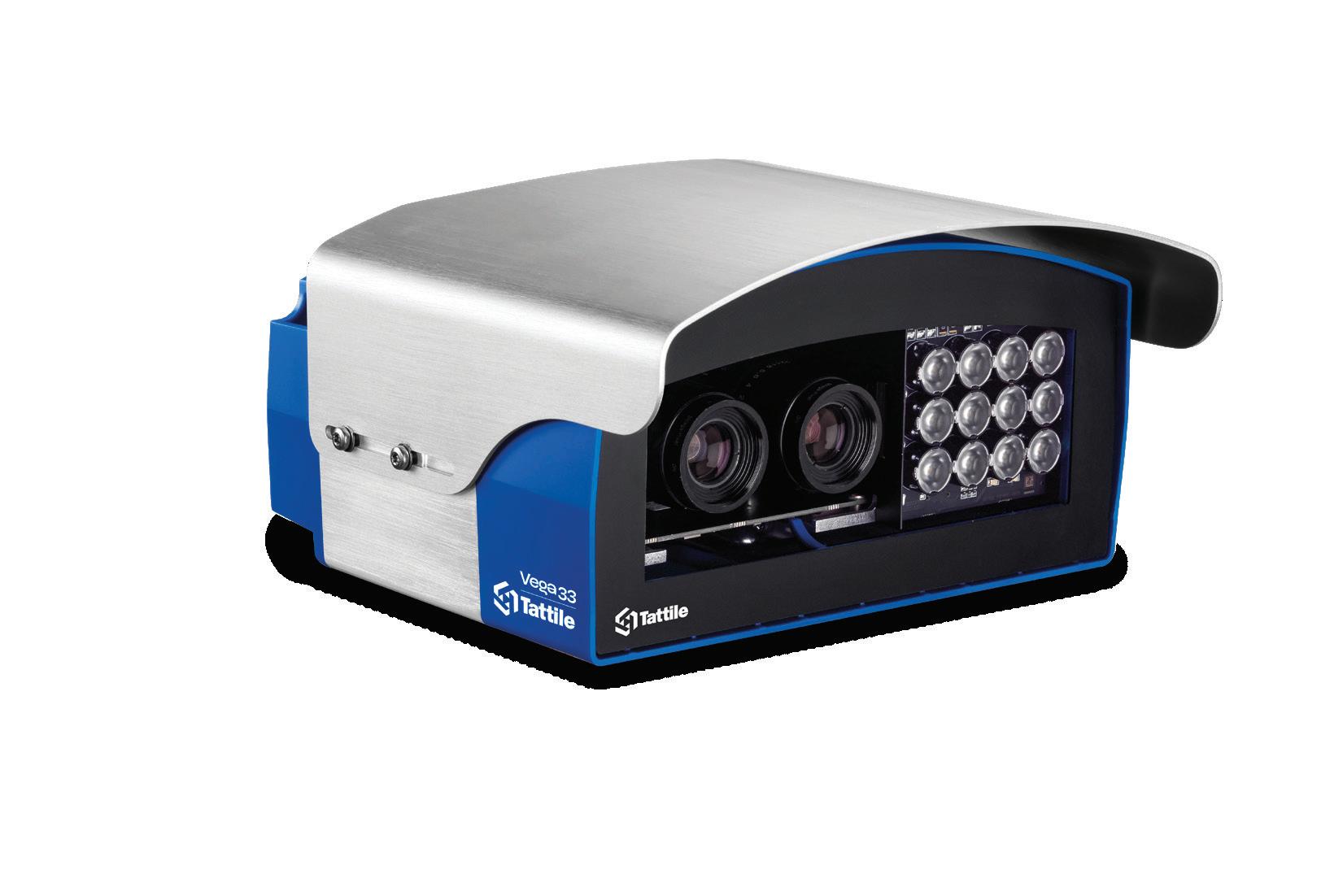
Avisit to the Tattile booth is a must. There is a range of new innovations on show, including optical Axle Counter, Inside Inspection, the Stark application framework layer, and the new Vega hardware platform created to host AI-based applications. Tattile cameras are used around the world in a wide range of ITS applications, but the company has moved forward what is possible.
For free-flow tolling operations, Tattile also has advanced what was considered state-of-the-art with a new concept of axle counting based on AI.
The company’s above-ground mounted Axle Counter features an on-board dedicated neural network processor that allows fast image processing capability to detect vehicles and their characteristics. This includes axles, raised axles status and speed estimation at any time of the day or night. Importantly, the system doesn’t require external triggering since it detects vehicle axle counts by image analysis, thanks to its processing capability. The Axle Counter provides the resulting metadata together with the reconstructed image of the vehicle, giving evidence of the transit to the tolling operators.
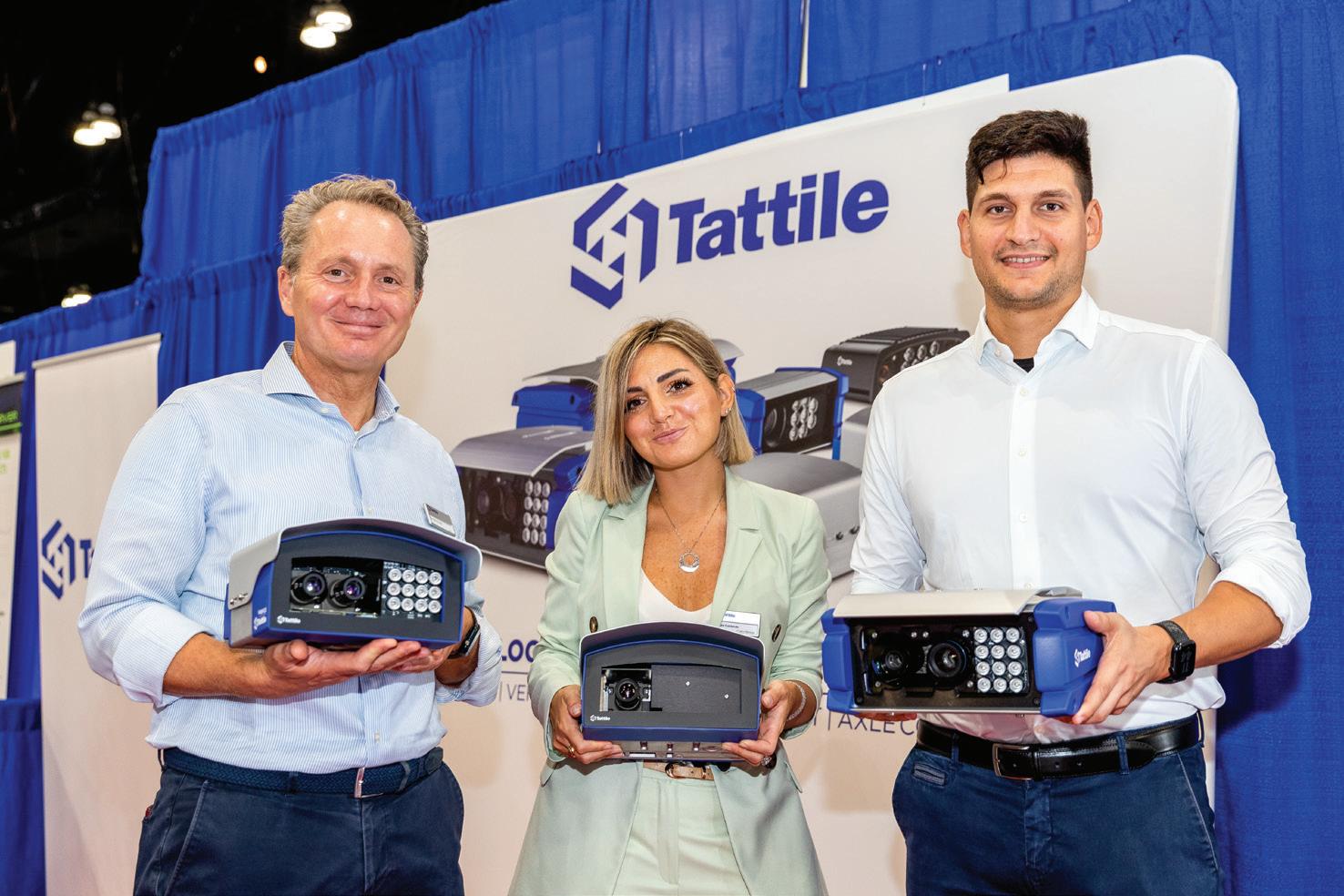
In the case of Tattile’s Inside Inspection, it is an important, ground-breaking innovation in high occupancy vehicle tolling enforcement as well as seat belt and phone use enforcement. Additionally, it provides a tool for statistical data collection for safe driving behaviours and
security applications. There are other significant benefits because the system uses an artificial intelligence (AI) algorithm for best performance in detection and recognition of front-seat vehicle occupants. ▶ Booth 1715 www.tattile.com
Denso, the inventor of the QR code is back for another round—using ITS World Congress in Los Angeles this week to unveil two next generation versions of the iconic cypher. Powered by blockchain technology, the two codes increase the carbon footprint traceability of vehicle batteries, helping to
build trust and reliability in supply chains while contributing to greater sustainability as electric vehicles become more prevalent.
The first new QR code overlays two separate codes on top of one another. Read by any camera application on a mobile
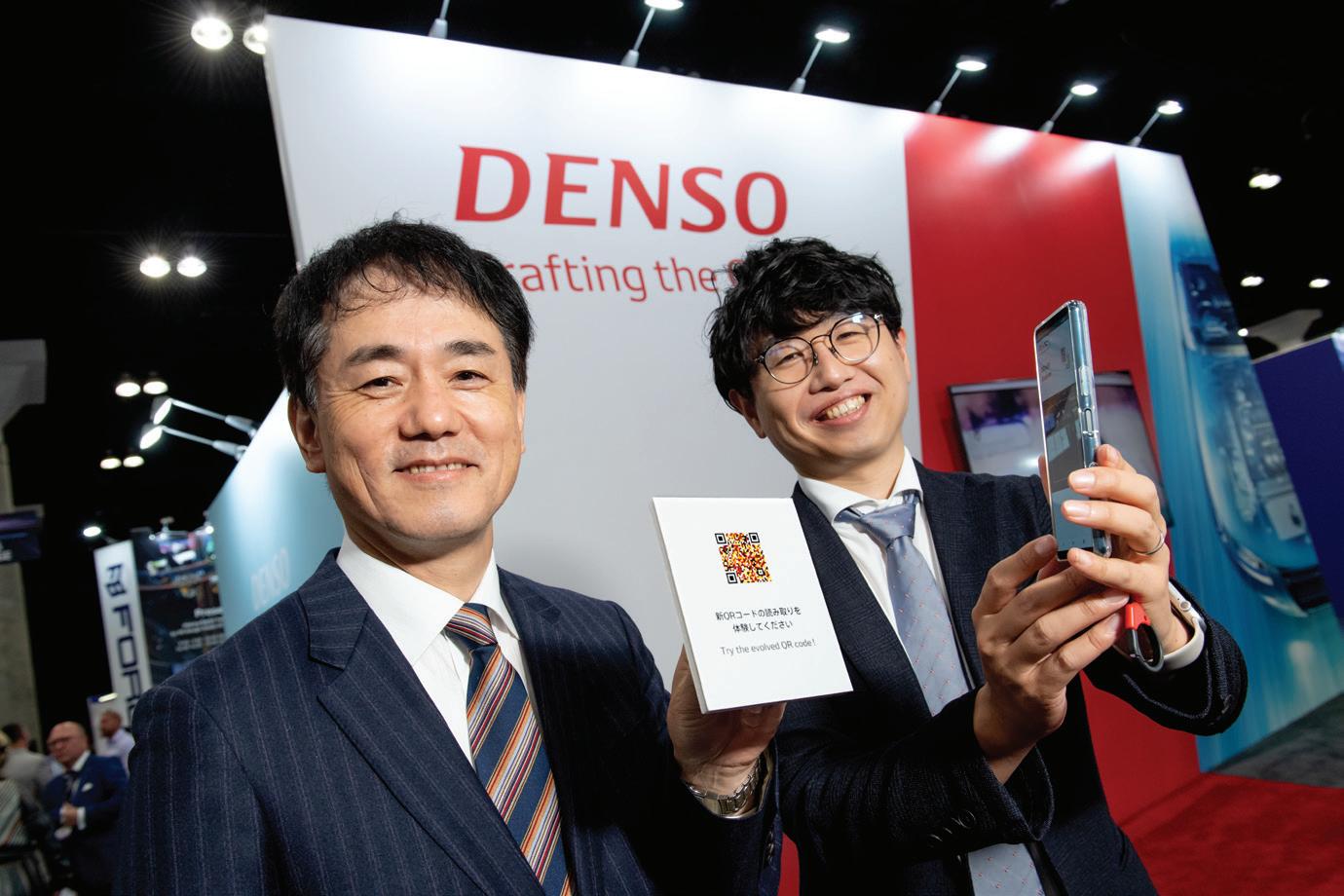
information than a single code—including list of materials, sourcing information and other pertinent supply chain data. Manufacturers may need to use the overlaid codes if space is limited or an existing code is already imprinted on the piece of equipment.
The second new QR code is invisible to the naked eye and can only be read with a special infrared reader. The latest versions of the iPhone, Android and other mobile devices come equipped with an infrared reader or users can purchase an adapter. These ‘hidden’ QR codes are useful for security reasons or for printing on top of existing graphics or logos.
The next-generation QR codes are part of Denso’s Peace of Mind initiative with the aim of “creating a safe and seamless world for all”. The company is also showcasing products at the show that fit into its Green initiative that aims to achieve carbon neutrality by 2035.
▶ Booth 811 www.denso.com


■
■
■
■






AEye’s platform is the only intelligent sensing solution for ITS with AI-driven, software-definable lidar at its core.
• – Customizable performance modes for any ITS application
• – Across countless mounting and mechanical constraints
• – High quality data at range in all lighting and weather conditions

• – Sensor operating system is upgradable to meet future requirements



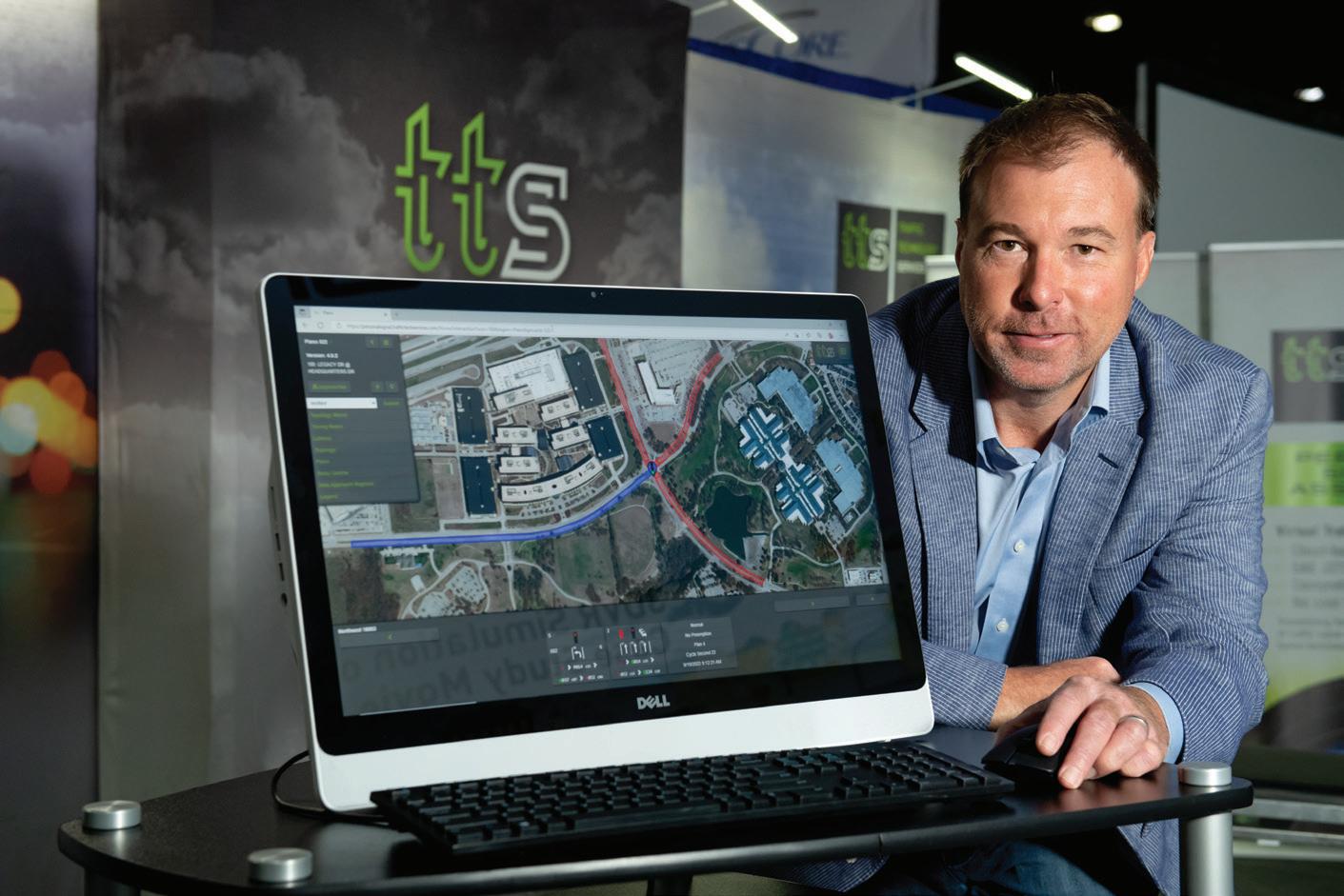
Traffic Technology Services (TTS), along with prime contractor KimleyHorn Associates, has begun the deployment of a five-year North Central Texas Council of Governments (NCTCOG) freight optimisation services project.
“This will be one of the first projects in the United States to provide cellular-based connected vehicle technologies to freight operators. These technologies render immediate benefits by enabling heavy vehicles to move smoothly along key corridors,” says NCTCOG project manager Thomas Bamonte. The project entails two ITS concepts for freight operators: environmental connected vehicle applications and freight signal priority.
First, TTS will equip freight operators with mobile applications that utilise its technology to provide a green light optimised speed advisory
(GLOSA) and avoid stopping at signalised intersections. These applications are driven by the TTS prediction of traffic signal operations and georeferencing API. Also known as the Personal Signal Assistant platform, it allows for immediate application development or integration into existing systems.
Secondly, Kimley-Horn Associates will implement its Traction platform to receive information from the TTS technology and send freight priority calls to local intersections.
An earlier study with Transport Canada, the City of Ottawa, and Carleton University also proved TTS freight technology effective.
“The Ottawa freight study revealed immediate fuel savings for the fleet, with some operators saving up to 14% with GLOSA,” says Kiel Ova, TTS head of government affairs and
partnerships. TTS currently has over 1,300 signalised intersections deployed across the Dallas-Fort Worth region, and additional agencies committed to supporting the
NCTCOG project. Visit the booth to learn more about TTS technologies and the NCTCOG and Ottawa freight projects. ▶ Booth 710 www.traffictechservices.com
Teledyne FLIR is showcasing the full spectrum of its smart city and traffic management solutions at ITS World Congress in Los Angeles. The solutions provide signal control, data analysis, incident response and public transit monitoring.
Using intelligent AI and the FLIR Acyclica Cloud platform, cities can apply AI-powered camera data to predict traffic, prevent congestion
and potential accidents and create safer roads for motorcyclists, cyclists and pedestrians.
The star of the show for Teledyne FLIR is the company’s intelligent thermal imaging sensor for traffic monitoring in complex urban environments. Based on AI algorithms built on more than 25 years of traffic detection and thermal imaging, TrafiSense AI delivers continuous vision and data collection for safer, more intelligent cities.
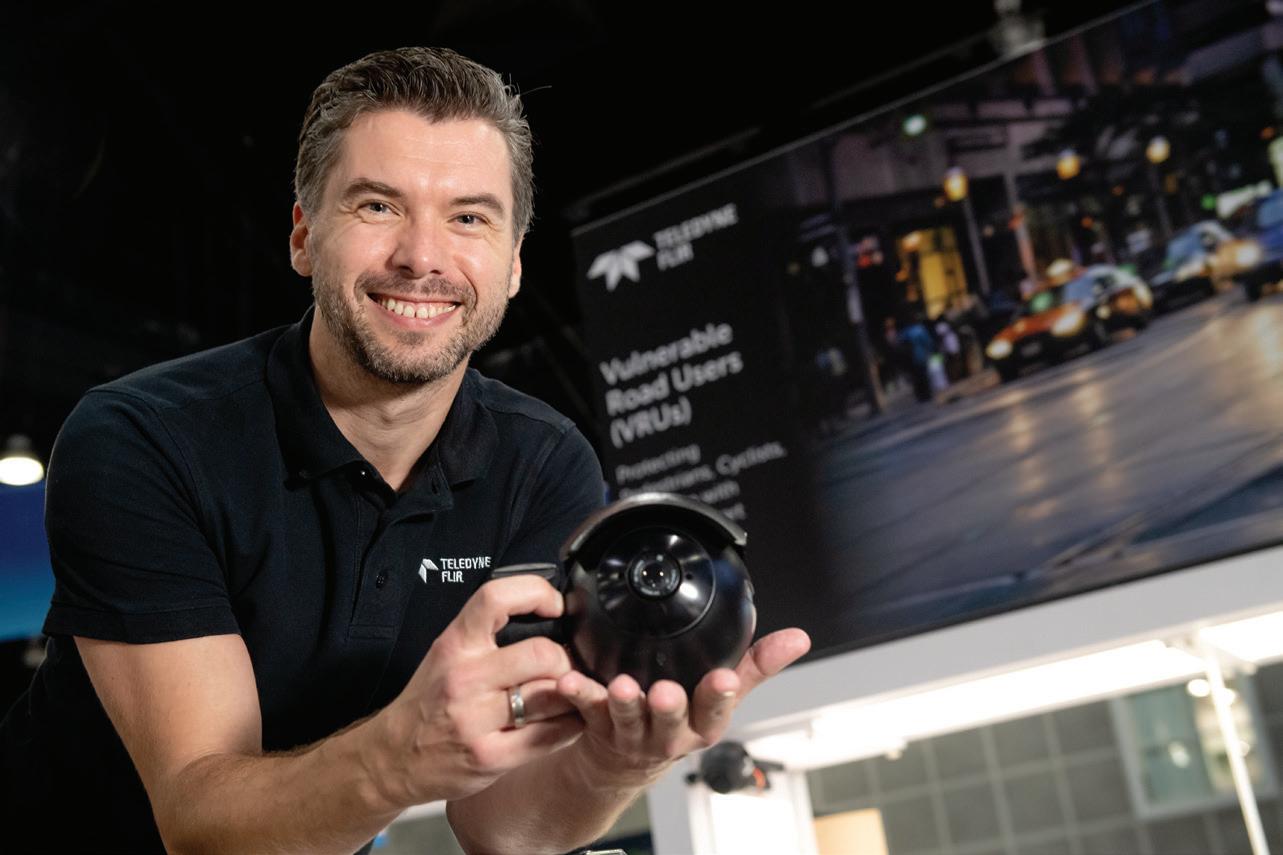
Capable of tracking multiple objects in any lighting condition, the advanced edge-based AI technology effectively controls intersections, helps protect vulnerable road users and gathers detailed traffic data for better city planning decisions.
"Through our high-performance family of thermal cameras, sensors, smart cities management platforms and underlying software, Teledyne FLIR for the past 25 years has revolutionised how traffic flows on roadways around the world by employing field-proven solutions to help vehicles and pedestrians alike move safely and smoothly through complex urban environments,” Jason Messerschmidt, senior director of sales, public safety solutions, Teledyne FLIR, said in a written statement.
“Teledyne FLIR ITS is at the forefront of intersection management, wrong-way driving detection and automatic incident detection developed through the integration of leading-edge sensing technology across the electromagnetic spectrum.”
Booth 923 www.flir.com/traffic

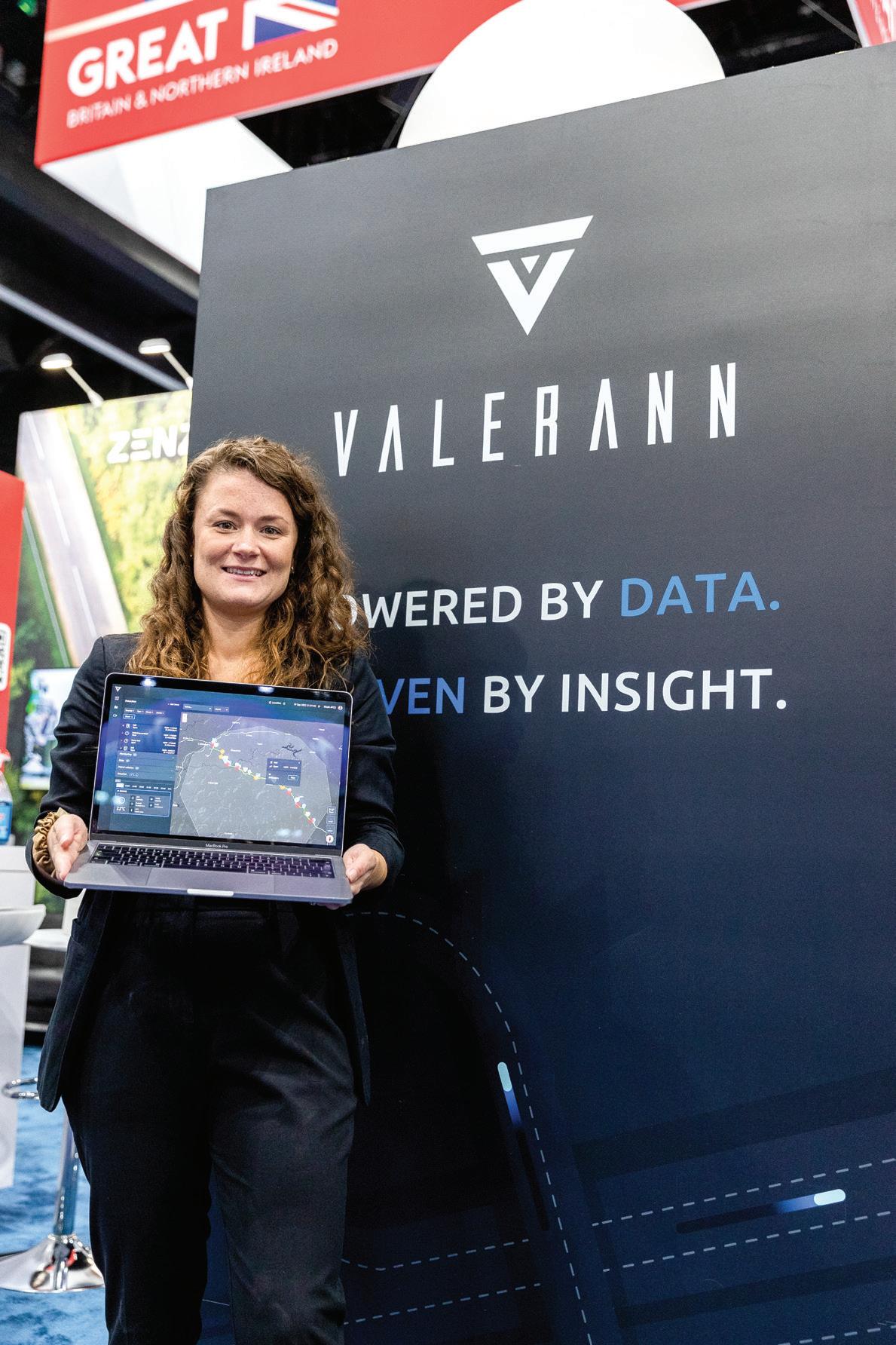
Valerann has announced here at the ITS World Congress that the company has just secured contracts with five key distribution partners in America, covering 23 states. The company is aiming to help road operators to rebuild trust in their operational data, thus improving efficiency and simplifying daily operations.
Valerann keeps challenging the transportation industry status quo and, following a successful deployment on AP-53 roadway in Spain, has announced that the use of its advanced AI solution Lanternn by Valerann now extends road monitoring coverage to 100% and detects 89% more road incidents.
These levels provide road operators with granular understanding of realtime road traffic situations, enabling a higher degree of accuracy in decision making, helping to improve KPIs and raising the bar in road traffic management.
Valerann’s new-generation
ATMS, that can be deployed atop of any system, in this case was integrated with Geomic – a road asset management platform by Openvia, a technology arm of global roadway operator Globalvia.
Exploiting the synergy between the companies’ flagship products, GeomicLanternn enabled better resources planning, faster response time and improved road safety. Valerann has announced that the new disruptive joint solution will be further deployed on Globalvia’s international concessions and will be available for global deployments with other road operators.
Indeed, Fernando Vallejo, innovation and systems irector of Globalvia and managing director of Openvia, described the result of the collaboration as “a game changer for the ITS industry”.
▶ Booth 1247 (UK Pavilion) www.valerann.com
Automotive Edge Computing Consortium (AECC) members Denso, KDDI and Nexar will join SBD Automotive to share how they are leading and shaping the success of the connected vehicle services industry through the AECC’s Proof-of-Concept (PoC) programme.
The PoC demonstrates how companies can meet the expanding data management needs of connected vehicle services—including HD mapping, intelligent driving, mobility-as-a-service (MaaS) and other use cases.
The session on Tuesday at 2pm in the Exhibition Hall Education Theater will give an overview of the PoC, how to apply and why the programme can help companies examine the best ways to process vehicular data across multiple Clouds and Edge computing environments.
▶ Booth 811 www.aecc.org
Metabuild's Traffic Digital Twin Platform uses data collected through radar sensors on a roadside, in a tunnel or on a bridge to create a real-time digital twin. Hundreds of these systems have been installed in South Korea. Traffic data is collected using SmartIDS (Incident Detection System) and Smart-VDS (Vehicle Detection System) to detect incidents such as stopped or reversing vehicles, pedestrian or traffic congestion.
A tracking camera will automatically focus on an incident site and then an emergency video is created so that traffic operators can quickly respond in the best possible way.
With its Edge computing technology, the radar system has advantages of fast data processing but low false alarm rates. Also, the data is collected 24/7 regardless of weather conditions.
▶ Booth 1750 www.metabuild.co.kr
US state and local departments of transportation are constantly welcoming a variety of new innovations in planning, operations, and finance. WSP, a globally-recognised professional services firm, points out that road user charging (RUC) has the potential to become a core element of transportation financing in the future.
By integrating RUC data with other ITS and C/AV data sources, departments of transportation are discovering new ways to dramatically improve safety and enhance mobility, all the while
providing more sustainable revenues to a weakened highway trust fund. WSP is at the forefront of many of these initiatives.
“Telematics data, captured during RUC pilot demonstrations, and operational programmes in a few states, is being integrated with other sources,” says WSP’s Steve Kuciemba.
“As a result, they can explore new mobility trends, identify real-time safety issues, provide more accurate and robust planning, while exploring new revenue models that are based
on the number of miles travelled, not by the number of gallons they consume. We are shaping standards to identify the most accurate and reliable ways to collect and use data for new innovations and leading efforts for pooled fund studies, such as RUC America, where we are identifying strategies to launch RUC programmes,” Kuciemba says.
WSP is planning and designing ITS and C/AV programs and
developing revenue forecasts, helping clients prepare winning grant applications, and launching robust communications campaigns to educate people on the benefits that this important convergence can bring.
Contact Connected and Automated Vehicle and ITS Lead Steve Kuciemba, steve.kuciemba@wsp.com, and Emerging Mobility Strategies Lead Mike Warren, michael. warren@wsp.com, to learn more.

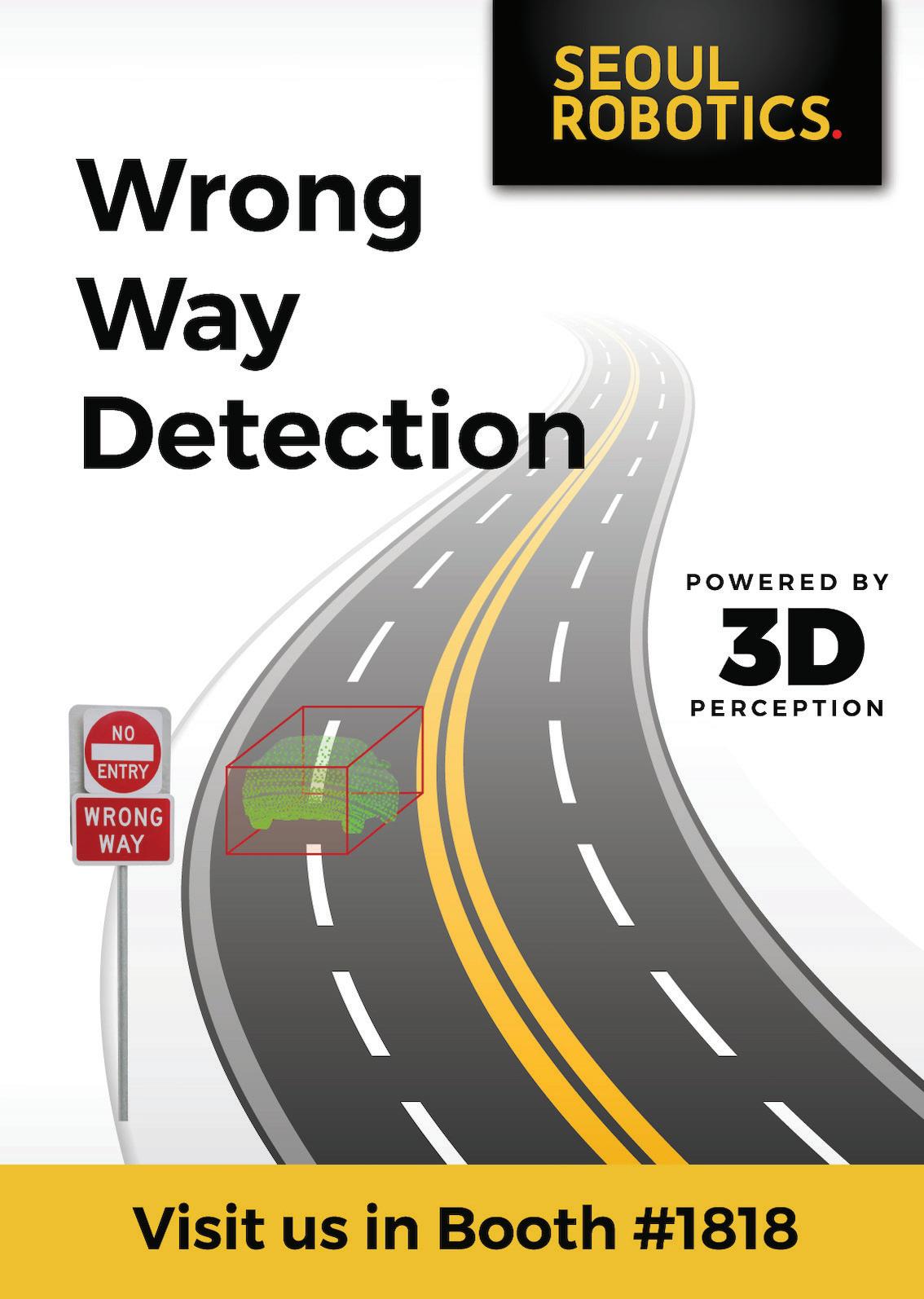
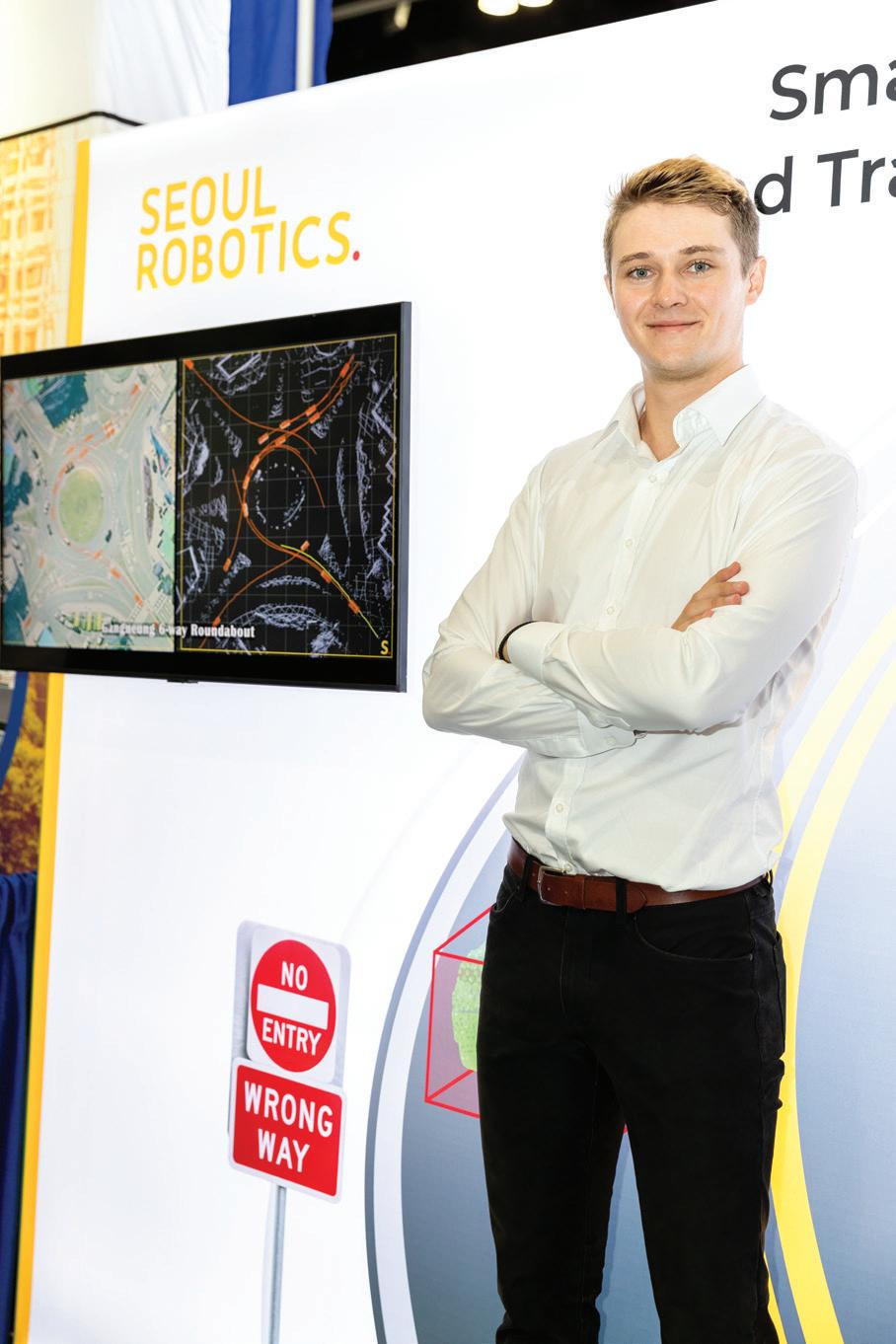
Seoul Robotics is here with its Wrong-Way Detection (WWD) system, which the 3D perception company says is a first-of-its-kind solution. The plug-and-play system collects and interprets 3D data to track wrong-way movement on roads and highways.
The solution’s software, Sensr, is trained to filter wrong-way movement as slow as only 5km/hour (approximately 3mph) up to four lanes deep and at a distance of up to 40 metres. Seoul Robotics says the solution is so sophisticated that it can accurately track and detect hundreds of objects simultaneously and capture wrong-way movement even in harsh conditions like rain, snow, and busy traffic.
WWD can be installed in less than a day. Data is seamlessly integrated into existing roadway monitoring systems.
This ensures that any user can quickly access and comprehend insights captured from 3D sensors and make the necessary changes to rectify issues. As one example, when the Seoul Robotics system detects a vehicle moving in the wrong direction, it will trigger a camera to begin recording. This footage is instantly sent to a central monitoring centre for review to determine whether to alert local authorities.
WWD's first trial led to a 99.9% accuracy over 90 days, with over 100,000 vehicles tracked. In the first 100 dedicated tests, the system scored a perfect 100/100. In normal operations on a multi-lane highway ramp, it can generate less than one false positive per week, while capturing every wrongway event, including vehicles slowly backing up to change lanes.
▶ Booth 1818 www.seoulrobotics.org
Real-time situational awareness with intelligent traffic solutions
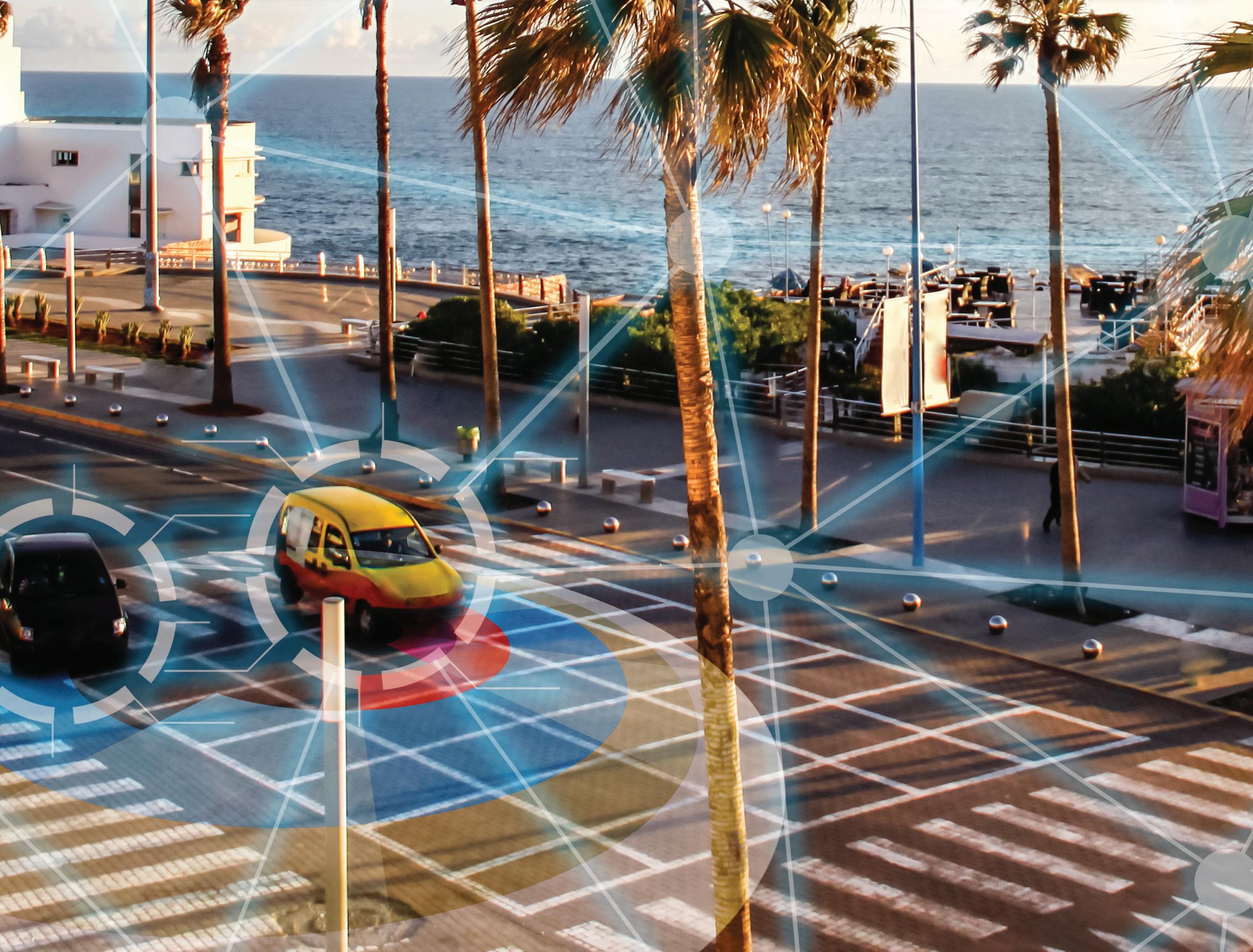
Collecting traffic data in real-time gives you reliable insights into what’s happening on the roads. By combining high-quality video from IP cameras with ITS-specific analytics and applications, the camera can become the ultimate sensor in ITS, turning raw data into useful intelligence.
To see how intelligent traffic solutions can help you, visit axis.com/traffic










































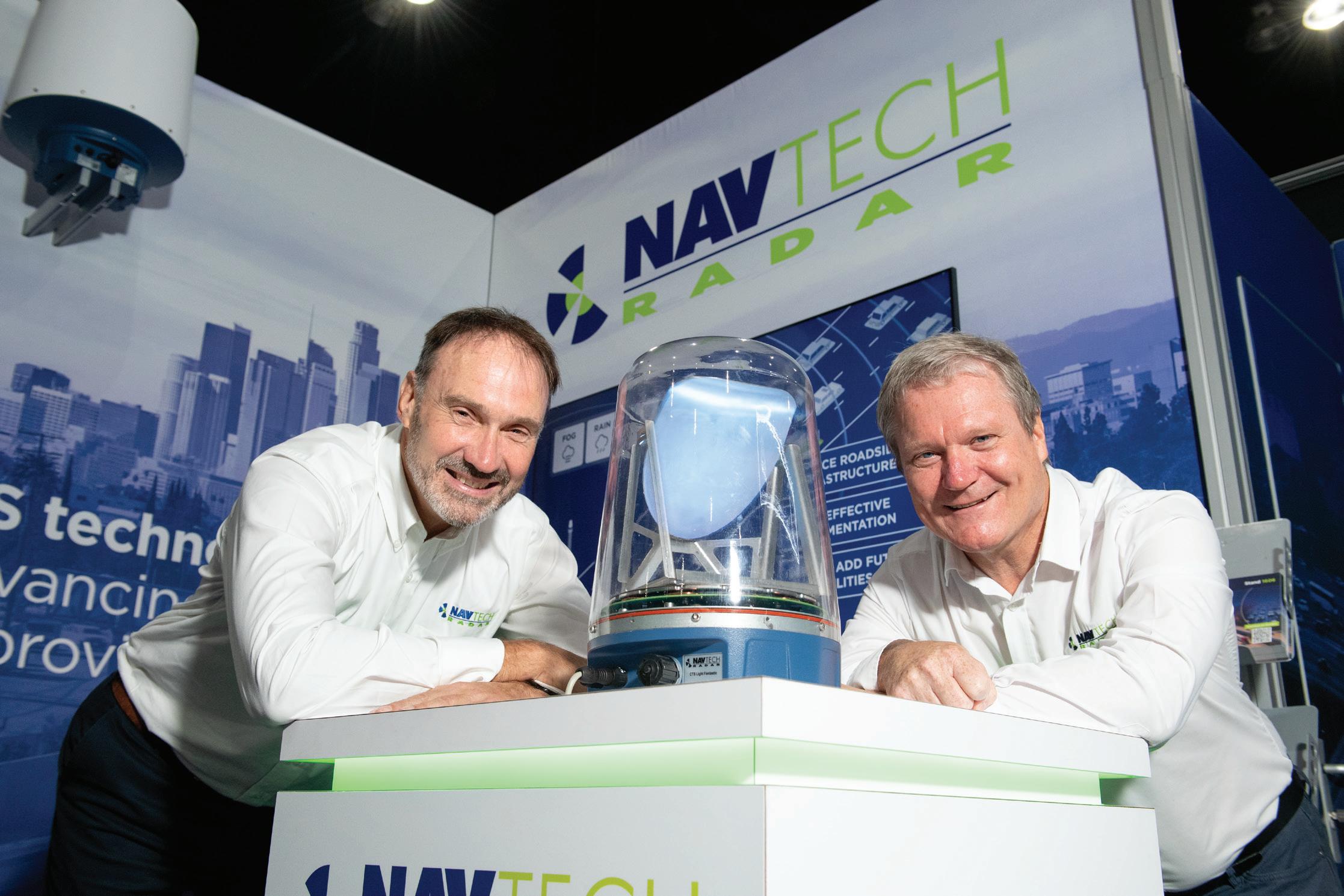
Navtech’s ITS solution has been recently selected as the AID technology for a major highway corridor in Maryland, as the company is highlighting here in LA. It will be providing stopped vehicle detection, automatic incident detection, count and classify, slow vehicle detection and wrong-way driver detection. Navtech says its technology was chosen due to its functionality and reduced maintenance when compared to visionbased AID technologies.
Navtech’s highways technology, ClearWay detects when and where traditional technology can’t. It provides consistent operation in all conditions, as well as 360o, multi-lane highway coverage, and delivers multiple capabilities from a single radar.
Visitors are invited to speak to Navtech UK and US team representatives who will be on hand to explain how its radar-based technology works and how it can help advance safety and improve journeys on highways.
For the most complete picture of highway activity, smart sensors from Liveable Cities, a division of LED Roadway Lighting, are easily attached to streetlights.
The SLX-SPEED and COUNT radar sensors collect data based on the average speed, overspeed and peak speed of vehicles. This micro-sensor also collects and reports basic vehicle counts. Meanwhile, the SLX-VIDEO high-definition cameras record video that is accessed live
or downloaded from the edge for postvideo capture analysis.
The SLX-PARTICULATE sensor for PM2.5/10 monitors and reports air quality information back to a Cloud-hosted software platform for data visualisation. They all are connected using existing US NEMA sockets without needing special tools.
▶ Booth 846 www.liveablecities.com
In August 2020 Navtech Radar introduced the KTS radar to its range, making its highways road safety technology available to use in more regions of the world, including the US. The KTS-350 is FCC certified and is specially designed to operate in the Ka Band, meeting local frequency requirements.
Navtech says its solutions push the boundaries of what is traditionally possible, using its unrivalled radar technology.
▶ Booth 1606 www.navtechradar.com
Visit the Marben stand for live demonstrations of its V2X applications that have won wide acceptance among Chinese vehicle manufacturers. Having reached what the Chinese company says is a “milestone” in product development and deployment, it will now focus on the US and European markets. Its products support both the latest wireless subnetworks as well as the latest versions of V2X standards including Europe ETSI, Chinese SAE and US SAE.
▶ Booth: 946 www.marben-products.com


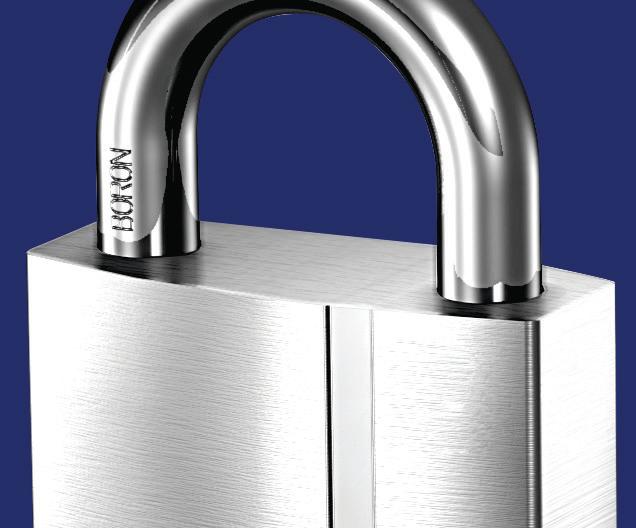
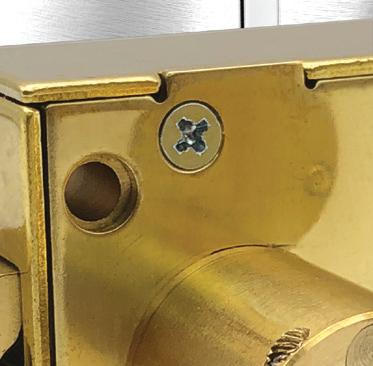
Kory Hamill is ready to talk early and often on the Abloy Critical Infrastructure booth about the new 75481 series Traffic Enclosure lock. He’s the new vertical market manager –transportation, for the company, a performance partner that provides critical asset security and remote access management solutions for critical infrastructure customers.
“There has been a lot of positive feedback from DOTs and municipalities about this highly effective and seamless product, which uses high security cylinders,” said Hamill. He explained the lock is a hybrid solution that can be a drop-in replacement for existing or modern traffic control cabinets and allows either mechanical or electromechanical cylinders to be used in the same system.
“Our customers are very happy there are multiple versions to meet their needs. It’s available as a bolt and slam latch, with left or right mounts and dust covers, and either mechanical or the

electromechanical Cliq.”
Hamill said the ease of use and easy maintenance are the driving factors winning over customers, in addition to the tried-and-true benefits of the Cliq technology.
“When using the Cliq key, a
time stamped record is stored in the key and a copy saved to the lock. When the key is updated, any access rights changes are applied to the key and an audit trail is uploaded to the servers so the administrator can see which keys are accessing which locks
Continental is taking the opportunity to educate conference goers on four of its mobility solutions – including the company’s Wrong Way Driver (WWD) detection and notification services, Mobility as a Service (MaaS) platform, intelligent intersection solution and guardian angel solution.
In particular, Continental’s MaaS platform allows organisations to connect and manage their fleets across vehicle types and brands.
Intelligent Intersection Vantage Fusion is an infrastructure-based
radar and vision system developed in collaboration with Iteris that provides a 360o perception of an intersection, allowing organisations to identify, track and communicate on behalf of all traffic participants.
Finally, ‘digital guardian angel’ is a Cloud- and cellular-based solution that enhances V2X ecosystems by calculating a vehicle’s route over the next five seconds using GPS and speed data from cars and smartphones.
▶ Booth 513
www.continental-corporation.com
with time and date stamps.”
See a product demonstration, either at www.youtube.com/ watch?v=jQ-tseSpHNg or on the Abloy Critical Infrastructure booth.
▶ Booth 538
www.abloyusa.com
Collaboration, knowledge sharing and best practice are the hallmarks of ITS Norway and can be seen first-hand at the organisation’s booth. Meet over 30 Norwegian and Finnish partners, one Swedish firm and one Estonian company whose goals are the sustainable transformation of mobility in all sectors.
The Nordic region has a track record of creating conditions for profound cooperation where digitalised services, cross-border collaboration and development of new opportunities for international businesses are paramount.
▶ Booth 1447
www.its-norway.no/en


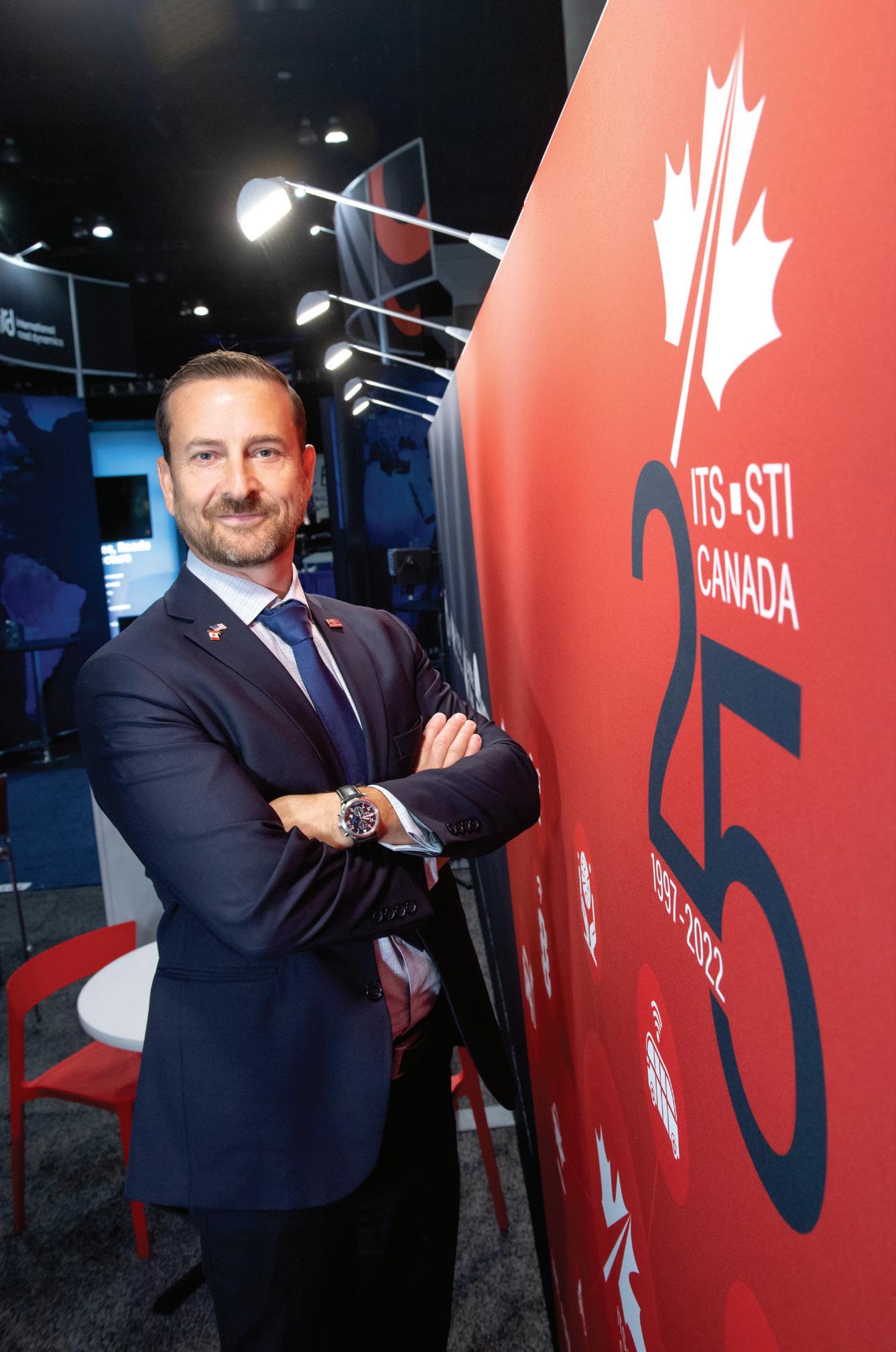
Here in Los Angeles, ITS Canada continues to celebrate its 25th year. The theme is “Never stop moving. Never stop improving,” says Ian Steele, chief executive of ITS Canada. This, says Steele, is essential to make transportation more safe, efficient, accessible and with less impactful on the environment.
About the only thing that’s held steady at ITS Canada throughout this period is the aim to achieve transportation efficiency by minimising transportation problems. Steele acknowledges that this is a lofty goal in a country as vast and as diverse as Canada.
To put it into perspective, at 3.8 million square miles Canada is only slightly larger than the US, taking into account Alaska and Hawaii. But the US has a population of about 330 million versus Canada at only 38 million, just more than a tenth of the US population.
The US population density is 94 people per square mile while Canada’s is 11 people per square mile.
However, importantly, around 81% of the Canadian population is urban – about the same as the US, at 83%. This is why ITS is as important in Canada as in other countries, notes Steele. To this end, ITS Canada and its members have contributed to countless
critical infrastructure projects over these past 25 years. After a successful experiment in the use of a digital computer for remote traffic signal control, Toronto became the first city in the world to implement a full-scale computerised traffic signal system.
In the mid-1970s, the province of Ontario initiated an MTCS – municipal traffic control system – programme to assist small jurisdictions with set up of computerised traffic management systems. Then in the mid-1980s, Ontario developed and implemented the world’s first 100% fibreoptics-based freeway traffic management system.
“We’ve grown into a community of experts and specialists who have helped shape the industry into what it is today,” says Steele. “As traffic, congestion, mobility challenges, transportation modes and commuter expectations have multiplied, we have focused on keeping it all flowing smoothly.
“ITS Canada is actively expanding its membership with a focus on increased networking to share information and cultivate relationships that can blend old and new technologies into tomorrow’s ITS designs,” he says.
▶ Booth 1052
www.itscanada.ca
Emergency Response Day has returned to the ITS World Congress in Los Angeles this year, giving delegates and visitors the opportunity to see how smart technology is helping to ensure safety in the most high-pressure environments.
For police, fire and ambulance services, every second counts as they race to get to incidents or save lives – but with urgent response comes risk to other road users and to responders themselves. That is why events and demonstrations run throughout today’s ITS World Congress programme to highlight how it is possible for responders
to safely navigate evolving smart city infrastructure. Education sessions include The Critical Role of Technology in Managing Traffic Incidents (10.30am-12pm 411 Theater) and there will be a workshop on Development and Implementation of a Comprehensive National Traffic Incident Management Training Program – a United States Success Story (1pm-2.30pm Room 404A).
Demonstrations include Axon’s Tethered Drone Scene Monitoring, Haas Alert’s Connected Vehicle/V2V Digital Alerts, and the City of Los Angeles Fire Department will be showcasing its electric fire engine.
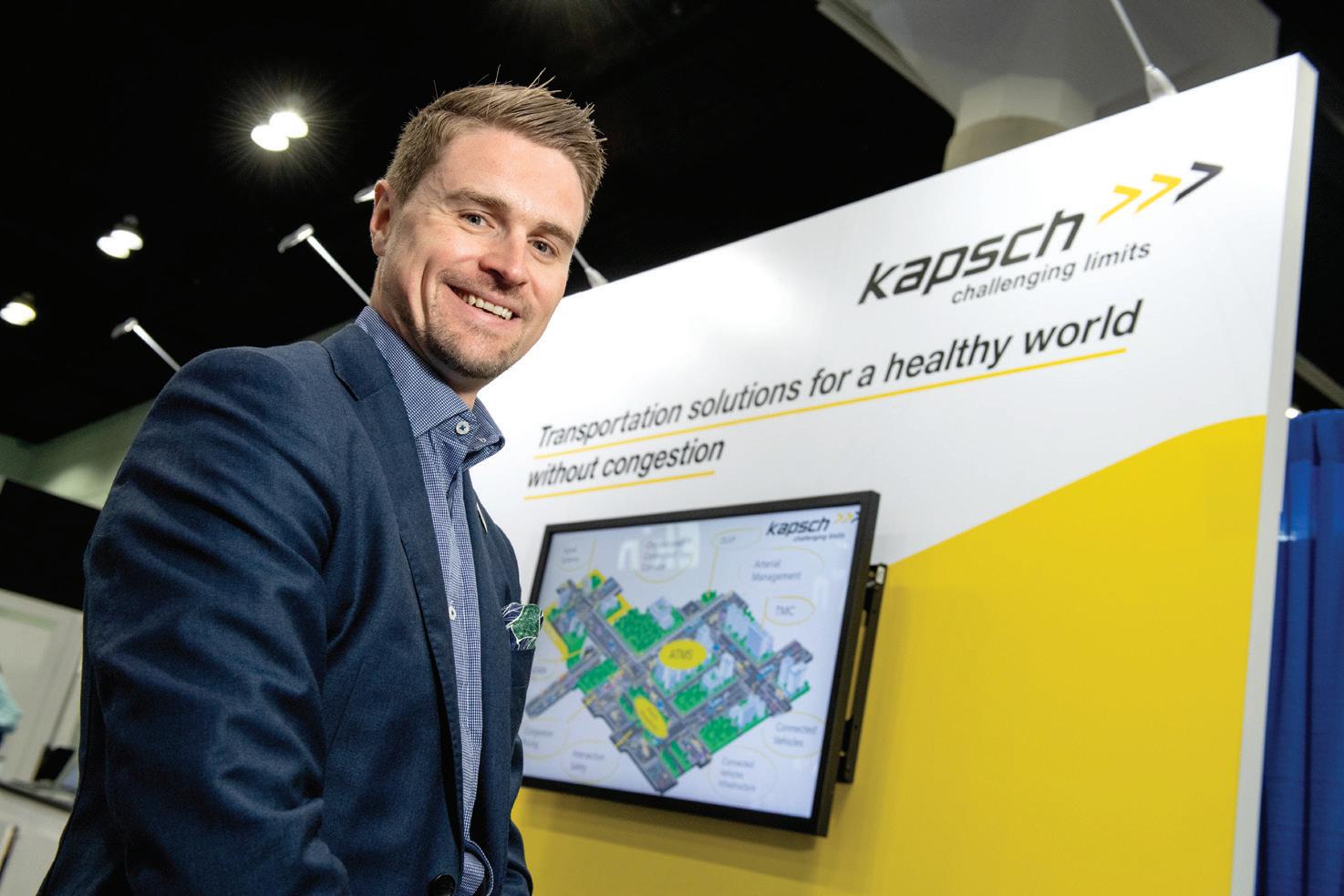
Kapsch TrafficCom’s David Bolt, VP Sales and Solution Consulting for the APAC region, will provide an update for attendees on how the Kapsch and AIMES Intelligent Corridor project is going and explain six defined use cases focused on congestion management and improving road safety. The project was launched by Kapsch TrafficCom in March of this year together with the University of Melbourne and the Victorian Department of Transport (DOTVic), supported by an Australian Research Council (ARC) Linkage grant from the Federal Government.
“Our idea is to use new and existing technology to provide effective “change levers” to traffic operators, improving the transport network and the surrounding environment for all traffic participants,” Bolt says.
Covering a 2.5-kilometre stretch of Nicholson Street, the intelligent corridor uses sensors, Cloud-based AI, machine learning algorithms, predictive models and real time-data capture to improve traffic management – easing congestion, improving road safety for cars, pedestrians and cyclists, and reducing emissions from clogged traffic.
The intelligent corridor marks a
level of monitoring, with sensors on every intersection and a host of initiatives that will create a world-leading traffic management system.
The Kapsch Intelligent Corridor is part of the AIMES (Australian Integrated Multimodal EcoSystem) network. AIMES is the world’s first and largest ecosystem for testing emerging connected transport
environments. It incorporates over 100 kilometres of road network in Melbourne and receives support from the Victorian Department of Transport.
To learn more, attend David Bolt’s presentation today, Tuesday, in hall 406A or visit the Kapsch TrafficCom stand.
▶ Booth 1853 www.kapsch.net/ktc
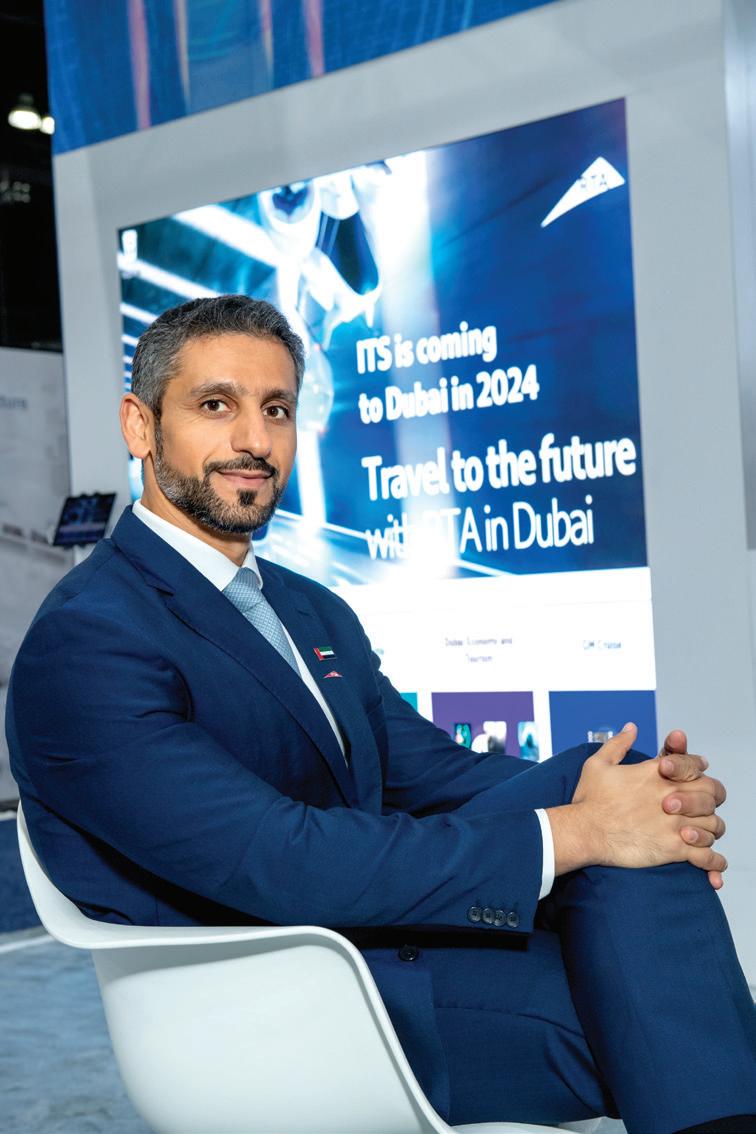
Dubai is one of the most cosmopolitan cities in the world and in 2024 the world of ITS will be headed to Dubai. ITS World Congress 2024 will be the first time that this signature event is held in the Middle East since it was launched in 1994.
The 30th ITS World Congress, from September 16-20, 2024, is organised by ERTICO - ITS Europe and hosted by the Roads and Transport Authority (RTA) of Dubai, one of the seven emirates that make up the United Arab Emirates.
“Dubai was in competition with many international cities for the honour to hold this prestigious event,” said Mohammed Yousuf Almudharreb, chief executive, corporate technology support services at RTA. “Dubai has over the past 16 years or
so invested the equivalent of around $27 billion into transportation infrastructure including roads and traffic management. We are also grateful for the work of ERTICO - ITS Europe in Dubai.”
Congress attendees are invited to visit the stand at 4.30pm on Wednesday for a social event and presentation about ITS World Congress 2024. The government of Dubai has taken the lead to transform the city’s transport infrastructure by working towards seamless and sustainable mobility. This includes the ‘Dubai SelfDriving Transport Strategy’ where 25% of all transportation trips will be driverless by 2030.
▶ Booth: 1513
https://itsworldcongress.com

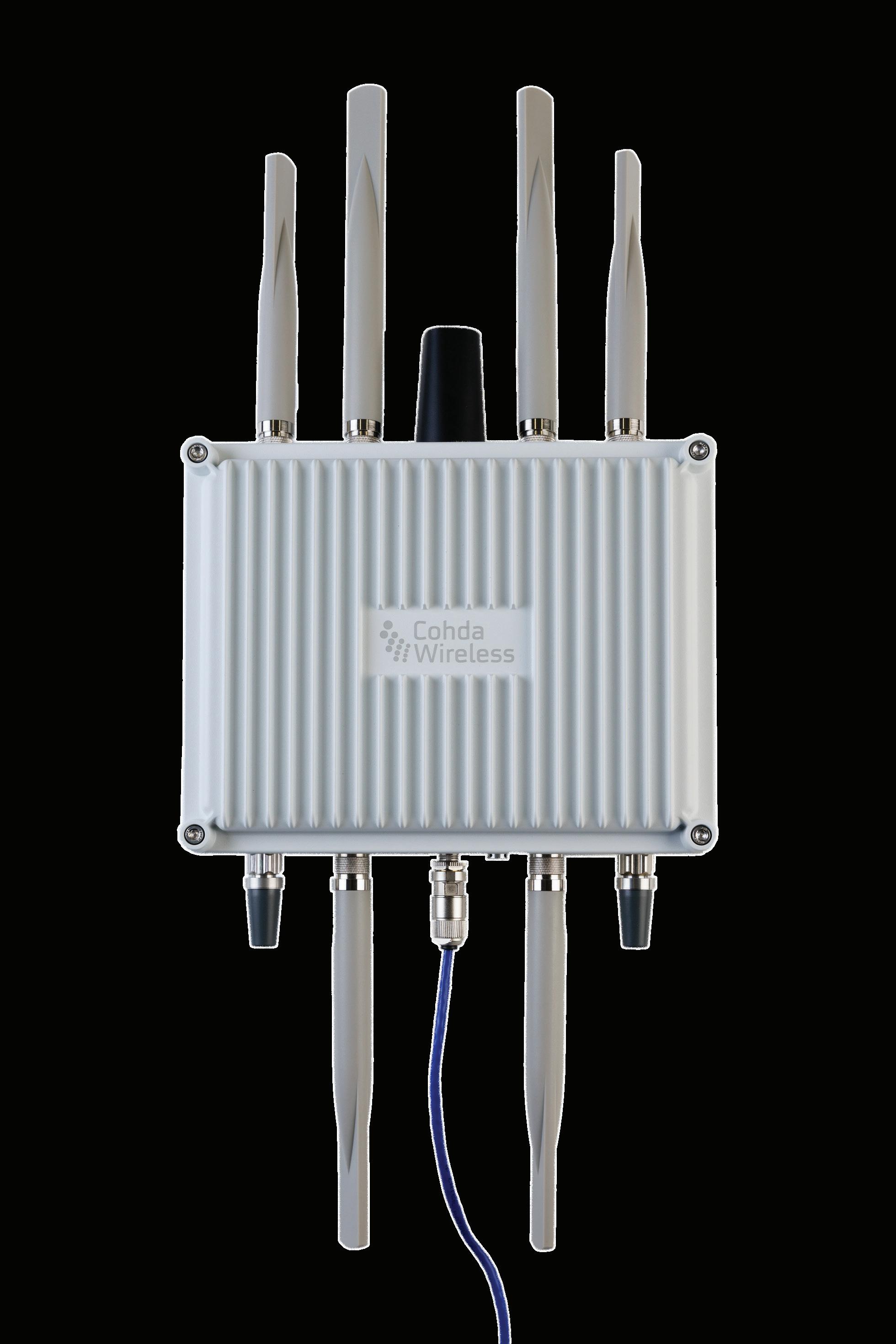
Cohda's new MK6 RSU offers a robust, secure foundation for intelligent transport systems of the future supporting your technology choice of C-V2X or DSRC. The MK6 is the world's most advanced V2X device incorporating: Visit: ITS Australia Booth #939 Email: inquiry@cohdawireless.com
DSRC with 2x NXP RoadLink® SAF5400 chipsets
C-V2X with Qualcomm SA515 chipset supporting 3GPP R15 Cellular 5G NR with fallback support for 4G (LTE Cat 19)/3G/2G
Wi-Fi 802.11 a/b/g/n/ac Bluetooth v5.1



We know transportation is personal.
Visit us at Booth 1723, and let’s discuss advancing mobility together.
Getting from Point A to Point B is part of your everyday life. Now it’s time to get you there smarter, safer, and more efficiently. cubic.com/transportation