Mineral processing ESG technology
Commodity spotlight
Volume 118/5 | JUNE 2026

Paul
Hayes
paul.hayes@primecreative.com.au

Mineral processing ESG technology
Commodity spotlight
Volume 118/5 | JUNE 2026
Paul
Hayes
paul.hayes@primecreative.com.au
A recent agreement in Western Australia involving Rio Tinto and millions of litres of diesel signals an important shift in how fuel security is being built across the mining sector.
Rio Tinto’s recent decision to redirect millions of litres of diesel into Western Australia’s strategic fuel stockpile could be seen as a straightforward commercial and logistical arrangement. But it is also a glimpse into how Australia’s mining sector is becoming embedded in the machinery of national fuel security.
The deal – in which eight million litres of diesel that would have supported mining operations was instead diverted into a government-managed reserve – marks an important shift, placing a major miner directly inside the supply conversation for fuels, not just as a consumer but as a participant in how resilience is built and maintained.
For an industry long defined by its role as one of the country’s largest diesel users, this is a notable repositioning.
Mining has always been at the sharp end of fuel logistics. Remote operations, vast haulage fleets and isolated processing hubs mean diesel is little short of an operational lifeline. What is changing is the recognition that the same logistical constraints shaping mining operations also shape broader regional and state-level fuel security.
In WA, where vast distance amplifies every supply chain vulnerability, that overlap is becoming impossible to ignore. The Rio Tinto arrangement effectively converts part of an industrial fuel supply chain into a buffer for public resilience. It is not a transfer of ownership so much as a strategic reallocation, with fuel once destined for production now helping to underpin system-wide stability.
That is important because the notion of fuel security has moved from a theoretical discussion to a practical constraint for how remote. Transport, agriculture, emergency services and regional communities all rely on the same diesel networks that sustain mining operations. When they tighten, the pressure is felt across the entire system.
Mining companies, by virtue of scale, storage capacity and procurement reach, sit at a unique
junction within that system. They are major demand centres and, increasingly, potential stabilisers.
The Rio Tinto agreement highlights this duality. In stepping into a coordinated stockpile arrangement, the company is acknowledging that its fuel footprint cannot be separated from the resilience of the regions in which it operates.
Supply chain resilience is a business risk as much as a policy concern. Fuel volatility, shipping disruptions and global price shocks all have direct implications for operational continuity in mining. By participating in stockpiling arrangements, the industry is insulating itself from systemic fragility while also supporting government objectives.
It remains to be seen whether these arrangements represent the beginnings of a more formal framework or an ad-hoc response to immediate pressures. That leaves a larger question about how Australia intends to integrate high-consumption industries into long-term fuel security planning.
As the energy transition accelerates, that question will only grow in importance. Diesel is expected to remain a critical fuel across mining, freight, agriculture and emergency response for decades, particularly outside urban centres. The challenge will not be replacing diesel but managing its role in a constrained and increasingly complex energy system.
Seen in that light, the Rio Tinto arrangement may be less an isolated transaction and more a marker of change for a future in which mining companies contribute to how fuel markets remain stable under pressure. If that trajectory continues, fuel security may become one of the areas where mining quietly helps shape economic resilience.

Paul Hayes Managing Editor
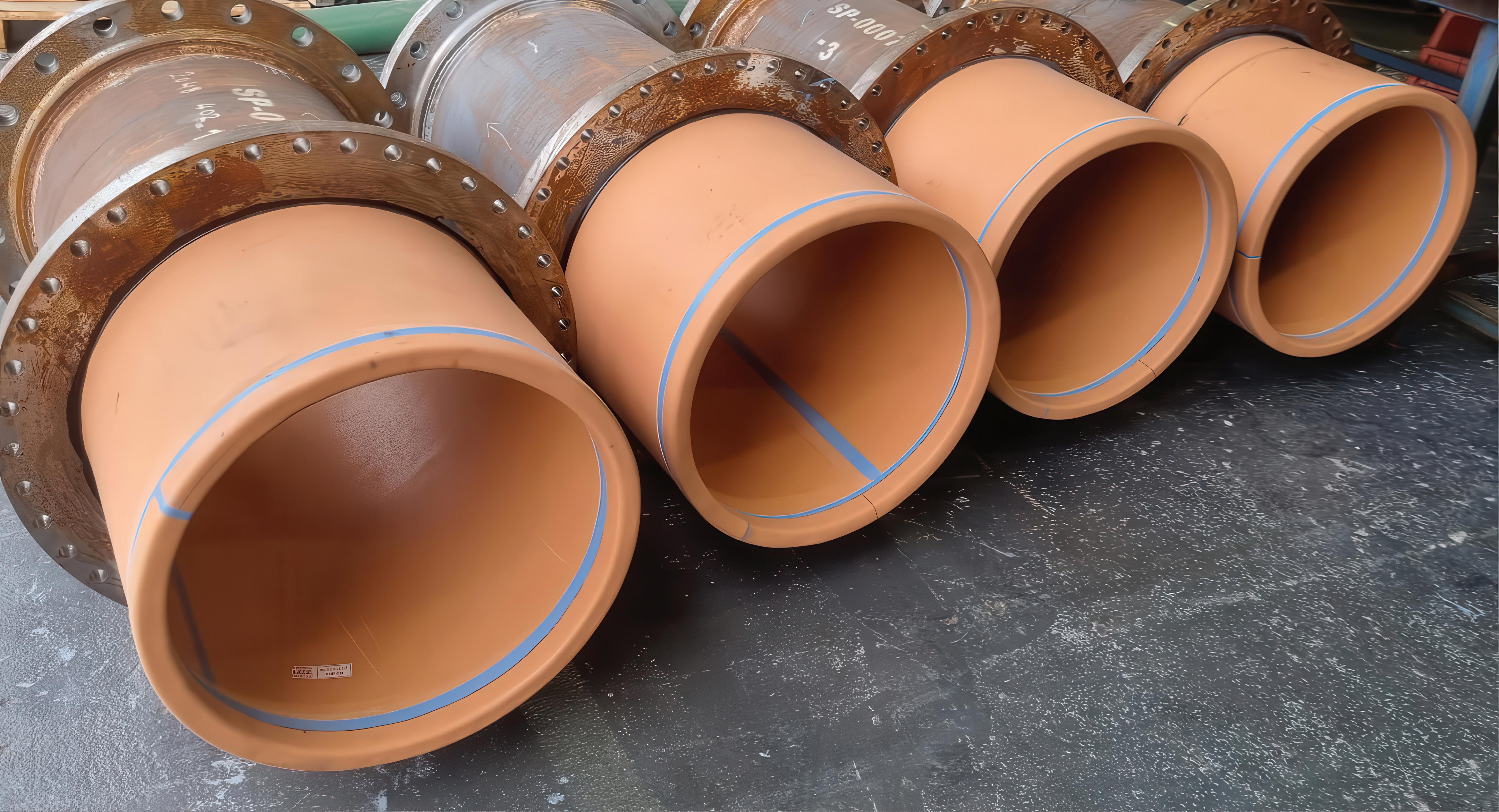
Front cover REMA TIP TOP is a pioneer in rubber manufacturing with decades of innovation and technological development. Its products are used to extend asset life and reduce maintenance. REMA TIP TOP supplies Australia’s mining houses, OEMs and EPCMs with solutions including rubber lining, wear and corrosion protection and conveyor maintenance. Using extensive experience, laboratory and field testing, it selects materials suited to specific operating conditions to ensure effective protection systems. Its focus is improving availability through reliable, longlasting products that reduce maintenance costs and extend equipment life. It is supported by nationwide hubs and specialist rubber lining workshops in Perth and Brisbane.
Cover image: REMA TIP TOP
Chairman John Murphy
Chief Executive Officer Christine Clancy
Managing Editor Paul Hayes paul.hayes@primecreative.com.au
Assistant Editor Engel Schmidl engelbert.schmidl@primecreative.com.au
Journalists Dylan Brown dylan.brown@primecreative.com.au
Ben Cartwright ben.cartwright@primecreative.com.au
Ethan Benedicto ethan.benedicto@primecreative.com.au Client
Phipps 0466 005 715 james.phipps@primecreative.com.au
1 Reliable rebuild completion – on time commitment
2 Cost certainty you can trust – no hidden costs
3 Lower upfront spend – bigger return

Mineral processing
Matching linings to processing conditions
REMA TIP TOP’s tailored lining systems are helping miners balance wear life, cost and downtime across processing circuits.
10 Industry insight
Australia’s lithium moment
Australian lithium is gaining momentum as demand grows, creating opportunities for the country to expand its role in supply chains and downstream processing.
12 E SG technology
From compliance to competitive edge
How ESG technology is driving smarter, greener mining operations.
16 E SG technology
Building towards a circular conveyor future Fenner’s K-MIX hub in Kwinana is driving a circular approach to conveyor belt manufacturing and recycling in mining.
20 E SG technology
Driving pump efficiency FLS is strengthening its pumps, cyclones and valves offering to support Australian mining performance.
30 Digitisation
A digital future ABB appeared on the Australian Mining Podcast to discuss increasing opportunities around mine digitisation.
34 Connectivity
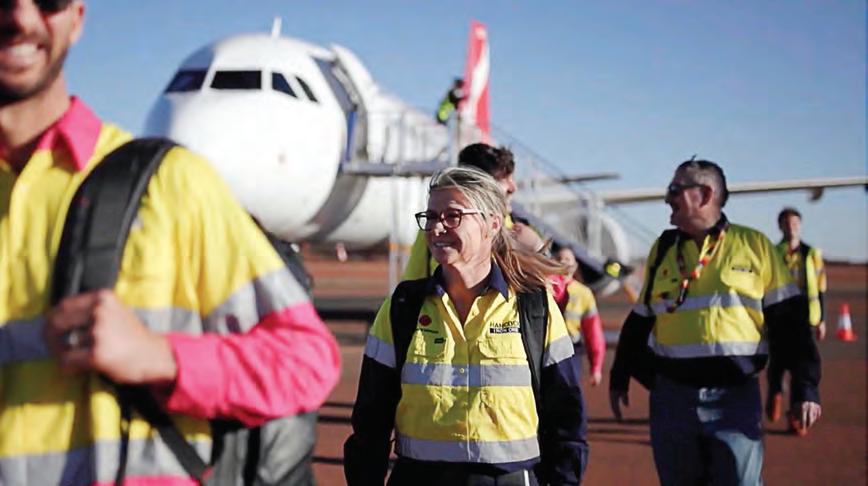
Mining’s new workforce bargain Vocus is helping reshape expectations around FIFO life through new fibre, private wireless and satellite networks.
52 Commodity spotlight
Coal finds new tailwinds
Fresh international demand, tightening energy markets and the expansion of digital infrastructure are giving Australia’s coal industry renewed momentum.
56 Industry insight
Building critical supply chain security
A strengthened critical minerals partnership with Japan is reshaping Australia’s role in global supply chains.
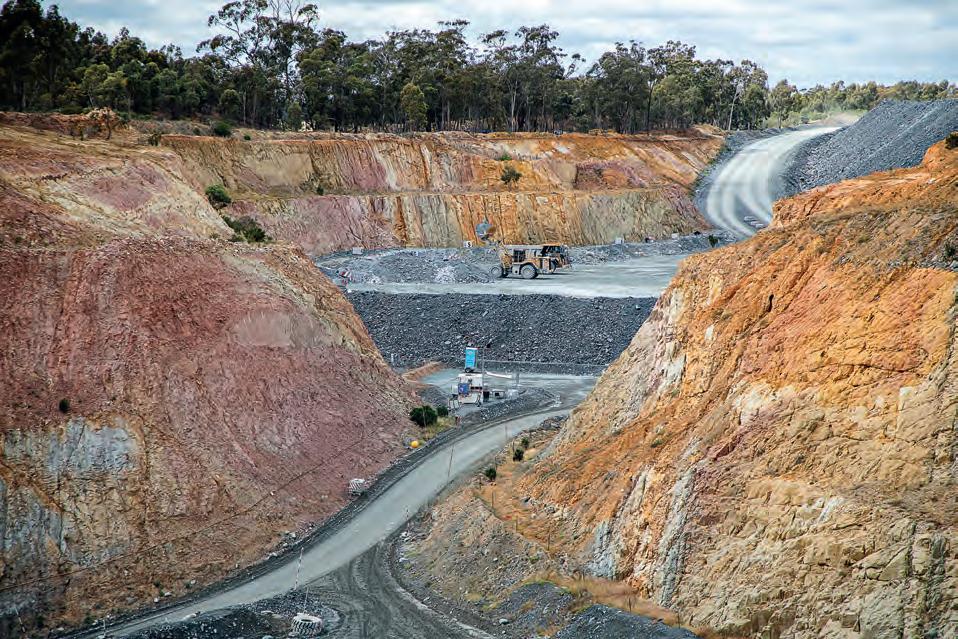
A major gold merger is set to reshape Australia’s mid-tier landscape, with six key assets combining to form a single, large-scale producer.
The proposed merger between Regis Resources and Vault Minerals is set to create a major new force in Australia’s gold sector, anchored by six cornerstone assets.
The merger of equals will be implemented via a scheme of arrangement under which Regis will acquire 100 per cent of Vault’s fully paid ordinary shares. Once complete, the transaction will combine five operating hubs across Western Australia with the large-scale McPhillamys development project in New South Wales, alongside Vault’s high-grade Sugar Zone project in Canada.
The merged group will be built around six key assets: Regis’ Duketon, Tropicana and McPhillamys projects, alongside Vault’s Leonora, Deflector and Mount Monger operations.
This combination brings together a mix of open pit and underground mining operations across multiple gold belts, supported by established processing infrastructure and a pipeline of development and exploration upside.
Collectively, the six assets are expected to underpin more than 700,000 ounces of annual gold production, creating a more resilient production profile spread across different jurisdictions and geological settings.
Regis cornerstone portfolio
One of the most significant contributors to the merged portfolio is Regis’ Duketon operation in Western Australia’s northeastern Goldfields, located around 130km north of Laverton.
Covering approximately 2500km², Duketon has evolved into a multi-centre mining complex comprising open pit and underground operations. The system is supported by two major processing hubs: Duketon South Operations and Duketon North Operations.
The scale and flexibility of Duketon make it a central production pillar within the combined entity, with ongoing transition toward increased underground output expected to further extend its life.
Regis also contributes its 30 per cent stake in the Tropicana operation, located on the western edge of the Great Victoria Desert and operated in partnership with AngloGold Ashanti.
Tropicana is regarded as one of the key long-life assets in the merged portfolio, providing scale, established infrastructure and consistent production within a large open pit system. Its inclusion strengthens the group’s exposure to Tier 1 gold assets with proven operating history.
The McPhillamys development project represents one of the most significant undeveloped gold assets in Australia and provides a major growth option for the combined group.
Located around 250km west of Sydney in the Blayney–Kings Plains district, McPhillamys hosts mineral resources of approximately 2.26 million ounces at one gram per tonne gold (excluding Discovery Ridge).
A previous development study outlined a seven-million-tonnes-perannum (Mtpa) operation producing an average of 187,000 ounces annually over
a 10-year mine life, with peak production of 235,000 ounces and an initial capital estimate of $996 million.
McPhillamys also presents potential for broader regional development and the establishment of a new mining hub in New South Wales.
Collectively,
the six assets are expected to underpin more than 700,000 ounces of annual gold production, creating a more resilient production profile spread across different jurisdictions and geological settings.”
Vault Minerals brings three key producing assets into the merger, strengthening the group’s operational diversity across Western Australia.
The Leonora hub, located on the Yandal Greenstone Belt, is underpinned by the King of the Hills processing facility, which has recently been expanded to 6Mtpa. Vault has described it as the dominant processing plant in the region, supporting an ore-reserve-backed mine life of around 18 years.
Ongoing underground exploration is expected to extend production sources
and maintain output consistency, while further plant expansion is forecast to lift total group throughput to approximately 24Mtpa in the 2026–27 financial year (FY27).
Vault’s Deflector operation in Western Australia’s mid-west region includes the Deflector and Rothsay underground mines, feeding a 0.8Mtpa processing facility. The operation transitioned to owner-mining in late 2025, with exploration now focused on extending mine life beyond current reserves through new underground targets.
Mount Monger, located near Kalgoorlie, rounds out Vault’s contribution. The operation includes multiple ore sources feeding a 1.3Mtpa processing facility, with the Santa Open Pit Complex expected to provide base-load feed through to FY34.
Beyond the six cornerstone assets, the merged group will also include Vault’s Sugar Zone project in Canada, adding further options to the portfolio.
Financially, the combined entity will hold a strong position supported by approximately $1.9 billion in cash and bullion, providing flexibility to fund development, exploration and operational optimisation across its expanded asset base.
As consolidation continues to reshape the Australian gold sector, the Regis–Vault merger stands out for its asset-driven strategy. Anchored by six major operations, the new group is positioning itself as a diversified, large-scale producer with the capacity to deliver sustained output, expand its development pipeline and strengthen Australia’s standing in global gold markets. AM


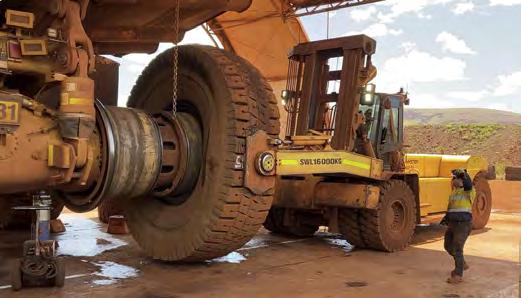
OTR is at the forefront of tyre, wheel and service innovation, proudly supporting Australia’s mining, construction, transport, agricultural and industrial sectors. We deliver unmatched capability, performance and reliability across every site and every haul road. Our commitment is simple, if your tyres or wheels stop, your production stops ‑ so we’re here to keep you moving.
OTR is Australia’s leading independent partner for off‑highway tyres, wheels, consumables and service solutions. With nationwide manufacturing, service hubs, and on‑site support teams, we provide the most comprehensive ground‑contact offering in the country.
With deep expertise across mining and heavy industry, OTR is trusted by major operations to deliver safe, compliant, and cost‑effective solutions built for tough Australian conditions.
• Massive range & stocks of earthmover, truck & LV tyres.
• Full range from 6” through to 63” from leading global brands.
• Tyre fitting, rotation, change‑outs and on‑site support.
• Tyre pressure management and haul profile optimisation.
• Tyre valving, O‑rings & tooling
• Wheels, rims, assemblies & components.
• Australian manufactured with in‑house design.
• Test, repair & certification under Australian Standards AS4457.1.
• Latest MID and MRD compliance.
• Mobile fitting capability for large OTR assemblies.
• Dedicated tyre & wheel technicians for major mining operations.
• On‑site wheel, rim & tyre management programs.
• Tyre Handlers, mine site spec for sale or hire.
• Industry‑accredited Cert II tyre fitting and safety training.
• RTO provided on‑site or at OTR facilities.
WITH SERVICE HUBS AND MANUFACTURING FACILITIES
ACROSS AUSTRALIA, OTR PROVIDES RAPID RESPONSE AND CONSISTENT SUPPORT WHEREVER YOU OPERATE.
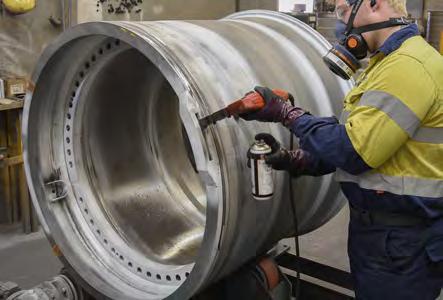
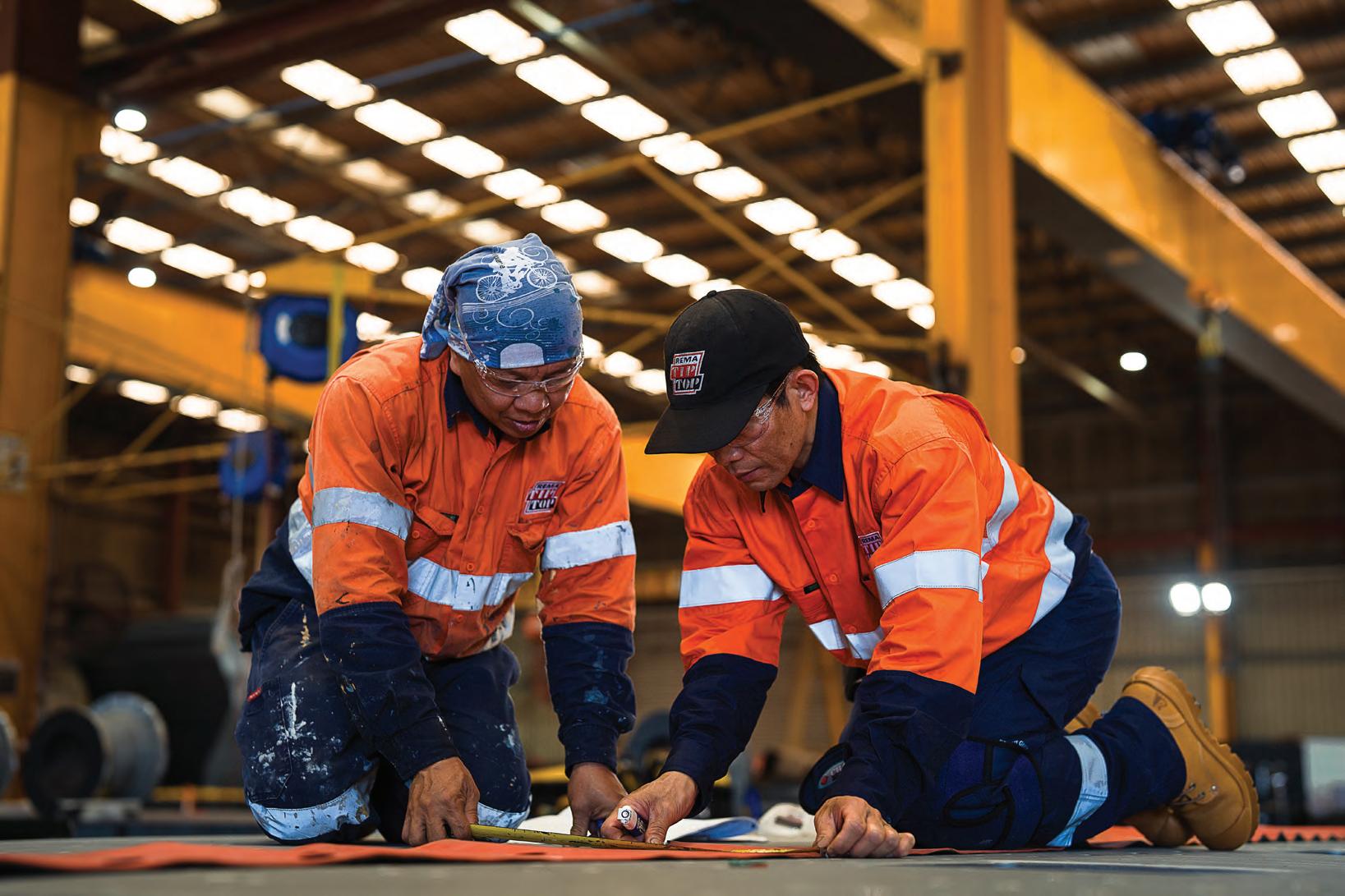
REMA TIP TOP’s tailored lining systems are helping mines balance wear life, cost and downtime across processing circuits.
In the high-wear environments of mineral processing, surface protection is often the difference between throughput and costly downtime. From mill feed to slurry transport, every section of a plant presents a different challenge that requires tailor-made solutions according to process environment. For suppliers operating in this space, the task is less about providing a single product and more about engineering a solution that aligns with the realities of each site.
That is the approach taken by REMA TIP TOP, with surface protection built around tailored systems rather than offthe-shelf materials.
According to REMA TIP TOP’s Western Australia rubber lining facility operations manager Ray Beets, success starts with understanding the process in detail.
“It all comes down to understanding the material and the process to find the solution that best ensures the longevity of your asset,” Beets told Australian Mining In practice, lining selection is driven by the interaction between material characteristics and operating conditions, and that’s why REMA TIP TOP has a broad portfolio of wear protection lining products that have been relentlessly engineered by our in-house team of chemists for decades.
A complete solution
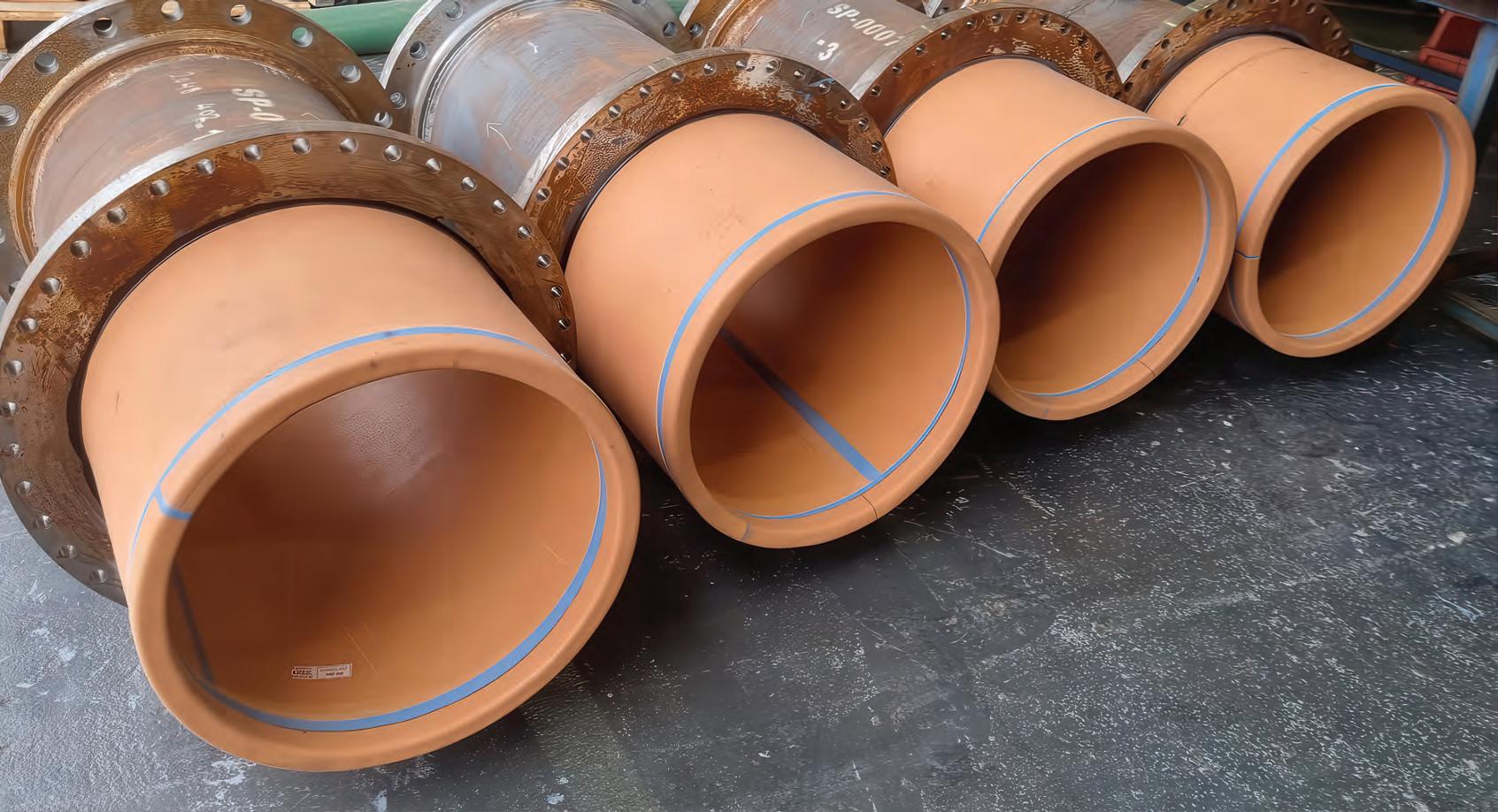
The REMALine product portfolio is made from high-quality rubber lining materials, each designed for different wear environments.
The versatility of REMA TIP TOP’s REMALine product portfolio makes it a go-to solution for general-purpose protection, noise reduction and moderate wear scenarios. REMA TIP TOP’s extended surface protection product line also tackles more specialised requirements such as oil- or heat-resistant environments.
The company’s Western Australia operations employ more than 60 surface protection technicians split across major mineral process sites across the state.
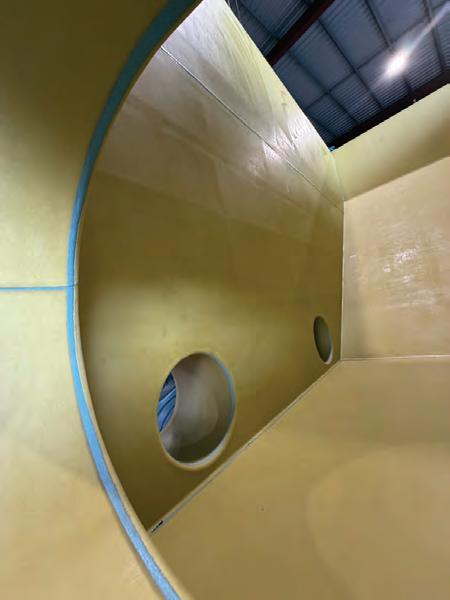
This extensive team is further supported by three REMA TIP TOP operational workshops, delivering the highest quality surface protection services handling not only rubber lining but ceramics, material handling hoses and chemical resistant systems.
“REMA TIP TOP has always been committed to advancing the surface protection space in Australia,” Beets said.
“In my 13 years here, its commitment to providing solutions to mineral processing operations has seen the development of a strong team of surface protection technicians who are skilled in producing results that our clients are more than satisfied with.
“These results have led to trusted partnerships with our clients.”
REMA TIP TOP’s training, documentation and attention to quality all help to ensure the highest level of standard continues to be met as the company continues to grow.
Its hub of expertise in Australia has led to demand for it to expand its training program internationally. REMA TIP TOP’s registered training organisation
also enables it to offer formal training qualifications such as a Certificate III in polymer processing, backed by an apprenticeship program.
Material selection is also closely tied to how a mine manages its maintenance cycles. Shutdown intervals, inspection schedules and budget constraints all influence the optimal balance between upfront cost and wear life.
“We have a team of in-house chemists in Germany who can help with examining an application and then figuring out exactly what product is needed for those areas,” Beets said.
“We don’t just recommend a one-sizefits-all solution.”
Solutions such as PerformanceLine components can significantly improve durability in these areas. However, implementing such changes often requires overcoming engineering and operational barriers, which is where Beets works closely with customers to develop adaptable solutions.
A key differentiator in REMA TIP TOP’s model is its focus on delivering complete systems rather than individual products – part of the company’s ‘one brand, one source, one system’ philosophy. This includes rubber linings, adhesives, primers and solvents designed to work together as an integrated solution.
“We’re about implementing a system. With that kind of tailored approach, we can guarantee that our systems perform at their peak,” Beets said.
This approach reduces the risk of compatibility issues and allows for more precise control over installation quality and performance outcomes.
We’re about implementing a system. With that kind of tailored approach, we can guarantee that our systems perform at their peak”
It also enables the tailoring of application methods to suit specific assets, from small spools to large tanks.
Different adhesive systems, for example, can be selected based on curing time requirements, installation complexity and environmental conditions, helping to ensure efficient application without compromising performance.
As mining operations continue to push for greater productivity and lower costs, the role of surface protection is becoming increasingly strategic. The ability to match materials precisely to process conditions, maintenance strategies and operational goals can deliver significant gains in uptime and efficiency.
By offering a wide range of products, from its REMALine rubber lining to more advanced solutions like REMALox ceramic surface protection, embedded with a broader systems approach, REMA TIP TOP is helping mining operations navigate the complex trade-offs between cost, durability and performance.
In a sector where every hour of downtime counts, that level of precision is fast becoming essential. AM
Lithium is essential for battery production in electric vehicles, grid-scale energy storage and consumer electronics.

Australia’s lithium sector is gaining momentum as demand for critical minerals grows, creating new opportunities for the country to expand its role across supply chains and downstream processing.
Standing before a room of policymakers and industry leaders at the National Press Club, Lynas Rare Earths chief executive officer (CEO) and managing director Amanda Lacaze posed a simple question: How many people in the room have ever visited a mine?
The question was a reminder that an industry central to Australia’s economy is often overlooked, even as demand for critical minerals creates a growing opportunity for the country’s mining sector.
“Australia has the resources and capability to play a larger role in global supply chains,” Lacaze said.
“We mine the periodic table from lithium to uranium, so there are plenty of mines from which to choose.”
That opportunity is being driven by rising demand for materials underpinning electrification, renewable energy and
advanced manufacturing, with lithium and rare earth elements at the centre of that shift.
Lithium is essential for battery production in electric vehicles (EVs), grid-scale energy storage and consumer electronics, while rare earth elements play a critical role in technologies such as wind turbines, electric motors and advanced electronics.
Yet despite their importance, the role these materials play often goes unseen.
People carry smartphones, drive cars and increasingly turn to EVs and renewable energy, often without realising the role these materials play in making those technologies possible.
“People love the finished products, but they have no idea of the raw materials or the complexity involved in delivering them,” Lacaze said.
As global demand continues to grow, that gap in understanding is beginning
to close and, with it, attention is turning to countries like Australia that have the resources, expertise and scale to respond.
While supply chains remain concentrated, that structure is increasingly prompting a shift in how materials are sourced and developed.
“That creates a clear advantage for its economy and downstream industries,” Lacaze said, referring to established supply chain positions that have shaped global markets.
For Australia, that shift is creating clear opportunity.
As governments and manufacturers look to diversify supply, attention is turning to producers with a track record of delivering at scale, placing Australia in a strong position to expand its role.
“Critical minerals have become more visible and are often in the headlines, and not just on the business pages,” Lacaze said.
Australia is already one of the world’s leading lithium producers, supported by decades of experience across exploration, mine development and operations. That capability is reinforced by a highly skilled workforce and established infrastructure in key mining regions.
But the opportunity does not stop at extraction.
Building downstream capability
Processing remains one of the most significant challenges, and one of the biggest opportunities for Australia’s mining sector.
“Processing is complex. Money alone will not guarantee success,” Lacaze said.
Refining and downstream capability requires specialised expertise, sustained
investment and long-term commitment. For Australia, that makes processing one of the biggest opportunities in the critical minerals supply chain, particularly as governments and manufacturers look for reliable partners outside traditional supply hubs.
“If we want the independence and economic prosperity that downstream manufacturing brings, then it is helpful to reflect on the lessons of our experience,” Lacaze said.
She pointed to Lynas’ own experience as an example of how Australian companies are already taking steps in that direction.
Lynas’ growth story has shown how Australian resources can be paired with international expertise to build supply chains that reach beyond raw material exports. The company mines rare earths in Western Australia and processes material in Malaysia, with long-term Japanese backing helping to support its growth as a global supplier.
“Our experience shows that succeeding in this market is much more complex than simply throwing money at the problem,” Lacaze said.
Lynas has continued to move ahead in that capability, recently completing a major capital program that included significant investment in WA, helping expand production and strengthen its downstream footprint. That progress has been supported by long-term international partnerships, particularly with Japanese industry and government.
“Globalisation may be on life support, but that doesn’t mean we have to do
That model – combining Australian resources with global expertise – is becoming increasingly relevant as supply chains evolve.
Policy is also shaping the next phase of growth.
Recent measures in the US, Europe and China, including tariffs and supply chain regulations, are encouraging manufacturers to look at a broader range of suppliers and place greater value on secure, transparent and diversified sources of critical minerals.
Those shifts are reinforcing the importance of supply chain resilience while creating new pathways for producers such as Australia to expand their role in global markets.
For Lacaze, the opportunity extends beyond supply.
“Mining generates great wealth, which is shared with the whole nation via taxes and royalties,” she said.
The Lynas chief pointed to the Australian Taxation Office’s latest transparency figures, which show the resources sector paid more tax than all other industries combined.

A reminder that the sector’s broad contribution to the national economy beyond exports alone.
Mining supports regional jobs, technical careers and national revenue, yet Lacaze believes the sector remains misunderstood outside traditional industry communities.
“Mining is not what people this it is,” she said. “It is a high-tech industry offering opportunities across a wide range
From geologists and metallurgists to environmental scientists, engineers, and health and safety professionals, Lacaze said the modern mining workforce reflects an industry built on innovation and expertise. Changing the perception will be critical to building the workforce needed to support future growth, particularly as demand for skills increases.
As demand for lithium and rare earths accelerates, focus is shifting towards how Australia can translate its resource advantage into long-term economic value.
“The opportunity is there, but it requires coordinated action across industry and government,” Lacaze said. That will require investment in infrastructure, skills development and processing capability, alongside continued collaboration with international partners. For Australia’s lithium sector, the opportunity is no longer just about what comes out of the ground. It is about how the country uses its mining strength to help build the supply chains, technologies and industries of the future. AM
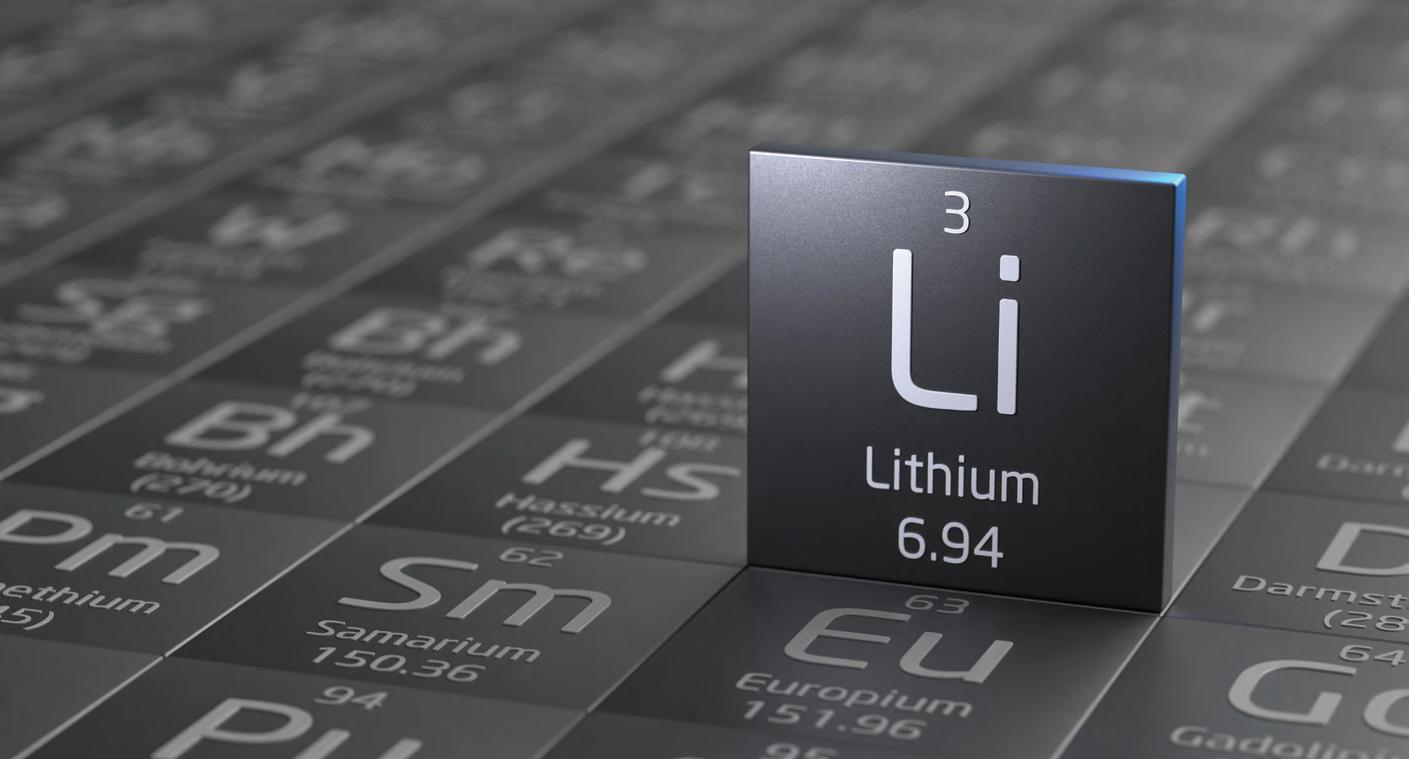
Environmental, social and governance (ESG) considerations have moved from the margins of mining strategy to the centre of how modern Australian operations are designed, approved and run.
Beyond policy and reporting frameworks, this shift is increasingly being enabled by a growing suite of advanced technologies that are helping miners operate more transparently and sustainably.
From real-time environmental monitoring to artificial intelligence (AI)-driven analytics and digital twin modelling, ESG technology is shaping how mining companies engage with communities and unlock new growth opportunities. These tools, rather than being a compliance burden, are emerging as a key enabler of productivity and longterm industry resilience.
Australia’s mining sector is already recognised around the world for strong ESG performance, supported by robust governance frameworks and regulatory systems, ranking highly across key indicators such as regulatory quality, rule of law and political stability.
What is changing is how technology is being deployed to strengthen and demonstrate those credentials, allowing companies to move beyond reactive
Environmental performance remains one of the most visible aspects of ESG, and technology is playing a central role in improving outcomes across Australian mining operations.
Modern mines are increasingly equipped with sensor networks and Internet of Things (IoT) devices that continuously monitor air quality, water usage, tailings stability and biodiversity impacts. These systems generate realtime data streams that allow operators to detect anomalies early and respond before issues escalate, significantly improving risk management and environmental protection.
Remote sensing and satellite technologies are also enabling large-scale environmental monitoring across vast and remote mining regions. These tools allow companies to track land use, vegetation health and environmental change over time, supporting more informed and transparent decision-making.
Another emerging capability is digital twin technology, which creates virtual replicas of mine sites.
These models enable operators to simulate environmental scenarios before implementing changes, allowing them to optimise water management, waste
Spatial ESG mapping is further strengthening environmental outcomes. By layering environmental data onto geographic information systems, companies can identify sensitive areas early in the exploration phase, assess potential impacts and integrate mitigation strategies into mine design. This approach helps reduce project delays and improves approval outcomes in an increasingly rigorous regulatory environment.
At the operational level, automation, electrification and energy optimisation technologies are aligning environmental performance with productivity.
Autonomous haulage systems enable more consistent and fuel-efficient operations, while electrified fleets support emissions reduction and reduce reliance on diesel.
Advanced energy management platforms are also helping to optimise power use across mine sites, ensuring resources are used as efficiently as possible.
As global demand for critical minerals continues to grow, these technologies are playing a key role in ensuring production can scale responsibly while maintaining strong environmental standards.
The social dimension of ESG is being increasingly supported by technology,
Wearable technologies are becoming more common across mining operations, providing real-time monitoring of worker health, fatigue and environmental exposure. Such tools enable a more proactive approach to safety management, helping reduce incidents while improving overall workforce wellbeing.
Digital platforms are also transforming how mining companies engage with local communities. These systems allow operators to track and respond to community feedback, share environmental and operational data, and demonstrate their commitment to responsible development.
This kind of transparency is critical in building trust and maintaining a social licence to operate.
In parallel, technology is supporting workforce development and regional capacity building. Training platforms, simulation tools and digitally enabled learning systems are helping to upskill workers and create more sustainable employment pathways in mining regions.
These technologies are helping to bolster relationships between mining companies, their employees and the communities in which they operate,

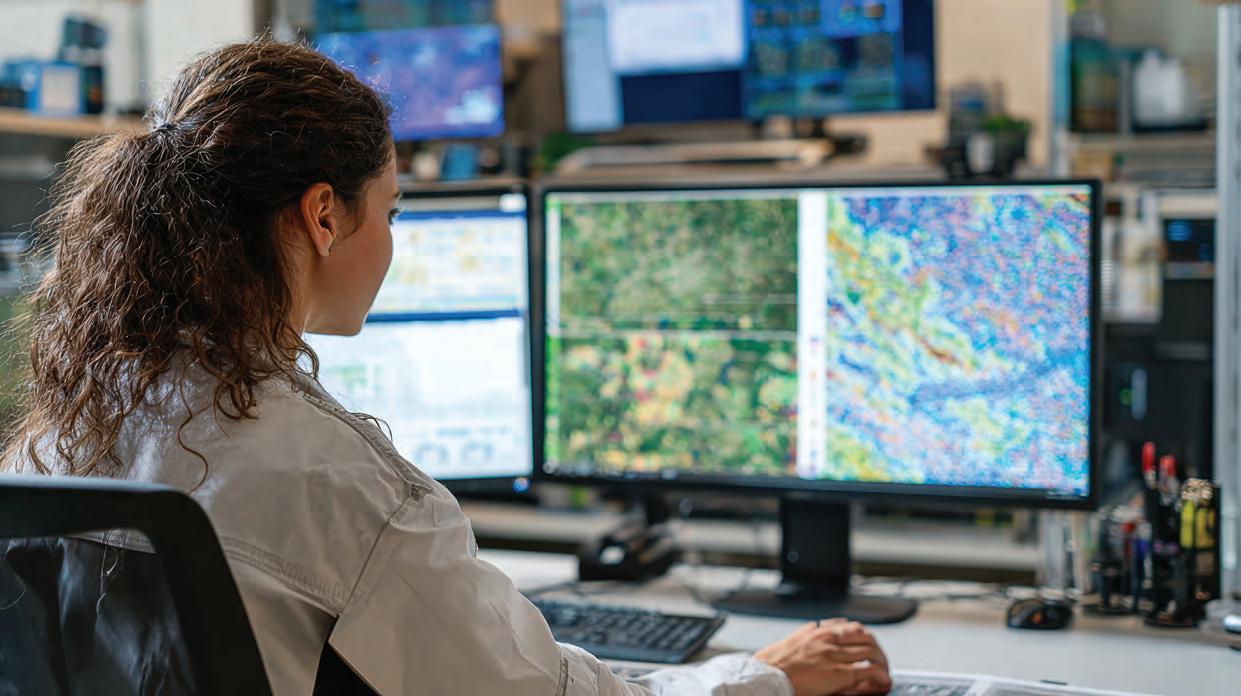
Governance is the foundation that underpins environmental and social performance, and it is an area where technology is delivering significant advances in transparency, accountability and decision-making.
One of the most notable developments is the use of advanced data analytics and AI to manage and interpret complex ESG datasets. Mining companies now have access to a growing number of national-scale datasets spanning land use, water resources, biodiversity and governance factors. These can be integrated into unified digital platforms, providing a comprehensive view of ESG risks and opportunities.
AI-powered systems are enabling real-time analysis of ESG performance, helping companies identify emerging risks, monitor compliance and improve reporting accuracy. This shift is transforming ESG from a static reporting requirement into a dynamic, continuously improving process.
In addition, these technologies support more transparent reporting to investors and regulators, allowing companies to benchmark their performance against industry standards and demonstrate compliance with increasing levels of scrutiny.
Governance-focused technologies are helping to embed ESG considerations into everyday decision-making. By integrating the data into operational and strategic planning systems, companies can ensure sustainability is treated as a core component of business performance.
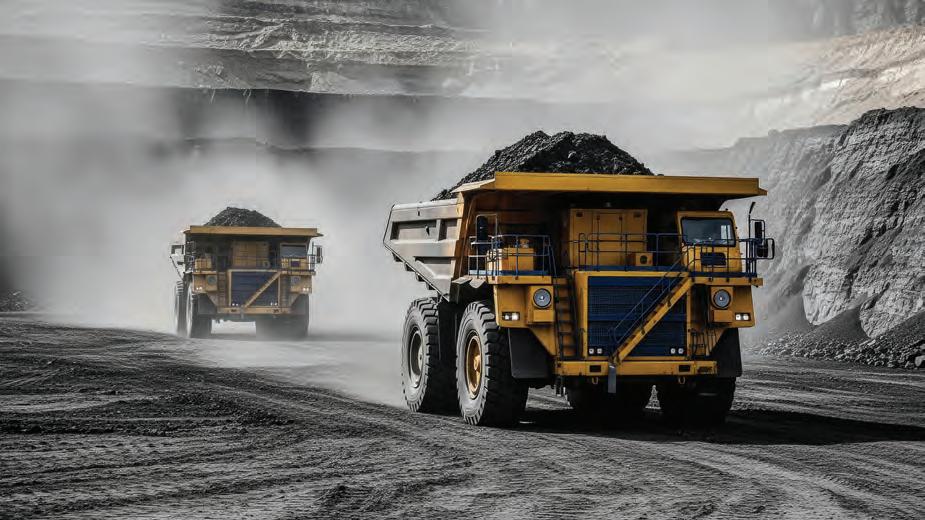
This integration of ESG into central business systems is also driving a broader shift, positioning these technologies as a key enabler of growth across the mining industry
Australia’s resources sector continues to expand, with mineral exploration expenditure rising by two per cent in the December 2025 quarter, according to the Australian Bureau of Statistics. As investment increases, ESG performance is becoming a key differentiator.
Projects that can demonstrate strong ESG credentials are more likely to secure approvals, attract investment, gain community support and operate efficiently over the long term.
In a global market where responsible sourcing and transparency are increasingly important, ESG capability is directly linked to competitiveness.
The evolution of this technology reflects a broader shift in the industry. Where ESG was once viewed primarily as a compliance requirement, it is now recognised as a source of competitive advantage. Companies that invest in these technologies are better positioned to manage risk, improve efficiency and build stronger relationships with stakeholders.
The integration of AI, automation and advanced data platforms is expected to accelerate further. Fully integrated ESG dashboards, predictive analytics tools and
expanded use of digital twins are likely to become standard across the industry. Put simply, ESG technology is now a foundational element of modern mining. By enabling better decision-making, improving transparency and aligning operations with broader societal expectations, these technologies are helping to unlock the next phase of growth for the Australian mining industry. With the country already positioned as a global leader in responsible resource development, continued investment in ESG technology will go a long way in ensuring the industry remains competitive, resilient and ready to meet the demands of the future. AM
With fuel security continuing to impact operations, Hastings Deering sat down with Australian Mining to explain how cost-saving measures start with strategic consultation.
The issue of fuel security is increasingly becoming an operational concern for mine sites, driven by fluctuating prices and increased scrutiny of environmental, social and governance (ESG) initiatives.
The adoption of an ‘economy mode’ setting on modern haul trucks, which optimises engine output and transmission behaviour during low-demand cycles, can reduce fuel burn while maintaining productivity thresholds. Though outcomes vary by duty cycle and fleet configuration, these systems are increasingly being deployed to support ESG reporting commitments and mitigate exposure to rising fuel costs driven by current geopolitical pressures.
Hastings Deering is leading the charge in supporting the efficiency and productivity of mine sites, with economy mode just one way of helping operators to get more out of machinery.
The company provides end-to-end equipment solutions, including the sale and rental of Caterpillar (Cat) machinery, as well as maintenance, rebuild and parts support designed to maximise fleet availability.
The mechanics of economy mode are relatively simple. The revolutions per minute (RPM) of a vehicle’s engine are reduced, thereby decreasing the amount of fuel used in mine operations.
“In some cases, when haul trucks change gear, an economy setting on a truck will reduce the engine RPM by around 500 under the rated RPM.”
Hastings Deering product manager of large mining trucks Reid Graham told Australian Mining. “In the current climate, where fuel bills are getting bigger, it can make a difference.”
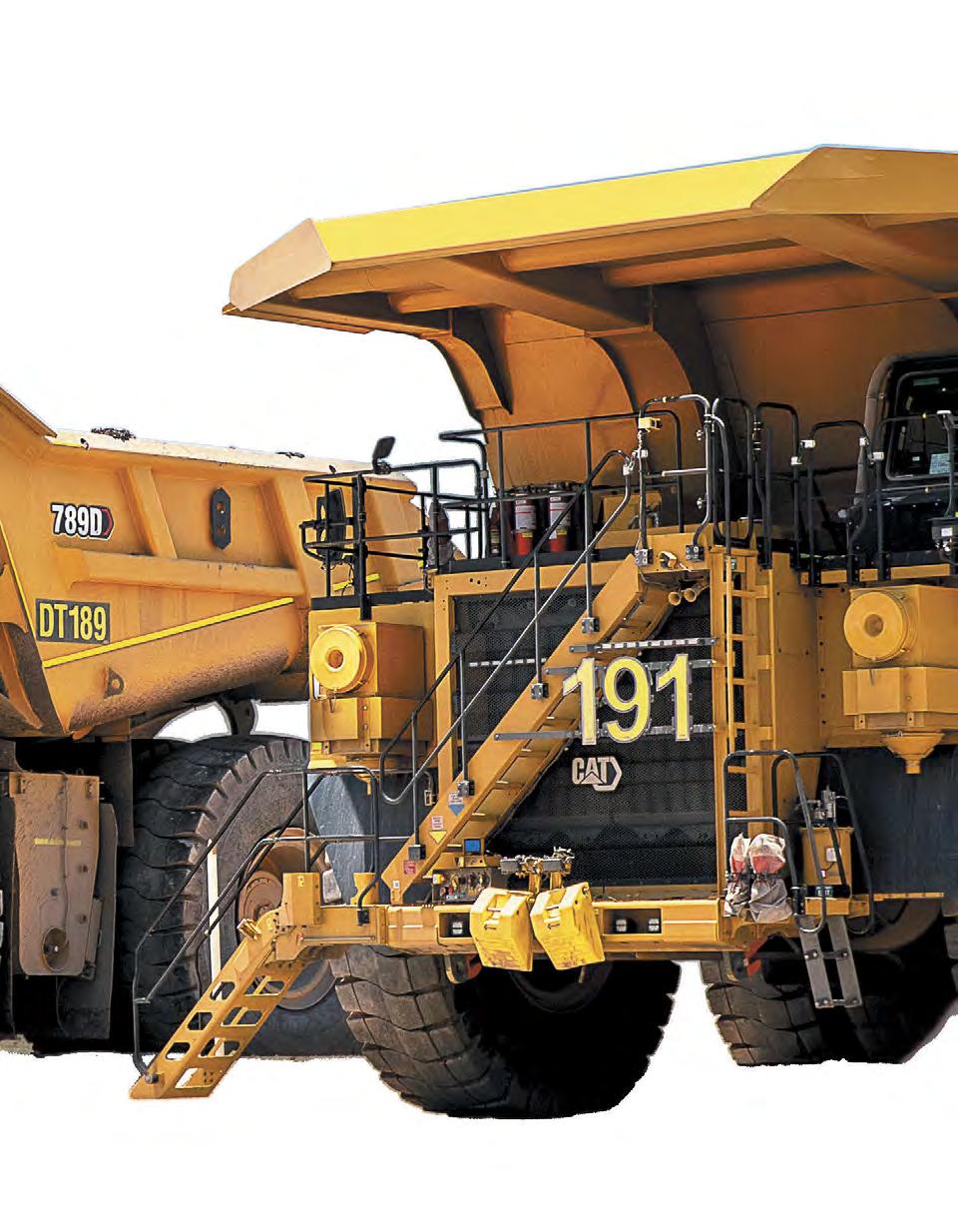
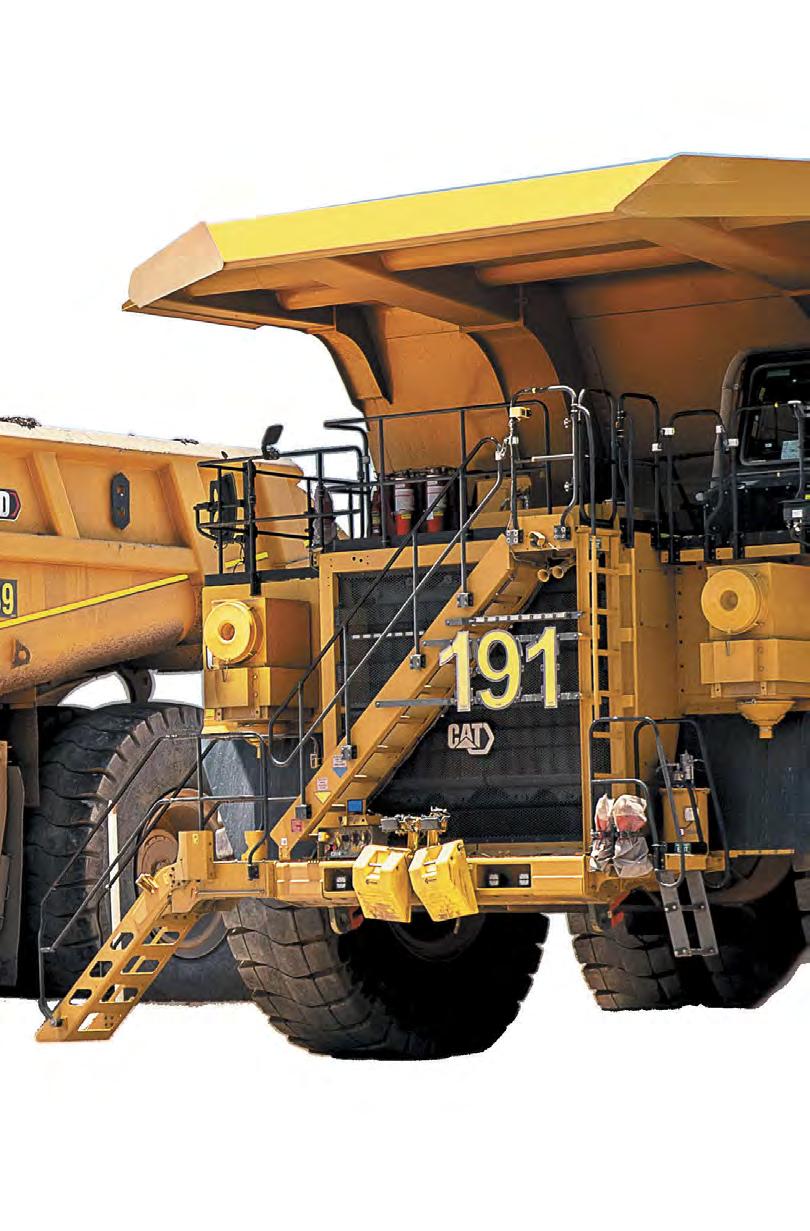
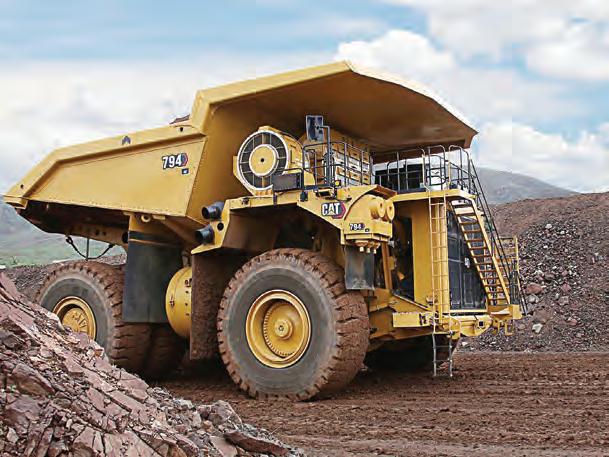
One vehicle that takes advantage of economy mode is the Cat 794 haul truck, thanks to its variable horsepower and proven electric drive powertrain. The machine’s large 85L engine means horsepower can range from 2750–3500, ensuring the truck can deal with increased capacity and maintain productivity.
Validated on sites around the world, the 794 has proven its performance in a variety of applications, making it a reliable choice across different operating conditions.
As mine sites look to ensure costs stay down – and the environment is protected – the use of economy mode has genuine upside potential for an operation’s bottom line.
“Some mines we work with were experiencing cost of fuel rising by almost double. Some were paying around $2.50 per litre of diesel when they’d typically pay around a dollar,” Graham said. “When you’re using around 60 million litres a year, that really adds up.
“We’re doing a lot of work at the moment with sites like that to work out ways they can reduce their costings and improve environmental impact.”
Much like other service offerings by Hastings Deering, consultation and strategic planning underpins everything the company does. Having worked with major mine sites across Queensland and Papua New Guinea to boost productivity, specialist staff are on hand to support operations to see if solutions work for specific applications.
While the use of economy mode will support certain applications, Graham was clear it should not be considered a failsafe solution that will address all problems.
“It’s about making sure the application is right for the given purpose, and that’s one thing that’s embedded in Hastings Deering’s way of working,” he said.
“Working out whether, in this instance, a powered-down option will work for your application isn’t always easy to figure out unless you’ve got all the data.
“We wouldn’t tell someone in Papua New Guinea to use economy mode because of the terrain they’re dealing with; it’s very hilly and very remote. In central Queensland, however, if you’re running on long flat hauls, something like that is a real benefit.”
Another example is seen on a mine in New South Wales, The lower power mode on haul trucks helps to ensure a ‘sweet spot’ in balancing performance and sustainability.
“The site in New South Wales found around 3100 horsepower was the perfect ratio of performance to weight on their haul trucks,” Graham said. “” Economy mode on haul trucks offers a practical way to reduce fuel use in suitable applications while maintaining productivity.
Hastings Deering supports operators in identifying where this technology will deliver value, using site-specific analysis to align efficiency gains with cost and ESG objectives. AM
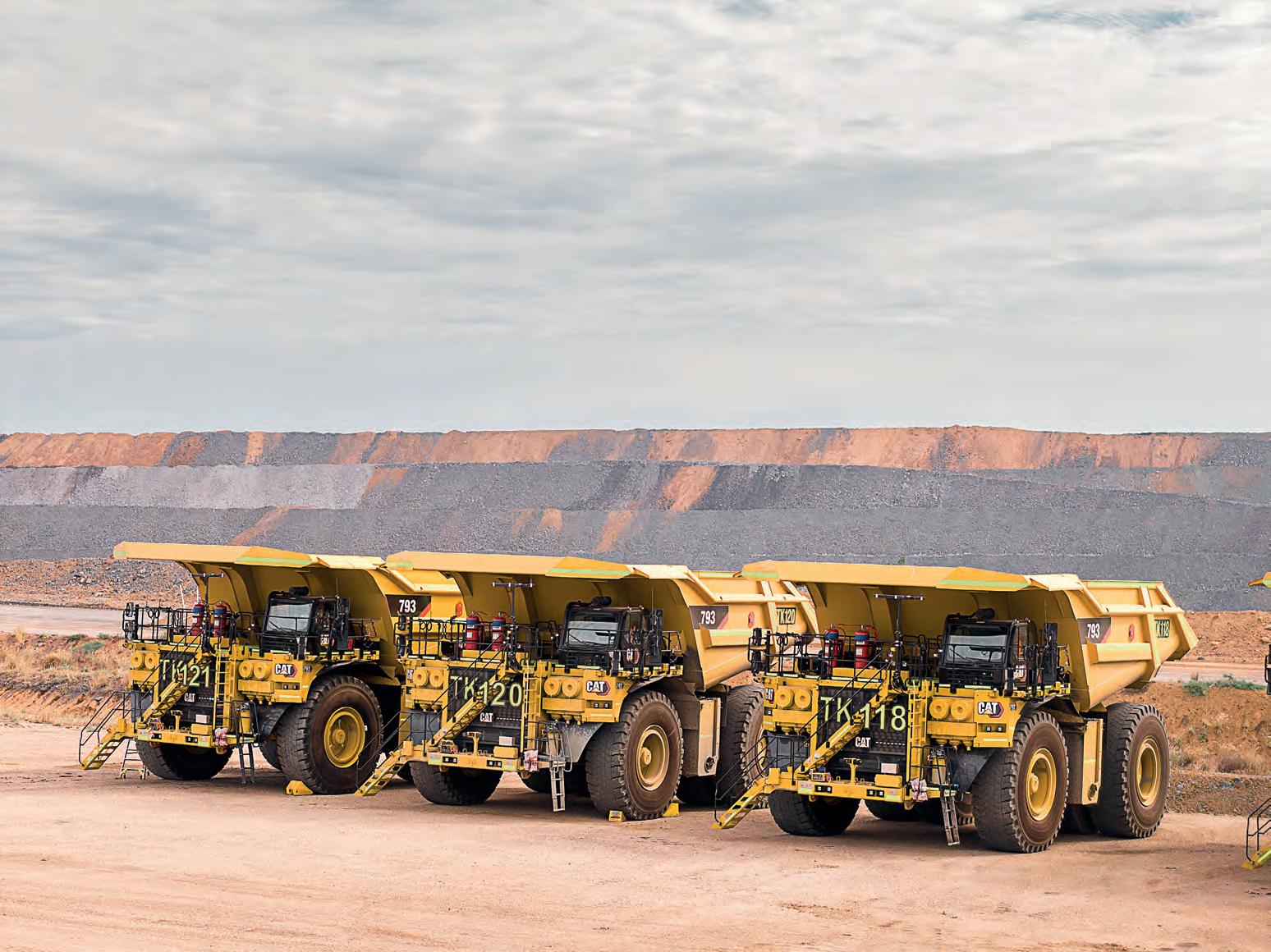
Fenner’s K-MIX hub in Kwinana is driving a circular approach to conveyor belt manufacturing and recycling in mining.
They can be easily overlooked in a mining operation, but conveyor belts are the workhorses of any site, moving ore, coal and bulk materials across vast distances in some of the harshest operating environments on earth.
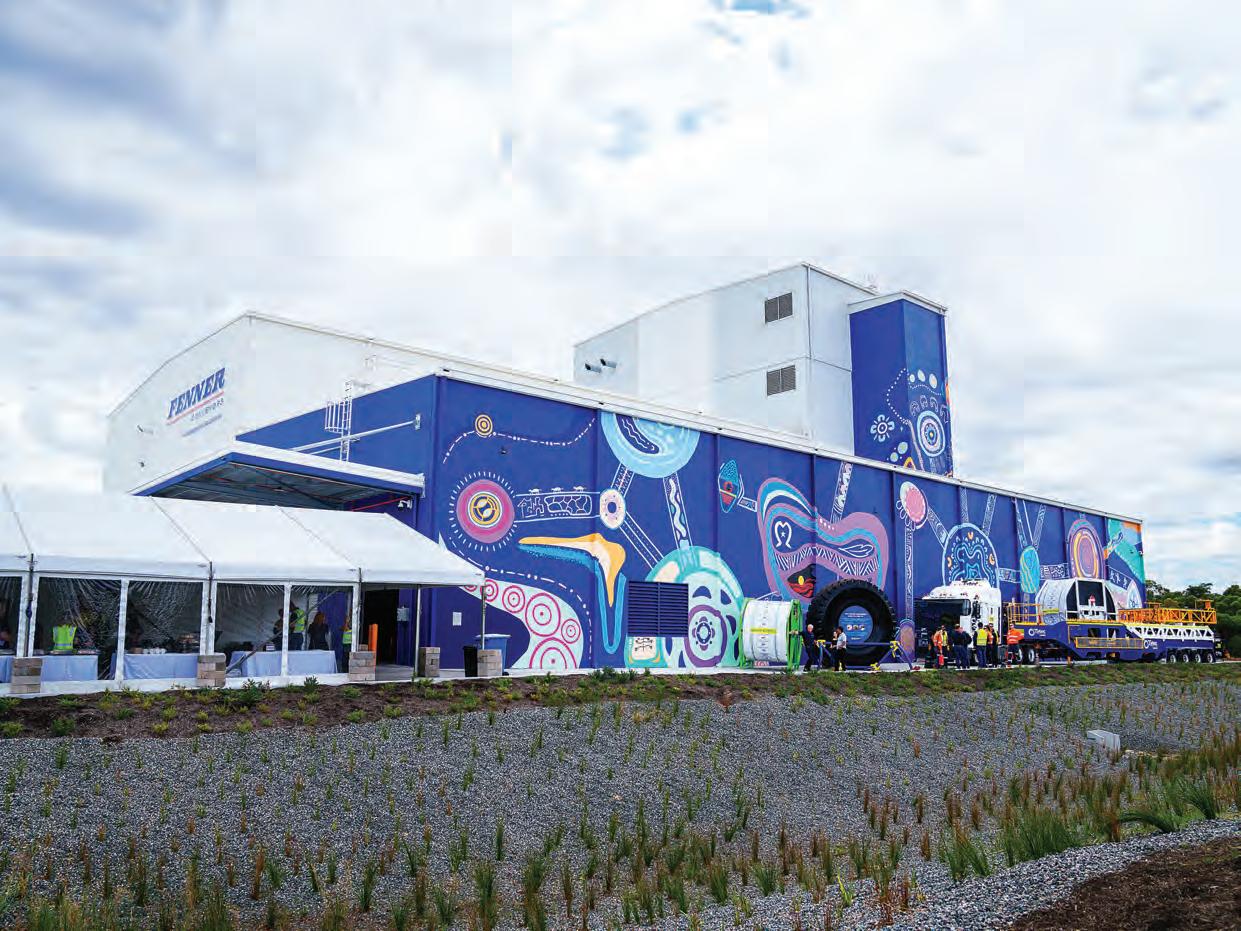
At Fenner Conveyors’ K-MIX Materials Innovation Hub in Kwinana, Western Australia, those conveyor systems are being rethought from the ground up as products that can live multiple lives.
The facility, officially opened in March, represents a $40 million investment in reshaping how conveyor systems are designed and manufactured in Australia.
For Fenner, the K-MIX Materials Innovation Hub is about redefining the lifecycle of a product long treated as disposable infrastructure. Instead of being discarded during decommissioning, conveyor belts are being repositioned as
With close to three decades in mining and more than 20 years in equipment sales, original equipment and manufacturer (OEM) supply and service, Svenson has seen the sector’s priorities move toward sustainability, localisation and innovation. That shift is what underpins Fenner’s K-MIX facility.
“The first belt with recycled content that we showcased at our open day was built specifically for a Pilbara customer,” Svenson said. “It’s exciting; it will be the first belt with recycled content going into the iron ore market in the region.”
Development of the K-MIX Materials Innovation Hub was more than a decade in the making, but it was supercharged five years ago when Fenner was acquired by Michelin. This acquisition allowed Fenner to pull more of the value chain onshore and embed innovation directly
“So we’re able to engage our customers, where they come to the facility and we work with them to develop solutions for their mine site support operations.”
Proximity to customers is a key part of the K-MIX model. Rather than designing products in isolation, Fenner is increasingly co-developing conveyor solutions with mining operators, testing materials and applications in real-time.
A major enabler of the circular system is Fenner’s partnership with Tyrecycle, which processes used conveyor belts and tyres into reusable rubber feedstock at its facility just 3km from the Kwinana site.
This collaboration has been critical in making closed-loop recycling commercially viable at scale.
“What that did was provide a solution for our customers, an end-to-end solution in a sustainable manner,” Svenson
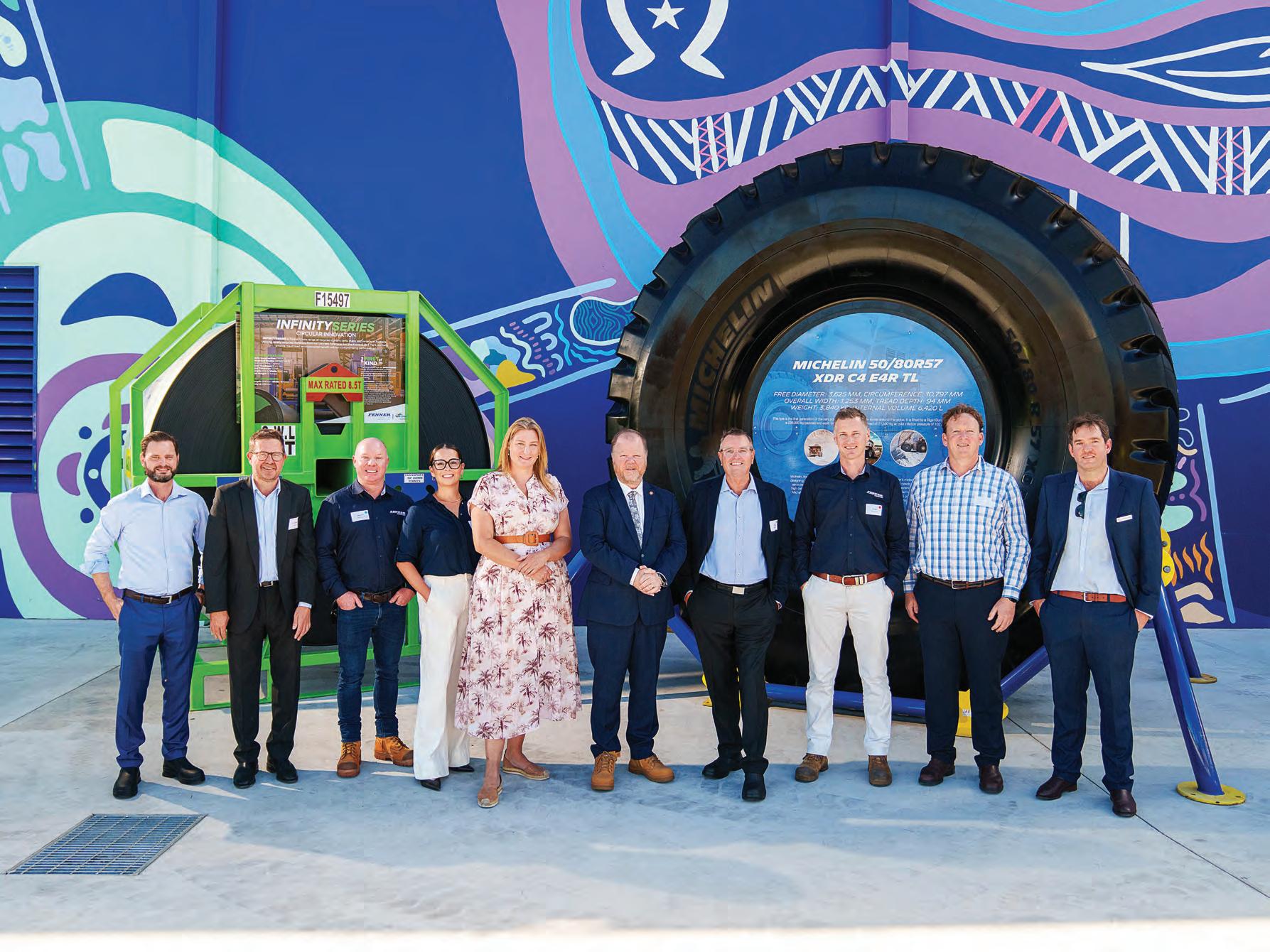
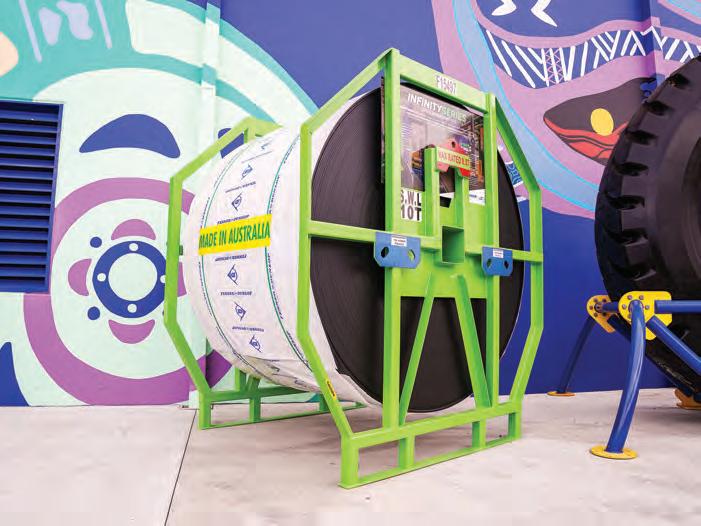
At the heart of the system is the InfinitySeries, Fenner’s new conveyor belt range incorporating recycled content. The material is processed and micronised by Tyrecycle, then compounded by Fenner on site at Kwinana before being reintegrated into new industrial-grade belts.
A key focus of Fenner’s approach is ensuring that circularity does not come at the expense of performance.
“We still have a premium range of belts for critical applications,” Svenson said. “But we’ll be starting to work with our customers to identify conveyors where they require belts, but not to that premium standard.”
Each belt is designed for specific operating conditions, with recycledcontent products still engineered for mining environments that demand high abrasion resistance, heavy load capacity and continuous operation. The difference lies in application, not reliability.
“All of these things are tested to meet the relevant standards and full traceability of testing; full chain of custody of all that used belt and where it gets recycled,” Svenson said.
Traceability is a defining feature of the K-MIX system. Every stage of material handling is monitored, from incoming feedstock to final product composition, ensuring customers understand what is in each belt.
“We know exactly the quality of what’s going into our belts,” Svenson said. “Whether it’s belts with no recycled content or part of our InfinitySeries, our customers will know exactly what’s going in there.”
Beyond manufacturing, the system also supports recovery of materials already sitting idle across mining operations.
“Some of those operations have legacy stock that’s been around for 40 years,” Svenson said.
“Being able to do that all locally supports the customer in removing that material and putting it back into downstream markets.”
Fenner’s broader ambition is to extend circular manufacturing across Australia’s major mining regions, not just in Western Australia.
Fenner and Tyrecycle are already rolling out programs in Queensland, with further expansion planned for mining ore regions such as the Bowen Basin and the Hunter Valley in New South Wales.
“There’s a number of other products in our portfolio that we’re exploring options for circularity with Tyrecycle,” Svenson said.
“We’re already embarking on our first recycling delivery model with a port in north Queensland.”
As these initiatives expand, the implications extend beyond individual
sites. Circular systems such as K-MIX point to a model where materials, logistics and manufacturing are more tightly integrated across the mining value chain, reducing waste while improving supply chain resilience
The shift is as much structural as it is cultural, Svenson said, embedding manufacturing, mining and recycling
into a single interconnected system that is still evolving. In that sense, K-MIX is less about a single facility and more about a different approach to industrial materials, one in which even the most hard-wearing components are no longer destined for a single life, but for many. AM
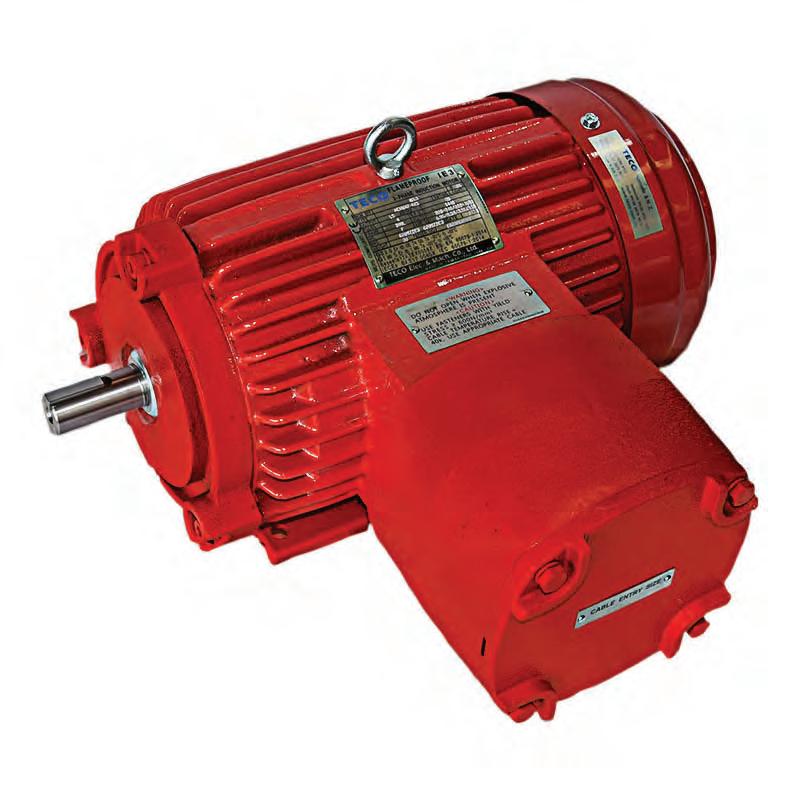
TECO Australia and New Zealand is bridging the gap between underground motor compliance and site-specific installation through its MAX Ex d range.
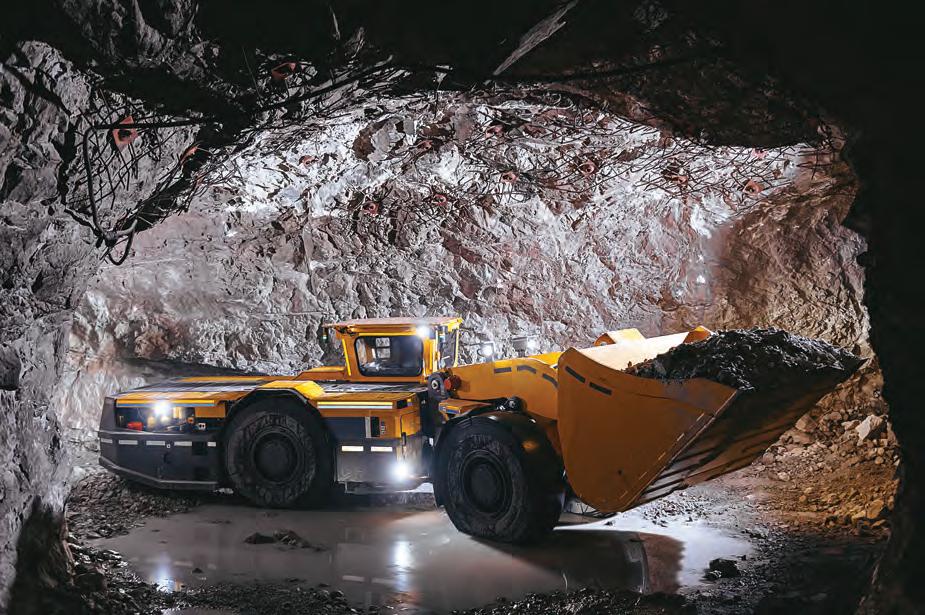
Underground mining environments can place especially demanding requirements on electrical equipment. Safety certification, thermal performance and installation flexibility all play a critical role in day-to-day reliability.
For original equipment manufacturers (OEMs) and site engineers, selecting and adapting motors for these conditions is rarely straightforward, particularly when standard configurations do not align with the realities of underground installations.
TECO Australia and New Zealand is addressing this challenge through its TECO MAX Ex d underground motor range, combining full certification with local stock availability and accredited modification capability designed specifically for the mining sector.
TECO Australia and New Zealand product manager for low voltage motors Atheer Yaseen Nashi said underground motor selection is defined by a strict certification framework, but successful deployment depends just as much on how well the equipment can be adapted to sitespecific conditions.
“Underground installations rarely match a standard specification,” Nashi told Australian Mining. “Mounting arrangements, cable entry orientation, shaft dimensions and auxiliary requirements like anti-condensation heaters vary considerably from one
Underground motors must comply with hazardous-area requirements defined under the Ex standards system, which governs equipment used in explosive atmospheres such as firedamp environments.
The TECO MAX Ex d range is built around Group I certification, which applies specifically to underground mining environments. It carries dual IECEX and ATEX Ex db I Mb and Ex db IIB T4 Gb certifications, reflecting flameproof enclosure construction designed to ensure that any internal ignition is contained within the motor housing and cannot propagate into the surrounding atmosphere.
Alongside compliance requirements, thermal performance remains a critical factor in ensuring motors can operate continuously in demanding conditions.
The MAX Ex d range utilises Class F insulation rated to 155°C, combined with a low temperature rise design that provides additional thermal headroom during operation.
This thermal margin becomes particularly relevant in environments where equipment is required to operate under sustained load.
“This means that the motor operates well within its insulation rating under continuous load, which gives useful and necessary thermal headroom in
a relevant part of the specification decision.”
Supporting this technical foundation, the TECO MAX Ex d range is stocked locally in Australia and New Zealand at 415V, covering outputs from 0.75–110 kW, and features heavy-duty castiron frames across the entire range. For higher voltage applications, 1000V units are available to order.
Cast iron construction provides mechanical durability suited to underground environments, while maintaining alignment with the protective requirements of Ex d certification. Local availability of stocked units also helps mining operators reduce lead times and maintain operational continuity.
A key extension of this local support model is TECO’s accredited Modshop facilities in Australia and New Zealand, which enable application-specific modifications to be completed without the need to return equipment to the factory.
The TECO Modshop capability covers a range of adjustments, including terminal box orientation changes, cable entry modifications, anti-condensation heater installation, and shaft and
area certification. Doing that locally means that the turnaround time frame is significantly shorter than a factory return cycle.”
This localised capability allows operators to respond more quickly to site-specific engineering requirements while maintaining compliance with the certification.
TECO’s technical team works through each application in detail, including drive configuration, cable entry arrangement, terminal box orientation, and voltage requirements. Engagement typically begins with a technical data sheet request or certification scope review before progressing to specific modification requirements.
For engineers, having complete documentation available early in the specification process is an important enabler of efficient decision-making.
Nashi recommends maintaining the full certification scope document and the technical data sheet on file to streamline future equipment selection.
“Having those available when specifications are being reviewed, rather than at the point of ordering, simplifies the process considerably,” he said.
As underground mining operations continue to evolve, the combination of certified design, thermal resilience and localised modification capability is increasingly important in supporting safe and efficient production outcomes.
TECO’s MAX Ex d underground motor range brings these elements together, offering Australian mining operators a solution designed for compliance and adaptability. AM
for speed, scale and security Network solutions for better connected mining sites.
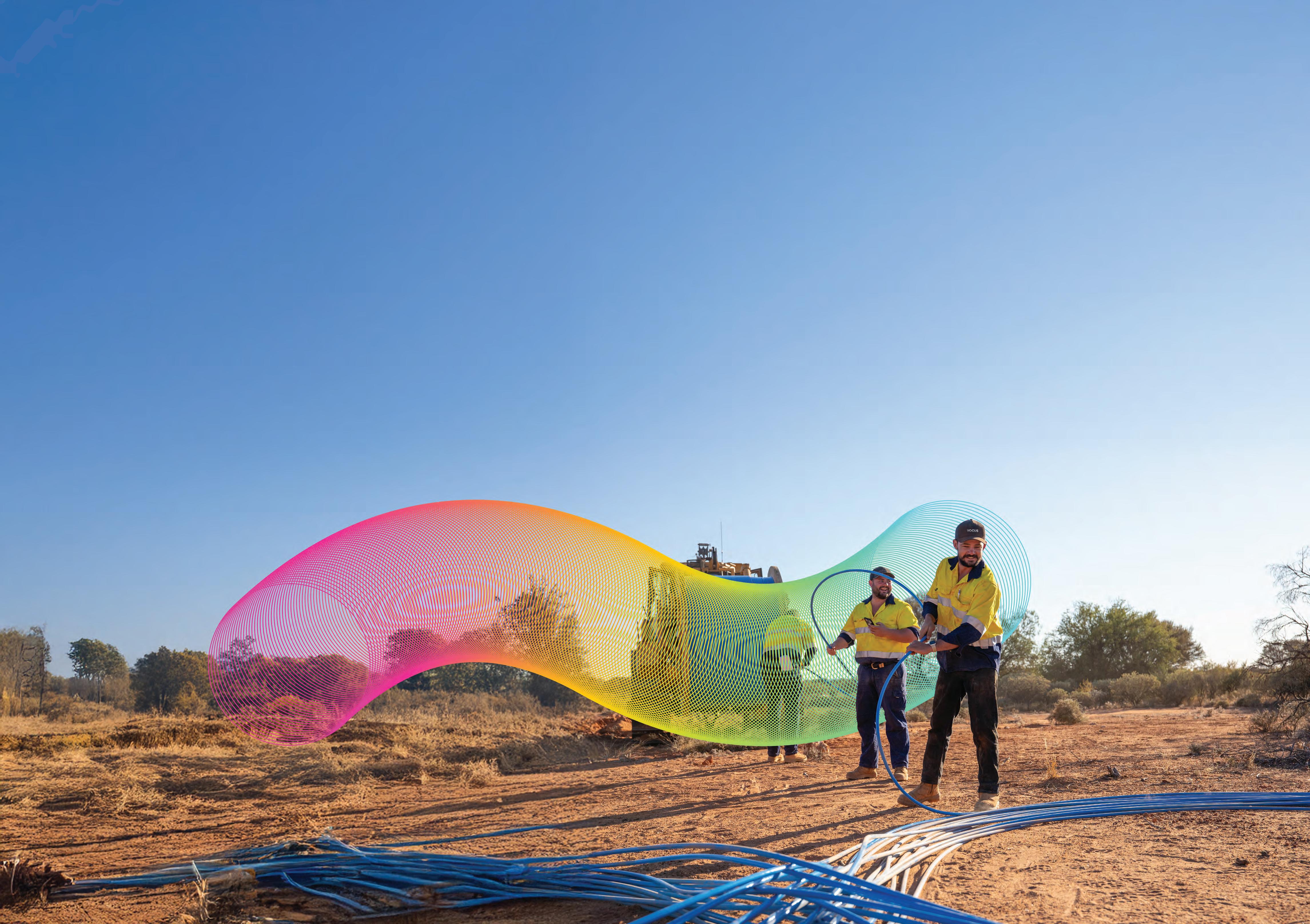
Vocus powers the connections that drive progress. From the bustling heart of cities to remote regions, we deliver ultra-reliable, low-latency connectivity that powers automation, AI, and remote operations. Helping you boost productivity, minimise downtime, and keep your sites running e ciently.
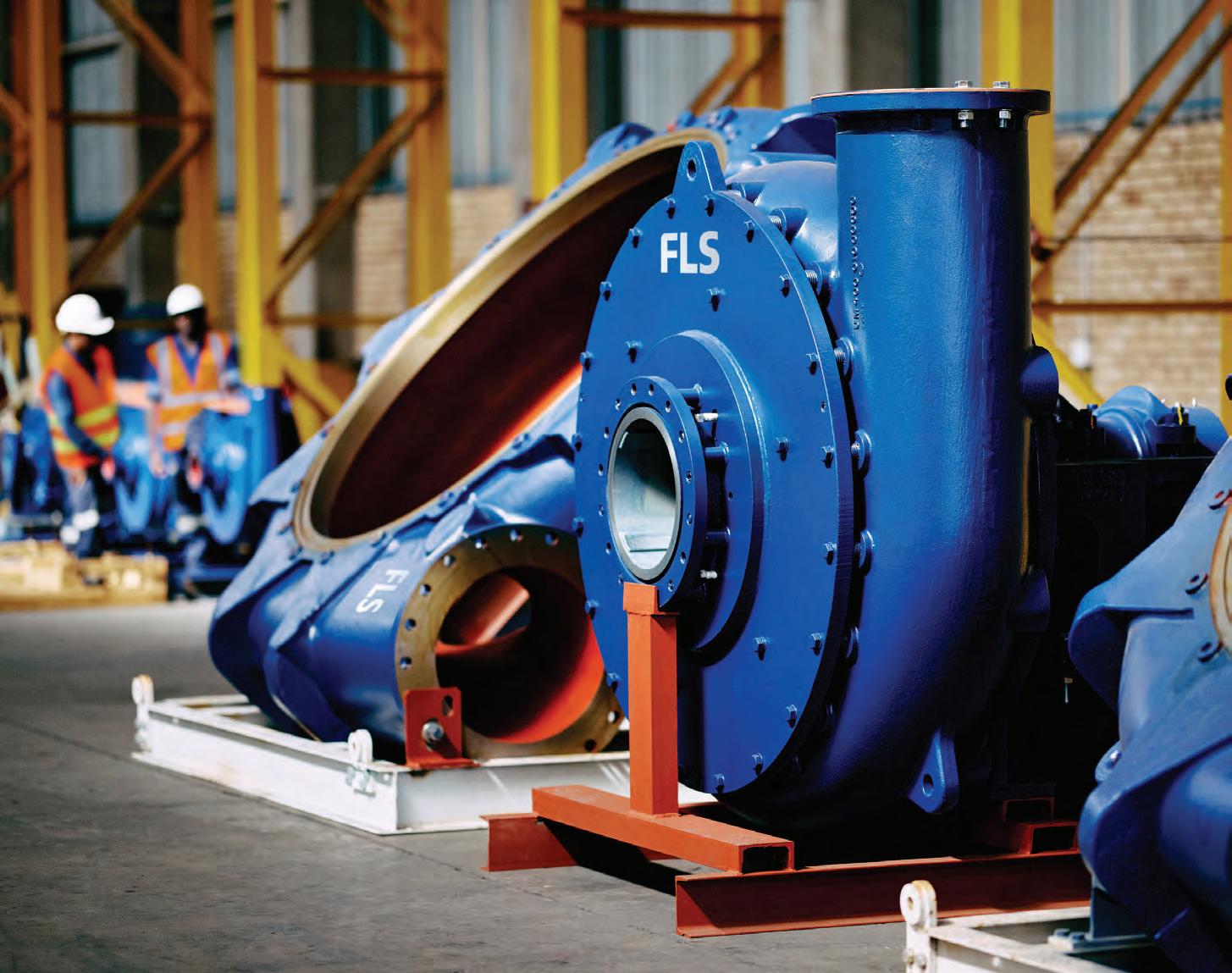
FLS is strengthening its pumps, cyclones and valves offering to support Australian mining performance.
FLS has honed its focus on mining over the past two years and, in Australia, that shift has translated into a stronger on-the-ground presence and a renewed push to highlight the depth of its pumps, cyclones and valves (PCV) offering.
At the centre of this strategy is a focus on what matters most to operators: reliability, responsiveness and measurable performance gains.
A key part of that effort has been expanding local service capability.
The establishment of a new, larger service centre in Mackay, Queensland, complementing earlier operations in Rockhampton, reflects growing demand – particularly across the state’s mining regions – for faster, more responsive support.
The Mackay service centre adds to FLS’s footprint in Australia, which already includes service centres in Pinkenba in Queensland and Beresfield in New South Wales, along with Welshpool and Henderson in Western Australia. These centres also include on-site servicing, where customers increasingly expect suppliers to act as long-term partners.
That expectation extends well beyond initial equipment performance, according to FLS pumps, cyclones and valves head of sales – Australia Andre Hall, who recognises that after-market support is often the deciding factor in procurement.
Customers want confidence, Hall said, that any installed equipment will be backed by strong service, readily available parts and technical expertise.
“They want to know you will be there for them for the long run,” he said.
Performance gains remain a central pillar of the PCV offering. Even modest efficiency improvements can translate into significant energy savings, particularly in large, multi-circuit operations.
“Our technology is fundamentally different from the traditional players,” Hall said. “When we walk customers through the design, we can show how it cuts energy use and boosts throughput. The efficiency gains are built into the pump itself.
“When you improve pump efficiency by just three to five per cent on a big mill circuit, the power savings are massive. We quantify that for customers in dollar terms so they can see the real impact on their energy bill.”
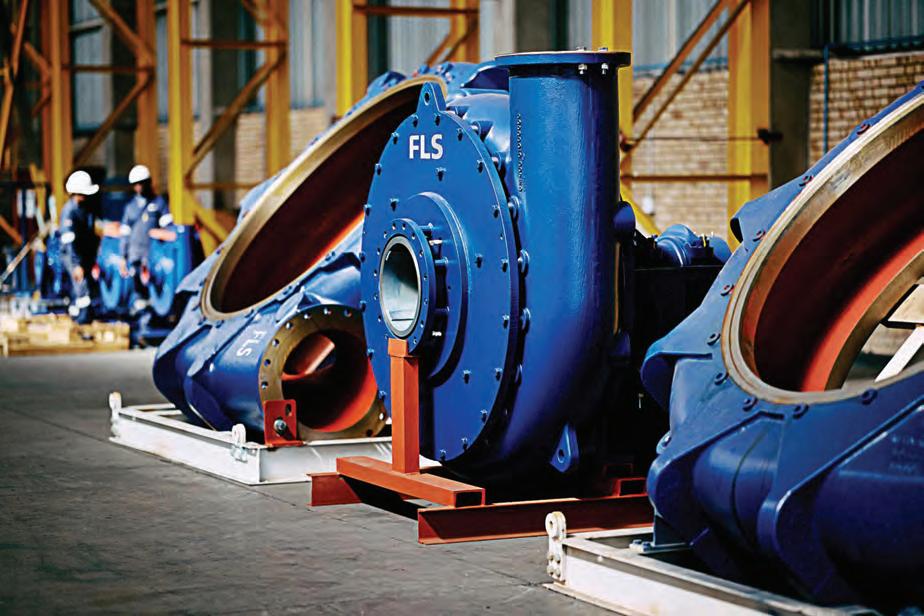
To support adoption of these performance improvements, FLS has invested in tools and processes that reduce risk when upgrading or replacing equipment.
One example is the use of 3D scanning technology by service engineers. By digitally capturing existing installations, FLS can produce detailed overlays and engineering drawings that demonstrate exactly how a new pump will fit within an existing circuit.
“In the past, you had a technician come with a tape measure, and customers want more than that now,” Hall said. “But if you do that 3D scan and give them a drawing with all the sizes, it provides a higher level of assurance that we will get the job done properly.”
FLS’s KREBS range plays a critical role within the broader PCV portfolio.
KREBS heavy-duty slurry valves are designed for use across the full flowsheet, from comminution to tailings management.
The range includes full-flanged, wafer and high-pressure knife gate valves, as well as vacuum breaker and check valves, offering flexibility across a wide range of operating conditions.
Complementing the valves portfolio is FLS’s slurry pumping technology, led by the KREBS slurryMAX pump. Engineered for durability, efficiency and ease of maintenance, the slurryMAX remains a flagship solution for demanding applications.
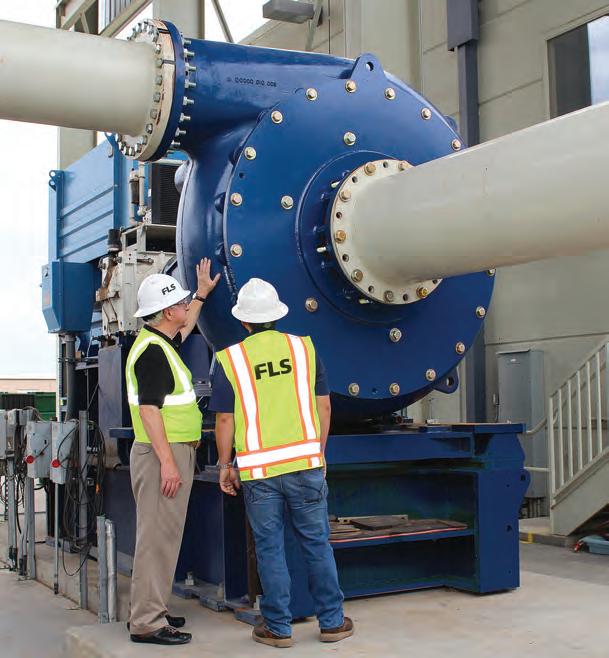
Recognising the operational impact of unplanned downtime, FLS has introduced the KREBS Express Pump Program, which provides accelerated delivery of key components. Bare shafts, for example, can be shipped in as little as two weeks, while complete slurryMAX pumps are available within four weeks.
FLS has also expanded its technological capabilities through targeted acquisitions.
In 2024, it acquired TIPCO Tudeshki Industrial Process Control GmbH, a developer of advanced sensor technology.
TIPCO’s systems can measure particle size distribution across different mass flows in real-time, providing data that can be applied across the PCV portfolio. This integration of digital and process technologies aligns with FLS’s strategy of delivering complete solutions that enhance operational visibility and control. By combining robust hardware with advanced sensing and analytics, the company is positioning its PCV offering as a key enabler of optimisation across mineral processing circuits. AM
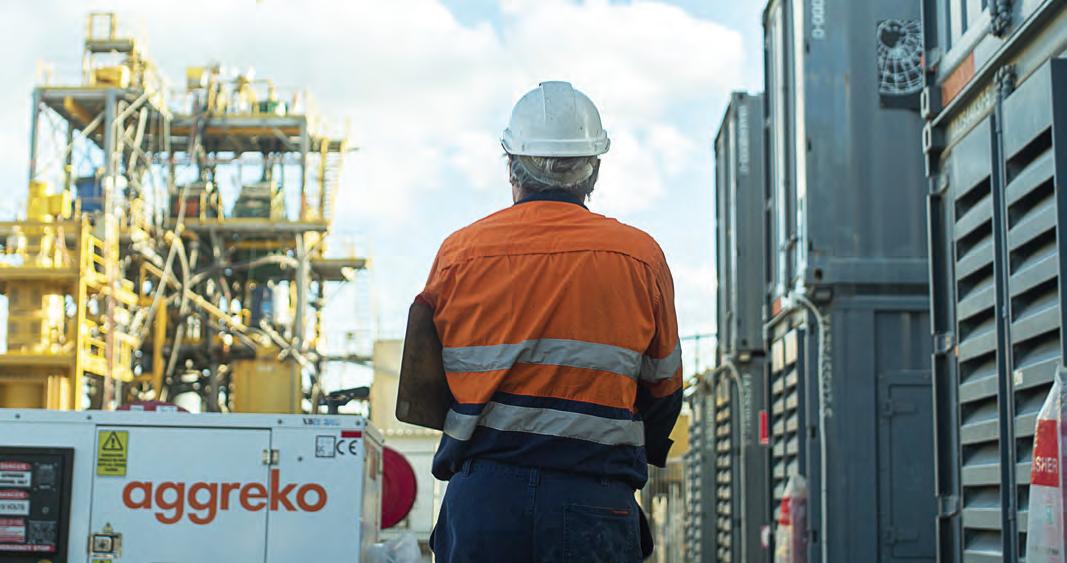
Aggreko is providing hybrid systems, alternative fuels and data-led solutions to improve energy resilience.
Fluctuations in regional fuel pricing have reinforced how quickly external market forces translate into on-site operational risk, particularly for remote mining operations reliant on diesel generation.
Transport costs, constrained supply chains and unpredictable pricing cycles are placing pressure on budgets, forcing sites to reconsider how energy is sourced, consumed and managed.
In response, Aggreko is positioning itself as a strategic energy partner, helping mining operators move beyond reactive fuel management toward more resilient energy systems.
“When global energy markets face disruption, the effects ripple through Australia–Pacific’s interconnected economies rapidly,” Aggreko head of mining for Asia-Pacific Jacques Nel said.
“We’re seeing supply constraints, transport costs climbing, pressures on production and challenges in planning as businesses struggle with unpredictable energy costs.”
A key part of this shift is the growing adoption of alternative fuels such as hydrotreated vegetable oil (HVO) and biofuels. These drop-in fuels, Nel said, can make a real difference to operating conditions, as they can be used in existing Aggreko generator fleet without modification.
This enables immediate reductions in emissions while maintaining overall operational continuity.
“The beauty of drop-in fuels? You keep operating exactly how you do today – just with better fuel” Nel said. “Your generators run the same. Your maintenance schedules stay the same. Your teams work the same way.
“HVO delivers a significant reduction in lifecycle carbon dioxide emissions whilst working seamlessly with existing generators and infrastructure. No operational disruption, just cleaner and more sustainable power.”
However, fuel substitution alone is not enough to address wider energy pressures. Operators are increasingly combining alternative fuels with hybrid energy systems that integrate battery energy storage systems (BESS) alongside conventional generation.
The Asia–Pacific BESS market is forecast to grow from $US28.61 billion ($39.4 billion) in 2025 to $US62.45 billion ($86 billion) by 2030, according to Aggreko, reflecting strong uptake across industrial sectors.
In mining applications, BESS enables energy to be stored during low-demand periods and deployed during peak loads,
reducing generator runtime, improving efficiency and stabilising power delivery in remote environments.
Where Aggreko differentiates is in how these technologies are integrated and managed as a single energy solution. Rather than supplying standalone equipment, the company designs and operates end-to-end power systems tailored to site conditions, combining generation, storage and fuel strategy with optimisation.
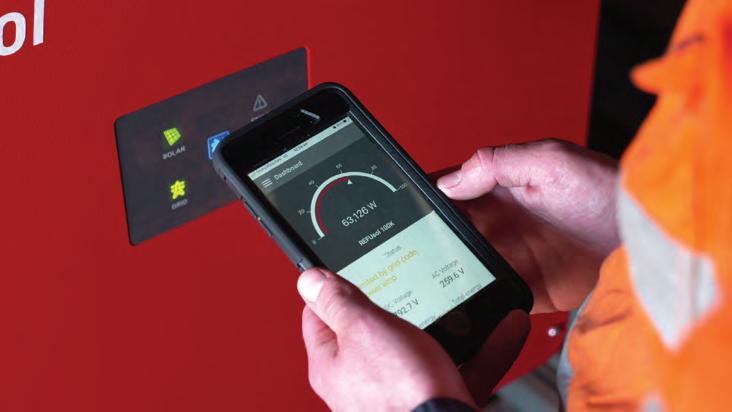
Data plays a central role in this model. Through Aggreko Remote Monitoring (ARM), operators gain real-time visibility over fuel consumption, asset performance and system efficiency.
“You can’t manage what you don’t measure,” Nel said. “That’s why telemetry data monitoring and fuel management services are becoming essential tools for businesses serious about controlling their energy costs.”
By analysing performance data from thousands of global assets, ARM provides deep insights into operational patterns. This intelligence enables Aggreko to precisely tailor solutions, enhance efficiency and maximise equipment uptime. This level of visibility is becoming essential for controlling expenditure and improving environmental, social and governance (ESG) outcomes.
These solutions are also increasingly aligned with regulatory and sustainability pressures., Emissions standards across the Asia–Pacific region are tightening and incentives for lower-carbon energy
adoption are expanding, creating the dual challenge of lowering operating costs while also demonstrating measurable emissions reduction.
Aggreko’s approach is designed to address both objectives. By combining alternative fuels, hybrid systems and dataled optimisation, operators can reduce diesel consumption, lower emissions intensity and improve resilience against fuel price volatility.
The company’s model focuses on site-specific design and continuous optimisation, ensuring energy solutions are tailored to operational realities rather than standard configurations.
This includes evaluating where hybrid systems deliver the greatest benefit, assessing the suitability of alternative fuels for specific logistics environments, and continuously refining system performance once deployed.
“Here’s the win–win: the same solutions that reduce your exposure to fuel price volatility also help you meet sustainability targets and government regulations around emissions,” Nel said.
By working with partners like Aggreko, sites can not only manage immediate fuel risk but also build long-term operational resilience through more efficient, loweremissions and cost-stable energy systems. AM
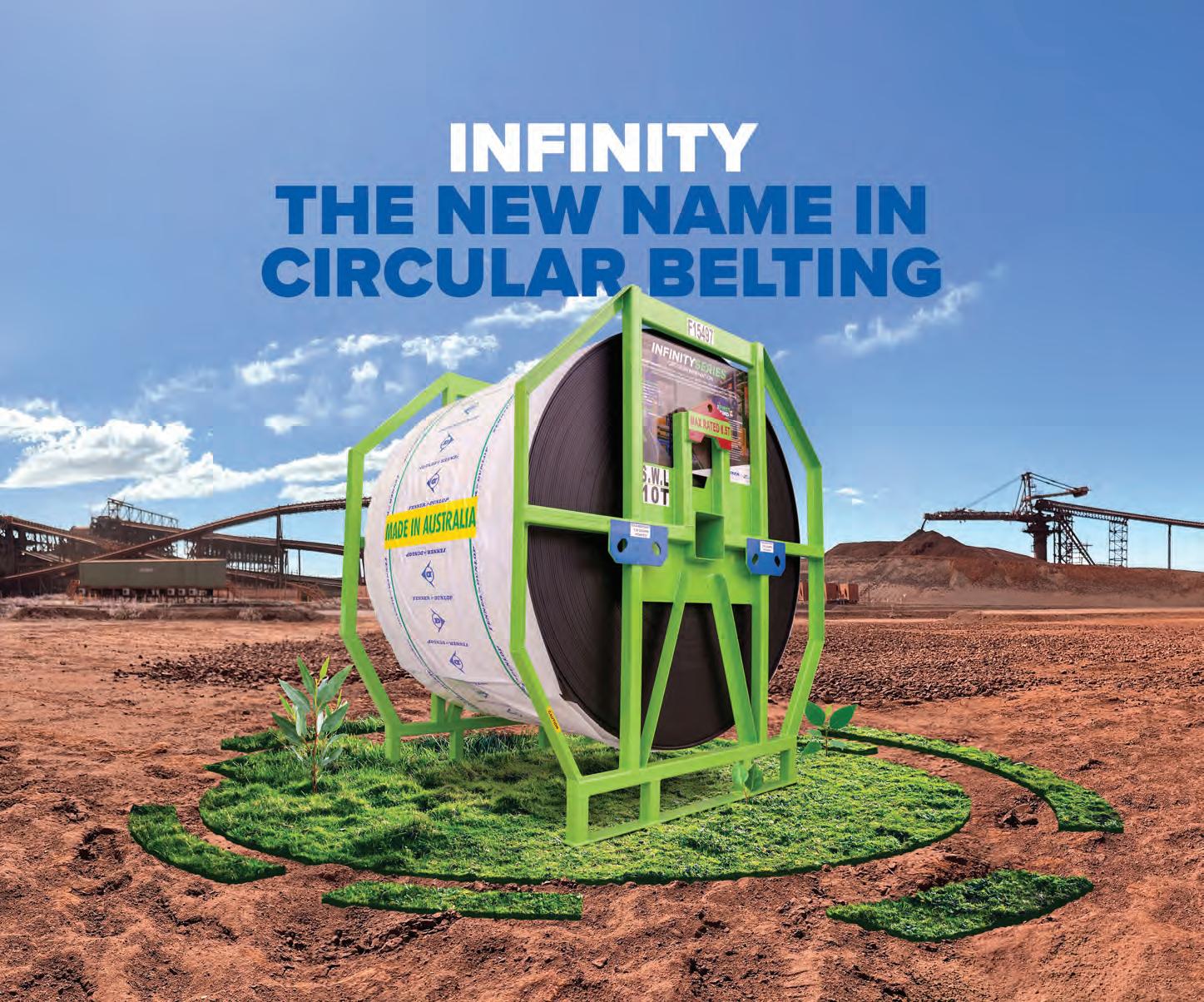

By transforming end-of-life conveyor belts into new solutions, we’re bringing innovation to the industry that decarbonises mining operations and supports long-term sustainability of operations. Our expertise in Australian manufacturing and on-shore recycling enables full lifecycle management of belting - from production to in-field use, recycling, and remanufacturing. Fenner Conveyors and Tyrecycle have joined forces to deliver a truly circular solution for end-of-life conveyor belts in the mining sector.
Made and remade in Australia Landfill diversion and carbon reduction Consistent, controlled product quality
Transparent and traceable chain of custody
Phone 1800 Fenner (336 637)
fenner.com.au | sales@fenner.com.au
Fenner’s new range of recycled content belts utilise a minimum of 10% locally recycled materials providing environmental benefit without compromising performance. This is achieved via processing at Fenner’s state-of-the-art K-MIX Materials Innovation Hub ensuring controlled, consistent performance whilst reducing transportation and associated carbon impacts.

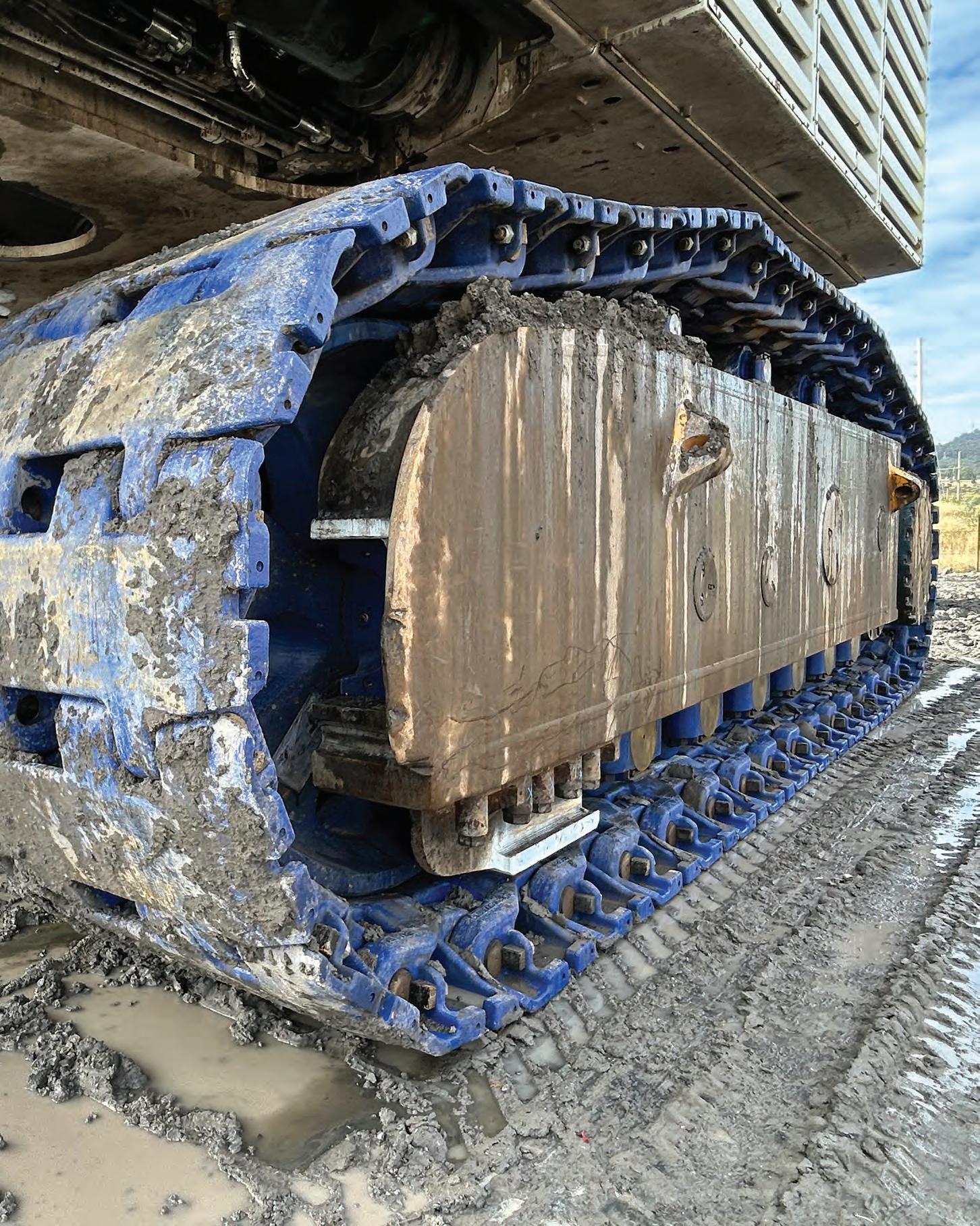
With more than four decades of expertise in delivering innovative undercarriage solutions globally across R9800 and R996 machines, Bradken® has now optimised the R9600 to improve performance for our customers.
From 2007 to 2021, Bradken designed, manufactured, and supplied the majority of the crawler shoes for R9800 and R996 machines to the OEM.
Now, we are delivering improved wear results for our aftermarket crawler shoes, with more than 50% longer wear life compared to competitors’ shoe wear life#.
Bradken® designs and manufactures undercarriage solutions that optimise customer operations, with a focus on critical deliverable areas.
Our products include:
• Crawler Shoes
• Drive Tumblers
• Return Rollers
• Load Rollers
• Idlers
Our innovative design, manufacturing processes, and continuous track improvements deliver longer wear life.

D ELIVE RING AN
SCAN TO LEARN MORE O PT IMISED FUTURE

Greenbase’s Envago software is designed to reduce reliance on spreadsheets by integrating data into reporting.
Greenbase’s Envago platform is built to help mining companies meet increasingly complex climate and ESG reporting obligations.
Mining companies are adjusting to Australia’s new mandatory climate reporting regime under the Australian Sustainability Reporting Standard Climate-Related Disclosures (AASB S2), a sustainability disclosure framework that requires businesses to report climate-related risks, emissions and governance alongside financial information and broader environmental, social and governance (ESG) considerations. Introduced under the Corporations Act 2001 (Cth), the standard is being phased in and is already applying to many businesses. It requires disclosures across governance, strategy, risk management and emissions metrics, bringing climate reporting closer to financial reporting processes.
According to Greenbase, an Australian sustainability and environmental reporting specialist, the shift is prompting discussion across the sector as companies work to strengthen reporting controls and improve the quality of underlying data.
Greenbase said there is strong industry focus on AASB S2’s governance requirements, particularly around improving consistency, accountability and the reliability of climate-related information.
Most miners already report emissions under the National Greenhouse and Energy Reporting (NGER) scheme, Australia’s existing framework for tracking emissions and energy use.
However, AASB S2 expands expectations by linking climate-related risks directly to financial statements and decisionmaking processes.
Greenbase sustainability and climate risk specialist Fraser Eynon said the challenge extends beyond technology alone.
“Out-of-the-box software solutions are an enticing answer to this; many are being sold as a way for sustainability practitioners to spend more time making impact and less time on metric disclosure,” he said.
“A noble goal, but is it realistic with software providers themselves subject to the same quality skill shortage that inhouse sustainability teams face?”
Greenbase is positioning its Software as a Service (SaaS) platform Envago as part of this transition, supporting companies with climate data management, emissions calculations, and disclosure workflows under AASB S2.
Envago is designed to reduce reliance on spreadsheets by integrating operational data into emissions
reporting and disclosure processes, including Scope 3 emissions, which remain one of the most complex areas of compliance.
Scope 3 emissions, which sit outside a company’s direct operational control, rely heavily on procurement data, supplier inputs and industry assumptions.
This has historically made reporting fragmented and difficult to standardise across mining supply chains that involve contractors, logistics providers and downstream customers.
As Scope 3 expectations expand, companies are under increasing pressure to improve visibility across value chains and identify risks that were previously outside traditional reporting boundaries.
Greenbase said many organisations are now moving away from spreadsheet-based approaches and one-off reporting exercises toward systems that improve traceability and governance of emissions data.
Greenbase managing director and Envago founder Alistair Marks said AASB S2 is changing how organisations think about climate reporting at board and executive level.
“Climate reporting is no longer sitting to the side of financial performance,” he said.
“Boards are being asked to apply the same level of discipline to climate-related assumptions, risks and data that they would expect in financial reporting.”
Marks said this shift is creating stronger alignment between sustainability, finance and risk teams, with climate information increasingly being used to support planning, investment decisions and long-term business resilience.
Climate disclosures must align with financial statements under AASB S2, which means scenario analysis and emissions data can directly influence asset valuations, impairment assumptions and long-term strategy.
Greenbase said the transition is encouraging companies to strengthen internal systems and data governance ahead of full assurance requirements.
Industry feedback suggests many organisations are using the transition period to build capability and refine reporting structures before stricter audit expectations take effect.
For the mining sector, AASB S2 is increasingly being viewed as a catalyst for stronger governance, higher-quality data and more integrated climate and financial decision-making. AM
How MST is transforming underground mining at the face.
As environmental, social and governance (ESG) expectations intensify across the global mining sector, the focus is shifting from strategy to execution. Mining companies are being challenged to demonstrate measurable improvements on the ground, in real time. In underground mining, that challenge is most acute at the mine face. It is here, within development headings and active production zones, that safety risks are highest, conditions change rapidly, and productivity gains or losses are determined minute-by-minute.
MST is addressing this challenge by enabling Short Interval Control (SIC) through its leading connectivity, AXON, and scalable software, the HELIX platform, bringing together real-time visibility, control and accountability to the areas where ESG outcomes are most directly influenced.
Closing the visibility gap at the face
The mine face has historically been one of the most difficult environments to connect and monitor. Constant development, ground conditions, mobile equipment and blasting cycles disrupt traditional communications infrastructure, limiting the ability to maintain reliable coverage.
This lack of connectivity has had a direct impact on safety and productivity. Without real-time data, decisions are often based on delayed or incomplete information, reducing situational awareness, slowing response times and allowing minor disruptions to escalate.
In many cases, this meant supervisors were relying on end-of-shift reports or intermittent radio updates, with limited ability to intervene while work was still in progress.
MST has changed this dynamic with solutions such as AXON Mesh delivering a mobile, high-bandwidth connectivity that can be rapidly deployed and extended as development advances. It is designed to ensure continuous communication coverage right to the working face, creating a reliable digital backbone in even the most challenging underground environments. This removes the traditional lag between development advance and network availability, eliminating the blind spots that previously existed in active headings.
While connectivity is critical, it is only part of the solution. MST’s HELIX modules build on AXON’s network supplying real-time data flow by integrating, visualising and contextualising information from across the operation.
Working together, AXON connectivity and HELIX intelligence transform raw data into actionable insights that directly support SIC. In practice, this shifts operations from reactive management to continuous, interval-based control throughout the shift.
SIC is built on disciplined, intervalbased execution, where activities are monitored, measured and adjusted continuously throughout a shift. HELIX enables this by structuring workflows, delivering live dashboards, and generating alerts that highlight deviations from plan as they occur.
Rather than waiting until the end of a shift to understand performance, supervisors can review progress in defined intervals (for example, every 30–60 minutes), identify deviations, and take corrective action within the same operating window.
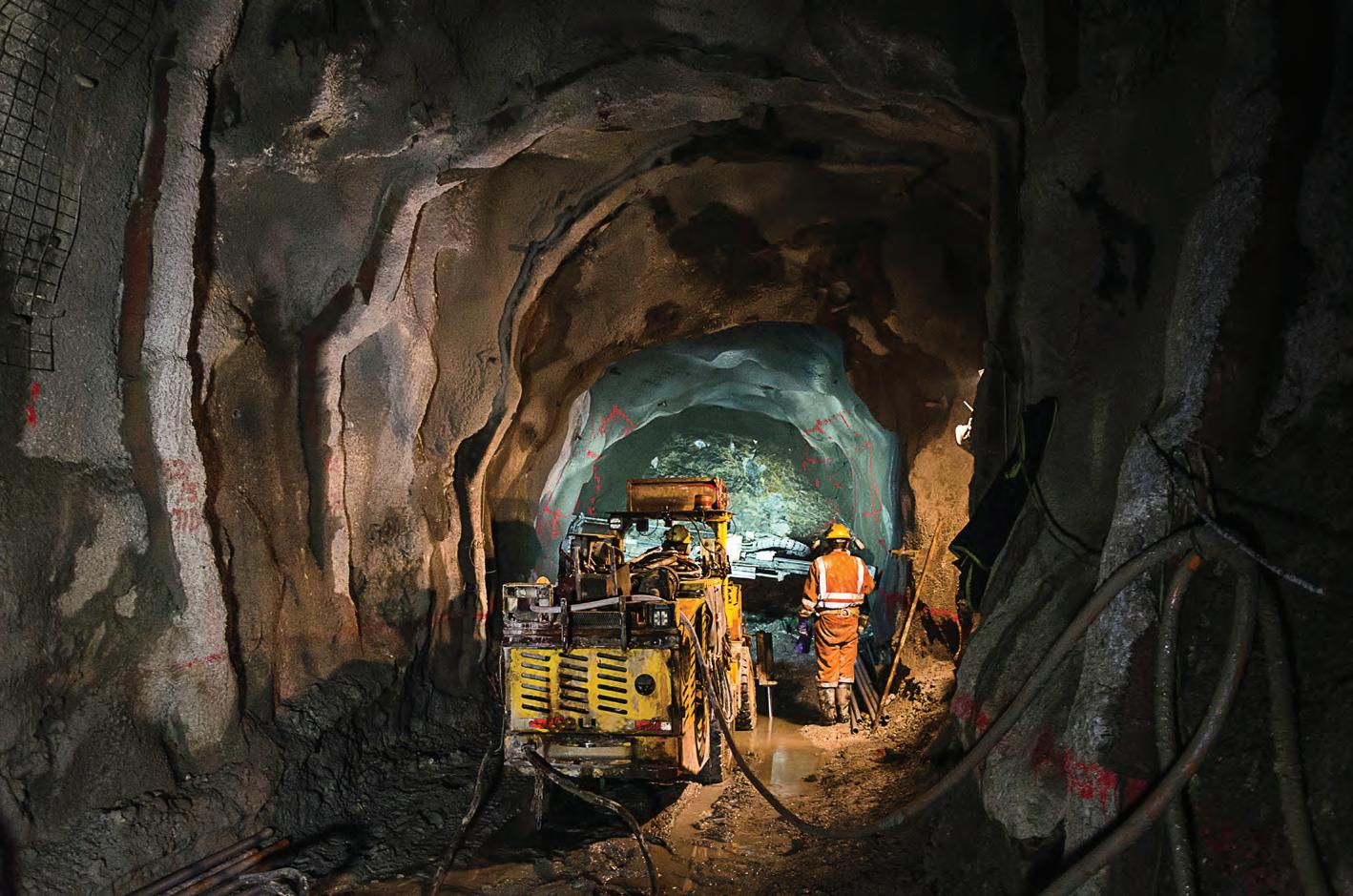
The underground mine face remains one of mining’s most dynamic and high-risk working environments.
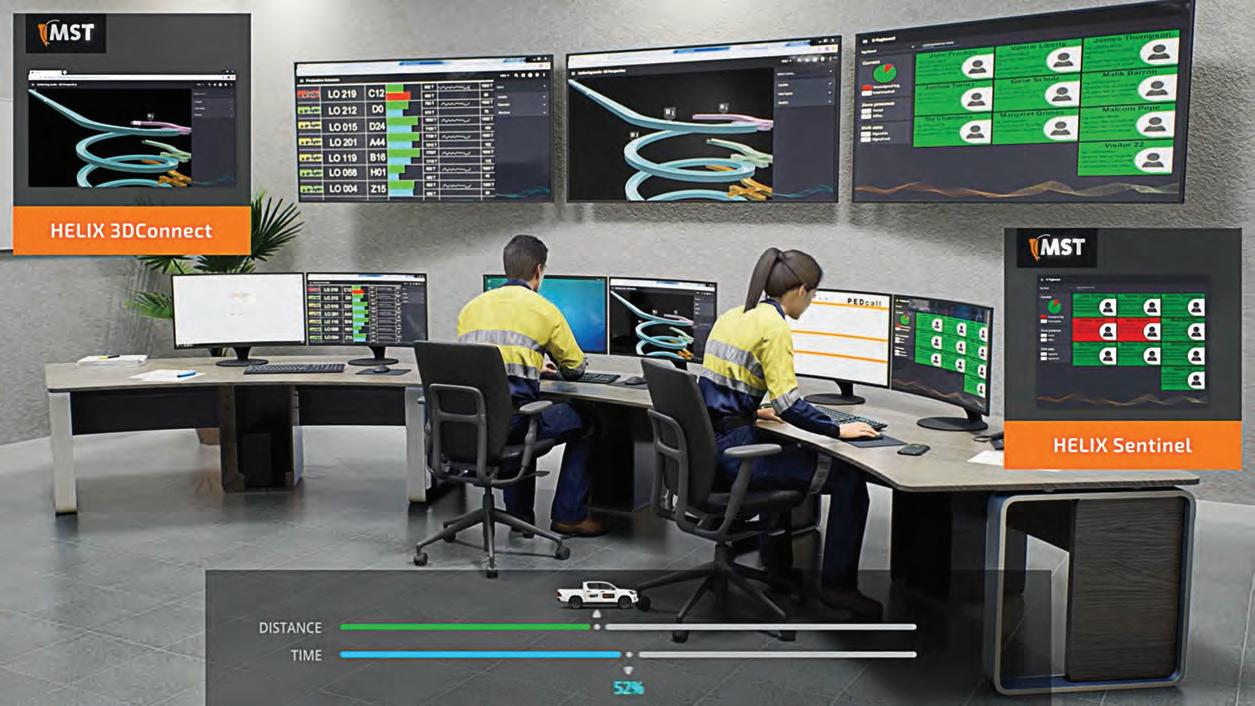
The end result is a closed-loop operational system:
• A XON connects the face and ensures data availability
• HELIX converts that data into realtime operational intelligence
• SIC uses that intelligence to drive immediate action
This significantly reduces decision latency, moving from hours between identifying and responding to issues to minutes within a live production cycle.
This integration allows supervisors and operators to see what is happening as it happens, whether it is workforce movement, equipment performance or cycle progress, enabling faster, more informed decision-making.
For example, if a development cycle falls behind within an interval, this is visible immediately, allowing crews to adjust sequencing, reallocate equipment or address constraints before delays compound.
By enabling SIC at the mine face, MST’s AXON and HELIX solutions are directly contributing to improved ESG performance.
Safety is significantly enhanced when operations move from reactive to proactive.
With AXON providing continuous connectivity and HELIX delivering real-time visibility, supervisors gain
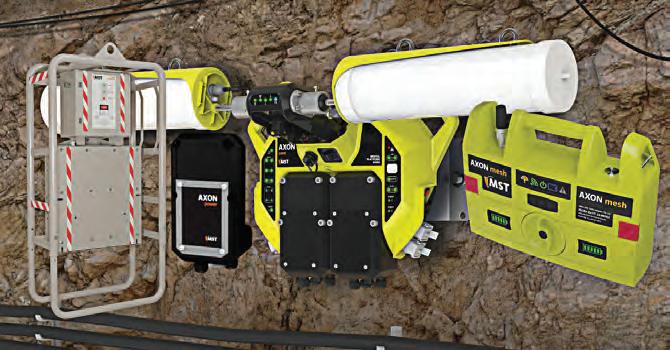
a live understanding of personnel location, equipment interactions and environmental conditions. This improves traffic management, reduces exposure to high-risk zones and enables faster responses to emerging hazards.
Structured interval monitoring also increases accountability and discipline, ensuring plans are executed safely and consistently throughout the shift.
Environmental performance is increasingly tied to operational efficiency, and SIC provides the mechanism to optimise both. HELIX modules enable precise monitoring and coordination of production activities, reducing idle time and improving equipment utilisation. With AXON ensuring uninterrupted data flow, these
insights can be actioned immediately. The result is more efficient energy use, reduced emissions intensity per tonne, and better alignment with working environmental targets. Rather than treating sustainability as a standalone initiative, it becomes embedded within everyday operational decisions.
Governance is strengthened through transparency, consistency and accountability, all of which are core outcomes of SIC. HELIX structures interval-based reporting supported by real-time data, creating a clear and auditable record of operational performance. This supports compliance requirements while also enabling continuous improvement.
By standardising workflows and reducing variability, mining operations can ensure safety, environmental and production standards are met consistently, shift-by-shift.
The growing adoption of SIC reflects a broader industry shift toward data-driven, disciplined execution in increasingly complex underground environments. MST’s AXON and HELIX platforms are central to this evolution. By delivering connectivity at the mine face and transforming data into actionable intelligence, they provide the operational foundation for more advanced capabilities.
Automation, artificial intelligence and remote operations all depend on reliable, real-time data and structured workflows. SIC, enabled by AXON and HELIX, creates the environment in which these technologies can thrive.
For mining companies, the challenge is no longer defining ESG goals but embedding them into daily operations in a way that delivers measurable outcomes.
MST’s approach of utilising connectivity with an intelligent software platform enables SIC and offers a practical path forward. By bringing real-time visibility and control to the most critical areas of the mine, MST is helping operations improve safety, reduce environmental impact and strengthen governance; not as separate initiatives, but as integrated outcomes of how the mine operates every shift. AM
We deliver fully financed, mine-life power solutions across Australia and the Pacific. From large-scale hybrid systems to remote off-grid operations, we take ownership of power delivery so our customers can focus on production, with certainty on cost, sustainability, performance and reliability.
Lower emissions hybrid power solutions
Build, own, operate delivery process
Flexible commercial contracts
Power purchase agreements (PPAs)
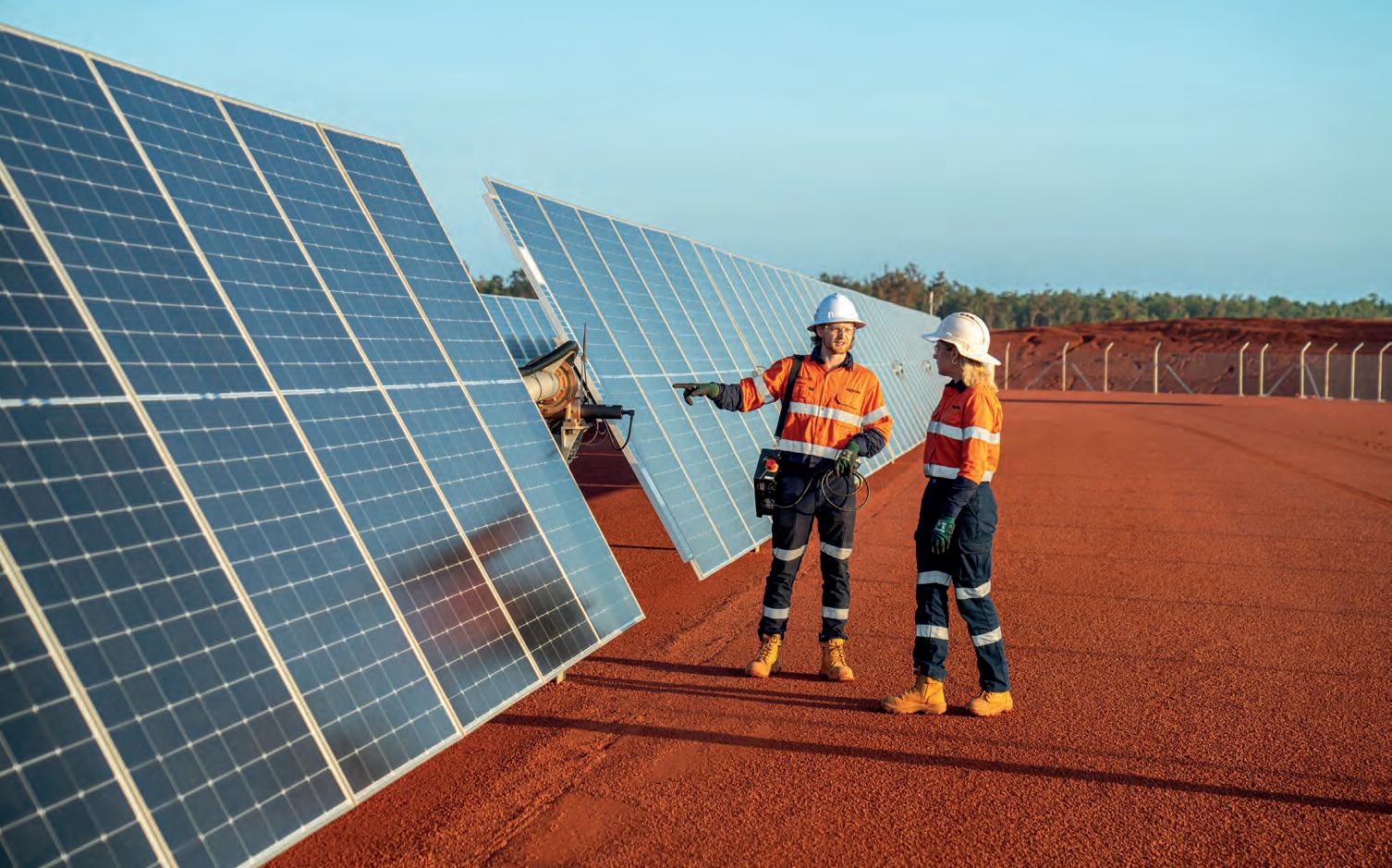
In an era where environmental, social and governance (ESG) principles are reshaping global industries, engineering companies are increasingly expected to go beyond operational excellence and embrace sustainable responsibility.
THEJO Engineering stands as a strong example of this transition, demonstrating how industrial organisations can align growth with sustainability through structured ESG initiatives, adherence to global standards, and continuous innovation.
At the core of THEJO’s ESG approach lies a deep commitment to environmental stewardship. Recognising the importance of ecological balance, the company has undertaken extensive greenbelt development initiatives across its facilities.
Between 2023 and 2025, approximately 200 tree saplings were planted to enhance biodiversity and improve the surrounding ecosystem. This effort is aligned with Central Pollution Control Board (CPCB) and Ministry of Environment, Forest and Climate Change (MoEF) guidelines, which mandate that 33 per cent of industrial land area be dedicated to greenbelt development. By maintaining over 4100 square metres of green coverage, THEJO reinforces its commitment to preserving natural resources while creating a healthier work environment.
Water sustainability forms another critical pillar of THEJO’s environmental strategy. In response to global concerns around water scarcity, the company has implemented a rainwater harvesting system with a storage capacity of 250 kilolitres. This initiative allows the capture and reuse of rainwater for irrigation, reducing dependency on freshwater resources.
THEJO has also established an efficient sewage treatment plant, where treated water is reused for greenbelt maintenance. Regular monitoring, operational reviews, and internal maintenance training have enhanced the plant’s performance, achieving an efficiency level of 85 per cent, the company said. Additionally, treated sludge is repurposed as manure for landscaping, showcasing an effective circular approach to waste management.
Energy efficiency and climate action are central to THEJO’s sustainability roadmap. The installation of a 750-kilowatt solar power system marks a significant step toward renewable energy adoption. The system generated more than 3.13 million megajoules of clean energy during the 2025–26 financial year, THEJO said, contributing to a 65.8 per cent reduction in total greenhouse gas emissions.
This shift not only aligns with global climate goals but reflects the company’s proactive approach to reducing carbon footprint through operational efficiency and sustainable energy practices.
Further strengthening its environmental initiatives, THEJO has adopted responsible waste management practices, particularly in handling electronic waste (e-waste), with a dedicated e-waste storage facility having been established in compliance with the E-Waste Management Rules, 2022.
The company ensures that all e-waste is processed through authorised recyclers, and it has obtained an extended producer responsibility certificate, reinforcing accountability throughout the product lifecycle.
Workplace safety and employee wellbeing, key components of the ‘social’ aspect of ESG, are also deeply integrated into THEJO’s operations.
Recognising the impact of industrial noise on health, the company has implemented targeted engineering controls to reduce sound levels within its manufacturing units. Noise levels in the mixing area have been successfully reduced from 98 to 75 decibels, ensuring compliance with safety standards and creating a more conducive working environment.
In addition to environmental and social initiatives, THEJO demonstrates strong governance practices through structured policies, regulatory
compliance and transparent operations.
The company’s ESG framework is supported by clearly defined internal policies that guide decision-making and ensure accountability.
By aligning its operations with international sustainability standards and continuously monitoring performance metrics, THEJO upholds high levels of corporate governance and ethical conduct.
A notable innovation in THEJO’s sustainability journey is the adoption of briquettes as an alternative fuel in boilers. By replacing conventional fossil fuels with biomass-based briquettes, the company reduces greenhouse gas emissions while promoting cleaner combustion processes.
but a strategic enabler of long-term growth and resilience. By integrating environmental responsibility, social wellbeing and governance excellence into its core operations, the company is setting a benchmark for sustainable industrial practices. Its initiatives reflect a forward-thinking approach that aligns with global ESG priorities, demonstrating that engineering solutions can play a transformative role in building a greener and more sustainable future.
As industries worldwide navigate the challenges of climate change and resource constraints, THEJO’s efforts serve as a compelling example of how purposedriven engineering can create lasting value; not just for businesses but for society and the planet at large. AM
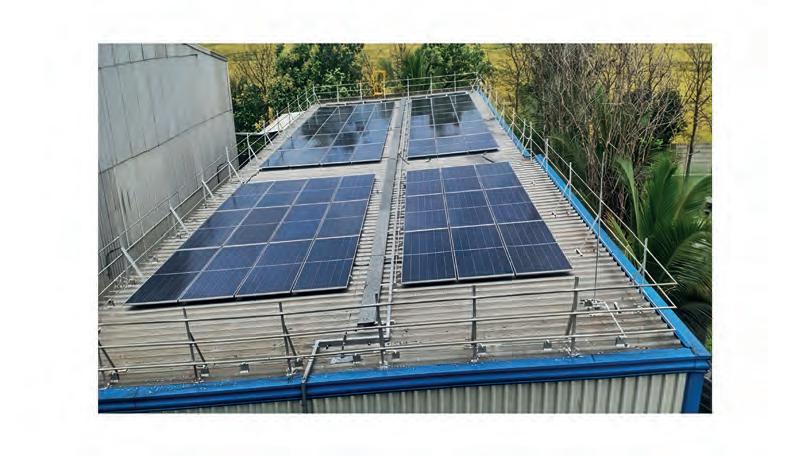
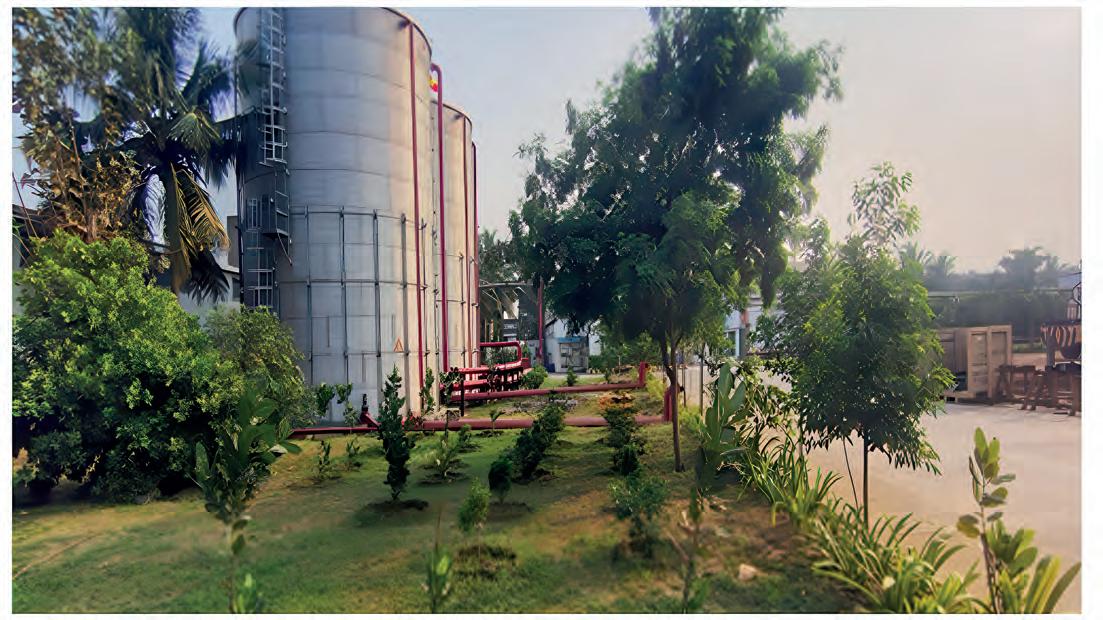
Remote operation centres are helping to make industries like mining more attractive to the next generation.
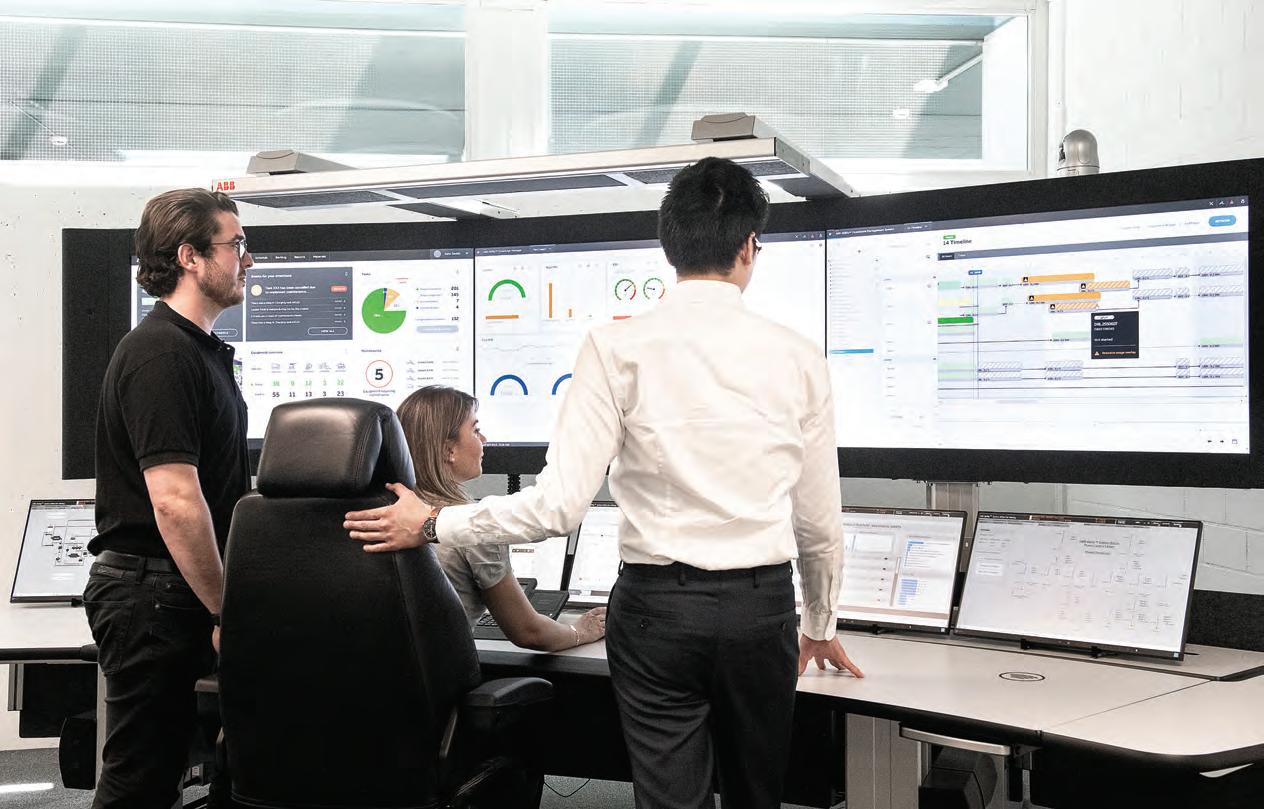
ABB appeared on the Australian Mining Podcast to discuss the increasing opportunities around mine digitisation, with smarter, safer and more efficient operations no longer a distant concept.
As mining companies navigate rising cost pressures, tighter regulations and growing expectations around safety and sustainability, digitisation is moving from an optional extra to an essential part of working.
Emerging technologies, utilising realtime data, automation and advanced analytics, are helping to make sites safer, smarter and more efficient – and the connected opportunities are significant.
According to ABB process industries division president Joachim Braun, Australia is already at the forefront of this shift. Speaking on the Australian Mining Podcast, Braun said the country’s position as a global mining leader has accelerated interest in digital solutions.
“Australia was definitely pushing the boundaries of digitisation in mining,” he said. “Companies were very interested in staying ahead of the game and were actively exploring different approaches.”
And this momentum and appetite for change is not limited to major operators. Braun believes adoption is becoming widespread across the sector, with even relatively smaller players recognising the importance of digital transformation.
“I can hardly see any miner that would think it was not relevant,” he said. “In
different shapes and forms, the industry as a whole is working on this and is becoming fairly advanced on a global scale.”
One of the clearest indicators of this maturity is the development of remote operations centres. Some Australian miners have taken the initiative to design and build these facilities independently, with impressive results.
“We had seen Australian miners building their own remote operation centres almost completely on their own,” Braun said. “They were very well designed.”
These centres are now a cornerstone of modern mining, enabling operators to monitor and control equipment from hundreds or even thousands of kilometres away. Besides convenience, they provide a foundation for integrating data across an entire operation. Making sense of that data, however, remains one of the industry’s biggest challenges.
As a leading global technology company, ABB is no stranger to these concepts. By connecting engineering and digitisation expertise, the company helps industries run at high performance, while becoming more efficient, productive and sustainable – what ABB calls ‘Engineered to Outrun’.
Sorting through the noise
Modern mine sites generate more information from equipment, sensors and software systems than ever before. But without a unifying layer to connect and interpret those data streams, much of their potential value is lost.
This is where ABB plays an increasingly vital role.
“Every piece of hardware we provide now comes with some software attached to it and generated data,” Braun said. “Before, solutions were incomplete. The real value came from bringing everything together.”
Braun pointed to ABB’s work with Gold Fields at the Granny Smith mine in Western Australia as a practical example. While the operation had access to large amounts of data from multiple original equipment manufacturers (OEMs), it struggled to turn that information into actionable insight.
“They had a hard time understanding how it all hung together,” Braun said. “They could not really benchmark it because the top layer context was missing.”
ABB worked with the site to integrate existing data sources and build a platform that connected planning, operations and performance. The result was improved visibility across the entire operation.
“We built that top layer platform with them, giving them full visibility and connecting a lot of the dots,” Braun said.
The impact extended beyond a single site, with Gold Fields now rolling out the solution more broadly within the company, demonstrating how digital platforms can be scaled once proven to be effective.
Crucially, Braun emphasised that such visibility is valuable regardless of how automated a mine is.
“It did not really matter how you operated your equipment; the need for a top layer view on what was happening was the same,” he said, emphasising how a holistic perspective allows operations to move from reactive to proactive decision-making.
Rather than identifying issues after a shift or at the end of a day, teams can intervene in real-time.
“You would not see after the fact that it was a bad day. You would see during the shift that you were falling behind and could step in straight away,” Braun said.
“If we saw certain vibrations on a piece of equipment, we could predict that it would fail within a certain
ABB works with a range of industries to help engineer solutions to outrun change.
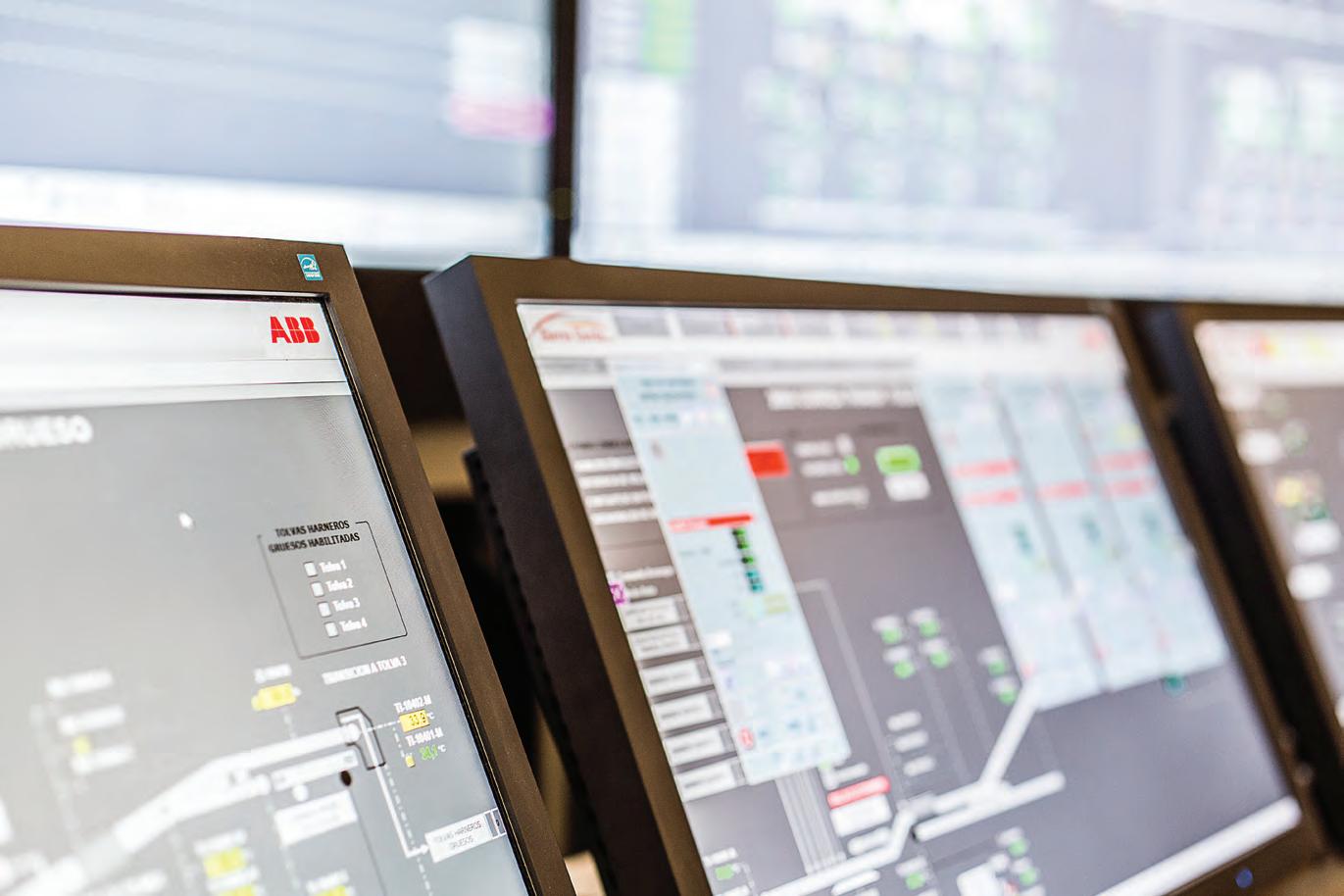
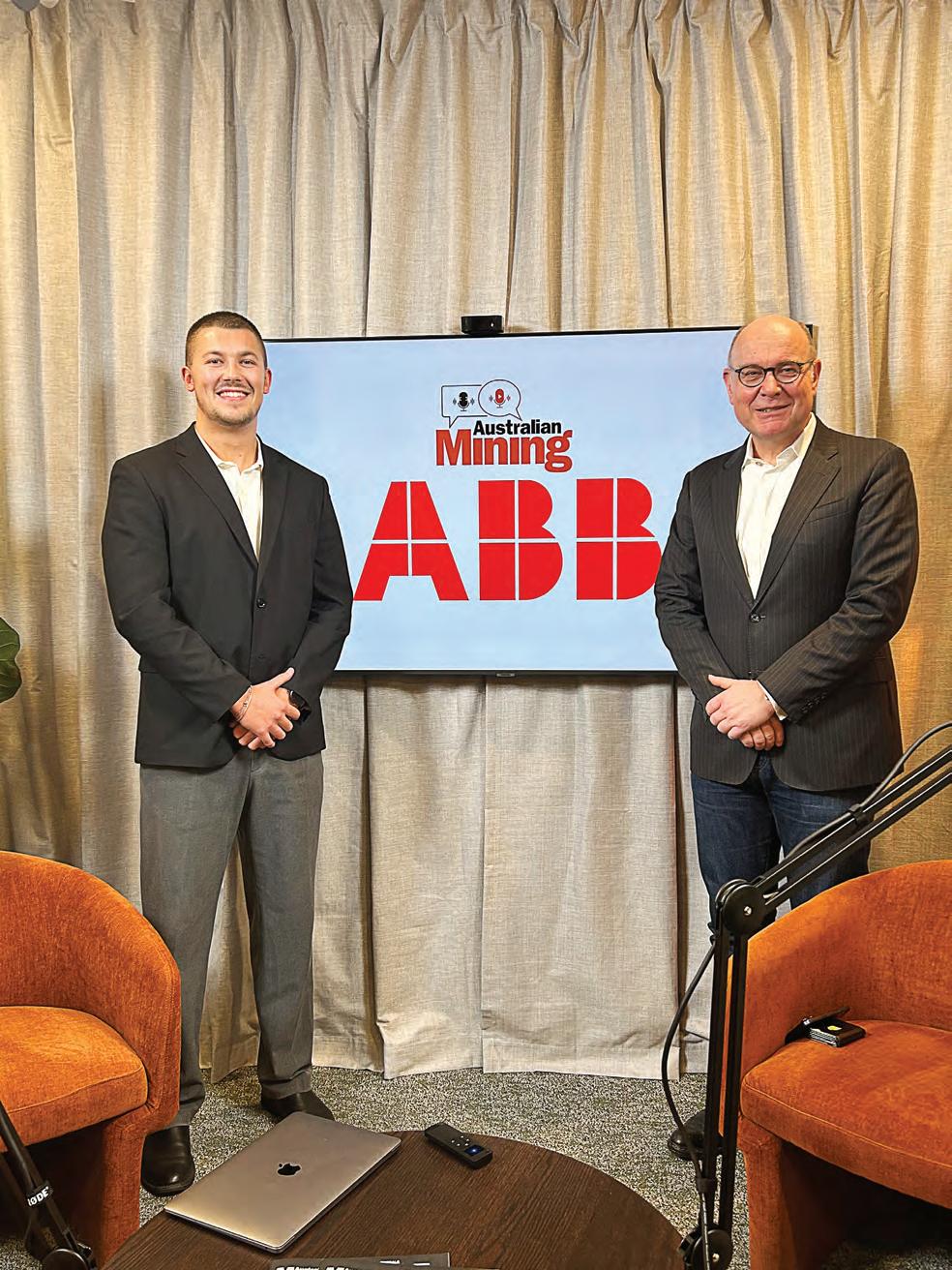
number of hours, then you could fix it at the next opportunity instead of waiting for a breakdown.”
At the same time, digitisation is helping to close a long-standing gap between planned and actual production.
“Traditionally, miners were often lagging behind their own production targets,” Braun said. “With these insights, we had pretty much closed that gap.”
Safety as standard
Safety is another critical driver in the uptake of digital technologies, especially in remote operations.
The right solutions can provide innovative approaches that reduce the need for personnel to work in hazardous environments, particularly around heavy machinery or underground.
“If you looked at accidents in mining, many involved large vehicles or dangerous conditions underground,” Braun said. “Getting people out of harm’s way is a major benefit.”
The concept of ‘dark mining’, where operations run with minimal on-site personnel, is becoming increasingly realistic due to a push towards safer and smarter environments.
“It is not just a possibility anymore; it is a reality,” Braun said. “Those who have tried it have zero regrets.
“But it is not a playground. You must always maintain control and be prepared for any disruption. That’s not easy, but effective when done well.”
Beyond technology, workforce considerations remain central to successful digitisation. While skills development is important, Braun has found that the bigger challenge often lies in change management.
“It is less about capability and more about getting people on board,” he said. “There could be resistance if people do not understand what is being achieved or feel their roles were at risk.
“To bring people on the journey is imperative, explaining that it’s not about losing control but about making work safer and more productive.”
When implemented effectively, digital technologies can enhance the attractiveness of mining careers. Remote operations and advanced systems allow workers to perform complex tasks from more comfortable environments, supporting better work–life balance.
“For the next generation, the traditional way of working in mining is less attractive. Working away with long shift patterns isn’t as sought-after as it once was,” Braun said. “This technology can create different workflows and a workplace that is more aligned with what people expected.”
Artificial intelligence (AI) is adding another layer to this transformation. ABB has deployed AI-driven tools that capture and apply the knowledge of experienced operators, making it accessible to less experienced workers in real-time.
“It’s about structuring knowledge and presenting it when it was needed, almost like having an experienced operator guiding you,” Braun said.
Despite the potential, Braun advised against viewing digitisation as a single, large-scale investment. He advocates for an incremental approach.
“These things could look daunting, but you do not have to turn everything upside down at once,” Braun said.
“You can identify where you would get the best value, implement a solution, and then move on to the next step.”
As mining evolves, the integration of data, automation and collaboration is set to define the industry’s future. For operators willing to embrace that shift, the benefits are already
BlueScope chief executive Tania Archibald has outlined a clear, execution-focused pathway to low-emissions steelmaking.
Just months into the top job, BlueScope Steel chief executive Tania Archibald is already focused less on transition rhetoric and more on execution.
Speaking at a recent Melbourne Mining Club luncheon, Australian Mining was on hand as Archibald described an industry with a clear, practical pathway forward as steelmaking moves toward a low-emissions future.
“If successful, this technology could enable more than 50 per cent of global seaborne iron ore trade to be consumed in low-emission steelmaking processes, meaning it secures the future of the Pilbara as it preserves the demand for medium-grade ores in the low-emissions world,” Archibald said. “It is a once in a generation opportunity, helping to secure long-term demand for Australia’s key export commodity and arguably the most critical mineral that we have.”
Archibald’s first 100 days seemingly lasted barely 100 minutes, as she said the reality of the role is navigating an industry shaped by energy costs, global trade shifts and the ever-accelerating push to decarbonise heavy industry.
At the centre of BlueScope’s strategy is a measured approach to green steelmaking built around direct reduced iron (DRI), which the company said can cut emissions by up to 60 per cent by using natural gas as a transitional fuel, with deeper reductions possible as hydrogen technologies mature.
Rather than framing decarbonisation as a distant overhaul, Archibald positioned it as a staged industrial evolution.
“At this point, we believe direct reduced iron technology – DRI – is the most prospective option for low-emission steelmaking in Australia,” Archibald said. “Natural gas-based DRI alone can give us
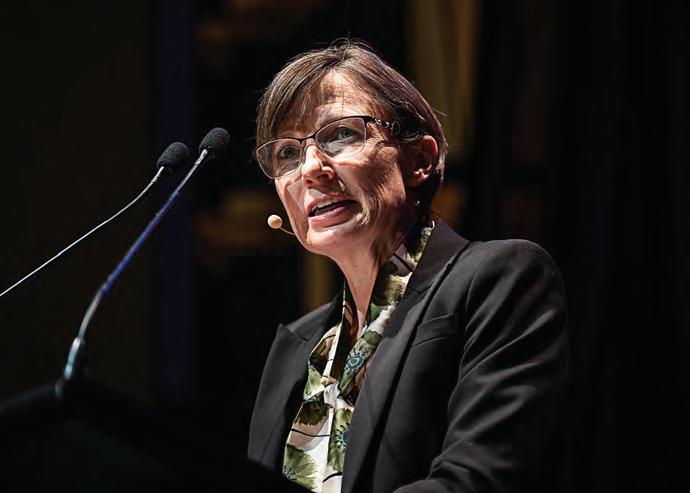
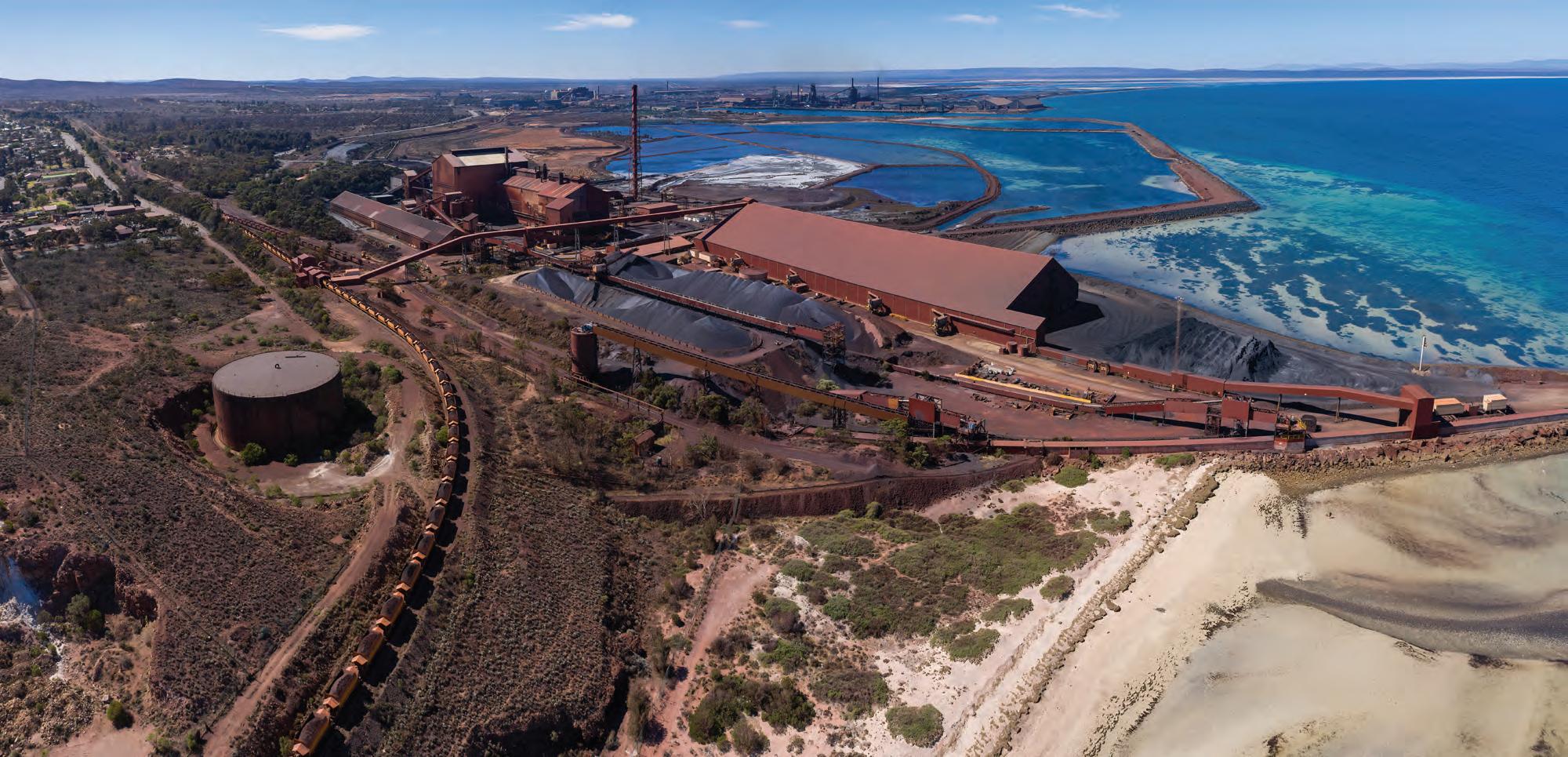
a 60 per cent reduction in emissions at the Port Kembla steelworks
“Ultimately, that could be displaced by green hydrogen, which gets you to about an 85 per cent reduction in emissions.”
Archibald said the key challenge is ensuring that Australia’s existing strengths, particularly its iron ore and energy resources, remain embedded in the next phase of steelmaking rather than displaced by it.
“How do we get there in a way that is commercially viable, that preserves our sovereign steelmaking capability and leverages this country’s two big natural advantages, our iron ore resources and the abundant potential for renewable energy?” Archibald said.
That thinking reinforces the NeoSmelt project in Western Australia, a joint venture between BlueScope, Rio Tinto, BHP and Woodside which aims to develop a new electric smelting furnace integrated with a DRI system.
The goal is to adapt Australia’s existing iron ore base for use in lowemissions steelmaking. If successful, the technology could allow a large share of global seaborne iron ore to remain central to steel production in a decarbonising world.
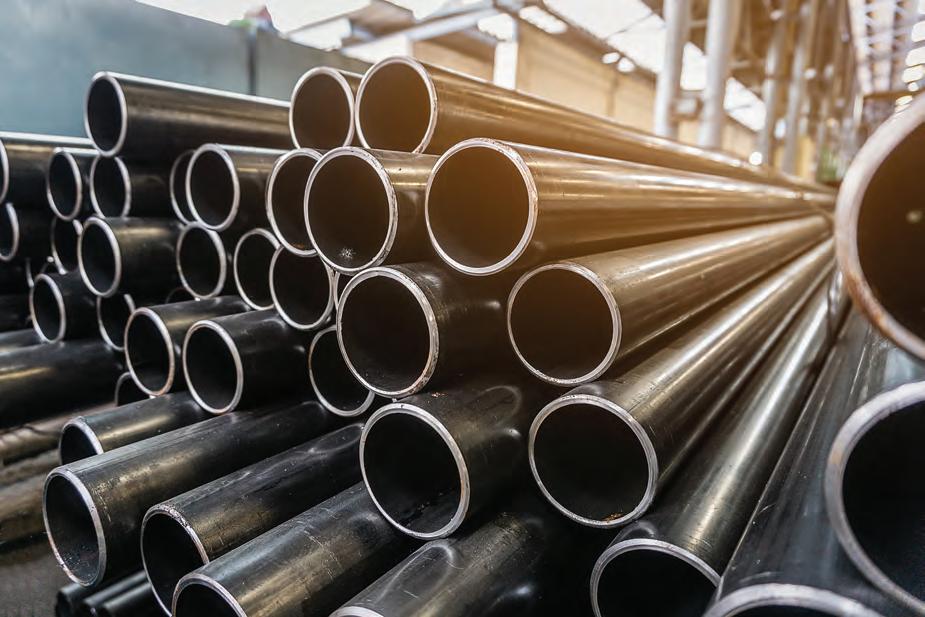
Archibald described the project as a way of ensuring continuity rather than disruption.
“It’s about building a pathway that allows our resources to stay relevant in the next generation of steelmaking,” she said.
A pilot facility in Western Australia is now progressing through feasibility, with a final investment decision expected by the end of the year. The project is designed to generate industrial-scale data before moving toward commercial deployment in the 2030s.
While the timeline is relatively long, Archibald said that is consistent with how heavy industry transitions typically occur, particularly where large-scale infrastructure and global supply chains are involved.
A new opportunity takes shape BlueScope’s attention is also increasingly turning to South Australia’s Whyalla region, where large magnetite deposits offer a different opportunity: a more direct route to DRI-based steelmaking.
Unlike Pilbara ore, magnetite is well suited to DRI processes, positioning Whyalla as a potential hub for a future low-emissions steel industry.
The challenge, however, is not resource availability but economic viability, particularly in terms of energy.
DRI production is energy-intensive and relies heavily on competitively priced gas during the transition phase. Archibald said even a single large-scale plant can require many times the gas currently used in traditional steelmaking.
That makes energy policy a central enabler of the sector’s transition.
Archibald believes Australia’s abundant natural gas reserves provide a strong
foundation for industrial decarbonisation if domestic supply can be better aligned with local demand.
“We have the resources to support this transition,” she said. “The focus now is ensuring they are available at competitive and predictable prices for industry.”
Archibald said gas is not the end point of the decarbonisation journey, but a transitional step that allows large-scale steelmaking to immediately start reducing emissions while longer-term technologies, including hydrogen, continue to develop.
BlueScope’s approach is to design flexibility into that pathway, ensuring facilities can evolve over time rather than requiring complete replacement.
Government support is also playing a role in early-stage development, particularly for demonstration projects such as NeoSmelt. Public co-investment is helping to de-risk the pilot phase and accelerate learning that would otherwise take longer to achieve.
Archibald said this model reflects a broader shift in how major industrial transitions are being approached, with industry and government working more closely on early infrastructure challenges. She highlighted the fact the long-term goal is commercially sustainable operations without reliance on ongoing subsidies.
“What we are building toward is competitiveness in its own right,” she said.
Trade dynamics are also shaping the environment in which the transition is occurring. Global steel markets are currently characterised by significant overcapacity, particularly from China, which has placed pressure on pricing and margins worldwide.
While Australia maintains opposed to dumping protections, Archibald feels
the system is under increasing strain due to the scale and complexity of modern trade flows.
Regardless, Australia’s position as a major iron ore exporter remains a structural advantage, particularly as global demand for steel-intensive infrastructure continues to grow.
That demand is being reinforced by the energy transition itself. Renewable energy systems, including wind and solar, are highly steel-intensive, creating a growing market for processed steel products. A single large wind project, for example, can require tens of thousands of tonnes of steel, while solar and transmission infrastructure also rely heavily on steel inputs.
BlueScope is already investing to capture more of that downstream value, including expanded capability in pipe, tube and coated steel products for renewable applications.
Archibald said the opportunity lies not only in supplying raw materials but in building a more integrated domestic supply chain that connects Australian resources to domestic and regional manufacturing demand.
Ultimately, the BlueScope chief framed the transition to green steel as an extension of Australia’s existing industrial strengths.
The country’s iron ore, energy resources and engineering capability already position it as a global supplier to the steel industry. The next step is ensuring those advantages are carried into a loweremissions future.
The pathway to green steel is clearly emerging, but its success will depend on practical execution, stable policy settings and continued collaboration between industry and government. AM
New fibre and satellite networks in regional Australia are redefining what fly-in, fly-out workers expect from life on site.
For two decades, fly-in, fly-out (FIFO) work has combined remote roles with strong wages, supporting major projects across Australia. Today, the model is evolving as the industry adapts to changing workforce expectations around lifestyle, flexibility, and connection.
Competition for skilled labour in the resources sector has intensified as critical minerals projects and new offshore energy platforms ramp up alongside established operations. Retention now depends on more than pay packets.
Mental health, family contact and connection to life back home are factors in whether workers stay, leave or sign up in the first place.
And the common denominator is connectivity. Services including video calls home, streaming, gaming, banking, telehealth appointments, study and social media all depend on bandwidth and
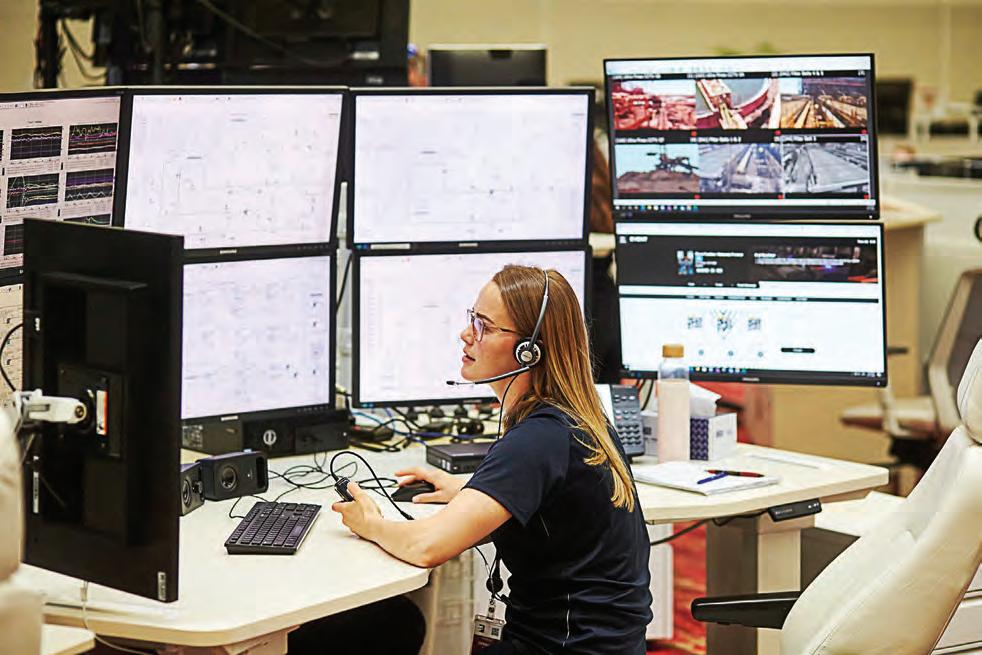
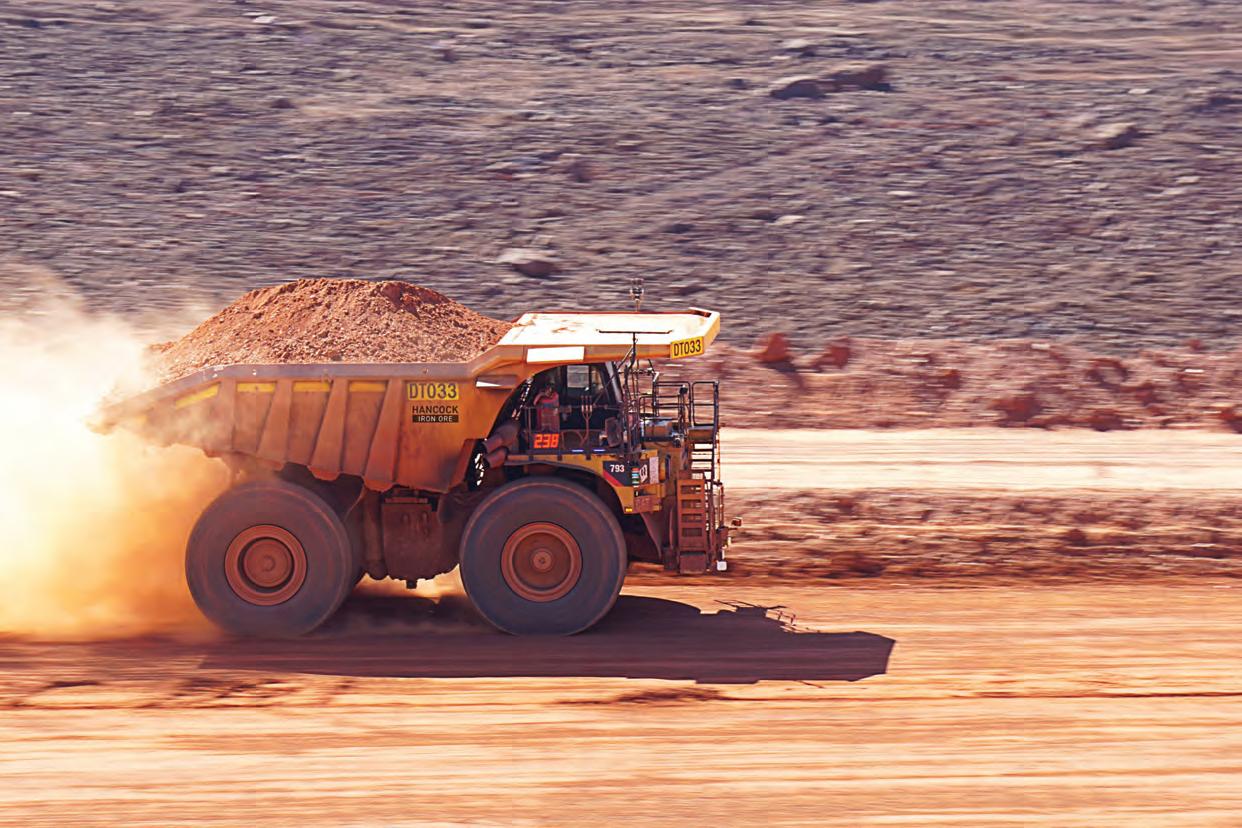
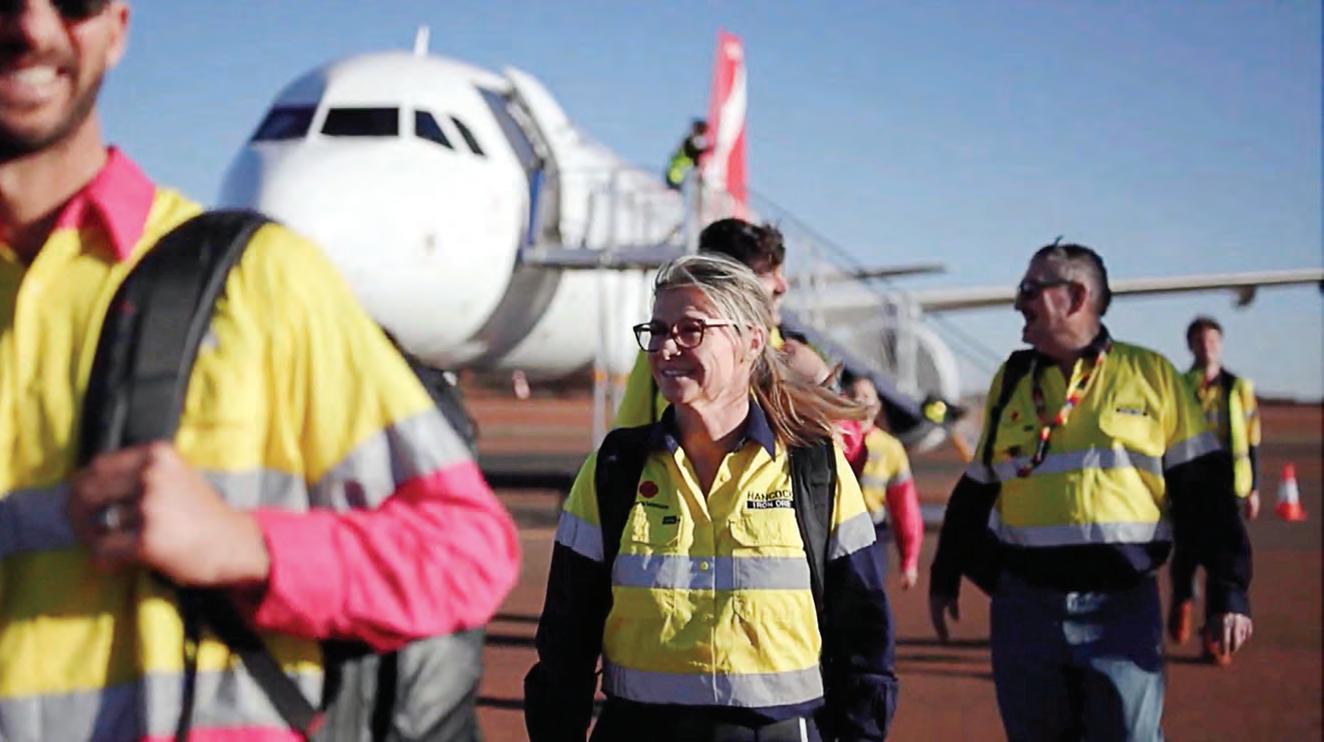
alternative to existing long-haul route. The cable connects into Vocus’ national backbone at each end, completing a ‘figure of eight’ architecture across the country and providing an invaluable failsafe.
If the main cable is severed south of a connected site, and a customer has an IP service with Vocus, traffic can be rerouted north via Darwin, across a sub-sea cable and back down to Perth. If it’s cut to the north of a site, it can take the southern route back to Perth.
In straightforward terms, that means mine operations and camp residents now have two paths to the outside world instead of one.
The Vocus path has been engineered for what the company calls “extreme resilience” in a part of the world that is often unforgiving in its weather and natural disaster patterns.
The system also offers strong operational advantages. For example, three Hancock Iron Ore operators in Perth can now supervise 50 autonomous haul trucks in the Pilbara, each following its designated route to centimetre-level precision.
The social outcome delivered by Project Horizon is that Hancock’s 2000-strong FIFO workforce has metro-comparable connectivity in-camp, tapping into 100 gigabits of connectivity.
“Remote site connectivity used to be treated as a technical problem,” Vocus head of digital solutions and
innovation Greg Phillips said. “It is now a workforce problem.
“If you cannot offer a reliable video call home, you are competing at a disadvantage for talent.”
The shift in workers expecting highquality connectivity is affecting retention economics. Replacing a trained FIFO worker can cost thousands of dollars in recruitment, travel and relocation fees, and onboarding.
Camps and platforms that retain their workforce longer through better connectivity see that cost drop significantly, contributing to operational savings that support the ‘social’ in environmental, social and governance (ESG) reporting.
Pit to port – and beyond
At Mineral Resources’ (MinRes) Onslow Iron project in the Pilbara, Vocus has built an integrated connectivity fabric across the entire operation. The centrepiece is a private LTE 4G network that covers the mine and a 150km private haul road.
That network supports what is among the largest autonomous vehicle fleets of its kind anywhere in the world: 120 triple-trailer road trains, each carrying 330 tonnes of iron ore from pit to port without a driver.
The same infrastructure relationship covers the mine and its resort-style accommodation village. A very
Connectivity is no longer a cost line in the IT budget. It sits in workforce strategy, in sustainability reporting, in the social licence to operate. ”
high-speed connection gives the workforce streaming, video calling and entertainment comparable to a capital city network connection.
Maritime operations are also included. Vocus Satellite services, running on the Starlink low-earth-orbit constellation, keep the project’s transhippers and tugs connected at sea. For seafarers whose working conditions have historically meant weeks offline, that is a step change in quality of life.
The governance benefit is that MinRes can deal with a single communications provider across mining operations, logistics, port activities, workforce welfare and maritime operations. In the event of a failure, there is one escalation path rather than a chain of vendors blaming each other.
Worker welfare is the primary ESG story at Onslow Iron, but the environmental story runs in parallel. Autonomous haulage, enabled by reliable private wireless connectivity,
fundamentally changes the cost equation for low-grade and marginal deposits. It also supports the direction of making electric haulage viable.
MinRes has outlined ambitions to transition the Onslow road train fleet from diesel to electric power, and that transition can use the same network that enables autonomous operation today. If it proceeds, Onslow aims to become one of Australia’s lowest-emission iron ore operations per tonne produced.
The competitive landscape for mining labour has changed, as has the scrutiny on mining’s social and environmental impact. Networks are now central to both.
“Connectivity is no longer a cost line in the IT budget,” Phillips said.
“It sits in workforce strategy, in sustainability reporting, in the social licence to operate. The miners who treat it that way will recruit better, retain longer and report cleaner.”
For operations assessing their digital infrastructure, the question is no longer whether the network can carry the data. It is whether it can carry the expectations of a workforce that has more choices than ever, and a regulatory environment that rewards proof over promises.
The fibre in the ground at Onslow and along the 2000km Horizon route is part of the case these operations make to their people, their communities and their investors. AM
Martinus is helping shape Australia’s mining and logistics future through large-scale rail infrastructure, haulage expertise and customer-focused supply chain solutions.
Before a locomotive moves any iron ore, grain or coal across the country, there is an immense amount of engineering beneath the steel rails that makes the journey possible, where every section of track must withstand enormous weight, constant vibration, and the relentless pressure of haulage.
Martinus, having laid out thousands of kilometres of track across Australia since its inception in 2005, including the Carmichael rail network in Queensland and the Murray Basin rail project in Victoria, understands this structure especially well.
What began as a small Sydney-based business supplying specialist rail products has since evolved into Australia’s largest privately owned rail infrastructure company, employing more than 1900 people across four countries.
Founded by chief executive Treaven Martinus, the company initially focused on supplying rail products before clients began requesting installation expertise alongside the materials themselves. By 2012, Martinus had expanded into rail construction and just a year later secured four major tenders that accelerated the company’s growth trajectory.
Connecting crucial infrastructure across the country is integral, with Martinus delivering bespoke solutions for its customers.
Those projects included upgrades at BlueScope’s Port Kembla coal terminal, ARTC’s Gunnedah yard rationalisation works, Aurizon’s Hexham stabling facility, all in New South Wales, and the Moreton Bay Rail Project in Queensland.
The momentum continued in 2017 when Martinus secured its first major contract, valued at $250 million, before expanding internationally into Chile in 2020 and later into the US through the acquisition of Bottom Line in 2023.
But despite its rapid expansion, the company’s core philosophy has remained unchanged: understanding what customers need before prescribing a solution.
“The first question we always ask is, ‘What’s not working in your supply chain?’” Martinus national business development manager – haulage Lee Morrissey said.
“That opens up the conversation to the places where we can really have an impact and make a difference in clients’ haulage and logistics.”
That customer-first approach has become particularly valuable within Australia’s mining sector, where rail infrastructure often determines how
effectively commodities move from mine to port.
The Carmichael rail network in Queensland demonstrates that capability. Working collaboratively with Bravus Mining and Resources through an early works agreement, Martinus delivered the civil and track packages for the project under a self-delivery model that utilised local contractors and internal workforces.
The project involved constructing 210km of track, delivering two flash butt welding yards, completing 15,000 flash butt welds and installing more than 600,000 tonnes of ballast. On the civil side, Martinus completed 86km of rail formation works, constructed 10 major bridges and installed more than 40km of culverts.
At peak construction, the project involved more than 600 workers and contractors and delivered more than $70 million in spending within local communities. The project also exceeded social sustainability targets, including a nine per cent Indigenous employment rate.
Martinus also played a central role in Victoria’s Murray Basin Rail Project, a $440 million infrastructure initiative
jointly funded by the Victorian and Federal governments to strengthen regional freight capacity.
Under a joint venture partnership with McConnell Dowell, Martinus helped upgrade more than 1000km of rail lines from broad gauge to standard gauge, rebuilt the closed Ararat–Maryborough corridor and improved axle load capabilities across sections of the network.
The project included replacing 274,000 sleepers, welding more than 50,000 rail joints into continuously welded rail and upgrading nearly 400 level crossings. Across the life of the project, the delivery team achieved 38 per cent Indigenous participation.
For Morrissey, Martinus’ ability to deliver large-scale infrastructure while adapting to customers’ operational realities remains a defining advantage of the company.
“There’s a lot of haulage agreements that come with a take-or-pay element, which means you’ll be paying revenue no matter what your mine does,” he said.
“We’re trying to flip the script. Our customers should be able to continue with their mining, and we’ll build a contract that suits their business.” AM

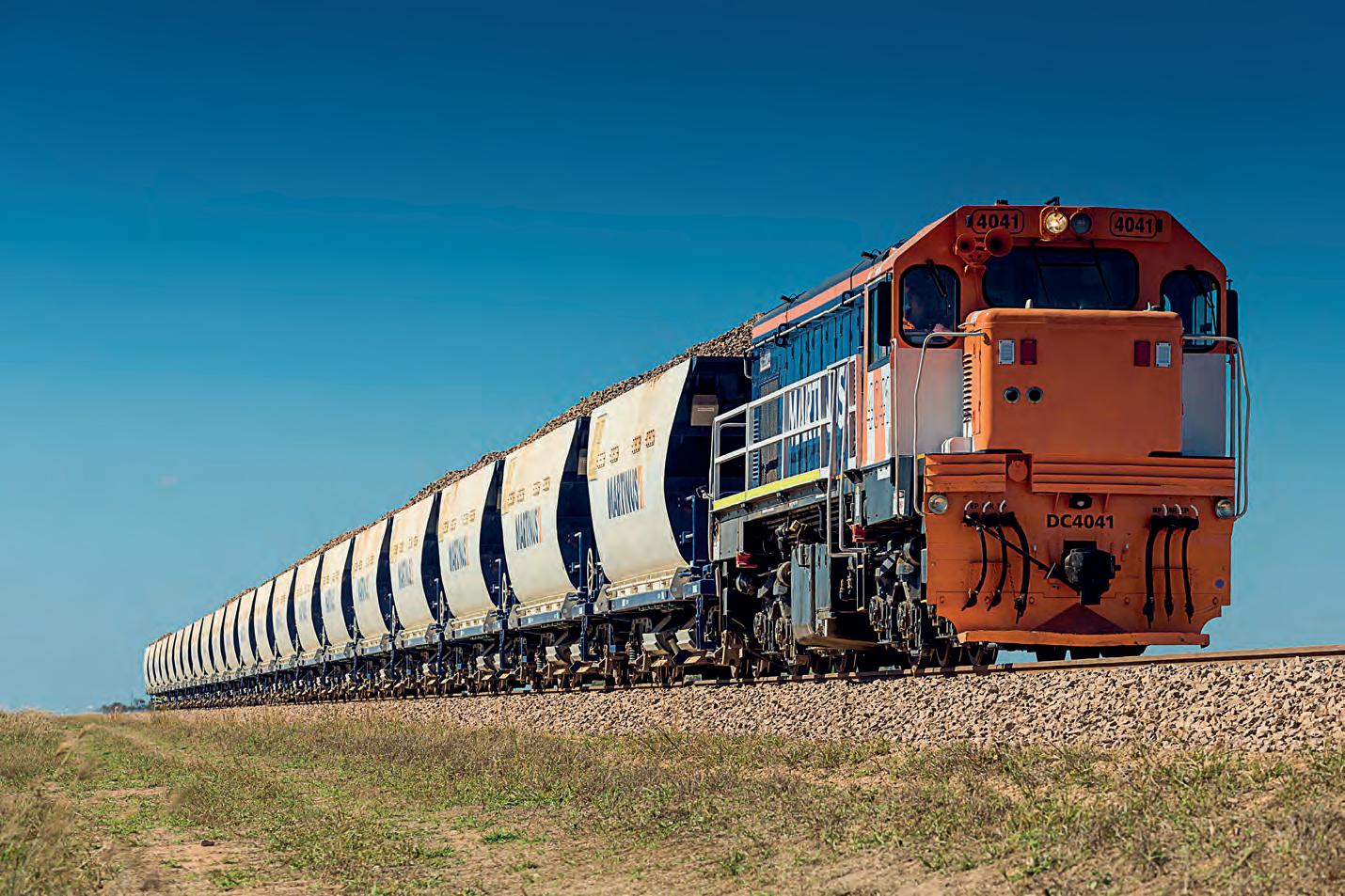

Single data entry, multiple reports (AASB S2, NGER, NPI, etc.)
Audit-ready reports
Transparent calculations built for assurance
Regular tracking of GHG performance
Dashboard for management and board reporting
Version and data validation controls
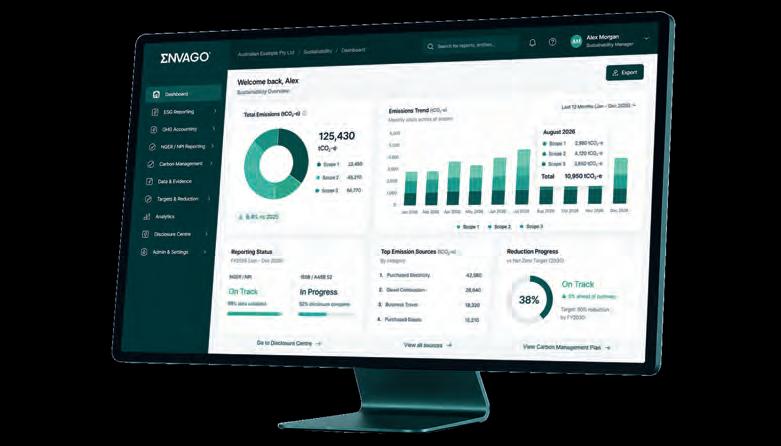
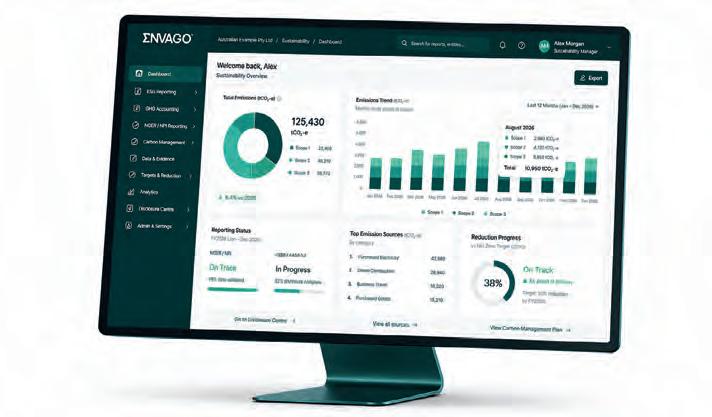


+61 (08) 9322 9966
projects@greenbase.com.au
www.greenbase.com.au


ASD specialises in large-diameter ventilation shaft drilling using advanced vertical blind boring technology—one of Australia’s safest construction methods. Since 2004, we’ve completed 54 shafts for coal and metalliferous mining operations, continually refining our approach to ensure safety, efficiency and reliability.
Blind boring enables the completion of shafts ahead of underground development, minimising project delays and enhancing overall efficiency. Beyond ventilation, this method offers cost-effective solutions for:
> Mine Access: Establishing safe and reliable entry points.
> Mine Haulage: Facilitating efficient material transportation.
> Tunnel Access: Providing pathways for construction and maintenance.
> Emergency Egress: Ensuring critical escape routes for enhanced safety.
Our blind boring methodology begins with the excavation of a presink to allow for the installation of the drilling tools. The drilling phase involves the use of a specialised drill head to cut through varied strata, with cuttings extracted via reverse circulation, ensuring efficient material removal and minimal surface disruption. Once drilling is complete, the liner is installed and securely grouted into place. This method ensures structural integrity and is adaptable to a range of geological conditions, including weak clays, uncemented sand, sedimentary materials, basalt and granite, ensuring optimal outcomes for each project.
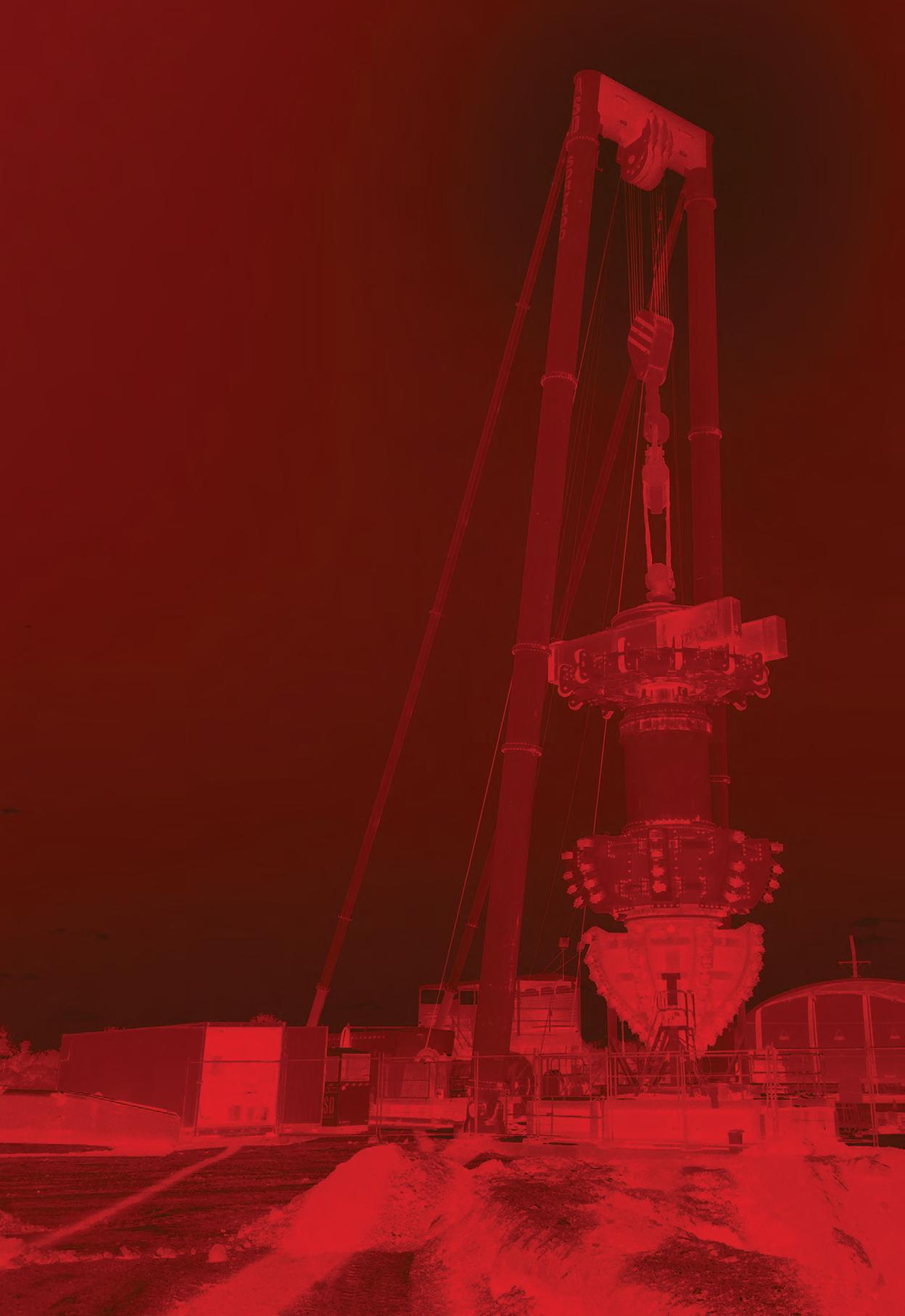
Safety is the foundation of our operations. We have maintained an impressive record of 7,948 days without a Lost Time Injury (LTI), and as of February 2026, our Medical Treatment Injury Frequency Rate (MTIFR) stands at 2.44 per million hours—demonstrating our commitment to maintaining the highest industry standards.
> Shaft Diameters: From 2.2 meters to 7.3 meters, tailored to project requirements.
> Lining Options: Including steel, concrete or a combination, selected based on strata conditions and shaft lifespan.
With a focus on cutting-edge technology, precision-driven processes and a steadfast commitment to safety, ASD continues to provide industry-leading shaft solutions for Australia’s mining sector.
The state’s next gold rush may already be taking shape.
Victoria’s gold history has always been a story of cycles.
From the feverish rush of the 1850s to the modern revival driven by high-grade underground discoveries, the state has repeatedly proven it holds more beneath the surface than first imagined.
Now, a new report suggests the next chapter could be its most economically significant yet.
A recent Orizontas study commissioned by the Minerals Council of Australia (MCA) found that lifting Victoria’s annual gold production to one million ounces within the next decade could deliver a transformative economic impact.
The modelling points to a sector capable of delivering $6.2 billion in gross state product.
For companies actively exploring and developing within Victoria’s goldfields, that potential is already becoming increasingly visible. Among them is Falcon Metals, which has rapidly emerged as one of the state’s most closely watched explorers through its work in the Bendigo structural zone.
Rather than positioning itself around short-term exploration momentum, Falcon is targeting the deeper geological potential that has historically underpinned Victoria’s largest gold systems. Its Blue Moon project, located north of Bendigo, is increasingly being viewed as part of the
next generation of high-grade discoveries capable of contributing to the state’s future production profile.
Falcon Metals managing director Tim Markwell believes the one-million-ounce target outlined in the MCA-backed report is achievable, particularly given Victoria’s history of large-scale production and the growing pipeline of advanced projects now taking shape across the state.
Markwell said the bigger opportunity now lies in the emergence of multiple projects across Victoria’s goldfields rather than reliance on a single operation. He pointed to a growing pipeline of gold developments involving companies such as Southern Cross Gold and Catalyst Metals.
“[And] something like our Blue Moon project could add significantly to that,” he told Australian Mining
The MCA’s modelling supports that view, noting that reaching one million ounces annually would likely require a portfolio of mines producing between 60,000 and 300,000 ounces per year.
That shift toward a multi-project production pipeline is central to Falcon’s outlook for Victoria. At Blue Moon, the company has already confirmed three stacked Bendigo-style mineralised systems – Morning Glory, Lotus and Dahlia –with mineralisation remaining open along strike and at depth.
Recent drilling has continued to reinforce the scale potential of the project. Falcon has intersected visible gold across multiple drill sections, while step-out drilling is targeting continuity along strike, a defining feature of the historic Bendigo gold system.
“What we’re really excited about is that 10km to the south, and we’ve got the next 6km of it,” Markwell said.
The Lotus zone has emerged as a standout area within the project, now defined across a 280m strike length with visible gold intersected in each of the first three drill sections, including results such as 0.8m at 86.2 grams per tonne gold.
For Falcon, the significance of Blue Moon represents part of a shift occurring across Victoria’s goldfields, where modern exploration techniques, renewed investment and strong gold prices are reshaping perceptions around the scale of opportunity still remaining beneath some of Australia’s most historic mining regions.
At the heart of the MCA’s modelling is a truth that production growth cannot occur without sustained exploration. The report estimates at least $150 million in annual exploration investment will be required to identify and define deposits to underpin the next generation of mines.
“I think that level of expenditure is quite reasonable,” Markwell said.
“There are a lot of drill rigs working in Victoria right now, the assay labs are being fully utilised so there is a lot of money being spent on gold exploration.”
The economic implications extend beyond discovery, with the MCA report highlighting that this level of exploration activity would support $377 million in economic output, almost 800 jobs, and close to $100 million in annual wages.
The report estimates $1.75 billion in development capital to build the necessary mining infrastructure across multiple projects.
Markwell believes the current gold market is well-positioned to support that level of investment.
“The gold price is very strong and the markets are open for gold exploration. The successful companies that are getting results can raise significant amounts of capital,” he said.
“And if you can show that you’ve got a solid resource base of high grade … then I think the capital will come.”
The balance between enabling development and maintaining environmental and social standards will likely define the pace of Victoria’s next gold cycle.
Modelling suggests Victoria’s gold sector can deliver $6.2 billion in gross state product.

a program to boost critical minerals capacity with the aim of improving global competitiveness.
Victoria’s Fosterville is considered “one of the biggest and best mines in Australia”.
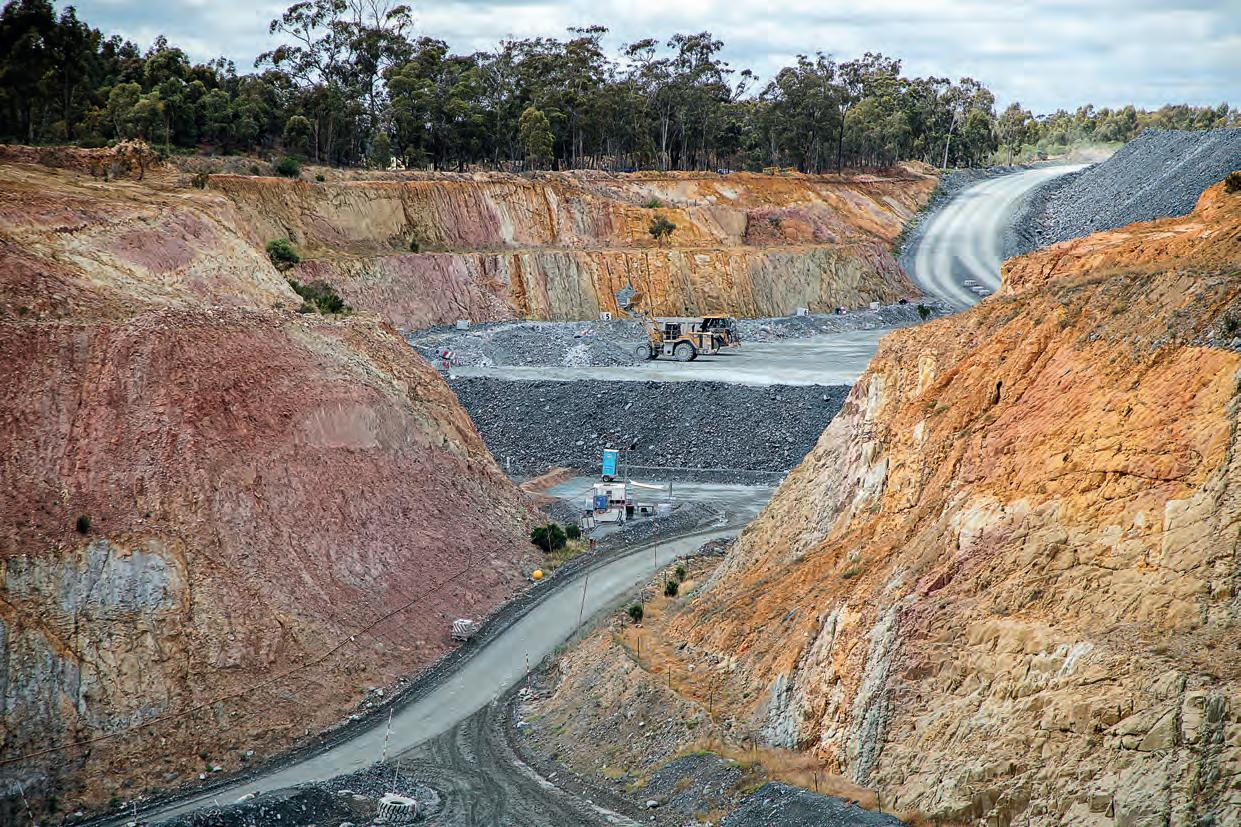
pegged that Blue Moon licence when we did,” Markwell said. “The fact that it had never been drilled before, I just couldn’t get my head around it.”
If the MCA’s projections hold true, that combination of untapped geology, rising investment, and favourable market conditions could see Victoria once again redefine its place in Australia’s gold sector, not as a relic of history but as a driver of the next wave of growth.
Speaking on the inaugural Australian Mining Podcast, MCA regional director for Victoria James Sorahan echoed the sentiment of gold producers, pointing to the metal as a key contributor for the future.
“There’s still so much gold left in this state, about as much left in the ground as has ever been extracted since the gold rush,” he said. “We now have one of the biggest and best mines in Australia, Fosterville, operating, and have the potential to hit that million-ounce target by 2035.”
Beyond gold, a new jewel in Victoria’s resources crown comes in the form of antimony and mineral sands, earmarked as key opportunity for the state’s critical minerals future, further positioning it as an expanding hub for mining activity.
This momentum has been backed by the Victorian Government, which has unveiled
With Victoria home to Australia’s largest antimony deposit and the nation’s only currently operating mine at Costerfield, the State Government is looking at ways to boost capabilities with the establishment of a state-of-the-art facility in collaboration with industry, researchers and universities.
The Advancing Antimony Grants program offers a share of $1 million for proposals to get Victorian processing off the ground to assist in the global supply of critical minerals used in electronics, batteries and defence technologies.
The state, according to Sorahan, sits on “the world’s largest known reserves of mineral sands”, further underscoring the scale of the opportunity for future development.
Sorahan said that despite this resource base, Victoria is currently the only Australian state not actively mining mineral sands.
“We think that needs to change, and I think it will change,” he said, pointing to three advanced projects alongside several other exploration projects taking place in the north-west of the state.
A key feature of Victoria’s deposits, Sorahan said, is their composition, with rare earths forming a more significant component than in many traditional mineral sands systems.
Sorahan described them as “particularly rare earths-rich deposits”, saying that the structure improves project economics by enabling

multiple commodity streams within a single operation.
Sorahan also highlighted the strategic importance of these resources, saying Victoria is the only state currently producing certain critical minerals within this category – like antimony – while broader exploration continues in New South Wales.
Sorahan pointed to the scale of potential development in the sector, including project pipelines and emerging production hubs.
He believes Victoria has “the opportunity to be a major supplier in the western world” for critical minerals such as rare earths embedded within mineral sands systems.
“Some people have talked about us being the Pilbara of Australia when it comes to mineral sands,” Sorahan said.
This growth is underpinned by the structure of the deposits themselves, which often combine multiple valuable commodities such as titanium, zircon and rare earth elements.
“This helps with the economic viability of those mines,” Sorahan said.
He also pointed to downstream opportunities, including potential processing capacity within Victoria. Companies may explore rare earth separation and processing, depending on commercial viability and market conditions, signalling the possibility of value-adding activity beyond extraction.
Mineral sands projects are expected to support significant employment across the sector, with individual operations potentially supporting more than 200 people while contributing to regional development and supply chain growth.
Victoria’s resources story is continuing to expand beyond gold, but the common thread remains the same: a state still defined by significant geological endowment and




BME’s AXXIS® range – Silver, Titanium, and CEBS – delivers world-class electronic initiation trusted by mines across five continents.

Built for precision, safety, and sustainability, AXXIS® empowers engineers and blasters to achieve consistent, high-performance blasts –even in the most demanding conditions.
• AXXIS® Silver – Proven reliability for quarries and mid-sized mines.
• AXXIS® Titanium – Advanced control with best-in-class safety and data capabilities.

• AXXIS® CEBS – Centralised blasting with unmatched scale and efficiency.

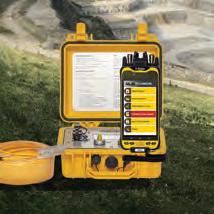

With AXXIS®, you don’t just initiate blasts – you initiate progress.
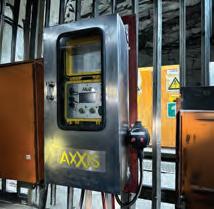

the full range at www.bme.co.za

National Plant and Equipment is playing a key role in delivering mining works in Western Australia, deploying an ultra-class fleet and on-site support to service a major iron ore project.
Large-scale equipment solutions are critical to the success of major mining projects, and that is an area in which National Plant and Equipment (NPE) has established a strong reputation over almost 30 years.
Building on that success, the company recently secured a major contract with CITIC Pacific Mining at the Sino Iron mine in Western Australia, with works already underway on site as NPE continues to strengthen its presence across the state’s mining sector.
Part of National Group, NPE will deliver wet hire and full maintenance support for a heavy mining equipment fleet on the project, supporting topsoil removal and the construction of a major tailings storage facility embankment.
The multi-year project marks a significant milestone for NPE in Western Australia and reinforces its position as a provider of mining equipment solutions to Tier 1 operations.
NPE managing director Mark Ackroyd said the Sino Iron contract reflects the
Caterpillar D11 dozers are among the assets being deployed for the project.
confidence clients place in the company’s ability to support major mining operations.
“This is a testament to our fleet, our people and the trust our clients place in us to deliver on critical projects,” Ackroyd said.
“We will continue to invest in our people and equipment to support projects of this scale, and we’re proud to be working alongside CITIC Pacific Mining at Sino Iron.”
The contract further strengthens NPE’s operational footprint in Western Australia as the company continues to target major mining and civil construction projects.
To support the project, NPE has mobilised an ultra-class fleet of more than 45 heavy and support mining equipment assets, with additional equipment expected to be deployed as works progress.
The fleet includes Hitachi EX5600 and EX3600 excavators, Komatsu 830E and Caterpillar 793 haul trucks, Caterpillar D11 dozers, Komatsu WA1200 wheel loaders, Caterpillar 24M graders and Caterpillar 785C water carts.
The mobilisation highlights NPE’s ability to deploy and maintain large fleets for complex mining projects while providing on-site operational and maintenance support. The contract is also expected to create more than 100 local jobs, with on-site workforce numbers anticipated to exceed 115 personnel.
Recruitment is underway across a range of operational and maintenance positions, including project maintenance managers, production superintendents, supervisors and leading hands, maintenance supervisors, health, safety and environment manager/trainer assessors, parts and logistics planners, heavyvehicle and auto electricians, diesel fitters, operators and site administrators.
NPE WA manager Craig Binstead said the project will provide significant opportunities for skilled workers who are looking to build long-term careers.
“This is a chance to be part of a largescale operation at Sino Iron, working with some of the best equipment in the industry,” Binstead said.
“We’re building a high-quality team and looking for people who want more than just a job; they want to be part of something meaningful, with long-term stability and real opportunity to grow their career.”
With an eye to growing the business and its workforce, NPE sees the project as an opportunity to create long-term career development pathways within the broader National Group business.
“As a privately owned company, our people aren’t just a number,” Binstead said. “We invest in them, back them, and create pathways for progression.”
Binstead encouraged skilled workers to head to the National Group website to view the range of opportunities available, with the company offering a competitive employment package and the chance to work on a major project.
With works progressing at Sino Iron and additional fleet continuing to mobilise to site, NPE views the project as a key driver of future growth in Western Australia’s mining sector. AM
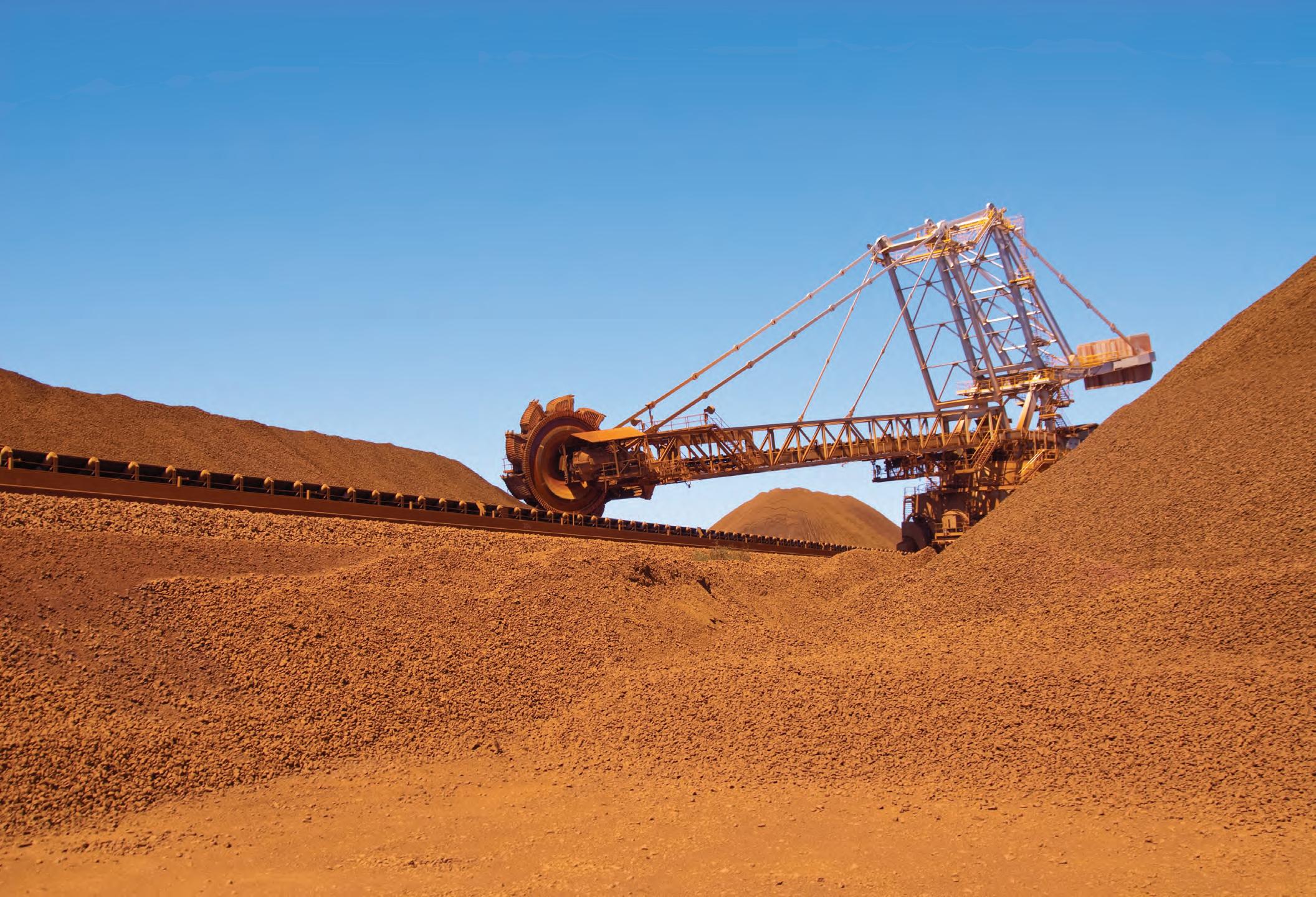
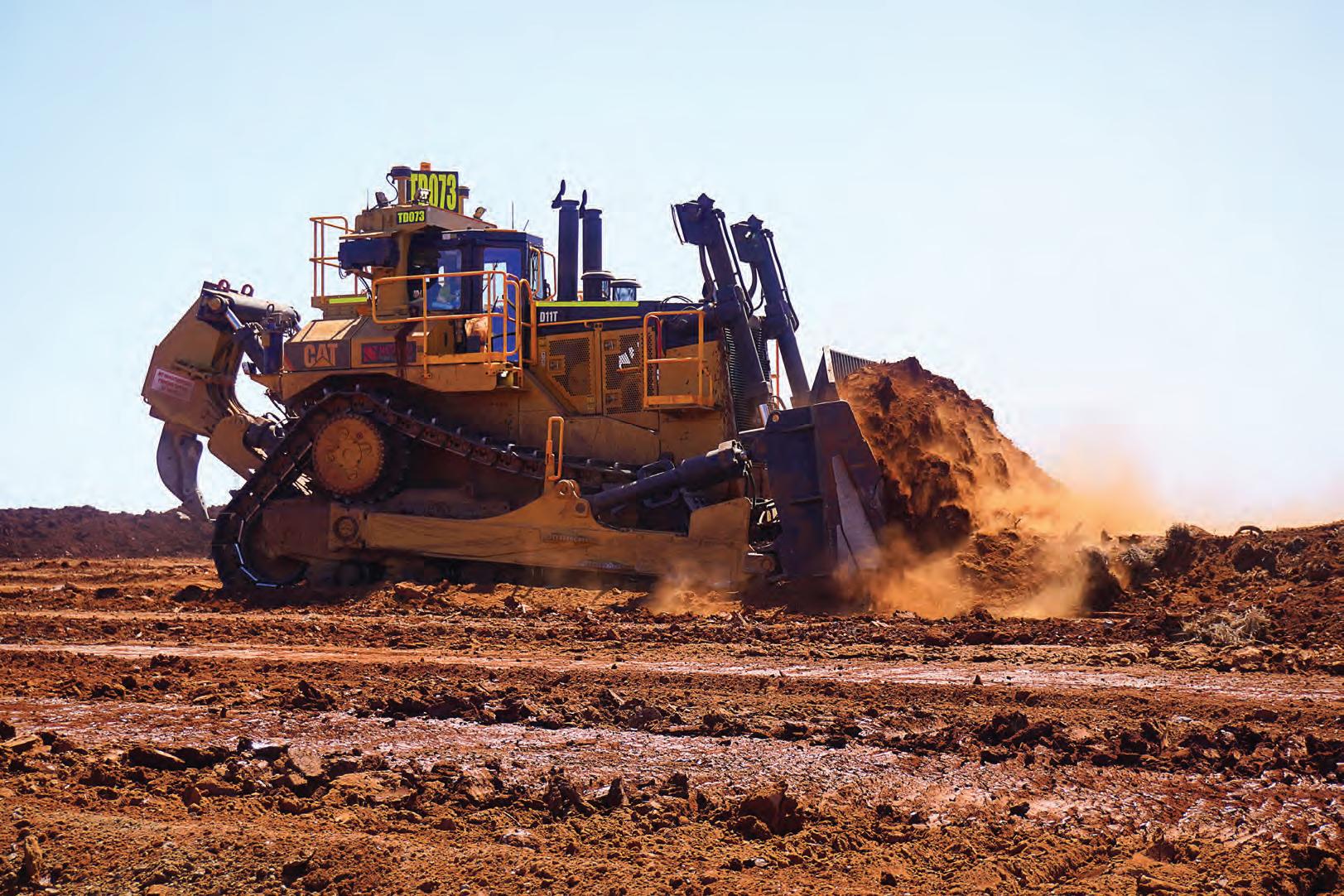
Conveying Excellence in Heavy-Duty Conveyor Components. At Veyex, we design and manufacture high-performance conveyor components built to withstand the harshest environments. Our solutions are trusted worldwide in mining, quarrying, agriculture, ship loading, utilities, bulk material handling, and more.
Built for performance, designed for reliability. Our high-quality components keep your conveyor systems running efficiently, reducing downtime and maximising productivity.
Durable. Reliable. Engineered to Perform. 1300 70 70 67 veyex.com.au
Contact us today to optimise your conveyor system.
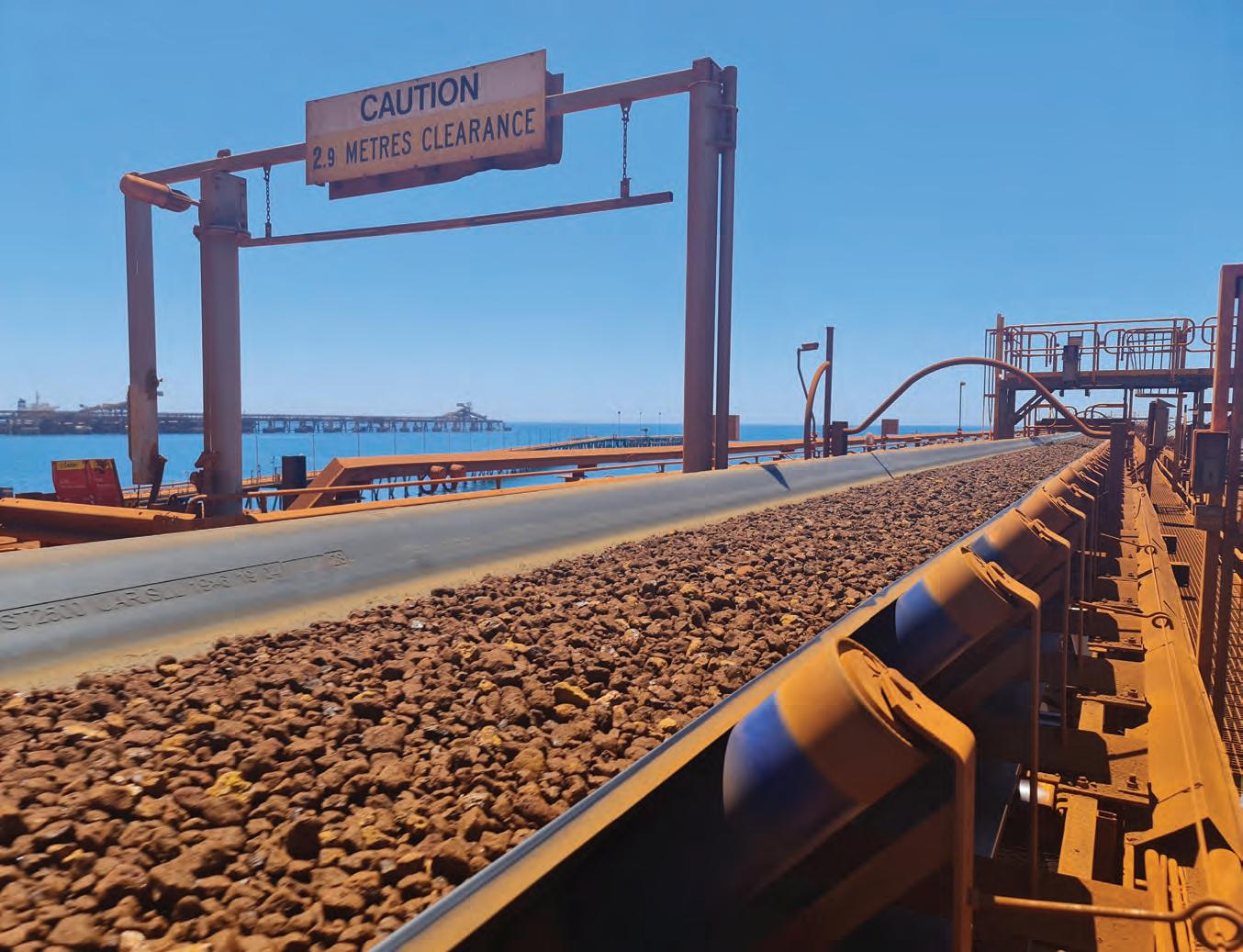
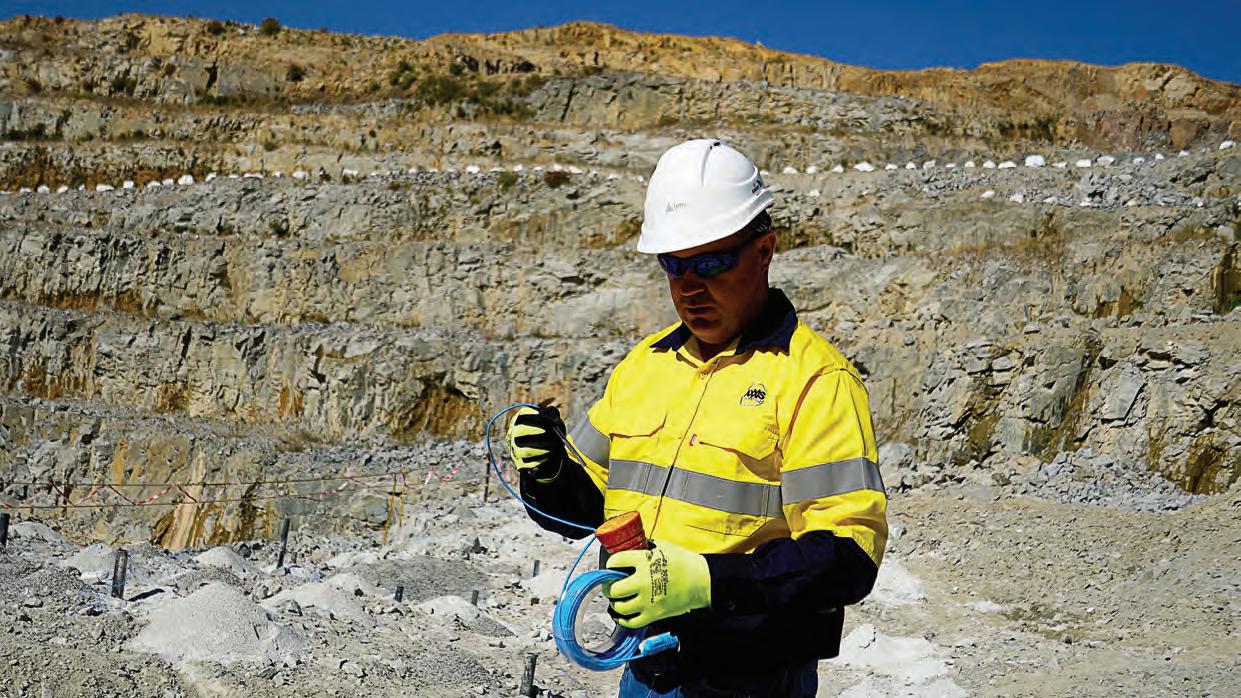
BME Mining is reshaping drill and blast practices across the Australian mining industry.
The process of blasting in today’s mining industry is increasingly being judged not just on power but in terms of how precisely and safely it can be executed. With greater capability comes greater responsibility, and this heightened focus is redefining the role of explosives providers in the mining value chain.
As a trusted supplier of fully integrated blasting services, products and technology, BME understands how to operate in this space.
To meet Australia’s strict regulatory and safety expectations, BME Australia
general manager Dr Rakhi Pathak said the company is focused on positioning itself as a genuine partner to the sector.
“Our focus is on establishing BME Mining in Australia and Asia as a trusted, scalable and technology-driven explosives partner delivering safe, reliable and valuedriven blasting solutions to the mining industry,” Pathak told Australian Mining
“Our approach is driven by smart technologies and continuous innovation to deliver better outcomes for our customers.”
That emphasis on innovation is now visible in Western Australia, where BME
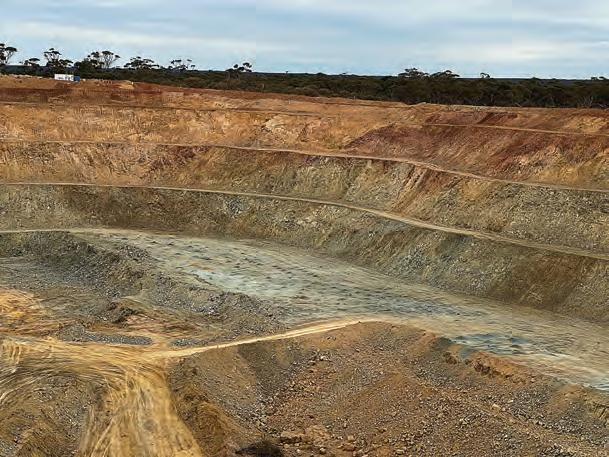
has commissioned an electronic detonator manufacturing facility in Kalgoorlie.
The plant marks a significant step toward localising advanced blasting technology, with capacity to produce up to one million electronic detonators per year. It is the first facility of its kind in the region and has been strategically located in the heart of the nation’s mining sector.
“Western Australia is a strategic location due to its large mining sector,” Pathak said. “Local manufacturing of AXXIS® electronic detonators is a significant milestone for supply chain security, driving unit cost efficiency while building in-country capability.”
The AXXIS platform has already been validated through successful testing at a regional gold operation, signalling its readiness for broader deployment.
With operational priorities being reshaped, the industry is moving towards technologies that can deliver repeatable, controlled outcomes with less variability. Against that backdrop, electronic initiation systems such as BME’s AXXIS platform are gaining traction.
Precise timing control sits as the centre of the system, which BME said directly boosts safety and performance.
“Precise timing significantly reduces the risk of misfires and unexpected blast outcomes,” Pathak said.
That precision also carries through to downstream efficiency. More accurate timing allows blasts to perform closer to design intent, improving energy distribution and material movement through the rock mass.
In practical terms, this translates to more consistent fragmentation, improved muck pile profiles and fewer oversize materials at the face. Reduced secondary blasting and rehandling ultimately improves productivity across the operation.
AXXIS Titanium electronic delay detonators are designed for demanding mining environments, incorporating multiple safety and reliability features. A dual-capacitor system separates communication and testing functions from firing energy, while non-volatile memory is designed to ensure permanent programming and full traceability.
Robust, damage-resistant lead wires further reduce the risk of cut-offs or misfires in complex loading conditions, supporting consistent performance in large-scale blasts.
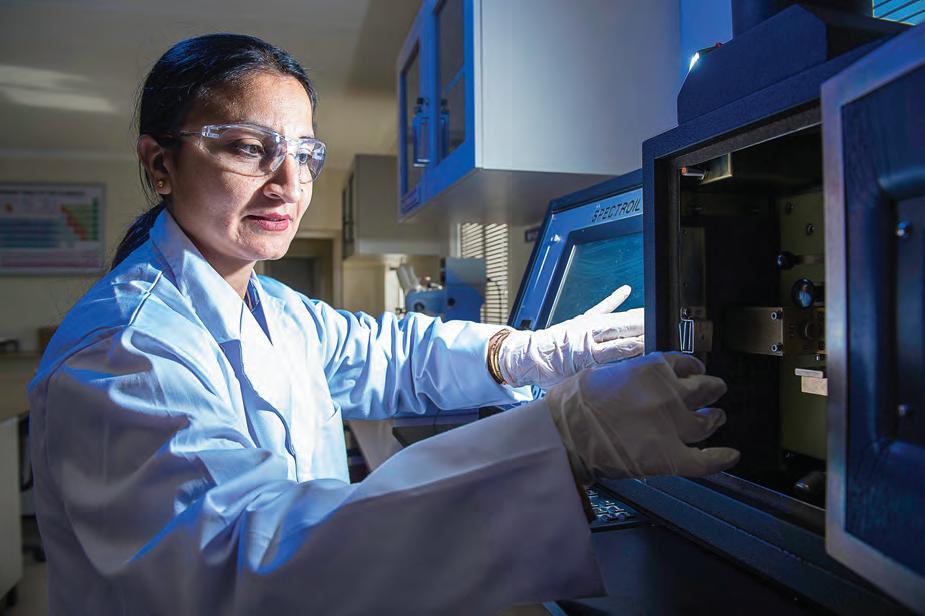
Beyond the hardware, data is becoming just as important as timing in modern blasting practices. Electronic systems generate detailed, verifiable records for each blast, allowing teams to confirm execution accuracy, analyse outcomes and refine future designs.
“Together, timing accuracy and data enable a closed-loop improvement process, delivering consistent and repeatable results,” Pathak said.
Digital modelling is reinforcing that shift. Engineers can simulate and refine blast designs before execution,
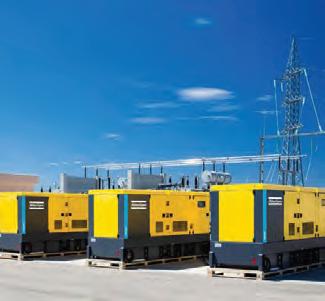

identifying risks and optimising outcomes in advance. When combined with electronic initiation, these tools allow tighter alignment between blast design, mine planning and downstream performance such as crusher throughput and mill efficiency.
Operations adopting systems like AXXIS are already reporting tangible gains, including improved safety outcomes, better fragmentation, fewer misfires and faster turnaround times at the face.
In some cases, blasts can be completed in less than two minutes, regardless of scale.
But Pathak is clear that results are not one-size-fits-all.
“The underlying benefits are broadly transferable, but the magnitude depends on geology, scale, mining method and operating constraints,” she said.
“This is why technologies like AXXIS deliver the greatest value when paired with site-specific blast design, local technical support, and a partnership approach.”
Drawn to solutions that offer greater flexibility and ease of use, Pathak is optimistic about what lies ahead.
In her view, electronic initiation and digital blasting will increasingly shape how Australian mines operate.
“Electronic initiation systems such as AXXI® enable miners to move toward high-confidence execution, where blast outcomes are predictable, verifiable and repeatable,” Pathak said.
“Overall, these technologies help make mining safer, more productive, more costefficient and more sustainable, supporting Australia’s role as a global leader in responsible mining.” AM
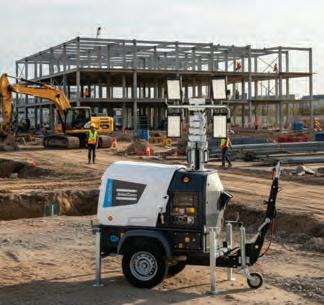
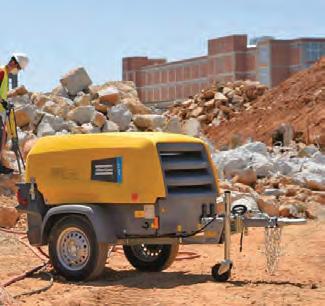

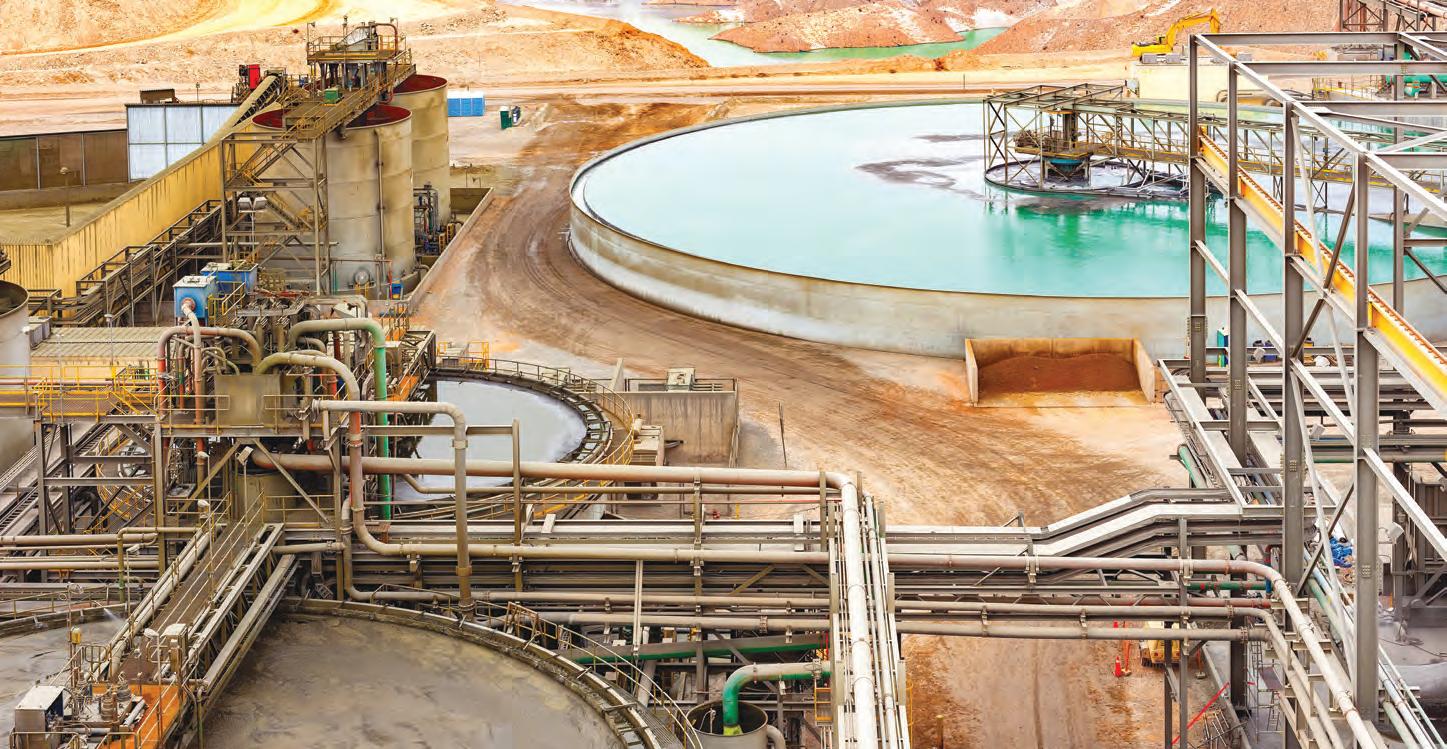
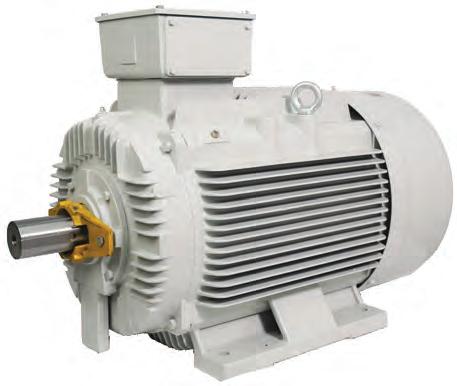
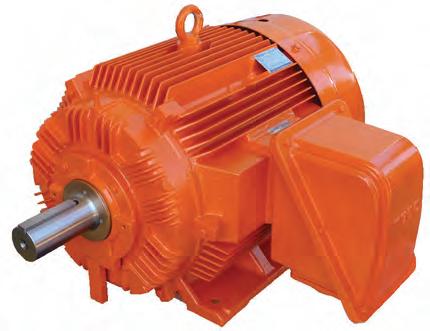
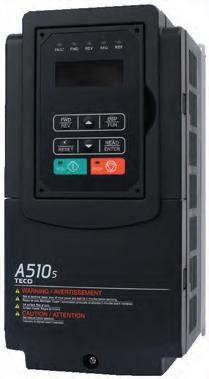
Purchase a TECO Motor and VSD together and receive an extended warranty of up to 36 months
36 months from delivery or 30 months from commissioning (whichever occurs first).
Dry stack tailings are transforming mining with safer, more water-efficient solutions that support sustainability and long-term mine planning – with TAKRAF Group driving the change.
With increasing demands for safer, more sustainable mining practices, dry stack tailings (DST) solutions have emerged as a critical component in responsible mine planning.
As global demand for minerals continues to rise, so too does the need for mining operations to demonstrate responsible practices, including safe and sustainable tailings management, the handling and storage of the waste left behind after minerals processing.
In response, DST solutions are gaining traction as a viable alternative to conventional slurry tailings dams, offering improved safety outcomes, reduced water consumption and a smaller environmental footprint.
Conventional wet tailings dams have long been used across the mining industry, but they inherently retain large volumes of water and can pose significant safety and environmental risks. Technologies that reduce dam size, enable high levels of water recovery and minimise environmental impact are therefore becoming increasingly important.
While thickened tailings already represent a step change toward safer tailings management, dry stacking builds on this approach by further reducing stored water and improving overall facility stability.
TAKRAF Group is at the forefront of this transformation, delivering fully integrated DST systems that are designed to minimise environmental impact, optimise water use and support global sustainability goals.
The group brings together these capabilities through the combination of DELKOR liquid/solid separation technologies and TAKRAF bulk material handling expertise. This integrated approach allows mine operators to reduce interfaces, simplify project execution and optimise the overall tailings solution rather than treating individual elements in isolation.
By providing end-to-end DST systems, covering thickeners, filter presses, conveyors, feeders and stacking systems, TAKRAF Group is one of the few original equipment manufacturers (OEMs) that have the in-house technology to deliver a complete system that encompasses the wet processing and bulk handling solutions.
DST solutions offer a range of advantages as mining operations place greater emphasis on sustainability and risk reduction. By mechanically dewatering tailings, these systems reduce reliance on conventional tailings dams and
This approach has become an increasingly preferred option for responsible tailings management, particularly in regions affected by seismic activity or water scarcity, where reducing stored water and improving facility stability are critical considerations.
Other benefits of this approach include a smaller footprint with stackable tailings, minimised environmental impact through reduced water consumption, and simpler closure and rehabilitation of land, reducing long-term liabilities.
Proven at scale
DST systems are no longer limited to small or niche applications. TAKRAF Group has been involved in delivering large-scale tailings solutions across South America, demonstrating that mechanically dewatered tailings can be successfully applied to complex, highcapacity operations.
An operation in Chile saw a contract awarded for what is earmarked as one of the largest thickened tailings projects in the world. Once operational, it is said the system will extend the life of an existing facility by decades, avoiding the need for a new dam and minimising environmental
In Brazil, TAKRAF Group’s experts were commissioned for a tailings plant for Mineração Usimina, the country’s first large-scale DST installation.
The system featured robust, futureready equipment like DELKOR high-rate thickeners and DELKOR filter presses paired with TAKRAF belt conveyors and feeders to manage the full dewatering and stacking process.
“With the project including a filter press, conveyors and a thickener for processing, it’s the first of its kind in Brazil and now a benchmark for the industry,” TAKRAF Brazil managing director Tiago Carvalho said. “Our global engineering expertise positions us strongly to meet this need.”
DST solutions are also known to protect one of the most precious resources on a mine site: water.
TAKRAF Group systems are designed to recover and recycle up to 95 per cent of process water, dramatically reducing and lowering operating costs. This makes DST especially valuable in arid regions, where water conservation is a necessity.
As the mining industry faces increasing environmental, social and regulatory expectations, DST is fast becoming an attractive proposition. TAKRAF Group’s deep expertise, proven track record and global footprint position it as a trusted partner in driving this shift. AM
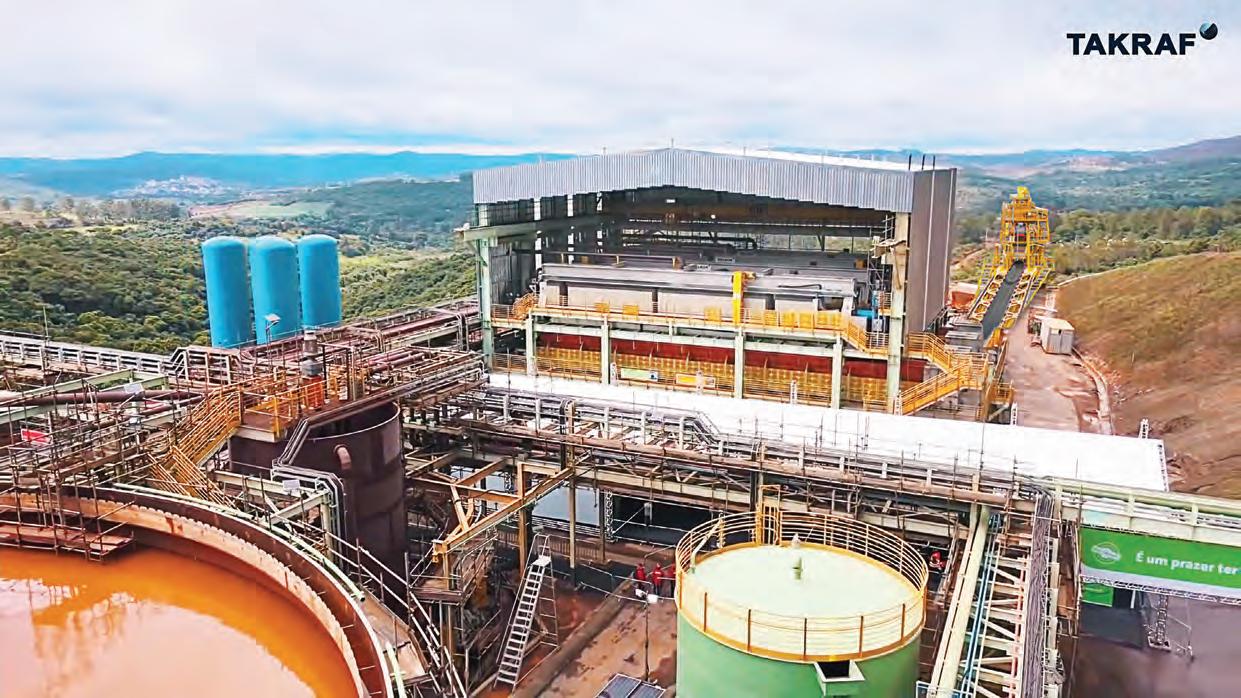
products are recognised for setting benchmarks in load and haul performance.
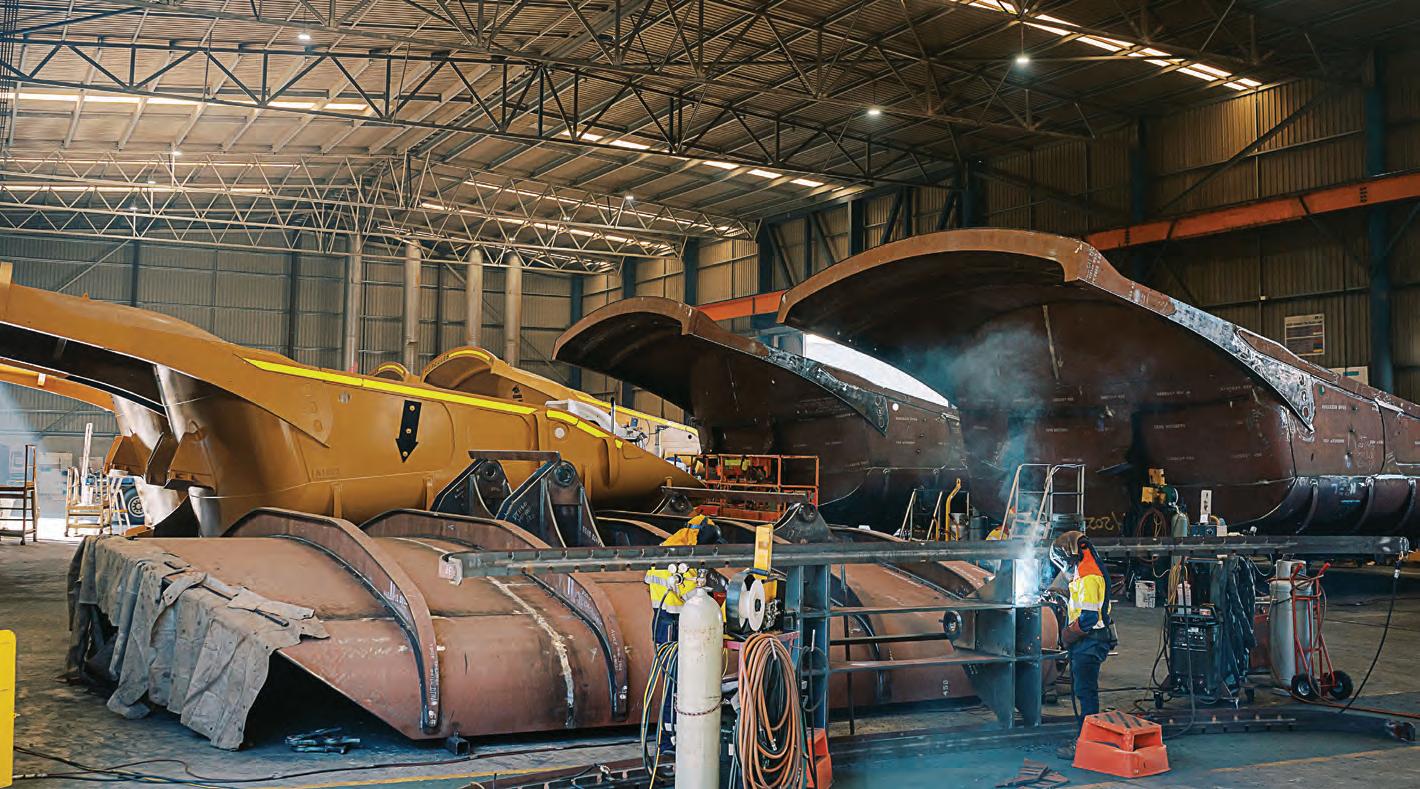
Expanding globally through new products, lifecycle services, leadership changes and manufacturing growth, Schlam has become a full mining load and haul solutions provider.
The most significant recent development for load and haul attachment manufacturer Schlam is being driven by a dual strategy of product innovation and organisational expansion as the company looks to consolidate and extend its global footprint in an increasingly competitive mining equipment market.
Best known for its Hercules truck beds and Barracuda buckets, Schlam has evolved beyond its traditional product base to position itself as a broader load and haul solutions provider.
That shift has accelerated following its acquisition by USCO ITR Group in September 2025, a move that brought new investment capacity, expanded engineering collaboration and access to a wider global supply chain network.
The integration into USCO ITR Group is already influencing product development, particularly through the introduction of a comprehensive range of buckets, high-quality ground engaging
tools (GET) and installation kits designed for truck beds and buckets.
Developed in collaboration with USCO ITR affiliates, the new product lines are intended to strengthen Schlam’s after-market offering while improving operational efficiency for miners seeking to boost productivity, reduce downtime and simplify maintenance processes.
As operations face pressure to increase lifecycle value and supply chain reliability, Schlam has differentiated itself strongly.
Through close collaboration with miners and the application of intelligent engineering, Schlam’s products are recognised for setting benchmarks in load and haul performance around the world.
The original Hercules truck bed laid the foundation for the company’s engineering reputation, offering significant payload advantages over conventional designs. That was followed by the Hercules
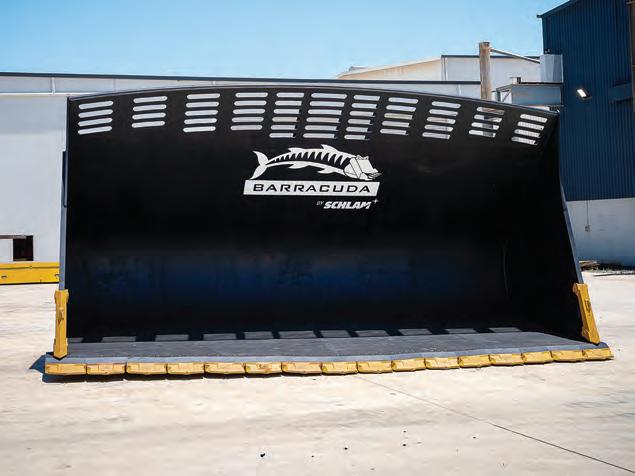
EXO, developed specifically for the iron ore sector, which introduced a lighter structure and extended wear life while delivering approximately 10 per cent higher payload capacity.
The design trajectory continued with the Hercules ULTRA, Schlam’s most advanced iteration to date. Built for ultra-class haul trucks capable of carrying payloads of up to 400 tonnes, the ULTRA represents a shift towards extreme-duty engineering, where structural optimisation and weight reduction directly translate into productivity gains at scale.
Today, 3000 Hercules truck beds are deployed across more than 100 mine sites globally, operating in commodities ranging from iron ore and coal to copper, gold, silver, zinc, bauxite and lithium. The company also manufactures Barracuda loading attachments for 100–600-tonne backhoes, excavators and loaders. Like the Hercules truck beds, these attachments are customised for site requirements and machine capabilities.
Options include the innovative twopiece Barracuda T2 design with a fully replaceable lower shell for easy, cost-
effective repairs. The company recently announced the range of buckets is being extended to support all models of machinery above 100 tonnes, including face shovels and rope shovels.
Schlam said the common engineering thread across its product range is a focus on productivity, durability and reduced operating cost. In practice, this includes weight-optimised structures that increase payload efficiency and improve wear resistance to extend service life.
The company’s intended launch of new GET marks a significant extension of its core offering.
GET products, used in excavators, rope shovels and loader buckets, are critical wear components in mining operations often subject to extreme abrasion and high replacement frequency.
Alongside product expansion, Schlam is placing increasing emphasis on Product Lifecycle Services (PLS), a model that aligns with broader industry discussions around supply chain value capture and operational efficiency.
This lifecycle approach integrates predictive maintenance, continuous performance monitoring and data-driven optimisation to maximise uptime and reduce total cost of asset ownership.
Schlam’s expansion strategy has also been underpinned by the establishment of manufacturing facilities in China and Mexico, complementing its existing Australian operations in Perth and Muswellbrook. Together, these hubs form a distributed production network designed to reduce lead times, improve regional responsiveness and mitigate global supply chain risk.
The strategy is designed to ensure proximity to key mining markets across Africa, Asia, the Americas and Australia, while also supporting localisation requirements increasingly demanded by large mining operators.
Schlam has also established technical service and sales teams within each region, often working in partnership with local fabrication specialists to support assembly, maintenance and refurbishment activities.
A key element of Schlam’s global expansion strategy is the appointment of new chief commercial officer Phil Sellers, who brings more than 17 years’ experience across mining, energy and heavy industrial sectors.
Having previously held roles with TransAlta, Alinta Energy and Epiroc’s CR Mining, Sellers has worked extensively across Australia, North America, Mexico and the UK. Based in Australia, he will oversee global sales teams and regionally based product managers across Schlam’s portfolio.
Schlam also announced the appointment of Chris Bijsterveld as president, Americas in April. Based in Tuscon, Arizona, Bijsterveld previously worked with Breathe Safe, Orica and CR Mining, with a particular focus on supporting innovation and introducing new technology with the mining industry in North and South America.
These appointments are a signal of Schlam’s transition from an Australianorigin manufacturer into a globally scaled industrial supplier with integrated commercial capability.
Schlam chief executive officer David Haslett said the company’s growth strategy is directly aligned with customer demand across emerging and established mining regions.
“We’re responding to customer demand in markets that are relatively new to Schlam to ensure we’ve got the right teams, resources and products to meet their needs,” he said. “This results in more comprehensive load and haul solutions for customers globally.”
Schlam’s development reflects a broader mining industry trend highlighted at forums such as the recent Global Resources Innovation Expo in Perth, where operators and suppliers alike emphasised the need to extract greater value from strategic partnerships.
As mining companies are pushing to improve efficiency, reduce emissions and
optimise capital expenditure, suppliers are increasingly expected to deliver outcomes rather than standalone products.
For Schlam, this means positioning its offering as a combination of engineered products, lifecycle services and global support infrastructure.
“We can now offer a comprehensive, end-to-end solution,” Haslett said.
With global mining demand always evolving, driven by energy transition minerals, supply chain constraints and productivity pressures, equipment manufacturers are being pushed to scale both technologically and operationally.
Schlam’s combination of product innovation, lifecycle services and global manufacturing expansion represents a drive to move up the value chain from component supplier to long-term operational partner. AM
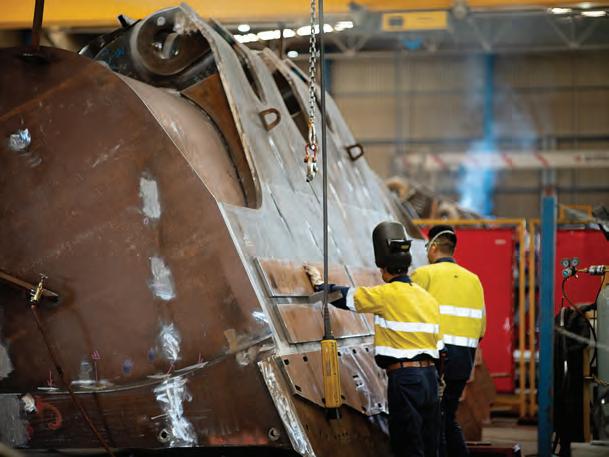
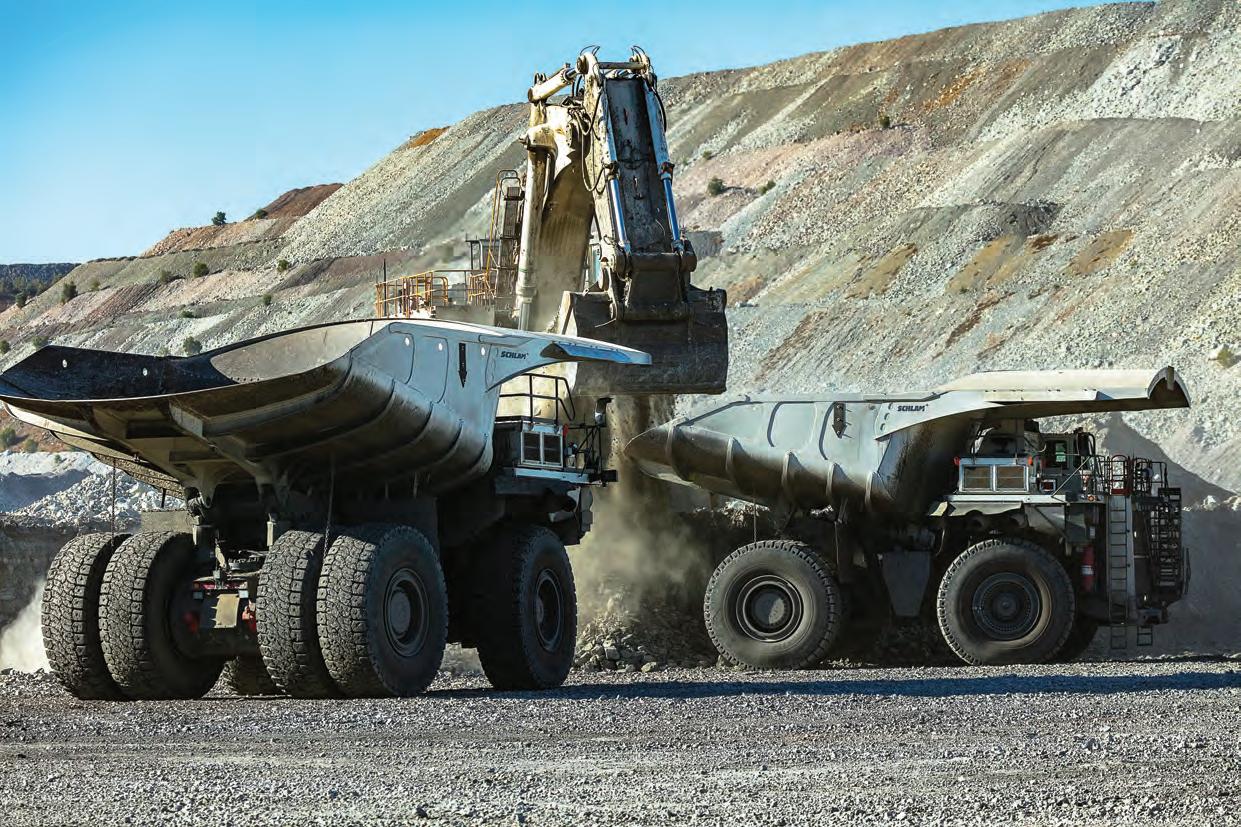
Mining is entering a new era where AI is transforming how decisions are made, risks are managed and operations are optimised.
By Hancock Iron Ore chief technology and information officer Kate Flanagan
Imagine a world where artificial intelligence (AI) helps maintenance engineers anticipate equipment failures before they happen, where microscopic rail defects can be identified automatically, and where massive datasets can be analysed in seconds to support faster and safer decisions.
At Hancock Iron Ore, that is not a future concept – it is happening now.
While many organisations are still exploring what AI could mean for their business, our executive chairman Mrs Gina Rinehart AO made it clear very early on that we should lean into the opportunity.
That direction encouraged us to start experimenting with AI across our operations several years ago, focusing on where it could genuinely improve safety,
Everything we do in this space is grounded in value. We are not pursuing AI for the sake of technology; every initiative is tied to a clear operational outcome, whether that is improving safety, increasing reliability, lifting throughput or supporting better decisions.
One of the biggest differences in our approach has been building capability inside the business rather than relying entirely on external tools.
In early 2023 we established a dedicated digital innovation team and supported it with structured investment and governance. The team works closely with operational and engineering teams across the business to identify real problems where AI can make a
Since then, we have expanded this technology focus with established AI resources embedded in the maintenance and operational teams on site.
Mining is a complex environment with its own language, systems and operational realities. Developing capability internally has allowed us to design solutions around our operations, our data, our workflows and the needs of the people using them.
The team quickly began delivering outcomes. One of the first was the development of our own in-house AI language model, making Hancock Iron Ore the first mining company globally to deploy one internally.
That platform became RoyBot, a secure AI tool built specifically for our companies. RoyBot connects to our internal systems and allows employees to

embed AI directly into how we run the business. AI is now embedded across safety, maintenance, daily operations and planning at Hancock Iron Ore.
Computer vision models are detecting rail and train wheel defects with far more accuracy, measuring sizer-teeth wear and estimating stockpile volumes from drone imagery. Predictive maintenance is being rolled out on rotating equipment to help anticipate failures before they occur.
In the process plant, models such as CrusherIQ, DeviationManagerX, BlendManagerX and our short-term regressions suite are helping optimise operational parameters in real time, improving yield, product quality and throughput.
Bringing our people with us Technology alone does not create transformation – people do. We know rapid advances in technology can create uncertainty, so we have been clear from the beginning: AI is about giving our teams better tools to do their jobs.
When used well, AI removes repetitive tasks, accelerates analysis and provides insights faster, allowing our people to focus on judgement, problem-solving and teamwork, and improving how we run our operations.
To support this, Mrs Rinehart requested we introduce an internal AI literacy and capability program to help employees build practical skills and confidence in using AI.
The program follows a belt structure inspired by Six Sigma methodology, from white belt to black belt, providing a structured pathway for employees to develop capability. Participants move from foundational understanding through to applying AI techniques and tools to help real operations.
Engagement across the business has been strong, with more than 1050 employees already completing the white belt level and many progressing through the higher levels. Importantly, the program focuses on practical application, helping teams identify where AI can improve safety, efficiency and decisionmaking in their day-to-day work.
We have also placed strong emphasis on responsible use. Clear governance, ethical guardrails and leadership oversight help to ensure AI is deployed safely and appropriately across the organisation.
Mrs Rinehart earlier requested we encourage employees to put forward ideas where AI could be used productively, and this year we also launched an AI and Automation Shark Tank, a company-wide initiative where employees pitch ideas directly to senior leadership, with the opportunity to have their concepts trialled and, if appropriate, developed. More exciting ideas have already emerged.
Some of the best ideas come from the people closest to the work, so creating a pathway for those ideas to be surfaced and supported has been an important part of how we approach innovation.


Innovation has long been part of Hancock Iron Ore’s story.
From autonomous haul trucks and robotic drilling to integrated systems that help us better understand and manage our ore body, we have consistently adopted technology that improves safety and productivity.
And AI is a further step in that journey. For us, AI is not just about efficiency;
it is about improved teamwork and building a safer, smarter, future-ready operation, one where technology supports more helpful and faster information, enabling our people to make better decisions and continuously improve how we run the business, always with a clear focus on maintaining that our company is the best mining company to work for. AM


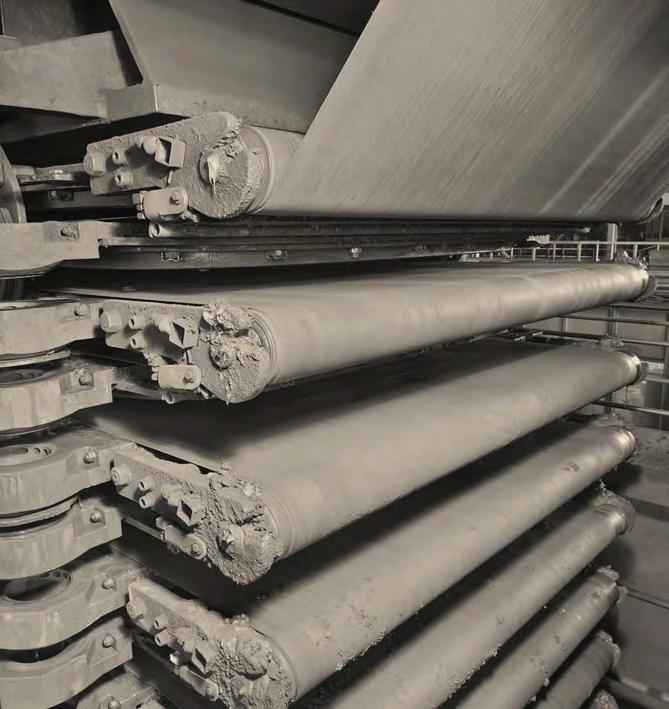

Fresh
international demand, tightening energy markets and the expansion of digital infrastructure are giving Australia’s coal industry renewed momentum.
Achanging global energy landscape is redefining the outlook for Australian coal, with investment and demand signals pointing to renewed resilience
Demand from India, energy security concerns and the global data centre boom are reshaping the outlook for Australia’s coal industry, as producers double down on high-quality, long-life assets.
Recent acquisitions, financing deals and policy developments suggest coal remains deeply embedded in Australia’s export economy and broader industrial supply chains.
Investment activity has been one of the clearest signals of the sector’s resilience, particularly in metallurgical coal, which continues to underpin steelmaking demand across Asia.
One of the most significant recent developments has been Yancoal’s proposed acquisition of the Kestrel mine in the Bowen Basin, described as Australia’s largest producing underground coal mine, for up to $US2.4 billion ($3.36 billion), a move that underscores the strategic value attached to premium metallurgical coal assets. The transaction would secure Yancoal an 80 per cent stake in Kestrel, with the remaining 20 per cent owned by Mitsui.
Kestrel has 164 million tonnes of reserves, a 25-year mine life and a substantial coal resource of 406 million
tonnes. The mine recorded saleable production of 5.9 million tonnes in 2025.
The proposed acquisition highlights Yancoal’s shift towards premium metallurgical coal, which remains essential to blast furnace steelmaking.
Coal Australia chief executive officer (CEO) Stuart Bocking said India’s role in Australia’s coal export outlook is expected to strengthen further as steel production and energy demand accelerate.
“India is already one of Australia’s most important export markets for metallurgical coal and its role is only set to grow,” Bocking told Australian Mining
While Chinese customers accounted for 31 per cent of Yancoal’s export volumes last year, only four per cent of Kestrel’s coal was delivered into China. Instead, the mine’s key markets include Japan, India, Korea and Taiwan, with India representing Kestrel’s largest market.
Yancoal said the long-term outlook for metallurgical coal remains “structurally attractive”, driven by sustained steel demand growth in Asia and a constrained global supply pipeline.
“Kestrel is highly leveraged to these dynamics, with sales predominantly into Asia – including Japan, Korea, India and Southeast Asia – and limited exposure to lower-growth markets,” the company said.
Yancoal also pointed to the tightening availability of premiumquality metallurgical coal globally, suggesting Kestrel’s product quality
positions it strongly relative to the Platts premium low-volume hard coking coal (PLV–HCC) benchmark.
Yancoal Australia CEO Sharif Burra said the acquisition of Kestrel represents a strong strategic fit for the company.
“Kestrel delivers increased scale and diversification to Yancoal’s portfolio and is expected to contribute premium metallurgical coal into our product mix,” Burra said. “The acquisition positions us to deliver greater value to our shareholders and consolidates Yancoal’s position as a leading Australian coal miner.”
Queensland Minister for Natural Resources and Mines Dale Last described Yancoal’s proposed Kestrel acquisition as a vote of confidence in the state’s resource sector.
“Queensland is home to some of the world’s best coal mines and it makes sense that Yancoal is looking to expand its portfolio in our backyard,” Last said.
“I have made it clear to the sector and the investment community that we are open for business, we have a stable operating environment, and we will throw our support behind those companies who want to do business here.”
The deal also reflects a broader consolidation trend across the coal sector, where scale, productivity and asset quality are becoming increasingly important competitive advantages.
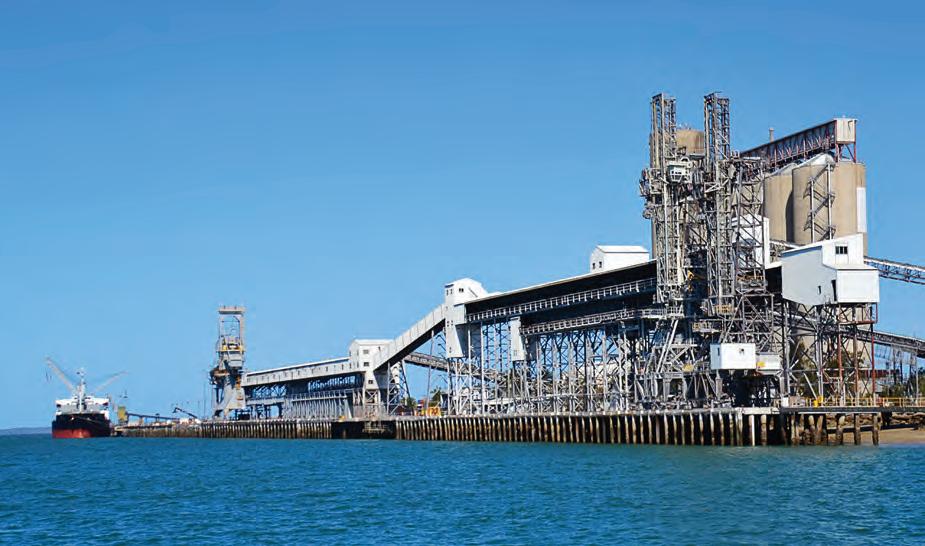
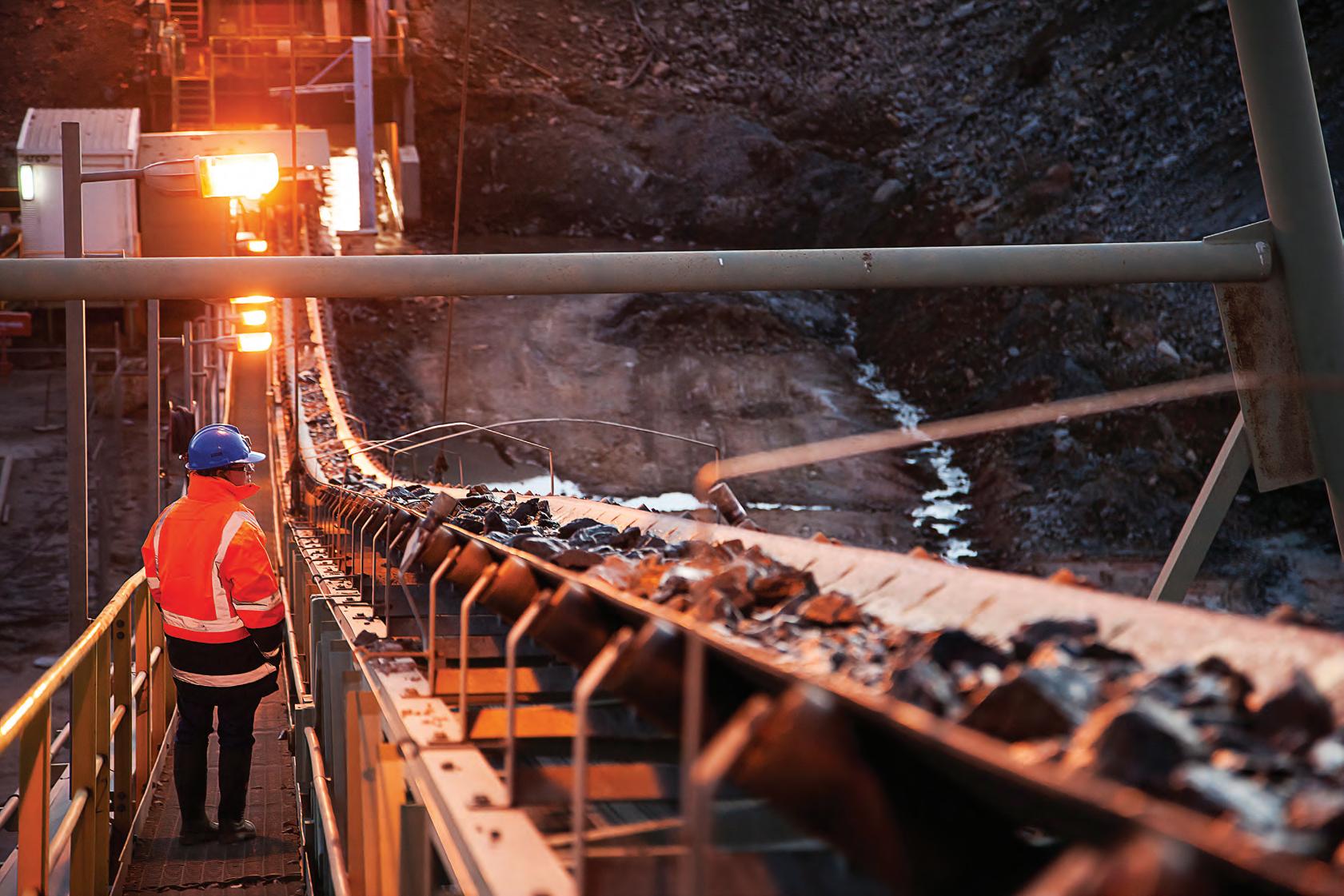
refinance its acquisition credit facility and strengthen its capital structure following the integration of the Daunia and Blackwater metallurgical coal operations, also in the Bowen Basin.
The refinancing activity points to a shift in the way some financial institutions are assessing coal exposure, with geopolitical uncertainty and concerns over reliable energy supply reshaping earlier environmental, social and governance (ESG)-driven lending restrictions.
“With Whitehaven’s strengthened credit profile and successful integration – and initial improvements – of the Daunia and Blackwater metallurgical coal operations, we are focused on refinancing our acquisition credit facility and establishing a capital structure with more diverse, longer tenor and lower cost debt facilities,” Whitehaven managing director and chief executive officer Paul Flynn said.
Flynn said support from banking partners reflects confidence in Whitehaven’s financial discipline, cash flow generation and capital management approach.
Underlying much of the optimism around metallurgical coal is the anticipated rise in Indian steel production.
and urbanisation.
Global steel demand is also expected to increase as developing economies across Southeast Asia continue investing in infrastructure, construction and manufacturing.
That outlook is reinforcing confidence among major miners with exposure to Queensland’s metallurgical coal sector.
When asked about BHP’s appetite for any divestments of coking coal assets in Queensland, the miner’s chief financial officer Vandita Pant told the Australian Financial Review she is “very bullish” on the attractiveness of metallurgical coal.
“We think India was at 164 million tonnes of steel production last year, and it will grow to 400 to 500 million tonnes by 2050, and that’s very, very exciting,” Pant said. “We have really high-graded our portfolio in Queensland to be the highest quality [metallurgical] coal in the world, so that’s a portfolio strength.”
While Pant acknowledged headwinds in the market due to metallurgical coal prices, she said the market is cyclical and BHP is positioning the business for higher production and lower costs.
While critical minerals and renewable energy projects are increasingly
prominent in policy discussions, coal remains a major contributor to employment, royalties and export earnings, particularly in Queensland and New South Wales.
Governments continue to support mine extensions and ongoing production as they seek to balance energy transition ambitions with economic stability and regional employment outcomes.
At the same time, thermal coal is finding support from rising electricity demand tied to the rapid expansion of global data centre infrastructure, with Australia emerging as a key destination for data centre investment.
According to the Department of Industry, Science and Resources, between 2023 and 2025 companies announced plans to make investments in Australian data centres that could scale up to more than $100 billion, underscoring the nation’s growing role in Asia-Pacific digital infrastructure markets.
The growth of artificial intelligence (AI), cloud computing and digital services is increasing pressure on electricity networks, with data centres requiring reliable baseload power.
For coal producers, this shift is adding another layer to the longterm demand outlook, particularly
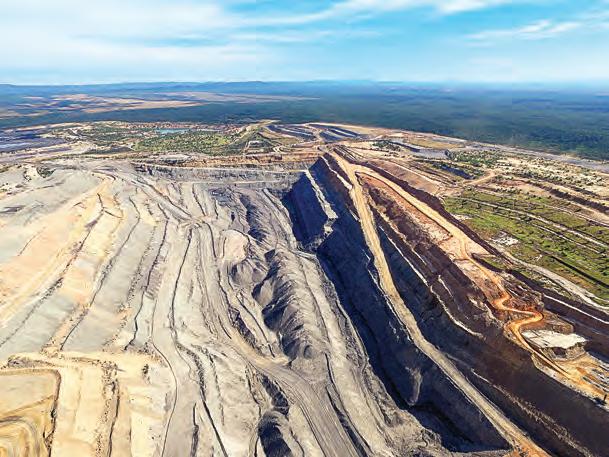
in regions where renewable generation alone may struggle to provide consistent supply. Bocking said recent geopolitical tensions and rising power demand from AI and data centres had “brought energy security back into sharp focus”, reinforcing coal’s ongoing role in reliable baseload power generation.
Recent market conditions have also reinforced coal’s economic importance.
Price rallies across thermal and metallurgical coal have improved project economics and supported renewed workforce demand, including reports of a fly-in, fly-out (FIFO) boom linked to higher coal prices.
The result is a coal sector that is continuing to evolve.
Investment is increasingly concentrated in high-quality, long-life assets. Financing is becoming more closely linked to energy security and industrial reliability. Governments are seeking to balance transition goals with economic realities.
And miners are positioning themselves around the strongest longterm demand centres, particularly India and Asia.
For Australia’s coal industry, the latest wave of acquisitions, refinancing activity and policy support suggests the sector remains a central part of the nation’s mining economy, and one that companies believe still has decades of strategic relevance ahead. AM
Recent legislative changes in NSW have brought renewed attention to Australia’s uranium sector, an industry already gaining traction amid strengthening global demand.
Australia’s uranium sector is reentering the global spotlight as growing demand for energy security and lower-emissions power generation reshapes international critical minerals markets.
With the country holding the world’s largest known recoverable uranium reserves and momentum building behind new projects, policy discussions and in-situ recovery (ISR) developments, attention is increasingly turning to how Australia can expand its role in supplying uranium to global markets.
This broader momentum is now feeding into renewed policy debate at a state level, particularly in New South Wales.
The state is closer than it has been in nearly four decades to reopening the door to uranium mining, after the Uranium Mining and Nuclear Facilities (Prohibition) Repeal Bill 2025 passed the
state’s Legislative Council in May. The bill seeks to repeal the Uranium Mining and Nuclear Facilities (Prohibition) 1986, the legislative framework that has blocked uranium mining and nuclear facility development in NSW.
The bill would also remove Section 10A of the Mining Act 1992 , which has prevented the granting of mining authorisations for uranium projects in the state.
While the repeal would not automatically pave the way for immediate uranium production, it would remove the foundational legal barrier that has long prevented NSW from participating in Australia’s uranium sector.
For the country’s mining industry, the significance could extend well beyond state borders.
Minerals Council of Australia (MCA) chief executive officer Tania Constable
said the new bill recognises the need for Australia to use its uranium assets to support global zero-emissions energy and highly skilled local jobs through responsible mining.
“The bill aims to repeal the original prohibitions from 1986,” Constable said.
“Forty years on, the world is taking a very different view of nuclear energy, with countries representing approximately 70 per cent of global GDP [gross domestic product] looking to nuclear energy and Australia’s uranium to meet their energy security needs and help decarbonise their electricity grids.”
Global demand reshapes uranium outlook
The renewed momentum comes as global demand for uranium continues to strengthen, with countries increasingly turning to nuclear energy to support
decarbonisation and long-term energy security.
During a recent visit to Australia, International Energy Agency (IEA) executive director Faith Birol identified uranium as a key opportunity for the country.
“Australia can be a major uranium supplier,” he said. “Make the most out of uranium reserves you have.”
Those comments reflect something of a growing global shift towards nuclear energy as countries search for reliable low-emissions power sources capable of supporting renewable-heavy energy grids.
The changing landscape is placing renewed focus on Australia’s uranium sector and its position as home to the world’s largest known resources. Australia holds about one-third of the world’s recoverable uranium reserves, with the majority concentrated in South Australia..
Global demand for uranium continues to strengthen.
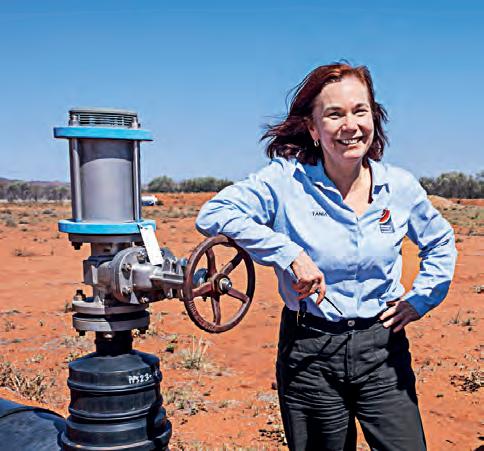
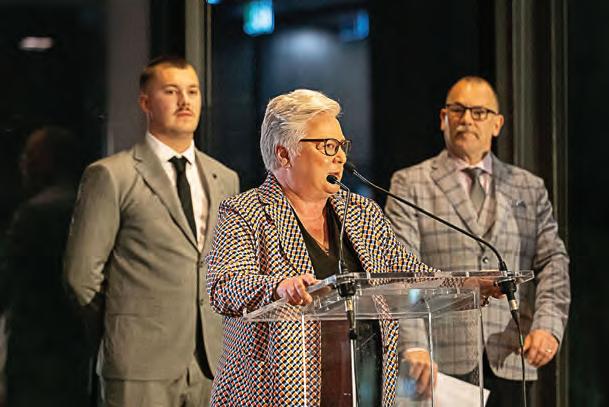
uranium mining in the country for decades, supported by established operations, regulatory certainty and longterm investment in the sector.
At the centre of the state’s uranium industry is BHP’s Olympic Dam operation, which is among of the world’s largest known uranium deposits and one of Australia’s most significant mining assets.
SA is also home to the Beverley and Four Mile operations in the Frome Basin, where ISR mining methods have helped demonstrate the commercial viability of uranium extraction within Australia’s regulatory framework.
ISR mining has attracted growing global attention because of its smaller footprint compared to conventional open-cut mining methods. Rather than removing large volumes of rock, ISR circulates solutions through underground orebodies to recover uranium with reduced surface disturbance.
SA’s long-running uranium sector has also helped establish workforce capability, supply chains and regional employment opportunities extending into nearby communities, including Broken Hill, Australia’s longest-lived mining city, in western NSW.
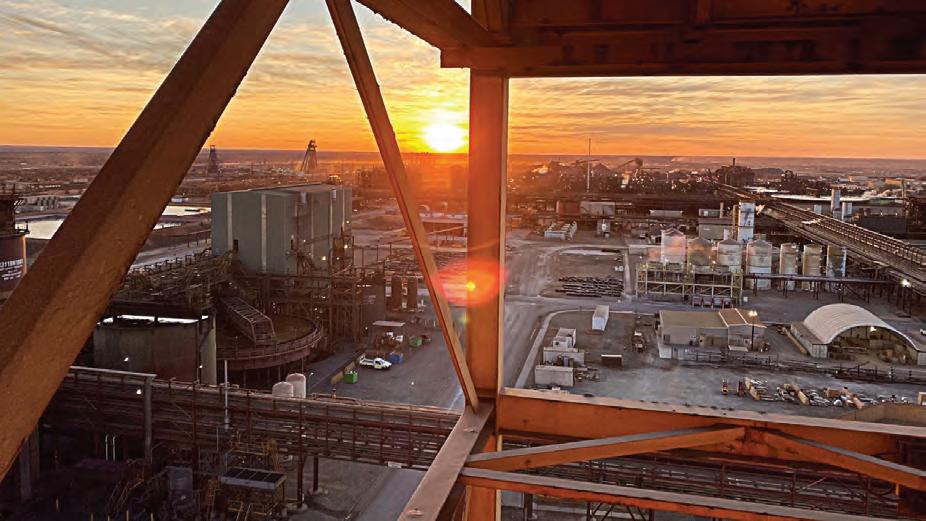
not prohibited at a federal level, states have historically adopted different approaches to the commodity, creating varying regulatory environments across the country.
That policy certainty has become increasingly important as uranium demand strengthens internationally.
Governments across Europe, Asia and North America are revisiting nuclear energy as part of long-term decarbonisation strategies, while western nations are also seeking to diversify uranium supply chains away from Russia and Kazakhstan.
assumptions and ISR benchmarks at this stage,” she said.
“Achieving our target of 70 per cent recovery in the time we had allocated to run the test is a testament to the credible science behind our assumptions and the team’s operating experience.”
Alligator said the results have boosted confidence in ISR uranium extraction at Samphire and supported the project’s broader development pathway.
provides a strong example of how the industry can operate within Australia.
“In the consideration of the bill by the NSW Legislative Assembly, the MCA encourages MLAs [Members of the Legislative Assembly] to closely examine the positive track record of uranium mining in SA, which has developed a world-class regulatory framework that protects the community and the environment,” she said.
The repeal bill could open a new chapter for uranium in NSW.
While the state partially opened the door to uranium exploration in 2012 through the Mining Legislation Amendment (Uranium Exploration) Act, commercial uranium extraction has remained off limits.
However, these reforms allowed exploration companies to build a stronger understanding of the state’s uranium potential, with geological knowledge and resource definition work steadily expanding over the past decade.
If the new repeal legislation ultimately passes the NSW Legislative Assembly and receives royal assent, it could position the state to participate more directly in a rapidly growing global uranium market.
As a result, uranium is increasingly being viewed not only as an energy commodity but as a strategically important resource within the broader global energy transition.
And Australia’s uranium sector is already working to respond to that growing demand.
Alligator Energy recently reported strong field recovery trial results from its Samphire uranium project in SA, with the company successfully extracting uranium from its first ISR well pattern. The company achieved its target of 70 per cent recovery while also recording flow rates above typical global ISR benchmarks, highlighting strong flow rates through the mineralised zone.
Uranium grades in solution also exceeded expectations, averaging 115 milligrams per litre uranium oxide, placing the project at the upper end of the global ISR ranges.
Alligator chief executive officer Andrea Marsland-Smith believes the results mark an important step in advancing the project.
“We are highly encouraged by the field performance of our first test pattern as our first major de-risking milestone, particularly the alignment with our model
A second pattern trial is expected to begin shortly, targeting a lower-grade and less permeable section at the edge of the mineralised system. Results from the next phase are expected in the third quarter of 2026 and will help refine future wellfield design and feasibility work.
The momentum building across Australia’s uranium sector reflects broader confidence in the commodity’s long-term outlook.
For NSW, the repeal debate remains about more than simply changing legislation. While the repeal bill would mark a significant shift for the state, future uranium developments would progress through Australia’s established regulatory and project development frameworks.
For the mining industry, the legislation signals growing momentum behind uranium as demand grows.
The legislation also reflects a larger shift in how uranium is being viewed internationally.
Once considered politically difficult in many jurisdictions, uranium is increasingly being repositioned as a critical mineral capable of supporting loweremissions energy strengthened long-term energy reliability.
Australia’s existing export relationships, established mining capability and worldleading uranium reserves place the country in a strong position.
After decades on the sidelines, NSW may now be preparing to play a larger role in that future.
A strengthened critical minerals partnership with Japan is reshaping Australia’s role in global supply chains, elevating the sector into a new strategic era.
Australia’s critical minerals sector is entering a new phase of international alignment, with a strengthened partnership between Australia and Japan positioning the industry at the centre of global supply chain security, advanced manufacturing and energy transition ambitions.
The Australia–Japan Joint Statement on Elevated Critical Minerals Cooperation marks a significant expansion of bilateral engagement, elevating critical minerals to a core pillar of the economic and national security relationship between the two countries.
For Australia’s resources sector, the agreement represents deeper coordination across mining, refining and downstream manufacturing, alongside more structured investment flows and project development pathways designed to address global supply chain vulnerabilities.
The announcement was made following talks in Canberra between Australian Prime Minister Anthony Albanese and Japanese Prime Minister Sanae Takaichi during a three-day visit in May.
Albanese said Japan has long been a trusted partner in the development of Australia’s resources industry.
“By working closely with Japan, we can attract greater investment in our critical minerals sector and further develop the sector, creating jobs and capability in Australia,” Albanese said.
Australia’s Federal Resources Minister Madeleine King said Japan’s investment history has been foundational to the sector’s growth.
“Sustained, trusted, constant investment from Japan is a cornerstone of the global powerhouse that is the resources sector of Australia,” King said.
Under the new declaration, critical minerals will be treated as a core pillar of the Australia–Japan economic
and national security relationship. The agreement is designed to drive coordinated investment into strategic projects that can address supply chain vulnerabilities across mining, refining and downstream processing.
It builds on the Australia–Japan Critical Minerals Partnership established in 2022 and expands its focus to include greater access to capital, technology transfer and commercial linkages between Australian producers and Japanese industry demand.
Both governments have also committed to closer policy coordination, improved information-sharing and the use of public financing mechanisms to support project development.
These include Japan’s Japan Organization for Metals and Energy
By working closely with Japan, we can attract greater investment in our critical minerals ... and further develop the sector, creating jobs and capability in Australia.”
– Australian Prime Minister Anthony Albanese
Security (JOGMEC) and Australia’s Critical Minerals Strategic Reserve, alongside support from Export Finance Australia.
Australia is currently providing up to $1.3 billion in support for critical minerals projects involving Japanese partners, while Japan has committed approximately $370 million through JOGMEC, with further funding expected as projects progress.
A key feature of the agreement is the identification of strategic projects across Australia that are seen as critical to diversifying global supply chains.
These projects span a broad range of commodities and processing pathways, reflecting growing demand from electric vehicles (EVs), renewable energy infrastructure, semi-conductors and advanced manufacturing industries.
Among the most significant is Ardea Resources’ Kalgoorlie Nickel Project

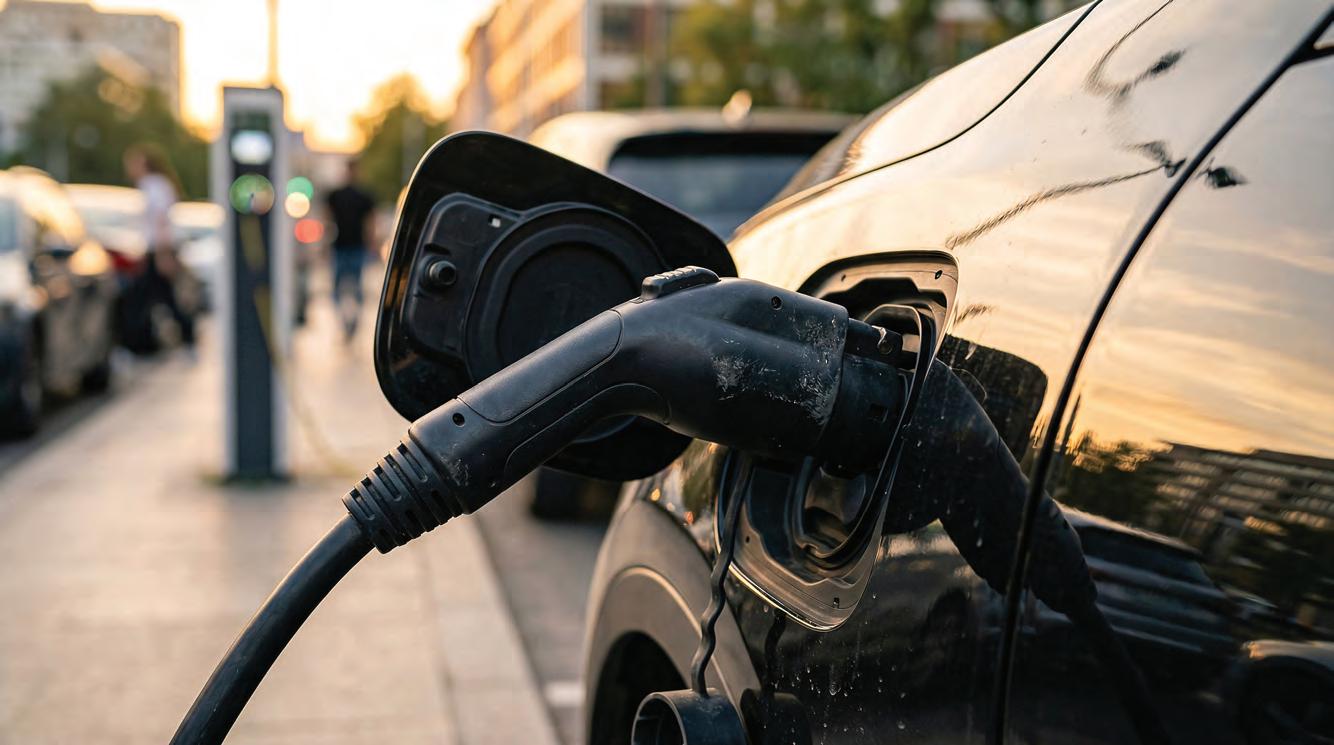
– Goongarrie Hub, one of Australia’s largest nickel-cobalt resources.
Ardea managing director and chief executive officer Andrew Penkethman said the project’s inclusion in the declaration highlights its importance.
“The Goongarrie Hub hosts one of the largest nickel-cobalt mineral resources and ore reserves in Australia and the

chains for critical minerals that underpin advanced manufacturing and battery supply chains.”
The project is being developed with Sumitomo Metal Mining and Mitsubishi Corporation.
It is supported by Japanese economic security grant funding, and has received indications of support from Export Finance Australia and the US Export–Import Bank.
Rare earths producer Lynas Rare Earths also features prominently, building on long-standing Japanese investment dating back to 2011. The company recently commenced heavy rare earth production and strengthened its relationship with Japanese partners through a memorandum of understanding with Japan Australia Rare Earths B.V. (JARE).
The agreement includes cooperation across exploration and supply chain development, alongside a long-term offtake arrangement for neodymiumpraseodymium (NdPr) supply into Japan.
Beyond rare earths and nickel, the declaration highlights emerging opportunities across a range of minerals essential to advanced technologies.
Alcoa’s gallium recovery project in Western Australia is one such example, reflecting growing global efforts to diversify gallium supply chains away from China.
The project is being developed in partnership with Japan Australia Gallium Associates, a joint venture between Sojitz Corporation and JOGMEC, and aims to supply gallium for semi-conductors, LEDs and solar technologies.
Gallium has become increasingly strategic following export restrictions imposed by China in 2023, with Australia, Japan and the US all identifying it as critical to technology and defence supply chains.
Magnium Australia’s proposed magnesium pilot plant in Collie, Western Australia, is also included in the agreement. The project aims to produce high-purity magnesium using a lowercarbon process, targeting applications in automotive and aerospace industries.
Japanese trading company Hanwa and the Japanese Government have expressed interest in the initiative, reflecting its potential role in decarbonised manufacturing supply chains.
Tivan’s Speewah fluorite project in Western Australia is another key inclusion, developed in partnership with Sumitomo Corporation and JOGMEC.
The project is targeting acidgrade fluorite production for use in hydrofluoric acid, which is essential for semi-conductor manufacturing and EV supply chains. It has also received a nonbinding letter of support from Export Finance Australia.
RZ Resources’ Copi critical minerals project in New South Wales rounds out the list, with participation from JX Metals Corporation and Marubeni Corporation. The project is focused on mineral sands and rare earth elements.
Collectively, these projects highlight Australia’s expanding role in supplying not just raw materials but also processed inputs into global manufacturing and technology supply chains.
The Australia–Japan agreement reflects a broader global shift toward securing critical mineral supply chains amid increasing geopolitical uncertainty and rising demand for lowemissions technologies.
Both governments have committed to identifying additional priority projects through ongoing business engagement, investor missions and closer coordination between miners, financiers and offtake partners. There is also a commitment to align efforts with international partners, including the US, to strengthen global cooperation on critical minerals.
The agreement builds on broader concerns around supply chain concentration and the need to reduce reliance on single-source production and processing hubs.
Australia and Japan have positioned themselves as key partners in addressing these vulnerabilities, with
the two countries combining resource endowment and industrial demand.
The declaration signals a broader evolution in Australia’s resources sector, where critical minerals are increasingly viewed as strategic assets underpinning advanced manufacturing, defence capability and energy transition infrastructure.
While Australia remains one of the world’s largest producers of key minerals, much of the downstream processing and value capture still occurs offshore.
The new partnership framework is designed to change that trajectory by encouraging investment in refining, processing and downstream manufacturing capability within Australia and allied economies.
This means the opportunity for the Australian resources sector lies in expanding beyond extraction to become a more integrated participant in global supply chains.
With growing demand for EVs, renewable energy and semi-conductor technologies, the importance of secure and diversified critical mineral supply chains is set to grow. The Australia–Japan partnership positions local projects at the centre of that transition, supporting economic opportunity and long-term supply chain resilience.
In doing so, it reinforces Australia’s growing role as a strategic partner in the development of the next generation of global industrial systems.
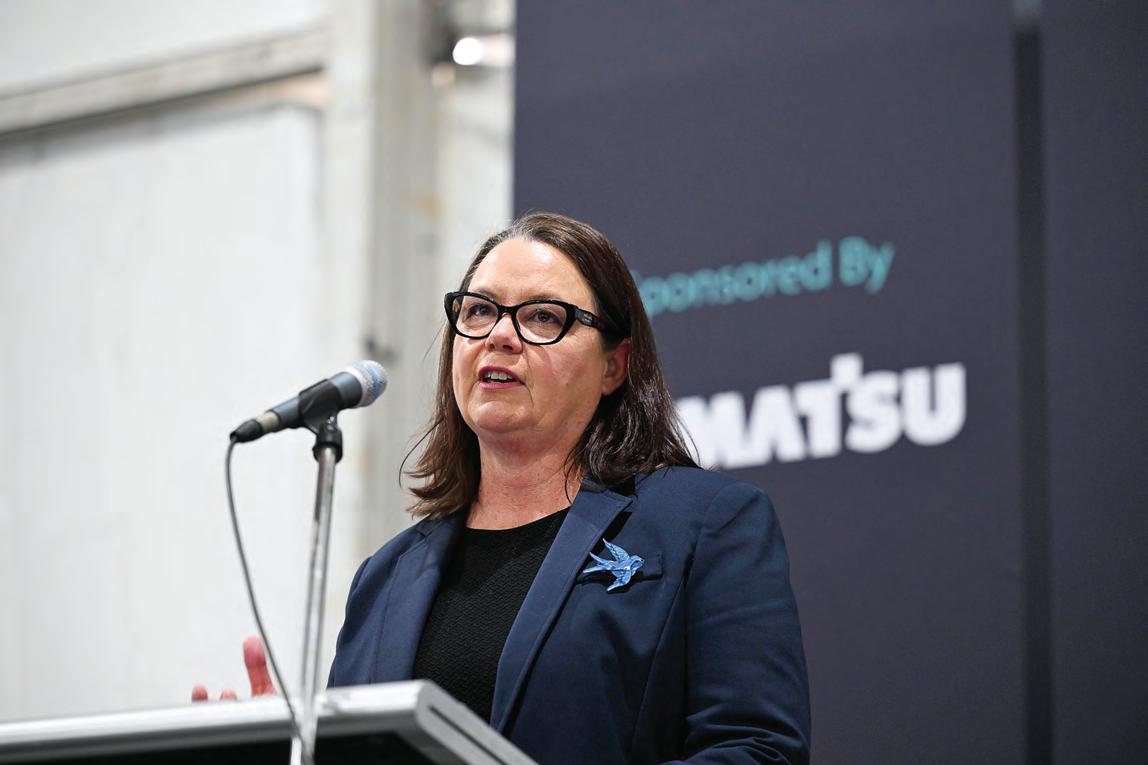
The Australia–Japan declaration is the latest example of Australia’s increasing role in the global critical minerals landscape. The country’s critical minerals sector is now becoming a central pillar in a broader network of international agreements aimed at strengthening economic security and supporting the energy transition.
The Japan partnership follows other initiatives, including the Australia–US critical minerals framework, designed to accelerate investment into mining, refining and downstream processing projects across allied economies. Both countries have committed funding to develop projects supporting technologies such as electric vehicles, semi-conductors and renewable energy systems.
Australia’s role is also expanding through engagement with Canada on critical minerals collaboration, including coordinated investment approaches and long-term offtake discussions aimed at improving financing certainty for new projects.
A key emerging trend is the development of ‘buyers’ club’ arrangements, where like-minded countries use long-term contracting to support new supply and reduce exposure to volatile spot markets. These models are increasingly viewed as a way to underpin investment in critical minerals projects while securing stable demand.
Participation in these frameworks reinforces Australia’s position as a trusted supplier to allied economies, while also supporting ambitions to move further into refining and advanced manufacturing.
As global competition for secure mineral supply intensifies, Australia’s expanding network of partnerships with Japan, the US and Canada is helping reposition the country as a key strategic partner in resilient, diversified supply chains.

Water is life - Every drop counts!
With the combined expertise of TAKRAF and DELKOR, and a proven portfolio of fit-for-purpose equipment, TAKRAF Group is one of the few global suppliers capable of engineering and delivering a complete Dry Stack Tailings (DST) system.
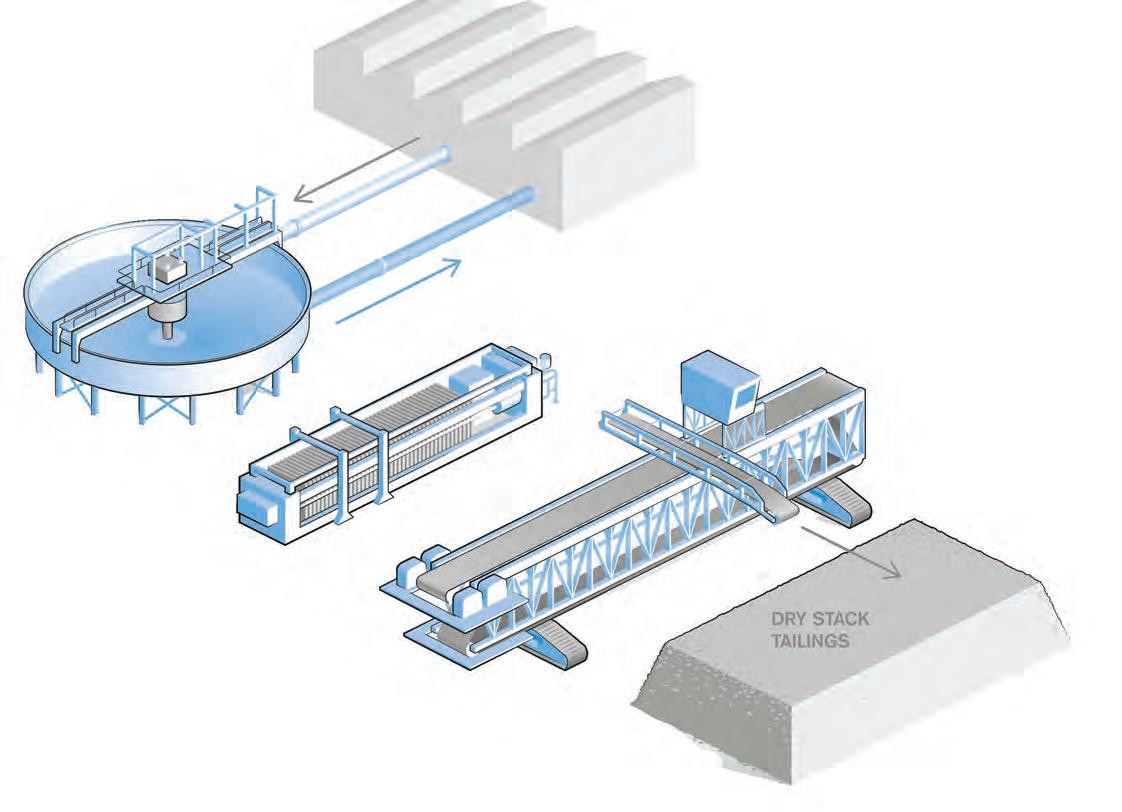
TAKRAF Group Dry Stack Tailings solutions for sustainable mining.


www.takraf.com
info@takraf.com


Australia’s largest regional mining event
21-23 JULY 2026 MACKAY
As global demand for critical minerals accelerates, Rio Tinto is backing its scale, portfolio and Australian operations to help shape the industrial and energy growth.
Rio Tinto is positioning itself for what it believes will be a defining era for the global resources sector, one shaped by rising demand for critical minerals, tighter supply conditions and the accelerating push toward electrification and industrial growth.
At the company’s 2026 annual general meeting in May, Rio Tinto chair Dominic Barton outlined a confident vision for the future, saying the miner is uniquely placed to help supply the materials required for the next phase of global development.
“Rio Tinto is made for this moment,” Barton said.
That message reflects a broader strategy built around long-life assets, operational discipline and investment in commodities expected to underpin future industries, including iron ore, copper, aluminium and lithium.
For Australia’s mining sector, the company’s outlook reinforces the industry’s growing importance in supporting energy transition technologies,
infrastructure expansion and advanced manufacturing supply chains.
Barton said structural shifts across the global economy are creating strong long-term demand for the materials Rio Tinto produces.
“Whatever the future holds, the world is only going to need more of the materials we provide,” he said.
Copper remains central to that story, driven by electrification, renewable energy systems and rapidly expanding artificial intelligence (AI) infrastructure, while lithium continues to play a major role in battery technologies and energy storage. Aluminium is also expected to remain critical to transport, construction and advanced manufacturing applications.
Rio’s recent performance suggests the company is already benefiting from those trends. The miner increased copper equivalent production by nine per cent in 2025, while earnings before interest, taxes, depreciation and amortisation (EBITDA) also rose nine per cent to $US25.4 billion.
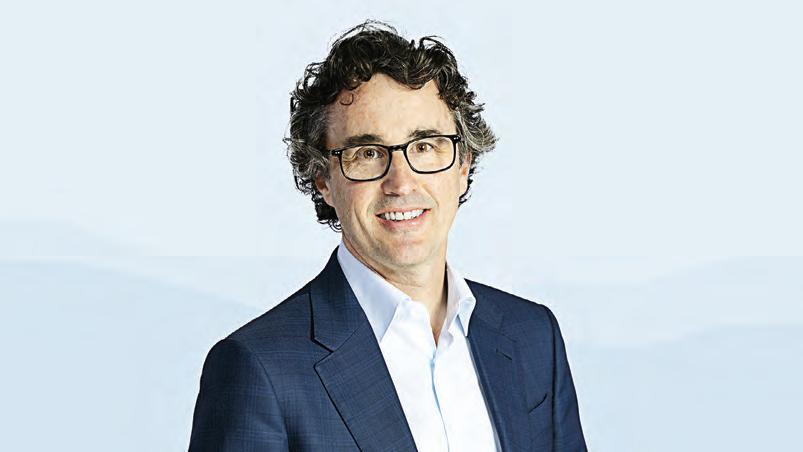
The result was supported by strong copper and bauxite production and reinforced the company’s confidence in the long-term direction of its portfolio.
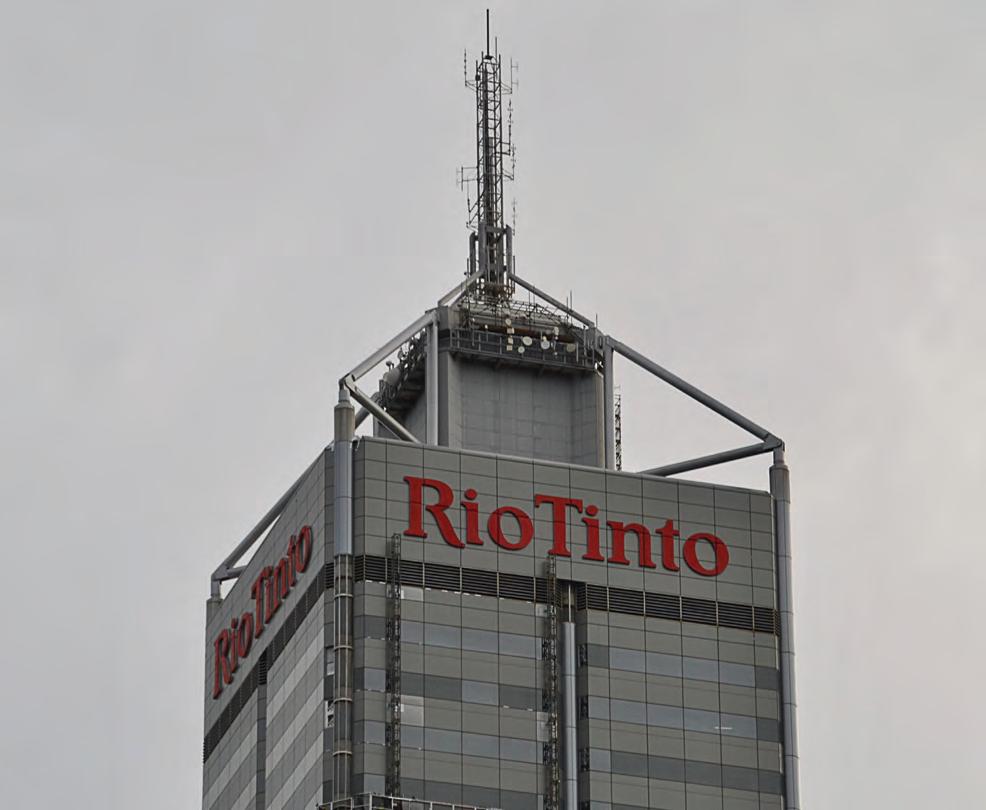
Rio Tinto chief executive Simon Trott told shareholders the company is focused on simplifying operations and improving execution across the business.
“Every dollar must deliver value. Every project must compete for capital,”
That focus on efficiency has already translated into measurable gains. Rio has secured approximately $US650 million in annual productivity improvements and is targeting up to $US10 billion through asset optimisation initiatives.
The strategy reflects a shift across the mining industry, where producers are increasingly focused on operational resilience, productivity and portfolio quality as projects become larger, more complex and more capital intensive.
Rio’s pipeline of major developments also highlights the scale of the company’s
Trott pointed to the company’s “right assets in the right commodities”, supported by Tier 1 operations and developments across multiple regions.
Western Australia remains central to Rio’s future growth strategy.
The Pilbara continues to serve as the backbone of the company’s iron ore business, supported by a large integrated network of mines, rail and port infrastructure. Rio has continued to invest in replacement and sustaining projects across the region, helping maintain production capacity while supporting
jobs, regional communities and long-term export earnings.
The company’s outlook also reinforces the growing role Australian mining is expected to play in global supply chains as governments and manufacturers seek reliable sources of critical minerals and industrial materials.
That opportunity extends beyond raw material production.
Increasing investment in downstream processing, infrastructure and advanced manufacturing is creating new opportunities for the Australian resources sector to strengthen its position in global supply chains.
For Rio, the combination of operational scale, established infrastructure and exposure to future-facing commodities is central to its long-term strategy. The company is targeting approximately three per cent annual production growth through the decade, supported by developments in iron ore and copper and continued investment across its broader portfolio.
As demand for industrial materials continues to rise, Rio Tinto believes the mining sector will remain fundamental to economic growth, energy transition and technological development for decades to come.
And that presents a significant opportunity for Australia.
With large-scale operations, globally significant mineral resources and growing investment in future-facing commodities, the country’s mining industry remains well positioned to help supply the materials needed for the next generation of industrial growth. AM

Martinus is transforming rail haulage with a full-scale develop, build, own, operate and maintain model. Our new rolling stock boosts operational efficiency, delivering more tonnes reliably while incorporating the latest environmentally-friendly technologies. Additionally, through our partnership with InfraPay, we offer a unique Infrastructure Financing, Construction & Ownership Platform (FBoot Model) that converts capex to opex, releasing capital and enabling build-now-pay-later solutions.
PNG Expo 2026 will spotlight the supply chains and services that keep the mining industry running behind the scenes.
Before machinery roars to life, before a truck hauls any ore, and before a single shift begins deep in Papua New Guinea’s (PNG) resources heartland, another operation is already underway, one that is built on supply chains, logistics and the daily task of keeping a workforce fed.
It is that broader mining ecosystem that will come together at the 2026 PNG Industrial and Mining Resources Exhibition and Conference (PNG Expo), a two-day meeting point designed to connect industry leaders, suppliers and decision-makers across PNG’s mining, resources and supporting infrastructure sectors. Just as importantly, it creates space for the conversations that turn connections into action.
And the appetite for those connections is growing.
Returning to the Stanley Hotel and Suites in Port Moresby from July 1–2, PNG Expo 2026 will bring together government representatives, business leaders and industry stakeholders for two days of networking, collaboration and innovation.
With a redesigned floorplan, an expanded conference program and exhibitor demand rising, the event marks a new chapter for as country’s premier mining and resources showcase.
The exhibition floor will feature products, services and technologies supporting PNG’s mining and industrial sectors, along with structured networking sessions designed to connect attendees directly with decision-makers, suppliers and service providers.
For Goodman Fielder PNG, the event’s official catering sponsor, those discussions are critical.
“The resources sector relies on robust supply chains,” Goodman Fielder PNG trade marketing and insights manager Benjamin Raepa said.
“Mining operations need consistent, high-quality food supplies for their workforce camps, and they need partners who understand scale and reliability.”
That demand for connection is reflected in the event’s growth.
Last year’s expo attracted more than 500 visitors, marking the highest attendance in the event’s history. Decision-makers made up 65 per cent of attendees, while 62 per cent came from within PNG, highlighting the expo’s role as a platform where local insight, practical conversations and real business opportunities take shape.
But PNG Expo’s real value lies in the conversations had between displays, outside conference sessions and long after delegates leave the exhibition floor.
From a welcome reception and official networking function to informal catch-ups, the event is designed to spark discussion, build relationships and create meaningful opportunities for connection.
That is so important because many of the industry’s most valuable conversations happen away from the boardroom, where operators and suppliers can speak candidly about the challenges facing projects on the ground.
That is where PNG Expo creates value.
“Events like the PNG Expo bring together industry leaders, suppliers and decision-makers under one roof,” Raepa said.
“It creates a space for real conversations about what works on the ground. For us, it’s a new chance to listen as much as to talk, to understand the challenges operators face and show how our product range and distribution can help solve them.”
For a company best known in PNG through household brands such as Flame rice, Twisties, Skel Rice, Arthur’s Pie and Bilas Bread, PNG Expo also offers direct access to the people shaping operations behind the scenes, from procurement managers securing large-scale supply contracts to camp caterers and hospitality operators responsible for feeding workforces in remote locations.
“It allows us to move from being a retail brand to being recognised as a complete food partner for industry,” Raepa said.
Supported through PNG Expo’s conferencing program, the exhibition floor acts as a genuine forum for opportunities to be sought and issues solved. Against this backdrop, Raepa’s message is straightforward.
“Come with your real-world problems,” he said.
“If you run a mess hall at a remote site, or you struggle with inconsistent supply, or you want to improve the quality of food for your workers – come and talk to us.”
That invitation speaks to what PNG Expo does best.
It is more than an exhibition; it is a place where operators, suppliers and industry leaders can sit down, share ideas and solve practical challenges in-person. PNG Expo is where connections are strengthened, ideas are tested and practical solutions begin with a conversation.
Some of the most important throughout the mining industry work does not happen in the pit. It happens across the table, where partnerships are built, problems are solved and the fuel behind the mines keeps moving. AM
Secure your tickets now at pngexpo.com/attend
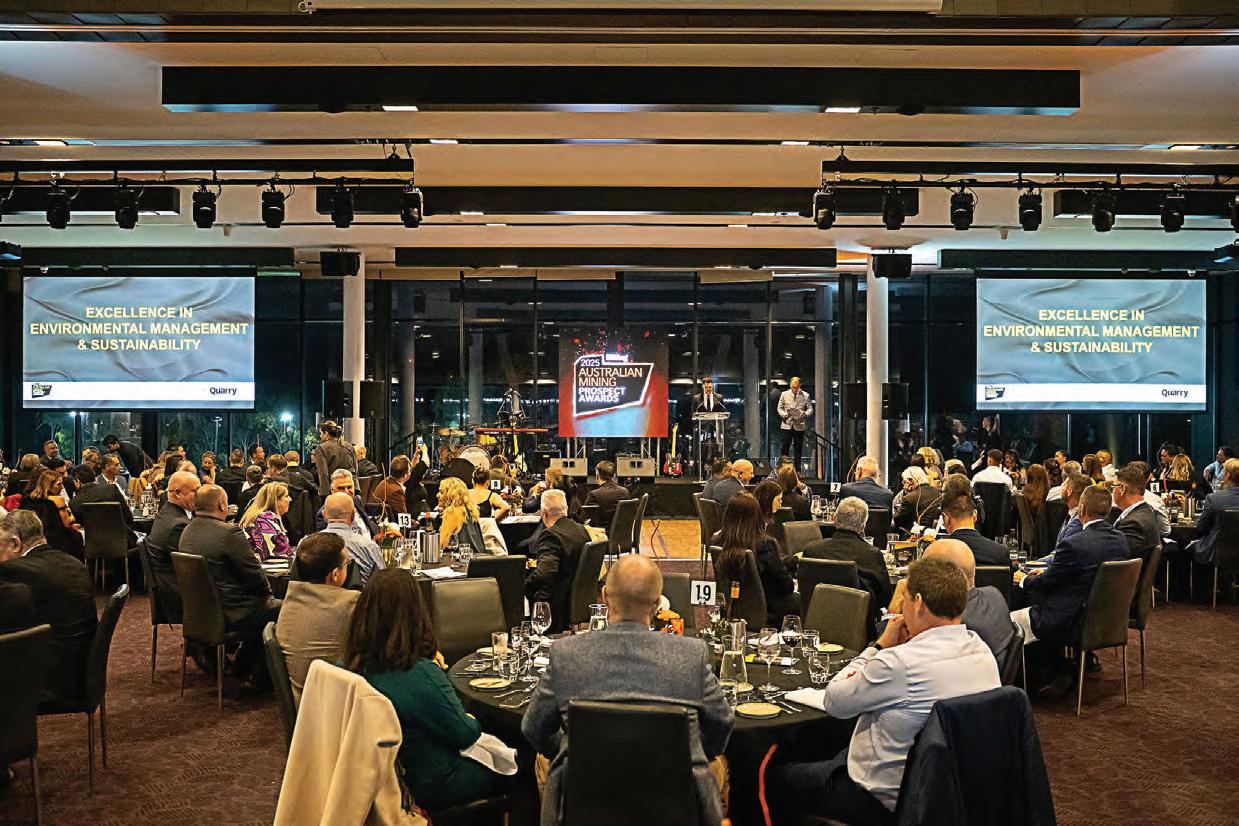
From innovation to leadership, the 2026 Prospect Awards will shine a spotlight on
The Australian Mining Prospect Awards are set to return in 2026, reaffirming their position as the country’s premier national program recognising excellence, innovation and leadership across the resources sector.
“The Prospect Awards have always been about recognising the people, projects and ideas that push Australia’s mining industry forward,” Prime Creative Media head of awards and conferences Caitlyn Douglas said.
“As the sector continues to develop, the 2026 program has been refreshed to better reflect the innovation, leadership and sustainability priorities shaping the future of mining.”
For more than a decade, the Prospect Awards have provided a platform to showcase the achievements shaping Australia’s mining and minerals processing industry, highlighting the companies, projects and individuals driving progress across one of the nation’s most important economic pillars.
As the industry evolves through digital transformation, decarbonisation and growing community expectations, the 2026 program introduces an updated suite of categories designed to reflect the changing priorities of modern mining while continuing to celebrate outstanding performance across traditional areas of excellence.
Among the new additions is the Excellence in Mine Site Rehabilitation and Closure Award, recognising innovative approaches to environmental restoration that reduce emissions, minimise waste and support long-term sustainability outcomes. This is also closely aligned
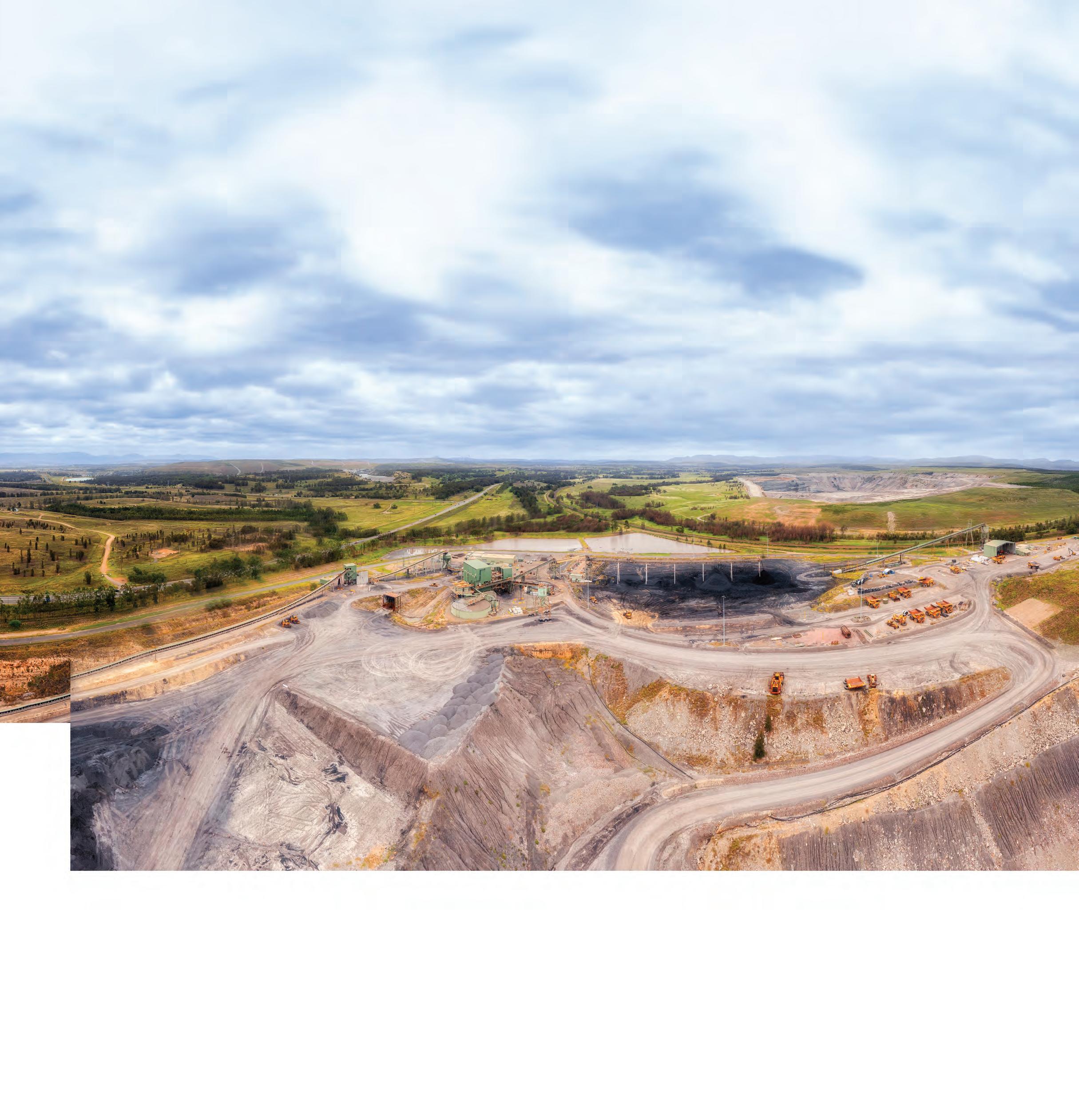
is the new Sustainability Innovation category, which will celebrate initiatives driving decarbonisation, electrification and greener operations across the industry.
Societal impact also features prominently in the updated program, with the Community Engagement Award highlighting companies delivering meaningful social, economic and environmental benefits through strong relationships with local stakeholders.
Leadership and workforce development remain central themes, with the introduction of Mining Leader of the Year acknowledging individuals demonstrating exceptional strategic vision and operational leadership, while the Rising Star Award will spotlight emerging professionals making a significant early-career impact and shaping the future of the sector.
The Emerging Miner of the Year category recognises companies in their growth phase that are demonstrating strong performance, innovation and clear potential to become major industry players, while Mining Contractor of the Year celebrates service providers delivering measurable value through innovation and strong operational partnerships.
In line with the industry’s accelerating digital evolution, the Excellence in Digital Transformation Award will recognise companies leveraging technologies such as artificial intelligence, data analytics and Internet of Things (IoT) to enhance productivity and operational performance.
Workforce capability and wellbeing are also firmly in focus, with the Education and Training Program of the Year and Excellence in FIFO Workforce Experience categories acknowledging organisations
investing in skills development, safety, culture and employee wellbeing across remote and fly-in, fly-out operations.
Operational achievement remains a cornerstone of the awards, with the Excellence in Mineral Processing category recognising improvements in recovery rates, efficiency and sustainability outcomes, alongside the Excellence in Autonomous Operations Award, which highlights the growing role of automation in improving safety and productivity across mine sites.
“These new and expanded categories are designed to shine a light on the full breadth of excellence across the sector,”
Douglas said. “Ultimately, the awards exist to celebrate success and help share the practices that will strengthen and grow the industry as a whole.”
By returning in 2026 with an expanded and future-focused program, the Australian Mining Prospect Awards will continue to play a vital role in recognising the people, projects and ideas helping to strengthen and grow Australia’s mining industry for the years ahead. AM
The awards will be held on Wednesday September 16 in Perth. For more information, visit prospectawards.com.au
CELEBRATING EXCELLENCE: PROSPECT AWARDS CATEGORIES
• Community Engagement (new)
• Digital Transformation (new)
• Discovery of the Year
• Education and Training Program of the Year (new)
• Emerging Miner of the Year (new)
• Engineering Success of the Year
• Excellence in Autonomous Operations (new)
• Excellence in FIFO Workforce Experience (new)
• Excellence in Mine Safety, OH&S
• Excellence in Mine Site Rehabilitation and Closure (new)
• Excellence in Mineral Processing (new)
• First Nations Engagement
• Lifetime Achievement Award
• Mining Contractor of the Year (new)
• Mining Leader of the Year (new)
• Outstanding Mine Performance
• Rising Star (new)
• Safety Advocate of the Year
• Sustainability Innovation (new)
• Australian Mine of the Year (this category is not open for nomination)
Nominations are open from May 26 – June 26. Finalists will be announced on July 27.

Let’s celebrate excellence in the Mining Industry

FRASER’S KING PARK, PERTH
WEDNESDAY, 16 SEPTEMBER
Industry leaders are continuing to back the Women in Industry Awards, helping elevate recognition, visibility and leadership opportunities across Australia’s industrial sectors.
The Women in Industry Awards have become a key annual event for Australia’s industrial sectors, bringing together leaders, emerging talent and organisations committed to strengthening the role of women across mining, engineering, manufacturing, infrastructure and energy.
Behind the awards is a growing network of industry partners whose support helps expand the event’s reach and influence, while reinforcing broader conversations around diversity, leadership and workplace opportunity.
At the helm of the program is Atlas Copco Group, returning as principal
are reshaping traditionally maledominated sectors.”
Returning as platinum sponsor is Australian Power Equipment (APE), with co-director Abby Crawford saying the partnership carries personal significance.
“Being named a finalist in the 2025 Women in Industry Awards was a really meaningful moment, and it gave me a genuine appreciation for how important visibility and recognition are,” Crawford said. “As a business, we want to support more of those moments for other women.”
Crawford said APE views the awards as an opportunity to help create stronger pathways for women entering
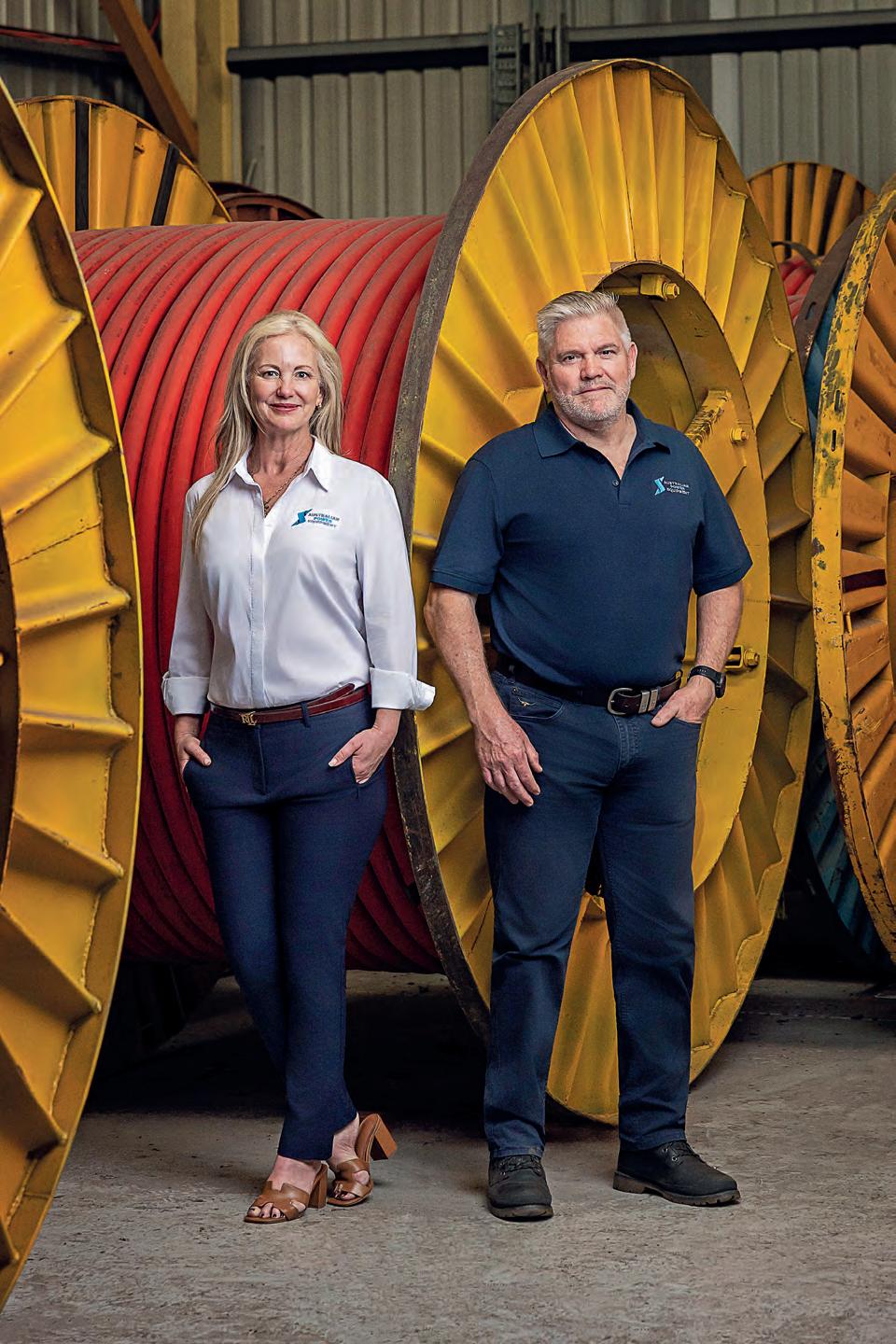

of Australian industry. Their recognition highlights the growing influence of women across sectors that remains central to the Australian economy while continuing to evolve culturally and professionally.
Beyond the awards themselves, the evening’s gala dinner has become an important networking event for industry leaders, emerging professionals and businesses looking to build stronger connections across the sector.
Prime Creative Media head of events marketing Molly Hancock said the awards showcase the strength and leadership shaping Australia’s industrial future.
“This year’s finalists represent the strength, innovation and leadership
driving Australia’s industrial sectors forward,” Hancock said. “The Women in Industry Awards not only recognise these outstanding achievements but also create a space where leaders at every stage of their career can come together, share ideas, and build connections.”
For Crawford, the awards also send an important message to future leaders.
“My advice to this year’s finalists would be to genuinely celebrate this achievement,” she said. “Build strong relationships, stay curious, continue learning, and never underestimate the value of authenticity.”
AM
Purchase your tickets at womeninindustry. com.au/attend
From flow control to large-scale storage infrastructure, BULK2026 will shine a light on the technologies helping operators protect productivity, safety and material integrity.
As bulk handling systems grow larger and more complex, the sector’s focus is shifting beyond simple throughput and efficiency.
Operators are increasingly being challenged to manage a broader range of operational risks, from combustible dust and unstable material flow to storage infrastructure performance and environmental containment.
These evolving priorities are set to take centre stage at the upcoming Bulk Handling Technical Conference and Expo (BULK2026), to be held in Melbourne from September 16–17.
The event’s conference program emphasises the technologies and engineering approaches helping sites improve safety, reliability and operational stability across the bulk handling chain. Curated in partnership with the Australian Society for Bulk Solids Handling (ASBSH), the program is designed around practical operational challenges affecting mining, ports, processing plants and heavy industry.
“We didn’t want a program that just talks at people,” Prime Creative Media head of marketing – events Molly Hancock said.
“We wanted to put together a conference that gets into the details of what’s actually going wrong on site and what’s working to fix it.”
This practical focus is reflected throughout the program, particularly in sessions addressing dust management, storage behaviour, infrastructure performance and system reliability.
One of the major operational risks facing bulk handling facilities remains combustible dust. In enclosed transfer points, terminals and processing systems, a single ignition event can rapidly escalate into a major operational and safety incident.
Speaking at the conference, Australian industrial engineering and equipment company HMA Group will delve into the importance of dust explosion protection for bulk handling terminals, addressed by products such as its BS&B explosionsuppression and isolation systems.
Designed to detect and suppress explosions before they can propagate through connected systems, this technology is engineered to protect equipment such as conveyors, bucket elevators, silos and dust collectors, helping operators reduce downtime while improving plant safety and operational continuity.
Beyond dust hazards, the program will also examine the unpredictable nature of
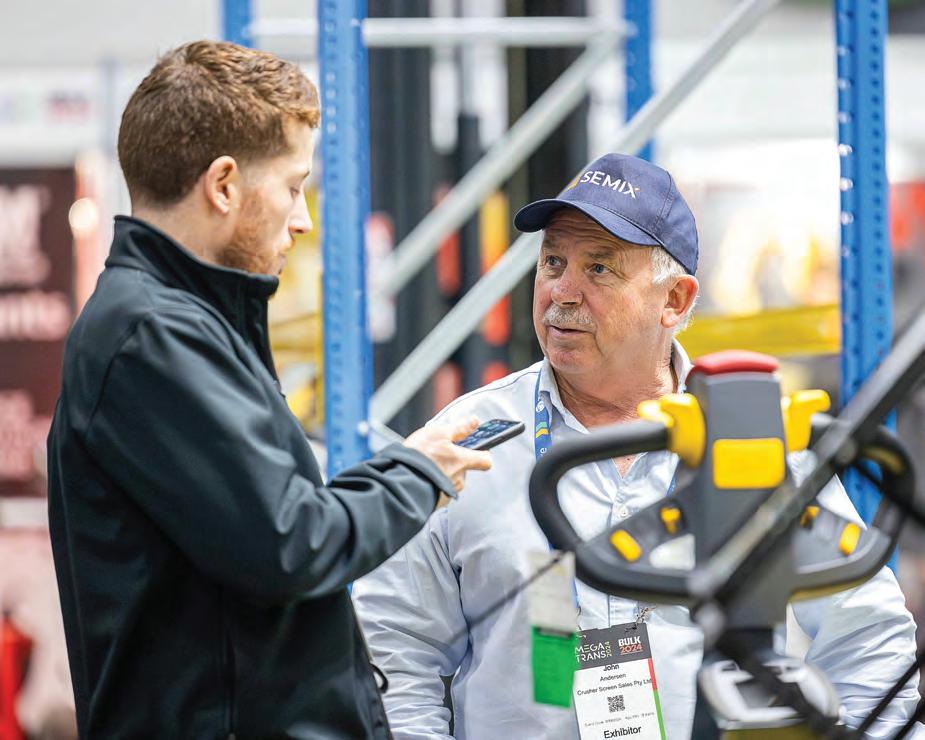
BULK2026 will engage attendees with technological and engineering approaches to help on site.
handling difficult bulk solids, particularly where issues such as arching, rat-holing and uneven loading conditions can impact downstream systems and production efficiency.
Syntechtron, an Australian engineering company that specialises vibratory material handling equipment, will contribute insights into managing these challenges through engineered storage and discharge solutions designed to improve material flow consistency and reduce instability during reclaim operations.
Its technologies focus on controlling bulk solid behaviour during storage and discharge, helping operators minimise blockages, uneven flow and operational interruptions across handling systems.
Storage infrastructure itself is also becoming an increasingly important operational consideration, particularly as sites seek to improve environmental performance while protecting valuable stockpiles from exposure to moisture, wind and contamination.
Global engineering company
Geometrica will showcase its large-span dome storage solutions, which are being adopted globally across mining and bulk commodity industries for enclosed storage applications. Designed without internal
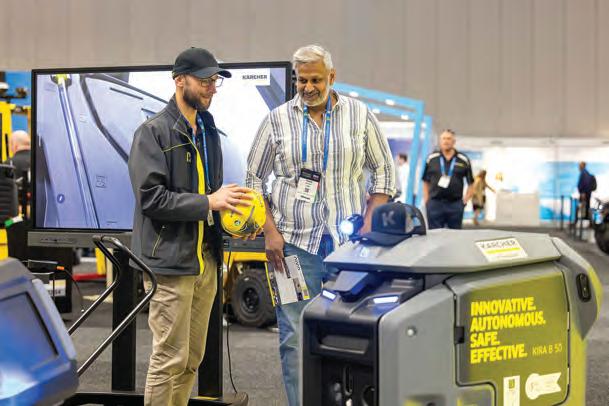
usable storage capacity while supporting material protection, dust containment and improved reclaim operations.
“We wanted the conference to focus on ideas that people can take straight back to site,” Hancock said.
“From practical safety solutions to advanced storage and monitoring technologies, the program reflects what operators are prioritising right now.”
These themes sit alongside a broader conference agenda examining conveyors, mechanical handling, simulation tools, monitoring technologies and infrastructure performance.
Sessions from organisations including Worley, KOCH Solutions, TUNRA
The event is a key technical forum that supports collaboration and knowledge sharing.
University of Wollongong will further explore the technologies reshaping modern bulk handling operations.
By bringing together engineers, operators and solution providers, BULK2026 continues to position itself as a key technical forum for the bulk handling sector, supporting collaboration and knowledge sharing across the industry.
As mining and industrial operations continue to rely on bulk handling systems as the backbone of productivity and site performance, the ability to improve safety, reliability and material control is becoming increasingly critical. AM Get involved at
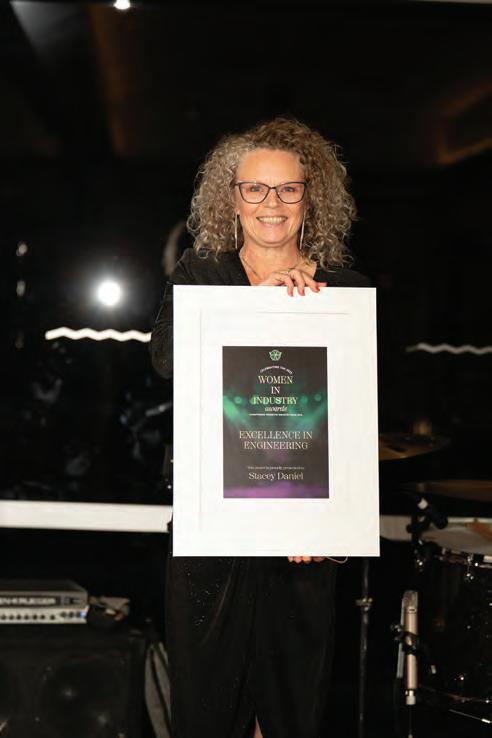


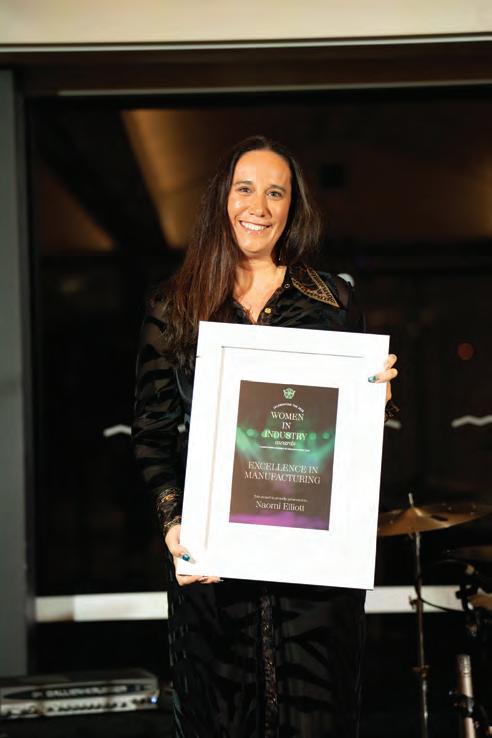
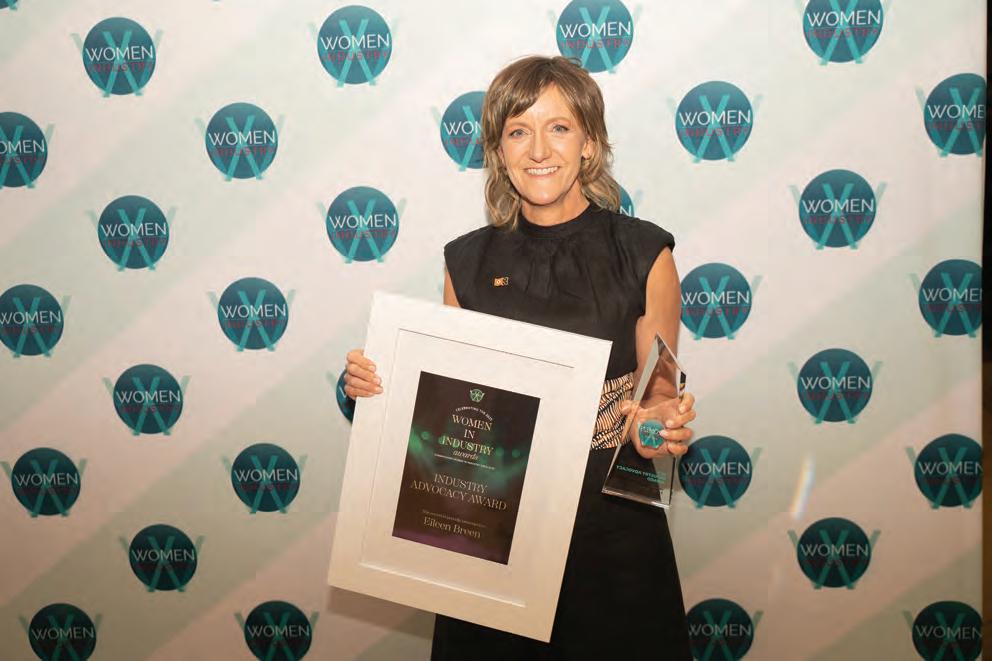
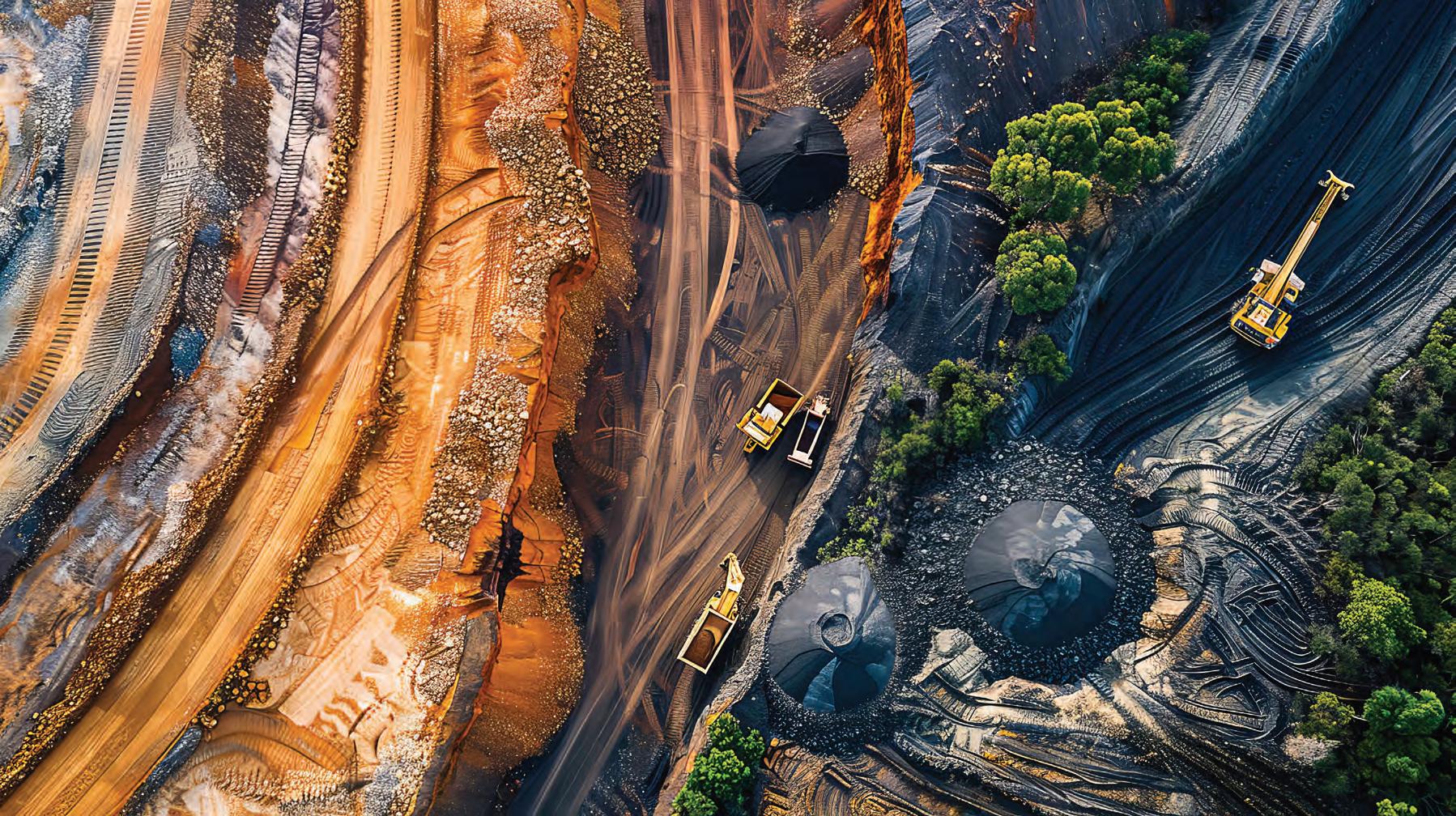
A new event is set to bring the industry’s attention on the Hunter Valley’s mining sector, gathering suppliers, operators and innovators together in one regional showcase.
One of Australia’s longest-serving mining regions will take centre stage next year as the first Hunter Valley Mining Expo (HVME) prepares to bring together suppliers, operators and innovators from across one of Australia’s most important mining regions.
Set to debut at the Newcastle Entertainment Centre from May 19-20, 2027, the New South Wales event is already gaining strong industry backing, with conveyor solutions specialist Flexco signing on as the inaugural sponsor.
For Flexco, supporting the event is more than simply securing a sponsorship opportunity; it’s about backing a region that continues to play a critical role in Australia’s resource sector.
“The Hunter Valley has long been an important region for the mining industry, so when the opportunity came up to support a dedicated event in the area it felt like a natural fit,” Flexco told Australian Mining
“We’ve been providing feedback in having a mining-focused event in this key hub, particularly given the growth and ongoing investment the region has seen over the years.”
Flexco’s strong ties to mining partners in the area made the decision to support the expo and easy one.
“We also work closely with many customers, distributors and industry partners across the Hunter Valley and wider New South Wales region, so supporting an event that brings the industry together locally was something we were excited to be part of,” Flexco said.
Developed by the team behind leading mining events including the Queensland Mining and Engineering Exhibition, WA Mining Conference and Exhibition, and Asia-Pacific’s International Mining Exhibition and Conference, HVME has been purposebuilt for the Hunter Valley region.
The event aims to create a highly focused platform where mining companies, suppliers and industry leaders can connect around the operational realities, emerging technologies and longterm opportunities shaping the area.
The Hunter Valley region continues to evolve alongside changing industry demands, with operators increasingly focused on productivity, operational efficiency and future-ready solutions.
Flexco said those priorities are already creating significant opportunities.
“The Hunter Valley continues to be one of Australia’s most important mining regions, and we see strong opportunities both in the coal industry today and in how the region continues to evolve for the future,” the company said.
“Coal remains a major contributor to employment, exports and infrastructure investment across the region, with ongoing investment in mine life extensions, port infrastructure, conveyor systems, and
operational efficiency helping support the long-term future of many operations.”
Mining companies are increasingly looking toward smarter maintenance strategies and technologies that can improve reliability and reduce downtime across operations.
“For Flexco, it’s an exciting time ahead because we’re seeing operators place strong focus on conveyor reliability, safer maintenance practices, and improving productivity across their operations,” the company said.
“We’re also seeing growing interest in smarter technologies, including conveyor monitoring and asset management solutions that help sites improve performance and maintenance planning.”
The expo will showcase suppliers across six major industry verticals, including exploration and drilling, extraction and processing, engineering and maintenance services, technology and software, energy solutions, and specialised consumables.
The Hunter Valley region continues to evolve alongside changing industry demands.
The goal is to create a practical, solutions-focused event that directly connects mining operations with technologies and services that can improve on-site performance.
A dedicated Mining Pavilion will shine a spotlight on local businesses and industry associations, helping showcase the capability of the Hunter Valley’s regional supply chain while fostering direct engagement between operators and frontline mining professionals.
The conference program will deliver a single-stage agenda featuring technical experts, case studies and operational insights tailored specifically to the Hunter region. Topics will span operational efficiency, innovation and the ongoing transition of the coal sector.
For Flexco, the event represents an important opportunity to contribute to conversations around the future of mining operations and maintenance.
“Operators are focused on reducing downtime and increasing throughput, with many sites moving toward extended shutdown cycles, higher tonnages and faster conveyor speeds,” Flexco said.
“As belts become thicker and systems run harder to meet production demands, there’s a growing need for conveyor solutions that can keep up with these
conditions while maintaining reliability and performance.”
The company said smarter maintenance practices and predictive technologies are becoming increasingly important as operations push for greater efficiency.
“We’re helping support this shift through solutions that enable smarter, safer, and more efficient maintenance practices,” Flexco said.
Flexco also pointed to workforce challenges emerging across the sector, particularly around training and skills development as new workers enter the industry.
“To support this, we provide on-site, online and in-class training to help teams better understand their conveyor systems and apply best-practice maintenance to improve long-term reliability,” Flexco said.
At the expo, the company plans to showcase a combination of established conveyor solutions alongside newer technologies aimed at helping operators transition toward more data-driven maintenance strategies.
“We’re looking to showcase a mix of our latest innovations, including the Flexco Elevate belt cleaner monitoring and belt rip detection technologies, and how these solutions are changing the way maintenance teams monitor and manage their conveyor systems,” the company said.
“It’s about helping operators move from reactive maintenance to more predictive, data-driven decision-making.”
Flexco will also feature products widely used across the Hunter Valley.
“This includes the XP Staple Fastening System, which is widely regarded as a market-leading solution for underground coal applications due to its strength, reliability, and ease of installation,” the company said.
“Overall, it’s a great opportunity to demonstrate both innovation and proven solutions that support real operational needs on site, from improving reliability through to reducing downtime and improving safety.”
HVME aims to create a highly focused platform where mining companies, suppliers and industry come together. The two-day event will also place a strong focus on networking and industry collaboration. Dedicated networking drinks and the events Barista Lounge will provide informal spaces for attendees to connect, build relationships and continue conversations outside the conference sessions.
Flexco said that spirit of collaboration is exactly what made supporting the inaugural event so important.
“Being involved from the inaugural stage was about showing our support for the Hunter Valley region and the communities connected to the mining industry,” Flexco said.
“We saw it as an opportunity to help establish an event that can continue to
grow and deliver value to the industry for years to come.”
“Success for us is really about being part of something that supports the industry and the wider Hunter Valley community. As a founding sponsor, we want to see the event establish itself as a strong platform for connection and collaboration in the region.”
“On a more practical level, it’s about
Backed by Prime Creative Media’s extensive events and publishing portfolio, HVME is expected to attract a strong audience of mining decision-makers, technical specialists and suppliers from across the country.
With strong industry momentum already building, the HVME is shaping up to become a major new platform for connection, innovation and collaboration across the Hunter Valley region. AM
Be among the first to exhibit, visit huntervalleyminingexpo.com.au
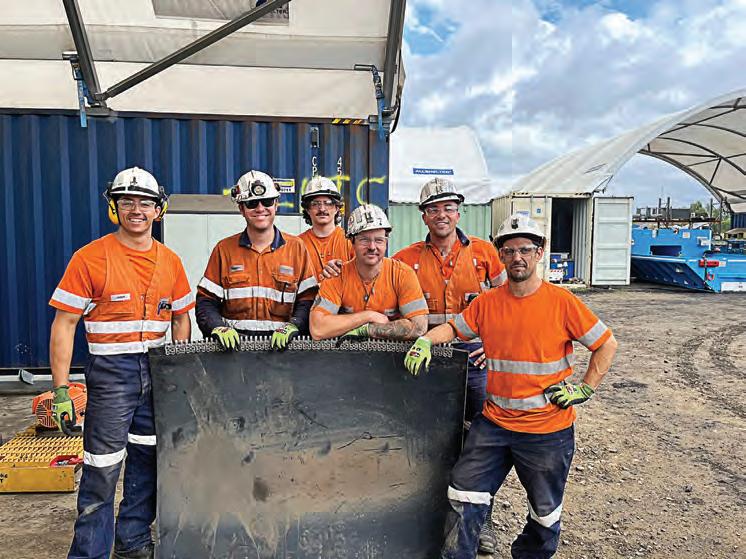
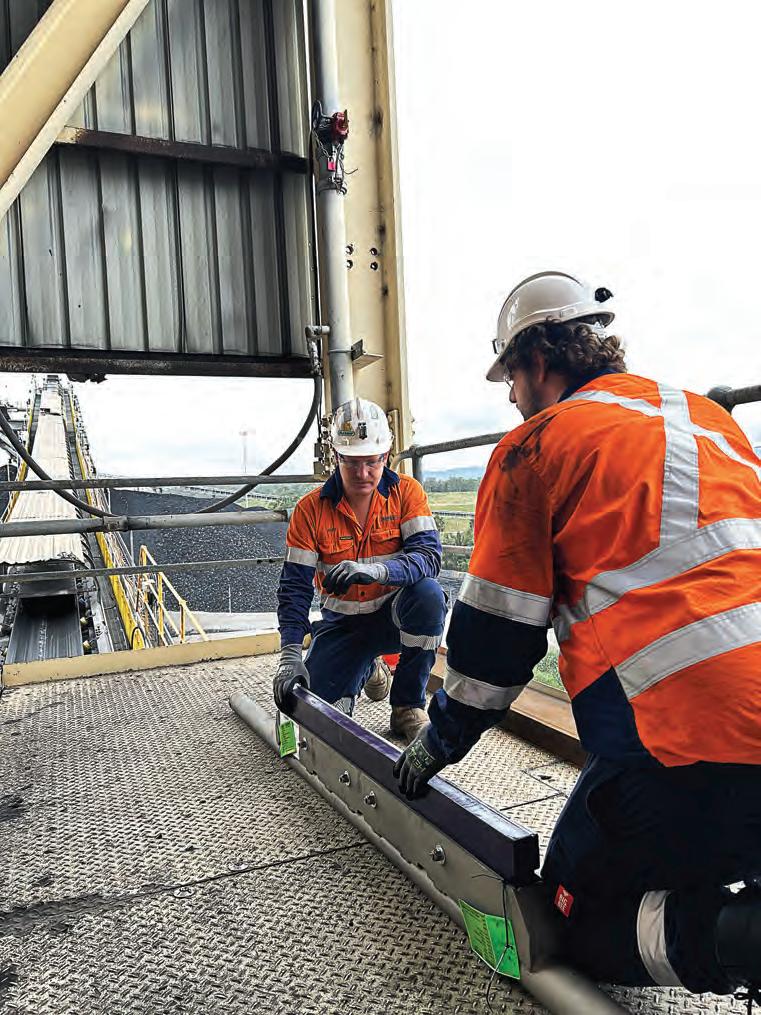
As WA Mining prepares to spotlight the next wave of mining innovation, Hancock Iron Ore is already embedding AI into everyday operations.
Artificial intelligence (AI) is no longer being viewed as a future ambition for the mining industry, but as a practical tool that is already reshaping how operations run on the ground.
That shift in mindset is set to take centre stage at the 2026 edition of Western Australia Mining Conference and Exhibition 2026 (WA Mining).
The event’s newly introduced Transformative Tech Zone will spotlight the technologies and systems redefining modern mining operations.
For Western Australian iron ore miner Hancock Iron Ore, that transformation is already well underway.
The company is leveraging advanced AI techniques to anticipate equipment failures before they happen and detect and classify track defects on its 344km rail line linking its mine to Port Hedland.
Hancock’s approach to AI has been centred on operational outcomes rather than chasing technology trends.
Examples like Hancock Iron Ore are helping to illustrate the kinds of real-world innovation that will be showcased across WA Mining’s new technology-focused event zones.
This year’s event will also feature a dedicated Decarbonisation Zone, bringing together companies and technologies focused on lower-emission mining solutions.
Prime Creative Media show director – mining events Rebecca Todesco said the timing of the return of WA Mining aligns closely with the industry’s accelerating evolution.
“WA Mining is coming back at a time when the industry is actively transforming,” Todesco said.
“The Decarbonisation Zone and the new Transformative Tech Zone are a clear representation of where mining is headed; towards smarter, more sustainable and more efficient operations.”
The Transformative Tech Zone will host companies already deploying digital and automation technologies across mining operations, including LEAP Australia, Strata Bot AI and Auxilium One. According to Todesco, the emphasis is firmly on practical applications rather than theoretical concepts.
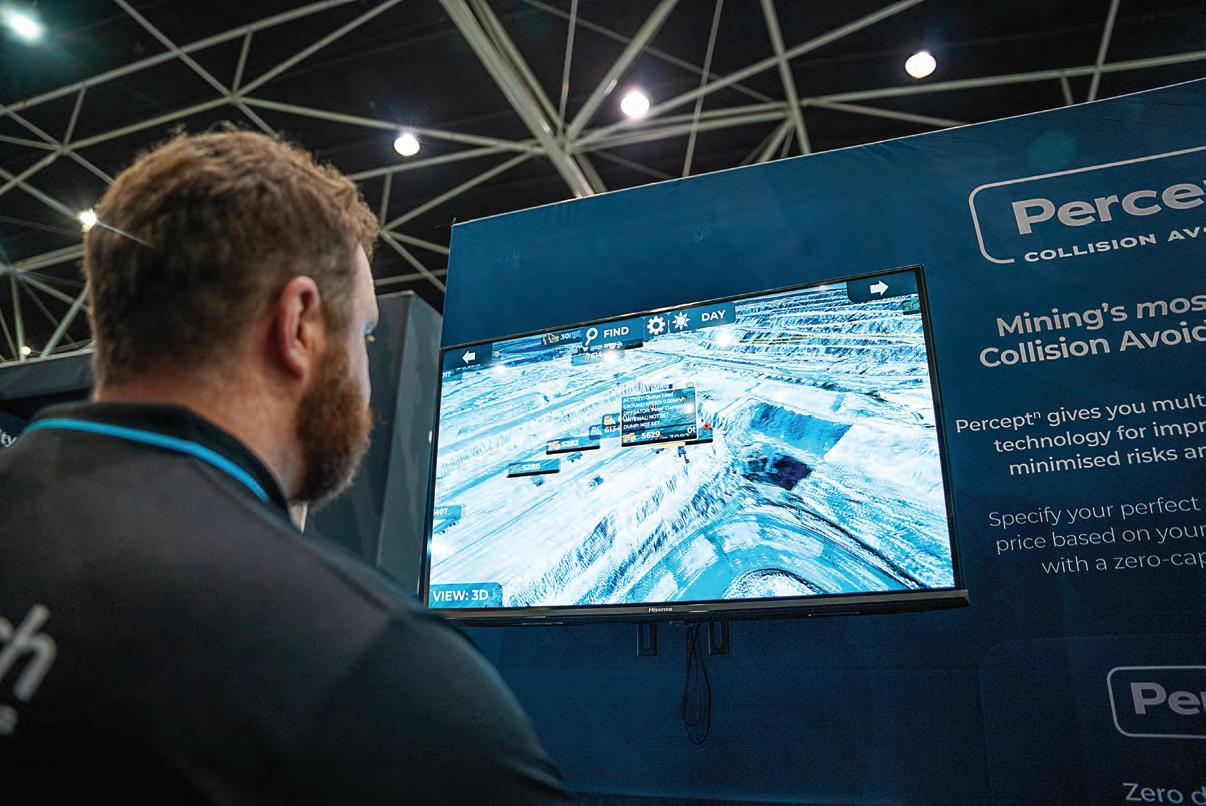
solutions that companies can adopt now to stay competitive.”
That message closely mirrors Hancock Iron Ore’s internal technology strategy, which has seen the company establish a dedicated digital innovation team that is working alongside operational and engineering personnel to identify where AI can deliver practical improvements across the business.
One of Hancock Iron Ore’s early breakthroughs was the development of
its in-house AI language model, which later became RoyBot, a secure internal AI platform capable of analysing reports, retrieving production data and assisting workers with operational insights.
AI is now being integrated across multiple parts of Hancock’s business, including rail and wheel defect detection, predictive maintenance, stockpile analysis and process plant optimisation.
For Hancock Iron Ore, successful digital transformation depends as much on people as it does on technology itself. That people-first approach has included internal AI literacy programs and employee-led innovation initiatives,
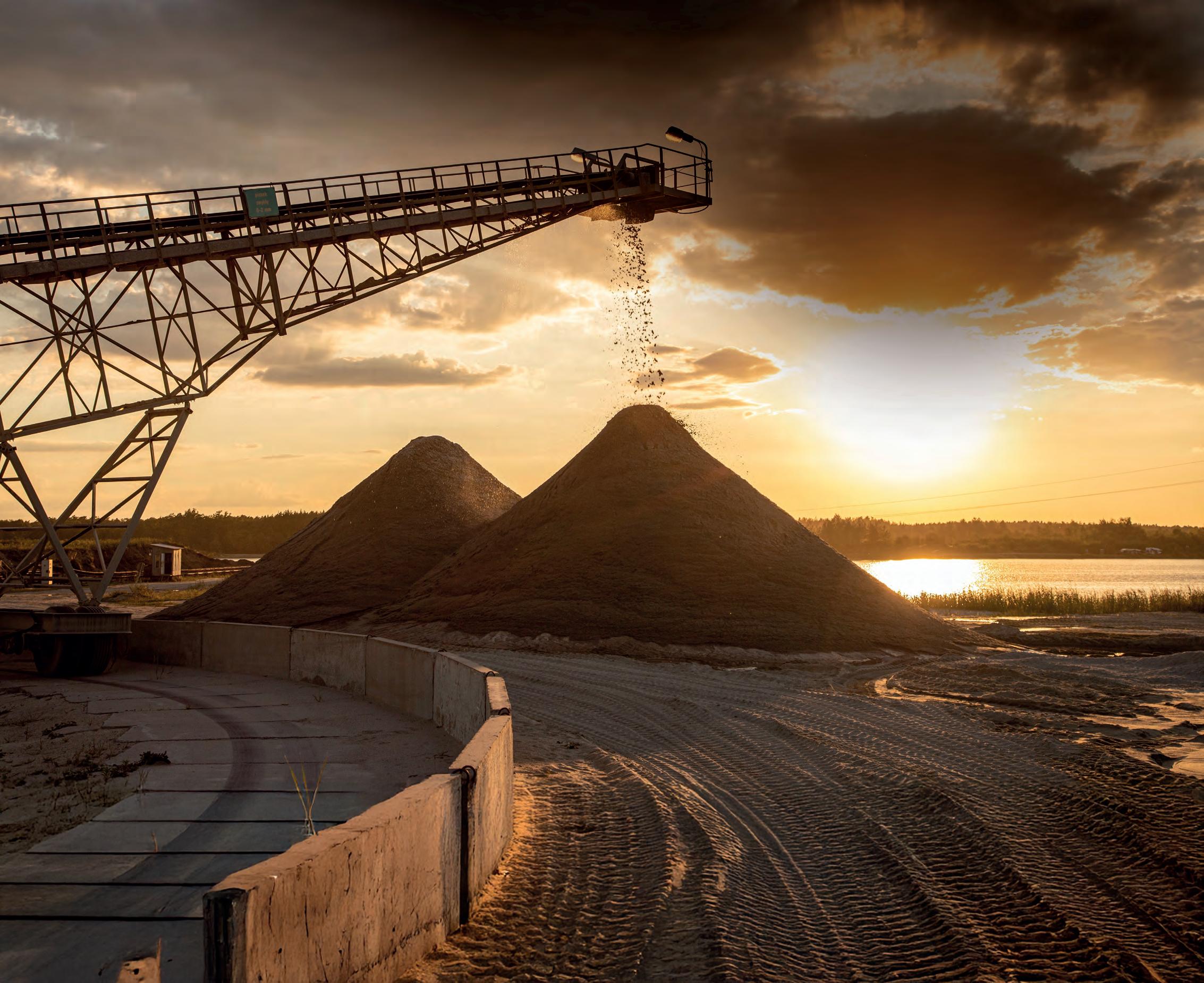
ensuring operational teams remain directly involved in shaping how the technology is used across the business.
For WA Mining, those kinds of realworld case studies are exactly what the Transformative Tech Zone aims to bring into focus.
As mining companies continue to balance productivity, safety and decarbonisation pressures, the sector’s next competitive edge may increasingly come from how effectively it integrates digital technologies into everyday operations. AM Book your ticket today. Visit waminingexpo.com.au

QME is set to return to Mackay with a focus on connection, collaboration and business development, reinforcing its role as Australia’s largest regional mining gathering.
The Queensland Mining and Engineering Exhibition (QME) 2026 is shaping up as more than a showcase of mining equipment and technology, with its value increasingly
QME is fundamentally about bringing the industry together in one place at the right time.
“QME puts you in the same room as the industry’s key players, from mine
But the networking does not stop when the exhibition doors close each day. QME has developed a program of structured and informal events that extend conversations beyond the floor and into
The gala brings together the full breadth of the industry in a single setting, recognising excellence while also creating a unique environment for senior leaders, operators and emerging businesses
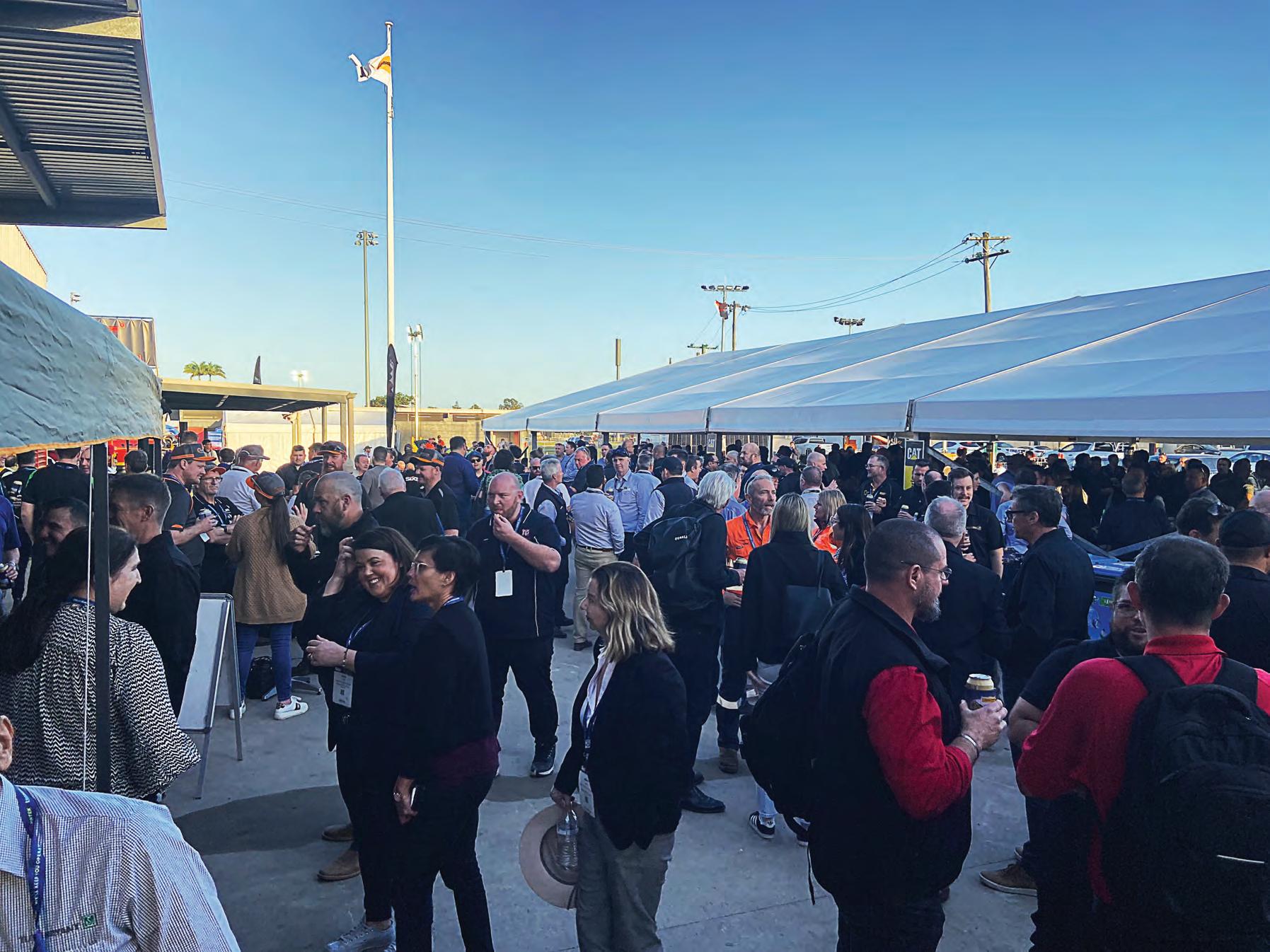
and specialised service providers, offering attendees a complete view of the systems supporting modern mining operations.
Live demonstrations and interactive exhibits remain a defining feature of the event, allowing visitors to see equipment operating in real conditions and engage directly with technical experts.
This hands-on approach helps to bridge the gap between product development and site application, giving attendees a clearer understanding of how solutions perform in practice.
The Mining Pavilion once again plays a central role in this environment, providing a dedicated space where major industry operators can engage directly with attendees.
Complementing the exhibition floor is QME’s three-day conference program, which will explore the strategic and operational issues shaping Queensland’s mining future.
Key themes will include evolution of coal and critical minerals, sustainability pressures, workforce development and the integration of emerging technologies into mining operations.
This proximity to active mining operations helps to ensure that discussions at QME remain closely tied to real-world conditions, with many attendees working directly in environments that reflect the challenges being addressed throughout the event.
As Queensland continues to balance its established coal sector with increasing investment in critical minerals, QME provides a setting where both areas of the industry can be explored side by side.
chains for emerging commodities, the event reflects the dual pressures and opportunities shaping the sector’s future. QME 2026 is ultimately positioned as a central networking platform for the mining industry, bringing together the people, ideas and organisations driving the sector forward and creating opportunities that extend well beyond the exhibition floor. AM
Speakers will include Queensland Resources Council chief executive officer (CEO) Janette Hewson, Minerals Council of Australia CEO Tania Constable, CSIRO senior research geophysicist Wayne Stasinowsky and Queensland Mine Rehabilitation Commissioner James Purtill, among others.
Companies including Glencore, BHP Mitsubishi Alliance, Mackellar Group, Stanmore Resources and Whitehaven Coal will be represented, offering visitors rare access to operational decision-makers from across the sector.
Todesco said the pavilion continues to be one of the most important connection points at the exhibition.
“It gives visitors direct access to the people behind major operations, while giving mining companies a powerful platform to engage, share insights and build lasting connections,” she said.
These sessions are designed to complement the exhibition by providing deeper insight into industry challenges and opportunities, while also creating further opportunities for engagement between attendees and speakers.
Importantly, they reinforce QME’s role not just as a trade exhibition, but as a forum for industry-wide discussion and knowledge exchange.
Hosting the event in Mackay strengthens this positioning. The region sits at the centre of Queensland’s mining ecosystem and has long served as a hub for engineering services, supply chain logistics and operational support across the Bowen Basin and beyond.
From sustaining productivity in mature operations to building new supply
Tickets are our now. Get your tickets at queenslandminingexpo.com.au/attendeeenquiries
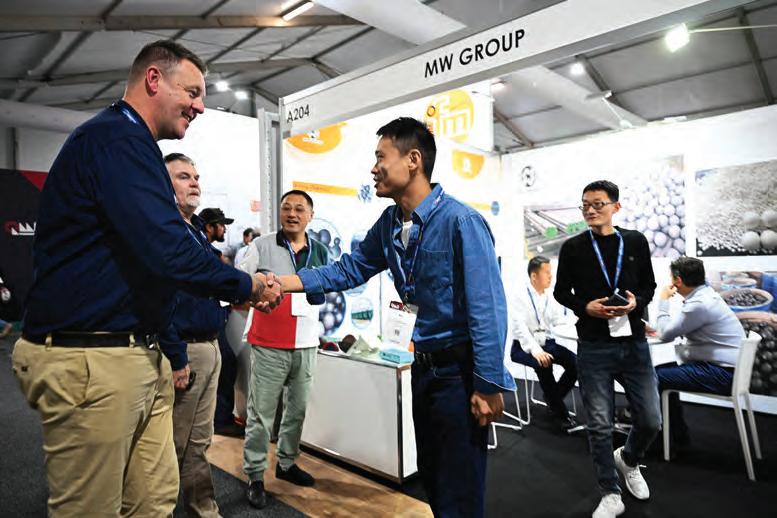
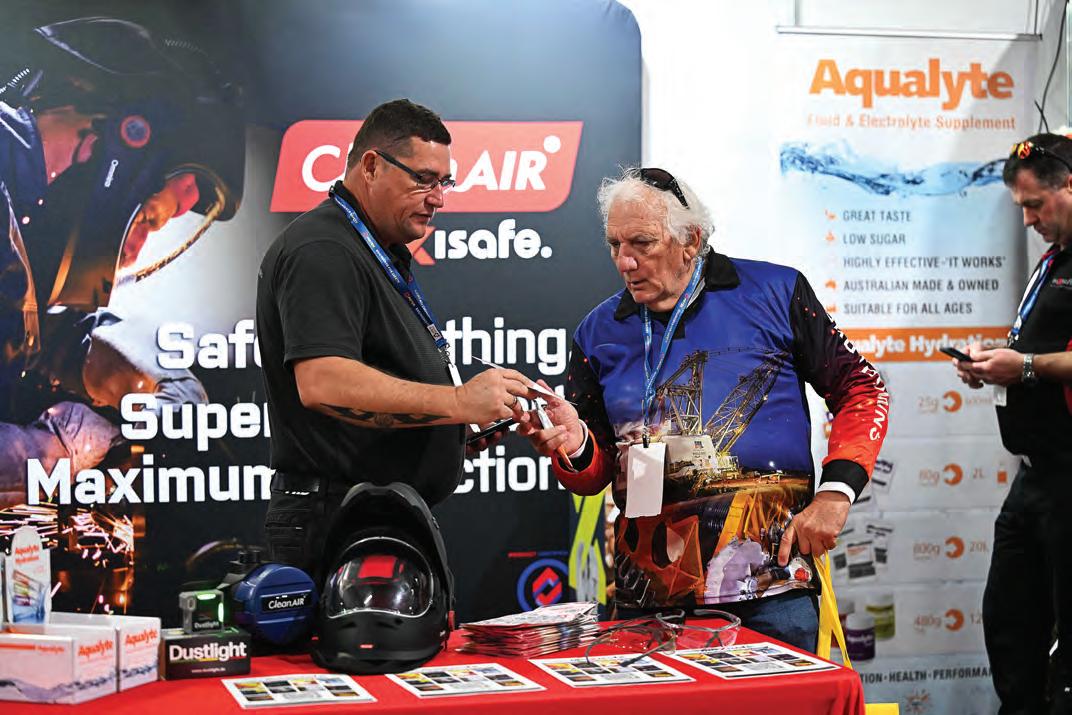
16-17 September 2026 Perth
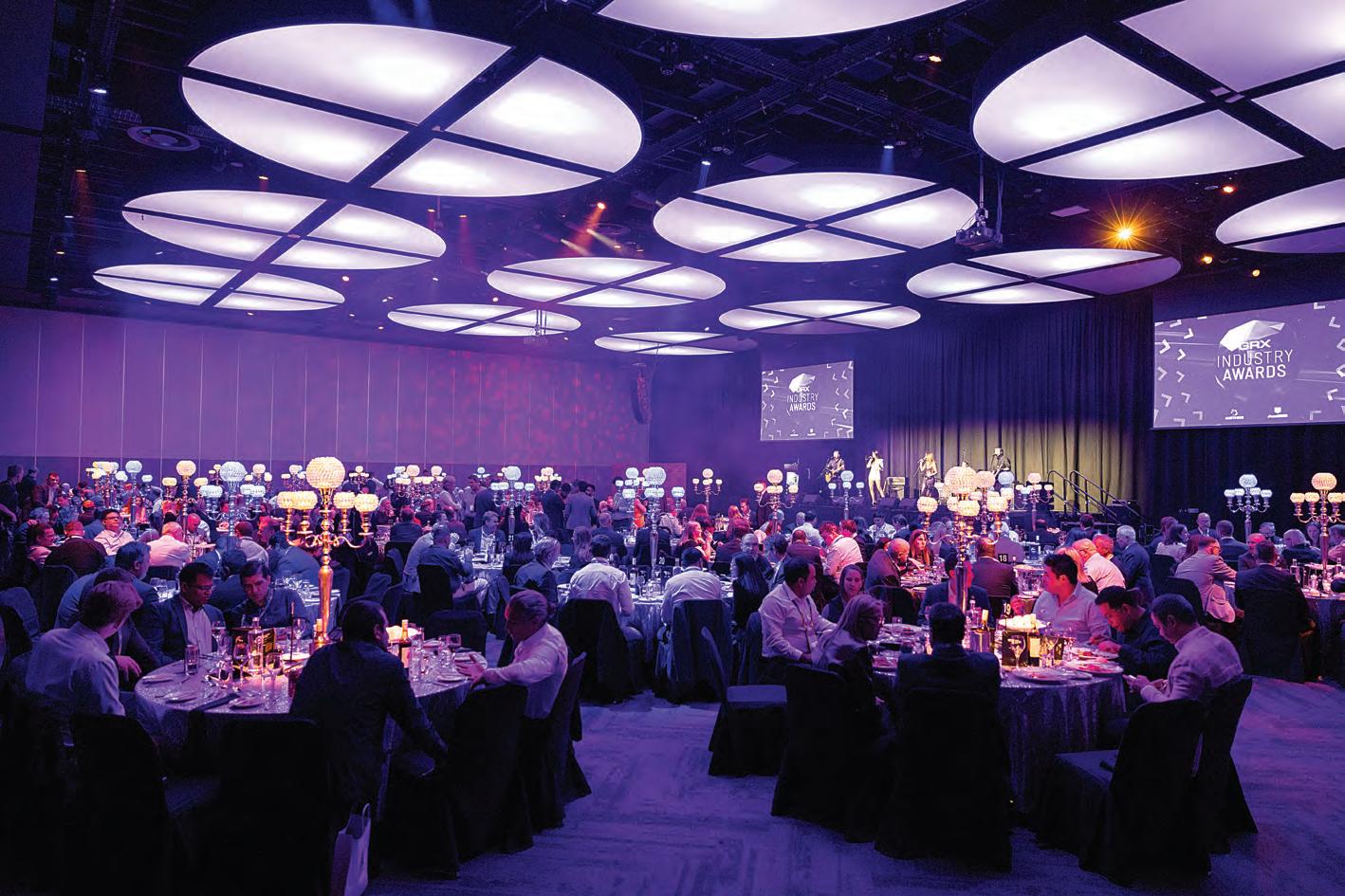
The GRX Industry Awards celebrated a cross section of innovators, researchers and organisations.
From innovation showcases to industry recognition, GRX26 showed how Australia’s mining and METS sectors are collaborating to accelerate outcomes.
Industry bodies Austmine and AusIMM demonstrated their strong leadership and commitment to the long-term success of Australia’s resources sector through the successful delivery of the recent Global Resources Innovation Expo (GRX26) in Perth. Held from May 5–7, the event showcased the strength of Australia’s mining innovation ecosystem. It brought together more than 1400 mining company representatives, mining equipment, technology and services (METS) innovators, policymakers and resources professionals to address strategic challenges and opportunities facing – and redefining – the sector.
Under the theme ‘Competing Globally in the Critical Era’, delegates explored issues ranging from capital discipline and workforce capability to artificial intelligence (AI), critical minerals supply chains and community trust through plenary keynotes, leadership roundtables and collaborative workshops.
The GRX26 program opened with Austmine chief executive officer (CEO) Tony Davis and a ministerial fireside chat led by AusIMM CEO Stephen Durkin and Western Australia Resources Minister David Michael. The conversation underscored WA’s status as a stable, investment-ready mining jurisdiction and the sector’s role in economic prosperity and energy security.
Key industry players such as BHP’s Jessica Farrell highlighted the need for deeper value-chain collaboration for Australia to lead in critical minerals, with former Anglo American boss Mark Cutifani saying the industry must improve empathetic communication with communities.
Alongside the conferencing program, attendees committed to action at workshops, explored the high-tech exhibition floor and connected at signature networking events, further strengthening opportunities to collaborate and develop outcomes-focused partnerships.
The GRX Industry Awards celebrated a cross section of innovators, researchers and organisations shaping Australia’s mining and METS sectors, with winners announced across six award categories during the event’s flagship dinner.
In a joint statement, Davis and Durkin said the awards are designed to recognise the professionals and organisations accelerating progress across the sector.
“Our GRX26 finalists embody the thought leadership and innovation the Australian mining and METS industry needs to succeed on the global stage,” they said.
“We warmly congratulate all finalists and winners and thank them for the leading impact they are making.”
The Craig Senger Excellence in Export Award was awarded to Pitcrew AI for its international expansion and adoption across mining operations. The company was noted for its application of automation
and operational analytics to improve maintenance processes.
In the Women in STEM and Resources Impact Award, Dr Anita Parbhakar-Fox, honorary professor at the University of Queensland and technical and innovation lead at KCB, received recognition for her work in mine waste research and the development of MIWATCH, which focuses on generating pre-competitive geoscientific data to support critical minerals research.
CorePlan was named Outstanding Innovative METS Company for its digital operations platform aimed at replacing manual systems in mining exploration and improving data accuracy and decisionmaking processes.
In the Emerging Professional category, Rio Tinto graduate process engineer Janina Bauer was recognised for research exploring gallium extraction pathways from Western Australian ore.
The Exceptional Innovation in Mining Award went to BHP for a robotics project
developed to reduce manual handling risks in smelter operations through automation trials involving industry partners.
The Champion of Innovation Award was presented to IMDEX chief geoscientist and AusIMM Fellow Dr Dave Lawie, who was recognised for his long-term contribution to mining technology development and geoscience innovation, including his earlier work in data analytics platforms that have been deployed across global exploration settings.
The awards collectively applied innovation and commercial outcomes across the sector, with emphasis placed on technologies and research being translated into operational mining environments.
As this year’s event wound down, AusIMM and Austmine announced that GRX27 will be hosted in Brisbane from June 22–24, 2027, building on the momentum created through this year’s iteration. AM

PLS has taken a significant step beyond raw lithium exports with the commissioning of its Mid-Stream Demonstration Plant in WA.
Australia’s push to capture more value from its critical minerals sector recently took a significant step forward, with PLS commencing commissioning of its Mid-Stream Demonstration Plant at the Pilgangoora Operation in Western Australia.
The project represents more than a technical milestone for the lithium producer. It is also evidence of the growing momentum behind Australia’s ambition to move further along the battery materials value chain, shifting beyond raw material exports toward higher-value downstream processing.
Commissioning of the Mid-Stream Demonstration Plant began in April, with first product expected in the September quarter.
Designed to validate the production of lithium phosphate using electric flash calcination technology, the plant aims to test a lower-emissions processing pathway for hard-rock lithium while also exploring whether more value can be captured closer to the resource.
PLS managing director and chief executive officer Dale Henderson said the project aligns with the company’s strategy
to position itself within an evolving global battery supply chain.
“The Mid-Stream Demonstration Plant is a deliberate step by PLS to test whether more value can be captured at the resource by moving further along the lithium value chain,” Henderson said.
The demonstration plant is expected to process approximately 27,000 tonnes of spodumene concentrate per annum and produce around 3000 tonnes of lithium phosphate, a key material used in lithiumion batteries for electric vehicles (EVs) and energy storage systems.
At the centre of the project is electric calcination technology developed with long-term technology partner Calix. This technology is designed to reduce the carbon intensity of one of the most emissions-intensive stages of lithium refining, particularly when powered by renewable electricity.
For the Australian resources sector, the significance extends far beyond a single project. While the country remains one of the world’s largest producers of spodumene concentrate, much of the downstream processing and value creation currently occurs offshore.
Projects such as the Mid-Stream Demonstration Plant are increasingly viewed as an opportunity to strengthen sovereign capability in critical minerals processing while supporting the development of domestic advanced manufacturing and battery supply chains.
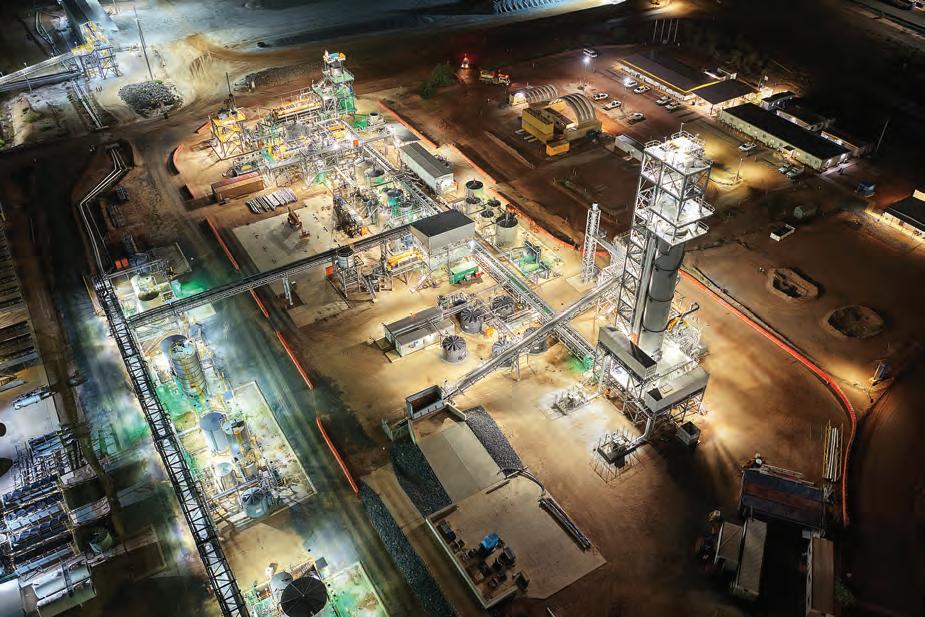
The project has also attracted strong government backing. PLS secured up to $38.1 million in funding from the Australian Renewable Energy Agency (ARENA) under its Advancing Renewables Program, supporting operating costs during the plant’s validation phase.
According to ARENA, the project is intended to assess the techno-economic viability and emissions reduction potential of electric kiln technology while also building Australian capability in lowemissions spodumene refining.
The commissioning milestone follows completion of a restructure that saw PLS acquire full ownership and operational responsibility for the Mid-Stream Demonstration Plant from Calix. The restructure simplified governance arrangements and aligned funding, operational control and execution under PLS.
While PLS now has full ownership of the facility, Calix remains closely involved through technical services and ongoing collaboration focused on commercialising the underlying technology.
The project has also secured an offtake agreement with Ningbo Ronbay New Energy Technology, a global cathode
active material manufacturer with a strong position in the lithium iron phosphate (LFP) market. The agreement provides a pathway for lithium phosphate produced at the plant to enter the battery supply chain as commissioning progresses.
The project arrives at a time when lithium demand continues to strengthen, driven not only by EVs but also by stationary battery storage and energy security concerns.
The Mid-Stream Demonstration Plant is also designed as a disciplined validation program rather than a full-scale commercial rollout. PLS has emphasised that the current phase is intended to generate operational and market data in a controlled and capital-efficient manner before larger-scale deployment decisions are considered.
That measured approach reflects the reality that successfully moving downstream requires not only strong resources but also commercially competitive processing technology, reliable energy supply, proven product quality and access to global markets.
By advancing the Mid-Stream Demonstration Plant into commissioning, PLS is helping test whether Australia can play a larger role in the future battery materials supply chain. For the country’s resources sector, the project represents another important step toward building greater onshore capability, supporting lower-emissions processing and unlocking more value from the nation’s world-class lithium resources. AM

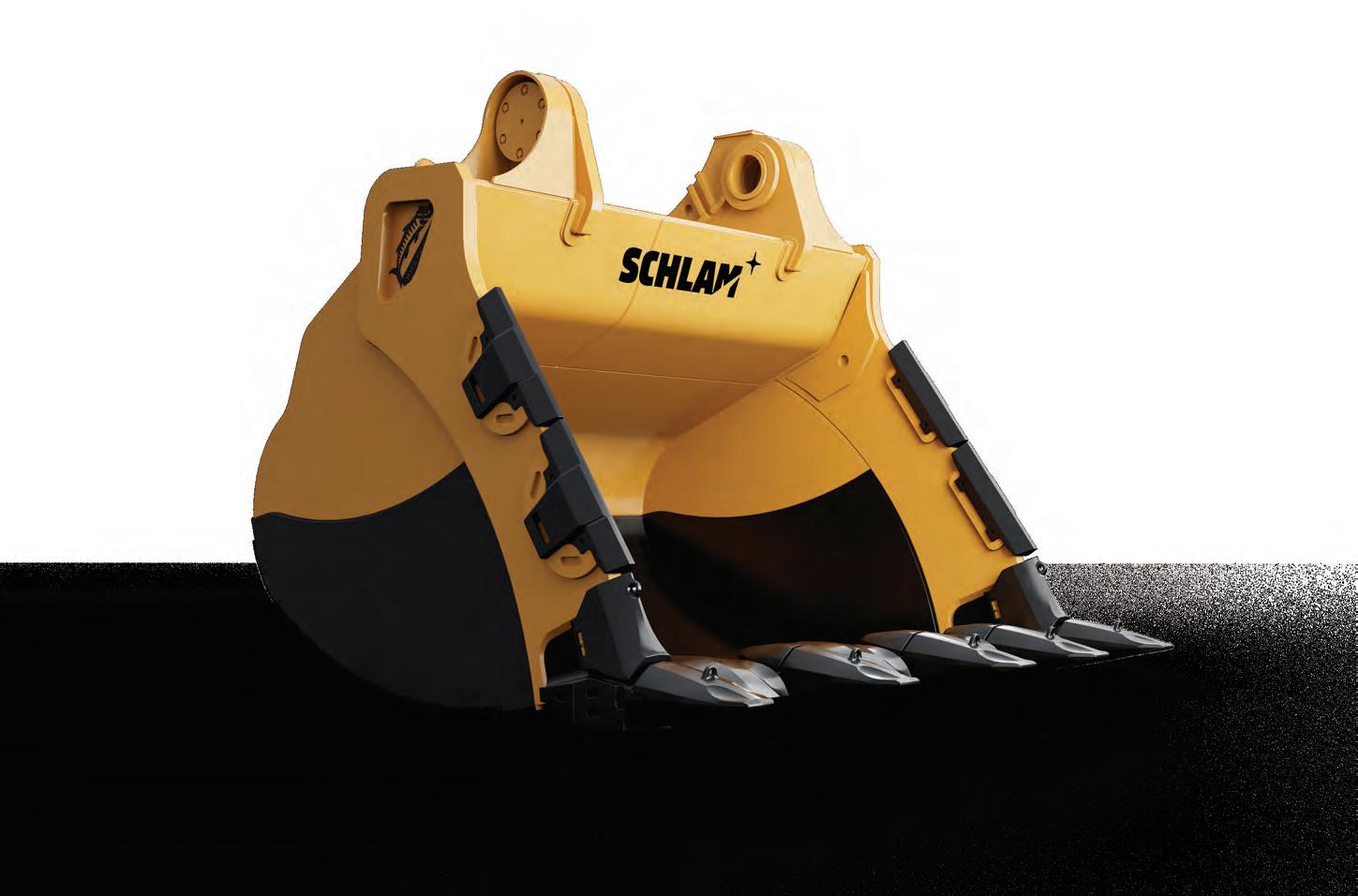
The Schlam Barracuda range of mining buckets is regarded for extending the payload performance of excavators and loaders operating in hard rock mining environments.
Renowned by leading miners in Australia, our comprehensive product range includes models compatible with major OEM mining excavators and loaders.
Each Barracuda bucket is individually engineered by a team with global OEM expertise, to overcome site specific challenges and to ensure the optimal performance of your mining equipment fleet.
With Barracuda’s dedicated after-sales support, our team is with you every step of the way to enhance your load and haul productivity and to help extend the life of your assets.
schlam.com/barracuda