Fixing cars these days is just as much software and microchips as it is spanners and elbow-grease.
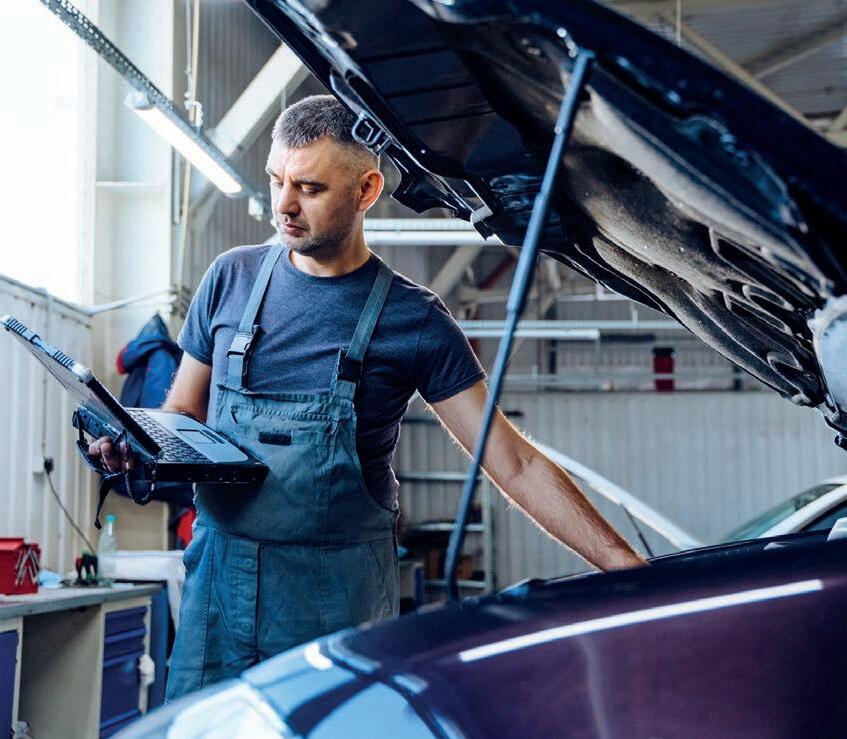

Fixing cars these days is just as much software and microchips as it is spanners and elbow-grease.

Someone call IT
t’s hard to comprehend, but we’re already well into the second half of 2026.
Just yesterday there was talk of fresh starts, New Year’s resolutions and big plans for “this time for sure” productivity. Now those resolutions sit somewhere between the glovebox and the bottom of a toolbox drawer — vaguely remembered, occasionally referenced, but mostly irrelevant.
The first half of 2026 has been anything but quiet for the mechanical trade. Workshops across Australia have been grappling with two major themes that refuse to go away: the rapid rise of EVs and hybrids, and the continued influx of Chinese-manufactured vehicles into the local market.
It’s no secret Chinese brands have gone all-in on Australia. BYD, Jaecoo and a growing list of others are arriving in force, filling a long-standing gap in the market for affordable new vehicles. For customers, it’s welcome relief in a cost-of-living crunch. For workshops, it’s a different conversation entirely.
While most of these vehicles will roll in under warranty for the next few years, the longer-term picture is where things get interesting. Once they age out of dealer support, it will be worth watching how independent workshops adapt — and whether access to parts, diagnostics and training keeps pace with demand.
In this edition of Australian Car Mechanic, contributor Iain Curry takes a closer look at the Beijing Motor Show, an event that makes one thing increasingly clear: China’s automotive surge is not slowing down. If
anything, it’s accelerating, refining and exporting at a scale that will continue reshaping the Australian fleet for years to come. At the same time, EVs and hybrids remain the bigger structural challenge. Across the industry, a pressing question keeps resurfacing: who is actually going to service all these new energy vehicles?
It’s one thing to set ambitious electrification targets and expand charging infrastructure.
It’s another entirely to ensure that, when these vehicles inevitably roll into workshops with faults, there is a trained workforce ready to diagnose and repair them properly.
Support is emerging from industry associations and training bodies where possible, but the real impetus needs to come from policymakers and manufacturers — those with the leverage to make upskilling not just available, but actively encouraged and properly incentivised.
Because modern vehicles are no longer just mechanical systems with a bit of electronics attached.
They are rolling networks of software, sensors and high-voltage systems. That shift makes apprentice training more important than ever — not later in a technician’s career, but from day one in the workshop.
If the trade is to keep pace with what’s coming next, the skills conversation can’t be delayed until ‘sometime soon’.
In 2026, that moment has already arrived.
Harry Murtough – Editor
isc Brakes Australia (DBA) is expanding its BMW M braking program to better support Australia’s growing performance and evolving vehicle market. The new rotor and pad range covers key M2, M3 and M4 platforms.
With a mix of advanced rotor technologies and OE-quality pad options, DBA is positioning itself to help workshops service an increasingly diverse fleet, from established European performance cars to newer hybrid and EV platforms, while maintaining a focus on fit, reliability and safety.
Aug 12, 2026
90 • 2026 Deadline Oct 14, 2026
91 • 2026
TBC






Disc Brakes Australia (DBA) is strengthening its presence in the European performance segment with the launch of dedicated BMW M rotor and brake pad programs, giving workshops and performance specialists expanded braking solutions for some of Australia’s most popular high-performance vehicles.
The new range was showcased at the Australian Auto Aftermarket Expo 2026 in Melbourne, where trade visitors explored DBA’s growing BMW M offering alongside its broader braking portfolio.
Targeting a growing performance market
Australia continues to be one of BMW M’s strongest global markets, creating significant opportunities for workshops servicing performance-focused customers.
BMW M recorded its best year ever in Australia in 2025, with 5,837 vehicles sold, highlighting the strength of local demand for high-performance BMW models.
For DBA, that growing enthusiast market presents a clear opportunity to
deliver braking solutions that match the expectations of BMW M owners.
“BMW M owners are highly engaged performance customers,” DBA Head of Product R&D Innovation Janani Waterston said.
“They know their cars, they value quality components, and they expect braking performance that matches the capability of the vehicle.
“This new pad range gives workshops a DBA solution they can recommend with confidence.”
The new BMW M brake pad program has been developed to support key BMW M2, M3 and M4 applications across both F-series and G-series platforms.
Coverage includes the F87 M2, F80 M3 and F82 M4, as well as current-generation G87 M2, G80 M3 and G82 M4 models.
The new additions form part of DBA’s broader friction program, which has been designed to complement the company’s established rotor range while catering to
different driving styles and performance requirements.
DBA’s brake pads are direct-replacement products that require no vehicle modifications and are engineered to work alongside DBA rotors with the same focus on quality, performance and safety.
The friction range includes OE-style replacement pads, Street Performance compounds, Xtreme Performance pads and race-focused options.
Street Performance pads are aimed at drivers seeking improved braking
characteristics over traditional OE products, while Xtreme Performance pads are engineered to deliver stronger initial bite and friction consistency across a broader temperature range.
Rotor technology for demanding applications
Complementing the friction range is DBA’s dedicated BMW M rotor program, developed specifically for modern M2, M3 and M4 platforms where braking performance, heat management and consistency are critical.

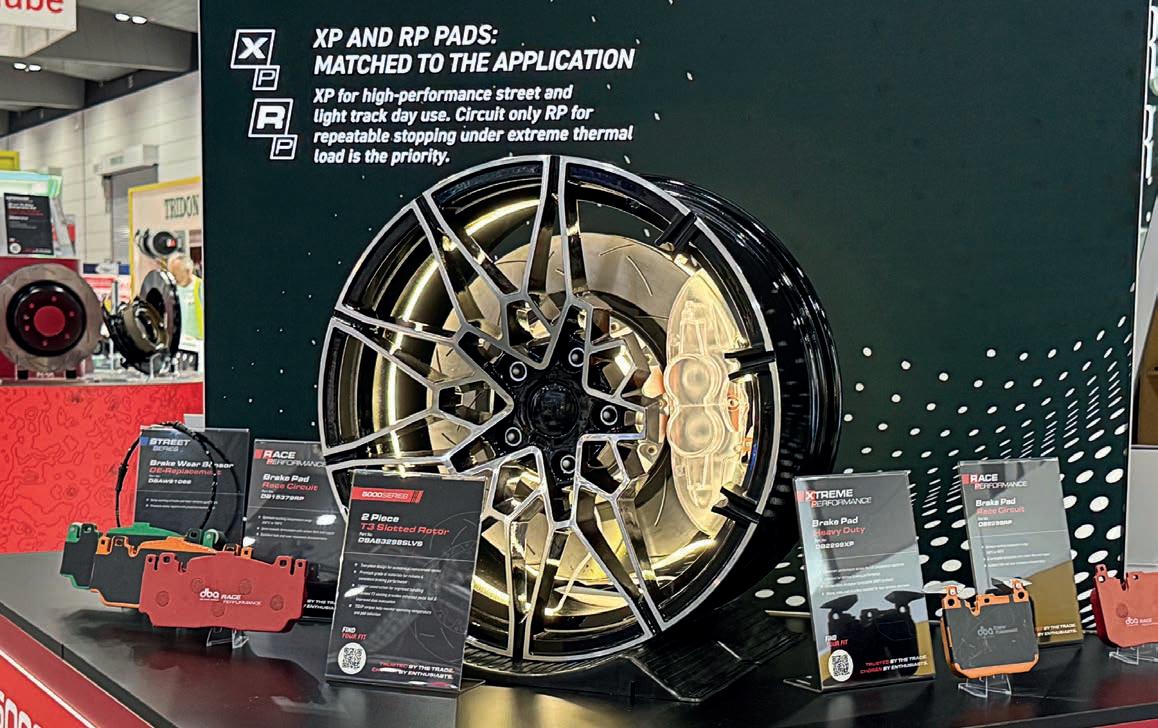
The staged rollout targets both F-generation and G-generation BMW M applications commonly used for spirited road driving, modification projects and clublevel track work.
At the premium end of the range sits DBA’s 5000 Series rotor technology.
Featuring a two-piece direct-replacement design, the 5000 Series combines highcarbon cast iron rotor rings with aerospacegrade aluminium hats, National Aerospace Standards bolts and crimp nuts.
The design helps reduce unsprung weight, improve heat management and allow more uniform radial disc expansion under load.
Recommended applications include highperformance street vehicles, track days, club motorsport and rally use.
DBA’s 4000 Series and 5000 Series platforms also incorporate technologies including high-carbon alloyed iron, Thermal Stability Profiling, advanced slot designs and heat-management features engineered to maintain braking consistency under demanding conditions.
The 4000 Series is designed to provide braking performance beyond OE specifications, while the 5000 Series builds on that foundation with the additional advantages of two-piece rotor construction.
According to DBA, the launch is about more than simply adding new part numbers
Two-piece construction
High-carbon cast iron
Aluminium hats
Thermal Stability Profiling
Reduced unsprung weight
Improved heat management
to the catalogue. The combined rotor and brake pad programs give workshops access to a complete DBA braking package for some of the most soughtafter European performance vehicles on Australian roads.
DBA Head of Sales ANZ Tony Burke said the expansion further strengthens DBA’s position in the European performance market.
“This is more than just added coverage,” he said.
“It is about giving the trade a stronger DBA position in the European performance segment. BMW M is a serious performance market in Australia, and this launch gives workshops another reason to look to DBA when servicing and upgrading these vehicles.”
The BMW M rotor program will be rolled out in stages, with initial components scheduled from late April and additional applications continuing through development.
Together, the new rotor and brake pad ranges represent a significant expansion of DBA’s BMW M coverage, providing workshops with direct-replacement braking solutions designed to meet the needs of one of Australia’s most passionate performance vehicle segments.
Visit dba.com.au to learn more




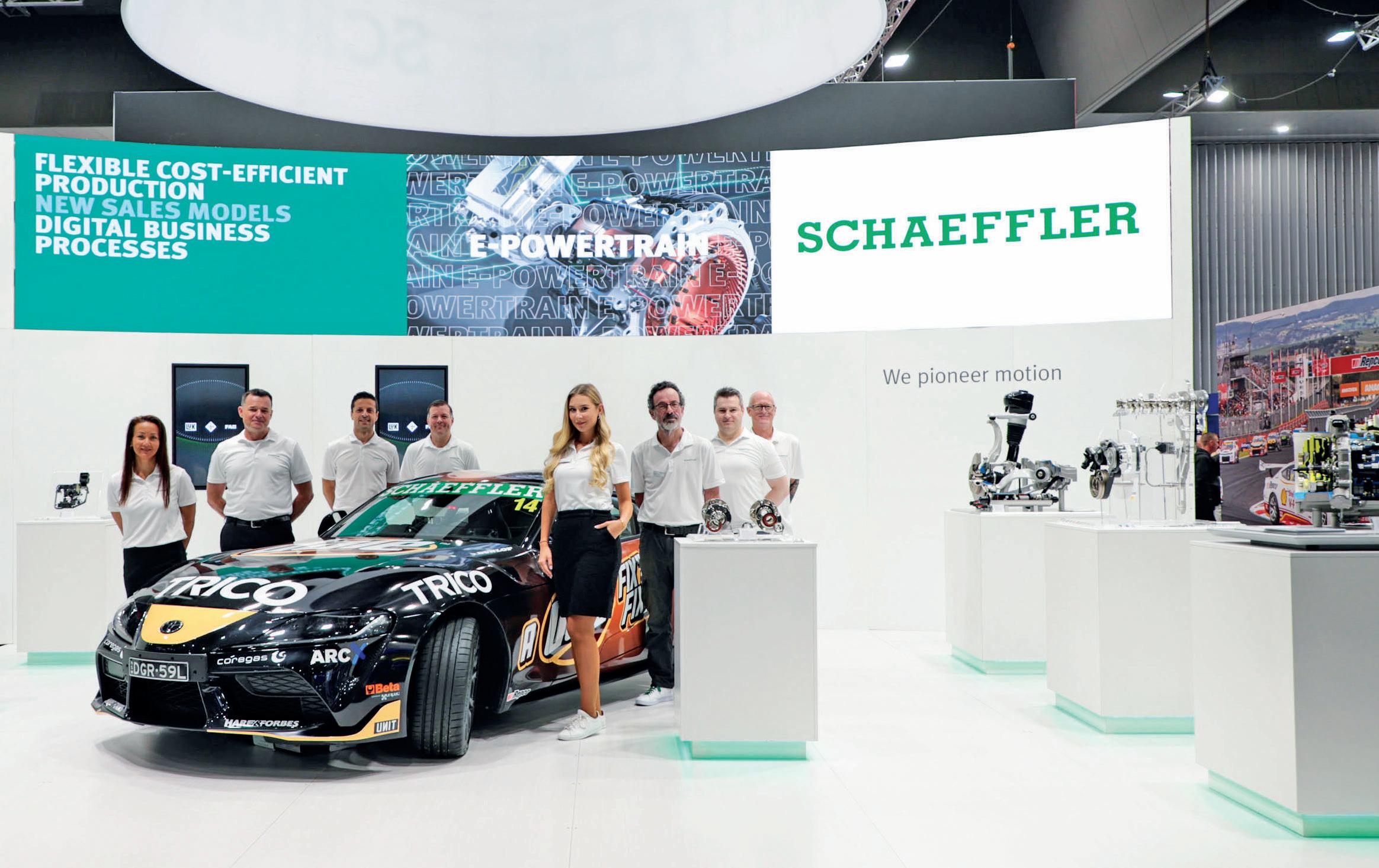
For decades, the Australian automotive aftermarket has recognised Schaeffler as an undisputed heavyweight in European Original Equipment (OE) and aftermarket components.
When a European vehicle rolls onto the hoist, Schaeffler ‘s brands LuK, INA and FAG are often the first names mechanics think of. However, the Australian car parc is heavily dominated by Asian manufacturers.
At the 2026 Australian Auto Aftermarket Expo (AAAE) in Melbourne, Schaeffler Vehicle Lifetime Solutions arrived with a clear, strategic mission: to announce to workshops and distributors that Schaeffler’s precision engineering
extends far beyond the European market.
The event proved to be a massive success, drawing workshops, independent mechanics, and key business partners to the stand. The core takeaway for attendees was simple but impactful: Schaeffler delivers the same OE-level quality for Asian vehicles that it has historically provided for European makes.
The products displayed on the stand were carefully curated to demonstrate Schaeffler’s commitment to offering aftermarket support for Asian manufactured vehicles.
The showcase of the Vitesco range
generated an exceptional amount of foot traffic. Mechanics are increasingly looking for reliable, high-quality replacement parts for modern, complex engine systems, and the OE Vitesco portfolio provides the technical solutions they seek.
Beyond the broader Vitesco range, two specific technical highlights drew consistent, highly engaged crowds:
• Hyundai Dual-Clutch Transmission (DCT) Systems: With Hyundai representing a massive slice of the Australian market, workshops need dependable aftermarket solutions for DCT maintenance and repair.
The hands-on displays gave technicians a close-up look at Schaeffler’s specialised engineering for these specific gearboxes.
Head to page 48 to see Australian Car Mechanic’s full coverage of AAAE
• Active Stability Control: This display highlighted Schaeffler’s advanced chassis and safety component engineering, proving that Schaeffler’s aftermarket support covers the most critical and complex safety systems on modern Asian vehicles.
The undeniable visual centrepiece of Schaeffler’s AAAE stand was the Brad Jones Racing (BJR) Toyota GR Supra show car. While Schaeffler’s partnership with BJR is a proud branding sponsorship, the story is much deeper, helping to tell the story that Schaeffler has a deep connection to Asian vehicle manufacturers, placing the
Strong engagement from workshop professionals highlights Schaeffler’s presence at AAAE 2026.
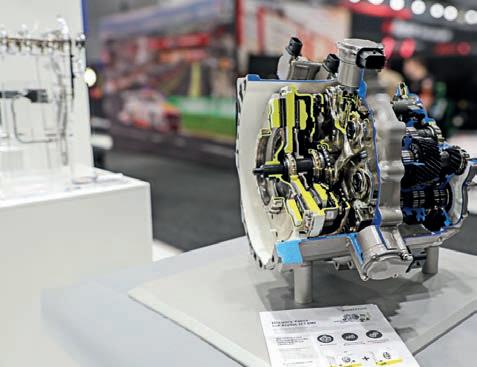
AAAE 2026 provided a platform for Schaeffler to showcase evolving aftermarket strategy.
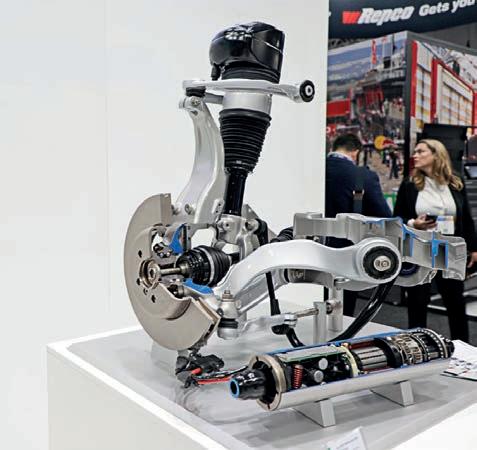
Schaeffler stand highlights commitment to supporting increasingly complex vehicle systems.
iconic Japanese sports car front and centre served a brilliant strategic purpose.
It acted as the icebreaker to actively challenge the lingering ‘Euro-only’ perception.
Visitors stopping to admire the BJR Toyota GR Supra also gave the Schaeffler team the perfect opportunity to pivot into deeper discussions about the brand’s extensive OE relationships with Asian auto manufacturers.
It was a tangible way to let mechanics know that the expertise Schaeffler applies at the factory level translates directly into the aftermarket solutions they need for the Asian vehicles rolling into their workshops every single day.
The motorsport energy hit its peak on Friday when BJR driver Cameron Hill joined the Schaeffler team on the stand.
Hill spent a few hours talking cars with workshop owners, signing autographs, and driving incredible engagement with Australia’s passionate racing fans.
It provided a perfect bridge between the high-octane world of Supercars and the everyday reality of the automotive aftermarket.
Ultimately, AAAE 2026 was a major milestone for the VLS Pacific team.
It reinforced strong distributor partnerships, showcased critical technical solutions, and delivered a definitive message to Australian mechanics: whether the badge on the grille hails from Munich or Tokyo, Schaeffler has the premium aftermarket parts to keep it performing at its peak.
Visit vehiclelifetimesolutions. schaeffler.com.au to learn more
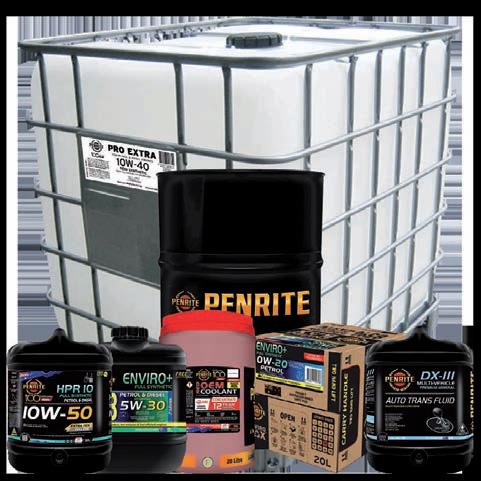
Join thousands of Australian workshops choosing Penrite Trade Accounts for better pricing, faster ordering, expert support and a supplier partnership designed around the realities of the trade.
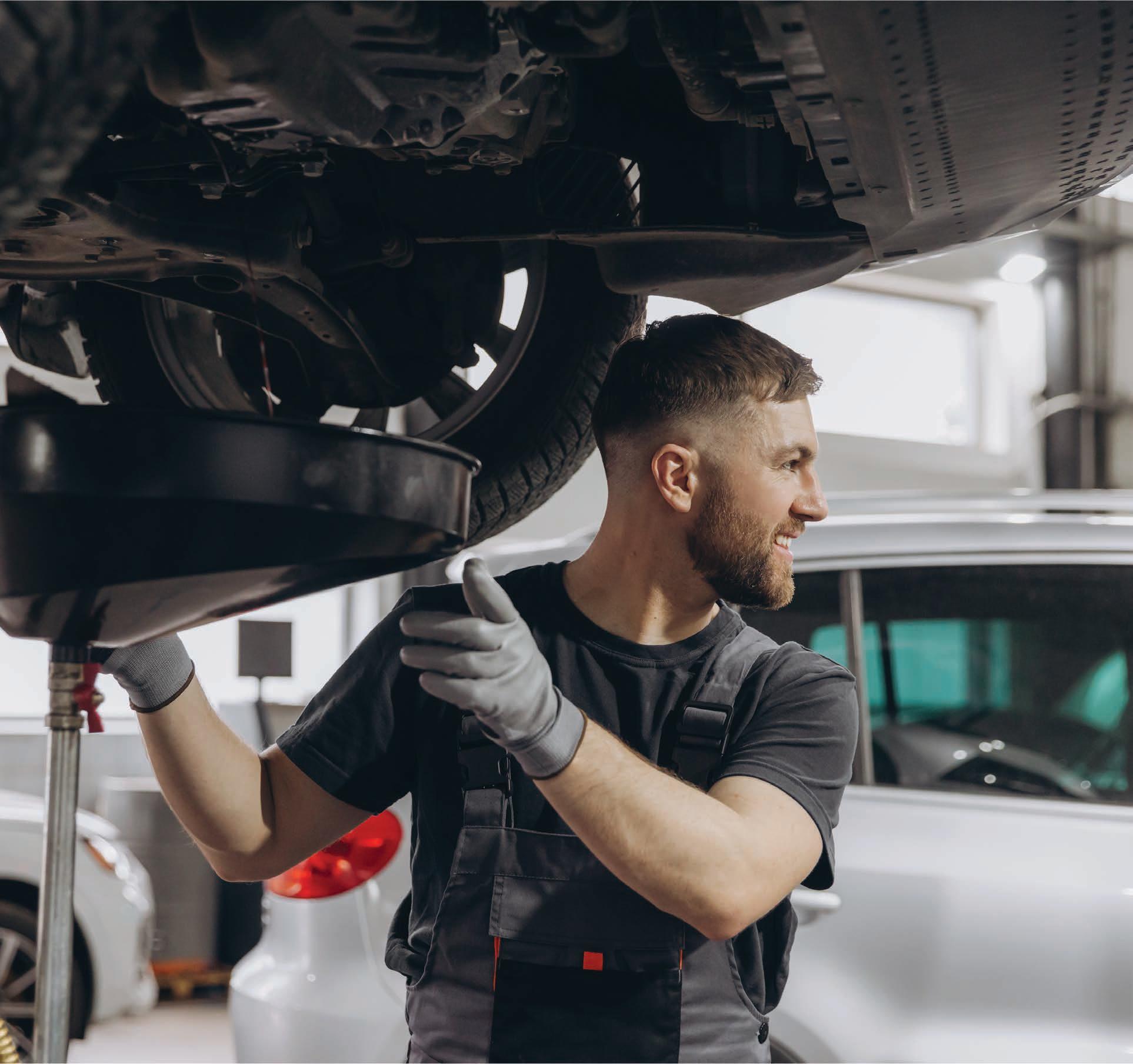
Running a successful workshop takes more than great technicians. It takes reliable supply, competitive pricing, technical confidence and a partner who understands the pressures of the trade.
Why Go Direct With Penrite?
Trade only pricing designed to protect workshop
▪ margins
▪
▪
▪
▪
Order online 24 hours a day, 7 days a week
Live stock availability and real time pricing
Access invoices, statements and credit notes anytime
Dedicated account management and customer support
Expert technical assistance for lubricant recommendations and OEM
▪ specifications
▪ available
▪ Loyalty rewards for
Workshop equipment and dispensing solutions qualifying trade customers
Australian-made & family
▪ owned since 1926
▪
Workshop exclusive products
Now’s the time to switch.
Open your trade account today!
*Terms & Conditions Apply, Minimum

98%+ filtration efficiency
Anti-drain back valve
Reduced engine wear
Easier servicing
Engine life protection
For workshops and mechanics across Australia, efficiency, reliability and product confidence are non-negotiable.
Every component fitted to a customer vehicle reflects directly on workshop reputation, performance outcomes and long-term customer trust.
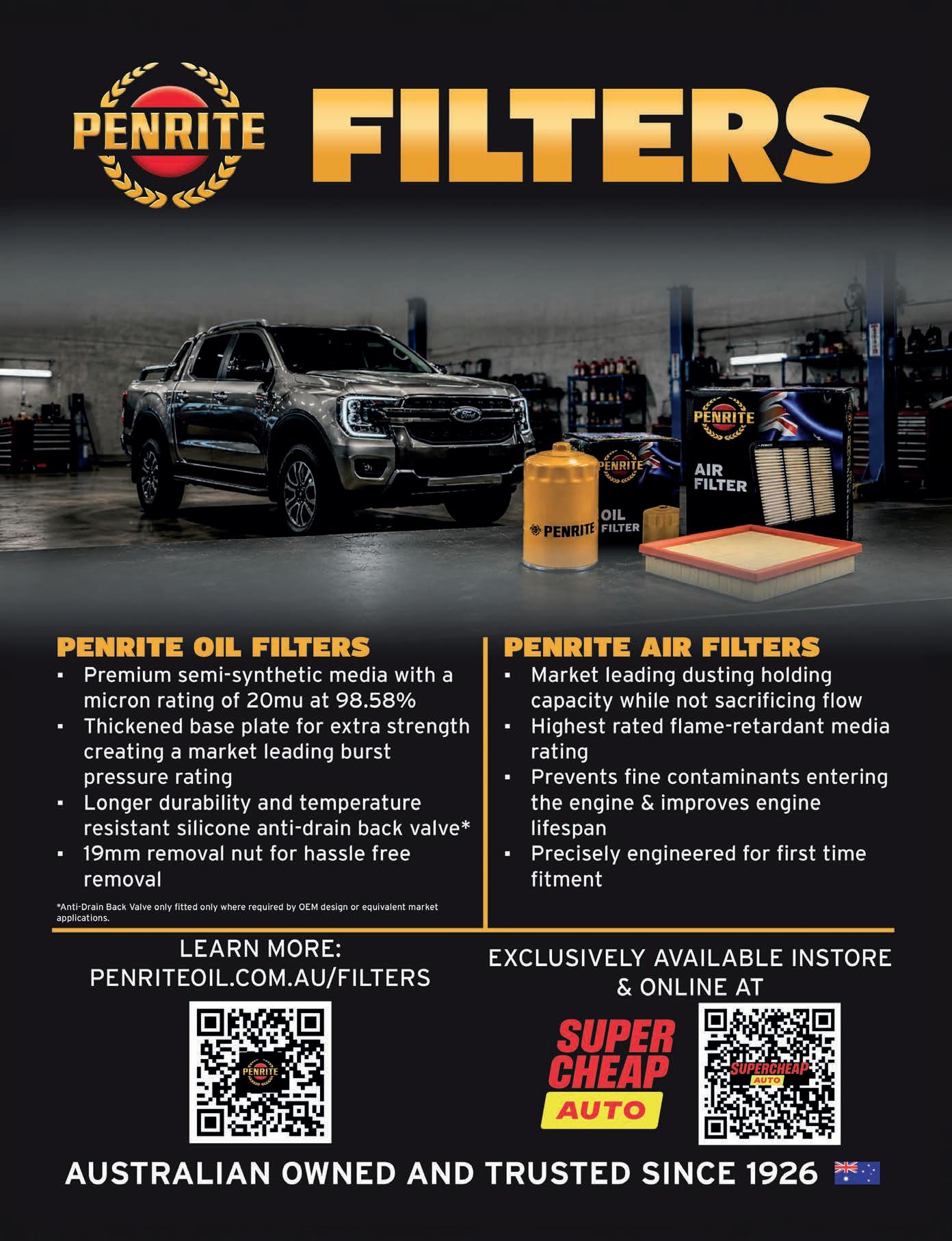
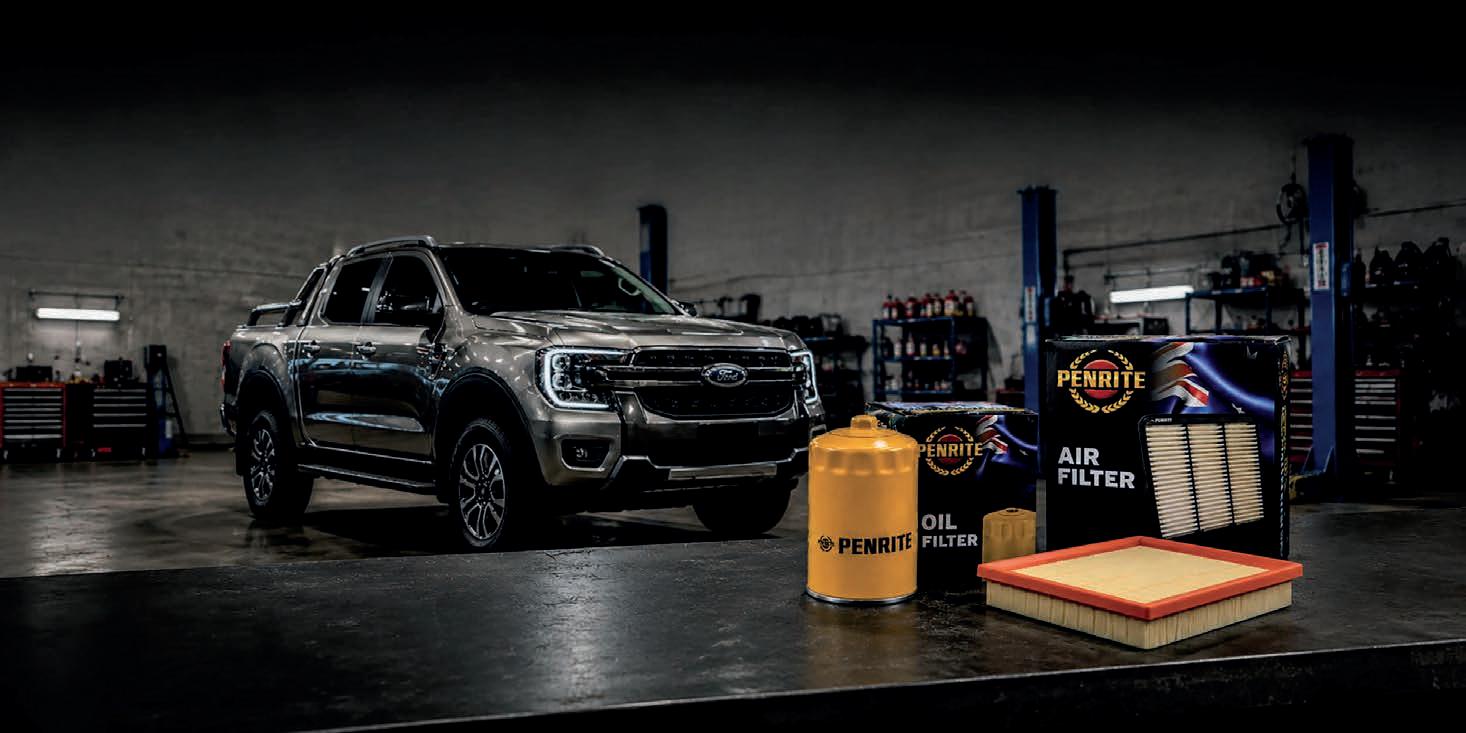
That is exactly why Penrite’s growing range of filters have quickly gained momentum in the market since launching just a few months ago.
Developed to meet the demands of modern passenger vehicles, 4WD’s and light commercial applications, Penrite Filters have rapidly become a popular choice for trade professionals looking for premium quality filtration solutions backed by one of Australia’s most trusted automotive brands.
The strong market response across Australia has reinforced what workshops
are looking for, dependable products that deliver genuine performance benefits while simplifying service and maintenance workflows.
Penrite’s Filters range has been engineered and manufactured with the same commitment to quality and performance that has defined the Penrite brand for 100 years.
Covering both Oil Filters and Air Filters, the range has been designed to provide maximum engine protection, improved durability and workshop friendly fitment solutions.
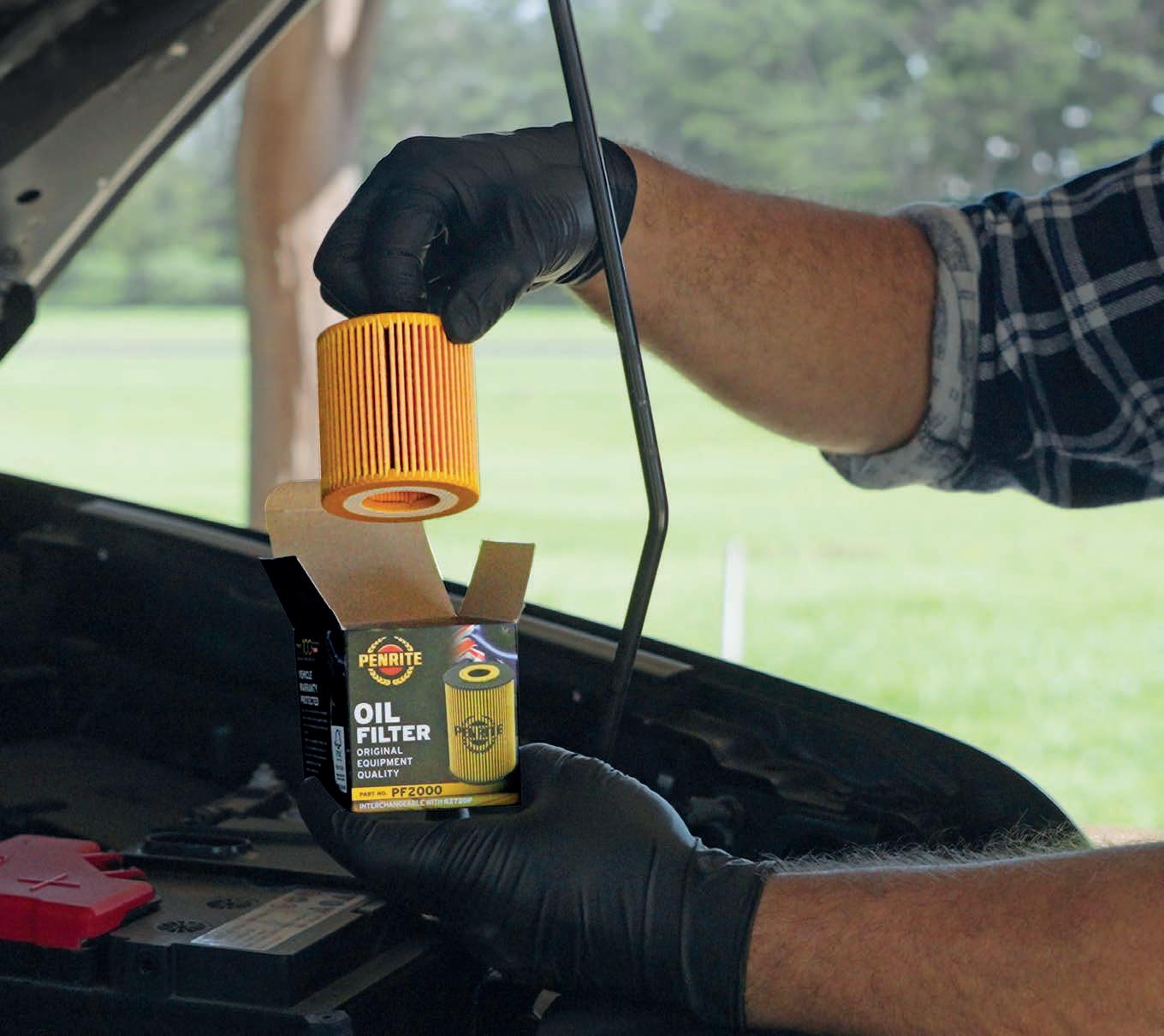
The Penrite Oil Filter range delivers several premium features that directly benefit technicians and vehicle owners alike.
Featuring a durable high-burst pressure steel canister, the filters are built to withstand demanding operating conditions and maintain structural integrity under pressure.
A premium filtration media delivers greater than 98 per cent efficiency at 20 ≥ microns, helping capture harmful contaminants before they circulate through the engine.
This contributes to reduced engine wear, improved lubrication system performance and extended engine life.
Additionally, the integrated silicone antidrain back valve (fitted only where required by OEM design or equivalent market applications) assists with maintaining oil pressure during start up, helping protect critical engine components during cold starts. For workshops, the inclusion of a practical 19mm nut for easy removal simplifying servicing.
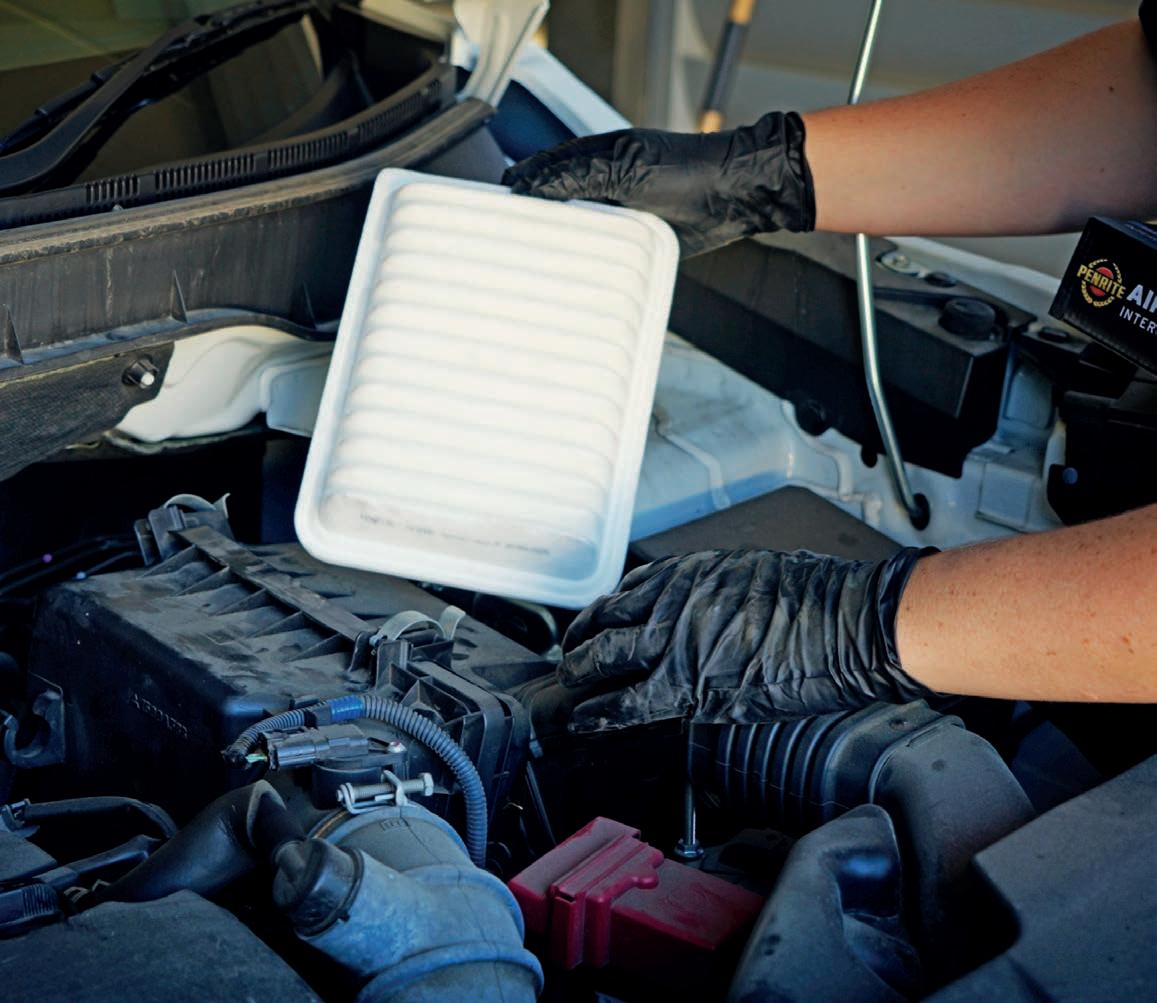
The Penrite Air Filter range has also been developed with a clear focus on engine protection and workshop efficiency.
Using a high-efficiency and dust holding premium filtration media, the filters are designed to capture airborne contaminants while maintaining optimal airflow for engine performance.
Each filter is designed and built for maximum performance and quality, providing workshops with confidence in fitment and reliability.
Designed to fit first time, every time.
Importantly for workshops and trade professionals, Penrite Filters are exclusively available through Supercheap Auto.
This means mechanics and workshops can access the range through a Supercheap Auto Trade Account, providing
a convenient and streamlined purchasing solution backed by a trusted national retail network.
For many independent workshops, this creates a practical advantage, allowing fast access to premium filtration products while also benefiting from dedicated trade support and account services.
The exclusive partnership with Supercheap Auto also reflects Penrite’s broader strategy of making premium automotive products more accessible to the professional trade market.
Workshops can confidently source Penrite Filters knowing they are backed by a respected Australian, family-owned company with a century long heritage in lubrication and automotive innovation.
As vehicles continue to evolve and service expectations continue to rise, filtration
technology plays an increasingly important role in protecting modern engines and maintaining long-term performance.
The strong early adoption of the range across Australia demonstrates growing confidence from both consumers and trade professionals.
Workshops are increasingly recognising the value of offering customers premium filtration solutions from a brand they already know and trust.
With high-quality construction, premium filtration performance, workshop friendly features and exclusive trade access through Supercheap Auto, Penrite Filters are positioning themselves as a compelling new option in the aftermarket filtration category.
To learn more about the Penrite Filters range, visit penriteoil.com.au/filters
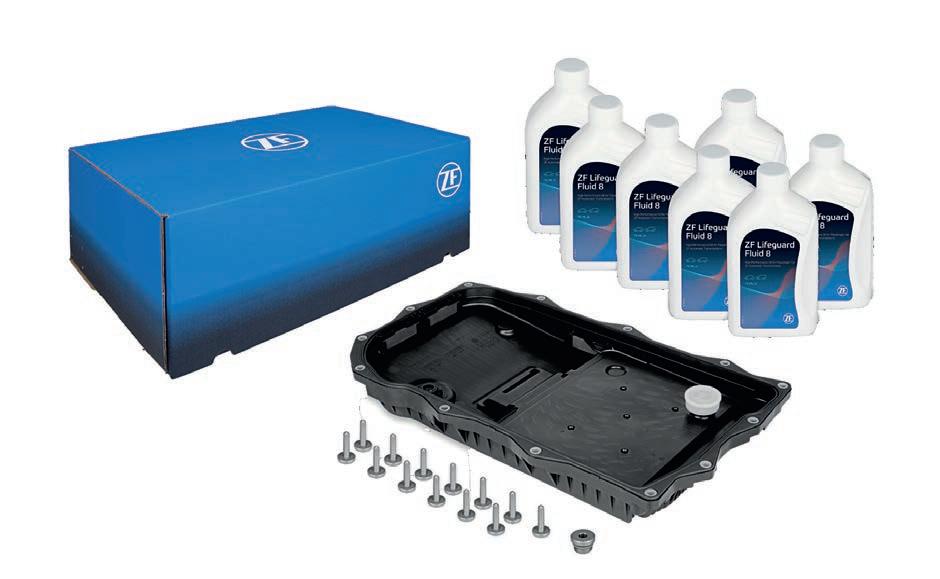
Premium transmission service kits provide workshops with everything required in one package.
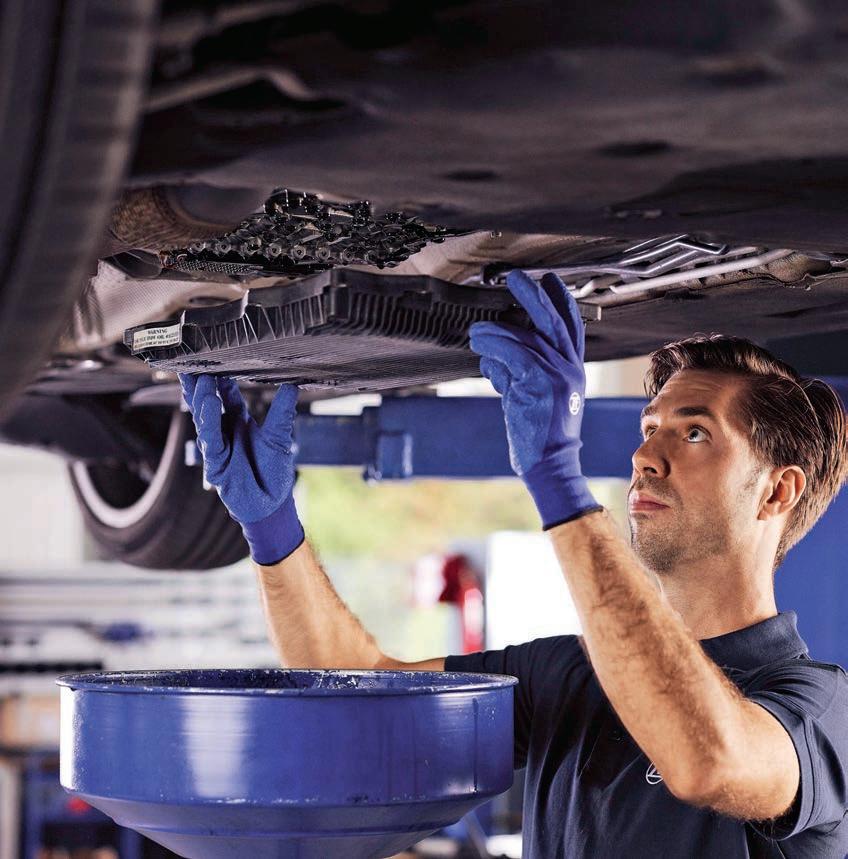
As modern vehicle transmissions become more sophisticated, workshops need servicing solutions they can trust to deliver accuracy, efficiency and long-term reliability.
That is why more workshops across Oceania are turning to ZF’s premium oil change kits.
Developed by one of the world’s leading transmission manufacturers, ZF’s oil change kits provide workshops with a complete, OEM-quality solution for professional transmission servicing.
Backed by more than 100 years of transmission engineering expertise, ZF has designed these kits specifically to simplify the oil change process while ensuring every service meets Original Equipment standards. Each kit contains all the components required for a professional transmission oil change, including genuine ZF LifeguardFluids and, depending on the transmission application, seals, filters, oil pans, magnets, screw plugs, and fastening screws. By supplying everything in one package, ZF is ensuring workshops can reduce servicing complexity, eliminate the risk of incorrect or missing components, and minimise costly downtime.
What sets ZF’s oil change kits apart from many aftermarket alternatives is the OE engineering behind every component.
ZF uses original tooling to manufacture its oil pans, ensuring precise fitment and perfect mounting. High-precision movable interference-fit bushings require extremely accurate machining tolerances, helping ensure consistent quality and exact compatibility with the transmission.
The sealing components within the oil change kits are also engineered to a high standard. While some aftermarket brands utilise ACM rubber gaskets with poor low temperature resistance and low hardness O-rings, ZF uses advanced AEM material for improved sealing performance, superior durability, and better lowtemperature resistance. Integrated filtration systems and powerful magnets within the ZF oil pan design provide another key advantage.
Featuring a compact and stable construction, the filtration system is engineered to capture more contaminants and metallic particles, helping protect critical transmission components and support longer transmission life.
The included ZF LifeguardFluids are equally important to transmission
performance. Developed specifically for ZF automatic and hybrid transmissions, these premium lubricants feature specialised additive technology designed to deliver smooth shifting, effective friction control, and enhanced wear protection.
With thermal resistance ranging from -40°C to +150°C, they are engineered to perform reliably across a wide range of operating conditions.
While many ZF transmissions are factoryfilled for standard service life conditions, real-world driving factors such as towing, frequent short trips and sustained highspeed driving can accelerate oil ageing.
ZF recommends oil changes every 80,000 to 100,000 kilometres, depending on usage, to reduce wear and maintain transmission adaptability.
ZF’s premium oil change kits are suitable for a wide range of vehicles including models from Alfa Romeo, Alpina, Audi, BMW, Chrysler, Dodge RAM, Iveco, Jaguar, Jeep, Land Rover, Maserati, Rolls Royce, Toyota, and VW.
For more information visit zf.com/au or contact the ZF Customer Solutions Team on +61 2 9679 5555
Burson and Fuchs unite to elevate workshop lubricants
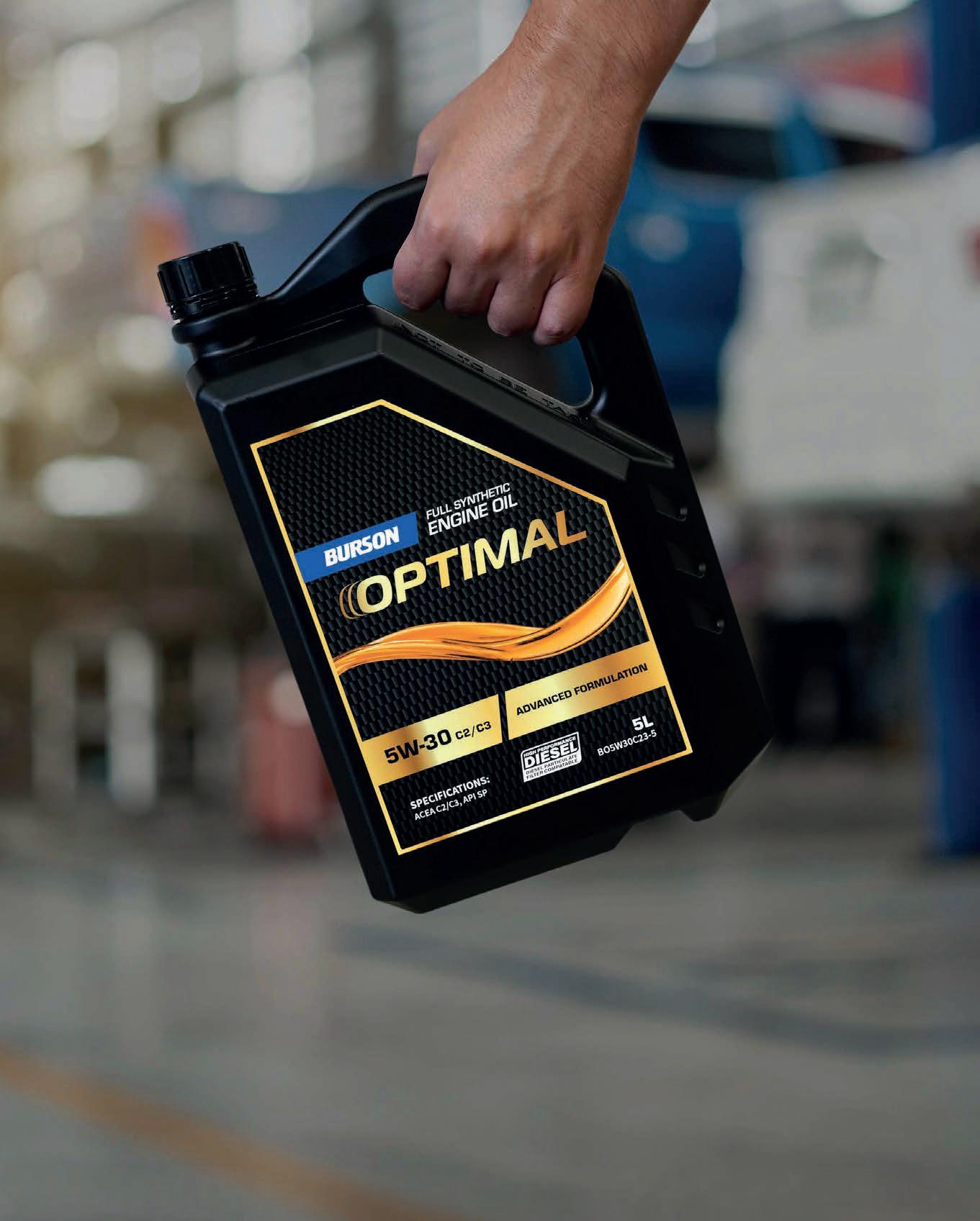
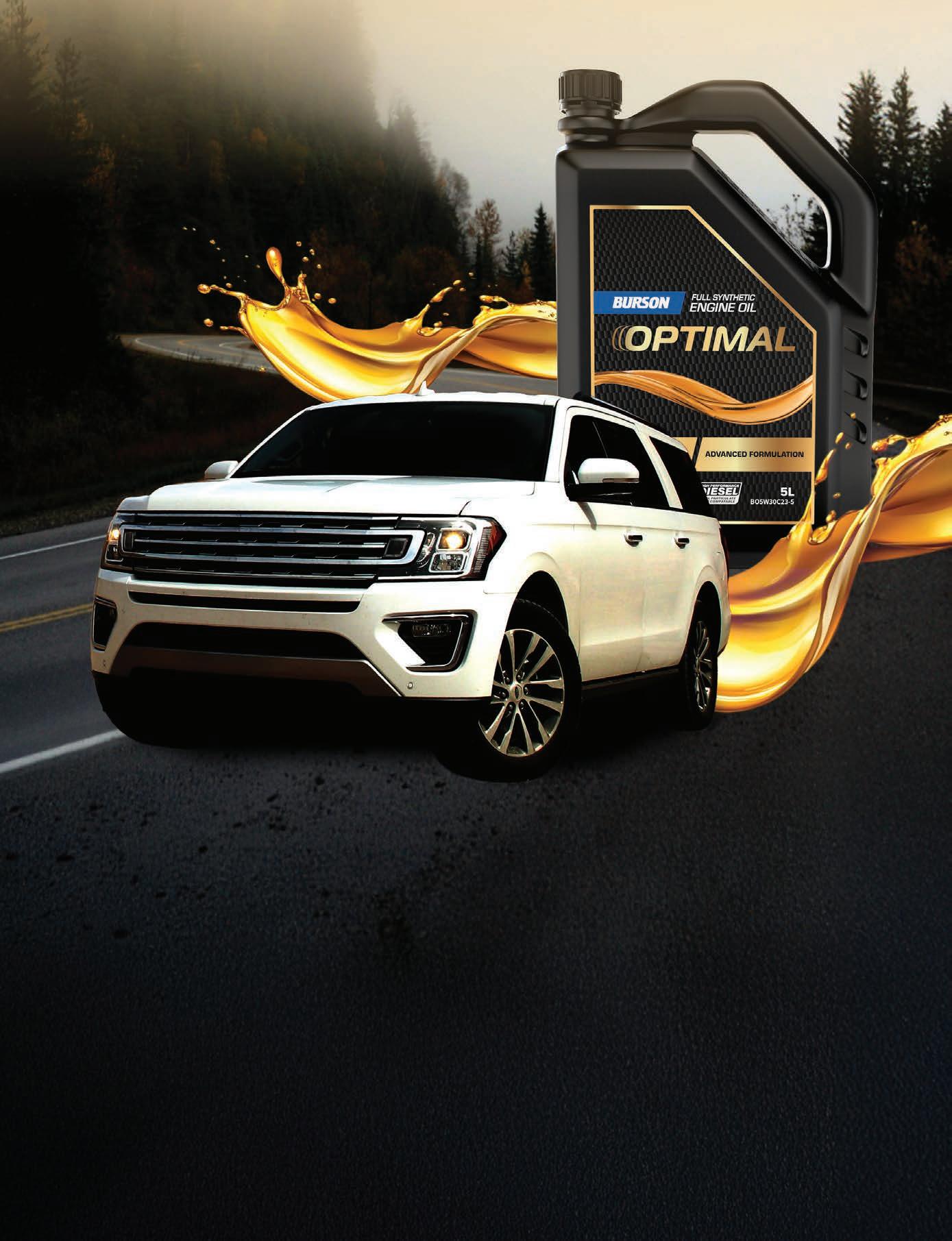
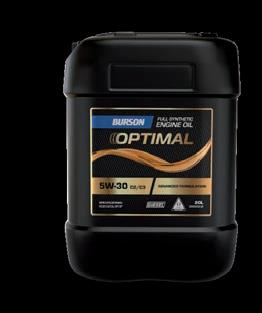
The refreshed Burson Oil packaging features clear product identification, ergonomic handles and easy-pour necks for workshop convenience.
Burson Auto Parts has been a trusted trade partner of Australian workshop owners for 54 years and the Burson Oil range has been around for over 30 years. Burson understands the demands for mechanics across Australia.
Burson Auto Parts is proud to be in a longterm partnership with Fuchs Lubricants Australia.
Burson Auto Parts Category Manager Steve Johnson said this partnership with Fuchs Australia has raised Burson’s product offer to the market with the latest specifications and viscosities all made locally in Melbourne, Victoria.
Working with a worldwide organisation like Fuchs gives us access to first to market opportunities going forward.
The Burson Oil branding has undergone a significant visual refresh, featuring a refined new label design that enhances the product’s premium market positioning.
Each bottle features a clear label to ensure customers know which oil is right for them. The bottles feature ergonomic handles and easy-pour necks.
They’re also made from recycled materials to reduce their carbon footprint.
While Fuchs Lubricants is German engineered all oils are made locally in Melbourne, keeping its tradition of Burson oil made in Australia, which is important and something that Burson is immensely proud to proclaim.
Made In Australia by a world-leading oil brand in Fuchs not sure Burson can offer the market any better.
Specification wise, the high quality Burson range is at the forefront of todays’ current
Steve said, Burson’s range covers all of today’s modern passenger, SUV/4X4, Light & Heavy Commercial lubricant needs and meets all the industry specifications like LOW SAP’s, Diesel Particulate Filter compatible engine oils and Burson offers the best available oils for older engines and performance engines.
Burson Oils undergo rigorous quality assurance to meet the latest industry specifications and standards all completed by Fuchs Lubricants Australia. Its Lubricants are made using the best available base oils and advanced additive technology that delivers world class lubrication to the vast range of vehicles in the Australian market.
Burson Oil is split into two different categories:
• Perform – designed to not only meet the standard, but exceed it with improved protection for vehicles
• Optimal – the top-tier choice designed to the high quality of other premium-grade lubricant brands on the market
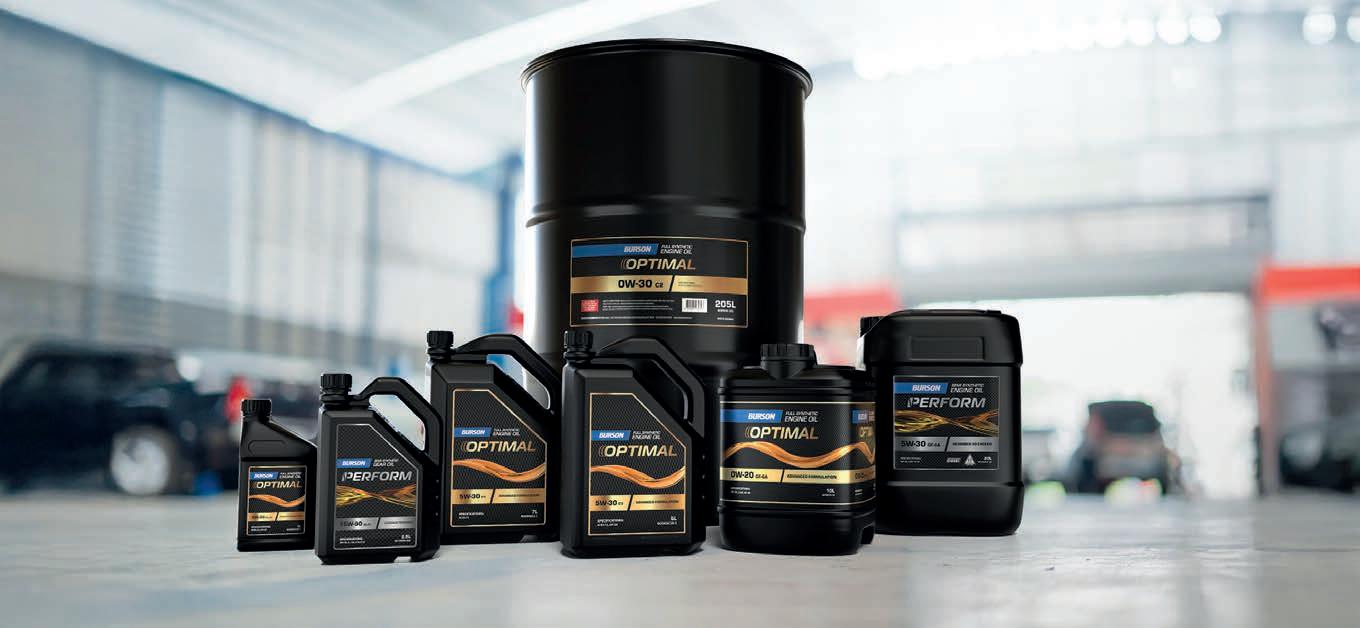
The Optimal range represents the pinnacle of what Burson Oil has to offer, delivering full synthetic performance engineered to meet the exacting demands of today’s most advanced engines.
To make it as easy as possible for workshops to stock and supply, the Optimal range is available in a vast variety of sizes. From a convenient one litre bottles right through to two hundred and five litre drums, ensuring workshops of every size can order exactly what they need.
No matter what Burson Oil a workshop chooses, it does so knowing the trusted names of Burson Auto Parts and Fuchs back it.
Thanks to Burson Auto Parts’ vast network of stores, customers can get highquality Burson Oil no matter where they are.
With a focus on quality and affordability, Burson’s range is formulated to get the best out of vehicles, while its extensive network of over 215 stores, National distribution centres as well as 1200 delivery vehicles ensures a reliable supply.
Burson offers everything from one (1) litre bottles to two hundred and five (205) litre drums across the range.
Each Burson store can deliver a customers’ oil needs as required making its offer the best in the industry.
As Australia’s trusted supplier of after-market automotive parts, Burson Auto Parts is committed to providing a competitively priced oil range that satisfies its customers’ needs and allows you to pass on savings. With Burson Oil customers can keep their workshops moving with savings at the checkout, without compromising on quality.
Burson customers can streamline their workshop inventory with the Burson lubricant range, designed to meet the demands of the trade and trusted by professionals across Australia.
Find out more about the Burson Oil range and your local supplier.
Visit burson.com.au for more information
Designed to not only meet the standard, but exceed it with improved protection for vehicles
Ryco have designed and engineered filters in Australia for over 85 years. As the oldest Australian filtration company, Ryco have stood the test of time because we are constantly adapting new technologies for Australian conditions.
Proven both on the Supercars track and our vast highways, our filters have been tried and tested in Australasia’s only dedicated filtration lab to ensure everyday drivers using Ryco have reliable filtration for any condition.
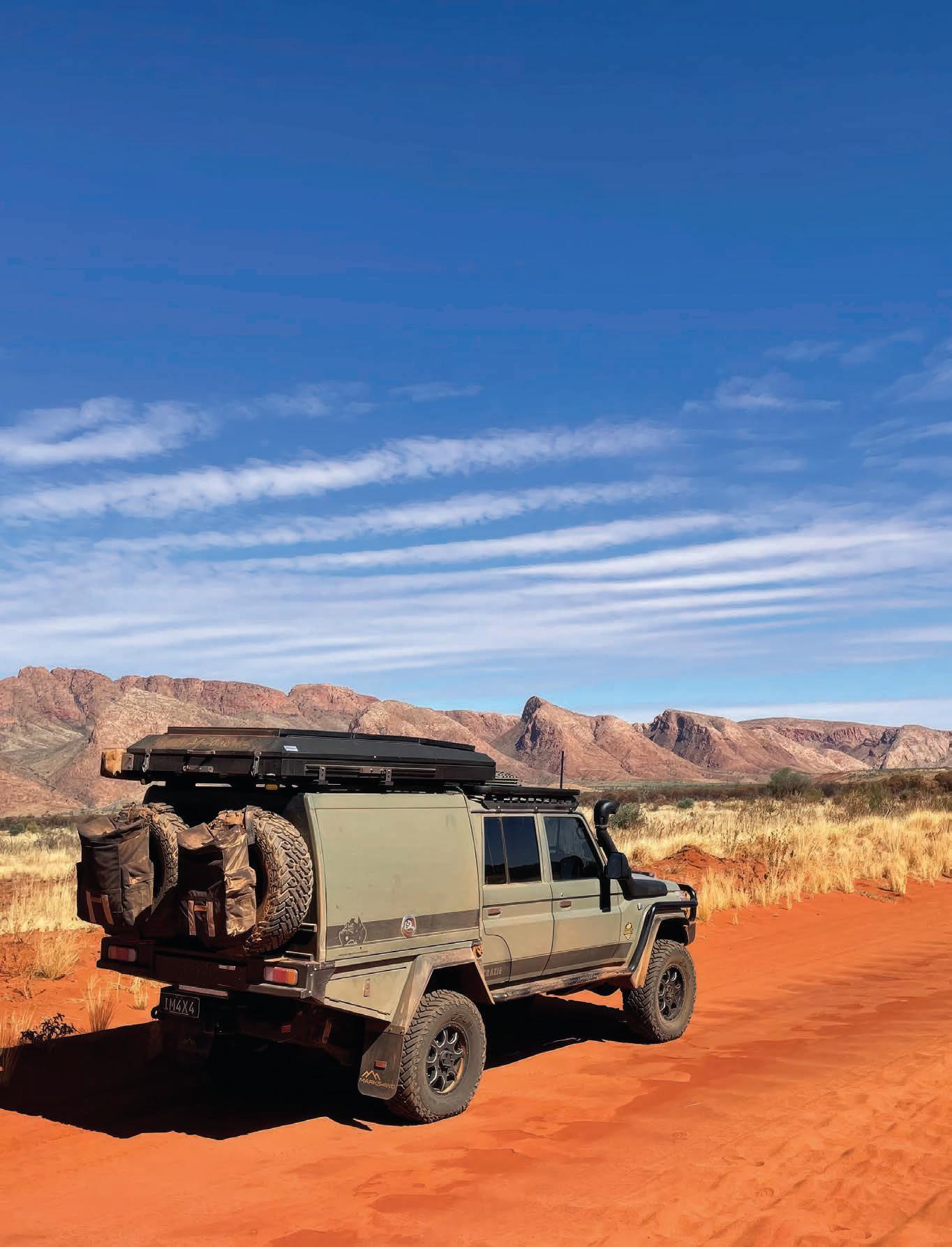
From our sweeping plains, to flooding rains, when you use Ryco filters your vehicle will have what it takes when you’re on your next adventure.
So when you want to be Australia ready, be Ryco Ready.
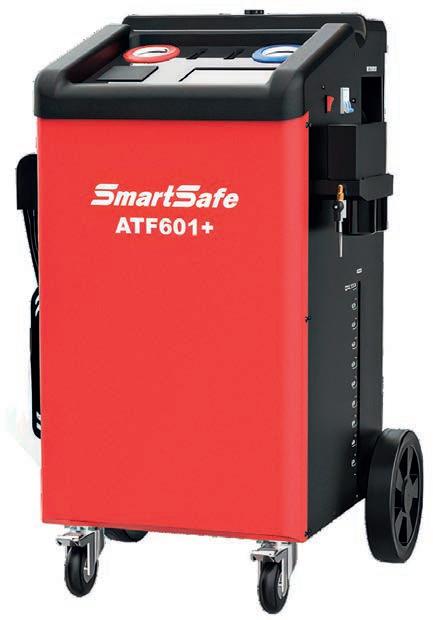
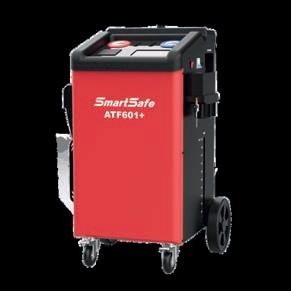
ATF601+
Used oil sampling
Oil level adjustment
Oil replacement
Oil circulation cleaning
Oil preheating
Draining used and new oil
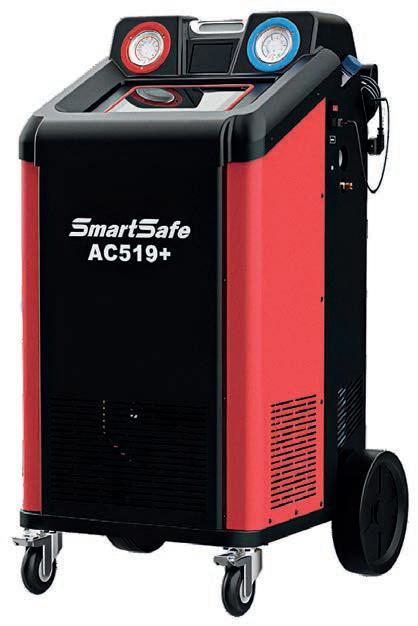
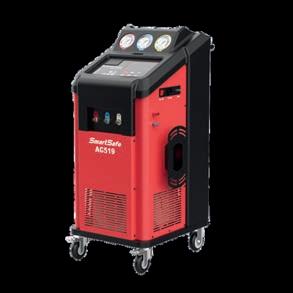
AC519+
AC pipeline cleaning
Refrigerant recovery
Vacuuming
Leak detection
EV/hybrid focussed
Refrigerant oil filling
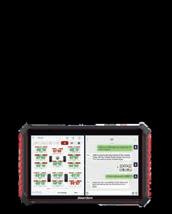
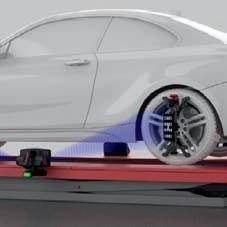
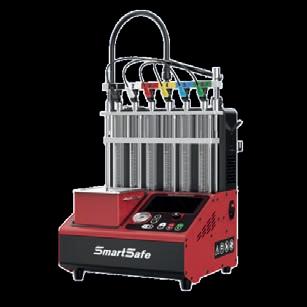
As modern vehicles become increasingly complex, workshops are looking for ways to improve efficiency without sacrificing accuracy.
Two service areas where specialised equipment can make a significant difference are automatic transmission maintenance and air-conditioning servicing.
Automatic transmission maintenance has evolved well beyond a simple drain-and-fill procedure.
Many modern transmissions require precise oil levels, specific fluid volumes and controlled servicing procedures to ensure proper operation.
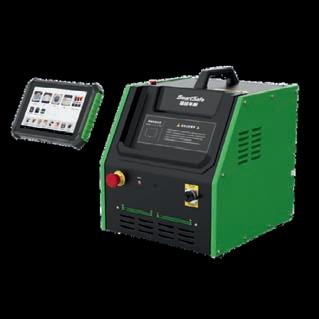
The ATF601+ transmission service machine is designed to streamline this process by handling oil extraction, replacement and circulation cleaning through a single system.
One of its key benefits is the ability to automatically identify transmission oil inlet and outlet ports, enabling equalvolume fluid replacement.
This helps reduce the risk of incorrect oil levels while improving service accuracy.
The system also supports transmission oil circulation cleaning, allowing technicians to add cleaning agents and remove
contaminants from the transmission before fresh fluid is installed.
For busy workshops, features such as automatic oil level adjustment, used oil sampling and a comprehensive vehicle database help minimise manual calculations and reduce setup time.
A standout feature is its integrated oil preheating function, which helps bring fresh transmission fluid closer to operating temperature before installation. This can support smoother fluid exchange and more accurate servicing, particularly on modern transmissions where fluid temperature plays an important role in oil level procedures. Remote operation through Android tablets also means technicians can monitor and control the process while attending to other workshop tasks.
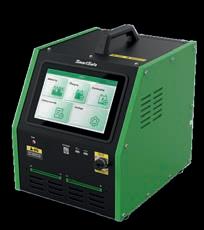
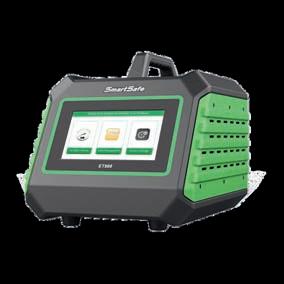
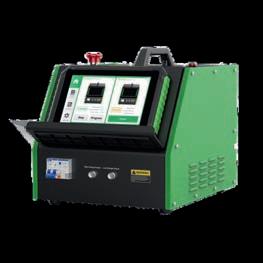
The AC519+ air-conditioning service station has been developed to handle the demands of hybrid and EV AC service through a fully automatic maintenance process covering refrigerant recovery, vacuuming, leak detection, refrigerant charging and system cleaning.
As hybrid and electric vehicles become a larger part of the car parc, dedicated air-conditioning servicing is becoming
increasingly important. Many EVs and hybrids rely on their HVAC systems not only for cabin comfort but also for thermal management of batteries and key electrical components. A built-in refrigerant database further simplifies operation, while one-click automatic servicing can perform cleaning, recovery, vacuuming and recharging procedures with minimal technician input.
The system supports both R134a and R1234yf refrigerants, allowing workshops to service a broader range of vehicles.
The addition of UV leak detection capabilities also helps workshops diagnose faults more efficiently, providing customers with accurate repair recommendations.
As vehicle technology continues to evolve, dedicated service equipment is becoming an increasingly valuable investment for workshops.
By automating routine procedures and improving service accuracy, equipment such as the ATF601+ and AC519+ can help technicians complete jobs faster, reduce manual intervention and deliver more consistent results for customers.
Visit launchtech.com.au or call 1300 369 788 to learn more
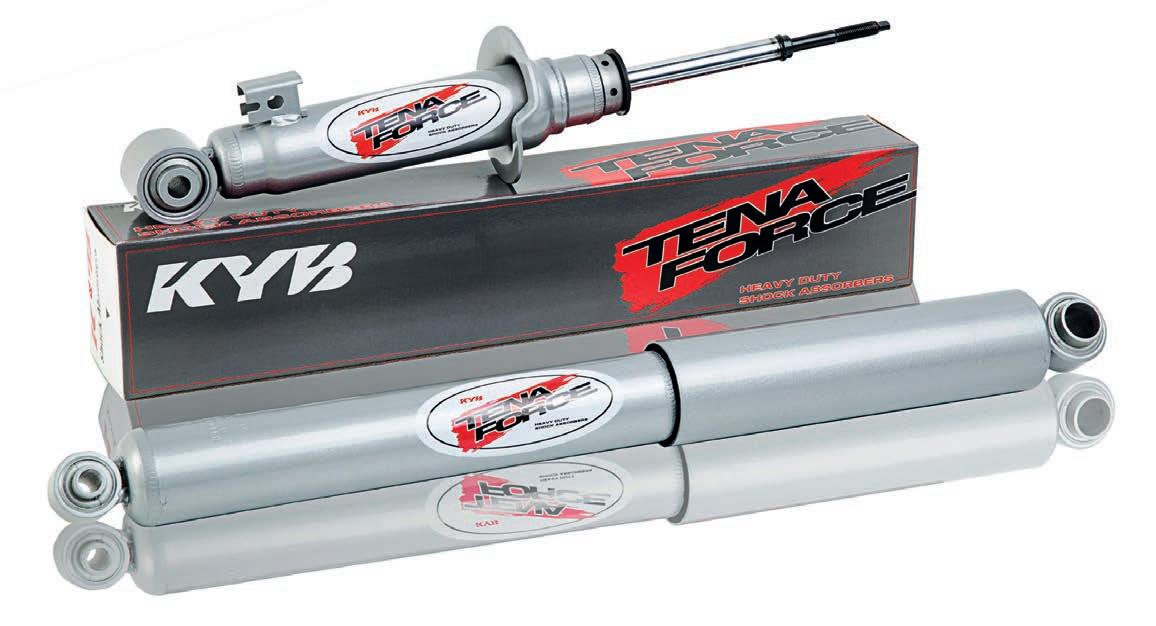
The enduring popularity of caravans and camper trailers has transformed how Australians explore their vast and rugged country.
KYB, with its long history of engineering excellence, stands at the forefront of this evolution, offering superior Caravan Shock Absorbers designed to enhance comfort, stability, and durability.
KYB’s commitment to innovation is evident in its dedicated approach to the Australian market.
The Australian outback, with its diverse and often harsh terrain, demands robust and reliable suspension systems.
Recognising this, KYB has invested significant time and resources to develop a range of Caravan Shock Absorbers that are not only tailored to these specific conditions but also excel in performance.
The KYB Tena Force Caravan and Camper Trailer Shock Absorber range was specifically engineered as a standard height heavy-duty option for OE replacement. With a large 35mm bore, the Tena Force Shock Absorber incorporates an increased oil capacity to minimise overheating and fadeout while in operation.
This design ensures that whether navigating smooth highways or rugged trails, drivers experience consistent performance and reliability.
KYB Tena Force Shock Absorbers are engineered to deliver stability, comfort and durability across Australia’s toughest touring conditions.
All Tena Force Shock Absorbers are valved to balance industry leading caravan suspension systems to ensure superior vehicle stability and comfort crucial for maintaining control and safety, especially in demanding conditions.
Additionally, the Tena Force Shock Absorbers incorporate several advanced features:
• Extended and Compressed Lengths: Matching the Original Equipment
• Twin Tube Design: Featuring a hardened chromed 16mm diameter piston rod, offering superior strength under extreme conditions.
• 4 Step Multi-Lip Seals: Preventing contamination and maintaining oil and gas integrity.
• Micro-Smooth, Hard Chromed Sintered Iron Pistons and Guide Rods: Reducing friction and heat build-up, enhancing longevity and performance.
• Seamless Eye Ring Mounting and Cylinders: Eliminating weak points and ensuring a snug fit around the mounting bush.
• Speed Sensitive Valving: Offering multistage compression and rebound for instant response and fast recovery to varying conditions, enhancing vehicle control and reducing nose diving under braking.
• High Strength Teflon Bushes: Protecting internals during extension strokes.
• All Weather Fluids: Maintaining constant viscosity regardless of temperatures, ensuring consistent control.
KYB’s Tena Force Shock Absorbers are not just a product; they are a testament to the company’s dedication to providing solutions that meet the real-world demands of their customers. For those venturing into the Australian outback, having reliable suspension is not just about comfort—it’s about safety and performance. KYB’s Shock Absorbers ensure that every journey, whether on the open road or the untamed trails, is smooth, controlled, and enjoyable.
In a market where the quality of the journey can significantly impact the overall experience, KYB stands out as a trusted partner. Their Shock Absorbers for caravans and camper trailers are engineered to handle the rigors of Australian travel, making them an essential upgrade for any serious traveller.
With KYB, adventurers can confidently explore the diverse landscapes of Australia, knowing their vehicles are equipped with the best in suspension technology.
To view the full listing of products please visit www.kyb.com.au
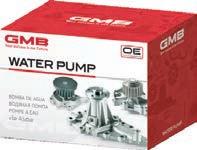
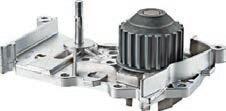
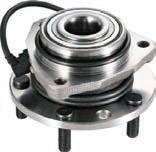
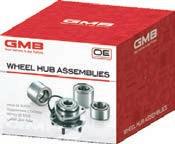
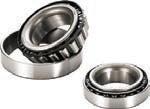
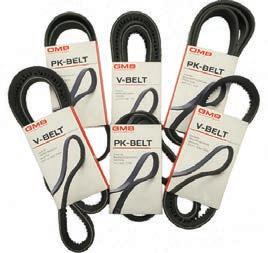
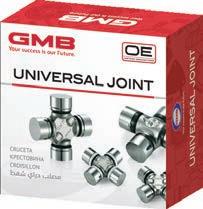
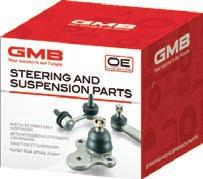
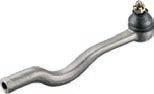
Trusted Quality
Engineered to match
OE Specifications for correct fit, consistent performance and long service life
Global Strength
22 sales and manufacturing locations, 10,000+ products world-wide and dealing with 27 OEMs globally

History and Heritage
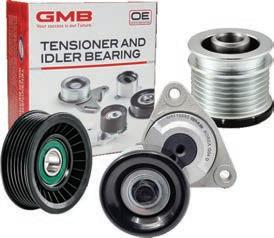
Consistent quality you can count on with 80 years of manufacturing quality automotive parts
Strong Local Support
Shipping parts daily from our Sydney and Melbourne
Distribution Centres
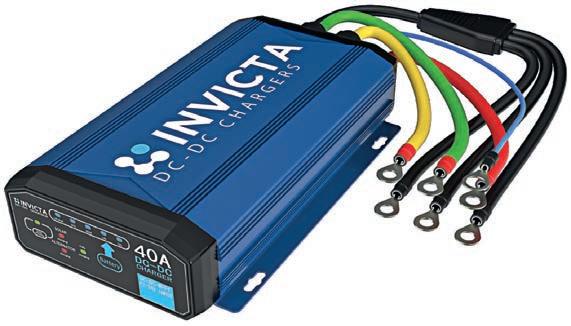
25A DCDC charger
40A DCDC charger
Battery wake-up function
Integrated displays
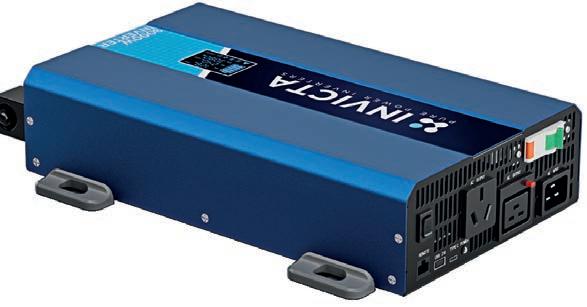
Pure sine wave power
Remote monitoring
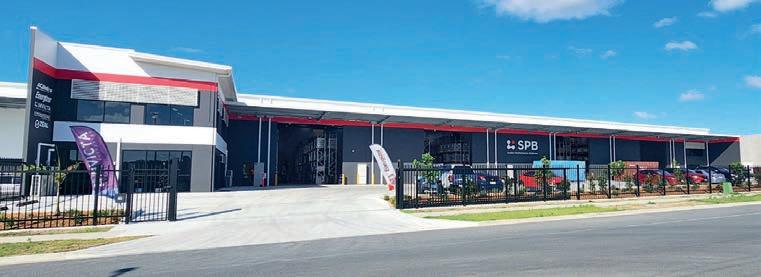
ealed Performance Batteries (SPB) is entering an exciting new phase of growth, with the company now operating from a larger, purpose-built headquarters at Luscombe, Queensland. The move represents one of the most significant investments in the company’s 25-year history and reflects its continued expansion across Australia.
At more than 2,800m3, the new Luscombe facility is 50 per cent larger than SPB’s previous headquarters, providing additional capacity for expanding product ranges, increased stock holdings and improved logistics. The investment comes alongside several recent growth initiatives, including new branches in Perth and North Queensland, and the relocation of its Sydney operation to a new 683m3 site at Girraween in Western Sydney. The new Sydney branch is twice the size of SPB’s previous facility, enhancing support for customers in one of Australia’s largest automotive markets. For workshops, distributors and auto trade customers, the expanded facilities are expected to improve product availability nationwide.
“Our new headquarters marks a significant investment in our future and our capacity to serve our customers more effectively,” SPB Managing Director Greg Roberts said.
“This facility will enable us to streamline our processes and cater to our expanding product lines, ultimately bolstering our
position as a leader in the Australian market.”
The new headquarters supports continued growth across SPB’s automotive, lithium, AGM and battery accessory categories while strengthening national distribution capabilities.
Since establishing its previous headquarters in 2013, SPB has grown into one of Australia’s leading suppliers of batteries and energy storage solutions, servicing automotive, marine, recreational and off-grid markets.
Together with the expanded Girraween branch, the new Queensland headquarters positions SPB to better support customers nationwide and drive future growth.
The expansion also supports a growing portfolio of products designed to meet changing customer needs.
Among them is the Invicta range of lithium power solutions, including purpose-built DCDC chargers available in 25A and 40A variants. Designed specifically to suit Invicta lithium batteries, the chargers feature battery wake-up functionality and integrated displays to simplify battery maintenance and charging management.
SPB has also expanded its Invicta Pure Power Inverter range, delivering pure sine wave 240V power for 4WD, caravan and off-grid applications. Available with features such as automatic transfer switching, remote operation, real-time monitoring and comprehensive safety protection, the range targets customers seeking reliable mobile power solutions.
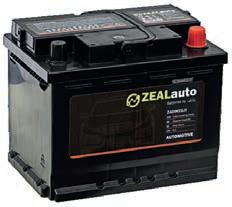
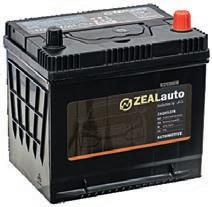
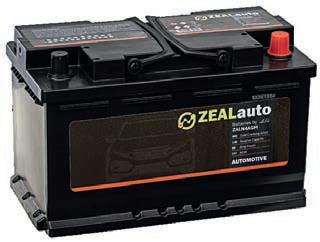
Meanwhile, the company has strengthened its automotive offering through the Zeal Auto by Leoch range.
Backed by one of the world’s largest battery manufacturers, the range offers SLA, EFB and AGM technologies, Australianmarket fitments and up to 24 months warranty support across a national distribution network.
With its new headquarters, expanded product portfolio and growing national footprint, SPB is positioning itself for the next phase of growth while continuing to improve service and support for customers across Australia.
For pricing and availability contact the team at SPB on 1300 001 772 or sales@spb.net.au
Regular air filter replacement helps protect engine performance, fuel efficiency and long-term reliability.
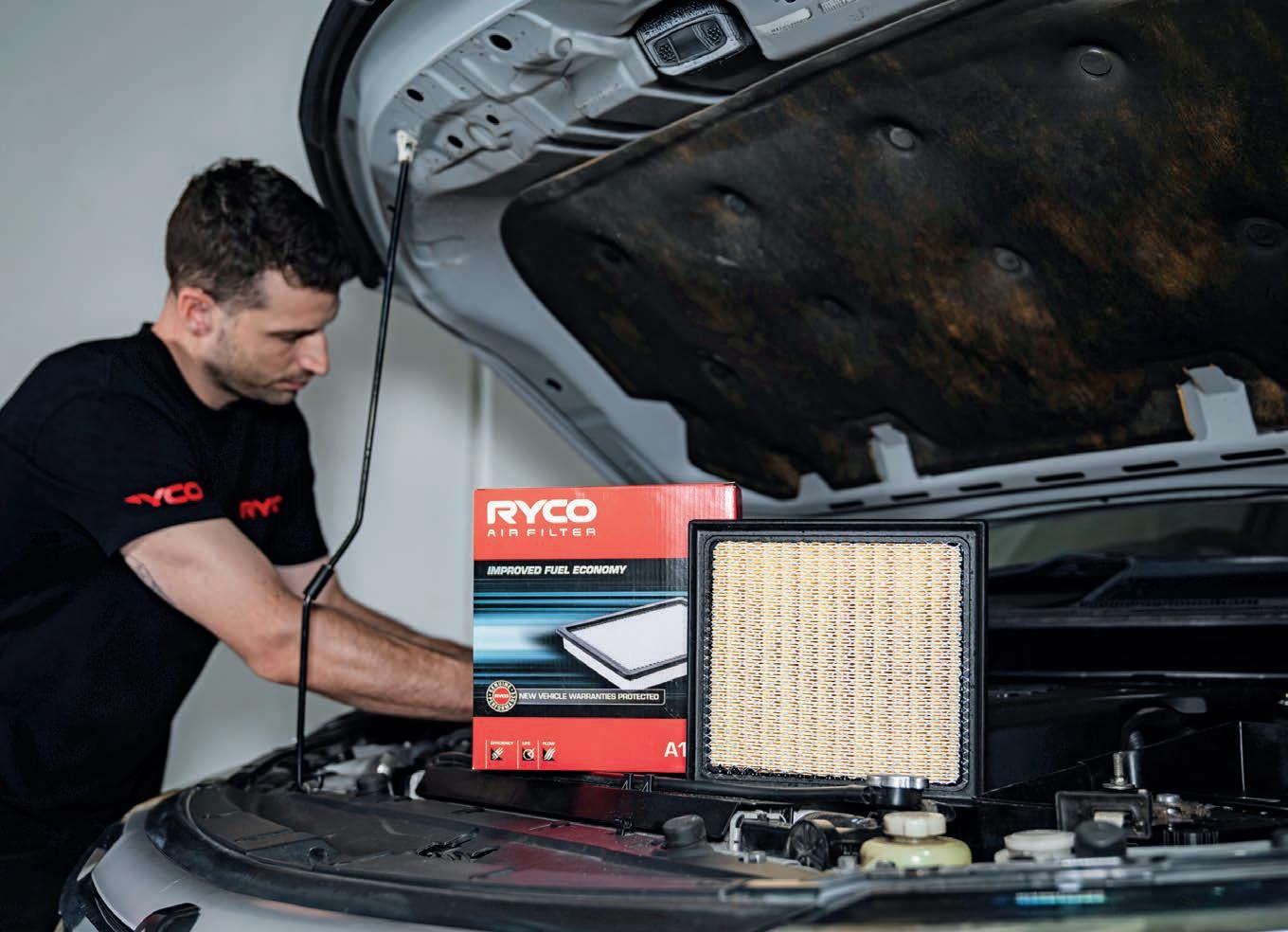
hen it comes to vehicle maintenance, air filters are often overlooked, and in times of cost cutting it can often be the first thing to cut out to save a few bucks.
Yet this simple component plays a critical role in protecting your engine from harmful contaminants and maintaining performance. Every time your engine runs, it draws in thousands of litres of air. Along with that air comes silica, fine dust, dirt, and other airborne particles.
The air filter’s job is to capture these contaminants before they enter the engine, helping protect critical components from premature wear.
As an air filter becomes loaded with contaminants, airflow can become restricted. This may lead to reduced engine performance, slower throttle response and increased fuel consumption.
While these changes can occur gradually,
they can increase operating costs over time. Through extensive laboratory and field testing, Ryco engineers have developed filters that help capture harmful contaminants while maintaining the airflow modern engines require.
For Australian drivers, this is particularly important. Ryco Air Filters are designed and tested to perform in some of the harshest operating conditions, helping protect engines whether they’re navigating city traffic, towing heavy loads or travelling on dusty outback roads.
Australian driving conditions can be particularly demanding on filtration systems.
Vehicles operating on unsealed roads, construction sites, farms or in regional areas are exposed to significantly higher levels of dust and debris, placing greater demands on the air filter.
Ryco Air Filters are designed to achieve
the optimal balance of dust-holding capacity and airflow performance for the life of the service interval, making it critical to replace them when the time comes.
Avoiding air filter replacement can reduce engine efficiency and contribute to costly repairs. Modern turbocharged engines are especially vulnerable, with contamination potentially damaging turbocharger components and reducing performance. Compared to the potential cost of engine repairs, replacing a Ryco Air Filter is a small investment that delivers significant long-term benefits. Regular maintenance, combined with a quality filtration solution, helps protect performance, improve efficiency and extend engine life.
Don’t let a neglected air filter become an expensive problem.
Find the right Ryco Air Filter for your vehicle on the Ryco website: rycofilters.com.au



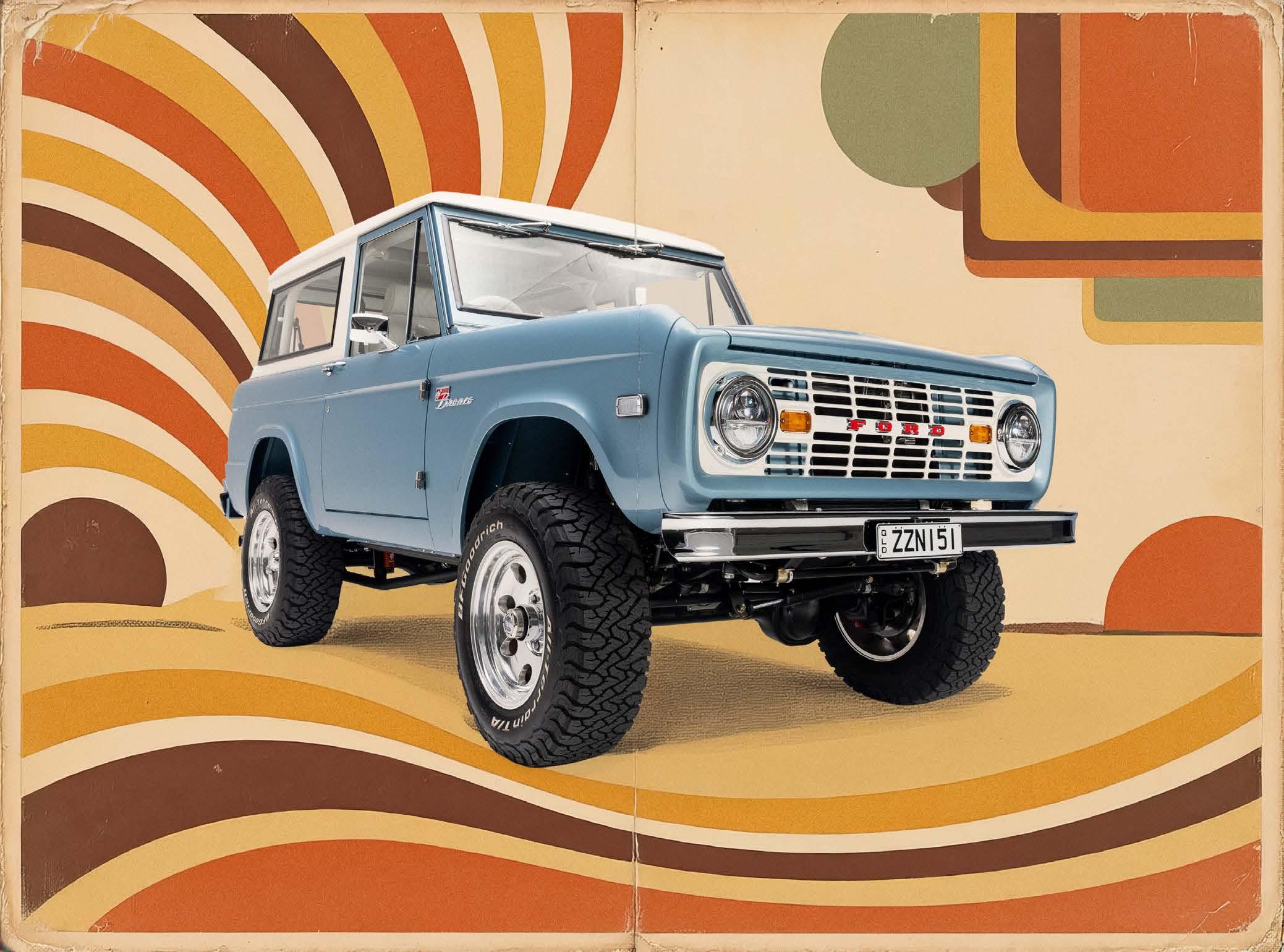
It’s easy to see why the first-gen
Claimed
to be the first right-hand-drive restomod first-generation Ford Bronco, this Gold Coast special has cleared a thousand hurdles to be ADR-approved
ou may remember last year we printed a story about an immaculate, nut-and-bolt restored 1972 Ford Bronco from Queensland.
YThe work of Paul Murray of Early Broncos Australia and SCC Fabrication, its retro good looks, delightful Boxwood Green colour and $580,000 price tag ensured this boxy lefthand-drive 4x4 snared absolute attention.
Prepare to be shocked once more.
When we learned the Gold Coast-based company had completed its first right-handdrive Bronco – and secured the headacheinducing and cash-draining ADR-approval required to make it street legal – we couldn’t resist a re-visit.
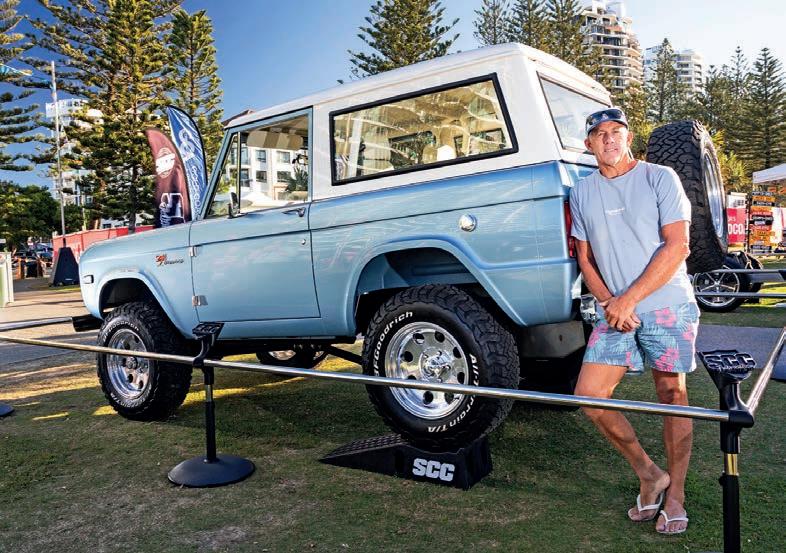
“That’s a million-dollar car there,” Paul said, having calculated the work, time and expenditure gone into building this Brittany Blue Bronco.
In effect, this retro Ford is a totally new vehicle, based on a first-generation Detroitbuilt 1970 Bronco.
It is ICV-certified (Individually Constructed Vehicles) for Australia, where the body and chassis are new, then the vehicle is built to an individual’s and often one-off design.
Paul has sourced the chassis and drivetrain from Kincer Chassis in Tennessee, with the specialist saying, as far as they know, it’s the first right-hand-drive restomod of the iconic first-generation Bronco.
In the metal, it’s a remarkable blend of heritage style with modern underpinnings, performance and tech.
It uses Ford’s modern crate engine, the Gen 3 Coyote 5.0-litre V8, mated to Ford’s ten-speed auto gearbox.
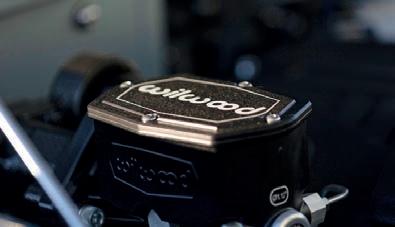
It features Kincer’s own coilover suspension with electric damping, Wilwood disc brakes, power steering and modern niceties like air con, automatic pop-out side steps for easy entry, reversing camera, digital dash gauges, push button start and keyless entry.
It is typical of today’s high-dollar restomod scene – see Singer’s Porsches and Alfaholics’ Alfa Romeos for other examples — where you mix modern componentry, reliability and performance with the timeless, desirable exterior design of cars from the sixties and seventies.
Built across two continents
“It comes to us as a rolling chassis with the Coyote, the ten-speed auto, fuel tank, everything is ready to go,” Paul explained.
“This time, Kincer has also done the righthand conversion for us, including steering linkages, and then all the bodywork and other aspects of the conversion were done here in Australia.”
South Coast Customs (SCC’s) role it to build and fit the Bronco’s steel body panels, sort the engineering and handle essentials including setting brakes up to cope with the required extra stopping power, and ensuring the air con blows cold enough to cope with Queensland humidity.
Better-than-new with superb attention-to-detail.
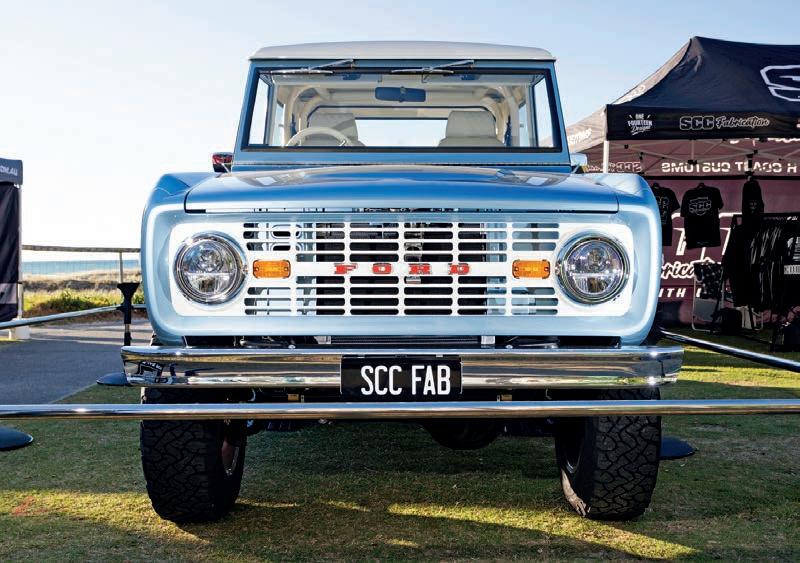
This Aussie Bronco with removable white hardtop looks right at home by the Gold Coast’s ocean where we catch up with Paul, and the iconic Ford well hides the hoops he’s had to jump through to get it to this stage.
“On the documentation there were ADR compliance points from one to 84, ranging from things like side intrusion bars, tri-door locks, seats, steering wheel, different lights, different steering wheel, seat belts; the list goes on and on,” he said.
“There’s so many small items that over the process of the last two years, the engineer had to keep inspecting as it was being built.” So does that mean, as a new build car, it
Introduced in 1965 as compact 4x4
Built as Ford’s early SUV rival
First generation produced 1965–1977
Designed for off-road and utility use
Never officially sold new in Australia
Highly collectible classic 4x4 icon
must adhere to 2026 and not 1970 rules?
“That’s exactly right,” Paul said. No wonder the process proved such a punish, and the cost – if you want to buy one – is Lamborghini money.
Price, demand and appeal
“We’re in the $700,000 range,” Paul said when asked about the purchase price to well-heeled Bronco shoppers. Shocking indeed, but don’t underestimate exactly how desirable and collectible firstgeneration Broncos are.
The only one I’ve found on sale in Australia is a 1970 example, restored in Toowoomba, Queensland, using a 302ci small block Ford V8 and retaining left-hand drive. Its asking price is $375,000.
They change hands for megabucks in the US too. The 2009 F1 World Champion

Jenson Button sold his 1970 Bronco in 2022 for US$166,000 ($235,000).
Understandably, many interested in a first gen Bronco will want it to be as original as possible.
These Fords were built from 1965 to 1977 and sadly never sold in Australia, although Paul believes there are approximately 100 private imports here today.
His restomod Coyote V8 version offers around 460hp, which is a mighty jump over the 200hp on tap from an original 289ci V8 Bronco from the factory.
Paul said the vehicles to be built by Early Broncos Australia must use the Coyote V8 and ten-speed setup sent from America, but the buyer has say over the likes of body colour, interior, hard or soft top, wheels and tyres.
For this first right-hooker, Pacer polished multi-hole alloy wheels shod in 265/70R17 BFGoodrich all-terrains look perfectly in keeping with the old-school flavour.
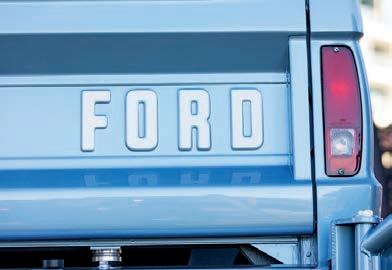
It sits jacked up and off-road ready on the modern suspension, while the subtle colour flashes of the red Ford grille logo, side Bronco badges, pillar-like red rear lights and chrome bumpers perfectly illustrate how modern 4x4 design can’t hold a candle to the good old days.
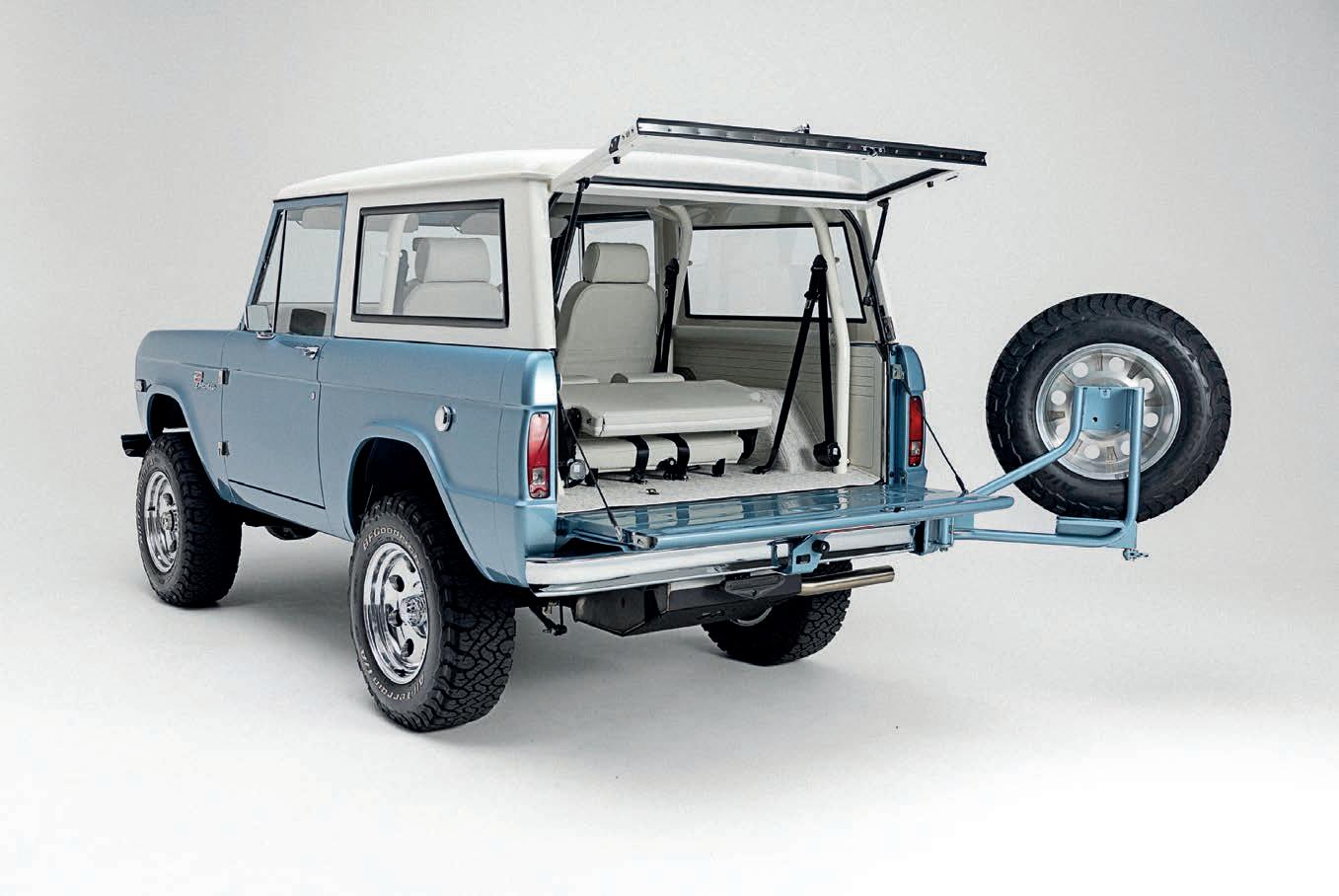
There’s a tailgate-mounted spare, of course, which swings out to allow access to the drop-down tailgate.
Not ideal for tight carparks, but this Bronco’s from a time when 4x4s went out adventuring, not shopping.
It’s Gold Coast-perfect bright white inside, with a roll cage hitting the safety marks, and a neatly folding rear bench seat allowing the family to enjoy the trails together. Up front it’s seriously fancy with plush Nappa leather seats done by local trimmer Trim FX; a modern Alpine screen has your Apple CarPlay covered, and stainless-steel knobs for the air conditioning feel very high-end.
The auto shifter coming from the top of the steering column, beautiful and simple speedo and Bronco badge on the bodycoloured dash shows the key aesthetics remain. Then right beside is a push-button for the electronic suspension.
“You can adjust the roll and pitch as well,” Paul said, showing off this very modern tech in a classic vehicle.
Sadly, we weren’t able to have a test of the right-hand drive Bronco due to it being on prime display at the Gold Coast’s Cooly Rocks On festival, but Paul said he’s already covered 400km in it since completion.
“It just sits beautifully on the road, and there’s so much power,” he said. “It feels like you could do wheel stands in it.
Then it’s quite docile when you want it to be, and there’s power steering so it feels really easy to drive in town.”
We both agree it’d be incredible to use on the beach and pretend you’re doing the Baja 1000, but would be a little daunting considering its current immaculate state. That white interior would be nightmare to keep clean, but if your bank account’s healthy enough to afford one of these restomod Broncos, I’m sure you could afford a full-time car cleaner to keep it sparkling.
With all the compliance now sorted, Paul wants Early Broncos Australia to start building to order for Aussies keen on what he called “the ultimate celebrity car in the USA.”
First gen Broncos also find favour with the fairer sex. “The female market is huge,” Paul explained.
“Over 60 per cent of buyers are women; they recognise the style of the Broncos.”
But good things come to those who must wait. It’d be over a year wait from order to delivery in Australia Paul said, as there’s already big demand in the US for Kincer’s Bronco setup, then it must be shipped to Australia.
“But by the time the parts get here, the body will be already ready as we have the bodies in stock,” he said.
Of course you could always jump the queue by selling the house and buying this fully-formed blue Bronco with steering wheel on our side. Similar money gets you entry into the latest Italian exotica.
But beside something with a Ferrari or Lamborghini badge, I’m convinced you’d win more eyeball attention in this remarkable retro Bronco.
The RHD Bronco is up for sale; contact paulmurray50@bigpond.com
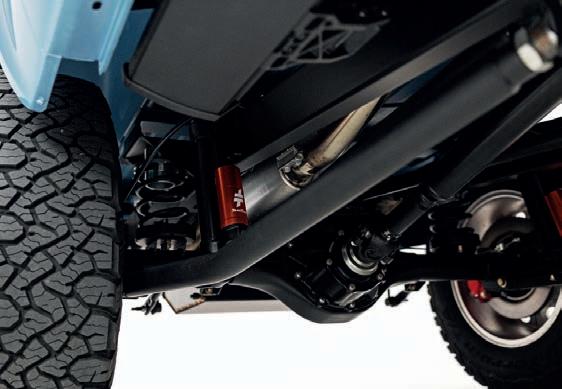
Old meets new: Adaptive suspension under the retro body
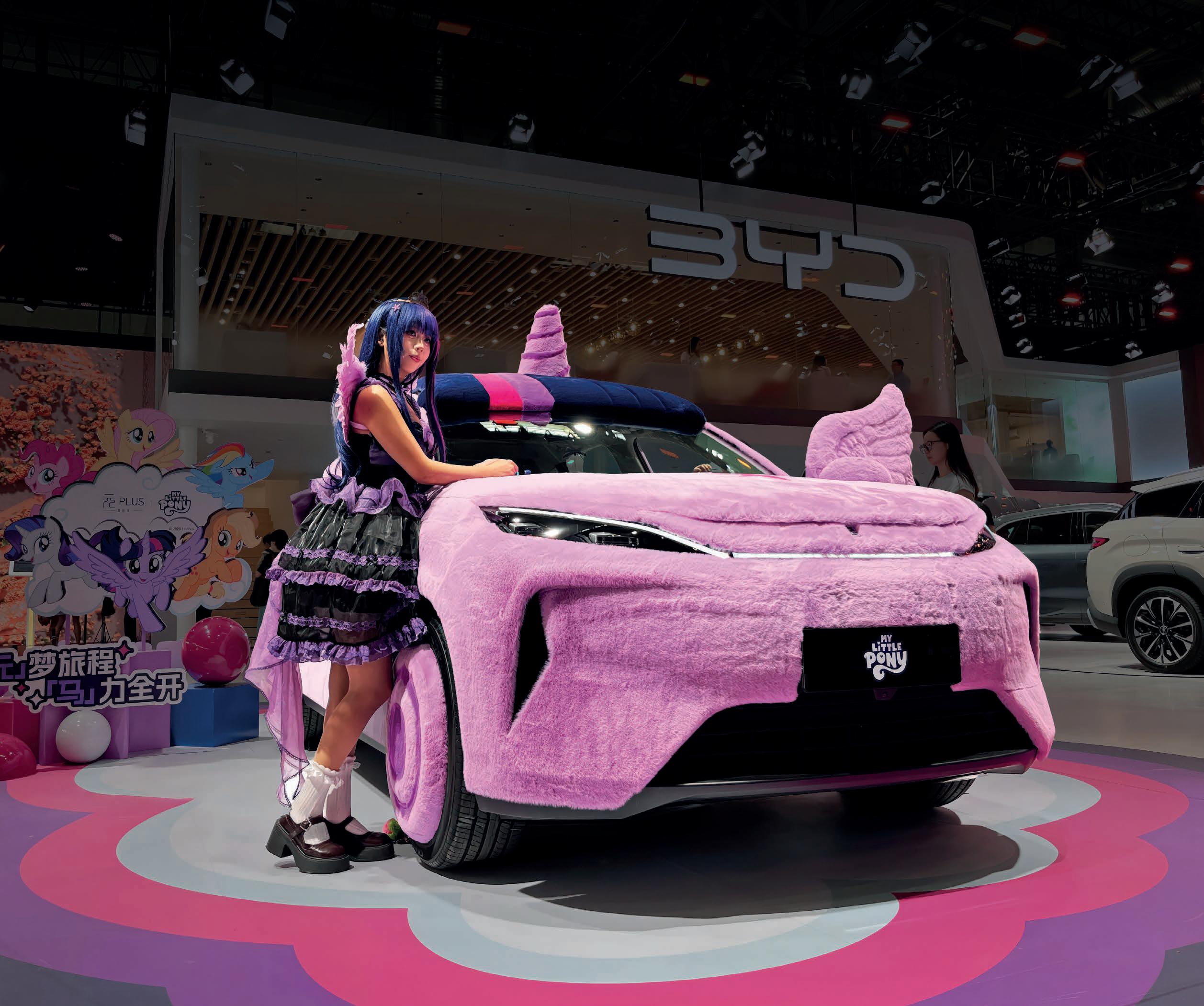
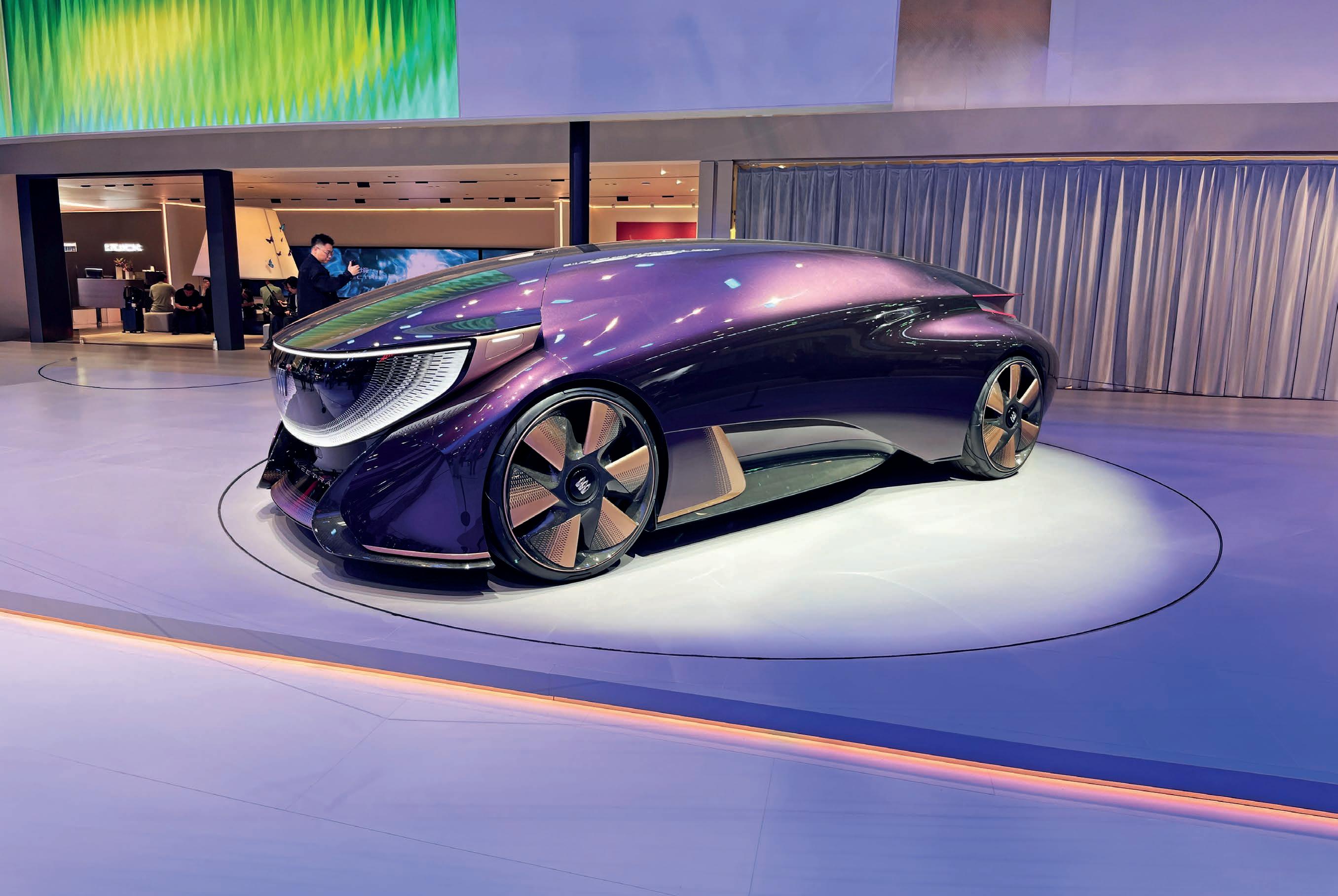
China has rapidly become the epicentre of the world’s car industry. Two days of brain-bending madness at the Beijing auto show reveals why
China. It’s the country on the lips of everyone working in the car industry today.
That means you as a mechanic or workshop owner; me as a motoring journalist, and everyone else from car company CEOs to factory workers, dealer principals to parts providers.
China’s rise as a global player on the automotive scene has been rapid and dominating, causing turmoil for legacy car brands as their market share plummets.
To witness how massive it’s become, this year’s Beijing auto show was an almost bullying demonstration of force.
Forget Frankfurt, Geneva or Detroit. Those shows now look like micro cars in the face of Beijing and Shanghai’s mega trucks.
I had two days on the ground there, to try to cover the chaos and carnage.
This colossal event was spread over two linked exhibition centres, covering 380,000 square metres. Ludicrously, it was almost a kilometre to walk from one end of the show to the other.
Across 17 different halls were almost 1500 vehicles on display.
Of those, 181 were global debuts (some car shows struggle to get one debut reveal), and 71 new concept cars. As a working journalist, I had to choose which from the 219 different press conferences I’d attend, in competition with 32,000 (!) media representatives.
As you’d imagine, very few were like Clarkson.
The motoring “media” these days, especially in China, is predominantly made up of influencers, hangers-on and many (in commercial collaboration with car dealers) live streaming details on the vehicles to sell to buyers in real time via their smartphone. It’s a mad world.
Regardless, you can’t help but be blown away by what China’s car industry’s achieved in such a short time.
There are valid discussions around stolen intellectual property, CCP government subsidies creating an unfair automotive retail playing field, worker employment conditions and human rights issues.
Yet on the sales front, China’s kicking
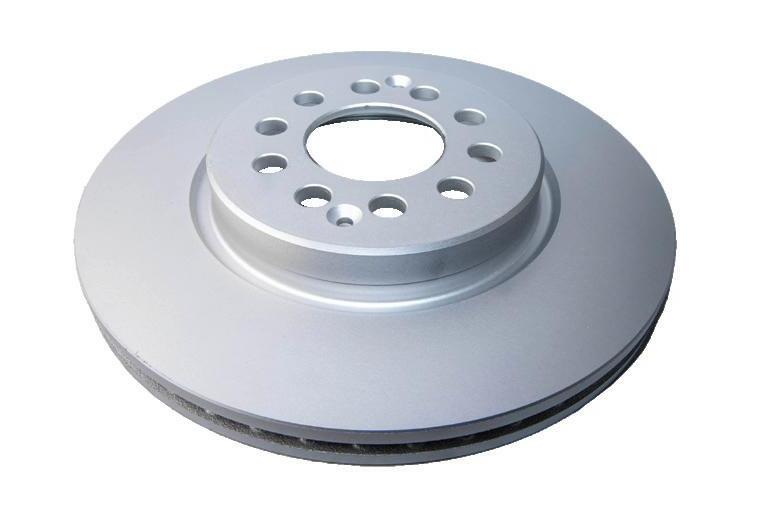
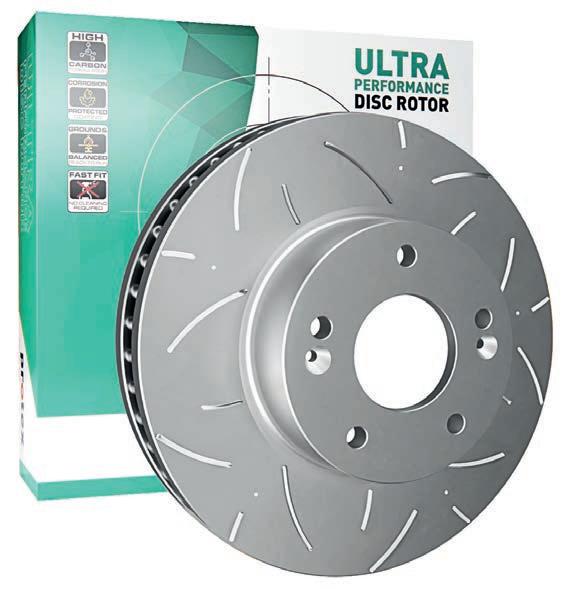
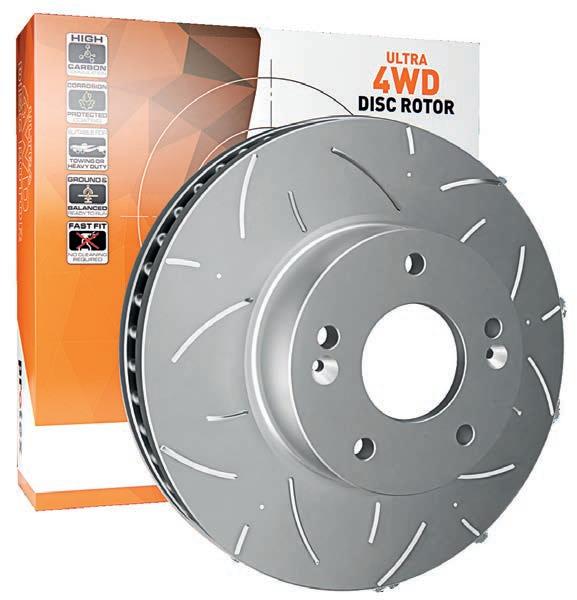
FEATURES & BENEFITS:
Premium grade of materials for reliable & consistent braking performance
Kangaroo Paw ventilation (on selected rotors only) improves cooling by up to 20%
Patented T2 slotting (on selected rotors only) provides enhanced pedal feel & improved dust evacuation
Painted non-friction surfaces inhibit rust or full En-shield coating to protect the rotor & alleviate the need for preinstallation cleaning.


GWM Tank 700 plug-in hybrid offers 635kW from its petrol/electric combo, and looks likely for Australia.
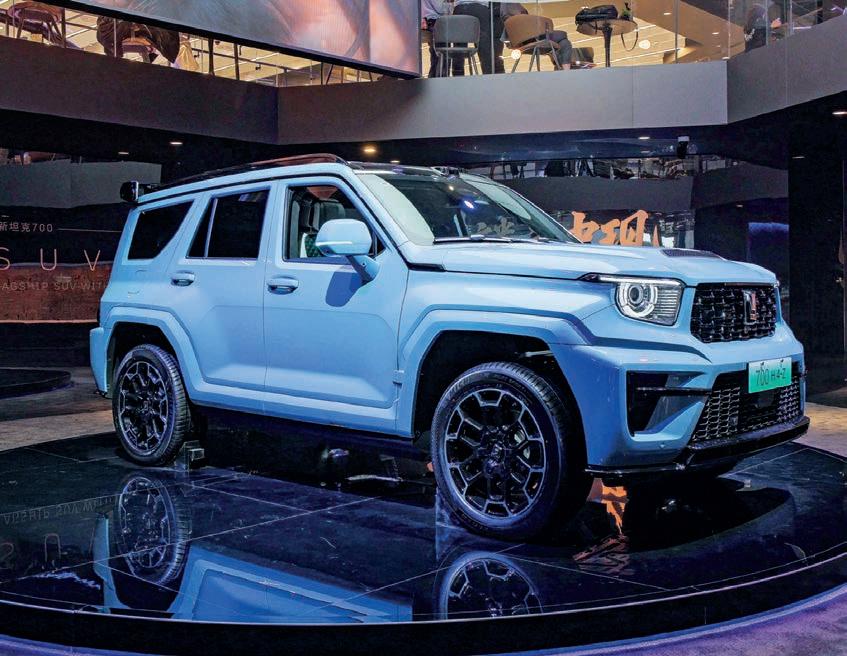
mighty goals seemingly everywhere around the world.
The dizzying array of cars at the Beijing show helps explain why.
Exterior design, cabin tech and luxury are bold, exciting, over-the-top and occasionally fantastic and beautiful. Brands you’ve never or barely heard of have numerous models on display which spin your head, eager to know more and asking could we please get these in Australia?
Perhaps most striking was seeing the socalled legacy brands’ efforts in Beijing.
China’s such an important market for Western manufacturers, many were keen to have a presence there.
Not least with so many now having joint ventures with Chinese brands.
This means the likes of Toyota, Hyundai, Volkswagen and BMW have Chinesemarket only car models, built in collaboration with local manufacturers.
In China, it’s in bed with Xpeng, and their collaboration cars would seriously jazz up Australian Volkswagen showrooms if they landed here. For example, the ID.Unyx 08 may have one of the worst names in automotive history, but this full electric coupe-SUV-wagon with 800V tech looked utterly incredible.
In the past couple of years, such collabs with Chinese manufacturers has seen a massive influx of China-made vehicles come Down Under.
In fact, this February, China became Australia’s largest source of new vehicles in a single month, usurping Japan after a 28year unbroken run.
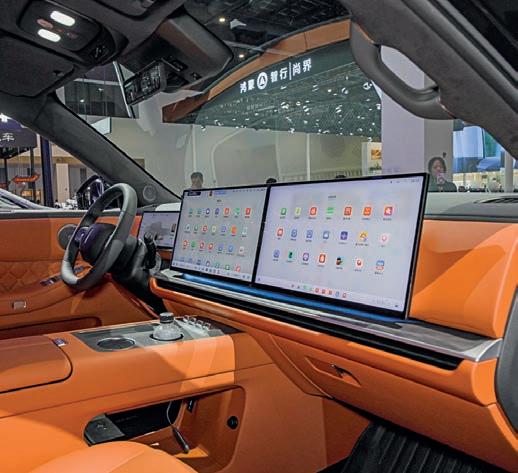
wider export market receive, but I couldn’t help overlook these to see their China-only efforts.
Perhaps it was just the thrill of the new, but the fresh cars and concepts we’re not in line to receive feel more innovative and exciting.
For example, let’s start in the stratosphere.
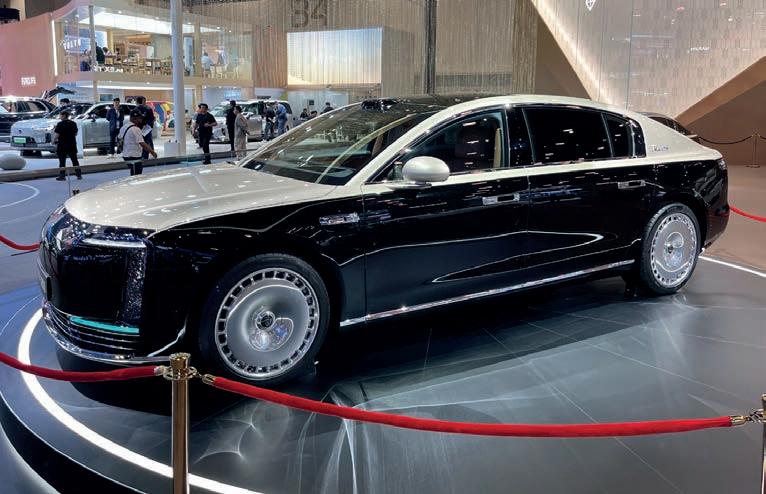
The new BMW 7 Series and Merc’s boxfresh S-Class looked impressively grand, but if I’d made millions on crypto and wanted to brag about it, I’d be more tempted to drop a deposit on a Maextro S800 ultraluxe limo.
It’s the result of a joint-venture between Huawei and JAC, and I’ve seen nothing this opulent outside bespoke Maybachs.
On the more attainable front, I headed over to the Nissan stand.
Audi and SAIC Motor even have their own brand: AUDI (all upper case to differentiate from the German cars), and at Beijing it presented the giant E7X electric SUV with huge 109kWh battery. Tellingly, it looked more interesting than any of Audi’s nonChinese SUVs.
Same with VW.
The Tesla Model 3 and Model Y, Kia EV5, Hyundai Elexio and just-arrived Mazda 6e EVs are not made in America, Korea or Japan, but have rolled off Chinese production lines. There’ll be many more in coming years as the process becomes normalised and accepted by the car buying public.
The game’s changing. And fast.
Wandering Beijing’s vast halls, MercedesBenz, Land Rover, Nissan, BMW and Volvo showed many vehicles Australia and the
Now here’s a brand that’s endured a torrid couple of years and is in dire need of sexing up its showrooms.
As part of a Nissan-Dongfeng joint venture, on show was the striking Terrano Concept: off-road ready, tough-as-hell and achingly desirable.
It’s the sort of car you know would go great guns if sold in Australia. Sadly, it
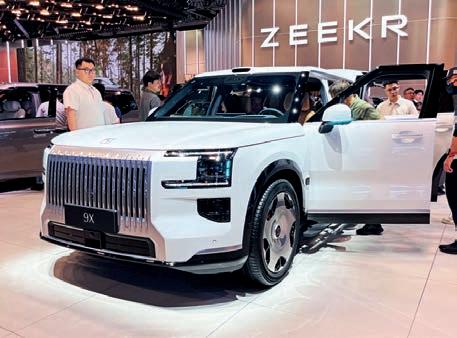
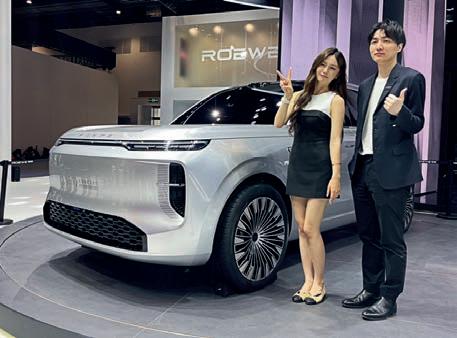
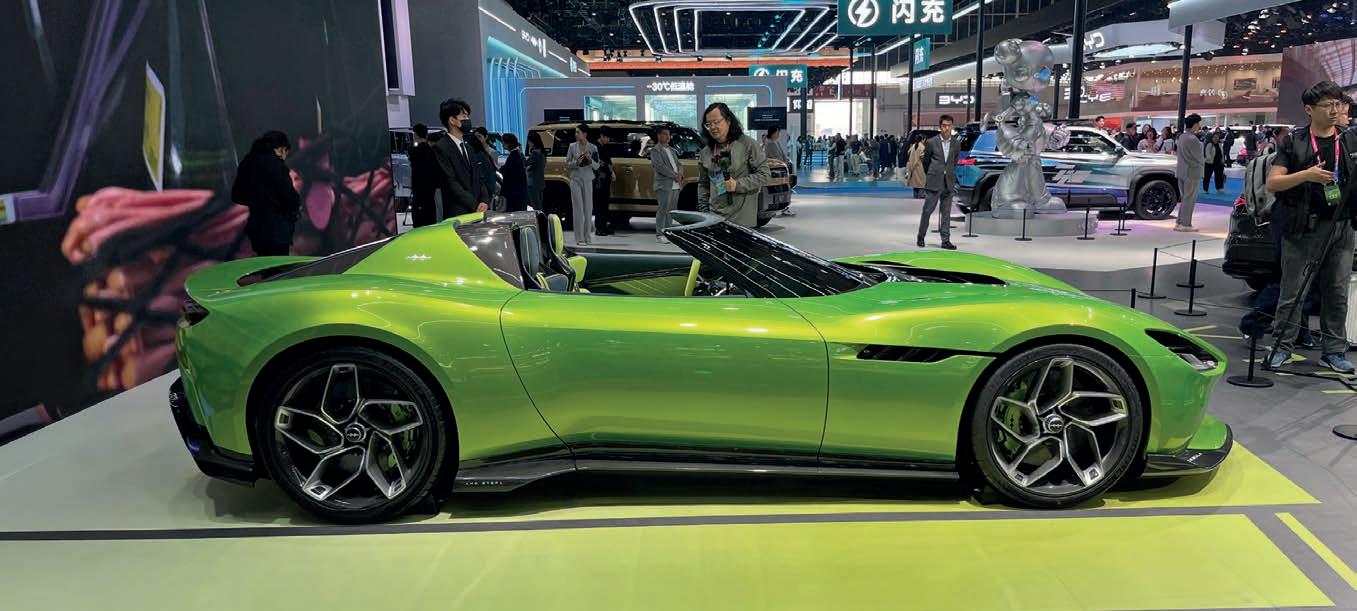
appears this plug-in hybrid is (initially) for China only, same as its Frontier Pro and Urban SUVs — also PHEVs — and get the juices going a lot more than the X-Trails and Navaras you’ll find in our local showrooms.
Crowds were deep around the reborn Freelander name, which isn’t being used on a Land Rover model, but is to be a standalone marque born from — you guessed it — another joint venture, this time between Chery and Jaguar Land Rover (JLR). On show was the Freelander 8, a boxy three-row SUV which actually should come to Australia, probably as an EV, PHEV and range extender hybrid to ease the burden of our new emissions standards.
But a China-only model was one of the most spectacular: Hyundai’s Ioniq V.
Ioniq is already its own sub-brand in China, and the V is a near five-metre long sedan with a wedged front end with serious Lamborghini vibes.
Put the hot Hyundai Ioniq 6N’s electric powertrain under that and it’d be absolute dynamite.
As expected, electric vehicles of all shapes and sizes (typically massive SUVs, this being China) were ever-present, but giving hope to those of us hoping combustion will never die, there was an apparent shift towards plug-in hybrids, different types of petrol-hybrids (be it range extender or mild hybrids), plus the promise of diesel hybrids too.
Mega-brand GWM (Great Wall to those with long memories) just about confirmed for Australia its Toyota LandCruiser-sized Tank 700, likely with plug-in hybrid V8.
They apparently want to take this thing to the Dakar Rally, too.
And showing the Chinese aren’t going to let the likes of Ferrari, Lamborghini and McLaren sleep easy, GWM confirmed a carbon-chassis twin-turbo V8 supercar was close to production.
They plan to take it GT3 racing too, which raised almost as many eyebrows as BYD suggesting it was actively exploring an entry into Formula 1.
Told you things were moving fast.
Fastest of all at Beijing was BYD’s YangWang U9 Xtreme EV. Of course it’s a terrible name, but this hypercar on show is officially the world’s fastest production car, having measured a tyre-ripping 496km/h top speed at a German test track last year. This 2200kW fully electric weapon eclipsed the Bugatti Chiron as the globe’s quickest, and has recently been the first electric production car to break the sevenminute barrier around the Nürburgring. Just one example is coming to Australia, bought by billionaire businessman and Sydney Roosters chairman, Nick Politis.
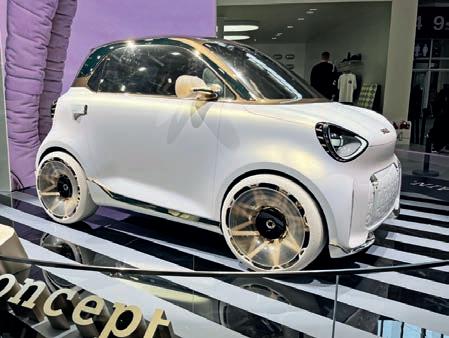
At the other end of the size and speed scale, a show standout was the Smart #2 Concept.
If you remember the iconic Smart Fortwo two-seat micro car that was an inner-city star in the 1990s, you’ll welcome this retro update, now as a full EV and, we were told, 80 per cent likely for Australia.
Another Chinese collab special, today’s Smart is a joint venture between Geely and Mercedes-Benz.
Such legacy brands are more entrenched with Chinese partners than ever before. We can expect to see many more ‘designed for China’ models landing on our shores in coming years, as they could prove imperative to the long-standing brands if they want to turn a profit or even simply survive.
Such has been the Chinese rocketship up the world car industry’s backside, it’s little wonder this Beijing show was the world’s biggest car extravaganza.
Here in Australia, there’s no doubt Chinese cars, tech and influence will become ever more entrenched in our working lives.
We may grumble about it, but as we’ve seen with the legacy car brands, perhaps it’s become a no-brainer case of if you can’t beat them, you’re absolutely forced to join them.



Australia’s vehicle parc is changing. Here’s how DBA is preparing for what’s next
New vehicle brands are arriving in Australian workshops faster than ever. Alongside them comes a growing range of platforms, technologies and service requirements that are reshaping the aftermarket.
For workshops, adapting to that change is becoming part of everyday business.
For suppliers, it means ensuring the right products are available when those vehicles begin moving through the independent repair network.
The vehicles have already arrived Walk through any busy workshop today and the mix of vehicles on the hoists tells a very different story to what it did five years ago.
The familiar Japanese passenger cars, European performance vehicles, Korean SUVs and dual-cab utes remain an important part of Australia’s vehicle fleet.
Increasingly, however, they are being joined by a growing number of new and
fast-growing vehicle brands that have quickly established themselves in the local market.
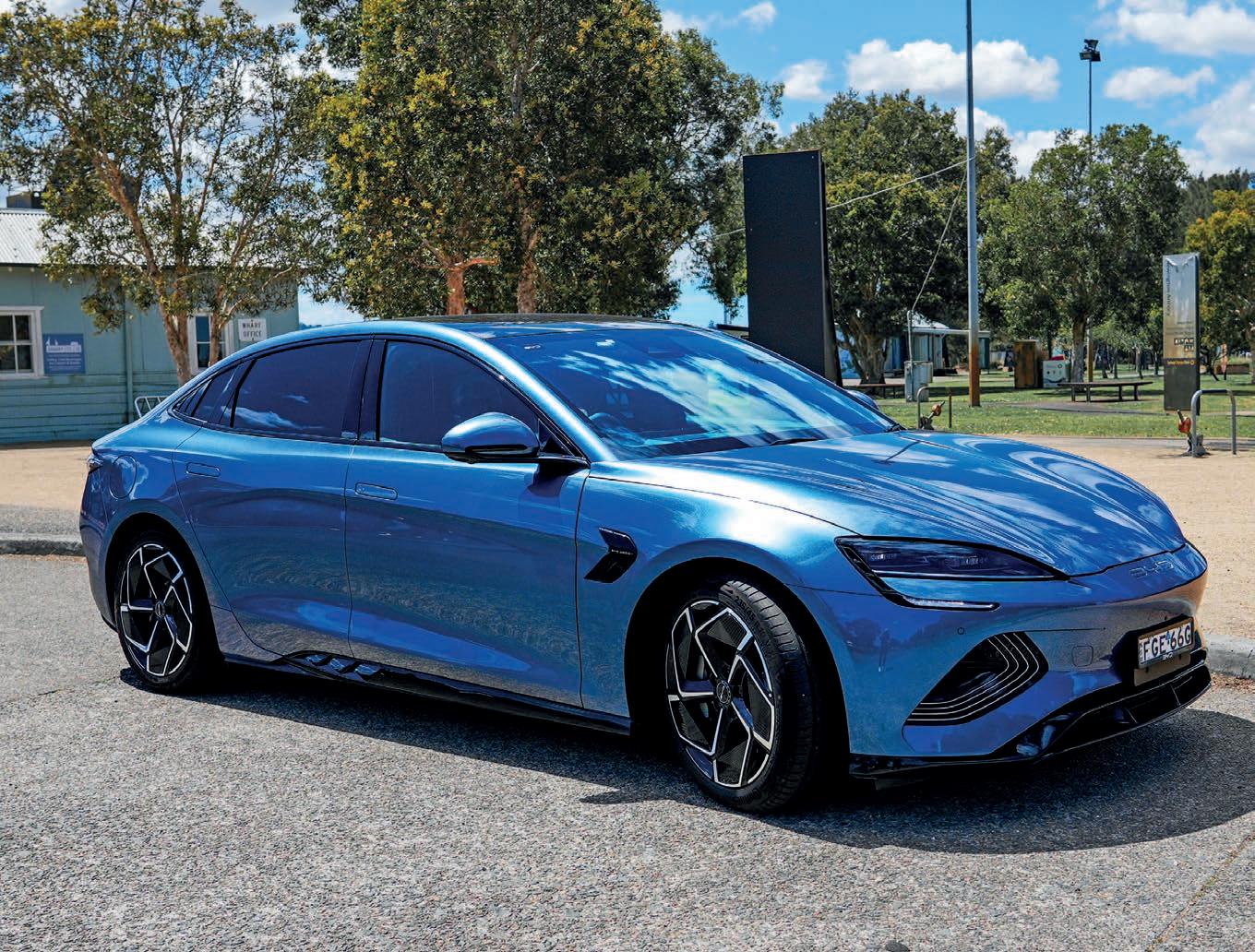
Manufacturers such as BYD, GWM, MG, Chery and LDV have become an increasingly common sight in Australian workshops in a remarkably short period of time.
According to VFACTS data, these brands accounted for approximately 30 per cent of all new vehicle sales in April 2026, up from around 15 per cent during the same month just one year earlier.
That is not simply a sales trend. It represents a significant shift in Australia’s vehicle parc, and one that is already having an impact throughout the independent aftermarket.
Workshops do not get to choose what arrives through the workshop doors.
Whether it is a recently introduced Chinese-built SUV, a hybrid vehicle, an EV platform or a long-established passenger car, the expectation remains the same.
Parts need to fit correctly, perform as intended and be available when the job needs doing.
As Australia’s vehicle mix continues to diversify, suppliers are being challenged to support a broader range of applications than ever before.
For Disc Brakes Australia, responding to these changes begins long before a vehicle becomes a common sight in independent workshops.
With close to five decades of experience designing and engineering braking solutions in Australia, DBA has built its reputation on understanding the unique requirements of the local market.
As new vehicle brands continue to gain momentum, DBA’s engineering team assesses emerging applications against OE specifications, vehicle characteristics
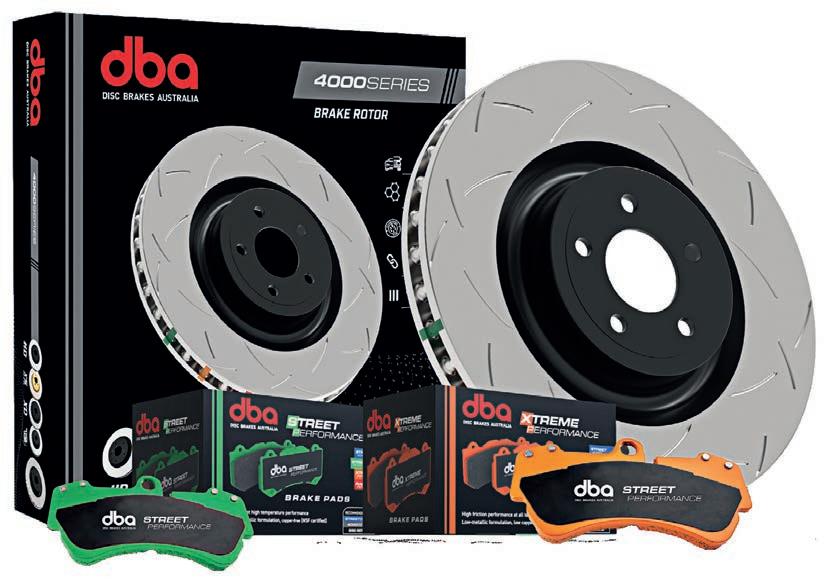
and local operating conditions to ensure workshops have access to braking solutions they can install with confidence.
Vehicle registrations are monitored, OE platform changes are assessed and new applications are reviewed as market trends emerge.
The objective is straightforward: deliver coverage that keeps pace with Australia’s changing vehicle fleet while maintaining the standards of fit, performance and durability expected from a DBA product.
Every new application undergoes a detailed engineering review that considers OE rotor design, vehicle mass, brake system characteristics, friction requirements and expected operating conditions.
This process helps ensure new applications meet the same standards that workshops have come to expect across the DBA range.
As a result, DBA continues to expand coverage across a growing number of applications for brands including BYD, Chery, GWM, LDV and MG, with further applications being developed as the Australian vehicle parc continues to evolve.
As new vehicle brands continue to grow their presence on Australian roads, workshops need access to braking solutions suited to a wide range of vehicles and operating environments.
For everyday passenger vehicles and SUVs, DBA’s Street Series rotor range provides OE-quality replacement solutions for the growing number of applications entering independent workshops. Designed
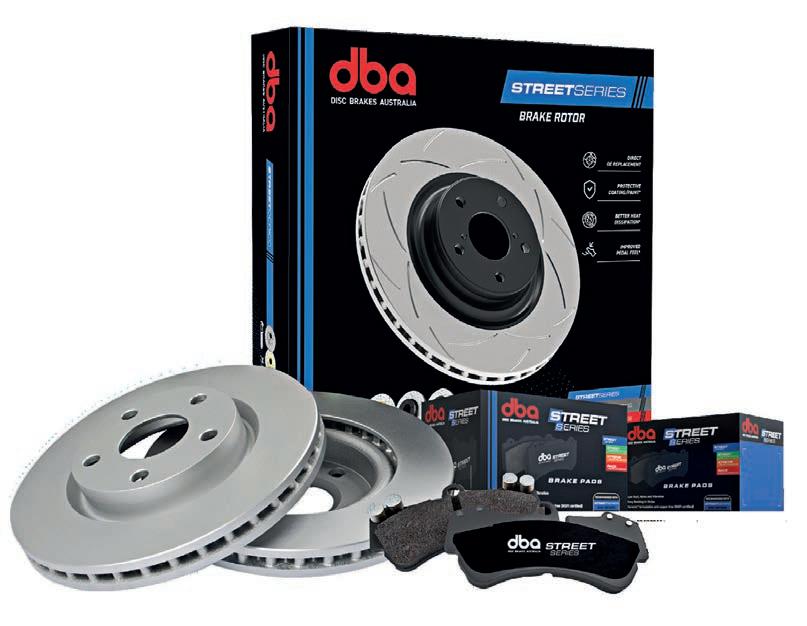
for everyday driving conditions, the range delivers dependable performance while maintaining the fit and functionality expected from an OE replacement rotor.
For vehicles operating under heavier demands, including utes, 4x4s and vehicles used for towing, DBA’s 4000 Series rotors offer increased thermal capacity and durability.
As more of these vehicles enter the Australian vehicle fleet, DBA continues to expand application coverage to support workshop demand.
On the friction side, DBA’s Street Series brake pads provide a reliable OE replacement option for everyday driving.
Drivers seeking enhanced braking performance can step up to Street Performance, while Xtreme Performance is engineered for more demanding applications, including heavy loads, towing and off-road use.
Together, these rotor and pad ranges are designed to support the increasingly diverse range of vehicles now appearing in Australian workshops, from established market leaders through to the newest
Australia’s vehicle fleet is becoming increasingly diverse, and there is little indication that trend will slow any time soon.
As new brands continue to establish themselves and vehicle technologies evolve, workshops will increasingly rely on suppliers capable of supporting a broader range of applications without compromising on quality, performance or availability.
For DBA, that means continuing to invest in Australian engineering, product development and application coverage to ensure workshops are equipped for the vehicles they service today and those they will service tomorrow.
Because while the badges on Australian roads may be changing, the expectation for safe, reliable braking performance remains exactly the same.
Visit dba.com.au to learn more
Time in a workshop or on-site is lost in small pockets. Walking back to grab a tool.
Digging through mixed gear. Resetting between jobs. It adds up quickly and directly hits productivity.
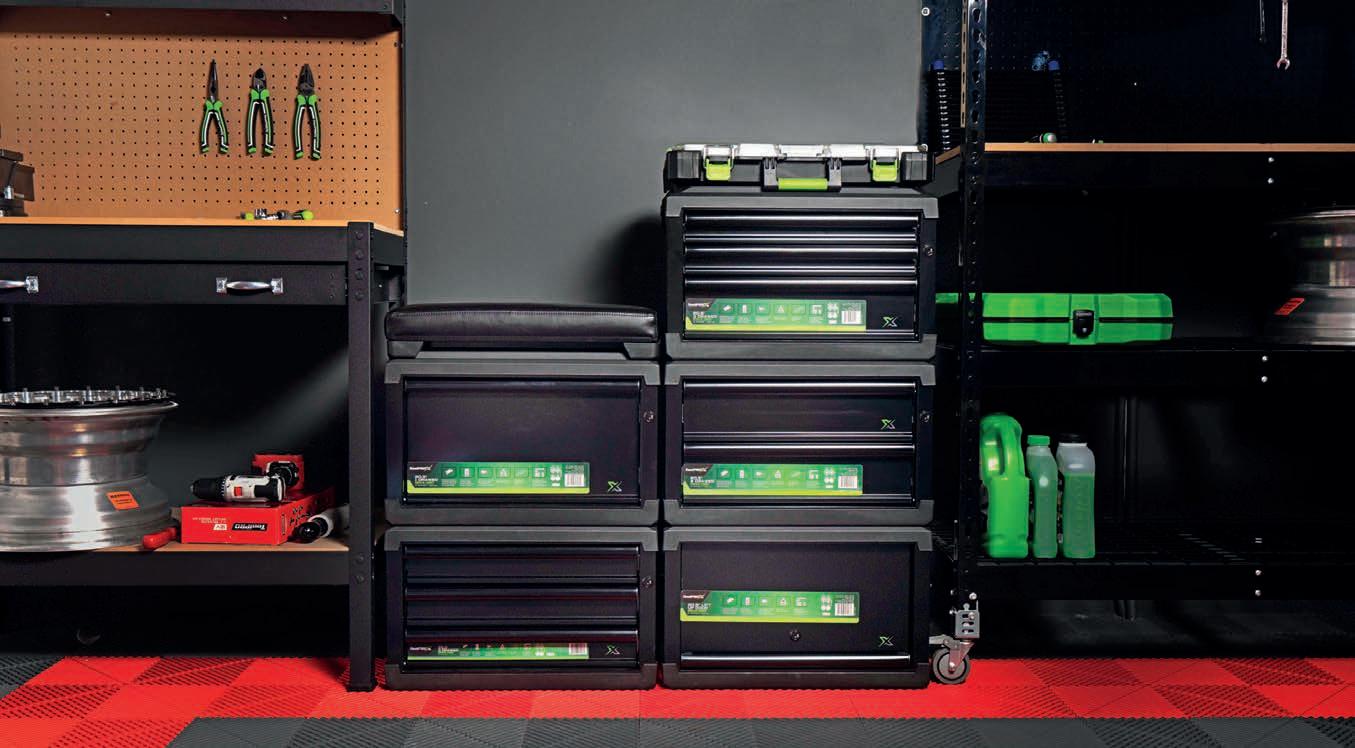
A modular storage system like ToolPRO-X is designed to remove that friction. At its core, the system is built around interlocking modules that stack and connect securely. You’re not locked into a single layout. The system can be built around how you work, not the other way around.
In a workshop, it becomes a structured bay setup with dedicated drawers built around how jobs are done.
In a ute canopy, it creates a clean, secure layout that holds together and doesn’t shift or rattle. For a mobile mechanic, it can be configured with a flat workbench-style top to create a usable surface on-site.
A detailer can turn it into a rolling setup with a seat module, keeping products, tools and access in one place.
Same system, completely different applications.
Each one built around the job
The quality of the system is what makes that level of flexibility viable across trades.
The cabinets are constructed from steel with a rust-resistant protective coating, designed to handle daily exposure to knocks, fluids and wear. Drawers are engineered with defined load capacities, with configurations rated around 20–25kg per drawer, supported by soft-close quad ball-bearing runners.
That combination matters. It means the drawers still run clean when they’re loaded with real weight, not just when they’re empty on day one.
On the smaller end of the system, organisers are IP65 rated.
That gives protection against dust, dirt and water ingress, which is critical when gear is stored in a vehicle, used outdoors or exposed to workshop conditions.
It’s a practical feature that extends tool life and reduces the risk of failure when tools are needed.
Mobility is the other advantage. Instead of managing multiple toolboxes or loose gear, you’re moving one connected system. In a workshop, that means moving between bays without disruption.
On the road, it creates a cleaner, more efficient vehicle setup that’s faster to load, unload and work from.
ToolPRO-X has been built with trade use in mind. It’s not overloaded with unnecessary features. It focuses on durability, load capacity and flexibility where it counts.
For any trade, that’s the value. Better protection for your gear and a setup that adapts as the job changes. This isn’t just workshop storage. It’s one system that carries across every part of the job. In the bay, in the ute or on-site.
a Trade customer?
Create your free account with your ABN at trade.supercheapauto.com.au/account/ register to access Trade pricing and additional benefits
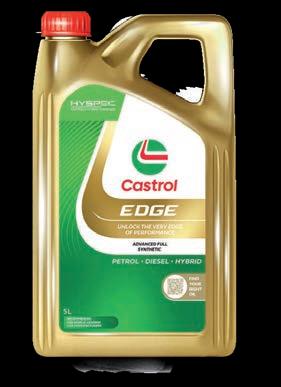
An OEM (Original Equipment Manufacturer) approval certifies that a lubricant meets the specific performance requirements set by a vehicle manufacturer for its engines.
It is the only formal validation that the oil has been tested and approved against that manufacturer’s hardware and performance standards.
Without OEM approval, claims remain unverified.
Industry Specifications – The Baseline Standards such as API, ILSAC and ACEA define minimum performance levels through prescribed laboratory and engine testing across broad engine categories.
OEM Specifications – The Next Level OEM standards such as BMW Longlife-19 FE, VW 508 00/ 509 00, MB-Approval 229.72 go further.
They are tailored to the unique operating environments inside specific engines and are often more stringent than industry standards.
Many manufacturers now develop proprietary specifications requiring extensive laboratory and engine validation.
An oil with formal OEM approval:

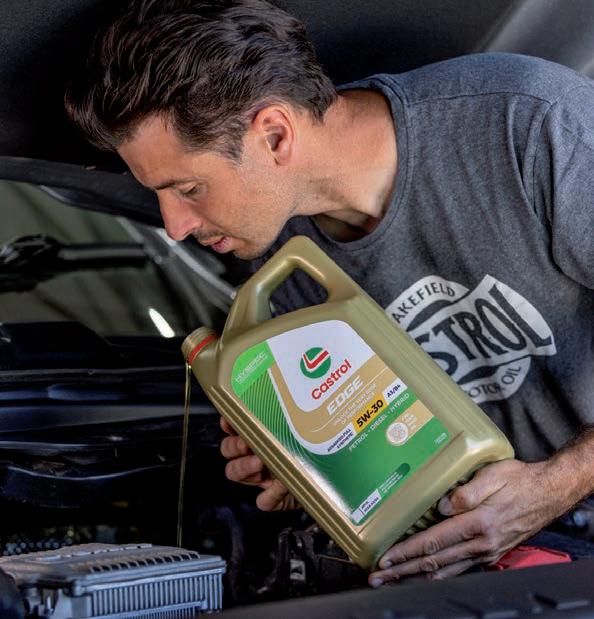
Long-standing connections with many of the world’s leading OEMs ensures Castrol stays at the forefront of technological advancements, providing direct visibility of the latest engine technology and performance requirements.
This connectivity is vital for developing premium lubricants that deliver optimal performance, efficiency, and protection while meeting rigorous manufacturer specifications – as validated by the manufacturer themselves.
This commitment is the reason why Castrol has such a comprehensive array of formal OEM approvals. Whether a world-first oil like Castrol EDGE 0W-20 LL IV – carrying 10 different OEM approvals from the like of BMW, Porsche, Mercedes-Benz, Ford, Jaguar Land Rover, Volkswagen and more – or our broader engine oil portfolio, Castrol has your workshop covered. validation.
• Has been tested in the same hardware used to build the vehicle
• Protects the vehicle warranty
• Supports fuel economy, durability and emissions compliance
• Maintains performance even as the oil ages.
For vehicles under warranty, OEM approval is often mandatory - particularly during warranty investigations.
Specifications ensure lubricants:
• Keep pace with evolving engine designs and tighter emissions regulations
• Enable improved fuel economy at lower viscosities without compromising durability
• Deliver proven protection and support extended service intervals.
For professional, plain language advice about Castrol products, please call: Technical Helpline Australia: 1300 557 998

Smart Dot™ wear indicator
Low noise & pad wear
Bi-directional slot design
High carbon + Z360® Ultracoat
Protex’s NS5 Rotor brings Australian-developed braking performance to the aftermarket
After more than two years of development and extensive on- and off-road testing, Protex has officially introduced its latest braking upgrade: the NS5 Rotor, with a clear focus on delivering enhanced braking performance under demanding conditions.
Designed specifically with Australian conditions in mind, the bi-directional slotted rotor targets the growing 4WD, SUV and performance vehicle markets, where increased vehicle mass, towing demands and challenging terrain place significant pressure on braking systems.
The emphasis is firmly on consistent stopping power, heat control and fade resistance when performance is pushed beyond everyday driving.
At the heart of the Protex NS5 Rotor is a high-carbon metallurgy construction, developed to improve thermal stability and maintain braking performance through repeated high-temperature cycles generated under load. Protex Product Development Manager Tony Doyle said this is one of the rotor’s key differentiators.
“In terms of materials and design, the Protex NS5 Rotor uses high carbon metallurgy,” he said. “High carbon refers to the cast iron composition of the rotor.
“This improves thermal stability and increases its ability to handle repeated heat cycles.”
This thermal performance becomes particularly important in real-world performance scenarios such as towing, carrying heavy loads or descending steep terrain, where braking systems are required to deliver repeated, consistent stopping force without degradation.
While the slot design delivers a distinctive appearance, its primary role is performance-focused rather than cosmetic.
The slots help clear gases, dust and debris generated during braking, supporting stronger initial bite, more consistent pedal feel and improved overall braking response. This enhanced gas and debris evacuation also contributes to better fade resistance during prolonged or high-intensity braking.
“When a brake pad contacts the rotor, gases and debris are produced,” Tony said.
“The slots help remove that build-up, improving braking performance.”
The rotor’s bi-directional configuration further supports performance in workshop environments, eliminating the need for separate left- and right-hand components. This ensures correct fitment while maintaining consistent braking characteristics across installations.
Another performance advantage is the inclusion of Ultracoat Z360®, an advanced
corrosion-resistant coating designed to maintain rotor integrity and braking consistency in harsh environments. Whether exposed to coastal air, heavy rain or repeated water immersion such as boat launching, the coating helps preserve surface condition and braking reliability over time.
“The rotor can be fitted straight out of the box without the need for cleaning, which reduces the use of chemicals in the workshop,” Tony said.
“Additionally, it helps prevent corrosion between the rotor and hub, making future removal and servicing easier.”
The Protex NS5 Rotor’s development process incorporated computer-aided design, finite element analysis, thermal surveys and real-world validation testing to ensure consistent braking performance across a wide range of operating conditions.
By combining high-carbon metallurgy, thermal management design, corrosion protection and installation efficiency, the NS5 Rotor is positioned as a performancedriven upgrade for drivers seeking improved braking response, durability under load and sustained stopping power within OE sizing constraints.
Visit protexparts.com.au to learn more
Prevents fine contaminants entering EXCLUSIVELY AVAILABLE INSTORE


ince its founding in the early 1920s, Repco has been an integral part of Australia’s automotive journey.
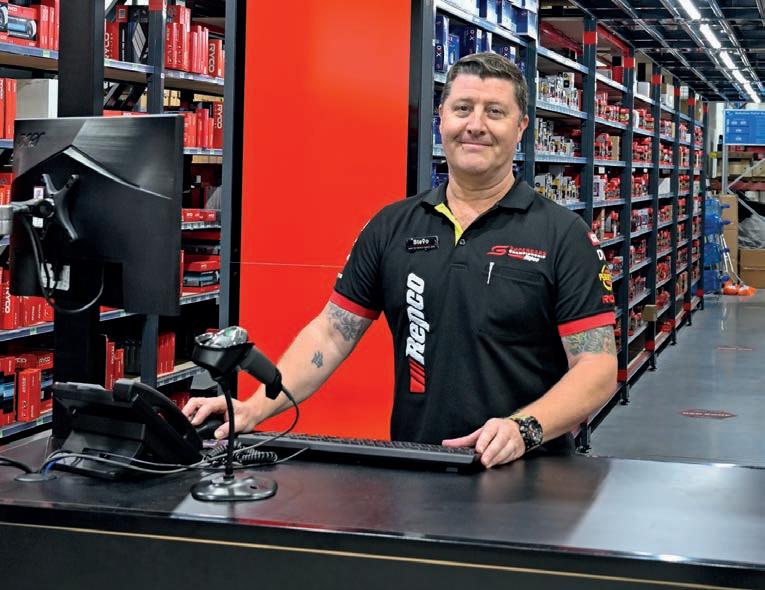
As motor vehicles became increasingly common across the country, Repco recognised the growing demand for reliable replacement parts and dependable workshop solutions. What began as a commitment to quality and service quickly evolved into a legacy built on innovation, trust and strong industry partnerships.
Over the decades, Repco has played a pivotal role in key automotive milestones.
From contributing to components used in the very first Holden car in 1948 to supporting racing legend Sir Jack Brabham in his 1966 Formula One World Championship victory, Repco has been woven into the fabric of Australia’s motoring history.
These achievements reflect not only technical excellence but also a deep understanding of the needs of automotive professionals and enthusiasts alike.
Through rapid expansion in the mid20th century, Repco established a strong national and international footprint.
The introduction of specialised Retail and Trade stores in the 1980s further strengthened its position as a leader in the automotive aftermarket industry.
By focusing on accessibility, product range and expert service, Repco ensured customers could access the right parts and advice when and where they needed them.
Today, the Repco brand stands for authenticity and reliability.
Built on a foundation of quality products and trusted expertise, Repco has earned the confidence of customers for more than 100 years, making it one of Australasia’s most recognised automotive brands.
In addition to its established Retail and Trade presence, Repco has become a key partner in the heavy-duty and commercial vehicle sector.
By providing tailored solutions, specialised product ranges and industry expertise, Repco supports businesses that rely on uptime, efficiency and performance to succeed.
Repco’s Digital Workshop Solutions are designed to help aftermarket workshops increase productivity and profitability in a fast-paced industry.
These tools enable workshops to complete more jobs per day, improve customer communication and access
accurate, up-to-date technical information quickly and efficiently.
Designed for workshops of all sizes across Australia, these solutions save valuable time while enhancing customer engagement and operational efficiency.
Repco’s Navigator Pro platform has become the standard platform for locating parts, technical data and workshop information for many of Australia’s leading automotive businesses.
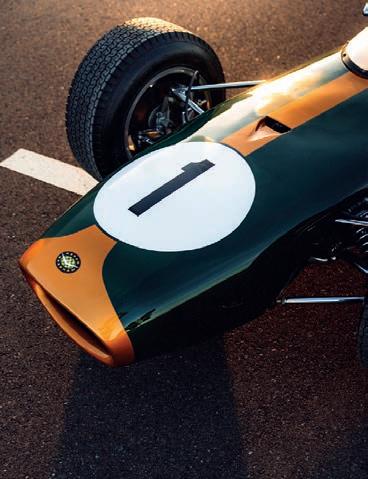
long-standing presence in Australia’s automotive industry reflects more than a century of parts supply and workshop support.
The platform offers fast ordering, 24/7 availability and a streamlined purchasing experience, helping workshops reduce downtime and simplify their processes. By making ordering more automated and efficient, Repco empowers workshops to focus on delivering exceptional service to their own customers.
Supporting these digital solutions is a dedicated team located across every state and territory in Australia.
Repco’s team combine extensive industry knowledge with practical, handson experience to deliver advice and personalised service.
Whether it’s identifying the correct part, providing guidance or responding quickly to urgent requirements, Repco’s team is committed to keeping your operations running smoothly.
At Repco, customer satisfaction is more than a goal - it is a long-standing commitment. Responsive, reliable and ready to assist, Repco continues to invest in products, technology and people to ensure workshops and businesses have the tools they need to thrive in a competitive market.
For more information, contact your local Repco representative or visit the Repco Trade website to learn how we can support your workshop’s success


RACV is calling for urgent regulatory reform as automated vehicles and self-driving technology become increasingly available in Australia, warning that existing road laws are struggling to keep pace with rapid advancements in vehicle automation.
The organisation has released its first policy position on automated vehicles, urging both federal and state governments to introduce clearer rules governing the use of self-driving cars and future robotaxi services.
RACV believes updated legislation is needed to ensure motorists understand their responsibilities when using automated driving systems, while providing regulators with a consistent framework for enforcement and safety oversight.
RACV Head of Policy James Williams said automated vehicle technology presents a significant opportunity to improve road safety if supported by appropriate regulation.
“Human error is a factor in around 90 per cent of all crashes, so if we can get the settings right, automated vehicles have the potential to deliver one of the most meaningful reductions in road trauma we’ve seen in a generation,” Mr Williams said.
However, he warned governments risk falling behind the pace of technological development.
“If we move too slowly, there is a risk the technology will be deployed without the
safeguards motorists deserve. Industry is already moving faster than government,” he said.
According to RACV, current Australian legislation largely assumes a human driver is performing all driving functions at all times.
In reality, a growing number of vehicles already on Australian roads are capable of steering, braking, accelerating and changing lanes with limited or no direct driver input under certain conditions.
Mr Williams said this shift is fundamentally changing the role of motorists behind the wheel.
“The role of the driver is shifting from performing the driving task to supervising
an automated driving system, and it is important that our laws reflect that so that motorists understand what’s expected of them and regulators have clarity on what they’re enforcing,” he said.
RACV is urging the Federal Government to accelerate the introduction of comprehensive automated vehicle safety laws.
The organisation wants legislation that regulates Automated Driving System Entities (ADSEs), including oversight of over-the-air software updates and emerging automated technologies that may not currently fall within highly automated vehicle classifications.
RACV is also advocating for the

establishment of a national in-service safety regulator to monitor automated vehicles throughout their operational lifecycle.
In addition, the organisation believes vehicle manufacturers should be required to provide consumer education and awareness programs as part of any safety accreditation framework.
At a state level, RACV is calling on the Victorian Government to modernise road rules and vehicle registration requirements to account for increasing levels of vehicle automation.
A key recommendation involves updating the legal definition of “proper control” to clarify when a driver is considered to be controlling a vehicle through supervision rather than direct physical contact with the steering wheel.
RACV’s position is that drivers should continue to keep their hands on the wheel in vehicles operating at up to Level 3 automation.
The organisation also wants automated vehicle concepts incorporated into driver licence testing and public education campaigns.
While much of the debate around selfdriving vehicles focuses on technology, RACV believes driver education will be equally important.
“Supervising an automated vehicle is a different skill to driving one,” Mr Williams said.
“It requires sustained attention with
relatively little to do, which can be challenging for any driver.”
“Motorists would benefit from clear information, clear guidance and appropriate training before taking the wheel of a vehicle that can drive itself.”
RACV said public awareness programs should focus on helping drivers understand different levels of vehicle automation, the responsibilities of fallback-ready drivers and the risks associated with distraction and fatigue while supervising automated systems.
RACV supports the introduction of automated vehicle technologies that can demonstrably improve road safety and has welcomed the prospect of self-driving robotaxi services being trialled in Australia.
However, the organisation argues that a nationally consistent approach will be essential as the technology becomes more common.
“This is ultimately a national challenge, and it would benefit from a national response,” Mr Williams said.
“Motorists shouldn’t face one set of rules in Victoria and another over the New South Wales border.”
“Australians would be well served by a clear, consistent and safety-led framework, and the time to start that work is now.”
With self-driving vehicle technology advancing rapidly and commercial robotaxi services expanding globally, RACV believes Australia has a limited window to establish the regulatory settings needed to support safe adoption while maintaining public confidence.
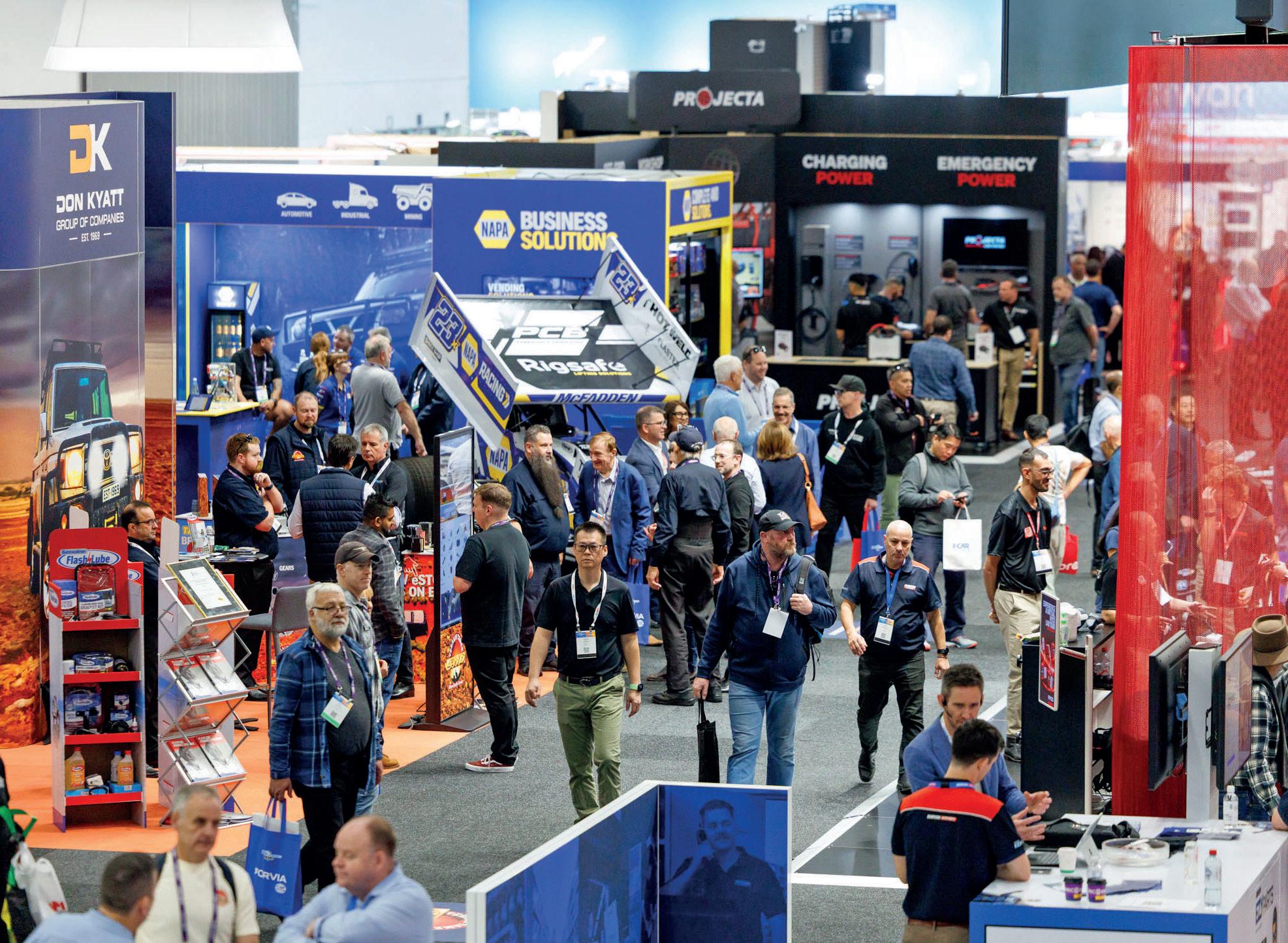
The 2026 Australian Auto Aftermarket Expo served as the main event for brands to showcase the evolving car parc.
More than 400 brands across the Australian and global aftermarket industries were visited by about 15,000 attendees across the three-day event in May.
Australian Automotive Aftermarket Association (AAAA) CEO Stuart Charity said this year’s expo took the event to a whole new level.
“The show floor was buzzing for three straight days, exhibitors invested in spectacular displays, and the level of engagement, networking and business
activity was exceptional,” he said.
“The Expo brings the industry together like nothing else — connecting workshop owners, technicians, collision repairers, manufacturers, suppliers and industry leaders face-to-face to share ideas and invest in the future of the industry.”
For Schaeffler, the expo served as an opportunity to show the brand’s depth of coverage across not only European vehicles, but Asian as well.
“This is very important,” Schaeffler
Australia Head of Automotive Warren Barnett explained.
“If you look at the Australian car parc, depending on whose figures you believe, Asian vehicles make up around 75 to 80 per cent of the market. Breaking into that segment is a major opportunity for us.
“A lot of people assume that because we’re a German company, we only manufacture parts for European vehicles.
“That’s simply not true. We’ve had relationships with Hyundai that go back nearly 40 years.”
The showcase highlighted the breadth of Vitesco components recently made available through Schaeffler.
From sensors, pumps, injectors and more; Vitesco’s vast and reliable OE range can be
More than 15,000 industry professionals packed the 2026 Australian
found in millions of cars across the globe.
“Bringing the Vitesco product range into the portfolio has also opened up a completely different part of the market for us,” Warren said.
The vastness of Vitesco’s range is so great, Warren said, that Schaeffler is still sorting through all the new parts.
“There’s a significant learning curve, not just for us here in Australia, but across the entire Schaeffler Group,” he said.
“Beyond the diesel products we have on display today, there’s a huge range of sensors, diesel pumps and many other products still to come.
“That’s what makes it so exciting. A lot of
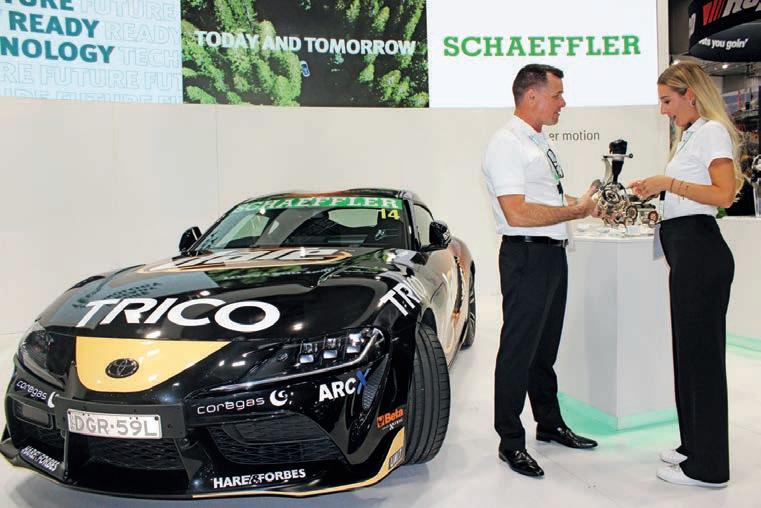
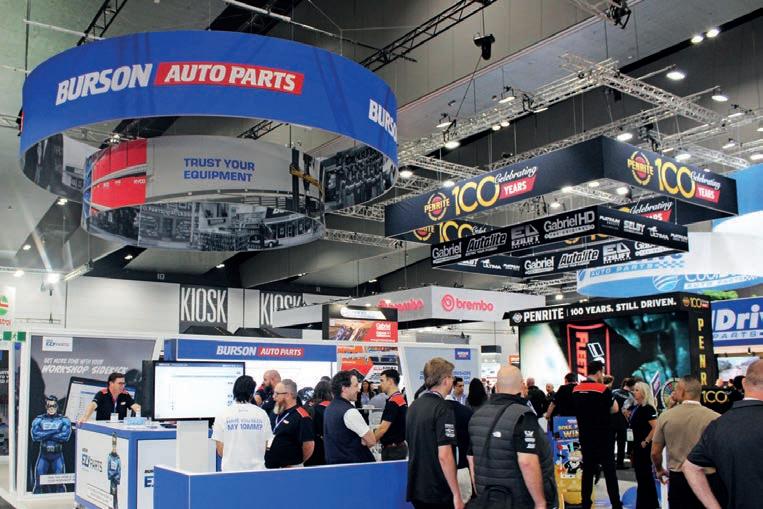
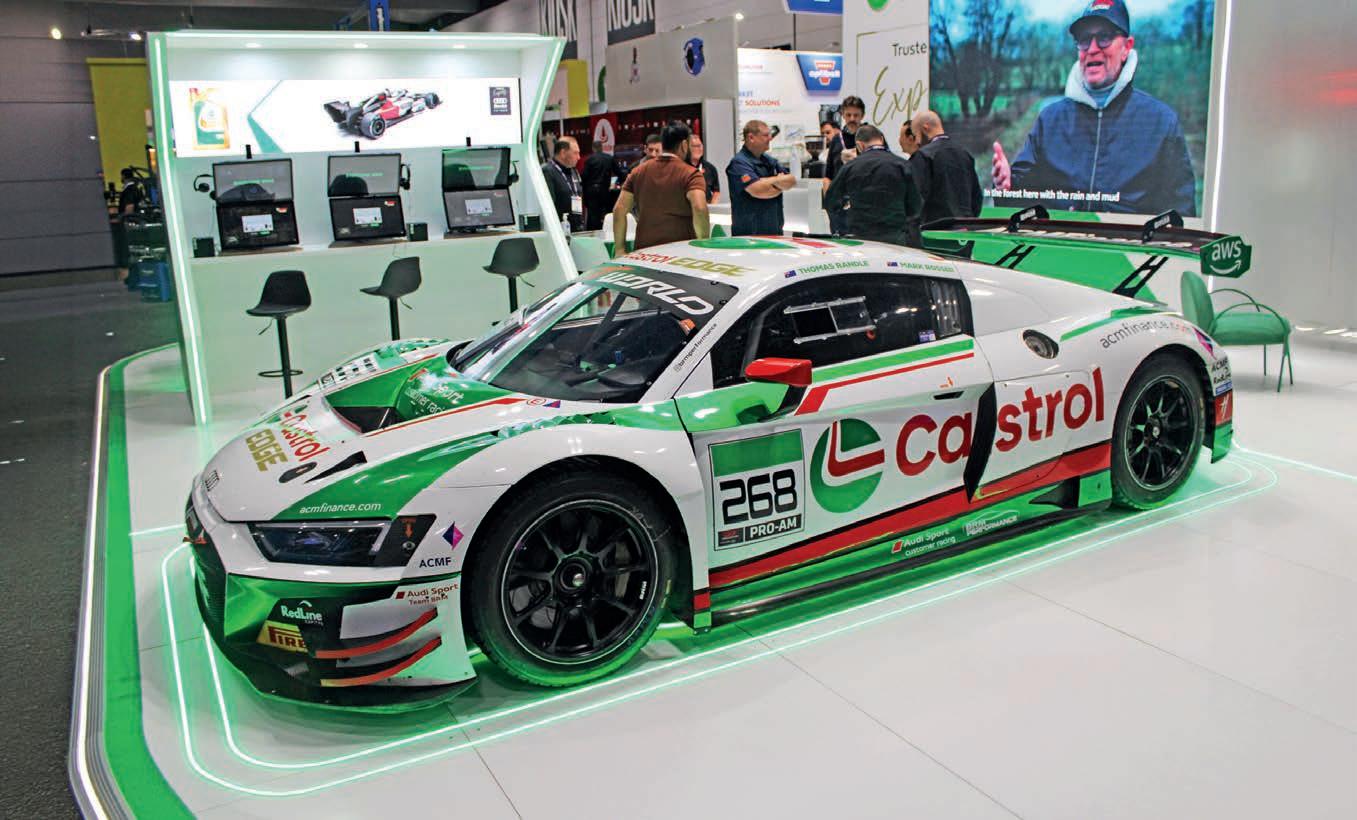
these products are sold through different channels within the market.
“They don’t necessarily go through the traditional reseller network that’s simply moving boxes. These products need to be sold through specialists because they require a deeper technical understanding.”
While the scale of the event turned heads, training remained one of the biggest drawcards.
Thousands of technicians and business owners participated in free training sessions covering diagnostics, workshop management, leadership, profitability and emerging vehicle technology.
International experts travelled to Melbourne to share insights, including trainers from the UK and US specialising in diagnostics, workshop operations and business performance.
The technical program focused on practical learning, giving technicians tools they could immediately apply back in the workshop, while business sessions tackled increasingly important topics such as profitability, leadership and adapting to more complex vehicle systems.
Collision repair professionals also took part in dedicated sessions focused on customer experience, ADAS processes and broader industry shifts.
Rapidly evolving vehicle technology was front and centre throughout the Expo.
Feature areas including the ADAS Training Zone and Diagnostics Discovery Zone
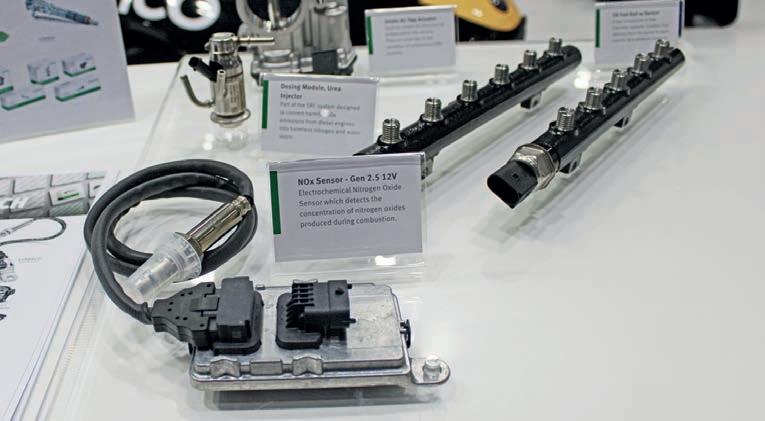
gave attendees hands-on exposure to live demonstrations and training focused on advanced vehicle systems.
At the Collision Repair Expo, visitors also had the chance to watch live welding demonstrations and refinishing techniques in action, highlighting the growing technical demands facing modern repairers.
For workshops navigating increasingly complex vehicle technology, the event offered a chance to see firsthand how the industry is evolving.
The Flying Spanners competition returned bigger than ever, showcasing emerging talent in a fast-paced technical challenge designed to test automotive skills under pressure. Brandon Booth from Taylor Automotive & 4WD in Bomaderry, NSW, was crowned the 2026 winner, highlighting the strength of young talent entering the sector.
Supercars drivers and automotive ambassadors also made appearances
The expo served as a chance for Schaeffler to present the many Vitesco products now at its disposal.
across the three-day event, adding to the atmosphere and giving attendees the chance to meet familiar faces from the motorsport world.
Beyond the displays and demonstrations, networking remained a major focus, with thousands of business connections made across the event, culminating in Friday afternoon’s industry networking function.
Awards celebrating innovation and excellence also recognised standout businesses, products and individuals shaping the future of the automotive aftermarket and collision repair sectors.
“The passion, professionalism and commitment shown by our industry across the three days was extraordinary,” Stuart said.
“This event showcased the incredible strength of the automotive aftermarket and collision repair sectors, and the confidence our industry has in its future.”



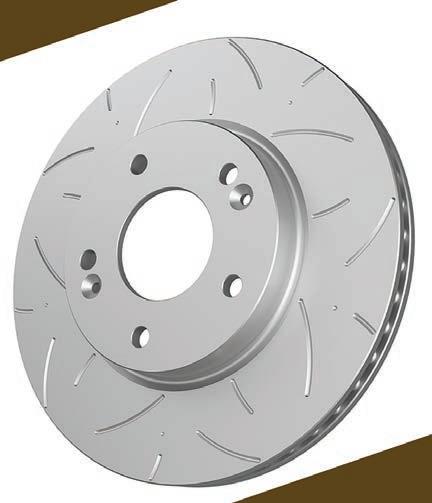
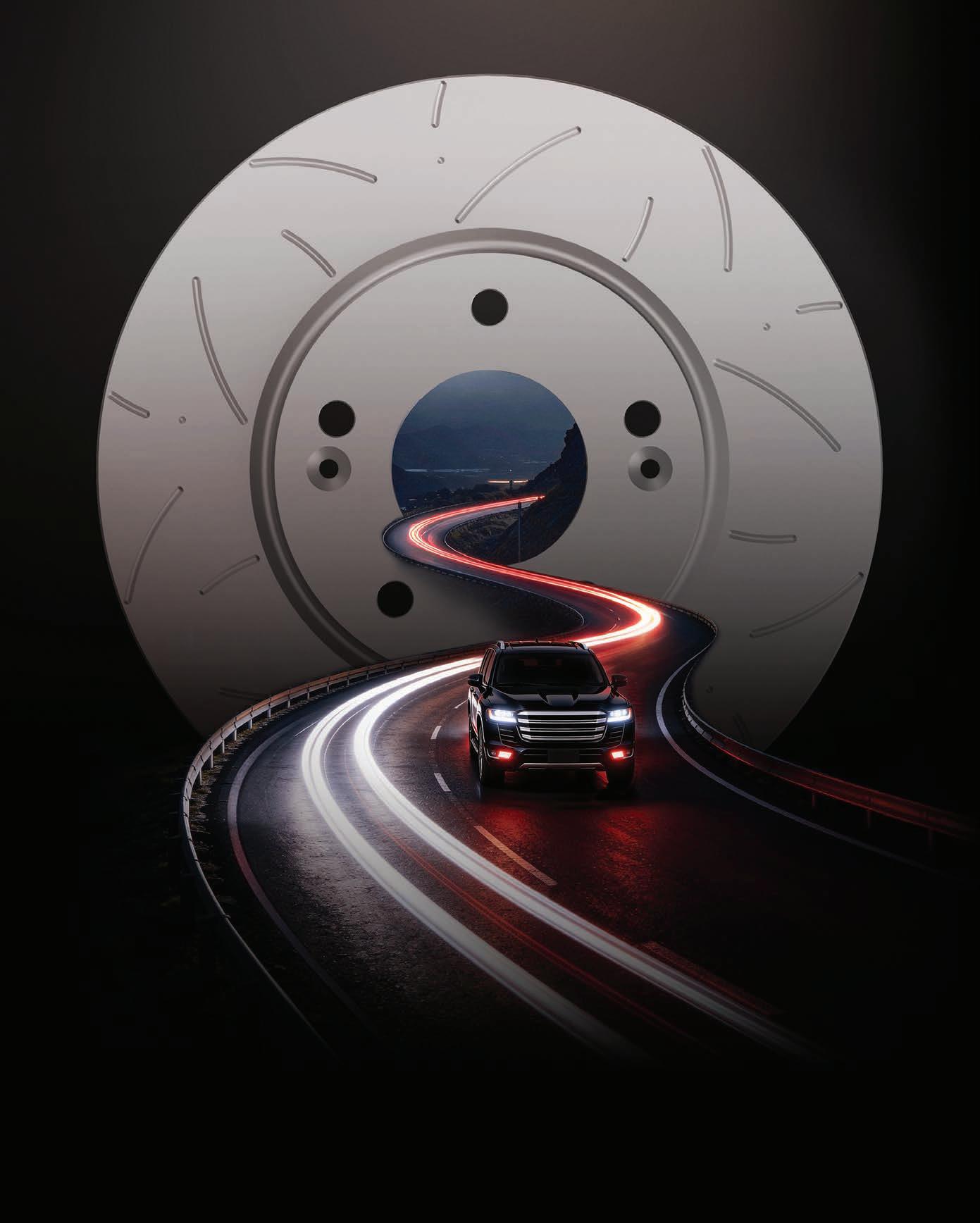
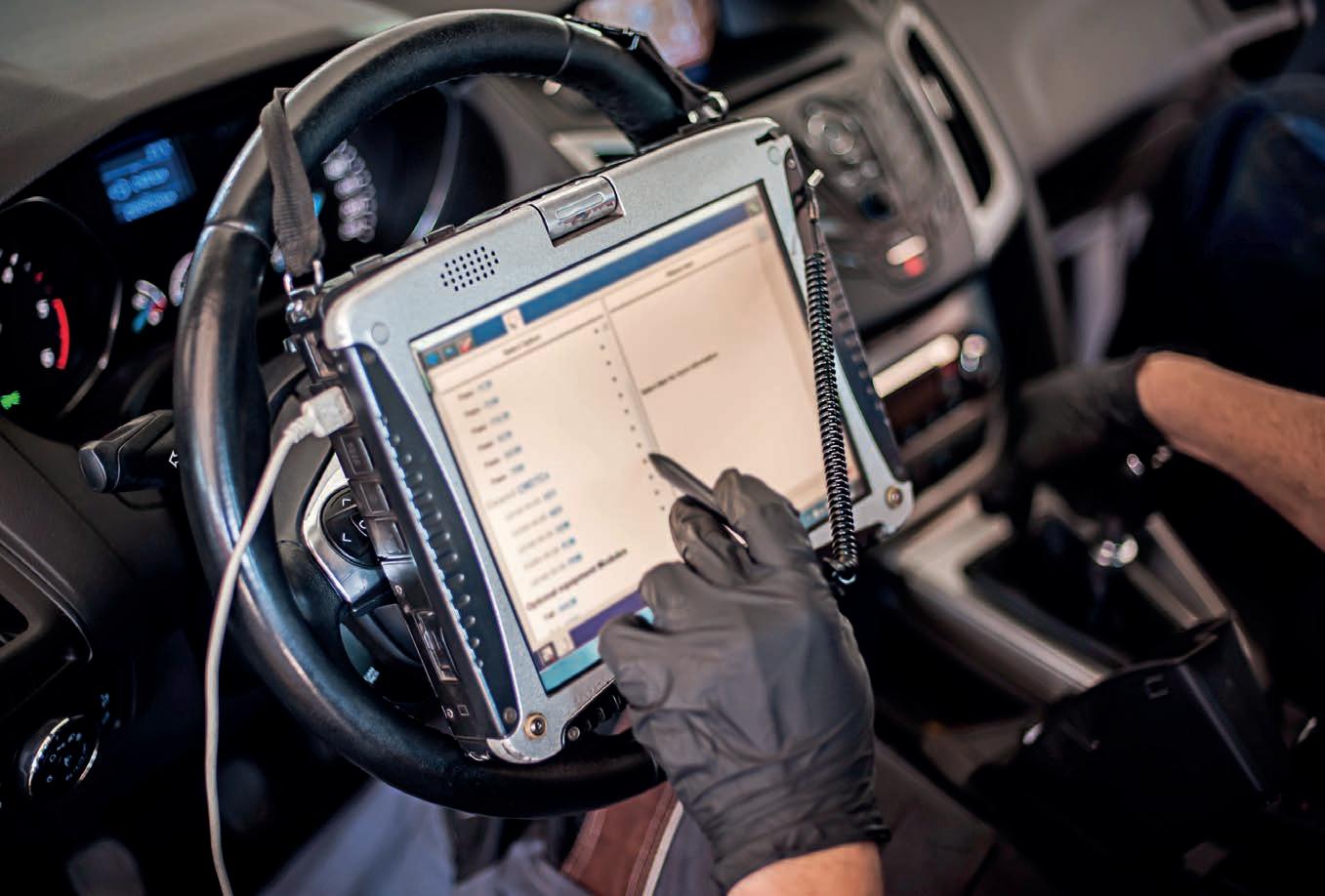
There was a time when a Saturday afternoon in the driveway, replacing a battery or wiring in a spotlight, was a rite of passage.
Today, that job could leave a car immobilised, throw fault codes, or wipe settings that take hours to restore.
The car has been rewired, and the pace shows no sign of slowing.
Electronic fuel injection and ABS arrived in the early 1980s as relatively isolated systems.
Everything changed in 1986, when Bosch introduced the CAN bus, allowing every computer in the vehicle to talk to one another.
From that point, cars stopped being collections of separate components and became interconnected networks.
The 2000s brought rapid expansion of computer control, with vehicles relying on dozens of modules working together.
The 2010s saw another leap, with ADAS, smart battery management and integrated infotainment becoming standard.
Now, in the 2020s, we’re firmly in the era of the software-defined vehicle — where faults are as likely to be a software glitch as a mechanical failure, and even straightforward jobs can demand a specialist diagnostic kit.
Take something as basic as a flat 12-volt battery — still fitted to virtually all ICE, hybrid, PHEV and EV vehicles. Fitting the wrong type, or a budget alternative, can cause ongoing electrical gremlins.
Worse, many vehicles need the new battery programmed into the charging system using a compatible diagnostic tool, or it simply won’t work correctly.
Disconnect the battery without the right know-how, and you risk wiping module memories, and on some 2010s-onward models, certain control units may not power back up at all.
Drivers love adding extras: driving lights, trailer plugs, dash cams, but on modern vehicles, the Body Control Module (BCM) governs much of this electrical architecture. Fit them incorrectly, and you risk overloading the BCM, causing it to shut down, or preventing systems from powering down properly when locked, leaving the customer with a flat battery every morning.
Manufacturers now offer BCM-compatible accessory kits for this reason.
ADAS: Brilliant, but not infallible Driver-monitoring cameras, automatic braking, and lane-keep assist are now
commonplace, undeniably improving safety.
But they’re not perfect.
Phantom braking from shadows or reflections, oversensitive alerts, and intermittent faults that are hard to replicate are all part of the territory, and it’s worth reassuring customers this is normal across brands and price points, not a sign their car is faulty.
So here’s the thought worth sitting with: as cars become rolling computer networks at an accelerating rate, are our tools, training and diagnostic capability keeping pace?
The gap between ‘what a car was’ and ‘what a car is’ has never been wider, and it’s widening faster than ever.
That’s where VACC MotorTech comes in.
As Australia’s automotive landscape shifts fast, VACC MotorTech gives independent workshops access to industry-leading technical data and diagnostic[RL1.1] support, helping mechanics stay across the latest vehicle systems without needing to be experts in everything overnight. Feeling the gap? VACC MotorTech is built to help close it
Visit motortech.com.au to learn more
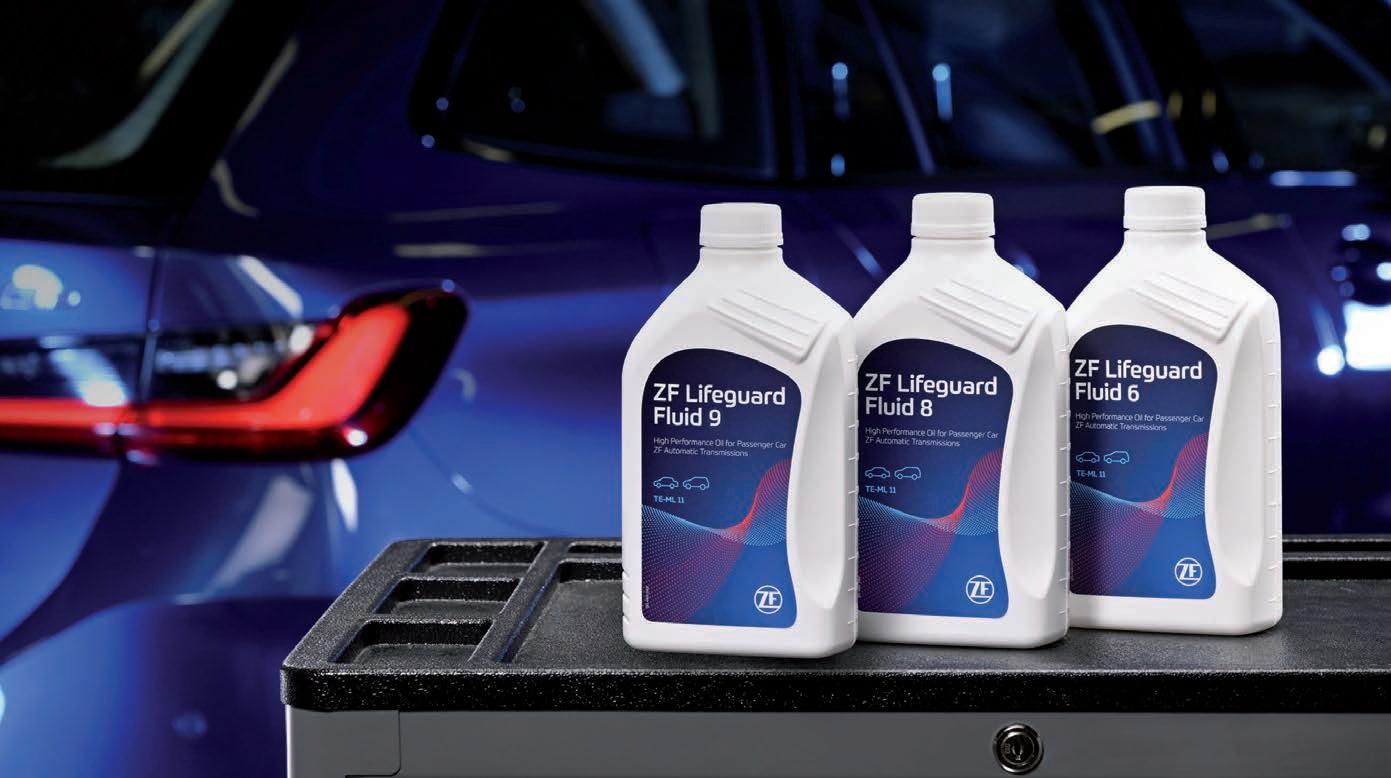
These kits include OEM-engineered fluids for automatic and hybrid transmissions, along with all components required for an oil change. Depending on the transmission, they may include seals, filters, oil pans, magnets, screw plugs, and fastening screws.
Advantages
• Designed and engineered by ZF transmission specialists
• Genuine Original Equipment products
• Eliminates risk of delays or downtime from incorrect or missing parts
• Thermal resistance ranging from -40°C to +150°C
• Rigorous testing guarantees quality and performance
• Special additives provide excellent lubrication, friction control, and transmission protection
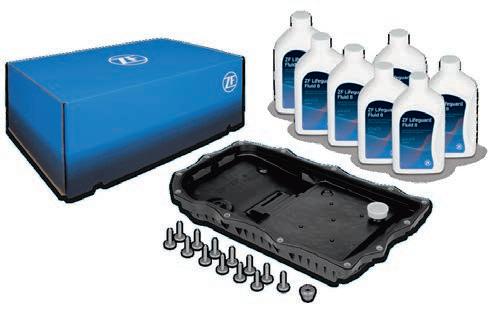
What’s special about these kits?
• AEM rubber gaskets and O-rings for superior sealing and durability
• OE-tooled oil pans for precise fit and perfect mounting
• High-precision, interference-fit components ensure consistent quality
• Integrated filtration system with strong magnets captures more impurities
• Compact, stable design enhances protection of transmission components
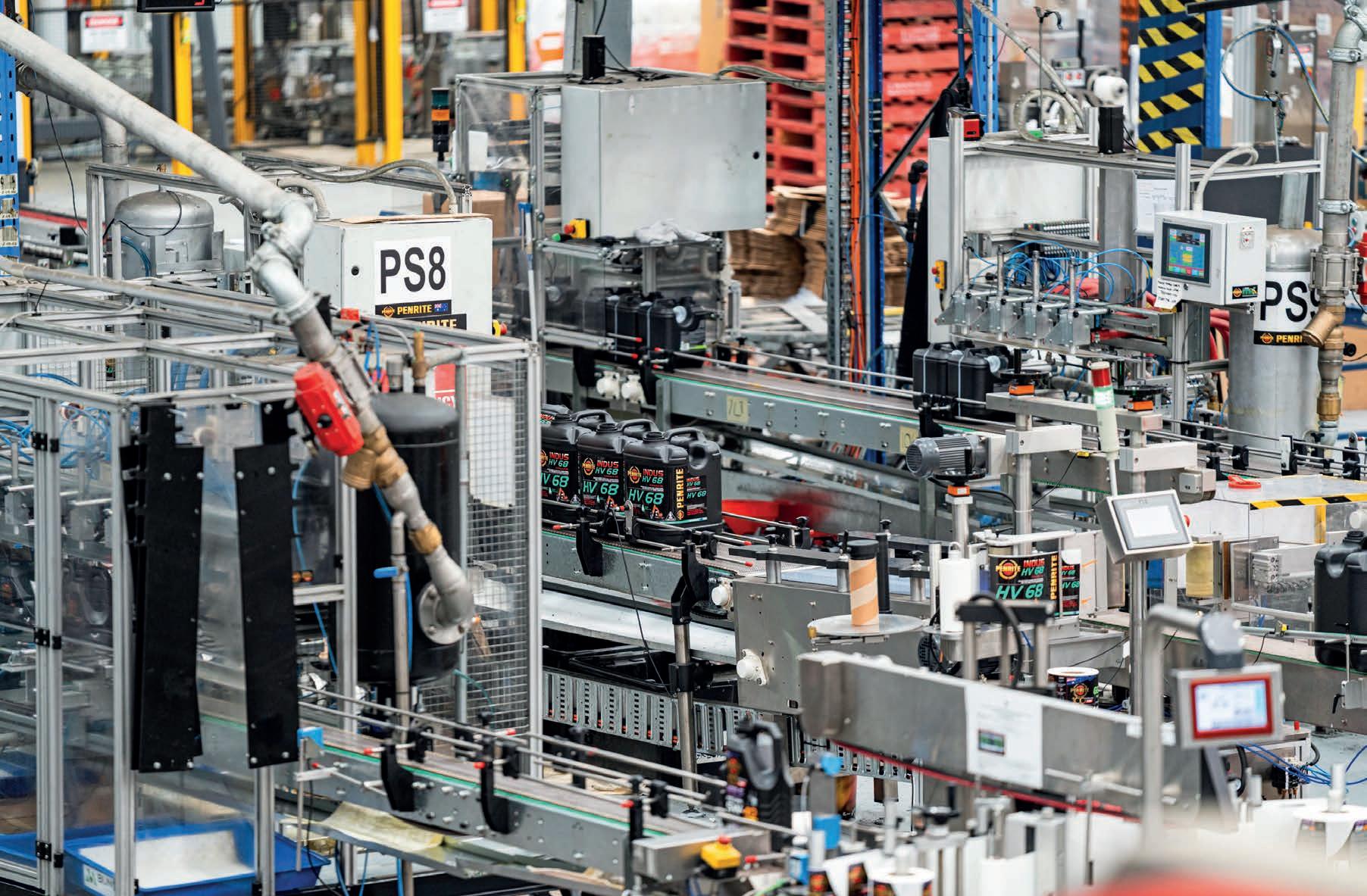
The Australian automotive aftermarket is no stranger to disruption. Over the past five years, workshops and trade businesses have faced everything from pandemic related freight delays, to raw material shortages, rising operating costs and ongoing economic pressure.
With escalating geopolitical tensions in the Middle East, including the ongoing Iran conflict and instability across global oil markets, the lubricants industry is once again entering a period of uncertainty.
For workshops across Australia, this creates a critical business question, can your lubricant supplier continue to deliver consistent supply, stable support and reliable service when market conditions tighten?
Historically, global conflict in oil producing
regions has had a direct flow on effect to base oil pricing, freight costs and lubricant manufacturing inputs.
While no one can predict how long current tensions may continue, the industry is already seeing increased volatility in global crude prices and concerns around shipping routes, energy costs and supply continuity.
For independent workshops, these disruptions can quickly become operational problems. Delayed deliveries, inconsistent stock availability and sudden price movements can impact servicing schedules, customer retention and overall workshop profitability.
That is why the conversation around lubricants is shifting beyond simply price
per litre. More workshops are now looking closely at supplier capability, inventory strength and long-term reliability.
A lubricant supplier is no longer just a product provider.
In today’s market, they are a critical supply chain partner.
For workshops managing growing vehicle complexity, tighter booking schedules and increasing customer expectations, dependable supply has become essential. Missing stock on high volume service grades or specialised OEM specification oils can create unnecessary downtime and force workshops into reactive purchasing decisions that erode margins.
The reality is that workshops need partners with strong national distribution, local inventory holdings and proven operational resilience.
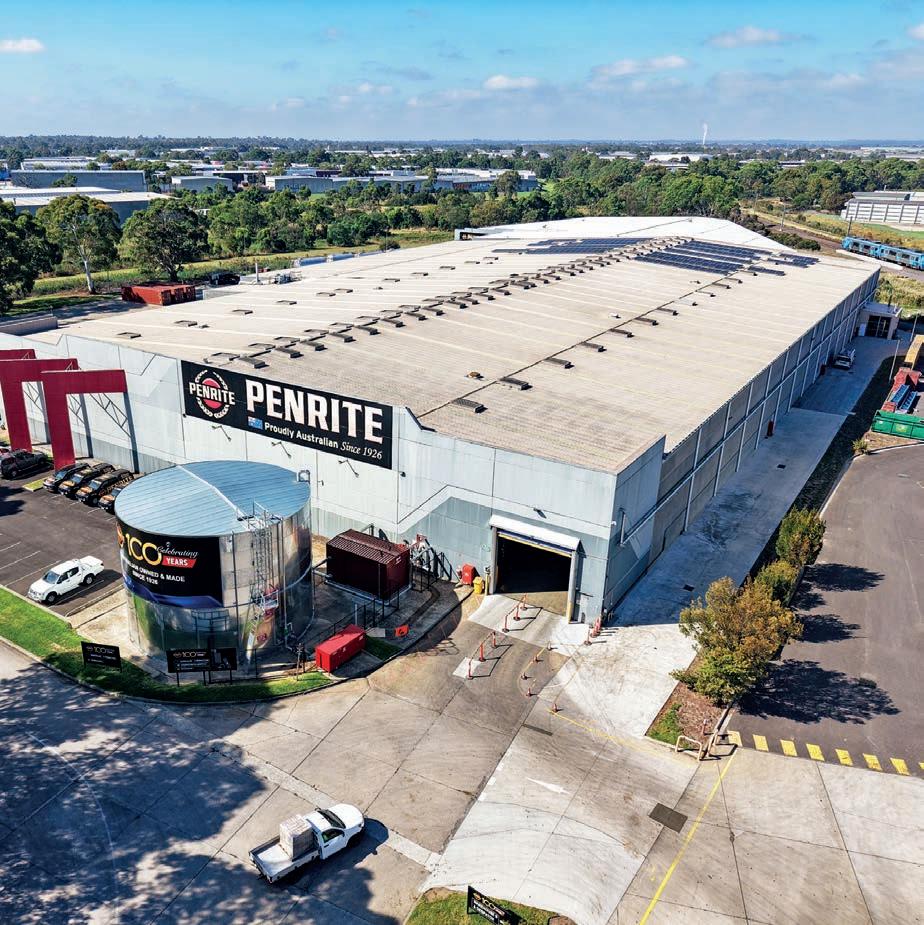
This is particularly important as the Australian car parc continues to evolve. Modern engines require increasingly specialised lubricants, including low SAPS formulations, hybrid compatible oils and OEM specific viscosities designed for emissions systems and fuel efficiency technologies. Workshops cannot afford uncertainty around access to these products.
Australian-owned manufacturers with established local operations are uniquely positioned to support the market during periods of instability.
Businesses with domestic blending capability, local warehousing and national distribution networks are generally better equipped to manage external supply pressures compared to suppliers heavily reliant on overseas finished product imports.
Beyond supply certainty, workshops should also be assessing the broader value of their trade relationships.
A strong trade account partnership should help workshops improve profitability, streamline procurement and provide technical confidence across a rapidly changing vehicle landscape.
This includes access to trade pricing structures, technical support, training resources and product ranges tailored specifically to workshop requirements.
Importantly, workshops should also evaluate whether their supplier is investing in the future of the industry.
As vehicle technology continues to evolve, lubricant development is becoming increasingly sophisticated.
Suppliers actively investing in OEM approvals, research and product innovation will be better positioned to support workshops servicing modern vehicles over the long term.
In uncertain market conditions, stability matters. Workshops that align themselves with reliable suppliers today will place themselves in a stronger position to maintain customer service standards, protect margins and minimise operational disruption tomorrow.
While pricing will always remain an important consideration, the cheapest option is not always the most dependable when global markets tighten.
The workshops that continue to succeed are typically those that prioritise consistency, reliability and long-term business partnerships over short-term purchasing decisions.
As the industry navigates another period of global uncertainty, supply chain confidence may well become one of the most valuable assets a workshop can have.
To enquire about a trade account with Penrite, go to info.penriteoil.com.au/trade or call us on 1300 736 748
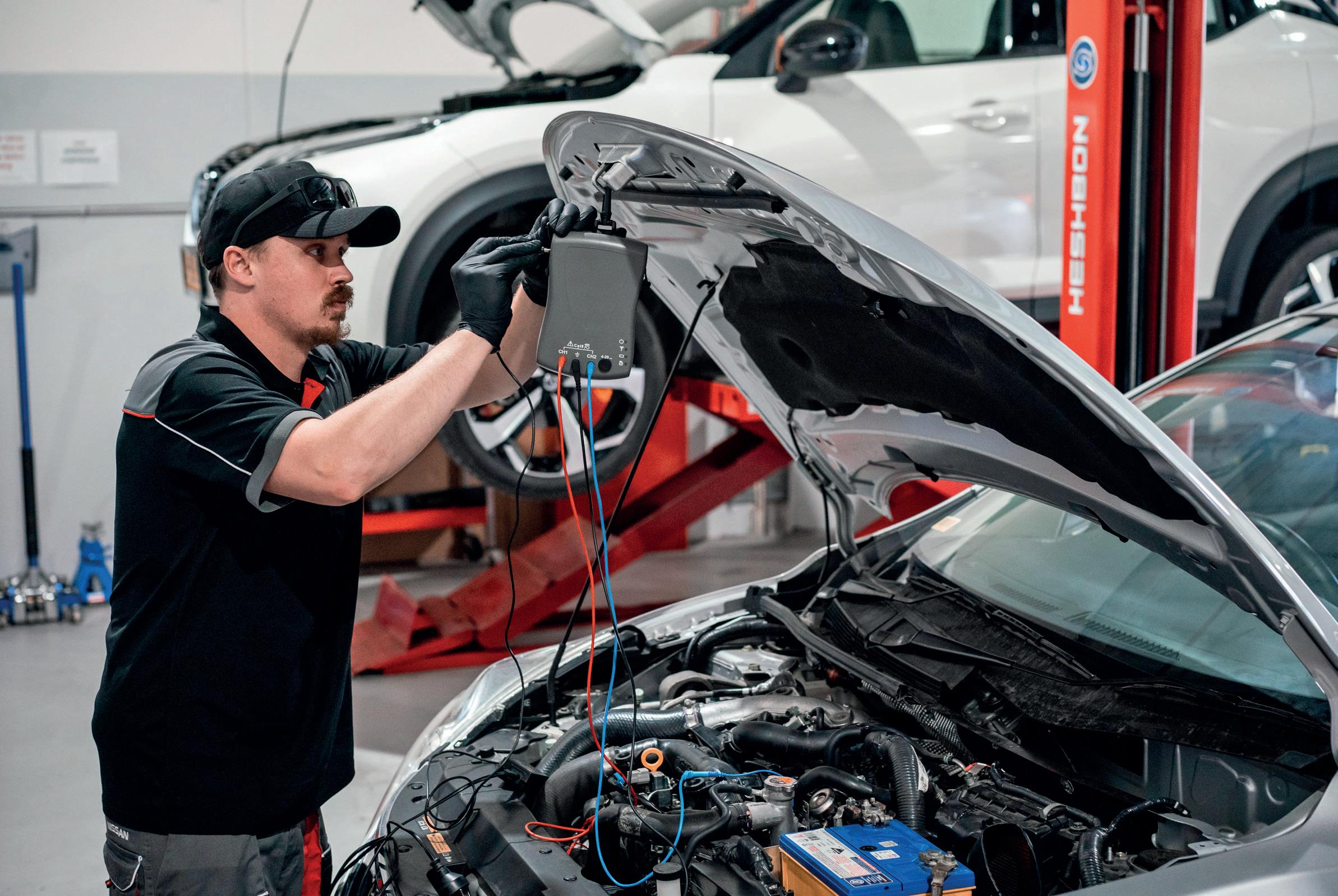
Australia’s automotive industry is undergoing one of the most significant transformations in its history.
From rapidly advancing vehicle technology to the accelerating shift toward electrification, the need for skilled, adaptable and future-ready technicians has never been greater.
At the centre of this transformation sits one critical issue: training.
For workshops, dealerships and repairers across the country, investing in workforce capability is no longer optional, it is essential to ensuring the long-term sustainability of the automotive industry.
The challenge, however, is that the sector is already grappling with an ongoing skills shortage.
The MTA NSW Group has consistently warned that automotive skills shortages are deepening nationwide, with critical technical roles in short supply across every Australian state and territory.
As vehicle systems become more sophisticated, businesses are increasingly competing for technicians with advanced diagnostic, electrical and digital capability.
This challenge is particularly acute in regional communities, where access to skilled labour and training opportunities can be limited.
Compounding the issue is the rapid growth of the electric vehicle market.
While EV adoption continues to increase, the MTA NSW Group said the real pressure point sits behind the scenes, in the workshops responsible for servicing and
repairing the growing EV fleet.
“It is one thing to incentivise the purchase of an electric vehicle, but it is another to ensure there is a local workshop capable of repairing it safely,” MTA NSW Group CEO Stavros Yallouridis said. The transition toward EVs is requiring workshops to invest heavily in new equipment, safety systems and technician training, often while already managing rising operating costs.
“For many of our small business members, the cost of the transition - including high-voltage tooling, specialised safety equipment, and the time away from the tools for staff training - is a major hurdle,” Mr Yallouridis said.
However, beyond the cost of transitioning workshops, industry leaders are
increasingly warning of another growing challenge: who will actually service Australia’s expanding EV fleet if there are not enough qualified technicians to do the work?
As EV sales continue to surge across NSW, the ACT and nationally, the shortage of EV-trained technicians is becoming one of the biggest risks facing the industry’s transition.
The MTA NSW Group has repeatedly cautioned that without urgent investment in training pathways and workforce development, Australia risks creating a situation where consumer demand for EVs outpaces the industry’s ability to safely service and repair them.
The concern is particularly significant in regional communities, where motorists may already face limited access to specialised automotive services.
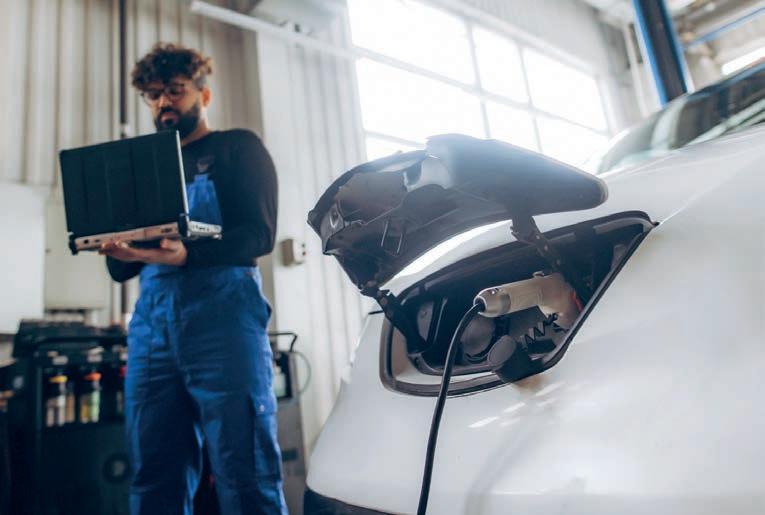
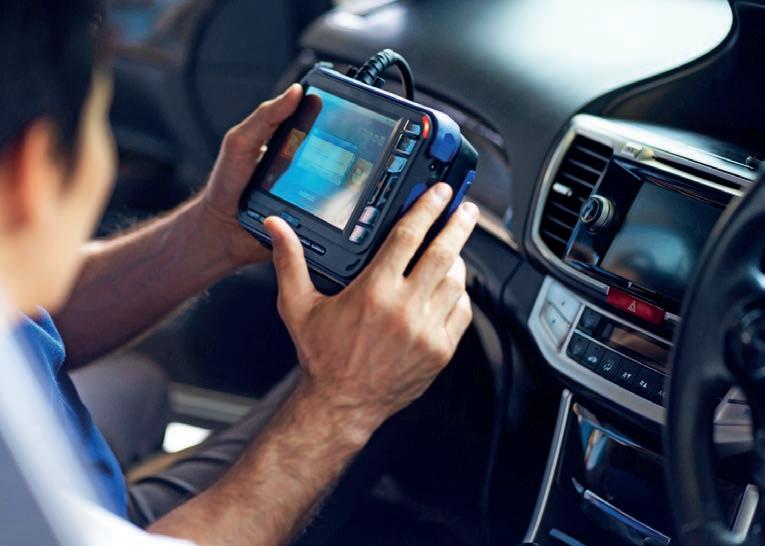
Without appropriately trained technicians, vehicle owners could encounter longer repair wait times, increased servicing costs and the prospect of travelling significant distances simply to access qualified EV repairers.
“Our industry is already battling a skills shortage and as we face arguably what is the biggest transition in our sector’s history, it’s crucial that specialist training in electric car and battery maintenance is prioritised to ensure the safety of everyone that works on an EV as well as to mitigate driver risks,”
Mr Yallouridis said.
Industry estimates suggest tens of thousands of technicians across NSW alone will require EV-specific upskilling over coming years to safely service and repair electric vehicles.
The MTA NSW Group has previously estimated Australia will require an additional
14,000 qualified EV technicians by 2030 to support the growing national fleet.
The issue is already beginning to impact consumers and insurers alike. Industry reporting has highlighted that Australia’s shortage of EV-qualified repairers is contributing to delays in repairs, rising insurance costs and vehicles being written off after relatively minor accidents because there are insufficient skilled technicians available to safely undertake repairs.
Mr Yallouridis has also reinforced the importance of ensuring regional communities are not left behind in the EV transition.
“You can build all the chargers in the world, but if a driver in Dubbo or Tamworth can’t get their EV serviced locally, consumer confidence will stall,” he said.
The automotive industry’s future depends on developing a workforce capable of servicing next-generation vehicles
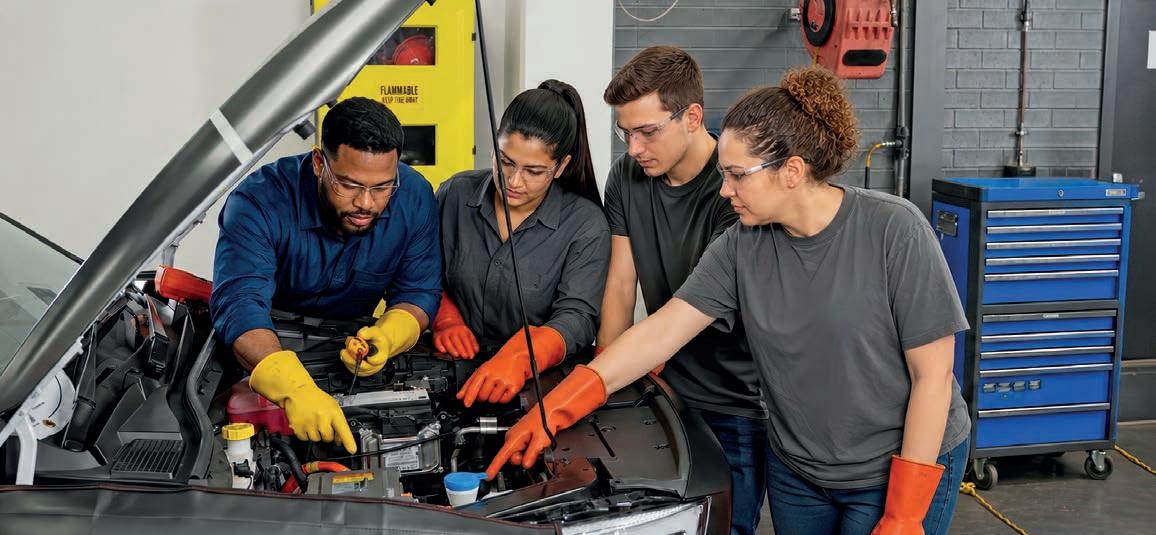
DRIVEN: Building the next generation workforce
Recognising the urgency of the challenge, the MTA NSW Group has continued leading the charge in advocating for stronger investment in automotive workforce development, practical training pathways and industry-led solutions.

A key example is DRIVEN, the national automotive careers initiative that was strongly advocated for at a Federal level by the MTA NSW Group.
The program was developed to help address the growing automotive skills crisis by promoting apprenticeships, modern automotive career pathways and emerging technical opportunities to the next generation of workers.

The MTA NSW Group has consistently pushed for greater Federal recognition of the automotive industry’s workforce challenges and the need for long-term investment in skills
Through DRIVEN, the organisation has sought to elevate the profile of the industry nationally while helping attract new talent into sectors experiencing severe workforce shortages, including EV servicing and repair.
By promoting modern automotive career opportunitiesincluding advanced diagnostics, EV technology and emerging vehicle systems - DRIVEN is helping reshape perceptions of the industry and encourage the next generation of technicians to pursue automotive trades.
At the same time, the industry is adapting to evolving regulatory and qualification frameworks.
NSW Government reforms have already identified EV-specific repair classes and training pathways as essential to ensuring consumer safety and supporting the future of the repair sector.
The message from industry remains clear: Australia’s automotive transition cannot succeed without sustained investment in
Future mobility depends not only on the vehicles being sold today, but on whether there is a skilled workforce capable of maintaining, diagnosing and repairing them safely tomorrow.
The MTA NSW Group offers specialist EV training through its registered training organisation across NSW and the ACT.
Businesses and technicians looking to future-proof their workforce and capability are encouraged to find out more by contacting MTA NSW Group.
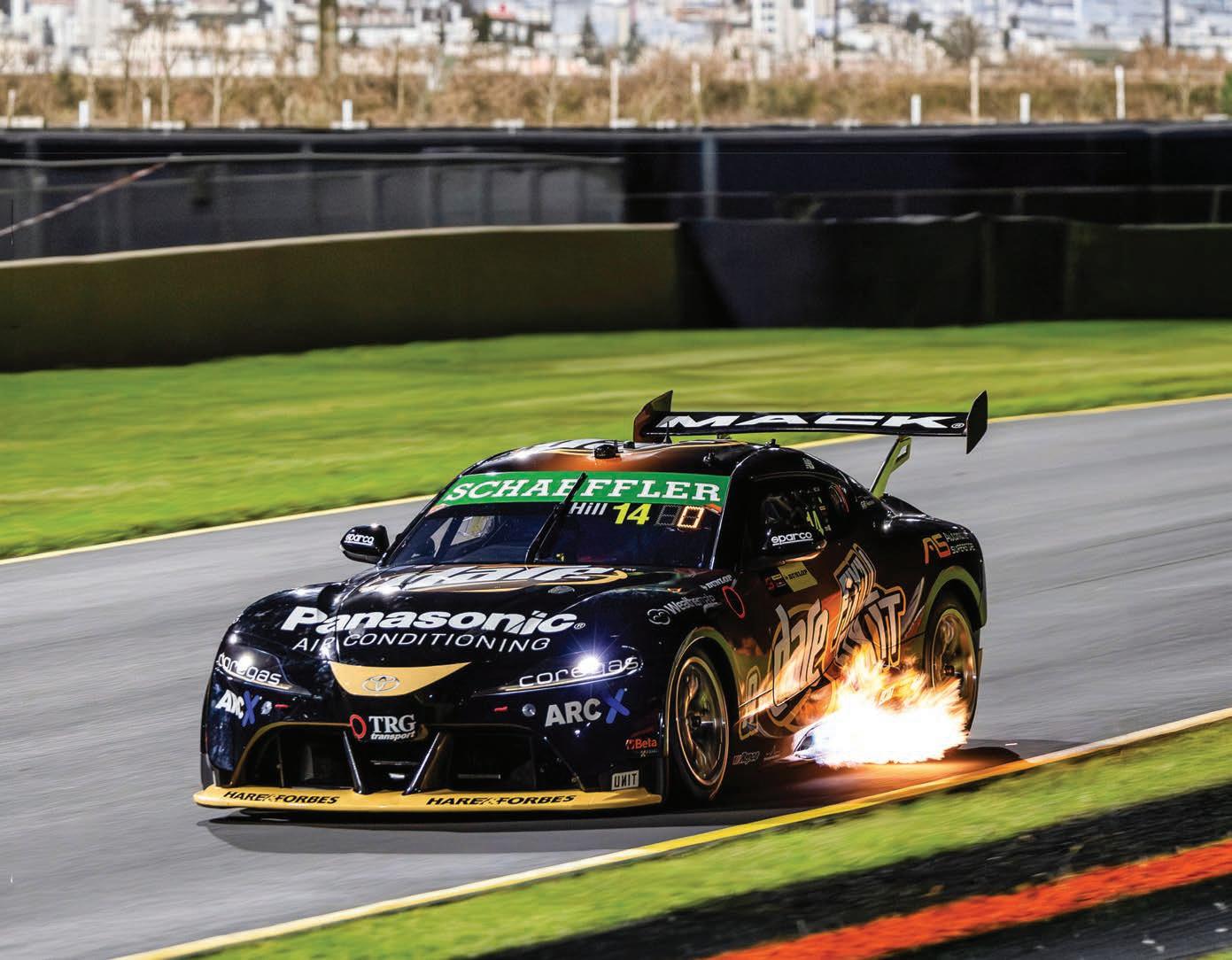
As proud sponsors of the Brad Jones Racing Toyota GR Supra, Schaeffler brings premium European OEM quality to Asian auto brands. Packaged with everything needed for a seamless replacement, LuK repair solutions deliver performance and reliability.


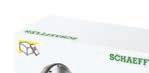


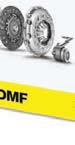

vehiclelifetimesolutions.schaeffler.com.au
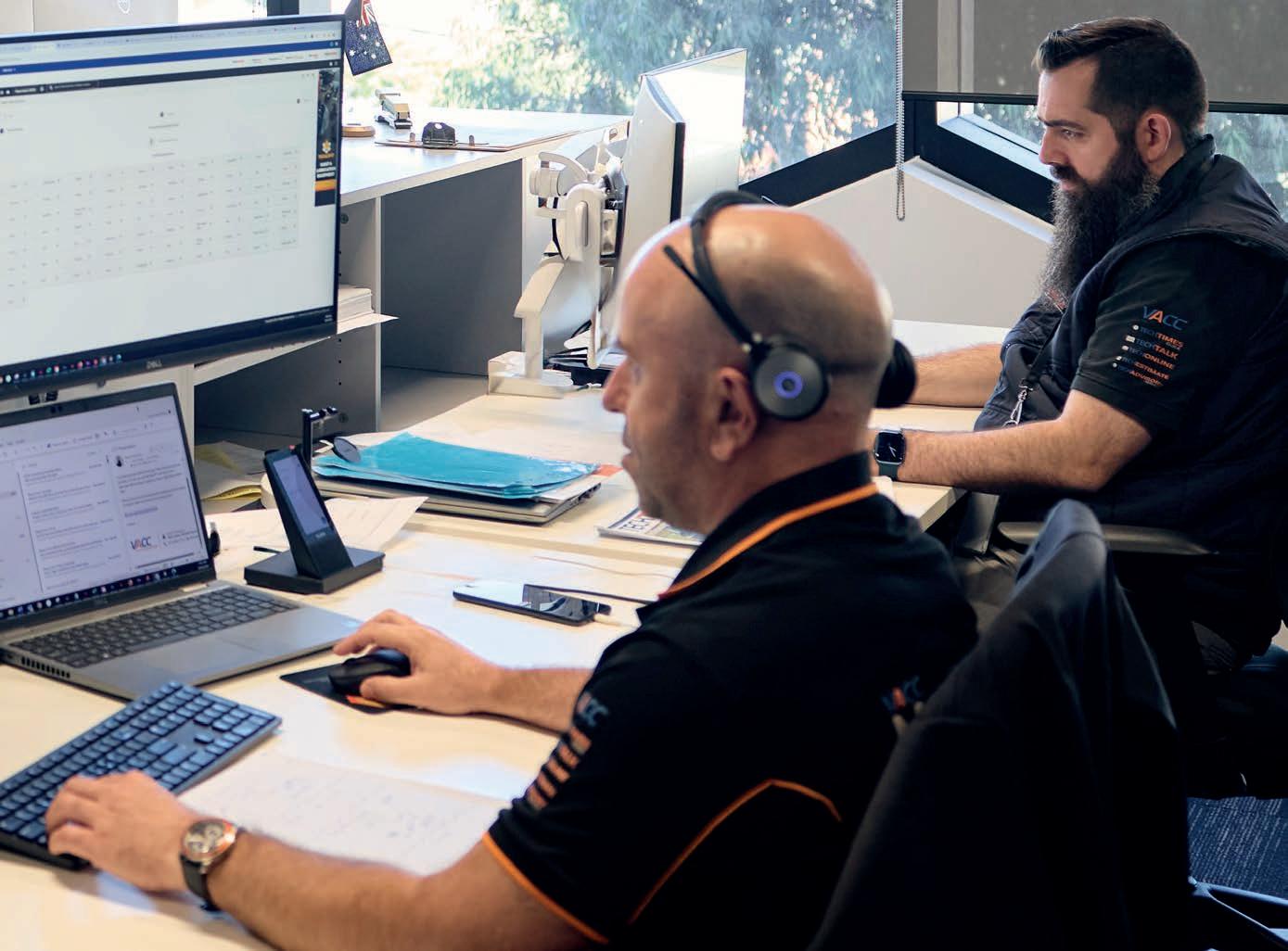
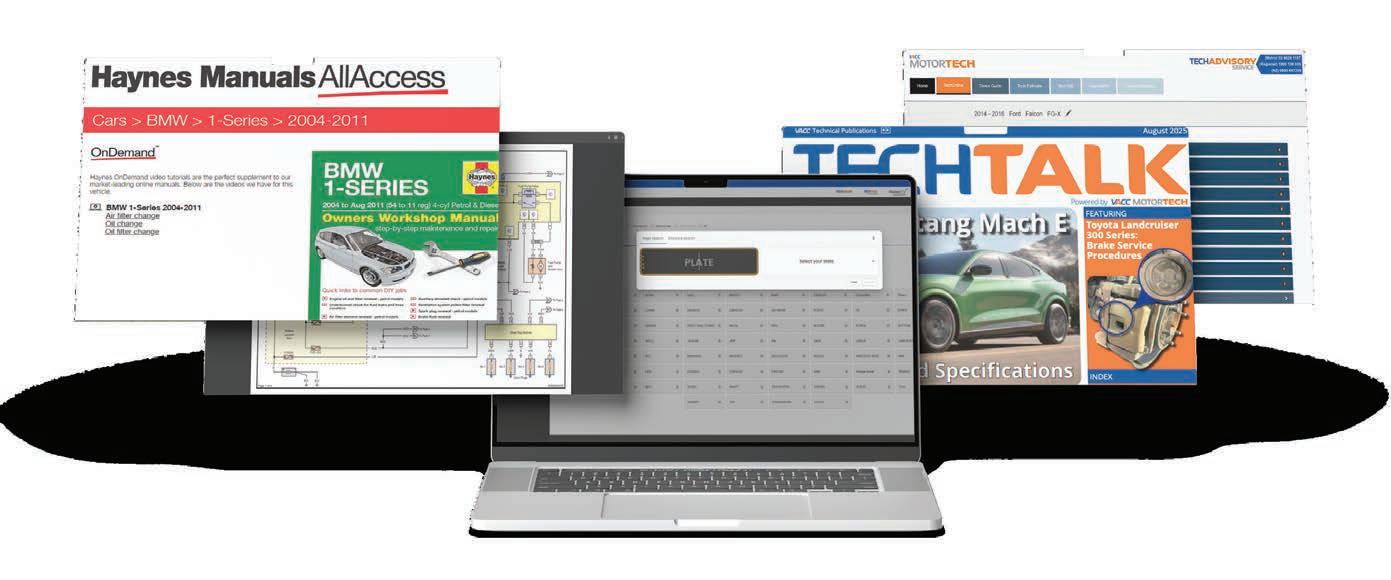
Access to multiple online technical information systems, including the all-new Rego Look-up feature
Access to VACC’s Melbourne-based TechAdvisory Service
Access to VACC’s TechTalk magazine