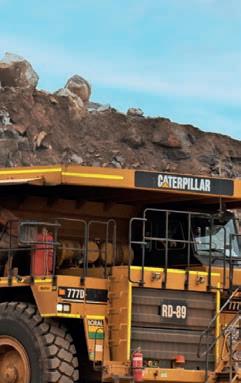
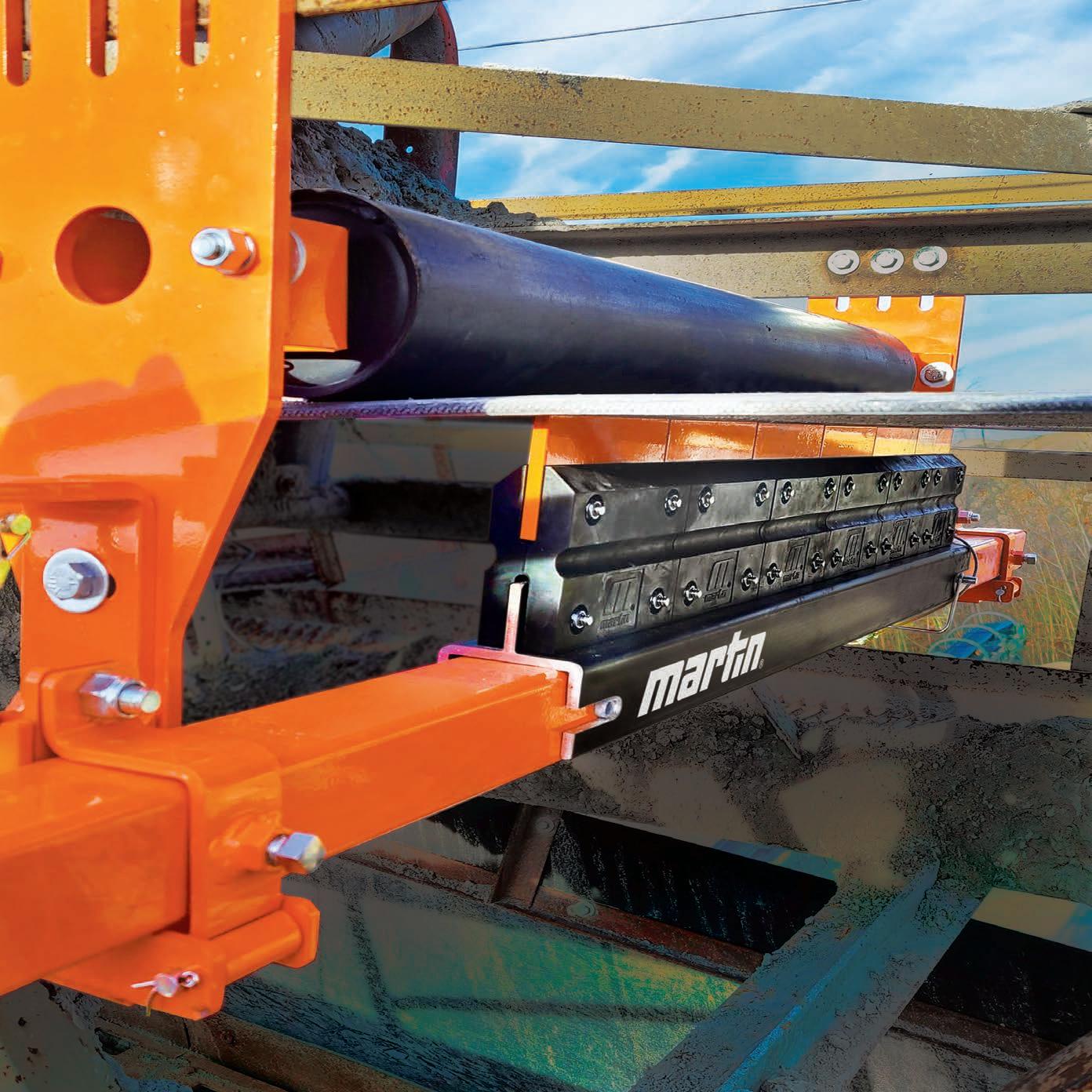
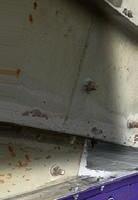
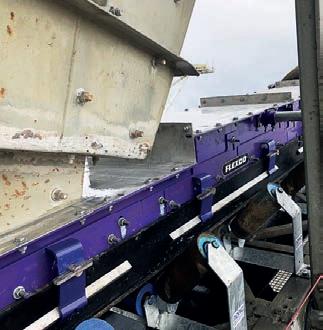
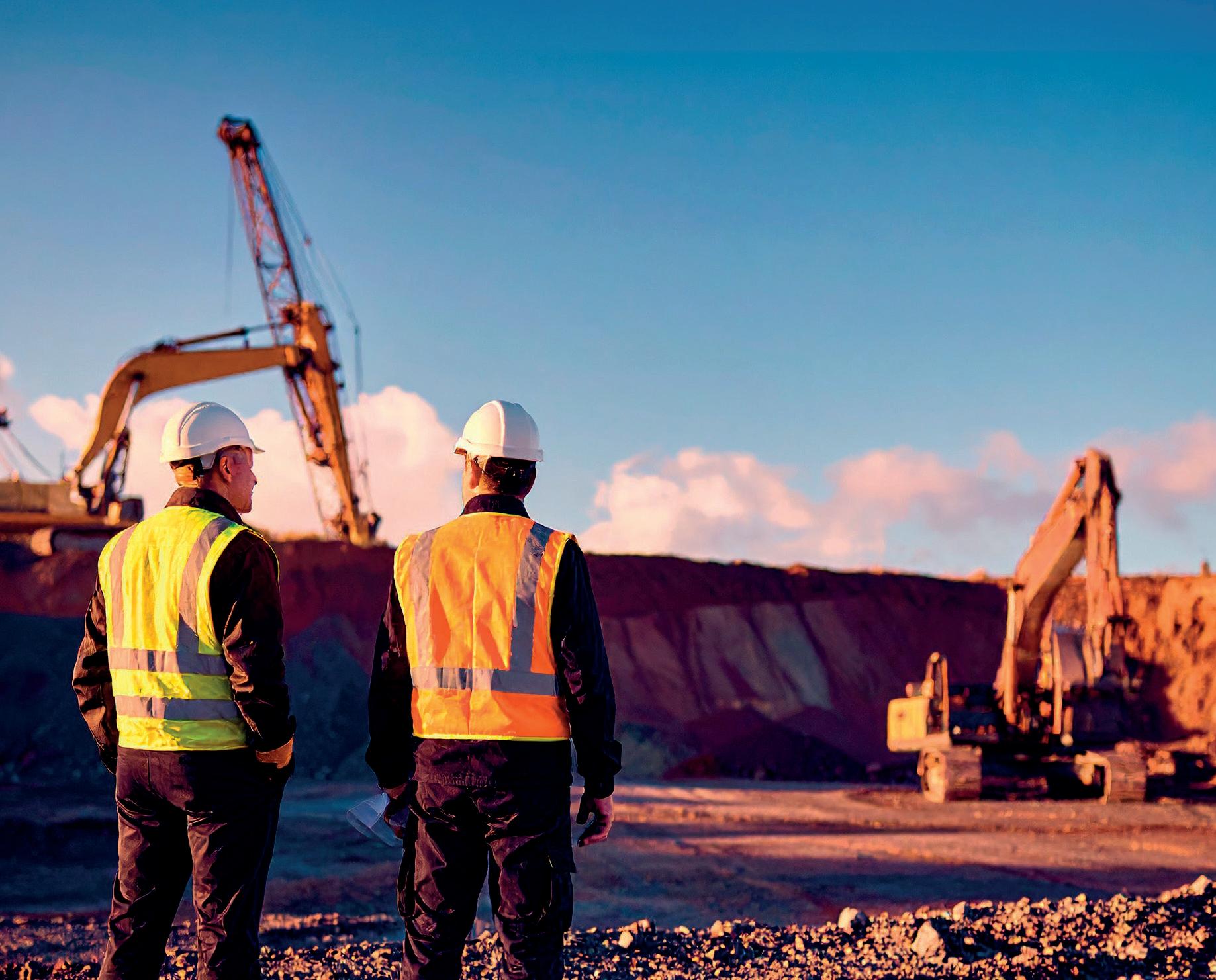
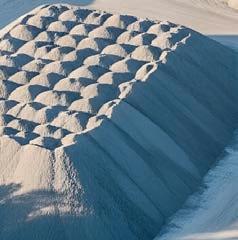
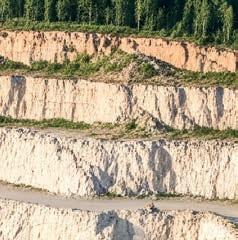
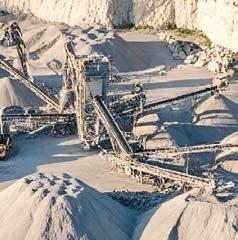
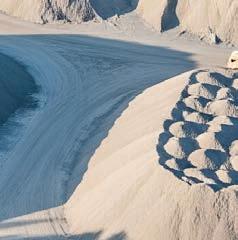
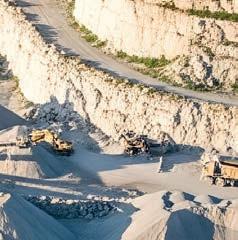
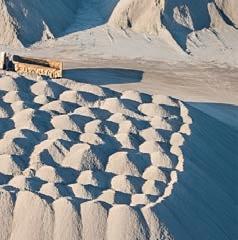
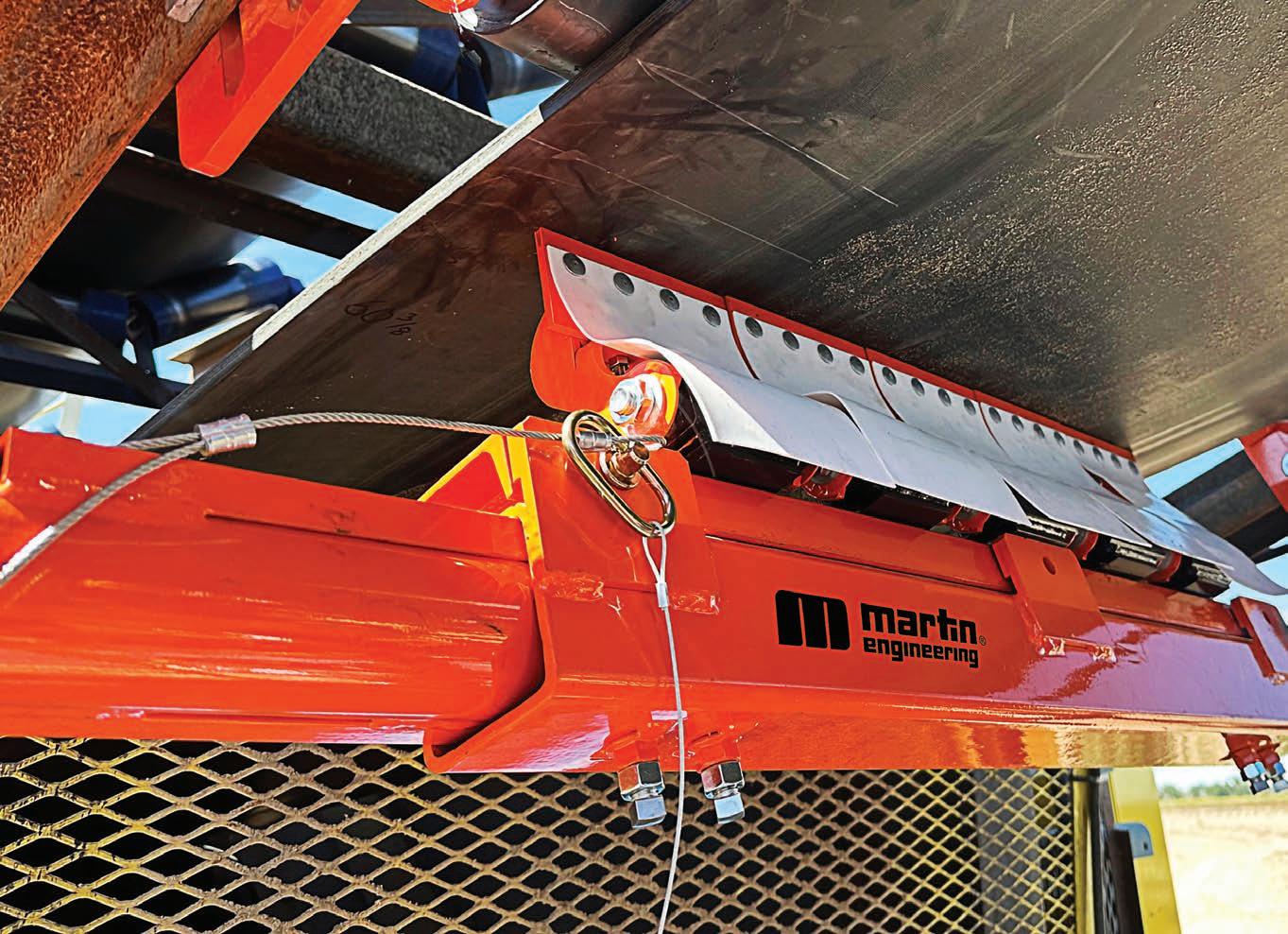
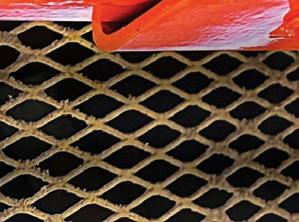
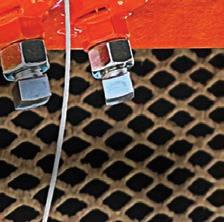
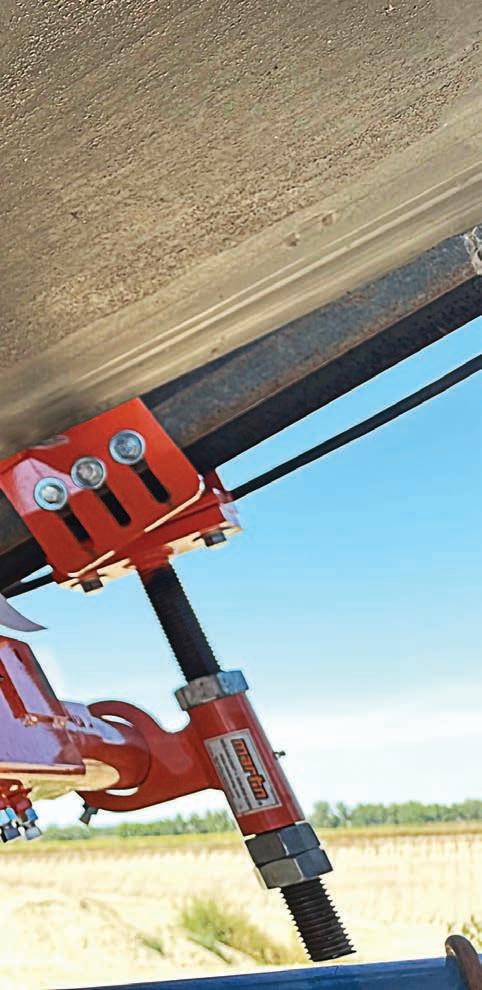
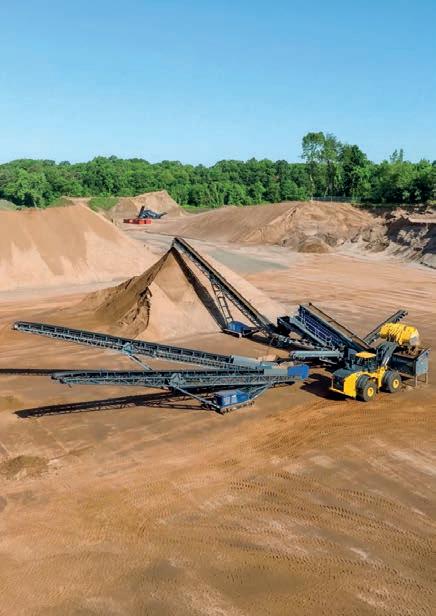
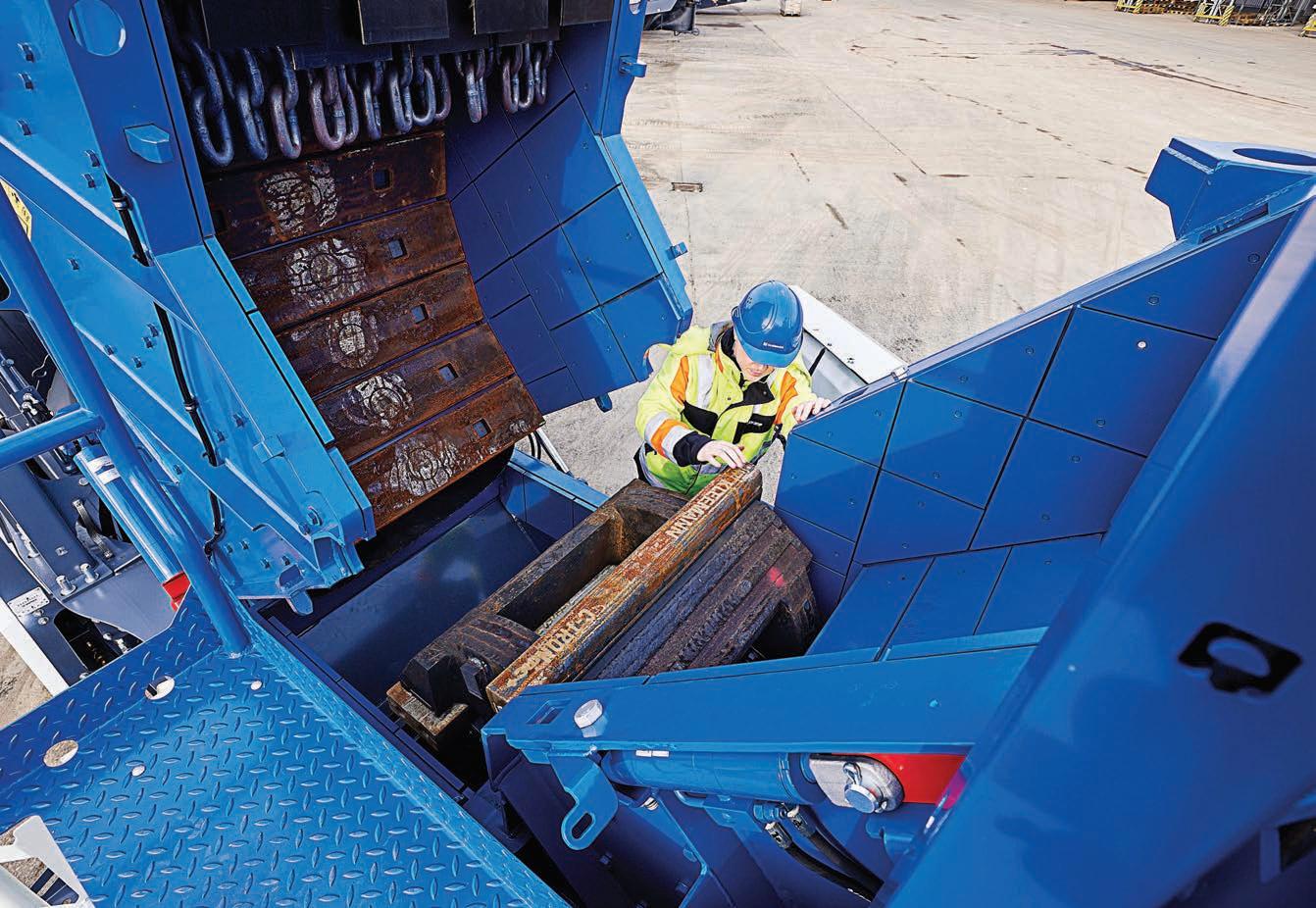
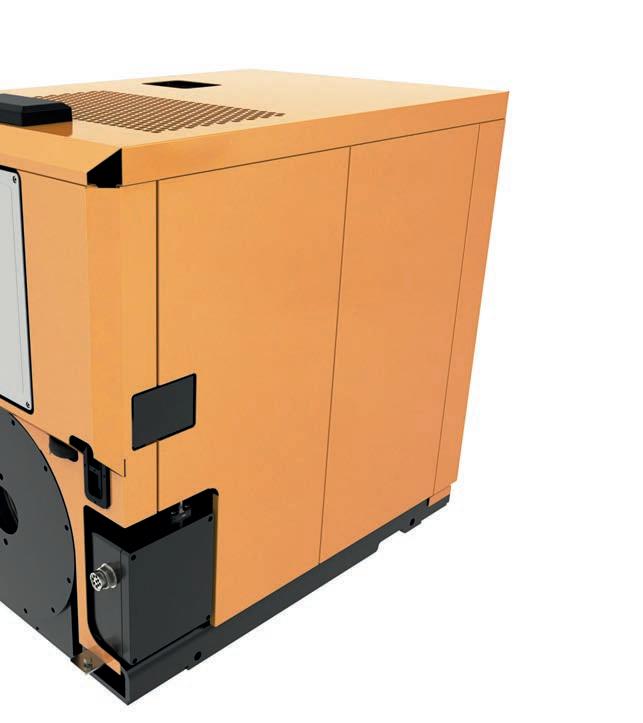
Complete your belt conveyor cleaning system with Martin's SQC2S™Secondary Belt Cleaner. It clears away residual material your primary cleaner misses, preventing costly carryback and protecting your entire conveyor system. The SQC2S™ family of rugged cleaners handles a wide range of belt speeds and sizes, and features five specialized blade options that adapt to the belt for optimal performance. With simple maintenance and reliable operation, SQC2S™ consistently maintains a cleaner, safer, more efficient workplace.
HEAD OFFICE
Prime Global Publishing Capitol Square 4–6 Church Street Epsom, KT 17 4NR
No part of this publication may be reproduced in any form whatsoever without the express written permission of the publisher. Contributors are encouraged to express their personal and professional opinions in this publication, and accordingly views expressed herein are not necessarily the views of Prime Global Publishing. From time to time statements and claims are made by the manufacturers and their representatives in respect of their products and services. Whilst reasonable steps are taken to check their accuracy at the time of going to press, the publisher cannot be held liable for their validity and accuracy.
PUBLISHED BY
Prime Global Publishing
AGGREGATES BUSINESS USPS: is published six times a year.
PRINT: ISSN 2051-5766
ONLINE: ISSN 2057-3405
PRINTED BY: Warners (Midlands) PLC
The next frontier for electri cation? LIAM McLOUGHLIN
Electri cation in heavy equipment is gaining momentum in Africa, with several original equipment manufacturers (OEMs) deploying large-scale electric-driven equipment in quarry, mining, and construction applications across the continent.
This edition’s feature on electri cation of heavy equipment in Africa reports that OEMs see the continent as the next frontier for industrial electri cation - a critical step towards meeting net-zero carbon and climate resilience targets by 2050.
A few years ago, the electric vehicle (EV) transition in the African heavy equipment sector was represented by pilot projects undertaken by a few equipment manufacturers. However, due to technological advancements coupled with better battery alternatives, the industry has seen massive deployment of EV equipment across the continent.
According to research by Fortune Business Insights, the electric heavy equipment market for the Middle East and Africa in 2025 represented $US1.18 billion. This represents 8.2 per cent of the worldwide market and is projected to grow to $US1.35 billion in 2026.
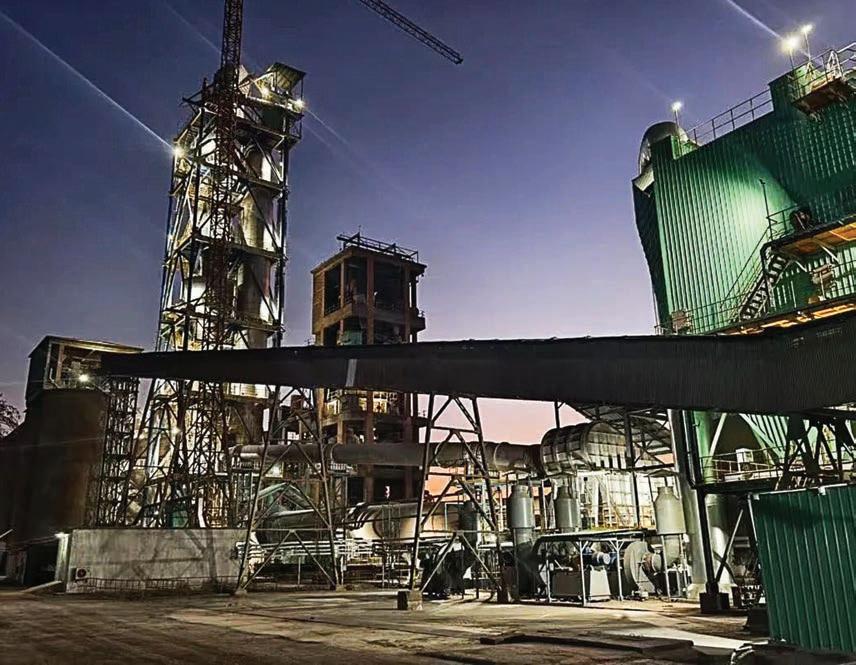
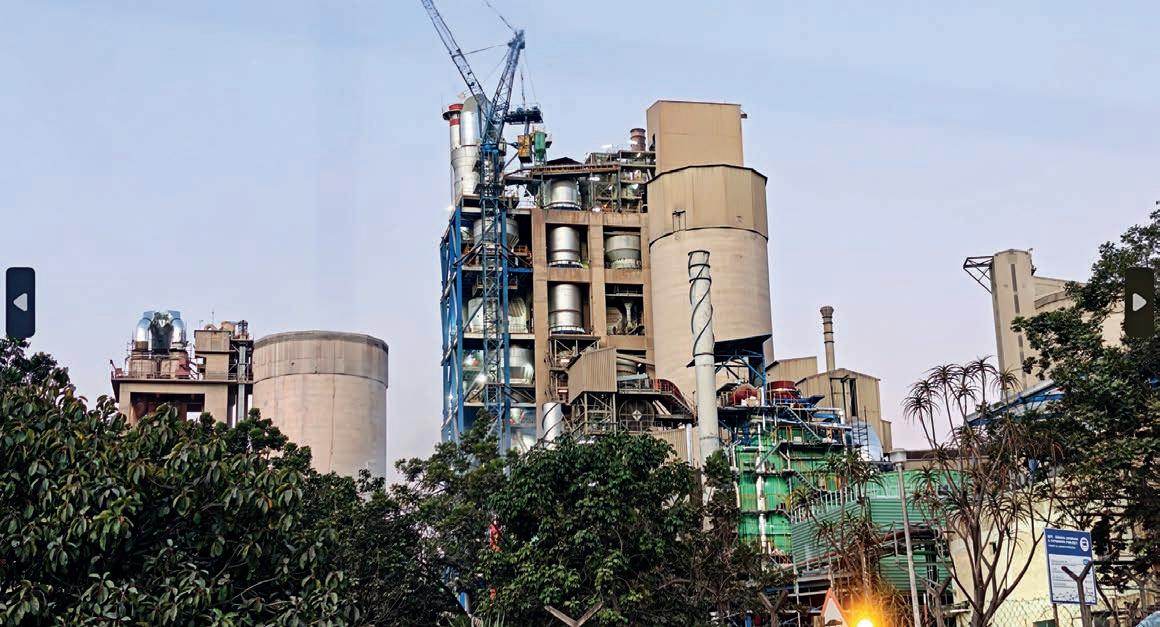
A high-pro le example of the trend is XCMG, which is actively expanding its electri cation of off-road and heavy-duty vehicles across Africa, driven by the rollout of its “Green Mountain” new-energy solutions. The company is supplying pure-electric, hybrid, and hydrogen-powered mining trucks, wheeled loaders, and infrastructure machinery to major operations and development projects in Africa. Another company expanding its presence in Africa and beyond is Huaxin Building Materials Group (formerly Huaxin Cement Co), which has unveiled its new
moniker as it moves beyond its reputation as just a Chinese construction materials producer and becomes something bigger: a multinational whose presence will shape critical markets in the global quarrying and aggregates sector.
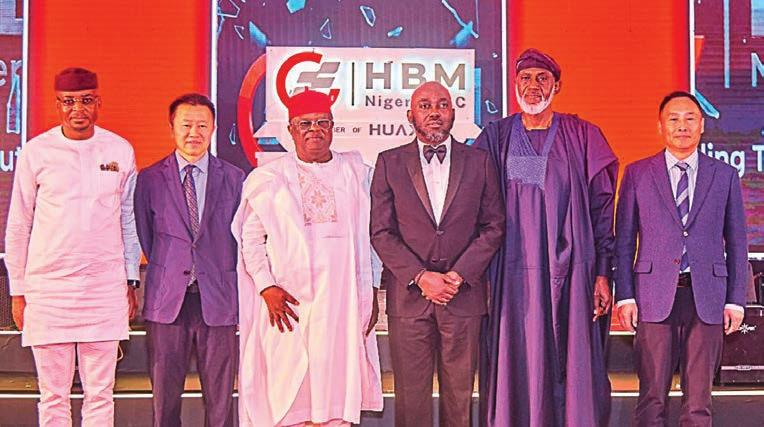
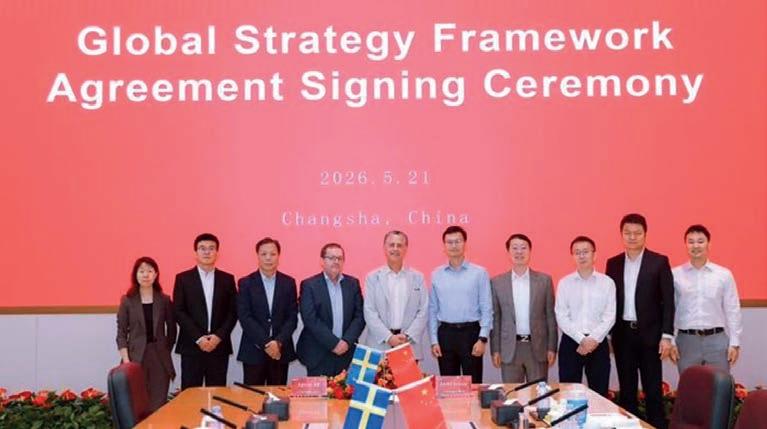
We report in this issue on how this longterm strategic vision was on display in June 2026, when the company hosted a ceremony to mark the rebranding of Lafarge Africa’s Nigerian division to Huaxin Building Materials Nigeria (HBM Nigeria).
Appearing via video link at the ceremony, HBMG chief executive of cer Li Yeqing said the company planned to turn HBM Nigeria into “West Africa’s leading building materials enterprise”.
HBMG plans to add its modern technologies and management frameworks to enhance its Nigerian operation, which the company has said will serve as its “core strategic hub for West Africa”. The planned enhancements include diversifying the product portfolio, investing in its local management workforce and identifying opportunities for HBM Nigeria’s future expansion. This is already underway in parts, with HBMG conducting a “global advanced management program” with 16 employees from eight countriesMozambique, Nepal, Oman, Nigeria, South Africa, Brazil, Zambia, and Malawi.
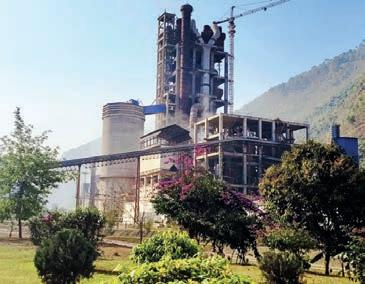
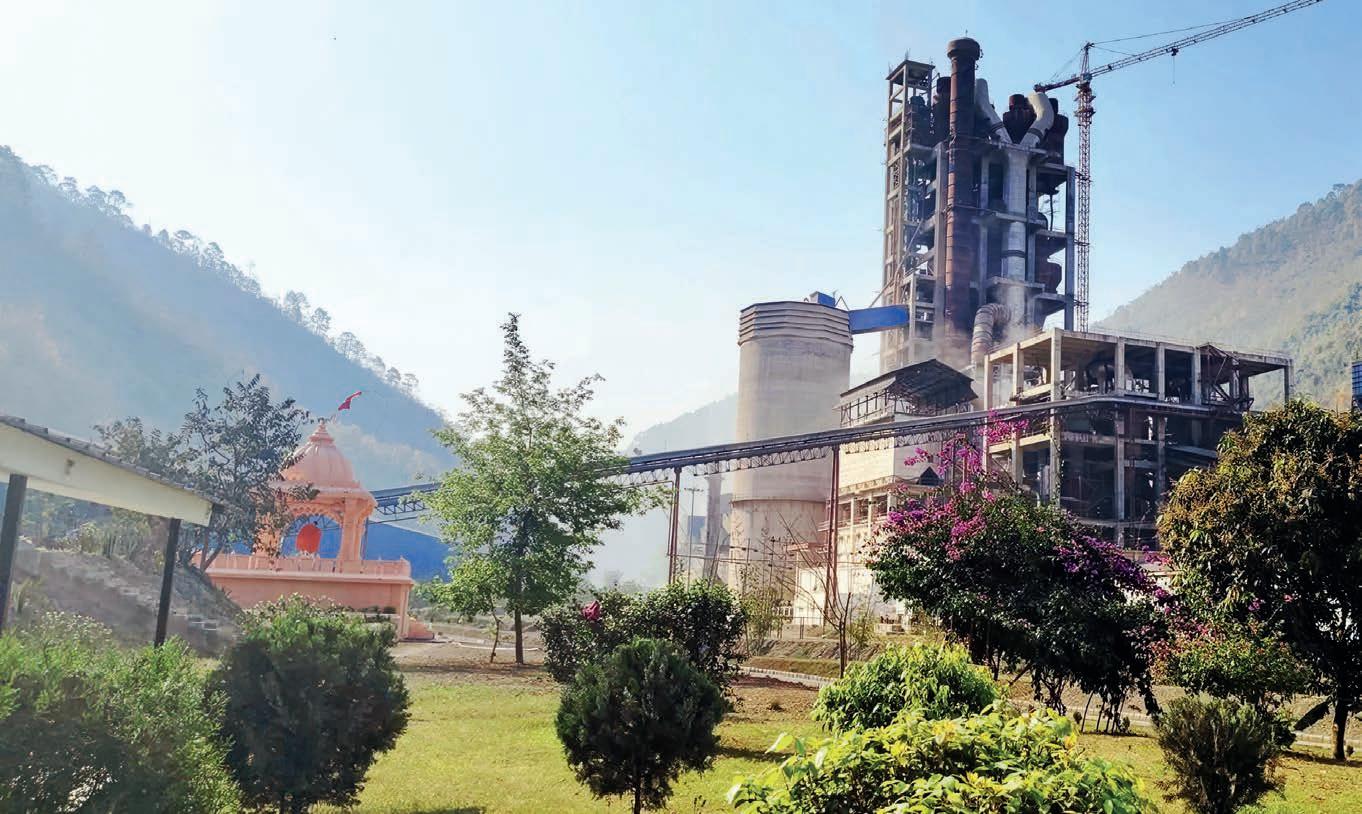
Also, in this issue we report on the latest developments in Nepal’s cement sector.
The country has around 50 limestone quarries and mines that supply limestone to various cement industries.
The mountainous region and its geological environment are rich in construction materials, including decorative stones. LM liam.mcloughlin@primeglobalpublishing.com
“With battery technology improving to offer roughly eight hours of work on a single charge, companies are adopting electric options to remain competitive and meet sustainability goals.” Francis Ochieng
Vol.14 ISSUE No.4 July/August 2026
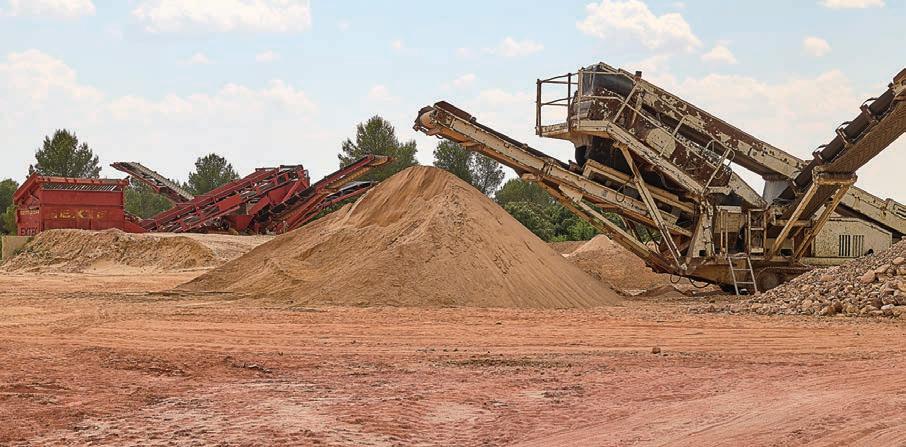
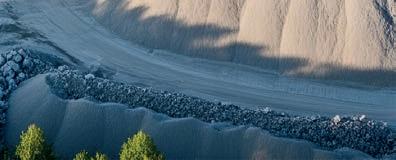
The construction materials sector has responded to the latest report into the global demand for sand.
All
Electric-powered
Huaxin
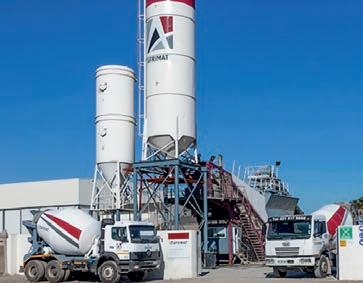
Afrimat
Simex
Triangle Tyres continues to advance its progress into the UK market at Hillhead.
Why belt cleaners can stop high-volume conveyors from making a highvolume mess.
A review of the major announcements from manufacturers at Hillhead 2026.
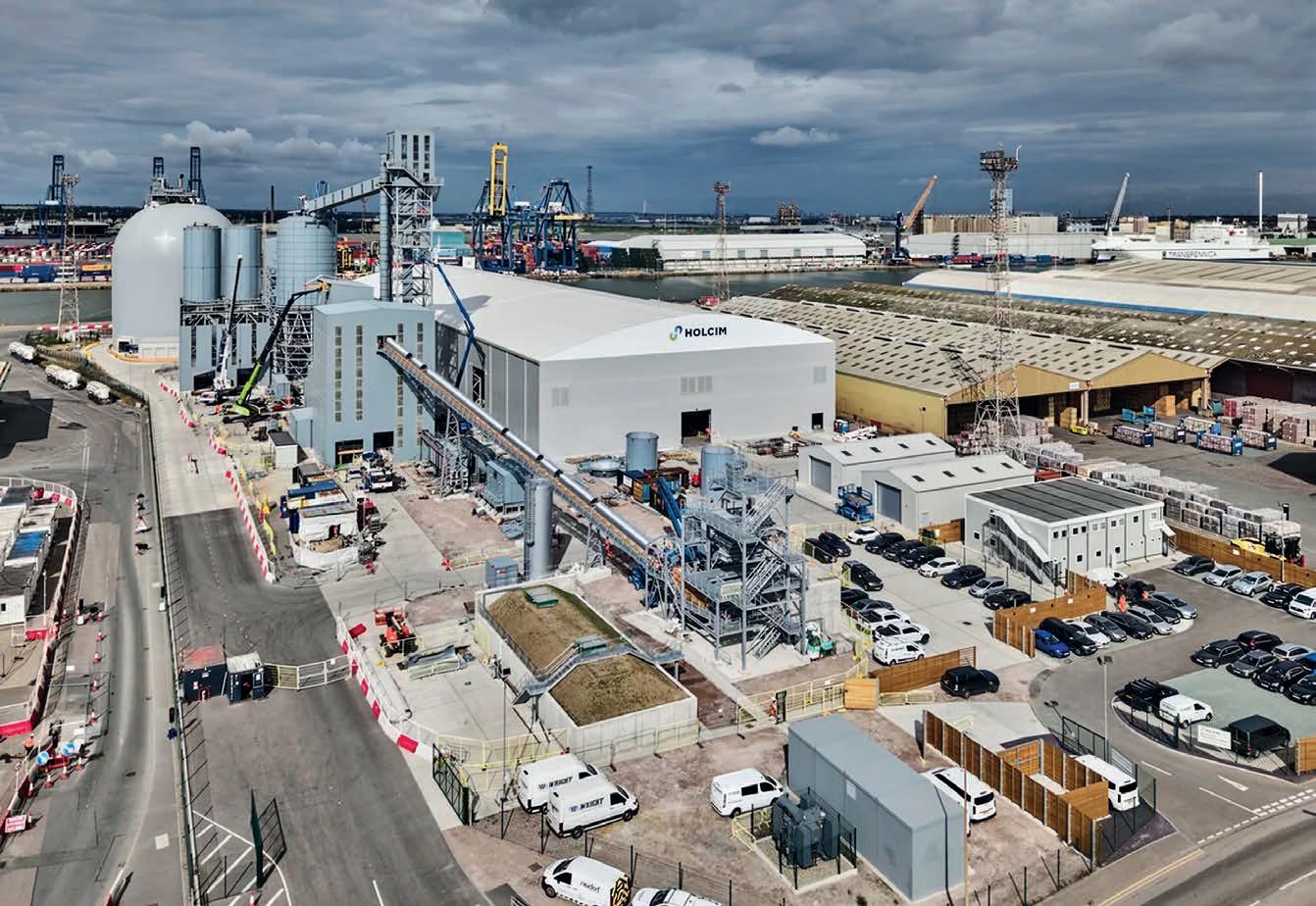
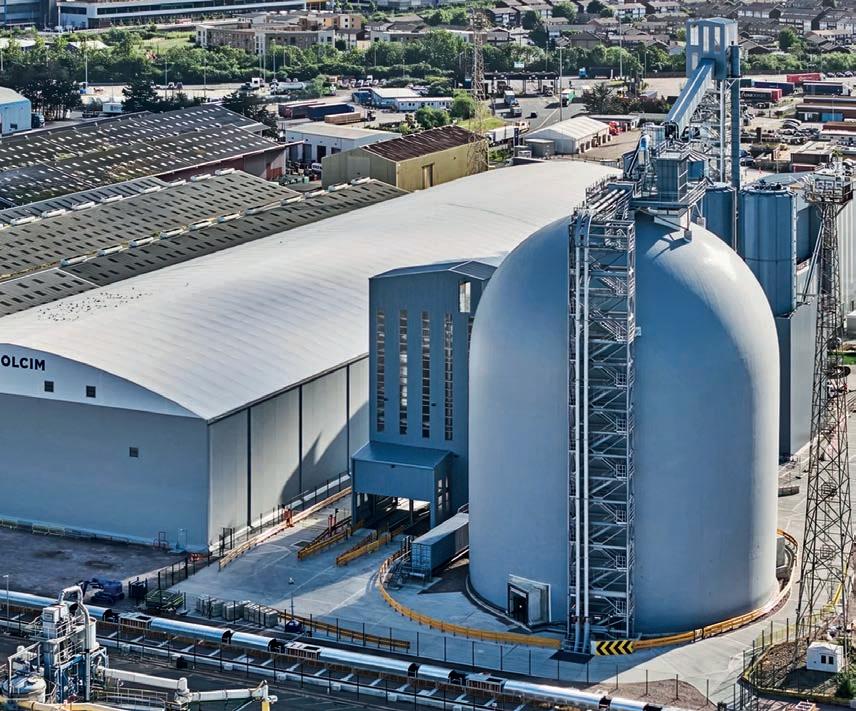
The Tilbury Cement Works could define the future of cement production in the UK market.
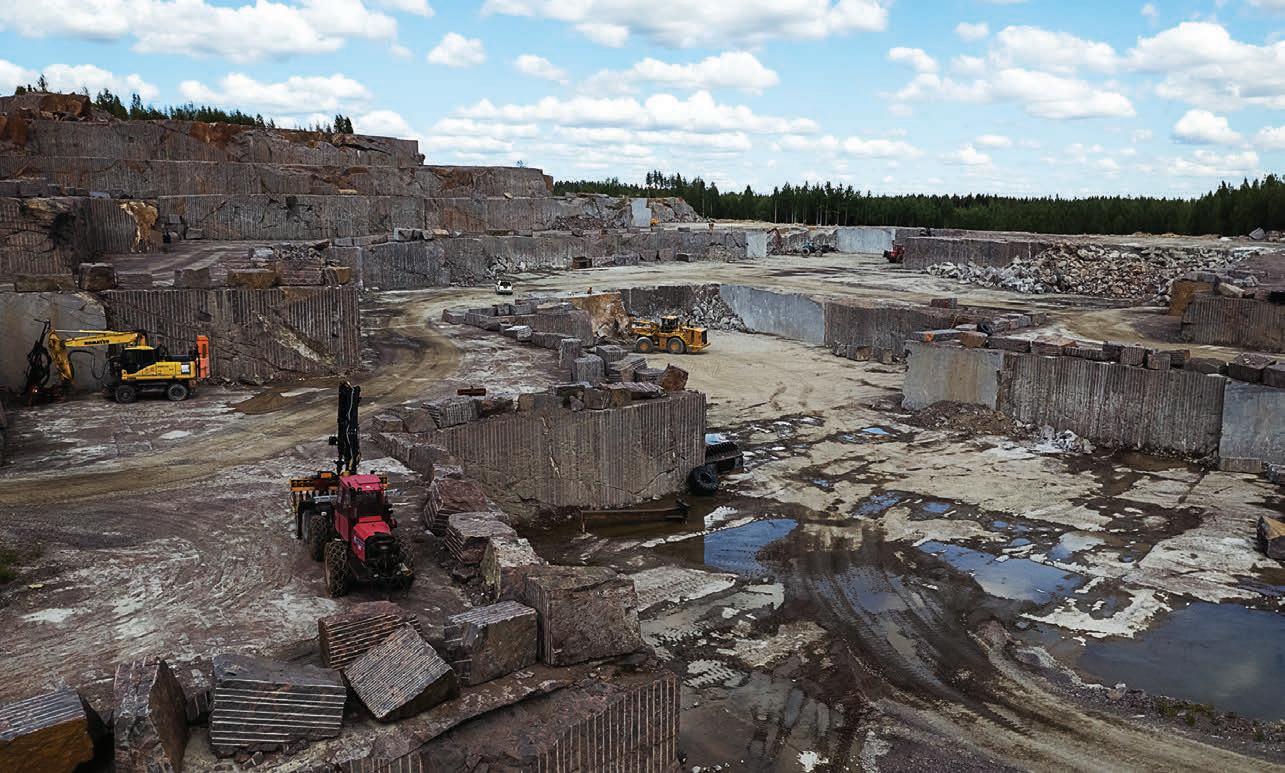
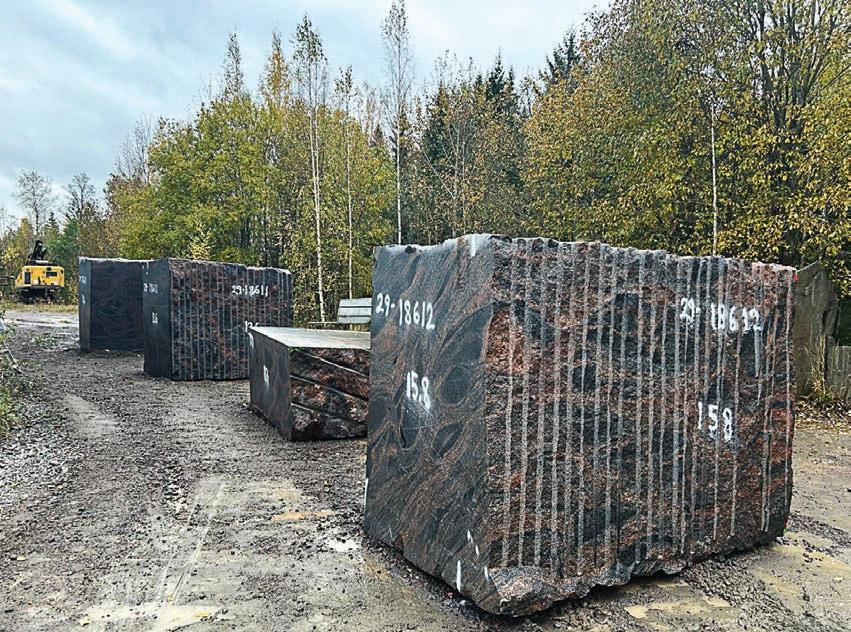
The rise of granite mining in Finland contributes to the country’s proud history in the global aggregates sector.
Improvements in
are
the
Quarrying businesses are increasing investments in technologies that ensure safer, more e cient, and continuous operations.
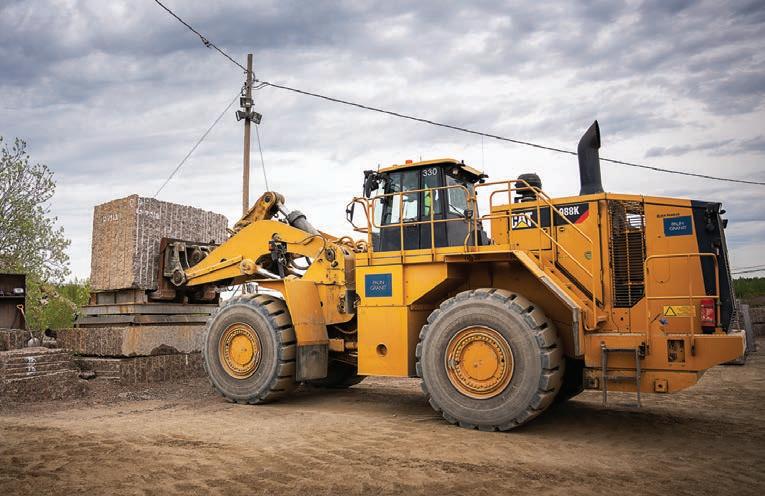
The quarrying sector’s next phase is being defined by increased investment in modern, technologically driven loading equipment.
The latest executive appointments from across the global quarrying and aggregates sector.
Flexible. In performance and applications.
MOBISCREEN MSS 502 EVO | MSS 802 EVO | MSS 1102 PRO
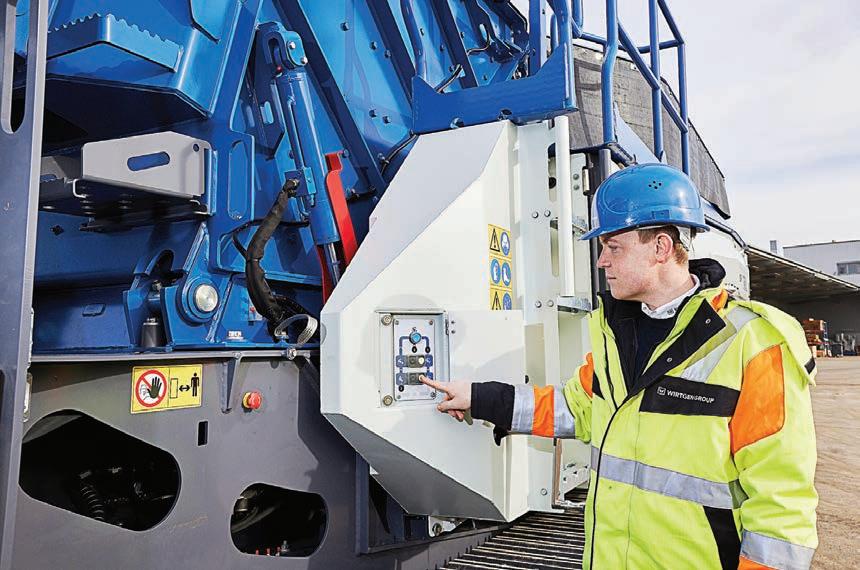
Even more choice to meet your needs! Changing locations and new applications often prove challenging for screening plants. KLEEMANN’s mobile coarse screening plants make light work of even the toughest tasks. Thanks to a wide range of screening media and easy adjustment of screening parameters, they can easily adapt to new operating conditions. These coarse screening plants are all about flexibility, ease of operation and ergonomics. Compact, big or even bigger: the MOBISCREEN MSS 502 EVO | MSS 802 EVO | MSS 1102 PRO. The choice is yours.
www.wirtgen-group.com/mobiscreen-kleemann
MSS 802 EVO
MSS 502 EVO
MSS 1102 PRO
MSS 502 EVO
NEW: MSS 1102 PRO
MSS 802 EVO
Shifting gears in Africa
Electric-powered heavy equipment is gaining traction across Africa, driven by the push for decarbonisation in the quarrying, construction and mining sectors.
Electric vehicles (EVs) are gaining traction in Africa as options for heavy equipment especially as original equipment manufacturers (OEMs) shift their focus to the continent’s robust growth in construction, mining, and quarrying, which is fuelling the development of urban infrastructure.
While e-motorbikes and e-buses dominate in cities like Nairobi, Kigali and Addis, a quieter revolution is underway with electric heavy equipment which is electrifying Africa's quarrying and construction sectors.
The rapid adoption of EV heavy equipment across the continent, largely driven by the global push for industrial decarbonisation, especially in the construction industry, is transforming Africa’s quarry and mining sectors. Going by recent trends, with several giant heavy equipment manufacturers deploying massive EV equipment at quarry and mining sites across the continent, it’s evident that electri cation in heavy equipment is quickly gaining momentum in Africa. OEMs see the continent as the next frontier for industrial electri cation - a critical step towards meeting net-zero carbon and climate resilience targets by 2050.
A few years back, the EV transition in heavy equipment was just a pilot project undertaken by a few manufacturers, but today, due to technological advancements and improved battery alternatives, the industry has seen massive deployment of EV equipment across the continent.
Over the years, the market for EVs in heavy equipment machinery in Africa has shown great potential owing to the booming construction and mining sectors.
For international investors and equipment manufacturers, Africa represents one of the most signi cant growth frontiers for electri cation over the next decade, especially in its industrial sectors.
Research from Fortune Business Insights nds that the electric heavy equipment market for the Middle East and Africa in 2025 was valued at $US1.18 billion, accounting for 8.20 per cent of the worldwide market, and is projected to grow to $US1.35 billion in 2026.
The Middle East and Africa are gradually adopting electric construction equipment. This is primarily driven by the need to diversify energy sources and reduce dependency on fossil fuels within the quarrying, construction and mining sectors.
Image: Francis Ochieng
Construction economist Francis Ochieng says environmental regulations are driving EV uptake.
The increasing demand for EV heavy equipment in Africa has attracted global heavy equipment manufacturers like SANY, LiuGong, Caterpillar, Volvo and SDLG among others who have deployed electric excavators and trucks across the continent. Their involvement and commitment to providing heavy equipment solutions signi es the energy transition is rapidly moving from passenger cars to the industrial hubs. So far, several OEMs have deployed dump trucks, wheel loaders and excavators as electric heavy equipment solutions for the African market. These deployments, which include the likes of LiuGong and Hitachi as well as the aforementioned OEMs, have occurred at various quarrying and mining sites across the continent. According to construction economist Francis Ochieng, the rise in demand for electric vehicles and machinery in the construction industry is driven by a combination of strict environmental regulations, the need to lower operating costs, and technological advancements that enable electric machines to match or exceed the performance of diesel counterparts.
“As cities clamp down on emissions and noise, and with battery technology improving to offer roughly eight hours of work on a single charge, companies are adopting electric options to remain competitive and meet sustainability goals,” he said.
Chinese equipment manufacturer LiuGong is aggressively expanding its electric heavy equipment footprint in Africa, focusing on zero-emission solutions for mining, quarrying, and construction.
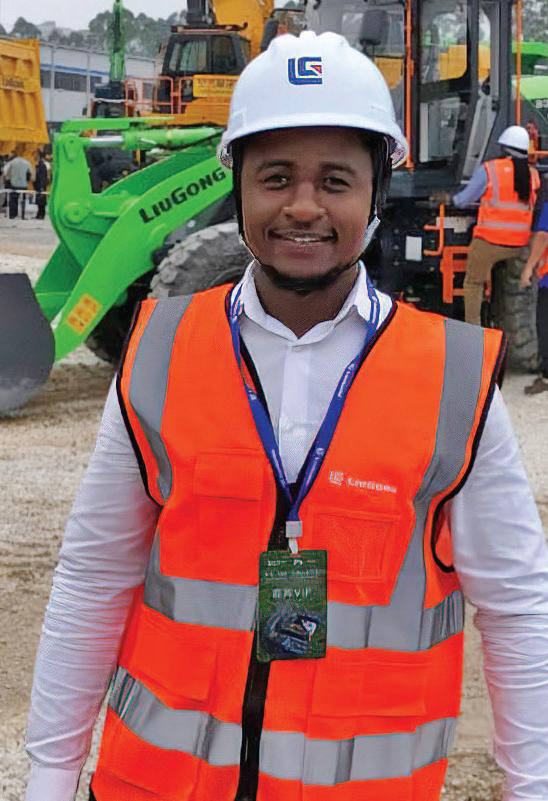
LiuGong senior key accounts executive for East Africa George Wanjema told Aggregates Business that the company is investing heavily in zero-emission machines for the African market, and that it has already successfully deployed several heavy equipment units in some parts of the continent.
Recently, the company launched some of its “green machine” series that includes several heavy-duty electric models speci cally designed for African mining and infrastructure conditions.
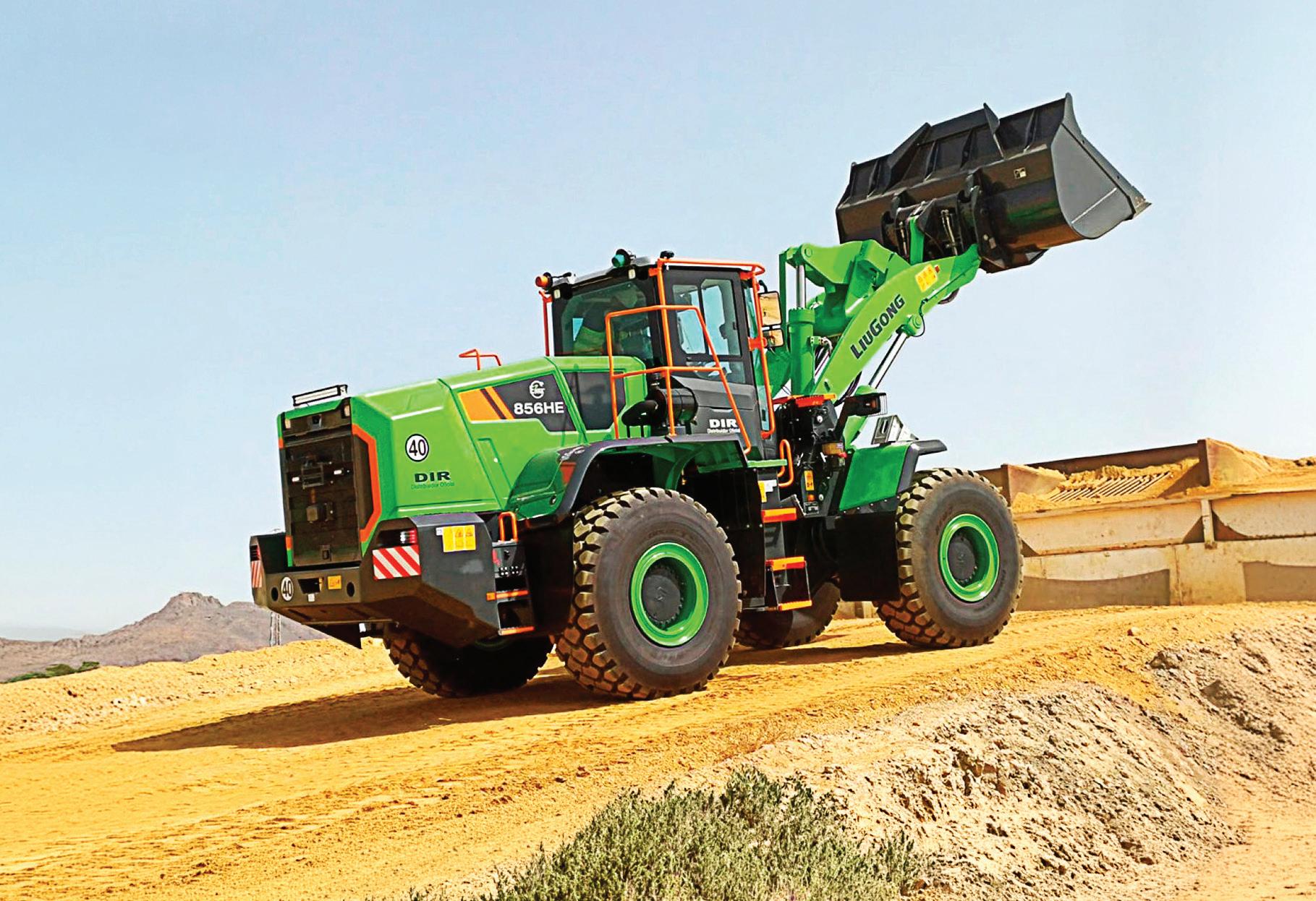
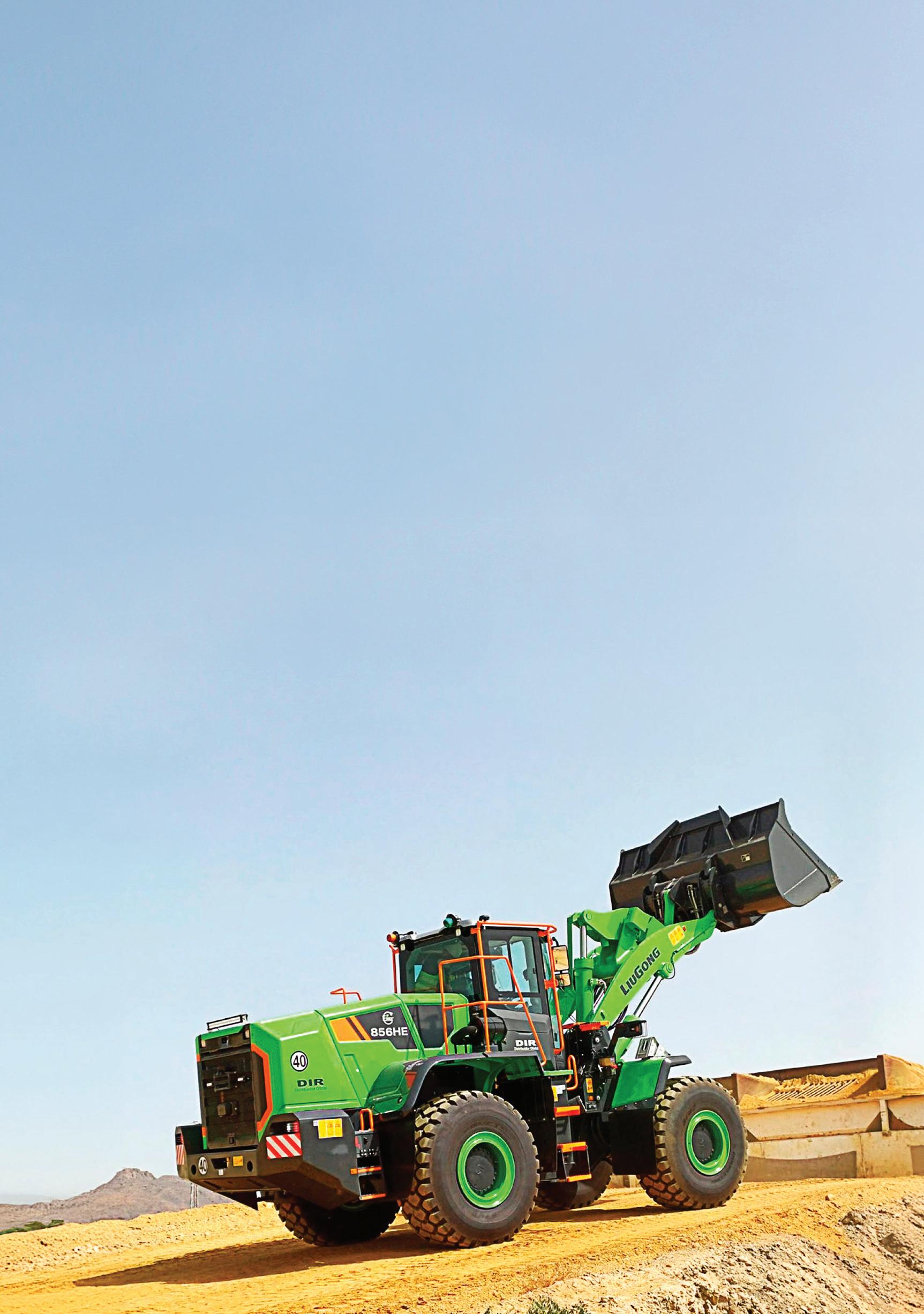
LiuGong’s EV equipment for the African market currently includes the 856HE electric
“To unlock Kenya’s e-mobility potential, we must ensure there is a stable policy and longterm incentives that protect existing EV tax incentives and expand coverage to include e- trucks and other industrial equipment.”
- E- Mobility Association of Kenya (EMAK) president Hezbon Mose
wheeled loader, Africa’s rst electric earth mover, which features a 423 kilowatt-hour (kWh) battery that can run for eight–12 hours on a single charge and fast-charge in under two hours.
Its DW105A-E Electric Mining Truck is also designed for the African market and has a 70,000kg payload capacity and a powerful 500-kilowatt electric motor.
While the adoption of EV equipment is rapidly gaining momentum, the continent faces a myriad of challenges that could potentially hinder quick adoption of EVs in heavy equipment machinery.
The majority of African countries still lack stable electricity connections, with many people in remote areas not connected to the national grid. Given the immense power required to operate EV-heavy equipment, a lack of a stable power connection could derail rapid EV adoption.
“Unreliable power connection, lack of technicians that can effectively handle repair and maintenance of EVs coupled with unsustainable nancing solutions are the major obstacles hindering rapid EV-heavy equipment uptake in the region,” Wanjema said.
He said that while there has been a positive reception for EV equipment in some African markets, such as West Africa and South Africa, the high cost of EV equipment remains a major bottleneck.
“The initial cost of EV equipment is more than double that of diesel engines, but in the long term the total cost of ownership is relatively low,” Wanjema said.
The lack of standardised charging infrastructure at remote quarry and mining sites poses a major impediment, as EV heavy equipment requires reliable electricity connections capable of delivering high-capacity, fast-charging solutions in remote areas.
LiuGong’s 870HE electric loader is available in the African market.
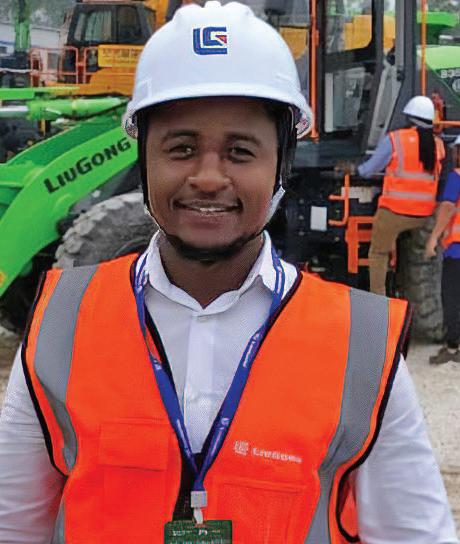
LiuGong senior key accounts executive for East Africa George Wanjema.
E-Mobility Association of Kenya president Hezbon Mose.
Image: EMAK
Images: LiuGong
Though mobile charging units and battery-swapping systems are still nascent and rapidly emerging as potential solutions, African countries will have to invest heavily in renewable energy and sustainable nancing to power equipment in remote areas in the coming years as part of this transition.
According to industry experts, the next phase of EV adoption will be greatly driven by consistent policies, sound nancial solutions and expansion of charging infrastructure networks.
“To unlock Kenya’s e-mobility potential, we must ensure there is a stable policy and long-term incentives that protect existing EV tax incentives and expand coverage to include e-trucks and other industrial equipment,” E- Mobility Association of Kenya (EMAK) president Hezbon Moses said.
To accelerate the uptake of EVs, Moses said the country must ensure EVs are affordable and accessible by reducing their costs through tax relief and ensuring all vehicle categories are covered in government incentive frameworks.
Moses said that to make nancing affordable and accessible, the country must develop EV-speci c nancing products that protect nanciers in the event of company insolvency and build a coordinated, sustainable ecosystem.
To scale up EV adoption, Kenya and other East African countries will have to strengthen local assembly of EVs and technical partnerships, and develop their charging infrastructure, which remains unevenly distributed.
“We need to accelerate the rollout of charging stations along major corridors,
at fuel stations, in residential areas, and within new road projects and increase public education on EV safety and bene ts while investing in TVET training programs for EV repair and maintenance,” Moses said.
Despite these challenges, some African countries have made progressive policies and infrastructure aimed at accelerating EV adoption, such as tax exemptions and free land for companies investing in charging infrastructure.
Early this year, for instance, Kenya launched its National Electric Mobility Policy,
If we’re going to shift the source of our energy, we also have to shift our way of thinking about what the standards should be for the minerals we need.”
- EIA executive director Alexander von Bismarck
which zero-rated VAT and excise duty on electric motorcycles, buses, and lithiumion batteries.
The policy encourages local manufacturing and assembly of EVs to reduce cost and accelerate adoption. The policy requires new commercial buildings to set aside 5 per cent of parking spaces for EV charging. In Rwanda, EV policy offers full tax exemptions, including VAT, import duty, excise duty, and withholding tax, on electric vehicles and their components such as batteries and spare parts.
The Rwanda government offers free land for setting up EV charging stations, with charging infrastructure being incorporated into building codes and city planning.
Similarly, Ethiopia has adopted an aggressive EV policy, banning the importation of non-electric vehicles (internal combustion engines) in early 2024.
The Ethiopian government has introduced major incentives, including total exemptions from VAT, surtaxes, and excise taxes for electric vehicle imports, including electric heavy-duty trucks and industrial equipment.
However, while the race to transition to clean energy in electric vehicles gains momentum globally, environmental experts call for transparency and traceability in the transition materials, such as cobalt and lithium, critical minerals used in electric vehicles. The surge in global cobalt demand, 43 per cent of which ends up in EVs, is driven largely by the transition to cleaner energy technologies.
“If we want the energy transition to be more than a win-lose game, we need transparent traceability of transition minerals, in particular cobalt. If we’re going to shift the source of our energy, we also have to shift our way of thinking about what the standards should be for the minerals we need,” EIA executive director Alexander von Bismarck said.
“Many claim to be driven by net zero commitments and innovation, but those achievements are meaningless if they come at the expense of the health of communities and the deliberate choice not to use existing technology to improve supply chains.” AB
LiuGong has launched its 856H-E MAX electric loader, designed for harsh conditions, on the African market.
Nepal cement sector looks for further progress
After a boom period in the late 2010s, Nepal's cement industry is rebuilding from stagnant domestic demand and barriers to exports to build a bright future.
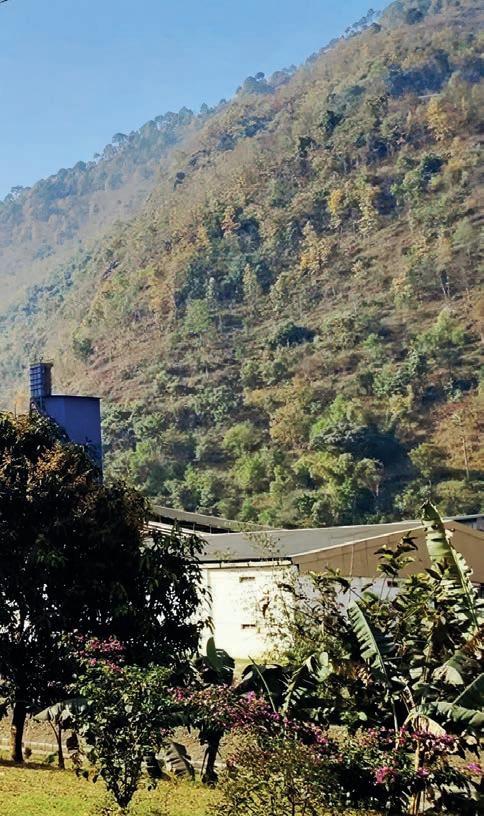
Nepal is one of the world’s highestaltitude countries, with almost 83 per cent of its territory being mountainous terrain.
The mountainous region and its geological environment are rich in construction materials, including dimension and decorative stones. In Nepal, there are over 48 limestone quarries and mines that supply limestone to various cement industries.
Over 1.3 billion metric tonnes of cementgrade limestone deposits are already known from the Lesser Himalayan region only.
The Department of Mining and Geology (DMG) of Nepal has already ascertained the presence of 750 million tonnes of limestone in the country.
Preliminary studies indicate that more than 2.5 billion tonnes of cement-grade limestone deposits may be found in the Lesser Himalaya region alone.
Exploration of limestone by the DMG in the past identi ed a number of limestone deposits ranging from large to small.
Some of the main cement-grade limestone deposits are Nigale (Dhankuta); Sindhali, Galtar and Dumre (Udaypur); Bhainse, Okhare Nibuwatar, and Sukaura/ Budichaur (Makwanpur); Jogimara and Beldada (Dhadhing); Chovar (Kathmandu); Bhattedanda (Lalitpur); Balthali and Nandu (Kavre).
Nearly 99 per cent of Nepal’s limestone quarries are within forest areas. This means that usage rights require clearance from both the Department of Forests and the DMG.
Most cement companies procure limestone through outsourced arrangements or by owning mines.
In addition, most of them mix limestone extracted from their own mines with outsourced limestone to improve quality.
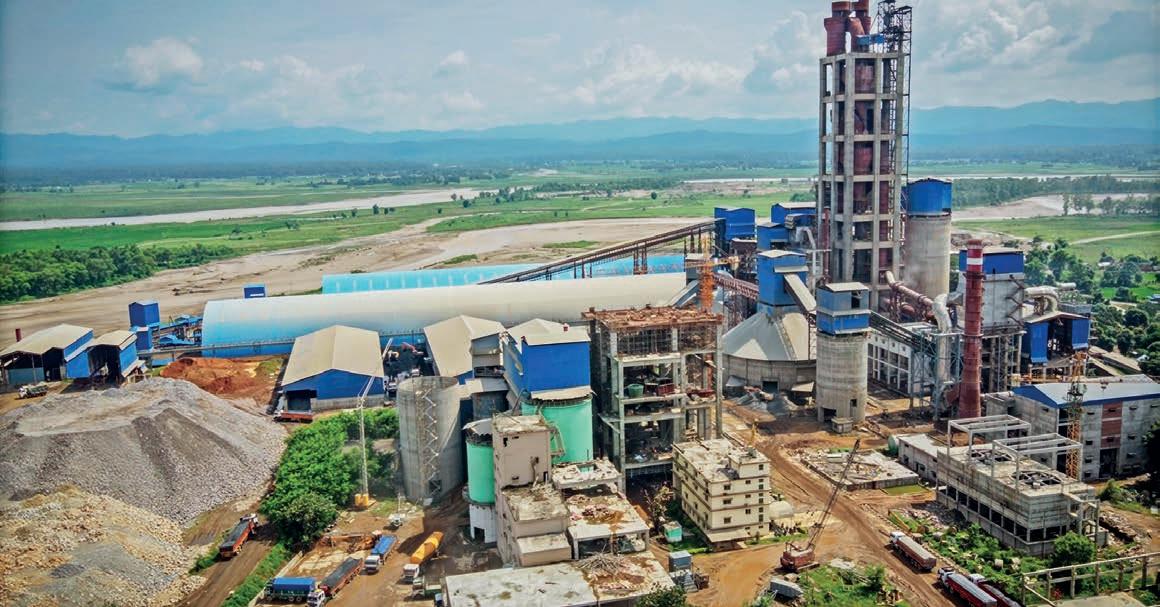
The cement industry is mainly located in Bhairahawa, Nawalparasi, Dang, Udayapur, Janakpur, Morang and Birgunj. As there are many limestone mines in this region, the industry is concentrated there.
Bhairahawa in the Terai region has become the 'hub' of the cement industry.
The country’s cement industry grew signi cantly from 2015 to 2020. One of the main reasons for the boom in the cement industry is the abundance of limestone mines, the main raw material for cement.
Previously, industries lacked suf cient investment and technology to mine limestone. The reason why the Nepali cement industry has made such a big leap in a short period was the entry of the private sector.
Most of the big conglomerates have been involved in the cement sector, including the Chaudhary Group, Murarka Group, Vishal Group, Triveni Group and Shankar Group.
Currently, the country’s cement industry has an installed production capacity of about 25 million tonnes per year. However, actual consumption has remained at 8–9 million tonnes annually over the past few years and capacity utilisation is still below 50 per cent.
Madhya Bindu chief executive Manoj Acharya told Aggregates Business that local cement demand has already stagnated.
“Some Nepali cement producers have been exporting cement to India. Cement supply to India started in mid-2022. In 2024, Nepal exported cement worth $US26 million to India. Cement was the 11th most exported product in the country,” Acharya said.
If Nepali trucks are permitted to transport cement up to 150–200 kilometres into Indian territory, Nepal may export signi cant volumes to India. Because neighbouring Indian states, such as Bihar, Uttar Pradesh, and West Bengal, have limited limestone reserves, transporting cement from other Indian states increases logistics costs.
For Indian exports, regulatory barriers need to be removed. A major obstacle Nepal faced was the issue of Bureau of Indian Standards (BIS) certi cation, which has been hindering cross-border trade.
Due to low local demand for cement, Nepal’s large businesses, such as Chaudhary Group’s CG Cement, are working to establish limestone quarries and cement plants in neighbouring India and Sri Lanka.
CG Cement is conducting a feasibility study to operate 100 million tonnes per annum (mtpa) of limestone mines and a 1mtpa integrated unit in Sri Lanka, while owning limestone mines in Meghalaya, a northeastern state of India, with plans for an integrated unit. Overall, the country’s cement industry comprises some 50–65 plants in active operation.
There are ve to eight key large foreigninvested companies and BIS-certi ed Nepali players. They may acquire medium and small-sized cement producers in the future.
Hydrogen and RDF are on the radar
The cement sector is a substantial source of CO2 emissions.
Acharya said that research indicates Nepal’s cement sector currently emits approximately 2.34 million tonnes of CO2 annually from clinker production.
CG Cement’s clinker production facility.
Nepal has substantial hydropower potential of around 42,000 megawatts (MW) and generates most of its electricity from hydropower, with projects to expand this capacity already underway.
Green hydrogen could eliminate up to 2.57 million tonnes of CO2 emissions from the cement industry every year.
However, implementation challenges include seasonal hydropower variability, requiring 2000MW of reservoir projects, and substantial infrastructure investments estimated at $US800 million.
To enable large-scale adoption of green hydrogen in the cement sector, Nepal must invest in at least 2000MW of dedicated hydropower capacity, preferably through reservoir-based or pumped-storage projects to manage seasonal variability.
Also, achieving this would require 227,743 tonnes of hydrogen annually.
This hydropower surplus can support green hydrogen production, which offers a carbon-free alternative to fossil fuels in cement manufacturing.
The shift to green hydrogen in Nepal’s cement industry is technically achievable and environmentally impactful, but it demands coordinated effort across policy, infrastructure and industry.
Bhutan and Bangladesh could be potential export partners, given Nepal’s comparative advantage in hydropower-driven “green” cement (if certi ed).
Another option is the use of waste for clean energy production. Nepal has been facing an increasing waste management issue, with Kathmandu Valley alone generating 1760 tonnes of waste daily, including 74 tonnes of multilayered plastics.
Refuse-Derived Fuel (RDF), produced by processing non-recyclable waste such as plastics and paper, offers an additional alternative. RDF can replace up to 45 per cent of coal in cement production, signi cantly reducing costs and emissions. The Centre for Energy Studies at Tribhuvan University in Kathmandu has already demonstrated RDF’s potential in collaboration with Nepalese cement producers.
By integrating RDF, the cement industry can cut production costs, lower CO2 emissions, and address the waste crisis.
Achieving this transition will also require collaboration among politicians, industry leaders and local communities.
Exploration of LC3 feasibility
The Department of Mines and Geology, in conjunction with Nepal’s Cement Producers Association, signed a memorandum of understanding for the launch of the Limestone
Calcined Clay Cement (LC3) with the Technology and Action for Rural Advancement (TARA) of India in 2024, to address low and zero-carbon cement production in Nepal.
The adoption of LC3 Cement in Nepal will bring signi cant changes to the cement industry, as it has lower production costs than Portland Pozzolana Cement (PPC) and Ordinary Portland Cement (OPC). It is 24 per cent cheaper to produce LC3 compared with PPC. The adoption of this unique cement will save US$123 million per year in foreign exchange costs from importing y ash, and $US144 million per year in foreign exchange costs from coal imports in Nepal. And it can catalyse $US320 million in privatesector investment.
About half of the cement consumed in Nepal is PPC, while OPC accounts for 40 per cent and is used in building construction and infrastructure development, including roads and bridges.
The CO2 emissions from LC3 production are expected to be 30 per cent lower than OPC and 11 per cent lower than PPC.
Before introducing this new technology in Nepal, caution on its long-term strength, availability of required raw materials within the country, and cost of technology upgrading should be thoroughly studied. LC3 may be a good alternative to conventional Portland cement and can retain the limestone reserves without cutting cement production volume.
In Nepal, the geological reserve of kaolin clay is limited and may still be unexplored.
However, LC3 presents opportunities for the exploration of Kaolin clay resources in the country. Also, obtaining a new Nepalese standard NS could be an emerging challenge and may take many years of testing before obtaining approval. AB
The Terai region has become the hub of Nepal’s cement industry.
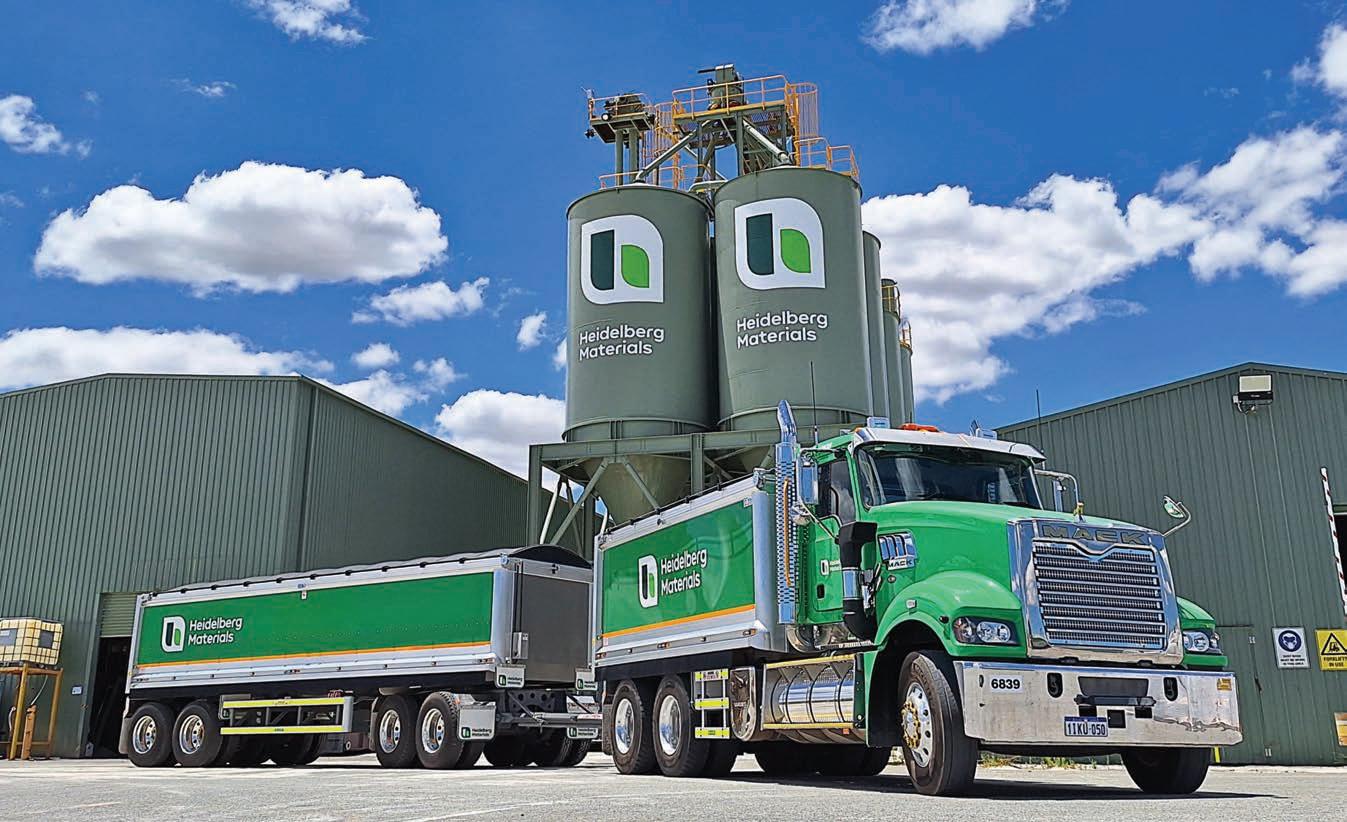
Heidelberg Materials has significantly expanded its presence in Australia
A changing landscape
The strategic race for supply is well and truly on within the Australian and New Zealand quarrying and aggregates sector, as established players eye more market share.
The world’s largest construction materials companies rarely commit billions of dollars to acquisitions without a clear view of where the next decade of demand will come from.
Over the past two years, that conviction has increasingly centred on Australia.
From Melbourne’s sand reserves and regional New South Wales hard rock resources to Perth’s integrated cement and concrete network, a series of acquisitions by Heidelberg Materials, Holcim Australia, Boral and CRH has reshaped ownership across the country’s construction materials sector.
Viewed individually, each transaction re ects a company’s own commercial priorities. Taken together, they reveal something much larger: Australia has become one of the industry’s most strategically important investment destinations.
That shift is not being driven by shortterm construction cycles alone.
Australia offers long-life quarry reserves, a transparent regulatory environment, continuing population growth and one of the world’s largest forward infrastructure pipelines.
At the same time, securing new extractive resources has become increasingly complex as urban expansion, environmental expectations and lengthy planning processes place greater pressure on existing reserves.
A quarry is no longer simply a source of rock or sand.
Connected to concrete plants, asphalt operations, logistics networks and recycling facilities, it becomes the foundation of an integrated supply chain capable of servicing markets for decades. In that environment, acquisitions are increasingly about securing strategic positions rather than simply adding production capacity.
No transaction illustrates this more clearly than Heidelberg Materials Australia’s agreement to acquire Maas Group Holdings’ construction materials business.
Announced in February 2026, the acquisition is among the largest seen in Australia’s construction materials sector in recent years. It brings together approximately 40 quarries with more than 350 million tonnes of reserves, 22 ready-mixed concrete plants, two asphalt operations, and a recycling facility across New South Wales, Queensland, and Victoria. For Heidelberg Materials Australia, it signi cantly expands an already substantial eastern Australian footprint while strengthening its vertically integrated construction materials business.
The acquisition spans some of Australia’s fastest-growing regions, connecting quarry reserves with downstream manufacturing and distribution assets positioned to serve metropolitan centres and major regional markets. Heidelberg Materials is reinforcing a network that has been steadily expanding through targeted acquisitions and investment over several years.
Heidelberg Materials chief executive of cer Phil Schacht said the acquisition is an extension of that long-term strategy.
“The acquisition of Maas’ Construction Materials division re ects our ongoing commitment to delivering consistent, highquality products and services to customers across eastern Australia,” he said.
“Maas’ strong reputation and regional expertise complement our business, and we’re looking forward to welcoming the team as we continue delivering reliable, sustainable materials to our customers.”
Earlier acquisitions suggest Heidelberg Materials has been methodically strengthening its Australian business by identifying opportunities that complement, rather than duplicate its existing operations.
One example is on the New South Wales Mid North Coast, where Heidelberg Materials Australia acquired High Quality Concrete, a family-owned business operating concrete plants at Coffs Harbour, Woolgoolga and Dorrigo.
In scale, the transaction bears little resemblance to the Maas acquisition, but the underlying rationale is remarkably similar.
Rather than pursuing expansion wherever opportunities arise, Heidelberg Materials has concentrated on markets in Australia where additional reserves, downstream manufacturing and logistics capabilities will reinforce its existing strengths and make it stronger.
Image: Heidelberg Materials
Schacht said the acquisition aligned with the company’s desire to strengthen its ability to support customers across the region.
That approach re ects a broader change occurring across Australia’s construction materials sector. Historically, quarry acquisitions were often viewed primarily through the lens of reserve life.
Longer reserves meant greater production certainty and a stronger long-term business.
Today, the equation has become considerably more sophisticated. Reserve quality remains fundamental, but it is increasingly evaluated alongside proximity to customers, transport corridors, concrete production, asphalt capability, recycling infrastructure and freight ef ciency.
A quarry with decades of remaining reserves is valuable. A quarry connected to an integrated downstream network servicing a rapidly growing metropolitan market is considerably more so.
Those dynamics are equally evident in Victoria, where Boral has pursued a series of acquisitions over the past year that strengthen its existing network rather than extending it into new territories.
In March 2025, the company acquired Sand Supplies Pty Ltd, including the Glen Forbes and Grantville sand quarries approximately 100km south-east of Melbourne.
Sand may receive less attention than hard rock within public discussions about quarrying, yet it remains one of the most strategically signi cant raw materials for concrete production.
As access to quality sand resources becomes increasingly constrained around major cities, secure supply has emerged as a competitive advantage in its own right.
Boral reinforced that strategy by acquiring the Wallan Concrete plant in Melbourne’s northern growth corridor, further strengthening an integrated network already anchored by its Wollert quarry and concrete operations.
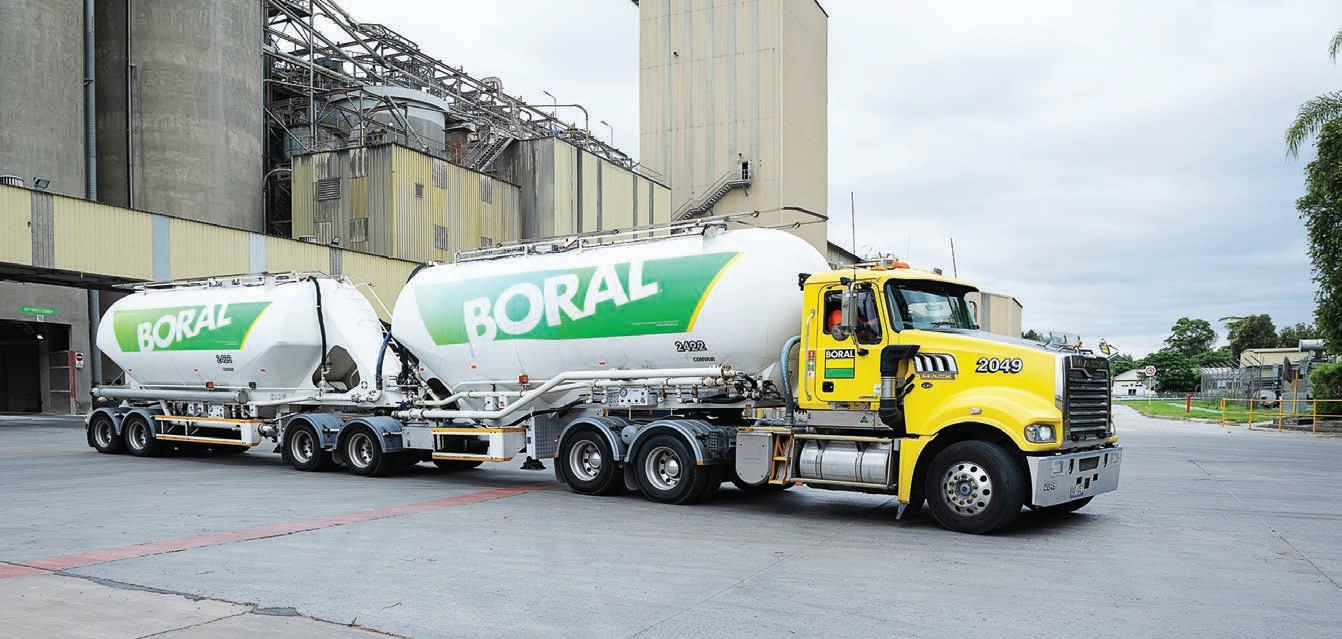
Boral has a significant presence within Australia.
Rather than representing isolated investments, the acquisitions form part of a broader strategy centred on securing supply into one of Australia’s fastest-growing metropolitan markets.
Major producers are no longer simply acquiring quarries. They are assembling connected businesses spanning extraction, processing, manufacturing and distribution. Reserve life remains critical, but increasingly it is the quality of the entire network that determines long-term competitive advantage.
That shift becomes even more pronounced in Western Australia, where one acquisition attracted not only industry attention but the attention of Australia’s competition regulator which reshaped one of the country’s most signi cant construction materials transactions.
The acquisition of BGC’s cementitious assets, a transaction that became one of the most closely scrutinised construction materials deals in Australia in recent years, was a major moment for the nation’s construction materials sector.
When Heidelberg Materials Australia and Holcim Australia, through their joint venture Cement Australia, announced their intention to acquire BGC’s cementitious assets, the proposal extended well beyond cement manufacturing. BGC’s cementitious operations included cement, ready-mixed concrete, quarrying, asphalt, transport and technical services, making it one of Western Australia’s most signi cant vertically integrated construction materials businesses. Due to the scope of the deal it attracted the attention of the Australian Competition and Consumer Commission (ACCC).
The ACCC examined how it would affect competition across several interconnected markets, including cement, ready-mixed concrete, aggregates and asphalt throughout the greater Perth market.
Boral supplies construction materials into several key markets.
In its review, the regulator concluded the original transaction was likely to reduce competition because it would have combined substantial market positions held by existing participants.
Instead of abandoning the acquisition, however, the parties worked with the regulator to restructure the transaction.
Under the amended proposal, the majority of BGC’s concrete, quarry, asphalt, transport and materials technology assets were acquired by Adbri, while Cement Australia acquired BGC Cement, associated transport operations and selected downstream concrete assets.
Following those changes, the ACCC concluded the revised transaction was unlikely to substantially lessen competition in any relevant market and announced it would not oppose the acquisition.
The regulator said the divestments addressed the competition concerns identi ed during its original review and preserved competitive tension across Perth’s construction materials markets.
The amended transaction also revealed the differing strategic priorities of the companies involved.
For Cement Australia, the acquisition represented an opportunity to complete a truly national manufacturing footprint.
Cement Australia chief executive of cer Rob Davies said the completion was the culmination of a long-term ambition for the business and that the transaction nally gave Cement Australia a manufacturing presence in every state while welcoming former BGC employees into the organisation.
For Heidelberg Materials Australia, the acquisition complemented a broader national growth strategy that has steadily expanded the company’s downstream capabilities alongside its quarry network.
Schacht said the BGC transaction represented “a pivotal step in our strategic growth trajectory in Australia”, strengthening Heidelberg Materials’ capabilities in what he called an “attractive, high-growth region”.
Operationally, Heidelberg Materials Australia assumed responsibility for the Bassendean ready-mixed concrete operation, extending its presence within the Perth metropolitan market and strengthening connections between cement supply, concrete production and customer delivery.
Holcim Australia emerged from the transaction with a similarly strategic outcome.
Under the revised structure, Holcim Australia took ownership of the ready-mixed concrete operation at Canning Vale and assumed the lease of the Kwinana facility, further strengthening a network that already served metropolitan Perth.
The company said the additions would enhance security of supply while supporting its broader NextGen Growth 2030 strategy.
Holcim Australia chief executive of cer George Agriogiannis said the new facilities would strengthen Holcim’s position in Western Australia, streamline logistics,
and expand the company’s ability to deliver higher-value construction solutions to customers.
Individually, each company concentrated on its own assets, but together, the transaction reveals a larger narrative.
Heidelberg Materials enhanced its downstream concrete operations. Holcim grew its presence across metropolitan Perth. Cement Australia secured manufacturing coverage nationwide. Meanwhile, Adbri strengthened its market position in Western Australia’s quarrying, concrete, and asphalt sectors through the revised asset distribution.
Even after that transaction, the market has attracted substantial investment from multiple major producers, underscoring the strategic importance attached to Western Australia’s construction materials sector.
Holcim recently completed a signi cant upgrade of its ready-mixed concrete plant in Albany which serves Western Australia’s Great Southern region.
The redevelopment included a new batching plant, improvements to site layout and upgraded environmental controls, investments the company said would improve operational ef ciency while strengthening its ability to support local builders, civil contractors and infrastructure projects well into the future.
Holcim Australia general manager for aggregates and concrete in Western Australia Sam Russell said the investment re ected Holcim’s long-term commitment to the region.
“Albany has been an important part of our network for decades,” he said.
“The upgrade ensures we’re well positioned to continue supporting the Great Southern region with modern, ef cient facilities that meet today’s standards while delivering the reliable service our customers expect.”
The obvious question, then, is why Australia has become such an important destination for investment.
The answer begins with geology.
Australia possesses extensive deposits of high-quality hard rock, sand and other construction materials. Many are located close to major metropolitan areas or regional centres expected to experience sustained population growth over coming decades.
At the same time, securing approvals for new extractive resources has become increasingly complex, making established operations with long reserve lives considerably more valuable.
The answer also lies in demand.
Infrastructure Australia recently said that governments are continuing to expand the national infrastructure pipeline, with investment increasingly directed towards housing-enabling infrastructure, energy transmission and renewable energy, as well as major transport projects.
The organisation estimated around $163 billion in renewable energy investment over the next ve years, while noting that governments were effectively “doubling down” on housing and energy projects.
Infrastructure Australia said that delivering this ambitious pipeline will require improved productivity and continued investment in workforce capability. Those challenges further reinforce the value of established operations capable of supplying projects ef ciently through integrated production and logistics networks.
Taken together, the acquisitions examined throughout this feature reveal an industry investing well beyond today’s project cycle.
Heidelberg Materials’ purchase of Maas Group’s construction materials business, Boral’s targeted investments in Victoria, the reshaped BGC transaction in Western Australia, and Holcim’s investment in its Australian facilities all point in the same direction. Australia’s sector is becoming more integrated, more capital intensive and increasingly international. It is no longer simply an attractive market in which to operate. It is a market worth securing. AB
Holcim has recently upgraded its facilities in Albany.
Image:
Holcim
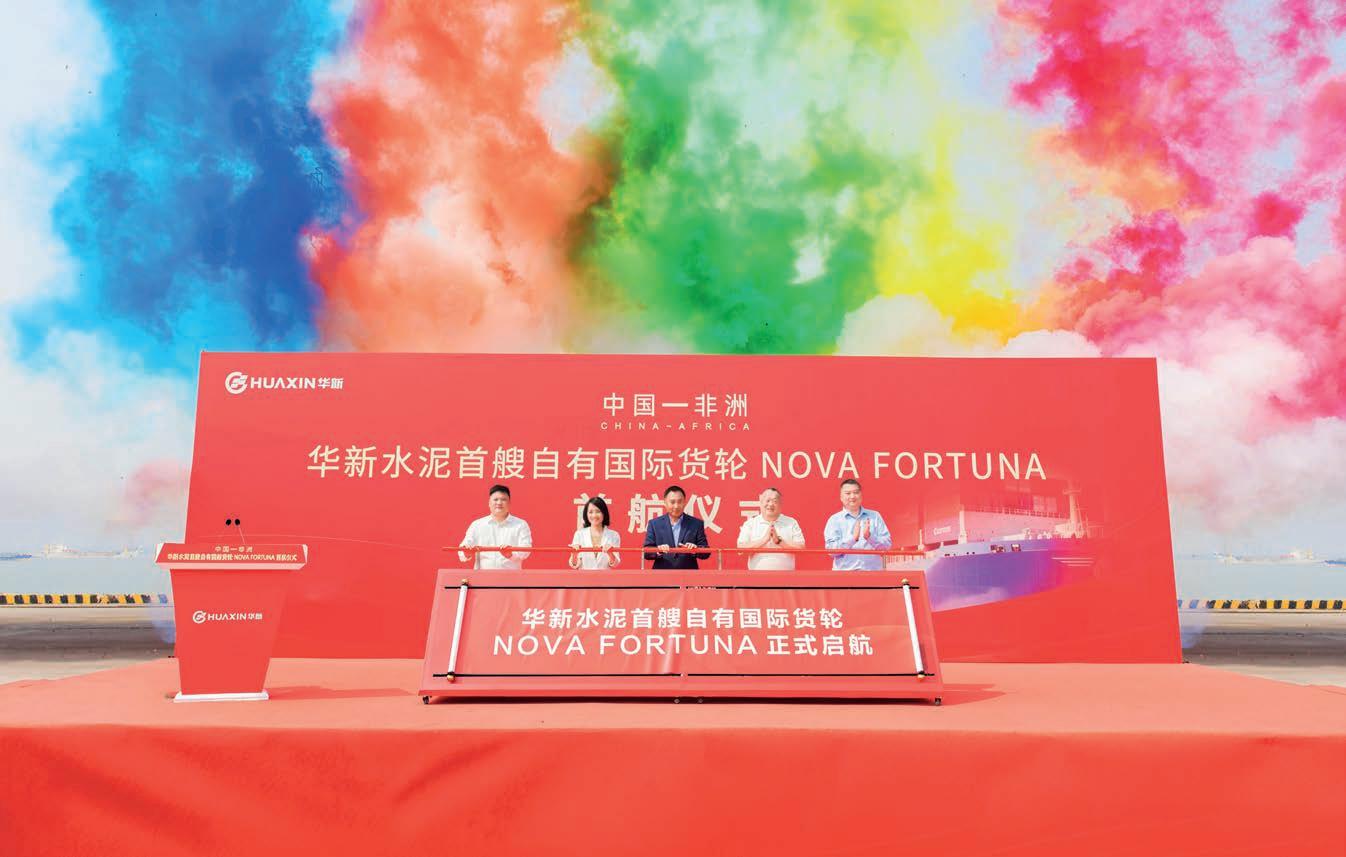
HBMG has invested significantly in its overseas operations, including the purchase of a cargo ship, the Nova Fortuna.
From China to the world
Huaxin Building Materials Group is shaping a bold new era in its operations as it transforms into a multinational company across several key markets.
Anew name, a new look and a transformational era have arrived for Huaxin Building Materials Group. The company formerly known as Huaxin Cement Co has unveiled its new moniker as it moves beyond its reputation as just a Chinese construction materials producer and becomes something bigger: a multinational whose presence will shape critical markets in the global quarrying and aggregates sector.
That long-term strategic vision was on show in June 2026 when the company hosted a ceremony to mark the rebrand of Lafarge Africa’s Nigerian division to Huaxin Building Materials Nigeria (HBM Nigeria), which is part of Huaxin Building Materials Group (HBMG).
Appearing via video link at the ceremony, HBMG chief executive of cer Li Yeqing outlined how the company planned to turn its Nigerian outpost into “West Africa’s leading building materials enterprise”.
Those in attendance were given a glimpse at how HBMG will add its modern technologies and management frameworks to enhance its Nigerian operation, which the company has said will serve as its “core strategic hub for West Africa”.
These improvements are set to include diversifying the product portfolio, investing in its local management workforce and identifying opportunities for HBM Nigeria’s future expansion. This is already underway in parts, with HBMG conducting a “global advanced management program” with 16 employees from eight countries, including Mozambique, Nepal, Oman, Nigeria, South Africa, Brazil, Zambia, and Malawi.
HBM Nigeria chief executive of cer Lolu Alade-Akinyemi said the new identity enables the operation to “fully integrate into HBMG’s global development blueprint.”
It comes after HBMG acquired an 83.81 per cent stake in Lafarge Africa Plc in August 2025, making it the majority shareholder and, more broadly, solidifying HBMG’s growing global presence, which includes manufacturing facilities in 14 countries and operations in seven African nations.
According to Holcim, which divested Lafarge Africa as a result of the 2025 deal, the transaction represented an equity value of $US1 billion on a 100 per cent basis before dividend adjustments. HBMG announced that an initial consideration of $US773 million was paid, adjusted downward for leakage.
When the deal was announced, Holcim regional head of Asia, Africa and the Middle East Martin Kriegner said he welcomed Huaxin’s commitment to build up the Nigerian operation following Holcim’s divestment.
“We are pleased to have found in Huaxin Cement a trusted buyer that is committed to further developing the business in Nigeria,” he said.
“At the same time, the sale proceeds give Holcim additional capacity for our growth-focused capital allocation. We wish Lafarge Africa PLC and Huaxin Cement continued success.”
HBMG has rebranded Lafarge Africa to HBM Nigeria Plc.
Images: HBMG
Holcim and HBMG have maintained close ties following the transaction, with Kriegner joining Holcim chief executive of cer Miljan Gutovic to welcome a delegation, including Yeqing and Huangshi Municipal Party Committee secretary Qie Yingcai, as part of a research trip to Holcim’s headquarters in Zug, Switzerland, in May 2026.
But the Nigerian transaction has been widely viewed, both internally and externally, as a major milestone in HBMG’s evolution toward a global presence in the building materials sector. In the company’s letter to shareholders, it noted that expansion into these high-margin overseas markets could be a “second growth engine”.
Months earlier, HBMG nalised several other major moves within the African continent that forti ed its presence.
Chilanga Cement Plc, which is part of HBMG, commissioned its upgraded kiln and lime production line in June 2025. The upgraded kiln tripled clinker production capacity from 500 to 1500 tonnes per day, while the lime production line added 100,000 tonnes to the Ndola plant’s annual capacity.
“Chilanga Cement is not just a company in Zambia, it is a Zambian company, aligned with the country’s development goals and rooted in its communities,” Yeqing said.
According to the company, Chilanga Cement’s total investment since 2021 is over $US30 million, including the addition of a dry mortar production line and a two-tonne plastic waste shredder.
“When faced with losses and uncertainty, we chose reinvestment over retreat. Today, we celebrate progress, innovation, and resilience,” Chilanga Cement Plc Muna Hantuba said.
Around the same time in June 2025, HBMG revealed that its upgrade of Natal Portland Cement’s Simuma plant had been completed, increasing the daily clinker production capacity from 1500 tonnes to 4000 tonnes.
The investment also included the addition of a waste-heat recovery facility, a new cement mill, and alternative-fuel processing and feeding systems. Weeks earlier, HBMG purchased and launched its own cargo ship as part of a two-fold plan. Initially, the vessel would support the renovation of its plant in Mozambique, and thereafter it would also help export its products from Mozambique to other parts of East Africa, including Madagascar, Comoros, Mauritius, and Réunion. Huaxin
With such a level of investment across Africa, it is clear that HBMG values the continent as a key part of its growth from a national supplier to a global player in the quarrying and aggregates sector. AB
HBMG funded an upgrade for Natal Portland Cement’s Simuma plant.
Chilanga Cement Plc, a member of HBMG, invested in its Ndola plant in 2025.
vice president Tang Jun said the investment would consolidate the company’s ambitions of growing its overseas business.
Building a South African dream
Afrimat has completed the latest set of moves to finalise a major transaction in the South African building materials sector.
It may have been a long road, but Afrimat has nally completed all the steps to acquire Lafarge South Africa three years after the deal was rst announced.
The closing chapter for the three-year saga ended in June 2026 after the company divested certain general aggregates quarries and readymix concrete plants in South Africa to Saturc. The deal included a total purchase consideration of R215 million, with R160 million payable on July 01 and R55 million deferred over three years, subject to certain conditions.
“[This transaction ful ls] conditions set by the Competition Tribunal related to its acquisition of Lafarge South Africa Holdings,” Afrimat announced.
“This transaction completes Afrimat’s obligations under the tribunal’s approval and the Lafarge acquisition conditions.”
Following the announcement of the divestment, Afrimat chief executive of cer Andries van Heerden said the proceeds from the sale would be used to reduce debt.
Afrimat’s divestment marks Saturc’s beginning in the South African quarrying and aggregates sector. The divestment, according to Saturc, includes ve quarries and four ready-mix plants across the Western Cape, Eastern Cape and Mpumalanga.
“This milestone re ects Saturc’s commitment to building a sustainable, competitive and growth-oriented business in the South African construction materials sector,” Saturc announced.
“Supported by direct foreign investment from Türkiye, the transaction further reinforces bilateral economic ties between Türkiye and South Africa, while enabling the transfer of technical expertise, operational capability and industry best practice.
“As Saturc begins this new chapter, the company remains focused on job creation, operational excellence, responsible growth and long-term stakeholder value.
“We extend our sincere thanks to all stakeholders involved in bringing this transaction to a successful conclusion.”
A long road
While the conclusion was written in 2026, Afrimat rst announced its intention to acquire Lafarge Africa and its subsidiaries in 2023, with the deal gaining the required approvals by 2024, and Afrimat’s divestment in 2026 marking the conclusion.
The deal included several signi cant quarrying and aggregates industry assets, including aggregate quarries, readymix batching plants, an integrated cement plant, cement grinding plants, cement depots, and high-quality y-ash sources.
Speaking at the announcement of the deal in 2023, van Heerden said the acquisition would give Afrimat a signi cant presence in South Africa’s construction materials sector as the government was looking to invest in infrastructure maintenance.
“Afrimat operates its construction materials segment at a low and ef cient cost, supported by ongoing ef ciency projects,” he said.
“This philosophy will be applied to the acquisition, where we believe further ef ciencies can be extracted, and build on our successful integration of similar transactions.
“Afrimat’s construction materials division contains all the expertise and strategic management execution capabilities required to ensure successful integration and expansion of our products into the infrastructure and construction sectors of South Africa.”
In 2024, approval from the Competition Tribunal was granted, subject to Afrimat meeting certain obligations, including divestment of some assets, but it was essentially the nal green light, and enabled Afrimat to integrate Lafarge’s assets.
However, van Heerden said in his 2025 CEO report, the delay in the Competition Tribunal’s decision had impacted the takeover.
“On the cement side, because the Competition Tribunal took an unusually long time to rule on the Competition Commission’s recommendations, by the time Afrimat took over the cement operations, they were in signi cant disrepair, and the cash available at the acquisition date had diminished,” he wrote.
“When the Competition Commission conditionally approved the transaction, the business had good cash ow; however, the delay in the Competition Tribunal’s nal decision really hurt us and which was completely outside of management’s control.”
By 2025, the Lafarge assets had been successfully integrated, which, Afrimat chairman Francois Louw said in his 2025 report, would provide a strong foundation for the company going forward.
“This integration adds to the aggregate and readymix footprint, ensuring Afrimat has additional points of presence nationwide,” he wrote.
“It also adds another commodity, cement, to our diversi ed structure and bolsters our traditional construction materials offering.”
The Lafarge assets are now playing an active role in Afrimat’s operations.
This is particularly evident through its construction materials division, which in recent times has supported several key projects across South Africa, including aggregates for a major hydro project in the Eastern Free State, readymix concrete for a wastewater treatment plant in the Western Cape, and aggregates and gravel products for road projects in KwaZulu-Natal, among other projects.
“A consistent, steady supply of construction materials is keeping quarries across our South African footprint busy,” van Heerden said.
“Our renewed focus on aggregate quarrying has proven to be well-timed.” AB
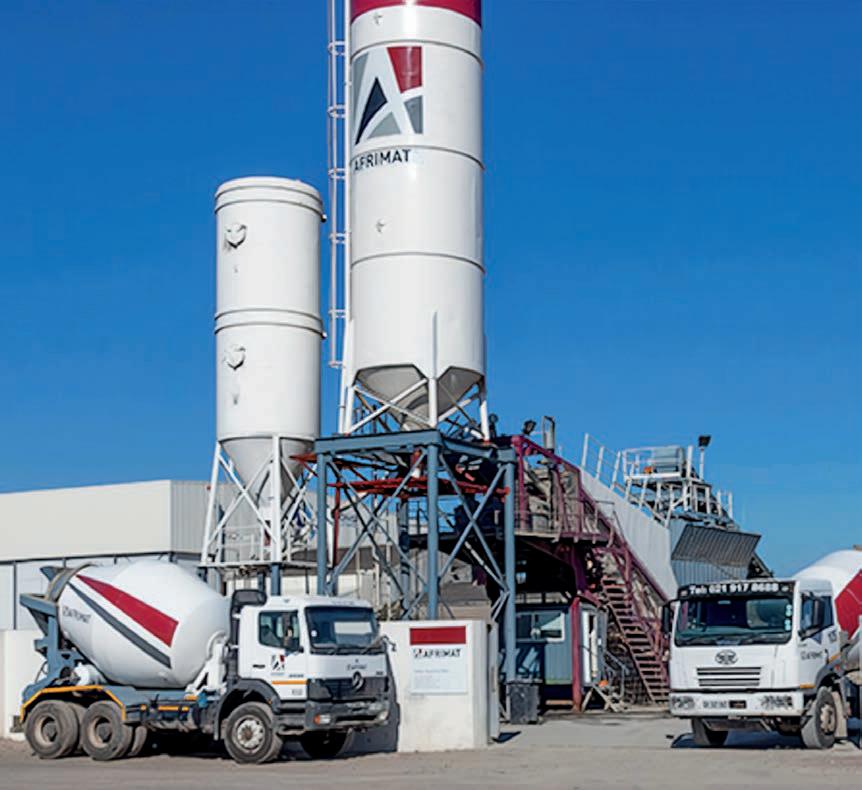
Afrimat has a significant presence in South Africa’s quarrying sector.
Image: Afrimat
Contact:
An exciting future awaits
As Simex celebrates 35 years of successful operations, its path forward is paved with innovation as the manufacturer continues to redefine screening solutions.
Founded in 1991, Simex has experienced consistent growth over three decades, driven by technological innovation and a strong commitment to customer needs, earning recognition for quality solutions and dedication to innovation.
Starting from modest beginnings, the company has steadily expanded its product lineup to include road maintenance equipment, such as cold planer machines and wheel excavators. It has also grown in the demolition and material recycling sectors by offering various screening and crushing buckets, as well as excavator cutter heads.
Now as the company marks 35 years in business, it is con dently looking ahead to a bright future according to Simex chief executive of cer Mirco Risi.
“Celebrating 35 years of activity means looking back with pride at the journey we have undertaken, but above all continuing to invest in innovation, people, and relationships to face future challenges,” he said.
It comes on the back of a successful 2025 for Simex, in which the company achieved solid results and signi cant growth across nearly all key markets.
Simex has a presence in the Italian and other key global markets.
The company has continued to maintain a strong presence at international trade shows, including exhibiting at its own stand at Hillhead 2026, as it looks to consolidate its position in key international markets.
Most recently, Simex exhibited at SaMoTer 2026 in Verona as the Italian trade show dedicated to construction, earthmoving, and lifting machinery returned.
The trade fair was attended by industry professionals from around the world as some of the world’s biggest manufacturers showcased their latest solutions and innovations for the market.
At the centre of Simex’s exhibition was the Simex ART 1000, with the solution ready to be adopted into both the Italian and overseas markets. The ART 1000 is designed to excel in the rapid, effective, and sustainable repair of minor road damage.
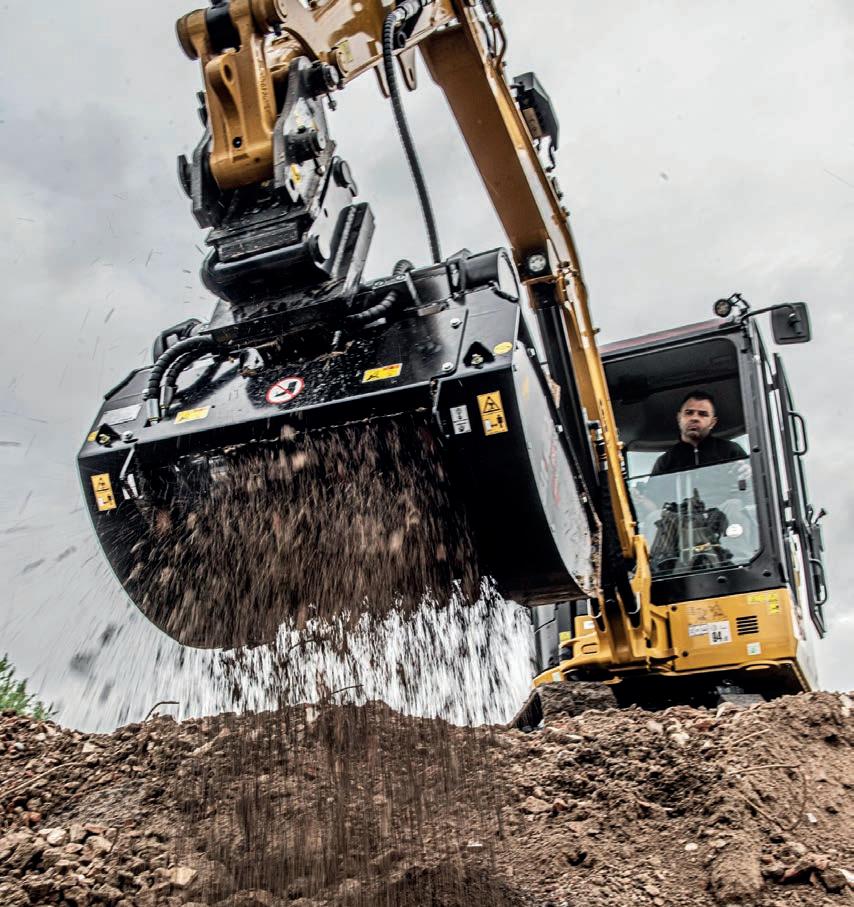
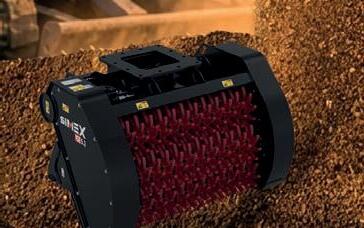
Alongside the ART 1000, Simex also showcased the VSE Tornado screening buckets, the latest addition to the well-known VSE range, which now covers excavators from 1.5 tonnes to 50 tonnes.
Designed for on-site material selection, cleaning, and recovery, the VSE Tornado screening buckets have been used for screening waste materials in demolition waste and aggregate applications, enabling operators to recover more valuable materials for reuse on-site or for transport as sellable materials. By reprocessing this material on-site, disposal costs and the cost of importing new materials are reduced, thereby supporting a business’s nancial viability.
The VSE Tornado screening buckets are designed to sort materials of varying sizes directly on-site, even when moisture is present. The updated three-shaft system with star-shaped components increases material swirling, boosting processing ef ciency and overall productivity. The screening bucket features an innovative quick-change system, a Simex-patented technology for replacing the entire shaft or individual screening elements. This solution enables quick, easy on-site maintenance, minimising downtime and ensuring continuous operation and higher ef ciency.
Simex showcased the VSE Tornado screening buckets at SaMoTer 2026.
Images:
Simex
Depending on the material type, the bucket can feature polyurethane tools, which are perfect for wet or sandy soils and helps maintain the integrity of the screened material. Alternatively, it can be tted with steel tools, suitable for more demanding tasks and abrasive materials.
Simex research and development project engineer Nicola Sisti said the company is exploring new frontiers in on-site material separation, highlighting the bene ts of cost savings, operational ef ciency, and environmental sustainability.
“This approach aims at reducing disposal costs and help private users save on costs,” he said.
“This is perfectly in line with Simex’s philosophy of promoting sustainable and cost-effective solutions for industry professionals and builds on our innovation of screening buckets, where we have traditionally been on recovering heavy aggregate materials from demolition and crushing.”
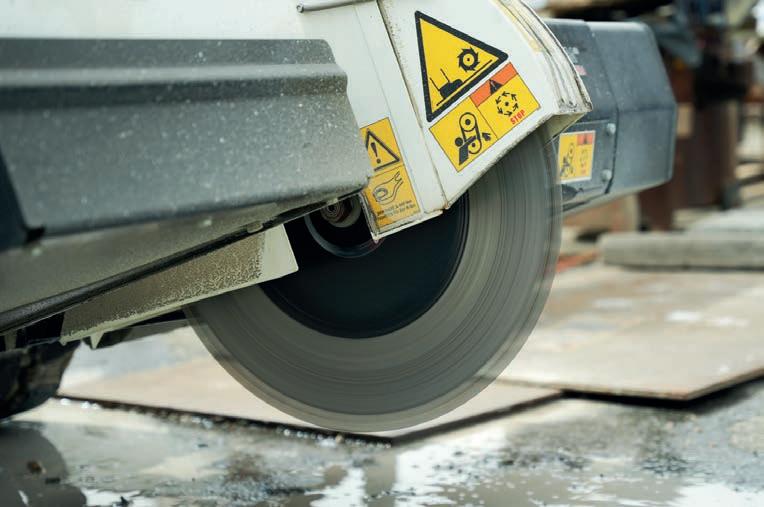
As part of SaMoTer 2026, Simex participated in the SaMoTer Innovation Award competition with its new D-Blade solution. The D-Blade is a diamond cutting disc designed to deliver high performance, precision and reliability in cutting operations. This solution re ects Simex’s ongoing commitment to developing advanced technologies to improve ef ciency and productivity on job sites.
Common applications for the D-Blade include controlled removal of asphalt sections for repairs, opening new road manholes, and making straight cuts for bre optic cable installations, particularly during nal building connections.
A clean, burr-free cut minimises waste and prevents trench wall collapse.
The D-Blade was one of the winners in the attachment category at the
awards, with judges praising Simex for designing an attachment that delivers “very high productivity in a mature equipment category.”
With these signi cant milestones, Simex reaf rms its commitment to becoming a leading player in the industry, blending extensive experience with a forwardlooking focus on technological progress and global markets. AB
The D-Blade was recognised at the SaMoTer Innovation Awards.
The global sand challenge
Industry associations have endorsed a new report calling for urgent action to address the global “sand gap” and improve sustainable management of sand resources.
The sustainable management of global sand resources and the strategic importance of aggregates to global economic development and nature recovery are highlighted in a new study.
The UN Environment Programme (UNEP) report, Sand and Sustainability: An Essential Resource for Nature and Development, was welcomed by the UK trade associations, the Mineral Products Association (MPA) and the Washed Aggregates Trade Association (WATA).
The MPA, which represents the vast majority of UK aggregate producers, has said sand remains a critical yet undervalued resource as the world’s most extracted solid material.
MPA executive director for planning and mineral resources Mark Russell said the report highlighted a key issue for all industry stakeholders to consider.
“In this report UNEP recognises sand resources, including sand, gravel and
Sand is a key material for many applications.
crushed rock – as a strategic mineral that’s absolutely essential for economic development,” he said.
“This represents a truly global issue as even in developed economies like the UK, the need for and supply of essential minerals that underpin our built environment and wider economic activity can be taken for granted.
“UNEP has once again highlighted that, for all the attention on critical minerals, there needs to be equal recognition of the role and importance of sand.”
In the report, UNEP said that sand resources, encompassing all primary aggregates including sand, gravel, and crushed rock, are essential for built development and infrastructure, and that their supply cannot be taken for granted.
Equally, the report said that sand is a key part of many active ecosystems, and contributes to natural habitats, food and water security, climate resilience, ood risk reduction and tourism.
The UK sector is cited by UNEP as demonstrating good practice, highlighting its structured regulatory and licensing approach to marine extraction, its scienceled monitoring system, and a responsible approach to land-based extraction and restoration. In other parts of the world, UNEP said extraction activities could bene t from improved regulation which would allow sand to be removed from active geological systems such as rivers and beaches, with little consideration for the impacts on local communities or natural ecosystems.
The report also calls for greater use of sustainable alternatives such as secondary aggregates (by-products of other industrial processes) and recycled aggregates (made from construction, demolition and excavation waste). That’s another area in which the UK is a global leader according to UNEP, with almost 30 per cent of aggregate demand already being met from secondary or recycled sources.
Other areas addressed in the report include the importance of responsible sourcing in the supply chain.
UNEP’s recommended embedding responsible sourcing standards into public tenders, requiring transparency, environmental safeguards, long-term material planning, and adherence to international standards, while moving beyond lowest-cost procurement to incorporate environmental and social impacts into decision-making. In the UK, 96 per cent of domestic concrete production is certi ed to BES 6001, the standard for responsibly sourced construction materials.
The UNEP report was also endorsed by the UK’s Washed Aggregates Trade Association (WATA).
WATA said the report’s ndings reinforced the importance of increasing the use of washed recycled aggregates within UK construction and infrastructure projects.
“The UNEP report highlights the urgent need to reduce pressure on virgin sand extraction while continuing to meet the demands of modern construction and infrastructure,” WATA chief executive of cer Andy Hill said.
“The washed aggregates sector can play a major role in helping to deliver a sustainable solution to the sand crisis by washing and recycling high-quality aggregates, including sand.
“The washed aggregates sector can play a major role in helping to deliver a sustainable solution to the sand crisis by washing and recycling high-quality aggregates, including sand.” - Andy Hill
“Washed recycled aggregates are already helping to conserve natural resources in the UK. It’s a growing sector which is reducing waste sent to land ll and supporting a more circular economy.”
The UNEP report said the demand for sand for buildings is expected to rise by 45 per cent by 2060.
Against this backdrop, WATA is calling for stronger policy support to encourage the use of washed recycled aggregates across UK construction projects, including the introduction of minimum recycledcontent requirements in public procurement contracts. The association said that clearer national targets, improved resource planning, and greater recognition of recycled aggregates in sustainability policy will help accelerate the transition towards more responsible mineral use.
“WATA is keen to see a greater use of recycled aggregates in public and private sector projects because they signi cantly reduce reliance on primary extraction while helping to meet the UK’s construction targets and circular economy goals,” Hill said.
“The construction sector must balance development needs with environmental protection. The washed aggregates industry is ready to contribute to that transition and support a more sustainable future for the built environment.” AB
The new line designed to maximize performance in green area maintenance, land clearing and compost aeration.
6 models for mini and midi excavators from 1.5 to 10 t
2 or 3 shaft configuration with intersecting star-shaped elements
Effective on both dry and damp ground
Ideal for land reclamation and green area restoration
Patented system for rapid shaft replacement directly on site
Polyurethane or steel tools depending on the application
Made for those who work outside every day.
WATA CEO Andy Hill.
Image: WATA
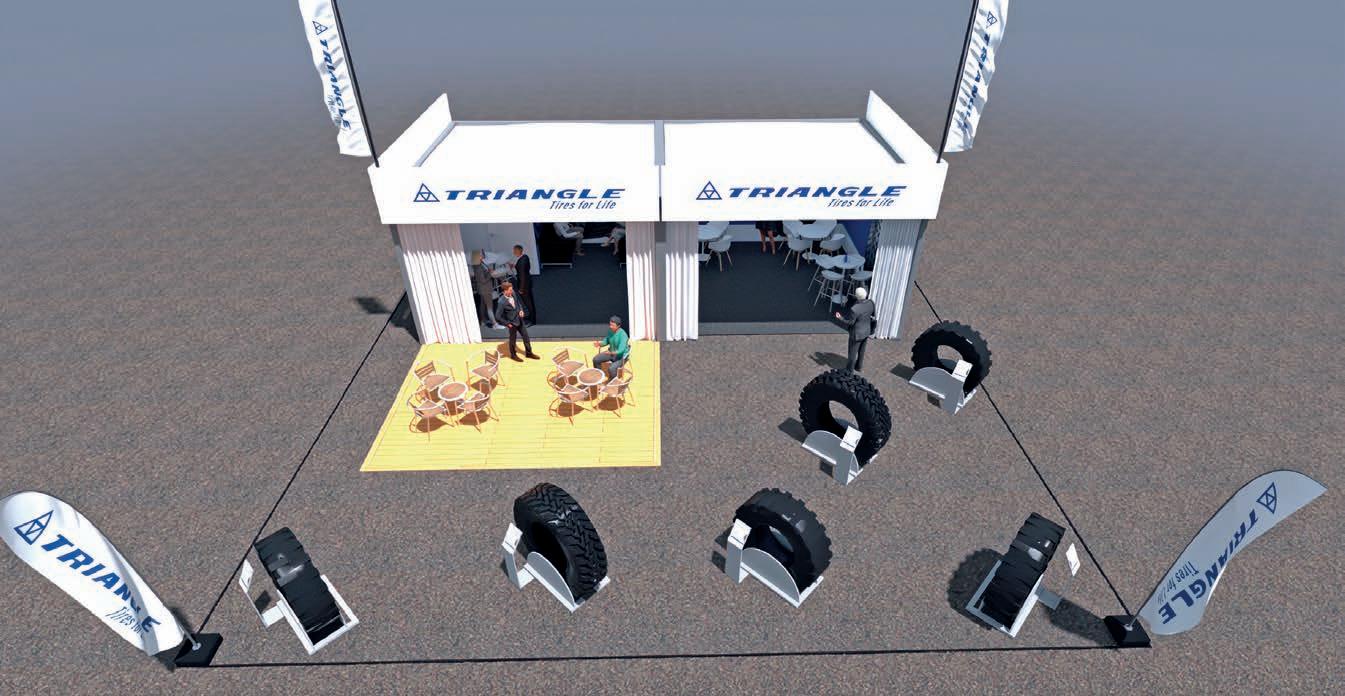
Triangle Tyre exhibited at Hillhead alongside its o cial UK distributor Vaculug.
Durability and uptime in focus
Triangle Tyre showcased its latest o -the-road tyre technology at Hillhead 2026. The manufacturer used the event to demonstrate how its expanding portfolio is helping quarry operators reduce downtime and maximise machine performance.
Triangle Tyre returned to Hillhead 2026 alongside Vaculug, its of cial UK distributor for the brand’s off-the-road (OTR) range, showcasing its distribution model designed to improve product availability and customer support across the UK quarry and construction sectors.
The exhibition, widely regarded as the UK’s leading live demonstration event for quarrying, recycling and heavy construction, was held from 23–25 June at Hillhead Quarry in Buxton, Derbyshire. Triangle Tyre and Vaculug exhibited at Stand V10, showcasing a focused selection of Triangle’s OTR portfolio for quarry and earthmoving eets.
The Triangle-Vaculug partnership aims to strengthen Triangle’s UK market footprint with a service-led distribution approach, supporting customers where tyre performance is measured not only by tread life but also by uptime, productivity, and cost-per-hour.
In addition to supporting end users, the Triangle-Vaculug collaboration is designed to strengthen Triangle’s position in the UK trade channel through a structured dealer supply program. Triangle Tyre OTR director for Europe, Luca Mai said it was an important opportunity to highlight the company’s UK capabilities.
“Hillhead is the most important quarry and construction exhibition in the UK, and we are pleased to have attended together with our exclusive importer, Vaculug,” he said.
“The partnership allows us to combine a strong global OTR product range with local distribution capability and service support.
“We enjoyed the opportunity to welcome customers and trade partners to our stand and demonstrate how Triangle can support the UK market with performance, reliability and availability.”
Triangle-Vaculug’s Hillhead display showcased key OTR tyre solutions from Triangle for the equipment categories that are most commonly used in UK quarrying and construction sectors.
The selection re ected Triangle’s focus on delivering robust OTR tyres engineered to perform in harsh working conditions, helping end users improve their operational ef ciency and reduce unplanned downtime.
These solutions included:
• Rigid and articulated dump truck tments, engineered for traction, durability and rock abrasion resistance
• Loader and dozer patterns, designed to support high loads, stability and long service life.
• Severe service quarry designs, developed for extreme front-of-quarry environments where cut resistance is critical.
• Industrial and mobile equipment tments, supporting mixed on/off-road operation with consistent wear performance.
Triangle Tyre is among the largest global producers of OTR radial tyres, with a portfolio developed for quarry, mining, industrial and heavy construction applications.
Vaculug, established in 1950 and widely recognised as Europe’s largest independent retreader, brings strong UK market reach and a long-standing reputation in tyre lifecycle management. The collaboration is positioned to offer quarry operators a stronger combination of supply continuity, technical support, and practical eet service capabilities, aligned with the increasing market focus on total cost of ownership and sustainabilitydriven purchasing decisions.
By combining local stockholding, improved trade availability and responsive logistics, the partnership aims to provide UK OTR tyre dealers and specialist distributors with reliable access to Triangle’s portfolio, including key quarry and earthmoving tments and fastmoving sizes, backed by technical product support and consistent nationwide supply. AB
Image: Triangle Tyre
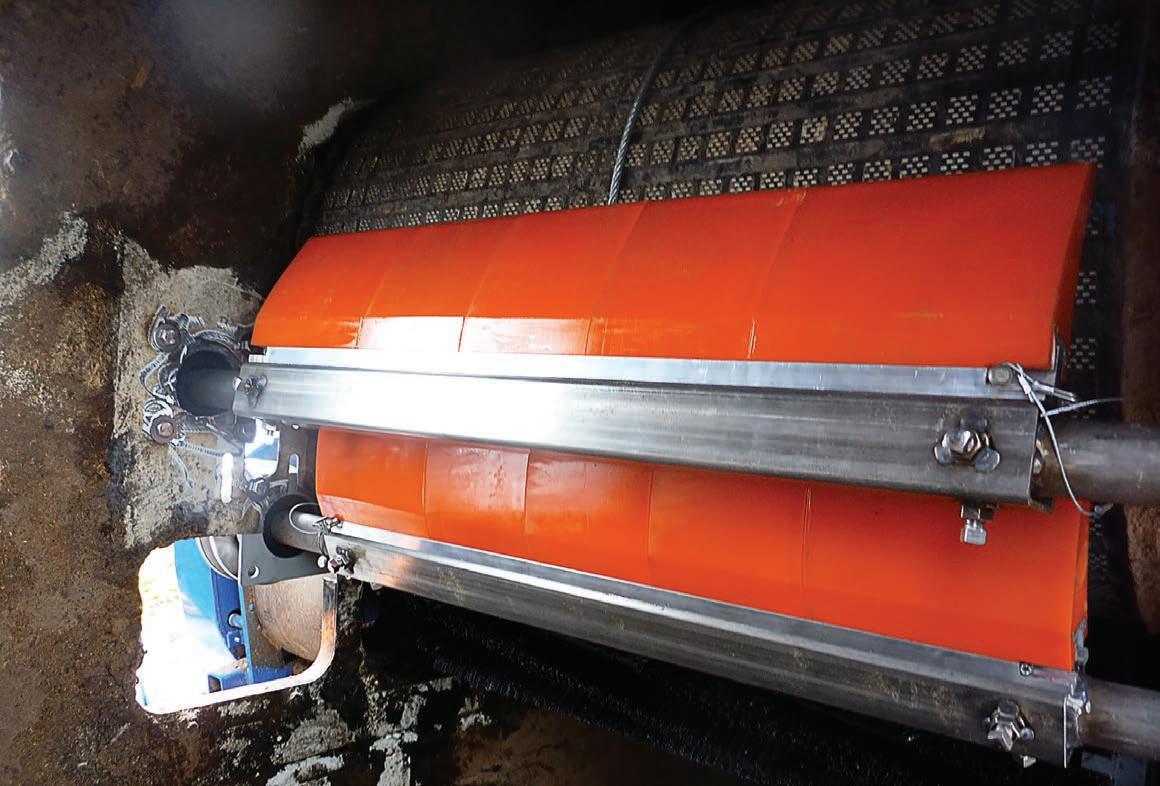
Secondary and tertiary cleaners are all specially designed to clear the belt of hidden fines that could create dust along the return.
How to avoid a conveyor calamity
Martin Engineering President Emeritus Todd Swinderman shares his tips to help high-volume conveyors avoid making a high-volume mess.
The battle against dust in bulk handling is a seemingly never-ending struggle.
The location and number of belt cleaners needed for production volume and application on a belt conveyor system are directly linked to safety, emissions, and operating costs.
A common design issue is determining the optimal locations for belt cleaners.
Structural, spatial, and safe-access considerations can pose limitations.
The con guration of discharge chutes and the installation of a dribble chute to capture extra discharge may also need to be factored into the design.
This article will discuss design calculations for the placement of secondary cleaners.
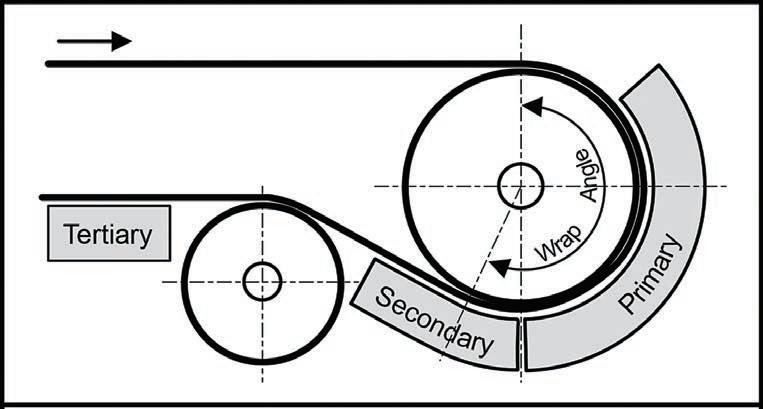
The Conveyor Equipment Manufacturers Association (CEMA) de nes the secondary position as the space between the head pulley and the snub pulley on the belt’s return run. Unfortunately, structural designs often result in a very short section of belt surface between the head pulley and the snub pulley, which is the ideal location for many secondary cleaner designs.
This limited distance leaves little room for belt cleaners in the secondary position, a situation further complicated by the space required for a dribble chute.
Additionally, designers often place work platforms based on major components, overlooking access for belt cleaner inspection or maintenance.
Belt cleaners typically require more attention than major components to ensure system ef ciency because the blades are wear components that must be maintained at optimal cleaning pressures.
Proper placement depends on several factors, with the main being the pulley diameter.
There are many simple options designers should consider:
1. Is the drive pulley wrap angle really necessary, or are you just applying it out of habit?
A common default wrap is 210 degrees, created by the position of the snub pulley.
The gap between the head pulley and snub pulley is an ideal location for a secondary cleaner, but the combination of pulley diameters and wrap angle may make mounting a secondary cleaner dif cult
and maintenance nearly impossible. We recommend utilising an updated engineering design program that uses either the Deutsches Institut für Normung (DIN) or CEMA methods for calculating accurate tension values and the required wrap angle. 2. Consider using a larger diameter head pulley.
Choosing a head pulley based on the minimum diameter may seem like it saves money; however, MSHA reports that up to 85 per cent of maintenance problems are due to fugitive materials, which increase costs for cleanup, labour, and equipment replacement.[1]
A larger head pulley can allow the installation of two cleaners in the primary position and enough snub pulley space for
one or two cleaners in the secondary position, signi cantly reducing fugitive material.
3.Prioritise ergonomic access to the belt cleaners.
Maintenance personnel can spend up to a third of their time simply gaining access to equipment. Designing access to seldominspected or -maintained components in accordance with minimum walkway codes increases costs. Consider structures and work platforms that facilitate belt cleaner inspection and maintenance.
4.Consider using motorised drive pulleys.
Motorised pulleys offer energy advantages and weight savings and open up space for
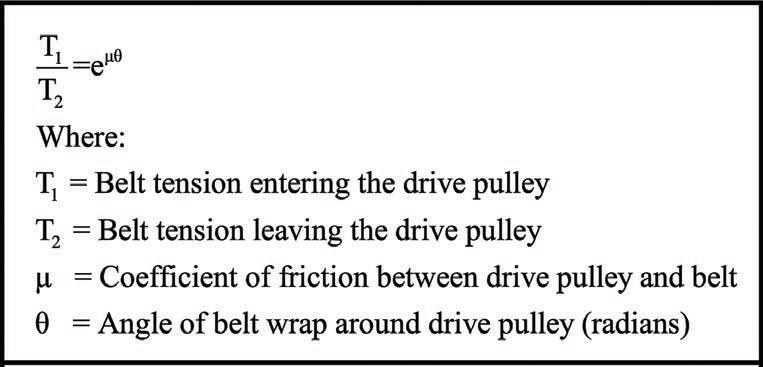
The drive pulley tension relationship.
Images: Martin Engineering
belt cleaner installation and maintenance. Since all rotating components (including the main bearings) are located inside the pulley, the external stub shafts need minimal space to be mounted to the structure.
5. Consider professionally trained installation.
Belt cleaners must be mounted accurately, typically within a few millimetres, to operate optimally and reduce the risk of damaging the belt. Partnering with the belt cleaner supplier guarantees proper installation with minimal adjustments.
Adequate belt tension
A critical design requirement is to determine the amount of wrap around the drive pulley necessary to ensure adequate torque conversion from the drive to the belt tension required to move the belt without slipping. It is interesting to note that the fundamental relationship describing this transfer does not depend on the pulley diameter, but rather on the coef cient of friction between the belt and pulley, the wrap angle and the belt tensions required to prevent slip.
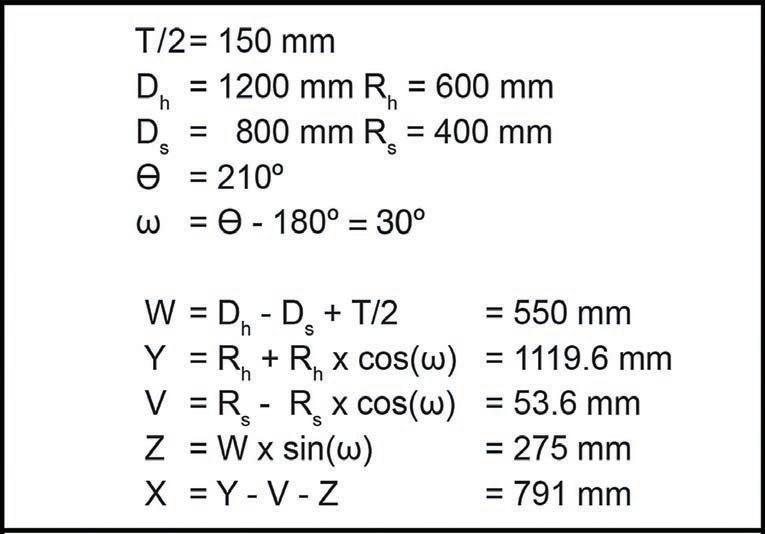
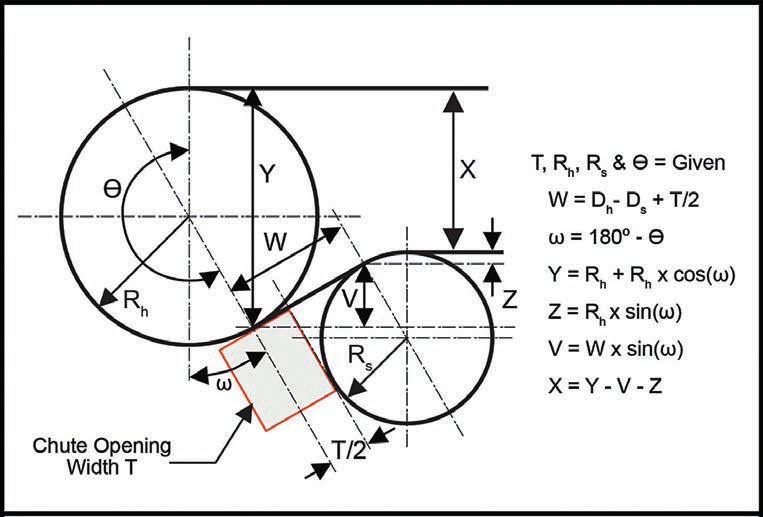
Geometry and location of the secondary belt cleaner
Assumption: Top and bottom runs of the conveyor belt (X) are parallel entering the
Variables:
ϴ = Wrap angle of belt around head pulley.
ω = Wrap Angle, ϴ, - 180 degrees.
H = The height of the opening for the Secondary belt cleaner blades and frame installation.
Rh = Radius of Head pulley plus lagging, plus belt thickness
Rs = Radius of Snub pulley plus lagging, plus belt thickness. (Snub Pulley Diameter default value: 0.64 × head pulley diameter per DIN 22101)
T = The width off the opening for the Secondary belt cleaner blades and frame installation.
W = Length of belt segment tangent to both the Head and Snub pulleys.
X = Distance between top and bottom runs of the conveyor belt.
Y = The vertical distance between the top run of the conveyor belt on the Head pulley and the tangent point where the belt leaves the Head pulley and starts the return run.
head pulley and leaving the snub pulley.
Some secondary cleaners must be installed at least 50 mm from the point where the belt leaves the head pulley, so this offset should also be considered if needed. Additionally, the X dimension must be veri ed against the idler dimensions to ensure suf cient installation space.
A similar analysis of precleaner placement indicates that with a 1200mm-diameter head pulley, two primary cleaners can be installed alongside a secondary cleaner. The inclusion of tertiary cleaners is possible but may not be necessary if two precleaners and a secondary are mounted on the head pulley.
A belt cleaner system should be properly speci ed, designed, and installed to achieve the long-term cost bene ts of reduced fugitive material.
Compliance is also imporant. OSHA, 1926.1412(d)(1) and MSHA 75.362 state, “A competent person must begin a visual inspection prior to each shift the equipment will be used, which must be completed before or during that shift.”[2] Safe access with adequate space for installation, maintenance, and inspection is critical to supporting longer system life and lower operating costs. AB
[2] Occupational Safety and Health Administration (OSHA), “§ 1926.1412 Inspections”, Dec, 2023. https://www.ecfr.gov/current/title-29/ subtitle-B/chapter-XVII/part-1926/subpart-CC/ section-1926.1412
Secondary mounting location basic layout.
Secondary mounting space example.
• Access unparalleled industry insights, news and trends.
• Explore exclusive interviews, business profiles, newsworthy innovation, and the latest on regulation.
• Australian Mining provides all information in one reputable source.
Raising the bar
Hillhead 2026 was a show not to be missed, and it delivered in spades as industry professionals from around the world attended the UK showcase.
Hillhead 2026 delivered a clear snapshot of an industry evolving at pace, with manufacturers using the event to unveil new equipment, emerging technologies and more sustainable operating solutions.
Across the quarry oor, live demonstrations and major product launches drew strong crowds as quarrying, mining and construction professionals gathered to assess the latest advances shaping the sector’s future.
Aggregates Business takes a look at the key product launches and demonstrations that took place in Hillhead’s Buxton Quarry.
Astec
Not one, not two, but eight product launches occurred at Hillhead thanks to Astec which unveiled several products for the European market.
From crushing and screening to washing and material handling, there was something for everyone as Astec delivered an exhibition focused on reducing downtime, improving throughput, and lowering cost per tonne for their customers.
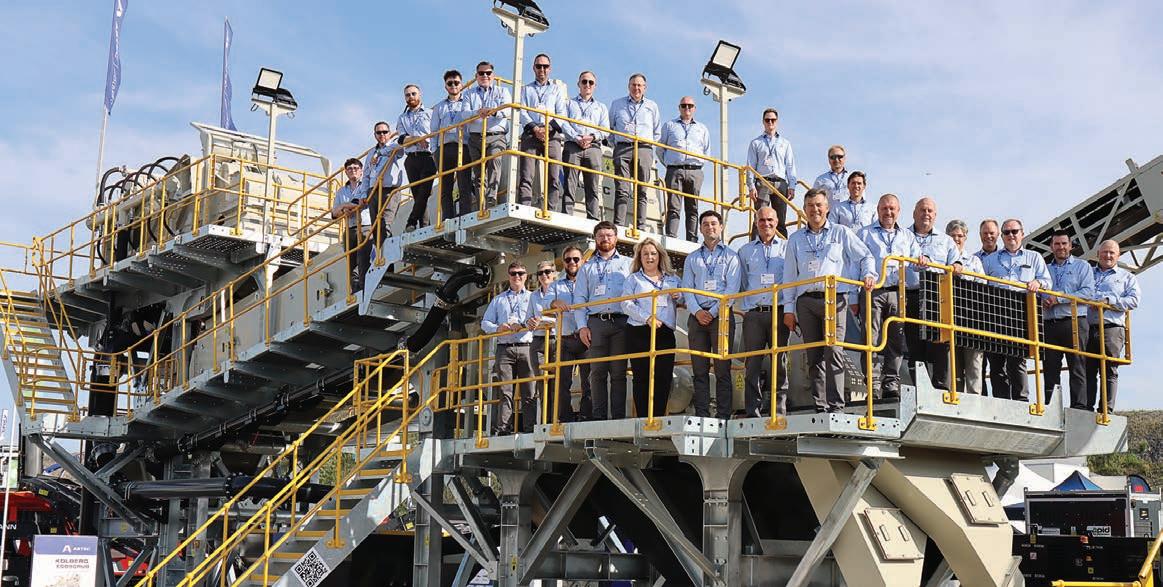
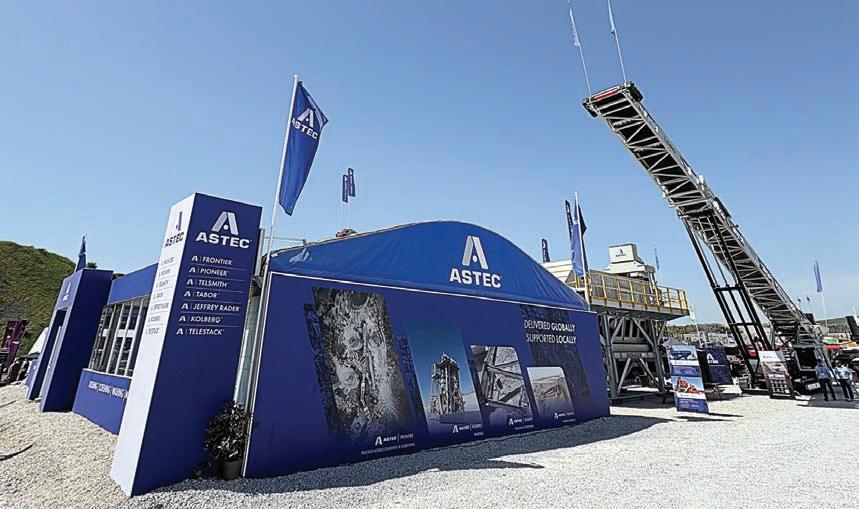
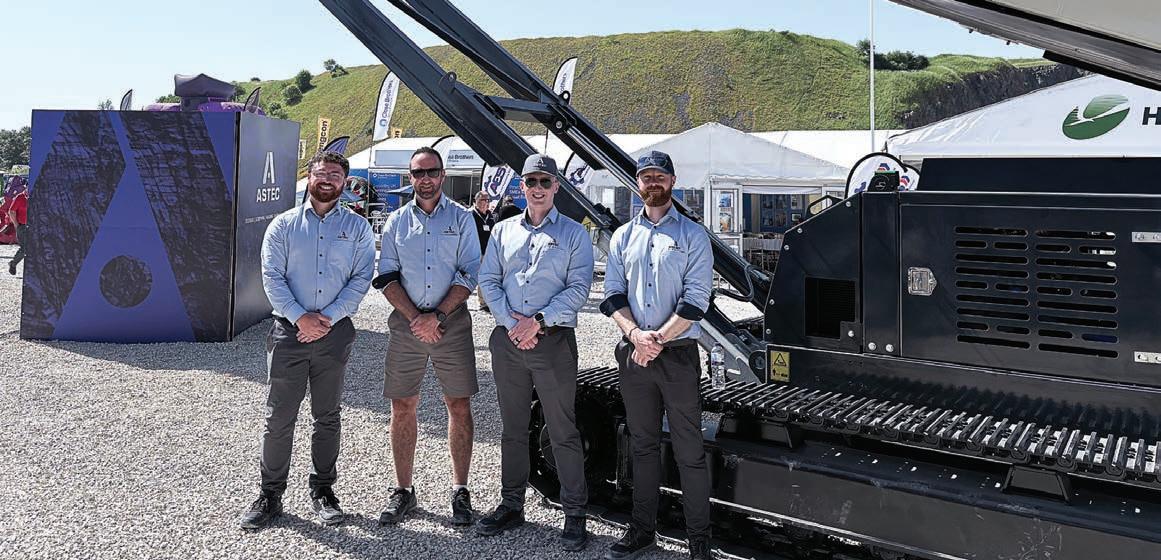
With eight new products and patented technology innovations spread across two large stands and in the ‘Crusher Alley’ Rock Processing Demo Area, Astec made a big statement at Hillhead 2026 with its ambitious growth plans in Europe and the rest of the world, built on its rich 150-year engineering history.
At Astec’s exhibition press conference on day one, attendees heard that the company’s new product line is focused on innovation and application. This includes new washing plants, material handling equipment, screening technology, and mobile crushing and screening units. The eight products on show at Hillhead 2026 are among more than 20 that will enter the quarrying, roadbuilding, construction, and recycling markets from Astec over the next two years.
The Astec senior management team panel of chief executive of cer Jaco van der Merwe; group president of materials solutions Michael Norris; managing director for Astec Europe Damian Power; vice president for product management Stephen Whyte; and vice president for channel management Malachy Gribben, said the company’s investment in its Omagh, County Tyrone, Northern Ireland, facility has established a strong European footprint, enabling local manufacturing of the new Frontier range of tracked crushing and screening units unveiled at Hillhead 2026.
“We are global but local in Europe. We have 230 people in our Omagh facility, across manufacturing, engineering and product support,” Power said.
“We now have a critical mass for product support and parts and service in the European region. This facility was built with expansion in mind, offering a runway for growth over the next ve years.”
Astec differentiates itself through unique product features, including its patented MultiFrequency Screen, which addresses blinding issues, and its new patented Vari LPV screen, which represents next-generation technology.
“If you look around some of the products here, there are not many companies in our industry that have the level of new product development, either completed in recent years or ongoing, that we do,” Whyte said.
Further to this, van der Merwe said Astec stands out in a highly competitive crushing and screening solution marketplace.
“Customers buy the whole team, not just the equipment. That includes the dealer network, some of whom we have here, who are among the best people in the industry. We are a parts and service business that sells equipment, and if we provide that to our customers, the features and bene ts you see on every other machine [at Hillhead 2026] become a whole lot less important,” he said.
The European quarrying sector has faced challenges in recent years, but Malachy Gribben said Astec sees signi cant growth opportunities and projects an upward trend in aggregate production over the next three to ve years.
The company aims to increase its market share in Europe, even in a soft market.
“There are some big markets in Europe, such as Germany, but establishing a strong base here in the UK will be a rm start for us,” van der Merwe said.
When asked a question on Astec’s engineering heritage, dating back to
Astec had a strong presence at Hillhead 2026.
1876, van der Merwe said it will be a notable bene t in executing its European growth strategy.
“We have done this for a while. We are de nitely not a new player in the market. Our legacy was built on innovation and customer service, and that is what we bring to Europe, and it is an offer that will work anywhere in the world,” he said.
During the press conference, van der Merwe told attendees that Astec, as a major US-headquartered off-highway equipment manufacturer with a 4500-strong global workforce, is actively pursuing growth in Europe through organic development and strategic acquisitions, leveraging a strong balance sheet.
He said the company's acquisitions will focus on areas within its core business, such as crushing, asphalt, and concrete equipment, to bolster its European platform.
Whyte and van der Merwe said customer needs are evolving towards lower cost per tonne, driven by challenges such as labour shortages and rising fuel and energy costs. Astec is responding with more ef cient equipment, digital telematicsbased platforms for remote monitoring and predictive maintenance, and a focus on energy ef ciency. The Signal connectivity suite from Astec Digital delivers seamless communication and monitoring across all customer plant and mobile assets, generating actionable insights to boost ef ciency, productivity and pro tability.
“If you look at our Signal platform, you can compare it to the Apple environment, with your MacBook, your iPad and your iPhone, which are all working in the same connectivity suite. A lot of our customers work across the aggregates, asphalt, concrete, and paving spaces, and we can provide them with a digital resource to drive their businesses,” Norris said.
At the Hillhead 2026 press conference, attendees heard how Astec is integrating arti cial intelligence (AI) and automation across its operations, from product
delivering wet processing with a design especially suited for semi-mobile locations.
development (predictive maintenance, autonomous breakers) to business processes (energy ef ciency calculators, AI-driven vision systems for asphalt plants).
Astec DropZone, van der Merwe said, is an intelligent, AI-powered load-out safety system designed to streamline asphalt delivery and prevent costly misloads.
It replaces manual silo loading by utilising computer vision to precisely verify truck positioning beneath the silo, safeguarding both drivers and equipment. The press conference showed how Astec is also investing in training its leadership in AI.
Astec’s senior management team said the company’s Hillhead 2026 showcase focused on solving real operational challenges by reducing downtime, improving throughput, and lowering cost per tonne.
Hillhead 2026 marked the European launch of the new Frontier tracked mobile crushing and screening range. The new range is built for exibility, fast setup, and highperformance production in demanding hard rock environments.
Astec also unveiled the global launch of the Kolberg Washing brand and featured the Eco-Scrub modular washing solution,
The exhibition launch of Astec’s Modex brand, featuring the patented Vari-Frequency Technology that minimises binding and maximises output, was showcased on Astec Modex’s Pioneer 6203LPV horizontal screen.
Proven for over two decades on tough materials and unveiled in Europe at Hillhead 2026, Astec’s Multi-Frequency Screen is available on tracks, wheels or static, and notably reduces blinding even with sticky materials. In certain applications, the product can produce manufactured sand from crushed rock nes without washing and turn quarry scalpings into saleable products.
It is also well-suited for reclaimed asphalt pavement, topsoil, compost, and skip waste nes. Celebrating 25 years Astec’s Telestack brand was also well represented at Hillhead 2026, with the worldwide launch of the LF527 low feed hopper, which reduces double handling and ensures smooth, controlled material ow, and the TCL 1031 Zero, a heavy-duty stacker engineered to handle high tonnage reliably and ef ciently.
‘Crusher Alley’ attendees watched Astec’s Frontier JA45 Mobile Jaw delivering consistent, high-output crushed aggregate to the Frontier SDF16 Mobile Scalper, resulting in multiple products with peerless exibility.
Telestack exhibited at Hillhead 2026.
Astec launched new products for its European customers at Hillhead.
Astec recently appointed Red Knight 6 (England and Wales) and O’Kane Equipment Solutions (Scotland and Northern England) as its of cial GB distributors for the new Frontier tracked crushing and screening brand.
The press conference heard how both distributors bring deep industry knowledge and strong customer relationships, making them ideal partners for Astec and its globally recognised engineering and UK-manufactured equipment.
Gribben said Astec was taking a focused approach to growing its European distributor network.
“You walk around this quarry [at Hillhead 2026] and see line after line of crushing and screening plant. We invested a lot of time and effort talking to the European market and industry stakeholders, including end users and potential dealers, and asking, ‘What’s going on in your world and where do you see things going?’ One very consistent message was that those stakeholders were seeing less and less differentiation in the market,” he said.
“Like everything else, when you’re buying a crusher or a car, you want choice. We quickly realised that if we could offer a proven and credible alternative, not just on the product side, but also in parts and service, and a team that truly walks in the shoes of the customer, we would stand out.”
Gribben said Red Knight 6 and O’Kane Equipment Solutions will support Astec’s offer to UK customers.
“Although the announcement has been made within the last couple of months, we have been working closely together for the last couple of years. Their strong relationships with customers and within the wider industry are clear, and they have a similar outlook to ours,” he said.
Whyte said as part of its wider company development program, Astec works with customer and dealer advocacy groups
worldwide to ensure its product and service offerings meet market needs.
Red Knight 6 managing director Paul Donnelly said he was impressed with the new technologies that Astec was releasing.
“O’Kane Equipment Solutions managing director Kieran O’Kane and I both have 30 years in the industry and have lived with some many changes and false dawns,” he said.
“With the technologies Astec have, such as the Multi-Frequency Screen, we’ve been testing it here in the UK, and Astec is doing things others can’t. It’s exciting for us as dealers. Equipment costs have risen signi cantly, customers are not getting much more money for the material they are extracting from the ground, so equipment now has to last ve or six years, when before it was nanced in a three-year cycle.
“Quality build and innovation is why Astec is the partner we want to work with.”
Smiley Monroe
Smiley Monroe showcased its conveyor belt range, giving customers an up-close look at how the Northern Ireland manufacturer can help maximise machine uptime and reduce operational costs.
The manufacturer’s Zip Clip, Tough Flex and Integracleat innovations proved popular with customers from the crushing and screening, recycling, agriculture, road construction and environmental sectors.
Zip Clip: A ready-to- t replacement belt system that gets machines back up and running in as little as one hour, removing the need for vulcanising and signi cantly reducing downtime.
Tough ex: The company’s all-round solution for extreme conveying environments, engineered for the toughest operating conditions and deliver a service life of up to four times longer than standard EP multi-ply belts.
Integracleat: Custom cleated belts featuring integrally moulded pro les, designed to move materials ef ciently and reliably across a wide range of industrial applications.
The Hillhead exhibition continued Smiley Monroe’s growing presence in the UK market following the launch of its Midlands Hub in Ilkeston, Derbyshire. The facility has one of the largest stockholdings of conveyor belts in the UK and Ireland, ensuring fast lead times for customers.
“GB has always been an important market for us. Our customers wanted faster access to the products they need, and the Midlands Hub allows us to respond quickly and ef ciently,” Smiley Monroe chief executive of cer Chris Monroe said.
Finlay
Finlay’s exhibition at Hillhead was a look into the future with a line-up featuring prototype previews and rst-looks at new impactors in the demonstration and display areas.
Fundamental to Finlay’s showcase was the I-130RS impact crusher on static display, with Hillhead marking its rst public showing. The new model is positioned between the I-120/I-120RS and the larger I-140/I-140RS and is designed for operators looking for a high-performing solution that is easy to transport and con gure across a range of applications.
The I-130RS impact crusher was joined in the static display area by Finlay TC-60 stacker conveyor, the Finlay 883+ heavy-duty scalper, and the Finlay J-1280 jaw crusher.
Finlay put its crushing and screening solutions to the test with a series of live demonstrations.
Visitors to the live demonstration area were able to witness Finlay’s machines operating in live conditions, handling real materials to demonstrate their performance in real time.
The 694 inclined screen was put to the test in a high-production demonstration. The machine, which was launched in 2025, features two full-size 6.1m x 1.53m top and middle decks and a 5.55m bottom deck.
This makes it a suitable screening option for several applications, including quarrying, mining, sand and gravel, coal, woodchip, and topsoil operations. The C-1540+ cone crusher prototype was given an early showcase ahead of its planned production launch in 2027. The J-1170+ jaw crusher was demoed, highlighting its high production capacity and large reduction ratios for quarrying, construction, and demolition recycling applications.
“Hillhead gave us the opportunity to show the breadth of our offer in one location,” Finlay business line director Matt Dickson said.
“Visitors were able to examine new machines such as the impactor range on static display, while prototypes and core units operate in the quarry environment, allowing performance to be assessed on material under real working conditions.” AB
Smiley Monroe has a strong presence in the UK market.
Image:
Smiley Monroe
Strengthening the UK
Holcim UK’s Tilbury Cement Works encapsulates the evolving UK cement market, combining modern production technology with a logistics model centred on the Port of Tilbury.
Few cement projects in recent years have attracted as much industry attention as Holcim UK’s Tilbury Cement Works.
The major project sits within one of the UK’s busiest construction markets with the potential to de ne how the sector approaches manufacturing and logistics in the future.
The combination of advanced grinding technology and one of the UK's most strategically located ports makes Tilbury Cement Works important not only to Holcim UK, its owner, but also to the wider sector, which is increasingly seeking lower-carbon products and supply chain and logistics ef ciencies to improve nancial viability.
As the UK cement sector faces mounting pressure to reduce carbon emissions while strengthening supply chains, major investment is reshaping how cement is produced and distributed.
Holcim UK’s Tilbury Cement Works is a major example of that shift.
Holcim UK Cement Division managing director Mohammed Alami said the facility will play a central role in the company’s future.
“Tilbury is a transformational investment for Holcim UK,” he said.
“It will ultimately support our ECOPlanet low-carbon cement and ECOPlanet with ECOCycle and accelerate the shift to low-carbon and circular construction.
"This re ects our commitment to making sustainable construction a reality, and building a resilient, future-ready supply chain for our customers.”
Located in the heart of the Port of Tilbury, the site has deep-water marine access, signi cant storage capacity, and a new grinding and blending system that will be operational in late 2026. These assets, in combination, will enable Holcim UK to supply its lower-carbon cement products across the UK, including London and southeast London, a key market. Tilbury’s distribution importance is already clear, with the site commencing cement import and distribution in June 2026 as part of its wet commissioning programme. This involved a deep-sea vessel discharging material at the site.
The site will eventually be capable of transferring material from the vessel to the on-site storage area through its wet commissioning programme, and the material will then be processed and dispatched through six loading heads and ve weighbridges.
In time, the facility is expected to receive large bulk cement carriers as part of Holcim’s global logistics network, including the green methanol-powered NACC Sustament, which is anticipated to arrive at Tilbury from 2027.
The vessel illustrates why Tilbury’s location within the Port of Tilbury is central to the project’s long-term strategy.
The cement sector, and its associated sectors, have traditionally relied on road and rail transport; however, as the sector is increasingly moving to lower-emission operations, the conventional methods are not as bene cial in that aspect because marine transport typically generates lower greenhouse gas emissions per tonnekilometre than road haulage, which is backed by the ndings of the UK Department for Transport and the International Maritime Organisation.
Marine transport can move large volumes of material ef ciently and typically produces
The Tilbury Cement Works will feature the UK’s first 30,000-tonne cement dome silo.
lower greenhouse gas emissions per tonnekilometre than road haulage. Against this backdrop, the rst commencement of cement distribution and importing is integral to the site being ramped up to full operations by the end of 2026.
“Initiating import and distribution of cementitious materials is a major step forward for Tilbury Cement Works and for Holcim’s ability to serve customers across the South East,” Holcim UK project manager Tim Fry said.
“This phase demonstrates the strength of the systems we’ve built, from marine logistics to storage and dispatch, and re ects the hard work of everyone involved in bringing this facility to life.
“As construction concludes in 2026 and we move into full operations, Tilbury will provide the exibility, reliability and capacity to support our customers with a range of conventional, low carbon and circular cementitious materials.”
The location also provides exibility, as Tilbury’s materials can be used not only in the London market, but Holcim UK can also import clinker and supplementary cementitious materials by sea and take advantage of the cement works’ extensive storage, including a dome-like superstructure which dominates the skyline around the site.
Given it is able to hold up to 30,000 tonnes of cement, it enables the company to receive large marine shipments and build inventory before grinding, blending and distributing nished cement across the UK.
By separating clinker production from grinding and blending, manufacturers can source raw materials from multiple locations, respond more readily to market demand, and increase the proportion of supplementary cementitious materials (SCM) in nished cement.
The site is expected to bring a vertical roller mill (VRM) online in 2026, which will have the capacity to grind granulated blast furnace slag and recycled concrete nes, enabling the production of ground granulated blast furnace slag and blended cements.
The cement industry, both in the UK and internationally, is focusing on reducing clinker content to lower overall carbon emissions.
The integration of the VRM and its new capabilities boosts Tilbury’s role and increases Holcim’s ability to incorporate SCMs in its products, especially in its lowercarbon concretes, which are now con rmed for dispatch from Tilbury.
“This investment is about more than just capacity - it is about our impact,” Alami said.
“Tilbury embodies our strategy in action, bringing together innovation, sustainability, and scale to shape the next generation of construction in the UK.”
Early signs indicate that customers prefer lower-carbon options. Holcim UK’s Circularity Survey in 2025 revealed that 97 per cent of respondents consider adopting circular practices important, a rise from 79 per cent in 2024.
The multi-million-pound investment is well underway following the completion of the steelwork and installation of mechanical equipment in February. Holcim UK has estimated that the full grinding system will be completed by the end of the year, with electrical installation, testing, and commissioning still to be carried out.
Fry said the VRM was a necessary addition if Holcim UK wanted to serve the sustainable construction market.
“The systems being installed at our Tilbury Cement Works are not only investments in innovative equipment and infrastructure, but a commitment to our sustainable innovation pipeline,” he said.
“Alongside our promise to increase our low-carbon and circular products portfolio, we will provide absolute reliability with a consistent supply of cementitious materials.”
The site is being supported by an experienced team with Holcim UK beginning to appoint key leaders who will take charge when the cement works are operational.
Among them is Krish Patel, who has been appointed cement works plant manager, tasked with building the on-site team and establishing the systems and procedures the team will follow. The appointment marks something of a homecoming for Patel, who started at Holcim as an apprentice before working with Heidelberg Materials in several leadership roles, including as works manager at Heidelberg Materials’ Pure eet Cement terminal.
With the works well underway, Patel will play a key role in turning Holcim UK’s ambitious 24/7 cement terminal operational.
But the size of the task and its importance do not faze the former apprentice.
“I’m excited to lead this next chapter as we look to deliver low-carbon and circular materials to the construction industry and build a high-performing operation that puts people, innovation and sustainability at its core,” he said.
“Tilbury will be a agship terminal not only for Holcim, but for the wider industry – showcasing how cement manufacturing can evolve to meet the challenges of the construction sector and supply chain resilience.”
In an industry facing increasing pressure to decarbonise while maintaining reliable supply, projects such as Tilbury offer a glimpse of what the next generation of cement works could look like.
That is precisely how Holcim UK views the investment. More than a new production facility, Tilbury is intended to demonstrate how innovation, sustainability and logistics can work together to support a more resilient construction supply chain and accelerate the industry's transition towards circular, lowercarbon building materials.
“It demonstrates our commitment to building a future that is low carbon, circular, and resilient,” Holcim UK chief executive Lee Sleight said.
“Tilbury embodies our strategy in action: bringing together innovation, sustainability, and scale to shape the next generation of construction in the UK.” AB
The Tilbury Cement Works is a major project by Holcim UK.
HEIKKI PALIN
Finland builds on granite heritage
Finland is one of the largest global exporters of granite, with the export of stone products playing an important role in the country’s economy.
Granit Palin chief executive o cer Heikki Palin.
Images: Granit Finland
The granite quarrying sector in Finland is steadily developing, driven by the presence of strong leading players in the country, that supply their products both to the domestic market and abroad.
Since the 1980s and 1990s, the country has made serious progress in this eld, which resulted in a signi cant increase in the amount and range of granite that is produced within the country. Such success was also due to Finland’s rich traditions in this eld.
Finland has a long history of granite mining, dating back to the 18th and 19th centuries, closely linked to the city of Saint Petersburg – the capital of the Russian Empire during that period. Being part of the Russian Empire until 1917, Finland actively supplied natural stone and granite to meet the needs of St. Petersburg, Moscow and other major Russian Empire cities. Most of these supplies were produced by quarries primarily located in the south-east of Finland. Since the rst half of the 18th century, Finnish granite has been used as the main stone material in the construction of St. Petersburg. The earliest places where granite was mined were the famous quarries in Pyterlahti, located in Virolahti, not far from the modern border between Finland and Russia.
Sales of Pyterlahti granite created conditions for the development of the entire Finnish mining industry, with red rapakivi granite becoming something of a national stone symbol.
Finland is now one of the largest global exporters of granite, with the export of stone products playing an important role in the country’s economy. According to the Finnish Natural Stone Association, there are currently 200 companies in Finland that specialise in mining and processing granite and 50 to 60 granite quarries operating in the country.
Finland is among the top 10 exporters of granite worldwide.
There are a number of important companies operating in Finland’s granite quarrying sector, known both domestically and abroad.
One such company is Palin Granit – a 100-year-old family business and the leading producer of high-quality Finnish granite blocks. The company began in 1921, when itinerant stonemason Antti Palin settled in Loimaa with his family and founded a stone carving workshop. The Palin Granit company was initially engaged in monument manufacturing before diversifying into construction, and is now focused on mining. The largest quarry, owned by Palin Granit, produces between 15,000 and 20,000m3 of brown rapakivi material per year.
Palin Granit Oy produces stone in the Virolahti, Mäntsälä, Sulkava, Korpilahti and Ylämaa regions of Finland.
Heikki Palin - a representative of the company’s third generation - was appointed chief executive of cer in 1989 and has led the business since then. As with previous generations, he gained experience in the stone industry for many years under the guidance of his father and uncle. A year of study exchange in the United States and two summers working at German stone companies led Heikki to strongly believe in the potential of Finnish stone in the international market. From the very beginning, he was particularly interested in quarrying and exporting Finnish granite.
Under his guidance, the company has become a leader in Finnish granite quarrying and is continually expanding its operations and output. In 2011, the Palin family decided to focus on granite quarrying and sold off the Loimaan Kivi Oy subsidiary, which was focused on stone processing.
In 2013, Norwegian quarrying company Lundhs AS became a partner in Palin Granit after purchasing 40 per cent of the shares and taking over most of the block sales through its worldwide sales organisation.
Heikki Palin told Aggregates Business that the company’s core operation is quarrying granite for the building, monument, and landscaping industries worldwide.
He said that Palin Granit produces a considerable amount of side stone that cannot be used in block production.
Palin said most of the company’s quarries are located either too far from major aggregate markets or situated near established aggregate companies with their own land and operations.
“However, we collaborate with Kiviwuorio Oy at our Aurora site in Mäntsälä, where they manufacture aggregates from our side stone,” Palin said.
“This quali es as green aggregate, as it uses our by-products rather than virgin bedrock. The model aligns well with the carbon-neutrality goals many nearby cities of Finland aim to achieve by 2030.”
The company is also applying for a permit to receive non-toxic waste in the old quarry pit adjacent to the aggregates production area. Palin said this would streamline logistics by allowing the same trucks to handle both waste and aggregates transport.
He said the company’s long-standing objective has been to nd productive uses for granite that cannot be processed into blocks for the stone industry.
At present, about 80 per cent of the granite extracted is stored for future use.
Granit Finland’s Aurora quarry is situated in the city of Mäntsälä, 70 kilometres north of Helsinki.
“We are working hard to nd new applications for our side stone. At the same time, it’s becoming increasingly dif cult to obtain permits for new aggregate quarries, and the distances over which transportation remains economically feasible are steadily increasing,” he said.
Granite quarrying activity is subject to the Finnish Soil Materials Act, which regulates mining activities in Finland and requires an environmental permit.
The country is known for its strict environmental legislation, but Palin Granit complies with of cial requirements set by the Finnish national government and local environment regulators.
The company constantly monitors the development of environmental legislation in the country and any relevant changes.
The company said that effective internal control and continuous training of personnel ensure compliance with permit conditions and environmental guidelines in its everyday operations.
Palin Granit currently markets its products to construction and paving companies throughout Finland and exports part of its output.
In recent years it has completed serious improvements in its quarrying operations, which involved the purchases of new equipment and installation of new machinery. For example, it recently invested in a new saw for its Aurora quarry in Mäntsälä. Compared to chipping drilling, the saw gives granite blocks more precise and even edges, allowing for more detailed inspection of the color of the stones and possible defects.
“The future of granite production lies in sawing. All of our quarries already use wire sawing to remove large pieces,” Palin Granit technical manager Mikko Suninen said.
“This mobile nishing saw makes the production process more agile, reduces the generation of side stone and supports sustainable development.
“Currently, the saw can be moved between our quarries as needed, but we will consider similar investments for our other quarries as well.”
Palin Granit’s Parkkola quarry in Ylämaa is one of the largest quarries in the Nordic countries, and it produces Ylämaa Ruskeaa stone (Baltic Brown).
The extraction area is 25 hectares, and stone has been quarried there since the early 1980s.
Palin is headquartered in Lappenranta, the regional capital of South Karelia, located in the south-eastern interior of the country in the Finnish Lakeland.
The company’s repair shop employs four technicians.
Major repairs to the extensive and robust machinery are carried out in Ylämaa, and technicians travel to different quarries with modern service trucks.
Several drilling units built on forestry machine platforms are in use at various locations across Finland.
Around 90 per cent of all production is exported. By far the largest target country is China, which in recent years has become one of the global centres of stone processing. Chinese buyers come to Finland to reserve stones directly from quarries, liking to inspect their purchases in advance.
In recent years, the company has completed the renewal of its construction equipment eet. In addition to drilling equipment, heavy-duty wheeled loaders are needed to handle the quarried stone blocks. Palin’s loading equipment mainly consists of Caterpillar block handlers.
Additionally, the company has expanded its eet of wheeled loaders with the purchase of several Cat 988H models.
Winter has its own challenges, and the traditional method of quarrying by drilling and blasting by K-pipes and detonation cord must be used. Wire sawing is possible down to -10 C under good conditions, but it is challenging. Water is heated so it does not freeze immediately, and the wire-sawing creates enough friction to warm the wire.
The minimum temperature quarries can operate at is -20 C. In a normal winter, between two and ve days are lost due to cold temperatures.
In terms of production, the maximum size of a block shipped to China is 28,400 kilograms (7-8 m³), with larger ones not accepted in sea containers. However, the largest stones that can be lifted weigh about 40 tons and can even be loaded onto a atbed truck. The production process is demanding for both equipment and workers. The stone is removed by drilling horizontal holes of about 8m and vertical holes of about 6m, with a normal hole spacing of 200mm.
Blocks of 10 to 100m long, about 8m wide and 6-7m high are removed, from which “pavements” of about 3-10m wide and 6-7m high are then poured. This is then further broken down into different-sized pieces depending on the quality of the stone. The composition of the stone determines the size of the boulders that are created during the breaking process. From here, the usable boulders are transported to washing and then to storage. Palin said this is called “the Finnish quarrying method”. However, the recent trend is toward less drilling, and all other steps in quarrying are done by wire, except for the horizontal drilling of the primary piece. AB
Granite blocks at Aurora quarry
A Caterpillar wheeled loader in operation at the Aurora quarry
Kleemann received the the International Social Security Association Safety Award for 2026.
The shifts in crushing
Safety innovation, major capital investment and expanded distribution networks within the crushing segment are reshaping the aggregates equipment landscape.
Kleemann, part of the Wirtgen Group, has been recognised for its efforts to improve operational safety with its “lock and turn quick access” system, following its recent award of the International Social Security Association Safety Award 2026.
The system, installed as standard on the Mobirex MR 100 NEO impact crusher, enables operators to open and close the crusher housing at the push of a button, crucially only after the rotor has come to a complete stop.
This directly addresses one of the most signi cant hazards in crushing operations: accessing the crushing chamber during or immediately after operation.
Traditionally, opening the crusher required manually loosening numerous bolts in dif cult-to-access areas, increasing both workload and risk.
The automated system eliminates these tasks, reducing the risk of injury and improving ef ciency.
Operators can now gain full visual access to the chamber in approximately 30 seconds, supporting faster inspections, maintenance and wear detection.
For quarry operators, the implications go beyond compliance.
Better ergonomics and less downtime can boost productivity in the quarrying sector, showing how safety-focused innovation adds value for quarrying businesses and operators alike.
Investing for the future
Metso is taking a long-term view with the second phase of its Lokomotion technology centre in Tampere, Finland.
The €60 million investment will fund construction of a new crusher factory, forming part of a broader €200 million-plus development designed to strengthen Metso’s global aggregates capabilities.
Once complete, the facility will function as a fully integrated hub where equipment and components for aggregates and sand production are designed, tested and manufactured.
“Metso has been a key part of Tampere’s industrial history for decades, and we
continue to develop our operations in the area with a long-term perspective. The Lokomotion technology center is the largest industrial investment in Tampere in this century and plays an important role in developing the regional industrial ecosystem,” Metso president of the aggregates business area
Markku Simula said.
This second phase builds on earlier efforts that began in June 2024, which involved
The lock and turn quick access system is installed as standard on the Mobirex MR 100 NEO impact crusher.
Image: Kleemann
establishing assembly, testing, and logistics facilities for mobile crushers. Production at the new crusher factory is projected to start in 2028, with the full technology centre expected to be completed by the early 2030s.
By consolidating research and development, production, and logistics at a single site, Metso aims to improve global delivery capabilities and maintain its competitive edge in a market where lead times and supply chain resilience are critical.
The project’s rst phase is expected to be nalised by August 2027 with work on the interior building services and structural engineering underway.
Metso’s current Lokomo site for its aggregates business in Hatanpää, Tampere, will be gradually relocated to the new technology centre. Following the relocation, the company plans to divest the Hatanpää site and its buildings.
“Altogether, this is a signi cant investment of over €200m, which will improve our global delivery capability and support our position as a market leader in aggregates solutions,” Simula said.
Strengthening distribution
Alongside investments in facilities and technology, OEMs are also reinforcing their market presence through strategic partnerships. Powerscreen’s appointment of Hesselberg as its authorised distributor for Norway is a case in point.
Hesselberg, a long-established Norwegian supplier, will provide the full range of Powerscreen equipment, as well as spare parts and maintenance services.
The partnership leverages Hesselberg’s extensive engineering expertise and local market knowledge to support customers.
“We are delighted to be appointed as Powerscreen’s distributor for Norway. Powerscreen’s reputation for innovation, quality and reliability aligns closely with the values that have guided Hesselberg for more than 125 years,” Hesselberg chief executive of cer Andreas Corwin said.
“It is a natural addition to our existing portfolio, and we look forward to bringing their market-leading crushing, screening and conveying solutions to customers across Norway.”
For Powerscreen, the move strengthens its footprint in Scandinavia and brings it closer to end users. For customers, it improves access to equipment and aftersales service, both of which are increasingly important as eets become more sophisticated and uptime expectations rise.
“We are pleased to welcome Hesselberg to the Powerscreen network. Powerscreen has an enviable range of reliable solutions for the crushing, screening and conveying industry, and combined with Hesselberg’s strong reputation across Norway, this will support a successful long-term relationship,” Powerscreen business development manager Gerry Mulgrew said.
Compact crushers evolving
At the equipment level, RubbleCrusher’s launch of the J72 tracked jaw crusher highlights growing demand for compact, high-performance machines tailored to smaller-scale or urban applications.
Powerscreen has added to its dealer network.
Key features include an integrated vibrating grizzly feeder, which removes nes before they reach the crushing chamber, reducing wear and improving ef ciency.
The machine also incorporates a “crush and creep” function, enabling it to move slowly while processing material and depositing output in organised rows, which reduces the need for additional handling equipment which saves on operational expenditure.
“This mid-size jaw crusher has the capability to crush very hard rock with ease, whilst still maintaining the classic tight footprint of our RubbleCrusher product line,” RubbleCrusher business line director Liam Holland said.
Maintenance has also been prioritised, with gull-wing access doors providing full exposure to the engine bay for faster servicing.
“The bespoke design of the gull-wing access panels to the service bay is a feature we think operators in particular will love,” Holland said.
Designed for moderately sized operations and hard rock processing, the J72 combines mobility with productivity, delivering up to 90 tonnes per hour in a compact footprint. Its 711mm x 406mm jaw chamber and ability to handle feed sizes up to approximately 558mm x 330mm provide exibility across a range of applications.
“The J72 is a unique offering from RubbleCrusher, and one we are particularly excited about,” Holland said. AB
Image: Powerscreen
Powering the future
Powertrain development is entering a new era as quarry operators and original equipment manufacturers (OEMs) increasingly consider alternative fuels, electri cation, and integrated power systems.
This transition is supporting engine and powertrain manufacturers in expanding the number of options available to off-highway sectors where diesel technology remains important, while investment in electric systems is becoming prevalent in the push towards lower-emission operations.
Recent announcements from Caterpillar, Volvo Penta, John Deere Power Systems and DEUTZ showcase how this shift in demand is unfolding in real time for both suppliers and customers.
Diesel drives the sector
When it comes to high-power options, diesel technology remains integral to many off-highway sectors, in part due to its compatibility with existing OEM machinery, making internal combustion engines a favoured choice in many applications.
A case in point is John Deere Power Systems’ unveiling of an expansion of its next-generation engines with the release of the JD5 and JD8 industrial engines at ConExpo/Con-Agg 2026 in Las Vegas earlier this year.
“The expansion of our next generation engine lineup provides the high-horsepower foundation many customers rely on, while our simultaneous growth in battery and hybrid offerings creates a versatile, multiplepathway approach to power,” John Deere Power Systems senior vice president Pierre Guyot said.
Engine manufacturers have made significant strides in 2026, with product developments set to support the quarrying and aggregates sector.
Electri cation edges closer
Electri cation remains an area to watch in powertrain development, especially in the off-highway sector, where interest continues to build.
The JD5 is a ve-litre model that delivers between 93 and 200 kilowatts (kW) while the JD8 is a larger model at 7.5 litres and higher output, ranging between 187–290kW. Both models from John Deere meet US EPA Tier 4 and EU Stage V emissions standards and are compatible with renewable diesel fuel and biodiesel blends. While John Deere Power Systems has said that the timing and nal speci cations of both models are subject to change, the lead application for the JD8 is expected to launch in 2029, followed by the JD5.
Guyot said the two models are set to be ideal as power options for mid-range applications.
“John Deere Power Systems is strategically investing in the future of diesel technology to ensure it remains a viable, high-performance solution for the long term,” he said.
While diesel remains key, especially in high-output applications, OEMs and customers are increasingly collaborating on tailored electri cation solutions, as evidenced by Caterpillar’s showcase at IFAT 2026 in Munich earlier this year.
The US-headquartered manufacturer debuted its prototype Battery Electric Power Unit (BEPU), which has been selected by Doppstadt to feature in its SWS 6 Spiral Shaft Separator.
“This strategy allows OEMs to leverage advanced diesel technology alongside emerging power solutions, providing the exibility to thrive in an evolving landscape without compromising performance.”
The BEPU combines the battery, motor, inverter, onboard charger, cooling, and controls into one unit, tting within the same space as a diesel engine.
Caterpillar designed it for OEMs to electrify machinery without redesigning platforms. Initially used in recycling, the concept may expand to other materialprocessing sectors. Instead of new machines, suppliers develop solutions that integrate into existing designs.
Doppstadt worked closely with Caterpillar and Zeppelin Power Systems to integrate the BEPU into its latest model, which it wanted to be a zero-emission solution and suitable for use in highly regulated environments.
The JD8 is expected to launch in the US during 2029.
Image: John Deere
Caterpillar has unveiled its prototype Battery Electric
“Doppstadt have a long history of innovation and work to support their customers’ sustainability goals. This is an exciting trial of an electri ed variant of their SWS 6 Spiral Shaft Separator, which delivers zero-exhaust emissions and low noise when in operation,” Caterpillar Industrial Power Systems Division customer solutions director Andy Curtis said.
“The Cat BEPU has enabled the rapid development of this option alongside their diesel variant, with minimal engineering effort.
“It’s intermittent duty cycle, suitability for indoor use, and access to low-power grid energy make the BEPU an ideal t, with an on-board battery buffering, simplifying energy management for end users.”
Greater adoption
While innovation has been the main focus in the powertrain and engine segment of the off-highway sector, nances are playing an increasingly prominent role in discussions.
Several off-highway sectors, including quarrying and aggregates, can operate on tight margins, making nancing equipment through either capital or operational expenditure a worthy consideration.
Volvo Penta and Volvo Financial Services have formed a partnership to ease the transition to electric vehicles with the potential to support many off-highway sectors. As the rst step of this partnership, the companies are supporting logistics operator DFDS as it replaces part of its diesel-powered terminal tractor eet with electric alternatives.
“Leasing electric equipment is an attractive option for end customers while the technology evolves rapidly and the upfront investment remains higher than for traditional combustion engine equipment,” Volvo Penta Industrial area sales manager Jeroen Overvelde said.
“Now that we have developed this nancial solution, we will bring this approach to other segments, markets, OEMs, and customers, supporting the transition to sustainable transport solutions and making electri cation more accessible for customers.”
Six electric 4x4 roll-on/roll-off tractors are scheduled for delivery during the second quarter of 2026.
The vehicles were developed by Volvo Penta in collaboration with MOL, and prototypes have already been tested in daily operations at a DFDS terminal in Belgium.
There has been evidence that the model could eventually in uence the wider off-highway market, where capital investment remains a key consideration.
“From the very beginning of the sales process with DFDS in the Netherlands, VFS worked closely together with Volvo Penta to understand how we could support DFDS’ ambition for electric terminal tractors,” VFS business development manager Anders Carlander said.
“By aligning early with both Volvo Penta and MOL and engaging in joint business discussions with DFDS, we were
able to create a total offer tailored to their requirements. This agreement is the result of great collaboration between Volvo Group business areas.”
Beyond the engine
As the requirements of customers within the off-highway sector continue to shift, so too has the role of engine manufacturers.
Gone are the days when these companies solely made engines; now, the expectation is rmly on engine suppliers to work across the whole system with an integrated approach.
This is evidenced in DEUTZ’s showcase at ConExpo/Con-Agg 2026, where the company displayed several internal combustion engines, including the compact TCD 3.9, the larger TCD 12.8 and its 2.9-litre and 5.2-litre models.
“We rmly believe that the internal combustion engine is here to stay for some years yet, particularly when it comes to heavy-duty applications. When run on hydrogen or modern biofuels, combustion technology is already able to contribute to decarbonisation,” DEUTZ engines business unit chief executive of cer Markus Villinger said.
Alongside conventional engines, DEUTZ showcased electric systems operating at 400 and 800 volts, its Xchange remanufacturing program and exhaust aftertreatment technologies developed with HJS Emission Technology.
“In order to cope with high-cost pressures and the growing demand for sustainable solutions, the construction sector needs drive systems and energy systems that offer the highest level of reliability and ef ciency,” Villinger said.
“The right technology mix is crucial in this. Our customers bene t from our broad product portfolio, from alternative drives to energy and power generation systems, and from our global service network, which ensures rapid availability worldwide.” AB
Power Unit.
Volvo Penta and Volvo Financial Services’ new partnership will support several o -highway sectors.
Image:
Caterpillar
Image:
Volvo Penta
Carmeuse Drummond Island quarry in Drummond, Michigan.
Driving the future
As autonomous hauling equipment transitions from trials to full deployment, quarrying businesses are increasing investments in technologies that ensure safer, more e cient, and continuous operations.
The Carmeuse Drummond Island quarry in Drummond, Michigan, will host a highly anticipated deployment of autonomous haulage technology.
It represents the latest juncture in the evolution of autonomous haulage as the technology moves from being a thought bubble to reality in the quarrying and aggregates sector.
Carmeuse has signed an agreement with Caterpillar, under which Caterpillar will deliver an autonomous technology solution for the quarry’s eet of 777 trucks, with support from Fabick Cat.
The Cat MineStar Command for hauling will be integrated across the eet alongside complementary MineStar capabilities for loaders and staff-supported equipment.
“We are proud to partner with Caterpillar on this journey into autonomous haulage,” Carmeuse vice president for engineering Todd Sheffer said.
“Caterpillar’s proven technology and expertise, combined with Carmeuse’s operational excellence, create a powerful platform to elevate us to new production horizons.
“This deployment re ects Carmeuse’s commitment to innovation and utilising technology to future-proof our operations.”
The deployment will build on Caterpillar’s extensive experience in successfully deploying automated hauling solutions across the quarrying and mining sector worldwide over recent years.
“Our autonomous solutions are tackling the quarry industry’s most pressing challenges by raising the bar on safety while enabling consistent, ef cient production,” Caterpillar senior vice president of resource industries sales, services and technology John Shanahan said.
“Our advanced technology will help take Carmeuse’s operations to the next level with greater safety, performance and positioning for the future.”
It comes as quarry and aggregates operations continually invest in automated hauling solutions, with several major producers currently undertaking trials or fullscale deployments across their operations.
Strategic Revenue Insights estimated that the autonomous off-highway truck market in the global quarrying sector was worth $US2.93 billion and projected to reach $US9.35 billion by 2030 with a compound annual growth rate of 13.8 per cent.
Of this, the US and China have been the major adopters of autonomous equipment solutions, with other markets are expected to follow suit.
“Emerging markets will play a crucial role in growth due to rising industrialisation and infrastructure development. Companies that invest in innovation and workforce training will gain a competitive advantage,” Strategic Revenue Insights said.
“The market is expected to experience strong growth, supported by automation trends, technological innovation, and the global demand for ef cient and sustainable mining and construction solutions.”
Pronto.Ai, which specialises in autonomous haulage solutions, con rmed in April 2026 that it would expand its partnership with Heidelberg Materials and deploy autonomous haulage solutions at two additional sites in North America.
The plans expand on the strong partnership between the two organisations, highlighted by a successful pilot and full implementation at Heidelberg Materials’ Lake Bridgeport quarry in Texas.
The upcoming phase will involve the company’s facility in Mitchell, Indiana, and the Servtex quarry in Texas, and will deploy Pronto’s automated hauling solution (AHS), compatible with original equipment manufacturers’ (OEM) equipment.
Caterpillar has partnered with Carmeuse.
“By rapidly rolling this technology out to Mitchell and Servtex, we are demonstrating that our AHS can adapt to entirely different geological environments and operational work ows in a fraction of the time it would take for legacy AHS,” Atoms head of mining and transport Anthony Levandowski said.
According to Pronto.Ai, over an eightmonth period, its AHS system autonomously hauled two million tonnes of limestone.
The OEM-agnostic solution was integrated into a mixed eet including Caterpillar 775G and Komatsu HD605 series trucks.
“Our joint success at Lake Bridgeport proved that autonomy is not just a theoretical concept, but an immediate, commercial reality capable of moving millions of tons of rock ef ciently and safely,” Levandowski said.
Heidelberg Materials has seemingly been impressed by the performance of AHS solutions across its global network as it invests in an expanded roll-out in 2026.
The company announced in April 2026 that it would work with its technology partners to roll out AHS solutions across the North American, Australian, and European markets, with six sites and two vehicle types participating in the initiative.
The North American deployment will involve the aforementioned Indiana and Texas sites, while Australia’s involvement will include quarries in New South Wales and Western Australia.
In the European market, the producer has indicated it will premiere an autonomous wheeled loader at a sand and gravel pit in Northern Germany.
The company plans to deploy 30 autonomous vehicles overall as part of what it said was an “expansion phase” throughout 2026. This will be accelerated in the coming years, with Heidelberg Materials estimating it will introduce around 100 autonomous vehicles by 2028.
“Advancing automation and arti cial intelligence applications is a key pillar of our technical excellence agenda as we look to constantly raise the bar for our processes and equipment,” Heidelberg Materials chief technical of cer Axel Conrads said.
“With a strong global autonomous deployment team working closely with best-in-class technology partners, we are now focused on scaling the technology in a disciplined, results-driven way.”
Autonomous haulage systems leverage advanced sensors, cameras, and arti cial intelligence (AI) to operate haul trucks and other equipment in quarrying operations and other heavy industries, including mining sites. Applied Intuition, one of Heidelberg Materials’ technology partners, shared additional details about the AHS deployment at an Australian quarry site.
As a collaborator on the deployment, Applied Intuition will supply its Self-Driving System (SDS) for Construction. The SDS will be integrated into Heidelberg Materials’ eet at the quarry, with the potential to roll it out across the company’s broader Australian network if successful.
Heidelberg Materials is progressing its roll-out of autonomous solutions.
The technology specialist said this system was suited to smaller operations, including those running just two 40-tonne trucks, making it compatible with many quarries.
“No two quarry or construction sites operate the same way, with different layouts, constraints and economics,” Applied Intuition co-founder and chief executive of cer Qasar Younis said.
“We've built our platform to adapt to that reality. This partnership shows we can take the same core system used in large mining operations and apply it to smaller, infrastructure-constrained quarry sites, scaling it across hundreds of unique locations.”
The partnership expands Applied Intuition’s presence in Australia, following the signing of a “strategic technology collaboration” with Komatsu Australia in 2025.
The two companies are developing a “uni ed software-de ned vehicle (SDV) and autonomy platform” that would be integrated into Komatsu’s next generation of mining and off-highway equipment.
The jointly developed platform could deliver exible autonomous capabilities, ranging from advanced operator assists to full-scale autonomous systems.
It could also see machine learning and AI embedded in a software-de ned vehicle architecture, with native integration of data management, digital security, and connected support.
Komatsu president of the mining business division Peter Salditt said the partnership underlined how autonomous solutions would de ne the future of heavy industries, including quarrying and mining.
“Komatsu is committed to creating value together with our customers, and this collaboration represents a step change in how we bring innovative, high-performance technology to their operations,” he said.
Younis said this exibility was important as the sectors face labour shortages, challenging site conditions and rising demand.
“In a world where autonomy is becoming the norm, our goal is to ensure our customers don’t just keep up, they lead,” he said.
“The mining industry is one of the most regulated in the world, and as the bar keeps rising around emissions and safety and geopolitics, Applied Intuition and Komatsu plan to build the next generation of mining products and rede ne modern software product development.” AB
Image: Heidelberg Materials
Image:
Applied Intuition will support Heidelberg Materials to implement the technology into an Australian quarry site as a trial.
Heritage Quarry Group (North) Ltd’s new Hitachi ZX890L-7 BER crawler excavator.
Investment signals new era
The quarrying sector’s next phase is being defined by increased investment in modern, technologically driven loading equipment.
Bigger machines, smarter technology and wide-ranging collaborations are all on the agenda as industrial sectors step into a new chapter across quarrying, aggregates and demolition.
Loading equipment with advanced technology is being used as a key driver to meet rising productivity.
Expansion supported
Growth plans have prompted Heritage Quarry Group (North) to invest in one of the largest machines in its eet, a 90-tonne Hitachi ZX890LCR-7 BER excavator.
The investment follows the opening of Green eld Quarry near Skillington and supports the company’s expanding operations.
Heritage Quarry Group supplies natural British stone products and also operates Rollright Quarry, Daglingworth Quarry and Great Tew Quarry.
Heritage Quarry Group (North) supervisor Steve Johnson said the Hitachi ZX890LCR-7 BER’s performance had exceeded his expectations since it has been used in the quarry, particularly with its breakout force and fuel economy.
“It feels you could stop the world turning when it’s digging,” he said.
The machine supplied is a ZX890LCR-7 BER speci cation, tted with a 7.1m BER boom and a 2.95m BER dipper.
It features a powerful 382-kilowatt Isuzu engine, a 5m³ bucket capacity, and highpressure HIOS V hydraulic systems.
The 90-tonne crawler excavator is designed speci cally for the quarrying and heavy construction sectors with its robust design and reinforced structures.
“Hitachi Construction Machinery UK are extremely excited to develop this partnership with Heritage Quarry Group (North) Ltd and looks forward to supporting the business as it continues to grow,” the company said.
A UK debut
SMT GB has delivered the UK’s rst Volvo EC500HR high-reach excavator to Collins Demolition, adding a machine capable of reaching up to 32 metres and handling heavier attachments for demanding projects.
Collins Demolition chose the EC500HR high-reach excavator to give the company more exibility on large-scale projects.
“The stability of the machine at height is one of its greatest advantages,” Collins Demolition director Scott Craddock said.
“It gives operators the con dence to work safely within the machine’s operating envelope and, when paired with a 2.8-tonne tool, achieves the ideal balance of speed and pressure, delivering plenty of power at the tool tip to meet the demands of the job.”
The EC500HR incorporates Volvo’s Demolition Assist and Smart View systems, technologies designed to improve machine control and visibility. The machine is also backed by a 5000-hour warranty and aftersales support over the rst three years.
Features that enhance visibility and assist operators are rapidly moving from premium options to standard expectations, particularly
on specialist machines where safety and precision are paramount. SMT GB has supported Collins Demolition with aftersales services, including operator training to ensure a smooth transition between machines and to maintain productivity.
The two organisations have a wellentrenched partnership that spans several years and previous models. The arrival of the EC500HR continues a longstanding partnership between Collins Demolition and Volvo Construction Equipment.
“We rst invested in an EC380HR in 2014 to support our demolition work,” Craddock said.
“It performed exceptionally well, so in 2019 we replaced it with a new EC380HR, which again did not disappoint.
“This year, the new EC500HR was the obvious choice to meet increasing project demands and the need for greater reach and exibility.”
Forging a global alliance
While contractors invest in new machinery, manufacturers are pursuing partnerships to broaden their offerings.
Epiroc and SANY Group have signed a global strategic partnership agreement to expand cooperation across mining and infrastructure markets.
The companies plan to combine Epiroc’s hydraulic breakers, specialty attachments and ground-engaging tools with SANY’s excavators and wheeled loaders to strengthen their product portfolios.
There is the potential to also expand the partnership to encompass electri cation solutions in the future.
“SANY’s innovations in electri cation, equipment, and smart manufacturing are truly impressive,” Epiroc tools and attachment business area president José Manuel Sánchez said.
“We look forward to combining our respective technologies and resources to deliver more ef cient and sustainable solutions for customers worldwide, creating new value and energy resilience for the industry.”
1. Epiroc’s José Manuel Sánchez in the middle, next to SANY’s Lihua Tang at the signing ceremony.
2. Collins Demolition has been impressed by the EC500HR.
Epiroc's electri ed mining equipment and charging solutions could complement SANY’s expertise in electric machines, microgrids and green energy systems, creating opportunities to develop integrated solutions for customers.
“Epiroc is a global leader in mining equipment technology, while SANY has signi cant advantages in new energy construction machinery and smart manufacturing,” SANY group director Lihua Tang said.
“This strategic partnership represents a major step forward in our globalisation strategy and will accelerate the transformation … towards low-carbon and intelligent operations.”
Image: Hitachi Construction Machinery UK
Image: SMT
Image: Epiroc
On the move
Key stakeholders from across the global quarrying and aggregates sector have bolstered their executive teams with appointments.
The quarrying industry is seeing a fresh round of executive appointments and leadership changes across manufacturers, producers and industry associations.
Aggregates Business looks at the latest appointments from across the global aggregates and quarrying sector.
Finance focus
Global building materials company CRH has appointed Aylwyn Bryan as its chief nancial of cer, who will take over from Nancy Buese.
Bryan has over 25 years of nancial leadership experience, including the past 14 years with CRH. Most recently, he served as chief nancial of cer (CFO) of CRH’s Americas division and previously as head of group nance and group tax director.
“I look forward to continuing to work with the leadership team to extend CRH’s legacy of strong nancial discipline and enviable track record of maximising value for our shareholders,” Bryan said.
As chief nancial of cer, Bryan will continue to play a critical role in advancing CRH’s strategy and operational discipline, and in driving long-term quality growth and value creation for CRH’s shareholders.
“We are pleased to announce Aylwyn’s appointment as CFO,” CRH chief executive of cer Jim Mintern said. “He has a deep understanding of CRH’s business, has strong nancial expertise and a proven track record of delivery for shareholders.
“This experience will be invaluable to CRH as we continue to execute and evolve our strategy and drive consistent longterm growth.
“I would like to thank Nancy for her contributions to CRH and I wish her success.”
Building up
Robert Lindop has been appointed by Holcim UK as national housing manager, supporting its concrete block product portfolio.
With more than three decades of experience, Lindop will lead the delivery and promotion of Holcim’s concrete block offering to the housebuilding markets in England and Wales.
Lindop takes over from Martin Fulwell, who has retired.
Fulwell worked as the sales director for building products since it acquired Besblock in 2024 and had more than four decades of industry experience.
“Thanks to Martin and the team’s dedication, Holcim has a clear and exciting vision for its block business,” Lindop said.
“I am looking forward to helping de ne its presence within the housebuilder market.
“By giving customers, a single point of contact and combining expert technical
“By giving customers, a single point of contact and combining expert technical support, strong service, and highperforming products, we can build lasting partnerships and help housebuilders deliver homes with confidence.”
Image: CRH
Alwyn Bryan has been appointed chief financial o cer of CRH.
Robert Lindop has been appointed by Holcim UK as its national housing manager.
support, strong service, and highperforming products, we can build lasting partnerships and help housebuilders deliver homes with con dence.”
Lindop will be tasked with introducing Holcim UK’s high-speci cation products to the housebuilding market, especially across the South West and North West regions.
Holcim UK’s concrete block offering has signi cantly expanded in recent years. Following the acquisition of Besblock, Holcim has rolled out Besblock’s products through its facilities in Callow and Carnforth, after they were initially offered only through Telford.
“At a time when housebuilders are seeking clarity, reliability in the supply chain, and technical expertise, Robert’s appointment ensures our customers have a dedicated specialist who understands both the commercial pressures and practical challenges they face,” Holcim UK director of building products Ben Warren said.
“His addition marks an important step in giving our blocks business a stronger and more de ned identity in the housebuilder market.”
American ambition
The American Cement Association (ACA) has con rmed Diane Tomb will take over as the association’s next president and chief executive of cer.
Tomb joins the ACA from ACG Advocacy and has previous experience as the chief executive of cer of the American Land Title Association, as president of the National Rental Home Council, and president and chief executive of cer of the National Association of Women Business Owners.
Overall, Tomb has more than 25 years of experience in executive leadership and policy.
She has served as the assistant secretary of public affairs at the US Department of Housing and Urban Development, the director of public affairs at the US Department of Commerce’s International Trade Administration, and in the White House.
“America’s cement industry is a foundational pillar of our national infrastructure, our manufacturing base, and our national security,” Tomb said.
“As innovation and technology reshape how we build from data centres to nextgeneration infrastructure, domestic cement production is central to America’s economic competitiveness. I am honoured to lead ACA at such a consequential moment and could not be more excited to get to work.”
A new advocate
The Construction Equipment Association (CEA) has secured David Waine in a voluntary role covering international trade, supply chains and UK manufacturing.
Waine will take on the role of trade advocate for CEA alongside his current role as managing director of Con Mech Engineers.
“America’s cement industry is a foundational pillar of our national infrastructure, our manufacturing base, and our national security."
The CEA said Waine’s expertise will help strengthen its trade-related work, ensuring the views and practical experiences of UK manufacturers continue to be heard and re ected.
“David brings exactly the kind of practical industry knowledge that adds real value to our work,” CEA chief executive of cer Viki Bell said.
“His experience in UK manufacturing, international trade and supply chains gives him a clear understanding of the pressures and opportunities facing our members, and we are very grateful for his support.
“As the CEA’s work continues to grow and the team remains incredibly busy across a wide range of member activity, it is fantastic to welcome David Waine as trade advocate.”
Experienced executive
Luke Curran has been added to the sales team at Adcrete, bringing more than a decade of professional experience from Ireland and Australia to his new role and organisation.
“Working in Australia provided me with a whole new level of experience,” Curran said.
“From working in extreme temperatures laying asphalt, managing mobile plant operations in the outback and building concrete and admixture businesses throughout Adelaide, Darwin and Perth.
“This experience will certainly help me in shaping further growth for Adcrete within the Irish market, and while the temperatures are different in Ireland and Australia, wherever you are in the world, concrete is very similar.”
The appointment comes at a busy time for Adcrete, which is celebrating its 10th anniversary in 2026, and coincides with its parent company, Christeyns, making a major investment in the business to expand its operations.
The recent investment improved storage capacity and added a customer consultation room to Adcrete’s Lisburn headquarters.
“The milestone of reaching our rst decade in business has already been marked with team growth, business growth and investment,” Adcrete director Gus Vaughan said.
“We’re incredibly excited to continue shaping our future and supporting our hugely valued customers with our broad product range and inhouse expertise.” AB
Diane Tomb has joined the ACA as its new president and chief executive o cer.
Image: ACA
Be immersed in the industry
The quarrying and aggregates sector is set to enjoy some of its biggest trade shows throughout 2026.
SEPTEMBER 2026
September 2 –5, 2026
SteinExpo 2026
Organiser: GEOPLAN GMBH
Tel: +49 7229 606-30
OCTOBER 2026
October 6 –8, 2026
IQA National Conference
Organiser: Institute of Quarrying Australia
Tel: +61 (02) 9484 0577
MARCH 2027
March 15 –17, 2027
Agg-1 2027
Organiser: National Stone Sand & Gravel Association
Tel: +1 (414) 272-0943
March 15 –17, 2027
World of Asphalt 2027
Organiser: National Asphalt Association, Association of Equipment Manufacturers, National Stone Sand & Gravel Association
Tel: +1 (414) 272-0943
APRIL 2027
April 21–24, 2027
Intermat 2027
Organiser: Comexposium in partnership with CISMA and SEIMAT