Summer 2026
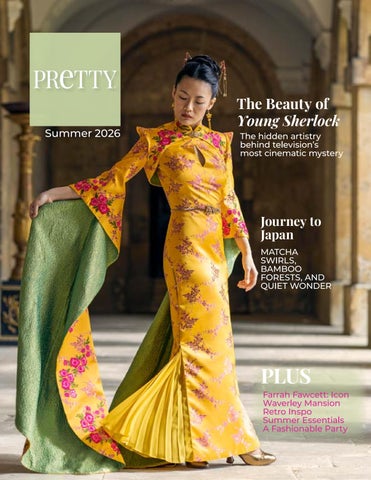
Summer 2026
The hidden artistry behind television’s most cinematic mystery
Journey to Japan
MATCHA SWIRLS, BAMBOO FORESTS, AND QUIET WONDER
PLUS
Farrah Fawcett: Icon Waverley Mansion
Retro Inspo Summer Essentials
A Fashionable Party
Founder & Editor-in Chief
Ginger Stewart
Special Projects Editor
Celeste McCauley
Editors
Shawnelle Eliasen, Jody Evans, Emma C Brown
Visit us online: www.pretty-magazine.com
Email us: editor@pretty-magazine.com
Pretty, the magazine for your beautiful life, is available online at www.pretty-magazine.com. All rights reserved. No part of this publication may be reproduced, distributed, or transmitted in any form or by any means, including photocopying, recording, or other electronic methods, without the prior written permission of the publisher, except in the case of brief quotations embodied in digital and print reviews.
Copyright © 2026 Pretty Media
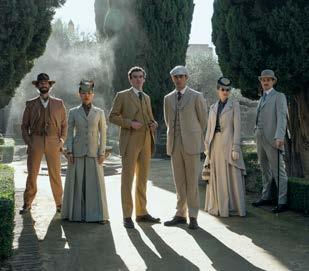


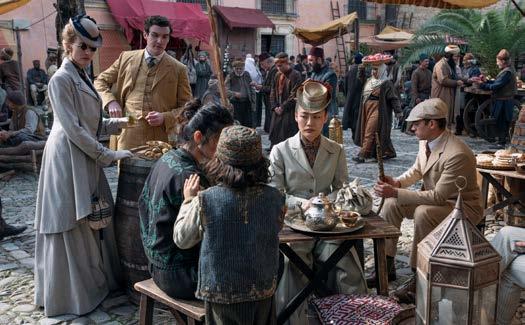
The world of Young Sherlock feels lush, cinematic, and impossibly transportive—and much of that magic begins in the hair and makeup trailer. Oscar-nominated designer Sian Grigg shares the hidden artistry behind the show’s unforgettable Victorian looks. (26)
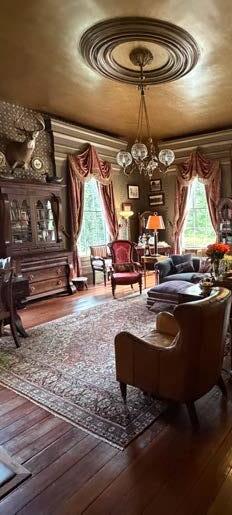




One of my favorite things about putting together an issue of Pretty is the opportunity to learn from talented people who are passionate about what they do. This issue, I had the pleasure of speaking with hair and makeup designer Sian Grigg about one of my newest television obsessions, Young Sherlock. I was already captivated by the show, but our conversation gave me a new appreciation for the countless details that help bring its world to life—many of them so subtle that viewers may never consciously notice them at all. Now I’m tempted to rewatch the entire first season before the second arrives.
I’m also grateful to fashion experts Amy Zottola and Cynthia Kennedy for sharing their expertise, and, as always, to our “Trendy at Any Age” columnist, Dianne Boyer.
It was especially fun to revisit the 1970s and 1980s through two unforgettable style and beauty icons: Farrah Fawcett and Lisa Bonet. In the 1980s, Denise Huxtable totally ruled, while Farrah was the woman so many girls growing up in the 1970s wanted to be. (Readers who would like to dive deeper into Farrah’s iconic look can also explore our companion articles on Farrah’s Fashion Finds and Farrah’s Beauty Secrets on the blog.) Yet one of the most interesting discoveries in our Farrah feature was that her appeal went far beyond her famous hair and beautiful face. The experts we interviewed spoke just as much about her warmth, confidence, athleticism, and unmistakable charisma.
Writer Lana Wyers explores a similar idea in her thoughtful essay, “Learning to Love My Nose.” While we may spend years scrutinizing our own perceived flaws, others rarely see us through the same critical lens. So much of what makes a person beautiful lies not in perfect features, but in the way they carry themselves—and perhaps even more important, in the way they make others feel. The qualities that leave the deepest impression are often the ones we can choose: kindness, confidence, generosity, and grace.
This issue also offers plenty of opportunities for summer escape. Travel with us to the Mississippi’s breathtaking Waverley Mansion and the equally beautiful landscapes of Japan. Closer to home, you’ll discover how easy it can be to grow berries—even on a small patio or patch of concrete. In this issue’s “She Walks in Beauty,” Shawnelle Eliasen, with her trademark imagery and lyrical prose, shares the joy of growing berries and vegetables, while Kathleen Phillips of Grits and Gouda serves up delicious berry treats in “Pretty Plate.”
Wherever this summer finds you, I hope you’ll discover moments of beauty, joy, and perhaps a few sweet berries along the way.
Warmly, Ginger Stewart
From milk bath manicures to skin-soothing mists, beauty is having a softly luminous moment—equal parts creamy and celestial.
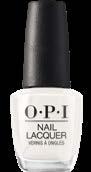
MILKY MANICURES
The “milk bath” nail is everywhere right now—and for good reason. Sheer whites, barely-there pinks, and glossy finishes give nails that clean, cushioned look that goes with everything. It’s polished without trying too hard.
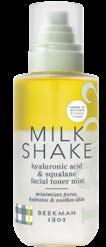
SKIN MILK & MISTS
Lightweight, calming, and endlessly layerable, milk toners and facial mists are quietly taking over. They hydrate without heaviness and leave skin looking soft, not slick—more glow than shine.
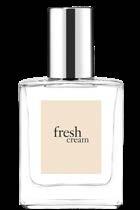
CREAMY FRAGRANCES
Scent is following suit. Notes like vanilla, almond, and coconut are showing up in softer, more skinclose ways—less sugary, more enveloping. Think warmth, not sweetness.
A LUMINOUS FINISH
The final touch is light. Not sparkle, not shimmer— just skin that looks softly glazed and quietly radiant, as if the glow is coming from within.
The prettiest trends don’t overwhelm—they whisper. ❧



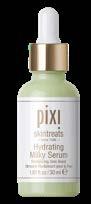
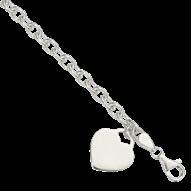
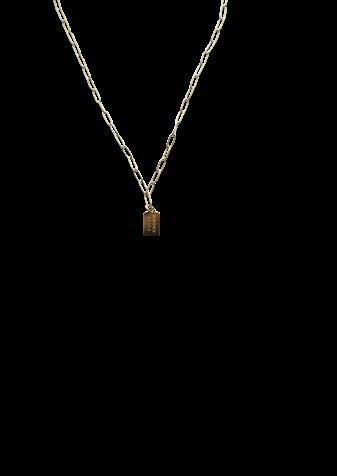

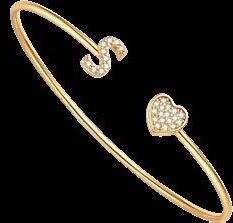
Encouragement Bracelet , Amazon,
14k-Gold-Plated Initial/Heart Bracelet , Amazon,

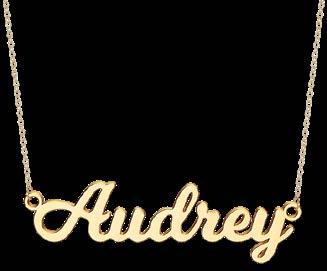

These pieces give “statement jewelry” a whole new meaning.


For women with petite frames, getting dressed can sometimes feel like a guessing game—too long, too loose, too much. But as Amy Zottola of Affordable Amy reminds us, the key isn’t chasing trends—it’s understanding proportion.
“Being petite myself, I know how frustrating it is to find pieces that actually fit and flatter without tailoring everything,” she says. “So many women feel overlooked by fashion—but you can look polished, modern, and confident without spending a fortune.”

One of the most common missteps is wearing pieces that overwhelm. Oversized silhouettes, hemlines that fall at awkward lengths, and proportions that don’t quite align can all work against a smaller frame. Instead, Amy suggests a simple shift: define the waist. “Whether it’s a tuck, a belt, or structured pieces, creating shape instantly elongates your legs and makes a huge difference,” she explains.
When it comes to summer dressing, lighter, shorter, and more streamlined tends to
work best. Above-the-knee dresses, cropped pants, and mid-rise shorts (especially for those with shorter torsos) help create balance, while monochromatic sets offer an easy way to look pulled together—and a little taller, too.
Accessories matter just as much. “Scale is everything,” Amy notes. Delicate to medium-sized jewelry, layered necklaces, and smaller hoops keep the look in proportion, while structured bags avoid overwhelming the frame.
And the best part? Looking stylish doesn’t have to mean spending more. Amy regularly finds petitefriendly pieces at places such as Walmart, Amazon, and Old Navy—proof that a good eye for fit goes further than a big budget.
Her go-to confidence piece is a simple one: a well-fitting shirt dress with a defined waist and an above-the-knee hem. “It’s easy, flattering, and instantly makes me feel polished without overthinking it.”
Her final advice is refreshingly simple: focus on fit. When something fits well, everything else falls into place—and once you find what works, don’t be afraid to wear it again and again. ❧

By Dianne Boyer dianneinstyle.com
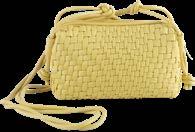
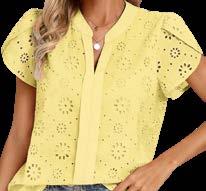
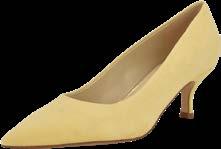
Warm, wearable, and quietly cheerful—butter yellow finds its place at every age. ( All looks from Amazon)
The subtle pop of color on these sneakers grounds the look. $70
20s &

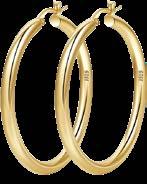
Timeless— and always in rotation. → Hoop earrings , $15.99.

This white skirt’s clean lines keep everything feeling fresh. (And it’s only $11.35!)

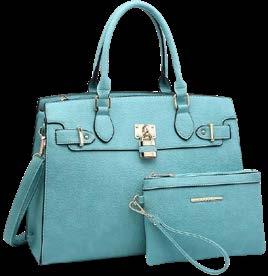
For a rich contrast that elevates the palette, try a handbag in turquoise or robin’s egg blue. $40.15
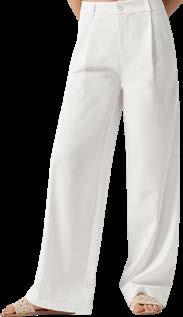
Tailored, but still easy: White trousers , $38.99

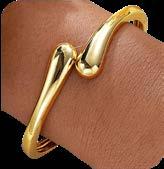
sculptural, and quietly striking earrings make a statement without trying too hard.

Add a scarf for a little movement, a little visual lift. $14.99
To simplify summer dressing, we turned to San Diego–based personal fashion stylist Cynthia Kennedy, creator of the Body-First Framework®. Her five summer essentials focus on breathable fabrics, versatility, and thoughtful details that elevate everyday outfits.
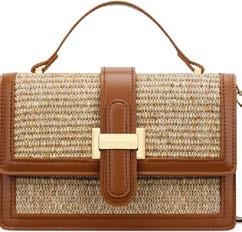
A raffia bag brings texture and polish to summer outfits. Kennedy recommends this warmweather staple for its versatility—equally suited for casual days, travel, or vacation. Paired with dresses, denim, or linen, raffia adds interest while keeping the look relaxed. “My clients and I always gravitate toward raffia once the weather heats up,” she says.
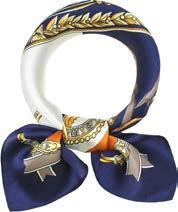

A silk scarf offers an easy way to add color and personality without adding bulk. Kennedy suggests wearing one at the neck, in the hair, or tied to a handbag for a subtle finishing touch. Bright color combinations or classic blue-and-white patterns feel especially fresh for summer. “It’s a simple accessory that makes outfits feel intentional,” she explains.

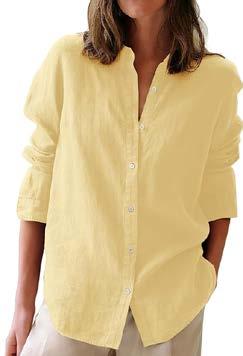
A breathable poplin or cotton-linen buttondown is a summer essential. Kennedy recommends lightweight fabrics that can be worn tucked, untucked, or layered over tanks and dresses. While classic white remains timeless, she also suggests experimenting with seasonal shades like berry, light yellow, or khaki: “It’s polished, comfortable, and easy to wear.” she says.

4.
A lightweight short set offers effortless polish for warm summer days. Kennedy recommends breathable fabrics that can be worn together or styled separately, expanding your outfit options. The top works open over a tank or swimsuit, while the shorts pair easily with tees or button-downs. “When pieces work multiple ways, getting dressed is easier,” she says.

5.
Ornamental sandals add interest while keeping summer outfits simple. Kennedy recommends styles with texture or subtle embellishment, such as raffia or woven details. These elevate dresses, shorts, or linen pants without requiring extra layers. “Even the simplest outfit feels finished with a thoughtful sandal,” she says. ❧
Layered, oversized, and completely unbothered— Denise Huxtable defined cool for a generation.
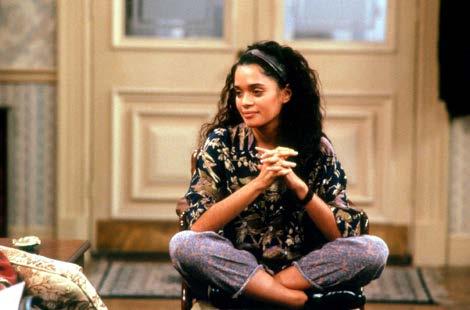
“As Denise Huxtable, Lisa Bonet was the cool older sister who knew about the latest styles before you did,” says Dr. Elizabeth Way, curator of costume and accessories at The Museum at FIT.
“And it wasn’t just the clothes she wore—it was how she wore them: effortlessly layering jackets and sweaters, rolling up her cuffs, adding a headband, scarf, or hat. It was always an interesting mix of color, texture, and proportions that felt simultaneously relaxed and unbothered.”
That confidence is what keeps Denise Huxtable’s style relevant today. Layered, oversized dressing has returned to fashion many times since the 1980s, but Denise created a template for an easy, eclectic kind of cool that never really went out of style.
Denise’s wardrobe also felt refreshingly personal. Instead of perfectly coordinated outfits, she mixed oversized layers, global prints, and unexpected accessories. The result was a look that felt collected rather than styled—individuality fashion celebrates today.
Oversized layers, eclectic accessories, and relaxed silhouettes defined Denise Huxtable’s signature style on The Cosby Show and A Different World

A scarf adds color and style, tied in the hair or loosely around the neck, $6.99.
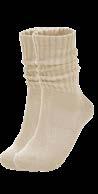
For an authentic 80s touch, scrunch your socks down over classic lace-up shoes. $7.89 for two pair

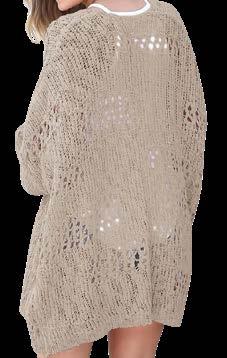
An oversized open-knit cardigan was a staple in Denise’s wardrobe, $29.98
Denise often grounded her eclectic outfits with simple, menswear-inspired shoes, like these lace-up oxfords, $26.99.

Underneath it all: the classic Hanes men’s cotton T-shirt , $19.06 for a three-pack
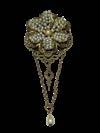
Irreverent styling choices—like a bold, dressy brooch on a cozy cardigan—add that unmistakable Denise flair. We found this vintage one on eBay for $24.99.

the
“When I first read the script, Denise was supposed to wear tight pants and an ordinary shirt. But as everyone got to know me—especially the writers and wardrobe designer Sarah Lemire—they began blending
the personalities of Lisa and Denise.” —Lisa Bonet to Seventeen Magazine, July 1985

Iknow I’m not alone in this. It may be one of the most criticized features on the human face: the nose.
I’ve heard countless people complain about theirs, and for many years, I complained about mine too. Maybe that’s because it’s impossible to ignore. It’s right there in the middle of our faces, front and center every time we look in the mirror. We study every bump, curve, and perceived flaw until those imperfections seem much larger than they really are.
So how do we make peace with a feature we can’t hide?
I don’t claim to have all the answers, but I can tell you how I learned to love mine.
I was still in elementary school when I first became self-conscious about my nose. My older sister liked to tease me about what she called my “ski-slope.” According to her, the hump on the bridge of my nose resembled the hill of a ski slope. It was a fairly creative observation for a teenager, I suppose.
Of course, siblings have a way of keeping one another humble.
The teasing planted a seed. I could see the hump when I looked in the mirror, especially in profile, and I convinced myself my nose was too large for my petite frame. Over the years, I became increasingly aware of it. Whenever someone asked whether I had ever broken my nose, I’d reply, “No, it just looks like I did.”
By my twenties, however, the insecurity had begun to fade. Life was busy and full. I was volunteering with my church’s youth program, teaching Bible classes, chaperoning events, and spending far more time thinking about other people than about my reflection.
Then came what I now refer to as “the incident.”
While helping supervise a church youth lockin, I somehow managed to run face-first into a wooden pew during a Nerf-gun battle. I heard—or perhaps felt—a crack, followed immediately by blood and swelling. The diagnosis was exactly what I feared: a broken nose.
An ENT surgeon showed me the X-ray and explained my options. The break itself wasn’t severe enough to require immediate surgery,
but while discussing possible future sinus issues, he mentioned something else. Since he would already be working on my nose, he could remove the hump I’d disliked for most of my life.
I’ll admit, the offer was tempting.
At first, I decided to wait. But as the swelling subsided, I noticed a small dent forming where the break had occurred. Eventually, I opted for surgery.
The procedure repaired the damage, removed the hump, and corrected the dent. Yet when everything healed, I discovered something surprising.
My nose still wasn’t perfect.
appreciating who they are. Their features become part of the whole person we cherish.
The same is true for us.
The people who truly care about us see far more than the shape of a nose, the curve of a chin, or any other detail we spend far too much time criticizing. And if someone is focused solely on those things, perhaps the problem isn’t our appearance at all.
These days, I’ve grown not only to accept my nose but to appreciate it.
After all, it has served me faithfully my entire life. It warms and filters every breath I take. It allows me to experience some of life’s sweetest pleasures: the fragrance of gardenias blooming
The problem had never really been my nose.
The problem was the way I saw my nose.
The surgery wasn’t cosmetic rhinoplasty. It was a medical repair, and while the hump was gone, it left a slight ridge across the bridge of my nose. I had traded one imperfection for another.
And that’s when I learned an important lesson.
Perfection is unattainable.
The problem had never really been my nose. The problem was the way I saw my nose.
Think about the people you love most. Can you clearly picture the details of their noses? Probably not. And if you can, do those details matter? Of course not.
When we love someone, we aren’t cataloging their physical imperfections. We’re laughing with them, sharing life with them, and
beside a front porch on a summer evening, the scent of a baby’s head, my mother’s cooking when I returned home from college, and the warm spices of the holiday season that instantly transport me back to the people and places I love.
My unglamorous, two-holed facial protrusion does all of those things and more.
And for that, I’m grateful. ❧
LANA WYERS
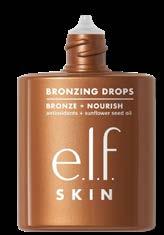
Super-affordable e.l.f Bronzing Drops give my face a natural, sun-kissed glow. The drops help even out my skin tone and create that beachy, tan look all year round. —Kailey, missionary (Amazon, $12.48 for 1 oz)
In a world of influencer kickbacks and sponsored content, whom can you believe about which products actually deliver? That’s why, in each issue, we ask...
...what really works for them.

Bliss Drench & Quench Cream-to-Water Hydrator is like nothing I’ve ever used before. It goes on like liquid silk and makes my skin so soft. I use it as my night cream. I just finished my first jar and reordered another! –Lois, retired nurse practitioner (Amazon, $24.31 for 1 oz)
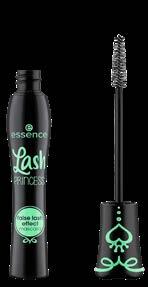
Essence Lash Princess False Lash Effect Mascara is incredibly affordable and goes on without clumps. It makes my lashes look longer than other mascaras I’ve tried and comes off easily at night. It doesn’t dry hard—it keeps my lashes soft all day. —Renee, farmer (Amazon, $3.49 for 0.4 oz)
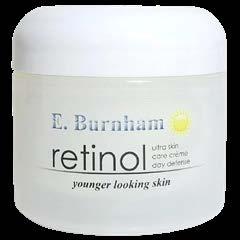
E. Burnham makes the only retinol products I’ve ever tried that don’t make my face break out. I use their Ultra Skin Care Creme Day Defense as well as their night version and their night eye cream. My mother used them for 40-50 years until she died at age 91, and she looked easily 20 years younger than her age. —Ellen, executive director of a nonprofit (Amazon, $31.95 for 2 oz)

Because I have my hair straightened and colored, I use all three products in the It’s a 10 Conditioning Kit to keep my hair soft and healthy.
–Rita, occupational therapist (Amazon, $32.99)
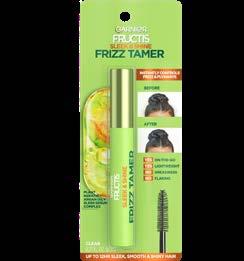
I’ve tried countless products to tame my flyaway hairs. Most either weighed my hair down or were too dry, leaving my hair prone to breakage. But Fructis Sleek & Shine Frizz Tamer smooths my stray hairs without that heavy feeling, smells great (not too overpowering), and best of all, it’s cruelty-free. Total win-win. —Nikki, magazine editor (Amazon, $8.76 for 0.27 oz)

I love Sally Hansen Airbrush Legs for covering veins and sunspots. It’s not too expensive, doesn’t transfer to clothing, and stays on until you wash it off.
–Julie, nurse educator (Amazon, $11.74 for 4.4 oz)

I use the entire face reality line of skincare. I have mild rosacea, and it really helps even my skintone. Also convenient is that all the products come in travel sizes as well. –Gillian, mother of two (face reality Ultra Gentle Gel Cleaner, Amazon, $35.89 for 6 oz)

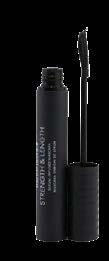

I used to spend a small fortune on eyelash serum until I tried bareMinerals Strength & Length Serum Infused Mascara . This is much less expensive and I like it better, too! –Jackie, small business owner (eCosmetics, $$22 for 0.27 oz)
I use aloe and olive oil as my go-to beauty products. I actually keep aloe plants and use fresh. –Dianna, substitute teacher (Amazon, $16.58 for 10-12” tall live aloe vera plant; Tropical Holistic olive oil, $13.99 for 4 oz)
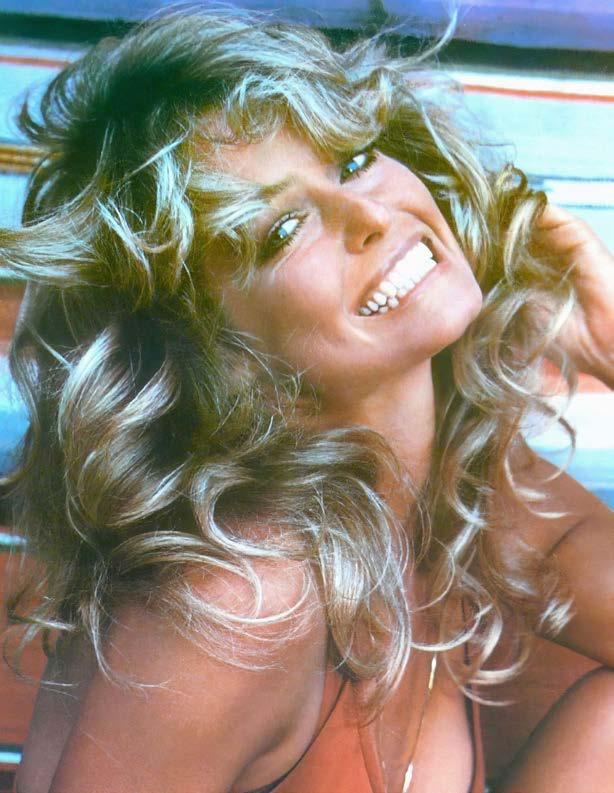
On playgrounds across America in the late 1970s, little girls played Charlie’s Angels, and everyone wanted to be Farrah.
Each game was a scramble— someone calling Farrah first, another protesting, a third insisting the first girl had been Farrah yesterday and it was only fair to take turns.
Being Farrah mattered.
The playground captured the Farrah mania that had swept the country. Men admired her. Women wanted to be her—and to be her friend.
In the 1970s, that rare appeal made Farrah Fawcett more than a television star. It made her an icon.
As Jill Munroe in the 1976 debut season of Charlie’s Angels, Farrah sprinted across the screen with an easygoing athleticism, her smile bright and inviting. Her natural charm proved captivating.
Farrah didn’t just capture attention. She became a cultural juggernaut.
At the center of Farrah mania was the poster.
The swimsuit. The sunlit waves. The smile. Her photo became one of the best-selling posters of all time and perhaps the most iconic image of the decade. Seemingly overnight, dorm
rooms and bedroom walls across America filled with Farrah’s instantly recognizable face.
But while men and boys were hanging her poster, women were pulling photos of Farrah from magazines and carrying them to the beauty shop, asking for “The Farrah.” Stylists studied the shape and movement of her legendary layers. An entire generation attempted to recreate the look that embodied freedom, confidence, and effortless beauty. Farrah herself became
“She always seemed just within reach— and in some ways, she always will.”
synonymous with great hair, appearing in Wella Balsam advertisements and later lending her name to Farrah Fawcett shampoo and conditioner—a testament to just how completely her signature “feathered” style had captured the moment.
Little girls too young for “The Farrah” had dolls instead. They brushed her iconic locks, dressed her in bright, California-cool fashions, and, in their own way, stepped into the role
they had already claimed on the playground.
Farrah’s influence extended beyond style into the cultural imagination itself. When she married Lee Majors—television’s Six Million Dollar Man—the pairing felt almost mythic, the golden couple of the 1970s. Together, they seemed to represent a particular kind of American optimism: bright, glamorous, and full of possibility. When they divorced, there was a quiet sense of disappointment—as though a bit of that golden moment had slipped away.
After all, Farrah had come to represent something more than celebrity. She was sunshine and possibility, effortless charm and easy warmth—the feeling that things could be bright and uncomplicated. When that illusion dimmed, even slightly, it was hard not to feel the loss.
Author and Harvard creative writing professor Bret Anthony Johnston captured Farrah’s rare appeal beautifully:
“She made each of us think we stood a chance with her. She always seemed just within reach—in some ways, she always will—even when, really, she was as far away as the brightest star or the purest angel.” ❧

In our “The Icon” examination of Farrah Fawcett’s cultural impact, we explore the rare quality that set her apart: she was both breathtakingly beautiful and completely approachable. She felt less like a distant star and more like someone you might actually know—or hope to know.
Today’s beauty standards can feel increasingly rigid— shaped by filters, trends, and the growing accessibility of cosmetic procedures that often produce a kind of polished sameness. In the 1970s, cosmetic surgery existed, but it was far less common and largely associated with movie stars. Farrah didn’t rely on that kind of refinement.
Farrah Fawcett reminds us that many gorgeous faces don’t conform to a standard.
refined noses—features that can be enhanced, adjusted, and, increasingly, standardized.
Farrah Fawcett didn’t fit that mold.
She didn’t need to.
What made her glow wasn’t perfection in the technical sense, but the way she leaned into her own distinct features—her own face, her own energy, her own unmistakable presence.
Many would describe Farrah as perfect.
Technically, she wasn’t.
And that may have been exactly what made her so captivating.
Today’s beauty ideals often favor a specific look—fuller lips, lifted eyes, delicately
And yet, few would argue she wasn’t beautiful.
A beautiful face is more than the sum of its parts.
Farrah’s beauty wasn’t the kind that felt sculpted or engineered. Her smile was wide and natural. Her expressions were animated. Her features, while striking, weren’t rigidly symmetrical or carefully refined.
As double-board-certified facial plastic surgeon Dr. Jeffrey Spiegel notes, what made Farrah’s face so compelling was how her unique features worked together: “Her face radiated light. She had large blue eyes with a smooth forehead, high
eyebrows, and full cheeks. This creates a glow that dominates the central and upper parts of the face. Also, she had a short upper lip and a bright white smile. Again, light shining off the face.”
In aesthetic medicine, symmetry is often cited as a marker of beauty—but it is far from the defining factor. As triple-board-certified facial plastic surgeon Dr. Ramtin Kassir explains, “Some of the most iconic and captivating faces are not perfectly symmetrical. In fact, subtle asymmetries are often what create character, distinction, and memorability.”
From a surgical perspective, he notes, the goal is not perfection but balance.
“Overcorrecting asymmetry can remove individuality and lead to results that feel artificial. The most compelling faces tend to have a certain tension or uniqueness that draws attention.”
Kassir points to the specifics: “Farrah Fawcett didn’t become iconic because she fit a template—she defined one. Her beauty was about balance, movement, and unmistakable identity, not perfection.”
For instance, as Spiegel noted, Farrah’s lips weren’t

overly full by today’s standards. But to alter them could have sacrificed her million-dollar smile, Kassir explains: “If you overfill a lip like that, you risk flattening the dynamics of the smile and losing the natural expressiveness that made her so captivating.”
Kassir points out that the same was true of Farrah’s other features: “She didn’t have a ‘perfect’ button nose, and she didn’t need one. Her nasal shape fit her face. In aesthetic surgery, harmony always wins over trenddriven ideals.”
Similarly, “What some might have labeled a ‘strong’ jaw was actually one of her defining features,” Kassir explains. “Structure creates beauty. That angularity gave her face power, femininity, and presence—it’s what made her stand out.”
Notice in the vintage advertisement above how
the illustrator picked up on Farrah’s square jaw—not as a flaw, but as a defining feature.
Then and Now
If Farrah were starting out today, the pressures might look very different.
“With social media and the ever-present cameras on our devices, looking good is more important than it has ever been,” Spiegel observes, and features like a square jaw or thinner lips might be seen as something to refine rather than embrace.
The takeaway? What we consider “imperfect” about ourselves might be strengths. Most people aren’t analyzing our faces for symmetry or measuring proportions. They’re responding to an overall impression, a feeling.
An unforgettable face is one that feels vivid and unmistakably one’s own. ❧
Actress and producer
Sònia Victoria Werner known as Vikki—takes a thoughtful, no-nonsense approach to beauty, focusing on products that work without overwhelming the skin. A lifelong beauty enthusiast, she’s also the voice of Flora—the fairy of nature—in Netflix’s Winx Club: The Magic Is Back .
The role feels fitting. Vikki gravitates toward ingredientconscious beauty—favoring clean-leaning, cruelty-free formulas that support the skin rather than complicate it.
“You don’t need everything— you just need what works,” Vikki says.
From glow-boosting staples to a few under-the-radar favorites, these are the products she reaches for again and again—favorites that balance performance with a thoughtful approach to ingredients.
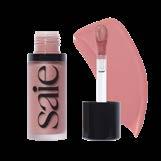
“This was one of the first clean liquid blushes I truly fell in love with. It gives that non-sparkly, lit-from-within glow, and it’s so buildable. The shade range is amazing. ‘Lady’—a neutral pink—is my perfect everyday blush.”
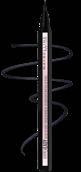

Maybelline Hyper Easy Liquid Eyeliner Pen
“I’m known for loving my eyeliner, and this pen has been a go-to for years. It’s precise, reliable, and just works every time.”
Vanicream Daily Moisturizer
“Lightweight, no-fuss, and packed with peptides—it’s so good for summer.”
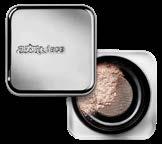
“Such a under-the radar favorite. The packaging is sleek, but the performance is what really sold me. The whole brand is incredible, but this powder is a standout.”
Anastasia Beverly Hills Lipstick in “Soft Haze”
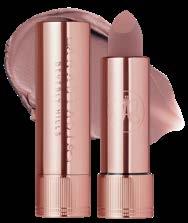
“I love a cool-toned nude, and this is the closest I’ve found to my old favorite. It’s that perfect light brown matte/satin. Layer a transfer-proof gloss on top to make it last all day—and night.”

La Roche-Posay Cicaplast Baume


“This one goes way back for me. Anytime my skin barrier is struggling, this is what I reach for. It’s my ultimate repair-and-layer product.”
TirTir Ceramic Milk Ampoule
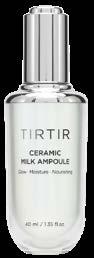
“My hidden gem—this is where that soft, glassy glow really starts. I use just a little on dry areas, and it makes makeup go on so much more smoothly. A holy grail.”

Trader Joe’s Coconut Oil
“Nothing removes eye makeup better. Waterproof, glitter— everything. I pair it with micellar water and reusable rounds.”

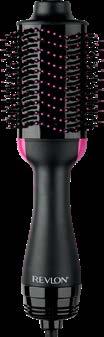
“My hair holy grail. Once you learn how to use it—mostly dry hair, plus a slight twisting motion—it gives the best blowout. I barely use anything else.”
Soften your summer scent with light and luminous magnolia.
and
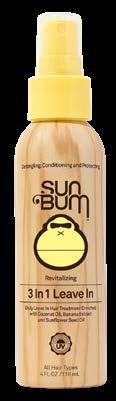
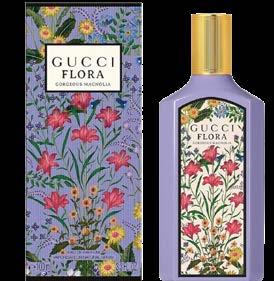

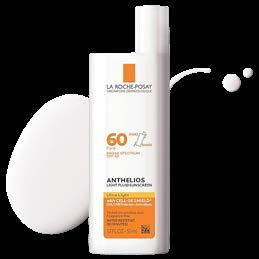


Nivea Skin Firming + Toning
Body Gel-Cream , $15.19
For skin-baring confidence
QI keep seeing hypochlorous acid everywhere. What is it—and do I need it?


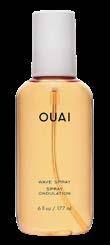
A“Hypochlorous acid is a skin-native molecule with natural antimicrobial properties. In simple terms, it helps calm irritation, reduce redness, and support a healthy skin barrier—without the harshness of stronger actives.
It’s especially helpful for those dealing with sensitivity, breakouts, or inflammation, as it works to keep skin balanced while remaining gentle enough for daily use. Unlike more aggressive treatments, it won’t disrupt the barrier and layers easily with other skincare.
I often recommend using it as a light mist on clean skin, either before or after your other products, to help soothe and maintain clarity.”
–Dr. Blair Murphy-Rose, MD, FAAD
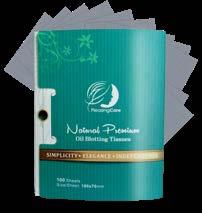
Oil Blotting Tissues, $6.95
Quick touch-ups, anytime—with no cakey finish
Pretty Picks: Mario Badescu
Repairing Facial Spray with Hypochlorous Acid , $18; Magic Molecule
Antimicrobial Skin Spray, $14.


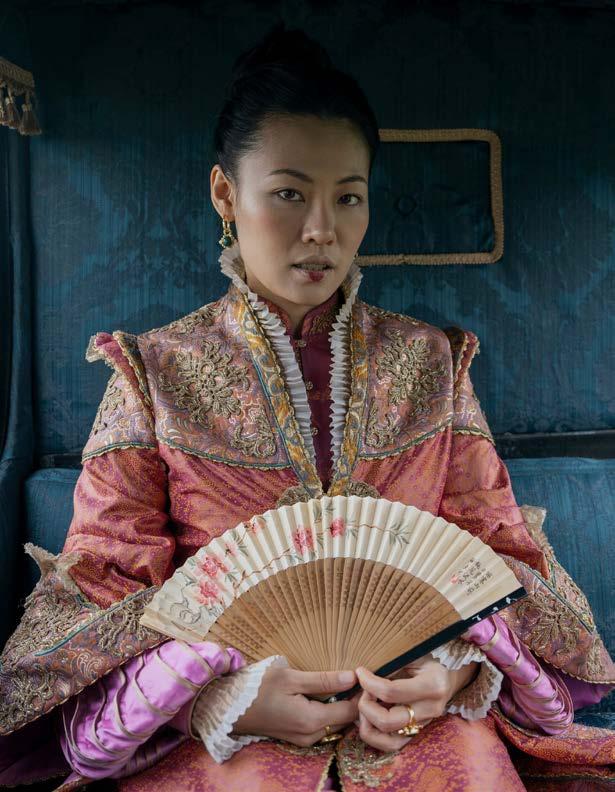
Oscar-nominated hair and makeup designer Sian Grigg reveals how historical research, subtle transformations, and richly layered period detail helped bring television’s most stylish mystery to life.
by GINGER STEWART
The world of Young Sherlock feels lush, cinematic, and impossibly transportive—a Victorian world shaped by sweeping silhouettes, meticulous historical detail, and quietly transformative artistry. Helping create that immersive atmosphere is Oscar-nominated hair and makeup designer Sian Grigg, whose precise approach to hair and makeup helped shape the show’s distinctive look.
From facial hair and freckles to Pre-Raphaelite inspiration and painstaking historical research, Grigg approached the world of Young Sherlock not simply as a period drama, but as a story with
its own carefully crafted visual identity. Every design choice was intended to feel emotionally grounded rather than theatrical.
“The 1870s is a lovely period,” Grigg says. “I wanted it to feel period, but I also wanted it to feel accessible to a younger audience. I didn’t want it to feel too stuffy or overly done.”
That balance—historical authenticity infused with modern energy—became central to Grigg’s approach to the series. Rather than leaning into exaggerated Victorian styling, she softened certain elements and chose hairstyles that would feel emotionally contemporary while
remaining rooted in period references, portraiture, and Victorian fashion history.
For the male characters, Grigg drew inspiration from authentic nineteenthcentury photographs and the era’s distinctive approach to masculine style. “The 1870s is the hairiest period, basically,” Grigg says with a laugh. “I wanted ninety percent of the men in the film to have facial hair.”
Some actors grew their own mustaches and beards, while others required intricate enhancement. Grigg and her team hand-laid facial hair for several characters, including Colin Firth’s Bucephalus Hodge and Bruno Gouery’s
Duke of Normandy. Max Irons’ Mycroft Holmes wore a custom mustache throughout filming—one so convincing that most viewers would never suspect it wasn’t real.
“I was really happy with the facial hair,” Grigg says. “A lot of people don’t notice it consciously, but it creates the world.”
That world shifts constantly throughout the series, especially through the women’s transformations.
For Natasha McElhone’s Cordelia Holmes, Grigg drew heavily from Pre-Raphaelite paintings and earlier
Victorian influences, particularly in the asylum scenes. Because the character had been institutionalized for years, Grigg wanted her styling to feel subtly disconnected from the fashions of the later 1870s. “I wanted her to look slightly dated there,” she explains. noting that both the costumes and hair references drew from earlier Victorian styles.
After Cordelia leaves the institution, her styling gradually evolves. Grigg transitions her from early Victorian silhouettes into the taller, narrower hairstyles of the bustle era.
“The hair always echoes the costume,” Grigg explains. In Victorian fashion, hair was never an isolated detail. As skirts narrowed and bustles emerged later in the century, hairstyles became taller and slimmer as well, visually balancing the changing proportions of each era’s clothing.
One unexpected challenge? McElhone’s modern bangs.

Irons and McElhone: False mustache and hidden fringe. But who could tell?

Carefully considered hairstyles and periodappropriate hats become gorgeous disguises for McElhone’s modern bangs.
Because full fringe styles were not typical of the period, Grigg had to find creative ways to conceal them while preserving the character’s romantic, painterly aesthetic. For example, a French braid sweeping across the top of McElhone’s hair helped hold shorter pieces in place while maintaining the illusion of historical authenticity.
“The Welsh weather wasn’t always very cooperative,” Grigg recalls. “Sometimes the wind would undo the hairstyles almost immediately, so we were constantly maintaining them between takes.”
Grigg faced a different challenge altogether with actress Zine Tseng, who played both an assassin and a Chinese princess.
For the princess, Grigg referenced traditional Chinese beauty ideals, including a paler complexion and carefully placed lip color concentrated at the center of the mouth. “Some of the original reference was actually quite harsh,” she says. “So I softened it slightly, but still kept it quite hard and structured.”
To distinguish the princess from Tseng’s assassin character, Grigg altered everything from eyebrow shape to jawline structure, using padding, false teeth, and mouth augmenters. “I

needed them to feel different without making it obvious,” she explains.
As for the assassin herself? The goal was deceptively simple.
“I wanted her to look like she had no makeup on—but also gorgeous,” Grigg says.
That “invisible makeup” philosophy carried throughout much of the series. Grigg often used MAC Face and Body foundation applied sparingly for an almost undetectable finish.
On Tseng, she mixed By Terry Brightening CC Serum
into the foundation to create warmth and luminosity without obvious glamour.
Much of the artistry in Young Sherlock lies precisely in what audiences never notice. Foundation was often applied so lightly that skin still looked imperfect and alive. Blush was blended to mimic natural circulation rather than obvious cosmetics.
The makeup, Grigg explains, was rarely meant to announce itself. “You’re not really supposed to notice it as makeup,” she says. “It’s just to enhance their natural beauty.”
That understated philosophy was especially important for actress Holly Cattle, whose early styling was deliberately restrained. “We actually tried not to enhance her beauty too much at first,” Grigg explains. “She was supposed to fade into the background.”
As the story evolved and Cattle’s character became more central, Grigg subtly shifted the look as well, allowing her presence to emerge more naturally onscreen. Grigg used small details—including
that were too much,” she explains. “It actually made it really easy.”
As the story moved from England to Istanbul, Grigg subtly shifted the entire visual palette of the show. Hair became looser and less polished. Skin appeared slightly more weathered and sun-touched. The overall mood grew dustier, freer, and more rugged.
“My inspiration became cowboys, actually,” Grigg
The hair and makeup never sit on top of the story; they deepen it.
polished quality that can sometimes make period dramas feel museum-like instead of alive. In Young Sherlock, skin carries warmth and fatigue. Clothing and hairstyles feel lived-in rather than pristine. That sense of
natural-looking freckles—to subtly reshape the audience’s perception of Cattle’s character. “We sprayed on By Terry Tea to Tan bronzer and then took away the freckles
says. “I wanted them to look a little more windswept—like they’d been traveling.”
Grigg’s work succeeds because it avoids the overly
movement and realism may be one reason the series feels so unusually immersive: the hair and makeup never sit on top of the story; they deepen it.

And while viewers may not consciously register every hidden braid, false mustache, or carefully adjusted blush tone, Grigg believes those details matter.
“Everything helps create the character and the world,” Grigg says. “In the end, it’s all storytelling.” ❧
“Everything helps create the character and the world. In the end, it’s all storytelling.”


Step inside a Mississippi home where light, history, and everyday life come together again.
There are houses you admire from a distance—and then there are houses that invite you in.
Waverley does both.
Set just beyond West Point, Mississippi, its white façade and green shutters feel at once stately and unexpectedly welcoming. But it’s what waits inside—and above—that sets it apart. At the center of the home, an octagonal cupola draws the eye upward, where sunlight pours through tall windows and drifts down, level by level, across curved staircases and polished floors below.
It’s a space designed not just to impress, but to connect— room to room, floor to floor, past to present.
Completed in 1852 along the Tombigbee River, Waverley was once the center of a thriving plantation community—part of a region now known for its remarkable collection of antebellum homes.
But its story did not move in a straight line.
After the death of Captain William Young in 1913—the last of the original family to live there—the house fell quiet. For nearly half a century, it stood largely empty, its grand rooms left

to the slow passage of time, until 1962, when Mr. and Mrs. Robert Allen Snow purchased the long-abandoned home. What followed was not simply restoration, but revival. Over the course of their lives, the Snows carefully brought Waverley back from neglect—repairing its
structure, reclaiming its details, and once again filling its rooms with warmth and purpose. Just as generously, they opened the home to others, sharing it with the community and ensuring that its beauty could be experienced, not simply preserved.

In 2018, the home was purchased by Mr. and Mrs. Charlie Stephenson, who have continued that legacy with a thoughtful balance of preservation and practicality. Their most notable addition— private, more contemporary living areas—was designed as a mirror image of the original plantation office that still stands on the opposite side of the house, creating a sense of architectural symmetry while remaining closed to public view. In this way,
modern life unfolds alongside the historic structure without altering the experience of the main house.
Waverley’s story is closely tied to that of the surrounding region, known for its rich architectural heritage and its many surviving antebellum homes, spared because the area lay outside the path of Sherman’s March to the Sea. Today, that legacy is most visible during the annual Columbus Spring Pilgrimage,
when historic homes across the area open their doors to visitors. Held each April, the month-long event offers a rare opportunity to explore properties such as Waverley and experience firsthand the architecture, craftsmanship, and stories that have shaped this region.
Step inside Waverley now, and the effect is immediate. Light fills the cupola. Doors open onto wide porches. Rooms that have welcomed

generations feel grand, deeply lived in—the result of decades of care and stewardship.
Stand at the center of the house and look up, and the architecture reveals itself at once: light above, curves below, and a balance shaped by every chapter of its history. It is not simply a home that has survived, but one brought fully back to life. ❧

Rare Henry Belter chairs sit before the windows, while the mantel—like those throughout the home— remains original.
Opposite page, left: The room centers on a rosewood bed attributed to New Orleans furniture merchant Prudent Millard, layered with rich textiles and illuminated by an original gas chandelier, now converted to electricity.
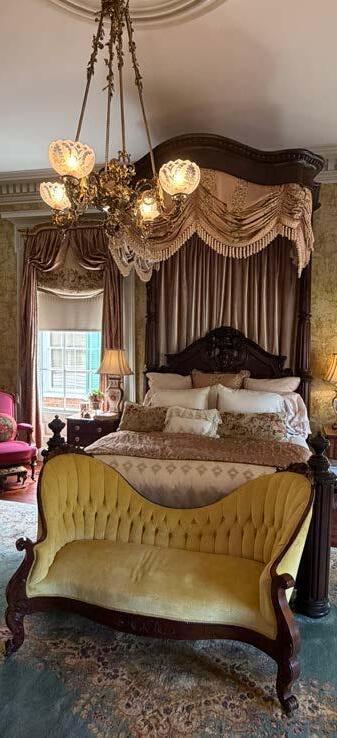

Above: Mostly original Venetian glass panes frame the front door, casting a warm, rose-colored glow across the entryway as the light shifts.
Below: Local legend holds that couples who stand together in the parlor alcove are destined to marry.


by Jody Evans

Japan, known as the Land of the Rising Sun, takes its name from the Chinese word Rìběn (日本), meaning “origin of the sun”—a reference to its position east of China, where the sun appears to rise. While its name speaks to beginnings, Japan, for me, felt like both a sunrise and a sunset—at once stirring and serene.
Gentle hills, lush greenery, and sacred shrines tucked into cities create a sense of quiet intention. It’s the kind of place Henry David Thoreau might have chosen to “live deliberately”—and a place where I found something unexpected: an unhurried calm that stayed with me long after I returned home.
Everywhere I went, hushed reminders of the past lingered, while the present moved forward with quiet precision. I saw only a small part of Japan, but it was enough to leave me longing for more.
Tokyo rivals the great cities of the world—London, New York—yet feels entirely its own. It remains remarkably clean and, more surprisingly, quiet. No constant blare of traffic fills the air; no raised voices carry through the streets. People move with intention. They wait. They notice.
pass through the iconic Kaminarimon, or “Thunder Gate,” before continuing along Nakamise Street, where small stalls offer traditional snacks and souvenirs.
The walk toward the temple feels gradual and purposeful—a gentle transition from the energy of the city to something quieter, older, and more reflective.

A vast, man-made forest between Harajuku and Yoyogi stations surrounds Meiji Shrine, creating a striking contrast to Tokyo’s energy. Towering torii gates mark the entrance, and the presence of the city softens almost immediately.
More than 120,000 trees form a canopy overhead, and the path encourages a slower pace, a more thoughtful walk, a moment of quiet attention.
If Tokyo has a pulse, it quickens in Akihabara. Known as “Electric Town,” this district hums with energy—technology, anime, and bright, layered color.
Shrines and temples appear unexpectedly among the modern skyline, and wherever they stand, a sense of respect follows.
One of the most memorable stops was Sensō-ji, Tokyo’s oldest temple, completed in 645. Visitors
Massive storefronts and narrow specialty shops exist side by side, creating a rhythm that feels both modern and distinctly Tokyo.
No visit to Japan feels complete without at least a glimpse of Mount Fuji—often called a
For a moment, I felt small in the best possible way— quietly tucked into something larger, like stepping into a story just beyond reach.
“shy lady” for the way clouds and mist conceal her.
Located within Fuji-Hakone-Izu National Park, Japan’s highest peak reveals itself only on certain days. Seeing it clearly depends on timing, weather, and a bit of luck.
But even partially hidden, it quietly commands attention.
Bullet Train
The Shinkansen lives up to its name. Sleek, precise, and astonishingly fast, it moves between cities with quiet ease.
Inside, everything feels calm and ordered— another reflection of the care and intention that seems to define the country.
In Kyoto, history feels close enough to touch. The Golden Pavilion, or Kinkaku-ji, shimmers with gold leaf, its reflection perfectly mirrored in the surrounding pond.
It’s not a place to rush through. The instinct is to pause, to look, and to linger a little longer.
The Bamboo Forest
Walking through the Arashiyama Bamboo Grove feels almost surreal. Towering stalks rise

overhead, filtering the light into soft, shifting patterns.
For a moment, I felt small in the best possible way—quietly tucked into something larger, like stepping into a story just beyond reach.
Even in a place so rooted in tradition, a quiet sense of whimsy feels perfectly at home.
Tokyo Disney Resort, just outside the city, offers a familiar yet distinctly different experience. Certain details stand out in gentle, surprising ways. Umbrellas—discouraged in the parks in the United States, even in the rain—are welcomed here as relief from the sun.
And while American parks center on Mickey Mouse, I found Donald Duck taking a more prominent role, appearing again and again in places where I expected to see Mickey instead.
The differences are subtle, but they linger.


“If I had to eat in only one city for the rest of my life, Tokyo would be it.”
Anthony Bourdain once said, “If I had to eat in only one city for the rest of my life, Tokyo would be it.” It’s easy to understand why.
Food in Japan feels thoughtful, precise, and quietly inventive. A meal ordered on a screen might arrive moments later on a small conveyor, delivered with surprising elegance.
Some of the most memorable meals came from the smallest spaces—tiny ramen shops serving rich, comforting bowls, simple and perfect.
Tanghulu—skewered fruit encased in a delicate, glassy sugar shell—became one of my unexpected favorites.
Each day settled into a gentle rhythm: miso soup to begin, a matcha latte somewhere along the way, onigiri tucked in between, and perhaps a swirl of matcha ice cream to end.
A Japanese concept—ichigo ichie—reminds us that each moment is unique, never to be repeated in quite the same way again.
Traveling through Japan felt like living inside that idea.
Like Thoreau’s time in the woods, it became an experience of deliberate living—one I return to, again and again, in memory. ❧


Quiet is valued in public spaces; awareness of others matters.
Cleanliness is a shared responsibility, and public trash bins are rare—plan accordingly.
Meals are typically enjoyed where they’re purchased rather than eaten while walking.
Offering or receiving something with both hands reflects respect.
Convenience stores provide fresh, highquality food and are a reliable stop throughout the day.
Even a small effort to speak Japanese is warmly received.

Why warm woods, sculptural silhouettes, and retro-inspired accents still feel effortlessly current.
By Emma Caroline Brown
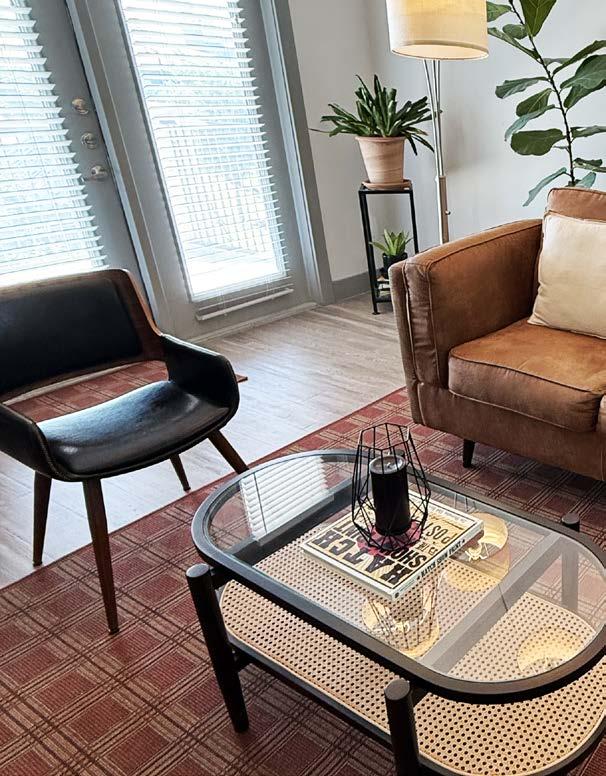

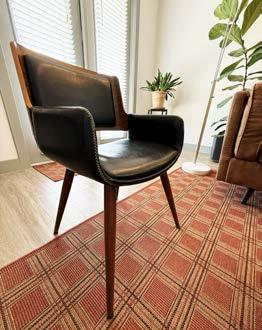
Midcentury modern style works best when mixed rather than perfectly matched. Here, sculptural chairs and retro-inspired lighting pair comfortably with a more contemporary rug and neutral palette.
Retro styles may come and go, but midcentury modern design has never really left us. Its warm woods, clean lines, and softly nostalgic charm continue to feel both timeless and livable— equally at home in a cozy apartment, a bustling family room, or even a nursery.
James MellanMatulewicz, creative director and interior designer for Bobbi Beck in Redruth, England, says the key to bringing midcentury modern style into a home is subtlety rather than strict devotion to a single aesthetic.
Mellan-Matulewicz says. “The important thing is keeping things relatively clutter-free, so the style has room to come through.”
“You don’t need to turn your home into a full set of Mad Men to get that midcentury modern feel,” he says. “A few wellplaced touches can completely shift the atmosphere. It’s really about mixing, not matching.”
That flexibility is part of what has kept the style relevant for decades. Midcentury modern design pairs easily with both minimalist and more layered interiors, adding warmth and personality without overwhelming a space.
“Whether your personal style leans more towards minimalist or maximalist, both can work with mid-century modern,”
“You don’t need to turn your home into a full set of Mad Men to get that midcentury modern feel.”
Rather than relying on heavily themed rooms or fast-moving trends, the look works best through thoughtful focal pieces and
natural textures. Warm wood tones— especially walnut and teak—are signature elements of the style, often appearing in coffee tables, sideboards, shelving, and dining furniture.
“If swapping out furniture isn’t realistic, there are smaller ways to bring it in,” MellanMatulewicz says. “Think wooden trays, a lamp base, or even simple shelving.”
Warm neutrals are at the heart of many modern midcentury-inspired spaces. Walnut tones, cognac leather, soft creams, black accents, and muted earth colors create the relaxed atmosphere that gives the style its enduring appeal.
For those who prefer a bolder look, touches of mustard, olive, teal, or terracotta can still bring in the playful retro spirit associated with the era.
“Mid-century modern interiors often balance neutrals with selective pops of retro color,” MellanMatulewicz explains.
For homeowners hesitant to fully commit to a retro-inspired look, even small accents can make a
noticeable impact. Cushions, rugs, ceramics, or even a single sculptural lamp can introduce the style gently while still feeling fresh and current.
Also important: not every element in a room has to fit perfectly within the same design category. Midcenturyinspired accents often work best when layered into contemporary spaces rather than arranged as a strict recreation of the past.
Well-chosen accents, such as sculptural chairs or retro-inspired lighting, can add vintage character to an otherwise modern space.
And increasingly, designers are bringing those touches into unexpected spaces — including nurseries.
“A nursery is one of the most delightful rooms to work with,” says Serina Lee, owner of Newborn Nursery Furniture in Pennsylvania. “It welcomes warmth, softness, and just a little personality.”
Lee suggests beginning with one or two foundational pieces, such as a crib or dresser with classic midcentury lines, then layering in softer accents such as geometric rugs, muted mobiles, or warm earth-tone textiles.
“The beauty of MCM lies in restraint,” she says. “Start
small: introduce a walnutlegged table, a sculptural arc floor lamp, or a single accent chair in warm mustard or terracotta.”
Ultimately, the enduring appeal of midcentury modern design may come down to its balance of simplicity and familiarity. A few thoughtful
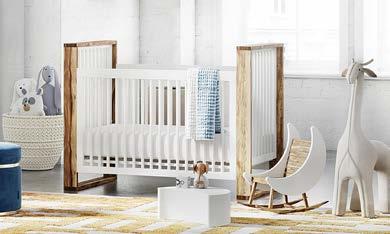
Increasingly, designers are bringing midcentury modern touches into unexpected spaces—including nurseries.
pieces are often enough to recall the warm, welcoming interiors of early Bewitched or The Dick Van Dyke Show spaces that still feel polished, livable, and inviting decades later. ❧
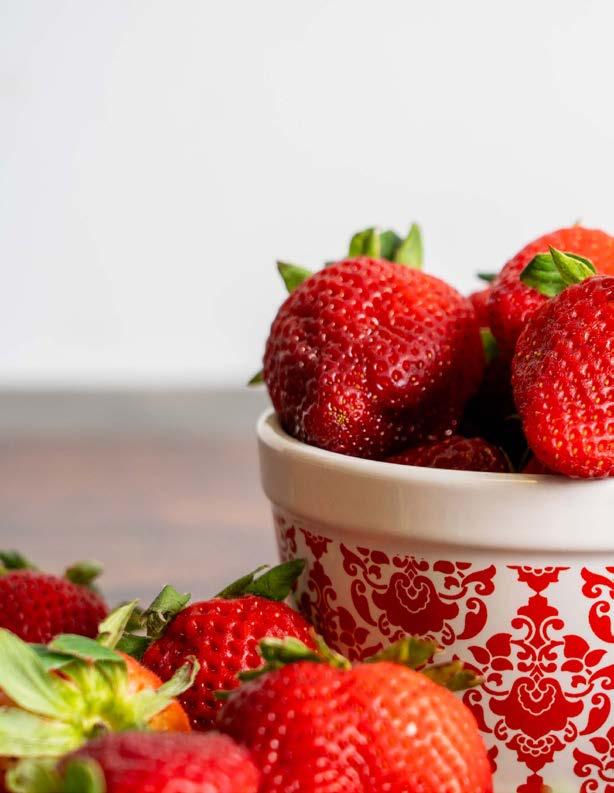
Why more people are growing strawberries, blueberries, blackberries, and raspberries at home.
There’s something undeniably charming about stepping outside on a summer morning and picking your own berries—still warm from the sun, sweet enough to eat straight from the vine, and beautiful enough to make even a small backyard feel a little magical.
And lately, more people are doing exactly that.
From sprawling country gardens to compact patio containers, home berry growing is having a moment this summer. According to Nikki Bruner of Perfect Plants, interest in edible gardening has steadily increased in recent years as more people become interested in knowing where their food comes from—and in creating outdoor spaces that are both beautiful and practical.
“We’ve definitely been seeing more interest in berries,” she says. “People are really getting into knowing what’s in food.”
Unlike some forms of gardening that can feel intimidating or slow to reward beginners, berries offer something much more approachable. “They’re a very easygoing start to gardening,” Bruner explains. “And you can get fruit in the first season. You don’t have to wait three to five years.”
That quick payoff is part of the appeal— especially for first-time gardeners.
Strawberries, in particular, remain a favorite for smaller spaces. Varieties such as Eversweet and Albion strawberries are prized for producing berries continuously throughout the growing season, especially with regular watering and harvesting. They
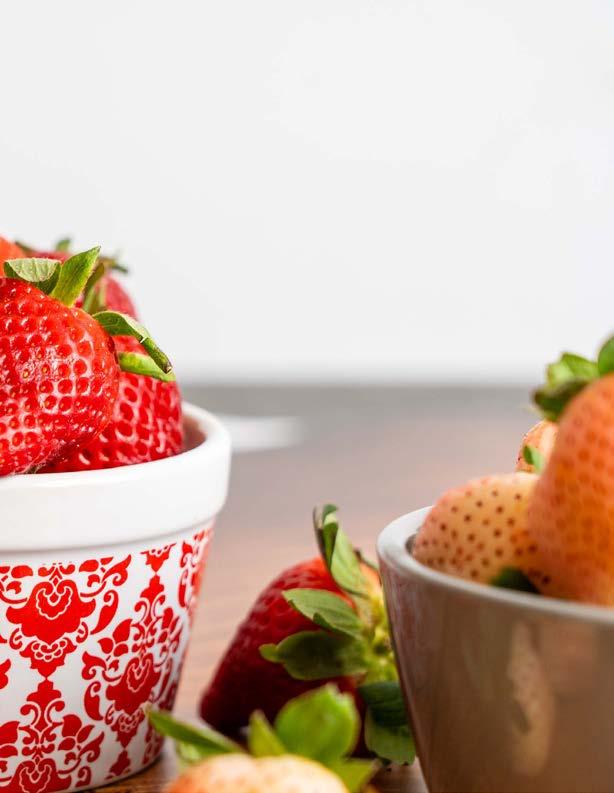
also adapt well to raised beds and containers, making them ideal for patios and urban gardens.
Blackberries are also becoming increasingly popular, especially thornless varieties that make harvesting simpler and more enjoyable. Bruner says Prime-Ark Freedom and Triple Crown blackberries are especially appealing because they’re productive, vigorous growers with relatively low-maintenance needs.
“They’re hard to kill once they’re established,” she says with a laugh.
Blueberries continue to be a Southern favorite as well. Rabbiteye blueberries, known for their heat tolerance and productivity, thrive in Southern climates when planted in acidic soil with consistent moisture. Bruner recommends planting multiple varieties together for crosspollination and better harvests.
But for many gardeners, the appeal goes beyond the fruit itself.
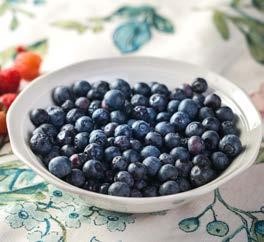
Berry plants support pollinators, add beauty to the landscape, and create a sense of connection —to the outdoors, to family traditions, and even to childhood memories.
When Pretty asked readers why they grow berries at home, many mentioned taste, cost savings, avoiding pesticides, and teaching children about gardening. Others spoke about nostalgia and family rituals.
One reader shared that her grandparents grew raspberries and said she hopes her future grandchildren will someday experience “the sweet joy of fresh raspberries and ice cream.” Another said growing berries has helped teach
One reader shared that she hopes her grandchildren will someday experience
“the sweet joy of fresh raspberries and ice cream.”
her children valuable life skills while providing fresh ingredients for cooking from scratch. And unlike larger fruit trees, berry plants can fit naturally into everyday life. Compact enough for raised beds, patios, and smaller yards, they offer a manageable way to begin edible gardening without needing a full backyard orchard.
Perhaps that’s part of the reason berry gardening feels so appealing right now: it’s practical without feeling purely utilitarian. It’s productive, but also pretty.
A basket of blueberries on the counter. Strawberry plants spilling over a patio planter. A child with purple-stained fingertips after picking blackberries straight from the vine.
Sometimes the loveliest part of a garden is also dessert. ❧
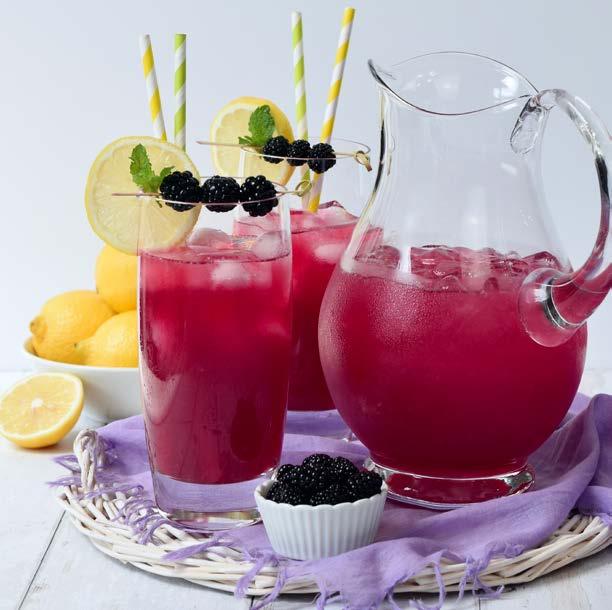
Lemon blueberry squash muffins and shortcut blackberry lemonade make an easy pairing for porch brunches, berry-picking weekends, and slow summer afternoons.
For Kathleen Phillips cookbook author, creator of Grits and Gouda , and former test kitchen director for the Southern Living cookbook division—summer berries are more than ingredients. They are memories. “Cooking with berries takes me right back to my childhood,” she says. “We made enough strawberry freezer jam every summer to last us through the next berry-picking season.”
Today, Phillips grows berries whenever possible and uses them in fresh, easy recipes—the kind of food that belongs on a porch table with sunlight streaming through the windows and condensation dripping down a glass pitcher.
“There’s something so satisfying about eating what you grew yourself,” she says.
That colorful spirit shines in her Lemon Blueberry Yellow Squash Muffins and Shortcut Blackberry Lemonade—two recipes that taste unmistakably like summer.
Though blueberries are her favorite berry to bake with, Phillips says she loves mixing berries together for even more flavor.
little flecks of yellow simply look like lemon zest.”
The result is a soft, lemony muffin bursting with blueberries and just enough brightness to feel fresh rather than heavy. Paired with blackberry lemonade—swirled with homemade berry syrup and garnished with mint and lemon slices—the recipes create a spread that feels equally at home at brunch, a baby shower, or a casual family gathering.
To Phillips, that easygoing versatility is exactly what summer cooking should be.

“Strawberries, blueberries, blackberries—they just make each other better,” she says.
The muffins may sound unexpected at first glance, thanks to the addition of yellow squash tucked into the batter. But Phillips says the idea came from another beloved summer classic.
“I knew how shredded zucchini makes zucchini bread so moist without adding extra fat,” she explains. “I figured yellow squash would do the same thing for a lighter-colored muffin. Any
“A summer-ready recipe means I’m not heating up my kitchen,” she says. “The ingredients are fresh and light, and nobody’s leaving the table feeling like they need a nap.”
Fresh herbs also play a starring role in her warm-weather cooking.
“Mint is fabulous combined with berries,” she says. “You don’t need much to gild the lily when the berries are already fresh and flavorful.”
And really, that may be the secret behind the prettiest summer meals of all: simple ingredients gathered at their peak, with enough color and flavor to make an ordinary afternoon feel special. ❧
“Cooking with berries takes me right back to my childhood. We made enough strawberry freezer jam every summer to last us through the next berry picking season,” Phillips says.
Makes 12 muffins
Ingredients
2 large eggs
½ cup vegetable oil or melted butter
1 cup shredded yellow squash
1 cup sugar, plus 2 tablespoons for topping
1 tablespoon lemon zest
1 tablespoon lemon juice
2½ cups all-purpose flour
2 teaspoons baking powder
½ teaspoon salt
1 cup fresh blueberries
Directions
Preheat oven to 350°. Line 12 muffin cups with paper liners.
In a large bowl, whisk together eggs, oil, squash, 1 cup of sugar, lemon zest, and lemon juice. Stir in flour, baking powder, and salt just until combined. Fold in blueberries.
Divide batter among muffin cups and sprinkle tops with remaining sugar. Bake 20 minutes, or until a toothpick inserted in center comes out clean. Cool 5 minutes before removing from pan.
Makes about 8 servings
Ingredients
2 cups fresh blackberries
¼ cup granulated sugar
2 tablespoons water
1 (52-ounce) container prepared lemonade Ice, fresh blackberries, lemon slices, and mint sprigs for garnish
Directions
Combine blackberries, sugar, and water in a saucepan. Bring to a boil; reduce heat and simmer 5 minutes, gently mashing berries to release juices.
Pour mixture through a fine mesh strainer into a bowl, pressing lightly to extract juice. Discard pulp.
Stir blackberry syrup into lemonade. Serve over ice with lemon slices, blackberries, and mint, if desired.
Lovely for porch brunches, baby showers, and summer gatherings.
Photos and recipes, © Kathleen Phillips/Grits and Gouda For more Southern shortcut recipes, visit GritsAndGouda.com .
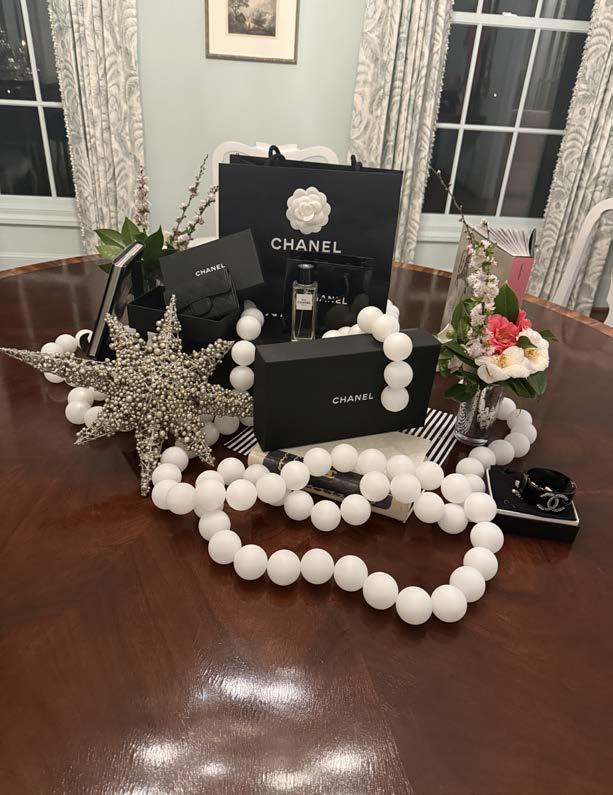
How one women’s gathering turned timeless Chanel style into an elegant afternoon with friends
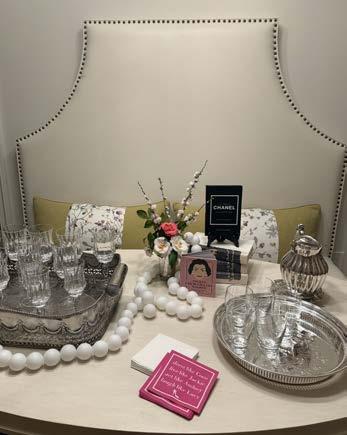
Black-and-white details. Strands of pearls. Fashion books stacked beside silver trays and fresh flowers. For one longtime women’s study club, a Chanel-inspired gathering became the perfect blend of fashion history, feminine entertaining, and thoughtful conversation.
The idea came from hostess Janet Crowder, a member of a women’s study club more than a century old—part of a tradition that began when women often had limited educational opportunities and created their own spaces for learning, discussion, and cultural exchange through gatherings in one another’s homes.
The club’s annual theme centered around women considered “gamechangers,” and Crowder chose Coco Chanel for her lasting influence on fashion and modern women’s style.
“I thought we could do something fun by dressing in something inspired by Chanel,” she says. For guests, that often meant simple, timeless touches many already had on hand: black-and-white outfits, strands of pearls, tweed jackets, ballet flats, or a swipe of classic red lipstick.
For décor inspiration, Crowder immersed herself in books and films about Coco Chanel’s life and legacy. The resulting atmosphere felt stylish but
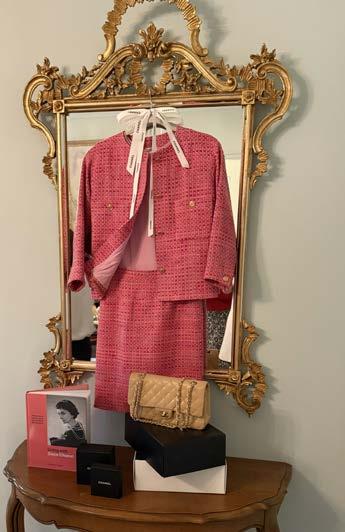
Coco Chanel’s influence extends to black-andwhite outfits, pearls, tweed jackets—even a swipe of red lipstick.
approachable, with blackand-white accents, strands of pearls, candlelight, and books about Chanel fashion. For flowers, the choice was simple: “The only flowers Coco Chanel actually liked were camellias,” Crowder explains. A fashion-loving friend also lent Crowder a few authentic Chanel pieces for the gathering, but much of the atmosphere came from details almost anyone could recreate at home.
In addition to whimsical cookies decorated with Chanel’s classic double-C logo, the menu featured cucumber sandwiches, little bites, and of course, an assortment of cheeses— because Coco Chanel was French, after all.
Crowder believes Chanel’s influence still resonates because so many of the designer’s once-revolutionary ideas eventually became staples of modern women’s wardrobes.
“So much of how we dress now really started with her,” she says, noting Chanel’s influence on everything from cardigans and costume jewelry to women’s trousers and relaxed silhouettes.
For readers inspired to host their own fashionthemed gathering, Crowder suggests starting with simple touches rather than expensive purchases. Faux
pearl strands, neutral colors, borrowed accessories, and a favorite fashion book can create instant Parisian charm. She even suggests adapting the idea for a book club or movie night inspired by Coco Chanel’s life and style.
The result? A gathering that feels timeless, feminine, and delightfully personal—proof that entertaining with style is less about extravagance and more about thoughtful details shared with friends. ❧
Send guests home with a couple of macarons tucked into a pretty blackand-white box or ribbon-tied bag. For one lucky guest, let a fashion-inspired coffee table book double as the afternoon’s door prize.

The stories, ideas, and unforgettable characters we’re taking with us into summer.

SHAWNELLE ELIASEN:
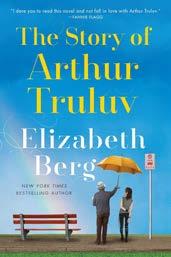
“These characters reach over age and stage-of-life differences to form a family of choice, all while experiencing deeply emotional issues: aging, death, loss, grief, loneliness. Berg hits the depths while also allowing for sweet, funny things that lift the heart. And her imagery is pure magic.”
The Story of Arthur Truluv by Elizabeth Berg


EMMA CAROLINE BROWN:
“This fantastic blend of true crime and Southern gothic draws from the author’s actual experience of being caught in the midst of a high-profile murder trial in Savannah, GA. I love the lush descriptions of Savannah’s eccentric culture.”
Midnight in the Garden of Good and Evil by John Berendt
GINGER STEWART:

JODY EVANS:
CELESTE McCAULEY:
“Funny, comforting, and wise, this feels like a conversation with a witty friend. Poehler’s stories and insights about confidence, comparison, and embracing imperfection make this one worth revisiting.”
Yes Please by Amy Pohler
“My friend Irene’s latest work of adult fiction was so convincing that I actually had to look up whether Emily Dickinson had ever traveled to Paris! Irene imagines Dickinson and Vincent Van Gogh falling madly in love, which was enough to sell me because that totally should have happened! And my friend Hannah’s book is so wonderful that I’ve bought stacks to give as baby shower gifts.”
Some Starry Night by Irene Latham
The Good Shepherd and the Stubborn Sheep by Hannah Harrison
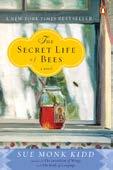
“The imagery in this book is so rich that I feel like I would have been friends with the main character. It’s been my favorite for many years.”
The Secret Life of Bees by Sue Monk Kidd
The Aleca Zamm Wonder-Ful Collection by Ginger Rue

Longtime readers may know Pretty founder and editor Ginger Stewart by another name: Ginger Rue. This boxed set collects the first four books in her Aleca Zamm series, featuring a spirited ten-year-old with the remarkable ability to stop time.

Personalized Father’s Day
M&Ms Jar, $32.09
A sweet throwback to childhood candy counters—with custom colors and messages just for Dad. Almost too cute to share.

BBQ Gift Basket , $122
For the dad who loves to grill. Packed with barbecue-ready snacks, sauces, and savory treats.
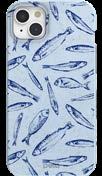
Pela Fishery Phone Case, $52
A little coastal charm for the dad who’s happiest near the water. Durable, sustainable, and far better looking than the average phone case.



Oakley Eyejacket Redux Sunglasses, $249
A classic pair of polarized shades for dads who spend plenty of time behind the wheel, on the water, or in the sun.
Amazon Essentials Stretch Chino Pants, $21 Easy to dress up or down, these bestselling chinos have thousands of strong reviews and come in a wide range of sizes and fits—a welcome find for hard-to-shop-for dads.
Amber Glass Coffee Mugs, $15
A retro-inspired set that makes morning coffee feel just a little cooler.
Mulberry Silk Eye Mask , $29
A small luxury for dads who spend plenty of time in the air—or simply appreciate uninterrupted sleep.

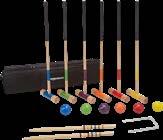
Amazon Basics Croquet Set, $52
A nostalgic backyard classic that turns any summer afternoon into an occasion. Includes six wooden mallets and a carrying case for easy family game nights on the lawn.
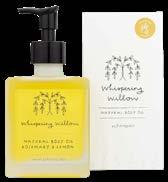
Whispering Willow Rosemary & Lemon Body Oil , $30 Sunny, herbaceous, and quietly luxurious. Kitsch Fruity Summer Trio Hair Perfumes, $39
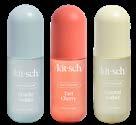
Three sun-drenched scents that feel like summer vacation in a spritz.
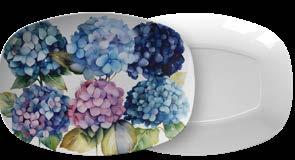
Hydrangea Serving Platter, $49.95
A charming addition to summer tablescapes, from garden luncheons to breezy porch dinners.
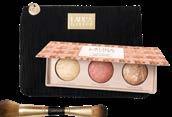
Geller on the Go Travel Kit by Laura Geller, $69
A polished little beauty wardrobe for weekends away, summer trips, and touch-ups on the go.
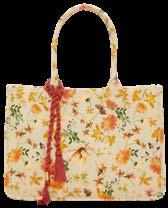
A cheerful floral carryall for summer errands that deserve a prettier bag.

La Petite Presse Lemon Boxed Notes, $14.99
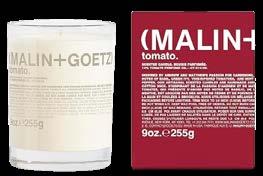
MALIN+GOETZ Tomato Candle, $57.80
A cult-favorite candle that smells like summer gardens, sunwarmed tomato vines, and open kitchen windows.
For thank-yous, thinking-of-yous, and the increasingly rare art of handwritten notes.


On my knees in the garden, there’s a stirring in my soul. Maybe it’s the cadence of the breeze. Or the way the midday sun gilds my shoulders gold. It could be the satin softness of flower petals or the ruby red of berries on the vine. Beside me, my Labrador, Hazel, breathes deeply and sighs, and I know she feels the stirring, too. I run my fingers along the length of her snout before returning to the soil. I work without gloves until my nails are dark half-moons because I can’t bear to forfeit the feel of warm earth in my hands.
I hum as I work.
When our five sons were small, we once stumbled upon an antique shop tucked among the blue-green pines of the Michigan woods. We were heading to our favorite lake, but after hours in the car, the boys strained against their seatbelts. My husband turned onto a rural road, and when we stopped, our sons spilled from the van like marbles from a jar. We gathered them up and walked along the gravel road to tire their legs.
The antique store had a Hansel-and-Gretel charm, with ivy spilling from window boxes and tiny lights flickering like candle flames behind calico curtains. When we stepped inside, a bell tinkled overhead like magic, and the sight of homespun quilts stirred longing in my heart. I bought a candle scented like braised pears and a CD that had been playing softly in the background:
In a Cottage Garden.
The music was instrumental. Gentle. And each time I listened—and I listened often over the years—
In the quietest corners of my soul, there was fresh growth . . . like a tightly closed bud waiting for the exact moment to unfurl.
I felt as though something inside me were growing. Not outwardly, thank goodness; the Lord had already made me five-footthirteen. But inwardly. The music awakened a desire to go deeper, to seek greater beauty, to savor all that was lovely to the fullest degree.
In the quietest corners of my soul, there was fresh growth, like the yellow-green tips of spruce branches in spring. Or like a tightly closed bud waiting for the exact moment to unfurl. The music awakened something that had been sleeping. The weary, dissatisfied places where appreciation for the ordinary had quietly withered became fertile ground again. Fresh foliage seemed to bloom
within me, green and lush, twining around my ribs like ivy climbing a garden gate. Tendrils curled into hollow spaces the way my babies’ curls once brushed against my cheek.
I was full.
I feel the same fullness now as I run my fingers down feathery stalks of yarrow and snip blooms for a tabletop bouquet. I hum and snip while the basket beside me grows fuller and fuller. Across the garden are beds of heirloom tomatoes and peppers in every variety. Rhubarb stretches in leafy patches. A raised shade garden holds ferns transplanted from our former home alongside


tender spinach leaves. Elsewhere, hidden treasure grows beneath the soil— onions, radishes, beets, and kohlrabi quietly flourishing underground.
I’m deeply comforted knowing that what my garden gives will nourish my family. It is an offering from me, too.
I move from yarrow to echinacea and continue humming. I snip a red bloom, then a purple one. My song grows louder. No one is around, and even if they were, I wouldn’t care.
My thoughts begin turning like pages of sheet music, and soon I’m thinking of my heritage. My maternal grandfather grew a half-acre of raspberries that Mamo and their little girls harvested while wearing sunbonnets folded from newspaper. Those berries became scarlet jam sold at the small-town store. My paternal grandfather planted a garden wide and deep enough to feed a family of thirteen through harsh Midwestern winters. No bank vault ever held anything more valuable
than the green-tinted Ball jars lining their cellar shelves.
My daddy has always planted a garden, beginning each season with seeds saved from the last tomatoes his own father ever grew. And I have always planted one, too.
This love of growing things rooted itself deeply in our sons as well. The city dwellers tend container gardens. Those with land grow pumpkins, broccoli, melons, and squash. Our middle son, now living in the South, grows flowers native to his adopted home.
As I move along the flowerbed, snipping blooms, I realize gardening itself behaves like a living plant—rhizomes stretching backward into the past and forward into the future. Like strawberry runners meandering through generations, finding new places to take root.
Here in the garden, every burden feels lighter.
I snip my final flower and stand tall to stretch my legs. When I reach for my basket, Hazel lets out a low moan and rises too. She shakes herself as though scattering sunbeams, then ambles beside me while we
pick tomatoes warm from the vine, each one large enough to fill my palm. The branches spring back lightly in gratitude, and somehow, I feel the same way.
Here in the garden, every burden feels lighter. I have gathered fruit from the past and planted something for generations yet to come. And today? Today there will be colorful foods on the table and the sweet scent of
summer flowers drifting through the little cottage my husband and I call home.
And there will be music, too, because the song of the garden is peace. ❧
Shawnelle Eliasen writes from Iowa, where she lives with her husband, Lonnie, and their dog, Hazel . You can read more of her work in Walking in Grace and Goodbye to a Good Dog.

Coffee Order: Hot hazelnut coffee with cream and sugar.
Favorite Escape: “Sitting on the beach with my husband.”
Recent Read: “I borrowed Jennifer Weiner’s Big Summer for a trip to Barbados and really enjoyed it.”

Creative Outlet: Crafting projects. “The girls online will teach you how to do anything,” she laughs. “You can really go down a rabbit hole.”
Best Advice: “Stay open. Things have a way of working themselves out better than you can imagine.”
Most Meaningful Role: Motherhood. “That love is so unconditional and overpowering; you can’t compare it to anything else.”
Beautiful Life: “Time to enjoy the people around you. It goes so fast.”

Raleigh, NC
As the mother of three children under six, Bree describes life at home as a “cacophony at all times.” From “insane” mornings (getting everyone dressed and out the door) to dinner to the “mad dash” to get the kids to bed, she says, “the days fly by.”
A former professional dancer, Bree had two hip replacements after the birth of her first child: “My son and I learned how to walk together,” Now a litigation attorney at a small firm in a restored historic mansion, she enjoys quiet walks near her office on demanding days.
Many know Bree from her work as an online fitness trainer and model. (Her videos are available through The Sculpt Society and FitOn.) Bree’s love of movement remains a constant, whether creating fun dance videos with coworkers or simply keeping up with her children.
Whatsoever things are lovely...think on these things. (Phil.4:8, KJV)

“Nothing makes a woman more beautiful than the belief that she is beautiful.”
–Sophia Loren
Take chances, make mistakes. That’s how you grow. Pain nourishes your courage. You have to fail in order to practice being brave.
–Mary Tyler Moore
In times of stress, the best thing we can do for each other is to listen with our ears and our hearts and to be assured that our questions are just as important as our answers.
–Fred Rogers

True humility is not thinking less of yourself; it is thinking of yourself less.
– CS Lewis
The tragedy of a man’s life is what dies inside of him while he lives.
– Albert Schweitzer
You cannot swim for new horizons until you have courage to lose sight of the shore.
–William Faulkner
Being left out is often God’s way of saying: I didn’t want you there.
–TobyMac
The buying of more books than one can read is nothing less than the soul reaching toward infinity.
–A. Edward Newton
“The one who follows the crowd will get no further than the crowd. The one who walks alone will find himself places no one has ever been.” –Albert Einstein
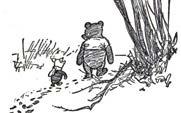
“Piglet noticed that even though he had a very small heart, it could hold a rather large amount of gratitude.”
–AA Milne, The House at Pooh Corner
If life weren’t funny it would just be true, and that’s unacceptable
–Carrie Fisher
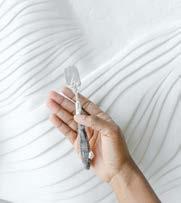
Whenever you are creating beauty around you, you are restoring your own soul.
–Alice Walker