8 Ways Rapid Tooling Reduces Lead Time Without Compromising Precision
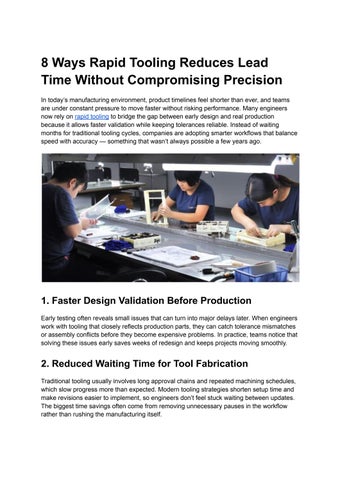
In today’s manufacturing environment, product timelines feel shorter than ever, and teams are under constant pressure to move faster without risking performance. Many engineers now rely on rapid tooling to bridge the gap between early design and real production because it allows faster validation while keeping tolerances reliable Instead of waiting months for traditional tooling cycles, companies are adopting smarter workflows that balance speed with accuracy something that wasn’t always possible a few years ago.
1. Faster Design Validation Before Production
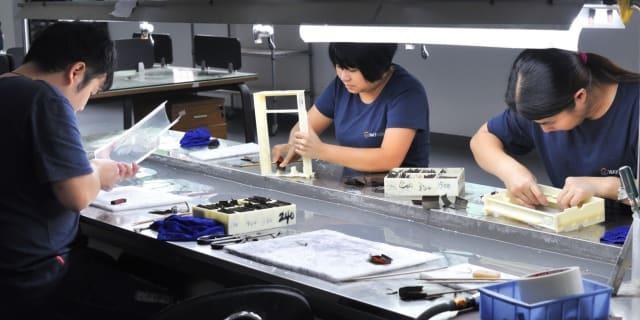
Early testing often reveals small issues that can turn into major delays later When engineers work with tooling that closely reflects production parts, they can catch tolerance mismatches or assembly conflicts before they become expensive problems In practice, teams notice that solving these issues early saves weeks of redesign and keeps projects moving smoothly
2. Reduced Waiting Time for Tool Fabrication
Traditional tooling usually involves long approval chains and repeated machining schedules, which slow progress more than expected Modern tooling strategies shorten setup time and make revisions easier to implement, so engineers don’t feel stuck waiting between updates The biggest time savings often come from removing unnecessary pauses in the workflow rather than rushing the manufacturing itself
3. Seamless Integration With Digital Engineering Workflows
Today’s product development relies heavily on CAD models and simulation data, and tooling processes are evolving to match that digital mindset When design files move directly into manufacturing systems, teams avoid manual errors and gain flexibility during iteration Designers often experiment more freely because testing new ideas no longer feels risky or slow
4. Optimized Material Selection Without Delays
Choosing the right material is rarely straightforward, especially when durability and cost both matter Flexible tooling approaches allow engineers to test multiple options without committing to permanent molds too early For example, consumer electronics teams often experiment with different alloys during development so they can compare real performance instead of relying only on simulations.
5. Improved Accuracy Through Advanced Machining
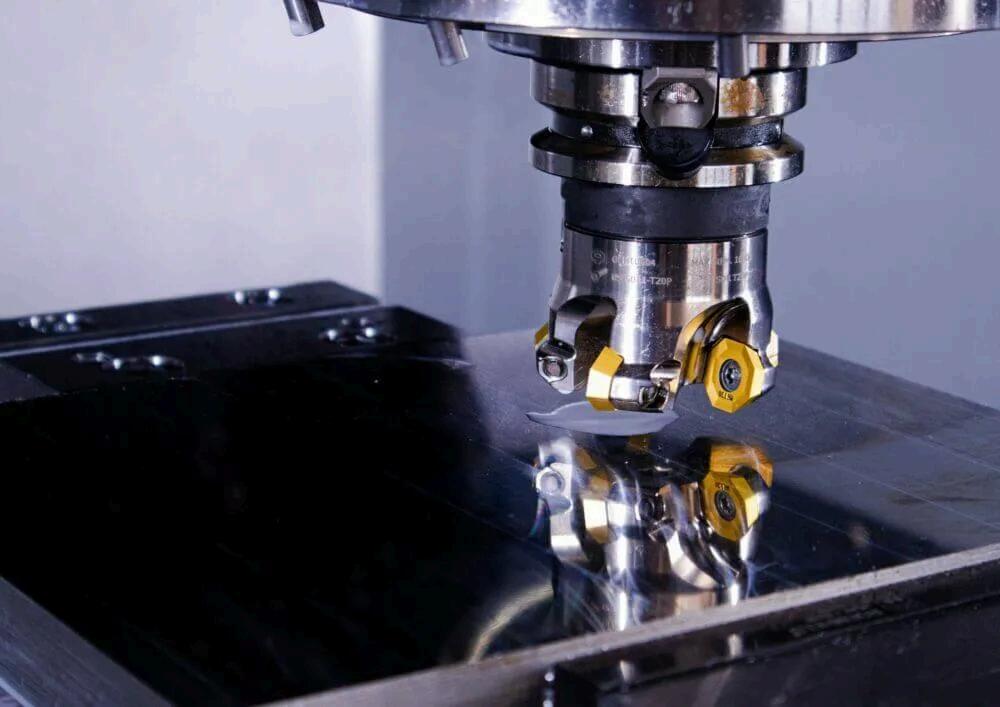
Fast-moving projects still depend on reliable machining processes to maintain consistent geometry. By integrating cnc precision machining into modern tooling workflows, manufacturers can achieve smoother surface finishes and tighter tolerances even when timelines are compressed On the shop floor, many teams notice that accurate early-stage components reduce the need for rework during final assembly
6. Lower Risk of Costly Production Errors
Production challenges often appear only when manufacturing scales up, which is why early validation matters so much Faster tooling cycles enable realistic trial runs that reveal misalignment, fit issues, or material behavior before full production begins. Instead of reacting to problems after launch, engineers can refine designs while timelines are still flexible
7. Efficient Scaling From Prototyping to Low-Volume Production
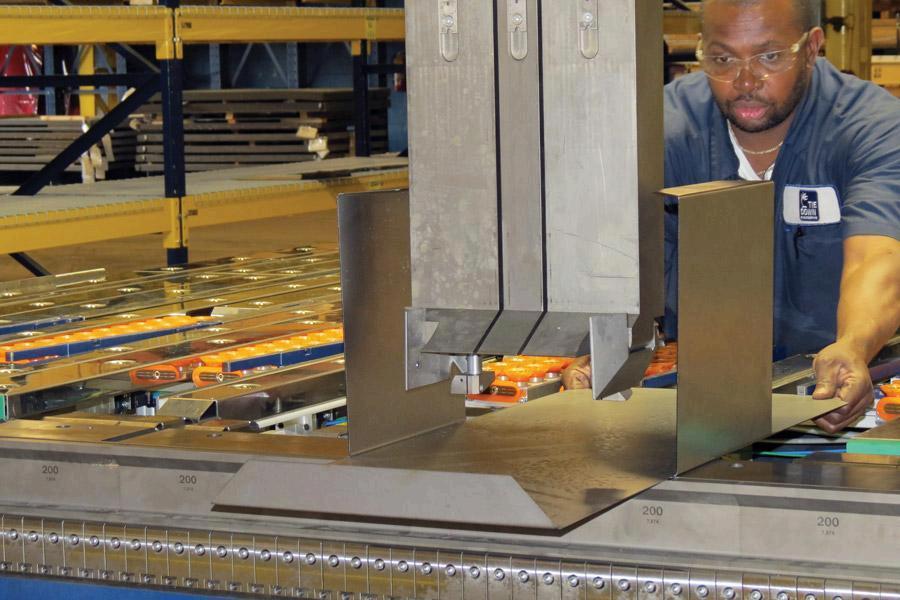
Moving from prototypes to small production batches is a stage where many projects slow down. Traditional tooling may feel excessive for limited quantities, while basic prototypes lack durability for real testing Techniques like sheet metal prototyping give teams a flexible solution that allows quick adjustments while still reflecting real production performance
8. Enhanced Collaboration Between Design and Manufacturing Teams
When tooling cycles become faster, communication between designers and manufacturing specialists improves naturally Teams can test ideas, adjust dimensions, and refine features without waiting weeks for feedback This quicker collaboration often leads to more creative solutions while still meeting strict tolerance requirements
Why Speed and Precision Now Work Together
For years, manufacturers believed they had to choose between fast production and high accuracy Many experienced engineers remember projects where rushing timelines created quality issues that slowed everything later. Today, digital workflows, smarter tooling strategies, and better machining technologies allow speed and precision to exist side by side helping teams stay competitive without sacrificing reliability
Industry Applications Driving Adoption
Across industries, the demand for faster and more dependable manufacturing continues to grow Automotive companies accelerate testing cycles, consumer electronics brands respond quickly to market trends, and startups rely on flexible tooling to turn concepts into
functional products faster Procurement teams also benefit because shorter lead times make inventory planning more predictable and reduce supply-chain uncertainty.
Moving Toward Smarter Manufacturing Decisions
Choosing the right manufacturing partner plays a key role in turning ideas into reliable production outcomes At Premium Parts Manufacturing Limited, we focus on practical collaboration, advanced machining workflows, and dependable solutions that help businesses move faster without sacrificing precision To explore our approach to modern manufacturing, visit http://wwwpremiumparts com/