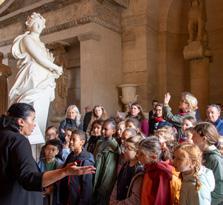
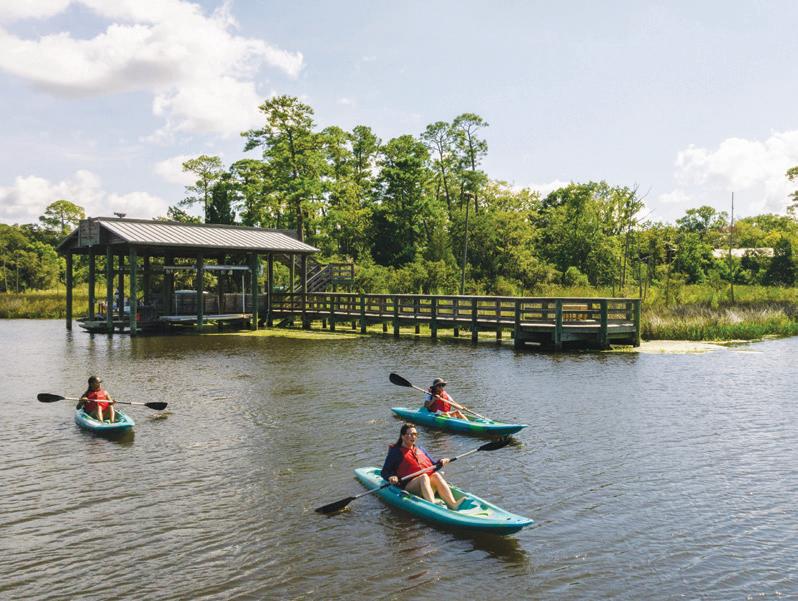
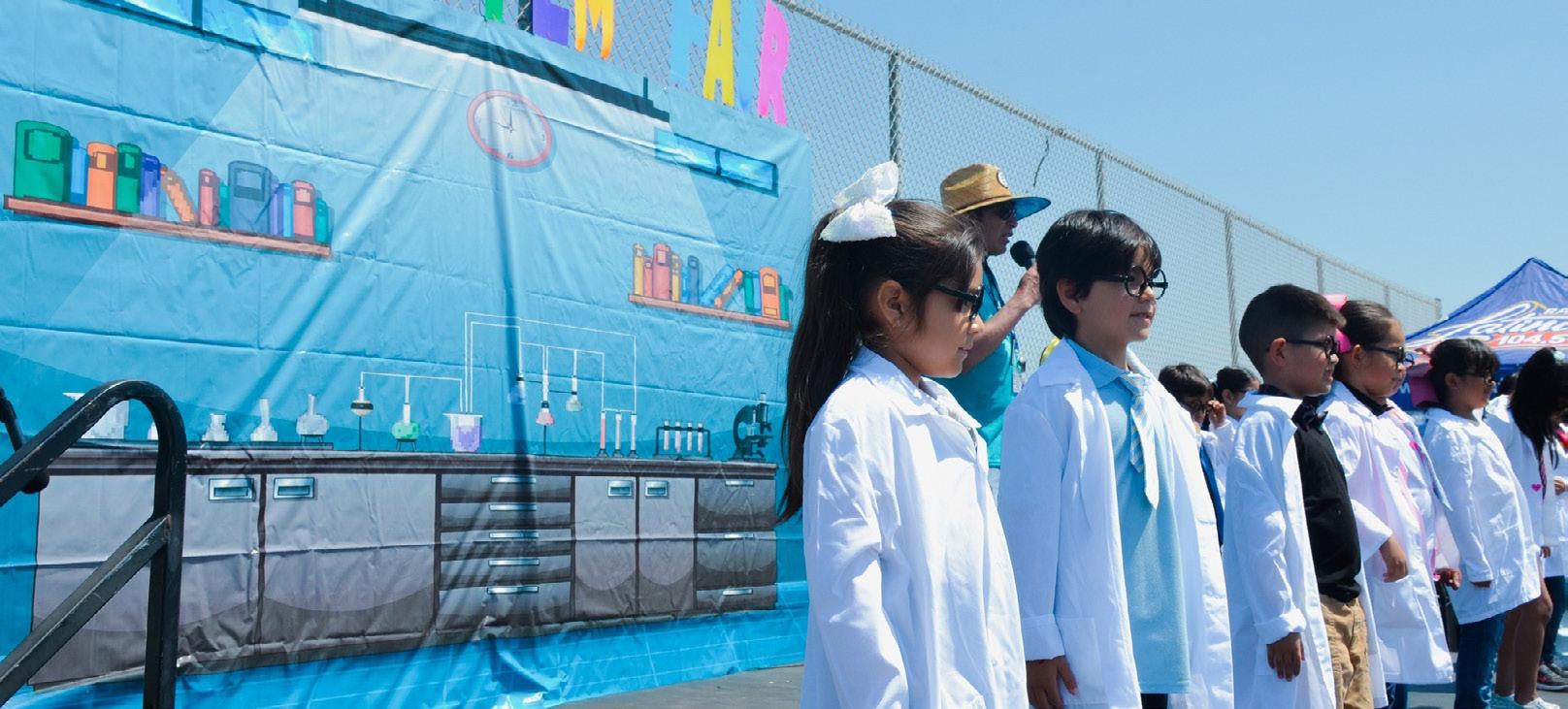
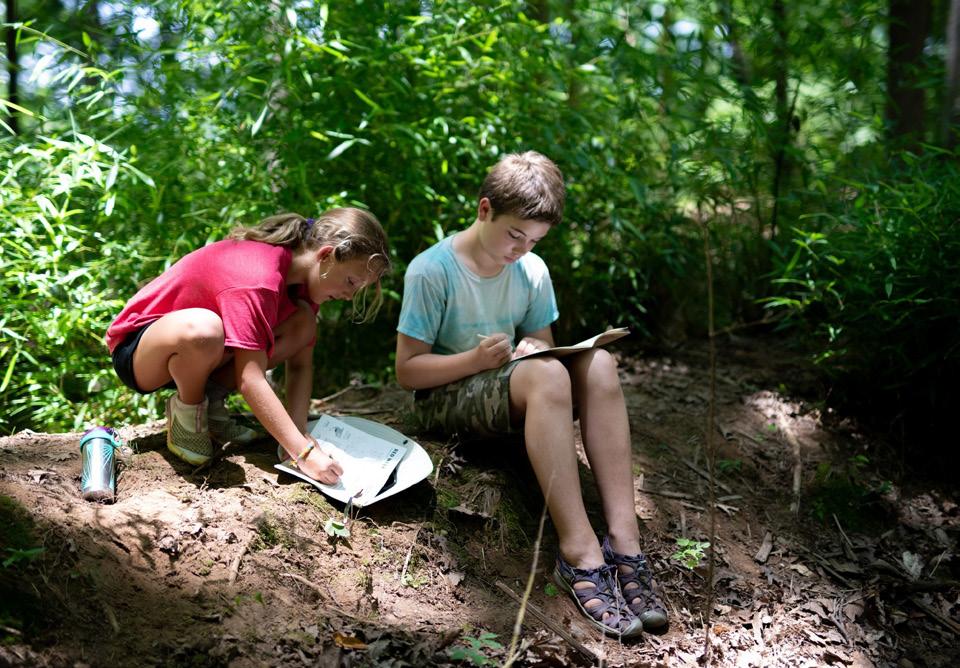
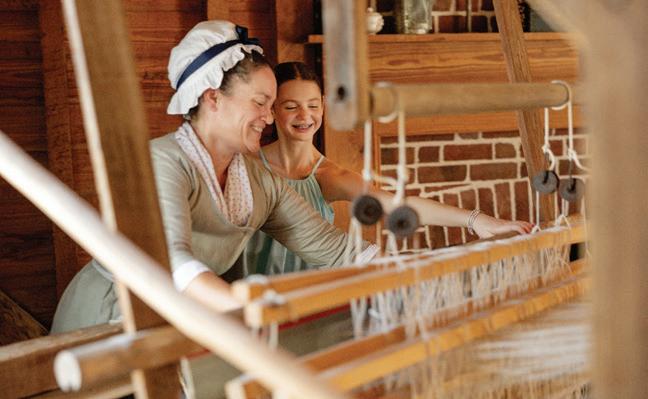
Top Hands-On Programs for Immersive & Experiential Learning Journeys
Students become the makers, historians, scientists and engineers during interactive workshops for kindergarten through high school groups PLUS …
Mindful Travel Tips for Student Tours
Culinary Curriculum: Educational Food Experiences
Where the Journey Becomes a Profound Lesson
What if your students could step into the role of scientists and engineers in simulated environments that mimic real-life challenges? How about the opportunity to become chefs in authentic kitchens during hands-on opportunities, where food science becomes tangible?
What if young learners could move beyond traditional field trips and experience a world of possibilities on an international scale, immersed in illuminating culture and valuable interactions?
Experiential learning is at the heart of student travel today. With so many fascinating locations around the globe, each offering something unique, we understand that planning is both an intricate and essential part of a successful experience.
That’s why, over the past year, Student Travel Pro has taken a deep dive into emerging educational travel trends while listening closely to the real questions educators are asking.
The result—our carefully curated, must-read 2026 Student Travel Planning Guide, designed to support teachers and trip planners with timely insights to important topics, practical strategies, standout destinations and meaningful inspiration.
ON THE COVER:
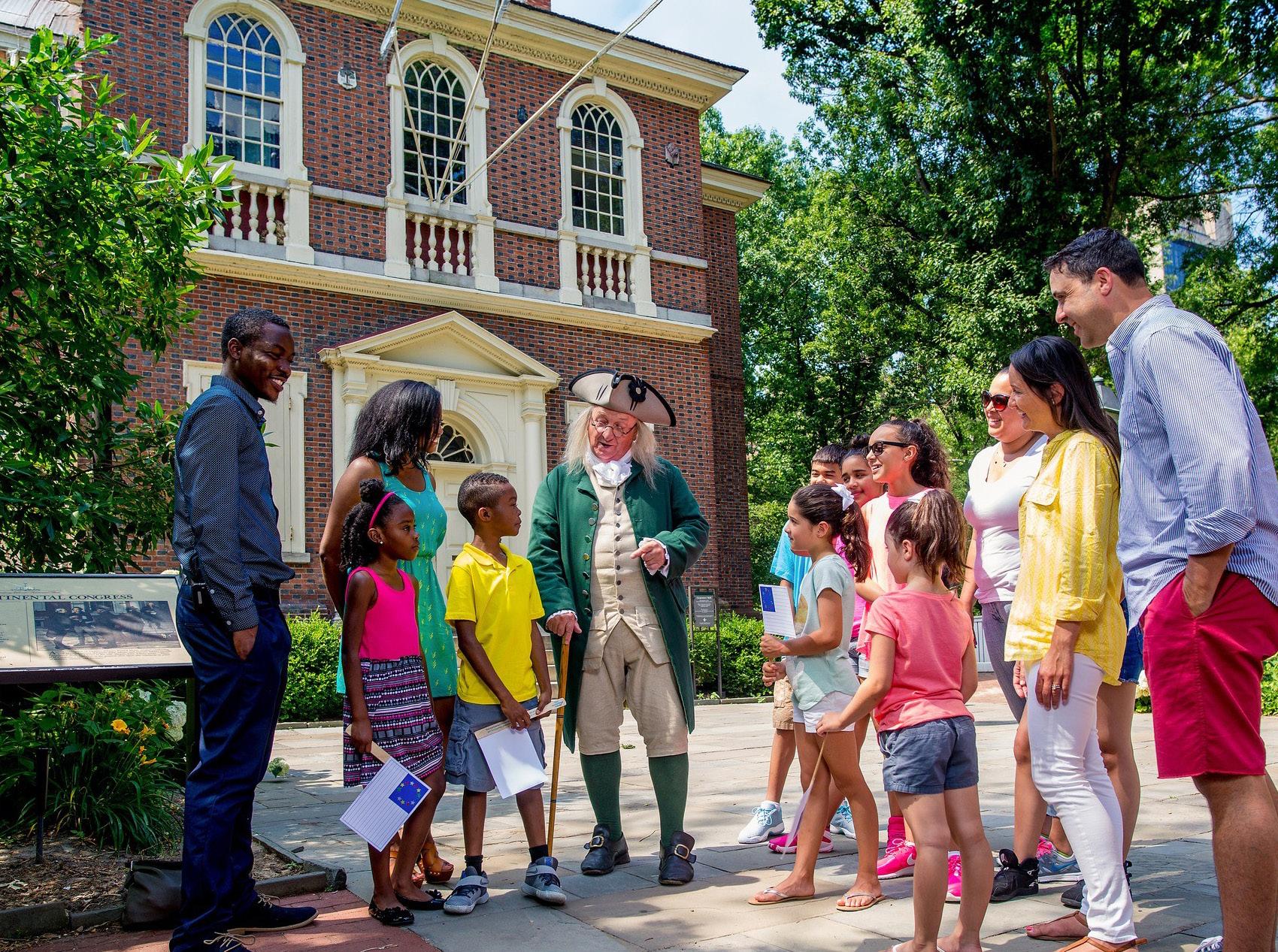
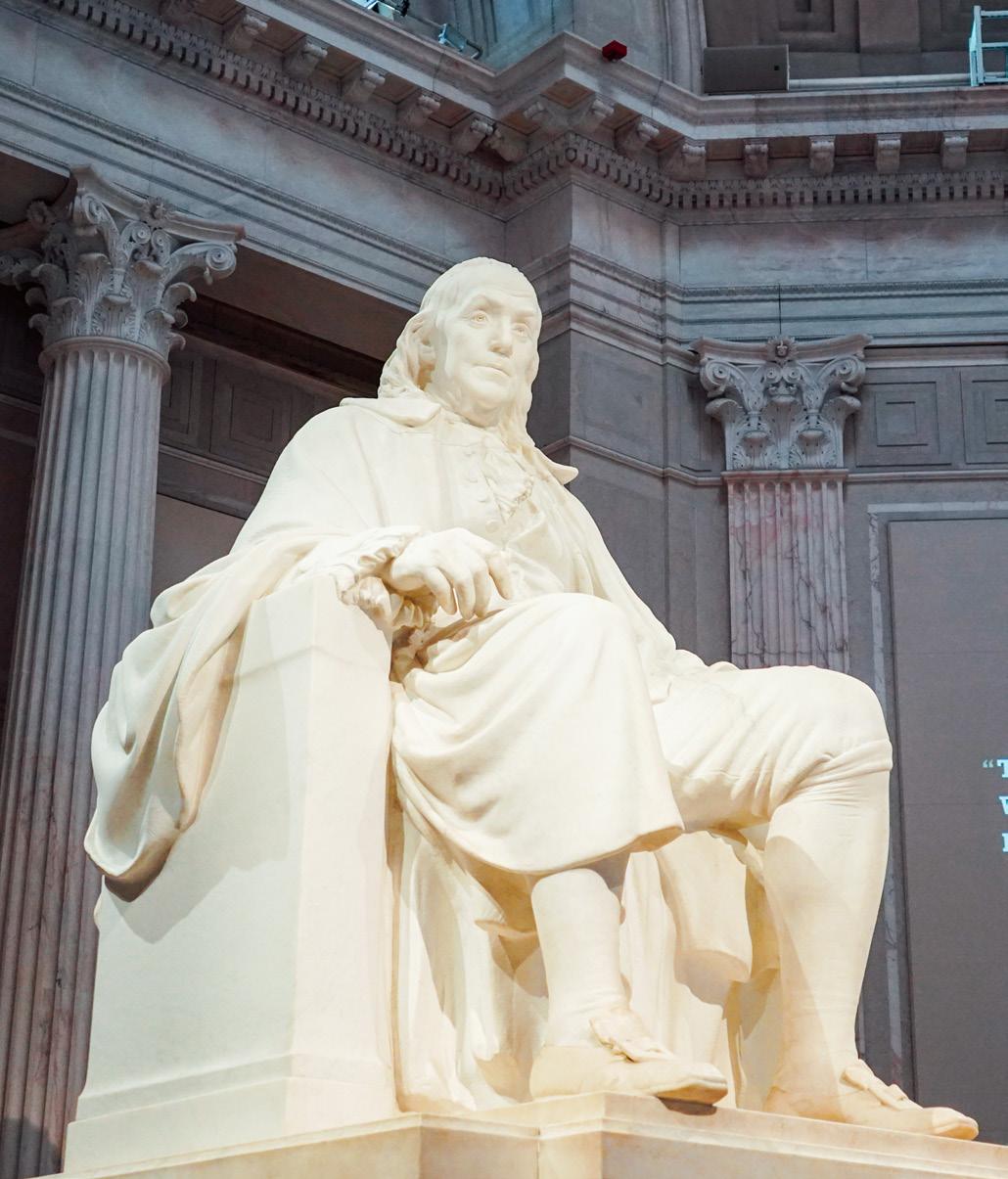
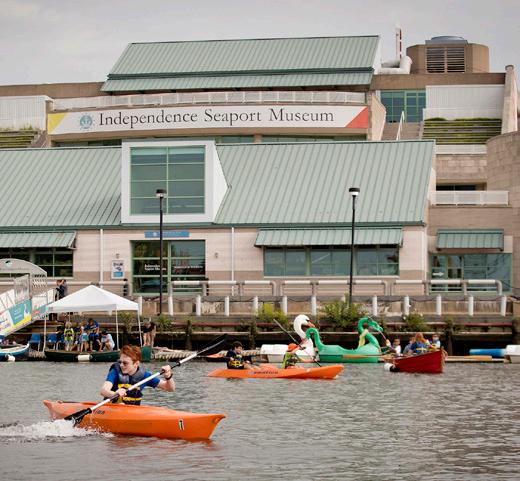
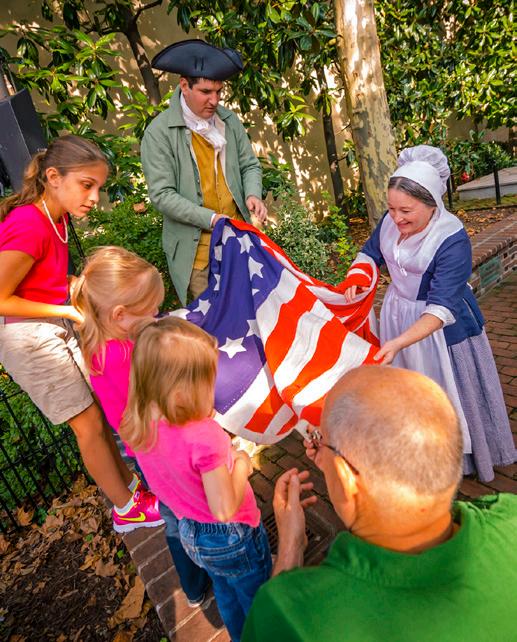
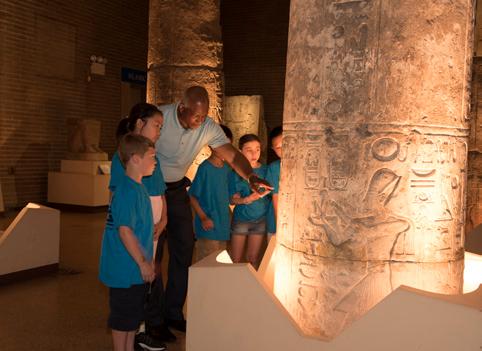
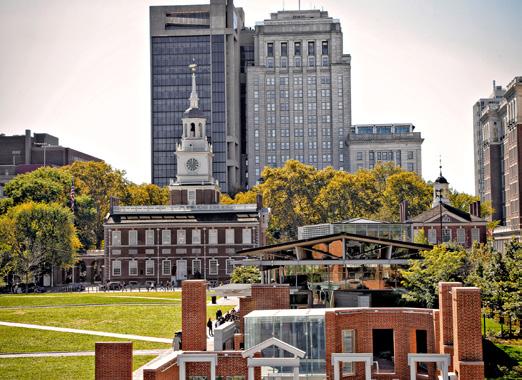
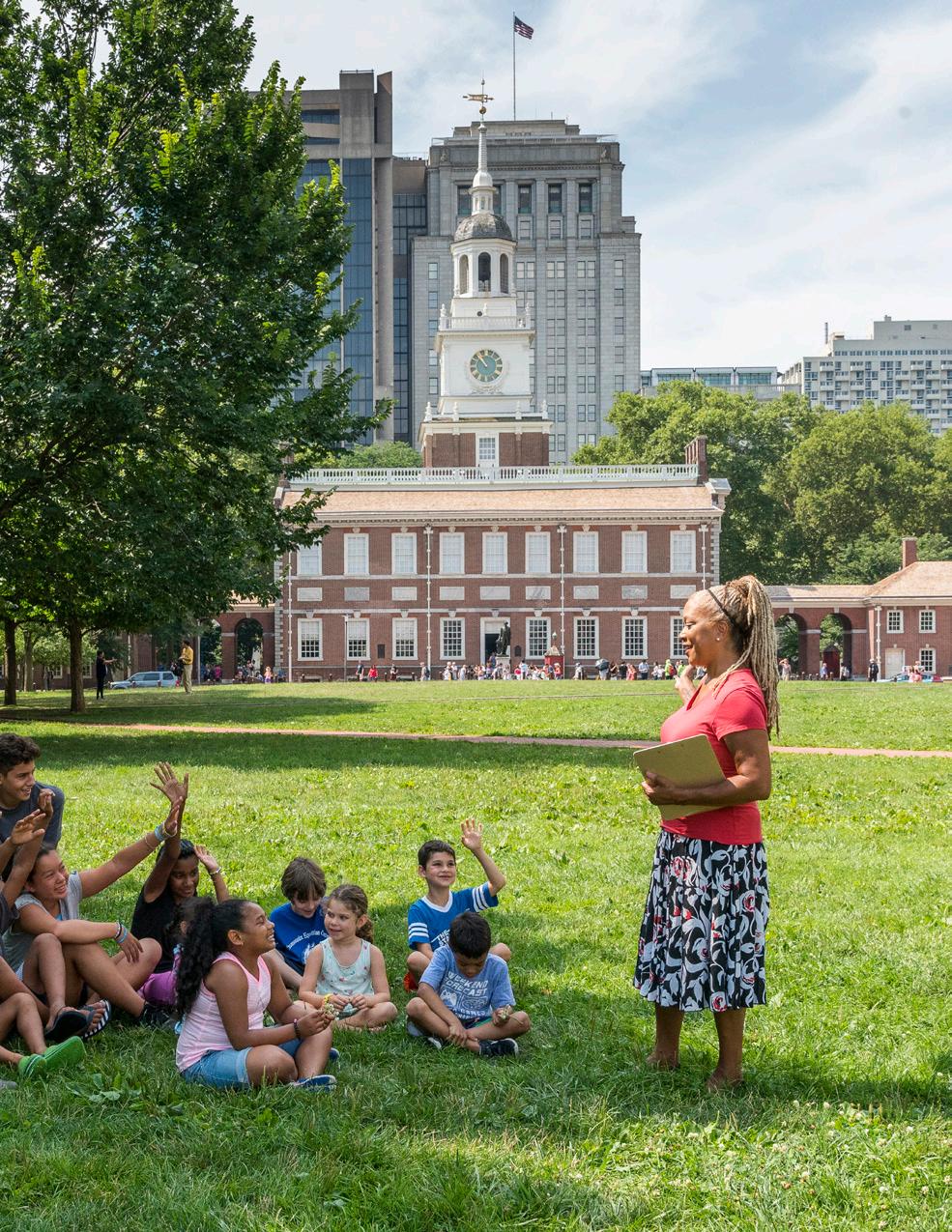
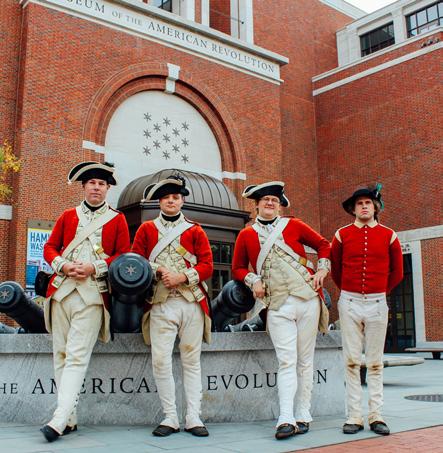
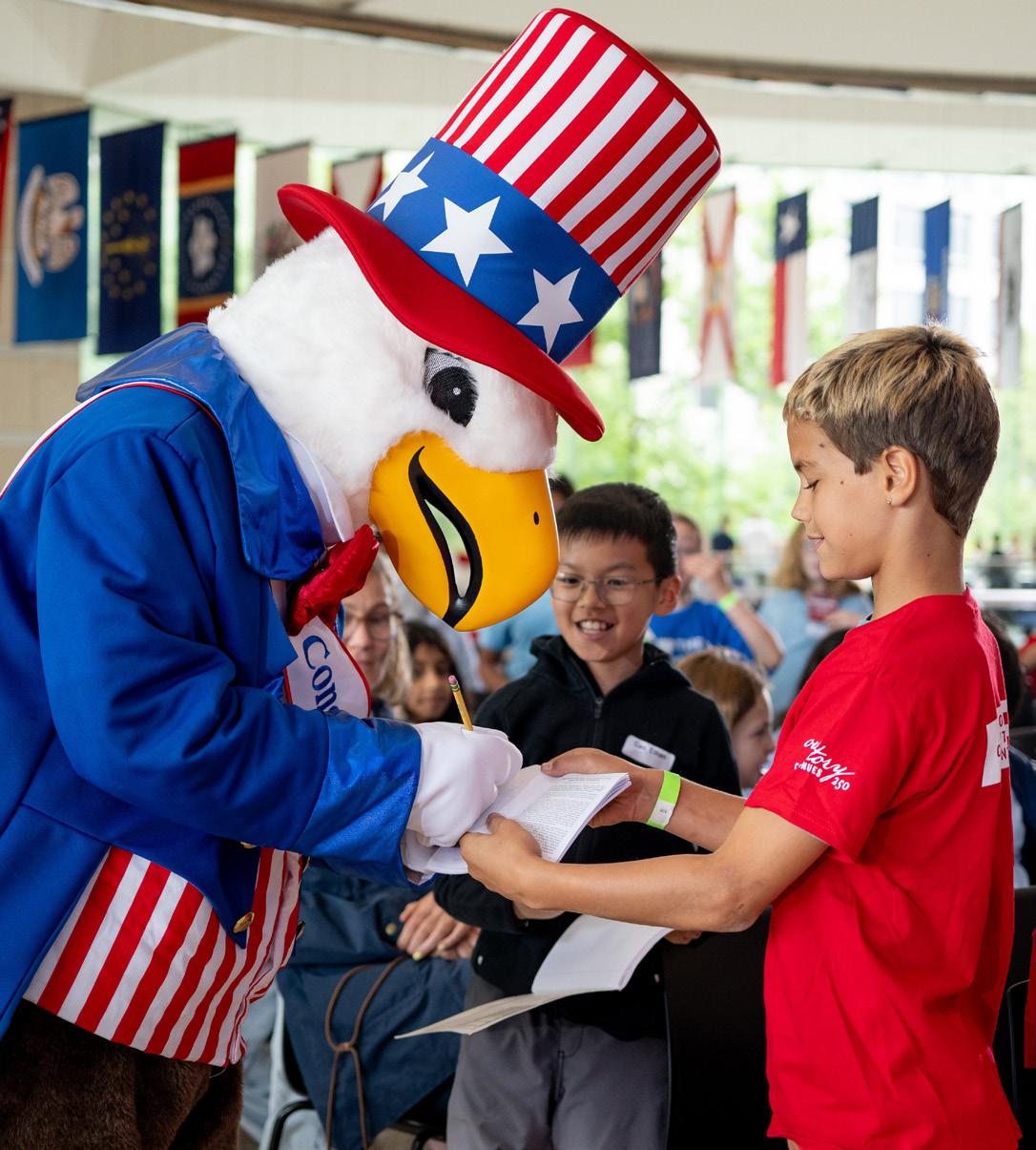
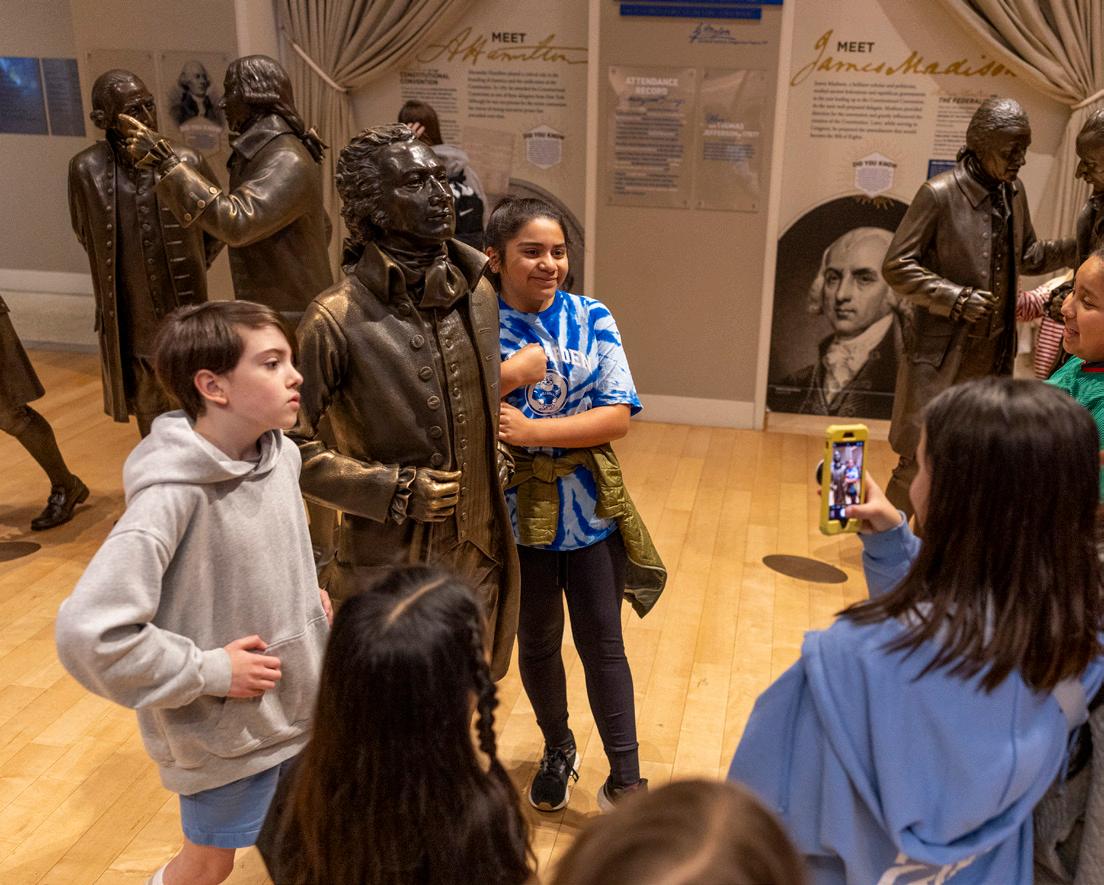
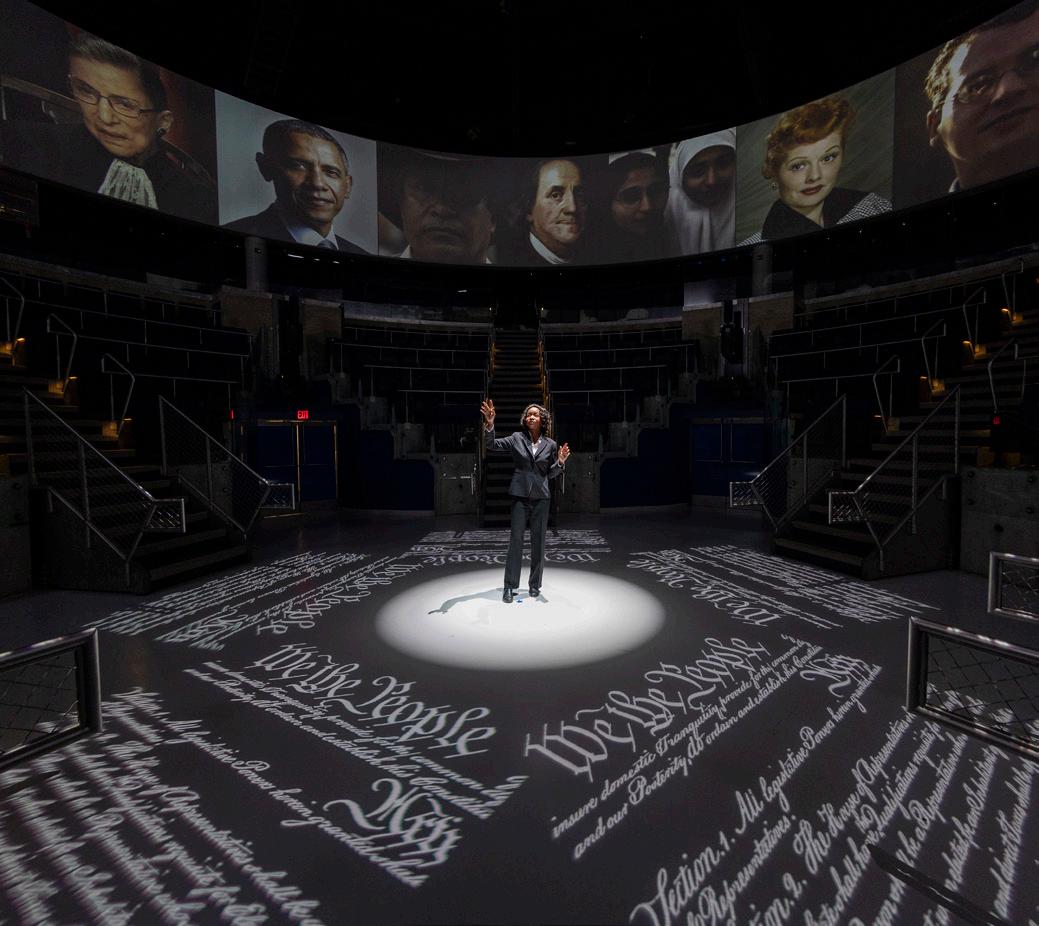
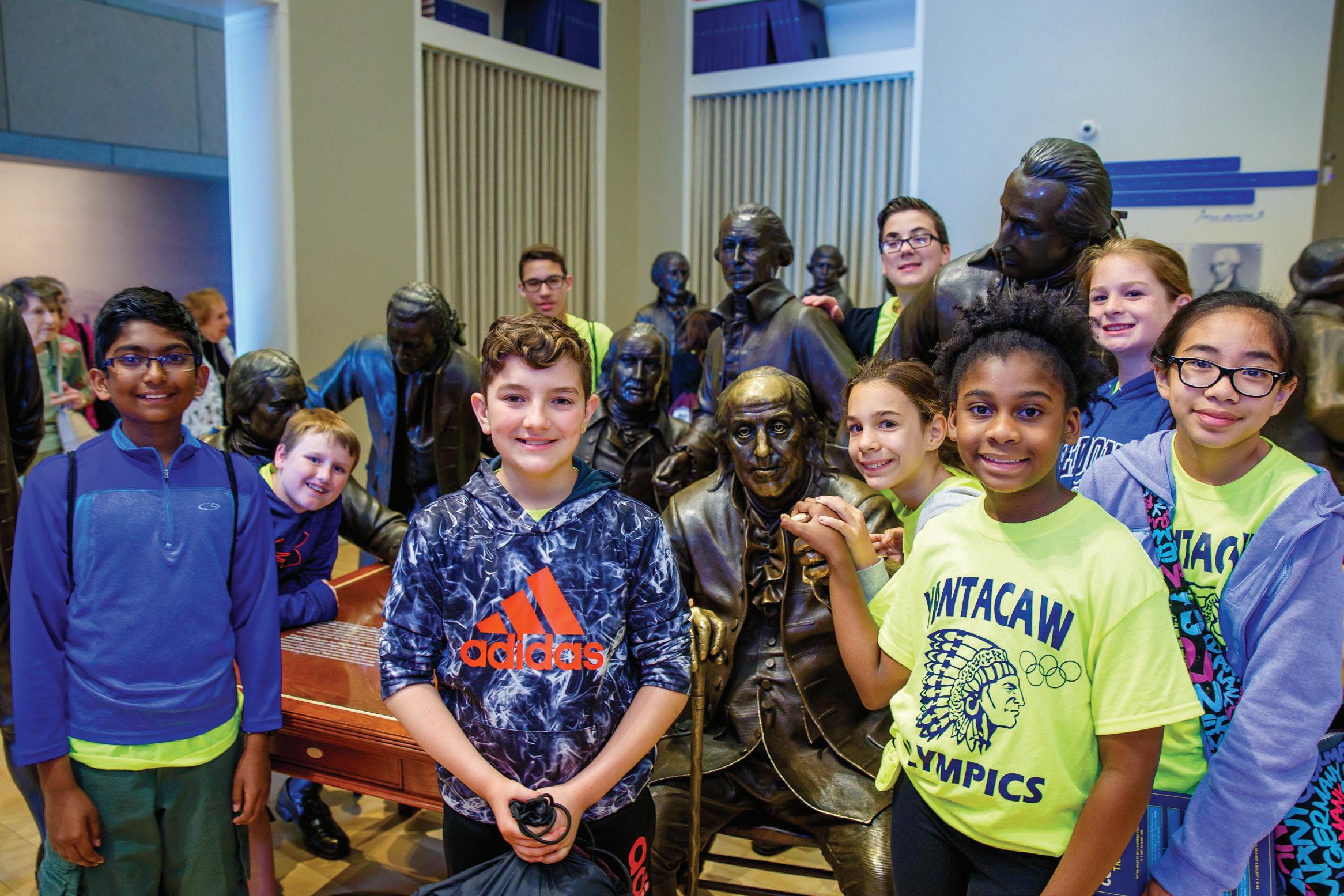
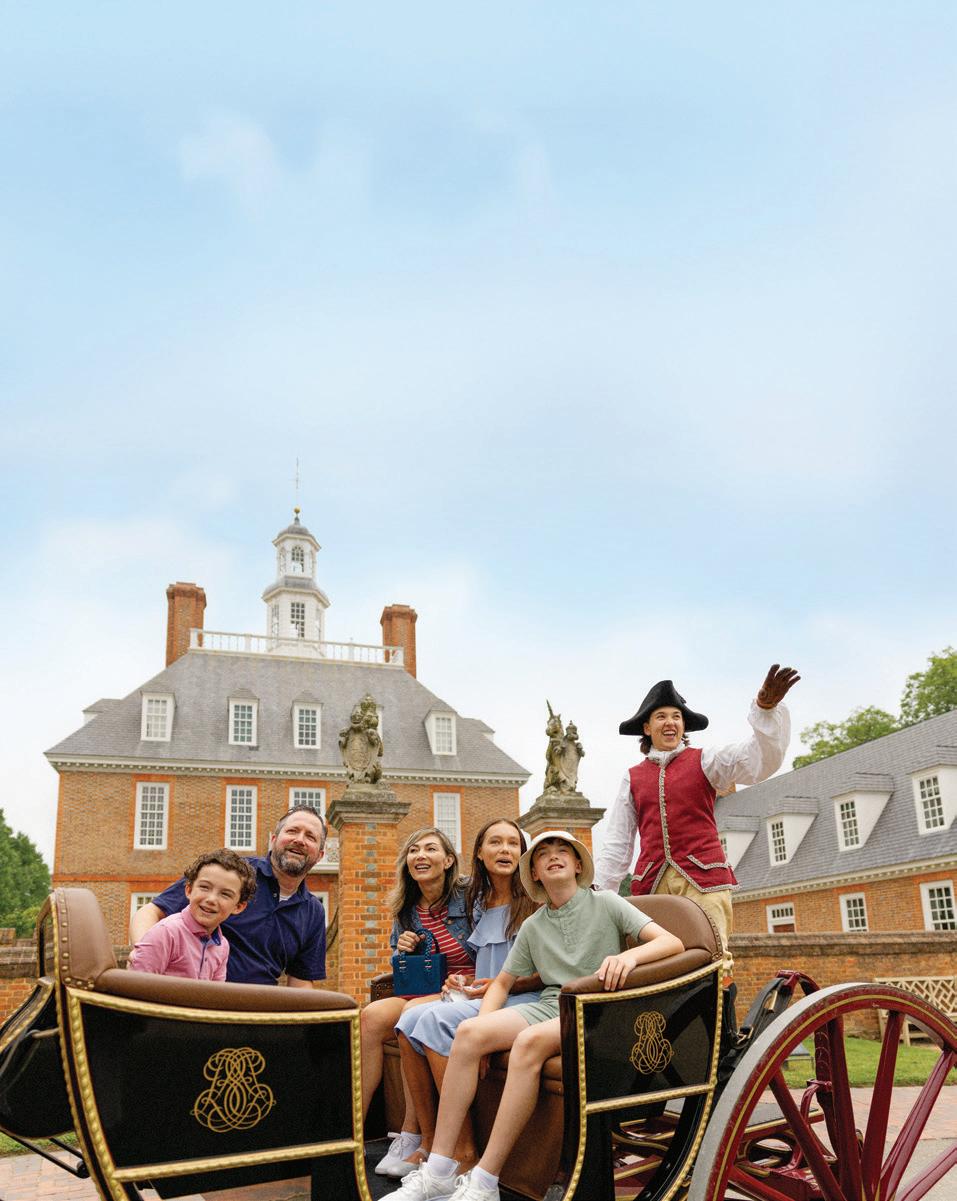
Learning comes to life during immersive experiences in places like Philadelphia.
As you explore these pages, we invite you to reimagine what’s possible for your students—because as St. Augustine once wrote, “The world is a book, and those who do not travel read only one page.”
Forge ahead fearlessly and stay inspired!
Editorial & Advertising Office 621 Plainfield Road, Suite 406 Willowbrook, IL 60527
P 630.794.0696 F 630.794.0652 info@ptmgroups.com www.ptmgroups.com
Production Manager – Michael Caravette michael@ptmgroups.com
Graphic Designer – Romeo Alcantara
Content Development Specialist – Tyler Drag tyler@ptmgroups.com
The publisher accepts unsolicited editorial matter, as well as advertising, but assumes no responsibility for statements made by advertisers or contributors. Every effort is made to ensure the accuracy of the information is published, but the publisher makes no warranty that listings are free of error. The publisher is not responsible for the return of unsolicited photos, slides or manuscripts.
Copyright 2026. All rights reserved. Materials may not be reproduced in any form without written permission of the publisher.
Photo courtesy of Discover Philadelphia Facebook
Heather Dale, Managing Editor
CONTENTS FEATURES
Top Hands-On Programs for Immersive & Experiential Learning Journeys
Students become the makers, historians, scientists and engineers during interactive workshops for kindergarten through high school groups
By Heather Dale
Innovative AI & Tech Tools for Student Travel Planning
Discover practical digital tools that streamline student trip sign-ons, payments and communication
By Abby Shelton
7 Cultural Sensitivity Practices Every Student Travel Leader Should Know
A practical framework for culturally respectful student travel—orientation tips, behavior norms, ethical tourism and reflection tools
By Natalie Hsu
10 Up-and-Coming U.S. Destinations for Student Groups Beyond the Classics
Discover emerging cities for school trips right now, boasting new museums, fresh outdoor learning hubs and strong educational programming
By Helene Martin
Well-Being on the Road: Mindful Travel Tips for Student Tours
Practical strategies for student travel leaders to support mental health and emotional safety during field trips
By Lorelei Skurzewski
36 Culinary Curriculum: Educational Food Experiences for Students
From farm-to-school learning activities to fascinating food science programs, agritourism field trips for students are gaining popularity
By Helene Martin
Top International Cities for First-Time Student Travelers
Discover student-friendly cities abroad, perfect for first-timers, plus planning tips for safety, budgets and learning value
By Heather Dale
Top Hands-On Programs for Immersive & Experiential Learning Journeys
Students become the makers, historians, scientists and engineers during interactive workshops for kindergarten to high school groups
By Heather Dale
Students play the role of creatives and innovators at the Fleet Science Center in San Diego, California.
Learning outside the classroom opens a whole world of possibilities for students. When young learners are thrust into new situations, they come away feeling empowered with a deeper curiosity for the world around them. This is the mark of a successful field trip. It’s not just about seeing new places; it’s about doing new things and learning through experiences.
LEARNING STYLES
Experiential learning journeys consist of participating in activities that promote understanding through doing. Participation is the core component of immersive learning, where students engage in building, investigating, roleplaying, performing or stewarding rather than simply listening and observing.
• Living History – combines role-playing, skilled trades workshops, Q&As, live demonstrations and interactive lessons
• Creative Production – promotes storytelling, design, performance and media-making
• STEM-Based – highlights science labs, engineering design and technology
• Environmental Stewardship – comprises active conservation and immersive field science
This carefully curated list offers a robust array of destinations, each offering immersive activities that expose students to a range of experiences.
LIVING HISTORY
Rather than reading about historical events, students experience them through programs that encourage interactive exploration and discovery.
PLIMOTH PATUXET MUSEUMS (MA)
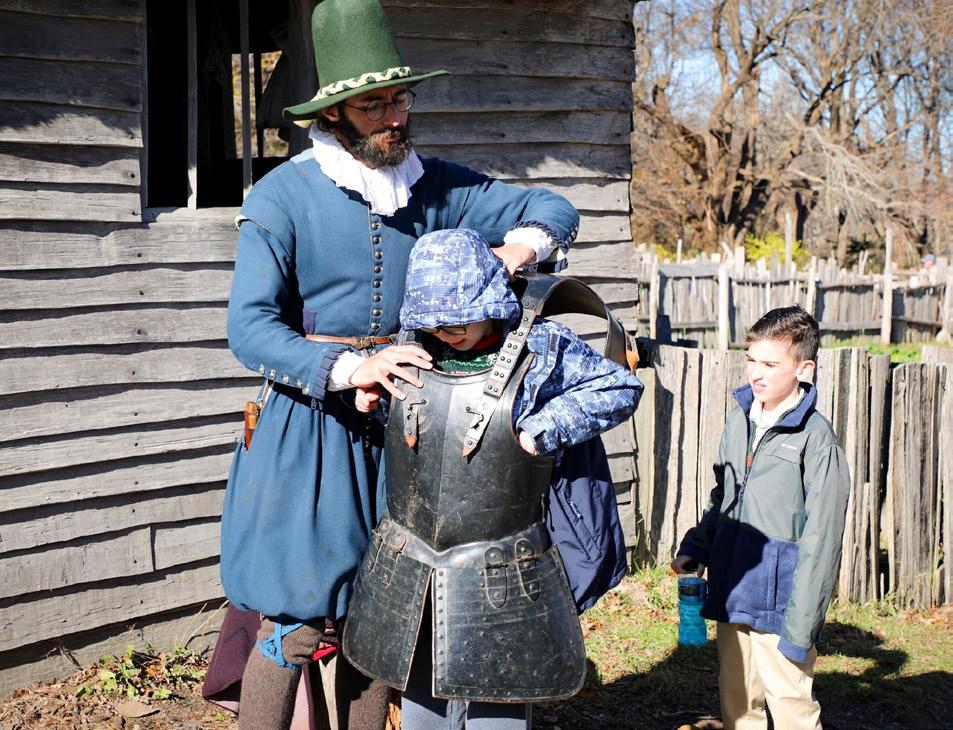
Travel to the oldest town in New England, Plimoth Patuxet, Massachusetts, where unique cultures and fascinating history intersect. During a field trip to the Plimoth Patuxet Museums, students engage directly with historical elements in a memorable learning environment.
BEST FOR: Grades Pre-K – 12
WHAT STUDENTS DO: Discover the 17th century through a 30-acre living history campus filled with fascinating exhibits that showcase interlacing cultures, trades and worldviews of the time. Visit the Plimoth Grist Mill and the Historic Patuxet Homesite and interact with costumed interpreters. Educational workshops
Learn in nature at Reflection Riding.
and programs are ideal for all ages and focus on hands-on learning for 45 minutes to two hours.
WHY IT’S IMMERSIVE: Self-guided or expertled tours let students interact directly with historians for up-close learning, while workshops and programs provide experiential opportunities.
PLANNING TIP: Teacher resources that tie into specific elements are available online; interactive programs can be tailored to educational goals.
OLD STURBRIDGE VILLAGE (MA)
Discover 1830s New England history during a field trip to Old Sturbridge Village in Massachusetts, where The Ultimate Immersion experience combines hands-on workshops with an interactive guided tour.
BEST FOR: Grades 3 –
12
WHAT STUDENTS DO: Investigate colonial life with a two-hour guided exploration of the Village, structured for immersive learning of New England’s rich past with interactive demonstrations and engaging narratives. Students become active participants in history through workshops that focus on authentic 19thcentury activities and converse with costumed historians to inquire about daily life.
WHY IT’S IMMERSIVE: Hands-on experiences for active participation and interactive guided tours for full engagement.
PLANNING TIP: Student workshops are approximately 50 minutes, with various themes. Guided tours are two hours and vary by theme.
CREATIVE ARTS & STORYTELLING
Explore destinations that foster students’ creativity through storytelling, music and visual and performing arts.
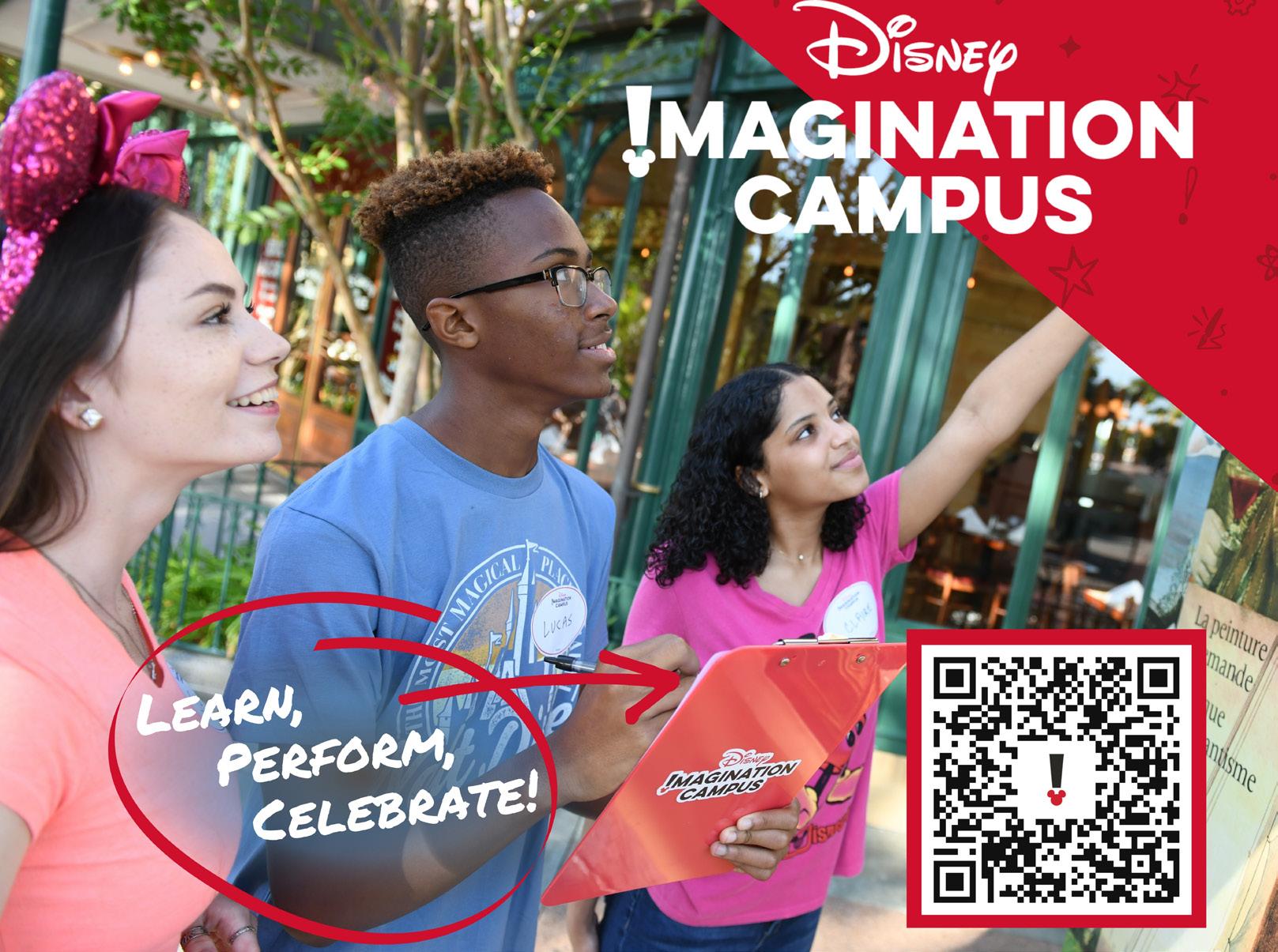
DISNEY IMAGINATION CAMPUS (FL)
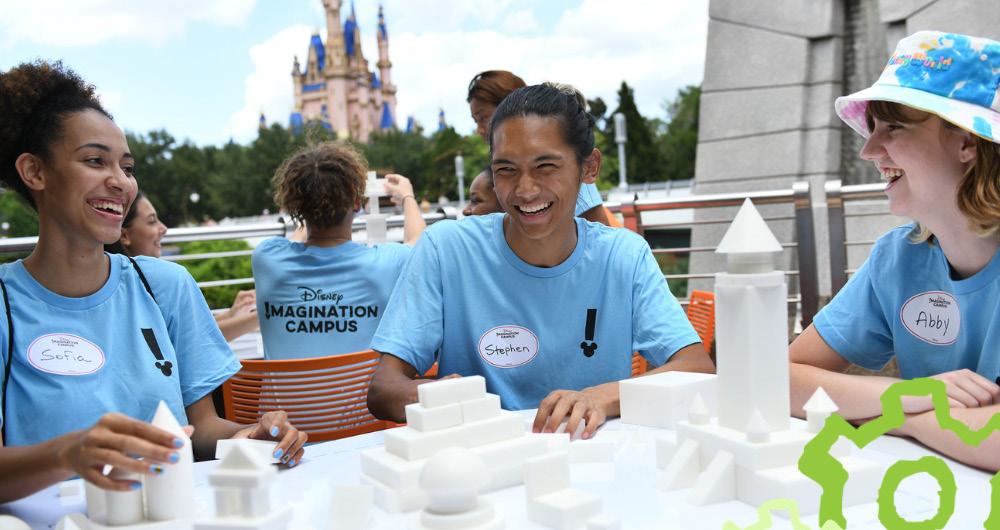
Prepare your class for real-world challenges in an inspiring and creative atmosphere at Disney Imagination Campus. Located in Lake Buena Vista, the campus is a place for students to gain firsthand knowledge of real-world topics, including performing arts and STEM, through interactive workshops and dynamic student programming.
BEST FOR: Grades 3 – 12
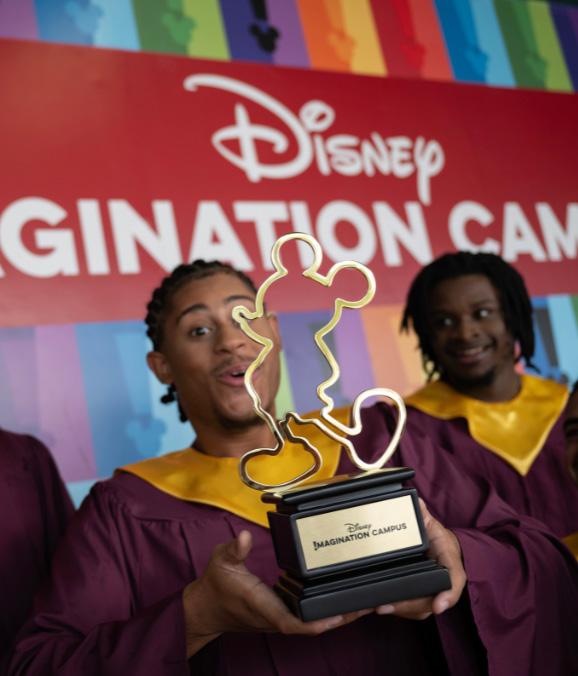
WHAT STUDENTS DO: Students take center stage during any one of Disney’s incredible programs, with a dynamic mix of hands-on workshops that range from performance arts, visual arts, humanities, music, science, technology, leadership and innovation experiences.
Patuxet Museums encourages students to become part of the story.
Plimoth
WHY IT’S IMMERSIVE: Hands-on participation brings students directly into the magic of creation with immersive techniques and interactive opportunities to learn from professionals.
PLANNING TIP: Workshops can be tailored to suit group needs, depending on the program.
BARTER THEATRE (VA)
The Barter Theatre in Abingdon, Virginia, offers youth groups experiential opportunities with behind-the-scenes tours, customizable workshops and interactions with actors, directors and professional staff.
BEST FOR: High school – College
WHAT STUDENTS DO: Experience the world of theater with exclusive access to what goes on behind the curtain. Groups can participate in tailored educational workshops that guide them through all aspects of performing arts.
WHY IT’S IMMERSIVE: Talkbacks with actors and stage staff give students the opportunity to ask questions and receive authentic feedback, while hands-on workshops and behind-thescenes tours provide real-world settings.
PLANNING TIP: State curricula-compliant study guides, along with special group pricing and free admission for chaperones, are available.
ENVIRONMENTAL STEWARDSHIPS
Encourage your students to become stewards of the environment through experiential opportunities at nature centers that teach through inspiring hands-on engagement.
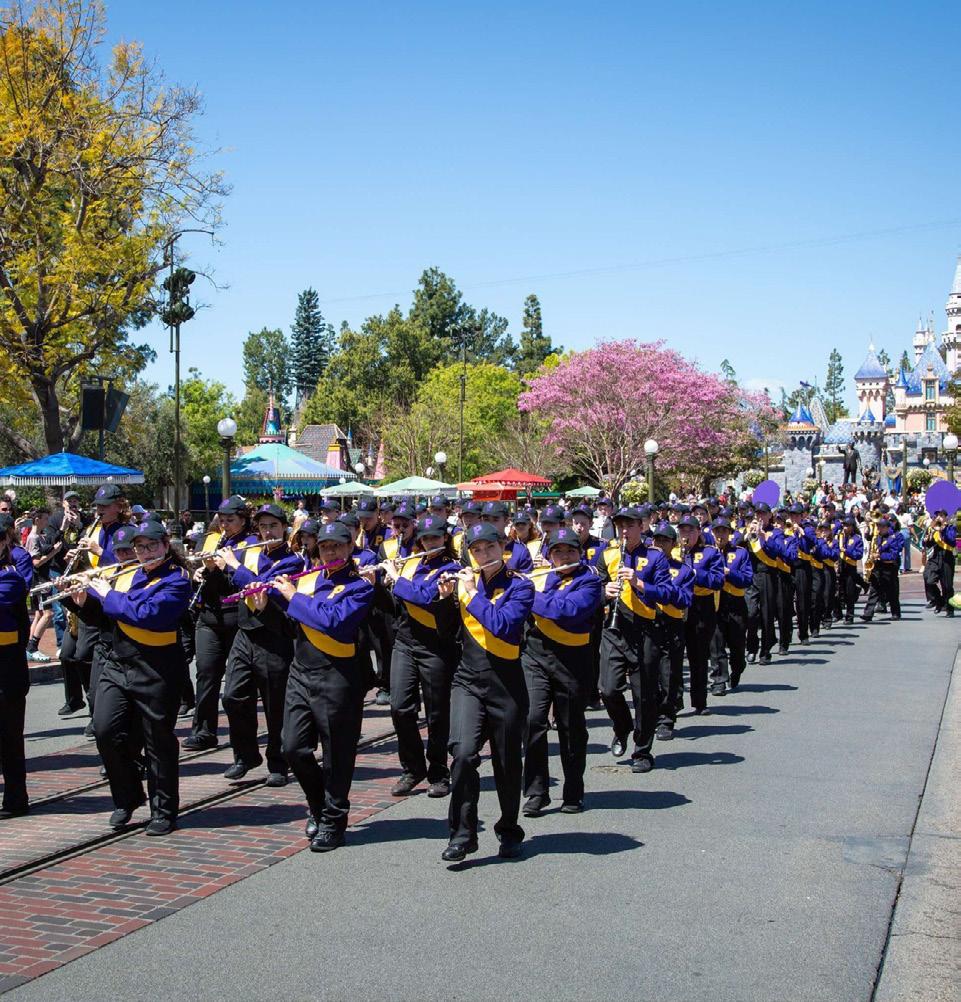
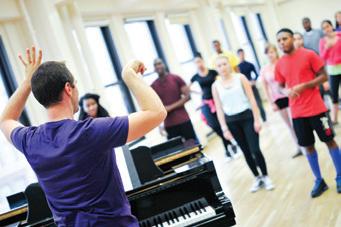
Perform live at Disney during an interactive performing arts workshop.
WYLDE CENTER (GA)
The unique Wylde Center, in the heart of Atlanta, offers immersive learning programs focused on environmental education, with active participation at its core. Explore five green spaces in programs led by enthusiastic educators who care deeply about protecting the environment.
BEST FOR: K – 12
WHAT STUDENTS DO: In efforts to empower students to think creatively and critically about the environment, groups get firsthand knowledge of natural science through engaging programs. Interactive classes led by trained educators take students through gardens, streams and woodlands, teaching topics such as composting, garden genetics, habitats and ecosystems.
WHY IT’S IMMERSIVE: Interactive and informative experiences put students to work in the field to better understand how to cultivate, care and preserve the environment.
PLANNING TIP: Each program is around 60 to 90 minutes, depending on the topic. Each site can accommodate up to 50 students, ideal for large field trip groups.
REFLECTION RIDING ARBORETUM AND NATURE CENTER (TN)
Ten minutes from downtown Chattanooga, the sprawling 300-acre Reflection Riding Arboretum and Nature Center is an incredible learning facility teaching learners about the environment.
BEST FOR: K – 8
WHAT STUDENTS DO: Groups can participate in one or multiple programs, including Saving the System, a guided walk-and-talk tour focusing on conservation and land stewardship. Older students can explore invasive species removal with Land Conservation Team members.
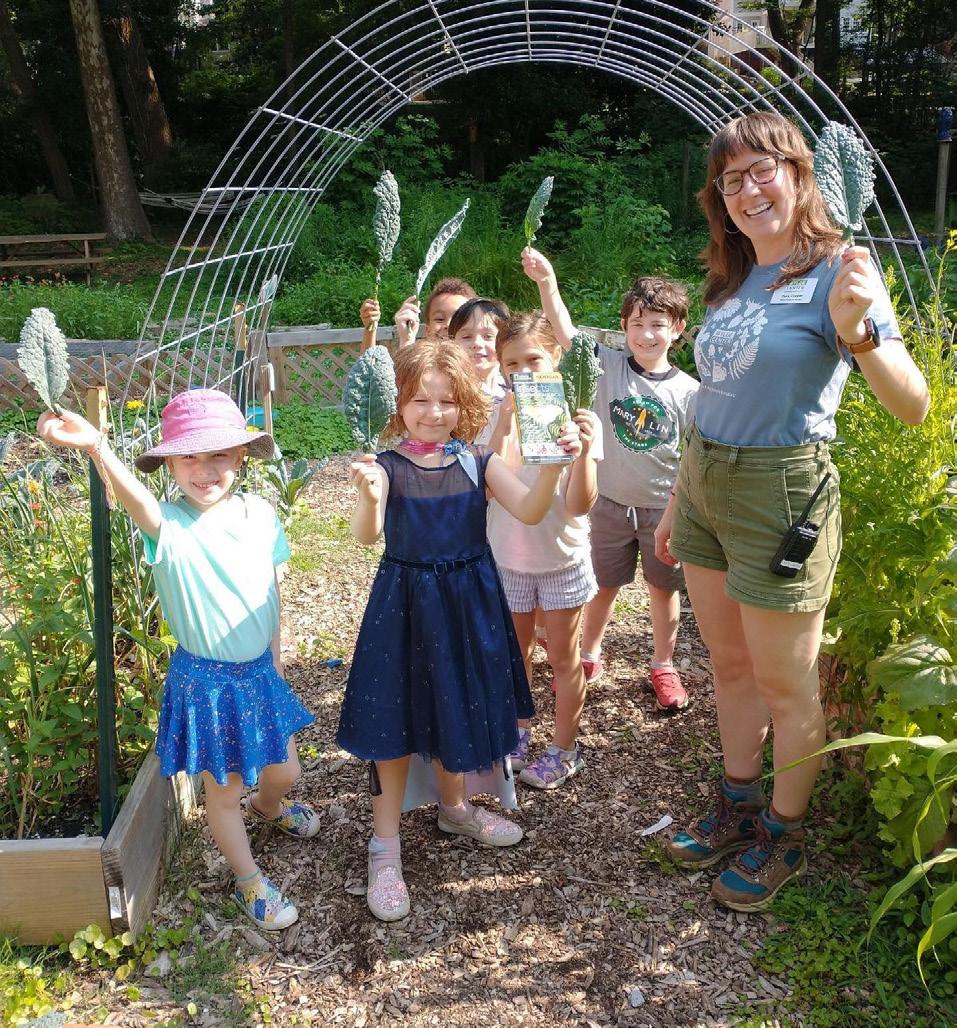
Students dig into Earth science at the Wylde Center in Georgia.
WHY IT’S IMMERSIVE: Interactive opportunities educate students about environmental responsibility by encouraging them to directly participate as stewards.
PLANNING TIPS: Six environmental education themes are offered, and field trips can be adapted to suit learning objectives. Custom field trips for high school groups are available upon request.
STEM- & STEAM-BASED IMMERSION
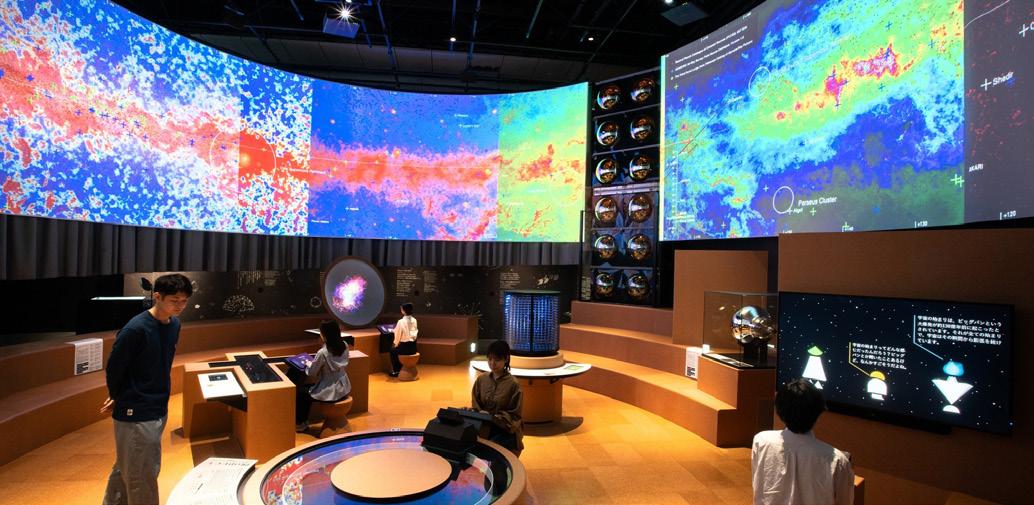
Interaction and participation are at the heart of STEM- and STEAM-based experiences. Students jump into the role of real change makers to learn through engagement with industry experts.
FLORIDA FILM & STEM ACADEMY (FL)
At the Florida Film & STEM Academy (FFSA) in Winter Garden, students can explore the art of creation in specialized labs focusing on various topics during full- or multi-day field trips. How about making a movie? Or discovering the magic behind video game design? FFSA has incredible STEM/STEAM programs to choose from.
BEST FOR: K – 12
WHAT STUDENTS DO: Become part of film productions, broadcasts, performance arts and STEM activities through engaging workshops and programming. Choose from introductory-level exposure for young learners to advanced careerfocused workshops for high school students.
WHY IT’S IMMERSIVE: Engaging opportunities in filmmaking, creative arts, broadcast, STEM and performing arts put students directly in the action, where learning becomes tangible.
PLANNING TIPS: Day field trips range from 4 –8+ hours. Multi-day trips last up to 3 days.
FLEET SCIENCE CENTER (CA)
San Diego’s Fleet Science Center offers various themed workshops across pre-K through high school, all tied to core STEM and STEAM disciplines. Classes are designed for active participation where students build, test and experiment. Instructor-led programs are conducted in lab-style settings called Learning Labs, offering engaging, hands-on lessons.
BEST FOR: Pre-K – 12
WHAT STUDENTS DO: Through inquiry-based programs and more than 100 interactive exhibits, students learn by testing hypotheses, analyzing results and proposing solutions based on their findings. Workshops emphasize teamwork
and collaboration, with activities designed to complement age groups, from sensory exploration to multi-step problem-solving.
WHY IT’S IMMERSIVE: Learning Labs anchor the field trip experience, with core objectives being hands-on active participation and room for creative exploration.
PLANNING TIPS: Educators can add expertly curated lesson plans and an IMAX documentary film in the Heikoff Giant Dome Theater.
Educational programs are structured learning time with tactile lessons and guided opportunities that foster skill-building, reflective thought and teamwork. When students are directly exposed to curriculum topics, they become part of the learning process through active engagement.
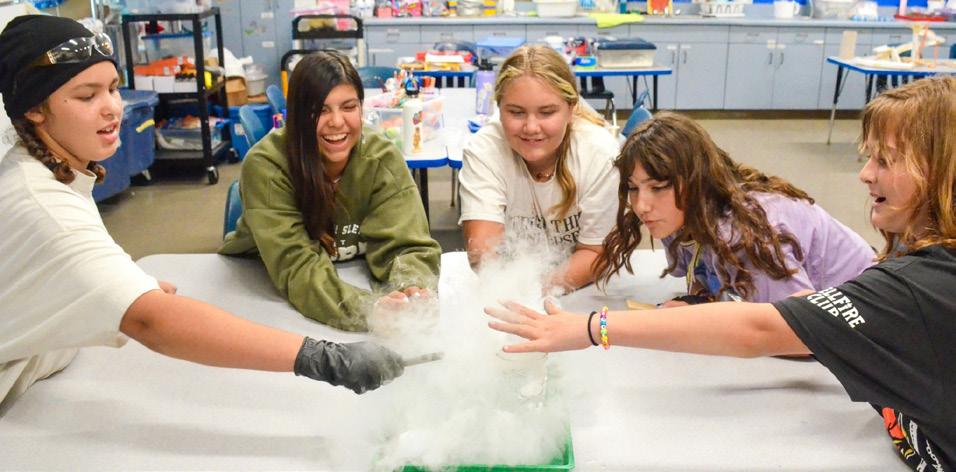
STEM Day at Fleet Science Center in San Diego, CA.
Innovative AI & Tech Tools for Student Travel Planning
Discover practical digital tools that streamline student trip sign-ups, payments and communication—plus immersive platforms that boost learning
By Abby Shelton
On-trip communication apps help keep the group on pace.
Planning a student trip shouldn’t feel like running a small logistics company, but for many teachers, it does. Paper permission slips go missing, cash envelopes don’t match totals, and parents email similar questions the night before departure. And somehow, it’s expected to keep all of it organized, compliant and still educational.
The good news: finding the right tech tools for student travel planning can eliminate most of that chaos. Not by replacing your expertise, but by handling the repetitive, error-prone tasks that eat up much of your time. From digital permission slips for field trips to AI planning assistants and on-trip engagement apps, today’s tools are built for true classroom workflows and real-time coordination.
UNDERSTANDING YOUR TASKS
Before choosing tools, it helps to think in terms of what you need to get done:
• ●Sign-ups + permissions
• ●Payments + payment plans
• ●Parent updates + reminders
• ●Itinerary + pacing support
• ●Grants + fundraising workflow
• ●Safety, approvals and risk documentation
• ●On-trip engagement + learning objectives
• ●Pre-trip immersion with curriculum alignment (VR/AR), or on-site educational immersion (XR)
The best tech tools for student travel planning will clearly solve one (or more) of these tasks without creating extra work. Here are some best practices for automating the planning process for a successful, stress-free field trip from start to finish.
INNOVATIVE PLANNING TOOLS (BY CATEGORY)
From scrapping paper permission slips and going digital to AI assistants and automated payment processing, these tech tools can be invaluable when organizing a class trip.
1
AI-POWERED PLANNING ASSISTANTS
What it automates: Destination/activity idea generation, draft itineraries, parent emails, checklists, fundraising ideas, and even grant searches.
The problem it solves: Starting from scratch every time you plan a trip.
Who it’s best for: Teachers planning trips independently for the first time, or anyone who wants a faster starting point.
Teacher reality tip: Use AI as a first draft generator, not a final plan. It’s most valuable when it gets you 70% of the way there quickly.
Privacy note: Avoid entering student names, medical info or identifiable data; keep inputs general.
These tools reduce repetitive thinking and help you move faster and with greater confidence on your trip. Most teachers underestimate how much time this saves until they try it once. Try Orange Sky Travel’s Sherbie assistant, created specifically for student travel planning.
2
DIGITAL PERMISSION SLIPS + PAYMENTS
What it automates: Form collection, digital signatures, payment processing and deadline tracking.
The problem it solves: Lost forms, late payments and messy monitoring.
Who it’s best for: Every teacher leading an educational trip. This is the highest-impact upgrade.
Teacher reality tip: Set one clear deadline and automate reminders. Most late submissions disappear when reminders are built in.
Privacy note: Only collect what you need. Store sensitive data (like medical details) in district-approved systems.
Digital permission slips for field trips dramatically reduce admin stress. If you’ve ever chased down 10 late forms the morning of a trip, you know why this matters. Use platforms like Permission Click for digital forms.
What it automates: Trip registration pages, installment payments, booking coordination and participant tracking.
Automate your workflow and planning process with an AI assistant.
The problem it solves: Managing complex, multi-payment trips for families.
Who it’s best for: Multi-day domestic or international trips.
Teacher reality tip: If your trip includes multiple deadlines, vendors or payment stages, treat it like a mini-project and use a dedicated platform.
Privacy note: Double-check what participant data is required and who can access it.
As the trip leader, organization is one of the first considerations when planning an educational experience. These tools cut down on back-andforth emails and keep everything in one place. WeTravel is a top choice for creating itineraries, managing bookings and collecting payments.
4
TRIP APPROVALS + RISK DOCUMENTATION SYSTEMS
What it automates: Approval workflows, risk assessments, consent tracking and centralized records.
The problem it solves: Disorganized approvals and inconsistent safety documentation.
Who it’s best for: District-led programs or schools with formal approval processes.
Teacher reality tip: Even if your school doesn’t require a system, follow the model: keep approvals, contacts and plans in one location.
Privacy note: Ensure compliance with district policies and limit access by field trip role.
Digital trip approvals and risk management tools will embody what a strong planning system should look like—organized, trackable and transparent.
5
PARENT COMMUNICATION
+ REMINDER TOOLS
What it automates: Scheduled reminders, updates, FAQs and group messaging.
The problem it solves: Endless repeat questions and last-minute confusion.
Privacy note: Use platforms that allow controlled access (parents vs. chaperones vs. staff).
Strong parent communication for school trips is one of the easiest ways to reduce stress for everyone and maintain trust and transparency throughout the experience.
Schedule automatic updates and reminders to keep the group on track.
6
INTERACTIVE LEARNING TOOLS
What it automates: Scavenger hunts, guided activities, reflections and photobased assignments.
The problem it solves: Students disengaging or failing to retain what they learn.
Who it’s best for: Teachers who want measurable learning outcomes from trips.
Teacher reality tip: Tie activities directly to curriculum goals so they’re easy to assess afterward.
Privacy note: Be cautious with photo sharing and student submissions—follow school guidelines.
These tools create proof of learning, not just memories. Students can revisit these memories and reflect on what they learned and how they embraced new experiences. Use apps like Goosechase or Actionbound to create immersive scavenger hunts.
7
VR/AR/XR EXPERIENCES FOR PRE-TRIP EXCITEMENT & ON-TRIP ENGAGEMENT
What it automates: Immersive previews and interactive learning experiences tied to real locations, historical periods, iconic global landmarks and significant events.
The problem it solves: Students who lack context or excitement before the trip, or those who are anxious about traveling.
Who it’s best for: Teachers looking to justify educational value and increase participation.
Teacher reality tip: Use these experiences before the trip to build curiosity, excitement and background knowledge.
Privacy note: Stick to platforms that don’t require unnecessary personal data. This category strengthens curriculum alignment and makes trips more meaningful from the start. Building excitement beforehand will positively affect how your students interact during their experience. See Reality is a leading company specializing in state-of-theart XR headsets that immerse your students in prehistoric environments, historic eras and other dynamic experiences.
COMBINE MULTIPLE TOOLS
Use several tech tools for student travel planning together to streamline the process, such as bundling student trip registration and communication tools.
Simple Day Trip Bundle
• Digital permission + payment tool (Permission Click or a similar)
• AI helper to draft your kickoff email and parent FAQ (Sherbie assistant or similar)
• On-site scavenger hunt or activity app for engagement (Goosechase or Actionbound)
Multi-Day Domestic Trip Bundle
• AI helper for itinerary pacing, packing lists and chaperone briefing notes (Sherbie assistant or similar)
• Booking/payment platform if you’re managing multiple installments (WeTravel tools or similar)
• Safety planning reference and clear protocols that link to your core safety guide
International Trip Bundle
• Vetted tour operator partnership (use your operator guide for selection)
• Digital permission + payment workflow for streamlined documentation
• Pre-trip immersion tools to build context and excitement, or on-trip XR experiences with See Reality that bring all types of curricula to life in any environment
PRIVACY + TRUST (USE TOOLS SAFELY)
Student travel planning involves sensitive information, so it’s important to be intentional about what goes into each tool.
• FERPA protects student education records and gives families control over how personally identifiable information is shared.
• COPPA applies to online tools collecting data from children under 13 and requires parental consent.
Whenever possible, avoid putting students’ personal details into tools that don’t need them. Instead, use ID numbers in place of names, keep medical information in approved systems and always follow your district’s data policies.
NEXT STEPS: USE OUR PLANNING RESOURCES
If you’re building or refining your student trip planning workflow, here’s where to go next:
1. Start with the Student Travel Planning Guide for a complete planning foundation.
2. Explore safety best practices to ensure compliance and preparedness:
Safety First: Best Practices for Ensuring Student Travel Safety During Group Trips
3. Review fundraising and grants resources to make trips more accessible:
Grants & Funding - Student Travel Pro
4. Use a Student Tour Operators Guide to evaluate travel partners:
Student Tour Operators Guide for Teachers
The right tools won’t just save time. They’ll also make your trip smoother, safer and more impactful for students. More importantly, when you stress less, you can be present and engaged to better guide your class on a memorable, impactful learning journey.
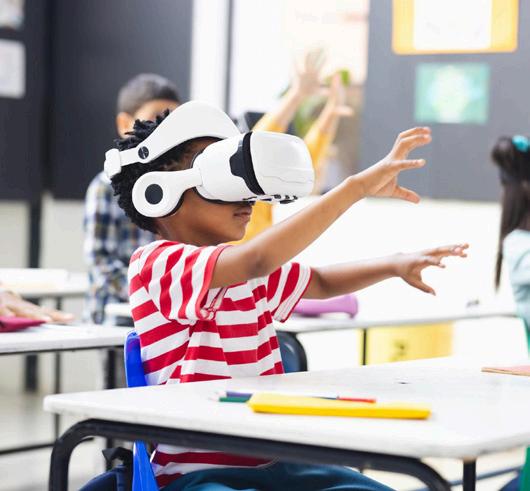
Virtual reality experiences help excite apprehensive student travelers.
Credit: Freepik
7 Cultural Sensitivity Practices Every Student Travel Leader Should Know
A practical framework for culturally respectful student travel—orientation tips, behavior norms, ethical tourism and reflection tools
By Natalie Hsu
Encourage students to ask questions about cultural norms rather than assume.
Credit: Freepik
In a kaleidoscope, mirrors reflect tumbling pieces of glass or beads, producing impossibly brilliant worlds of color and shape. In much the same way, experiences that introduce new sights, tastes, smells and sounds to a young person have the capacity to produce an incalculable number of changes to their worldview. Often, the opportunities for these experiences are found in cultural contexts very different from those to which students may be accustomed.
However, the set of skills and outlooks that are necessary to become a citizen of the world isn’t exactly intuitive. It takes work to ensure your students are equipped to explore the unknown with ease, confidence and curiosity. We’ve compiled a list of seven practices and tools you can use in your classroom to curate culturally respectful student trips.
RESPONSIBLE STUDENT TRAVEL PRACTICES
When it comes to preparing students for international travel etiquette and ethical tourism, cultural sensitivity encompasses several actions and mindsets that go beyond simple travel logistics.
1. Recognize that feelings of culture shock and uncertainty are normal and temporary.
2. Approach learning new experiences with curiosity by asking questions without judgment.
3. Seek guidance when unsure of local habits regarding dress, food and social etiquette.
4. Reflect on experiences for deeper understanding and connection.
5. Practice empathy to cultivate appreciation for dynamic ways of life.
The following seven practices will help educators prepare students for respectful and culturally aware experiences.
1PRE-TRIP CULTURAL ORIENTATION AND EXPECTATION-SETTING
Get your students excited about engaging with diverse cultures with a thoughtful pre-trip group orientation that sets the tone for the experience. Start with a short “why we travel” framing that provides context on the location and centers experiential learning over sightseeing or tourism.
Credit: Freepik
Discover unique ethnic traditions and religious practices while maintaining etiquette.
• Provide cultural context before the journey. Focus on the local history, general social norms and how to be culturally sensitive (avoiding stereotypes, for example).
• Define experiential learning with active participation. Give examples of what interactive learning might look like, such as engaging with locals in their daily lives, pursuing creative projects and building social skills.
• Conduct an “assumptions check” to practice self-reflection. Assign students a self-reflective exercise that asks them to list three assumptions they may have about the destination. Then replace each with an open-ended question they can investigate through personal interactions and firsthand experiences.
• Set learning and behavioral expectations. Be sure to clearly outline to the group
Explore food traditions for deeper appreciation of local cultures.
how students are expected to engage, with curiosity, awareness and respect, so they understand the dual role they play as travelers and learners.
Teachers who invest time before the trip to help students navigate new worldly experiences will benefit during the journey—they maximize educational value for students and reduce misunderstandings across cultures.
2
COVER RESPECTFUL BEHAVIOR, LANGUAGE AND BODY NORMS
Prepare students beforehand by explaining the realities of diverse social norms across cultures. This includes eye contact, dress code, social conduct, voice level and personal space, especially in religious or significant cultural sites.
• Define behavior that is context-based. Give examples of museums, religious sites and memorials that might call for more formal or professional conduct, such as quiet spaces for reflection or prayer.
• Practice through role-playing. Introduce three scenarios to practice proper etiquette: entering a religious site, buying from a vendor and asking someone for help. This ensures that your students are prepared for realworld interactions, such as removing one’s shoes before entering a religious space, covering certain parts of the body or tipping standards.
• Motivate students to observe first.
Credit: Freepik
Nonverbal communication includes body language, eye contact and gestures that vary in meaning across cultures. By observing social interactions beforehand, students can feel confident in their engagement.
Proactive teaching engages students with cultural norms, reducing anxiety and uncertainty when they find themselves in an unfamiliar situation. This encourages positive interactions and confident exploration.
3
ENCOURAGE CURIOSITY WITHOUT STEREOTYPING
One of the most valuable traits a student can possess is curiosity, but it must be guided with thoughtful intention. Emphasize respectful, honest exchanges across cultures and age groups, and encourage asking questions.
• Avoid overgeneralizing. Remind students that one story does not represent a whole culture. Teach young learners to be open-minded about complex or nuanced situations and to recognize that diversity is what makes us human.
• Encourage learning through questions. Suggest inquiring about local people and traditions instead of assuming who they are. This fosters creative and meaningful dialogue between cultures and deeper insight for students.
• Reframe language to replace stereotypes. Exchange statements about people, food or practices with neutral observations and questions. For example, reframe language in real time, such as rephrasing “People here are…” into something more thoughtful, like
“Can you please tell me more about…” or “I noticed that…”
Cultivate empathy and respect by framing curiosity as a tool for connection to world cultures, not as a categorization or stereotyping. The answer is in how questions are asked rather than the question itself.
4SUPPORTING ETHICAL TOURISM AND LOCAL ECONOMIES
Encourage students to consider what it means to spend intentionally and to make ethical purchases. Teach them beforehand about your destination’s local communities and what their livelihood and traditions look like.
• Explain intentional spending and why it matters. Give examples of what spending intentionally might look like, such as choosing locally owned shops for food or crafts that directly benefit the community.
• Define ethical purchases clearly. Provide examples of how to make ethical purchases, such as refraining from paying for experiences that exploit animals or people as props.
• Present a “Where does our money go?” map: Help learners visualize the impacts of their choices by following where their money goes. This can include local businesses, chains and questionable places. Advise students to research products unique to the region, the history behind their production, and locally owned businesses that specialize
Credit: Freepik
Consider the economic impact shopping locally has on the community you visit.
in responsibly made products.
• Introduce students to global tourism standards. Review UNWTO’s ethics principles, which emphasize respect for host communities and the benefits to local economies.
5
PREPARING STUDENTS TO ENGAGE WITH UNFAMILIAR CUSTOMS AND BELIEFS
background. For example, they may be perceived as affluent outsiders even when some students don’t identify with that.
PLANNING TIP: The GSTC (Global Sustainable Tourism Council) standards/criteria are widely used sustainability guidelines that include socioeconomic, cultural and environmental impacts, along with sustainable management practices. (www.gstc.org/gstc-criteria/)
Ask permission to take photos with people and consider your motivation behind it.
Remind students that uncomfortable feelings are a normal part of crosscultural experiences. They may arise when students encounter unfamiliarity outside their comfort zones, and it is important to observe first, reflect thoughtfully and act accordingly.
• Teach observing first and evaluating after. Encourage students to note cultural differences and consider how and why they differ from what they are personally accustomed to.
• Present cultural differences as explorations. Ask students to document similarities and differences they notice across cultures and reflect on why they exist. Help students understand what might feel surprising, and what a respectful response looks like.
• Practice in advance. Use role-play or classroom discussions that walk students through real-life situations they may encounter. This will help them build confidence in their responses.
By normalizing unfamiliarity in cross-cultural situations, you’re equipping students with the tools they need to navigate foreign surroundings and engage meaningfully with respect.
6
ADDRESSING POWER DYNAMICS AND PRIVILEGE IN TRAVEL CONTEXTS
Help students understand that when they travel, they represent not just themselves or a school, but a broader social, racial or economic
• Caution students against “savior” framing. Encourage them to focus on listening and learning by shifting their mindset from “helping” or “fixing” to observing.
• Teach an “impact vs. intent” mini lesson. Cover how jokes, photos, bargaining or comments land differently across contexts and cultural beliefs. Help students understand that their intentions don’t always align with how others perceive their actions.
• Promote awareness and reflection over defensiveness. Have space for thoughtful open dialogue where students can process ideas without discomfort. This helps build awareness, empathy and global consciousness among travelers.
7
MODELING ADAPTABILITY, HUMILITY AND REFLECTIVE LEARNING
Teachers set the tone for how students respond to new cultures, unfamiliar situations and foreign environments. Educators must model adaptability and humility by demonstrating how to adjust tone and expectations respectfully in real time.
• Model flexible and calm leadership. Explain that when leaders make a mistake, they apologize, correct their actions and assume flexible behavior and a calm tone of voice. Practice this in social settings and students will mirror your reactions.
• Prioritize personal reflection every day. Emphasize how daily reflection transforms experiences from surface-
level observations into major lessons by intentionally cultivating self-awareness and empathy.
• Provide students with a simple threequestion daily debrief. Ask students what surprised them, what they learned about themselves, and what they will do differently tomorrow.
GROUP NORMS & CULTURAL ETIQUETTE FOR SCHOOL TRIPS
Finally, a list of group norms can help solidify students’ understanding of what their actions and behavior should generally look like during a trip. Here is an example that covers a wide range of scenarios.
Photo & Social Media Norms
Limit phone usage to keep focus on the group and surroundings. Be mindful of the people around you and the requirements of the social
setting. Understand that not everyone will want their photo taken, and that it may be necessary to ask for permission first.
Before posting on social media, ask yourself: would you want a photo like this of yourself posted on social media? Or would you take the same photo at home in your own country? If the answer is no, reconsider your motivation behind posting and maybe put the phone down.
Language Norms (slang, volume, humor)
Loud conversations, especially in quiet zones like museums or public transport, are considered rude. Avoid speaking louder when trying to be understood. Speak more slowly and clearly or use a translation tool. Avoid using slang, as it can hinder understanding and remember that humor is subjective. Sometimes it can be translated poorly and misunderstood.
Religious & Cultural Site Behavior Norms
Research dress codes in advance. Prioritize respectful behavior by dressing appropriately to honor local religious standards. Interact with sacred statues or site areas in socially appropriate ways. Do research on the site’s rules in advance to avoid disruption and refrain from taking photos of people, ceremonies or important icons. Keep conversations to a whisper, as many sites are active places of worship and respect local signage.
Purchasing & Tipping Norms (general, not country-specific)
Tipping norms vary widely by destination. Researching local customs is important, as some cultures view tipping as insulting while others view it as expected.
Script: “If you’re not sure, ask.”
Prepare your students with a respectful opening when meeting new people. For example, “Hello! I am visiting from another country, and I was wondering what the proper way to experience [aspect of culture] is?”
CULTURAL SENSITIVITY MATTERS
Ultimately, we must return to the kaleidoscope metaphor. The mirror is one of the toy’s most important components, as it reflects the light off the shifting pieces of colorful glass to create a beautiful, intricate image. Similarly, self-reflection will be students’ most powerful tool in cultivating a sense of wonder, excitement and curiosity about the new culture they are encountering and others they have yet to. Like the mirror, this self-reflection will produce confident explorers and enable them to create a vibrant, dynamic worldview.
Credit: Freepik
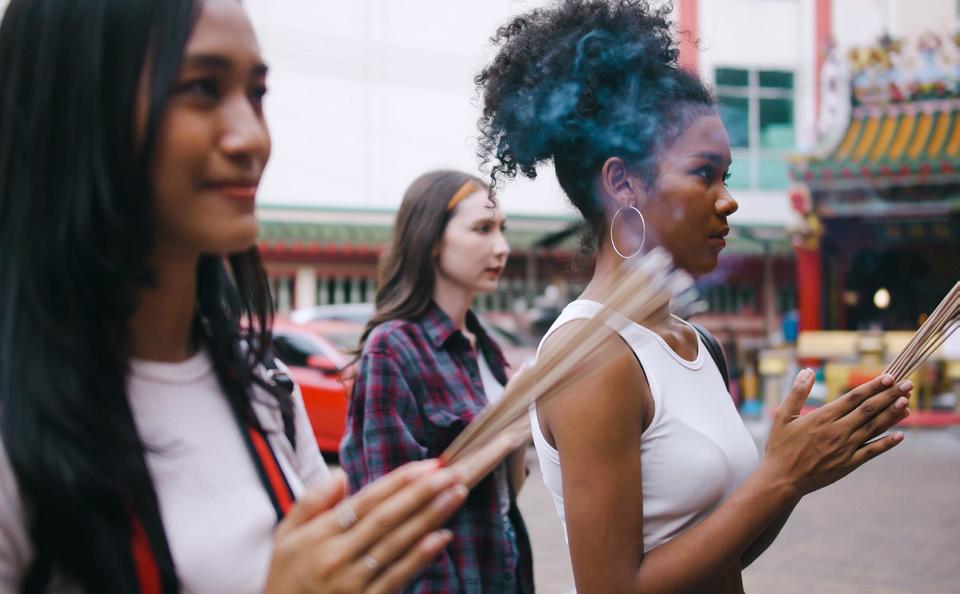
Understand cultural norms when visiting religious sites, where quiet reflection is best practiced.
10 Up-and-Coming U.S. Destinations for Student Groups Beyond the Classics
Discover emerging cities for school trips right now, boasting new museums, fresh outdoor learning hubs and strong educational programming
By Helene Martin
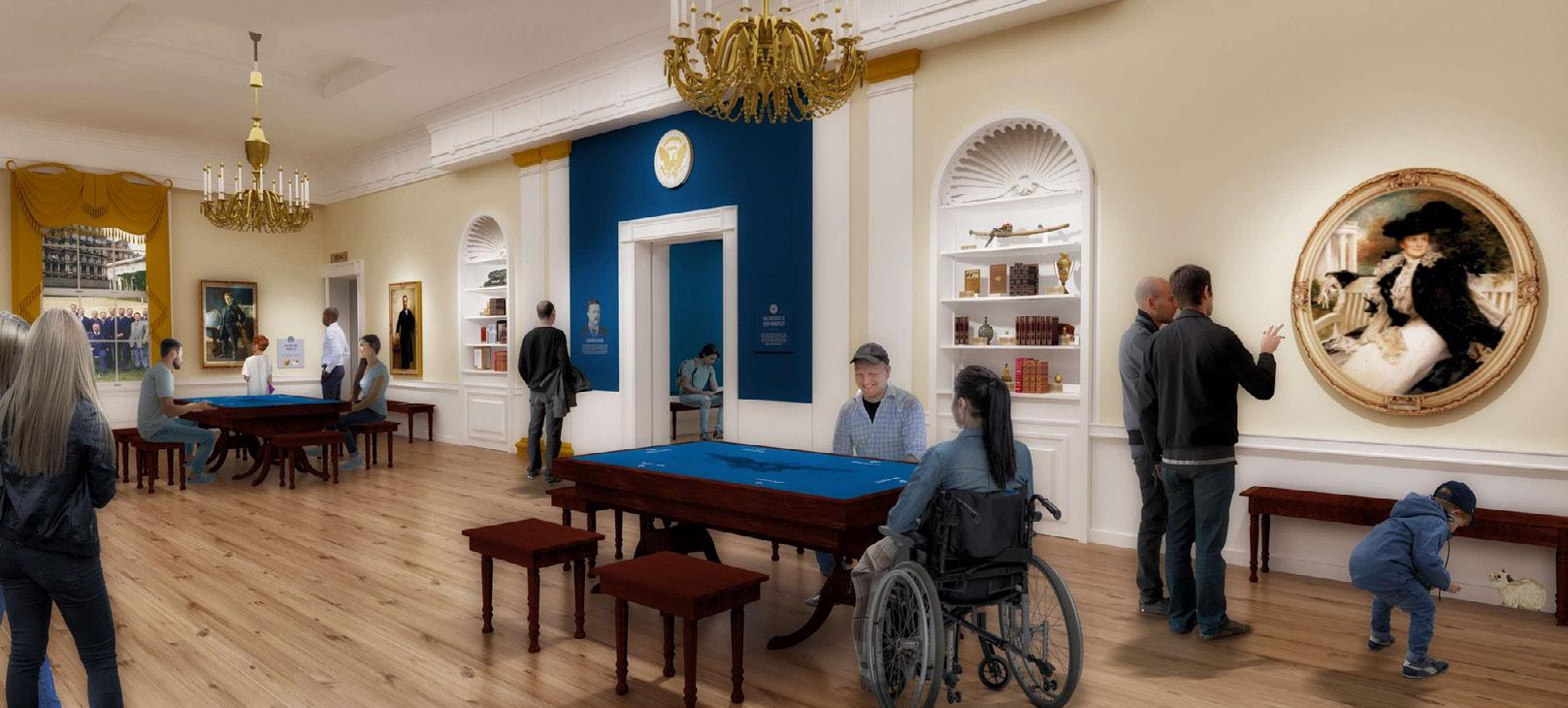
A mockup of the new Theodore Roosevelt Presidential Library.
Teachers want high learning value without big-city chaos and big-city prices. Budget cuts and overcrowding at prime locations can make field trip planning a hassle. Whether you have a budget or want to expand beyond the everyday museum trip, there are plenty of fresh places to explore. Don’t take a field trip just anywhere; find destinations that promise real learning potential for students.
HOW WE CHOSE THESE FIELD TRIP DESTINATIONS
There are so many hidden gems across the country that are just waiting to be explored. If you are looking for the next emerging U.S. cities for school trips but don’t know where to start, we have you covered. These destinations are gaining momentum right now thanks to new openings, upgraded programs and strong hands-on learning potential. We highlighted a wide variety of learning themes, but all locations share strong curriculum connections, manageable group logistics and affordable pricing.
10 EMERGING US CITIES FOR SCHOOL TRIPS
1 NEW HAVEN, CONNECTICUT
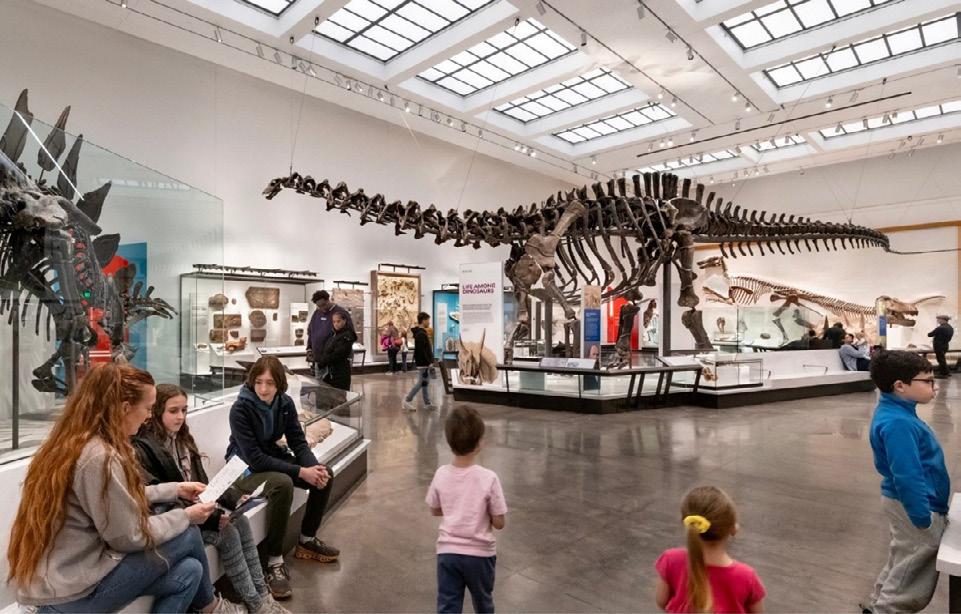
The Yale Peabody Museum hosts free three-hour school visits with added workshops and lunch offerings for groups of 20+. Enjoy museum spaces dedicated to cultivating young minds as they explore and learn through engaging
educational programming. Curated workshops, lunch options and storage space help to support an educational environment.
Students will benefit from:
• ●Newly renovated bus drop-off location for easy access
• ●Dedicated learning spaces for school groups
• ●Immersive workshops exploring history and science
Learning themes include:
• ●Natural history
• Biodiversity
• ●Earth science
• ●Museums-as-learning-labs
PLANNING TIP: Visit K-12 Programs & Group Visits | Yale Peabody Museum for more information.
Natural science is larger than life at the Yale Peabody Museum.
BIG SKY, MONTANA
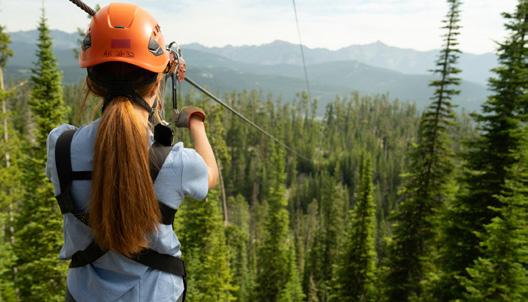
Big Sky Resort boasts the Explorer Gondola that will take your group straight to Kircliff – a two-story observation deck overlooking the Rocky Mountains. This is a great day trip to get students excited about local nature and the great outdoors. Paired with the nearby public lands curriculum will make the perfect lesson that balances the fun and educational sides of outdoor learning.
Students will benefit from:
• ●Field-based outdoor learning
• ●Winter STEM tie-ins
Learning themes include:
• Geology & ecosystems
• Outdoor leadership
• Environmental stewardship
PLANNING TIP: Discover Explorer Gondola: Kircliff | Big Sky Resort
3
NORTHWEST ARKANSAS –BENTONVILLE, BELLA VISTA, & MENA
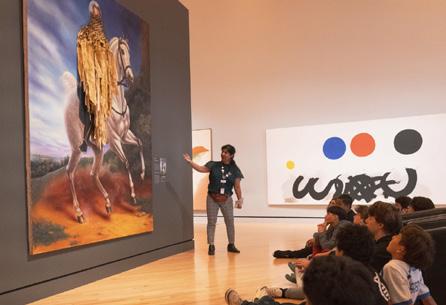
The OZ Trails Bike Park in Bella Vista and new Trails at Mena offer exciting outdoor learning opportunities, while the Crystal Bridges Museum of American Art in Bentonville highlights the cultural side of education. Take the morning to explore the region’s vibrant natural beauty, then, after a lunch break, dive into the rich culture of American art. Northwest Arkansas provides a perfect landscape for an outdoor adventure paired with a local culture lesson.
Students will benefit from:
• ●Educational outdoor experiences
• ●Free art education with seasonal tours and workshops
Learning themes include:
• ●Outdoor rec management
• ●Ecology
• ●Community development
• ●Arts integration
PLANNING TIP: Crystal Bridges showcases seasonal tours aligned with K-12 state curriculum standards.
4
MEDORA, NORTH DAKOTA
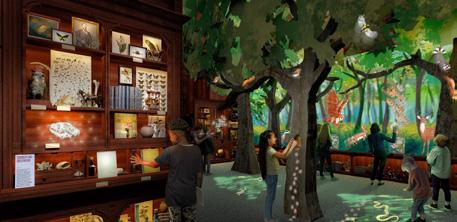
The Theodore Roosevelt Presidential Library opens on the United States’ 250th birthday, inviting guests to get interactive with galleries and exhibits highlighting the life of Theodore Roosevelt. Spend the day exploring a pillar of American history at the Theodore Roosevelt Presidential Library with hands-on history activities, interactive exhibits and educational nature walks. Then explore the Badlands to focus on environmental stewardship or explore local history in the historic town of Medora.
Students will benefit from:
• ●An immersive exploration of history
• ●Conservation ethics of a national park
Learning themes include:
• ●Conservation history
• ●Civics
• ●Environmental stewardship
• ●National park curriculum
PLANNING TIP: Check out Teach with TR – a compilation of educational online resources perfect for pre- and post-trip activities.
Big adventures await student groups at Big Sky Resort.
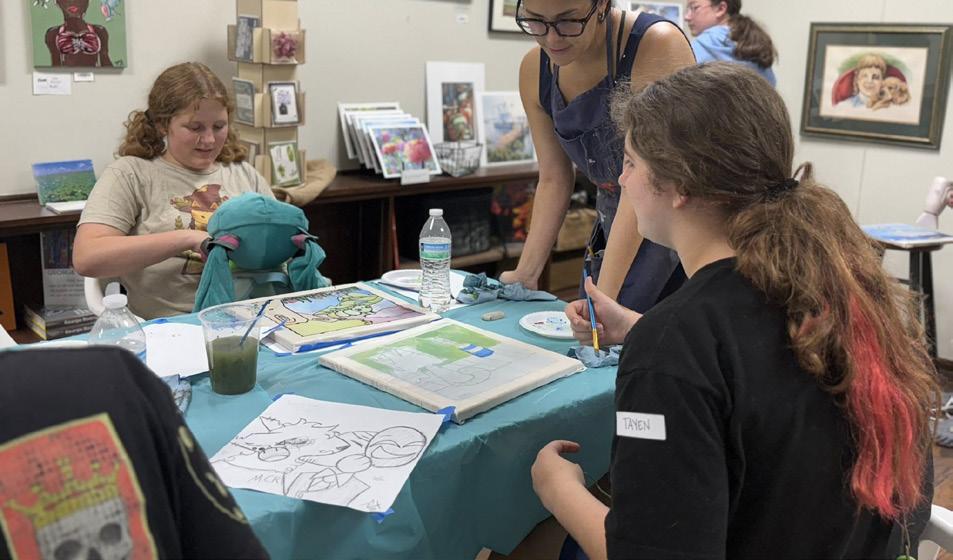
Discover incredible art displays at Crystal Bridges.
5
PUEBLO, COLORADO
The Leonardo da Vinci Museum of North America opens on June 12th, bridging the gap between the Renaissance and the modern age through machinery and design and is an ideal trip to highlight a larger classroom project. Spend the days leading up to your museum trip sketching and prototyping. The museum trip will give students a broader perspective through hands-on activities with historical designs. Post-trip reflection can help students tie everything together.
Students will benefit from:
• Model-based exhibits and interactive displays
• Hands-on workshops with STEAM programming tailored for K-12 students
Learning themes include:
• Engineering design
• Art & science integration
• Invention and prototyping
PLANNING TIP: Group bookings will open soon, but educators are encouraged to join their early access list. Visit – Leonardo da Vinci Museum of North America
6
LAKE CHARLES, LOUISIANA
Explore vibrant local culture at the Imperial Calcasieu Museum , featuring an immersive dive into Louisiana traditions. Students can explore the carefully preserved historical artifacts found
throughout the museum. Discover local history and culture throughout Lake Charles on docentled historic walking tours, where students can interact with tour guides and ask questions as they come face-to-face with historic sites.
Students will benefit from:
• ●The preservation of local culture
• ●An exciting look into history
Learning themes include:
• Cultural studies
• ●Regional history
• ●Arts
• ●Community traditions
7LOUISVILLE, KENTUCKY
Visit the Dot Experience where accessibility is not a footnote but the highlight of every exhibit, image and artifact. Take a trip to the world’s most inclusive experience at this truly one-of-a-kind student travel destination. Go behind the scenes with a factory tour, learn about Helen Keller and tour the largest collection of gathered history on blindness.
Students will benefit from:
• ●An interactive experience that is accessible to everyone
Art classes for all ages at Imperial Calcasieu Museum.
• ●A look into unique perspectives and a depth of lived experiences
Learning themes include:
• Accessibility
• ●Design thinking
• ●Empathy & communication
• ●Social studies
PLANNING TIP: Find student programs here: School Programming - The Dot Experience
8
SALT LAKE CITY, UTAH
Utah’s first state museum, the Museum of Utah , celebrates history, culture and art found nowhere else. Multiple field trip options allow for a curated visit that ties your museum trip to a civics lesson, with a tour of the Utah State Capitol . Or lean into a historical landscape with a trip to nearby Memory Grove Park .
Students will benefit from:
• ●A highlight of Utah history through multiple perspectives
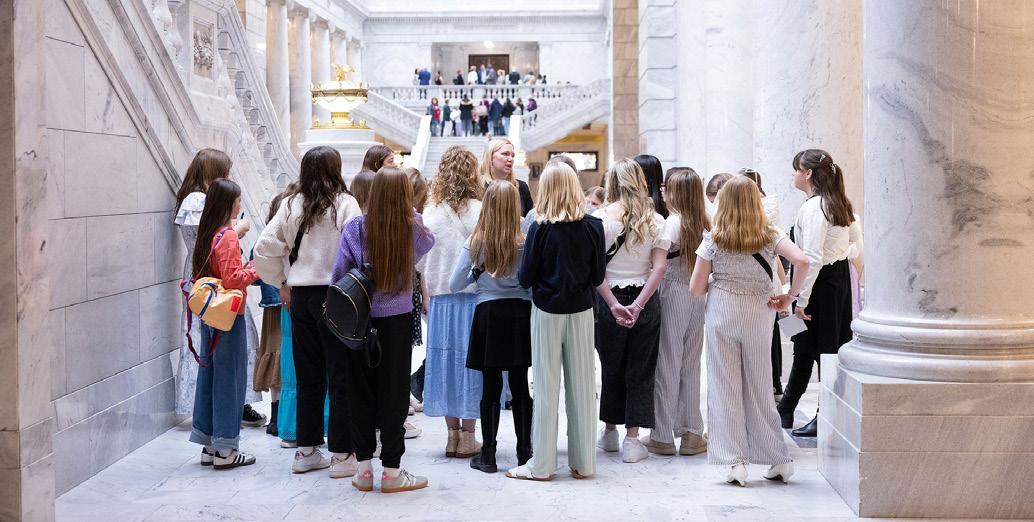
Tour the Utah State Capitol during a visit to the Museum of Utah.
• ●Lesson plans that help students think like historians
Learning themes include:
• State history
• Local innovation
• Culture PLANNING TIP: Check out their K-12 resources for Utah history here: K-12 Resources – UHS | Utah Historical Society
9
MEMPHIS, TENNESSEE
A new cultural campus is set to open at the Memphis Brooks Museum of Art in December 2026, featuring over 9,000 artworks spanning five millennia. This epicenter of the city’s culture makes it a reason to return and a great daytrip addition to any arts-focused itinerary. An extensive collection, a theater perfect for lectures, artist talks and a dedicated education space offer plenty of learning opportunities.
Students will benefit from:
• An expansive art collection with deep history
• A connection to local nature and culture
Learning themes include:
• Visual arts
• American cultural history
• Creative critique
WASHINGTON, D.C.
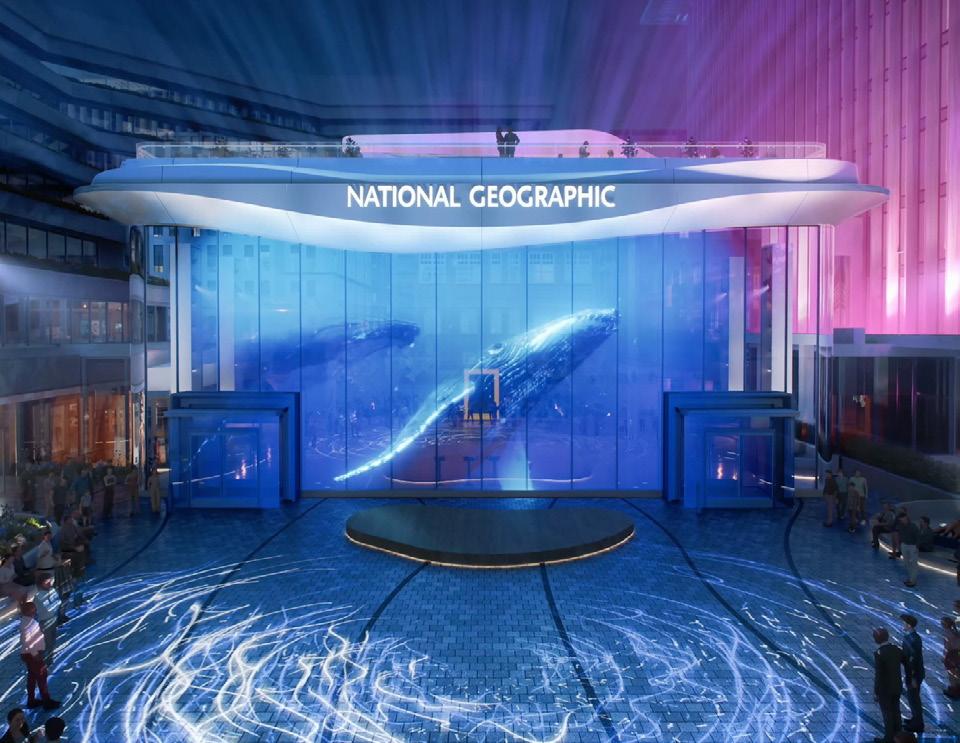
The capital of the U.S. boasts a new education center at the National Geographic Museum of Exploration , featuring immersive, tech-driven educational experiences. Exploration is at the forefront of this museum. Highlighting the adventurous side of learning, a day spent here takes students on a thrilling journey through geography, storytelling and real-world problem-solving.
Students will benefit from:
• ●An engaging experience with a space designed for education
• ●Curated itineraries and guided journeys that highlight learning objectives
Learning themes include:
• Innovative technology
• Wildlife & science
• Communities & culture
PLANNING TIP: Guided tours must be booked in advance. Group Visits to the National Geographic Society Museum
START PLANNING YOUR EDUCATIONAL ADVENTURE
While some of these up-and-coming U.S. destinations for student travel are not open yet, the buzz around them has already begun.
With innovative educational approaches and an abundance of learning opportunities, it is best to plan early. Capacity will be limited, so book ahead if possible.
Contact the destination spokesperson early
and often. Iron out the important details such as group entrances, lunch space and workshop minimums ahead of time. And as the date approaches, confirm and double-check that everything is in order for your visit.
Credit: National Geographic Museum Facebook
Explore engaging exhibits at the National Geographic Museum of Exploration.
The well-being of every student during travel is vital for an enjoyable experience.
Well-Being on the Road: Mindful Travel Tips for Student Tours
Practical strategies for student travel leaders to support mental health and emotional safety during field trips
By Lorelei Skurzewski
Credit: Canva
Travel can be exciting for young learners and still dysregulating. Consider schedule changes, sleep disruption, sensory overload and social pressures. For students who already deal with anxiety, emotional sensitivities or just lower social capabilities, those stressors can hit even harder.
Let us help you create an exciting experience for even the most fearful young traveler, using 12 essential methods to support anxious students on field trips. If you’re planning or leading an educational excursion, follow our simple strategies to make a profound difference in how students are impacted by their travel experience.
Wellness Travel Translates to Emotional Safety on Student Trips
Creating an inclusive travel experience for students really comes down to designing it to support everyone from the beginning, especially those who might struggle in unfamiliar settings. To accomplish this:
• Set clear expectations to limit surprises.
• Provide safe boundaries for independent choices and autonomy.
• Offer built-in support, like breaks, quiet time and reset options, giving students respite to recharge and reduce sensory overload.
• Foster strong communication and a group culture where students feel safe speaking up and voicing concerns without feeling singled out.
Create choice-based itineraries where students can participate in group or individual activities.
Likely Stressors Travelers Face During Any Trip
Every travel experience has moments when stress tends to spike, and being aware of these in advance will help you plan around them or mitigate their impact. They include:
• Early mornings or disrupted sleep
• Long transitions like airports, bus terminals or waiting in lines
• New food and unfamiliar routines
• Loud, crowded or overstimulating environments
• Social dynamics like rooming, cliques and peer pressure
This ultimately ensures that everyone feels secure, respected and able to self-regulate throughout the trip.
12 PRACTICAL STRATEGIES FOR INCLUSIVE STUDENT TRAVEL PLANNING
1
IMPLEMENT A PREDICTABLE DAILY RHYTHM
What to do: Share a simple structure for the day, such as: wake up / breakfast / dedicated learning block / lunch / rest or break block / afternoon activity / dinner / winddown time / bed. This routine creates a safe environment without surprises.
These are the moments when things can go wrong if you don’t have built-in support. Luckily, you can implement the following strategies into your plan that support students’ well-being on school trips.
Why it helps: Predictability makes students feel more secure, confident and on pace with the activity or experience and the group.
Credit: Canva
2
BUILD MARGINS INTO THE ITINERARY
What to do: Add buffer times between activities to ensure enough mental breaks, physical downtime and regrouping so the entire class is on the same page. It’s vital to incorporate at least one lengthy block of time solely for resting and recharging.
Why it helps: Pacing and downtime on student tours prevent burnout and overstimulation. Younger students, especially, can have a hard time with sensory overload and act out or shut down.
3USE SHORT, REGULAR CHECK-INS
What to do: Quick emotional check-ins, such as asking about students’ emotional health and mental well-being, are encouraged so that no one feels abandoned or unheard. Some questions to ask include, “What’s your energy level 1-5?” or “Anything you need before we move?” Fast, simple and to the point.
Why it helps: This opens the door to trusted communication and helps leaders catch issues with particular students early, without making them a larger situation later.
4
OFFER CHOICE-BASED PARTICIPATION
What to do: Give students two ways to engage—a guided group route or a quieter independent choice. Providing flexible options that adapt to a student’s mental and emotional needs will foster trust and communication, without making them feel forced into activities they may be uncomfortable with.
Why it helps: By offering choices, you are supporting diverse needs without singling anyone out.
5
CREATE A RESET PLAN AND DESIGNATE QUIET SPACES
What to do: Identify a calm space every day and use it for unexpected interruptions or disconnects caused by travel stressors. Point out
a quiet corner, a serene outdoor space or any designated calm area where students can selfregulate.
Why it helps: These spaces support sensoryfriendly school trip strategies and ensure that no matter what situation may arise, you’re always prepared with backup plans.
Credit: Canva
Create a quiet space for students to retreat to when they need time apart from the group.
6
PRE-TRIP BRIEFINGS ABOUT TRANSITIONS AND SENSORY SPIKES
What to do: Tell students what to expect before immersing them in intense environments. Example: “This next place will be crowded and louder than you’re used to, so here’s the plan…”
Why it helps: This will reduce anxiety and stress caused by uncertainty and unfamiliar environments.
7USE SIMPLE VISUALS TO REDUCE STRESS
What to do: Provide a one-page daily overview of what the day will look like. Use icons and simple text for schedules and rendezvous points. This allows students to visualize the experience and minimize surprises.
Why it helps: This strategy reduces cognitive overload, allowing students to enjoy the experience rather than worrying about what comes next.
8
SET UP A GROUP COMMUNICATION CODE PHRASE
What to do: Create a simple phrase for students to use when they need to ask for help. When someone needs a break, they can say, “I need a reset,” and group leaders can respond calmly and accordingly.
Why it helps: It makes support easy and normal without any one student feeling embarrassed or singled out when they need something.
Set aside time for rest and reflection so students can recharge and regroup.
9
IMPLEMENT PACING AND DOWNTIME ON STUDENT TOURS
What to do: Set clear, quiet hours and routines to ensure both mental and physical rest. Keep wake-up times consistent and limit latenight disruptions or activity so young learners wake refreshed and ready for the day.
Why it helps: Since sleep directly impacts emotional regulation, it’s vital to implement plenty of breaks during the day, especially for young travelers. A full night of uninterrupted sleep is best before lengthy field trips.
10
LEAD WITH CALMNESS AND CONSISTENCY
What to do: Keep your tone steady and supportive to foster a calm and consistent environment. Give clear instructions to avoid any misunderstanding among peers or in public.
Why it helps: Leaders set the emotional tone for the group, and starting with a calm, consistent presence will make the trip feel safe and inclusive throughout.
11
BE INTENTIONAL WITH STUDENT GROUP DYNAMICS AND EMOTIONAL SUPPORT
What to do: Carefully consider your students’ rooming and group pairings. You can offer them a preference form to gauge their thoughts and comfort levels. Pair students thoughtfully with like-minded or emotionally sensitive peers and allow time to decompress.
Why it helps: Social stress is a major issue on trips for all types of travelers, not only students. By mitigating uncomfortable situations before they arise, the trip will run smoothly for everyone.
Individual learning blocks help keep sensory overload at bay.
12
END EACH DAY WITH A CHANCE FOR REFLECTION
What to do: Come together for a brief group reflection exercise or encourage individual rumination on the day. Ask your students:
• What was the high point of today that you most enjoyed?
• What was hard about today?
• What do you need to have a good experience tomorrow?
Why it helps: This helps everyone process the day, reflect on its highs and lows and reset for the next adventure, feeling safe and confident.
Simple Tools You Can Use Right Away
Basic well-being plan:
• Post the daily schedule each morning
• Identify one quiet reset space
• Include one buffer block
• Do check-ins throughout the day
60-second check-in script:
• “Energy 1-5?”
• “Do you need food, water, restroom or a reset?”
• “You can always ask for a break.”
Simple reset options:
• Sit in a designated quiet space
• Take a short walk with a chaperone
• Have a break from noise or crowds
• Get water or a snack
Where to Go from Here
The most important thing to remember is that these support strategies shouldn’t feel like special treatment. They should simply be part of the trip’s intentional design. When emotional safety is built into the structure, everyone benefits, not just the students who need extra support.
What is mindful travel for student groups?
- It’s designing trips with emotional safety, predictability and individual support built in.
How do you support student mental health on school trips?
- Use frequent check-ins, clear schedules, ample downtime and open communication.
What helps anxious students on field trips?
- Predictability, consistency, choices and access to quiet spaces.
How do you plan a sensory-friendly student tour?
- Limit overstimulation by providing breaks and preparing students for intense environments.
• Offer at least one choice-based activity Group reflection activities help students understand what they learned.
How much downtime should students have?
- At least one buffer or rest block per day.
What should leaders do if a student is overwhelmed?
- Stay calm, offer a reset option and remove them from the situation if needed.
How do you make trips inclusive without singling people out?
- Build supports into the default plan for everyone.
What are simple check-in routines?
- Quick energy ratings and asking basic needs questions throughout the day.
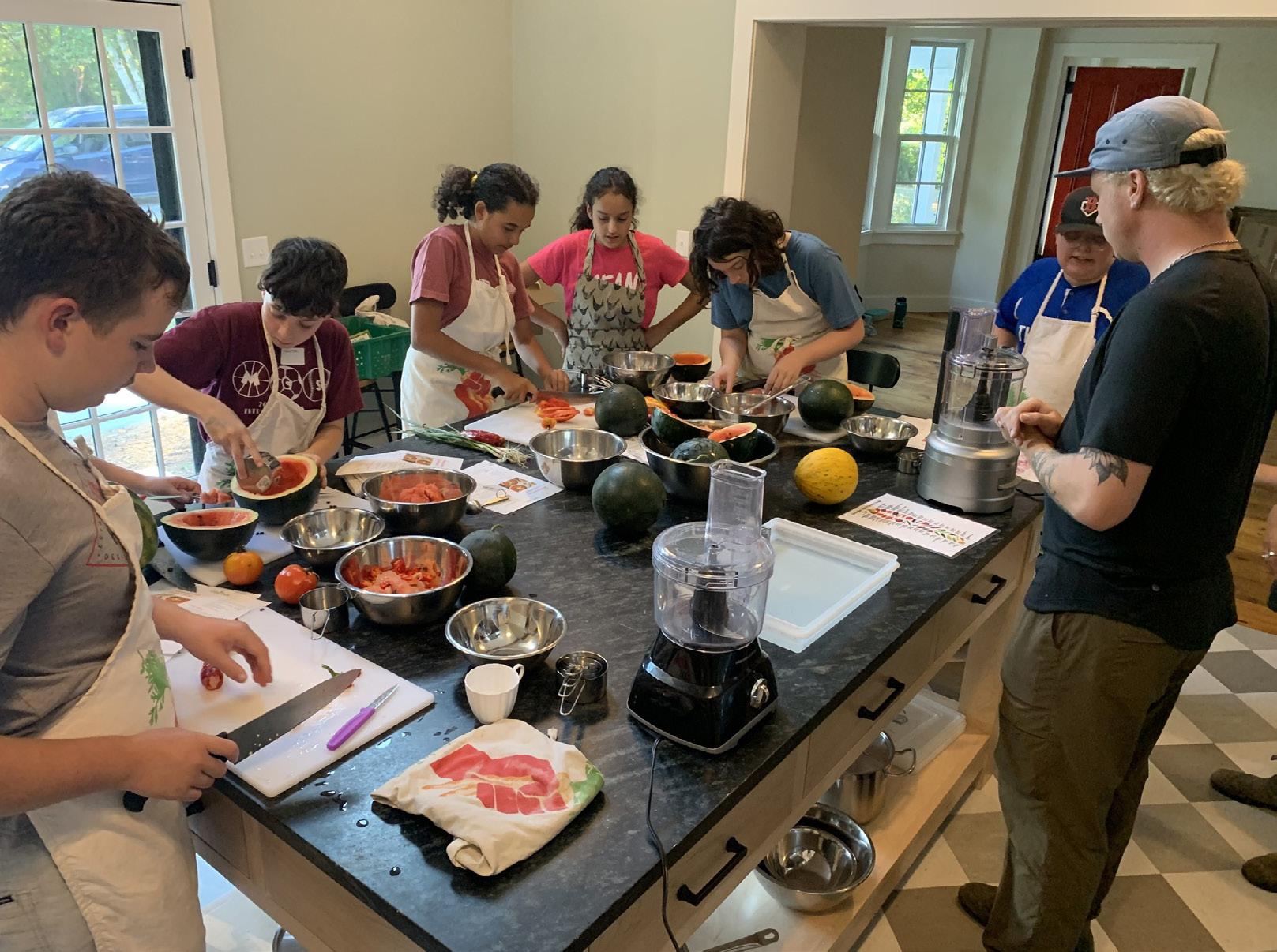
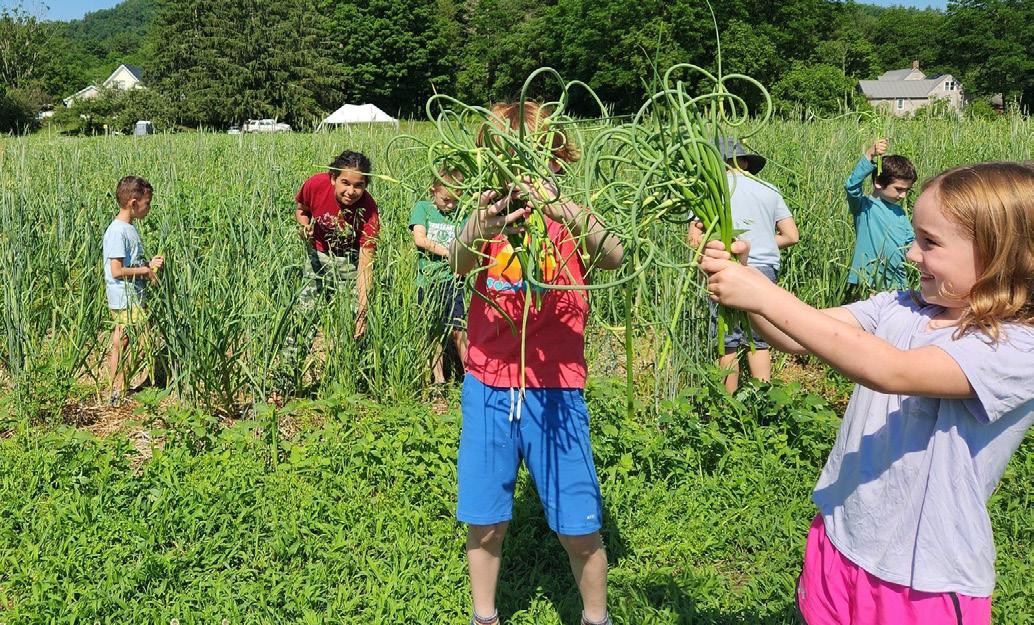
Students get hands-on during cooking classes at Cedar Circle Farm & Education Center.
Culinary Curriculum:
EDUCATIONAL FOOD EXPERIENCES FOR STUDENTS
From farm-to-school learning activities to fascinating food science programs, agritourism field trips for students are gaining popularity
By Helene Martin
Food isn’t just something students consume—it’s culture, science and systems. There are plenty of ways to digest educational food experiences. It is at the heart of culture, it plays a pivotal role throughout history and is an art form steeped in science. No matter which angle you take, food can fit into the classroom curriculum in exciting ways.
Planning a food-focused experience takes a little extra consideration than your average field trip. Luckily, we have you covered with trip themes that span various subjects, planning tips and resources for addressing food allergies.
Why Food is One of the Best Cross- Curriculum Field Trip Themes
Food is so much more than what we eat. Tie your educational food experiences for students to your classroom curriculum for an interdisciplinary education through cultivated culinary journeys.
Culture & Identity – Explore immigrant stories through the language of food for a look into the culture and identity behind tradition.
Agriculture & Ecosystems – Learn the science behind how food comes to be through the importance of soil to plant life, the vital role of water and how climate change has impacted local farmers.
Industry & Engineering – Go behind the scenes with processing lines and quality control to get an industry deep dive. Or look at the consequential machines that make food production possible.
Business & Entrepreneurship – Get a look at the strategy behind what makes good food into a great business, from the supply chain to branding.
Sustainability – Students are more eager than ever to learn about environmental impacts behind packaging choices, food waste and impacts to their local economies.
Choose Your Food Learning Style
There are plenty of ways to work food into your lesson plan in educational ways. Depending on your curriculum, pick the food learning style that best weaves into classroom objectives.
Agriculture & Harvest – Full of farm visits and dairy tours, agritourism field trips for students are perfect for learning about the importance of local agriculture.
Cedar Circle Farm & Education Center.
Food Science & Production – Bakeries and food-processing tours help students gain handson experience in food science and production.
Cultural Foodways – Take a trip to a local market or host a family-style classroom potluck to highlight the importance of cultural food experiences for school groups.
Policy & Systems – The USDA’s Farm to School is just one of many food and nutrition programs that highlight the importance of
student participation in food education and their access to local food.
Curated Culinary Learning Experiences for Students
There is a whole world of culinary delights for students to explore, learn from and experience. This can start as simply as a curriculum tiein or classroom project. However, young minds will truly thrive through immersive
learning opportunities. We have compiled a comprehensive guide for planning the best educational food experiences for students.
AGRITOURISM & FARM VISITS
For a true farm-to-school experience that opens young minds to the process behind what they eat, it’s best to get hands-on. Give students a peek behind the curtain of local farming and food processing through one of these “where food comes from” field trips.
Cedar Circle Farm & Education Center
In East Thetford, Vermont, the Cedar Circle Farm & Education Center features hands-on farm learning through its interdisciplinary field trips. This is a great option for learners of all ages. Visitors are encouraged to engage with the natural world and the study of agriculture through the seasons. Reach out in advance for field trip information and booking. Learning outcomes are structured by grade, offering hands-on education on topics including:
• Ecosystems & Interactions
• ●Engineering Design
• ●Aquatic Ecology & Water Quality
• ●Nature in Agriculture
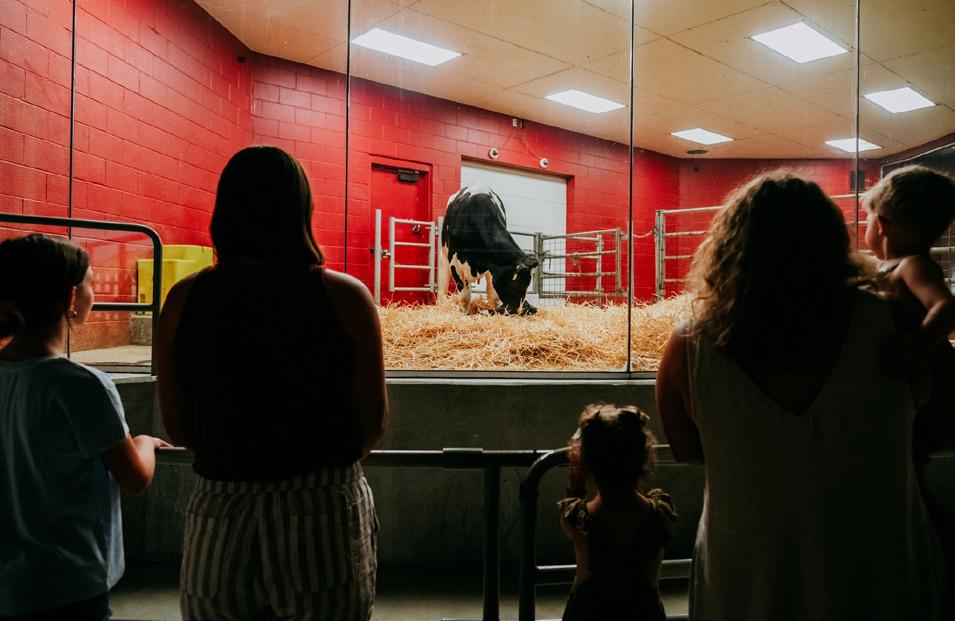
Fair Oaks Farms
Take a journey to Fair Oaks Farms, an agricultural hub in Fair Oaks, Indiana, that offers curious minds farm tours, interactive exhibits and a focus on the impacts of modern farming. Book your educational adventure in advance, with options for various subjects for all ages.
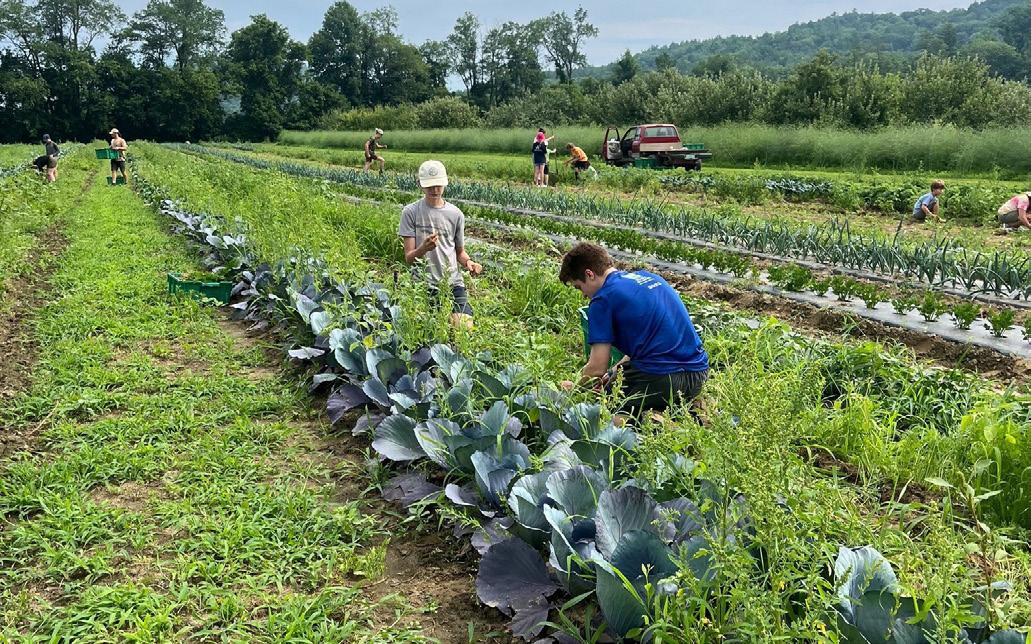
Harvest time at Cedar Circle Farm.
Their Dairy, Pig, and Crop Adventure Tour gives students an up-close look at how farms operate. A trip here contextualizes a variety of learning, including:
• Sustainability
• Environmental Impacts
• Animal Welfare
Factory Tours in Iowa
There are a variety of factory tours in Iowa that help students gain a rounded education in agriculture. Tour the Kinze Manufacturing Company, full of grain carts and planters. The Deere Davenport Works Factory Tour promotes the learning of John Deere and its storied history in the agricultural industry.
FOOD SCIENCE & PROCESSING
Help students understand what happens to their food between when it leaves the farm and when it reaches the table. These educational food experiences for students are ideal for a STEM-focused trip, career exploration and food science programs.
Tillamook Creamery
Located in Tillamook, Oregon, the Tillamook Creamery’s viewing gallery allows students to see the entire process, from curdling the milk to cutting the cheese to scale checks. With a free self-guided tour open to all ages, this is a perfect trip for any grade. Learn the ins and outs of cheesemaking, with easy tie-ins for:
• Food Science
• Production
• ●Business
TABASCO Pepper Sauce Factory
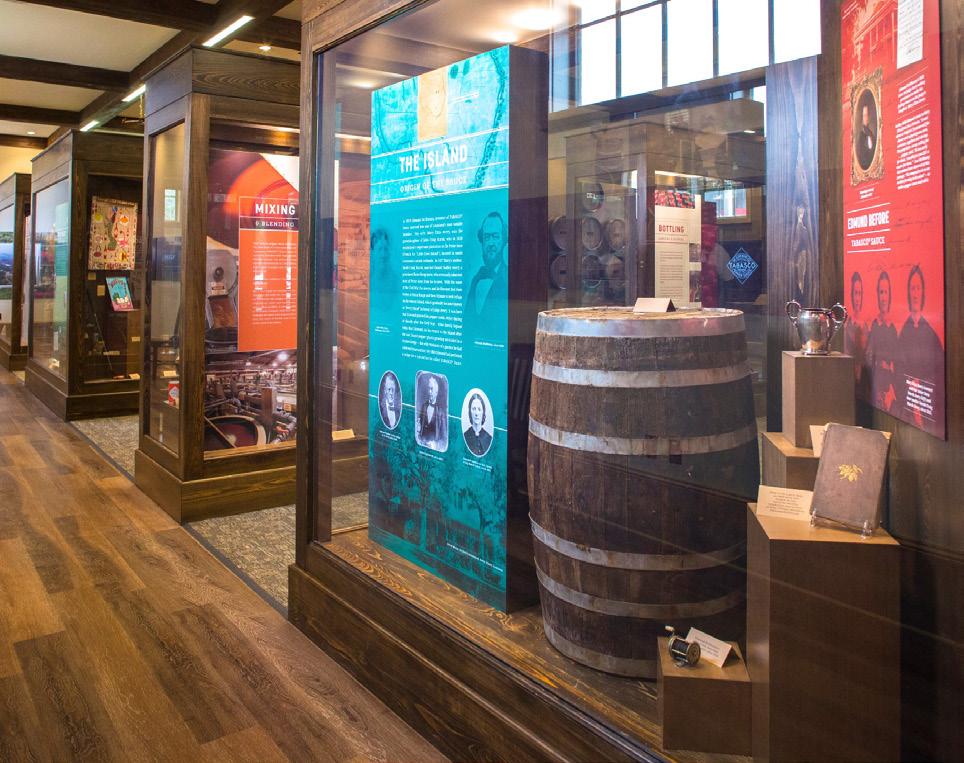
Head to Avery Island, Louisiana, where students can explore the whole seed-to-sauce process during a tour of the TABASCO Pepper Sauce Factory museum, greenhouse, barrel warehouse, blending room and bottling line. Reservations are required in advance, with a variety of tour options available for all ages. Students learn about the whole process from farm to bottle to kitchen, focusing on:
• ●Agriculture
• ●Food Science
• ●Entrepreneurship
Evangeline Maid Bread
In Lafayette, Louisiana, Evangeline Maid Bread has used a baking process dating back over 100 years. This historic bakery emphasizes the importance of traditional techniques in the culinary arts. With a guided tour, students observe the production line and the processes involved in running a business. Students gain insights into:
• ●Culinary Arts
• ●Production
• ●History & Community
• ●Business
Birthing Barn at Fair Oaks Farms gives students a close-up look behind the scenes.
CULTURAL FOOD LEARNING
Don’t just take students on a standard food tour. Immerse them in the celebration of a culture through cuisine. Through these unique culinary learning experiences for student groups, they are encouraged to ask questions about ingredients, migration, labor and tradition in thoughtful ways.
Immigrant
Neighborhood Learning Walks
Blend history, food culture and tradition into one educational food experience for students. Walk through a unique food destination, such as Chinatown in New York City or Little Havana in Miami, while learning about:
• History
• Cultural Studies
• ●Cuisine
Home-Cooked Meal with a Local Family
If students are lucky enough to have a family open their home to curious minds, make sure to plan accordingly. Teachers should set expectations and educate on respectful curiosity beforehand. Students can take this unique experience to learn about:
• ●Culture
• ●Culinary Arts
• ●Cooking Traditions
CULINARY SKILL-BUILDING
Groups don’t just learn about where food comes from or how it is processed; students can get the best hands-on experience by cooking for themselves. Perfect for those who are exploring culinary careers and for a hands-on food science lesson.
Culinary Kids – With an outreach program that brings cooking right to you, Culinary Kids’ inclusive programming offers interactive experiences for all ages. Students will learn about food science and culinary arts while interacting with ingredients.
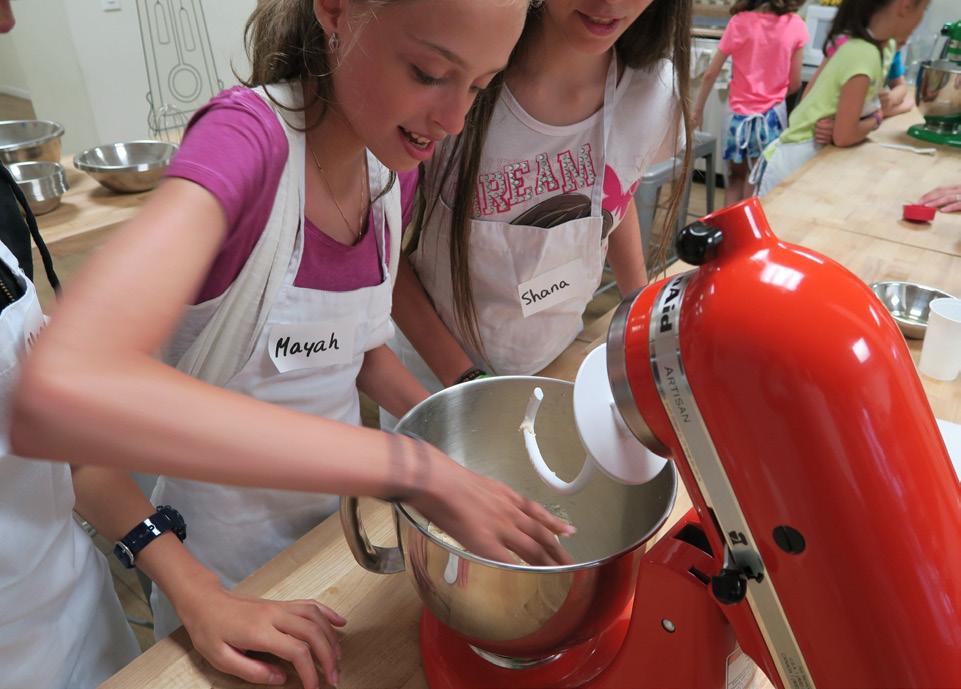
Green Apron Kitchen – Make food learning fun with cooking lessons from Green Apron Kitchen. Perfect for a variety of age groups, these
classes are a great way to get students excited to learn about food science and culinary arts.
Garden School Foundation – All ages can gain a one-of-a-kind culinary experience with cooking classes from the Garden School Foundation and its Seed to Table program. Field trips are customizable to your classroom learning needs, including farm ecosystems, culinary arts and food science.
Credit: Tabasco Facebook
TABASCO Pepper Sauce Factory museum.
Inclusive Planning : Allergies, Restrictions and Picky Eaters
It’s important to develop a comprehensive food plan before embarking on a food-focused field trip. Keep in mind: Just because some students cannot safely participate in tastings does not mean they should be excluded from learning.
For picky eaters, it’s important to avoid turning meals into a power struggle. Some kids have severe aversions to certain foods or food groups, so plan ahead with a “safe food” option. Remind students that tasting is optional, learning is required.
For food allergies and restrictions, start by coordinating with your school’s pre-existing allergy management plan – and get nurse guidance on best practices. Structure your culinary trip with the necessary safeguards in place and pre-planned alternatives for students who cannot eat everything – or anything – found there. The CDC provides a Food Allergies in School Toolkit full of tips and training to help school staff implement safe practices.
It’s also important that students understand their own limits. Before the field trip, educate the whole class with a simple rule: If you’re unsure whether something is safe for you, don’t guess –ask an adult.
Here’s a quick planning checklist for your next educational food experiences for students:
• ●Collect dietary restrictions early; confirm how providers handle cross-contact.
• ●Confirm ingredient lists for any tasting/ workshop.
• ●Identify a “safe snack” plan for long days.
• ●Choose at least one daily meal option that’s plain and predictable.
Planning a Culinary Trip That Students Remember
Check our Student Travel Planning Guide for all the best planning tips and inspiration for your next budget-friendly field trip.
Prevent any last-minute surprises to your trip by asking these questions before booking:
1. “Do you offer a student/group program or only public tours?”
2. “What ages are allowed on-site (and on the production floor if applicable)?”
3. “Can we avoid strong smells/noise/crowds with a timed entry?”
4. “Can you accommodate allergies, and what’s your policy on outside food?”
5. “Is there space for lunch + a quiet break if a student needs to reset?”
Green Apron Kitchen school.
Top International Cities for
First-Time Student Travelers
Discover student-friendly international cities that are easy for first-timers—plus planning tips for safety, budgets and learning value
By
Heather Dale Irish Sign Language
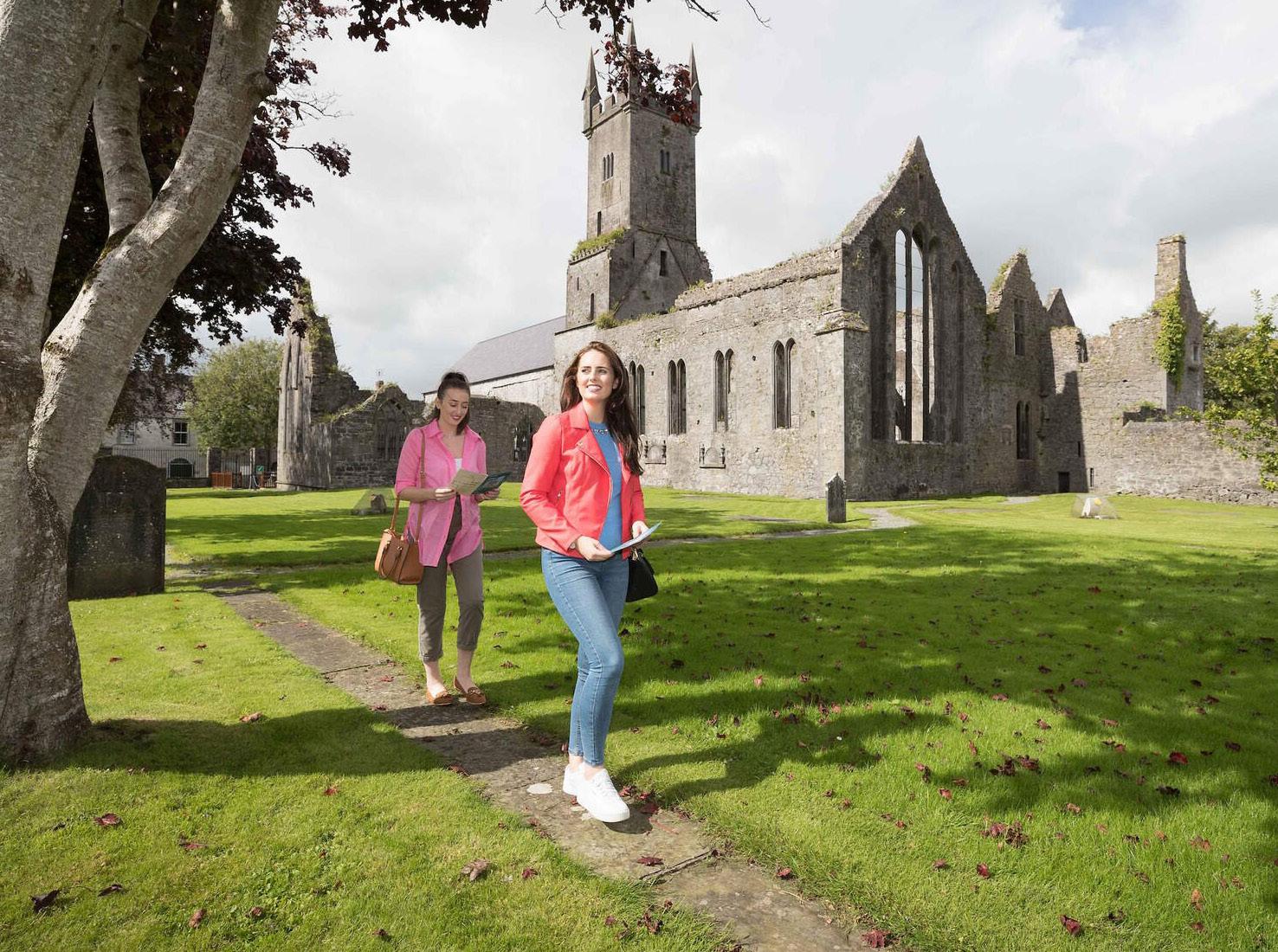
Tour at Ennis Friary.
The world is vast, multifaceted and complex, evoking a sense of the unknown, often causing anxiety or fear in some students. But it also provides countless opportunities to learn—through travel, interaction and exposure to new ideas and traditions. This list of top international cities for first-time student travelers promotes experiential learning in safe and welcoming environments where students embrace the unfamiliar rather than shy away from it.
WHAT CONSTITUTES A ‘STUDENT-FRIENDLY’ CITY?
Since field trip groups consist of diverse learners, a “student-friendly” location should include:
1. Simple navigation – a good walkability score, reliable public transportation and maps that are easy to comprehend
2. Strong educational institutions – ample museums, landmarks, UNESCO sites, art spaces
3. Clear signage – to assist with language immersion and English-speaking support
4. Ample student programming – whether through educational spaces or offered through private institutions
5. Accommodation zones – should be centralized, easy to find and located in a safe area
6. Predictable pacing – minimal time spent traveling between attractions, historical sites and accommodation
CHOOSE YOUR GROUP’S TRAVEL STYLE
Before selecting the best city that suits your objective for the trip, consider the following if your group is:
• First-time flyers: cities with straightforward airports and transportation
• Language learners: immersive, welcoming environments
• History enthusiasts: cities with living history, interactive museums and historic landmarks
• STEM/Innovation-inspired: destinations with top STEM/science centers, universities or tech districts
• Budget-savvy: locations with free/low-cost attractions and dining
TOP STUDENT-FRIENDLY INTERNATIONAL CITIES
From classic and iconic destinations to up-and-coming cities that inspire, here are the top international cities for first-time student travelers today.
LONDON
One of the biggest barriers students face when traveling internationally is language. London is an English-speaking city that offers unmatched access to world-class educational attractions, many of which are free, including the British Museum and Tate Modern.
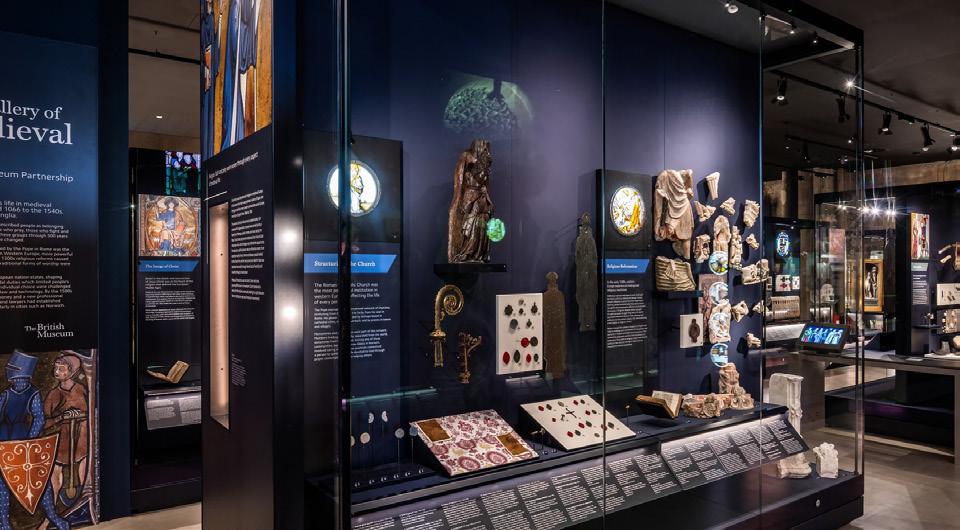
Gallery of Medieval Life at the British Museum in London.
Student-friendly strengths:
• Iconic sites that tie directly to curriculum (history, literature, civics)
• Easy and group-friendly public transportation with the Tube and intuitive buses
• Clear and easy-to-interpret signage
• Strong safety infrastructure
Educational experiences:
Students have opportunities to participate in guided museum tours and workshops, performance experiences and parliamentary education tours with knowledgeable docents.
• British Museum – world civilizations
• Tower of London – monarchy and medieval history
• Houses of Parliament – civics
• Shakespeare’s Globe – literature and performance
What to plan for:
• Consider peak-season crowds and higher costs
• Review transit etiquette and timing
DUBLIN
Dublin , Ireland, is a welcoming city and easy to navigate for first-time international student travelers. Think of it as a soft introduction to Europe with a strong cultural identity and plenty of educational opportunities that connect directly to history and literature.
Student-friendly strengths:
• Top walkability score
• Rich historical and literary connections (Joyce, Yeats, Irish independence)
• Friendly local culture encourages student interaction
Educational experiences:
Perfect for middle and high schoolers, groups can explore interactive museum exhibits, participate in literature-focused walking tours and take guided history tours with robust storytelling.
• Trinity College Dublin – library history, home to the Book of Kells
• Kilmainham Gaol Museum – Irish independence
• EPIC The Irish Emigration Museum –interactive emigration history
• Dublin Castle – historic landmark
What to plan for:
• Build a flexible itinerary with plenty of indoor learning opportunities for unforeseen weather
• Limited in large-scale public transportation compared to bigger cities
PARIS
If you seek a truly iconic destination with renowned sites, Paris , France, boasts
exceptional educational value through art, history and culture that are instantly recognizable. Teachers will especially appreciate the city’s well-established tourism infrastructure and efficient metro system, making organized group tours easier to manage.
Student-friendly strengths:
• Densely concentrated educational attractions
• Landmark-driven learning at places like the Louvre, Notre-Dame and Versailles
• Efficient and group-friendly metro system
• Deep connections to art, global history and language
Educational experiences:
There are numerous iconic and historically significant locations in Paris that are a must-
Credit: Michael Jones / Flickr
Credit Chateau de Versailles Facebook
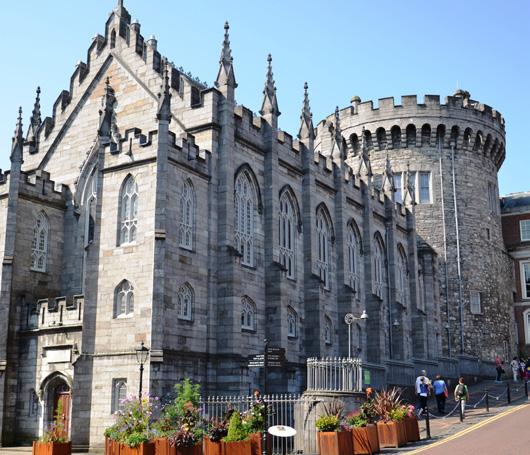
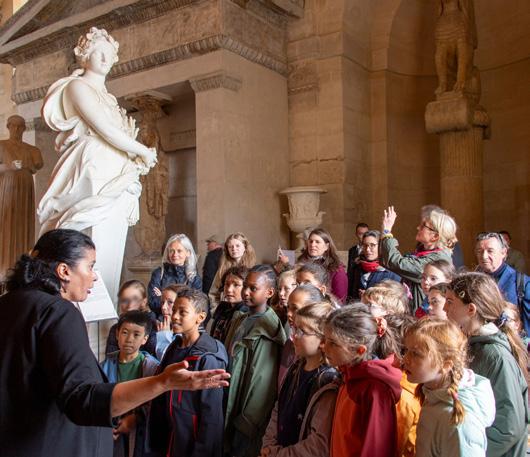
Palace of Versailles tour in Paris. Dublin Castle.
visit for student groups that offer guided art history tours tailored to age groups, language immersion opportunities and a journey down the Seine River with historical commentary.
• Louvre Museum – art history
• Palace of Versailles – French monastery
• Latin Quarter – academic history and culture
• Musée d’Orsay – Impressionist art
What to plan for:
• Crowded popular attractions
• Encourage basic French for language immersion
ROME
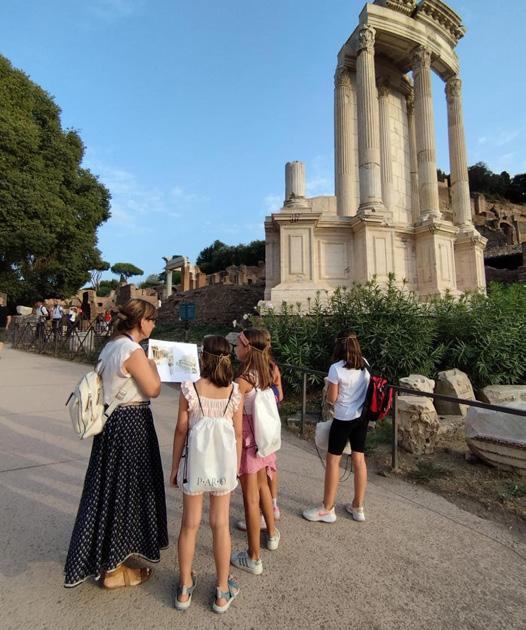
Take a step back in time with a trip to Rome , where textbook history comes to life in unimaginable ways. Students can literally walk through ancient Italian ruins where fascinating civilizations once ruled.
Student-friendly strengths:
• Direct ties to Western civilization, religion and government
• Highly visible and immersive learning environment
• Historic city center is very walkable
Educational experiences:
Exceptional history awaits student groups with exciting archaeology-focused tours, “Ancient Rome” curriculum-based experiences and educational tours of the Vatican for art and religious studies.
• Colosseum – Roman engineering and social studies
• Vatican Museums – art history and religion
• Pantheon – ancient architecture and history
• Roman Forum – ancient governmental studies
What to plan for:
• Seasonal hot temperatures, ample walking and physical fatigue
• Major sites require timed entry reservations
AMSTERDAM
In the Netherlands, Amsterdam is a compact, easy-to-navigate and organized city, making it a prime location for first-time international student travelers. The region is ideal for manageable pacing and structured group mobility in a safe atmosphere where learning becomes an adventure.
Student-friendly strengths:
• Robust museum offerings, including interactive tours and thought-provoking student programs
• Safe and clean urban environments for students of all ages
• Simple and reliable public transportation, from trams to walking and biking
Educational experiences:
Amsterdam is rich with history, and student groups have myriad opportunities to learn during art-focused guided museum tours, Holocaust education programs and unique canal tours led by local historians.
• Anne Frank House – Holocaust studies
• Rijksmuseum – culture and history of the Dutch Golden Age
• Van Gogh Museum – art history and biography
What to plan for:
• Book in advance for key attractions and iconic sites
• Safety and bike traffic awareness (this is a heavily biked location)
BARCELONA
With its vibrant mix of culture, coastal energy and exquisite architecture, Barcelona offers inspiring visual engagement and language immersion opportunities. At the same time, teachers can enjoy the city’s practical accessibility, reliable public transit and groupfriendly accommodation options.
Student-friendly strengths:
• Very walkable districts with robust public transit support
• Gaudí’s stunning architecture provides exceptional STEAM and art curriculum crossovers
• Cultural immersion through public spaces and cuisine
Colosseum in Rome.
Credit: Parco archeologico del Colosseo Facebook
Educational experiences: Barcelona offers fantastic architecturefocused group tours for Gaudí architecture studies, art museum workshops for hands-on opportunities, cultural immersion through food and market experiences, and guided museum tours.
• Sagrada Família – architecture and engineering
• Park Güell – design and urban planning
• Picasso Museum Barcelona – art history
• Gothic Quarter – architecture and medieval history
• The Temple Expiatori del Sagrat Cor (or Church of the Sacred Heart) – iconic historic landmark
What to plan for:
• Clear rendezvous points and supervision strategies
• Crowd control in busier places like La Rambla (use the buddy system, multiple group leaders)
SEOUL
South Korea’s leading global city, Seoul, blends innovative technology with deep historical and cultural roots. It also boasts plenty of dazzling architecture in a highly organized and efficient environment that first-timers can navigate easily. With cutting-edge technology, ancient history and sacred heritage, Seoul provides a balanced and unique cultural experience for students.
Student-friendly strengths:
• Fantastic subway system for clean, safe transportation that is easy to navigate
• Safe and highly organized urban layout
• Strong STEM, AI, robotics and pop culture environment
Educational experiences: Students have ample learning opportunities in Seoul through cultural workshops that teach about hanbok and calligraphy, STEM and tech center visits, guided history tours with live cultural demonstrations and annual festivals.
• National Museum of Korea – history and culture
• Gyeongbokgung Palace – Korean history
• Bukchon Hanok Village – traditional Korean culture
• Seoul Robot & AI Museum – technology, robotics and AI
• National Science Museum – interactive space, physics, robotics and environmental science
What to plan for:
• Cultural etiquette, including respect and behavioral norms
• Translation tools for language barriers
TOKYO
If you seek to broaden your students’ global awareness, Tokyo provides exceptional opportunities for cultural immersion and a clear example of master infrastructure and safety. Blending deep-rooted traditions, innovative technology and impressive educational opportunities, Tokyo is a great first international trip for students.
Student-friendly strengths:
• World-renowned group-friendly transit system
• Strong safety culture
• Dynamic blend of innovation and tradition
Educational experiences:
There are plenty of learning experiences for students with robotics/STEM demonstrations and exhibits, workshops on cultural etiquette
The Temple Expiatori del Sagrat Cor (or Church of the Sacred Heart) in Barcelona.
Credit Gary Todd via Flickr
Gyeongbokgung Palace in Seoul.
and real-world learning opportunities through transit navigation and personal interaction.
• Tokyo National Museum – history
• Miraikan National Museum of Emerging Science and Innovation – STEM and innovation
• Sensō-ji Temple – cultural heritage
What to plan for:
• Cultural norms (quiet public spaces, etiquette, dress)
• Pre-trip overview of public transportation systems
MUNICH
Munich , Germany, is a top-ranked educational city offering student groups strong learning opportunities in science, history and engineering, while surrounded by breathtaking architecture and deeply rooted heritage.
Student-friendly strengths:
• Easy access to major museums and educational institutions
• Efficient and safe transit, ideal for day trips to nearby regions
• Structured, safe and clean environment
Educational experiences:
Through dynamic hands-on science and engineering exhibits, guided historical reflection tours and structured day trips to nearby historic locations, students have numerous opportunities for immersive experiences.
• Deutsches Museum – STEM and innovation
• Munich Residenz – royal history
• Dachau Concentration Camp Memorial Site
– Holocaust history
What to plan for:
• Seasonal crowds during annual festivals
• Timing and transport logistics for day trips
LISBON
Portugal’s capital, Lisbon , is a budgetfriendly option for student groups, offering strong cultural and historical value for learners.
Experience vibrant natural spaces, scenic neighborhoods and plenty of language immersion opportunities.
Student-friendly strengths:
• Affordable options for dining and accommodation
• Strong maritime culture and exploration history
• The city is a manageable size with scenic neighborhoods The Universe: Unread Messages exhibit in Tokyo.
Educational experiences:
Through immersive exploration-era history tours, cultural workshops focusing on cuisine or music, and educational walking tours through historic districts, students will gain firsthand knowledge of this dynamic location.
• Belém Towe r – Age of Exploration history
• Maritime Museum Lisbon – maritime history and heritage
• Jerónimos Monastery – history and religion
What to plan for:
• Walking intensity and hilly terrain
• Tram navigation
The right destination can turn a trip into a transformative adventure, filled with once-ina-lifetime experiences your students will never forget. Let the world become the classroom and humanity their teachers during a trip abroad to any of these student-friendly international cities.
SOUTH
Photo
D25 Things You Might Not Know About Disney on Broadway DISNEY ON BROADWAY
isney on Broadway is more than showstopping performances and unforgettable songs. Behind the curtain is a world of innovation, artistry, and storytelling that continues to captivate generations of theater fans. Here are 25 details that showcase the magic, from iconic productions to planning tips and memorable extras.
THE LION KING ON BROADWAY
THE LION KING continues to hold a special place in the hearts of Broadway audiences. Now playing at the Minskoff Theatre, the production offers more than spectacle. Under the direction of Julie Taymor, the story unfolds in a way that feels open and shared, inviting audiences to see both the artistry and the people behind it. By bringing puppets and performers together in full view, the show creates an immediate sense of connection. The result is a story that resonates through shared emotion and meaning.
1. The production uses more than 200 puppets to bring the story to life.
2. Since its Broadway premiere, the production has been seen by more than 130 million people across 24 countries and every continent except Antarctica.
3. The opening number, “Circle of Life,” features performers entering through the aisles, immediately immersing the audience in the Pridelands.
Disney’s The Lion King on Broadway showcases stunning visuals, music and innovative theatrical design.
4. THE LION KING is the highest grossing Broadway musical of all time.
5. Director Julie Taymor became the first woman to win the Tony Award for Best Director of a Musical for THE LION KING.
ALADDIN ON BROADWAY
At the historic New Amsterdam Theatre, ALADDIN brings the vibrant city of Agrabah to life in dazzling fashion. Filled with magic, comedy, and heart, this energetic production transforms the beloved tale into a full theatrical celebration, complete with vibrant costumes, bold choreography, and astonishing stage effects. The New Amsterdam itself, a jewel of Art Nouveau design, provides a fittingly grand backdrop for this truly “shining, shimmering, splendid” Broadway favorite.
6. Nearly 350 custom-made costumes appear in the show, each designed and built by hand specifically for the Broadway production.
7. ALADDIN performs at the historic New Amsterdam Theatre, once home to the legendary Ziegfeld Follies.
8. The showstopping number “Friend Like Me” is known for its exceptionally fast costume transformations and dazzling stage effects.
9. Each performance relies on a company of more than 180 cast members, musicians, and backstage professionals working together onstage and behind the scenes.
10. Intricate automation and rapid scenic shifts continuously transform the stage, creating a visually stunning world that moves seamlessly from moment to moment.
BEAUTY AND THE BEAST: A BELOVED CLASSIC ON TOUR
Disney’s BEAUTY AND THE BEAST returns to audiences across North America on tour, bringing its timeless romance and breathtaking music to stages nationwide. This reimagined production honors the original while introducing fresh design elements and theatrical magic for today’s audiences.
11. The show features Alan Menken’s Academy Award-winning music, including “Belle,” “Gaston,” and “Be Our Guest.”
12. The Broadway stage adaptation expanded the original film’s story and musical world, elements that continue to be featured in the touring production.
13. BEAUTY AND THE BEAST was Disney’s first animated film adapted into a Broadway musical.
14. The Enchanted Objects are brought to life through innovative costume design that combines movement, illusion, and character.
15. The touring production introduces refreshed staging while honoring the heart of the original Broadway production.
Performers bring the magic of Disney’s Aladdin to life on Broadway.
BEYOND THE STAGE: ENRICHING THE THEATER EXPERIENCE
Disney on Broadway extends the experience beyond the curtain through educational workshops and interactive addons for students and groups. These offerings invite guests to engage more deeply with the art form and the stories on stage.
16. Disney on Broadway Workshops led by Disney Teaching Artists offer hands-on learning inspired by the shows.
17. Cast and Crew Talkbacks allow audiences to ask questions and hear firsthand stories from the stage and backstage.
18. A Disney Theatrical Teaching Artist facilitates Talkbacks to guide conversation and deepen engagement.
19. These add-on experiences make Broadway more accessible and engaging for students and groups.
20. For many guests, these extras turn a great show into a lasting Disney memory.
PLANNING A GROUP EXPERIENCE: WHAT TO KNOW
The Disney Group Sales team is ready to help you plan a seamless Broadway experience for your group.
21. Broadway’s most beloved titles transport groups into unforgettable worlds of storytelling and imagination.
22. Complimentary holds and group rates are available when booking tickets for groups of 10 or more.
23. Exclusive group pricing and special merchandise offers are designed specifically for group orders.
24. Educational and custom enhancements, including workshops and talkbacks, can elevate your outing.
25. A dedicated Group Sales team provides support from the initial proposal to the final curtain call.
Visit www.disneygroupsales.com or call 212703-1040 to contact a Group Sales Associate and start planning.
Embark on an educational journey through Philadelphia at these 10 fascinating and essential field trip destinations.
THE FRANKLIN INSTITUTE
The spirit of discovery shines at The Franklin Institute , where students immerse themselves in science and technology. From exploring the cosmos in the Fels Planetarium to walking through the Giant Heart exhibit, there’s something for every young learner. With exciting exhibits on space exploration, the human body, and key artifacts, The Franklin Institute offers a wealth of learning opportunities. New this year, “Universal Theme Parks: The Exhibition” showcases how Universal Parks are imagined and created. Entirely designed, built and presented by The Franklin Institute, the exhibit highlights and educates on Universal’s key milestones and moments.
INDEPENDENCE SEAPORT MUSEUM
Embark on a journey through Philadelphia’s maritime history at the Independence Seaport Museum, located along the Delaware River Waterfront. For an additional cost, groups can visit the nearby Cruiser Olympia, the world’s oldest floating steel warship, and the WWIIera Submarine Becuna in the Delaware River. These hands-on tours, typically 30–45 minutes in length, provide an up-close look at historical vessels, perfect for sparking a deeper interest in naval history.
Franklin National Memorial
INDEPENDENCE MALL
Philadelphia’s historic landmarks tell the story of America’s founding like nowhere else. Conveniently located across the street from one another along what’s known as America’s “most historic square mile,” Independence Hall and the Liberty Bell are two of the mustsee historic attractions in Philadelphia. Take a tour of Independence Hall, the building where the Declaration of Independence and the U.S. Constitution were debated and adopted. Tickets can be purchased in advance for only $1. Afterwards, visit the Liberty Bell Center to learn about the origins of the iconic landmark. The symbol of American independence is free to see, as are the accompanying exhibits inside the center. 2026 will be a truly special time to visit these historic landmarks as the country celebrates its 250th anniversary.
NATIONAL CONSTITUTION CENTER AND MUSEUM OF THE AMERICAN REVOLUTION
On the northern end of Independence Mall, where Independence Hall and the Liberty Bell Center are located, is the National Constitution Center. It is the nation’s only museum devoted to the U.S. Constitution, located two blocks from where it was signed. Ahead of America’s 250th anniversary, the National Constitution Center is opening two new galleries – America’s Founding Gallery and Governing the Nation Gallery. Steps away, visit the Museum of the American Revolution, offering a fascinating glimpse into Revolutionary War-era sites, encouraging exploration of the city’s founding role.
BETSY ROSS HOUSE AND ELFRETH’S ALLEY
Add another stop in the historic district to learn the story of Betsy Ross — who is believed to have sewn the first American flag — and the Colonial-era women of the Revolution at the Betsy Ross House. Learn about Betsy’s life as a businesswoman and working mother in early America. The more than 250-year-old house where Betsy lived tells the story behind the first Stars and Stripes, which Congress adopted as the country’s official flag on June 14, 1777. While in the area, students can stroll down the cobblestone streets of Elfreth’s Alley , the oldest continuously inhabited residential street in America, and enjoy the beautifully preserved homes of early American settlers.
Independence Seaport Museum
Photo courtesy of Ryan Brandenberg
Photo courtesy of M. Kennedy
Betsy Ross House.
EASTERN STATE PENITENTIARY
Once the most famous and costly prison in the world, Eastern State Penitentiary now stands as a powerful monument to the evolution of America’s criminal justice system. The museum offers customized group experiences that align with classroom lessons in civics, history, social studies, and the arts. Ideal for students from elementary to college level, Eastern State offers an educational look into the past and present of prison reform.
CITY FOOD TOURS
City Food Tours has been introducing visitors to Philadelphia’s rich food culture since 2007, making it an engaging and educational experience for student groups. Each tour is thoughtfully curated by experts who know the city inside and out, ensuring groups visit authentic, high-quality eateries that reflect Philadelphia’s diverse culinary scene. City Food Tours offers a fun, interactive way for students to explore neighborhoods, learn local history, and experience the city through food. Tours can be tailored to accommodate group sizes and interests, making them an easy addition to any
PERFORMING ARTS IN PHILADELPHIA
Immerse students in the arts of Philadelphia with a journey to South Broad Street to explore Philadelphia’s Avenue of the Arts . The arts and culture hub is home to some of the city’s most notable performing arts institutions, including Ensemble Arts Philly , home to the Philadelphia Orchestra, Philadelphia Ballet, Opera Philadelphia , and more. Enjoy a performance at the Walnut Street Theatre , founded in 1809 and known as America’s oldest theatre. The theatre produces exciting lineups of Broadway-quality musicals and plays each year.
PENN MUSEUM
The Penn Museum offers an array of group experiences, including interactive after-hours events. The “Night at the Museum” package, popular among students, features a trivia-style game, dinner, and a scavenger hunt. STEM-focused workshops, such as “Digging Up the Roman World,” connect science and history, teaching students to apply critical thinking skills in real-world contexts.
THE UNIVERSAL SPHERE AT THE COMCAST CENTER CAMPUS
The Universal Sphere at the Comcast Center Campus offers student and youth groups a unique, immersive experience that blends storytelling, technology, and innovation. Created by industry leaders including Steven Spielberg, DreamWorks Animation, Universal Destinations & Experiences, and Comcast Labs, this free attraction takes place inside a state-of-the-art dome theater in the Comcast Technology Center. Ideal for group itineraries, the Universal Sphere combines entertainment with inspiration, giving students a behind-the-scenes look at cutting-edge media and design. Dedicated Experience Guides help ensure a welcoming visit for all groups. The venue is fully accessible, with accommodations including closed captioning, audio description devices, and sensory-friendly show options, making it an inclusive and memorable stop for every student traveler.
PLAN YOUR NEXT STUDENT EXPERIENCE TO PHILADELPHIA
Philadelphia’s rich history, diverse attractions, and educational experiences make it the perfect destination for student groups. From interactive museums and historic landmarks to unique, off-the-beaten-path experiences, the city offers something to spark every student’s curiosity. Start planning your next student group adventure today.
Philadelphia Convention and Visitors Bureau
Annie Jirapatnakul
Group Tourism Sales and Services Manager 215-636-3405
Annie@discoverPHL.com discoverPHL.com
Penn Museum.
President’s House and Independence Hall.
PHILADELPHIA The City of Discovery
In Philadelphia, every visit is a discovery beyond the classroom. From stepping inside history at the Museum of the American Revolution to uncovering powerful stories at Eastern State Penitentiary, Philadelphia is a city where education is experienced, keeping students engaged at every turn.
EXPERIENCE READING & BERKS COUNTY
Conveniently located in southeastern Pennsylvania, Reading & Berks County offer an ideal location for student travel groups seeking a mix of education, history, and hands-on experiences. An easy drive to Philadelphia, New York City, and Washington, D.C., the region provides a convenient, affordable, and accessible getaway.
DISCOVER BERKS COUNTY HERITAGE, HISTORY & CULTURE
Rooted in American history and shaped by industry, Reading and Berks County provide students with meaningful and engaging ways to explore the past. Its ties to the Reading Railroad highlight the region’s role in the nation’s industrial growth, while sites like Hopewell Furnace National Historic Site and Joanna Furnace bring early ironmaking to life. The Boyertown Museum of Historic Vehicles chronicles the region’s transportation history, and at the Mid Atlantic Air Museum , students can explore aviation history through vintage aircraft and exhibits.
VIBRANT ART AND CULTURE
Where every stop has
a story
Arts and culture thrive throughout the county, as evidenced by the ample public art displays, festivals, and events celebrating it’s history, heritage, diversity, and art. At the GoggleWorks Center for the Arts , students
Crystal Cave
Photo courtesy of Reading and Berks County
can take a class, explore exhibits, and meet with creators. The Reading Public Museum home to the Neag Planetarium —blends art, science and history across an expansive campus. At the same time, the Pennsylvania German Cultural Heritage Center provides insight into the region’s rich cultural traditions through its farm, library and exhibits. A visit to the area wouldn’t be complete without a stop at Reading’s iconic Pagoda . Perched atop Mount Penn, add this unique cultural landmark to any itinerary for panoramic city views and outstanding photo opportunities.
OUTDOOR LEARNING EXPERIENCES
Outdoor learning is just as accessible. Students can hike scenic overlooks like The Pinnacle or experience conservation in action at Hawk Mountain Sanctuary , a worldrenowned destination for bird migration. At the Berks County Heritage Center , groups can explore walking trails, historic structures, covered bridges and interpretive exhibits that blend outdoor recreation with local history. A visit to Crystal Cave invites students underground to discover geological formations shaped over thousands of years. A standout experience for groups is a ride on the Colebrookdale Railroad . Known as the “Secret Valley Line,” this historic excursion allows students to experience 19th-century rail travel while showcasing the region’s natural beauty—bringing together lessons in
The Pagoda Photo courtesy
history, engineering and conservation in one memorable journey.
SEASONAL HIGHLIGHTS
Seasonal events add even more excitement to a visit. The annual World War II Weekend at Mid-Atlantic Air Museum is one of the largest living history events of its kind, bringing students face-to-face with the sights and sounds of the time. During baseball season, catching a game with the Reading Fightin Phils offers a fun, high-energy group outing that blends America’s pastime with local flavor.
VISIT READING AND BERKS COUNTY
With its central location, diverse attractions and group-friendly atmosphere, Reading & Berks County makes it easy to build engaging, affordable itineraries. Whether focused on history, the arts, outdoor exploration or seasonal experiences, student groups will find a destination where every stop has a story waiting to be discovered.
Margo DeRouchie (610) 375-4085 x1104
margo@experienceberks.com www.experienceberks.com
WWII Weekend
Photo courtesy of Reading and Berks County
Discover. Experience. Learn. Grow.
Experience Reading & Berks County, Pennsylvania, where student trips are anything but ordinary. Your scholars can hike the trails at Hawk Mountain Sanctuary, unleash their creativity at GoggleWorks Center for the Arts, and get their hands dirty at Rodale Institute—and that’s just the beginning.
Our experiences become the stories students share, the lessons they carry forward, and the inspiration that shapes future careers.
Plus, our convenient location puts iconic destinations right next door.
To learn more, contact Margo DeRouchie at margo@experienceberks.com
www.experienceberks.com
Goggleworks Center for the Arts
History, Education and Civil Dialogue NATIONAL CONSTITUTION CENTER
The National Constitution Center in Philadelphia stands as one of the most compelling and inspiring destinations for anyone interested in the American story—and as the nation approaches its 250th birthday in 2026, there’s no better time to plan a visit. Located just steps from Independence Hall and the Liberty Bell, the Center is more than a museum; it’s a vibrant hub of history, education, and civic dialogue that brings the U.S. Constitution to life for visitors of all ages.
As America prepares to commemorate 250 years of independence, the National Constitution Center is gearing up to play a central role in the national celebration. Special events, new exhibits, and expanded educational programming will mark this historic milestone, inviting visitors from across the country and around the world to reflect on the past, engage with the present, and imagine the future of American democracy.
FASCINATING HISTORY EXHIBITS
What makes the National Constitution Center a unique tour destination is its interactive approach to history. Freedom Rising, a stirring 17-minute journey from the
Photo courtesy ofJason E. Miczek for the National Constitution Center
founding of our nation to the present, is a vibrant, theatrical production featuring 360-degree multimedia and a live narrator who tells the story of the U.S. Constitution—from its creation during the 1787 Constitutional Convention to the amendments and court decisions that continue to make the Constitution “the most powerful vision of human freedom ever expressed.” In Signers’ Hall, visitors can stand in among life-size bronze statues of the Founding Fathers, feeling the weight and wonder of the choices made in 1787.
DYNAMIC EDUCATIONAL EXPERIENCES
Special events will also enhance the visitor experience, including lectures, debates, and live performances. The Center’s convening power will be on full display, hosting conversations with historians, public officials, judges, and community leaders about the meaning and future of the Constitution. For school groups, families, and lifelong learners alike, the Center will offer workshops, guided tours, and hands-on activities that bring constitutional principles into focus in a dynamic and memorable way. Philadelphia itself is an essential backdrop to this celebration. Known as the birthplace of American democracy, the city is a living classroom filled with historic sites, cultural institutions, and vibrant neighborhoods. The National
Photo courtesy of The National Constitution Center
Walk alongside 42 life-size, bronze statues of the framers of the Constitution in Signers’ Hall.
Constitution Center provides the ideal starting point for exploring this rich legacy, especially in a moment when the entire nation will be reflecting on its founding ideals.
CELEBRATE AMERICA’S BIRTHDAY
The National Constitution Center is proud to be a cornerstone of the Semiquincentennial celebrations in 2026. Be among the first to experience our two new galleries: America’s Founding, an immersive experience that tells dramatic story of how a new nation was born, and Governing the Nation, which explores how the Constitution creates a system of checks and balances across the three branches and defines the relationship between the federal government and the states.
Photo courtesy of Jason E. Miczek for the Constitution Center
The Freedom Rising live theatrical production at the National Constitution Center.
The American Revolution was dramatic, gritty, and full of uncertainty — it was anything but dry and inevitable! Explore this rich and complicated era — and its connections to our world today.
Not the Same Old Same Olde MUSEUM OF THE AMERICAN REVOLUTION
Journey through the remarkable story of America’s founding and gain a deeper understanding of the diverse people and ideals that gave birth to the nation. Located just steps away from Independence Hall, the Museum serves as a portal to the region’s many Revolutionary sites, sparking interest, providing context, and encouraging exploration.
Photo courtesy of the Museum of the American Revolution
Begin your visit with a viewing of the Washington’s War Tent film and come faceto-face with General Washington’s original headquarters tent. For many students, this is their first encounter with a historical artifact–and we can truly say that Washington once slept here! The accompanying film details Washington’s leadership throughout the war and reveals the surprising history of the object itself.
During their guided gallery tour, students will challenge themselves to consider what the Revolution was like from the perspectives of people who experienced it. They’ll stand beneath the branches of a life-size recreation of Boston’s
Discover enthralling exhibits showcasing the details of one of the most pivotal moments in American history—the American Revolution.
Liberty Tree, climb aboard a replica privateer ship to load a cannon, and listen in as members of the Oneida Indian Nation discuss whether to side with the Continental Army. With this experience, students will gain a deeper understanding of the diverse people and complex events that sparked the ongoing American experiment.
Enhance your students’ visit with one of our hands-on classroom programs. Examine replica artifacts in Thinking Like a Historian, learn about life on a military campaign in Within These Walls, or explore the opportunities and challenges faced by people of African descent in Whose Liberty? Even better, these programs can take place in-person or virtually and serve as an excellent complement to the Museum’s guided gallery experience.
The Museum offers convenient drop-off and pick-up for buses, located directly in front of the Museum’s plaza.
Lunchrooms are available for an additional fee. Pre-ordered boxed lunches are available from our onsite caterer.
Celebrate the 250th anniversary of American independence with our upcoming special exhibits!
THE DECLARATION’S JOURNEY
October 18, 2025 – January 3, 2027: Self-guided experience included with Museum Admission
Guided tours are available for student groups! How did a document created out of a colonial rebellion on the margins of the British empire become one of the most renowned statements
of political rights in world history? Explore the Declaration’s journey and its diverse meanings, adaptations, and interpretations in the US and abroad. Discover the disappointments and contradictions, but also the inspiration, hope, and sense of purpose that the words of the Declaration have instilled in Americans and people around the world.
CONTINUAL IN-GALLERY STUDENT TOUR EXPERIENCE
Through Their Eyes: Major Causes and Events of the American Revolution
This engaging 90-minute in-gallery field trip begins with a feature film, Washington’s War
Authentic Revolutionary artifacts connect the past to the present, engaging students in life during the era and the momentous causes and effects of the American Revolution.
Tent , offering insight into the exceptional efforts to preserve Washington’s war tent Learn through stories about the tent’s travels, from its vital role in the Revolution to being displayed at the Museum of the American Revolution.
Afterward, students will take a fascinating docent-led tour through significant causes and events of the American Revolution. Learn about the hardships and life during wartime through
accounts of men, women and children who lived through the war and ascertain who they were. Additionally, visitors will discover authentic Revolutionary War artifacts and unbelievable accounts of a war that changed American history. Through Their Eyes is also available as a 60-minute virtual field trip option. This live museum tour uses the stories and experiences of those who lived through the Revolutionary era, connecting
Learn about Native American history and culture in exhibits that celebrate Indigenous Peoples, their vibrant heritage and impact on early America.
personal accounts to both major and minor events of the American Revolution.
Numerous topics are covered during this tour, adding interaction and thought-provoking ideas. Think like a historian to understand authentic objects and documents while building contextual knowledge and understanding of the past.
Learn about African Americans’ lives during the Revolution, and how enslaved men, women and children sought freedom for their families. Also covered in the tour is the crucial moment in women’s voting rights history, and how it shaped the later Suffrage Movement. A field trip to the Museum of the American Revolution will enhance your history curriculum with unforgettable learning experiences.
Photo courtesy of the Museum of the American Revolution
Not the Same Old Same Olde.
The American Revolution was dramatic, gritty, and full of uncertainty — it was anything but dry and inevitable.
Explore this rich and complicated era — and its connections to our world today.
Top 7 Educational Stops in Williamsburg & the Historic Triangle WILLIAMSBURG
Afield trip to Williamsburg and the Historic Triangle in Virginia offers an incredible and engaging living history lesson in Colonial life. Students can interact with historical interpreters and participate in guided tours, role-playing activities and hands-on programs to better understand the area’s significance to America’s story.
COLONIAL WILLIAMSBURG
Explore the 17th century and beyond like nowhere else at Colonial Williamsburg, the world’s largest living history museum. Students can explore the Governor’s Palace , the Capitol and the Courthouse during a guided group tour. Visit the Art Museums of Colonial Williamsburg , where two distinct establishments come together under one roof. The newly opened Colin G. and Nancy N. Campbell Archaeology Center invites groups to explore state-of-the-art laboratories and curated artifact collections and interact with archaeologists for an immersive experience. For authentic dishes, groups can dine in a historic area tavern.
JAMESTOWN SETTLEMENT
Discover America’s beginnings at Jamestown Settlement, a museum alive with 17th-century Virginia history and culture. Students can discover the lesser-known facts
Governor’s Palace at Colonial Williamsburg.
Photo courtesy of Visit Williamsburg
about America’s beginnings through exhibits showcasing centuries-old artifacts and interactive activities. Visit the 4D theater and experience the films “1607: A Nation Takes Root” and “Bacon’s Rebellion.” Explore the full-scale Paspahegh Town replica and the 1610-14 fort. Climb aboard the Godspeed or Discovery replica ships for an immersive history lesson and take a virtual tour of the Susan Constant as it undergoes restoration.
HISTORIC JAMESTOWNE
In Historic Jamestowne, students can visit James Fort, first unearthed in 1994. Witness archaeologists from the Jamestown Rediscovery project unearth relics from the past and glimpse artifacts uncovered during their dig at the Nathalie P. & Alan M. Vorhees Archaearium museum. Tour the 1907 Memorial Church, built to commemorate the 300th anniversary of Jamestown, which resembles a 1619 church used as a meeting place for the legislative assembly. The Jamestown Glasshouse showcases the art of glassmaking, America’s first English industry, which began in Jamestown, Virginia. Sift through excavation artifacts, learn how to map archaeological features, and engage in various hands-on learning activities at the Ed Shed. Groups can also enjoy a scenic excursion along Island Drive, a loop open to pedestrians, bicyclists and vehicles. Observe wildlife and the natural environment that the English colonists encountered.
AMERICAN REVOLUTION MUSEUM AT YORKTOWN
Discover the story of America’s formative years, from the Colonial period to the creation of the Constitution and beyond, at the American Revolution Museum at Yorktown. Students can engage in the Continental Army Encampment
to learn about the daily routines of American soldiers from historical interpreters and live demonstrations. At the Revolution-Era Farm, experience hands-on 18th-century chores in the house, kitchen, tobacco barn, gardens, and fields. Groups will also enjoy the captivating film “The Siege of Yorktown” on a 180-degree surround screen and numerous immersive galleries and exhibits throughout the museum.
YORKTOWN BATTLEFIELD (COLONIAL NATIONAL HISTORICAL PARK)
Visit the Yorktown Battlefield at Colonial National Historical Park, where the United States won independence. Begin the tour at the Visitor Center with an orientation film. Next, explore the exhibits, including General Washington’s field tents used during battle. A ranger-led walking
Photo courtesy of Visit Williamsburg
American Revolution Museum at Yorktown.
tour offers insight into the last fight and glimpses of the Moore House, Surrender Field, and numerous fortifications and cannons.
FREEDOM PARK
At Freedom Park, older groups can connect science, history, and nature while exploring one of the first free black settlements in America, dating back to 1803. Students will also discover the 1781
Revolutionary War Battle of Spencer’s Ordinary, featuring artifacts spanning from prehistoric to 20th-century periods. The 600-acre forest features a two-mile multi-use trail that affords scenic views and wildlife.
WILLIAM & MARY
The second-oldest university in America (1693), William & Mary provides an immersive exploration
of Thomas Jefferson’s alma mater on engaging group tours—student-led, historic campus or selfguided experiences. Visit the Sir Christopher Wren Building, completed in 1700, and step inside the oldest building in the US still being used today. Students will learn about the influence William & Mary had on forming the American government as the first legislative body in the country. Explore The Muscarelle Museum of Art on campus for worldclass exhibits and incredible student programming.
JUST FOR FUN
Williamsburg’s top attractions are a fantastic addition to your educational itinerary. Take your group to Busch Gardens® Williamsburg for thrilling coasters and culturally immersive areas. Warmer days are perfect for the whole group at Water Country USA, Water Country USA, with exciting aquatic activities for all ages. Go Ape Zipline and Adventure Park encourages students to test their abilities in treetop obstacle courses. Great Wolf Lodge’s indoor waterpark and live entertainment are perfect for end-of-the-year celebration. The Wagsters Magic Theatre deliver stunning illusions, mind-reading, and daring escapes in a one-of-akind show.
Salem with incredible historical displays and immersive learning experiences
This is a very special year to visit Salem, Massachusetts. Not only is it the 250th anniversary of the Revolutionary War and our country’s independence, but 2026 marks the 400th anniversary of the founding of Salem.
CAPTIVATING STORIES
The Salem witch hunt of 1692 was a defining moment in our country’s early history. These were the largest and deadliest witch trials in colonial North America. In just over a year, nineteen innocent people were hanged, an elderly man was tortured to death, five died in prison, and approximately 150 men and women were arrested throughout the colony. The lessons of this history remain relevant to this day, as we continue to witness scapegoating during times of great fear.
THOUGHT-PROVOKING PROGRAMS
A Defining Moment in American History
Within only a few generations, the same families drawn into these devastating events fought with colonial forces during the War of Independence. As part of our ongoing work with descendants, we will present a virtual lecture this fall entitled “Our Founding Mothers and Fathers: More Revolutionary War Connections to the Salem Witch Trials.” This free program will discuss four individuals drawn into the Salem witch trials whose descendants participated in the Revolution.
Explore rare books and witchcraft relics to learn about the dark time in American history.
Photo courtesy of Salem Witch Museum
WHAT WILL YOU SEE DURING A VISIT TO THE SALEM WITCH MUSEUM?
Two unique exhibits delve into the fascinating history of witchcraft. In our main theater, visitors are immersed in the world of 1692 Salem, as an audiovisual experience presents the story of these tragic events. Thirteen life-size stage sets, human figures, flashes of lightning and narration illustrate the web of lies and intrigue of this infamous witch-hunt.
A guided tour of a second exhibit, Witches: Evolving Perceptions, highlights the long history of the witch, from its dark origins to modern definitions. View real artifacts from the witch trials period, including an infamous witch hunter’s manual, a 17th-century witch’s bottle, and artifacts from the home of one of the victims of the Salem trials.
For more information, visit www.salemwitchmuseum.com
merryw@salemwitchmuseum.com (978) 744-1692
www.salemwitchmuseum.com
Salem Witch Museum.
Photo courtesy of Salem Witch Museum
Real Pirates Salem Hooks Students
An extraordinary museum that captivates groups with authentic artifacts and pirate history
Ahoy there! Are you looking for a new “field trip” for your organization this year? Real Pirates Salem is a very unique museum in historic downtown Salem, MA:
• Located at 285 Derby Street on historic Charlotte Forten Park, the museum is one of the top-rated Google and TripAdvisorrated exhibits (over 2,000 5 star reviews).
• Awarded Best New Massachusetts Attraction by Yankee Magazine (2023); TripAdvisor’s Travelers Choice Award and many others.
• The shipwreck’s story has been featured most recently on Discovery Channel’s “Expedition Unknown” and History Channel’s “Beyond Oak Island.”
• Open year-round, the primary website for further details is www.realpiratessalem. com.
This is one of only two places where you can see the world’s only fully authenticated pirate’s treasure from the Whydah Gally, which sank off of the coast of Cape Cod in 1717. The museum addresses three topics:
• The relationship between piracy, slavery and the oppression of the 1700s.
• The trials and tribulations of pirate Captain Black Sam Bellamy (as reported by Forbes, the highest earning pirate of all
Groups can glimpse pirate treasure recovered from the depths of the ocean for unique history.
Photo courtesy of Real Pirates Salem
One-of-a-kind exhibits bring pirate history and culture to life.
time) and his beloved Maria Hallett, otherwise known as the “Witch of Wellfleet.”
• The science behind the underwater recovery efforts of the Whydah’s artifacts by famed explorer Barry Clifford. Guests see and touch real pirate treasure and artifacts pulled from the sea bottom, hearing all of the stories that led to their recovery.
Onsite and Offsite Student Experiences
1. General Admission Tickets - discounted, non-docented visits - our lowest cost per person. Admission includes complimentary pirate tattoo and two photo experiences. (Average visit: 45-60 minutes)
2. Directors Tours - fully docented tours through the museum (Average visit: 60-90 minutes). Includes complimentary tattoo, photo experiences and a museum gift shop discount.
3. Private Evening Events - for groups of 20 or more, evening museum rentals for corporate events, birthdays and other celebrations. Events can be theme-based or scripted by you!
4. Offsite “Show and Tell” - at your facility, a museum docent will bring the story of the Whydah to your location with real artifacts.
CONTACT
Carolyn Shapiro
508-941-8203
info@realpiratessalem.com
RealPiratesSalem.com
Photo courtesy of Real Pirates Salem
COASTAL MISS
Maritime History, Stem & Swamp Tours
From stunning seascapes and swamplands to STEM centers and maritime history, Coastal Mississippi captivates learners
Student groups traveling to Coastal Mississippi will discover a wide range of educational experiences. Outdoor explorations include a real-life shrimping expedition and a visit to Mississippi’s backyard for water play and maritime sights. Indoor attractions like INFINITY Science Center and the Mississippi Aquarium allow students to interact with exhibits that span from the vast reaches of space to the depths of the ocean.
DAY 1: Student Activities in Coastal Mississippi
Begin your trip at the Mississippi Aquarium . Students can explore a 5.8-acre indoor and outdoor campus featuring 12 freshwater and saltwater habitats and more than 200 species of aquatic animals on an instructorMississippi Aquarium’s exhibits showcase extraordinary underwater worlds for upclose experiences.
Photo courtesy of Coastal Mississippi
led tour. Hands-on exhibits and immersive environments introduce students to marine ecosystems and conservation efforts along the Gulf Coast.
Afterward, enjoy lunch along Highway 90. Student groups will find plenty of casual dining options nearby, making it easy to recharge before the afternoon’s activities.
Next, visit the INFINITY Science Center in Pearlington. Located just off the interstate on the shores of the Pearl River, this interactive science center allows students to explore hands-on exhibits focused on space exploration, Earth sciences, engineering and technology. As NASA’s official visitor center for Stennis Space Center, INFINITY provides a fascinating look at the science and innovation shaping the future of space exploration.
Continue your afternoon with a visit to Jones Park in Gulfport. Students can walk along the waterfront promenade, see the replica lighthouse, explore the municipal harbor and enjoy scenic views of the Mississippi Sound while learning about the region’s maritime heritage. End the day with a casual group dinner at Shaggy’s Gulfport Beach overlooking the water before heading back to your accommodations to prepare for another day of exploration.
DAY 2: Museums, Maritime Heritage and Coastal Culture
After breakfast, travel to Ocean Springs to visit the Walter Anderson Museum of Art . A guided tour introduces students to the work
and legacy of artist-philosopher Walter Inglis Anderson and highlights the region’s deep connection to art, nature, and coastal culture.
Enjoy lunch in Ocean Springs or nearby Biloxi before continuing your exploration of the Coast.
Next, visit the Maritime & Seafood Industry Museum in Biloxi. Through exhibits, artifacts,
and historic photographs, students discover more than 300 years of maritime history along the Gulf Coast. Exhibits highlight shrimping, oystering, boatbuilding and the resilience of coastal communities following major hurricanes.
Then head to the Biloxi Small Craft Harbor to board the Sailfish for a real-life
Visit the INFINITY Science Center for out-of-this-world earth and space exhibits where STEM lessons engage young minds.
Photo courtesy of Coastal Mississippi
shrimping expedition with Biloxi Shrimping Trip . Students will venture into the Mississippi Sound to see how shrimpers bring their catch from the Gulf to the table while learning about the seafood industry that has shaped the Coast for generations.
Wrap up the day with dinner and evening recreation at Big Play Entertainment Center . Student groups can enjoy bowling, go-karts, mini golf, and other interactive attractions before returning to the hotel to rest up for the final day.
DAY 3: Nature and Wildlife Exploration
After checking out of your hotel, travel east to Moss Point to visit the Pascagoula River Audubon Center. Located along one of the largest freeflowing river systems in the United States, the center offers immersive experiences focused on the region’s distinctive ecosystem. Students can explore nature trails, take a guided river tour or enjoy kayaking and pedal boating while learning about local wildlife and environmental conservation.
Enjoy lunch at one of Moss Point’s local restaurants before continuing your adventure. In the afternoon, visit Gulf Coast Gator Ranch & Airboat Tours to explore the area’s swamplands and observe alligators and other wildlife up close. Guided tours introduce students to the freshwater habitats of Coastal
Mississippi while providing insight into the region’s ecology.
As your trip comes to a close, students will leave Coastal Mississippi with a deeper understanding of the region’s science, culture and natural environments. Many groups return to experience even more hands-on learning opportunities along the Coast’s shoreline, museums, waterways and wildlife habitats. For more information or to schedule a student group visit, begin planning your educational adventure in Coastal Mississippi today. Your next opportunity to learn and Play Coastal awaits.
www.coastalmississippi.com
Kayaking adventures at the Pascagoula River Audubon Center offer immersive learning opportunities.
Photo courtesy of Coastal Mississippi
NEW ORLEANS ANS
THE CRESCENT CITY OFFERS STUDENT GROUPS A DAZZLING ARRAY OF PERFORMANCE OPPORTUNITIES, HISTORY AND SPIRITED CULTURE
The city of New Orleans welcomes students of all ages and interests with vibrant and immersive cultural experiences, iconic attractions, lively jazz music, performing arts opportunities and deep-rooted history around every corner.
NEW IN NOLA
Now open on Frenchmen Street, JAMNOLA offers an immersive, funhouse-style journey through 29 unique exhibits created by local artists. Each installation showcases the city’s dynamic amalgamation of culture, art, music and theater.
Step Into the Rhythm of New Orleans
Mardi Gras World tours provide students with behind-the-scenes experiences of the iconic festival. Photo courtesy of New Orleans & Company.
The Audubon Nature Institute continues its Riverfront for All initiative at the Goldring Woldenberg Riverfront Park. It features lush landscapes, shade trees, river-facing seating and a marsh-inspired children’s playground and equipment for exploration and relaxation.
At the Museum of Illusions, students can engage in a unique sensory experience as they navigate more than 50 immersive and interactive exhibits that explore the science behind optical illusions—an ideal stop for hands-on STEM learning.
PERFORMANCE OPPORTUNITIES
Students can participate in an iconic second line parade led by a live brass band, where NOLA culture brings everyone together in a long-celebrated tradition. Second lines are an intricate part of New Orleans heritage, offering students an interactive, high-energy introduction to the city’s musical spirit.
Head to the New Orleans Jazz National Historical Park to explore sites and exhibits related to the birth of jazz in New Orleans. Groups can participate in activities celebrating the musical art form, along with ranger talks, musical programming and performance opportunities.
For outdoor showcases, the Goldring Woldenberg Riverfront Park in the historic French Quarter provides a beautiful outdoor setting featuring numerous performance pavilions, gazebos, river-view overlooks and green-space gathering spots. Nearby Oscar Dunn Park offers additional performance space in a lively, open-air environment.
Just a 15-minute drive outside of the French Quarter, Lakeside Shopping provides another performance option for youth groups, hosting occasional student and community performers and offering high-visibility entertainment opportunities.
MUST-EXPERIENCE ATTRACTIONS
Go behind the scenes at Mardi Gras World, where students can glimpse NOLA’s most iconic celebration and explore its colorful culture up close. Take a one-hour tour and discover the incredible craftsmanship of elaborate floats and costumes, and learn about the rich history of Mardi Gras traditions.
The Louisiana State Museum system includes multiple French Quarter sites, such as the Louisiana Civil Rights Museum, the Presbytère, and eight more properties that highlight New Orleans’ rich history and heritage. Explore the Historic New Orleans Collection, a free museum with thoughtfully curated exhibits exploring the city and Gulf South history.
Photo courtesy of New Orleans & Company.
Youth groups visiting New Orleans have plenty of performance opportunities to showcase their talents.
At StudioBE, students can experience Brandan Odums’ thought-provoking large-scale artworks through a guided or self-guided tour. Displayed in a 35,000-square-foot warehouse, his work tells the stories of Revolutionaries, everyday heroes and community through captivating exhibits.
At Preservation Hall, groups can immerse themselves in the traditions of New Orleans jazz in a venue that has entertained locals and visitors since the 1950s. The acoustics and intimate setting provide visitors with a musical experience the way jazz was meant to be heard, connecting students to the musicians, instruments and culture.
New Orleans is the perfect blend of rich history, fascinating culture and plenty of performance spaces, making it an ideal destination for field trips. Plan your visit to the Crescent City for a memorable educational experience that will resonate with students.
Preservation Hall provides students an authentic jazz experience in an intimate setting.
DISNEY IMAGINATION CAMPUS
Disney Imagination Campus uses imagination-powered learning and the magic of Disney parks to create transformative experiences and impactful learning opportunities that inspire students for years to come. Students receive an inclusive education in this collaborative environment that is overflowing with creativity—and, of course, a touch of Disney magic.
Disney Imagination Campus offers performing arts and academic opportunities for student groups at Walt Disney World ® Resort in Orlando, Florida. These experiences include interactive workshops, performance opportunities, celebratory events, and specially priced Disney Student Tickets. They assist teachers by reinforcing classroom objectives through real-world experiences, helping students prepare for college and their careers in tangible, holistic ways.
WORKSHOPS, PERFORMANCE OPPORTUNITIES, AND MEMORABLE EXPERIENCES:
PERFORMING ARTS
• Marching Band Performances: Discover the excitement and magic of entertaining Guests by participating in a time-honored tradition of performing in a Disney theme park. Students are challenged to bring their very best and rise to the expectations that go along with being a Disney performer.
Students celebrate after experiencing what it’s like to be a Disney entertainment professional, performing on stage for world-wide guests.
• Stage Performance: Step into the spotlight and dazzle an international audience with a once-in-a-lifetime performance, experiencing the excitement and magic of being a professional performer.
• Festival Disney: Spruce up performance skills while participating in this educationally meaningful competitive music festival for talented middle and high school concert choirs, orchestras and concert bands. Nationally recognized adjudicators will provide detailed, positive feedback to your ensemble.
• Soundtrack Sessions: Instrumental: Step into the recording studio and learn how phrasing, dynamics and articulations can add emotion to any piece of music. Disney musicians will share their keys to success and the expectations of being a professional performer.
• Soundtrack Sessions: Vocal: Unlock the magic of storytelling while performing musical numbers from iconic Disney films in an immersive recording studio environment. Students will sight-read music and learn how to analyze their own vocal performances.
• Disney Music in Storytelling: Music is the soundtrack of life. It helps spark imagination and brings stories to life. Explore how Disney theme parks use music to create immersive experiences.
• Dance Disney: Elevate storytelling through movement. Learn Disney choreography and staging techniques from Disney professionals who showcase what it means to be a full-time performer.
• Disney Broadway Magic: Dive into a scene from a critically acclaimed Broadway show. Learn the music and choreography that bring
the story to life. At the end of the workshop, students will combine what they have learned and take the stage to put on a final, showstopping performance.
ARTS & HUMANITIES
• Theme Park Design: Discover how Disney Imagineers combine imaginative vision with large-scale functionality to bring classic stories to life within a theme park environment.
• Immersive Storytelling: Explore a wide range of disciplines to uncover how Disney Imagineers engage all five senses to create
immersive environments that support the living stories of their theme parks.
• Visual Art of Disney Parks: Learn how to draw while bringing Disney landmarks to life. Students will glimpse into the professional world of art and entertainment as they sketch their way into the enchanting world of Disney.
SCIENCE & TECHNOLOGY
• Physics of Disney Parks: Step into the shoes of Disney Imagineers to explore how the laws of physics are applied to every element of the theme park experience.
Students enjoy Magic Kingdom® Park during their in-park Academic workshop.
• Technology of Disney Parks: Peek behind the curtain to learn how Disney Imagineers use technology like light and sound effects and audio-animatronics to enhance the Guest experience and immerse them in their beloved stories.
LEADERSHIP & INNOVATION
• Leadership the Disney Way: Explore the “5 Keys of Excellence” that guide Disney Cast Members in everything they do. Through hands-on learning and problem-solving scenarios, students will experience the realworld application of these principles as they
interact with Disney leaders and discover their own personal leadership style.
• Teamwork the Disney Way: Experience firsthand how collaboration and openness enable teams to overcome obstacles and achieve their shared goals. Learn the Disney philosophy and strategies that lead to high-performing teams.
• Disney Leadership Assembly: Examine styles and qualities of leadership during this live, interactive assembly led by a pair of Disney facilitators who will guide students through a series of activities to practice their effective communication, listening, and problem-solving skills.
CELEBRATIONS AND ENDURING MEMORIES
• Specially Priced Theme Park Tickets: Explore new worlds and embark on thrilling adventures, as you experience the magic of Walt Disney World ® Resort with specially discounted theme park tickets and graduation celebrations.
• Graduation Celebrations: Students can experience the life-long impact of a trip to Disney parks for a memorable experience commemorating their graduating class!
Students enjoying EPCOT® with specially priced Disney Student Tickets.
RON JON SURF SHOP
Summer Vibes at Ron Jon Surf Shop
Ron Jon Surf Shop was founded in 1959 on the New Jersey shore. The original brand catering to the surf community and beachgoers, Ron Jon Surf Shop continues its legacy beyond the Jersey Shore. After gaining popularity with surfers and beachgoers over the years, the company expanded, opening stores in vacation destinations along the East Coast from Long Beach Island to Cocoa Beach to Key West, including Maryland, South Carolina, Florida, and Alabama.
Over 60 years later, Ron Jon is an iconic brand that welcomes those passionate about summer fun. Your student group can make one-of-a-kind memories when they visit the flagship store in Cocoa Beach. This 52,000-square-foot store is the World’s Largest Surf Shop, and it’s filled with the best selection of surf, skate and beach essentials on earth.
PERFORMANCE IN EXCELLENCE PROGRAM
If your band, orchestra, chorus, or dance ensemble is coming to the Orlando area, check out the Performance in Excellence program and perform at the Cocoa Beach store. This unique program provides elementary, middle and high school entertainers a place to show off their talent,
Ron Jon’s iconic brand has been a part of surfing culture for over 60 years.
Photo courtesy of Ron Jon Surf Shop
and it’s great any time of year, especially around holidays. If you lead a marching band, choral or dance ensemble group, this is your chance to let your students’ talents shine.
After the event, your group is presented with a commemorative plaque. Each participant receives a Ron Jon fun pack and a 15% discount card, while directors receive a gift and a 20%
Performance in Excellence programs invite ensemble groups to entertain visitors at the flagship Ron Jon Surf Shop in Cocoa Beach.
Photo courtesy of Ron Jon Surf Shop
Photo courtesy of Ron Jon Surf Shop
discount card. There is designated bus parking and an area outside the main entrance to perform. Ron Jon happily welcomes groups daily with discounts for preregistered groups.
PLAY IN COCOA BEACH
After a visit to Ron Jon, get ready to enjoy what Florida is best known for, the beach. Ron Jon Surf Shop in Cocoa Beach is located just one block from the ocean. Groups only have a short walk to Shepard Park, which is equipped with public restrooms, changing areas, showers, and pavilions. Cocoa Beach is the perfect place to spend the day working on another souvenir to bring back home – a Florida tan.
Schedule your performance or get more information by emailing grpsales@rjss.com.
grpsales@rjss.com
312-799-8888 x 1048 www.ronjonsurfshop.com
Photo courtesy of Ron Jon Surf Shop
Ron Jon Surf Shop caters to everyone from swimmers to boarders to surfers.
IWhere Learning Meets Adventure PIGEON FORGE
t all starts with location. Pigeon Forge is tucked in the foothills of the Great Smoky Mountains. Beautiful scenery is the perfect backdrop for any event, and the Smokies provide amazing views for every season.
After a day at your event, it’s great to relax and have some fun. Pigeon Forge is filled with attractions, theaters, restaurants and more that offer a variety of ways to have fun and connect outside of your meeting.
OUTDOOR LEARNING ADVENTURES
Dollywood Theme Park features more than 50 rides and attractions, world-class entertainment, many fabulous festivals, and can serve as a great performance venue for school bands or choirs. You can study history, physics, zoology, and geography, among other subjects, as you explore the park. Just a hop, skip and jump away, The Island in Pigeon Forge is a walkable destination that offers over 80 shops, restaurants, rides, and experiences. Pigeon Forge also features a variety of other attractions and activities, including The Titanic Museum Attraction, Pink Jeep Tours, water parks, mountain coasters, a variety of theaters and shows, miniature golf, indoor snow tubing, and more.
Pink Jeep Tours are a thrilling way to see the Great Smoky Mountains National Park with fun, off-road group excursions.
Photo courtesy of Pigeon Forge Department of Tourism
Many attractions offer curricula, including physics, zoology, geography and history, that can be incorporated into a classroom setting prior to or after your visit. Of course, you can always explore one of America’s largest classrooms –Great Smoky Mountains National Park – aided by lesson plans available at www.nps.gov/ teachers.
PERFORMING ARTS, HISTORY & STEM
A wide variety of theaters offer performance opportunities for bands, show choirs, dance and choral groups, as well as backstage and educational tours. Take a workshop on singing, comedy, dancing and more at Country Tonite Theatre, or gather in a dedicated meeting space at Dolly Parton’s Stampede. For a unique and up-close look at history, head to Alcatraz East Crime Museum and Titanic Museum Attraction, or get a hands-on educational experience at WonderWorks.
VENUES & MEETING SPACES
Pigeon Forge also recognizes the importance of options. Venues and meeting spaces can accommodate everything from a dozen to 12,000 people. Many hotel properties and other businesses offer a range of spaces and amenities. For larger groups, The LeConte Center at Pigeon Forge provides 100,500 square feet of column-free space, combined with multipurpose rooms that can be used for meetings, workshops and other needs.
The LeConte Center at Pigeon Forge is a stunning facility designed to meet the needs of events of more than 1,500 attendees. This facility
Step into the past at the Titanic History Museum, brimming with authentic artifacts, fascinating tales and a life-sized replica Grand Staircase—an icon of the original
Photo courtesy of Pigeon Forge Department of Tourism
Titanic.
High-energy thrills, dazzling horsemanship and larger-than-life entertainment take center stage at Dolly Parton’s Stampede.
has been awarded a Reader’s Choice Award, Rising Destination for Meetings Award and Top New Meeting Site Award by Convention South magazine.
The best news is that every venue is equipped to fulfill your needs to guarantee a successful gathering. That is because Pigeon Forge offers unforgettable southern hospitality to every group. The staff at the city’s different facilities know all too well how to take care of their groups and go above and beyond to ensure your event is a success.
Endless Possibilities in Pigeon Forge
Pigeon Forge also offers professional planning assistance to ensure the positive outcome that you desire. To help answer any questions or assist you in finding the facility that will meet your needs, contact their sales team at 865-429-7432 or info@lecontecenter.com
Photo courtesy of Pigeon Forge Department of Tourism
Remarkable Educational Experiences in Northern Illinois LAKE COUNTY
Lake County, Illinois, offers exciting educational experiences for student groups of all grade levels and interests. An easy-to-reach location just 30 miles north of Chicago, Lake County has numerous opportunities to learn through engaging lessons at popular attractions.
STAYING & PLAYING IN LAKE COUNTY
School groups visiting Lake County, Illinois, will be greeted with hospitality and plenty of student-friendly experiences, both fun and educational. Great Wolf Lodge Illinois is an ideal place for overnight or multi-day field trips, with group pricing and extraordinary on-site experiences.
Stop at Gurnee Mills, the largest outlet destination in the state, featuring two food courts and the unique Rainforest Café for excellent group dining and shopping. For a theme park experience, visit Six Flags Great America, which opens in late April and is perfect for an end-of-year celebration.
SWEET STUDENT TOURS
Explore the world of candy-making during a Long Grove Confectionery Chocolate Tour, where groups can witness the creation of numerous sweet treats. Known for its quality products, Long Grove Confectionery shows groups how the process works through a video presentation and a view of the production line where the candy is made.
Six Flags Great America/Hurricane Harbor
Photo courtesy of Visit Lake County
Groups can take a nostalgic tour of a vintage-inspired candy shop, Ma & Pa’s Candy, which has served the Long Grove community since the 1960s and offers hard-to-find sweets, hand-dipped chocolates and other candies. They also offer Candy Classes for the ultimate hands-on experience.
FASCINATING HISTORY
Step into the Sock Monkey Museum in Long Grove and discover the largest collection of handmade Sock Monkeys in the world. Students will learn about the origin of the Sock Monkey, the production history and the Rockford Red Heel Socks they were made from.
In Volo, Illinois, students can explore seven showrooms with more than 200 collector cars, more than 40 iconic movie vehicles, along with boats, trains and military displays at the Volo Museum. Groups can also discover the Dinosaur Park at the museum, featuring over 40 life-sized, roaring, moving dinosaurs in a fully immersive prehistoric experience. Titanic at Volo Museum
is a permanent experience honoring those aboard the ship on the fateful night of April 14, 1912. Unlike other Titanic exhibits, it shares powerful, in-depth stories of select passengers — exploring how they came to board, and what became of them after the disaster.
Head to Barrington and take a group tour of the opulent Sanfilippo Estate, featuring one of the world’s finest collections of restored, automatic musical instruments, as well as turn-of-the-century antiques. Explore musical artifacts in several dedicated rooms,
Great Wolf Lodge Illinois
Great Wolf Lodge Illinois
Photo courtesy of Visit Lake County
Photo courtesy of Visit Lake County
including the Music Room and the American Orchestra Room, while other locations on the property display more history. From the Eden Palais Carousel and the Theatre Pipe Organ to glimpses of an authentic steam locomotive and other antiques, this is a great field trip destination for middle and high school groups.
OUTDOOR FUN & ACTIVE ADVENTURES
In Vernon Hills, groups can get their thrills at WhirlyBall, a unique activity that promotes teamwork and active participation. Using a
scoop and wiffle balls, teams zip around on bumper cars trying to secure the ball and score goals. There are also opportunities to play laser tag and bowling for more team sports fun. Enjoy more bowling and gaming fun in Gurnee Mills at Round 1 Bowling & Arcade, where students can explore ping pong, pickleball, darts, billiards, karaoke, arcade games and bowling.
Take a trip to the Richardson Adventure Farm in Spring Grove for unique activities, including an intricate corn maze and corn maze games, a 500foot observation tower, wagon and train rides, a
farm carousel, slides and zip lines, a petting zoo, live family-friendly shows, animal feeding areas, gemstone mining and so much more.
At Launch Trampoline Park in Gurnee, students can expend energy at the Trampoline Courts, play X-treme Dodgeball, test their skills on the Ninja Course, try Air Trak Basketball, enjoy a game of bowling and try Omni Virtual Reality for an immersive and fun field trip.
Visit Lake County Illinois Jayne Nordstrom, CTIS Group Tour Manager (847) 662-3993
jayne@lakecounty.org
www.visitlakecounty.org
Gurnee Mills
Gurnee Mills
Photo courtesy of Visit Lake County
Photo courtesy of .Visit Lake County
AMERICAN GOTHIC HOUSE
Step into the story behind an American icon
Come experience the real place that inspired Grant Wood’s “American Gothic”—one of the most recognized paintings in the world. Located in Eldon, Iowa, the American Gothic House and Center invites visitors to explore the setting that helped shape Wood’s vision, learn the story behind the painting, and enjoy a welcoming stop filled with history, creativity and small-town charm.
SEE THE AMERICAN GOTHIC HOUSE
The famous Gothic window is real—and it’s right here. In 1930, the iconic window caught Wood’s eye as he sought a muse for his next creative venture. The small white house with the odd window became the inspiration he was looking for and heavily influenced the painting’s backdrop. Today, the exterior of the house is a must-see photo stop for travelers, art lovers and fans of Americana.
HOUSE TOURS
Step inside and tour the American Gothic House for up-close history and art lessons. Hear stories about Grant Wood and his ties to the home and watch a PBS documentary about the famed artist. For younger visitors, an educational cartoon is available. Interior tours of the American Gothic House are offered only on select dates or by advance scheduling for tour groups of 10 or more.
Immersive Art History
Step into the iconic backdrop of Grant Wood’s masterpiece and experience a slice of Americana up close.
Photo courtesy of Cari Nicely
VISIT THE INTERPRETIVE CENTER
Discover exhibits that connect Grant Wood, regional history and the lasting cultural impact of “American Gothic.” Whether you’re a lifelong art fan or seeing the story for the first time, the Center provides the context that makes the painting even more meaningful. In addition, groups can find children’s activities added to the exhibition gallery. The media room features two educational videos, while outside, groups can visit beautiful native prairie gardens and take photos at the selfie stand. Admission is a nominal fee for guests over 13 years of age and includes access to the gallery, media room and use of costumes.
DRESS THE PART
Make your visit unforgettable with a photo in costume inspired by the painting. It’s one of our most-loved experiences—perfect for couples, families, student groups and tour buses. Capture the parody Wood so creatively achieved in your own photo shoot, dressed in the iconic garb—pitchfork and all.
Inside the American Gothic House Museum, exhibits bring Grant Wood’s iconic vision to life.
Photo courtesy of Cari Nicely
TEXAS RANGER HALL OF FAME & MUSEUM
“One riot, one ranger” is a phrase made famous by Texas Ranger Captain W.J. McDonald in the very early 1900s. McDonald was called upon to stop a forbidden prizefight and ease an angry mob. When he stepped off the train, the puzzled mayor asked, “Where are the others?” To that, McDonald replied, “Hell, ain’t I enough? There’s only one riot, isn’t there?”
Step Back in Time and Learn the Laws of the Land
Photo courtesy of the Texas Rangers Hall of Fame & Museum
It was the reputation of the early Texas Rangers that personified an icon of rugged individualism, courage, honesty, and virtue. They have created an image that criminals fear and children idolize. They celebrated their 200th anniversary in 2023.
ENGAGING EXHIBITS & ACTIVITIES
The official Texas Ranger Hall of Fame & Museum is conveniently located off Interstate 35 in Waco, TX. Students learn about the Texas Rangers’ history through extensive exhibits showcasing Ranger heritage and local culture. Guided tours and self-guided visits are available for groups of 10 or more. Students will
This one-of-a-kind museum showcases dynamic Texas history through exhibits, authentic artifacts and engaging stories.
learn about the Texas Rangers’ 200-year history through incredible artifacts, including badges, firearms, photographs, artwork, and other relics. They can also explore the Hall of Fame , which honors 35 Rangers who went above and beyond the call of duty. Guided tours typically last 45 minutes, and it’s recommended to allow at least an hour and a half for a well-rounded experience. A new Family Reading Room is open, offering Story Time for your class.
Children will also enjoy a Texas Rangers Bandit Hunt , during which they will help Rangers track down bandits trying to steal valuable artifacts from the museum. Groups can search for clues and evidence of the gang’s misdeeds and help stop their shenanigans. A Texas Rangers Scavenger Hunt helps students understand what they learn throughout the museum by searching for facts and filling in blank spaces of the activity sheet.
TEACHER RESOURCES
In addition to on-site visits, the Texas Ranger Hall of Fame and Museum offers a wide variety of resources for teachers, homeschool parents and educators to use at no charge. These include lesson plans to enhance curricula, journal prompts to challenge students’ creativity, and activity sheets for all ages.
There are also two video programs, Storytime with Audrey and Discovering the Legend. Storytime with Audrey is a fun video series that focuses on Texas and western history books for kids to enjoy from anywhere. Discovering the Legend is a series that explores fascinating stories spanning over two centuries of law
Immerse your student group in the thrilling tales of Texas Rangers with extensive artifacts and a Hall of Fame honoring Rangers who went above and beyond.
Photo courtesy of the Texas Rangers Hall of Fame & Museum
enforcement by revered members of the Texas Rangers. It also includes interviews with activeduty Texas Rangers.
Texas Highways magazine readers ranked it one of the Best Texas Museums, USA Today called it one of the nation’s outstanding Halls of Fame, and True West Magazine titled it the Best Western History Museum in Texas.
Group rates are available. Guided tours can be booked at least two weeks in advance of arrival, with staff availability.
From topics focused on Texas state history and geography to lessons on government, crime investigation and public safety, the Texas Rangers Hall of Fame & Museum ensures your group will leave with a better understanding of the Ranger way.
CONTACT
Audrey Ladd
info@texasranger.org 254-750-8631
TexasRanger.org
Photo courtesy of the Texas Rangers Hall of Fame & Museum
Texas Rangers & Surveyors: A Linked Tradition exhibit in Garrison Gallery.
VISIT GREATER PALM SPRINGS
Immersive Learning Experiences for Student Groups
Greater Palm Springs offers a dynamic blend of outdoor exploration, cultural discovery and hands-on learning opportunities ideal for student tour groups. The following experiences are designed to inspire curiosity, encourage engagement and support a variety of academic interests.
OUTDOOR & ENVIRONMENTAL LEARNING
Travel from the desert floor to alpine forest aboard a rotating tramcar at the Palm Springs Aerial Tramway, where students observe dramatic ecological changes and learn about geography, climate zones and conservation. Take a guided hike through Tahquitz Canyon to a stunning waterfall while learning about local geology and the cultural significance of the land. Explore a unique desert ecosystem at Joshua Tree National Park, where two distinct deserts meet, for lessons in geology, plant adaptation and astronomy.
Discover California’s largest state park, Anza-Borrego Desert State Park, known for its expansive landscapes, seasonal wildflowers, and geological formations. Observe desert wildlife from around the world and explore botanical gardens that highlight desert plant life at the Living Desert Zoo and Gardens, focusing on conservation, biodiversity and sustainability.
Palm Springs Aerial Tramway and Joshua Tree National Park.
HISTORY, ART & CULTURE
Explore one of the largest collections of flyable World War II aircraft in the world at the Palm Springs Air Museum. Students can walk through open-air hangars, get up close to historic planes, and hear firsthand stories from veteran docents. The newest exhibit is the Lockheed Martin Darkstar, as seen in Top Gun: Maverick. This immersive experience connects students with history, engineering and innovation.
At the Palm Springs Art Museum, students are introduced to modern and contemporary art, architecture and design through rotating exhibitions and thought-provoking installations that encourage creativity, interpretation and discussion. Discover the history and culture of the Agua Caliente Band of Cahuilla Indians through engaging exhibits and storytelling at the Agua Caliente Cultural Museum
Transform the valley into an open-air classroom with a guided mural exploration at the Coachella Valley Murals. These large-scale works reflect cultural identity, social issues, and community pride. The McCallum Theatre is an ideal experience for live performing arts, including theater, music and dance. Student-friendly programming offers insight into stage production and performance.
ADVENTURE & EXPERIENTIAL LEARNING
Take a Desert Adventures Jeep Tour and travel along the San Andreas Fault and through the surrounding canyons with expert guides who explain geology and desert ecosystems in an engaging, hands-on way. Step back in time with
a Covered Wagon Adventure through the desert landscape to learn about pioneer life, survival skills and regional history. At the Palm Springs Surf Club, experience surfing in the desert in a controlled environment that promotes teamwork and introduces concepts related to motion and physics.
LOCAL CULTURE, INDUSTRY & SPORTS
Explore the agricultural side of the Coachella Valley with an agriculture tour, including crop production and irrigation systems, to learn how innovation supports farming in a desert
Photo courtesy of Visit Greater Palm Springs
Coachella Valley Music and Arts Festival.
environment. Discover VillageFest, a weekly street fair in downtown Palm Springs featuring local art, food vendors and live entertainment. Enjoy the excitement of a live hockey game in a high-energy arena setting at a Coachella Valley Firebirds hockey game, great for team bonding and experiencing professional-level sports. Take in a classic baseball game in a relaxed, group-friendly environment at Palm Springs Power Baseball, perfect for unwinding while enjoying America’s pastime.
GROUP PLANNING TIPS
• Plan Ahead: Many attractions offer group rates and educational programming with advance reservations.
• Mix Experiences: Balance active outdoor excursions with cultural and indoor activities.
• Stay Hydrated: Desert conditions require proper hydration and sun protection yearround.
• Incorporate Learning Goals: Align activities with curriculum areas such as STEM, history, arts and environmental science.
Students gasp with wonder upon entering the open floor hangars at the educational non-profit Palm Springs Air Museum. More than 75 vintage aircraft are contained in 91,000 square feet of climate-controlled hangar space and outside on the tarmac abutting the Palm Springs International Airport. Ideal for students of all ages, families and schools can visit on their own or ask for a Self-Guided Tour Brochure. Volunteer docents are located throughout the museum to answer questions. Several docents flew these aircraft and are happy to share their experiences.
The Palm Springs Air Museum is dedicated to educating the public and future generations about the role that Air Power played (and continues to play) in preserving American liberties and way of life, starting with World War II. Open 362 days a year, 10 to 5, we’re ADA accessible, with a café on site, education library, and flight simulators. Friendly dogs on leash are welcome. Free parking.
There are no ropes holding visitors back from getting up close and personal to most of the aircraft. There are currently seven aircraft that are licensed to fly. When not flying, these aircraft are in the hangars or on the tarmac. Most Saturday mornings from November through May, visitors may see aircraft taking off and landing at the museum.
History Comes Alive for Students of All Ages
HIGHLIGHTS BY HANGAR:
There are 5 hangars in the museum, arranged by theme: WWII B-17 Flying Fortress Hangar: B-17 interior tours available most mornings - $5
Tour impressive war planes and other unique aircraft and learn from experts about their role in American aviation history.
Photo courtesy of Palm Springs Air Museum
The Pacific Hangar showcases extraordinary wartime planes.
suggested donation for adults; no charge for children, but there is a height restriction.
WWII European (Army) Hangar contains aircraft that fought in Europe. A large wall map and interactive displays detail various important events, including a recording of President Roosevelt announcing the start of WWII; Displays on the Tuskegee Airmen and the Women Pilots.
WWII Pacific (Navy) Hangar contains aircraft that fought in the Pacific, scale ship models, and large wall map. Displays start with the Attack on Pearl Harbor and end with the signing of the peace treaty with Japan, including the actual typewriter used for the treaty documents.
Korea / Vietnam Hangar includes jets and helicopters used during these wars. Civilian aircraft are also on display.
F-117 Stealth Fighter Pavilion: F-117 Nighthawk Stealth Fighter surrounded by duplicate cockpit; dashboard; and interactive wall displays showing how stealth technology was developed and how it works.
Saturday Commemorative Programs: Most Saturdays from November through April, there is an educational history program at 1 PM.
Warbird Rides: Warbird rides are for sale for those 13 and older on most weekends. Schedule is available on the website. Must be able to read and understand spoken English for Safety Regulations.
CONTACT
Ann Greer
(760) 482-1842
Ann@PalmSpringsAirMuseum.org
PSAirMuseum.org
Photo courtesy of Palm Springs Air Museum
GET A BETTER VIEW
Subscribers to InSite from STUDENT TRAVEL PRO are treated to an array of online exclusive articles, insight from our editorial team and industry professionals.