Queensland State Budget 2026-27.
Key highlights and implications.

Providing cutting-edge property insights for 50 years.


The Housing Industry In The Queensland State Budget 2026-27.
The Queensland Government released its 2026-2027 budget on the 23 June 2026, with a key focus on cost-of-living, health infrastructure, and no new taxes.
The snapshot to the right provides key items in the State Budget that relates specifically to the wider housing industry.

• New Rent-to-Buy Scheme.
• $30,000 First Homeowner Grant extended.
• Boost to Buy funding continued.
• Stamp duty abolished for First Home Buyers on new homes.
• 53,500 social and community homes by 2044.
• Residential Activation Fund Round Two doubled to $1bn.
• Record $119.2bn four-year capital program.
• No new scheme or benefit for investors.
State Budget Key Points that impact the Housing Industry.
Construction Conditions. Where Are We Now?
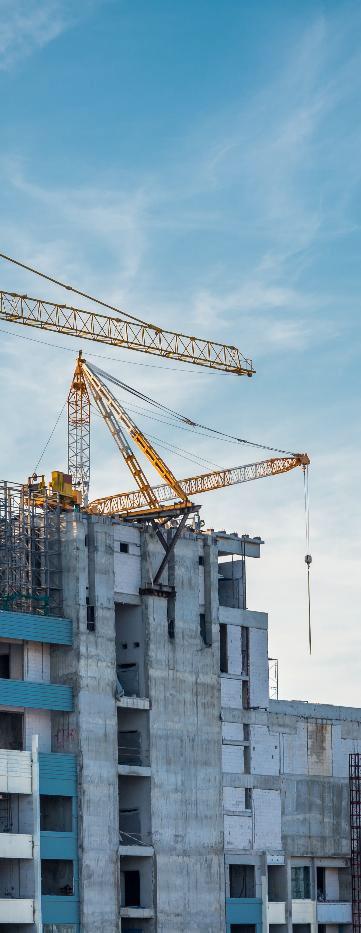
Housing supply remains a key issue for Queensland, driving up property prices (for all stock types) across the state. There are some improvements in the residential construction sector, however, supply issues are still evident. An undersupply of housing in the short-to-medium term is highly likely.
Construction conditions have slightly improved.
Real dwelling investment growing by 4.9% in 2024-2025.
Construction is expensive, but cost growth is slowing.
• Construction cost growth have moderated from recent peaks in 2024-2025, although remaining elevated from pre-COVID-19 levels. Building a new home remain expensive, especially for unit blocks.
New house completion time has shortened.
• A new house in Queensland took 7.1 months on average to complete in 202425, which was one month quicker than the year prior. This is the fastest across all states.
House under construction reached a record high.
• The number of dwellings under construction is increasing, to a record high of 48,044 in December quarter 2025.
Construction capacity remain constrained.
• Construction capacity continues to lag behind strong housing demand.
Housing Market Conditions. Where Are We Now?
The Queensland housing market has outperformed many others (for example New South Wales and Victoria) in terms of price growth, even with higher interest rates in 2026. The rental market is strong, due to an undersupply. Demand is high, for both the sales and the rental market. Even with slower pace of price growth this will support a strong vibrant real-estate market for the next 12 months.
Sales Market.
Brisbane dwelling price growth have continued to outperform Sydney and Melbourne, in line with Perth and Adelaide.
Regional Queensland have also seen robust dwelling price growth. However, price growth have slightly slowed in the 1st half of 2026. Most likely due to cash rate hikes and other key factors.
Rental Market.
Rental market remain tight, with vacancy rates at only 1.0% in May 2026 across Queensland.
There is some evidence that conditions are stabilising, with new rental price growth also beginning to moderate.
Who Benefits? What Can We Expect?
The State Budget has outlined various benefits for different cohorts of the housing industry, with some benefitting more than others.
Although there are no new taxes, investors seems to have missed out. With changes in negative gearing, CGT, and SMSF rules, we may see a decline in investors. This could improve conditions for first home buyers (i.e less competition) but will disadvantage renters.

Group Impact Key Measures
First Home Buyers

Developers & Builders

Renters
Boost to Buy, First Homeowner Grant (FHOG), Stamp Duty Relief.
Capital program ($119.2bn over 4 years), Additional $1.024bn for the Queensland Housing Investment Pipeline.
Rent-to-Buy Home Ownership Scheme, Tenancy & Homelessness Support, Rental Bond Loans, Public Housing Rental Subsidy.
Existing Homeowners
Investors
Indirect benefits from the $119.2bn Capital Program through improved roads, transport and community infrastructure.
There are no major investor-specific measures (i.e new scheme or benefit) mentioned in the Queensland Budget.
First Home Buyers. What Can We Expect?
Queensland’s first home buyer average loan was $635,579 as of the March quarter of 2026, which is an 18.1% increase in the past 12 months. The number of first home buyer loans only increased by 2.8% during this time.
The State Budget has outlined several schemes to aid first home buyers, which is one of the more comprehensive packages available across Australia.
Boost to Buy Scheme
· A shared equity scheme allowing eligible first home buyers to buy a home valued up to $1 million with a minimum 2% deposit.
· The Queensland Government contributes up to 30% for new homes and 25% for existing homes.
· The 2026-27 Budget continues to support the $330 million Boost to Buy Scheme, expected to assist up to 2,000 eligible first home buyers.
First Home Owner Grant (FHOG)
· The First Home Owner Grant (FHOG) provides a one-off $30,000 grant to purchase or build a new home valued under $750,000.
· The Budget allocates $72 million to extend the $30,000 First Home Owner Grant (FHOG) for a further four years.
· Allows more first home buyers to access the market.
Stamp Duty Relief
· Permanent stamp duty relief for eligible first home buyers purchasing new homes is now locked into law.
· Expected to deliver more than $60 million in annual savings.
· Established homes continue to be covered under the existing First Home Concession scheme, rather than a new QLD budget measure.

We Expect?
Financial Assistance for Renters. What Can
The Queensland rental market is extremely tight, with Brisbane recording a vacancy rate of 0.9% as of May 2026.
Renters are concerned with how changes in Negative Gearing, CGT, and SMSF rules will impact rental prices and the stability and availability of rental supply.
The 2026-2027 State Budget outlines several schemes for renters, with a target of providing some assistance to the most vulnerable demographics within this cohort.

Residential Construction. What Can We Expect?
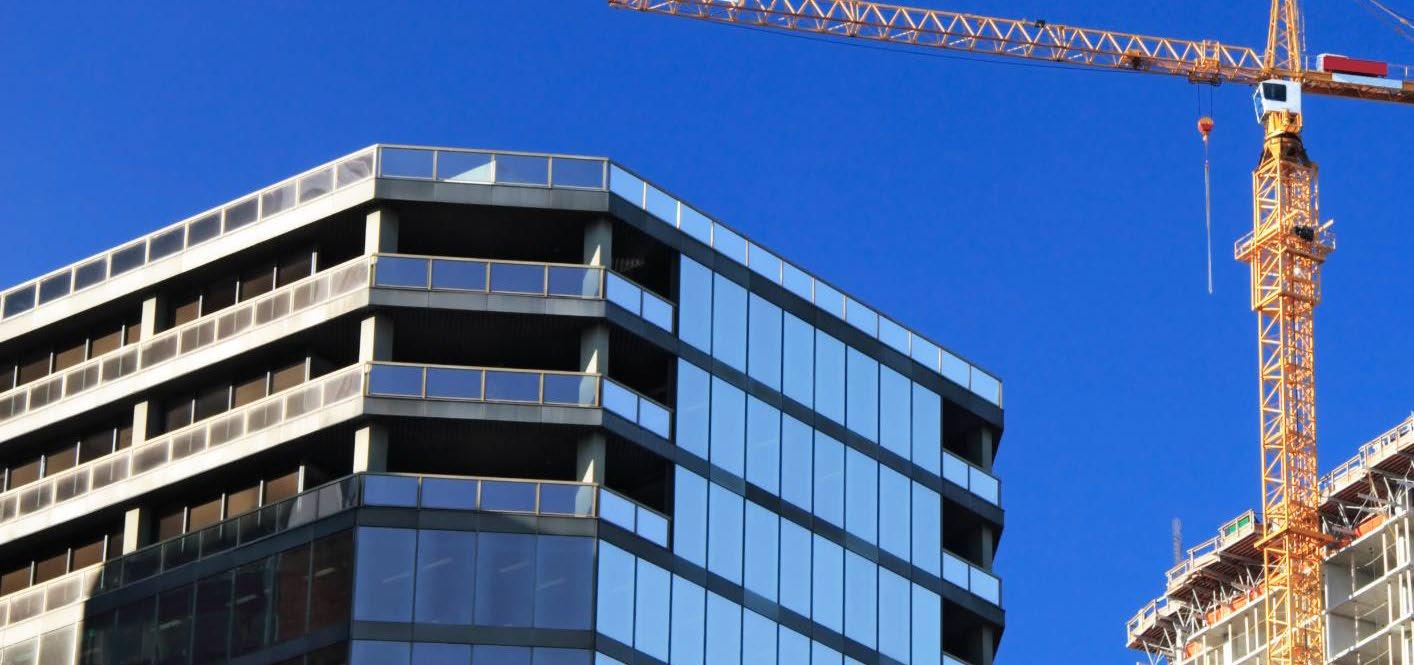
Increasing housing supply is a key issue in the 2026-2027 State Budget, due to high population growth. Queensland is predicted to add roughly one million residents in the next decade, with a forecast of over 7 million people by 2041.
Southeast Queensland is expected to grow rapidly, with the area’s population forecasted to reach 4.5 million by the 2032 Brisbane Olympics.
| Demand Drivers.
Building approvals and a strong project pipeline are expected to support construction activity.
| Supply Response.
New dwelling construction is forecast to increase 21% between 2024–25 and 2027–28.
| Key Constraints.
Supply constraints continue to limit industry capacity.
Labour shortages and weak productivity remain key risks.
| Growth Outlook.
Real dwelling investment is forecast to grow 9% in 2025–26.
Can We Expect?
Residential Activation Fund (RAF). What
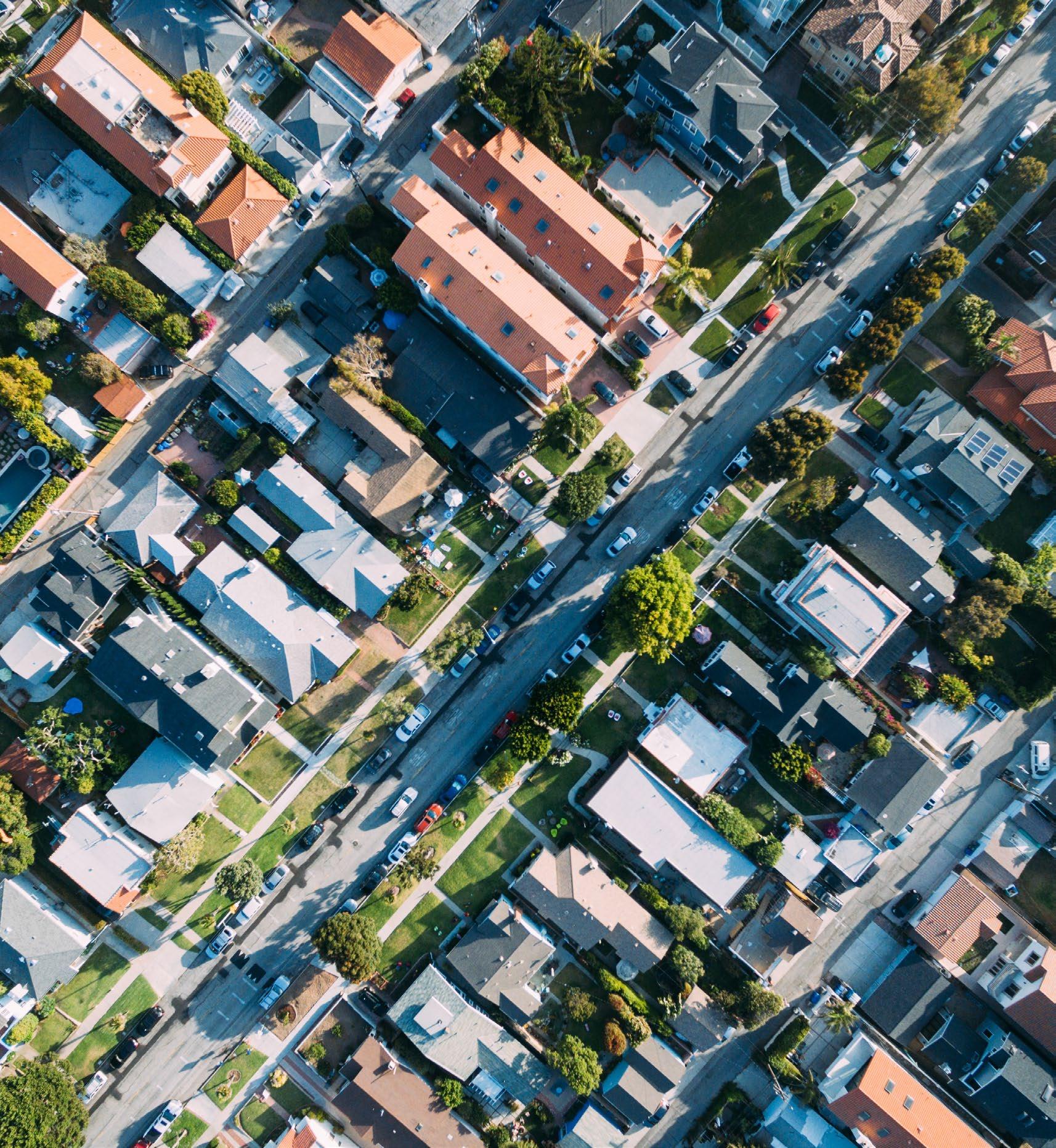
The Residential Activation Fund (RAF) is a $2 billion infrastructure investment program to fast-track housing supply in Queensland.
Successful round 1 applicants feature local councils and developers fast-tracking critical infrastructure for housing, in areas such as:
• Logan
• Bundaberg
• Rockhampton
• Mackay
• Whitsundays Round 2 successful applications will be announced in July 2026.
The initiative is a key part of the Crisafulli Government’s Securing Our Housing Foundations Plan to deliver 1,000,000 new homes by 2044.



At least half of the Residential Activation Fund Round Two funding to be allocated to projects in rural and regional Queensland. 2026-27 Budget doubles Residential Activation Fund Round Two funding from $500 million to $1 billion to accelerate essential trunk infrastructure (e.g., roads, water, and sewerage) designed to bring developmentready land to construction sooner.
Social And Community Housing. What Can We Expect?
The Queensland Social Housing Register is currently sitting at a record high, with approx. 56,700 people waiting for social and community housing. Average wait times are hovering at around 28 months, with more than half of applicants classified as homeless or at risk. The 2026-2027 State Budget plans to tackle this through additional funding and a focus in increasing supply.
The 2026–27 Budget adds extra $1.024 billion
A record $5.725 billion fouryear program
Supporting 6,500 homes currently under construction, as part of the 53,500 social and community homes target by 2044
Supporting Economic Growth. What Can We Expect?


A key focus of the 2026-2027 State Budget is to improve and create more infrastructure, to allow better connectivity within the State and support job growth. A more vibrant local area will also have a positive impact on property values, which benefits homeowners in the long run.
Key Investments
A record $119.241 billion four-year capital program (2026–27 to 2029–30), with investment across transport, health, housing, education, water and community infrastructure. Capital Program


• $55.9 billion Queensland Transport and Roads Investment Program (QTRIP).
• $5.725 billion for social and community housing.
• $2 billion Residential Activation Fund.
• Major investment in health, education and other public infrastructure.
$29.616 billion in capital investment for 2026–27 is expected to directly support approximately 71,500 jobs across Queensland. Jobs Supported
• The Queensland Transport and Roads Investment Program (QTRIP) 2026–27 to 2029–30 outlines a $55.9 billion investment to deliver a highly resilient transport infrastructure that supports population growth and improves safety and connectivity.
• Key projects:
$9 billion Bruce Highway Targeted Safety Program
Major rail infrastructure investment
2032 Delivery Plan transport investment
• Major initiatives:
The Wave (Sunshine Coast)
Mooloolah River Interchange (Sunshine Coast)
Faster Rail to the Gold Coast
Coomera Connector and
Gold Coast Transport Plan
• Improves connectivity, unlocks housing supply and strengthens the long-term appeal of wellconnected non-metro and regional locations.
Keep up to date with the latest market insights.

SUBSCRIBE TO OUR NEWSLETTER.