A SURVEY OF URBAN AGRICULTURE
IZZY LANE _ SUMMER 2025

URBAN PLANNING_
PRATT INSTITUTE
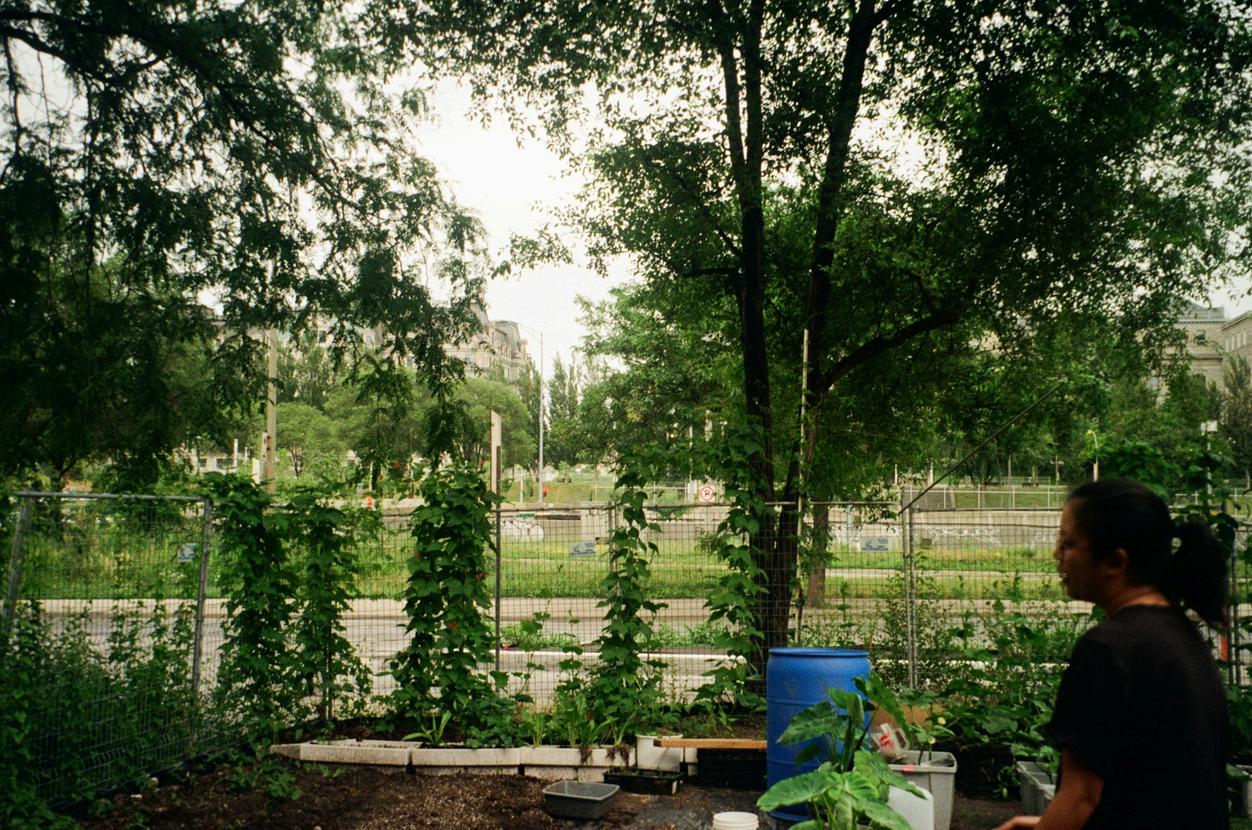
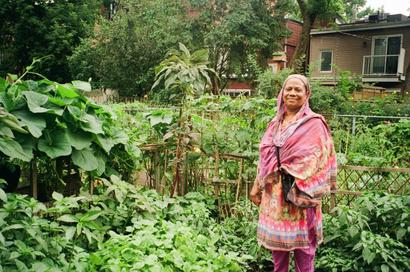
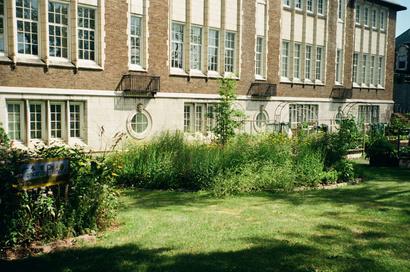
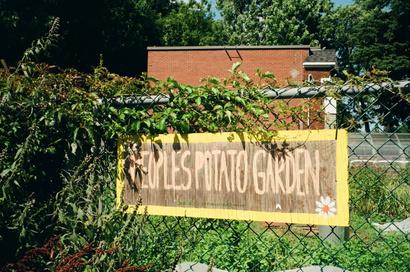
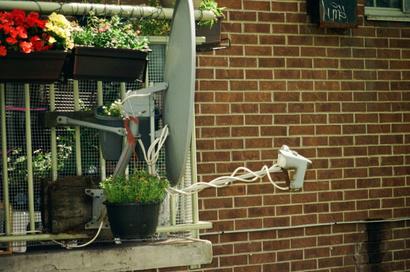
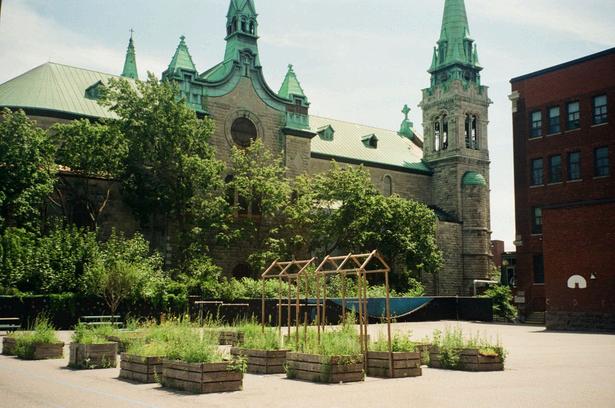
Jardin Lumb, a collective Chinese-Indigenous garden on land owned by the Chinese Hospital in Chinatown. This space is used as an educational space to share knowledge and resist social isolation, especially for nearby seniors. These objectives are more conducive to the collective model.
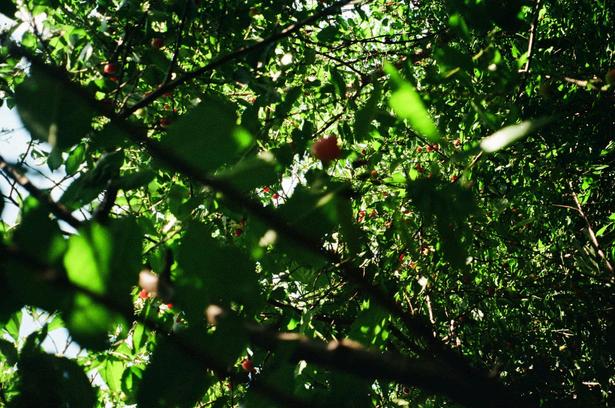
As I was in the space, elders stopped by to forage for edible plants growing on the fence line, which are free for the taking.
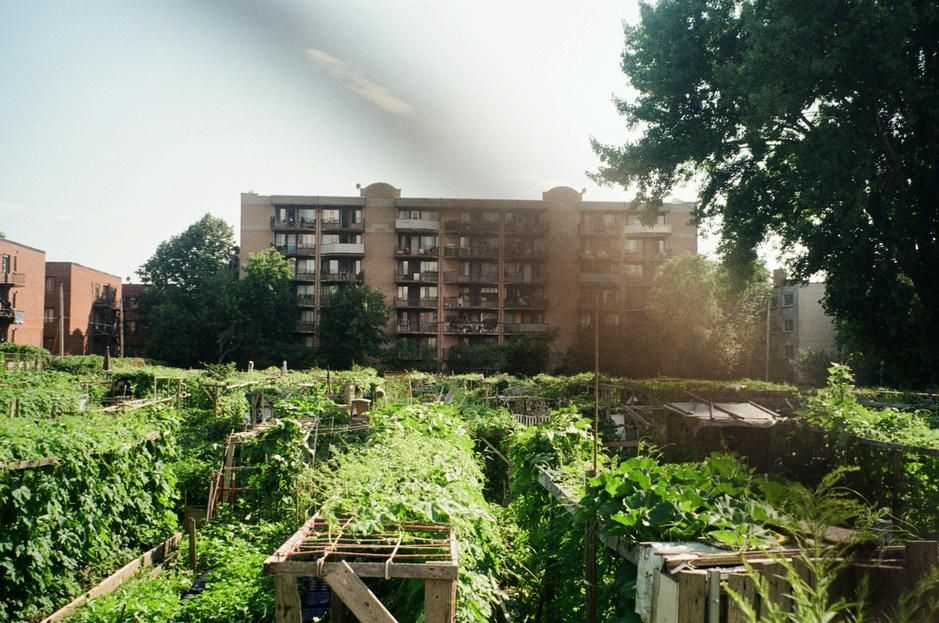
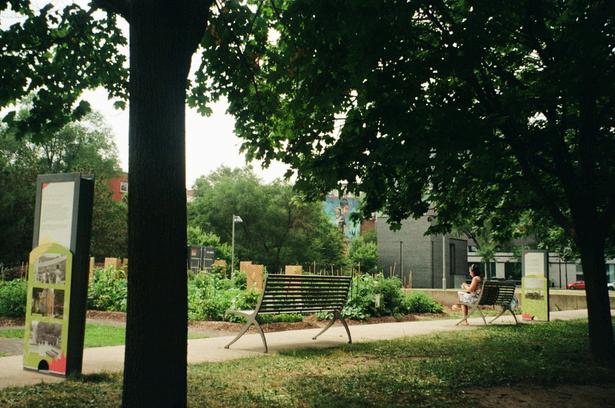
People have grown food in dense, urban spaces for as long as they have organized in cities. In the 1970s, when the Bronx was burning, residents reclaimed lots, hauled away junk, and repurposed the land into gardens. Community gardens endure in New York City today as meeting and teaching spaces, refuge areas for shade and rest, and sources of self-sufficiency and self-expression. What’s more, they feed people. Urban gardens are as wonderful as they are revolutionary.
In 2022, the City of New York recognized the legacies of urban agriculture by establishing an office dedicated to protecting and advancing gardens as a feature of New York’s food system and climate resiliency plan. This move converged formal policies with longstanding traditions. Then came the City of Yes, an aggressive housing plan that will review all city-owned land for development suitability. Land scarcity challenges us to interrogate our priorities, be creative, and refuse to settle for easy or binary answers. It may even call on us to grapple with what we mean by public space.
Their shed has been broken into a few times, but they see this as a part of running a public space, not a deterrent to the project altogether. This feels important, and inherent to living in cities. Collective spaces are the theaters where we negotiate needs with neighbors and confront the complexities of human relationships without shying away from the work at hand. Another challenge is the risk of the city-owned lot being redeveloped for housing. Even if the garden is temporary, they hope the project can be a model of how important garden programming is to the neighborhood, making a case to incorporate this space into future housing designs.
So, what can Montreal, a world capital in urban farming, teach us?



Chinese-Indigenous garden on Hospital in Chinatown. This educational space to share social isolation, especially for objectives are more conducive to elders stopped by to forage for the fence line, which are free
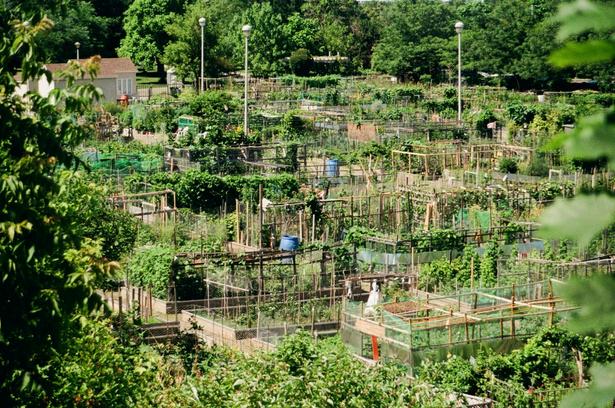
COMMUNAUTAIRE, COLLECTIF GARDENS
Their shed has been broken into a few times, but they see this as a part of running a public space, not a deterrent to the project altogether. This feels important, and inherent to living in cities. Collective spaces are the theaters where we negotiate needs with neighbors and confront the complexities of human relationships without shying away from the work at hand. Another challenge is the risk of the city-owned lot being redeveloped for housing. Even if the garden is temporary, they hope the project can be a model of how important garden programming is to the neighborhood, making a case to incorporate this space into future housing designs.
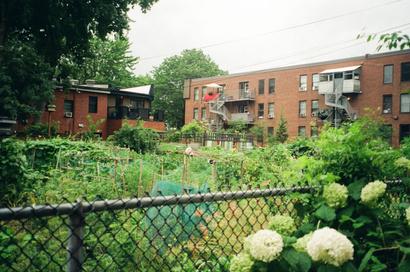
Like in NYC, universities are landowners in Montreal. In response to student advocacy, the University has given campus land over to several student farming projects, maintained by both volunteers student workers. This has - at least temporarily - taken very valuable land out of the traditional market economy. The student experience – by nature a transient one. The challenge remains how to sustain a collective project when its stewards move every four years, and there continues to be competing land-use priorities, on and off campus.

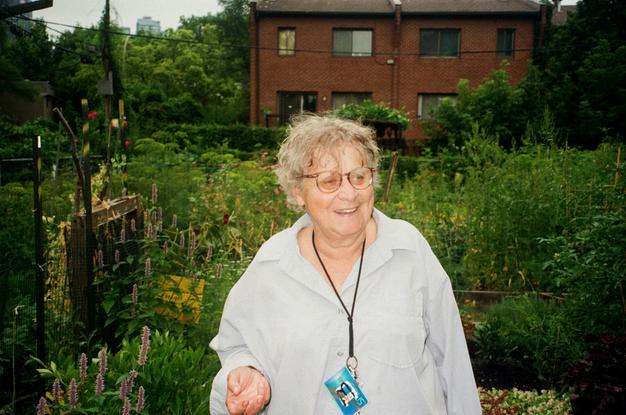

COMMUNAUTAIRE, COLLECTIF
GARDENS
x COLLECTIF (collective) gardens: no individual plots, and crop yield is subdivided and shared with members [newer model in Montreal; often an educational, community-building space]
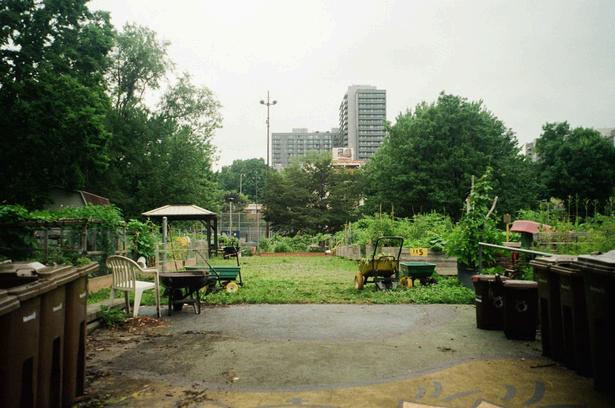
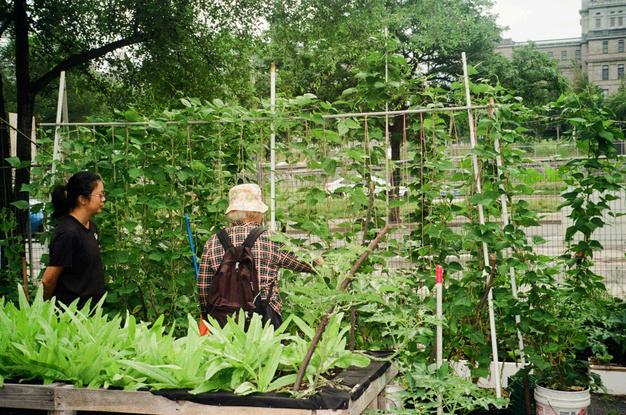
Jardin Lumb, a collective Chinese-Indigenous garden on land owned by the Chinese Hospital in Chinatown. This space is used as an educational space to share knowledge and resist social isolation, especially for nearby seniors. These objectives are more conducive to the collective model.
As I was in the space, elders stopped by to forage for edible plants growing on the fence line, which are free for the taking.
Their shed has been broken into a few times, but they see this as a part of running a public space, not a deterrent to the project altogether. This feels important, and inherent to living in cities. Collective spaces are the theaters where we negotiate needs with neighbors and confront the complexities of human relationships without shying away from the work at hand. Another challenge is the risk of the city-owned lot being redeveloped for housing. Even if the garden is temporary, they hope the project can be a model of how important garden programming is to the neighborhood, making a case to incorporate this space into future housing designs.
INSTITUTIONAL_LAND
gardens: no individual plots, and shared with members [newer model educational, community-building space]
Chinese-Indigenous garden on Hospital in Chinatown. This educational space to share isolation, especially for objectives are more conducive to elders stopped by to forage for the fence line, which are free
Their shed has been broken into a few times, but they see this as a part of running a public space, not a deterrent to the project altogether. This feels important, and inherent to living in cities. Collective spaces are the theaters where we negotiate needs with neighbors and confront the complexities of human relationships without shying away from the work at hand. Another challenge is the risk of the city-owned lot being redeveloped for housing. Even if the garden is temporary, they hope the project can be a model of how important garden programming is to the neighborhood, making a case to incorporate this space into future housing designs.
I met with Andrea Tremblay, a student garden called mind.heart.mouth University. Andrea began this about climate change through dooming them into dissociation.
Like in NYC, universities are landowners in Montreal. In response to student advocacy, the University has given campus land over to several student farming projects, maintained by both volunteers student workers. This has - at least temporarily - taken very valuable land out of the traditional market economy. The student experience – by nature a transient one. The challenge remains how to sustain a collective project when its stewards move every four years, and there continues to be competing land-use priorities, on and off campus.
PUBLIC_SPACE

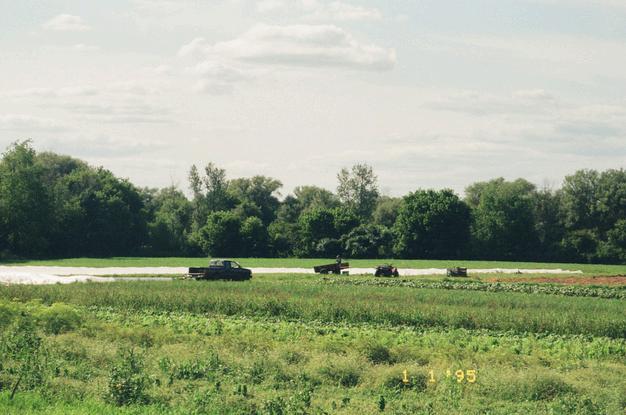
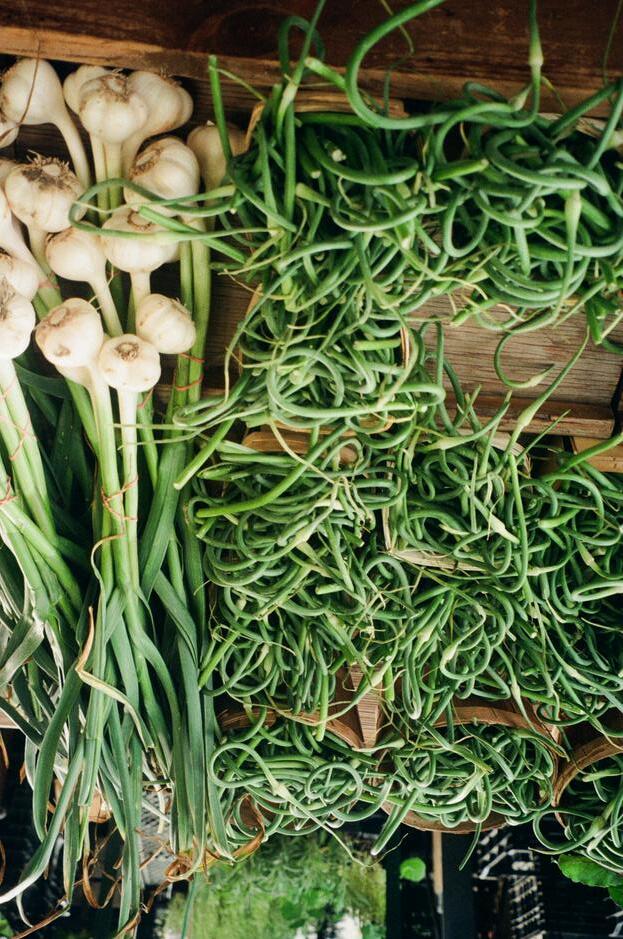
I visited Claire Lanctot at her family farm, Les Jardins d’Arlington in Stanbridge East, QC, and later at her community-supported agriculture (CSA) drop-off in Verdun, Montreal where members pick up seasonal produce.
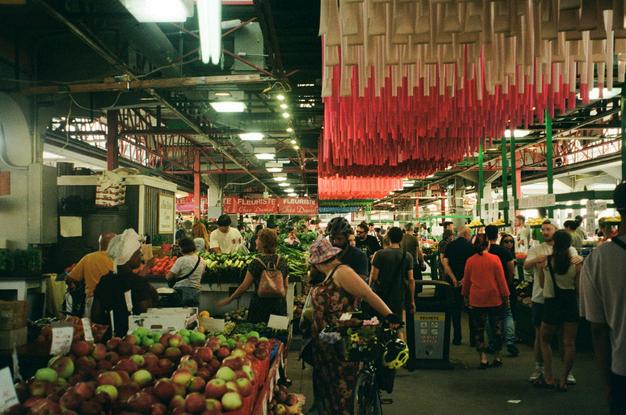
x Claire strives to serve everyday people in MTL with enough food to feed their whole families at a fair price. She told me that “the CSA model is struggling with the fact that we live in a world of choice and convenience.” We are used to produce being available year-round, trucked/flown in by large companies who maintain the price edge over local growers and purveyors.
x As families struggle to afford fresh produce, farmers struggle to afford their land, turn modest profits, and imagine long-term sustainability - these urban and rural challenges are sometimes misunderstood and pitted against each other.
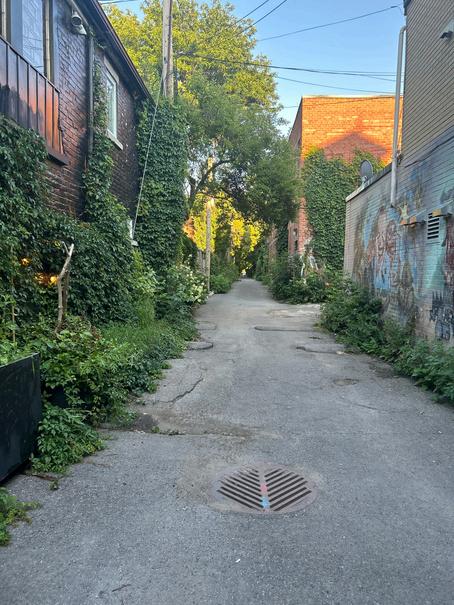
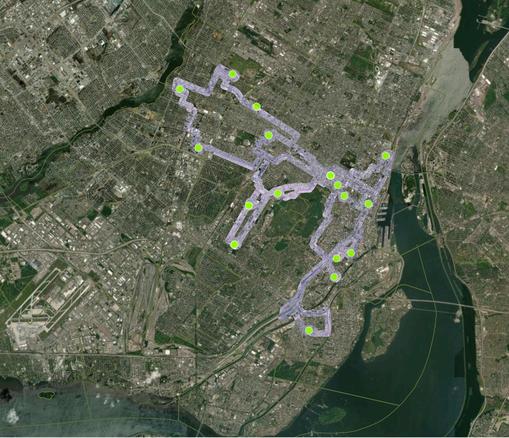
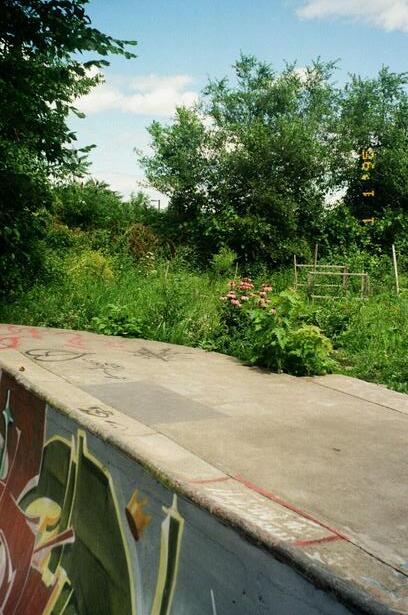
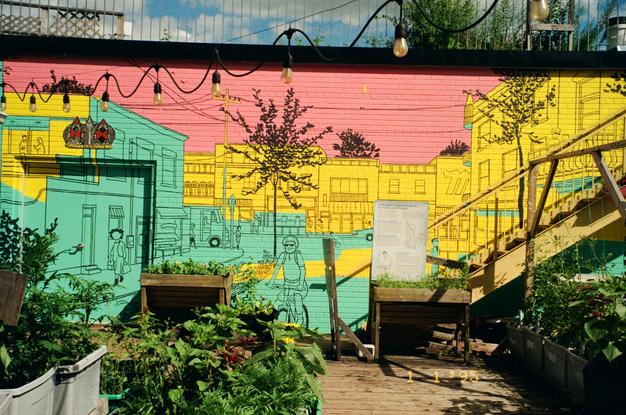
Ruelles vertes, or “green alleys” – these alleys were planned for carriage traffic in the 19th century, but became defunct with the advent of the car. Community reclamation projects began in the 1960s, and there are now hundreds of communitymaintained pedestrian thruways and gathering spaces throughout Montreal,

Cider production company that passes apple pulp onto another company within the cooperative to
being raised and farmed in
SOLIDARITY_MODEL
x Gardenprojectsareinneedoffunding butoverplanningandpolitical feelthatdrawspeoplethereinthe
temperature-controlled
I visited Claire Lanctot at her family farm, Les Jardins d’Arlington in Stanbridge East, QC, and later at her community-supported agriculture (CSA) drop-off in Verdun, Montreal where members pick up seasonal produce. Cider production company that passes apple pulp onto another company within the cooperative to make chips.
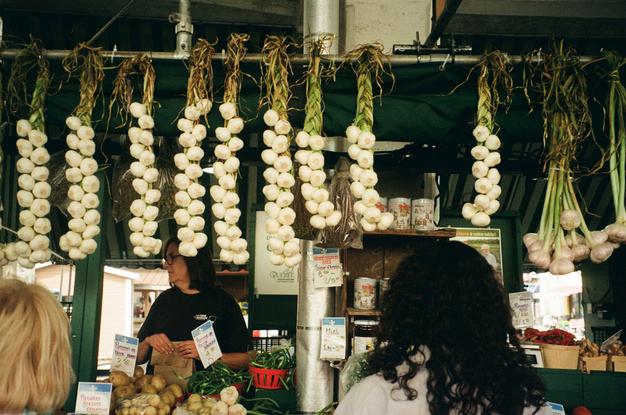
x Claire strives to serve everyday people in MTL with enough food to feed their whole families at a fair price. She told me that “the CSA model is struggling with the fact that we live in a world of choice and convenience.” We are used to produce being available year-round, trucked/flown in by large companies who maintain the price edge over local growers and purveyors.
x Housingandgarden/farmingprojectscan whenlandisscarce–theyactuallycomplementeachother canbeachievedthroughcreativedesign/land (seeDr.VikramBhatt’swork)
x Urbanfarmingisincredible, Citiescanproducegreensatscale,but insecurityremainsapovertyissue.Coordination, investment,andknowledgesharing systemscanhelpaddressgapsinfoodsecurityand mutualunderstandingbetweenrural
x As families struggle to afford fresh produce, farmers struggle to afford their land, turn modest profits, and imagine long-term sustainability - these urban and rural challenges are sometimes misunderstood and pitted against
x Therearemanyinitiativesinurban security,butmanyarebarebones likestoragecapacity.AnexpertI thesupplychaindriveshigherpricesand Theseprojectsdonothavetobesiloedresourceslikedeliveryvansand communitylandtrusts,orcreatingcooperative systemscanhelptheseprojectssustain eachother.


COMMERCIAL_URBAN_FARMING
La Centrale agricole: A co-op that hosts 23 urban agriculture businesses across 80K sq. ft and aims to create a food system at the building scale:
x Brings city dwellers closer to their food system by producing within city limits
RURAL_REGIONAL_FARMING
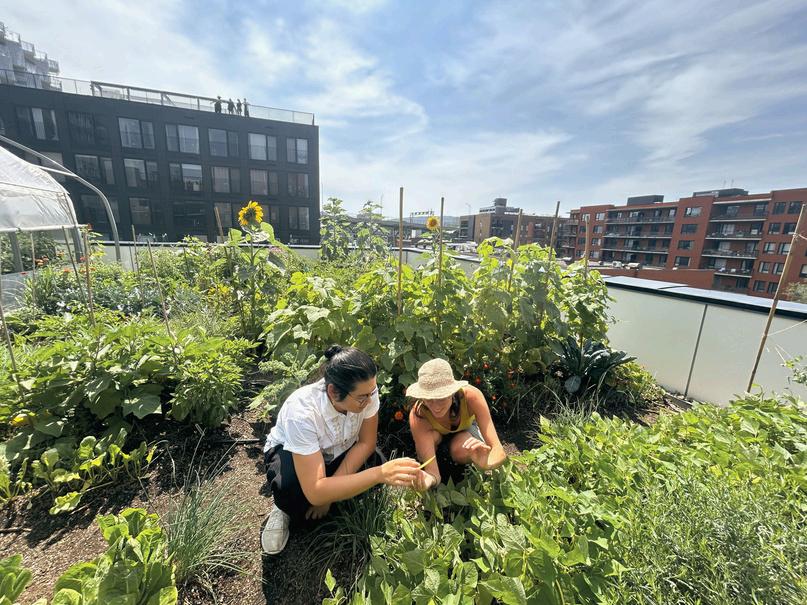
4% of Montreal is zoned for agriculture. Urban farming is a tool for education, community-building, and supplemental selfsustenance, but our food systems at scale will continue to rely on rural production.
x Uses industrial areas in environmentally generative ways; helps small businesses scale incrementally without taking on too much sq. footage at once
x Models a circular loop of waste
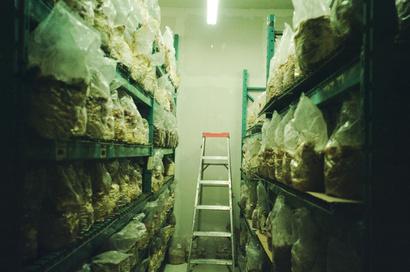
Mushrooms growing in bags in a temperature-controlled room.

Cider production company that passes apple pulp onto another company within the cooperative to make chips.

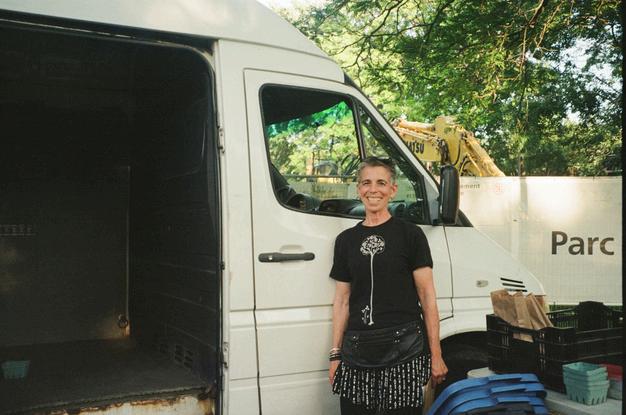
I visited Claire Lanctot at her family farm, Les Jardins d’Arlington in Stanbridge East, QC, and later at her community-supported agriculture (CSA) drop-off in Verdun, Montreal where members pick up seasonal produce.
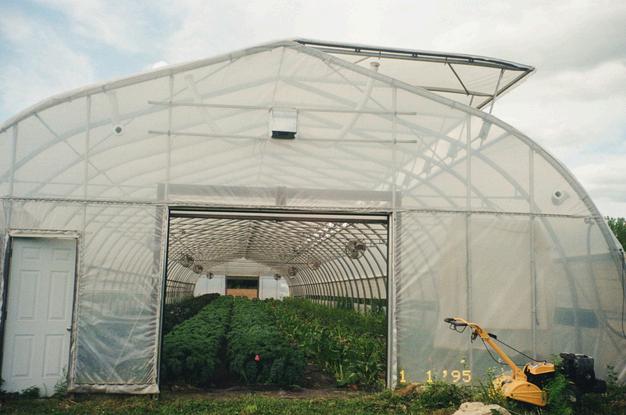
On another floor, 30 tons of arctic char salmon are being raised and farmed in massive pools.
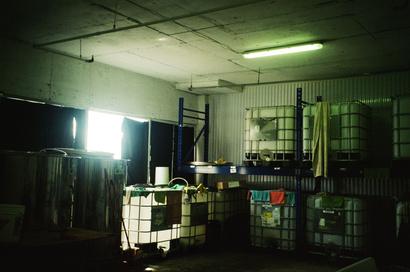
x Claire strives to serve everyday people in MTL with enough food to feed their whole families at a fair price. She told me that “the CSA model is struggling with the fact that we live in a world of choice and convenience.” We are used to produce being available year-round, trucked/flown in by large companies who maintain the price edge over local growers and purveyors.
x As families struggle to afford fresh produce, farmers struggle to afford their land, turn modest profits, and imagine long-term sustainability - these urban and rural challenges are sometimes misunderstood and pitted against each other.
LEARNINGS
4% of Montreal is zoned for agriculture. Urban farming is a tool for education, community-building, and supplemental selfsustenance, but our food systems at scale will continue to
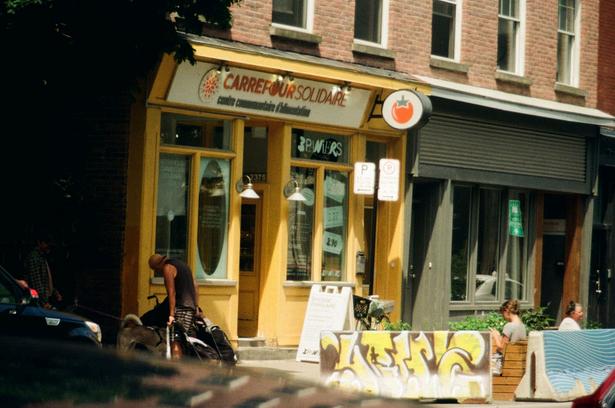
Claire Lanctot_ Dr. Vikram Bhatt_ Andrea Tremblay_ Adrienne Richards_ Rose-Andree Sauvageau_ Kevin Drouin-Leger_ Nina of La Barouette_ Sam from Carrefour Solidaire_ Nicolas Fabien-Ouellet_ Béatrice Reid_ Olivia St. Laurent_ Colleen Thorpe_ Dominique Lalond_ Gabriel Townsend Darriau
x Communitygardenscanbearealsourceofsustenance, communitybuilding,andeducation.Yet,their matterofcost-of-living:Whenpeopledonot theirhobbiesandareatriskofdisplacement, contributetimeonaroutinebasis.Long-term projectssufferwhenthereishighneighborhoodturnover.
x Gardenprojectsareinneedoffunding butoverplanningandpolitical feelthatdrawspeoplethereinthe
x Housingandgarden/farmingprojectscan whenlandisscarce–theyactuallycomplementeachother canbeachievedthroughcreativedesign/land (seeDr.VikramBhatt’swork)
I visited Claire Lanctot at her family farm, Les Jardins d’Arlington in Stanbridge East, QC, and later at her community-supported agriculture (CSA) drop-off in Verdun, Montreal where members pick up seasonal produce. Cider production company that passes apple pulp onto another company within the cooperative to make chips.
x Claire strives to serve everyday people in MTL with enough food to feed their whole families at a fair price. She told me that “the CSA model is struggling with the fact that we live in a world of choice and convenience.” We are used to produce being available year-round, trucked/flown in by large companies who maintain the price edge over local growers and purveyors.
x As families struggle to afford fresh produce, farmers struggle to afford their land, turn modest profits, and imagine long-term sustainability - these urban and rural challenges are sometimes misunderstood and pitted against each other.
x Urbanfarmingisincredible, Citiescanproducegreensatscale,but insecurityremainsapovertyissue.Coordination, investment,andknowledgesharing systemscanhelpaddressgapsinfoodsecurityand mutualunderstandingbetweenrural
x Therearemanyinitiativesinurban security,butmanyarebarebones likestoragecapacity.AnexpertI thesupplychaindriveshigherpricesand Theseprojectsdonothavetobesiloedresourceslikedeliveryvansand communitylandtrusts,orcreatingcooperative systemscanhelptheseprojectssustain eachother.