FREE ADMISSION! | FREE SEMINARS! LOCAL EXHIBITORS! | GIVEAWAYS/ACTIVITIES!
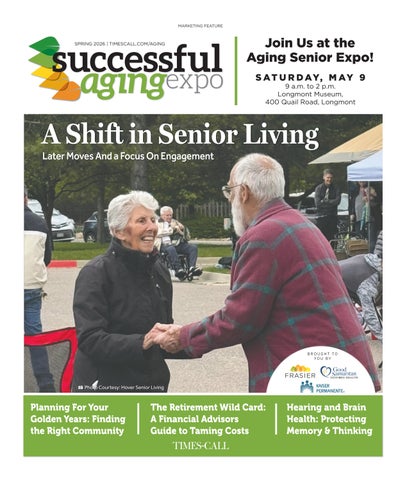
Join Us in Longmont for the Spring Successful Aging Expo!
CONTRIBUTORS
CONTRIBUTING WRITERS
Darian Armer, Barbra Cohn, Sarah Fuhrey Huber, Courtney Johnson, Wendy McMillan, Christine Stevens, Darren Thornberry, Matthew Van Deventer, Amy Harris Van Vranken, Kristen M. White, Shelley Widhalm
The Successful Aging Expo offers engaging seminars on healthy and active aging, personal and financial health, elder law, retirement planning, community resources and more!
Connect with local experts, gain valuable insights and plan for a vibrant future.
SATURDAY, MAY 9
9 a.m. to 2 p.m. Longmont Museum
400 Quail Road, Longmont
(See Page 30 for More Details)
PRESENTING SPONSORS:
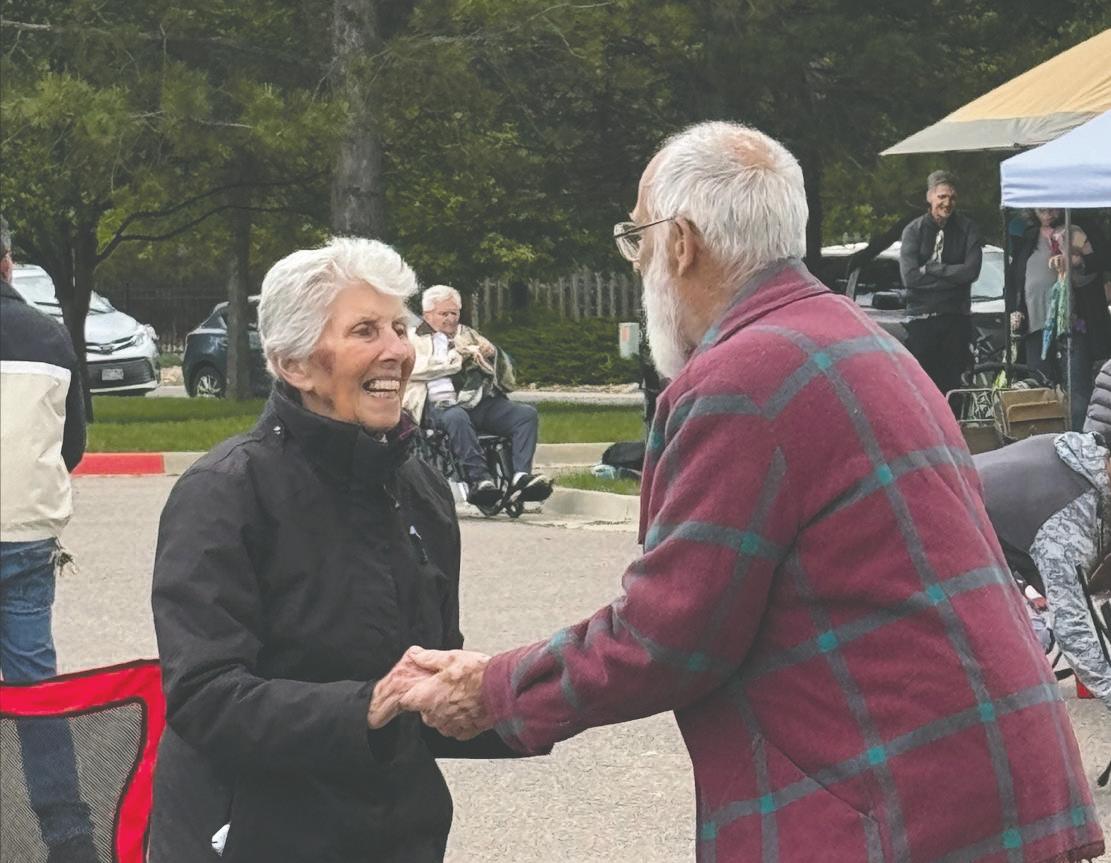
A Shift in Senior Living SENIOR LIVING
Sarah Fuhrey Huber Successful Aging
One of the most significant shifts in senior living is people waiting longer to make the move, for better or worse. While some turn to home health services for support, others experience intense isolation, depression or serious falls before transitioning into a community setting.
“Twenty years ago, we saw residents move into independent living in their mid-70s. Today’s residents are moving in their late 80s and 90s,” said Holly Turner, senior living administrator at Good Samaritan Loveland Village.
The delay has altered the level of
care required when people turn to senior living. “We’ve seen changes in acuity,” said Meredith Brady, executive director at The Bridge at Longmont
Even as move-in timelines shift, communities are evolving to meet residents where they are. Good Samaritan Loveland Village offers independent and assisted living, while The Bridge specializes in assisted living. Both develop individualized care plans that adapt as residents’ needs change.
Assisted living typically includes medical support, housekeeping, meals, medication management and help with daily tasks and hygiene as needed. Yet providers say the model increasingly extends beyond essentials to nurturing a quality of life.
PURPOSEFUL SOCIAL ENGAGEMENT
Social engagement is part of
quality of life and intentional community building, another trend in senior
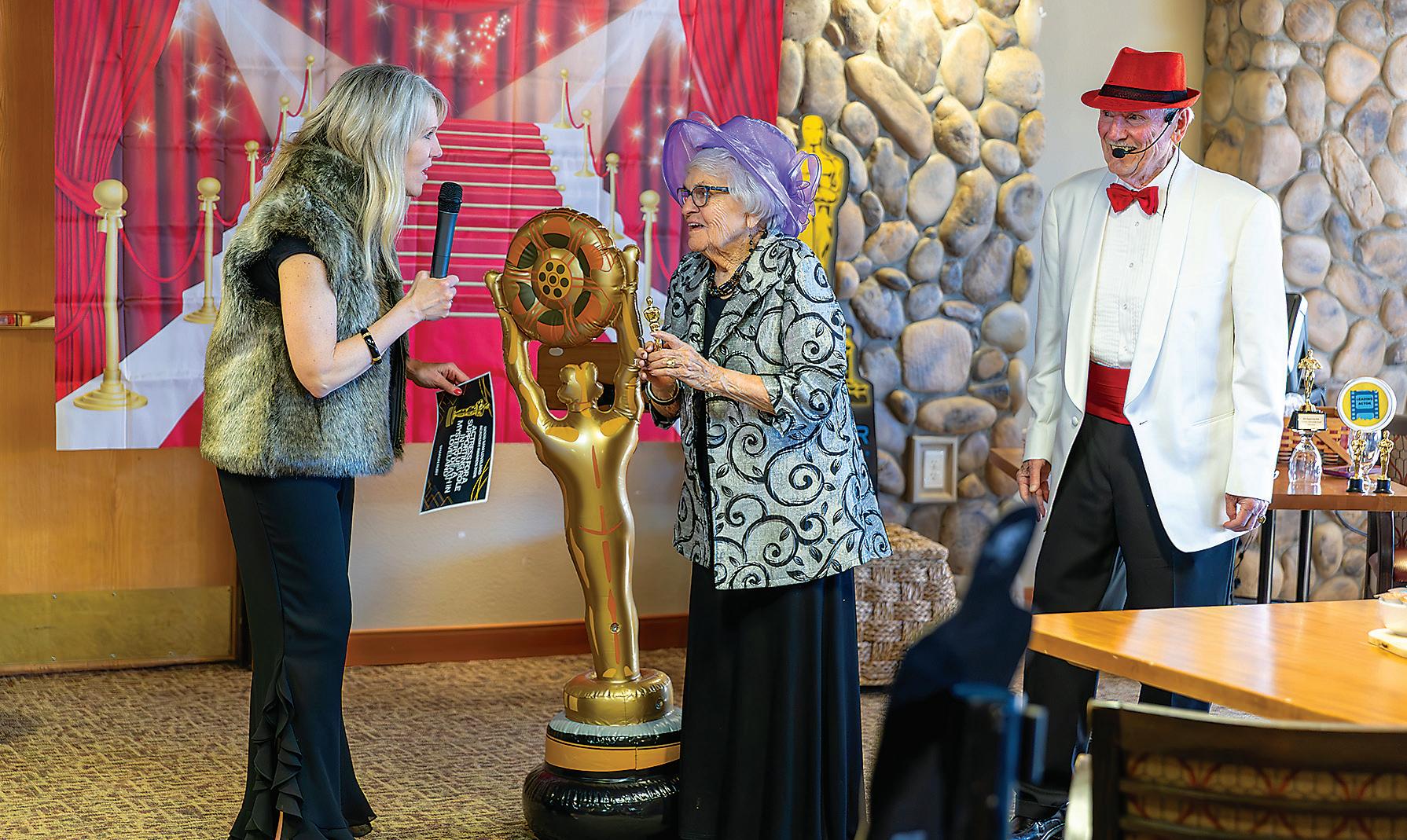
Oscar Party. | Courtesy: Good Samaritan Loveland Village
living.
“Many of our residents say they didn’t realize how lonely they were until they moved in,” Brady said. “We care for the whole person: their emotional, spiritual and physical needs.”
While longstanding activities like bingo remain popular, many communities are placing greater emphasis on smaller, interest-based groups that foster deep connections. Residents gather around a shared love of gardening, drawing or even a favorite television show, creating
micro-communities within the larger campus.
At Hover Senior Living Community in Longmont, “residents are encouraged to engage in activities that stimulate the mind, reduce stress and promote a sense of purpose,” said Lisa Bryant, director of community awareness and development. “Whether it’s educational programming, creative arts or reflective practices, we create opportunities for continued growth at every stage of life.”
Because social engagement is
closely tied to healthy aging, Bryant said, connection is at the forefront of shared meals and informal gatherings.
Similarly, “interfaith services, weekly devotions, happy hours, swimming, games, crafts and music are part of what make Loveland Village a place where good things happen,” Turner said.
MOVEMENT AND TECH
Across all levels of care, physical activity is designed to support social engagement as much
as health. At Good Samaritan Loveland Village, residents can choose from more than 20 movement classes a week focused on balance, strength and wellbeing.
To improve daily life and health, some senior living communities are embracing high-tech tools. A personalized technology platform, It’s Never Too Late (iN2L), is used in the assisted living and memory support neighborhoods of Frasier Retirement Community in Boulder, said Julie Soltis, director of communications. Residents can explore music, games and virtual travel experiences.
Another interactive system, Tovertafel, applies “light-based activities to spark movement, joy and social interaction among residents living with dementia,” Soltis said. It encourages “meaningful engagement without requiring complex instructions.”
Frasier also employs an AI-driven fall-risk assessment system to evaluate balance, gait and general physical function. “The result is a more proactive, personalized approach to care, helping residents improve stability, reduce fall risk and maintain independence in their daily lives,” she said.
As senior communities respond to residents who are moving in later in life, the most meaningful innovations in senior living may be the least visible: more personalized care, stronger social connections and a mission to support the whole person.
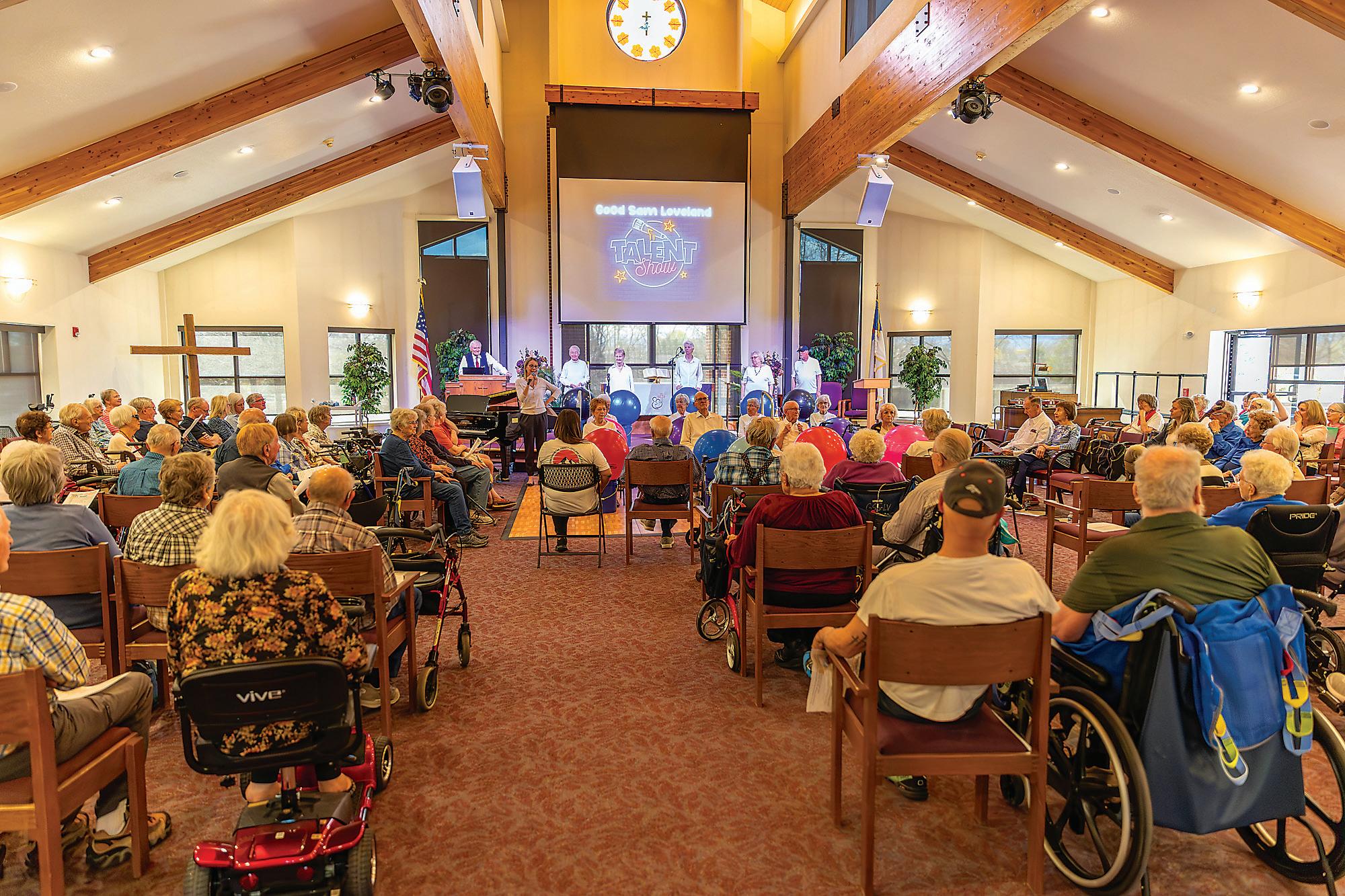
A great evening was had at the talent show. | Courtesy: Good Samaritan Loveland Village
SENIOR LIVING
Britt Roberson, CSA, CPRS, and Walt Roberson, B.S., M.A.,
| Photo courtesy: Harmony Senior Referrals
Planning for Your Golden Years:
Finding the Right Senior Living Community
Kristen M. White Successful Aging
Most seniors and their families know that planning for the future is important, that planning for tomorrow starts today. Choosing a senior living community is a big decision, with many options and considerations.
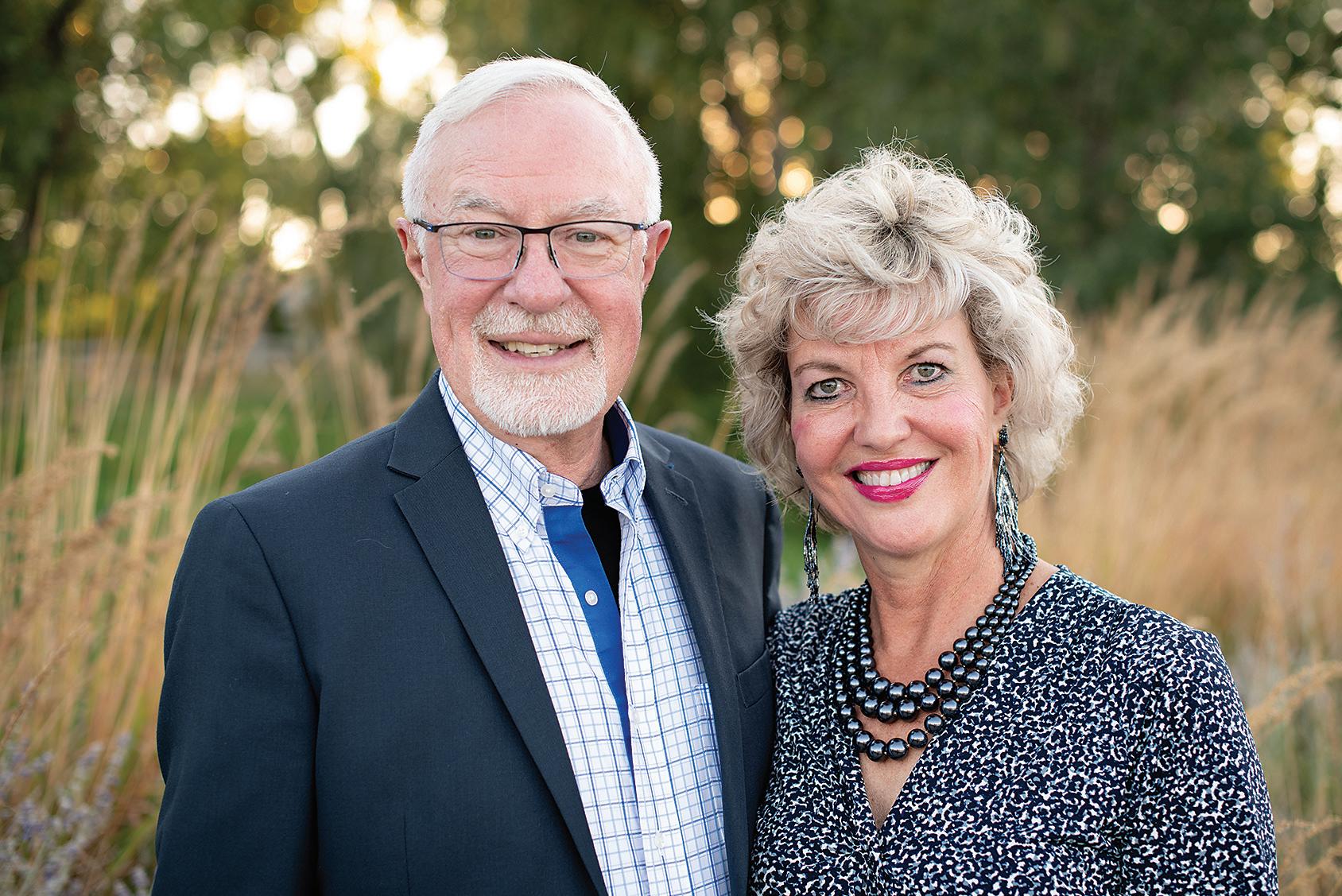
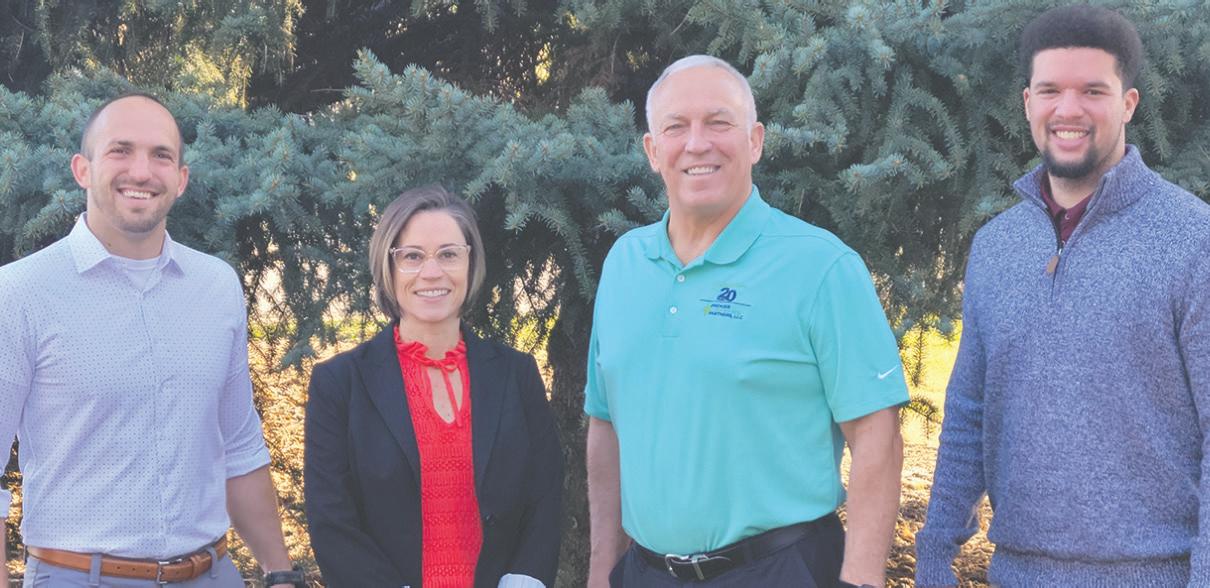
Britt Roberson, CSA, CPRS, and Walt Roberson, B.S., M.A., ALZ Presenter, are the founders and owners of Harmony Senior Referrals. The company offers personalized guidance to help families find the right senior living community.
Their nine senior specialists cover the entire state of Colorado and will personally tour senior living community options with a client and family, serving as a professional advocate. They can also help people move out of state to where their Power of Attorney is located.
“Many people think of the older traditional nursing homes that some of their parents were in,” said Britt
Roberson. “Nowadays, they are cruise ships on land with so many amenities, plus caregiving staff for assisted living, memory care and long-term care.”
Harmony Senior Referrals offered recommendations and suggestions to families navigating the process of choosing a senior living community, as well as considerations for the future.
What are the di�erences between independent living, assisted living and memory care?
Independent living is an all-inclusive lifestyle with two or three meals daily or a meal plan, weekly housekeeping, daily social activities and utilities paid, plus the larger communities have concierges and transportation.
Assisted living is an all-inclusive lifestyle that includes all meals, 24/7 caregivers, and a nurse during the day and on call. There are various levels of assisted living care
Memory care is also all-inclusive like assisted living, but additionally includes a secure environment and a smaller caregiver-per-resident ratio.
How do cost structures vary?
Price varies per community Costs also depend on the size of an apartment (studio, one-bedroom or two-bedroom). Care level pricing is added to the room rate, based on a nurse’s assessment of the “activities of daily living” a resident would need assistance with.
What questions do you recommend asking during facility tours?
• What is the response time when a resident pushes their pendant (to alert staff)?
• What is the tenure of staff and turnover rates?
• How many current residents, nurses and caregivers do you have, and what is the percentage per resident ratio?
• How quickly will your nurse, executive director or house manager get back to me if I leave a voicemail about my loved one, or how quickly will I be contacted in case of sickness or injury or if an ambulance is called?
• How much have prices increased in the community in the past two years?
Understanding Cholesterol
A guide to heart health
Will Medicare pay for senior living? No. It’s a common misconception, but senior living communities are either private pay or PACE spend-down. PACE (Programs of All-Inclusive Care for the Elderly) allows individuals with income or assets over state Medicaid limits to qualify for services by reducing their “excess” funds through approved expenses.
What other tips can you o�er? Senior living communities are
HEALTHY AGING
Feature Impact
Cholesterol is often misunderstood, but managing it is vital for long-term heart and brain health. This waxy substance is essential for building cells and hormones; however, the key is maintaining a healthy balance.
THE GOOD VS. THE BAD
Your body produces all the cholesterol it needs. The primary concern is having too much LDL (low-density lipoprotein), or “bad” cholesterol, which leads to plaque buildup in arteries (atherosclerosis). Conversely, HDL (high-density lipoprotein), or “good” cholesterol, helps reduce cardiovascular risk.
KNOW YOUR RISK
Blood cholesterol levels are influenced by genetics, age and lifestyle – not just the cholesterol found in food. The American Heart Association recommends:
• Regular Screening: Adults 19 and older should receive a lipid profile at least every five years.
• Early Intervention: Children should be
month-to-month, with a 30-day move-out notice.
There are many more options Harmony Senior Referrals takes into consideration including health needs, socialization, geography and finances. This can help determine which communities are the best fit It’s important to have Power of Attorney paperwork in order for financial and medical decisions. Additionally, make sure that wills, living trusts and funeral plans are in order
screened between ages 9 to 11, as high cholesterol can begin in childhood due to genetics or lifestyle.
• Holistic Assessment: Doctors consider age, smoking status and family history alongside test results to determine overall risk.
MANAGEMENT AND PREVENTION
For most, a healthy lifestyle is the first line of defense. Prioritize a diet rich in fruits, vegetables and lean proteins while limiting ultra-processed foods high in saturated fats. Regular physical activity, adequate sleep and avoiding tobacco are equally critical.
While lifestyle is the foundation, some individuals may require cholesterollowering medications based on their specific risk factors. If side effects occur, consult a healthcare professional to adjust the treatment plan rather than stopping it. Managing cholesterol early through informed care and healthy habits is the best way to protect your heart for a lifetime.
For more resources, visit Heart.org/KnowYourCholesterol.
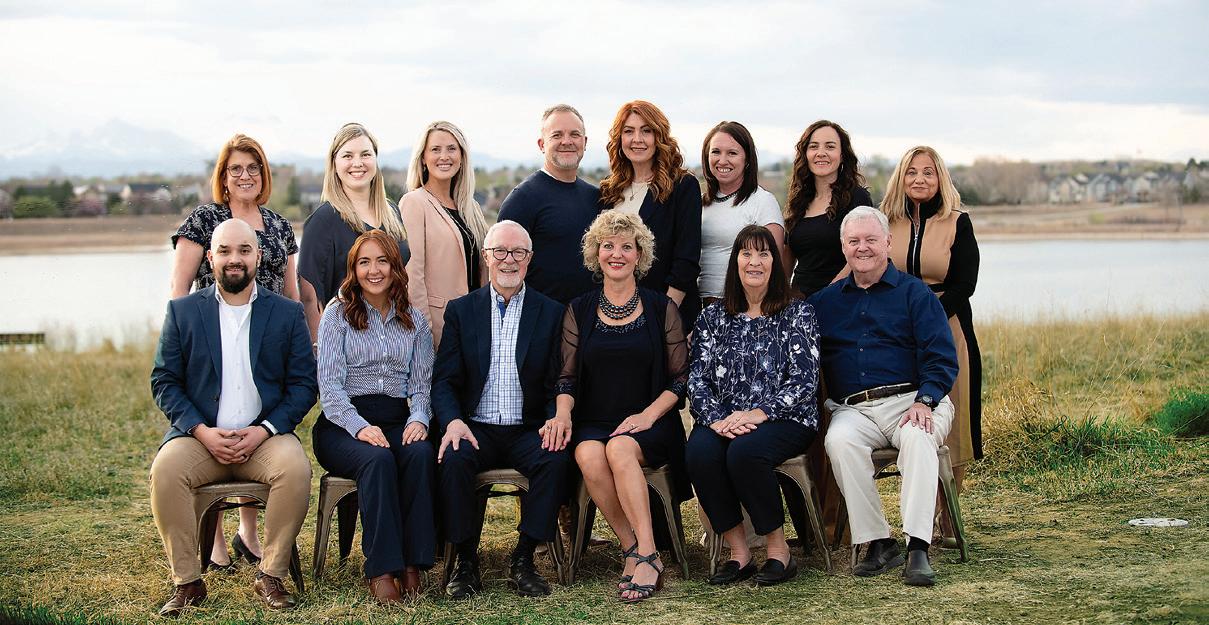
The team at Harmony Senior Referrals. | Photo courtesy: Harmony Senior Referrals
Protecting memory and thinking
Courtney Johnson Successful
Aging
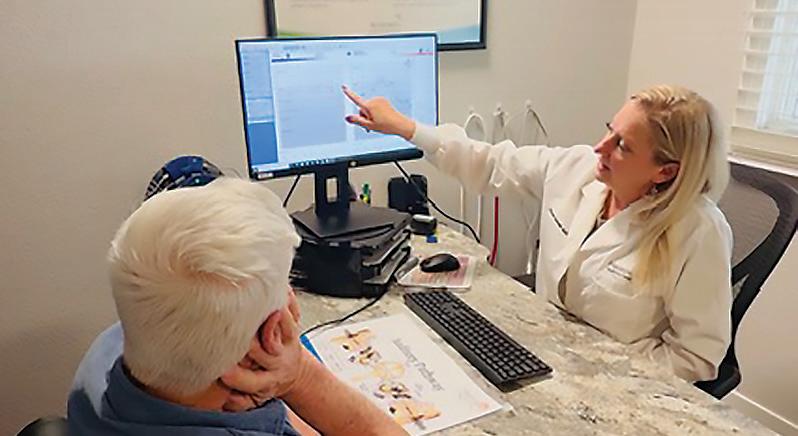
There is a clear correlation between brain and hearing health. Yet so many people take for granted how critical the relationship between the brain and the ears is. In fact, the ACHIEVE study, published in 2023, concluded that in older adults at increased risk for cognitive decline, hearing intervention slowed down the loss of thinking and memory abilities by 48% over 3 years. “Our ears act like funnels that collect sound and send it to the brain, where all sound is processed,” said Whitney Swander, Au.D., Owner, and Doctor of Audiology at Hearing HealthCare Centers. “Without the processing step, we would be inundated with many meaningless, random sounds. We couldn’t distinguish between speech and noise, or between environmental noises from sounds that might be threats, like a car heading straight for you.” When hearing loss or other hearing-related issues go untreated, everyday life can become challenging. “Hearing is supposed to be easy and effortless, so it isn’t allotted much ‘energy’,” said Swander “When hearing loss creeps in, hearing becomes more difficult, forcing the brain to steal energy from other functions to process sound. It typically steals from short-term memory, balance,
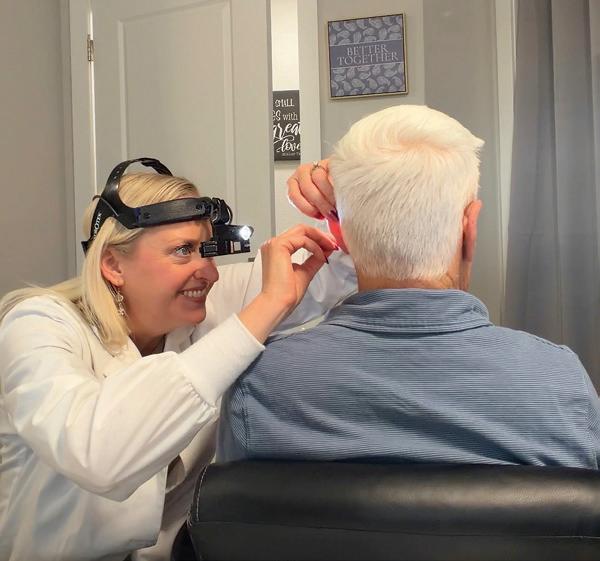
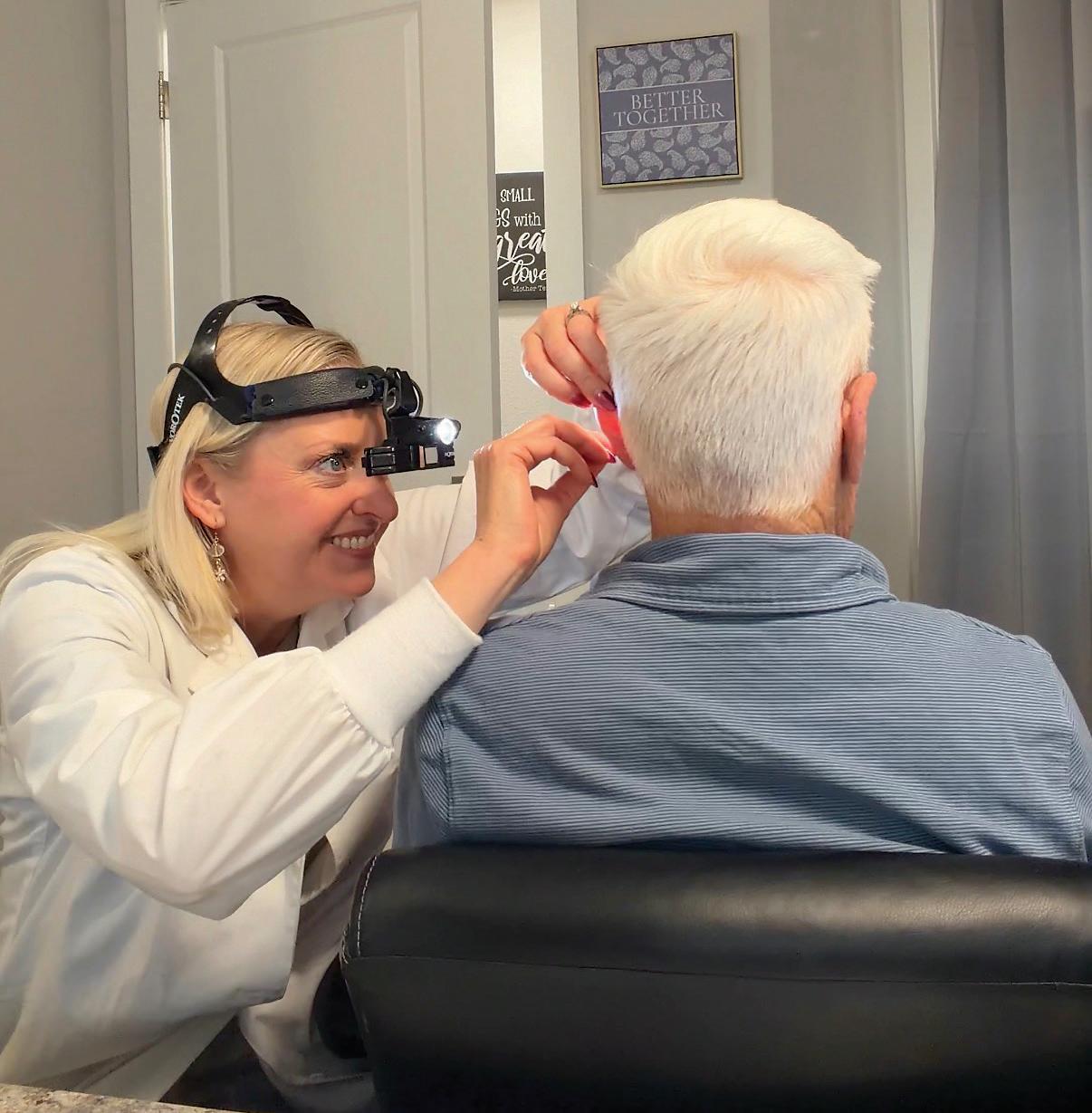
Dr. Swander examines a patient’s ear. | Photo courtesy: Whitney Swander, owner, Doctor of Audiology
problem-solving and decisionmaking. This was determined in a groundbreaking study on brain reorganization published by Anu Sharma, Ph.D., at CU Boulder in 2015.”
To put it in more concrete terms, Swander explains that it is like running a large business on a small budget. While each department has an allotted budget, if a department overspends, funds must be transferred from another department’s budget to cover the deficit. “It’s robbing Peter to pay Paul,” she said.
Hearing loss often begins with a loss of clarity of sound, from participating in conversations to what actors are saying on TV It is the higher-pitched sounds that become difficult for adults to understand. “The brain must use more energy to decipher what others are saying, which causes that cognitive risk,” said Swander. “To lighten the brain’s load, we must restore the sounds and ranges it is missing. We do this with prescriptive hearing
devices, coupled with a process to rehabilitate the brain to remember what it’s missing.”
There are some common warning signs to look out for, Swander said. These include needing people to repeat themselves, turning up the volume on TV, and/or using the captions and needing to watch faces to decipher words. “Properly treating hearing loss reduces the additional energy load on the brain, allowing it to perform all its other necessary functions,” she said. “Often when people treat their hearing correctly, they report having more energy, feeling mentally sharper, desiring to be social again and having better balance.”
Untreated hearing loss is one of the most important modifiable risk factors for dementia. People who treat their hearing loss have a slower cognitive decline and lower dementia risk. “Early intervention is critical,” she said. “The brain reorganization process mentioned earlier actually rewires the brain pathways to divert the energy
where it is needed. There are now studies that indicate that the process can be reversed, partially or completely, based on how long the brain has been impacted.”
While Swander notes that many people have had bad experiences with hearing devices or have seen people have bad experiences, technology has come a long way.
“We can restore hearing to a degree we could not, just a few years ago,” she said. “We’re also seeing a lot of patients come in at earlier stages due to the research about hearing and cognition. Treating hearing loss is literally the most impactful change you can make to prevent or slow the decline of cognitive issues.”
Dr. Swander reviews results with a patient.
| Photo courtesy: Whitney Swander, owner, Doctor of Audiology
HEALTHY AGING
By Wendy McMillian Successful Aging
Beyond Dentures
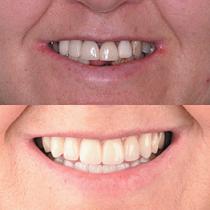
All-on-X Implants for a Permanent, Functional Smile
No matter what age, stage or place we are in the world, there are few things so universally connecting and timeless as the warmth of a smile. But time takes its toll. When our dental health
integrity is compromised, there’s a lot at stake. Luckily, today we have transformative options. Along with hybrid dentures, All-on-X implants provide permanently restored, natural-looking and fully functional smiles. With such customized,
cutting-edge solutions, more people are rediscovering the everyday joys that allow us to stay nourished, laugh freely and connect with others.
Can All-on-X help you and your loved ones? We reached out to
the experts at Rocky Mountain Dental Specialists to find out. Together, Prosthodontists Dr Ryan Lewis and Dr. Paul Child, and Periodontists Dr Giles Horrocks and Dr Eric Feichtinger, provide a collaborative approach that ensures both surgical precision and restorative excellence from start to finish. Here are their insights.
WHAT EXACTLY ARE ALL-ON-X IMPLANTS?
All-on-X dental implants are a full-arch tooth-replacement solution that uses a small number of strategically placed dental implants to restore an entire upper or lower arch of teeth. The “X” simply represents the number of implants used; commonly, six implants are placed to provide optimal support, stability and long-term function of the final restoration. Unlike traditional dental implants, which replace one tooth at a time, All-on-X uses fewer implants to support a full bridge of teeth. These implants support a hybrid denture, which
SUCCESSFULAGING
is anchored to implants and not sitting on the gums, fixed in place. In many cases, they’re removed only by a dentist; they’re designed to look, feel and function like natural teeth. In contrast, traditional dentures sit on the gums, require adhesives directly and can shift when eating or speaking.
HOW DO ALL-ON-X IMPLANTS WORK?
The All-on-X process involves placing implants in precise positions to maximize bone contact. A hybrid denture is then attached to these implants the same day of surgery. At Rocky Mountain Dental Specialists, this process is enhanced by advanced digital dentistry, enabling highly precise planning and predictable outcomes. Using 3D imaging (CBCT), digital scans and guided surgical technology, our doctors can virtually plan implant placement before the procedure
even begins,improving accuracy, efficiency and patient comfort.
One of the biggest concerns patients, especially seniors, have is how long treatment will take and how many appointments are required. All-on-X is designed to streamline the process, allowing patients to return to chewing much more quickly than with traditional treatment options.
WHAT ARE THE BENEFITS OF ALL-ON-X?
All-on-X dental implants offer immediate function, improved stability and significantly greater chewing power than traditional dentures. They also help preserve bone and maintain facial structure. They are a great option for patients who are missing most or all of their teeth, those frustrated with loose dentures, or anyone seeking a fixed, long-term solution.
One of the last true luxuries in life is the ability to eat comfortably. Investing in a healthy, stable
mouth now can have a profound impact on quality of life later. Some patients, such as those with certain medical conditions, heavy smokers or significant bone loss, may need additional treatment before qualifying, making a comprehensive evaluation with our doctors essential.
WHAT CAN SENIORS EXPECT FROM THE ALL-ON-X PROCESS?
For seniors, the All-on-X process can be truly life-changing. Patients often enjoy foods they haven’t had in years, speak more clearly and regain confidence.
The process begins with a consultation and digital imaging, followed by virtual treatment planning. Implants are placed using guided techniques for precision, and temporary teeth are delivered the same day After a healing period, a final custom prosthetic is placed.
Because of this streamlined and
digitally guided approach, patients benefit from fewer appointments, a faster return to function and highly predictable results. Most patients resume normal daily activities within a few days, with full healing over several months.
“This procedure is a significant, long-term investment, and it’s critical that it’s done the first time correctly to avoid complications over the life of the implants,” Dr Lewis emphasizes. “At RMDS, each case is fully customized, as All-on-X is not a one-size-fits-all solution, and we use the highest quality implants and restorative materials available to ensure long-term strength, function and aesthetics. Ultimately, the best results come from a team-based approach, combining surgical expertise, restorative planning, advanced technology and the highest quality materials and implants.”
Interested in learning more? Visit rmdentalspecialists.com.
8 Ways to Help Protect Your Vision
Feature Impact
As you get older, your risk for some eye diseases may increase. However, there are steps you can take to keep your eyes healthy – and it starts with taking care of your overall health. Set yourself up for a lifetime of seeing your best with these eight tips from the experts at the National Eye Institute in honor of Healthy Vision Month:
1.
FIND AN EYE DOCTOR YOU TRUST
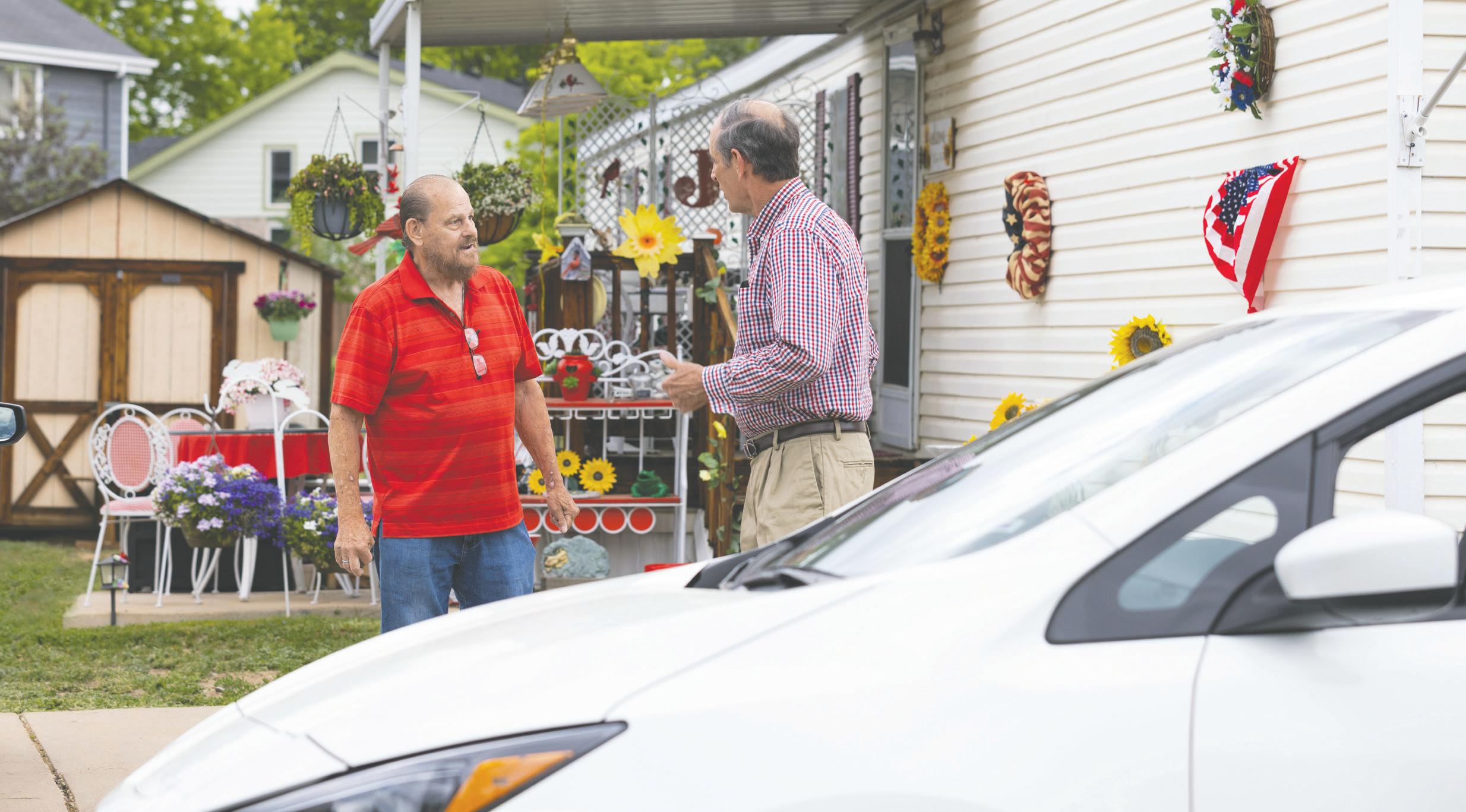
For over 50 years, Cultivate has dedicated itself to helping seniors flourish through active engagement with their communities Our volunteers support our senior neighbors through programs such as medical rides for military veterans and their senior family members; grocery shopping and delivery; minor home repairs; friendly phone calls; snow shoveling and yard cleanup.
Many eye diseases don’t have any early symptoms, so you could have a problem and not know it. An eye doctor can help you stay on top of your eye health. Find an eye doctor you trust by asking friends and family if they like their doctors. You can also check with your health insurance plan to find eye doctors near you.
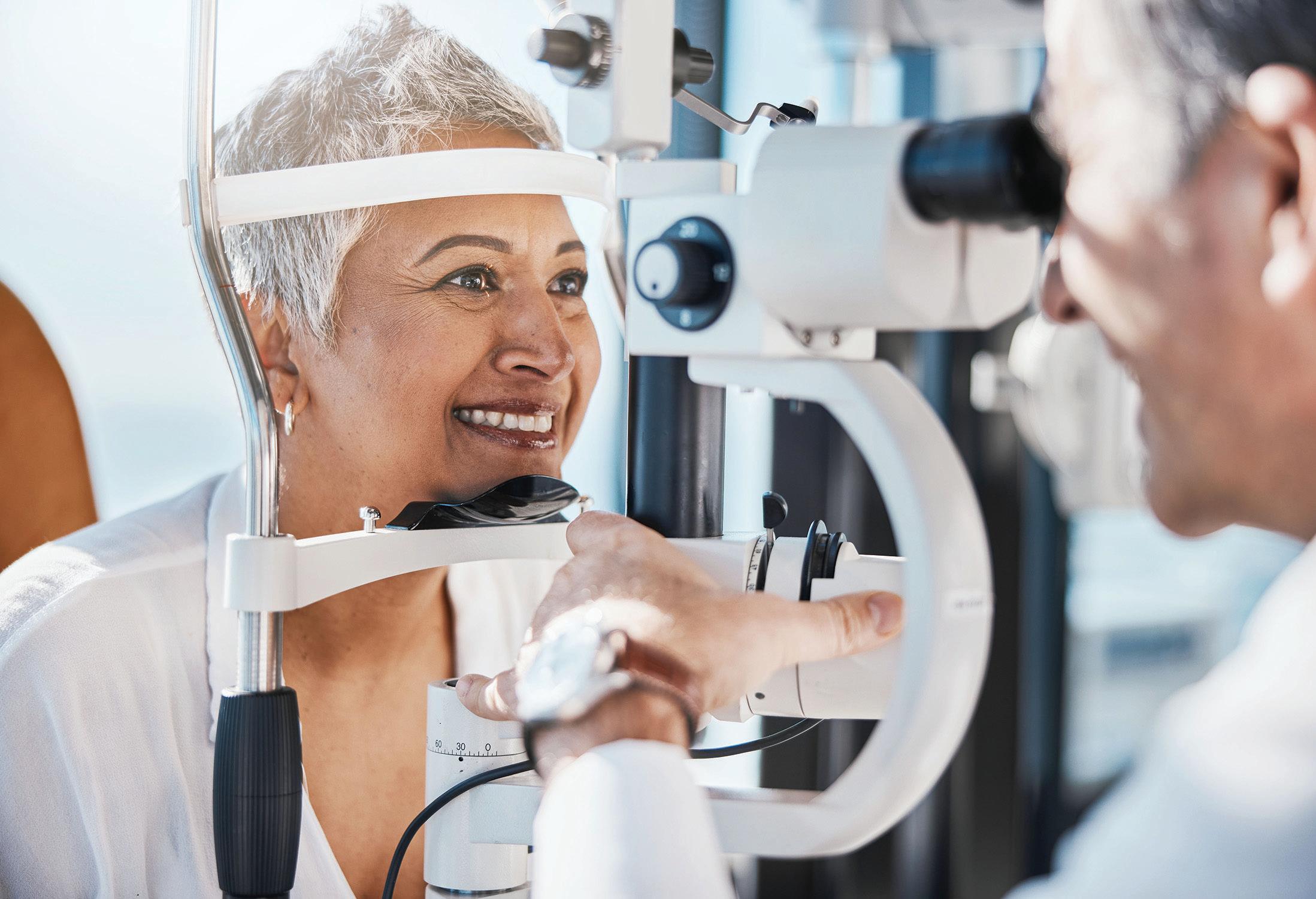
There are steps you can take to keep your eyes healthy – and it starts with taking care of your overall health. | Shutterstock
SUCCESSFULAGING
2. ASK HOW OFTEN YOU NEED A DILATED EYE EXAM
Getting a dilated eye exam is the single best thing you can do for your eye health. It’s the only way to find eye diseases early, when they’re easier to treat – and before they cause vision loss. Your eye doctor will decide how often you need an exam based on your risk for eye diseases.
3. ADD MORE MOVEMENT TO YOUR DAY
Physical activity can lower your risk for health conditions that can affect your vision, like diabetes and high blood pressure. If you have trouble finding time for physical activity, try building it into other activities. Walk around while you’re on the phone, do push-ups or stretch while you watch TV or dance while you’re doing chores. Anything that gets your heart pumping counts.
4. GET YOUR FAMILY TALKING ABOUT EYE HEALTH HISTORY
Some eye diseases – like glaucoma and age-related macular degeneration – can run in families. While it may not be the most exciting topic of
conversation, talking about your family health history can help everyone stay healthy. The next time you’re chatting with relatives, ask if anyone knows about eye problems in your family. Be sure to share what you learn with your eye doctor to see if you need to take steps to lower your risk.
5. STEP UP YOUR HEALTHY EATING GAME
Eating healthy foods helps prevent health conditions – like diabetes or high blood pressure – that can put you at risk for eye problems. Eat right for your sight by adding more eye-healthy foods to your plate, such as dark, leafy greens like spinach, kale and collard greens, and fish high in omega-3 fatty acids like halibut, salmon or tuna.
6. MAKE A HABIT OF WEARING YOUR SUNGLASSES – EVEN ON CLOUDY DAYS
The sun’s UV rays can not only harm your skin, but the same goes for your eyes. However, wearing sunglasses that block 99-100% of both UVA and UVB radiation can protect your eyes
and lower your risk for cataracts.
7. STAY ON TOP OF LONGTERM HEALTH CONDITIONS LIKE DIABETES AND HIGH BLOOD PRESSURE
Diabetes and high blood pressure can increase your risk for some eye diseases, like glaucoma. If you have diabetes or high blood pressure, ask your doctor about steps you can take to manage your condition and lower your risk of vision loss.
8. IF YOU SMOKE, MAKE A PLAN TO QUIT
Quitting smoking is good for your entire body, including your eyes. Kicking the habit can help lower your risk for eye diseases like macular degeneration and cataracts. Quitting smoking is hard, but it’s possible – and a plan can help.
Test your eye health knowledge with a quick quiz and find more vision resources at nei.nih.gov/hvm.
AaronMcGrew,PA-C DermatologyPhysician Assistant
BradBaack,MD Dermatologist and Mohs MicrographicSurgeon
Wearing sunglasses that block 99-100% of both UVA and UVB radiation can protect your eyes and lower your risk for cataracts. | Shutterstock
Shingles Raises Heart and Stroke Risk
Feature Impact
Shingles isn’t just a painful rash and nerve pain. It’s also linked with a higher risk of serious cardiovascular events, including heart attack and stroke, especially in the weeks to months after infection However, shingles is largely preventable with vaccination
The world’s leading nonprofit organization focused on changing the future of health for all, the American Heart Association, reminds eligible adults to protect themselves by getting vaccinated and staying on top of their heart health.
According to the Centers for Disease Control and Prevention (CDC), about 1 in 3 adults in the U.S. will get shingles in their lifetime. If you’ve had chickenpox, the virus that causes shingles, also known as herpes zoster, is already inside you. It can “wake up” years later, causing painful blisters and nerve pain that can last for months or longer.
After a shingles episode, one large study published in the “Journal of the American Heart Association” found the risk of heart attack and stroke was nearly 30% higher in the short term and may persist over time.
“Shingles can be very painful and knock you down for weeks,” said Eduardo Sanchez, M.D., FAHA, the American Heart Association’s chief medical officer for prevention.“It’s also associated with a higher chance of heart and stroke problems afterward. If you’re 50 or older, or have a weakened immune system, talk to your doctor or pharmacist about the shingles vaccine. It’s a simple step that can keep you healthier.”
Knowing your risk is the first step toward prevention. Age is the most important risk factor for developing shingles. As people age, their immune systems naturally weaken, making it easier for the virus to reactivate. People over 50, and especially those living with heart disease, diabetes or
other chronic illnesses, are more likely to develop shingles.
The risk of serious complications from shingles increases:
• As you get older
• If you take drugs that keep your immune system from working properly, like steroids and drugs given after an organ transplant
• If you have medical conditions that keep your immune system from working properly such as certain cancers like leukemia and lymphoma, or HIV infection
HEART HEALTH MADE SIMPLER
In addition to ensuring you’re up to date on your vaccines, talk to your health care professional about ways you can improve your overall heart health. According to the American Heart Association, heart disease remains the leading cause of death, taking more lives in the United States than any other cause.
Following healthy lifestyle
guidance like Life’s Essential 8 can make inroads toward preventing heart disease and stroke, and improving brain health. The set of four health behaviors (eat better, be more active, quit tobacco and get healthy sleep) and four health factors (manage weight, control cholesterol, manage blood sugar and manage blood pressure) are key measures for improving and maintaining cardiovascular health.
HOW TO GET THE SHINGLES VACCINE
1. Check eligibility: Recommended by the CDC for adults 50-plus and adults 19 and older with weakened immune systems.
2. Find a location: Most national pharmacies, many primary care and specialty clinics and local health departments offer it. Search your pharmacy’s app or website, or call your clinician’s office.
3. Book it: Make an appointment online or by phone. Same day or walk in options may be available at pharmacies.
4. Bring what you need: Photo ID, insurance card and a list of medicines and allergies. Wear a short sleeve shirt, if you can.
5. Plan for two doses, 2-6 months apart: When you schedule dose one, set a reminder or book dose two before you leave.
6. Cost and coverage: Many health plans, including Medicare Part D, cover shingles vaccination at low or no cost. Check your benefits or ask the pharmacy to verify coverage.
7. After your shot: A sore arm, fatigue, headache or mild fever are common and usually go away in 2-3 days. Call your clinician about severe or persistent symptoms.
8. If you’ve had shingles before: You can still get vaccinated after you recover. Ask your health care provider about timing.
Learn more at heart.org/shingles.
Signs and Symptoms of Shingles
Symptoms to watch for: tingling, itching or burning on one side of the body or face; a stripe like rash that turns into fluid filled blisters; headache; fever; or chills. Act fast: If you think you have shingles, contact your health care professional right away. Treatment works best within 72 hours of the rash appearing. If the rash is near your eye or you have eye pain or changes in vision, seek urgent care.
Lasting impact: The rash typically scabs over and clears within 2-4 weeks, but the pain in the rash area can last about a month. The duration of pain seems to increase with age
Shingles isn’t just a painful rash and nerve pain. It’s also linked with a higher risk of serious cardiovascular events, including heart attack and stroke, especially in the weeks to months after infection. However, shingles is largely preventable with vaccination. | Shutterstock
The Logistics of Loneliness
How downsizing and choosing
the right neighborhood can combat social isolation
Darian Armer Successful Aging
As we age, life decisions like downsizing and living location become front of mind. But deciding where to live and how to make that decision can be overwhelming, especially when navigating the choices for yourself or a loved one.
We spoke with local Realtor Regan Sample for his advice on choosing a home and neighborhood to help keep seniors engaged and combat loneliness
“I always encourage people to think about how they want to live day to day, not just where they want to live. The right neighborhood should make life feel easier, more connected and close to the people, places and routines that matter most. Whether that’s being near family, a favorite coffee shop, grocery store, health professionals, trails or paths where you’ll see familiar faces, it’s those small daily touchpoints that really shape quality of life,” says Sample.“I ask a lot of questions to help people think of what is going to be important to them, and we look from there.”
Sample says a common mistake he sees clients make is prioritizing the house over the lifestyle it can provide.
“One of the most important decisions is choosing a home that naturally supports connection. That could be a neighborhood where people are out and about, a layout that makes it easy to host, or simply being close to places you already enjoy,” he says
“I often tell clients it’s not just about finding the right house, it’s about creating a lifestyle that feels connected and fulfilling, whether that’s a neighborhood with active HOA events, nearby coffee shops or easy access to community centers.”
He says low-maintenance living can also free up time and energy to stay socially engaged, rather than being tied down by home upkeep.
Things to consider when making your decision include walkability, proximity to resources and transit access, to name a few
“I like to think about it as traversability, it’s about how easy and comfortable it is to move through your day. Being able to get outside, stay active, and have those small, everyday interactions really supports both physical and emotional wellbeing.”
Sample says features like wide, well-maintained paths, reliable snow removal and smooth transitions – like ramps instead of stairs in common areas – can make a meaningful difference as needs change over time.
“We also talk about proximity to community resources and places where people naturally gather and whether the area will continue to support independence long-term, including access to transportation if driving becomes less ideal.”
An interesting shift, Sample says, Realtors are seeing is a strong shift toward “right-sizing” rather than just
downsizing. That’s a move to homes that are easier to live in without giving up comfort.
“Features like main-floor living, fewer stairs, wider doorways and low-maintenance exteriors are in high demand. On the lifestyle side, people are prioritizing open layouts for gathering, outdoor living spaces and homes located in communities that offer connection, from active adult neighborhoods to areas with strong community engagement.”
He says there’s also more awareness around aging-in-place design, allowing people to stay in their homes longer and more comfortably. This can look like an HOA that maintains yard care and snow removal.
It’s important to seek out help and resources when making these decisions.
“Having the right support can completely change the experience. There are excellent local resources, from downsizing specialists to move managers and estate professionals,” says Sample.“I have built a team of trusted partners and often help clients connect with them so they don’t feel like they have to figure everything out on their own.”
Not every move is exciting.
Sometimes a loved one can be resistant to change and leaving a home they love. Sample says there are ways to assist in that transition.
“I’ve had clients who were understandably hesitant to leave a home they’d loved for years, and within a few months, they were more connected than they had been in a long time. They are meeting neighbors, joining group activities, and really enjoying their day-to-day life again. Those are the moments that reinforce that a thoughtful move can truly improve not just where you live, but how you live.”
Ultimately, Sample says the process doesn’t have to feel overwhelming or rushed.
“When people start exploring their options early, they have more control and more opportunity to make decisions that truly fit their lifestyle. Even just having a conversation can bring a lot of clarity, and that’s often the best place to start,” he says.“When someone finds themselves saying ‘I’m okay right now, but someday I’d like....’ that is a perfect time to start the conversation.”
For more information or to get in touch with Regan Sample, email YourRealtorRegan@gmail.com.
As we age, life decisions like downsizing and living location become front of mind. | Photo: Shutterstock
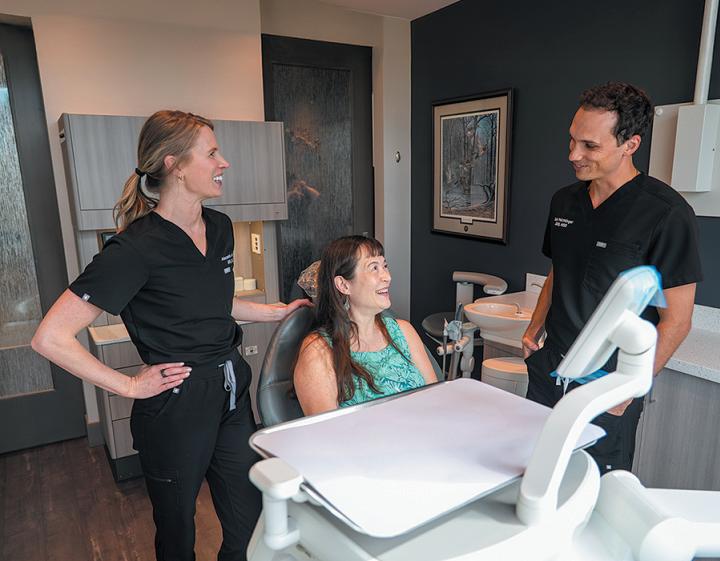
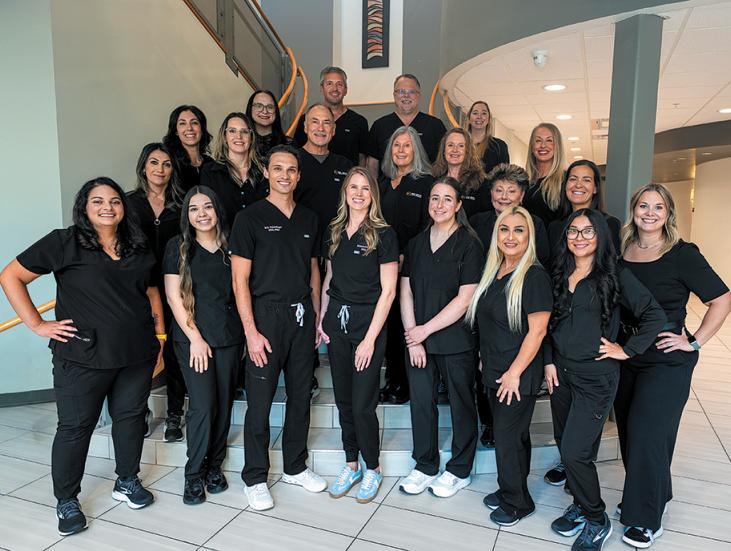
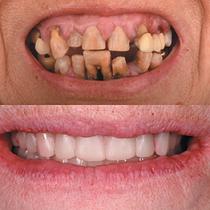
At Rocky Mountain Dental Specialists and Greeley Prosthodontics we believe exceptional dentistry should enhance not only your smile-but your quality of life. Our team of specialists delivers advanced, patient-centered care through a seamless, collaborative approach, ensuring every treatment is tailored to your individual needs
Our multidisciplinary team offers:
• Full-arch dental implants (All-on-X)
• Periodontics therapy and implant placement by Board Certified Implant Specialists
• Prosthodontic rehabilitation
• In-house endodontics
• IV sedation for a comfortable, stress-free experience
Experience dentistry at a higher level.
Rocky Mountain Dental Specialists 1551 Professional Lane. Suite 250, Longmont, CO 720-597-3344 RMDentalSpecialists com
Greeley Prosthodontics 2726 W 11th St Rd Greeley, CO 303-834-5723
GreeleyProsthodontics.com
of Home The Comfort
Understanding your options for in-home senior care
Kristen M. White Successful Aging
Aging in place - the broad concept of seniors staying in their own homes and receiving care, rather than moving to an assisted living facility or other location - sounds simple.
But there are a multitude of options, avenues and reasons to consider this type of care.
Experts from local agencies weighed in on the reasons and situations to consider when choosing in-home senior care, the variety of options and how it can benefit seniors and their families.
“A common misconception is that home care is only for the very sick,” said Judith Ashworth, owner of Dignity Care. “Our business model allows us to simply bridge whatever gap you’re facing now. That could be meal prep, transportation, a little companionship and even just
medication reminders. By having an experienced caregiver come in periodically, we can catch condition progression that might otherwise be missed.”
As the population aged 65+ grows, the need for senior care increases. Many families are choosing in-home options, which can be beneficial and also costeffective. Everyone’s needs are different, and they evolve over time. In-home caregivers can evolve with them.
“We don’t have a daily or weekly minimum and provide as little as a one-hour shift and up to 24-hour
As the population of 65+ is growing, there is more need for senior care. Many families are choosing inhome options, which can be beneficial and also cost-effective.
| Photo: Riverside Home Care
care,” said Ashworth. “We can often get started within a couple of days. Having flexible home care such as Dignity Care is a big advantage as we are your provider from initial companionship level care all the way through end of life.”
Ashworth noted that, especially since the COVID-19 pandemic, the in-home care industry has seen a surge in needs. Due to limited capacity, long wait times and high costs in assisted living facilities, many seniors and their families are seeking other options.
At a time of life when many older people feel a loss of independence,
staying in their own homes with a bit of help can help them maintain independence longer
“In-home care allows people to maintain their routines, relationships and sense of independence while still receiving the support they need,” said Cylar Mitchell, Director of Strategic Growth with Riverside Home Care. “It doesn’t have to be all or nothing. Many clients start with just a few hours a week, and even small amounts of support can make a meaningful difference for seniors and their families.”
Because people age differently, the things they might need help with vary widely In-home care offerings, depending on the business, can include:
• Companionship
• Personal care assistance
• Transportation to appointments or for errands
• Meal preparation
• Light housekeeping
• Medication reminders or management
SMART PLANNING
• Vital sign measuring and logging
• Wound care
• Post-hospital care and postrehabilitation care
• Respite support for family caregivers
“The awareness of caregiver burnout has grown, which has made respite care and part-time support more common,” Mitchell noted.
Many families don’t consider inhome care until they’re in crisis or panic mode, Ashworth and Mitchell both said, which can be a mistake.
“Usually when everyday tasks begin to feel overwhelming, or family caregivers are feeling stretched thin, it’s a good time to explore options,” said Mitchell. “I always encourage families to start exploring care options earlier Having a relationship with a trusted care provider in place can make transitions much smoother if the needs change.”
By using a reputable in-home care service, families can have peace of
mind about the person caring for their loved one.
“We run in-depth background checks on all caregiver applications, including the CAPS check specific to elder care,” Ashworth said. “We also have case managers that oversee individual training required for your loved one’s current care plan, providing supervision to ensure clients are safe and well cared for according to plans and family requests.”
Home, Sweet Home.
At a time of life when many older people feel a loss of independence, staying in their own homes with a bit of help can help them maintain independence longer | Photo: Riverside Home Care
The Retirement Wild Card
A �nancial advisor’s guide to taming healthcare and long-term care costs
Darren Thornberry Successful Aging
Planning for healthcare in retirement isn’t a single decision – it’s a series of connected choices. The insights of Ron Vejrostek, owner of Vejrostek Tax and Financial and author of “Financially Intact,” can help you understand how Medicare, long-term care (LTC) and Health Savings Accounts (HSAs) fit together to help protect your health and your financial future.
PATIENCE WITH MEDICARE DECISIONS
One of the most common mistakes people make is choosing a Medicare plan too quickly. Vejrostek cautions against relying on a 15-minute call-center conversation. “It takes at least twice that long to truly understand both options and then the options to the options,” he explains.
Instead, he recommends working with a local Medicare agent – particularly one who offers both Medicare Advantage and supplemental (Medigap) plans. While there are around 1,700
Medicare agents in Colorado, not all represent both types of coverage. Finding someone who can speak to both helps ensure you’re making an informed choice based on your specific needs.
LONG-TERM CARE: BE REALISTIC
Traditional long-term care (LTC) insurance can be costly, putting it out of reach for many families. However, Vejrostek points out that understanding how long care is typically needed can make alternative solutions more appealing.
About 43% of nursing home stays last fewer than 100 days, and the average stay is roughly 13.7 months. While some individuals require care for several years due to conditions like dementia, those cases are less common.
Because of this, shorter-duration coverage options may make more financial sense for many people. Some policies cover as little as 50 days, while others extend from 90 days up to one year, often at a significantly lower cost than traditional LTC insurance.
“A couple of life insurance products pay out either as a
long-term care benefit or as life insurance,” Vejrostek explains. “There is an annuity product that will basically give you up to three times the amount of money that you give them as a nursing home benefit.”
HSAS: KNOW THE RULES BEFORE AND AFTER MEDICARE
Health Savings Accounts are a valuable tool for managing healthcare expenses in retirement –but timing is crucial.
Once you enroll in Medicare Part B, you can no longer contribute to an HSA. Importantly, this rule applies to the entire calendar year in which you enroll. For example, if you turn 65 in November and sign up for Part B, you’re not eligible to contribute to your HSA at any point during that year.
However, you can still use existing HSA funds tax-free for qualified medical expenses. This includes Medicare Part B premiums – even if those premiums are automatically deducted from your Social Security check. You can reimburse yourself from your HSA without paying taxes.
It’s also important to note what
HSAs cannot cover: You can’t use HSA funds to pay for supplemental (Medigap) plan premiums.
“This all leads back to why it is so important that people find a local agent who specializes in seniors’ issues,” Vejrostek says. “Seniors’ financial issues are fairly tightly woven together…and much more complicated than most people realize until they get there themselves.”
A SYSTEM THAT WORKS TOGETHER
These decisions are deeply interconnected. From setting up a government ID account to enrolling in Medicare, choosing coverage, and understanding HSA and IRA rules, each piece affects the others.
Vejrostek compares the process to a wheel: Each decision is a spoke, and if one fails, it can impact the integrity of the entire system.
For that reason, working with a knowledgeable, local advisor who specializes in senior financial planning can make a meaningful difference. With the right guidance, you can build a strategy where each piece supports the next –helping you enter retirement with confidence and clarity
SMART PLANNING
Fraud Prevention Tips
Christine Stevens Successful Aging
Scammers often target older adults, and with the rise of artificial intelligence, many scams are becoming more convincing and harder to detect.
The FBI reported that in 2023, people aged 60 and over lost a combined $3.4 billion to fraud.
An article from the National Council on Aging identifies the five most common financial scams targeting older adults: the grandparent scam, financial services scam, tech support scam, government impersonation scam and romance scam.
The grandparent scam occurs when a scammer pretends to be a grandchild or another relative who urgently needs money. Because the scam relies on emotional manipulation and close family members, it can be particularly effective.
Financial services scams involve criminals posing as representatives from banks or other financial institutions. Victims may receive phone calls, emails or text messages asking them to verify sensitive information such as their Social Security number, bank account details or passwords.
Tech support scams are another
common tactic. In these cases, scammers pretend to represent a technology company and warn the victim that their computer has a virus or security issue. They may attempt to gain remote access to the device or request personal information to “fix” the problem.
Government impersonation scams occur when criminals claim to represent agencies such as the IRS, the Social Security Administration or Medicare. Scammers often threaten to suspend benefits, impose fines or take legal action
unless the victim provides personal information or immediate payment.
Romance scams typically occur through online dating platforms or social media. Scammers create fake profiles, build emotional relationships with victims and eventually ask for money, often claiming a financial emergency Artificial intelligence has made these scams more realistic. Scammers can now use voice cloning technology, deepfake videos, phishing emails and fake websites to
impersonate trusted individuals or organizations.
The National Council on Aging recommends several steps seniors can take to protect themselves. These include staying informed about the latest scams, verifying the identity of anyone requesting personal information, using trusted security tools and improving their understanding of artificial intelligence.
They also recommend that if you spot a scam, you should not engage, secure your accounts, and report the scam to the FTC or your local consumer protection agency
The Boulder County Area Agency on Aging also offers adult protection services to help at-risk adults.
According to their website, “an at-risk adult is anyone aged 18 or older who cannot meet their basic needs for health, safety or wellbeing or find the help they need on their own.”
One of the things they help with is financial exploitation. If someone is being mistreated, they will work with that person and provide them with resources.
BCAAA also has a reporting number as well. If you know an at-risk adult is being scammed, you can call 303.441.1309 to report any suspected abuse, neglect or exploitation.
Compassionate Care Close to Home
The AFC di�erence in Longmont
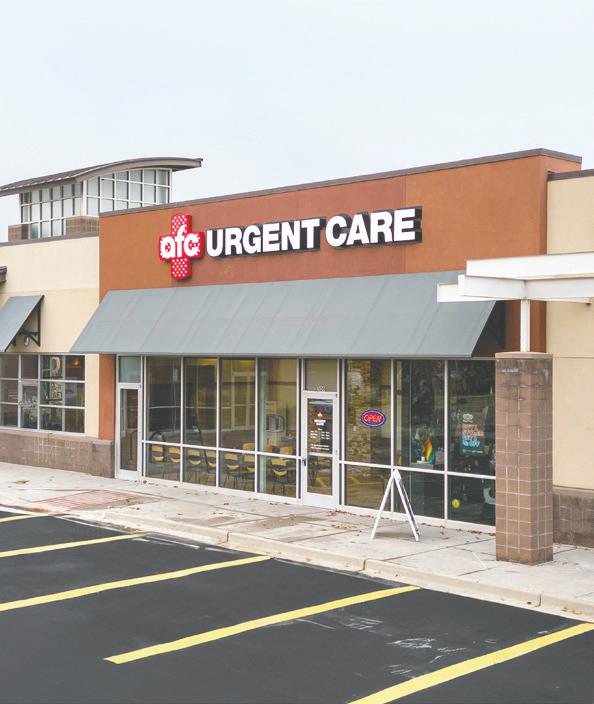
For many Longmont residents over 55, navigating healthcare can feel like a choice between weeks of waiting for a primary care appointment or the high stress and cost of an emergency room. Since opening in late 2023, AFC Urgent Care Longmont has bridged that gap, providing a locally owned alternative where quality meets efficiency.Founded by Niwot resident and board-certified nurse practitioner Michelle Amacker, the
clinic was built on a simple promise: to treat every patient like family. Amacker, recently recognized as a “40 Under Forty” honoree for her leadership in Boulder County, has overseen care for more than 15,000 neighbors in just over two years. This dedication to excellence earned the clinic reader-voted honors for Best Urgent Care and Best Health/ Medical Clinic in Longmont. Whether you need a routine flu shot, treatment for a nagging sinus infection, or immediate care for a
minor injury like a tick bite or a cut requiring stitches, the clinic offers a full suite of services. With on-site digital X-rays and lab testing, most diagnostics are handled under one roof, saving you the hassle of multiple stops.Located at 589 S. Hover St., AFC Urgent Care is open seven days a week – no appointment necessary For expert care with a neighborly heart, call 720.961.9700 or afcurgentcare.com/longmont.
Scammers often target older adults, and with the rise of artificial iantelligence, many scams are becoming more convincing and harder to detect | Photo: Shutterstock
SMART PLANNING
Don’t Go It Alone
How a local expert can simplify your Medicare choices
Matthew Van Deventer Successful Aging
It’s time to sign up for Medicare insurance! Or is it? Maybe it’s towards the end of the year. If so, that will give more time to choose the correct plan. Or maybe switching plans isn’t necessary. It’s always best to review the plans, either way. There’s Part A, Part B, Part C, Part D, supplemental coverage, prescription coverage, and medigap – at least. How much is this all going to cost?
Choosing Medicare insurance can get complicated. A licensed Medicare insurance agent can help tailor a plan that you can understand and one that fits your medical needs, lifestyle and your wallet.
Daniel Martin is a Medicare insurance agent with Premier Insurance Partners and Carmen Cisneros is a Medicare Team
Lead with Kaiser Permanente in Colorado. They are both seasoned Medicare advisors, and they discussed the top five reasons it’s
important to work with a local Medicare agent.
IMPORTANCE OF A LOCAL AGENT
Cisneros and Martin both said a local advisor is a part of the community. They understand the doctors, hospitals and plans unique to the area.
“More importantly,” said Martin, “you’re not just a policy to them.
You’re someone they’ll see at events, in the community, maybe even at church or the grocery store. That creates a level of accountability and trust you just don’t get with a call center.”
THE VALUE OF PERSONALIZED CARE WHEN SELECTING A MEDICARE PLAN
A Medicare agent will take the time to understand an individual’s
preferred doctors, their budget, and even the medications they take, explained Cisneros. This helps an advisor guide a client to a plan that “truly supports their lifestyle, not just what looks good on paper.”
A trusted advisor will consider what an individual wants and what matters most to them, explained Martin. Instead of just selecting the cheapest or most advertised option, an agent will help guide their client
Carmen Cisnero, Kaiser Permanente
Daniel Martin and team, Premier Insurance Partners
to a solution that fits their life.
YEAR-ROUND GUIDANCE
“Plans change. Doctors change. Prescriptions change. Life changes,” said Martin. Many people think enrolling in Medicare is a one-time decision, but it should be reviewed annually.
An advisor is available for discussion year-round. Does a bill not make sense? Do you have questions about your coverage? Do you have a life change coming up? Check with your advisor.
“ . .that’s where the real value is,” continued Martin. “It’s not just about enrollment, it’s about ongoing support.”
SIMPLIFY THE SELECTION OF COMPLEX MEDICARE PLANS
With all the different plans, parts, gap coverage options and pricing, selecting a Medicare plan can be a complicated and daunting task.
“An experienced agent understands that Medicare is not a one-size-fits-all and has a strong grasp of all its parts and rules, “ said Cisneros. For example, they may recognize that a client qualifies for employer or group coverage, each
with varying rates and benefits.
Improper enrollment can lead to poor coverage and unnecessary costs.
HELPING CLIENTS FINANCIALLY
Healthcare is often one of the largest expenses in retirement, and “small decisions can have a big financial impact,” said Martin.
While monthly premiums are important, an agent can help you look at and understand the overall costs you may have to pay, including deductibles, copays, prescriptions, and any potential out-of-pocket expenses.
They can also identify coverage gaps and develop solutions. “When it’s done right, it’s not just about saving money today – it’s about avoiding costly mistakes down the road,” said Martin.
Cisnero points out that continuity of care is a very important aspect of Medicare planning that is often overlooked. It’s crucial to ensure that a client’s doctors, medications, and services continue uninterrupted.
“Having guidance during that transition can make all the difference,” said Cisneros.
The Hospice Foundation of America says, “Hospice care is not about giving up, but about maximizing the time left for patients and their families.” | Photo: iStock
A Family Affair
How hospice supports caregivers and loved ones
Barbra Cohn
Successful Aging
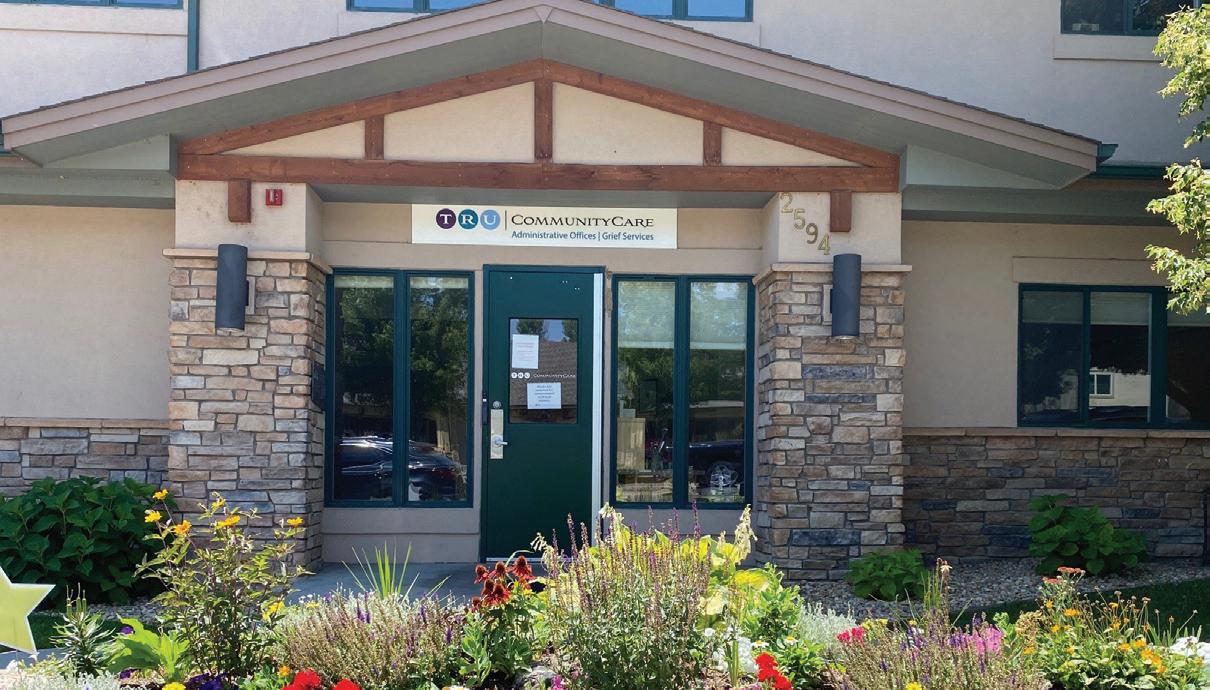
Founded as Boulder Hospice in 1976, TRU Community Care is celebrating its fiftieth anniversary this year as the first hospice program in Colorado, and one of the first in the U.S. “We’re proud to be part of a small number of legacy hospices,” says Vanessa Schmautz, LCSW, support services manager of TRU Community Care. “We’ve been able to maintain our nonprofit status, which is hard to do in the evolving healthcare climate.” TRU offers a number of services including:
• A robust palliative care program that offers relief from pain and symptoms at any stage of serious illness.
• Hospice compassionate endof-life care that focuses on comfort and quality of life at home.
• Program of all-inclusive care for the elderly (PACE) that helps seniors to live at home with medical and social support.
• Landmark specialized memory care for those living with Alzheimer’s and other dementias.
• Grief services
• Remote patient management via mobile apps and tablets (TRU Tele-Care) that delivers uninterrupted care safely and effectively to individuals living with advanced illness and loss.
“Our grief services program, with many services also open to the public, makes TRU Hospice unique,” says Schmautz. “Last year, we had more than 200 groups
and 55% of the attendees did not use our hospice services. We offer a plethora of groups including drop-in groups, closed groups with the same people who meet for a set amount of time, meditation and sound healing groups, and loss-specific groups. Our newest is a memory making workshop that includes a crafting with beads to remember the person they’ve lost,” Schmautz says.
During the summer TRU partners with Dancing Spirit Equine in Lyons to facilitate grief groups for adults and children. For individuals who had loved ones die on TRU hospice, short term grief counselling is also available to them.
Schmautz says, “Because of our continuum of care, we’ve had many people use our palliative care program when they’re living with a life-threatening illness and still pursuing treatment. They’re able to meet with a team to really emphasize quality of life, and make sure their wishes are being met. When treatment has ended,
the transition to hospice is smooth. Patients get even more wraparound services after their person dies; the family goes on to get grief services. Support from TRU could last for years,” Schmautz adds.
Additionally, TRU Care offers advanced care planning (ACP) through the Conversation Project in Boulder County In the United States, 93% of adults say that talking about end-of-life wishes is important, but only 33% have engaged in conversations with loved ones. The Conversation Project fosters meaningful conversations about healthcare and end-of-life wishes. Workshops are presented free-of-charge, and individual meetings are facilitated by trained coaches to help with advance directives. Find more information about the project attheconversationprojectinboulder.org
TRU also hosts community memorial events through the year. The Lights of Life Remembrance Service in February invites attendees to honor, remember, and share stories about a lost loved
one. The Butterfly Release and Memorial on June 27, 2026 will take place at Whitetail Park, 2550 Autumn Ridge Blvd., Lafayette at 9 a.m. followed by a program at 9:30 a.m.. Individuals can reserve butterflies for $20 on behalf of people they’re remembering or attend for free. Visit trucare.org/ butterfly for more information. The Hospice Foundation of
America says, “Hospice care is not about giving up, but about maximizing the time left for patients and their families.”
If you or a loved one is nearing the end of life, take advantage of TRU Community Care’s services. They’re supportive, compassionate, and may make a difference in the interpretation of the term “a life well lived.”
TRU has a Hospice In-Patient unit in Longmont. | Photo courtesy: TRU Community Care)
Unexpected
Rewards
How volunteering as a senior boosts health and happiness
Amy Harris Van Vranken Successful Aging
Many adults volunteer to give back to their community.
Volunteering is good for everyone, but it carries some especially positive rewards for seniors. The benefits are both physical and mental, boosting both health and happiness One reason may be that many volunteer activities get you moving, whether you’re delivering groceries, doing yard cleanup or serving a meal. Moving more means better health, and seniors who volunteer enjoy a lower risk of high blood pressure, lower mortality rates, and lower rates of physical dependency and disability.
But the rewards go beyond better physical health: volunteering as a senior also offers mental health and cognitive benefits. Whether you’re engaging
“Not only do studies show that volunteering increases health and wellbeing, volunteering is a great way to build new relationships and stay connected to the community”
with old interests – such as volunteering in the classroom after retiring from teaching – or learning new skills, volunteering helps you stay mentally sharp. That leads to enhanced cognition and lower rates of dementia.
Seniors who volunteer for a cause that’s important to them also report reduced stress, higher levels of life satisfaction, and selfesteem. Sharing skills and giving and receiving appreciation brings deeper meaning to life. No wonder volunteers, especially those 65 and older, have lower rates of depression and anxiety
Volunteering also helps build your network and keep your
social skills sharp, pushing back on the toxic social isolation that many seniors experience. Participating in meaningful shared activities is a great way to make new relationships, strengthen existing relationships, or just enjoy getting out and seeing some new faces. “Not only do studies show that volunteering increases health and wellbeing, volunteering is a great way to build new relationships and stay connected to the community,” emphasizes Chrysti R. Britt, Executive Director at Cultivate, a nonprofit that connects seniors –as recipients and volunteers – with their surrounding communities
in Broomfield, Boulder and Weld Counties.
“So many of our senior volunteers sign up because they have some free time and want to give back, but they end up finding that it fills their lives with so much more. Volunteering creates a sense of purpose, and our volunteers gain new friendships with other volunteers as well as lasting bonds shared with our clients,” Britt adds.
What if you’re not exactly up to snow shoveling or yard work? Virtual or remote volunteering is a good option for those experiencing functional limitations. When you serve as a phone buddy, online tutor, or knit hats or blankets for those in need, studies show that you’ll still experience better cognitive functioning, improved sense of well-being, and protection against the toxic effects of stress. There are volunteer opportunities for seniors of all
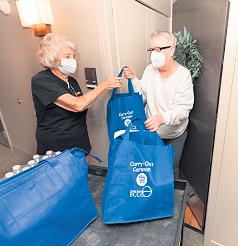
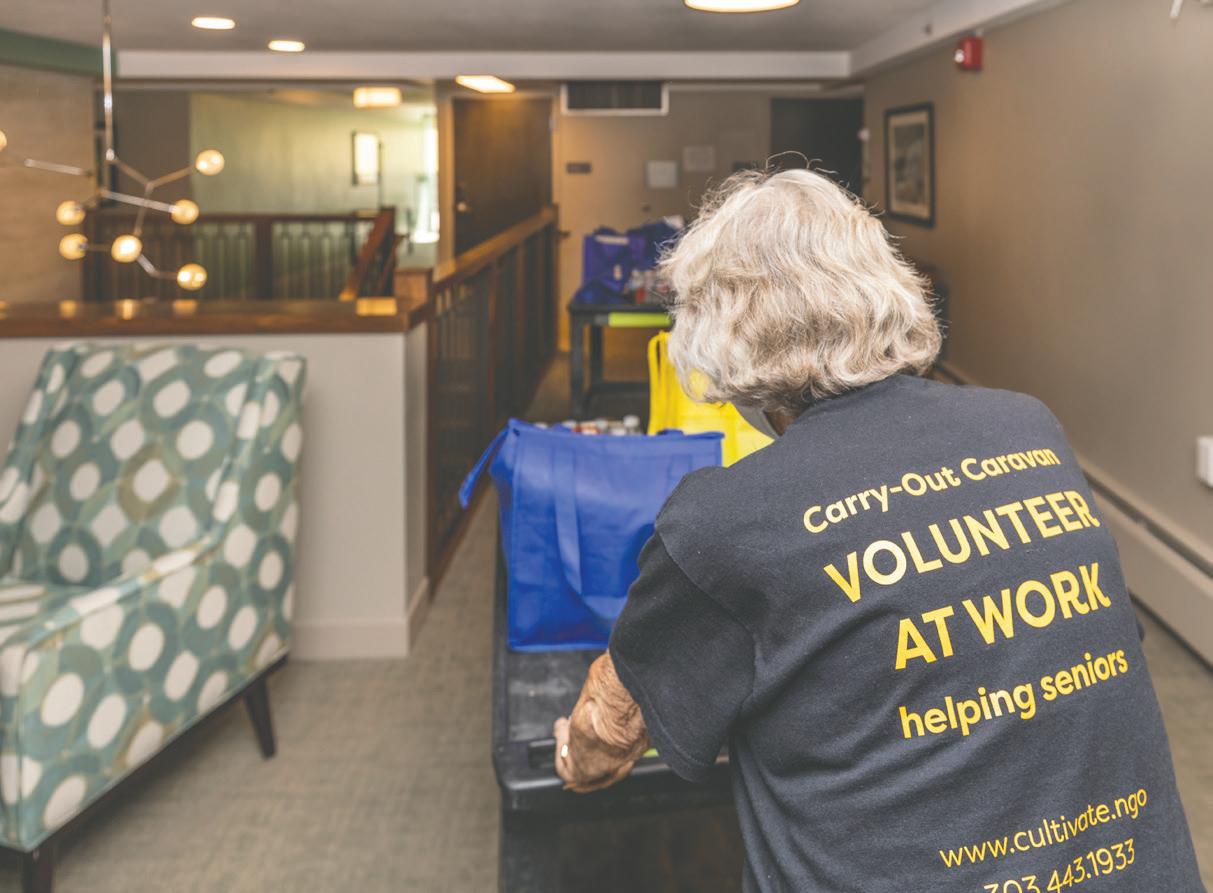
Due to unique challenges, seniors may have trouble getting to the grocery store. Carry-Out Caravan volunteers provide weekly grocery deliveries, improving seniors’ health and satisfaction. | Photo: Cultivate interests and skills. Seniors have a lot to offer, and volunteering offers a boost of health and happiness in return. Learn more at: www.cultivate.ngo
When you come to American Family Care,you’ll be treated by licensed medical professionals including doctors, nurse practitioners, physicianassistants andx-raytechnicians. Our skilledteamensures you’ll receive the highest quality medical care,seven days aweek. AFCServices include:
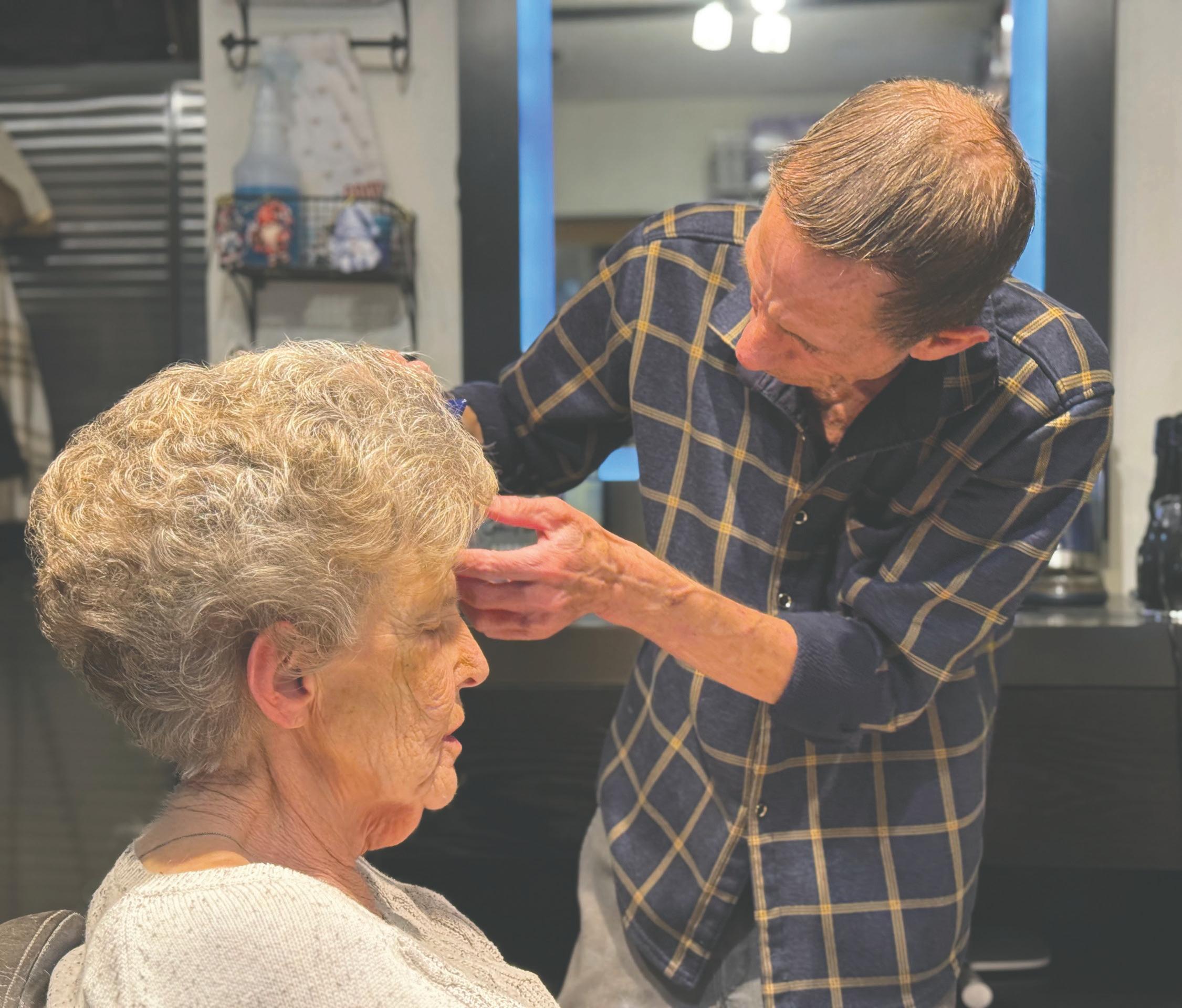
“Most women who are older wear their hair shorter. It’s easier to maintain and easier to keep up.”
individual hairs and restore them back as close to their original shape as possible, but not completely Both perms and dying, though, add more body, and dying, of course, adds color or highlights and lowlights.
“If you already have curl in your hair, add product to make it curlier and reshape it,” Camp said. “Your main thing is hair spray, because hair spray holds the set.”
Timeless
Updos, rollers and easy-care perms for senior women
Shelley Widhalm Successful Aging
As women get older, they still want the compliments, and a great, easy-to-manage hairstyle is a great start.
“Even people who are older, they want to look younger; they want something easy,” said Mitch Camp, owner of Good Hair Vibes Only & The Closet, a hair salon and clothing boutique in Longmont. “It’s not the pristine shampoo and set we are used to doing. Right now, they prefer it to be more airy. They like to be more modern.”
To get that airy, fluffier look, older women might want to try
a set of brush rollers, which have a cylindrical barrel and a bristled surface to wrap the hair, secured with a pin to create volume and curls. Another option is a magnetic roller, a smooth plastic cylinder with perforated vent holes that curls wet hair as it dries, creating a sleek, styled look.
“There’s a whole bunch of different rollers you can get,” Camp said.
Other options include long rollers for twisting long hair into loose waves or bouncy blowouts, ties to twist hair into curls, spiral twists to make spiral curls and pink sponge rollers, popular in the 1960s and 1970s and still around today.
Style
Another option for getting curls is using a curling iron, but sometimes holding the device above the head can be difficult, so the rollers are a better option for older women to get the height and curl they want. If they want to use the iron, it’s best to keep it at 360 degrees Fahrenheit or less and use a thermal protectant (which lays down the cuticle and protects the hair), since overdoing heat can damage hair.
“A hot roller set is simple to use and lasts longer than a regular curling iron,” Camp said.
Permanents are another way to add curl and body to hair, extending the life of a set. But like hair dye, perms break down
Camp recommends sulfate-free shampoo and a moisturizing, hydrating conditioner and, for chemically treated hair, shampoos and conditioners formulated for treated hair. Other products to consider include defining creams, pastes and sprays, as well as gels and glazes for a hard set and mousse for a movable look, he said.
To treat damaged hair, Camp recommends a hair mask, a type of concentrated conditioning treatment designed to deeply hydrate hair, repair damage and add shine, as well as oils and sprays to add oil back into the hair.
“Product knowledge and education are where it really helps,” Camp said.
Camp recommends that older women inform their stylists of their lifestyle, how frequently they wash their hair, the time they have available for upkeep, and whether they prefer a short or long cut.
“You can wash daily, but you always should use a good conditioner and shampoo and use good protectants,” Camp said. “That’s your number one thing, which is what the product is.”
A popular short style for older women is the pixie, an easy cut that can be given a modern look by adding gel products to separate the hair. Longer styles can also be easy to maintain, such as a one-length bob. Women with longer hair also might want to do an updo, such as a bun or twist, but should avoid plastic clips and elastics and instead use scrunchies and softer hair ties.
“Most women who are older wear their hair shorter,” Camp said. “It’s easier to maintain and easier
to keep up.”
For a few women, thinning hair can be an issue, requiring additional supplements and better nutrition to restore hair health. Taking biotin and hair and nail supplements is an option, but “my belief on all that is it comes from
the inside out, not outside in,” Camp said.
“The best part of it is to sit down with your stylist and have a conversation about what your realistic view is and what you want,” Camp said. “Ask about products to get the look you want.”
We Specialize in Primary Care for Older Adults
Specialized: Sky Health is a team of doctors, physician assistants, and nurse practitioners whose sole focus is on providing care to older adults
Personalized: We get to know you and your health history and personalize our care to
Convenient: With
Independent:
and
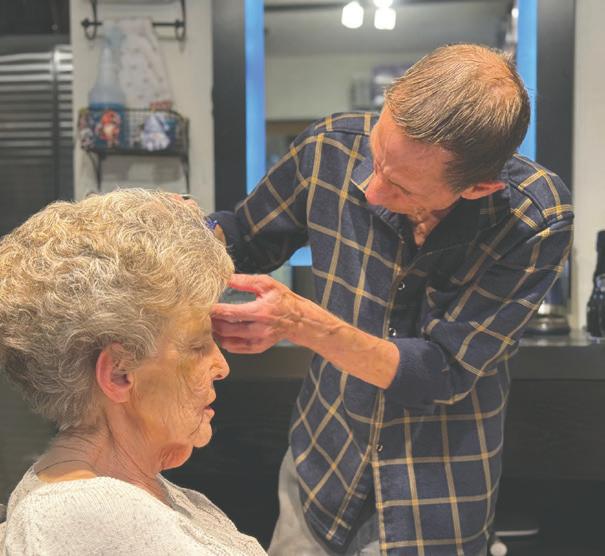
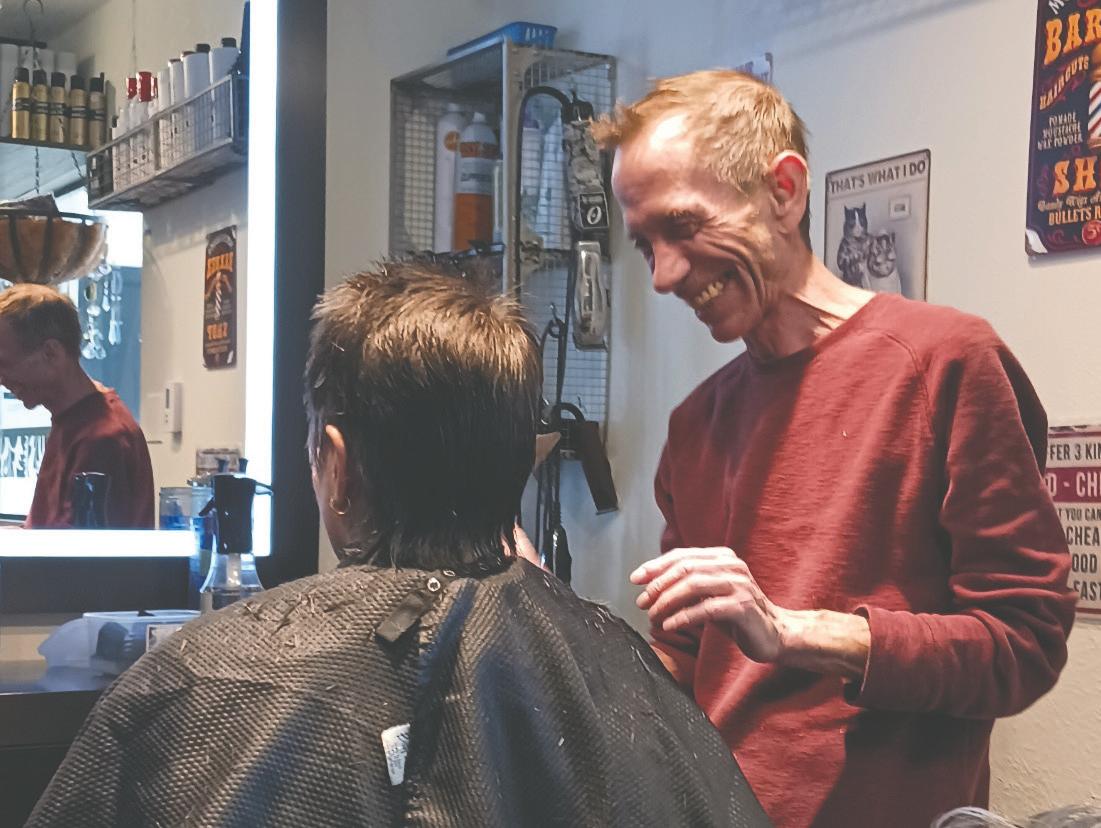
A good haircut takes anyone’s week up a notch. | Photo courtesy: Good Hair Vibes Only
SATURDAY, MAY 9
EXPO VENDORS & EXHIBITORS
• AFC Urgent Care
• All American Gutter Protection
• Altitude Dermatology
• Bath Fitter
• Benefits Connects
• Champion Windows
• Cultivate
• Dignity Care
• Dignity Hospice of Colorado
• Frasier
• Freddy’s Frozen Custard and Steakburgers
• Giving Home Health Care
• Good Hair Vibes Only & The Closet
• Good Samaritan Society Loveland Village
• Harmony Senior Referrals
• Hearing HealthCare Centers
• Hover Senior Living Community
• K&H Home Solutions
• Kaiser Permanente
• Kapsak | Estes LLC
• Lifetime Home Remodeling
• Northern Colorado Long Term Acute Hospital
• Premier Insurance Partners, LLC
• Renewal By Andersen
• Riverside Home Care
• Sky Health Services
• The Bridge at Longmont
• United Vein Centers
• Vejrostek Tax and Financial
• Your Realtor Regan
– Regan Sample
9:30-9:50 a.m.
Hearing Loss and Dementia presented by Dr. Grace Lavine, AuD and Dr Hailey Guyette, AuD, Hearing HealthCare Centers
10-10:20 a.m.
Demystifying Death & Dying: A Lawyer’s Perspective presented by Dan Kapsak, partner, Kapsak Law
10:30-10:50 a.m.
Securing the Compensation You Deserve: A Guide to EEOICPA and RECA Benefits for Former Energy Workers Exposed to Radiation, Beryllium, Silica, and other Toxic Substances presented by Alexis Scott, outreach coordinator, Giving Home Health Care
11-11:30 a.m.
Staying Financially Intact in 2026: Safe investments and strategies for protecting
FREE SEMINARS
your nest egg presented by Ron Vejrostek, author of Financially Intact
11:40 a.m.-12 noon
Redefining the Aging Journey: Explore how thriving in later life is not just about living longer — it’s about living with purpose, health, connection and joy. presented by Craig Luzinski and Lisa Bryant, Hover Communities
12:10-12:30 p.m.
Planning for Your Golden Years presented by Britt Robertson, Harmony Senior Referrals
12:40-1 p.m.
Five Mistakes to Avoid When Choosing a Medicare Plan presented by Carmen Cisneros, Medicare specialist, Kaiser Permanente