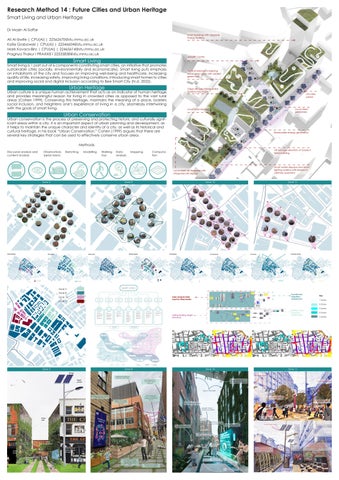
Research Method 14 : Future Cities and Urban Heritage
Smart Living and Urban Heritage
Dr Mazin Al-Saffar
Ali Al-Siwife | CPU(Ai) | 22562670@stu.mmu.ac.uk
Katie Grabowski | CPU(Ai) | 22546604@stu.mmu.ac.uk
Mark Kovacs-Biro | CPU(Ai) | 22465614@stu.mmu.ac.uk
Pragnya Thakur I PRAXXIS I 22535838@stu.mmu.ac.uk
Smart Living
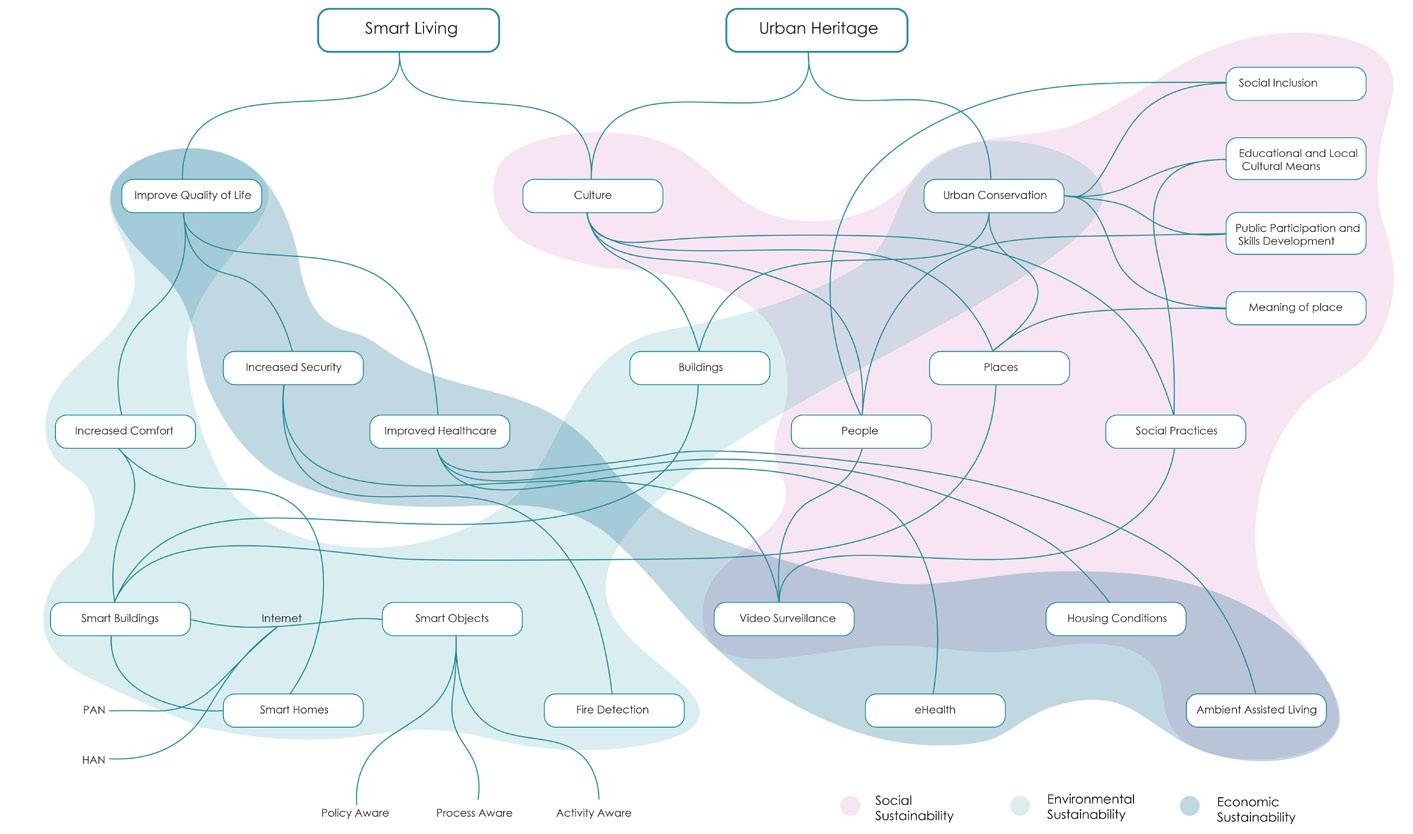
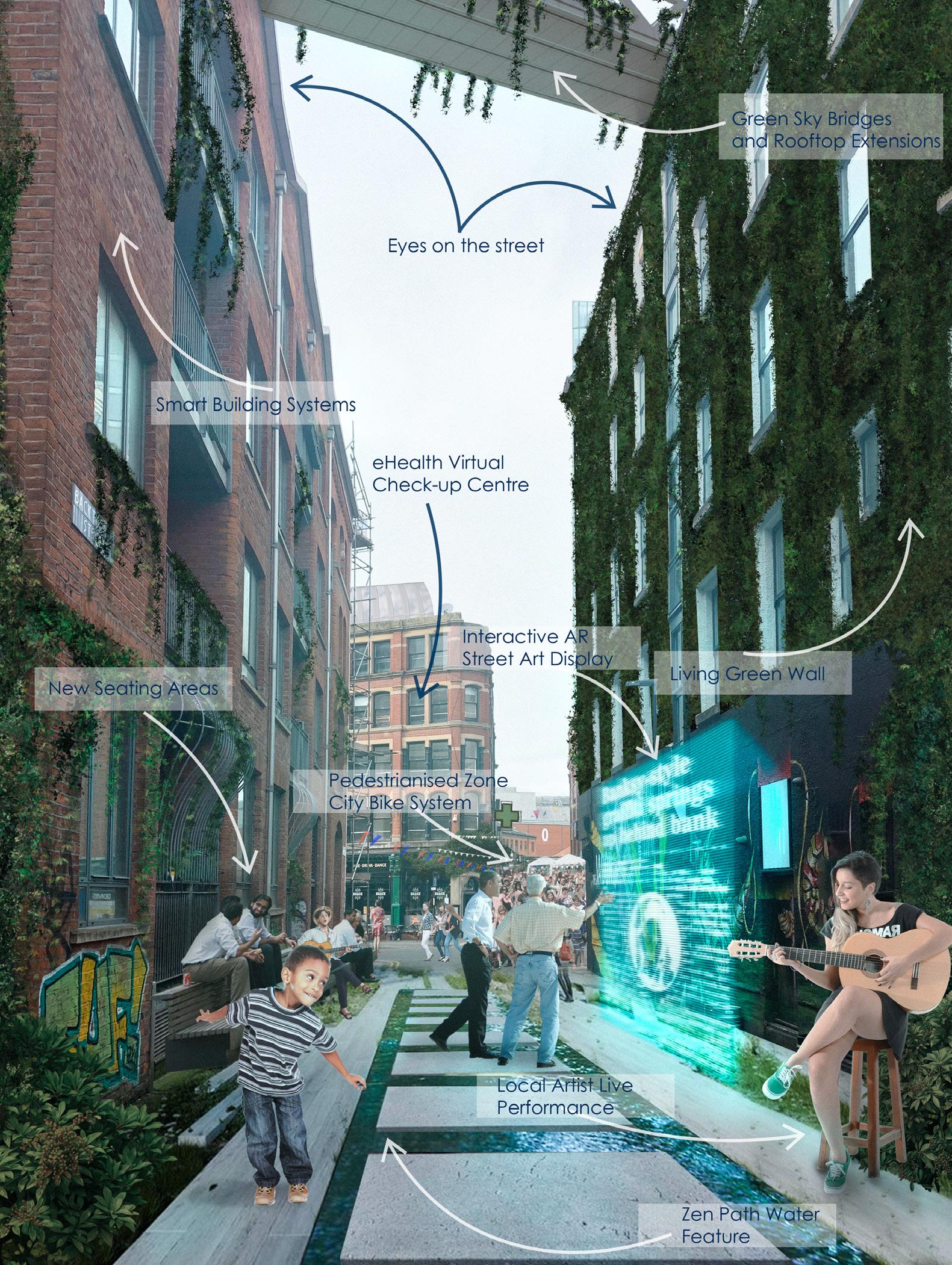
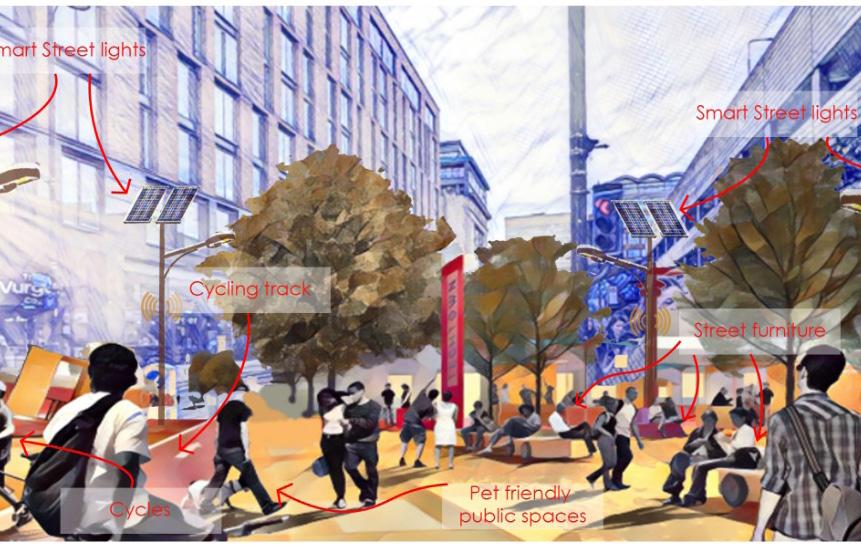
Smart living is 1 part out of 6 components constituting smart cities, an initiative that promotes sustainable cities (socially, environmentally and economically). Smart living puts emphasis on inhabitants of the city and focuses on improving well-being and healthcare, increasing quality of life, increasing safety, improving living conditions, introducing smart homes to cities and improving social and digital inclusion according to Bee Smart City (N.d. 2022).
Urban Heritage
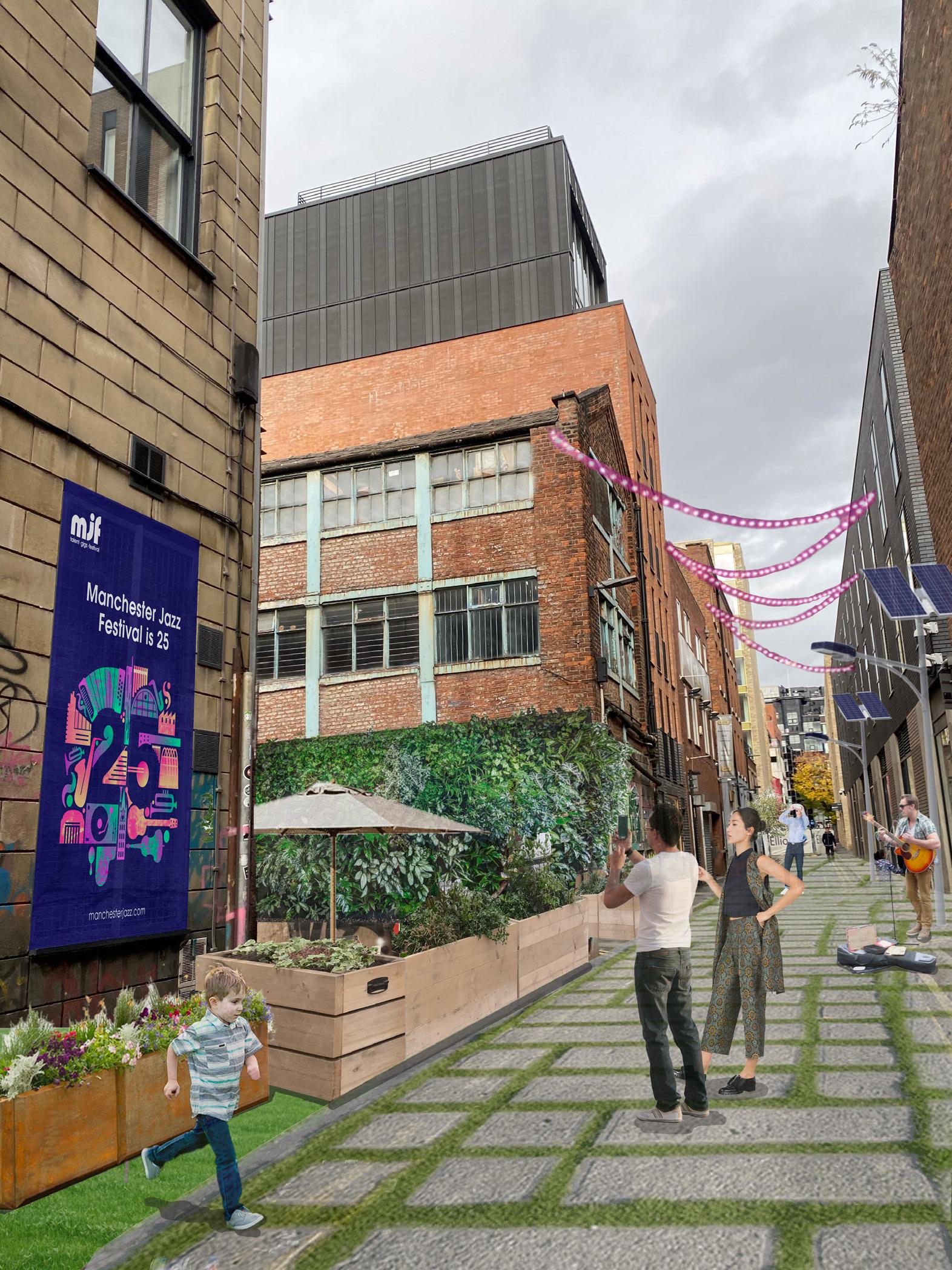
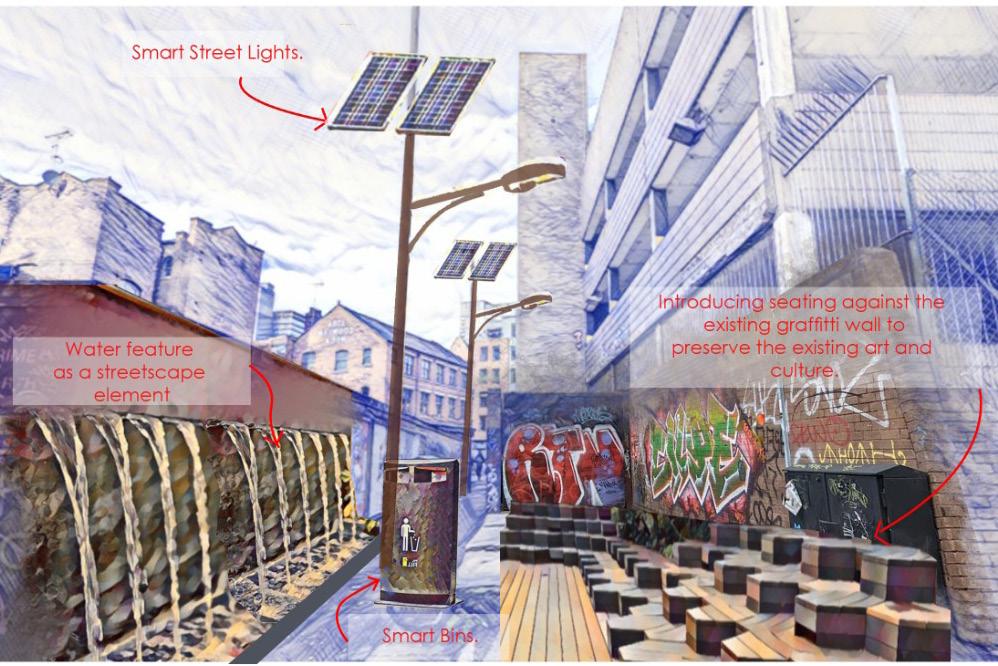
Urban culture is a unique human achievement that acts as an indicator of human heritage and provides meaningful reason for living in crowded cities as opposed to the vast rural areas (Cohen 1999). Conserving this heritage, maintains the meaning of a place, bolsters social inclusion, and heightens one’s experience of living in a city, seamlessly intertwining with the goals of smart living.
Urban Conservation
Urban conservation is the process of preserving and protecting historic and culturally significant areas within a city. It is an important aspect of urban planning and development, as it helps to maintain the unique character and identity of a city, as well as its historical and cultural heritage. In his book “Urban Conservation,” Cohen (1999) argues that there are several key strategies that can be used to effectively conserve urban areas.