
A
ZINE ON SHOWING UP FOR YOURSELF

A
The Self There zine would not exist without the women-identified people in Detroit, Flint, and Ann Arbor who expressed the need for deeper education about their bodies as they age.
To the person who has felt silenced in doctors’ offices.
To the people who can’t always take time off work or find childcare for appointments.
To those who delay care because transportation is unreliable.
To those who push aside their symptoms.
To those who feel they don’t have time for self-care or don’t feel deserving of it.
We hear you.
We see you.
We love you.
We are deeply grateful to the incredible educators who poured hours of research, writing, and reflection into this project. We aimed to represent and speak to the questions, challenges, and curiosities that continue to emerge within our community. We hope this work sparks conversations at kitchen tables, in waiting rooms, and between friends.
A heartfelt thank you to the staff at Planned Parenthood of Michigan who offered support, writing, and thoughtful feedback throughout the creation of this zine: Natalie, Angela, Carrie, Kanyn, Bailey, Staci, and Cherie!
Thank you to the Communications Team, Susan, Kat, and Jo, for your careful editing, printing support, and for helping this process run smoothly. Special thanks to Bailey, our design and graphics superstar. From stickers to full zines, you have built a legacy through your art.
The Self There zine was made possible by grants from Planned Parenthood Federation of America’s Fund for the Future and the Sinai Medical Staff Foundation. Thank you for believing in this project and helping bring it to life.


Lastly, this zine is dedicated to all the women who feel their voices and concerns have been silenced. May you continue to speak up for yourself. May you never silence your symptoms. You are not alone!

Thank you for reading Planned Parenthood of Michigan’s Self There zine! This zine (pronounced “zeen,” like “teen”) is an educational resource that can be used independently or when attending our Self There: Showing Up for Yourself education program. Self There was created to provide sexual health education to women-identified people, especially women of color, through the lens of self-care. This zine will provide you with tools, information, and resources to help you make informed decisions about your health and relationships and how to best be “there” for yourself, just like you are “there” for the people you care about.

Before we begin: some of the information shared in this zine will highlight some of the ways that people of color, especially those who identify as women, may experience higher rates of certain health issues. For example, the American Cancer Society states that Black women are nearly 40% more likely to die of breast cancer than white women.1 We want to underscore that these differences are not due to biological differences between Black, Indigenous, and People of Color (BIPOC) women and white women but instead are examples of health disparities caused by systemic racism. Systemic racism refers to the ways that racism is normalized in the policies, laws, and practices that shape our society.

So how could systemic racism cause significantly different health outcomes for people of color? While there are many aspects of systemic racism that contribute to this disparity, one example is the national shortage of doctors, particularly in marginalized communities. There are fewer BIPOC than white doctors practicing medicine in the United States, and the medical research and descriptions of diseases uses mostly white bodies. Fewer doctors means that it takes longer to get an appointment. Fewer doctors that look like you might mean that there is difficulty establishing trust. And a lack of diversity of races studied and portrayed in medical research means that doctors might not know how the symptoms of a disease look on people with darker skin (our largest organ!). This can lead to some health conditions, like breast cancer, getting worse before someone is able to get the care they need.
Other issues that can worsen these disparities include less access to fresh fruit and vegetables and higher availability of highly processed foods, and lack of safe spaces to exercise. Many of these problems are worsened by inequities in school funding and housing development, which were caused by historical segregation that has made it more difficult for BIPOC people to purchase homes. Many of these experiences were even worse for women-identifying people, and all of these factors still impact our lives today.
Repeatedly encountering racism can also have negative effects on a person’s body and physical health, causing issues like high blood pressure and inflammation, which increase a person’s risk of cardiovascular disease. Dr. Arlene Geronimus coined the term weathering to describe this. Weathering means “repeatedly and chronically subjected to structural challenges and existential insults that our society creates for those who are marginalized as they work to survive or overcome them.”2 Over time, this chronic stress biologically ages us faster due to the physical wear and tear on our bodies. In fact, Black adults are twice as likely to die of heart disease as white adults.
As you read this zine, think about how else systemic racism might disproportionately impact the health and well-being of people of color, but most importantly, think about what steps you can take to care for yourself, your body, your mind, and communities impacted by systemic racism.
Everyone needs to practice self-care, and everyone deserves to have information they need to take care of their bodies in the way that works best for them. This is particularly true for people who are impacted by systemic racism. While it is not the responsibility of the people impacted by systemic racism to take steps to address racist policies, laws, and practices, it is vitally important that they have the information and resources they need to take care of themselves, which is what Self There is all about.
Self There (Showing Up for Yourself) is a program created by Planned Parenthood of Michigan’s Education team. It is designed for women-identified people of color who are 18 years of age and older. Planned Parenthood of Michigan aims to provide culturally-sensitive and nonjudgmental sex education to the community through the Self There program and this zine.
Self There is where self-care and health intersect. Self-care isn’t just about spa days and cute journals. It’s about taking care of your whole self, inside and out. As an adult, you’re pulled in many directions, and it can be hard to remember to focus on your health, which also means going to your doctors appointments, advocating for yourself, and feeling confident in your choices. This zine is a tool to help you keep up with some of those reminders. We also provide resources that empower you to take control of your health!
Self There focuses on six different categories of health and self-care:
Your Body: Understanding anatomy and how your body changes over the years
Your Health: Supporting your wellness visits, including a dive into endometriosis and polycystic ovary syndrome (PCOS)
Your Choice: Exploring options for starting a family (or not)
Your Protection: Learning about sexually transmitted infections (STIs) and how to prevent them
Your Relationships: Navigating positive, supportive, and respectful connections
Your Family: Creating conversations between youth and adults about sexual health
Throughout this zine, our focus will be on how self-care is health care!
We hope you can use the tools and resources shared here to support your journey. Please remember this zine is not a replacement for professional medical attention. If you are experiencing a medical emergency, call 911 immediately.

One thing is for sure: our bodies never stop changing. It might feel like it starts with puberty, but that’s only one moment in time. In the Your Body section of this zine, we’ll explore XX anatomy, as well as life changes like perimenopause and menopause.
Understanding anatomy is important for everyone. We can share this knowledge with our friends, families, and communities. We are intentional about using inclusive language. When we refer to XX anatomy, we are talking about people who have XX chromosomes. They may also have higher levels of estrogen, were assigned female at birth, and may have a vulva.
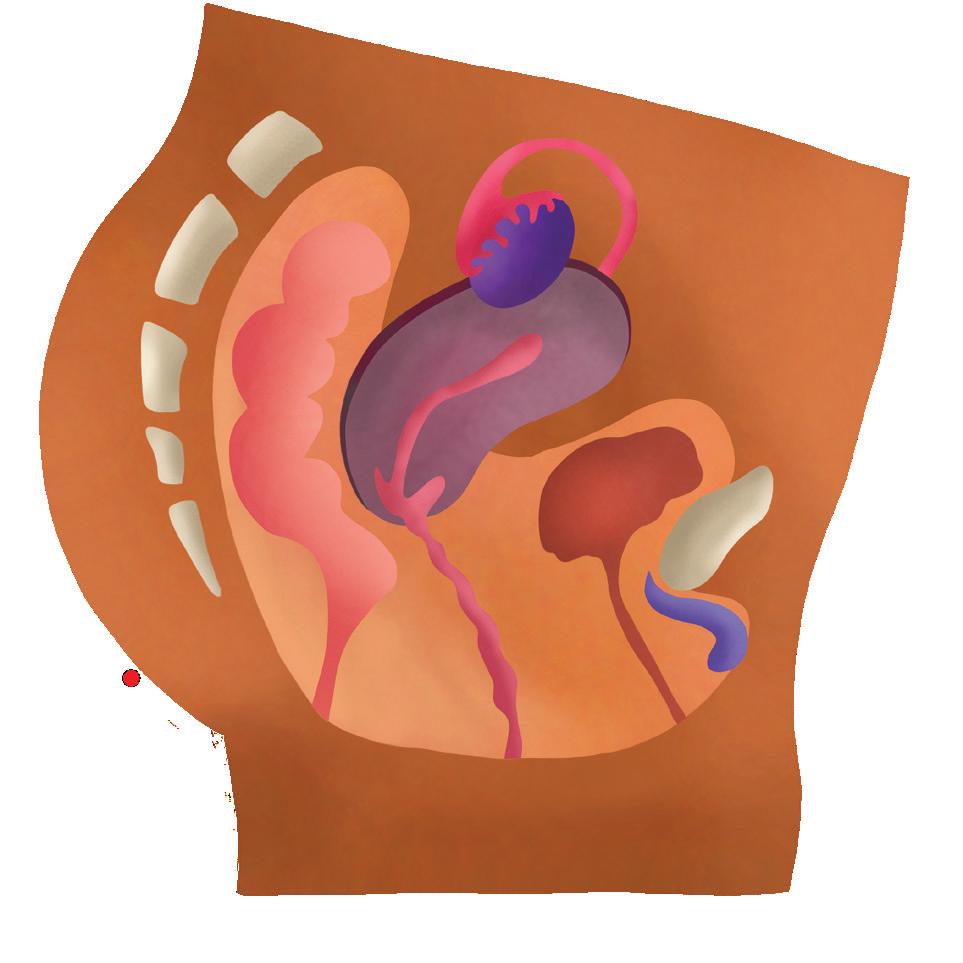

Vulva: The vulva is the external part of the XX genitals. This includes the labia, clitoris, and vaginal and urethral openings.
Vagina: The vagina is a 3to 5-inch long, elastic, muscular canal that self-lubricates. It is the passageway for menstrual flow and sex, and is where a baby passes through delivery.
Clitoris: The clitoris is a sensitive organ and its only purpose is sexual pleasure. The clitoris contains nerve endings like the glans (the “head” or mushroom-shaped tip of the penis) and becomes erect when stimulated.
Ovaries: Usually there are two ovaries in each body with a uterus, and they are about the size of almonds. They produce estrogen and progesterone hormones. At birth, ovaries contain about 400,000 immature ova (eggs). Ovaries start releasing eggs about once a month during puberty, and that process continues into adulthood. Typically,

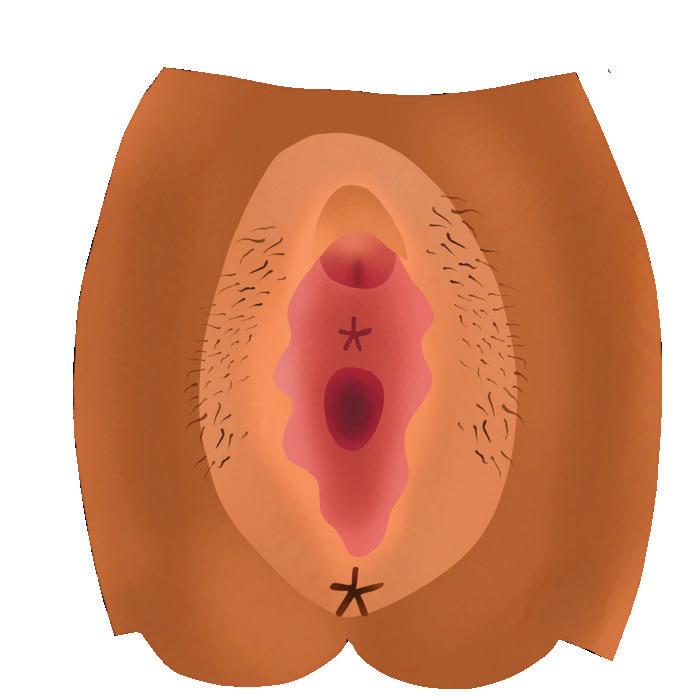
about 100 ova try to mature each month, but usually only one is successful and gets released. When the ovaries stop releasing eggs, menopause begins.
Fallopian tubes: These are thin tubes close to the ovaries and connected to the uterus, which allow the ovum (egg) to travel to the uterus.
Uterus: The uterus is a pear-shaped organ. It is hollow and muscular, and it provides the space for fetuses to grow during pregnancy. It is made of many layers, including the endometrium (the blood-like tissue that comes out of your vagina during your period) and the myometrium (the muscle layer responsible for contractions and cramps).
Cervix: The cervix is a small and strong canal that connects the uterus to the vagina. During labor, the cervix stretches in a process called dilation, to help the baby pass through. When having an intrauterine device (IUD) inserted, the cervix needs to be slightly dilated, as well. Dilation of the cervix can be painful, but pain management options are available.
Bladder and urethra: The bladder is a hollow organ that holds urine and is connected to the outside of the body by the urethra. The urethra is a short tube with an opening close to the vaginal opening. Urine comes out of the urethra, not the vagina.







Pop
Answer: 10 centimeters!

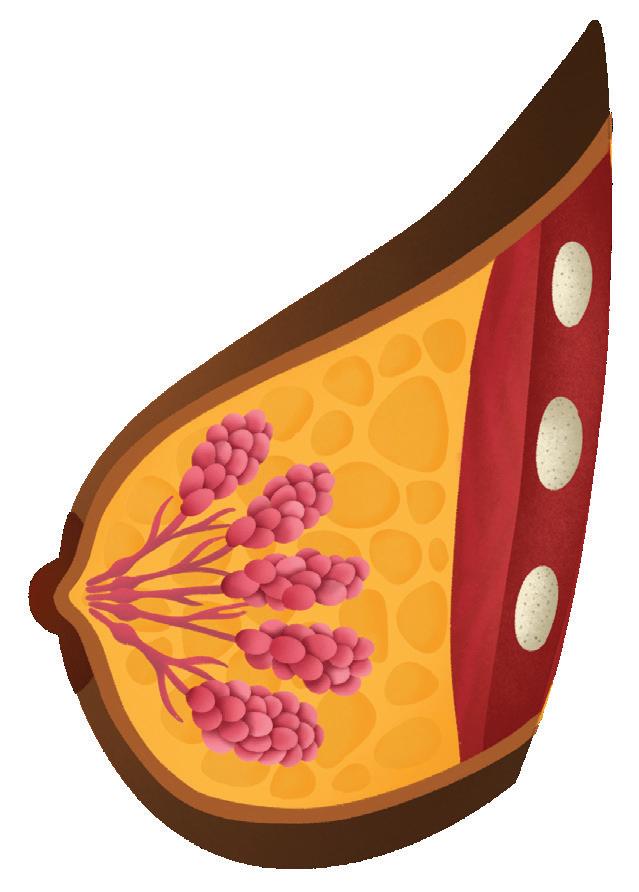
We often hear about breast health in relation to breast cancer, but there is so much more to know and celebrate about our chests. Let’s take a moment to explore some breast facts and truths:
Our breasts make us mammals.
True! Our breasts contain mammary glands that produce milk, giving us the ability to nourish our young from them.
Your breasts are identical.
False. No two breasts are alike. Each one is unique to itself, even on the same body! This can include size, nipple shape, color, or texture.
Breasts can change over time.
True! Hormonal fluctuations, pregnancy, breastfeeding, and aging can all impact breast size, shape, and density.
If you have breast pain, you should be immediately concerned.
False. Breast discomfort can be common and is not always caused by cancer. It can be caused by hormonal changes, cysts, or muscle strain.
Testosterone plays a role in breast shape.
False. Estrogen plays a role in breast shape. When estrogen levels drop, like in menopause, collagen production drops too, making the breasts lose some of their elasticity and firmness.
Now that we have done a brief anatomy refresher, let’s spend some time looking at what happens to our bodies as we age.
For people with uteruses, there is a lot of attention given to their reproductive years. We talk a lot about puberty, periods, and pregnancies...but then what?
Menopause happens when the ovaries stop releasing eggs. Menopause marks the end of the reproductive years and happens between the ages of 45 and 55.
This means that many people with a uterus spend about half of their life post-menopausal (after menopause), and yet there is not enough conversation about what happens after the reproductive years have ended.
Perimenopause is the transition between a person’s peak reproductive years and menopause. It usually lasts four to seven years. For Black people with uteruses, some symptoms can last up to 10 years, which means experiencing symptoms earlier and more intensely than others due to a combination of chronic stress from systemic racism, socioeconomic inequities, higher rates of surgical interventions (such as hysterectomies), and reduced access to quality health care.3
Circle all the symptoms you think are associated with perimenopause
You




Yes, these are ALL common symptoms of perimenopause!
Did you know that menopause is technically defined as only one day? It is the day twelve months after the first day of your last period. For example, if your last period starts on January 1, 2045, menopause would happen on January 1, 2046!
After you pass menopause, estrogen levels drop significantly, and while symptoms may continue, you’re now officially considered post-menopausal.
The day of your last period:
One year later (menopause):

It is normal to experience any or all of the symptoms mentioned on the last page, but that doesn’t mean you have to suffer! You deserve comfort. Here are some options to help: menopausal hormone therapy systemic
Menopausal Hormone Therapy (MHT): MHT replaces two hormones (estrogen and progesterone) that your ovaries stop making during perimenopause and post-menopause. MHT can help prevent hot flashes, vaginal dryness, sleep problems, urinary tract infections, and more.
Other benefits may include a reduction of diabetes and cardiovascular disease, reduction of bone loss, and help with an overactive bladder.
It is important to know that people should not use estrogenbased treatments if they have a history of heart disease, stroke, blood clots, breast cancer, gallbladder disease, or endometrial cancer. Always consult with your health care provider.
There are two ways to receive MHT:
Systematic Therapy: Hormones are delivered to your bloodstream using contraception methods like pills, patches, or rings (check out the Your Health section starting on the next page to learn more about these options).
Low-Dose Therapy: Delivered vaginally, low-dose therapy limits the amount of hormones that reach the bloodstream.
Don’t give up on your comfort! Being aware and preparing can help you get through perimenopause and postmenopause easier.
After reading this section:
How do you feel about menopause? Do you feel confident about how to get help if you need it?
Where do you hear or see messages about menopause? Are they mostly positive or negative?
Do people in your community talk openly about menopause?
Did you learn anything new about menopause symptoms that might help you manage your expectations?
How can your family, friends, or workplace support your transition into menopause?

Let’s dive deeper into wellness visits and what you should discuss with your health care providers. We’ll explore the importance of mammograms and common conditions that people with vulvas may experience, such as endometriosis and polycystic ovary syndrome (PCOS).
Ideally, people with vulvas should start talking to their provider about their sexual and reproductive health care needs around the time a person gets their first period* and should continue regularly throughout adulthood. It might include a conversation with your doctor and a physical exam. These sexual and reproductive wellness visits are a chance to start building trust and comfort with your provider.
Wellness visits are spaces where you can talk about your sexual and reproductive health, including any concerns you might have, such as irregular periods, pelvic pain, bleeding or pain after sex, pregnancy testing, or chest tissue pain. You can also talk to your provider about things like birth control, incontinence, menopause, or postmenopause support. Your provider can perform a Pap test (a test that checks for cervical cancer) and refer you for chest tissue ultrasounds and mammograms, if needed.
*If a period has not happened by age 15, or if there haven’t been any puberty-related body changes by age 13, it is important to make a wellness appointment with your health care provider.
During any health care visit, it is important to remember that you are the expert on your body. Think of your health care provider as part of a team that you lead. They have medical knowledge, but you bring your lived experiences and intuition. Working together will lead to the best care.

Here are some self-advocacy tips that can help you feel confident and prepared for your appointment:
Track your symptoms. Keep notes in your journal or phone about what you’re experiencing, when it happens, and what makes it better or worse.
Make a list of questions. Write them down before your appointment so you don’t forget in the moment.
Express your concerns. If you don’t feel heard, ask to see another provider in the same office or contact your insurance company for other options. You deserve care that makes you feel respected and listened to.
Ask for clarity. If something isn’t clear, it’s completely okay to say, “Can you please explain it another way?”
Bring a support person. If you get nervous about medical procedures, you can ask for a companion to be present, and you can ask your provider to explain each step of the physical exam before they begin.
Take some time to think about a past and/or upcoming appointment to your medical provider. Using your journal, planner, or another blank sheet of paper, follow along with this guide to take notes and plan for your next appointment!
Appointment Tracker
Date of last appointment:
Date of first day of last period:
Date of last Pap test:
Date of last mammogram (if applicable):
Next appointment:
Symptom Tracker
Create a system that works for you to write down and track symptoms, body changes, medications/supplements taken, and any other health concerns you want to talk to a provider about.
What are my goals for this appointment? What questions do I want to ask my provider? What concerns do I have about this appointment?
Self Check-In
What are the signs that I’m starting to shut down or feel overwhelmed at an appointment? What might help me stay present and advocate for myself?
Endometriosis is a painful condition that occurs when endometrial tissue grows outside of the uterus instead of inside the uterus. It can appear in the abdomen, ovaries, or along the fallopian tubes. This tissue usually thickens, breaks down, and bleeds during the menstrual cycle, which can lead to intense pain. It can also cause inflammation and scarring.
Endometriosis can become a chronic condition that affects your daily life. One study found that 4 in 10 people with endometriosis said the disease impacted their career, and nearly half said they had to work less because of it.4 Endometriosis may also increase the risk of developing an autoimmune disease.
Common symptoms include:
Painful periods (often paired with lower back pain)
Pain during or after sex
Pain with bowel movements or urination
Excessive menstrual bleeding
Infertility (about 30–40% of people with endometriosis experience this) Fatigue
Diagnosing endometriosis can be a difficult and slow process. On average, it takes about nine years from the beginning of symptoms to receive a confirmed diagnosis.5
Growths can sometimes be detected through ultrasound, but the only way to definitively diagnose endometriosis is through laparoscopic surgery, a minimally invasive surgery that requires small incisions in the abdomen to insert a camera to examine the tissue and collect samples.

Treatment options vary depending on your lifestyle and goals. Hormonal treatments are available to manage symptoms. Surgical treatments may range from the removal of growths to removal of the uterus and fallopian tubes, which is called a hysterectomy.
Everyone’s experience with endometriosis is different, but pain
should never be dismissed. You deserve care, answers, and relief!

Polycystic Ovary Syndrome (PCOS) is a condition in which the ovaries create too many hormones. It is one of the most common hormonal disorders among people with ovaries. PCOS can cause small sacs of fluid, called cysts, to develop on the ovaries, which can influence menstruation, fertility, and overall health. PCOS often begins around the time of the first period.
Common symptoms include:

Heavy, long, intermittent, unpredictable, or absent periods
Infertility
Acne or oily skin
Excessive hair on the face or body
Male-pattern baldness or hair thinning
Weight gain, especially around the belly
PCOS can also cause anxiety, depression, and a negative body image. Some symptoms, such as infertility, weight gain, and unwanted hair growth can lead to social stigma. This can affect other parts of life, such as family, relationships, work, and involvement in the community.
People with PCOS are also more likely to have other health conditions, including: type 2 diabetes, hypertension (high blood pressure), high cholesterol, heart disease, and endometrial cancer (cancer of the inner lining of the uterus).
Diagnosis typically happens through a pelvic exam, a blood test to check hormone levels, and ultrasound imaging of the ovaries.
Treatment options vary depending on your needs and goals. Options may include hormonal contraceptives to regulate periods and balance your hormones or medications to treat insulin resistance or diabetes. PCOS treatment may also include lifestyle changes such as nutrition, stress reduction, or increased movement (consult with a medical provider about any changes to your exercise routine). Your doctor can help you make a plan that meets your individual needs.
Breast cancer happens when abnormal cells in the breast grow uncontrollably and form tumors. It is one of the most
common types of cancer and can affect anyone regardless of gender or sex. If left untreated, breast cancer can spread to other parts of the body, so early detection is important.
You could be at a higher risk of breast cancer if you:
Have had cancer in another reproductive organ
Have a close blood relative with breast cancer
Have a family history of the BRCA gene mutation linked to breast cancer
Are of Ashkenazi Jewish descent
Everyone’s body is different, but some signs of breast cancer may include:
Swelling in the breast
Dimpling in the skin (sometimes called “orange peel” skin)
Pain in the nipple or breast
Nipples that turn inward
Discharge or blood coming out of the nipples
Redness or discolored skin
If you notice any of these changes, reach out to your health care provider immediately. It is better to get checked out than it is to ignore symptoms.
Regular self-exams can also help you stay familiar with how your breast or chest normally feels and looks. The more you know your body, the easier it becomes to notice when something changes. It’s easy to add self-exams to your shower routine.
Regular mammograms can also catch cancer early, when it is most treatable. Typically, annual mammogram screenings begin when you turn 40, unless your doctor recommends you start earlier because of family history or personal risk factors.
Early detection leads to more treatment options and better outcomes.
Self chest exams are a great way to get to know your body and identify changes to your body between doctor’s visits. Most lumps aren’t cancerous! But if you notice something unusual, call your health care provider.

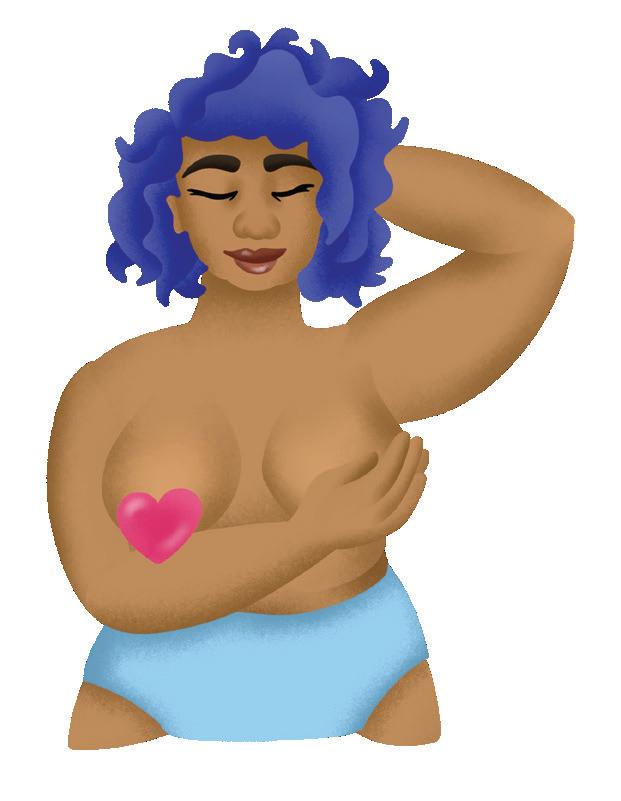
For people who menstruate, it’s best to give yourself a chest exam one week after your period, when your chest is not swollen or tender. Start by laying flat with your right hand behind your head.
Hold your left hand flat, and gently pressing small circles. Move from spot to spot on your chest in straight up and down patterns. Use three levels of pressure: light for tissue near the surface, medium for the tissue underneath, and firm for the tissue closest to the ribs. Feel for lumps, bumps, or thickening.
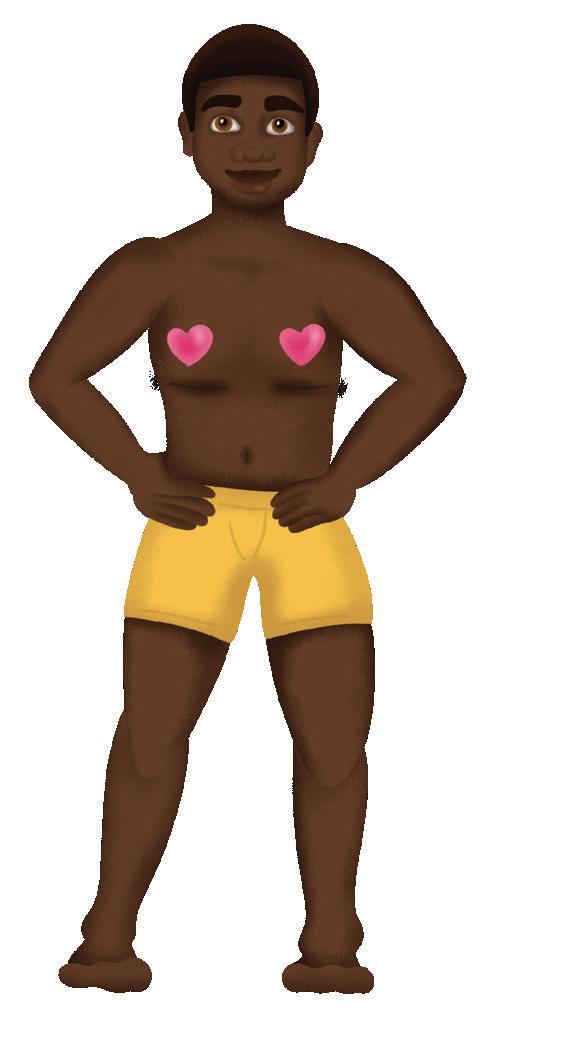
Now move to the other side of your chest, swapping your left hand behind your head and pressing your chest with your right hand.


Next, stand in front of a mirror. Place your hands on your hips and inspect each side of your chest for changes in shape, size, and form. Do this again with your arms raised above your head.
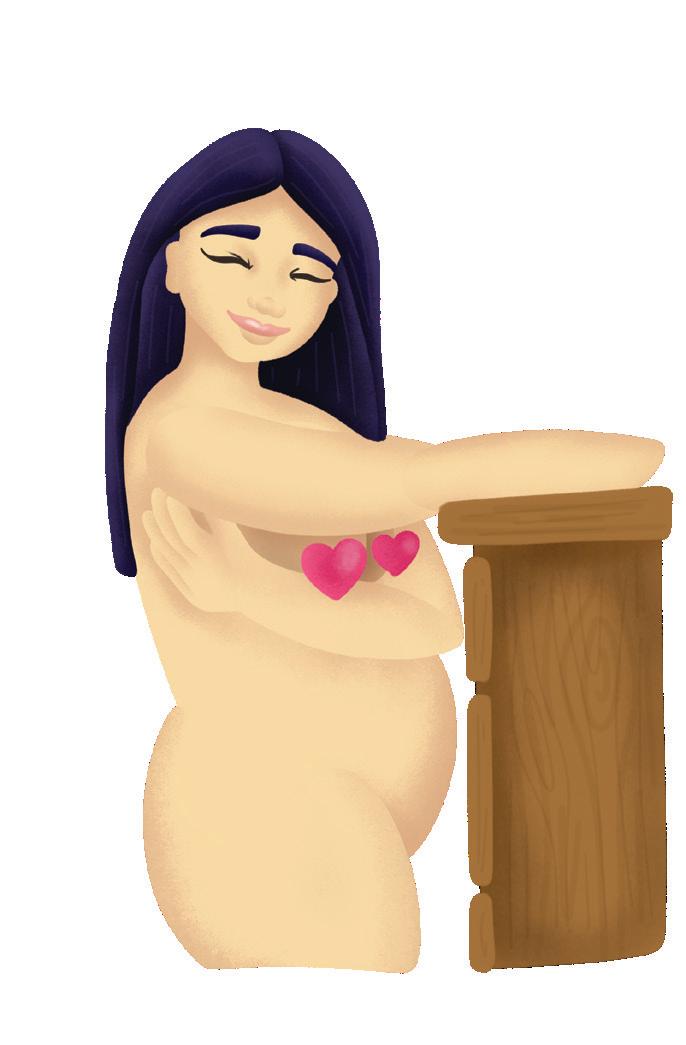
Finally, rest your arm on a firm surface like the top of a dresser. Examine the underarm, feeling for lumps, bumps, or thickening in the same way. Swap arms and do the other underarm too!
Self chest exams are not a replacement for regular cancer screenings with your medical provider, so make sure your chest care includes regular exams and mammograms as recommended by your provider.
The decisions to have a family, not have a family, and raise a family safely are personal and unique; none of us has the same journey or experience. The concept of reproductive justice was introduced in 1994 by a group of Black women activists who called themselves Women of African Descent for Reproductive Justice, and their concept challenges how inequalities like racism, income inequality, sexism, ableism, and other forms of oppression create barriers to people making their own decisions about if, when, and how they become parents.
Reproductive justice means that every person has a fundamental right to:
Have children
Not have children
To parent children in safe and healthy environments free from violence6
These fundamental rights are often challenged by unequal access to health care, lack of legal protections, and unequal access to needed resources. Reproductive justice and full autonomy (control) over the decision to become or not become a parent are essential elements of a person’s well-being. In this section, we’ll outline the options available to a person who becomes pregnant and share resources that can help pregnant people access the care they need.

When a person becomes pregnant, they have three options to consider: parenting, abortion, or adoption.
Whether pregnancy is planned or unplanned, it is a pregnant person’s right to decide whether or not they want to become a parent. The decision to become a parent is personal and only you can determine if you are ready. To some people, deciding to become pregnant might feel easy and certain. Others may

need to do a lot of self-reflection about their future or have conversations with a trusted health care provider to help them make their decision. Either way: the information people give you should be empowering, nonjudgmental, and supportive.
Check out the activity on page 21 for a resource to help you reflect on your decision to become a parent.
Abortions are medical procedures or medication that end a pregnancy. All pregnant people, regardless of how they became pregnant, deserve access to abortion. The decision to have an abortion is complex and personal. There are no correct or incorrect reasons to have an abortion.
Having an abortion doesn’t mean someone is choosing not to be a parent. In fact, the majority of people who have abortions are already parents. An abortion now also doesn’t mean you can’t decide to have children later. While the decision to have an abortion is personal, everyone deserves access to accurate, nonjudgmental information to help them make the decision that is right for them.
A pregnant person who has decided to continue their pregnancy may also choose not to parent the child they birth. Similar to the decision to parent or have an abortion, the decision to pursue adoption is unique and personal.
Adoption is a permanent legal agreement. People who choose adoption do not sign consent paperwork until after they have given birth. Some pregnant people choose adoption early in their pregnancy, and others choose adoption sometime after the birth. The decision to pursue adoption impacts everyone involved: the adopted child, birth parents, and adoptive parents.

Sometimes people have trouble beginning or carrying a pregnancy, which is called infertility. Infertility is not often talked about openly, which can leave people dealing with infertility feeling alone, ashamed, or
somehow responsible for their struggles. But infertility is very common and deserves to be talked about without stigma or shame.
Infertility is a condition that can affect people of all genders. Infertility is defined as the inability to achieve a successful pregnancy after one year of regular, unprotected intercourse. For people with penises, infertility can be caused by problems with semen ejection, or the levels, shape, or movement of their sperm. For people with vulvas, infertility can be caused by issues in their ovaries, uterus, fallopian tubes, hormone levels, or other issues.
Anyone who is planning a pregnancy should make an appointment with their primary care provider and gynecologist to prepare. If you find yourself facing fertility troubles, it is important to work with your providers and your partners to determine what is causing it and whether there are treatments available to you. Having a support network and people who can offer help throughout your fertility journey is also very helpful.
Remember, reproductive justice is the right to have or not have children, and to parent them in a healthy, safe environment free from violence. But what does reproductive justice look like in your life?
Imagine yourself five years from now. Ten years from now. What does your future look and feel like? What goals have you accomplished? Who is a part of your family? How do you feel? Use the space below to journal or doodle your reflections.


Now think about the present. What are three things you could do this year to take you closer to the future you envision? Consider what supports, services, or people in your life could help you.
1. 2.

If you are pregnant or are considering pregnancy, check out Children By Choice’s Reflective Decision-Making guide by scanning the QR link with your phone’s camera. This guide will lead you through a series of activities and reflection questions to consider which pregnancy decision is best for you.
Birth control methods are useful tools that help empower people to make decisions about their bodies and their families on their own timeline. More than delaying pregnancy, many birth control methods also provide benefits like alleviating period symptoms and symptoms of some other conditions, like PCOS. On the next two pages, you’ll find some basic information about the most common methods of birth control. There is much more to learn about each method of birth control than we can fit in this zine, so at the end of the list you’ll find a QR code link to Planned Parenthood’s website for more information on each method and a quiz to help you decide what is right for you! Some methods can be used in conjunction with another method for additional effectiveness — this can be discussed with a provider!
Remember there is no “best” method of birth control, so it is important to check in with a medical provider to find the best option to meet your needs. Still, the method of birth control that is best for you is your decision, and nobody, including your provider, should pressure you into a choice that makes you uncomfortable.

Under each category of birth control method, you’ll notice a range of percentages of effectiveness. The first percentage reflects effectiveness with average use, and the second percentage is the effectiveness rate if used perfectly. Because it is human to make mistakes, the first percentage is most accurate.
EFFECTIVENESS: 77 98% effective
USAGE: must be done correctly every single time
Fertility awareness: Fertility awareness means tracking your menstrual cycle and fertile days to prevent pregnancy.
Breastfeeding: After giving birth, exclusively breastfeeding/chestfeeding at least every 4 hours during the day and every 6 hours at night causes the body to naturally stop ovulating, which prevents pregnancy.
Withdrawal: Pulling out (also known as withdrawal) prevents pregnancy by keeping semen away from the vagina. Withdrawal works best with another method, like a condom.
Abstinence and outercourse: Abstinence is when you don’t have sex. Outercourse describes other sexual activities besides vaginal sex, which prevents pregnancy.
Some methods of birth control also provide support with periods and postmenopause, but behavioral methods do not.
EFFECTIVENESS: 71 93% effective
USAGE: must be done correctly every single time
Condoms: Latex or polyurethane condoms are worn on the penis and prevent pregnancy and STI and HIV transmission. They are best used with lube.



Internal condoms: A polyurethane barrier worn in the vagina or anus to prevent pregnancy and STI and HIV transmission. They are best used with lube.
Diaphragms and cervical caps: Inserted into the vagina before sex, diaphragms and cervical caps cover the cervix to prevent pregnancy.


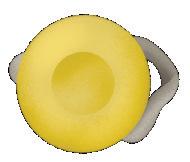
Spermicidal sponges, gels, and foams: Spermicides can be purchased over the counter at most drugstores and pharmacies and are put in the vagina before sex to prevent pregnancy.
Some methods of birth control also provide support with periods and post-menopause, but barrier methods do not.
EFFECTIVENESS: 93 99% effective
USAGE: varies between daily and monthly use
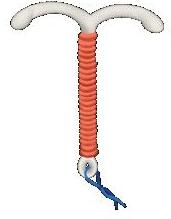
IUD (hormonal or copper): Inserted in the uterus by a medical provider, hormonal and copper (non-hormonal) IUDs prevent pregnancy for up to 7 10 years and do not require regular maintenance.

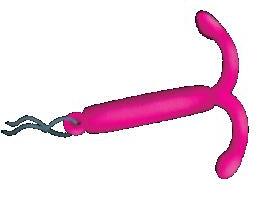
Implant: A small flexible rod inserted in the inner upper arm by a medical provider releases hormones and prevents pregnancy.
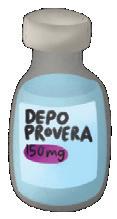
Shot: Dispensed by a medical provider every 3 months, the birth control shot (Depo Provera) contains hormones that prevent pregnancy.

Ring: Worn inside the vagina around the cervix and changed every month, the vaginal ring releases hormones that prevent pregnancy.
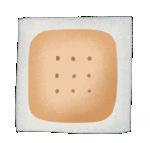
Patch: Worn on the skin like a bandaid, the patch releases hormones through the skin that prevent pregnancy.

Pill: Taken orally every 24 hours, birth control pills contain hormones that prevent pregnancy.
Hormonal birth control methods can help reduce symptoms of periods and postmenopause. Consult with a medical provider to determine which method of birth control works best with your needs and symptoms.
EFFECTIVENESS: 99% effective
USAGE: do it once and it lasts forever
Tubal ligation: A medical procedure that permanently closes, cuts, or removes pieces of your fallopian tubes.
Vasectomy: A medical procedure for people with penises that cuts the small tubes in the scrotum that carry sperm.
Permanent birth control methods do not provide period or postmenopause support.


Use Planned Parenthood’s quiz and learn more about each method of birth control by using your phone’s camera to follow the link!
Everyone deserves health care providers who offer medically accurate information and supportive care free of fear or judgment. There are countless resources online and in our communities. You can even find a list of resources on page 38 of this zine.
It’s important to know, however, that some organizations exist specifically to talk pregnant people out of abortion. These are often called crisis pregnancy centers (CPCs).
CPCs are often funded by anti-abortion groups and advertise themselves as reproductive health care providers. CPCs try to attract pregnant people by offering free or low-cost services, like ultrasounds and pregnancy tests. However, since CPCs are not licensed medical facilities, these services are offered in this unethical way to get people through the doors so they can talk them out of abortion care.
Supportive services for pregnant and birthing people should never include pressure or deception. Thankfully, crisis pregnancy centers can be avoided if you know what to look for.
Here are some common signs that a business that looks like a legitimate health care provider may actually be a CPC:
They are listed online as a pregnancy resource center, pregnancy health center, pregnancy care center, or abortion alternative
Their list of services is vague or obviously excludes abortion
They offer “abortion pill reversal,” which is not a safe and tested medical procedure and is not a service that a licensed medical provider would offer
They lie about the safety and effectiveness of abortion
They offer free resources to people who decide to continue their pregnancy

You can learn more about crisis pregnancy centers and abortion care in Planned Parenthood of Michigan’s A 101 Guide to Abortion using your phone’s camera to open this QR link.
“What are STIs? What is HIV? How do I protect myself from getting them?” These are big questions that can seem scary. However, understanding the basics can help you feel more empowered in your decisions about safe sex and sexually transmitted infection (STI) prevention!
Sexually transmitted infections (STIs) are caused by bacteria, viruses, or parasites. They are passed through vaginal, anal, or oral sex or skinto-skin contact. Any person who engages in sex or sexual behaviors can get an STI. You should seek medical attention if you think you have been exposed to an STI. If you become pregnant, it is especially important to talk to your health care provider about STIs because some can be passed to the baby before, during, or after childbirth.
Besides abstaining from sex, the best way to prevent STIs is to use a latex or polyurethane barrier (described on page 22) like condoms and dental dams, and to get tested regularly.
Below is a list of STIs. Draw a line connecting each STI to the category you believe it belongs to. Put a star ( ) next to the STIs that can be transmitted with sexual contact.



Some STIs, like herpes, HPV (human papillomavirus), syphilis, pubic lice (crabs), and scabies can be passed through skin-toskin contact, even when there are no visible signs of infection.
STIs fall into three categories:
treatable, but not curable
Hepatitis B
Hepatitis C
Herpes
HPV (human papillomavirus)
HIV (human immunodeficiency virus)
curable with antibiotics
Chlamydia
Gonorrhea
Syphilis

curable with anti-parasitic medication
Trichomoniasis
Pubic lice
Many people believe that having an STI makes you “bad” or “dirty,” but STIs are very common. Those negative messages are not based in reality and only serve to chip away at our self-worth. All STIs are treatable, and many of them are curable. And most people don’t show any signs that they have an STI, so it can be hard to tell if you have one from symptoms alone. This is why getting tested regularly is very important if you are sexually active.
If you do have STI symptoms, they may include:
For all bodies: eye infection throat ache fever rash
abdominal pain
rectal pain
rectal discharge
warts, sores, or blisters burning while peeing
Bodies with vaginas could also experience: vaginal discharge bleeding pain during sexual activities
Bodies with penises could also experience: discharge from the penis
testicle pain
testicle swelling testicle tenderness
Knowing your body, specifically your genitals, is an important step in your self-care routine. Understanding what your body looks and feels like when there is nothing wrong can help you identify when or if you notice something that looks, feels, or smells different than what is normal for you. Care for yourself by seeing a health care provider right away if you notice a change.
Take a moment to reflect on your sexual health. Ask yourself:
Have I been tested for STIs within the past year?
Would I recognize common STI symptoms?
Do I know my partners’ STI statuses?
Do I know where I can get tested in my community?
Human immunodeficiency virus (HIV) attacks your immune system, which is your body’s defense system against infections, and it weakens over time. It takes up to 10 years or more for an immune system to significantly weaken from HIV, but once it happens, a person living with HIV who is not on medication, will get sick more often, and those illnesses will start lasting for longer and longer periods of time. When the immune system becomes too weak, a doctor will diagnose the person living with HIV as having AIDS (acquired immunodeficiency syndrome), which is considered end-stage HIV.
Thankfully, HIV can be managed well with today’s medications. In fact, it can be managed so well that if a person living with HIV is getting consistent treatment, they may be able to keep the presence of the virus (their “viral load”) so low in their body that they’re unlikely to pass HIV to a partner during sex. In fact, if a person’s viral load is undetectable through testing, it is untransmittable. Modern treatments can also help people living with HIV live a normal lifespan, avoid ever being diagnosed with AIDS, birth children, and have a thriving sex life.
undetectable viral loads = untransmittable
If a person diagnosed with AIDS is treated continues to receive consistent treatment, they may be able to rebuild their immune system and live a long life as long as they do not interrupt their treatment.

Heads up: the following statistics tell the story of historic and systemic racism, discrimination, and HIV stigma in our country. These inequities have lead to a higher rate of Black women receiving an HIV diagnosis compared to other women. The disparities are so significant that Black women make up half of all new HIV diagnoses in women but make up less than 8% of the total population of the United States.
Black women are consistently diagnosed late, with almost a quarter of Black women only getting tested for HIV after symptoms appear.
Those who need medication may face barriers to taking it consistently on time or even accessing the medication they need, which increases the risk of passing the virus from person to person.
Black women are five times more likely to get an HIV infection during pregnancy compared to other women.7, 8, 9, 10
Let’s think through these numbers... How do they make you feel?
Can you name a couple of things that would be a barrier for you to access HIV testing or diagnosis?
What are things that you can control?
How can you care for yourself and others?
Get more information about HIV prevalence and prevention in Black communities from the U.S. Department of Health and Human Services Office of Minority Health by using your phone’s camera to access the link!
Remember, not all is lost or scary when it comes to HIV!

Medical providers around the world are working around the clock to create new prevention and treatment options. Here are couple of things you can do now to protect yourself:
PrEP (pre-exposure prophylaxis) is a medication that can be taken by anyone before sex or exposure to HIV. PrEP is available in different forms, either as a daily pill or periodic injection. There are pills that can be taken daily or injections that are applied every 2 or 6 months. A medical provider will be able to guide a person interested in PrEP to the best option for them.
PEP (post-exposure prophylaxis) is taken after potential HIV exposure. PEP is a 28-day regimen of medication that must be started within 72 hours of possible exposure to HIV. PEP can reduce the chance of getting the virus by 80%.
Both PrEP and PEP are available at all Planned Parenthood of Michigan locations. PrEP can also be accessed through PPMI’s virtual health center, no matter where you live in Michigan.
Whether you’re celebrating your partner’s body or they are celebrating yours, you can have all the pleasure, connection, and fun you want to have, but in a way that respects and protects your body. When it comes to barrier methods, there are a variety of options that can meet everyone’s needs. There are external condoms worn on a penis, internal condoms inserted into the vagina or anus, and even large rectangles of latex called dental dams that protect your mouth during oral sex. The great thing about barrier methods is that they are easily accessible, often free at Planned Parenthood of Michigan, and come in a variety of sizes, textures, colors, flavors, and materials, including latex-free.
Getting tested for STIs, including HIV, is really important. Most STIs don’t show any symptoms, which means that you can’t tell if you or a partner has an STI just by looking at your bodies. The simple truth is that we can never know for sure unless we’re tested, and we can’t take care of ourselves unless we know what’s going on with our body.
So when should you get tested? Well, let’s talk about your risk.
If you are having sex with (and only with) the same partner, the recommendation is to get tested once a year.
If you have multiple partners, you should get tested between every partner, or at least once every 3 to 6 months.
If you have unprotected sex, have any symptoms of a STI, or if you become pregnant, you should get tested.
Many of us spend a lot of time taking care of others and putting their needs before ours. But when we take control of our sexual health, we are not only centering our own needs, but we are showing up for ourselves, our partners, and our community in a very meaningful way.
Getting tested for STIs at Planned Parenthood of Michigan is easy! Visit our website at ppmi.org to learn more, schedule an appointment at a PPMI health center, or get care through telehealth.
Our relationships can make a big impact on our health and wellness. Relationships are essential to our experience as humans, and they can provide us with support, connection, and community.
Relationships come in many shapes and sizes. There are supportive relationships that are built on trust, respect, equality, and honesty. In these relationships, we feel seen, heard, and valued.
Sometimes, we find ourselves in unsupportive relationships centered on miscommunication, pressure, jealousy, or even dishonesty. Sometimes these relationships can become abusive, leading to physical, verbal, and/or sexual violence.
Abuse is never okay, but asking for help can be hard. If you or someone you know is in an abusive situation, know that there is support available. Check out the chart from our friends at Love is Respect to see examples of what defines supportive, unsupportive, and abusive relationships.
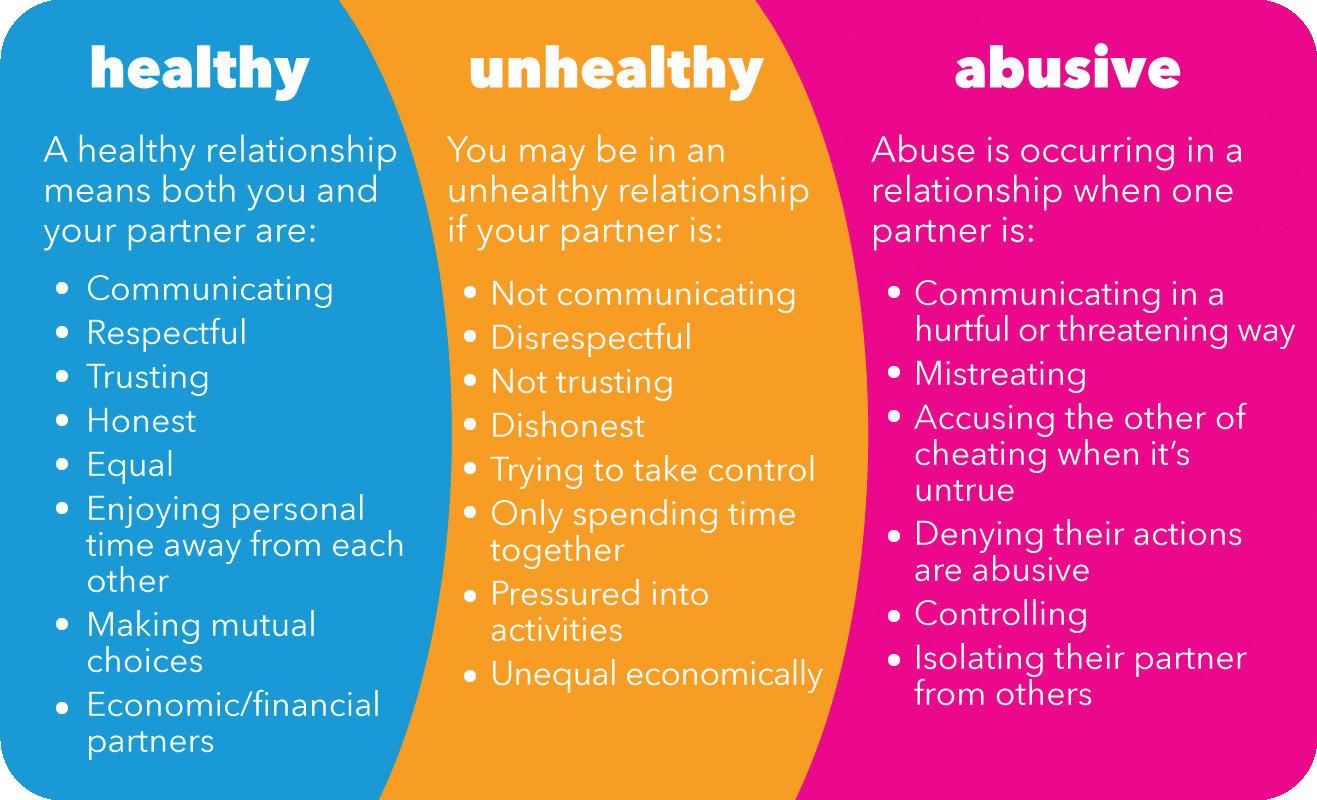

It’s important to remember that abuse is not always physical. Emotional and mental abuse can cause just as much harm as physical abuse. Culture and identity can also affect how a person understands violence and harm.

Using your phone’s camera to open the QR link, take a moment to review the Black Community Power and Control Wheel from Amani Community Services. This wheel was created by numerous community organizations in New Orleans based on focus groups and listening sessions with Black women to encourage awareness and understanding of Black women’s experiences with intimate partner violence. Read through each segment of the wheel and explore how abuse may take different shapes in different cultural contexts.
We all hold different values within relationships, and we need different things from different people in our lives. In the activity below, think of three people in your life with whom you feel you have a supportive relationship. Reflect on your relationship with them and fill out the statement below for each relationship. You can use the relationship spectrum on page 30 to help you fill it out.
NAME:
One of the qualities I really appreciate about them is:
I know that they will always:
If I could sum up our relationship in one word it would be:
I know they respect me when they:
I can be honest with them because:
They show me I can trust them when:
Repeat this using another sheet of paper with two more of the supportive relationships in your life, and consider sharing your affirming words with the people you wrote about!
If at any moment you think you might be in an unsupportive relationship where abuse is happening and you don’t feel safe, please know that there is help available. The National Domestic Violence Hotline is (800) 799-7233.
All relationships, whether they are romantic, sexual, or platonic, require consent. Consent means giving your permission for something to happen or agreeing to do something.
Consent must always be present when someone is touching another person’s body. Consent also needs to be present if someone is asking someone to do something. There are five important elements that need to be present when someone is giving consent, and they happen to spell out FRIES:
FR I
S
Freely Given
Making a choice without pressure
Reversible
Being able to change your mind
Informed
Knowing all the things you are agreeing to
Enthusiastic
You are happy about your decision
Specific and Sober

What you agree to only applies once. If something happens again, you get to make a new choice about agreeing to it. If you are under the influence of drugs or alcohol, or not conscious and aware of what is happening, you are not legally able to consent.
If one part of FRIES is not present, consent is not possible.
If you or someone you know has faced sexual assault or abuse, you deserve access to the support you need.

Consent is and should be an ongoing conversation in relationships and can be talked about at every age! If you have children or young people in your life, you can talk to them about what consent and bodily autonomy look like.
Visit the Planned Parenthood website using your phone’s camera for a really great guide on how you can talk to kids about consent at every age.
While new language around consent is developed regularly, we also like this model of consent that goes beyond the basics, created by Make Time for the Talk:

My emotional, physical, spiritual, and sexual safety requests and requirements
Turn-Ons
My desires in connection, intimacy, and sex
Avoids


My aversions, boundaries, and triggers
Relationship Intentions and Expectations
Who I am, what I expect from my partner, and what sex means to me
Sexual Health and STI Status
My experience and my disclosures regarding sexual health

When we think about STARS and apply it to sex, we can understand the different elements that need to be present for a sexual encounter to be considered consensual. There are also legal components to sex and consent. In Michigan, sex is only consensual when it includes all of the following three factors:
The person gives consent and says yes to the sexual act
They are of sound mind, meaning they are not under the influence of drugs or alcohol and are cognitively able to say yes
They must be at least 16 years old–however, a person aged 16 or 17 cannot legally consent to sex with anyone in a position of authority over them (like a boss, coach, school staff, youth pastor, etc.)
If you find yourself in a situation where you feel like your personal space and safety are not being respected, it could be sexual harassment. Sexual harassment includes unwelcome sexual advances, requests for sexual favors, and other verbal or physical harassment of a sexual nature.11
Sexual harassment can look many different ways. Sexual harassment also feels different for each person and may require different support. Harassment is never okay. In many situations, it can have legal consequences. Sexual violence of any kind is an abuse of power. Many times, survivors of sexual violence do not get the justice they deserve. However, survivors deserve to heal from the harm and trauma they have faced. The resources we have talked about in this section have suggested steps for someone to take if they or someone they know has experienced sexual harassment or sexual violence of any kind. What is most important is that you do not go through the process of healing alone. Identifying a supportive person or supportive people in your life is an important first step.
Relationships are an essential part of our wellness. Taking time to learn about the qualities of supportive relationships and to reflect on how those qualities show up in our own relationships helps us build more meaningful connections with all the people in our lives. These connections are essential to having meaningful conversations about our sexual health and wellness with people we trust, which helps build a support system for our sexual health needs. This is true not only for adults but also for the young people in our lives.
In the next section, we will share some tools to help you talk about sexual health with the young people in your life. In the space below, jot down why you feel it is important for youth to have a supportive adult to talk to about their sexual health.

Caring for your mind, spirit, and body when it comes to sexual health is an important part of your self-care journey. Many of us, even as adults, are still learning how to care for our sexual health, but imagine if you had a trusted adult to talk to about sex, consent, and healthy relationships while you were growing up.
This is why Planned Parenthood of Michigan created a toolkit for parents and other trusted adults called Bridging over Stigma and Silence: A Sexual Health Toolkit for Youth, Supportive Adults, and Families. Young people deserve education about their bodies, and PPMI is here to offer you support to make talking to young people about sexual health easier and less uncomfortable.

Talking about sexual health should start early and happen often.
TalkWithYourKids.org also has great resources you may want to check out.


When young people know they have a trusted adult they can talk to about sexual health, they will likely have a lot of questions. Some of their questions might feel shocking or embarrassing, and we may instinctively react in a way that causes shame. If the young person feels ashamed, embarrassed, or unsafe after asking their question, they are not likely to come to you again for help. Use the tips below to help you feel better prepared to answer your child’s questions in safe and affirming ways:
Start your reply with, “That’s a great question! What made you think to ask me?” This gives you an opportunity to get more information about why they are asking the question. Always provide an age-appropriate and medically accurate answer. Normalize their question with your response.
An example: Question: Is it okay to masturbate?
Judgmental Reaction: Have you been masturbating? Why would you ask me a question like that?
Thoughtful Response:
That’s a great question. What made you think to ask it? Do you know what masturbation is?
Masturbation is normal and a lot of people do it, though not everyone. Touching your genitals is something you do in private, in your room with the door closed.
An important thing to note is that when young people don’t have someone to talk to about sex and relationships, they often seek answers from the internet or their peers. Although there is a lot of inaccurate information on the internet, it is also a useful place to find accurate resources if youth and supportive adults take time to learn how to identify trusted information and talk to each other about what they learn online. Sharing accurate information with the young people in your life is important, but it’s just as important to be honest about what we don’t know about sexual health. When you don’t know the answer, using the internet together to find accurate information is a great way to teach young people media literacy.
Get started by visiting the Planned Parenthood of Michigan website (ppmi.org) to find accurate and trusted resources.
We’re glad that you chose to pick up the Self There zine! We hope you found the information and activities helpful and supportive of your sexual health and well-being. From learning more about your body, your health, your choices, your protection methods, your relationships, and your family, the time you spent reading this zine is an example of how you are already investing in taking care of and showing up for yourself!

One of the tools we can use to combat inequities caused by racism is making accessible, relevant information available to more people, so readers have the information they need to self-advocate and make autonomous decisions about their bodies, their lives, and their futures. Remember, health care is self-care, but you don’t have to do it alone! Part of taking care of yourself is connecting with friends and family who can support you, as well as tapping into services, supports, and resources that are available in your community and online.
While not an exhaustive list, here are some additional resources you may find helpful, including more information about Planned Parenthood of Michigan’s services, advocacy, and education programs. You can also learn more about the Self There education program that this zine was created for by using your phone’s camera to visit the QR code link.

From offering high-quality, inclusive, affirming, and trauma-informed sexual and reproductive health care services and education programs, to advocating for your rights and working to dismantle systemic racism, Planned Parenthood is proud to be your partner in taking care of your sexual health. We are here to support you. You’ve got this!

Menopause

The Menopause Society | menopause.org
Let’s Talk Menopause! | letstalkmenopause.org
Your Health
Endometriosis
The Endometriosis Foundation | theendometriosisfoundation.org
Polycystic Ovary Syndrome
Ask PCOS | askpcos.org
Breast Cancer
National Breast Cancer Foundation | nationalbreastcancer.org
Your Choice
Reproductive Justice
Sister Song | sistersong.net
Parenting
MI Parenting Resource | miparentingresource.org
Abortion
Planned Parenthood of Michigan’s 101 Guide to Abortion | ppmi.org/ab101zine
Infertility and Parenthood Without Pregnancy
Resolve | resolve.org
Your Decision
Children by Choice | childrenbychoice.org
Sexually Transmitted Infections
Healthy Sexual | healthysexuals.com
HIV and PrEP
The Red Project | redproject.org
UN AIDS | unaids.org/en
W’SUP | wsup313.com
Corktown Health | corktownhealth.org
Lansing Area AIDS Network | laanonline.org
Healthy, Supportive Relationships
Love is Respect | loveisrespect.org
Therapy for Black Girls | therapyforblackgirls.com
Consent
Make Time for the Talk | maketimeforthetalk.com
Rape, Abuse, and Incest National Network | rainn.org
National Domestic Violence Hotline | thehotline.org
Me Too Movement | metoomvmt.org
Planned Parenthood of Michigan’s Bridging Over Stigma and Silence Toolkit| ppmi.org/sexual-health-toolkit
Amaze | amaze.org
Sex Positive Families | sexpositivefamilies.com
Talk With Your Kids | talkwithyourkids.org
Thumbs Down. Speak Up. | tdsu.org
1. Saka AH, Giaquinto AN, McCullough LE, et al. Cancer statistics for African American and Black people, 2025. CA Cancer J Clin. 2025;75(2):111-140. doi:10.3322/caac.21874
2. Geronimus AT, Hicken M, Keene D, Bound J. “Weathering” and age patterns of allostatic load scores among blacks and whites in the United States. Am J Public Health. 2006 May;96(5):826-33. doi: 10.2105/AJPH.2004.060749. Epub 2005 Dec 27. PMID: 16380565; PMCID: PMC1470581.
3. Harlow, S.D., Burnett-Bowie, SA.M., Greendale, G.A. et al. Disparities in Reproductive Aging and Midlife Health between Black and White women: The Study of Women’s Health Across the Nation (SWAN). womens midlife health 8, 3 (2022). https://doi.org/10.1186/s40695-022-00073-y
4. Sperschneider ML, Hengartner MP, Kohl-Schwartz A, Geraedts K, Rauchfuss M, Woelfler MM, Haeberlin F, von Orelli S, Eberhard M, Maurer F, Imthurn B, Imesch P, Leeners B. Does endometriosis affect professional life? A matched case-control study in Switzerland, Germany and Austria. BMJ Open. 2019 Jan 9;9(1):e019570. doi: 10.1136/bmjopen-2017-019570. PMID: 30782670; PMCID: PMC6340011.
5. The Boston Women’s Health Book Collective and Judy Norsigian. (2011). Our bodies, ourselves. Simon & Schuster.
6. Reproductive Justice Beyond Biology. (n.d.). Center for American Progress. https:// www.americanprogress.org/article/reproductive-justice-beyond-biology/
7. Centers for Disease Control and Prevention. “Diagnoses of HIV Infection in the United States and Dependent Areas, 2018 (Updated).” HIV Surveillance Report, vol. 31, 2020, Table 3b and 4b . CDC, https://www.cdc.gov/hiv/pdf/library/ reports/surveillance/cdc-hiv-surveillance-report-2018-updated-vol-31.pdf
8. Centers for Disease Control and Prevention. “Monitoring selected national HIV prevention and care objectives by using HIV surveillance data—United States and 6 dependent areas, 2019.” HIV Surveillance Supplemental Report, vol. 26, 2, 2021, Table 1c. CDC, https://www.cdc.gov/hiv/pdf/ library/reports/surveillance/cdc-hiv-surveillancereport-vol-26-no-2.pdf
9. Centers for Disease Control and Prevention. “Diagnoses of HIV Infection in the United States and Dependent Areas, 2019.” HIV Surveillance Report, 2019, vol. 32, 2021, Table 2b and 16b. CDC, https://www.cdc.gov/hiv/pdf/library/ reports/surveillance/cdc-hiv-surveillance-report-2018-updated-vol-32.pdf
10. Centers for Disease Controls and Prevention. “HIV and Women: PrEP Coverage.” CDC, March 2022, https://www.cdc.gov/ hiv/group/gender/women/prep-coverage.html
11. U.S. Equal Employment Opportunity Commission. (2025). Sexual Harassment. Www.eeoc.gov. https://www.eeoc.gov/sexual-harassment