PPHit Factor!
6401 Martins Mill Road
215-697-8007 (Wellness) www.pphfamily.org Philadelphia, PA 19111 215-697-8023 (Aquatics)
A Publication from the PPH Wellness and Aquatic Center


6401 Martins Mill Road
215-697-8007 (Wellness) www.pphfamily.org Philadelphia, PA 19111 215-697-8023 (Aquatics)
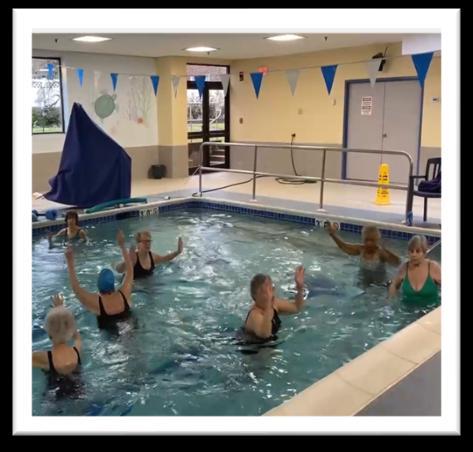
As we head into the Summer, we welcome warm weather and long, sunny days When possible, get outside as much as you can by walking or just enjoying the extra daylight. If you’re unable to get outside, the wellness center is open 7 days a week with supervised hours 8:30-5:30 Mon-Fri and the pool is open 8:30-4:30 Mon-Fri unsupervised. Perfect for those hot Summer days!
Line dancing is still offered in the Social Hall, Tuesday nights from 6pm-8pm. These classes are taught by Jamal Evans who has a wealth of experience and energy!
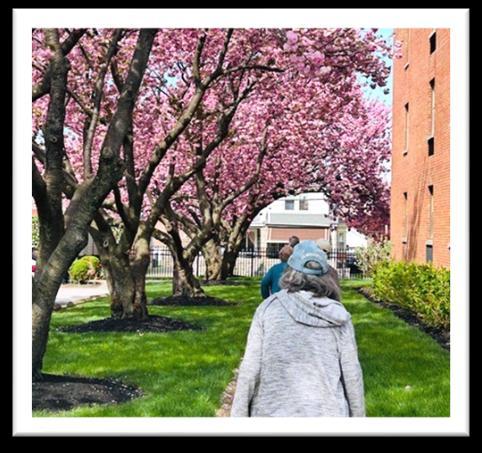
Walking Club meets in the Wellness Center on Tuesdays at 3:30pm and Saturdays at 11am. Walk at your own pace, meet new friends or reconnect with existing friends, and enjoy some fresh air and sunshine!
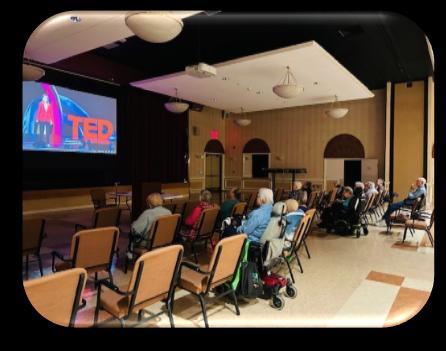
TEDTalks are every other month with Our next TEDTalk will be August 11th in the Social Hall with, a special live presentation from Dr. Renee Exelbert. Open to all!
Smoothie Fridays are offered every other month; the Wellness Team puts together delicious and nutritious smoothies for all to enjoy. The next one will be August 21st, in the fountain room for National Senior Day! Did You Know…
• Disability Pride Month is observed each July and commemorates the anniversary of the Americans with Disabilities Act (ADA), signed into law on July 26, 1990.
• More than 1 in 4 U.S. adults live with a disability.
• The 2026 Disability Pride Month theme is “The World Works Better with Us,” highlighting the value of inclusion and accessibility for everyone.
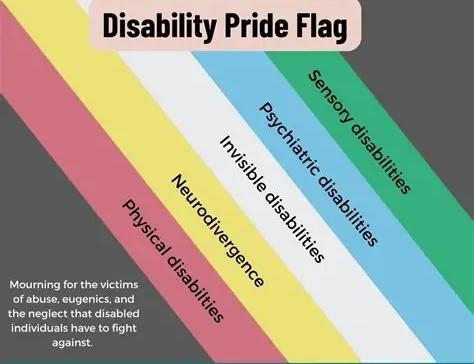
• The Disability Pride Flag symbolizes disability identity, solidarity, and the ongoing effort to remove barriers and stigma.
Feeling tired after a busy day is normal, but persistent fatigue that doesn't improve with rest may be your body's way of signaling that something more is going on. Fatigue is one of the most common reasons people seek medical care, affecting millions of adults each year. Rather than being a condition itself, fatigue is a symptom with many possible causes, making it important to look beyond simply getting more sleep.
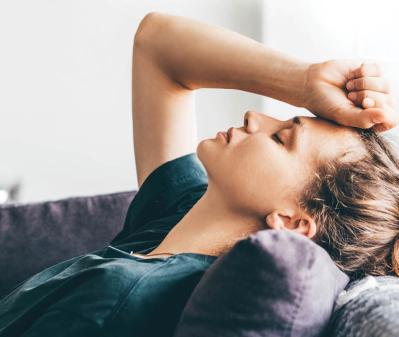
Energy production depends on your body's ability to efficiently deliver oxygen and nutrients to your cells while maintaining healthy hormone levels and nervous system function. When any of these systems are disrupted, energy levels can suffer. Common contributors include thyroid disorders, hormone imbalances, blood sugar fluctuations, nutrient deficiencies (such as iron, vitamin B12, vitamin D, or magnesium), and sleep disorders like sleep apnea. Even people who sleep seven or eight hours each night may wake feeling exhausted if their sleep quality is poor or interrupted.
Lifestyle and emotional health also play a major role. Chronic stress, burnout, grief, depression, and prolonged illness can all place extra demands on the body, leaving you physically and mentally depleted. Hidden infections, inflammation, and dysfunction of the autonomic nervous system which regulates heart rate, blood pressure, breathing, and digestion may also contribute to ongoing fatigue. Because many of these conditions produce similar symptoms, fatigue often requires a comprehensive evaluation rather than a one-size-fits-all solution.
Fortunately, many of the underlying causes of fatigue can be identified and effectively managed. A balanced diet rich in protein, fiber, vitamins, and minerals helps provide steady energy, while regular physical activity improves circulation, supports hormone balance, and promotes better sleep. Managing stress, maintaining consistent sleep habits, staying hydrated, and addressing nutritional deficiencies are all important steps toward restoring energy. Small daily habits, such as eating regular meals, spending time outdoors, and engaging in strength or aerobic exercise, can make a meaningful difference over time.
If fatigue persists for several weeks, interferes with daily activities, or is accompanied by symptoms such as unexplained weight changes, dizziness, shortness of breath, or persistent brain fog, it's important to speak with a healthcare provider. Blood work, sleep studies, or additional testing may help identify the root cause. While feeling tired is common, ongoing fatigue should never be dismissed as simply "getting older." With the right diagnosis, lifestyle changes, and appropriate treatment, many people can regain their energy and improve their overall health and quality of life.
Smartphones have become an essential part of everyday life, but spending long periods texting, scrolling, or browsing can take a toll on the body. Looking down at a phone for extended periods places extra stress on the neck and spine, which can lead to stiffness, soreness, and poor posture over time. This forward-leaning position can also make it more difficult to take deep breaths, and some people unconsciously hold their breath while focusing on a screen, a habit known as "screen apnea." Frequent texting and gripping a phone may also irritate the tendons in the hands and thumbs, increasing the risk of repetitive stress injuries such as tendinitis or carpal tunnel syndrome. Extended screen time can also affect eye health and sleep. Prolonged use may cause dry eyes, headaches, and eye fatigue, while blue light exposure in the evening can interfere with the body's natural sleep cycle. Fortunately, a few simple habits can help reduce these effects. Hold your phone at eye level, take regular breaks to stretch and move, and give your hands and wrists a chance to rest. Following the 20-20-20 rule by looking 20 feet away for 20 seconds every 20 minutes can help reduce eye strain, while using night mode and limiting screen use before bedtime may improve sleep quality. Small changes in how you use your devices can help protect your posture, vision, and overall well-being. Small adjustments can make a big difference like maintaining good posture, taking regular movement breaks, stretching your hands, and giving your eyes time to rest can help you enjoy your devices while protecting your long-term health.

We've all been there, you start a new exercise routine full of motivation, only to lose steam a few weeks later. The truth is that motivation naturally comes and goes. Lasting success isn't about feeling motivated every day; it's about building habits that become part of your routine. Whether your goal is to exercise more, eat healthier, or simply stay active, these five strategies can help turn healthy choices into lifelong habits.
1. Choose activities you enjoy.
The best exercise is the one you'll actually do. Whether it's walking, swimming, strength training, gardening, or a group fitness class, choosing activities that fit your interests and lifestyle makes it much easier to stay consistent. When you enjoy what you're doing, you're more likely to keep coming back.
2. Create simple reminders. Set yourself up for success by building cues into your daily routine. Lay out your workout clothes the night before, keep your walking shoes by the door, or schedule exercise at the same time each day. You can also try habit stacking, pairing a new habit with one you already do, like stretching after brushing your teeth or taking a walk after lunch. These small reminders make healthy choices feel automatic over time.
3. Aim for consistency not perfection. Missing a workout doesn't mean you've failed. Instead of giving up, focus on getting back into your routine. Even a 10-minute walk or a few minutes of stretching keeps your habit alive and helps avoid the all-or-nothing mindset.
Often, simply showing up is the hardest part, and once you get started, you'll find it's easier to keep going.
4. Celebrate small wins. Don't wait months to feel successful. Notice the immediate benefits of healthy habits, such as having more energy, sleeping better, improving your mood, or simply feeling proud that you followed through. Pairing exercise with something enjoyable like listening to your favorite music, walking with a friend, or relaxing afterward can also help reinforce positive habits.
5. Be willing to adapt. Life changes, and your routine may need to change with it. If an injury, busy schedule, or new responsibility gets in the way, adjust your plan instead of abandoning it. A shorter workout, a different activity, or a new schedule can help you stay on track. Flexibility allows healthy habits to grow with you instead of being interrupted by life's inevitable changes. Healthy habits aren't built overnight, they're created through small, consistent actions repeated over time. Focus on progress instead of perfection, trust the process, and remember that every healthy choice is another step toward long-term health and well-being.
Names: Annie Gibson
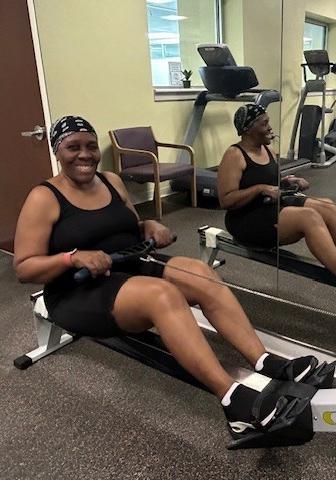
Activity: Annie spent her career caring for others. After retiring, she realized she wasn't moving as much as she used to and was becoming more sedentary. Now she makes exercise a regular part of her routine. She worked as a registered nurse for 12 years before earning her master’s in nursing science from Jefferson and practicing as a Family Nurse Practitioner for another 12 years. The NuStep is Annie's favorite machine, but she enjoys using just about every piece of equipment in the Wellness Center during her workouts. Since returning to regular exercise, Annie says she sleeps better, improved circulation, greater strength and stability, and feels mentally sharper. She has also enjoyed meeting new people and appreciates how accommodating the Wellness Center staff have been. Annie's advice to others is, "Exercise as much as you can, when you can. Don't overdo it, don't push through pain, and if you need help, ask!”

Gardening is a great way to stay active, improve flexibility, and enjoy the outdoors, but a few simple precautions can help keep you safe.
• Warm up with gentle stretches before gardening, use proper lifting techniques, and kneel on a pad or bench to reduce strain on your back and knees.
• Stay hydrated and take breaks by gardening during the cooler morning or evening hours and drinking plenty of water throughout your time outside.
• Protect yourself from ticks & mosquitos by wearing long pants and closed-toe shoes in grassy areas and check your clothing and skin after spending time outdoors.
Sweet melon, creamy mozzarella, and savory prosciutto come together in this refreshing summer salad that's perfect for warm days!
Prep: 15 minutes Cook: 0 min| Makes 2 servings
Ingredients
• ½ cantaloupe, scooped into melon balls
• ½ honeydew melon, scooped into melon balls
• 8 oz. fresh mozzarella pearls (or small mozzarella balls)
• 3 tbsp. fresh parsley, minced
• 3 tbsp. fresh basil, chopped
• 3 tbsp. fresh mint, chopped
• Flaky salt, to taste
• 4 oz. prosciutto, sliced or torn into bite-sized pieces
Dressing
• ¼ cup extra-virgin olive oil
• 1 tsp. dried oregano
• 2 tbsp. white balsamic vinegar or apple cider vinegar
• 1 tbsp. lemon juice
Directions
1. In a large bowl, combine the cantaloupe, honeydew, mozzarella, parsley, basil, and mint.
2. Whisk together the olive oil, oregano, vinegar, and lemon juice. Pour over the salad and gently toss until evenly coated.
3. Season with flaky salt, arrange the prosciutto on top, and serve immediately. A Look at


Smoothie Friday – every other month
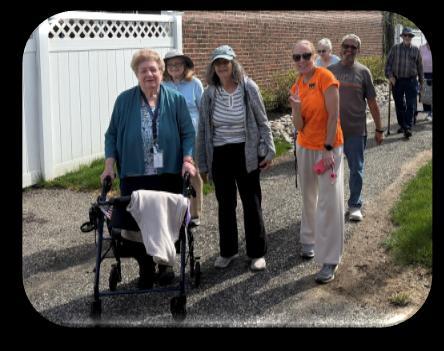
Walking Club –Tues & Sat @ 3:30pm & 11am