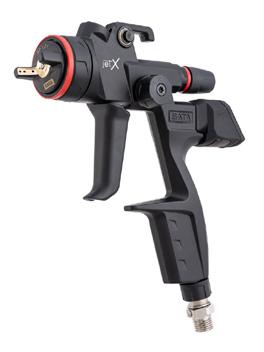
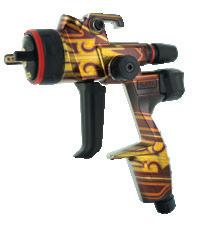
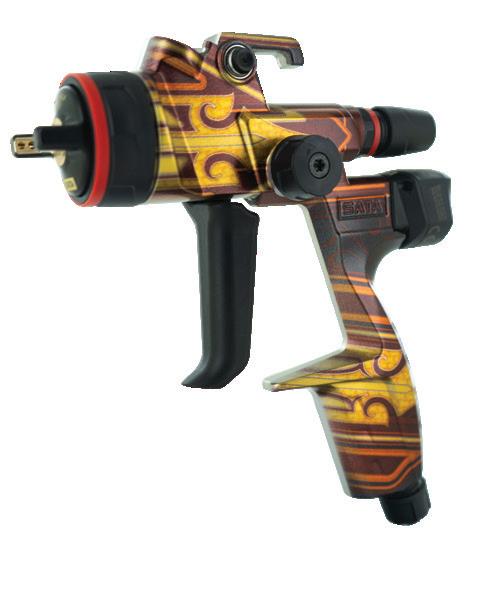
The new jet X DIGITAL pro. It comes with a completely new nozzle concept. The digital unit offers an unprecedented range of functions. Packed with features that make the difference. We did all this for one reason alone: To make it easier for you to be better. jet X. Works for you. You give your best every day. Here is ours.
SATA Smith Concepts spray gun
It’s the collab you’ve been waiting for. SATA and Kyle Smith launch the limited-edition jet X
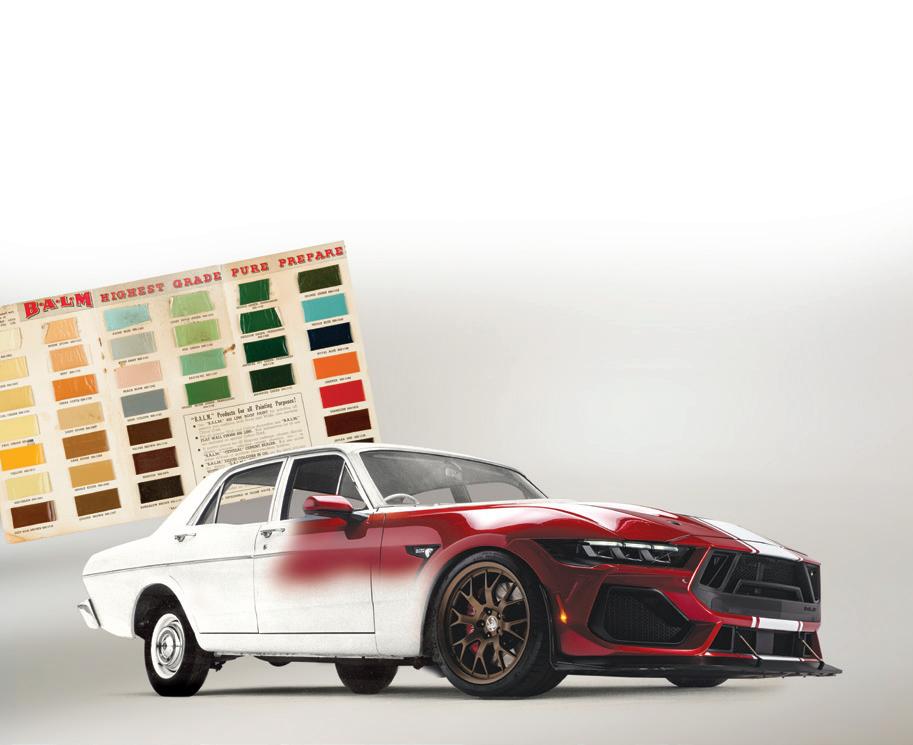
A colourful history
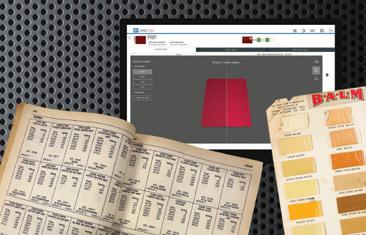
Take a walk down memory lane and through the PPG colour archives
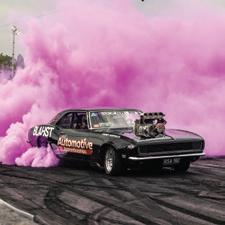
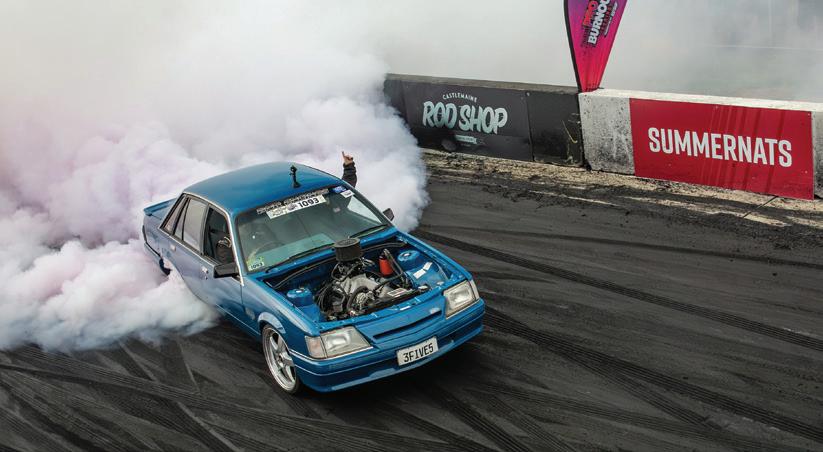
Summernats 38
PPG Corner, PPG Supreme Entrant Award, and the Grand Champion – we wrap the custom world’s showcase event of the year
Power of the process
Want to work with clarity and not chaos? The MVP team show you how
Measuring colour
How exactly do we do that? There’s a science to it
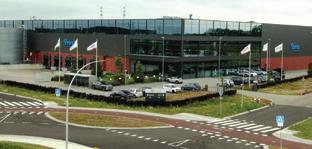
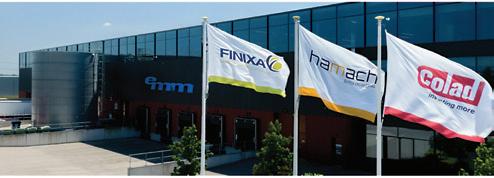
PPG acquires EMM
PPG recently announced its acquisition of EMM, the driving force behind the Colad, Finixa, and Hamach brands. This acquisition will allow EMM to continue providing first-class product solutions for paint application, enabling paint professionals to deliver quality work more
Upcoming events
The events calendar is packed, and PPG will be attending several major industry and enthusiast events in the coming months. Refinishing professionals, builders, and car lovers will have the chance to connect with the team, see the latest technologies up close, and talk shop face-to-face with the PPG team.
MotorEx
2-3 May 2026, Melbourne Showgrounds
https://hotrodandcustom.com.au/ safely, efficiently, and sustainably than ever before. R
Australia’s ultimate celebration of car culture returns to Melbourne, bringing more than $70 million in jaw-dropping machinery.
https://motorex.com.au/
Hot Rod and Custom Auto Expo
23 May 2026, Rosehill Gardens Racecourse, Sydney
A long-standing celebration of hot rods, customs, classics, and muscle cars, this Sydney event is set to be bigger than ever in 2026.
Collision Repair Expo
14-17 May 2026, Melbourne Convention & Exhibition Centre
The Collision Repair Expo remains the key event for the smash repair industry, attracting business owners, managers, and technicians from across Australia.
https://www.collisionrepair.com.au/ R
DRIVE THROUGH
“Withevery edition of Refinisher, I’m reminded of just how much our industry keeps moving, not in big flashy ways, but in steady, practical improvements driven by people who genuinely care about what they do.
This issue is full of those stories. Go on a journey through time as we look at the history of colour matching, which has led us to where we are today, and learn about new technologies that make day-to-day work easier. Read about the products that are shaped by real workshop feedback and the training that keeps our teams confident with whatever shows up in the booth next.
What stands out most, though, are the people behind it all. The trainers who’ve spent decades helping others get better, the shops tightening up their processes to work smarter, not harder, and people like Morgan Boyd, whose career shows what’s possible when determination meets the right opportunities. It’s a good reminder that while tools and technology will keep changing, it’s the people in this industry who give it its heart. I hope this issue gives you a bit of inspiration. Enjoy the read, and let’s continue to raise the bar together.”
PPG earns top ‘AAA’ sustainability rating from MSCI for second consecutive year
PPG has received the highest AAA rating for the second consecutive year from the Morgan Stanley Capital International (MSCI) ESG ratings assessment, denoting PPG as a leader.
“Sustainability is more than a goal – it’s a key part of our business strategy,” said Peter
Votruba-Drzal, PPG Vice President, Global Sustainability. “It’s a catalyst for ongoing improvement across every part of our business, from customer solutions to facility operations. This recognition underscores how PPG is positioned to meet our customers’ needs: expanding our portfolio
advantaged solutions while reducing waste, water use, emissions and energy consumption.” R
PPG sets paint stirring world record at SEMA
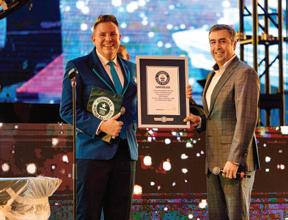
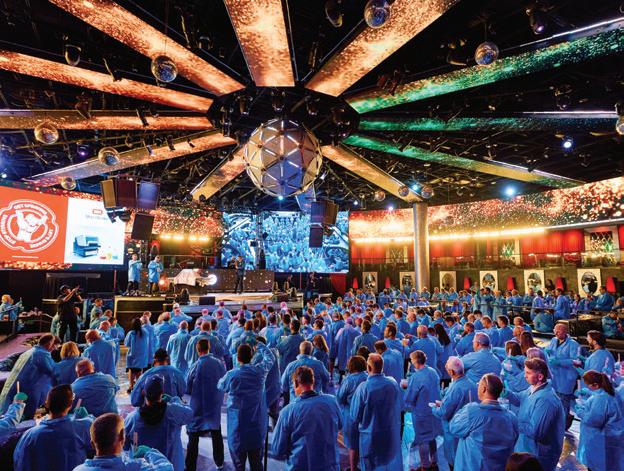
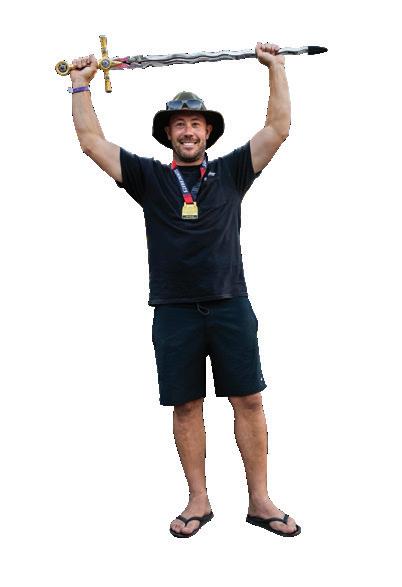
PPG achieved a Guinness World Records title for the largest simultaneous paint stirring challenge during a customer event at the 2025 SEMA Show in Las Vegas. More than 275 participants stirred paint together to highlight the manual effort still common in collision repair before PPG unveiled its new Mix’n’Shake™ automated stirring solution.
The Mix’n’Shake system is part of a broader effort to transform the body shop through automation and digital integration, and will be available in Australia in 2026.
A spray gun with street cred
Kyle Smith is one of the most recognised and renowned custom painters in Australia. From showstopping bikes and elite-level car restorations, his work stands apart by a style that is unmistakably his.
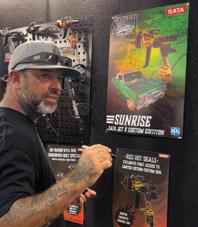
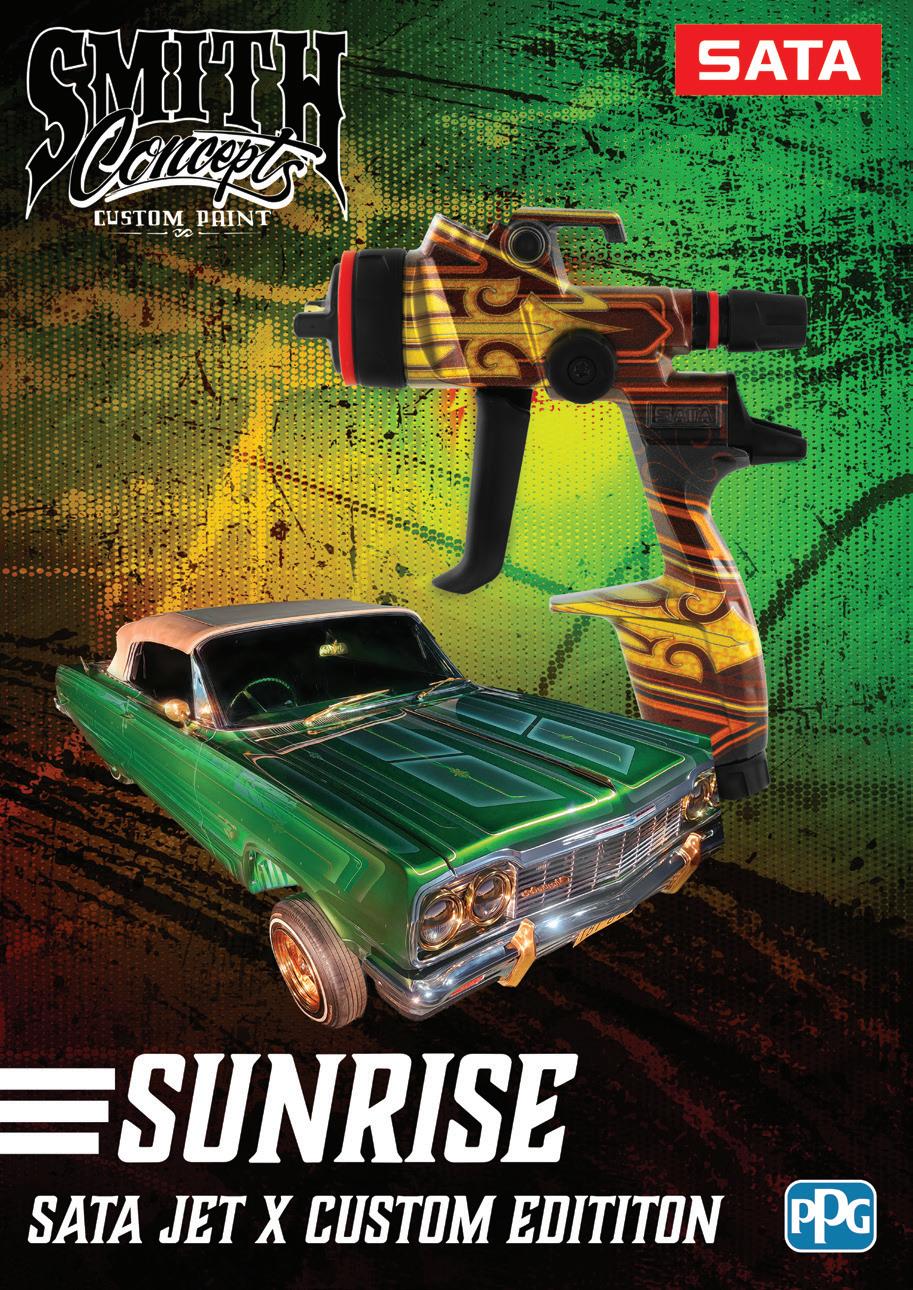
Now, his signature talent has come to life on something completely new: a limited-edition Smith Concepts SATA jet X, designed by Kyle and available exclusively in Australia and New Zealand.
This is the first SATA jet X spray gun ever designed in Australia. It is equipped with all the features spray painters expect from the new SATA model and is available in the DIGITAL ready configuration. It comes with a choice of reduced pressure (RP) or highvolume low-pressure (HVLP) in 1.3 I nozzle. And while the Digital Ready is supplied without a gauge, there is the
include its light-weight design, labyrinth airway system, easy-to-clean detachable trigger, and Quick Cup Connector (QCC™).
For Kyle, the opportunity to design a SATA spray gun fulfilled a lifelong dream and represents a special milestone in his professional career.
“I’m wrapped and forever grateful to PPG and SATA for the opportunity to design a limited-edition spray gun,” says Kyle.
“To have the opportunity to create something like this, and put my name on it, is one of those childhood dreams, and I couldn't be happier.”
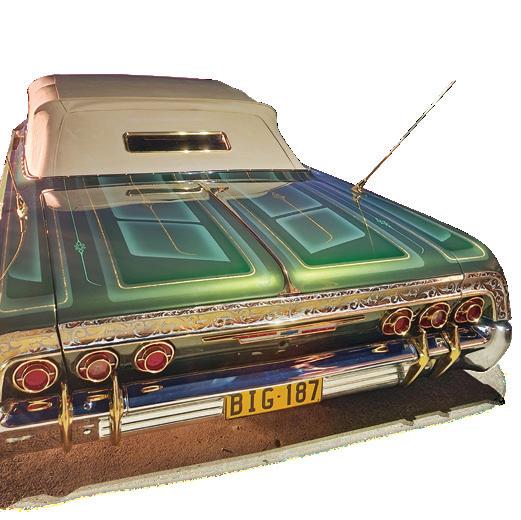
The idea came together in August last year while Kyle was working on his 1964 Chevrolet Impala project at PPG’s Sydney training facility. What began as
“The idea came to us while we were working on the Impala at the Eastern Creek training centre. Trev and I were throwing around some ideas, and he asked what I thought about designing a spray gun. SATA has been my gun of choice for years, so it was an absolute no-brainer for me to say yes.
a SATA gun for the first time, it was game on. From that point, I have never used anything but SATA.”
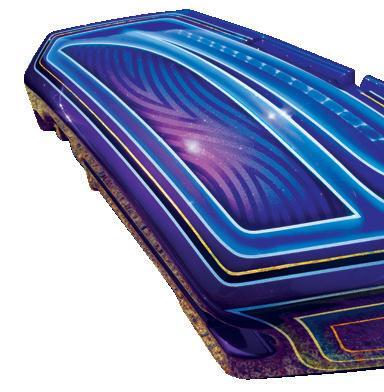
When designing the limited-edition gun, Kyle says he was determined to create something that carried visual impact worthy of a collector's shelf or a booth, but that also reflected his work.
“I collect spray guns, and I know there are people like me who do the same. When coming up with the design, I thought 'How can I make this different? What can I create that someone can use, but also have on display, catch your eye, and be quite visible?’
The theme for this gun is lowrider, which goes hand-in-hand with what I do on a daily basis. I think having a unique theme is
The target date to unveil the gun was set for Summernats 38 in January 2026, so Kyle set to work translating his custom design principles to a new canvas.
days to come up with a pencil layout that I was happy with. Then I started adding colours, which took another couple of days of just sitting at the desk and trying different colourways.
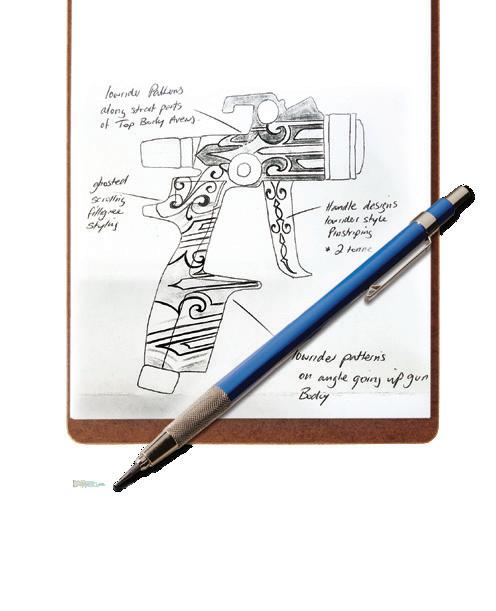
“I started by taking the gun template and turning it into a complete borderline, which is an outline of the spray gun's external space. From there, I started to do my concepts and renderings of the gun.
From receiving the initial blanks of the gun, it took me around three or four
I must have scrunched up 15 to 20 pieces of paper before I was happy. When I was satisfied with the design in hand-drawn form, I worked closely with a digital creator friend, Ethan, who turned my creation into a digital render.
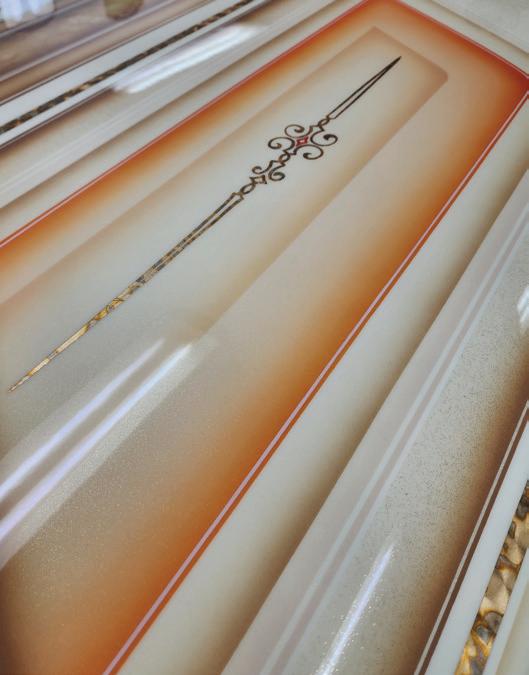
In terms of the design itself, I started at the handle of the gun, and thought, instead of running everything true and horizontal, I’ll run it up on a bit of a gradient. It's something that hadn't been done, and it goes with the lowrider theme.
I thought it could be on a little bit of an angle because you don’t have to run everything in a straight line.
If someone is coming up through the custom paint game, and they pick up this gun and see the patterns on it, I hope it can give them inspiration for their own designs.”
While Kyle initially proposed several colourways, orange was chosen for the spray gun's debut and is suitably named ‘Sunrise’. R
Please contact your PPG distributor for more details on the Smith Concepts Sunrise SATA jet X DIGITAL ready spray gun.
Cleaning up the cleaner
Sustainability is an important topic for any business, and in today’s refinish world, that conversation includes everything from energy use in the booth to the paints and chemicals used every day on the workshop floor. Environmental thinking has not only reshaped how coatings are developed, but it is also driving change in other industry-related products.
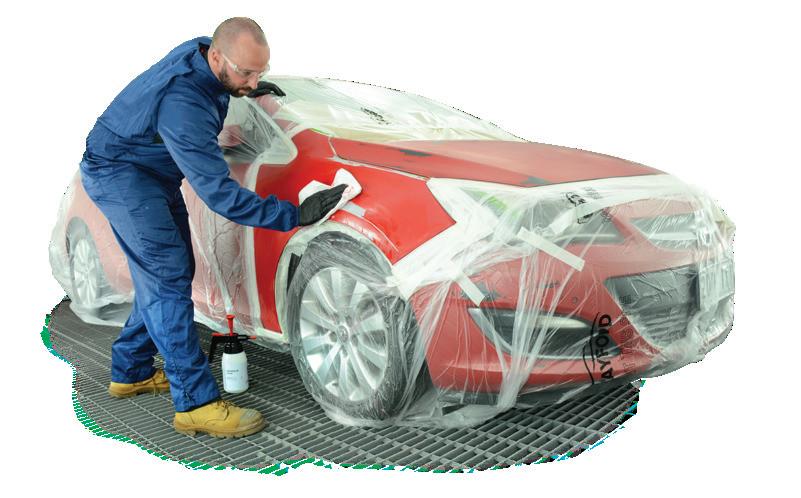
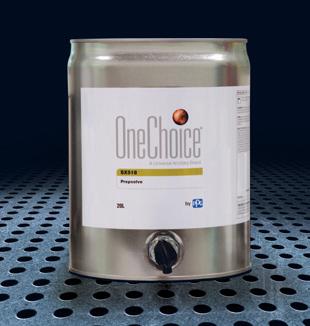
PPG has steadily been tightening its focus on sustainability across its product portfolio, and that commitment has now extended into a category that has historically relied on strong solvents to get the job done. The launch of SX518 Prepsolve marks a significant shift in the formulation of wax and grease removers, delivering heavy-duty cleaning performance without relying on toluene, a toxic solvent used in cleaners.
Toluene is not
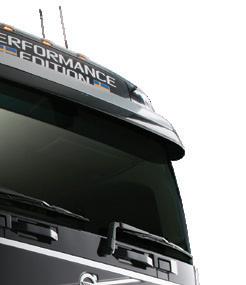
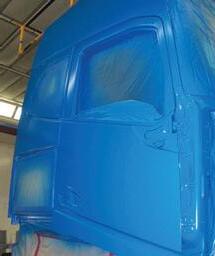
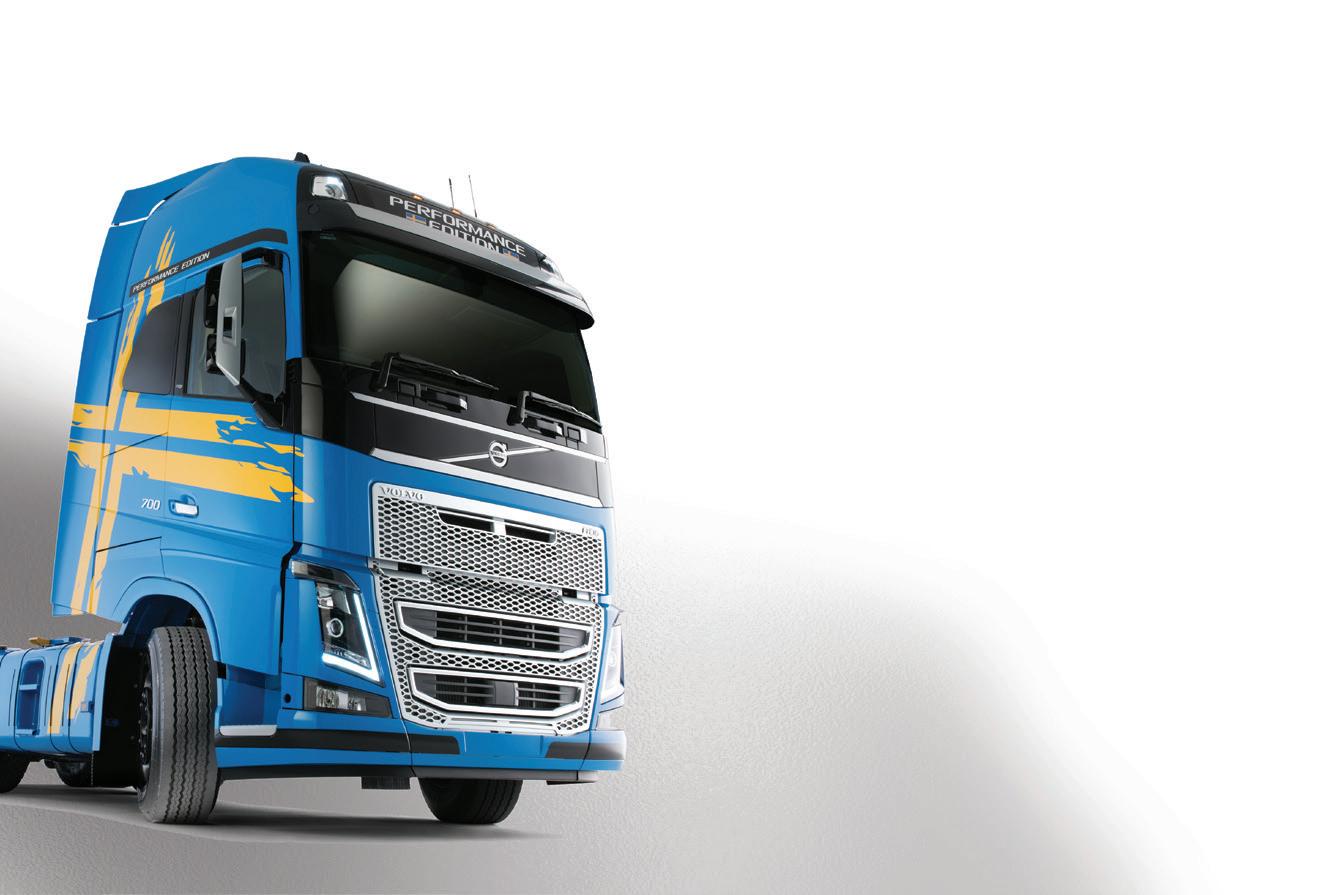
“At Volvo Wacol, cleaning is not a small detail in the process. Large components, such as sleeper boxes, bonnets, and cabs, made from various substrates, arrive preprimed from suppliers and must be cleaned before entering the spray booth. When toluene was banned, PPG didn’t have a product to replace it, so that was the catalyst for developing a new chemical-free cleaner.”
“The challenge was creating a toluene-free product that performed exactly like Prepsol. Some early versions flashed off too quickly and did not stay wet long enough, but after two or three reformulations, the final product delivered the same wet time and cleaning performance.”
A sign of what’s next
From requirement to reality
PPG’s Australian scientists set to work to develop a toluene-free wax and grease remover that performs exactly like the old Prepsol, and SX518 Prepsolve was the result. Development took around eighteen months, with PPG working through multiple trial versions with Volvo, fine-tuning the formula based on real-world use and feedback.
Although Volvo’s environmental standards triggered the development of Prepsolve, interest has extended well beyond a single customer. With SX518 now in the market, PPG has delivered a practical, compliant solution that can replace Prepsol across the refinish industry. It also signals a broader movement away from legacy solvents as the industry focuses more on safety, sustainability, and long-term responsibility.
“The development of Prepsolve is a good example of what happens when sustainability and performance come together. Volvo challenged us to find a better way, and now we have a product that is better for human health and the environment and can be used in workshops everywhere.”
Please contact your distributor for more details about SX518 Prepsolve.
R
Before colour lived in the cloud
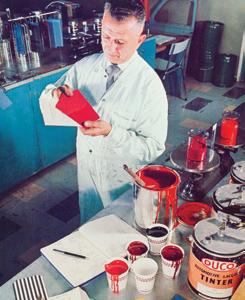
Long before colour libraries lived in digital databases and spectros spoke in five angles, colour matching was an exercise in instinct, experience, and educated guessing. Colour matching in Australia often started with a small piece of coloured cardboard and a lot of hope.
Back then, half the number of tinters existed compared to what’s available today, and mixing multiple colours together on the bench to achieve the correct colour was known as ‘bench matching’.
“When I started in the colour lab with our now National Colour Auditor/Consultant Emanuele Grillo in the 90s, there was very little information to work from to match colour,” recalls PPG National Sales Director John Hristias. “We’d have a little bit of colour on a piece of cardboard and hoped that it was something like the colour of the car we had to match it to.
To match a colour back then, we used a three-angle spectro. Everything would start with a prediction. We’d read the standard, which would give us a formula. Then we’d analyse it and decide if we agreed with it before doing a spray-out. So, it was a little bit of a different process than what it is today.”
The challenge of colour matching in Australia in the early days was compounded by geography. European manufacturers used one set of pigments in their tinters, while Japanese manufacturers used another, so Australia sat awkwardly between them.
“Because of the different types of tinter sets used around the world, it was difficult to work out which tinters to use here and how much to mix. We’d be trying to determine
the blue tone needed to match a colour on a Japanese car. Or wondering if we were using the right red tone for a European colour. We had to read books to find the information.”
How the archives were built
Early colour records lived in filing cabinets or in books, not on servers or in the cloud.
PPG started building archives of physical cards and producing colour books from around the 1970s onward. At PPG’s head office in Clayton, there are hundreds of filing cabinets filled with at least fifty years of colour history.
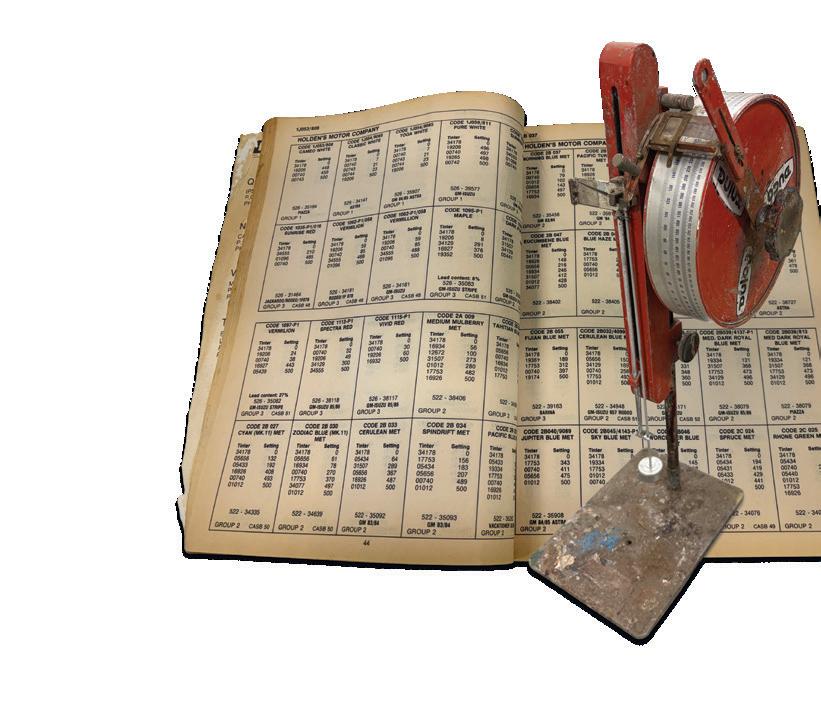
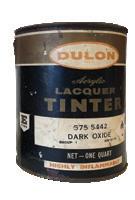
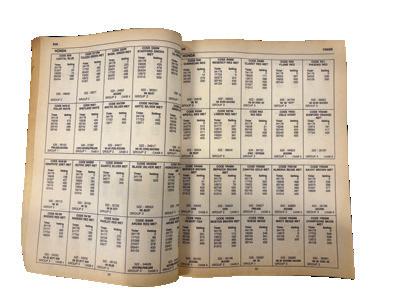
“I remember being a spray painter and waiting for the ICI Autocolor representative to bring in the latest Dulon acrylic colour information book, which consisted of formulations. Then it went hi-tech, switching to microfiche on a reader, and the colour books changed to colour codes by manufacturer, including colour names.
There was a period when you would manually add four-centimetre-by-twocentimetre colour chip pages to a folder. They were not very accurate, but at the time, they were considered high-tech. The delay in getting the information from paint companies to a printer, back to the paint company, and then sent out to customers took almost an entire year for each update.
the library and improved colour accuracy for our customers.
another layer of complexity to colour matching.
Fast-forward, and the rapid expansion of Chinese manufacturers into the Australian market in recent years has also presented new challenges.
Before colour lived in the cloud
With so many new marques arriving in a short period, information sharing has not always kept pace with their car releases. In some cases, paint codes are incomplete, inconsistent, or not published at all.
“Passenger vehicles used to come with a tag under the bonnet that included the colour code. As cost-savings became more important, these tags became a sticker that you'd find inside the door or a boot well, or even on a bumper bar. But now we find that on many occasions there are no stickers or codes, or what little information is provided isn’t aligning with the information we have in the database. A phone call to the dealership may even be required.
Customers call us because they have ‘x’ brand-made car in the shop, but no formula exists because the information is not yet available. So, at PPG, even though we have relationships in the country of manufacture, we're trying to quickly build relationships with the new manufacturers locally to make the process of providing a formula to our customers seamless.”
Colour archives today
data across metallics, pearls, and complex effect pigments in a way that early three-angle devices could never achieve.
These days, there can be over 30 variants for the same colour for one manufacturer. Digital platforms within the PPG LINQ™ suite then interpret that data, compare it against extensive global archives, and identify the closest variants in seconds. Updated colour data is instant; once a colour is matched, it is uploaded onto the main PPG colour portal and supplied in the next download directly to the customer’s computer within days.
For refinish workshops, the process of finding accurate colour formulas is now much simpler, thanks to the tools and database available through PPG’s colour ecosystem. Multi-angle spectrophotometers capture precise reflectance
In the workshop, painters have access to digital spray-out tools, smart mixing systems, and application guides that remove much of the subjectivity that once defined the process. What used to rely on a trained eye, a cardboard spray-out, and a filing cabinet of colour cards or a printed book of formulas is now supported by a sophisticated, connected network that delivers accurate colour matches in a threedimensional format and with far greater speed and certainty. R
Magic behind the mix
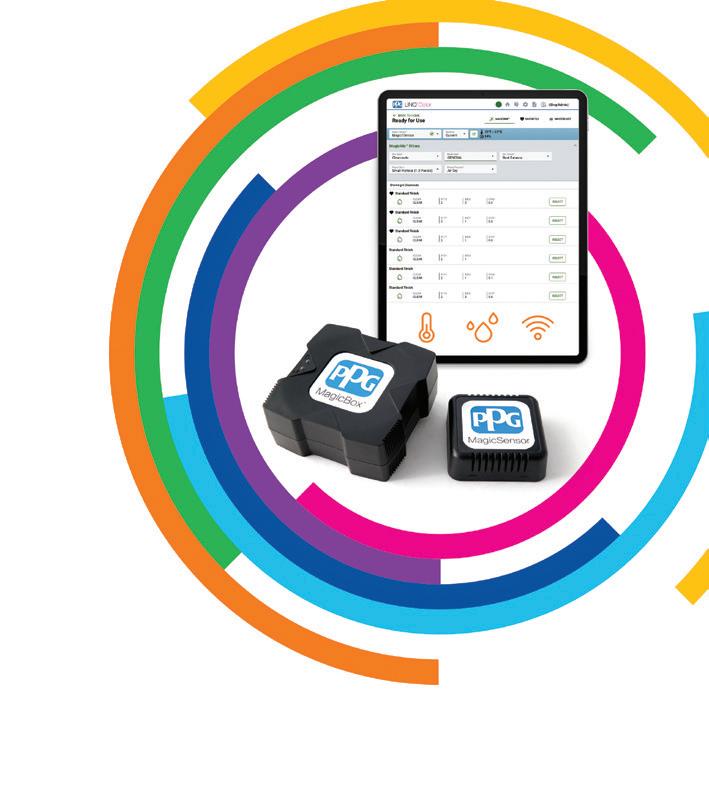
MagicMix™ has joined the growing PPG LINQ™ family as the latest intelligent tool, designed to bring greater certainty, speed, and consistency to the refinish process.
It works with PPG MagicBox™ and wireless MagicSensor devices, and uses real-time temperature and humidity data to recommend the most suitable hardener and thinner/reducer combinations for those conditions and the type of repair. It can also be used with multiple MagicSensors if there are differing conditions. For example, if a workshop is using both conventional and arch spray booths.
PPG Digital Colour and Equipment Product Manager Bowie Crook has been closely involved in the development and rollout of MagicMix in Australia and says it was designed with real-world workshop challenges in mind, particularly for businesses juggling multiple sites, varying climates, and pressure to deliver consistent quality.
Each RFU ties together a base product, compatible hardeners, thinners/reducers, and the temperature ranges in which they perform best. Other specified information pre-programmed includes panel orientation (flat, upright), repair size (small, medium, large), and drying type (conventional booth, air-dry, infrared).
“Instead of a painter having to interpret all of that, they can simply input the variables, and MagicMix selects the best RFU in real-time and presents a customised result on screen.”
“Workshops operate in all different conditions, particularly shops that have multiple sites in different locations. Up until now, the process for mixing undercoats, basecoats, and clearcoats has been manual, which isn’t very time-efficient.
There is also often a lot of guesswork about booth conditions, which change throughout the seasons. MagicMix removes the manual process of looking up technical data sheets (TDS) and the risk of human error.”
MagicMix uses ready-for-use (RFU) combinations, which were developed in Australia for Australian conditions and are already inputted into the system.
Because MagicMix is fully web-based and integrated into the PPG LINQ Color system, there is no extra computer hardware required and no downtime. Once a customer has MagicBox and MagicSensor in place, activation is handled
as a subscription upgrade. “If a customer decides to sign up, they can literally be using the software that day,” says Bowie. MagicMix takes the guesswork out of the mixing process. For workshops, the benefits include fewer reworks, less time spent checking data sheets, faster decisionmaking, and more consistent results from painter to painter and site to site. The results equal high-quality work, the first time, whatever the weather. R
MagicMix will be available in Australia in 2026. Please contact your PPG territory representative for more information.
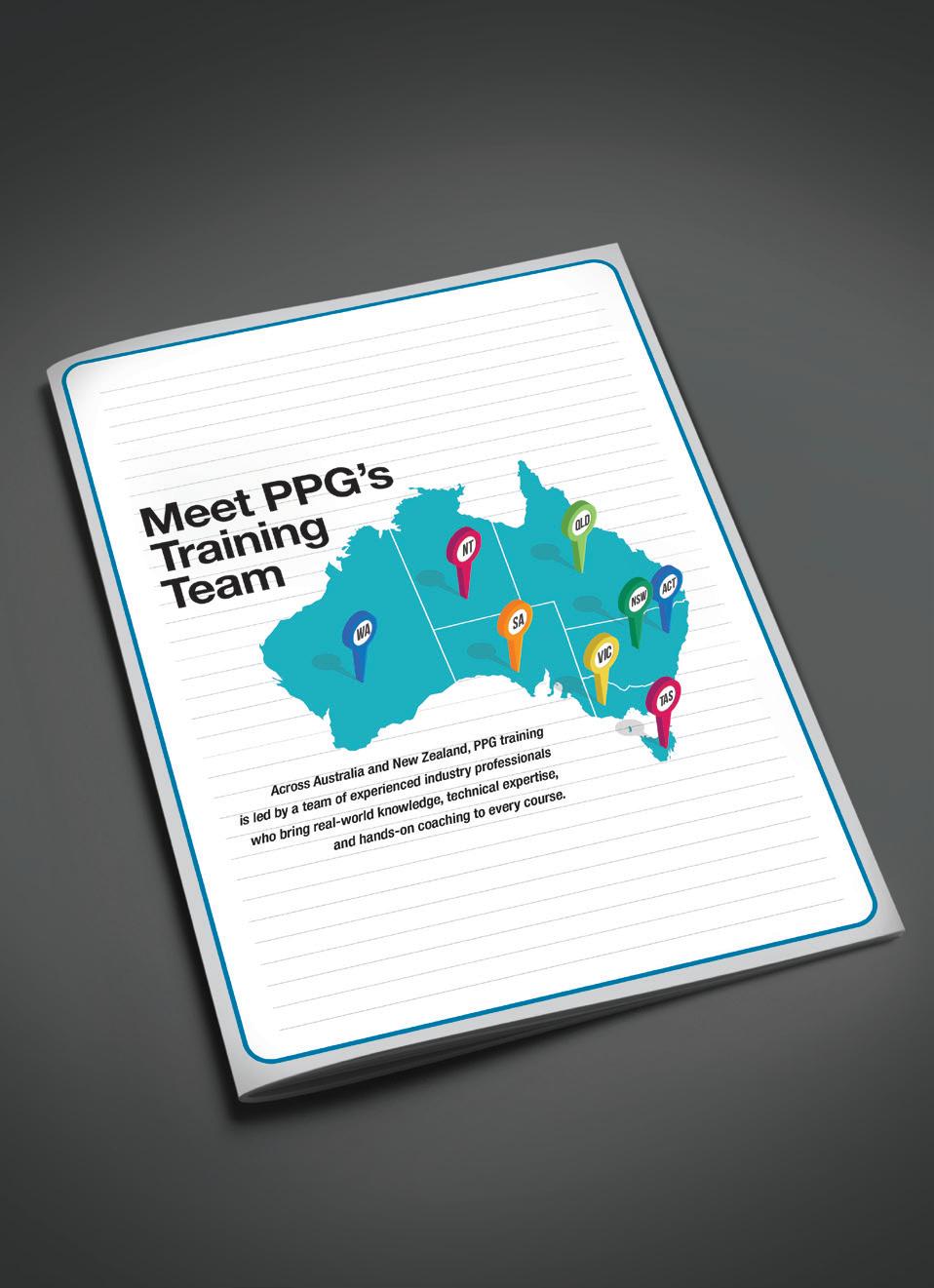
PPG’s refinish classroom
That is where PPG’s national training program steps in, delivering practical, structured learning designed for today’s workshop realities. In Australia alone, PPG trained 1,547 internal and external personnel through its facilities in 2025, delivering 339 courses nationally. All PPG courses are designed locally and are specific to the Australian and New Zealand refinish industry and products.
“PPG’s training is developed here in Australia, and courses provide for two streams,” says PPG National Training Manager Trevor Duke. “Internal training for PPG employees and external training for customers and industry partners. The training courses are designed to equip participants with strong technical knowledge, which gives them a more comfortable and confident experience with PPG products and the processes behind them.”
Internal training focuses on ensuring PPG employees understand not only what they sell, but also how these products and processes add benefits in realworld workshops. The internal training roadmap combines theory and hands-on learning across all processes, preparation, application, and product categories, including passenger vehicles, commercial fleets, and industrial segments.
External training is structured to give technicians clear learning pathways rather than one-off product demonstrations. For preparation technicians, training begins at Bronze level, covering EHS and surface preparation for metals and plastics. They then progress through Silver level, covering preparation basics, primer and UV primer application, basecoat and clearcoat application, before reaching Gold level, which includes advanced preparation,
colour matching, polishing processes, and SMART repair.
Paint technicians follow a similar tiered pathway, starting at Bronze level with system introductions across Deltron® GRS, Paraglaze, Envirobase®, MaxMeyer, and Delfleet®. They then move to Silver level for colour adjustment and painting plastics, and then Gold level for advanced system training and advanced colour matching. At the top level, Master technicians complete intensive custom and advanced refresher courses.
PPG’s external training courses are also recognised for I-CAR professional development credit, giving technicians formal recognition for the time they invest in upskilling.
A revised framework is currently in development, with plans to relaunch the structure as a PPG Refinish Certified Technician program in 2026.
Please contact your local PPG territory manager or state training facility for more information on PPG training courses.
Refinish National Training Manager ANZ
Trevor has been in the refinisher business for more than 35 years and has led PPG’s national training team since 2024. His focus is on building capability across the industry, and he says the most rewarding part of the role is seeing training translate into better results in the workshop.
Training Manager, Technical Demonstrator QLD/NT
Originally from the UK, Alan has more than 21 years of industry experience, has been a PPG demonstrator for the past six years and was recently promoted to QLD training manager. He enjoys seeing people leave the training centre with greater confidence in the products and processes than when they arrived.
Training Manager, CT Manager WA
Ash has 19 years of industry experience and has a “massive love of all things custom cars”. For him, the best part of being a training manager is having a front-row seat to the latest products and technologies and being able to share them with customers.
Tyson Jak
Training Manager, Territory Manager, Demonstrator SA
Drawing on 23 years of experience across restoration and crash repair, Tyson brings a practical, hands-on approach to his role. Nearly a decade into his time with PPG, he enjoys the problem-solving side of training and takes satisfaction in seeing technicians grow in confidence and capability.
Training Manager
NSW/ACT
With more than 35 years of industry experience, including being a business owner, Chris brings both technical expertise and real-world experience to the training manager role. Chris takes pride in showcasing PPG products and enjoys making a real impact on the professional development of the people he trains.
Raymond English
Training Manager VIC/TAS
Raymond brings a wealth of knowledge and experience to PPG’s training team. He was a TAFE teacher before joining PPG, where he has been a training manager for more than 14 years. His favourite part of the role is training and demonstrating the effective use of PPG products to end users.
Trevor Duke
Ash Dewhurst
Alan Collins
Chris Meredith
Othe four-day event, and a record 3,000 entrants competed for top awards.
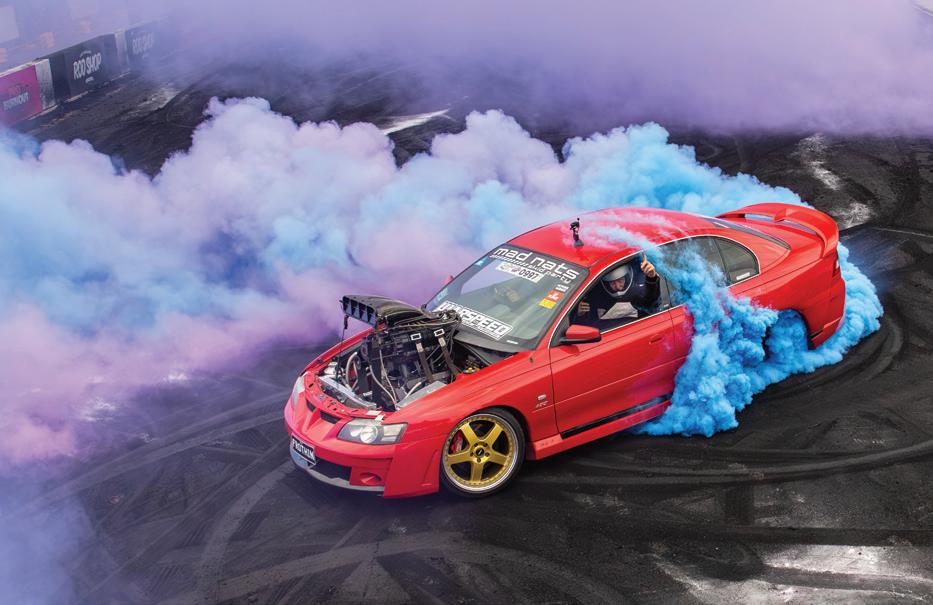
n display was a showcase of all things automotive, from show' n' shine and burnout competitions to cruise routes that delivered raw spectacle and noise on demand. This was mixed with live concerts, fireworks, and a fringe festival in the city's Braddon precinct.
After 27 years of involvement, PPG’s ongoing commitment to Summernats reflects more than longevity. The event sits at the heart of the custom car community and provides PPG with an opportunity not only to support the builders, painters, and workshops pushing the limits of creativity and craftsmanship to win the top prizes, but also to strengthen relationships with everyday smash repair customers who attend simply to enjoy the atmosphere and the cars.
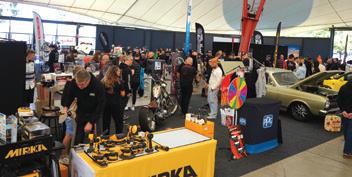
PPG Corner
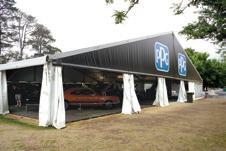
PPG Corner once again proved to be one of the event's most popular destinations and was buzzing with activity and excitement over the four days. The PPG Colour Wall featured samples from the extensive VIBRANCE® COLLECTION, and the one-of-a-kind cooler boxes and
sought after.
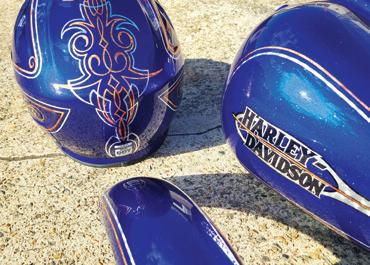
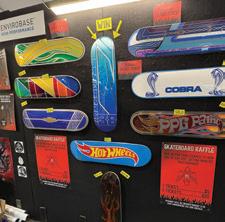
The skateboards designed by the PPG team were for sale, while the skateboards designed by custom painters Kyle Smith, Blake Blame, R-Star, and Howard Astill were auctioned off throughout the weekend. The limited number of PPG custom-painted cooler boxes were also for sale, but you had to be quick, as all designs sold out.
Abrasives and polishing technologies from MIRKA hand tools, and spray guns from market-leader SATA were available for purchase. The limited-edition Smith Concepts SATA jet X, designed by Kyle Smith and available exclusively in Australia and New Zealand, also made its eagerly awaited debut.
Kid’s Corner was a favourite with the little ones (and the big ones), featuring a quiet area to sit, relax, and colour some of PPG’s coolest designs. Kids were rewarded with a Hot Wheels car for their colouring efforts.
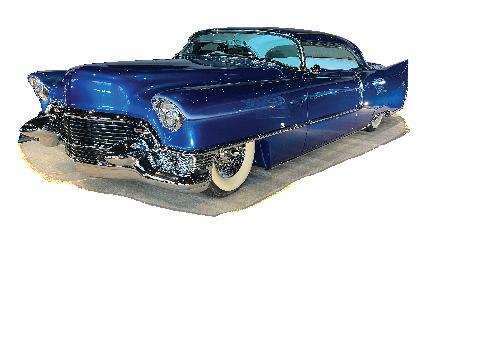
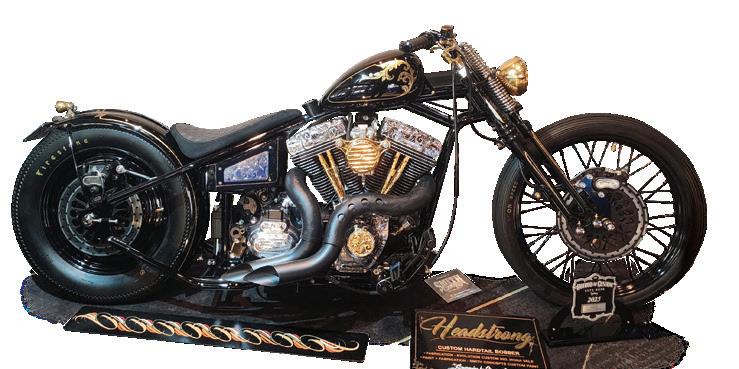
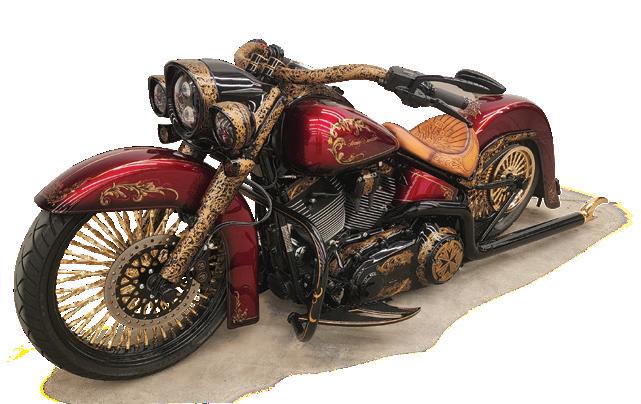
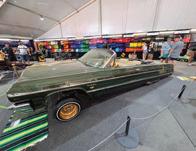
It wouldn’t be PPG Corner without an incredible display of PPG customer creations. This year's collection included old-school cars, muscle cars, and lowriders:
• 1964 Chevrolet Impala by Kyle Smith (Smith Concepts).
It won Top Special Effects Finish.
• 1964 Chevrolet Impala chassis by Kyle Smith (Smith Concepts).
1973 LJ Torana by John Fenech and the Fenech Family. This was last year’s Grand Champion and was rebuilt by the Fenech family after Sam Fenech tragically passed away in a drag racing accident.
1967 Ford Mustang Eleanor by Stu Tangey, Paul McCallum, Mick McCallum, and Lincoln McCallum (Stu's Rod and Custom).
This was its first showing and won Top Body Work and 2nd Top
PPG Supreme Entrant Award
The prestigious PPG Supreme Entrant Award was up for grabs once again, and it was brothers Enwyia (Eddie) and Younan Khazi and their 1982 Ford XE Fairmont Ghia who were the proud winners. The award is unique because cars from all categories are in the running for the title. The finalists are shortlisted by the Summernats judging team, and the winner is chosen by the people through a fan vote.
While the car has won awards in the past, this was the first time it has won the PPG Supreme Award. “It feels great. It’s satisfying and a privilege,” says Eddie about being chosen as the fan favourite.
“We’ve owned the car for around 14 years, and the build took five. It’s just something that me and my brother wanted to work on together and build. My brother’s a panel beater, and I'm a painter.
We used to build cars years ago, and we just decided we wanted to create something together again and make memories. So, we decided to build a car that we’ve always liked, and we’ve always liked this shape.
It’s painted in PPG waterborne, with Vibrance clear, and the PPG reps helped us throughout the process on what directions to take. We put some variegated gold leaf into the car, and that was helped by Kyle Smith from Smith Concepts. There was a lot of time and patience put into this build.”
Drago Ostric is Summernat’s Head Judge and has been judging at the event for 26 years. He’s also been a Grand Champion and had a car in the elite hall four times. With more than 30 years of experience building custom cars, he says the people chose a worthy winner.
“I think the people did an awesome job choosing the winner because it represents the award well. For the PPG Supreme Entrant Award, we include all the types of cars that are here – cars that appeal to everyone, and not only the elite ones.
If you look at the (winning) car’s background, it used to be in the hall. And then from the hall, it's come down to street. And then from street, it's gone drag racing. So, it’s a really good choice because the winners have built a three-in-one car. It's amazing.”
Other awards the ’82 Fairmont Ghia won at Summernats 38 included 2nd Street – Top Engine Bay and 2nd Street –Top Special Effects Finish.
#0264 Younan and Enwyia Khazi – 1982 Ford XE Fairmont Ghia (Winner) #1276 David Pellicone – 1968 Chevrolet SS Camaro #1859 Michael McGrath – 1971 Holden HQ #1445 Greg Green – 1961 Holden EK #0676 Martin Pecotich – 1969 Holden Monaro #1155 Marion Breski – 1967 Ford Mustang #0848 Rodney Grima – 1962 Holden EK Special #1139 Timothy McDonald – 1971 Ford XY Fairmont #2723 Jayden Kraft – 2015 HSV Maloo #1127 Josh Sergi – 1955 Chevrolet Bel Air #1103 Gavin Knight – 1964 Chevrolet Impala
Grand Champion
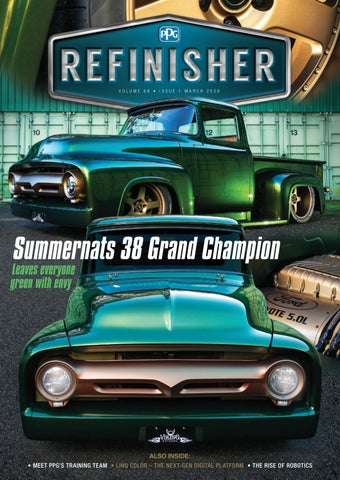
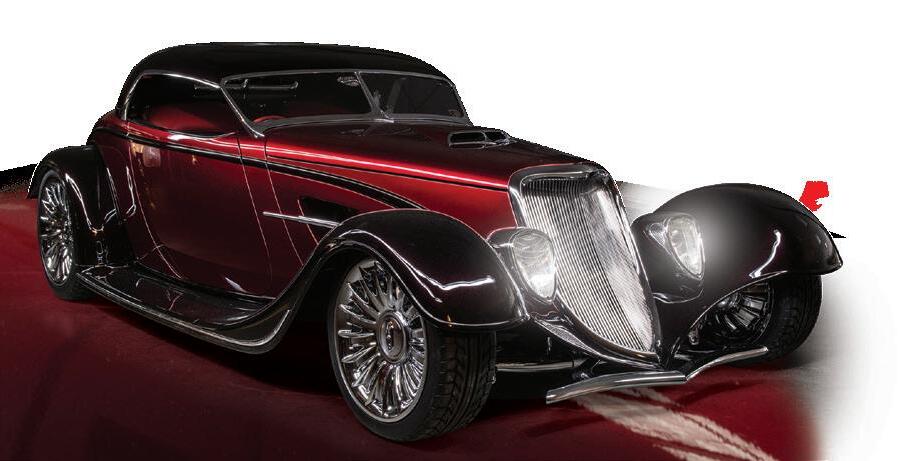
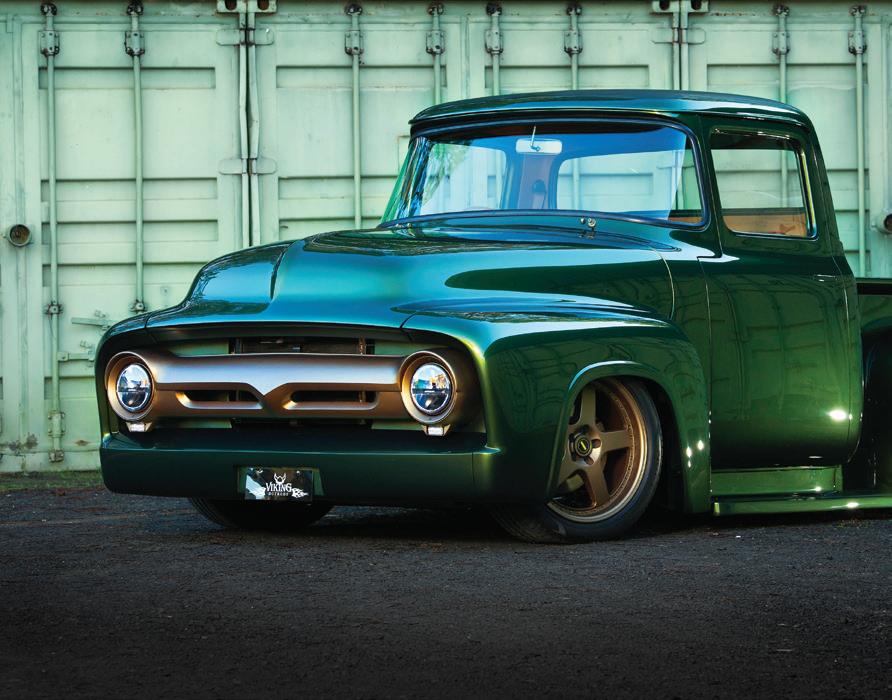
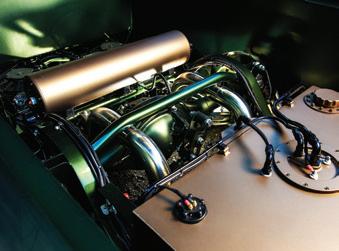
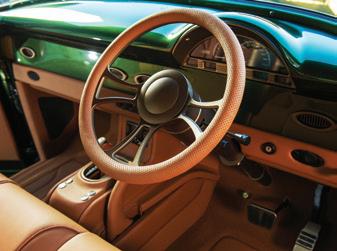
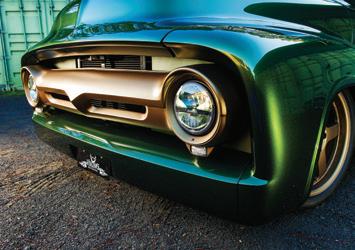
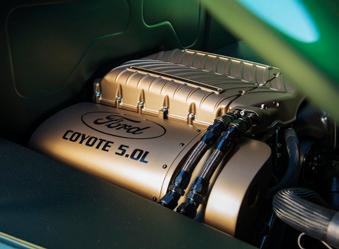
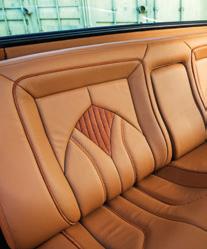
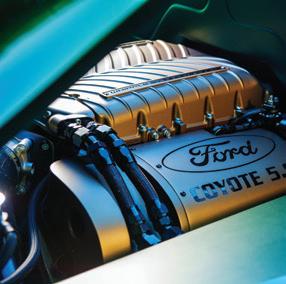
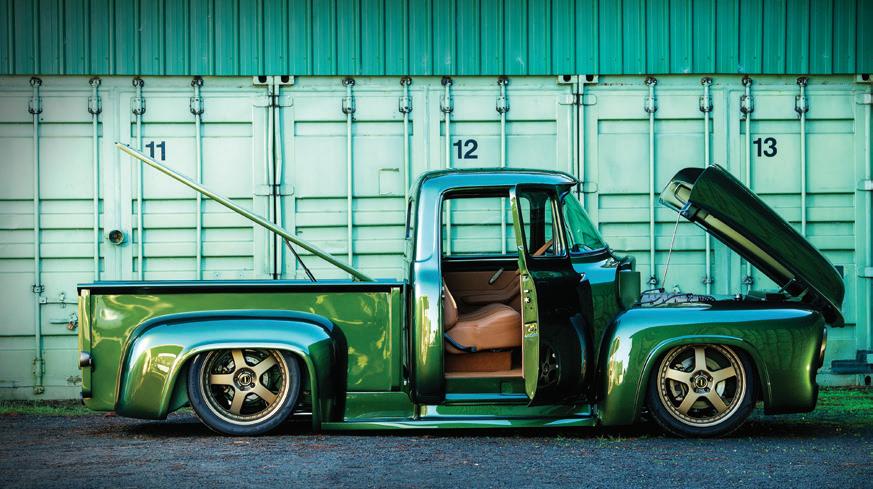
Winning Grand Champion at Summernats remains the ultimate recognition for custom builders, and this year's title went to a standout 1956 Ford F100 owned by Adam Bickerstaff, built by the team at Viking Hotrod, and finished in PPG's Charley Hutton range, with Green Envy complemented by Tonic Brown highlights.
For Viking Hotrods owner Greg Hammond, the win carried particular significance, marking the team's first Grand Champion title. “It’s a tremendous honour. It’s really the pinnacle award in our industry, and only a handful of people have done it, so it's great to be on that list now.
The owner, Adam, had a fairly clear idea of what he wanted. He just walked into the shop one day and said, I want to build a car. So, we sat down and planned out the whole build, including all the different things that he wanted.
That 1956 F100 had always been his dream car, so we discussed
body modifications, suspension, steering, engine, gearbox, air conditioning, power steering, electric windows, the interior, you know, all the different things. It took two and a half years and about 6,000 hours to build, and that's with at least one person working on it full-time.
While the original plan was to paint the car grey, Adam settled on PPG’s Charley Hutton range after taking advice from the painter.
“We have two painters here, and it was Steve Tabone who did most of the paintwork on the car. We always liaise with the customer and the painter in meetings because the painters have such good ideas. Adam wasn't 100 per cent on his original choice of colour, so Steve picked out some different options and suggested the Envy Green and Tonic Brown.”
R
The power of process
Strong processes sit behind every high-performing repair centre. They remove guesswork, reduce variation, and help teams work with clarity rather than chaos.
As PPG National Business Solutions Manager Greg Tunks puts it,
“A process-centred environment generates predictable outcomes and results that minimise cycle time, generally create a safer work environment, minimise rework, and create greater profitability. So, we end up with a happier workplace, less employee frustration, and better organisation.
On the flip side, variation is the enemy of efficiency and productivity and often leads to rework. If a business has standardisation across all aspects of its operations, it drives predictable outcomes.”
A structured starting point
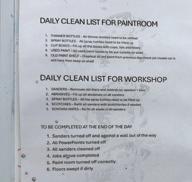
While every business operates differently, PPG’s MVP Business Solutions provides a set of documented processes that can be used as a baseline. They cover all aspects of workshop business, including administration, panel shop, and paint and
can be customised to suit individual shop layout, staffing, and workflow. The processes are broken down into clear, step-by-step checkpoints so nothing is missed.
“The processes we provide are a starting point. For example, a shop may need help streamlining administration, so we’ll go through each step: how we greet a customer, process wages, handle banking, provide an estimate, book a car in, and order parts. Documented processes also help new staff adjust quickly, rather than inheriting habits from previous workplaces.”
Painting systems are less flexible in terms of process.
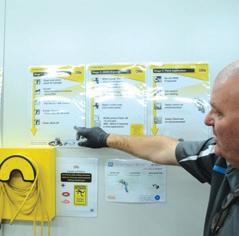
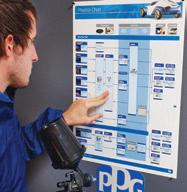
The technical requirements for PPG products are set, and the steps must remain consistent. “To support this, PPG provides paint-specific process charts that clearly outline the correct method for surface preparation, product application, flash times, and final checks. These charts use minimal text and clear illustrations so painters can see exactly what each step looks like.
They give apprentices a reliable reference point and help experienced technicians avoid drifting into personal variations.”
Finding the source of problems
Where many shops struggle
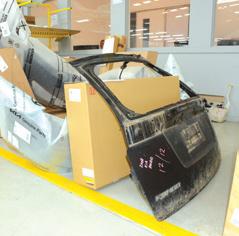
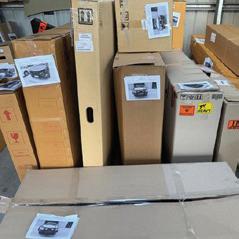
Parts handling consistently ranks as one of the main sources of inefficiency. Many shops underestimate the impact of parts, even though they account for roughly 50 per cent of overall income.
Greg sees the same issue repeatedly: “I’ve seen shops double up on parts and accidentally end up with two of everything. I’ve also seen shops order parts two months before the car arrives at the shop. You can’t send parts back for credit, so things can quickly become dysfunctional and disorganised without a transparent process in place.
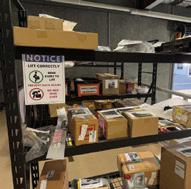
The MVP Business Solutions team has supported many businesses through simple but effective changes by appointing a single parts foreman, documenting approval steps, and improving storage systems.”
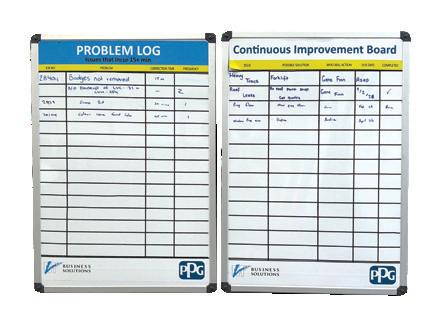
Most process journeys begin with understanding where things go wrong. The MVP Business Solutions team encourages the use of PPG’s simple problem log to pinpoint exactly where breakdowns occur. Each time a problem occurs, the team records the fault and its source, whether it be in administration, parts, paint, or elsewhere. Patterns emerge quickly.
A clear path forward
“Whenever there’s a problem, there’s been a breakdown in the process. So, you go back and review the process and identify where it fell short. Shops often use the problem log in weekly or monthly meetings to decide where improvements are needed. It becomes both a diagnostic tool and a roadmap for change.”
Processes provide structure, discipline, and shared responsibility, and they give businesses a clear path forward. “Our data shows that when businesses move to a process-driven environment, they increase production by 20-30 per cent, and that equals an additional one to two cars per week for the average shop. When everyone follows the same steps, teams move faster, there are fewer mistakes, and customers receive consistent quality.”
TWhat if you could keep all the capabilities of PPG Paint Manager XI while also gaining cloud access, real-time global data, stronger data protection, and the freedom to work from anywhere and on any device?
hat’s what PPG LINQ Color™, the next-generation digital platform, offers. It’s available in Australia and New Zealand now, and there are more exciting features set for release in 2026. “PPG is currently rolling out a newgeneration digital paint platform globally,” says PPG Digital Colour and Equipment Product Manager Bowie Crook.
“And LINQ Color is the next evolution of its predecessors, Paint Manager and Legacy. There are currently more than 5,500 workshops around the world using the new platform, which offers significant upgrades and benefits.
One of the key advantages of LINQ Color is that it’s cloud-based and gives users access to a global database. While Paint Manager operates on a local computer, LINQ Color can be accessed through the
CURRENT FEATURES OF LINQ COLOR
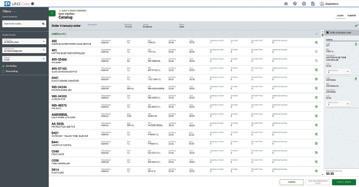
Basic Ordering – Submit and track orders directly within LINQ Color™, with real-time visibility of pending, completed, and repeat orders across your supply chain.
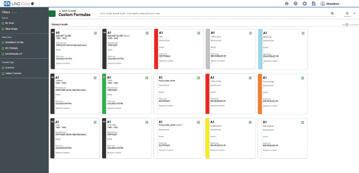
Custom Formulas - Create, edit, store, and search custom formulas, with full documentation and seamless migration from Paint Manager XI to protect existing data.
website anz.ppglinq. com. You can connect peripheral devices like scales, spectros, and label printers via a MagicBox/Magic App (virtual MagicBox). Another benefit of the platform is data security. Because the information is stored in the cloud, it can’t be accidentally erased or lost if the local device is damaged. We had one customer who nearly lost 1,800 formulas after a computer went down, and there was no backup. LINQ Color eliminates these types of security problems.”
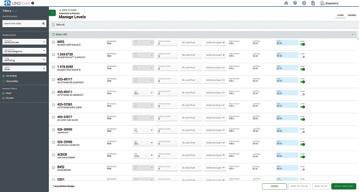
Inventory Management – Track stock levels for toners and materials in real time as products are used during mixing.
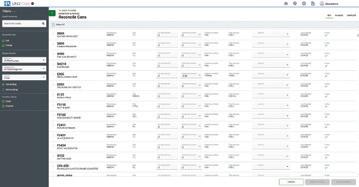
Inventory Reconciliation – Audit stock against system records to identify discrepancies, reduce losses, and improve financial accuracy.
Mix’n’Shake (coming to ANZ in 2026) – A streamlined, speedfocused mixing workflow designed for high-volume environments and standardised mixes.
Jobs – Link mixes to specific jobs for accurate job costing, billing transparency, and a single source of truth for materials and usage.
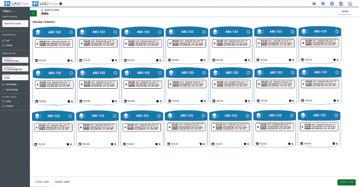
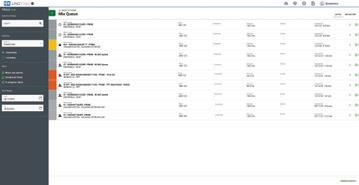
Mix Queue – View upcoming mixes in advance so technicians can prepare workloads, smooth workflow, and reduce production bottlenecks.
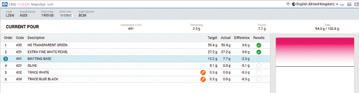
Mixing and Weighing – Integrates with digital scales to guide precise mixing, reduce errors, and support remote or multi-site operations via cloud access.
If you’re thinking this all sounds good in theory, but are worried about migration costs and downtime during installation and setup, Bowie says there is good news for customers. “The best thing about the new platform is that installation takes around 10 minutes, and customers can upgrade with no changes to their current tools or costs.
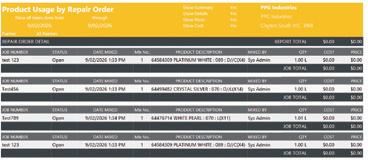
Operational Reporting – Automated emailed reports provide insight into usage, profitability, inventory turnover, and overall performance.
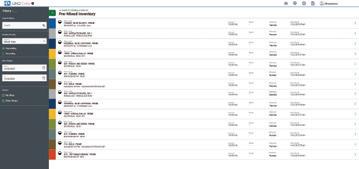
Premixed Inventory – Manage frequently used premixed colours, track stock levels, and send formulas directly to the scale for consistent reproduction.
The LINQ to the future
For example, if you’re a customer using VisualizID™, you will continue to have access to all the same features at the current subscription price. If you currently use Paint Manager only, it’s a simple switch to the new platform at no cost, and you can continue to use paint look-up.”
While a host of features are already available in LINQ Color, 2026 will see more rolled out in the ANZ region. “In Australia and New Zealand, we supply large quantities of premixed paint to customers, something that is not really done in other parts of the world. In early 2026, a new feature called Express Mix will be available on LINQ Color, and this will allow workshops to mix
premixed colour with hardeners and reducers. Advanced Analytics will also be introduced, so workshops will be able to track KPIs in greater detail—for example, product use, job output, and profitability. Data import and export is also set to change how larger workshops, in particular, operate. Sharing things like custom pricing or formula master copies between different sites will be much faster and simpler because it can be done via email or USB transfer.
Paint Manager has done a good job for a long time, but as the refinish industry evolves, so do the tools and technology, and now is the time to make the switch to LINQ Color.” R
CURRENT FEATURES OF LINQ COLOR
Pricing – Displays both cost and sell pricing for clear margin visibility, supporting retail, commercial, and fleet work, with migration from Paint Manager XI.
RapidMatch go!/DigiMatch – Connects spectrophotometers to the workflow to identify the closest colour matches, ranked by accuracy for better first-time results.
RFU (Ready For Use) – Access a library of predefined products and mixing parameters that align with PPG technical data sheets for consistent performance.
Spray-Out Library – Store and search digital records of in-house spray-outs to preserve colour knowledge and ensure repeatable results.
For workshops weighing up whether to make the switch, LINQ Color offers:
• Cloud security for formulas, pricing, and historical data.
• Access from anywhere, on any internet-enabled device.
• Fast setup with no reliance on individual machines.
• Ongoing development rather than maintenance-only support
Please contact your local PPG territory manager or call PPG Customer Service in Australia: 13 24 24 or New Zealand: 0800 320 320 for more information on PPG LINQ Color.
Manual Volume Estimator - Calculate material quantities before mixing to reduce waste and avoid shortages.
Team Management - Role-based permissions ensure managers, estimators, and technicians access only the functions relevant to their responsibilities.
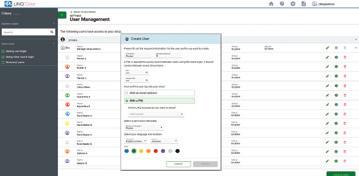
User Management - Supports unlimited concurrent users across multiple sites and devices, with real-time synchronisation through the cloud.
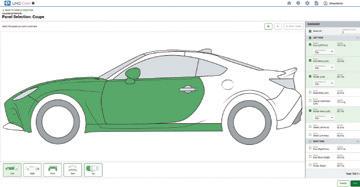
VisualizID – A 3D colour visualisation tool that allows customers to preview colours on realistic vehicle surfaces across phones, tablets, and computers.
A new way seamlesslyto
e b d l n
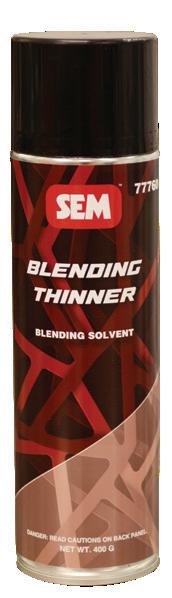
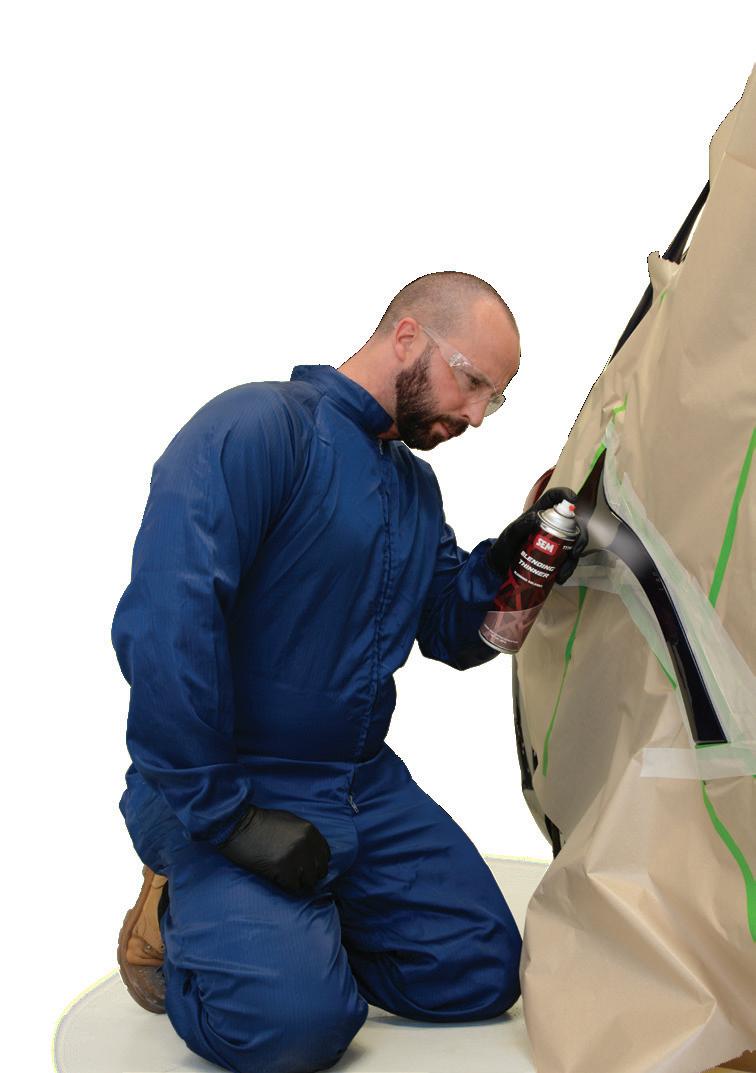
Blending Thinner. It’s the critical part of the painting process that creates seamless, invisible paint repairs, blending new 2K clear coat or direct gloss (DG) top coats into the old finish.
Without it, you could be left with a hard or rough edge, a halo effect around the repair area, poor adhesion, and premature peeling. The edge of the blend is exactly where the new SEM-77760 Blending Thinner aerosol is designed to perform.
Replacing the SXA860/300GM OneChoice Blending Thinner aerosol, the new SEM-77760 has been engineered to perform consistently across both old and new paint technologies.
“With the continual introduction of new products, we needed to fine-tune blending thinner to make it universal across our 2K direct gloss lines and clear coats,” says PPG Collision/CT Operational Product Manager ANZ Nick Blake.
“That universality means the product suits a wide range of applications, from light industrial coatings through to refinish and commercial transport.”
Importantly for local customers, the development work was carried out in Australia, specifically for the ANZ market. Extensive testing took place at PPG’s facilities to ensure consistent performance in everyday workshop conditions.
Creek Training Centres in New South Wales and Victoria.
The product was designed with a new nozzle that improves fan efficiency, and a lot of work went into ensuring the correct aerosol pressure
“As far as the R&D side of things, it was all done here in Australia. The new aerosol was developed in our lab in Melbourne, and the testing and evaluation were done at our Braeside and Eastern
and a suitable amount of propellant is used across the board. It's also supplied in a 400GM can, which is larger than its predecessor.”
In practical terms, the product delivers a smooth, professional finish. It's particularly suited to fast-paced environments such as MSOs handling high volumes of small repairs, as well as mobile repairers who often work in open or variable conditions. Technicians can apply the DG topcoat with a spray gun, then use the blending thinner aerosol to soften and blend the edges.
For those who prefer a non-aerosol option, the SX890/1L OneChoice Blending Thinner in a flask format is also available. R
Please contact your distributor or PPG territory representative for more information about SEM 7760 Blending Thinner aerosol or the SX890/1L OneChoice Blending Thinner.
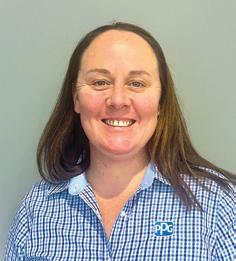
Morgan Boyd
Regional Manager –New Zealand
WWhen Morgan Boyd began her apprenticeship as a spray painter nearly two decades ago, women were few and far between on the shop floor. She chose the trade anyway, backed by a belief that she could build a career in the refinish industry.
She has carried that determination throughout her working life and into a leadership role that sees her guiding PPG’s South Island team in New Zealand. She credits Peter Green at Vincent Holdings in Alexandra for opening the door.
“I was given the opportunity to do an apprenticeship in either panel beating or refinish nearly 20 years ago, and I chose refinish.
Even way back then, I remember thinking that one day I would like to be a PPG Territory Manager. I became the Otago/Southland Territory Manager in 2022. Then, a year later, I was offered another amazing opportunity and accepted the Regional Manager role in 2023.”
Today, Morgan leads the South Island region, supporting a team of four Territory Managers and helping them respond to day-to-day requests and support customers. “What I love most
about this role is the people, from our PPG team in Australia and New Zealand to the customers and everyone involved in the paint and panel industry. I have met some truly remarkable people in my role, including those who have become good friends along the way.
When I started, there weren’t many females in the industry, but I was never held back or treated differently, and I think that speaks volumes for the trade.”
Away from work, Morgan enjoys family time most. “I was very lucky to grow up in an amazing family, and now I enjoy spending time with my daughter and nieces and nephews. She also looks forward to the NRL season each year and still laces up for hockey in winter and summer, even if, as she admits, “it hurts a lot more than it used to.” R
MORE ABOUT MORGAN
• Favourite hobbies/pastimes?
Spending time with friends and family, hockey, hunting with my dad and brothers, watching sports, and reading
• Favourite food?
Seafood of any description
• Favourite drink?
Speights or a nice gin
• Favourite music / band?
Country music. Too many to choose from, but Zach Bryan is up there
• Favourite car / motorcycle?
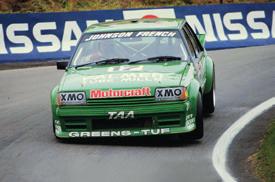
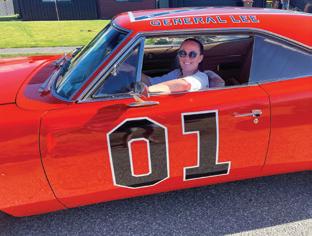
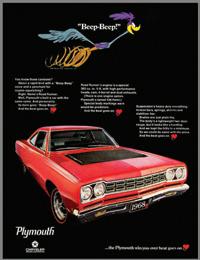
1969 Plymouth Roadrunner and the Greens-Tuf Falcon
• Favourite holiday destination?
My parents’ house in Chatto Creek before they moved.
Connect. Automate. Digitise.
The end-to-end digital ecosystem bringing advanced, game-changing technologies to your collision centre
Scan the QR code to see how PPG LINQTM can benefit your business! youtu.be/t4isZfVLwzw
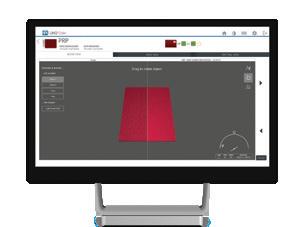
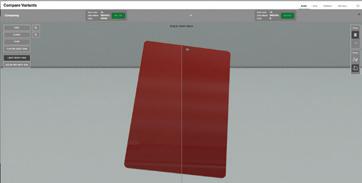
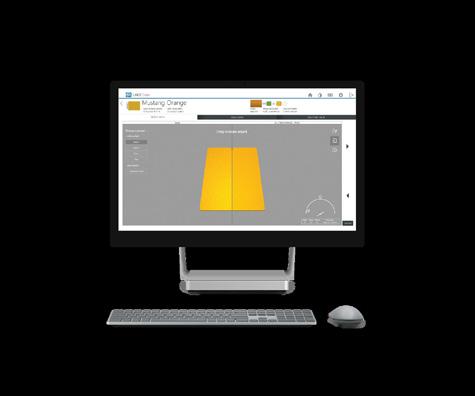
Introducing the 3D digital sprayout
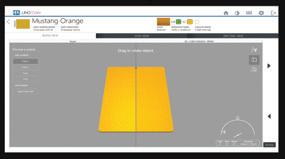
This advanced, 3D digital colour visualisation tool smoothly interfaces with the next-generation PPG DigiMatch™ camera-equipped spectrophotometer to totally transform the user experience of selecting the best colour match formulation from PPG’s extensive library.
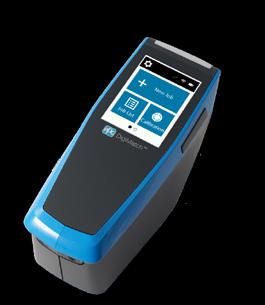
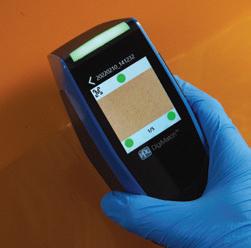
Compact, fast, easy-to-use spectrophotometer
PPG’s high tech DigiMatch spectrophotometer features a digital colour camera to significantly boost performance. The camera’s six imaging angles combine with six reflective angles to provide additional texture information to help quickly and precisely retrieve the correct formula match.
Booth meets bot
PPG’s ANZ Sales Director John Hristas has been tracking global developments for years. While he believes robotics will play a genuine role in Australian refinish workshops in the future, he says the technology isn’t quite there yet and warns businesses to do their research before investing.
What workshops should be aware of
1. Compliance and safety
“The most important thing to consider before purchasing robots is whether the system complies with Australian regulations. If not, businesses risk being shut down, sued, or both,” says John. “For example, space in the booth. Is there enough space between the robot and the booth so that someone is not crushed?”
Other key questions shop owners should ask include:
• Does the robot comply with Australian standards?
• Is there a lockout system?
• What happens if a door is opened midprocess?
Robotics, once a distant possibility, is now closer than ever. Overseas, suppliers are rolling out new automated spraying systems at pace, and local repairers are watching with interest. While the potential is real, there is a gap between excitement and readiness.
• Does the robot shut off automatically?
• Is there enough space in the booth to safely install a robot?
• What are the hidden costs, if any?
• How do robotics affect the spray booth warranty?
• What about ongoing training?
• Who should be driving the robot?
2. Software and integration
Most robots currently available on
subscription-based data scanning, and remote processing. “There’s currently no software available in Australia. In most cases, you need a subscription to scan a vehicle. Then the information needs to be uploaded and sent overseas to be analysed. So, you might not receive the information back straight away, which of course means holdups on the shop floor. There is also a question of what happens to your data after you’ve sent
3. Maintenance and servicing
Another important consideration John highlights is maintenance, and poses the question: “Do you understand the maintenance the robot requires? For example, some systems come with removable spray guns, while others come with a fixed spray gun on the robotic arms. If it’s a removable spray gun, maintenance is similar to that of a conventional spray gun. However, if it has a specific fluid line, you’ll need to flush it each time, which means more solvent, more waste, and higher costs. Understanding the maintenance requirements is critical because if the robot breaks down or requires servicing, what’s your plan? Is there someone local who can provide support? How will you cover the robot’s jobs until it’s running again, particularly if it is down for some time? Will you go back to manual spraying? These are all important questions to ask and plan for.”
4. Booth and warranty considerations
Booth warranties can be affected if you install a robot. “I strongly recommend checking with the manufacturer before installing a robot in your booth.
5. Products and processes
There are generally two types of robots to choose from. Some have a track system in the floor, while others have an overhead rail. If you put something on the ground in a spray booth, it disrupts the airflow. If you’ve got the robot working at the floor level and blocking the grates and filters, all the excess overspray has to go somewhere, most likely onto the robot.
These changes can have a great impact on how the booth was designed to work and therefore could void your warranty.”
Most robots perform best with single-visit products. John highlights the importance of checking your product compatibility.
“You need to look at the basecoat and
clearcoat products you are using and how efficient they are. Ideally, you want products that go down in one visit because multi-layer basecoats or clearcoats that require flash-off between coats disrupt efficiency. Have you thought about how the products you’ll need for the entire process work with a robot or what training staff will require?”
John points to PPG’s low-energy options, such as Envirobase® High Performance combined with PPG’s Envirobase One Visit application additive, LVC-177 Rapid Performance Clearcoat and LVC-131 UHS Clearcoat, as good examples of products best suited to robotic application.
A promising local solution
The most encouraging developments are coming from local industry suppliers working on locally supported robotic systems.
“They are working to develop a system that customers can upgrade, maintain, and have full control of. Robotics are coming. We just need to be patient, do our homework, and make sure the technology is ready. When it is, it’ll be a game changer.” R
How is colour measured?
The concept of colour may feel simple until you try to quantify it. In the past, colours were relatively easy to assess, but in a modern refinish world filled with metallics, pearls, and special effects, things are far more complex.
Ask a group of people how red an apple is, and you will get different answers. While the human eye is highly capable, what people see is very subjective and depends on multiple variables, such as lighting, viewing angle, surroundings and even emotions. When matching colour on a car, one spray painter’s “spot on” may look entirely different for the customer in bright sunlight.
Today, measuring colour is a science that stretches from the lab to the spray booth, backed by specialised tools, software, and a growing global database of information.
Inside the colour lab
Before a spray painter ever mixes
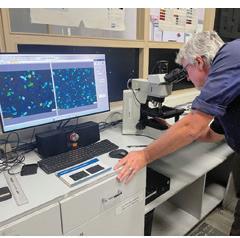
One of the most important tools used in the lab is the microscope, as it is most accurate in identifying flake. Colour specialists assess particle size, shape, colour, and brightness, then compare those characteristics directly with the known standards. Spotlights help them identify special-effect pigments, and controlled viewing angles determine the type of effect pigment it is.
Alongside the microscope, software plays a central role in the colour matching process. PPG’s colour specialists use software called Global Reflectors Intermixed Database (GRID), which stores reflectance data for thousands of colours. When a new colour needs to be matched, the lab measures its reflectance curve and compares it to existing curves in GRID. The reflectance curve is like the fingerprint of a colour, which helps the lab identify the pigment chemistry to achieve the most accurate match possible.
Multi-angle measurement is critical, especially for metallic and pearl finishes. The lab typically uses a standard five-angle chart (15°, 25°, 45°, 75°, and 110°) to see how colour appears at different angles.
From there, colour specialists develop the formulas that workshops use to select tinters and mix colour. The time it takes to match a colour in the lab can range from as little as 45 minutes for simple formulas to up to four days for technical colours.
Measuring colour in the workshop
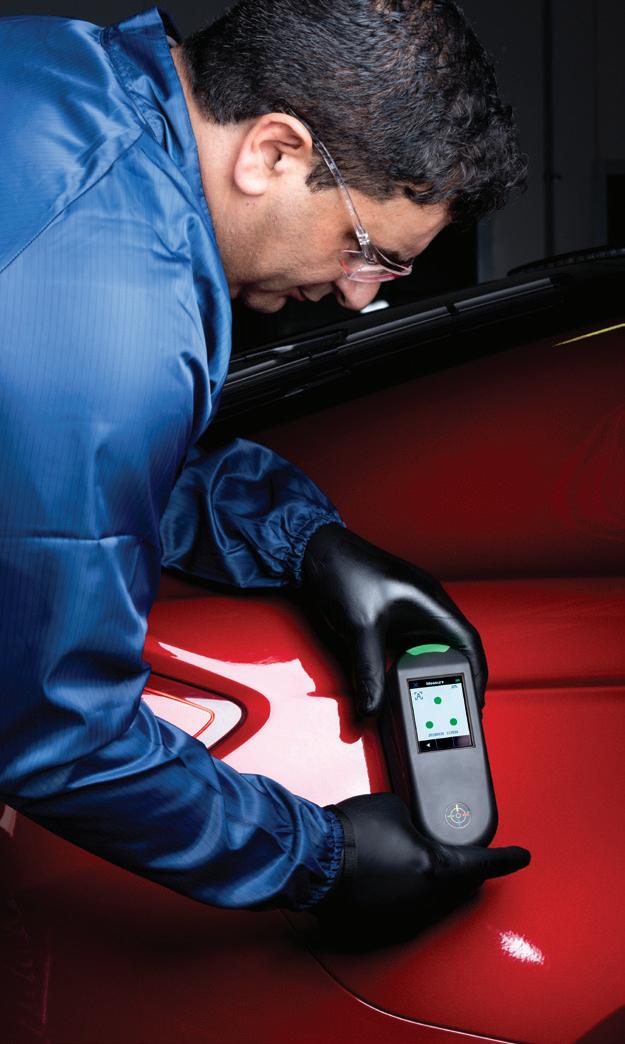
In the workshop, the goal is fast, reliable colour matching for existing vehicles. Colour matching tools and technology are now widely used to ensure efficiency and accuracy. Many workshops use PPG’s DigiMatch™ five-axle spectrometer, a handheld instrument that reads colour from multiple angles and records its behaviour under different lighting conditions. A panel that looks perfect under dim workshop lighting can look very different outside in bright sun or under cool white LEDs.
The information collected by DigiMatch is uploaded to PPG VisualizID™, which compares the colour to the CIE2000 standard and finds the best colour variant from PPG’s extensive colour-match library. VisualizID also gives spray painters a visual aid, so before they mix a sample, they can see the colours side-by-side on screen. That helps them reduce or even eliminate the need to spray a test panel to find an acceptable match.
Challenges and variants
While a spectrometer is a valuable and efficient colour-matching tool, current technology doesn't allow it to identify the type of flake in a colour. For example, it can’t accurately tell whether a flake is gold versus metallic green. This is where a microscope in
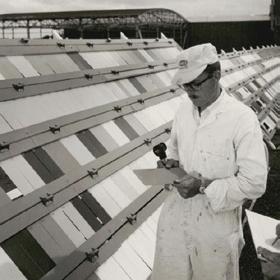
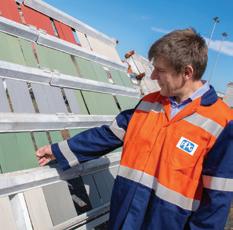
the lab and the human eye are still the best tools for seeing these differences. Colour variation also poses a challenge for workshops. Over time, colour can fade, particularly in places like Australia where the UV can be extreme. Even if the original formula is correct, a panel on a ten-year-old car that has spent its life outdoors is unlikely to look exactly like a fresh factory panel.
Over time, variants have been added to the database, and by comparing the colour to the different variants, workshops can identify the correct formula for the job at hand.
Modern colour matching is a combination of science, technology, tools and human skill. As colour continues to evolve, refinishers are better equipped than ever to achieve accurate matches with fewer reworks. R
Equipment that works for a living
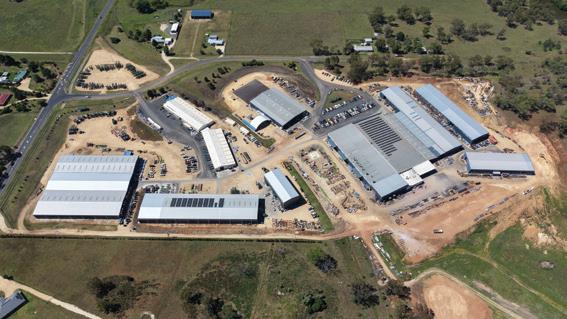
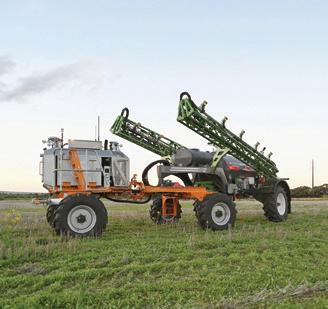
From the outside, BOSS Engineering’s headquarters in Inverell, New South Wales, is an impressive 35,000m site with 11 sheds. Step inside, and it's clear this is not a single-product manufacturer or a regional workshop punching above its weight.
BOSS Engineering is a national operation that designs and builds complex agricultural and automotive equipment for some of the most demanding operating environments in the country.
The company was founded in 2007 by four friends with strong engineering, manufacturing, and hands-on farming experience and a shared understanding of the challenges faced by Australian farmers. What began with one shed has since grown into one of the country's leading producers of large-scale agricultural machinery.
In 2025, BOSS Engineering celebrated a significant milestone when its 2,000th agricultural machine rolled off the production line, an impressive achievement for a company less than two decades old.
While agriculture remains the foundation of the business, BOSS Engineering has steadily broadened its reach, bringing multiple specialised operations together under the BOSS Engineering banner.
“BOSS Agriculture is the company’s original and largest division, which designs
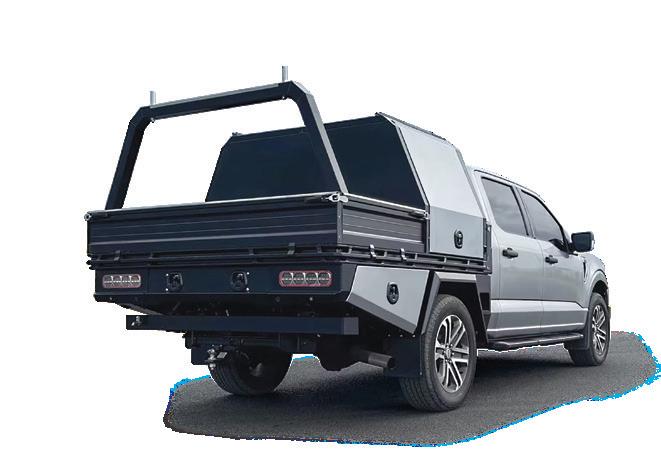
and manufactures seeding and spraying equipment,” says BOSS Engineering Purchasing Manager Simon Barlow. “Then there’s BOSS Automotive, which designs and builds high-quality ute trays, service bodies, canopies, and trailers. BOSS Automotive was established when Bronco Built and BOSS Built, two wellregarded manufacturers with complementary strengths, were brought together to create the automotive division within the Boss Engineering group.
precision application solutions. Since its acquisition, Calibre’s footprint has been expanded to the East Coast.”
BOSS Engineering employs more than 300 people across its national footprint, and also has facilities in
Custom builds
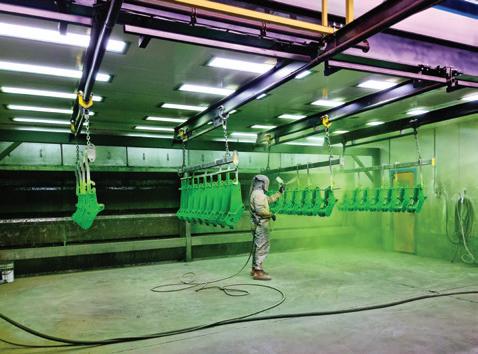
Toowoomba, Wagga Wagga, Tamworth, Bathurst, and Perth. Behind the scale of BOSS Engineering’s operations is a workforce with specialist skills, from administration, finance, design, and engineering to fabrication, surface preparation and coating, and distribution.
Production at scale
Manufacturing at the Inverell site is structured around a clearly defined workflow that moves progressively across multiple sheds, allowing complex machinery to be built efficiently and at scale.
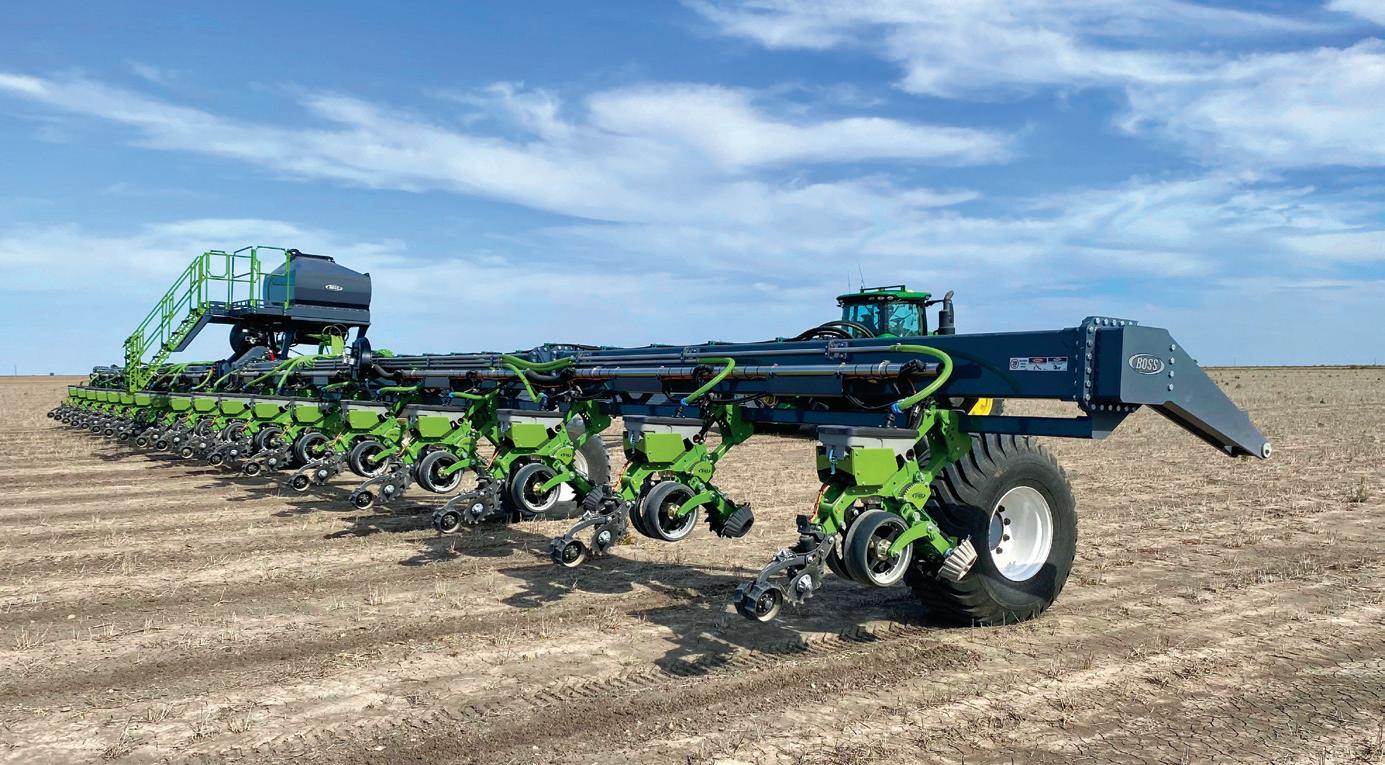
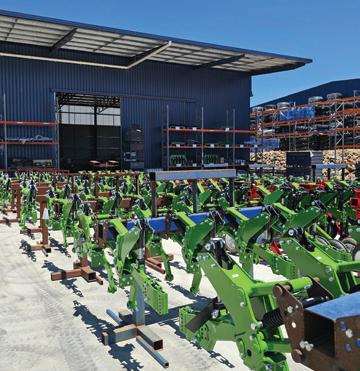
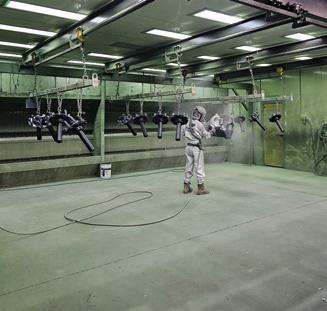
“On site, we have our full machine shop, laser cutters, and press brakes. We do sandblasting and surface preparation as well as painting. Then we have dedicated assembly areas for our air cart planters, sprayers, and ute trays. The process weaves across our entire site. Raw steel and plate enter the facility and are processed through cutting, fabrication, and preparation before coating, storage, and final assembly.”
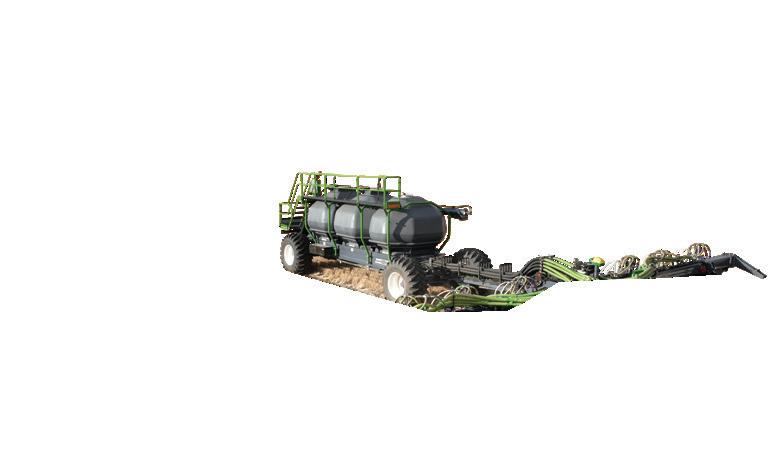
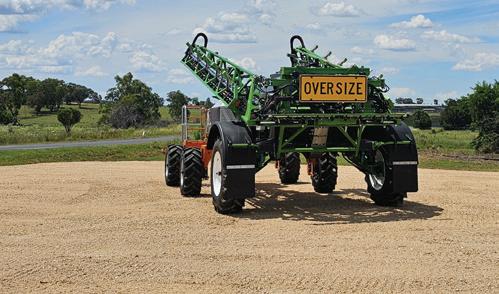
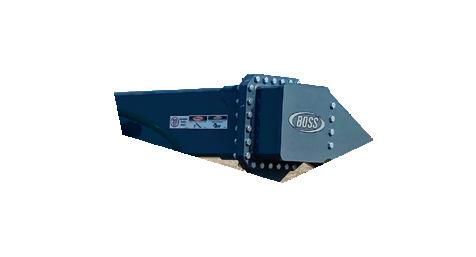
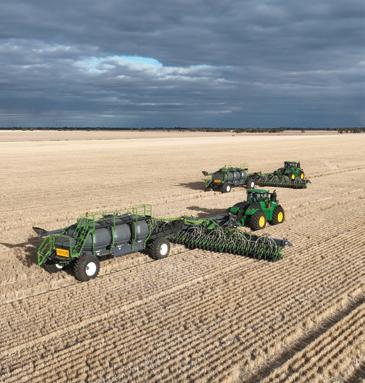
BOSS Agriculture designs and manufactures a wide range of equipment, including air carts, planters, seeders, boom sprays, and deep ripping and tillage equipment. While they produce base model machines, they have also engineered more than 1,200 custom-built solutions for specific applications.
“Australian farmers face some of the harshest conditions in the world, and they each face different challenges out on the land. So, what one farmer requires from their equipment on the East Coast can be very different to what a farmer on the other side of the country might need. Our engineering team will work directly with customers to design a machine for a specific job.
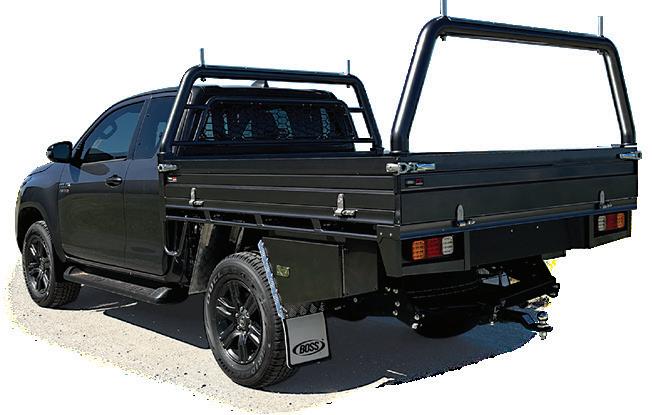
On the automotive side, we offer a range of customisable ute trays and accessories to suit all sorts of applications, including commercial through to lifestyle and recreational use. We also supply spare parts for our automotive products.”
Automation and robotics
BOSS Engineering’s design capability is supported by extensive in-house manufacturing that uses state-of-the-art
technology, including robotics and automation.
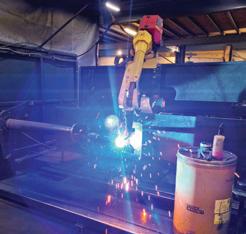
“Automation plays an increasing role across our operations, particularly in high-repetition manufacturing, but it doesn’t replace people. You still need skilled operators and trades to make it all work. The use of robotics is cost-effective and efficient, and reduces manual handling. Many of the parts we make are extremely heavy, so it also helps reduce the risk of injury. While automation welding is currently our main application, we are continually exploring how new technology can support future growth.”
Equipment that works for a living
That same thinking extends beyond manufacturing processes and into product design, particularly as autonomous systems become more common in agriculture.
“Autonomous machines have become a big part of the industry and will continue to become more widely used for different applications. We're already manufacturing the Swam Autonomous Series, equipment that combines robotics and advances WEED-IT technology, which can operate overnight and park themselves when they’re done. We will only keep developing that kind of technology.”
weather, making coating performance a key factor in product longevity.
Coatings built for harsh environments
Across the agricultural division, surface protection is critical. BOSS Agriculture equipment is exposed to fertilisers, chemicals, abrasion, and extreme
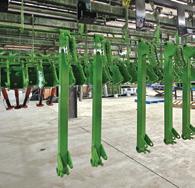
PPG Commercial Performance Coatings are used across both the agricultural and automotive businesses. While BOSS Agriculture has used paint systems in the past, including ZPH 1K Zinc Phosphate High Solids Primer and PPT Performance Polyurethane Topcoat, BOSS Engineering is transitioning to 408 primer and lab-matched colour in 625 for BOSS Green and BOSS Grey topcoat colours for superior chemical resistance and colour retention.
“The green colour we use on our products is our brand colour,” explains Simon. “The directors originally mixed the paint themselves until they found a colour they liked, and it became part of our identity.”
PPG supplies four-litre containers for easier handling at BOSS’s request. The coating consumption reflects the scale of the operation. In 2025, the business purchased more than 33,500 litres of liquid products, including coatings and associated materials.
BOSS Engineering also uses Deltron PPG products in BOSS Automotive, if requested by the customer to be paint-matched to the vehicle’s colour code, or when a two-pack paint is required to achieve a unique finish on a ute tray that is not possible with powder coating.
An Australian manufacturing success story, the business continues to invest heavily in facilities, people, and technology. Designing and manufacturing in Australia allows BOSS Engineering to build equipment specifically for Australian conditions while keeping skilled jobs in regional communities, a role that is critical in long-term economic resilience. R