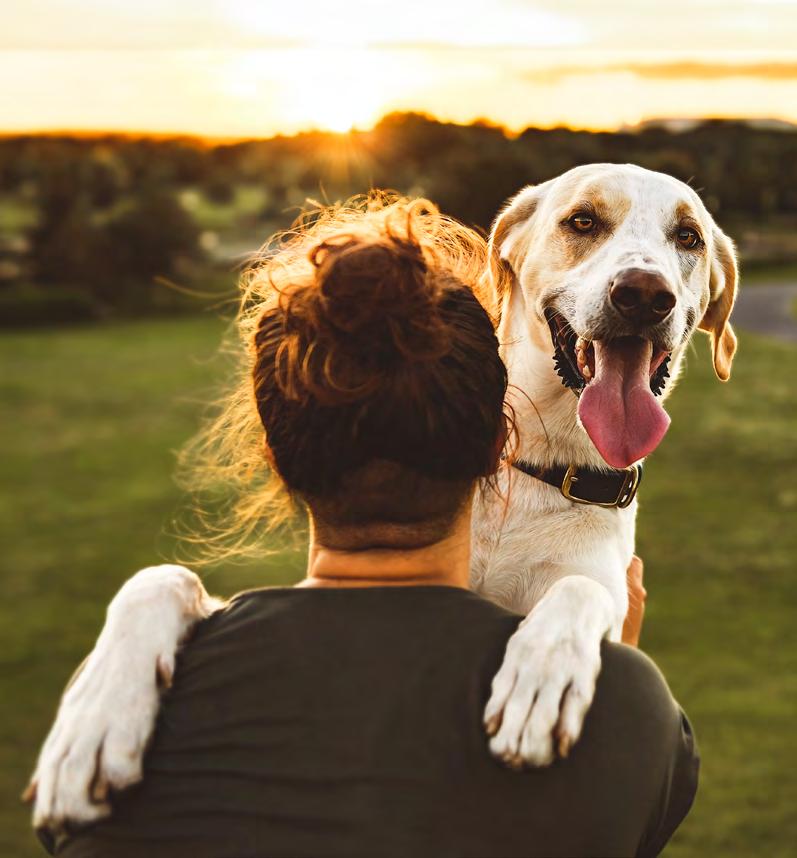
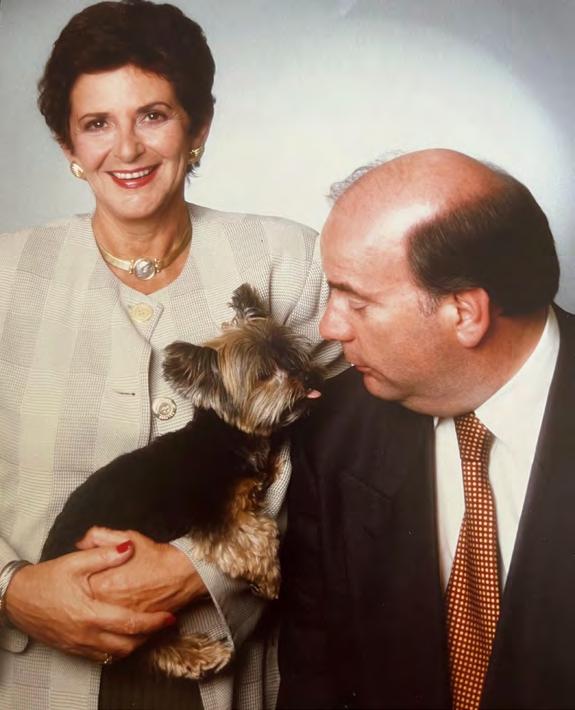
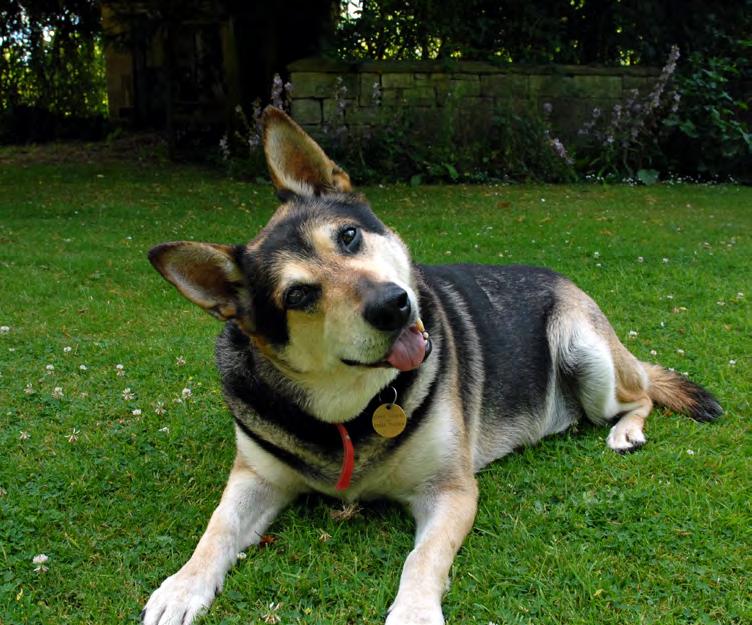
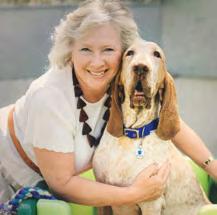
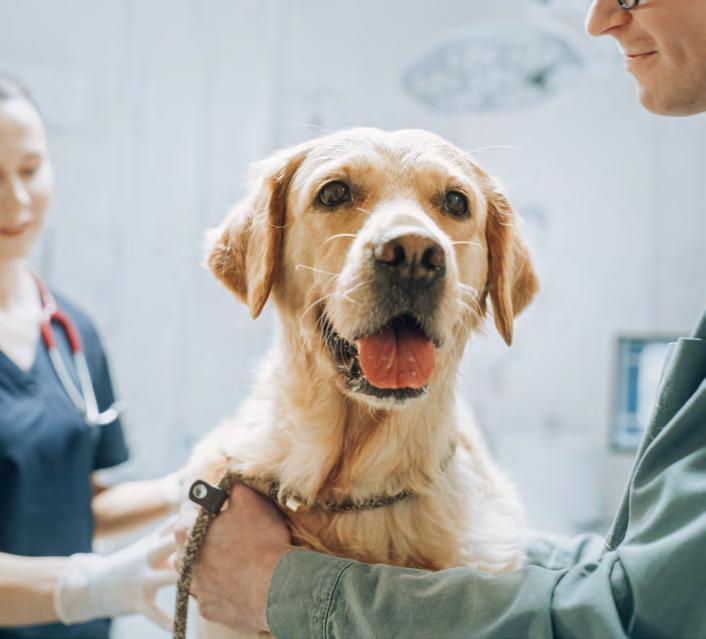
We set up the Petplan Charitable Trust in 1994 with the simple idea of providing Petplan policyholders with the opportunity to contribute to the welfare of animals less well off than their own pets and to help advance knowledge in veterinary science.
The generosity of Petplan members has enabled the Trust to grow beyond our wildest dreams.
As animal lovers and pet owners ourselves, we never doubted that our Petplan family of pet owners would feel the same as we did and want to help. What we did not foresee was the extent to which they did, and have continued to, show their generosity. Their support has been phenomenal, and we have been overwhelmed how consistently, year after year – for the last 30 years – they have given. From an initial £300,000 a year, donations have now risen to over £850,000 a year. We cannot thank them enough.
Their contributions have enabled the Trust to grow beyond our wildest dreams. Over 320 animal charities and welfare organisations have benefited from our grants. The stories we hear about the value of the support they have received are remarkable, and we are constantly in awe of the energy, dedication and selfless commitment of time and effort the staff and army of volunteers make every day of the year.
On the scientific side, the Trust has grown to become one of the largest and most respected independent funders of veterinary clinical studies in the United Kingdom. As the following report shows, we have made a major contribution which has, in a number of cases over the last 30 years, translated into practical applications and solutions in everyday veterinary practice.
We could not have imagined back in 1994 that the Trust would have grown to what it has become today and we are immensely proud of what it has achieved, whilst being truly humbled by the support of the Petplan family of policyholders who have, and continue to, support the vision and the work of the Trust.
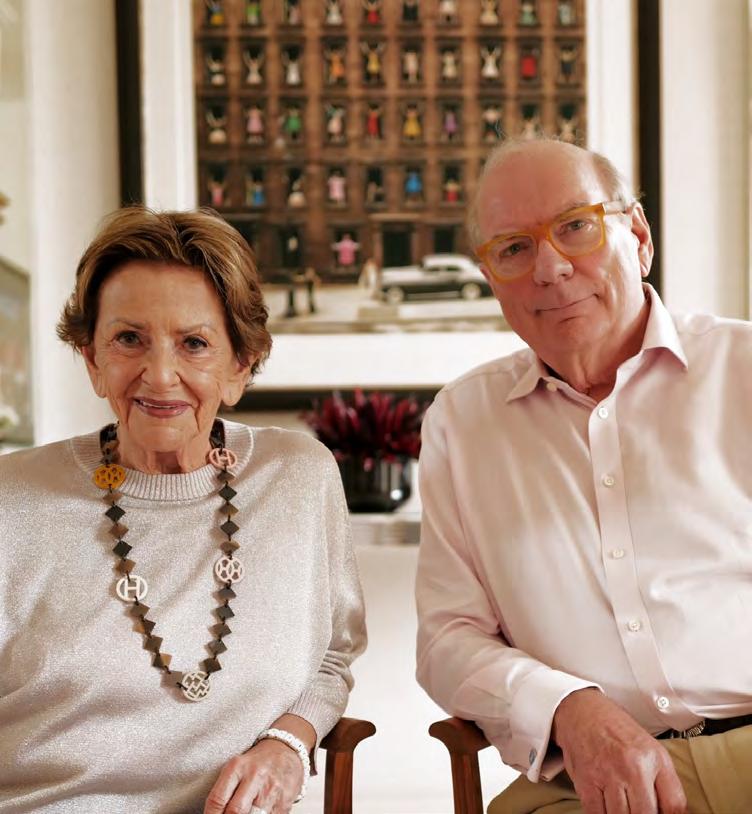
David & Patsy
30 years of giving
1,186 TOTAL NUMBER OF GRANTS AWARDED WELFARE CAPITAL PUMP PRIMING TOTAL GRANTS £16.87 MILLION FULL SCIENTIF I C
£10.4 million TO FUND 399 SCIENTIFIC GRANTS
£1 million + IN SIX CAPITAL GRANTS
£5.4 million IN WELFARE GRANTS
715 WELFARE GRANTS IN TOTAL
300 + INDIVIDUAL CHARITIES SUPPORTED
In looking back over the last 30 years since Patsy Bloom and I founded the Petplan Charitable Trust, I am humbled by all of those we have met on that journey and the enormous breadth and range of projects we have been able to support.
This report conclusively shows the truly beneficial impact of the Trust, both on animal welfare and for the advancement of veterinary knowledge through the projects we have funded.
First and foremost, I wish to thank Petplan policyholders who have supported us with their donations, year in, year out. Without them, none of what we have been able to do would have been possible.
Second, I cannot thank our Trustees and Committee members enough. They have given their time and expert advice freely and generously. It is they who have helped shape the Trust into the major and widely respected funder of animal welfare and veterinary medicine advances it is today. Nor would the Trust have been as successful without the hard work of the three administrators who have carried the day-to-day burden of running the Trust – in particular, Roz Hayward-Butt, who helped establish the Trust from the beginning, and Cath Bourg, who has done so much to shape it since she took over in 2007.
Finally, my full respect goes to all those we have funded. Within the animal welfare community, I am continually amazed by the selfless dedication of the staff and volunteers working in animal welfare charities. Over the last 30 years, I have witnessed first hand their full commitment to the work they do and to the animals they take responsibility for.
On the veterinary medicine side, the tenacity with which those involved in clinical studies chip away at the barriers of knowledge to reveal solutions and therapies to improve the lives of our pets is awe-inspiring. The advances that have been made in the 50 years I have been involved with the profession is truly staggering, and pet owners and their animals today benefit from a level of knowledge and care not available to the first Petplan policyholders back in 1976.
This report was not commissioned as an exercise in self-congratulation but as a serious review of what the Trust has achieved over the last 30 years: the impact of the grants we have made and where we have been most effective.
This report conclusively shows the truly beneficial impact of the Trust, both on animal welfare and for the advancement of veterinary knowledge through the projects we have funded.
There is still much more that we can do. We fund what we can, and aim to give in grants over 82.5% of all the donations we receive annually. There is so much more we could do with more donations.
David Simpson CHAIR OF TRUSTEES
Supporting animal welfare
Clarissa Baldwin CBE PPCT TRUSTEE AND CHAIR OF THE WELFARE COMMITTEE
The sadness comes when you read individual stories of an animal that has been abused and suffered, and there are woefully too many of these.
I felt very honoured when, in 1994, I was invited to join the newly formed Petplan Charitable Trust as a Trustee and to head up the Welfare Committee. This was particularly because Dogs Trust, of which I was the Chief Executive, already had a longstanding and successful contract with Petplan, and I felt this concept was a perfect way for the company to give something back to animal welfare.
What a joyous thought, to give money away to deserving causes; how easy and pleasurable that sounded! Not a bit of it.
Every year, applications for funds fill my inbox. Some applicants ask for money to supplement their income to pay for everyday costs; others write describing a new idea that could enhance animal welfare; and yet others want funds to pay for a piece of equipment for their vets’ rooms, or to help with costs for a new building project. The sadness comes when you read individual stories of an animal that has been abused and suffered, and there are woefully too many of these. Each and every one is a
deserving
case, but it is impossible to fulfil every candidate’s wishes.
The committee scrutinises every application: checks the bona fides, planning applications where applicable, financial status, staffing numbers and knowledge. It’s not the easy task I had anticipated.
Against an increasingly difficult financial environment, the Petplan Charitable Trust is a valuable lifeline for charities and truly advances animal welfare.
Welfare overview
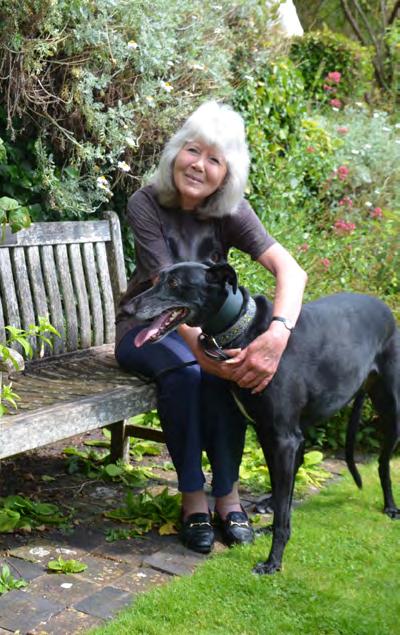
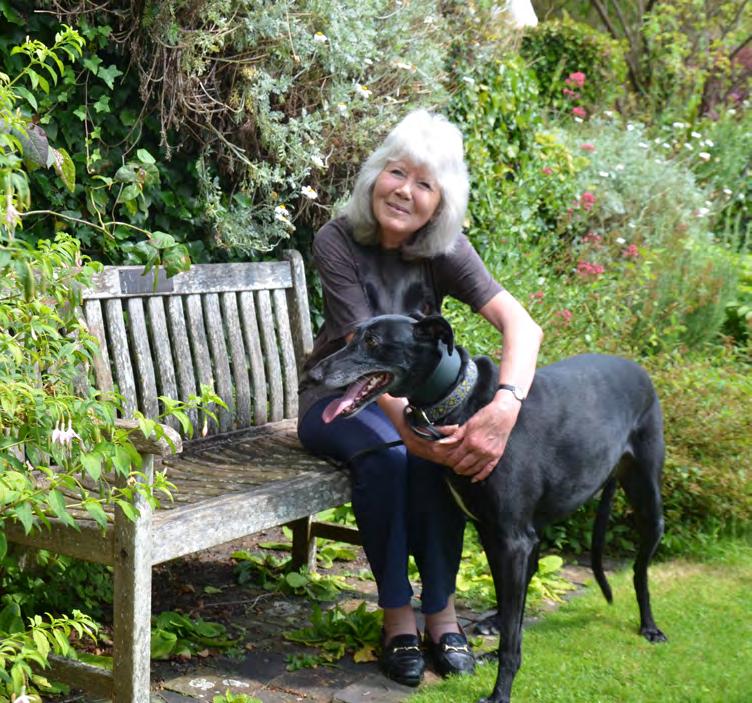
Our pets play a central part in our lives. We can all identify with Dame Jilly Cooper’s sensitive reflections on the many pets that have enriched her life. Her pets, and those of the countless Petplan policyholders who have supported the Trust over the last 30 years, are the lucky ones.
Photo credit: Pets As Therapy
EDUCATION
£313,000
Sadly, not all are so lucky. Cruelty and neglect are still issues that far too many pets face. Others become the casualties of circumstances that have nothing to do with them: the death of their owners; economic hardships that force their people to give them up; family break-ups. All need supporting.
Balanced against this is the enormous amount that animals can give back to our human community.
Supporting animal welfare has been central to the Trust’s mission from the outset, and is something we take very seriously. We’re proud to have awarded 715 grants to over 300 different charities and organisations. To gather information for this report,
RABBIT
£55,000
we asked grant recipients to fill out a questionnaire. Over 100 charities have responded, and the stories they tell give witness to the positive impact of our support. There are too many to share here but we will be posting them on our website over the coming months. Here we have chosen to highlight four specific areas that the Trust has focused on: Rescue and Rehoming; The Human Animal Bond; and Greyhounds and Racehorse Rehabilitation.
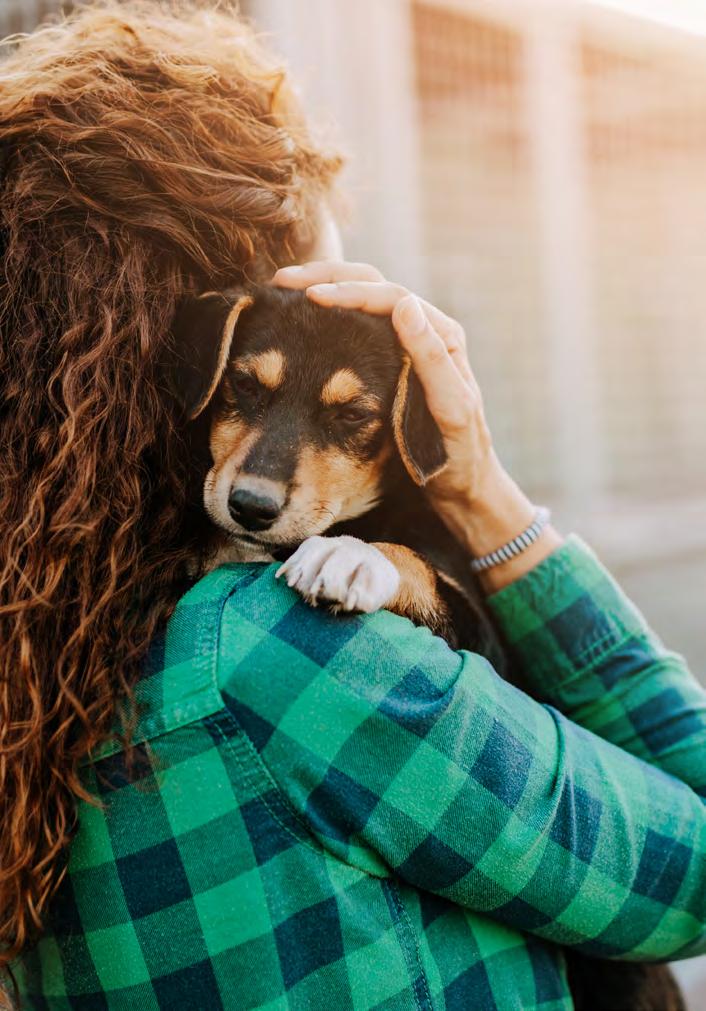
Rescue and Rehoming has been a principal focus of our support and accounts for around 65% of all grants given. Claire Horton (see page 22) underlines that, whilst there have been major improvements in animal
welfare over the last quarter of a century, there is still much to do. She also stresses that although some of the problems and challenges of the past have lessened, new ones have appeared. Her exhortation for a fundamental rethink as to how we see our pets is prescient.
Education and awareness have become major elements of the outreach work that all charities now deliver alongside their core activities. This is an area the Trust has always been keen to support. Change will only come about with greater understanding of both the problems and the ways in which we can improve animal welfare.
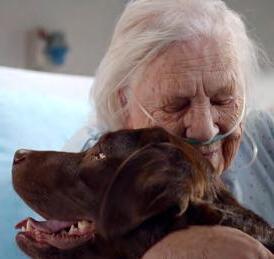
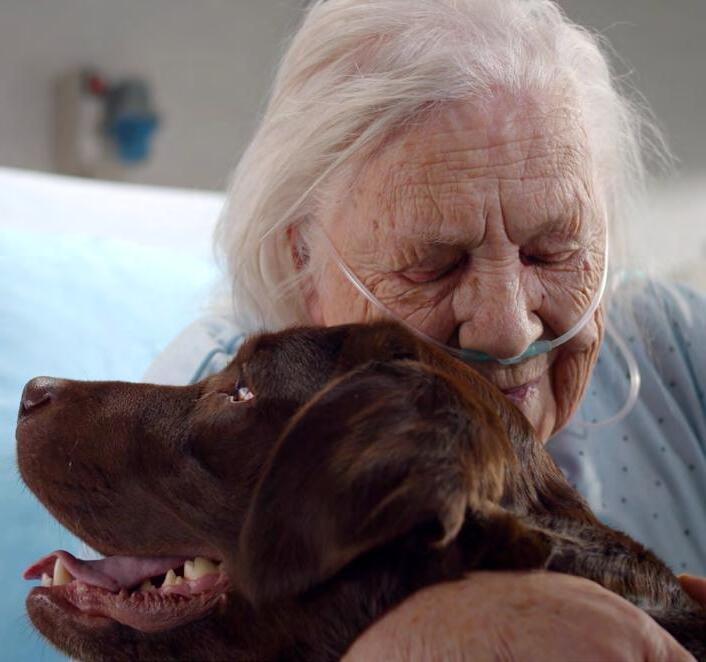
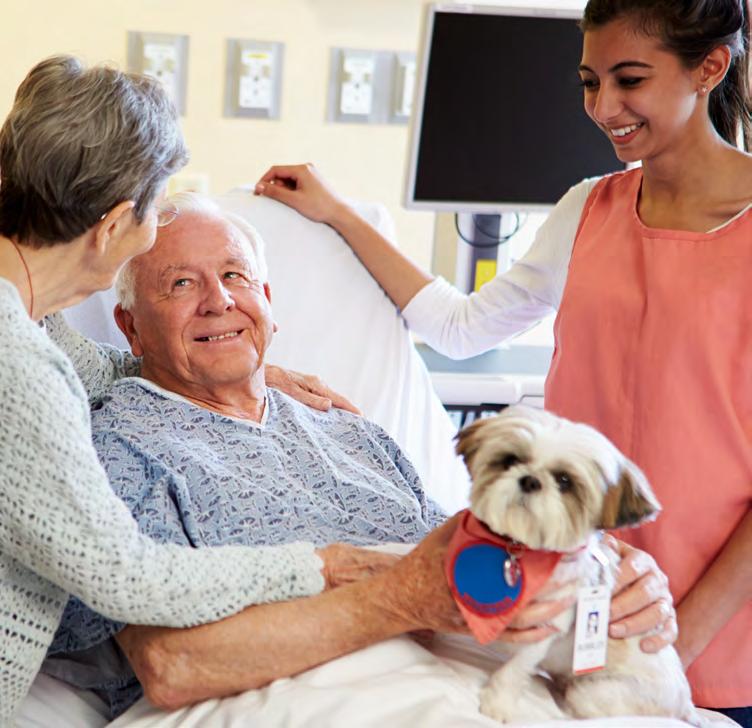
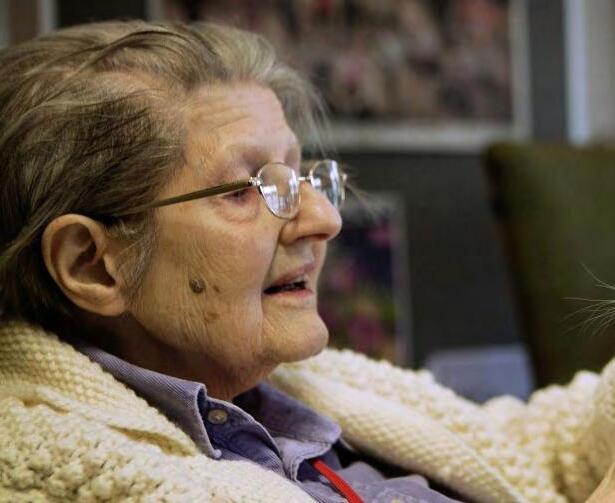
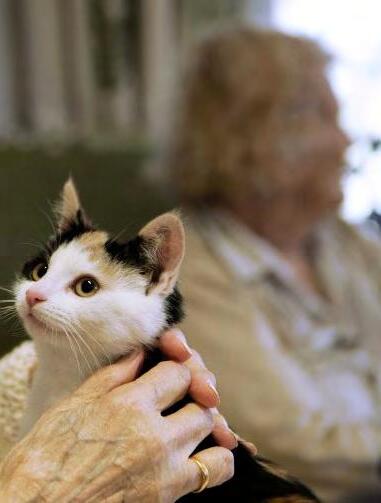
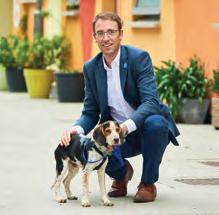
The Human/Animal Bond is another area of focus for the Trust. The positive impact our companion animals have on our health and wellbeing has long been acknowledged. In recent years ever more ways that this can be harnessed have been developed. Their capacity to give comfort extends beyond our homes, to hospitals, hospices and other organisations. The ways in which therapy animals enrich the lives of patients and those struggling with physical and mental challenges is just one example. In return for the support animals provide, all they ask for is our protection and our care.
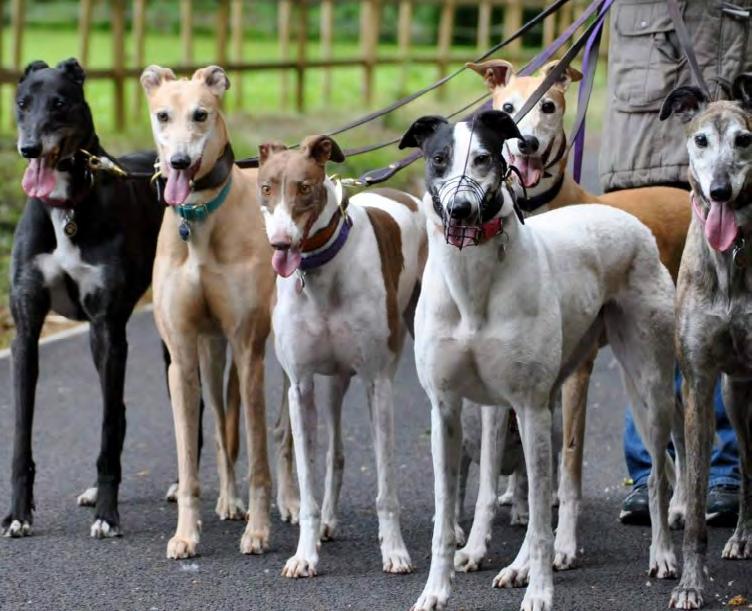
Greyhounds and Racehorse Rehabilitation is small (10%) in total grant terms. Nonetheless, this is vital work which has significant impact on animal welfare and the long-term well-being of the animals involved. The racing careers of greyhounds and thoroughbreds are short, but much work is needed to rehabilitate them and provide them with caring homes and a proper quality of life after racing.
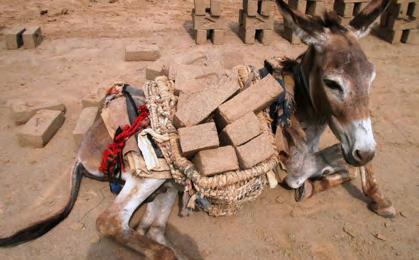
The Trust predominantly concentrates on UK-based projects; we do support some overseas charities, however. These organisations face very different challenges in some of the poorest and most difficult areas of the world. 80% of all the equids in the world are working animals. The Brooke, World Horse Welfare and Safe Haven for Donkeys do invaluable work in supporting and making the life of working equids better. These animals, working as beasts of burden in harsh conditions (including in brick mills), are essential to their owners who would struggle to earn a living without them. Educating these owners has led to better feeding, upkeep and farriery which have benefited the animals’ welfare and often increased their owners’ income. The Worldwide Veterinary Service has taken vets and nurses overseas to treat animals as well as teach local staff and volunteers to become paraveterinary auxiliaries.
Their capacity to give comfort extends beyond our homes to hospitals, hospices and other organisations where therapy animals enrich the lives of patients ...
Lead-Up International has built on Monty Roberts’s techniques, working with young people in Guatemala, the US, Brazil, the UK and South Africa to reduce youth violence and teach peaceful leadership, with some remarkable results.
We have also been able to step in with much needed emergency relief support. The impact of COVID was severe for charities, which suffered loss of income, staff and volunteers. The Trust stepped in with £200,000 to help provide emergency grants
to those charities most critically affected. We sent £25,000 to Australia to help with the work of saving animals affected by the bushfires in 2020, which Petplan itself matched with a further £25,000. We are proud to have provided £25,000 for the Blue Cross Emergency Ukraine Fund, working with both Ukrainian and Polish charities to save pets displaced by the war.
I have already highlighted the selfless
dedication of everyone working in animal charities. None could continue to operate without the literally thousands of tireless volunteers who give their time and love day after day, week after week, and year after year to keep the charities going. Many of the smaller charities would simply cease to exist without them. They are the beating heart of animal welfare.
Dame Jilly Cooper reflects on the “mutual happiness” of pet ownership
I must begin by thanking Petplan Charitable Trust for all the wonderful light it shines on animal causes and charities the world over, and for their miraculous donations which enable both animals and humans to thrive and survive. I am also especially grateful to them for sponsoring and cherishing the glorious Animals In War Memorial on London’s Park Lane.
Photo credit: Judy Zatonski
Later, I am always touched by the robins who creep back at dusk to salvage a few crumbs and bid me a tuneful goodnight.
way to discover the beauties of the countryside and to make loads of new human, canine and equine friends. Now in my eighties and less mobile, I love wandering around my garden, feeding birds on the three tables dotted about.
Passersby however must be shocked to hear me yelling obscenities at the predatory grey squirrels, crows and magpies who storm in to drive away any little bird. Later, I am always touched by the robins who creep back at dusk to salvage a few crumbs and bid me a tuneful goodnight.
Once or twice a week, particularly on warm summer evenings, I wander down to put flowers on the graves and thank their inhabitants for so enhancing our lives.
One of the dogs we brought down from London was sweet gentle Mabel Mongrel, who died in 1989. “Now with the angels, where she belongs”, reads her epitaph.
Beside her lies “my most precious treasure”, her sister Barbara, who was blonde and larky with a tightly curled tail, which I am sure is still wagging in Heaven.
I myself have always loved animals, chucking out dolls as a little girl, but doting on teddy bears, secreting any family dog or cat into my bed at night and ecstatically riding my pony Willow home from gymkhanas covered in rosettes.
In 1982, when my late husband Leo, my children and I moved from London to the Cotswolds, I found walking my dogs every day was a magical
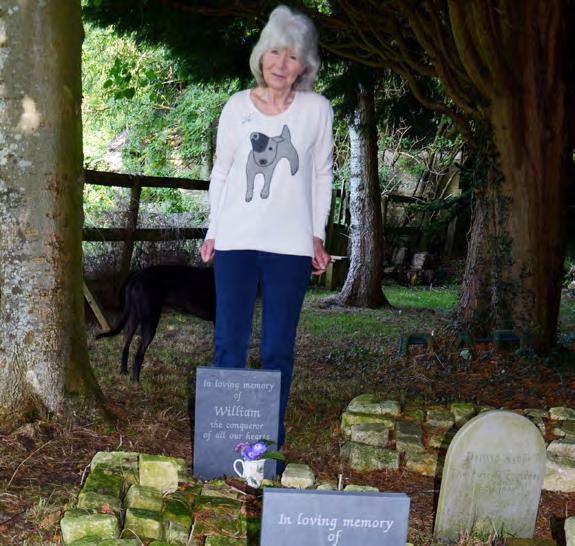
When we arrived here in the eighties, because our dogs and cats were getting on a bit, we decided to create our own animal graveyard. This can be reached by crossing a big lawn and taking a path between a retired tennis court and a beautiful bluebell wood, until you come to a little fenced-off piece of land sheltered by six mighty yew trees.
Today, forty years later, more than thirty creatures are laid to rest here, each with its own gravestone. Beyond the fence rolls a glorious valley of woods and fields where many of them romped when they were alive.
The posse of pussies also have their own graves. They include Entry, who arrived the day we joined the Common Market in 1972; Fitzgerald, “A True Gentlecat”; Agnes, “The Pussies Princess”; plus “Tilson Thomas a dear piebald cat” and “Rattle our beloved Mousetro”, named after two famous conductors because at the time I was writing a novel about an orchestra.
Having sternly forbidden me to rescue any more cats, Leo returned home a week later clutching a wildly gyrating cat basket. Inside was Emily Belinda, whom he had found mewing outside his office. Turning out to be a strapping tom with a punishing right hook, Emily Belinda was renamed “the Pub Cat”.
The numbers were growing as our children’s dogs died and needed a resting place. Enchanting William, “the conqueror of all our hearts”, the gentlest Alsatian cross, was rescued from Battersea by our son and daughter-in-law; while our daughter Emily found Bessie, the friendliest black Labrador, abandoned in the back of a car. Thrilled to have regular
meals, Bessie ballooned in weight, until a passing dog walker seeing her waddling by yelled, “That is the fastest coffee table I have ever seen!”
To compensate, her epitaph reads, “Bessie, the noblest Rover of them all”. And it is not just cats and dogs. “A fox cub known only to God” lies next to Emily’s hamster Tabitha, who sadly was both born and died in 1989. Next to a little grave, “In memory of a two carp family”; a larger one proudly remembers “the biggest fish who nobly graced our pond for twentytwo years”.
In other graves we are happy to welcome the departed pets of local friends and staff who have worked for us.
One grave that will always have flowers belongs to furry black Feral, a terrified stray found hiding in our woods. For fifteen months, despite leaving out bowls of cat food every day, I failed to tame him, until one epic afternoon I found him purring thunderously in my in-tray, and that night he took up residence at the end of my bed.
One day when he lost his appetite I took him to the vet. Returning later I was devastated to learn they had put him down, so tragically we never had a chance to a say a proper goodbye.
“Rest in Peace beloved wanderer” are the tearstained words on his grave.
Appropriately on her gravestone are the words, “Bluebell, who will always bloom in my heart.”
I’d always longed for a greyhound, so to console myself I contemplated adopting Feather, whose trainer had chucked him out, still muzzled, on a motorway in Ireland and not rescued for three weeks, by which time he was a tottering skeleton.
Brought over by his rescuer, a lovely lady hilariously called Dr Mary Jane Fox, the three of us stretched out on the lawn in the sunshine. As I stroked shy, trembling Feather, he suddenly cuddled up to me and wagged his tail.
“You’ve bonded!” cried Mary Jane in ecstasy. “He’s given you his heart.”
At first, I was worried I might be too old to give him enough exercise, but whenever we went out, he would race round and round the valley, then returning, he would take my hand in his mouth and gently lead me home.
“In Loving Memory of Feather,” reads his epitaph, “whose noble heart only failed, because he gave so much of it away.” As a companion to Feather,
Mary Jane also found me another black greyhound called Bluebell who kept us all in fits of laughter. A strokaholic, only content if someone was caressing her, she insisted on taking up nine-tenths of my very large double bed. She was also nicknamed “the Unmatch-maker”, because if I ever invited two people to drinks hoping they might fall for one another, Bluebell would wait until they were happily side by side on the sofa. She would then saunter in and leap up between them, wiggling her hips to form the perfect bolster to keep them apart.
Appropriately on her gravestone are the words, “Bluebell, who will always bloom in my heart.”
Finally, once again I am so grateful for the peerless Petplan and the Petplan Charitable Trust, which have enabled so many humans and animals to experience mutual happiness as I have.
Dame Jilly Cooper DBE August 2024.
Rescue and rehoming
• CHAIR, RSPCA
The past two decades have seen amazing leaps forward for animal welfare. It’s hard to believe that in 2026 it will be the twentieth anniversary of the groundbreaking Animal Welfare Act, which for the first time put a duty of care on owners to meet the needs of their pets. Since then, we’ve seen tougher sentences for animal abuse, the recognition of animal sentience in law, a crackdown on illegal breeding of puppies and kittens, and compulsory microchipping. Claire Horton CBE
• FORMER CHIEF EXECUTIVE, BATTERSEA DOGS & CATS HOME
• FORMER CHAIR, ASSOCIATION OF DOGS & CATS HOMES
• NED, DEFRA ANIMAL HEALTH & WELFARE BOARD FOR ENGLAND
... we absolutely have to work together to drive a fundamental rethink in the way we see pets in this country – not as commodities, trends or objects, but as individual, joyous creatures with emotions, fears, worries, preferences and feelings ...
These financial pressures have a knock-on effect in other areas. Families struggling to keep a roof over their heads are facing the heart-breaking decision of losing their beloved pet as they move to rented accommodation, with landlords refusing to accept them. This is why the new government’s Renters (Reform) Bill is crucial in recognising that pets are a vital part of our families, promising to make the default position to be for landlords to welcome them.
Social media drove trends for extreme breeds such as the XL bully dog and those with genetic health problems, not least flat-faced (brachycephalic) pets who struggle to breathe. Almost every brachycephalic dog leaving Battersea has to have airway surgery to help it breath more easily and live a more comfortable life.
So why is the rescue and rehoming sector currently facing some of the biggest challenges? Our pets are a lifeline and, for so many of us who share strong, loving bonds with them, it’s hard to understand the motivations of those who abandon, neglect or abuse animals. But we also know these issues are complex and interconnected with so much else that is happening in society.
The COVID pandemic highlighted the importance of our relationship with our pets who, for many, provided vital companionship and support through lonely and difficult times. It drove a huge boom in pet ownership. The demand for dogs in particular could not be satisfied by UK breeders and rescues, resulting in a surge in imported puppies and street dogs from Eastern Europe and elsewhere.
In 2020, dog imports from the EU rose 52 per cent compared to the year before. As a member of the Animal
Health and Welfare Board for England, I spent many years working with Defra to tackle the horrors of puppy smuggling. I have seen first hand the terrible suffering involved for these young dogs and their parents. This is why the last government’s promised bill to tackle puppy and kitten smuggling must become law under this new government, so people are not inadvertently continuing to fund and fuel this cruelty abroad.
COVID also contributed to a huge rise in reports of behavioural issues in puppies who missed out on the opportunity to socialise with people and other dogs. After lockdown these puppies, now juvenile dogs with no experience, suddenly had to get to grips with life in a very big, busy and scary world indeed.
As the cost-of-living crisis deepened, the pressures on pet owners led to increased abandonments and animal neglect, and drove others to rely on pet food banks or miss out on vital vet visits. Rescue charities countrywide were pushed to breaking point. The RSPCA delivered more than 1.75 million meals to needy pets after launching a food-bank partnership in 2020, with Battersea delivering a million more.
All of these factors have driven up the numbers of animals in rescue centres, while at the same time they report the demand for rehoming has slowed down. Across the sector, organisations big and small say they are at capacity and facing huge resource pressures. Even the country’s oldest and largest animal welfare charity, the RSPCA, reported in July that it had 1,400 animals waiting in private boarding because all its centres were full. Unfortunately, it doesn’t look as though these challenges will ease soon for anyone.
So, as owners and pet rescuers, we absolutely have to work together to drive a fundamental rethink in the way we see pets in this country – not as commodities, trends or objects, but as individual, joyous creatures with emotions, fears, worries, preferences and feelings, and a right to the best life we can give them. We need to drive up education and awareness about the costs and realities of pet ownership, why good health is better than good looks, and we have to continue to work together, to keep pushing for better legal protection for them all.
After all, let’s be honest – animals make our lives complete, and considering everything they give to us, it’s the least they deserve.
The human animal bond
The human/animal bond covers a broad range of charities and activities the Trust has supported over the years: from therapy pets, and highly trained assistance dogs, to emergency support for pets belonging to victims of abuse or homelessness. Some groups work with young people, and animals have helped them turn their lives around. We cannot name them all, but here’s a taste of the work they do. We would, however, encourage you to visit the online version of this report and look at some of the over 100 responses and case studies we have received from grant recipients.
Assistance dogs are now used to improve the lives of a wide group of people: not only the blind but also the deaf; people with various disabilities; autism; brain damage; schizophrenia; Alzheimers; PTSD; and many other conditions. Horses, too, have long been used to help people with disabilities and learning difficulties. Animals trained by the charity Medical Detection Dogs detect a wide range of human diseases, including several cancers, epilepsy and COVID.
Pets are increasingly used for therapeutic purposes. They have been found to have a calming and empathetic effect on hospital patients and people in care homes.
Community outreach is central to many charities. Blue Cross has community vet nurses who go out to elderly and disabled pet owners who are unable to bring their animals into the surgery. The community nurse provides vital contact and is often as involved in helping the clients as much as the pets. In one case, a client was prioritising spending their money to feed their pets while going hungry themselves.
Ebony Horse Club is a riding club and community centre in the middle of Brixton providing urban children with the chance to ride and learn about horses, work mirrored by Vauxhall City Farm that gives inner-city children an exposure to animals as well as riding lessons. Kingsbridge Area Food Bank
In one case, a client was prioritising spending their money to feed their pets while going hungry themselves.
is one of many resource hubs enabling owners to keep and feed their pets rather than give them up. Our Special Friends helps people to continue to benefit from animal companionship by providing physical and emotional support during illness, bereavement and other family crises.
Domestic abuse is a sad fact of life, and families escaping abuse find that many shelters cannot take their pet in. Paws for Kids, Refuge4Pets, Scottish Women’s Aid, and Juno Women’s Aid are just some of the organisations providing fostering services for these families’ pets who are integral to helping children in particular to recover from the trauma of a broken home, and maintaining some continuity amidst a disrupted family life.
StreetVet’s volunteer vets and veterinary nurses provide veterinary care and outreach support for the animals of the homeless on the streets.
As the sophistication of veterinary practice increases, the demand for blood for surgery has risen enormously. The Trust provided the Pet Blood Bank with a purposebuilt mobile donor collection vehicle, which has enabled the service to r each more donors.
Hampshire Fire Brigade has been a leader in developing animal rescue techniques and teaching other Brigades across the country. The Trust provided the Fire Service with a dedicated Animal Rescue tender, and this has become the template for those developed both by Hampshire and other brigades.
The transformative power that animals can bring to our human existence cannot be overstated. While recognising this, these charities have the welfare and well-being of the animals themselves at the heart of everything they do: nurturing and protecting them is their priority. The Trust looks forward to supporting many more over the next thirty years.
Photo credit: Therapaws
Supporting greyhound welfare
Peter Laurie FORMER PPCT TRUSTEE
Greyhounds racing around an oval track and behind a mechanical hare began in Britain in 1926, at the now-closed Belle Vue track in Manchester. In the post-war period, a “night at the dogs” was extremely popular, with 77 tracks across all major towns and cities attracting total annual attendances of some 75 million.
Today, only 21 greyhound racetracks remain, of which 20 are licensed and regulated by the Greyhound Board of Great Britain. Whilst greyhound racing has declined since 1994 when the Petplan Charitable Trust was established, some 6,000 greyhounds still enter and leave the sport each year. Live attendances have also fallen considerably but British greyhound racing is increasingly broadcast into betting shops and via bookmaker
websites around the world. As with horse racing, it remains a popular sport with punters.
The greyhound racing industry takes the welfare of its canine participants increasingly seriously, but it falls largely to the charity sector to ensure that the vast majority of greyhounds go on to enjoy a happy retirement in a loving, domestic home once their racing days are over.
... it falls largely to the charity sector to ensure that the vast majority of greyhounds go on to enjoy a happy retirement in a loving, domestic home once their racing days are over.
Greyhounds begin their racing careers at around 18 months of age and most retire from racing before their fifth birthday. With an average lifespan of 11–13 years, ex-racing greyhounds therefore have plenty more life to live and fortunately they make excellent family pets.
Contrary to popular belief, greyhounds are quite lazy dogs. They enjoy short walks but spend most of the time asleep on the sofa. They are friendly and generally easy-going, and ideal for first-time dog owners.
Many owners having adopted their first greyhound remain fiercely loyal to the breed. There are networks of greyhound owners across the country and a range of events and shows that bring retired-greyhound owners together. Although the majority of greyhounds are born with a strong inherent chase drive, this can weaken over time, and many can and do live happily with other dogs and sometimes even cats.
Over the last 30 years, the PPCT has provided grant support totaling
£223,801 to 17 different charities involved in greyhound rescue and rehoming. The largest recipients have been Forever Hounds Trust (formerly Greyhound Rescue West of England), Greyhound Rescue Wales, and the country’s largest greyhound rehoming organisation the Greyhound Trust (formerly the Retired Greyhound Trust).
PPCT has funded a range of activities and initiatives: essential kennelling and veterinary costs (including neutering); kennel and related facility enhancement projects; vehicles to transport greyhounds to new homes and promotional events; fostering and rehabilitation programmes; and educational and awareness activities.
Although the number of greyhounds being bred and registered for British racing is at its lowest level since the Second World War, for as long as racing continues there will be a need to find new homes for these truly wonderful dogs. Petplan Charitable Trust’s support for the rehoming effort will remain invaluable.
Peter Laurie is the Chief Executive of Battersea Dogs & Cats Home, Chair of The Greyhound Forum, former Chief Executive of the Greyhound Trust.
Racehorse rehabilitation
On average, around 7,000 horses leave British racing each year. Some are retired to stud for breeding, some go on to race abroad and some go point-to-pointing; however, the approximately 2,800 remaining have the majority of their lives ahead of them.
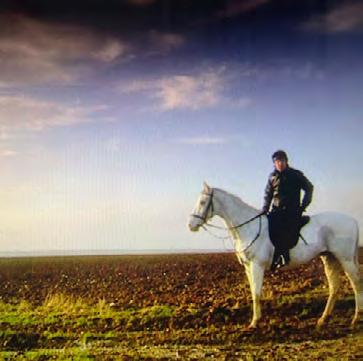
Having been trained from birth only for racing, they need to be retrained before they can lead a useful and productive life elsewhere. In the following piece, Brough Scott movingly expresses the sheer joy, pleasure and mutual companionship he shared with his ex-racehorse, Alphy, for over two decades.
My friend Alphy
by Brough Scott MBE
His real name was Alphard and back in the nineties he won three races, trained by the legendary Henry Cecil. But we called him Alphy, and for 20 years he was the best friend and the best fun I ever had on horseback.
He was actually a very good racehorse. He only ran five times, winning his only race as a two-year-old and his first as a three-year-old, as well as coming fifth at Royal Ascot. He was being touted as a St Leger candidate before his last race, at Goodwood, two months later.
But a tendon injury that day ruled out a racing career, and I picked him up as a now unwanted four-year-old because the owner’s teenage daughter found his sense of humour a bit too much for her. We were pals from the off.
We live near Cranleigh in Surrey, and before rushing off to the excitements of running the Racing Post in Raynes Park, I could whizz him over the Surrey Hills, come trotting back in, hose him down, rug up and put him out in the field with his pal Mully for the rest of the day.
He would have a real think, and sometimes a try, of bucking you off when you first got in the saddle. But in action, he had the easy flowing athletic grace that is the hallmark of the thoroughbred, a swinging featherlight trot and a wonderful effortless canter that could bring a song to the heart.
Other ex-racehorses have done all sorts of amazing things down the years and, at Aintree this August, some 300 of them competed in the UK National Championships before the splendidly named Gentleman At Arms was crowned Supreme Champion. Alphy didn’t do any of that, bar one winning turn with my daughter in the picture. But he did more than that. He was a film star.
True, we only made two movies: one retracing my grandfather’s exploits with the Canadian Cavalry; the other reliving the “Rural Rides” of William Cobbett in the 1820s. But in both cases, it was to him that the camera’s eye was drawn.
He was grey, and as he got older became almost completely and seductively white. He was tall enough, just over 16 hands, but elegant, not massive. He was a sports car with plenty of power but no need for a roaring exhaust.
In fifty years of talking to camera on TV and film, working with Alphy was the only time I have been sure of coming into shot knowing that I could steal the scene. Well, I would not look that hot, but he would.
I remember riding sadly and gently into an Allied cemetery one cold clear evening on the Somme to say something of the terrible events of a century ago, and trotting jovially up Castle Street in Farnham as William Cobbett had 90 years before. In Alphy’s saddle was the only way to do it.
But for me, the films had a deeper bonus. Making them, particularly the one in France, was an intense experience: days when you and your horse were locked into a shared project, performing together in a never-ending series of different scenarios.
Normally, horse and rider are only together for an hour or so a day. Out there, you were a team in and out of the saddle, from place to place, for the whole working day. The relationship deepened. You could sense each other’s moods. You needed each other. I have ridden horses all over the world and raced them at Cheltenham and the Grand National. But this was extra special.
Across the field as I write there is the old oak tree under whose shade he sheltered in summer. On it is a little bronze plaque inscribed with the words, “In memory of Alphy. You were The Best.” Then and always.
Supporting advances in veterinary science
One of our driving principles when we set up Petplan was that every pet owner should always have the best possible treatment for their pet. It naturally followed when we established the Charitable Trust that we should support, where we could, the advancement of veterinary science knowledge.
David Simpson, Hon. Assoc. RCVS CHAIR OF TRUSTEES
... but foremost in our mind when agreeing grants is the question: Will this ultimately advance overall knowledge, but most importantly help your vet treat your animal?
The Trust only funds clinical studies. These, as the name suggest, take data and samples collected specifically as part of the normal treatment of pets. We have rigorous ethical standards and a strict non-invasive policy.
Some of the work inevitably has to go back to basics to unlock some of the answers, but foremost in our mind when agreeing grants is the question: Will this ultimately advance overall knowledge, but most importantly help your vet treat your animal?
The overview and various commentaries that follow demonstrate that we have achieved this. The three case studies, in particular, show how clinical research we have funded has led to practical tools and solutions that every veterinary practice can now use. There were many more we could have included.
A further reflection of the positive impact is that the 13 years of Trust grants on which we are reporting (out of the last 30 years of funding) has facilitated further funding of £12.2 million from other funding bodies.
I would like to highlight one of the most significant decisions we made over 10 years ago – our small pump-priming grants. I am grateful to Ted Chandler, our Scientific Secretary over more than
25 years, for suggesting this initiative, which has now resulted in 272 separate grants. They have the twofold purpose of encouraging a new generation of clinical researchers, as well as giving teams a way to provide a proof of concept, enabling them to secure larger grants. They have been an enormously successful in meeting our aim, as the testimonials from the heads of veterinary schools highlight.
Moving forward, the landscape is exciting, notwithstanding the devastating cutback in funding generally. Most promising is the increasing coming together of human and veterinary medicine. Many universities have now brought these disciplines under the banner of a single life sciences school, and there is a widespread move towards one-health solutions. We ourselves have seen a number of studies where a veterinary initiative has transitioned to human applications, and we fully expect the numbers of such studies to grow.
Finally, I would like to thank our Scientific Secretary Professor Jonathan Elliott and Emma Beriot who assisted him in reaching out to grant recipients and analysing the responses we received.
Introduction
Many clinical specialists aspire to undertake research which directly addresses the questions and challenges they face in dealing with their caseload, specifically so they can advance their clinical practice and improve the outcomes for their patients. Petplan Charitable Trust provides funding schemes which prioritise research that has the potential to advance clinical practice involving companion animals, and is one of the main UK-based funders to which these applied researchers can turn. Both full-grant and pumppriming schemes are in responsive mode, i.e. open to any innovative original research ideas. Importantly, full grants provide sufficient funding to employ research assistants or support PhD students who can undertake the research under the direction of the lead researcher.
THE TRUST
This is imperative for investigators who are clinically active and have limited time to work on the project themselves. These features, together with the breadth of companionanimal species for which funding can be applied, are unique among UK funders. Over the last 30 years, 16 of which I served as Vice Principal for Research and Innovation at the Royal Veterinary College, I have seen many aspiring clinician scientists gain their first grant from the Trust which has kickstarted their careers, enabling them to publish impactful papers, develop important collaborations both nationally and internationally, and establish sustainable programmes of work that attract funding from a variety of sources.
This report demonstrates how valuable PPCT funding has been to the
veterinary companion-animal appliedresearch community. The case studies provide specific examples of the range of impacts the research has led to. In some cases, research outcomes have beneficial implications for human medicine, but unlike some major UK funders this is a welcome additional outcome rather than a requirement of the award of funding. Petplan Charitable Trust has definitely achieved its goals over the last 30 years. For the benefit of companion animals and the health of companionanimal applied clinical research in the UK, long may it continue to do so.
Professor Jonathan Elliott is Professor of Veterinary Clinical Pharmacology at the Royal Veterinary College (RVC).
Professor Jonathan Elliott, MA, VETMB., FRCVS CURRENT SCIENTIFIC SECRETARY TO
This report demonstrates how valuable PPCT funding has been to the veterinary companion-animal applied -research community.
In 1993, I was invited by Petplan to a prestigious opening at the Royal Mews of what was to become the Petplan Charitable Trust. With much regret I was unable to attend, but a few days later I happened to meet Patsy Bloom who, along with David Simpson, was a founder of Petplan. Having heard that the Trust was to offer grants to scientific research and welfare projects, I asked how this was going to work. With some alacrity, Patsy replied, “Could you deal with the scientific side?” And so my relationship with the PPCT started, and continued for 28 years until my retirement.
The committee has always been vigilant about the Trust’s animal welfare policies in ensuring that every study funded meets its ethical standards.
also come from human research which is again a pleasure, emphasising the need and value of one health. It is very clear that the Trust is held in high esteem worldwide.
Of course, our own scientific committee also takes on the process of review, and on rare, but significant, occasions challenges the referees. The committee also holds the final face-to-face interviews with candidates at the last stage of the application process. This has occasionally led to rejection when flaws in method, statistics or epidemiology have been revealed. The committee has always been vigilant about the Trust’s animal welfare policies in ensuring that every study funded meets its ethical standards.
Given the £1.00 donation from all Petplan policies at the inception of the Trust and the burgeoning growth of its pet insurance, it was clear that there would need to be a formal application process for research funding. Further, given the scarcity of research money for companion-animal health studies, competition for funds was likely to be high. A degree of academic professionalism was clearly needed and I asked an eminent small-animal expert, Professor Chris Gaskell of Liverpool University, to help me form a scientific committee, offering him the role of Chairman and volunteering myself as Scientific Secretary. Senior scientists representing the six veterinary schools at that time and also the Animal Health Trust were invited to join as committee members. We were on our way.
At the outset, rules were going to be required. The most pertinent were that no experimental animals were to be used, and all applications needed to be judged by external referees as well as the scientific committee. Also, following discussion with Professor Gaskell, a small proportion of the available finance would be put into pump-priming grants to help young graduates with their first steps into aresearch career and as seed money for more expansive research.
Very quickly, Petplan Charitable Trust took off and full-time secretarial assistance was required. In 2007, we were lucky to find Ms Cath Bourg, BSc, who continues to serve and is the wellloved face of the Trust in academia.
Perhaps understandably, a key feature in the governance of the Trust’s scientific awards was the external referee reports, and there was a concern that obtaining such independent judgements would be problematical. However, it quickly became apparent that an invitation to review scientific applications was seen as a privilege rather than a chore.
Over the years, this process of review has been refined several times and many applications are read and marked by experienced scientists from other continents. Our reviewers
One of the great pleasures of my tenure as scientific secretary has been seeing the development not only of science but also of those who work within it and with the PPCT. Our current Scientific Secretary, Professor Jonathan Elliot, was at an early stage of his research career when the Trust awarded him a grant to investigate feline kidney disease.
Similarly, Lord Sandy Trees, our only and active veterinary peer, was given a grant for work in parasitology many years ago and later served as a Trustee. Professor Chris Proudman, head of the Surrey Veterinary School and Professor Tim Parkin, head of the Bristol Veterinary School, were both scientific committee members, along with Emeritus Professor Keith Thoday. The curricula vitae of our scientific committee would extend to many pages but there is not enough space to mention them all. However, the Trust is extremely thankful for all the help they have given and continue to give in terms of time and expertise.
For my own part, I have had the opportunity to learn new techniques and new science from my peers. It has been hard work sometimes but always enjoyable, and I am extremely grateful to have been part of the Trust.
Ted Chandler
Impact of scientific grants 2007–2019
For the last 30 years, Petplan Charitable Trust (PPCT) has awarded scientific research grants for projects aiming to undertake research which advances veterinary practice and leads to improved animal welfare. Two grant schemes run in parallel, “full project” grants and “pump-priming” grants. A survey was conducted of recipients of grant funding from both these schemes from the period of 2007–2019 inclusively to determine the outcomes and impacts of this funding. This 13-year period was selected as it allowed sufficient time for the scientific outcomes of the funding to have been published and to have had an impact on the field.
Full grant applications
Over this 13-year period 50 full grants were awarded totalling £3.68 million (£736,000 per award) to support research involving dogs, horses and cats.
Full grants per species
Full grants per disease
Equine
Feline
Feline
17.2% Oncology
19.0 % Infectious diseases
13.8% Cardiovascular
19.0 % Infectious diseases
17.2% Oncology
12.1% Allergy & Immunology
12.1% Musculoskeletal
13.8% Cardiovascular
8.6% Eye/Ear/Nose/Throat
6.9% Endocrinology
12.1% Allergy & Immunology
12.1% Musculoskeletal
5.2% Nephrology/Urology
8.6% Eye/Ear/Nose/Throat
6.9% Endocrinology
1.7% Respiratory 1.7% Digestive System 44.4% Canine
1.7% Brain & nervous System
5.2% Nephrology/Urology
1.7% Brain & nervous System
1.7% Respiratory
1.7% Digestive System 44.4% Canine 31.5% Equine
Figure 1 Proportion of full grants awarded by species
Figure 2: Distribution of grants categorised by body system or disease category. The impact of the funding is illustrated by thre case studies involving grants supporting work at academic institutions throughout the UK impacting canine, equine and feline practice
Results of the survey
Questionnaires were sent to the 50 principal investigators awarded grants, and 40 responses were received. These demonstrated a wide range of outcomes which included publishing peer-reviewed papers, establishing early-career scientists and clinicians as researchers and supporting further qualifications.
Papers published
A total of 76 peer-reviewed original research papers were published, an average of 1.9 per project. Half of the papers were published in specialist veterinary journals with the other half being published either in journals applicable to a specific discipline (e.g. microbial genetics) or in more general scientific journals. For example, seven papers were published in Scientific Reports, a member of the Nature group of journals.
This broad range of titles demonstrates the value of this research to both the veterinary profession and the wider scientific community.
The number of citations further indicates the value of the research and its positive contribution to the field.
• Total of peer reviewed original research papers published: 76 (average 1.9 per project).
• Citations received (as of 31 Jan 2024): 1,585 (average 23 per paper).
• Papers receiving 10 or more citations: 43 (57%).
• H-index for the group of papers: 24.
• The top 24 papers for citations received 24 or more citations, each giving an H factor of 24.
People supported
Supporting researcher development
The questionnaires asked investigators about the people supported by the awards. Many of the investigators remarked that the PPCT grant was their first award for clinically applied research and enabled them to become truly established as researchers in their field. This is illustrated by a further 57 grants valued at £10.5 million, reported as having been secured as a result of initial PPCT-funded research.
This broad range of titles demonstrates the research’s value to both the veterinary profession and the wider scientific community.
Supporting collaboration
The respondents reported a total of 110 collaborations that resulted from the 40 grants awarded, many of which were with overseas researchers. Such international collaborations are extremely important for the development of research ideas as most research requires skills and knowledge from several different fields of expertise to solve complex problems.
Supporting higher research qualifications
Investigators were also asked how the funding had helped people in their groups obtain higher degrees:
• 24 people were able to complete their PhDs because of this funding
• 14 Masters projects were completed with the financial support of these grants.
• Many of these graduates, as illustrated in the case studies, have continued in research as postdoctoral or clinical researchers.
Prizes awarded for research
Prizes, commonly awarded when research is presented at international scientific meetings, are a recognition of the quality of the work. The survey found that 110 presentations were made from the 40 grants, resulting in 18 prizes being awarded either to the principal investigator or to a researcher funded by the grant. This is a truly excellent recognition of the science supported by PPCT and the quality of the research.
Pump-priming grants
Questionnaires were also sent to 118 recipients of pump-priming grants between 2007 and 2019, and 70 responses were returned, representing awards totalling £620,000.
Pump-priming grants of up to £10,000 are awarded for projects of 12 months in length and to fund speculative ideas or to assist earlycareer researchers get started. It’s therefore to be expected that some of these awards would not yield positive results. Nevertheless, the majority of those replying to the questionnaire had achieved academic outputs from the grants including:
• Assistance for 15 PhD students (often to add a riskier element to their thesis).
• Funding 11 veterinarians to complete the research element of their specialist training.
• Attracting a further £1.7 million funding across 35% of the awardees.
These results imply that this scheme has worked well and achieved its aims, in many cases kick starting new research and assisting early career veterinarians to pursue their ideas.
Total spread of grants
RABBIT
£55,000
Royal Veterinary College
Animal Health Trust
Edinburgh University Veterinary School
Liverpool University Veterinary School
Cambridge University Veterinary School
Glasgow University Veterinary School
Bristol University Veternary School
Other scientific grant recipients:
Nottingham University School
Surrey University School
Oxford University
Newcastle University
Open University
Northumbria University at Newcastle
Aston University
Cardiff School of Biosceiences
Lincoln
Cranston/Devon
Bell Equine Veterinary Clinic
Medical Detection Dogs
Dublin University
Perugia University
Freie Universitat Berlin
Full references
1. Hezzell, M. J., Boswood, A., Chang, Y. M., Moonarmart, W., et al. (2012) The combined prognostic potential of serum highsensitivity cardiac troponin I and N-terminal pro-B-type natriuretic peptide concentrations in dogs with degenerative mitral valve disease. Journal of Veterinary Internal Medicine. 26(2): 302–11.
2. Menzies-Gow, N. J., Harris, P. A., and Elliott, J. (2017) Prospective cohort study evaluating risk factors for the development of pasture-associated laminitis in the United Kingdom. Equine Veterinary Journal. 49(3): 300–6.
3. Jefferies, R., Morgan, E. R., and Shaw, S. E. (2009) A SYBR green real-time PCR assay for the detection of the nematode Angiostrongylus vasorum in definitive and intermediate hosts. Veterinary Parasitology. 166(1–2): 112–8.
4. Porter, E., Tasker, S., Day, M. J., Harley, R., Kipar, A., Siddell, S. G., and Helps, C. R. (2014) Amino acid changes in the spike protein of feline coronavirus correlate with systemic spread of virus from the intestine and not with feline infectious peritonitis. Veterinary Research. 45(1): 49.
EDUCATION
£313,000
5. Barsby, T., and Guest, D. (2013) Transforming growth factor beta3 promotes tendon differentiation of equine embryoderived stem cells. Tissue Engineering Part A. 19(19–20): 2156–65.
PPCT within the scientific grant landscape
Professor Alexander Trees
The Lord Trees, BVM&S, FRCVS, FMedSci. FRSE, HonFRSE.
The Petplan Charitable Trust (PPCT) has been a very significant funder of clinical research in companion animals (horses, dogs and cats, predominately) to improve practice and welfare. Data for the last 30 years (1994–2023) shows the remarkable impact of this funding in terms of research publications, conference abstracts, knowledge exchange, prizes won and citations for the research.
There is no doubt that the research support provided by the PPCT is hugely valued and extremely important in supporting postgraduate clinical and research training and career development
The value, in all senses of the word, of its contribution – some £10 million pounds – is hugely important to thehealth and welfare of pets, which itself is a matter of great importance to pet keepers in the UK, but which receives minimal funding from public sources and major biomedical charities, such as the research councils, UKRI, the Wellcome Trust or Defra. Our world- class veterinary scientists working on companion animals and mainly based in the veterinary schools are thus reliant on a few pet charities including the PPCT and equine bodies, the latter being partly supported by levies on horse racing. In general, this support,
whilst critical, is dwarfed by the multimillion-pound grants for livestock health and welfare, major epidemic threats and zoonoses, and other areas where it is deemed public money from taxation can be justified.
Yet support for companion-animal health and welfare does have substantial benefits for people. The value of the human/companion animal bond is now well established for both mental and physical health, and the importance of assistance animals, going far beyond the traditional guide dogs for the sight-impaired, is now well recognised.
There is no doubt that the research support provided by the PPCT is hugely valued and extremely important in supporting postgraduate clinical and research training and career development. It also advances clinical practice in companion-animal health, an area in which most vets work and which is highly beneficial to our pet-owning population, yet is not funded by other public sources of veterinary research funding.
Baron Trees is a professor of veterinary parasitology and a crossbench member of the House of Lords.
Testimonials
Since it was established in 1994, the Petplan Charitable Trust has made a hugely positive contribution to the Royal (Dick) School of veterinary Studies. The School has been successfully awarded significant numbers of grants from the Trust over the years, which have helped to support high-quality, impactful research and train the next generation of scientists and vets.
On behalf of the School, I want to express my gratitude and congratulate the Trust on its three decades of tireless work to promote the health and welfare of animals, both in the UK and further afield.
Professor Lisa Boden
HEAD OF R(D)SVS AND DEAN OF VETERINARY MEDICINE, UNIVERSITY OF EDINBURGH
It is impossible to measure the true impact on companion animal health and welfare. But it is safe to say that, without the funding provided by Petplan Charitable Trust, many scientific careers would not have taken off or flourished, and many advances in the treatment of companion animals in the UK and around the world would not have seen the light of day.
Professor Tim Parkin
HEAD, BRISTOL BRISTOL VETERINARY SCHOOL
Undertaking research that generates the knowledge we need to advance clinical practice and enhance the welfare of animals is one of the core objectives for the Royal Veterinary College. The funding we have received from Petplan Charitable Trust over the last 30 years has assisted us majorly in achieving this objective. The Trust is one of the main UK funders of companion animal research – their support has allowed the RVC to have positive impacts on the lives of many pets and to disseminate the knowledge gained to our students and the wider profession. Their generous contributions to the development of our pioneering clinical facilities have also supported the provision of optimal care for our patients. Long may the support of Petplan Charitable Trust continue!
Professor Stuart Reid
PRESIDENT AND PRINCIPAL, ROYAL VETERINARY COLLEGE
It is hard to underestimate the impact that the Petplan Charitable Trust has made to veterinary clinical research at the University of Cambridge, and beyond.
The impact of Petplan funding is more than their direct support of research projects. Their support for research training at the Masters and doctorate level means they have helped launch careers and grow our research capacity for investigating companion animal disease. Academic clinicians, university lecturers and residents, have often used small grants from Petplan to develop their research ideas, enabling them to go on to address questions in their specialism and leading to a lifetime of clinical research.
I would go further and say that, having looked at the CVs of many great veterinary academics and researchers who have gone on to do great things, most of them have Petplan Charitable Trust listed among their funders early in their careers.
Professor Mark Holmes DEAN, CAMBRIDGE UNIVERSITY VETERINARY SCHOOL
The support from Petplan Charitable Trust has not only helped advance veterinary medicine but has also helped individuals participate in meaningful research and develop a fulfilling career as a veterinary academic.
Professor Chris Loughrey HEAD OF SCHOOL, BIODIVERSITY, ONE HEALTH AND VETERINARY MEDICINE
Petplan Charitable Trust has supported numerous individual projects in the School of Veterinary Medicine and Science. In particular, pump-priming grants have enabled new researchers to develop pilot data leading to further grant applications. This type of funding and the research reach that it creates demonstrates the huge impact that the Trust has had upon veterinary research.
Professor Gary England
HEAD OF SCHOOL OF VETERINARY MEDICINE AND SCIENCE, UNIVERSITY OF NOTTINGHAM
Canine case study
Mitral valve disease research at the Royal Veterinary College
Overview
Canine degenerative mitral valve disease (DMVD) is an ageing change which can lead to the valve that prevents blood going back into the left atrium when the left ventricle contracts becoming leaky. Small leaks are often of no consequence but can be heard as a systolic heart murmur when listening with the stethoscope. In some dogs, the leak becomes severe enough to compromise cardiac function, eventually leading to congestive heart failure (with the associated reduced quality of life) and ultimately death, particularly in small-breed dogs, with Cavalier King Charles Spaniels being an extreme example. However, about 80% of dogs with mitral valve murmurs detected in primary care practice do not progress to heart failure.
The problem
Professor Adrian Boswood was awarded a grant from the Trust in 2007 for £92,780. His goal was to identify tests that could predict progression of dogs with DMVD to heart failure leading to their demise. From 2004, Adrian had used primary care clinics in Central London (Blue Cross in Victoria and the Beaumont Sainsbury Animal Hospital in Camden) to recruit cases of DMVD and to follow these longitudinally from the stage when a murmur was detectable but no clinical signs present. He recorded physical examination, echocardiographic and laboratory data and had residual serum and urine samples banked from cases at different stages of their DMVD. The grant funded a PhD student (Melanie
Hezzell) to work under Adrian’s supervision using retrospective longitudinal data and added new cases prospectively to their epidemiological database. Thanks to the support of funders including PPCT, Adrian has been able to continue to build on this research, following dogs through these two centres in London and collecting data in a highly standardised process. He now has 20 years of data. As a result of his work, the veterinary world has a much better understanding of what predicts progression of DMVD to clinical heart failure, how these cases can be best identified in primary care practiceand what interventions slow this progression.
About 80% of dogs with mitral valve murmurs detected in primary care practice do not progress to heart failure.
The design
The grant awarded in 2007 determined that elevated concentrations of a hormone called NT-pro-BNP (a peptide hormone produced by the heart when it is overloaded) and an enlarged left ventricle (measured by echocardiography) were the best predictors that dogs would succumb to their DMVD. They also found that the rate of change of cardiac size over time adds to the prediction of progression of DMVD cases to death from heart disease, whereas cases where cardiac size changed at a much slower rate were much less likely to die of heart failure. These findings were published in five peer-reviewed papers resulting from this award and in Dr Hezzell’s PhD thesis, which she successfully defended in 2012.
Melanie went on to train as a specialist cardiologist at the University of Pennsylvania and is now Associate Professor of Cardiology at Bristol Veterinary School. She still collaborates with Adrian and they are using samples from the RVC’s Mitral Valve Clinic to examine the genetics associated with rapid progression of DMVD.
Having generated data suggesting dogs at risk of death from DMVD could be identified when examined by an expert, Adrian teamed up with an epidemiologist, Professor David Brodbelt at the RVC, to determine whether these results translated to a much larger population of dogs seen in general practice throughout the UK. They received a second grant
for £131,140 in 2012 to fund a second PhD student who worked on data from the Vetcompass® system (www. rvc.ac.uk/vetcompass). Maddy Mattin was appointed to this project, which determined the prevalence of DMVD associated with clinical signs and the prevalence of heart murmurs based on primary care practice records. From these clinical records they were able to identify factors that were predictive of progression and death from DMVD in primary care practice and confirmed the value of plasma NT-pro-BNP, in addition to several routinely measured clinical parameters. These results were published in four full peer-reviewed papers as well as Dr Mattin’s PhD thesis.
The result
As a result of Professor Boswood’s excellent publication record in this field, facilitated by PPCT funding, he has been able to attract the interest of the pharmaceutical industry. His expertise has been called upon in assisting the design of intervention studies to determine whether drugs can slow progression of DMVD, delaying or preventing it reaching a stage where it impacts quality of life (where signs of heart failure are present and progressive). Building on the work of Drs Hezzell and Mattin, Adrian published a paper with a further PhD student funded by Zoetis Animal Health. This research demonstrated the value of combining case history, physical examination and diagnostic information – factors routinely measured in primary care practice – to generate estimates of a patient’s risk of developing progressive disease and cardiac death. This work underpinned the design of the EPIC study, a randomised controlled clinical trial involving
dogs in the asymptomatic stage of DMVD but which were at risk of development of heart failure based on physical examination, laboratory tests (NT-proBNP) and echocardiographic measurements of cardiac dimensions.
The EPIC study was funded by Boehringer Ingelheim and examined the effect of pimobendan treatment in dogs with no overt clinical signs of heart disease but with evidence of cardiac remodelling (stage B2). The trial showed that pimobendan treatment significantly lengthened the time to onset of clinical signs or delayed cardiac death (composite primary endpoint) by 15 months. This means practitioners now have the evidence to determine which dogs with murmurs typical of DMVD would benefit from treatment, and pimobendan is now viewed as the standard of care for dogs with stage B2 DMVD according to the ACVIM consensus statement on this disease.
Funding from PPCT initiated
much of the work that led to the realisation that dogs at risk of progression to death due to heart failure could be identified in primary care clinical practice.
Summary
Enrolment in the EPIC trial was based on echocardiographic measurements made by specialist cardiologists. Adrian and colleagues have gone on, through funding from Boehringer Ingelheim, to identify how stage B2 can be reliably identified in primary care practice based on physical examination findings and laboratory tests such that referral to a specialist to determine risk of progression should not be necessary. This algorithm is being developed into an app which practitioners will be able to use once it is fully validated. Funding from PPCT initiated much of the work that led to the realisation that dogs at risk of progression to death due to heart failure could be identified in primary care clinical practice. This research has certainly given primary care practitioners the tools to identify and treat those dogs with a mitral valve murmur to slow their progression to heart failure and to extend their symptom-free life, thus benefiting canine welfare. Given how common DMVD is, this research is certainly hugely impactful.
Feline case study
Feline infectious peritonitis research at Bristol
University
Overview
Severine Tasker is an infectious disease researcher with expertise in molecular diagnostics and a specialist internal medicine clinician with a real interest in feline infectious diseases. Her research career started with work on mycoplasma diseases of cats. It was natural that, at some point, her attention would turn to trying to unravel the mysteries of the disease syndrome feline infectious peritonitis (FIP) and its relationship with feline coronavirus infection. The disease occurs sporadically with occasional outbreaks in multi-cat households, yet feline coronavirus infection is common.
The problem
In 2010, Severine was funded by the Trust to work on a project entitled ‘Defining nucleotide and protein sequence motifs in coronaviruses associated with feline infectious peritonitis (FIP) to develop FIP-specific diagnostic tests’. This was a three-year project which supported a PhD student
(Emily Porter) to work under Severine’s supervision. The project was highly productive, yielding five original peerreviewed papers published between 2013 and 2017. All of these papers have been well cited (receiving 25 to 68 citations to date). Emily Porter received her PhD in 2014.
The research has been used to inform guidelines issued by the European Advisory Board on Cat Diseases which are invaluable for practitioners struggling to make a diagnosis and advise owners of the prognosis and treatment options.
The design
The research has been used to inform guidelines issued by the European Advisory Board on Cat Diseases (ABCD), on which Severine was invited to serve. Diagnosis of FIP is complicated and requires integration of clinical and laboratory data. The interpretation of laboratory tests needs to be made cautiously and in light of the other clinical data available. Such guidelines are therefore invaluable for practitioners struggling to make a diagnosis and advise owners of the prognosis and treatment options.
The result
As a result of her work, Emily Porter was awarded the European Advisory Board on Cat Diseases (ABCD) & Merial Young Scientist Award (AMYSA) for Feline Research 2015. The main findings of this research project were that:
• samples from cats with feline infectious peritonitis (FIP) contain higher copy numbers of feline coronavirus (FCoV) than similar samples from sick cats without FIP, when detected by reverse-transcriptase quantitative polymerase chain reaction (RT-qPCR).
• the so-called FIP-specific FCoV genetic mutations were found in tissues from sick cats without FIP, suggesting they are associated with systemic FCoV infection in cats with and without FIP, rather than being specific for FIP disease.
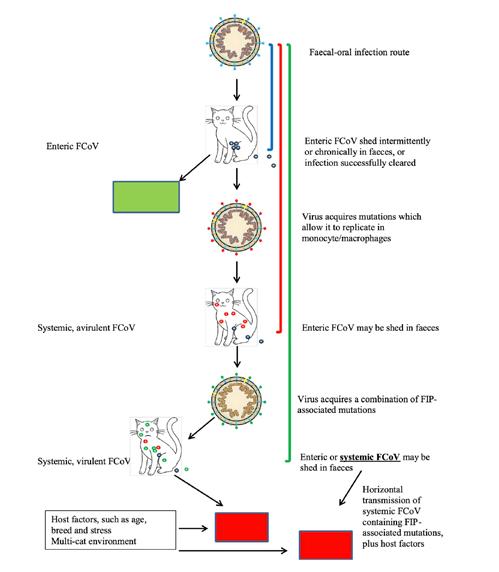
This work, together with previously published findings, gave rise to the model illustrated in Figure 1, which is the currently accepted pathogenesis of FIP.
This highly successful piece of research established the University of Bristol as a leading centre for feline coronavirus research and led to Severine Tasker becoming internationally recognised for her work on FIP. A second PhD project, consumables for which were funded by the Trust followed in 2015, built on the success of the first and established a highly valuable archive of tissues, samples and associated clinical case data which can be interrogated in subsequent research projects.
Figure 1: The proposed model for enzootic and epizootic outbreaks of FIP based on the work done in this project and previously published literature. Blue represents the enteric FCoV, red represents the systemic, avirulent FCoV and green represents the systemic, virulent FCoV
This highly successful piece of research established the University of Bristol as a leading centre for feline coronavirus
Summary
The Bristol archive is currently contributing to research carried out by a multi-institutional team, MASCOT (Mapping Animal Susceptibility to Coronaviruses: Outcomes and Transcriptomics), with funding from multiple sources including Petplan Charitable Trust. The team was established in 2020 by Professor Lucy Davison (Royal Veterinary College) with emergency funding from UK Research and Innovation Ideas to address COVID-19 scheme. The idea was that evaluation of the transcriptomic landscape and genetic susceptibility in extreme responses to veterinary coronaviruses (including FeCoV) would reveal new COVID-19 candidate treatment targets, provide insights into differential human genetic susceptibility to COVID-19 and increase preparedness for delayed COVID-19 complications. The Trust funded continuation of the work of this group led by Professor Davison with a full project grant awarded in 2022, which includes co-investigator Emi Barker from Bristol University (a previous PhD student of Severine Tasker working on haemotropic mycoplasmas). The new project has the ultimate goal of establishing an FIP genetic scoring system.
Equine case study
Overview
In 2017, Professor Kamalan Jeevaratnam was awarded a full grant (£128,827 over two years) entitled ‘Computation electrocardiogram analysis for non-invasive screening of horses at risk for cardiac rhythm abnormalities’. Kamalan, a clinical physiologist and now Head of the University of Surrey Veterinary School, teamed up with expert clinical specialists (Celia Marr and Mark Bowen, from Newmarket Equine Hospital and Nottingham University Veterinary School respectively) and medics with specialist knowledge of human and laboratory animal ECG analysis (Professor Christopher Huang from University of Cambridge).
The problem
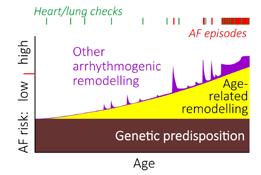
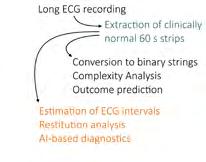
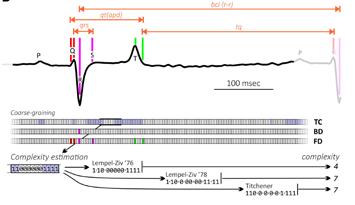
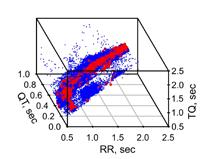
Kamalan proposed to develop a way of predicting the risk of cardiac rhythm abnormalities occurring sporadically in horses based on an exercising electrocardiogram (ECG) even when no arrhythmias occurred during the recording. By deep analysis of several elements of the electrical activity in the heart as it depolarises to contract and repolarises to relax, and comparing horses known to have arrhythmias with those considered to be completely healthy, the features on the exercising ECG that
distinguished normal from those prone to arrhythmias would be determined. Pilot data presented in the application convinced the scientific committee and external reviewers that what was proposed seemed possible. Learning from the knowledge gained in human medicine was feasible due to the collaborations Kamalan had forged with medical researchers. The medics were interested because of what they might learn from studying a supreme mammalian athlete, the horse.
The medics were interested because of what they might learn from studying a supreme mammalian athlete, the horse.
The design
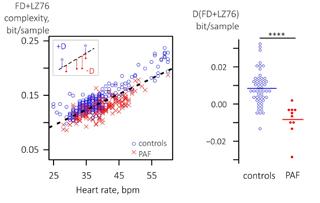
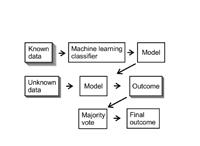
The project proved successful. By using a machine learning classifier, it was possible to identify horses at risk of intermittent arrhythmias from an apparently normal ECG taken during exercise. This project resulted in four peer-reviewed original research papers: two published in a general science journal (Scientific Reports), one published in a specialist physiology journal (Function) and one in a specialist journal on electrocardiography. Working in collaboration with equine researchers at the University of Minnesota, Kamalan was also successful in securing additional funding from the Grayson-Jockey Club Research Foundation. This allowed the study to expand to look at similar incidences in Standardbred racehorses and ventricular rhythm disorders. The research has implications for veterinary practice, because if horses at risk of cardiac arrhythmias can be identified in training, then instances of sudden cardiac death
could be reduced. Translation of the basic science findings to clinical practice requires a large collaborative prospective field study and Kamalan and colleagues won a 3-year project grant (£343,296; 2022-2025) from the Horserace Betting Levy Board to do just that. They plan to develop and refine tools for the racing industry using the findings from the original Petplan Charitable Trust funded research to inform their design and validate them on an international scale. Software developed during the PPCT funded project is being used in a prototype website – ‘Surrey Equine ECG Database & Diagnostics’ [https:// seed.surrey.ac.uk/users/sign_in] which it is expected will be launched after the HBLB-funded trials have concluded. It is anticipated that a 10 to 15 min ECG analysed using these tools will replace the three days of continuous monitoring currently required to detect horses suffering from serious paroxysmal arrhythmias.
If successful, this will allow GPs to identify those patients in urgent need of a referral to a specialist cardiologist.
The impact
The potential impact of this work is not confined to veterinary medicine; the concepts are relevant to human medicine. Sporadic arrhythmias in athletic people can lead to cardiac arrest, with some famous incidents having occurred on the football pitch. The tools Kamalan and colleagues have developed for horses are being adapted and tested for use by primary care researchers in the Surrey and Liverpool areas to predict the risk of these events in human patients with a standard ECG. If successful, this will allow GPs to identify those patients in urgent need of a referral to a specialist cardiologist. Referring only those patients most at risk would enable targeting of NHS resources on those who need them most. Funding to develop this technology for human
use has come from both the Medical Research Council Impact Acceleration Fund and National Health Innovation Research, together with Higher Education Innovation funding invested by the University of Surrey.
The outcome
The post-doctoral research assistant (Dr Alexeenko) trained by working on the project under Kamalan’s supervision has benefited enormously from the experience, both from the basic science perspective and the innovative development of tools for clinical use. He is looking to further develop his independent research career at the University of Surrey as part of a growing research team with excellence in One Health and Equine Welfare. Dr Alexeenko and Professor Jeevaratnam received a Guildford Innovation in Healthcare award in 2019 for this groundbreaking collaborative research.
This project is an excellent example of veterinary and medical collaborative research. By working together and pooling expertise and research findings across species, this One Health approach can lead to outputs and tools that benefit both human and veterinary patients. It seems likely that Kamalan’s project will do just that within the next next three to five years.
Petplan Charitable Trust Scientific Award
This award was created to recognise individual veterinarians who have made an outstanding contribution to the advancement of knowledge. Whilst individually they have had an enormous impact, they would be the first to acknowledge that they owe much to the teams that they lead.
Their research is wide-ranging and includes groundbreaking work on cancer, identifying genetic breed abnormalities, pain management in anaesthesia, equine dentistry and feline infectious peritonitis.