Conservation
Field Guide
TABLE OF CONTENTS
Join us for the 2026
Candidate Conservation Forum
Thurs. Sept. 10 @ 5:30 pm
Schedule:

Candidate meet & greet + apps/drinks @ 5:30 pm
Forum @ 6:00 pm
Location: Teton Science Schools (700 Coyote Canyon Rd., Jackson)
FREE & OPEN TO THE COMMUNITY
ABOUTTHIS FIELDGUIDE
ISSUESAT STAKE IMPORTANT DATES CANDIDATE QUESTIONNAIRE (02) (40) BEYOND VOTING (03) (41) (04) (42)
REGISTER
CONSERVATION FIELD GUIDE
Are you a Teton County resident? Passionate about land, wildlife, and water conservation? Yes. Well then, this is for you.
Use this field guide to learn how and where you can effectively influence local decision-making. Whether you are voting for the first time or have lived here since the advent of the automobile, this guide provides essential info to help you engage in civic life and advocate for conservation.


Inside, you can find key dates, voter registration details, and a clear breakdown of how Teton County local government works. Understand the issues at stake, and take action beyond the ballot box.
Local elections shape land use, wildlife protection, and the future of our community. Small numbers of engaged voters can have a large influence on decisions that shape the future and protect the past.
Civic participation is an ongoing process that strengthens our community and the landscapes & waterways we work to protect.
ISSUES AT STAKE
Decisions made by Town Council and County Commissioners directly shape how land is used, how development occurs, the quality of our water, and how wildlife moves across the landscape.
Policiesthatgovernpubliclands,protectwild places,impactourwaterquality,andguide responsibleplanningdeterminewhether JacksonHolecansustainhealthyecosystems alongsideagrowingcommunity.
In a small community, each vote carries a big impact. A commissioner, mayor, or council member can be elected by just a handful of voters.
These local decisions have lasting impacts on habitat, migration corridors, and the balance between growth and conservation, making civic participation essential to achieving coexistence with wildlife.
JHalliance.org

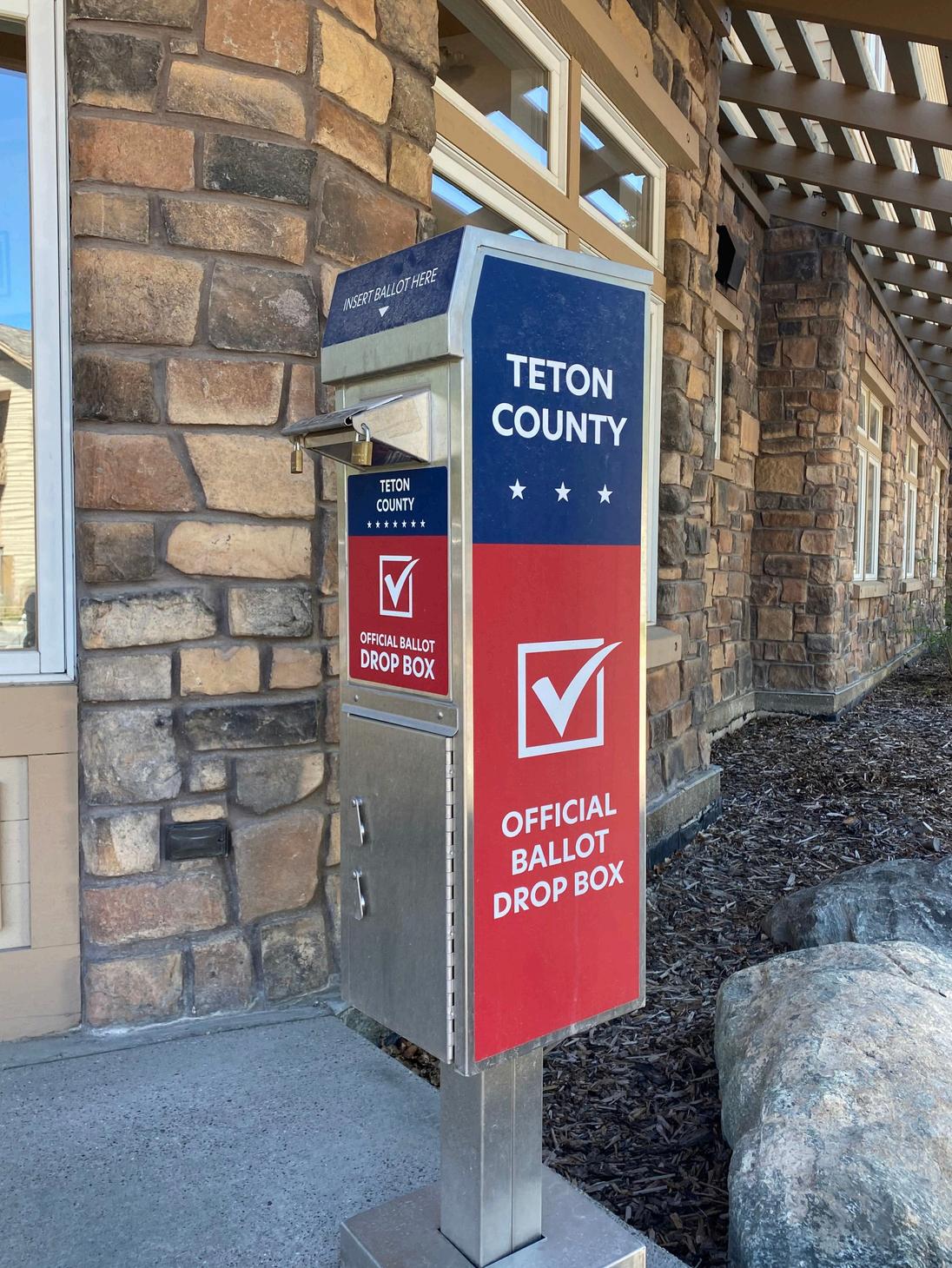
IMPORTANT DATES
Small shifts in voter turnout can significantly influence local outcomes. Your vote counts.
05/13
Deadline for registered voters to declare/change party affiliation to vote in the Primary
05/14-05/29
Candidate filing period
08/03
Voter registration closes for the Primary
08/18
Primary Election
09/10
Candidate Conservation Forum 10/19
Voter registration closes for the General Election 11/03
General Election
Teton County:
House Districts 16, 22, & 23
Senate Districts 16 & 17

Voting precinct maps of Teton County, WY.
2026 CANDIDATE CONSERVATION QUESTIONNAIRE
In early July, each of the 13 candidates for the Jackson Town Council and the Teton County Board of County Commissioners was sent a questionnaire focused on conservation and water quality issues in our community.
We have shared the candidates’ unedited responses here so voters can know where they stand on issues affecting Jackson and Teton County. This is a guide to inform and encourage you to vote however you choose. As 501(c)(3) non-profits, the JHCA and POWJH are nonpartisan and do not endorse or support particular candidates.
In WY, many elections are essentially decided in the Primary Election, yet voter turnout is low. Therefore, our local elections hold a lot of weight, and your vote truly does count. You can make a difference and impact conservation for years to come during this one election.
2026 LOCAL PRIMARY CANDIDATES
Town
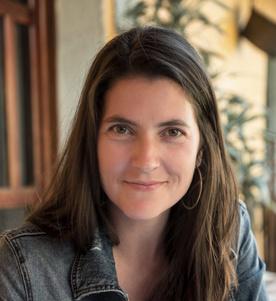
Council Commissioners Commissioners
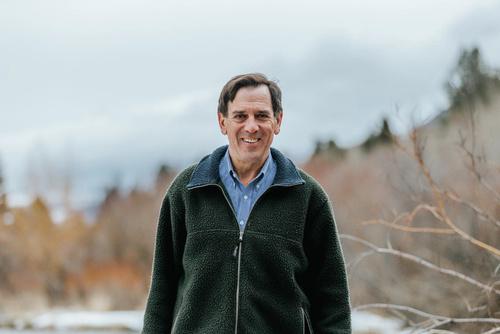
LutherPropst(D)
AlysonSpery
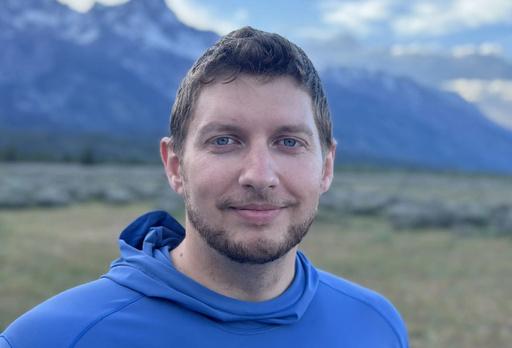
GabeKoerber
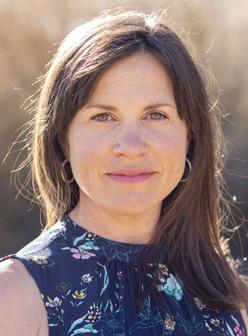
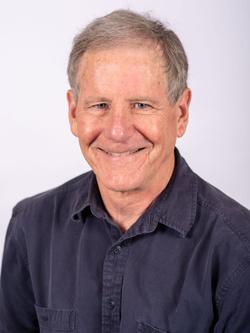
JessicaSellChambers
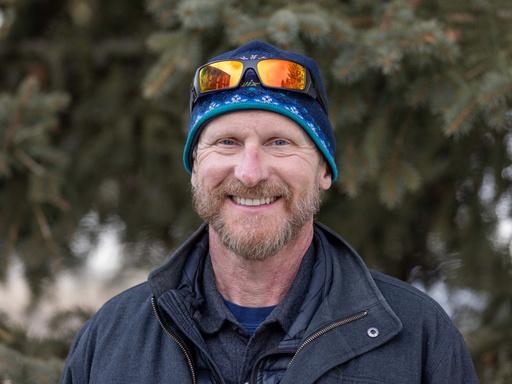
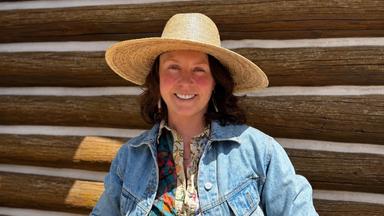
AliDunford(D)

JonathanSchechter

MarkNewcomb(D)
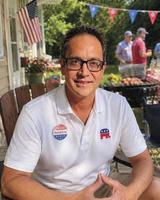
MelchorMoore(R) *noresponses submitted
Dr.BrentBlue(D)

KarynChin(D)

VickyO’Donoghue(R)
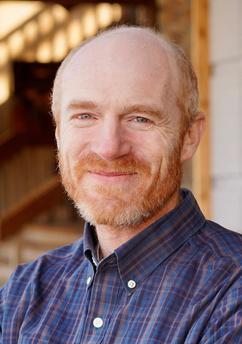
WesGardner(D)
AlexMuromcew(I)
2026 CANDIDATE RESPONSES
1.Futureprivatelanddevelopmentpressuresareinevitable.Whatis yourapproachtoupdatingorimplementingTownorCounty planninginitiatives?Howdoyouplantobalanceprivateland developmentwiththeconservationofournaturalresources?
TownCouncilCandidates
ALYSON: The Comprehensive Plan states that “the Town is the heart of the region”. Jackson is the “heart” of our community. Its liveability and workability determine the vibrancy of our community's culture and commerce. The quality of our development defines the character of and also the characters who live here. The function of our transportation system works like arteries that flow through town. And our natural beauty serves as the soul. As the Town implements planning initiatives, I seek to preserve the heart of Jackson. That requires listening to all sides, understanding the issues thoroughly, and then making decisions that weigh the needs of the community as a whole.
GABE: Development in town limits needs to see a drastic change. Too many projects are coming in, with little regard to how they're changing the town, concentrating too much on investments and returns with no thought to the consequences. Changes of landscapes, traffic, and draws on resources are not worth the tax revenue they bring in. From a town perspective I feel like the best tool would be slowing growth and development especially in terms of short-term rentals and lodging. These commercial operations are a huge draw on our water supply and having additional units come in would hinder our efforts more than they would help them through their tax revenue. We can't drink money.
JESSICA: Any conversation about development here has to start with a fact that makes Teton County unlike almost anywhere else: roughly 97% of our land is federally protected public land. Much of the small remainder is already held in conservation easements or committed to deed-restricted affordable and workforce housing. So we ' re not really debating whether to develop the valley geography settled that. We're deciding how to handle a very thin sliver of private land under enormous pressure. My approach starts from that reality. On that limited developable land, I support housing that does not harm our water, wetlands, or wildlife full stop. Environmental guardrails aren't the obstacle to good planning; they're the point of it.
But I'd be doing you a disservice if I pretended there's a tidy solution. After serving on the council, I know there's no silver bullet for our housing crisis. In fact, as the years have gone on and I served on the council, I'm struggling to see a solution to that. What I do believe is that our current framework — our Comprehensive Plan and Land Development Regulations is quietly making things worse: deepening the wealth divide and, in some cases, cementing that inequality into the land itself for a century. That serves neither conservation nor fairness. So my objective is twofold, and I'd argue the two halves are aligned: protect our natural resources and protect the middle-class families who make this a community rather than a resort. Reforming the LDRs with both goals in mind — instead of treating them as a tradeoff is the honest path forward. It's hard work, but I'd rather do it in the open than keep pretending the current rules serve either the land or the people.
JONATHAN: Before considering my answers to your specific questions, please read my response to Question 9: “Anything else you’d like voters to know?” It provides context for my answers to Questions 1-8. Whenever I consider development issues and/or the Comp Plan, my point of departure is the Comp Plan’s Vision Statement. It’s 21 words long, and its first six words are its essence: "Preserve and protect the area ' s ecosystem..." Its final 15 words are its rationale: "...in order to ensure a healthy environment, community and economy for current and future generations." In short, it says that if Jackson and Teton County take care of our ecosystem, we and future generations will enjoy a healthy environment, community and economy. If we don't, we won't. For a quarter-century, I have spent my professional career studying and trying to bring about this vision. I passionately believe that, ultimately, a community can be no healthier than the ecosystem in which it lies. During my eight years on the town council, this belief has underpinned all of my land use decisions. If I’m reelected, it will continue to do so.
CountyCommissionCandidates
ALEX: The Teton County Comprehensive Plan says it all: "Preserve and protect the area ' s ecosystem in order to ensure a healthy environment, community, and economy for current and future generations." This is the community vision document, which sets priorities for all land use decisions. It is what guides me as a County Planning Commissioner and gives me perspective on how to balance Growth and Conservation. From the Comprehensive Plan, we have a set of rules established in the Land Development Regulations which is our regulatory tool kit; however, State law and the State Constitution have primacy (just to further complicate things!).
the Natural Resources Overlay keep the most critical wildlife habitat and wetlands off-limits to harmful development. We need to accept that developing new hotels and short-term rentals adds pressure on our infrastructure, workforce, and environment in unsustainable ways.
BRENT: Conservation comes first. We can mitigate some development impacts on our environment but some just have to be declined.
KARYN: I would start with the vision already laid out in our Comprehensive Plan, "Community First, Resort Second," and make sure it's not just a nice-sounding slogan. Our policies and decisions need to actually reflect this vision. We need to protect the things that make this place special our water, wildlife, open spaces, and community character. New development should not be allowed to push its costs onto our existing community or the natural resources we all depend on.
LUTHER: The joint Jackson/Teton County Comprehensive Plan is 483 pages. The crux of this guidance document is the vision: to preserve and protect the area ’ s ecosystem. I believe the plan already provides adequate guidance. I am more interested in taking action to realize that vision. My priorities are to protect our wildlife, water quality, and overall ecosystem, while creating a balanced community in which those who make our community have the opportunity to live here. I support amending the Land Development Regulations and otherwise implement the Water Quality Management Plan to better protect water quality and wetlands, better protect wildlife habitat, create a neighborhood plan for the rapid growing areas south of town (e.g. Hoback), and update regulation of rural development.
We also need to rework the Teton County Scenic Preserve Trust and pass another SPET measure for protecting wildlife and environmental quality. We also need to limit new hotels and shortterm rentals, which increase the demand for workers and housing –which in turn both worsens our housing crisis and degrades our community and environmental quality. Over the last eight years, my record has provided clear leadership in forging tangible steps to protect wildlife, restore water quality, and protect our community from out-of-control growth.
ALI: There is talk among the Town and County of updating the Comprehensive Plan; I believe another multi-year process and spending hundreds of thousands of dollars is not necessary. We have a strong Comprehensive Plan and Water Quality Management Plan that we need to take swifter action on. support aligning County planning with the Comprehensive Plan’s core value of ecosystem stewardship, and ensuring our Land Development Regulations and (08)
MARK: My approach to updating and implementing County planning initiatives is through appropriate amendments and updates to the Comprehensive Plan (Comp Plan) a document meant to reflect the community’s vision—and to the County’s Land Development Regulations (LDRs) a document with regulatory authority to implement the community’s vision. In some cases, the Comp Plan does not need updating, but LDRs do. Both processes must include the public, sometimes even more than required. The Comp Plan can only be amended by majority votes of both the Town Council and County Commission. Amendments to County LDRs require a majority vote by County Commissioners. Both processes require important negotiation to discern, to as high a degree as possible, the community benefit derived from an amendment or set of amendments. I plan to balance private development with conservation by voting for amendments and updates to both the Comp Plan and LDRs that strengthen open space, agricultural and habitat protections and against efforts to further develop or subdivide rural spaces. This balancing act may come to a head as the community balances the need to create space for light industrial uses with protecting open space, possibly in and around Hog Island. It may be far-fetched, but it would be worth pursuing a quid pro quo allowing certain industrial uses near the highway in exchange for permanent conservation of wildlife habitat and movement corridors farther away from the highway.
VICKY: Private property rights are important, but development affects more than one piece of land. It also affects neighbors, taxpayers, roads, water, wildlife, emergency services, and the overall character of Teton County. My approach would be to slow down, listen to the people who are directly affected, and make sure we have reliable information before making major decisions. I strongly believe infrastructure should be considered before approving greater density. We need to know whether our roads, water and wastewater systems, public safety services and other essential needs can truly support new development. We also need to look at the combined impact of many projects, not review each one as though it stands alone.
Planning rules should be clear, fair and applied consistently. Residents and applicants should both understand the process and have a meaningful opportunity to be heard. I support protecting critical wildlife habitat, wetlands, waterways and migration corridors whenever possible, and requiring real mitigation when impacts cannot be avoided. Good planning does not mean stopping all development. It means growing responsibly, respecting property rights and protecting the water, wildlife, open space and western character that make Teton County so special.
WES: I was proud to support and improve the Water Protection LDRs that came before us last summer. These new regulations increased the distance of development from a variable setback (often 50-100 feet) to 200 feet from rivers. They also clarified the definition of stream and increased setbacks from wetlands to 50 feet and added language around new septic system requirements. Staff is currently working on a second batch of Water Protection LDRs and updating the Title 9 Small Wastewater Facilities Resolution. As part of that, I hope we consider regulations around maintenance of current septic systems in the County. We will also consider rules regarding man-made ponds and snow storage. The LDRs remain the sharpest tool in our toolbox to discourage development of sensitive ecosystems, and I am proud of our ongoing work to ensure that the letter of our LDRs match the vision of clean water shared by our community.
2.Wehavebeenslowasacommunitytoaddresswaterquality challenges.Wheredoeswaterqualityrankwithinyourtopten priorities(with1beingthehighestpriority)?
TownCouncilCandidates
ALYSON: Clean water sustains life, therefore, it’s paramount.
GABE: 3-4. I feel like the town of Jackson has prioritized housing discussions over all other issues to the point where we can't actually concentrate on keeping the quality of life maintained for those already here. There is obviously a struggle for housing, but there are 10,800 people in this town whom we owe to provide services and a quality of life that I feel has been neglected. It's time to start prioritizing matters for those who are here.
JESSICA: Water is life — it's hard to rank something everything else depends on. But I'll answer directly rather than dodge: water quality sits in my top three. I don't treat water quality as a standalone item on a list, because it isn't one. It's the direct downstream result of the decisions I care most about — how we handle land development and how we manage our budget. Every choice about density, wastewater, and what we permit on our recharge areas is a waterquality decision, whether we label it that way or not. So when I say land use is my top priority, protecting our water is built into that, not competing with it.
I'd also be honest about why we ' ve been slow as a community: it's easy to rank water quality highly on a questionnaire and then let it slip behind louder issues once you ' re in the room. My commitment is to keep it in the top tier in practice in the budget, in our Land Development Regulations, and in what actually gets funded and measured not just on a survey.
JONATHAN: Members of the town council have two fundamental responsibilities:
We are fiduciaries of the public’s money and other assets; We are stewards of the community for current and future generations.
All of my priorities flow from these two responsibilities.
Water quality is critical to my stewardship responsibilities. The fact that Flat Creek is impaired is not acceptable, and during my time in office I’ve worked with my colleagues to address the multiple reasons underlying that problem. If I’m reelected, I will continue that effort.
The town’s wastewater treatment plant is also critical to my stewardship responsibilities. The town needs to work with the county government and the community at large to ensure that the plant is both operating at the highest level and has the capacity to handle wastewater not just from the town, but from large and growing portions of the unincorporated county.
All of this has to be done, though, within the context of my fiduciary responsibilities. For all of Jackson Hole’s wealth, the town is distressingly constrained in the amount of revenue it can generate, both in general and for major capital projects. To achieve our stewardship goals within the constraints of our fiduciary realities will require a great deal of hard and creative work.
CountyCommissionCandidates
ALEX: Number 2 behind housing. It is very disappointing that the Town and County have kicked this can down the road for so long. Yes, the solutions are complex and expensive, but we are the Headwaters of the Snake River and pride ourselves on our ecosystem. We need to walk the walk and tackle this multi-faceted problem now.
ALI: Water quality is a top priority, full stop. However, the water quality challenges we face are symptoms of unsustainable growth patterns, and I don't want us to miss the forest for the trees. My focus is on addressing the system dynamics causing the cascade of environmental and social impacts we ' re experiencing. The Water Quality Management Plan is robust and gives us a clear roadmap. We're making good progress so far, and need to keep going in earnest.
BRENT: Water quality is number 2 behind a safe community.
KARYN: Stewarding our natural resources, including water, is one of my top three priorities. Clean water is fundamental to our health, our wildlife, our economy, and our quality of life. We have been too slow to address some of the challenges we already know are coming, and I don't want us to wait for a crisis before we act. Protecting our water means making smart decisions about development and investing in updating aging infrastructure. If we get serious about water, we can protect our rivers, lakes, and groundwater for the long term.
LUTHER: Water quality has been a top priority snice I was first elected. I have worked consistently to adopt the new Water Quality Management Plan, pass a $10 million water quality SPET measure, fund strategic extensions of our wastewater collection system, update our Land Development Regulations that improve water quality, and consistently stand against approving improperly sited septic tanks (or small wastewater facilities). If re-elected, I will continue to lead over the next four years to address our water quality challenges.
MARK: Water quality is a top priority. If elected, I will lobby for it to remain a so-called “strategic initiative” for at least the next two years. Protecting water quality requires thoughtful implementation of land development regulations that protect water quality while not discouraging uses that protect open space such as agriculture. We added surface water protections, though not the end-all-be-all of protections, when we implemented the new tiered natural resource overlay larger setbacks for wetlands, streams and ponds. It will take time to reap benefits from those changes. Small wastewater facility regulations can be updated to incentivize the use of more advanced wastewater systems and require or incentivize monitoring. Extending sewer lines to more of the county will better protect groundwater. This is expensive sewer infrastructure runs in the millions for even a single improvement service district, and coordinating with the Town for use of their plant and with multiple independent districts is complicated. I support our direction in the fiscal year 2027 budget to pursue “regionalization” that would improve County-Town-ISD coordination, improve funding for infrastructure and maintenance and more efficiently deploy resources.
VICKY: I would rank water quality as my second-highest priority, immediately following public safety. In my view, clean water is public safety. It affects our families, homes, wildlife, businesses and the long-term health of our entire community.
What concerns me is how long we have been talking about these problems. Teton County had a water-quality plan as far back as 1978, and our wastewater treatment plant dates back to 1979. We also have more than 2,000 septic systems throughout the county. These are not new concerns, and we cannot continue studying them without moving forward on real solutions.
The voters approved $10 million in Water Quality SPET funding in 2022. I want the public to clearly understand how much of that money has been collected, where it has been committed, what remains available and when the promised projects will actually be completed.
I am especially concerned about aging wastewater infrastructure, leaking or poorly functioning septic systems, groundwater contamination and whether infrastructure is keeping pace with development. We now have a Water Quality Management Plan. The next step must be action: set priorities, establish timelines, assign responsibility and publicly report progress. We have talked about water quality for many years. It is time to show the community measurable results.
WES: Protecting our water quality is one of my top three priorities. I’ll admit that the last four years have been frustrating as the County has struggled to execute on the vision of the Water Quality Management Plan, but I am proud that the 2025 Water Quality LDRs represent a good start to ensure that our regulations match our commitments to protecting our water. We are poised to follow those up with more Water Protection regulations in 2026.
I am proud of the work that we are just beginning that will remove hundreds of septic systems from the floodplain. The County recently allocated nearly $6M to support sewer connections in Wilson, on North 89, and along the Munger line. We are poised to eliminate hundreds of septic systems from the floodplain over the next few years.
3.RecentdevelopmenttrendsinJacksonincludemultiplelot aggregations,large-scalehotels,high-endcondominiums,and debatesaboutmitigatingimpactsontraffic,parking,housing,and groundwater,amongothers.What,ifany,changesdoyouthink shouldbemadetoensureastabletouristeconomy,providehousing forourcommunity,andimprovetrafficcongestion,allwhile protectingourwildlifeandnaturalresources?
TownCouncilCandidates
ALYSON: Continued development in Jackson may boost our economy, but it could also strain our infrastructure and our natural resources. I look at every development proposal holistically to assess the impacts on our community’s most pressing issues; groundwater, traffic, parking, and housing. I voted against the buried hotel in downtown Jackson because I considered the impact detrimental to our town’s infrastructure.
GABE: I will be honest that I'm still trying to form an opinion on the best approach, and we all know what opinions are like. What I can say is that what is currently in place is contributing to the erosion of Jackson as we know it, so we need to try something different. Does this mean capping certain types of development, or incentivizing practices that help our runoff, drainage, pollutant reduction? We have to have this discussion.
JESSICA: The through-line in all of this tourist economy, housing, traffic, groundwater, wildlife is that they're symptoms of one cause: a planning framework that no longer fits the community we ' ve become. So that's where I'd focus. At the neighborhood scale, I'd start by restoring our residential zones closer to their original character walking back the high density we ' ve layered into zones like NH-1, where current rules can allow something like sixteen units on two aggregated lots. I'd also make room for limited, thoughtful mixed-use in neighborhoods a small market, a childcare space, a resident-serving business within walking distance, with affordable housing above.
It's a nod to the shopkeeper's-quarters model of an earlier Jackson, and it does several things at once: it removes car trips for small errands, and it actually pencils as a way to build more affordable housing.
On large-scale hotels, luxury short-term rentals, and high-end condos, the community has been clear it doesn't want more projects in the mold of the Mogul gateway hotels or Cache and Pearl. I've pushed the council to take that seriously, and I'll keep pushing.
But the honest answer comes back to two documents: our Comprehensive Plan and the Land Development Regulations that implement it. Our current Comp Plan dates to 2012 and carries forward a vision first drawn in 1994. Planning choices play out over ten to fifteen years, which means we ' re living with the consequences of assumptions made a generation ago and the LDRs meant to carry the plan out have been neglected even longer. The plan is written to preserve and protect this ecosystem, yet the results speak for themselves: the traffic, the water problems, the housing crisis are what those rules produced. I don't know a single resident who'd say this is the community we set out to build.
I'm not a professional planner, and I don't think elected officials should pretend to be. The job is to identify the problem clearly and bring in people who genuinely have the expertise — organizations like Planners Network and others who do this for a living to help us reassess and redesign for the next fifteen years, instead of quadrupling down on a plan built for a different era. Identifying problems and sourcing real solutions — that's the job.
JONATHAN: In many ways, Jackson Hole is special, but not unique. For example, every desirable place to live on Earth is facing the same basic suite of huge and growing challenges, including affordable housing, traffic, and income inequality. No place has figured out how to address them, and we ’ re no exception.
In one way, though, Jackson Hole is unique. To the best of my knowledge, of all the places on Earth, only the greater Jackson Hole region has both a successful contemporary economy AND a fully functioning ecosystem.
In pursuit of economic growth, communities worldwide have sacrificed the health of their ecosystems. But not us – we still have our intact, fully-functioning ecosystem. Unfortunately, though, there’s no blueprint for keeping our ecosystem intact and fully-functioning. Bottom line? No only do we have to figure out how to address the suite of problems facing every other desirable place to live, we also have to figure out how to do something no other place has ever done: Preserve and protect our ecosystem.
To make the challenge richer still, we have to do all this under the legal and financial constraints placed on local government by Wyoming, America’s most libertarian state.
In short, Jackson is a 21st century community with a 20th century operating system. If we are to successfully address the challenges facing us, we must start by recognizing that the tools we have and approaches we ’ ve taken are outdated; simply not appropriate for our current and future challenges. In my eight years in office, I’ve focused on creating a 21st century operating system for our 21st century community. I'm running again to finish that job.
CountyCommissionCandidates
ALEX: Growth is inevitable, but I think many people in Teton County are dismayed by the speed of growth in recent years and by the scale of current and proposed developments in Town. I would like to see the pace of growth slow. I think there are serious flaws in our LDR's (especially in Town) that incentivize large lot development over smaller development that is more compatible with the current scale of Town. I think we need to review the development regulations around new hotels and to re-examine the lodging overlay. We need to take a longer term view of development and monitor the cumulative effects of development and growth otherwise we will face degradation of our natural resources and community by a thousand cuts.
ALI: Our tourism economy is thriving; our focus should be on stewarding the visitor experience and managing the externalities of our economy, not growing volume. Workforce housing shortages, traffic, waste, emissions, wildlife impacts, and water quality degradation are all symptoms of the growth this region has experienced in the last few decades. By many metrics, we ’ re beyond a sustainable footprint. I'm committed to limiting unsustainable growth that pushes harm onto our community and ecosystem. Where possible, we should limit new hotel and short-term rental development and tie any lot aggregation or added density to genuine public benefit.
BRENT: We need to limit the size of projects as the town has done. We also need high occupancy lanes in order to encourage mass and carpool traffic. There is no other way.
KARYN: We need to actually deliver what we were promised in the Comprehensive Plan – "Community First, Resort Second." Since adopting this vision in 2012, development and economic growth has delivered exactly the opposite. Teton County is an attractive place to visit. We don't need an advertising campaign to convince anyone of that. What we need to focus on are the hardworking people who keep our community healthy, safe, and resilient. We need more housing that working people can actually afford, better transportation options, and an honest look at how new development is impacting our water, wildlife, and quality of life. We need leaders who are willing to stand up and demand that any future growth should bear the burden of its costs to our community.
LUTHER: My record shows that I consistently stand against unsustainable growth, and I am willing to push back on false narratives from developers. These concerns are core to my being, which is why I co-edited (with Robert Frodeman and Evelyn Brister) of a book entitled A Watershed Moment: The American West in the Age of Limits (University of Utah Press, 2024). I contributed a chapter to the collection on limits to growth in the Tetons.
My top priorities are limiting unsustainable growth while housing the people who already live and work in the community, rather than continuing to create more jobs than opportunities for housing. Simply put, we must recognize the limits to growth in an isolated mountain community and put a stop to displacing working people to build luxury short-term rentals and other development.
MARK: We must examine the sources of job growth. And current LDRs are too permissive around large buildings. There is a link between the two job growth and building size. Town development regulations could be modified to reduce the bulk, scale and density of development in East Jackson and the Town Core. County development regulations could be modified to reduce the bulk and scale of houses on rural, large lots. The Travel and Tourism Board, the Chamber of Commerce and the many private business who advertise do a more than adequate job of advertising our place to ensure stable visitation. While the County can’t interfere in private businesses, we can lead as an employer of choice by paying a living wage to incentivize private employers to also pay a living wage, bolstering a workforce that is truly a foundation of the community.
Housing poses a challenge. The textbook solution to a housing shortage is to build more housing. That poses challenges in Teton County. If the housing is not restricted to the local workforce, it only attracts more high-worth residents from outside the community who demand more services creating yet more jobs. But even deed restricted housing that benefits the local workforce must balance size and density with impacts on neighborhood character. Here, going gangbusters on housing supply, is not the way to address the housing shortage. Addressing job growth while building deed restricted housing in and on the edge of town, keeping it out of rural areas, is a balanced way to balance community vitality with ecosystem protection.
VICKY: Teton County needs to look at the full impact of development, not just one project or one parcel at a time. Large hotels, luxury condominiums and multiple lot combinations can add traffic, increase water and wastewater demands, create more employee housing needs and place additional pressure on wildlife and natural resources.
Before approving major development, we should know whether our roads, parking, water systems, wastewater systems, emergency services and housing can support it. Those questions should be answered before approval, not after the problems appear. We have studied transportation, housing and growth for many years. At some point, studies must lead to clear decisions and measurable action.
Tourism is important to our economy, but people come here because of our wildlife, open spaces and western character. If we overbuild and overwhelm our infrastructure, we risk damaging the very things that make Teton County special.
I support housing for people who live and work here, but housing policies should be practical, fair and carefully planned. Growth, transportation, housing and conservation cannot be treated as separate issues. They are all connected, and we need to consider the long-term effects on residents, taxpayers and future generations.
WES: When I was eleven, I remember seeing the Tetons for the first time. During that visit, I kept asking my dad, “Why is it we don’t live here?” While I never convinced my Dad to relocate, I moved here as soon as I was able. I built my business here, Teton Toys. I met my wife here. We started our family here. There is no looking back from my first view of the Tetons.
Protecting the natural world all around us is essential. It is never easy to achieve a balance between environment and business, but when we strive to find solutions to the problem, and keep track of the big picture, we make better decisions as a community.
I’m proud of the work we have done in the last four years. We’ve improved environmental LDRs, increasing water setbacks, and we are set to add new regulations this fall for existing septic systems. The County has taken the lead to encourage new sewer connections along the Munger line, on North 89, and in Wilson. We are going to have to work together with the Town to complete as many connections as possible and to envision the next generation of treatment.
Cumulative impacts are real- we must beware of death by a thousand cuts. We need to keep track of the forest, not just the trees. Speaking of trees, nothing keeps me up at night more than the threat of wildfire. My conversations with Fire Chief Moyer continually focus on what we are doing to mitigate our fire danger in the valley. I also lobbied in Cheyenne for additional funding dedicated to reducing fuels in critical areas. When we take care of our environment, it takes care of us in so many ways.
4.WhatroleshouldtheTownorCountybudgetplayinaddressing waterqualityandinfrastructureissuesinourcommunity,suchas outdatedorfailingwastewatersystems?Whatfundingmechanisms, ifany,doyousupporttoaddresstheseinfrastructureneeds?Dowe needtoraisemorefunds?Ifso,bywhatmeans?
TownCouncilCandidates
ALYSON: The budget is key to dealing with water quality issues: waste water and potable water. The budget should work in coordination with our plans to fulfill our programs. In the last year, the Council made the difficult decision of increasing water rates. It's always a hard choice to make things more expensive for residents. No one wants to see their costs increase, but the reality is that the Town of Jackson had the cheapest water rates in the state. We need to cover our operational expenses and build our reserves for future capital projects. The Town is systematically improving water quality through our efforts year after year. We will continue to budget for the replacement of outdated equipment and infrastructure.
GABE: Water is a basic need for citizens in the Town of Jackson, and it needs to be prioritized as such in the budget. There has to be other areas we can divert funds from to make sure this necessity is provided to everyone here.
JESSICA: Start with the role, because it isn't optional: providing for the health and safety of residents is a foundational, statutory duty of local government, and clean water and functioning wastewater infrastructure sit squarely inside it. The budget's job here isn't discretionary it's core.
On mechanisms, day-to-day water and sewer operations are, and should be, funded through dedicated utility funds supported by user rates, so cost tracks actual use. For larger capital projects, we have better tools than simply reaching into residents' pockets.
The Town contracts with Sustainable Strategies DC, a firm that specializes in helping communities win competitive federal grants that relationship has returned millions of dollars on a modest investment, and I'd protect and expand it. We should also be aggressively using low-interest State Revolving Fund loans for wastewater work, and partnering with well-resourced groups like Protect Our Water Jackson Hole and other conservation nonprofits that bring both funding and expertise to specific projects. This work rewards collective action, not going it alone.
Do we need to raise more? My answer: not before we prove we ' re spending what we already have well. People here are already being taxed out of town, and I won't ask them for more on the assumption that our current spending is efficient because I'm not convinced it is. That's why I'll continue to push hard to bring real municipalfinance expertise into Town operations, so a professional is actually reviewing our budgets for efficiency. That alone would likely free up savings. Where genuinely new revenue is needed, I favor mechanisms that don't land hardest on locals — the voter-approved SPET, which also captures spending from the millions of visitors who use our infrastructure before anything resembling a property-tax increase on the people who live here. The people need to decide if they're willing to tax themselves before we do.
JONATHAN: My starting point is my personal goal for Jackson Hole’s water quality: The water that flows into the Palisades Reservoir should be as pure as the water going into Jackson Lake. In other words, in my ideal world, Jackson Hole's water use would “leave no trace.”
Currently, the Town of Jackson falls short of that goal: Flat Creek is impaired. So does broader Jackson Hole: While the wastewater treatment plant's effluent exceeds state water quality regulations, the water downstream from the plant is not as pure as the water going into Jackson Lake.
This points to a larger reality: While my ideal is unattainable, we can and must take constant strides towards it. Doing so means addressing certain things the Town of Jackson can control; e.g., how we deal with stormwater and wastewater. Other things the town can somewhat influence; e.g., who can connect to the town’s wastewater plant. Still others are entirely beyond the reach of town government; e.g., how wastewater is handled in the unincorporated county, especially in the areas far from existing sewer lines.
All these and more are issues the town, county, and citizens’ groups are currently trying to address. Local government has to continue playing an active role, including exploring financing mechanisms available only to public entities.
I don't know the specific amounts needed nor tools we should use. I do know, though, that while elected officials can’t lose sight of our fiduciary responsibilities, if reelected I will continue my eight years of supporting the community-wide quest for the purest possible water.
CountyCommissionCandidates
ALEX: Update the Land Developments Regulations in Town and County! Water quality and infrastructure have never been a priority. That has to change. Pass legislation to mandate inspection of septic systems when a house sells. We passed a small SPET to start to address water quality. We need another with the majority of the funds going to upgrading the Town waste water treatment plant south of Town.
ALI: The County should treat water quality management as a core service and create an ongoing, dedicated budget item for capital projects, infrastructure maintenance, and helping homeowners connect to sewer lines. I support sales tax tools like SPET and other visitor-facing revenue so tourists help pay for the infrastructure they rely on. I support working with the state legislature to expand the definition of "Visitor Impact Services" in our lodging tax to include infrastructure costs. I support seeking state and federal funds for capital and infrastructure projects wherever possible.
BRENT: A failed septic system is a health hazard and is the responsiblity of the owners. The County's has the responsibility to perform the inspections and insure the remediation of the systems. All new building should be required to hook up to a sewer system if available and place a deposit for that hook up for one in the future if there is not current avaiability.
KARYN: Right now, many of us take for granted that the water we drink from our tap and swim in with our families is clean and safe. Our aging infrastructure is putting that at risk. Protecting our water, from headwaters to treatment plant, should be among our highest priorities. We should use the resources we have wisely, pursue state and federal funding, and make sure new development and visitation pays its fair share of the costs it creates, instead of asking yearround residents to keep paying more.
LUTHER: Water quality and environmental quality overall is core to the success of our community. The budget is the county’s most significant policy tool. So it is essential that the budget place a high priority on protecting and restoring water quality, protecting wildlife and open lands, providing adequate infrastructure, and ensuring that first responders and other critical workers can live in our community, rather than commute from distant communities.
The county should use the full range of funding tools to fund the Water Quality Management Plan and other essential infrastructure. These include:
annual allocation from the general fund; Special Purpose Excess Tax (SPET) revenue, e.g. putting another SPET measure on the ballot in 2028; partnering with Teton Conservation District (by the way, please note in November to renew their funding) and the non-profit community to secure philanthropic support; working closely with state legislators to seek state funds and with the Wyoming Congressional delegation to seek federal funds; and if necessary, either a revenue bond or general obligation bond as needed to upgrade and expand the city’s wastewater treatment plant and sewer collection system.
MARK: The County budget plays an important role in addressing water quality. Water quality should be a similar priority in the budget to county road and pathway infrastructure, facility maintenance, living wages, and employee housing.
If the Town Council and County Commissioners put a measure on the ballot to change one penny of specific purpose sales tax (SPET) to one penny of general sales tax, voters would hold the keys to sufficient revenue to protect water quality. A general penny could bring in around $8 million annually to the county for all the above priorities, including water quality. It would also buffer against property tax increases. I would support this change. If we don’t as a community implement that change, then we should ask voters to approve an extension of the current 7th penny of SPET for water quality infrastructure needs.
VICKY: Water quality and essential infrastructure should be among the County’s most basic responsibilities. These concerns have been discussed for years, and I do not believe we should continue approving growth while postponing the systems needed to support it.
In 2022, voters approved $10 million in Water Quality SPET funding. Before asking taxpayers for additional money, the County should clearly explain how much of that funding has been collected, how much has been committed, what has actually been spent and when the remaining projects will be completed.
Water and wastewater infrastructure should not be treated as an afterthought. It should be planned and funded before major development creates even greater demands on outdated or inadequate systems.
I support using the dedicated SPET funds responsibly, pursuing state and federal grants, and requiring new development to pay a fair share of the infrastructure demands it creates. I would also review existing budgets and priorities before considering any new tax or fee.
If more funding is eventually needed, the public should receive a clear explanation of the project, its total cost, the money already available and the reason additional revenue is necessary. Taxpayers should not be asked to pay more until they can see that the funding they already approved has been used carefully, transparently and effectively.
WES: On the last SPET ballot, the community approved $10M dedicated to Water Quality projects. This initiative passed with over 85% community support, the highest ever recorded, highlighting the fact that protecting water quality is a top community priority. Full implementation of the measures suggested in the Water Quality Management Plan will likely run close to $150M, so funding must be a priority.
We must develop a multi-pronged approach to funding Water Quality Projects. Given the overwhelming success of the last SPET initiative, we should revisit that well in 2028. Further, the Town and County need to start saving for an eventual replacement of the lagoon treatment system. Finally, I support the development of a significant revolving fund whereby applicants could receive low-interest loans to finance their water and sewer projects.
I continue to push the County to develop predictable mechanisms that prioritize projects, stretch our local dollars, and create accountability for the allocation of local funding.
Dozens of Water and Sewer Boards inhabit our watershed. Many suggest that regionalization (bringing all these districts into one large whole) will solve our governance and funding issues. Two years ago I joined my local water board. This experience has exposed me to the challenges that regionalization will have to overcome. Each district has its own board, set of priorities, rate schedule, property tax assessment, cash in reserve, debt obligation, and culture. Coalescing these diverse districts into one whole will be no easy task. Although I will keep an open mind to the concept of regionalization, my focus remains on encouraging more sewer connections and dramatically reducing the number of septic systems in the floodplain.

5.GrandTargheeResortisproposinganexpansionontoUSForest ServicelandinTetonCounty,WY.Whatrole,ifany,doyouthinkthe TownofJacksonandTetonCounty,WYshouldplaytoensurethis proposedexpansionalignswithourComprehensivePlan?
TownCouncilCandidates
ALYSON: I believe the Town plays an oversight role and will review Grand Targhee’s proposal before it is finalized.
GABE: All I can say is I hope that Targhee and Alta has watched how Jackson has grown and changed and learn from certain choices we ' ve made to make sure they choose a smoother path.
JESSICA: I'll be direct: I'm not sure "aligning with our Comp Plan as written" is the right test not because I don't value the plan, but because I value what it was meant to do.Our Comp Plan is a beloved document, and its aims are right: preserving and protecting this ecosystem. But it's been failing us on results, not intentions. Its guiding framework traces back to the 1990s, and the 2012 update changed the language more than the outcomes. Worse, as written it's subjective enough to be cherry-picked read to justify almost any decision someone wants to make, which is the opposite of how it was meant to work.
There was a real debate when Jackson set out to build this plan. Back in 1990, Luther Propst now our County Commissioner, then a planning expert with the Conservation Foundation warned that it's "unfortunate when so many plans consist principally of goals and policies that can be interpreted to support virtually any decision," and insisted a plan must be "specific enough that it provides some real guidance." At the same time, Planning Commissioner Kelly Lockhart cautioned that ours had become "too subjective" "regulatory as opposed to planning-oriented," with goals that were " a wish list." Both were right.
Thirty-five years later, we ' re the proof: the plan is still vague enough to be cherry-picked to bless or block almost anything we want.
So when we ask whether the Targhee expansion "aligns" with it, we have to be honest that the plan can be read to bless or block nearly anything. That's why my test is the plan's actual objective, not its loopholes: does this expansion harm the Town, its residents, their quality of life, and the wildlife and ecosystem that quality of life depends on? That's what I'd hold it to. I take these documents seriously when I served, I kept hard copies of both the Comp Plan and its essential counterpart, the Integrated Transportation Plan, on my desk as a constant reminder of the goals we'd committed to. (When I left office, I gifted them to Councilman Schechter so I'll be making new copies for this next term!) I'd encourage every resident to read them; most never have.
Jurisdiction also matters: this is a U.S. Forest Service decision on federal land, and the Service has already moved toward approving a roughly 694-acre expansion. The Town of Jackson holds no formal authority over it, and the County's role is largely as a cooperating and commenting party. But limited formal power is no reason for silence. Both should participate fully submitting substantive comments, coordinating with our neighbors in Teton County, Idaho, and insisting that the real impacts on traffic, water, and wildlife are studied and disclosed, not glossed over.
Whatever happens, there will be unintended consequences. My job is to identify as many as we can before the decision is final whether we ' re measuring against today's flawed plan or the honest, revised one this community is long overdue for.
JONATHAN: Because Grand Targhee is in the unincorporated county, the Town of Jackson has no formal role in decision-making around the proposed expansion. Should the county commission or another body ask for town involvement, the council would consider doing so (as we do with all extra-jurisdictional requests).
CountyCommissionCandidates
ALEX: Grand Targhee is part of Teton County so any development there should align with the Comprehensive Plan and the Land Development Regulations. We need to be vocal with the Forest Service about how any expansion will affect both Teton Counties. Expansion of Grand Targhee affects not only the ecosystem but places a large demands on roads, traffic, housing and public safety.
ALI: The County should continue to advocate for decisions consistent with the values of our Comprehensive Plan: ecosystem stewardship, growth management, and quality of life. Teton County should continue to act as a formal cooperating agency with the Forest Service and continue to advocate at the federal level for decisions that abide by the National Environmental Policy Act.
BRENT: GTR is in Teton County and should comply with the CP. I do think there are compromises which will benifit GTR but mitigrate enviromental impact.
KARYN: The Grand Targhee expansion proposal is one of the greatest opportunities our region has right now to get the balance right between protecting public lands and allowing private development. I am very appreciative of the recent comments from Wyoming Game and Fish as well as both the Idaho and Wyoming Teton County commissioners, because they reinforce the fundamental importance of our public lands.
The County must have a seat at the table and make sure our Comprehensive Plan and our community’s priorities are part of the conversation. That means taking a hard look at wildlife habitat and migration, water, traffic, housing, and the economic impacts this kind of expansion will have on the people and communities that surround us. I support working with our regional partners, neighbors, and agencies on both sides of the state line to ensure local voices are heard, that our resources are stewarded with care, and that any decisions we make enhance our public lands legacy far into the future.
LUTHER: I’ve worked diligently to promote our community’s concerns in the federal decision-making process, starting as a formal cooperating agency with the Forest Service, then formally commenting on the proposal, then filing an extensive objection to the federal decision when the decision failed to meaningfully incorporate the county’s input.
I will continue to advocate persistently and strongly for a federal decision that better respects the county’s values and the needs of our neighbors in Teton County, Idaho and that adheres to the legal requirements of the National Environmental Policy Act (NEPA) and other federal and state laws.
MARK: The County should continue to pursue our objections to the expansion alternative chosen in the final Environmental Impact Statement and Record of Decision. I have supported that effort, contributed substantially to the original letter reflecting our concerns and ensured the topic remains on the front burner of the many changes to federal land management policy and land management agency staff reductions we are trying to stay on top of and address as a board. At Grand Targhee, there are many reasonable actions the Forest can take to reduce the impacts of the expansion including decreasing the acreage included in the expansion, requiring that new improvements align with County building, skylining, dark-sky, fire, and water quality codes, and requiring new improvements address the impacts of additional employees and traffic generation.
VICKY: The U.S. Forest Service will make the final decision on expansion onto federal land, but Teton County still has an important responsibility to represent the people who live here. I would want the County to carefully study the effects on traffic, housing, water, wildlife, emergency services and local taxpayers before supporting or opposing the proposal. We also need to understand whether the expansion could create new costs for the County and, if so, who would be responsible for paying them. I am not very familiar with every detail of the Grand Targhee proposal, so I would not pretend to have all the answers before reviewing the studies and hearing from the community. I would listen to residents, scientists, emergency responders, neighboring communities and others who may be affected.
Economic development can bring benefits, but it should not come at the expense of wildlife, natural resources or the people who are already struggling with traffic, housing and infrastructure. The County should compare the proposal with the goals of our Comprehensive Plan and clearly explain its position to the public. My responsibility would be to ask careful questions, review the facts and protect the long-term interests of Teton County—not simply approve a project because it is being promoted by a large company or outside agency.
WES: Earlier this month, Teton County filed our formal administrative objection to the Forest Service's decision regarding Grand Targhee’s development proposal. As our letter points out, the FEIS fails to properly consider the scenic character, wildlife habitat, or watersheds.
I have trouble understanding why the on-slope amenities should be sited on ridgelines, or frankly, why they are not simply sited on private land at the base. According to the FEIS, any development that may occur on Forest Service land would be largely exempt from Teton County LDRs. Further, any development on forest land would not be required to adhere to our newly passed Wildland-Urban Interface codes that promote fire-resistant construction, or to collect any workforce housing mitigation fees. Finally, the Grand Targhee Resort Master Plan would not apply to any on-slope development, nullifying any of the mitigation elements envisioned therein, including those dealing with transportation and housing.
The FEIS minimizes impacts to important wildlife habitat, especially that of the very special Teton bighorn herd, which is genetically distinct and has always inhabited these lands. Further, by allowing development within Aquatic Influence Zones (close to water), the Forest Service appears to be ignoring their own long-standing commitment to protect pristine water sources.
I support the vision laid out in our letter as we continue to push the Forest Service towards a more balanced outcome.
6.TheTetonCountyWaterQualityManagementPlanidentifies numerousrecommendationstoprotectgroundwater,surface water,anddrinkingwater.Whichrecommendationsdoyoubelieve shouldbethehighestpriorities,andhowwouldyouworkto implementthem?
TownCouncilCandidates
ALYSON: All of the kinds of water quality are important. Clean surface water means healthy creeks and groundwater. And clean groundwater means clean drinking water. And clean drinking water means a healthy community. I could not single one out over the other because they are all interconnected
GABE: Slowing development and efficient monitoring of water would be my recommendation, but I am no expert in this matter.
JESSICA: Teton County's Water Quality Management Plan is a serious, well-built document, and my priority is seeing it implemented rather than shelved. If I had to rank, three areas stand out.
The first is addressing pollution at its source: wastewater and septic systems. Fish Creek and parts of Flat Creek have been on Wyoming's impaired-waters list for E. coli since 2020, and the underlying driver is development density combined with aging on-site wastewater systems reaching our surface and groundwater. The Plan's recommendations to modernize the county's small wastewater facility regulations and extend sewer service — Munger Mountain and the Highway 89 commercial corridor are among the highestleverage steps available, because so much else depends on what we keep out of the ground in the first place. This has been a long time coming: when Munger Mountain School was going in, Pete Jorgensen (yes, the mayor ' s father) and others, including me, said we needed that infrastructure in place before the school opened. I'd prioritize it now.
Second is protecting our drinking water at its source. We rely on the Snake River Sole Source Aquifer, which by definition has no alternative. I support adopting the Water Quality Protection overlay and incorporating source water assessments into our Land Development Regulations, so the most vulnerable recharge areas are safeguarded before development is permitted rather than after. Strengthening those regulations is work I've long believed we need to do.
Third is funding the plan consistently and tracking its results. This work is supported by the Water Quality SPET tax and county budget dollars, and residents deserve to see that money tied to measurable outcomes improved creek conditions, lower nitrate levels, expanded monitoring and reported back to them. Steady funding and honest measurement are what turn a good plan into cleaner water.
I'd approach all of this collaboratively, building on the strong work already done by the Teton Conservation District, Protect Our Water Jackson Hole, and county staff.
JONATHAN: To quote the Teton County website: “The WQMP (Water Quality Management Plan) project was initiated in January 2022 and is funded jointly by the County, TCD (Teton Conservation District), and POWJH. While the Town of Jackson (Town) is not a funding partner, the Town is considered a project partner as their wastewater, stormwater, drinking water, and transportation infrastructure plays an important role when evaluating water quality within the county.”
https://tetoncountywy.gov/2794/Teton-County-Water-Quality
As the language indicates, the Town of Jackson is a secondary partner in the WQMP effort. If for no other reason, this is because the town constitutes just 0.1% of Teton County’s entire landmass.
As the language also indicates, the town’s involvement revolves around infrastructure. To this end, the WQMP has provided a filter the town uses when considering our infrastructure. Critically, we also apply this filter to new development projects (e.g., I have regularly challenged large buildings wanting to build basements in areas with high groundwater).
For several years, local government's water-related land use planning work has focused on the unincorporated county. As a result, the town is only now (July 2026) starting to see draft regulations affecting stormwater and other in-town water quality-related considerations. As we consider these regulations, I will continue to advocate for being as proactive as possible in preventing water quality issues from occurring, rather than having to treat them after-the-fact.
CountyCommissionCandidates
ALEX: The top two priorities for me would be to rationalize the waste water ISD's on the West Bank including rationalizing the waste water treatment network of pipes. Second, we need to create a financing system to assist people in abandoning their septic systems and connecting to sewer. The second priority is updating our ageing waste water treatment plant south of Town. I think SPET is the best way to finance this.
ALI: Teton County needs stronger land development regulations to protect streams, wetlands, and the groundwater aquifer. The County needs stronger septic system management, i.e. septic system registration, and required inspections and pump-outs every two years. On the permitting side, the County needs to require advanced septic systems. The County should pursue whatever state authority or partnership structure is needed to expand sewer access. The Water Quality Management Plan has provided us with an extensive plan, and while we have started to take action, we must continue to prioritize its funding and expedite its implementation.
BRENT: Current septic system must be brought to current standards or forced to hook up to a sewer system if available. Fall Creek is particularly vulnerable and tracking of systems that are polluting can be done. It is not easy but the technology is there.
KARYN: We already know prevention is far better than cleanup, so we need to follow through on monitoring, septic and wastewater upgrades, stormwater management, and land-use decisions that do not put our water at risk or stress them to the breaking point. I will also advocate for stronger coordination among local government, landowners, scientists, utilities, and state and federal partners, because protecting water quality at the headwaters of the Snake River is not something any one group can do alone. It has to be a shared responsibility.
LUTHER: My record is clear that I support robust, consistent action across the full range of steps needed to protect and restore our water quality. Among the top priorities: strengthen our septic tank regulations (i.e. small wastewater facilities); expand sewer collection in the highest priority areas; and complete ASAP the drinking water supply system and expedite wastewater collection and central treatment in Hoback.
In short, the Water Quality Management Plan outlines the plan; county water quality staff provide expertise, with expert guidance from the (relatively) newly appointed Water Quality Advisory Board. It’s time to fund and implement the plan.
MARK: Completing LDR section 5.1.5. Water Quality with data-driven LDRs is the first step. It is underway—staff working on the effort left the County, causing a delay. Based on Trihydro’s recommendations, to protect surface water, implement water quality protection overlays (WQPO) that delineate very high and high vulnerabilities to water quality degradation could dictate where regulation should be more stringent and development discouraged. Polluting uses such as animal feedlots, manmade waterbodies would be forbidden within the overlay, aging wastewater facilities would be targeted for replacement and new facilities would need to meet more stringent requirements. To protect ground water, implement wastewater treatment priority areas that identify areas of development most in need and most proximate to sewer lines that are best suited to form sewer districts and construct wastewater infrastructure. With the help of voter approved specific purpose excise tax funds, this is occurring in Hoback, north of town for the Elk Refuge Inn and nearby businesses and in Wilson. There is work yet to do south of town to connect residences and businesses to the Munger line and along 390 to connect residences and businesses to the Aspen District.
VICKY: My highest priority would be protecting drinking water. Clean, safe water is essential to public health, and we should be doing everything possible to prevent contamination before it reaches people’s homes.
I would also prioritize failing or inadequate wastewater systems, septic systems in sensitive areas, groundwater testing and stormwater runoff. These problems have been discussed for many years, and the community needs to see steady progress—not more plans that sit on a shelf.
Implementation should begin by identifying the areas at greatest risk and the projects that will provide the most immediate protection. Each priority should have a clear timeline, a responsible department or partner, an estimated cost and a way for the public to track progress.
I also believe water and wastewater capacity must be considered before approving major development. We should not add more demand to systems that are already outdated or struggling. The County should work with the Town, Conservation District, state agencies, nonprofits, service districts and property owners, but elected officials must still provide leadership and accountability. Residents deserve clear information about water testing, available funding, project delays and completed work.
We already know water quality is a serious issue. My goal would be to move from discussion to measurable action and protect our drinking water for future generations.
WES: There are a number of steps that we can take over the next year to improve water quality, but my focus remains on incentivizing sewer connections within the floodplain. Three projects are currently underway that would eliminate hundreds of septic systems in problem areas.
While our attempt to acquire the Munger line failed for legal reasons, we remain focused on supporting the connections envisioned south of town. With over 200 proposed sewer connections along this line, the County must prove a reliable funding partner to make these connections a reality.
I am proud to have been a good steward for the North 89 project to connect the hotels north of town. While it would have been nice to include an RV dump station in the scope of this project, doing so would have created uncertainty and delayed the timeline.
Along with the above-mentioned projects, we also allocated SPET funding to encourage connections for the Wilson Sewer District. Making sure that we get the most bang for our buck remains my priority for this funding.
The County is also moving forward with the construction of an RV dump station south of town, which has unfortunately been delayed as we wait for the BLM to transfer the patents for the riverside parcel. I was encouraged to learn that we are moving forward regardless of this delay.
Finally, we are doing important work to protect our surface and ground waters by amending our LDRs, disallowing development close to water bodies.
7.WYDOTandtheFederalHighwayAdministrationareevaluating optionsfortheWYO22corridortoaddresstrafficcongestionand safetyconcerns.Giventhatthiscorridorintersectscriticalwildlife habitat,rarewetlands,andconservationeasements,whatisyour approachtobalancingtransportationinfrastructureneedswith environmentalpreservation?
TownCouncilCandidates
ALYSON: WYDOT is a pivotal partner in addressing our traffic and safety concerns on 22 and 89. That is why I jumped on the opportunity to meet with traffic engineers from Cheyenne who agreed to a site visit this spring at the Town and County’s request. The focus was on pedestrian safety on Highway 89 that runs through town. I approached that meeting with curiosity for WYDOT’s actions (and inactions) and compassion for the loss of beloved members. Step 1 is showing up. Step 2 is following through. The Town is following through by determining the safety improvements we can make to WYO89.
GABE: Everything here has a cost. Every time an animal gets euthanized for habituation, or struck by a vehicle, we indirectly accept that this is the cost of having human presence here, both permanent and as a tourist destination. In a way, we consent to this. Is the value of reduced traffic and safer roads worth the cost of the land it'd occupy and the wetlands we may lose? Are there proper paths and ways of building this we can look at that will minimize the loss of this? If it means spending more initially for a longer-term payoff, we owe it to explore these options.
JESSICA: I'll be a genuine advocate for protecting critical wildlife habitat, rare wetlands, and conservation easements and for the people who share this landscape with them. We're all part of the same ecosystem, and on this corridor the interests of wildlife and commuters overlap far more than they compete.
That overlap is the part of this conversation I think gets missed: congestion itself is an environmental hazard. When the Teton Pass failure closed WYO 22 in 2024 and traffic was rerouted, we watched drivers grow reckless and aggressive endangering each other and striking wildlife. Slow, frustrated traffic isn't neutral for the ecosystem; it's a threat to it. So easing congestion and improving safety, done right, is also a conservation goal.
My approach is to weigh every concern and look for solutions that serve both aims at once. Some already exist: wildlife crossings and safe-passage structures cut collisions while restoring habitat connectivity a real win for animals and drivers alike. Thoughtful speed management, paired with genuine enforcement, protects both lives and wildlife. And any corridor work must account for water stormwater and runoff from an expanded roadway can't be an afterthought, especially near wetlands.
There are tradeoffs. There is no perfect solution here, and I won't pretend otherwise. My commitment is to keep an open, evidencebased mind I won't rule out any option, including added capacity, where the data genuinely show it reduces harm to both wildlife and people, rather than simply moving cars faster.
One governance note: any formal participation by the Town in the WYDOT and Federal Highway Administration process must come through a majority vote of the Council, in the open not through side channels. That's how these decisions should be made: transparently, with every voice weighed.
JONATHAN: The Highway 22 corridor lies almost exclusively in the county. As a result, while the Town of Jackson is clearly affected by what happens with WYO22, we have little say in what occurs in the planning for a potential expansion. (In a similar vein, while town residents will be those most directly affected by a potential expansion of the Tribal Trails Connector, all the decisions on that road are being made by the county and WYDoT – the town does not have a seat at that table.)
As with water and all other planning-related issues, my starting point for considering the WYO22 corridor is the Comp Plan Vision Statement: “Preserve and protect the area ’ s ecosystem in order to ensure a healthy environment, community and economy for current and future generations.” Ultimately, as a human community, Jackson Hole can never be healthier than the ecosystem in which we lie. By extension, the infrastructure we build must complement, not degrade, our ecosystem.
In thinking about roads, I am also mindful of "induced demand;" i.e., the well-documented reality that building more roads to ease congestion never works, because traffic just builds up to the capacity of those new roads.
Returning to my stewardship responsibilities, before we do anything with roads and traffic, we have to consider not just our current situation, but how our actions will affect the Jackson Hole of 25, 50, and 100 years from now. That's the lifespan of new roads, so whatever we do we must first be sure we ' re doing no harm.

CountyCommissionCandidates
ALEX: Environmental preservation takes precedence. I am not convinced that widening Hwy 22 is the right decision. I think it just creates induced demand, and at a cost of $60mn, is a poor use of tax payer funds. Improving intersections can accomplish almost the same improvements at less money and impact to migration corridors. Whatever happened to the proposed wildlife crossing on Hwy 22? What happened to the money allocated in the last SPET ballot to wildlife crossings?
ALI: I support intersection-by-intersection improvements for WYO22. We recently saw how an innovative intersection approach at WYO22 and 390 can significantly improve traffic flow. I would like to see improvements for WYO22 focused on human and wildlife safety, water quality protection, and incentivizing moving people, not single-occupancy vehicles. If WYO22 is to be expanded, we should follow Pitkin County's example and turn the additional lane(s) into HOV and bus lanes instead of access for more single-occupancy vehicles.
BRENT: The only answer is high occupancy lanes to encourage mass transit and car pooling. Any other method is either too expensive or too damaging to our enviroment.
KARYN: We absolutely need to make WYO 22 safer, and the recent fatalities on Teton Pass are a painful reminder of how urgent this is. The reality is that the highway itself is controlled by the Wyoming Department of Transportation, not Teton County. Where the County Commission does have a role is in how we use this important transportation corridor and trying to reduce the pressures on both people and wildlife as we move through it. I want us to seriously consider transportation options beyond simply building more road capacity. That means looking at things like better transit and shuttle service, park-and-ride options that encourage carpooling and reduce the number of single-occupancy vehicles on the road in the first place, and finding solutions that move people more safely and efficiently, not just fit more cars onto the highway. And we should not forget that the high usage of this corridor is directly related to the affordability pressures in Teton County. Traveling daily over a dangerous pass and spending hours in commuter traffic are the real costs that our workforce is paying when the promise to put community first is not being delivered.
LUTHER: I will continue to advocate for an approach to the Highway 22 corridor that treats the corridor as valuable for: wildlife habitat and movement, water quality, neighborhood and community values, pathways that are essential for recreation and transportation, and not merely a corridor for high-speed single-occupancy motor vehicles. I will continue to advance alternatives that balance public safety with efficient motor vehicle mobility. I support full evaluation of the Jackson Hole Conservation Alliance’s proposed alternative based upon an incremental, intersection-by-intersection approach, rather than rubber stamp WYDOT’s expensive and disruptive overhaul and expansion of highway capacity. More traffic lanes only induce demand for more motor vehicles and relocate the points of congestion. I support an approach to the corridor that protects the Highway 22 pathway; protects existing conservation easements and wetlands; and prioritizes public safety, wildlife crossings and wildlife habitat. I support investments that increase efficiency in the long term, rather suffer the expense of misguided, discredited, and outdated emphasis on building more lanes of traffic. We should also incorporate more emphasis on transit and limiting the creation of new jobs in the valley.
MARK: The effort underway to alter Highway 22 should go through a landscape level Environmental Impact Study (EIS) versus a more limited Environmental Analysis (EA). Indeed, WYDOT has recommended the EIS process to the Federal Highway Administration who will ultimately make the decision on EIS versus EA. I supported that recommendation in letters Teton County wrote to WYDOT. An EIS will examine direct, indirect and cumulative impacts of alternatives that include four lanes, five lanes, hopefully two lanes with three where turning maneuvers are required and different intersection types. I support including the alternative crafted and scoped by the consultant hired by JHCA because it could well help protect important areas of wetland and land under conservation easement. Here’s where I differ: induced demand has been held out buy JHCA and the Responsible Growth Coalition as a significant reason to not widen22. JHCA and RGC argue that less congestion=more convenience=more people will drive=more congestion. That is true, but only to an extent. And it may take years to play out. Five lanes south of town dramatically reduced congestion and improved level of service. And that remains true even several years later. If two lanes/congestion/poor level of service were a significant disincentive to drive on 22, why do traffic counts continue to increase? No commute in Wyoming is worse than the highway 22 commute. And yet traffic keeps getting worse. Growth enabled by private property rights, influenced and dictated through zoning, zoning allowances and standards plays a much, much more significant role in traffic generation. Recently, a video suggested that wider highways in Houston induced more demand eventually resulting in congestion even on the wider highways. Houston has no zoning, so it’s logical that wider highways will trigger more suburban growth as developers capitalize on wider roads that, for a time, allow for a better flow of traffic. I fear over-emphasizing induced demand as the primary reason behind increased traffic detracts from the much more important discussion around how we can address growth and traffic through the tools granted to county through state law—largely zoning related.
VICKY: Safety would be my first priority for the people who travel WYO 22 every day and for the wildlife that depend on this corridor. I drive this road regularly, and I understand the congestion, construction and safety concerns firsthand. These issues have been studied for many years, and residents deserve to know why progress takes so long, what has actually been accomplished and how previously approved funding is being used.
WYO 22 crosses important wildlife habitat and migration routes. When roads, fencing and development interrupt those routes, animals do not simply understand where they are supposed to go next. The result can be more wildlife-vehicle collisions, injured people and the loss of animals that are an important part of this community. Voters approved dedicated SPET funding for wildlife crossings, and I would want clear public reporting on which crossings have been completed, which are still being designed, how much has been spent and what remains to be done.
Transportation improvements should include wildlife underpasses or overpasses, appropriate fencing, safer intersections, reliable transit and carefully planned construction. However, every proposal must be evaluated for its effect on wetlands, conservation easements and wildlife movement not just its ability to move more vehicles. We need solutions that improve safety without permanently damaging the natural environment we are trying to protect. After years of studies, the public deserves clear decisions, measurable progress and accountability.
WES: Traffic on WY22 is often paralyzing, and I think we all agree that something needs to be done. I support the Conservation Alliance’s efforts to develop an Alternative Vision for WY22 that relies on incremental changes to reduce congestion on one of the busiest stretches of highway in Wyoming. I am impressed with their engineer’s creativity, especially in reducing friction at the Albertson’s intersection. Models show that increasing traffic flow through this intersection dramatically improves the performance of WY22. I continue to lobby for shoulder running transit options which allows buses to flow even when traffic is stopped.
The Tribal Trail Connector remains one of the most contentious issues facing the community today. I’ve consistently supported its construction as a neighborhood road with a 25-30 MPH speed limit. This half mile of road will effectively shorten thousands of trips per day while alleviating pressure on the Albertsons intersection. More importantly, it will add redundancy to our road network, both for emergency personnel and the general public. Its construction is long overdue and can stay east of the valuable fen. Teton Science School and Indian Springs have reached an agreement with WYDOT for an underpass at their crossing. Just beyond this lies the opportunity to build one of the most critical wildlife crossings in the valley.
8.Publiclands,includingournationalparks,areseeinganumberof newdevelopmentproposalswhichmayimpactbothlocalcitizens andvisitors.Whatisyourstrategyforinvolvinglocalcitizensin publiclandmanagementdecisions?
TownCouncilCandidates
ALYSON: Open houses and community advisory boards are reliable ways to engage people in public processes, but they tend to bring out the same concerned citizens every time. In order to bring a variety of people to the table, target outreach to meet people where they are relatively and figuratively. In my experience with community outreach, I’ve done my best work by engaging with people at a time and in the place where they are; tabling outside the grocery store or at the ball fields, utilizing a phone tree to mobilize text messages from one friend to the next. It's always worth the time and effort to invest in community engagement and education.
GABE: Communication. There's so much that I as someone living here didn't know was happening until it was "too late". That our public lands on Nelson Drive are getting developed, or concrete parking lots being put in at Mormon Row didn't reach my ears until it was already too late to speak up about it, to talk to those I knew about this. The Town Council's outreach to community members on these issues needs to be stronger. It needs to reach more people sooner to give them a chance to process and comment on it. We this communication so that people are excited to hear about what the town is for them, not to have them think what the town is doing to them.
JESSICA: Most people here find out about a public-lands proposal after it's already a done deal. That's the real problem, and it's the one I'd actually fix. These are federal decisions the Park Service and the Forest Service make the call, not the Town or County. We don't get the final say. But we ' re not powerless either, and there's a lot we could be doing that we don't.
The Town and County should sign on as cooperating agencies in these federal processes whenever we can. That gets us an actual seat and forces the agencies to look at the local impacts — traffic, water, wildlife, housing instead of waving them off. And when there's a public comment period, local government should be the one getting the word out early and in plain English, not letting it sit buried in an agency notice nobody reads until it's closed.
We need to be about what real public involvement means, because we have a history of getting it wrong. In 1990 there were the "Successful Communities" workshops 160 people, held up at the time as broad community input. It wasn't. Those meetings weren't built for working people who couldn't take a weekday off, so it ended up being mostly the same voices it always is. It's the same voices now. Back then, people like Kelly Lockhart were warning that the plan was too vague and that the working community wasn't being heard. Had we listened, we might be living in a different Jackson today. A diversity of voices ensures we see what we otherwise might not.
So when I talk about involving citizens, I don't mean another room full of the usual people. I mean reaching the folks who always get shut out meeting them where they are, when they can actually show up. And it can't be a one-off for a single resort proposal. We need that same real, working-people-included conversation about the Comp Plan as a whole, because that's the document driving all of this.
I'm not interested in deciding things for people and announcing it later. I'm interested in who's actually in the room — and making sure it's finally the people who never get asked.
JONATHAN: The public process can be clunky, slow, and frustrating for all involved. Done properly, though, it almost always produces a better outcome than actions by fiat. By extension, a greater amount of public process (as opposed to less) almost always produces a better outcome.
Because essentially no federal or state land lies within the Town of Jackson, we have little say in how federal and state agencies shape their public processes around land management. As a town council, though, we actively engage with a wide variety of federal and state agencies on public land use issues affecting the town’s residents, businesses, and visitors.
CountyCommissionCandidates
ALEX: Our voices should be heard. The national parks are part of our community, and the visitors both benefit our community but impose costs on us as well. We deserve a seat at the table.
ALI: Teton County should continue to be a voice for our local residents in public land management decisions and share the opportunity with the public when they are able to engage in the process. Teton County should engage with the local watchdog and advocacy groups regarding public lands decisions whenever possible and support efforts to keep the public informed and engaged.
BRENT: With the current Federal administration, it is very difficult but we must participate in EVERY public comment opportunities and try as best as we can to put pressure on our two senators and one congressman.
KARYN: I believe people who live here should have a meaningful voice in decisions about the public lands that surround us. My own path into civic engagement started with learning how important it is to show up and participate in these conversations. I would work to build stronger relationships with our federal land managers and make sure our community is informed and involved early—not just given a chance to comment after the biggest decisions have already been made. Local residents, scientists, Tribal communities, conservation groups, and businesses all have knowledge to bring to the table. We should make sure those voices are heard from the beginning.
LUTHER: I have spent my career advocating for public lands with World Wildlife Fund and the Sonoran Institute, as well as service on the board of several conservation groups including the Outdoor Alliance. I am principal co-author of a book entitled: Balancing Nature and Commerce in Gateway Communities (Island Press, 1997).
I will continue to provide strong and consistent leadership in ensuring that our community’s voice is heard in opposition to the current federal policies that undermine our public health, wildlife, quality of life, and economic prosperity. Teton County should strongly oppose –through all legal means – the misguided anti-conservation actions of this administration – led by the most anti-environment president in the history of the nation.
MARK: The county is a cooperating agency with federal land management agencies. That creates the opportunity to bring the public into our decision-making process as we participate in public land management decisions and interact with those agencies. This, of course, means that all public would be involved, not just proponents of conservation, and the board will need to weave the input into policies that, in my mind, abide by our vision to protect the region’s ecosystem and not be a resort first but a community first. I’ve worked for several years as a commissioner to improve the county’s role in Public land policy that impacts Teton County. I’ve attended three two-day workshops on the National Environmental Policy Act (NEPA), the act that structures the process for decision making on public lands.
VICKY: Local citizens should be involved early, before agencies or elected officials have already settled on a preferred plan. The Town and County should do a much better job of publicizing proposals that may affect public lands, roads, bike paths, wildlife and nearby neighborhoods. Notices should appear in local newspapers, online, through direct mail when appropriate and in plain language that people can easily understand.
The people who live near an affected area often know it best. They understand the traffic, wildlife movement, seasonal conditions, safety concerns and everyday impacts that may not be fully reflected in a study. Their experience and ideas should be treated as valuable information, not simply as comments collected to satisfy a requirement.
Public meetings should be held at reasonable times, with opportunities for written and spoken input. Officials should also explain afterward what they heard, what changes were made and why a final decision was reached.
I know that not everyone will agree with every outcome. However, people deserve to know that they were truly heard and that the decision was not already made before the public process began. Good public participation builds trust. It leads to better decisions and helps protect the people, wildlife and public lands that make Teton County so special.
WES: I am comfortable with some development on public land, especially when it acts to serve the needs of the federal agency that administers it. Housing its workforce in Jackson Hole is no easy task for our federal partners, and I am relieved by their willingness to execute projects on federal land to maintain their presence in our valley. Development on federal land does come with some caveats. First, it must be done thoughtfully and with minimized footprints. Second, federal partners should opt to apply the County’s LDRs in their plans. Currently, development on federal land is not required to undergo County review, leading to concerns over health and safety among other things. Federal partners should opt into the County’s review process. Finally, development on federal lands must be limited in scope and scale. These lands are meant to be protected and preserved, and development should only occur when necessary to house local federal workers.
Development on federal land at Grand Targhee should be limited beyond what the Forest Service plan envisions. There is plenty of land at the base to build most of the on-mountain amenities envisioned by the resort. Again, development of properties on federal land avoids the regulations of our local LDRs as well as the mitigation factors established by the Master Resort Plan. I fully support improvements made on federal land to the Gros Ventre Campground as well as the water quality improvements currently happening at Colter Bay.
9.Optional:Isthereanythingelseyouwouldlikevoterstoknow?
TownCouncilCandidates
ALYSON: For much of my professional career I’ve worked in social services, specifically in experiential education. Mother Nature provided the classroom and our lessons were social, emotional, and environmental. While I was the teacher, I also learned a lot, like how valuable time in nature is for people. Yet being there isn’t always affordable nor accessible. Two organizations I worked for– Outward Bound and Big Sky Youth Empowerment in Bozeman, MT– had very different financial models. One program was expensive (with needbased scholarships available) and the other was completely free. At Big Sky Youth Empowerment, our curriculum included financial literacy, paid internships, and free outdoor adventures. Private philanthropy made that programming possible. That philanthropy exists here too, but it should not be relied upon.
Realistically, Jackson has to balance our economy with our environmental priorities. The two can, and should, go hand in hand. The wealthiest county in the nation should prioritize both. I value and believe in the importance of ecosystem stewardship. I believe our wildlife deserves to be protected from habitat destruction and vehicular impacts. I believe no community can survive without access to clean water. I know that balance is part of Jackson’s history, and I will continue to work to preserve the Heart of Jackson.
GABE: I have next to zero knowledge on much of this. I'd be lying if I said I did more than scan through the water quality plan. I hope to have a more informed understanding of this by September and to share my thoughts on what we can do to maintain good quality of life for all our life.
JESSICA: If you'll indulge me, here's the short version of who I am and why I'm asking for your vote. I served on this council from 2021 to 2024. In 2024, I ran for mayor, I lost, and I spent two years out of office watching which taught me as much as being in the room did. I'm running again by choice, not habit, because the problems that pulled me into this work haven't been fixed. If anything, they've hardened. I'm the person who reads the whole Comp Plan and keeps it on her desk. I'm the one who asked, years ago, why we were siting a school before the wastewater infrastructure to protect the water around it. I ask uncomfortable questions about how our money is spent and how our rules play out on the ground. That work doesn't always make you popular I know. In the coming months, you may hear that I missed meetings during my last term. Every one of those absences was formally excused. What wasn't widely known at the time is why: I was a witness in a federal criminal trial against the OB/GYN who sexually assaulted more than 700 women and I was one of only a handful who came forward under our own names, when nearly everyone else remained an anonymous Jane Doe. Reliving all of that publicly took a physical toll I underestimated I tore ligaments, broke out in a full-body rash for over a year, and was hospitalized for an infection my doctors linked to the stress, just to name a few impacts of processing trauma. I carried all of it privately, and I kept doing my job. In the last election, that private ordeal was turned into a campaign issue: our local paper ran a full page of letters attacking me, my attendance among them. I'll never understand how a page of personal attacks on a sexual-assault survivor counts as journalism.
JESSICA, cont’d: I didn't put my name on a federal case for sympathy I did it so the next woman would find it a little harder to be silenced. I showed up for this community while surviving one of the hardest things a woman can endure, and I am not ashamed of a single day of it. I want to say something bigger than my own campaign here, because it reaches further than me. A local newspaper holds real power in a town like ours — it decides who gets heard, whose questions get asked, and often who gets taken seriously enough to be elected. Power like that carries an obligation: to be transparent about its own rules and to apply them fairly to everyone. When a paper won't do that, it stops being a watchdog and becomes a gatekeeper. That's why I'm not participating in the News & Guide's election coverage this cycle a choice I make from strength, not grievance. I asked, more than once, for their electioncoverage policies and the ground rules for how candidate answers would be handled. I never got them. In a single conversation the terms kept shifting first our answers wouldn't be edited, then they might be trimmed "for length," but no one would say by what criteria or which words would go. And in that same conversation the rules changed in real time: I was told town council candidates might be cut for space entirely after we'd been told we'd be included, and after other candidates had already answered. I've spoken for myself in far higher-stakes rooms than any newspaper, under my own name, when it mattered most. I don't need theirs. But the real reason I'm walking away is bigger than me. When a paper runs a full page of attacks on a survivor, every other survivor in this community is watching and learning exactly what will happen to them if they ever come forward. A press that punishes people for telling the truth isn't holding power to account; it's shielding it. I won't dignify that with my engagement. I'll come straight to you, and straight to the voters, in my own words — unedited, principled, and on the record. Here's what I'd ask you to weigh. Nearly everything you care about clean water, a protected ecosystem, a livable community runs through land use and the budget. Those are the two levers I know best and care most about. I don't claim to have every answer, but I know how to find the experts who do, and I'm not afraid to change a system that isn't working.
So I'm asking for your vote in the primary on August 18th and in the general November 3rd. And I'd genuinely welcome your thinking: in the next council term, what's the single highest-leverage action you believe the Town could take to protect our water and ecosystem? I'll be listening: jessica.s.chambers@gmail.com
JONATHAN: My responses to all your questions build on four pieces of context. First, running for office is an individual sport. Its pronouns are “I/me/mine.” In contrast, serving in office is a team sport. Its pronouns are “we/us/ours.” Second, in local elected office, five play the game and three make the rules. The point is that while it’s important to know a candidate’s views, it’s vital to know whether, if elected, someone can get along with others well enough to get things done. In my case, during my 16 years in local elected office - 8 years as a trustee of St. John's Health, and 8 years as a Jackson Town Councilor - I’ve been able not just to champion innovative policies, but achieve them. The third contextual point is that, when running for office, candidates are rewarded for addressing challenging issues with clever soundbites and catchphrases. As HL Mencken observed, though, “For every complex problem, there is an answer that is clear, simple, and wrong. ” This questionnaire asks about incredibly complex problems for which there are no clear and simple answers. For example, Question 3 asks about the economy, housing, traffic, and protecting our ecosystem. On its own, each of the four points is worthy of its own essay; combined, they warrant many more (especially because addressing one may make addressing another more difficult). In the face of such complexity, questionnaire respondents basically face two choices: offer platitudes or essays. Neither is optimal, a reality which highlights the difference between what’s needed to be a successful candidate and what’s needed to be a successful elected official. The final contextual point is that, when it comes to the Comp Plan, the Town of Jackson and Teton County are dealing with very different realities.
JONATHAN, cont’d: The current Comp Plan was adopted in 2012. Within it lies a trigger: Each time the housing stock grows 7%, the town and county must reevaluate the Plan. The trigger was first reached in 2019, and we hit it again this past year. As a result, we’ll soon begin a new review of the Plan. When we do, the town and county will look at it through very different eyes: existential for the town; execution for the county. The 2012 Plan took two major steps that, 14 years later, are affecting the town and county very differently. One step was to move a lot of future residential growth from the county into town. The other was to stimulate commercial growth in town. The former step was taken to encourage environmental health; the latter to encourage economic health. For the town, the combination has resulted in much bigger and denser housing and commercial developments than the town has ever known. As a result, the town is facing an existential crisis: What kind of place do we want to be? Large numbers of residents don’t like the way we ’ re going. Nor do I. In contrast, the county’s problems with the Comp Plan are mainly related to execution. Specifically, to hit the Plan’s goals, the county needs to execute a number of sometimes-difficult steps (e.g., around water quality and transportation). Most of these, though, involve particular tasks, not major philosophical questions. This “existential v. execution” difference will make for some challenging conversations as the town and county update our joint Comp Plan, which in turn will have a profound influence on basically every issue you raise in this questionnaire.
CountyCommissionCandidates
ALEX: I have been a County Planning Commissioner for the past 7 years and I have a good track record of balancing growth and conservation. I have been deeply involved with high profile developments such as Northern South Park and Grand Targhee. I know the Comprehensive Plan and how the Land Development Regulations work so I know how to make them work for our community. These regulations are not perfect, and I know how to update and amend them as our community evolves and changes.
ALI: I am a graduate of the inaugural Conservation Leadership Institute in 2013.
BRENT: We must be vigilant in protecting wildlife and our environment. This is non-negotiable.
KARYN: I was first introduced to the 2012 Comprehensive Plan and its vision of "Community First, Resort Second" through Jackson Hole Conservation Alliance's civic engagement programming. It inspired me to get educated and engaged at the intersection of conservation and community issues, and those experiences have shaped the person I am today. From the first time canvassing my neighbors for my Conservation Leadership Institute project to announcing my run for County Commissioner, I continue to believe it's important to bring new voices into the conversation you never know where the next champion for our community will come from!
LUTHER: N/A
MARK: Thank you for all you ’ ve done to keep conservation at the forefront. To add to the above, I have an intimate knowledge of County Land Development Regulations and how they influence development in Teton County. I have a long track record of using this familiarity and facility with the LDRs to protect important habitat, open space and water quality. As Chair in 2017 I imposed a moratorium on ponds, largely unregulated at the time. I fought to prevent development in rural areas including large outdoor events on small lots, subdivisions along Fish Creek Road and large structures like the Classical Academy (the state legislator pre-empted our ability to site private schools in settings appropriate for their scale). My motivation to understand the drivers of growth in rural areas led to my identification of the threat of family exempt subdivisions and the scale of development allowed on small parcels created in our most valued rural areas. I’ve done my own analysis of house size and development allowances in rural areas and hope to address this topic moving forward—it’s very much related to job growth and traffic. On public lands issues, in 2015 I helped nudge the county towards support of the non-pathway alternative in the Moose-Wilson Corridor, now being revisited to bring the pathway alternative back. And recently deployed my understanding of NEPA to draft comments on Grand Targhee’s application to expand on public lands. I would value your support in the coming election and strive to live up to the task of protecting our environment.
VICKY: I would like voters to know that I care deeply about preserving the character of Jackson Hole. People come here and many of us choose to live here because of the wildlife, open spaces, western character and natural beauty. We must be careful not to slowly replace those qualities with development that could belong in any city. Many of these concerns have been discussed for years: water quality, wildlife crossings, migration corridors, traffic, roads and public participation. The community deserves a clearer explanation of why some important projects continue to be delayed while others move forward quickly. I believe public safety, water, essential infrastructure and wildlife protection should receive priority when public funds and SPET money are allocated. Grants can be valuable, but receiving a grant should not automatically determine which project comes first or how it is designed.
I would like voters to know that I care deeply about preserving the character of Jackson Hole. People come here—and many of us choose to live here because of the wildlife, open spaces, western character and natural beauty. We must be careful not to slowly replace those qualities with development that could belong in any city. Many of these concerns have been discussed for years: water quality, wildlife crossings, migration corridors, traffic, roads and public participation. The community deserves a clearer explanation of why some important projects continue to be delayed while others move forward quickly. We still need to ask whether a project is truly necessary, whether it fits our community and whether residents have been given enough time to understand and influence it. Too often, people learn about a decision after plans are already far along. Residents who live near a proposed project should be included from the beginning, because they understand the area and its daily challenges. I am running because I want decisions to slow down when necessary, include the public, protect safety and preserve what makes Teton County special. Once something important is lost, it may be impossible to get it back.
WES: Like so many of us, I moved here for the mountains, rivers, wildlife, and open spaces. Protecting them will always be my top priority and the factor that is ever present in my decision making. I am proud to live in a community that shares this vision of stewardship. We are blessed to have partners like the Conservation Alliance and POWJH, organizations that constantly remind us of our responsibility to protect nature. With most of the American West (and world) ablaze, I remain focused on how our community can reduce our carbon footprint and emerge as a global leader in sustainability. Climate change is accelerating, and we must respond or suffer. I spearheaded the effort to add a Sustainability Coordinator position at the County and propose that it's time for the County to play a bigger role in community climate leadership. Our successful composting program has been a model for our peer communities, and I look forward to the day that our water protections advance and become models for communities across the nation. Fire mitigation will always be top of mind for me as we prepare for the inevitable in a valley with only three paths of egress.

HOW TO REGISTER
Register to vote!
In person: At the Teton County Clerk’s office:
200 S. Willow Street, Jackson, WY 83001
By mail: Print, fill out, and mail in this application from:
tetoncountywy.gov/279/Voter-Registration-Information You can register at the polls on election day, but make sure you have a valid form of ID before you stand in line.
See the list of approved IDs at:
sos.wyo.gov/Elections/State/RegisteringToVote.aspx
www.tetoncountywy.gov/279 /Voter-Registration-Information

Wyoming is a "no-excuse absentee voting" state, which allows voters to cast an absentee ballot for any reason whatsoever.

tetoncountywy.gov/1927/ Where-to-Vote-on-ElectionDay

WHERE + HOW TO VOTE

In person for the 08/18 Primary and the 11/03 General Elections from 7 am to 7 pm at the following locations:
TETON COUNTY/ JACKSON RECREATION CENTER
220 N. King St, Jackson
TETON COUNTY LIBRARY
125 Virginian Ln, Jackson
TETON COUNTY WEED & PEST BUILDING
7575 US-89, Jackson
OLD WILSON SCHOOLHOUSE/ COMMUNITY CENTER
5655 Main St, Wilson
ALTA BRANCH LIBRARY
50 Alta School Rd, Alta
BEYOND VOTING
Writealettertotheeditor:
Make your point quickly and directly. Tell a story, introduce yourself, your issue, and why you care. Clearly describe the problem, the solution, and the change you want to see.
Attendopenmeetingsandgivepubliccomment:
Attend a Town Council or Board of County Commissioners meeting to voice your concerns and influence decision-makers. Check their meeting agendas below for dates, issues, and times public comments are accepted.

TETON COUNTY: TOWN OF JACKSON:
https://www.tetoncountywy.gov/ agendacenter
https://www.jacksonwy.gov/491/ Agendas-Minutes

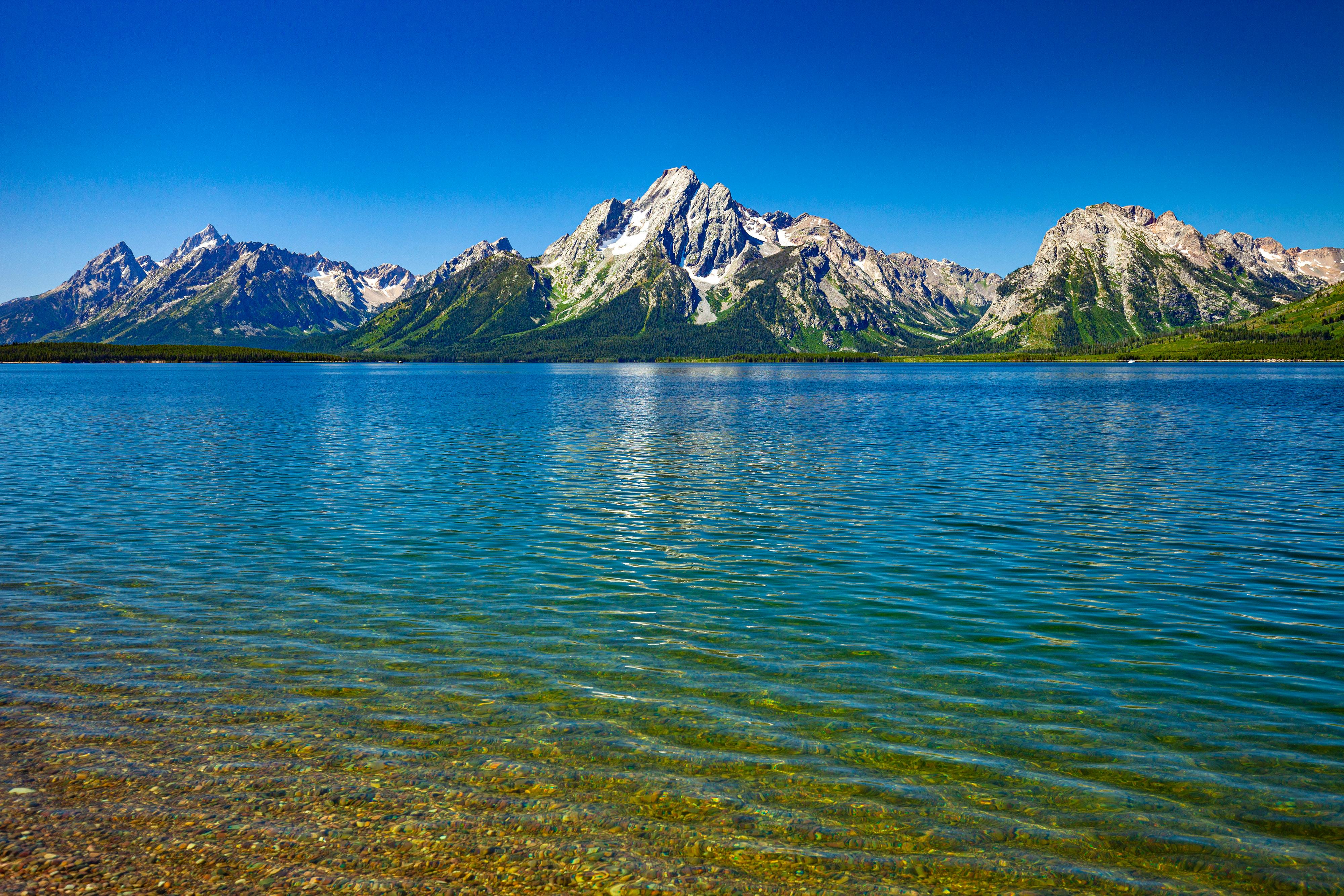
LOCAL GOVERNMENT 101
Know your representatives; they work for you!
StateHouseofRepresentatives
*Rep.LizStorer(D-HouseDistrict23;2023-Present) (307)421-4711Liz.Storer@wyoleg.gov
*Rep.AndrewByron(R-HouseDistrict22;2023-Present) (307)690-2767Andrew.Byron@wyoleg.gov
*Rep.MikeYin(D-HouseDistrict16;2019-Present) (307)201-9897Mike.Yin@wyoleg.gov
StateSenators
Sen.DanDockstader(R-SenateDistrict16;2007-Present) (307)885-9705Dan.Dockstader@wyoleg.gov
*Sen.MikeGierau(D-HouseDistrict17;2017-Present) (307)413-0109Mike.Gierau@wyoleg.gov
Governor
*Gov.MarkGordon(1/2018-12/2026) (307)777-7434
Email:https://governor.wyo.gov/contact/governor
*=Upforre-election/openseat
JacksonTownCouncil
CurrentTownCouncilMembers: ArneJorgensen,Mayor ajorgensen@jacksonwy.gov
DevonViehman dviehman@jacksonwy.gov
KevinRegan kregan@jacksonwy.gov
*JonathanSchechter jschechter@jacksonwy.gov
*AlysonSpery aspery@jacksonwy.gov
TetonCountyBoardofCountyCommissioners
CurrentCommissioners:
*MarkNewcomb,Chairman mnewcomb@tetoncountywy.gov
*WesGardner-ViceChair wgardner@tetoncountywy.gov
*LutherPropst lpropst@tetoncountywy.gov
LenCarlman lcarlman@tetoncountywy.gov
NataliaMacker nmacker@tetoncountywy.gov
CIVIC RESOURCES
Frequently Asked Questions (FAQs)
Doesmyvotereallymakeadifferenceat thelocallevel?
Yes, in Teton County, your vote potentially impacts conservation policy for decades to come.
WhatistheSAVEAct,andhowdoesit affectme?
Wyoming already requires proof of citizenship and residency for voter registration. The federal SAVE America Act would impose additional nationwide ID requirements for federal elections and could create additional barriers to voting.
WhatIDdoIneedtoregisterandvote?
Proof of U.S. citizenship and proof of WY residency.
CanIregistertovoteandvoteonthesame day?
Yes, WY allows same-day registration and voting. It is easier to register early when possible.
WhatisWY’sclosedprimarysystem?
You must be registered with a party to vote in that party’s primary. If you are “unaffiliated,” you can’t vote in the primary.
IsWyominga“motorvoter”state?
No, you cannot register to vote at a WY DMV office. WY is exempt from the National Voter Registration Act, commonly known as "motor voter."
HowdoIcastanabsenteeballot?
Fill out an absentee ballot request at the office or in advance. Then pick up a ballot at the Teton County Clerk’s office at 200 S. Willow St., Jackson.
Absentee ballots must be received by 7 pm on Election Day.
Call the County Clerk’s office at 307-733-4430 to request a ballot via mail.

https://tetoncountywy.gov/269 /Absentee-Voting
ONLINE RESOURCES
Vote.govforWY-InSpanishandinEnglish vote.gov/es/registrar/wyoming
ACLU-WY:AGuidetotheWYLegislatureinfographic www.aclu-wy.org/news/legislative-infographic/ TetonCountyClerk-Elections
tetoncountywy.gov/268/Elections
WYSecretaryofState-Elections
sos.wyo.gov/Elections/State/RegisteringToVote.aspx
JacksonHoleConservationAlliance jhalliance.org
ProtectOurWaterJacksonHole protectourwaterjh.org

"No one is born a good citizen; no nation is born a democracy. Rather, both are processes that continue to evolve over a lifetime."
-Kofi Annan
Since 1979, the Jackson Hole Conservation Alliance has advocated for responsible planning to protect wildlife and wild places in Teton County, WY. JHCA leverages science and community action to support policies that drive conservation and ensure coexistence with wildlife.
685 S. Cache St. Jackson, WY 83001 (307) 733-9417 info@jhalliance.org jhalliance.org
POWJH takes direct and decisive action in defense of clean water and a healthy ecosystem. Our science-based, collaborative approach advances advocacy, community solutions, and education, resulting in real impacts to protect, preserve, and enhance water quality for Teton County, WY.

The WaterShed 250 E. Broadway Ave Jackson, WY 83001 (307) 200-9367
info@protectourwaterjh.org protectourwaterjh.org