Oakland Post
Mount Zion MBC, Church of Jesus Christ of Latter-day Saints Partner to Bring 29,000 Meals to Alameda County
The interfaith community effort commemorates the 250th anniversary of the U.S.
Special to The Post
More than 29,000 meals were received and distributed at the historic Mount Zion Missionary Baptist Church in West Oakland as part of an interfaith community effort to commemorate the 250th anniversary of the United States.
A semi-truckload of food arrived at MZMBC in Oakland on
The Alameda County Community Food Bank (ACCFB), Mt. Zion Missionary Baptist Church (MZMBC), and the Church of Jesus Christ of Latter-day Saints (LDS) partnered to address food insecurity throughout Alameda County.
Tuesday, July 21. This was one of 250 trucks the LDS church is sending throughout the United States. By the end of the year 10 million pounds of food will be donated. Each truck carries approximately 40,000 pounds of shelf-stable pantry staples that can feed 1,400 families for one week.
awarded more than $6 million to suburban contractors for body and fender work on City vehicles.
The need for food is significant. According to the ACCFB, 1 in 4 members of the community they serve is experiencing or at risk of hunger.
“The challenges get much harder during the summer when children no longer have access to healthy meals at school,” says Regi
Young, executive director of Alameda County Community Food Bank. “Our community and our food bank face similar challenges accessing some of the highest quality and high demand foods because they are typically also the most expensive.
Councilmember Houston Helps Deter Trend to Award Contracts to Suburban Companies
Pushes for Oakland-based Firms to Provide Repair for City-Operated Vehicles
Concerned about how Oakland-based and/or minority firms have been “systematically omitted from bidding on millions of
By
Houston said, “I was concerned that, of the contracts presented, only one was awarded to a small, homegrown Oakland business—Quality Body & Fender located on Martin Luther King Jr., Way. The remaining contracts—with the exception of one additional contract added—were awarded to vendors located outside of city of Oakland (Dixon, Concord and San Leandro), leaving out certified Oakland businesses, some whom have been here for over 30 years.
“As both a City Councilmember and someone who was born and raised in Oakland, I believe we have a responsibility to invest in the businesses that invest in our community. When qualified local companies have the expertise and capacity to perform the work, they deserve a fair opportunity to compete for City contracts.
By Tanya Dennis
The National Probate Reform Coalition (NPRC) has announced that Bernard ‘Bernie’ Black, a nationally respected legal scholar, will meet with California Assistant Attorney General Eleanor Blume on July 27 to discuss the urgent need for guardianship, conservatorship, and probate reform.
The meeting marks another important step in NPRC’s effort to encourage California’s governor and attorney general to take a leadership role in addressing systemic
dollars of city work through the ‘waiver process’ and through neglect,” Oakland City Councilmember Ken Houston challenged an agenda item at Tuesday’s council meeting that would have
Post Staff
“I am proud to see Oakland’s
Oakland Children’s Hospital Workers and Patients Rally for Pediatric Medical Care
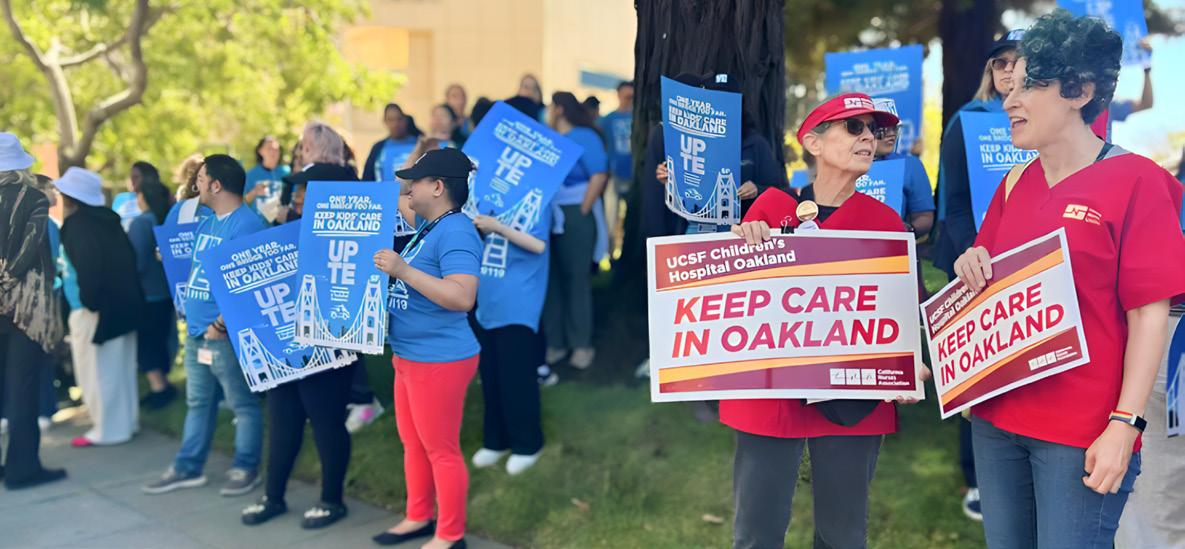
Staff, families of patients and supporters held a rally recently at the UCSF Benioff Children’s Hospital in Oakland to protest the hospital’s decision to relocate specialized treatment clinics to San Francisco.
Protesters said the move is creating barriers for patients to access care and raised concerns over whether the hospital was appropriately using funds partially designated for pediatric services. In response, hospital officials say they are concentrating resources for highly specialized procedures so patients can receive the highest quality of care.
One of the speakers at the rally,
By Post Staff
Two days later, on July 23, another semi-truck, this one bearing
Continued on page 8
California Attorney General’s Office to Urge Guardianship Reform
abuse, financial exploitation, and the lack of meaningful oversight within probate and guardianship courts.
Black has been a professor of law and finance at Northwestern University and Northwestern Pritzker School of Law since 2010.
Before joining Northwestern, he served on the faculties of Stanford University, Columbia University, and the University of Texas at Austin, earning international recognition as one of America’s foremost
Congressman John Garamendi (CA-08) joined 85 House Democrats this week calling on the Department of Education to immediately abandon its plan to transfer the Office of Special Education and Rehabilitative
“Fresh milk is among the top items on these lists, so we are extremely grateful for this donation to help more families stretch their budgets and get through these challenging summer months,” Young said.
ground. Even Congressional Republicans have expressed reservations and attempted to keep money appropriated to the Department within the Department, rather than being outsourced through IAAs…,” the members of Congress wrote.
Rep. Garamendi, House Democrats Demand Trump Administration Abandon Illegal Plans to Dismantle Civil Rights, Special Ed Offices “Where there is no vision, the people perish...” Proverbs 29:18 postnewsgroup.com 63nd Year, No. 29 Weekly Edition July 22 - 28, 2026
Services (OSERS) to the Department of Health and Human Services (HHS) and the Office for Civil Rights (OCR) to the Department of Justice (DOJ).
In their letter, the members argued that the Trump Administration’s plan to dismantle OCR and OSERS through Interagency Agreements (IAAs) is unlawful because Congress established both offices and only Congress has the authority to eliminate them or alter their responsibilities.
“The law is clear: Congress created OCR and OSERS and Congress alone can eliminate them. The use of Interagency Agreements to accomplish your ‘final mission’ – to eliminate the Department in all but name – is counter to the will of Congress and rests on questionable legal
The members also warned that transferring OCR and OSERS functions would weaken services for students, families, and individuals with disabilities because DOJ and HHS are illequipped to carry out the offices’ core functions.
“The movement of OCR and OSERS also disrespects the very people who rely on those services. Specifically, these moves effectively segregate special education from the rest of the education system, moving it to an agency that has indicated it intends to treat disabilities as a health issue to be remedied, against the wishes of groups that advocate on behalf of disabled children and their families. Such action is particularly concerning given the inaccurate and harmful com-
Part 1
By Post Staff
Paola Portillo, a social worker, said the hospital started transferring the clinics a year ago when UCSF Health integrated with the
Children’s Hospital Oakland, located at 747 52nd St. in North Oakland.
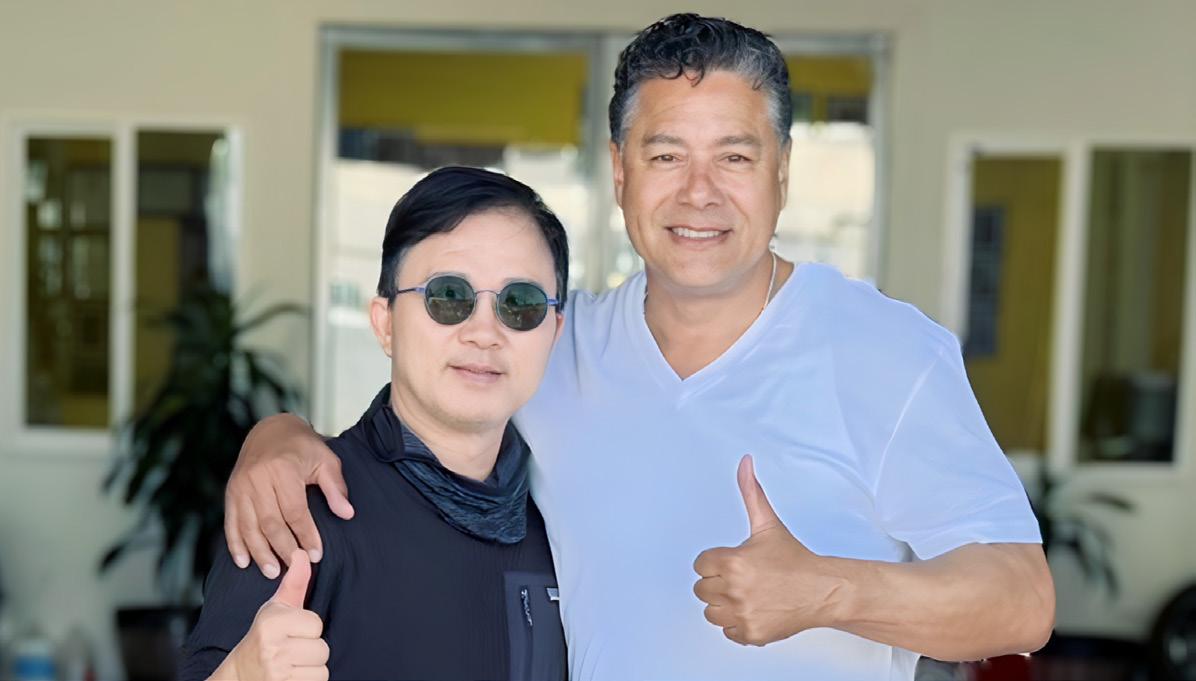
Enoch Shin, left, operator of an auto body shop on International Boulevard in Oakland, with City Councilmember Ken Houston, right, at the Oakland City Council meeting on Tuesday.
Pastor Michael Wallace of Mt. Zion Missionary Baptist Church provides instruction as volunteers unpack pallets of food to be distributed. “We believe that having food is a basic human right and to address
duty,” Wallace said. “That’s what makes this partnership so meaningful.” Courtesy photo.
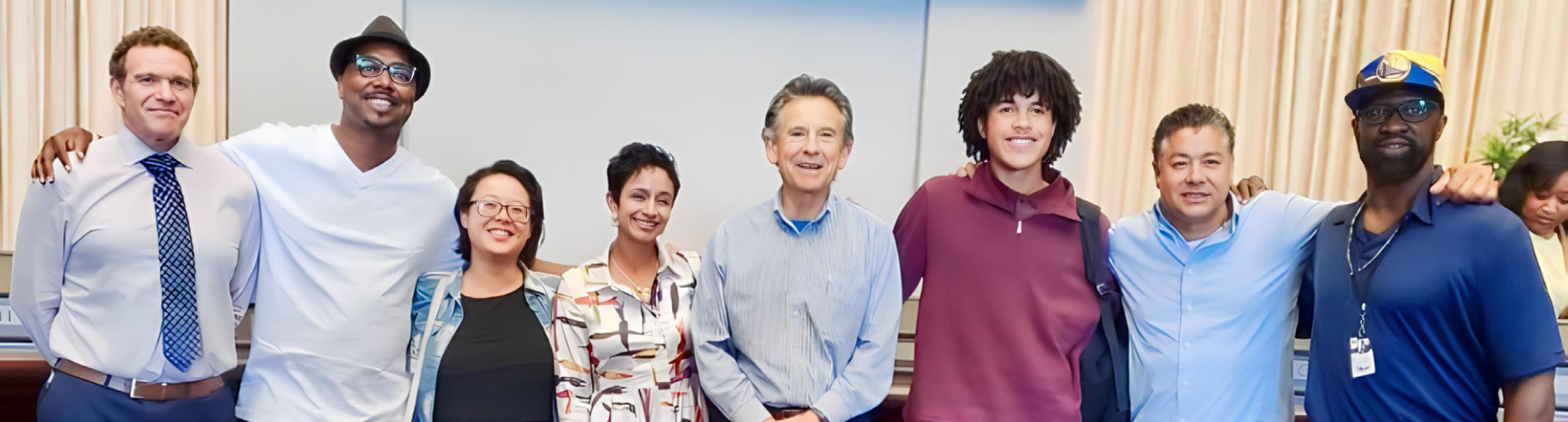
Left to right: Zac Unger, John Jones III, Charlene Wang, Janani Ramachandran, Noel Gallo, Mateo Ridge, Ken Houston and Jonathan ‘Fitness’ Jones. Photo by Carla Thomas.
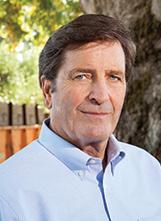
Rep. John Garamendi. Courtesy photo.
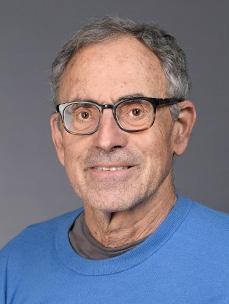
Bernard ‘Bernie’ Black. Courtesy photo.
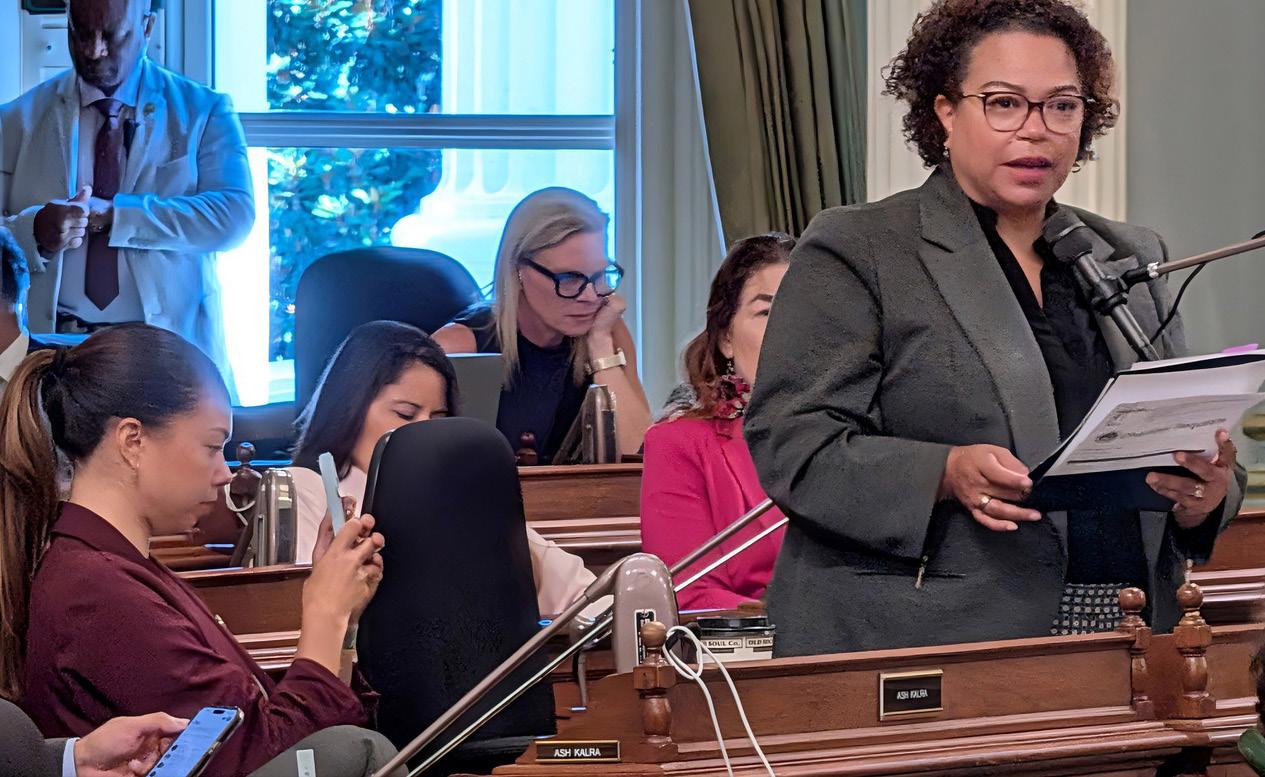
Staff and family members of patients at UCSF Benioff Children’s Hospital Oakland in Oakland, Calif., hold signs during a rally on Thursday, July 9, 2026. Rally participants protested the relocation of specialized care clinics to the hospital’s San Francisco campus. Photo by Kayla Chan/Bay City News.
By Bo Tefu California Black Media
California residents purchas-
ing their first zero-emission vehicle will soon be eligible for an instant rebate of up to $3,500 under a new state program aimed at making electric vehicles more affordable.
Gov. Gavin Newsom signed Senate Bill (SB) 168 on July 16, creating the MyFirstEV program as part of California’s 202627 state budget. The initiative dedicates $135.5 million in state funding for point-of-sale rebates, which participating automakers will match dollar for dollar.
State officials said the combined investment will provide $270 million in savings for first-time electric vehicle buyers.
Beginning later this summer, eligible Californians can receive a $3,500 rebate on new zero-emission vehicles with a manufacturer’s suggested retail price of up to $50,000.
Buyers purchasing qualifying used electric vehicles priced at up to $25,000 can receive a $1,750 rebate. The rebate will be applied directly at participating dealerships, allowing buyers to receive the discount immediately instead of waiting for
reimbursement.
“With our new instant rebate program for electric vehicles, we’re making it easier for families to drive clean, breathe clean, and keep more money in their pockets,” Newsom said in a statement.
The MyFirstEV program is part of a broader $600 million investment in California’s clean transportation economy included in the state budget. The funding package also provides $150 million for the Community Air Protection Program, $19.8 million for the Clean Cars 4 All program for lower-income residents, $35 million for clean off-road equipment through the Air Quality Improvement Program, $135.5 million for the Clean Truck and Bus Voucher Incentive Project, and $130 million for the Carl Moyer Program to replace older heavy-duty engines with cleaner alternatives.
According to the governor’s office, the transportation investments are funded through Cap-and-Invest revenue and smogabatement fees while maintaining a balanced state budget.
California continues to expand its zero-emission transportation network. The state surpassed 2.5
One Less Spark: California Launches Wildfire Prevention Awareness Campaign
By Bo Tofu California Black Media
California has launched a statewide public awareness campaign urging residents to take steps to prevent human-caused wildfires as hotter temperatures and drier conditions increase fire danger across the state.
Gov. Gavin Newsom announced the 2026 ‘One Less Spark’ campaign July 15, saying the initiative is designed to educate Californians about wildfire prevention through safe vehicle operation, equipment use and outdoor activities. The campaign comes as California enters a period of elevated wildfire risk and builds on the state’s broader wildfire preparedness efforts.
State officials estimate that human activity causes about 95% of wildfires in California. The campaign includes paid advertising on digital platforms, radio
stations and billboards in State Responsibility Areas throughout Northern and Southern California. CAL FIRE has also developed a public toolkit with educational materials and social media resources that local governments, fire departments and community organizations can use to promote wildfire prevention.
“One less spark means one less wildfire, and every Californian can play a role in preventing them,” said Newsom. “We’re asking all residents to take prevention steps seriously. Combined with the strongest wildfire readiness and response system in the country, this is how we keep our communities safe.”
CAL FIRE Director and Fire Chief Joe Tyler said reducing the number of human-caused fires requires public awareness and individual responsibility.
“CAL FIRE is committed to helping Californians understand
that one less spark means one less wildfire,” said Tyler. “As a state, we must work together to reduce the number of wildfires started each year by changing behaviors, increasing awareness, and taking simple actions that prevent ignitions.”
The campaign encourages residents to mow lawns before 10 a.m., secure trailer chains to prevent sparks, obtain permits before burning debris, avoid parking vehicles on dry grass and use power tools carefully near dry vegetation.
According to the governor’s office, California has accelerated more than 400 wildfire prevention projects covering nearly 100,000 acres following an emergency proclamation on wildfire-prone forests. The state has also made more than $100 million available this year for wildfire prevention grants, including funding for community-led projects and forest resilience efforts.
State officials said CAL FIRE’s workforce has grown from 5,829 positions in 2019 to more than 11,400 positions. The agency has also expanded its use of technology, including AI-powered wildfire detection systems, drones, satellite monitoring and advanced fire mapping tools to improve emergency response.
CITY OF OAKLAND NOTICE OF ELECTION CALL FOR DIRECT ARGUMENTS AND REBUTTALS FOR AND AGAINST MEASURE
NOTICE IS HEREBY GIVEN that Direct Arguments For and Against the measures below to be submitted to the qualified electors of the City of Oakland at the General Municipal Election consolidated with the Statewide General Election to be held on Tuesday, November 3, 2026 are due for filing in the Office of the City Clerk no later than 5:00 p.m. on Tuesday, August 4, 2026.
Pursuant to the Elections Code the city elections official shall fix a date as a deadline after which no argument for or against any city measure may be submitted for printing and distribution.
The Oakland City Council approved the call of an election and authorized the following ballot measure to be placed before the electorate of the City of Oakland:
The following information has been revised and republished to clarify the synopsis of the measures below –Resolution No. 91209 C.M.S., Passed On June 16, 2026 – RESOLUTION SUBMITTING TO THE VOTERS AT THE NOVEMBER 3, 2026 GENERAL MUNICIPAL ELECTION A MEASURE THAT WOULD AMEND THE OAKLAND CITY CHARTER TO, AMONG OTHER THINGS: (1) MAKE THE MAYOR THE CITY’S CHIEF EXECUTIVE OFFICER RESPONSIBLE FOR MANAGING CITY AFFAIRS; (2) EMPOWER THE COUNCIL TO CONFIRM THE APPOINTMENTS OF THE DIRECTORS OF FINANCE, HUMAN RESOURCES, PUBLIC WORKS, AND TRANSPORTATION; (3) EMPOWER THE COUNCIL TO CREATE AN INDEPENDENT BUDGET AND LEGISLATIVE ANALYST’S OFFICE TO PROVIDE THE COUNCIL FISCAL AND POLICY ANALYSIS THAT IS OBJECTIVE AND NONPARTISAN; (4) AFFIRM COUNCILMEMBERS’ RIGHT TO REQUEST INFORMATION AND RELAY CONSTITUENT CONCERNS, AND CITY OFFICIALS’ DUTY TO RESPOND PROMPTLY; (5) EMPOWER THE COUNCIL TO HOLD LEGISLATIVE HEARINGS AND ISSUE SUBPOENAS; (6) CREATE A MAYORAL VETO WITH A LINE-ITEM BUDGET VETO AND A COUNCIL POWER TO OVERRIDE ANY VETO; (7) REQUIRE COUNCILMEMBERS TO WORK FULL TIME AND NOT ENGAGE IN OUTSIDE EMPLOYMENT; (8) EMPOWER THE PUBLIC ETHICS COMMISSION TO ALIGN THE MAYOR’S AND COUNCILMEMBERS’ SALARIES WITH THOSE OF COMPARABLE FULL-TIME PUBLIC OFFICIALS; AND (9) REQUIRE THE PUBLICATION OF ORDINANCES WITHIN FIFTEEN DAYS OF PASSAGE; AND DIRECTING THE CITY CLERK TO TAKE ALL ACTIONS NECESSARY UNDER LAW TO SUBMIT THIS MEASURE TO THE VOTERS AT THE ELECTION; AND MAKING APPROPRIATE CALIFORNIA ENVIRONMENTAL QUALITY ACT FINDINGS
Resolution No. 91228 C.M.S., Passed On July 7, 2026 - RESOLUTION SUBMITTING TO THE VOTERS AT THE NOVEMBER 3, 2026, GENERAL MUNICIPAL ELECTION A MEASURE TO AMEND OAKLAND MUNICIPAL CODE CHAPTER 4.20 (REAL PROPERTY TRANSFER TAX) TO AMEND THE EXCEPTION FOR FORECLOSURE TRANSACTIONS; DIRECTING THE CITY CLERK TO TAKE ANY AND ALL ACTIONS NECESSARY UNDER LAW TO SUBMIT THESE MEASURES TO VOTERS AT THE GENERAL MUNICIPAL ELECTION; AND MAKING APPROPRIATE CALIFORNIA ENVIRONMENTAL QUALITY ACT FINDINGS
Direct Arguments
Direct Arguments cannot exceed three hundred (300) words. Pursuant to Elections Code Section 9287, the City Clerk will select one argument for and one argument against each measure for printing and distribution to the voters.
Rebuttal Arguments
Pursuant to Elections Code Section 9285 when the arguments for and against the measure have been selected, the City Clerk shall provide a copy of the argument in favor to the author of the argument against and a copy of the argument against, to the author of the argument in favor. The authors may prepare rebuttal arguments. Rebuttal arguments cannot exceed two hundred and fifty (250) words.
Rebuttal arguments are due for filing in the Office of the City Clerk no later than 5:00 p.m. on Tuesday, August 11, 2026.
Each argument and rebuttal must be accompanied by the printed name and signature of the person or persons submitting it, or if submitted on behalf of an organization, the name of the organization and the printed name and signature of at least one of its principal officers on the form provided by the City Clerk (and posted on the City of Oakland’s City Clerk webpage). No more than five (5) names/signatures will be printed with the argument or rebuttal.
Asha Reed City Clerk and Clerk of the Council (On Election Day polls will open at 7:00 a.m. and close at 8:00 p.m.)
Asha Reed City Clerk and Clerk of the Council
Notice of Class Action Settlement
Authorized by the U.S. District Court, Eastern District of New York — Notice of Class Action Settlement — Si desea leer este aviso en español, llámenos o visite nuestro sitio web.
TO: All merchants in the U.S. who accepted Visa or Mastercard credit or debit cards at any time since December 18, 2020.
This notice (“Notice”) is authorized by the Court to inform you about an agreement to settle the equitable relief claims in a class action lawsuit, called In re Payment Card Interchange Fee and Merchant Discount Antitrust
Litigation, No. 05-md-01720 (BMC)(JAM)(E.D.N.Y.). The lawsuit claims that Visa and Mastercard, separately, and together with certain banks, violated antitrust laws and caused merchants to pay excessive fees for accepting Visa and Mastercard credit and debit cards, including by adopting interchange rules and rates, and other network rules, which the lawsuit has claimed constituted unlawful price fixing, unreasonable
of trade, and monopolization.
The defendants say they did nothing wrong. They maintain that their business practices are legal, justified, and the result of independent competition, and have benefitted both merchants and consumers. The Court has not decided who is right because the parties agreed to a settlement, which was preliminarily approved by the Court on June 9, 2026.
A. What Merchants Will Get from the Settlement
During the lawsuit, the Court previously certified an Equitable Relief Class under Federal Rule of Civil Procedure 23(b)(2) and has now preliminarily approved a settlement of the Class claims (the “Rule 23(b)(2) Class Settlement” or “Settlement”). Under the Settlement, Visa and Mastercard have agreed to substantive changes to the Visa and Mastercard rules applicable to merchants who accept their cards as a form of payment.
The Class includes all persons, businesses, and entities that accept any Visa-Branded Cards and/or Mastercard-Branded Cards in the United States at any time during the period between December 18, 2020 and the date of preliminary settlement approval, or June 9, 2026. The Court has set November 16, 2026 as the date for a final approval and fairness hearing (the “Fairness Hearing”) in connection with the Settlement, after members of the Class have had the opportunity to evaluate the Settlement and exercise their rights, as set forth in the Notice. Further information regarding the Settlement and the Fairness Hearing will be posted on www.InterchangeEquitableReliefSettlement.com.
Under the Rule 23(b)(2) Class Settlement, Mastercard and Visa will modify certain rules to preserve, establish, or expand the circumstances in which merchants can, among other things, do the following:
• Decline acceptance of Visa- or Mastercard-Branded Commercial Credit Cards and/or Premium Consumer Credit Cards.
• Surcharge customers a fee for the use of any Visa or Mastercard-Branded Credit Cards, including based on the type of card used (e.g., a different surcharge for rewards and non-rewards cards).
• Offer discounts to customers who do not pay with Visa or Mastercard-Branded Credit Cards, or based on the financial institution that issued the Visa or Mastercard-Branded Credit Card. Decline acceptance of Visa or Mastercard-Branded Cards at all outlets that operate under the same trade name or banner, even if that merchant accepts those same cards at outlets that operate under a different trade name or banner.
• Engage in Pilot Programs whereby they accept Visa or Mastercard-Branded Credit Cards at some but not all outlets operating under the same trade name or banner for a limited duration or test out various acceptance, surcharging and discounting options at some but not all outlets operating under the same trade name or banner, including not accepting Commercial or Premium Consumer Credit Cards, for a limited duration.
• Accept some digital wallets at brick-and-mortar locations but decline others and enable some digital wallets for on-line transactions but not enable others, and “steer” among the cards within a digital wallet under the same rules that govern steering among traditional cards.
• Receive the benefit of credit interchange rate reductions: Visa and Mastercard will reduce published and negotiated Credit Card interchange rates for U.S. merchants.
• Receive the benefit of Credit Card interchange rate caps: The Settlement Agreement reduces and caps “Standard” Consumer Credit Card rates at a specified level and otherwise caps Credit Card interchange rates, such that neither Visa nor Mastercard will increase any of its published Credit Card interchange rates above the rates effective as of March 31, 2025 and each will reduce its network-wide average Credit Card interchange rate to or below the specified level.
• Form Merchant Buying Groups that meet certain criteria to negotiate with Visa and Mastercard. Receive access to a Merchant Education Program, established and administered under the Settlement Agreement, to help understand and maximize the benefits of the rule changes, including how to effectively “steer” in States that restrict surcharging.
B. Monetary Aspects of the Rule 23(b)(2) Class Settlement
There is no monetary payment to members of the Class in this Settlement. This Rule 23(b)(2) Class Settlement concerns only the Equitable Relief Claims set forth in the lawsuit. Claims for monetary damages arising out of the defendants’ alleged antitrust violations are the subject of a separate settlement for the Rule 23(b)(3) Class. For information concerning the separate Rule 23(b)(3) Cash Settlement Class, please visit the website: www.PaymentCardSettlement.com
The Settlement does provide for Visa and Mastercard to make certain payments into the Rule 23(b)(2) Class
Mastercard comply with the credit card interchange-rate reduction commitments, and
• Attorneys’ fees and expenses, including any named Class Representative service awards, as approved by the Court.
The money in this fund will be distributed only if the Court grants final approval of the Settlement, and the money for attorneys’ fees and expenses, and service awards to Class Representatives, will be distributed only if the Settlement has become final and all appeals are exhausted, and the Court approves the application for attorneys’ fees and expenses, and Class Representatives’ service awards. Attorneys’ fees and expenses, and service awards to the Class Representatives: For work done through final approval of the Settlement by the Court, as well as any work they will be required to do in the future, Class Counsel will ask the Court for attorneys’ fees and reimbursement of reasonable and necessary litigation expenses, and any service awards to the named Class Representatives that the Court may award, in an amount not to exceed $206,000,000. The Settlement Agreement requires Visa and Mastercard to pay these fees and expenses separately from the other Settlement financial obligations and they will not reduce any other benefits of the Settlement; members of the Class will not be required to pay any amount toward these fees and expenses.
C. Legal Rights and Options
Merchants who are included in this lawsuit have the legal right to Object to the Settlement. The deadline to object is: September 14, 2026. To learn how to object, visit: www.InterchangeEquitableReliefSettlement.com or call toll-free: 877-318-7713.
Note: You cannot elect to be excluded from the Rule 23(b)(2) Class Settlement.
For more information about these rights and options, visit: www.InterchangeEquitableReliefSettlement.com or call toll-free: 877-318-7713.
D. If the Court Grants Final Approval of the Settlement
If the Court grants final approval to the Settlement, members of the Rule 23(b)(2) Class will be bound by the terms of the Settlement and will release all claims against all released parties listed in the Settlement Agreement. The Settlement will resolve and release any claims by payment card acceptors against Visa, Mastercard and other defendants that were or could have been alleged in the lawsuit, including any claims based on interchange or other fees, no-surcharge rules, no-discounting rules, honor-all-cards rules, and any other network rules. The Settlement will also resolve any payment card acceptor claims based upon the future effect of any Visa or Mastercard rules as they were or are in place on December 18, 2020 and up to the Settlement Final Date (as defined in the Settlement Agreement), the modified rules provided for in the Settlement, or any other rules substantially similar to those rules. The release will not bar claims involving certain specified standard commercial disputes arising in the ordinary course of business.
For more information on the release, see the Superseding and Amended Rule 23(b)(2) Class Settlement Agreement at: www.InterchangeEquitableReliefSettlement.com.
E. The Court Hearing About This Settlement On November 16, 2026 at 11:00 am ET, the Court will hold a hearing to decide whether to approve the proposed Settlement, Class Counsel’s request for attorneys’ fees and expenses, and service awards for the named Class Representatives. The hearing will take place at: United States District Court for the Eastern District of New York
U.S. District Judge Brian M. Cogan 225 Cadman Plaza East Brooklyn, NY 11201
You do not have to attend the Court hearing or hire an attorney, though you may do either at your own expense. The Court appointed the law firms of Hilliard Shadowen LLP; Grant & Eisenhofer P.A.; Freed Kanner London & Millen LLC; and Nussbaum Law Group, P.C. to represent the Class (“Class Counsel”). F. Questions?
For more information about this case (In re Payment Card Interchange Fee and Merchant Discount Antitrust Litigation, MDL 1720), you may: Call toll-free: 877-318-7713
Visit: www.InterchangeEquitableReliefSettlement.com
Write to the Class Administrator: Interchange B2 Class Administrator, P.O. Box 6340, Portland, OR 97228-6340 or Email the Class Administrator: info@InterchangeEquitableReliefSettlement.com
Photo courtesy of Gov. Gavin Newsom’s Facebook page.
Coliseum Sale Funds from AASEG ...
video statement.
The city owns a 50% interest in the complex and Alameda County, which owns the remaining half, has already approved its part of the deal.
Under terms of the sale of the Coliseum complex to Oakland Acquisition Company, affiliated with the AASEG, the $125 million agreement will provide the city with 6% of ticket revenue from events at the complex.
The also deal allows a $50 million all-cash sale of the Oakland Arena to a third party, the Oak View Group (OVG). According to OVG co-founder Irving Azoff, the company will invest $40 million in upgrades to the arena.
Councilmember Noel Gallo, who made the motion, said “This $50 million payment will be immediately assigned for the retirement benefits for our police, fire and city employees, since we are three years behind in making our payments to the state retirement fund.”
Providing financial protections to the city, the final deal removes the city’s obligation to pay millions of dollars to maintain the property. It also requires a bond to protect the city if payments on the property are not made when they are due.
The 112-acre Oakland-Alameda County Coliseum Complex is one of the city’s largest development sites. The city’s agreement culminates several years of negotiations with AASEG, an Oakland-based, Black-led developer that partnered with Loop Capital, one of the largest Black-owned investment banks in the world.
Gallo also invited student volunteer named Mateo Ridge to join in the photo celebration to help send a message that Oakland’s future rests “with our youth who will volunteer to help keep our parks, recreation areas and neighborhood streets clean.”
Ridge, who is the grandson of Jane Garcia from La Clinica La Raza, will be entering as a freshman in Middle College High School in Contra Costa County..
Gallo also has agreed to work with the Oakland Post and El Mundo newspapers to expand a city-wide movement of volunteers to help expand his pioneering efforts to remove the trash from the streets.
Paul Cobb said he would take up Gallo’s offer by scheduling meetings with neighborhood groups, churches and the Oakland Metropolitan Chamber of Commerce to provide business leadership to help build pride in Oakland.
Oakland Children’s Hospital Workers and Patients ...
Continued from page 1
According to Portillo, patients who need bone marrow treatments and interventional radiology, are forced to travel to UCSF Benioff Children’s Hospital in San Francisco, which can be dangerous, she said.
“Children who go through a bone marrow transplant are immunocompromised, meaning that their immune system has been wiped out,” and having to take public transport to San Francisco exposes patients to the risk of getting a dangerous infection, she said.
UCSF spokesperson Kristen Bole says the move improves the hospital’s quality of care, giving bone marrow treatment (BMT) as an example.
“Inpatient BMT is a highly complex service where patient volume, specialized infrastructure, faculty coverage and 24/7 support are essential,” she said in a statement. “Concentrating non-gene therapy inpatient BMT care at Mission Bay allows us to provide the safest and most sustainable model for patients and families.”
Hospital officials also emphasized that moving care was not a one-way street. Beginning this month, patients admitted for rehabilitative treatment have been directed to the children’s hospital in Oakland, Bole said.
Speakers at the rally also claimed UCSF has not been transparent about how it has allocated funding from 2020’s Measure C, a measure that created a halfpercent sales tax that partially funded pediatric health care at the
children’s hospital.
“The community fought so hard for Measure C because every child deserves access to lifesaving, pediatric, high-quality care right here in Oakland,” said Agnes Cho, a policy advisor speaking on behalf of Alameda County Supervisor Nikki Fortunato Bas. “The funding should go towards strengthening care for children right here in Oakland.”
Protesters also said UCSF’s $3.3 billion endowment has been misused. Last October, the University Professional & Technical Employees union published a report on the University of California’s spending, which highlighted projects such as the $4.3 billion UCSF Helen Diller Medical Center at Parnassus Heights.
“What I have a problem with is saying the kids from the East Bay have to go to San Francisco to get care, so that UC can build a fancy hospital for its richest patients in San Francisco,” said union President Dan Russell.
The UCSF spokesperson said UCSF has been investing in its Oakland campus, explaining that upgrades that are expected to be completed in 2030 at a cost of $1.6 billion.
“Oakland is central to our pediatric health system, and we are making the largest investment in the campus’ history,” the spokeswoman said. “We do not make investments of this scale in a campus, workforce or community we plan to leave behind.”
This article includes coverage from Bay City News Service and media releases.
Rep. Garamendi, House Democrats ...
Continued from page 1
ments from the HHS Secretary regarding children diagnosed with autism.
“Comments such as these will leave those relying on special education services fearful about whether their rights will be upheld and their needs met. Regarding OCR, given the sensitive nature of many of the cases it handles, victims may be hesitant to seek support knowing the investigation will be run by the nation’s primary law enforcement agency. Such delays may cause cases of discrimination to fester and worsen while sending the wrong message to vulnerable communities,” concluded the members.
Councilmember Houston Helps Deter Trend ...
Continued from page 1
Quality Body & Fender receive a $1.05 million City contract. This award recognizes a longstanding Oakland business and reflects the values that local companies bring to our community. Supporting qualified local vendors helps strengthen our local economy, creates opportunities for Oakland, job, businesses, and keeps public investment circulating within our city,” he said.
Houston’s comments bring to mind the recent disparity study by Mason Tillman Associates for Oakland, which concluded that African American and womenowned businesses did not receive contracts comparable to their populations but moreover nearly 65% of the city’s prime contracts were awarded to non-Oakland businesses.
The Oakland African American Chamber of Commerce has been instrumental in keeping the issue in the public eye.
“Supporting local businesses means investing in our own economy,” Houston said. “When we keep Oakland City dollars local, we strengthen small businesses, create jobs, and build long-term economic prosperity for our community.”
A procurement process that values Local and Small Business Enterprise (L/SBE) participation should recognize the broader economic benefits of awarding contracts to qualified Oakland businesses, he said.
Houston introduced Enoch Shin, operator of an automobile repair company at 1722 International Blvd. as an example of
business owner who is losing money, employees, and opportunies to generate revenues for Oakland.
Shin said he has lost $6 million in the last two years and laid off 19 employees, a workforce that consisted of African Americans, Asians and Indians and many others.
Houston noted that the issue will come up for further consideration this fall before the full City Council.
“I will continue advocating for a procurement process that gives qualified, local vendors meaningful opportunities to compete while recognizing the long-term value of keeping Oakland’s investments in Oakland.
Houston encouraged all Oaklanders to participate in the upcoming City Council hearing.
“Your voice matters, and together we can ensure our city’s investments benefit the people and businesses that call our community home,” Houston said.
He also announced that he will accept an invitation to join a citywide town hall with the Post Impact Foundation to invite the Metropolitan Chamber of Commerce to lead the Oakland business community and the Port of Oakland to join with the other business advocates from the Black, Asian and Hispanic communities. “A lot of these decisions to exclude Oakland-based businesses are being made by city staff who don’’ live here,” Houston said.
NPRC to Meet with CA Attorney General’s Office...
Continued from page 1
empirical legal scholars.
Despite his legal expertise, Black says neither his knowledge nor his professional reputation protected his family from what he describes as a deeply flawed guardianship system.
Following the death of his mother in 2012, Black’s sister, Joanne, who had lived with schizophrenia for more than 35 years, became the beneficiary of approximately twothirds of their mother’s $4 million estate through a special needs trust established to provide for her lifetime care.
Seeking to preserve his mother’s estate plan and protect Joanne’s eligibility for public benefits, Black petitioned the Denver Probate Court for a temporary conservatorship and requested judicial approval for actions necessary to preserve assets. According to Black, the case initially appeared to proceed appropriately. Both the court appointed counsel, and a guardian ad litem supported his proposed conservatorship plan.
Black says the case later took a dramatically different turn.
administrative expenses. He continues to fight efforts to deplete the remaining family trusts.
“My sister has died, yet the Denver Probate Court and the guardianship professionals are still pursuing what is left of our family’s money,” Black said. “I’m talking millions of dollars.”
Black believes his family’s experience demonstrates that even experienced attorneys can become overwhelmed by a probate system that often lacks transparency and accountability.
Joining Black at the July 27 meeting will be Rick Black, founder of the Center for Estate Administration Reform (CEAR), who will present his organization’s proposed Victims’ Bill of Rights for individuals and families involved in probate and guardianship proceedings.
Together with the NPRC, they will urge the Attorney General’s Office to investigate fraud, financial exploitation, and predatory practices while aggressively enforcing existing laws that protect elders, disabled adults, and vulnerable families.
Job Readiness, Housing Resources Among Services Provided at Coliseum Job Fair
Post Staff
The Bi-Annual Annual Alameda County Community Connect Summer Resource and Job Fair for the Unhoused was held Wednesday at the Oakland Coliseum, drawing nearly 800 guests and 72 vendors.
Besides housing assistance, the vendors provided coaching, haircuts, head shots and resume assistance for employment readiness; medical and dental services, veterinary services, food, clothing, gift cards and more.
It was supported by Alameda County Supervisor Nate Miley, the Alameda County Work Development Board, Alameda County Probation Department, Social Services Agency, Oakland-Alameda Coliseum, the Oakland Private Industry Council.
Their shared goal was to help create pathways to self-sufficiency while shifting perceptions of Alameda County’s unhoused residents.
“Many individuals are eager to work, but face significant barriers,” said Rochelle Baxter-Green, a career development specialist at the Eastmont Self Sufficiency Center and coordinator of the event.
“Through collaboration, we can help remove those barriers and support lasting change,” she wrote in the invitation to event participants. As seasonal challenges like colder weather and increased need approach, community support is especially important. This event serves as a central hub where attendees can access wraparound services, connect with employers and stake meaningful steps toward stability. The fair supporters also provided hygiene packs and shoes and socks, anticipating colder weather ahead.
In May, Oaklandside reported that Alameda County’s biennial Point in Time count had found a 13% drop in overall homelessness and 18% drop in unsheltered homelessness since 2024, bringing the proportion of unhoused people outside to its lowest point in more than a decade. Despite Oakland’s a 20% decrease in the number of unhoused, the city can be seen as the ‘epicenter’ of the crisis by accounting for more than half of the county’s unhoused individuals, despite representing just 22% of the population.
Mount Zion MBC, Church of Jesus Christ of Latter-Day Saints Partner to Bring 29,000 Meals to Alameda County ...
Continued from page 1
fresh milk from the LDS church, arrived at the ACCFB.
Event organizers share a commitment to caring for those in need and fostering meaningful service connections within communities.
rance Kelly.
In February, the Government Accountability Office (GAO) reported that the Department of Education paid OCR investigators up to $38 million not to work.
In April, the Senate HELP Committee released a report that in 2025, OCR reached zero resolution agreements involving sexual harassment, sexual violence, seclusion or restraint, racial harassment, or discriminatory school discipline — despite more than 2,700 pending cases.
To read the full letter, go to https://democrats-edworkforce.house.gov/imo/media/doc/ congressional_democrats_letter_ to_ed_secmcmahonreocroser1. pdf
According to Black, family disagreements were used by courtappointed professionals to seize control of the family trusts. What followed was 12 years of litigation and 96 probate court decisions, resulting in millions of dollars in professional fees.
Black says repeated settlement proposals intended to preserve assets for his sister’s benefit were rejected. He also strongly disputes adverse findings made by the probate court against him, his wife, and his son, arguing the court lacked jurisdiction over members of his family. Appeals were unsuccessful, reinforcing his concern that probate courts exercise extraordinary discretion with insufficient oversight.
Joanne Black passed away on Aug. 14, 2025. Black contends that millions of dollars that should have benefited his sister and preserved his family’s legacy have instead been consumed by litigation and
NPRC asserts California’s Attorney General, as the state’s chief law enforcement officer, has both the authority and responsibility to investigate fraud, public corruption, and financial exploitation occurring within probate courts.
The Coalition also hopes California will lead a national initiative by working with attorneys general across the country to develop coordinated enforcement strategies and meaningful reforms that restore integrity, transparency, and accountability to probate courts nationwide.
Bernard Black’s experience echoes hundreds of similar stories documented by probate reform advocates throughout the nation. His message to the Attorney General is both simple and sobering:
“If this can happen to one of America’s most respected law professors, it can happen to anyone.”
“After 250 years, there is still food insecurity in America, and this is an interfaith community effort to eradicate hunger in our communities and cities,” said Pastor Michael Wallace of Mount Zion.
“We believe that having food is a basic human right and to address it is our Christian duty. That’s what makes this partnership so meaningful.”
“Members of the Church of Jesus Christ of Latter-day Saints believe in following the Savior’s commandments to love God and to love our neighbor,” says David Kimball, president of the Oakland Stake of the LDS church. “We are grateful to partner with these organizations to help care for those in need in our community.”
Welcoming the truck’s arrival at 10 a.m. at MZMBC were Kimball, Young, Wallace of MZMBC, and civil rights activist and Post News Group Publisher Paul Cobb. Oakland Mayor Barbara Lee was in attendance and addressed the hundreds of volunteers. Inspiring music was provided by members of the Oakland Interfaith Gospel Choir under the leadership of Ter-
Teens from both churches were on hand to assist with loading food items for various local nonprofits and community groups to distribute to those in need. The teens also assembled 1,000 hygiene kits for the unhoused. Each kit will include a note of encouragement written by the children and youth of each church.
The churches and organizations that received food include:
• Mt. Zion Missionary Baptist Church
ECAP (Emeryville Citizens Assistance Program)
Support Life Foundation/Islamic Cultural Center of Northern California (ICCNC)
• Serenity House CRECE (Central American Refugee Committee) ION (Impact Oakland Now -Word Assembly, Center of Hope and Abyssinian Baptist Church)
• True Faith Baptist Church (East Oakland)
“These two large shipments of food and milk, along with this interfaith, community event, exemplify the spirit of volunteerism and community service that this country was built on,” says Gregg Ankenman, assistant director of Community Service for the Oakland/San Francisco Communication Council of the LDS Church.
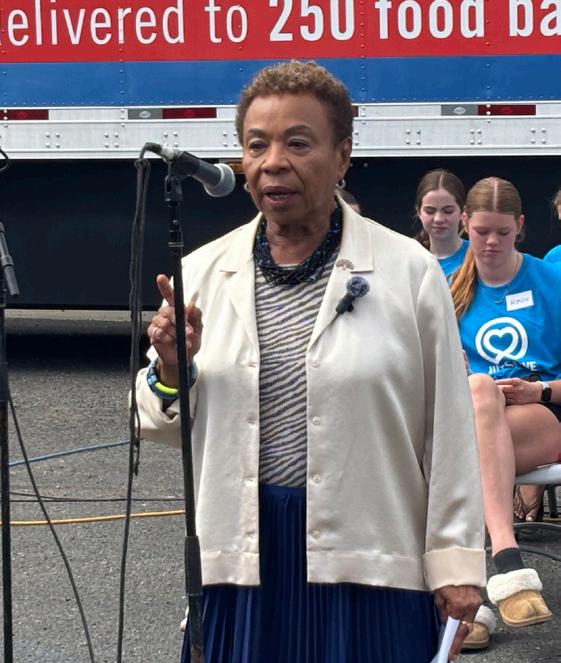
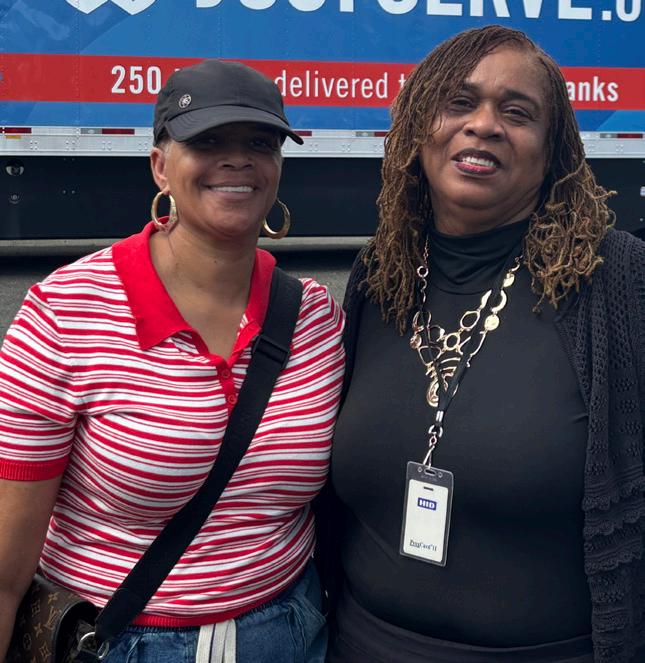
Oakland Mayor Barbara Lee speaks at the JustServe event. Word Assembly first Lady Denise Clark, left, joined Mt. Zion Missionary Baptist Church first lady Velma Wallace at the food distribution site where the first of the 250 truckloads of food LDS will provide to places across the country. Courtesy photo.
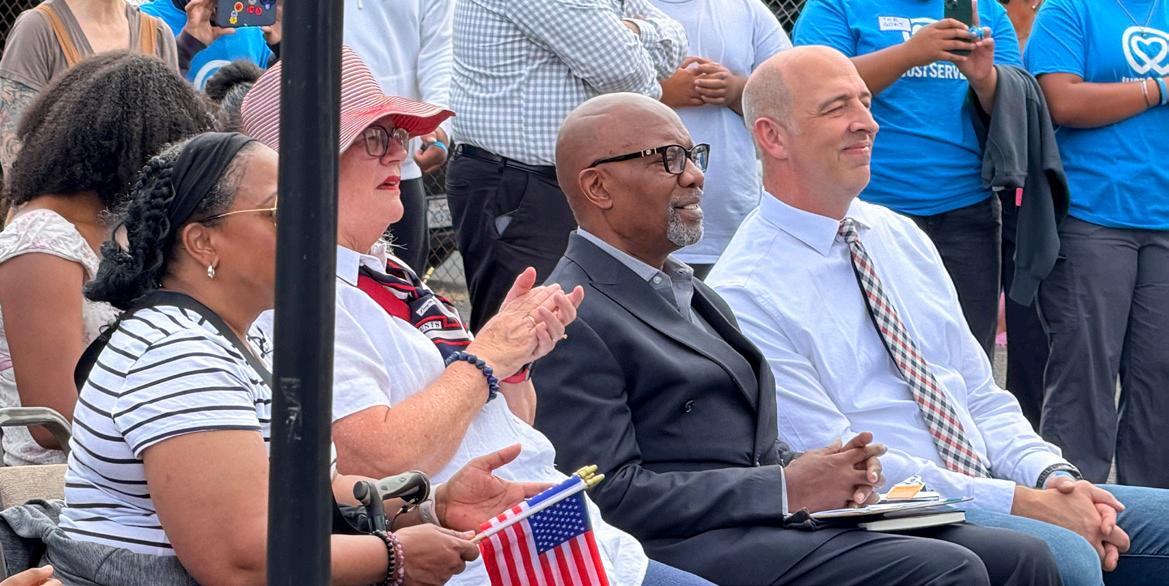
Pastor Michael Wallace of Mt. Zion Missionary Baptist Church (center) and David Kimball, right, president of the Oakland Stake of the LDS church listen to remarks before volunteers began their work. “We are grateful to partner with these organizations to help care for those in need in our community,” Kimball later told the assembled volunteers. Courtesy photo.