County Votes Reparations
Special to The Post
The Alameda County Board of Supervisors unanimously voted 5–0 on Tuesday to adopt the Final Action Plan of the Alameda County Reparations Commission, marking a historic milestone in the County’s commitment to advancing reparative justice for Black residents.
The vote follows nearly three years of work by the Alameda County Reparations Commission, which was seated in July 2023. Through extensive historical research, analysis of County data,
public listening sessions, expert testimony, and community engagement, the Commission developed a comprehensive roadmap for addressing documented harms and expanding opportunity for future generations.
The Final Action Plan addresses disparities in housing, economic opportunity, education, health, environmental justice, public safety, arts and culture, land use, and other areas where historical government policies have contributed to inequitable outcomes for Black residents.
Special to The Post
On June 30, a coalition of minority business leaders, contractors and others met with Oakland Mayor Barbara Lee to discuss the City’s commitment to implement recommendations outlined in Oakland’s Disparity Study and eliminating barriers that have historically prevented Black and minority-owned businesses from fully participating in public contracting opportunities.
Representatives of the Oakland African American Chamber of Commerce (OAACC), National Association of Minority Contractors Northern California (NAMC NorCal), Construction Resource Center (CRC), and the East Bay Rental Housing Association (EBRHA) said the meeting repre-
sented an important milestone in a process that has been underway for several months.
On April 21, the Oakland City Council’s Life Enrichment Committee received a progress report from the Department of Workplace and Employment Standards (DWES), where Director Emylene Aspilla presented the coalition’s working document and outlined a collaborative implementation plan between the coalition and the City. That report established 30-, 60-, and 90-day objectives focused on five key priorities:
● Reforming Local and Small Local Business Enterprise (L/ SLBE) waiver practices
● Strengthening prompt payment compliance
● Improving procurement forecasting and transparency
● Expanding contractor capacity building and business development
● Increasing oversight, accountability, and public reporting
A series of working sessions was scheduled between coalition representatives, DWES, and the City Administrator’s Office to begin implementing those priorities but were temporarily delayed by the resignation of former City Administrator Jestin Johnson.
Rather than allowing that momentum to stall, OAACC President and CEO Cathy Adams requested a meeting with Lee to gain clarity on the City’s direction and reaffirm its commitment to implementing the
By Carla Thomas
Oakland community leaders, residents, and organizers gathered at Lodestar Academy on June 27 to mark the launch of Neighborhood Peace Committees; a grassroots effort designed to prevent violence by addressing conflict at its source.
Hosted by Roots Community Health and the 40x40 Council, the event at 701 105th Ave. in East Oakland blended the energy of a community celebration with the urgency of a public safety solution. Music filled the space, a burrito lunch was
By Tanya Dennis
Plaintiff Zakiya Jendayi says she has come full circle in her years-long legal battle over the estate of her late friend, Dr. Laura Dean Head.
The case, Hamlin v. Jendayi, was previously covered by the Post News Group on Nov. 18, 2025, when Alameda County Superior Court Judge Sandra Bean invalidated Head’s will and trust and ruled in favor of Head’s disinherited sisters.
Jendayi, who says she was one of Dr. Head’s closest friend and the sole beneficiary named in the estate plan, contends that the latest developments have brought her back to the same position she faced in 2023, continuing to fight for what she believes are her legal rights to the estate.
Bean’s ruling on March 28, 2023, invalidated the Head Trust
after finding undue influence. Jendayi filed a petition asking the court to vacate that judgment. According to Jendayi, the court declined to consider the merits of her petition, stating that nearly three years had passed since the original ruling and citing the legal principles of finality and timeliness.
Jendayi disputes that conclusion. She argues that California law permits a judgment to be set aside and vacated at any time if it was entered without jurisdiction, without due process, or was procured through fraud upon the court. In her motion to vacate the judgment, she alleges that the original decision lacked jurisdictional and constitutional foundations and further claims there was no operative pleading before the court. Those allegations have not been adjudicated yet.
By Ze Segundo Special to The Post
This is an autobiographical statement by a former Street Academy student who overcame many obstacles in the1970s, attended S.F. State University, and built a successful life for herself.
I was born and raised in Oakland, living in a household with a single mother and eight children. My life was chaotic: I never felt loved, never hearing the words, “I love you.”
I was 4 years old when all of us were sent to foster homes. There, my little sister and I were tortured. I believe we were there a little over a year. When we finally returned home to our mother, she had a new husband who was very abusive to all of us including my mother.
I and my other sisters were sexually abused by two uncles and my big brother. I remember my uncle choking me and telling me if I told anyone, he would kill me and my little brother – so I didn’t tell. I was terrified of him. I tried to stay away from him as much as possible, but
By Jennifer Brouhard Special to The Post
I am not going to directly respond to or amplify the personal attacks on the Oakland Unified School District’s dedicated leaders who are working every day on behalf of Oakland’s students.
that’s kind of hard to do when a sexual predator lives with you. My mother would have parties on the weekends where there would be many people drinking and fighting. The police were often at my home. I hated Sunday mornings because my mother would make us kids clean up after the parties. The house had the stench of cigarettes and booze.
Having to clean up other people’s vomit made me sick to my stomach. This is when I started to drink my-
self. Taking sips of leftover alcohol in glasses and beer cans. That would be the start of my alcoholism.
I started cutting myself when I was 11 years old and didn’t know why. I think it was because it made me feel something different and somehow made whatever I was feeling go away for the moment. I didn’t have many friends and didn’t have any social skills. I was very shy and withdrawn. In my
Dr. Denise Saddler is a respected educator who leads with integrity, honesty, and decades of experience in service to OUSD. Since stepping into the role of interim superintendent, she has worked tirelessly alongside the Senior Leadership Team and fiscal consultants to address one of the most difficult financial situations our district has faced.
In December, the Board gave clear direction: bring forward a budget proposal that did not
include a state loan and did not include school closures. Saddler and her team did exactly what the Board asked them to do.
There were differing opinions about how to address the district’s fiscal challenges. The two former employees referenced in a news article supported a different
approach that included pursuing a state loan and exploring school closures. Those proposals were presented to the Board alongside Saddler’s proposal.
The Board adopted Saddler’s recommendation because it reflected the direction we had established. Since I joined the Board in 2023, the majority of the Board has consistently opposed school closures and has worked to preserve local control by avoiding a state loan whenever possible.
The public records cited in the article demonstrate the countless hours Saddler, the Senior Leadership Team, and our consultants devoted to developing a responsible financial plan. Difficult decisions were made, ideas were
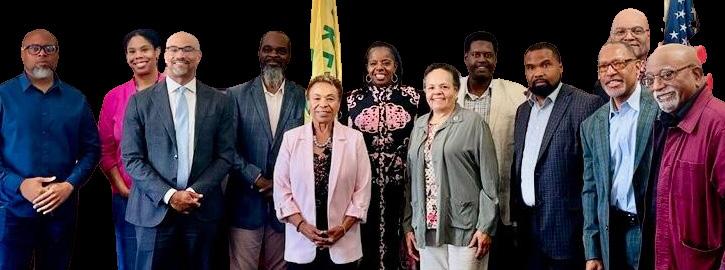
Present at the recent meeting on implementing recommendations on Oakland’s Disparity Study on city work contracts were (first row, l. to r.): Chuck Baker, Oakland Mayor Barbara Lee and Darlene Flynn. Second row, l. to r.) Samuel Adams, Erica Astrella, Chadwick Spell, Cathy Adams, Stanley Cooper, Mario Wagner, Len Turner, Derek Barnes, Paul Cobb. Photo courtesy of Oakland Mayor’s Office.
Khariyyah Shabazz, associate director of Neighborhood Development with Roots Community Health, addresses community members about Peace Committees at Lodestar Academy in East Oakland. Photo By Carla Thomas.
The Reparations Commission members and Alameda County Board of Supervisors celebrated the approval of its report on June 30. Present were (first row, l. to r.) Dee Johnson, Supervisor Elisa Marquez, Supervisor Lena Tam, Debra Gore, Artavia Berry, Supervisor Nikki Fortunato Bas, Jennifer Gayden, and Supervisor David Haubert; Second row (l. to r.) Supervisor Nate Miley, Larry McClendon, Brandon T. Sass, Phil Gardiner, Shadrick A. Small, and James Knowles. Photo by Ashley Sturgis, supervisor’s assistant from the Office of Supervisor Lena Tam.
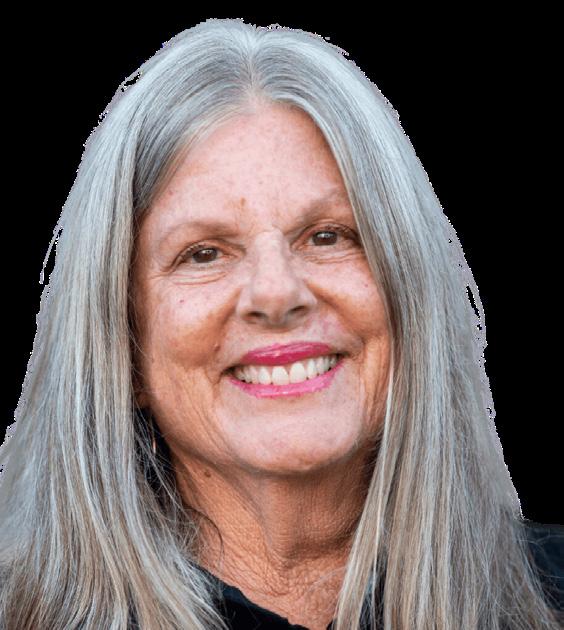
Jennifer Brouhard. File photo.
Mural at
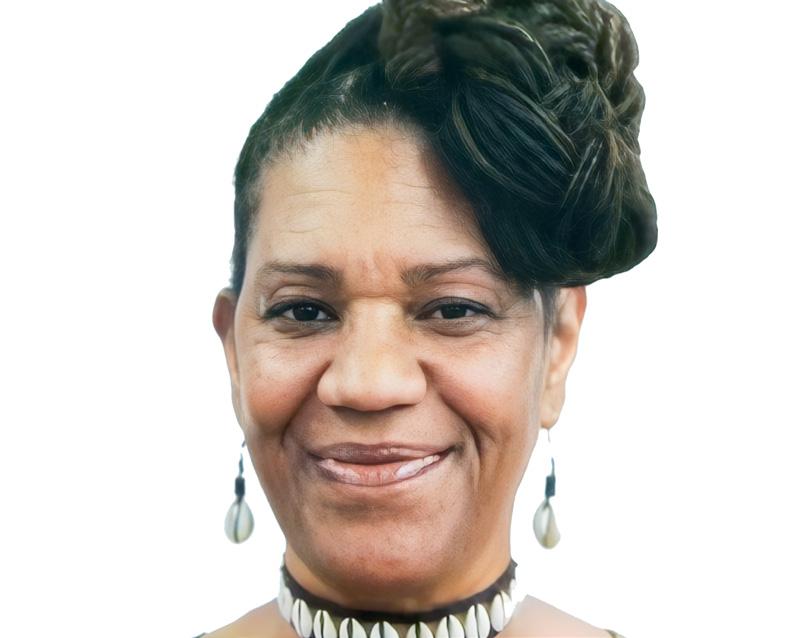
Zakiya Jendayi was named the sole beneficiary of her friend Dr. Laura Dean Head. Courtesy photo.
Black Caucus Bill Requiring Major Corporations in California to Disclose Links to Slavery Moves Forward
By Antonio Ray Harvey California Black Media
By Charlene Muhammad, California Black Media
Crystal Lambert knew something was terribly wrong with her 3-year-old granddaughter as she sped down the street trying to get her to the hospital.
“I thought she got a hold of some poison,” Lambert recalled.
Doctors found Lambert’s granddaughter had a blood sugar level over 800, diagnosing her with Diabetic Ketoacidosis (DKA), a state in which the body, starved of insulin, begins to shut down.
Lambert said she was born with a pancreas that was not fully functioning — it lacked the specialized cells required to produce insulin.
Her granddaughter survived and is five years old today. Now, she gives herself insulin shots, asks endless questions about her condition, and runs like the spirited child she is. But the terror of that night transformed Lambert — and ultimately inspired her to launch the We Fight Back Organization, a mobile health and food access initiative serving underserved communities across California. Lambert is the executive director.
The Crisis by the Numbers
According to the Centers for Disease Control and Prevention (CDC) Behavioral Risk Factor
Surveillance System data, nearly 17.9% of Black adults in California have been diagnosed with diabetes — above the national Black adult average of 16.8%, and nearly five points higher than California’s overall adult rate of 12.6% across all races. California ranks 24th out of 39 states with available data for Black adult diabetes rates.
Nationally, according to the U.S. Department of Health and Human Services, Black Americans were 24% more likely than the overall U.S. population to have diabetes in 2024. They also died from diabetes 78% more often than the general population in 2022. Black Americans are also more than twice as likely as the overall population to develop kidney failure caused by diabetes.
According to the California Health Care Foundation’s 2024 Health Disparities Almanac, Black Californians have the shortest life expectancy in the state at just 74.6 years — due in part to chronic conditions like diabetes and its devastating complications.
Leon Rock, co-founder of the African American Diabetes Association, believes statistics, though revealing, only tell part of the story.
“There are a whole bunch of Black folks that don’t tell you that they have diabetes — or don’t
NOTICE AND DIGEST
Dr. Khadijah Lang, a family medicine physician and president of the Golden State Medical Association, agrees that the roots of the crisis run deeper than individual behavior — and blaming patients misses the point.
“We are not genetically predisposed to diabetes,” Lang said. “But the system under which we live increases the likelihood that we will develop it.”
What the Body Needs — What
Communities Are Denied
Type 2 diabetes, which accounts for 90 to 95% of all diabetes cases, according to the CDC, develops when the body can no longer use insulin effectively to regulate blood sugar. Left unmanaged, it damages nerves, kidneys, eyes, and the cardiovascular system. The hemoglobin A1C test is a blood draw that reveals how the body has processed sugar over the previous three months — not just at the moment of the test. It is the standard tool for both diagnosis and ongoing monitoring.
That distinction matters, Lang emphasized, because patients cannot manipulate three months of blood sugar history the way they might fast for a day before a single blood draw.
“The pill is not meant to undo or control a sugar level that’s being constantly stressed,” Lang said.
AN ORDINANCE (A) AUTHORIZING THE CITY ADMINISTRATOR TO NEGOTIATE AND EXECUTE A LEASE WITH EAST BAY BLUE PRINT & SUPPLY CO., A CALIFORNIA CORPORATION, OF PROPERTY LOCATED AT 1475 14TH AVENUE FOR A ONE YEAR TERM WITH THE OPTION TO EXTEND SIX ADDITIONAL ONE MONTH PERIODS FOR RENT IN THE AMOUNT OF $7,900 PER MONTH; (B) MAKING FINDINGS THAT THE LEASE FOR BELOW FAIR MARKET RENTAL VALUE IS IN THE BEST INTERESTS OF THE CITY; AND (C) ADOPTING CALIFORNIA ENVIRONMENTAL QUALITY ACTFINDINGS
This is an Ordinance (a) authorizing the City Administrator to negotiate and execute a Lease between the City of Oakland and East Bay Blue Print & Supply Co., a California corporation, of property located at 1475 14th Avenue for a one (1) year term with the option to extend six (6) additional one-month periods for rent of Seven Thousand Nine Hundred Dollars ($7,900) per month; (b) making findings that the Lease for below fair market rental value rent is in the best interests of the City; and (c) adopting California Environmental Quality Act (“CEQA”) findings.
Notice of Publication
This Ordinance was introduced at the City Council meeting, Tuesday evening, June 16, 2026, and passed to print 7 Ayes; 1 Excused - Fife. Final adoption has been scheduled for the City Council meeting Tuesday evening July 7, 2026, 3:30 P.M., at One Frank H. Ogawa Plaza, Council Chamber, 3rd floor, Oakland, California, and via Teleconference.
Three full copies are available for use and examination by the public in the Office of the City Clerk at One Frank H. Ogawa Plaza, 1st floor, Oakland, California.
ASHA REED, City Clerk
Publication Date: Friday, July 3, 2026 (One Time)
In August 2000, the California Legislature confronted a little-known chapter of American history after records uncovered in the state archives revealed that, before the Civil War, some insurance companies issued policies to slaveholders that insured enslaved people against injury, death or escape, treating human beings as property.
That same year, former state Sen. Tom Hayden (D-Los Angeles) authored Senate Bill 2199, landmark legislation requiring insurance companies doing business in California to disclose records of slaveholder insurance policies issued by them or their corporate predecessors.
More than two decades later, California lawmakers are seeking to expand that transparency.
Assembly Bill (AB) 2599, the Truth in Disclosure Act, authored by Asm. Isaac Bryan (D-Ladera Heights), builds on the disclosure framework established by SB 2199. The measure would require certain large corporations to search their historical records and submit sworn affidavits, under penalty of perjury, disclosing documented ties to chattel slavery or profits derived from slavery.
On June 23, AB 2599 passed the Senate Judiciary Committee, chaired by Sen. Tom Umberg (DSanta Ana), on an 11-1 vote. The measure now heads to the Senate
Public Safety Committee.
“We have a public accounting of the ways that our civic institutions have benefited from chattel slavery and built wealth in the process,” said Bryan, vice chair of the California Legislative Black Caucus (CLBC). “We even had cost estimates of what is true accounting for what that (wealth) would be.”
Bryan continued, “This bill is simply about disclosure. We’ve had a conversation about the private sector’s role in extracting that wealth, but this bill starts with that conversation around disclosure.”
Known as the Slavery Era Insurance Policies Act, Hayden’s SB 2199 required insurers licensed in California to examine their archives for antebellum policies covering slaveholders against the loss or death of enslaved people. The results were compiled by the California Department of Insurance.
AB 2599 would extend that transparency requirement beyond the insurance industry. It requires entities doing business in California with more than $100 million in annual worldwide gross receipts to review their records for historical involvement in slavery-related transactions.
The bill specifically identifies industries historically tied to the slave economy, including textile, tobacco, railroad, shipping, rice, sugar, financial and insurance companies.
AB 2599 is the CLBC’s sole priority bill this legislative session, according to Sen. Akilah Weber Pierson (D-San Diego), chair of the caucus and a member of the Senate Judiciary Committee. Weber Pierson cited several financial institutions and insurance companies that have acknowledged or documented historical ties to slavery, including JPMorgan Chase, Citibank, Bank of America, Wells Fargo, New York Life, AIG and Aetna.
“This bill (AB 2599) is extremely important because it acknowledges that many disparities facing Black Americans did not happen by accident. It also talks about the fact that many of the economic opportunities that benefited major institutions did not also happen by accident — but by their participation in chattel slavery,” Weber Pierson said.
The bill’s primary co-sponsor is the Alliance for Reparations, Reconciliation and Truth. Other supporters include Black Women Organized for Political Action (BWOPA), Congregations Organized for Prophetic Engagement, the Ella Baker Center for Human Rights, Healing Justice Santa Barbara, the Black Power Network, the Inland Empire Black Worker Center, LA Voice, the League of Women Voters of California and Starting Over Inc.
1111 Broadway, Suite 800, Oakland, CA 94607 (510) 208—7400 • www.alamedactc.org Request for Proposals (RFP) for Project Approval and Environmental Documentation Services for I-580/I-680 Interchange Multimodal Improvements (RFP No. R26-0013)
The Alameda County Transportation Commission (Alameda CTC) is seeking proposals for a contract to commence services in October 2026 or as indicated in the RFP and/or appropriate addenda.
Key Dates:
• Optional In-Person Pre-Proposal Meeting to be held at Alameda CTC offices, located at 1111 Broadway, Suite 800, Oakland, CA 94607, is scheduled for July 9, 2026 at 2:00 p.m. Pacific Time (PT)
• Proposal due date: August 4, 2026 BEFORE 3:00 p.m. PT
Proposals are subject to Alameda CTC’s Local Business Contract Equity Program. The Program goals for professional services are 70% for Local Business Enterprise (LBE) and 30% for Small LBE. For Program requirements and forms, visit Alameda CTC’s website. Any contract resulting from this RFP will be awarded without discrimination based on race, color, religion, sex, sexual orientation or national origin.
All RFP documents are available Procurement Portal at https://alamedactc. bonfirehub.com. All questions regarding this RFP must be submitted via the Procurement Portal, no later than 3:00 p.m. PT on July 15, 2026.
Submittals must be made in accordance with the instructions in the RFP. Any contract awarded must be in compliance with the local, state, and /or federal requirements.
Dr. Khadijah Lang is a family physician with a clinic in Los Angeles who specializes in several family medical practices, including prenatal care. Lang believes in family medicine. She says it is important to treat all members of a family. Thursday, June 5, 2026. Photo by Solomon O. Smith/California Black Media.
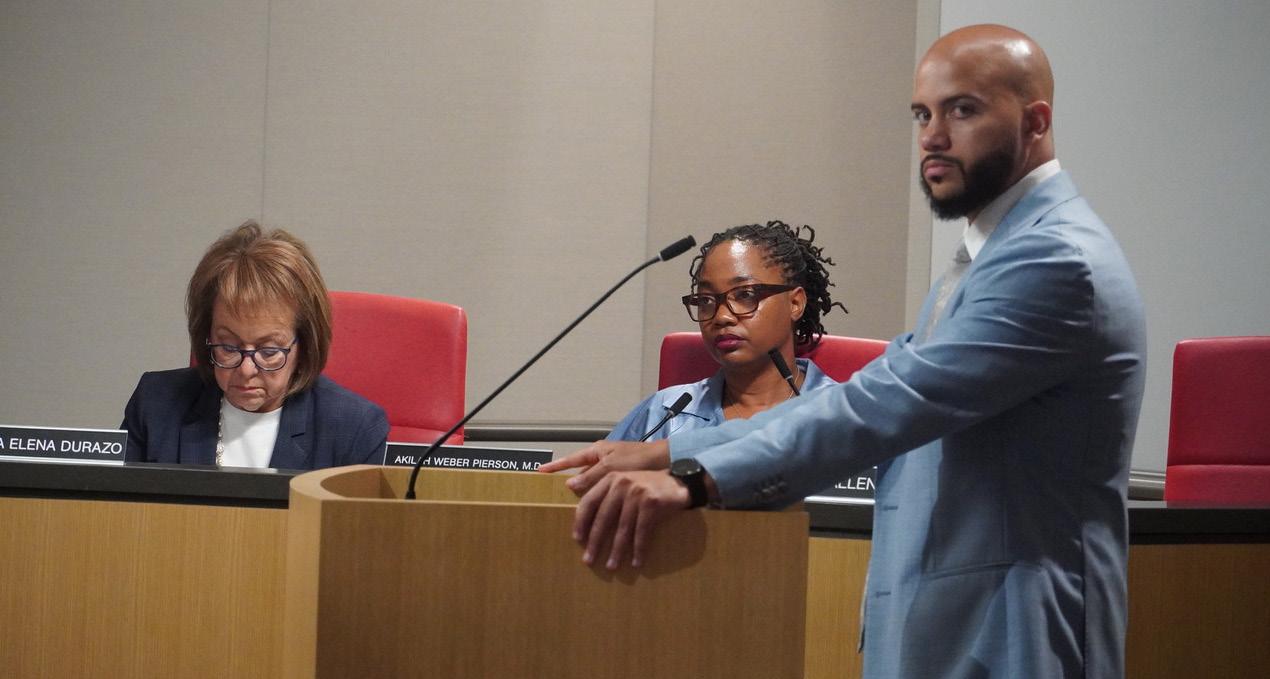
Asm. Isaac Bryan (D-Ladera Heights), at the podium, presents Assembly Bill 2599, the Truth in Disclosure Act, before the California Senate Judiciary Committee on June 24. The committee approved the measure on an 11-1 vote. The bill would require major corporations doing business in California with more than $100 million in annual worldwide gross receipts to search their historical records and submit sworn affidavits disclosing any ties to chattel slavery. Seated on the committee are Sen. Maria Elena Durazo (D-Los
Black Caucus Chair Sen. Akilah Weber Pierson (D-San Diego).
CBM photo by Antonio Ray Harvey.
Crystal Lambert, creator and executive director of We Fight Back. She started the organization out of a need to learn more about diabetes on behalf of her granddaughter. Now she is looking to spread the impact of her organization to the valley. Friday, June 6, 2026. Photo by Solomon O. Smith/California Black Media.
available to eligible patients was solidified through previous budget actions and pharmacy policy updates.
“It’s meant to work in conjunction with a low-carbohydrate diet and exercise.” She recommended at minimum 30 minutes of physical activity five days a week — breakable into 10-minute sessions for those who need it.
Lang stressed that education must be delivered in language people recognize and can relate to. The goal is to inform them of the choices that serve their health best, she said.
But for many Black Californians, even those informed choices remain out of reach, Lambert said.
“They need access to healthy foods and medication, too” she said.
California has made some critical policy advances. The state has expanded access to the Continuous Glucose Monitor (CGM), which has transformed diabetes care for state residents.
Assembly Bill 365, introduced in 2024, proposed requiring Medi-Cal to cover the costs of CGM and other related medical equipment but it failed in the State Senate. Since then, the California Department of Health Care Services (DHCS) reports that the core Medi-Cal CGM benefit now
These measures, while meaningful, have not closed the gap for the communities most at risk, according to advocates.
Control Through Community
Health care advocates conclude that the solution must be communal, culturally grounded, and sustained — not a fad, not a celebrity moment, not a single clinic visit. For example, observed Lang, lifestyle shaped by shared values and collective accountability can move the needle where individual prescriptions have not.
Rock is building infrastructure to match the urgency, establishing local chapters of the African American Diabetes Association across the country, with California next.
“We have to do for self, period,” he said. “Health is wealth. We have to eat to live.”
And Lambert, whose granddaughter unknowingly started all of this for her, keeps showing up.
“Diabetes advocacy is about dignity, education, prevention, and hope,” she said.
This article is supported by the California Health Care Foundation (CHCF). Visit www. chcf.org
through 12th grade must now provide at least one all-gender restroom for student use. Supporters say the requirement helps ensure that all students have access to safe and inclusive restroom facilities.
Student Mental Health Resources on School IDs (AB 727): Student identification cards for grades 7 through 12 and public colleges must include information about suicide prevention resources, including crisis services for LGBTQ+ youth. The goal, supporters argue, is to make life-saving mental health resources more accessible to students when they need them most.
• Limits on Student Smartphone Use: School districts are expected to begin implementing policies limiting student smartphone use during the school day. The new law requires every school district, county office of education and charter school to adopt a policy by July 1 restricting or prohibiting smartphone use on campus, while allowing exceptions for emergencies, health needs and other specified circumstances.
• Restaurant Food Allergen Disclosure (SB 68): Chain restaurants in California with 20 or more locations nationwide must now provide customers with information about the nine major food allergens.
• Standardized Food Date Labels (AB 660): California is introducing standardized food date labels such as “Best if
Used By” to replace inconsistent phrases like “Sell By” and “Use Before.” Lawmakers who supported the measure say the change, effective July 1, will reduce consumer confusion and help prevent unnecessary food waste.
Local Minimum Wage Increases: On July 1, several California cities and jurisdictions will raise their local minimum wages to keep pace with inflation. The largest increases include Los Angeles ($18.42/hour), San Francisco ($19.61/hour), Emeryville ($20.34/hour) — the highest citywide minimum wage in the state — Pasadena ($18.57/hour), and Santa Monica and unincorporated Los Angeles County ($18.47/hour).
The increases range from 30 cents to 66 cents per hour.
Autonomous Vehicle Safety Requirements (AB 1777):
Companies operating autonomous vehicles must maintain dedicated communication systems that allow first responders to quickly contact operators during emergencies, helping improve public safety as selfdriving technology expands.
• New Firearm Restrictions (AB 1127): Beginning July 1, licensed firearms dealers are prohibited from selling certain semiautomatic pistols that can be readily converted into fully automatic weapons using a device commonly known as a “Glock switch.” The law applies to future retail sales of qualifying firearms but does not ban possession of existing firearms or private-party transfers.
Emil Amok Guillermo
By
Donald Trump tried to deport Wong Kim Ark.
But the President was 128 years too late.
On the final day of its term, days before America marks its 250th anniversary, the Supreme Court reminded us who gets to call themselves an American.
It’s not determined by blood. It’s determined by birth on American soil.
The Supreme Court rejected Trump’s attempt to end birthright citizenship by executive order. In doing so, he reaffirmed what the Supreme Court had already settled in 1898 in United States v. Wong Kim Ark.
The Court didn’t invent a constitutional right.
It refused to erase one. If your mother’s feet were on American soil when you were
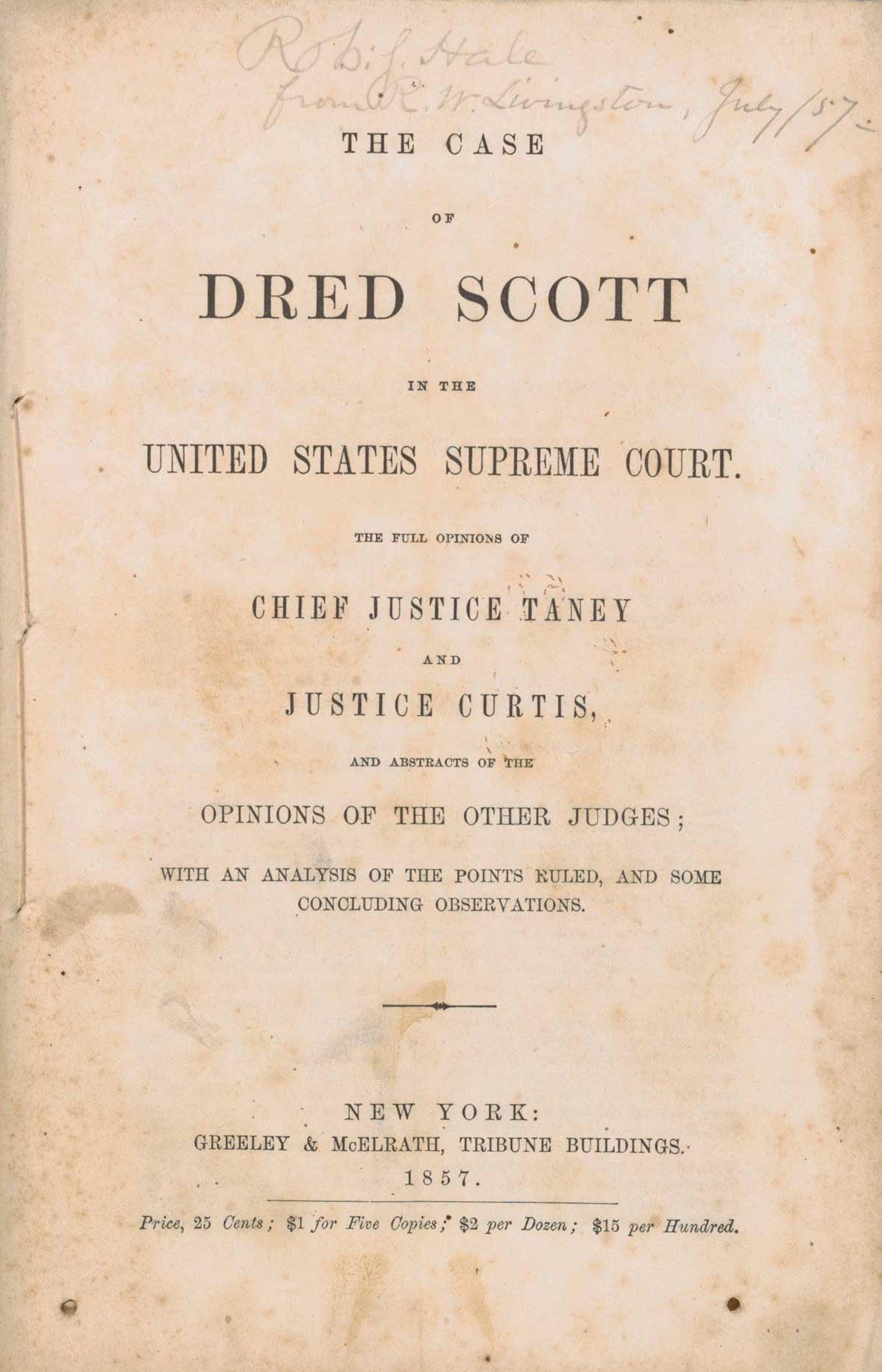
The cover of the “Full Opinions” from the Dred Scott Case. (The Smithsonian Institution). Public domain.
Report Examines Link Between Low Earnings and Incarceration Rates
By Bo Tefu California Black Media
Low earnings and unstable employment before incarceration may play a larger role in the cycle of imprisonment than previously understood, according to a new report from the Public Policy Institute of California (PPIC) that tracks the work histories of nearly 170,000 people released from state prisons.
The report, Employment Before, During, and After Prison in California, found that many people entering prison had weak ties to the labor market, often working temporary, low-paying jobs that failed to lift them above the federal poverty line. Researchers said the findings underscore the need for stronger education, workforce development and employment programs to improve long-term economic outcomes and reduce barriers to successful reentry.
The study analyzed employment records for people released from California prisons between 2015 and 2019, examining their work histories before incarceration, jobs held while in prison and employment after release. Researchers found that nearly half of those studied never held a job outside prison during the period examined, while one in four had no
recorded employment before, during or after incarceration.
“Policymakers have long sought to promote employment among released prisoners through policies and programs that reduce incarceration and broaden access to the labor market,” researcher Heather Harris stated. “This descriptive report provides previously unavailable information about employment before, during, and after incarceration among released prisoners with the aim of highlighting opportunities for improvement.”
Before incarceration, about one-third of employed individuals worked temporary jobs. After release, that share increased to 42%, suggesting employment remained unstable even after returning to the community. The report also found that prison jobs generally paid about 40% less than the national average, and nearly one-third of incarcerated workers received no wages at all.
Researchers found that low earnings were common throughout the employment histories they examined. Only 28% of people employed before incarceration earned more than the federal poverty threshold in at least one year. Although that share rose to 45% after release, many workers con-
CITY OF OAKLAND REQUEST FOR PROPOSAL (RFP) FOR TOWING SERVICES
Contract Amount: TBD Terms: TBD
Project Description: The Oakland Police Department (OPD) is soliciting proposals from qualified firms or individuals to provide required 24/7 on- call towing, recovery, and secure storage services.
Pre-Proposal Meeting (Voluntary): Friday, July 10, 202610:00 AM (Pacific) via Microsoft Teams. Link to register below: https://teams.microsoft.com/meet/271249305388597?p=M 6SrCPeDfZOV6F7Wvd
Proposal Submittal Deadline: Monday, August 3, 2026, by 5:00 P.M. via iSupplier.
Reminders:
• All who wish to participate in this RFP must register (at least 5 days prior to submittal due date) through iSupplier at (https://www.oaklandca.gov/services/register-with-isupplier) to avoid last minute submittal complications and receive addenda/updates on this RFP. For additional help registering and submitting your proposal to iSupplier please watch the user guide videos at (https://www.oaklandca.gov/documents/isupplier-user-guides).
• Did not receive an invitation? Start Early with iSupplier registration. Upon completion of registration, send an email to iSupplier@oaklandca.gov listing “RFP for TOWING SERVICES” as the subject and request an invitation to the RFP. The Contract Analyst will add your business to the RFP invitation.
• The following policies apply to this RFP: Equal Benefits
• 0% L/SLBE • Living Wage • Campaign Reform Act • Professional Services Local Hire • Prompt Payment • Arizona Boycott • Dispute Disclosure • Border Wall Prohibition • Sanctuary City Contracting and Investment Ordinance.
Answers to Questions:
1. For project-related questions contact Contract Administration at contractadmin@oaklandca.gov
2. For iSupplier related questions after registration contact iSupplier@oaklandca.gov
Asha Reed, City Clerk and Clerk of the City Council, Friday, July 3, 2026
Kamala Harris Says State and Local Leadership Matters as Much as Washington
By Joe W. Bowers Jr. California Black Media
Former Vice President Kamala Harris said traveling the country since the 2024 Presidential election during her book tour gave her an opportunity to hear directly from Americans about the challenges they face every day, reinforcing her belief that many people feel unheard by Washington and increasingly look to state elected officials for solutions.
tinued to earn too little to achieve lasting financial stability.
The report also identified significant disparities, with Black workers earning an average of 38% less than White workers and women earning about 20% less than men.
Despite those challenges, the report identified several factors associated with stronger employment outcomes. Individuals who worked before incarceration were nine times more likely to find employment after release, while prison jobs, vocational education, college coursework and substance use disorder treatment were all linked to improved employment prospects.
“Our findings suggest that improving access to education, job training and employment opportunities before, during and after incarceration could strengthen labor market outcomes for formerly incarcerated Californians,” Harris stated.
The researchers said expanding evidence-based workforce and education programs could help break the connection between persistent low earnings and incarceration, while improving economic mobility and reducing the likelihood of future justice system involvement.
Speaking at UCLA on June 23 during a discussion hosted by The States Project, Harris said she deliberately used her travels to spend time listening to people rather than simply talking to them.
“After the election I needed to take a minute, but when that minute was over, I needed to listen,” said Harris.
One conversation that stayed with her was with a single mother of three in Jackson, Mississippi, who was attending cosmetology school while raising her children on a $150 weekly grocery budget. Harris said the woman also told her the tap water was sometimes too contaminated to bathe her children.
When Harris asked what she wanted others to understand about families like hers, the woman replied, “Don’t they see me?”
“There are a lot of people who feel that they are not interested, and that their everyday fears and worries and hopes aren’t being heard,” Harris said.
“People are done with the status quo,” Harris added. “They’re done. It’s not working for them.”
She said political leaders must focus on solving everyday problems while presenting a broader vision for the country’s future.
“It’s about having affordable housing, affordable healthcare. It is about having a tax code that works for working peo-
Wong Kim Ark Kept Dred Scott Dead
...
Continued from page 7
born, you’re an American citizen.
You can’t defeat the feet.
That’s my story as a Filipino American.
The History We Keep Forgetting
America has a habit of forgetting the people who save it.
We remember the Gold Rush.
We forget the Chinese who built the railroads.
We remember César Chávez.
We forget Larry Itliong.
And now, when politicians tried to rewrite the Constitution, they forgot the Chinese American born in San Francisco who had already answered their question more than a century ago.
His name was Wong Kim Ark.
If you’ve never heard of him, don’t feel bad.
Asian Americans have spent generations as America’s footnotes.
Unless we’re nurses.
Then we’re indispensable.
Unless we’re applying to elite colleges.
Then we’re the problem.
Let’s also be fair.
Not everyone who opposes birthright citizenship is motivated by prejudice. Many sincerely argue the Fourteenth Amendment was written only to guarantee citizenship to formerly enslaved Black Americans and not to the children of immigrants.
That’s a constitutional argument.
It just happens to be the one that lost.
In 1898.
And again this week.
Dred Scott is Why This Matters
Here’s the history too many Americans skip.
Why was the Fourteenth Amendment written?
In 1857, the Supreme Court’s infamous Dred Scott decision declared that Black people — enslaved or free — could never be citizens of the United States.
Never.
The Civil War ended slavery.
But it took the Fourteenth Amendment to bury Dred Scott.
The Citizenship Clause wasn’t a loophole.
It wasn’t an accident.
That’s the history the Supreme Court relied on.
The Fourteenth Amendment first secured the citizenship of formerly enslaved Black Americans.
Then Wong Kim Ark established that the same constitutional promise belongs to every child born on American soil, regardless of race or ancestry.
Black freedom and Asian American citizenship are joined by the same sentence in the Constitution.
Different communities.
One constitutional promise.
Our Hero
Wong Kim Ark was born in San Francisco in 1873. Not born pending ICE approval.
Born.
His parents were Chinese immigrants legally living in California but barred by racist laws from becoming citizens themselves.
As a Filipino American, this debate isn’t abstract.
My mother was still legally an alien when I was born.
Her immigration status didn’t matter.
Where her feet stood did.
America.
That’s what made me a citizen.
Not ancestry.
Not bloodline.
Not race.
The Constitution.
Emil Guillermo is an awardwinning journalist, news analyst, and comic monologist. He appears at the Winnipeg Fringe Festival, July 16–26, at Ace Art Gallery. Subscribe to his microtalk show at YouTube.com/@emilamok1.
iStock.
Continued on page 9
Continued from page 8
ple,” Harris said.
Harris said those conversations reinforced her belief that state elected officials are often better positioned than Washington to understand the everyday challenges facing their constituents.
“I support The States Project because the folks here and the folks we are supporting — state elected officials — are on the ground seeing and hearing these stories every day,” Harris said.
The discussion was moderated by Daniel Squadron, co-founder of The States Project and author of The Fourth Branch: How State
Government Can Save Our Union. The organization supports state legislative candidates in competitive states and advocates for greater investment in state legislative races.
Harris said protecting voting rights remains central to the broader civil rights movement.
“The fight for civil rights in America, born out of the struggle of Black Americans, has benefited so many groups,” she said. “But when we look at what’s happening across the country, the fight for justice, for equality, lives on.”
Looking beyond the current administration, Harris said Democrats must present voters with
NOTICE AND DIGEST
more than opposition to President Donald Trump.
“We’ve got to have a mindset and a purpose that is about the day after this administration leaves the White House,” Harris said. “The question is going to be, what are you going to do with the power if you get it?”
Harris closed by encouraging Americans to remain engaged in their communities and state government.
“I strongly believe nobody should be made to fight alone,” Harris said. “Especially at this moment in time.”
AN ORDINANCE, AS RECOMMENDED BY THE PLANNING COMMISSION, AMENDING TITLE 17 OF THE OAKLAND MUNICIPAL CODE (OAKLAND PLANNING CODE):
1) UPDATING THE ACCESSORY DWELLING UNIT REGULATIONS FOR CONSISTENCY WITH STATE LAW AND PROVIDING WRITTEN FINDINGS PURSUANT TO GOVERNMENT CODE 66326(B);
2) REVISING DISCONTINUANCE STANDARDS FOR NONCONFORMING ACTIVITIES;
3) REMOVING APPLICABILITY OF S-10 SCENIC ROUTE COMBINING ZONE DISCRETIONARY STANDARDS TO MINISTERIAL DESIGN REVIEW;
4) PERMITTING RECREATIONAL ASSEMBLY ACTIVITIES IN THE WOOD STREET D-WS-9 ZONE;
5) REVISING MINIMUM FRONT SETBACK IN D-CO-2 ZONE;
6) REMOVING A REVIEW DEADLINE FROM DEVELOPMENT AGREEMENT PROCEDURE IN SECTION 17.138.030;
7) REVISING UTILITY SCREENING STANDARDS IN SECTION 17.124.045;
8) INCORPORATING CONFORMING AND CLERICAL REVISIONS; AND
9) MAKING APPROPRIATE CALIFORNIA ENVIRONMENTAL QUALITY ACT FINDINGS
This Ordinance amends Title 17 of the Oakland Municipal Code (Oakland Planning Code) to (a) correct errors and inconsistencies, provide clarifications, and incorporate targeted substantive updates to address outstanding issues and keep the Oakland Planning Code current; and (b) brings Oakland’s Accessory Dwelling Unit (ADU) regulations in conformance with State ADU Law (Gov. Code §§ 66310–66342) by incorporating previously adopted findings pursuant to Government Code Section 66326(b) and making additional findings.
Notice of Publication
This Ordinance was introduced at the City Council meeting, Tuesday evening, June 16, 2026, and passed to print 8 Ayes. Final adoption has been scheduled for the City Council meeting Tuesday evening July 7, 2026, 3:30 P.M., at One Frank H. Ogawa Plaza, Council Chamber, 3rd floor, Oakland, California, and via Teleconference.
Three full copies are available for use and examination by the public in the Office of the City Clerk at One Frank H. Ogawa Plaza, 1st floor, Oakland, California.
ASHA REED, City Clerk
Publication Date: Friday, July 3, 2026. (One Time)
NOTICE AND DIGEST
AN ORDINANCE (1) AMENDING ORDINANCE NO. 13355 C.M.S. GRANTING AN EXCLUSIVE FRANCHISE TO LYFT BIKES AND SCOOTERS, LLC (LYFT), FORMERLY BAY AREA MOTIVATE, LLC, TO OPERATE A BIKE SHARE PROGRAM; (2) AUTHORIZING THE CITY ADMINISTRATOR TO NEGOTIATE AND EXECUTE AN AMENDMENT TO THE BIKE SHARE PROGRAM FRANCHISE AGREEMENT WITH LYFT TO EXTEND THE TERM TO NO LATER THAN DECEMBER 31, 2032; (3) AUTHORIZING ADVERTISING SIGNS ON THE BIKE SHARING PROGRAM EQUIPMENT, PURSUANT TO SECTION 17.104.060 OF THE OAKLAND PLANNING CODE; AND (4) ADOPTING APPROPRIATE CALIFORNIA ENVIRONMENTAL QUALITY ACT FINDINGS
The ordinance (1) amends Ordinance No. 13355 C.M.S. granting an exclusive franchise to Lyft Bikes And Scooters, LLC, formerly Bay Area Motivate, LLC (Lyft), to operate a bike share program; (2) authorizes the City Administrator to negotiate and execute an amendment to the bike share program franchise agreement with Lyft to extend the term by an additional six and a half (6.5) years until July 31, 2031, with a five (5) month option to extend to no later than December 31, 2032; (3) authorizes advertising signs on the bike sharing program equipment, pursuant to Section 17.104.060 of the Oakland Planning Code; and (4) adopts appropriate California Environmental Quality Act findings.
Notice of Publication
This Ordinance was introduced at the City Council meeting, Tuesday evening, June 16, 2026, and passed to print 5 Ayes; 2 No’s – Houston, Wang; 1 Excused - Fife Final adoption has been scheduled for the City Council meeting Tuesday evening July 7, 2026, 3:30 P.M., at One Frank H. Ogawa Plaza, Council Chamber, 3rd floor, Oakland, California, and via Teleconference.
Three full copies are available for use and examination by the public in the Office of the City Clerk at One Frank H. Ogawa Plaza, 1st floor, Oakland, California.
ASHA REED, City Clerk
Publication Date: Friday, July 3, 2026 (One Time)
NOTICE AND DIGEST
AN ORDINANCE (1) AUTHORIZING THE CITY ADMINISTRATOR TO NEGOTIATE AND EXECUTE THE FOLLOWING: (A) A LEASE AGREEMENT BETWEEN THE CITY AS LANDLORD AND SHARKS ICE, LLC AS TENANT TO OPERATE THE OAKLAND ICE CENTER FOR AN INITIAL 5-YEAR TERM WITH FOUR 5-YEAR OPTIONS AT A RATE OF THREE HUNDRED THIRTYFIVE THOUSAND DOLLARS ($335,000) IN BASE RENT PER YEAR WITH AN ANNUAL TENANT CAPITAL CONTRIBUTION OF ONE HUNDRED THOUSAND DOLLARS ($100,000) AND PERCENTAGE RENT OF SEVEN PERCENT (7%) OF ANNUALGROSS REVENUE ABOVE $4.3 MILLION DOLLARS; (B) AN ADVERTISING REVENUE SHARING AGREEMENT WITH TENANT RETAINING THE FIRST ONE HUNDRED THOUSAND DOLLARS ($100,000) AND THE CITY RECEIVING FIFTY PERCENT (50%) OF THE REMAINING NET ADVERTISING REVENUE FOR A TERM OF FIVE (5) YEARS WITH FOUR 5-YEAR OPTIONS; (C) THE USE OF ONE MILLION THREE HUNDRED FORTY-FOUR THOUSAND NINE HUNDRED AND TEN DOLLARS ($1,344,910) IN CAPITAL RESERVE FUNDS AND UP TO FIVE HUNDRED THOUSAND DOLLARS ($500,000) IN ANTICIPATED NET REVENUE IN FISCAL YEAR 2025-2026 TO REIMBURSE SHARKS ICE, LLC FOR LOSSES REALIZED UNDER THE CURRENT MANAGEMENT AGREEMENT; AND (D) A DISBURSEMENT AGREEMENT WITH THE SHARKS ICE, LLC, IN A TOTAL AMOUNT NOT TO EXCEED TEN MILLION DOLLARS ($10,000,000) OF MEASURE U BOND FUNDS FOR CAPITAL IMPROVEMENTS, INCLUDING A NEW REFRIGERATION SYSTEM; (2) MAKING FINDINGS THAT THE LEASE FOR BELOW FAIR MARKET VALUE IS IN THE BEST INTEREST OF THE CITY; AND (3) MAKING APPROPRIATE CALIFORNIA ENVIRONMENTAL QUALITY ACT FINDINGS
The Ordinance authorizes the City Administrator to negotiate and execute (a) a lease agreement with the Sharks Ice for the Oakland Ice Center located at 519 18th Street, Oakland, California, for an initial 5-year term with four 5-year options at a rate of Three Hundred Thirty-Five Thousand Dollars ($335,000) in base rent per year with an annual tenant capital contribution of One Hundred Thousand Dollars ($100,000) and percentage rent of Seven Percent (7%) of annual gross revenue above $4.3 million dollars; (b) an advertising revenue sharing agreement with Sharks Ice retaining the first One Hundred Thousand Dollars ($100,000) and the City receiving Fifty Percent (50%) of the remaining net advertising revenue for a term of five (5) years with four 5-year options; (c) the use of One Million Three Hundred Forty-Four Thousand Nine Hundred And Ten Dollars ($1,344,910) in capital reserve funds and an amount not to exceed Five Hundred Thousand Dollars ($500,000) in anticipated net revenue in Fiscal Year 2025-2026 to reimburse Sharks Ice for losses realized under the 2017 Management Agreement; and (d) a disbursement agreement with the Sharks Ice in a total amount not to exceed Ten Million Dollars ($10,000,000) of Measure U bond funds for a new refrigeration system and related improvements at the OIC. The Ordinance makes findings that the lease for below fair market value is in the best interest of the City and makes appropriate California Environmental Quality Act Findings.
Notice of Publication
This Ordinance was introduced at the City Council meeting, Tuesday evening, June 16, 2026, and passed to print 7 Ayes; 1 Excused - Fife. Final adoption has been scheduled for the City Council meeting Tuesday evening July 7, 2026, 3:30 P.M., at One Frank H. Ogawa Plaza, Council Chamber, 3rd floor, Oakland, California, and via Teleconference.
Three full copies are available for use and examination by the public in the Office of the City Clerk at One Frank H. Ogawa Plaza, 1st floor, Oakland, California.
ASHA REED, City Clerk
Publication Date: Friday, July 3, 2026. (One Time)
NOTICE AND DIGEST
AN ORDINANCE (A) AUTHORIZING THE CITY ADMINISTRATOR TO NEGOTIATE AND EXECUTE A LEASE WITH EAST BAY BLUE PRINT & SUPPLY CO., A CALIFORNIA CORPORATION, OF PROPERTY LOCATED AT 1475 14TH AVENUE FOR A ONE YEAR TERM WITH THE OPTION TO EXTEND SIX ADDITIONAL ONE MONTH PERIODS FOR RENT IN THE AMOUNT OF $7,900 PER MONTH; (B) MAKING FINDINGS THAT THE LEASE FOR BELOW FAIR MARKET RENTAL VALUE IS IN THE BEST INTERESTS OF THE CITY; AND (C) ADOPTING CALIFORNIA ENVIRONMENTAL QUALITY ACTFINDINGS
This is an Ordinance (a) authorizing the City Administrator to negotiate and execute a Lease between the City of Oakland and East Bay Blue Print & Supply Co., a California corporation, of property located at 1475 14th Avenue for a one (1) year term with the option to extend six (6) additional one-month periods for rent of Seven Thousand Nine Hundred Dollars ($7,900) per month; (b) making findings that the Lease for below fair market rental value rent is in the best interests of the City; and (c) adopting California Environmental Quality Act (“CEQA”) findings.
Notice of Publication
This Ordinance was introduced at the City Council meeting, Tuesday evening, June 16, 2026, and passed to print 7 Ayes; 1 Excused - Fife. Final adoption has been scheduled for the City Council meeting Tuesday evening July 7, 2026, 3:30 P.M., at One Frank H. Ogawa Plaza, Council Chamber, 3rd floor, Oakland, California, and via Teleconference.
Three full copies are available for use and examination by the public in the Office of the City Clerk at One Frank H. Ogawa Plaza, 1st floor, Oakland, California.
ASHA REED, City Clerk
Publication Date: Friday, July 3, 2026 (One Time)
Courtesy photo States Project.
Kamala Harris
Historic Vote on Reparations ... Roots and 40 x 40 Council ...
Continued from page 1
served, and neighbors connected with local organizations while learning about a model aimed at transforming how communities respond to everyday disputes.
At the center of the initiative was a clear principle: those closest to the challenges are often best positioned to resolve them.
The Peace Committees consist of trained and paid community members tasked with mediating disputes, facilitating structured conversations, and de-escalating tensions before they escalate into violence.
“Instead of getting the courts involved or calling the police or 311, residents can scan a QR code, call, or email, and the communication goes directly to a peace officer to help with the issue,” said Khariyyah Shabazz, associate director of Neighborhood Development with Roots Community Health.
Organizers emphasized that many acts of violence stem from unresolved personal conflicts. The committees are designed to intervene early, offering a community-based alternative to traditional enforcement systems.
“Whether it’s a dog repeatedly entering a yard, neighbors blocking a driveway, or kids climbing fences, peace officers can step in before a situation gets out of control,” Shabazz said. “We are hyper-focused locally, so the people helping are from the neighborhood. It’s not about assigning blame; it’s about identifying solutions so people can move forward.”
Peace Committee members are available regularly in the community, including at Lodestar Academy on the first and third Wednesdays and at Parker Community Resource Center on the second and fourth Wednesdays. According to organizers, early efforts are already showing promise.
“We have residents helping resolve conflicts, and the first two complaints are resolved,” Shabazz said.
The model draws inspiration from the Zwelethemba Model developed in South Africa, a globally recognized approach centered on dialogue, accountability, and community ownership. In Oakland, the framework has been adapted to reflect local culture, relationships, and lived experiences.
Peace Committee members receive training in conflict resolution, with some also gaining mental health first aid skills to better connect residents with support services. Peace Committee
participants are also paid $25 per hour and have interns training the next generation of adults to be active in their communities.
Organizers referred to the Peace Committee launch as a movement to extinguish community barriers. “It’s not about snitching; it’s about resolving problems,” Shabazz. “It’s not about keeping people out of your business; it’s about building community.
“Peace is not something that is delivered to a neighborhood, but something that is grown inside,” said keynote speaker Timothy Zenor-Davis, senior program coordinator for Neighborhood Development, Roots Community Health Center.
Haley Hester, district director for Assemblymember Mia Bonta, also addressed the audience. “Building community, strengthening trust, and ensuring neighbors know one another is essential,” said Hester.
Community member Brotha Tut shared how he organizes men in his neighborhood to clean and uplift their surroundings.
“It means a lot to connect with an organization that asks what we need and what solutions we have in mind,” he said, noting that many systems often overlook input from those most impacted. He later performed a song centered on restoring love and unity in the community.
Connie Dixon, a Peace Committee facilitator, described ongoing efforts to build relationships through direct engagement in neighborhoods.
“We knock on doors every month, engage neighbors, and provide resources,” Dixon said.
Dixon also shared her personal motivation for joining the effort, recalling a time when a neighboring property became a source of gambling, gang, and drug activity. “I experienced daily threats,” she said. “I joined the Peace Committee because I don’t want others to go through what I went through.”
Community member, Ms. Kim described how a long-standing neighborhood issue involving a woodpile created both fire and safety hazards, particularly during the summer months. Through the Peace Committee, the issue is addressed before it escalates further.
Program Coordinator Semaj Ransom reinforced the broader vision behind the initiative. “We have answers within our own community, and we are putting them into action,” he said.
Media Attacks on OUSD Leadership ...
Continued from page 1
Continued from page 1
“This vote represents more than the adoption of a report,” said Debra Gore, Chair of the Alameda County Reparations Commission. “It is a commitment to truth, accountability, and action. Reparations are not about guilt or charity. They are about government’s responsibility to address documented harms created by its own policies and to build a more just future.”
During the Board meeting, Gore delivered a keynote address entitled “Redress as Constitutional First Principle,” presenting reparations as a constitutional principle rooted in the First Amendment’s guarantee of the right “to petition the Government for a redress of grievances.” Her remarks connected the nation’s founding ideals with Alameda County’s own data documenting continuing racial disparities.
At the conclusion of her address, Gore received a standing ovation from all five members of the Alameda County Board of Supervisors, recognizing both the Commission’s work and the significance of the Board’s action.
Grounded in County data and community testimony, the Commission’s recommendations reflect nearly three years of research and engagement with residents, historians, policy experts, advocates, and County staff. Together, they offer a roadmap for repairing documented harms while strengthening opportunity, accountability, and equity for future generations.
The Board’s action also includes a commitment to establish a standing committee to oversee implementation of the Action Plan, signaling that reparative justice will remain an ongoing County priority.
“History will remember this moment not because Alameda County acknowledged injustice,” Gore said. “History will remember that our County chose action. This vote demonstrates that government can confront difficult truths, listen to its residents, and take meaningful steps toward repair.”
Reached in an interview on July 1, Gore said she felt a sense of “joyfulness and reverence” for the ancestors and survivors of the harms of slavery through Jim Crow. “We might be the first in the country to that passed an action plan with the commitment to ‘operationalize’ reparations.”
passed away on March 6 and who had been imprisoned from 19872018.
Gore also pointed to their avenue of approach on reparations which was as much about the impact of slavery as it was about constitutional rights that had been systematically denied to Black people.
Members of the committee were: Cathy Adams, president and CEO of the Oakland African American Chamber of Commerce (OAAOCC) issued a statement supporting the reparations milestone.
OAACC “is grateful to former Supervisor Keith Carson, Supervisor Nate Miley, and the entire Alameda County Reparations Commission for their tireless efforts to develop a comprehensive action plan to address and repair the documented harms experienced by our local Black community,” Adams said.
“As an organization deeply committed to advancing workforce development, expanding access to capital, and creating opportunities for Black-owned businesses in Oakland and throughout Alameda County, we look forward to working alongside the steering committee to help deliver meaningful economic justice to those impacted by generations of systemic inequities.”
The Alameda County Reparations Commission extends its gratitude to the hundreds of residents who shared their experiences, the Commissioners who dedicated nearly three years of service, County staff, researchers, historians, and community partners whose work made this milestone possible.
With adoption of the Final Action Plan, Alameda County now begins the next phase of implementation in partnership with County leadership, community organizations, and residents. The commission will be dissolved, Gore says, and she looks forward to the next steps, one of which is the appointment of committee members.
Besides, Burleson, Gore and Bazile, members of the commission included: Natasha Triplett, Shenita Hurskin, Brandon T. Sass, Artavia Berry, Tiega N. Varlack, James Knowles, Vickie Stephens, Dr. Philip S. Gardiner, Dee Johnson, Larry McClendon (vice chair) , Carolyn (CJ) Johnson, Alan E. Dones, Jennifer A. Gayden, Lori Cox (vice chair), and Shadrick A. Small.
Probate Reform ...
Continued from page 1
After the court declined to grant her requested relief on May 8, 2026, Jendayi filed another appeal with the appellate court.
“What I need now are amicus briefs from lawyers, commissioners, judges, legal scholars, and citizens who have taken the time to read my case,” Jendayi said. “That’s why I published my court transcripts in the Post on Nov. 18, 2025, so readers could examine for themselves what I believe were 42 erroneous rulings made during my case.
“Amicus briefs are taken very seriously by appellate courts, and I am asking people to review the record, form their own opinions, and submit their briefs through the National Probate Reform Coalition in care of the Post News Group. This case represents what I see as a fight between the people and the system.
If we don’t stand together, the system wins every time.”
Meanwhile, the court-appointed administrator filed an unlawful detainer action seeking possession of the property occupied by Jendayi. Following trial, the court granted possession to the administrator, and Jendayi was served with a writ of possession.
Jendayi subsequently filed an Ex
Parte application requesting that enforcement of the judgment be stayed while her appeal proceeds.
On June 30, the court granted a temporary stay of enforcement
through Aug. 8.
“It takes enormous intestinal fortitude to stand up against the court system,” Jendayi said. “The stress and duress I’ve experienced throughout these years have only been bearable through God’s grace.
“Because I believe this case has become legal precedent that could affect families throughout California, I feel a responsibility to continue fighting until what I believe is a wrongful judgment is overturned, rescinded, and removed from the law. If this ruling is allowed to stand, every property owner should be concerned because, in my opinion, it undermines the security of wills and trusts.”
Jendayi maintains that her appeal raises issues extending beyond her own case, arguing that the outcome could have significant implications for future probate and trust litigation.
Editor’s Note: The claims and legal arguments described in this article reflect the allegations and positions asserted by Ms. Jendayi in pending court proceedings. The opposing parties have not had an opportunity to respond within this article. When asked to comment on ongoing court cases, judges and court officials must follow strict ethical rules that generally require them to decline comment in order to preserve the fairness of pending proceedings and maintain the neutrality of the judicial system.
From Disparity Study to Solutions ...
recommendations contained within the Disparity Study.
Coalition leaders described the meeting as productive, candid, collaborative, and encouraging.
During the meeting, Lee spoke not only from her role as mayor but also from her experience as an 8(a) contractor and business owner, sharing that she understands firsthand what it takes to build and grow a successful company, employ a substantial workforce, compete for public work, and navigate the complexities of municipal contracting.
Mario Wagner, president of NAMC NorCal agreed that the next phase must focus on implementation, funding, and accountability.
“The coalition is ready to get to work. …The next step is ensuring these initiatives receive meaningful funding in the upcoming fiscal budget cycle. Just as important, the City must establish transparent reporting mechanisms that keep the public informed through regular progress reports, measurable benchmarks, and accountability.”
As a result of that collaborative work, OUSD has adopted its first balanced budget in 22 years, achieved a qualified Second Interim Certification, and submitted a positive Third Interim Report.
These are significant milestones that reflect disciplined leadership and a renewed commitment to fiscal responsibility.
While there is still important work ahead, I believe the relationship between the Board, Dr. Saddler, and the Senior Leadership Team has become stronger and more collaborative throughout this process. We are moving in the right direction—with honesty, integrity, and a focus on the needs of OUSD’s 34,000 students.
Jennifer Brouhard, a retired OUSD teacher was elected in 2023 to represent District 2 and has been Board president since 2025.
Oakland Street Academy ...
Continued from page 1
early teen I couldn’t look people in the eyes. If I was walking down the street and someone was walking towards me, I would purposely cross the street, so I didn’t have to have contact with them.
I was terrified of the world around me. I didn’t even talk to my mother much because I didn’t know what kind of mood she would be in. I learned to stay silent and stay away from her.
My grandmother lived in Hayward; my sister, brother and I took a bus from Oakland to attend junior high school there. Because I didn’t have any social skills, the kids would tease me and bully me. I had to fight a lot, so much that my brother and I were kicked out; they didn’t want any of us in their schools.
After we were kicked out of the school district, I tried to attend a ju-
nior high in Oakland, but the noise in the classroom overwhelmed me. The sounds rumbled in my ears. Again, I was bullied and teased. So, I stopped going to school. I would leave the house with my brothers and sisters but didn’t set foot into any classroom after that. I just wandered the streets until it was time to go home.
It was a very chaotic home life, and I was a severely abused child, overwhelmed with everything around me.
When I was 15, a social worker talked to my mother about sending me to Oakland Street Academy. My mother thought it was a continuation school, where the worst students went.
I didn’t want to go to Street Academy, fearful of being bullied again, but I was tired of hanging out in the street all day. I thought
Gore is grateful to former Alameda County Supervisor Keith Carson who asked her to serve on the commission and current Supervisor Nate Miley who asked her to be the chairperson.
About the Alameda County Reparations Commission
Among the many who helped create and inspire the report, Gore pointed to former Oakland City Councilmember Leo Bazile, who has been calling for reparation since the 1960s, and the late Reparations Committee member Jesse Clyde Burleson who provided insight on incarceration as an ongoing harms to the Black community. The report was dedicated to the memory of Burleson, who
the Street Academy was strange, a school that took over an old furniture store building. It was an open floor plan with partitions that sectioned off classes.
During class, we could hear the buses go by and people talking as they were walking by. I was still painfully shy and withdrawn. I would show up to school early, so I didn’t have to walk past other students in the classroom. I didn’t speak to any students and barely spoke to the teachers. Even when class was going on, I would sit across the room in a small chair and table between two lockers.
I isolated myself from the rest of the class, not really knowing why, but that’s where I sat. I had a thirdgrade reading level at age 15 and couldn’t spell much at all.
The first time a teacher pulled up a chair to sit next to me to help me out, I panicked because no adult had ever sat so close to me in any
Established by the Alameda County Board of Supervisors in July 2023, the Alameda County Reparations Commission was charged with examining the historical and ongoing harms experienced by Black residents resulting from government policies and practices and developing recommendations for repair. The Commission’s Final Action Plan provides a comprehensive framework for advancing equity, accountability, and opportunity throughout Alameda County.
kind of a caring or helping way. My English teacher, Kitty (Epstein), would make the biggest impact in my life. I didn’t know then what it meant to have a teacher who would care about me enough to spend her precious time with me even through all of my frustration about learning and thinking the whole time I couldn’t learn anything because I thought I was stupid.
Kitty told me that I could learn, and that there were no stupid students. I remember one time a small group of students walked to fast food restaurants just to read the menu because reading anything is better than reading nothing at all. Kitty didn’t give up on me – so, I didn’t give up on myself.
School was difficult for me because so many things were going on at home. It was hard for me to focus, but the teachers were really patient with me. Street Academy empowered students by teaching Chicano
She committed to ensuring the coalition has direct access to City leadership by designating Assistant Deputy City Administrator Chuck Baker the primary liaison. Working alongside Deputy City Administrator Sofia Navarro, DWES Director Emylene Aspilla, Race and Equity Director Darlene Flynn, and other City departments, the coalition will continue advancing these priorities while maintaining regular communication with City leadership.
Mayor Lee also expressed her commitment to personally participate in future working meetings with the coalition.
Continued from page 1 debated, and ultimately the Board selected the proposal that best aligned with our priorities.
“This meeting represents a renewed commitment to partnership,” said Adams. “Mayor Lee listened, engaged, and demonstrated that she wants to move beyond conversation and into implementation.”
CRC’s Len Turner said the roadmap is already in place. ““The City already has the evidence. What’s been missing is execution. …Now it’s time to deliver results.”
studies and Black studies. We were learning about our own histories and cultures. Street Academy students participated in demonstrations like the United Farm Workers grape boycott of the mid-1970s. We learned that we could make a difference with our voices. It was a great self-esteem builder.
In many ways, Street Academy saved my life because I was going nowhere.
The minute I set foot into that school I knew it was something special. It took me four years to graduate because I was so far behind in my schooling, and I was dyslexic.
Coalition leaders also acknowledged that while City leadership has indicated it is reviewing Local and Small Local Business Enterprise waiver practices, the community continues to seek a formal response regarding existing long-term waivers, including waivers extending 10 and 25 years. The coalition believes those waivers should be comprehensively reviewed and, where appropriate, rolled back as part of the City’s broader contracting reforms.
The coalition is also calling on the City to include meaningful funding in the upcoming fiscal budget cycle to support implementation of the Disparity Study recommendations and establish better methods and mechanisms to keep the public informed through regular progress reports, measurable benchmarks, and transparent accountability.
The coalition’s immediate next step is to schedule a working meeting with Baker, Aspilla, Lee, and the appropriate City staff to review what has already been accomplished under the implementation framework.
When I left Street Academy, I was reading college material and attended San Francisco State University. I was the first in my family to graduate high school and the first to go to college. As a 15-year-old with CPTSD (Complex Post-Traumatic Stress Disorder), I accomplished what I thought would never happen to me.
I am grateful to the school’s staff and what Street Academy stands for. Schools and teachers should treat students like human beings, care about them, spend a little extra time, believe in them, and they will believe in themselves because you never know what students are going through and what they have experienced in their past that affects their learning.
There are no stupid kids, bad kids, or lazy kids, only kids who need to be understood and loved. Street Academy gave all of that to me.
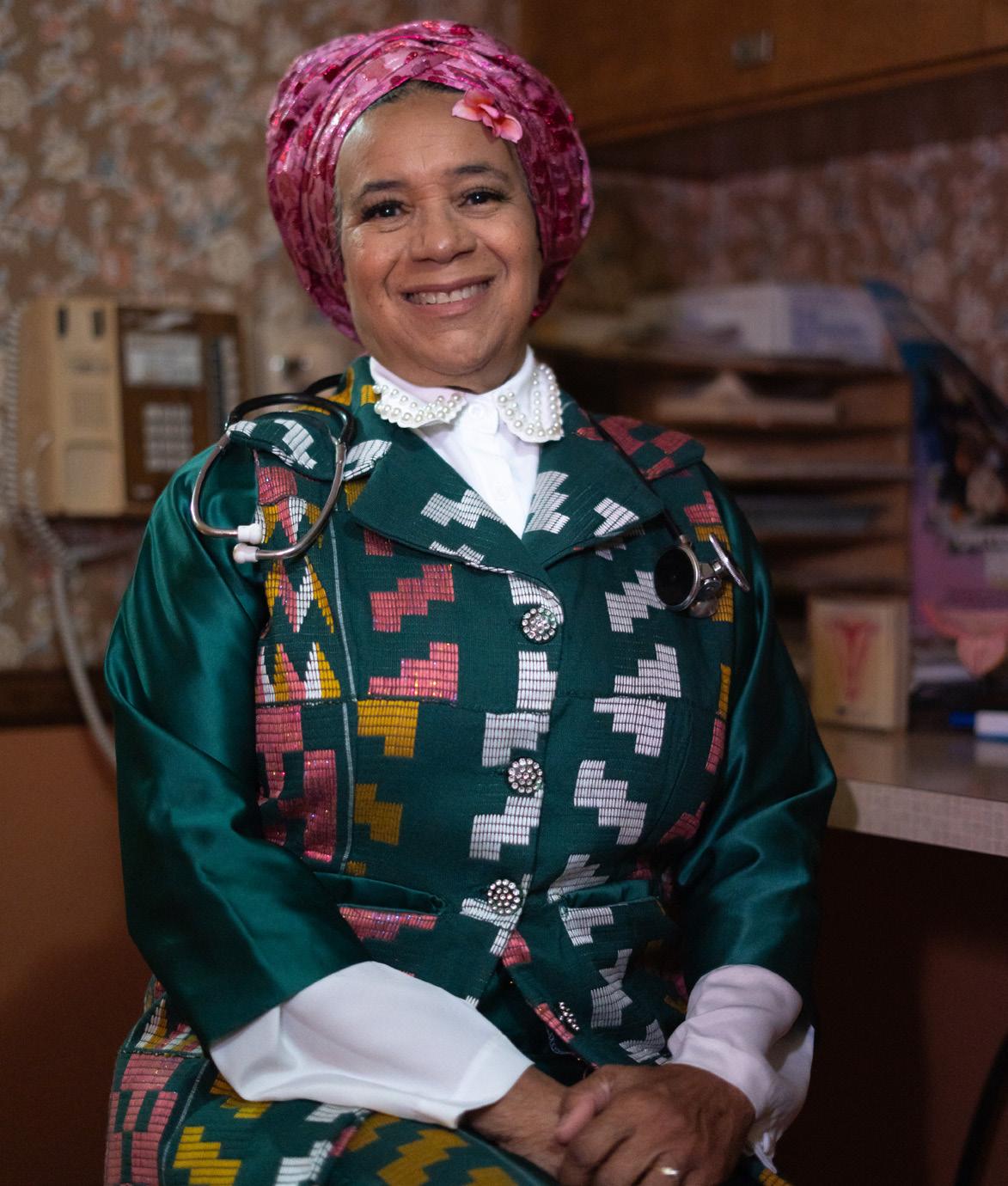
During the 1970s, Ze Segundo attended the Oakland Street Academy, an Oakland Unified School District school now known as Emiliano Zapata Street Academy located at 417 29th St. in Oakland.