Philippe Girard, Porsche 356

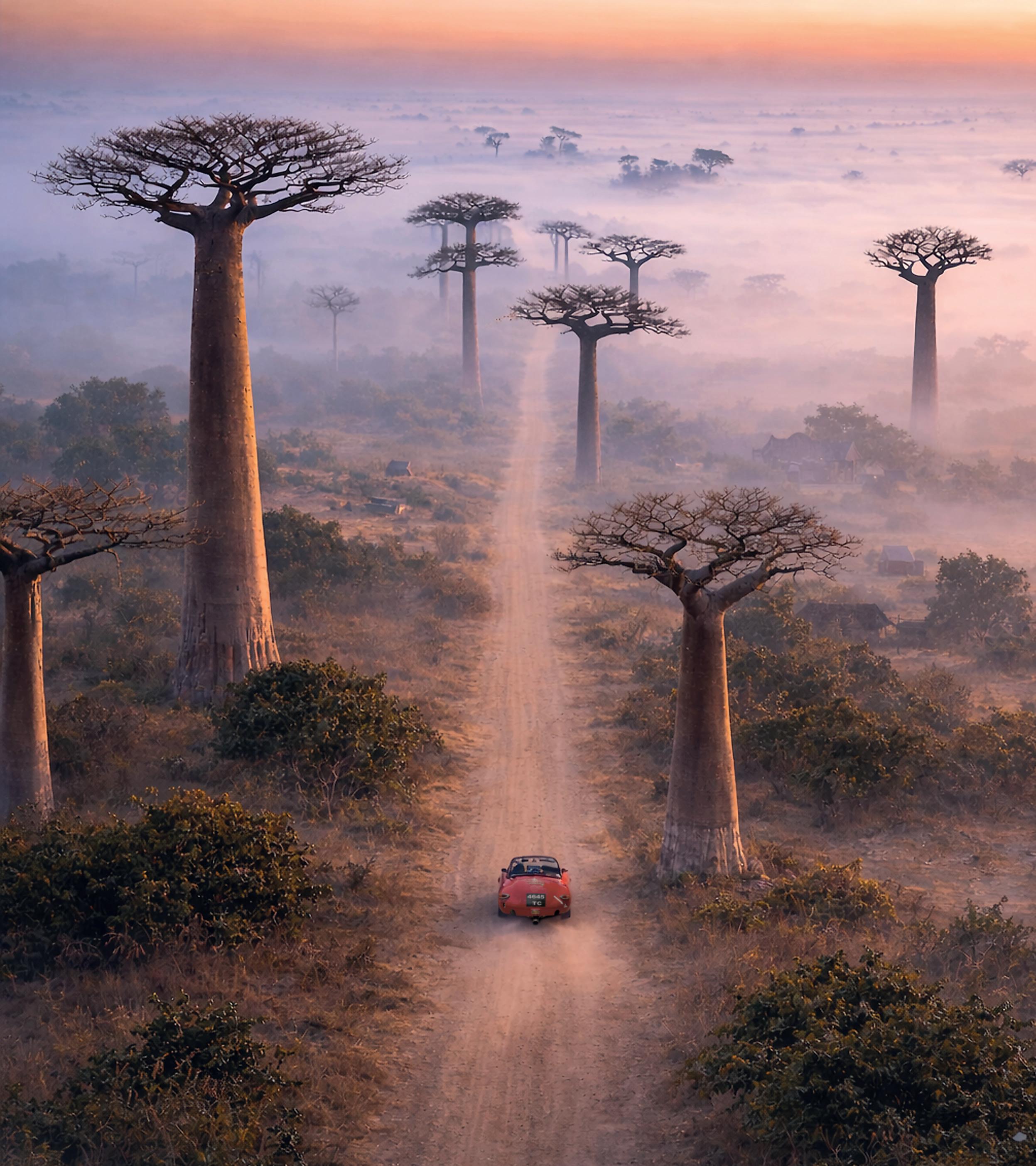
Off the east coast of Africa, in the warm waters of the Indian Ocean, Madagascar lies like a miniature world of its own. Here, evolution followed a separate path, allowing plants and animals to develop into species found nowhere else on Earth. Red dirt roads wind through vast landscapes, baobab trees stand out sharply against the distant horizon, and in the rainforest lemurs swing from tree to tree. Madagascar is as quirky as it is enchanting.
Around 90 percent of Madagascar’s animals and plants are found nowhere else on our planet.
Sunday, 12 October 2025,
“Military coup in Madagascar: army unit seizes control.” Surely this can’t be true? We are due to leave on Wednesday… Soon we hear that all airlines have suspended their flights to Madagascar until further notice. From the Belgian embassy in Brussels we receive a WhatsApp message strongly advising all travellers to postpone their trips to Madagascar.
Now, things had already been unsettled in Madagascar for several weeks, but we certainly hadn’t seen this coming. It all began on 25 September 2025, when thousands of young people took to the streets to protest against the country’s ongoing water and electricity shortages. What started as a social protest quickly grew into a nationwide uprising against the corrupt government of President Andry Rajoelina. The message from the protesters was clear: Rajoelina had to go. But the president refused to step down and ordered his security forces to crack down harshly on the demonstrations. On television we watched heavily armed
officers brutally beating protesters. Tear gas was fired, and even live ammunition was used. Yet the demonstrators refused to be intimidated and held their ground. Then, on Saturday 11 October, soldiers from the elite CAPSAT unit sided with the protesters and called on their colleagues from other army and police units to do the same. At that point, the game was up for Rajoelina. With little resistance, the military succeeded in taking control of the capital and occupying the presidential palace.
On Monday, 13 October, CAPSAT Colonel Michael Randrianirina announced in a video message that he had taken power and that the president had fled the country. According to the French radio station RF1, Rajoelina had been evacuated to Dubai on a French aircraft, although the French embassy denied this. On Tuesday, 14 October, we receive word that the airline with which we booked our tickets will resume flights to Madagascar. We hesitate all day long. Is it really wise to leave? Is the country safe enough? That evening, we finally make up our minds: we will go — and once there, we’ll see for ourselves what the situation is like.
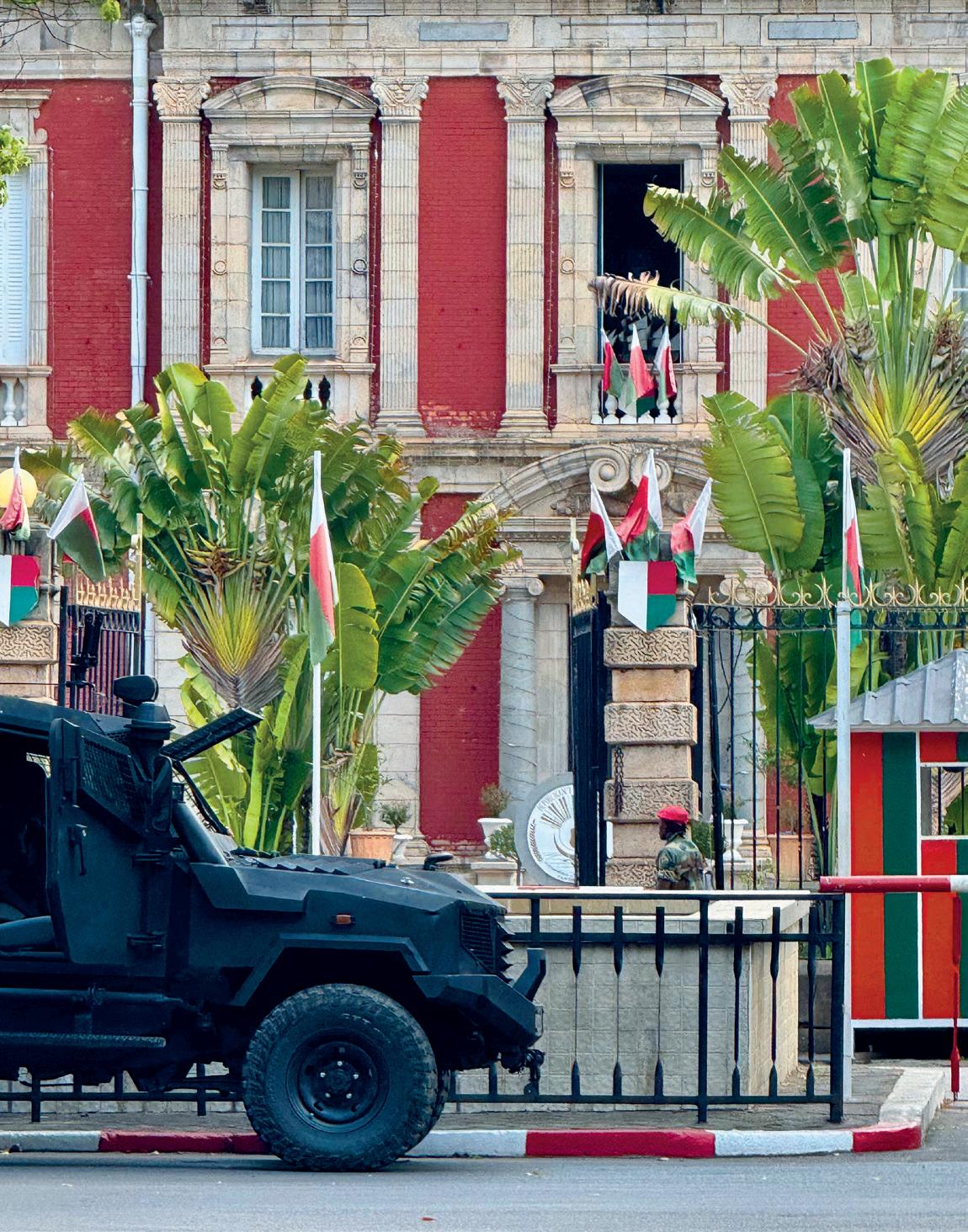
With a broad smile, Michel from the travel agency Madagascar Classic is waiting for us in the arrivals hall. We immediately ask him the question that has been on our minds the most: what is the situation in the country like? “Calm,” he says. “Since President Andry Rajoelina left the country, peace has returned. That is what everyone was hoping for. Whether things will truly improve remains to be seen, but the first step has been taken.” Michel appears completely relaxed and clearly has no worries. Nor do we see any signs of military activity anywhere. There is only a single army tank stationed in front of the presidential palace. That reassures us, allowing us to fully focus on discovering the country.
Madagascar’s cultural identity is a vibrant blend of Austronesian roots with African, Arab and French influences.
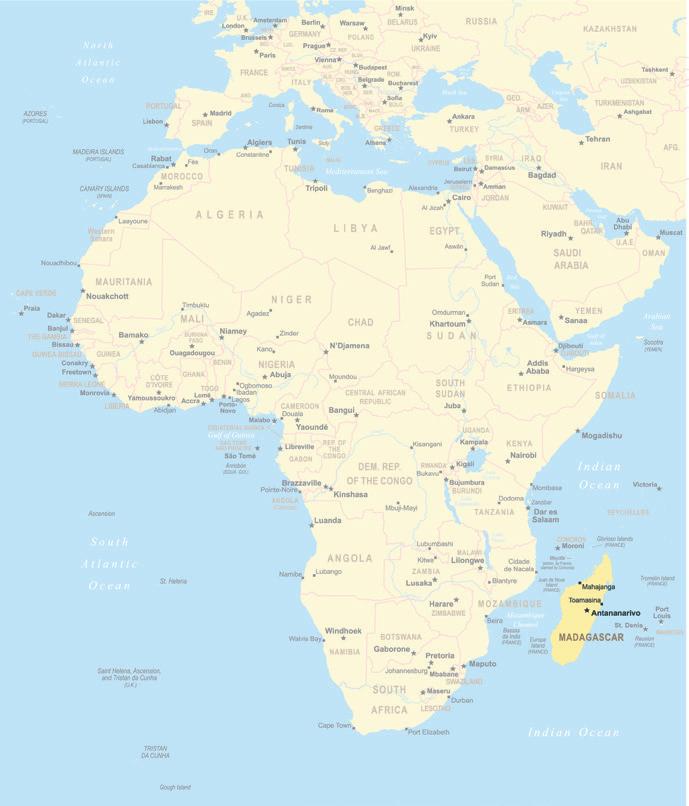
Madagascar lies in the Indian Ocean, about 250 miles off the east coast of Africa opposite Mozambique, and is the fourth-largest island in the world. It covers an area of 587,000 square kilometres and is home to more than 30 million people. Surprisingly, the island’s first inhabitants were not Africans, but seafarers from regions around present-day Borneo who crossed the ocean by canoe some 1,500 years ago. Madagascar’s cultural identity is therefore a vibrant blend of Austronesian roots mixed with African, Arab, and French influences. Madagascar became a French colony in 1896 and remained so until gaining independence in 1960. These many influences have created a uniquely layered heritage, every bit as rich as the island’s extraordinary natural world.
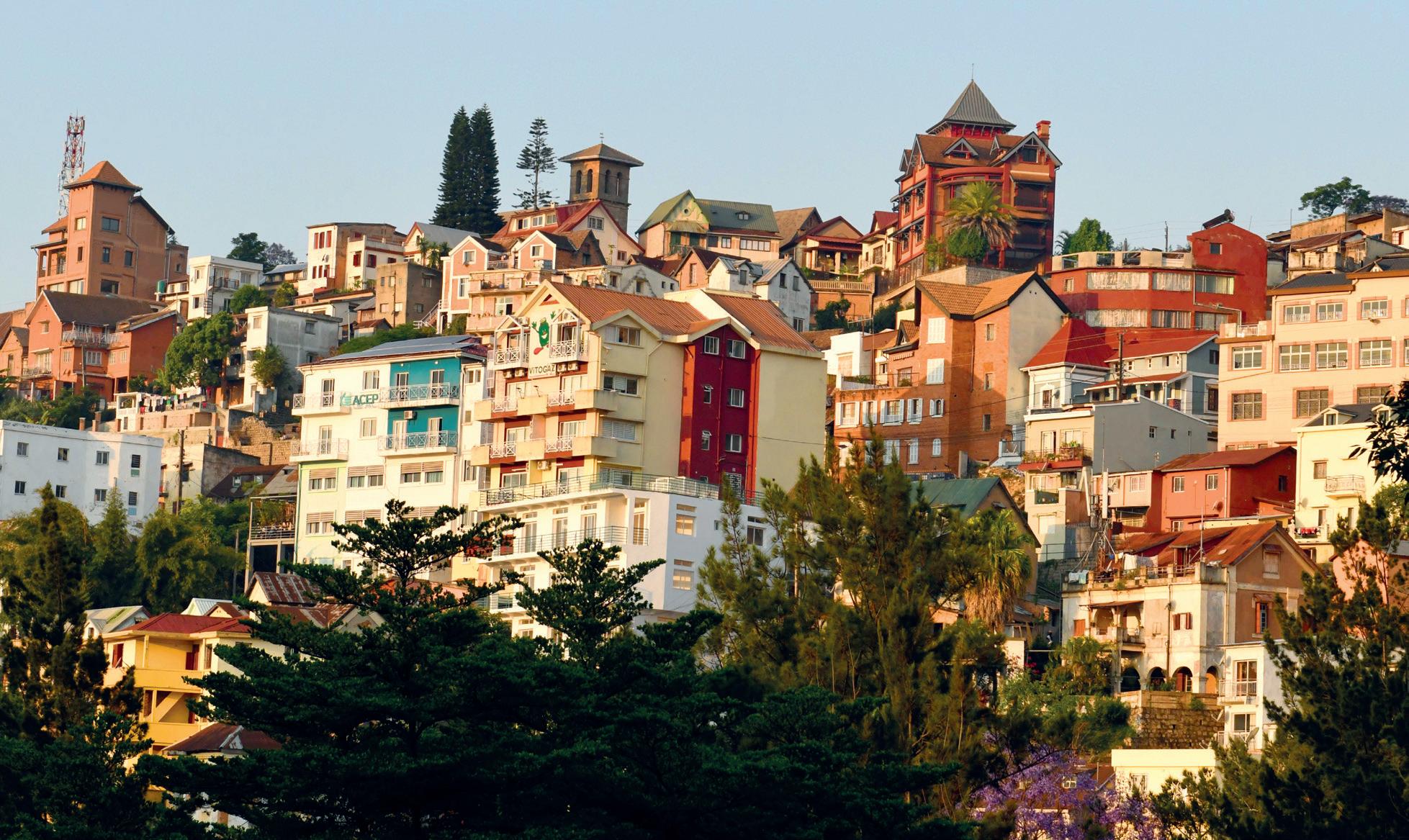
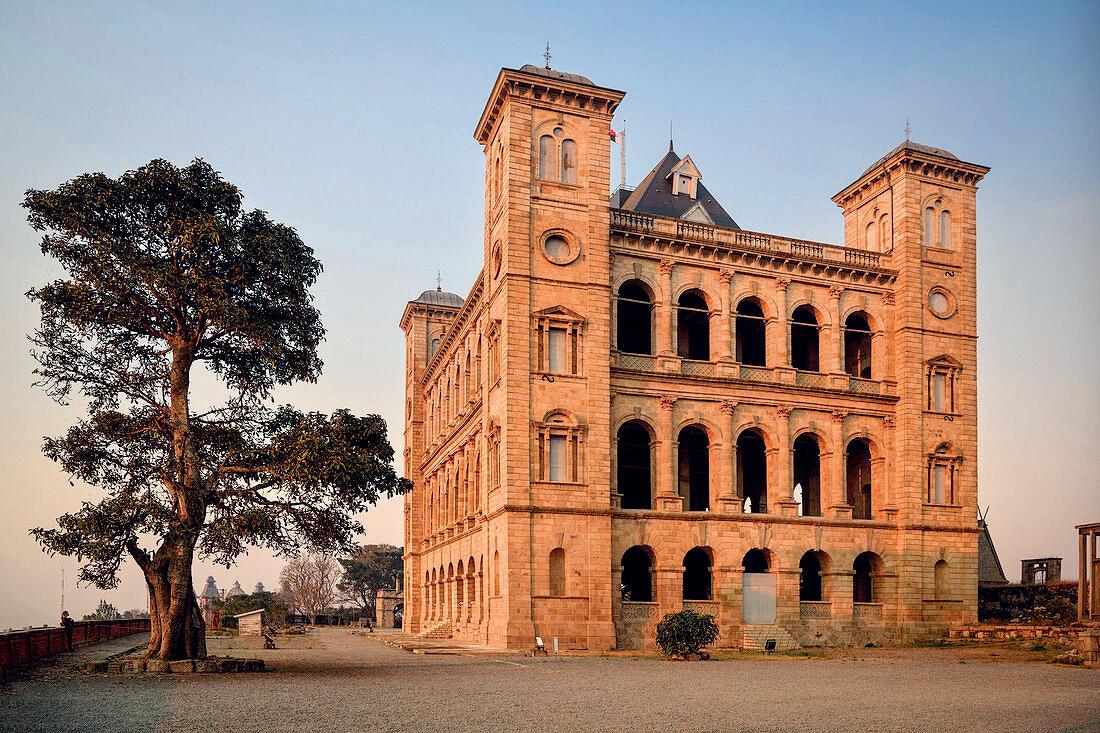
Antananarivo — usually shortened to Tana for convenience — is the capital and economic heart of Madagascar. The city lies in the central highlands at an altitude of around 1,200 to 1,400 metres. With its hilly setting, bustling streets, and maze of houses clinging to the slopes, Tana has a lively and somewhat chaotic character. The city is a blend of tradition and modernity: colourful markets and historic buildings exist side by side with expanding neighbourhoods and the busy urban life of today. Towering above the city is the historic Rova of Antananarivo palace complex, once the royal residence of the Merina dynasty and an important symbol of Malagasy history. Not far away stands the Andafiavaratra Palace , which served in the 19th century as the residence of Prime Minister Rainilaiarivony and today houses a museum filled with valuable historical artefacts.
Antananarivo - usually shortened to Tanais the capital and economic heart of Madagascar.
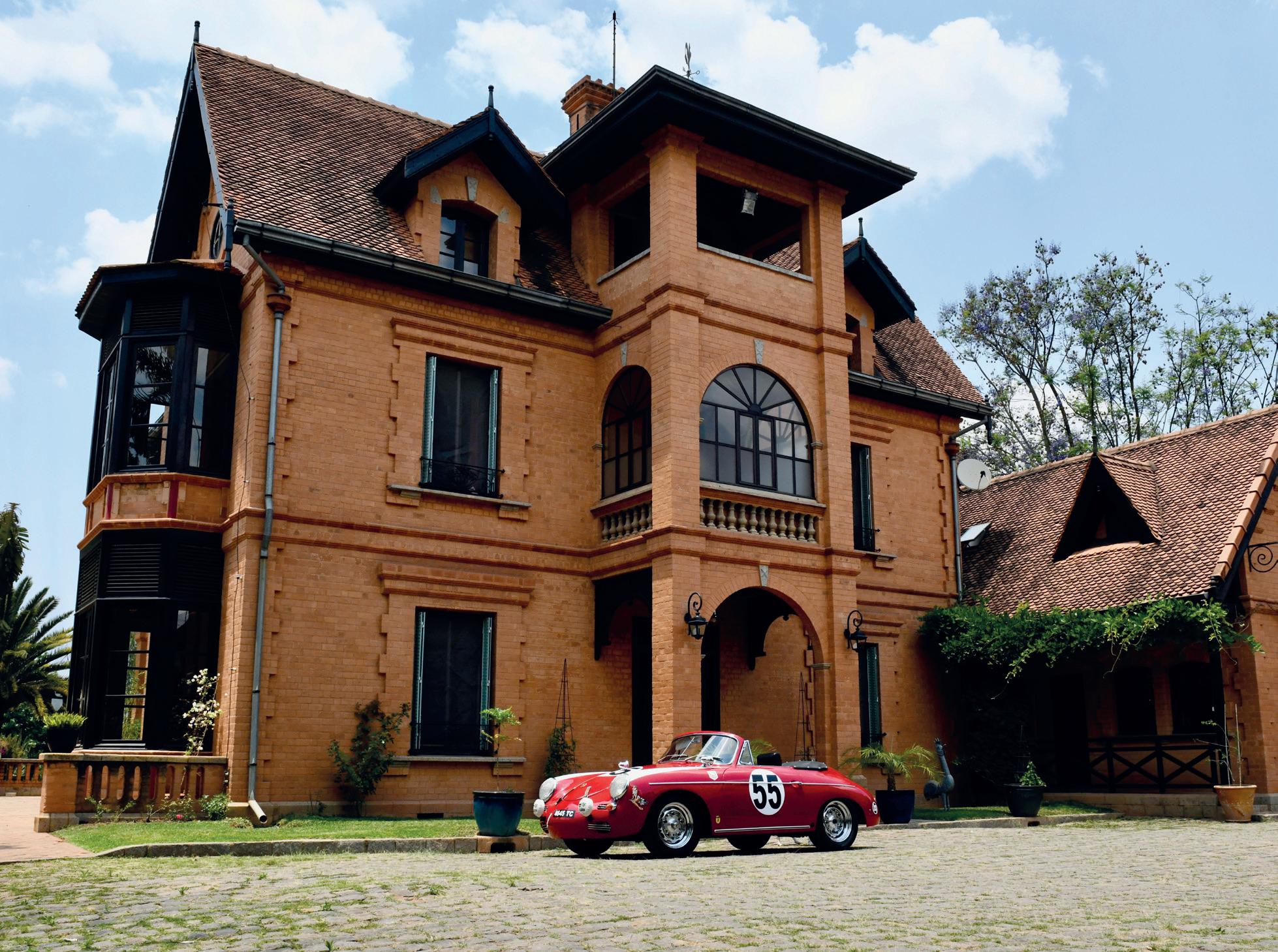
We have arranged to meet Philippe Girard, one of the two local Porsche owners we encounter during our journey. Philippe lives in Haute Ville, an elegant residential district where every house seems to carry a piece of history. His art deco villa dates back to the 1920s and is absolutely stunning. “Back then, they still built houses with walls nearly 40 centimetres thick — perfect for the warm climate here,” he tells us. By coincidence, his home stands right next to the Belgian consulate. Precisely because many high-ranking Malagasy officials and politicians live in this neighbourhood, the protests of recent weeks took place close to his house. “That was quite frightening,” he admits. “Cars were set on fire, windows smashed, and shops looted. Fortunately, my house was spared.” The traces of the unrest are still visible. We watch a group of youngsters busily unscrewing parts from a burnt-out car. Malagasy efficiency at its finest: nothing goes to waste. In any case, Philippe is relieved that the turbulent period is over, although he has little faith in the new president.
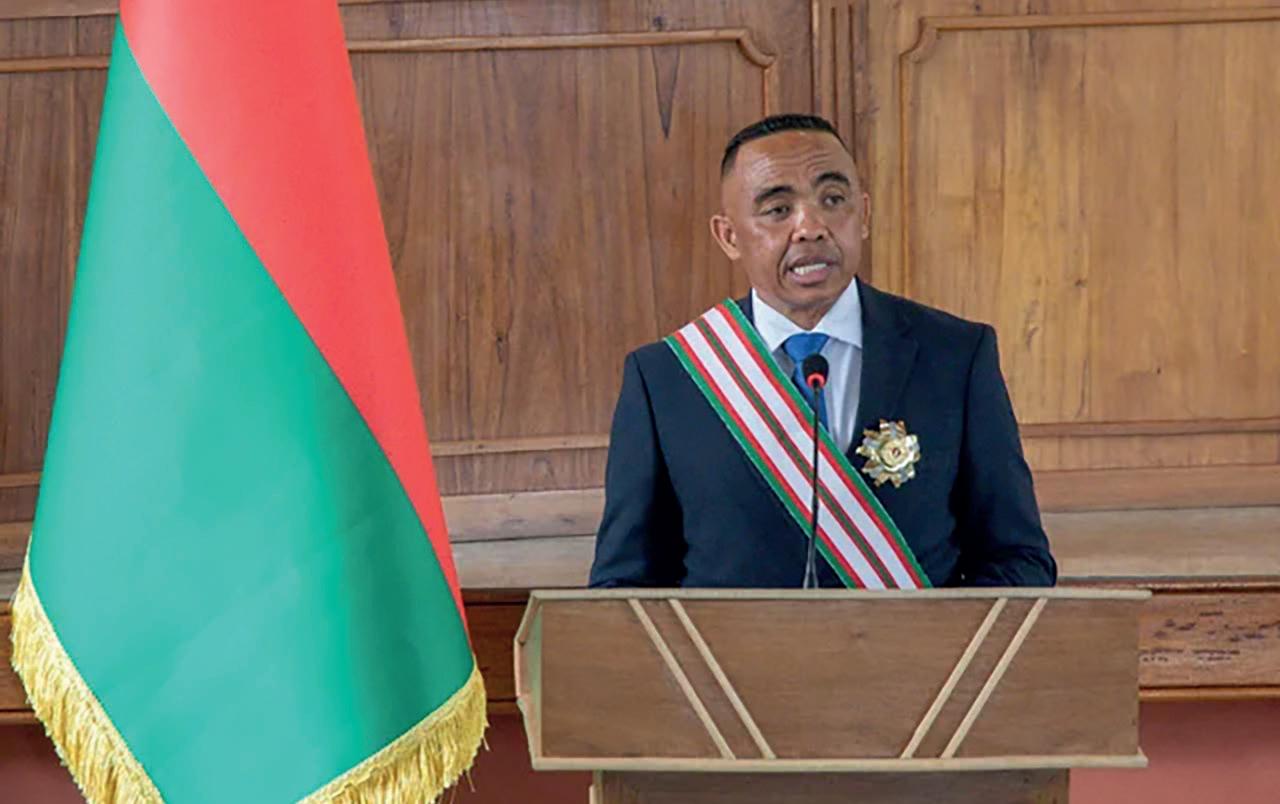
Today, Michael Randrianirina — the army colonel who became the face of the successful uprising — is being sworn in as interim president. “But what does a military man, whatever his rank, know about running a country?” Philippe sighs. “In the end, he’ll probably keep almost everyone from the current administration because he needs their expertise, and once again nothing will really change in this country. Besides, he has already announced that new elections will not be possible for another eighteen months. Well, that says it all.” We head to Philippe’s garage and continue talking about his life and passions. .
Madagascar is a fascinating destination, a place seemingly detached from the rest of the world. Around 90 percent of the animals and plants found here exist nowhere else on Earth: from thousands of orchid species and bizarre baobab trees to colourful chameleons, hissing cockroaches, and the iconic lemurs with their large, inquisitive eyes. The explanation for this extraordinary richness lies deep in the past. Madagascar broke away from the African continent around 160 million years ago and drifted into the Indian Ocean. For millions of years, its flora and fauna evolved in complete isolation. Without competition from animal groups that became dominant elsewhere on Earth, species here were free to follow their own unique evolutionary paths. The island became a kind of living laboratory where life could adapt and flourish in virtually every imaginable habitat. What is more, humans arrived on the island relatively recently. Madagascar has only been inhabited for about 2,000 years. Nature generally thrives when left undisturbed by mankind, and here plants and animals had the time and freedom to evolve peacefully into the wonders they are today.
For millions of years, Madagascar’s fauna and flora followed their own unique evolutionary path.
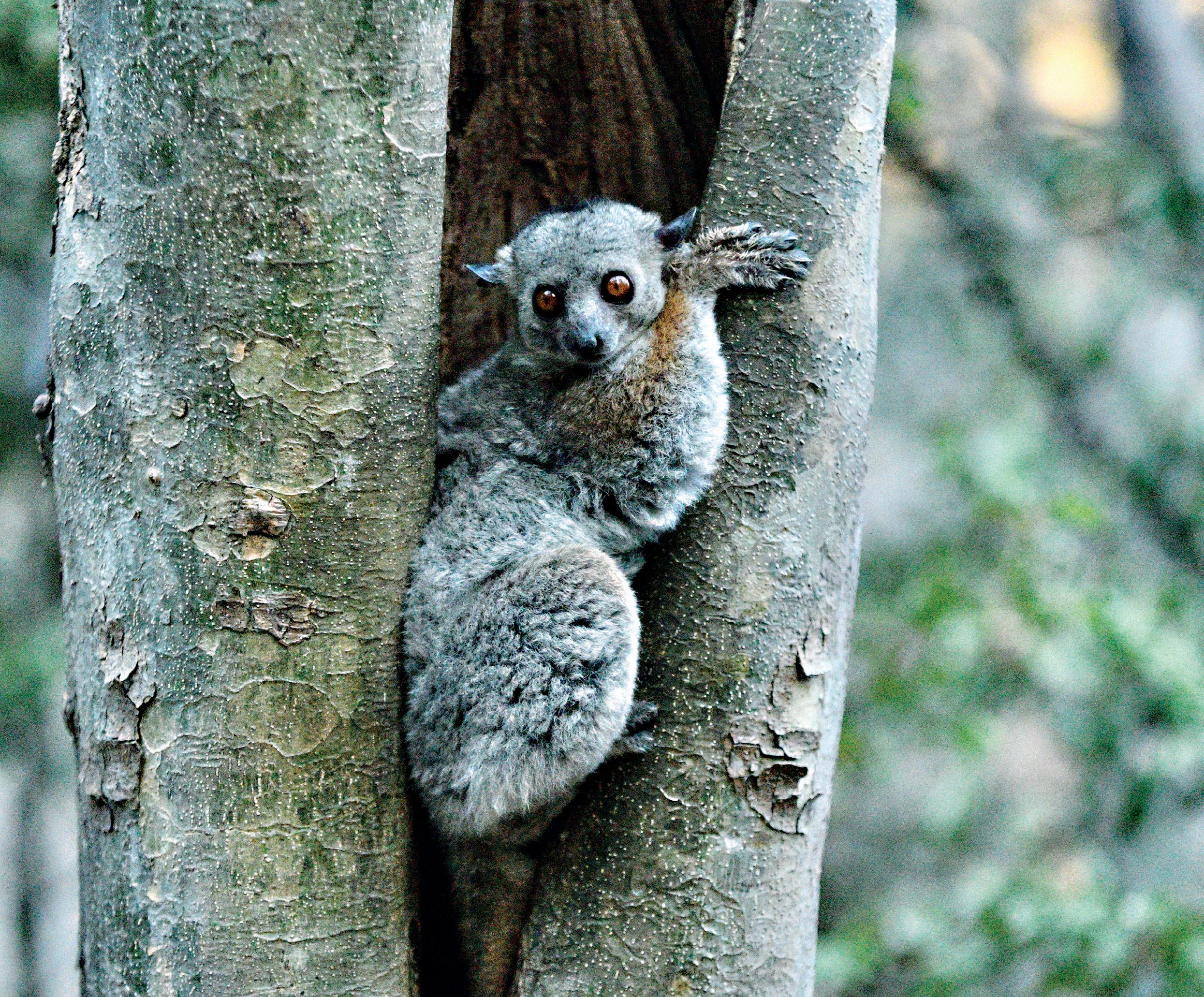
We head for Namoroka National Park , one of the most remote and difficult-to-reach parks in the northwest of the country. Getting there takes quite an effort, but that is all part of the adventure: first a ninety-minute flight to the small fishing village of Soalala, followed by a short canoe trip across the Sofia River and then a long 4x4 drive along unpaved roads. After roughly two and a half hours, we arrive at Namoroka Tsingy Camp, where camp manager Willem and his team give us a warm welcome. The camp has only existed for a year. Before that, the only option in this area was wild camping. Now, guests can stay in one of nine luxury tents, carefully designed to blend seamlessly into the surrounding landscape.
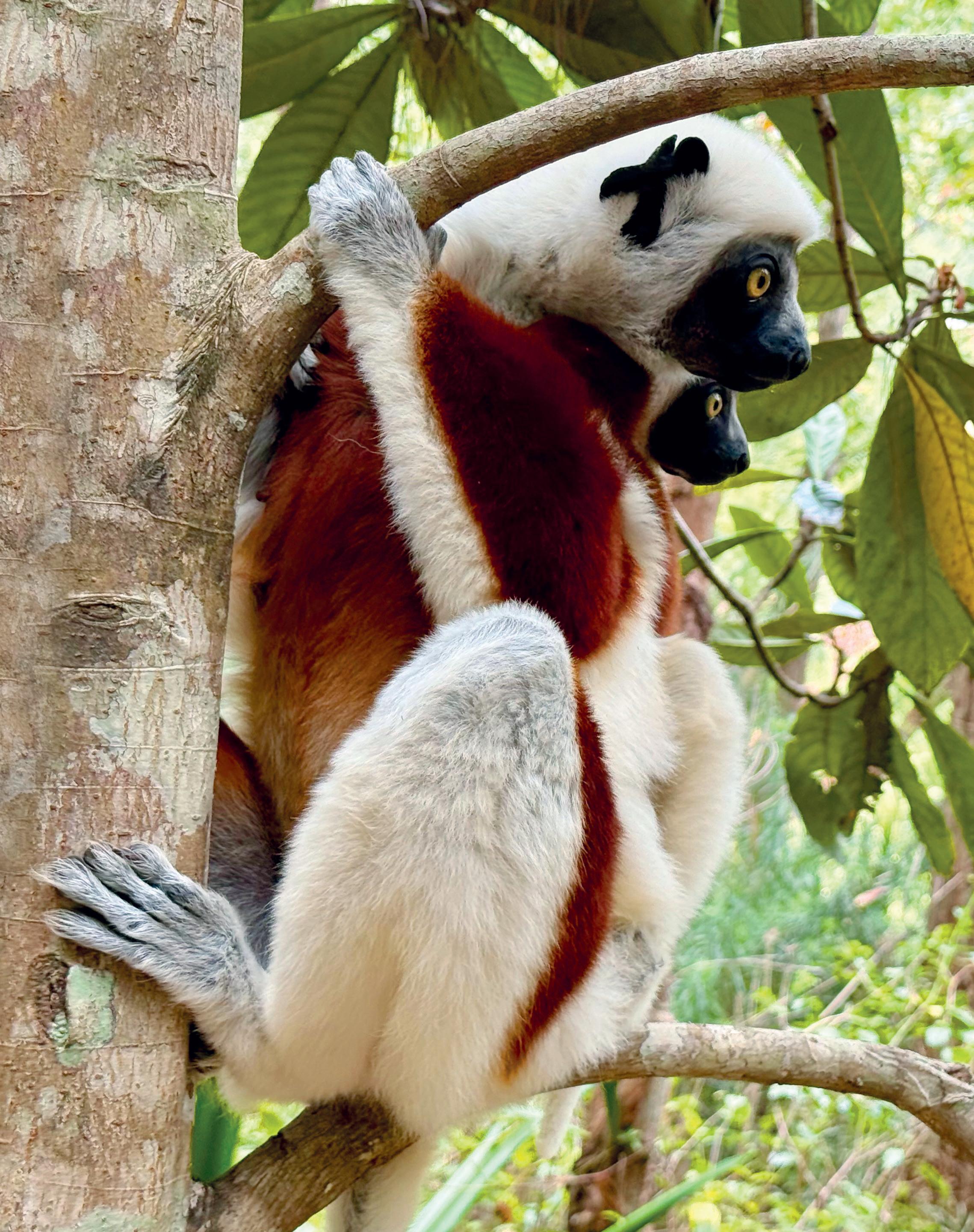
Lemurs are more or less the mascots of Madagascar.
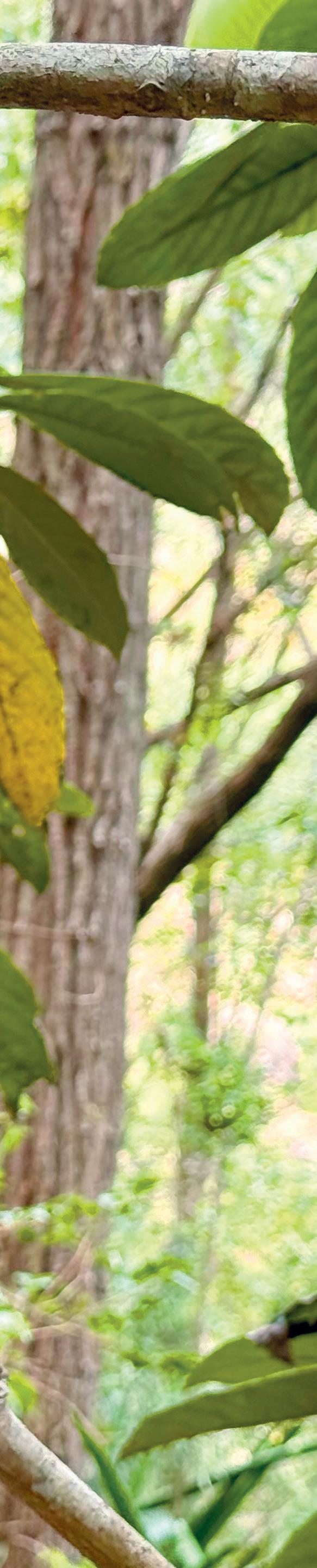
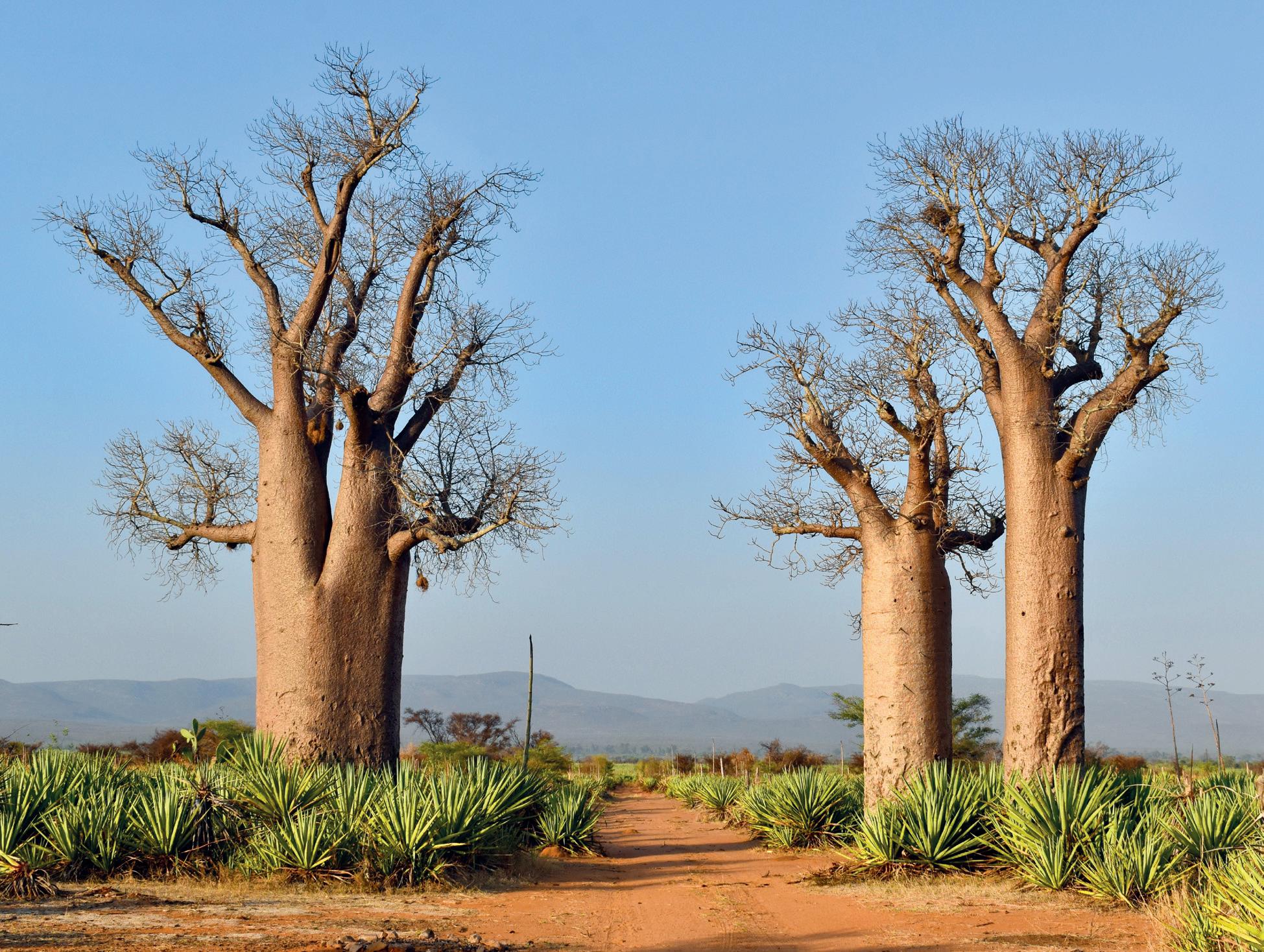
You do not travel to Madagascar for the “Big Five.” Large wildlife simply does not exist here. As a result, we can explore the bush safely on foot. Following our guide Ernest, we make our way through dense vegetation. Here and there, red ribbons tied to trees mark the trail ahead — no unnecessary precaution, since the entire landscape looks remarkably similar and it would be easy to lose your bearings. Apart from a few marula trees — also known as elephant trees because elephants are so fond of their soft yellow fruits — most trees and shrubs appear lifeless, little more than dead wood. “Nothing could be further from the truth,” Ernest explains. “As soon as the first monsoon rains arrive, usually from November onwards, all the leaves burst open and the brown landscape transforms into a sea of green. The advantage of the leafless trees is that we can easily spot the lemurs. These animals are something of Madagascar’s mascot. They look like a cross between a monkey and a panda and are irresistibly cute. Although they belong to the primate family, like monkeys, lemurs form a separate and ancient branch of evolution found only on Madagascar. From the treetops they observe us with large, curious eyes. One is hidden inside a hollow tree trunk; without Ernest’s sharp eye, we would never have noticed it. On the neighbouring tree, a bright green lizard glides silently across the bark. After about an hour, we reach an open clearing. To our surprise, a fully stocked aperitif bar has been set up in the middle of nowhere. An ice-cold beer, gin and tonic, or cuba libre somehow tastes even better here. Naturally, the location was not chosen at random. Rising from a formation of rocky outcrops are ancient baobab trees, standing like silent guardians. Reclining in folding chairs, we watch the breathtaking colours of the African sunset spread across the sky.
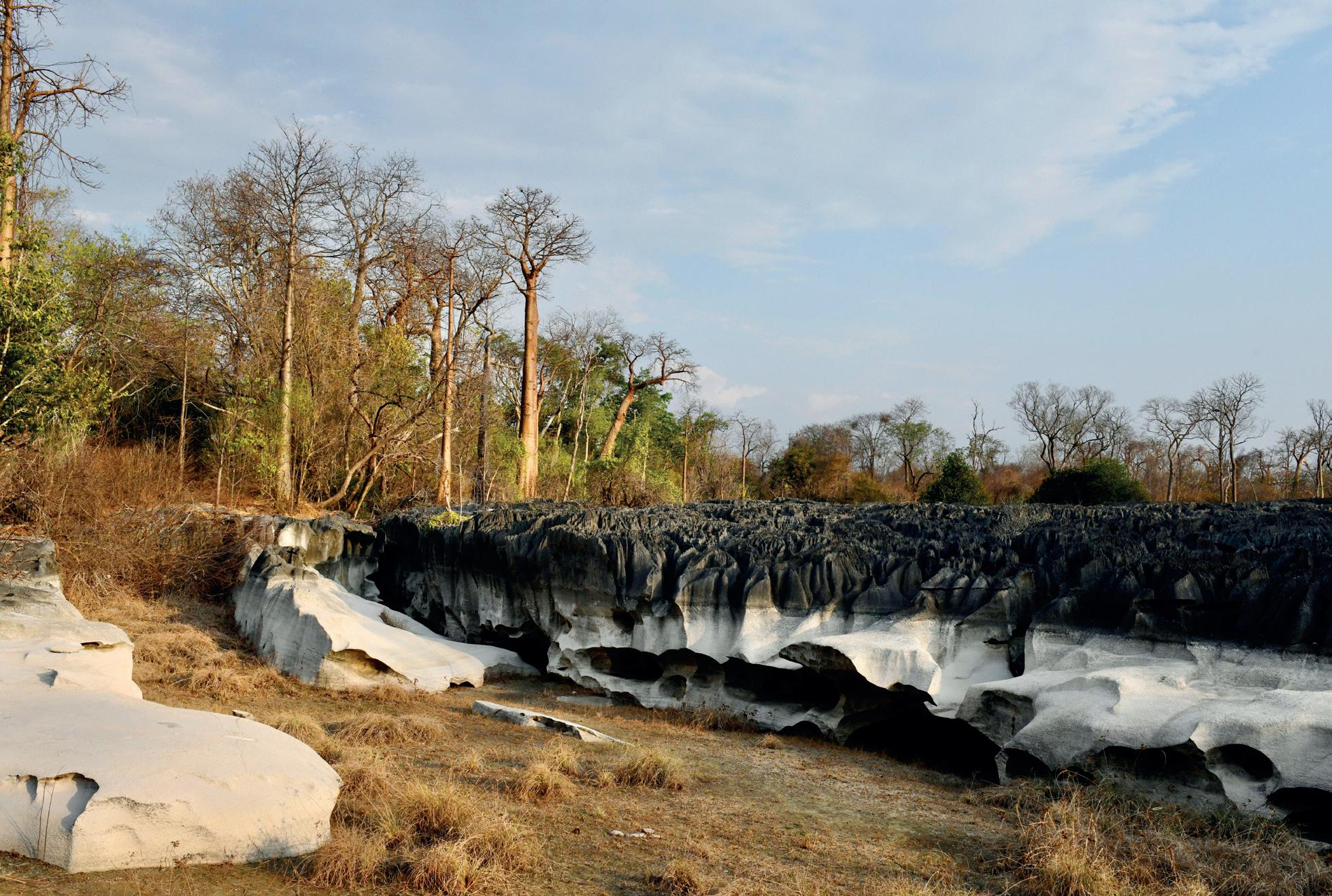
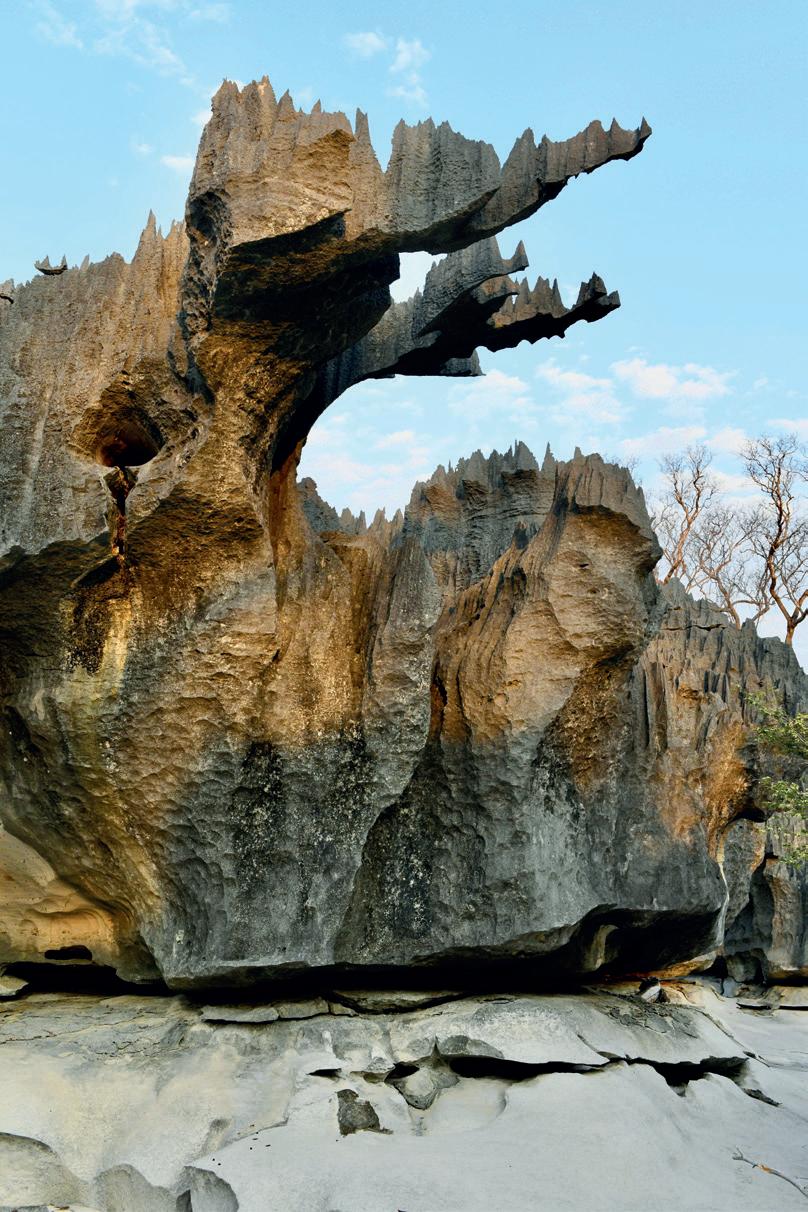
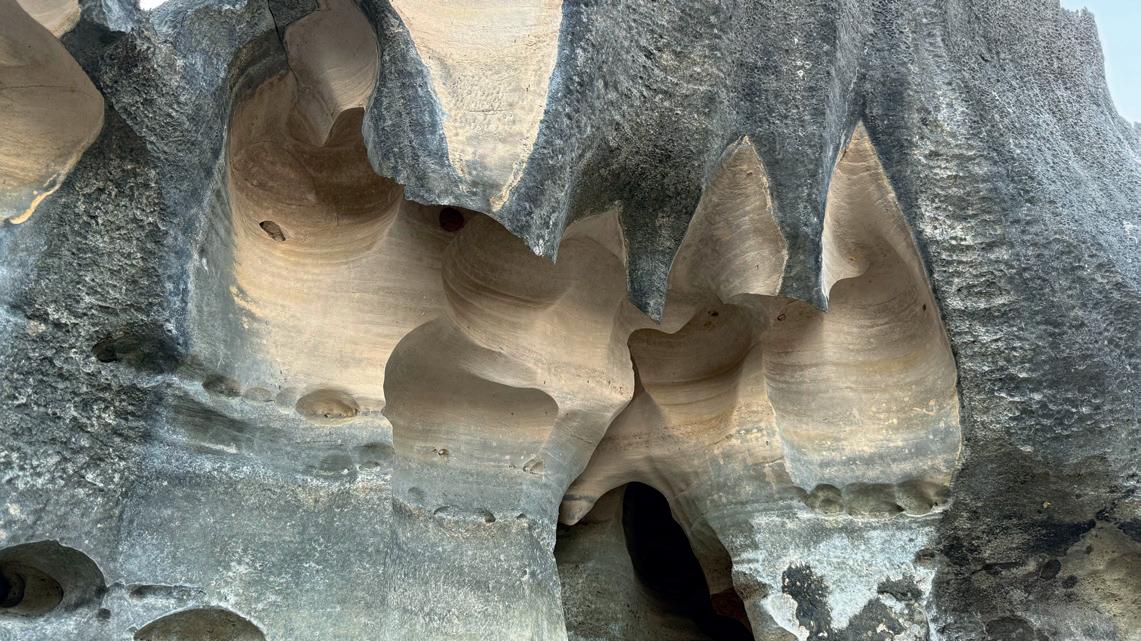
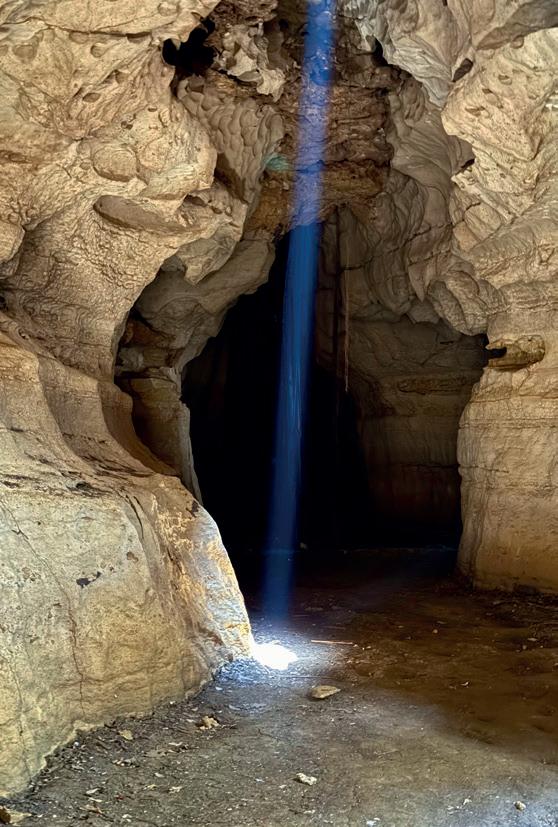
The absolute highlight of Namoroka National Park is its spectacular tsingy: limestone rock formations sculpted by millions of years of erosion into razor-sharp pinnacles and deep crevasses. It is a breathtaking landscape unlike anything we have ever seen before — jagged spikes jutting from the earth like petrified knives. The region owes its name to these formations. “Tsingy” roughly translates from Malagasy as “walking on tiptoe,” which is indeed the only way to move across this terrain. Scientists still do not know exactly how old the tsingy are, but estimates suggest they were formed at least 200 to 450 million years ago. Remarkably, life thrives even in this stone wilderness. Baobabs and fig trees seem to merge with the rocks themselves, drawing nourishment from the air. Nature, once again, proves astonishingly resourceful. Little Tsingy is one of the most extraordinary sections of the national park. Here, you can quite literally walk inside the tsingy, through a labyrinth that feels like an open-air museum where every corner is equally dramatic and decorative. Tap the thinnest layer of stone and it resonates like the vibrating gong of a Buddhist singing bowl.
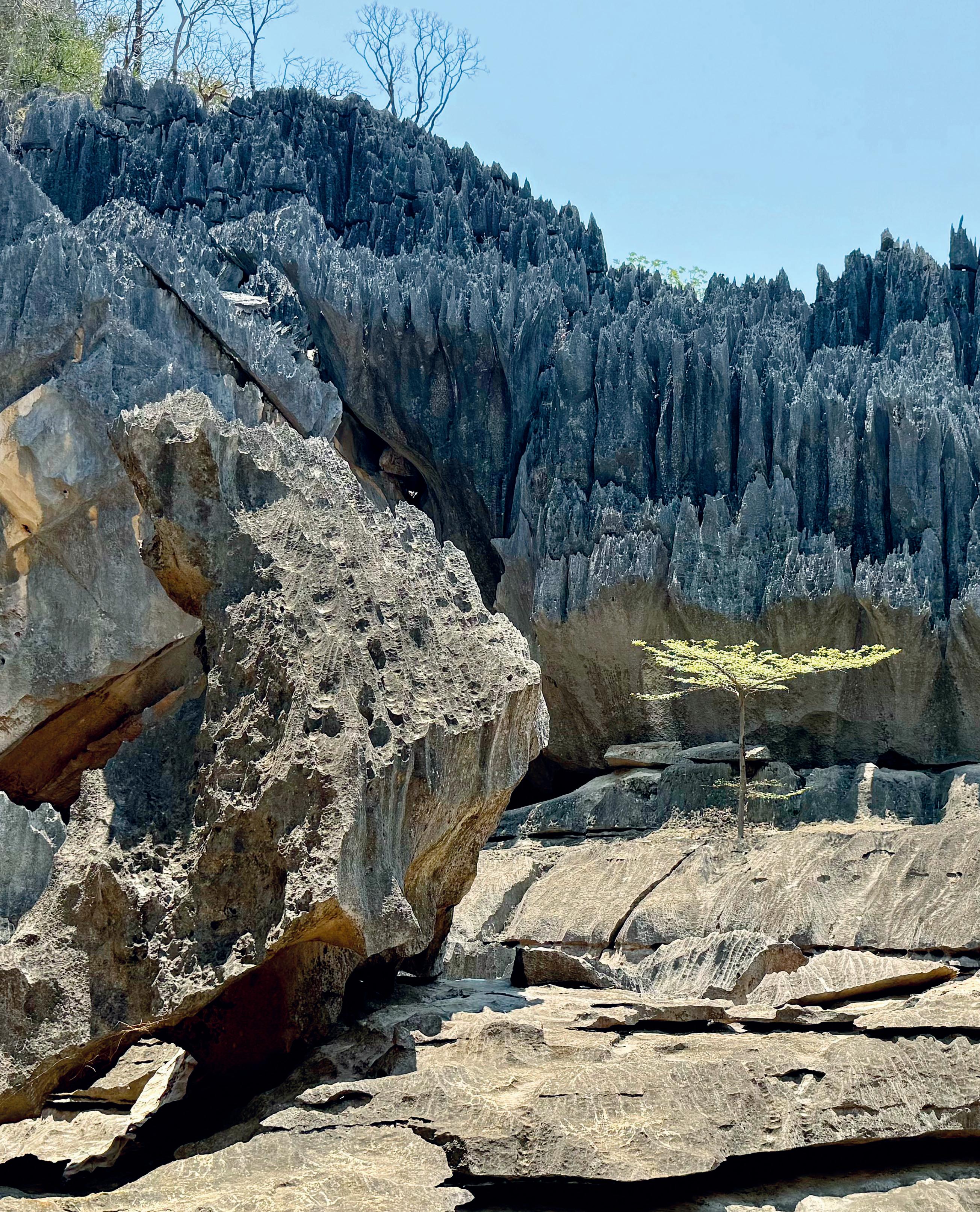
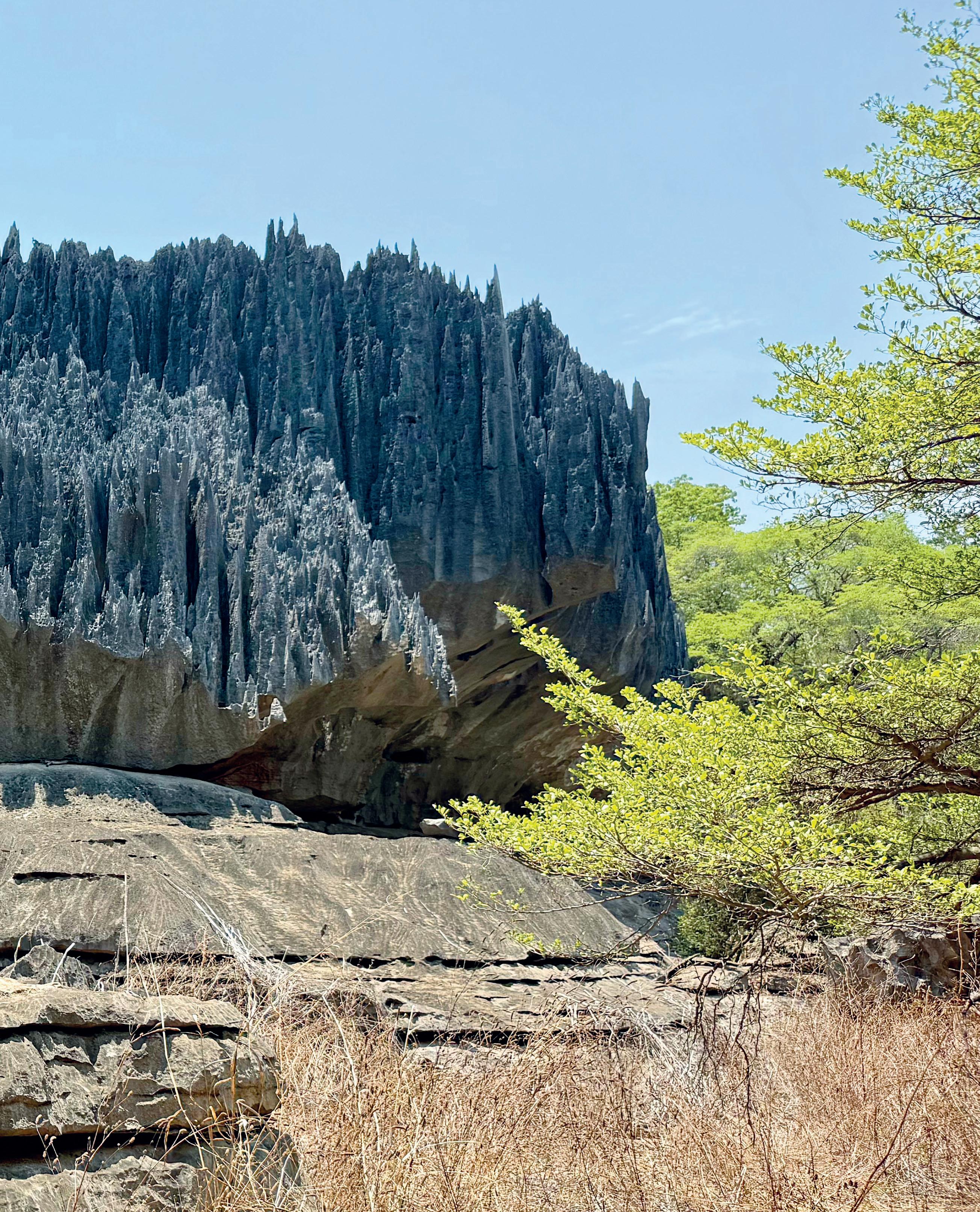
The tsingy are limestone rock formations, shaped by millions of years of erosion into sharp pinnacles and deep gorges.


Lombardenvest 19, Antwerp

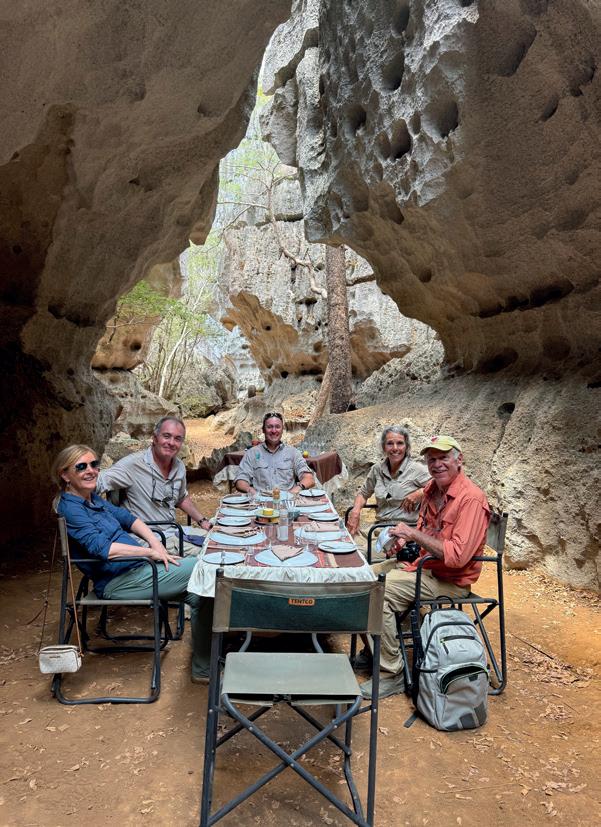
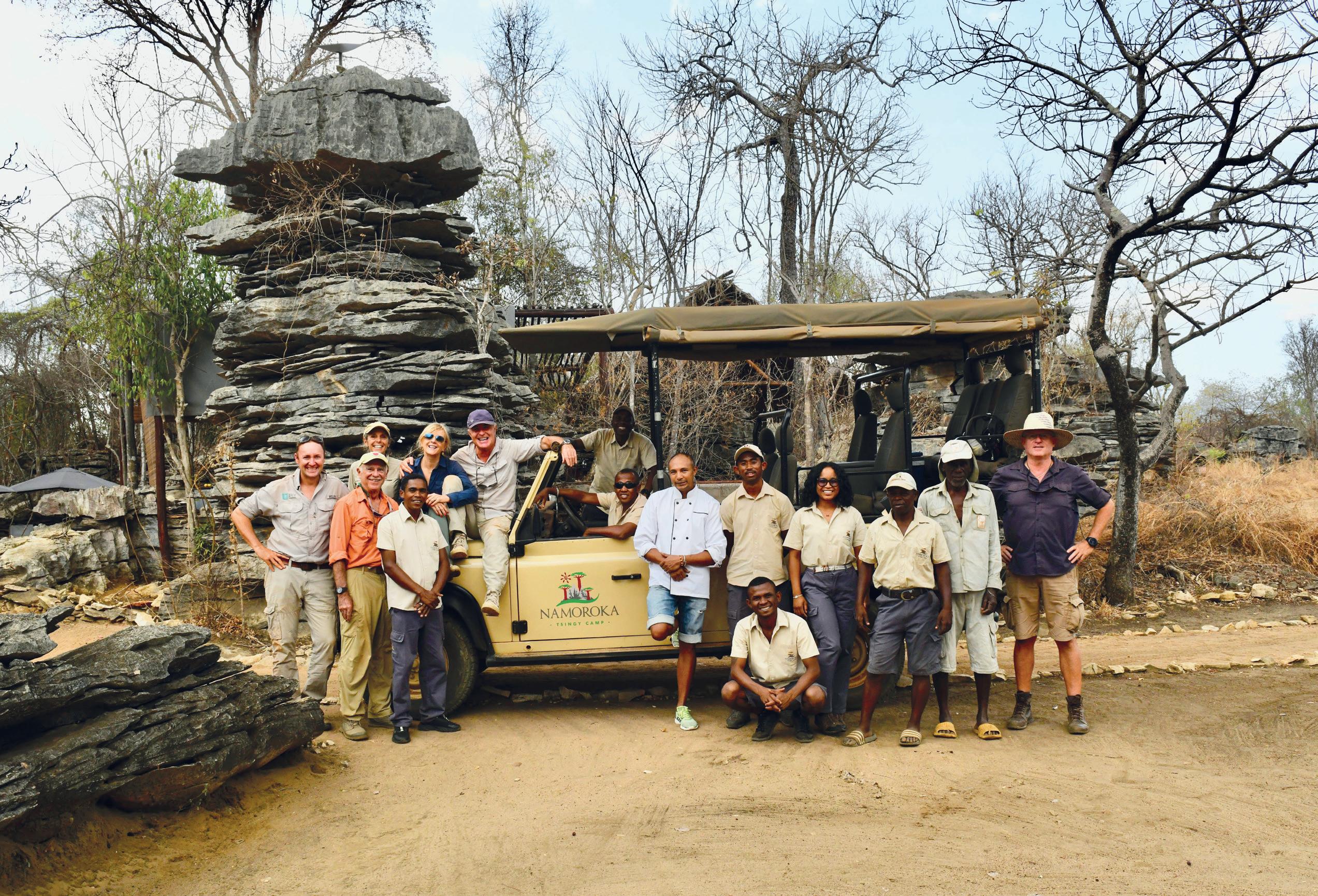
Camp manager Willem and his team deserve a special mention. It is remarkable how much effort they put into making our stay truly memorable. The guides are outstanding, everyone is cheerful and attentive, and what chef Frances creates in the kitchen is simply mouthwatering. There are only five guests staying at the camp: Jo and Mark, a couple from New York, Marco, a travel agent from Cape Town, and ourselves. We get along wonderfully. Around the dinner table, fascinating conversations unfold about deeply personal subjects — the importance of family ties, the choices one makes in life, and the secret to lasting relationships. So far removed from the inhabited world, you arrive at insights for which there is rarely room amid the rush of everyday life.
Namoroka
Tsingy Camp offers hospitality, expert guides, and delicious food in one unforgettable experience.
In Madagascar, there are hardly any domestic flights connecting the different cities and regions of the country directly. In practice, this means you almost always have to return to the capital before catching another flight to your next destination. Domestic flights are notoriously unreliable, with last-minute schedule changes and cancellations being more the rule than the exception. To avoid our travel plans descending into chaos, we decide to spend the night in Tana each time and continue our journey the following day. To keep things interesting, we stay in a different hotel every time. By far our favourite is La Varangue . The hotel occupies a beautifully converted old family residence in one of Tana’s most exclusive neighbourhoods. It has an intensely personal and artistic atmosphere. From top to bottom, the interior is filled with an eclectic collection of antique objects: old clocks, candlesticks, telephones, cameras, musical instruments, oil lamps, salt-and-pepper shakers, newspaper covers from the 1800s, and even sewing machines. Organised by category and spread throughout the common areas, they give the hotel a nostalgic yet playful character. In contrast to the richly decorated public spaces, the rooms are calm and understated, furnished with classicmodern wooden furniture and a large four-poster bed draped with mosquito netting. The restaurant is widely regarded as the finest in Tana, and we can only agree. The cuisine is haute gastronomy with a refined blend of French and Malagasy flavours. As a final touch, the hotel features a lush inner courtyard and garden terrace — a peaceful oasis in the middle of the bustling city.
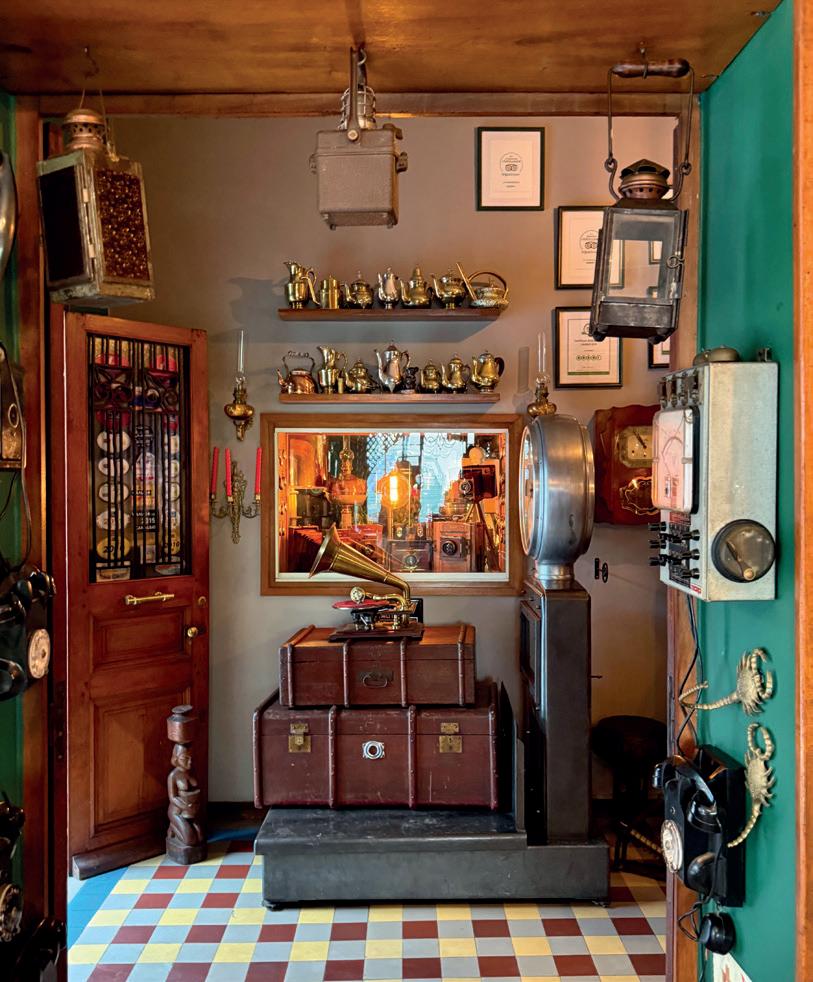
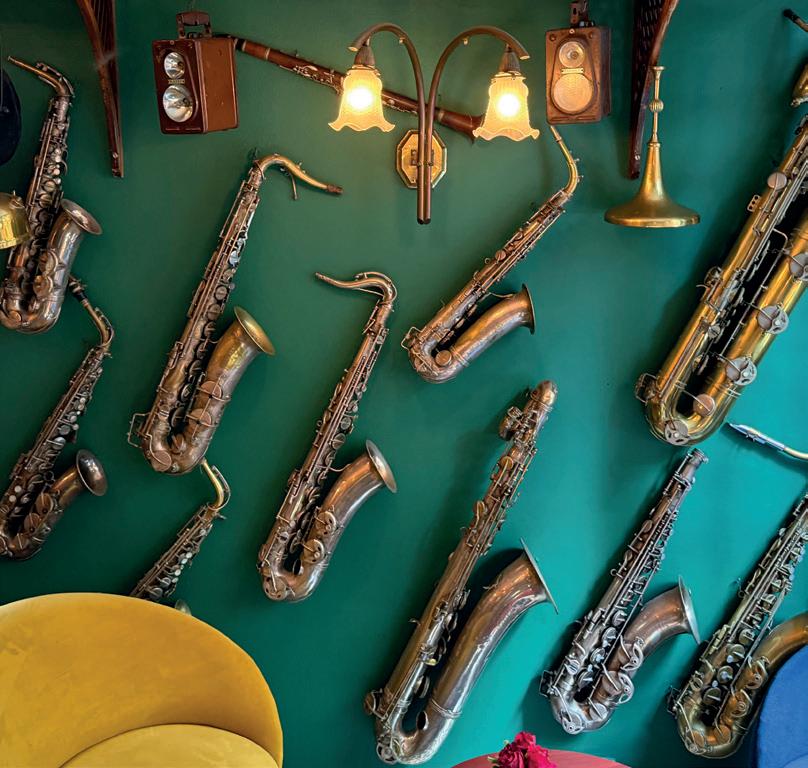
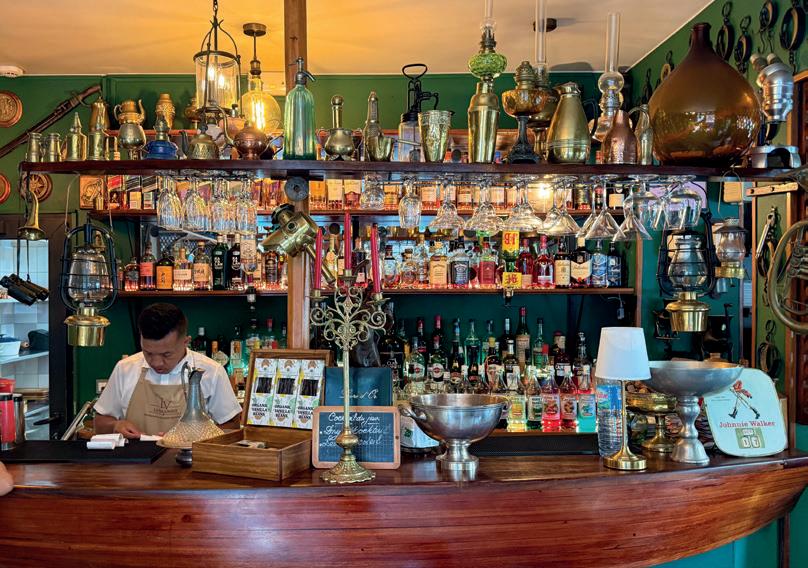
La Varangue is an artistic and nostalgic hotel filled with unique antiques in an atmospheric old family home.
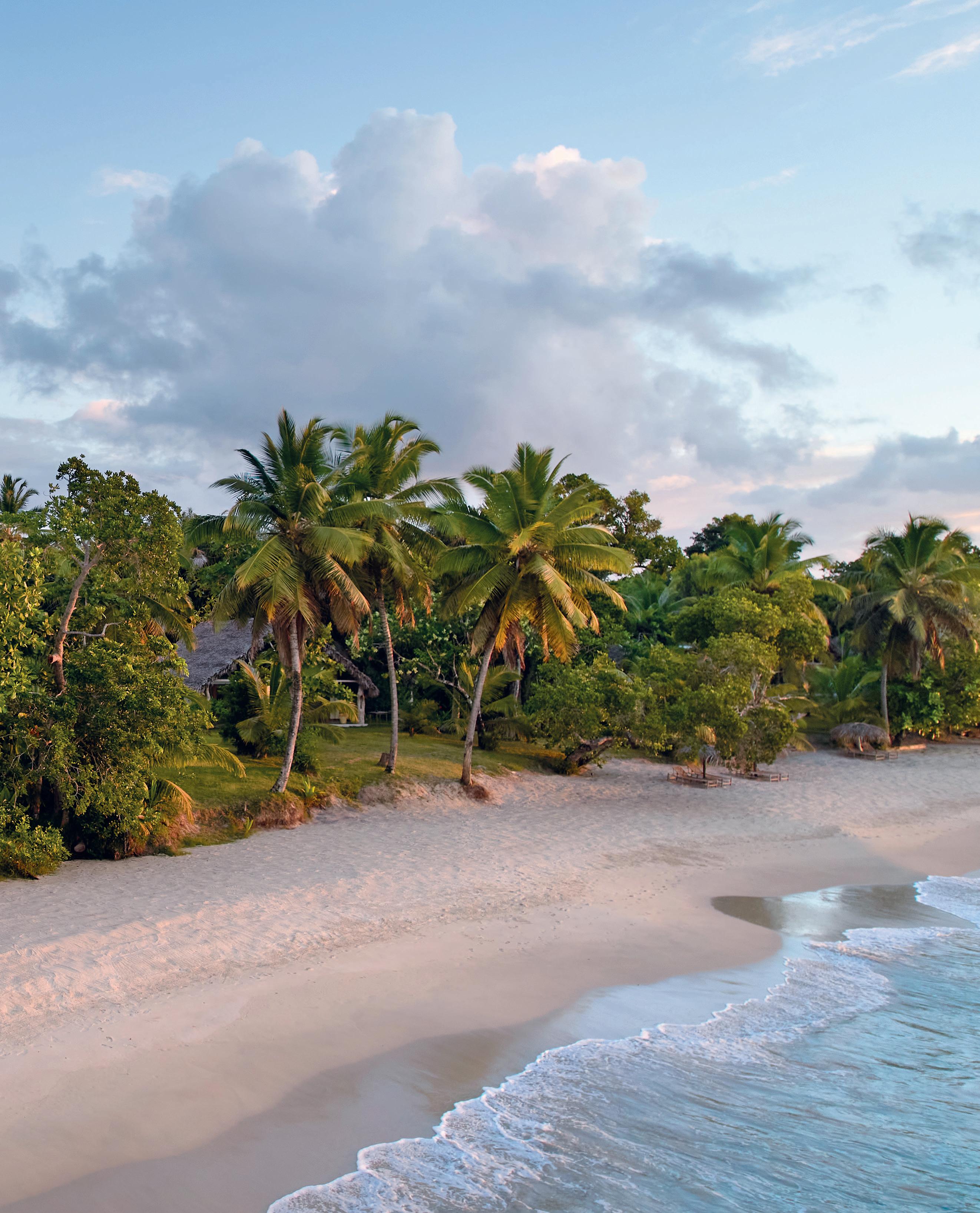
The Republic of Madagascar includes more than 250 islands, and one of the most beautiful among them is Île Sainte-Marie, located just off the country’s east coast. About 57 kilometres long, it offers everything one could wish for from a tropical island: powder-soft beaches, coconut palms stretching toward the sea, and a lush, hilly interior. Offshore coral reefs break the waves and keep sharks at a safe distance, making the island ideal for swimming, snorkelling, and diving in complete tranquillity.
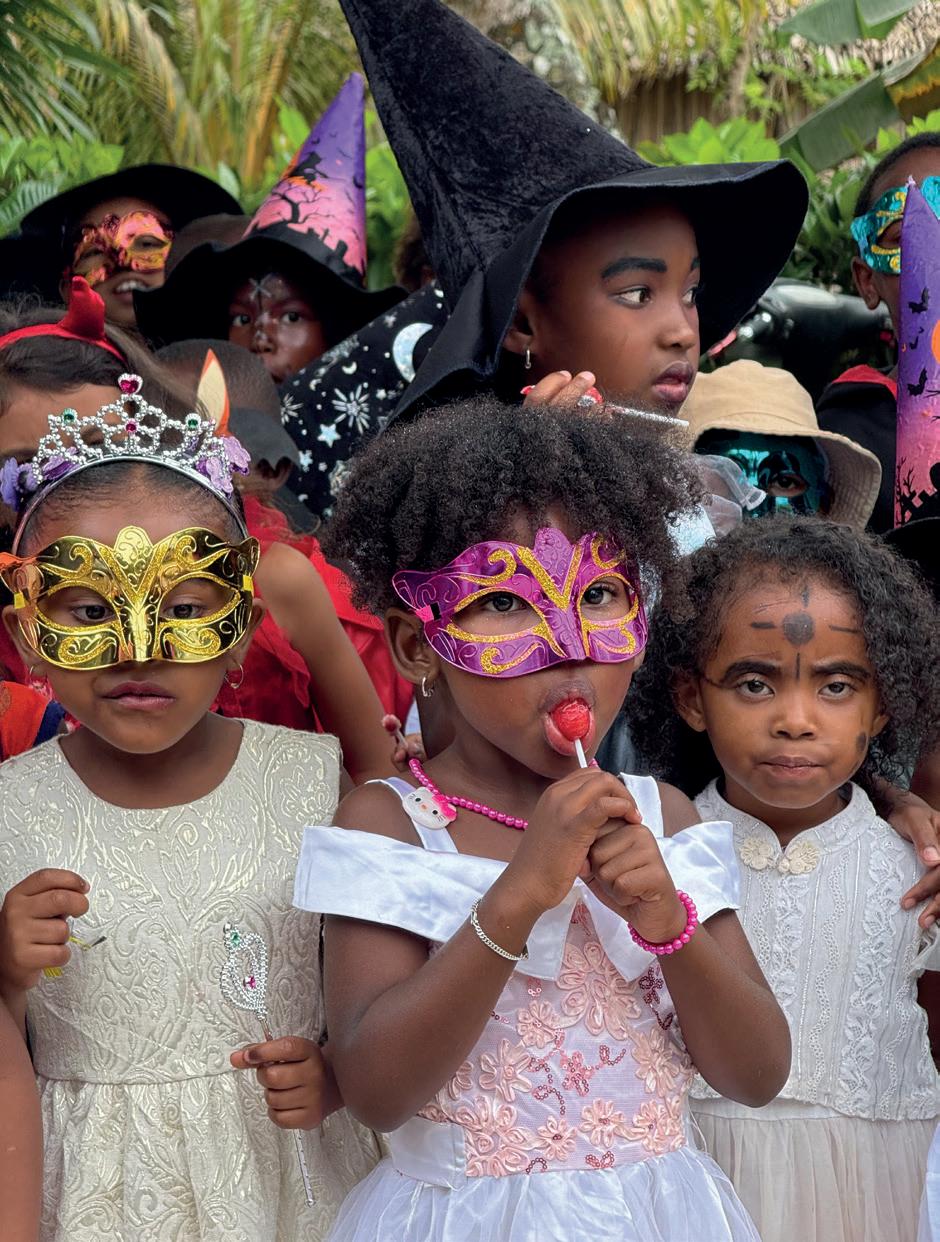
Life on Sainte-Marie is simple and unhurried. We drive past plantations where cloves, rice, and vanilla are cultivated and through small fishing villages where colourful traditional pirogues rest on the beach. One thing surprises us enormously: the island is filled with bright yellow rickshaws. They serve as a kind of hop-on hop-off taxi system and are widely used by locals. We learn that there are three types: the pousse-pousse, powered entirely by human strength; the cyclo-pousse, fitted with a bicycle at the front; and the motorised rickshaws. These are called tuk-tuks or bajajs, after the Indian manufacturer that produces them. Near a local school, everyone is in a Halloween mood. Children in cheerful costumes dance enthusiastically in the schoolyard.
Île Sainte-Marie, located off the east coast of Madagascar, is surrounded by beautiful beaches and small authentic villages.
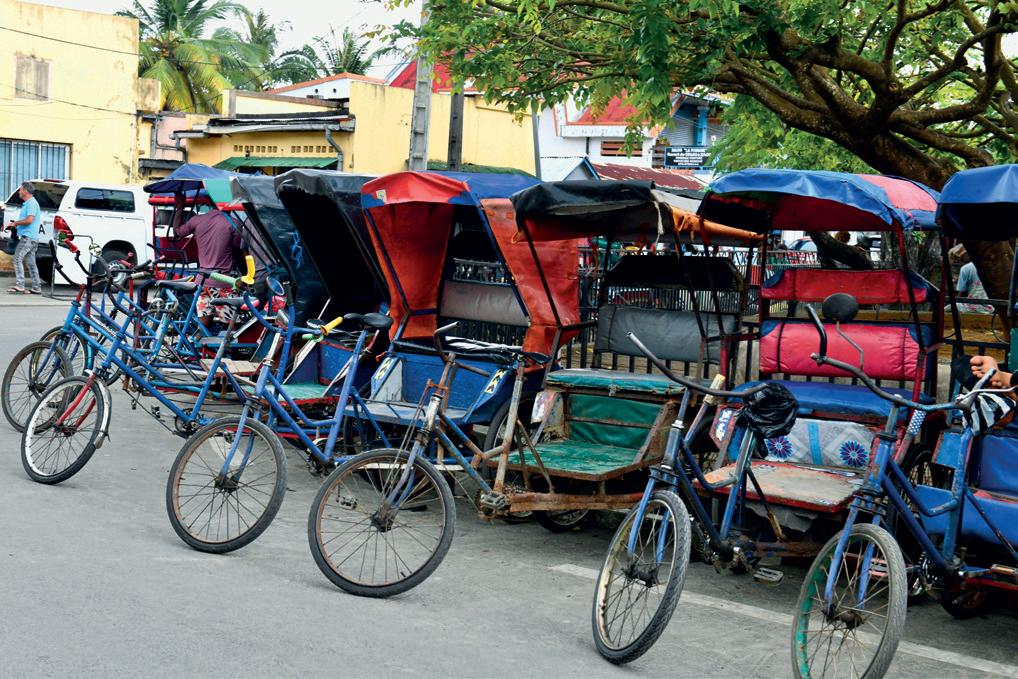
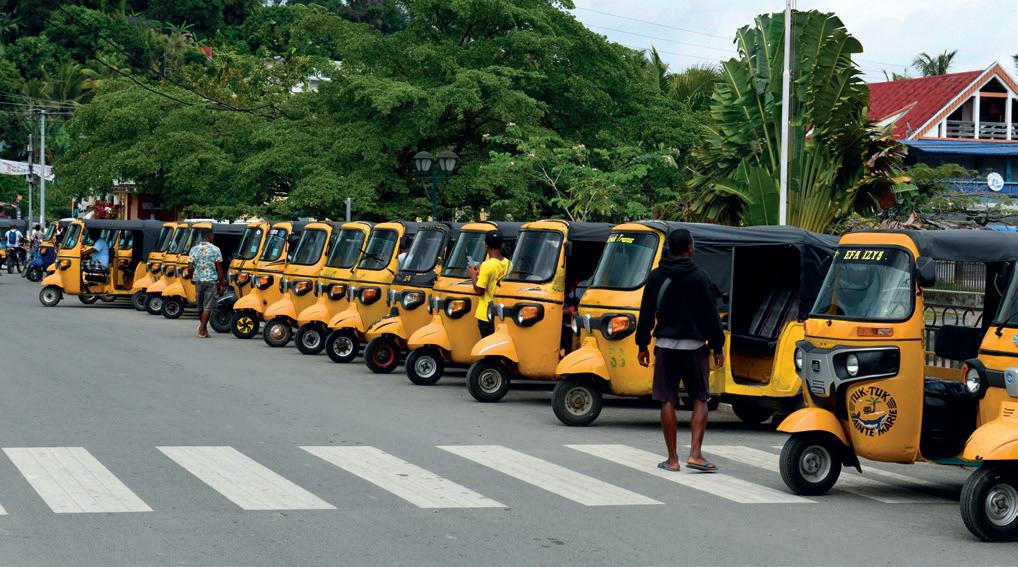

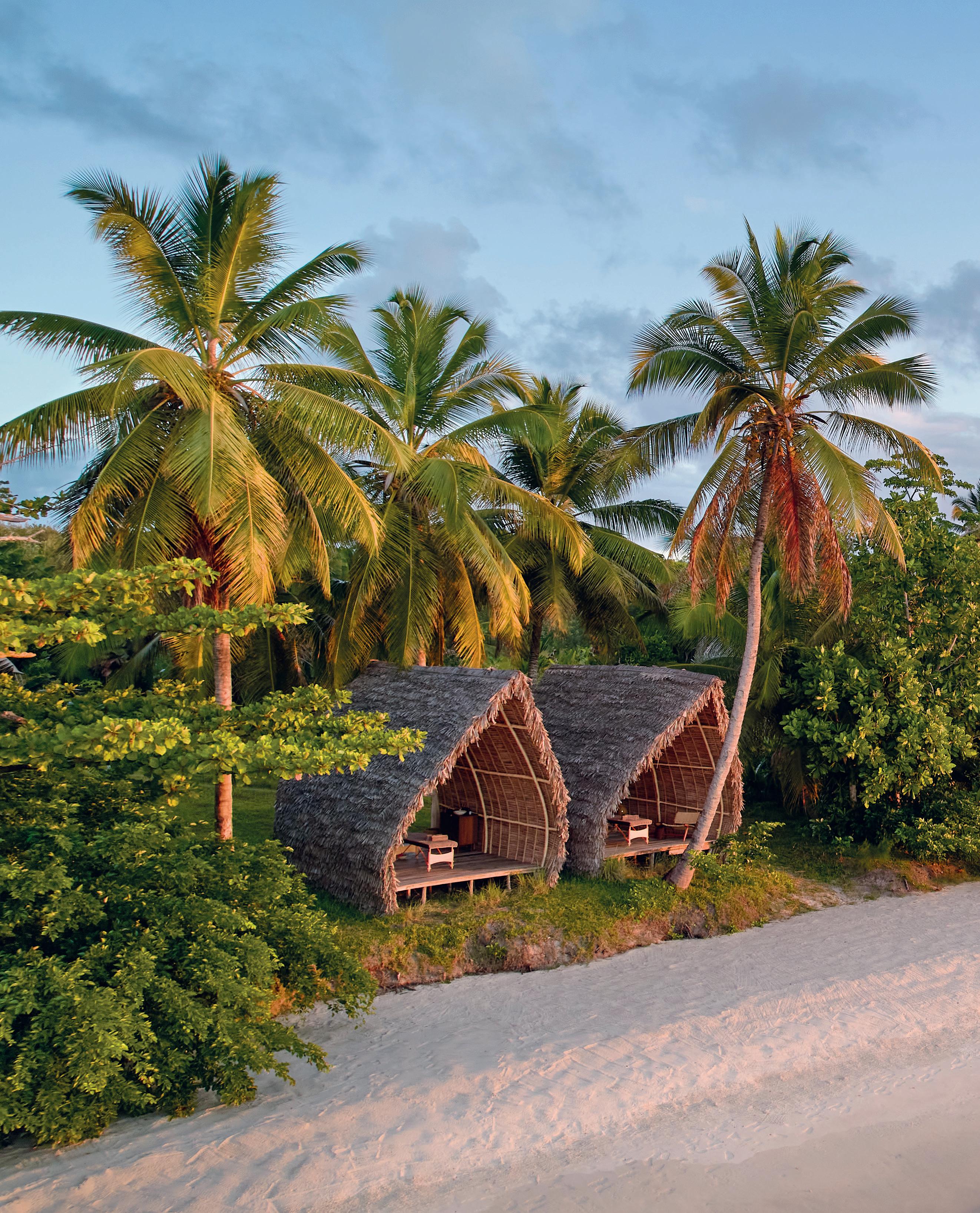
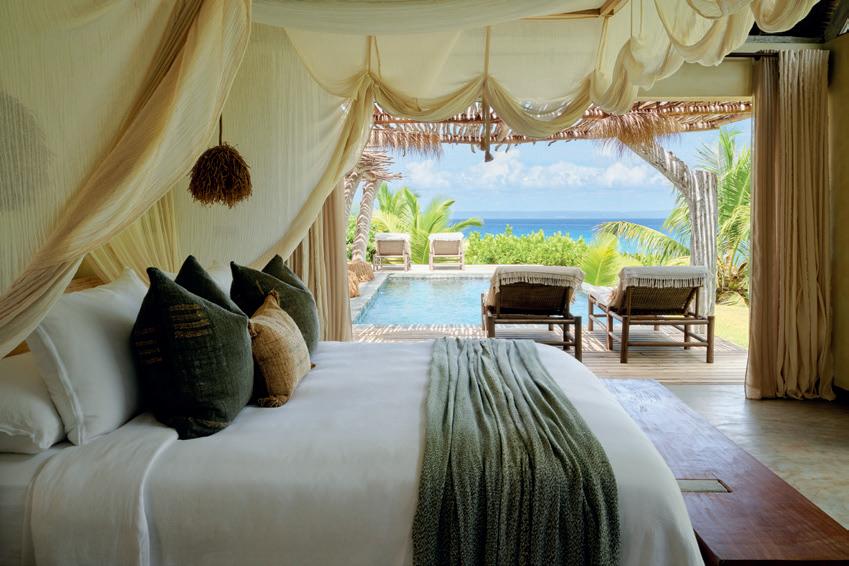
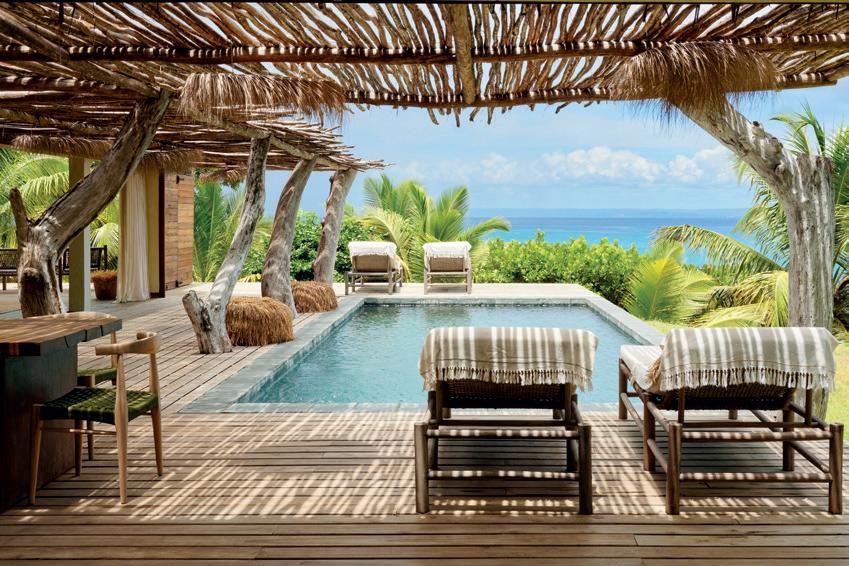
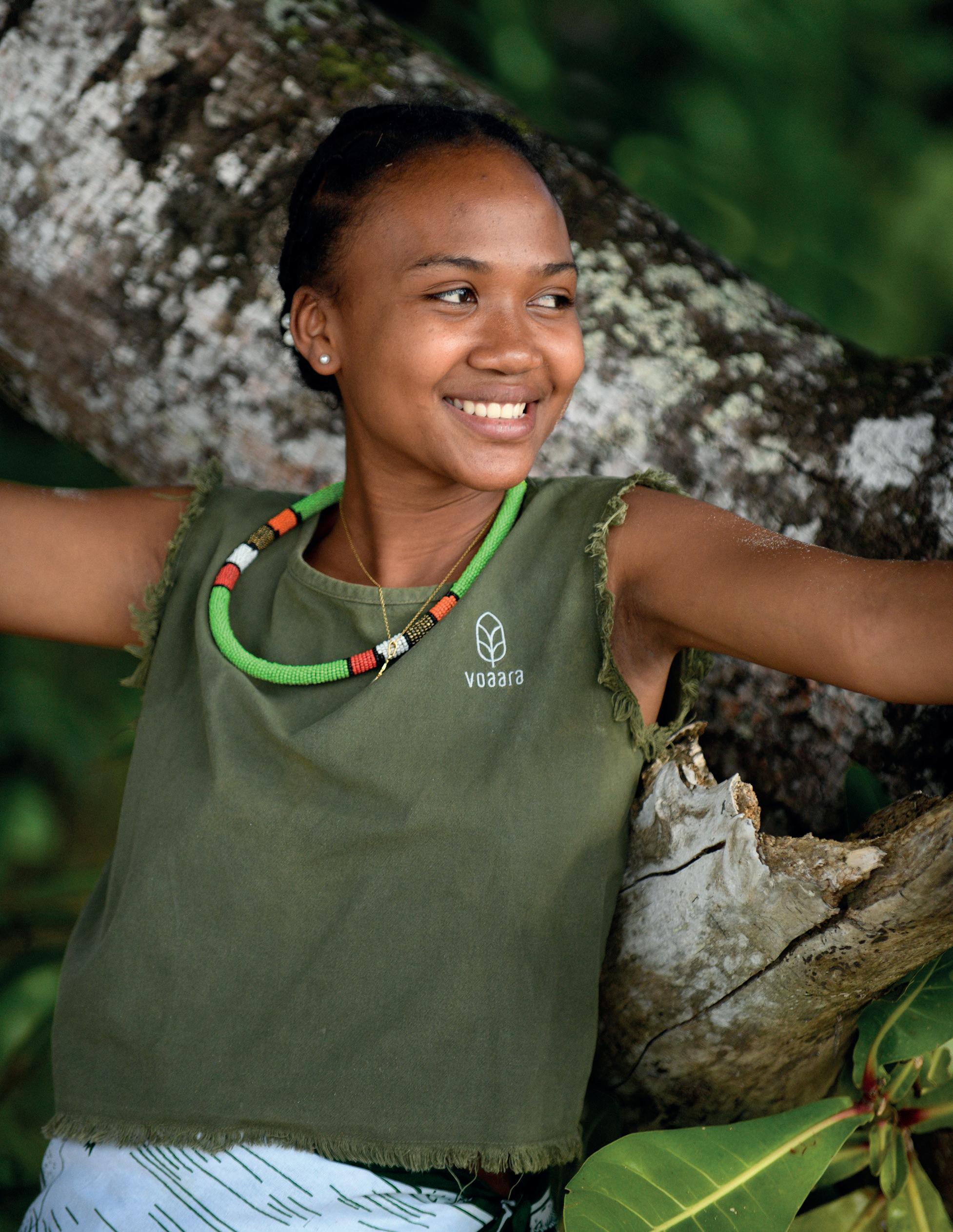
On the northwestern coast of Sainte-Marie lies Voaara , our home for the next two days. Voaara opened its doors in 2024 and is the life’s work of Swedish businessman Philippe Kjellgren, who spent his childhood years in Madagascar. After staying in some 2,000 of the world’s finest hotels, he had developed a very clear vision of what true luxury meant to him: not glitter, marble lobbies, or stiff etiquette, but a harmonious balance between authenticity and comfort, where guests feel deeply connected to nature without sacrificing refinement. In that ambition, he has succeeded brilliantly. We instantly feel at home in this haven of barefoot luxury, with its understated elegance and tropical wabi-sabi aesthetic. The sublime cuisine is overseen by Spanish chef Aleixandre Sarrion, who masterfully combines Asian, Malagasy, and Spanish influences into dishes of exceptional finesse.

SINCE 1904
NIEUWE LOCATIE LEYSSTRAAT 1, 2000 ANTWERPEN - 03/213 50 80
SCHUTTERSHOFSTRAAT 30, 2000 ANTWERPEN - 03/226 41 44

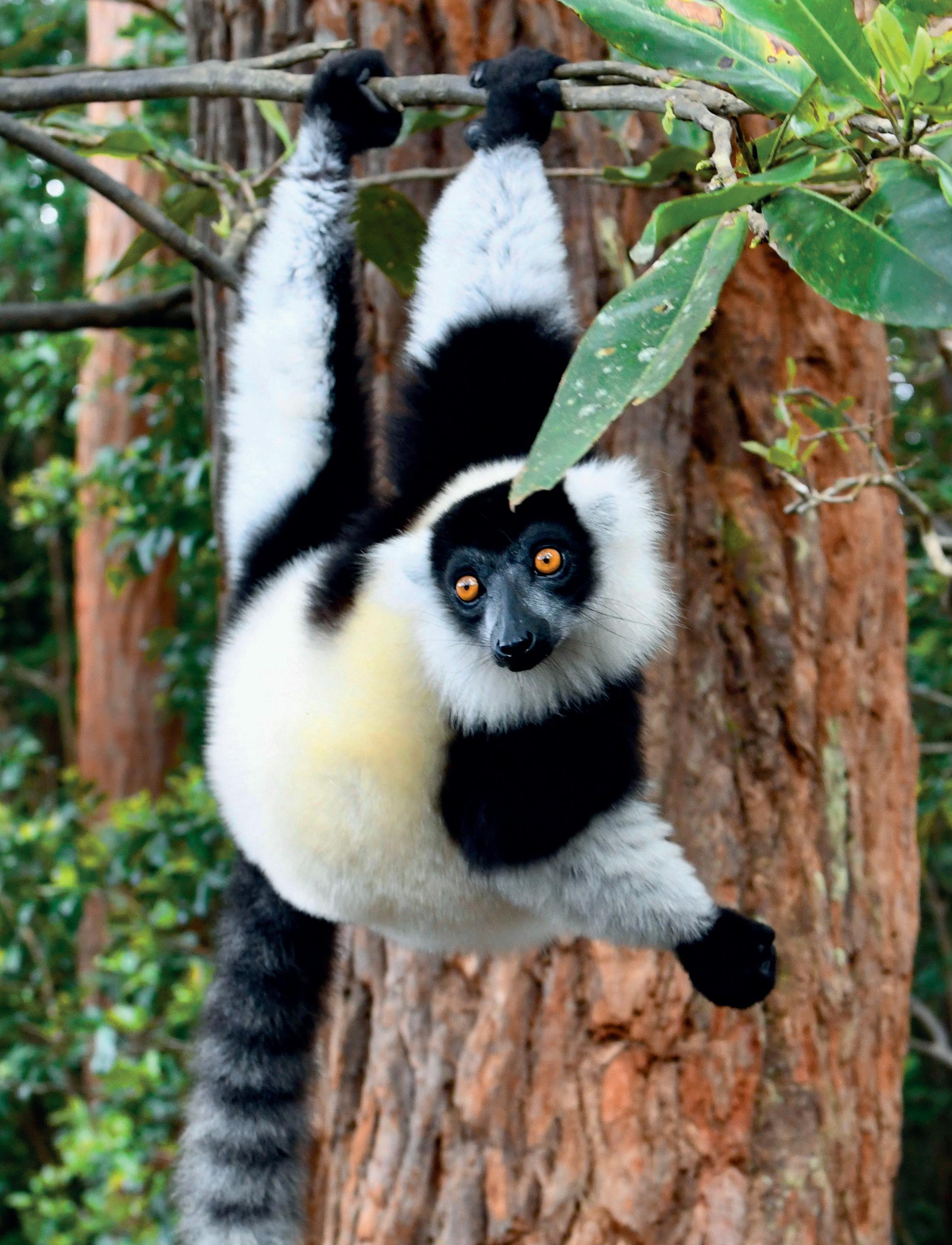
Ring-tailed lemur.

Our next destination is Andasibe National Park in eastern Madagascar, a place we can finally reach by car for a change. The distance is only about 140 kilometres, yet because of the heavy traffic, endless trucks, and countless sharp bends, the journey takes nearly five hours. Not that we are bored for a single moment. The scenery is magnificent: rolling hills covered with bright green rice terraces, colourful fruit stalls lining the roadside, and small villages scattered across the landscape.
The ring-tailed lemur, with its black-and-white striped tail, was the star of the animated film Madagascar as the flamboyant King Julien.
In Andasibe National Park we enter an entirely different climate zone and ecosystem. This is pure rainforest: a dense green world of towering ferns, lianas hanging like ropes between the trees, and gigantic forest giants such as rosewood and ravinala, the iconic “traveller’s tree.” Even though it is currently the dry season, a heavy downpour is never far away. Soft light filters through the canopy overhead. Insects buzz, leaves rustle, and birds chatter endlessly. The forest is teeming with life. Usually, when walking through a rainforest, you hear plenty of animals but rarely see them, hidden away in the dense vegetation. Not so in Madagascar. Here, it almost feels as though the animals come out to greet us — led, of course, by the lemurs. To us, they truly are the stars of Madagascar: expressive, quirky, and playful. Andasibe is home to many different species, each with its own personality and character. The Indri is the largest and famous for its haunting territorial call that echoes for kilometres through the forest. The Sifaka is an extraordinary acrobat in the trees, but on the ground it can only move by hopping sideways in a wonderfully comical fashion. Our favourite, however, is the Ring-tailed Lemur, with its fluffy black-and-white striped tail longer than its own body. No wonder it stole the spotlight in the animated film Madagascar as King Julien, the flamboyant king whose main occupations seemed to be dancing and fooling around. Haven’t seen the film? Highly recommended. And then there are so many other creatures: bright red frogs, rare beetles, delicate butterflies, and vividly coloured geckos.
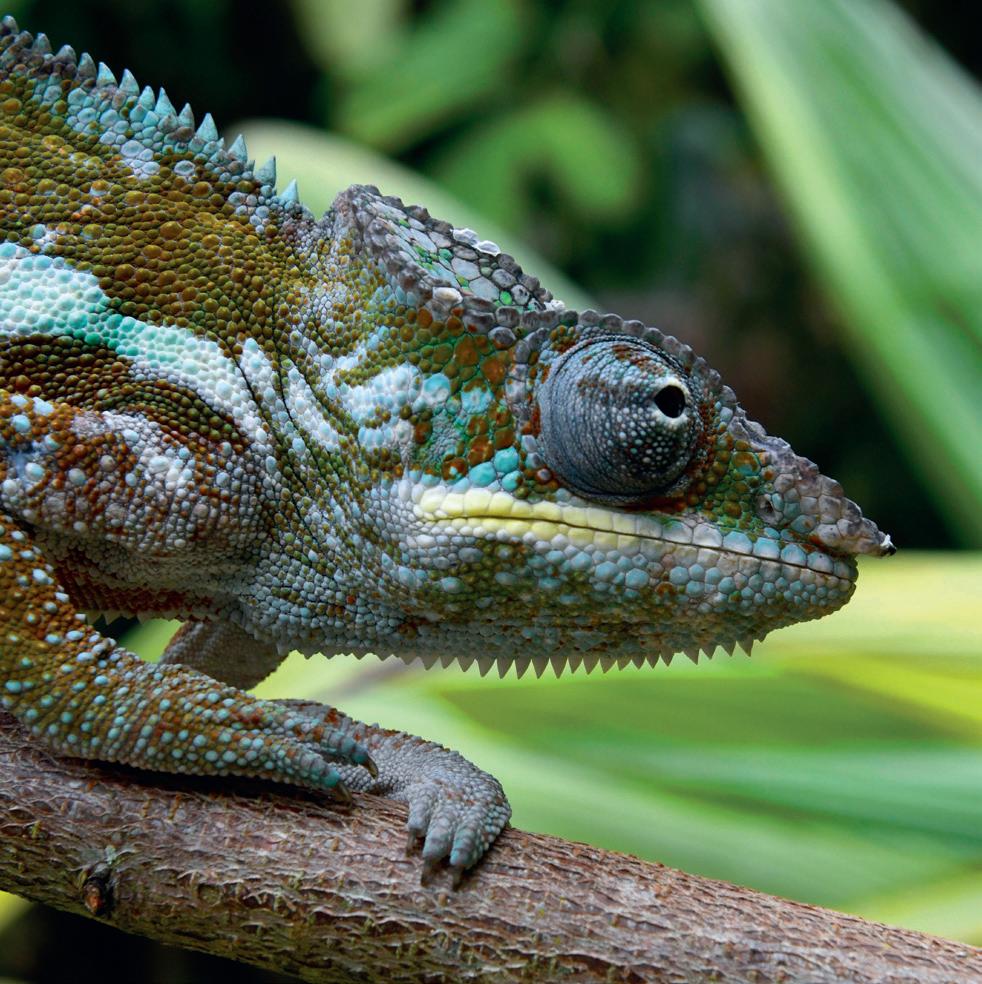
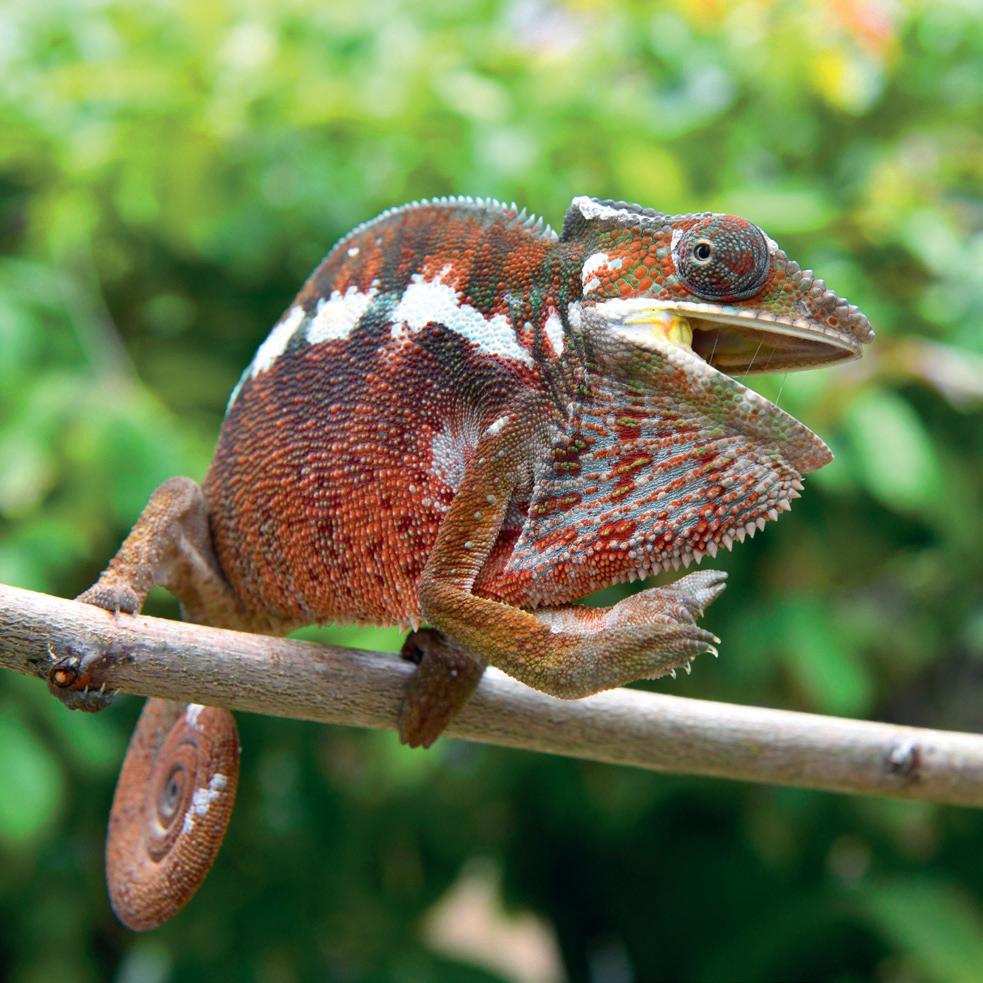
Later that day, we visit a reptile reserve. We marvel at the many species of chameleons in dazzling colours. As slowly as they move along the branches, so lightningfast do their tongues shoot out whenever an insect comes within range. The geckos are equally fascinating. The leaf-tailed gecko rivals the chameleon when it comes to camouflage, perfectly mimicking not only the colour but even the texture and pattern of the tree bark on which it rests.
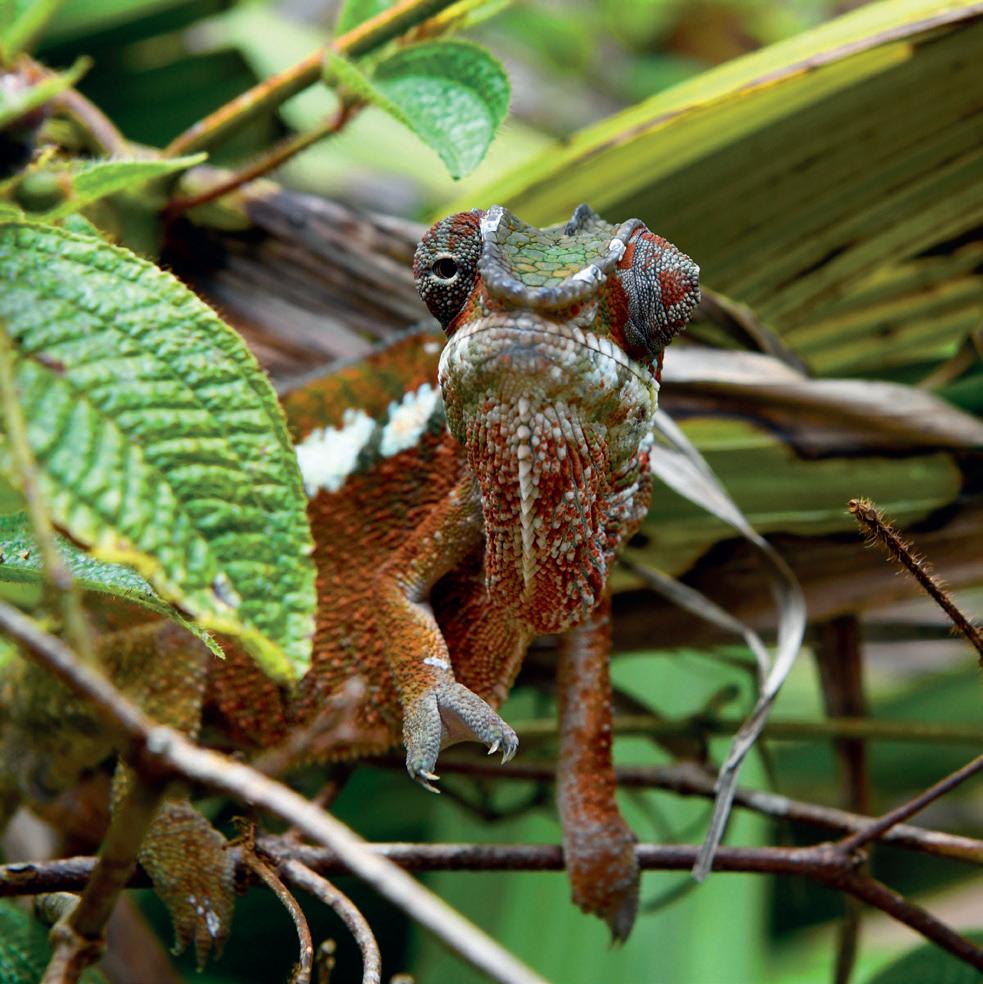
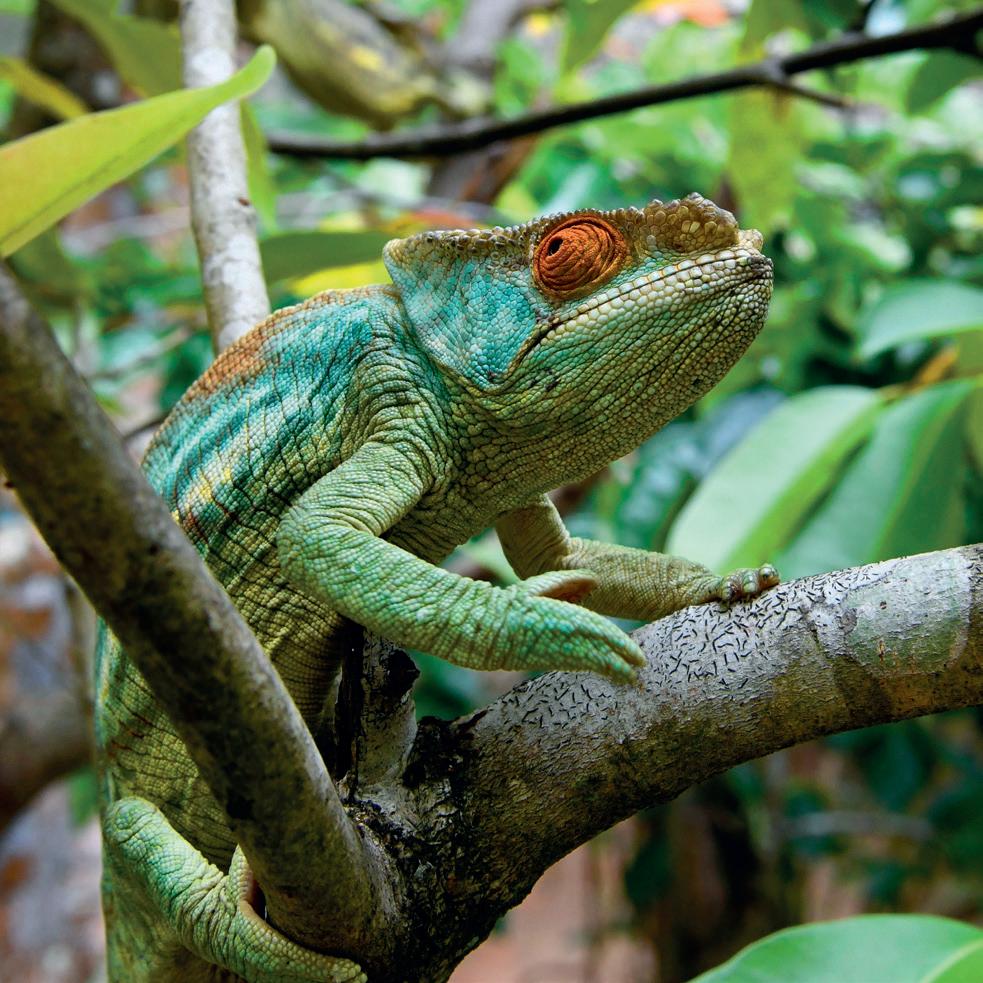
Chameleons are masters of camouflage and precision hunting.
Business

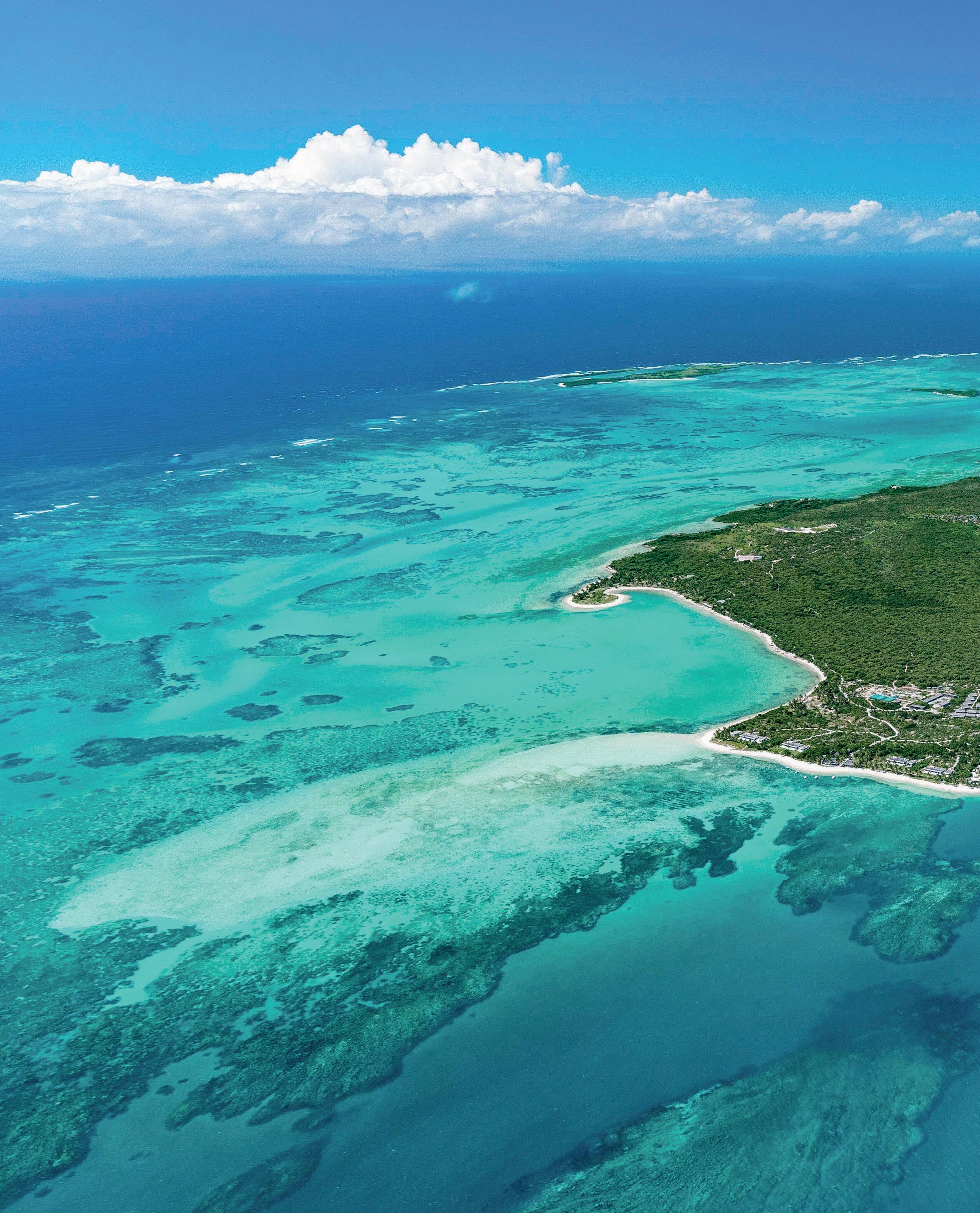
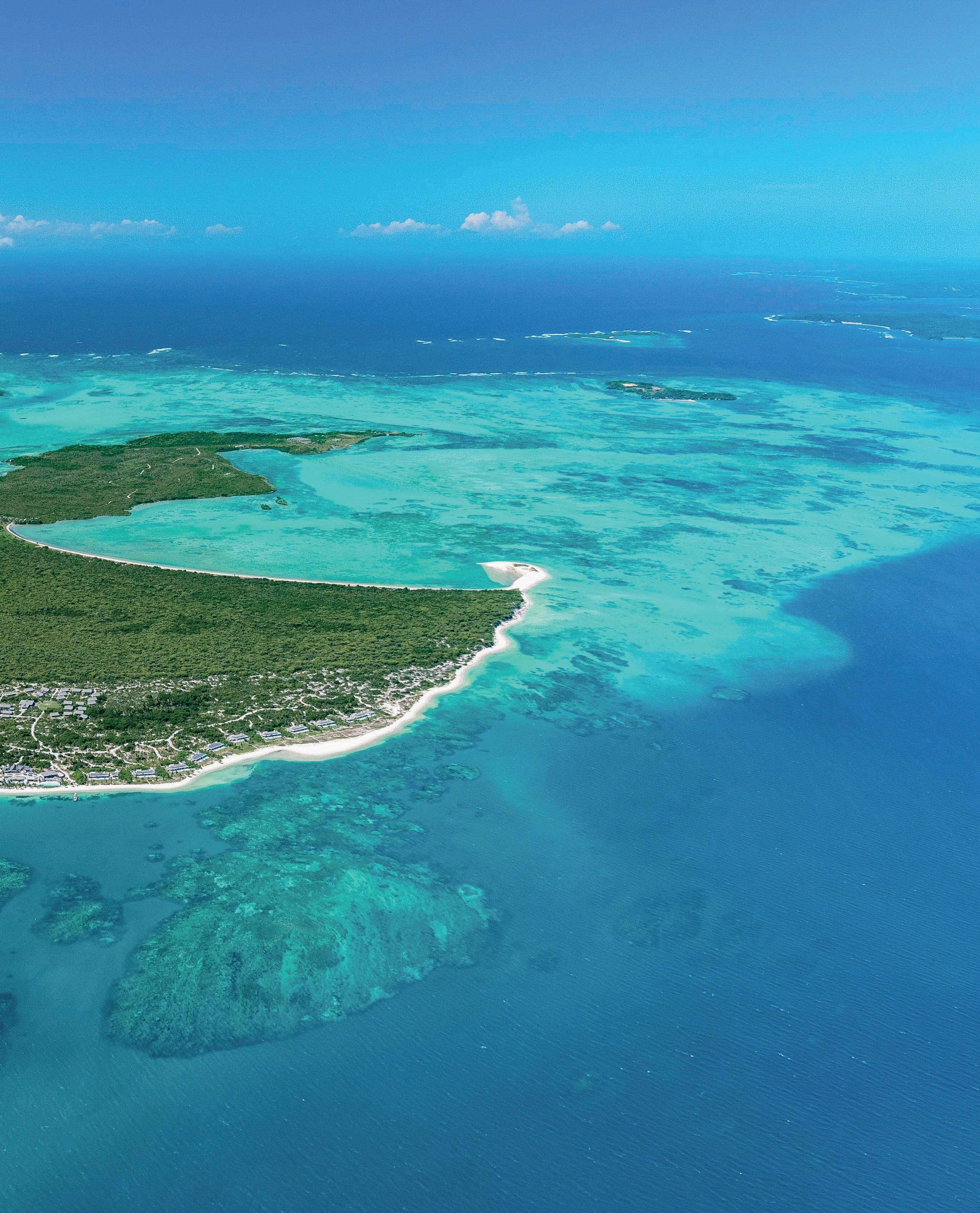
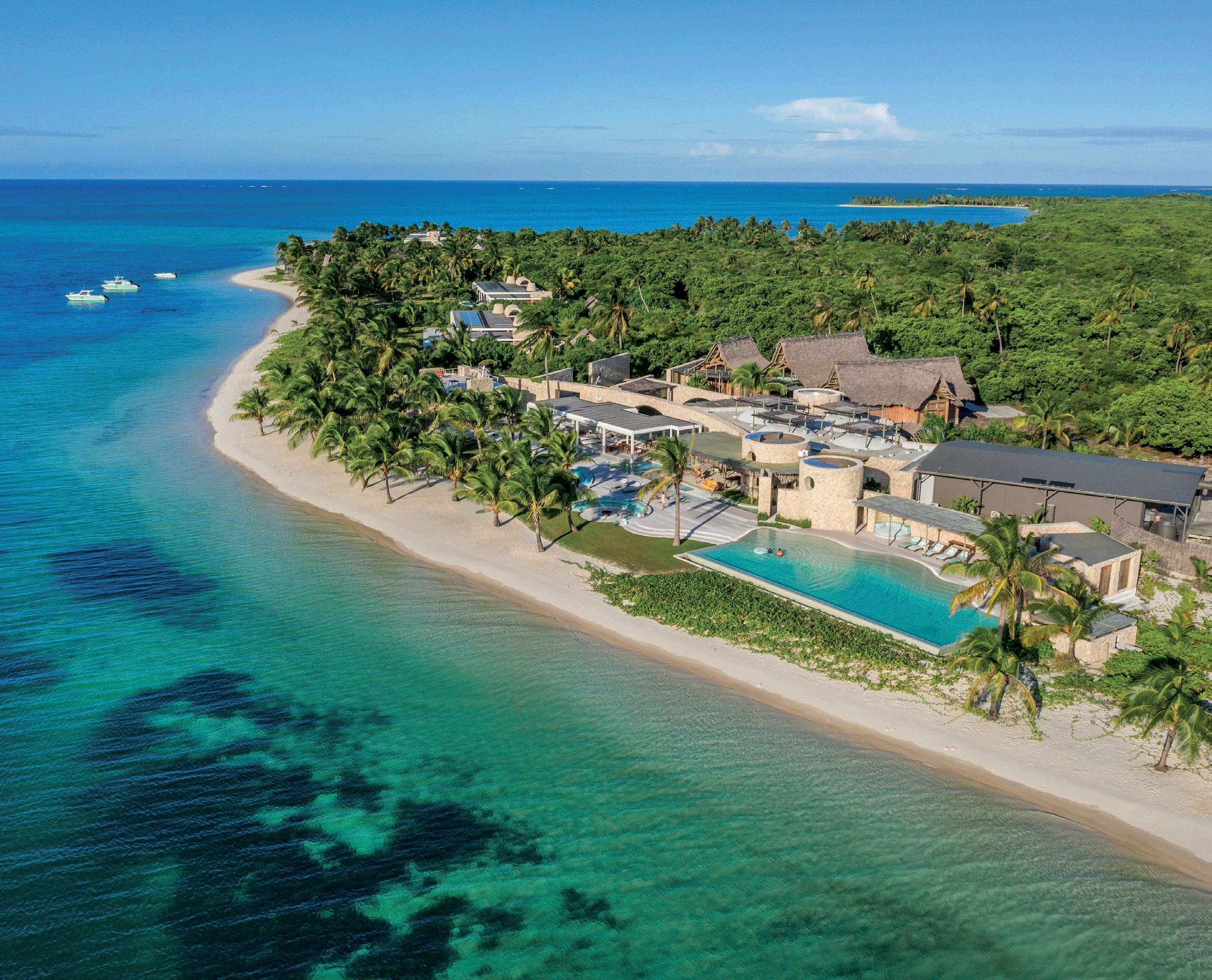
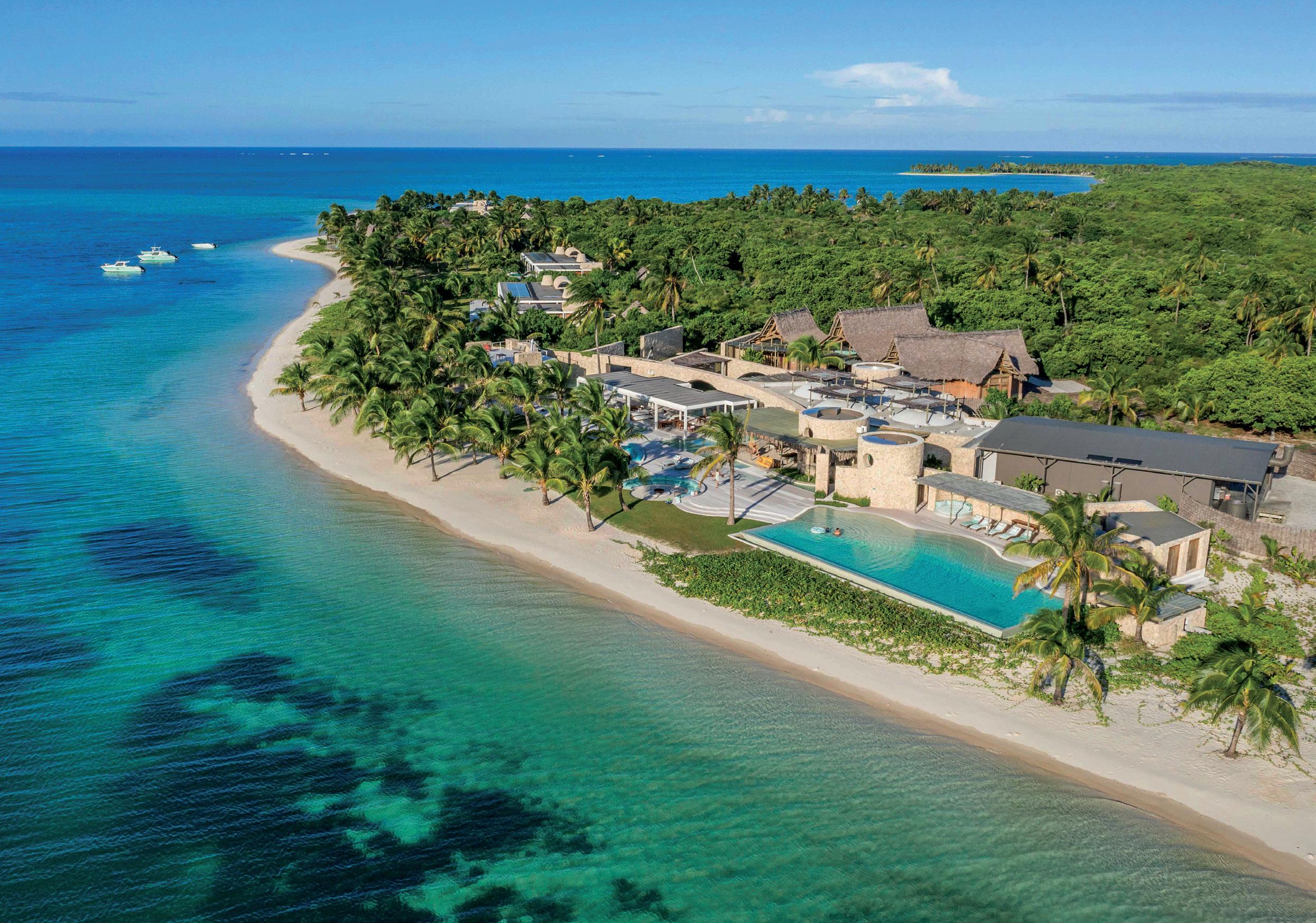
Miavana lies on a private island in a remote archipelago off the northeastern coast of Madagascar. The resort is so exclusive that it can only be reached by helicopter. The flight takes more than an hour and carries us over a breathtaking landscape. The ocean stretches endlessly in deep, intense blue, while the mainland below appears rugged and untouched. The treetops resemble tiny broccoli florets scattered across an orange canvas. “Follow the sun,” sings Australian musician Xavier Rudd through our headsets. Gladly, we think. The moment we land, it feels as though we have arrived at the edge of the world. Everything slows down.
We are welcomed by Damian Jardine, the resort’s general manager, who introduces us to Saida, our personal butler. She will make sure we want for nothing during our stay — a task she takes very much to heart. Her warmth and attentiveness instantly win us over. Over the next two days, she carefully organises all our activities. We have conversations scheduled with various people throughout the resort and therefore operate on a fairly tight timetable, yet she ensures that everything flows seamlessly while leaving us plenty of time to fully enjoy the astonishing beauty of our surroundings.
Miavana is one of the most exclusive places in the world, a hideaway reserved for the happy few, with guests such as Lewis Hamilton and Tom Cruise.
“Behind this paradise lies an intense journey,” Island Manager Greg Wepener tells us. Yes, that title genuinely exists here: island manager. Wepener, a South African with a background in agriculture, was involved with the development of Miavana from the very beginning. His first task was clearing the island and preparing the site for construction. Building the resort took four years, during which more than 100,000 native trees were planted. Only natural materials were used for the villas and public spaces.
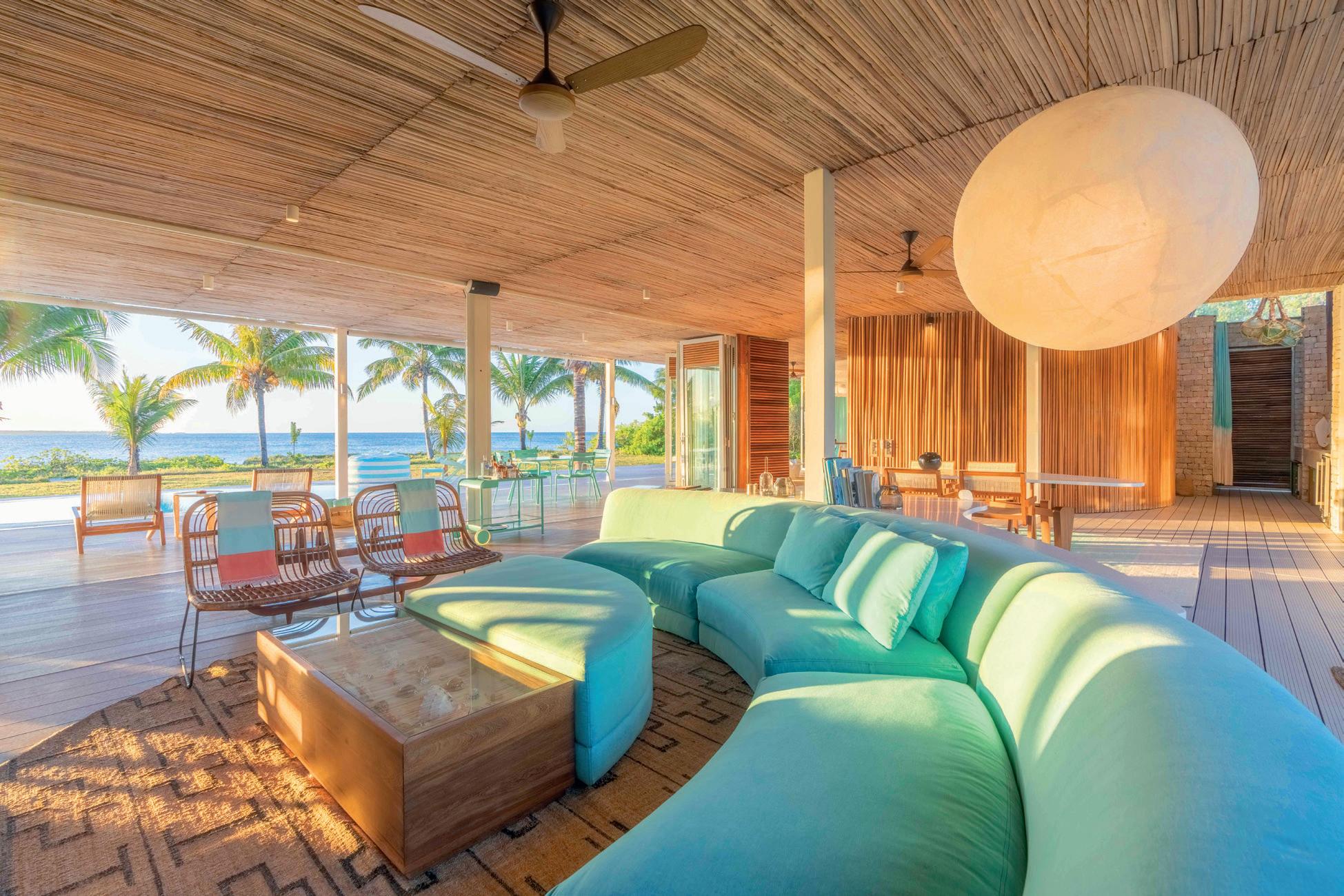
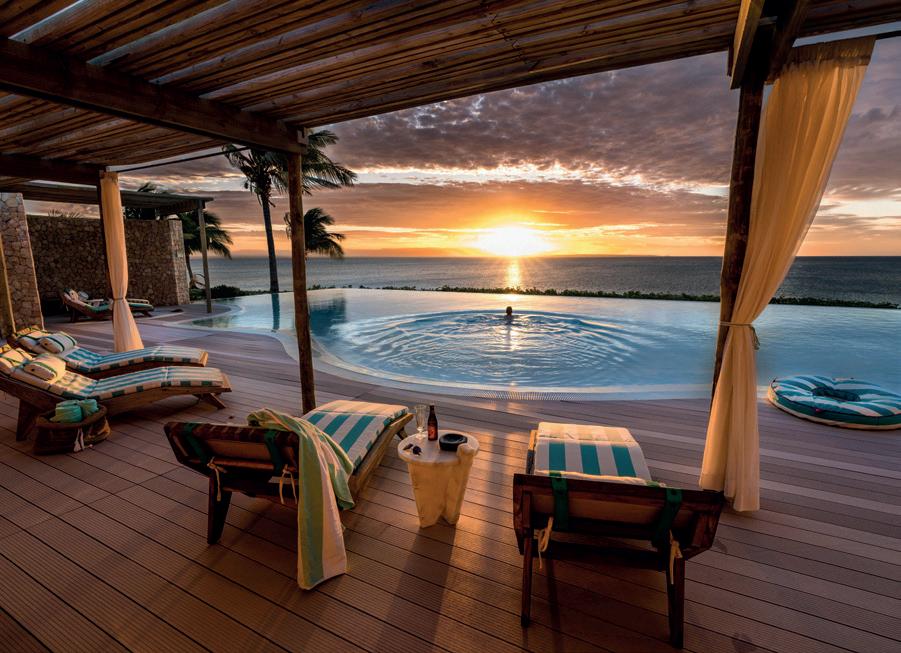
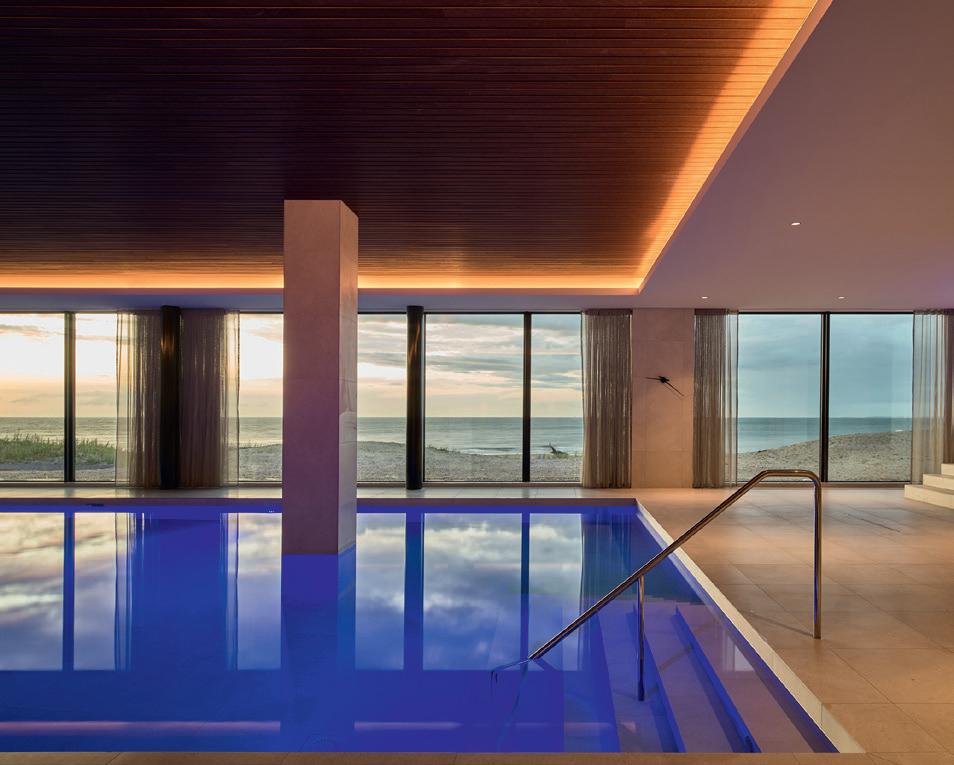
The fourteen ultra-luxurious and exceptionally spacious villas are scattered along the pristine beach. The architecture is minimalist, softened here and there with subtle bohemian touches. Bright white dominates throughout, complemented by a colour best described as Tiffany blue. Large panoramic windows open onto private pools and sweeping ocean views, while every detail has been perfectly coordinated.
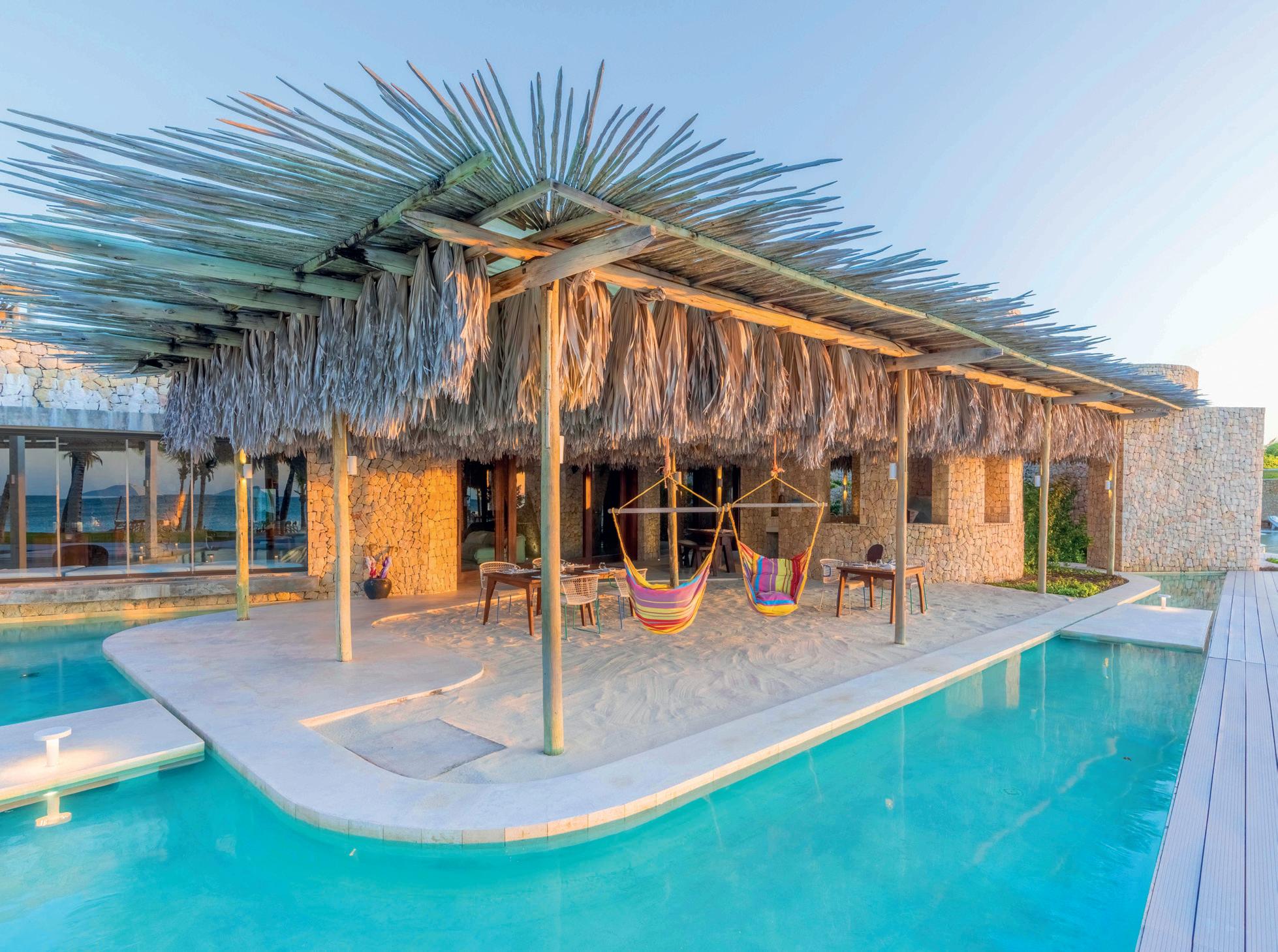
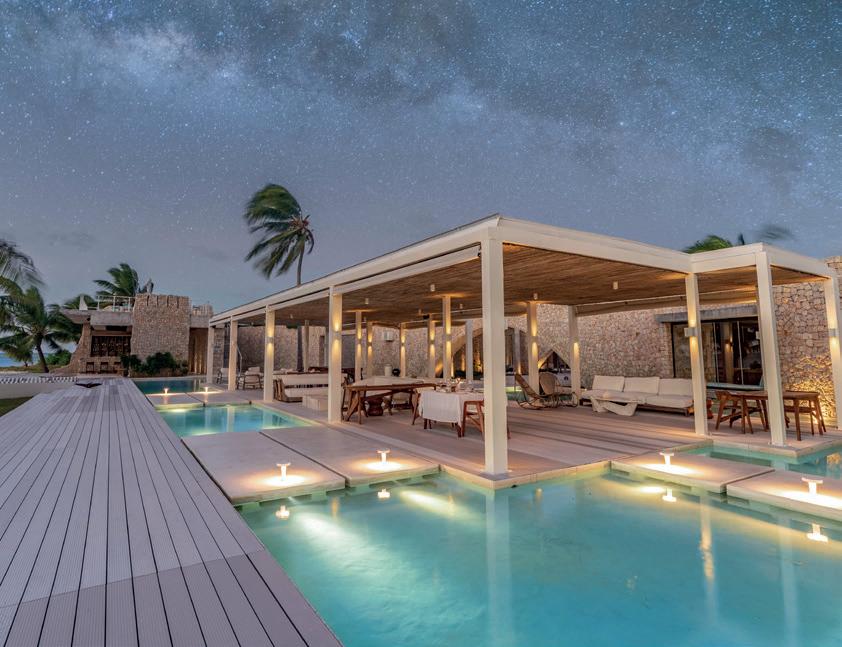
An absolute aesthetic masterpiece is the spectacular central area, with its monumental four-metre-high stone walls, pergolas, woven palm-leaf roofs, and restaurant crowned by a circular glass skylight. There is also an open-air pavilion surrounded by a crystal-blue moat, giving it the illusion of floating like a mirage.
Miavana is one of the most exclusive places on Earth, a hideaway reserved for the happy few, with guests including names such as Lewis Hamilton and Tom Cruise. A stay at Miavana is therefore unlike anything else — a truly unique experience.
Madagascar cannot be captured in a single image. The island is vast, immensely diverse, and wonderfully unspoiled. In every possible way, Madagascar surprised us, enriched us, and enchanted us. Travelling through Madagascar feels like discovering another world — a world that inspires endless wonder. ♦
Traveling through Madagascar is a journey of discovery through another world — a world that inspires everlasting wonder.
Thanks to:
- Vera Van Steenvoort, Advalorem Travel Architect, www.advalorem.be
Visit our website at www.porschist.be and watch the video accompanying this article.
- Volatiana Andriamanalina, Economic Counsellor Ambassade Madagascar
- Edward Tucker Brown and Michel Andriamihajanirina, www.madaclassic.com
- Philippe Girard, owner Porsche 356
- Dahn en Arnaud Bernardin, owners Porsche Cayenne
- Willem Du Toit, general manager Namoroka Tsingy Camp, www.namoroka.com
- Philippe Kjellgren, general manager Voaara, www.voaara.com
- Damian Jardine, general manager Miavana, www.miavana.com
- Cédric Donck en Tsiory Assandrata, Musée de la Photographie de Madagascar
Philippe Girard
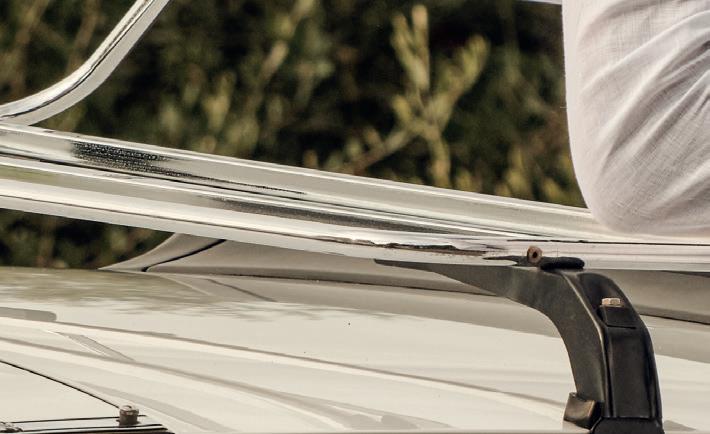
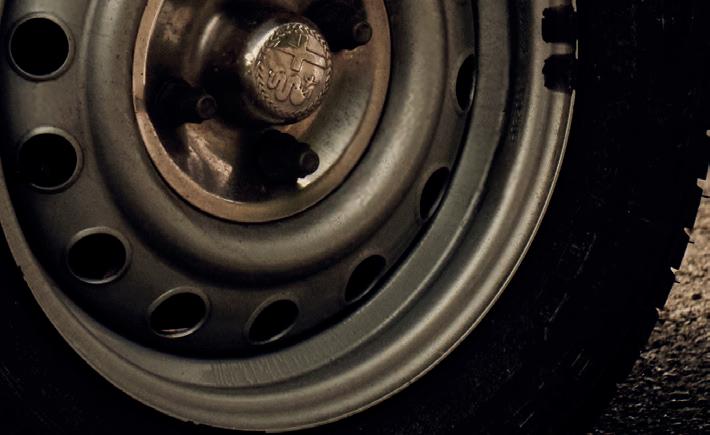
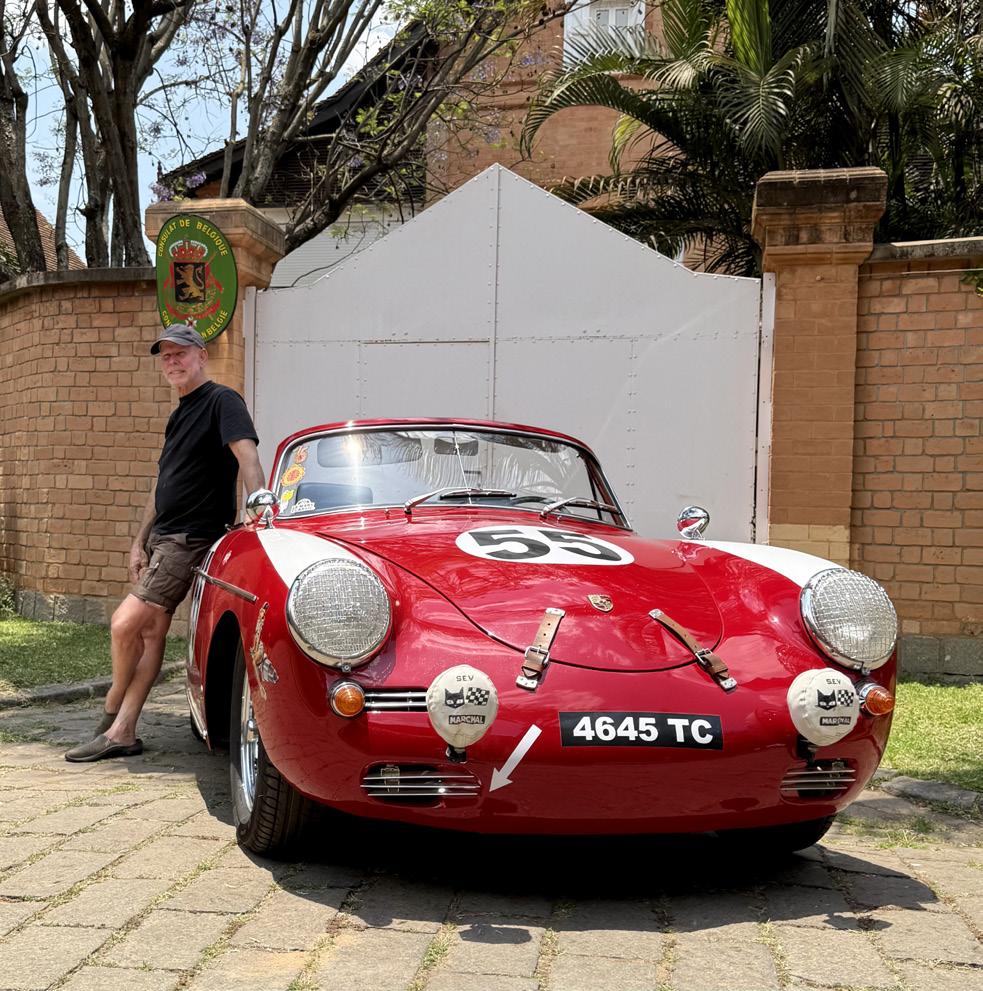
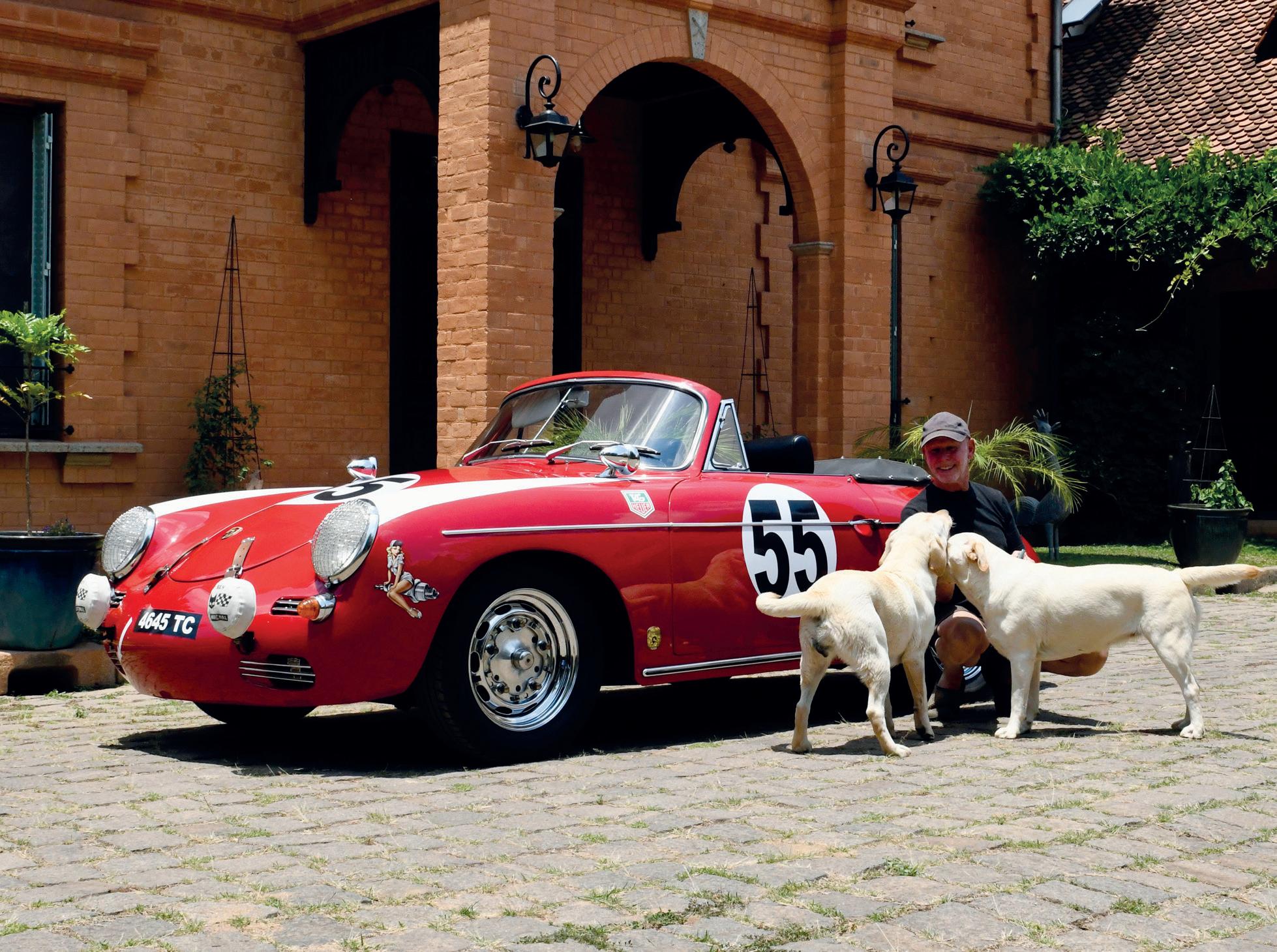
The capital of Madagascar waits in uncertainty. The president has fled, the army has taken power, and the future remains unclear. Behind a wrought-iron gate, right next to the Belgian consulate, lives Philippe Girard, a man who finds peace in metal, engine oil and Porsche. In the middle of his garage, bathed in sunlight streaming through the windows, stands his pride and joy: a gleaming red 356.
Philippe has been retired for twenty-five years, yet he still keeps himself busy every single day. “I wake up to the sounds of the city,” he says. “The roosters, the mopeds, the first car horns. Then I drink my coffee and head to the garage. Every day. Without exception.”
Inside the garage are around ten classic cars in various stages of restoration. Some are hidden under covers, others rest on blocks. “I can’t sit still,” he says. “My hands need to feel something: a wrench, a bolt, a carburetor... That’s my rhythm.” He walks to a wooden cabinet, takes out a small metal tray and shows traces of oil, dust, and steel. “That,” he says, “is the smell of my days. Not everyone understands it, but those who do belong to the same world.”
“My classic cars are like people. Some carry scars, but they all deserve respect.” Philippe Girard
Philippe grew up in a family where engineering and craftsmanship were second nature. His father worked as a tannery technician and their home was always filled with tools and spare parts. “My father always said: Whatever you make should outlive you. That stayed with me forever.”
On the street where they lived, his father’s employer owned a Porsche 356. “I was just a child,” Philippe says, “but I already knew it wasn’t an ordinary car. The sound, the smell, the way the driver closed the door … everything had class. I thought: one day, I want one like that.”
The years passed and Philippe built a life for himself. First in France, then on Réunion Island and finally in Madagascar. He arrived back on the island in the 1970s. “I never dreamed I’d end up here,” he says. “But life takes you where it wants. There was work here, there was sunshine, there was freedom. So I stayed.” His love for mechanics never changed and the idea of owning a Porsche 356 stayed with him all those years.
Yet he only found it much later. “I was already retired,” Philippe explains. “I heard that an old Porsche 356 was for sale on Réunion Island. Half rusted, but completely intact. I didn’t hesitate for a second.”
Philippe flew to Réunion to see the car. “It was sitting in a small workshop. The man working on it still had the hands of the old days: rough fingers, worn by labor. We drank a glass of wine next to the car and talked about engines as if they were people.”
Restoring the 356 took months, but the hard work paid off. For Philippe, the red 356 is far more than a car. “It’s a memory,” he says. “Of my father, of France, of the past. It reminds me that beauty takes time.”
Every classic car Philippe owns has its own story. “Some were gifts from friends who left, others I found abandoned by the roadside. They’ve all survived something.”
He runs his hand over a dusty coupé. “They’re like people,” he says. “Some carry scars, but they all deserve respect.”
The Porsche 356 has its own place at the very front of the garage, close to the window. “It likes the sun,” he says with a laugh.
Every day, Philippe spends a few quiet hours working on his cars. “I don’t repair them, I listen to them,” he says. “Sometimes I can hear that something is wrong before I even see it. You only learn that after years.”
He works slowly and methodically, with a kind of precision that has become rare. “In my time, people still knew how to wait,” he says. “You bought something and kept it for thirty years. Now people buy and throw away. I find that a shame.”
He shows an old key, worn smooth from decades of use. “I’ve had this since I was twenty. It no longer fits anything, but I keep it because it reminds me of a time when things were made to last.”
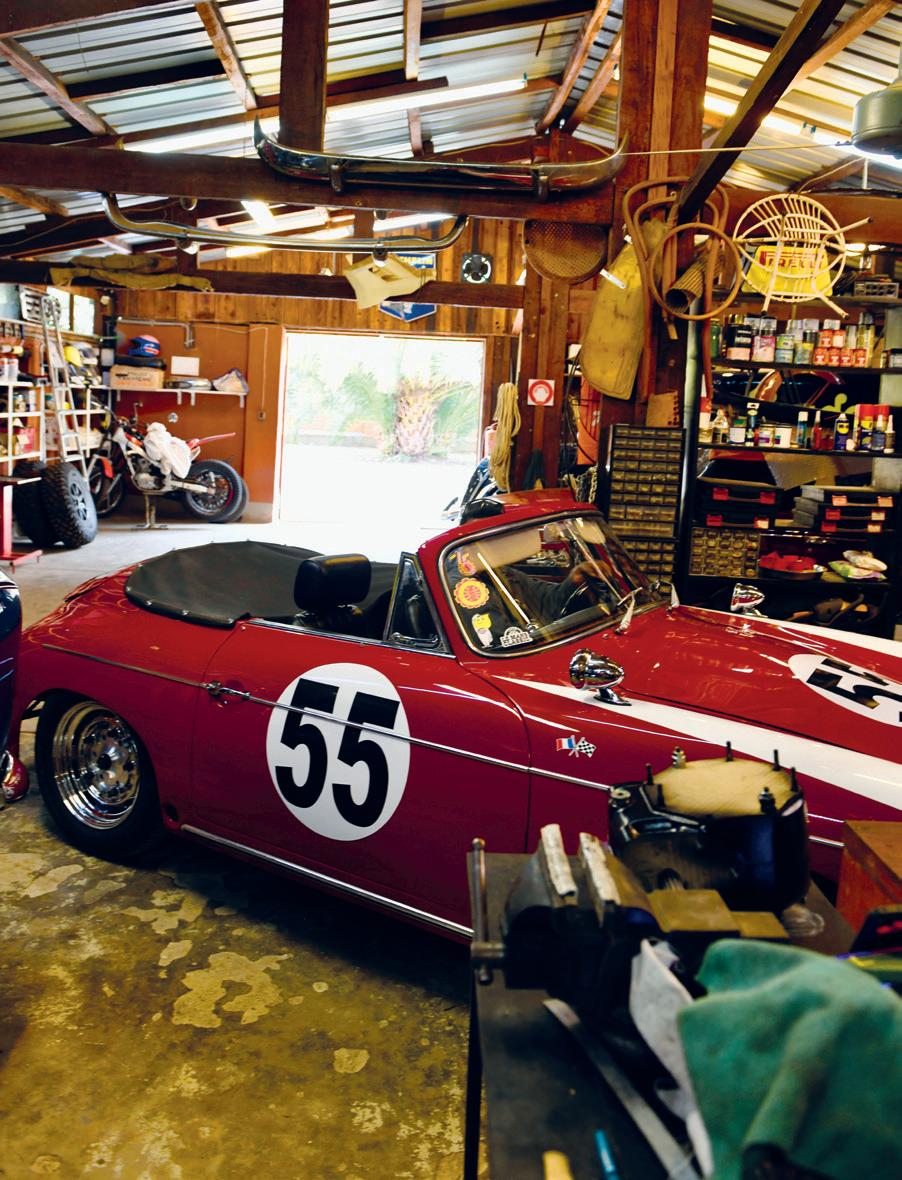
On Sundays, the capital slows down. Markets stay closed, the roads are nearly empty and people relax. That is when Philippe takes his Porsche out for a drive. “I always drive calmly and enjoy the scenery,” he says. “Most people here don’t really know Porsche, but they can tell it’s something special. Sometimes they shout, ‘Ferrari!’ and that always makes me laugh.”
He recalls a recent drive to Lake Anosy shortly after the change of power. “There was almost nobody on the streets. I stopped by the lake, admired the reflection of the red Porsche in the water and just stood there enjoying the moment. Further away, soldiers were standing guard. One of them walked closer and whispered: ‘C’est une voiture qui n’a pas peur’. (That’s a car that isn’t afraid.) I thought that was beautifully said.”
A lot is happening in the country, but Philippe remains calm about it all. “I’ve seen so much already,” he says. “Presidents come and go. Streets change names. But life goes on. You don’t need to understand everything. You just keep breathing.”
Still, he feels the difference. “There used to be more trust,” he says. “Now everyone lives with a certain fear. There’s poverty and a lot of frustration. But the Malagasy people remain proud. They still smile, even on days when there’s nothing to smile about.”
When we say goodbye, Philippe drives his Porsche outside. In front of the Belgian consulate - literally his neighbor – he parks the car. The red paint catches the sunlight while the Belgian flag gently waves in the wind. A perfect image. ♦
“My Porsche 356 is far more than a car. It’s a memory of my father, of France, of the past, and of the fact that beauty takes time.”
Philippe Girard
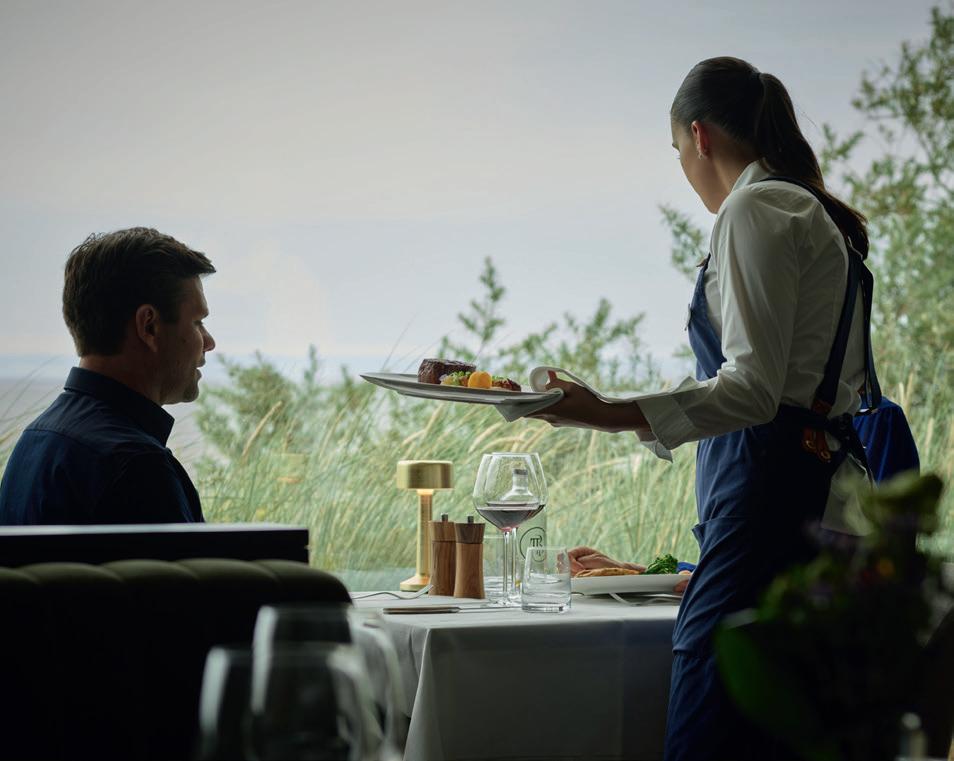
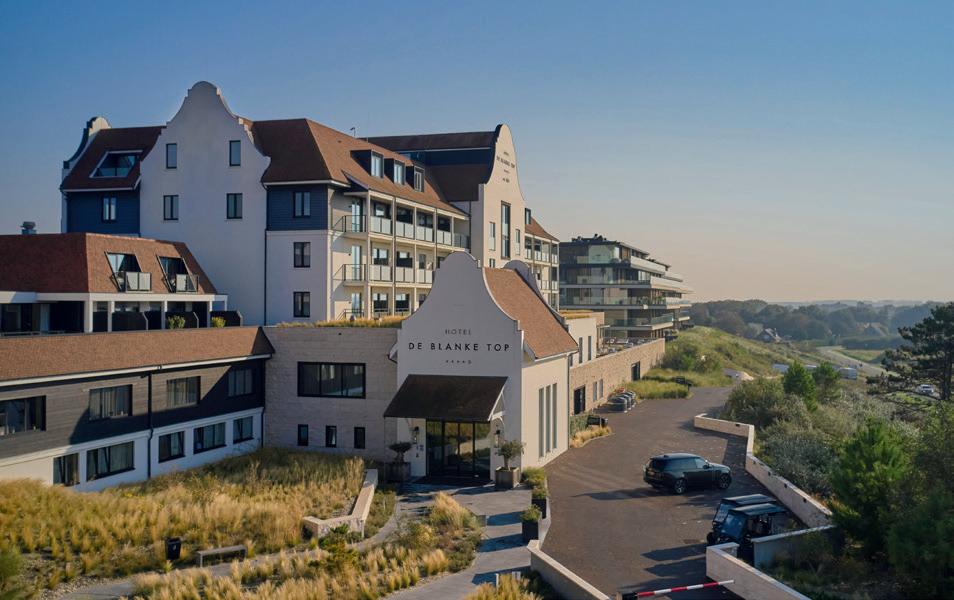
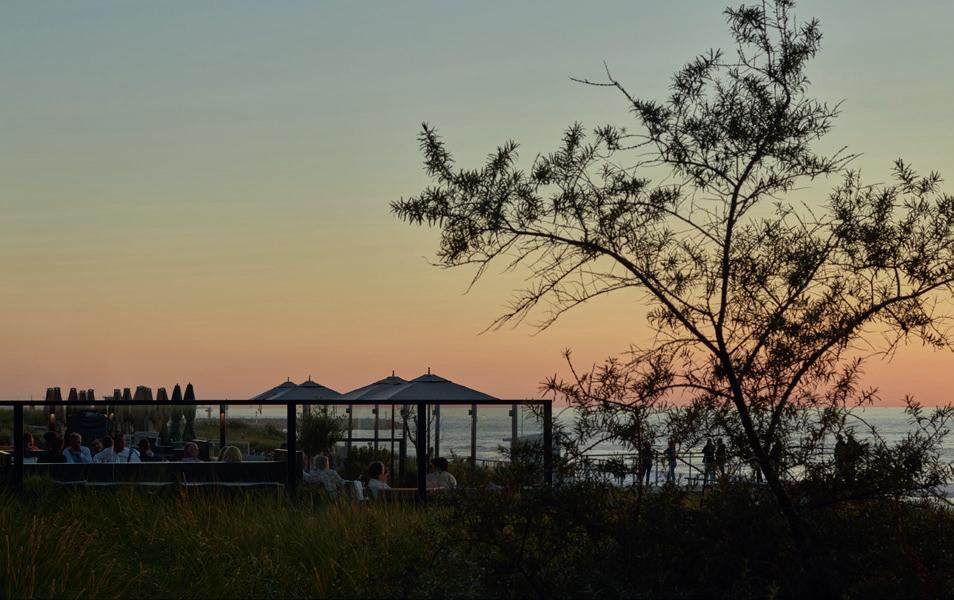
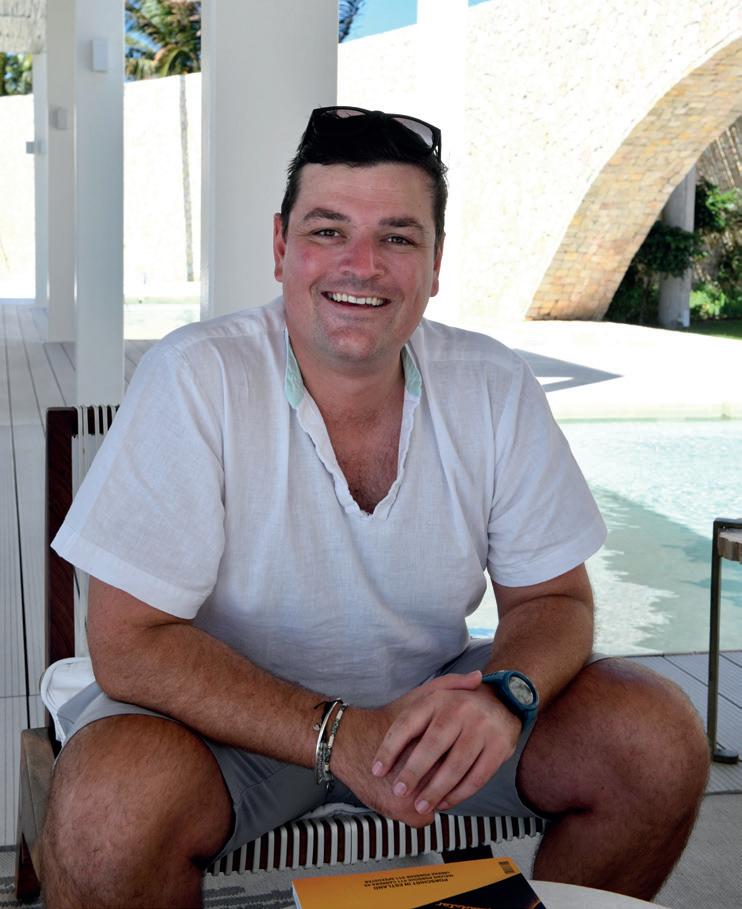
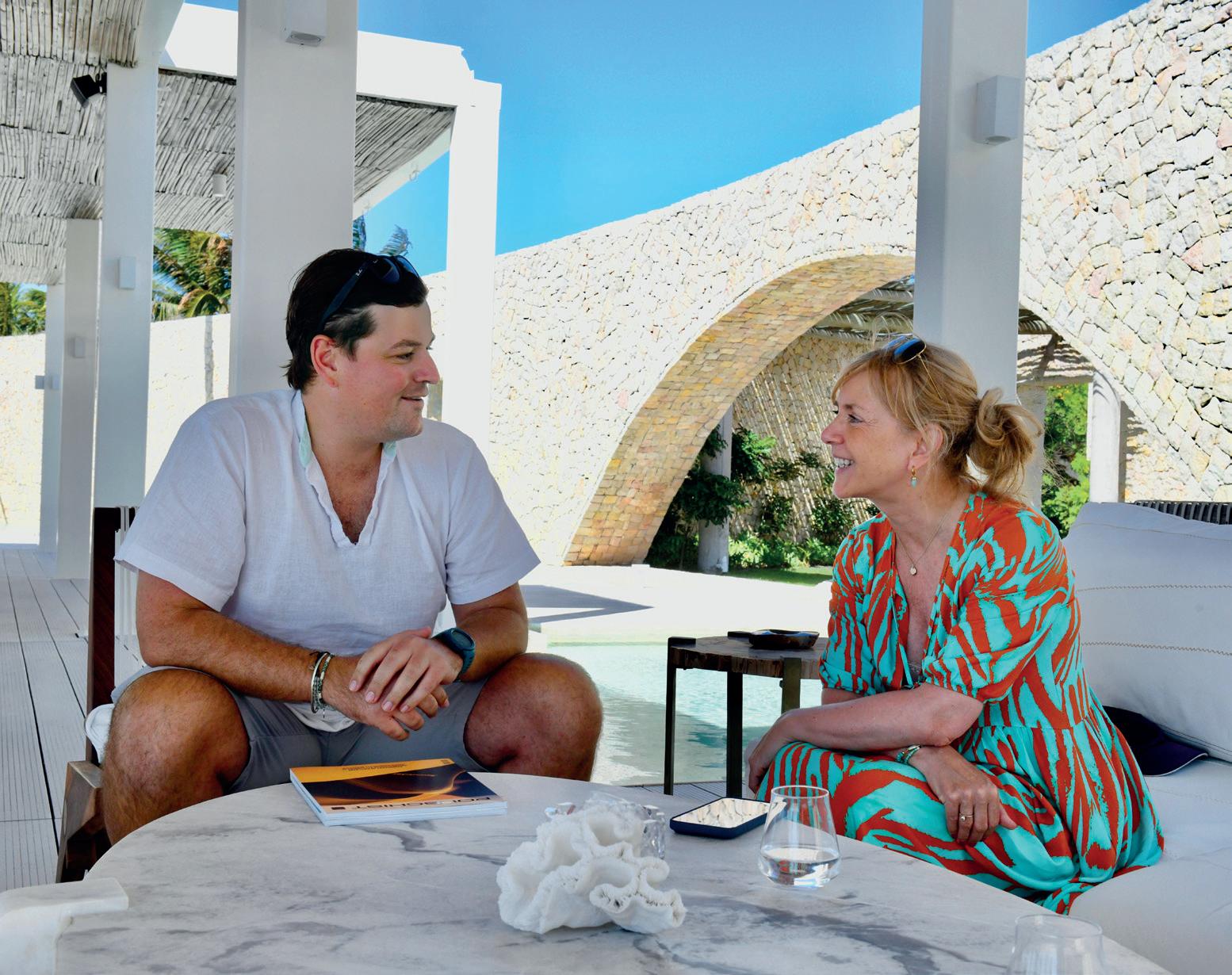
A job at one of the world’s finest luxury resorts on an idyllic island in Madagascar: it sounds like a dream. For South African Damian Jardine (31), it’s everyday reality. And yet, he still finds himself pinching his arm from time to time. His passion for hospitality and his curiosity for the unknown have brought him to this extraordinary place.
As a teenager, he was already working behind the bar in his grandparents’ game reserves in Limpopo (South Africa). That’s where the seeds of his future were planted. When choosing his studies, he asked himself one clear question: Which career will take me all over the world? The answer was hospitality management.
Travel has always been in his DNA, preferably off the beaten track. “Big cities don’t interest me as much,” Damian explains. “I’m drawn to remote places where culture is still tangible, where travel truly becomes a story.” His journey has taken him to places like Namibia, Zimbabwe, Botswana, Indonesia, and Thailand. When traveling for himself, he prefers backpacking. “In simple hotels, it’s easiest to connect with local people.”
In October 2023, Damian set foot on Miavana. He started as operations manager and quickly rose to general manager. “I’m incredibly grateful to the owners for their trust,” he says. “From day one, the CEO and I were completely aligned. Every day, we strive to make Miavana even better. No matter how good you are, there’s always room to grow.”
Madagascar has captured his heart, not only because of its breathtaking landscapes, but especially because of its people. “They are the warmest, kindest people I’ve ever met. I admire their generosity and their ability to give without expecting anything in return. Even though many live in poverty, their smiles never fade.” While the country is still relatively under the tourist radar, Damian expects that to change soon, though he hopes the island will always retain its authenticity.
“You don’t build a strong company culture with rules, but with trust.”
Damian Jardine
Miavana is an exclusive lodge with just fourteen villas spread across a ten-square-kilometer island. Everything revolves around space, tranquility, and privacy. No visible crowds, no unnecessary extravagance, just nature and architecture that blends seamlessly into the surroundings.
“Luxury takes on a different meaning here,” Damian explains. “It’s not just about comfort and service, it’s about freedom. The freedom to do nothing, to let time stand still. Or, on the contrary, to fill every day with activity: diving, kitesurfing, sailing, spotting lemurs or exploring the mainland by helicopter. Everything is possible, nothing is required.”
What truly makes Miavana unique is its strong connection with the local community. The original fishing village is still part of the island and about 85 percent of the staff comes from the region.
“You don’t build a strong company culture with rules, but with trust,” Damian says. “People here are given the space to make decisions and to learn from mistakes.”
Miavana means “coming together.” According to Damian, this Malagasy expression perfectly reflects the spirit of the resort. “It refers to connection on every level: with family, colleagues, the village and our guests. That feeling stays with everyone who visits. It’s not just the beauty of the place, but also the way people work and live together here. Everything feels personal and genuine. Maybe that’s the greatest luxury of all: the feeling of truly being welcome.”
“I’m drawn to remote places where culture is still tangible, where travel truly becomes a story.”
Damian Jardine
The resort works closely with the Time + Tide Foundation, an international NGO active in southern Africa. Sustainable tourism and engagement with the local community are central pillars.
“Miavana is committed to protecting its unique natural environment so future generations can enjoy it too,” Damian explains. “Endangered species such as sea turtles, terns and lemurs are closely monitored. There are also targeted initiatives in education for underprivileged children and in providing medical care, both for the local Miavana community and for several communities on the mainland.”
When we ask Damian about his future plans, he pauses for a moment, not because he lacks ambition, but because he fully realizes how special his current position is.
“I always wanted to become a general manager at a world-class resort and today, I am. Not long ago, I read a book by a Japanese philosopher who said you shouldn’t rush through life, that sometimes it’s good to simply stay where you are and embrace it. The future will come in its own time. And that’s what I intend to do. I’d love to stay here for a few more years and fully dedicate myself to the Miavana project. After that, I’d like to travel the world for a year, maybe by sailboat, and see where it takes me. No rigid plan, just a direction.” ♦
a jewellery icon
It’s late afternoon in Antananarivo. Traffic rolls slowly along Avenue de l’Indépendance, while a golden light unique to Madagascar’s highlands hangs over the city. Inside the stately colonial building that now houses the Musée de la Photographie de Madagascar, Tsiory Asandratra is waiting for us. Behind him, a wall of faded images: monarchs, markets, wars, streets that no longer exist. Here, within these walls, the memory of a nation breathes.
How did this museum come into being and what motivated you personally to lead it?
The idea for the museum was born out of a sense of urgency. It was founded in 2013 and opened in 2018. Too many images of our past were disappearing from Madagascar: sold, forgotten or simply lost to time. We wanted to create a place where people could rediscover where we come from and that preserved our visual heritage. This museum is more than a building, it’s a window into our soul. It’s an essential place for understanding the complex history and culture of Madagascar.
“This museum is an essential place for understanding the complex history and culture of Madagascar.”
Tsiory Asandratra
How large is the collection today?
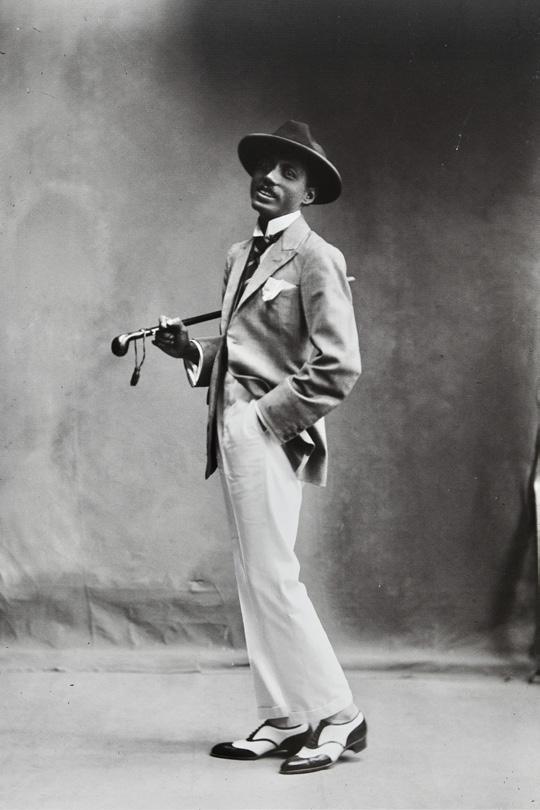
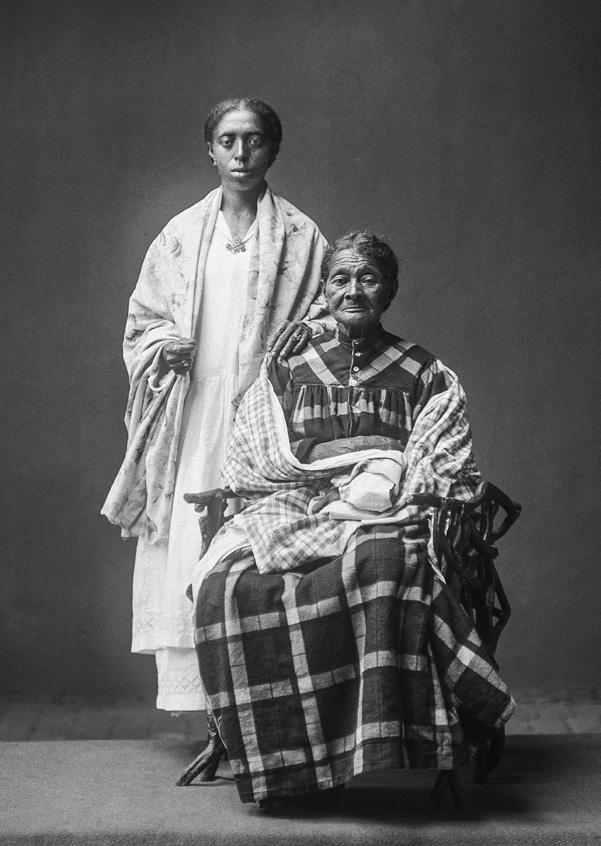
Our collections contain 100,000 photographs, all of which have been fully digitized. The museum’s main mission is to preserve photographs taken in Madagascar between 1860 and 1960, from the royal era to independence. It’s astonishing how much history can be contained in a single negative. Every photograph is a piece of the puzzle of our identity.
How do you collect these images? And how do you decide what is important for the national memory?
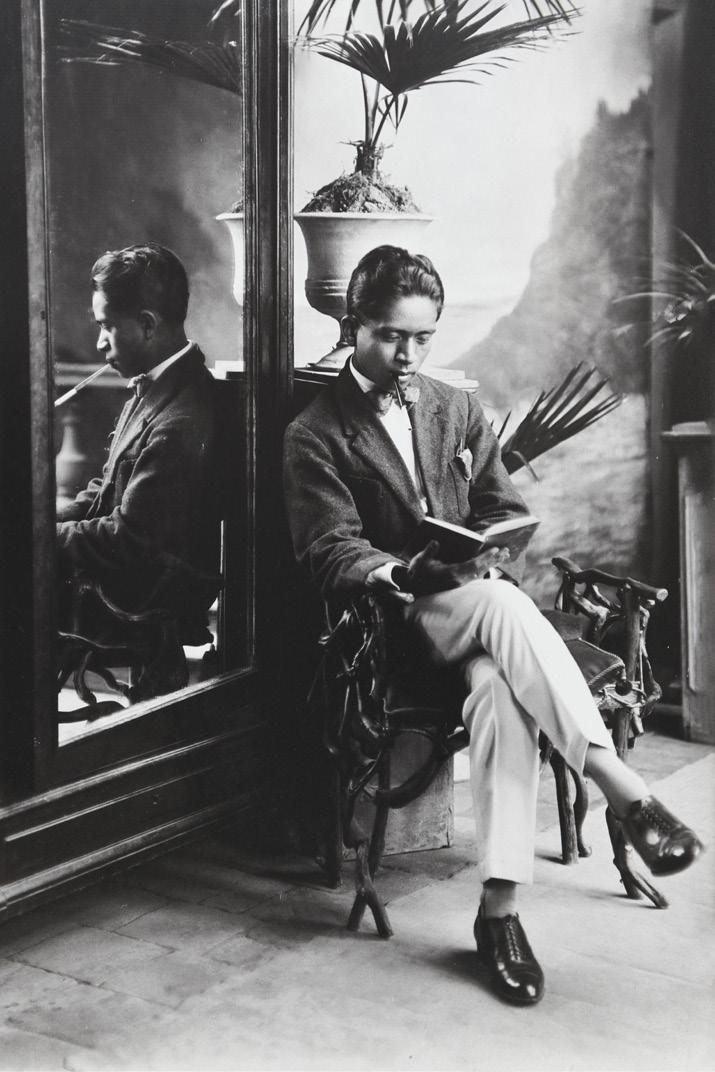
The photographs come from private collections, national archives and sometimes even foreign collectors. Some are literally taken from suitcases that have been sitting in attics for decades. For us, every image matters. Not just those of kings or colonial figures, but especially those of ordinary people: street vendors, schoolchildren, musicians… History cannot exist without their faces. That’s why we digitize as much as possible to make this memory accessible, especially for younger generations.
The museum is housed in a remarkable building, isn’t it? Indeed. This building dates back to the nineteenth century and once served as a residence for French administrators. We restored it with respect for its original architecture: wooden floors, cast-iron balconies and tall windows overlooking the city. The restoration was a collaboration between local craftsmen and French partners, with support from private sponsors. The building itself is a witness to our complex history both colonial and Malagasy.
Does the museum also have an educational or international dimension?
Absolutely. We welcome schools, students and artists every day. We organize workshops on historical photographic techniques and temporary exhibitions on themes such as “Women in Malagasy Society” or “The Colonial Era.” We also collaborate with museums in Paris, Geneva and Mauritius to share and exhibit our collection. Photography is a universal language. It connects us to the world.
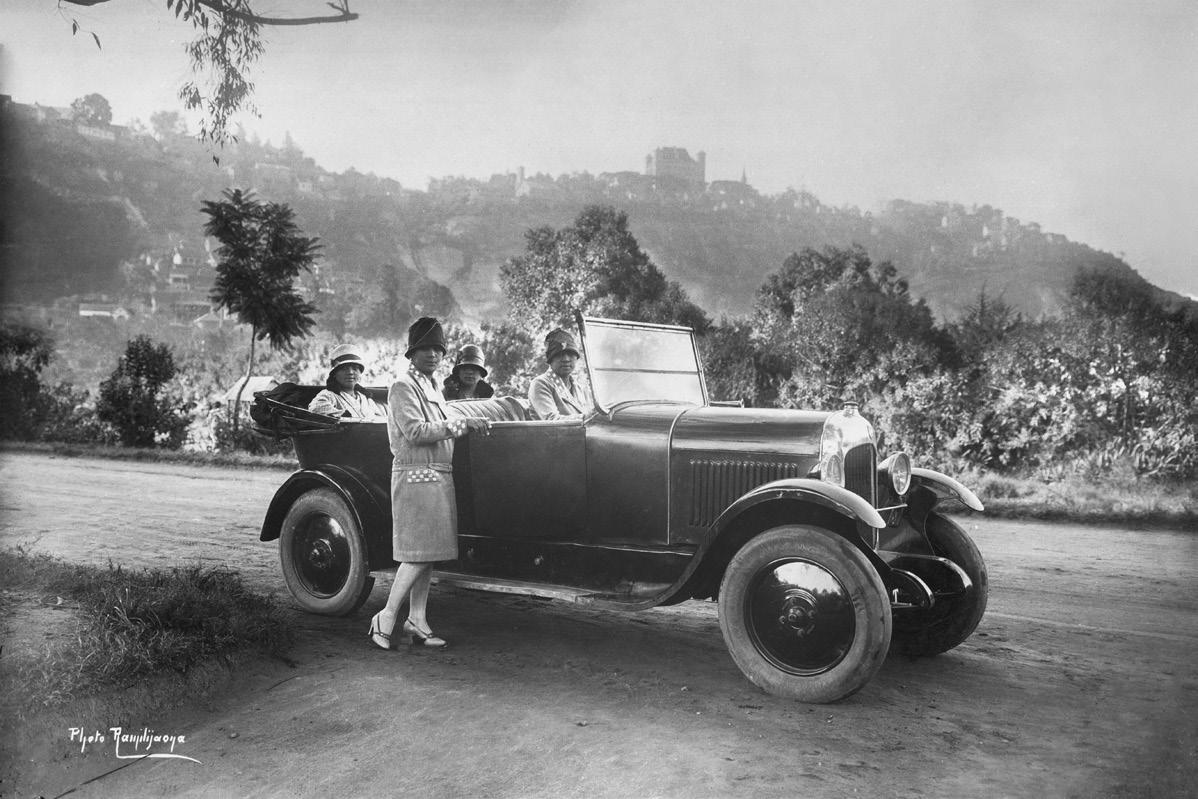
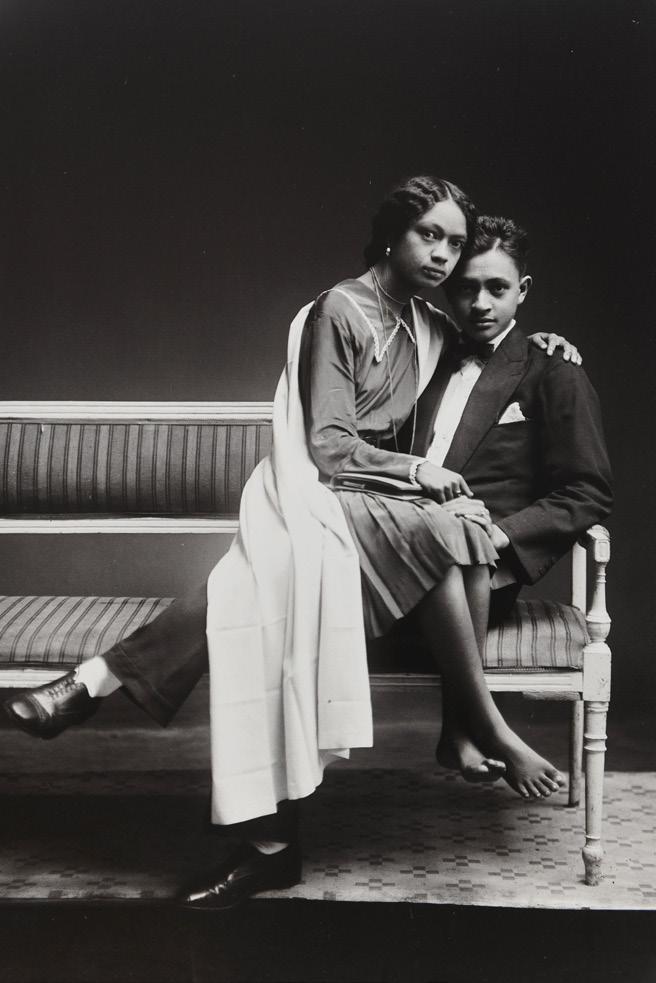
What does photography mean to you personally?
Photography is both truth and illusion. A photograph sometimes lies, but it lies elegantly. It shows what people want to remember, not always what truly happened. In Madagascar, that is especially tangible: many images from the colonial period were taken by outsiders. Now we are trying to look again with our own eyes, to write our own history.
“The museum’s main mission is to preserve photographs taken in Madagascar between 1860 and 1960.”
Tsiory Asandratra
And what is it like to continue defending culture during times of political unrest?
Sometimes it’s difficult. When power shifts, culture is often the first thing to be forgotten. But that’s precisely when it becomes our duty to stand firm. Image is power. Whoever controls the image determines how we will be remembered.
How do you see the future of the museum?
We want to build a second wing with a library, an auditorium and a space for contemporary artists. Because photography doesn’t end in the past. It’s a living art form that each generation must reinvent.
As we say goodbye, night has almost fallen outside. Inside the museum, a quiet still lingers of a past that refuses to fade. Tsiory looks at the walls of portraits and says softly: “Ce n’est pas un musée de nostalgie, c’est un musée d’espoir.” Not a museum of nostalgia, but a museum of hope. ♦

How did your love for Porsche begin?
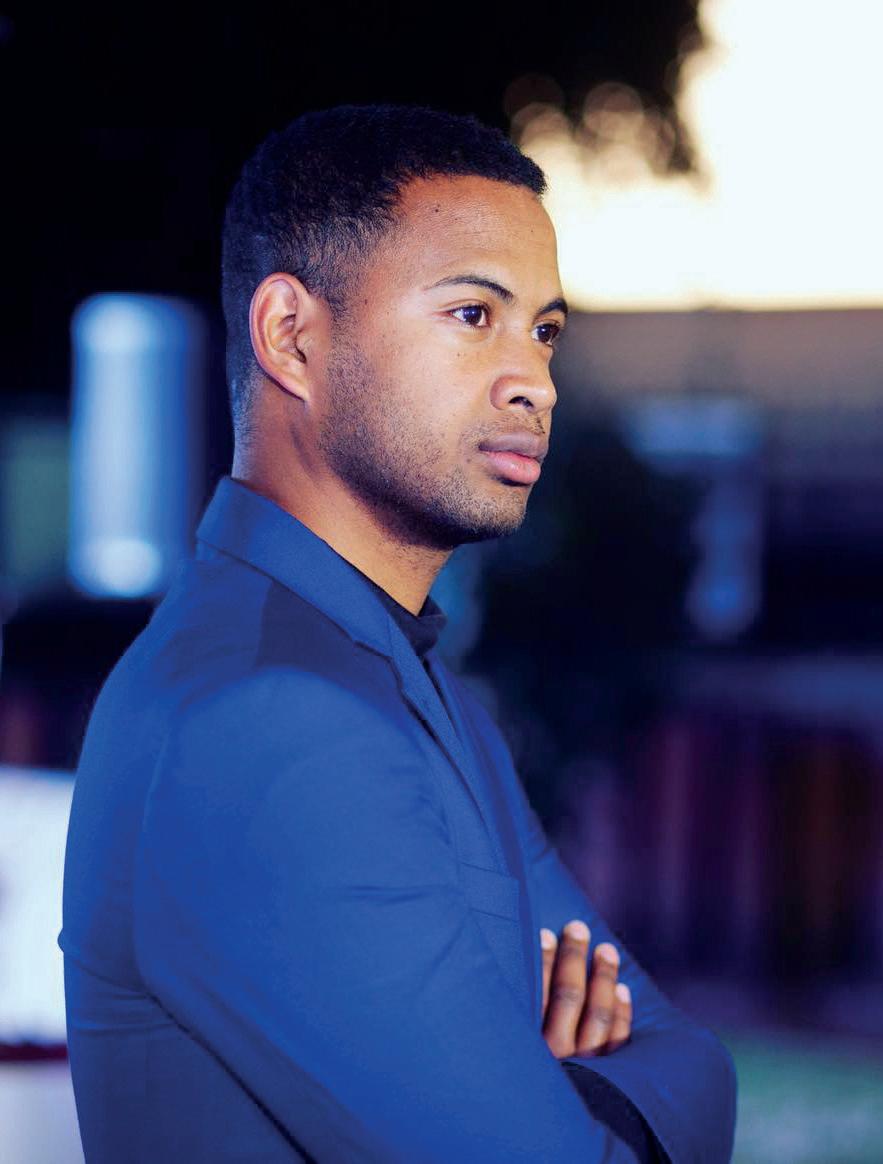
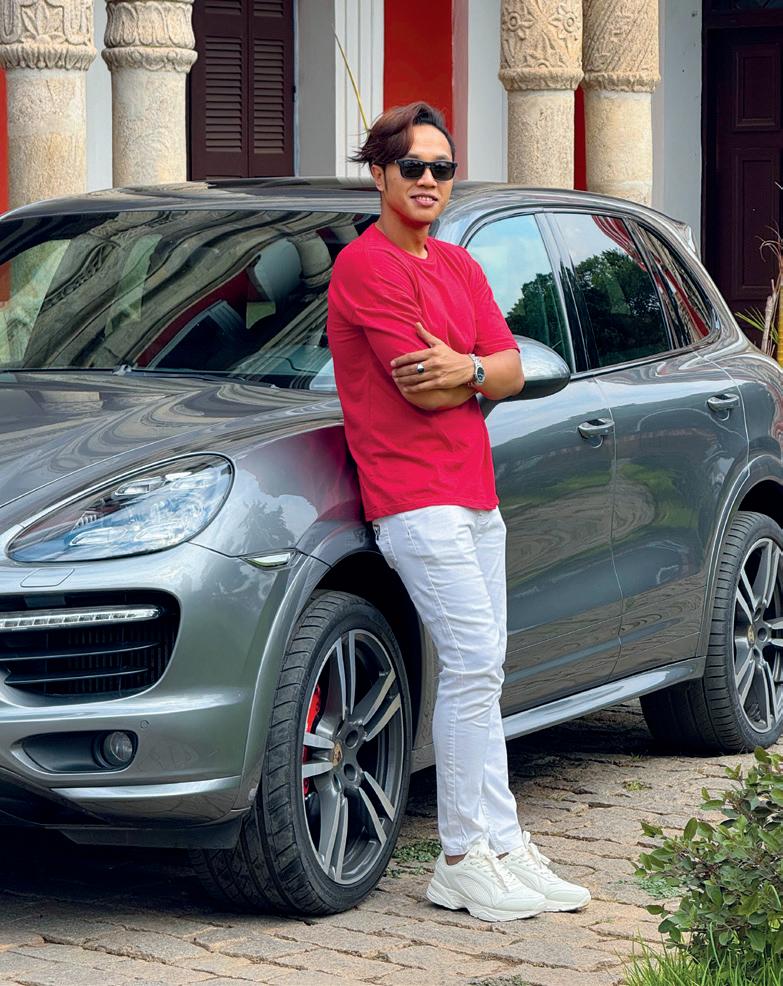
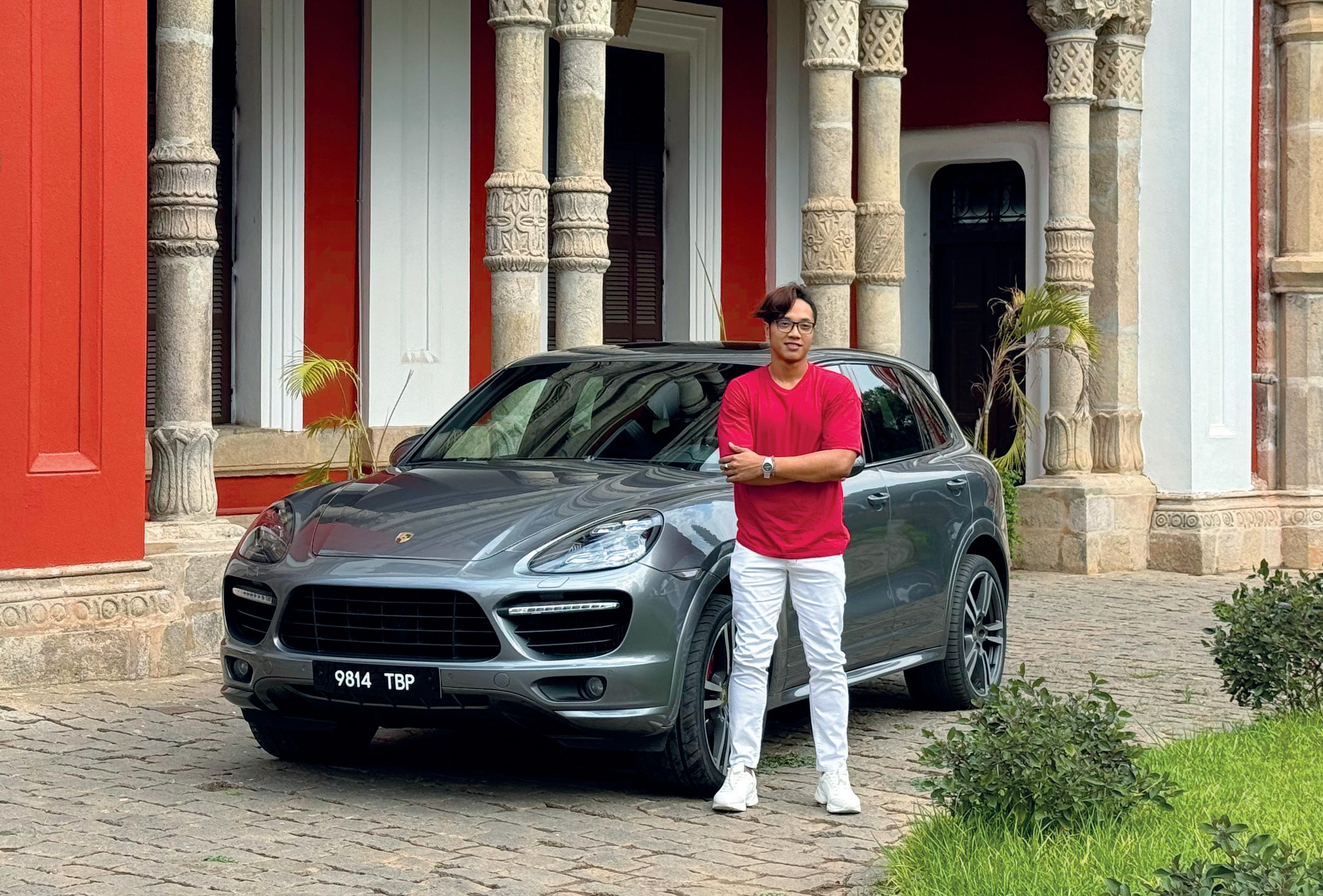
It’s a warm afternoon in Antananarivo. Outside, the city hums with life: honking cars, people hurrying through the streets and children playing. Inside the Café du Musée, next to the Musée de la Photographie, a different rhythm prevails. The murmur of visitors blends with the soft clink of porcelain cups. The walls are lined with beautiful photographs from another era: striking black-and-white images of kings, ordinary people and quiet streets. Here, we meet Arnaud Bernardin, a man in his early thirties and the proud owner of a Cayenne S.
I’ve been fascinated by mechanics since I was young. My father used to own a car repair shop and often took me there. The smell of metal and oil, the precise sound of a perfectly tuned engine: it stayed with me. Years later, when I was working in France, I bought my first Porsche. It wasn’t a rational decision, more of a reward. A Porsche isn’t just a car, it’s a feeling.
What is it like to drive a Porsche here in Tana?
It’s quite an adventure. (laughs) The roads aren’t in great condition and are full of surprises, and people always stare. For me, the Porsche isn’t a status symbol, it’s a statement. A symbol of discipline and aesthetics in a city where chaos often prevails. I don’t drive it to stand out, but to remind people of what’s possible.
“For me, the Porsche is a symbol of discipline and aesthetics in a city where chaos often prevails.”
Arnaud Bernardin
You work as a designer yourself. Do you see similarities between fashion and Porsche? Absolutely. Design is always about proportion, rhythm, and simplicity. In my work - I design clothing and accessories - I aim for the same harmony I recognize in a Porsche: clean lines without unnecessary details. True elegance lies in restraint. The strength of good design is that it conveys calm, even in motion.
How do people react to you driving a Porsche here?
People are curious and admire the car. Children wave and adults ask questions. There’s no jealousy. People understand that I’m living my passion, not just showing off. I don’t use the car every day. But early on Sunday mornings, when the city is still asleep, I start the engine and hear that pure sound. That moment is pure freedom for me.
Has the recent political situation affected your life?
Of course. Everyone feels the tension. When the president fled and the army took power, it felt as though time stood still for a moment. I didn’t take the Porsche out during those days. It wasn’t a time for speed. In times of unrest, you have to show respect. But at the same time -and this may sound strangethat car gives me strength. It reminds me that stability is possible, that beauty can endure, even when the world is unsteady.
What does a Porsche mean to you personally, beyond the brand?
It’s a kind of life philosophy: solidity, purity, simplicity without banality. I believe in the idea of “weniger, aber besser.” Every line, every movement has a purpose. That’s something I try to apply in my designs as well. And yes, sometimes when I hear the engine, I think of Stuttgart and feel like I’m part of something bigger.
Are you in contact with other Porsche owners here in Madagascar?
A few. There aren’t many of us, but there’s a small community. We exchange tips and help each other with parts or maintenance. The infrastructure isn’t ideal, so we have to be inventive. I often work on the car myself. That’s part of it, I think. Sometimes you find a solution through local talent. That’s Madagascar too: improvising with style.
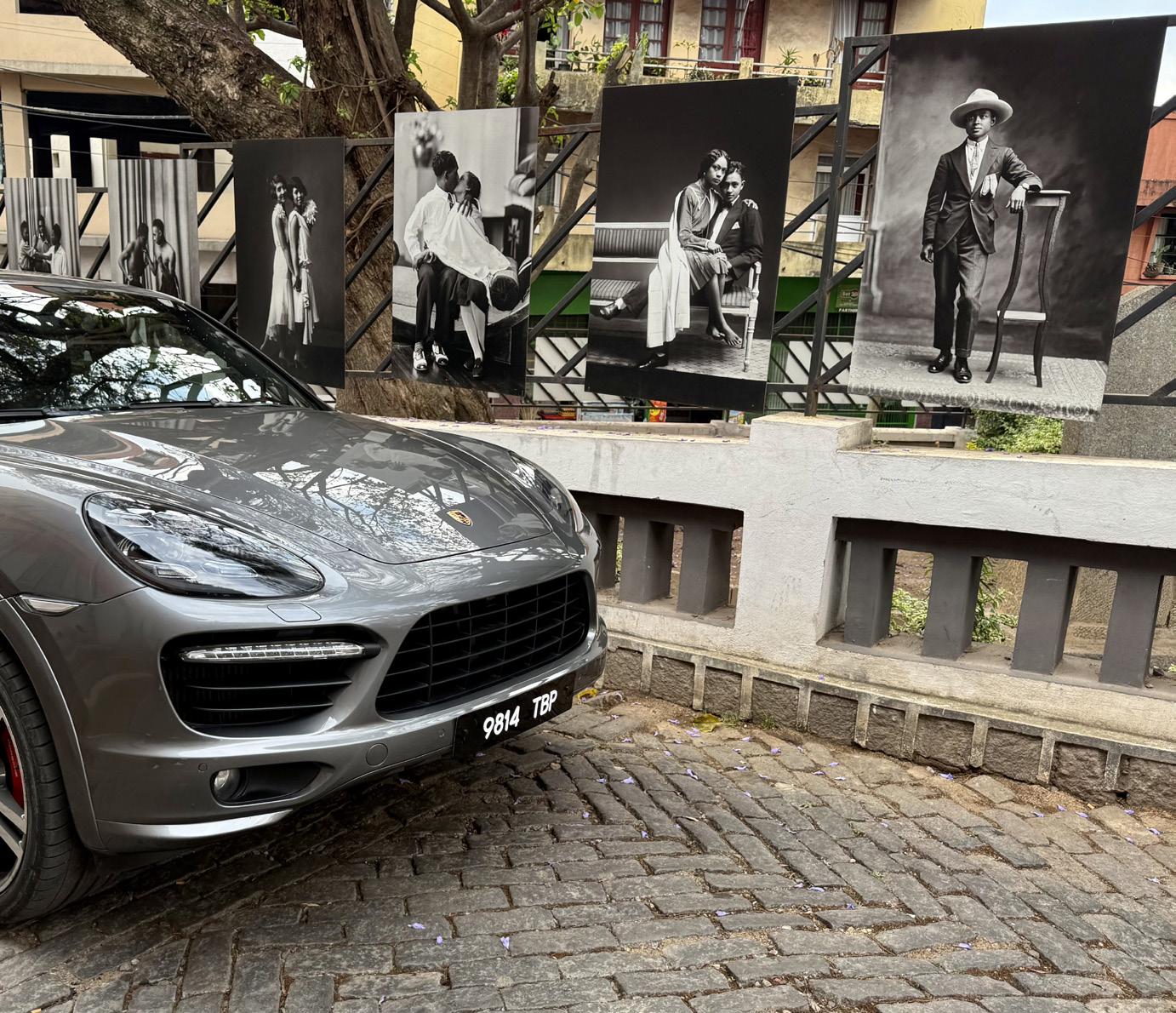
That afternoon, we take a few photos of the Cayenne. The first is in front of the Musée de la Photographie where a series of old images of Tana forms the backdrop: past and present captured in a single frame. The second is at the former Prime Minister’s palace, an imposing building of red stone and sandstone, where history and architecture enhance the dignity of the moment. Two locations that together bridge heritage and future. ♦

His and hers. A perfect match.


















ENGINEERED FOR PERFECTION, DESIGNED FOR DISTINCTION




















ENGINEERED FOR PERFECTION, DESIGNED FOR DISTINCTION
















































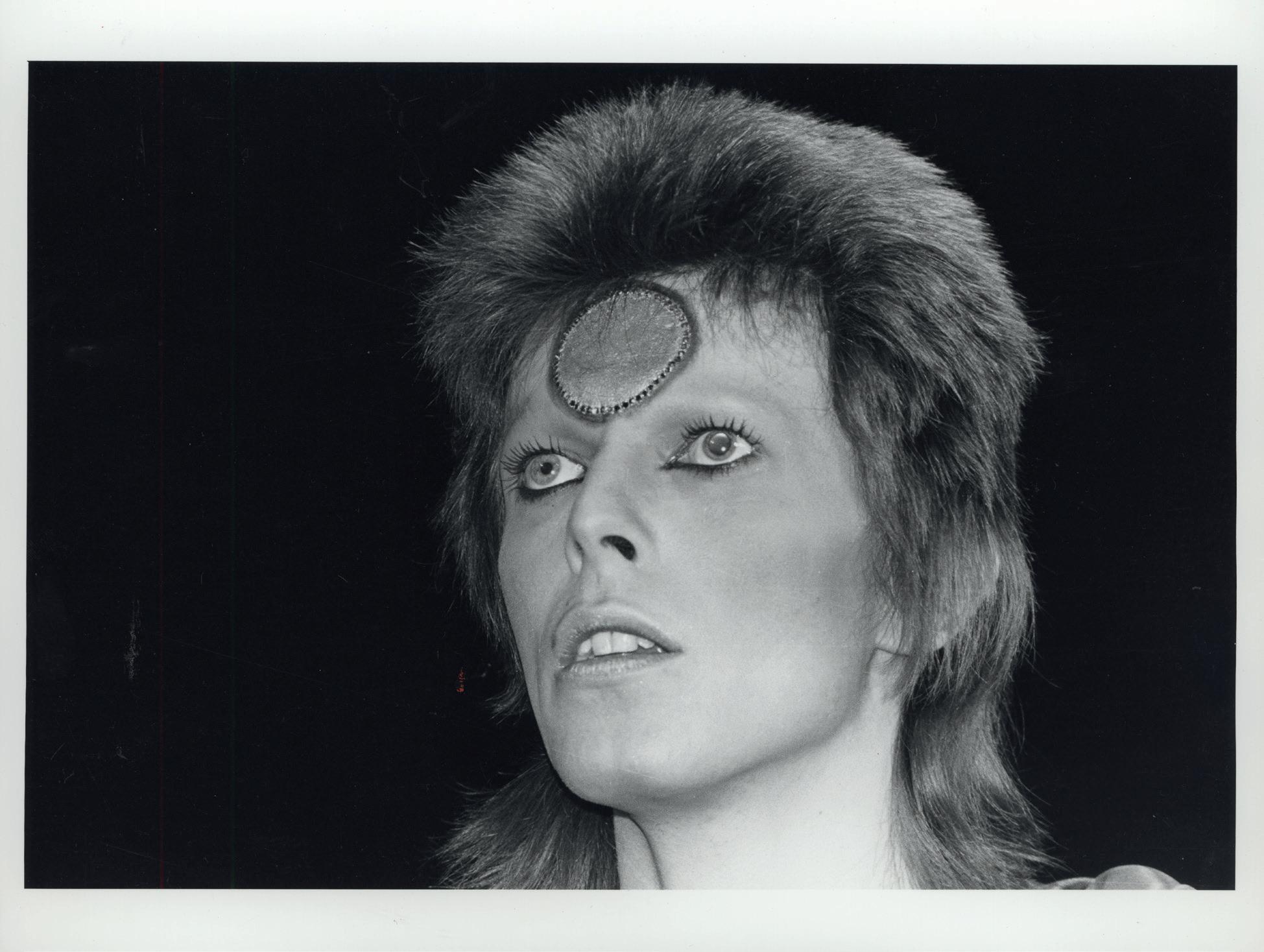
It happened by pure coincidence in the remote northwest of Madagascar. At Namoroka Tsingy Camp, surrounded by limestone pinnacles and the distant echo of lemurs, we found ourselves sharing a lodge with Mark Ravitz, the man who for years shaped the stage worlds of David Bowie. A conversation over dinner soon turned into a journey through time, art and the visual heartbeat of rock-and-roll.
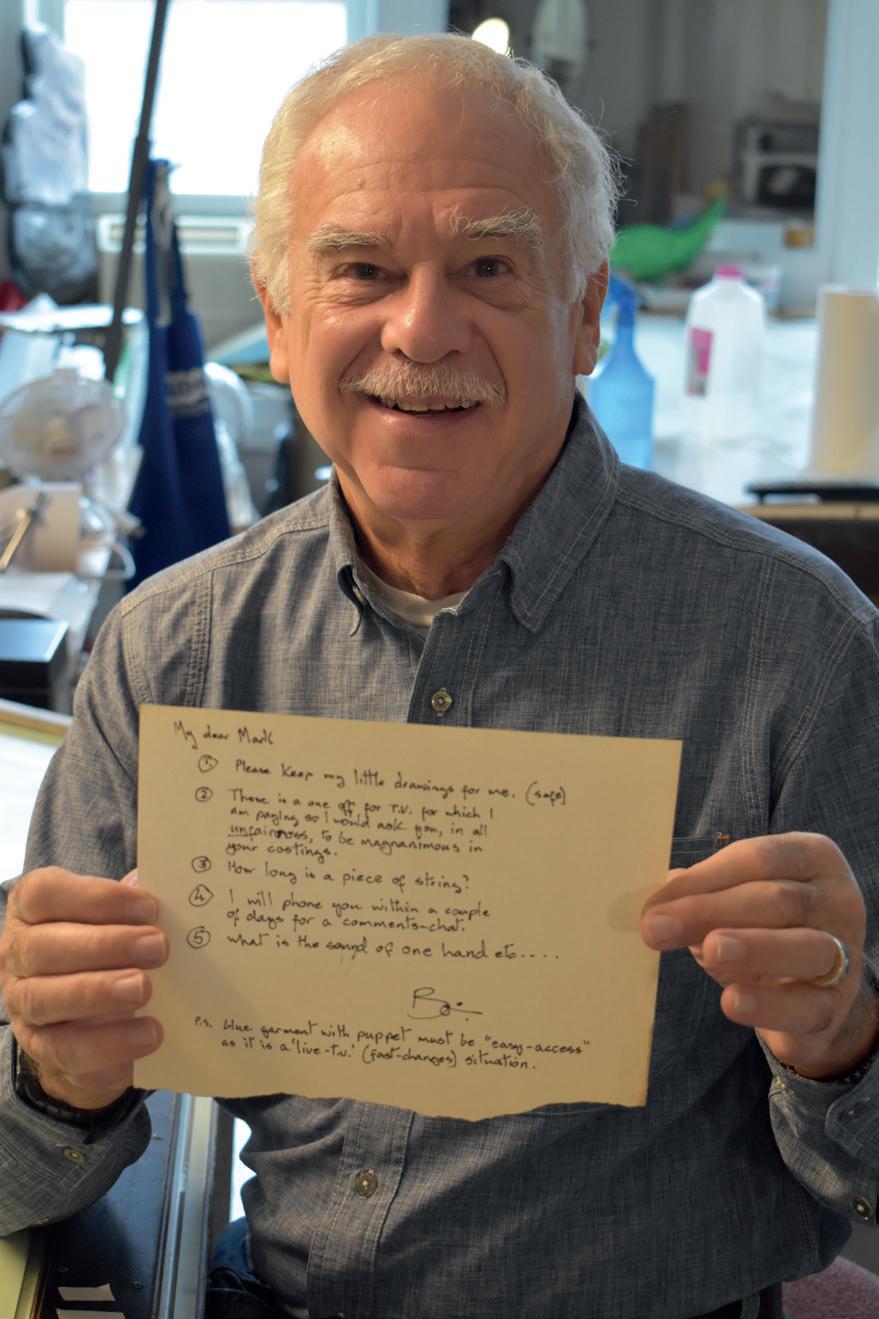
Mark, many people don’t realize that behind David Bowie’s visual universe stood a whole team of designers and dreamers. How did you first meet him?
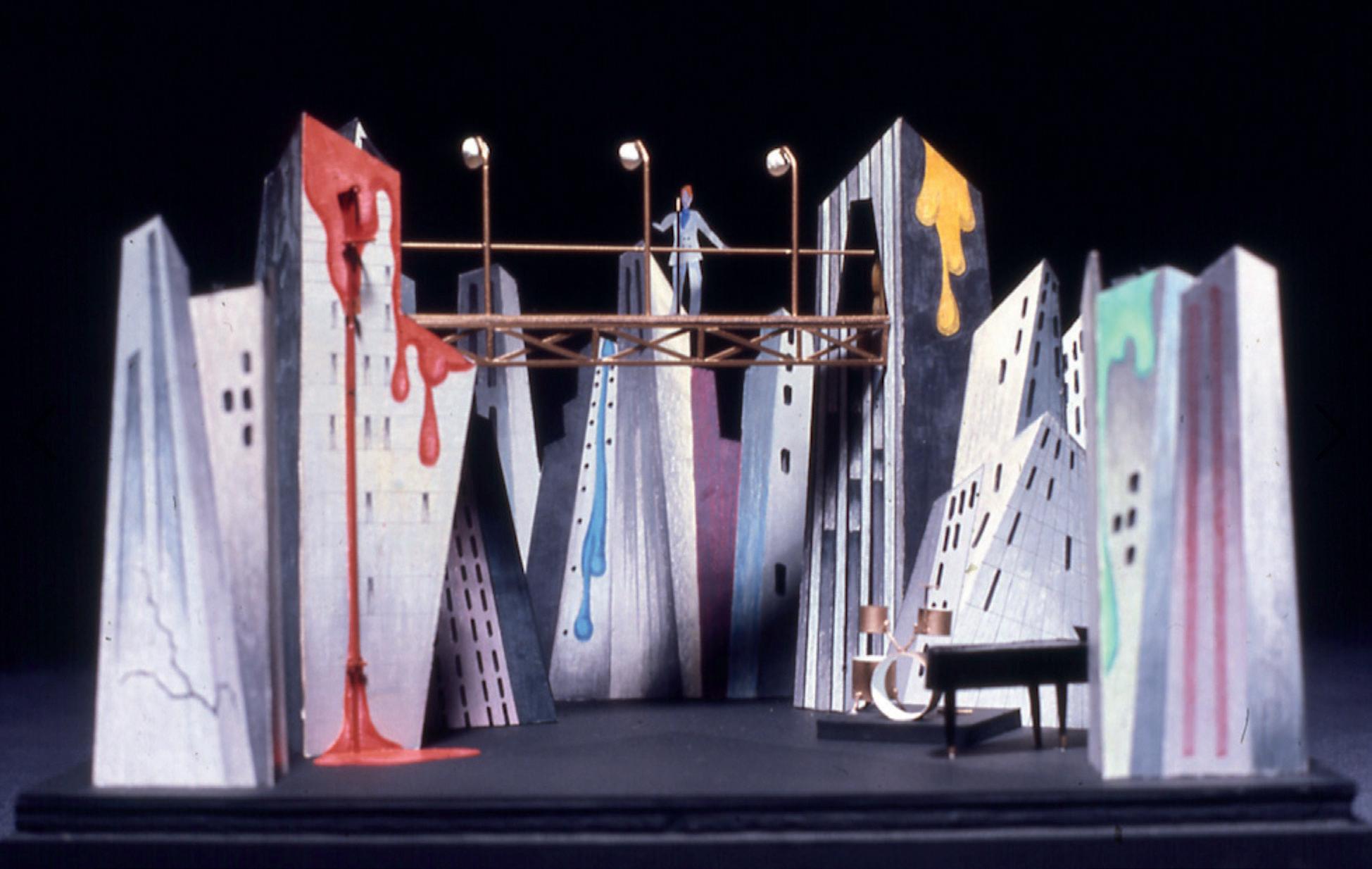
That was in the spring of 1974. I was a young designer in New York, creating sets for off-Broadway theatre. I met him through Jules Fisher, a multi-Tony award winning lighting designer who was the production supervisor for this project. David was planning his Diamond Dogs Tour – an ambitious undertaking –half concert, half theatre. He wanted something the world had never seen before. That’s how our collaboration began.
That tour is still considered one of the most spectacular productions of its era. What was your exact role?
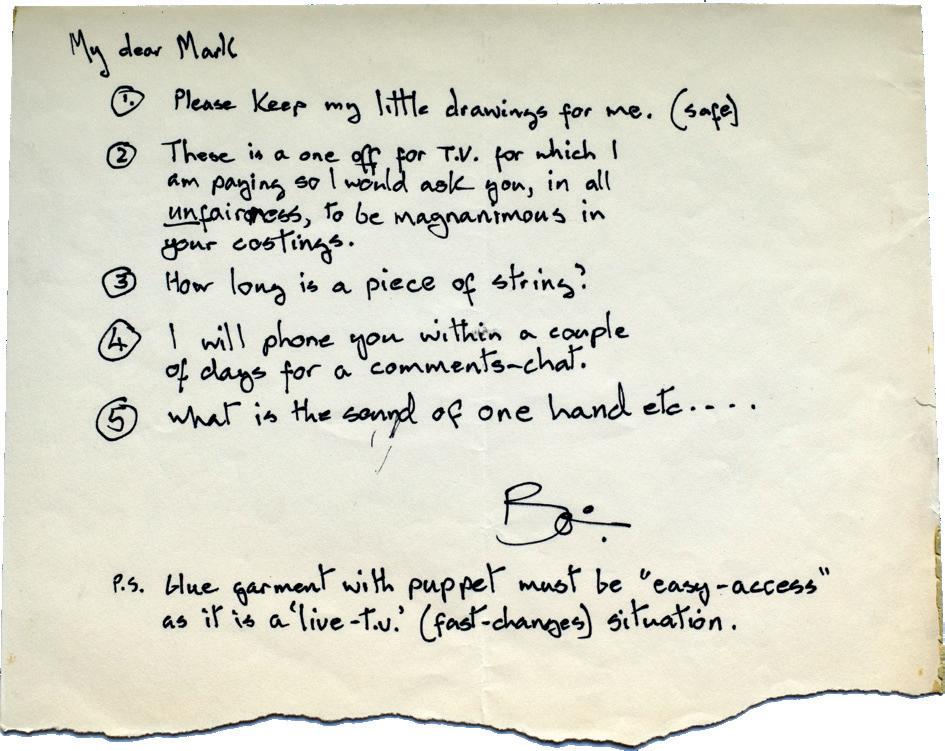
I designed the entire set. I was given three words of input before a met David. They were: Fritz Lang’s “Metropolis”Power – Nuremberg. Everything had to move, breathe, and come alive. The set represented a dystopian city. We worked with hydraulic lifts, mechanical towers – technology that barely existed at the time. And to bring things full circle, the large bridge in the center of the “Diamond Dogs” set went up and down like an elevator, aided by Porsch brakes for their quality. Bowie wanted the audience to see as much as they heard. It was a fusion of rock concert, theater and visual art that was far ahead of its time.
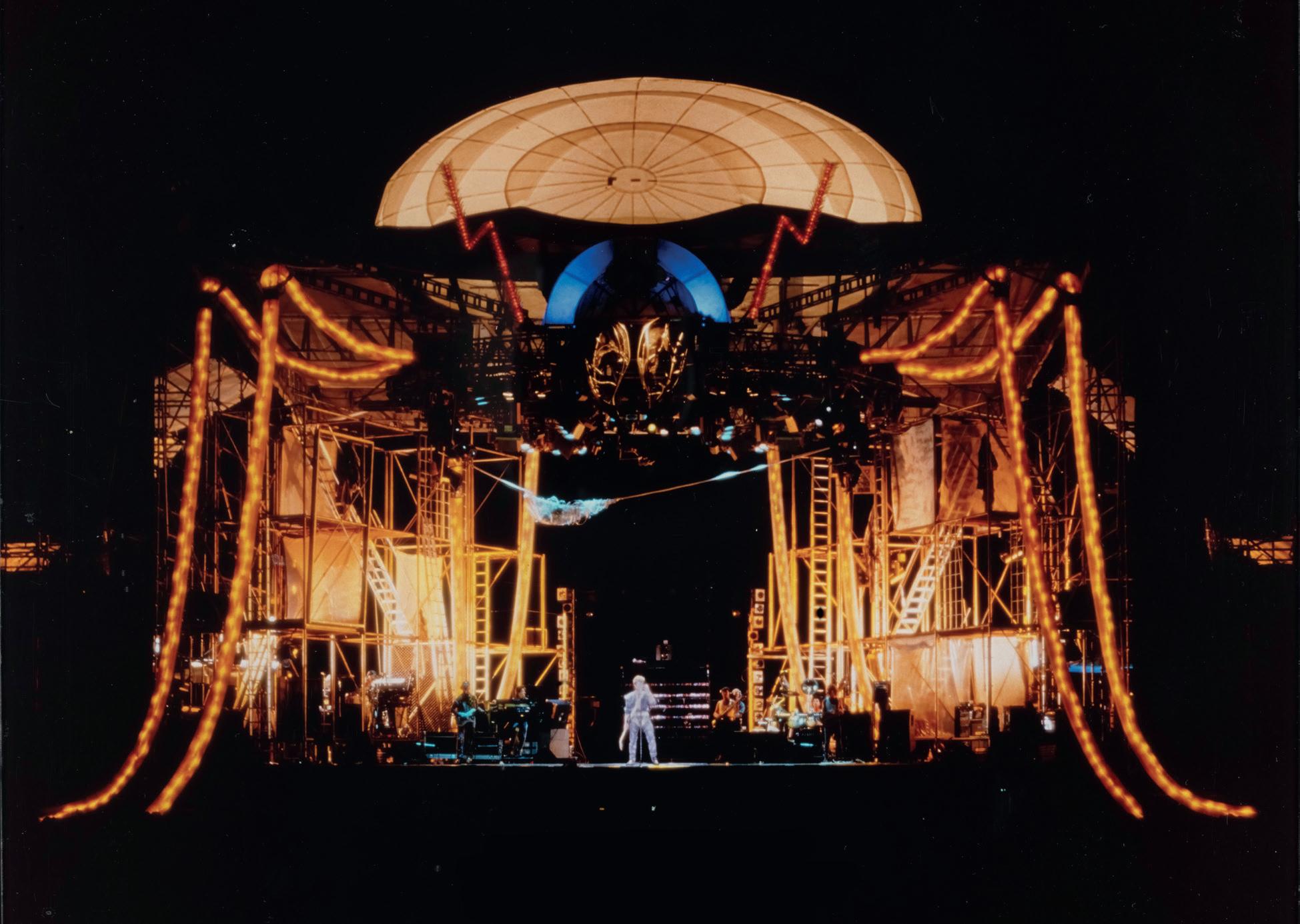
You continued working with him afterwards. Yes, indeed. In 1979 I designed the special props for his Saturday Night Live performance, and in 1983 we reunited for the Serious Moonlight Tour . That was a different Bowie – less dark, more elegant, more architectural. I created a sleek stage inspired by classic Greek/Roman column and lintel construction. In 1987, the last time I worked with Bowie, was the Glass Spider Tour. Bowie’s input for that was a spider, he didn’t say what size. It could have been something that fit into his hand or something else. I made it the stage. And the other half of the input was “ships rigging” like on a sailing ship – the look and ‘business’ of it. It became a gigantic metal spider spanning the entire stage, with legs towering high above both the artist and the audience. The tubular legs were illuminated from within by color-changing lights, constantly shifting mood and atmosphere, making the structure seem almost alive. It became one of the most spectacular stage designs in rock history. Bowie was always evolving, and that challenged me to evolve with him.
What was he like to work with personally?
Remarkably precise, yet endlessly open-minded. He listened, he absorbed. We could talk about light, rhythm, movement, surrealism. Then I’d go away and mull it over and come back to him with either a sketch or two or three or a rough model of how I had interpreted his input.
Is there a moment you’ll never forget?
One of my fondest memories I have was with the Diamond Dogs show in 1974 at Madison Square Garden arena in New York City, my hometown! It was when David came riding in from upstage atop the octagonal shaped, mirror ball reflective “Moon Unit”- a moon rover prototype. All of the spotlights, from all directions in the arena focused on the giant mirror ball and it gave me goosebumps to feel the audiences’ energetic positive reaction to those moments!
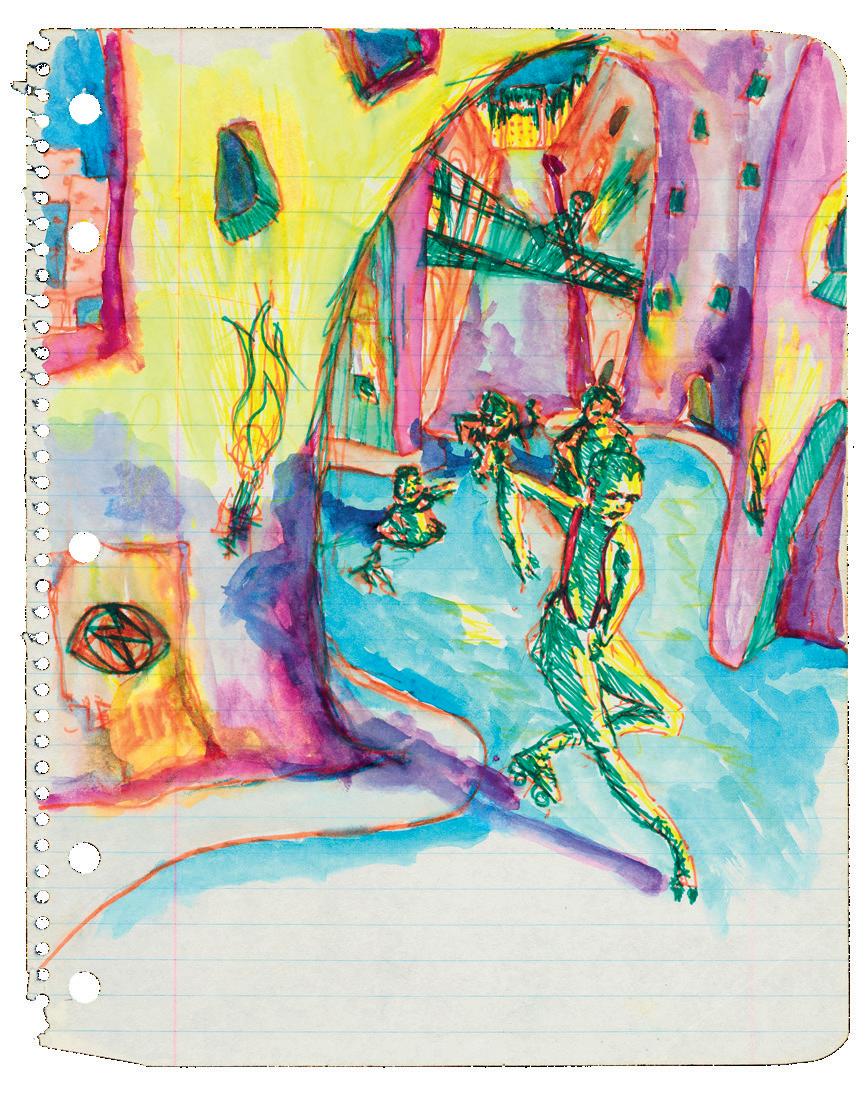
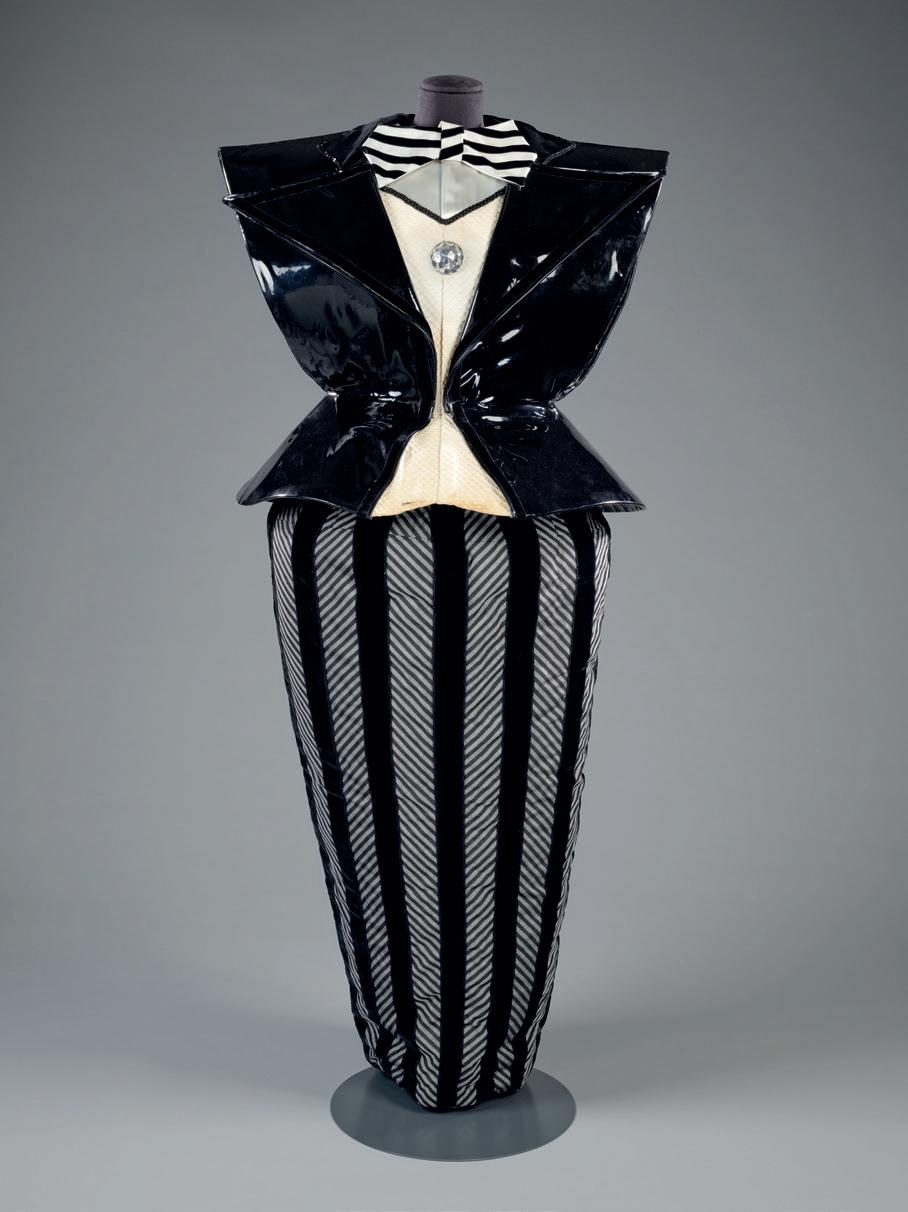
Do you still design today?
I do, though these days I focus more on my art, installations and photography. I’ve learned that every space has its own rhythm, like a song. Even silence, when you listen closely, has a beat.
Mark Ravitz remains one of the most fascinating figures in the history of stage design — a man who didn’t just build sets, but entire worlds. Our chance meeting at Namoroka Tsingy Camp felt almost surreal, yet it opened a rare window onto the creative mind that helped define the visual identity of one of the greatest musicians of all time. ♦