


Haleakala Environmental Guide Polynesian Adventure (EN)

Page 1


Experience

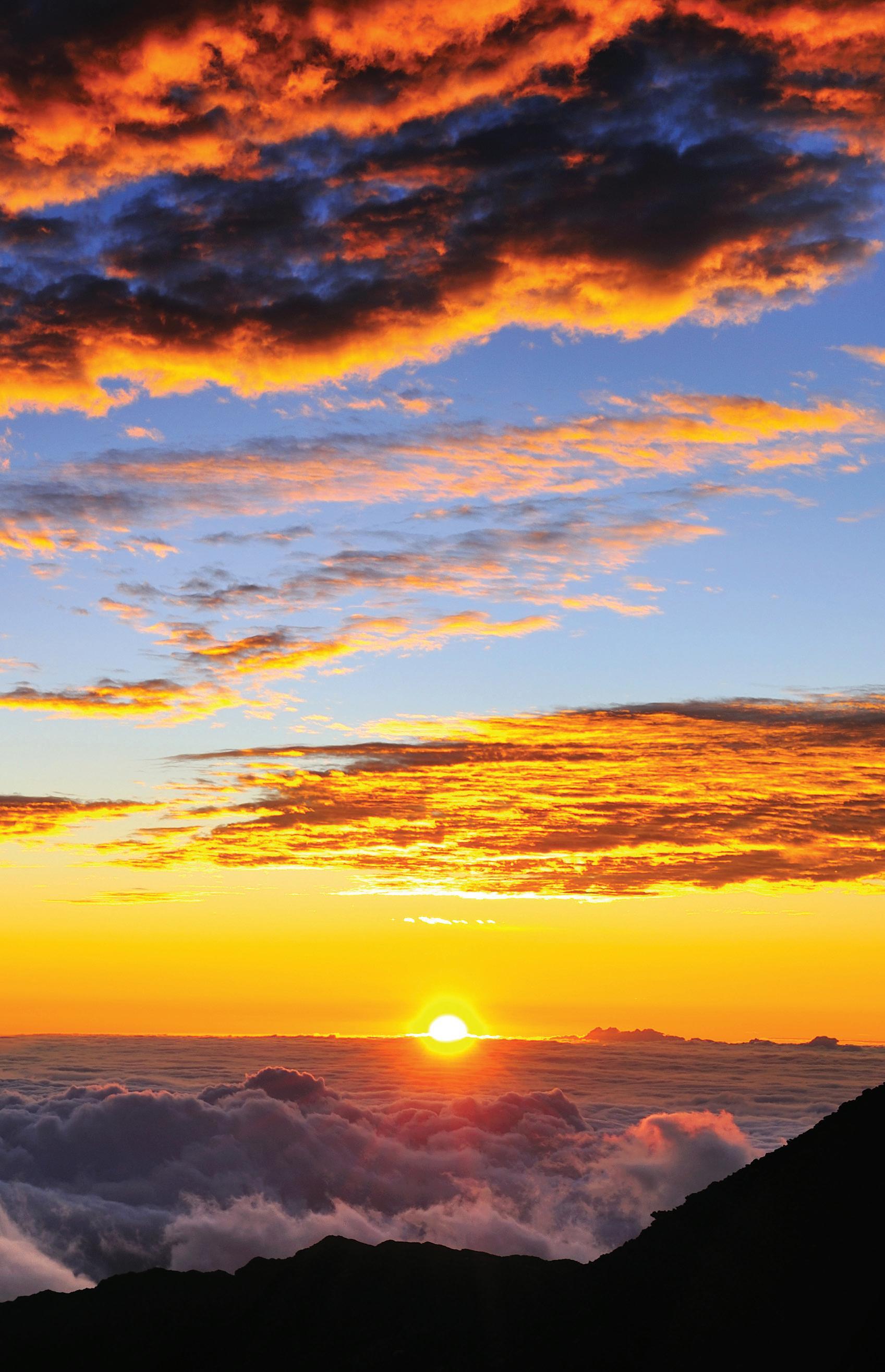
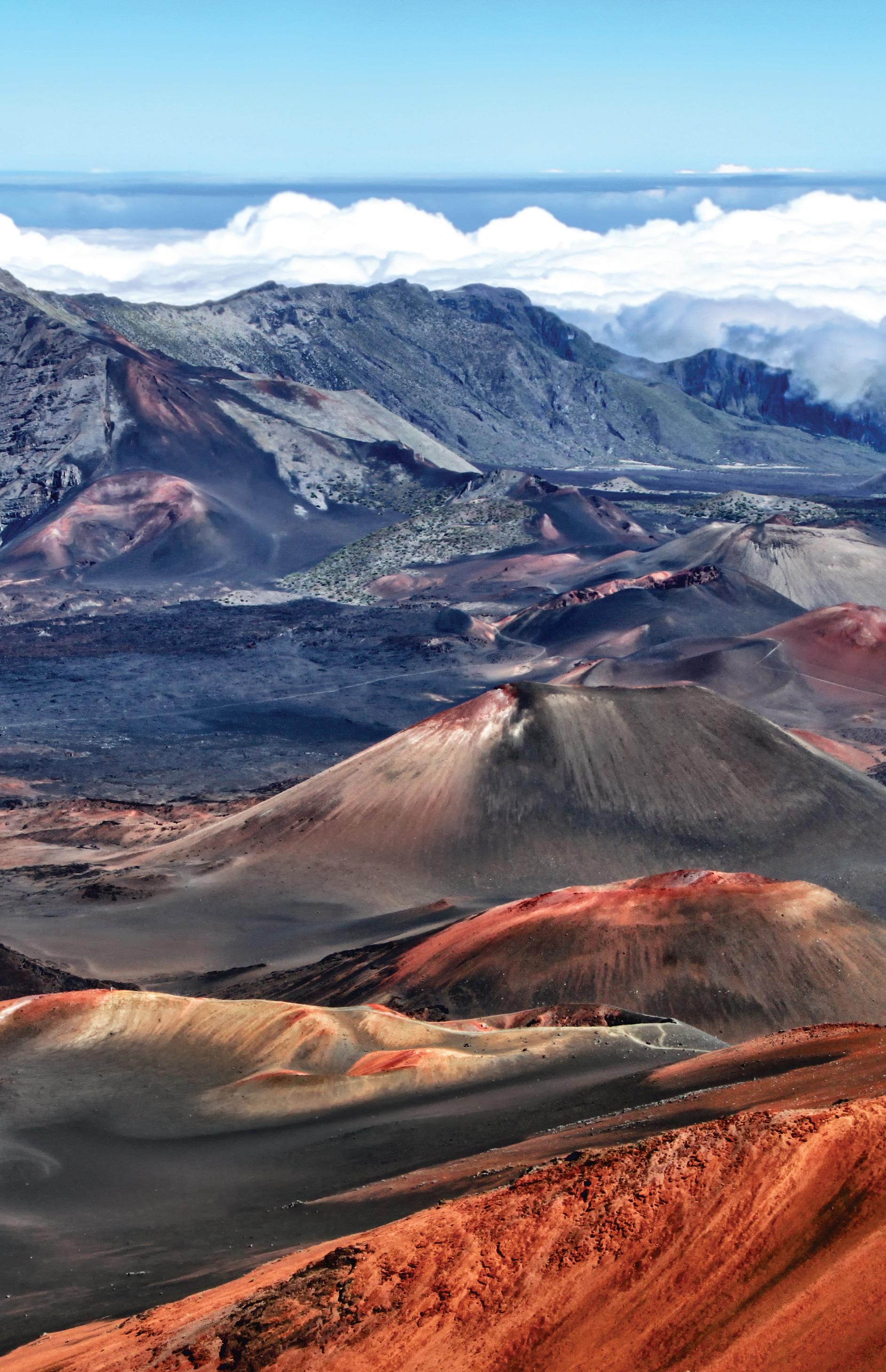
A rare and sacred landscape, Haleakalā brims with ancient Hawaiian culture. There exists a unique bond between the land and its people.

During this remarkable tour experience, you'll gain firsthand insight into Haleakalā National Park's geological origins, the sacredness of the volcanic mountain to Native Hawaiians, its unique plants, animals and bird life, and how its precious resources are being preserved. In addition you'll learn how you can help protect Haleakalā National Park's resources for future generations to experience.
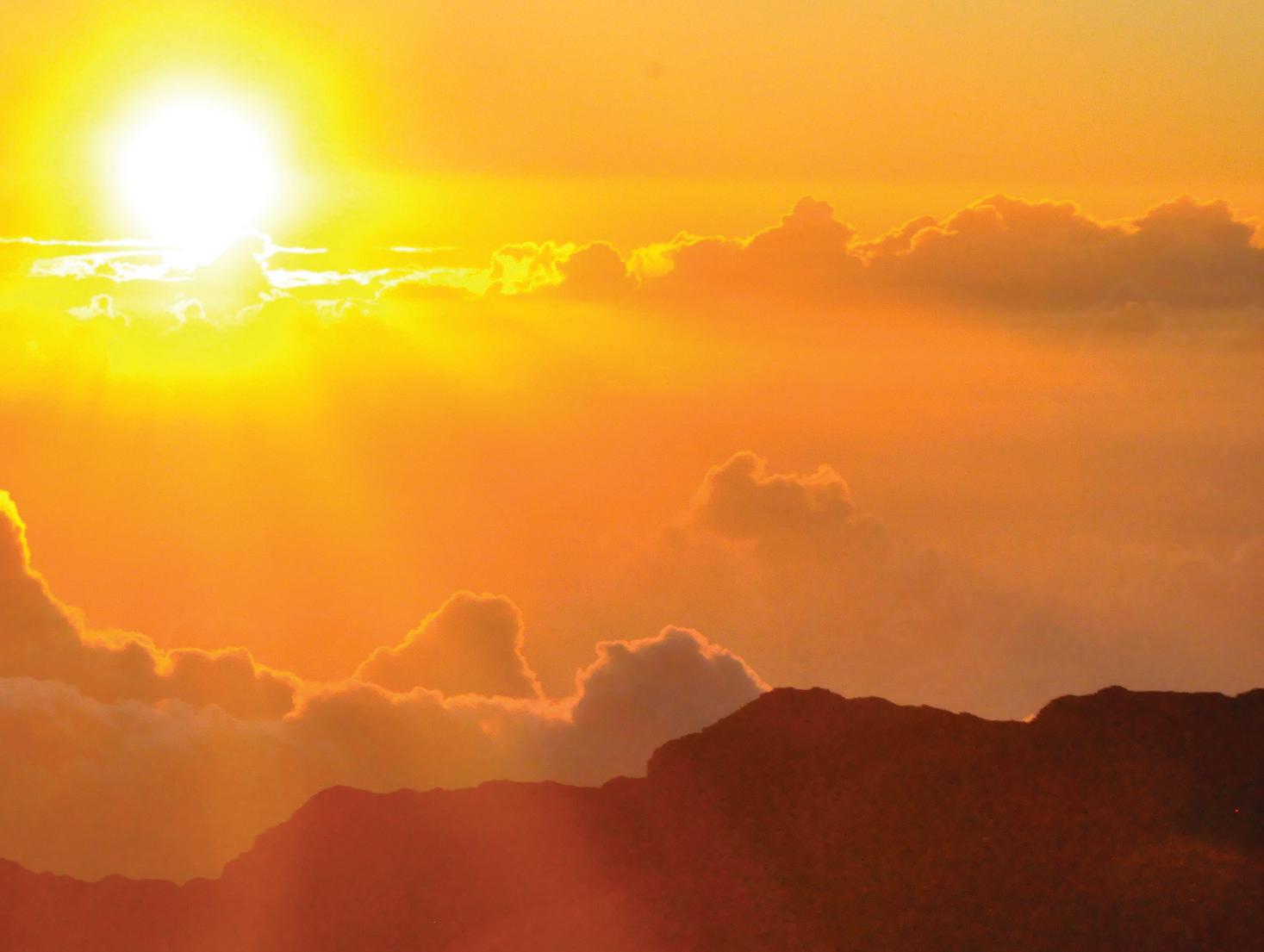
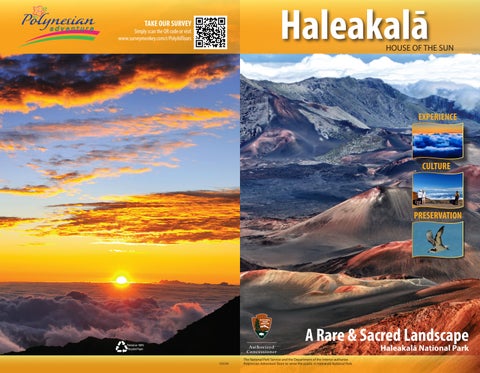
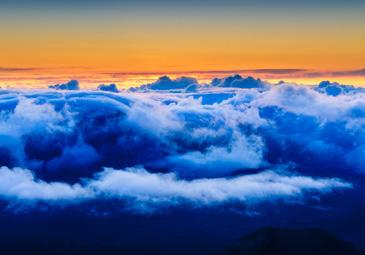
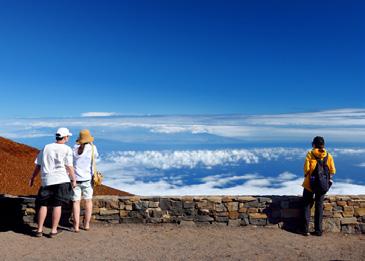
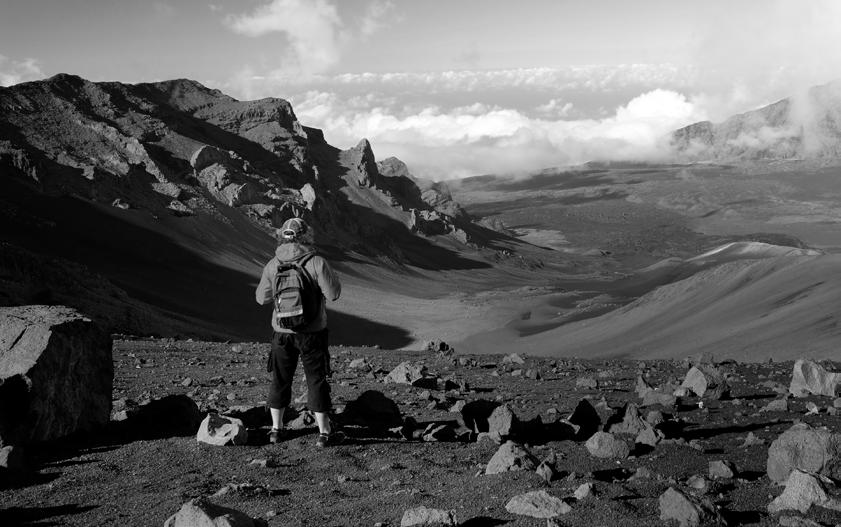
Upon entering the Haleakalā National Park, you'll undoubtably feel a sense of peace and tranquility. One of the stops on your visit will be to the Haleakalā Visitor Center at 9,740 feet elevation. If you are on the Sunrise or Sunset tour, you'll be watching the dazzling celestial show from this point. Marvel at panoramic views from what appears to be the top of the world.

In favorable weather, you may be able to see five other Hawaiian islands. Staying hydrated is essential due to the multiple changes in elevation.

ʻAha Moku (a sense of place) is the management system of proper stewardship of natural resources.
Haleakalā National Park is divided into districts. Characterized by its natural features, place names and environmental conditions, each district is managed in different ways. The ʻAha Moku system is the foundation for resource management which provides a lifetime of respect for self sustainability. It is all of our kuleana (responsibility) to preserve the land and its resources.

“ “

Haleakalā is home to many endemic species

Culture Preservation

Native Hawaiians revere Haleakalā as a place occupied by gods and feel that it's their responsiblity to ensure that its resources are well cared for.

Practice conservation and preservation efforts of the land and wildlife when visiting Haleakalā and throughout your daily life.

Tips For A Great Visit To Haleakalā

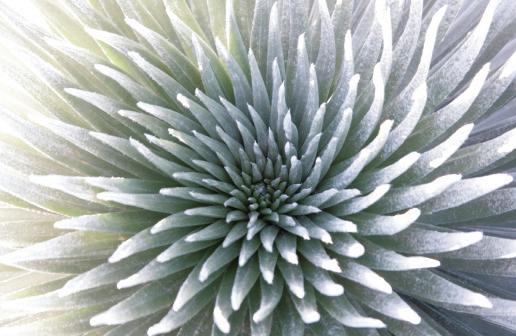
Haleakalā ʻāhinahina

Kānaka Maoli (Native Hawaiians) have a strong connection to the land with the belief that certain areas of Haleakalā are inhabited only by nā akua (deities). These places are kapu (sacred) and closed to the public. Kānaka Maoli practice an ancient, sacred oral tradition or chant called Kumulipo This chant explains the natural resources so that proper care is taken to protect these life-giving gifts. There are several days each year designated for Native Hawaiians to practice this and other rituals, free of interruption.

Haleakalā

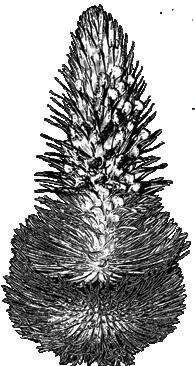
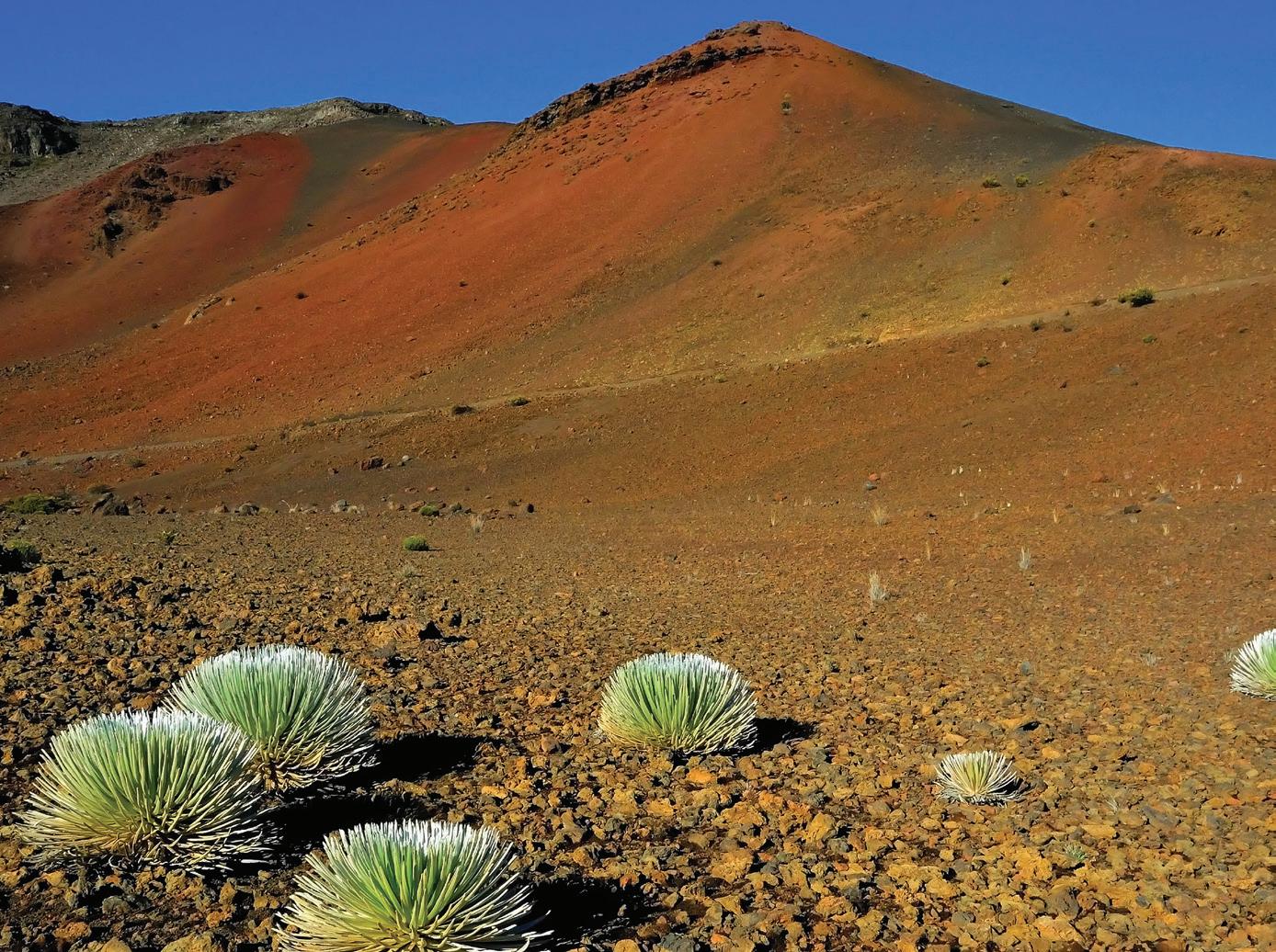
The ʻāhinahina (silversword) blooms a single time sending up a spectacular flower stalk and then fades, scattering seeds to the wind.

There are just a few tips that the experts at Haleakalā National Park would like us to share with you to ensure that the park is preserved for all future generations to enjoy.

•

Stay on designated paths and trails to avoid stepping on fragile root systems, seedlings or disturbing habitats.

Please kōkua and leave natural resources including rocks undisturbed. Cultural artifacts and structures should be viewed but not handled.

The Summit area of Haleakalā National Park is sacred to the Native Hawaiian community. Please be quiet and respectful.

•

Wildlife may be quietly observed from a safe distance and should not be approached or fed.

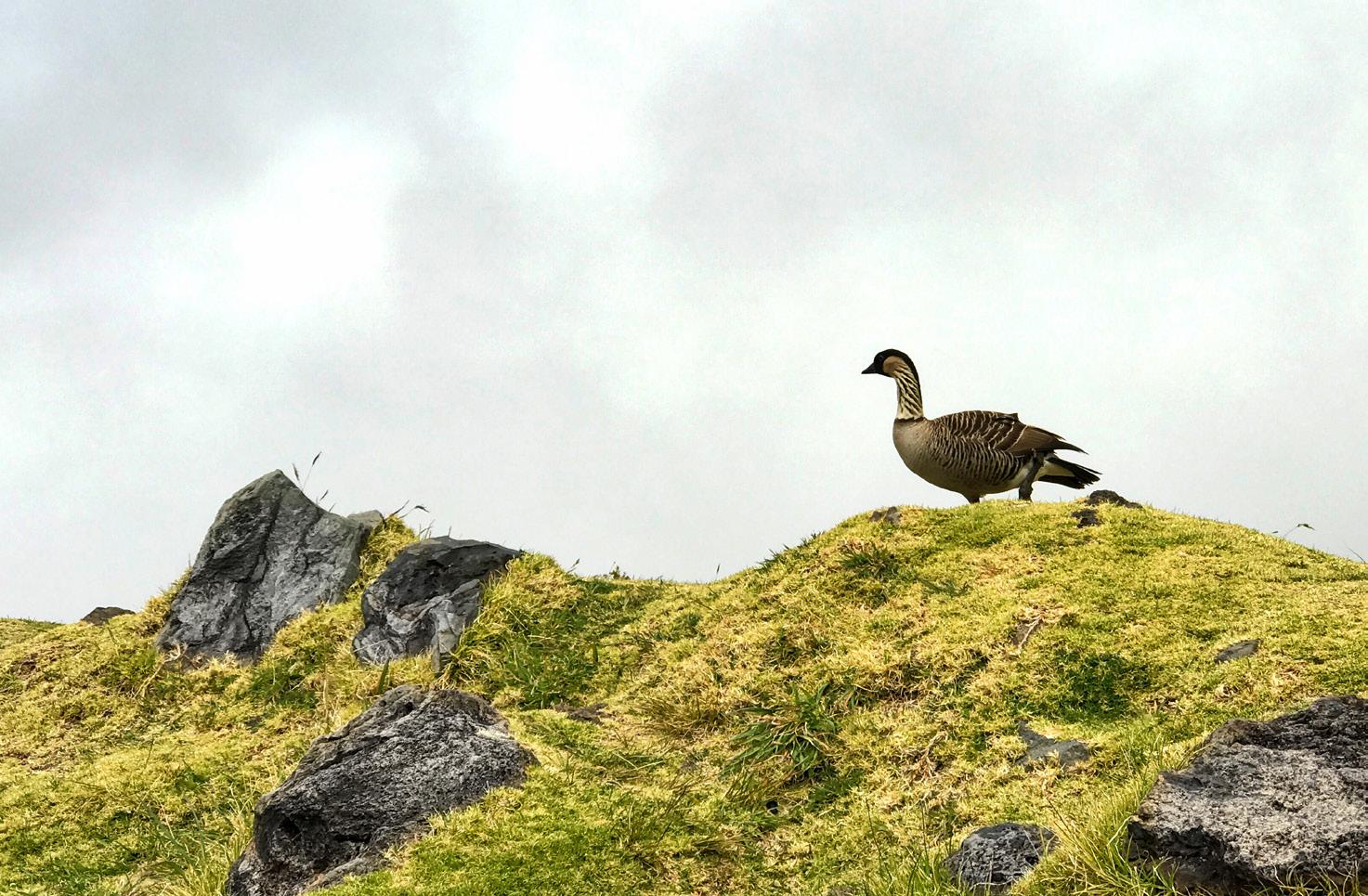
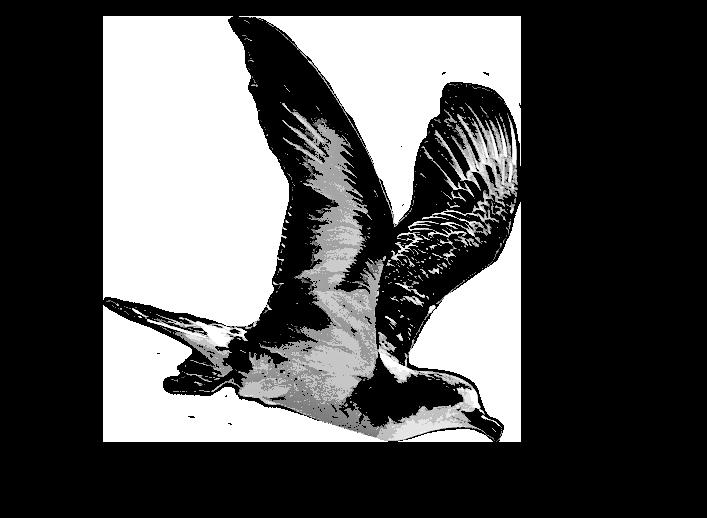
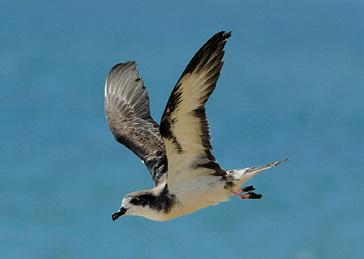
Over 850 species of plants are found within Haleakalā National Park. Of these, over 400 species are native and over 300 species are endemic to Hawaii. The luminous ʻāhinahina (silversword) are known to live up to 90 years. Its flowers bloom just once in its lifetime. The nēnē and ʻuaʻa are endangered birds that nest on Haleakalā. These rare birds are begining to thrive through the park's awareness and community education efforts.

(responsibility) is now placed upon you.

You've already made a positive impact by choosing to "ride" to Haleakalā. Less cars means reduced polution and makes it safer for the wildlife who frequently cross the roads.

Turn static files into dynamic content formats.

Create a flipbook