A proud partner of Issuu, U.S. Polo Assn., USPA, Global Polo Sports, The Impression and Mixam
LA PALMERAIE MOROCCO
The Autumn Cup
PATAGONES POLO CLUB
Inglehart Cup
Outback Cup
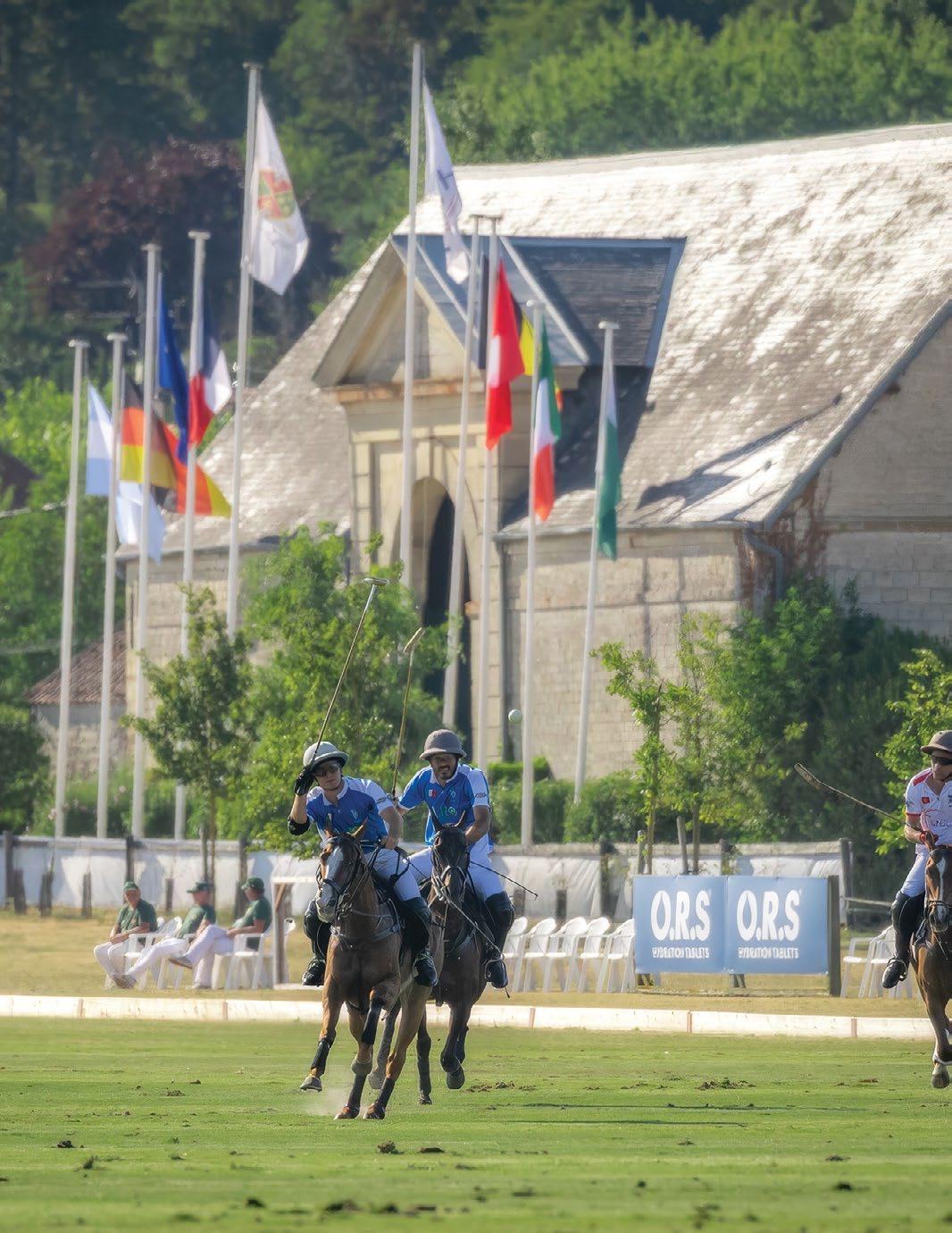
DOMAINE DE CHANTILLY
Tournoi des Legendes
HURLINGHAM POLO CLUB
Coronation Trophy
Cowdray Park Gold Cup
The Queen's Cup
ST-TROPEZ POLO CLUB
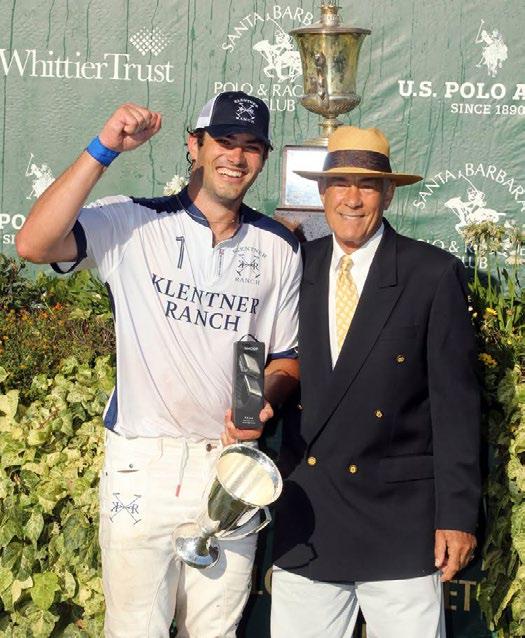
SANTA BARBARA POLO CLUB
Whittier Trust Silver Cup
America's Cup
U.S. Polo Assn. Pacific Coast Open
HAMPTONS POLO CLUB
Continental Cup
Monty Waterbury Cup
GREENWICH POLO CUP East Coast Open
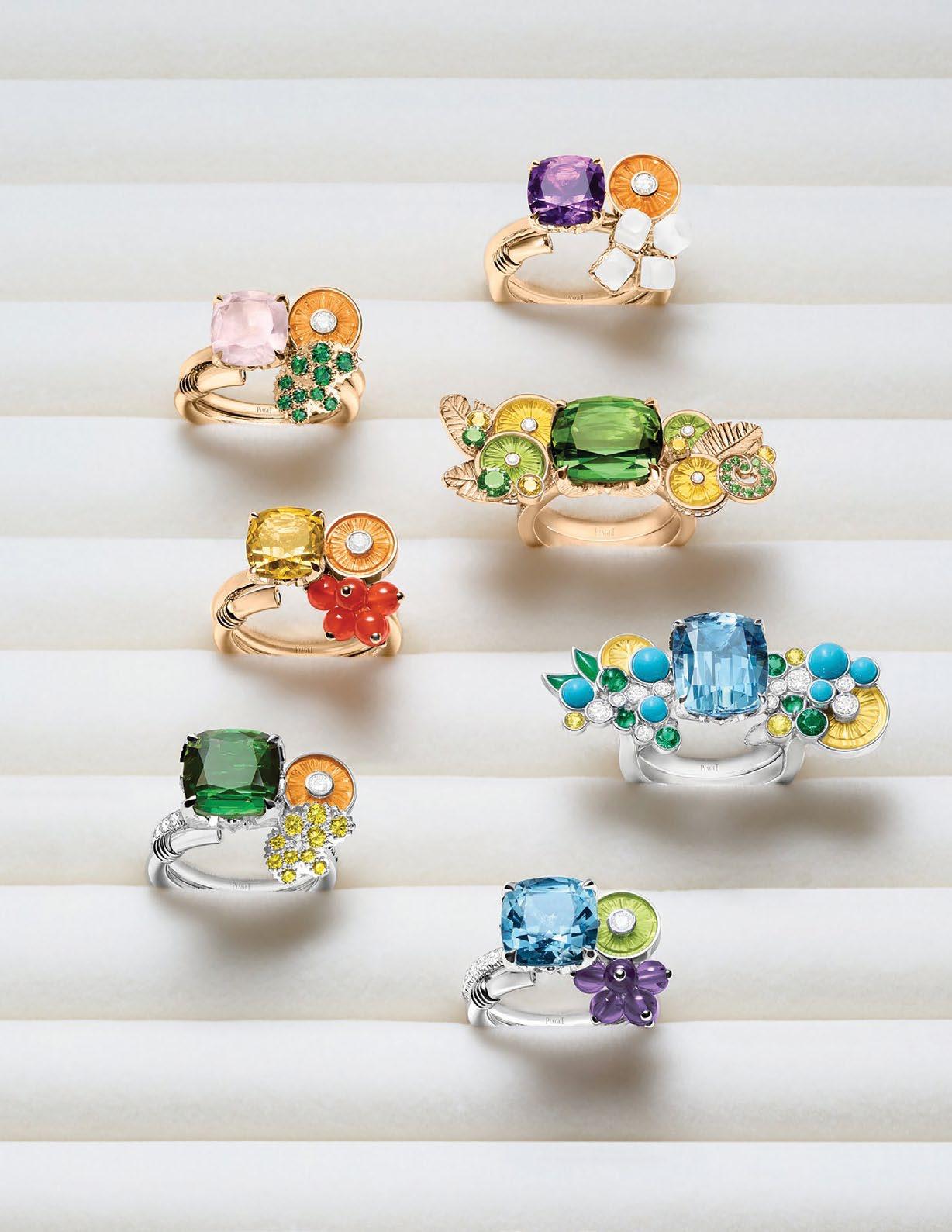
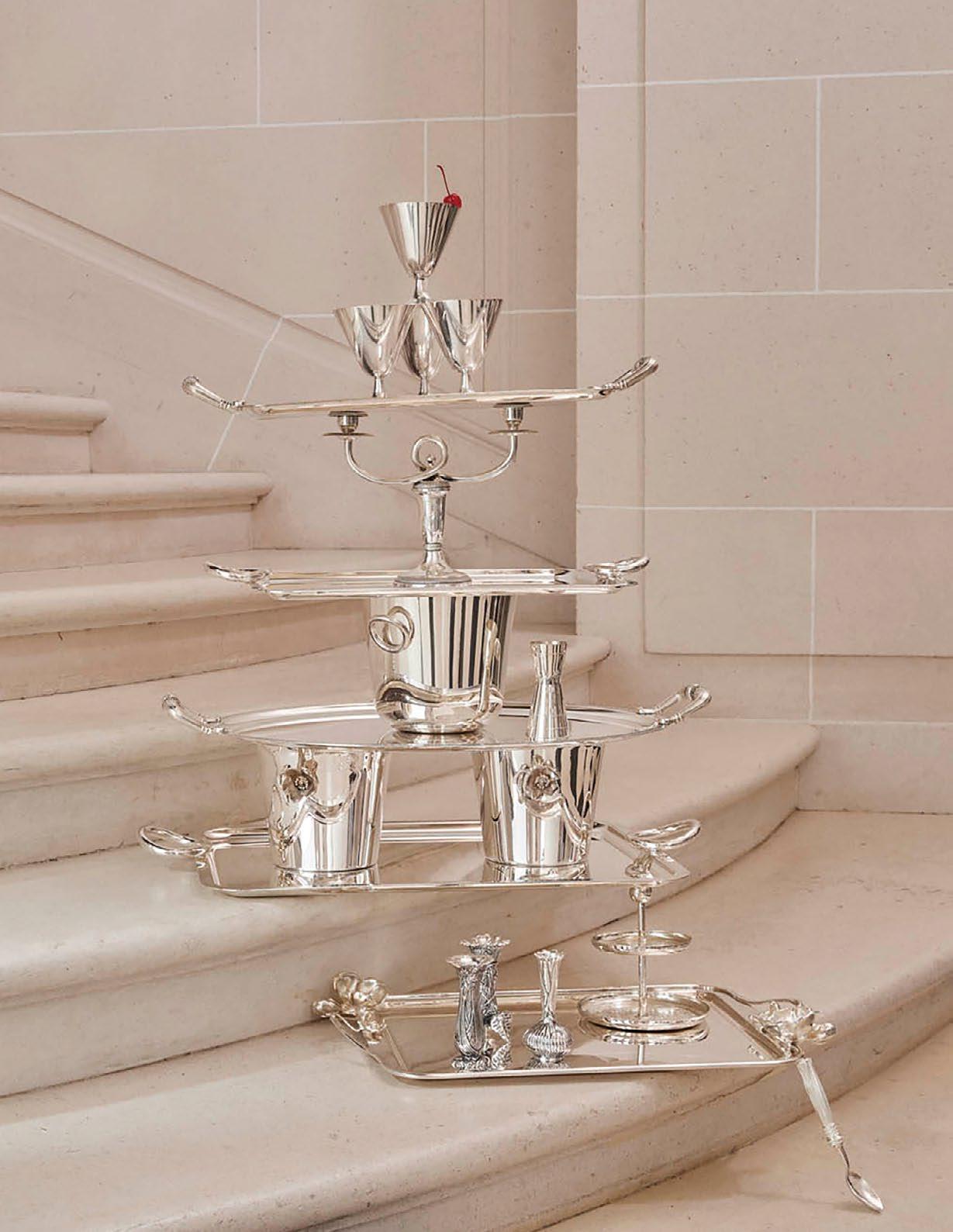
COCKTAIL COLLECTION
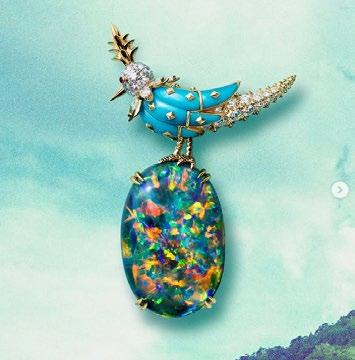
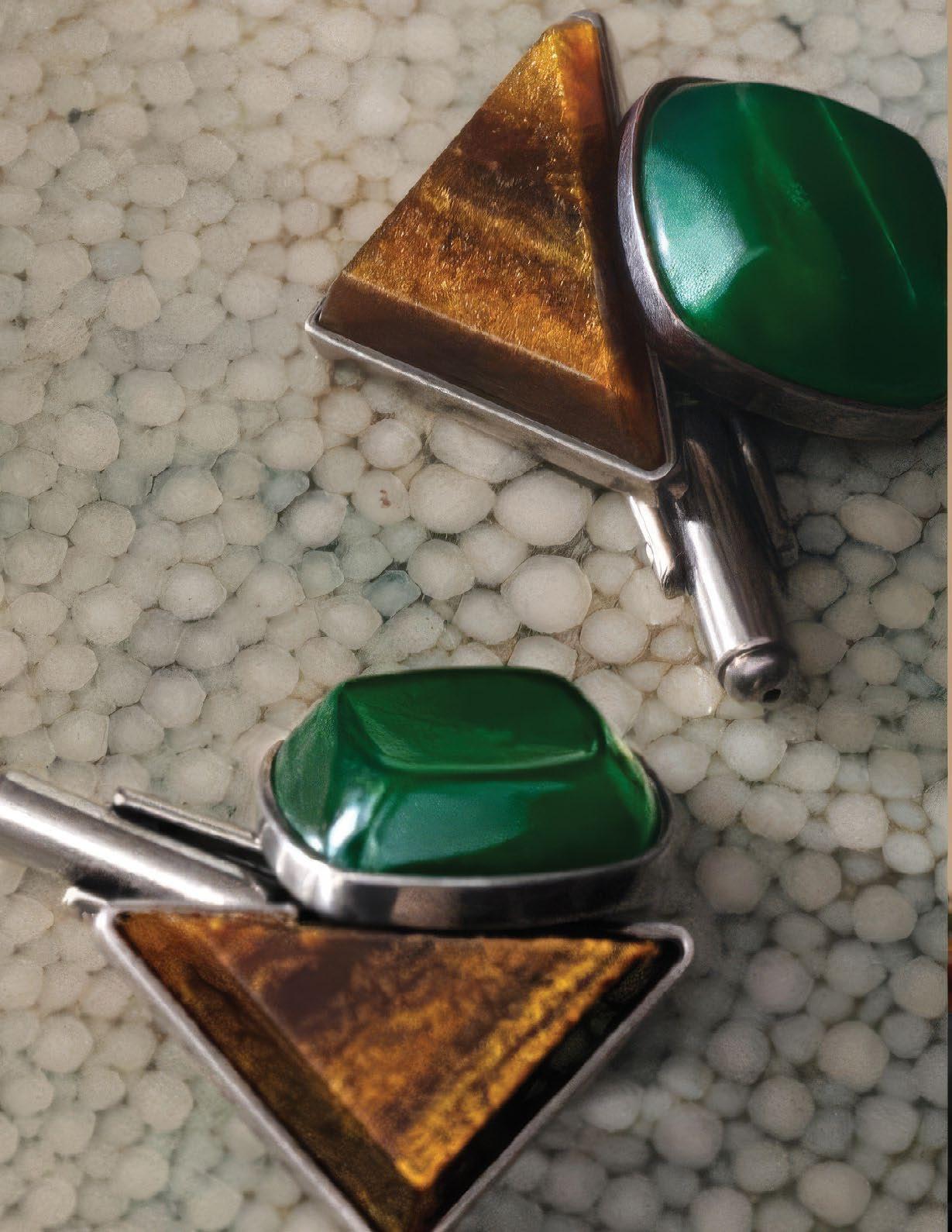
A vibrant invitation to celebrate life's golden moments. Flamboyant jewels, a blend of festive audacity and timeless sophistication, brightening every day.
SCOREBOARDS & COCKTAILS
The surprise benefit of red light therapy, page 95
Trapping and removing microplastics safely, page 106
How generational trauma affects offspring, page 78
page 130
NEW DESTINATION HOTELS AND RESORTS FOR WELLNESS
Isabel Marant shows Resort 27 in Paris,
WHEN IT COMES TO OPTIMIZING OUR HEALTH, WE ARE BOMBARDED FROM EVERY SIDE WITH NARRATIVES PROMISING TO DELIVER FANTASTICAL RESULTS. WHETHER IT’S THE NEVER-ENDING ONSLAUGHT OF ADS FOR PEPTIDES ON MY SOCIAL MEDIA FEED OR THE EVEN MORE PUZZLING MAGIC PILL YOU TAKE TO APPEAR TAN, WE ARE LED TO BELIEVE MORE OFTEN THAN NOT THAT HEALTH AND WELLNESS IS ONLY ONE MORE CREDIT CARD PAYMENT AWAY FROM REALITY.
When, in fact, health and wellness are both better preserved from a holistic standpoint. What we consume, how we think, our genetic composition that predisposes us to certain ailments and conditions… These are all issues that have plagued the general populous for generations. Some things still struggle to make sense on a scientific level: why do some cancer treatments work well for some patients, and the same cancer treatments seemingly can’t help other patients? In our first-ever health-focused issue of Polo Lifestyles, we delve into all of these topics.
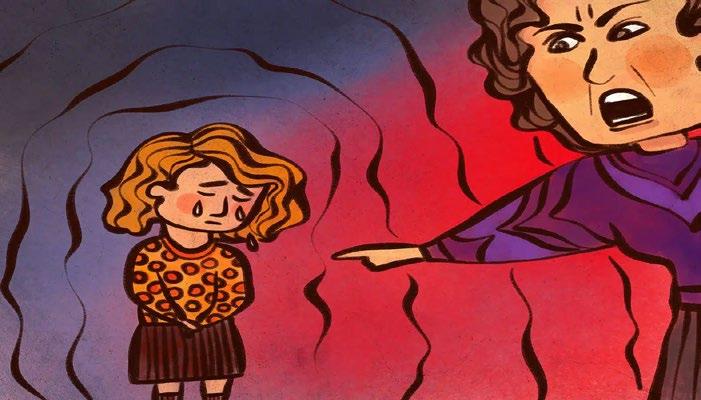
On a spiritual level, we also have a story on healing your inner child, which is such an important aspect of becoming a functional and thriving adult.
On one hand, this issue of Polo Lifestyles deviates from our formula approach to luxury, but on the other hand, what greater portfolio of luxury could you ever possess than your health?
I think anyone who’s ever struggled with health issues would attest that at some point you would trade anything in your life to be healthy.
I hope you enjoy this issue and I look forward to hearing feedback.
Click and comment on our choices... Tag @pololifestyles . We will share noteworthy comments with you next month.
@lanvin
@tiffanyandco
@thepoloparty
ST. REGIS BRITISH OPEN POLO CHAMPIONSHIP FOR THE COWDRAY GOLD CUP
ST. REGIS BRITISH OPEN POLO CHAMPIONSHIP FOR THE COWDRAY GOLD CUP
ST. REGIS BRITISH OPEN POLO CHAMPIONSHIP FOR THE COWDRAY GOLD CUP
ST.
REGIS BRITISH OPEN POLO CHAMPIONSHIP FOR THE COWDRAY GOLD CUP
ST. REGIS BRITISH OPEN POLO CHAMPIONSHIP FOR THE COWDRAY GOLD CUP
SUMMER
POLO
GREENWICH POLO CLUB
SUMMER POLO
GREENWICH POLO CLUB
ROBERT SKEEN TROPHY
SANTA BARBARA POLO CLUB
ROBERT SKEEN TROPHY
SANTA BARBARA POLO CLUB
ROBERT SKEEN TROPHY
SANTA BARBARA POLO CLUB
PNC BARNES
DOMAINE DE CHANTILLY
FOCUS ON HEALTH
THE INCREDIBLE THYMUS HOW PARENTAL TRAUMA LEAVES TRACES IN THEIR CHILDREN
SUPER-HYDRATING FOODS
SPOUSES OF PATIENTS WITH DEMENTIA FACE HIGHER RISK
THE SURPRISE BENEFIT OF RED LIGHT THERAPY
THE STATE BETWEEN LIFE & DEATH
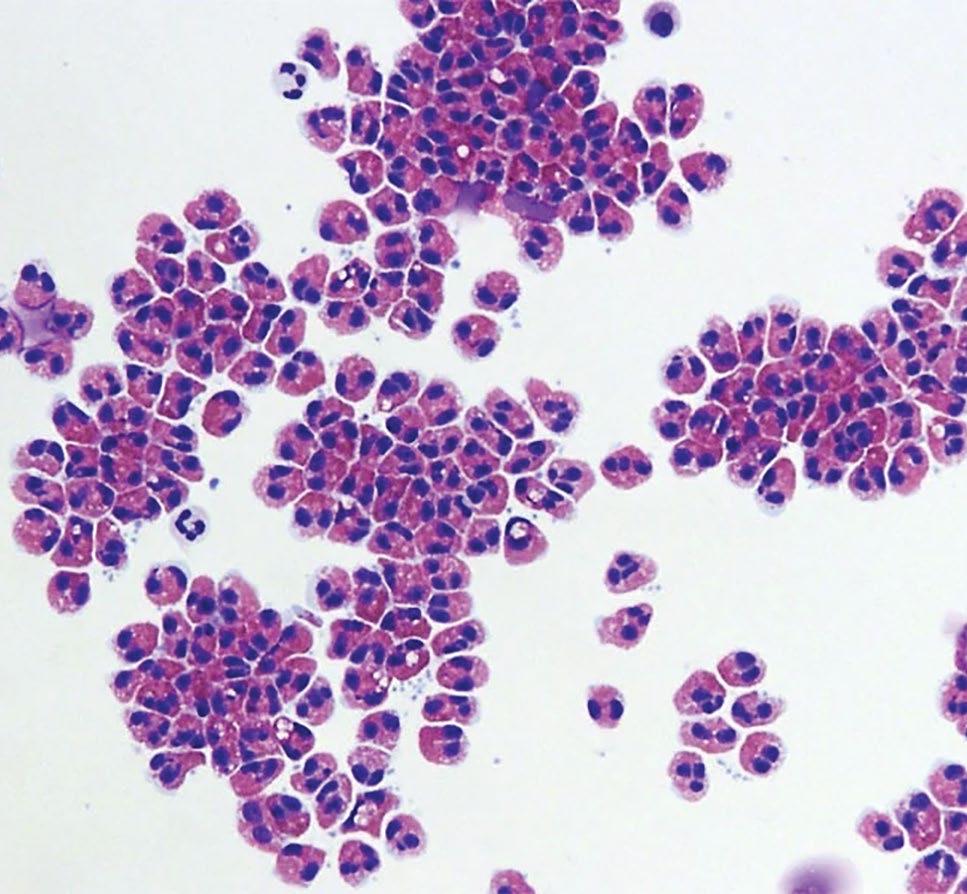
A SUPPLEMENT THAT BINDS TO AND REMOVES MICROPLASTICS
RESEARCH SHOWS WHY SOME CANCERS RESIST TREATMENT
IMAGINING A BETTER WAY OF LIFE
FIVE ANTI-INFLAMMATORY PROTEINS TO ADD TO YOUR DIET NOW
THE INCREDIBLE THYMUS
BY JACKIE FLYNN MOGENSEN / SPECIAL TO POLO LIFESTYLES
THIS TINY, FORGOTTEN ORGAN COULD HELP US LIVE LONGER AND HEALTHIER
AHORMONE PRODUCED BY THE THYMUS HELPS TAMP DOWN AGE-RELATED INFLAMMATION, A NEW STUDY IN MICE FOUND
A tiny organ in our chest cavity could be the key to regulating inflammation as we age, according to new research in mice.
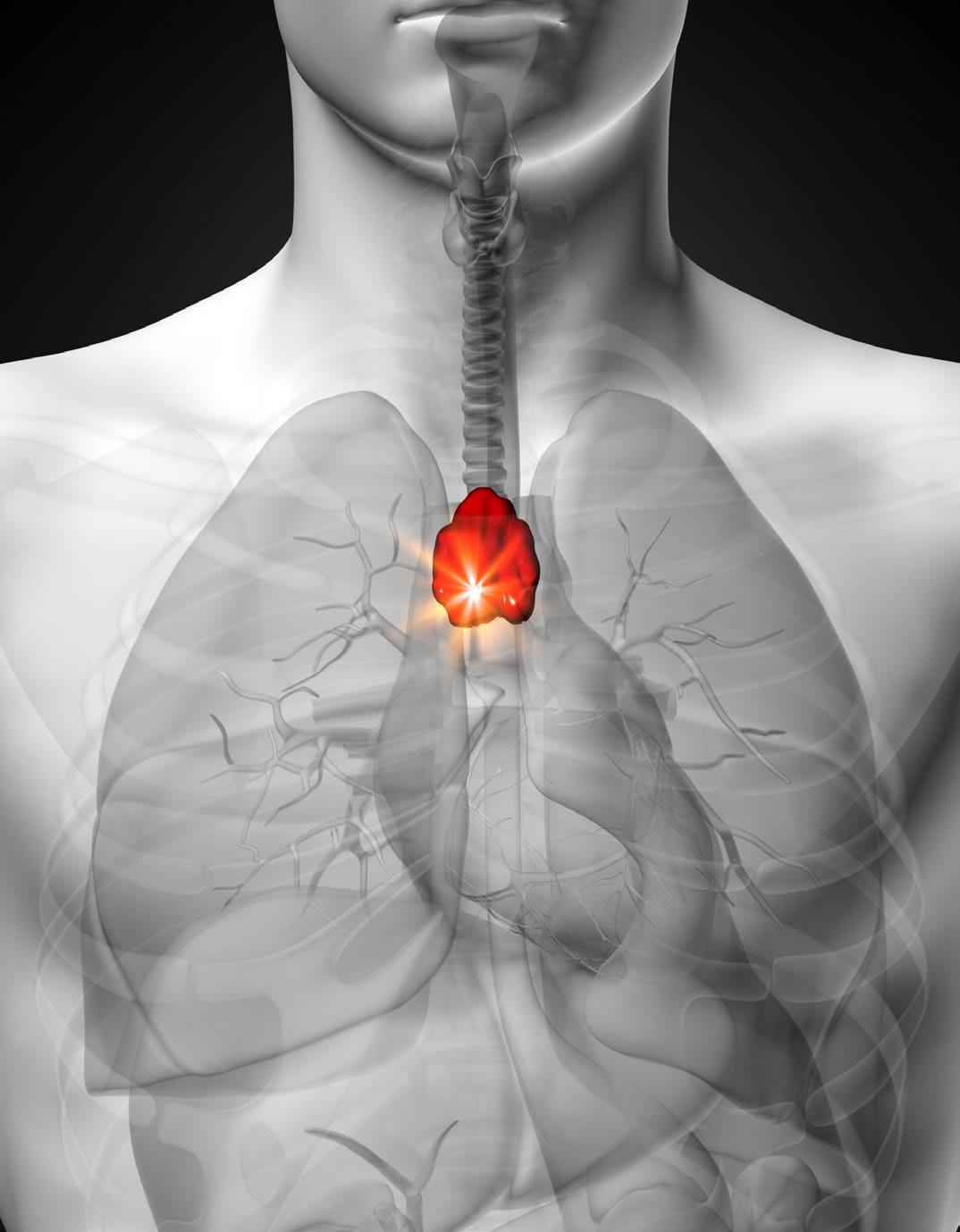
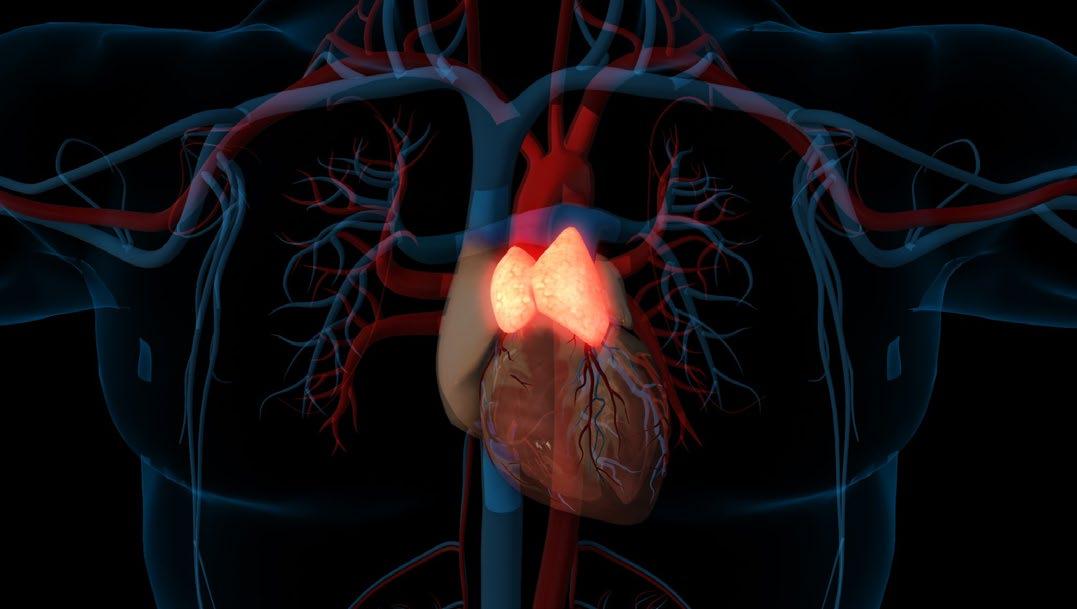
The thymus is nestled between our lungs and is roughly the size of a dried apricot. It helps our bodies produce pathogen-fighting immune cells called T cells, particularly in childhood. After puberty, it shrinks—and scientists long thought its role in our immune system likely shrank, too.
But its job may not end there at all: a hormone secreted by the thymus called thymulin appears to clamp down on age-related inflammation in older mice.
If the results are confirmed in humans, researchers say, they could help scientists develop new cancer therapies and treatments for other diseases associated with
“inflammaging”—inflammation that develops with age. The findings were published on Tuesday in the journal Nature Communications.
The hormone thymulin was discovered some 50 years ago, but its role in aging has been “somewhat overlooked,” says Fumito Ito, the study’s senior author and an immunologist at the Keck School of Medicine of the University of Southern California.
Previous research has linked thymus health to immune function and longevity. In March, as Scientific American reported, an analysis of around 27,000 patient records found that thymus function correlated with longer lifespans, as well as lower rates of lung cancer or cardiovascular disease. Thymus health also tracked with inflammation—but it was unclear why.
The new findings may provide a “causal link” between the thymus and longevity, Ito says. In mice with higher levels of thymulin, a group of their immune cells
called myeloid cells tended to produce lower levels of cytokines, a kind of protein that our bodies make to fight off infections but that can also lead to inflammation. Even more compelling, when the researchers gave thymulin to older mice with cancer, the animals responded better to treatment and had slower rates of tumor growth.
The results could one day improve cancer therapies for humans, Ito says. “Our study shows that this hormone can slow down tumor growth, improve survival and also enhance the treatment efficacy of cancer immunotherapy,” he says.
“Given the fact that this is naturally occurring hormone,” Ito adds, “I expect that the use of this hormone would cause minimal side effects, while it can potentially improve the treatment efficacy of immunotherapy.”
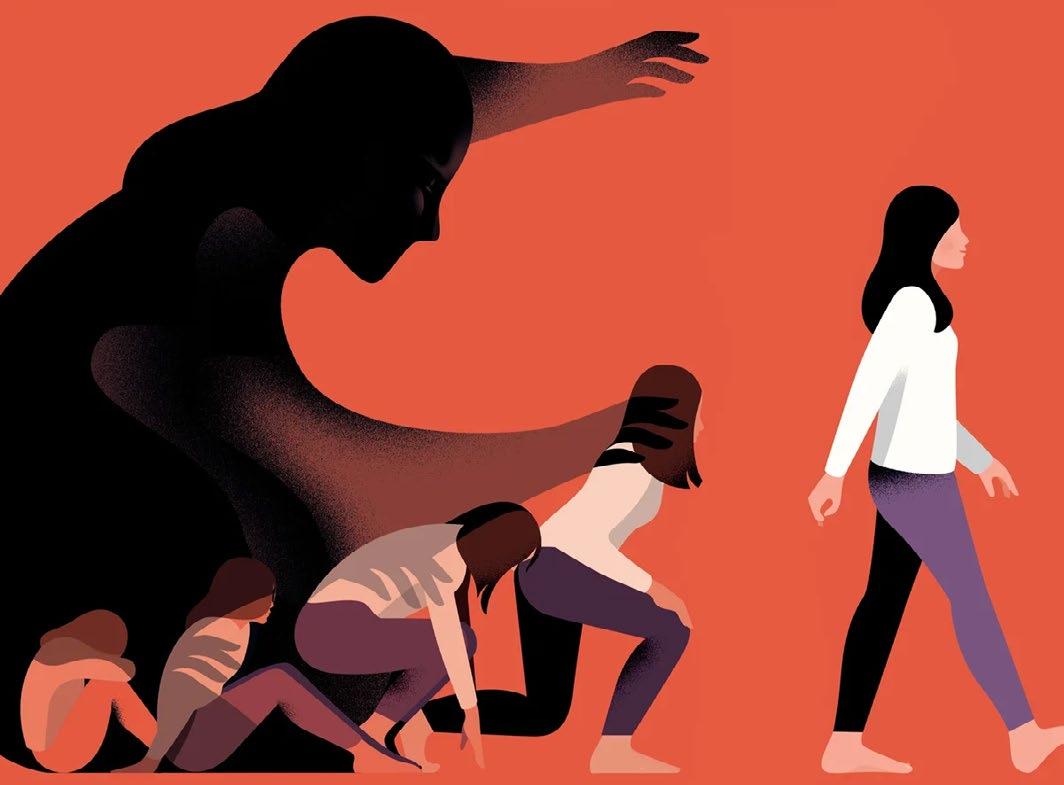
HOW PARENTS' TRAUMA LEAVES BIOLOGICAL TRACES IN THEIR CHILDREN
ADVERSE EXPERIENCES CAN CHANGE FUTURE GENERATIONS THROUGH EPIGENETIC PATHWAYS
AFTER THE TWIN TOWERS OF THE WORLD TRADE CENTER COLLAPSED ON SEPTEMBER 11, 2001, IN A HAZE OF HORROR AND SMOKE, CLINICIANS AT THE ICAHN SCHOOL OF MEDICINE AT MOUNT SINAI IN MANHATTAN OFFERED TO CHECK ANYONE WHO’D BEEN IN THE AREA FOR EXPOSURE TO TOXINS.
Among those who came in for evaluation were 187 pregnant women. Many were in shock, and a colleague asked if I could help diagnose and monitor them. They were at risk of developing post-traumatic stress disorder, or PTSD—experiencing flashbacks, nightmares, emotional numbness or other psychiatric symptoms for years afterward. And were the fetuses at risk?
My trauma research team quickly trained health professionals to evaluate and, if needed, treat the women. We monitored them through their pregnancies and beyond. When the babies were born, they were smaller than usual—the first sign that the trauma of the World Trade Center attack had reached the womb. Nine months later we examined 38 women and their infants when they came in
for a wellness visit. Psychological evaluations revealed that many of the mothers had developed PTSD. And those with PTSD had unusually low levels of the stress-related hormone cortisol, a feature that researchers were coming to associate with the disorder.
Surprisingly and disturbingly, the saliva of the nine-month-old babies of the women with PTSD also showed low cortisol. The effect was most prominent in babies whose mothers had been in their third trimester on that fateful day. Just a year earlier a team I led had reported low cortisol levels in adult children of Holocaust survivors, but we’d assumed that it had something to do with being raised by parents who were suffering from the long-term emotional consequences of severe trauma. Now it looked like trauma could leave a trace in offspring even before they are born.
In the decades since, research by my group and others has confirmed that adverse experiences may influence the next generation through multiple pathways. The most apparent route runs through parental behavior, but influences during gestation and even changes in eggs and sperm may also play a role. And all these channels seem to involve epigenetics: alterations in the way that genes function. Epigenetics potentially explains why effects of trauma may endure long
after the immediate threat is gone, and it is also implicated in the diverse pathways by which trauma is transmitted to future generations.
The implications of these findings may seem dire, suggesting that parental trauma predisposes offspring to be vulnerable to mental health conditions. But there is some evidence that the epigenetic response may serve as an adaptation that might help the children of traumatized parents cope with similar adversities. Or could both outcomes be possible?
IN THE AFTERMATH
My first encounter with intergenerational transmission of trauma was in the 1990s, soon after my team documented high rates of PTSD among Holocaust survivors in my childhood community in Cleveland. The first study of its kind, it garnered a lot of publicity; within weeks I found myself heading a newly created Holocaust research center at Mount Sinai staffed largely by professional volunteers. The phone was ringing off the hook. The callers weren’t all Holocaust survivors, though; most were the adult children of Holocaust survivors. One particularly persistent caller—I’ll call him Joseph— insisted that I study people like him. “I’m a casualty of the Holocaust,” he claimed.
When he came in for an interview, Joseph didn’t look like a casualty of
anything. A handsome and wealthy investment banker in an Armani suit, he could’ve stepped off the pages of a magazine. But Joseph lived each day with a vague sense that something terrible was going to happen and that he might need to flee or fight for his life. He’d been preparing for the worst since his early 20s, keeping cash and jewelry at hand and becoming proficient in boxing and martial arts. Lately he was tormented by panic attacks and nightmares of persecution, possibly triggered by reports of ethnic cleansing in Bosnia.
Joseph’s parents had met in a displaced-persons camp after surviving several years at Auschwitz, then arrived penniless in the U.S. His father worked 14 hours a day and said very little, never mentioning the war. But almost every night he woke the family with shrieks of terror from his nightmares. His mother
spoke endlessly about the war, telling vivid bedtime stories about how relatives had been murdered before her eyes. She was determined that her son succeed, and his decision to remain unattached and childless infuriated her. “I didn’t survive Auschwitz so that my own child would end the family line,” she’d say. “You have an obligation to me and to history.”
We ended up talking to many people like Joseph: adult children of Holocaust survivors who suffered from anxiety, grief, guilt, dysfunctional relationships and intrusions of Holocaust-related imagery. Joseph was right—I needed to study people like him. Because those who were calling us were (in research-speak) self-selecting, we decided to evaluate the offspring of the Holocaust survivors we had just studied in Cleveland. The results were clear. Survivors’ adult children were
more likely than others to have mood and anxiety disorders, as well as PTSD. Further, many Holocaust offspring also had low cortisol levels—something that we had observed in their parents with PTSD.
FIGHT, FLIGHT—OR FREEZE
What did it all mean? Unraveling the tangle of trauma, cortisol and PTSD has occupied me and many other researchers for the decades since. In the classic fight-or-flight response, identified in the 1920s, a threatening encounter triggers the release of stress hormones such as adrenaline and cortisol. The hormones prompt a cascade of changes, such as quickening the pulse and sharpening the senses to enable the threatened person or animal to focus on and react to the immediate danger. These acute effects were believed to dissipate once the danger receded.
In 1980, however, psychiatrists and other advocates for Vietnam War veterans won a prolonged struggle to get post-traumatic stress included in the third edition of the Diagnostic and Statistical Manual of Mental Disorders (DSM-III). It was the first official recognition that trauma could have long-lasting effects. But the diagnosis was controversial. Many psychologists believed that its inclusion in DSM-III had been politically, rather than scientifically, driven—in part because there were no scientific explanations for how a threat could continue to influence the body long after it was removed.
Complicating matters, studies of Vietnam veterans were generating perplexing results. In the mid-1980s neuroscientists John Mason, Earl Giller and Thomas Kosten, then all at Yale University, reported that veterans with PTSD had high levels of adrenaline but lower levels of cortisol than patients with other psychiatric diagnoses. Because stress usually causes stress hormones, including cortisol, to rise, many researchers, including myself, were skeptical of these observations. When I joined the Yale laboratory as a postdoctoral fellow a year later, I studied a different group of veterans using other methods for measuring cortisol. To my astonishment, I replicated the finding.
I still couldn’t believe that the low cortisol levels had anything to do with trauma. Surely the Holocaust was as terrible as the Vietnam War, I reasoned—and
growing up as a rabbi’s daughter in a community full of Holocaust survivors, many of them my friends’ parents, I’d noticed nothing out of the ordinary about them. I was sure that they didn’t have either PTSD or low cortisol, I told my mentor, Giller. “That’s a testable hypothesis,” he responded. “Why don’t you study that, instead of conjecturing?”
So my team of five people landed in Cleveland, along with a centrifuge and other equipment. We stayed in my parents’ home, walking door to door to interview people by day and returning to test blood and urine samples in the evening. When the results came in, they were clear: half the Holocaust survivors had PTSD, and those with PTSD had low cortisol. There was no question about it—even if the traumatic experience happened long ago, PTSD went hand in hand with low cortisol.
But why? And which came first? An important clue came from a 1984 review by the late Allan Munck and other researchers at the Geisel School of Medicine at Dartmouth. They noted that among stress hormones, cortisol played a special, regulatory role. High levels of stress hormones, if sustained for a long time, harm the body in multiple ways, weakening the immune system and increasing susceptibility to problems such as hypertension. But in a context of acute trauma, cortisol may paradoxically also have a protective effect. It shuts down the release of stress hormones—including itself—reducing the potential damage to
organs and the brain. Such a trauma-induced feedback loop could conceivably reset the cortisol “thermostat” to a lower level.
I picked up another piece of the puzzle and placed it. In the early 1990s we’d shown that Vietnam veterans were more likely to develop PTSD if they’d been abused as children. Slowly a shape was emerging that connected intense childhood adversity—a period of “freeze” because a child usually cannot fight or flee—with low cortisol and the possibility of future PTSD. We studied people who’d been raped or who’d been in auto accidents when they came into emergency rooms, finding that those with lower cortisol levels were more likely to develop PTSD after the attack or accident.
Could low cortisol levels have been present before the event that brought them into the emergency room? I wondered. If someone with low cortisol was subjected to a traumatic experience, we reasoned, the cortisol levels in their bodies might be too low to tamp down the stress reaction. Adrenaline levels might then shoot way up, searing the memory of the new trauma into the brain—from where it might later surface as flashbacks or nightmares. Perhaps low cortisol marked a vulnerability to developing PTSD.
The study of Holocaust offspring supported this conjecture. Children of Holocaust survivors with PTSD tended to have low cortisol even if they did not have their own PTSD. As we’d suspected,
low cortisol seemed related to vulnerability to PTSD.
THE FEEDBACK LOOP
But what mechanism connected trauma exposure to low cortisol to future PTSD? We began a series of studies to answer this question. Significantly, we found that Vietnam veterans with PTSD had a greater number of glucocorticoid receptors. These are proteins to which cortisol binds to exert its diverse influences. That suggested a greater sensitivity to cortisol: a small increase in the hormone’s concentration would precipitate a disproportionate physiological reaction. But it wasn’t until we looked more closely at the molecular underpinnings of cortisol functioning—in part by examining epigenetics—that we understood how exposure to trauma might reset the cortisol feedback loop.
In the 1990s scientists were realizing that the output of our genes is sensitive to factors not written directly into our genetic code. Genes provide the templates for producing proteins. But much like cakes baked using the same ingredients may turn out differently depending on variations in the oven’s temperature, how
much of those proteins gets produced, or “expressed,” depends on the environment. The discovery gave rise to epigenetics, the study of what influences gene expression and how. It proved crucial to understanding both the neurobiology of PTSD and the intergenerational effects of trauma.
Epigeneticists explore the switches that turn gene expression on and off. One such mechanism, called methylation, involves a methyl group—a methane molecule that is missing one of its four hydrogen atoms, leaving a chemical bond free to attach to another atom or molecule. Methylation is a process by which, in the presence of specific enzymes, methyl groups attach to key sites on a strand of DNA or within the complex of DNA and proteins known as chromatin. By occupying these sites like roadblocks on a highway, methyl groups can alter transcription, a basic step in gene expression where a piece of RNA is made from a DNA template. Increased methylation generally impedes RNA transcription, whereas less methylation enhances transcription. These changes are enduring in that they survive normal cell division and require specific enzymes for their removal.
In 2015 our group became one of the first to pinpoint epigenetic changes on stress-related genes of veterans with PTSD. These alterations partially explained why trauma’s effects were so persistent, lasting for decades. Specifically we observed reduced methylation in an important region of NR3C1, a gene that encodes the glucocorticoid receptor, likely increasing the sensitivity of these receptors.
This epigenetic modification suggests a potential explanation for how trauma might reset cortisol levels. The body regulates the stress response through a complicated feedback mechanism. A rise in cortisol levels will prompt the body to produce less of the hormone, which may drive up the numbers and responsiveness of glucocorticoid receptors. Given the epigenetic and other changes occurring with sustained responses to trauma, the feedback loop might become recalibrated. In people who have already endured trauma, their stress systems might be sensitized and their cortisol levels diminished—increasing their adrenaline response to further trauma and leading to PTSD.
10 HYDRATING FOODS TO BEAT THE HEAT
DRINKING WATER IS IMPORTANT, BUT YOUR TOTAL DAILY FLUID INTAKE DOESN’T JUST COME FROM BEVERAGES ALONE. VARIOUS FOODS PROVIDE WATER TOO—AND SOME ARE QUITE HYDRATING.
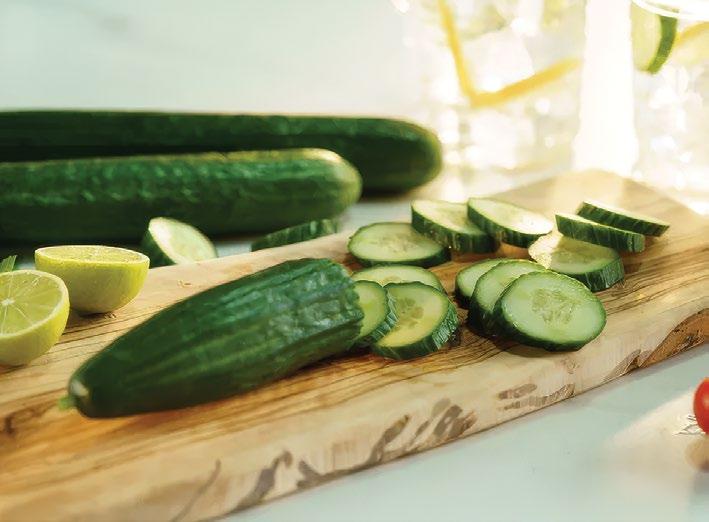
CUCUMBER
WATER CONTENT: 96%
AMOUNT OF WATER PER SERVING: 10.1 FLUID OUNCES (OZ) PER CUCUMBER
The most hydrating food on this list, one whole cucumber (about 8.25 inches in length) provides more than a full cup of water and just 45 calories.
A cucumber of this size also provides more than 40% of the Daily Value (DV) of vitamin K. This key nutrient supports bone health and is needed to allow your blood to clot properly.
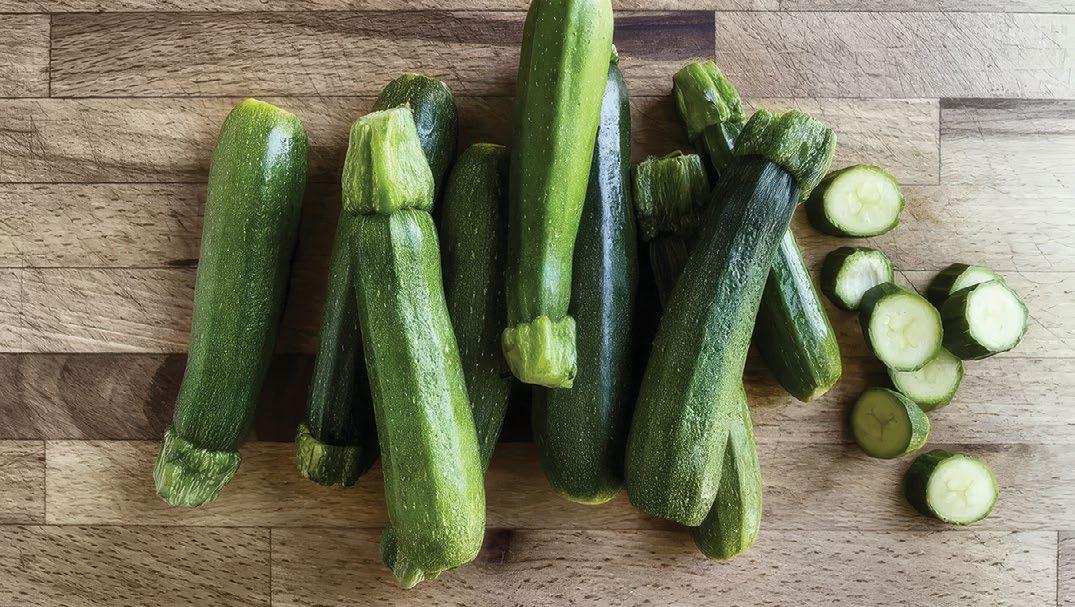
ZUCCHINI
WATER CONTENT: 95%
AMOUNT OF WATER PER SERVING: 10.3 OZ PER ZUCCHINI
Zucchini is rich in antioxidants that protect against DNA damage, which may raise the risk of chronic disease. A onecup portion supplies about a quarter of your daily vitamin C needs, along with smaller amounts of potassium, magnesium, and B vitamins.
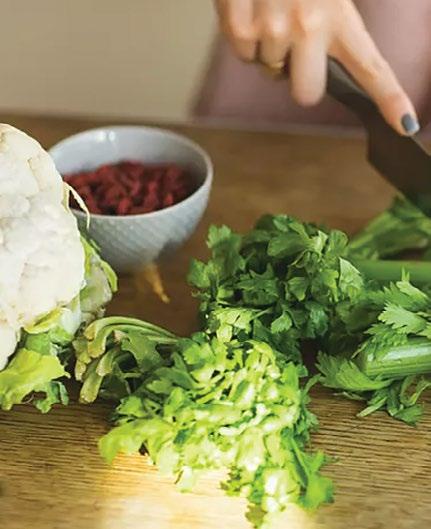
CELERY
WATER CONTENT: 95%
AMOUNT OF WATER PER SERVING: 6.2 OZ PER THREE, LARGE CELERY STALKS
Celery contains several powerful antioxidants known to fend off free radicals, compounds formed naturally in your body from metabolism and exposure to environmental pollutants. At high levels, free radicals trigger what’s known as oxidative stress, which can damage cell DNA and increase your risk of conditions like heart disease and diabetes.
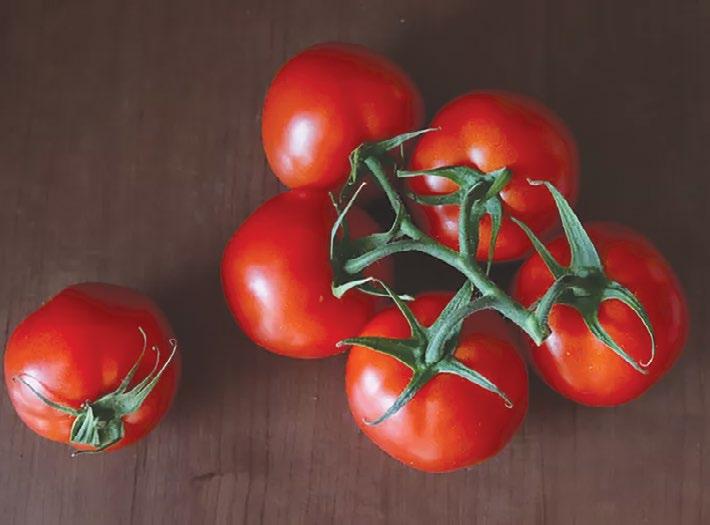
TOMATOES
WATER CONTENT: 91–96%, DEPENDING ON VARIETY
AMOUNT OF WATER PER SERVING: 4 OZ PER MEDIUM TOMATO
Tomatoes are low in calories and provide potassium, iron, folate, vitamin A, and vi-
tamin C. They contain anti-inflammatory antioxidants that may help protect against UV radiation, cancer, heart disease, diabetes, and neurodegenerative diseases, including Alzheimer’s and Parkinson’s.14
Tomatoes may also support fertility, immune, gut, and skin health, and reduce exercise-induced cell damage.
CABBAGE
WATER CONTENT: 91–93%, DEPENDING ON VARIETY
AMOUNT OF WATER PER SERVING: 2.2 OZ PER 1 CUP OF SHREDDED CABBAGE
Cabbage is a member of the cruciferous vegetable family, along with broccoli, cauliflower, Brussels sprouts, and kale. Numerous studies have found that daily consumption of cruciferous vegetables helps prevent cancer.
Cabbage contains compounds that may combat viruses and bacteria, protect cells against DNA damage, inactivate cancer-causing substances, and prevent cancer cells from growing and spreading.
MUSHROOMS
WATER CONTENT: 90%19
AMOUNT OF WATER PER SERVING: 3 OZ
PER 1 CUP OF WHOLE WHITE BUTTON MUSHROOMS
Mushrooms are very low in calories, with just 21 calories per cup of whole mushrooms. They’re chock-full of plant protein, vitamins, minerals, and antioxidants. They also contain natural immune, heart, and gut-supporting compounds that may help guard against inflammation, diabetes, obesity, aging, and cancer.
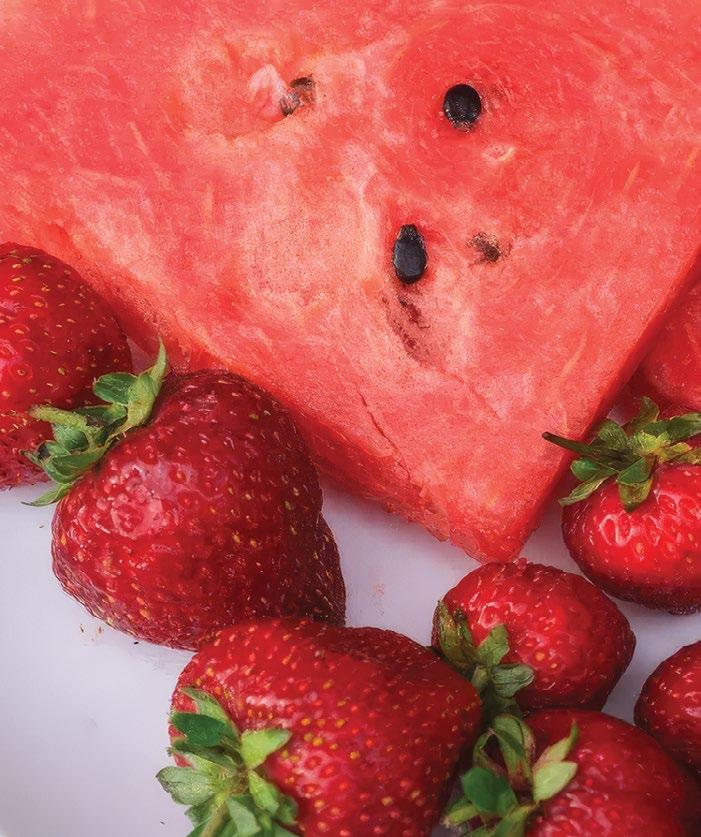
STRAWBERRIES
WATER CONTENT: 90%
AMOUNT OF WATER PER SERVING: 4.4
OZ PER CUP OF WHOLE STRAWBERRIES
One cup of whole strawberries provides nearly 3 grams of fiber and almost an entire day’s worth of vitamin C.
They’re also rich in anti-inflammatory antioxidants linked to protection against cancer, heart diseases, type 2 diabetes, obesity, and neurodegenerative diseases, like Alzheimer’s.
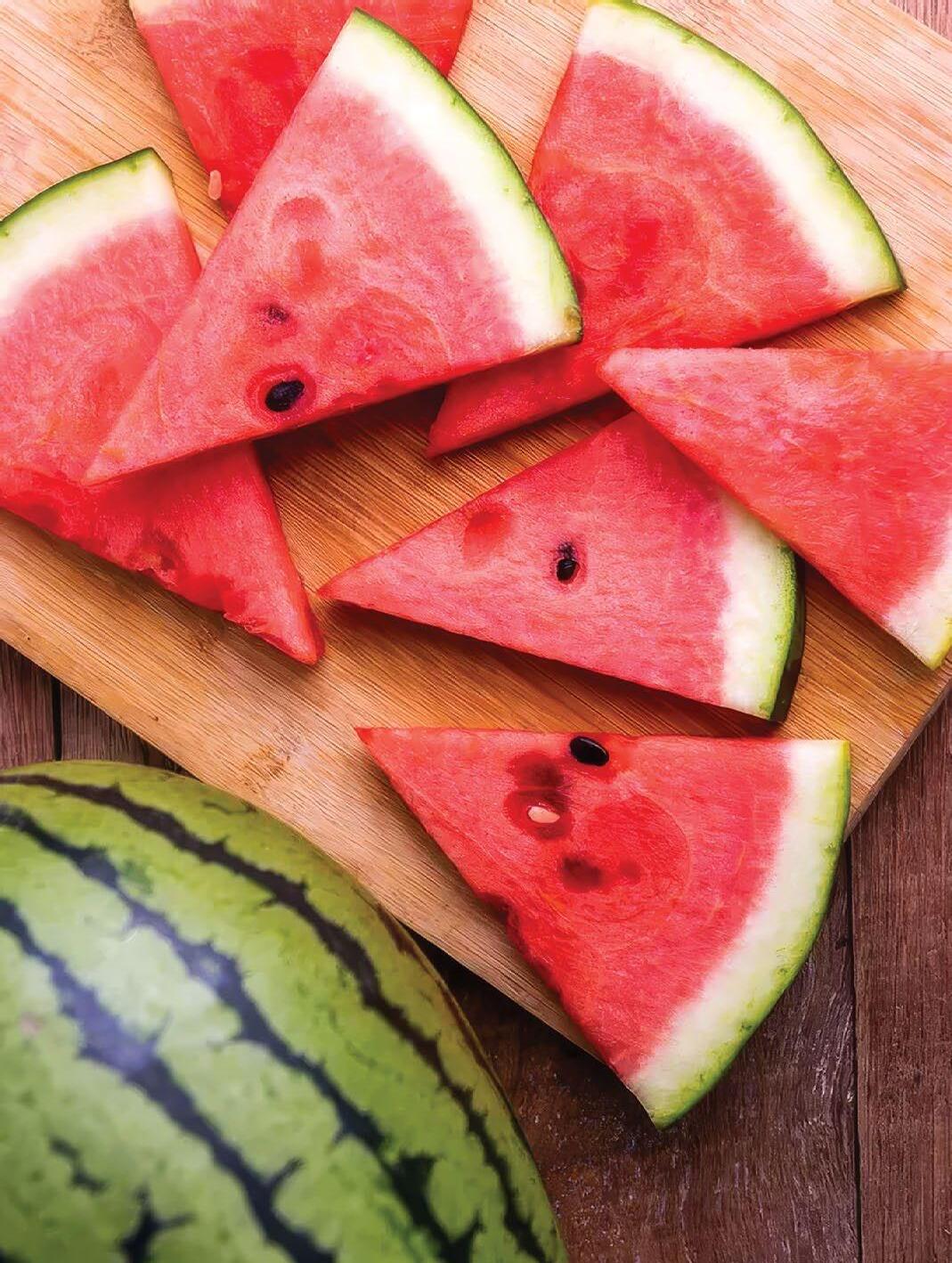
WATERMELON
WATER CONTENT: 91%
AMOUNT OF WATER PER SERVING: 4.7
OZ PER 1 CUP OF DICED WATERMELON
Watermelon is low in sugar (9 grams per cup) relative to its natural sweetness. A recent research review concluded that
watermelon, which is rich in antioxidants, also provides benefits for heart and gut health, diabetes regulation, weight management, and cancer protection.28
CANTALOUPE
WATER CONTENT: 90%
AMOUNT OF WATER PER SERVING: 4.8 OZ PER 1 CUP OF CUBED CANTALOUPE
Cantaloupe is bursting with antioxidants. Its orange color is due to beta-carotene, a pigment that also serves as a source of vitamin A. Vitamin A supports healthy immune function and vision and helps the heart, lungs, and other organs work properly.
A 1-cup serving of cantaloupe contains more than a day’s worth of the recommended daily vitamin A intake for adults.
JICAMA
WATER CONTENT: 90%
AMOUNT OF WATER PER SERVING: 3.7 OZ OF WATER PER 1 CUP OF SLICED JICAMA
One cup of jicama provides just 45 calories and 10 grams of carbohydrates with an impressive 6 grams of fiber.
One recent research review referred to jicama as an underutilized plant with immune-supporting abilities and antioxi-
dant, anticancer, anti-diabetes, anti-osteoporosis, antiviral, and anti-aging effects.
Use sliced raw jicama as you would celery or carrot sticks—serve them with healthy dips, add them in salads, or use them to make chilled side dishes with a vinaigrette.
HOW MUCH WATER DO YOU NEED?
Here is the daily recommended fluid intake for adults:
• Men: 3.7 liters per day (over 15 cups)
• Women: 2.7 liters (over 11 cups)
Your body loses water throughout the day through breathing, sweating (due to exercise or being in a hot climate), urinating, or if you experience vomiting or diarrhea.57 Your fluid needs increase when more water is lost from your body.58 Especially if you’re exercising, make sure to:59
Drink about 16 ounces (2 cups) of water two hours before a workout. Sip water during exercise. Switch to a sports drink rather than plain water after the first hour to replace both fluid and electrolytes. Drink water even when you no longer feel thirsty.
OTHER TIPS FOR STAYING HYDRATED
Being strategic about your fluid intake can help you consistently meet your needs. In addition to adding hydrating foods to your diet, consider these tips:
• Keep a water bottle with you to sip from throughout the day.
• Add lemon, fresh mint, or bits of fruit to water to add color and flavor, which may help you drink more.
• Use an app that prompts you to stop and drink water, or set alarms as reminders.
• Limit caffeine to about 400 milligrams per day; intakes above this may contribute to dehydration.
SPOUSES OF PEOPLE WITH DEMENTIA FACE HIGHER RISK
SPOUSES OF PEOPLE WHO DEVELOP DEMENTIA ARE SIGNIFICANTLY MORE LIKELY TO DEVELOP THE CONDITION THEMSELVES, ACCORDING TO A LARGE NEW STUDY OF NEARLY 1 MILLION MARRIED PEOPLE IN TAIWAN.
The study, published as a cohort analysis using Taiwan’s National Health Insurance Research Database, found that women whose spouses had dementia faced a 74 percent higher risk of developing dementia themselves compared with women whose spouses did not have the condition. Men in the same situation faced a 69 percent higher risk. The findings suggest that dementia risk is not confined to the individual diagnosed, but can extend across a household, according to the researchers.
Researchers tracked health records from 1998 to 2022, drawing on a database that covers nearly 99 percent of Taiwan’s population. They identified spouses of people newly diagnosed with dementia and compared them with a matched group of spouses whose partners had no dementia diagnosis.
Each person exposed to a spouse’s dementia diagnosis was matched with up to
four unexposed people of the same birth year, sex, income level, and residential area.
The final matched group included 955,105 people in total. That included 118,904 women and 72,117 men whose spouses had dementia, compared with 475,616 women and 288,468 men whose spouses did not.
The largest share of participants were between 65 and 74 years old when they entered the study.
Most individuals involved resided in urban areas, and nearly half were in the lowest income category which could potentially point to caregiving being provided at home, additional stress and a spouse’s routine exposure to their partner with dementia.
WHAT THE RESEARCHERS FOUND
Spouses of people with dementia had a higher risk of developing all-cause dementia than those whose partners were unaffected. For women, the risk was 74 percent higher, with a five-year absolute risk difference of 2.75 percentage points. For men, the risk was 69 percent higher, with a 5-year absolute risk difference of 3.49 percentage points. Similar patterns emerged when researchers looked specifically at Alzheimer’s disease and vascular dementia, the two most common forms of the condition.
The relative increase in risk was more pronounced among younger spouses, while the actual gap in risk between exposed and unexposed spouses grew larger with age. The link between a partner’s dementia diagnosis and one’s own risk was weaker among people with higher incomes or more children, but was otherwise consistent regardless of sex or whether someone lived in a rural or urban area.
Dr. Kamal Wagle, a geriatrician at Hackensack University Medical Center, spoke with Newsweek about the findings.
“The study’s fundamental findings are consistent with previous ones, the demands on caregivers affect both mental and physical health,” Wagle said. “This leaves little to no time for self-care, whether it be exercise, mentally decompressing, preparing healthy meals, social connections or recreational activities as low-key as reading a book.
“Caregivers often experience chronic stress, particularly when they alone are carrying the responsibility of tending to someone with dementia. Stress is a well-known risk factor for cognitive decline, and it is a factor that can lead to such unhealthy habits such as overeating, smoking and leading a sedentary life.
“Simply put, caregivers who share a household with a dementia patient often
have little time to care for themselves. Many struggle through interrupted or little sleep, and they often put off their own medical needs for lack of time or lack of a support network to step in when they need a break.”
WHY IT MATTERS
The authors say the results point to the need for a household-level approach
to assessing dementia risk, rather than looking at individuals in isolation. Researchers have previously suggested several possible explanations for why dementia risk might be shared between spouses, including similar lifestyles and environments, and the toll that caregiving can take through stress, disrupted sleep, social isolation, and poor health behaviors.
The study’s authors say the findings support wider screening and support systems that take a person’s family situation, and not just their own health history, into account.
“Future studies should focus on a more nuanced look into how the intensity of care-giving affects the risk for dementia,” Wagle said.
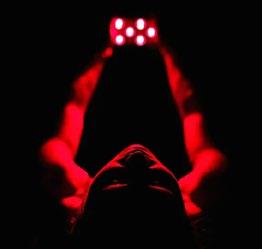
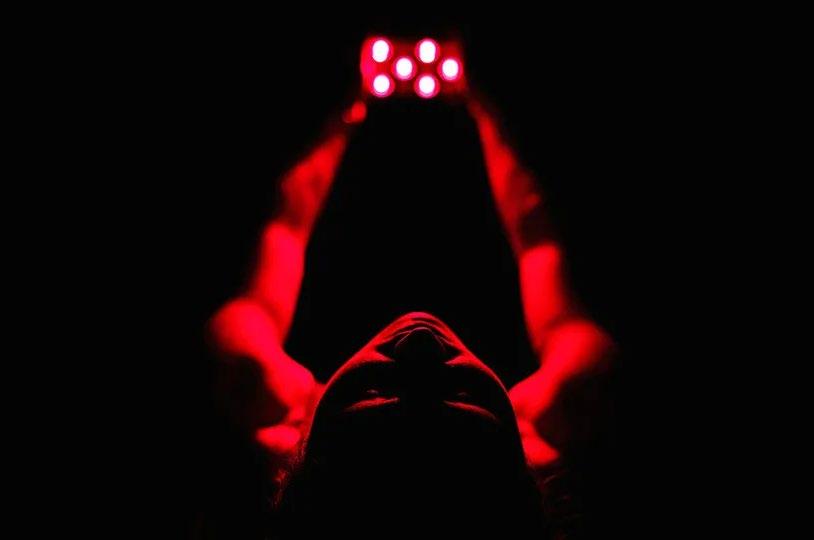
THE SURPRISE BENEFIT OF RED LIGHT THERAPY
HERE’S A QUESTION FOR ANYONE HOPING TO RED LIGHT THEIR WAY TO A YOUTHFUL COMPLEXION: DID YOU KNOW THAT IN DERMATOLOGY RED LIGHT TREATMENT IS USED MOSTLY FOR HAIR GROWTH?
It begs a more serious question for those of us already using red light in our skincare routine: Are we hoping to smooth out those wrinkles just to end up looking like Wolverine?
The conundrum points to a larger issue with red light treatment, as the tools to harness its potential benefits become more available online as well as in spas, gyms and dermatology clinics. While it has gained a reputation as a multi-potent ray of wellness, with claims that it can treat conditions from aging skin to erectile dysfunction, what does the research say?
Beyond that lie more questions. Can it be used safely? How is it changing the body at a cellular level? And, oh yeah: Are those using red light to reduce wrinkles
destined for a surprise beard?
We turned to our Stanford Medicine experts for some red light answers — to explain the science of it, to decipher the research-backed uses for it and to parse the many things we still don’t know about red light therapy.
HISTORIC AND MODERN USES
Before red light gained a reputation in the beauty industry, dermatologists used it for early-stage treatment of precancerous and early, thin skin cancers, said Nour Kibbi, MD, clinical
JESSICA DULONG/SPECIAL TO POLO LIFESTYLES
Better skin, faster wound-healing and reduced vision-loss are on the cards
assistant professor of dermatology. Red light applied at a specific wavelength in conjunction with a topical drug kills skin cells, a type of treatment called photodynamic therapy. (Red light, alone, does not destroy skin cancer.) When applied to damaged or diseased skin cells, such as cancer cells, those cells die off and allow for the growth of new skin.
Since then, red light has been used for a variety of new health and beauty concerns that largely harness something called “photobiomodulation,” or the use of light to alter biology, said Zakia Rahman, MD, clinical professor of dermatology.
“In 2015, the National Library of Medicine made photobiomodulation a Medical Subject Heading term,” Rahman said, referring to the official vocabulary used to organize PubMed’s research articles. “Since then, we’ve seen a major increase of published studies validating the science of photobiomodulation.”
The word for it might be new, Rahman said, but the studies that evaluated the effects of red light on biology date back to the 1960s, when a Hungarian scientist was investigating whether exposure to low levels would cause mice to develop skin cancer. Instead, they found that those receiving red light treatment sprouted more hair. Additional studies — in mice and in humans — bolstered evidence of red light’s ability to generate hair growth.
DEBATING EFFECTIVENESS
While hair regeneration and wrinkle reduction have fairly robust evidence to support the use of red light therapy, other applications, such as improving athletic performance, lack data. Since red light devices come in a variety of shapes and sizes, have different potencies and prescribed time of use, as well as extreme variation in costs, measuring their comparative effectiveness can be like comparing apples with oranges.
According to science, red light isn’t bogus. With a process called selective photothermolysis, light can be tailored to use specific wavelengths to target tissue
and stimulate an effect within tissue. The shorter the wavelength of light, the more potent it is, making it a somewhat tunable tool — shorter wavelengths can be used to kill skin cells, while longer ones can help heal or stimulate cell growth or the production of different molecules, such as collagen-building proteins.
HERE’S HOW THAT MIGHT APPLY TO DIFFERENT USES.
Hair growth and skin care: Studies have shown that red light penetrates the skin at shallow depths and stimulates follicle growth. There’s evidence that the light causes vasodilation, a widening of blood vessels. “We know some hair products, such as topical minoxidil, harness that to stimulate hair growth,” Rahman said. “The dilation of blood vessels enables more blood and nutrients to reach the hair follicles. Used over multiple months consistently, red light has been shown to regrow thinning hair. But it should also be noted, when the person stops applying red light, the effects stop.”
That vasodilation, Rahman suspects, is likely the mechanism for other dermatological effects of red light, such as wrinkle reduction. Hundreds of studies documenting the impact of red light in a clinical setting have reported a range of outcomes, including how different wavelengths of red light change the inner workings of cells and blinded clinical trials that show how red light plumps up skin features in human participants through an increase of collagen production.
Wound healing, scarring: Some preliminary studies pointed toward potential for accelerated skin and tissue healing, depending on the wavelength of light, duration and frequency of treatment. But the studies didn’t show strong and consistent success, leaving a question mark in the minds of dermatologists. Kibbi noted a recent study conducted by researchers at the University of California, Irvine, in which they performed a blepharoplasty, a surgical eyelid lift, and treated one group of patients with red light.
“It was slightly more than a coin toss, but not by much, that the red light-treated
group did better. But it was not statistically significant,” she said. In another paper documenting blepharoplasty healing, results differed. “In that study, the red light-treated scar healed in half the time, compared with the non-treated side in the same patient, which is pretty significant.” At six weeks, however, both sides of the eye had healed completely, with no differences. “It does suggest that in the first few weeks during the first phases of wound healing there could be benefit for red light,” Kibbi said. “It’s very interesting and deserves further study, but for now, the data is somewhat conflicting and there are a lot of caveats.”
It’s very interesting and deserves further study, but for now, the data is somewhat conflicting and there are a lot of caveats, said Kibbi
Athletic performance, sleep, etc.: Sleep expert Jamie Zeitzer, PhD, and sports physician Michael Fredericson, MD, say the data to support red light efficacy for either is lacking. In theory, red light could be used to stimulate muscle and tissue healing in the same way it’s used for wound healing, as muscle growth technically requires small lesions in the tissue that eventually heal and result in larger muscles. The good news is that risk for side effects or bodily harm is low so long as the light isn’t shined directly into the eyes.
There are some wilder claims about red light uses: erectile dysfunction, chronic pain, even dementia. While interesting avenues for future exploration, none have any scientifically validated results.
At home versus the clinic: Red light therapy, particularly for hair growth or skin rejuvenation, delivered in a clinic will almost always be more powerful than any at-home device, Rahman said. However, someone who is bald likely won’t see any benefit from red light tools, since the red light’s effect isn’t able stimulate hair growth from dead follicles. Options for hair-stimulating red light tools include red light caps and ones that have a comblike feature to separate the hairs and deliver light to the scalp, Rahman said.
But even red light treatments in a der-
matology clinic aren’t a sure bet — their effectiveness can vary, depending on the wavelength of red light and the duration and frequency of treatment.
“Overall, studies show that there’s benefit with hair growth, and there’s evidence to suggest it can reduce inflammation of tissues,” Rahman said. “But it all depends on the strength and duration of the treatment — which is largely unknown when people buy tools for use at home.” There is still more research to be done.
WHERE DOES THIS LEAVE US?
The final words on red light therapy: Stay
tuned and dip your toes in if you like. There is promise and scientific evidence to back some uses in a clinical dermatology setting, particularly for hair growth and skin rejuvenation.
And as far as the unwanted dual effect of hair growth and wrinkle reduction — if hair doesn’t naturally grow in an area of the skin, it likely would not sprout anew, even after red light treatment, but there haven’t been studies to definitively answer that question, Rahman said.
Whether dabbling at home or receiving treatment in a clinic, the risk of danger-
ous side effects is generally low. Some devices are cleared by the Food and Drug Administration, but that focuses mainly on safety, Rahman said.
It’s always best to consult your dermatologist, both Kibbi and Rahman advise. And it’s reasonable to bring a healthy dose of skepticism about any promises of dramatic aesthetic change.
“There’s real evidence that shows red light can change biology,” Rahman said. “But that’s not the same as saying it’s some kind of panacea for many different health conditions.”
SCIENTISTS DISCOVER A STATE BETWEEN LIFE AND DEATH
Researchers discover a mind-bending “third state” of biology where cells cheat death to create new life.
JUST WHEN YOU THOUGHT BIOLOGY HAD ITS RULES COMPLETELY FIGURED OUT, SCIENCE GOES AHEAD AND THROWS THE ULTIMATE CURVEBALL. WE’VE ALWAYS BEEN TAUGHT THAT THINGS ARE EITHER ALIVE OR DEAD, BLACK OR WHITE, BINARY CODE AND NO IN-BETWEEN.
Well, think again. Scientists have officially discovered a mysterious “third state” of existence that sits right on the border of life and death, and it honestly sounds like a real-life zombie sci-fi movie.
Here is the mind-bending breakdown of how researchers are redefining what it means to be alive.
WHAT IS A THIRD STATE?
Traditionally, when an organism passes away, that’s usually the end of the road. Its cells stop working, things break down, and nature takes its course.
But a team of biologists led by Dr. Alex Pozhitkov, a bioinformatics researcher at the City of Hope Cancer Center, and Dr. Peter Noble, a microbiologist from the
University of Alabama at Birmingham, decided to look closer at what happens after a creature officially dies.
What they found blew their minds. Certain cells don’t just survive the death of the organism, they also transform into entirely new, functioning multicellular beings.
Imagine a creature dying, but its individual cells getting together, throwing a rebranding party, and deciding to keep living a completely different life. That is the third state.
MEET THE XENOBOTS AND ANTHROBOTS
To figure this out, researchers took skin cells from deceased frog embryos and put them in a lab dish. Left to their own devices, these cells didn’t just wither away. Instead, they spontaneously organized themselves into multicellular organisms called Xenobots.
These Xenobots used tiny, hair-like structures called cilia to move around their environment. Not only did these cells navigate their surroundings, they were able to kinematically replicate, meaning they could reproduce their structure without growing the way a normal animal does.
HUMAN CELLS DO IT TOO
Scientists also looked at human lung cells. When those cells were isolated, they self-assembled into tiny multicellular units dubbed Anthrobots. These little guys could not only move around, but they actually started repairing themselves and fixing damaged nerve cells nearby.
“Taken together, these findings… challenge the idea that cells and organisms can evolve only in predetermined ways,” the authors of the study told The Conversation. “The third state suggests that an organism’s death may play a significant role in how life transforms over time.”
HOW IS THIS EVEN POSSIBLE?
Scientists think there’s a hidden “electrical toolkit” inside cells. When the main organism dies and the usual chemical instructions stop, the cells tap into this hidden backup system. It allows them to rewrite their own programming, figure out a new way to communicate with neighboring cells, and keep the engine running under a new identity.
WHY SOME CELLS CHEAT DEATH
At this point you must be wondering how
and why some cells keep the party going after an organism officially dies. Well, it turns out that death isn’t a sudden shutoff for everyone. It’s actually a staggered end determined by a few key factors.
First up, it’s all about how high-maintenance the cells are. High-energy, stressed-out cells (like the ones in your pancreas) crash quickly, while low-energy cells can coast for a surprisingly long time. In fact, human white blood cells can stay active for up to 86 hours, and some sheep cells can literally keep going for a whole month!
Environment, age, and health also play huge roles, but cells have a built-in survival instinct too. The moment things go south, their stress and immune genes actually spike to fight off the chaos and stay alive. Throw in some high-tech preservation tricks like deep-freezing, and these postmortem cells can function just like they came from a living donor!
A MASSIVE DEAL FOR THE FUTURE OF MEDICINE
Aside from being a conversation starter for your next trivia night, this discovery could completely change medicine.
Because Anthrobots can be made from a patient’s own living or recently deceased tissue, doctors could theoretically engineer these little cellular bots to cruise through the human body and deliver targeted drugs, clear out dangerous arterial plaque, or even regrow damaged tissues without triggering an immune response. We might still be a long way off from having little cellular doctors swimming in our veins, but one thing is for sure: the boundary between life and death is way blurrier than we ever imagined.
A
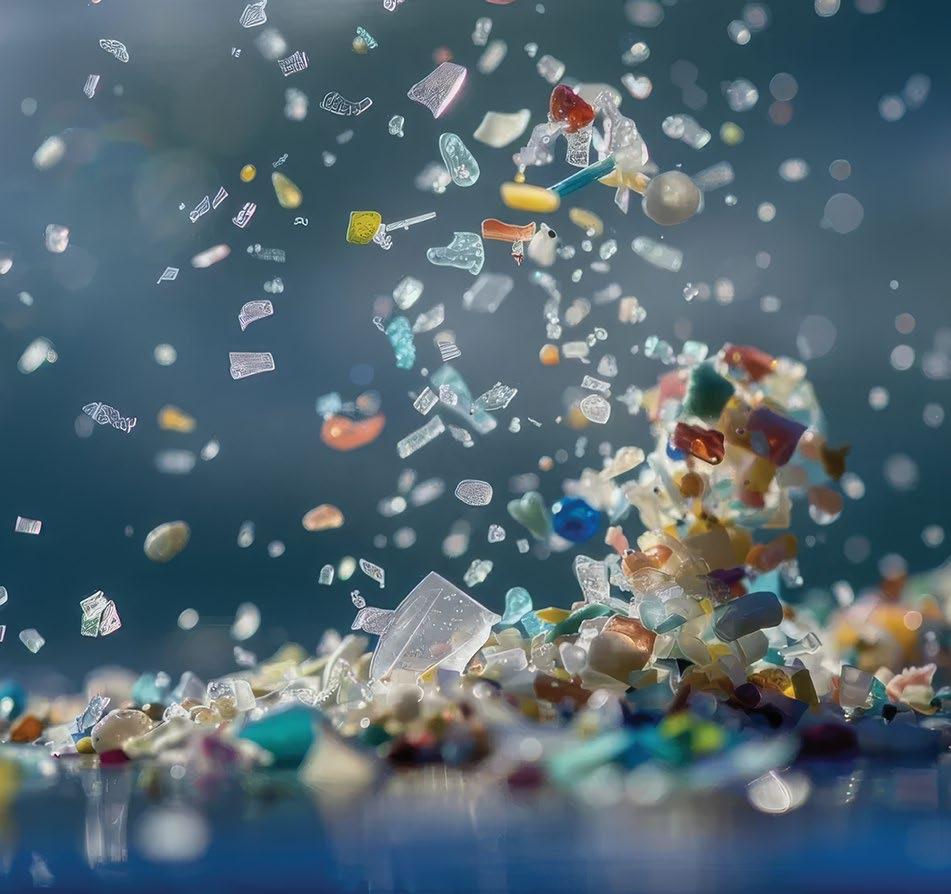
SUPPLEMENT THAT BINDS TO MICROPLASTICS MAY REMOVE THEM FROM OUR BODY
A SUPPLEMENT COMPRISED OF DEAD BACTERIA SEEMS TO REMOVE MICROPLASTICS, AND PREVENT THEIR ABSORPTION INTO CELLS, BY ATTRACTING THEM TO THE BACTERIA’S ROUGH SURFACES
ANEW SUPPLEMENT MADE FROM INACTIVE BACTERIA MAY HELP REMOVE MICROPLASTICS FROM THE BODY BEFORE THEY CAN BE ABSORBED INTO CELLS, ACCORDING TO EARLY RESEARCH.
The supplement, called Qi601, is made from a strain of bacteria that has been heat-killed, creating what researchers call
a “postbiotic.” Its rough surface appears to act like a magnet for tiny plastic particles, trapping them so they can pass through the body rather than being absorbed.
Researchers tested the supplement in laboratory models of the human gut lining and later in a small human study in which participants chewed gum, a known source of microplastic fragments. In the study, the supplement successfully bound to the plastic particles in the mouth.
Research links microplastics to health concerns
Microplastics, which are plastic particles smaller than 5 millimeters, have been detected throughout the human body, including in blood and brain tissue.
Some studies have linked microplastics found in arterial plaque to a higher risk of heart attack and stroke, while other research has found elevated levels in the brains of people with Alzheimer’s disease.
BY HELEN THOMSON / SPECIAL TO POLO LIFESTYLES
SOME CANCERS RESIST TREATMENT SCIENCE MIGHT HAVE FOUND WHY
ASMALL GROUP OF CELLS LINING BLOOD VESSELS MAY PLAY AN UNEXPECTED ROLE IN HELPING THE IMMUNE SYSTEM FIND AND ATTACK METASTATIC CANCER, ACCORDING TO NEW RESEARCH THAT COULD EVENTUALLY OPEN NEW AVENUES FOR IMPROVING IMMUNOTHERAPY.
The study, which focused on cancers that have spread to the liver, found that these specialized blood vessel cells appear to act as guides for cancer-fighting T cells, helping them leave the bloodstream and enter tumors. Researchers say the discovery could help explain why some tumors are packed with immune cells while others remain largely untouched by the body’s defenses.
One of the biggest obstacles facing cancer immunotherapy is that, in many patients, too few T cells reach the tumor to mount an effective attack. To investigate why, researchers examined liver metastases, which are common in advanced cancer and are often resistant to immunotherapy.
They identified a distinct subset of endothelial cells—the cells that form the inner lining of blood vessels—that produce lipoprotein lipase (LPL), an enzyme primarily known for its role in fat metabolism. The researchers found that these cells do far more than support blood flow.
Instead, they appear to help T cells recognize where tumors are located by displaying tumor-derived material on their surface, allowing immune cells cir-
culating in the blood to identify the cancer and move into the tumor tissue.
Tumors with larger numbers of these LPL-producing blood vessel cells also contained more T cells, the researchers found.
In mouse models of melanoma that had spread to the liver, increasing LPL levels in the endothelial cells led to greater T-cell infiltration and stronger tumor shrinkage. Removing LPL had the opposite effect, weakening the immune response.
Hellmut Augustin, director of the Department of Vascular Oncology and Metastasis at the German Cancer Research Center (DKFZ) and Heidelberg University, told Newsweek that the findings overturned one of the team’s central expectations.
Because tumors are known to suppress immune activity, the researchers anticipated that blood vessel cells inside tumors would also discourage T cells from entering. Instead, the first immune cells to arrive appeared to trigger changes in the endothelial cells that encouraged even more T cells to follow.
“Simplistically and metaphorically, one could say that the first arriving T cells elicit a program through which they call in their brothers and sisters,” Augustin said.
The observation hints at a broader question that the researchers are now exploring.
“It is tempting to speculate that this could be the tipping point that decides if a tumor is immunologically ‘hot’ or ‘cold,’” Augustin said. But he cautioned against drawing firm conclusions, add-
ing, “Clearly, we would need more data to formally conclude that.”
The team was also surprised that the effect was driven by only a relatively small population of endothelial cells rather than by blood vessels throughout the tumor.
The researchers believe these specialized cells could become a future therapeutic target. In the current study, they genetically increased LPL production to demonstrate that boosting the pathway improved T-cell function and reduced tumor growth in mice. The next challenge will be finding drug-based approaches that produce the same effect.
According to Augustin, that work will include investigating compounds that mimic LPL or identifying ways to stimulate tumor blood vessels to make more of the enzyme naturally. The team also plans to study exactly how LPL enables these endothelial cells to take on their unexpected immune role.
Despite the promising findings, Augustin emphasized that the research remains at an early stage.
“This is all early days of mechanism-based preclinical discovery research,” he said. While the work “offers perspective,” he added, it “has no immediate consequences for tumor patients today.”
If confirmed in future studies, the findings could reshape scientists’ understanding of tumor blood vessels—not simply as structures that nourish cancer, but as active players that help determine whether the immune system can gain access to metastatic tumors in the first place.
IMAGINING A BETTER WAY OF LIVING
IF EVERYONE ON EARTH CONSUMED AT THE RATE OF THE AVERAGE U.S. CITIZEN, WE’D NEED 5 PLANETS TO SUSTAIN GLOBAL DEMANDS.
But other countries point to a better way of living.
In the rolling hills of northern Portugal, the ancient city of Guimarães—celebrated as the nation’s 12th-century birthplace and a UNESCO World Heritage Site—is undertaking a revolutionary urban transformation. Long recognized for its medieval architecture, the city has emerged as a global model of sustainability, recently
earning the prestigious title of European Green Capital for 2026.
Over the past decade, local leaders have partnered with environmental scientists and NGOs to systematically measure and reduce the city’s ecological footprint.
Through pioneering initiatives like pay-as-you-throw waste management, a highly connected public transit system, and advanced municipal recycling, Guimarães is proving that urban centers can drastically cut back on materials and energy without sacrificing the comfort and well-being of their citizens.
At the heart of this green transition is the Landscape Laboratory (Laboratório da
Paisagem), a research hub established to merge science, municipal policy, and active citizen engagement. By focusing on social justice and ensuring “no one is left behind,” the city is showing that staying within Earth’s biocapacity is achievable through collective action.
Their ambitious targets include reaching climate neutrality by 2030, a goal driven by nature-based solutions, biodiversity restoration, and local resource tracking. By treading this delicate tightrope, Guimarães serves as a powerful reminder that shifting from high-consumption luxuries to universal, high-quality public infrastructure is the key to preserving the planet for future generations.
FIVE ANTI-INFLAMMATORY PROTEINS TO ADD TO YOUR DIET
WHILE INFLAMMATION IS A NORMAL PROTECTIVE MECHANISM IN THE SHORT TERM, CHRONIC INFLAMMATION CONTRIBUTES TO DNA DAMAGE AND LONG-TERM HEALTH RISKS. RESEARCH SHOWS THAT FOLLOWING A NUTRIENT-RICH DIET HIGH IN ANTI-INFLAMMATORY FOODS IS AN EFFECTIVE WAY TO REDUCE CHRONIC INFLAMMATION AND LOWER THE RISK OF INFLAMMATION-RELATED HEALTH CONDITIONS. IN ADDITION TO FRUITS AND VEGETABLES, CERTAIN PROTEIN SOURCES PROVIDE ANTI-INFLAMMATORY BENEFITS.
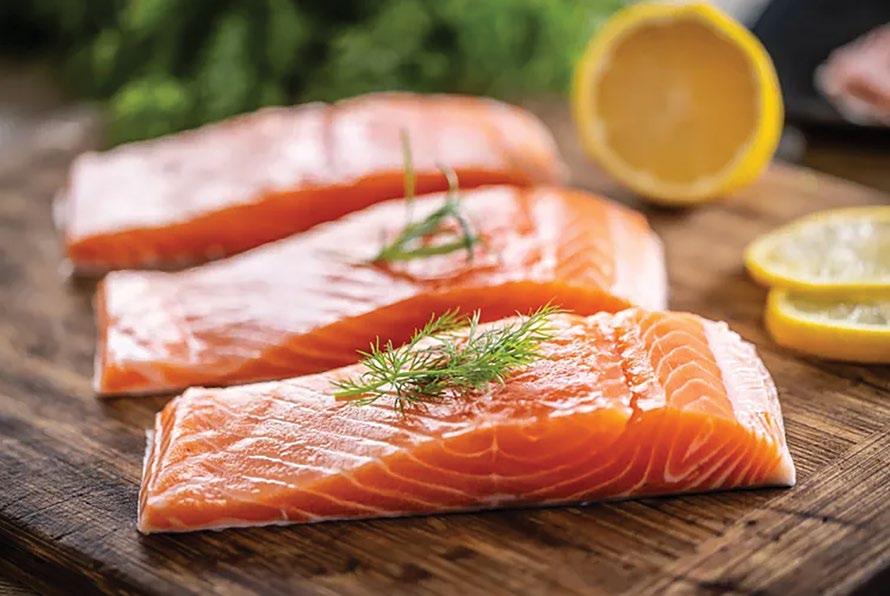
FATTY FISH
Fatty fish like salmon, sardines, trout, and mackerel are amongst the best sources of the anti-inflammatory omega-3 fatty acids you can eat. Fatty fish is also a source of selenium, a mineral with powerful anti-inflammatory properties.
Research shows that eating fatty fish can help lower markers of inflammation, such as C-reactive protein (CRP), in certain populations and may also protect against inflammation-related conditions, including certain cancers.
The American Heart Association (AHA) recommends eating at least two 3-ounce servings of fish, especially fatty fish listed above, per week.
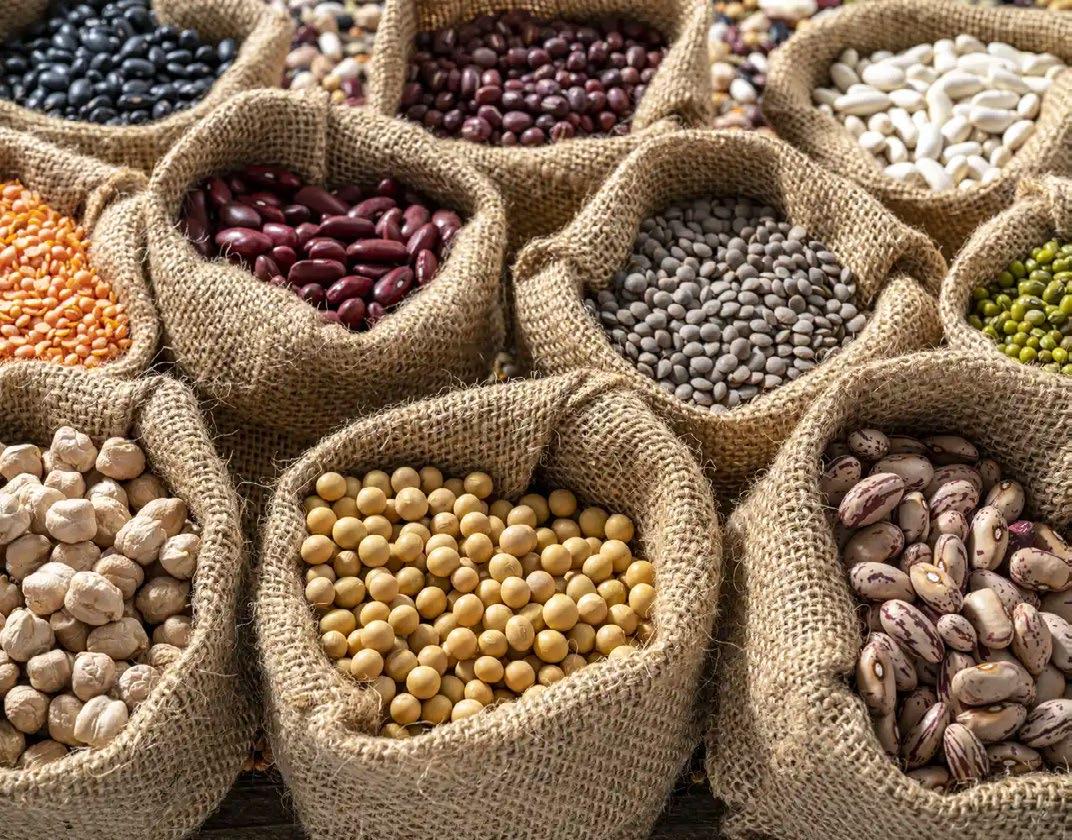
BEANS AND LENTILS
Beans and lentils are excellent sources
of plant-based protein. A cup of lentils, for example, provides nearly 18 grams of protein. They’re also rich in fiber, a key component of anti-inflammatory diets. Research shows that high-fiber diets can reduce inflammation by supporting gut health, stabilizing blood sugar, and helping prevent weight gain.
Beans and lentils are also rich in antioxidants, including polyphenols such as kaempferol and cyanidin, which help fight inflammation and protect against cellular damage.
For a simple way to increase dietary protein and fiber, add beans and lentils to soups, salads, or rice dishes.
FERMENTED DAIRY PRODUCTS
In addition to providing high-quality protein, fermented dairy products like kefir, cottage cheese, and Greek yo-
BY JILLIAN KUBALA, RD / SPECIAL TO POLO LIFESTYLES
gurt contain anti-inflammatory compounds that support overall health.
Greek yogurt, cottage cheese, and kefir, a fermented yogurt drink, can be rich sources of probiotics. Probiotics are live bacteria that support gut health and reduce inflammation by reducing pro-inflammatory bacteria, modulating the immune response, and improving gut bacterial balance.
Enjoy Greek yogurt, cottage cheese, and kefir on their own or with fruit, nuts, or seeds for a balanced, anti-inflammatory breakfast or snack.
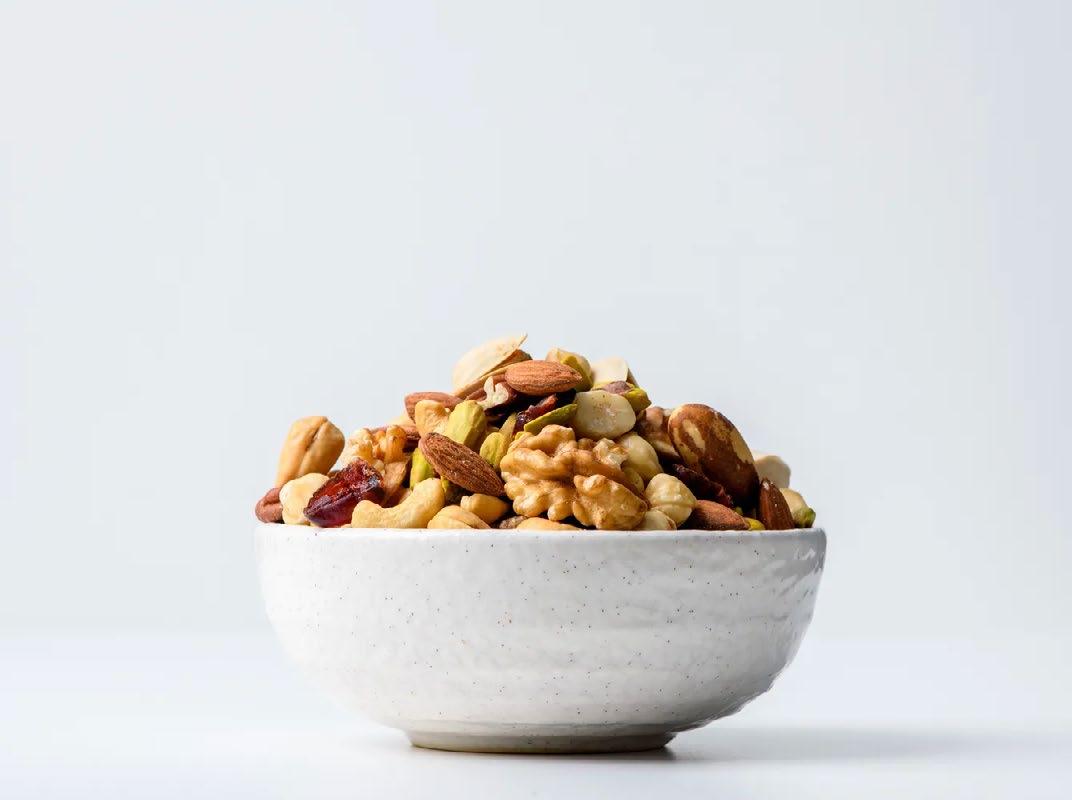
NUTS AND SEEDS
Nuts and seeds, like almonds, pumpkin seeds, hemp seeds, and chia seeds, are rich in nutrients and antioxidants that help regulate inflammation and protect against inflammation-related diseases.
Hemp seeds provide the omega-3 fatty acid alpha-linolenic acid (ALA), known for its anti-inflammatory effects, while
pumpkin seeds are packed with polyphenols that help protect against cellular damage. Chia seeds are a good source of selenium, a mineral with anti-inflammatory properties, and almonds are packed with vitamin E, an antioxidant that helps combat inflammation.
Try sprinkling nuts or seeds onto oatmeal, salads, and yogurt, or salads, or pair a small handful with a piece of fresh fruit for a balanced snack.
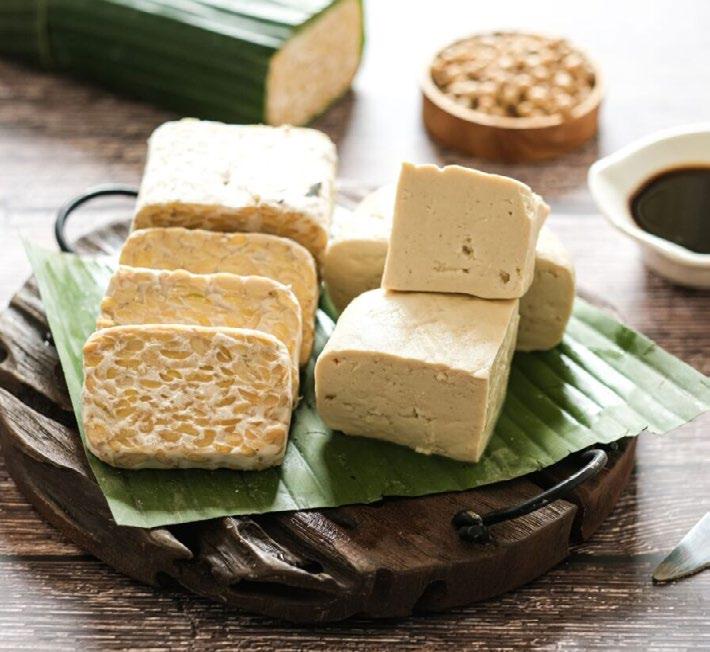
TOFU AND TEMPEH
Plant-based diets, such as those that emphasize soy-based proteins like tofu and tempeh, have been shown to help protect against chronic inflammation.
Soy-based proteins contain isoflavones, plant compounds with antioxidant and anti-inflammatory properties.
Eating soy foods may help lower inflammation markers such as CRP, and choosing plant-based proteins in place of red meat may further reduce inflammation.
Use tofu or tempeh as a plant-based protein swap in dishes like stir-fries and grain bowls.
EGGS
Whole eggs are a nutrient-dense source of protein, and while egg whites provide a good source of protein, eating the whole egg offers greater anti-inflammatory benefits.
Yolks contain most of the egg’s nutritional value. It has vitamins A, D, and E, along with selenium, lutein, and zeaxanthin, nutrients known for their anti-inflammatory and antioxidant effects.
Research suggests that including whole eggs in balanced or low-carbohydrate diets may help reduce inflammation.17
Enjoy hard-boiled whole eggs as a protein-rich snack, or scrambled, poached, or fried for a healthy breakfast.
BEST NEW WELLNESS HOTELS & RESORTS
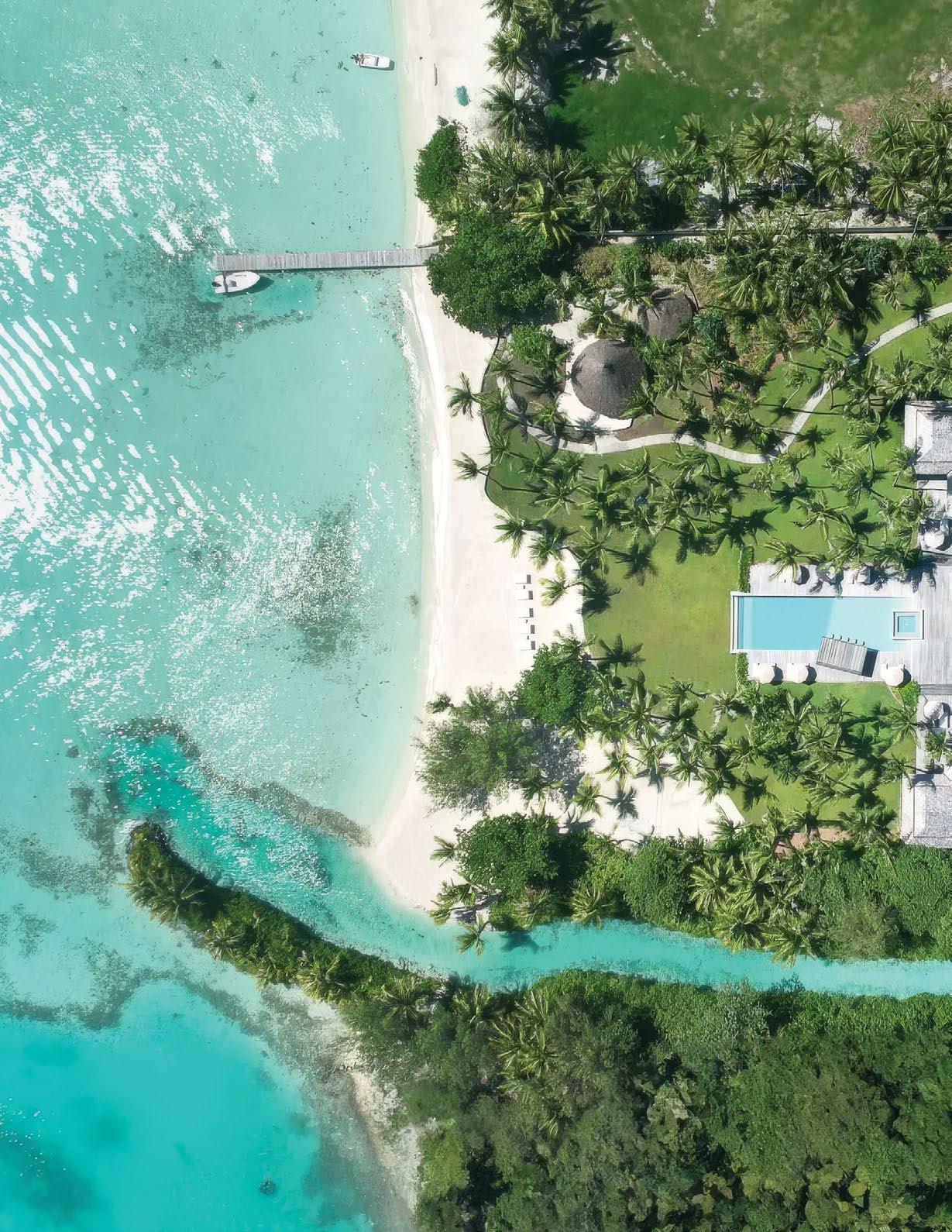
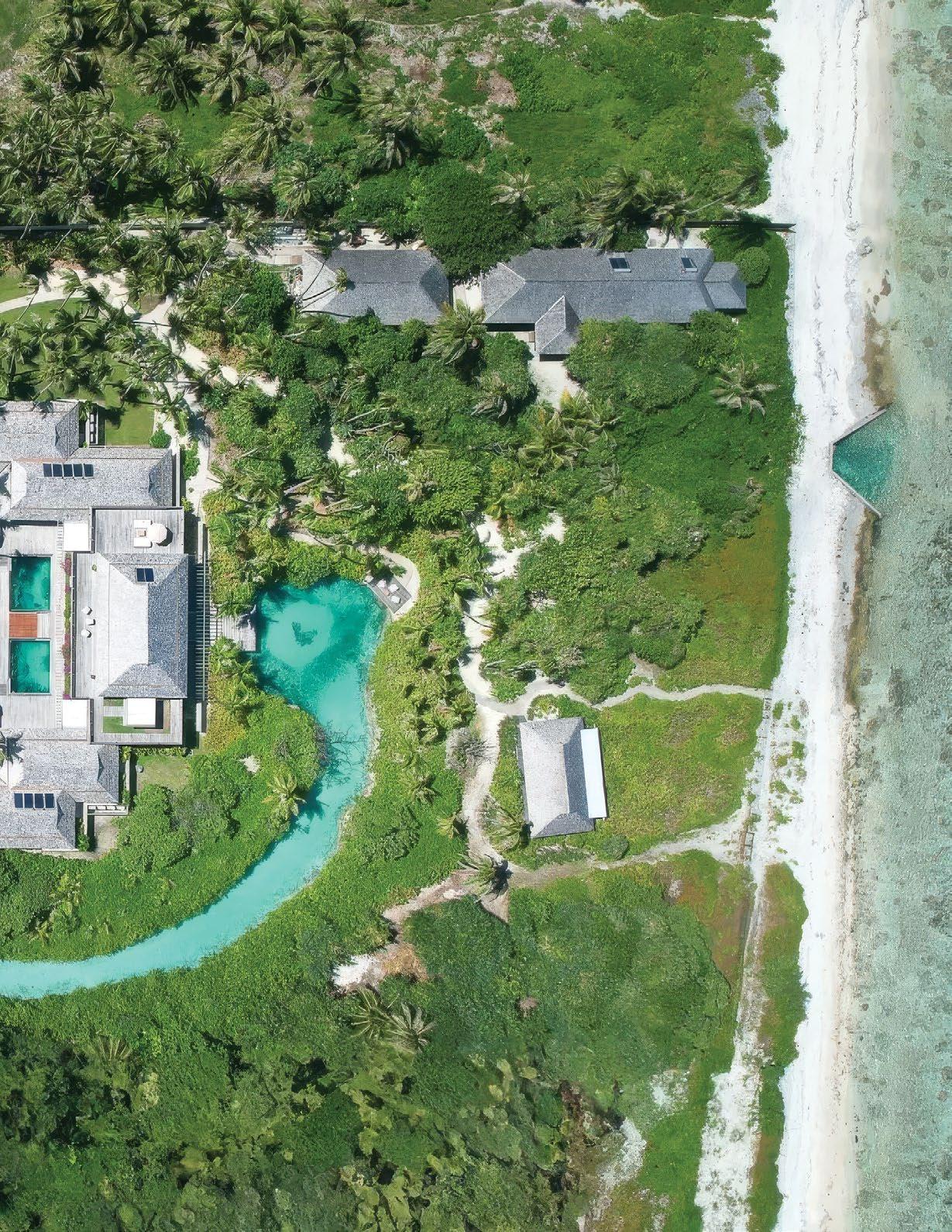
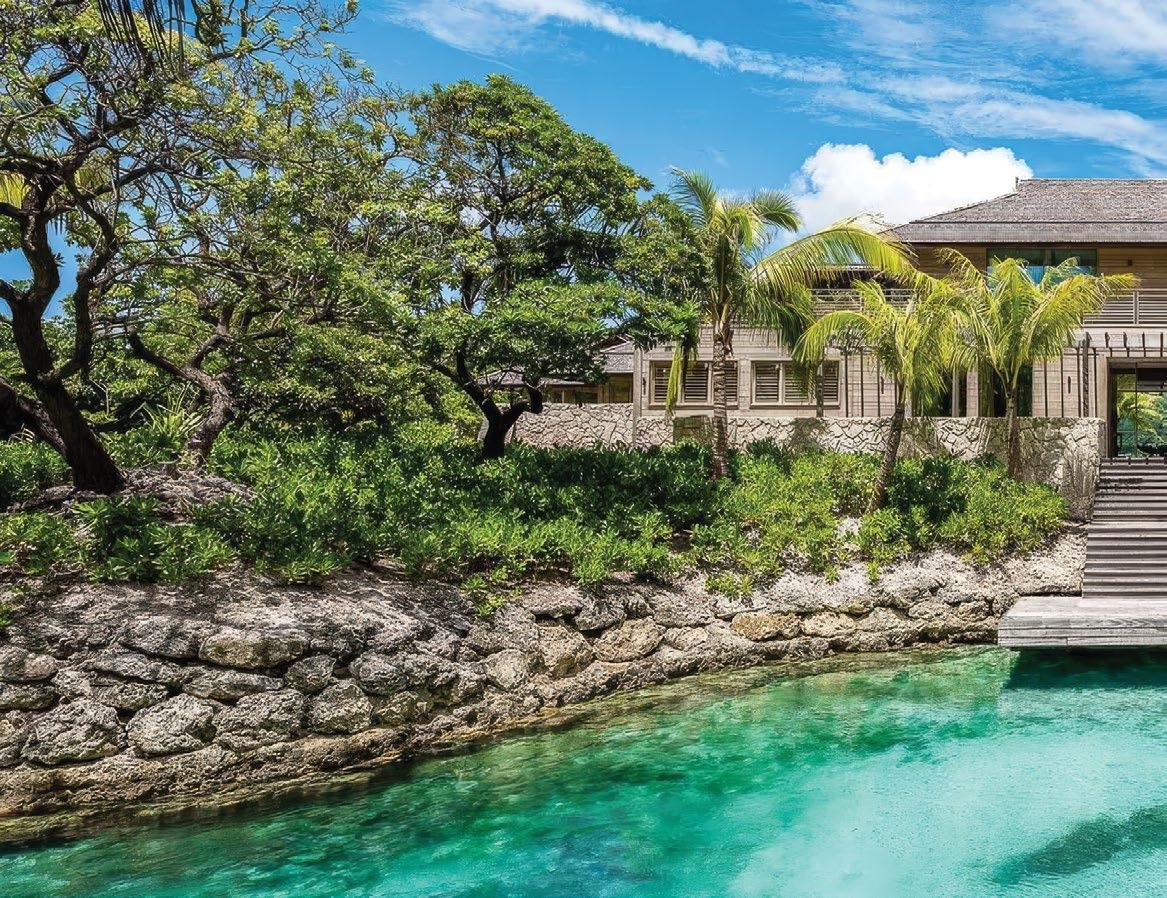
.HERE BAA ATOLL — MALDIVES
It’s the eternal question on the Maldives’s UNESCO Biosphere Reserve Baa Atoll: beach or above-water villa? At Somewhere, the first phase of .Here—the new top-notch offering from Seaside Collection, who run nearby Finolhu— there’s no need to choose.
Each of the seven residences stretches across the width of the island: sand at one end and that covetable ladder straight into the Indian Ocean at the other. Designed by Singapore’s KulörGroup with interiors by Inge Moore of London’s Muza Lab, the two-story villas are inspired by dhoni boats and Feyli sarongs. They have appealing outdoor showers, hammocks, sun loungers, swings, and suspended sky infinity pools on the first floor that drop to a cascading waterfall, leading to another small plunge pool below. As far as interiors go, the soft furnishings are tactile and textured, all voluminous cushions, cloud lamps, and fringed curtains.
Dream accommodation aside, guests come here for the experiences, and setting them up is a breeze. A Roohu (butler) is assigned to each residence, conjuring everything from spa treatments to activities at the Water Sports Centre; eco-conscious guests can dive deeper on a Coral Conservation Course, snorkeling the reef alongside marine biologists.
Chef Georgios Vasilopoulos, previously of Raffles Dubai and Nobu Matsuhisa Mykonos, oversees the open-air restaurant, Safar. He also served as personal chef to the royal family of Jordan, and while he remains tight-lipped about the experience, he has no such qualms about blowing guests away with his seafood barbecues.
Guests of Somewhere can also pop to Finolhu for dinner at the Crab Shack, body care rituals at the Fehi Spa, and play time at the Oceaneers kids club. The second phase of the resort, Nowhere, designed for total buyouts, is set to open in spring 2026 with two palatial residences (a three-bedroom and a five-bedroom) and Fehi Wellness, a dedicated spa, all on their own private island. From $17,918.07. —Divia Thani
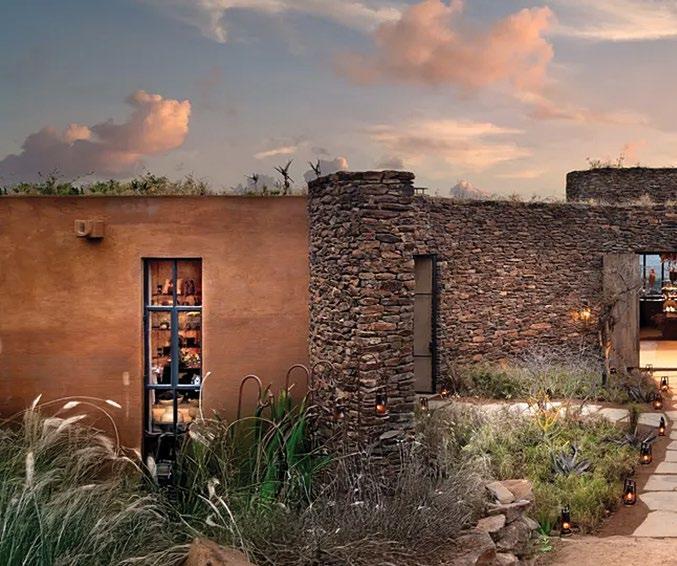
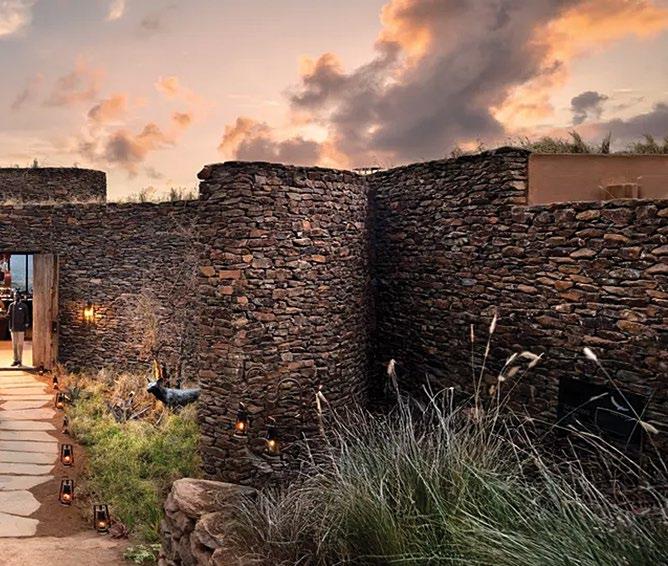
ANDBEYOND SUYIAN LODGE — KENYA
As I pull up to andBeyond Suyian Lodge, I’m met with a chorus of staff singing and chanting my welcome, and I know I’ve arrived somewhere special. Previously a privately owned cattle ranch, the lodge is the only tourist-centric accommodation in this corner of Laikipia, Kenya. The conservation it sits on spans 44,000 acres and is home to more than 100 different species of African wildlife.
Crucially, the land forms part of the wildlife movement corridor, which allows animals to migrate freely and safely without human interference. The lodge is built into the landscape in a way that feels artful, curated, and respectful of its surroundings.
Out on the terrace sits a telescope—a reminder of why we’re here and of all there is to see. There are only 14 suites in total, each as spacious as the next. Interiors are a reflection of nature and sourced locally
where possible—think stone walls, mustard yellow cushions, and authentic wood side tables.
My (enormous) bed faces glass doors that open onto my terrace and gaze out across the plains. Even the mosquito net is chic. All food and drink is included, from the chocha-mocha-rula poured midway through each morning game drive to the self-serve bar at the pool. Between game drives, we lounged by the infinity pool, enjoyed the gym, and booked yoga. But the spa is especially noteworthy; the steam room and cold plunge are open to all guests, and the views are so distracting that it makes the ice water (almost) enjoyable. From $1,500. —Sarah Leigh Bannerman
THE CARLTON, A ROCCO FORTE HOTEL — MILAN, ITALY
There’s an understated new arrival in Milan’s fashionable heart, the Quadrilatero della Moda. In many ways, it’s the epitome of the Milanese.
Neither flashy nor maximalist, it eschews grand gestures and unnecessary embellishment and focuses instead on exceptional high quality and craftsmanship. Part of Rocco Forte Hotels, this is very much a family affair. Interior design is overseen by Sir Rocco Forte’s sister, Olga Polizzi, who worked with Philip Vergelyn and Paolo Moschino to create calming spaces that whisper rather than shout.
The suites with private terraces among the neighborhood’s rooftops really do sing, though—they’re delightful on sunny mornings and evenings, and ideal for peering at the fashion action in the street below. Facing the silence of the inner courtyard, the rooms are conducive to the best night’s sleep, especially when one is cosseted by fluffy pillows and wrapped in silky smooth sheets.
Additional relaxation comes courtesy of the bijou spa by Irene Forte, Sir Rocco’s daughter, where therapies use made-in-Italy products infused with apricot, horse chestnut, and hibiscus seed from her B Corp–certified skin-care brand. The food is equally wholesome,
made with seasonal ingredients sourced from artisanal producers. And this being Milan, aperitivo is a must. The Carlton Bar’s classics are reliable standards, but cocktail maestro Salvatore Calabrese’s signatures will keep guests sipping and chatting long into the night. From $1,534. —Nicola Chilton
CASA RENOIR — NOOSA, AUSTRALIA
In-the-know travelers have long sensed the creative whirring of the Sunshine Coast hinterland, where a tight-knit community of makers, growers, and designers have been quietly shaping a scene that feels reminiscent of the earlier, less self-conscious years of Byron Bay, three hours south.
As the pendulum gently swings from the beach towards the hills—and the weatherboard towns that dot them—the
mood becomes slower, greener, and more expressive. Casa Renoir feels like a crystallization of that shift. Owned by husband-and-wife duo Rory Elsom and Hayley Bonham, who traded Sydney for this fertile pocket of the countryside, the 40-acre estate channels the romance of southern Italian masserie, with handcrafted stone walls, graceful arches, and interiors layered like still lifes, with pieces from antique markets and regional makers.
Mornings might begin at La Plage, the freshwater pool, before the day drifts between private villa swims, long lunches, and the low hum of cicadas. With only a handful of villas planned, the mood remains intimate, though a program of visiting-chef suppers and creative gatherings shaped by the community forming around it is in the works. From $850. —
Chloe Sachdev
CASTEL BADIA — SAN LORENZO DI SEBATO, ITALY
Of all the smart new hotels that have recently opened in the Dolomites, Castel Badia—set in a manor house that dates back to the year 1000—is at the top of the pile. The hotel, an Alpine counterpart to Puglia’s Borgo Egnazia, was created by Ian Schrager’s protégé Aldo Melpignano, who brings a new sense of cool to highend Italian hospitality.
The building has served as a courthouse, a convent, a private castle, and, since the 1970s, a hotel. A recent renovation saved everything that could be saved: The floors, wood ceilings, stuccoed vaults, and frescoes remain. A painting of an abbess gazes down from the wall of the show kitchen at the casual, traditional Stube, where chef Andrea Ribaldone prepares dishes like grilled pumpkin
served with truffles and olive oil; he will also open a fine-dining restaurant in the coming year.
Silence reigns in this ancient castle, where life, as it did in the Middle Ages, revolves around the courtyard. Through that nexus, you access the garden, swimming pool, guest rooms (there are 28 in total, along with a three-story chalet), basement spa with frescoed relaxation rooms overlooking the mountains, and crypt of San Lorenzo, a protected site that, like the rest of the castle, is open to the public. This remains a sacred place, even as guests enjoy its sybaritic offerings. From $638. —Sara Magro
METRÓPOLIS MADRID — SPAIN
For over a century, the Edificio Metrópolis—much photographed and admired but for years elusively inaccessible—has defined Madrid’s skyline. Now, a distinct and ambitious renovation project, stewarded by Marta Seco and Sandro Silva’s Grupo Paraguas, has restored not only its architectural splendor but also its vital pulse.
Reborn as Club Metrópolis, the landmark building’s eight floors now house an international private members club, a 19-room boutique hotel, and seven restaurants, and is set to host a roster of twice-weekly experiences. Hotel guests enjoy club membership and all-area access for the duration of their stay. Lázaro Rosa-Violán’s design brings coherence to the interiors, shaping the building as a single contemporary house where luxury lies in discretion and a sense of belonging and time shared.
From the surprising Spa de Langostas restaurant to the rooftop overlooking the city, and from the intimacy of the rooms to La Galería’s languid mood, Club Metrópolis comes together as a new way to experience Madrid. From $944. — María Casbas
NAPLES BEACH CLUB, A FOUR SEASONS RESORT — FLORIDA
Naples, Florida, finally has the stunning beachfront resort it has been worthy of. Set directly on the sands of the Gulf Coast, Naples Beach Club, A Four
Seasons Resort, balances modern swagger with Old Florida sensibility, bringing a distinctly local point of view to a place long defined by tradition.
The seven-story, all-balcony resort settles comfortably into its residential surroundings, but the mood shifts the moment you step inside, where soaring ceilings, bleached pecky cypress surfaces, brass details, and layered millwork suggest the kind of Florida beach house you’d design after landing a grand inheritance. Guest rooms are generously-sized and mostly Gulf-facing.
There are deep balconies that are furnished for lingering and feature telescoping glass doors that keep the beach visually close. The lobby hums from morning to night, drawing a mix of destination guests and well-heeled locals dressed for sunset. Built on the former site of the Naples Beach Hotel & Golf Club, the resort preserves its legacy where it matters most: HB’s and the Sunset Bar are restored as beachfront anchors, and by late afternoon, ritual reigns as drinks are poured, chairs angle toward the horizon,
and the sound of a conch shell being blown like a horn marks the sun’s descent into the Gulf.
Across the street, the 30,000-square-foot Sanctuary Spa delivers a hydrotherapy circuit unlike anything else in the region, as well as a rooftop lap pool overlooking the future Tom Fazio golf course. This long-awaited arrival feels rooted in place, confidently current, and unmistakably Four Seasons. From $1,200. —Paul Rubio
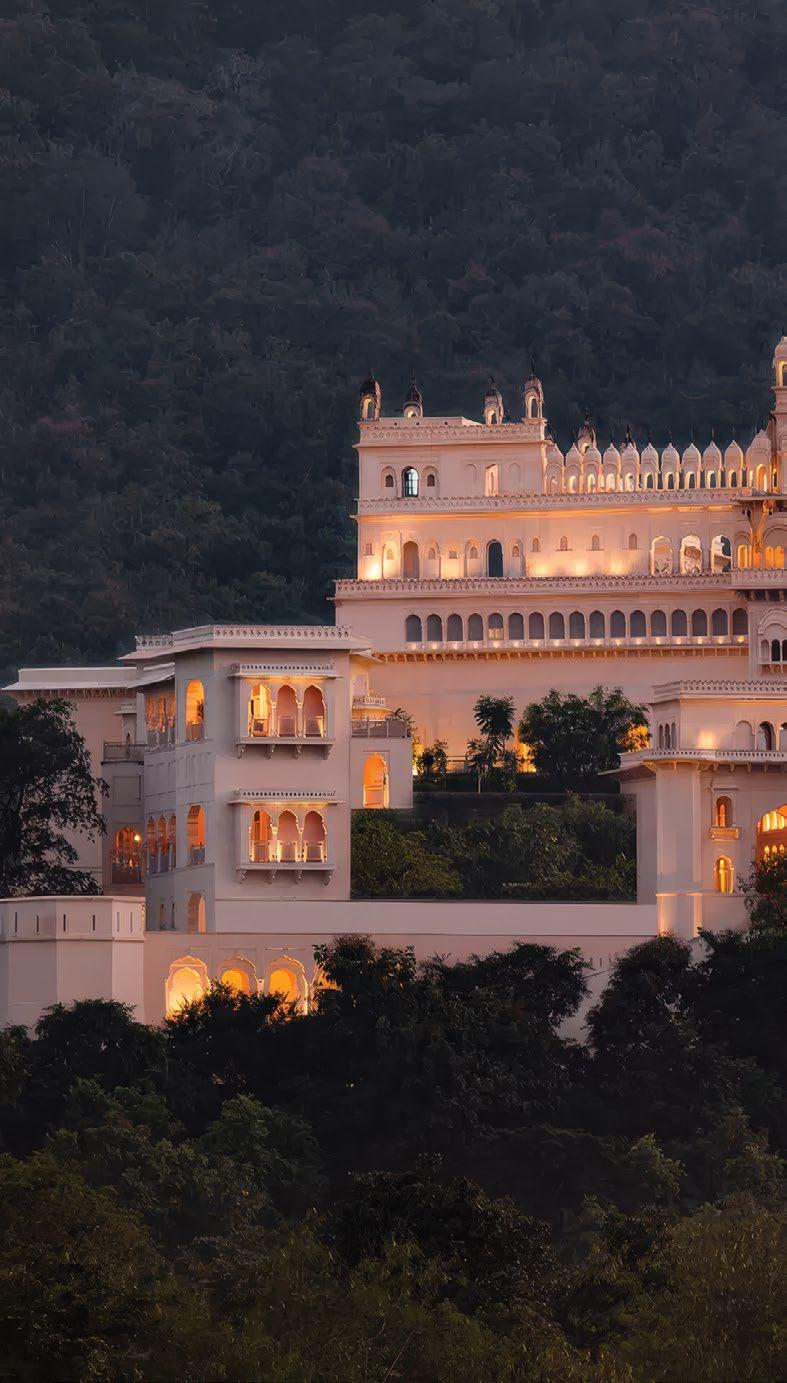
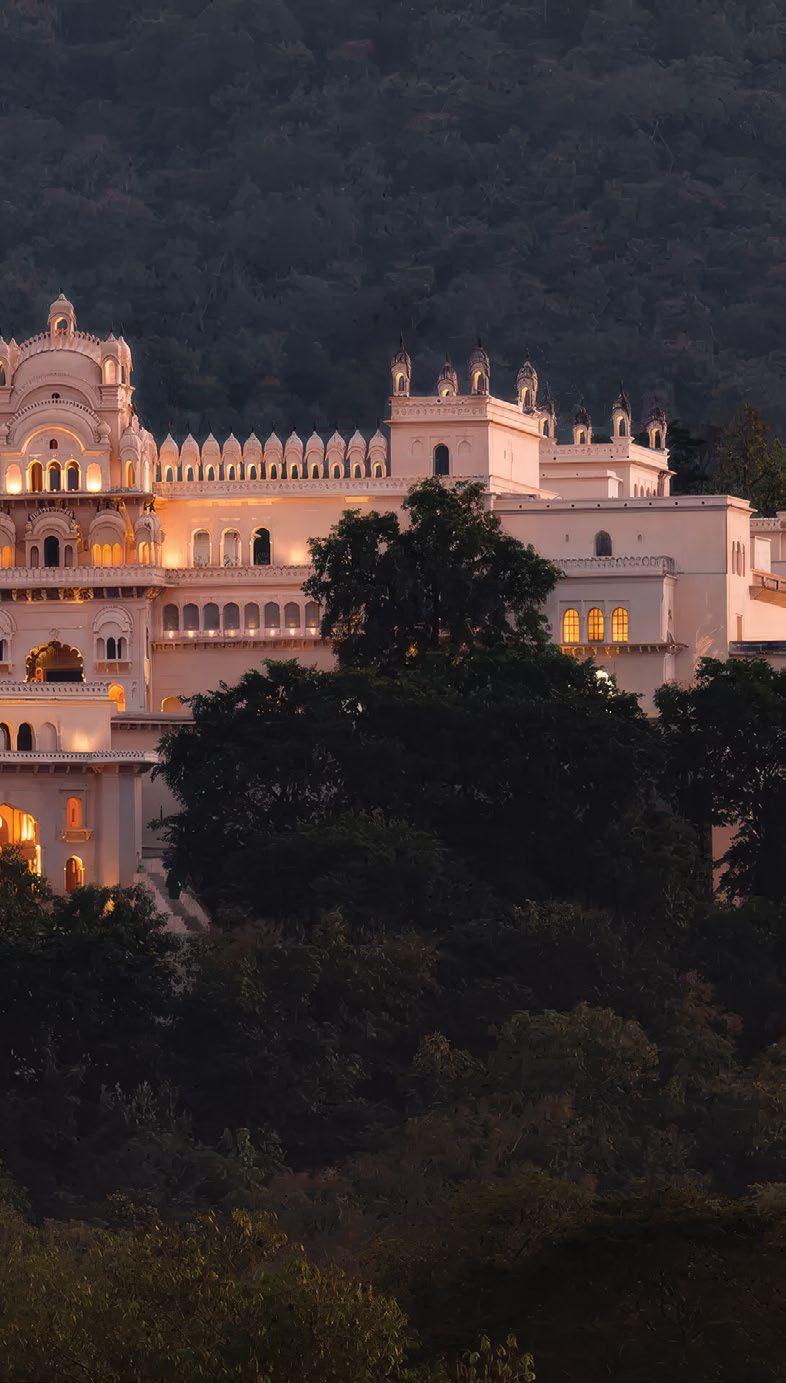
THE OBEROI RAJGARH PALACE — KHAJURAHO, INDIA
As you leave the highway to turn onto a country road, The Oberoi Rajgarh Palace appears like a Postimpressionist subject, its beige crown backdropped by the freckled green of the Maniyagarh Hills.
Rajgarh was commissioned as a fort in the late 17th century. It is from here that the Bundela dynasty presided over a temple town rich with art and a forest full of tigers. Since then, it has lived many lives before becoming an Oberoi property in India, with 65 keys spread over 76 acres.
Under the lush cover of sal and palash trees are the garden rooms, ideal for families and guests with mobility restrictions or untethered children. The palace wing up the hill is where the chambers of the Bundela rulers have been redesigned as 17 rooms and suites across three levels, each with stunning views. Keeping with the theme, meals at the restaurant Maanya draw from India’s erstwhile royal kitchens and are accompanied by strains of the sitar.
The dazzling temples of Khajuraho are barely 30 minutes away, as is the Panna Tiger Reserve. That said, it’s still tempting to never leave the idyllic grounds. The lakeside pool and spa beckon for a leisurely afternoon of royal relaxation fit for a prince. From $1,090. —Salil Deshpande
SALTERRA, A LUXURY COLLECTION RESORT & SPA — TURKS AND CAICOS
Most people who visit Turks and Caicos post up at hubs like Grace Bay, but South Caicos, with a local population of a thou-
sand, feels a world away from the buzz of Providenciales.
When Salterra—part of Marriott’s Luxury Collection—opened as one of the island’s few resorts in 2025, it brought 100 ocean-facing rooms, a genuinely excellent staff, and a reason to get off the main circuit. Most rooms have polished stone floors and plenty of natural light, and open to a private terrace or patio. Decor nods to the locale without feeling themed; the palette—soft creams and pale pinks— evokes the nearby salt ponds (salinas) and resident flamingos that feed at their edges.
At Brine, the resort’s fine-dining restaurant, the chef pairs each dish of a fivecourse dinner with a distinct flavored salt, and you get a quick history lesson from your waitstaff about the bygone salt-harvesting industry that once powered the local economy. While you may be tempted to laze around at the adults-only pool, relax at the spa’s relaxation spaces, or eat your fill of shrimp aguachile at the on-site Cobo Bar & Grill, the Salterra adventure team is reason enough to leave your chaise lounge.
A snorkeling or diving excursion led by biologists Anna Zuke and Joey Plant will give you a newfound appreciation for coral, but if you prefer to stay out of deep water, you can kayak to a shallow sandbar and float in that crystal clear blue. It’s the people who make it hard to leave: My butler, Tony, always made sure I was prepared (and well fed) for my day’s activities, and the bartenders remember your name, drink, and travel story. When you check out, it feels like you’re leaving your extended family. From $726. —Hannah Singleton
FASHION & STYLE
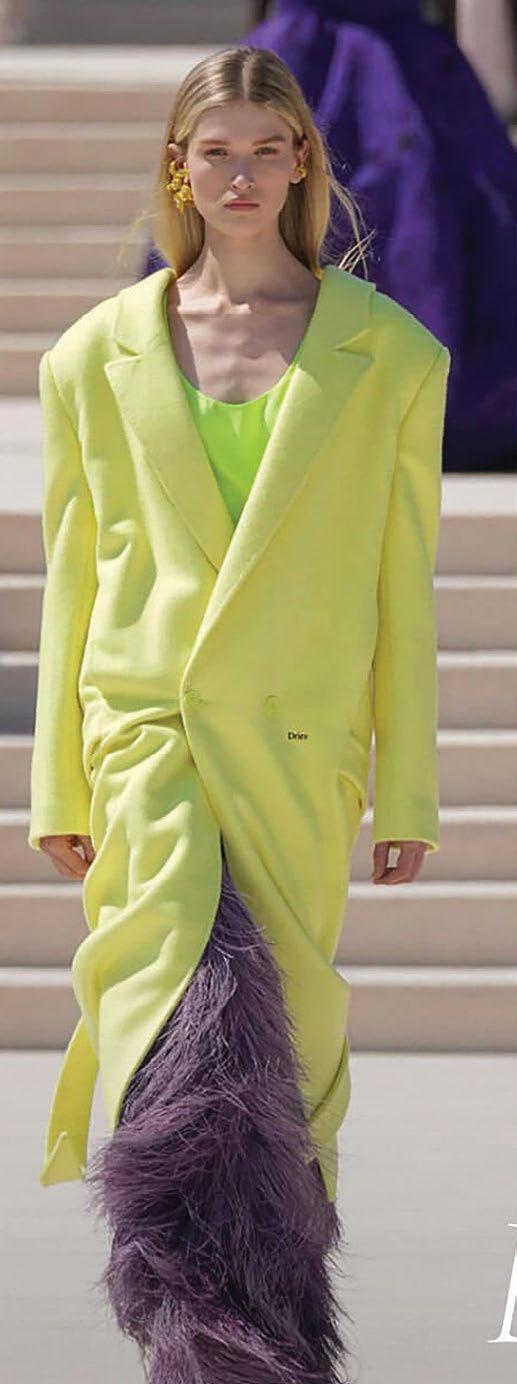
ISABEL MARANT SHOWS RESORT 2027
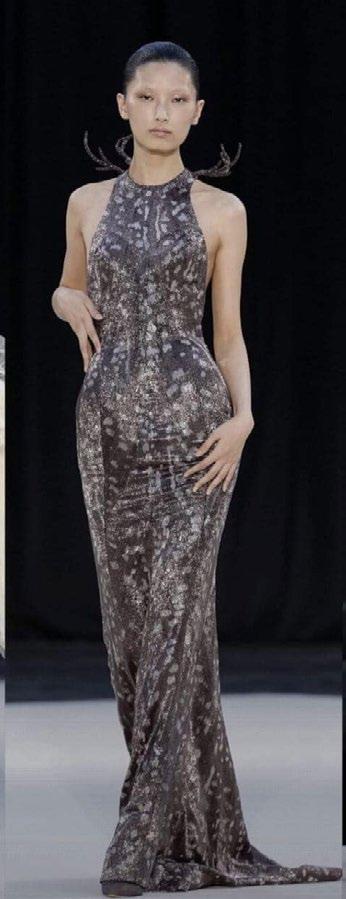
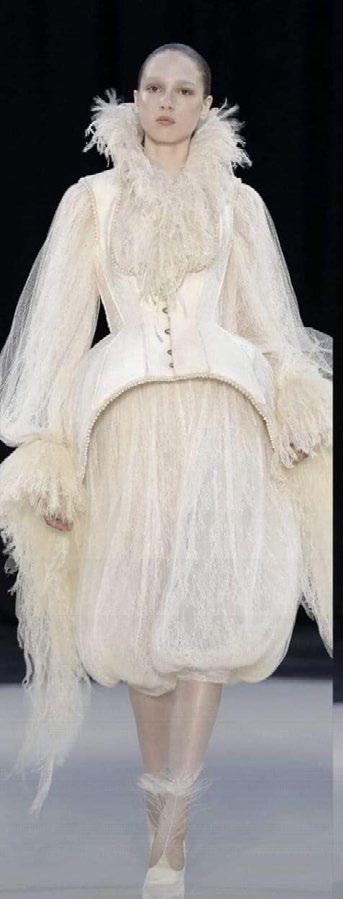
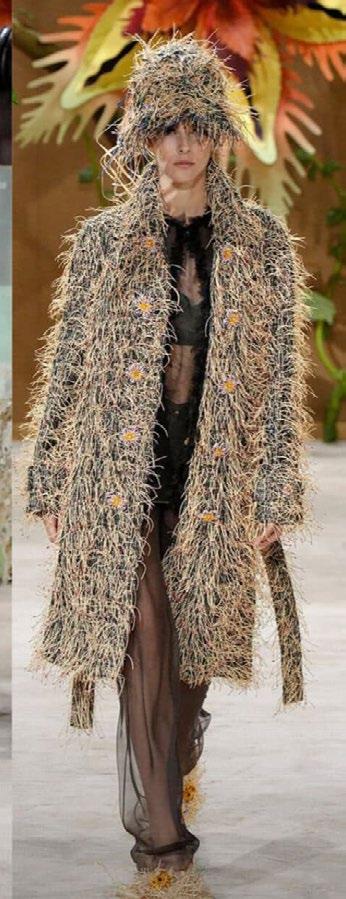
TOP TEN BEST COUTURE SHOWS IN PARIS
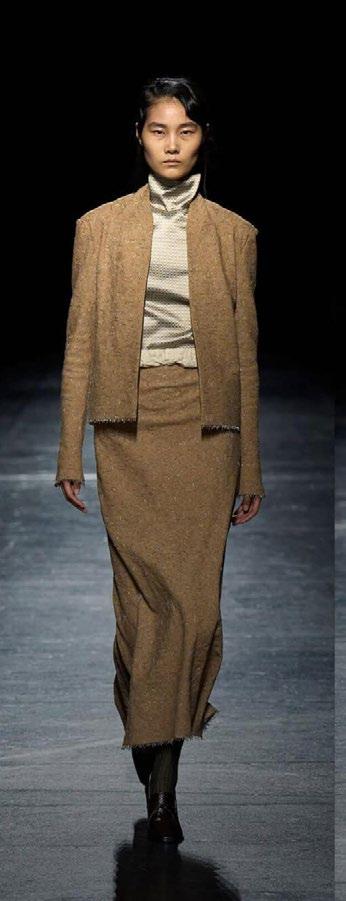
ISABEL MARANT RESORT 2027
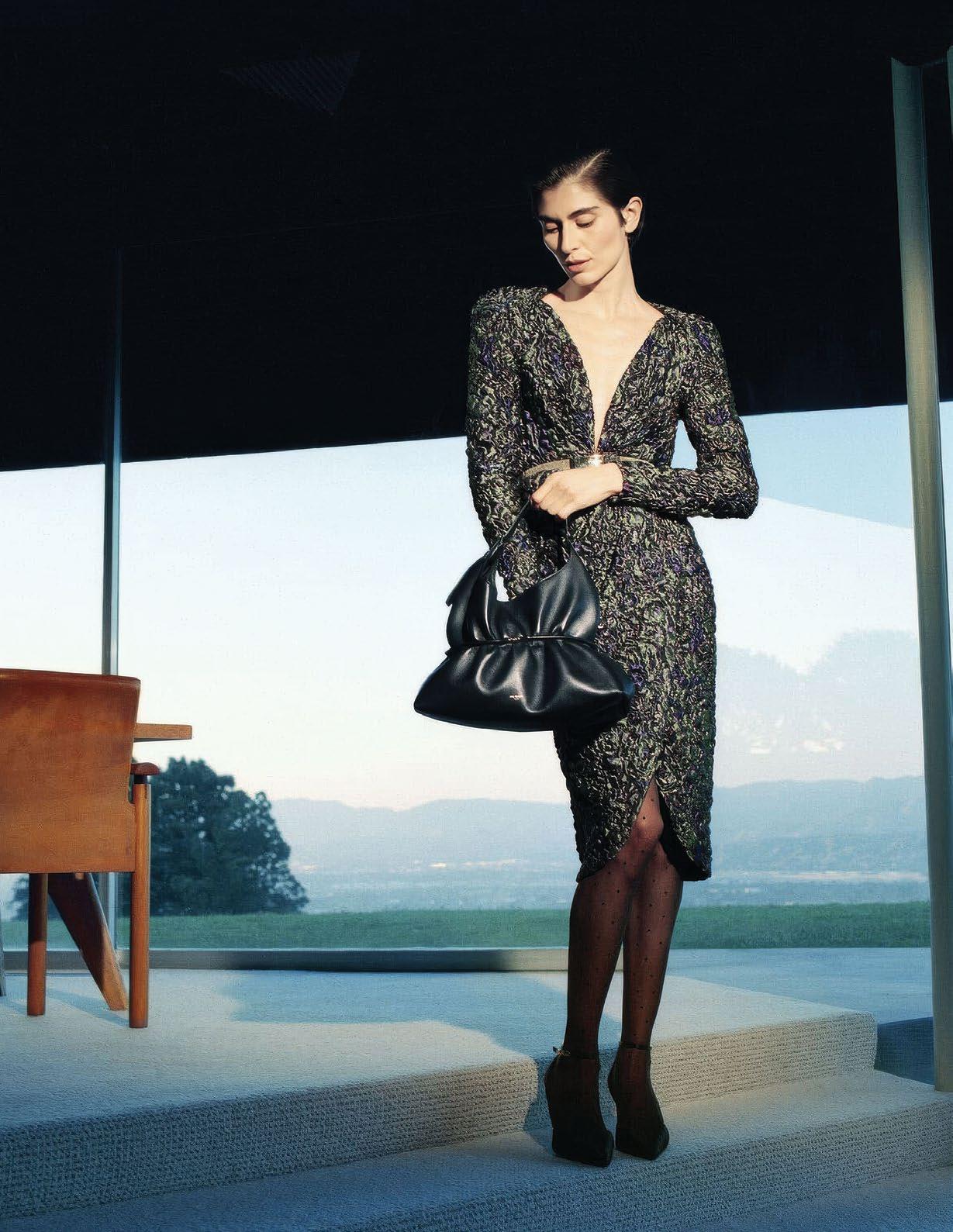
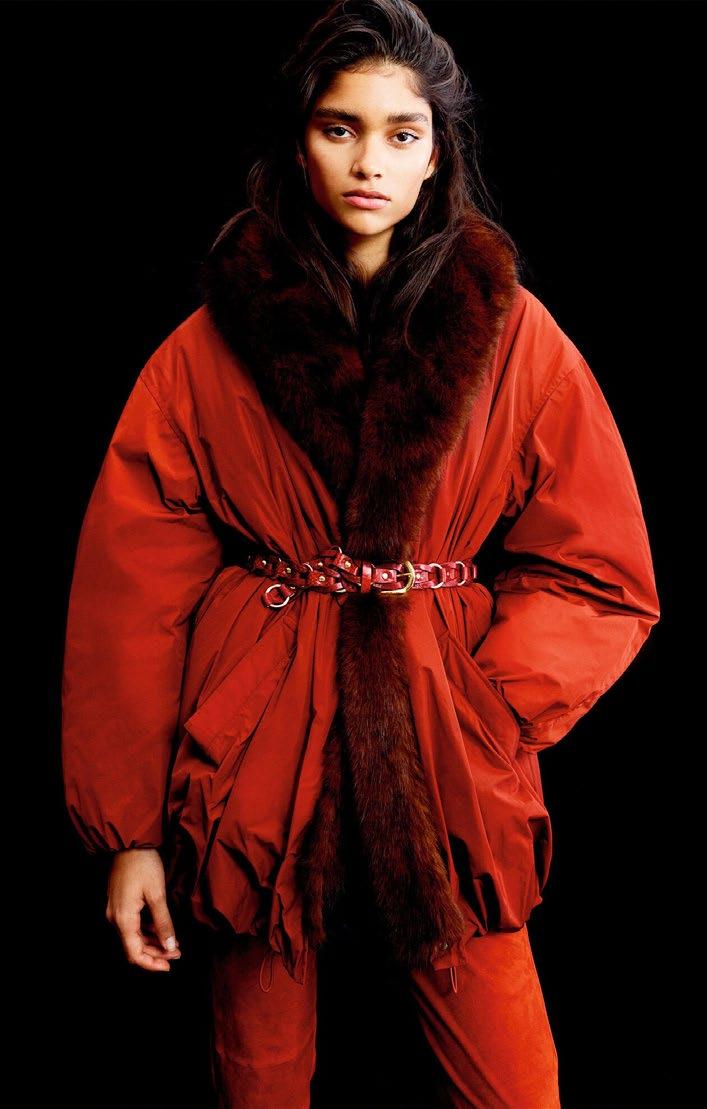
ISABEL MARANT RESORT 2027 LEAVES THE FESTIVAL FIELD AND HEADS STRAIGHT INTO THE CITY. KIM BEKKER PARED THE COLLECTION DOWN TO BLACK, WHITE, CARAMEL AND BRIGHT RED, THEN BUILT IT BACK THROUGH BROAD-SHOULDERED JACKETS, CROPPED TROUSERS AND OUTERWEAR DESIGNED FOR A WOMAN MOVING QUICKLY BETWEEN APPOINTMENTS.
The clothes remain sensual, but there’s less decoration and far less interest in looking carefree.
The change doesn’t erase what makes Isabel Marant recognizable. Bekker still dresses women who need clothes to move with them rather than demand constant adjustment. Resort simply gives that idea a firmer outline, replacing loose bohemian associations with precise proportions
and pieces that register immediately across a crowded street.
An hourglass wool jacket made the collection’s ’80s influence clear. Broad shoulders and a tightly drawn waist sat above a short, flounced skirt, setting exaggerated tailoring against something lighter and more restless. A fitted white jacket took a cleaner route in stretch cotton and linen,
interrupted by two glossy black buttons placed slightly off-center.
Red delivered the lineup’s loudest interruption. A shiny windbreaker, belted coatdress and carrot-leg trousers arrived in a shade bright enough to compete with traffic lights. The color kept the practical premise from becoming too corporate, giving Bekker’s tightly edited wardrobe
the same streak of irreverence that has long run through the label’s clothes. Bekker broke up the sharper tailoring with pieces that followed the body differently. A caramel leather jacket draped around the shoulders with a hood and faux-fur lining, while an ecru jersey dress combined pronounced shoulders with gathering through the hips. A rippling
cape-blouse in an abstract black-andwhite animal pattern added movement without returning to the embroidered, nomadic styling associated with earlier seasons.
Trousers did much of the practical work. Bekker revisited the house’s Capri pants with small ties at the calf, preserving their cropped, Audrey Hepburn-like line
while adding a slightly unfinished detail. Wide cream trousers, low-slung pleated pairs and caramel denim offered roomier alternatives for women whose schedules call for something closer to Annie Hall. The variety across Isabel Marant’s pants makes that tension between narrow and oversized proportions familiar, but here it becomes the collection’s main styling device.
The dresses were equally direct. The ecru jersey style used shoulder volume and hip ruching instead of embellishment, while the red coatdress made outerwear and day dressing nearly interchangeable. Rather than treating the house’s dresses as the romantic side of the wardrobe, Bekker gave them the same graphic pressure as the jackets and trousers.
ISABEL MARANT RESORT 2027
OUR TOP 10 COUTURE SHOWS
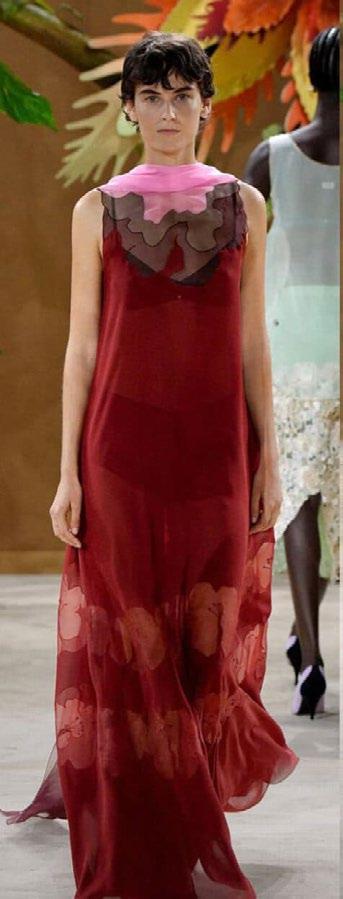
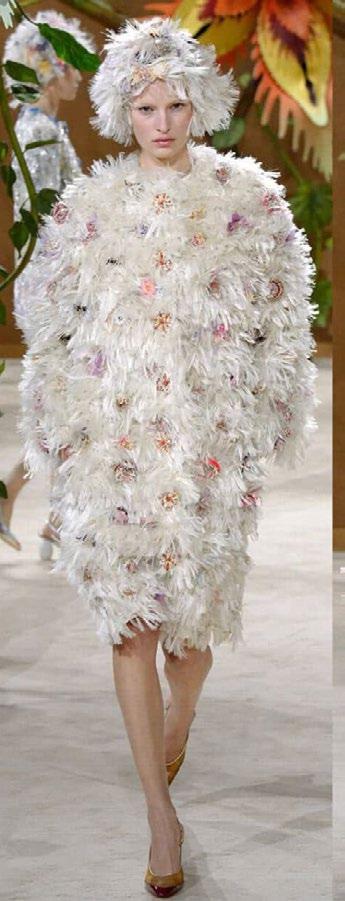
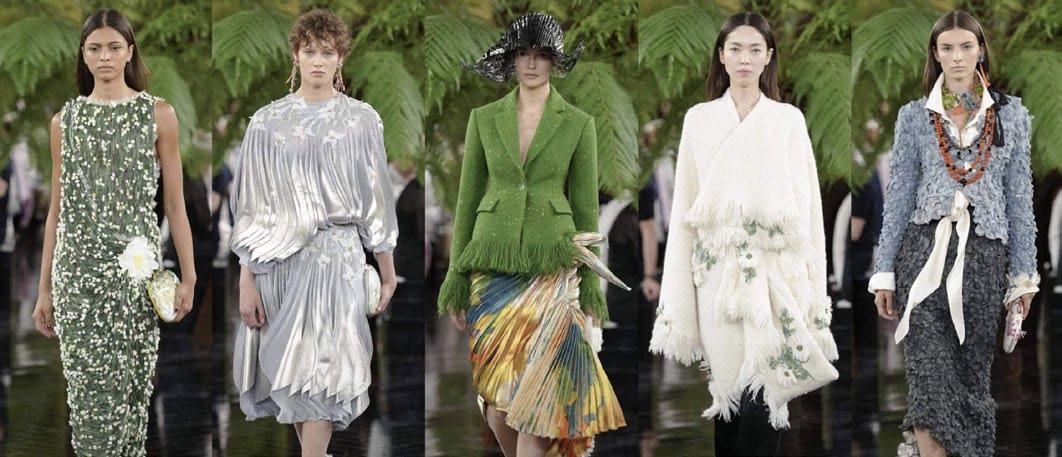
BALENCIAGA
BY THE CLOSE OF COUTURE WEEK, THE DRESSES WERE ONLY PART OF THE STORY.
Across Paris, designers used couture to reconsider what luxury can still offer in a culture already saturated with product, imagery, and access. The strongest collections understood that rarity alone is no longer enough. Couture now has to create belief: in the value of the hand, in the emotional force of material, in the mythology of a house, and in fashion’s ability to propose worlds that cannot be replicated at scale.
That urgency took many forms. Some designers found new possibilities inside
familiar house codes, allowing heritage to become a living design language. Others moved toward stranger materials, altered bodies, and techniques that expanded the accepted boundaries of couture. Refinement became its own form of conviction, while fantasy carried greater weight when it was grounded in character, memory, or a clear emotional proposition.
The season also exposed couture’s most difficult tensions. A celebrated designer’s signature can bring immediate authority to a new house, though it can also make genuine transformation harder to recognize. Extraordinary craftsmanship can inspire admiration while leaving the larger story unresolved. Consistency
can reassure the client and still raise questions about creative evolution. The best collections found productive energy within these contradictions.
Our Top 10 reflects the shows that moved the conversation forward most convincingly. They combined technique with intention, spectacle with substance, and recognizable identity with a sense of discovery. Together, they suggest that couture’s future will be shaped by designers who understand that the highest form of luxury is no longer abundance. It is meaning made tangible.
YOU ARE MORE GIFTED THAN THE LIFE YOU HAVE BEEN TAUGHT TO ACCEPT.
You may not feel gifted now. You may feel exhausted, unseen, unable to trust your own senses, and afraid that the difference within you is the reason you will never belong.
Difference is often condemned before it is understood. The sensitive child is called too much. The visionary is told to ignore her imagination. The intuitive woman learns to soften her gifts so others will not feel threatened. The healer must become useful before she becomes whole.
Slowly, the gaze of the world enters the inner chamber, and external judgment pollutes the voice within.
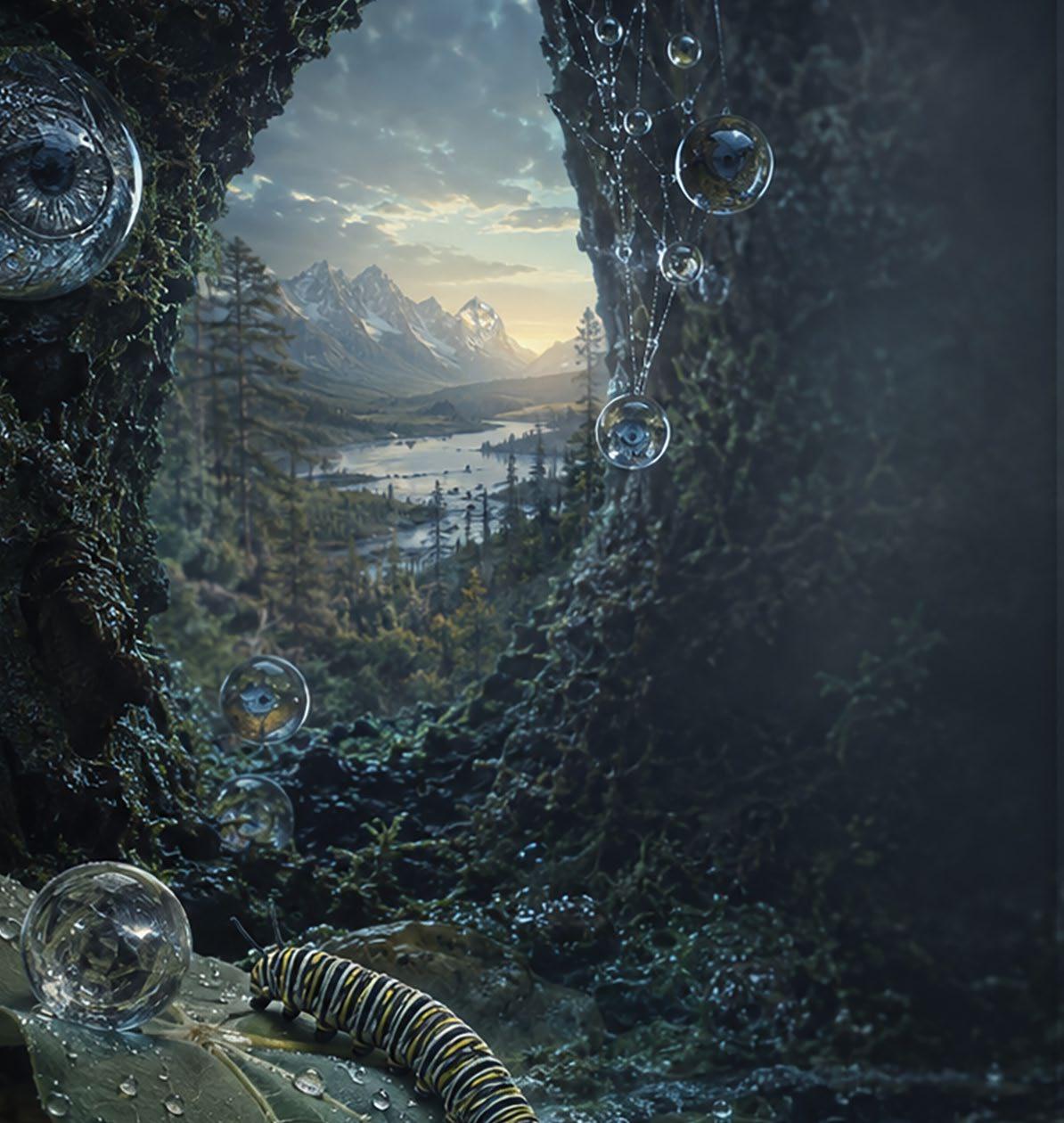
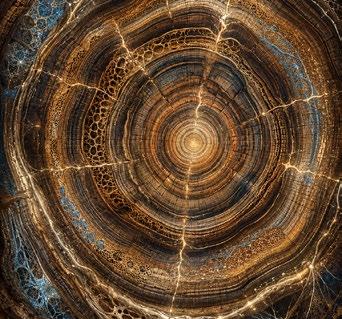
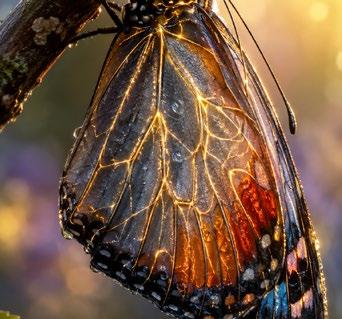
Yet beneath that borrowed gaze stands a Tree older than shame. Its roots descend through the nervous system into instinct, ancestry, memory, and the hidden ocean beneath conscious life. Its trunk carries every season you have survived without reducing you to survival. Beneath its bark, faint veins of light preserve the imaginal promise of wings.
Pain did not create the Gift. It forced its power into survival. Judgment settled like soot upon the inner senses, constricting life force into concealment, self-surveillance, and fear.
Yet beneath the roots, the sap of immortality still waits. The life that judgment concealed has not disappeared. It has gathered in the depths, awaiting the truth, forgiveness, devotion, and courage through which it may rise.
A JOURNEY THROUGH PSYCHIC REMEMBRANCE, THE TREE OF LIFE, AND THE SAP OF IMMORTALITY
INITIATION: THE JUDGED AND VEILED BEING THE GIFT BEFORE THE WOUND
Your Gift existed before you possessed language for it.
It may have appeared as the ability to sense what others avoided naming, recognizing hidden patterns within a family, or feeling the atmosphere of a room before anyone spoke. Perhaps an image arrived before explanation. Perhaps your body knew before your mind could defend itself against the knowing. Perhaps your presence softened a gathering or gave another person enough safety to tell the truth.
These experiences made your neither superior nor invincible. There may have been seasons when you had no adequate protection, no permission to leave, no trustworthy witness, and no vocabulary for what was moving through you.
Spiritual teaching becomes cruel when it implies that inner power should have prevented every injury. Helplessness may have been real. It was never the final identity of your soul.
Spiritual power is not domination, certainty, or spectacle. It is the capacity to feel without disappearing, perceive without immediately projecting, establish a boundary without closing the heart, and transform what was inherited rather than unconsciously passing it forward.
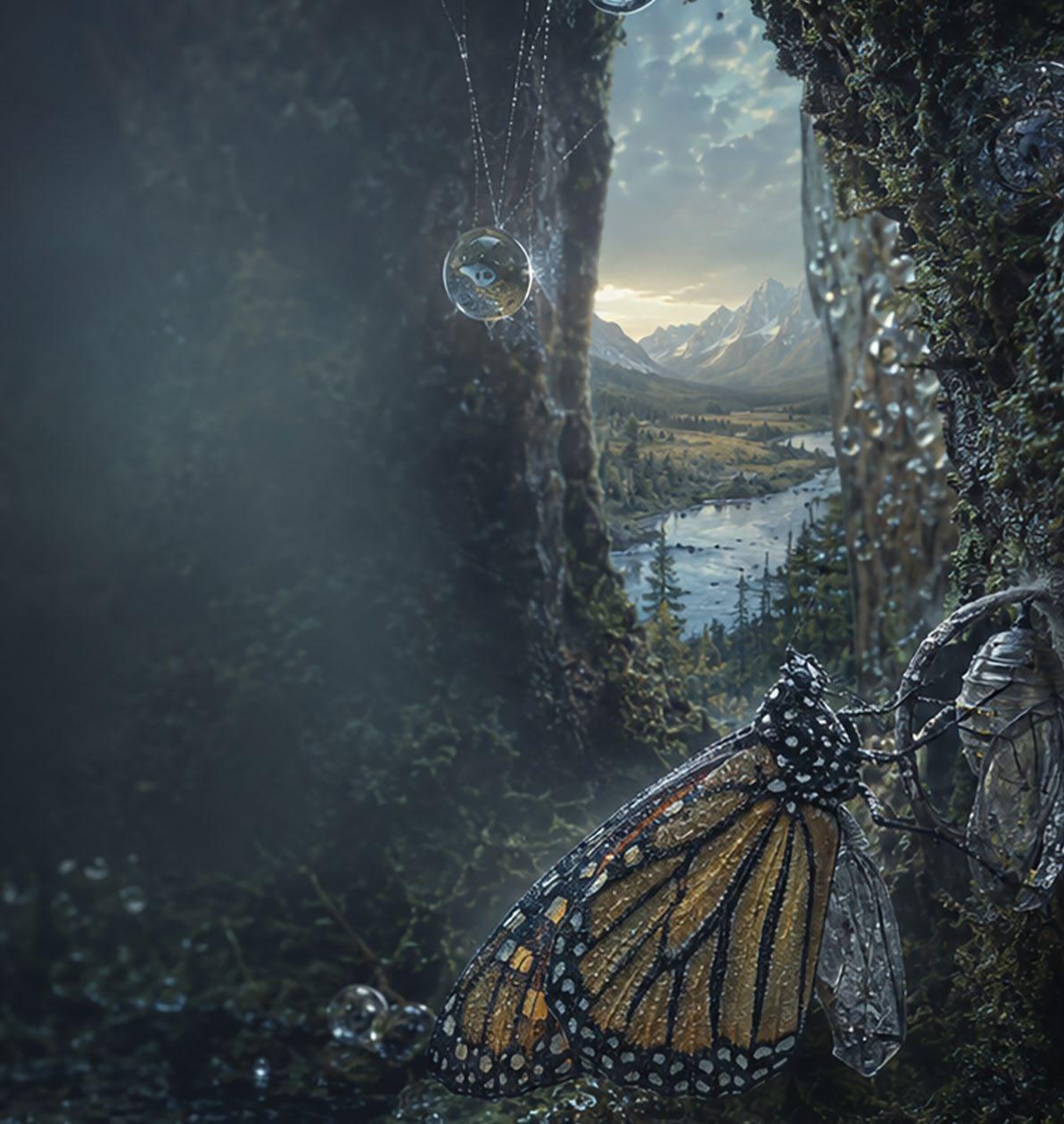
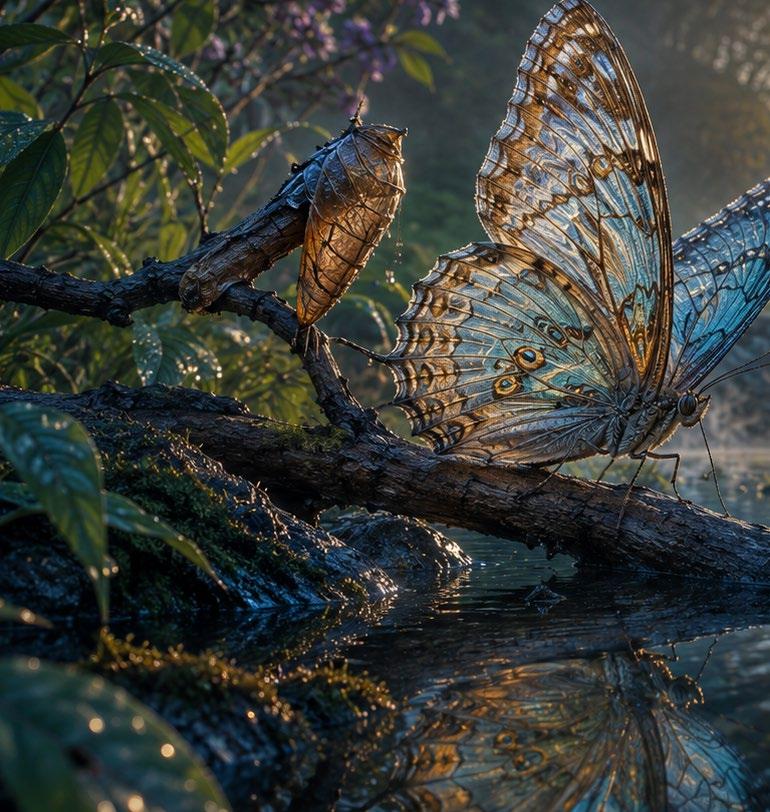
Nature teaches that the future form
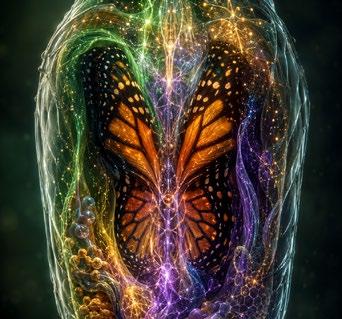
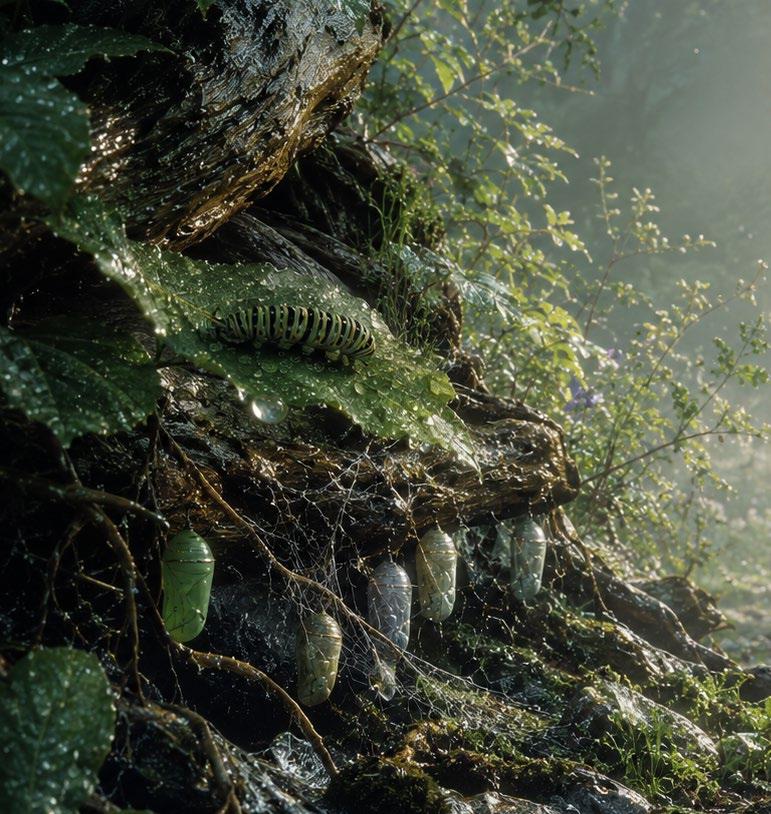
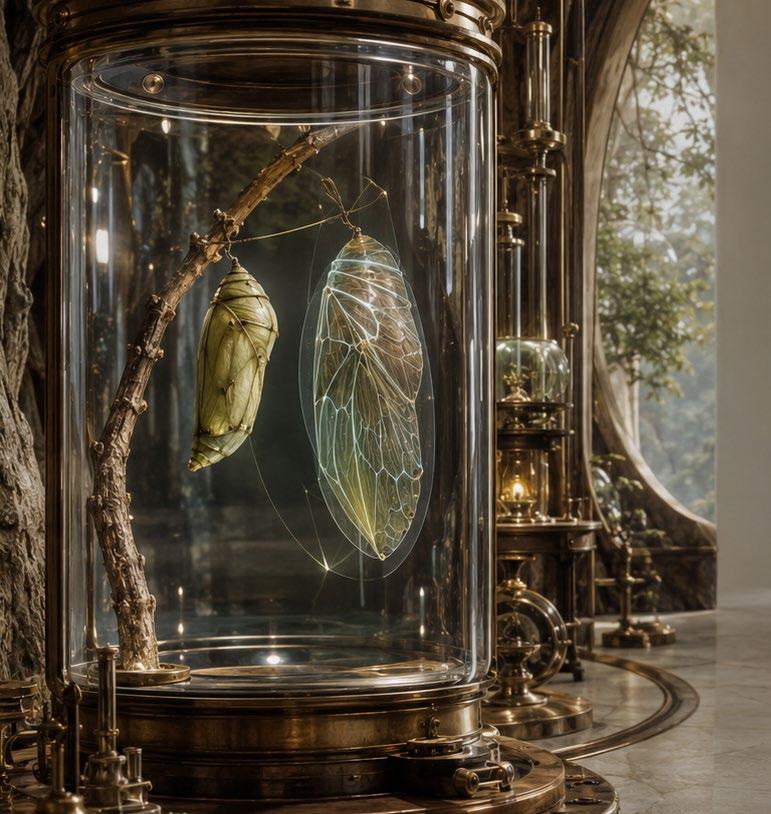
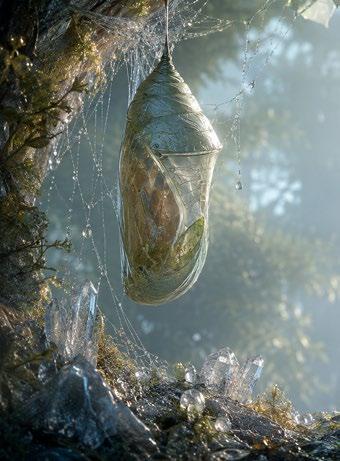
can exist before it becomes visible. The wings are not awarded because the caterpillar suffered. Their imaginal possibility precedes the chrysalis.
So it is with you. Your imagination existed before fear recruited it into catastrophe. Your sacred hearing existed before silence became protective. Your clairsentient depth existed before sensitivity became surveillance. The wound altered the conditions through which the Gift learned to express; it did not create the intelligence at its source.
Beneath the pain there was longingthe soul’s memory of a life it had not yet been permitted to live.
THE BORROWED GAZE AND THE PSYCHIC SENSES RECRUITED INTO SURVIVAL
The first wound is being judged for what you are. The second is learning to judge yourself through the eyes of those who could not recognize you.
Judgment becomes most powerful when the borrowed gaze begins speaking in your own voice. You begin watching yourself from the outside, correcting each feeling before it reaches expression, mistrusting intuition before it becomes guidance, and apologizing for needs that were never wrong.
What others called strange may have been the first language of the Gift, but shame taught you to translate it as defect.
The most exhausting conflict was not simply between you and the world. It
was between what your soul perceived and what you had learned to permit yourself to know.
Then comes the question that rises when neither justice nor meaning can be found: Why me?
The question is not self-pity. It is the soul protesting a violation of safety, dignity, and belonging. Sometimes it asks for a cause. Sometimes it asks whether you were punished or singled out. Sometimes it asks only for another consciousness to witness that what happened should never have happened.
Sometimes Why me? is directed toward Heaven itself: Where was the Divine when innocence was not protected? The purified heart is not formed by silencing that protest. Even spiritual anger must be permitted to enter truth before it can be transformed without becoming permanent exile from love.
Absorbed judgment settles like soot upon the inner senses. Clairvoyance may bend toward catastrophic imagery. Clairsentience may collapse into continuous emotional scanning. Direct knowing may disappear beneath compulsive explanation. Creativity may become perfectionism. Healing may become rescuing. Life force contracts because it is continually measuring itself against the possibility of rejection.
You can accept the Gift without calling the wound sacred.
The Gift may be quieter than the miraculous. It may appear as the first peaceful
SPIRITUALITY FAITH
QUESTIONS GROWTH · FOCUS
home in a lineage, the first boundary spoken without hatred, the first work created without apology, or the first life no longer organized around fear.
The wound did not create the psychic sense. It assigned its power to survival.
Awakening begins when the senses are no longer required to serve fear alone.
THE OCEAN BENEATH THE TREE
Beneath the visible roots lies an ocean of emotions: the accumulated field of personal memory, ancestral pain, inherited expectation, silenced prayer, unrealized possibility, and spiritual longing.
Its waters hold the mother who could not rest, the child who learned not to cry, the ancestor who carried displacement in silence, and the woman whose spiritual perception threatened the order around her. Yet the ocean carries more than suffering. It preserves artistry, devotion, healing knowledge, protective courage, sacred speech, ecological intelligence, and purposes for which earlier generations did not yet possess the freedom or language.
What one generation experiences as burden carries the unexpressed future of another’s diligent cultivation.
When you first look into these waters, you may see the faces of those who judged you. Their expressions ripple across the surface until you mistake them for your own reflection. Awakening begins when you realize their vision was never the final authority on your being.
There comes a moment when healing asks you to grieve more than the injury. You also grieve the years in which vigi-
lance consumed imagination, obligation replaced desire, and survival occupied the place where purpose was meant to grow.
This grief does not mean transformation has arrived too late. It is the ocean beginning to return the life force it once had to hold.
The ancestral ocean that sources the Tree of Life is where the lineage’s unembodied future waits to be cultivated.
CRYSTALLIZATION: THE FORGIVING HEART ALCHEMIST ANCHORING TO THE LIVING BRANCH
Before the butterfly enters its chrysalis, it secures itself to a living branch. Nature begins radical transformation by anchoring.
The branch does not create the butterfly. It provides the support and life force connection from which metamorphosis can unfold through surrender, darkness, vulnerability, wind, and apparent stillness.
In the human being, the nervous system is the interior branch through which memory, spiritual will, psychic perception, and sacred power must become inhabitable. Breath, rest, prayer, movement, clear boundaries, and loving relationship teach the body that it no longer has to receive every sensation as danger.
The branch bends beneath the weather, but it does not abandon the chrysalis.
You are not required to transform the entire inheritance at once. The first movement of realized will may be mercifully small: one honest breath, one
request for help, one night of rest, one refusal to return to what harms you.
The jaw softens. The breath descends below the guarded chest. The shoulders stop preparing for a danger that is not present. The chrysalis is formed through repeated acts that teach the life within you that it may finally be safe enough to change.
You are never behind. The chrysalis has no public timetable.
Even before the wings become visible, transformation has already begun.
FORGIVENESS AND THE CHRYSALIS OF REALIZED WILL
The wound is not the chrysalis.
Pain supplies concentrated material, but confinement alone does not create transformation. The chrysalis is the conscious architecture formed around pain through truth, compassion, safety, discipline, prayer, forgiveness, realized will, and grace.
Forgiveness begins with the self.
You forgive yourself for being different, for hiding the Gift, for doubting what you sensed, for remaining too long, for surviving imperfectly, for losing years, or for not awakening sooner. Selfforgiveness does not erase responsibility. It frees responsibility from permanent self-condemnation.
The chrysalis does not answer Why me? by assigning divine necessity to the abuse. It does not claim that the wound was deserved, chosen, or required for awakening.
The abuse did not give you the Gift. It taught the Gift to hide, scan, anticipate,
RENEWAL
appease, and survive. Healing teaches it to see, create, love, and serve.
Forgiving others does not require restored access, abandoned justice, denied anger, or premature reconciliation.
Forgiveness does not change the past. It changes the throne from which the past governs the present.
You retain the truth.
You retain the wisdom.
You retain the boundary.
You release the need for another person’s blindness to continue speaking as your identity.
Forgiveness does not reopen the door to harm. It removes harm from the throne of the heart.
You may never receive a satisfying answer for why the harm occurred. You can still decide that it will not possess the meaning of everything that follows.
The chrysalis is difficult because it does not immediately reveal the wings. The former identity loses authority before the new life becomes visible. What once sustained you no longer nourishes you, while what will sustain you has not yet fully appeared.
Realized will remains present within this
sacred uncertainty without demanding proof.
Pain supplies the material. Realized will sustains the chamber. Compassion prevents transformation from becoming another violence.
The survival self is not condemned. It is thanked. It carried life as far as it knew how. The chrysalis honors its service while releasing it from the responsibility of governing what comes next.
IMAGINAL ARCHITECTURE AND THE EVOLUTION OF THE SENSES
Metamorphosis is selective dissolution, not annihilation. Some structures release their authority; some remain; some are repurposed; latent possibilities become central to a new order of life.
The caterpillar is not ashamed before the butterfly. Every stage carried the life as far as it knew how.
Human wholeness follows the same alchemical law. Some identities must dissolve. Some memories remain as wisdom. Some instincts become discernment. Some sensitivities receive a new assignment.
The child who learned to scan for
danger may become the woman who recognizes subtle truth. The imagination once assigned to catastrophe may become symbolic intelligence, creative revelation, or future vision. The voice that disappeared into silence may return as sacred speech. The will once assigned to control may become contemplative steadiness, protection, and service.
A sensation once interpreted automatically as warning may now be held for one additional breath before it is named. Within that pause, perception begins receiving its new assignment.
The roots become nerves. The nerves become wing veins. What once carried alarm begins carrying light.
The reconstructed nervous system does not lose its depth of perception. It attunes to the next assignment directly from the cosmos.
ACTUALIZATION; THE ILLUMINED WINGED SEER
COSMIC SHAKTI, KUNDALINI, AND AMRIT
Within the Monarch Visionary synthesis, Cosmic Shakti is the universal power of becoming: the sacred force through
SPIRITUALITY FAITH
QUESTIONS GROWTH · FOCUS
which potential enters manifestation, form dissolves and reforms, and consciousness participates in creation.
Kundalini Shakti is that universal power awakening intimately through the embodied Tree of Life - through body, breath, nervous system, will, spiritual perception, and purpose.
The luminous current entering the folded wings is Amrit - the sap of immortality.
Immortality names the undying spiritual current of consciousness, love, and purpose that exceeds the defended personality and nourishes life beyond its former limits.
The ancient nectar of illumination, Amrit, is uncovered as truth, forgive-
ness, devotion, and realized will churn the inner ocean. Purification restores the circulation that fear, shame, and defensive identity had constricted.
The current enters the roots and rises like luminous, psychic sap through the Tree of Life. What had been trapped as shame, fear, grief, and silenced longing becomes available now as vitality, discernment, creativity, compassion, and service.
The Gift is the unique configuration this current assumes within a life. The siddhis are its differentiated wings, yet awakened power is larger than extraordinary perception. It may become healing presence, sacred teaching, artistry, wise motherhood, protection, leadership, or the ability to end an inherited pattern.
Science reveals that living form can reorganize. Mysticism reveals what that possibility means for the soul.
The Holy Spirit gives awakened power moral direction, returning every capacity to wisdom, courage, reverence, and love. Without an ethical center, heightened perception can become another instrument of fear, possession, or self-importance. With it, power becomes consecrated.
The sap of immortality prepares consciousness to participate more fully in life.
THE PURIFIED HEART, BODHICITTA, AND RECOVERED FUTURITY
A purified heart is no longer governed by its scars. Beneath the soot, the heart was always crystalline. Forgiveness does not manufacture its light; it clears
what prevented that light from passing through.
The purified heart becomes the central organ of illumination. The nervous system receives perception. The mind provides translation.
The heart becomes a crystalline threshold between worlds. It does not tear through the veil of spiritual dimensions by force. It becomes transparent enough that love, memory, intuition, and divine intelligence may pass through without being distorted by shame, vengeance, fear, or the hunger to appear extraordinary.
Within the Buddhist path, bodhicitta is the awakened heart-mind devoted to awakening for the benefit of all sentient beings. It transforms private illumination into universal responsibility. The Gift is no longer concerned only with personal healing or spiritual identity. It becomes attentive to suffering beyond the boundaries of the self.
The Gift awakens the individual. Bodhicitta awakens the Gift to the suffering of the world.
These traditions do not share one history or identical theology. Their meeting within the Monarch Visionary synthesis is a resonance of ethical purpose: awakened power must become wisdom, compassion, reverence, and service.
The heart that opens toward all beings also restores the highest future path within the individual life.
For the woman who rediscovers her Gift later in life, this awakening is not an attempt to imitate youth. Her years are rings within the Tree - records of endurance, love, grief, and preparation
through which Amrit now travels.
The lost years do not return as calendar time. Their current returns as available life.
She is not being returned to youth. She is being returned to the future.
DISCERNMENT, LIFE REDESIGN, AND VOCATION
A mature spiritual path does not choose between mysticism and reason. It deepens both.
Clairvoyance must remain faithful to the image before interpretation; clairaudience to tone and ethical effect; clairsentience to the distinction between intuition and emotional contagion; and direct knowing to humility and correction. Mediumistic experience deserves reverence without demanding immediate certainty.
You are not required to become useful before you become whole. Dharma is not another demand placed upon the wounded self. It is the form that service assumes after sovereignty, choice, and inner circulation have been restored.
The decisive moment arrives when you stop asking whether the Gift is real and begin asking what its reality requires of you.
The Gift may redefine whom you trust, what you tolerate, how you mother, where you live, what you create, how you work, and what future you are prepared to serve. You may discover that the life you struggled to preserve was constructed before you understood the consciousness living within it.
A Gift that does not reorder the life has
not yet been fully embodied.
Growth is not the gift of the abuse. Growth is the achievement of the consciousness that refused to let abuse remain the final form of the life.
The highest spiritual power is not the ability to astonish. It is consciousness becoming coherent enough that power can move through it without becoming harm.
ASCENSION: THE PLANETARY DEITY OF BODHICITTA
MEDIUMSHIP AS SPIRITUAL POLLINATION
The butterfly’s transformation is not fulfilled by the appearance of wings. Flight enters an ecology. As the butterfly moves among flowers, pollen adheres to its body and is carried into futures extending beyond its individual life.
What rises through the Tree of Life as sap is carried into the world as pollen.
Mediumship reaches its highest dignity when it becomes spiritual pollination rather than the pursuit of messages. It carries remembrance, prayer, reconciliation, healing, and meaning among the living, the dead, the ancestral field, sacred land, and the spiritual dimensions with which consciousness participates.
The figures once suspended in the ancestral ocean are no longer repeated as fate. Their grief becomes remembrance. Their silence becomes prayer. Their unrealized gifts enter the visible world through the life that follows.
You do not erase the lineage behind you. You change what the lineage is permitted to become through you.
The purified heart crosses spiritual thresholds without abandoning Earth. The awakened Gift crosses the veil so that something life-giving may return to the visible world.
Its flight becomes service. Its service becomes pollination.
PLANETARY METAMORPHOSIS AND THE INTERDIMENSIONAL SINGULARITY
Personal transformation becomes planetary transformation through consequence.
Reconstructed perception changes choice. Changed choices alter relation-
SPIRITUALITY FAITH
QUESTIONS GROWTH · FOCUS
ships. Relationships reshape families. Families influence communities. Every reconstructed nervous system that enters a home, school, healing space, technology, institution, or act of leadership without reproducing inherited fear alters the field of civilization.
Humanity is extending intelligence into machines while its ancestral, psychic, ecological, and spiritual senses press toward remembrance. Within the Monarch Visionary vision, the Interdimensional Singularity names this convergence: external intelligence accelerating at the same threshold where humanity’s interior senses are being asked to awaken.
Technology may extend cognition across the planet. Bodhicitta extends moral belonging across life itself. Without the second, the first merely amplifies the consciousness that already exists.
A true singularity unites technological intelligence with embodied wisdom,
ecological reverence, psychic responsibility, compassion, and Dharma.
The true singularity begins when intelligence becomes compassionate enough to recognize that no life is outside itself.
The species is attempting flight before completing its chrysalis. Before intelligence becomes planetary in reach, consciousness must become alchemical in depth.
The source of the true singularity is not the machine.
It is the illumined heart.
DHARMIC HEAVENLY EMBODIMENT
When the Sap of Immortality Becomes Service
The chrysalis reveals the Gift, but Dharma keeps its current alive. The sap of immortality rises through the Tree of Life during awakening; realized purpose keeps it circulating through truthful action, creativity, protection, healing, leadership, and service.
The deity is not the ego made cosmic. It is the human being emptied enough for divine compassion to become visible.
Her deity form is not another species of being. It is her humanity released from the command of shame and made transparent to compassionate purpose. Her face remains her own. Her history remains present. What has disappeared is the wound’s authority to determine the expression through which she meets the world.
Her planetary healing occurs through the pattern she ends, the life she protects, the work she creates, the institu-
tions she humanizes, and the suffering she refuses to transmit. She does not heal Earth through solitary omnipotence. She participates in its healing through every field her consciousness touches.
The Gifts of the Spirit make the soul receptive. The charisms carry awakened power outward. The Fruits reveal whether the current has ripened into love.
This is Dharmic Heavenly Embodiment: not matter disappearing into spirit, but embodied life becoming transparent to divine purpose.
THE
BUTTERFLY
REMEMBERS THE TREE
You are not returning to the person you were before the pain. You are becoming the whole being: the innocent, wounded, protective, ancestral, and eternal dimensions of your life - healed together.
The years are rings within the Tree of Life, not proof that the season has passed. The wings were present before the wound, and even before they become visible, their transformation has begun.
You are not late.
The life still available is sacred.
May forgiveness clear the heart. May Amrit ascend. Let bodhicitta awaken the Gift to the world. Let the purifying fires of Dharma navigate your flight of service into the world.
Then let your humanity become luminous enough for Heaven to recognize itself on Earth.
ENTER THE FIELD: WWW.MONARCHVISIONARY.COM
MANSION OF THE MONTH
VILLA AQUAMARIS ANAU
98730 FRENCH POLYNESIA
$39,000,000 USD
MANSION OF THE MONTH
BEDROOMS 7 | INTERIOR 10,763 SQ FT.
DISCOVER THE SUMPTUOUS AQUAMARIS VILLA IN BORA BORA, AN EXCEPTIONAL PROPERTY OFFERING LUXURIOUS AMENITIES IN A HEAVENLY SETTING. THIS SPECTACULAR VILLA INCLUDES:
Living areas: 2 spacious and elegant lounges, two fully equipped kitchens
Accommodations: 6 luxurious suites with en-suite bathrooms, dedicated staff room;
Wellness and Entertainment: Spa for moments of absolute relaxation, Hammam
and Sauna for relaxation sessions, Infinity pool, Library for book lovers, Bar for convivial moments, Private cinema for unforgettable evenings;
Outdoors and Leisure: Terrace with breathtaking views, Beach bar to enjoy sunsets, Jacuzzi overlooking the lagoon
The villa boasts the world’s largest private aquarium, visible from inside the villa as well as from the terrace. Navigable inner lagoon with docking pontoon Water garden offering boat access to the villa Lagoon-side access pontoon to the property for direct access to the lagoon.
Key Benefits: Exclusive location in Bora Bora, one of the world’s most beautiful destinations
High-end amenities offer incomparable comfort and luxury direct access to turquoise waters and white sand beaches. This unique villa, ideal for a primary or secondary residence, offers an exceptional living environment combining luxury, comfort and privacy. What if this gem of a property in Bora Bora were to become yours?
MANSION OF THE MONTH
77 BEVERLY PARK LANE
BEVERLY PARK CA 90210
PRICE UPON REQUEST
THE MOST PROLIFIC PROPERTY IN BEVERLY PARK. THIS IS THE DEFINITION OF PERFECTION, FROM ONE OF THE BIGGEST 2 ACRE FLAT LOTS IN BEVERLY PARK TO THE IMMACULATE GROUNDS, NOT INCLUDING THE 4 ACRE MOUNTAIN THAT SITS AT THE BACK OF THE PROPERTY THAT CAN NEVER BE BUILT ON, TO THE ARCHITECTURE AND INTERIORS,
AN ESTATE THAT EMBODIES THE VERY ESSENCE OF WHAT BEVERLY PARK STANDS FOR. THE ULTIMATE IN PRIVATE AND SECURE LIVING.
This is why the titans of industry choose to call Beverly Park home. Privately set behind the guarded gates of one of Los Angeles’ most prestigious enclaves, 77 Beverly Park Lane is a masterclass in architecture by world-renowned William Hablinkski, offering extraordinary privacy and grandeur just minutes from the heart of Beverly Hills.
A dramatic arrival unfolds into interiors defined by soaring ceilings, refined architectural detail, expansive volumes, and millions spent on stones and finishes sourced from around the world. Walls of glass frame the surrounding landscape, filling the home with natural light and seamlessly connecting indoor living with the estate’s outdoor spaces.
Designed for grand-scale entertaining and luxury living, the residence features a multimillion-dollar private theater, an extraordinary wine cellar that may never be completely filled, incredible gym, parking for over 50 cars across the property,
and the latest and greatest amenities. Outdoors, multimillions were invested in landscaping by the renowned landscape designer of San Ysidro Ranch.
Resort-caliber grounds showcase manicured lawns, lush rose and vegetable gardens, and entertaining terraces with multiple fire pits, an outdoor kitchen, piz-
za oven, grills, and dining areas, creating a private oasis. 77 Beverly Park Lane stands as a true trophy estate and a rare opportunity to experience the pinnacle of privacy, prestige, and architectural excellence in Beverly Park.
Properties of this caliber very rarely ever come up. Call for a private showing.
CONTACT
Branden Williams
The Beverly Hills Estates
310.776.0737
brandenwilliams@mac.com DRE# 01774287
BLENDED WITH NATURE IN THE HEART OF SAGAPONACK
A STORYBOOK ESTATE IN THE HEART OF SAGAPONACK
Set on three enchanting acres in Sagaponack, “Whimsy Farm” is a one-ofa-kind estate blending Hamptons farmhouse charm with French countryside elegance and Palm Beach flair. From the
original barn-turned-great room to the lush, sculpture-filled grounds, saltwater pool, dual kitchens and separate guest quarters, every detail invites relaxation, celebration and timeless style.
PROPERTY DETAILS
790 Sagg Road, Sagaponack, New York
5 Bedrooms | 6 Bathrooms
$6,995,000
Listed by Douglas Elliman Adam Hofer adam.hofer@elliman.com 631.236.8659
In Search of Solace Health & Wine
HEALTH AND ALCOHOL CONSUMPTION A WINE LOVER'S TAKE
WILLIAM SMITH
@willismith_2000 COPY EDITOR & WINE CONTRIBUTOR
THIS MONTH’S ISSUE OF POLO LIFESTYLES FOCUSES ON HEALTH AND, FOR ME, AS THE WINE CONTRIBUTOR, I HAD TWO CHOICES. I COULD HAVE IGNORED THE THEME ENTIRELY AND DONE A PIECE, SAY, ON SUMMER ROSÉS (STAY TUNED…). OR I COULD TACKLE AMONG THE MOST PROMINENT OF ISSUES IN THE WINE WORLD RIGHT NOW – THE VILLAINIZATION OF ALCOHOL AND WINE
CONSUMPTION. CHOOSING
THE SECOND OPTION, DEAR READER, BUCKLE UP.
Over the past several years, studies have been steadily building a case that alcohol consumption – in any amount – is detrimental to one’s health. These more recent contributions build on decades of additional research that was much more nuanced and that showed, to varying degrees, both the potential health benefits and risks of alcohol use. Where there was no ambiguity then and even now, is that excessive alcohol use is harmful and leads to all sorts of negative health impacts that shorten an alcohol abuser’s lifespan.
Until recently, the ambiguity in the research had nearly every public health message in this space focused on educating individuals about “moderate” amounts of alcohol consumption –
SMITH /WINE CONTRIBUTOR
namely 1 drink per day for women and 2 drinks per day for men. The Centers for Disease Control and Prevention (CDC), for example, still advises that “compared with drinking excessively, moderate drinking reduces your risk of negative health effects.” Others recognize the mixed bag of data that exists. Among my favorite articles is, “Is Alcohol Good or Bad for You? Yes” published by the Harvard School of Public Health.
The more recent research, and especially that which focuses on the connection between alcohol consumption and increased cancer risks, have arrived at a more definitive statement – no level of alcohol consumption is safe. That message is increasingly taking hold. Give the AI function in your chosen browser a shot at answering the question: Is alcohol bad for you? Mine generated, “Yes, alcohol is bad for your health because
WILLIAM
medical experts note that no amount of drinking is completely safe, and even small amounts raise your risk of cancer, organ damage, and early death.”
The definitive conclusions of recent research and researchers have drawn much criticism, namely that it lacks a more nuanced message around risk mitigation and instead, focuses on outright abolition of alcohol use. Many in the spirits and wine world have described the new rising paradigm as a form of “neo-prohibitionism.” The label conjures images of the United States’ folly of alcohol eradication in the early 20th century by going all out and passing a Constitutional Amendment that outlawed the production, sale, and consumption of alcohol.
The problem with this comparison is that the original Prohibition movement in the United States was almost entirely led by hyper-moralists and religious zealots who saw alcohol consumption as personally sinful and at a more meta level, as being responsible for broader
public immortality and societal decay. To the point: their arguments were devoid of data or science.
The current turn against alcohol consumption is, almost in its entirety, based on empirical studies from reputable parties that demonstrate that alcohol consumption has adverse consequences on health outcomes. It’s not a moral crusade. It’s a humanitarian one backed by data.
The former you can easily dismiss in a pluralist society, the latter you cannot. The truth is that science evolves. That doesn’t mean, however, that the current war on alcohol consumption isn’t attempting to swing the pendulum too far in their direction.
Somewhere between the villainization that is happening on both sides, a détente is necessary to properly inform consumers. Randall Stafford, a professor of medicine at the Stanford Prevention Research Center, shared the following in August 2025:
“Every time we get in a car, we are taking a risk, but the risk is offset by the benefits of being able to get somewhere. With alcohol, it’s also a calculation about how much risk you want to take.”
Stafford’s colleague, Keith Humphreys, a professor of Psychiatry and Behavioral Sciences, also at Stanford, enjoined: “The only perfectly safe amount of alcohol is none, but understanding your own risk factors can help you decide how much, if any, alcohol is acceptable for you,” agreed Humphreys. “If you stay within a drink a day and take some days off, that might be a reasonable level of risk for most people.”
If science and statistics were the only source of evidence that guided human behavior, we would never get behind a steering wheel, board an airplane, eat a bag of potato chips, or sneak a fastfood burger. Yet, we all do. And we do it because living life isn’t an exclusively empirical exercise… it’s an experiential one.
As always, Salud!
KAMAKHYA SACRED REMEMBERING
AMRITLAL अमृत ASCENSION CONTRIBUTOR
@monarchvisionary
WELCOME TO NILACHAL HILL
Kamakhya rises gradually above the city of Guwahati: a temple dome through humid light, red hibiscus against rain-darkened stone, the Brahmaputra River widening beyond the hill. Bells cross the air without urgency. Pilgrims continue upward through heat, rain, conversation, and silence, each carrying an intention largely invisible to everyone else. While the city remains below, but its claim upon attention diminishes in the presence the primordial.
There is sometimes a brief stillness after achievement - the evening after the agreement is signed, the first morning in the completed residence, the room after the
A sacred journey toward inner strength, expanded consciousness, purposeful power, and a more deeply inhabited life
guests have departed. The desired reality is finally present, yet the mind has already begun constructing what must come next.
This does not mean that success has failed. It means that achievement cannot perform every interior function. The intelligence, foresight, discipline, and control that create an exceptional outer life may become limiting when applied unchanged to grief, intimacy, identity, spiritual experience, and purpose.
Kamakhya offers no instant answer. Its first gift is more exacting: the restoration of attention. The traveler is invited to release performance, approach mystery without possession, and remember that influence should deepen one’s capacity for presence.
Atmapriya, a realized Kundalini master and spiritual guide, approaches sacred places as environments for deep inner listening, from which the extraordinary is sprouted. Her work centers
on grounded awakening, emotional integration, and purposeful living. In her guidance, spiritual experience becomes meaningful only when it enlarges the capacity to live clearly, relate honestly, and act responsibly.
On her Indian sacred temple retreats, Kamakhya provides the architecture for that return.
THE FORCE BENEATH THE FACADE
At the heart of the temple, the Goddess is not represented by a conventional sculpted figure. The inner sanctuary is associated with stone, earth, and a natural underground spring. Its mystery is protected rather than displayed, as even photography is prohibited within the sacred interior.
The divine encounter with the force of the goddess is elemental rather than visual. Instead of offering a finished image for admiration, the temple directs attention toward the unseen source
from which form emerges. In an age of near-total visibility, Kamakhya refuses complete access to the untrained eye.
That refusal carries unusual psychological force. Professional identity, social standing, personal style, and digital presentation can become so carefully managed that the individual loses contact with what is unedited within – to what part of life is unscripted, yet unfolds beautiful from the cultivated inner sense.
Kamakhya reverses the movement toward display. Its central symbolism speaks of creation, renewal, and the sacred divine feminine - as the mystery through which hidden potential becomes visible life. Before an idea becomes an institution, before ambition becomes achievement, before a person becomes known by title or reputation, something quieter is already forming beneath the surface.
For someone accustomed to access, the protected
center offers an unfamiliar grace: not everything meaningful becomes available through insistence, status, or explanation.
The temple therefore asks a precise question: “What part of your life has become beautifully constructed but no longer fully inhabited?”
A sacred journey does not require abandoning achievement. It asks whether achievement still serves a living purpose.
STRENGTH, STILLNESS, AND CO-CREATION
Traditional imagery associated with Kamakhya describes a layered ascent: a lion at the foundation, the profound stillness of Shiva above it, and a lotus opening into creative expression. Read with restraint, these symbols offer a sophisticated map of human potential.
The lion represents courage grounded in
reality. Inner strength is not aggression or control, but the capacity to remain available to truth when comfort, reputation, or self-image would prefer retreat.
Courage may appear quietly: in criticism heard without retaliation, uncertainty admitted without collapse, grief acknowledged without allowing it to govern an institution, or a necessary decision made without theatrical certainty. Strength becomes meaningful when it serves something beyond pride.
The second movement is stillness. Atmapriya distinguishes genuine detachment from emotional numbness. The aim is not to feel less, but to become less possessed by what is felt. Stillness is the interval in which an emotion can be experienced before it becomes a decision.
Grief may be present without becoming the whole identity. Fear may be acknowledged without being appointed
leader. Desire may be heard without being obeyed blindly.
Psychology describes part of this movement as decentering: the ability to observe thoughts and emotions without treating either as the whole self. Consciousness expands when identity remains intact but ceases to be the only lens through which reality is filtered.
The lotus completes the ascent. Stillness is not the final destination; it is the ground from which cleaner action becomes possible. Energy once consumed by self-protection becomes available for imagination, relationship, leadership, and meaningful work.
Ancient wisdom does not ask the individual to become less capable. It asks that capability become less divided - so strength no longer requires hardness, ambition no longer requires compulsion, and influence can move with greater clarity and care.
DESIRE AND HUMAN POTENTIAL
Kamakhya has long been associated with desire, making the temple especially relevant to lives shaped by unusual choice and possibility. Modern culture stimulates desire continuously but rarely teaches us how to interpret it. The same outward ambition may arise from entirely different inner conditions.
A new property may express beauty, hospitality, and continuity - or protection from intimacy. A major gift may arise from compassion - or from the desire to control how one is remembered. A new enterprise may be genuine creation - or a defense against peace and stillness. Even a sacred journey may arise from reverence, or from the wish to acquire a more distinguished identity.
SPIRITUALITY FAITH
QUESTIONS GROWTH · FOCUS
Compensatory desire says: I need this in order to become complete. Creative desire says: something within me is ready to take form. Consecrated desire asks: is what I seek worthy because it serves life beyond my private importance?
Desire cannot be judged by elegance, scale, or social virtue alone. The more important question is what inner condition it serves.
What does this desire promise to relieve? What form of life will it strengthen? What responsibility will exist if it is fulfilled?
Wealth can protect, educate, heal, preserve culture, restore landscapes, and support work of extraordinary value. It can also insulate the individual from contradiction, dependence, consequence, and ordinary vulnerability. When every environment is curated and every obstacle negotiable, the uncommanded encounter becomes rare.
Atmapriya teaches that awakening is
not completed by a powerful state or sudden certainty. It becomes credible when energy, emotion, and intention are translated into responsible action. Purpose is the recovery of vitality that occurs when ability, conscience, imagination, and service begin moving in the same direction.
Human potential is not the endless multiplication of possibilities. It is the disciplined recognition of which possibilities deserve one’s life.
A deeper question than ‘What do I want next?’ is: What has my life made me responsible for?
THE INTELLIGENCE OF SENSORY WITHDRAWAL
Kamakhya’s annual period of closure offers another essential teaching. The temple withdraws before it reopens. Its rhythm is one of concealment, renewal, and return.
This is especially meaningful for lives
shaped by continuous output. Activity does more than produce results; it confirms identity. I am needed. I am advancing. I remain relevant. I am still becoming more.
Kamakhya suggests another interpretation. Creation is not continuous visible activity. There are periods in which life reorganizes itself below the level of visible action. A former role may need to dissolve before a more truthful direction emerges. Grief may need silence before it becomes wisdom. The nervous system may need less stimulation before intuition can be distinguished from urgency. A meaningful purpose may need to mature privately before it is announced publicly.
The deeper question is not simply whether one can rest. It is whether one can remain valuable to oneself when nothing is being produced, improved, announced, or admired.
Comfort and ease are not the same. Comfort arranges the environment
around the self. Ease allows the self to remain spacious when the environment cannot be arranged.
No degree of hospitality, privacy, or access can perform that inward act of surrender.
Before a sacred journey, create space around it. Reduce unnecessary demands. Sleep well. Learn the meaning of the place. Clarify why you are going without deciding in advance what must happen. Afterward, resist immediate interpretation.
Atmapriya advises that what is real should become more coherent over time, not more grandiose. Genuine insight rarely requires dramatic declaration. It begins to show itself through better decisions.
THE ART OF SACRED TRAVEL
Sacred-site consciousness travel differs from ordinary luxury travel not because it rejects comfort, privacy, or beauty, but rather these become the container for the experience rather than the purpose.
Luxury, at its highest level, is protected attention. It is sufficient time, privacy without isolation, thoughtful hospitality, expert guidance, cultural intelligence, reverent pacing, and space for integration. It is the privilege of moving slowly enough to perceive what haste would miss.
A refined pilgrimage begins before departure. The traveler creates space around the journey, studies the meaning of the site, and clarifies an intention without deciding how it must be answered. On Nilachal Hill, time is allowed to widen. The ascent, the river, the bells, the temple exterior, red flowers, monsoon air, and the movement
of other pilgrims become part of the teaching. Silence is given as much value as interpretation.
A sacred place is not a stage for personal reinvention. Its meaning existed before the traveler arrived and will remain after the traveler leaves. The visitor enters as a guest, within a history and devotion she did not create and cannot purchase.
Hospitality can be refined, guidance deeply personal, and time carefully protected. But wealth cannot acquire the essential encounter. The highest privilege is not entering where others cannot; it is developing the sensitivity to understand where entitlement must end.
The expectation that every threshold should open on command may itself be one of the habits pilgrimage is meant to dissolve.
THE RETURN TO A MORE INHABITED LIFE
The deeper promise of sacred travel is not escape from pressure. It is restored relationship: consciousness with the body, desire with responsibility, wealth with service, private insight with public action, and personal life with a world that existed before us and will continue after us.
Sacred connection is not merely the feeling that everything is connected. It is the recognition that one’s life is created through relationships: people who formed us, landscapes that sustain us, labor we rarely see, institutions we inherit, traditions that preserve questions across generations, and futures altered by our decisions.
Purpose gives this expanded awareness direction. It reduces fragmented priorities and brings capability, conscience,
and contribution into alignment. After returning, the most important questions concern consequence: What truth can no longer be postponed? What relationship requires greater honesty? What part of your influence can protect something vulnerable? What would remain worth doing without recognition?
Awakening must enter the calendar, the household, the workplace, the use of capital, and the way power meets vulnerability. A profound experience that does not deepen humility and responsibility remains incomplete.
Perhaps remembering is not a return to an earlier self. It is the blossoming of awareness that remained always present beneath every success, disappointment, role, and reinvention - the part of us that must be sensed to become whole.
Return from Nilachal Hill with more than an extraordinary memory. Return with fewer illusions about what can be controlled, greater precision about what deserves your energy, and a life more fully inhabited by the consciousness that created it.
WORK WITH ATMAPRIYA: HTTPS://WWW.ATMAPRIYA.COM
MOLD YOUR MIND
CONFIDENCE THAT TRAVELS
BUILDING SELF-BELIEF THAT DOESN'T DEPEND ON RESULTS
COACH JOEY VELEZ MENTAL WELLNESS CONTRIBUTOR
@velezmentalperformance
MANY HIGH PER -
FORMERS FEEL CONFIDENT—UNTIL THEY DON’T. EVERYTHING SEEMS SOLID WHEN RESULTS ARE GOING THEIR WAY: WINS STACK UP, PERFORMANCES FEEL SHARP, AND FEEDBACK REINFORCES A SENSE OF CAPABILITY.
But then something shifts. A poor performance, a missed opportunity, or an unexpected failure shows up, and suddenly that confidence feels shaky—sometimes even gone. This isn’t a coincidence. It’s a pattern. For many individuals, confidence is not as stable as it appears. It’s built on outcomes—on validation from success rather than conviction from within.
When results are encouraging, confi-
dence rises. When results slip, confidence follows. The problem is that outcomes are inherently inconsistent. Even the most elite performers in the world lose, struggle, and experience setbacks. If confidence is tied exclusively to those external markers, it becomes fragile by design. This kind of confidence doesn’t travel well. It works in favorable conditions but disappears when it’s needed most—under pressure, during adversity, or in moments of uncertainty. That’s when performance often matters most, and ironically, that’s when many lose access to the very beliefs they rely on. So, the question becomes: how do you build confidence that holds up regardless of results?
UNDERSTANDING STABLE CONFIDENCE
To answer that, it helps to distinguish between two fundamentally different types of confidence. First, there is outcome-based confidence. This form of confidence is fragile. It depends on results, validation, and external feedback. It sounds like: “I feel confident because I’ve been winning,” or, “I trust myself because I performed well last time”. This form of confidence is reactive. It rises
and falls with circumstances, which means it’s always vulnerable. Processbased confidence, on the other hand, is stable. It’s built on behaviors, habits, and standards that are within your control. It sounds like: “I trust my preparation,” or, “I believe in my ability to execute what I’ve practiced.” This form of confidence is proactive. It doesn’t ignore results, but it doesn’t depend on them either.
The key difference lies in control. Outcomes are influenced by many variables—opponents, conditions, timing, even luck. Processes, however, are yours. Your effort, your preparation, your mindset, your consistency—these are controllable. And when confidence is anchored in what you control, it becomes far more resilient. Stable confidence doesn’t mean you always feel great. It means your belief doesn’t collapse when things don’t go your way.
BUILDING CONFIDENCE THAT TRAVELS
Building this kind of confidence is not accidental. It requires intentional shifts in how you measure success, how you speak to yourself, and how you define who you are. The first shift you have to
THOUGHTS MATTER
"THE
MENTAL BREAK-DOWN" PODCAST IS NOW ON ALL STREAMING PLATFORMS
make is how you measure success. Most people track outcomes by default: scores, results, rankings, statistics. These are visible and easy to measure. But if those are the only metrics you pay attention to, you reinforce outcome-based confidence. To build something more stable, you need to start tracking process wins. Process wins are behaviors that align with your standards, regardless of the result.
These might include showing up prepared, executing your game plan, maintaining focus under pressure, responding constructively to mistakes, and staying consistent with your routines. After a performance, instead of asking, “Did I win?” or, “Did I perform well?” ask: “Did I prepare the way I said I would?” or, “Did I stick to my process when things got difficult?”
This doesn’t mean results don’t matter. It means they aren’t the only thing that matters. When you consistently recognize and reinforce these controllable behaviors, you begin to build trust in yourself. Over time, that trust becomes a more durable form of confidence—one that doesn’t disappear after a single bad outcome.
Another shift is how you speak to yourself. The way you talk to yourself plays a significant role in how your confidence is constructed. Outcome-based confidence often shows up in language like, “I need to win to feel good about this,” or “If I mess up, it means I’m not good enough”. This type of self-talk ties your sense of belief to results that haven’t happened yet—or to results that may not be fully in your control. Shifting to process-based language helps reframe that
relationship. It might sound like, “I can handle whatever shows up,” or, “I trust the work I’ve put in.”
This isn’t about blind positivity or ignoring reality. It’s about aligning your internal dialogue with what drives performance. A simple exercise is to audit your self-talk before, during, and after performance. Write down the phrases that naturally come up. Then ask yourself: are these statements tied to outcomes or processes? From there, intentionally rewrite them. Over time, this becomes more automatic, and your internal environment becomes more stable—even when external circumstances are not.
Lastly, your identity and how you define yourself matter. One of the biggest threats to stable confidence is over-identification with performance. When your identity is tied entirely to what you do—your sport, your job, your role—every result starts to feel personal. A bad performance doesn’t just mean you performed poorly; it starts to feel like you are inadequate. That’s a heavy weight to carry, and it makes confidence incredibly fragile. Building identity beyond performance creates separation. It allows you to care deeply about what you do without attaching your entire sense of self to it.
This doesn’t mean lowering standards or becoming indifferent. It means recognizing that you are more than your last result. You might be a competitor, but you’re also a teammate, a leader, a learner, a friend, a parent, or a mentor. These roles matter. They provide additional sources of meaning and stability that don’t fluctuate with every performance.
When identity is broader, setbacks become more manageable. They’re still disappointing, but they’re not defining. This perspective allows confidence to remain intact even when performance isn’t perfect—because your sense of self isn’t entirely dependent on it.
FINAL THOUGHTS
Confidence that travels is not built in moments of success. It’s built in daily commitment to what you can control. It’s built when you show up prepared, even when no one is watching, it’s built when you stay consistent, even when results are inconsistent, it’s built when you choose language that reinforces trust instead of doubt, and it’s built when you recognize that who you are is bigger than what you do. Outcome-based confidence will always feel good—but it will always be temporary. Process-based confidence, on the other hand, is something you can carry with you into any environment, any challenge, or any moment. It’s not dependent on what happens, but rather grounded in what you do and that’s what makes it last.